| ABC
ABC Family Arquivos Brasileiros de Cardiologia International Journal of Cardiovascular Sciences ABC Heart Failure & Cardiomyopathy ABC Imagem Cardiovascular
Português English
ABC Family | ABC
Português English
  • About
    • About the Journal
    • Internal Regulation
    • Editors Section
    • Editorial Board
    • History
    • SBC Award
  • Instructions to Authors
    • Guidelines for Publication
    • Editorial Policy
    • Ethics Policy
    • Policy on the Use of Artificial Intelligence
    • Mandatory Publication Form
    • Publication Fee
  • Issues
  • SBC Guidelines
  • Abstracts
    • How to Publish an Abstract Supplement?
    • Supplements from the Brazilian Congress of Cardiology
  • About
    • About the Journal
    • Internal Regulation
    • Editors Section
    • Editorial Board
    • History
    • SBC Award
  • Instructions to Authors
    • Guidelines for Publication
    • Editorial Policy
    • Ethics Policy
    • Policy on the Use of Artificial Intelligence
    • Mandatory Publication Form
    • Publication Fee
  • Issues
  • SBC Guidelines
  • Abstracts
    • How to Publish an Abstract Supplement?
    • Supplements from the Brazilian Congress of Cardiology

ABC Family

  • ABC Family
  • Arquivos Brasileiros de Cardiologia
  • International Journal of Cardiovascular Sciences
  • ABC Heart Failure & Cardiomyopathy
  • ABC Imagem Cardiovascular
Search in

No content found.

Journals
Ordering
Article types
Others

  1. Home
  2. ABC
  3. Issues
  4. 2025, Volume 122, Number 11
Editorial

Pursuing Pragmatic Risk Prediction in Heart Failure

Tiago A. Vaz et al. Nadine Clausell

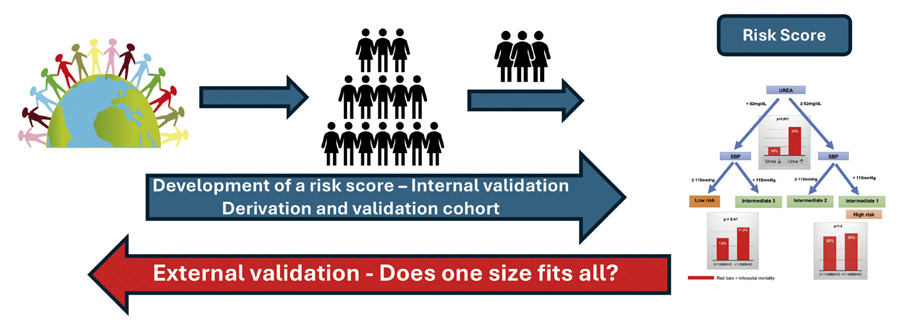
Risk stratification for acute heart failure (AHF) pursues a delicate balance: models must be accurate enough to guide decisions, yet simple and affordable for widespread use. In this issue of Arquivos Brasileiros de Cardiologia, Ferreira et al. present the ML-HF Score, a machine-learning tool designed to predict in-hospital mortality in AHF that applies a classic philosophy in medical data science, exemplified by Robert Detrano’s seminal 1989 study in coronary artery disease using algorithms that outperform existing methods.,

A testament to the importance of validation in real-world populations, Detrano’s work demonstrated that carefully selected, inexpensive clinical and non-invasive features could achieve diagnostic accuracy comparable to more complex approaches. The resulting dataset, later archived in the UCI Machine Learning Repository, became a cornerstone for benchmarking algorithms, proving that better models can be built with fewer, more accessible resources, provided they are validated across diverse populations.–

[…]

  • Artificial Intelligence
  • Heart Failure
Read Full Article
Creative Commons Attribution (CC BY) Creative Commons license
19/01/2026 DOI: 10.36660/abc.20250685i Views 1
Coronary Sinus Reduction for the Treatment of Refractory Angina: What Have We Learned after 70 Years of the Beck Surgery?
Review Article

Coronary Sinus Reduction for the Treatment of Refractory Angina: What Have We Learned after 70 Years of the Beck Surgery?

Sara Del Vecchio Ziotti et al. Luciana Oliveira Cascaes Dourado Ranil de Silva Rasha Al-Lamee … Timothy D. Henry Luiz Antonio Machado Cesar Carlos Vicente Serrano Jr. Alexandre Antonio Cunha Abizaid Luis Henrique Wolff Gowdak

Abstract

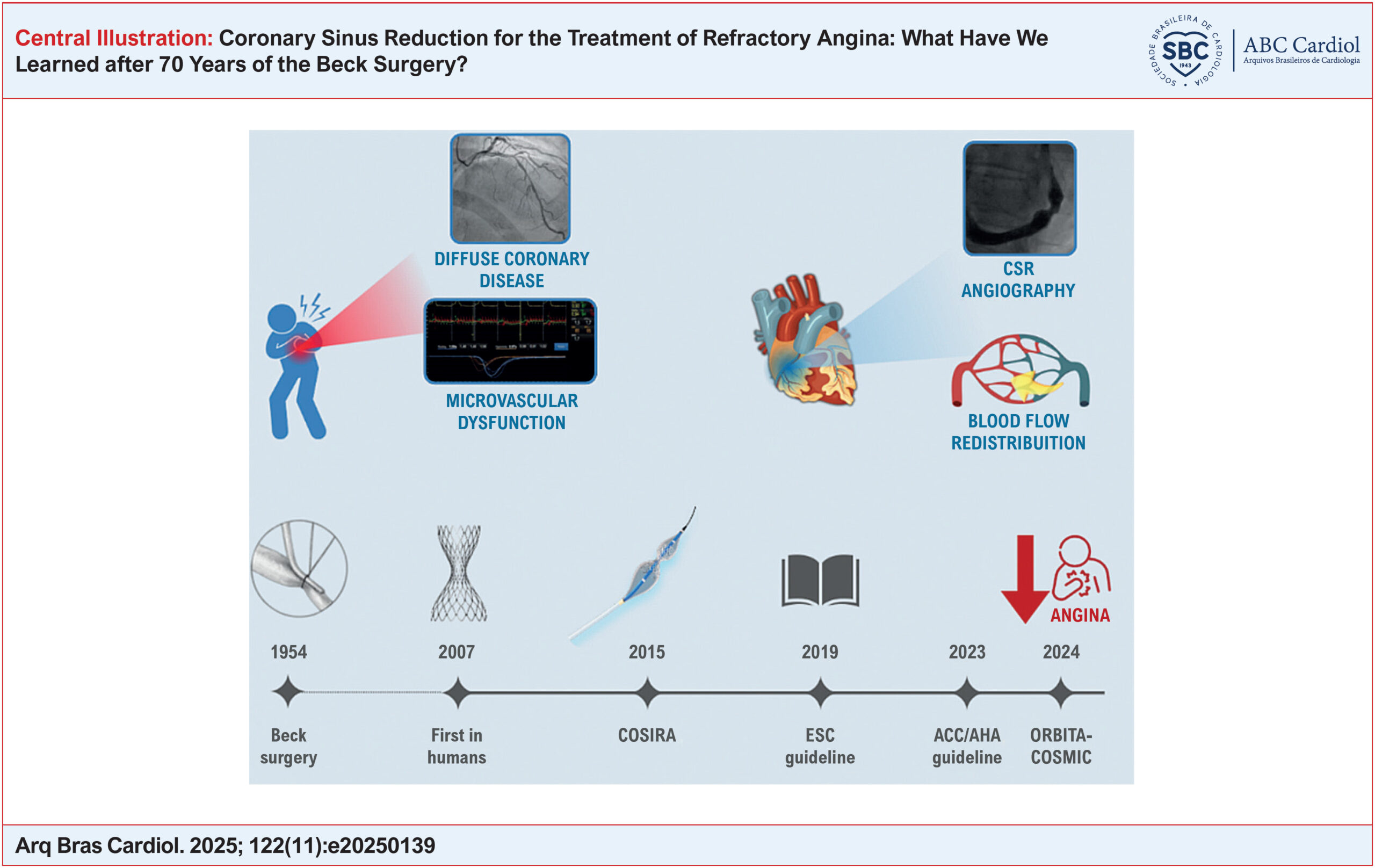
With the increasing prevalence of chronic coronary syndromes, many patients with extensive atherosclerosis experience uncontrolled angina, even while receiving optimal medical therapy. This is especially true for patients who are not suitable candidates for surgical or percutaneous revascularization. Numerous treatments have been investigated for managing angina pectoris, and in this context, the coronary sinus reducer has emerged as a promising therapeutic option. Since the 1950s, beginning with Beck’s surgery, the coronary venous sinus has been a focal point of research in anti-ischemic therapies.

Significant scientific advances have been made in narrowing the venous sinus in the past two decades. Thanks to technological improvements in minimally invasive procedures and better methods for assessing myocardial blood flow, a new therapeutic option has become available for patients suffering from refractory angina and, possibly, for microvascular dysfunction.

In this review, we aim to examine key concepts related to angina pectoris and myocardial ischemia, highlighting the historical background, pathophysiological rationale, and technical aspects of coronary sinus reduction as a therapy for refractory angina. Additionally, we will explore the scientific evidence from recent decades, as well as identify existing gaps and outline future research directions concerning this emerging treatment.

  • Angina Pectoris
  • Blood Circulation
  • Myocardial Ischemia
Read Full Article
Creative Commons Attribution (CC BY) Creative Commons license
19/01/2026 DOI: 10.36660/abc.20250139i Views 1
Editorial

LncRNA ZEB1-AS1: A New Player in Epigenetic Control of Cardiac Hypertrophy

Fernando R. Giugni

Cardiac hypertrophy represents a fundamental adaptive response of the myocardium to hemodynamic stress. Although initially compensatory, persistent hypertrophy predisposes to maladaptive remodeling, diastolic dysfunction, and ultimately heart failure. Despite substantial progress in neurohormonal blockade and blood pressure control, therapies directly targeting the molecular mechanisms that sustain pathological hypertrophy remain limited. In recent years, growing attention has turned toward noncoding RNAs—particularly long noncoding RNAs (lncRNAs)—as regulators of cardiomyocyte growth, contractility, and survival., Understanding how these molecules orchestrate gene expression and chromatin remodeling offers new opportunities to modulate the hypertrophic process at its regulatory core.

While several lncRNAs such as TUG1, NEAT1, and PVT1 have been linked to the hypertrophic response, the diversity of these transcripts and the context-specificity of their effects suggest that many key regulators remain unidentified. Among these, ZEB1-AS1, originally characterized in cancer biology as a modulator of cell proliferation and migration, had not been studied in the heart. Whether this lncRNA contributes to cardiac remodeling, and through which molecular intermediates, remains unknown.

[…]

  • Hypertrophy
  • Long Noncoding RNA
Read Full Article
Creative Commons Attribution (CC BY) Creative Commons license
19/01/2026 DOI: 10.36660/abc.20250692i Views 2
Editorial

Photobiomodulation Therapy with Cardiac Rehabilitation in HFrEF/HFmrEF: Promise, Parameters, and the Primacy of Exercise

Ricardo Carvalheiro et al. Ana Raquel Santos António Valentim Gonçalves

Exercise intolerance in heart failure (HF) is not solely a central pump problem. Peripheral mechanisms, such as impaired skeletal-muscle oxygen extraction and mitochondrial dysfunction, are major limiting factors and correlate with early fatigue and poorer outcomes. On this basis, low-level light/laser photobiomodulation therapy (PBMT) has attracted interest as an adjunct to rehabilitation: by targeting cytochrome-c oxidase, PBMT may boost mitochondrial ATP generation, modulate redox signaling, and enhance microvascular perfusion.

In this edition, the article by Busin et al. evaluates whether the addition of PBMT to either continuous moderate-intensity training (CMT) or high-intensity interval training (HIIT) augments gains in peak oxygen uptake (VO2peak) and other CPET indices among symptomatic, clinically stable HFrEF/HFmrEF patients. In a non-randomized, five-arm design (CMT, HIIT, CMT+PBMT, HIIT+PBMT, and a control group) with 49 participants, the authors observed significant improvements in exercise tolerance across all intervention groups, but no additional benefit from PBMT on VO2peak, ventilatory efficiency (VE/VCO2 slope), or oxygen uptake efficiency slope (OUES). Numerical trends favored some PBMT arms, yet between-group differences were not statistically significant. The HIIT arms performed particularly well, but PBMT (applied only before sessions and at a modest dose) did not yield additional improvements.

[…]

  • Cardiac Rehabilitation
  • cardiopulmonary exercise testing
  • Heart failure with reduced ejection fraction
  • High-Intensity Interval Training
  • Photobiomodulation Therapy
Read Full Article
Creative Commons Attribution (CC BY) Creative Commons license
19/01/2026 DOI: 10.36660/abc.20250677i
Figure 1
Case Report

Systemic Sclerosis Associated Pulmonary Arterial Hypertension with Venous Involvement – a Novel ABCC8 Pathogenic Variant

Daniel Inácio Cazeiro et al. João Cravo Mariana Pereira Silva João R. Inácio … Oana Moldovan Catarina Sousa Catarina Lopes Resende João Eurico Fonseca Fausto J. Pinto Rui Plácido

Discussion

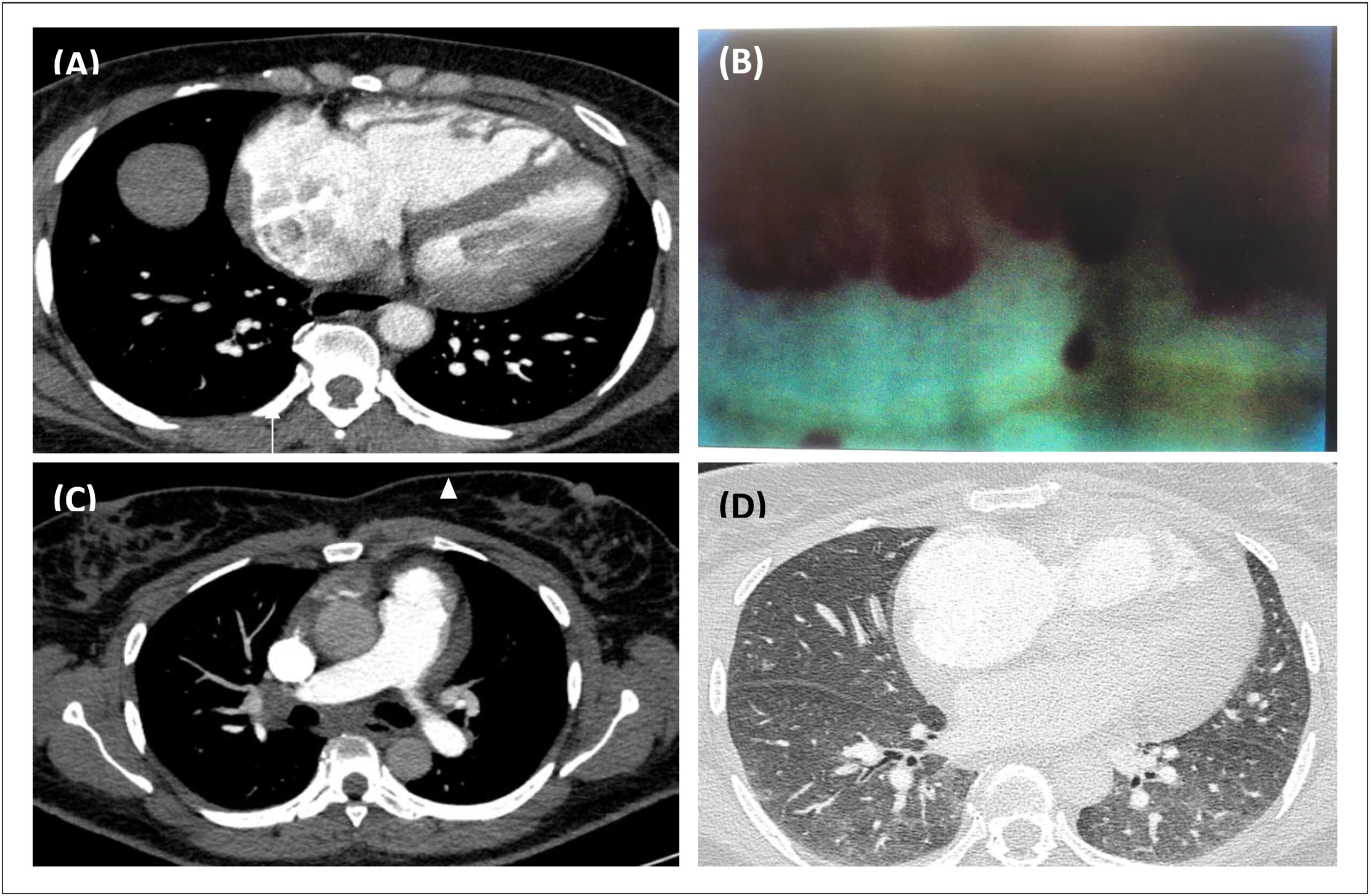
PAH with venous/capillary involvement (formerly referred to as pulmonary veno-occlusive disease [PVOD] /capillary hemangiomatosis) is a rare, severe form of PH, with an incidence of 0.1-0.5 cases/million/year. This condition comprises a fibroproliferative process of pulmonary venous and capillary compartments, with small vein occlusion caused by smooth muscle hypertrophy and collagen deposition.

The diagnosis of PVOD is challenging due to its non-specific presentation, often mimicking PAH. Moreover, histological confirmation via lung biopsy is contraindicated due to the significant risk of hemorrhage. Certain clinical and imaging features can facilitate a presumptive diagnosis, which include typical findings on CCTA – centrilobular ground-glass opacities, septal lines, and mediastinal lymphadenopathy, severely reduced DLCO on PFTs, and low oxygen saturation nadir during the 6MWT. PVOD manifests in two forms: hereditary, which is associated with autosomal recessive biallelic mutations in the EIF2AK4 gene, and sporadic, which presents later in life and more frequently in males. Several risk factors are linked to sporadic PVOD, including prior exposure to chemotherapy (particularly alkylating agents),, tobacco, and organic solvents such as trichloroethylene.,

[…]

  • Genetics
  • Pulmonary Hypertension
  • Therapeutics
Read Full Article
Creative Commons Attribution (CC BY) Creative Commons license
19/01/2026 DOI: 10.36660/abc.20250175i Views 3
Forecasting Ischemic Heart Disease, Stroke, and Peripheral Artery Disease Mortality in Brazil Through 2040: A Bayesian Modeling Approach
Original Article

Forecasting Ischemic Heart Disease, Stroke, and Peripheral Artery Disease Mortality in Brazil Through 2040: A Bayesian Modeling Approach

Pedro Rafael Vieira de Oliveira Salerno et al. Antoinette Cotton Bruno R. Nascimento Zhuo Chen … Gabriel Tensol Rodrigues Pereira Alexandre A. Abizaid Luis Augusto Palma Dallan Pedro Rafael Salerno Sadeer Al-Kindi Fanny Petermann-Rocha Salil V. Deo

Abstract

Background

Atherosclerotic cardiovascular disease — particularly ischemic heart disease (IHD), stroke, and peripheral artery disease (PAD) — is the leading cause of cardiovascular mortality in Brazil.

Objectives

This study aimed to project mortality trends for IHD, stroke, and PAD in Brazil through 2040.

Methods

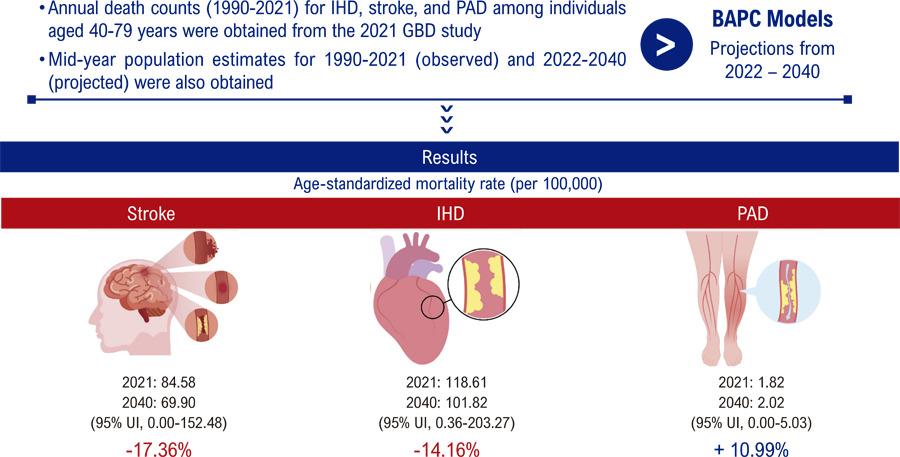
Annual death counts (1990-2021) for IHD, stroke, and PAD among individuals aged 40-79 years were obtained from the Global Burden of Disease (GBD) 2021 study. Mid-year population estimates for both observed (1990-2021) and projected (2022-2040) periods were used. Crude and age-standardized mortality rates were calculated. Bayesian age-period-cohort models were applied to project mortality rates from 2022 to 2040. Relative percentage changes and estimated annual percentage changes (EAPCs) were computed. Projections (per 100,000 population) are reported as medians with 95% uncertainty intervals (UIs), and EAPCs include bootstrap-derived confidence intervals (CIs).

Results

Between 1990 and 2040, Brazil’s population aged 40-79 years is projected to grow by 237.82%. The age-standardized mortality rate for IHD is expected to decline by 14.16% [from 118.61 in 2021 to 101.82 in 2040 (95% UI, 0.36-203.27)] (EAPC: -0.83% [95% CI, -0.84 to -0.83]); and for stroke by 17.36% [from 84.58 to 69.90 (95% UI, 0-152.48)] (EAPC: -1.07% [95% CI, -1.10 to -1.04]). In contrast, PAD mortality is projected to increase by 10.99% [from 1.82 to 2.02 (95% UI, 0-5.03)] (EAPC: 0.45% [95% CI, 0.30-0.59]). Additionally, sex-specific age-standardized mortality rates showed considerable variation. For IHD, rates are projected to decline by 25.31% among men (EAPC: -1.56% [95% CI, -1.57 to -1.55]), while increasing by 4.12% among women (EAPC: 0.14% [95% CI, 0.13-0.16]). Stroke mortality is expected to decrease by 30.00% in men (EAPC: -1.94% [95% CI, -1.96 to -1.91]) and by 4.52% in women (EAPC: -0.33% [95% CI, -0.37 to -0.29]). In contrast, PAD mortality is projected to rise by 14.64% in men (EAPC: 0.55% [95% CI, 0.38 to 0.71]) and by 21.92% in women (EAPC: 0.91% [95% CI, 0.78-1.02]).

Conclusion

While mortality rates for IHD and stroke are projected to decline, PAD mortality is expected to rise — particularly among women — highlighting the urgent need for sex-specific and disease-specific public health interventions.

  • Brazil
  • Mortality
  • Myocardial Ischemia
  • Peripheral Arterial Disease
  • Stroke
Read Full Article
Creative Commons Attribution (CC BY) Creative Commons license
16/01/2026 DOI: 10.36660/abc.20250189i Views 2
A New Risk Score Based on Machine Learning in Patients with Acute Heart Failure: The ML-HF score
Original Article

A New Risk Score Based on Machine Learning in Patients with Acute Heart Failure: The ML-HF score

Matheus Bissa Duarte Ferreira et al. Jorge Tadashi Daikubara Neto Gustavo S. Pereira da Cunha Rafael Moretti … Jessica Tamires Reichert Lucas Müller Prado Raphael Henrique Déa Cirino Sidney C Smith Jr Fábio Papa Taniguchi Andrei C. Sposito Odilson M. Silvestre Wilson Nadruz Miguel Morita Fernandes-Silva

Abstract

Background

Conventional prognostic assessment scores often fall short in performance to predict mortality in patients with acute heart failure (AHF).

Objective

To develop and validate a machine learning-based prognostic score to predict in-hospital death in patients with AHF and compare its performance with the main traditional scores.

Methods

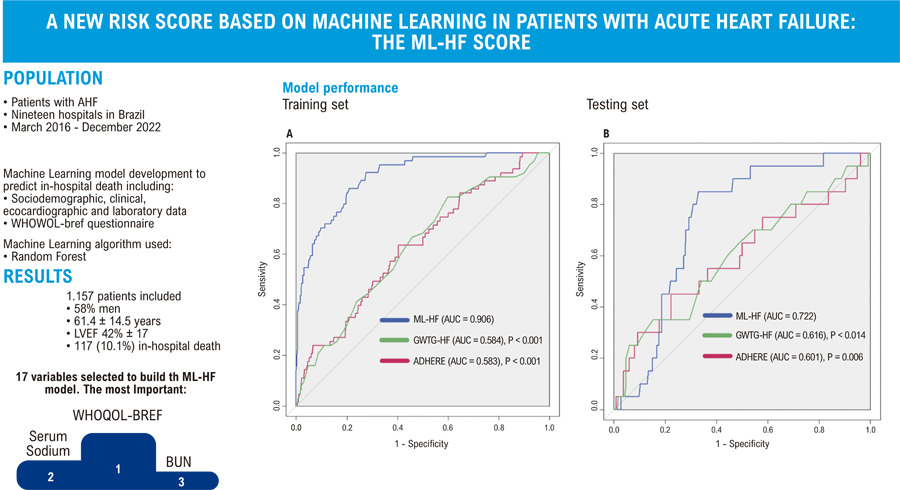
Patients admitted for AHF in Brazilian hospitals from the “Best Practices in Cardiology Program” from 2016 – 2022 were included. Clinical data, laboratory results, and the World Health Organization Quality of Life (WHOQOL-Bref) at hospital admission were collected. The outcome was in-hospital death. The model was trained using 70% of admissions (training set) and validated with the remaining 30% (test set). The ML-HF score area under the ROC curve (AUC) was compared with the AUC of the traditional scores Acute Decompensated Heart Failure National Registry (ADHERE) and Get With the Guidelines–Heart Failure (GWTG-HF). The level of significance was p<0.05.

Results

One thousand and one hundred fifty-seven patients hospitalized for AHF were included. The five most important variables of the ML-HF score were: Physical Health Domain Quality (WHOQOL-BREF), serum sodium, serum urea, serum creatinine, and systolic blood pressure at hospital admission. In the test set, the ML-HF score showed an adequate model calibration (Hosmer-Lemeshow test p value=0.056) and discrimination (AUC=0.722 [CI95%, 0.661-0.783]), which was superior to GWTG-HF (AUC=0.616 [CI95%, 0.529-0.702; p=0.014]) and the ADHERE (AUC=0.601 [CI95%, 0.511-0.691; p=0.006]) scores.

Conclusion

We developed and validated a score using machine learning to predict in-hospital death in patients with AHF, which outperformed the traditional scores.

  • Death
  • Heart Failure
  • Machine Learning
Read Full Article
Creative Commons Attribution (CC BY) Creative Commons license
16/01/2026 DOI: 10.36660/abc.20250136i Views 2
Assessment of the Accuracy of the ADHERE Score in a Brazilian Acute Heart Failure Cohort
Original Article

Assessment of the Accuracy of the ADHERE Score in a Brazilian Acute Heart Failure Cohort

Bruno Reznik Wajsbrot et al. Ana Luiza Ferreira Sales Andre Luis Sales Feitosa Carolina Pereira de Barros … Daniel Xavier de Brito Setta Felipe Neves de Albuquerque Marcelo Imbroinise Bittencourt Pedro Pimenta de Mello Spineti Simone Offrede Rego Denilson Campos de Albuquerque Roberto Esporcatte Ricardo Mourilhe-Rocha

Abstract

Background

Patients hospitalized for acute heart failure present a high mortality rate, so risk stratification for in-hospital death is of utmost importance. Risk scores can help physicians to identify patients at higher risk, but it is important to validate those scores in different populations, since sociodemographic characteristics may be very heterogeneous.

Objectives

This study aimed to evaluate the ADHERE (Acute Decompensated Heart Failure Registry) risk score in a Brazilian quaternary teaching care center.

Methods

This was a retrospective cohort study involving 304 patients with acute heart failure aged ≥ 18 years old, conducted between September 2019 and July 2022. The primary endpoint was the evaluation of the ADHERE score by analysis of the discriminatory index and classification. The secondary endpoint was the evaluation of other prognostic factors for in-hospital mortality. A p-value < 0.05 was considered statistically significant.

Results

ADHERE score presented a discriminatory index of 0.69. ADHERE classification index was suboptimal, since the score did not stratify mortality risk on five strata as proposed originally. Furthermore, the score underestimates risk in the studied population. Admission serum urea was the only isolated prognostic factor for the endpoint (OR 1.043; CI 95% 1.024-1.062; p<0.001).

Conclusion

The ADHERE risk score cannot be entirely validated in our cohort, since classification was not achieved despite an ideal discriminatory index. Admission serum Urea was the only independent risk factor associated with in-hospital mortality. Our study emphasizes the importance of correct external validation of a prognostic score, especially if the demographic and clinical characteristics of cohorts are not comparable.

  • Heart Failure
  • Mortality
  • Prognosis
Read Full Article
Creative Commons Attribution (CC BY) Creative Commons license
16/01/2026 DOI: 10.36660/abc.20250031i Views 2
Knockdown of the Long Noncoding RNA ZEB1-AS1 Accelerates Cardiac Hypertrophy via the miR-186-5p/HDAC2 Pathway
Original Article

Knockdown of the Long Noncoding RNA ZEB1-AS1 Accelerates Cardiac Hypertrophy via the miR-186-5p/HDAC2 Pathway

Bingfeng Cao et al. Qingxia Liu Xiaoyuan Zhang Yufeng Wang

Abstract

Background

The role of the long noncoding RNA ZEB1-AS1 in cardiac hypertrophy (CH) remains unclear.

Objectives

To investigate the function of ZEB1-AS1 in the development and progression of CH as well as elucidate its underlying molecular mechanism.

Methods

RNA expression levels were quantified by quantitative real-time PCR. Surface area of AC16 cells was assessed by immunofluorescence staining. Protein expression was evaluated by Western blotting. Interactions among RNAs were examined using luciferase reporter assays and RNA immunoprecipitation. Statistical significance was set at p < 0.05.

Results

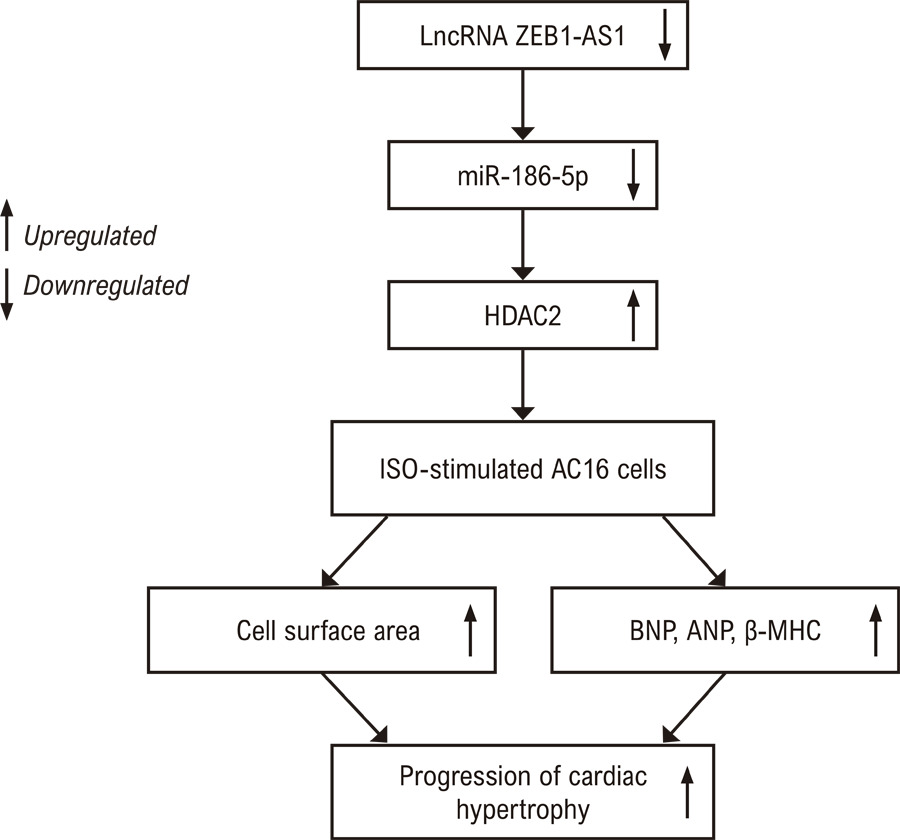
The expression of ZEB1-AS1 was upregulated in myocardial tissues and in isoproterenol (ISO)-stimulated AC16 cells. The knockdown of ZEB1-AS1 mitigated ISO-induced hypertrophic responses. Mechanistically, ZEB1-AS1 modulated histone deacetylase 2 (HDAC2) expression by acting as a molecular sponge for miR-186-5p. Consistently, the knockdown of ZEB1-AS1 reduced HDAC2 and decreased the expression of hypertrophic markers, including B-type natriuretic peptide, atrial natriuretic peptide, and β-myosin heavy chain, thereby restraining the progression of CH.

Conclusions

ZEB1-AS1 is upregulated in myocardial tissues and ISO-stimulated AC16 cells. Our findings indicate the ZEB1-AS1/miR-186-5p/HDAC2 axis contributes to CH, providing a mechanistic basis and potential therapeutic target for clinical intervention.

  • Cardiomegaly
  • Histone Deacetylase 2
  • Long Noncoding RNA
Read Full Article
Creative Commons Attribution (CC BY) Creative Commons license
16/01/2026 DOI: 10.36660/abc.20240703i Views 2
Severe Esophageal Complications Following Atrial Fibrillation Ablation: Should We Still Be Concerned?
Review Article

Severe Esophageal Complications Following Atrial Fibrillation Ablation: Should We Still Be Concerned?

Anibal Pires Borges et al. Carlos Kalil Josep Brugada José Plutarco Gutiérrez Yanez … Pablo da Costa Soliz Marco Aurelio Lumertz Saffi Anderson Donelli da Silveira Maurício Pimentel

Abstract

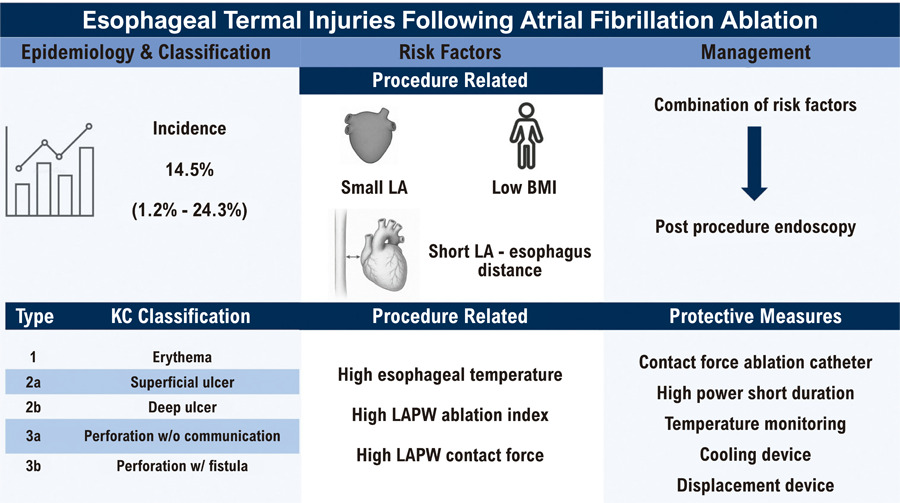
Atrial fibrillation (AF) ablation has been increasingly employed as an effective strategy for rhythm control, leading to a reduction in arrhythmia burden, improved quality of life, and, in selected cases, decreased mortality. However, as an invasive procedure, it carries inherent risks. Severe esophageal complications-such as esophageal perforation or atrioesophageal fistula- though rare (with an incidence ranging from 0.025% to 0.113%), are associated with significant morbidity and mortality. Multiple risk factors for esophageal injury have been identified, including both patient-related and procedure-related characteristics. To mitigate these risks during radiofrequency (RF) ablation, several preventive measures have been adopted, including the use of contact force catheters, high-power short-duration energy applications, and protective strategies such as esophageal temperature monitoring, displacement devices, and cooling techniques. Deep esophageal lesions detected through surveillance endoscopy are considered potential precursors to more serious complications and, therefore, warrant close attention. Enhanced monitoring of patients with such lesions may be crucial for enabling early diagnosis and timely intervention to prevent the progression to more severe complications. While pulsed field ablation therapy, which poses a lower risk to the esophagus and other surrounding structures, is not yet widely available, the implementation of robust monitoring strategies can significantly improve clinical outcomes and enhance patient safety in the context of RF AF ablation.

  • Atrial Fibrillation
  • esophageal fistula
  • postoperative complications
Read Full Article
Creative Commons Attribution (CC BY) Creative Commons license
16/01/2026 DOI: 10.36660/abc.20250290i
Predictive Value of Atherogenic Index for No-Reflow in Patients Undergoing Coronary Intervention for Saphenous Vein Graft with Acute Coronary Syndrome
Original Article

Predictive Value of Atherogenic Index for No-Reflow in Patients Undergoing Coronary Intervention for Saphenous Vein Graft with Acute Coronary Syndrome

Onur Erdoğan et al. Cafer Panç

Abstract

Background

The no-reflow phenomenon is a critical complication of percutaneous coronary intervention (PCI), especially in patients with saphenous vein graft (SVG) disease. Identifying predictors of no-reflow is crucial to improving risk stratification. The atherogenic index of plasma (AIP), calculated as log(triglyceride/HDL-C), is a marker of atherosclerosis and microvascular dysfunction. However, its role in predicting no-reflow during SVG interventions remains unclear.

Objective

This study aimed to evaluate the association between AIP and the no-reflow phenomenon in patients undergoing PCI for SVG lesions presenting with non-ST elevation myocardial infarction (NSTEMI).

Methods

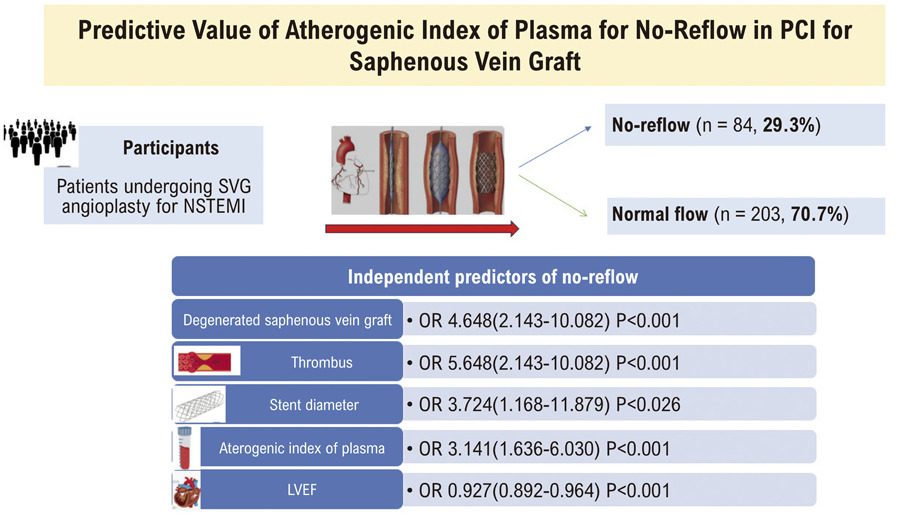
This single-center retrospective study included 287 patients who underwent PCI for significant SVG stenosis. Patients were categorized into normal reflow and no-reflow groups based on post-PCI TIMI (Thrombolysis in Myocardial Infarction) flow grades. Baseline demographic, clinical, laboratory, and angiographic data were extracted. AIP was calculated using formula log (TG/HDL-C). Logistic regression analyses were performed to determine independent predictors of the no-reflow. Statistical significance was set at p<0.05.

Results

The no-reflow group was older and had a higher prevalence of comorbidities, including diabetes, atrial fibrillation, chronic heart failure, chronic kidney disease, and stroke history. They also exhibited lower HDL-C levels, higher triglyceride levels, and consequently higher AIP values compared to the normal reflow group. Multivariate analysis identified degenerated SVG (OR: 4.65, p<0.001), thrombus presence (OR: 5.65, p<0.001), reduced left ventricular ejection fraction (OR: 0.927, p<0.001), and elevated AIP (OR: 3.141, p=0.001) as independent predictors of the no-reflow.

Conclusion

Elevated AIP is an independent risk factor for no-reflow in NSTEMI patients undergoing PCI for Saphenous Vein Graft, highlighting its potential role in early risk stratification.

  • Acute coronary syndrome
  • Atherosclerosis
  • No-Reflow Phenomenon
  • Percutaneous Coronary Intervention
Read Full Article
Creative Commons Attribution (CC BY) Creative Commons license
16/01/2026 DOI: 10.36660/abc.20250162i Views 1
Use of Ivabradine in the Treatment of Patients with Postural Orthostatic Tachycardia Syndrome (POTS): A Systematic Review
Original Article

Use of Ivabradine in the Treatment of Patients with Postural Orthostatic Tachycardia Syndrome (POTS): A Systematic Review

Ana Paula Giannella de Melo et al. Miguel Antônio Moretti Antonio Carlos Palandri Chagas

Abstract

Background

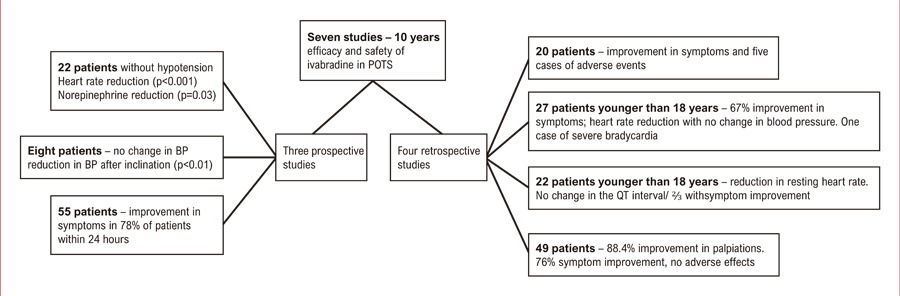
Postural Orthostatic Tachycardia Syndrome (POTS) is an autonomic dysfunction characterized by symptoms of orthostatic intolerance, associated with an increase in heart rate within 10 minutes of assuming an upright position or head-up tilt, in the absence of hypotension. There are three phenotypes of POTS – neuropathic, hypovolemic, and hyperadrenergic – and all result in tachycardia and altered cerebral perfusion. Pharmacological therapy is indicated in certain cases; however, no specific medication has yet been approved for this condition. Some studies have shown that ivabradine may be beneficial, as it reduces heart rate without affecting blood pressure.

Objectives

To evaluate the efficacy and safety of ivabradine in the treatment of POTS.

Method

Systematic review using the descriptors “Ivabradine” and “Postural Orthostatic Tachycardia Syndrome” in the PubMed, Scielo, LILACS, and Google Scholar databases. Articles were grouped and assessed using the PICO strategy.

Results

A total of 52 articles were identified, of which seven were included in the review – three prospective and four retrospective studies. In total, 203 patients were evaluated, the majority of whom were female. All studies reported a significant reduction in heart rate and improvement in symptoms of orthostatic intolerance, with most patients not reporting adverse effects, regardless of their POTS phenotype.

Conclusion

Ivabradine proved to be effective and safe in the treatment of patients with POTS.

  • Ivabradine
  • Postural Orthostatic Tachycardia Syndrome
Read Full Article
Creative Commons Attribution (CC BY) Creative Commons license
09/01/2026 DOI: 10.36660/abc.20250347i
Comparison between Five Risk Scores in Patients with Acute Coronary Syndromes Undergoing Surgical Revascularization during the Index Hospitalization
Original Article

Comparison between Five Risk Scores in Patients with Acute Coronary Syndromes Undergoing Surgical Revascularization during the Index Hospitalization

José C. Nicolau et al. Roberto R. C. V. Giraldez Fabio B. Jatene Luís A. O. Dallan … Luiz A. Lisboa Omar A. V. Mejia Jorge L. M. Ribera Adriadne J. Bertolin Luciano M. Baracioli Felipe G. Lima Maria C. D. Andrade Santiago A. C. Vintimilla Leonardo Salis Fabiane L. de Freitas Maxim Goncharov Lucas C. Godoy Remo H. de M. Furtado Michael E. Farkouh

Abstract

Background

Risk scores (RS) for patients with acute coronary syndromes (ACS) and coronary artery bypass grafting (CABG) have been tested previously, but little is known about their value in ACS patients undergoing CABG during the index hospitalization.

Objectives

To compare five different RS in ACS patients undergoing CABG during the index hospitalization.

Methods

The analyzed RS were GRACE, TIMI-non-ST-elevation ACS (TIMI-NSTEACS), TIMI-ST-elevation acute myocardial infarction (TIMI-STEMI), ACUITY/HORIZONS (A-H) bleeding, and EuroSCORE II. The RS were evaluated regarding their performance during the in-hospital phase and the long-term follow-up after discharge; a p-value <0.05 was considered significant.

Results

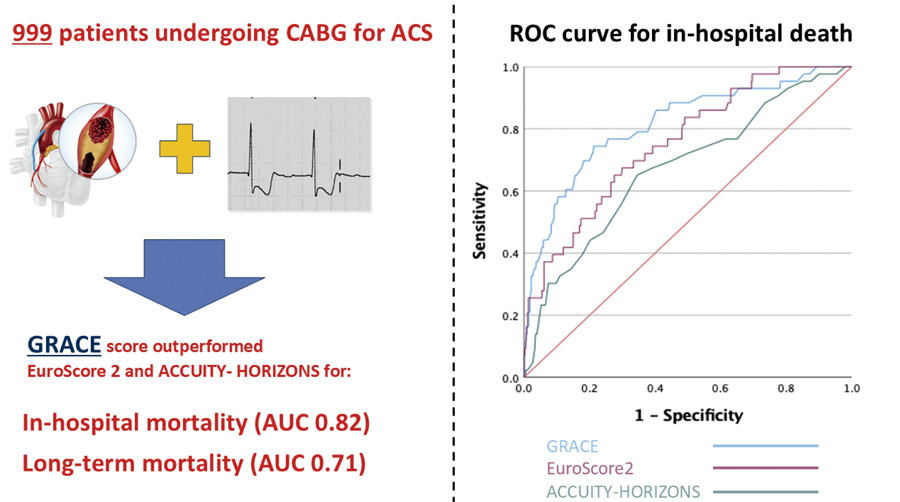
A total of 999 patients were included between 1998 and 2022. The mean time from symptom onset to CABG was 6.3 ± 5.5 days. The areas under the ROC curves were 0.82 (95% CI 0.74 – 0.89, p<0.001) for GRACE, 0.78 (95% CI 0.62-0.93, P=0.004) for TIMI-STEMI, 0.75 (95% CI 0.61-0.83, p<0.001) for EuroSCORE II, 0.67 (95% CI 0.59-0.76, P<0.001) for A-H bleeding, and 0.58 (95% CI 0.49-0.67, p=0.131) for TIMI-NSTEACS. Excluding in-hospital deaths, only GRACE and TIMI-STEMI were significantly associated with long-term mortality (mean follow-up of 5.5 ± 4 years). In the multivariable analyses, the GRACE score was the only RS significantly associated with in-hospital and long-term mortality in all adjusted models.

Conclusion

In patients with ACS who underwent CABG during the index hospitalization, the GRACE score was the only risk score that remained independently associated with both in-hospital and long-term mortality across all developed models, after adjustment for potential confounders. Moreover, the GRACE score performed better than others in predicting in-hospital deaths. These findings may influence the clinical decision-making process in this high-risk population.

  • Acute coronary syndrome
  • Continuity of Patient Care
  • Mortality
  • Myocardial Revascularization
Read Full Article
Creative Commons Attribution (CC BY) Creative Commons license
09/01/2026 DOI: 10.36660/abc.20250320i Views 1
Figure 1
Research Letter

Takotsubo Syndrome, Complete Heart Block, and Cardiac Arrest: A Clinical Challenge

Ana Abrantes et al. Catarina Gregório Miguel Raposo Nelson Cunha … Dulce Brito Fausto J. Pinto

Abstract

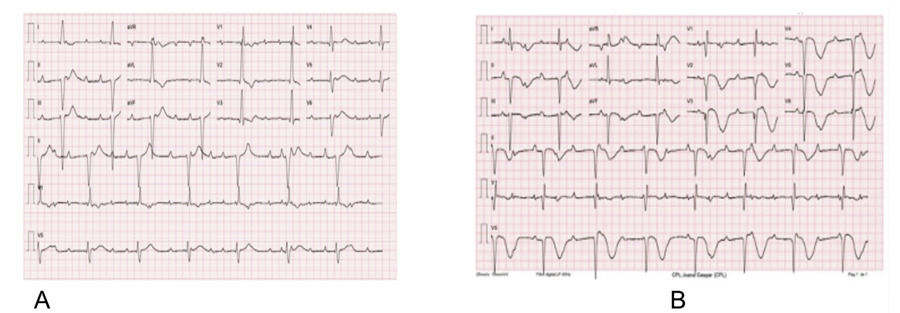
Complete atrioventricular block may be associated with Takotsubo syndrome, and the decision of device implantation in such patients is challenging. We present a case of a 76-year-old woman admitted after out-of-hospital cardiac arrest that was reverted after defibrillation treatment. Post-resuscitation electrocardiogram documented complete atrioventricular block, and echocardiogram revealed severe left ventricular dysfunction with apical ballooning. Coronary angiography excluded coronary artery disease, and Takotsubo syndrome was diagnosed based on clinical and imaging features. Atrioventricular block persisted despite normalization of left ventricular function; therefore, cardiac arrest was considered secondary to a ventricular arrhythmia induced by atrioventricular block, and a pacemaker, rather than an implantable cardioverter-defibrillator, was implanted. During follow-up, complete atrioventricular block persisted, with 99% of ventricular pacing observed upon device interrogation. This case supports that the stress of atrioventricular block may trigger Takotsubo syndrome, which is reinforced by the persistence of conduction abnormalities despite reversal of ventricular defects. Therefore, early implantation of a cardiac device should be carefully considered on a case-by-case basis.

  • Cardiac arrest
  • complete atrioventricular block
  • Pacemaker
  • Takotsubo syndrome
Read Full Article
Creative Commons Attribution (CC BY) Creative Commons license
09/01/2026 DOI: 10.36660/abc.20250245i Views 1
Figure 1
Brief Communication

Apical Sparing and Granular Sparkling: Not Everything that Glitters Is Cardiac Amyloidosis

Ana Paula Morais Barros et al. Cristhian Espinoza Romero Juliano Novaes Cardoso Fábio Fernandes Viviane Tiemi Hotta

Introduction

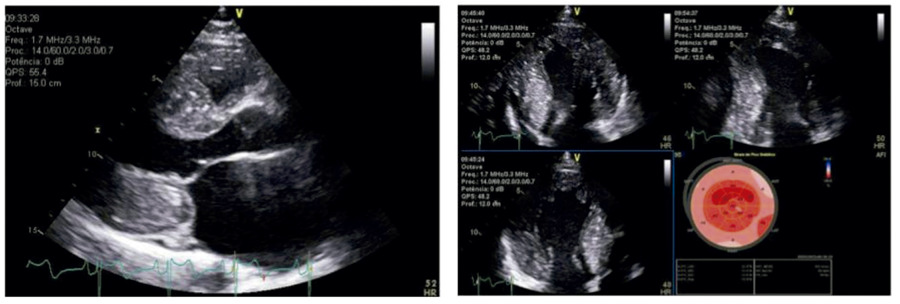
With recent advances in the diagnosis and treatment of cardiac amyloidosis (CA), the role of complementary cardiac imaging methods for the early recognition of this disease has been widely discussed. In this context, myocardial hyperrefringence and preservation of left ventricular apex contractility (apical sparing; AS), evidenced by transthoracic echocardiography (TTE) with myocardial strain analysis (STE), are findings that frequently raise suspicion of CA.

However, despite this association, the heterogeneity of this finding in CA, depending on the population studied, in addition to its presentation in other conditions, leads to questions regarding the real accuracy of AS for the diagnosis of this disease. Through the report of three clinical cases of patients with different clinical conditions – hypertrophic cardiomyopathy (HCM), chronic kidney disease (CKD), and use of anabolic steroids – in which myocardial hyperrefringence and AS were described on echocardiography, a brief discussion is proposed regarding the pathophysiology of these findings and their limitations for the diagnosis of CA.

[…]

  • Amyloidosis
  • Doppler Echocardiography
  • Global Longitudinal Strain
Read Full Article
Creative Commons Attribution (CC BY) Creative Commons license
09/01/2026 DOI: 10.36660/abc.20250198i Views 3
Association of Plasma Osmolality with Cardiovascular Disease Risk: Evidence from the National Health and Nutrition Examination Survey Database
Original Article

Association of Plasma Osmolality with Cardiovascular Disease Risk: Evidence from the National Health and Nutrition Examination Survey Database

Feng Gao et al. Yicheng Shi Yi Chen Shu Lu

Abstract

Background

Cardiovascular disease (CVD) remains the world’s leading cause of death. Because of its substantial public health burden, further research is needed to define risk factors that are both modifiable and measurable.

Objective

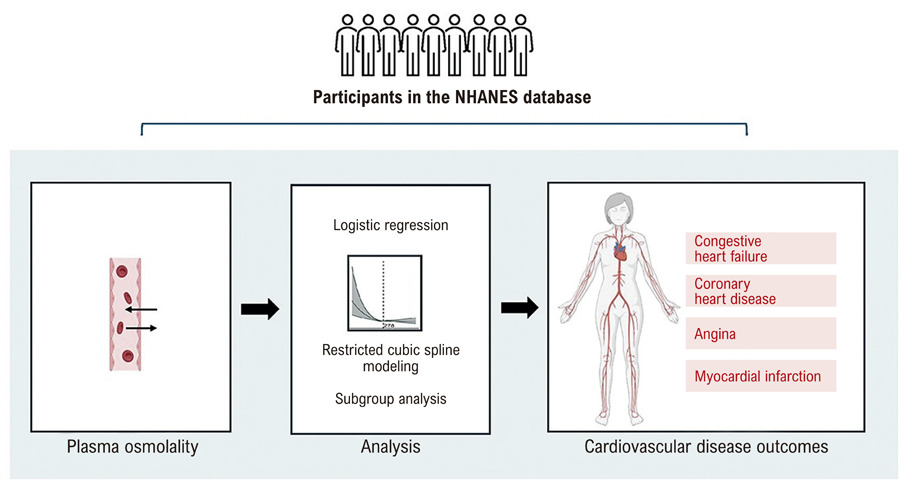
We examined the association between plasma osmolality (Osm) and CVDs — namely, heart failure, coronary heart disease, angina, and myocardial infarction — using data from the National Health and Nutrition Examination Survey (NHANES).

Methods

We analyzed nine NHANES cycles (1999-2018). Associations between Osm and CVD were assessed with weighted logistic regression. Odds ratios (ORs) and 95% CIs were estimated, and subgroup analyses were conducted. Restricted cubic spline (RCS) models were used to evaluate potential nonlinear relationships. Statistical significance was set at p < 0.05.

Results

Higher Osm was associated with increased odds of heart failure, coronary heart disease, angina, and myocardial infarction in unadjusted and partially adjusted models. After full adjustment, the associations remained significant for all outcomes except angina. RCS analyses indicated a significant U-shaped relationship for heart failure and angina across all models, with the lowest risk around 278 mmol/kg. Subgroup analyses were consistent with the primary results.

Conclusion

Increased Osm is significantly associated with CVD risk. Osm may serve as a useful biomarker for assessment and management of CVD risk in clinical practice, pending confirmation in prospective cohort studies.

  • Cardiovascular Diseases
  • Coronary Disease
  • Heart Failure
  • Myocardial Infarction
Read Full Article
Creative Commons Attribution (CC BY) Creative Commons license
09/01/2026 DOI: 10.36660/abc.20250176i Views 1
Photobiomodulation Combined with Moderate or High-Intensity Interval Training on Oxygen Consumption and Exercise Tolerance in Patients with Heart Failure
Original Article

Photobiomodulation Combined with Moderate or High-Intensity Interval Training on Oxygen Consumption and Exercise Tolerance in Patients with Heart Failure

Diego Busin et al. Leandro Tolfo Franzoni Douglas Turella Olga Sergueevna Tairova … Anderson Donelli da Silveira Ricardo Stein Gabriel Lopes Amorim Pedro Dal Lago Ramiro Barcos Nunes

Abstract

Background

Aerobic training (AT), whether moderate or high intensity, is widely employed in cardiovascular rehabilitation. Photobiomodulation therapy (PBMT) has shown potential to enhance exercise performance in athletes; however, its effects in patients with heart failure (HF) remain uncertain.

Objective

To investigate whether the addition of PBMT to moderate- or high-intensity AT improves cardiopulmonary exercise performance in individuals with HF.

Methods

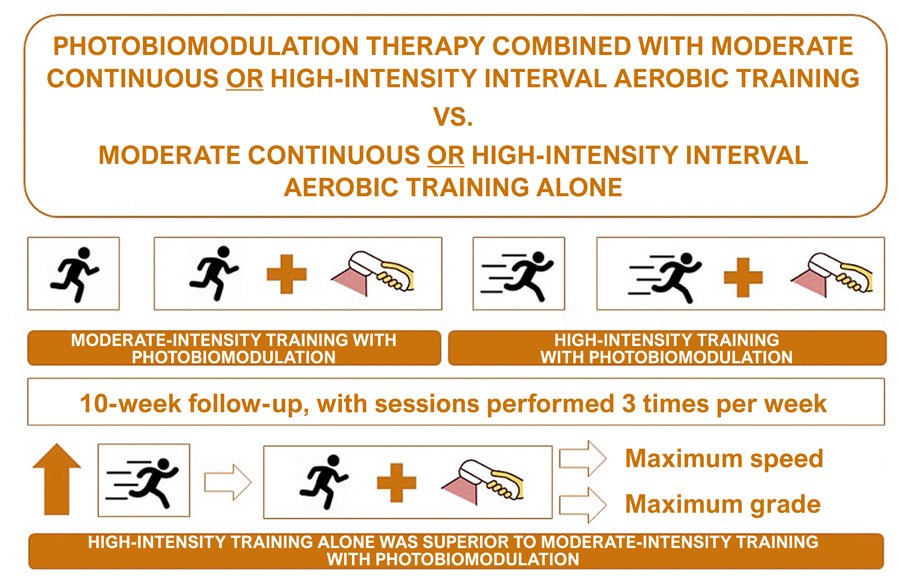
This nonrandomized clinical trial included 49 patients with HF (mean age 62.7 years; ejection fraction < 40%), allocated into 5 groups: i) moderate training alone, ii) moderate training + PBMT, iii) high-intensity training alone, iv) high-intensity training + PBMT, and iv) control group. All participants underwent a 10-week intervention. Cardiopulmonary exercise testing was used to assess VO2peak, ventilatory efficiency, and exercise tolerance. Statistical analysis was performed using Generalized Estimating Equations, with alpha set at 5% (p < 0.05).

Results

Significant improvements in speed and grade during the exercise test were observed in the training groups, particularly in the high-intensity training group. This group demonstrated a greater increase in oxygen consumption (mean difference: 1.80 ml.kg-1.min-1 ± 0.59 ml.kg-1.min-1; p = 0.002) and superior performance in time to exhaustion (speed: p = 0.05; grade: p < 0.01). Comparisons across groups revealed that PBMT did not provide any relevant additional effects when combined with training.

Conclusion

AT, especially at high intensity, enhances exercise performance in patients with HF. The addition of PBMT did not confer significant additional benefits in this study. Further trials using optimized PBMT protocols are warranted.

  • Endurance Training
  • Exercise Test
  • Insuficiência Cardíaca
  • Low-Level Light Therapy
Read Full Article
Creative Commons Attribution (CC BY) Creative Commons license
09/01/2026 DOI: 10.36660/abc.20250086i Views 1
Cardiac CT-Detected Vulnerable Plaques and Risk of Future Acute Myocardial Infarction: Predictive Value of CAC Scores and Inflammatory Burden Index
Original Article

Cardiac CT-Detected Vulnerable Plaques and Risk of Future Acute Myocardial Infarction: Predictive Value of CAC Scores and Inflammatory Burden Index

Sefa Erdi Ömür et al. Emin Koyun Gökhan Cabri

Abstract

Background

Computed Tomography (CT) angiography is widely used as a basic non-invasive modality to evaluate coronary artery disease. Inflammatory burden index (IBI) is a systemic inflammation indicator reflecting the inflammatory status. It is still difficult to determine the high risk of future acute myocardial infarction (MI) in patients with plaque detected by CT angiography.

Objective

This study aimed to evaluate the effectiveness of CAC scores and IBI in predicting MI risk among patients undergoing CT angiography for chest pain. We sought to assess the individual and combined predictive value of these indices, determine their optimal cut-off values, and compare MI risk across patient groups with varying CAC and IBI scores. We also aimed to evaluate the potential role of these markers in identifying ‘vulnerable patients’ at high risk for future cardiovascular events.

Methods

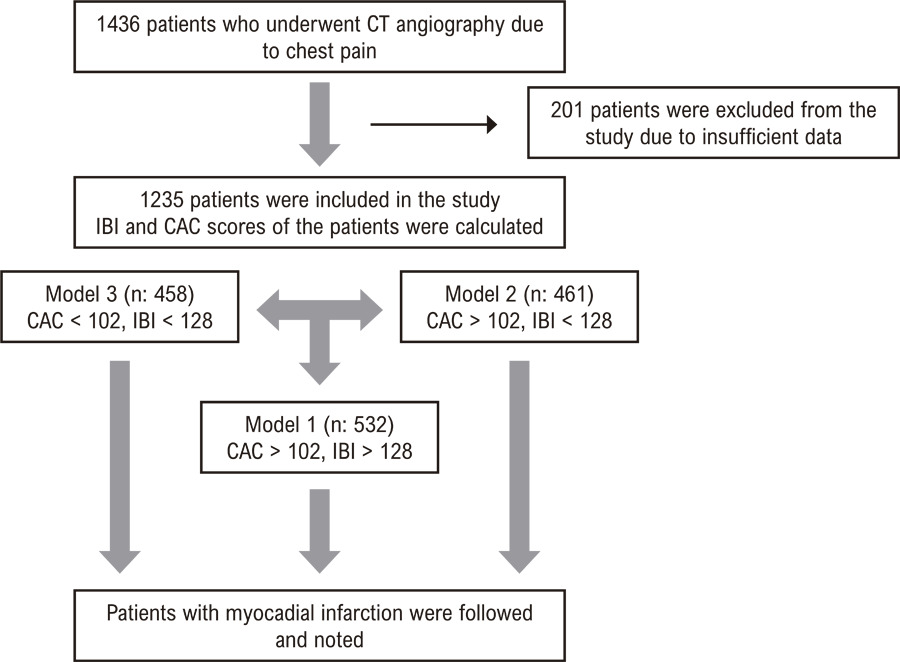
This retrospective study included 1235 patients who underwent CT angiography due to chest pain and were followed for 3 years (2.8-3.4). Patients were categorized into three models based on their CAC and IBI scores. The primary outcome was the occurrence of MI during the follow-up period. Statistical significance was established at p < 0.05 for all analyses.

Results

Patients who experienced MI had significantly higher IBI and CAC scores compared to those without MI. Logistic regression analysis identified CAC score and IBI as independent predictors of MI. ROC analysis determined optimal cut-off values for IBI (128) and CAC (102) in predicting MI. Kaplan-Meier analysis revealed a significant gradient in MI risk across the three models, with the highest risk observed in patients with both high IBI and CAC scores.

Conclusion

The combination of IBI and CAC scores provides improved risk stratification for the prediction of future MI (vulnerable plaque) in patients with plaque detected by CT angiography. This approach may facilitate more specific treatment strategies for high-risk patients.

  • Computed Tomography Angiography
  • Coronary Vessels
  • Myocardial Infarction
Read Full Article
Creative Commons Attribution (CC BY) Creative Commons license
09/01/2026 DOI: 10.36660/abc.20250052i Views 1

How to cite this article

EndNote RIS

Electronic Document Format (Vancouver)

Vaz TA, Clausell N. Pursuing Pragmatic Risk Prediction in Heart Failure. Arquivos Brasileiros de Cardiologia 2026;122(11):e20250685.

Electronic Document Format (ABNT)

Vaz, Tiago A.; Clausell, Nadine. Pursuing Pragmatic Risk Prediction in Heart Failure. Arquivos Brasileiros de Cardiologia, v. 122, n. 11, e20250685, Jan. 2026.

Electronic Document Format (APA)

Vaz, T. A., & Clausell, N. (2026). Pursuing Pragmatic Risk Prediction in Heart Failure. Arquivos Brasileiros de Cardiologia, 122(11), e20250685.

Electronic Document Format (ISO)

Vaz, Tiago A. and Clausell, Nadine. Pursuing Pragmatic Risk Prediction in Heart Failure. Arquivos Brasileiros de Cardiologia [online]. 2026, vol. 122, n. 11, [cited 2026-10-14], e20250685. Available from: <https://journals.cardiol.br/en/article/pursuing-pragmatic-risk-prediction-in-heart-failure/>. ISSN 0066-782X

EndNote RIS

Electronic Document Format (Vancouver)

Ziotti SDV, Dourado LOC, Silva R, Al-Lamee R, Henry TD, Cesar LAM, Serrano Jr. CV, et al. Coronary Sinus Reduction for the Treatment of Refractory Angina: What Have We Learned after 70 Years of the Beck Surgery?. Arquivos Brasileiros de Cardiologia 2026;122(11):e20250139.

Electronic Document Format (ABNT)

Ziotti, Sara Del Vecchio; Dourado, Luciana Oliveira Cascaes; Silva, Ranil de; Al-Lamee, Rasha; Henry, Timothy D.; Cesar, Luiz Antonio Machado; Serrano Jr., Carlos Vicente; Abizaid, Alexandre Antonio Cunha; Gowdak, Luis Henrique Wolff. Coronary Sinus Reduction for the Treatment of Refractory Angina: What Have We Learned after 70 Years of the Beck Surgery?. Arquivos Brasileiros de Cardiologia, v. 122, n. 11, e20250139, Jan. 2026.

Electronic Document Format (APA)

Ziotti, S. D. V., Dourado, L. O. C., Silva, R. , Al-Lamee, R., Henry, T. D., Cesar, L. A. M., Serrano Jr., C. V., Abizaid, A. A. C., & Gowdak, L. H. W. (2026). Coronary Sinus Reduction for the Treatment of Refractory Angina: What Have We Learned after 70 Years of the Beck Surgery?. Arquivos Brasileiros de Cardiologia, 122(11), e20250139.

Electronic Document Format (ISO)

Ziotti, Sara Del Vecchio and Dourado, Luciana Oliveira Cascaes and Silva, Ranil de and Al-Lamee, Rasha and Henry, Timothy D. and Cesar, Luiz Antonio Machado and Serrano Jr., Carlos Vicente and Abizaid, Alexandre Antonio Cunha and Gowdak, Luis Henrique Wolff. Coronary Sinus Reduction for the Treatment of Refractory Angina: What Have We Learned after 70 Years of the Beck Surgery?. Arquivos Brasileiros de Cardiologia [online]. 2026, vol. 122, n. 11, [cited 2026-10-14], e20250139. Available from: <https://journals.cardiol.br/en/article/coronary-sinus-reduction-for-the-treatment-of-refractory-angina-what-have-we-learned-after-70-years-of-the-beck-surgery/>. ISSN 0066-782X

EndNote RIS

Electronic Document Format (Vancouver)

Giugni FR. LncRNA ZEB1-AS1: A New Player in Epigenetic Control of Cardiac Hypertrophy. Arquivos Brasileiros de Cardiologia 2026;122(11):e20250692.

Electronic Document Format (ABNT)

Giugni, Fernando R.. LncRNA ZEB1-AS1: A New Player in Epigenetic Control of Cardiac Hypertrophy. Arquivos Brasileiros de Cardiologia, v. 122, n. 11, e20250692, Jan. 2026.

Electronic Document Format (APA)

Giugni, F. R. (2026). LncRNA ZEB1-AS1: A New Player in Epigenetic Control of Cardiac Hypertrophy. Arquivos Brasileiros de Cardiologia, 122(11), e20250692.

Electronic Document Format (ISO)

Giugni, Fernando R.. LncRNA ZEB1-AS1: A New Player in Epigenetic Control of Cardiac Hypertrophy. Arquivos Brasileiros de Cardiologia [online]. 2026, vol. 122, n. 11, [cited 2026-10-14], e20250692. Available from: <https://journals.cardiol.br/en/article/lncrna-zeb1-as1-a-new-player-in-epigenetic-control-of-cardiac-hypertrophy/>. ISSN 0066-782X

EndNote RIS

Electronic Document Format (Vancouver)

Carvalheiro R, Santos AR, Gonçalves AV. Photobiomodulation Therapy with Cardiac Rehabilitation in HFrEF/HFmrEF: Promise, Parameters, and the Primacy of Exercise. Arquivos Brasileiros de Cardiologia 2026;122(11):e20250677.

Electronic Document Format (ABNT)

Carvalheiro, Ricardo; Santos, Ana Raquel; Gonçalves, António Valentim. Photobiomodulation Therapy with Cardiac Rehabilitation in HFrEF/HFmrEF: Promise, Parameters, and the Primacy of Exercise. Arquivos Brasileiros de Cardiologia, v. 122, n. 11, e20250677, Jan. 2026.

Electronic Document Format (APA)

Carvalheiro, R., Santos, A. R., & Gonçalves, A. V. (2026). Photobiomodulation Therapy with Cardiac Rehabilitation in HFrEF/HFmrEF: Promise, Parameters, and the Primacy of Exercise. Arquivos Brasileiros de Cardiologia, 122(11), e20250677.

Electronic Document Format (ISO)

Carvalheiro, Ricardo and Santos, Ana Raquel and Gonçalves, António Valentim. Photobiomodulation Therapy with Cardiac Rehabilitation in HFrEF/HFmrEF: Promise, Parameters, and the Primacy of Exercise. Arquivos Brasileiros de Cardiologia [online]. 2026, vol. 122, n. 11, [cited 2026-10-14], e20250677. Available from: <https://journals.cardiol.br/en/article/photobiomodulation-therapy-with-cardiac-rehabilitation-in-hfref-hfmref-promise-parameters-and-the-primacy-of-exercise/>. ISSN 0066-782X

EndNote RIS

Electronic Document Format (Vancouver)

Cazeiro DI, Cravo J, Silva MP, Inácio JR, Moldovan O, Sousa C, Resende CL, et al. Systemic Sclerosis Associated Pulmonary Arterial Hypertension with Venous Involvement – a Novel ABCC8 Pathogenic Variant. Arquivos Brasileiros de Cardiologia 2026;122(11):e20250175.

Electronic Document Format (ABNT)

Cazeiro, Daniel Inácio; Cravo, João; Silva, Mariana Pereira; Inácio, João R.; Moldovan, Oana; Sousa, Catarina; Resende, Catarina Lopes; Fonseca, João Eurico; Pinto, Fausto J.; Plácido, Rui. Systemic Sclerosis Associated Pulmonary Arterial Hypertension with Venous Involvement – a Novel ABCC8 Pathogenic Variant. Arquivos Brasileiros de Cardiologia, v. 122, n. 11, e20250175, Jan. 2026.

Electronic Document Format (APA)

Cazeiro, D. I., Cravo, J., Silva, M. P., Inácio, J. R., Moldovan, O., Sousa, C., Resende, C. L., Fonseca, J. E., Pinto, F. J., & Plácido, R. (2026). Systemic Sclerosis Associated Pulmonary Arterial Hypertension with Venous Involvement – a Novel ABCC8 Pathogenic Variant. Arquivos Brasileiros de Cardiologia, 122(11), e20250175.

Electronic Document Format (ISO)

Cazeiro, Daniel Inácio and Cravo, João and Silva, Mariana Pereira and Inácio, João R. and Moldovan, Oana and Sousa, Catarina and Resende, Catarina Lopes and Fonseca, João Eurico and Pinto, Fausto J. and Plácido, Rui. Systemic Sclerosis Associated Pulmonary Arterial Hypertension with Venous Involvement – a Novel ABCC8 Pathogenic Variant. Arquivos Brasileiros de Cardiologia [online]. 2026, vol. 122, n. 11, [cited 2026-10-14], e20250175. Available from: <https://journals.cardiol.br/en/article/systemic-sclerosis-associated-pulmonary-arterial-hypertension-with-venous-involvement-a-novel-abcc8-pathogenic-variant/>. ISSN 0066-782X

EndNote RIS

Electronic Document Format (Vancouver)

Salerno PRVO, Cotton A, Nascimento BR, Chen Z, Pereira GTR, Abizaid AA, Dallan LAP, et al. Forecasting Ischemic Heart Disease, Stroke, and Peripheral Artery Disease Mortality in Brazil Through 2040: A Bayesian Modeling Approach. Arquivos Brasileiros de Cardiologia 2026;122(11):e20250189.

Electronic Document Format (ABNT)

Salerno, Pedro Rafael Vieira de Oliveira; Cotton, Antoinette; Nascimento, Bruno R.; Chen, Zhuo; Pereira, Gabriel Tensol Rodrigues; Abizaid, Alexandre A.; Dallan, Luis Augusto Palma; Salerno, Pedro Rafael; Al-Kindi, Sadeer; Petermann-Rocha, Fanny; Deo, Salil V.. Forecasting Ischemic Heart Disease, Stroke, and Peripheral Artery Disease Mortality in Brazil Through 2040: A Bayesian Modeling Approach. Arquivos Brasileiros de Cardiologia, v. 122, n. 11, e20250189, Jan. 2026.

Electronic Document Format (APA)

Salerno, P. R. V. O., Cotton, A., Nascimento, B. R., Chen, Z., Pereira, G. T. R., Abizaid, A. A., Dallan, L. A. P., Salerno, P. R., Al-Kindi, S., Petermann-Rocha, F., & Deo, S. V. (2026). Forecasting Ischemic Heart Disease, Stroke, and Peripheral Artery Disease Mortality in Brazil Through 2040: A Bayesian Modeling Approach. Arquivos Brasileiros de Cardiologia, 122(11), e20250189.

Electronic Document Format (ISO)

Salerno, Pedro Rafael Vieira de Oliveira and Cotton, Antoinette and Nascimento, Bruno R. and Chen, Zhuo and Pereira, Gabriel Tensol Rodrigues and Abizaid, Alexandre A. and Dallan, Luis Augusto Palma and Salerno, Pedro Rafael and Al-Kindi, Sadeer and Petermann-Rocha, Fanny and Deo, Salil V.. Forecasting Ischemic Heart Disease, Stroke, and Peripheral Artery Disease Mortality in Brazil Through 2040: A Bayesian Modeling Approach. Arquivos Brasileiros de Cardiologia [online]. 2026, vol. 122, n. 11, [cited 2026-10-14], e20250189. Available from: <https://journals.cardiol.br/en/article/forecasting-ischemic-heart-disease-stroke-and-peripheral-artery-disease-mortality-in-brazil-through-2040-a-bayesian-modeling-approach/>. ISSN 0066-782X

EndNote RIS

Electronic Document Format (Vancouver)

Ferreira MBD, Daikubara Neto JT, Cunha GSP, Moretti R, Reichert JT, Prado LM, Cirino RHD, et al. A New Risk Score Based on Machine Learning in Patients with Acute Heart Failure: The ML-HF score. Arquivos Brasileiros de Cardiologia 2026;122(11):e20250136.

Electronic Document Format (ABNT)

Ferreira, Matheus Bissa Duarte; Daikubara Neto, Jorge Tadashi; Cunha, Gustavo S. Pereira da; Moretti, Rafael; Reichert, Jessica Tamires; Prado, Lucas Müller; Cirino, Raphael Henrique Déa; Smith Jr, Sidney C; Taniguchi, Fábio Papa; Sposito, Andrei C.; Silvestre, Odilson M.; Nadruz, Wilson; Fernandes-Silva, Miguel Morita. A New Risk Score Based on Machine Learning in Patients with Acute Heart Failure: The ML-HF score. Arquivos Brasileiros de Cardiologia, v. 122, n. 11, e20250136, Jan. 2026.

Electronic Document Format (APA)

Ferreira, M. B. D., Daikubara Neto, J. T., Cunha, G. S. P. , Moretti, R., Reichert, J. T., Prado, L. M., Cirino, R. H. D., Smith Jr, S. C., Taniguchi, F. P., Sposito, A. C., Silvestre, O. M., Nadruz, W., & Fernandes-Silva, M. M. (2026). A New Risk Score Based on Machine Learning in Patients with Acute Heart Failure: The ML-HF score. Arquivos Brasileiros de Cardiologia, 122(11), e20250136.

Electronic Document Format (ISO)

Ferreira, Matheus Bissa Duarte and Daikubara Neto, Jorge Tadashi and Cunha, Gustavo S. Pereira da and Moretti, Rafael and Reichert, Jessica Tamires and Prado, Lucas Müller and Cirino, Raphael Henrique Déa and Smith Jr, Sidney C and Taniguchi, Fábio Papa and Sposito, Andrei C. and Silvestre, Odilson M. and Nadruz, Wilson and Fernandes-Silva, Miguel Morita. A New Risk Score Based on Machine Learning in Patients with Acute Heart Failure: The ML-HF score. Arquivos Brasileiros de Cardiologia [online]. 2026, vol. 122, n. 11, [cited 2026-10-14], e20250136. Available from: <https://journals.cardiol.br/en/article/a-new-risk-score-based-on-machine-learning-in-patients-with-acute-heart-failure-the-ml-hf-score/>. ISSN 0066-782X

EndNote RIS

Electronic Document Format (Vancouver)

Wajsbrot BR, Sales ALF, Feitosa ALS, Barros CP, Setta DXB, Albuquerque FN, Bittencourt MI, et al. Assessment of the Accuracy of the ADHERE Score in a Brazilian Acute Heart Failure Cohort. Arquivos Brasileiros de Cardiologia 2026;122(11):e20250031.

Electronic Document Format (ABNT)

Wajsbrot, Bruno Reznik; Sales, Ana Luiza Ferreira; Feitosa, Andre Luis Sales; Barros, Carolina Pereira de; Setta, Daniel Xavier de Brito; Albuquerque, Felipe Neves de; Bittencourt, Marcelo Imbroinise; Spineti, Pedro Pimenta de Mello; Rego, Simone Offrede; Albuquerque, Denilson Campos de; Esporcatte, Roberto; Mourilhe-Rocha, Ricardo. Assessment of the Accuracy of the ADHERE Score in a Brazilian Acute Heart Failure Cohort. Arquivos Brasileiros de Cardiologia, v. 122, n. 11, e20250031, Jan. 2026.

Electronic Document Format (APA)

Wajsbrot, B. R., Sales, A. L. F., Feitosa, A. L. S., Barros, C. P. , Setta, D. X. B., Albuquerque, F. N. , Bittencourt, M. I., Spineti, P. P. M., Rego, S. O., Albuquerque, D. C. , Esporcatte, R., & Mourilhe-Rocha, R. (2026). Assessment of the Accuracy of the ADHERE Score in a Brazilian Acute Heart Failure Cohort. Arquivos Brasileiros de Cardiologia, 122(11), e20250031.

Electronic Document Format (ISO)

Wajsbrot, Bruno Reznik and Sales, Ana Luiza Ferreira and Feitosa, Andre Luis Sales and Barros, Carolina Pereira de and Setta, Daniel Xavier de Brito and Albuquerque, Felipe Neves de and Bittencourt, Marcelo Imbroinise and Spineti, Pedro Pimenta de Mello and Rego, Simone Offrede and Albuquerque, Denilson Campos de and Esporcatte, Roberto and Mourilhe-Rocha, Ricardo. Assessment of the Accuracy of the ADHERE Score in a Brazilian Acute Heart Failure Cohort. Arquivos Brasileiros de Cardiologia [online]. 2026, vol. 122, n. 11, [cited 2026-10-14], e20250031. Available from: <https://journals.cardiol.br/en/article/assessment-of-the-accuracy-of-the-adhere-score-in-a-brazilian-acute-heart-failure-cohort/>. ISSN 0066-782X

EndNote RIS

Electronic Document Format (Vancouver)

Cao B, Liu Q, Zhang X, Wang Y. Knockdown of the Long Noncoding RNA ZEB1-AS1 Accelerates Cardiac Hypertrophy via the miR-186-5p/HDAC2 Pathway. Arquivos Brasileiros de Cardiologia 2026;122(11):e20240703.

Electronic Document Format (ABNT)

Cao, Bingfeng; Liu, Qingxia; Zhang, Xiaoyuan; Wang, Yufeng. Knockdown of the Long Noncoding RNA ZEB1-AS1 Accelerates Cardiac Hypertrophy via the miR-186-5p/HDAC2 Pathway. Arquivos Brasileiros de Cardiologia, v. 122, n. 11, e20240703, Jan. 2026.

Electronic Document Format (APA)

Cao, B., Liu, Q., Zhang, X., & Wang, Y. (2026). Knockdown of the Long Noncoding RNA ZEB1-AS1 Accelerates Cardiac Hypertrophy via the miR-186-5p/HDAC2 Pathway. Arquivos Brasileiros de Cardiologia, 122(11), e20240703.

Electronic Document Format (ISO)

Cao, Bingfeng and Liu, Qingxia and Zhang, Xiaoyuan and Wang, Yufeng. Knockdown of the Long Noncoding RNA ZEB1-AS1 Accelerates Cardiac Hypertrophy via the miR-186-5p/HDAC2 Pathway. Arquivos Brasileiros de Cardiologia [online]. 2026, vol. 122, n. 11, [cited 2026-10-14], e20240703. Available from: <https://journals.cardiol.br/en/article/knockdown-of-the-long-noncoding-rna-zeb1-as1-accelerates-cardiac-hypertrophy-via-the-mir-186-5p-hdac2-pathway/>. ISSN 0066-782X

EndNote RIS

Electronic Document Format (Vancouver)

Borges AP, Kalil C, Brugada J, Yanez JPG, Soliz PC, Saffi MAL, Silveira AD, et al. Severe Esophageal Complications Following Atrial Fibrillation Ablation: Should We Still Be Concerned?. Arquivos Brasileiros de Cardiologia 2026;122(11):e20250290.

Electronic Document Format (ABNT)

Borges, Anibal Pires; Kalil, Carlos; Brugada, Josep; Yanez, José Plutarco Gutiérrez; Soliz, Pablo da Costa; Saffi, Marco Aurelio Lumertz; Silveira, Anderson Donelli da; Pimentel, Maurício. Severe Esophageal Complications Following Atrial Fibrillation Ablation: Should We Still Be Concerned?. Arquivos Brasileiros de Cardiologia, v. 122, n. 11, e20250290, Jan. 2026.

Electronic Document Format (APA)

Borges, A. P., Kalil, C., Brugada, J., Yanez, J. P. G., Soliz, P. C., Saffi, M. A. L., Silveira, A. D. , & Pimentel, M. (2026). Severe Esophageal Complications Following Atrial Fibrillation Ablation: Should We Still Be Concerned?. Arquivos Brasileiros de Cardiologia, 122(11), e20250290.

Electronic Document Format (ISO)

Borges, Anibal Pires and Kalil, Carlos and Brugada, Josep and Yanez, José Plutarco Gutiérrez and Soliz, Pablo da Costa and Saffi, Marco Aurelio Lumertz and Silveira, Anderson Donelli da and Pimentel, Maurício. Severe Esophageal Complications Following Atrial Fibrillation Ablation: Should We Still Be Concerned?. Arquivos Brasileiros de Cardiologia [online]. 2026, vol. 122, n. 11, [cited 2026-10-14], e20250290. Available from: <https://journals.cardiol.br/en/article/severe-esophageal-complications-following-atrial-fibrillation-ablation-should-we-still-be-concerned/>. ISSN 0066-782X

EndNote RIS

Electronic Document Format (Vancouver)

Erdoğan O, Panç C. Predictive Value of Atherogenic Index for No-Reflow in Patients Undergoing Coronary Intervention for Saphenous Vein Graft with Acute Coronary Syndrome. Arquivos Brasileiros de Cardiologia 2026;122(11):e20250162.

Electronic Document Format (ABNT)

Erdoğan, Onur; Panç, Cafer. Predictive Value of Atherogenic Index for No-Reflow in Patients Undergoing Coronary Intervention for Saphenous Vein Graft with Acute Coronary Syndrome. Arquivos Brasileiros de Cardiologia, v. 122, n. 11, e20250162, Jan. 2026.

Electronic Document Format (APA)

Erdoğan, O., & Panç, C. (2026). Predictive Value of Atherogenic Index for No-Reflow in Patients Undergoing Coronary Intervention for Saphenous Vein Graft with Acute Coronary Syndrome. Arquivos Brasileiros de Cardiologia, 122(11), e20250162.

Electronic Document Format (ISO)

Erdoğan, Onur and Panç, Cafer. Predictive Value of Atherogenic Index for No-Reflow in Patients Undergoing Coronary Intervention for Saphenous Vein Graft with Acute Coronary Syndrome. Arquivos Brasileiros de Cardiologia [online]. 2026, vol. 122, n. 11, [cited 2026-10-14], e20250162. Available from: <https://journals.cardiol.br/en/article/predictive-value-of-atherogenic-index-for-no-reflow-in-patients-undergoing-coronary-intervention-for-saphenous-vein-graft-with-acute-coronary-syndrome/>. ISSN 0066-782X

EndNote RIS

Electronic Document Format (Vancouver)

Melo APG, Moretti MA, Chagas ACP. Use of Ivabradine in the Treatment of Patients with Postural Orthostatic Tachycardia Syndrome (POTS): A Systematic Review. Arquivos Brasileiros de Cardiologia 2026;122(11):e20250347.

Electronic Document Format (ABNT)

Melo, Ana Paula Giannella de; Moretti, Miguel Antônio; Chagas, Antonio Carlos Palandri. Use of Ivabradine in the Treatment of Patients with Postural Orthostatic Tachycardia Syndrome (POTS): A Systematic Review. Arquivos Brasileiros de Cardiologia, v. 122, n. 11, e20250347, Jan. 2026.

Electronic Document Format (APA)

Melo, A. P. G. , Moretti, M. A., & Chagas, A. C. P. (2026). Use of Ivabradine in the Treatment of Patients with Postural Orthostatic Tachycardia Syndrome (POTS): A Systematic Review. Arquivos Brasileiros de Cardiologia, 122(11), e20250347.

Electronic Document Format (ISO)

Melo, Ana Paula Giannella de and Moretti, Miguel Antônio and Chagas, Antonio Carlos Palandri. Use of Ivabradine in the Treatment of Patients with Postural Orthostatic Tachycardia Syndrome (POTS): A Systematic Review. Arquivos Brasileiros de Cardiologia [online]. 2026, vol. 122, n. 11, [cited 2026-10-14], e20250347. Available from: <https://journals.cardiol.br/en/article/use-of-ivabradine-in-the-treatment-of-patients-with-postural-orthostatic-tachycardia-syndrome-pots-a-systematic-review/>. ISSN 0066-782X

EndNote RIS

Electronic Document Format (Vancouver)

Nicolau JC, Giraldez RRCV, Jatene FB, Dallan LAO, Lisboa LA, Mejia OAV, Ribera JLM, et al. Comparison between Five Risk Scores in Patients with Acute Coronary Syndromes Undergoing Surgical Revascularization during the Index Hospitalization. Arquivos Brasileiros de Cardiologia 2026;122(11):e20250320.

Electronic Document Format (ABNT)

Nicolau, José C.; Giraldez, Roberto R. C. V.; Jatene, Fabio B.; Dallan, Luís A. O.; Lisboa, Luiz A.; Mejia, Omar A. V.; Ribera, Jorge L. M.; Bertolin, Adriadne J.; Baracioli, Luciano M.; Lima, Felipe G.; Andrade, Maria C. D.; Vintimilla, Santiago A. C.; Salis, Leonardo; Freitas, Fabiane L. de; Goncharov, Maxim; Godoy, Lucas C.; Furtado, Remo H. de M.; Farkouh, Michael E.. Comparison between Five Risk Scores in Patients with Acute Coronary Syndromes Undergoing Surgical Revascularization during the Index Hospitalization. Arquivos Brasileiros de Cardiologia, v. 122, n. 11, e20250320, Jan. 2026.

Electronic Document Format (APA)

Nicolau, J. C., Giraldez, R. R. C. V., Jatene, F. B., Dallan, L. A. O., Lisboa, L. A., Mejia, O. A. V., Ribera, J. L. M., Bertolin, A. J., Baracioli, L. M., Lima, F. G., Andrade, M. C. D., Vintimilla, S. A. C., Salis, L., Freitas, F. L. , Goncharov, M., Godoy, L. C., Furtado, R. H. M., & Farkouh, M. E. (2026). Comparison between Five Risk Scores in Patients with Acute Coronary Syndromes Undergoing Surgical Revascularization during the Index Hospitalization. Arquivos Brasileiros de Cardiologia, 122(11), e20250320.

Electronic Document Format (ISO)

Nicolau, José C. and Giraldez, Roberto R. C. V. and Jatene, Fabio B. and Dallan, Luís A. O. and Lisboa, Luiz A. and Mejia, Omar A. V. and Ribera, Jorge L. M. and Bertolin, Adriadne J. and Baracioli, Luciano M. and Lima, Felipe G. and Andrade, Maria C. D. and Vintimilla, Santiago A. C. and Salis, Leonardo and Freitas, Fabiane L. de and Goncharov, Maxim and Godoy, Lucas C. and Furtado, Remo H. de M. and Farkouh, Michael E.. Comparison between Five Risk Scores in Patients with Acute Coronary Syndromes Undergoing Surgical Revascularization during the Index Hospitalization. Arquivos Brasileiros de Cardiologia [online]. 2026, vol. 122, n. 11, [cited 2026-10-14], e20250320. Available from: <https://journals.cardiol.br/en/article/comparison-between-five-risk-scores-in-patients-with-acute-coronary-syndromes-undergoing-surgical-revascularization-during-the-index-hospitalization/>. ISSN 0066-782X

EndNote RIS

Electronic Document Format (Vancouver)

Abrantes A, Gregório C, Raposo M, Cunha N, Brito D, Pinto FJ. Takotsubo Syndrome, Complete Heart Block, and Cardiac Arrest: A Clinical Challenge. Arquivos Brasileiros de Cardiologia 2026;122(11):e20250245.

Electronic Document Format (ABNT)

Abrantes, Ana; Gregório, Catarina; Raposo, Miguel; Cunha, Nelson; Brito, Dulce; Pinto, Fausto J.. Takotsubo Syndrome, Complete Heart Block, and Cardiac Arrest: A Clinical Challenge. Arquivos Brasileiros de Cardiologia, v. 122, n. 11, e20250245, Jan. 2026.

Electronic Document Format (APA)

Abrantes, A., Gregório, C., Raposo, M., Cunha, N., Brito, D., & Pinto, F. J. (2026). Takotsubo Syndrome, Complete Heart Block, and Cardiac Arrest: A Clinical Challenge. Arquivos Brasileiros de Cardiologia, 122(11), e20250245.

Electronic Document Format (ISO)

Abrantes, Ana and Gregório, Catarina and Raposo, Miguel and Cunha, Nelson and Brito, Dulce and Pinto, Fausto J.. Takotsubo Syndrome, Complete Heart Block, and Cardiac Arrest: A Clinical Challenge. Arquivos Brasileiros de Cardiologia [online]. 2026, vol. 122, n. 11, [cited 2026-10-14], e20250245. Available from: <https://journals.cardiol.br/en/article/takotsubo-syndrome-complete-heart-block-and-cardiac-arrest-a-clinical-challenge/>. ISSN 0066-782X

EndNote RIS

Electronic Document Format (Vancouver)

Barros APM, Romero CE, Cardoso JN, Fernandes F, Hotta VT. Apical Sparing and Granular Sparkling: Not Everything that Glitters Is Cardiac Amyloidosis. Arquivos Brasileiros de Cardiologia 2026;122(11):e20250198.

Electronic Document Format (ABNT)

Barros, Ana Paula Morais; Romero, Cristhian Espinoza; Cardoso, Juliano Novaes; Fernandes, Fábio; Hotta, Viviane Tiemi. Apical Sparing and Granular Sparkling: Not Everything that Glitters Is Cardiac Amyloidosis. Arquivos Brasileiros de Cardiologia, v. 122, n. 11, e20250198, Jan. 2026.

Electronic Document Format (APA)

Barros, A. P. M., Romero, C. E., Cardoso, J. N., Fernandes, F., & Hotta, V. T. (2026). Apical Sparing and Granular Sparkling: Not Everything that Glitters Is Cardiac Amyloidosis. Arquivos Brasileiros de Cardiologia, 122(11), e20250198.

Electronic Document Format (ISO)

Barros, Ana Paula Morais and Romero, Cristhian Espinoza and Cardoso, Juliano Novaes and Fernandes, Fábio and Hotta, Viviane Tiemi. Apical Sparing and Granular Sparkling: Not Everything that Glitters Is Cardiac Amyloidosis. Arquivos Brasileiros de Cardiologia [online]. 2026, vol. 122, n. 11, [cited 2026-10-14], e20250198. Available from: <https://journals.cardiol.br/en/article/apical-sparing-and-granular-sparkling-not-everything-that-glitters-is-cardiac-amyloidosis/>. ISSN 0066-782X

EndNote RIS

Electronic Document Format (Vancouver)

Gao F, Shi Y, Chen Y, Lu S. Association of Plasma Osmolality with Cardiovascular Disease Risk: Evidence from the National Health and Nutrition Examination Survey Database. Arquivos Brasileiros de Cardiologia 2026;122(11):e20250176.

Electronic Document Format (ABNT)

Gao, Feng; Shi, Yicheng; Chen, Yi; Lu, Shu. Association of Plasma Osmolality with Cardiovascular Disease Risk: Evidence from the National Health and Nutrition Examination Survey Database. Arquivos Brasileiros de Cardiologia, v. 122, n. 11, e20250176, Jan. 2026.

Electronic Document Format (APA)

Gao, F., Shi, Y., Chen, Y., & Lu, S. (2026). Association of Plasma Osmolality with Cardiovascular Disease Risk: Evidence from the National Health and Nutrition Examination Survey Database. Arquivos Brasileiros de Cardiologia, 122(11), e20250176.

Electronic Document Format (ISO)

Gao, Feng and Shi, Yicheng and Chen, Yi and Lu, Shu. Association of Plasma Osmolality with Cardiovascular Disease Risk: Evidence from the National Health and Nutrition Examination Survey Database. Arquivos Brasileiros de Cardiologia [online]. 2026, vol. 122, n. 11, [cited 2026-10-14], e20250176. Available from: <https://journals.cardiol.br/en/article/association-of-plasma-osmolality-with-cardiovascular-disease-risk-evidence-from-the-national-health-and-nutrition-examination-survey-database/>. ISSN 0066-782X

EndNote RIS

Electronic Document Format (Vancouver)

Busin D, Franzoni LT, Turella D, Tairova OS, Silveira AD, Stein R, Amorim GL, et al. Photobiomodulation Combined with Moderate or High-Intensity Interval Training on Oxygen Consumption and Exercise Tolerance in Patients with Heart Failure. Arquivos Brasileiros de Cardiologia 2026;122(11):e20250086.

Electronic Document Format (ABNT)

Busin, Diego; Franzoni, Leandro Tolfo; Turella, Douglas; Tairova, Olga Sergueevna; Silveira, Anderson Donelli da; Stein, Ricardo; Amorim, Gabriel Lopes; Lago, Pedro Dal; Nunes, Ramiro Barcos. Photobiomodulation Combined with Moderate or High-Intensity Interval Training on Oxygen Consumption and Exercise Tolerance in Patients with Heart Failure. Arquivos Brasileiros de Cardiologia, v. 122, n. 11, e20250086, Jan. 2026.

Electronic Document Format (APA)

Busin, D., Franzoni, L. T., Turella, D., Tairova, O. S., Silveira, A. D. , Stein, R., Amorim, G. L., Lago, P. D., & Nunes, R. B. (2026). Photobiomodulation Combined with Moderate or High-Intensity Interval Training on Oxygen Consumption and Exercise Tolerance in Patients with Heart Failure. Arquivos Brasileiros de Cardiologia, 122(11), e20250086.

Electronic Document Format (ISO)

Busin, Diego and Franzoni, Leandro Tolfo and Turella, Douglas and Tairova, Olga Sergueevna and Silveira, Anderson Donelli da and Stein, Ricardo and Amorim, Gabriel Lopes and Lago, Pedro Dal and Nunes, Ramiro Barcos. Photobiomodulation Combined with Moderate or High-Intensity Interval Training on Oxygen Consumption and Exercise Tolerance in Patients with Heart Failure. Arquivos Brasileiros de Cardiologia [online]. 2026, vol. 122, n. 11, [cited 2026-10-14], e20250086. Available from: <https://journals.cardiol.br/en/article/photobiomodulation-combined-with-moderate-or-high-intensity-interval-training-on-oxygen-consumption-and-exercise-tolerance-in-patients-with-heart-failure/>. ISSN 0066-782X

EndNote RIS

Electronic Document Format (Vancouver)

Ömür SE, Koyun E, Cabri G. Cardiac CT-Detected Vulnerable Plaques and Risk of Future Acute Myocardial Infarction: Predictive Value of CAC Scores and Inflammatory Burden Index. Arquivos Brasileiros de Cardiologia 2026;122(11):e20250052.

Electronic Document Format (ABNT)

Ömür, Sefa Erdi; Koyun, Emin; Cabri, Gökhan. Cardiac CT-Detected Vulnerable Plaques and Risk of Future Acute Myocardial Infarction: Predictive Value of CAC Scores and Inflammatory Burden Index. Arquivos Brasileiros de Cardiologia, v. 122, n. 11, e20250052, Jan. 2026.

Electronic Document Format (APA)

Ömür, S. E., Koyun, E., & Cabri, G. (2026). Cardiac CT-Detected Vulnerable Plaques and Risk of Future Acute Myocardial Infarction: Predictive Value of CAC Scores and Inflammatory Burden Index. Arquivos Brasileiros de Cardiologia, 122(11), e20250052.

Electronic Document Format (ISO)

Ömür, Sefa Erdi and Koyun, Emin and Cabri, Gökhan. Cardiac CT-Detected Vulnerable Plaques and Risk of Future Acute Myocardial Infarction: Predictive Value of CAC Scores and Inflammatory Burden Index. Arquivos Brasileiros de Cardiologia [online]. 2026, vol. 122, n. 11, [cited 2026-10-14], e20250052. Available from: <https://journals.cardiol.br/en/article/cardiac-ct-detected-vulnerable-plaques-and-risk-of-future-acute-myocardial-infarction-predictive-value-of-cac-scores-and-inflammatory-burden-index/>. ISSN 0066-782X

Sede – Rio de Janeiro
Av. Marechal Câmara, 160
3º andar – Sala: 330 – Centro
Rio de Janeiro – CEP: 20020-907
Tel.: (55 +21) 3478-2700
ou (21) 99386-3961
E-mail: revista@cardiol.br

Sede – São Paulo
Alameda Santos, 705 – 11º andar
Cerqueira César | São Paulo
CEP: 01419-001
Tel.: (55 +11) 3411-5500
E-mail: revista@cardiol.br

  • About the Journal
  • Internal Regulation
  • Editors Section
  • Editorial Board
  • History
  • SBC Award

  • Guidelines for Publication
  • Editorial Policy
  • Ethics Policy
  • Policy on the Use of Artificial Intelligence
  • Mandatory Publication Form
  • Publication Fee

Issues

SBC Guidelines

  • How to Publish an Abstract Supplement?
  • Supplements from the Brazilian Congress of Cardiology