| IJCS
ABC Family Arquivos Brasileiros de Cardiologia International Journal of Cardiovascular Sciences ABC Heart Failure & Cardiomyopathy ABC Imagem Cardiovascular
Português English
ABC Family | IJCS
Português English
  • About
    • About the Journal
    • Internal Regulation
    • Editors Section
    • Editorial Board
    • SBC Award
  • Instructions to Authors
    • Guidelines for Publication
    • Editorial Policy
    • Ethics Policy
    • Policy on the Use of Artificial Intelligence
    • Mandatory Publication Form
    • Publication Fee
  • Issues
  • SBC Guidelines
  • Abstracts
    • How to Publish an Abstract Supplement?
    • Published Supplements
  • About
    • About the Journal
    • Internal Regulation
    • Editors Section
    • Editorial Board
    • SBC Award
  • Instructions to Authors
    • Guidelines for Publication
    • Editorial Policy
    • Ethics Policy
    • Policy on the Use of Artificial Intelligence
    • Mandatory Publication Form
    • Publication Fee
  • Issues
  • SBC Guidelines
  • Abstracts
    • How to Publish an Abstract Supplement?
    • Published Supplements

ABC Family

  • ABC Family
  • Arquivos Brasileiros de Cardiologia
  • International Journal of Cardiovascular Sciences
  • ABC Heart Failure & Cardiomyopathy
  • ABC Imagem Cardiovascular
Search in

No content found.

Journals
Ordering
Article types
Others

  1. Home
  2. IJCS
  3. Issues
  4. 2021, Volume 34, Number 5
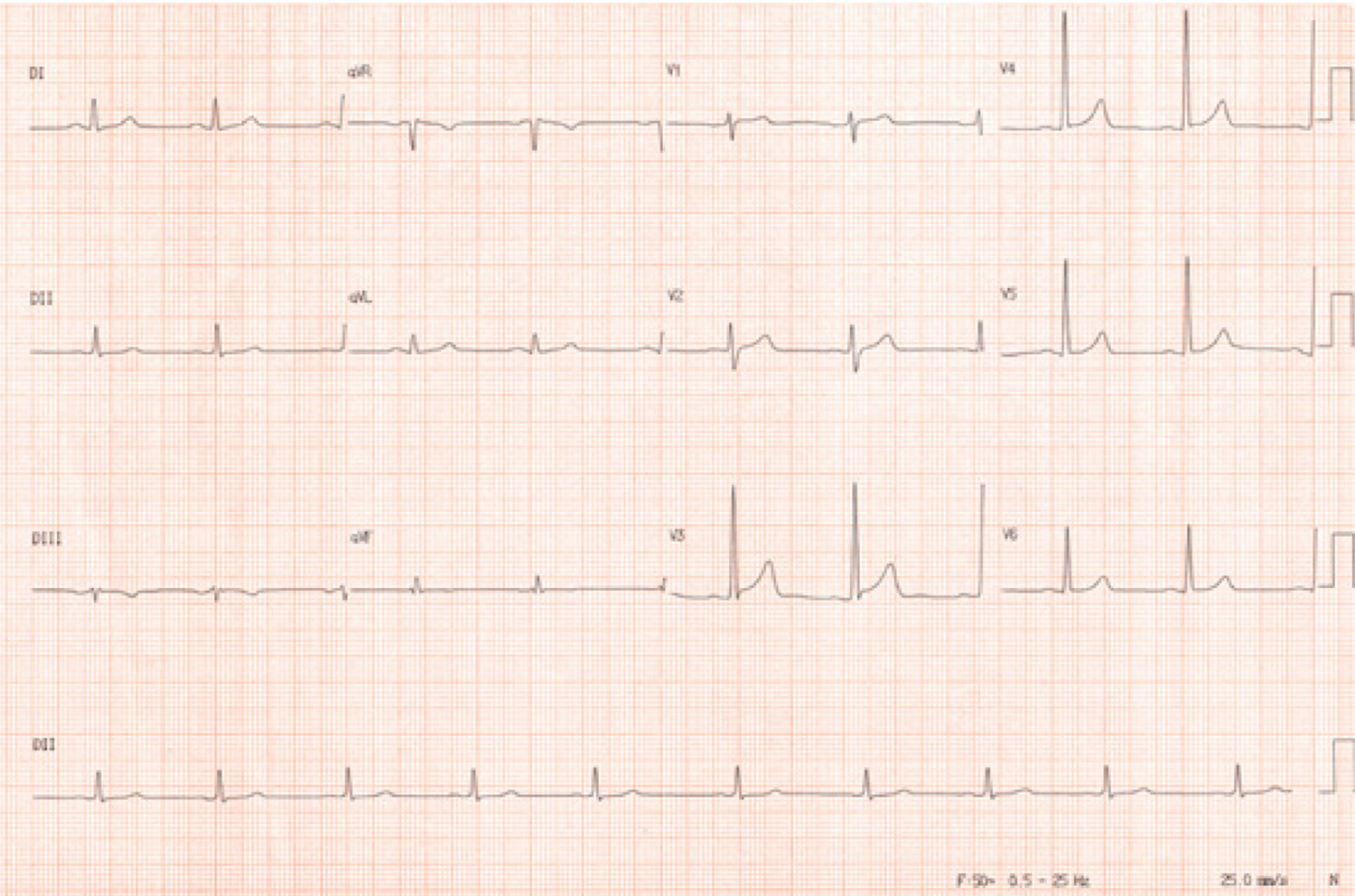
Figure 1
Editorial

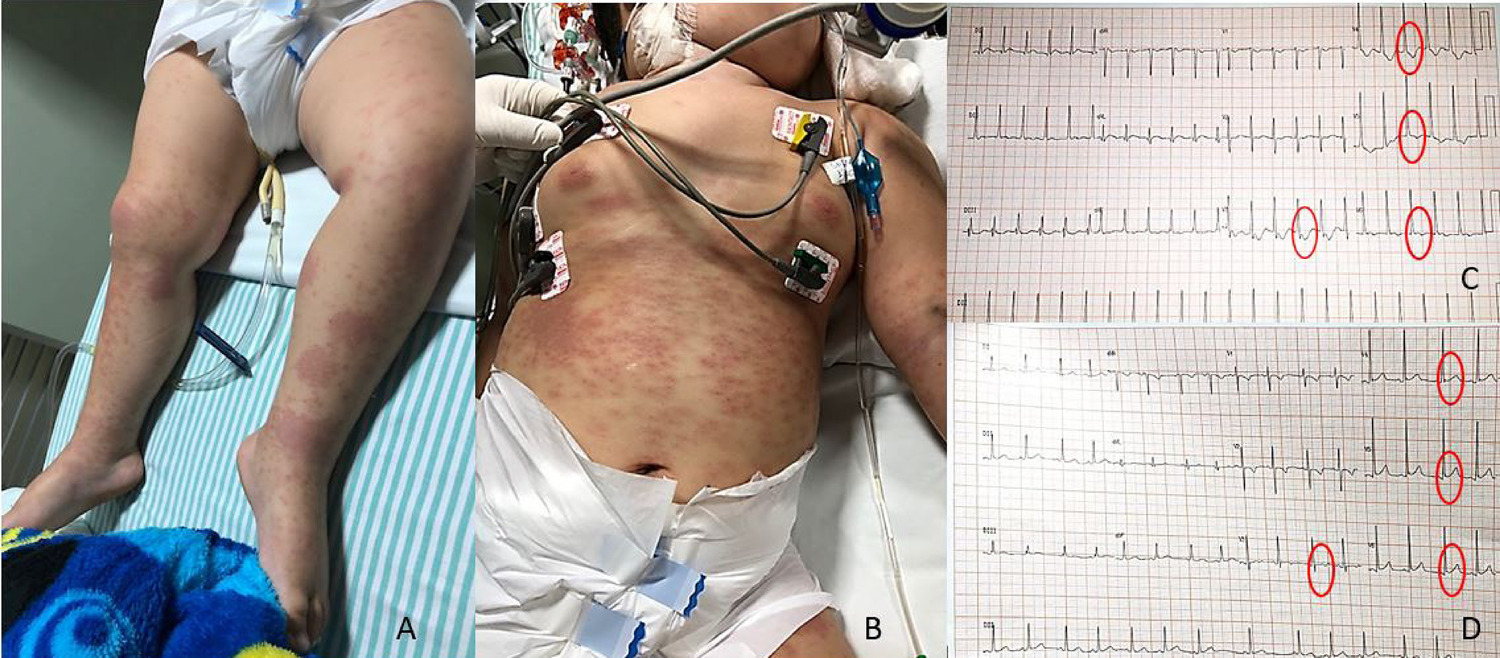
What have we Learned about the Different COVID-19 Phenotypes in the Pediatric Population so Far?

Andressa Mussi Soares et al. Bernardo Mussi Soares

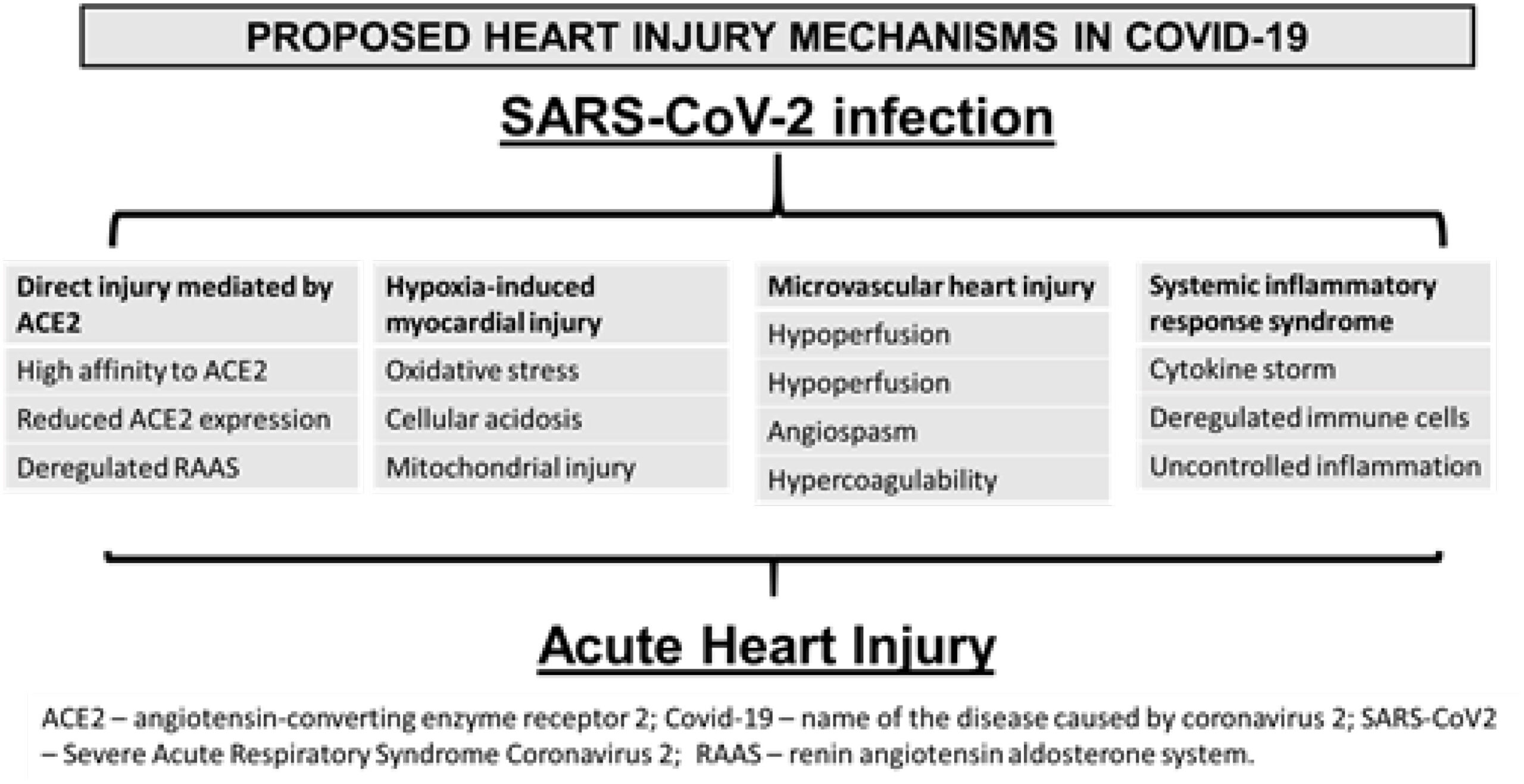
The understanding of SARS-CoV-2 related syndromes in the pediatric population needs to grow worldwide. In its severe presentation, COVID-19 is a systemic disease characterized by hyperinflammation, cytokine storm and increased myocardial injury markers. Cardiac involvement in seen in 20-30% of hospitalized adult patients and accounts for about 40% of deaths.

An intriguing aspect of the COVID-19 is the fact that most children and adolescents have mild or asymptomatic forms of the disease, perhaps related to a lower expression of virus receptors, recent exposure to other coronaviruses generating cross-protection, more developed innate immunity, among others. In fact, it is known that 40% of individuals under the age of 18 exposed to the virus get infected and that only 20-30% of children and adolescents infected with SARS-Cov-2 have symptoms.

[…]
  • Cardiomyopathies
  • Child
  • Coronavirus
  • COVID-19
  • Heart Failure
  • Kawasaki disease
  • Myocardial Stunning
  • Severe Acute Respiratory Syndrome
Read Full Article
Creative Commons Attribution (CC BY) Creative Commons license
15/09/2021 DOI: 10.36660/ijcs.20210198 Views 2
Editorial

Lower Rate of Blood Transfusion after Heart Surgery in a Tertiary Hospital

Leonardo Secchin Canale

Special interest in surgical bleeding and methods to limit its occurrence is growing after the possibility that transfusion of blood products might be causally related to complications and negative outcomes has been raised. In the same vein, studies have been conducted to evaluate whether limiting blood product transfusions (ie, being more conservative in the indication for it) would increase the safety of transfusion or even reduce some patterns of complications. The current study is a contribution to this larger discussion.

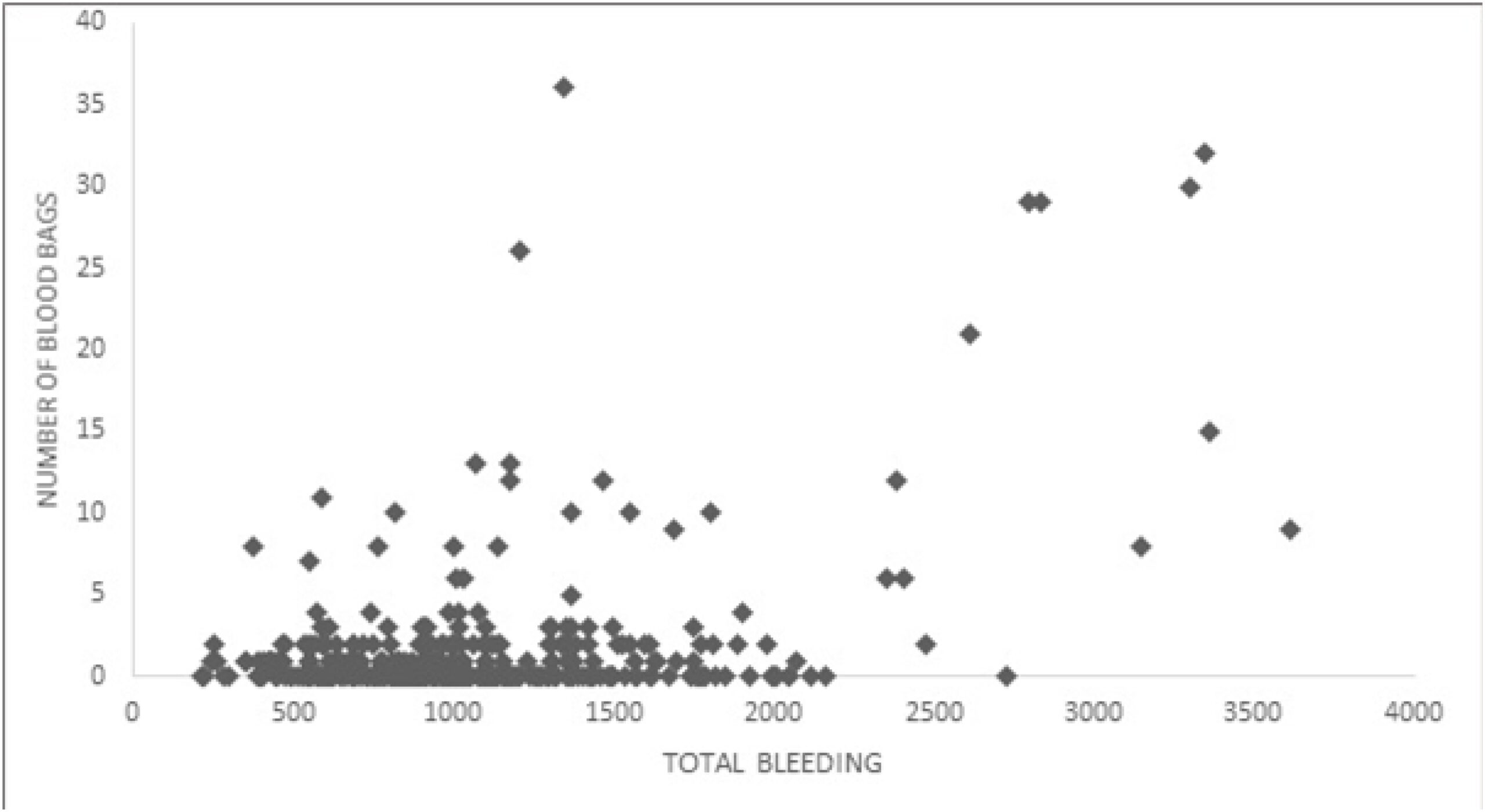
Moraes et al. report the experience of a large tertiary center in bleeding patterns after heart operations. Four hundred and twenty-three patients (51% coronary artery bypass surgery and 33% valve operations) were evaluated for total bleeding and for the use of blood products. Perioperative bleeding was measured by weighing sponges, a validated method for a difficult enterprise. Postoperative bleeding was determined by the total chest tube output in the first 24 h after the end of the operation.

[…]

  • blood transfusion
  • Coronary Artery Bypass
  • Thoracic Surgery
Read Full Article
Creative Commons Attribution (CC BY) Creative Commons license
15/09/2021 DOI: 10.36660/ijcs.20210157 Views 1
Editorial

Exercise-based Cardiovascular Rehabilitation in Chronic Heart Failure: does Exercise Intensity Matter?

Gabriel Dias Rodrigues

It is well recognized that chronic heart failure (CHF) is a multifactorial syndrome that reduces physical exercise tolerance. Exercise-based cardiac rehabilitation program is on the frontline of non-pharmacological therapies for CHF patients, counterbalancing the disease-induced issues of physical capacity.

Since a successful exercise rehabilitation program should be efficient and safe, the search for optimal combinations of exercise volume and intensity has sparked interest in the current literature. Although studies have shown feasible combinations of low volume and high intensity, and vice versa, the optimal dose-response of exercise in cardiovascular rehabilitation remains unknown. Classically, aerobic training with moderate intensity (i.e., between 60% and 80% VO2peak or heart rate reserve – HRreserve) is a safe approach to improve physical capacity and provide a cardioprotective effect in CHF disease. As a promising method, short bouts of high-intensity exercise, called high-intensity interval training, seems to be superior than moderate continuous training to reverse left ventricle remodeling and improve aerobic capacity, endothelial function, and quality of life in post-infarction heart failure patients.

[…]

  • Cardiac Rehabilitation
  • Exercise
  • Heart Diseases
  • High-Intensity Interval Training
Read Full Article
Creative Commons Attribution (CC BY) Creative Commons license
15/09/2021 DOI: 10.36660/ijcs.20210128 Views 1
Review Article

Kawasaki-Like Disease, a New Phenotype in Sars-CoV-2?

Beatriz Sordi Chara et al. Júlia Machado Rickli Caroline Figueiredo da Silva Gabriela Pomaleski … Rafael de March Ronsoni Marcus Vinícius Magno Gonçalves

Abstract

The coronavirus disease (COVID-19), that assumed pandemic proportions in March 2020, mainly affects the respiratory tract, causing severe interstitial pneumonia in adults. Worldwide data indicate that COVID-19 tends to be more benign in children, which is evidenced by a high incidence of asymptomatic or mild upper airways’ infection cases in this population. However, recent studies have been associating Kawasaki-like symptoms as a nonclassical presentation of coronavirus disease in pediatrics. It is suggested that the intense cytokine cascade, promoted by the SARS-CoV-2 infection, can trigger a multisystem inflammatory response as an atypical Kawasaki form in genetically predisposed individuals. In this context, patients may develop more severe clinical features with a greater predisposition to myocardial involvement, Macrophage Activation Syndrome, and Kawasaki Disease Shock Syndrome. Despite critical conditions, patients usually respond to conventional treatment of Kawasaki Disease with intravenous immunoglobulin. This article intends to provide an approach to the association between Kawasaki-Like Syndrome and COVID-19.

  • Betacoronavirus
  • COVID-19
  • Mucocutaneous Lymph Node Syndrome
  • Pandemics
  • Phenotype
  • Respiratory System/complications
Read Full Article
Creative Commons Attribution (CC BY) Creative Commons license
23/06/2021 DOI: 10.36660/ijcs.20200186 Views 1
Figure 1
Original Article

Echocardiographic and Ultrasonographic Parameters Associated with Protein-losing Enteropathy in Patients with Fontan Physiology: a Systematic Review with Meta-analysis

Marianna Freitas Mourato et al. Felipe Alves Mourato Sandra da Silva Mattos Juliana Rodrigues Neves

Abstract

Background:

Fontan circulation can be associated with significant morbidity, especially Protein-Losing Enteropathy (PLE). Echocardiographic parameters can provide valuable diagnostic information about a patient’s risk of developing PLE after Fontan surgery.

Objectives:

To describe echocardiographic/ultrasonographic parameters associated with PLE in patients after Fontan surgery through a systematic review with meta-analysis.

Methods:

A literature search was performed in electronic databases to identify relevant studies about echocardiographic parameters and PLE prediction in children after Fontan surgery. The search terms used were: “echocardiography”, “ultrasonography”, “Fontan,” and “protein-losing enteropathy”. A p < 0.05 was considered statistically significant.

Results:

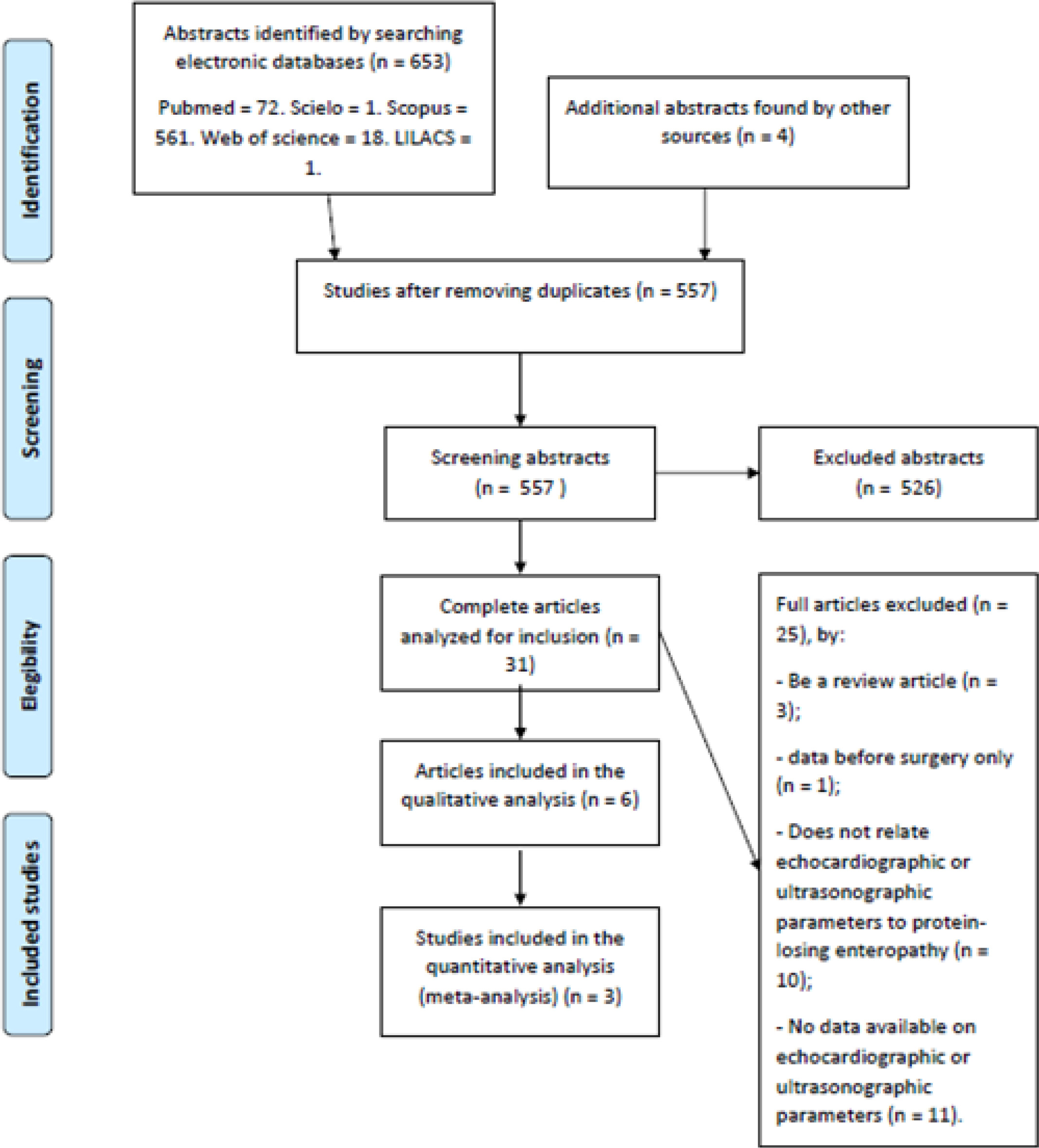
A total of 653 abstracts were obtained from electronic databases and bibliographic references. From these, six articles met criteria to be included in the qualitative analysis and three in the quantitative (meta-analysis). The resistance index in the superior mesenteric artery was described in three studies, and the quantitative analysis showed statistical significance (p < 0.001). Other echocardiographic and ultrasonographic parameters were also described, albeit in single studies not allowing a meta-analysis.

Conclusion:

This systematic review with meta-analysis identified echocardiographic and ultrasonographic parameters related to PLE in patients with Fontan physiology. Vascular ultrasonography seems to play a prominent role in this aspect, but additional studies are needed to increase the degree of evidence.

  • Echocardiography/methods
  • Fontan Procedure/methods
  • protein-losing enteropathies
  • Ultrasonics/methods
Read Full Article
Creative Commons Attribution (CC BY) Creative Commons license
12/05/2021 DOI: 10.36660/ijcs.20200047
Figure 1
Original Article

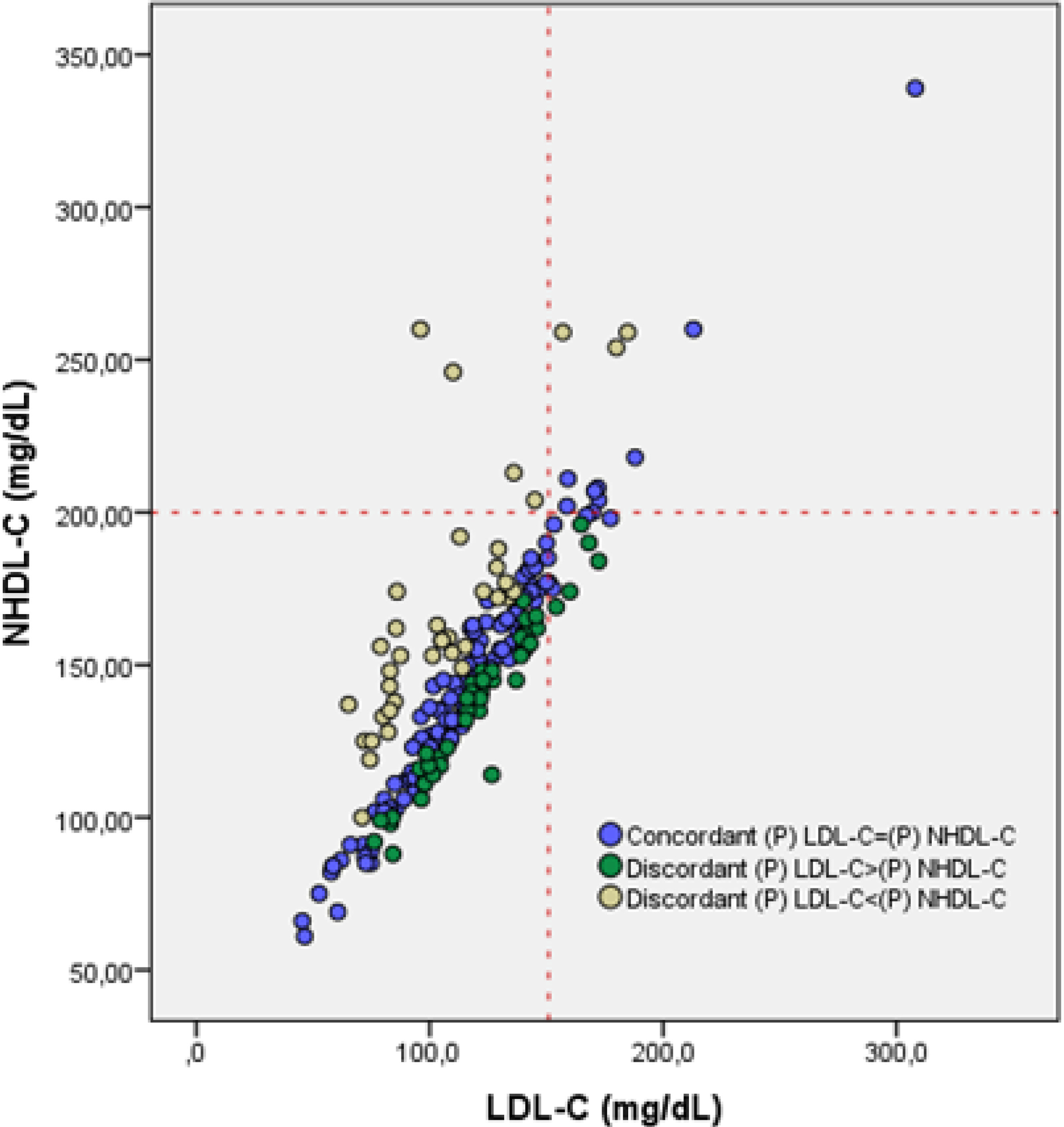
Relationship between Discordance of Low-Density Lipoprotein and Non-High-Density Lipoprotein Cholesterol and Risk Stratification in Acute Myocardial Infarction

Murat Eren et al. Ozge Kurmus Turgay Aslan Kursat Akbuga Hatice Tolunay

Abstract

Background:

Sizeable proportion of patients have discordant low-density lipoprotein cholesterol (LDL-C) and non-high density lipoprotein cholesterol (NHDL-C). It has been shown that discordance of LDL-C and NHDL-C either underestimates or overestimates coronary risk.

Objectıve:

We assessed whether this discordance has an impact on GRACE and TIMI risk scores in patients with acute myocardial infarction (AMI).

Methods:

We retrospectively evaluated the data of 198 consecutive patients with AMI. Fasting serum lipid profiles were recorded, GRACE and TIMI scores were calculated. Patients were divided into 3 groups according to LDL-C and NHDL-C percentiles: Discordant group: LDL-CNHDL-C (n=48). GRACE and TIMI scores, mortality and cardiovascular events (heart failure, non-fatal myocardial infarction and angina) at sixth month were compared between these three groups. Differences between these groups were analyzed with One-way ANOVA or Kruskal-Wallis rank test, and with chi-square for percentages. Also, post hoc LSD or Conover-Iman’s non-parametric multiple comparison test were used. A p value <0.05 was accepted as statistically significant.

Results:

TIMI risk score didn’t differ between discordant or concordant groups. Mean GRACE (death) and GRACE (death and MI) scores were higher in group with LDL-CNHDL-C (p=0.029 and 0.008, respectively). Cardiovascular events and mortality at sixth month were not different among groups (p=0.473 and p=0.176, respectively).

Conclusion:

GRACE score was higher in discordant group with LDL-C<NHDL-C, but there is no difference regarding TIMI scores between discordant and concordant groups in AMI patients.

  • Atherosclerosis
  • Cardiovascular Diseases/complications
  • Cholesteroç-HDL
  • Low Density Lipoprotein Receptor –Related Protein
  • Triglycerides
Read Full Article
Creative Commons Attribution (CC BY) Creative Commons license
12/05/2021 DOI: 10.36660/ijcs.20200172 Views 1
Figure 1
Original Article

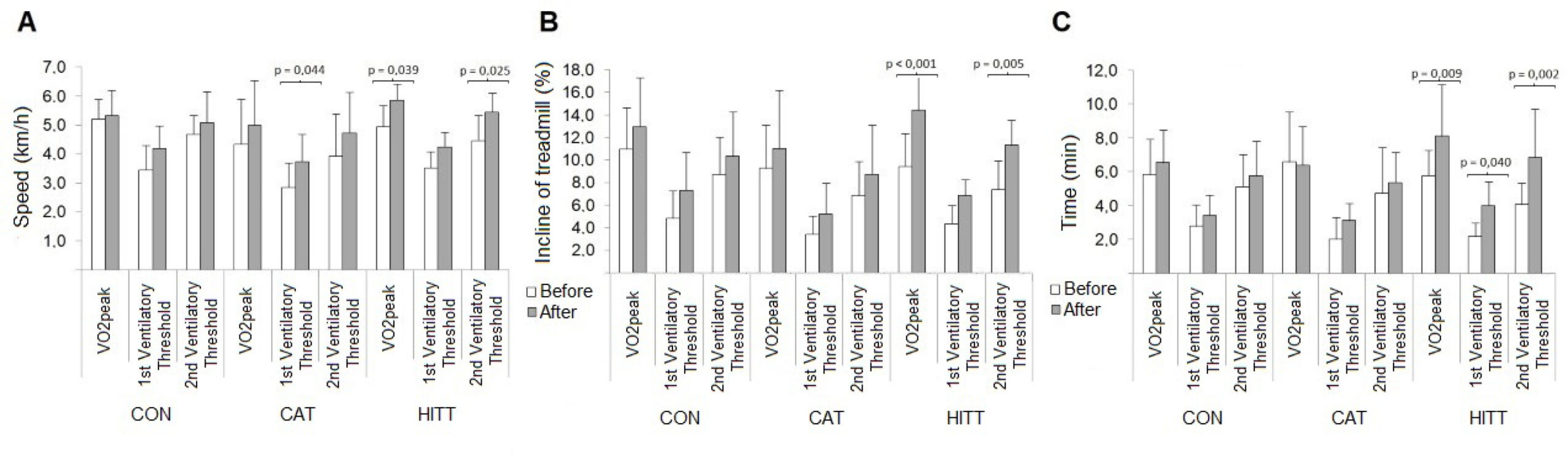
Continuous Aerobic Training and High Intensity Interval Training Increase Exercise Tolerance in Heart Failure Patients: A Retrospective Study

Diego Busin et al. Alexandre M. Lehnen Olga S. Tairova Eduardo P. Comparsi … Daniela Carneiro Micael Potter Luís F. Deresz Pedro Dal Lago Ramiro B. Nunes

Abstract

Background:

Conventional aerobic training is the first choice in cardiac rehabilitation for patients with chronic heart failure (CHF). However, high-intensity interval training (HIIT) may be an alternative, although it has little evidence.

Objectives:

To evaluate the effect of continuous aerobic training (CAT) or HIIT on exercise tolerance in CHF patients.

Methods:

Retrospective study with 30 patients, of both genders, members of a 10-week CAT or HIIT program. The control group (CON) consisted of patients who did not participate voluntarily in the program. Peak oxygen uptake (VO2peak), thresholds (LV1 and LV2), and ventilatory efficiency in the production of dioxide (VE/VCO2 slope), oxygen uptake efficiency (OUES), and VO2 recovery kinetics were analyzed. A two-way or repeated measures ANOVA was used, followed by Fisher’s post-hoc test (p<0.05).

Results:

After 10 weeks of training, the CAT group increased the treadmill speed at LV1 (p=0.040), while the HIIT increased both the speed (p=0.030) and incline of the treadmill (p<0.001) for VO2peak and LV2, as well as the total time of the cardiopulmonary test. The VE/VCO2 slope was lower than that predicted for CAT (p=0.003) and HIIT (p=0.008). There was no change in VO2peak, recovery of heart rate (HR), and VO2, VE/VCO2, and OUES in both groups.

Conclusions:

After 10 weeks, both CAT and HIIT increased the tolerance to physical exercise. However, HIIT showed improvement in more parameters, differently from CAT.

  • Exercise Movement Techniques
  • Exercise Physical Exertion
  • Exercise Therapy
  • Heart Failure
  • Rehabilitation
Read Full Article
Creative Commons Attribution (CC BY) Creative Commons license
12/05/2021 DOI: 10.36660/ijcs.20200124 Views 1
Figure 1
Viewpoint

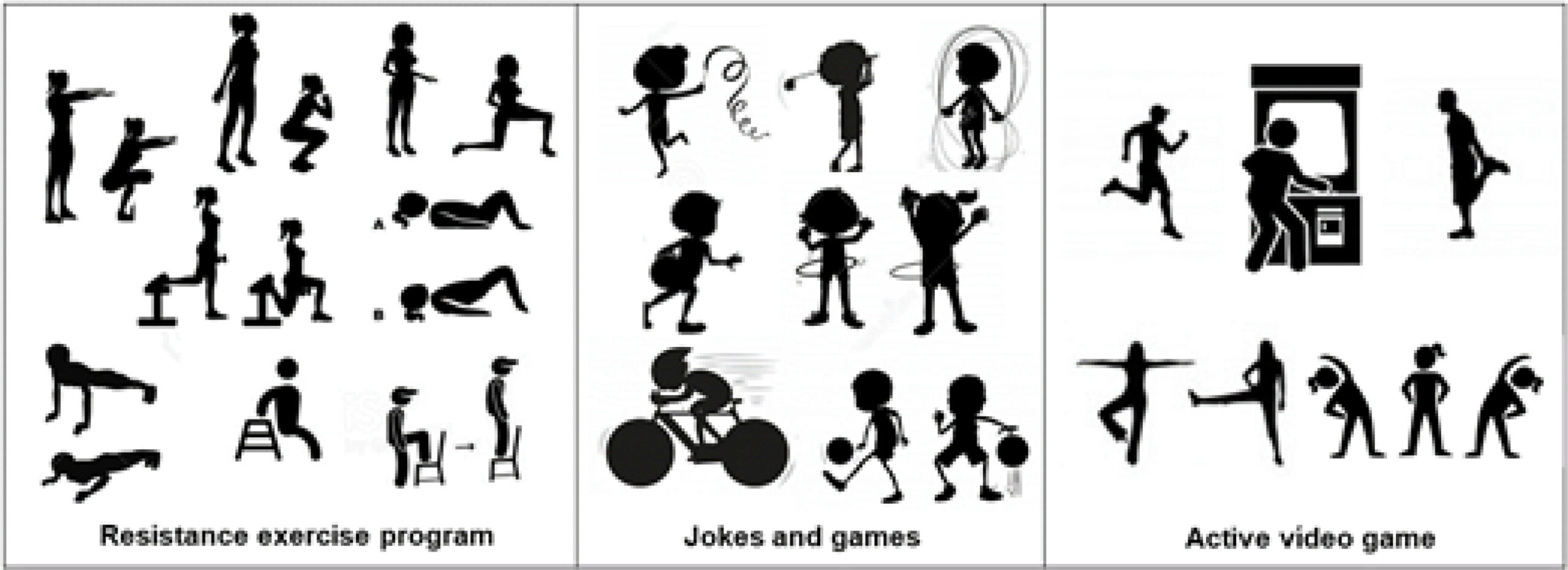
Home Physical Activity Programs for Children and Adolescents as a Healthy Strategy During Social Isolation Caused by COVID-19: viewpoint

Rafaela Catherine da Silva Cunha de Medeiros et al. Isis Kelly dos Santos Jason Azevedo de Medeiros Ricardo Ney Cobucci … Tatiane Andreza Lima da Silva Juliany de Souza Araujo Phelipe Wilde de Alcântara Varela Breno Guilherme de Araújo Tinoco Cabral Paulo Moreira Silva Dantas

Background

The recent outbreak of coronavirus disease (COVID-19) is considered a global health emergency. The global impact of this viral infection is of great concern to everyone. As the COVID-19 outbreak continues to appear unstoppable, preventive and hygiene measures have been implemented to safeguard against infection. Among these precautions, social isolation is considered to have the greatest potential for reducing contagion, at least until a vaccine becomes available. This isolation measure works as a kind of “necessary evil” for preventing a wide-reaching disaster. Thus, social distancing and staying home remain the most effective restrictive measures to prevent the exponential increase in contagion.

One of the crucial focal points of this strategy was oriented toward the closure of schools, thus affecting thousands of children and adolescents, who comprise approximately half of the global student population. The closure of educational institutions could have a significant impact on their lives, requiring them to adapt to new routines. Considering that they are now being confined to their homes due to the new situation generated by the pandemic, this cohort may experience moments of stress.

[…]

  • Adolescent
  • Betacoronavirus, Pandemics
  • Child
  • COVID-19
  • Exercises
  • Physical activity
  • Schools Closure
  • Social Isolation
  • Sports
  • students
Read Full Article
Creative Commons Attribution (CC BY) Creative Commons license
12/05/2021 DOI: 10.36660/ijcs.20200183 Views 1
Original Article

Does Hypertension Knowledge Influence Levels of Physical Activity in Hypertensive Patients From a Southern Brazilian Community?

Rafaella Zulianello dos Santos et al. Andrea Schaefer Korbes Eliara Ten Caten Martins Mateus De Lucca … Leonardo De Lucca Marlus Karsten Magnus Benetti

Abstract

Background:

Increased level of physical activity (PA) and health education are known as non-pharmacological treatments of hypertension (HP). There is a lack of studies investigating the influence of HP knowledge on the level of PA among hypertensive patients.

Objective:

To examine the influence of patient’s knowledge about HP on PA level and the relationship between these variables.

Methods:

A cross-sectional study was conducted in in a primary care center located in a city in the southern Brazil. A total of 199 hypertensive patients (median 61.2 [13] years; body mass index (BMI) 21.9 (7.5) kg/m2; 72.4% women) were included. The level of PA was assessed by measuring the number of steps taken daily. The knowledge about HP was assessed by a standardized questionnaire (HIPER-Q). The Kruskall-Wallis test was used to compare age, BMI and PA level between HP knowledge categories, and the Spearman test was used to assess correlations (p <0.05).

Results:

The median score of knowledge about HP for patients categorized as insufficient (n=6, 3%), poor (n=24; 12.1%), acceptable (n=101; 50.8%) and good (n=68; 34.2%) was 11.0 (8.0), 20.0 (4.0), 26.0 (5.0) and 38.0 (2.0), respectively. No patient has achieved an “excellent” level of knowledge. There was no significant difference in PA level (p = 0.341), BMI (p = 0.510) or age (p = 0.073) between these categories. Age was negatively correlated with knowledge about HP (p <0.05 and rho = 0.02).

Conclusions:

Patient’s knowledge about HP did not influence the level of PA in hypertensive patients. Age, number of steps per day and BMI were not significantly different between the categories of knowledge. Public policies and organizational strategy should be addressed to improve health education and avoid sedentary behavior in this population. (Int J Cardiovasc Sci. 2020; [online].ahead print, PP.0-0)

  • Blood Pressure
  • Epidemiology
  • Exercise
  • Health Education
  • Health Programs and Plans
  • Hypertension
  • Physical activity
  • Quality of life
Read Full Article
Creative Commons Attribution (CC BY) Creative Commons license
12/05/2021 DOI: 10.36660/ijcs.20200141 Views 1
Original Article

Embolic Stroke of Undetermined Source (ESUS) and Stroke in Atrial Fibrillation Patients: not so Different after all?

Valeria Cristina Scavasine et al. Gustavo da Cunha Ribas Rebeca Teixeira Costa Guilherme Henrique Weiler Ceccato … Viviane de Hiroki Flumignan Zétola Marcos Christiano Lange

Abstract

Background:

Stroke related to atrial fibrillation (AF) is associated with high recurrence and mortality rates. Embolic Stroke of Undetermined Source (ESUS) is associated with fewer vascular risk factors, less disability, and a high recurrence rate.

Objective:

To compare risk factors, functional outcomes and the occurrence of primary endpoint (a composite of recurrent stroke, cardiovascular death, and myocardial infarction) between AF stroke and ESUS patients.

Method:

A retrospective analysis was conducted including all consecutive patients with first-ever ischemic stroke admitted to the Hospital de Clinicas (Clinical Hospital) of the Federal University of Paraná from October 2012 to January 2017 (n=554). There were 61 patients with stroke due to AF and 43 due to ESUS. Both groups were compared for demographic characteristics and vascular risk factors. Logistic regression models were performed to assess the impact of each variable on the primary endpoint in a 12-month follow-up. Statistical significance was considered for p-values < 0.05.

Results:

ESUS patients, as compared to AF patients, were younger and more likely to be smokers. ESUS patients presented a mean CHADS2VASc score of 4, while the AF group presented a score of 5 (p <0.001). The primary endpoint was observed in 9 (20.9%) ESUS and 11 (18.0%) AF patients over a 12-month period (p=0.802). Higher glucose levels upon hospital admission (p=0.020) and a higher modified Rankin Scale upon hospital discharge (p=0.020) were predictors of the primary endpoint occurrence.

Conclusion:

AF and ESUS stroke patients presented very similar independence rates upon hospital discharge and outcomes after 12 months, despite some baseline differences, including stroke recurrence, vascular death, and myocardial infarction.

  • Atrial Fibrillation
  • Brain Infarction
  • Cerebrovascular Disorders
  • Embolism, Intracranial
  • Stroke
Read Full Article
Creative Commons Attribution (CC BY) Creative Commons license
12/05/2021 DOI: 10.36660/ijcs.20190191 Views 1
Figure 1
Original Article

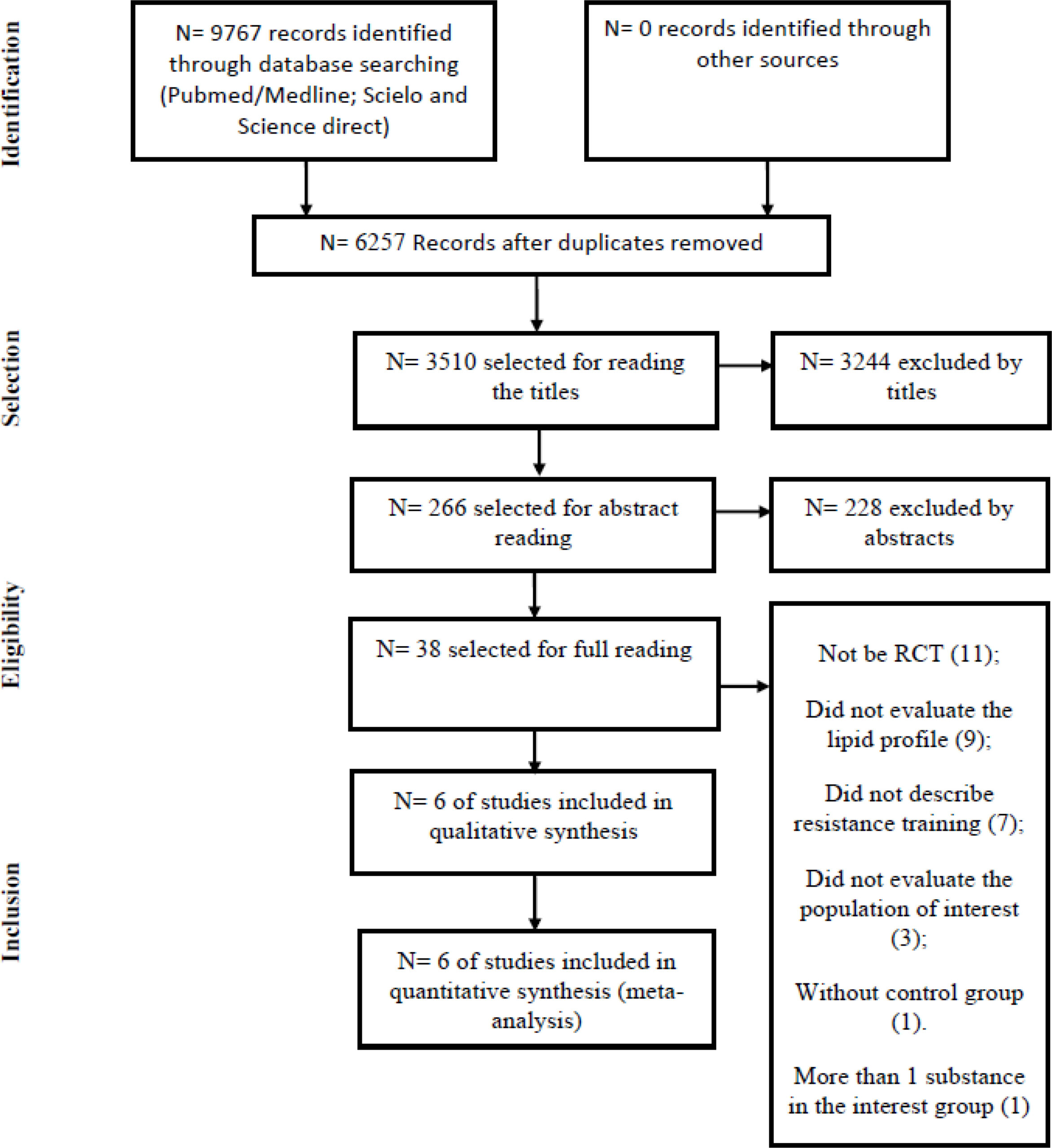
Effects of Low-to-Moderate Doses of Anabolic Steroids on Lipid Profile and Muscle Hypertrophy in Resistance Training Practitioners: A Systematic Review with Meta-Analysis

Mário César Carvalho Tenório et al. Cláudio Luiz Paz Flávia Valladares Marcelo Guimarães Junior … Cloud Kennedy Couto de Sá Luis Correia

Abstract

Background:

The use of androgenic anabolic steroids (AAS) is prevalent among young bodybuilders, motivated by aesthetic results. Although the medical community condemns this practice for its potential deleterious effect, we must recognize the need for more scientific research on the likelihood and magnitude of the adverse events.

Objective:

To evaluate whether high-quality, scientific evidence supports that AAS negatively affect lipid profile and promote muscle hypertrophy in resistance training practitioners.

Methods:

A systematic review of the literature of randomized clinical trials was conducted in the PubMed / Medline, Scielo and Science direct databases. The searches were conducted by two independent researchers by June 2018. A significance level of 5% was considered in the analysis.

Results:

Six clinical trials involving 170 resistance training practitioners were included. A significant heterogeneity was found in studies evaluating the effects of AAS on lipid profile and muscle hypertrophy (I² = 97, 95 and 91%, respectively), with no significant effects on HDL-cholesterol (-5.62mg/dL, 95%CI −12.10, 0.86, p= 0.09), LDL-cholesterol (7.76 mg/dL, 95%CI −9.70, 25.23, p= 0.57) and muscle hypertrophy (2.44kg 95%CI 0.02, 4.86, p=0.05).

Conclusion:

Current evidence does not support that low-to-moderate doses of AAS cause serious negative effects on lipid profile or promote muscle hypertrophy in resistance training practitioners.

  • Esthetics
  • Receptors Androgen
  • Resistance Training
  • testosterone Congeners
  • Young Adult
Read Full Article
Creative Commons Attribution (CC BY) Creative Commons license
12/05/2021 DOI: 10.36660/ijcs.20200107
Figure 1
Viewpoint

The Athlete's Return in the Post-COVID-19

José Antônio Caldas Teixeira et al. Mateus Freitas Teixeira Pedro Soares Teixeira Juliana Grael Jorge

Specific Complications in the Organs and Influences in Athletes

[…]

  • Athletes
  • Betacoronavirus
  • COVID-19
  • Exercise
  • Pandemic
  • Patient Discharge
  • Return to Sport/psychology
  • Sport
Read Full Article
Creative Commons Attribution (CC BY) Creative Commons license
30/04/2021 DOI: 10.36660/ijcs.20200181
Figure 1
Original Article

Transfusion of Blood Products in the Postoperative of Cardiac Surgery

Antonieta Moraes et al. Juliana Neves Giordani Cristiane Tavares Borges Pauline Eloise Mariani … Laura Maggi da Costa Leonardo Hennig Bridi Ari Tadeu Lirio dos Santos Renato Kalil

Abstract

Background:

The indiscriminate use of blood transfusion in surgery has been associated with increased risk of infection and increased length of hospital stay.

Objective:

To identify the average amount of bleeding and rates of transfusion of blood products in the postoperative period of patients undergoing cardiac surgery in a cardiology center.

Methods:

Medical records of patients who underwent myocardial revascularization surgery and/or heart valve replacement with use of cardiopulmonary bypass (CPB) were analyzed. Perioperative data such as CPB time, hematocrit and hemoglobin values were collected after surgery. The amount of bleeding (mL), blood transfusion (IU), clinical complications and time of hospitalization were also recorded. The correlation between bleeding in the postoperative period and blood transfusion was performed using the Spearman correlation. A p < 0.05 was considered statistically significant.

Results:

A total of 423 patients undergoing coronary artery bypass grafting (51.5%) or heart valve replacement (33.6%) were included. During the first 24 hours, the average bleeding volume was 353.3 ± 268.3 mL. Transfusion of blood products was required in 40.1% of cases, most frequently (70.6%) in the immediate postoperative period. Red blood cell concentrate was the most frequently used product (22.9% and 60%).

Conclusion:

The occurrence of bleeding in the cases was low, and when transfusion of blood components was indicated, red blood cell concentrates were the most widely used component. (Int J Cardiovasc Sci. 2021; [online].ahead print, PP.0-0)

  • Blood Transfusion/methods
  • Cardiac Surgery
  • Postoperative Care
  • Transfusion Reaction/complications
Read Full Article
Creative Commons Attribution (CC BY) Creative Commons license
30/04/2021 DOI: 10.36660/ijcs.20190192 Views 1
Figure 1
Original Article

How much do the Patients with Acute Myocardial Infarction Know about Chest Pain, Thrombolytic Therapy, and Other Factors Affecting the Treatment Time in the Emergency Room?

Banu Ozmen et al. Cenk Conkbayir Refika Hural Didem Melis Oztas … Murat Ugurlucan Barış Okcun Zerrin Yiğit

Abstract

Background:

Treatment time in the emergency room for acute myocardial infarction is very important and can be life-saving if one understands the importance of a patient’s chest pain.

Objetice:

The aim of this study is to evaluate how much patients entering the emergency room due to acute myocardial infection (AMI) know about chest pain and thrombolytic therapy.

Materials and Methods:

One hundred fifty patients (126 males,14 females) from three different institutes with complaints of chest pain were randomly chosen to participate in this study. The mean age of the patients was 55.4 ± 11.2 years (71+33). Patients were asked to fill out a questionnaire consisting of 70 questions within the first seven days. All differences in categorical variables were computed using the χ2-test and Fisher Exact test. A two-tailed hypothesis was used in all statistical evaluations, and p<0.05 was considered significant.

Results:

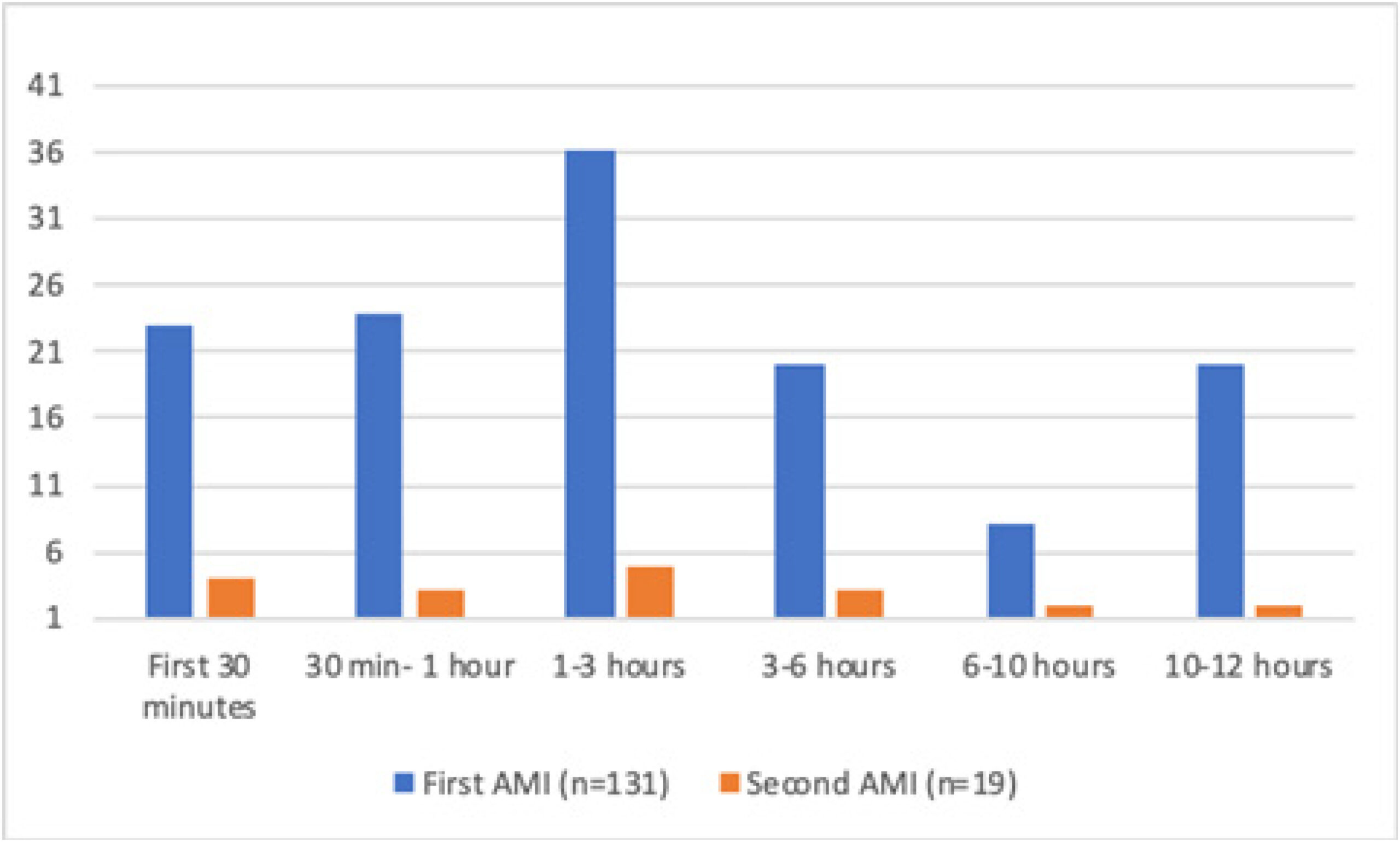
It was observed that 17% of the patients came to the hospital within the first 30 minutes; 18.3% of them came to the hospital between 30 minutes and 1 hour; 27.5% of them came to the hospital between 1 hour and 3 hours; and 21.4% of them came to the hospital more than 6 hours after symptoms began. It was also observed that 68% of the patients were not aware of the AMI, and 96% of them had no prior knowledge of antithrombolytic therapy.

Conclusion:

Because the majority of the patients did not have enough information about AMI, a training program should be implemented to ensure that people to come to the hospital earlier. (Int J Cardiovasc Sci. 2021; [online].ahead print, PP.0-0)

  • Chest Pain
  • Coronary Artery Disease
  • Emergency Medical Services
  • Myocardial Infarction
  • Thrombolytic Therapy
Read Full Article
Creative Commons Attribution (CC BY) Creative Commons license
30/04/2021 DOI: 10.36660/ijcs.20200187 Views 1
Figure 1
Case Report

Exercise Training Improved Pulmonary Gas Exchange Abnormalities in Pulmonary Hypertension due to Heart Failure: A Case Report

Danilo Marcelo Leite do Prado et al. Enéas Antônio Rocco Júlia de Paiva Fonseca de Campos Thais Pellegrino Miranda … Amanda Barbuio Teixeira Michele Staroste Emmanuel Gomes Ciolac

Abstract

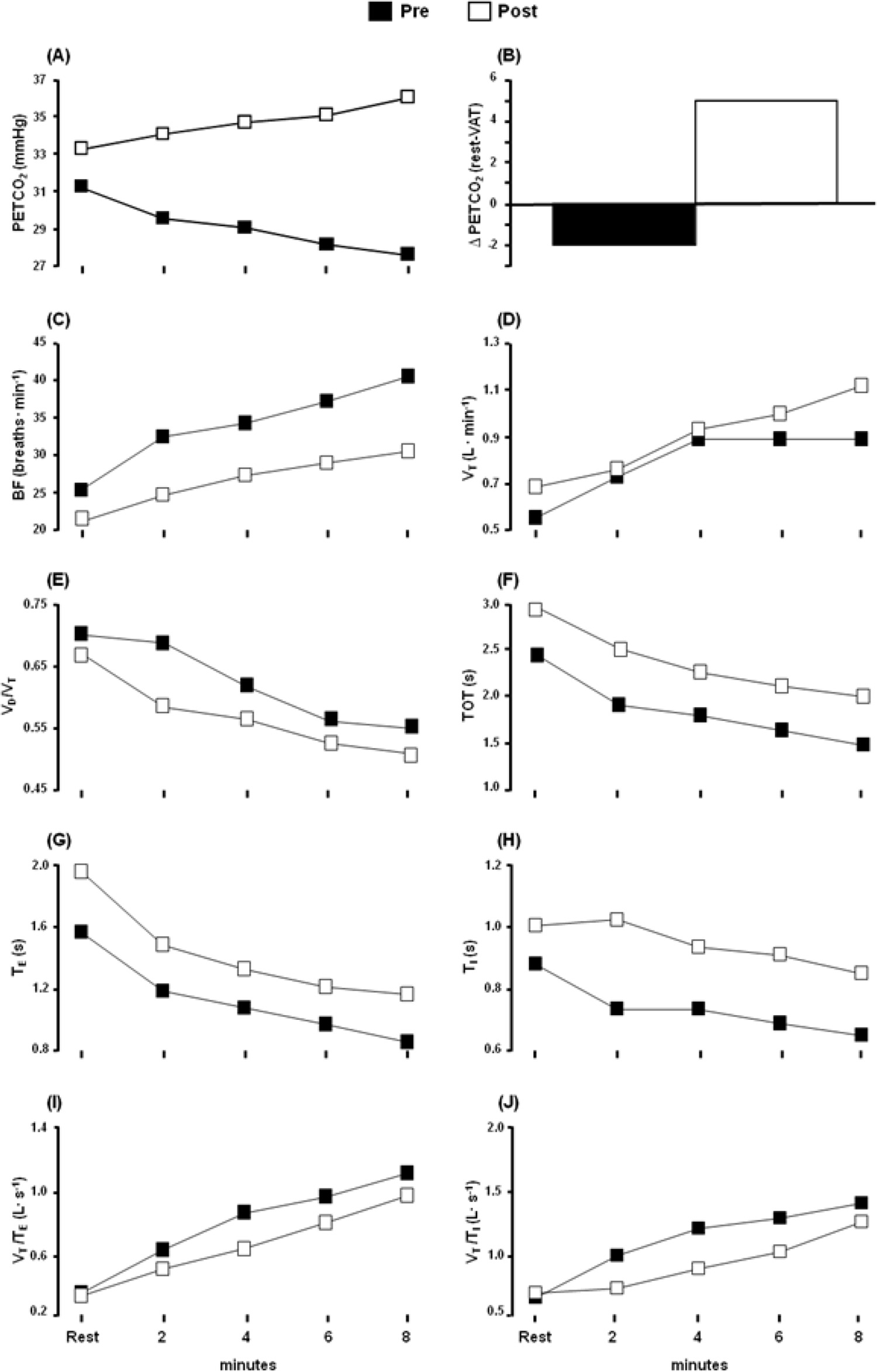
Heart failure (HF) is the most common cause of pulmonary hypertension (PH), and reduced exercise capacity and exertional dyspnea are the most frequent concerns in patients with PH-HF. Indeed, carbon dioxide end-tidal partial pressure (PETCO 2 ) during exercise is a well-established noninvasive marker of ventilation/perfusion ratio in PH. We aimed to evaluate the effect of aerobic exercise training on PETCO 2 response during exercise in a 59-year-old woman with PH secondary to idiopathic dilated cardiomyopathy. The patient with chronic fatigue and dyspnea at mild-to-moderate efforts was admitted to a cardiorespiratory rehabilitation program and had her cardiorespiratory response to exercise assessed during a cardiopulmonary exercise testing performed before and after three months of a thrice-weekly aerobic exercise training program. Improvements in aerobic capacity (23.9%) and endurance time (37.5%) and reduction in ventilatory inefficiency (-20.2%) was found after intervention. Post-intervention improvements in PETCO 2 at ventilatory anaerobic threshold (23.3%) and change in PETCO 2 kinetics pattern, with progressive increases from rest to peak of exercise, were also found. Patient also improved breathing pattern and timing of ventilation. This case report demonstrated for the first time that aerobic exercise training might be able to improve PETCO 2 response during exercise in a patient with PH-HF.

  • Aerobic Capacity
  • Cardiovascular Diseases
  • Exercise Test
  • High Frequency Ventilation
  • Pulmonary Gas Exchange
Read Full Article
Creative Commons Attribution (CC BY) Creative Commons license
22/02/2021 DOI: 10.36660/ijcs.20180067 Views 1
Figure 1
Case Report

Cardiac Arrest and Exercise-Induced Polymorphic Ventricular Tachycardia: An Elusive Diagnosis

Nestor Rodrigues de Oliveira et al. William Santos de Oliveira Adalberto Atsushi Porto Fabio Mastrocola … Ana Eloisa Novaes Roberto Moreno Mendonça Júlio César Vieira de Sousa

Introduction

Polymorphic ventricular tachycardia (VT) is defined as a rapid rhythm with continuously changing ventricular activation. In the absence of QT interval prolongation, its evaluation is a challenging activity with a series of differential diagnoses. The present study reports on a case of a young man who had an out-of-hospital cardiac arrest and and who later presented an episode of exercise-induced polymorphic VT. A rational investigation is discussed based on the patient’s clinical findings and baseline ECG.

[…]

  • Death, Sudden, Cardiac
  • Diagnosis
  • Exercise Induced
  • Tachycardia,Ventricular
Read Full Article
Creative Commons Attribution (CC BY) Creative Commons license
22/01/2021 DOI: 10.36660/ijcs.20190162 Views 1

How to cite this article

EndNote RIS

Electronic Document Format (Vancouver)

Soares AM, Soares BM. What have we Learned about the Different COVID-19 Phenotypes in the Pediatric Population so Far?. International Journal of Cardiovascular Sciences 2021;34(5):570-4.

Electronic Document Format (ABNT)

Soares, Andressa Mussi; Soares, Bernardo Mussi. What have we Learned about the Different COVID-19 Phenotypes in the Pediatric Population so Far?. International Journal of Cardiovascular Sciences, v. 34, n. 5, p. 570-574, Sep. 2021.

Electronic Document Format (APA)

Soares, A. M., & Soares, B. M. (2021). What have we Learned about the Different COVID-19 Phenotypes in the Pediatric Population so Far?. International Journal of Cardiovascular Sciences, 34(5), 570-574.

Electronic Document Format (ISO)

Soares, Andressa Mussi and Soares, Bernardo Mussi. What have we Learned about the Different COVID-19 Phenotypes in the Pediatric Population so Far?. International Journal of Cardiovascular Sciences [online]. 2021, vol. 34, n. 5, [cited 2026-10-14], pp. 570-574. Available from: <https://journals.cardiol.br/en/article/what-have-we-learned-about-the-different-covid-19-phenotypes-in-the-pediatric-population-so-far/>. ISSN 2359-4802

EndNote RIS

Electronic Document Format (Vancouver)

Canale LS. Lower Rate of Blood Transfusion after Heart Surgery in a Tertiary Hospital. International Journal of Cardiovascular Sciences 2021;34(5):506-7.

Electronic Document Format (ABNT)

Canale, Leonardo Secchin. Lower Rate of Blood Transfusion after Heart Surgery in a Tertiary Hospital. International Journal of Cardiovascular Sciences, v. 34, n. 5, p. 506-507, Sep. 2021.

Electronic Document Format (APA)

Canale, L. S. (2021). Lower Rate of Blood Transfusion after Heart Surgery in a Tertiary Hospital. International Journal of Cardiovascular Sciences, 34(5), 506-507.

Electronic Document Format (ISO)

Canale, Leonardo Secchin. Lower Rate of Blood Transfusion after Heart Surgery in a Tertiary Hospital. International Journal of Cardiovascular Sciences [online]. 2021, vol. 34, n. 5, [cited 2026-10-14], pp. 506-507. Available from: <https://journals.cardiol.br/en/article/lower-rate-of-blood-transfusion-after-heart-surgery-in-a-tertiary-hospital/>. ISSN 2359-4802

EndNote RIS

Electronic Document Format (Vancouver)

Rodrigues GD. Exercise-based Cardiovascular Rehabilitation in Chronic Heart Failure: does Exercise Intensity Matter?. International Journal of Cardiovascular Sciences 2021;34(5):515-6.

Electronic Document Format (ABNT)

Rodrigues, Gabriel Dias. Exercise-based Cardiovascular Rehabilitation in Chronic Heart Failure: does Exercise Intensity Matter?. International Journal of Cardiovascular Sciences, v. 34, n. 5, p. 515-516, Sep. 2021.

Electronic Document Format (APA)

Rodrigues, G. D. (2021). Exercise-based Cardiovascular Rehabilitation in Chronic Heart Failure: does Exercise Intensity Matter?. International Journal of Cardiovascular Sciences, 34(5), 515-516.

Electronic Document Format (ISO)

Rodrigues, Gabriel Dias. Exercise-based Cardiovascular Rehabilitation in Chronic Heart Failure: does Exercise Intensity Matter?. International Journal of Cardiovascular Sciences [online]. 2021, vol. 34, n. 5, [cited 2026-10-14], pp. 515-516. Available from: <https://journals.cardiol.br/en/article/exercise-based-cardiovascular-rehabilitation-in-chronic-heart-failure-does-exercise-intensity-matter/>. ISSN 2359-4802

EndNote RIS

Electronic Document Format (Vancouver)

Chara BS, Rickli JM, Silva CF, Pomaleski G, Ronsoni RM, Gonçalves MVM. Kawasaki-Like Disease, a New Phenotype in Sars-CoV-2?. International Journal of Cardiovascular Sciences 2021;34(5):566-9.

Electronic Document Format (ABNT)

Chara, Beatriz Sordi; Rickli, Júlia Machado; Silva, Caroline Figueiredo da; Pomaleski, Gabriela; Ronsoni, Rafael de March; Gonçalves, Marcus Vinícius Magno. Kawasaki-Like Disease, a New Phenotype in Sars-CoV-2?. International Journal of Cardiovascular Sciences, v. 34, n. 5, p. 566-569, Jun. 2021.

Electronic Document Format (APA)

Chara, B. S., Rickli, J. M., Silva, C. F. , Pomaleski, G., Ronsoni, R. M., & Gonçalves, M. V. M. (2021). Kawasaki-Like Disease, a New Phenotype in Sars-CoV-2?. International Journal of Cardiovascular Sciences, 34(5), 566-569.

Electronic Document Format (ISO)

Chara, Beatriz Sordi and Rickli, Júlia Machado and Silva, Caroline Figueiredo da and Pomaleski, Gabriela and Ronsoni, Rafael de March and Gonçalves, Marcus Vinícius Magno. Kawasaki-Like Disease, a New Phenotype in Sars-CoV-2?. International Journal of Cardiovascular Sciences [online]. 2021, vol. 34, n. 5, [cited 2026-10-14], pp. 566-569. Available from: <https://journals.cardiol.br/en/article/kawasaki-like-disease-a-new-phenotype-in-sars-cov-2/>. ISSN 2359-4802

EndNote RIS

Electronic Document Format (Vancouver)

Mourato MF, Mourato FA, Mattos SS, Neves JR. Echocardiographic and Ultrasonographic Parameters Associated with Protein-losing Enteropathy in Patients with Fontan Physiology: a Systematic Review with Meta-analysis. International Journal of Cardiovascular Sciences 2021;34(5):523-30.

Electronic Document Format (ABNT)

Mourato, Marianna Freitas; Mourato, Felipe Alves; Mattos, Sandra da Silva; Neves, Juliana Rodrigues. Echocardiographic and Ultrasonographic Parameters Associated with Protein-losing Enteropathy in Patients with Fontan Physiology: a Systematic Review with Meta-analysis. International Journal of Cardiovascular Sciences, v. 34, n. 5, p. 523-530, May. 2021.

Electronic Document Format (APA)

Mourato, M. F., Mourato, F. A., Mattos, S. S., & Neves, J. R. (2021). Echocardiographic and Ultrasonographic Parameters Associated with Protein-losing Enteropathy in Patients with Fontan Physiology: a Systematic Review with Meta-analysis. International Journal of Cardiovascular Sciences, 34(5), 523-530.

Electronic Document Format (ISO)

Mourato, Marianna Freitas and Mourato, Felipe Alves and Mattos, Sandra da Silva and Neves, Juliana Rodrigues. Echocardiographic and Ultrasonographic Parameters Associated with Protein-losing Enteropathy in Patients with Fontan Physiology: a Systematic Review with Meta-analysis. International Journal of Cardiovascular Sciences [online]. 2021, vol. 34, n. 5, [cited 2026-10-14], pp. 523-530. Available from: <https://journals.cardiol.br/en/article/echocardiographic-and-ultrasonographic-parameters-associated-with-protein-losing-enteropathy-in-patients-with-fontan-physiology-a-systematic-review-with-meta-analysis/>. ISSN 2359-4802

EndNote RIS

Electronic Document Format (Vancouver)

Eren M, Kurmus O, Aslan T, Akbuga K, Tolunay H. Relationship between Discordance of Low-Density Lipoprotein and Non-High-Density Lipoprotein Cholesterol and Risk Stratification in Acute Myocardial Infarction. International Journal of Cardiovascular Sciences 2021;34(5):550-6.

Electronic Document Format (ABNT)

Eren, Murat; Kurmus, Ozge; Aslan, Turgay; Akbuga, Kursat; Tolunay, Hatice. Relationship between Discordance of Low-Density Lipoprotein and Non-High-Density Lipoprotein Cholesterol and Risk Stratification in Acute Myocardial Infarction. International Journal of Cardiovascular Sciences, v. 34, n. 5, p. 550-556, May. 2021.

Electronic Document Format (APA)

Eren, M., Kurmus, O., Aslan, T., Akbuga, K., & Tolunay, H. (2021). Relationship between Discordance of Low-Density Lipoprotein and Non-High-Density Lipoprotein Cholesterol and Risk Stratification in Acute Myocardial Infarction. International Journal of Cardiovascular Sciences, 34(5), 550-556.

Electronic Document Format (ISO)

Eren, Murat and Kurmus, Ozge and Aslan, Turgay and Akbuga, Kursat and Tolunay, Hatice. Relationship between Discordance of Low-Density Lipoprotein and Non-High-Density Lipoprotein Cholesterol and Risk Stratification in Acute Myocardial Infarction. International Journal of Cardiovascular Sciences [online]. 2021, vol. 34, n. 5, [cited 2026-10-14], pp. 550-556. Available from: <https://journals.cardiol.br/en/article/relationship-between-discordance-of-low-density-lipoprotein-and-non-high-density-lipoprotein-cholesterol-and-risk-stratification-in-acute-myocardial-infarction/>. ISSN 2359-4802

EndNote RIS

Electronic Document Format (Vancouver)

Busin D, Lehnen AM, Tairova OS, Comparsi EP, Carneiro D, Potter M, Deresz LF, et al. Continuous Aerobic Training and High Intensity Interval Training Increase Exercise Tolerance in Heart Failure Patients: A Retrospective Study. International Journal of Cardiovascular Sciences 2021;34(5):508-14.

Electronic Document Format (ABNT)

Busin, Diego; Lehnen, Alexandre M.; Tairova, Olga S.; Comparsi, Eduardo P.; Carneiro, Daniela; Potter, Micael; Deresz, Luís F.; Lago, Pedro Dal; Nunes, Ramiro B.. Continuous Aerobic Training and High Intensity Interval Training Increase Exercise Tolerance in Heart Failure Patients: A Retrospective Study. International Journal of Cardiovascular Sciences, v. 34, n. 5, p. 508-514, May. 2021.

Electronic Document Format (APA)

Busin, D., Lehnen, A. M., Tairova, O. S., Comparsi, E. P., Carneiro, D., Potter, M., Deresz, L. F., Lago, P. D., & Nunes, R. B. (2021). Continuous Aerobic Training and High Intensity Interval Training Increase Exercise Tolerance in Heart Failure Patients: A Retrospective Study. International Journal of Cardiovascular Sciences, 34(5), 508-514.

Electronic Document Format (ISO)

Busin, Diego and Lehnen, Alexandre M. and Tairova, Olga S. and Comparsi, Eduardo P. and Carneiro, Daniela and Potter, Micael and Deresz, Luís F. and Lago, Pedro Dal and Nunes, Ramiro B.. Continuous Aerobic Training and High Intensity Interval Training Increase Exercise Tolerance in Heart Failure Patients: A Retrospective Study. International Journal of Cardiovascular Sciences [online]. 2021, vol. 34, n. 5, [cited 2026-10-14], pp. 508-514. Available from: <https://journals.cardiol.br/en/article/continuous-aerobic-training-and-high-intensity-interval-training-increase-exercise-tolerance-in-heart-failure-patients-a-retrospective-study/>. ISSN 2359-4802

EndNote RIS

Electronic Document Format (Vancouver)

Medeiros RCSC, Santos IK, Medeiros JA, Cobucci RN, Silva TAL, Araujo JS, Varela PWA, et al. Home Physical Activity Programs for Children and Adolescents as a Healthy Strategy During Social Isolation Caused by COVID-19: viewpoint. International Journal of Cardiovascular Sciences 2021;34(5):582-7.

Electronic Document Format (ABNT)

Medeiros, Rafaela Catherine da Silva Cunha de; Santos, Isis Kelly dos; Medeiros, Jason Azevedo de; Cobucci, Ricardo Ney; Silva, Tatiane Andreza Lima da; Araujo, Juliany de Souza; Varela, Phelipe Wilde de Alcântara; Cabral, Breno Guilherme de Araújo Tinoco; Dantas, Paulo Moreira Silva. Home Physical Activity Programs for Children and Adolescents as a Healthy Strategy During Social Isolation Caused by COVID-19: viewpoint. International Journal of Cardiovascular Sciences, v. 34, n. 5, p. 582-587, May. 2021.

Electronic Document Format (APA)

Medeiros, R. C. S. C. , Santos, I. K. , Medeiros, J. A. , Cobucci, R. N., Silva, T. A. L. , Araujo, J. S., Varela, P. W. A., Cabral, B. G. A. T., & Dantas, P. M. S. (2021). Home Physical Activity Programs for Children and Adolescents as a Healthy Strategy During Social Isolation Caused by COVID-19: viewpoint. International Journal of Cardiovascular Sciences, 34(5), 582-587.

Electronic Document Format (ISO)

Medeiros, Rafaela Catherine da Silva Cunha de and Santos, Isis Kelly dos and Medeiros, Jason Azevedo de and Cobucci, Ricardo Ney and Silva, Tatiane Andreza Lima da and Araujo, Juliany de Souza and Varela, Phelipe Wilde de Alcântara and Cabral, Breno Guilherme de Araújo Tinoco and Dantas, Paulo Moreira Silva. Home Physical Activity Programs for Children and Adolescents as a Healthy Strategy During Social Isolation Caused by COVID-19: viewpoint. International Journal of Cardiovascular Sciences [online]. 2021, vol. 34, n. 5, [cited 2026-10-14], pp. 582-587. Available from: <https://journals.cardiol.br/en/article/home-physical-activity-programs-for-children-and-adolescents-as-a-healthy-strategy-during-social-isolation-caused-by-covid-19-viewpoint/>. ISSN 2359-4802

EndNote RIS

Electronic Document Format (Vancouver)

Santos RZ, Korbes AS, Martins ETC, Lucca MD, Lucca LD, Karsten M, Benetti M, et al. Does Hypertension Knowledge Influence Levels of Physical Activity in Hypertensive Patients From a Southern Brazilian Community?. International Journal of Cardiovascular Sciences 2021;34(5):542-9.

Electronic Document Format (ABNT)

Santos, Rafaella Zulianello dos; Korbes, Andrea Schaefer; Martins, Eliara Ten Caten; Lucca, Mateus De; Lucca, Leonardo De; Karsten, Marlus; Benetti, Magnus. Does Hypertension Knowledge Influence Levels of Physical Activity in Hypertensive Patients From a Southern Brazilian Community?. International Journal of Cardiovascular Sciences, v. 34, n. 5, p. 542-549, May. 2021.

Electronic Document Format (APA)

Santos, R. Z. , Korbes, A. S., Martins, E. T. C., Lucca, M. D., Lucca, L. D., Karsten, M., & Benetti, M. (2021). Does Hypertension Knowledge Influence Levels of Physical Activity in Hypertensive Patients From a Southern Brazilian Community?. International Journal of Cardiovascular Sciences, 34(5), 542-549.

Electronic Document Format (ISO)

Santos, Rafaella Zulianello dos and Korbes, Andrea Schaefer and Martins, Eliara Ten Caten and Lucca, Mateus De and Lucca, Leonardo De and Karsten, Marlus and Benetti, Magnus. Does Hypertension Knowledge Influence Levels of Physical Activity in Hypertensive Patients From a Southern Brazilian Community?. International Journal of Cardiovascular Sciences [online]. 2021, vol. 34, n. 5, [cited 2026-10-14], pp. 542-549. Available from: <https://journals.cardiol.br/en/article/does-hypertension-knowledge-influence-levels-of-physical-activity-in-hypertensive-patients-from-a-southern-brazilian-community/>. ISSN 2359-4802

EndNote RIS

Electronic Document Format (Vancouver)

Scavasine VC, Ribas GC, Costa RT, Ceccato GHW, Zétola VHF, Lange MC. Embolic Stroke of Undetermined Source (ESUS) and Stroke in Atrial Fibrillation Patients: not so Different after all?. International Journal of Cardiovascular Sciences 2021;34(5):517-22.

Electronic Document Format (ABNT)

Scavasine, Valeria Cristina; Ribas, Gustavo da Cunha; Costa, Rebeca Teixeira; Ceccato, Guilherme Henrique Weiler; Zétola, Viviane de Hiroki Flumignan; Lange, Marcos Christiano. Embolic Stroke of Undetermined Source (ESUS) and Stroke in Atrial Fibrillation Patients: not so Different after all?. International Journal of Cardiovascular Sciences, v. 34, n. 5, p. 517-522, May. 2021.

Electronic Document Format (APA)

Scavasine, V. C., Ribas, G. C., Costa, R. T., Ceccato, G. H. W., Zétola, V. H. F., & Lange, M. C. (2021). Embolic Stroke of Undetermined Source (ESUS) and Stroke in Atrial Fibrillation Patients: not so Different after all?. International Journal of Cardiovascular Sciences, 34(5), 517-522.

Electronic Document Format (ISO)

Scavasine, Valeria Cristina and Ribas, Gustavo da Cunha and Costa, Rebeca Teixeira and Ceccato, Guilherme Henrique Weiler and Zétola, Viviane de Hiroki Flumignan and Lange, Marcos Christiano. Embolic Stroke of Undetermined Source (ESUS) and Stroke in Atrial Fibrillation Patients: not so Different after all?. International Journal of Cardiovascular Sciences [online]. 2021, vol. 34, n. 5, [cited 2026-10-14], pp. 517-522. Available from: <https://journals.cardiol.br/en/article/embolic-stroke-of-undetermined-source-esus-and-stroke-in-atrial-fibrillation-patients-not-so-different-after-all/>. ISSN 2359-4802

EndNote RIS

Electronic Document Format (Vancouver)

Tenório MCC, Paz CL, Valladares F, Guimarães Junior M, Sá CKC, Correia L. Effects of Low-to-Moderate Doses of Anabolic Steroids on Lipid Profile and Muscle Hypertrophy in Resistance Training Practitioners: A Systematic Review with Meta-Analysis. International Journal of Cardiovascular Sciences 2021;34(5):531-4.

Electronic Document Format (ABNT)

Tenório, Mário César Carvalho; Paz, Cláudio Luiz; Valladares, Flávia; Guimarães Junior, Marcelo; Sá, Cloud Kennedy Couto de; Correia, Luis. Effects of Low-to-Moderate Doses of Anabolic Steroids on Lipid Profile and Muscle Hypertrophy in Resistance Training Practitioners: A Systematic Review with Meta-Analysis. International Journal of Cardiovascular Sciences, v. 34, n. 5, p. 531-541, May. 2021.

Electronic Document Format (APA)

Tenório, M. C. C., Paz, C. L., Valladares, F., Guimarães Junior, M., Sá, C. K. C. , & Correia, L. (2021). Effects of Low-to-Moderate Doses of Anabolic Steroids on Lipid Profile and Muscle Hypertrophy in Resistance Training Practitioners: A Systematic Review with Meta-Analysis. International Journal of Cardiovascular Sciences, 34(5), 531-541.

Electronic Document Format (ISO)

Tenório, Mário César Carvalho and Paz, Cláudio Luiz and Valladares, Flávia and Guimarães Junior, Marcelo and Sá, Cloud Kennedy Couto de and Correia, Luis. Effects of Low-to-Moderate Doses of Anabolic Steroids on Lipid Profile and Muscle Hypertrophy in Resistance Training Practitioners: A Systematic Review with Meta-Analysis. International Journal of Cardiovascular Sciences [online]. 2021, vol. 34, n. 5, [cited 2026-10-14], pp. 531-541. Available from: <https://journals.cardiol.br/en/article/effects-of-low-to-moderate-doses-of-anabolic-steroids-on-lipid-profile-and-muscle-hypertrophy-in-resistance-training-practitioners-a-systematic-review-with-meta-analysis/>. ISSN 2359-4802

EndNote RIS

Electronic Document Format (Vancouver)

Teixeira JAC, Teixeira MF, Teixeira PS, Jorge JG. The Athlete’s Return in the Post-COVID-19. International Journal of Cardiovascular Sciences 2021;34(5):575-81.

Electronic Document Format (ABNT)

Teixeira, José Antônio Caldas; Teixeira, Mateus Freitas; Teixeira, Pedro Soares; Jorge, Juliana Grael. The Athlete’s Return in the Post-COVID-19. International Journal of Cardiovascular Sciences, v. 34, n. 5, p. 575-581, Apr. 2021.

Electronic Document Format (APA)

Teixeira, J. A. C., Teixeira, M. F., Teixeira, P. S., & Jorge, J. G. (2021). The Athlete’s Return in the Post-COVID-19. International Journal of Cardiovascular Sciences, 34(5), 575-581.

Electronic Document Format (ISO)

Teixeira, José Antônio Caldas and Teixeira, Mateus Freitas and Teixeira, Pedro Soares and Jorge, Juliana Grael. The Athlete’s Return in the Post-COVID-19. International Journal of Cardiovascular Sciences [online]. 2021, vol. 34, n. 5, [cited 2026-10-14], pp. 575-581. Available from: <https://journals.cardiol.br/en/article/the-athletes-return-in-the-post-covid-19/>. ISSN 2359-4802

EndNote RIS

Electronic Document Format (Vancouver)

Moraes A, Giordani JN, Borges CT, Mariani PE, Costa LM, Bridi LH, Santos ATL, et al. Transfusion of Blood Products in the Postoperative of Cardiac Surgery. International Journal of Cardiovascular Sciences 2021;34(5):499-505.

Electronic Document Format (ABNT)

Moraes, Antonieta; Giordani, Juliana Neves; Borges, Cristiane Tavares; Mariani, Pauline Eloise; Costa, Laura Maggi da; Bridi, Leonardo Hennig; Santos, Ari Tadeu Lirio dos; Kalil, Renato. Transfusion of Blood Products in the Postoperative of Cardiac Surgery. International Journal of Cardiovascular Sciences, v. 34, n. 5, p. 499-505, Apr. 2021.

Electronic Document Format (APA)

Moraes, A., Giordani, J. N., Borges, C. T., Mariani, P. E., Costa, L. M. , Bridi, L. H., Santos, A. T. L. , & Kalil, R. (2021). Transfusion of Blood Products in the Postoperative of Cardiac Surgery. International Journal of Cardiovascular Sciences, 34(5), 499-505.

Electronic Document Format (ISO)

Moraes, Antonieta and Giordani, Juliana Neves and Borges, Cristiane Tavares and Mariani, Pauline Eloise and Costa, Laura Maggi da and Bridi, Leonardo Hennig and Santos, Ari Tadeu Lirio dos and Kalil, Renato. Transfusion of Blood Products in the Postoperative of Cardiac Surgery. International Journal of Cardiovascular Sciences [online]. 2021, vol. 34, n. 5, [cited 2026-10-14], pp. 499-505. Available from: <https://journals.cardiol.br/en/article/transfusion-of-blood-products-in-the-postoperative-of-cardiac-surgery/>. ISSN 2359-4802

EndNote RIS

Electronic Document Format (Vancouver)

Ozmen B, Conkbayir C, Hural R, Oztas DM, Ugurlucan M, Okcun B, Yiğit Z, et al. How much do the Patients with Acute Myocardial Infarction Know about Chest Pain, Thrombolytic Therapy, and Other Factors Affecting the Treatment Time in the Emergency Room?. International Journal of Cardiovascular Sciences 2021;34(5):557-65.

Electronic Document Format (ABNT)

Ozmen, Banu; Conkbayir, Cenk; Hural, Refika; Oztas, Didem Melis; Ugurlucan, Murat; Okcun, Barış; Yiğit, Zerrin. How much do the Patients with Acute Myocardial Infarction Know about Chest Pain, Thrombolytic Therapy, and Other Factors Affecting the Treatment Time in the Emergency Room?. International Journal of Cardiovascular Sciences, v. 34, n. 5, p. 557-565, Apr. 2021.

Electronic Document Format (APA)

Ozmen, B., Conkbayir, C., Hural, R., Oztas, D. M., Ugurlucan, M., Okcun, B., & Yiğit, Z. (2021). How much do the Patients with Acute Myocardial Infarction Know about Chest Pain, Thrombolytic Therapy, and Other Factors Affecting the Treatment Time in the Emergency Room?. International Journal of Cardiovascular Sciences, 34(5), 557-565.

Electronic Document Format (ISO)

Ozmen, Banu and Conkbayir, Cenk and Hural, Refika and Oztas, Didem Melis and Ugurlucan, Murat and Okcun, Barış and Yiğit, Zerrin. How much do the Patients with Acute Myocardial Infarction Know about Chest Pain, Thrombolytic Therapy, and Other Factors Affecting the Treatment Time in the Emergency Room?. International Journal of Cardiovascular Sciences [online]. 2021, vol. 34, n. 5, [cited 2026-10-14], pp. 557-565. Available from: <https://journals.cardiol.br/en/article/how-much-do-the-patients-with-acute-myocardial-infarction-know-about-chest-pain-thrombolytic-therapy-and-other-factors-affecting-the-treatment-time-in-the-emergency-room/>. ISSN 2359-4802

EndNote RIS

Electronic Document Format (Vancouver)

Prado DML, Rocco EA, Campos JPF, Miranda TP, Teixeira AB, Staroste M, Ciolac EG, et al. Exercise Training Improved Pulmonary Gas Exchange Abnormalities in Pulmonary Hypertension due to Heart Failure: A Case Report. International Journal of Cardiovascular Sciences 2021;34(5):588-92.

Electronic Document Format (ABNT)

Prado, Danilo Marcelo Leite do; Rocco, Enéas Antônio; Campos, Júlia de Paiva Fonseca de; Miranda, Thais Pellegrino; Teixeira, Amanda Barbuio; Staroste, Michele; Ciolac, Emmanuel Gomes. Exercise Training Improved Pulmonary Gas Exchange Abnormalities in Pulmonary Hypertension due to Heart Failure: A Case Report. International Journal of Cardiovascular Sciences, v. 34, n. 5, p. 588-592, Feb. 2021.

Electronic Document Format (APA)

Prado, D. M. L. , Rocco, E. A., Campos, J. P. F. , Miranda, T. P., Teixeira, A. B., Staroste, M., & Ciolac, E. G. (2021). Exercise Training Improved Pulmonary Gas Exchange Abnormalities in Pulmonary Hypertension due to Heart Failure: A Case Report. International Journal of Cardiovascular Sciences, 34(5), 588-592.

Electronic Document Format (ISO)

Prado, Danilo Marcelo Leite do and Rocco, Enéas Antônio and Campos, Júlia de Paiva Fonseca de and Miranda, Thais Pellegrino and Teixeira, Amanda Barbuio and Staroste, Michele and Ciolac, Emmanuel Gomes. Exercise Training Improved Pulmonary Gas Exchange Abnormalities in Pulmonary Hypertension due to Heart Failure: A Case Report. International Journal of Cardiovascular Sciences [online]. 2021, vol. 34, n. 5, [cited 2026-10-14], pp. 588-592. Available from: <https://journals.cardiol.br/en/article/exercise-training-improved-pulmonary-gas-exchange-abnormalities-in-pulmonary-hypertension-due-to-heart-failure-a-case-report/>. ISSN 2359-4802

EndNote RIS

Electronic Document Format (Vancouver)

Oliveira NR, Oliveira WS, Porto AA, Mastrocola F, Novaes AE, Mendonça RM, Sousa JCV, et al. Cardiac Arrest and Exercise-Induced Polymorphic Ventricular Tachycardia: An Elusive Diagnosis. International Journal of Cardiovascular Sciences 2021;34(5):593-6.

Electronic Document Format (ABNT)

Oliveira, Nestor Rodrigues de; Oliveira, William Santos de; Porto, Adalberto Atsushi; Mastrocola, Fabio; Novaes, Ana Eloisa; Mendonça, Roberto Moreno; Sousa, Júlio César Vieira de. Cardiac Arrest and Exercise-Induced Polymorphic Ventricular Tachycardia: An Elusive Diagnosis. International Journal of Cardiovascular Sciences, v. 34, n. 5, p. 593-596, Jan. 2021.

Electronic Document Format (APA)

Oliveira, N. R. , Oliveira, W. S. , Porto, A. A., Mastrocola, F., Novaes, A. E., Mendonça, R. M., & Sousa, J. C. V. (2021). Cardiac Arrest and Exercise-Induced Polymorphic Ventricular Tachycardia: An Elusive Diagnosis. International Journal of Cardiovascular Sciences, 34(5), 593-596.

Electronic Document Format (ISO)

Oliveira, Nestor Rodrigues de and Oliveira, William Santos de and Porto, Adalberto Atsushi and Mastrocola, Fabio and Novaes, Ana Eloisa and Mendonça, Roberto Moreno and Sousa, Júlio César Vieira de. Cardiac Arrest and Exercise-Induced Polymorphic Ventricular Tachycardia: An Elusive Diagnosis. International Journal of Cardiovascular Sciences [online]. 2021, vol. 34, n. 5, [cited 2026-10-14], pp. 593-596. Available from: <https://journals.cardiol.br/en/article/cardiac-arrest-and-exercise-induced-polymorphic-ventricular-tachycardia-an-elusive-diagnosis/>. ISSN 2359-4802

Sede – Rio de Janeiro
Av. Marechal Câmara, 160
3º andar – Sala: 330 – Centro
Rio de Janeiro – CEP: 20020-907
Tel.: (55 +21) 3478-2700
ou (21) 99386-3961
E-mail: revista@cardiol.br

Sede – São Paulo
Alameda Santos, 705 – 11º andar
Cerqueira César | São Paulo
CEP: 01419-001
Tel.: (55 +11) 3411-5500
E-mail: revista@cardiol.br

  • About the Journal
  • Internal Regulation
  • Editors Section
  • Editorial Board
  • SBC Award

  • Guidelines for Publication
  • Editorial Policy
  • Ethics Policy
  • Policy on the Use of Artificial Intelligence
  • Mandatory Publication Form
  • Publication Fee

Issues

SBC Guidelines

  • How to Publish an Abstract Supplement?
  • Published Supplements