| ABC
ABC Family Arquivos Brasileiros de Cardiologia International Journal of Cardiovascular Sciences ABC Heart Failure & Cardiomyopathy ABC Imagem Cardiovascular
Português English
ABC Family | ABC
Português English
  • About
    • About the Journal
    • Internal Regulation
    • Editors Section
    • Editorial Board
    • History
    • SBC Award
  • Instructions to Authors
    • Guidelines for Publication
    • Editorial Policy
    • Ethics Policy
    • Policy on the Use of Artificial Intelligence
    • Mandatory Publication Form
    • Publication Fee
  • Issues
  • SBC Guidelines
  • Abstracts
    • How to Publish an Abstract Supplement?
    • Supplements from the Brazilian Congress of Cardiology
  • About
    • About the Journal
    • Internal Regulation
    • Editors Section
    • Editorial Board
    • History
    • SBC Award
  • Instructions to Authors
    • Guidelines for Publication
    • Editorial Policy
    • Ethics Policy
    • Policy on the Use of Artificial Intelligence
    • Mandatory Publication Form
    • Publication Fee
  • Issues
  • SBC Guidelines
  • Abstracts
    • How to Publish an Abstract Supplement?
    • Supplements from the Brazilian Congress of Cardiology

ABC Family

  • ABC Family
  • Arquivos Brasileiros de Cardiologia
  • International Journal of Cardiovascular Sciences
  • ABC Heart Failure & Cardiomyopathy
  • ABC Imagem Cardiovascular
Search in

No content found.

Journals
Ordering
Article types
Others

  1. Home
  2. ABC
  3. Issues
  4. 2024, Volume 121, Number 11
Figure 1
Editorial

Worse Prognosis of STEMI Patients during Off-Hours: What are we Missing?

Marco Antônio Smiderle Gelain et al. Henrique Barbosa Ribeiro

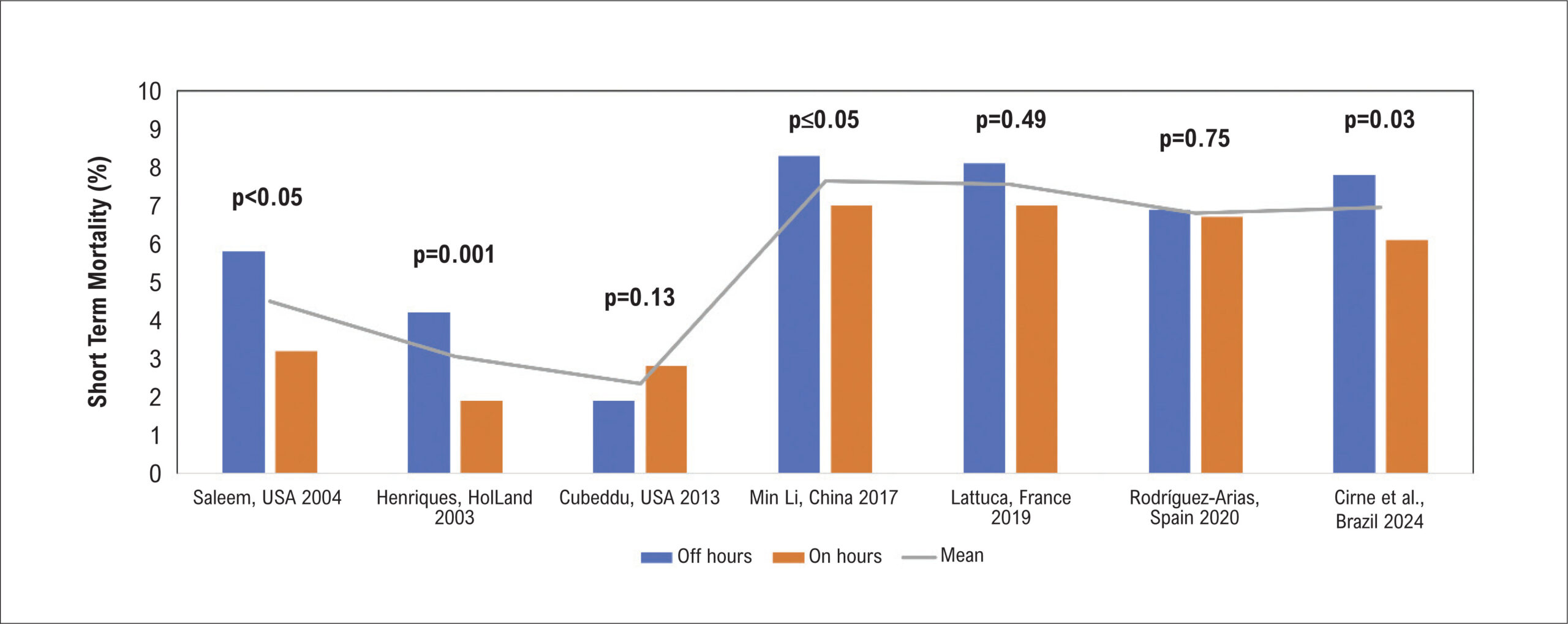
In Brazil, the annual incidence of myocardial infarction is estimated at approximately 300,000 to 400,000 cases. Despite advancements in treatment, myocardial infarction remains the leading cause of death in Brazil and globally, with a lethality rate of around 9%. According to the BRACE registry, acute coronary syndrome (ACS) accounts for 45% of hospitalizations in Brazil, with two-thirds attributed to acute myocardial infarction (AMI), including both ST-segment elevation myocardial infarction (STEMI) and non-ST-segment elevation myocardial infarction (NSTEMI). Notably, 40% to 60% of STEMI patients present during off-hours, between 7 PM and 7 AM, and on weekends., Given that the treatment of STEMI is time-sensitive and requires a complex multidisciplinary team in the catheterization laboratory, the impact of presentation timing on patient outcomes remains a contentious issue. Thus, the question of whether off-hours presentation results in a poorer prognosis is still debated.

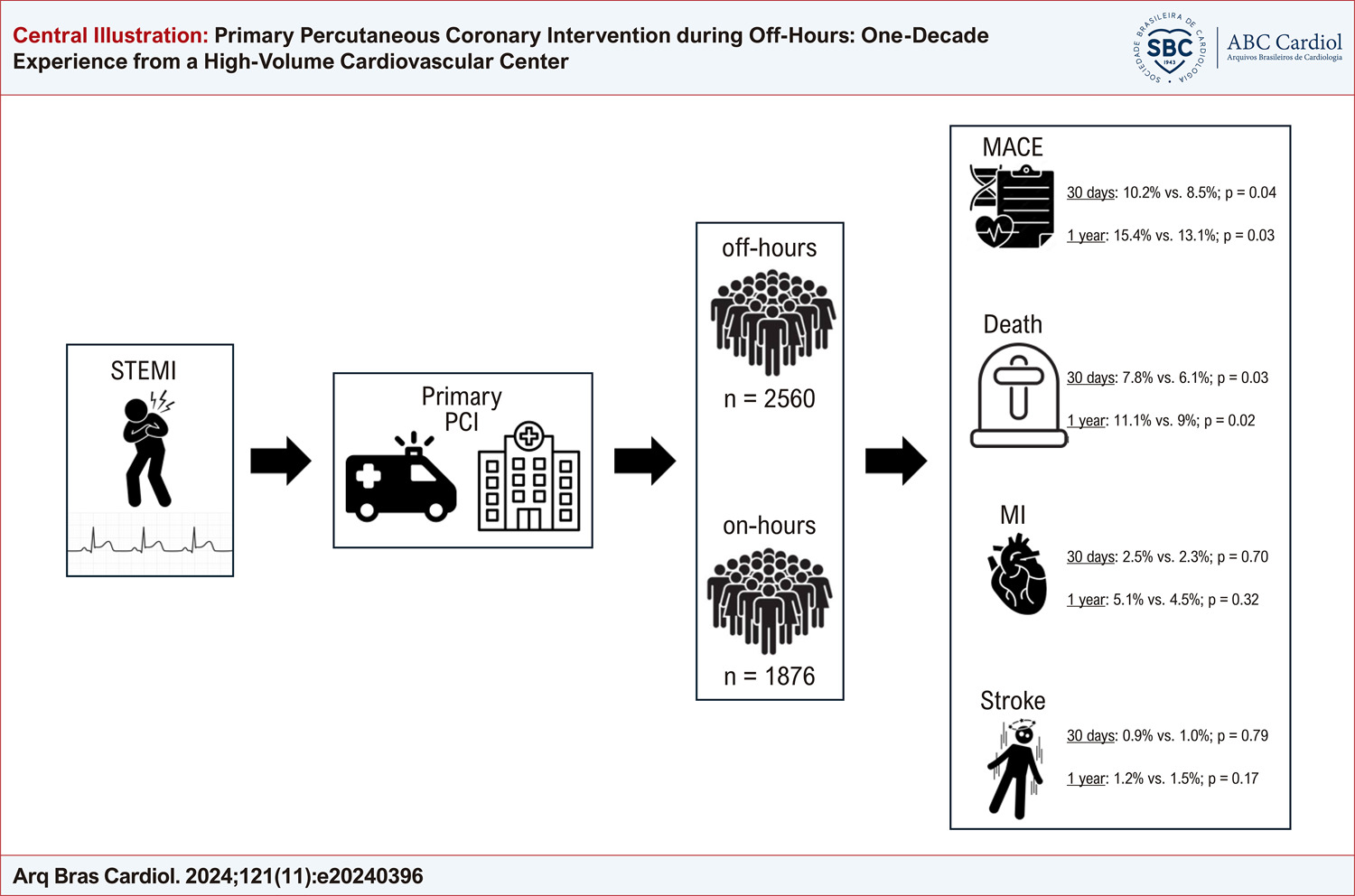
In this issue of the journal, Cirne et al. examined a prospective registry from a high-volume ACS center in Southern Brazil, encompassing 4,436 consecutive STEMI patients who underwent primary percutaneous coronary intervention (PPCI) between 2009 and 2019. Patients were stratified by presentation time: on-hours versus off-hours. The primary outcome was a composite of major adverse cardiac events (MACE), which included death, AMI, or stroke at one year, along with MACE at 30 days, stent thrombosis, and the need for new revascularization. Among the cohort, 2,576 (57%) patients were treated during off-hours, with no significant differences between the groups concerning age, sex, infarction-related artery, or Killip classification. Additionally, symptom-to-hospital time (mean 240 minutes) and door-to-balloon time (DTB) (mean 70 minutes) were similar. No differences were observed in procedural complexity, complications, intra-aortic balloon pump usage, or angioplasty success rates; however, off-hours patients exhibited a higher thrombotic burden (49.6% vs. 45.5%, p<0.01). Despite comparable baseline clinical and angiographic characteristics, those presenting off-hours had higher rates of MACE at 30 days and one year (10.2% vs. 8.5% and 15.4% vs. 13.1%, respectively), as well as increased mortality (in-hospital: 7.9% vs. 6.1%; 30 days: 7.8% vs. 6.1%; 1 year: 11.1% vs. 9%, respectively). No differences were noted in AMI or stroke incidence.

[…]
  • Acute coronary syndrome
  • Off-hours
  • STEMI
Read Full Article
Creative Commons Attribution (CC BY) Creative Commons license
10/02/2025 DOI: 10.36660/abc.20240701i
Figure 1
Editorial

The Choice of Antiplatelet Dual Combination in Coronary Artery Disease: Is this Just a Question of Balance between ischemic Burden and Bleeding Risk?

Maria Cristina Almeida et al. Marildes Luiza de Castro Larissa Neto Espíndola

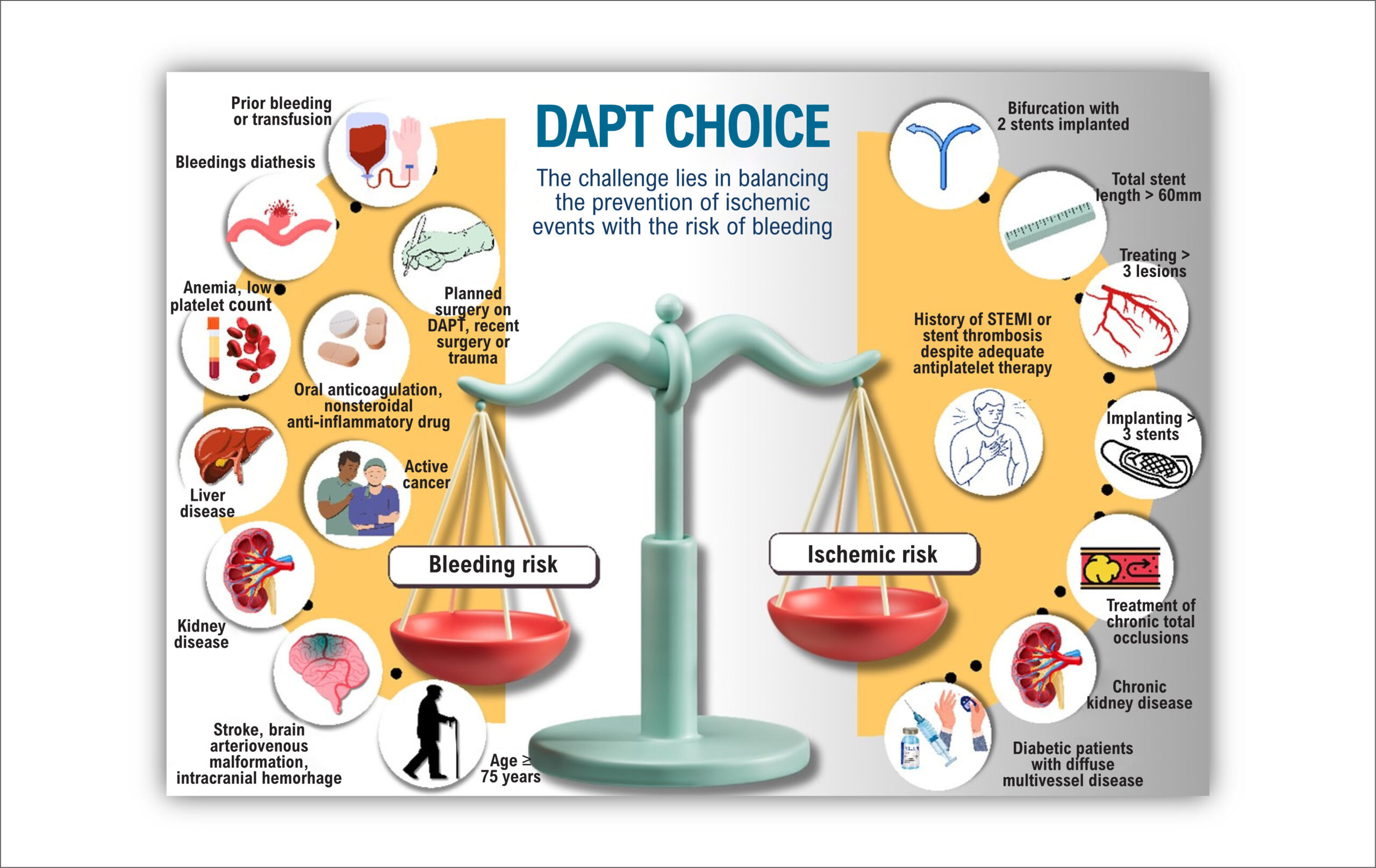
Acute or chronic coronary syndrome is one of the most important threats to public health. Because of structural and/or functional alterations of the coronary arteries and/or microcirculation, it can culminate in disbalance between myocardial demand and blood supply resulting in ischemia.

Primary prevention of acute coronary ischemic events based on lowering the risk of coronary artery occlusion is a very important measurement. Secondary prevention after myocardial revascularization by percutaneous coronary intervention (PCI) with stent is important to reduce the risk of stent thrombosis, ischemic events and myocardial infarction (MI), particularly early after stenting. Many protocols have been studied, but the dual antiplatelet therapy (DAPT) with aspirin plus a potent P2Y12 inhibitor is the current standard of care after PCI.

[…]

  • Dual Anti-Platelet Therapy
  • Myocardial Ischemia
  • stent
Read Full Article
Creative Commons Attribution (CC BY) Creative Commons license
20/01/2025 DOI: 10.36660/abc.20240695i Views 2
Editorial

Adherence, Compliance and Persistency in High Cholesterol Treatment

Tania L. R. Martinez

Lack of adherence to cholesterol-lowering medications remains a critical issue in managing cardiovascular risk. Despite advancements in treatment, many patients fail to follow their prescribed regimens, leading to increased risks of heart attack, stroke, and other cardiovascular events. As described in the study, adherence challenges in the Brazilian population illustrate a global problem. However, there are several promising strategies for increasing adherence, including the active involvement of pharmacists and the distribution of medications in larger volumes through public or private healthcare systems.

Medication adherence, or the degree to which patients follow their prescribed regimens, is fundamental to achieving optimal health outcomes in chronic conditions like high cholesterol. Compliance is the consistency with which patients take their medication over time, while persistence refers to how long they continue treatment without interruption. Cholesterol-lowering drugs, particularly statins, are widely used to reduce cardiovascular risk, but non-adherence remains a barrier to their full effectiveness.

[…]

  • adherence
  • Cholesterol
  • compliance
  • Persistence
  • Treatment
Read Full Article
Creative Commons Attribution (CC BY) Creative Commons license
20/01/2025 DOI: 10.36660/abc.20240652i
Editorial

Aiming for Health Equity: Why Does Diversity in Brazilian Medical Research Matter?

Christina Grüne de Souza e Silva

Over 35 years ago, Brazilian citizens earned their constitutional right to health. Guided by the fundamental principles of universality and equity, health access and actions provided by the Brazilian Unified Health System (Sistema Único de Saúde – SUS) are ever-since responsibilities of the State and should be, therefore, guaranteed by economic and social policies.

Since its creation, SUS has experienced significant improvements in disease prevention and health promotion. A dramatic drop in infant mortality and a significant increase in life expectancy are a couple of major outcomes that reflect the expansion in Brazilians’ population access to comprehensive health care. However, disparities across geographical regions and income groups persist, especially for vulnerable populations such as the quilombolas.

[…]

  • Diabetes Mellitus
  • Health Policy
  • Obesity
  • Risk Factors
  • Social Vulnerability
Read Full Article
Creative Commons Attribution (CC BY) Creative Commons license
13/01/2025 DOI: 10.36660/abc.20240731i Views 2
Editorial

Healing Hearts with Humor: The Potential of Laughter Therapy in Cardiac Rehabilitation

Cleidiane Andrade et al. Filipe Ferrari Ricardo Stein

Introduction

Laughter therapy, also known as humor therapy, utilizes laughter and enjoyment as tools to enhance physical and emotional well-being. This practice offers numerous benefits, including: (1) lowering cortisol levels, thereby reducing stress – a well-established cardiovascular risk factor; (2) improving blood circulation through the release of vasoactive substances; and (3) boosting mood, which helps to combat depression and anxiety – conditions commonly found in patients with cardiovascular diseases and which are also risk factors for the development of coronary artery disease (CAD).,

A study conducted in the USA involving 48 diabetic patients who had recently experienced a myocardial infarction divided these participants into two groups. One group received standard cardiac rehabilitation in addition to 30-minute daily humor sessions of their choice (intervention), while the other group received only standard rehabilitation (control). The findings revealed that the humor group experienced fewer arrhythmias, reduced levels of epinephrine and norepinephrine in both urine and plasma, a decreased need for nitroglycerin to manage angina, and fewer recurrent infarctions. Additionally, Miller et al. demonstrated that watching a comedy film significantly increases flow-mediated dilation in healthy individuals, whereas viewing stressful films tends to reduce this dilation. Furthermore, an open-label trial with 17 elderly participants who watched stand-up comedy once a week for 4 weeks reported reductions in heart rate and blood pressure, along with increased plasma serotonin levels. Further evidence suggests that patients with cardiovascular disease are less likely to laugh heartily. Moreover, the prevalence of heart disease among the elderly is 1.2 times higher in those who never laugh compared to those who laugh daily.

[…]

  • Brazil
  • Coronary Artery Disease
  • Laughter Therapy
Read Full Article
Creative Commons Attribution (CC BY) Creative Commons license
10/01/2025 DOI: 10.36660/abc.20240594i
Editorial

Recognition by the Regulatory Physician of Expressions Used by Lay People when Asking for Help in Supposed Cardiorespiratory Arrest

Ronaldo C. O. Vinagre

Out-of-hospital cardiac arrest (OHCA) is a time-sensitive, life-threatening emergency that occurs millions of times every year. Data from countries around the world with emergency medical services (EMS) in place suggest a global average of 82.1 EMS-attended OHCAs per 100,000 people per annum. Survival after OHA remains modest despite standardized dispatch protocols in EMS systems, increased community training, and the introduction of post-resuscitation care. Ten percent (range, 6%–22%) of people who experience OHCA can expect to survive with a favorable neurological outcome. However, early prehospital interventions have a substantial impact on the survival of OHA victims.

Bystander-initiated cardiopulmonary resuscitation (CPR) increases the odds of 30-day survival by two-fold and is associated with improved long-term neurological outcomes. So, early recognition of cardiac arrest is the cornerstone of the chain of survival. Well-known clinical signs of cardiac arrest are unresponsiveness and absent or abnormal breathing. However, it is unclear how these signs and symptoms, especially agonistic respirations, are interpreted and described by laypeople. Besides that, dispatcher-assisted CPR increases neurologically intact survival in OHCA, according to several studies.,

[…]

  • Emergency Medical Dispatcher
  • Out-of-Hospital Cardiac Arrest
  • Prehospital Care
Read Full Article
Creative Commons Attribution (CC BY) Creative Commons license
10/01/2025 DOI: 10.36660/abc.20240669i
Editorial

Mendelian Randomization in Atrial Fibrillation

Protasio Lemos Da Luz

Gut microbiota (GM) is an important mediator of several diseases, such as diabetes, atherosclerosis, arterial hypertension, obesity, cancers, and neuropsychiatric diseases, including Alzheimer’s, autism, and depression. The intestinal microbiota is formed by a variety of bacteria, fungi, viruses, and archaea; its main function is to facilitate the absorption and metabolism of foods (proteins, fats, and carbohydrates). One example of the multiple actions of the GM is the bidirectional relationship between the intestine and the brain, the so-called “gut/brain axis.” Furthermore, metabolites produced by GM can induce effects locally or at a distance, which suggests that the intestine is an endocrine organ.

The intestinal microbiota is made up of trillions of cells – about 10 times more than all the cells of the human organism. The phyla Firmicutes (mainly Clostridia species) and Bacteroidetes represent about 90% of GM, which is also composed of Actinobacteria, Proteobacteria, and Verrucomicrobia.

[…]

  • Atrial Fibrillation
  • Mendelian
  • Microbiota
Read Full Article
Creative Commons Attribution (CC BY) Creative Commons license
16/12/2024 DOI: 10.36660/abc.20240682i
Editorial

Serum Glycogen Synthase 3 Beta Levels: A Promissory Marker for Patients with Heart Failure

Claudia Aznar Alesso et al. João Queda Dania Mohty Vera Maria Cury Salemi

Heart failure (HF) involves systemic inflammation and metabolic alterations. The prevalence is rising due to improvements in HF treatments and longer life expectancy in the population. Also, the diagnostic approach of patients with HF has markedly increased with the development of new algorithms to promote earlier diagnosis.

Careful use of biomarkers might help to refine the diagnosis and management and further improve the prognosis of HF patients. The term “biomarker” (from biological marker) was coined in 1989 to identify a measurable and quantifiable biological parameter used to assess the health and physiology of patients in terms of disease risk and diagnosis. Since Braunwald’s first studies in the 1950s on C-reactive protein (CRP) in HF, hundreds of molecules have been studied, but only B-type natriuretic peptide (BNP) and N-terminal pro–B-type natriuretic peptide come close to the characteristics of ideal HF biomarker. However, relying on easily measurable congestion biomarkers such as BNPs misses approximately one-third of all affected patients. It may be disproportionately high for patients with renal failure, pulmonary hypertension, pulmonary embolism, and chronic hypoxia.–

[…]

  • Biomarkers
  • Diagnosis
  • Glycogen
  • Heart Failure
  • Prognosis
Read Full Article
Creative Commons Attribution (CC BY) Creative Commons license
09/12/2024 DOI: 10.36660/abc.20240684i Views 2
Therapeutic Efficacy and Safety of Paracetamol versus Ibuprofen in Patent Ductus Arteriosus in Newborns: A Systematic Review
Review Article

Therapeutic Efficacy and Safety of Paracetamol versus Ibuprofen in Patent Ductus Arteriosus in Newborns: A Systematic Review

Halecy Davidson Sousa da Silva et al. Eryvelton de Souza Franco Larissa Caroline de Almeida Sousa Lima Maria Bernadete de Sousa Maia

ABSTRACT

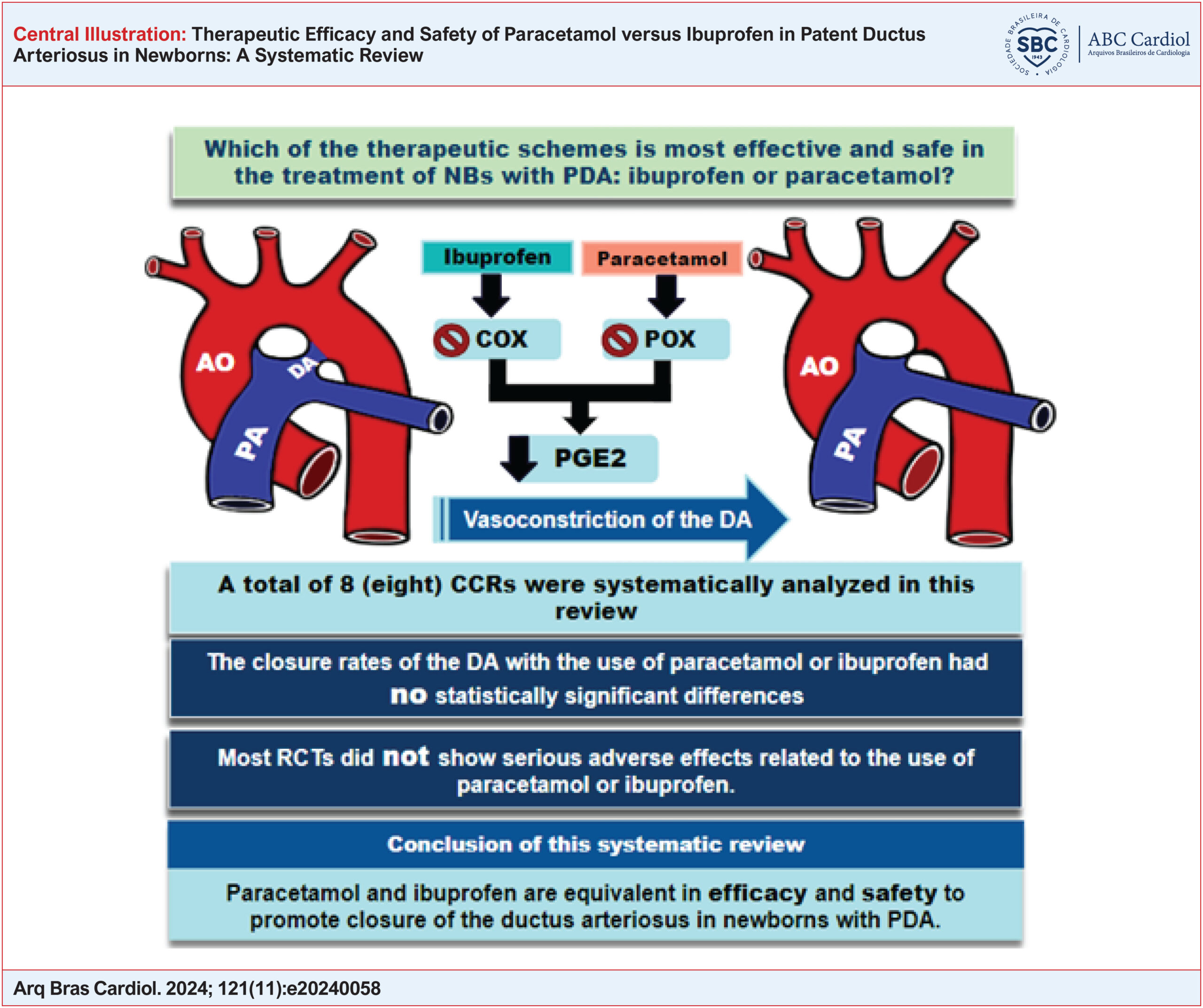
Closure of the ductus arteriosus (DA) using cyclooxygenase (COX) inhibitors is considered the first-line treatment for hemodynamically significant patent ductus arteriosus (PDA). Physiologically, prostaglandins have a recognized role in PDA. Admittedly, the comparative efficacy and safety between ibuprofen and acetaminophen need to be determined for rational choice of drug therapy for closure of the DA in clinical protocols.

This study aims to present the aspects of the efficacy and therapeutic safety of paracetamol versus ibuprofen in the treatment of PDA in premature newborns.

A systematic review of the literature was carried out, following the recommendations of the PRISMA protocol, using the Medline, Pubmed, LILACS, and SciELO databases. Studies from the last 10 years (2013-2023) that analyzed the efficacy and/or safety of acetaminophen compared to ibuprofen in newborns diagnosed with PDA were included.

Eight randomized clinical trials (RCTs) were selected for analysis, resulting in a sample size of 781 newborns with PDA treated with acetaminophen or ibuprofen. The efficacy of acetaminophen for DA closure is comparable to ibuprofen. There is no statistically significant difference in the incidence of related adverse effects between the two drugs in most studies.

There is equivalence in the efficacy and safety of ibuprofen and acetaminophen to promote closure of the DA in premature newborns with hsPDA.

  • Acetaminophen
  • Efficacy
  • Ibuprofen
  • Newborn Infant
  • patent ductus arteriosus
  • Safety
Read Full Article
Creative Commons Attribution (CC BY) Creative Commons license
06/12/2024 DOI: 10.36660/abc.20240058i Views 2
Myocardial Infarction with ST Elevation and Reperfusion Therapy in Brazil: Data from the ACCEPT Registry
Original Article

Myocardial Infarction with ST Elevation and Reperfusion Therapy in Brazil: Data from the ACCEPT Registry

Luiz Eduardo Fonteles Ritt et al. Pedro Gabriel Melo de Barros e Silva Eduardo Sahade Darzé Renato Hideo Nakagawa Santos … Queila Borges de Oliveira Otavio Berwanger Luiz Alberto Piva e Mattos Elizabete Silva dos Santos Antonio Carlos Sobral Souza Margaret Assad Cavalcante Pedro Beraldo de Andrade Fernando Carvalho Neuenschwander Hugo Vargas Filho Jorge Ilha Guimarães Jadelson Pinheiro de Andrade Angelo Amato Vincenzo de Paola Marcus Vinícius Bolívar Malachias Dalton Bertolim Précoma Fernando Bacal Oscar Pereira Dutra

ABSTRACT

Background:

There is a lack of information from Brazil regarding therapies used and outcomes in patients with acute coronary syndrome with ST elevation (STEMI).

Objectives:

To evaluate evidence-based therapies, occurrence of outcomes, reperfusion use, and predictors of not receiving reperfusion in patients with STEMI in a national multicenter registry.

Methods:

Patients with STEMI from the ACCEPT registry, with up to 12 hours of symptoms, were followed for 1 year for the occurrence of major adverse cardiovascular events. A significance level of p < 0.05 was applied for all analyses.

Results:

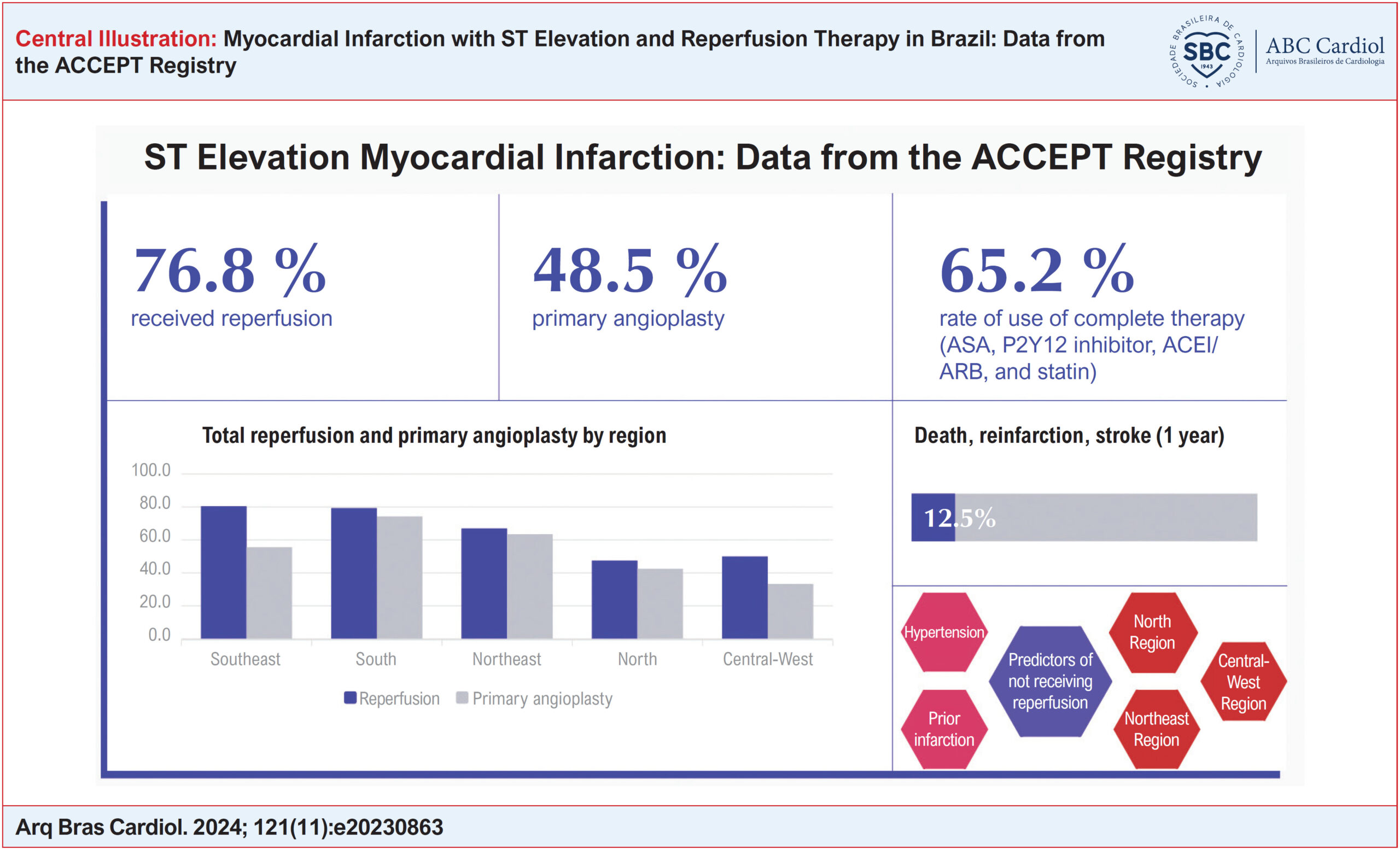
In the analysis of 1553 patients, the reperfusion rate was 76.8%, ranging from 47.5% in the North Region to 80.5% in the Southeast Region. The rate of major adverse cardiovascular events was 12.5% at 1 year. The prescription of evidence-based therapies at hospital admission was 65.6%. The presence of hypertension (odds ratio [OR] 1.47; 95% confidence interval [CI] 1.11 to 1.96; p < 0.01); prior acute myocardial infarction (OR 1.81; 95% CI 1.32 to 2.48; p < 0.001); and the North (OR 4.65; 95% CI 2.87 to 7.52; p < 0.001), Central-West (OR 4.02; 95% CI 1.26 to 12.7; p < 0.05), and Northeast Regions (OR 1.70; 95% CI 1.17 to 2.46; p < 0.01) were independent predictors of not receiving reperfusion therapy.

Conclusion:

In the 1-year follow-up of the ACCEPT Registry, we were able to verify a wide variation within Brazilian geographical regions regarding adherence to best care practices. The following were independent predictors of not receiving reperfusion therapy: being treated in the North, Central-West, and Northeast Regions; having systemic arterial hypertension; and prior infarction.

  • Acute coronary syndrome
  • Medical Record Linkage
  • Myocardial Infarction
Read Full Article
Creative Commons Attribution (CC BY) Creative Commons license
06/12/2024 DOI: 10.36660/abc.20230863i Views 1
Editorial

The ACCEPT Study and the Management of Ischemic Myocardial Disease in Brazil: Challenges and Opportunities in a Continental Country

Henrique Tria Bianco

Ischemic myocardial disease, particularly in its acute manifestation as an acute coronary syndrome (ACS), remains one of the main public health challenges in Brazil and the world., In this context, the ACCEPT (Acute Coronary Syndrome Registry) study emerges as a crucial source of epidemiological and clinical information on the management of ACS in the Brazilian scenario, with the aim of evaluating evidence-based therapies, the occurrence of outcomes, use of reperfusion and predictors for not receiving reperfusion in patients with ACS in a multicenter national registry.,

Brazil, with its continental dimensions and marked regional disparities, presents a unique challenge in implementing uniform strategies for the treatment of SCA. The study ACCEPT not only provides valuable data on the prevalence and types of ACS found in the country but also sheds light on the different therapeutic approaches adopted in different regions. Myocardial revascularization is a fundamental pillar in the treatment of ACS, especially in ST-segment elevation myocardial infarction (STEMI). ACCEPT demonstrates that, although primary pPCI (Primary Percutaneous Coronary Intervention) is considered the gold standard for STEMI, its availability and application vary significantly between Brazilian regions. In metropolitan areas and referral centers, primary PCI is often the first choice, in line with international guidelines that recommend its performance within 90 minutes after first medical contact. However, in less developed or rural regions, where access to hemodynamic centers is limited, fibrinolysis still plays a crucial role as an initial reperfusion strategy. This regional disparity in access to advanced healthcare resources highlights the importance of adaptive strategies in the management of ACS. The pharmaco-invasive approach, which combines initial fibrinolysis with subsequent transfer for PCI, emerges as a promising alternative in settings where immediate access to PCI is not feasible.–

[…]

  • Acute coronary syndrome
  • Medical Record Linkage
  • Myocardial Infarction
Read Full Article
Creative Commons Attribution (CC BY) Creative Commons license
06/12/2024 DOI: 10.36660/abc.20240604i
The Causal Relationship between Gut Microbiota and Atrial Fibrillation: A Two-Sample Mendelian Randomization Study
Original Article

The Causal Relationship between Gut Microbiota and Atrial Fibrillation: A Two-Sample Mendelian Randomization Study

Yuan Zhou et al. Xuan Wang Jiongchao Guo Lei Zhang Huangsheng Zheng

Abstract

Background

Previous studies have adequately characterized the gut microbiota (GM) in atrial fibrillation (AF). Nevertheless, the precise causality between GM and AF remains elusive.

Objectives

This study utilized public data from genome-wide association studies to explore the causality between GM and AF.

Methods

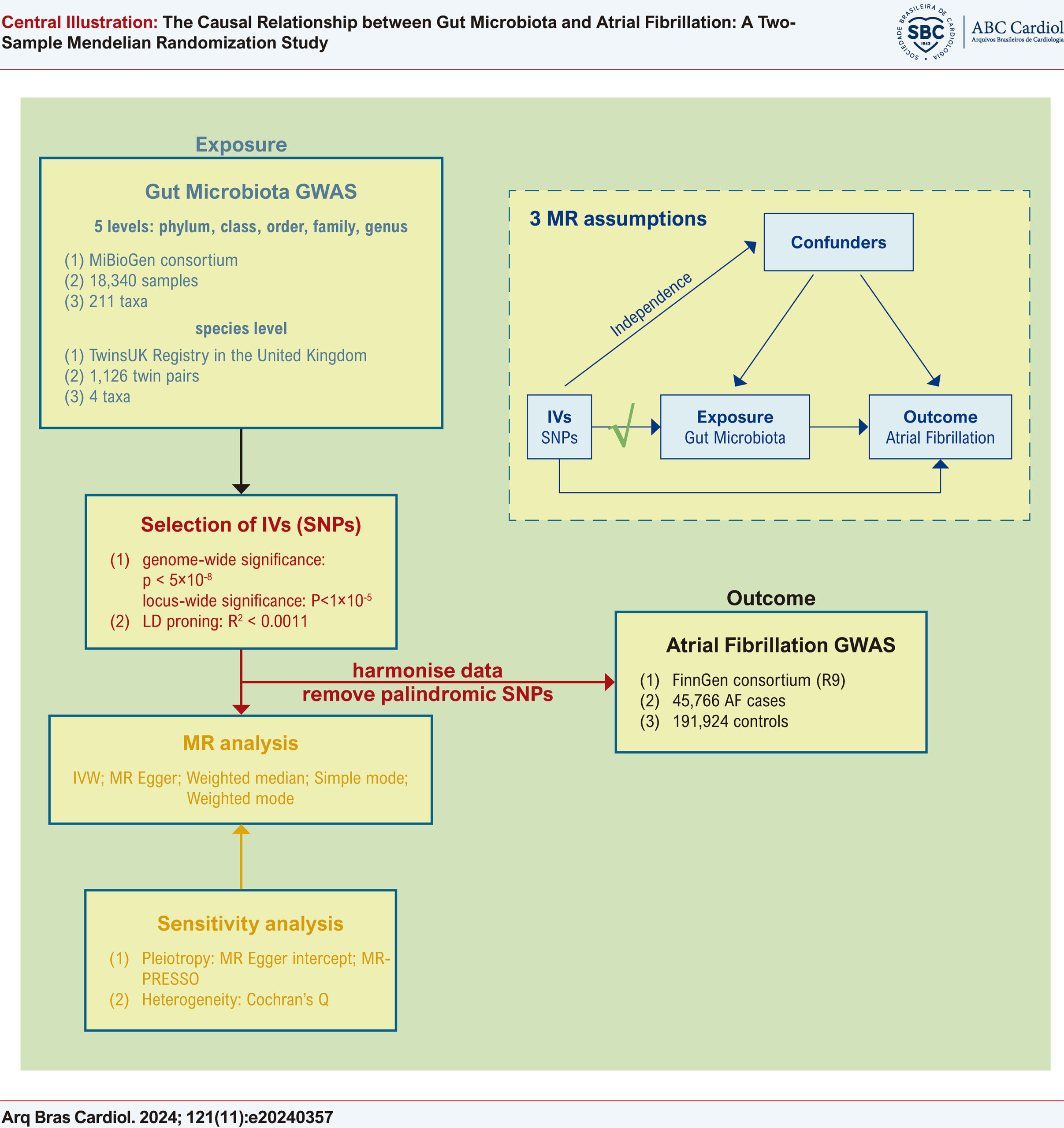
In the first of two rounds of Mendelian randomization (MR) analysis, the instrumental variables (IVs) comprised single nucleotide polymorphisms (SNPs) that fell below the genome-wide statistical significance threshold (5 × 10⁻⁸). To attain a more comprehensive and inclusive conclusion, we further selected SNPs falling below the locus-wide significance level (1 × 10⁻⁵) as IVs for the second group. The MR analysis considered the statistically significant causal effect between the specific GM and AF when p 0.05 indicated no heterogeneity and pleiotropy.

Results

At the locus-wide significance threshold, the findings demonstrated a causal impact of GM on AF risk. The inverse variance weighting method indicated that Actinobacteria, Firmicutes, Alloprevotella, Bifidobacterium, Blautia, Eggerthella, Howardella, Ruminococcaceae UCG004, and Ruminococcus1 were negatively correlated with AF, while Pasteurellales, Pasteurellaceae, Oxalobacter, Ruminiclostridium5, and Turicibacter were positively correlated. Furthermore, at the genome-wide significance threshold, Actinobacteria, Bifidobacteriaceae, and Bifidobacterium were protective factors for the risk of developing AF, whereas Oxalobacteraceae and Erysipelatoclostridium were risk factors for AF. However, sensitivity analyses showed heterogeneity or horizontal pleiotropy within the outcomes for Actinobacteria, Howardella, Oxalobacter, and Firmicutes.

Conclusions

This study provides evidence for the existence of both favorable and unfavorable causality of GM on AF risk.

  • Atrial Fibrillation
  • Cardiovascular Diseases
  • Gastrointestinal Microbiome
  • Mendelian Randomization Analysis
Read Full Article
Creative Commons Attribution (CC BY) Creative Commons license
06/12/2024 DOI: 10.36660/abc.20240357i Views 1
Cluster of Physical Inactivity and Other Risk Factors and Diabesity in Quilombol Adults
Original Article

Cluster of Physical Inactivity and Other Risk Factors and Diabesity in Quilombol Adults

Poliana Pereira Santana et al. Clarice Alves dos Santos Ricardo Franklin de Freitas Mussi Hector Luiz Rodrigues Munaro Saulo Vasconcelos Rocha

ABSTRACT

Background:

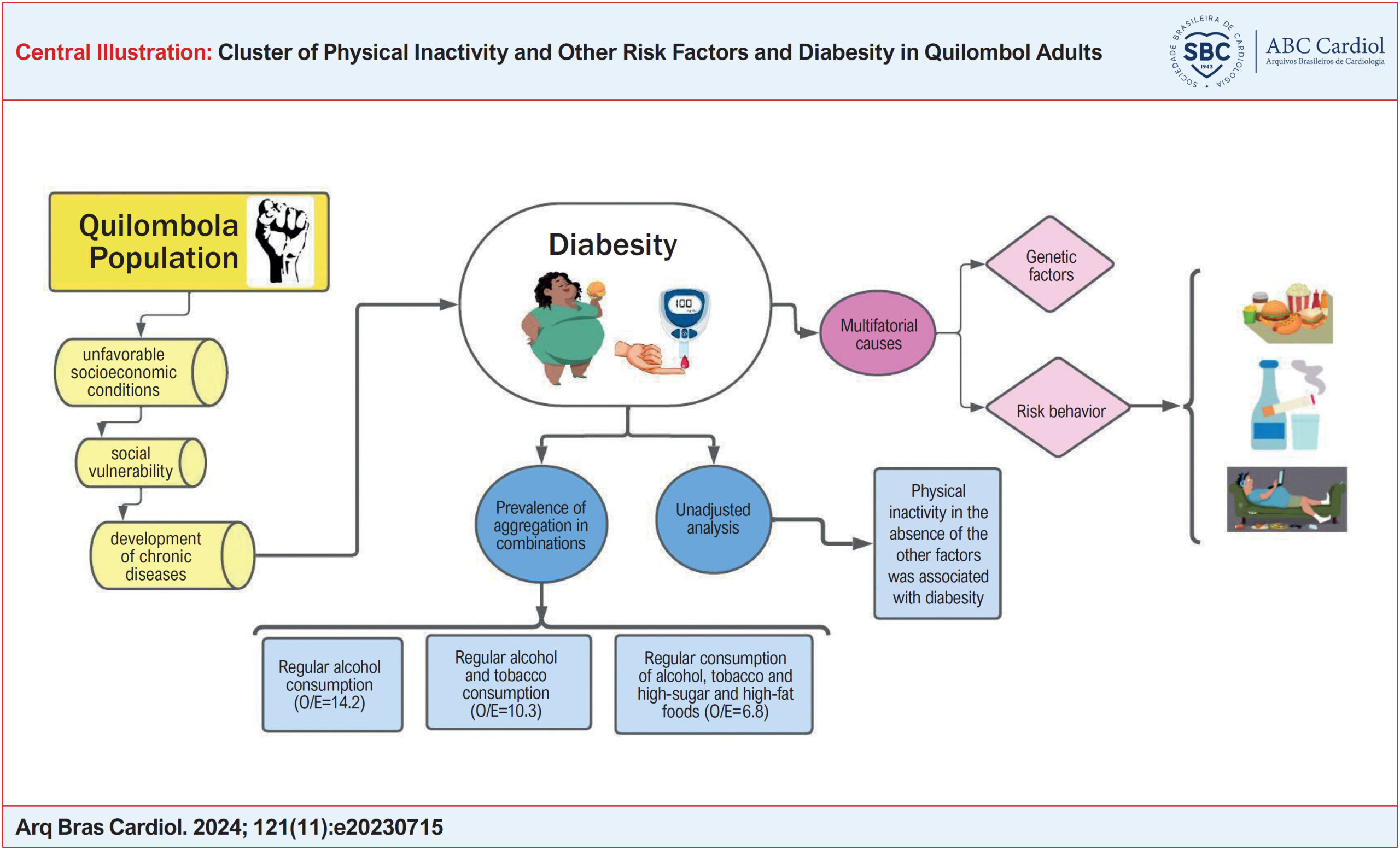
Diabesity is a condition characterized by the coexistence of type 02 diabetes and obesity. The causes are multifactorial, resulting from a complex interaction of genetic and behavioral factors. Among the behavioral factors, there are physical inactivity, inadequate eating habits and excessive consumption of alcohol and tobacco.

Objective:

To investigate the clustering of physical inactivity and other risk factors and the association between risk factor combinations and the presence of diabesity in quilombola adults.

Methods:

Cross-sectional study involving a sample of 332 middle-aged and older adults (≥ 50 years) selected among participants in the “Epidemiological Profile of Quilombolas in Bahia” study. Data were collected by interview and anthropometric assessment. Descriptive statistics, cluster analysis, and multinomial logistic regression procedures were used for data analysis.

Results:

The highest prevalence of clustering was identified for the combinations of regular alcohol consumption in the absence of the other factors (O/E=14.2; 95%CI 0.87-1.15), followed by regular alcohol and tobacco consumption (O/E=10.3; 95%CI 0.64-0.95) and regular consumption of alcohol, tobacco and foods high in sugar and fat (O/E=6.8; 95%CI= 1.31-1.75). Unadjusted analysis revealed an association between physical inactivity in the absence of the other factors (OR=0.82; 95%CI 0.78-0.86) and diabesity.

Conclusion:

Alcohol consumption was the most prevalent factor among the largest combinations evaluated. Furthermore, the presence of physical inactivity without the other behaviors analyzed and the absence of all behaviors were associated with diabesity only in unadjusted analysis.

  • Diabetes Mellitus
  • Obesity
  • Quilombola Communities
  • Risk Taking
Read Full Article
Creative Commons Attribution (CC BY) Creative Commons license
06/12/2024 DOI: 10.36660/abc.20230715i Views 1
Systemic Inflammatory Indices as New Biomarkers for Hemodynamically Significant Ductus Arteriosus
Original Article

Systemic Inflammatory Indices as New Biomarkers for Hemodynamically Significant Ductus Arteriosus

Ufuk Cakir et al. Cuneyt Tayman

Abstract

Background

Increased oxygen tension and decreased prostaglandin levels cause ductal closure. The diagnostic role of systemic inflammatory indices in hemodynamically significant ductus arteriosus (hsPDA) in premature infants is unknown.

Objectives

We aimed to evaluate the role of systemic inflammatory indices in the predictivity of hsPDA.

Methods

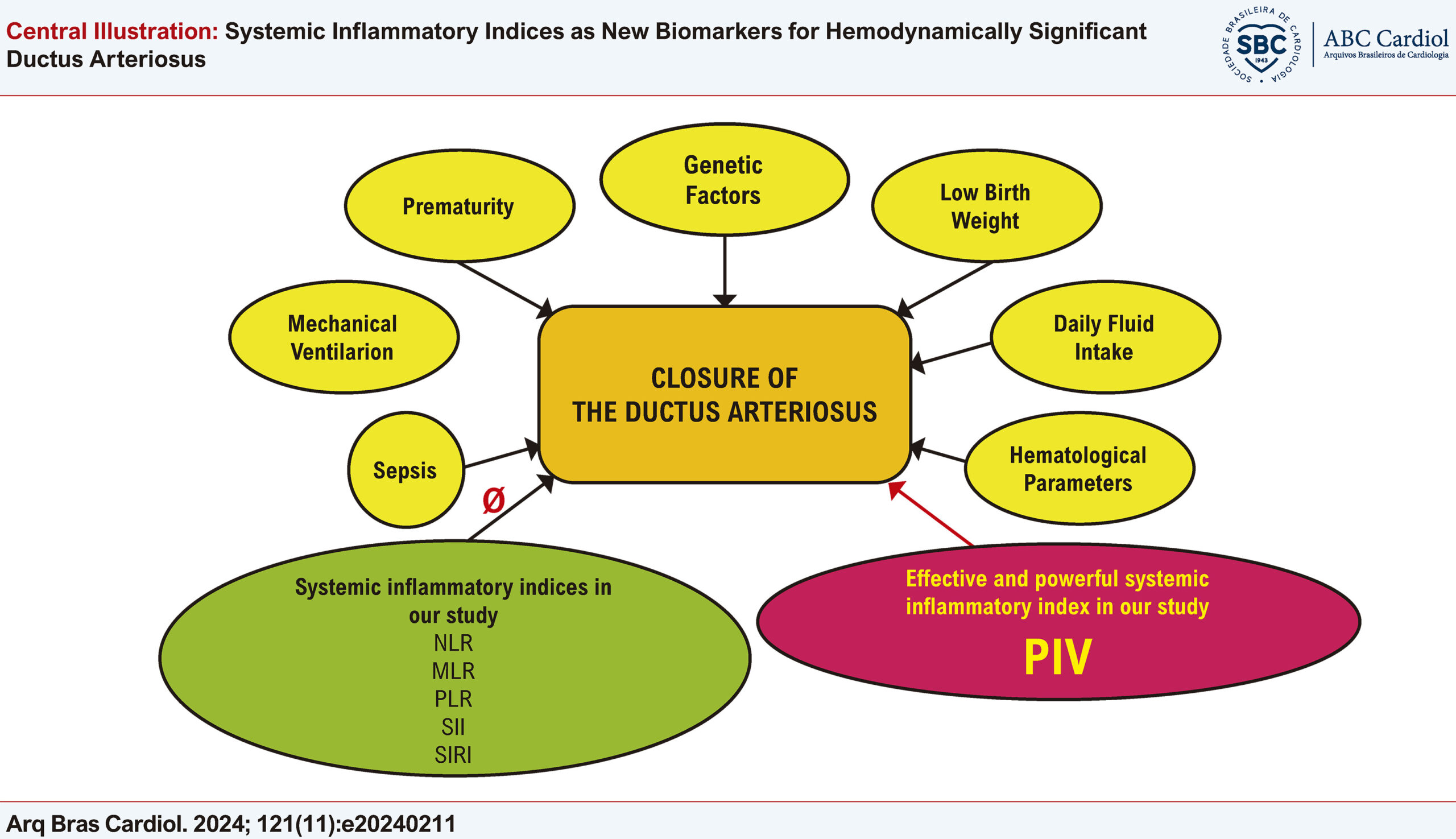
Premature infants with gestational weeks (GW) of <32 weeks were evaluated retrospectively. Systemic inflammatory indices neutrophil-lymphocyte ratio (NLR), monocyte-lymphocyte ratio (MLR), platelet-lymphocyte ratio (PLR), systemic immune-inflammation index (SII), pan-immune- inflammation value (PIV), and systemic inflammation response index (SIRI) were calculated. Systemic inflammatory indices were compared between hsPDA and non-hsPDA groups. A p <0.05 was considered as statistically significant.

Results

A total of 1228 patients were included in the study, including 447 patients in the hsPDA group and 781 patients in the non-hsPDA group. The PIV value [median (Q1 – Q3): 5.18 (2.38-10.42)] in the hsPDA group was statistically significantly higher than the PIV value [median (Q1 – Q3): 3.52 (1.41-6.45)] in the non-hsPDA group (p8.66. After even multiple logistic regression analyses, PIV was shown to be a significant parameter for the diagnosis of hsPDA (OR 1.972, 95% CI 1.114-3.011. p=0.001).

Conclusions

A high PIV value may be a quickly used indicator with low-cost, simple, and easily accessible for the early diagnosis of hsPDA.

  • Ductus Arteriosus
  • Inflammation
  • Newborn Infant
  • Premature Infant
Read Full Article
Creative Commons Attribution (CC BY) Creative Commons license
02/12/2024 DOI: 10.36660/abc.20240211i Views 1
Editorial

Osteoprotegerin: A Biomarker in Chronic Kidney Disease

Rui Póvoa

Biomarkers are biological indicators that can be quantified to assess normal or pathological biological processes and responses to various therapeutic interventions. They are found in various body fluids, such as blood, urine, or tissues, and help in the early diagnosis of some diseases, in addition to monitoring progression or evaluating the effectiveness of treatment. In addition to their importance in clinical diagnosis, they can estimate risk and prognosis. This is very well structured in processes whose inflammatory basis stands out in a multifactorial scenario, such as arterial hypertension, diabetes mellitus, dyslipidemia, and chronic kidney disease (CKD).,

CKD, which is a growing public health problem, is increasingly present in the cardiovascular (CV) disease scenario due to its high morbidity and mortality. It is at the evolutionary end of the CV continuum where the main risk factors (hypertension, diabetes, dyslipidemia) have not been adequately treated. In addition, patients with CKD are still at a higher CV risk due to the presence of these factors that often remain without adequate treatment.

[…]

  • Biomarkers
  • Chronic Kidney Disease
  • Osteoprotegerin
  • Vascular Calcification
Read Full Article
Creative Commons Attribution (CC BY) Creative Commons license
02/12/2024 DOI: 10.36660/abc.20240679i
Fixed-Dose Antiplatelet Dual Combination in Patients with Coronary Artery Disease in Turkish Population: DAPT-TR
Original Article

Fixed-Dose Antiplatelet Dual Combination in Patients with Coronary Artery Disease in Turkish Population: DAPT-TR

Ahmet Öz et al. Kenan Toprak Ertan Aydin İbrahim Saraç … Mustafa Doğduş Selçuk Opan Mustafa Yenerçağ Mustafa Begenc Tascanov Ömer Kümet Miraç Karaağaç Murat Özmen Bektaş Murat Ömer Kertmen Özkan Bekler Sinan İnci Mustafa Ahmet Huyut Ahmet Özderya Fahri Er Mustafa Duran İsa Ardahanlı Mehmet Memduh Baş Tuncay Güzel Gökhan Ceyhun İbrahim Halil Özdemir Mehmet Burak Özen Ramazan Gündüz Aslan Erdoğan İlyas Çetin Veysel Özgür Barış Çağrı Yayla Medeni Karaduman Lütfü Aşkın Lütfü Bekar Okan Tanrıverdi Eyüp Özkan Emrah Yeşil Serhat Çalışkan Zülfiye Kuzu Berat Uğuz Ferit Böyük Ayşegül Ülgen Kunak Selda Murat Serkan Asil Özkan Kayhan Emrah Erdoğan Ramazan Duz Fahrettin Katkat Tuba Ekin Ersin İbişoğlu Bilge Nazar Ateş Burak Ayça Asım Oktay Ergene Mehdi Zoghi

Abstract

Background

Dual antiplatelet therapy (DAPT) is the treatment of choice for patients with acute and chronic coronary syndromes as it reduces mortality and prevents recurrent thrombotic complications. The assessment of both ischaemic burden and bleeding risk is crucial in deciding which DAPT to choose and how long it should be continued.

Objectives

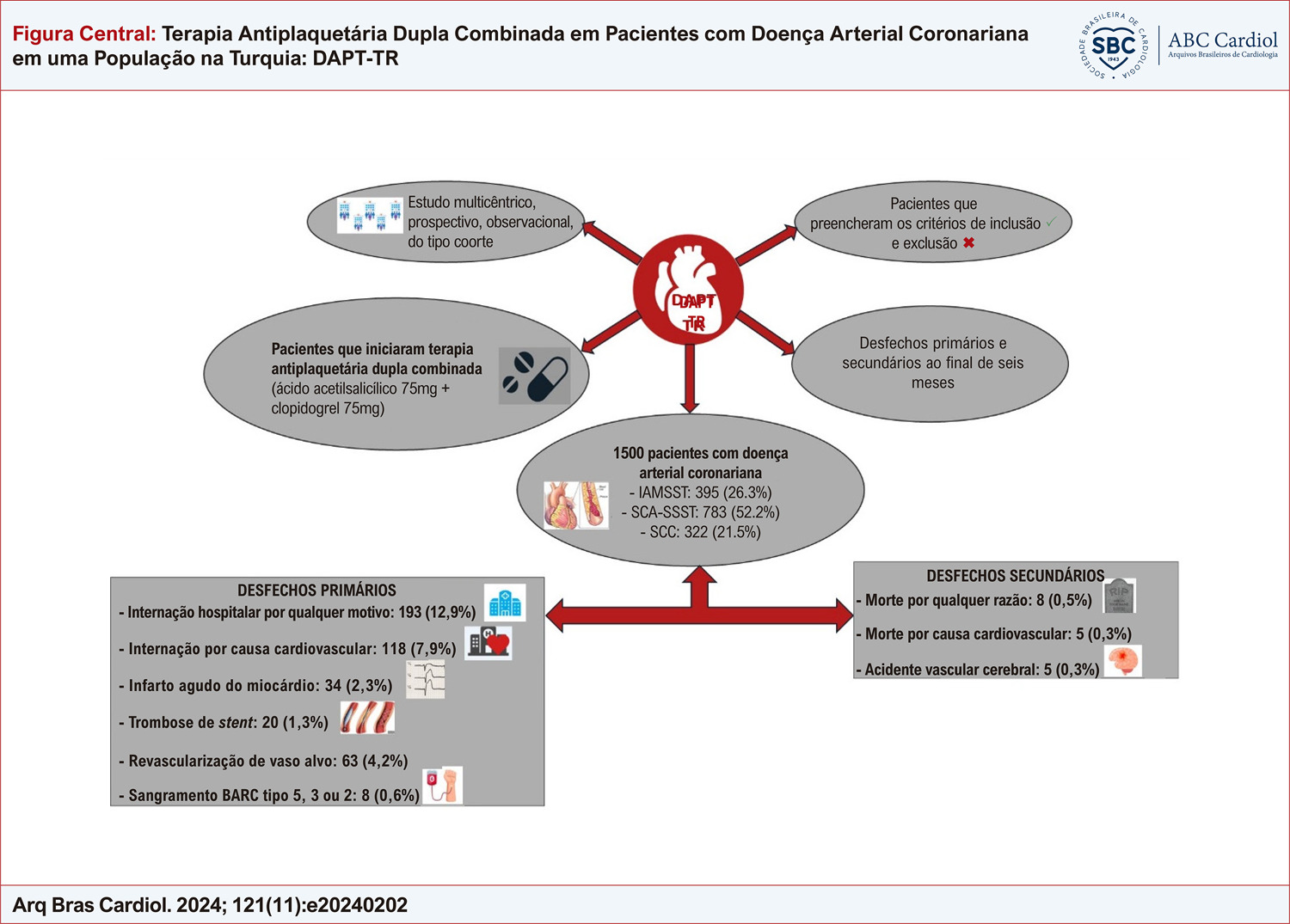
The aim of our study was to perform prospective clinical follow-up of patients receiving fixed-dose combination therapy (ASA 75 mg + clopidogrel 75 mg). Our study is a multicentric, cross-sectional, observational, cohort study.

Methods

A total of 1500 patients who were started on fixed-dose combination DAPT for acute or chronic coronary syndrome were included in the study. Primary endpoints were hospitalization for any reason, hospitalization for cardiovascular cause, acute myocardial infarction, stent thrombosis, target vessel revascularization and bleeding; the secondary endpoints were death for any reason or cardiovascular cause and stroke. The significance level adopted in the statistical analysis was 5%.

Results

Median age was 63 years; 78.5% of the patients were receiving DAPT treatment for acute coronary syndrome. The rates of hospitalization for cardiovascular reasons, acute myocardial infartion, stent thrombosis and target-vessel revascularization were 7.9%, 2.3%, 1.3% and 4.2%, respectively. While the rate of BARC type 1 bleeding was 3.3%, the rate of BARC type 5, 3, or 2 bleeding was 0.6%. The secondary endpoints which were death from any cause, cardiovascular death and stroke were 0.5%, 0.3% and 0.3%, respectively. Conclusion: Our study shows that fixed-dose combination therapy is effective and safe in appropriately selected patients with acute or chronic coronary syndromes.

  • Dual Anti-Platelet Therapy
  • Hemorrhage
  • Thrombosis
Read Full Article
Creative Commons Attribution (CC BY) Creative Commons license
25/11/2024 DOI: 10.36660/abc.20240202i
Observational Study of Words Used by Emergency Callers and Their Impact on the Recognition of an Out-Of-Hospital Cardiopulmonary Arrest by the Medical Dispatcher
Original Article

Observational Study of Words Used by Emergency Callers and Their Impact on the Recognition of an Out-Of-Hospital Cardiopulmonary Arrest by the Medical Dispatcher

Matheus Henrique Ramos Voos et al. Caroline Manami Okamoto Artur Boeck Trommer Amanda Berlinck da Silva … Eduardo Franke da Cruz Gustavo Andreazza Laporte Antônio Rogério Proença Tavares Crespo Andrea Regner Karin Viegas

Abstract

Background

Survival of victims of out-of-hospital cardiopulmonary arrest (CA) is related to the time and quality of cardiopulmonary resuscitation (CPR).1 Considering that most CAs occur outside the hospital setting, it is evident that the early recognition of this condition is the cornerstone of the chain of survival. Current literature on the theme is still scarce.

Objectives

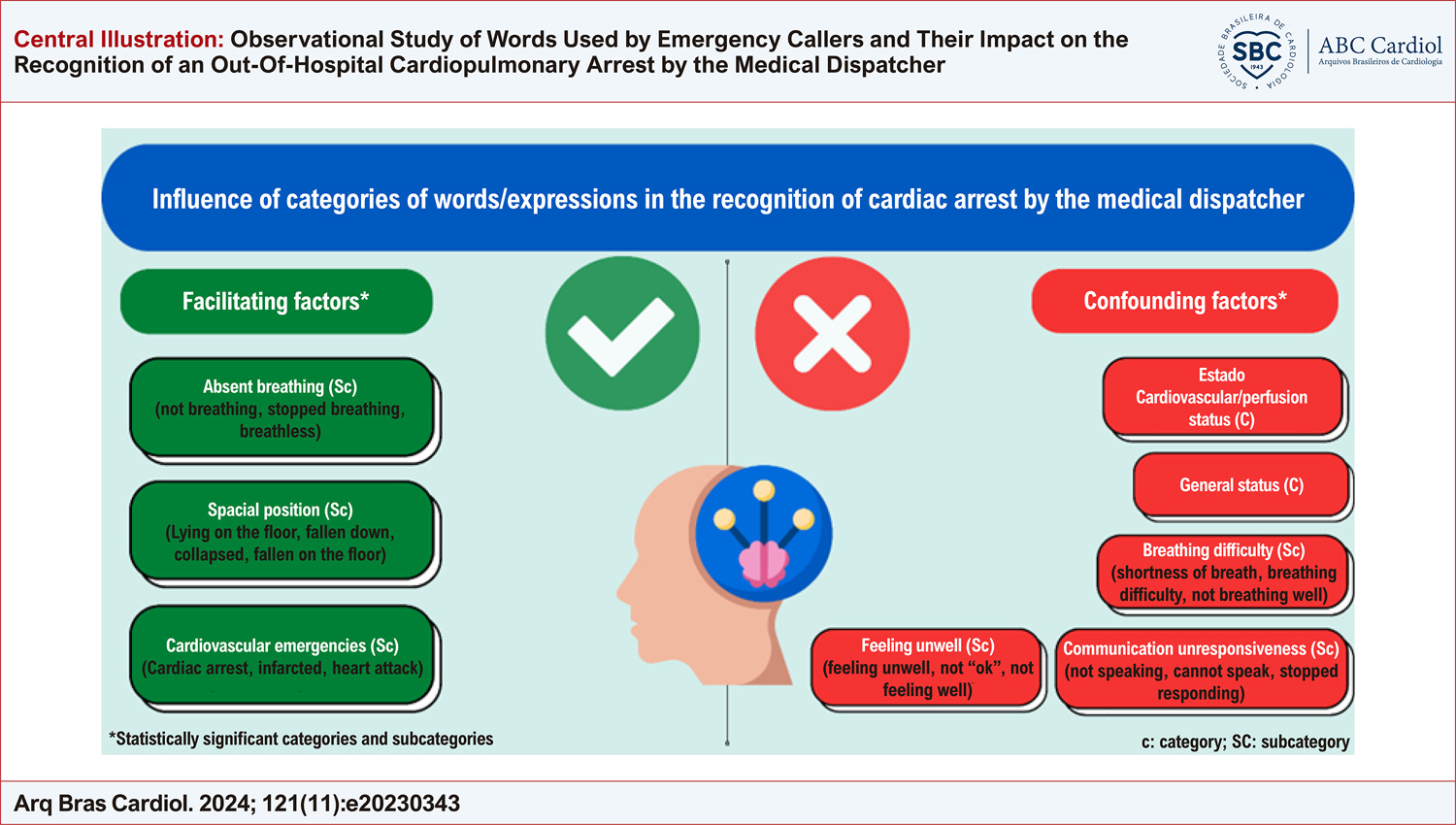
To analyze categories and subcategories of words and expressions spontaneously used by laypeople during emergency calls for CA and their relationship with the recognition of this event by the medical dispatcher.

Methods

This was a cross-sectional study, with analysis of calls made by laypeople due to suspected CA to emergency medical services in Brazil. The expressions used were classified into six categories and 31 subcategories. Univariate and multivariate models were used to assess the strength of the association of categories and subcategories of words and expressions with the presumption of CA. The level of significance was set at 5%. Results: A total of 284 calls were included, and after applying the inclusion criteria, 101 calls were analyzed. The categories “cardiovascular/perfusion status” (p=0.019) and “general status” (p=0.011) were identified as confounding factors for the recognition of CA, and the subcategories “breathing difficulty” (p=0.023), “verbal unresponsiveness” (p=0.034), “facial coloration” (p=0.068) and “feeling unwell” (p=0.013) were also considered as confounders. On the other hand, the subcategories “not breathing” (p=0.010); “spatial position” (p=0.016), and “cardiovascular emergencies” (p=0.045) were identified as facilitating factors for the recognition of CA.

Conclusion

Categories and subcategories of expressions used by emergency callers for CA can influence the timely recognition of this condition by the medical dispatcher.

  • Emergency Medical Dispatcher
  • Out-of-Hospital Cardiac Arrest
  • Prehospital Care
Read Full Article
Creative Commons Attribution (CC BY) Creative Commons license
25/11/2024 DOI: 10.36660/abc.20230343i
Figure 1
Research Letter

Predictive Value of Cardiac Biomarkers on Delayed Graft Function in Renal Transplant Patients

Rodrigo Pinheiro Amantéa et al. Virgílio da Rocha Olsen Laura Caroline Tavares Hastenteufel Flávia K. Borges … Roberto Ceratti Manfro Lívia Adams Goldraich Nadine Clausell

Introduction

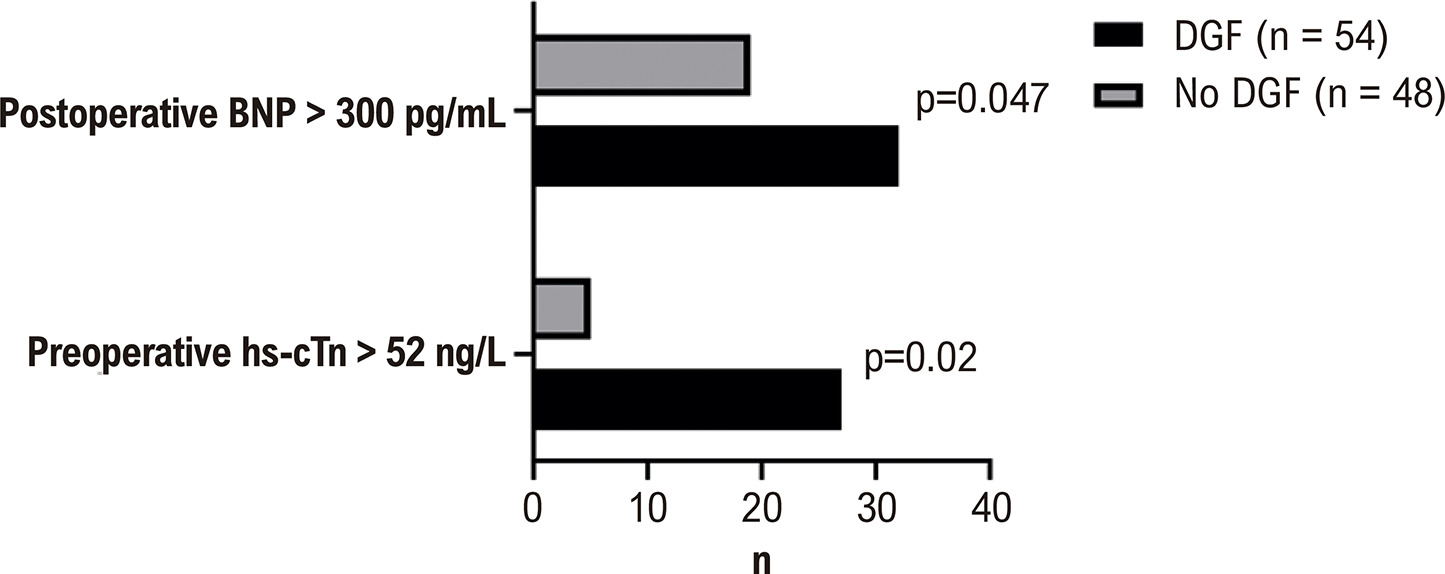
Cardiovascular (CV) disease is the leading cause of death among adult kidney transplant recipients, accounting for 25% of deaths in patients with functioning grafts. Cardiac biomarkers, in particular, brain natriuretic peptide (BNP) and cardiac troponin (cTn), are the most studied biomarkers for predicting the risk of major adverse cardiovascular events (MACE) in end-stage kidney disease and kidney transplant.,

Myocardial injury after non-cardiac surgery (MINS) is a new clinical entity with relevant clinical and prognostic implications. It is defined as ischemic myocardial injury until 30 days after non-cardiac surgery and is independently associated with increased mortality. PJ Devereaux et al. evaluated the cohort of the VISION study, which involved the assessment of perioperative cTn and BNP on more than 20.000 patients, but without a representative number of renal transplant patients.

[…]

  • Biomarkers
  • Kidney Transplantation
  • Perioperative Care
Read Full Article
Creative Commons Attribution (CC BY) Creative Commons license
25/11/2024 DOI: 10.36660/abc.20230858i
Osteoprotegerin and Vascular Dysfunction in Patients with Stage 3 Chronic Kidney Disease and Those without Renal Dysfunction: A Case-Control Study
Original Article

Osteoprotegerin and Vascular Dysfunction in Patients with Stage 3 Chronic Kidney Disease and Those without Renal Dysfunction: A Case-Control Study

Thalita de Oliveira Matos et al. Priscila Valverde de Oliveira Vitorino Rogerio Orlow Átila de Oliveira Melo … Diogo da Silva Amorim Gleidson Junio Oliveira Sousa Vanda Jorgetti Ana Luiza Lima Sousa Rodrigo Bezerra Weimar Kunz Sebba Barroso

Abstract

Background

Osteoprotegerin (OPG) is a marker of vascular calcification and cardiovascular risk in patients with chronic kidney disease (CKD).

Objective

This study aimed to compare and correlate OPG values with flow-mediated dilation (FMD) and pulse wave velocity (PWV) measurements in patients in stage 3 CKD and those without renal dysfunction.

Methods

This case-control study was conducted in a specialized hypertension center in 2022. A total of 79 patients over 18 years of age participated in the study. The case group consisted of 30 patients with moderate renal dysfunction (CKD stage 3) and the control group included 49 individuals with glomerular filtration rate ≥ 60 mL/min/1.73 m2. The significance level adopted in the statistical analysis was 5%.

Results

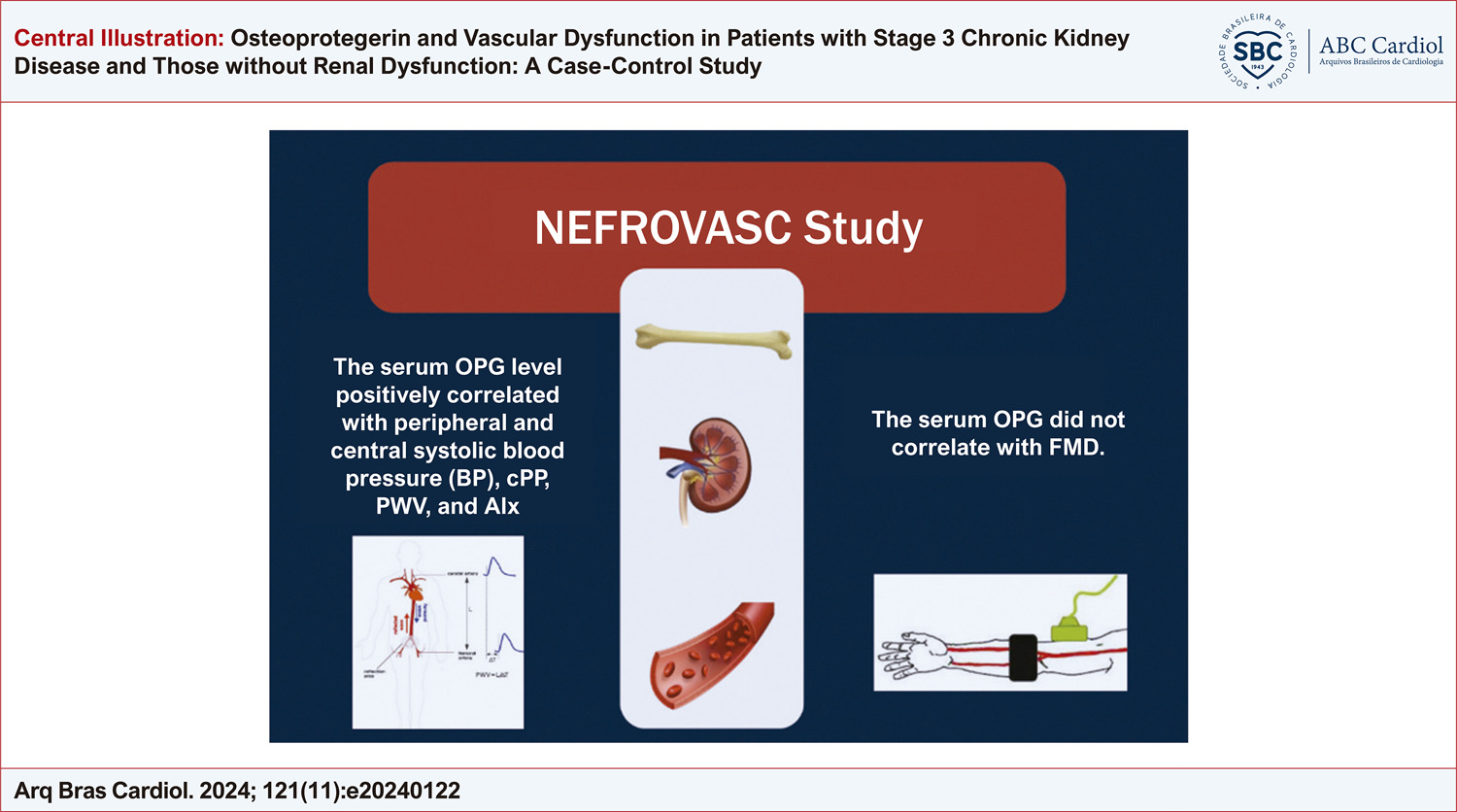
Central pulse pressure (cPP), PWV, and augmentation index (AIx) were higher in patients with renal dysfunction. The serum OPG level positively correlated with peripheral and central systolic blood pressure, cPP, PWV, and AIx. Conversely, the serum OPG did not correlate with FMD.

Conclusions

OPG and PWV are possible biomarkers of vascular dysfunction that are altered in patients with moderate renal dysfunction. Despite limitations of this study, including that it was a case-control study conducted at a single center, it has the potential, as a proof of concept, to generate the hypothesis of OPG and PWV as biomarkers of early vascular damage in this population.

  • Cardiovascular Diseases
  • chronic renal insufficiency
  • Osteoprotegerin
  • Vascular Calcification
  • vascular endothelium
  • Vascular Stiffness
Read Full Article
Creative Commons Attribution (CC BY) Creative Commons license
25/11/2024 DOI: 10.36660/abc.20240122i Views 1
Uncontrolled Cholesterol in Individuals with Severe Hypercholesterolemia in a Health Evaluation Program in Brazil
Original Article

Uncontrolled Cholesterol in Individuals with Severe Hypercholesterolemia in a Health Evaluation Program in Brazil

Raul D. Santos et al. Nea Miwa Kashiwagi Fernando Yue Cesena Silvia Regina Lamas Assis … Josué Nieri Carlos Andre Minanni Marcelo Franken Otavio Berwanger

Abstract

Background

Individuals with severe hypercholesterolemia (SH) are considered at high atherosclerosis risk and should be intensively treated with lipid-lowering drugs aiming for an LDL-C reduction of≥50% and a goal of <70 mg/dL.

Objectives

This study aimed to evaluate cholesterol control in individuals with SH (LDL-C ≥ 190 mg/dL or 160-189 mg/dL using lipid-lowering drugs) followed in a health evaluation program.

Methods

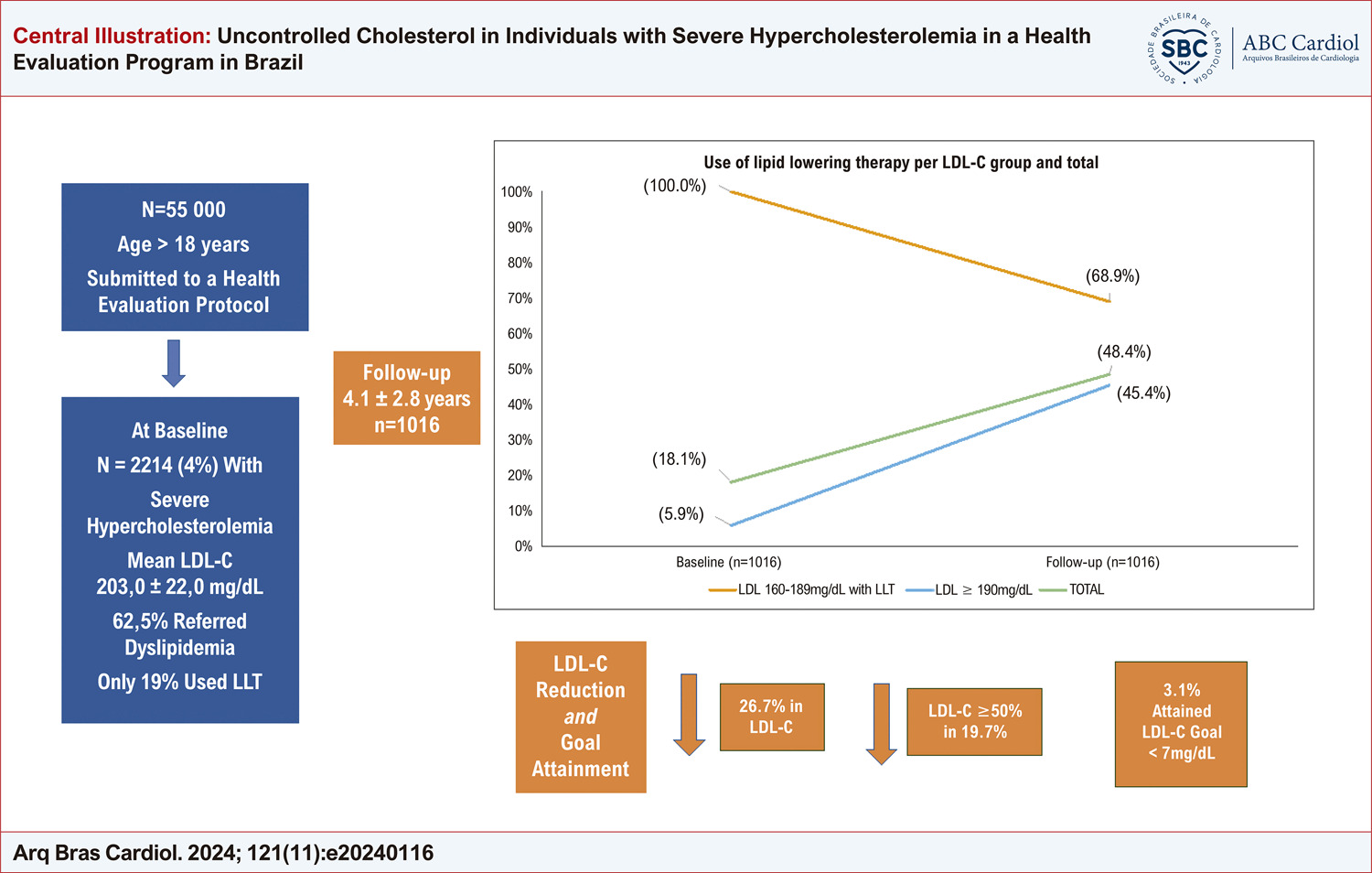
55,000 individuals were evaluated, of which 2,214 (4%) had SH, and 1,016 (45.8%) had repeated assessments. Achievement of recommended LDL-C goals was the primary study endpoint. A p-value < 0.05 was considered significant.

Results

Mean age (± SD) was 44.9±8.8 years, 84.2% were men, and 0.5% reported previous myocardial infarction. Mean LDL-C was 203.0±22.0 mg/dL, and although 62.5% referred dyslipidemia, only 19% were using lipid-lowering drugs (5.9% in cases with LDL-C ≥ 190 mg/dL). During a 4.1±2.8-year follow-up, use of lipid-lowering drugs increased from 18.1% to 48.4% (p<0.00001), 5.9% to 45.4% in those with LDL-C ≥ 190 mg/dL (p< 0.00001) though 31% of cases with LDL-C 160-189 mg/dL stopped taking medications. Overall, there was a mean 26.7% reduction in LDL-C (p 190 mg/dL and 160-189 mg/dL respectively. Only 3.1% reached LDL-C < 70 mg/dL (2.7% in those with LDL-C ≥ 190 and 5.3% in those with 160-189 mg/dL).

Conclusions

A serious gap was found between treatment recommendations and reality in individuals at high atherosclerosis risk due to SH.

  • Cholesterol
  • Heart Disease Risk Factors
  • Hypercholesterolemia
Read Full Article
Creative Commons Attribution (CC BY) Creative Commons license
22/11/2024 DOI: 10.36660/abc.20240116i Views 1
Determination of Serum Glycogen Synthase 3 Beta Levels in Patients with Heart Failure, a Novel Marker for Diagnosis and Defining Disease Severity?
Original Article

Determination of Serum Glycogen Synthase 3 Beta Levels in Patients with Heart Failure, a Novel Marker for Diagnosis and Defining Disease Severity?

Gokhan Altunbas et al. Mehmet Kaplan Veysel Duzen Emin Erdem Kaya … Hafize Gokce Gokdeniz Seyithan Taysi

Abstract

Background

Glycogen synthase kinase 3β (GSK3β) is an enzyme that has roles in the pathogenesis of heart failure (HF). We try to reveal serum GSK3β levels in types of HF.

Objectives

In this study, we evaluated serum GSK3β levels in HF patients. Also, we tried to elucidate any possible relationship between serum GSK3β levels and disease severity among three different types of HF patients.

Methods

We performed a prospective study and enrolled 112 patients: 50 patients in heart failure with preserved ejection fraction (HFpEF) group, 30 patients in heart failure with mildly reduced ejection fraction (HFmrEF) group, and 32 patients in heart failure with reduced ejection fraction group (HFrEF). We also evaluated 50 healthy controls. Echocardiographic examinations were performed. We measured serum GSK-3β and N-terminal pro-B-type natriuretic peptide (NT-proBNP). We measured highly sensitive C-reactive protein (hs-CRP) levels and calculated neutrophil-lymphocyte ratio (NLR) platelets-to-lymphocyte ratio (PLR) from the hemogram count. Statistical significance was accepted p < 0.05.

Results

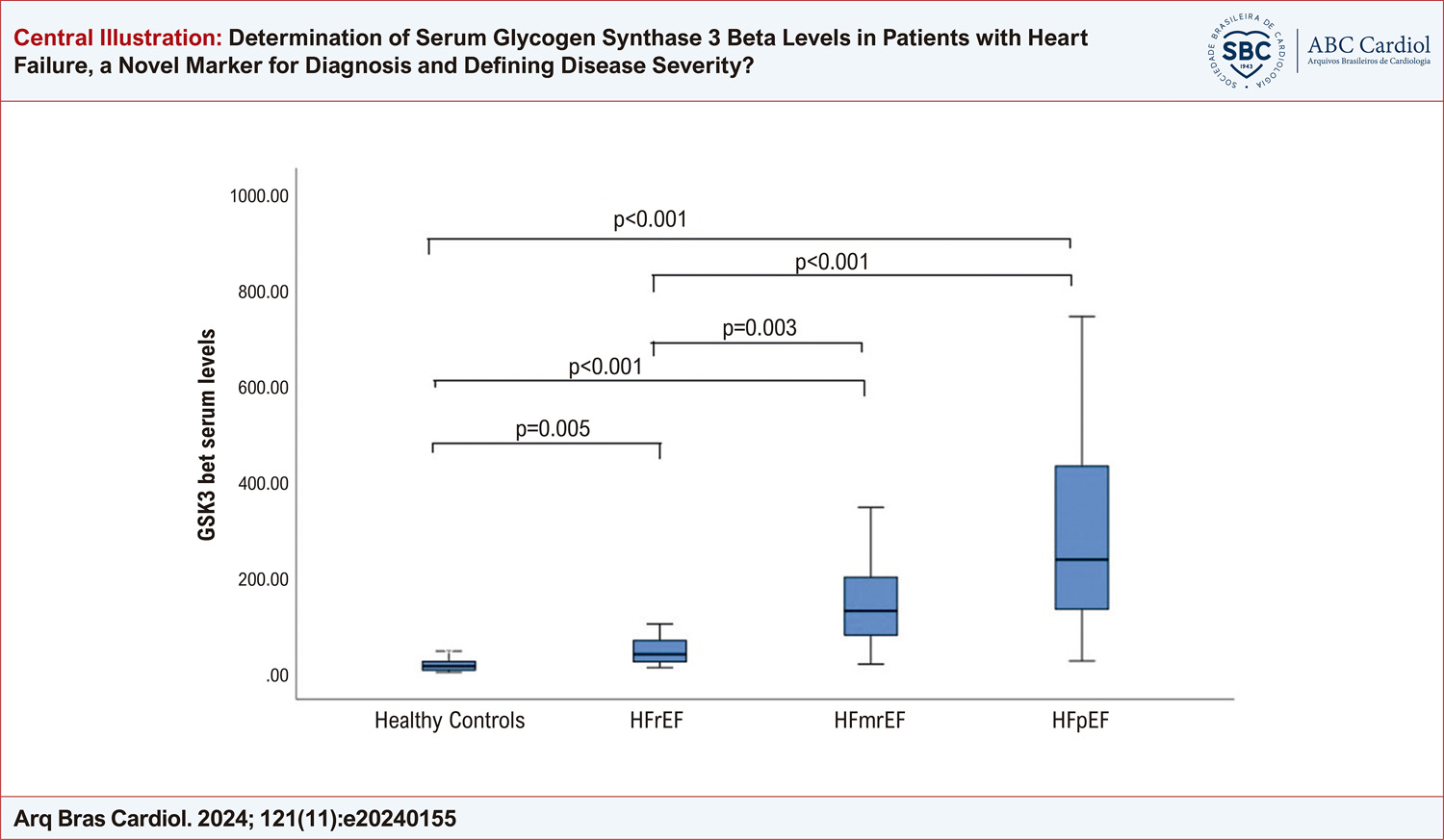
Serum GSK3β levels were significantly higher among patients with HF compared to healthy controls (median GSK3β levels; 117.26 (45.39 -223.85) vs 13.91 (5.6 -23.3) ng/mL, p<0.001). Also, GSK3β levels were highest among patients with HFpEF and lowest among patients with HFrEF; 236.44 (132.89 -432) vs. 38.72 (23.15-67.31) ng/mL respectively (p<0.001). Median NT-proBNP levels, as expected, were significantly higher among patients with HF compared to healthy controls (660 (291 -1000) vs. 92 (78 -102) pg/mL, p<0.001). As a marker of systemic inflammation, hsCRP values, NLR, and PLR did not differ significantly among HF patients and controls.

Conclusion

GSK3β levels were significantly higher among patients with HF. Also, as the ejection fraction declines, GSK3β levels also reduce, probably as a protective mechanism to prevent further apoptosis and myocyte death.

  • Glycogen Synthase Kinase 3
  • Heart Failure
  • Natriuretic Peptides
Read Full Article
Creative Commons Attribution (CC BY) Creative Commons license
22/11/2024 DOI: 10.36660/abc.20240155i Views 1
Primary Percutaneous Coronary Intervention during Off-Hours: One-Decade Experience from a High-Volume Cardiovascular Center
Original Article

Primary Percutaneous Coronary Intervention during Off-Hours: One-Decade Experience from a High-Volume Cardiovascular Center

Filipe Cirne et al. Marcia Moura Schmidt Cristiano Oliveira Cardoso Darryl P. Leong Alexandre Schaan de Quadros

Abstract

Background

The impact of performing a primary percutaneous coronary intervention (pPCI) off-hours on clinical outcomes is not well established.

Objective

Compare characteristics and major adverse cardiovascular events (MACE) of pPCI off-hours versus on-hours in a high-volume cardiology center.

Methods

Prospective cohort of patients who underwent pPCI for ST elevation myocardial infarction (STEMI) from 2009 to 2019. We defined off-hours pPCI as workdays from 8pm to 7:59 am as well as weekends and holidays. We compared patients treated on- and off-hours as to baseline characteristics and 1-year events.

Results

A total of 2,560 patients were treated off-hours and 1,876 patients treated on-hours. The groups were similar for most of the baseline characteristics. A higher thrombus burden was seen in patients treated off-hours (50% x 45%; p < 0.01), and in this group the radial access was more frequently used (62% x 58%; p = 0.01). Procedural success was not statistically different between the groups (95.7% x 96.4%; p = 0.21). MACE rates were higher in patients treated off-hours at 30 days (10.2% x 8.5%; p = 0.04) and at one year of follow-up (15.4% x 13.1%; p = 0.03), driven by higher death rates at 30 days (7.8% x 6.1%; p = 0.03) and at 1 year follow-up (11.1% x 9.0%; p = 0.02).

Conclusion

In a high-volume cardiology center, clinical characteristics, door-to-balloon times, procedural pPCI success and complication rates of STEMI patients treated on and off-hours were similar. However, patients treated off-hours presented higher MACE and mortality rates, in spite of similar MI and stroke rates.

  • Major Adverse Cardiovascular Events
  • Primary percutaneous coronary intervention
  • ST Elevation Myocardial Infarction
Read Full Article
Creative Commons Attribution (CC BY) Creative Commons license
22/11/2024 DOI: 10.36660/abc.20240396i Views 1

How to cite this article

EndNote RIS

Electronic Document Format (Vancouver)

Gelain MAS, Ribeiro HB. Worse Prognosis of STEMI Patients during Off-Hours: What are we Missing?. Arquivos Brasileiros de Cardiologia 2025;121(11):e20240701.

Electronic Document Format (ABNT)

Gelain, Marco Antônio Smiderle; Ribeiro, Henrique Barbosa. Worse Prognosis of STEMI Patients during Off-Hours: What are we Missing?. Arquivos Brasileiros de Cardiologia, v. 121, n. 11, e20240701, Feb. 2025.

Electronic Document Format (APA)

Gelain, M. A. S., & Ribeiro, H. B. (2025). Worse Prognosis of STEMI Patients during Off-Hours: What are we Missing?. Arquivos Brasileiros de Cardiologia, 121(11), e20240701.

Electronic Document Format (ISO)

Gelain, Marco Antônio Smiderle and Ribeiro, Henrique Barbosa. Worse Prognosis of STEMI Patients during Off-Hours: What are we Missing?. Arquivos Brasileiros de Cardiologia [online]. 2025, vol. 121, n. 11, [cited 2026-10-14], e20240701. Available from: <https://journals.cardiol.br/en/article/worse-prognosis-of-stemi-patients-during-off-hours-what-are-we-missing/>. ISSN 0066-782X

EndNote RIS

Electronic Document Format (Vancouver)

Almeida MC, Castro ML, Espíndola LN. The Choice of Antiplatelet Dual Combination in Coronary Artery Disease: Is this Just a Question of Balance between ischemic Burden and Bleeding Risk?. Arquivos Brasileiros de Cardiologia 2025;121(11):e20240695.

Electronic Document Format (ABNT)

Almeida, Maria Cristina; Castro, Marildes Luiza de; Espíndola, Larissa Neto. The Choice of Antiplatelet Dual Combination in Coronary Artery Disease: Is this Just a Question of Balance between ischemic Burden and Bleeding Risk?. Arquivos Brasileiros de Cardiologia, v. 121, n. 11, e20240695, Jan. 2025.

Electronic Document Format (APA)

Almeida, M. C., Castro, M. L. , & Espíndola, L. N. (2025). The Choice of Antiplatelet Dual Combination in Coronary Artery Disease: Is this Just a Question of Balance between ischemic Burden and Bleeding Risk?. Arquivos Brasileiros de Cardiologia, 121(11), e20240695.

Electronic Document Format (ISO)

Almeida, Maria Cristina and Castro, Marildes Luiza de and Espíndola, Larissa Neto. The Choice of Antiplatelet Dual Combination in Coronary Artery Disease: Is this Just a Question of Balance between ischemic Burden and Bleeding Risk?. Arquivos Brasileiros de Cardiologia [online]. 2025, vol. 121, n. 11, [cited 2026-10-14], e20240695. Available from: <https://journals.cardiol.br/en/article/the-choice-of-antiplatelet-dual-combination-in-coronary-artery-disease-is-this-just-a-question-of-balance-between-ischemic-burden-and-bleeding-risk/>. ISSN 0066-782X

EndNote RIS

Electronic Document Format (Vancouver)

Martinez TLR. Adherence, Compliance and Persistency in High Cholesterol Treatment. Arquivos Brasileiros de Cardiologia 2025;121(11):e20240652.

Electronic Document Format (ABNT)

Martinez, Tania L. R.. Adherence, Compliance and Persistency in High Cholesterol Treatment. Arquivos Brasileiros de Cardiologia, v. 121, n. 11, e20240652, Jan. 2025.

Electronic Document Format (APA)

Martinez, T. L. R. (2025). Adherence, Compliance and Persistency in High Cholesterol Treatment. Arquivos Brasileiros de Cardiologia, 121(11), e20240652.

Electronic Document Format (ISO)

Martinez, Tania L. R.. Adherence, Compliance and Persistency in High Cholesterol Treatment. Arquivos Brasileiros de Cardiologia [online]. 2025, vol. 121, n. 11, [cited 2026-10-14], e20240652. Available from: <https://journals.cardiol.br/en/article/adherence-compliance-and-persistency-in-high-cholesterol-treatment/>. ISSN 0066-782X

EndNote RIS

Electronic Document Format (Vancouver)

Silva CGS. Aiming for Health Equity: Why Does Diversity in Brazilian Medical Research Matter?. Arquivos Brasileiros de Cardiologia 2025;121(11):e20240731.

Electronic Document Format (ABNT)

Silva, Christina Grüne de Souza e. Aiming for Health Equity: Why Does Diversity in Brazilian Medical Research Matter?. Arquivos Brasileiros de Cardiologia, v. 121, n. 11, e20240731, Jan. 2025.

Electronic Document Format (APA)

Silva, C. G. S. (2025). Aiming for Health Equity: Why Does Diversity in Brazilian Medical Research Matter?. Arquivos Brasileiros de Cardiologia, 121(11), e20240731.

Electronic Document Format (ISO)

Silva, Christina Grüne de Souza e. Aiming for Health Equity: Why Does Diversity in Brazilian Medical Research Matter?. Arquivos Brasileiros de Cardiologia [online]. 2025, vol. 121, n. 11, [cited 2026-10-14], e20240731. Available from: <https://journals.cardiol.br/en/article/aiming-for-health-equity-why-does-diversity-in-brazilian-medical-research-matter/>. ISSN 0066-782X

EndNote RIS

Electronic Document Format (Vancouver)

Andrade C, Ferrari F, Stein R. Healing Hearts with Humor: The Potential of Laughter Therapy in Cardiac Rehabilitation. Arquivos Brasileiros de Cardiologia 2025;121(11):e20240594.

Electronic Document Format (ABNT)

Andrade, Cleidiane; Ferrari, Filipe; Stein, Ricardo. Healing Hearts with Humor: The Potential of Laughter Therapy in Cardiac Rehabilitation. Arquivos Brasileiros de Cardiologia, v. 121, n. 11, e20240594, Jan. 2025.

Electronic Document Format (APA)

Andrade, C., Ferrari, F., & Stein, R. (2025). Healing Hearts with Humor: The Potential of Laughter Therapy in Cardiac Rehabilitation. Arquivos Brasileiros de Cardiologia, 121(11), e20240594.

Electronic Document Format (ISO)

Andrade, Cleidiane and Ferrari, Filipe and Stein, Ricardo. Healing Hearts with Humor: The Potential of Laughter Therapy in Cardiac Rehabilitation. Arquivos Brasileiros de Cardiologia [online]. 2025, vol. 121, n. 11, [cited 2026-10-14], e20240594. Available from: <https://journals.cardiol.br/en/article/healing-hearts-with-humor-the-potential-of-laughter-therapy-in-cardiac-rehabilitation/>. ISSN 0066-782X

EndNote RIS

Electronic Document Format (Vancouver)

Vinagre RCO. Recognition by the Regulatory Physician of Expressions Used by Lay People when Asking for Help in Supposed Cardiorespiratory Arrest. Arquivos Brasileiros de Cardiologia 2025;121(11):e20240669.

Electronic Document Format (ABNT)

Vinagre, Ronaldo C. O.. Recognition by the Regulatory Physician of Expressions Used by Lay People when Asking for Help in Supposed Cardiorespiratory Arrest. Arquivos Brasileiros de Cardiologia, v. 121, n. 11, e20240669, Jan. 2025.

Electronic Document Format (APA)

Vinagre, R. C. O. (2025). Recognition by the Regulatory Physician of Expressions Used by Lay People when Asking for Help in Supposed Cardiorespiratory Arrest. Arquivos Brasileiros de Cardiologia, 121(11), e20240669.

Electronic Document Format (ISO)

Vinagre, Ronaldo C. O.. Recognition by the Regulatory Physician of Expressions Used by Lay People when Asking for Help in Supposed Cardiorespiratory Arrest. Arquivos Brasileiros de Cardiologia [online]. 2025, vol. 121, n. 11, [cited 2026-10-14], e20240669. Available from: <https://journals.cardiol.br/en/article/recognition-by-the-regulatory-physician-of-expressions-used-by-lay-people-when-asking-for-help-in-supposed-cardiorespiratory-arrest/>. ISSN 0066-782X

EndNote RIS

Electronic Document Format (Vancouver)

Luz PLD. Mendelian Randomization in Atrial Fibrillation. Arquivos Brasileiros de Cardiologia 2024;121(11):e20240682.

Electronic Document Format (ABNT)

Luz, Protasio Lemos Da. Mendelian Randomization in Atrial Fibrillation. Arquivos Brasileiros de Cardiologia, v. 121, n. 11, e20240682, Dec. 2024.

Electronic Document Format (APA)

Luz, P. L. D. (2024). Mendelian Randomization in Atrial Fibrillation. Arquivos Brasileiros de Cardiologia, 121(11), e20240682.

Electronic Document Format (ISO)

Luz, Protasio Lemos Da. Mendelian Randomization in Atrial Fibrillation. Arquivos Brasileiros de Cardiologia [online]. 2024, vol. 121, n. 11, [cited 2026-10-14], e20240682. Available from: <https://journals.cardiol.br/en/article/mendelian-randomization-in-atrial-fibrillation/>. ISSN 0066-782X

EndNote RIS

Electronic Document Format (Vancouver)

Alesso CA, Queda J, Mohty D, Salemi VMC. Serum Glycogen Synthase 3 Beta Levels: A Promissory Marker for Patients with Heart Failure. Arquivos Brasileiros de Cardiologia 2024;121(11):e20240684.

Electronic Document Format (ABNT)

Alesso, Claudia Aznar; Queda, João; Mohty, Dania; Salemi, Vera Maria Cury. Serum Glycogen Synthase 3 Beta Levels: A Promissory Marker for Patients with Heart Failure. Arquivos Brasileiros de Cardiologia, v. 121, n. 11, e20240684, Dec. 2024.

Electronic Document Format (APA)

Alesso, C. A., Queda, J., Mohty, D., & Salemi, V. M. C. (2024). Serum Glycogen Synthase 3 Beta Levels: A Promissory Marker for Patients with Heart Failure. Arquivos Brasileiros de Cardiologia, 121(11), e20240684.

Electronic Document Format (ISO)

Alesso, Claudia Aznar and Queda, João and Mohty, Dania and Salemi, Vera Maria Cury. Serum Glycogen Synthase 3 Beta Levels: A Promissory Marker for Patients with Heart Failure. Arquivos Brasileiros de Cardiologia [online]. 2024, vol. 121, n. 11, [cited 2026-10-14], e20240684. Available from: <https://journals.cardiol.br/en/article/serum-glycogen-synthase-3-beta-levels-a-promissory-marker-for-patients-with-heart-failure/>. ISSN 0066-782X

EndNote RIS

Electronic Document Format (Vancouver)

Silva HDS, Franco ES, Lima LCAS, Maia MBS. Therapeutic Efficacy and Safety of Paracetamol versus Ibuprofen in Patent Ductus Arteriosus in Newborns: A Systematic Review. Arquivos Brasileiros de Cardiologia 2024;121(11):e20240058.

Electronic Document Format (ABNT)

Silva, Halecy Davidson Sousa da; Franco, Eryvelton de Souza; Lima, Larissa Caroline de Almeida Sousa; Maia, Maria Bernadete de Sousa. Therapeutic Efficacy and Safety of Paracetamol versus Ibuprofen in Patent Ductus Arteriosus in Newborns: A Systematic Review. Arquivos Brasileiros de Cardiologia, v. 121, n. 11, e20240058, Dec. 2024.

Electronic Document Format (APA)

Silva, H. D. S. , Franco, E. S., Lima, L. C. A. S., & Maia, M. B. S. (2024). Therapeutic Efficacy and Safety of Paracetamol versus Ibuprofen in Patent Ductus Arteriosus in Newborns: A Systematic Review. Arquivos Brasileiros de Cardiologia, 121(11), e20240058.

Electronic Document Format (ISO)

Silva, Halecy Davidson Sousa da and Franco, Eryvelton de Souza and Lima, Larissa Caroline de Almeida Sousa and Maia, Maria Bernadete de Sousa. Therapeutic Efficacy and Safety of Paracetamol versus Ibuprofen in Patent Ductus Arteriosus in Newborns: A Systematic Review. Arquivos Brasileiros de Cardiologia [online]. 2024, vol. 121, n. 11, [cited 2026-10-14], e20240058. Available from: <https://journals.cardiol.br/en/article/therapeutic-efficacy-and-safety-of-paracetamol-versus-ibuprofen-in-patent-ductus-arteriosus-in-newborns-a-systematic-review/>. ISSN 0066-782X

EndNote RIS

Electronic Document Format (Vancouver)

Ritt LEF, Silva PGMB, Darzé ES, Santos RHN, Oliveira QB, Berwanger O, Mattos LAP, et al. Myocardial Infarction with ST Elevation and Reperfusion Therapy in Brazil: Data from the ACCEPT Registry. Arquivos Brasileiros de Cardiologia 2024;121(11):e20230863.

Electronic Document Format (ABNT)

Ritt, Luiz Eduardo Fonteles; Silva, Pedro Gabriel Melo de Barros e; Darzé, Eduardo Sahade; Santos, Renato Hideo Nakagawa; Oliveira, Queila Borges de; Berwanger, Otavio; Mattos, Luiz Alberto Piva e; Santos, Elizabete Silva dos; Souza, Antonio Carlos Sobral; Cavalcante, Margaret Assad; Andrade, Pedro Beraldo de; Neuenschwander, Fernando Carvalho; Vargas Filho, Hugo; Guimarães, Jorge Ilha; Andrade, Jadelson Pinheiro de; Paola, Angelo Amato Vincenzo de; Malachias, Marcus Vinícius Bolívar; Précoma, Dalton Bertolim; Bacal, Fernando; Dutra, Oscar Pereira. Myocardial Infarction with ST Elevation and Reperfusion Therapy in Brazil: Data from the ACCEPT Registry. Arquivos Brasileiros de Cardiologia, v. 121, n. 11, e20230863, Dec. 2024.

Electronic Document Format (APA)

Ritt, L. E. F., Silva, P. G. M. B. , Darzé, E. S., Santos, R. H. N., Oliveira, Q. B. , Berwanger, O., Mattos, L. A. P. , Santos, E. S. , Souza, A. C. S., Cavalcante, M. A., Andrade, P. B. , Neuenschwander, F. C., Vargas Filho, H., Guimarães, J. I., Andrade, J. P. , Paola, A. A. V. , Malachias, M. V. B., Précoma, D. B., Bacal, F., & Dutra, O. P. (2024). Myocardial Infarction with ST Elevation and Reperfusion Therapy in Brazil: Data from the ACCEPT Registry. Arquivos Brasileiros de Cardiologia, 121(11), e20230863.

Electronic Document Format (ISO)

Ritt, Luiz Eduardo Fonteles and Silva, Pedro Gabriel Melo de Barros e and Darzé, Eduardo Sahade and Santos, Renato Hideo Nakagawa and Oliveira, Queila Borges de and Berwanger, Otavio and Mattos, Luiz Alberto Piva e and Santos, Elizabete Silva dos and Souza, Antonio Carlos Sobral and Cavalcante, Margaret Assad and Andrade, Pedro Beraldo de and Neuenschwander, Fernando Carvalho and Vargas Filho, Hugo and Guimarães, Jorge Ilha and Andrade, Jadelson Pinheiro de and Paola, Angelo Amato Vincenzo de and Malachias, Marcus Vinícius Bolívar and Précoma, Dalton Bertolim and Bacal, Fernando and Dutra, Oscar Pereira. Myocardial Infarction with ST Elevation and Reperfusion Therapy in Brazil: Data from the ACCEPT Registry. Arquivos Brasileiros de Cardiologia [online]. 2024, vol. 121, n. 11, [cited 2026-10-14], e20230863. Available from: <https://journals.cardiol.br/en/article/myocardial-infarction-with-st-elevation-and-reperfusion-therapy-in-brazil-data-from-the-accept-registry/>. ISSN 0066-782X

EndNote RIS

Electronic Document Format (Vancouver)

Bianco HT. The ACCEPT Study and the Management of Ischemic Myocardial Disease in Brazil: Challenges and Opportunities in a Continental Country. Arquivos Brasileiros de Cardiologia 2024;121(11):e20240604.

Electronic Document Format (ABNT)

Bianco, Henrique Tria. The ACCEPT Study and the Management of Ischemic Myocardial Disease in Brazil: Challenges and Opportunities in a Continental Country. Arquivos Brasileiros de Cardiologia, v. 121, n. 11, e20240604, Dec. 2024.

Electronic Document Format (APA)

Bianco, H. T. (2024). The ACCEPT Study and the Management of Ischemic Myocardial Disease in Brazil: Challenges and Opportunities in a Continental Country. Arquivos Brasileiros de Cardiologia, 121(11), e20240604.

Electronic Document Format (ISO)

Bianco, Henrique Tria. The ACCEPT Study and the Management of Ischemic Myocardial Disease in Brazil: Challenges and Opportunities in a Continental Country. Arquivos Brasileiros de Cardiologia [online]. 2024, vol. 121, n. 11, [cited 2026-10-14], e20240604. Available from: <https://journals.cardiol.br/en/article/the-accept-study-and-the-management-of-ischemic-myocardial-disease-in-brazil-challenges-and-opportunities-in-a-continental-country/>. ISSN 0066-782X

EndNote RIS

Electronic Document Format (Vancouver)

Zhou Y, Wang X, Guo J, Zhang L, Zheng H. The Causal Relationship between Gut Microbiota and Atrial Fibrillation: A Two-Sample Mendelian Randomization Study. Arquivos Brasileiros de Cardiologia 2024;121(11):e20240357.

Electronic Document Format (ABNT)

Zhou, Yuan; Wang, Xuan; Guo, Jiongchao; Zhang, Lei; Zheng, Huangsheng. The Causal Relationship between Gut Microbiota and Atrial Fibrillation: A Two-Sample Mendelian Randomization Study. Arquivos Brasileiros de Cardiologia, v. 121, n. 11, e20240357, Dec. 2024.

Electronic Document Format (APA)

Zhou, Y., Wang, X., Guo, J., Zhang, L., & Zheng, H. (2024). The Causal Relationship between Gut Microbiota and Atrial Fibrillation: A Two-Sample Mendelian Randomization Study. Arquivos Brasileiros de Cardiologia, 121(11), e20240357.

Electronic Document Format (ISO)

Zhou, Yuan and Wang, Xuan and Guo, Jiongchao and Zhang, Lei and Zheng, Huangsheng. The Causal Relationship between Gut Microbiota and Atrial Fibrillation: A Two-Sample Mendelian Randomization Study. Arquivos Brasileiros de Cardiologia [online]. 2024, vol. 121, n. 11, [cited 2026-10-14], e20240357. Available from: <https://journals.cardiol.br/en/article/the-causal-relationship-between-gut-microbiota-and-atrial-fibrillation-a-two-sample-mendelian-randomization-study/>. ISSN 0066-782X

EndNote RIS

Electronic Document Format (Vancouver)

Santana PP, Santos CA, Mussi RFF, Munaro HLR, Rocha SV. Cluster of Physical Inactivity and Other Risk Factors and Diabesity in Quilombol Adults. Arquivos Brasileiros de Cardiologia 2024;121(11):e20230715.

Electronic Document Format (ABNT)

Santana, Poliana Pereira; Santos, Clarice Alves dos; Mussi, Ricardo Franklin de Freitas; Munaro, Hector Luiz Rodrigues; Rocha, Saulo Vasconcelos. Cluster of Physical Inactivity and Other Risk Factors and Diabesity in Quilombol Adults. Arquivos Brasileiros de Cardiologia, v. 121, n. 11, e20230715, Dec. 2024.

Electronic Document Format (APA)

Santana, P. P., Santos, C. A. , Mussi, R. F. F., Munaro, H. L. R., & Rocha, S. V. (2024). Cluster of Physical Inactivity and Other Risk Factors and Diabesity in Quilombol Adults. Arquivos Brasileiros de Cardiologia, 121(11), e20230715.

Electronic Document Format (ISO)

Santana, Poliana Pereira and Santos, Clarice Alves dos and Mussi, Ricardo Franklin de Freitas and Munaro, Hector Luiz Rodrigues and Rocha, Saulo Vasconcelos. Cluster of Physical Inactivity and Other Risk Factors and Diabesity in Quilombol Adults. Arquivos Brasileiros de Cardiologia [online]. 2024, vol. 121, n. 11, [cited 2026-10-14], e20230715. Available from: <https://journals.cardiol.br/en/article/cluster-of-physical-inactivity-and-other-risk-factors-and-diabesity-in-quilombol-adults/>. ISSN 0066-782X

EndNote RIS

Electronic Document Format (Vancouver)

Cakir U, Tayman C. Systemic Inflammatory Indices as New Biomarkers for Hemodynamically Significant Ductus Arteriosus. Arquivos Brasileiros de Cardiologia 2024;121(11):e20240211.

Electronic Document Format (ABNT)

Cakir, Ufuk; Tayman, Cuneyt. Systemic Inflammatory Indices as New Biomarkers for Hemodynamically Significant Ductus Arteriosus. Arquivos Brasileiros de Cardiologia, v. 121, n. 11, e20240211, Dec. 2024.

Electronic Document Format (APA)

Cakir, U., & Tayman, C. (2024). Systemic Inflammatory Indices as New Biomarkers for Hemodynamically Significant Ductus Arteriosus. Arquivos Brasileiros de Cardiologia, 121(11), e20240211.

Electronic Document Format (ISO)

Cakir, Ufuk and Tayman, Cuneyt. Systemic Inflammatory Indices as New Biomarkers for Hemodynamically Significant Ductus Arteriosus. Arquivos Brasileiros de Cardiologia [online]. 2024, vol. 121, n. 11, [cited 2026-10-14], e20240211. Available from: <https://journals.cardiol.br/en/article/systemic-inflammatory-indices-as-new-biomarkers-for-hemodynamically-significant-ductus-arteriosus/>. ISSN 0066-782X

EndNote RIS

Electronic Document Format (Vancouver)

Póvoa R. Osteoprotegerin: A Biomarker in Chronic Kidney Disease. Arquivos Brasileiros de Cardiologia 2024;121(11):e20240679.

Electronic Document Format (ABNT)

Póvoa, Rui. Osteoprotegerin: A Biomarker in Chronic Kidney Disease. Arquivos Brasileiros de Cardiologia, v. 121, n. 11, e20240679, Dec. 2024.

Electronic Document Format (APA)

Póvoa, R. (2024). Osteoprotegerin: A Biomarker in Chronic Kidney Disease. Arquivos Brasileiros de Cardiologia, 121(11), e20240679.

Electronic Document Format (ISO)

Póvoa, Rui. Osteoprotegerin: A Biomarker in Chronic Kidney Disease. Arquivos Brasileiros de Cardiologia [online]. 2024, vol. 121, n. 11, [cited 2026-10-14], e20240679. Available from: <https://journals.cardiol.br/en/article/osteoprotegerin-a-biomarker-in-chronic-kidney-disease/>. ISSN 0066-782X

EndNote RIS

Electronic Document Format (Vancouver)

Öz A, Toprak K, Aydin E, Saraç , Doğduş M, Opan S, Yenerçağ M, et al. Fixed-Dose Antiplatelet Dual Combination in Patients with Coronary Artery Disease in Turkish Population: DAPT-TR. Arquivos Brasileiros de Cardiologia 2024;121(11):e20240202.

Electronic Document Format (ABNT)

Öz, Ahmet; Toprak, Kenan; Aydin, Ertan; Saraç, İbrahim; Doğduş, Mustafa; Opan, Selçuk; Yenerçağ, Mustafa; Tascanov, Mustafa Begenc; Kümet, Ömer; Karaağaç, Miraç; Özmen, Murat; Murat, Bektaş; Kertmen, Ömer; Bekler, Özkan; İnci, Sinan; Huyut, Mustafa Ahmet; Özderya, Ahmet; Er, Fahri; Duran, Mustafa; Ardahanlı, İsa; Baş, Mehmet Memduh; Güzel, Tuncay; Ceyhun, Gökhan; Özdemir, İbrahim Halil; Özen, Mehmet Burak; Gündüz, Ramazan; Erdoğan, Aslan; Çetin, İlyas; Barış, Veysel Özgür; Yayla, Çağrı; Karaduman, Medeni; Aşkın, Lütfü; Bekar, Lütfü; Tanrıverdi, Okan; Özkan, Eyüp; Yeşil, Emrah; Çalışkan, Serhat; Kuzu, Zülfiye; Uğuz, Berat; Böyük, Ferit; Kunak, Ayşegül Ülgen; Murat, Selda; Asil, Serkan; Kayhan, Özkan; Erdoğan, Emrah; Duz, Ramazan; Katkat, Fahrettin; Ekin, Tuba; İbişoğlu, Ersin; Ateş, Bilge Nazar; Ayça, Burak; Ergene, Asım Oktay; Zoghi, Mehdi. Fixed-Dose Antiplatelet Dual Combination in Patients with Coronary Artery Disease in Turkish Population: DAPT-TR. Arquivos Brasileiros de Cardiologia, v. 121, n. 11, e20240202, Nov. 2024.

Electronic Document Format (APA)

Öz, A., Toprak, K., Aydin, E., Saraç, , Doğduş, M., Opan, S., Yenerçağ, M., Tascanov, M. B., Kümet, , Karaağaç, M., Özmen, M., Murat, B., Kertmen, , Bekler, , İnci, S., Huyut, M. A., Özderya, A., Er, F., Duran, M., Ardahanlı, , Baş, M. M., Güzel, T., Ceyhun, G., Özdemir, H., Özen, M. B., Gündüz, R., Erdoğan, A., Çetin, , Barış, V. , Yayla, , Karaduman, M., Aşkın, L., Bekar, L., Tanrıverdi, O., Özkan, E., Yeşil, E., Çalışkan, S., Kuzu, Z., Uğuz, B., Böyük, F., Kunak, A. , Murat, S., Asil, S., Kayhan, , Erdoğan, E., Duz, R., Katkat, F., Ekin, T., İbişoğlu, E., Ateş, B. N., Ayça, B., Ergene, A. O., & Zoghi, M. (2024). Fixed-Dose Antiplatelet Dual Combination in Patients with Coronary Artery Disease in Turkish Population: DAPT-TR. Arquivos Brasileiros de Cardiologia, 121(11), e20240202.

Electronic Document Format (ISO)

Öz, Ahmet and Toprak, Kenan and Aydin, Ertan and Saraç, İbrahim and Doğduş, Mustafa and Opan, Selçuk and Yenerçağ, Mustafa and Tascanov, Mustafa Begenc and Kümet, Ömer and Karaağaç, Miraç and Özmen, Murat and Murat, Bektaş and Kertmen, Ömer and Bekler, Özkan and İnci, Sinan and Huyut, Mustafa Ahmet and Özderya, Ahmet and Er, Fahri and Duran, Mustafa and Ardahanlı, İsa and Baş, Mehmet Memduh and Güzel, Tuncay and Ceyhun, Gökhan and Özdemir, İbrahim Halil and Özen, Mehmet Burak and Gündüz, Ramazan and Erdoğan, Aslan and Çetin, İlyas and Barış, Veysel Özgür and Yayla, Çağrı and Karaduman, Medeni and Aşkın, Lütfü and Bekar, Lütfü and Tanrıverdi, Okan and Özkan, Eyüp and Yeşil, Emrah and Çalışkan, Serhat and Kuzu, Zülfiye and Uğuz, Berat and Böyük, Ferit and Kunak, Ayşegül Ülgen and Murat, Selda and Asil, Serkan and Kayhan, Özkan and Erdoğan, Emrah and Duz, Ramazan and Katkat, Fahrettin and Ekin, Tuba and İbişoğlu, Ersin and Ateş, Bilge Nazar and Ayça, Burak and Ergene, Asım Oktay and Zoghi, Mehdi. Fixed-Dose Antiplatelet Dual Combination in Patients with Coronary Artery Disease in Turkish Population: DAPT-TR. Arquivos Brasileiros de Cardiologia [online]. 2024, vol. 121, n. 11, [cited 2026-10-14], e20240202. Available from: <https://journals.cardiol.br/en/article/fixed-dose-antiplatelet-dual-combination-in-patients-with-coronary-artery-disease-in-turkish-population-dapt-tr/>. ISSN 0066-782X

EndNote RIS

Electronic Document Format (Vancouver)

Voos MHR, Okamoto CM, Trommer AB, Silva AB, Cruz EF, Laporte GA, Crespo ARPT, et al. Observational Study of Words Used by Emergency Callers and Their Impact on the Recognition of an Out-Of-Hospital Cardiopulmonary Arrest by the Medical Dispatcher. Arquivos Brasileiros de Cardiologia 2024;121(11):e20230343.

Electronic Document Format (ABNT)

Voos, Matheus Henrique Ramos; Okamoto, Caroline Manami; Trommer, Artur Boeck; Silva, Amanda Berlinck da; Cruz, Eduardo Franke da; Laporte, Gustavo Andreazza; Crespo, Antônio Rogério Proença Tavares; Regner, Andrea; Viegas, Karin. Observational Study of Words Used by Emergency Callers and Their Impact on the Recognition of an Out-Of-Hospital Cardiopulmonary Arrest by the Medical Dispatcher. Arquivos Brasileiros de Cardiologia, v. 121, n. 11, e20230343, Nov. 2024.

Electronic Document Format (APA)

Voos, M. H. R., Okamoto, C. M., Trommer, A. B., Silva, A. B. , Cruz, E. F. , Laporte, G. A., Crespo, A. R. P. T., Regner, A., & Viegas, K. (2024). Observational Study of Words Used by Emergency Callers and Their Impact on the Recognition of an Out-Of-Hospital Cardiopulmonary Arrest by the Medical Dispatcher. Arquivos Brasileiros de Cardiologia, 121(11), e20230343.

Electronic Document Format (ISO)

Voos, Matheus Henrique Ramos and Okamoto, Caroline Manami and Trommer, Artur Boeck and Silva, Amanda Berlinck da and Cruz, Eduardo Franke da and Laporte, Gustavo Andreazza and Crespo, Antônio Rogério Proença Tavares and Regner, Andrea and Viegas, Karin. Observational Study of Words Used by Emergency Callers and Their Impact on the Recognition of an Out-Of-Hospital Cardiopulmonary Arrest by the Medical Dispatcher. Arquivos Brasileiros de Cardiologia [online]. 2024, vol. 121, n. 11, [cited 2026-10-14], e20230343. Available from: <https://journals.cardiol.br/en/article/observational-study-of-words-used-by-emergency-callers-and-their-impact-on-the-recognition-of-an-out-of-hospital-cardiopulmonary-arrest-by-the-medical-dispatcher/>. ISSN 0066-782X

EndNote RIS

Electronic Document Format (Vancouver)

Amantéa RP, Olsen VR, Hastenteufel LCT, Borges FK, Manfro RC, Goldraich LA, Clausell N, et al. Predictive Value of Cardiac Biomarkers on Delayed Graft Function in Renal Transplant Patients. Arquivos Brasileiros de Cardiologia 2024;121(11):e20230858.

Electronic Document Format (ABNT)

Amantéa, Rodrigo Pinheiro; Olsen, Virgílio da Rocha; Hastenteufel, Laura Caroline Tavares; Borges, Flávia K.; Manfro, Roberto Ceratti; Goldraich, Lívia Adams; Clausell, Nadine. Predictive Value of Cardiac Biomarkers on Delayed Graft Function in Renal Transplant Patients. Arquivos Brasileiros de Cardiologia, v. 121, n. 11, e20230858, Nov. 2024.

Electronic Document Format (APA)

Amantéa, R. P., Olsen, V. R., Hastenteufel, L. C. T., Borges, F. K., Manfro, R. C., Goldraich, L. A., & Clausell, N. (2024). Predictive Value of Cardiac Biomarkers on Delayed Graft Function in Renal Transplant Patients. Arquivos Brasileiros de Cardiologia, 121(11), e20230858.

Electronic Document Format (ISO)

Amantéa, Rodrigo Pinheiro and Olsen, Virgílio da Rocha and Hastenteufel, Laura Caroline Tavares and Borges, Flávia K. and Manfro, Roberto Ceratti and Goldraich, Lívia Adams and Clausell, Nadine. Predictive Value of Cardiac Biomarkers on Delayed Graft Function in Renal Transplant Patients. Arquivos Brasileiros de Cardiologia [online]. 2024, vol. 121, n. 11, [cited 2026-10-14], e20230858. Available from: <https://journals.cardiol.br/en/article/predictive-value-of-cardiac-biomarkers-on-delayed-graft-function-in-renal-transplant-patients/>. ISSN 0066-782X

EndNote RIS

Electronic Document Format (Vancouver)

Matos TO, Vitorino PVO, Orlow R, Melo O, Amorim DS, Sousa GJO, Jorgetti V, et al. Osteoprotegerin and Vascular Dysfunction in Patients with Stage 3 Chronic Kidney Disease and Those without Renal Dysfunction: A Case-Control Study. Arquivos Brasileiros de Cardiologia 2024;121(11):e20240122.

Electronic Document Format (ABNT)

Matos, Thalita de Oliveira; Vitorino, Priscila Valverde de Oliveira; Orlow, Rogerio; Melo, Átila de Oliveira; Amorim, Diogo da Silva; Sousa, Gleidson Junio Oliveira; Jorgetti, Vanda; Sousa, Ana Luiza Lima; Bezerra, Rodrigo; Barroso, Weimar Kunz Sebba. Osteoprotegerin and Vascular Dysfunction in Patients with Stage 3 Chronic Kidney Disease and Those without Renal Dysfunction: A Case-Control Study. Arquivos Brasileiros de Cardiologia, v. 121, n. 11, e20240122, Nov. 2024.

Electronic Document Format (APA)

Matos, T. O., Vitorino, P. V. O., Orlow, R., Melo, O., Amorim, D. S., Sousa, G. J. O., Jorgetti, V., Sousa, A. L. L., Bezerra, R., & Barroso, W. K. S. (2024). Osteoprotegerin and Vascular Dysfunction in Patients with Stage 3 Chronic Kidney Disease and Those without Renal Dysfunction: A Case-Control Study. Arquivos Brasileiros de Cardiologia, 121(11), e20240122.

Electronic Document Format (ISO)

Matos, Thalita de Oliveira and Vitorino, Priscila Valverde de Oliveira and Orlow, Rogerio and Melo, Átila de Oliveira and Amorim, Diogo da Silva and Sousa, Gleidson Junio Oliveira and Jorgetti, Vanda and Sousa, Ana Luiza Lima and Bezerra, Rodrigo and Barroso, Weimar Kunz Sebba. Osteoprotegerin and Vascular Dysfunction in Patients with Stage 3 Chronic Kidney Disease and Those without Renal Dysfunction: A Case-Control Study. Arquivos Brasileiros de Cardiologia [online]. 2024, vol. 121, n. 11, [cited 2026-10-14], e20240122. Available from: <https://journals.cardiol.br/en/article/osteoprotegerin-and-vascular-dysfunction-in-patients-with-stage-3-chronic-kidney-disease-and-those-without-renal-dysfunction-a-case-control-study/>. ISSN 0066-782X

EndNote RIS

Electronic Document Format (Vancouver)

Santos RD, Kashiwagi NM, Cesena FY, Assis SRL, Nieri J, Minanni CA, Franken M, et al. Uncontrolled Cholesterol in Individuals with Severe Hypercholesterolemia in a Health Evaluation Program in Brazil. Arquivos Brasileiros de Cardiologia 2024;121(11):e20240116.

Electronic Document Format (ABNT)

Santos, Raul D.; Kashiwagi, Nea Miwa; Cesena, Fernando Yue; Assis, Silvia Regina Lamas; Nieri, Josué; Minanni, Carlos Andre; Franken, Marcelo; Berwanger, Otavio. Uncontrolled Cholesterol in Individuals with Severe Hypercholesterolemia in a Health Evaluation Program in Brazil. Arquivos Brasileiros de Cardiologia, v. 121, n. 11, e20240116, Nov. 2024.

Electronic Document Format (APA)

Santos, R. D., Kashiwagi, N. M., Cesena, F. Y., Assis, S. R. L., Nieri, J., Minanni, C. A., Franken, M., & Berwanger, O. (2024). Uncontrolled Cholesterol in Individuals with Severe Hypercholesterolemia in a Health Evaluation Program in Brazil. Arquivos Brasileiros de Cardiologia, 121(11), e20240116.

Electronic Document Format (ISO)

Santos, Raul D. and Kashiwagi, Nea Miwa and Cesena, Fernando Yue and Assis, Silvia Regina Lamas and Nieri, Josué and Minanni, Carlos Andre and Franken, Marcelo and Berwanger, Otavio. Uncontrolled Cholesterol in Individuals with Severe Hypercholesterolemia in a Health Evaluation Program in Brazil. Arquivos Brasileiros de Cardiologia [online]. 2024, vol. 121, n. 11, [cited 2026-10-14], e20240116. Available from: <https://journals.cardiol.br/en/article/uncontrolled-cholesterol-in-individuals-with-severe-hypercholesterolemia-in-a-health-evaluation-program-in-brazil/>. ISSN 0066-782X

EndNote RIS

Electronic Document Format (Vancouver)

Altunbas G, Kaplan M, Duzen V, Kaya EE, Gokdeniz HG, Taysi S. Determination of Serum Glycogen Synthase 3 Beta Levels in Patients with Heart Failure, a Novel Marker for Diagnosis and Defining Disease Severity?. Arquivos Brasileiros de Cardiologia 2024;121(11):e20240155.

Electronic Document Format (ABNT)

Altunbas, Gokhan; Kaplan, Mehmet; Duzen, Veysel; Kaya, Emin Erdem; Gokdeniz, Hafize Gokce; Taysi, Seyithan. Determination of Serum Glycogen Synthase 3 Beta Levels in Patients with Heart Failure, a Novel Marker for Diagnosis and Defining Disease Severity?. Arquivos Brasileiros de Cardiologia, v. 121, n. 11, e20240155, Nov. 2024.

Electronic Document Format (APA)

Altunbas, G., Kaplan, M., Duzen, V., Kaya, E. E., Gokdeniz, H. G., & Taysi, S. (2024). Determination of Serum Glycogen Synthase 3 Beta Levels in Patients with Heart Failure, a Novel Marker for Diagnosis and Defining Disease Severity?. Arquivos Brasileiros de Cardiologia, 121(11), e20240155.

Electronic Document Format (ISO)

Altunbas, Gokhan and Kaplan, Mehmet and Duzen, Veysel and Kaya, Emin Erdem and Gokdeniz, Hafize Gokce and Taysi, Seyithan. Determination of Serum Glycogen Synthase 3 Beta Levels in Patients with Heart Failure, a Novel Marker for Diagnosis and Defining Disease Severity?. Arquivos Brasileiros de Cardiologia [online]. 2024, vol. 121, n. 11, [cited 2026-10-14], e20240155. Available from: <https://journals.cardiol.br/en/article/determination-of-serum-glycogen-synthase-3-beta-levels-in-patients-with-heart-failure-a-novel-marker-for-diagnosis-and-defining-disease-severity/>. ISSN 0066-782X

EndNote RIS

Electronic Document Format (Vancouver)

Cirne F, Schmidt MM, Cardoso CO, Leong DP, Quadros AS. Primary Percutaneous Coronary Intervention during Off-Hours: One-Decade Experience from a High-Volume Cardiovascular Center. Arquivos Brasileiros de Cardiologia 2024;121(11):e20240396.

Electronic Document Format (ABNT)

Cirne, Filipe; Schmidt, Marcia Moura; Cardoso, Cristiano Oliveira; Leong, Darryl P.; Quadros, Alexandre Schaan de. Primary Percutaneous Coronary Intervention during Off-Hours: One-Decade Experience from a High-Volume Cardiovascular Center. Arquivos Brasileiros de Cardiologia, v. 121, n. 11, e20240396, Nov. 2024.

Electronic Document Format (APA)

Cirne, F., Schmidt, M. M., Cardoso, C. O., Leong, D. P., & Quadros, A. S. (2024). Primary Percutaneous Coronary Intervention during Off-Hours: One-Decade Experience from a High-Volume Cardiovascular Center. Arquivos Brasileiros de Cardiologia, 121(11), e20240396.

Electronic Document Format (ISO)

Cirne, Filipe and Schmidt, Marcia Moura and Cardoso, Cristiano Oliveira and Leong, Darryl P. and Quadros, Alexandre Schaan de. Primary Percutaneous Coronary Intervention during Off-Hours: One-Decade Experience from a High-Volume Cardiovascular Center. Arquivos Brasileiros de Cardiologia [online]. 2024, vol. 121, n. 11, [cited 2026-10-14], e20240396. Available from: <https://journals.cardiol.br/en/article/primary-percutaneous-coronary-intervention-during-off-hours-one-decade-experience-from-a-high-volume-cardiovascular-center/>. ISSN 0066-782X

Sede – Rio de Janeiro
Av. Marechal Câmara, 160
3º andar – Sala: 330 – Centro
Rio de Janeiro – CEP: 20020-907
Tel.: (55 +21) 3478-2700
ou (21) 99386-3961
E-mail: revista@cardiol.br

Sede – São Paulo
Alameda Santos, 705 – 11º andar
Cerqueira César | São Paulo
CEP: 01419-001
Tel.: (55 +11) 3411-5500
E-mail: revista@cardiol.br

  • About the Journal
  • Internal Regulation
  • Editors Section
  • Editorial Board
  • History
  • SBC Award

  • Guidelines for Publication
  • Editorial Policy
  • Ethics Policy
  • Policy on the Use of Artificial Intelligence
  • Mandatory Publication Form
  • Publication Fee

Issues

SBC Guidelines

  • How to Publish an Abstract Supplement?
  • Supplements from the Brazilian Congress of Cardiology