| ABC
ABC Family Arquivos Brasileiros de Cardiologia International Journal of Cardiovascular Sciences ABC Heart Failure & Cardiomyopathy ABC Imagem Cardiovascular
Português English
ABC Family | ABC
Português English
  • About
    • About the Journal
    • Internal Regulation
    • Editors Section
    • Editorial Board
    • History
    • SBC Award
  • Instructions to Authors
    • Guidelines for Publication
    • Editorial Policy
    • Ethics Policy
    • Policy on the Use of Artificial Intelligence
    • Mandatory Publication Form
    • Publication Fee
  • Issues
  • SBC Guidelines
  • Abstracts
    • How to Publish an Abstract Supplement?
    • Supplements from the Brazilian Congress of Cardiology
  • About
    • About the Journal
    • Internal Regulation
    • Editors Section
    • Editorial Board
    • History
    • SBC Award
  • Instructions to Authors
    • Guidelines for Publication
    • Editorial Policy
    • Ethics Policy
    • Policy on the Use of Artificial Intelligence
    • Mandatory Publication Form
    • Publication Fee
  • Issues
  • SBC Guidelines
  • Abstracts
    • How to Publish an Abstract Supplement?
    • Supplements from the Brazilian Congress of Cardiology

ABC Family

  • ABC Family
  • Arquivos Brasileiros de Cardiologia
  • International Journal of Cardiovascular Sciences
  • ABC Heart Failure & Cardiomyopathy
  • ABC Imagem Cardiovascular
Search in

No content found.

Journals
Ordering
Article types
Others

  1. Home
  2. ABC
  3. Issues
  4. 2015, Volume 105, Number 1
Figure 1
Case Report

Multidetector Computed Tomographic Characterization of a Left Atrial Myxoma

Anna Marciniak et al. Ronak Rajani

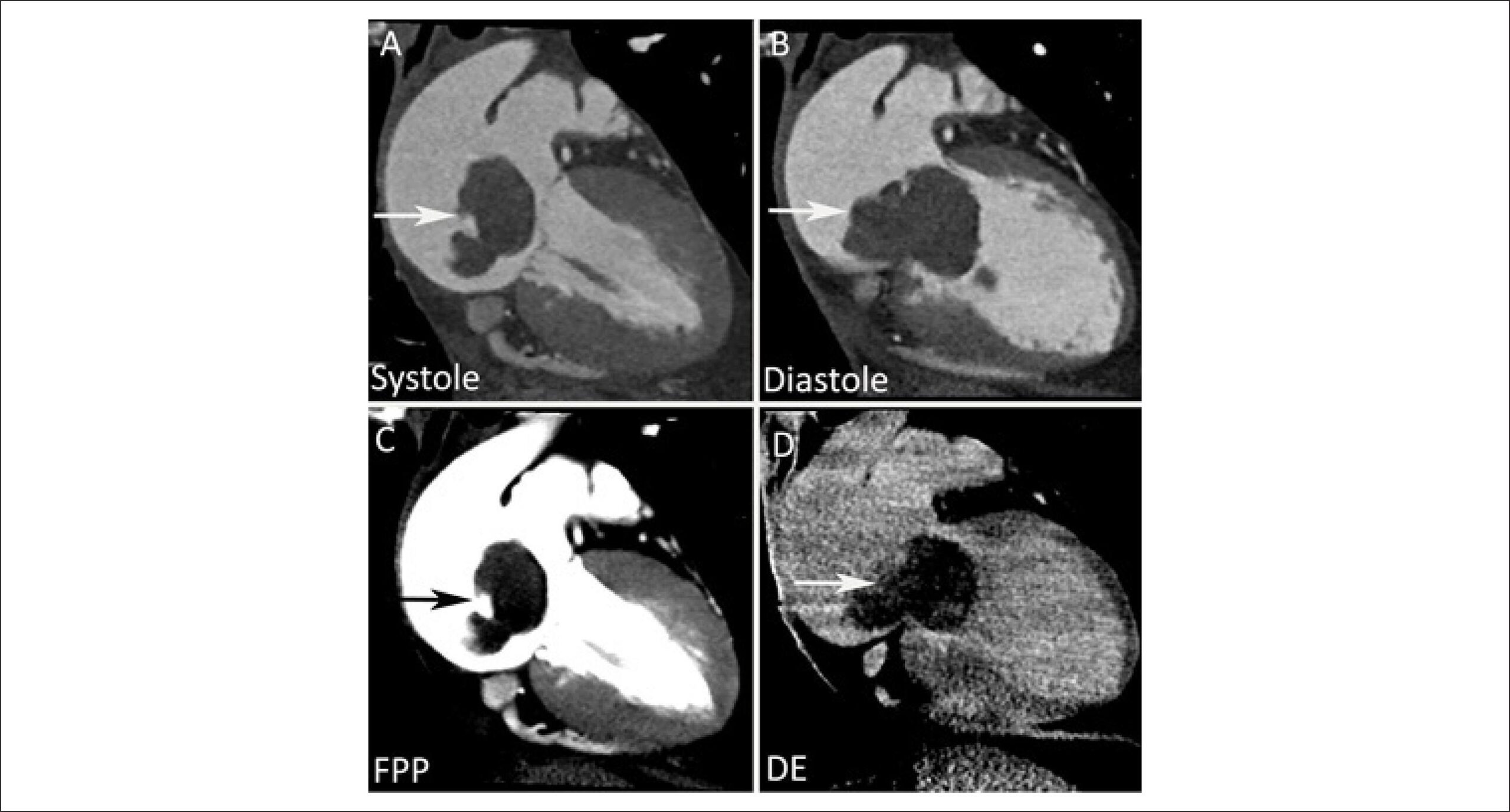
A 57-year-old woman presented to her local hospital with left arm and leg weakness and was diagnosed with a right-sided stroke. A subsequent transthoracic echocardiogram showed a large, poorly-defined mass within the left atrium, which prompted her transfer to our institute for urgent surgical resection.

As a prelude to surgery, we performed a “tripartite” coronary CT angiogram to assess the coronary anatomy and left atrial mass (). The findings were consistent with a left atrial myxoma and the patient subsequently underwent surgery, where the mass was resected and the diagnosis substantiated ().

[…]

  • Cardiac Surgical Procedures
  • Multidetector Computed Tomography
  • Myxoma, Heart Atria/ physiopathology
Read Full Article
Creative Commons Attribution (CC BY) Creative Commons license
01/07/2015 DOI: 10.5935/abc.20150064
Editorial

Is there any Influence of Journal Impact Factor on the Citation Index of Articles Published in Brazilian Journals with International Scope?

Luiz Felipe P. Moreira

With the recent disclosure of the journals impact factors of 2014 by Thomson-Reuters, we verified that the Brazilian Archives of Cardiology maintained its Impact Factor (IF) at the same levels observed in recent years, contrary to the expected prospects since the publication of its first index five years ago. A similar situation has also been observed regarding most journals with international scope published in Brazil, despite the many efforts by their editors to attract the publication of the best scientific quality articles, as well as to improve publication editorial quality.

The fact that the IF has remained unchanged represents a significant problem for the national publication journals, as the Brazilian postgraduate courses are the most important suppliers of high-quality works for publication and the main mission of our journals is precisely to facilitate the dissemination of scientific research carried out in our country. As the result of the maintenance of the scoring criteria of postgraduate programs by the Higher Education Personnel Training Coordination (Coordenação de Aperfeiçoamento de Pessoal de Nível Superior – Capes) of the Ministry of Education, based on the impact factor of journals where our scientists publish their research, a vicious circle is formed, which does not favor the development of our publications.

[…]

  • Bibliometrics
  • Journal Impact Factor
  • Periodicals as Topic
  • Portals for Scientific Journals
Read Full Article
Creative Commons Attribution (CC BY) Creative Commons license
01/07/2015 DOI: 10.5935/abc.20150091 Views 1
Letter to the Editor

Association between Aortic Valve Sclerosis and Adverse Cardiovascular Events

Cristiane Machado Lucena et al. Rodrigo Pires dos Santos

Dear Editor,

The presence of aortic valve sclerosis (AVS) is associated with adverse cardiovascular events even when pre-existing risk factors are considered. In the Cardiovascular Health Study, which included more than 5,000 patients who were ≥ 65 years of age and were periodically evaluated for more than five years, AVS was associated with a 40% increase in the risk of myocardial infarction; in patients who did not initially present with heart disease, there were a trend toward an increased risk of angina, heart failure, and stroke. It is still unclear whether the mechanism of association between AVS and adverse clinical cardiovascular events is caused by diffuse atherosclerosis, endothelial dysfunction, altered calcium metabolism, lipid accumulation, genetic polymorphism, or other as yet undefined factors.

AVS is defined as thickening and increased echogenicity in the aortic leaflets with no reduction in mobility on an echocardiograph. The early lesion of AVS is an active process with some similarities to atherosclerosis, including the histopathological features and an association with risk for coronary artery disease. Patients are at greater risk for coronary artery disease if they are older, male, hypertensive, smokers, diabetics, or if their HDL and LDL levels are high. A cross-sectional study by Marmelo et al. evaluated 2,494 individuals who presented with AVS diagnosed via transthoracic Doppler echocardiography. These individuals also had a greater prevalence of hypertension, previous myocardial infarction, diabetes, a history of smoking, left ventricular systolic dysfunction, and mitral valve sclerosis. Multivariate analysis allows for a more complete study of the association between each variable and its outcome.

[…]

  • Cardiovascular Risk Factors
  • Coronary Artery Disease
  • Doppler Echocardiography
  • Heart Valve Diseases/physiopathology
Read Full Article
Creative Commons Attribution (CC BY) Creative Commons license
01/07/2015 DOI: 10.5935/abc.20150081
Figure 1
Anatomopathological Session

Case 02/2015 – A 67 Year-Old Woman with Sudden Cardiogenic Shock in the 7th Day after Acute Myocardial Infarction

Bruno Aguiar Pinheiro et al. Alice Tatsuko Yamada Vera Demarchi Aiello

Clinical Details

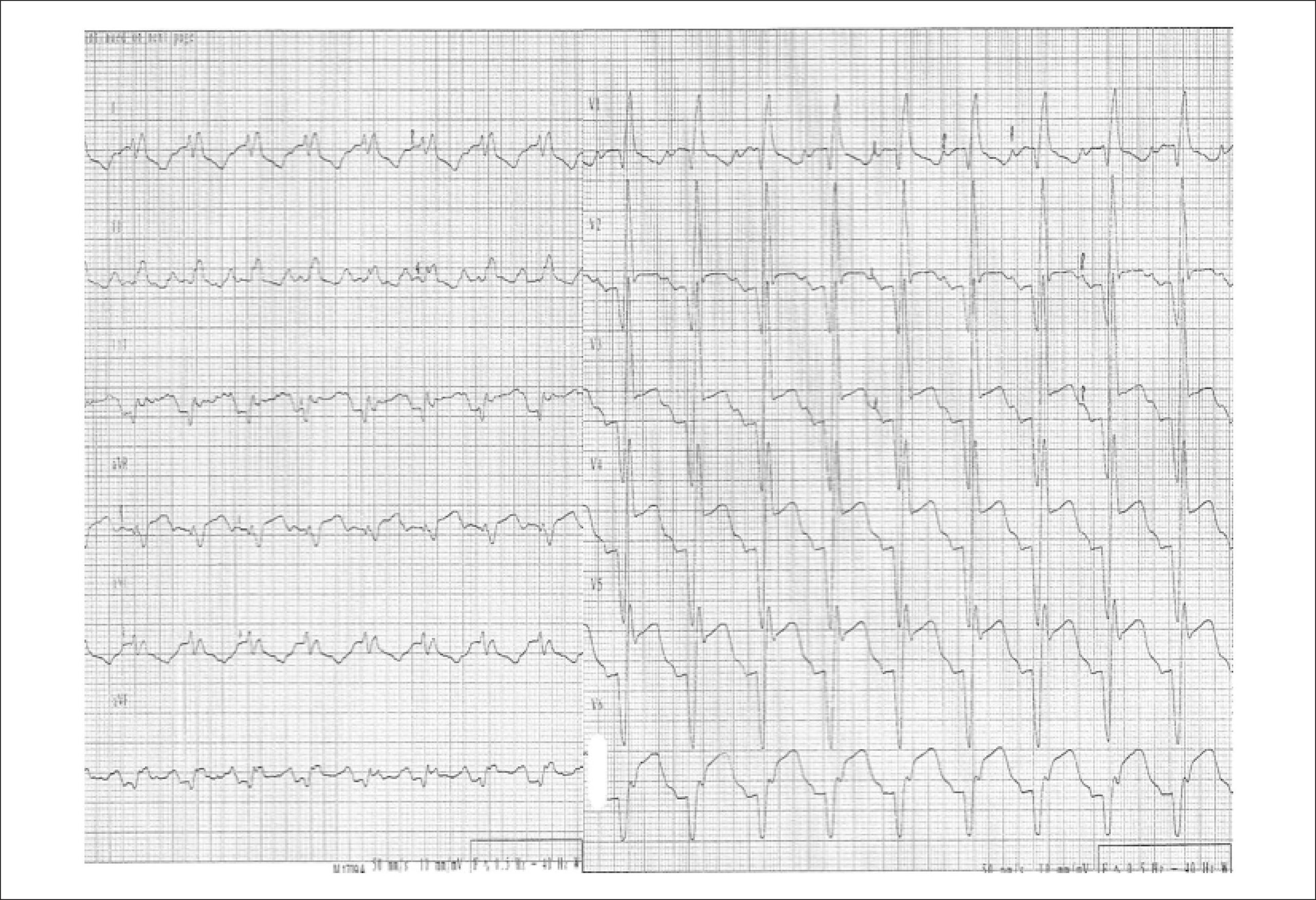
This is a case of a 67-year-old woman who presented with an initial episode of chest pain with no obvious alterations indicating ischemia in her ECG. Five hours later, she experienced more pain; this time the pain was accompanied with ST elevation in leads II, III, and aVF, and was diagnosed to be acute myocardial infarction with ST elevation in the inferior wall.

Epidemiological studies show that acute coronary syndrome has high rates (approximately 30%) of overall mortality; half of these deaths occur in the first two hours after the event, and 14% of patients die before receiving medical attention. According to data from the Brazilian Ministry of Health, 27,595 deaths resulting from ischemic heart disease in patients older than 40 years were reported in 2011 alone.

[…]

  • Cineangiography/mortality
  • Heart Diseases/ complications
  • Myocardial Infarction
  • Shock, Cardiogenic
Read Full Article
Creative Commons Attribution (CC BY) Creative Commons license
01/07/2015 DOI: 10.5935/abc.20150079
Figure 1
Review Article

Low-Flow Aortic Stenosis and Reduced Ejection Fraction: New Insights

Vitor Emer Egypto Rosa et al. Tarso Augusto Duenhas Accorsi João Ricardo Cordeiro Fernandes Antonio Sergio de Santis Andrade Lopes … Roney Orismar Sampaio Flávio Tarasoutchi

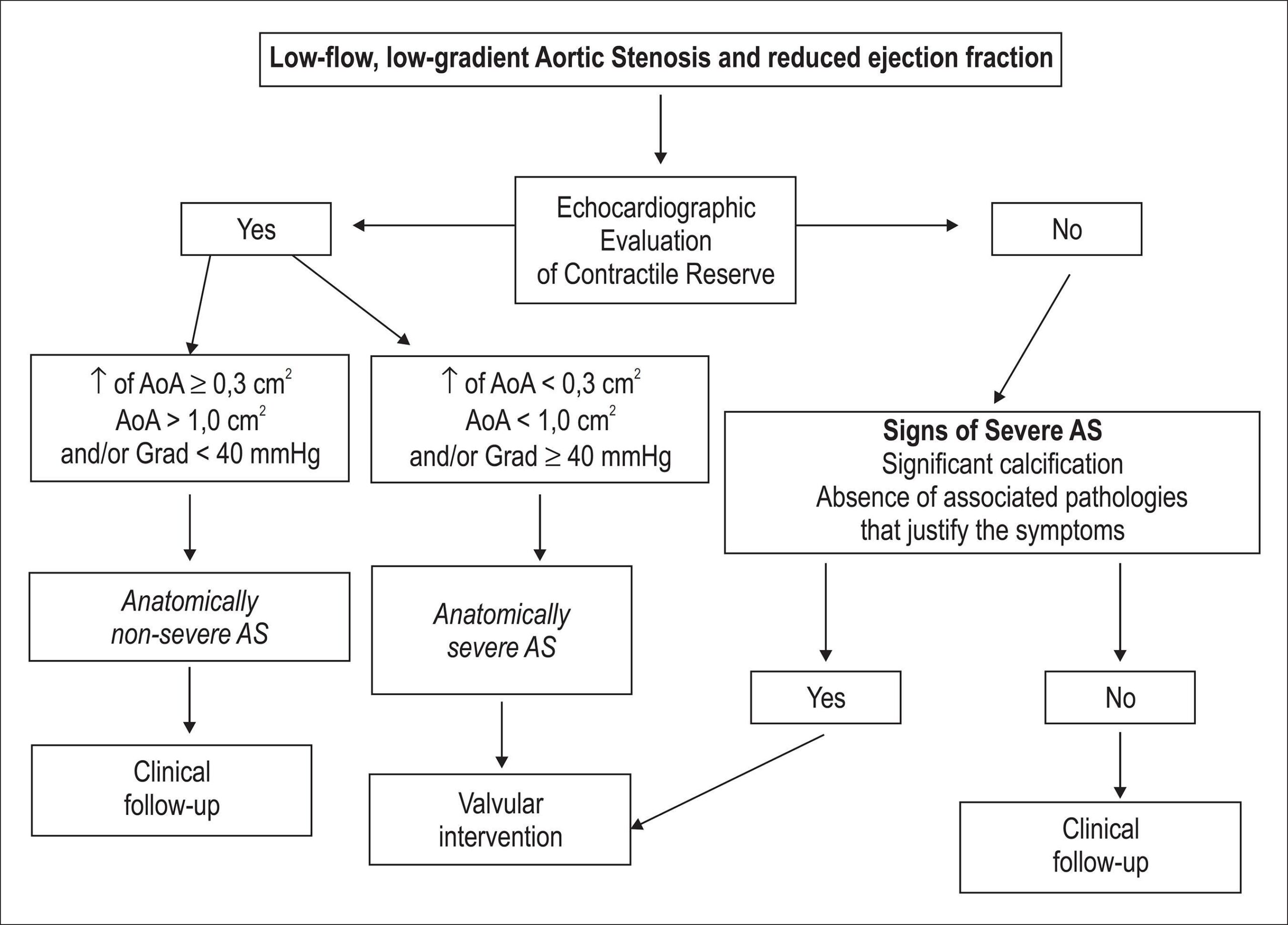
With the aging of the population, the incidence of degenerative cardiovascular diseases has steadily increased, especially aortic stenosis (AS), present in 3%-5% of the population older than 75 years , . In the last decade, severe AS is characterized taking into account several functional aspects between the left ventricle and the aorta, especially by echocardiography, such as mean transvalvular gradient > 40 mmHg, transvalvular jet velocity > 4 m/s and aortic valve area < 1 cm, as well as anatomical aspects such as the degree of the aortic valve calcification. Studies carried out in the 70s – describing the hemodynamic parameters and ventricular function characterized the diagnosis of severe AS only by aortic valve gradient peak > 50 mmHg by hemodynamic analysis and > 70 mmHg by echocardiography. At that time, they questioned the real benefit of surgery in the correction of severe AS and left ventricular dysfunction due to the fact that these exams showed difficulties identifying patients that could benefit from such treatment. In the 80s and 90s, still with limitations in ventricular function assessment, the intervention indication was only feasible in patients with severe AS (aortic transvalvular gradient peak > 70 mmHg by echocardiography), regardless of the degree of left ventricular dysfunction , .

It is noteworthy that in the last two decades, with the incessant search for answers to these questions and the advent of pharmacological stress echocardiography, emphasis has been given to these peculiar forms of AS, particularly to severe AS with low-flow low-gradient and reduced ejection fraction, with or without contractile reserve. The latter has been the subject of great scientific interest due to the difficulty in diagnosing it and evaluating the real benefits of surgical intervention.

[…]

  • Aortic Valve Stenosis
  • Cardiomyopathy, Hypertrophic
  • Stroke Volume
Read Full Article
Creative Commons Attribution (CC BY) Creative Commons license
01/07/2015 DOI: 10.5935/abc.20150080 Views 1
Figure 1
Case Report

ST Elevation Myocardial Infarction Early After Heart Transplantation

Sérgio Lourenço Madeira et al. Luís Filipe Raposo Márcio Madeira Marta Marques … Maria José Rebocho José Pedro Neves

Introduction

Heart transplantation is the last option to improve survival in end-stage heart failure. Unfortunately, the increased need for organs far outweighs the availability of donors. To overcome this situation and to increase the number of available hearts for transplantation, donor selection criteria were made less stringent – . Nowadays, the one-year survival rate after transplantation is close to 90% – , with 50% of the patients surviving for more than 10 years. The main factor limiting survival is allograft vasculopathy (AV), which occurs in up to 10% and 50% of the patients at 1-year and 5-year after transplantation, respectively.

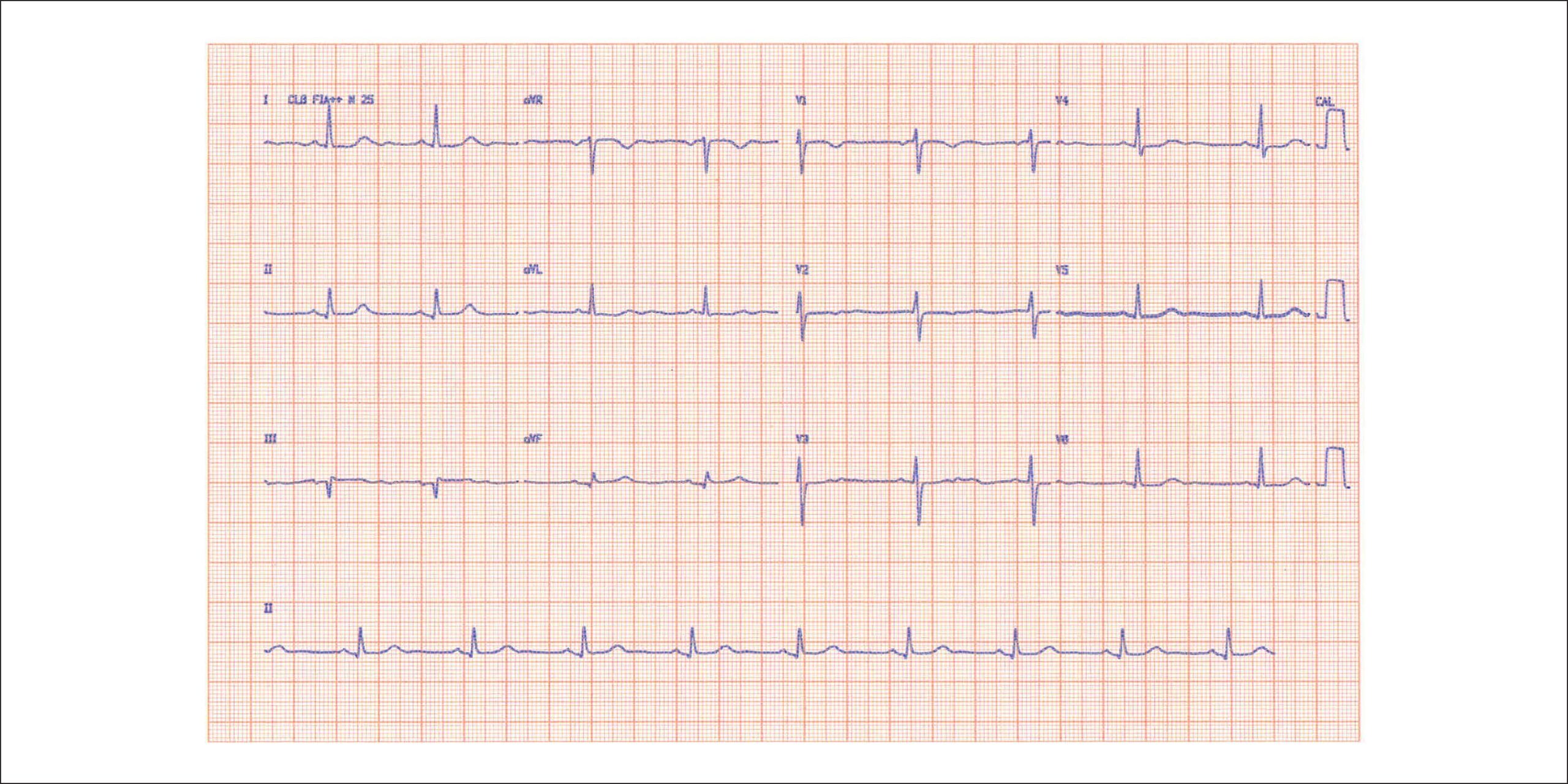
ST elevation myocardial infarction (STEMI) is rare in these patients and is even more uncommon shortly after transplantation. Despite being an uncommon manifestation of AV, STEMI is usually related to AV , .

[…]

  • Amines/therapeutic use
  • Cyclosporine/therapeutic use
  • Heart Transplantation / mortality
  • Myocardial Infarction/complications
  • Respiration, artificial
  • Survivorship (Public Health)
Read Full Article
Creative Commons Attribution (CC BY) Creative Commons license
01/07/2015 DOI: 10.5935/abc.20140202 Views 2
Figure 1
Original Article

Comparison of ACUITY and CRUSADE Scores in Predicting Major Bleeding during Acute Coronary Syndrome

Luis C. L. Correia et al. Felipe Ferreira Felipe Kalil André Silva … Luisa Pereira Manuela Carvalhal Maurício Cerqueira Fernanda Lopes Nicole de Sá Márcia Noya-Rabelo

Background:

The ACUITY and CRUSADE scores are validated models for prediction of major bleeding events in acute coronary syndrome (ACS). However, the comparative performances of these scores are not known.

Objective:

To compare the accuracy of ACUITY and CRUSADE in predicting major bleeding events during ACS.

Methods:

This study included 519 patients consecutively admitted for unstable angina, non-ST-elevation or ST-elevation myocardial infarction. The scores were calculated based on admission data. We considered major bleeding events during hospitalization and not related to cardiac surgery, according to the Bleeding Academic Research Consortium (BARC) criteria (type 3 or 5: hemodynamic instability, need for transfusion, drop in hemoglobin ≥ 3 g, and intracranial, intraocular or fatal bleeding).

Results:

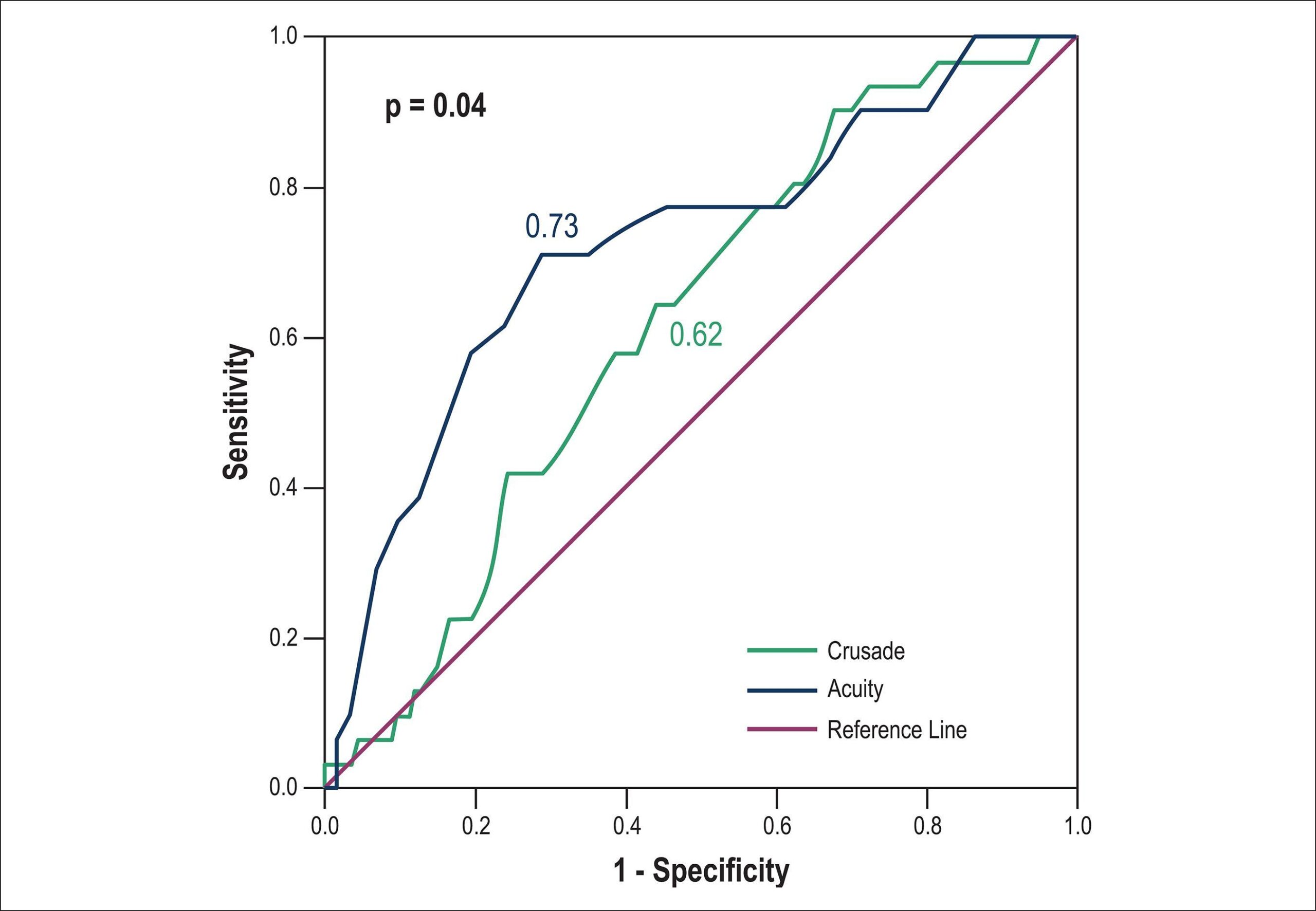
Major bleeding was observed in 31 patients (23 caused by femoral puncture, 5 digestive, 3 in other sites), an incidence of 6%. While both scores were associated with bleeding, ACUITY demonstrated better C-statistics (0.73, 95% CI = 0.63 – 0.82) as compared with CRUSADE (0.62, 95% CI = 0.53 – 0.71; p = 0.04). The best performance of ACUITY was also reflected by a net reclassification improvement of + 0.19 (p = 0.02) over CRUSADE’s definition of low or high risk. Exploratory analysis suggested that the presence of the variables ‘age’ and ‘type of ACS’ in ACUITY was the main reason for its superiority.

Conclusion:

The ACUITY Score is a better predictor of major bleeding when compared with the CRUSADE Score in patients hospitalized for ACS.

  • Acute Coronary Syndrome / complications
  • Angina, Unstable / complications
  • Hemorrhage
  • Patient Acuity
Read Full Article
Creative Commons Attribution (CC BY) Creative Commons license
02/06/2015 DOI: 10.5935/abc.20150058 Views 2
Original Article

p.Q192R SNP of PON1 seems not to be Associated with Carotid Atherosclerosis Risk Factors in an Asymptomatic and Normolipidemic Brazilian Population Sample

Daniel Zanetti Scherrer et al. Vanessa Helena de Souza Zago Isabela Calanca Vieira Eliane Soler Parra … Natália Baratella Panzoldo Fernanda Alexandre Rodrigo Secolin Jamal Baracat Eder Carlos Rocha Quintão Eliana Cotta de Faria

Background:

Evidences suggest that paraoxonase 1 (PON1) confers important antioxidant and anti-inflammatory properties when associated with high-density lipoprotein (HDL).

Objective:

To investigate the relationships between p.Q192R SNP ofPON1, biochemical parameters and carotid atherosclerosis in an asymptomatic, normolipidemic Brazilian population sample.

Methods:

We studied 584 volunteers (females n = 326, males n = 258; 19-75 years of age). Total genomic DNA was extracted and SNP was detected in the TaqMan® SNP OpenArray® genotyping platform (Applied Biosystems, Foster City, CA). Plasma lipoproteins and apolipoproteins were determined and PON1 activity was measured using paraoxon as a substrate. High-resolution β-mode ultrasonography was used to measure cIMT and the presence of carotid atherosclerotic plaques in a subgroup of individuals (n = 317).

Results:

The presence of p.192Q was associated with a significant increase in PON1 activity (RR = 12.30 (11.38); RQ = 46.96 (22.35); QQ = 85.35 (24.83) μmol/min; p < 0.0001), HDL-C (RR= 45 (37); RQ = 62 (39); QQ = 69 (29) mg/dL; p < 0.001) and apo A-I (RR = 140.76 ± 36.39; RQ = 147.62 ± 36.92; QQ = 147.49 ± 36.65 mg/dL; p = 0.019). Stepwise regression analysis revealed that heterozygous and p.192Q carriers influenced by 58% PON1 activity towards paraoxon. The univariate linear regression analysis demonstrated that p.Q192R SNP was not associated with mean cIMT; as a result, in the multiple regression analysis, no variables were selected with 5% significance. In logistic regression analysis, the studied parameters were not associated with the presence of carotid plaques.

Conclusion:

In low-risk individuals, the presence of the p.192Q variant ofPON1 is associated with a beneficial plasma lipid profile but not with carotid atherosclerosis.

  • Carotid Artery Diseases / physiopathology
  • Lipoproteins, HDL
  • Paraoxonase-1 / genetics
  • Polymorphism, Genetic
Read Full Article
Creative Commons Attribution (CC BY) Creative Commons license
29/05/2015 DOI: 10.5935/abc.20150053 Views 2
Figure 1
Original Article

Association between LDL-C, Non HDL-C, and Apolipoprotein B Levels with Coronary Plaque Regression

Walter Masson et al. Daniel Siniawski Martín Lobo Graciela Molinero … Mariano Giorgi Melina Huerín

Background:

Previous reports have inferred a linear relationship between LDL-C and changes in coronary plaque volume (CPV) measured by intravascular ultrasound. However, these publications included a small number of studies and did not explore other lipid markers.

Objective:

To assess the association between changes in lipid markers and regression of CPV using published data.

Methods:

We collected data from the control, placebo and intervention arms in studies that compared the effect of lipidlowering treatments on CPV, and from the placebo and control arms in studies that tested drugs that did not affect lipids. Baseline and final measurements of plaque volume, expressed in mm3, were extracted and the percentage changes after the interventions were calculated. Performing three linear regression analyses, we assessed the relationship between percentage and absolute changes in lipid markers and percentage variations in CPV.

Results:

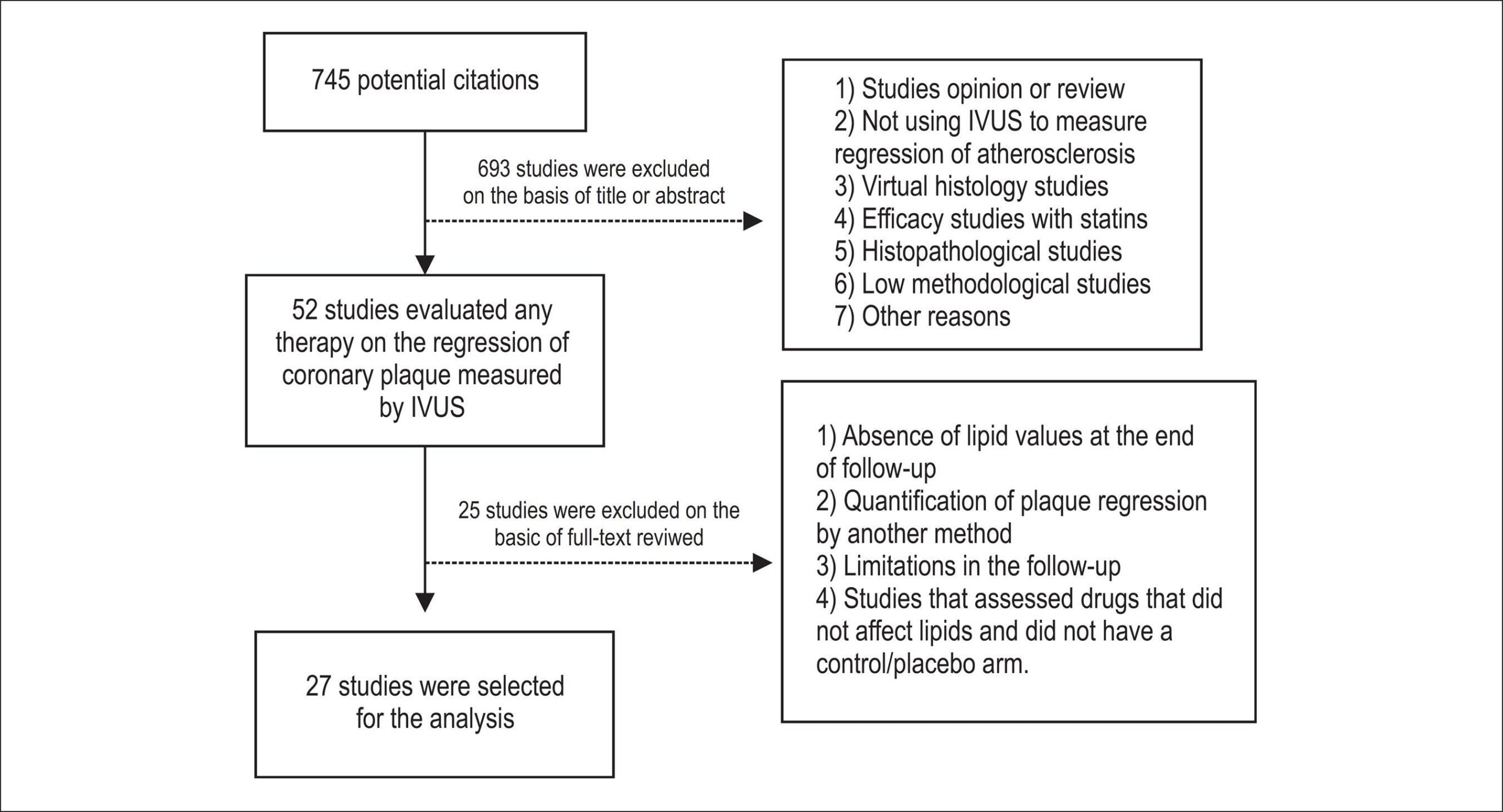
Twenty-seven studies were selected. Correlations between percentage changes in LDL-C, non-HDL-C, and apolipoprotein B (ApoB) and percentage changes in CPV were moderate (r = 0.48, r = 0.47, and r = 0.44, respectively). Correlations between absolute differences in LDL-C, non‑HDL-C, and ApoB with percentage differences in CPV were stronger (r = 0.57, r = 0.52, and r = 0.79). The linear regression model showed a statistically significant association between a reduction in lipid markers and regression of plaque volume.

Conclusion:

A significant association between changes in different atherogenic particles and regression of CPV was observed. The absolute reduction in ApoB showed the strongest correlation with coronary plaque regression.

  • Apolipoprotein B/ therapeutic use
  • Atherosclerosis / physiopathology
  • Cardiovascular Diseases
  • Cholesterol, LDL
  • Lipoproteins, LDL
Read Full Article
Creative Commons Attribution (CC BY) Creative Commons license
19/05/2015 DOI: 10.5935/abc.20150050 Views 1
Figure 1
Original Article

Clinical Differences between Subtypes of Atrial Fibrillation and Flutter: Cross-Sectional Registry of 407 Patients

Eduardo Dytz Almeida et al. Raphael Boesche Guimarães Laura Siga Stephan Alexandre Kreling Medeiros … Katia Foltz Roberto Tofani Santanna Leonardo Martins Pires Marcelo Lapa Kruse Gustavo Glotz de Lima Tiago Luiz Luz Leiria

Introduction:

Atrial fibrillation and atrial flutter account for one third of hospitalizations due to arrhythmias, determining great social and economic impacts. In Brazil, data on hospital care of these patients is scarce.

Objective:

To investigate the arrhythmia subtype of atrial fibrillation and flutter patients in the emergency setting and compare the clinical profile, thromboembolic risk and anticoagulants use.

Methods:

Cross-sectional retrospective study, with data collection from medical records of every patient treated for atrial fibrillation and flutter in the emergency department of Instituto de Cardiologia do Rio Grande do Sul during the first trimester of 2012.

Results:

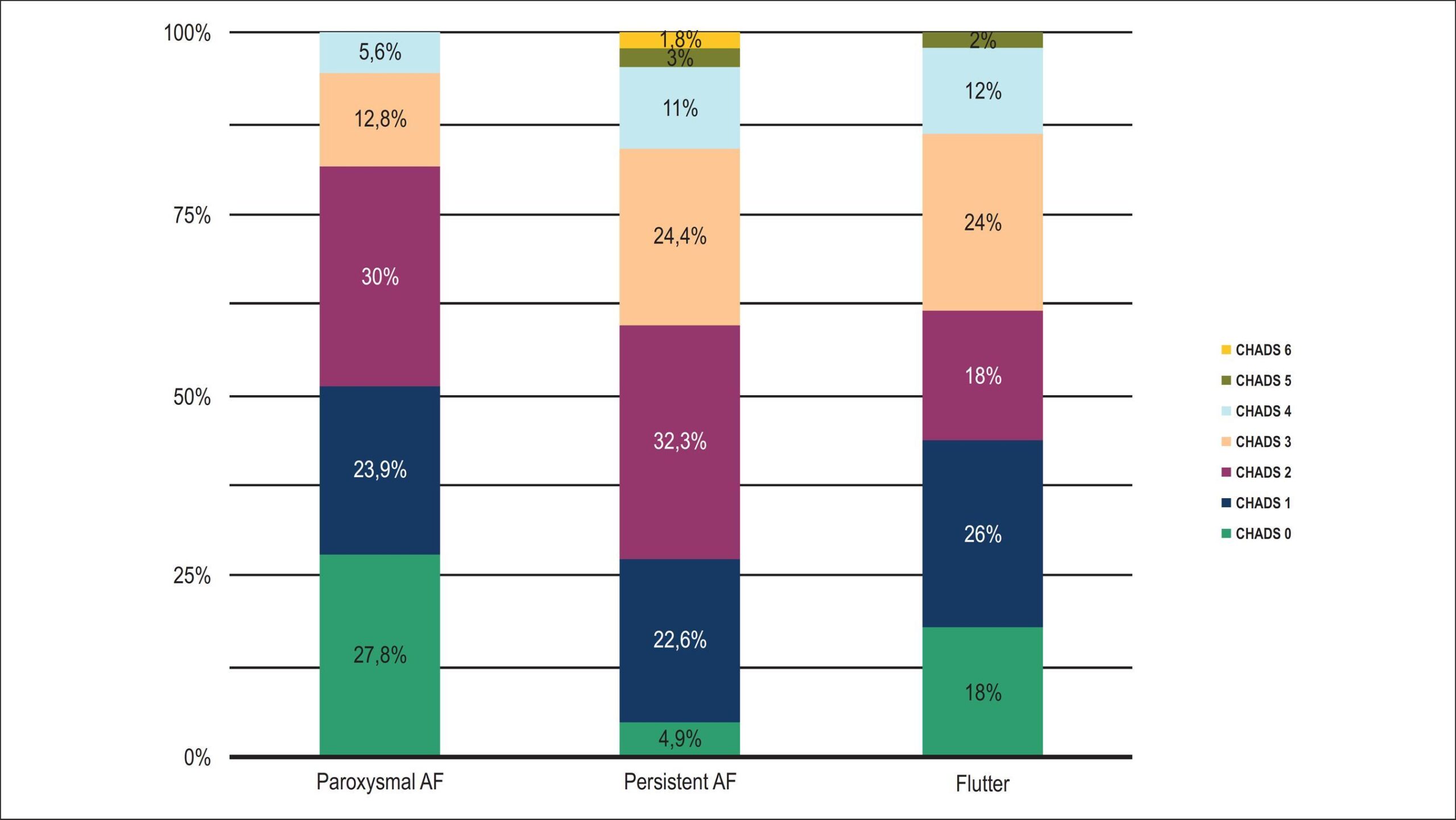
We included 407 patients (356 had atrial fibrillation and 51 had flutter). Patients with paroxysmal atrial fibrillation were in average 5 years younger than those with persistent atrial fibrillation. Compared to paroxysmal atrial fibrillation patients, those with persistent atrial fibrillation and flutter had larger atrial diameter (48.6 ± 7.2 vs. 47.2 ± 6.2 vs. 42.3 ± 6.4; p < 0.01) and lower left ventricular ejection fraction (66.8 ± 11 vs. 53.9 ± 17 vs. 57.4 ± 16; p < 0.01). The prevalence of stroke and heart failure was higher in persistent atrial fibrillation and flutter patients. Those with paroxysmal atrial fibrillation and flutter had higher prevalence of CHADS2 score of zero when compared to those with persistent atrial fibrillation (27.8% vs. 18% vs. 4.9%; p < 0.01). The prevalence of anticoagulation in patients with CHA2DS2-Vasc ≤ 2 was 40%.

Conclusions:

The population in our registry was similar in its comorbidities and demographic profile to those of North American and European registries. Despite the high thromboembolic risk, the use of anticoagulants was low, revealing difficulties for incorporating guideline recommendations. Public health strategies should be adopted in order to improve these rates.

  • Anticoagulants / adverse effects
  • Arrhythmias
  • Atrial Fibrillation
  • cardiac
  • Flutter Atrial
  • Stroke
Read Full Article
Creative Commons Attribution (CC BY) Creative Commons license
19/05/2015 DOI: 10.5935/abc.20150049 Views 1
Original Article

Left Atrial Function in Patients with Chronic Chagasic Cardiomyopathy

Claudia da Silva Fragata et al. Afonso Y. Matsumoto Felix J. A. Ramires Fabio Fernandes … Paula de Cássia Buck Vera Maria C. Salemi Luciano Nastari Charles Mady Barbara Maria Ianni

Background:

Chagas disease is a cause of dilated cardiomyopathy, and information about left atrial (LA) function in this disease still lacks.

Objective:

To assess the different LA functions (reservoir, conduit and pump functions) and their correlation with the echocardiographic parameters of left ventricular (LV) systolic and diastolic functions.

Methods:

10 control subjects (CG), and patients with Chagas disease as follows: 26 with the indeterminate form (GI); 30 with ECG alterations (GII); and 19 with LV dysfunction (GIII). All patients underwent M-mode and two-dimensional echocardiography, pulsed-wave Doppler and tissue Doppler imaging.

Results:

Reservoir function (Total Emptying Fraction: TEF): (p <0.0001), lower in GIII as compared to CG (p = 0.003), GI (p <0.001) and GII (p <0.001). Conduit function (Passive Emptying Fraction: PEF): (p = 0.004), lower in GIII (GIII and CG, p = 0.06; GI and GII, p = 0.06; and GII and GIII, p = 0.07). Pump function (Active Emptying Fraction: AEF): (p = 0.0001), lower in GIII as compared to CG (p = 0.05), GI (p<0.0001) and GII (p = 0.002). There was a negative correlation of E/e’average with the reservoir and pump functions (TEF and AEF), and a positive correlation of e’average with s’ wave (both septal and lateral walls) and the reservoir, conduit and pump LA functions.

Conclusion:

An impairment of LA functions in Chagas cardiomyopathy was observed.

  • Atrial Function/physiopathology
  • Chagas Cardiomyopathy
  • Chagas disease
  • Doppler/methods
  • Echocardiography
  • Ventricular Dysfunction
Read Full Article
Creative Commons Attribution (CC BY) Creative Commons license
08/05/2015 DOI: 10.5935/abc.20150045
Figure 1
Original Article

One-year Mortality after an Acute Coronary Event and its Clinical Predictors: The ERICO Study

Itamar Souza Santos et al. Alessandra Carvalho Goulart Rodrigo Martins Brandão Rafael Caire de Oliveira Santos … Márcio Sommer Bittencourt Débora Sitnik Alexandre Costa Pereira Carlos Alberto Pastore Nelson Samesima Paulo Andrade Lotufo Isabela Martins Bensenor

Background:

Information about post-acute coronary syndrome (ACS) survival have been mostly short-term findings or based on specialized, cardiology referral centers.

Objectives:

To describe one-year case-fatality rates in the Strategy of Registry of Acute Coronary Syndrome (ERICO) cohort, and to study baseline characteristics as predictors.

Methods:

We analyzed data from 964 ERICO participants enrolled from February 2009 to December 2012. We assessed vital status by telephone contact and official death certificate searches. The cause of death was determined according to the official death certificates. We used log-rank tests to compare the probabilities of survival across subgroups. We built crude and adjusted (for age, sex and ACS subtype) Cox regression models to study if the ACS subtype or baseline characteristics were independent predictors of all-cause or cardiovascular mortality.

Results:

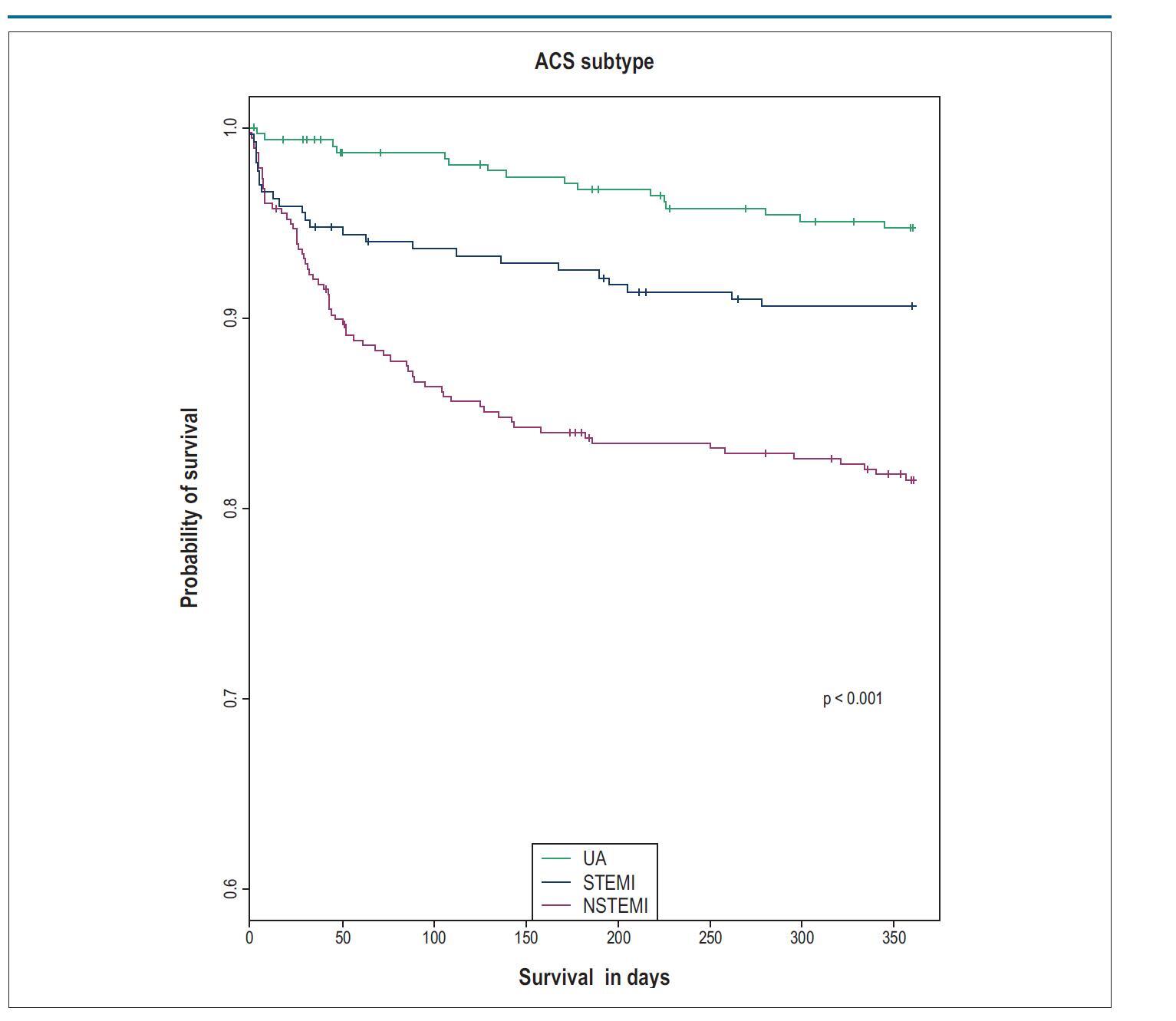
We identified 110 deaths in the cohort (case-fatality rate, 12.0%). Age [Hazard ratio (HR) = 2.04 per 10 year increase; 95% confidence interval (95%CI) = 1.75–2.38], non-ST elevation myocardial infarction (HR = 3.82 ; 95%CI = 2.21–6.60) or ST elevation myocardial infarction (HR = 2.59; 95%CI = 1.38–4.89) diagnoses, and diabetes (HR = 1.78; 95%CI = 1.20‑2.63) were significant risk factors for all-cause mortality in the adjusted models. We found similar results for cardiovascular mortality. A previous coronary artery disease diagnosis was also an independent predictor of all-cause mortality (HR = 1.61; 95%CI = 1.04–2.50), but not for cardiovascular mortality.

Conclusion:

We found an overall one-year mortality rate of 12.0% in a sample of post-ACS patients in a community, non-specialized hospital in São Paulo, Brazil. Age, ACS subtype, and diabetes were independent predictors of poor one‑year survival for overall and cardiovascular-related causes.

  • Acute Coronary Syndrome / mortality
  • Cohort Studies
  • lethality
  • Prognosis
  • Risk Factors
Read Full Article
Creative Commons Attribution (CC BY) Creative Commons license
08/05/2015 DOI: 10.5935/abc.20150044
Figure 1
Original Article

Left Atrial Volume Determinants in Patients with Non-Ischemic Dilated Cardiomyopathy

Frederico José Neves Mancuso et al. Valdir Ambrósio Moisés Dirceu Rodrigues Almeida Dalva Poyares … Luciana Julio Storti Wércules Antonio Oliveira Flavio Souza Brito Angelo Amato Vincenzo de Paola Antonio Carlos Camargo Carvalho Orlando Campos

Background:

Left atrial volume (LAV) is a predictor of prognosis in patients with heart failure.

Objective:

We aimed to evaluate the determinants of LAV in patients with dilated cardiomyopathy (DCM).

Methods:

Ninety patients with DCM and left ventricular (LV) ejection fraction ≤ 0.50 were included. LAV was measured with real-time three-dimensional echocardiography (eco3D). The variables evaluated were heart rate, systolic blood pressure, LV end-diastolic volume and end-systolic volume and ejection fraction (eco3D), mitral inflow E wave, tissue Doppler e´ wave, E/e´ ratio, intraventricular dyssynchrony, 3D dyssynchrony index and mitral regurgitation vena contracta. Pearson´s coefficient was used to identify the correlation of the LAV with the assessed variables. A multiple linear regression model was developed that included LAV as the dependent variable and the variables correlated with it as the predictive variables.

Results:

Mean age was 52 ± 11 years-old, LV ejection fraction: 31.5 ± 8.0% (16-50%) and LAV: 39.2±15.7 ml/m2. The variables that correlated with the LAV were LV end-diastolic volume (r = 0.38; p < 0.01), LV end-systolic volume (r = 0.43; p < 0.001), LV ejection fraction (r = -0.36; p < 0.01), E wave (r = 0.50; p < 0.01), E/e´ ratio (r = 0.51; p < 0.01) and mitral regurgitation (r = 0.53; p < 0.01). A multivariate analysis identified the E/e´ ratio (p = 0.02) and mitral regurgitation (p = 0.02) as the only independent variables associated with LAV increase.

Conclusion:

The LAV is independently determined by LV filling pressures (E/e´ ratio) and mitral regurgitation in DCM.

  • Cardiomyopathy, Dilated
  • Chagas Cardiomyopathy
  • Echocardiography, Three-Dimensional
  • Heart Atria
  • Organ Size
Read Full Article
Creative Commons Attribution (CC BY) Creative Commons license
08/05/2015 DOI: 10.5935/abc.20150042 Views 1
Original Article

Metabolic Syndrome and Importance of Associated Variables in Children and Adolescents in Guabiruba – SC, Brazil

Nilton Rosini et al. Solange A. Z. Oppermann Moura Rodrigo Diegoli Rosini Marcos José Machado Edson Luiz da Silva

Background:

The risk factors that characterize metabolic syndrome (MetS) may be present in childhood and adolescence, increasing the risk of cardiovascular disease in adulthood.

Objective:

Evaluate the prevalence of MetS and the importance of its associated variables, including insulin resistance (IR), in children and adolescents in the city of Guabiruba-SC, Brazil.

Methods:

Cross-sectional study with 1011 students (6–14 years, 52.4% girls, 58.5% children). Blood samples were collected for measurement of biochemical parameters by routine laboratory methods. IR was estimated by the HOMA-IR index, and weight, height, waist circumference and blood pressure were determined. Multivariate logistic regression models were used to examine the associations between risk variables and MetS.

Results:

The prevalence of MetS, IR, overweight and obesity in the cohort were 14%, 8.5%, 21% and 13%, respectively. Among students with MetS, 27% had IR, 33% were overweight, 45.5% were obese and 22% were eutrophic. IR was more common in overweight (48%) and obese (41%) students when compared with eutrophic individuals (11%; p = 0.034). The variables with greatest influence on the development of MetS were obesity (OR = 32.7), overweight (OR = 6.1), IR (OR = 4.4; p ≤ 0.0001 for all) and age (OR = 1.15; p = 0.014).

Conclusion:

There was a high prevalence of MetS in children and adolescents evaluated in this study. Students who were obese, overweight or insulin resistant had higher chances of developing the syndrome.

  • Insulin Resistance
  • Metabolic Syndrome
  • Overweight
  • Risk Factors
  • students
Read Full Article
Creative Commons Attribution (CC BY) Creative Commons license
08/05/2015 DOI: 10.5935/abc.20150040 Views 1
Figure 1
Review Article

Mechanisms Involved in Exercise-Induced Cardioprotection: A Systematic Review

Juliana Pereira Borges et al. Marcos Adriano Lessa

Background:

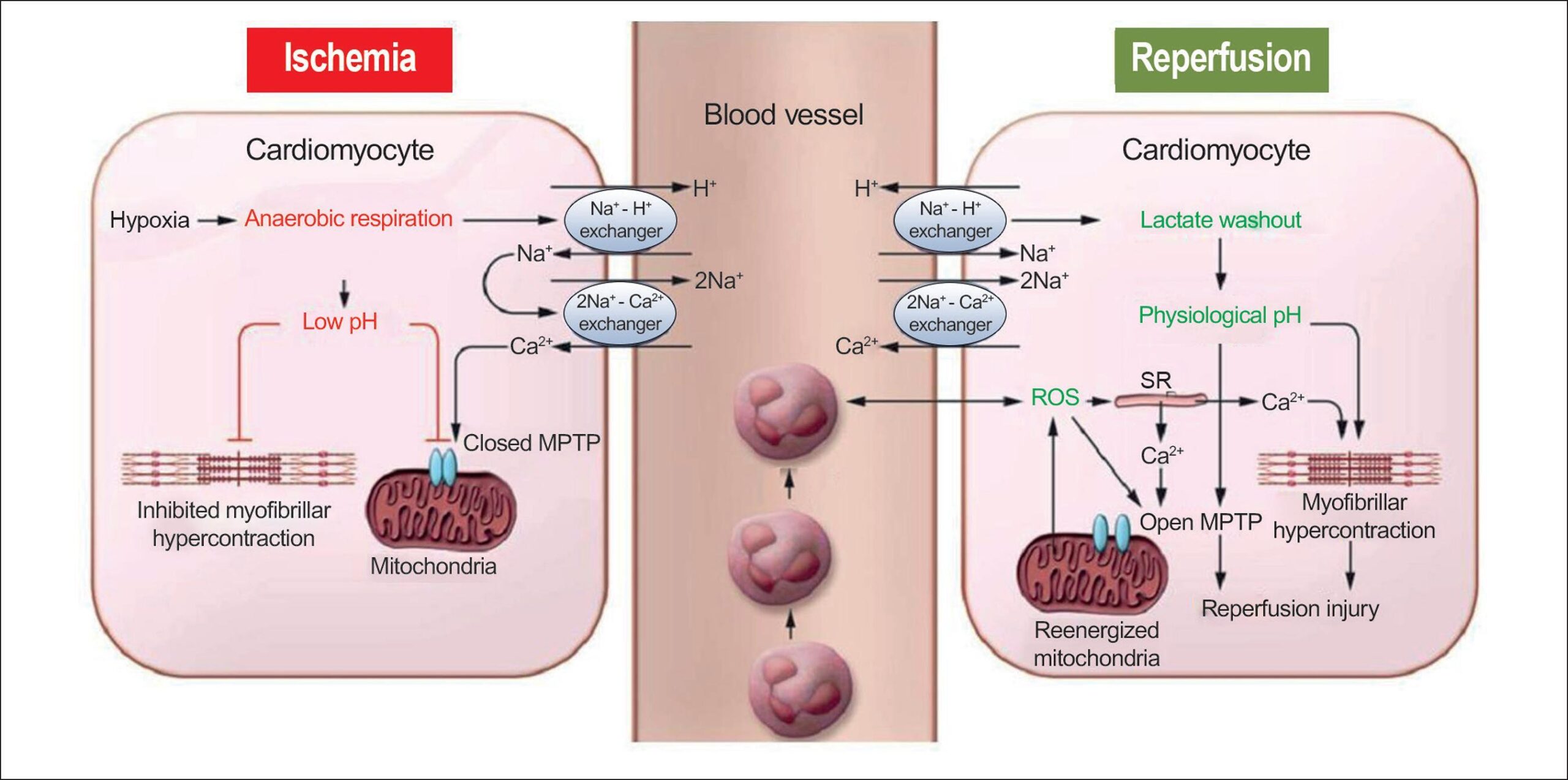
Acute myocardial infarction is the leading cause of morbidity and mortality worldwide. Furthermore, research has shown that exercise, in addition to reducing cardiovascular risk factors, can also protect the heart against injury due to ischemia and reperfusion through a direct effect on the myocardium. However, the specific mechanism involved in exerciseinduced cardiac preconditioning is still under debate.

Objective:

To perform a systematic review of the studies that have addressed the mechanisms by which aerobic exercise promotes direct cardioprotection against ischemia and reperfusion injury.

Methods:

A search was conducted using MEDLINE, Literatura Latino-Americana e do Caribe de Informação em Ciências da Saúde, and Scientific Electronic Library Online databases. Data were extracted in a standardized manner by two independent researchers, who were responsible for assessing the methodological quality of the studies.

Results:

The search retrieved 78 studies; after evaluating the abstracts, 30 studies were excluded. The manuscripts of the remaining 48 studies were completely read and, of these, 20 were excluded. Finally, 28 studies were included in this systematic review.

Conclusion:

On the basis of the selected studies, the following are potentially involved in the cardioprotective response to exercise: increased heat shock protein production, nitric oxide pathway involvement, increased cardiac antioxidant capacity, improvement in ATP-dependent potassium channel function, and opioid system activation. Despite all the previous investigations, further research is still necessary to obtain more consistent conclusions.

  • Exercise/physiology
  • Heat-Shock Proteins
  • Myocardial Infarction
  • Myocardial Ischemia
  • Myocardial Reperfusion Injury/etiology
Read Full Article
Creative Commons Attribution (CC BY) Creative Commons license
27/03/2015 DOI: 10.5935/abc.20150024 Views 1

How to cite this article

EndNote RIS

Electronic Document Format (Vancouver)

Marciniak A, Rajani R. Multidetector Computed Tomographic Characterization of a Left Atrial Myxoma. Arquivos Brasileiros de Cardiologia 2015;105(1):97-8.

Electronic Document Format (ABNT)

Marciniak, Anna; Rajani, Ronak. Multidetector Computed Tomographic Characterization of a Left Atrial Myxoma. Arquivos Brasileiros de Cardiologia, v. 105, n. 1, p. 97-98, Jun. 2015.

Electronic Document Format (APA)

Marciniak, A., & Rajani, R. (2015). Multidetector Computed Tomographic Characterization of a Left Atrial Myxoma. Arquivos Brasileiros de Cardiologia, 105(1), 97-98.

Electronic Document Format (ISO)

Marciniak, Anna and Rajani, Ronak. Multidetector Computed Tomographic Characterization of a Left Atrial Myxoma. Arquivos Brasileiros de Cardiologia [online]. 2015, vol. 105, n. 1, [cited 2026-10-14], pp. 97-98. Available from: <https://journals.cardiol.br/en/article/multidetector-computed-tomographic-characterization-of-a-left-atrial-myxoma/>. ISSN 0066-782X

EndNote RIS

Electronic Document Format (Vancouver)

Moreira LFP. Is there any Influence of Journal Impact Factor on the Citation Index of Articles Published in Brazilian Journals with International Scope?. Arquivos Brasileiros de Cardiologia 2015;105(1):1-2.

Electronic Document Format (ABNT)

Moreira, Luiz Felipe P.. Is there any Influence of Journal Impact Factor on the Citation Index of Articles Published in Brazilian Journals with International Scope?. Arquivos Brasileiros de Cardiologia, v. 105, n. 1, p. 1-2, Jun. 2015.

Electronic Document Format (APA)

Moreira, L. F. P. (2015). Is there any Influence of Journal Impact Factor on the Citation Index of Articles Published in Brazilian Journals with International Scope?. Arquivos Brasileiros de Cardiologia, 105(1), 1-2.

Electronic Document Format (ISO)

Moreira, Luiz Felipe P.. Is there any Influence of Journal Impact Factor on the Citation Index of Articles Published in Brazilian Journals with International Scope?. Arquivos Brasileiros de Cardiologia [online]. 2015, vol. 105, n. 1, [cited 2026-10-14], pp. 1-2. Available from: <https://journals.cardiol.br/en/article/is-there-any-influence-of-journal-impact-factor-on-the-citation-index-of-articles-published-in-brazilian-journals-with-international-scope/>. ISSN 0066-782X

EndNote RIS

Electronic Document Format (Vancouver)

Lucena CM, Santos RP. Association between Aortic Valve Sclerosis and Adverse Cardiovascular Events. Arquivos Brasileiros de Cardiologia 2015;105(1):99-100.

Electronic Document Format (ABNT)

Lucena, Cristiane Machado; Santos, Rodrigo Pires dos. Association between Aortic Valve Sclerosis and Adverse Cardiovascular Events. Arquivos Brasileiros de Cardiologia, v. 105, n. 1, p. 99-100, Jun. 2015.

Electronic Document Format (APA)

Lucena, C. M., & Santos, R. P. (2015). Association between Aortic Valve Sclerosis and Adverse Cardiovascular Events. Arquivos Brasileiros de Cardiologia, 105(1), 99-100.

Electronic Document Format (ISO)

Lucena, Cristiane Machado and Santos, Rodrigo Pires dos. Association between Aortic Valve Sclerosis and Adverse Cardiovascular Events. Arquivos Brasileiros de Cardiologia [online]. 2015, vol. 105, n. 1, [cited 2026-10-14], pp. 99-100. Available from: <https://journals.cardiol.br/en/article/association-between-aortic-valve-sclerosis-and-adverse-cardiovascular-events/>. ISSN 0066-782X

EndNote RIS

Electronic Document Format (Vancouver)

Pinheiro BA, Yamada AT, Aiello VD. Case 02/2015 – A 67 Year-Old Woman with Sudden Cardiogenic Shock in the 7th Day after Acute Myocardial Infarction. Arquivos Brasileiros de Cardiologia 2015;105(1):86-92.

Electronic Document Format (ABNT)

Pinheiro, Bruno Aguiar; Yamada, Alice Tatsuko; Aiello, Vera Demarchi. Case 02/2015 – A 67 Year-Old Woman with Sudden Cardiogenic Shock in the 7th Day after Acute Myocardial Infarction. Arquivos Brasileiros de Cardiologia, v. 105, n. 1, p. 86-92, Jun. 2015.

Electronic Document Format (APA)

Pinheiro, B. A., Yamada, A. T., & Aiello, V. D. (2015). Case 02/2015 – A 67 Year-Old Woman with Sudden Cardiogenic Shock in the 7th Day after Acute Myocardial Infarction. Arquivos Brasileiros de Cardiologia, 105(1), 86-92.

Electronic Document Format (ISO)

Pinheiro, Bruno Aguiar and Yamada, Alice Tatsuko and Aiello, Vera Demarchi. Case 02/2015 – A 67 Year-Old Woman with Sudden Cardiogenic Shock in the 7th Day after Acute Myocardial Infarction. Arquivos Brasileiros de Cardiologia [online]. 2015, vol. 105, n. 1, [cited 2026-10-14], pp. 86-92. Available from: <https://journals.cardiol.br/en/article/case-02-2015-a-67-year-old-woman-with-sudden-cardiogenic-shock-in-the-7th-day-after-acute-myocardial-infarction/>. ISSN 0066-782X

EndNote RIS

Electronic Document Format (Vancouver)

Rosa VEE, Accorsi TAD, Fernandes JRC, Lopes ASSA, Sampaio RO, Tarasoutchi F. Low-Flow Aortic Stenosis and Reduced Ejection Fraction: New Insights. Arquivos Brasileiros de Cardiologia 2015;105(1):82-5.

Electronic Document Format (ABNT)

Rosa, Vitor Emer Egypto; Accorsi, Tarso Augusto Duenhas; Fernandes, João Ricardo Cordeiro; Lopes, Antonio Sergio de Santis Andrade; Sampaio, Roney Orismar; Tarasoutchi, Flávio. Low-Flow Aortic Stenosis and Reduced Ejection Fraction: New Insights. Arquivos Brasileiros de Cardiologia, v. 105, n. 1, p. 82-85, Jun. 2015.

Electronic Document Format (APA)

Rosa, V. E. E., Accorsi, T. A. D., Fernandes, J. R. C., Lopes, A. S. S. A., Sampaio, R. O., & Tarasoutchi, F. (2015). Low-Flow Aortic Stenosis and Reduced Ejection Fraction: New Insights. Arquivos Brasileiros de Cardiologia, 105(1), 82-85.

Electronic Document Format (ISO)

Rosa, Vitor Emer Egypto and Accorsi, Tarso Augusto Duenhas and Fernandes, João Ricardo Cordeiro and Lopes, Antonio Sergio de Santis Andrade and Sampaio, Roney Orismar and Tarasoutchi, Flávio. Low-Flow Aortic Stenosis and Reduced Ejection Fraction: New Insights. Arquivos Brasileiros de Cardiologia [online]. 2015, vol. 105, n. 1, [cited 2026-10-14], pp. 82-85. Available from: <https://journals.cardiol.br/en/article/low-flow-aortic-stenosis-and-reduced-ejection-fraction-new-insights/>. ISSN 0066-782X

EndNote RIS

Electronic Document Format (Vancouver)

Madeira SL, Raposo LF, Madeira M, Marques M, Rebocho MJ, Neves JP. ST Elevation Myocardial Infarction Early After Heart Transplantation. Arquivos Brasileiros de Cardiologia 2015;105(1):93-6.

Electronic Document Format (ABNT)

Madeira, Sérgio Lourenço; Raposo, Luís Filipe; Madeira, Márcio; Marques, Marta; Rebocho, Maria José; Neves, José Pedro. ST Elevation Myocardial Infarction Early After Heart Transplantation. Arquivos Brasileiros de Cardiologia, v. 105, n. 1, p. 93-96, Jun. 2015.

Electronic Document Format (APA)

Madeira, S. L., Raposo, L. F., Madeira, M., Marques, M., Rebocho, M. J., & Neves, J. P. (2015). ST Elevation Myocardial Infarction Early After Heart Transplantation. Arquivos Brasileiros de Cardiologia, 105(1), 93-96.

Electronic Document Format (ISO)

Madeira, Sérgio Lourenço and Raposo, Luís Filipe and Madeira, Márcio and Marques, Marta and Rebocho, Maria José and Neves, José Pedro. ST Elevation Myocardial Infarction Early After Heart Transplantation. Arquivos Brasileiros de Cardiologia [online]. 2015, vol. 105, n. 1, [cited 2026-10-14], pp. 93-96. Available from: <https://journals.cardiol.br/en/article/st-elevation-myocardial-infarction-early-after-heart-transplantation/>. ISSN 0066-782X

EndNote RIS

Electronic Document Format (Vancouver)

Correia LCL, Ferreira F, Kalil F, Silva A, Pereira L, Carvalhal M, Cerqueira M, et al. Comparison of ACUITY and CRUSADE Scores in Predicting Major Bleeding during Acute Coronary Syndrome. Arquivos Brasileiros de Cardiologia 2015;105(1):20-7.

Electronic Document Format (ABNT)

Correia, Luis C. L.; Ferreira, Felipe; Kalil, Felipe; Silva, André; Pereira, Luisa; Carvalhal, Manuela; Cerqueira, Maurício; Lopes, Fernanda; Sá, Nicole de; Noya-Rabelo, Márcia. Comparison of ACUITY and CRUSADE Scores in Predicting Major Bleeding during Acute Coronary Syndrome. Arquivos Brasileiros de Cardiologia, v. 105, n. 1, p. 20-27, Jun. 2015.

Electronic Document Format (APA)

Correia, L. C. L., Ferreira, F., Kalil, F., Silva, A., Pereira, L., Carvalhal, M., Cerqueira, M., Lopes, F., Sá, N. , & Noya-Rabelo, M. (2015). Comparison of ACUITY and CRUSADE Scores in Predicting Major Bleeding during Acute Coronary Syndrome. Arquivos Brasileiros de Cardiologia, 105(1), 20-27.

Electronic Document Format (ISO)

Correia, Luis C. L. and Ferreira, Felipe and Kalil, Felipe and Silva, André and Pereira, Luisa and Carvalhal, Manuela and Cerqueira, Maurício and Lopes, Fernanda and Sá, Nicole de and Noya-Rabelo, Márcia. Comparison of ACUITY and CRUSADE Scores in Predicting Major Bleeding during Acute Coronary Syndrome. Arquivos Brasileiros de Cardiologia [online]. 2015, vol. 105, n. 1, [cited 2026-10-14], pp. 20-27. Available from: <https://journals.cardiol.br/en/article/comparison-of-acuity-and-crusade-scores-in-predicting-major-bleeding-during-acute-coronary-syndrome/>. ISSN 0066-782X

EndNote RIS

Electronic Document Format (Vancouver)

Scherrer DZ, Zago VHS, Vieira IC, Parra ES, Panzoldo NB, Alexandre F, Secolin R, et al. p.Q192R SNP of PON1 seems not to be Associated with Carotid Atherosclerosis Risk Factors in an Asymptomatic and Normolipidemic Brazilian Population Sample. Arquivos Brasileiros de Cardiologia 2015;105(1):45-52.

Electronic Document Format (ABNT)

Scherrer, Daniel Zanetti; Zago, Vanessa Helena de Souza; Vieira, Isabela Calanca; Parra, Eliane Soler; Panzoldo, Natália Baratella; Alexandre, Fernanda; Secolin, Rodrigo; Baracat, Jamal; Quintão, Eder Carlos Rocha; Faria, Eliana Cotta de. p.Q192R SNP of PON1 seems not to be Associated with Carotid Atherosclerosis Risk Factors in an Asymptomatic and Normolipidemic Brazilian Population Sample. Arquivos Brasileiros de Cardiologia, v. 105, n. 1, p. 45-52, May. 2015.

Electronic Document Format (APA)

Scherrer, D. Z., Zago, V. H. S., Vieira, I. C., Parra, E. S., Panzoldo, N. B., Alexandre, F., Secolin, R., Baracat, J., Quintão, E. C. R., & Faria, E. C. (2015). p.Q192R SNP of PON1 seems not to be Associated with Carotid Atherosclerosis Risk Factors in an Asymptomatic and Normolipidemic Brazilian Population Sample. Arquivos Brasileiros de Cardiologia, 105(1), 45-52.

Electronic Document Format (ISO)

Scherrer, Daniel Zanetti and Zago, Vanessa Helena de Souza and Vieira, Isabela Calanca and Parra, Eliane Soler and Panzoldo, Natália Baratella and Alexandre, Fernanda and Secolin, Rodrigo and Baracat, Jamal and Quintão, Eder Carlos Rocha and Faria, Eliana Cotta de. p.Q192R SNP of PON1 seems not to be Associated with Carotid Atherosclerosis Risk Factors in an Asymptomatic and Normolipidemic Brazilian Population Sample. Arquivos Brasileiros de Cardiologia [online]. 2015, vol. 105, n. 1, [cited 2026-10-14], pp. 45-52. Available from: <https://journals.cardiol.br/en/article/p-q192r-snp-of-pon1-seems-not-to-be-associated-with-carotid-atherosclerosis-risk-factors-in-an-asymptomatic-and-normolipidemic-brazilian-population-sample/>. ISSN 0066-782X

EndNote RIS

Electronic Document Format (Vancouver)

Masson W, Siniawski D, Lobo M, Molinero G, Giorgi M, Huerín M. Association between LDL-C, Non HDL-C, and Apolipoprotein B Levels with Coronary Plaque Regression. Arquivos Brasileiros de Cardiologia 2015;105(1):11-9.

Electronic Document Format (ABNT)

Masson, Walter; Siniawski, Daniel; Lobo, Martín; Molinero, Graciela; Giorgi, Mariano; Huerín, Melina. Association between LDL-C, Non HDL-C, and Apolipoprotein B Levels with Coronary Plaque Regression. Arquivos Brasileiros de Cardiologia, v. 105, n. 1, p. 11-19, May. 2015.

Electronic Document Format (APA)

Masson, W., Siniawski, D., Lobo, M., Molinero, G., Giorgi, M., & Huerín, M. (2015). Association between LDL-C, Non HDL-C, and Apolipoprotein B Levels with Coronary Plaque Regression. Arquivos Brasileiros de Cardiologia, 105(1), 11-19.

Electronic Document Format (ISO)

Masson, Walter and Siniawski, Daniel and Lobo, Martín and Molinero, Graciela and Giorgi, Mariano and Huerín, Melina. Association between LDL-C, Non HDL-C, and Apolipoprotein B Levels with Coronary Plaque Regression. Arquivos Brasileiros de Cardiologia [online]. 2015, vol. 105, n. 1, [cited 2026-10-14], pp. 11-19. Available from: <https://journals.cardiol.br/en/article/association-between-ldl-c-non-hdl-c-and-apolipoprotein-b-levels-with-coronary-plaque-regression/>. ISSN 0066-782X

EndNote RIS

Electronic Document Format (Vancouver)

Almeida ED, Guimarães RB, Stephan LS, Medeiros AK, Foltz K, Santanna RT, Pires LM, et al. Clinical Differences between Subtypes of Atrial Fibrillation and Flutter: Cross-Sectional Registry of 407 Patients. Arquivos Brasileiros de Cardiologia 2015;105(1):3-10.

Electronic Document Format (ABNT)

Almeida, Eduardo Dytz; Guimarães, Raphael Boesche; Stephan, Laura Siga; Medeiros, Alexandre Kreling; Foltz, Katia; Santanna, Roberto Tofani; Pires, Leonardo Martins; Kruse, Marcelo Lapa; Lima, Gustavo Glotz de; Leiria, Tiago Luiz Luz. Clinical Differences between Subtypes of Atrial Fibrillation and Flutter: Cross-Sectional Registry of 407 Patients. Arquivos Brasileiros de Cardiologia, v. 105, n. 1, p. 3-10, May. 2015.

Electronic Document Format (APA)

Almeida, E. D., Guimarães, R. B., Stephan, L. S., Medeiros, A. K., Foltz, K., Santanna, R. T., Pires, L. M., Kruse, M. L., Lima, G. G. , & Leiria, T. L. L. (2015). Clinical Differences between Subtypes of Atrial Fibrillation and Flutter: Cross-Sectional Registry of 407 Patients. Arquivos Brasileiros de Cardiologia, 105(1), 3-10.

Electronic Document Format (ISO)

Almeida, Eduardo Dytz and Guimarães, Raphael Boesche and Stephan, Laura Siga and Medeiros, Alexandre Kreling and Foltz, Katia and Santanna, Roberto Tofani and Pires, Leonardo Martins and Kruse, Marcelo Lapa and Lima, Gustavo Glotz de and Leiria, Tiago Luiz Luz. Clinical Differences between Subtypes of Atrial Fibrillation and Flutter: Cross-Sectional Registry of 407 Patients. Arquivos Brasileiros de Cardiologia [online]. 2015, vol. 105, n. 1, [cited 2026-10-14], pp. 3-10. Available from: <https://journals.cardiol.br/en/article/clinical-differences-between-subtypes-of-atrial-fibrillation-and-flutter-cross-sectional-registry-of-407-patients/>. ISSN 0066-782X

EndNote RIS

Electronic Document Format (Vancouver)

Fragata CS, Matsumoto AY, Ramires FJA, Fernandes F, Buck PC, Salemi VMC, Nastari L, et al. Left Atrial Function in Patients with Chronic Chagasic Cardiomyopathy. Arquivos Brasileiros de Cardiologia 2015;105(1):28-36.

Electronic Document Format (ABNT)

Fragata, Claudia da Silva; Matsumoto, Afonso Y.; Ramires, Felix J. A.; Fernandes, Fabio; Buck, Paula de Cássia; Salemi, Vera Maria C.; Nastari, Luciano; Mady, Charles; Ianni, Barbara Maria. Left Atrial Function in Patients with Chronic Chagasic Cardiomyopathy. Arquivos Brasileiros de Cardiologia, v. 105, n. 1, p. 28-36, May. 2015.

Electronic Document Format (APA)

Fragata, C. S., Matsumoto, A. Y., Ramires, F. J. A., Fernandes, F., Buck, P. C., Salemi, V. M. C., Nastari, L., Mady, C., & Ianni, B. M. (2015). Left Atrial Function in Patients with Chronic Chagasic Cardiomyopathy. Arquivos Brasileiros de Cardiologia, 105(1), 28-36.

Electronic Document Format (ISO)

Fragata, Claudia da Silva and Matsumoto, Afonso Y. and Ramires, Felix J. A. and Fernandes, Fabio and Buck, Paula de Cássia and Salemi, Vera Maria C. and Nastari, Luciano and Mady, Charles and Ianni, Barbara Maria. Left Atrial Function in Patients with Chronic Chagasic Cardiomyopathy. Arquivos Brasileiros de Cardiologia [online]. 2015, vol. 105, n. 1, [cited 2026-10-14], pp. 28-36. Available from: <https://journals.cardiol.br/en/article/left-atrial-function-in-patients-with-chronic-chagasic-cardiomyopathy/>. ISSN 0066-782X

EndNote RIS

Electronic Document Format (Vancouver)

Santos IS, Goulart AC, Brandão RM, Santos RCO, Bittencourt MS, Sitnik D, Pereira AC, et al. One-year Mortality after an Acute Coronary Event and its Clinical Predictors: The ERICO Study. Arquivos Brasileiros de Cardiologia 2015;105(1):53-64.

Electronic Document Format (ABNT)

Santos, Itamar Souza; Goulart, Alessandra Carvalho; Brandão, Rodrigo Martins; Santos, Rafael Caire de Oliveira; Bittencourt, Márcio Sommer; Sitnik, Débora; Pereira, Alexandre Costa; Pastore, Carlos Alberto; Samesima, Nelson; Lotufo, Paulo Andrade; Bensenor, Isabela Martins. One-year Mortality after an Acute Coronary Event and its Clinical Predictors: The ERICO Study. Arquivos Brasileiros de Cardiologia, v. 105, n. 1, p. 53-64, May. 2015.

Electronic Document Format (APA)

Santos, I. S., Goulart, A. C., Brandão, R. M., Santos, R. C. O., Bittencourt, M. S., Sitnik, D., Pereira, A. C., Pastore, C. A., Samesima, N., Lotufo, P. A., & Bensenor, I. M. (2015). One-year Mortality after an Acute Coronary Event and its Clinical Predictors: The ERICO Study. Arquivos Brasileiros de Cardiologia, 105(1), 53-64.

Electronic Document Format (ISO)

Santos, Itamar Souza and Goulart, Alessandra Carvalho and Brandão, Rodrigo Martins and Santos, Rafael Caire de Oliveira and Bittencourt, Márcio Sommer and Sitnik, Débora and Pereira, Alexandre Costa and Pastore, Carlos Alberto and Samesima, Nelson and Lotufo, Paulo Andrade and Bensenor, Isabela Martins. One-year Mortality after an Acute Coronary Event and its Clinical Predictors: The ERICO Study. Arquivos Brasileiros de Cardiologia [online]. 2015, vol. 105, n. 1, [cited 2026-10-14], pp. 53-64. Available from: <https://journals.cardiol.br/en/article/one-year-mortality-after-an-acute-coronary-event-and-its-clinical-predictors-the-erico-study/>. ISSN 0066-782X

EndNote RIS

Electronic Document Format (Vancouver)

Mancuso FJN, Moisés VA, Almeida DR, Poyares D, Storti LJ, Oliveira WA, Brito FS, et al. Left Atrial Volume Determinants in Patients with Non-Ischemic Dilated Cardiomyopathy. Arquivos Brasileiros de Cardiologia 2015;105(1):65-70.

Electronic Document Format (ABNT)

Mancuso, Frederico José Neves; Moisés, Valdir Ambrósio; Almeida, Dirceu Rodrigues; Poyares, Dalva; Storti, Luciana Julio; Oliveira, Wércules Antonio; Brito, Flavio Souza; Paola, Angelo Amato Vincenzo de; Carvalho, Antonio Carlos Camargo; Campos, Orlando. Left Atrial Volume Determinants in Patients with Non-Ischemic Dilated Cardiomyopathy. Arquivos Brasileiros de Cardiologia, v. 105, n. 1, p. 65-70, May. 2015.

Electronic Document Format (APA)

Mancuso, F. J. N., Moisés, V. A., Almeida, D. R., Poyares, D., Storti, L. J., Oliveira, W. A., Brito, F. S., Paola, A. A. V. , Carvalho, A. C. C., & Campos, O. (2015). Left Atrial Volume Determinants in Patients with Non-Ischemic Dilated Cardiomyopathy. Arquivos Brasileiros de Cardiologia, 105(1), 65-70.

Electronic Document Format (ISO)

Mancuso, Frederico José Neves and Moisés, Valdir Ambrósio and Almeida, Dirceu Rodrigues and Poyares, Dalva and Storti, Luciana Julio and Oliveira, Wércules Antonio and Brito, Flavio Souza and Paola, Angelo Amato Vincenzo de and Carvalho, Antonio Carlos Camargo and Campos, Orlando. Left Atrial Volume Determinants in Patients with Non-Ischemic Dilated Cardiomyopathy. Arquivos Brasileiros de Cardiologia [online]. 2015, vol. 105, n. 1, [cited 2026-10-14], pp. 65-70. Available from: <https://journals.cardiol.br/en/article/left-atrial-volume-determinants-in-patients-with-non-ischemic-dilated-cardiomyopathy/>. ISSN 0066-782X

EndNote RIS

Electronic Document Format (Vancouver)

Rosini N, Moura SAZO, Rosini RD, Machado MJ, Silva EL. Metabolic Syndrome and Importance of Associated Variables in Children and Adolescents in Guabiruba – SC, Brazil. Arquivos Brasileiros de Cardiologia 2015;105(1):37-44.

Electronic Document Format (ABNT)

Rosini, Nilton; Moura, Solange A. Z. Oppermann; Rosini, Rodrigo Diegoli; Machado, Marcos José; Silva, Edson Luiz da. Metabolic Syndrome and Importance of Associated Variables in Children and Adolescents in Guabiruba – SC, Brazil. Arquivos Brasileiros de Cardiologia, v. 105, n. 1, p. 37-44, May. 2015.

Electronic Document Format (APA)

Rosini, N., Moura, S. A. Z. O., Rosini, R. D., Machado, M. J., & Silva, E. L. (2015). Metabolic Syndrome and Importance of Associated Variables in Children and Adolescents in Guabiruba – SC, Brazil. Arquivos Brasileiros de Cardiologia, 105(1), 37-44.

Electronic Document Format (ISO)

Rosini, Nilton and Moura, Solange A. Z. Oppermann and Rosini, Rodrigo Diegoli and Machado, Marcos José and Silva, Edson Luiz da. Metabolic Syndrome and Importance of Associated Variables in Children and Adolescents in Guabiruba – SC, Brazil. Arquivos Brasileiros de Cardiologia [online]. 2015, vol. 105, n. 1, [cited 2026-10-14], pp. 37-44. Available from: <https://journals.cardiol.br/en/article/metabolic-syndrome-and-importance-of-associated-variables-in-children-and-adolescents-in-guabiruba-sc-brazil/>. ISSN 0066-782X

EndNote RIS

Electronic Document Format (Vancouver)

Borges JP, Lessa MA. Mechanisms Involved in Exercise-Induced Cardioprotection: A Systematic Review. Arquivos Brasileiros de Cardiologia 2015;105(1):71-8.

Electronic Document Format (ABNT)

Borges, Juliana Pereira; Lessa, Marcos Adriano. Mechanisms Involved in Exercise-Induced Cardioprotection: A Systematic Review. Arquivos Brasileiros de Cardiologia, v. 105, n. 1, p. 71-81, Mar. 2015.

Electronic Document Format (APA)

Borges, J. P., & Lessa, M. A. (2015). Mechanisms Involved in Exercise-Induced Cardioprotection: A Systematic Review. Arquivos Brasileiros de Cardiologia, 105(1), 71-81.

Electronic Document Format (ISO)

Borges, Juliana Pereira and Lessa, Marcos Adriano. Mechanisms Involved in Exercise-Induced Cardioprotection: A Systematic Review. Arquivos Brasileiros de Cardiologia [online]. 2015, vol. 105, n. 1, [cited 2026-10-14], pp. 71-81. Available from: <https://journals.cardiol.br/en/article/mechanisms-involved-in-exercise-induced-cardioprotection-a-systematic-review/>. ISSN 0066-782X

Sede – Rio de Janeiro
Av. Marechal Câmara, 160
3º andar – Sala: 330 – Centro
Rio de Janeiro – CEP: 20020-907
Tel.: (55 +21) 3478-2700
ou (21) 99386-3961
E-mail: revista@cardiol.br

Sede – São Paulo
Alameda Santos, 705 – 11º andar
Cerqueira César | São Paulo
CEP: 01419-001
Tel.: (55 +11) 3411-5500
E-mail: revista@cardiol.br

  • About the Journal
  • Internal Regulation
  • Editors Section
  • Editorial Board
  • History
  • SBC Award

  • Guidelines for Publication
  • Editorial Policy
  • Ethics Policy
  • Policy on the Use of Artificial Intelligence
  • Mandatory Publication Form
  • Publication Fee

Issues

SBC Guidelines

  • How to Publish an Abstract Supplement?
  • Supplements from the Brazilian Congress of Cardiology