ABC Family Arquivos Brasileiros de Cardiologia International Journal of Cardiovascular Sciences ABC Heart Failure & Cardiomyopathy ABC Imagem Cardiovascular
Português English
ABC Family
Português English
  • About
    • About ABC Family
    • Internal Regulation
    • Editorial Board
    • Brazilian Society of Cardiology (SBC)
  • Issues
  • SBC Guidelines
  • Content
    • Videos
    • Podcasts
    • News
  • About
    • About ABC Family
    • Internal Regulation
    • Editorial Board
    • Brazilian Society of Cardiology (SBC)
  • Issues
  • SBC Guidelines
  • Content
    • Videos
    • Podcasts
    • News

ABC Family

  • ABC Family
  • Arquivos Brasileiros de Cardiologia
  • International Journal of Cardiovascular Sciences
  • ABC Heart Failure & Cardiomyopathy
  • ABC Imagem Cardiovascular
Search in

No content found.

Journals
Ordering
Article types
Others

  1. Home
  2. Keyword: Survivorship (Public Health)
Figure 1
IJCS
Original Article

Mortality and Survival in Aortic Arch Surgeries with Preservation of Supra-aortic Vessels: Thirteen Years of Experience

Paula Ferraz de Oliveira et al. Gustavo Luiz Gouvêa de Almeida Junior Fabrício Braga da Silva Mauro Paes Leme de Sá … Valdo José Carreira Bruno Soares da Silva Rangel Sicilia Pacheco e Silva

Abstract

Background:

The aortic arch diseases exhibit high morbidity and mortality rates. Some surgical strategies recommend partial preservation of the aortic arch and the supra-aortic vessels, but the immediate and medium-term mortality rates of patients undergoing this surgical strategy is uncertain.

Objectives:

To compare overall mortality and mid- term survival curve of patients undergoing surgical strategy of partial preservation of the aortic arch and supra-aortic vessels (group A) compared to conventional strategies of the aortic arch approach (group B); to assess cardiovascular mortality over time.

Methods:

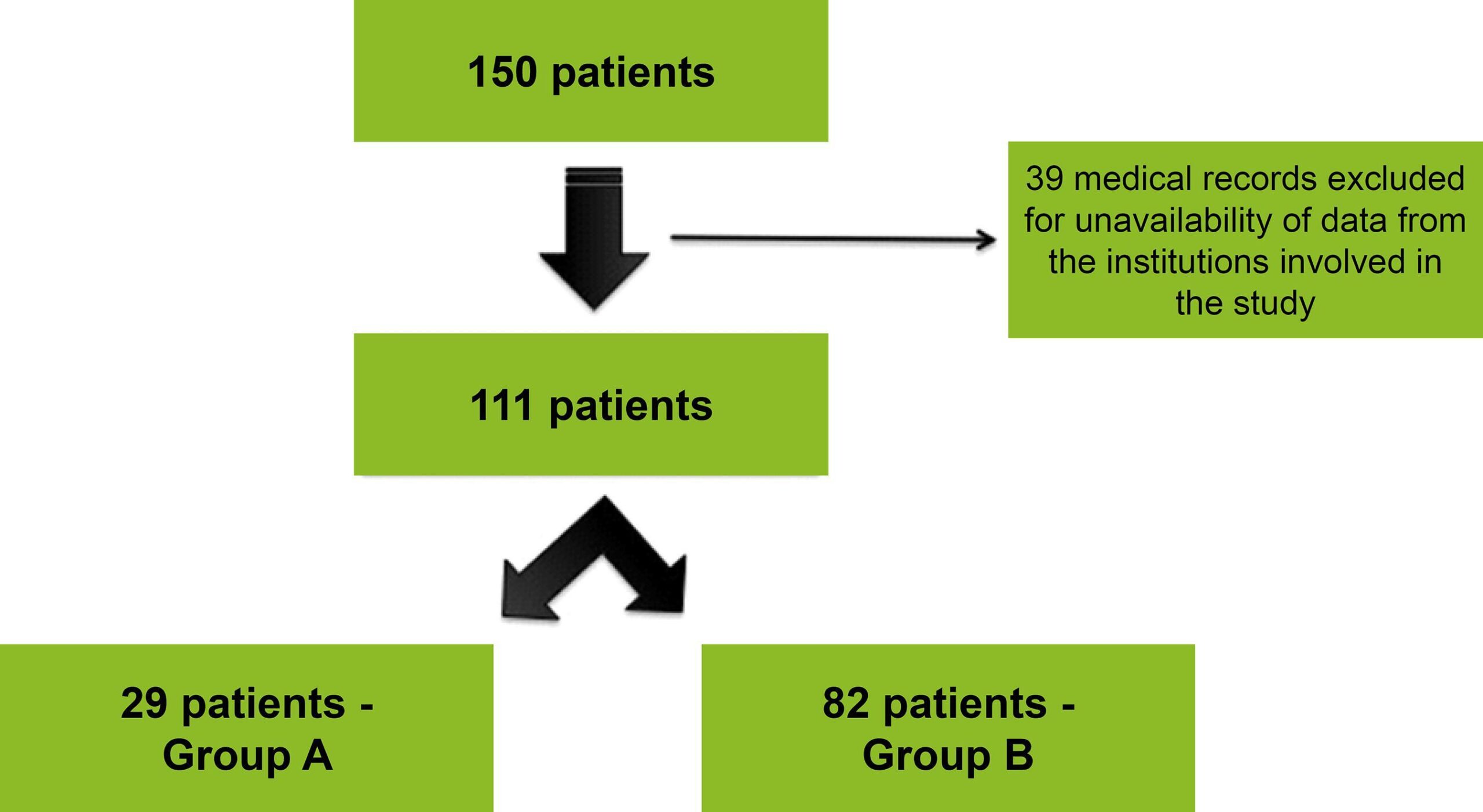
Descriptive and retrospective study of the medical records of patients undergoing aortic arch repair surgery between February 2000 and July 2013. We analyzed 111 patients, 29 in group A and 82 in group B. The overall survival and survival from cardiovascular events were assessed by Kaplan-Meier test.

Results:

In- hospital mortality from any cause was 31% in group A and 29.3% in group B. At 1 year, 2 year, and 5 year general survival was similar between the groups. In-hospital, 2 years and 5 years mortality from cardiovascular causes was 13.8%, 14.8%, e 22.7% in group A and 26.8%, 34.6% e 50.9% in group B. The difference between the groups in 5 years showed statistical significance (p = 0.0234). Survival from cardiovascular causes in 2 years and 5 years was 85.2% and 77,3% in group A and 65.4% and 49,1% in group B. Occurrence of urgent and emergency procedures were greater in group A, but without statistical significance.

Conclusions:

There was no difference in all-cause mortality over time between the groups. Group A showed lower cardiovascular mortality at 5 years than group B. (Int J Cardiovasc Sci. 2018;31(5)466-482)
  • Aorta, Thoracic / physiopathology
  • Aorta, thoracic / surgery
  • Aortic Aneurysm/surgery
  • Comparative Study
  • Mortality
  • Survivorship (Public Health)
Read Full Article
Creative Commons Attribution (CC BY) Creative Commons license
01/01/2018 DOI: 10.5935/2359-4802.20180069
Figure 1
ABC
Original Article

Impact of High Risk for Obstructive Sleep Apnea on Survival after Acute Coronary Syndrome: Insights from the ERICO Registry

Flavia C Maia et al. Alessandra C. Goulart Luciano F. Drager Henrique L. Staniak … Itamar de Souza Santos Paulo Andrade Lotufo Isabela M. Bensenor

Abstract

Background:

Obstructive sleep apnea (OSA) is a very often clinical condition that can be associated with high mortality risk, particularly in coronary heart disease (CHD). The diagnosis of OSA is not always accessible via the gold-standard method polysomnography.

Objective:

To evaluate long-term influence of the high risk for OSA on fatal and non-fatal outcomes after acute coronary syndrome (ACS) in the Acute Coronary Syndrome Registry Strategy (ERICO) Study using the Berlin questionnaire as a surrogate.

Methods:

Berlin questionnaire, a screening questionnaire for OSA, was applied in 639 cases of ACS 30 days after the index event. Cox regression proportional-hazards model was used to calculate the hazard ratio (HR) of all-cause, cardiovascular and CHD (myocardial infarction) mortality, as well as, the combined endpoint of fatal or recurrent non-fatal CHD.

Results:

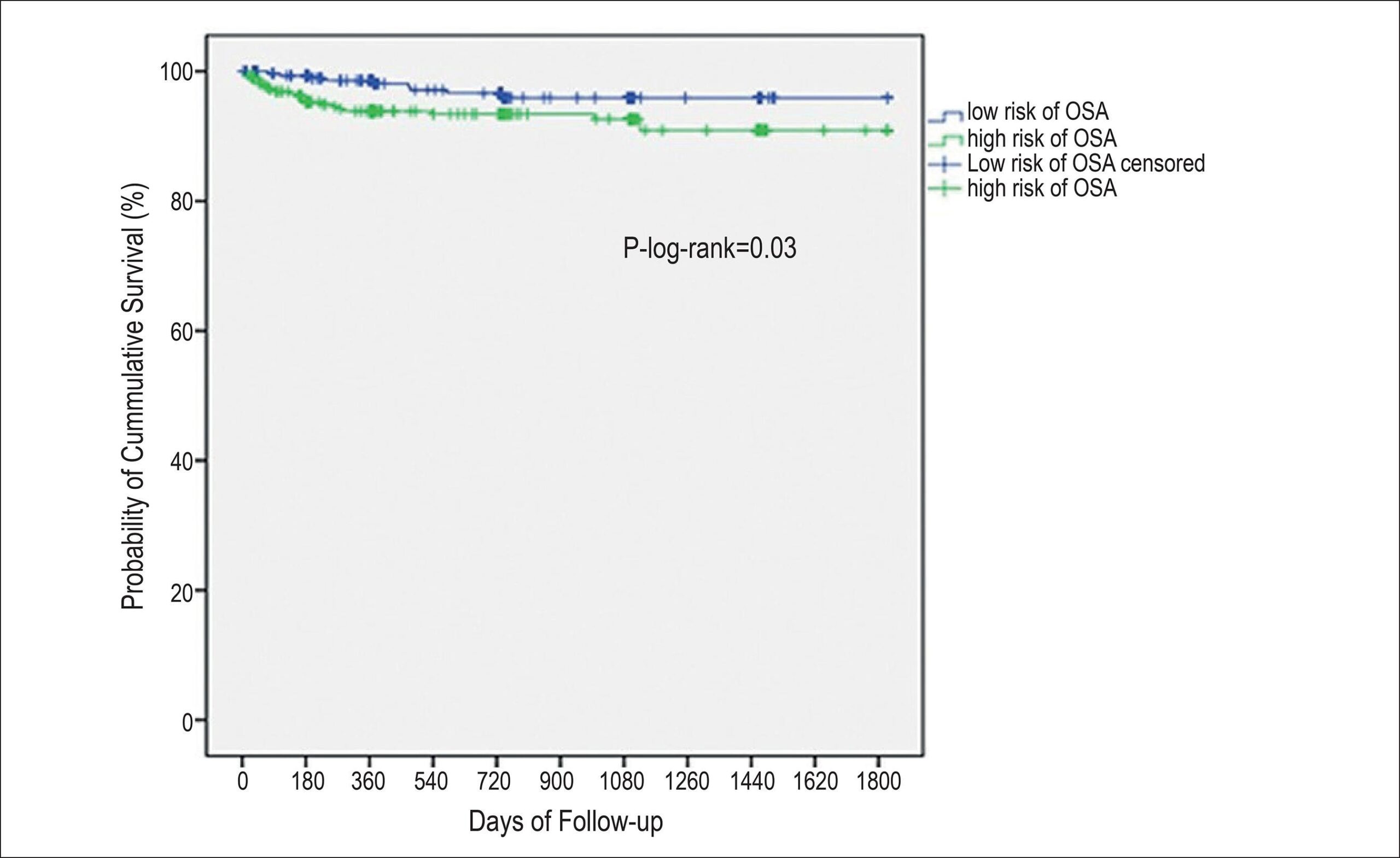
The high-risk group for OSA had higher frequencies of previous personal/family history of CHD and diabetes, in addition to a poorer event-free survival, as compared to the low-risk group (p-log-rank=0.03). The HR for fatal or recurrent non-fatal CHD was 4.26 (95% confidence interval, 1.18 – 15.36) in patients at high risk for OSA compared to those at low risk for OSA after a 2.6-year mean follow-up.

Conclusions:

Using Berlin questionnaire, we were able to identify high risk for OSA as an independent predictor of non-fatal reinfarction or CHD mortality in post-ACS individuals in a long-term follow-up.

  • Acute coronary syndrome
  • Myocardial Infarction
  • Prognosis
  • Risk Factors
  • Sleep Apnea, Obstructive
  • Survivorship (Public Health)
Read Full Article
Creative Commons Attribution (CC BY) Creative Commons license
01/01/2017 DOI: 10.5935/abc.20160195
Figure 1
ABC
Case Report

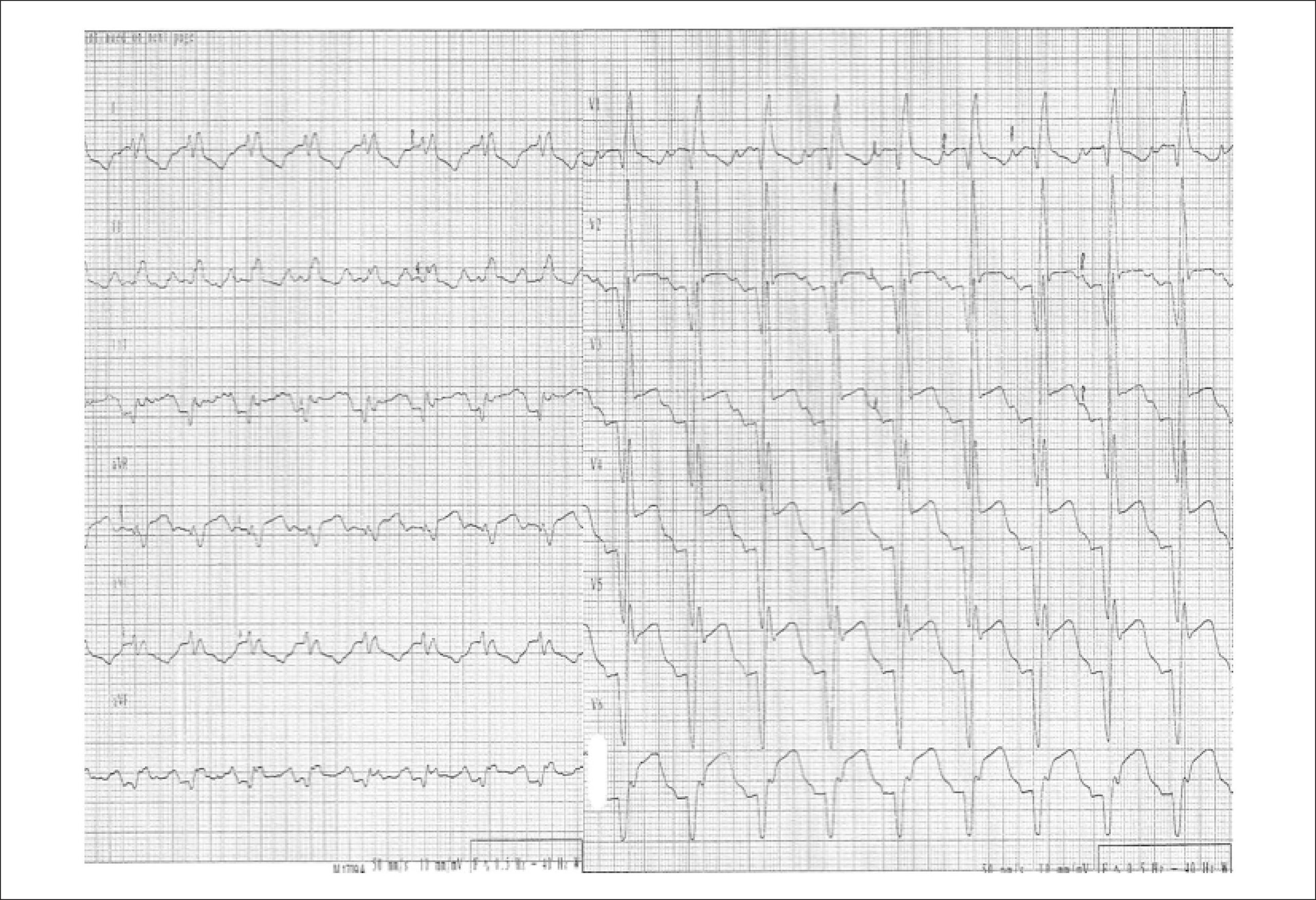
ST Elevation Myocardial Infarction Early After Heart Transplantation

Sérgio Lourenço Madeira et al. Luís Filipe Raposo Márcio Madeira Marta Marques … Maria José Rebocho José Pedro Neves

Introduction

Heart transplantation is the last option to improve survival in end-stage heart failure. Unfortunately, the increased need for organs far outweighs the availability of donors. To overcome this situation and to increase the number of available hearts for transplantation, donor selection criteria were made less stringent – . Nowadays, the one-year survival rate after transplantation is close to 90% – , with 50% of the patients surviving for more than 10 years. The main factor limiting survival is allograft vasculopathy (AV), which occurs in up to 10% and 50% of the patients at 1-year and 5-year after transplantation, respectively.

ST elevation myocardial infarction (STEMI) is rare in these patients and is even more uncommon shortly after transplantation. Despite being an uncommon manifestation of AV, STEMI is usually related to AV , .

[…]

  • Amines/therapeutic use
  • Cyclosporine/therapeutic use
  • Heart Transplantation / mortality
  • Myocardial Infarction/complications
  • Respiration, artificial
  • Survivorship (Public Health)
Read Full Article
Creative Commons Attribution (CC BY) Creative Commons license
01/07/2015 DOI: 10.5935/abc.20140202 Views 2
Figure 1
ABC
Artigo Original

Echocardiographic Parameters and Survival in Chagas Heart Disease with Severe Systolic Dysfunction

Daniela do Carmo Rassi et al. Marcelo Luiz Campos Vieira Ana Lúcia Martins Arruda Viviane Tiemi Hotta … Rogério Gomes Furtado Danilo Teixeira Rassi Salvador Rassi

Background:

Echocardiography provides important information on the cardiac evaluation of patients with heart failure. The identification of echocardiographic parameters in severe Chagas heart disease would help implement treatment and assess prognosis.

Objective:

To correlate echocardiographic parameters with the endpoint cardiovascular mortality in patients with ejection fraction < 35%.

Methods:

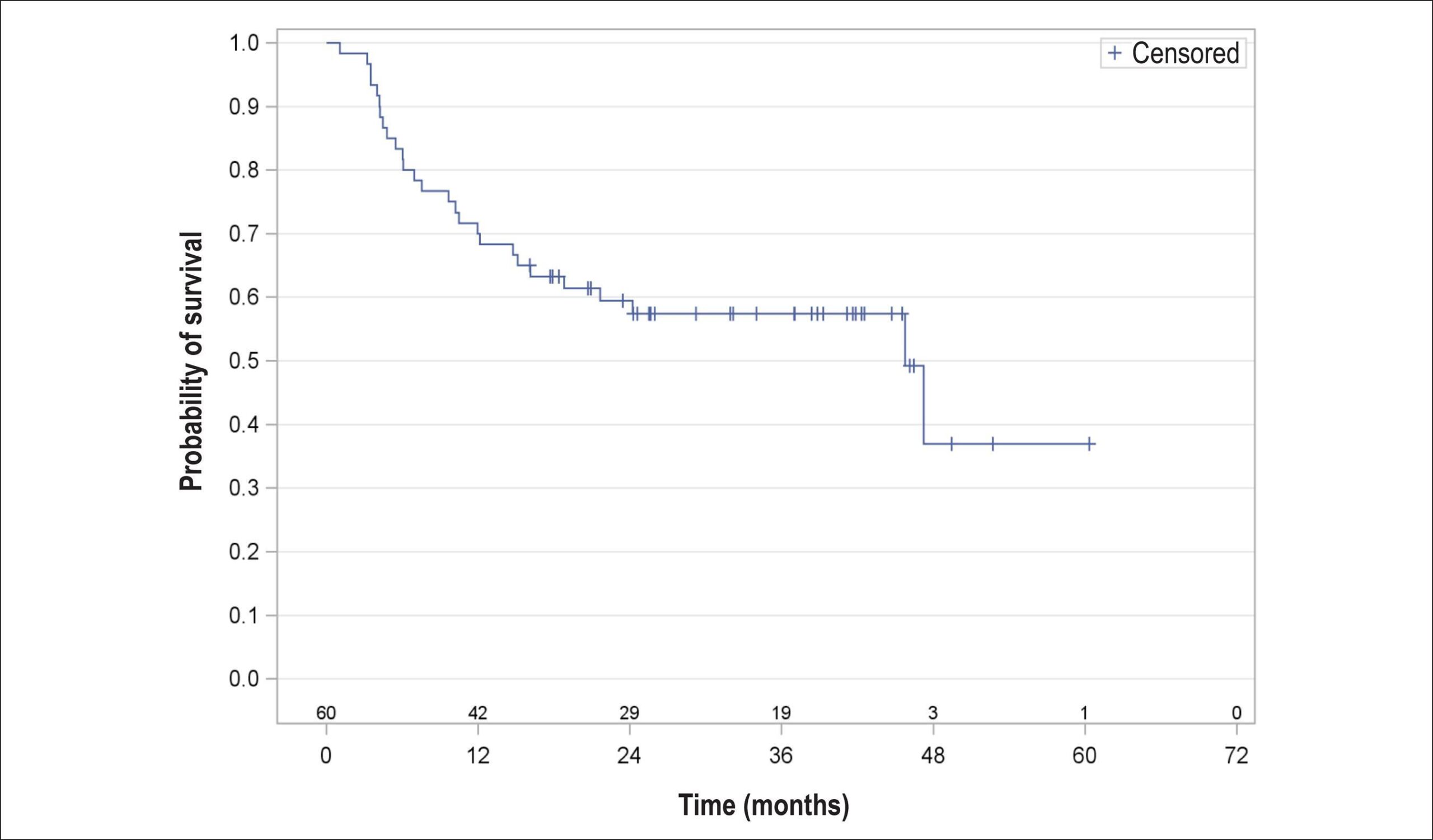
Study with retrospective analysis of pre-specified echocardiographic parameters prospectively collected from 60 patients included in the Multicenter Randomized Trial of Cell Therapy in Patients with Heart Diseases (Estudo Multicêntrico Randomizado de Terapia Celular em Cardiopatias) – Chagas heart disease arm. The following parameters were collected: left ventricular systolic and diastolic diameters and volumes; ejection fraction; left atrial diameter; left atrial volume; indexed left atrial volume; systolic pulmonary artery pressure; integral of the aortic flow velocity; myocardial performance index; rate of increase of left ventricular pressure; isovolumic relaxation time; E, A, Em, Am and Sm wave velocities; E wave deceleration time; E/A and E/Em ratios; and mitral regurgitation.

Results:

In the mean 24.18-month follow-up, 27 patients died. The mean ejection fraction was 26.6 ± 5.34%. In the multivariate analysis, the parameters ejection fraction (HR = 1.114; p = 0.3704), indexed left atrial volume (HR = 1.033; p 70.71 mL/m2 were associated with a significant increase in mortality (log rank p < 0.0001).

Conclusion:

The indexed left atrial volume was the only independent predictor of mortality in this population of Chagasic patients with severe systolic dysfunction.

  • Chagas Cardiomyopathy
  • Chagas disease
  • Echocardiography, Diagnosis
  • Survivorship (Public Health)
Read Full Article
Creative Commons Attribution (CC BY) Creative Commons license
10/02/2014 DOI: 10.5935/abc.20140003 Views 1
Role of BNP levels on the prognosis of decompensated advanced heart failure
ABC
Artigo Original

Role of BNP levels on the prognosis of decompensated advanced heart failure

Antônio Carlos Pereira-Barretto et al. Carlos Henrique Del Carlo Juliano Novaes Cardoso Marcelo Eid Ochiai … Marcelo Villaça Lima Milena Cardoso Curiati Airton Roberto Scipioni José Antônio Franchini Ramires

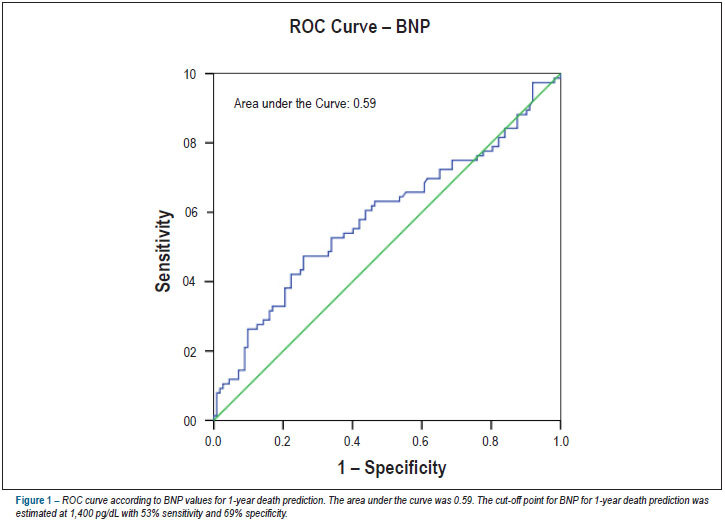
BACKGROUND: Heart failure (HF) is a condition with poor outcome, especially in advanced cases. Determination of B-type natriuretic peptide (BNP) levels is useful in the diagnosis of cardiac decompensation and has also been proving useful in the prognostic evaluation. OBJECTIVES: To verify whether BNP levels are able to identify patients with a poorer outcome and whether it is an independent prognostic factor considering age, gender, cardiac and renal functions, as well as the cause of heart disease. METHODS: 189 patients in functional class III/IV advanced HF were studied. All had systolic dysfunction and had their BNP levels determined during hospitalization. Variables related to mortality were studied using univariate and multivariate analyses. RESULTS: BNP levels were higher in patients who died in the first year of follow-up (1,861.9 versus 1,408.1 pg/dL; p = 0.044) and in chagasic patients (1,985 versus 1,452 pg/mL; p = 0.001); the latter had a higher mortality rate in the first year of follow-up (56% versus 35%; p = 0.010). The ROC curve analysis showed that the BNP level of 1,400 pg/mL was the best predictor of events; high levels were associated with lower LVEF (0.23 versus 0.28; p = 0.002) and more severe degree of renal dysfunction (mean urea 92 versus 74.5 mg/dL; p = 0.002). CONCLUSION: In advanced HF, high BNP levels identified patients at higher risk of a poorer outcome. Chagasic patients showed higher BNP levels than those with heart diseases of other causes, and have poorer prognosis.

  • Heart Failure
  • Natriuretic Peptides
  • Prognosis
  • Survivorship (Public Health)
Read Full Article
Creative Commons Attribution (CC BY) Creative Commons license
16/04/2013 DOI: 10.5935/abc.20130066 Views 2
ABC
Artigo Original

The influence of hypertension on quality of life

Maria Virgínia de Carvalho et al. Liza Batista Siqueira Ana Luiza Lima Sousa Paulo César Brandão Veiga Jardim

BACKGROUND: Systemic Hypertension (SH) is a major cardiovascular risk factor with a high prevalence in almost all countries. Studies show the negative effect of SH on health-related quality of life. OBJECTIVE: To evaluate the quality of life of hypertensive patients when compared with the general population. METHODS: A total of 333 individuals of both genders and older than 18 years were evaluated; they were divided into the Study Group, consisting of 246 hypertensive patients undergoing treatment in a multidisciplinary service and the Control group, comprised of 87 normotensive individuals from the community. A sociodemographic questionnaire and the SF-36 for quality of life assessment were administered to both groups. The Chi-square, Kolmogorov-Smirnov test, Mann Whitney U-test, Kruskal-Wallis test and multivariate analysis were used for the statistical analysis. Data were analyzed using SPSS and p values <0.05 were considered significant. RESULTS: The groups were homogeneous for age, gender, ethnicity, educational level and marital status. It was observed that normotensive individuals showed a better health-related quality of life when compared with hypertensive patients. CONCLUSIONS: Although considered to be almost always a clinically silent disease, systemic hypertension impairs the quality of life of patients who suffer from it.

  • Blood Pressure
  • Hypertension
  • Quality of life
  • risk of factors
  • Survivorship (Public Health)
Read Full Article
Creative Commons Attribution (CC BY) Creative Commons license
11/03/2013 DOI: 10.5935/abc.20130030

How to cite this article

EndNote RIS

Electronic Document Format (Vancouver)

Oliveira PF, Almeida Junior GLG, Silva FB, Sá MPL, Carreira VJ, Rangel BSS, Silva SP, et al. Mortality and Survival in Aortic Arch Surgeries with Preservation of Supra-aortic Vessels: Thirteen Years of Experience. International Journal of Cardiovascular Sciences 2018;31(5):466-82.

Electronic Document Format (ABNT)

Oliveira, Paula Ferraz de; Almeida Junior, Gustavo Luiz Gouvêa de; Silva, Fabrício Braga da; Sá, Mauro Paes Leme de; Carreira, Valdo José; Rangel, Bruno Soares da Silva; Silva, Sicilia Pacheco e. Mortality and Survival in Aortic Arch Surgeries with Preservation of Supra-aortic Vessels: Thirteen Years of Experience. International Journal of Cardiovascular Sciences, v. 31, n. 5, p. 466-482, Dec. 2017.

Electronic Document Format (APA)

Oliveira, P. F. , Almeida Junior, G. L. G. , Silva, F. B. , Sá, M. P. L. , Carreira, V. J., Rangel, B. S. S., & Silva, S. P. (2018). Mortality and Survival in Aortic Arch Surgeries with Preservation of Supra-aortic Vessels: Thirteen Years of Experience. International Journal of Cardiovascular Sciences, 31(5), 466-482.

Electronic Document Format (ISO)

Oliveira, Paula Ferraz de and Almeida Junior, Gustavo Luiz Gouvêa de and Silva, Fabrício Braga da and Sá, Mauro Paes Leme de and Carreira, Valdo José and Rangel, Bruno Soares da Silva and Silva, Sicilia Pacheco e. Mortality and Survival in Aortic Arch Surgeries with Preservation of Supra-aortic Vessels: Thirteen Years of Experience. International Journal of Cardiovascular Sciences [online]. 2018, vol. 31, n. 5, [cited 2026-10-14], pp. 466-482. Available from: <https://journals.cardiol.br/en/article/mortality-and-survival-in-aortic-arch-surgeries-with-preservation-of-supra-aortic-vessels-thirteen-years-of-experience/>. ISSN 2359-4802

EndNote RIS

Electronic Document Format (Vancouver)

Maia FC, Goulart AC, Drager LF, Staniak HL, Santos IS, Lotufo PA, Bensenor IM, et al. Impact of High Risk for Obstructive Sleep Apnea on Survival after Acute Coronary Syndrome: Insights from the ERICO Registry. Arquivos Brasileiros de Cardiologia 2017;108(1):31-7.

Electronic Document Format (ABNT)

Maia, Flavia C; Goulart, Alessandra C.; Drager, Luciano F.; Staniak, Henrique L.; Santos, Itamar de Souza; Lotufo, Paulo Andrade; Bensenor, Isabela M.. Impact of High Risk for Obstructive Sleep Apnea on Survival after Acute Coronary Syndrome: Insights from the ERICO Registry. Arquivos Brasileiros de Cardiologia, v. 108, n. 1, p. 31-37, Dec. 2016.

Electronic Document Format (APA)

Maia, F. C., Goulart, A. C., Drager, L. F., Staniak, H. L., Santos, I. S., Lotufo, P. A., & Bensenor, I. M. (2017). Impact of High Risk for Obstructive Sleep Apnea on Survival after Acute Coronary Syndrome: Insights from the ERICO Registry. Arquivos Brasileiros de Cardiologia, 108(1), 31-37.

Electronic Document Format (ISO)

Maia, Flavia C and Goulart, Alessandra C. and Drager, Luciano F. and Staniak, Henrique L. and Santos, Itamar de Souza and Lotufo, Paulo Andrade and Bensenor, Isabela M.. Impact of High Risk for Obstructive Sleep Apnea on Survival after Acute Coronary Syndrome: Insights from the ERICO Registry. Arquivos Brasileiros de Cardiologia [online]. 2017, vol. 108, n. 1, [cited 2026-10-14], pp. 31-37. Available from: <https://journals.cardiol.br/en/article/impact-of-high-risk-for-obstructive-sleep-apnea-on-survival-after-acute-coronary-syndrome-insights-from-the-erico-registry/>. ISSN 0066-782X

EndNote RIS

Electronic Document Format (Vancouver)

Madeira SL, Raposo LF, Madeira M, Marques M, Rebocho MJ, Neves JP. ST Elevation Myocardial Infarction Early After Heart Transplantation. Arquivos Brasileiros de Cardiologia 2015;105(1):93-6.

Electronic Document Format (ABNT)

Madeira, Sérgio Lourenço; Raposo, Luís Filipe; Madeira, Márcio; Marques, Marta; Rebocho, Maria José; Neves, José Pedro. ST Elevation Myocardial Infarction Early After Heart Transplantation. Arquivos Brasileiros de Cardiologia, v. 105, n. 1, p. 93-96, Jun. 2015.

Electronic Document Format (APA)

Madeira, S. L., Raposo, L. F., Madeira, M., Marques, M., Rebocho, M. J., & Neves, J. P. (2015). ST Elevation Myocardial Infarction Early After Heart Transplantation. Arquivos Brasileiros de Cardiologia, 105(1), 93-96.

Electronic Document Format (ISO)

Madeira, Sérgio Lourenço and Raposo, Luís Filipe and Madeira, Márcio and Marques, Marta and Rebocho, Maria José and Neves, José Pedro. ST Elevation Myocardial Infarction Early After Heart Transplantation. Arquivos Brasileiros de Cardiologia [online]. 2015, vol. 105, n. 1, [cited 2026-10-14], pp. 93-96. Available from: <https://journals.cardiol.br/en/article/st-elevation-myocardial-infarction-early-after-heart-transplantation/>. ISSN 0066-782X

EndNote RIS

Electronic Document Format (Vancouver)

Rassi DC, Vieira MLC, Arruda ALM, Hotta VT, Furtado RG, Rassi DT, Rassi S, et al. Echocardiographic Parameters and Survival in Chagas Heart Disease with Severe Systolic Dysfunction. Arquivos Brasileiros de Cardiologia 2014;102(3):245-52.

Electronic Document Format (ABNT)

Rassi, Daniela do Carmo; Vieira, Marcelo Luiz Campos; Arruda, Ana Lúcia Martins; Hotta, Viviane Tiemi; Furtado, Rogério Gomes; Rassi, Danilo Teixeira; Rassi, Salvador. Echocardiographic Parameters and Survival in Chagas Heart Disease with Severe Systolic Dysfunction. Arquivos Brasileiros de Cardiologia, v. 102, n. 3, p. 245-252, Feb. 2014.

Electronic Document Format (APA)

Rassi, D. C., Vieira, M. L. C., Arruda, A. L. M., Hotta, V. T., Furtado, R. G., Rassi, D. T., & Rassi, S. (2014). Echocardiographic Parameters and Survival in Chagas Heart Disease with Severe Systolic Dysfunction. Arquivos Brasileiros de Cardiologia, 102(3), 245-252.

Electronic Document Format (ISO)

Rassi, Daniela do Carmo and Vieira, Marcelo Luiz Campos and Arruda, Ana Lúcia Martins and Hotta, Viviane Tiemi and Furtado, Rogério Gomes and Rassi, Danilo Teixeira and Rassi, Salvador. Echocardiographic Parameters and Survival in Chagas Heart Disease with Severe Systolic Dysfunction. Arquivos Brasileiros de Cardiologia [online]. 2014, vol. 102, n. 3, [cited 2026-10-14], pp. 245-252. Available from: <https://journals.cardiol.br/en/article/echocardiographic-parameters-and-survival-in-chagas-heart-disease-with-severe-systolic-dysfunction/>. ISSN 0066-782X

EndNote RIS

Electronic Document Format (Vancouver)

Pereira-Barretto AC, Carlo HD, Cardoso JN, Ochiai ME, Lima MV, Curiati MC, Scipioni AR, et al. Role of BNP levels on the prognosis of decompensated advanced heart failure. Arquivos Brasileiros de Cardiologia 2013;100(3):281-7.

Electronic Document Format (ABNT)

Pereira-Barretto, Antônio Carlos; Carlo, s Henrique Del; Cardoso, Juliano Novaes; Ochiai, Marcelo Eid; Lima, Marcelo Villaça; Curiati, Milena Cardoso; Scipioni, Airton Roberto; Ramires, José Antônio Franchini. Role of BNP levels on the prognosis of decompensated advanced heart failure. Arquivos Brasileiros de Cardiologia, v. 100, n. 3, p. 281-287, Apr. 2013.

Electronic Document Format (APA)

Pereira-Barretto, A. C., Carlo, H. D., Cardoso, J. N., Ochiai, M. E., Lima, M. V., Curiati, M. C., Scipioni, A. R., & Ramires, J. A. F. (2013). Role of BNP levels on the prognosis of decompensated advanced heart failure. Arquivos Brasileiros de Cardiologia, 100(3), 281-287.

Electronic Document Format (ISO)

Pereira-Barretto, Antônio Carlos and Carlo, s Henrique Del and Cardoso, Juliano Novaes and Ochiai, Marcelo Eid and Lima, Marcelo Villaça and Curiati, Milena Cardoso and Scipioni, Airton Roberto and Ramires, José Antônio Franchini. Role of BNP levels on the prognosis of decompensated advanced heart failure. Arquivos Brasileiros de Cardiologia [online]. 2013, vol. 100, n. 3, [cited 2026-10-14], pp. 281-287. Available from: <https://journals.cardiol.br/en/article/role-of-bnp-levels-on-the-prognosis-of-decompensated-advanced-heart-failure/>. ISSN 0066-782X

EndNote RIS

Electronic Document Format (Vancouver)

Carvalho MV, Siqueira LB, Sousa ALL, Jardim PCBV. The influence of hypertension on quality of life. Arquivos Brasileiros de Cardiologia 2013;100(2):164-7.

Electronic Document Format (ABNT)

Carvalho, Maria Virgínia de; Siqueira, Liza Batista; Sousa, Ana Luiza Lima; Jardim, Paulo César Brandão Veiga. The influence of hypertension on quality of life. Arquivos Brasileiros de Cardiologia, v. 100, n. 2, p. 164-174, Mar. 2013.

Electronic Document Format (APA)

Carvalho, M. V. , Siqueira, L. B., Sousa, A. L. L., & Jardim, P. C. B. V. (2013). The influence of hypertension on quality of life. Arquivos Brasileiros de Cardiologia, 100(2), 164-174.

Electronic Document Format (ISO)

Carvalho, Maria Virgínia de and Siqueira, Liza Batista and Sousa, Ana Luiza Lima and Jardim, Paulo César Brandão Veiga. The influence of hypertension on quality of life. Arquivos Brasileiros de Cardiologia [online]. 2013, vol. 100, n. 2, [cited 2026-10-14], pp. 164-174. Available from: <https://journals.cardiol.br/en/article/the-influence-of-hypertension-on-quality-of-life/>. ISSN 0066-782X

  • About ABC Family
  • Internal Regulation
  • Editorial Board
  • Brazilian Society of Cardiology (SBC)

Issues

SBC Guidelines

  • Videos
  • Podcasts
  • News