











| IJCS
ABC Family Arquivos Brasileiros de Cardiologia International Journal of Cardiovascular Sciences ABC Heart Failure & Cardiomyopathy ABC Imagem Cardiovascular
Português English
ABC Family | IJCS
Português English
  • About
    • About the Journal
    • Internal Regulation
    • Editors Section
    • Editorial Board
    • SBC Award
  • Instructions to Authors
    • Guidelines for Publication
    • Editorial Policy
    • Ethics Policy
    • Policy on the Use of Artificial Intelligence
    • Mandatory Publication Form
    • Publication Fee
  • Issues
  • SBC Guidelines
  • Abstracts
    • How to Publish an Abstract Supplement?
    • Published Supplements
  • About
    • About the Journal
    • Internal Regulation
    • Editors Section
    • Editorial Board
    • SBC Award
  • Instructions to Authors
    • Guidelines for Publication
    • Editorial Policy
    • Ethics Policy
    • Policy on the Use of Artificial Intelligence
    • Mandatory Publication Form
    • Publication Fee
  • Issues
  • SBC Guidelines
  • Abstracts
    • How to Publish an Abstract Supplement?
    • Published Supplements

ABC Family

  • ABC Family
  • Arquivos Brasileiros de Cardiologia
  • International Journal of Cardiovascular Sciences
  • ABC Heart Failure & Cardiomyopathy
  • ABC Imagem Cardiovascular
Search in

No content found.

Journals
Ordering
Article types
Others

  1. Home
  2. IJCS
  3. Issues
  4. 2021, Volume 34, Number 4
Gender Equity: Time to Act
Editorial

Gender Equity: Time to Act

Fausto J. Pinto

1. Increasing Gender Diversity in the Physician Workforce

[…]

  • Gender Diversity
  • Gender Equity
  • Sex
Read Full Article
Creative Commons Attribution (CC BY) Creative Commons license
09/08/2021 DOI: 10.36660/ijcs.20210183 Views 1
Heart Disease is the Leading Cause of Death for Women – We must Change the Status Quo
PREFACE

Heart Disease is the Leading Cause of Death for Women – We must Change the Status Quo

Gláucia Maria Moraes de Oliveira et al. Claudio Tinoco Mesquita

According to the Continuous National Household Sample Survey, in 2019, the Brazilian population was composed of 48.2% men and 51.8% women. In the age group up to 24 years old, men and women accounted for 17.8% and 17.2% of the population, respectively, in 2019. From 25 years of age onwards, the proportion of women was higher than that of men in all age groups, 30.4% and 34.6%, respectively, for men and women. On the other hand, life expectancy for men in that same year was 73.1 years, and, for women, it was 80.1 years. Therefore, it is important to build data about Brazilian women in all stages of their course of life.

[…]

Read Full Article
Creative Commons Attribution (CC BY) Creative Commons license
09/08/2021 DOI: 10.36660/ijcs.20210185
Surgical Mortality in Infective Endocarditis: Is There a Gender Paradox?
Editorial

Surgical Mortality in Infective Endocarditis: Is There a Gender Paradox?

Daniel Seabra et al. Cristina Gavina

Cardiovascular diseases (CVD) represent a global pandemic. Although mortality due to CVD has been decreasing with improvement in diagnosis and treatment, it remains the most frequent cause of death worldwide both in men and women.

Gender impacts several key aspects in CVD, such as epidemiology, pathophysiology, clinical manifestations, disease progression, response to treatment and prognosis, in areas like coronary artery disease and heart failure. However, few studies analyzed the influence of gender in infectious endocarditis (IE) management and outcomes. ,

[…]

  • Endocarditis
  • post-operative mortality
  • Sex
  • Thoracic Surgery
Read Full Article
Creative Commons Attribution (CC BY) Creative Commons license
09/08/2021 DOI: 10.36660/ijcs.20210182
Women and Cardiac Disease: A Special Issue
Editorial

Women and Cardiac Disease: A Special Issue

Roxana Mehran et al. Birgit Vogel

Cardiovascular disease is the leading cause of death in women worldwide. Despite improvements in awareness on heart disease in women through various campaigns and initiatives, cardiovascular risk in women still tends to be underestimated by health care professionals and women themselves. With respect to the latter, a study from the United States has even shown a decline in awareness regarding the fact that heart disease is the leading cause of death among women over recent years. Especially young women are affected by low awareness about cardiovascular risk as confirmed by the data from the Variation in Recovery: Role of Gender on Outcomes of Young AMI Patients (VIRGO) study, which also found that women are less likely than men to have a discussion about their cardiovascular risk and potential risk modification with their health care provider. Health care providers’ preparedness to assess women’s cardiovascular risk appears to be suboptimal, and according to survey data the majority of primary care physicians and cardiologists do not comprehensively implement cardiovascular disease prevention guidelines in women. Accurate and timely diagnosis of various cardiovascular diseases, especially ischemic heart disease, are less frequent in women compared with men. In addition, women with established cardiovascular disease have repeatedly been documented to be less likely to receive guideline-recommended therapies. , Sex-related differences in disease presentation and comorbidities may contribute to these disparities, and uncertainties persist with respect to diagnosis and treatment of certain disease states that disproportionally affect women (e.g. ischemia with non-obstructive coronary arteries [INOCA], myocardial infarction in the absence of obstructive coronary artery disease [MINOCA], spontaneous coronary artery dissection [SCAD], and takotsubo syndrome).

One of the major issues is the lack of robust study data on cardiovascular disease in women. Women remain underrepresented in the majority of cardiovascular clinical trials, and sex-specific study data reporting is often absent, which results in uncertainty about the safety and efficacy of many cardiovascular therapies. In addition, it leads to knowledge gaps in the sex-specific pathophysiological mechanisms and the natural history of cardiovascular disease in women.

[…]

  • Heart Diseases
  • International Journal of Cardiovascular Sciences
  • Women
Read Full Article
Creative Commons Attribution (CC BY) Creative Commons license
09/08/2021 DOI: 10.36660/ijcs.20210173 Views 1
Editorial

Blood Pressure Control and Therapeutic Adherence – The Challenges of Hypertension

Elizabeth Silaid Muxfeldt

Blood pressure control is the greatest challenge in the treatment of hypertension., The control rate varies from 10% to 32% among continents, and it is related to the development level of each country, with averages ranging from 27% in low- and middle-income countries to 51% in high-income countries. In Brazil, the rates of awareness (22% – 77%), treatment (11% – 78%), and blood pressure control (10% – 36%) also vary depending on the population studied. Clinical inertia, inappropriate lifestyle, and poor therapeutic adherence are the main reasons for difficulty in reaching the therapeutic target.

Several factors affect adherence to treatment, including sociodemographic factors, as well as factors related to patients, drug treatment, and healthcare providers., The main sociodemographic factors are age (younger and very elderly patients), poverty, ethnicity (minorities), and lack of social support. Few studies have assessed the difference in adherence between men and women, and they present controversial results.

[…]

  • Blood Pressure
  • Hypertension
  • medication adherence
  • Prevalence
Read Full Article
Creative Commons Attribution (CC BY) Creative Commons license
19/07/2021 DOI: 10.36660/ijcs.20210172 Views 1
Editorial

REBECGA Registry: A Multicenter Study for the Reduction of Maternal Mortality Due to Heart Diseases Manifested During Pregnancy

Karyne Pollo de Souza et al. Christianne Brêtas Vieira Scaramello

According to the literature, although the prevalence of heart disease in pregnancy varies considerably among countries, cardiovascular disease is responsible for 1% to 4% of complicated pregnancies in industrialized countries. This pattern is related to cardiovascular risk factors, such as smoking, diabetes, obesity, and hypertension, especially in low- and middle-income countries, as well as late motherhood and the presence of congenital heart disease, mainly in high-income countries.,

Improved diagnostic methods and therapeutic alternatives have encouraged maternity by promoting safer pregnancies. However, heart disease is still the leading non-obstetric cause of maternal mortality worldwide. Although the rate of maternal mortality has decreased in Brazil over the last three decades, it continues to be higher than estimated for this millennium.

[…]

  • Heart Diseases
  • Maternal mortality
  • Multicenter Study
  • Pregnant Women
Read Full Article
Creative Commons Attribution (CC BY) Creative Commons license
19/07/2021 DOI: 10.36660/ijcs.20210160
Editorial

Climacteric Period and Cardiovascular risk: a Golden Opportunity to Watch and Succeed!

Catarina Sousa

The gradual loss of ovarian function with concomitant decrease in estrogen levels, characteristic of the climacteric period, leads to several metabolic changes and symptoms. Significant effects on the health and quality of life of women occur, and vasomotor symptoms during this transitional period are almost universally recognized. Among physical symptoms, hot flushes and night sweats are very prevalent and may be very disturbing.

However, cardiovascular risk is frequently neglected not only by these women, but surprisingly, also by part of the medical community. Metabolic changes of the climaterium are associated with increased risk of diabetes mellitus, metabolic syndrome and cardiovascular disease. Additionally, the rate of cardiovascular events markedly increases after the age of 45. This is extremely relevant, as cardiovascular disease is the single most frequent cause of death among women.

[…]

  • Cardiovascular risk
  • Climacteric Period
  • Quality of life
Read Full Article
Creative Commons Attribution (CC BY) Creative Commons license
19/07/2021 DOI: 10.36660/ijcs.20210159 Views 1
Editorial

COVID-19: An Insult to Injury on Equity

Biljana Parapid et al. Rachel M. Bond

SARS-CoV-2, which causes COVID-19, created a pandemic that not only overwhelmed the world in December 2019, but also challenged humanity in every way.

While a significant portion of the global population remained in a standstill, waiting for an end and adapting to limits of all sorts, including working from home, a new workforce category emerged: the “frontline” workers. Doctors, nurses, and all allied professions employed by the healthcare system were joined by a long line of diverse service providers. The latter faced different forms of discrimination from their surroundings, fearing the risk of infection based on high rates of medical misinformation; for the former group, Pandora’s box of bias was yet to be opened, in particular for women.

[…]

  • COVID19
  • Diversity
  • Equity
  • Inclusion
  • SARS-CoV-2
Read Full Article
Creative Commons Attribution (CC BY) Creative Commons license
19/07/2021 DOI: 10.36660/ijcs.20210165
Original Article

Cardiovascular Risk Factors, Functionality, and Quality of Life in Climacteric Women

João Vítor Costa dos Santos Chaves et al. Keila Lindineia Silva Pinto Kleicillainy Mota de Sousa Lucas Oliveira Soares André Luiz Lisboa Cordeiro

Abstract

Background:

Cardiovascular disease (CVD) comprises a group of cardiac and circulatory diseases. Despite the high incidence in males, women after menopause have an exponential increase in the risk of CVD.

Objective:

To identify the leading risk factors for CVD and describe quality of life and functionality in women hospitalized for cardiac causes during the climacteric period.

Materials and methods:

Observational descriptive study. Quality of life was assessed through the SF-36 questionnaire, and functionality through the Functional Independence Measurement (FIM) scale. Records were used to identify the main risk factors associated with CVD in climacteric women.

Results:

We included 30 patients (mean age, 55 ± 6 years). The mean FIM score was 118 ± 3, and the mean SF-36 score, 20 ± 10. Hypertension and sedentary lifestyle were the most prevalent cardiovascular risk factors in these women.

Conclusion:

Hypertension and sedentary lifestyle were the most prevalent cardiovascular risk factors in this sample of climacteric women hospitalized for cardiac causes. Quality of life was strongly affected, with social, emotional, and mental health domains showing the most impact.

  • Cardiovascular disease
  • Climacteric
  • Quality of life
Read Full Article
Creative Commons Attribution (CC BY) Creative Commons license
19/07/2021 DOI: 10.36660/ijcs.20200410 Views 1
Figure 1
Original Article

Vegetarian Diets and Cardiovascular Risk in Women

Bianca Oliveira et al. Luciana Nicolau Aranha Priscila dos Santos Gomes Olivares Tamira Guilherme Rocha Negrão … Glorimar Rosa Gláucia Maria Moraes de Oliveira

Abstract

Introduction:

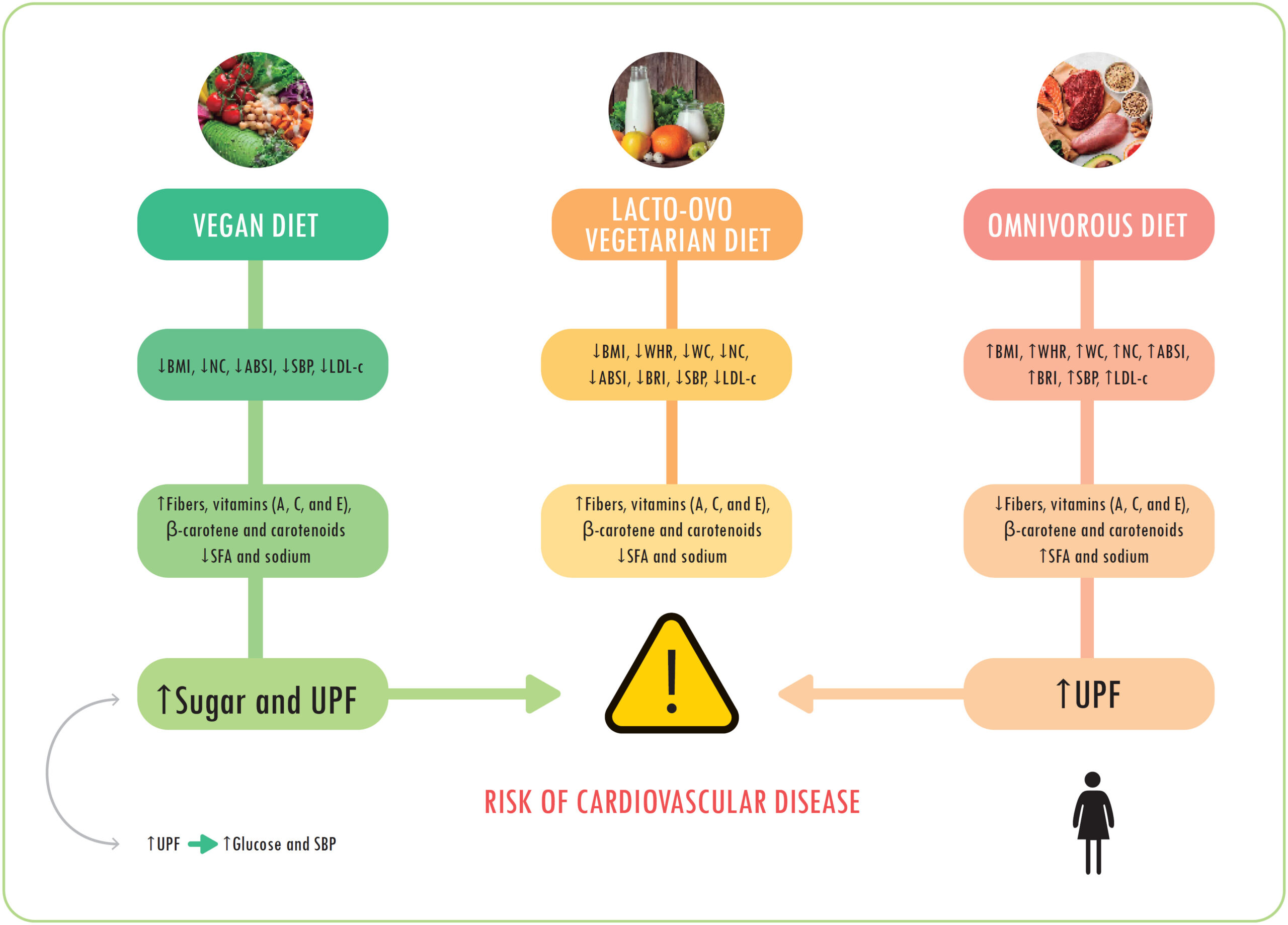
Vegetarian diets have favorable effects on cardiovascular risk, provided that they do not contain ultra-processed foods (UPF).

Objective:

To compare the metabolic profile, cardiovascular risk, body composition, and food consumption in vegan (VEG), lacto-ovo vegetarian (LOV), and omnivorous (OMNI) women. To verify the association between UPF consumption and cardiovascular risk.

Methods:

Cross-sectional study with 119 VEG (n = 43), LOV (n = 38), and OMNI (n = 38) women. Anthropometric and biochemical parameters and the Framingham risk score were assessed. Food consumption was assessed by means of a 3-day food register, and intake of macronutrients, micronutrients, and UPF was estimated. The correlation between UPF consumption and cardiovascular risk was assessed using Spearman’s coefficient, with a significance level of 5%.

Results:

The groups showed low cardiovascular risk, without significant difference between them. The VEG and LOV groups had lower body mass index, neck circumference, body shape index, and systolic blood pressure (p < 0.05) than the OMNI group; greater consumption of carbohydrates, sugars, dietary fibers, micronutrients, beta-carotene, and carotenoids; and lower consumption of total fat, saturated fatty acids, and cholesterol (p < 0.05). Consumption of UPF was lower in the LOV group (5.7 [0.0– 19.8]) than in the OMNI group (14.9 [5.1 – 22.3]; p < 0.05). UPF consumption was associated with SBP (ρ = 0.439; p = 0.007) and blood sugar (ρ = 0.422; p = 0.010) in the VEG group, and in the LOV group it was inversely associated with LDL-c (ρ = −0.456; p = 0.010).

Conclusion:

Vegetarian women showed better body composition and dietary quality than OMNI women. It is important to take consumption of UPF in vegetarians into consideration, in order to improve cardiovascular risk in women.

  • Industrialized Foods
  • Risk Factors
  • Vegan
  • Vegetarian diet
  • Women
Read Full Article
Creative Commons Attribution (CC BY) Creative Commons license
19/07/2021 DOI: 10.36660/ijcs.20210010 Views 1
Original Article

The REBECGA Brazilian Registry of Pregnancy and Heart Disease: Rationale and Design

Walkiria Samuel Avila et al. Maria Alayde Mendonça Rivera Celi Marques-Santos Ivan Romero Rivera … Maria Elizabeth Navegantes Caetano Costa Alexandre Jorge Gomes de Lucena Claudia Maria Vilas Freire Regina Coeli Marques de Carvalho Daniel Born Felipe Favorette Campanharo Fabio Bruno Silva

Abstract

Background:

Maternal mortality rates in Brazil remain above the goals established by the United Nations Sustainable Development Goals. Heart disease is estimated to affect 4% of all pregnancies and remains by itself the main indirect obstetric cause of maternal death. In the last decades, a significant improvement in the prognosis of heart diseases has made pregnancy possible in women with heart disease and provided better maternal and fetal outcomes.

Objective:

To establish a multicenter Brazilian Registry of pregnant women with heart disease; to study the causes of immediate and late maternal mortality; and to assess the prevalence of heart disease in the country’s macro-regions.

Method:

This is an observational study, with retrospective and prospective stages, of the clinical and obstetric progression of pregnant women with heart disease. These women consecutively received care during pregnancy and will be followed up for up to a year after delivery at public and private hospitals with infrastructure for the execution of this project, a principal investigator, and approval by Ethics and Research Committees.

Results:

Our results will be presented after data collection and statistical analysis, aiming to demonstrate immediate and late maternal mortality rates, as well as the prevalence of heart disease in the country and its cardiovascular and obstetric complications during pregnancy.

Conclusion:

REBECGA will be the Brazilian Registry of heart disease and pregnancy and it will contribute to planning preventive measures, raising financial resources for the improvement of high-risk prenatal care, and reducing immediate and late maternal mortality due to heart disease.

  • Cardiovascular Pregnancy Complications
  • Heart Diseases
  • Maternal mortality
  • Pregnancy
Read Full Article
Creative Commons Attribution (CC BY) Creative Commons license
19/07/2021 DOI: 10.36660/ijcs.20200419 Views 1
Editorial

Cardiovascular Risk in Women from a Quilombo Settlement: The Effect of Aggregated Vulnerabilities

Deborah Carvalho Malta et al. Luisa Campos Caldeira Brant

Cardiovascular risk (CVR) is a field of great relevance with a growing number of studies throughout the country due to the magnitude of cardiovascular diseases (CVD), which have caused nearly 18 million deaths in 2016 and represent 31% of worldwide deaths.– In Brazil, CVD also lead the mortality and disability-adjusted life years (DALYs) rates,4.5 with negative effects on the quality of life of individuals, family members, and societies.3.5 It is noteworthy that CVD has an unequal effect on populations, with greater morbidity and mortality among low-income and least educated individuals.6 In this context, it is important to identify the modifiable risk factors (RF) associated with CVD, such as behavioral (tobacco, alcohol, unhealthy diet, sedentarism) and metabolic RF (obesity, diabetes, hypertension, dyslipidemia); given that the risk of death from CVD attributable to metabolic RF is 74%, revealing great potential for prevention.,

CVR scores are important because evidence has shown that when RF are aggregated, they have synergistic effects on the risk of major adverse cardiovascular events (MACE)., As such, CVR scores identify high-priority individuals for specific primary preventive interventions against MACE, making them cost-effective measures that are useful in primary care.,– Beyond the incentive for a healthy lifestyle, individuals with higher CVR should be offered statin prescriptions and be evaluated for hypertension treatment at a lower threshold. A meta-analysis showed that statins can prevent 23% (relative risk [RR] 0.77 95% confidence interval [CI] 0.71–0.84) of MACE. However, for primary prevention this benefit is positively correlated with CVR and non-high-density lipoprotein (HDL) cholesterol values.

[…]

  • Diabetes Mellitus
  • Health Vulnerability
  • Heart Disease Risk Factors
  • Hypertension
  • Obesity
Read Full Article
Creative Commons Attribution (CC BY) Creative Commons license
19/07/2021 DOI: 10.36660/ijcs.20210163 Views 2
Original Article

Gender Based Analysis of a Population Series of Patients Hospitalized with Infective Endocarditis in Portugal – How do Women and Men Compare?

Catarina Sousa et al. Paulo Jorge Nogueira Fausto J. Pinto

Abstract

Background:

The impact of gender on the outcome of patients hospitalized with infective endocarditis (IE) is not fully understood.

Objective:

To verify the association between gender and the clinical profile of patients hospitalized with IE, treatment strategies, and clinical outcomes.

Methods:

This is a retrospective nationwide study of patients hospitalized with IE, based on hospital admissions between 2010 and 2018 in Portugal. Descriptive statistics were used to present variables. An inferential analysis was performed using multiple logistic regression. A 95% confidence interval and a 5% significance level were considered.

Results:

In total, 3266 (43.1%) women and 4308 (56.9%) men were hospitalized with IE. The women were older (76 vs 69 years old, p<0.001), more frequently presented arterial hypertension (39.8% vs 35.4%, p<0.001) and atrial fibrillation (29.5% vs 21.2%, p<0.001), and had less cardiovascular comorbidities. Acute heart failure was more common in women (32.9 vs 26.9%, p<0.001) and acute renal failure (13.6% vs 11.7%, p<0.001) and sepsis (12.1% vs 9.1%, p<0.001), in men. Women were less likely to undergo cardiac surgery (OR 0.48 – 95%CI 0.40–0.57, p<0.001) and had a higher postoperative mortality (OR 1.84, 95% CI 1.19–2.84, p=0.006). In-hospital mortality rates were comparable between genders (20.3% vs 19.6%, p=0.45).

Conclusions:

Women were less likely to undergo cardiac surgery when hospitalized with IE, and the female gender was a predictor factor for postoperative mortality. Overall, in-hospital mortality was not influenced by gender. Further research is necessary to fully clarify the impact of gender on IE management and outcomes.

  • Cardiac Surgery
  • Endocarditis
  • Gender and Health
  • Mortality
Read Full Article
Creative Commons Attribution (CC BY) Creative Commons license
19/07/2021 DOI: 10.36660/ijcs.20210032 Views 2
Figure 1
Original Article

Accuracy of the Simplified Version of the Global Risk Score in Detecting Cardiovascular Risk in Women from Quilombola Communities in the State of Alagoas, Brazil

Andressa Lima Cavalcante et al. Haroldo da Silva Ferreira

Abstract

Background:

Cardiovascular risk (CVR) monitoring is important for defining preventive actions against cardiovascular disease; this condition prevails more intensely in scenarios with less infrastructure such as African descent communities. The Framingham Risk Score (FRS) and the Global Risk Score (GRS) have been used in Brazil for CVR monitoring based on scales of points for certain risk factors. Among these, hypercholesterolemia and low high-density lipoprotein cholesterol require tests not always available in primary care. An alternative would be the simplified GRS (sGRS), in which these tests are replaced by the body mass index (kg/m2).

Objective:

To determine the accuracy of the sGRS in estimating CVR in African descent women (quilombolas) from Alagoas.

Method:

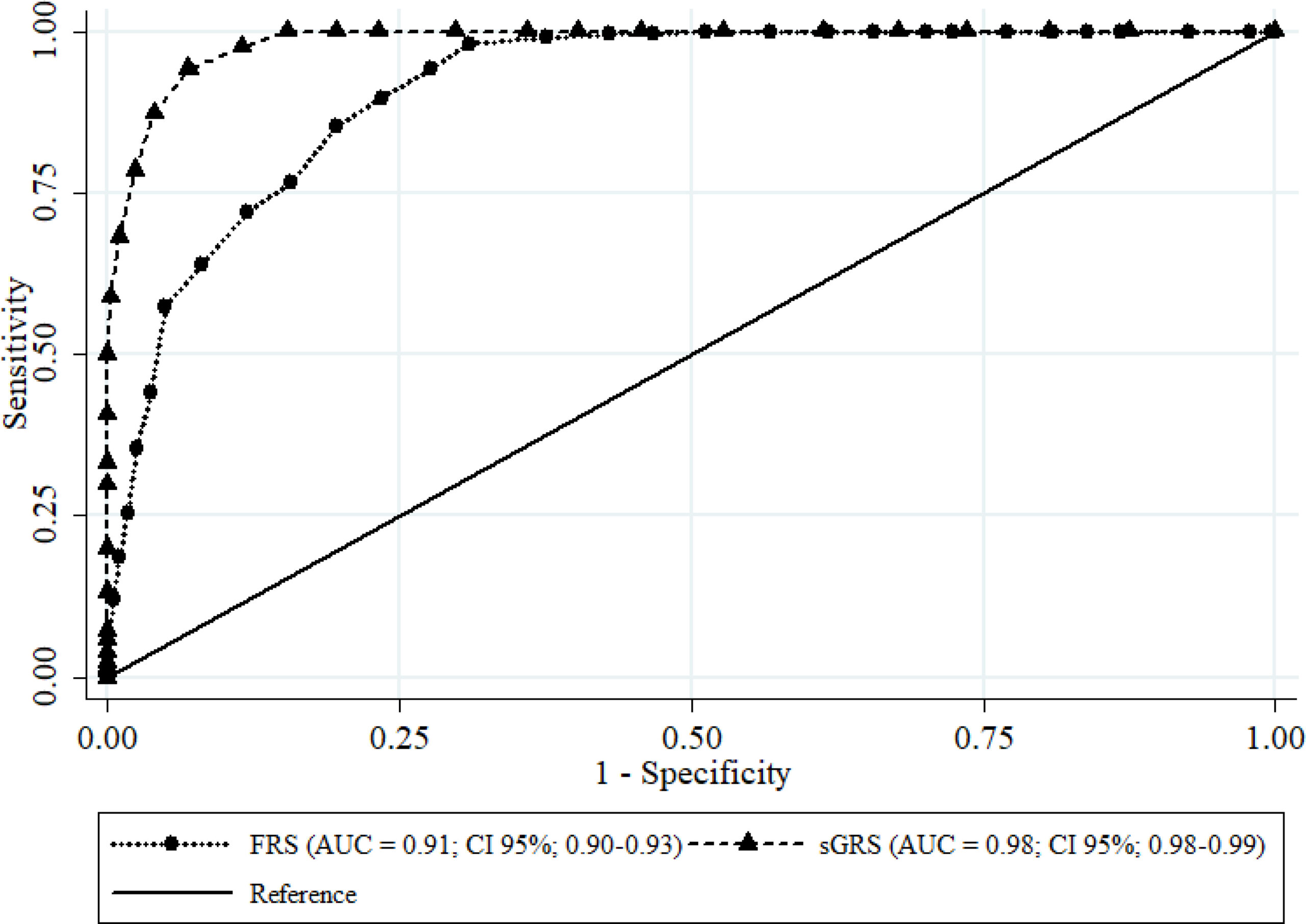
This is a cross-sectional study with a representative sample (n=1015) of women from African descent communities in Alagoas. GRS, sGRS, and FRS consisted in the sum of points obtained according to their respective scales. Receiver operating characteristic curves were used to compare the accuracy of these instruments as CVR predictors, assuming the GRS as reference. Statistical significance was assumed when p<0.05.

Results:

The prevalence of high CVR assessed with the GRS or sGRS was similar (20.1% vs. 20.7%; p>0.05) and higher than that found with the FRS (4.5%; p<0.001). Considering the area under the curve (AUC), the sGRS had a higher discriminatory power (AUC=0.98; 95%CI: 0.98–0.99) than the FRS (AUC=0.91; 95%CI: 0.90–0.93).

Conclusion:

Among black women living in regions with less infrastructure, the sGRS produced similar results to the GRS, with greater operational simplicity.

  • African Continental Ancestry Group
  • Cardiovascular Diseases
  • Epidemiology
  • Risk Factors
Read Full Article
Creative Commons Attribution (CC BY) Creative Commons license
19/07/2021 DOI: 10.36660/ijcs.20210068 Views 1
Figure 1
Editorial

Are Women the Fragile Sex? Or are They the Singular Sex?

Celi Marques-Santos et al. Gláucia Maria Moraes de Oliveira

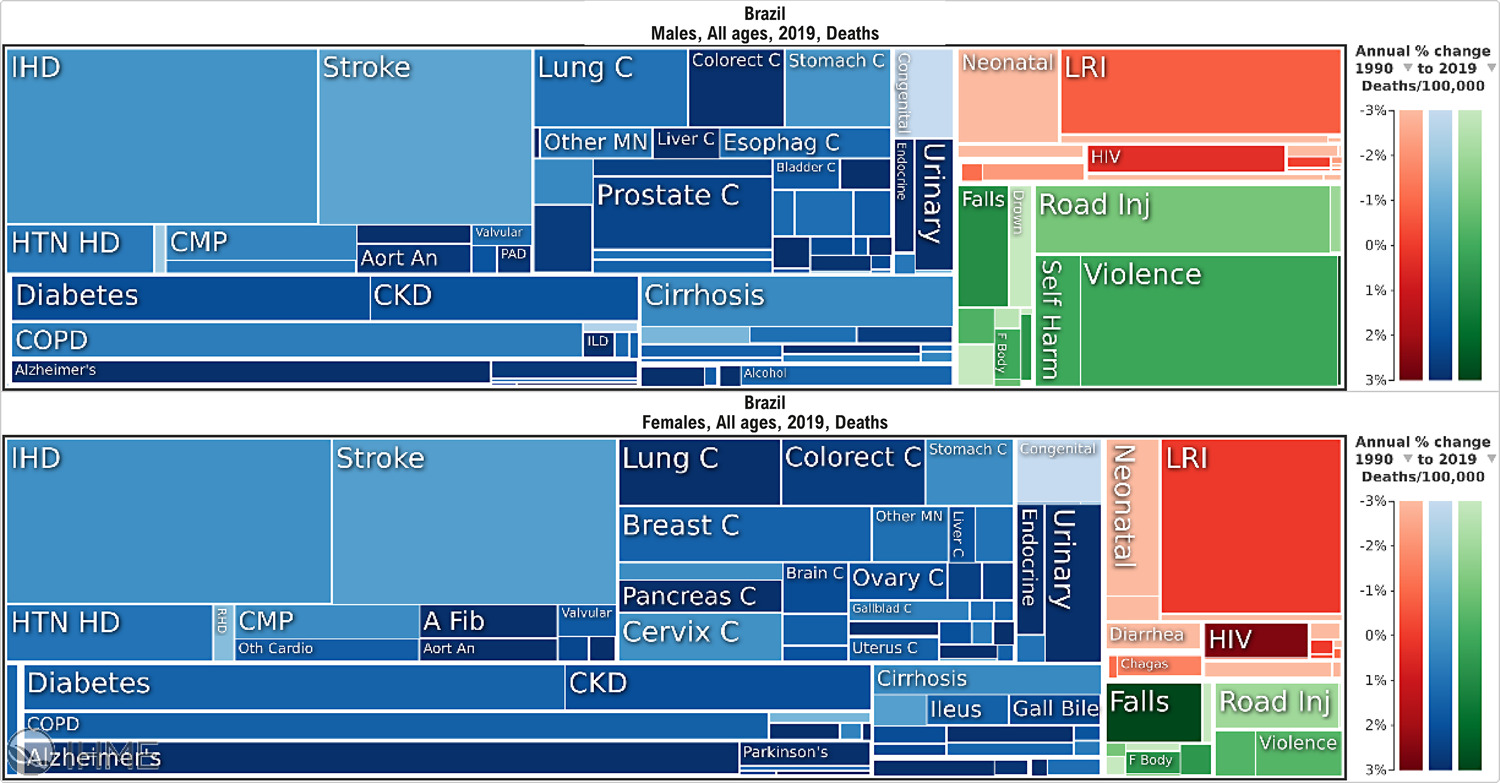
Women need specific intervention and information about their particularities, especially regarding CV risk factors, as well as the biological, pathophysiological, and social differences between the sexes. The majority of large clinical trials that address current cardiovascular diseases (CVD) were not conducted with enough women to generate robust evidence. CVD in women remains poorly studied, poorly recognized, underdiagnosed, and undertreated, generating worse outcomes. It is necessary to change this reality so that women are approached according to their singularities in order to reduce the burden of CVD by 2030.

Among the CV risk factors in Brazilian women, arterial hypertension, dietary risks, obesity, increased serum cholesterol, and fasting glucose stand out. Sex-related CV risk factors, which affect CVD throughout life, play a crucial role in women. Menopause, especially in women 40 years, promotes changes in body composition, with an increase in fat mass and a greater probability of metabolic syndrome., Hypertensive diseases of pregnancy, such as pre-eclampsia, gestational diabetes, and premature birth, increase CVD in adulthood. The use of contraceptive hormones associated with arterial hypertension increases the risk of myocardial infarction (MI) by 12 times. Polycystic ovary syndrome and autoimmune diseases contribute to increased cardiovascular risk.

[…]

  • Cardiovascular Diseases
  • Women
  • Women's Health
Read Full Article
Creative Commons Attribution (CC BY) Creative Commons license
19/07/2021 DOI: 10.36660/ijcs.20210171
Exercise Testing, Family History, and Subclinical Atherosclerosis Markers for Cardiovascular Risk Reclassification in Middle-Aged Women
Original Article

Exercise Testing, Family History, and Subclinical Atherosclerosis Markers for Cardiovascular Risk Reclassification in Middle-Aged Women

Ricardo Quental Coutinho et al. Ulisses Ramos Montarroyos Isly Maria Lucena de Barros Maria José Bezerra Guimarães … Ana Paula Dornelas Leão Laura Olinda Bregieiro Fernandes Costa Ana Kelley de Lima Medeiros Maria de Fátima Monteiro Moacir de Novaes Lima Ferreira William Azem Chalela Rodrigo Pinto Pedrosa

Abstract

Background

Cardiovascular diseases are the main cause of death in women and the accuracy of currently available risk scores is questionable.

Objective

To reclassify the risk estimated by the Framingham Risk Score (FRS) in asymptomatic middle-aged women by incorporating family history, exercise testing variables, and subclinical atherosclerosis markers.

Methods

This cross-sectional study included 509 women (age range, 46-65 years) without cardiovascular symptoms. Those at low or intermediate risk by the FRS were reclassified to a higher level considering premature family history of acute myocardial infarction and/or sudden death; four variables from exercise testing; and two variables related to subclinical atherosclerosis markers. The homogeneity of these variables according to the FRS was verified by Pearson chi-square test (p<0.05).

Results

According to the FRS, 80.2%, 6.2%, and 13.6% of the women were classified as low (10%) risks, respectively. The intermediate-risk stratum showed the highest increase (from 6.2% to 33.3%) with addition of family history; followed by addition of chronotropic index <80% (to 24.2%); functional capacity 0 (20.6%); decreased one-minute heart rate recovery ≤12 bpm (15.2%); carotid intima-media thickness >1 mm and/or carotid plaque (13.8%) and ST-segment depression (9.0%). The high-risk stratum increased to 14.4% with the addition of reduced heart rate recovery and to 17.1% with the coronary calcium score.

Conclusion

Incorporation of premature family history of cardiovascular events, exercise testing abnormal parameters, and subclinical atherosclerosis markers into the FRS led to risk reclassification in 3.0-29.7% of asymptomatic middle-aged women, mainly by an increase from low to intermediate risk.

  • Atherosclerosis
  • Estrogens
  • Exercise Test
  • Heredity
  • Hypertension
  • middle aged
  • Myocardial Infarction
  • Obesity
  • Risk Factor
  • Sudden Death
  • Women
Read Full Article
Creative Commons Attribution (CC BY) Creative Commons license
16/07/2021 DOI: 10.36660/ijcs.20200414 Views 1
How the Gender Gap Affects the Incidence and Prognosis of Cardiovascular Disease
Editorial

How the Gender Gap Affects the Incidence and Prognosis of Cardiovascular Disease

Maria Gazzilli

The study in this issue of the Journal analyzed the sex and gender gap that exists for ischemic heart disease and myocardial infarction. The authors reviewed all the factors that differ between genders in terms of incidence, mortality, pathophysiology and clinical implications, diagnosis, and treatment.

[…]

  • ischemic heart disease
  • Myocardial Infarction
Read Full Article
Creative Commons Attribution (CC BY) Creative Commons license
16/07/2021 DOI: 10.36660/ijcs.20210132
Early Use of Handgrip Exercise Associated with Dobutamine Stress Echocardiography in Women
Original Article

Early Use of Handgrip Exercise Associated with Dobutamine Stress Echocardiography in Women

Isabela de Andrade Lindner et al. Patricia Sens de Oliveira Caroline de Oliveira Fischer Bacca Josie Budag Matsuda … Franciani Rodrigues da Rocha Jeancarlo Visentainer Luiz Eduardo Bacca

Abstract

Background

Coronary artery disease (CAD) is an important cause of morbidity and mortality in women and requires early diagnosis for defining the appropriate treatment.

Objective

To identify the positive predictive value (PPV) and safety of the early use of handgrip exercise in pharmacological stress echocardiography using dobutamine (early-ECHO) in women.

Methods

Positive ischemic early-ECHO records from 111 women were evaluated from January 2012 to March 2018. Subsequently, the hospital medical records were verified to locate patients who underwent conventional coronary angiography (CCA), and we analyzed the medical conduct adopted for these patients. Statistical analyses were performed using SPSS employing one-way analysis of variance (ANOVA), Fisher’s exact test, or Pearson’s chi-square test. The level of statistical significance was set at p < 0.05 for all analyses.

Results

Four patients (4.4%) presented serious complications during the examination. Out of 90 patients who underwent CCA, 71 (78.9%) had CAD. Among these 71 patients, 58 (81.7%) had severe lesions and 13 (18.3%) presented moderate CAD. Moreover, CCA did not demonstrate relevant coronary lesions in 19 of the 90 patients (21.1%). Among patients with severe CAD, 16 (27.6%) underwent myocardial revascularization surgery; 34 (58.6%) underwent percutaneous coronary angioplasty; and 08 (13.7%) had their clinical treatments intensified. The PPV for early-ECHO was 78.9%.

Conclusions

Early-ECHO showed a high PPV for diagnosing myocardial ischemia in women. It presented a low complication rate and provided rapid disease identification, allowing the early treatment of injuries and potentially preventing CAD complications.

  • Coronary Artery Disease
  • Predictive Value of Tests
  • Safety
  • Stress echocardiography
  • Women
Read Full Article
Creative Commons Attribution (CC BY) Creative Commons license
16/07/2021 DOI: 10.36660/ijcs.20200420 Views 1
DD Genotype and Atherosclerosis in Overweight Menopausal Women
Original Article

DD Genotype and Atherosclerosis in Overweight Menopausal Women

José Ramón Lanz-Luces et al. Fernando Alves Costa Luis Fernando Escobar Guzman Antonio Ricardo de Toledo Gagliardi … José Antonio Lanz-Luces José Daniel Lanz-Souquett Leandro Menezes Alves da Costa

Abstract

Background

Sex-specific pathology of coronary artery disease (CAD) has not been recognized. Women with obstructive or nonobstructive CAD associated with traditional risk factors have similar events; no studies have explored both populations in association with genetic markers.

Objective

To evaluate the DD genotype in overweight menopausal women and its association with CAD and traditional risk factors.

Method

This cross-sectional study included 356 menopausal women who underwent coronary angiography as CAD assessment. The patients’ DNA was extracted and polymorphisms were detected with a single polymerase chain reaction assay. Two groups were formed based on luminal lesions (normal [n = 134] or pathological [n = 222]) with a cutoff value > 30%, considering overweight and age. The chi-square test, Student’s t-test, and multivariate logistic regression were performed as appropriate (p < 0.05) using the following variables: overweight, diabetes, hypertension, dyslipidemia, smoking status, sedentary lifestyle, and a family history of CAD.

Results

The mean age of the sample was 63 8 years, and the mean BMI was 28 5 kg/m2. The DD genotype was slightly more prevalent in the pathological group (30.2% vs. 21.6%, p = 0.079), but this significantly changed when BMI > 25 was considered (33% vs. 18%, p = 0.012). In multivariate analysis with two threshold levels (> 50 and > 60 years), diabetes was significantly associated with CAD in both models (p = 0.021 vs. 0.009) but the genotype was only associated with younger age (p = 0.034).

Conclusion

These data support an association between atherosclerosis and the renin–angiotensin system in overweight menopausal women that is dependent on the age at which the ischemic event occurs.

  • Coronary Artery Disease
  • DD Genotype
  • genetic markers
  • Menopause
  • Overweight
Read Full Article
Creative Commons Attribution (CC BY) Creative Commons license
16/07/2021 DOI: 10.36660/ijcs.20200400 Views 2
Clinical Characteristics and Therapeutic Adherence of Women in a Referral Outpatient Clinic for Severe Hypertension
Original Article

Clinical Characteristics and Therapeutic Adherence of Women in a Referral Outpatient Clinic for Severe Hypertension

Pedro Henrique Barletta et al. Eduardo Faria Soares de Magalhães Vitor Fernandes de Almeida Júlia Lasserre Moreira … Murilo Jorge da Silva Cristiano Macedo Roque Aras

Abstract

Background

Cardiovascular disease is the main cause of death worldwide. There is a lack of studies addressing this issue in women and its risk factors, such as hypertension.

Objective

To evaluate the clinical and therapeutic profile of women with hypertension and to determine which factors are related to treatment adherence and blood pressure control.

Methods

Cross-sectional study of 181 hypertensive women treated at an outpatient referral clinic. Data were obtained from medical records, face-to-face interviews, and physical examination, using a standardized form. Statistical analysis was performed with prevalence ratio, chi-square and Student’s t test. Significance was accepted at p<0.05.

Results

Most patients were mixed-race or black (91.7%) and the mean age was 66.09 years. Only 44.2% of patients had controlled blood pressure. The prevalence of stroke was 14.9%, whereas the prevalence of coronary artery disease was 19.3%. The mean number of oral antihypertensive drugs prescribed to each individual was 3.41. A history of stroke was more often found in patients with uncontrolled blood pressure (p=0.013) and in those using three or more antihypertensives (p=0.023). Eighty patients (44.2%) had high treatment adherence. Depression was more frequently reported by patients with poorer adherence to treatment (p=0.026).

Conclusion

Women with hypertension presented a high prevalence of cardiovascular risk factors and cardiovascular events, including a significantly higher prevalence of stroke in those with uncontrolled hypertension. Self-reported depression may help identify patients at risk of nonadherence to treatment.

  • antihypertensive agents
  • Blood Pressure
  • Hypertension
  • medication adherence
  • Women
Read Full Article
Creative Commons Attribution (CC BY) Creative Commons license
16/07/2021 DOI: 10.36660/ijcs.20200417 Views 1
Women Undergoing Mitral Valve Replacement: A Retrospective Analysis
Original Article

Women Undergoing Mitral Valve Replacement: A Retrospective Analysis

Júlia Lasserre Moreira et al. Pedro Henrique Andrade Araújo Salvatore Barletta José Augusto Baucia

Abstract

Background

Although cardiovascular disease is the leading cause of death in women, few data exist on risk factors and treatment of these diseases in women. This leads to a delay in the institution of appropriate therapies and worse outcomes in this population.

Objective

We aimed to identify predictors of morbidity and mortality in women undergoing isolated mitral valve replacement.

Methods

This was a retrospective cohort study with 104 women who underwent isolated mitral valve replacement at a referral hospital for treatment of cardiovascular diseases, performed from January 2011 to December 2016. Data were obtained from medical records. Statistical analysis was performed to calculate odds ratio, unpaired Student’s t-test, and binary logistic regression. P values <0.05 were considered statistically significant.

Results

Mean age of patients was 43.73 (±13.85) years. Most patients had a diagnosis of rheumatic disease prior to surgery (76%; N=79). Mortality rate was 4.9% (N = 5). There was a statistically higher risk of death among patients with reduced ejection fraction (EF) (<50%) (OR = 14.833, 95% CI 2.183 – 100.778, P=0.001) and older age (P = 0.009). There was an inverse association between a previous diagnosis of rheumatic disease and death (OR = 0.064, 95% CI 0.007 – 0.606, P=0.002). Logistic regression showed reduced EF at preoperative evaluation as a predictor of death and a diagnosis of rheumatic disease as a protective factor.

Conclusion

Older age and reduced EF were associated with postoperative mortality. Reduced EF was a predictor of death, and rheumatic disease was associated with better surgical outcomes.

  • Mitral Valve
  • Morbidity
  • Mortality
  • Thoracic Surgery
  • Women
Read Full Article
Creative Commons Attribution (CC BY) Creative Commons license
07/07/2021 DOI: 10.36660/ijcs.20200412
Figure 1
Review Article

Closing the Gender Gap in Ischemic Heart Diseases and Myocardial Infarction

Maria Cristina Meira Ferreira et al. Mayara Viana de Oliveira Maria Sanali Moura Paiva Viviana Lemke … Fernanda Mangione Gláucia Maria Moraes de Oliveira

Mortality due to myocardial infarction

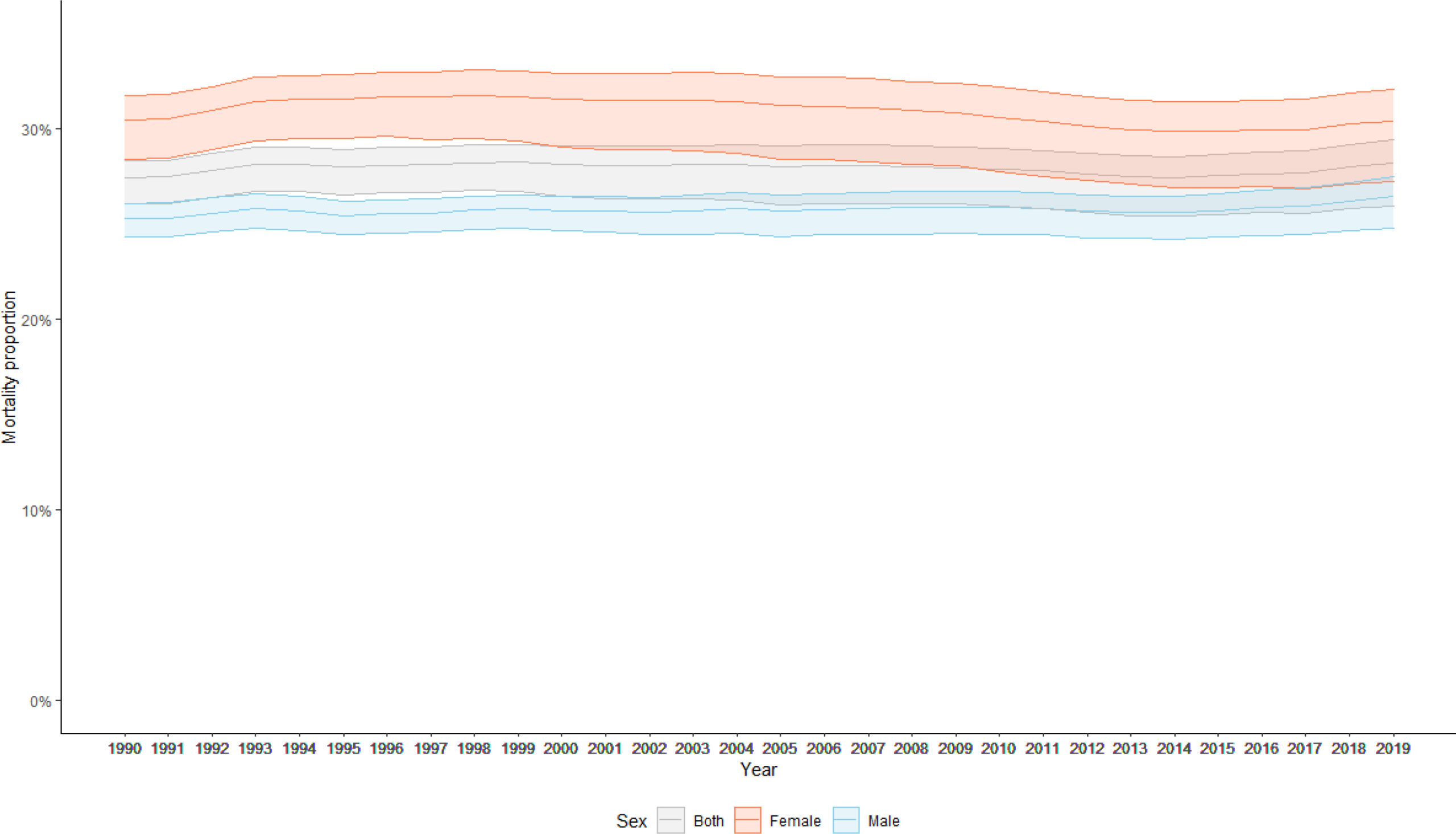
Myocardial infarction (MI) is the leading cause of death in Brazil nowadays. The MI mortality rate decreased between 1996 and 2019, in both sexes, especially among females, being more relevant in the state capitals than in the inner areas.

According to the Brazilian Unified Health System (SUS) Department of Information Technology (DATASUS), there were 142 982 hospital admissions for MI in 2018, with in-hospital mortality of 11%. In 2018, the DATASUS registered 10 811 primary angioplasties for MI, with in-hospital mortality of 6.3% and a mean length of hospital stay of 5.1 days. In 2018, the total amount reimbursed for coronary interventional procedures by the SUS was R$ 569 314 580 (Int$ 280 727 110), of which R$ 73 429 322 (13%) (Int$ 36 202 821) were for primary angioplasties.

[…]

  • Cardiovascular disease
  • Disability-Adjusted Life Years (DALY
  • Mortality
  • Myocardial Infarction
  • Myocardial Ischemia
  • Prevalence
Read Full Article
Creative Commons Attribution (CC BY) Creative Commons license
07/07/2021 DOI: 10.36660/ijcs.20210001 Views 2
Metabolic Syndrome and Risk of Cardiovascular Diseases in Female Breast Cancer Survivors
Original Article

Metabolic Syndrome and Risk of Cardiovascular Diseases in Female Breast Cancer Survivors

Leandro Marque da Silva et al. José Albuquerque de Figueiredo Neto

Abstract

Background

The implementation of intensive therapy protocols increases the probability of adverse events in patients with breast cancer (BC). Components of metabolic syndrome (MS) are among these events.

Objective

To verify the prevalence of MS and cardiovascular disease (CVD) risk in female BC survivors.

Materials and Methods

This is a descriptive, observational, cross-sectional study. Our sample comprised 60 women without BC (G1) and 60 women who had survived BC (G2). We collected sociodemographic, anthropometric, tumor, and clinical data. After variable analysis, the participants received positive or negative MS diagnoses and a 10-year CVD risk stratification. The significance level adopted for the analyses was 5% ( p < 0.05) and the confidence interval (CI) was 95%. For comparing categorical data, we used the chi-squared, Fisher’s exact, or G tests; for comparing continuous data, we used the parametric Student’s t-test and the non-parametric Mann-Whitney test.

Results

Both groups presented overweight and an increased waist-to-hip ratio. Weight, body mass index, abdominal circumference, hip circumference, and low-density cholesterol were variables that presented statistically significant differences between groups. MS was diagnosed in 32% of women in G1 and 45% of those in G2. Regarding the 10-year risk for CVD, most women were in the low-risk stratum: the mean total risk of CVD occurrences was 7.48% in G1 and 7.70% in G2.

Conclusion

We observed a higher prevalence of MS among women who survived BC, possibly due to overweight, as well as a low 10-year risk for CVD after cancer treatment. Although we did not observe a statistically significant difference, we suggest the adoption of a healthy lifestyle and rigorous control of cardiometabolic risk factors.

  • Breast Neoplasms
  • Heart Diseases
  • Metabolic Syndrome
Read Full Article
Creative Commons Attribution (CC BY) Creative Commons license
07/07/2021 DOI: 10.36660/ijcs.20200411 Views 1
Catheter Ablation in Neonate with Heart Failure Due to Incessant Atrioventricular Reentrant Tachycardia
Case Report

Catheter Ablation in Neonate with Heart Failure Due to Incessant Atrioventricular Reentrant Tachycardia

Sissy Lara de Melo et al. José Nilo de Carvalho Neto Nathalia Maria Segovia Monge Italo Bruno dos Santos Sousa … Cristiano Faria Pisani Mauricio Scanavacca

Abstract

The atrioventricular (AV) reentrant tachycardia (AVRT) is the most common cause of supraventricular tachycardia (SVT) in the young pediatric population. Some newborns might present with congestive heart failure and require interventional treatment. Catheter ablation in small infants (<6 months and <5 kg) is still poorly performed and controversial due to high complications rate in this group of patients.1 We report a case of a 28 days old infant (3,5 kg) with a drug-refractory left accessory pathway mediated tachycardia and severe hemodynamic compromise, who underwent catheter ablation. Radiofrequency ablation should be part of the therapeutic arsenal in a context of drug-resistant supraventricular tachycardia with hemodynamic compromise, despite the greater risks of complications in this special population.

  • Catheter Ablation
  • Heart Failure
  • Newborn
  • Supraventricular Tachycardia
Read Full Article
Creative Commons Attribution (CC BY) Creative Commons license
23/06/2021 DOI: 10.36660/ijcs.20200015 Views 1

Could not load more articles. Please try again.

How to cite this article

EndNote RIS

Electronic Document Format (Vancouver)

Pinto FJ. Gender Equity: Time to Act. International Journal of Cardiovascular Sciences 2021;34(4):340-1.

Electronic Document Format (ABNT)

Pinto, Fausto J.. Gender Equity: Time to Act. International Journal of Cardiovascular Sciences, v. 34, n. 4, p. 340-341, Aug. 2021.

Electronic Document Format (APA)

Pinto, F. J. (2021). Gender Equity: Time to Act. International Journal of Cardiovascular Sciences, 34(4), 340-341.

Electronic Document Format (ISO)

Pinto, Fausto J.. Gender Equity: Time to Act. International Journal of Cardiovascular Sciences [online]. 2021, vol. 34, n. 4, [cited 2026-10-14], pp. 340-341. Available from: <https://journals.cardiol.br/en/article/gender-equity-time-to-act/>. ISSN 2359-4802

EndNote RIS

Electronic Document Format (Vancouver)

Oliveira GMM, Mesquita CT. Heart Disease is the Leading Cause of Death for Women – We must Change the Status Quo. International Journal of Cardiovascular Sciences 2021;34(4):336-7.

Electronic Document Format (ABNT)

Oliveira, Gláucia Maria Moraes de; Mesquita, Claudio Tinoco. Heart Disease is the Leading Cause of Death for Women – We must Change the Status Quo. International Journal of Cardiovascular Sciences, v. 34, n. 4, p. 336-337, Aug. 2021.

Electronic Document Format (APA)

Oliveira, G. M. M. , & Mesquita, C. T. (2021). Heart Disease is the Leading Cause of Death for Women – We must Change the Status Quo. International Journal of Cardiovascular Sciences, 34(4), 336-337.

Electronic Document Format (ISO)

Oliveira, Gláucia Maria Moraes de and Mesquita, Claudio Tinoco. Heart Disease is the Leading Cause of Death for Women – We must Change the Status Quo. International Journal of Cardiovascular Sciences [online]. 2021, vol. 34, n. 4, [cited 2026-10-14], pp. 336-337. Available from: <https://journals.cardiol.br/en/article/heart-disease-is-the-leading-cause-of-death-for-women-we-must-change-the-status-quo/>. ISSN 2359-4802

EndNote RIS

Electronic Document Format (Vancouver)

Seabra D, Gavina C. Surgical Mortality in Infective Endocarditis: Is There a Gender Paradox?. International Journal of Cardiovascular Sciences 2021;34(4):356-7.

Electronic Document Format (ABNT)

Seabra, Daniel; Gavina, Cristina. Surgical Mortality in Infective Endocarditis: Is There a Gender Paradox?. International Journal of Cardiovascular Sciences, v. 34, n. 4, p. 356-357, Aug. 2021.

Electronic Document Format (APA)

Seabra, D., & Gavina, C. (2021). Surgical Mortality in Infective Endocarditis: Is There a Gender Paradox?. International Journal of Cardiovascular Sciences, 34(4), 356-357.

Electronic Document Format (ISO)

Seabra, Daniel and Gavina, Cristina. Surgical Mortality in Infective Endocarditis: Is There a Gender Paradox?. International Journal of Cardiovascular Sciences [online]. 2021, vol. 34, n. 4, [cited 2026-10-14], pp. 356-357. Available from: <https://journals.cardiol.br/en/article/surgical-mortality-in-infective-endocarditis-is-there-a-gender-paradox/>. ISSN 2359-4802

EndNote RIS

Electronic Document Format (Vancouver)

Mehran R, Vogel B. Women and Cardiac Disease: A Special Issue. International Journal of Cardiovascular Sciences 2021;34(4):338-9.

Electronic Document Format (ABNT)

Mehran, Roxana; Vogel, Birgit. Women and Cardiac Disease: A Special Issue. International Journal of Cardiovascular Sciences, v. 34, n. 4, p. 338-339, Aug. 2021.

Electronic Document Format (APA)

Mehran, R., & Vogel, B. (2021). Women and Cardiac Disease: A Special Issue. International Journal of Cardiovascular Sciences, 34(4), 338-339.

Electronic Document Format (ISO)

Mehran, Roxana and Vogel, Birgit. Women and Cardiac Disease: A Special Issue. International Journal of Cardiovascular Sciences [online]. 2021, vol. 34, n. 4, [cited 2026-10-14], pp. 338-339. Available from: <https://journals.cardiol.br/en/article/women-and-cardiac-disease-a-special-issue/>. ISSN 2359-4802

EndNote RIS

Electronic Document Format (Vancouver)

Muxfeldt ES. Blood Pressure Control and Therapeutic Adherence – The Challenges of Hypertension. International Journal of Cardiovascular Sciences 2021;34(4):409-10.

Electronic Document Format (ABNT)

Muxfeldt, Elizabeth Silaid. Blood Pressure Control and Therapeutic Adherence – The Challenges of Hypertension. International Journal of Cardiovascular Sciences, v. 34, n. 4, p. 409-410, Jul. 2021.

Electronic Document Format (APA)

Muxfeldt, E. S. (2021). Blood Pressure Control and Therapeutic Adherence – The Challenges of Hypertension. International Journal of Cardiovascular Sciences, 34(4), 409-410.

Electronic Document Format (ISO)

Muxfeldt, Elizabeth Silaid. Blood Pressure Control and Therapeutic Adherence – The Challenges of Hypertension. International Journal of Cardiovascular Sciences [online]. 2021, vol. 34, n. 4, [cited 2026-10-14], pp. 409-410. Available from: <https://journals.cardiol.br/en/article/blood-pressure-control-and-therapeutic-adherence-the-challenges-of-hypertension/>. ISSN 2359-4802

EndNote RIS

Electronic Document Format (Vancouver)

Souza KP, Scaramello CBV. REBECGA Registry: A Multicenter Study for the Reduction of Maternal Mortality Due to Heart Diseases Manifested During Pregnancy. International Journal of Cardiovascular Sciences 2021;34(4):459-60.

Electronic Document Format (ABNT)

Souza, Karyne Pollo de; Scaramello, Christianne Brêtas Vieira. REBECGA Registry: A Multicenter Study for the Reduction of Maternal Mortality Due to Heart Diseases Manifested During Pregnancy. International Journal of Cardiovascular Sciences, v. 34, n. 4, p. 459-460, Jul. 2021.

Electronic Document Format (APA)

Souza, K. P. , & Scaramello, C. B. V. (2021). REBECGA Registry: A Multicenter Study for the Reduction of Maternal Mortality Due to Heart Diseases Manifested During Pregnancy. International Journal of Cardiovascular Sciences, 34(4), 459-460.

Electronic Document Format (ISO)

Souza, Karyne Pollo de and Scaramello, Christianne Brêtas Vieira. REBECGA Registry: A Multicenter Study for the Reduction of Maternal Mortality Due to Heart Diseases Manifested During Pregnancy. International Journal of Cardiovascular Sciences [online]. 2021, vol. 34, n. 4, [cited 2026-10-14], pp. 459-460. Available from: <https://journals.cardiol.br/en/article/rebecga-registry-a-multicenter-study-for-the-reduction-of-maternal-mortality-due-to-heart-diseases-manifested-during-pregnancy/>. ISSN 2359-4802

EndNote RIS

Electronic Document Format (Vancouver)

Sousa C. Climacteric Period and Cardiovascular risk: a Golden Opportunity to Watch and Succeed!. International Journal of Cardiovascular Sciences 2021;34(4):398-9.

Electronic Document Format (ABNT)

Sousa, Catarina. Climacteric Period and Cardiovascular risk: a Golden Opportunity to Watch and Succeed!. International Journal of Cardiovascular Sciences, v. 34, n. 4, p. 398-399, Jul. 2021.

Electronic Document Format (APA)

Sousa, C. (2021). Climacteric Period and Cardiovascular risk: a Golden Opportunity to Watch and Succeed!. International Journal of Cardiovascular Sciences, 34(4), 398-399.

Electronic Document Format (ISO)

Sousa, Catarina. Climacteric Period and Cardiovascular risk: a Golden Opportunity to Watch and Succeed!. International Journal of Cardiovascular Sciences [online]. 2021, vol. 34, n. 4, [cited 2026-10-14], pp. 398-399. Available from: <https://journals.cardiol.br/en/article/climacteric-period-and-cardiovascular-risk-a-golden-opportunity-to-watch-and-succeed/>. ISSN 2359-4802

EndNote RIS

Electronic Document Format (Vancouver)

Parapid B, Bond RM. COVID-19: An Insult to Injury on Equity. International Journal of Cardiovascular Sciences 2021;34(4):342-3.

Electronic Document Format (ABNT)

Parapid, Biljana; Bond, Rachel M.. COVID-19: An Insult to Injury on Equity. International Journal of Cardiovascular Sciences, v. 34, n. 4, p. 342-343, Jul. 2021.

Electronic Document Format (APA)

Parapid, B., & Bond, R. M. (2021). COVID-19: An Insult to Injury on Equity. International Journal of Cardiovascular Sciences, 34(4), 342-343.

Electronic Document Format (ISO)

Parapid, Biljana and Bond, Rachel M.. COVID-19: An Insult to Injury on Equity. International Journal of Cardiovascular Sciences [online]. 2021, vol. 34, n. 4, [cited 2026-10-14], pp. 342-343. Available from: <https://journals.cardiol.br/en/article/covid-19-an-insult-to-injury-on-equity/>. ISSN 2359-4802

EndNote RIS

Electronic Document Format (Vancouver)

Chaves JVCS, Pinto KLS, Sousa KM, Soares LO, Cordeiro ALL. Cardiovascular Risk Factors, Functionality, and Quality of Life in Climacteric Women. International Journal of Cardiovascular Sciences 2021;34(4):393-7.

Electronic Document Format (ABNT)

Chaves, João Vítor Costa dos Santos; Pinto, Keila Lindineia Silva; Sousa, Kleicillainy Mota de; Soares, Lucas Oliveira; Cordeiro, André Luiz Lisboa. Cardiovascular Risk Factors, Functionality, and Quality of Life in Climacteric Women. International Journal of Cardiovascular Sciences, v. 34, n. 4, p. 393-397, Jul. 2021.

Electronic Document Format (APA)

Chaves, J. V. C. S., Pinto, K. L. S., Sousa, K. M. , Soares, L. O., & Cordeiro, A. L. L. (2021). Cardiovascular Risk Factors, Functionality, and Quality of Life in Climacteric Women. International Journal of Cardiovascular Sciences, 34(4), 393-397.

Electronic Document Format (ISO)

Chaves, João Vítor Costa dos Santos and Pinto, Keila Lindineia Silva and Sousa, Kleicillainy Mota de and Soares, Lucas Oliveira and Cordeiro, André Luiz Lisboa. Cardiovascular Risk Factors, Functionality, and Quality of Life in Climacteric Women. International Journal of Cardiovascular Sciences [online]. 2021, vol. 34, n. 4, [cited 2026-10-14], pp. 393-397. Available from: <https://journals.cardiol.br/en/article/cardiovascular-risk-factors-functionality-and-quality-of-life-in-climacteric-women/>. ISSN 2359-4802

EndNote RIS

Electronic Document Format (Vancouver)

Oliveira B, Aranha LN, Olivares PSG, Negrão TGR, Rosa G, Oliveira GMM. Vegetarian Diets and Cardiovascular Risk in Women. International Journal of Cardiovascular Sciences 2021;34(4):461-70.

Electronic Document Format (ABNT)

Oliveira, Bianca; Aranha, Luciana Nicolau; Olivares, Priscila dos Santos Gomes; Negrão, Tamira Guilherme Rocha; Rosa, Glorimar; Oliveira, Gláucia Maria Moraes de. Vegetarian Diets and Cardiovascular Risk in Women. International Journal of Cardiovascular Sciences, v. 34, n. 4, p. 461-470, Jul. 2021.

Electronic Document Format (APA)

Oliveira, B., Aranha, L. N., Olivares, P. S. G., Negrão, T. G. R., Rosa, G., & Oliveira, G. M. M. (2021). Vegetarian Diets and Cardiovascular Risk in Women. International Journal of Cardiovascular Sciences, 34(4), 461-470.

Electronic Document Format (ISO)

Oliveira, Bianca and Aranha, Luciana Nicolau and Olivares, Priscila dos Santos Gomes and Negrão, Tamira Guilherme Rocha and Rosa, Glorimar and Oliveira, Gláucia Maria Moraes de. Vegetarian Diets and Cardiovascular Risk in Women. International Journal of Cardiovascular Sciences [online]. 2021, vol. 34, n. 4, [cited 2026-10-14], pp. 461-470. Available from: <https://journals.cardiol.br/en/article/vegetarian-diets-and-cardiovascular-risk-in-women/>. ISSN 2359-4802

EndNote RIS

Electronic Document Format (Vancouver)

Avila WS, Rivera MAM, Marques-Santos C, Rivera IR, Costa MENC, Lucena AJG, Freire CMV, et al. The REBECGA Brazilian Registry of Pregnancy and Heart Disease: Rationale and Design. International Journal of Cardiovascular Sciences 2021;34(4):452-8.

Electronic Document Format (ABNT)

Avila, Walkiria Samuel; Rivera, Maria Alayde Mendonça; Marques-Santos, Celi; Rivera, Ivan Romero; Costa, Maria Elizabeth Navegantes Caetano; Lucena, Alexandre Jorge Gomes de; Freire, Claudia Maria Vilas; Carvalho, Regina Coeli Marques de; Born, Daniel; Campanharo, Felipe Favorette; Silva, Fabio Bruno. The REBECGA Brazilian Registry of Pregnancy and Heart Disease: Rationale and Design. International Journal of Cardiovascular Sciences, v. 34, n. 4, p. 452-458, Jul. 2021.

Electronic Document Format (APA)

Avila, W. S., Rivera, M. A. M., Marques-Santos, C., Rivera, I. R., Costa, M. E. N. C., Lucena, A. J. G. , Freire, C. M. V., Carvalho, R. C. M. , Born, D., Campanharo, F. F., & Silva, F. B. (2021). The REBECGA Brazilian Registry of Pregnancy and Heart Disease: Rationale and Design. International Journal of Cardiovascular Sciences, 34(4), 452-458.

Electronic Document Format (ISO)

Avila, Walkiria Samuel and Rivera, Maria Alayde Mendonça and Marques-Santos, Celi and Rivera, Ivan Romero and Costa, Maria Elizabeth Navegantes Caetano and Lucena, Alexandre Jorge Gomes de and Freire, Claudia Maria Vilas and Carvalho, Regina Coeli Marques de and Born, Daniel and Campanharo, Felipe Favorette and Silva, Fabio Bruno. The REBECGA Brazilian Registry of Pregnancy and Heart Disease: Rationale and Design. International Journal of Cardiovascular Sciences [online]. 2021, vol. 34, n. 4, [cited 2026-10-14], pp. 452-458. Available from: <https://journals.cardiol.br/en/article/the-rebecga-brazilian-registry-of-pregnancy-and-heart-disease-rationale-and-design/>. ISSN 2359-4802

EndNote RIS

Electronic Document Format (Vancouver)

Malta DC, Brant LCC. Cardiovascular Risk in Women from a Quilombo Settlement: The Effect of Aggregated Vulnerabilities. International Journal of Cardiovascular Sciences 2021;34(4):369-71.

Electronic Document Format (ABNT)

Malta, Deborah Carvalho; Brant, Luisa Campos Caldeira. Cardiovascular Risk in Women from a Quilombo Settlement: The Effect of Aggregated Vulnerabilities. International Journal of Cardiovascular Sciences, v. 34, n. 4, p. 369-371, Jul. 2021.

Electronic Document Format (APA)

Malta, D. C., & Brant, L. C. C. (2021). Cardiovascular Risk in Women from a Quilombo Settlement: The Effect of Aggregated Vulnerabilities. International Journal of Cardiovascular Sciences, 34(4), 369-371.

Electronic Document Format (ISO)

Malta, Deborah Carvalho and Brant, Luisa Campos Caldeira. Cardiovascular Risk in Women from a Quilombo Settlement: The Effect of Aggregated Vulnerabilities. International Journal of Cardiovascular Sciences [online]. 2021, vol. 34, n. 4, [cited 2026-10-14], pp. 369-371. Available from: <https://journals.cardiol.br/en/article/cardiovascular-risk-in-women-from-a-quilombo-settlement-the-effect-of-aggregated-vulnerabilities/>. ISSN 2359-4802

EndNote RIS

Electronic Document Format (Vancouver)

Sousa C, Nogueira PJ, Pinto FJ. Gender Based Analysis of a Population Series of Patients Hospitalized with Infective Endocarditis in Portugal – How do Women and Men Compare?. International Journal of Cardiovascular Sciences 2021;34(4):347-55.

Electronic Document Format (ABNT)

Sousa, Catarina; Nogueira, Paulo Jorge; Pinto, Fausto J.. Gender Based Analysis of a Population Series of Patients Hospitalized with Infective Endocarditis in Portugal – How do Women and Men Compare?. International Journal of Cardiovascular Sciences, v. 34, n. 4, p. 347-355, Jul. 2021.

Electronic Document Format (APA)

Sousa, C., Nogueira, P. J., & Pinto, F. J. (2021). Gender Based Analysis of a Population Series of Patients Hospitalized with Infective Endocarditis in Portugal – How do Women and Men Compare?. International Journal of Cardiovascular Sciences, 34(4), 347-355.

Electronic Document Format (ISO)

Sousa, Catarina and Nogueira, Paulo Jorge and Pinto, Fausto J.. Gender Based Analysis of a Population Series of Patients Hospitalized with Infective Endocarditis in Portugal – How do Women and Men Compare?. International Journal of Cardiovascular Sciences [online]. 2021, vol. 34, n. 4, [cited 2026-10-14], pp. 347-355. Available from: <https://journals.cardiol.br/en/article/gender-based-analysis-of-a-population-series-of-patients-hospitalized-with-infective-endocarditis-in-portugal-how-do-women-and-men-compare/>. ISSN 2359-4802

EndNote RIS

Electronic Document Format (Vancouver)

Cavalcante AL, Ferreira HS. Accuracy of the Simplified Version of the Global Risk Score in Detecting Cardiovascular Risk in Women from Quilombola Communities in the State of Alagoas, Brazil. International Journal of Cardiovascular Sciences 2021;34(4):358-6.

Electronic Document Format (ABNT)

Cavalcante, Andressa Lima; Ferreira, Haroldo da Silva. Accuracy of the Simplified Version of the Global Risk Score in Detecting Cardiovascular Risk in Women from Quilombola Communities in the State of Alagoas, Brazil. International Journal of Cardiovascular Sciences, v. 34, n. 4, p. 358-368, Jul. 2021.

Electronic Document Format (APA)

Cavalcante, A. L., & Ferreira, H. S. (2021). Accuracy of the Simplified Version of the Global Risk Score in Detecting Cardiovascular Risk in Women from Quilombola Communities in the State of Alagoas, Brazil. International Journal of Cardiovascular Sciences, 34(4), 358-368.

Electronic Document Format (ISO)

Cavalcante, Andressa Lima and Ferreira, Haroldo da Silva. Accuracy of the Simplified Version of the Global Risk Score in Detecting Cardiovascular Risk in Women from Quilombola Communities in the State of Alagoas, Brazil. International Journal of Cardiovascular Sciences [online]. 2021, vol. 34, n. 4, [cited 2026-10-14], pp. 358-368. Available from: <https://journals.cardiol.br/en/article/accuracy-of-the-simplified-version-of-the-global-risk-score-in-detecting-cardiovascular-risk-in-women-from-quilombola-communities-in-the-state-of-alagoas-brazil/>. ISSN 2359-4802

EndNote RIS

Electronic Document Format (Vancouver)

Marques-Santos C, Oliveira GMM. Are Women the Fragile Sex? Or are They the Singular Sex?. International Journal of Cardiovascular Sciences 2021;34(4):344-6.

Electronic Document Format (ABNT)

Marques-Santos, Celi; Oliveira, Gláucia Maria Moraes de. Are Women the Fragile Sex? Or are They the Singular Sex?. International Journal of Cardiovascular Sciences, v. 34, n. 4, p. 344-346, Jul. 2021.

Electronic Document Format (APA)

Marques-Santos, C., & Oliveira, G. M. M. (2021). Are Women the Fragile Sex? Or are They the Singular Sex?. International Journal of Cardiovascular Sciences, 34(4), 344-346.

Electronic Document Format (ISO)

Marques-Santos, Celi and Oliveira, Gláucia Maria Moraes de. Are Women the Fragile Sex? Or are They the Singular Sex?. International Journal of Cardiovascular Sciences [online]. 2021, vol. 34, n. 4, [cited 2026-10-14], pp. 344-346. Available from: <https://journals.cardiol.br/en/article/are-women-the-fragile-sex-or-are-they-the-singular-sex/>. ISSN 2359-4802

EndNote RIS

Electronic Document Format (Vancouver)

Coutinho RQ, Montarroyos UR, Barros IML, Guimarães MJB, Leão APD, Costa LOBF, Medeiros AKL, et al. Exercise Testing, Family History, and Subclinical Atherosclerosis Markers for Cardiovascular Risk Reclassification in Middle-Aged Women. International Journal of Cardiovascular Sciences 2021;34(4):383-92.

Electronic Document Format (ABNT)

Coutinho, Ricardo Quental; Montarroyos, Ulisses Ramos; Barros, Isly Maria Lucena de; Guimarães, Maria José Bezerra; Leão, Ana Paula Dornelas; Costa, Laura Olinda Bregieiro Fernandes; Medeiros, Ana Kelley de Lima; Monteiro, Maria de Fátima; Ferreira, Moacir de Novaes Lima; Chalela, William Azem; Pedrosa, Rodrigo Pinto. Exercise Testing, Family History, and Subclinical Atherosclerosis Markers for Cardiovascular Risk Reclassification in Middle-Aged Women. International Journal of Cardiovascular Sciences, v. 34, n. 4, p. 383-392, Jul. 2021.

Electronic Document Format (APA)

Coutinho, R. Q., Montarroyos, U. R., Barros, I. M. L. , Guimarães, M. J. B., Leão, A. P. D., Costa, L. O. B. F., Medeiros, A. K. L., Monteiro, M. F., Ferreira, M. N. L., Chalela, W. A., & Pedrosa, R. P. (2021). Exercise Testing, Family History, and Subclinical Atherosclerosis Markers for Cardiovascular Risk Reclassification in Middle-Aged Women. International Journal of Cardiovascular Sciences, 34(4), 383-392.

Electronic Document Format (ISO)

Coutinho, Ricardo Quental and Montarroyos, Ulisses Ramos and Barros, Isly Maria Lucena de and Guimarães, Maria José Bezerra and Leão, Ana Paula Dornelas and Costa, Laura Olinda Bregieiro Fernandes and Medeiros, Ana Kelley de Lima and Monteiro, Maria de Fátima and Ferreira, Moacir de Novaes Lima and Chalela, William Azem and Pedrosa, Rodrigo Pinto. Exercise Testing, Family History, and Subclinical Atherosclerosis Markers for Cardiovascular Risk Reclassification in Middle-Aged Women. International Journal of Cardiovascular Sciences [online]. 2021, vol. 34, n. 4, [cited 2026-10-14], pp. 383-392. Available from: <https://journals.cardiol.br/en/article/exercise-testing-family-history-and-subclinical-atherosclerosis-markers-for-cardiovascular-risk-reclassification-in-middle-aged-women/>. ISSN 2359-4802

EndNote RIS

Electronic Document Format (Vancouver)

Gazzilli M. How the Gender Gap Affects the Incidence and Prognosis of Cardiovascular Disease. International Journal of Cardiovascular Sciences 2021;34(4):484-5.

Electronic Document Format (ABNT)

Gazzilli, Maria. How the Gender Gap Affects the Incidence and Prognosis of Cardiovascular Disease. International Journal of Cardiovascular Sciences, v. 34, n. 4, p. 484-485, Jul. 2021.

Electronic Document Format (APA)

Gazzilli, M. (2021). How the Gender Gap Affects the Incidence and Prognosis of Cardiovascular Disease. International Journal of Cardiovascular Sciences, 34(4), 484-485.

Electronic Document Format (ISO)

Gazzilli, Maria. How the Gender Gap Affects the Incidence and Prognosis of Cardiovascular Disease. International Journal of Cardiovascular Sciences [online]. 2021, vol. 34, n. 4, [cited 2026-10-14], pp. 484-485. Available from: <https://journals.cardiol.br/en/article/how-the-gender-gap-affects-the-incidence-and-prognosis-of-cardiovascular-disease/>. ISSN 2359-4802

EndNote RIS

Electronic Document Format (Vancouver)

Lindner IA, Oliveira PS, Bacca COF, Matsuda JB, Rocha FR, Visentainer J, Bacca LE, et al. Early Use of Handgrip Exercise Associated with Dobutamine Stress Echocardiography in Women. International Journal of Cardiovascular Sciences 2021;34(4):443-51.

Electronic Document Format (ABNT)

Lindner, Isabela de Andrade; Oliveira, Patricia Sens de; Bacca, Caroline de Oliveira Fischer; Matsuda, Josie Budag; Rocha, Franciani Rodrigues da; Visentainer, Jeancarlo; Bacca, Luiz Eduardo. Early Use of Handgrip Exercise Associated with Dobutamine Stress Echocardiography in Women. International Journal of Cardiovascular Sciences, v. 34, n. 4, p. 443-451, Jul. 2021.

Electronic Document Format (APA)

Lindner, I. A., Oliveira, P. S. , Bacca, C. O. F., Matsuda, J. B., Rocha, F. R. , Visentainer, J., & Bacca, L. E. (2021). Early Use of Handgrip Exercise Associated with Dobutamine Stress Echocardiography in Women. International Journal of Cardiovascular Sciences, 34(4), 443-451.

Electronic Document Format (ISO)

Lindner, Isabela de Andrade and Oliveira, Patricia Sens de and Bacca, Caroline de Oliveira Fischer and Matsuda, Josie Budag and Rocha, Franciani Rodrigues da and Visentainer, Jeancarlo and Bacca, Luiz Eduardo. Early Use of Handgrip Exercise Associated with Dobutamine Stress Echocardiography in Women. International Journal of Cardiovascular Sciences [online]. 2021, vol. 34, n. 4, [cited 2026-10-14], pp. 443-451. Available from: <https://journals.cardiol.br/en/article/early-use-of-handgrip-exercise-associated-with-dobutamine-stress-echocardiography-in-women/>. ISSN 2359-4802

EndNote RIS

Electronic Document Format (Vancouver)

Lanz-Luces JR, Costa FA, Guzman LFE, Gagliardi ART, Lanz-Luces JA, Lanz-Souquett JD, Costa LMA, et al. DD Genotype and Atherosclerosis in Overweight Menopausal Women. International Journal of Cardiovascular Sciences 2021;34(4):411-9.

Electronic Document Format (ABNT)

Lanz-Luces, José Ramón; Costa, Fernando Alves; Guzman, Luis Fernando Escobar; Gagliardi, Antonio Ricardo de Toledo; Lanz-Luces, José Antonio; Lanz-Souquett, José Daniel; Costa, Leandro Menezes Alves da. DD Genotype and Atherosclerosis in Overweight Menopausal Women. International Journal of Cardiovascular Sciences, v. 34, n. 4, p. 411-419, Jul. 2021.

Electronic Document Format (APA)

Lanz-Luces, J. R., Costa, F. A., Guzman, L. F. E., Gagliardi, A. R. T., Lanz-Luces, J. A., Lanz-Souquett, J. D., & Costa, L. M. A. (2021). DD Genotype and Atherosclerosis in Overweight Menopausal Women. International Journal of Cardiovascular Sciences, 34(4), 411-419.

Electronic Document Format (ISO)

Lanz-Luces, José Ramón and Costa, Fernando Alves and Guzman, Luis Fernando Escobar and Gagliardi, Antonio Ricardo de Toledo and Lanz-Luces, José Antonio and Lanz-Souquett, José Daniel and Costa, Leandro Menezes Alves da. DD Genotype and Atherosclerosis in Overweight Menopausal Women. International Journal of Cardiovascular Sciences [online]. 2021, vol. 34, n. 4, [cited 2026-10-14], pp. 411-419. Available from: <https://journals.cardiol.br/en/article/dd-genotype-and-atherosclerosis-in-overweight-menopausal-women/>. ISSN 2359-4802

EndNote RIS

Electronic Document Format (Vancouver)

Barletta PH, Magalhães EFS, Almeida VF, Moreira JL, Silva MJ, Macedo C, Aras R, et al. Clinical Characteristics and Therapeutic Adherence of Women in a Referral Outpatient Clinic for Severe Hypertension. International Journal of Cardiovascular Sciences 2021;34(4):400-8.

Electronic Document Format (ABNT)

Barletta, Pedro Henrique; Magalhães, Eduardo Faria Soares de; Almeida, Vitor Fernandes de; Moreira, Júlia Lasserre; Silva, Murilo Jorge da; Macedo, Cristiano; Aras, Roque. Clinical Characteristics and Therapeutic Adherence of Women in a Referral Outpatient Clinic for Severe Hypertension. International Journal of Cardiovascular Sciences, v. 34, n. 4, p. 400-408, Jul. 2021.

Electronic Document Format (APA)

Barletta, P. H., Magalhães, E. F. S. , Almeida, V. F. , Moreira, J. L., Silva, M. J. , Macedo, C., & Aras, R. (2021). Clinical Characteristics and Therapeutic Adherence of Women in a Referral Outpatient Clinic for Severe Hypertension. International Journal of Cardiovascular Sciences, 34(4), 400-408.

Electronic Document Format (ISO)

Barletta, Pedro Henrique and Magalhães, Eduardo Faria Soares de and Almeida, Vitor Fernandes de and Moreira, Júlia Lasserre and Silva, Murilo Jorge da and Macedo, Cristiano and Aras, Roque. Clinical Characteristics and Therapeutic Adherence of Women in a Referral Outpatient Clinic for Severe Hypertension. International Journal of Cardiovascular Sciences [online]. 2021, vol. 34, n. 4, [cited 2026-10-14], pp. 400-408. Available from: <https://journals.cardiol.br/en/article/clinical-characteristics-and-therapeutic-adherence-of-women-in-a-referral-outpatient-clinic-for-severe-hypertension/>. ISSN 2359-4802

EndNote RIS

Electronic Document Format (Vancouver)

Moreira JL, Barletta PHAAS, Baucia JA. Women Undergoing Mitral Valve Replacement: A Retrospective Analysis. International Journal of Cardiovascular Sciences 2021;34(4):431-42.

Electronic Document Format (ABNT)

Moreira, Júlia Lasserre; Barletta, Pedro Henrique Andrade Araújo Salvatore; Baucia, José Augusto. Women Undergoing Mitral Valve Replacement: A Retrospective Analysis. International Journal of Cardiovascular Sciences, v. 34, n. 4, p. 431-442, Jul. 2021.

Electronic Document Format (APA)

Moreira, J. L., Barletta, P. H. A. A. S., & Baucia, J. A. (2021). Women Undergoing Mitral Valve Replacement: A Retrospective Analysis. International Journal of Cardiovascular Sciences, 34(4), 431-442.

Electronic Document Format (ISO)

Moreira, Júlia Lasserre and Barletta, Pedro Henrique Andrade Araújo Salvatore and Baucia, José Augusto. Women Undergoing Mitral Valve Replacement: A Retrospective Analysis. International Journal of Cardiovascular Sciences [online]. 2021, vol. 34, n. 4, [cited 2026-10-14], pp. 431-442. Available from: <https://journals.cardiol.br/en/article/women-undergoing-mitral-valve-replacement-a-retrospective-analysis/>. ISSN 2359-4802

EndNote RIS

Electronic Document Format (Vancouver)

Ferreira MCM, Oliveira MV, Paiva MSM, Lemke V, Mangione F, Oliveira GMM. Closing the Gender Gap in Ischemic Heart Diseases and Myocardial Infarction. International Journal of Cardiovascular Sciences 2021;34(4):471-83.

Electronic Document Format (ABNT)

Ferreira, Maria Cristina Meira; Oliveira, Mayara Viana de; Paiva, Maria Sanali Moura; Lemke, Viviana; Mangione, Fernanda; Oliveira, Gláucia Maria Moraes de. Closing the Gender Gap in Ischemic Heart Diseases and Myocardial Infarction. International Journal of Cardiovascular Sciences, v. 34, n. 4, p. 471-483, Jul. 2021.

Electronic Document Format (APA)

Ferreira, M. C. M., Oliveira, M. V. , Paiva, M. S. M., Lemke, V., Mangione, F., & Oliveira, G. M. M. (2021). Closing the Gender Gap in Ischemic Heart Diseases and Myocardial Infarction. International Journal of Cardiovascular Sciences, 34(4), 471-483.

Electronic Document Format (ISO)

Ferreira, Maria Cristina Meira and Oliveira, Mayara Viana de and Paiva, Maria Sanali Moura and Lemke, Viviana and Mangione, Fernanda and Oliveira, Gláucia Maria Moraes de. Closing the Gender Gap in Ischemic Heart Diseases and Myocardial Infarction. International Journal of Cardiovascular Sciences [online]. 2021, vol. 34, n. 4, [cited 2026-10-14], pp. 471-483. Available from: <https://journals.cardiol.br/en/article/closing-the-gender-gap-in-ischemic-heart-diseases-and-myocardial-infarction/>. ISSN 2359-4802

EndNote RIS

Electronic Document Format (Vancouver)

Silva LM, Figueiredo Neto JA. Metabolic Syndrome and Risk of Cardiovascular Diseases in Female Breast Cancer Survivors. International Journal of Cardiovascular Sciences 2021;34(4):420-3.

Electronic Document Format (ABNT)

Silva, Leandro Marque da; Figueiredo Neto, José Albuquerque de. Metabolic Syndrome and Risk of Cardiovascular Diseases in Female Breast Cancer Survivors. International Journal of Cardiovascular Sciences, v. 34, n. 4, p. 420-430, Jul. 2021.

Electronic Document Format (APA)

Silva, L. M. , & Figueiredo Neto, J. A. (2021). Metabolic Syndrome and Risk of Cardiovascular Diseases in Female Breast Cancer Survivors. International Journal of Cardiovascular Sciences, 34(4), 420-430.

Electronic Document Format (ISO)

Silva, Leandro Marque da and Figueiredo Neto, José Albuquerque de. Metabolic Syndrome and Risk of Cardiovascular Diseases in Female Breast Cancer Survivors. International Journal of Cardiovascular Sciences [online]. 2021, vol. 34, n. 4, [cited 2026-10-14], pp. 420-430. Available from: <https://journals.cardiol.br/en/article/metabolic-syndrome-and-risk-of-cardiovascular-diseases-in-female-breast-cancer-survivors/>. ISSN 2359-4802

EndNote RIS

Electronic Document Format (Vancouver)

Melo SL, Carvalho Neto JN, Monge NMS, Sousa IBS, Pisani CF, Scanavacca M. Catheter Ablation in Neonate with Heart Failure Due to Incessant Atrioventricular Reentrant Tachycardia. International Journal of Cardiovascular Sciences 2021;34(4):490-3.

Electronic Document Format (ABNT)

Melo, Sissy Lara de; Carvalho Neto, José Nilo de; Monge, Nathalia Maria Segovia; Sousa, Italo Bruno dos Santos; Pisani, Cristiano Faria; Scanavacca, Mauricio. Catheter Ablation in Neonate with Heart Failure Due to Incessant Atrioventricular Reentrant Tachycardia. International Journal of Cardiovascular Sciences, v. 34, n. 4, p. 490-493, Jun. 2021.

Electronic Document Format (APA)

Melo, S. L. , Carvalho Neto, J. N. , Monge, N. M. S., Sousa, I. B. S., Pisani, C. F., & Scanavacca, M. (2021). Catheter Ablation in Neonate with Heart Failure Due to Incessant Atrioventricular Reentrant Tachycardia. International Journal of Cardiovascular Sciences, 34(4), 490-493.

Electronic Document Format (ISO)

Melo, Sissy Lara de and Carvalho Neto, José Nilo de and Monge, Nathalia Maria Segovia and Sousa, Italo Bruno dos Santos and Pisani, Cristiano Faria and Scanavacca, Mauricio. Catheter Ablation in Neonate with Heart Failure Due to Incessant Atrioventricular Reentrant Tachycardia. International Journal of Cardiovascular Sciences [online]. 2021, vol. 34, n. 4, [cited 2026-10-14], pp. 490-493. Available from: <https://journals.cardiol.br/en/article/catheter-ablation-in-neonate-with-heart-failure-due-to-incessant-atrioventricular-reentrant-tachycardia/>. ISSN 2359-4802

Sede – Rio de Janeiro
Av. Marechal Câmara, 160
3º andar – Sala: 330 – Centro
Rio de Janeiro – CEP: 20020-907
Tel.: (55 +21) 3478-2700
ou (21) 99386-3961
E-mail: revista@cardiol.br

Sede – São Paulo
Alameda Santos, 705 – 11º andar
Cerqueira César | São Paulo
CEP: 01419-001
Tel.: (55 +11) 3411-5500
E-mail: revista@cardiol.br

  • About the Journal
  • Internal Regulation
  • Editors Section
  • Editorial Board
  • SBC Award

  • Guidelines for Publication
  • Editorial Policy
  • Ethics Policy
  • Policy on the Use of Artificial Intelligence
  • Mandatory Publication Form
  • Publication Fee

Issues

SBC Guidelines

  • How to Publish an Abstract Supplement?
  • Published Supplements