

ABC Family Arquivos Brasileiros de Cardiologia International Journal of Cardiovascular Sciences ABC Heart Failure & Cardiomyopathy ABC Imagem Cardiovascular
Português English
ABC Family
Português English
  • About
    • About ABC Family
    • Internal Regulation
    • Editorial Board
    • Brazilian Society of Cardiology (SBC)
  • Issues
  • SBC Guidelines
  • Content
    • Videos
    • Podcasts
    • News
  • About
    • About ABC Family
    • Internal Regulation
    • Editorial Board
    • Brazilian Society of Cardiology (SBC)
  • Issues
  • SBC Guidelines
  • Content
    • Videos
    • Podcasts
    • News

ABC Family

  • ABC Family
  • Arquivos Brasileiros de Cardiologia
  • International Journal of Cardiovascular Sciences
  • ABC Heart Failure & Cardiomyopathy
  • ABC Imagem Cardiovascular
Search in

No content found.

Journals
Ordering
Article types
Others

  1. Home
  2. Keyword: ischemic heart disease
ABC
Editorial

Ischemic Heart Disease and Income Level – A Thinking on Social and Structural Determinants

Otávio Azevedo Bertoletti

Social and structural determinants of health have gained prominence regarding their influence on the cardiovascular health of the population. In recent publications, the American Heart Association has directed its attention to inequalities in healthcare, mediated by social (such as income, education, safety, place of residence, and neighborhood) and structural determinants (access to healthcare, basic sanitation, clean air, healthy environment), and its deleterious impacts on cardiovascular health.– It discusses how to implement actions with the potential to eliminate these inequalities in health care that adversely affect the cardiovascular health of marginalized populations. In addition, it addresses strategies to achieve cardiovascular health for all in an equitable way, with a focus on increasing the average population longevity, given that cardiovascular diseases continue to be the main cause of death worldwide, including in Brazil, led by ischemic heart disease..

In this direction, the cross-sectional study by Cerci et al. contributes to the analysis of whether a public environment conducive to walking (walkability) in the neighborhood mediates the potential relationship between income level and ischemic heart disease (IHD) of residents of a city with 1,773,718 inhabitants, located in a middle-income country. The authors analyzed 26,415 individuals from the city of Curitiba/Brazil, in the period between 2010 and 2017, 96.5% of whom were covered by a private health plan and diagnosed with IHD through myocardial perfusion imaging using computed tomography with single photon emission. (SPECT-MPI).

[…]

  • Health Social Determinants
  • Income Level
  • ischemic heart disease
  • Walkability
Read Full Article
Creative Commons Attribution (CC BY) Creative Commons license
22/04/2024 DOI: 10.36660/abc.20240014 Views 1
Figure 1
IJCS
Original Article

Ischemic Heart Disease in German Immigrants and Their Descendants in a Region of Southern Brazil: A Comparison of Initial Symptoms Reported between two Generations

Sergio Luiz Zimmermann et al. Miguel Antônio Moretti Caio de Brito Vianna Antônio de Pádua Mansur … Siegmar Starke Luiz Antônio Machado Cesar

Abstract

Background

Nothing is known about ischemic heart disease (IHD) in the Germans who emigrated to Brazil during the last century.

Objective

We sought to compare age at diagnosis and IHD manifestations between German immigrants and their first-generation descendants in the region of Blumenau, Brazil.

Methods

We reviewed medical records of hospitals in Blumenau. Comparison of the groups in the evaluation times was made by analysis of variance (ANOVA) with repeated measures, and comparison of two factors was made by two-way ANOVA. The level of significance was set at p <0.05.

Results

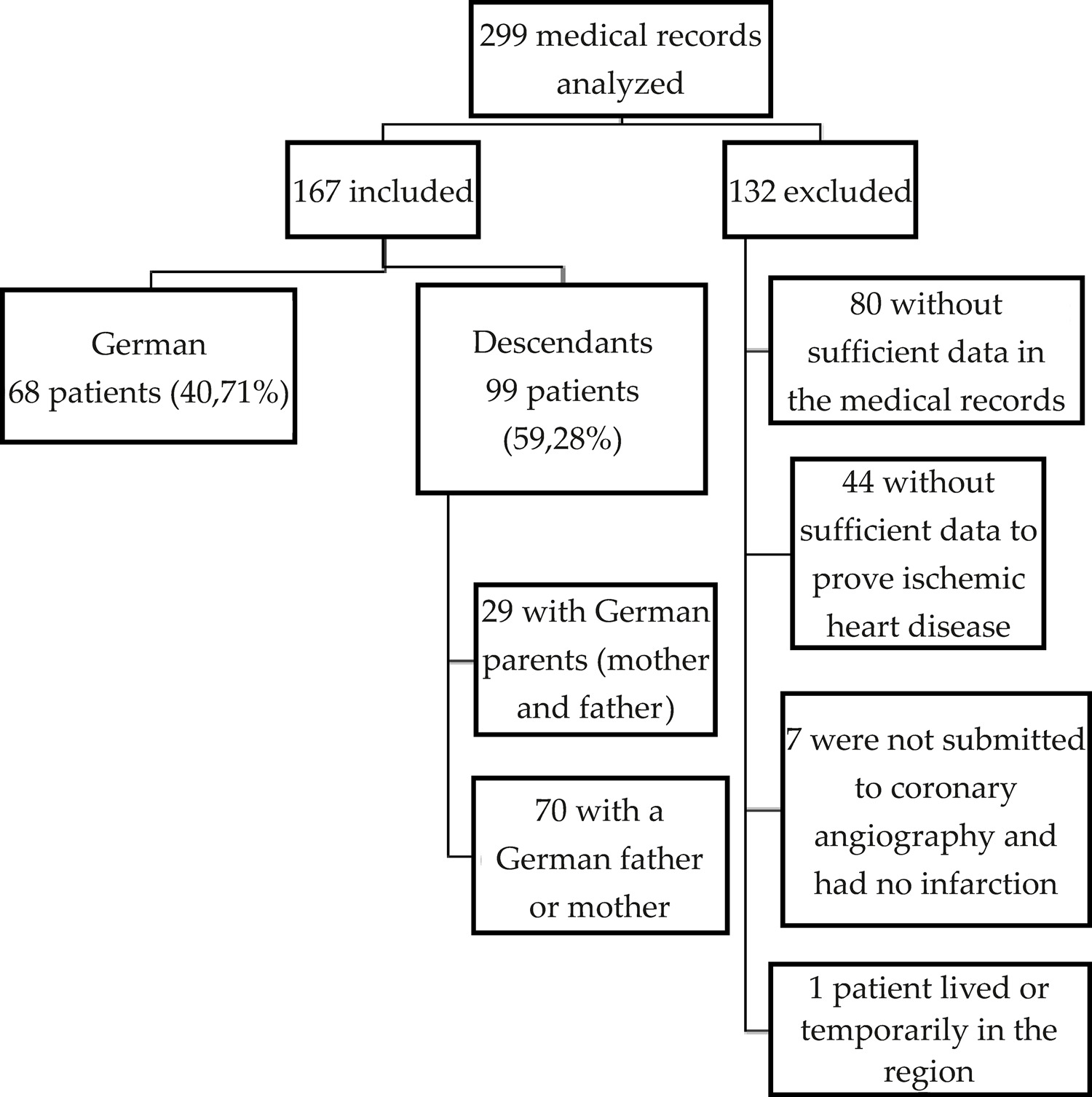
Study population comprised 68 patients who were born in Germany (group G) and 99 descendants (group D). Twenty-nine patients of group D had two German parents and 70 had one. Mean age at diagnosis was 66.8 ± 10.6 years, with a significant difference between the groups, four years higher in Group G than group D (69.0 ± 8.8 vs 65.4 ± 11.5 years old) (p = 0.025). There was no significant difference in risk factors or coronary angiography data between the groups. HDL cholesterol levels were significantly higher in group G than in group D (48.4 ± 11.1 mg/dL vs 43.3 ± 11.2 mg/dL, p = 0.005).

Conclusion

At the time of first IHD diagnosis, mean age of the group G was significantly higher than group D, with no differences between groups in sex, risk factors, LDL levels, or clinical and angiographic manifestations. An earlier manifestation of the disease could be part of lifestyle changes in descendants, in this population that mantained eating habits characterized by high saturated fat consumption.

  • Coronary Artery Disease
  • Emigration and Immigration
  • Epidemiology
  • Germans
  • ischemic heart disease
Read Full Article
Creative Commons Attribution (CC BY) Creative Commons license
03/09/2021 DOI: 10.36660/ijcs.20200353 Views 1
How the Gender Gap Affects the Incidence and Prognosis of Cardiovascular Disease
IJCS
Editorial

How the Gender Gap Affects the Incidence and Prognosis of Cardiovascular Disease

Maria Gazzilli

The study in this issue of the Journal analyzed the sex and gender gap that exists for ischemic heart disease and myocardial infarction. The authors reviewed all the factors that differ between genders in terms of incidence, mortality, pathophysiology and clinical implications, diagnosis, and treatment.

[…]

  • ischemic heart disease
  • Myocardial Infarction
Read Full Article
Creative Commons Attribution (CC BY) Creative Commons license
16/07/2021 DOI: 10.36660/ijcs.20210132
Economic burden of severe cardiovascular diseases in Brazil: an estimate based on secondary data
ABC
Artigo Original

Economic burden of severe cardiovascular diseases in Brazil: an estimate based on secondary data

Maria Inês Reinert Azambuja et al. Murilo Foppa Mário Fernando de Camargo Maranhão Aloyzio Cechella Achutti

BACKGROUND: The scarce amount of data available in Brazil on the economic burden of cardiovascular diseases (CVD) does not justify the growing concern in regard to the economic burden involved. OBJECTIVE: The present study aims at estimating the costs of severe CVD cases in Brazil. METHODS: Cases of severe CVD were estimated based on hospitalized cases lethality and total CVD mortality rates. National data bases and sample studies were used to estimate costs of hospitalization, outpatient care, and social security benefits. Loss of income was estimated from the Burden of Disease in Brazil data. RESULTS: Approximately two million cases of severe CVD were reported in 2004 in Brazil. That accounts for 5.2% of the population over 35 years of age. The resulting annual cost was at least R$ 30.8 billion (36.4% for health care, 8.4% for social security and employers’ reimbursements, and 55.2% due to loss in productivity). That corresponded to R$ 500.00 per capita (considering 35 year-old and older population) and R$ 9,400.00 per patient. Direct costs with health care from severe CVD cases accounted for 8% of total national expenditure on health and 0.52% of 2004 GNP (R$ 1,767 billion = US$ 602 billion). That corresponded to an yearly average direct cost of R$182.00 per capita (R$ 87.00 from public resources) and of R$ 3,514.00 per case. CONCLUSION: Total annual costs per severe CVD case were estimated to be significant. Costs per capita and total costs corresponding to this sub-group of CVD patients are expected to escalate as the population ages and the prevalence of severe cases increases.

  • Cardiovascular Diseases
  • Cerebrovascular Disease
  • health economics
  • ischemic heart disease
Read Full Article
Creative Commons Attribution (CC BY) Creative Commons license
02/10/2008 DOI: 10.1590/S0066-782X2008001500005 Views 1
Cardiovascular rehabilitation of patients with ischemic heart disease undergoing medical treatment, percutaneous transluminal coronary angioplasty, and coronary artery bypass grafting
ABC
Artigo Original

Cardiovascular rehabilitation of patients with ischemic heart disease undergoing medical treatment, percutaneous transluminal coronary angioplasty, and coronary artery bypass grafting

Tales de Carvalho et al. Ana Luiza Hallal Curi Dalton Francisco Andrade Julio da Motta Singer … Magnus Benetti Alfredo José Mansur

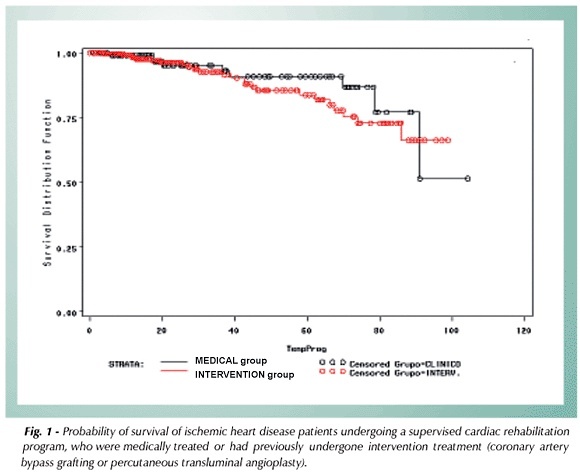
OBJECTIVE: To evaluate the occurrence of death and myocardial infarction in subgroups of coronary artery disease patients with hemodynamically significant coronary stenoses undergoing treatment in a cardiovascular rehabilitation program and considered severely ill for: a) not having undergone intervention treatment; b) presenting signs of myocardial ischemia; c) presenting multivessel occlusive disease. METHODS: Retrospective cohort study of 381 patients presented previous coronary angiography showing hemodynamically significant coronary stenoses, for which, because of the anatomic bias, intervention treatment was indicated. The patients were categorized according to the presence or absence of intervention treatment; presence or absence of ischemia in the exercise test; and number of critical coronary stenoses. Statistical analysis was performed using the Kaplan-Meier and logistic regression methods. RESULTS: Survival probability was not different when patients undergoing medical treatment were compared to those undergoing previous intervention treatment (OR 0.813; 95% CI; 0.366-1.809); with and without evidence of ischemia in the exercise test (OR 0.785; 95% CI; 0.366-1.684); and with one-vessel coronary artery disease and with more-than-one-vessel coronary artery disease (OR 0.824, 95% CI; 0.377-1.798). CONCLUSION: In this cohort study, no unfavorable outcome was observed in the subgroups comprised of medically treated patients, with evidence of myocardial ischemia and with multivessel coronary artery disease.

  • Angioplasty
  • Cardiovascular Diseases
  • ischemic heart disease
  • Myocardial Revascularization
  • transluminal percutaneous coronary
Read Full Article
Creative Commons Attribution (CC BY) Creative Commons license
07/03/2007 DOI: 10.1590/S0066-782X2007000100012 Views 1
Serial temporal analysis of ischemic heart disease and stroke death risk in five regions of Brazil from 1981 to 2001
ABC
Artigo Original

Serial temporal analysis of ischemic heart disease and stroke death risk in five regions of Brazil from 1981 to 2001

Maria de Fátima Marinho de Souza et al. Airlane Pereira Alencar Deborah Carvalho Malta Lenildo Moura Antonio de Padua Mansur

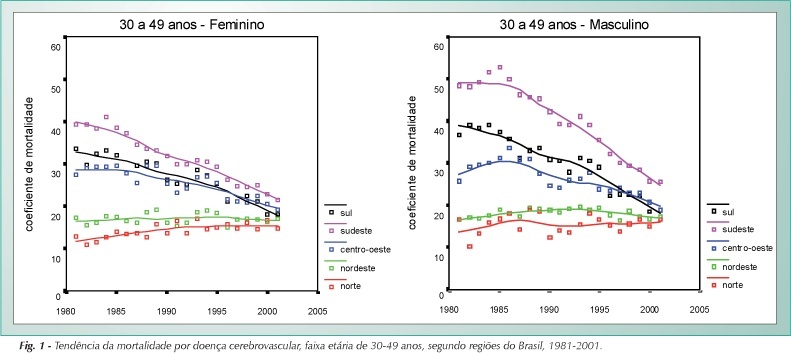
OBJECTIVE: The aim of this study was to evaluate the trends of ischemic and cerebrovascular death risk in the five regions – Midwest, Northeast, North, Southeast and South – of Brazil from 1981 to 2001. METHODS: Data on mortality due to cerebrovascular and coronary heart diseases in the five regions of Brazil were obtained from the Brazilian Ministry of Health. The data source was the SIM – Sistema de Informações sobre Mortalidade (System of Information on Mortality), from the Department of Health Information Analysis. The population estimates were obtained from the IBGE (Brazilian Institute of Geography and Statistics) census of 1991 and 2000, and population estimates of 1996, all from DATASUS. The codes used in this study were International Classification of Diseases ICD-9 430-438 and ICD-10 I60-I69 for cerebrovascular diseases and ICD-9 410-414 and ICD-10 I21-I25 for ischemic disease. Statistical analysis was carried out by adjusted linear models. RESULTS: There was a decline trend in death rates due to cerebrovascular disease at all age ranges and in both sexes in the South, Southwest, and Midwest regions. Additionally, death rates due to ischemic heart disease declined in the South and Southwest regions. There was a stabilization of the death risk in the Midwest and an increase in the Northeast region. CONCLUSION: The risk of death due to cerebrovascular and ischemic heart diseases declined in the Southwest and South, which are the more developed regions of Brazil, whereas the risk increased in the less developed ones, mainly in the Northeast region.

  • Brazil
  • Cardiovascular disease
  • Epidemiology
  • ischemic heart disease
  • Mortality
  • Stroke
Read Full Article
Creative Commons Attribution (CC BY) Creative Commons license
18/01/2007 DOI: 10.1590/S0066-782X2006001900009
ABC
Artigo Original

Variability among cardiologists in the management of patients under secondary prevention of ischemic heart disease

Ricardo Stein et al. Caroline Alboim Candice Campos Renato Bandeira de Mello … Guido Aranha Rosito Carisi Anne Polanczyk

OBECTIVE: To compare the management of patients with ischemic heart disease being followed up in a general cardiology outpatient clinic with that of patients being followed up in an outpatient clinic specific for ischemic heart disease, emphasizing the lipid profile and the pharmacological treatment prescribed. METHODS: Data were collected from the medical records of 52 patients consecutively treated in the outpatient clinic for ischemic heart disease (group I) and of 43 patients treated in the general cardiology outpatient clinic (group II), the anatomical diagnosis of ischemic heart disease being the basic condition for their inclusion in the study. The criteria for dyslipidemia were as follows: total cholesterol > 200 mg/dL or LDL-cholesterol > 100 mg/dL, or both, in patients using or not lipid-lowering drugs, and the use of lipid-lowering drugs, even when the total cholesterol or LDL-cholesterol levels were < 200 mg/dL and 100 mg/dL, respectively, or both. The Fisher exact test was used for comparing the variables, and a 2-tailed p < 0.05 was accepted as significant. RESULTS: Demographic characteristics, risk factors for ischemic heart disease, prevalence of previous myocardial infarction, and previous revascularization procedures showed no significant differences between the patients in groups I and II. In group I, 98% of the patients received aspirin, while, in group II, 83% of the patients received that drug (p=0.02). In regard to the use of lipid-lowering drugs, the prevalences were 60% in group I and 19% in group II (p=0.001). The lipid profile examination was requested for 98% of group I individuals and 79% of group II individuals (p=0.003). CONCLUSION: In regard to new medical evidence, mainly prescription of aspirin and lipid-lowering drugs, the management was more reliable in the outpatient clinic specifically aimed at treating ischemic heart disease.

  • ischemic heart disease
  • outpatient care cohort
  • Secondary Prevention
Read Full Article
Creative Commons Attribution (CC BY) Creative Commons license
13/09/2004 DOI: 10.1590/S0066-782X2004001500005 Views 1
Eggplant (Solanum melongena) extract does not alter serum lipid levels
ABC
Artigo Original

Eggplant (Solanum melongena) extract does not alter serum lipid levels

Juliana Marchiori Praça et al. Andréa Thomaz Bruno Caramelli

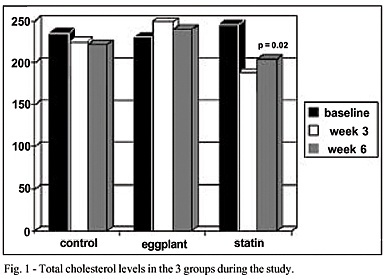
OBJECTIVE: To compare the effect of eggplant extract on serum lipid levels with that of lovastatin. METHODS: The study included 21 individuals of both sexes, with total cholesterol (TC) levels > 200 mg/dL, no diabetes, no contraindication for the use of statins, and no use of cholesterol-lowering drugs, divided into the following 3 groups: 1) the eggplant group (B), in which the patients drank 1 glass of eggplant extract with orange juice before breakfast each morning; 2) the statin group (E), in which the patients received 20 mg of lovastatin in the evening after dinner; 3) control group (C), in which the patients received no treatment. Total cholesterol and fractions (HDL, LDL), and triglycerides were measured 3 times at 3-week intervals. RESULTS: The baseline lipid levels were similar in the 3 groups. After 6 weeks, a significant reduction in TC levels (from 245.29 ± 41.69 to 205.71 ± 46.45; P=0.02) and in LDL-cholesterol levels (from 170.83 ± 41.76 to 121.29 ± 44.90; P=0.008) was observed in group E. In group B, total cholesterol (from 230.60 ± 19.30 to 240.20 ± 16.22; P=0.27) and LDL-cholesterol (from 139.60 ± 21.49 to 154.40 ± 9.66; P=0.06) showed no statistically significant variation, as in group C. No significant variation was observed in the HDL-cholesterol and triglyceride levels in the 3 groups throughout the study. CONCLUSION: The eggplant extract with orange juice is not to be considered an alternative to statins in reducing serum levels of cholesterol.

  • dyslipidemia
  • eggplant
  • ischemic heart disease
Read Full Article
Creative Commons Attribution (CC BY) Creative Commons license
05/04/2004 DOI: 10.1590/S0066-782X2004000300007 Views 1
Secular trends in a population with ischemic heart disease admitted to the Instituto do Coração in São Paulo
ABC
Original Article

Secular trends in a population with ischemic heart disease admitted to the Instituto do Coração in São Paulo

Bruno Caramelli et al. Luciana Savoy Fornari Maristela Monachini Dália Ballas … Nilson Roberto Fachini Antônio de Pádua Mansur José Antônio Franchini Ramires

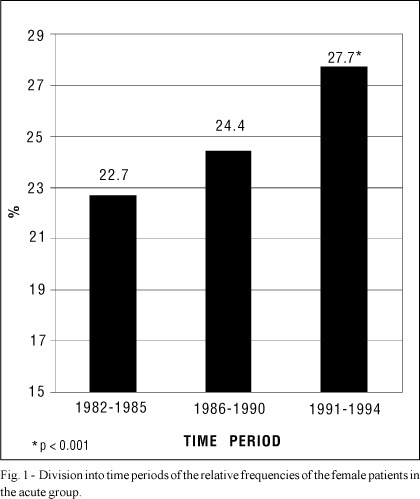
OBJECTIVE: To assess the clinical and demographic characteristics of a population with ischemic heart disease admitted in the final decades of the 20th century. METHODS: This study retrospectively assessed patients hospitalized with ischemic heart disease divided into the following 2 groups: acute group – 11.181 patients with acute myocardial infarction admitted from 1/1/82 to 12/31/94; and chronic group – 4.166 patients undergoing coronary artery bypass graft surgery from 1/1/84 to 12/31/94. RESULTS: In the acute group, an increase in the percentage of females (from 22.7% to 27.7%, P<0.001) and diabetic individuals (from 12.4% to 17.5%, P<0.001) was observed, as was an increase in age (from 57.4±11.5 to 59.9±12.1 years, P<0.05). In-hospital mortality was greater among females (27.8% and 15.7%, P=0.001), among diabetic individuals (24.2% and 17.8%, P=0.001), and among the elderly (60.9±15.2 and 57.7±11.8 years, P=0.0001). In the chronic group, an increase in the percentage of females (from 17.5% to 27.2%, P=0.001) was observed, as was an increase in age (from 56.3±8.6 to 60.5±9.6 years, P=0.0001). In-hospital mortality was greater among females (8.3% and 5.8%, P<0.05) and among the elderly (58.1±9.1 and 62.1±7.9 years, P=0.0001). CONCLUSION: The characteristics of the population studied with ischemic heart disease point towards a worse prognosis, due to the greater percentages of females, older patients, and diabetic patients, groups known to have greater in-hospital mortality.

  • Acute Myocardial Infarction
  • coronary artery bypass graft surgery
  • ischemic heart disease
Read Full Article
Creative Commons Attribution (CC BY) Creative Commons license
10/11/2003 DOI: 10.1590/S0066-782X2003001200004 Views 1
Experimental Model of Gene Transfection in Healthy Canine Myocardium: Perspectives of Gene Therapy for Ischemic Heart Disease
ABC
Original Article

Experimental Model of Gene Transfection in Healthy Canine Myocardium: Perspectives of Gene Therapy for Ischemic Heart Disease

Renato A. K. Kalil et al. Leonardo A. K. Teixeira Eduardo T. Mastalir Paulo Moreno … Cecília H. Fricke Nance B. Nardi

OBJECTIVE: To assess the transfection of the gene that encodes green fluorescent protein (GFP) through direct intramyocardial injection. METHODS: The pREGFP plasmid vector was used. The EGFP gene was inserted downstream from the constitutive promoter of the Rous sarcoma virus. Five male dogs were used (mean weight 13.5 kg), in which 0.5 mL of saline solution (n=1) or 0.5 mL of plasmid solution containing 0.5 µg of pREGFP/dog (n=4) were injected into the myocardium of the left ventricular lateral wall. The dogs were euthanized 1 week later, and cardiac biopsies were obtained. RESULTS: Fluorescence microscopy showed differences between the cells transfected and not transfected with pREGFP plasmid. Mild fluorescence was observed in the cardiac fibers that received saline solution; however, the myocardial cells transfected with pREGFP had overt EGFP expression. CONCLUSION: Transfection with the EGFP gene in healthy canine myocardium was effective. The reproduction of this efficacy using vascular endothelial growth factor (VEGF) instead of EGFP aims at developing gene therapy for ischemic heart disease.

  • gene therapy
  • gene transfection
  • ischemic heart disease
Read Full Article
Creative Commons Attribution (CC BY) Creative Commons license
09/10/2002 DOI: 10.1590/S0066-782X2002001200003 Views 2
Effectiveness of primary angioplasty in the treatment of acute myocardial infarction. Analysis of in-hospital and late outcomes in 135 consecutive cases
ABC
Original Article

Effectiveness of primary angioplasty in the treatment of acute myocardial infarction. Analysis of in-hospital and late outcomes in 135 consecutive cases

Rogério Sarmento Leite et al. Ana Maria Krepsky Carlos A.M. Gottschall

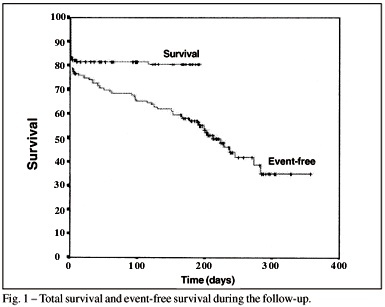
OBJECTIVE: Evaluate early and late evolution of patients submitted to primary coronary angioplasty for acute myocardial infarction. METHODS: A prospective study of 135 patients with acute myocardial infarction submitted to primary transcutaneous coronary angioplasty (PTCA). Success was defined as TIMI 3 flow and residual lesion <50%. We performed statistical analyses by univariated, multivariated methods and survival analyze by Kaplan-Meier. RESULTS: PTCA success rate was 78% and early mortality 18,5%. Killip classes III and IV was associated to higher mortality, odds ratio 22.9 (95% CI: 5,7 to 91,8) and inversely related to age <75 years (OR = 0,93; 95% CI: 0.88 to 0.98). If we had chosen success flow as TIMI 2 and had excluded patients in Killip III/IV classes, success rate would be 86% and mortality 8%. The survival probability at the end or study, follow-up time 142 ± 114 days, was 80% and event free survival 35%. Greater survival was associated to stenting (OR = 0.09; 0.01 to 0.75) and univessel disease (OR = 0.21; 0.07 to 0.61). CONCLUSION: The success rate was lower and mortality was higher than randomized trials, however similar to that of non randomized studies. This demonstrated the efficacy of primary PTCA in our local conditions.

  • Acute Myocardial Infarction
  • ischemic heart disease
  • primary percutaneous transluminal coronary angioplasty
Read Full Article
Creative Commons Attribution (CC BY) Creative Commons license
28/09/2001 DOI: 10.1590/S0066-782X2001000900001
Trends in death from circulatory diseases in Brazil between 1979 and 1996
ABC
Original Article

Trends in death from circulatory diseases in Brazil between 1979 and 1996

Antonio de Padua Mansur et al. Desidério Favarato Maria de Fátima Marinho de Souza Solange Desirée Avakian … José Mendes Aldrighi Luiz Antonio Machado César José Antonio Franchini Ramires

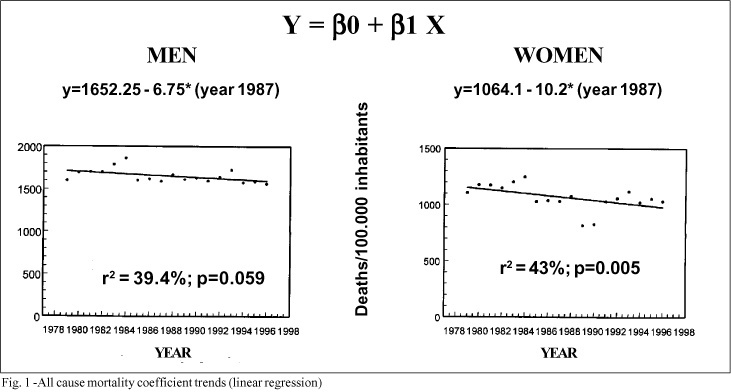
OBJECTIVE: To analyze the trends in mortality due to circulatory diseases in men and women aged > or = 30 years in Brazil from 1979 to 1996. METHODS: We analyzed population count data obtained from the IBGE Foundation and mortality data obtained from the System of Information on Mortality of the DATASUS of the Ministry of Health. RESULTS: Circulatory diseases, ischemic heart disease, and cerebrovascular disease were the major causes of death in men and women in Brazil. The standardized age coefficient for circulatory disease in men aged > or = 30 years ranged from 620 to 506 deaths/100,000 inhabitants and in women from 483 to 383 deaths/100,000 inhabitants for the years 1979 and 1996, respectively. In men, the mean coefficient for the period was 586.25 deaths with a significant trend towards a decrease (P<0.001) and a decline of 8.25 deaths/year. In women, the mean coefficient for the period was 439.58 deaths, a significant trend towards a decrease (P<0.001) and a rate of decline of 7.53 deaths/year. The same significant trend towards a decrease in death (P<0.001) was observed for ischemic heart disease and cerebrovascular disease. Risk of death from these causes was always higher for men of any age group (P<0.001). Cerebrovascular disease was the primary cause of death in women. CONCLUSION: Although circulatory diseases have been the major cause of mortality in men and women in the Brazilian population, with a greater participation by cerebrovascular diseases, a trend towards a decrease in the risk of death from these causes is being observed.

  • Cerebrovascular Disease
  • circulatory disease
  • ischemic heart disease
  • Mortality
  • trends
Read Full Article
Creative Commons Attribution (CC BY) Creative Commons license
13/06/2001 DOI: 10.1590/S0066-782X2001000600007
Acute myocardial infarction in the Brazilian State of São Paulo. In-hospital deaths from 1979 to 1996 and hospital fatality from 1984 to 1998 in the public health system
ABC
Original Article

Acute myocardial infarction in the Brazilian State of São Paulo. In-hospital deaths from 1979 to 1996 and hospital fatality from 1984 to 1998 in the public health system

Luiz Francisco Marcopito et al. Artur Jaques Goldfeder Simone Schenkman

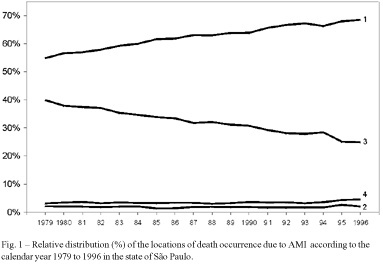
OBJECTIVE: To determine the following parameters in the Brazilian State of São Paulo: 1) the percentage of deaths due to acute myocardial infarction (AMI) occurring in hospitals; 2) the percentage of deaths due to AMI occurring in public health system hospitals as compared with all in-hospital deaths due to AMI between 1979 and 1996; 3) the fatality due to AMI in public health system hospitals from 1984 to 1998. METHODS: Data were available on the Datasus Web site (the health information agency of the Brazilian Department of Health) that provided the following: a) number of deaths resulting from AMI in hospitals; b) number of deaths resulting from AMI in public health system hospitals; c) number of hospital admissions due to AMI in public health system hospitals. RESULTS: The percentage of in-hospital deaths due to AMI increased from 54.9 in 1979 to 68.6 in 1996. The percentage contribution of the public health system to total number of deaths due to AMI occurring in hospitals decreased from 22.9 in 1984 to 13.7 in 1996; fatality due to AMI occurring in public health system hospitals had an irregular evolution from 1984 to 1992 and showed a slight trend for increased frequency from 1993 to 1998. CONCLUSION: The percentage of in-hospital deaths due to AMI has been increasing. Deaths resulting from AMI in public health system hospitals have decreased when compared with the total number of deaths due to AMI in all hospitals. Fatality due to AMI in public health system hospitals did not decrease from 1992 to 1998.

  • Acute Myocardial Infarction
  • Epidemiology
  • ischemic heart disease
  • Mortality
Read Full Article
Creative Commons Attribution (CC BY) Creative Commons license
05/09/2000 DOI: 10.1590/S0066-782X2000000100005 Views 1
ABC
Original Article

Ischemic heart disease. Hospitalization, length of stay and expenses in Brazil from 1993 to 1997

Ruy Laurenti et al. Cassia Maria Buchalla Carla Vanessa de Sousa Caratin

OBJECTIVE: To identify characteristics of the hospitalizations due to ischemic heart disease (IHD) made by the Single Health System — “Sistema Único de Saúde (SUS) in Brazil from 1993 to 1997. METHODS: The information used came from records of permissions for hospitalization due to IHD (diseases codified from 410 to 414 by the International Disease Classification — 9th Revision) furnished by the data bank DATASUS. The material studied was classified according to age, sex and length of hospitalization of the patients, and expenses to the system for IHD. RESULTS: IHD represents 1.0% of total hospitalizations. Angina pectoris was the most frequent type, occurring in 53.3% of the cases, followed by acute myocardial infarct (26.6%). This later was more frequent in men and angina in women . The majority of patients with IHD stayed hospitalized from 5 to 8 days. In the years of 1997 the expenses due to hospital treatment for IHD reach to 0.01% of Brazil’s Gross Internal Product. In the studied period (1993-1997), IHD was responsible by 1.0% of hospitalizations, however it was 3.3% of the expenses of SUS. CONCLUSION: IHD is an important cause of hospitalization by the SUS; it has a rather high cost, indicating the need for preventive measures aimed at reducing exposure to risk factors and to decrease the incidence of this group of diseases in the nation.

  • espenses
  • Hospitalization
  • ischemic heart disease
Read Full Article
Creative Commons Attribution (CC BY) Creative Commons license
05/09/2000 DOI: 10.1590/S0066-782X2000000600001 Views 1

How to cite this article

EndNote RIS

Electronic Document Format (Vancouver)

Bertoletti OA. Ischemic Heart Disease and Income Level – A Thinking on Social and Structural Determinants. Arquivos Brasileiros de Cardiologia 2024;120(11):e20240014.

Electronic Document Format (ABNT)

Bertoletti, Otávio Azevedo. Ischemic Heart Disease and Income Level – A Thinking on Social and Structural Determinants. Arquivos Brasileiros de Cardiologia, v. 120, n. 11, e20240014, Apr. 2024.

Electronic Document Format (APA)

Bertoletti, O. A. (2024). Ischemic Heart Disease and Income Level – A Thinking on Social and Structural Determinants. Arquivos Brasileiros de Cardiologia, 120(11), e20240014.

Electronic Document Format (ISO)

Bertoletti, Otávio Azevedo. Ischemic Heart Disease and Income Level – A Thinking on Social and Structural Determinants. Arquivos Brasileiros de Cardiologia [online]. 2024, vol. 120, n. 11, [cited 2026-10-14], e20240014. Available from: <https://journals.cardiol.br/en/article/ischemic-heart-disease-and-income-level-a-thinking-on-social-and-structural-determinants/>. ISSN 0066-782X

EndNote RIS

Electronic Document Format (Vancouver)

Zimmermann SL, Moretti MA, Vianna CB, Mansur AP, Starke S, Cesar LAM. Ischemic Heart Disease in German Immigrants and Their Descendants in a Region of Southern Brazil: A Comparison of Initial Symptoms Reported between two Generations. International Journal of Cardiovascular Sciences 2021;35(1):48-55.

Electronic Document Format (ABNT)

Zimmermann, Sergio Luiz; Moretti, Miguel Antônio; Vianna, Caio de Brito; Mansur, Antônio de Pádua; Starke, Siegmar; Cesar, Luiz Antônio Machado. Ischemic Heart Disease in German Immigrants and Their Descendants in a Region of Southern Brazil: A Comparison of Initial Symptoms Reported between two Generations. International Journal of Cardiovascular Sciences, v. 35, n. 1, p. 48-55, Sep. 2021.

Electronic Document Format (APA)

Zimmermann, S. L., Moretti, M. A., Vianna, C. B., Mansur, A. P., Starke, S., & Cesar, L. A. M. (2021). Ischemic Heart Disease in German Immigrants and Their Descendants in a Region of Southern Brazil: A Comparison of Initial Symptoms Reported between two Generations. International Journal of Cardiovascular Sciences, 35(1), 48-55.

Electronic Document Format (ISO)

Zimmermann, Sergio Luiz and Moretti, Miguel Antônio and Vianna, Caio de Brito and Mansur, Antônio de Pádua and Starke, Siegmar and Cesar, Luiz Antônio Machado. Ischemic Heart Disease in German Immigrants and Their Descendants in a Region of Southern Brazil: A Comparison of Initial Symptoms Reported between two Generations. International Journal of Cardiovascular Sciences [online]. 2021, vol. 35, n. 1, [cited 2026-10-14], pp. 48-55. Available from: <https://journals.cardiol.br/en/article/ischemic-heart-disease-in-german-immigrants-and-their-descendants-in-a-region-of-southern-brazil-a-comparison-of-initial-symptoms-reported-between-two-generations/>. ISSN 2359-4802

EndNote RIS

Electronic Document Format (Vancouver)

Gazzilli M. How the Gender Gap Affects the Incidence and Prognosis of Cardiovascular Disease. International Journal of Cardiovascular Sciences 2021;34(4):484-5.

Electronic Document Format (ABNT)

Gazzilli, Maria. How the Gender Gap Affects the Incidence and Prognosis of Cardiovascular Disease. International Journal of Cardiovascular Sciences, v. 34, n. 4, p. 484-485, Jul. 2021.

Electronic Document Format (APA)

Gazzilli, M. (2021). How the Gender Gap Affects the Incidence and Prognosis of Cardiovascular Disease. International Journal of Cardiovascular Sciences, 34(4), 484-485.

Electronic Document Format (ISO)

Gazzilli, Maria. How the Gender Gap Affects the Incidence and Prognosis of Cardiovascular Disease. International Journal of Cardiovascular Sciences [online]. 2021, vol. 34, n. 4, [cited 2026-10-14], pp. 484-485. Available from: <https://journals.cardiol.br/en/article/how-the-gender-gap-affects-the-incidence-and-prognosis-of-cardiovascular-disease/>. ISSN 2359-4802

EndNote RIS

Electronic Document Format (Vancouver)

Azambuja MIR, Foppa M, Maranhão MFC, Achutti AC. Economic burden of severe cardiovascular diseases in Brazil: an estimate based on secondary data. Arquivos Brasileiros de Cardiologia 2008;91(3):163-71.

Electronic Document Format (ABNT)

Azambuja, Maria Inês Reinert; Foppa, Murilo; Maranhão, Mário Fernando de Camargo; Achutti, Aloyzio Cechella. Economic burden of severe cardiovascular diseases in Brazil: an estimate based on secondary data. Arquivos Brasileiros de Cardiologia, v. 91, n. 3, p. 163-171, Oct. 2008.

Electronic Document Format (APA)

Azambuja, M. I. R., Foppa, M., Maranhão, M. F. C., & Achutti, A. C. (2008). Economic burden of severe cardiovascular diseases in Brazil: an estimate based on secondary data. Arquivos Brasileiros de Cardiologia, 91(3), 163-171.

Electronic Document Format (ISO)

Azambuja, Maria Inês Reinert and Foppa, Murilo and Maranhão, Mário Fernando de Camargo and Achutti, Aloyzio Cechella. Economic burden of severe cardiovascular diseases in Brazil: an estimate based on secondary data. Arquivos Brasileiros de Cardiologia [online]. 2008, vol. 91, n. 3, [cited 2026-10-14], pp. 163-171. Available from: <https://journals.cardiol.br/en/article/economic-burden-of-severe-cardiovascular-diseases-in-brazil-an-estimate-based-on-secondary-data/>. ISSN 0066-782X

EndNote RIS

Electronic Document Format (Vancouver)

Carvalho T, Curi ALH, Andrade DF, Singer JM, Benetti M, Mansur AJ. Cardiovascular rehabilitation of patients with ischemic heart disease undergoing medical treatment, percutaneous transluminal coronary angioplasty, and coronary artery bypass grafting. Arquivos Brasileiros de Cardiologia 2007;88(1):72-8.

Electronic Document Format (ABNT)

Carvalho, Tales de; Curi, Ana Luiza Hallal; Andrade, Dalton Francisco; Singer, Julio da Motta; Benetti, Magnus; Mansur, Alfredo José. Cardiovascular rehabilitation of patients with ischemic heart disease undergoing medical treatment, percutaneous transluminal coronary angioplasty, and coronary artery bypass grafting. Arquivos Brasileiros de Cardiologia, v. 88, n. 1, p. 72-78, Mar. 2007.

Electronic Document Format (APA)

Carvalho, T. , Curi, A. L. H., Andrade, D. F., Singer, J. M., Benetti, M., & Mansur, A. J. (2007). Cardiovascular rehabilitation of patients with ischemic heart disease undergoing medical treatment, percutaneous transluminal coronary angioplasty, and coronary artery bypass grafting. Arquivos Brasileiros de Cardiologia, 88(1), 72-78.

Electronic Document Format (ISO)

Carvalho, Tales de and Curi, Ana Luiza Hallal and Andrade, Dalton Francisco and Singer, Julio da Motta and Benetti, Magnus and Mansur, Alfredo José. Cardiovascular rehabilitation of patients with ischemic heart disease undergoing medical treatment, percutaneous transluminal coronary angioplasty, and coronary artery bypass grafting. Arquivos Brasileiros de Cardiologia [online]. 2007, vol. 88, n. 1, [cited 2026-10-14], pp. 72-78. Available from: <https://journals.cardiol.br/en/article/cardiovascular-rehabilitation-of-patients-with-ischemic-heart-disease-undergoing-medical-treatment-percutaneous-transluminal-coronary-angioplasty-and-coronary-artery-bypass-grafting/>. ISSN 0066-782X

EndNote RIS

Electronic Document Format (Vancouver)

Souza MFM, Alencar AP, Malta DC, Moura L, Mansur AP. Serial temporal analysis of ischemic heart disease and stroke death risk in five regions of Brazil from 1981 to 2001. Arquivos Brasileiros de Cardiologia 2007;87(6):735-40.

Electronic Document Format (ABNT)

Souza, Maria de Fátima Marinho de; Alencar, Airlane Pereira; Malta, Deborah Carvalho; Moura, Lenildo; Mansur, Antonio de Padua. Serial temporal analysis of ischemic heart disease and stroke death risk in five regions of Brazil from 1981 to 2001. Arquivos Brasileiros de Cardiologia, v. 87, n. 6, p. 735-740, Jan. 2007.

Electronic Document Format (APA)

Souza, M. F. M. , Alencar, A. P., Malta, D. C., Moura, L., & Mansur, A. P. (2007). Serial temporal analysis of ischemic heart disease and stroke death risk in five regions of Brazil from 1981 to 2001. Arquivos Brasileiros de Cardiologia, 87(6), 735-740.

Electronic Document Format (ISO)

Souza, Maria de Fátima Marinho de and Alencar, Airlane Pereira and Malta, Deborah Carvalho and Moura, Lenildo and Mansur, Antonio de Padua. Serial temporal analysis of ischemic heart disease and stroke death risk in five regions of Brazil from 1981 to 2001. Arquivos Brasileiros de Cardiologia [online]. 2007, vol. 87, n. 6, [cited 2026-10-14], pp. 735-740. Available from: <https://journals.cardiol.br/en/article/serial-temporal-analysis-of-ischemic-heart-disease-and-stroke-death-risk-in-five-regions-of-brazil-from-1981-to-2001/>. ISSN 0066-782X

EndNote RIS

Electronic Document Format (Vancouver)

Stein R, Alboim C, Campos C, Mello RB, Rosito GA, Polanczyk CA. Variability among cardiologists in the management of patients under secondary prevention of ischemic heart disease. Arquivos Brasileiros de Cardiologia 2004;83(3):219-22.

Electronic Document Format (ABNT)

Stein, Ricardo; Alboim, Caroline; Campos, Candice; Mello, Renato Bandeira de; Rosito, Guido Aranha; Polanczyk, Carisi Anne. Variability among cardiologists in the management of patients under secondary prevention of ischemic heart disease. Arquivos Brasileiros de Cardiologia, v. 83, n. 3, p. 219-222, Sep. 2004.

Electronic Document Format (APA)

Stein, R., Alboim, C., Campos, C., Mello, R. B. , Rosito, G. A., & Polanczyk, C. A. (2004). Variability among cardiologists in the management of patients under secondary prevention of ischemic heart disease. Arquivos Brasileiros de Cardiologia, 83(3), 219-222.

Electronic Document Format (ISO)

Stein, Ricardo and Alboim, Caroline and Campos, Candice and Mello, Renato Bandeira de and Rosito, Guido Aranha and Polanczyk, Carisi Anne. Variability among cardiologists in the management of patients under secondary prevention of ischemic heart disease. Arquivos Brasileiros de Cardiologia [online]. 2004, vol. 83, n. 3, [cited 2026-10-14], pp. 219-222. Available from: <https://journals.cardiol.br/en/article/variability-among-cardiologists-in-the-management-of-patients-under-secondary-prevention-of-ischemic-heart-disease/>. ISSN 0066-782X

EndNote RIS

Electronic Document Format (Vancouver)

Praça JM, Thomaz A, Caramelli B. Eggplant (Solanum melongena) extract does not alter serum lipid levels. Arquivos Brasileiros de Cardiologia 2004;82(3):269-72.

Electronic Document Format (ABNT)

Praça, Juliana Marchiori; Thomaz, Andréa; Caramelli, Bruno. Eggplant (Solanum melongena) extract does not alter serum lipid levels. Arquivos Brasileiros de Cardiologia, v. 82, n. 3, p. 269-272, Apr. 2004.

Electronic Document Format (APA)

Praça, J. M., Thomaz, A., & Caramelli, B. (2004). Eggplant (Solanum melongena) extract does not alter serum lipid levels. Arquivos Brasileiros de Cardiologia, 82(3), 269-272.

Electronic Document Format (ISO)

Praça, Juliana Marchiori and Thomaz, Andréa and Caramelli, Bruno. Eggplant (Solanum melongena) extract does not alter serum lipid levels. Arquivos Brasileiros de Cardiologia [online]. 2004, vol. 82, n. 3, [cited 2026-10-14], pp. 269-272. Available from: <https://journals.cardiol.br/en/article/eggplant-solanum-melongena-extract-does-not-alter-serum-lipid-levels/>. ISSN 0066-782X

EndNote RIS

Electronic Document Format (Vancouver)

Caramelli B, Fornari LS, Monachini M, Ballas D, Fachini NR, Mansur AP, Ramires JAF, et al. Secular trends in a population with ischemic heart disease admitted to the Instituto do Coração in São Paulo. Arquivos Brasileiros de Cardiologia 2003;81(4):369-74.

Electronic Document Format (ABNT)

Caramelli, Bruno; Fornari, Luciana Savoy; Monachini, Maristela; Ballas, Dália; Fachini, Nilson Roberto; Mansur, Antônio de Pádua; Ramires, José Antônio Franchini. Secular trends in a population with ischemic heart disease admitted to the Instituto do Coração in São Paulo. Arquivos Brasileiros de Cardiologia, v. 81, n. 4, p. 369-374, Nov. 2003.

Electronic Document Format (APA)

Caramelli, B., Fornari, L. S., Monachini, M., Ballas, D., Fachini, N. R., Mansur, A. P., & Ramires, J. A. F. (2003). Secular trends in a population with ischemic heart disease admitted to the Instituto do Coração in São Paulo. Arquivos Brasileiros de Cardiologia, 81(4), 369-374.

Electronic Document Format (ISO)

Caramelli, Bruno and Fornari, Luciana Savoy and Monachini, Maristela and Ballas, Dália and Fachini, Nilson Roberto and Mansur, Antônio de Pádua and Ramires, José Antônio Franchini. Secular trends in a population with ischemic heart disease admitted to the Instituto do Coração in São Paulo. Arquivos Brasileiros de Cardiologia [online]. 2003, vol. 81, n. 4, [cited 2026-10-14], pp. 369-374. Available from: <https://journals.cardiol.br/en/article/secular-trends-in-a-population-with-ischemic-heart-disease-admitted-to-the-instituto-do-coracao-in-sao-paulo/>. ISSN 0066-782X

EndNote RIS

Electronic Document Format (Vancouver)

Kalil RAK, Teixeira LAK, Mastalir ET, Moreno P, Fricke CH, Nardi NB. Experimental Model of Gene Transfection in Healthy Canine Myocardium: Perspectives of Gene Therapy for Ischemic Heart Disease. Arquivos Brasileiros de Cardiologia 2002;79(3):228-32.

Electronic Document Format (ABNT)

Kalil, Renato A. K.; Teixeira, Leonardo A. K.; Mastalir, Eduardo T.; Moreno, Paulo; Fricke, Cecília H.; Nardi, Nance B.. Experimental Model of Gene Transfection in Healthy Canine Myocardium: Perspectives of Gene Therapy for Ischemic Heart Disease. Arquivos Brasileiros de Cardiologia, v. 79, n. 3, p. 228-232, Oct. 2002.

Electronic Document Format (APA)

Kalil, R. A. K., Teixeira, L. A. K., Mastalir, E. T., Moreno, P., Fricke, C. H., & Nardi, N. B. (2002). Experimental Model of Gene Transfection in Healthy Canine Myocardium: Perspectives of Gene Therapy for Ischemic Heart Disease. Arquivos Brasileiros de Cardiologia, 79(3), 228-232.

Electronic Document Format (ISO)

Kalil, Renato A. K. and Teixeira, Leonardo A. K. and Mastalir, Eduardo T. and Moreno, Paulo and Fricke, Cecília H. and Nardi, Nance B.. Experimental Model of Gene Transfection in Healthy Canine Myocardium: Perspectives of Gene Therapy for Ischemic Heart Disease. Arquivos Brasileiros de Cardiologia [online]. 2002, vol. 79, n. 3, [cited 2026-10-14], pp. 228-232. Available from: <https://journals.cardiol.br/en/article/experimental-model-of-gene-transfection-in-healthy-canine-myocardium-perspectives-of-gene-therapy-for-ischemic-heart-disease/>. ISSN 0066-782X

EndNote RIS

Electronic Document Format (Vancouver)

Leite RS, Krepsky AM, Gottschall CA. Effectiveness of primary angioplasty in the treatment of acute myocardial infarction. Analysis of in-hospital and late outcomes in 135 consecutive cases. Arquivos Brasileiros de Cardiologia 2001;77(3):213-20.

Electronic Document Format (ABNT)

Leite, Rogério Sarmento; Krepsky, Ana Maria; Gottschall, Carlos A.M.. Effectiveness of primary angioplasty in the treatment of acute myocardial infarction. Analysis of in-hospital and late outcomes in 135 consecutive cases. Arquivos Brasileiros de Cardiologia, v. 77, n. 3, p. 213-220, Sep. 2001.

Electronic Document Format (APA)

Leite, R. S., Krepsky, A. M., & Gottschall, C. A. (2001). Effectiveness of primary angioplasty in the treatment of acute myocardial infarction. Analysis of in-hospital and late outcomes in 135 consecutive cases. Arquivos Brasileiros de Cardiologia, 77(3), 213-220.

Electronic Document Format (ISO)

Leite, Rogério Sarmento and Krepsky, Ana Maria and Gottschall, Carlos A.M.. Effectiveness of primary angioplasty in the treatment of acute myocardial infarction. Analysis of in-hospital and late outcomes in 135 consecutive cases. Arquivos Brasileiros de Cardiologia [online]. 2001, vol. 77, n. 3, [cited 2026-10-14], pp. 213-220. Available from: <https://journals.cardiol.br/en/article/effectiveness-of-primary-angioplasty-in-the-treatment-of-acute-myocardial-infarction-analysis-of-in-hospital-and-late-outcomes-in-135-consecutive-cases/>. ISSN 0066-782X

EndNote RIS

Electronic Document Format (Vancouver)

Mansur AP, Favarato D, Souza MFM, Avakian SD, Aldrighi JM, César LAM, Ramires JAF, et al. Trends in death from circulatory diseases in Brazil between 1979 and 1996. Arquivos Brasileiros de Cardiologia 2001;76(6):504-10.

Electronic Document Format (ABNT)

Mansur, Antonio de Padua; Favarato, Desidério; Souza, Maria de Fátima Marinho de; Avakian, Solange Desirée; Aldrighi, José Mendes; César, Luiz Antonio Machado; Ramires, José Antonio Franchini. Trends in death from circulatory diseases in Brazil between 1979 and 1996. Arquivos Brasileiros de Cardiologia, v. 76, n. 6, p. 504-510, Jun. 2001.

Electronic Document Format (APA)

Mansur, A. P., Favarato, D., Souza, M. F. M. , Avakian, S. D., Aldrighi, J. M., César, L. A. M., & Ramires, J. A. F. (2001). Trends in death from circulatory diseases in Brazil between 1979 and 1996. Arquivos Brasileiros de Cardiologia, 76(6), 504-510.

Electronic Document Format (ISO)

Mansur, Antonio de Padua and Favarato, Desidério and Souza, Maria de Fátima Marinho de and Avakian, Solange Desirée and Aldrighi, José Mendes and César, Luiz Antonio Machado and Ramires, José Antonio Franchini. Trends in death from circulatory diseases in Brazil between 1979 and 1996. Arquivos Brasileiros de Cardiologia [online]. 2001, vol. 76, n. 6, [cited 2026-10-14], pp. 504-510. Available from: <https://journals.cardiol.br/en/article/trends-in-death-from-circulatory-diseases-in-brazil-between-1979-and-1996/>. ISSN 0066-782X

EndNote RIS

Electronic Document Format (Vancouver)

Marcopito LF, Goldfeder AJ, Schenkman S. Acute myocardial infarction in the Brazilian State of São Paulo. In-hospital deaths from 1979 to 1996 and hospital fatality from 1984 to 1998 in the public health system. Arquivos Brasileiros de Cardiologia 2000;74(1):43-6.

Electronic Document Format (ABNT)

Marcopito, Luiz Francisco; Goldfeder, Artur Jaques; Schenkman, Simone. Acute myocardial infarction in the Brazilian State of São Paulo. In-hospital deaths from 1979 to 1996 and hospital fatality from 1984 to 1998 in the public health system. Arquivos Brasileiros de Cardiologia, v. 74, n. 1, p. 43-46, Sep. 2000.

Electronic Document Format (APA)

Marcopito, L. F., Goldfeder, A. J., & Schenkman, S. (2000). Acute myocardial infarction in the Brazilian State of São Paulo. In-hospital deaths from 1979 to 1996 and hospital fatality from 1984 to 1998 in the public health system. Arquivos Brasileiros de Cardiologia, 74(1), 43-46.

Electronic Document Format (ISO)

Marcopito, Luiz Francisco and Goldfeder, Artur Jaques and Schenkman, Simone. Acute myocardial infarction in the Brazilian State of São Paulo. In-hospital deaths from 1979 to 1996 and hospital fatality from 1984 to 1998 in the public health system. Arquivos Brasileiros de Cardiologia [online]. 2000, vol. 74, n. 1, [cited 2026-10-14], pp. 43-46. Available from: <https://journals.cardiol.br/en/article/acute-myocardial-infarction-in-the-brazilian-state-of-sao-paulo-in-hospital-deaths-from-1979-to-1996-and-hospital-fatality-from-1984-to-1998-in-the-public-health-system/>. ISSN 0066-782X

EndNote RIS

Electronic Document Format (Vancouver)

Laurenti R, Buchalla CM, Caratin CVS. Ischemic heart disease. Hospitalization, length of stay and expenses in Brazil from 1993 to 1997. Arquivos Brasileiros de Cardiologia 2000;74(6):488-92.

Electronic Document Format (ABNT)

Laurenti, Ruy; Buchalla, Cassia Maria; Caratin, Carla Vanessa de Sousa. Ischemic heart disease. Hospitalization, length of stay and expenses in Brazil from 1993 to 1997. Arquivos Brasileiros de Cardiologia, v. 74, n. 6, p. 488-492, Sep. 2000.

Electronic Document Format (APA)

Laurenti, R., Buchalla, C. M., & Caratin, C. V. S. (2000). Ischemic heart disease. Hospitalization, length of stay and expenses in Brazil from 1993 to 1997. Arquivos Brasileiros de Cardiologia, 74(6), 488-492.

Electronic Document Format (ISO)

Laurenti, Ruy and Buchalla, Cassia Maria and Caratin, Carla Vanessa de Sousa. Ischemic heart disease. Hospitalization, length of stay and expenses in Brazil from 1993 to 1997. Arquivos Brasileiros de Cardiologia [online]. 2000, vol. 74, n. 6, [cited 2026-10-14], pp. 488-492. Available from: <https://journals.cardiol.br/en/article/ischemic-heart-disease-hospitalization-length-of-stay-and-expenses-in-brazil-from-1993-to-1997/>. ISSN 0066-782X

  • About ABC Family
  • Internal Regulation
  • Editorial Board
  • Brazilian Society of Cardiology (SBC)

Issues

SBC Guidelines

  • Videos
  • Podcasts
  • News