Does a Gluten-free Diet Improve Metabolic Syndrome Parameters? A Systematic Review
Abstract
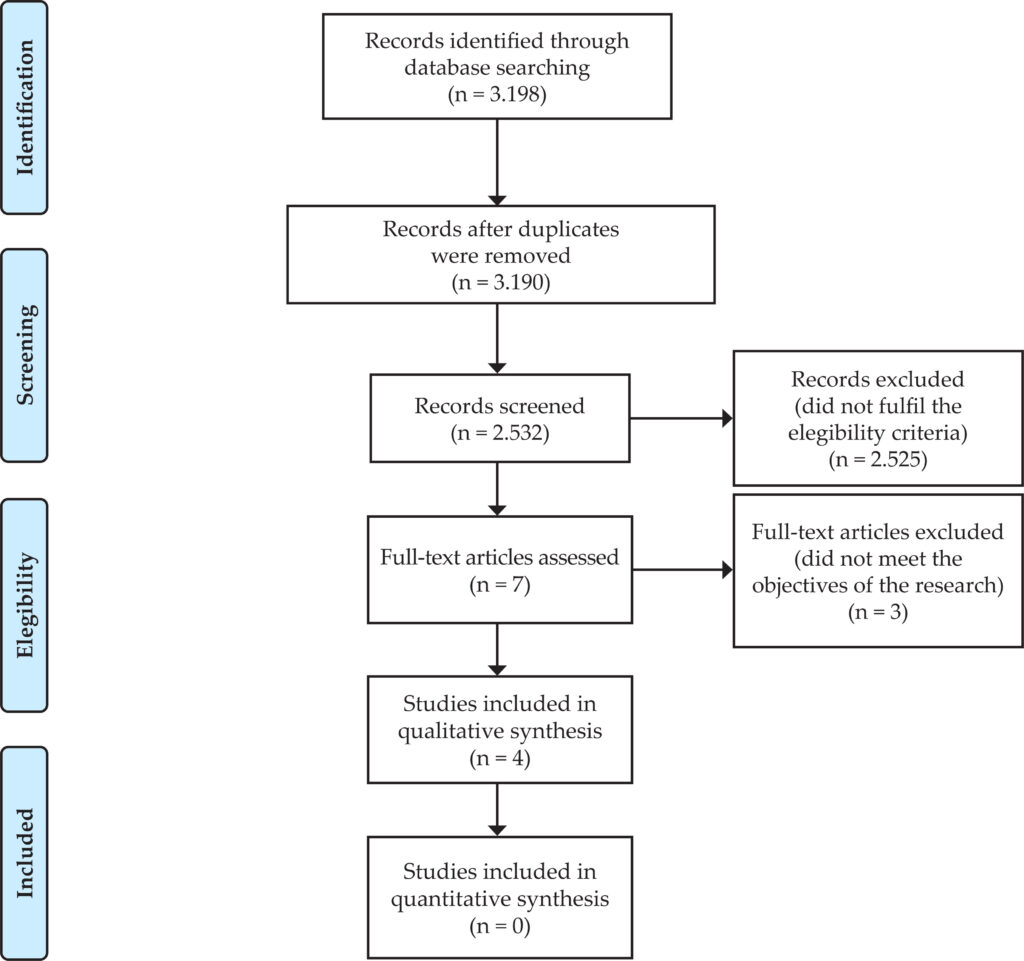
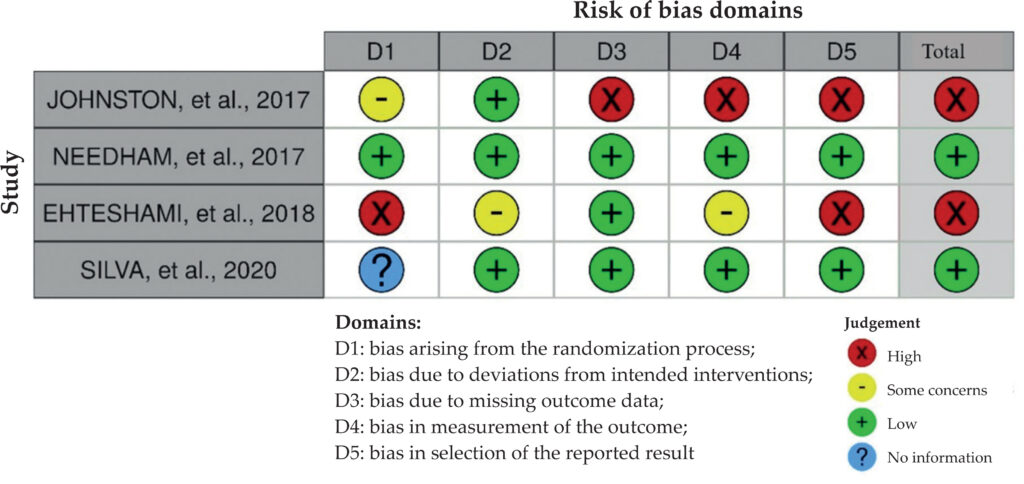
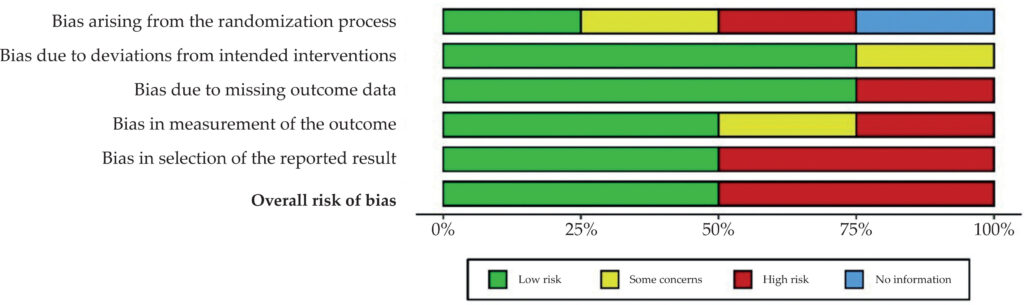
To review scientific evidence on the effects of a gluten-free diet on body composition and improvement of clinical and biochemical parameters of metabolic syndrome. The Preferred Reporting Items for Systematic Reviews and Meta-Analyzes – PRISMA guidelines were followed. A literature search was performed in the PubMed, ScienceDirect, Trip Database, Bireme and Scielo databases, without language restriction, until March 2021. The terms “gluten-free diet”, “obesity”, “metabolic syndrome”, and “weight loss”, and Boolean operators (AND/OR) were used. The clinical hypothesis was structured according to the acronym PICOT. Randomized clinical trials with adult and elderly humans without a diagnosis of celiac disease, consuming a gluten-free diet, evaluating associations of the effects of this diet on weight loss and metabolic syndrome components were considered eligible. To assess the risk of bias, the RoB2 was used. A total of 3,198 articles were identified and, after the screening and evaluation of pre-defined eligibility criteria, four studies were included in the qualitative analysis. Weight loss was not associated with a gluten-free diet. However, individuals under a gluten-free diet had lower mean waist circumference, fat percentage (-2.3%) and serum triglyceride levels. The impact of a gluten-free diet on metabolic syndrome parameters is still controversial. In individuals without gluten sensitivity or celiac disease, the consumption of a gluten-free diet appears to provide no nutritional benefit.
Images
Image gallery fullscreen viewer
Comments are moderated by the editorial team before publication. Discussions should be evidence-based and use scientific language. Conflicts of interest should be declared.