ABC Family Arquivos Brasileiros de Cardiologia International Journal of Cardiovascular Sciences ABC Heart Failure & Cardiomyopathy ABC Imagem Cardiovascular
Português English
ABC Family
Português English
  • About
    • About ABC Family
    • Internal Regulation
    • Editorial Board
    • Brazilian Society of Cardiology (SBC)
  • Issues
  • SBC Guidelines
  • Content
    • Videos
    • Podcasts
    • News
  • About
    • About ABC Family
    • Internal Regulation
    • Editorial Board
    • Brazilian Society of Cardiology (SBC)
  • Issues
  • SBC Guidelines
  • Content
    • Videos
    • Podcasts
    • News

ABC Family

  • ABC Family
  • Arquivos Brasileiros de Cardiologia
  • International Journal of Cardiovascular Sciences
  • ABC Heart Failure & Cardiomyopathy
  • ABC Imagem Cardiovascular
Search in

No content found.

Journals
Ordering
Article types
Others

  1. Home
  2. Keyword: Atorvastatin
Figure 1
ABC
Original Article

The Effect of Atorvastatin + Aspirin on the Endothelial Function Differs with Age in Patients with HIV: A Case-Control Study

Gerson Gomes dos Santos Junior et al. Paulo Sérgio Ramos Araújo Kaliene Maria Estevão Leite Emmanuelle Tenório Godoi … Adriana Ferraz Vasconcelos Heloisa Ramos Lacerda

Abstract

Background

Patients with HIV are more likely to present with cardiovascular disease when compared to the general population.

Objective

This was a case-control study that aimed to assess which factors were associated with a reduction in the carotid intima-media thickness (IMT) and an increase in the brachial artery flow-mediated dilation (FMD) in HIV patients who received atorvastatin + aspirin during a period of 6 months.

Methods

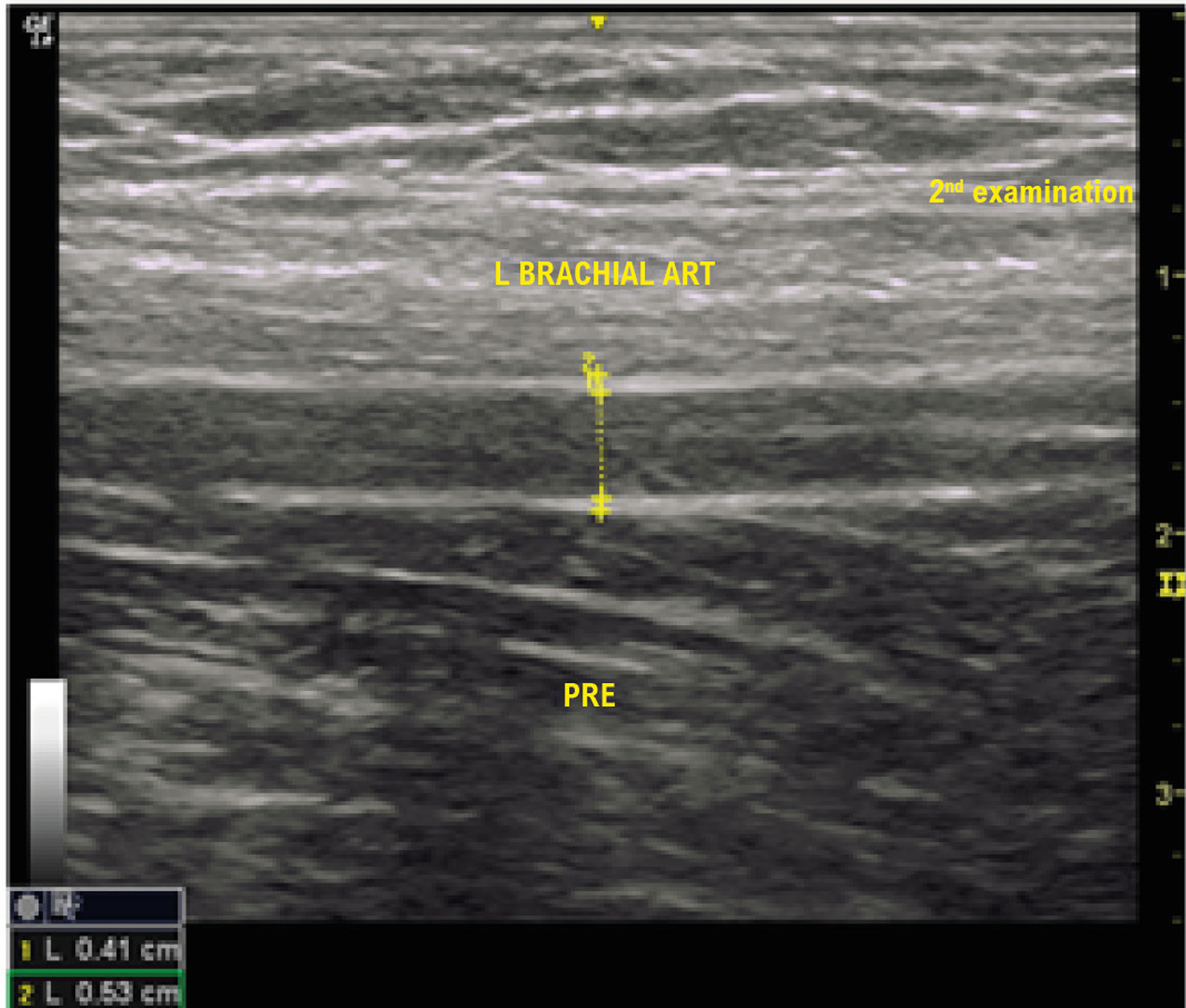
A secondary analysis of a clinical trial was conducted, which included people living with HIV infection and low cardiovascular risk. A total of 38 patients allocated to the intervention arm and treated for 6 months with a combination of atorvastatin + aspirin were included. All participants underwent a carotid and brachial artery ultrasound, both at the beginning and the end of the study. Cases that responded with an increase of >10% of the brachial dilatation (FMD) and reduction of the carotid intima-media thickness (IMT) were considered cases, and those who did not respond were considered controls. We assessed the factors associated with the positive responses obtained through IMT and FMD.

Results

A reduction in the IMT was not significantly associated with any of the evaluated risk factors: age (p=0.211), gender (p=0.260), smoking (p=0.131) or time since HIV diagnosis (p=0.836). An increase in the FMD was significantly associated with age amongst those in the 40-59 age group, p = 0.015 (OR = 4.37; 95% CI: 1.07-17.79).

Conclusions

Older individuals were more likely to present with an increased FMD after 6 months of treatment with atorvastatin + aspirin.
  • Aspirin
  • Atorvastatin
  • Brachial Artery
  • Carotid Arteries Ultrasonography
  • Carotid Intima-Media Thickness
  • Endothelium, Vascular / physiopathology
  • HIV
  • Risk Factors
Read Full Article
Creative Commons Attribution (CC BY) Creative Commons license
02/07/2021 DOI: 10.36660/abc.20190844 Views 1
Figure 1
ABC
Original Article

Atorvastatin Attenuates Vascular Remodeling in Mice with Metabolic Syndrome

Karine Ferreira da Silva Carvalho et al. Amanda Araújo Marques Ferreira Nayara Carvalho Barbosa Juliano Vilela Alves Rafael Menezes da Costa

Abstract

Background

Metabolic syndrome is characterized by an array of comorbidities. During this syndrome, structural changes are observed in the cardiovascular system, especially vascular remodeling. One of the predisposing causes for these changes is chronic inflammation resulting from changes in the structure and composition of perivascular adipose tissue. Atorvastatin is effective in the treatment of dyslipidemias. However, its pleiotropic effects have not been completely understood. We hypothesize that metabolic syndrome may lead to vascular remodeling and that atorvastatin therapy may be able to attenuate this condition.

Objectives

To assess the effects of atorvastatin therapy on vascular remodeling in an experimental model of metabolic syndrome.

Methods

Swiss mice received a control diet or a hyperglicemic diet for 18 weeks. After 14 weeks of diet, mice were treated with vehicle or atorvastatin (20mg/kg) during for 4 weeks. Nutritional and metabolic profiles were assessed by biochemical tests; moreover, a histological assessment of aorta structure was conducted, and cytokine levels were determined by the immunoenzyme assay. The acceptable level of significance for the results was set at p<0.05.

Results

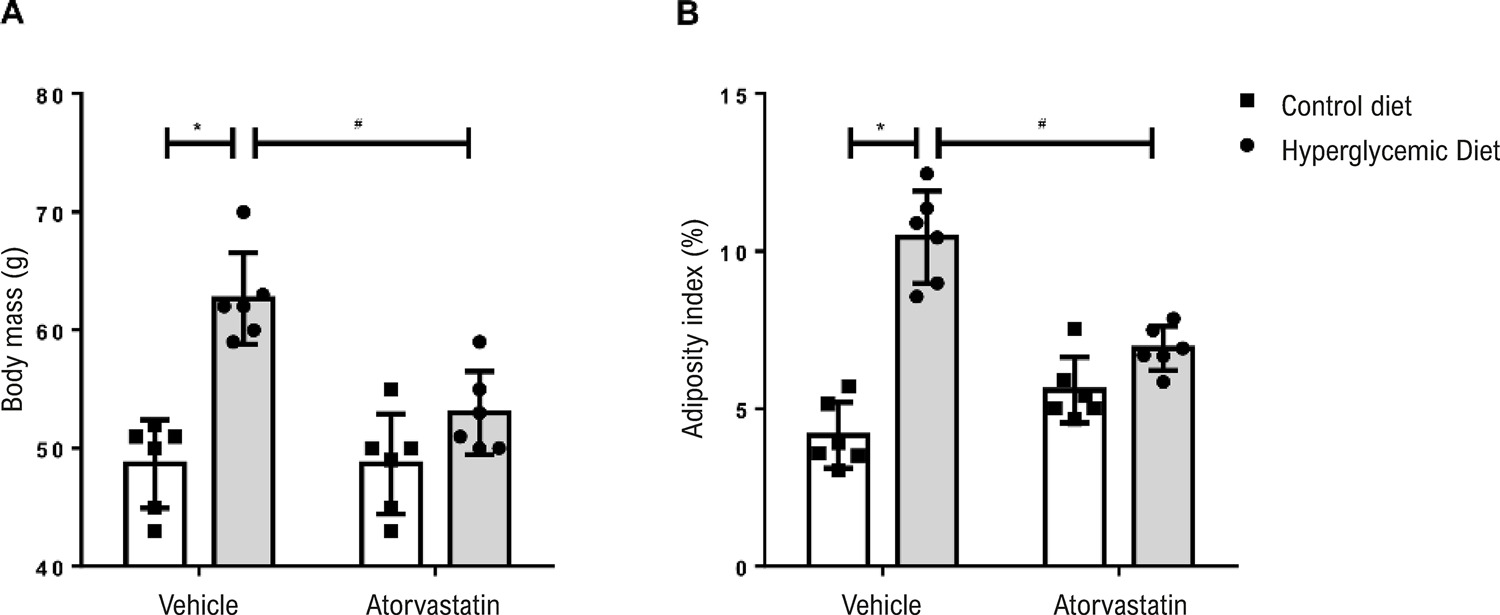
Hyperglicemic diet promoted the development of metabolic syndrome. It indeed culminated in hypertrophic remodeling of vascular smooth muscle and perivascular adipose tissue. Furthermore, there were increases in the levels of circulating TNF-α and IL-6 and in the perivascular adipose tissue. Atorvastatin therapy significantly reduced metabolic damages, vascular remodeling, and cytokine levels.

Conclusion

Atorvastatin attenuate metabolic damages associated with metabolic syndrome induced by hyperglycemic diet, in addition to attenuating vascular remodeling; both effects are associated with reduced levels of pro-inflammatory cytokines.

  • Atorvastatin
  • Dietary Carbohydrates
  • Dyslipidemias
  • Inflammation
  • Metabolic Syndrome
  • Mice
  • Vascular Remodeling
Read Full Article
Creative Commons Attribution (CC BY) Creative Commons license
18/06/2021 DOI: 10.36660/abc.20200322
Figure 1
ABC
Original Article

Atorvastatin Reduces Accumulation of Vascular Smooth Muscle Cells to Inhibit Intimal Hyperplasia via p38 MAPK Pathway Inhibition in a Rat Model of Vein Graft

Tianshu Chu et al. Molin Huang Zhiwei Zhao Fei Ling … Jing Cao Jianjun Ge

Abstract

Background:

The rate of saphenous vein graft failure one year after coronary artery bypass grafting ranges from 10% to 25%. The aim of this study was to explore whether atorvastatin can reduce accumulation of vascular smooth muscle cells to inhibit intimal hyperplasia via p38 MAPK pathway inhibition.

Methods:

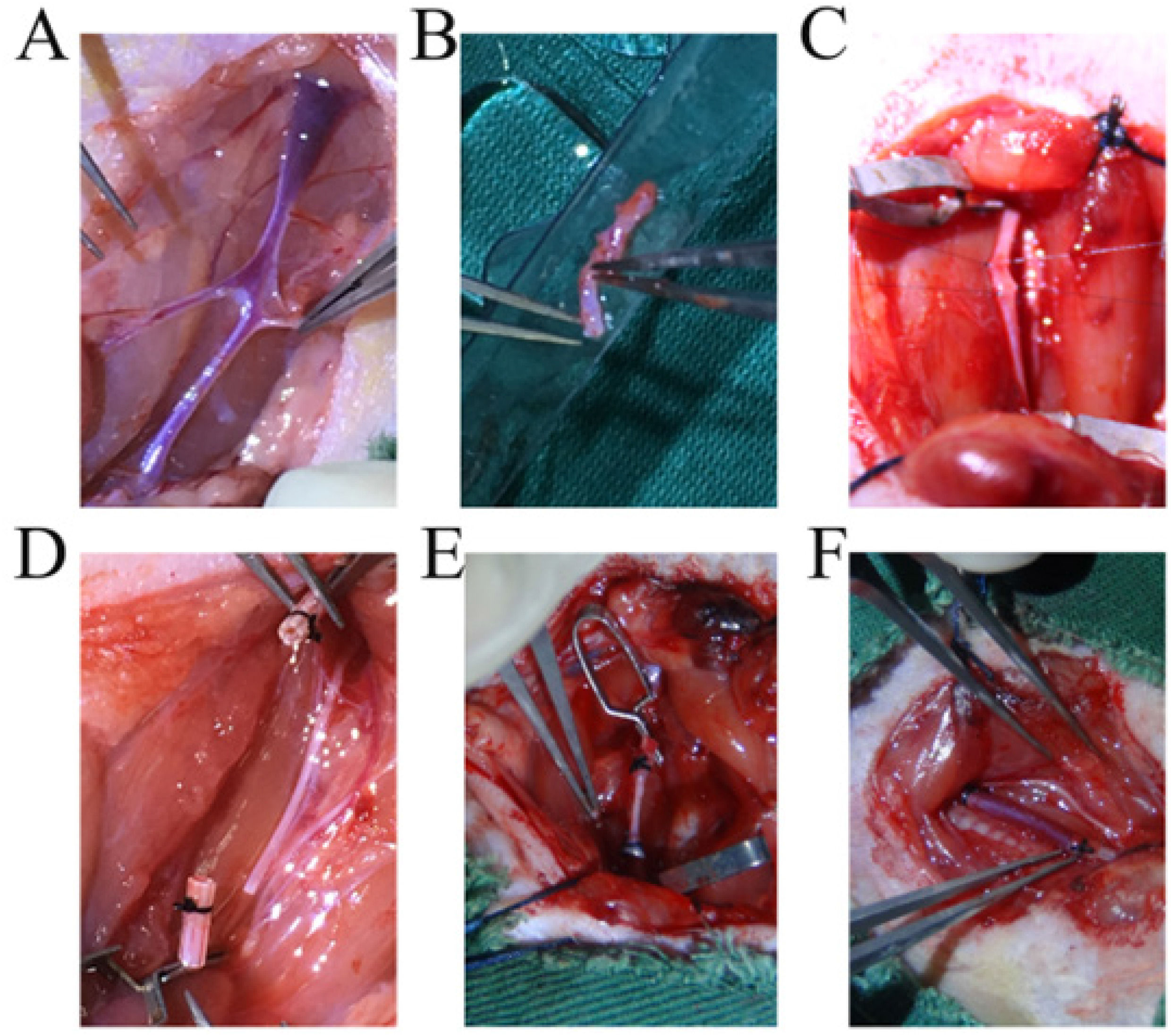
Forty-five Sprague-Dawley rats were randomized to three groups. Thirty rats received a vein graft operation, and they were randomized to be treated with vehicle or atorvastatin; fifteen rats received a sham operation. We detected intimal hyperplasia by hematoxylin-eosin staining and related protein expression by immunohistochemical and Western blot analysis. Comparisons were analyzed by single-factor analysis of variance and Fisher’s least significant difference test, with p < 0.05 considered significant.

Results:

The intima analyzed by hematoxylin-eosin staining was dramatically thicker in the control group than in the atorvastatin group and sham group (p < 0.01). The outcomes of immunohistochemical staining of α-SMA demonstrated that the percentage of α-SMA-positive cells in the control group was higher than in the atorvastatin group (p < 0.01). We also evaluated α-SMA, PCNA, p38 MAPK, and phosphorylation of p38 MAPK after statin treatment by Western blot analysis, and the results indicated that atorvastatin did not lead to p38 MAPK reduction (p < 0.05); it did, however, result in inhibition of p38 MAPK phosphorylation (p < 0.01), and it significantly reduced α-SMA and PCNA levels, in comparison with the control group (p < 0.01).

Conclusion:

We have demonstrated that atorvastatin can inhibit accumulation of vascular smooth muscle cells by inhibiting the p38 MAPK pathway, and it is capable of inhibiting intimal hyperplasia in a rat vein graft model.

  • Atorvastatin
  • Hyperplasia
  • Mitogen Activated Protein Kinases
  • Models, Animal
  • Myocardial Revascularization, Rats
  • Myocytes Smooth Muscle
Read Full Article
Creative Commons Attribution (CC BY) Creative Commons license
23/10/2020 DOI: 10.36660/abc.20190231 Views 1
ABC
Original Article

Evaluation of Sexual Dimorphism in the Efficacy and Safety of Simvastatin/Atorvastatin Therapy in a Southern Brazilian Cohort

Lisiane Smiderle et al. Luciana O. Lima Mara Helena Hutz Cézar Roberto Van der Sand … Luiz Carlos Van der Sand Maria Elvira Wagner Ferreira Renan Canibal Pires Silvana Almeida Marilu Fiegenbaum

Background:

Dyslipidemia is the primary risk factor for cardiovascular disease, and statins have been effective in controlling lipid levels. Sex differences in the pharmacokinetics and pharmacodynamics of statins contribute to interindividual variations in drug efficacy and toxicity.

Objective:

To evaluate the presence of sexual dimorphism in the efficacy and safety of simvastatin/atorvastatin treatment.

Methods:

Lipid levels of 495 patients (331 women and 164 men) were measured at baseline and after 6 ± 3 months of simvastatin/atorvastatin treatment to assess the efficacy and safety profiles of both drugs.

Results:

Women had higher baseline levels of total cholesterol (TC), low-density lipoprotein cholesterol (LDL-C), and high-density lipoprotein cholesterol (HDL-C) compared with men (p < 0.0001). After treatment, women exhibited a greater decrease in plasma TC and LDL-C levels compared with men. After adjustment for covariates, baseline levels of TC and LDL-C influenced more than 30% of the efficacy of lipid-lowering therapy (p < 0.001), regardless of sex. Myalgia [with or without changes in creatine phosphokinase (CPK) levels] occurred more frequently in women (25.9%; p = 0.002), whereas an increase in CPK and/or abnormal liver function was more frequent in in men (17.9%; p = 0.017).

Conclusions:

Our results show that baseline TC and LDL-C levels are the main predictors of simvastatin/atorvastatin therapy efficacy, regardless of sex. In addition, they suggest the presence of sexual dimorphism in the safety of simvastatin/atorvastatin. The effect of sex differences on receptors, transporter proteins, and gene expression pathways needs to be better evaluated and characterized to confirm these observations.

  • Atorvastatin
  • Lipids
  • Sexual Dimorphism
  • simvastatin
Read Full Article
Creative Commons Attribution (CC BY) Creative Commons license
27/06/2014 DOI: 10.5935/abc.20140085 Views 2
Efficacy of atorvastatin when not administered daily
ABC
Artigo Original

Efficacy of atorvastatin when not administered daily

Antonio Edmond Ghattas et al. João Pimenta

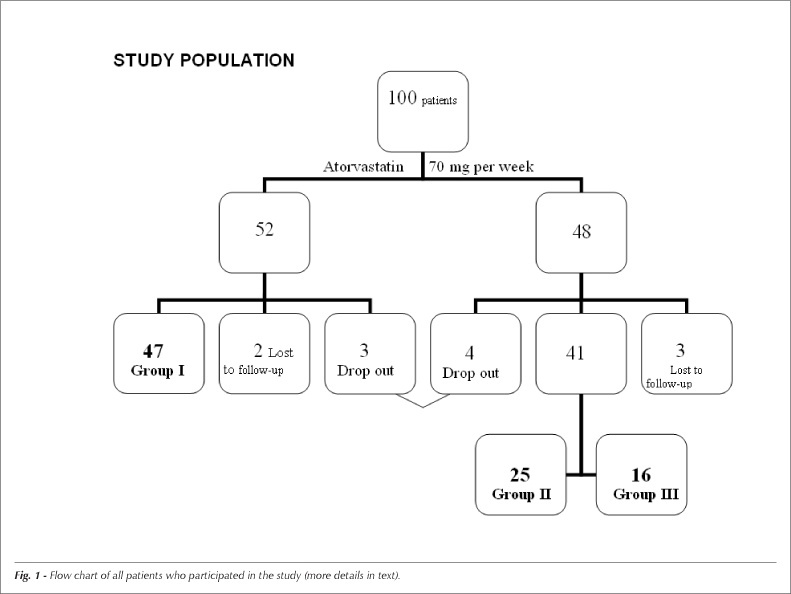
BACKGROUND: Statins are widely used because they reduce cardiac events. Although they are indicated for daily use, some doctorsgive prescriptions for every other day, mainly with the purpose of reducing costs. OBJECTIVE: To evaluate the efficacy of atorvastatin, when not administered everyday, on LDL-cholesterol (LDL-C) levels, and also to evaluate cost reduction. METHODS: A total of 100 patients with hypercholesterolemia in primary (PP) and secondary prevention (SP) were assessed. After a 12-week diet period, atorvastatin was initiated at a dose of 10 mg per day. After six weeks, LDL-C was determined, and if the levels were <80 or <104 mg/dL for SP and PP, respectively, two atorvastatin doses were subtracted per week. If LDL-C remained <80 or <104 mg/dL, a further reduction to three times a week was allowed, and the last determination was performed after six more weeks. The percentage variation in costs was the parameter to evaluate the saving. RESULTS: In 47 out of the 52 patients of this group, a reduction by 32% in LDL-C was observed, and daily atorvastatin was maintained. Forty one patients remained throughout the study and had their weekly dosage reduced. In 25 patients the medication was administered three times a week, and in 16, five times a week, with reductions of 42.4% and 46.1% in LDL-C, respectively. As regards costs, one of the groups had their monthly expense reduced from R$ 106.65 to R$ 74.65, and the other group from R$ 106.65 to R$ 53.33. CONCLUSION: The results suggest that atorvastatin may be administered on a non-daily basis. A cost reduction between 30% and 50% was also observed.

  • Atorvastatin
  • Cholesterol
  • Hypercholesterolemia
  • Statins
Read Full Article
Creative Commons Attribution (CC BY) Creative Commons license
07/12/2007 DOI: 10.1590/S0066-782X2007001700008

How to cite this article

EndNote RIS

Electronic Document Format (Vancouver)

Santos Junior GG, Araújo PSR, Leite KME, Godoi ET, Vasconcelos AF, Lacerda HR. The Effect of Atorvastatin + Aspirin on the Endothelial Function Differs with Age in Patients with HIV: A Case-Control Study. Arquivos Brasileiros de Cardiologia 2021;117(2):365-7.

Electronic Document Format (ABNT)

Santos Junior, Gerson Gomes dos; Araújo, Paulo Sérgio Ramos; Leite, Kaliene Maria Estevão; Godoi, Emmanuelle Tenório; Vasconcelos, Adriana Ferraz; Lacerda, Heloisa Ramos. The Effect of Atorvastatin + Aspirin on the Endothelial Function Differs with Age in Patients with HIV: A Case-Control Study. Arquivos Brasileiros de Cardiologia, v. 117, n. 2, p. 365-375, Jul. 2021.

Electronic Document Format (APA)

Santos Junior, G. G. , Araújo, P. S. R., Leite, K. M. E., Godoi, E. T., Vasconcelos, A. F., & Lacerda, H. R. (2021). The Effect of Atorvastatin + Aspirin on the Endothelial Function Differs with Age in Patients with HIV: A Case-Control Study. Arquivos Brasileiros de Cardiologia, 117(2), 365-375.

Electronic Document Format (ISO)

Santos Junior, Gerson Gomes dos and Araújo, Paulo Sérgio Ramos and Leite, Kaliene Maria Estevão and Godoi, Emmanuelle Tenório and Vasconcelos, Adriana Ferraz and Lacerda, Heloisa Ramos. The Effect of Atorvastatin + Aspirin on the Endothelial Function Differs with Age in Patients with HIV: A Case-Control Study. Arquivos Brasileiros de Cardiologia [online]. 2021, vol. 117, n. 2, [cited 2026-10-14], pp. 365-375. Available from: <https://journals.cardiol.br/en/article/the-effect-of-atorvastatin-aspirin-on-the-endothelial-function-differs-with-age-in-patients-with-hiv-a-case-control-study/>. ISSN 0066-782X

EndNote RIS

Electronic Document Format (Vancouver)

Carvalho KFS, Ferreira AAM, Barbosa NC, Alves JV, Costa RM. Atorvastatin Attenuates Vascular Remodeling in Mice with Metabolic Syndrome. Arquivos Brasileiros de Cardiologia 2021;117(4):737-4.

Electronic Document Format (ABNT)

Carvalho, Karine Ferreira da Silva; Ferreira, Amanda Araújo Marques; Barbosa, Nayara Carvalho; Alves, Juliano Vilela; Costa, Rafael Menezes da. Atorvastatin Attenuates Vascular Remodeling in Mice with Metabolic Syndrome. Arquivos Brasileiros de Cardiologia, v. 117, n. 4, p. 737-747, Jun. 2021.

Electronic Document Format (APA)

Carvalho, K. F. S., Ferreira, A. A. M., Barbosa, N. C., Alves, J. V., & Costa, R. M. (2021). Atorvastatin Attenuates Vascular Remodeling in Mice with Metabolic Syndrome. Arquivos Brasileiros de Cardiologia, 117(4), 737-747.

Electronic Document Format (ISO)

Carvalho, Karine Ferreira da Silva and Ferreira, Amanda Araújo Marques and Barbosa, Nayara Carvalho and Alves, Juliano Vilela and Costa, Rafael Menezes da. Atorvastatin Attenuates Vascular Remodeling in Mice with Metabolic Syndrome. Arquivos Brasileiros de Cardiologia [online]. 2021, vol. 117, n. 4, [cited 2026-10-14], pp. 737-747. Available from: <https://journals.cardiol.br/en/article/atorvastatin-attenuates-vascular-remodeling-in-mice-with-metabolic-syndrome/>. ISSN 0066-782X

EndNote RIS

Electronic Document Format (Vancouver)

Chu T, Huang M, Zhao Z, Ling F, Cao J, Ge J. Atorvastatin Reduces Accumulation of Vascular Smooth Muscle Cells to Inhibit Intimal Hyperplasia via p38 MAPK Pathway Inhibition in a Rat Model of Vein Graft. Arquivos Brasileiros de Cardiologia 2020;115(4):630-6.

Electronic Document Format (ABNT)

Chu, Tianshu; Huang, Molin; Zhao, Zhiwei; Ling, Fei; Cao, Jing; Ge, Jianjun. Atorvastatin Reduces Accumulation of Vascular Smooth Muscle Cells to Inhibit Intimal Hyperplasia via p38 MAPK Pathway Inhibition in a Rat Model of Vein Graft. Arquivos Brasileiros de Cardiologia, v. 115, n. 4, p. 630-636, Oct. 2020.

Electronic Document Format (APA)

Chu, T., Huang, M., Zhao, Z., Ling, F., Cao, J., & Ge, J. (2020). Atorvastatin Reduces Accumulation of Vascular Smooth Muscle Cells to Inhibit Intimal Hyperplasia via p38 MAPK Pathway Inhibition in a Rat Model of Vein Graft. Arquivos Brasileiros de Cardiologia, 115(4), 630-636.

Electronic Document Format (ISO)

Chu, Tianshu and Huang, Molin and Zhao, Zhiwei and Ling, Fei and Cao, Jing and Ge, Jianjun. Atorvastatin Reduces Accumulation of Vascular Smooth Muscle Cells to Inhibit Intimal Hyperplasia via p38 MAPK Pathway Inhibition in a Rat Model of Vein Graft. Arquivos Brasileiros de Cardiologia [online]. 2020, vol. 115, n. 4, [cited 2026-10-14], pp. 630-636. Available from: <https://journals.cardiol.br/en/article/atorvastatin-reduces-accumulation-of-vascular-smooth-muscle-cells-to-inhibit-intimal-hyperplasia-via-p38-mapk-pathway-inhibition-in-a-rat-model-of-vein-graft/>. ISSN 0066-782X

EndNote RIS

Electronic Document Format (Vancouver)

Smiderle L, Lima LO, Hutz MH, Sand CRV, Sand LCV, Ferreira MEW, Pires RC, et al. Evaluation of Sexual Dimorphism in the Efficacy and Safety of Simvastatin/Atorvastatin Therapy in a Southern Brazilian Cohort. Arquivos Brasileiros de Cardiologia 2014;103(1):33-40.

Electronic Document Format (ABNT)

Smiderle, Lisiane; Lima, Luciana O.; Hutz, Mara Helena; Sand, Cézar Roberto Van der; Sand, Luiz Carlos Van der; Ferreira, Maria Elvira Wagner; Pires, Renan Canibal; Almeida, Silvana; Fiegenbaum, Marilu. Evaluation of Sexual Dimorphism in the Efficacy and Safety of Simvastatin/Atorvastatin Therapy in a Southern Brazilian Cohort. Arquivos Brasileiros de Cardiologia, v. 103, n. 1, p. 33-40, Jun. 2014.

Electronic Document Format (APA)

Smiderle, L., Lima, L. O., Hutz, M. H., Sand, C. R. V. , Sand, L. C. V. , Ferreira, M. E. W., Pires, R. C., Almeida, S., & Fiegenbaum, M. (2014). Evaluation of Sexual Dimorphism in the Efficacy and Safety of Simvastatin/Atorvastatin Therapy in a Southern Brazilian Cohort. Arquivos Brasileiros de Cardiologia, 103(1), 33-40.

Electronic Document Format (ISO)

Smiderle, Lisiane and Lima, Luciana O. and Hutz, Mara Helena and Sand, Cézar Roberto Van der and Sand, Luiz Carlos Van der and Ferreira, Maria Elvira Wagner and Pires, Renan Canibal and Almeida, Silvana and Fiegenbaum, Marilu. Evaluation of Sexual Dimorphism in the Efficacy and Safety of Simvastatin/Atorvastatin Therapy in a Southern Brazilian Cohort. Arquivos Brasileiros de Cardiologia [online]. 2014, vol. 103, n. 1, [cited 2026-10-14], pp. 33-40. Available from: <https://journals.cardiol.br/en/article/evaluation-of-sexual-dimorphism-in-the-efficacy-and-safety-of-simvastatin-atorvastatin-therapy-in-a-southern-brazilian-cohort/>. ISSN 0066-782X

EndNote RIS

Electronic Document Format (Vancouver)

Ghattas AE, Pimenta J. Efficacy of atorvastatin when not administered daily. Arquivos Brasileiros de Cardiologia 2007;89(5):325-32.

Electronic Document Format (ABNT)

Ghattas, Antonio Edmond; Pimenta, João. Efficacy of atorvastatin when not administered daily. Arquivos Brasileiros de Cardiologia, v. 89, n. 5, p. 325-332, Dec. 2007.

Electronic Document Format (APA)

Ghattas, A. E., & Pimenta, J. (2007). Efficacy of atorvastatin when not administered daily. Arquivos Brasileiros de Cardiologia, 89(5), 325-332.

Electronic Document Format (ISO)

Ghattas, Antonio Edmond and Pimenta, João. Efficacy of atorvastatin when not administered daily. Arquivos Brasileiros de Cardiologia [online]. 2007, vol. 89, n. 5, [cited 2026-10-14], pp. 325-332. Available from: <https://journals.cardiol.br/en/article/efficacy-of-atorvastatin-when-not-administered-daily/>. ISSN 0066-782X

  • About ABC Family
  • Internal Regulation
  • Editorial Board
  • Brazilian Society of Cardiology (SBC)

Issues

SBC Guidelines

  • Videos
  • Podcasts
  • News