
| ABC
ABC Family Arquivos Brasileiros de Cardiologia International Journal of Cardiovascular Sciences ABC Heart Failure & Cardiomyopathy ABC Imagem Cardiovascular
Português English
ABC Family | ABC
Português English
  • About
    • About the Journal
    • Internal Regulation
    • Editors Section
    • Editorial Board
    • History
    • SBC Award
  • Instructions to Authors
    • Guidelines for Publication
    • Editorial Policy
    • Ethics Policy
    • Policy on the Use of Artificial Intelligence
    • Mandatory Publication Form
    • Publication Fee
  • Issues
  • SBC Guidelines
  • Abstracts
    • How to Publish an Abstract Supplement?
    • Supplements from the Brazilian Congress of Cardiology
  • About
    • About the Journal
    • Internal Regulation
    • Editors Section
    • Editorial Board
    • History
    • SBC Award
  • Instructions to Authors
    • Guidelines for Publication
    • Editorial Policy
    • Ethics Policy
    • Policy on the Use of Artificial Intelligence
    • Mandatory Publication Form
    • Publication Fee
  • Issues
  • SBC Guidelines
  • Abstracts
    • How to Publish an Abstract Supplement?
    • Supplements from the Brazilian Congress of Cardiology

ABC Family

  • ABC Family
  • Arquivos Brasileiros de Cardiologia
  • International Journal of Cardiovascular Sciences
  • ABC Heart Failure & Cardiomyopathy
  • ABC Imagem Cardiovascular
Search in

No content found.

Journals
Ordering
Article types
Others

  1. Home
  2. ABC
  3. Issues
  4. 2024, Volume 121, Number 8
Editorial

No Time to Die

Luiz Fernando Caneo

Extracorporeal Membrane Oxygenation (ECMO) is an advanced life-support technology providing prolonged cardiac and respiratory support for patients whose hearts and lungs cannot function adequately. The concept of using a machine to replace these functions dates back to 1931 when John Gibbon, a surgical resident in Boston, treated a woman with a pulmonary embolism. Without available treatments, he could only watch her deteriorate and pass away. This experience led Gibbon to envision a method to oxygenate blood outside the body and bypass blockages. By 1934, he developed a machine that could support a cat’s circulation for thirty minutes, and in 1952, he successfully used the machine on a human, marking the beginning of modern open-heart surgery.

In 1971, Donald Hill used an extracorporeal circuit with a specially designed oxygenator to support a man with respiratory failure for thirty-six hours, making him the first human to survive on ECMO. In 1975, Robert Bartlett and his team used ECMO to save a newborn with respiratory failure. In the following years, hundreds of similar cases were treated with an eighty percent survival rate, establishing ECMO as a standard in major pediatric centers. The use of ECMO in adults has expanded, particularly for conditions refractory to conventional treatments during the H1N1 epidemic and later during the SARS-CoV-2 pandemic., This increase is due to improved cannulation techniques and advancements in pumps, oxygenators, and cannulas. Despite these improvements, selecting appropriate candidates and managing their daily care remains challenging.

[…]

  • Cardiogenic shock
  • Cost-Effectiveness Analysis
  • Extracorporeal Membrane Oxygenation
Read Full Article
Creative Commons Attribution (CC BY) Creative Commons license
27/09/2024 DOI: 10.36660/abc.20240512i
Editorial

PRKAG2 Syndrome: Is Screening with Early Echocardiography Effective in Children with a Positive Genotype?

Maria Elisa Lucena Sales de Melo Assunção et al. Norma Lucena Cavalcanti Licínio da Silva Mychelle Pascoaline de Miranda Silva

Described for the first time in 2001 by Gollob et al., the syndrome determined by the mutation of the PRKAG2 gene is rare, autosomal dominant, with high penetrance and unknown prevalence in the population. It manifests with the phenotype of myocardial hypertrophy and associated ventricular pre-excitation. Tachyarrhythmias are common in this genetic syndrome, as are disturbances in the cardiac conduction system that lead, in some cases, to pacemaker implantation at an early age.

The PRKAG2 gene mutation usually presents as a phenocopy of hypertrophic cardiomyopathy, differing from this in that there are no sarcomeric changes and, rather, accumulation of glycogen in cardiac myocytes. The definitive diagnosis is given by genetic study, but the presentation with left ventricular (LV) hypertrophy and conduction system disorders also form a differential diagnosis with Danon and Anderson-Fabry diseases.

[…]

  • Cardiac Arrhythmias
  • Cardiomegaly
  • Cardiomyopathies
  • Child
  • Genetics
Read Full Article
Creative Commons Attribution (CC BY) Creative Commons license
27/09/2024 DOI: 10.36660/abc.20240543i
Editorial

Chronic Chagasic Cardiomyopathy: Influence of Physical Exercise

Gustavo Augusto Ferreira Mota et al. Mariana Gatto Vitor Loureiro da Silva Paula Felippe Martinez Marina Politi Okoshi

Chronic Chagas cardiomyopathy results from infection with Trypanosoma cruzi, transmitted by triatomine insects. The disease, endemic in Latin America, affects millions of individuals worldwide. In recent decades, the increase in migration has elevated the number of infected people in non-endemic regions from Europe and the United States. Chagas disease remains a neglected disease, characterized by difficulty in early diagnosis and poorly understood pathogenesis.

T. cruzi infects cardiomyocytes, immune cells, and fibroblasts, activating an inflammatory response that can reduce the parasite load and cause the death of infected cells. The parasite induces the production of chemokines and cytokines that increase the microbicidal capacity of macrophages and stimulate nitric oxide synthases and the production of reactive oxygen species. CD4 and CD8 T lymphocytes also participate in the inflammatory response with the production of IFN-γ and degranulation of cytotoxic T lymphocytes that lysis compromised cells.

[…]

  • Cardiomyopathies
  • Chagas disease
  • Exercise
  • Functional Status
  • Inflammation
  • Myocardial Perfusion Imaging
Read Full Article
Creative Commons Attribution (CC BY) Creative Commons license
27/09/2024 DOI: 10.36660/abc.20240507i Views 1
Fondaparinux versus Enoxaparin in the Treatment of Obese Patients with Acute Coronary Syndrome
Original Article

Fondaparinux versus Enoxaparin in the Treatment of Obese Patients with Acute Coronary Syndrome

Beatriz Rocha Darzé et al. Carolina Costa da Silva Souza Queila Borges de Oliveira João Victor Santos Pereira Ramos … Mateus S. Viana Eduardo Sahade Darzé Luiz Eduardo Fonteles Ritt

Abstract

Background:

Fondaparinux is an effective and safe anticoagulant in the treatment of acute coronary syndromes (ACS). However, due to the low representation of obese individuals in clinical trials, the effects of applying the results of this drug to this population remain uncertain.

Objectives:

To compare Fondaparinux to Enoxaparin in the treatment of obese patients with ACS.

Methods:

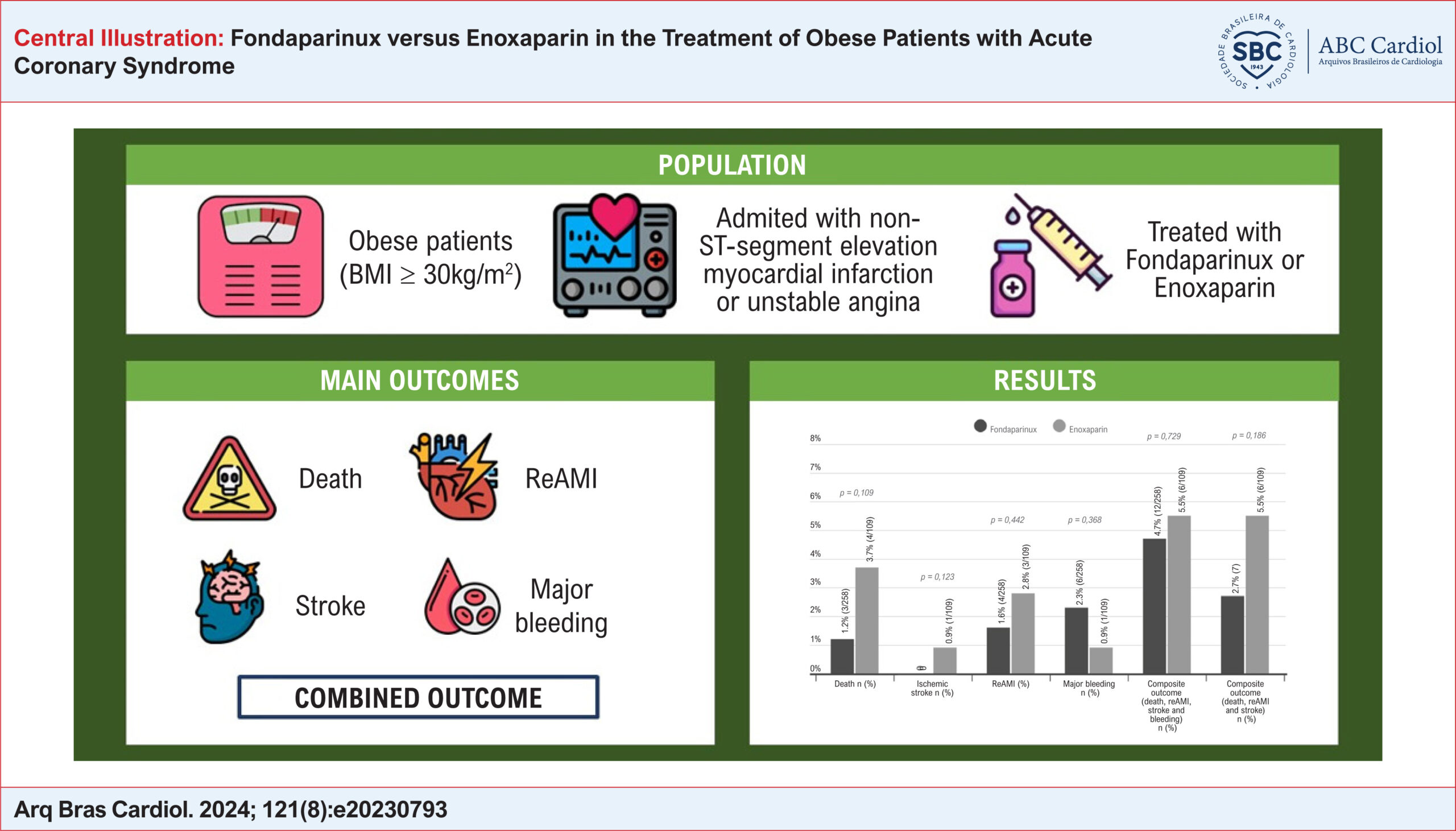
This is a retrospective cohort study, including obese individuals (BMI ≥ 30 Kg/m2) admitted with non-ST-segment elevation myocardial infarction (NSTEMI) or unstable angina (UA) and treated with Fondaparinux or Enoxaparin between 2010 and 2020. The Fondaparinux and Enoxaparin groups were compared for their clinical and laboratory characteristics using chi-square and Mann-Whitney tests, as appropriate. The incidence of primary outcomes (death, reinfarction, stroke, major bleeding) was compared between groups. P-value < 0.05 was considered significant for all analyses.

Results:

A total of 367 obese patients with NSTEMI or UA were included, of whom 258 used Fondaparinux and 109 used Enoxaparin. Mean age was 64 ± 12 years, and 52.9% were male. The prevalence of diabetes, hypertension, dyslipidemia, prior coronary artery disease, prior stroke, and implementation of invasive strategy was similar between groups. The incidence of the primary outcome was 4.7% in the Fondaparinux group and 5.5% in the Enoxaparin group (p = 0.729). There was no difference between groups when analyzing the components of the primary outcome separately.

Conclusion:

In a sample of obese patients with NSTEMI or UA, there was no difference in the occurrence of the composite outcome (death, stroke, reinfarction, major bleeding) between patients who used Fondaparinux or Enoxaparin.

  • Acute coronary syndrome
  • Anticoagulants
  • Enoxaparin
  • Fondaparinux
  • Obesity
Read Full Article
Creative Commons Attribution (CC BY) Creative Commons license
23/09/2024 DOI: 10.36660/abc.20230793i Views 2
Figure 1
Editorial

Resting Heart Rate to Assess Patients with Heart Failure: That is All We Need

Humberto Villacorta

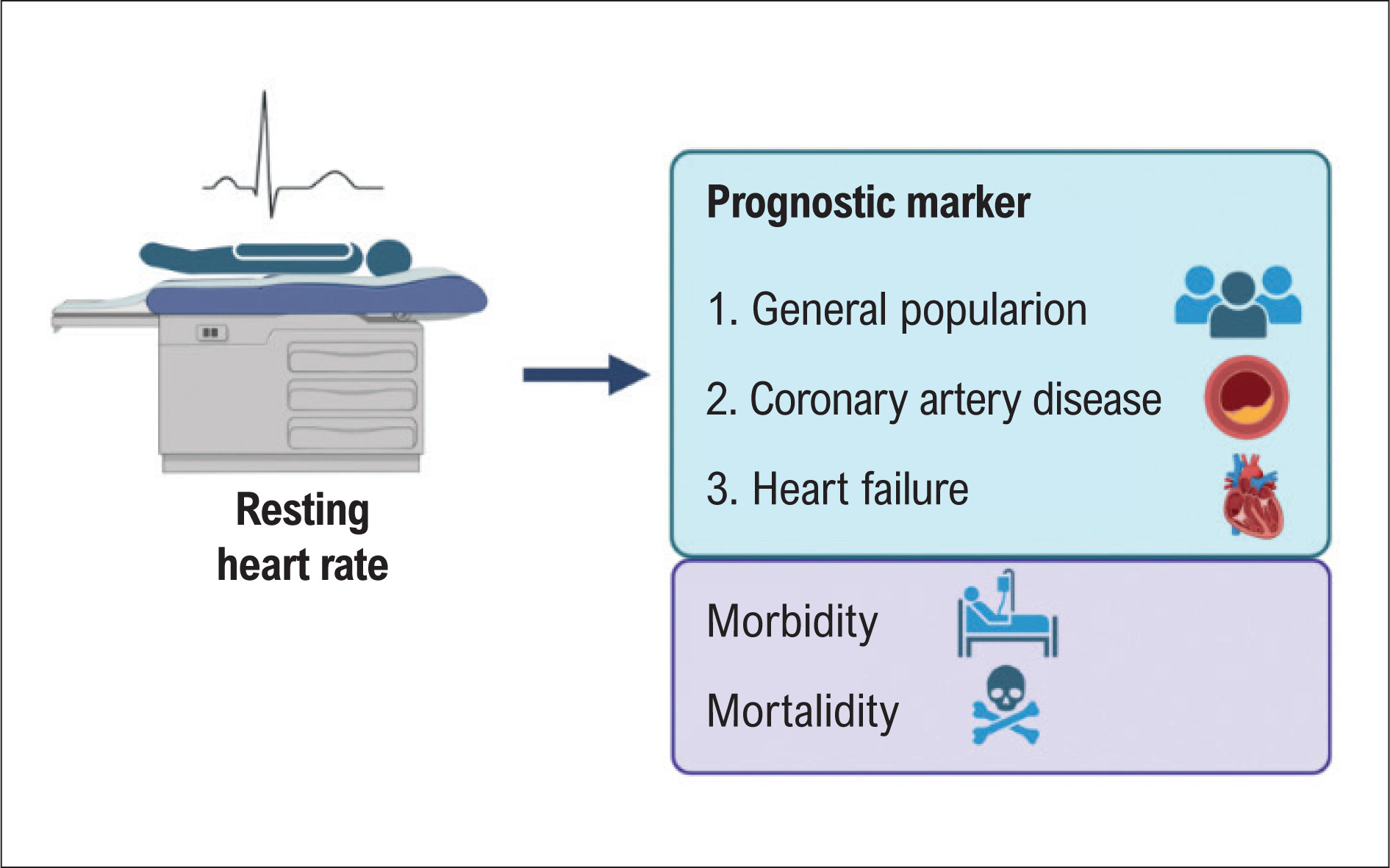
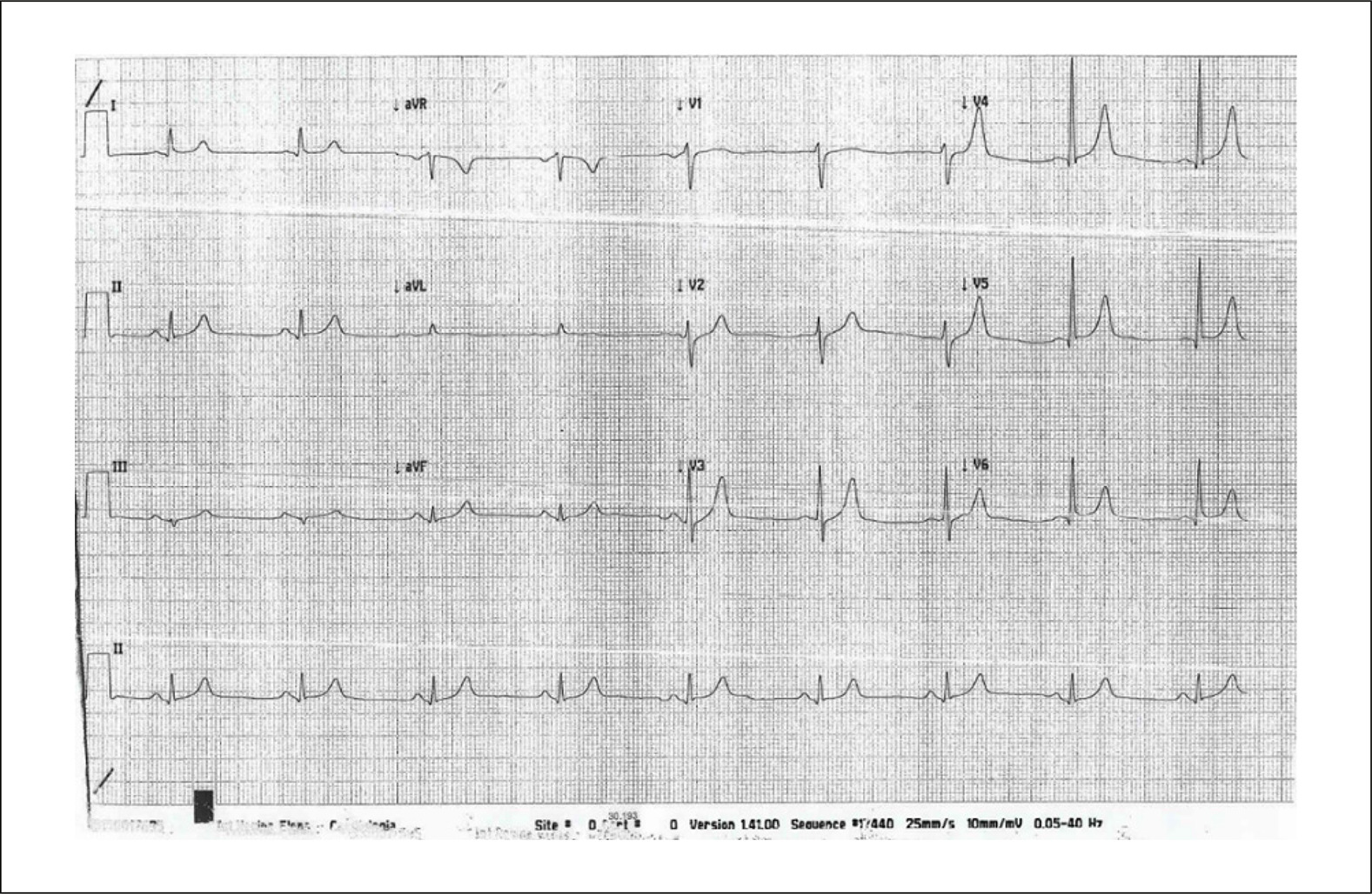
Heart rate (HR) is an important marker of prognosis in cardiovascular diseases. It is present as a predictor of survival in nature itself. For example, animals with a low HR live much longer than animals with a high HR. In the general population, HR has been related to mortality, as demonstrated in the Framingham Study. Additionally, since the 1980s, it has been known that resting HR is a prognostic factor in patients with coronary artery disease., Data from the Coronary Artery Surgery Study (CASS) showed that it predicts morbidity (hospital readmission rate) as well as total and cardiovascular mortality.

In heart failure (HF) resting HR is a prognostic marker as well, as shown in . The treatment of HF with reduced ejection fraction includes the utilization of beta-blockers.– Although beta-blockers have many mechanisms through which they may benefit patients with HF, HR reduction probably contributes to the beneficial effects of this class. However, even on maximum tolerated doses of beta-blockers, some patients may remain with HR >70 bpm (recommended range for patients with HF is 50-60 bpm). For this reason, a new class of drugs was developed. Ivabradine is a selective HR reductor that works by inhibiting the if channels in the sinus node. Ivabradine was tested against a placebo in the SHIFT study, in patients with symptomatic HF, sinus rhythm, left ventricular ejection fraction ≤35%, and HR ≥70 bpm despite optimized HF treatment. Ivabradine reduced the composite endpoint of cardiovascular mortality or HF hospitalization. In a subanalysis, it was observed that the magnitude of HR reduction by beta-blocker plus ivabradine, rather than background beta-blocker dose, primarily determined subsequent effect on outcomes.

[…]

  • Electrocardiography
  • Heart Failure
  • Heart Rate
Read Full Article
Creative Commons Attribution (CC BY) Creative Commons license
23/09/2024 DOI: 10.36660/abc.20240521i
Editorial

Do We Need New Echocardiographic Parameters for Transplant Recipients without Rejection?

Alberto Rodolpho Hüning et al. Vitor Emer Egypto Rosa

Introduction

Heart transplant represents the principal therapeutic modality for patients with end-stage heart failure unresponsive to maximized medical and surgical management. Brazil boasts one of the most extensive public health systems for organ transplantation globally, with nearly all procedures conducted under the Unified Health System (SUS). However, there is still a lack of studies validating normal echocardiographic parameters in this population, and this was the topic of the study conducted by Dall’Orto et al.

[…]

  • Echocardiography
  • Heart Transplant
  • Longitudinal Strain
Read Full Article
Creative Commons Attribution (CC BY) Creative Commons license
23/09/2024 DOI: 10.36660/abc.20240452i Views 1
Figure 1
Editorial

Advanced Heart Failure and Onset of New Prognostic Markers: Where are We?

Meliza Goi Roscani

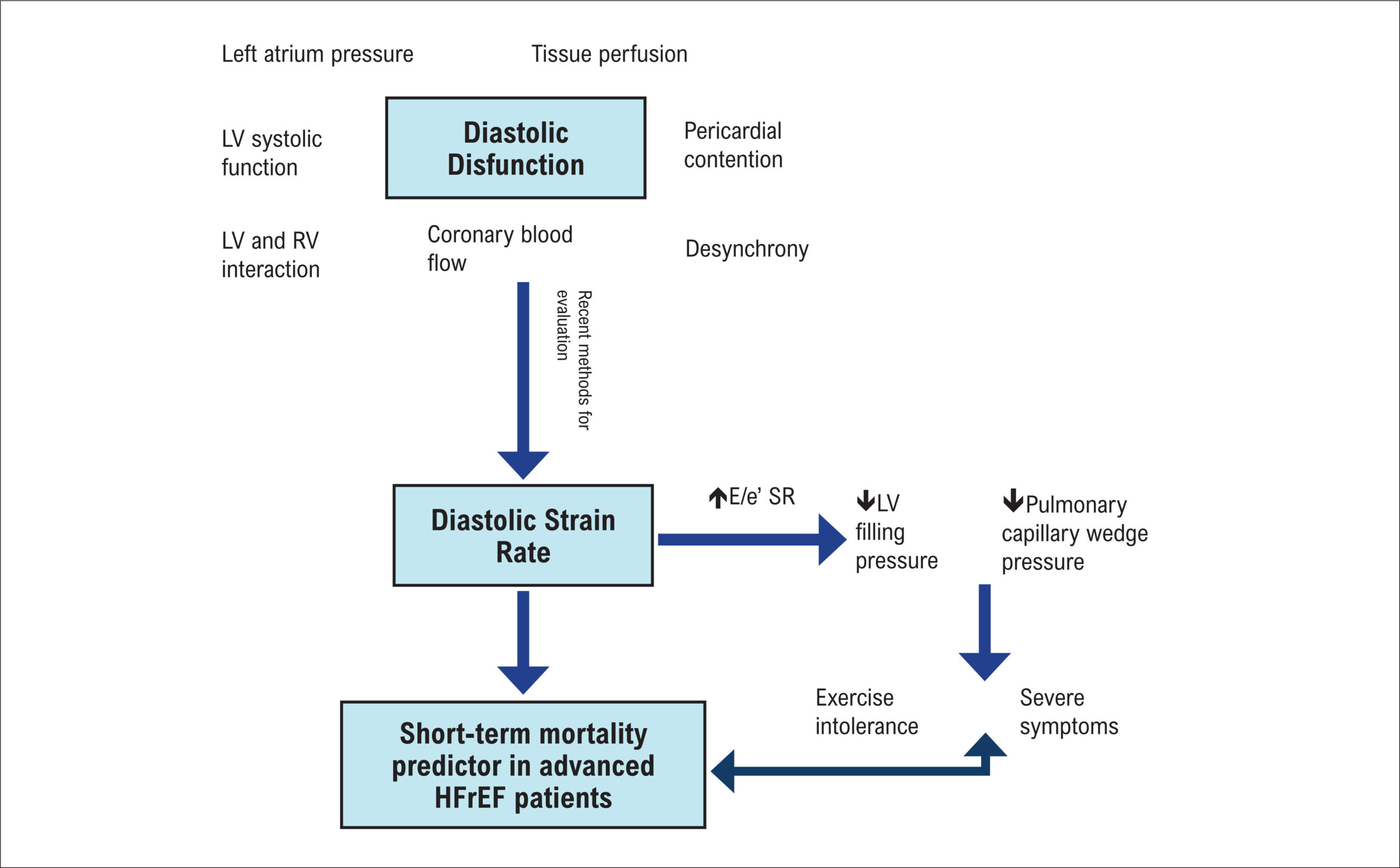
Advanced heart failure (HF) is a complex syndrome characterized by the presence of severe and persistent symptoms of HF, important cardiac dysfunction, episodes of pulmonary or systemic congestion requiring high-dose of intravenous diuretics, episodes of low output requiring inotropes or vasoactive drugs, malignant arrhythmias, hospitalization in the past 12 months or severe impairment of exercise capacity. The utility of multiple markers that have good accuracy in the detection of worse prognosis are increasingly being explored in the literature. Brain natriuretic peptide (BNP) and NT-proBNP are considered biomarkers prognostic indicators in HF and can help to identify patients with more severity of disease.

Recently, the onset of new echocardiographic markers appears to play an important role in detecting patients with more severe progression of this syndrome. Various parameters derived from the innovative speckle tracking echocardiography (STE) technique are of great value in the diagnostic and prognostic of several pathologies.–

[…]

  • Biomarkers
  • Heart Failure
  • Prognosis
  • Stroke Volume
Read Full Article
Creative Commons Attribution (CC BY) Creative Commons license
23/09/2024 DOI: 10.36660/abc.20240453i
Figure 1
Diretrizes

Brazilian Guideline for Exercise Testing in Children and Adolescents – 2024

Tales de Carvalho et al. Odilon Gariglio Alvarenga de Freitas William Azem Chalela Carlos Alberto Cordeiro Hossri … Mauricio Milani Susimeire Buglia Andréa Maria Gomes Marinho Falcão Ricardo Vivacqua Cardoso Costa Luiz Eduardo Fonteles Ritt Maria Eulália Thebit Pfeiffer Odwaldo Barbosa e Silva Rodrigo Imada José Luiz Barros Pena Antônio Carlos Avanza Júnior Carlos Alberto Cyrillo Sellera Ana Luíza Guimarães Ferreira

Classes of Recommendation

Levels of Evidence

Read Full Article
Creative Commons Attribution (CC BY) Creative Commons license
23/09/2024 DOI: 10.36660/abc.20240525i Views 2
Figure 1
Image

A Constellation of Stroke and Hypoxemia Post ICD Lead Extraction: Role of Patent Foramen Ovale

Ashish H. Shah et al. Petra Jenkins Heiko Schneider

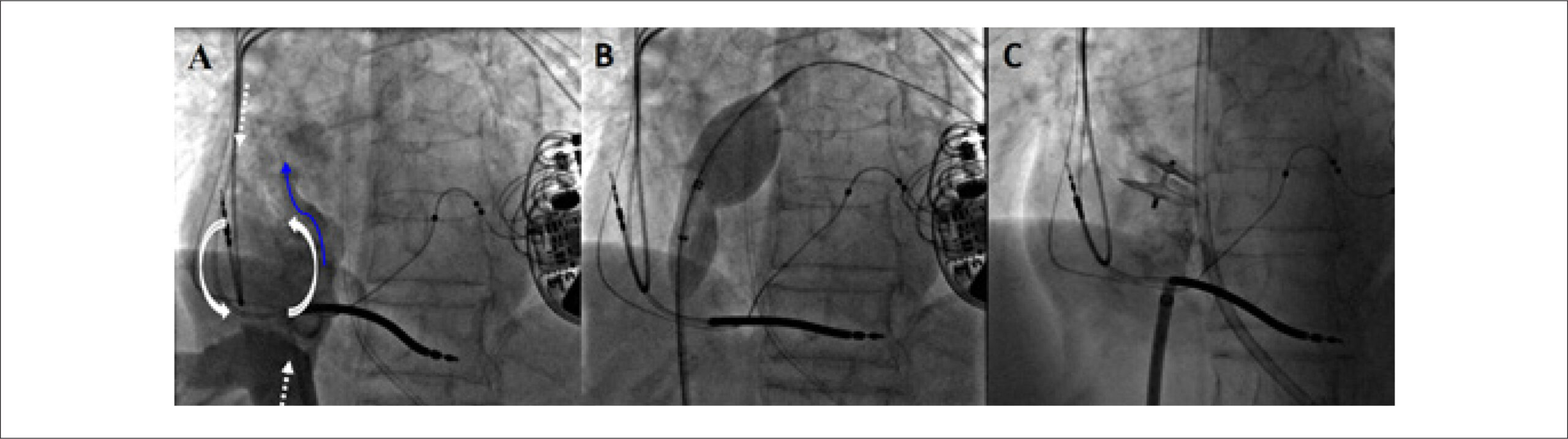
A 78-year-old woman with known ischemic cardiomyopathy underwent elective implantable cardioverter defibrillator (ICD) lead extraction and a new lead implantation. Within 2 hours post-procedure, she experienced expressive dysphasia and right hemiplegia, which was confirmed to be due to an ischemic stroke on a brain CT scan. Additionally, the patient developed resting hypoxemia with oxygen saturation of 87-88% on room air that only partially improved with high-flow oxygen.

Further investigation revealed a right-to-left shunt through a patent foramen ovale (PFO) on a trans-thoracic echocardiogram (TTE). Previous TTE examinations over the past 5 years did not show any valvular pathology or right-to-left shunt through the PFO. The patient was on direct oral anticoagulant therapy for atrial fibrillation, which was electively stopped 2 days before the procedure, and low molecular weight heparin was initiated as a bridging therapy.

[…]

  • Hypoxia
  • Patent Foramen Ovale
  • Stroke
Read Full Article
Creative Commons Attribution (CC BY) Creative Commons license
23/09/2024 DOI: 10.36660/abc.20240303i
Letter to the Editor

Percutaneous Coronary Intervention Induced-No-reflow in Saphenous Vein Grafts

Yücel Kanal

Dear Editor,

I have read with interest the study titled “The Predictive Value of the Inflammatory Prognostic Index for Detecting No-Reflow in ST-Elevation Myocardial Infarction Patients”, published in your journal. I would like to contribute to the study by providing some insights.

[…]

  • No-Reflow Phenomenon
  • Percutaneous Coronary Intervention
  • Saphenous Vein
Read Full Article
Creative Commons Attribution (CC BY) Creative Commons license
23/09/2024 DOI: 10.36660/abc.20240317i Views 1
Editorial

Use of Anticoagulant Therapy in Obese People: What is the Evidence for the Ideal Dose?

Marcia M. Noya-Rabelo et al. Eduardo Novaes Renata Moll-Bernardes Olga Souza

Data from the World Health Organization indicate that more than 1 billion people in the world, one in eight, are obese. In Brazil, according to research by the Chronic Disease Risk Factor Surveillance by Telephone Survey (VIGITEC), one in every four people in the adult population is obese. Obesity is defined by a body mass index (BMI) greater than or equal to 30 kg/m2, while morbid obesity is considered for those with a BMI above 40 kg/m2. Epidemiological data also points to a high prevalence of coronary disease in the Brazilian population, estimated at 5 to 8%.

Although obesity rates have reached epidemic proportions worldwide, the medical literature lacks precise data on changes in the pharmacokinetics and pharmacodynamics of different medications in patients with obesity. Possible physiological differences between obese and non-obese individuals may result in differences in the distribution and elimination of drugs, important factors to be considered when determining the appropriate dosage for pharmacological treatment. The ideal dose of most anticoagulants for obese people has not been established, including low molecular weight heparin and pentasaccharides. In this way, the therapeutic management of patients with acute coronary syndrome (ACS) and obesity is challenging and, consequently, can influence the efficacy and safety of anticoagulants.

[…]

  • Acute coronary syndrome
  • Anticoagulants
  • Enoxaparin
  • Fondaparinux
  • Obesity
Read Full Article
Creative Commons Attribution (CC BY) Creative Commons license
23/09/2024 DOI: 10.36660/abc.20240496i
Figure 1
Editorial

One Hundred Years of the Nobel Prize for Electrocardiography: A Technology Still Essential and Fit for the Next Century

Eduardo M. Vilela et al. Nuno Bettencourt

Willem Einthoven – A Brief Biographical Overview

In 1924, the Nobel prize for Physiology or Medicine was awarded to Willem Einthoven for “the discovery of the mechanism of the electrocardiogram” (ECG). This prestigious award illustrated the relevance of Einthoven’s research, which provided crucial data on cardiovascular pathophysiology, and that would go on to form one of the pillars of modern Cardiology. Willem Einthoven was born in 1860 in Semarang, on the island of Java, then part of the Dutch East Indies (now Indonesia), the son of a military physician., After his father’s death, he moved with his family to the Netherlands, where he pursued his studies, earning a medical degree at the University of Utrecht.– During this formative period, he was deeply influenced by the renowned Dutch physiologist Donders, who later supported him in obtaining a position at the University of Leiden, where he remained as professor of Physiology for the rest of his career ()., Described as modest, courteous, and devoted to his work, besides his continued research in the ECG, Einthoven was also fluent in several languages and a proponent of physical exercise, practicing rowing and being known for riding his bicycle to work.,,, He married one of his cousins and had four children, passing away in 1927 at the age of 67 from cancer.– Despite building on a diverse research background over decades, from Galvani’s and later Matteucci’s, von Kolliker and Muller’s reports on electrical currents to Lippman’s capillary electrometer and Waller’s depiction of the human “electrogram,” Einthoven’s application of technology, coupled with far-reaching insights into its potential utility, proved pivotal in harnessing its potential.–

[…]

  • Acute coronary syndrome
  • Cardiology
  • Electrocardiography
Read Full Article
Creative Commons Attribution (CC BY) Creative Commons license
23/09/2024 DOI: 10.36660/abc.20240494i Views 1
Editorial

Allopurinol versus Trimetazidine as Antianginal: A Randomized Clinical Trial

Luiz Antonio Machado Cesar et al. Bruno Mahler Mioto

The first instance of angina pectoris treatment using a drug was described by Professor T Lauder Brunton in 1857 in Edinburgh. Professor Brunton documented patients’ experiences with “intense anxiety of having their chest compressed” and alleviated promptly by amyl nitrite. Almost a century later, Mason et al.elegantly demonstrated the effects of this volatile vasodilator in men in 1965. In addition to its intense vasodilator effects on the arteriolar and venous systems, an intense adrenergic response was elicited by hypotension that followed. The use of organic nitrates started in 1946, followed by beta-blockers (BBs) in the 1960s, establishing them as a basis for preventing or reducing angina episodes and relieving pain using sub-lingual or oral spray formulas of nitrates. A combination of BBs with oral long-acting nitrates was used to avoid angina for many years. Due to its protective effect against ischemia and ventricular arrhythmia, BBs were reinforced as the first-choice antianginal drugs after being tested in patients with acute myocardial infarction (AMI) during the 1980s and 1990s.

The results of the trials,showed a relative reduction of 15–20% in the AMI incidence and cardiovascular mortality during the follow-up period up to 2.5 years. More recently, the COMMIT trial with metoprolol tartrate only reduced mortality by 1%(relative risk). Besides, there are concerns regarding how long the effects shall last, especially in patients with normal left ventricular ejection fraction (LVEF). In patients with chronic coronary syndrome (CCS) and preserved LVEF, no trial tested BBs in the reduction of cardiovascular events. Recently big data registries allowed statistical approaches using propensity scores to test with results that do not support the use of BBs as a preventive measure against mortality or AMI in patients even in those 1 year after AMI., A recently published trialtested metoprolol or bisoprolol after AMI, in patients with normal LVEF; with a median follow-up period of 3.5 years; no advantages were observed regarding mortality or myocardial infarction incidence. Therefore, we need to re-think the widespread use of BBs in CCS. The more recent antianginal drugs include nicorandil, trimetazidine, ivabradine, and ranolazine, which were tested in patients with angina who were already receiving BB therapy.

[…]

  • Allopurinol
  • Controlled Clinical Trial
  • Trimetazidine
Read Full Article
Creative Commons Attribution (CC BY) Creative Commons license
16/09/2024 DOI: 10.36660/abc.20240500i Views 2
Figure 1
Case Report

Biventricular Fatal Fulminant Myocarditis Infarct-Like Presentation in a Patient with Thymoma

Fabio Maramao et al. Fabio Stefano Maramao Laura Sanchez Monteso Mirella Marino

Introduction

Thymomas are rare epithelial tumors of the mediastinum frequently associated with paraneoplastic diseases, myocarditis on the other hand is a rare complication in patients affected by thymoma. Polymyositis and myocarditis associated with thymoma are exceptionally rare conditions and are usually accompanied by myasthenia gravis (MG).

Myocarditis, an inflammatory disease of cardiac muscle, may result from a wide variety of infectious, toxic, and autoimmune origins. Although the course of the disease is usually self-limiting, acute, non-fulminant myocarditis may progress to fulminant myocarditis. Non-fulminant myocarditis is typically insidious in presentation and may go unnoticed as it progresses into the chronic phase of the disease. The definition of fulminant myocarditis has evolved since its original description in 1991. In its fulminant form, myocarditis is an illness with hemodynamic derangement and ventricular arrhythmias due to a severe inflammatory process requiring support of cardiac pump function and/or urgent management of serious arrhythmias. Early recognition and aggressive management are essential for a favorable outcome. Acute myocarditis may occasionally have an infarct-like presentation, with chest pain, ST‐segment elevation on electrocardiogram, and elevated troponin levels.

[…]

  • Myocardial Infarction
  • Myocarditis
  • Thymoma
Read Full Article
Creative Commons Attribution (CC BY) Creative Commons license
16/09/2024 DOI: 10.36660/abc.20230868i Views 2
Editorial

Why Treat Chronic Forms of Chagas Disease with Benznidazole if Adverse Reactions are Very Frequent?

Alejandro Marcel Hasslocher-Moreno

After the successful control of vector and transfusion transmission of Chagas disease (CD) in Brazil and other endemic countries in Latin America, the current challenge is the control of congenital transmission of the disease. However, we still have a large contingent of people infected with Trypanosoma cruzi in the chronic form, estimated at around 3.7 million individuals in Brazil alone, with approximately 590,000 of them being women of childbearing age.

Two treatment guidelines for CD were produced by the Pan American Health Organization and the Brazilian Ministry of Health in 2018., These guidelines define the degrees of recommendation for trypanocidal treatment, with an emphasis on newborns, children and adolescents, women of childbearing age, and adults with the indeterminate clinical form up to 50 years of age. Studies in these populations have proven the efficacy of etiological treatment in the chronic form of CD, which leads to a cure in children, impacts vertical transmission, and reduces the risk of progression of the disease to the cardiac form.–

[…]

  • Chagas disease
  • Drug Eruptions
  • Therapeutics
Read Full Article
Creative Commons Attribution (CC BY) Creative Commons license
16/09/2024 DOI: 10.36660/abc.20240426i
Causality and Severity of Adverse Reactions and Biochemical Changes to Benznidazole Treatment in Patients with Chronic Chagas Disease
Original Article

Causality and Severity of Adverse Reactions and Biochemical Changes to Benznidazole Treatment in Patients with Chronic Chagas Disease

Alanna Carla da Costa Belmino et al. Emanuela Kelly Silva Sousa José Damião da Silva Filho Eduardo Arrais Rocha … Francisca Mylena Melgaço Nunes Tiago Lima Sampaio Leones Fernandes Evangelista Bruna Ribeiro Duque Isabel Cristina da Silva Araújo José Igor de Oliveira Jacó Maria de Fátima Oliveira

Abstract

Background

Chagas disease (CD) is a serious public health problem in Latin America. Benznidazole (BNZ) is used for the treatment of CD and, despite its wide use, little information is available about its toxicity and mechanisms of adverse drug reactions (ADR).

Objectives

To identify and classify clinical and laboratory adverse reactions caused by BNZ in terms of causality and severity.

Methods

Prospective cohort study from January 2018 to December 2021. Treatment follow-up included visits and biochemical tests (complete blood count, liver and kidney function tests) before, during and after treatment. ADR were classified according to causality and severity. In the statistical analysis, the significance level was set at p<0.05.

Results

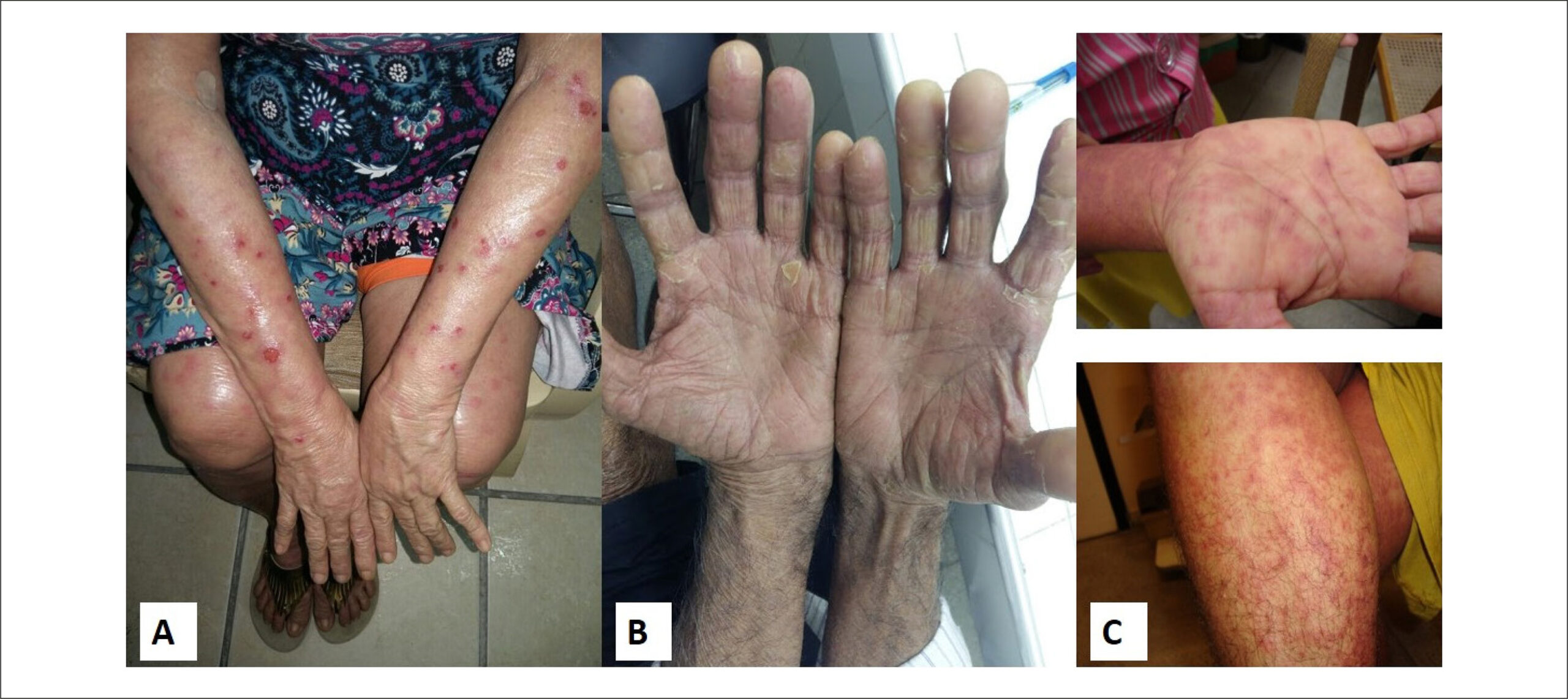
Forty patients with chronic CD were included. A high prevalence of ADR was observed 161 ADR in 30 patients [90%]; of these, 104 (64.6%) were classified as possible and 57 (35.4%) as probable. The ADR were classified as moderate and mild. Of the 40 patients, nine (22.5%) discontinued treatment. ADR associated with treatment discontinuation and interventions were those that affected the dermatological system, central and peripheral nervous system and sense organs such as ageusia. Mild hematological and biochemical changes such as lymphopenia were observed after 30 days of treatment.

Conclusion

Many patients were able to complete the treatment even with ADR, which can be attributed to the successful follow-up strategy with symptomatic treatment and counseling, leading to patient’s awareness of symptoms and treatment adherence.

  • Chagas disease
  • Drug-Related Side Effects and Adverse Reactions
  • Laboratory Examinations and Diagnostics
Read Full Article
Creative Commons Attribution (CC BY) Creative Commons license
16/09/2024 DOI: 10.36660/abc.20230787i Views 2
Exercise Training Reduces Inflammation and Fibrosis and Preserves Myocardial Function and Perfusion in a Model of Chronic Chagas Cardiomyopathy
Original Article

Exercise Training Reduces Inflammation and Fibrosis and Preserves Myocardial Function and Perfusion in a Model of Chronic Chagas Cardiomyopathy

Thayrine R. Damasceno et al. Denise M. Tanaka Enrico F. Magnani Rafael D. B. Oliveira … Danielle A. G. Pereira Ildernandes Vieira-Alves Virginia S. Lemos Jorge M. Cabeza Camila G. Fabricio Alessandra A. Resende Dawit A. P. Gonçalves Gustavo de Oliveira Zanetti Eduardo E. Vieira de Carvalho Marcus V. Simões Luciano F. L. Oliveira

Abstract

Background:

Chronic Chagas cardiomyopathy (CCC) is caused by an inflammatory process induced by Trypanosoma cruzi, which leads to myocarditis with reactive and reparative fibrosis. CCC progresses with myocardial perfusion abnormalities and histopathological events that affect cardiorespiratory fitness (CRF).

Objectives:

We evaluated the effects of aerobic physical training (APT) on myocardial perfusion and on morphological and functional impairments related with inflammation and fibrosis in Syrian hamsters with CCC. As a secondary objective, we analyzed the cross-sectional areas of the skeletal muscle.

Methods:

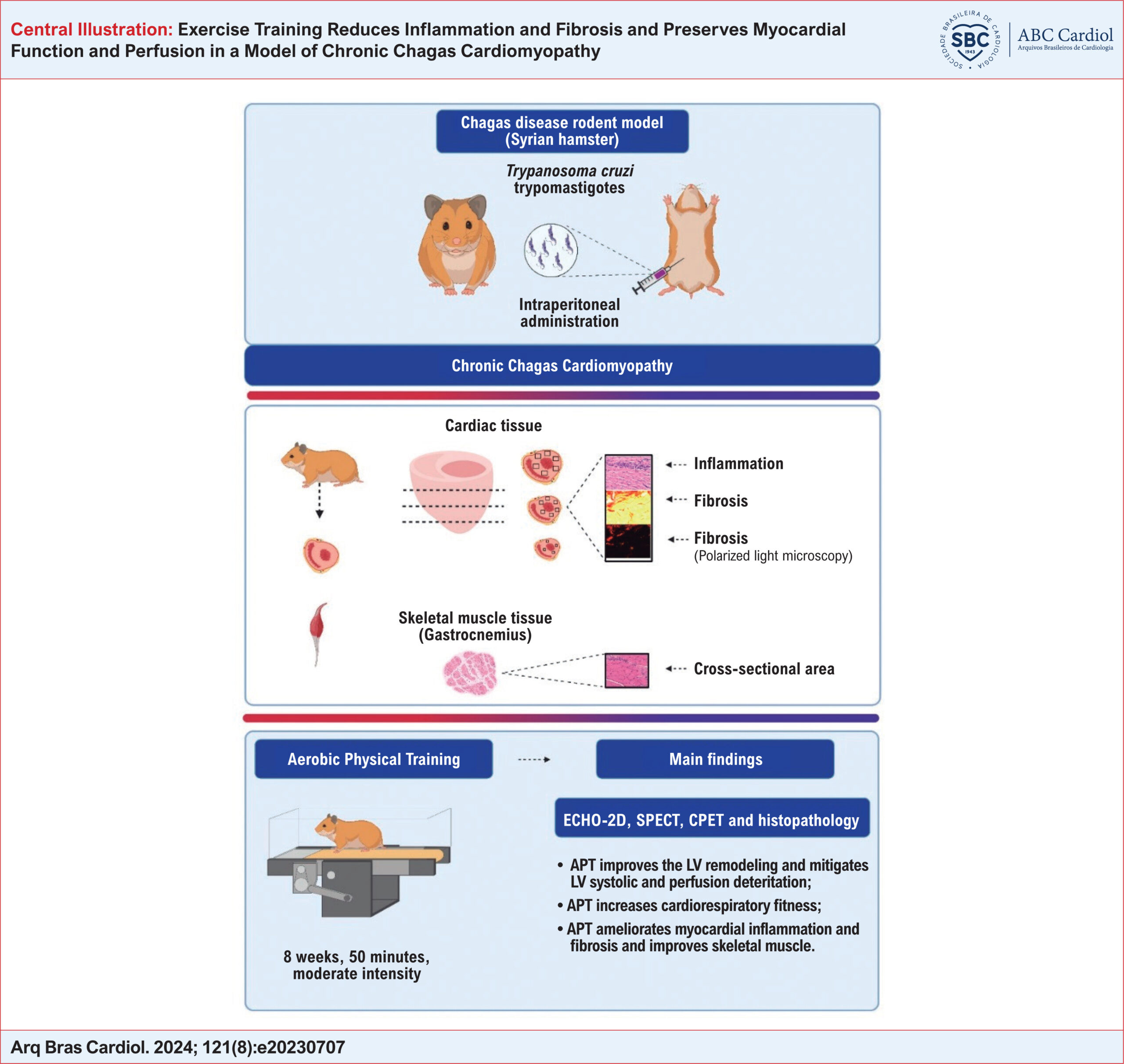
Hamsters with CCC and their respective controls were divided into four groups: CCC sedentary, CCC-APT, sedentary control and APT control. Seven months after infection, the animals underwent echocardiography, myocardial perfusion scintigraphy and cardiopulmonary exercise testing. Moderate-intensity APT was performed for fifty minutes, five times a week, for eight weeks. Subsequently, the animals were reassessed. Histopathological analysis was conducted after the above-mentioned procedures. The level of significance was set at 5% in all analyses (p<0.05).

Results:

CCC sedentary animals presented worse myocardial perfusion defects (MPD) over time, reduced left ventricle ejection fraction (LVEF) and showed more inflammation and fibrosis when compared to other groups (mixed ANOVA analysis). Conversely, APT was able to mitigate the progression of MPD, ameliorate inflammation and fibrosis and improve CRF efficiency in CCC-APT animals.

Conclusions:

Our study demonstrated that APT ameliorated cardiac dysfunction, MPD, and reduced inflammation and fibrosis in CCC hamster models. Additionally, CCC-SED animals presented skeletal muscle atrophy while CCC-APT animals showed preserved skeletal muscle CSA. Understanding APT’s effects on CCC’s pathophysiological dimensions is crucial for future research and therapeutic interventions.

  • Cardiorespiratory Fitness
  • Chagas Cardiomyopathy
  • Exercise
  • Myocardial Perfusion Imaging
  • Myocarditis
Read Full Article
Creative Commons Attribution (CC BY) Creative Commons license
09/09/2024 DOI: 10.36660/abc.20230707i Views 1
Figure 1
Case Report

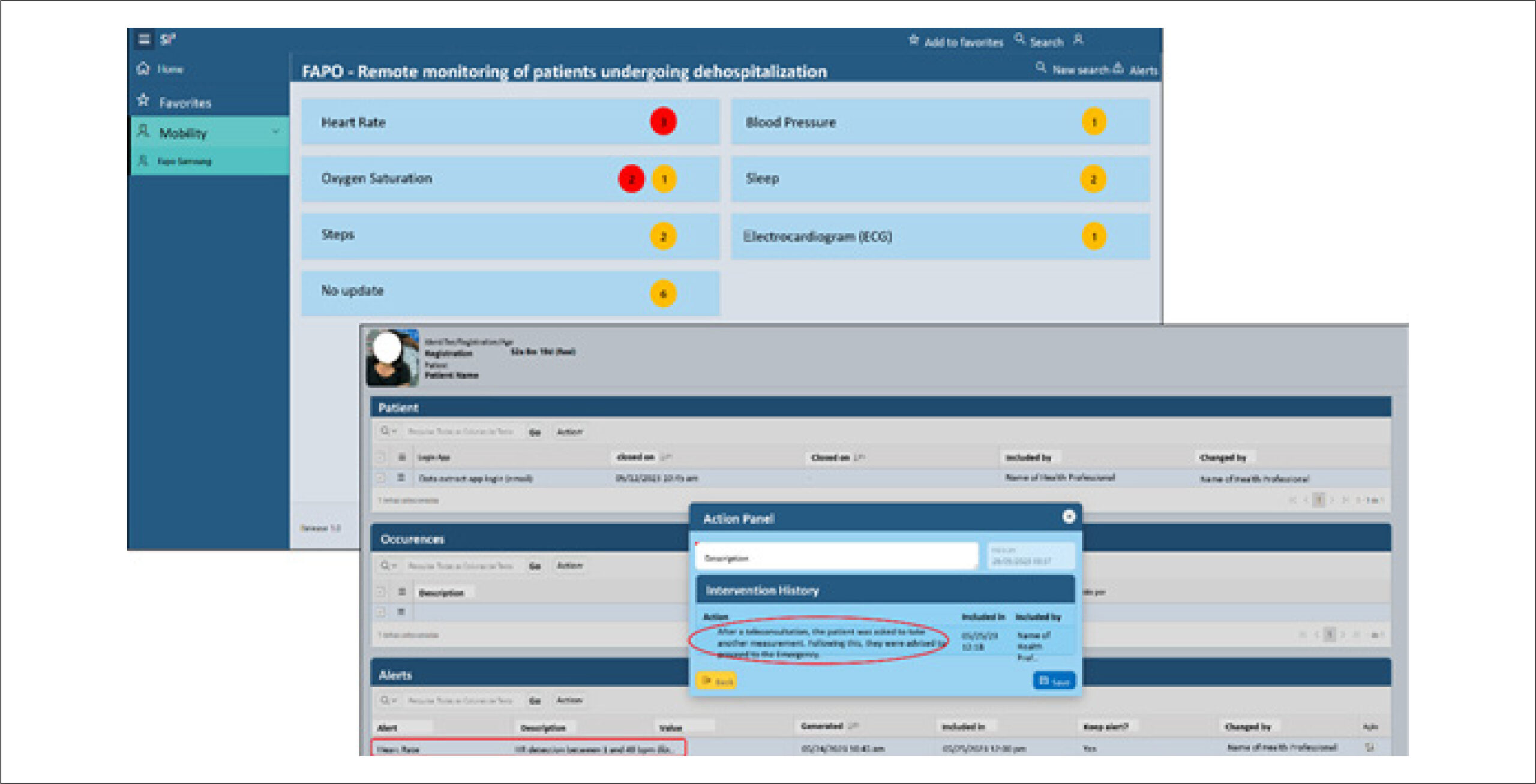
Smartwatch for Identification of Atrioventricular Block in Post-cardiac Surgery: Going Beyond Atrial Fibrillation Detection

Matheus S. Moitinho et al. Camila R. Moreno Rosangela Monteiro Guilherme C. M. Rabello … Bruna M. Mariano Pietro C. C. O. Martins Flávio Tarasoutchi Nelson Samesima Alexandre de M. Soeiro Fabio B. Jatene

Introduction

In postoperative cardiac care, early detection and management of complications are crucial for optimal outcomes. Third-degree atrioventricular (AV) block, also known as complete heart block (CHB), is a significant concern, leading to symptoms like fatigue, exertion intolerance, and life-threatening events such as syncope or heart failure, often necessitating cardiac pacemaker (CP) implantation for timely intervention. In the postoperative period of cardiac surgery, conduction issues stemming from metabolic or inflammatory changes are common, necessitating temporary or permanent CPs to stabilize patients or symptoms. Approximately 6% of valve surgery patients may require a permanent CP due to CHB, which can emerge post-surgery.

Medical technology, including smart devices and remote telemonitoring platforms, has revolutionized postoperative care, offering real-time insights for close monitoring and early anomaly detection.

[…]

  • Atrioventricular block
  • Cardiac Surgical Procedures
  • Health
Read Full Article
Creative Commons Attribution (CC BY) Creative Commons license
09/09/2024 DOI: 10.36660/abc.20240131i Views 1
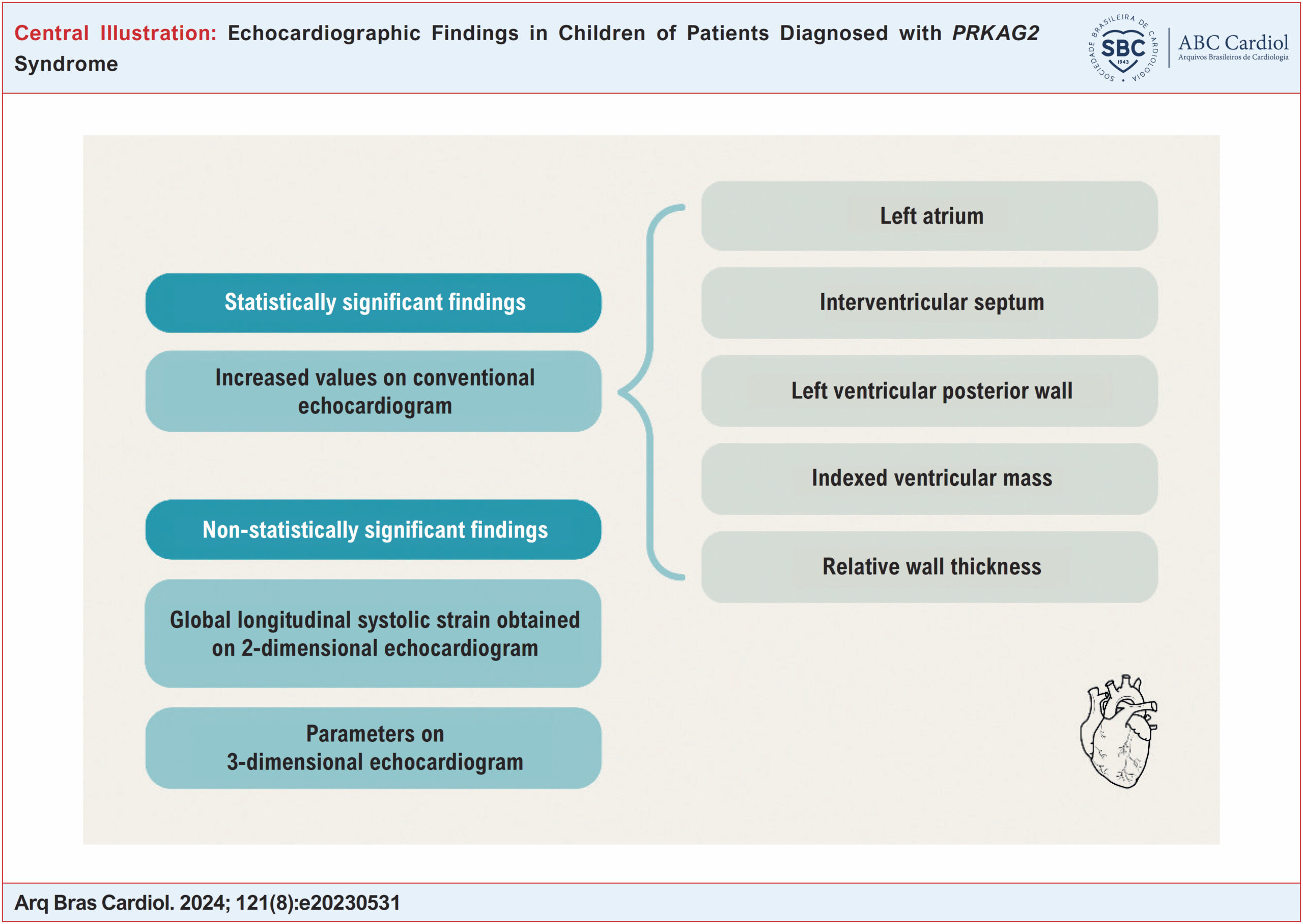
Echocardiographic Findings in Children of Patients Diagnosed with PRKAG2 Syndrome
Original Article

Echocardiographic Findings in Children of Patients Diagnosed with PRKAG2 Syndrome

Dinamar Amador dos Santos Neto et al. Igor de Souza Neto Alice Pinheiro Barbosa Eduardo Back Sternick José Luiz Barros Pena

Abstract

Background:

PRKAG2 syndrome typically manifests in adolescence and early adulthood, progressing with left ventricular hypertrophy, arrhythmias, and risk of sudden death. Findings of echocardiographic markers before clinical manifestation in children of patients affected by the disease can facilitate prevention strategies and therapeutic planning for this patient group.

Objective:

To identify the existence of echocardiographic findings that manifest early in children of parents affected by PRKAG2 syndrome, while they are still asymptomatic.

Methods:

In this cross-sectional observational study, 7 participants who were children of parents with established diagnosis of PRKAG2 syndrome, between the ages of 9 months and 12 years, with proven genetic diagnosis, underwent conventional and advanced echocardiography. Their findings were compared to those of a control group composed of 7 age- and sex-matched volunteers who were healthy from a cardiovascular point of view. P values < 0.05 were considered significant.

Results:

Conventional echocardiography showed statistically significantly higher values in the case group for left atrium, interventricular septum, left ventricular posterior wall, indexed ventricular mass, and relative wall thickness (p < 0.05). Global longitudinal systolic strain on 2-dimensional echocardiography did not show statistical significance between the case and control groups. None of the parameters on 3-dimensional echocardiography showed statistical significance between groups.

Conclusion:

Children diagnosed with PRKAG2 showed echocardiographic findings indicative of a tendency toward cardiac hypertrophy. Echocardiography can be a useful tool in the evaluation and follow-up of this patient group before the onset of clinical manifestations.

  • Child
  • Echocardiography/methods
  • Glycogen Storage Disease/complications
  • PRKAG2 Syndrome/genetics
Read Full Article
Creative Commons Attribution (CC BY) Creative Commons license
02/09/2024 DOI: 10.36660/abc.20230531i
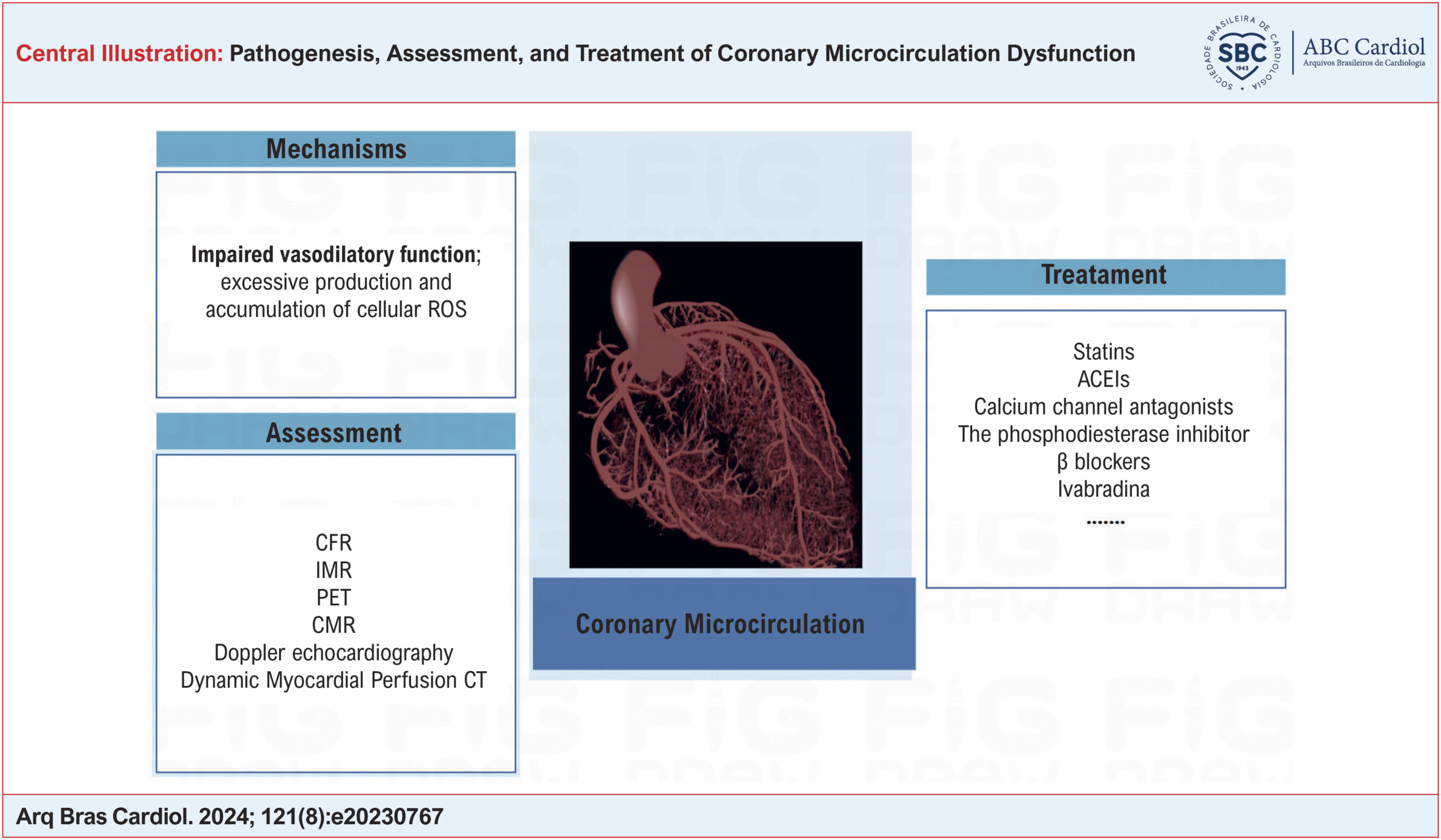
Pathogenesis, Assessment, and Treatment of Coronary Microcirculation Dysfunction
Review Article

Pathogenesis, Assessment, and Treatment of Coronary Microcirculation Dysfunction

Bing Ji et al. Xue-Bo Liu

Abstract

Cardiovascular disease is the predominant cause of mortality on a global scale. Research indicates that women exhibit a greater likelihood of presenting with non-obstructive coronary artery disease (CAD) when experiencing symptoms of myocardial ischemia in comparison to men. Additionally, women tend to experience a higher burden of symptoms relative to men, and despite the presence of ischemic heart disease, they are frequently reassured erroneously due to the absence of obstructive CAD. In cases of ischemic heart disease accompanied by symptoms of myocardial ischemia but lacking obstructive CAD, it is imperative to consider coronary microvascular dysfunction as a potential underlying cause. Coronary microvascular dysfunction, characterized by impaired coronary flow reserve resulting from functional and/or structural abnormalities in the microcirculation, is linked to adverse cardiovascular outcomes. Lifestyle modifications and the use of anti-atherosclerotic and anti-anginal medications may offer potential benefits, although further clinical trials are necessary to inform treatment strategies. This review aims to explore the prevalence, underlying mechanisms, diagnostic approaches, and therapeutic interventions for coronary microvascular dysfunction.

  • coronary circulation
  • Myocardial Fractional Flow Reserve
  • Therapeutics
Read Full Article
Creative Commons Attribution (CC BY) Creative Commons license
02/09/2024 DOI: 10.36660/abc.20230767i
Central Illustration
Original Article

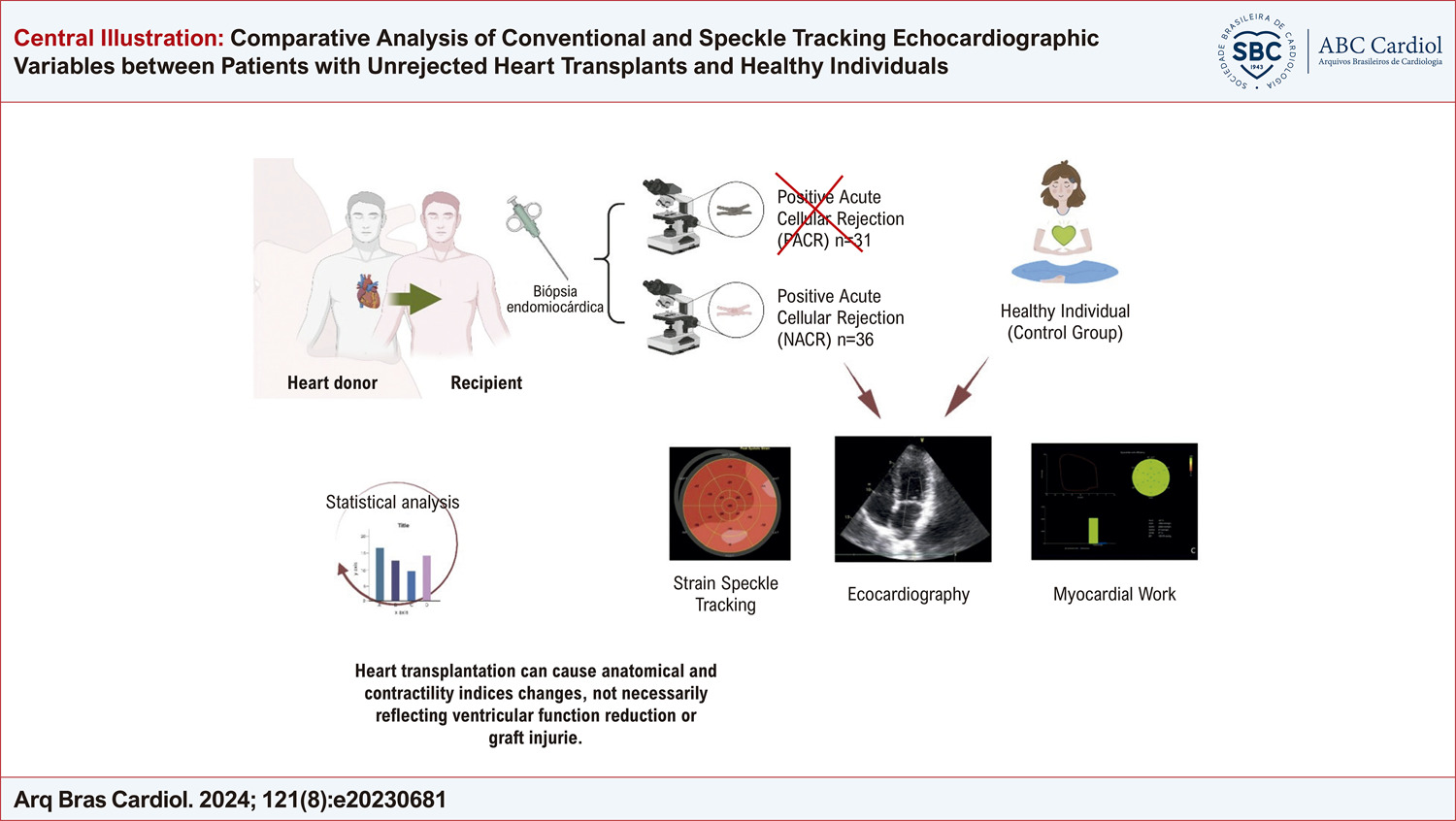
Comparative Analysis of Conventional and Speckle Tracking Echocardiographic Variables between Patients with Unrejected Heart Transplants and Healthy Individuals

Aline Oliveira Martins Campo Dall’Orto et al. Maria Estefania Otto Simone Ferreira Leite Marco Antônio Freitas de Queiroz Maurício Filho … Natália Taveira Martins Samuel Rabelo Araújo Soraya Vasconcelos Almeida Luiza Valle Oliveira Brizida Fernando Antibas Atik

Abstract

Background

Echocardiography is essential for the assessment of patients with heart transplants. However, normal values in such individuals are not clearly defined.

Objectives

To compare conventional echocardiographic and speckle tracking variables between patients with unrejected heart transplants and healthy individuals.

Methods

: A prospective study was conducted with adult patients having undergone heart transplantation at least one year earlier and submitted to endomyocardial biopsy followed by transthoracic echocardiogram (TTE). Conventional TTE measures and mechanical heart strain assessments using speckle tracking were performed and the results were compared to those of a group of healthy volunteers. Statistical significance was set at 5% (p < 0.05).

Results

Thirty-six transplant patients without rejection were analyzed and compared to 30 healthy individuals. Chagas disease was the main reason for transplantation. Lower left ventricular global longitudinal strain expressed in absolute values was found (11.99% in transplant patients vs. 20.60% in controls; p <0.0001), right ventricular free wall longitudinal strain (16.67% in transplant patients vs. 25.50% in controls; p <0.0001) and myocardial work indices (p < 0.0001) as well as a larger size of the left atrium (38.17 ml/m2 in transplant patients vs. 18.98 ml/m2 in controls; p <0.0001) and greater mass and relative wall thickness (p <0.0001).

Conclusion

Stable patients having undergone heart transplants without rejection have differences concerning echocardiographic variables compared to healthy individuals. These findings indicate that conventional echocardiographic measures and heart mechanics are altered in transplant patients even in the absence of rejection. Such findings are relevant to the clinical context and follow-up of the patient.

  • Echocardiography
  • Heart Transplantation
  • Ventricular Function
Read Full Article
Creative Commons Attribution (CC BY) Creative Commons license
26/08/2024 DOI: 10.36660/abc.20230681i
Central Illustration
Original Article

Allopurinol versus Trimetazidine for the Treatment of Angina: A Randomized Clinical Trial

Tainá Viana et al. Rodrigo Morel Vieira de Melo Diogo Freitas Cardoso Azevedo Clara Salles Figueiredo … Gustavo Santana Luanna Mota Damasceno Luisa Latado Ludmila Tambuque Raissa Barreto Luiz Carlos Santana Passos

Abstract

Background

Recently, it was demonstrated that allopurinol, a xanthine oxidase inhibitor, has cardiovascular and anti-ischaemic properties and may be a metabolic antianginal agent option.Objective: The objective of this study was to evaluate the antianginal effect of allopurinol as a third drug for patients with stable coronary artery disease (CAD).

Methods

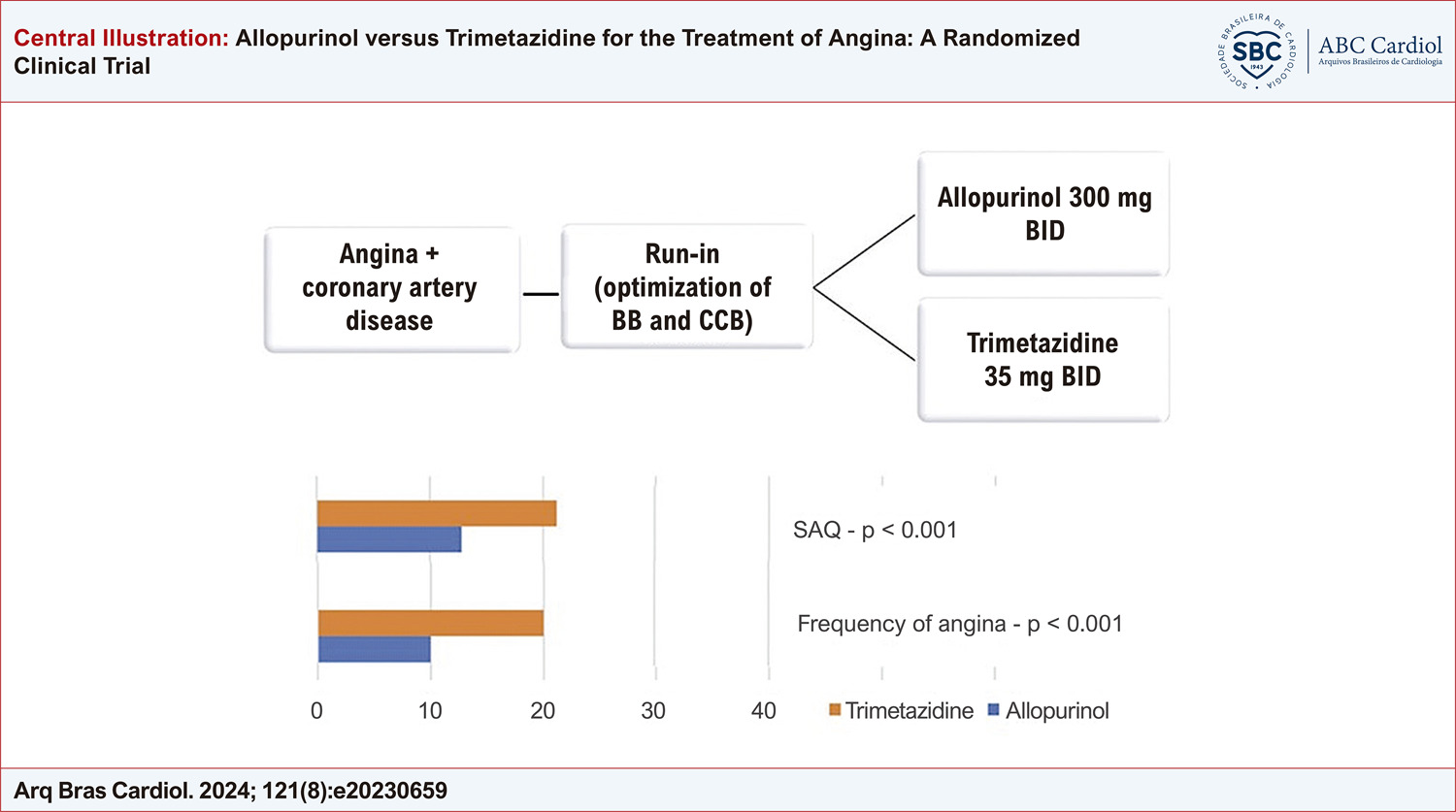
This was a randomized clinical trial between 2018 and 2020 including patients with CAD who maintained angina despite initial optimization with beta-blockers and calcium channel blockers. The individuals were randomized 1:1 to 300 mg of allopurinol twice daily or 35 mg of trimetazidine twice daily. The main outcome was the difference in the angina frequency domain of the Seattle Angina Questionnaire (SAQ-AF). A probability (p) value < 0.05 was considered statistically significant.

Results

A hundred and eight patients were included in the randomization phase, with 54 (50%) in the allopurinol group and 54 (50%) in the trimetazidine group. Six (5.6%) individuals, 3 from each group, were lost to follow-up for the primary outcome. In the allopurinol and trimetazidine groups, the median SAQ-AF scores were 50 (30.0 to 70.0) and 50 (21.3 to 78.3), respectively. In both groups, the SAQ-AF score improved, but the median of the difference compared to baseline was lower in the allopurinol group (10 [0 to 30] versus 20 [10 to 40]; p < 0.001), as was the mean of the difference in the total SAQ score (12.8 ± 17.8 versus 21.2 ± 15.9; p = 0.014).

Conclusion

Both allopurinol and trimetazidine improved the control of angina symptoms; however, trimetazidine presented a greater gain compared to baseline. Brazilian Registry of Clinical Trials – Registration Number RBR-5kh98y

  • Alopurinol
  • Angina Pectoris
  • Doença Myocardial Ischemia
  • Trimetazidine
Read Full Article
Creative Commons Attribution (CC BY) Creative Commons license
26/08/2024 DOI: 10.36660/abc.20230659i Views 1
Central Illustration
Original Article

Cost-Utility of Venoarterial Extracorporeal Membrane Oxygenation in Refractory Cardiogenic Shock: A Brazilian Perspective Study

Sérgio Renato da Rosa Decker et al. Rodrigo Vugman Wainstein Fernando Luis Scolari Priscila Raupp da Rosa … Daniel Schneider Debora Vacaro Fogazzi Geraldine Trott Jonas Wolf Cassiano Teixeira Marciane Maria Rover Luiz Antônio Nasi Luis Eduardo Rohde Carisi Anne Polanczyk Regis Goulart Rosa Eduardo Gehling Bertoldi

Abstract

Background

Refractory cardiogenic shock (CS) is associated with high mortality rates, and the use of venoarterial extracorporeal membrane oxygenation (VA-ECMO) as a therapeutic option has generated discussions. Therefore, its cost-effectiveness, especially in low- and middle-income countries like Brazil, remains uncertain.Objectives: To conduct a cost-utility analysis from the Brazilian Unified Health System perspective to assess the cost-effectiveness of VA-ECMO combined with standard care compared to standard care alone in adult refractory CS patients.

Methods

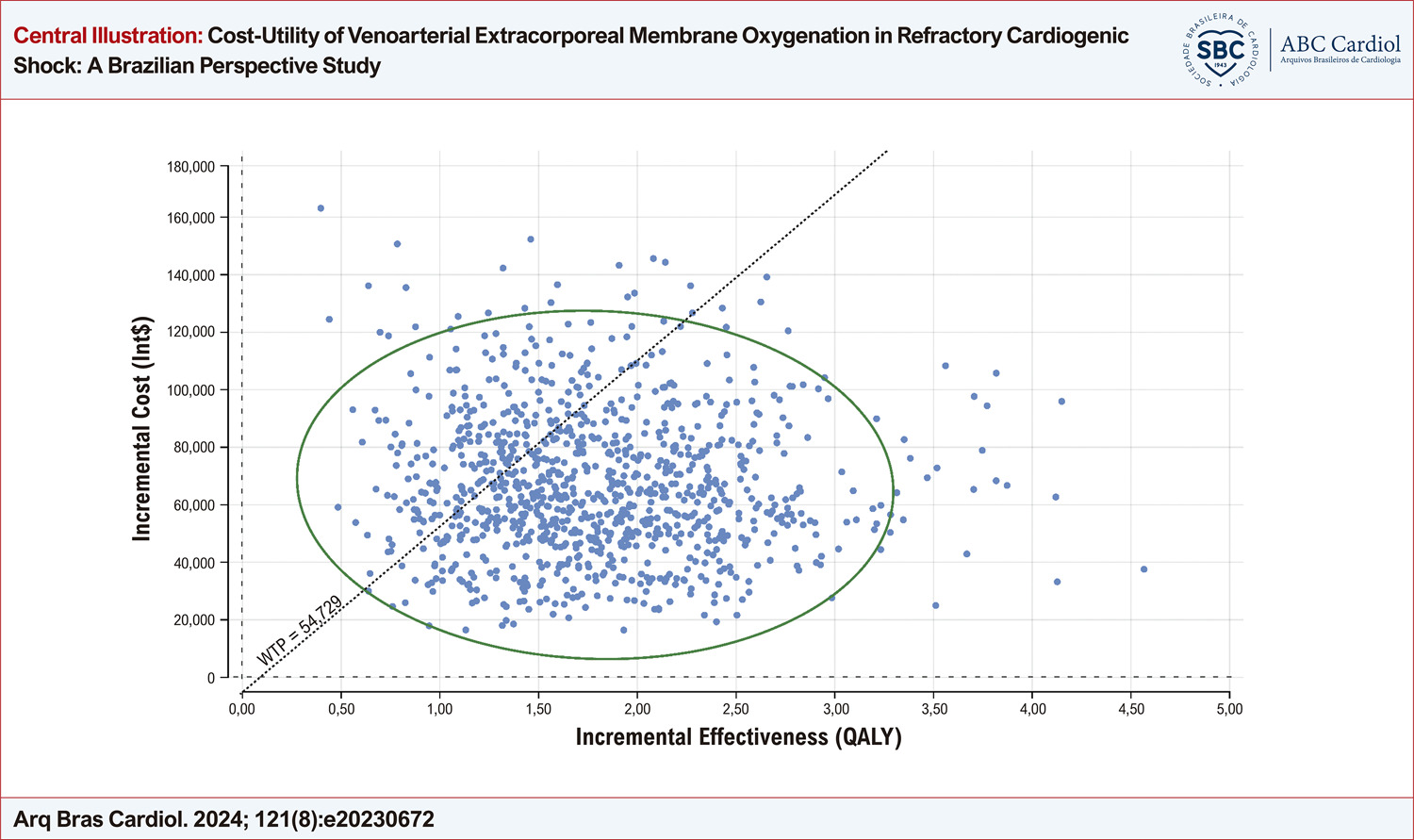
We followed a cohort of refractory CS patients treated with VA-ECMO in tertiary care centers located in Southern Brazilian. We collected data on hospital outcomes and costs. We conducted a systematic review to supplement our data and utilized a Markov model to estimate incremental cost-effectiveness ratios (ICERs) per quality-adjusted life year (QALY) and per life-year gained.

Results

In the base-case analysis, VA-ECMO yielded an ICER of Int$ 37,491 per QALY. Sensitivity analyses identified hospitalization cost, relative risk of survival, and VA-ECMO group survival as key drivers of results. Probabilistic sensitivity analysis favored VA-ECMO, with a 78% probability of cost-effectiveness at the recommended willingness-to-pay threshold.

Conclusions

Our study suggests that, within the Brazilian Health System framework, VA-ECMO may be a cost-effective therapy for refractory CS. However, limited efficacy data and recent trials questioning its benefit in specific patient subsets highlight the need for further research. Rigorous clinical trials, encompassing diverse patient profiles, are essential to confirm cost-effectiveness and ensure equitable access to advanced medical interventions within healthcare systems, particularly in socio-economically diverse countries like Brazil.

  • Cardiogenic shock
  • Costs and Cost Analysis
  • Extracorporeal Membrane Oxygenation
Read Full Article
Creative Commons Attribution (CC BY) Creative Commons license
26/08/2024 DOI: 10.36660/abc.20230672i Views 1
Figure 1
Viewpoint

Natriuretic Peptides and Heart Stress: Time to Screen the Asymptomatic High-Risk Population to Prevent Incident Heart Failure?

Humberto Villacorta et al. Davyson Gerhardt de Souza Antonio José Lagoeiro Jorge

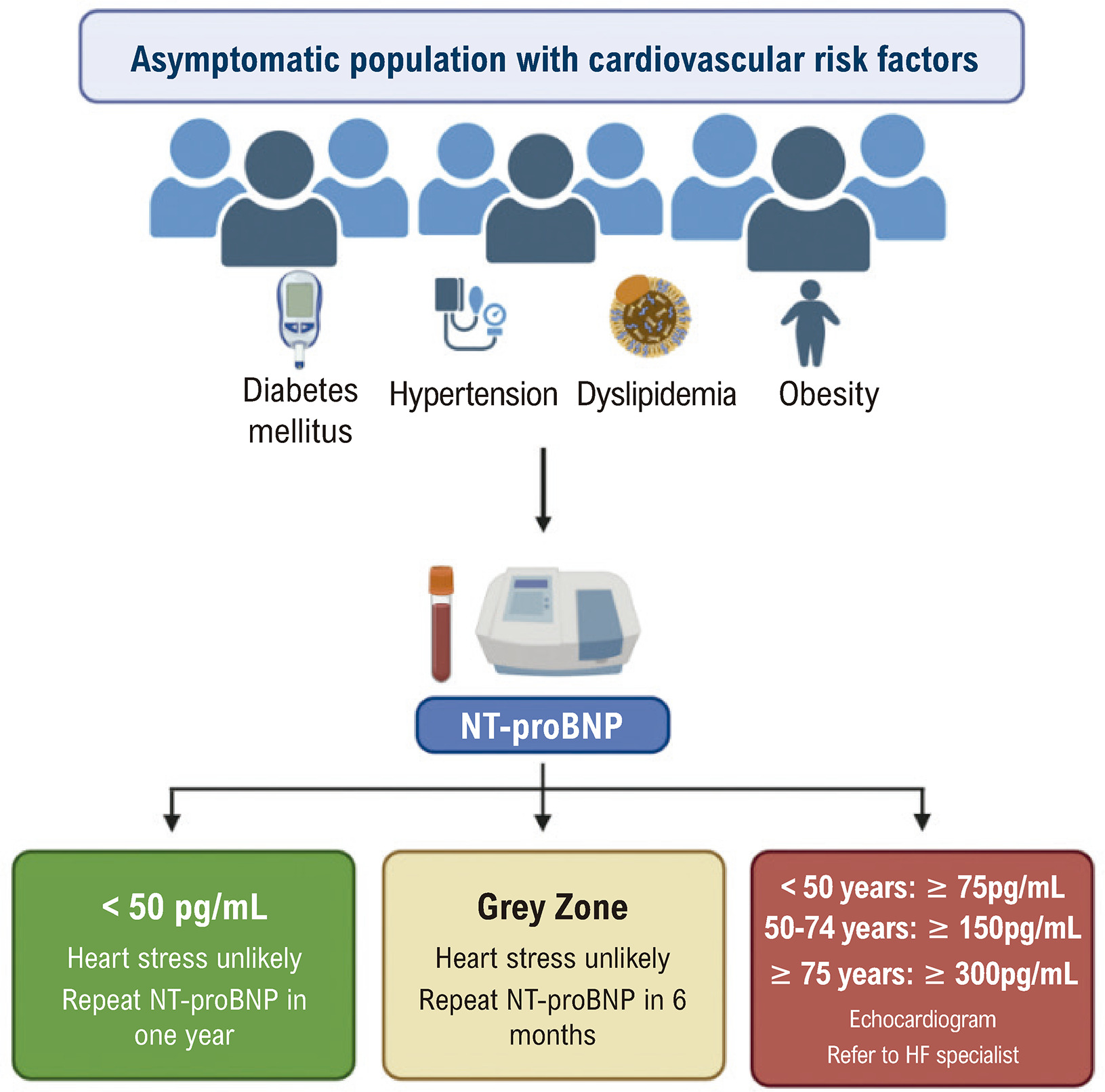
Heart failure (HF) is the final common pathway of many cardiac disorders. It is highly prevalent, especially in the elderly, and has high morbidity and mortality if not treated properly.– Although the treatment of HF has evolved, the number of affected individuals is still large and represents a burden on the healthcare system, globally and also in Brazil., The number of cases is expected to increase over the coming decades, due to the aging of the population and increased survival from cardiovascular conditions, such as acute coronary syndromes, valvular heart diseases, arrhythmias, congenital heart diseases, among others. Therefore, it is imperative to prevent HF.

Natriuretic peptides – BNP and NT-proBNP – are the gold standard biomarkers in HF.– It was used to diagnose HF in patients with Acute Dyspnea.– It was soon demonstrated that they were also excellent prognostic markers in patients with acute HF., Its use was then expanded to outpatients with HF, being recommended in the main guidelines for ruling out ambulatory HF in patients with symptoms suggestive of HF and also as a prognostic marker.–

[…]

  • Heart Failure
  • Incidence
  • Natriuretic Peptides
Read Full Article
Creative Commons Attribution (CC BY) Creative Commons license
26/08/2024 DOI: 10.36660/abc.20230910i

Could not load more articles. Please try again.

How to cite this article

EndNote RIS

Electronic Document Format (Vancouver)

Caneo LF. No Time to Die. Arquivos Brasileiros de Cardiologia 2024;121(8):e20240512.

Electronic Document Format (ABNT)

Caneo, Luiz Fernando. No Time to Die. Arquivos Brasileiros de Cardiologia, v. 121, n. 8, e20240512, Sep. 2024.

Electronic Document Format (APA)

Caneo, L. F. (2024). No Time to Die. Arquivos Brasileiros de Cardiologia, 121(8), e20240512.

Electronic Document Format (ISO)

Caneo, Luiz Fernando. No Time to Die. Arquivos Brasileiros de Cardiologia [online]. 2024, vol. 121, n. 8, [cited 2026-10-14], e20240512. Available from: <https://journals.cardiol.br/en/article/no-time-to-die/>. ISSN 0066-782X

EndNote RIS

Electronic Document Format (Vancouver)

Assunção MELSM, Silva NLCL, Silva MPM. PRKAG2 Syndrome: Is Screening with Early Echocardiography Effective in Children with a Positive Genotype?. Arquivos Brasileiros de Cardiologia 2024;121(8):e20240543.

Electronic Document Format (ABNT)

Assunção, Maria Elisa Lucena Sales de Melo; Silva, Norma Lucena Cavalcanti Licínio da; Silva, Mychelle Pascoaline de Miranda. PRKAG2 Syndrome: Is Screening with Early Echocardiography Effective in Children with a Positive Genotype?. Arquivos Brasileiros de Cardiologia, v. 121, n. 8, e20240543, Sep. 2024.

Electronic Document Format (APA)

Assunção, M. E. L. S. M., Silva, N. L. C. L. , & Silva, M. P. M. (2024). PRKAG2 Syndrome: Is Screening with Early Echocardiography Effective in Children with a Positive Genotype?. Arquivos Brasileiros de Cardiologia, 121(8), e20240543.

Electronic Document Format (ISO)

Assunção, Maria Elisa Lucena Sales de Melo and Silva, Norma Lucena Cavalcanti Licínio da and Silva, Mychelle Pascoaline de Miranda. PRKAG2 Syndrome: Is Screening with Early Echocardiography Effective in Children with a Positive Genotype?. Arquivos Brasileiros de Cardiologia [online]. 2024, vol. 121, n. 8, [cited 2026-10-14], e20240543. Available from: <https://journals.cardiol.br/en/article/prkag2-syndrome-is-screening-with-early-echocardiography-effective-in-children-with-a-positive-genotype/>. ISSN 0066-782X

EndNote RIS

Electronic Document Format (Vancouver)

Mota GAF, Gatto M, Silva VL, Martinez PF, Okoshi MP. Chronic Chagasic Cardiomyopathy: Influence of Physical Exercise. Arquivos Brasileiros de Cardiologia 2024;121(8):e20240507.

Electronic Document Format (ABNT)

Mota, Gustavo Augusto Ferreira; Gatto, Mariana; Silva, Vitor Loureiro da; Martinez, Paula Felippe; Okoshi, Marina Politi. Chronic Chagasic Cardiomyopathy: Influence of Physical Exercise. Arquivos Brasileiros de Cardiologia, v. 121, n. 8, e20240507, Sep. 2024.

Electronic Document Format (APA)

Mota, G. A. F., Gatto, M., Silva, V. L. , Martinez, P. F., & Okoshi, M. P. (2024). Chronic Chagasic Cardiomyopathy: Influence of Physical Exercise. Arquivos Brasileiros de Cardiologia, 121(8), e20240507.

Electronic Document Format (ISO)

Mota, Gustavo Augusto Ferreira and Gatto, Mariana and Silva, Vitor Loureiro da and Martinez, Paula Felippe and Okoshi, Marina Politi. Chronic Chagasic Cardiomyopathy: Influence of Physical Exercise. Arquivos Brasileiros de Cardiologia [online]. 2024, vol. 121, n. 8, [cited 2026-10-14], e20240507. Available from: <https://journals.cardiol.br/en/article/chronic-chagasic-cardiomyopathy-influence-of-physical-exercise/>. ISSN 0066-782X

EndNote RIS

Electronic Document Format (Vancouver)

Darzé BR, Souza CCS, Oliveira QB, Ramos JVSP, Viana MS, Darzé ES, Ritt LEF, et al. Fondaparinux versus Enoxaparin in the Treatment of Obese Patients with Acute Coronary Syndrome. Arquivos Brasileiros de Cardiologia 2024;121(8):e20230793.

Electronic Document Format (ABNT)

Darzé, Beatriz Rocha; Souza, Carolina Costa da Silva; Oliveira, Queila Borges de; Ramos, João Victor Santos Pereira; Viana, Mateus S.; Darzé, Eduardo Sahade; Ritt, Luiz Eduardo Fonteles. Fondaparinux versus Enoxaparin in the Treatment of Obese Patients with Acute Coronary Syndrome. Arquivos Brasileiros de Cardiologia, v. 121, n. 8, e20230793, Sep. 2024.

Electronic Document Format (APA)

Darzé, B. R., Souza, C. C. S., Oliveira, Q. B. , Ramos, J. V. S. P., Viana, M. S., Darzé, E. S., & Ritt, L. E. F. (2024). Fondaparinux versus Enoxaparin in the Treatment of Obese Patients with Acute Coronary Syndrome. Arquivos Brasileiros de Cardiologia, 121(8), e20230793.

Electronic Document Format (ISO)

Darzé, Beatriz Rocha and Souza, Carolina Costa da Silva and Oliveira, Queila Borges de and Ramos, João Victor Santos Pereira and Viana, Mateus S. and Darzé, Eduardo Sahade and Ritt, Luiz Eduardo Fonteles. Fondaparinux versus Enoxaparin in the Treatment of Obese Patients with Acute Coronary Syndrome. Arquivos Brasileiros de Cardiologia [online]. 2024, vol. 121, n. 8, [cited 2026-10-14], e20230793. Available from: <https://journals.cardiol.br/en/article/fondaparinux-versus-enoxaparin-in-the-treatment-of-obese-patients-with-acute-coronary-syndrome/>. ISSN 0066-782X

EndNote RIS

Electronic Document Format (Vancouver)

Villacorta H. Resting Heart Rate to Assess Patients with Heart Failure: That is All We Need. Arquivos Brasileiros de Cardiologia 2024;121(8):e20240521.

Electronic Document Format (ABNT)

Villacorta, Humberto. Resting Heart Rate to Assess Patients with Heart Failure: That is All We Need. Arquivos Brasileiros de Cardiologia, v. 121, n. 8, e20240521, Sep. 2024.

Electronic Document Format (APA)

Villacorta, H. (2024). Resting Heart Rate to Assess Patients with Heart Failure: That is All We Need. Arquivos Brasileiros de Cardiologia, 121(8), e20240521.

Electronic Document Format (ISO)

Villacorta, Humberto. Resting Heart Rate to Assess Patients with Heart Failure: That is All We Need. Arquivos Brasileiros de Cardiologia [online]. 2024, vol. 121, n. 8, [cited 2026-10-14], e20240521. Available from: <https://journals.cardiol.br/en/article/resting-heart-rate-to-assess-patients-with-heart-failure-that-is-all-we-need/>. ISSN 0066-782X

EndNote RIS

Electronic Document Format (Vancouver)

Hüning AR, Rosa VEE. Do We Need New Echocardiographic Parameters for Transplant Recipients without Rejection?. Arquivos Brasileiros de Cardiologia 2024;121(8):e20240452.

Electronic Document Format (ABNT)

Hüning, Alberto Rodolpho; Rosa, Vitor Emer Egypto. Do We Need New Echocardiographic Parameters for Transplant Recipients without Rejection?. Arquivos Brasileiros de Cardiologia, v. 121, n. 8, e20240452, Sep. 2024.

Electronic Document Format (APA)

Hüning, A. R., & Rosa, V. E. E. (2024). Do We Need New Echocardiographic Parameters for Transplant Recipients without Rejection?. Arquivos Brasileiros de Cardiologia, 121(8), e20240452.

Electronic Document Format (ISO)

Hüning, Alberto Rodolpho and Rosa, Vitor Emer Egypto. Do We Need New Echocardiographic Parameters for Transplant Recipients without Rejection?. Arquivos Brasileiros de Cardiologia [online]. 2024, vol. 121, n. 8, [cited 2026-10-14], e20240452. Available from: <https://journals.cardiol.br/en/article/do-we-need-new-echocardiographic-parameters-for-transplant-recipients-without-rejection/>. ISSN 0066-782X

EndNote RIS

Electronic Document Format (Vancouver)

Roscani MG. Advanced Heart Failure and Onset of New Prognostic Markers: Where are We?. Arquivos Brasileiros de Cardiologia 2024;121(8):e20240453.

Electronic Document Format (ABNT)

Roscani, Meliza Goi. Advanced Heart Failure and Onset of New Prognostic Markers: Where are We?. Arquivos Brasileiros de Cardiologia, v. 121, n. 8, e20240453, Sep. 2024.

Electronic Document Format (APA)

Roscani, M. G. (2024). Advanced Heart Failure and Onset of New Prognostic Markers: Where are We?. Arquivos Brasileiros de Cardiologia, 121(8), e20240453.

Electronic Document Format (ISO)

Roscani, Meliza Goi. Advanced Heart Failure and Onset of New Prognostic Markers: Where are We?. Arquivos Brasileiros de Cardiologia [online]. 2024, vol. 121, n. 8, [cited 2026-10-14], e20240453. Available from: <https://journals.cardiol.br/en/article/advanced-heart-failure-and-onset-of-new-prognostic-markers-where-are-we/>. ISSN 0066-782X

EndNote RIS

Electronic Document Format (Vancouver)

Carvalho T, Freitas OGA, Chalela WA, Hossri CAC, Milani M, Buglia S, Falcão AMGM, et al. Brazilian Guideline for Exercise Testing in Children and Adolescents – 2024. Arquivos Brasileiros de Cardiologia 2024;121(8):e20240525.

Electronic Document Format (ABNT)

Carvalho, Tales de; Freitas, Odilon Gariglio Alvarenga de; Chalela, William Azem; Hossri, Carlos Alberto Cordeiro; Milani, Mauricio; Buglia, Susimeire; Falcão, Andréa Maria Gomes Marinho; Costa, Ricardo Vivacqua Cardoso; Ritt, Luiz Eduardo Fonteles; Pfeiffer, Maria Eulália Thebit; Silva, Odwaldo Barbosa e; Imada, Rodrigo; Pena, José Luiz Barros; Avanza Júnior, Antônio Carlos; Sellera, Carlos Alberto Cyrillo; Ferreira, Ana Luíza Guimarães. Brazilian Guideline for Exercise Testing in Children and Adolescents – 2024. Arquivos Brasileiros de Cardiologia, v. 121, n. 8, e20240525, Sep. 2024.

Electronic Document Format (APA)

Carvalho, T. , Freitas, O. G. A. , Chalela, W. A., Hossri, C. A. C., Milani, M., Buglia, S., Falcão, A. M. G. M., Costa, R. V. C., Ritt, L. E. F., Pfeiffer, M. E. T., Silva, O. B. , Imada, R., Pena, J. L. B., Avanza Júnior, A. C., Sellera, C. A. C., & Ferreira, A. L. G. (2024). Brazilian Guideline for Exercise Testing in Children and Adolescents – 2024. Arquivos Brasileiros de Cardiologia, 121(8), e20240525.

Electronic Document Format (ISO)

Carvalho, Tales de and Freitas, Odilon Gariglio Alvarenga de and Chalela, William Azem and Hossri, Carlos Alberto Cordeiro and Milani, Mauricio and Buglia, Susimeire and Falcão, Andréa Maria Gomes Marinho and Costa, Ricardo Vivacqua Cardoso and Ritt, Luiz Eduardo Fonteles and Pfeiffer, Maria Eulália Thebit and Silva, Odwaldo Barbosa e and Imada, Rodrigo and Pena, José Luiz Barros and Avanza Júnior, Antônio Carlos and Sellera, Carlos Alberto Cyrillo and Ferreira, Ana Luíza Guimarães. Brazilian Guideline for Exercise Testing in Children and Adolescents – 2024. Arquivos Brasileiros de Cardiologia [online]. 2024, vol. 121, n. 8, [cited 2026-10-14], e20240525. Available from: <https://journals.cardiol.br/en/article/brazilian-guideline-for-exercise-testing-in-children-and-adolescents-2024/>. ISSN 0066-782X

EndNote RIS

Electronic Document Format (Vancouver)

Shah AH, Jenkins P, Schneider H. A Constellation of Stroke and Hypoxemia Post ICD Lead Extraction: Role of Patent Foramen Ovale. Arquivos Brasileiros de Cardiologia 2024;121(8):e20240303.

Electronic Document Format (ABNT)

Shah, Ashish H.; Jenkins, Petra; Schneider, Heiko. A Constellation of Stroke and Hypoxemia Post ICD Lead Extraction: Role of Patent Foramen Ovale. Arquivos Brasileiros de Cardiologia, v. 121, n. 8, e20240303, Sep. 2024.

Electronic Document Format (APA)

Shah, A. H., Jenkins, P., & Schneider, H. (2024). A Constellation of Stroke and Hypoxemia Post ICD Lead Extraction: Role of Patent Foramen Ovale. Arquivos Brasileiros de Cardiologia, 121(8), e20240303.

Electronic Document Format (ISO)

Shah, Ashish H. and Jenkins, Petra and Schneider, Heiko. A Constellation of Stroke and Hypoxemia Post ICD Lead Extraction: Role of Patent Foramen Ovale. Arquivos Brasileiros de Cardiologia [online]. 2024, vol. 121, n. 8, [cited 2026-10-14], e20240303. Available from: <https://journals.cardiol.br/en/article/a-constellation-of-stroke-and-hypoxemia-post-icd-lead-extraction-role-of-patent-foramen-ovale/>. ISSN 0066-782X

EndNote RIS

Electronic Document Format (Vancouver)

Kanal Y. Percutaneous Coronary Intervention Induced-No-reflow in Saphenous Vein Grafts. Arquivos Brasileiros de Cardiologia 2024;121(8):e20240317.

Electronic Document Format (ABNT)

Kanal, Yücel. Percutaneous Coronary Intervention Induced-No-reflow in Saphenous Vein Grafts. Arquivos Brasileiros de Cardiologia, v. 121, n. 8, e20240317, Sep. 2024.

Electronic Document Format (APA)

Kanal, Y. (2024). Percutaneous Coronary Intervention Induced-No-reflow in Saphenous Vein Grafts. Arquivos Brasileiros de Cardiologia, 121(8), e20240317.

Electronic Document Format (ISO)

Kanal, Yücel. Percutaneous Coronary Intervention Induced-No-reflow in Saphenous Vein Grafts. Arquivos Brasileiros de Cardiologia [online]. 2024, vol. 121, n. 8, [cited 2026-10-14], e20240317. Available from: <https://journals.cardiol.br/en/article/percutaneous-coronary-intervention-induced-no-reflow-in-saphenous-vein-grafts/>. ISSN 0066-782X

EndNote RIS

Electronic Document Format (Vancouver)

Noya-Rabelo MM, Novaes E, Moll-Bernardes R, Souza O. Use of Anticoagulant Therapy in Obese People: What is the Evidence for the Ideal Dose?. Arquivos Brasileiros de Cardiologia 2024;121(8):e20240496.

Electronic Document Format (ABNT)

Noya-Rabelo, Marcia M.; Novaes, Eduardo; Moll-Bernardes, Renata; Souza, Olga. Use of Anticoagulant Therapy in Obese People: What is the Evidence for the Ideal Dose?. Arquivos Brasileiros de Cardiologia, v. 121, n. 8, e20240496, Sep. 2024.

Electronic Document Format (APA)

Noya-Rabelo, M. M., Novaes, E., Moll-Bernardes, R., & Souza, O. (2024). Use of Anticoagulant Therapy in Obese People: What is the Evidence for the Ideal Dose?. Arquivos Brasileiros de Cardiologia, 121(8), e20240496.

Electronic Document Format (ISO)

Noya-Rabelo, Marcia M. and Novaes, Eduardo and Moll-Bernardes, Renata and Souza, Olga. Use of Anticoagulant Therapy in Obese People: What is the Evidence for the Ideal Dose?. Arquivos Brasileiros de Cardiologia [online]. 2024, vol. 121, n. 8, [cited 2026-10-14], e20240496. Available from: <https://journals.cardiol.br/en/article/use-of-anticoagulant-therapy-in-obese-people-what-is-the-evidence-for-the-ideal-dose/>. ISSN 0066-782X

EndNote RIS

Electronic Document Format (Vancouver)

Vilela EM, Bettencourt N. One Hundred Years of the Nobel Prize for Electrocardiography: A Technology Still Essential and Fit for the Next Century. Arquivos Brasileiros de Cardiologia 2024;121(8):e20240494.

Electronic Document Format (ABNT)

Vilela, Eduardo M.; Bettencourt, Nuno. One Hundred Years of the Nobel Prize for Electrocardiography: A Technology Still Essential and Fit for the Next Century. Arquivos Brasileiros de Cardiologia, v. 121, n. 8, e20240494, Sep. 2024.

Electronic Document Format (APA)

Vilela, E. M., & Bettencourt, N. (2024). One Hundred Years of the Nobel Prize for Electrocardiography: A Technology Still Essential and Fit for the Next Century. Arquivos Brasileiros de Cardiologia, 121(8), e20240494.

Electronic Document Format (ISO)

Vilela, Eduardo M. and Bettencourt, Nuno. One Hundred Years of the Nobel Prize for Electrocardiography: A Technology Still Essential and Fit for the Next Century. Arquivos Brasileiros de Cardiologia [online]. 2024, vol. 121, n. 8, [cited 2026-10-14], e20240494. Available from: <https://journals.cardiol.br/en/article/one-hundred-years-of-the-nobel-prize-for-electrocardiography-a-technology-still-essential-and-fit-for-the-next-century/>. ISSN 0066-782X

EndNote RIS

Electronic Document Format (Vancouver)

Cesar LAM, Mioto BM. Allopurinol versus Trimetazidine as Antianginal: A Randomized Clinical Trial. Arquivos Brasileiros de Cardiologia 2024;121(8):e20240500.

Electronic Document Format (ABNT)

Cesar, Luiz Antonio Machado; Mioto, Bruno Mahler. Allopurinol versus Trimetazidine as Antianginal: A Randomized Clinical Trial. Arquivos Brasileiros de Cardiologia, v. 121, n. 8, e20240500, Sep. 2024.

Electronic Document Format (APA)

Cesar, L. A. M., & Mioto, B. M. (2024). Allopurinol versus Trimetazidine as Antianginal: A Randomized Clinical Trial. Arquivos Brasileiros de Cardiologia, 121(8), e20240500.

Electronic Document Format (ISO)

Cesar, Luiz Antonio Machado and Mioto, Bruno Mahler. Allopurinol versus Trimetazidine as Antianginal: A Randomized Clinical Trial. Arquivos Brasileiros de Cardiologia [online]. 2024, vol. 121, n. 8, [cited 2026-10-14], e20240500. Available from: <https://journals.cardiol.br/en/article/allopurinol-versus-trimetazidine-as-antianginal-a-randomized-clinical-trial/>. ISSN 0066-782X

EndNote RIS

Electronic Document Format (Vancouver)

Maramao F, Maramao FS, Monteso LS, Marino M. Biventricular Fatal Fulminant Myocarditis Infarct-Like Presentation in a Patient with Thymoma. Arquivos Brasileiros de Cardiologia 2024;121(8):e20230868.

Electronic Document Format (ABNT)

Maramao, Fabio; Maramao, Fabio Stefano; Monteso, Laura Sanchez; Marino, Mirella. Biventricular Fatal Fulminant Myocarditis Infarct-Like Presentation in a Patient with Thymoma. Arquivos Brasileiros de Cardiologia, v. 121, n. 8, e20230868, Sep. 2024.

Electronic Document Format (APA)

Maramao, F., Maramao, F. S., Monteso, L. S., & Marino, M. (2024). Biventricular Fatal Fulminant Myocarditis Infarct-Like Presentation in a Patient with Thymoma. Arquivos Brasileiros de Cardiologia, 121(8), e20230868.

Electronic Document Format (ISO)

Maramao, Fabio and Maramao, Fabio Stefano and Monteso, Laura Sanchez and Marino, Mirella. Biventricular Fatal Fulminant Myocarditis Infarct-Like Presentation in a Patient with Thymoma. Arquivos Brasileiros de Cardiologia [online]. 2024, vol. 121, n. 8, [cited 2026-10-14], e20230868. Available from: <https://journals.cardiol.br/en/article/biventricular-fatal-fulminant-myocarditis-infarct-like-presentation-in-a-patient-with-thymoma/>. ISSN 0066-782X

EndNote RIS

Electronic Document Format (Vancouver)

Hasslocher-Moreno AM. Why Treat Chronic Forms of Chagas Disease with Benznidazole if Adverse Reactions are Very Frequent?. Arquivos Brasileiros de Cardiologia 2024;121(8):e20240426.

Electronic Document Format (ABNT)

Hasslocher-Moreno, Alejandro Marcel. Why Treat Chronic Forms of Chagas Disease with Benznidazole if Adverse Reactions are Very Frequent?. Arquivos Brasileiros de Cardiologia, v. 121, n. 8, e20240426, Sep. 2024.

Electronic Document Format (APA)

Hasslocher-Moreno, A. M. (2024). Why Treat Chronic Forms of Chagas Disease with Benznidazole if Adverse Reactions are Very Frequent?. Arquivos Brasileiros de Cardiologia, 121(8), e20240426.

Electronic Document Format (ISO)

Hasslocher-Moreno, Alejandro Marcel. Why Treat Chronic Forms of Chagas Disease with Benznidazole if Adverse Reactions are Very Frequent?. Arquivos Brasileiros de Cardiologia [online]. 2024, vol. 121, n. 8, [cited 2026-10-14], e20240426. Available from: <https://journals.cardiol.br/en/article/why-treat-chronic-forms-of-chagas-disease-with-benznidazole-if-adverse-reactions-are-very-frequent/>. ISSN 0066-782X

EndNote RIS

Electronic Document Format (Vancouver)

Belmino ACC, Sousa EKS, Silva Filho JD, Rocha EA, Nunes FMM, Sampaio TL, Evangelista LF, et al. Causality and Severity of Adverse Reactions and Biochemical Changes to Benznidazole Treatment in Patients with Chronic Chagas Disease. Arquivos Brasileiros de Cardiologia 2024;121(8):e20230787.

Electronic Document Format (ABNT)

Belmino, Alanna Carla da Costa; Sousa, Emanuela Kelly Silva; Silva Filho, José Damião da; Rocha, Eduardo Arrais; Nunes, Francisca Mylena Melgaço; Sampaio, Tiago Lima; Evangelista, Leones Fernandes; Duque, Bruna Ribeiro; Araújo, Isabel Cristina da Silva; Jacó, José Igor de Oliveira; Oliveira, Maria de Fátima. Causality and Severity of Adverse Reactions and Biochemical Changes to Benznidazole Treatment in Patients with Chronic Chagas Disease. Arquivos Brasileiros de Cardiologia, v. 121, n. 8, e20230787, Sep. 2024.

Electronic Document Format (APA)

Belmino, A. C. C., Sousa, E. K. S., Silva Filho, J. D. , Rocha, E. A., Nunes, F. M. M., Sampaio, T. L., Evangelista, L. F., Duque, B. R., Araújo, I. C. S., Jacó, J. I. O., & Oliveira, M. F. (2024). Causality and Severity of Adverse Reactions and Biochemical Changes to Benznidazole Treatment in Patients with Chronic Chagas Disease. Arquivos Brasileiros de Cardiologia, 121(8), e20230787.

Electronic Document Format (ISO)

Belmino, Alanna Carla da Costa and Sousa, Emanuela Kelly Silva and Silva Filho, José Damião da and Rocha, Eduardo Arrais and Nunes, Francisca Mylena Melgaço and Sampaio, Tiago Lima and Evangelista, Leones Fernandes and Duque, Bruna Ribeiro and Araújo, Isabel Cristina da Silva and Jacó, José Igor de Oliveira and Oliveira, Maria de Fátima. Causality and Severity of Adverse Reactions and Biochemical Changes to Benznidazole Treatment in Patients with Chronic Chagas Disease. Arquivos Brasileiros de Cardiologia [online]. 2024, vol. 121, n. 8, [cited 2026-10-14], e20230787. Available from: <https://journals.cardiol.br/en/article/causality-and-severity-of-adverse-reactions-and-biochemical-changes-to-benznidazole-treatment-in-patients-with-chronic-chagas-disease/>. ISSN 0066-782X

EndNote RIS

Electronic Document Format (Vancouver)

Damasceno TR, Tanaka DM, Magnani EF, Oliveira RDB, Pereira DAG, Vieira-Alves I, Lemos VS, et al. Exercise Training Reduces Inflammation and Fibrosis and Preserves Myocardial Function and Perfusion in a Model of Chronic Chagas Cardiomyopathy. Arquivos Brasileiros de Cardiologia 2024;121(8):e20230707.

Electronic Document Format (ABNT)

Damasceno, Thayrine R.; Tanaka, Denise M.; Magnani, Enrico F.; Oliveira, Rafael D. B.; Pereira, Danielle A. G.; Vieira-Alves, Ildernandes; Lemos, Virginia S.; Cabeza, Jorge M.; Fabricio, Camila G.; Resende, Alessandra A.; Gonçalves, Dawit A. P.; Zanetti, Gustavo de Oliveira; Carvalho, Eduardo E. Vieira de; Simões, Marcus V.; Oliveira, Luciano F. L.. Exercise Training Reduces Inflammation and Fibrosis and Preserves Myocardial Function and Perfusion in a Model of Chronic Chagas Cardiomyopathy. Arquivos Brasileiros de Cardiologia, v. 121, n. 8, e20230707, Sep. 2024.

Electronic Document Format (APA)

Damasceno, T. R., Tanaka, D. M., Magnani, E. F., Oliveira, R. D. B., Pereira, D. A. G., Vieira-Alves, I., Lemos, V. S., Cabeza, J. M., Fabricio, C. G., Resende, A. A., Gonçalves, D. A. P., Zanetti, G. O., Carvalho, E. E. V. , Simões, M. V., & Oliveira, L. F. L. (2024). Exercise Training Reduces Inflammation and Fibrosis and Preserves Myocardial Function and Perfusion in a Model of Chronic Chagas Cardiomyopathy. Arquivos Brasileiros de Cardiologia, 121(8), e20230707.

Electronic Document Format (ISO)

Damasceno, Thayrine R. and Tanaka, Denise M. and Magnani, Enrico F. and Oliveira, Rafael D. B. and Pereira, Danielle A. G. and Vieira-Alves, Ildernandes and Lemos, Virginia S. and Cabeza, Jorge M. and Fabricio, Camila G. and Resende, Alessandra A. and Gonçalves, Dawit A. P. and Zanetti, Gustavo de Oliveira and Carvalho, Eduardo E. Vieira de and Simões, Marcus V. and Oliveira, Luciano F. L.. Exercise Training Reduces Inflammation and Fibrosis and Preserves Myocardial Function and Perfusion in a Model of Chronic Chagas Cardiomyopathy. Arquivos Brasileiros de Cardiologia [online]. 2024, vol. 121, n. 8, [cited 2026-10-14], e20230707. Available from: <https://journals.cardiol.br/en/article/exercise-training-reduces-inflammation-and-fibrosis-and-preserves-myocardial-function-and-perfusion-in-a-model-of-chronic-chagas-cardiomyopathy/>. ISSN 0066-782X

EndNote RIS

Electronic Document Format (Vancouver)

Moitinho MS, Moreno CR, Monteiro R, Rabello GCM, Mariano BM, Martins PCCO, Tarasoutchi F, et al. Smartwatch for Identification of Atrioventricular Block in Post-cardiac Surgery: Going Beyond Atrial Fibrillation Detection. Arquivos Brasileiros de Cardiologia 2024;121(8):e20240131.

Electronic Document Format (ABNT)

Moitinho, Matheus S.; Moreno, Camila R.; Monteiro, Rosangela; Rabello, Guilherme C. M.; Mariano, Bruna M.; Martins, Pietro C. C. O.; Tarasoutchi, Flávio; Samesima, Nelson; Soeiro, Alexandre de M.; Jatene, Fabio B.. Smartwatch for Identification of Atrioventricular Block in Post-cardiac Surgery: Going Beyond Atrial Fibrillation Detection. Arquivos Brasileiros de Cardiologia, v. 121, n. 8, e20240131, Sep. 2024.

Electronic Document Format (APA)

Moitinho, M. S., Moreno, C. R., Monteiro, R., Rabello, G. C. M., Mariano, B. M., Martins, P. C. C. O., Tarasoutchi, F., Samesima, N., Soeiro, A. M., & Jatene, F. B. (2024). Smartwatch for Identification of Atrioventricular Block in Post-cardiac Surgery: Going Beyond Atrial Fibrillation Detection. Arquivos Brasileiros de Cardiologia, 121(8), e20240131.

Electronic Document Format (ISO)

Moitinho, Matheus S. and Moreno, Camila R. and Monteiro, Rosangela and Rabello, Guilherme C. M. and Mariano, Bruna M. and Martins, Pietro C. C. O. and Tarasoutchi, Flávio and Samesima, Nelson and Soeiro, Alexandre de M. and Jatene, Fabio B.. Smartwatch for Identification of Atrioventricular Block in Post-cardiac Surgery: Going Beyond Atrial Fibrillation Detection. Arquivos Brasileiros de Cardiologia [online]. 2024, vol. 121, n. 8, [cited 2026-10-14], e20240131. Available from: <https://journals.cardiol.br/en/article/smartwatch-for-identification-of-atrioventricular-block-in-post-cardiac-surgery-going-beyond-atrial-fibrillation-detection/>. ISSN 0066-782X

EndNote RIS

Electronic Document Format (Vancouver)

Santos Neto DA, Souza Neto I, Barbosa AP, Sternick EB, Pena JLB. Echocardiographic Findings in Children of Patients Diagnosed with PRKAG2 Syndrome. Arquivos Brasileiros de Cardiologia 2024;121(8):e20230531.

Electronic Document Format (ABNT)

Santos Neto, Dinamar Amador dos; Souza Neto, Igor de; Barbosa, Alice Pinheiro; Sternick, Eduardo Back; Pena, José Luiz Barros. Echocardiographic Findings in Children of Patients Diagnosed with PRKAG2 Syndrome. Arquivos Brasileiros de Cardiologia, v. 121, n. 8, e20230531, Sep. 2024.

Electronic Document Format (APA)

Santos Neto, D. A. , Souza Neto, I. , Barbosa, A. P., Sternick, E. B., & Pena, J. L. B. (2024). Echocardiographic Findings in Children of Patients Diagnosed with PRKAG2 Syndrome. Arquivos Brasileiros de Cardiologia, 121(8), e20230531.

Electronic Document Format (ISO)

Santos Neto, Dinamar Amador dos and Souza Neto, Igor de and Barbosa, Alice Pinheiro and Sternick, Eduardo Back and Pena, José Luiz Barros. Echocardiographic Findings in Children of Patients Diagnosed with PRKAG2 Syndrome. Arquivos Brasileiros de Cardiologia [online]. 2024, vol. 121, n. 8, [cited 2026-10-14], e20230531. Available from: <https://journals.cardiol.br/en/article/echocardiographic-findings-in-children-of-patients-diagnosed-with-prkag2-syndrome/>. ISSN 0066-782X

EndNote RIS

Electronic Document Format (Vancouver)

Ji B, Liu X. Pathogenesis, Assessment, and Treatment of Coronary Microcirculation Dysfunction. Arquivos Brasileiros de Cardiologia 2024;121(8):e20230767.

Electronic Document Format (ABNT)

Ji, Bing; Liu, Xue-Bo. Pathogenesis, Assessment, and Treatment of Coronary Microcirculation Dysfunction. Arquivos Brasileiros de Cardiologia, v. 121, n. 8, e20230767, Sep. 2024.

Electronic Document Format (APA)

Ji, B., & Liu, X. (2024). Pathogenesis, Assessment, and Treatment of Coronary Microcirculation Dysfunction. Arquivos Brasileiros de Cardiologia, 121(8), e20230767.

Electronic Document Format (ISO)

Ji, Bing and Liu, Xue-Bo. Pathogenesis, Assessment, and Treatment of Coronary Microcirculation Dysfunction. Arquivos Brasileiros de Cardiologia [online]. 2024, vol. 121, n. 8, [cited 2026-10-14], e20230767. Available from: <https://journals.cardiol.br/en/article/pathogenesis-assessment-and-treatment-of-coronary-microcirculation-dysfunction/>. ISSN 0066-782X

EndNote RIS

Electronic Document Format (Vancouver)

Dall’Orto AOMC, Otto ME, Leite SF, Maurício Filho MAFQ, Martins NT, Araújo SR, Almeida SV, et al. Comparative Analysis of Conventional and Speckle Tracking Echocardiographic Variables between Patients with Unrejected Heart Transplants and Healthy Individuals. Arquivos Brasileiros de Cardiologia 2024;121(8):e20230681.

Electronic Document Format (ABNT)

Dall’Orto, Aline Oliveira Martins Campo; Otto, Maria Estefania; Leite, Simone Ferreira; Maurício Filho, Marco Antônio Freitas de Queiroz; Martins, Natália Taveira; Araújo, Samuel Rabelo; Almeida, Soraya Vasconcelos; Brizida, Luiza Valle Oliveira; Atik, Fernando Antibas. Comparative Analysis of Conventional and Speckle Tracking Echocardiographic Variables between Patients with Unrejected Heart Transplants and Healthy Individuals. Arquivos Brasileiros de Cardiologia, v. 121, n. 8, e20230681, Aug. 2024.

Electronic Document Format (APA)

Dall’Orto, A. O. M. C., Otto, M. E., Leite, S. F., Maurício Filho, M. A. F. Q., Martins, N. T., Araújo, S. R., Almeida, S. V., Brizida, L. V. O., & Atik, F. A. (2024). Comparative Analysis of Conventional and Speckle Tracking Echocardiographic Variables between Patients with Unrejected Heart Transplants and Healthy Individuals. Arquivos Brasileiros de Cardiologia, 121(8), e20230681.

Electronic Document Format (ISO)

Dall’Orto, Aline Oliveira Martins Campo and Otto, Maria Estefania and Leite, Simone Ferreira and Maurício Filho, Marco Antônio Freitas de Queiroz and Martins, Natália Taveira and Araújo, Samuel Rabelo and Almeida, Soraya Vasconcelos and Brizida, Luiza Valle Oliveira and Atik, Fernando Antibas. Comparative Analysis of Conventional and Speckle Tracking Echocardiographic Variables between Patients with Unrejected Heart Transplants and Healthy Individuals. Arquivos Brasileiros de Cardiologia [online]. 2024, vol. 121, n. 8, [cited 2026-10-14], e20230681. Available from: <https://journals.cardiol.br/en/article/comparative-analysis-of-conventional-and-speckle-tracking-echocardiographic-variables-between-patients-with-unrejected-heart-transplants-and-healthy-individuals/>. ISSN 0066-782X

EndNote RIS

Electronic Document Format (Vancouver)

Viana T, Melo RMV, Azevedo DFC, Figueiredo CS, Santana G, Damasceno LM, Latado L, et al. Allopurinol versus Trimetazidine for the Treatment of Angina: A Randomized Clinical Trial. Arquivos Brasileiros de Cardiologia 2024;121(8):e20230659.

Electronic Document Format (ABNT)

Viana, Tainá; Melo, Rodrigo Morel Vieira de; Azevedo, Diogo Freitas Cardoso; Figueiredo, Clara Salles; Santana, Gustavo; Damasceno, Luanna Mota; Latado, Luisa; Tambuque, Ludmila; Barreto, Raissa; Passos, Luiz Carlos Santana. Allopurinol versus Trimetazidine for the Treatment of Angina: A Randomized Clinical Trial. Arquivos Brasileiros de Cardiologia, v. 121, n. 8, e20230659, Aug. 2024.

Electronic Document Format (APA)

Viana, T., Melo, R. M. V. , Azevedo, D. F. C., Figueiredo, C. S., Santana, G., Damasceno, L. M., Latado, L., Tambuque, L., Barreto, R., & Passos, L. C. S. (2024). Allopurinol versus Trimetazidine for the Treatment of Angina: A Randomized Clinical Trial. Arquivos Brasileiros de Cardiologia, 121(8), e20230659.

Electronic Document Format (ISO)

Viana, Tainá and Melo, Rodrigo Morel Vieira de and Azevedo, Diogo Freitas Cardoso and Figueiredo, Clara Salles and Santana, Gustavo and Damasceno, Luanna Mota and Latado, Luisa and Tambuque, Ludmila and Barreto, Raissa and Passos, Luiz Carlos Santana. Allopurinol versus Trimetazidine for the Treatment of Angina: A Randomized Clinical Trial. Arquivos Brasileiros de Cardiologia [online]. 2024, vol. 121, n. 8, [cited 2026-10-14], e20230659. Available from: <https://journals.cardiol.br/en/article/allopurinol-versus-trimetazidine-for-the-treatment-of-angina-a-randomized-clinical-trial/>. ISSN 0066-782X

EndNote RIS

Electronic Document Format (Vancouver)

Decker SRR, Wainstein RV, Scolari FL, Rosa PR, Schneider D, Fogazzi DV, Trott G, et al. Cost-Utility of Venoarterial Extracorporeal Membrane Oxygenation in Refractory Cardiogenic Shock: A Brazilian Perspective Study. Arquivos Brasileiros de Cardiologia 2024;121(8):e20230672.

Electronic Document Format (ABNT)

Decker, Sérgio Renato da Rosa; Wainstein, Rodrigo Vugman; Scolari, Fernando Luis; Rosa, Priscila Raupp da; Schneider, Daniel; Fogazzi, Debora Vacaro; Trott, Geraldine; Wolf, Jonas; Teixeira, Cassiano; Rover, Marciane Maria; Nasi, Luiz Antônio; Rohde, Luis Eduardo; Polanczyk, Carisi Anne; Rosa, Regis Goulart; Bertoldi, Eduardo Gehling. Cost-Utility of Venoarterial Extracorporeal Membrane Oxygenation in Refractory Cardiogenic Shock: A Brazilian Perspective Study. Arquivos Brasileiros de Cardiologia, v. 121, n. 8, e20230672, Aug. 2024.

Electronic Document Format (APA)

Decker, S. R. R., Wainstein, R. V., Scolari, F. L., Rosa, P. R. , Schneider, D., Fogazzi, D. V., Trott, G., Wolf, J., Teixeira, C., Rover, M. M., Nasi, L. A., Rohde, L. E., Polanczyk, C. A., Rosa, R. G., & Bertoldi, E. G. (2024). Cost-Utility of Venoarterial Extracorporeal Membrane Oxygenation in Refractory Cardiogenic Shock: A Brazilian Perspective Study. Arquivos Brasileiros de Cardiologia, 121(8), e20230672.

Electronic Document Format (ISO)

Decker, Sérgio Renato da Rosa and Wainstein, Rodrigo Vugman and Scolari, Fernando Luis and Rosa, Priscila Raupp da and Schneider, Daniel and Fogazzi, Debora Vacaro and Trott, Geraldine and Wolf, Jonas and Teixeira, Cassiano and Rover, Marciane Maria and Nasi, Luiz Antônio and Rohde, Luis Eduardo and Polanczyk, Carisi Anne and Rosa, Regis Goulart and Bertoldi, Eduardo Gehling. Cost-Utility of Venoarterial Extracorporeal Membrane Oxygenation in Refractory Cardiogenic Shock: A Brazilian Perspective Study. Arquivos Brasileiros de Cardiologia [online]. 2024, vol. 121, n. 8, [cited 2026-10-14], e20230672. Available from: <https://journals.cardiol.br/en/article/cost-utility-of-venoarterial-extracorporeal-membrane-oxygenation-in-refractory-cardiogenic-shock-a-brazilian-perspective-study/>. ISSN 0066-782X

EndNote RIS

Electronic Document Format (Vancouver)

Villacorta H, Souza DG, Jorge AJL. Natriuretic Peptides and Heart Stress: Time to Screen the Asymptomatic High-Risk Population to Prevent Incident Heart Failure?. Arquivos Brasileiros de Cardiologia 2024;121(8):e20230910.

Electronic Document Format (ABNT)

Villacorta, Humberto; Souza, Davyson Gerhardt de; Jorge, Antonio José Lagoeiro. Natriuretic Peptides and Heart Stress: Time to Screen the Asymptomatic High-Risk Population to Prevent Incident Heart Failure?. Arquivos Brasileiros de Cardiologia, v. 121, n. 8, e20230910, Aug. 2024.

Electronic Document Format (APA)

Villacorta, H., Souza, D. G. , & Jorge, A. J. L. (2024). Natriuretic Peptides and Heart Stress: Time to Screen the Asymptomatic High-Risk Population to Prevent Incident Heart Failure?. Arquivos Brasileiros de Cardiologia, 121(8), e20230910.

Electronic Document Format (ISO)

Villacorta, Humberto and Souza, Davyson Gerhardt de and Jorge, Antonio José Lagoeiro. Natriuretic Peptides and Heart Stress: Time to Screen the Asymptomatic High-Risk Population to Prevent Incident Heart Failure?. Arquivos Brasileiros de Cardiologia [online]. 2024, vol. 121, n. 8, [cited 2026-10-14], e20230910. Available from: <https://journals.cardiol.br/en/article/natriuretic-peptides-and-heart-stress-time-to-screen-the-asymptomatic-high-risk-population-to-prevent-incident-heart-failure/>. ISSN 0066-782X

Sede – Rio de Janeiro
Av. Marechal Câmara, 160
3º andar – Sala: 330 – Centro
Rio de Janeiro – CEP: 20020-907
Tel.: (55 +21) 3478-2700
ou (21) 99386-3961
E-mail: revista@cardiol.br

Sede – São Paulo
Alameda Santos, 705 – 11º andar
Cerqueira César | São Paulo
CEP: 01419-001
Tel.: (55 +11) 3411-5500
E-mail: revista@cardiol.br

  • About the Journal
  • Internal Regulation
  • Editors Section
  • Editorial Board
  • History
  • SBC Award

  • Guidelines for Publication
  • Editorial Policy
  • Ethics Policy
  • Policy on the Use of Artificial Intelligence
  • Mandatory Publication Form
  • Publication Fee

Issues

SBC Guidelines

  • How to Publish an Abstract Supplement?
  • Supplements from the Brazilian Congress of Cardiology