| ABC
ABC Family Arquivos Brasileiros de Cardiologia International Journal of Cardiovascular Sciences ABC Heart Failure & Cardiomyopathy ABC Imagem Cardiovascular
Português English
ABC Family | ABC
Português English
  • About
    • About the Journal
    • Internal Regulation
    • Editors Section
    • Editorial Board
    • History
    • SBC Award
  • Instructions to Authors
    • Guidelines for Publication
    • Editorial Policy
    • Ethics Policy
    • Policy on the Use of Artificial Intelligence
    • Mandatory Publication Form
    • Publication Fee
  • Issues
  • SBC Guidelines
  • Abstracts
    • How to Publish an Abstract Supplement?
    • Supplements from the Brazilian Congress of Cardiology
  • About
    • About the Journal
    • Internal Regulation
    • Editors Section
    • Editorial Board
    • History
    • SBC Award
  • Instructions to Authors
    • Guidelines for Publication
    • Editorial Policy
    • Ethics Policy
    • Policy on the Use of Artificial Intelligence
    • Mandatory Publication Form
    • Publication Fee
  • Issues
  • SBC Guidelines
  • Abstracts
    • How to Publish an Abstract Supplement?
    • Supplements from the Brazilian Congress of Cardiology

ABC Family

  • ABC Family
  • Arquivos Brasileiros de Cardiologia
  • International Journal of Cardiovascular Sciences
  • ABC Heart Failure & Cardiomyopathy
  • ABC Imagem Cardiovascular
Search in

No content found.

Journals
Ordering
Article types
Others

  1. Home
  2. ABC
  3. Issues
  4. 2023, Volume 120, Number 7
Editorial

Ventilation and Respiratory Parameters in CPR: Where are We and Next Steps!

Hélio Penna Guimarães

The first mention of cardiopulmonary resuscitation refers to the moment of Adam’s creation, in which God “breathed into his mouth, giving him life.” The Bible also mentions, in the book of the Kings, prophet Elisha, a disciple of Elijah, who revived a young son of a Shunamite widow, whose description is less symbolic and more precise in its detailing, being considered by many historians to be the first account of CPR maneuvers. “… and he went up, and lay upon the child, and put his mouth upon his mouth, and his eyes upon his eyes, and his hands upon his hands: and he stretched himself upon the child; the child sneezed seven times, and the child opened his eyes,” maneuver performed by Elisha, narrated in II Kings 4:34-35141.

Paracelsus evaluated, in 1530, the use of fireplace bellows to introduce air into the lungs of apparently dead individuals, characterizing the first and rustic attempts at artificial ventilation, based on the current principle of positive pressure ventilation using the bag-valve-mask units.

[…]

  • Cardiopulmonary Resuscitation
  • Heart Arrest
  • ventilation
Read Full Article
Creative Commons Attribution (CC BY) Creative Commons license
18/09/2023 DOI: 10.36660/abc.20230492
Letter to the Editor

How Effective is the Systemic Inflammatory Immune Index in the Etiopathogenesis of Isolated Coronary Artery Ectasia?

Kenan Toprak et al. Mustafa Kaplangoray Mehmet Inanır Tolga Memioğlu

Isolated coronary artery ectasia (ICAE) is frequently encountered in clinical practice with increasing invasive imaging methods, and our knowledge about its etiology, prognosis, and treatment approaches is increasing daily., We read with great interest the recent retrospective study of Dindas et al., which deals with the relationship between the Systemic Immune Inflammation Index (SII) and ICAE. It has been suggested that SII neutrophils, platelets, and lymphocytes collected in a single fraction may be a good indicator of inflammation and immune response. Various studies have shown that SII may have a more potent prognostic value than conventional inflammatory markers such as Neutrophil Lymphocyte Ratio (NLR) and Platelet Lymphocyte Ratio (PLR). We would like to comment on the well-designed and presented article, which we think will contribute significantly to the literature.

Firstly, in the Receiver Operating Characteristic (ROC) curve analysis of Dindas et al. article, it was seen that SII had a higher area under the curve (AUC) than NLR, PLR, and MHR, and from these results, it was concluded that SII predicted ICAE patients better than NLR, PLR and Monocyte HDL Ratio (MHR).3 In the ROC curve analysis of Dindas et al. article, it was seen that SII had higher AUC than NLR, PLR, and MHR, and from these results, it was concluded that SII predicted isolated CE patients better than NLR, PLR, and MHR. However, no statistically pairwise comparison was made between ROC curves. Therefore, it is difficult to look at the numerical values of the AUC values alone and say that SII is a stronger and more valuable ICAE predictor than NLR, PLR, and MHR. As a matter of fact, since the AUC of SII is close to the AUC of NLR (0.832 vs. 0.780), a pairwise statistical comparison between SII and NLR is essential.,

[…]

  • Coronary Artery Disease / complications
  • Dilatation Pathologic, Sistemic
  • Inflammation Immune
Read Full Article
Creative Commons Attribution (CC BY) Creative Commons license
04/09/2023 DOI: 10.36660/abc.20230048
Editorial

Myocardial Bridge: Friend, Enemy, or Frenemy?

Biljana Parapid et al. Vladimir I. Kanjuh

First mentioned in 1737 by Reyman as an autopsy finding, described in 1922 by Crainicianu, named by Polacek in 1956, and angiographically shown by Portmann and Iwig in 1960, myocardial bridging encompasses the tunneled portion of a coronary artery, while the muscle band enveloping it is termed the myocardial bridge (MB). A myocardial bridge may remain silent lifelong or cause a myriad of clinical symptoms – from angina and ischemia, via syncope with arrhythmia , and heart failure up to sudden death , – however, not even children are spared irrelevant of the setting of the hypertrophic cardiomyopathy (HCMP). ,

From the mainly pathoanatomical standpoint, three main questions remain unanswered: (1) do ethnic differences render some corners of the world more susceptible to being born with this congenital coronary artery anomaly? (2) what are the implications of single or multiple MBs of single or multiple vessels even in the absence of HCMP? Furthermore, (3) what is the real atherosclerotic burden of the tunneled and peri-bridged segment?

[…]

  • Angina Pectoris
  • Arterial Switch Operation
  • Hamartoma
  • Heart Failure
  • Myocardial Bridging
Read Full Article
Creative Commons Attribution (CC BY) Creative Commons license
01/09/2023 DOI: 10.36660/abc.20230426 Views 1
Editorial

Obesity-Induced Hypertension

Claudio Leinig Pereira da Cunha

Arterial hypertension (AH) and obesity are two of the most common diseases and can often be interrelated, causing significant cardiovascular damage. Excess weight typically raises blood pressure, and weight loss usually lowers blood pressure. In addition to increasing the risk of hypertension, overweight and obesity increase cardiovascular risk through effects on lipids, atrial fibrillation, heart failure, stroke, insulin resistance, and other cardiometabolic processes, as well as promoting higher mortality from all causes. In this Arquivos Brasileiros de Cardiologia issue, Santos et al. present a study of laboratory and clinical markers that associate AH with obesity in patients with indication for bariatric surgery.

The prevalence of overweight and obesity has increased significantly. Individuals with a Body Mass Index (BMI) ≥ 25 kg/m , between 1980 and 2013, increased from 28.8% to 36.9% of the world population among men and from 29.8% to 38.0% among women. In Brazil, 52.4% of the population was overweight in 2014, with 17.9% being obese.

[…]

  • arterial hypertension
  • Obesity
Read Full Article
Creative Commons Attribution (CC BY) Creative Commons license
14/08/2023 DOI: 10.36660/abc.20230391
Editorial

Transcatheter Aortic Valve Implantation: What has Happened and What is Yet to Come

David Costa de Souza Le Bihan et al. Rodrigo Bellio de Mattos Barretto Wilson Mathias Junior

In April 2002, the first transcatheter aortic valve implantation (TAVI) was performed in humans, still as an experimental procedure, in a patient with aortic stenosis and cardiogenic shock, unable to undergo surgical intervention, with this compassionate procedure being his only possibility to survive. To get to this moment, much effort had already been taken into developing prototypes for almost 20 years previous, but probably Dr. Alain Cribier already had the idea, at that time of the first implant, of the revolution to come.

After 21 years of the first case, TAVI has now come of age. Today, it is part of the routine of clinical cardiologists, who have come to trust it as a real alternative to conventional surgical treatment. TAVI has revolutionized how we treat the most prevalent valve disease in developed countries, affecting up to 7% of the population over 65.

[…]

  • Aortic Valve Stenosis
  • systematic review
  • Transcatheter Aortic Valve Implantation
  • Transcatheter Aortic Valve Replacement
Read Full Article
Creative Commons Attribution (CC BY) Creative Commons license
14/08/2023 DOI: 10.36660/abc.20230401 Views 1
Editorial

The Forgotten Valve is not to be Forgiven: Tricuspid Regurgitation Impact on Clinical Outcomes after Transcatheter Aortic Valve Implantation

Gabriel Kanhouche et al. Henrique B. Ribeiro

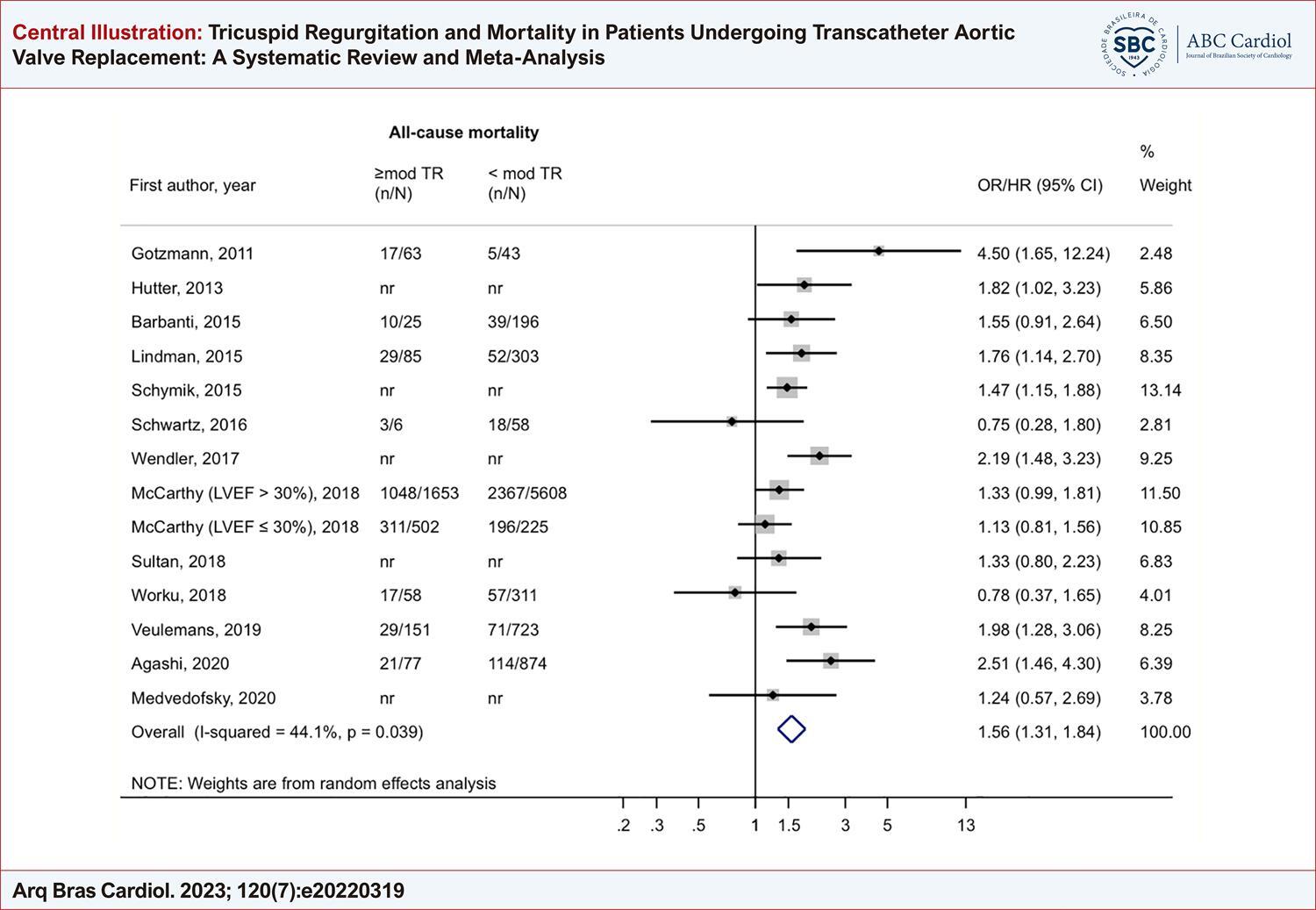
Severe aortic stenosis (AS) is a frequent and potentially severe disease if left untreated. Despite the widespread adoption of surgical aortic valve replacement (SAVR) and more recently transcatheter aortic valve implantation (TAVI), mortality rates in the mid- to long-term follow-up remain relatively high, especially for higher-risk patients. , Yet, transfemoral TAVI became the dominant approach for patients with age > 70 years, enabling a significant reduction in the all-cause and cardiac mortality rates with respect to SAVR, even though the prognosis of a certain subgroup of patients is still jeopardized. Therefore, prior studies in the TAVI field have focused on helping in risk stratifying such patients. For instance, Genereux et al. , have shown that the extent of cardiac damage among patients with AS undergoing TAVI could play an important role. Accordingly, a stepwise impact in the mortality at follow-up was demonstrated when patients with AS also had left chamber involvement, with or without mitral regurgitation, followed by pulmonary hypertension, with or without tricuspid regurgitation (TR), and finally with right ventricle dysfunction. Of note, the last two stages (with moderate or severe TR and right ventricle dysfunction) represent the highest mortality rate, up to 20% at 1 year. Apart from TR grade, there is controversy on whether the changes in TR grade in the follow-up might also affect the clinical outcomes.

In this journal issue, Erbano et al. evaluated the association between TR and mortality in a systematic review and meta-analysis of patients with AS undergoing TAVI and further assessed the changes in TR severity post-TAVI and its relationship with short and mid-term mortality. The primary endpoint was defined as the incidence of all-cause mortality according to TR grade at baseline. Secondary endpoints included cardiac mortality and heart failure hospitalization. The authors included 24 studies and more than 45.000 patients, whose mean age was 81.7±8.5 years; 52% were female, with a mean Society of Thoracic Surgeons (STS) score of 8.2±6.0. Approximately 22% of patients had moderate or severe TR at baseline. After a mean follow-up of 1.2 years, pooled analysis of 14 studies revealed that higher grades of TR were associated with a worse prognosis. Severe TR was associated with an 83% increased mortality compared to no/mild TR in the short-term and 56% in the mid-term. In the pooled analysis, the persistence of moderate/severe TR grades, after a mean follow-up of 21 months post-TAVI, was also associated with a 2-fold increase in all-cause mortality.

[…]

  • Aortic Stenosis
  • Extravalvular Cardiac Damage
  • TAVI
  • Transcatheter Aortic Valve Implantation
  • tricuspid regurgitation
Read Full Article
Creative Commons Attribution (CC BY) Creative Commons license
14/08/2023 DOI: 10.36660/abc.20230410
Review Article

The Best Articles of 2022 in the Arquivos Brasileiros de Cardiologia and Revista Portuguesa de Cardiologia

Gláucia Maria Moraes de Oliveira et al. Ricardo Fontes-Carvalho Nuno Cardim Carlos Eduardo Rochitte

Introduction

Continuing a recent tradition, , the Revista Portuguesa de Cardiologia and Arquivos Brasileiros de Cardiologia are publishing a special article this year with the 10 best original articles published in each journal ( and ).

[…]

  • Brazil
  • Cardiovascular Diseases
  • Dissemination of Information
  • Impact factor
  • Technical Cooperation/trends
Read Full Article
Creative Commons Attribution (CC BY) Creative Commons license
07/08/2023 DOI: 10.36660/abc.20230342 Views 1
Editorial

What Pieces are Missing in the Puzzle of Cardiovascular Adaptation to Orthostatism?

Jorge Elias Neto

The bipedalism of the human species is an evolutionary milestone and has motivated extensive research in the physiological and anthropological areas. ,

Although the gravitational force (+Gz), acting at a mean velocity of 9.8 m/s , creates a gradient of pressure at the level of the circulatory system, the human being is capable of maintaining an upright posture because the gravitational pressure is partially neutralized by autonomic and cardiovascular compensatory mechanisms that prevent hypotension and loss of consciousness would ensue after orthostasis. –

[…]

  • Head-up Tilt Test
  • Ortostasis
  • Pulse Wave Velocity
  • R-R Variability
  • Syncope
Read Full Article
Creative Commons Attribution (CC BY) Creative Commons license
07/08/2023 DOI: 10.36660/abc.20230417 Views 1
Central Illustration
Original Article

Tricuspid Regurgitation and Mortality in Patients Undergoing Transcatheter Aortic Valve Replacement: A Systematic Review and Meta-Analysis

Bruna Olandoski Erbano et al. Nicolle Amboni Schio Renato Delascio Lopes Tiago Costa Bignoto … Marcia Olandoski Raquel Silva Brito da Luz Guilherme Dagostin de Carvalho Lucas Henrique Olandoski Erbano Auristela Isabel de Oliveira Ramos Fausto Feres José Rocha Faria Neto Cristina Pellegrino Baena Dimytri Alexandre de Alvim Siqueira

Abstract

Background

The extent of cardiac damage associated with aortic stenosis has important prognostic implications after transcatheter aortic valve replacement (TAVR). However, the role of tricuspid regurgitation (TR) in this clinical setting is still unclear.

Objectives

To explore the association between TR and mortality in patients undergoing TAVR and assess changes in TR severity post TAVR and its relationship with short and mid-term mortality.

Methods

Relevant databases were searched for articles published from inception until August 2020. Out of 414 screened studies, we selected 24 that reported the degree of TR pre or post TAVR. The primary outcome was all-cause mortality, and random effects meta-analysis models were conducted (at a significance level of 5%).

Results

Seventeen studies reported associations between pre-TAVR TR and all-cause mortality (> 45,000 participants) and thirteen accessed TR severity post TAVR (709 participants). Moderate/severe baseline TR was associated to higher all-cause mortality both at 30 days (HR 1.65; 95% CI, 1.20-2.29) and 1.2 years (HR 1.56; 95% CI, 1.31-1.84). After TAVR, 43% of patients presented a decrease of at least one grade in TR (30 days, 95% CI, 30-56%), sustained at 12.5 months in 44% of participants (95% CI, 35-52%). Persistence of significant TR was associated with a two-fold increase in all-cause mortality (HR 2.12; 95% CI, 1.53-2.92).

Conclusions

Significant TR pre TAVR is associated with higher mortality. Although TR severity may improve, the persistence of significant TR post TAVR is strongly associated with increased mortality. Our findings highlight the importance of a detailed assessment of TR pre and post TAVR and might help identify patients who may benefit from more careful surveillance in this scenario.

  • Aortic Valve Stenosis
  • Mortality
  • Transcatheter Aortic Valve Replacement
  • Tricuspid Valve Insufficiency
Read Full Article
Creative Commons Attribution (CC BY) Creative Commons license
07/08/2023 DOI: 10.36660/abc.20220319
Editorial

Outcome Analysis after Out-of-Hospital Cardiac Arrest

Thais Rocha Salim et al. Gabriel Porto Soares

Cardiac arrest (CA) is defined as the cessation of mechanical activity of the heart, confirmed by the absence of signs of circulation, clinically manifested by unresponsiveness, absence of pulse, and breathing or gasping. CA is the final pathway and mechanism of death in various clinical or traumatic situations that vary with the patient’s age and the occurrence location. The reversal of CA and the prognosis after the event depend on identifying and implementing high-efficiency resuscitation measures. Rates of Return of Spontaneous Circulation (RSC), survival until hospital discharge, and short- and medium-term neurological condition are imprecise and vary in the literature. A meta-analysis of 141 studies from North America, Europe, Asia, and Oceania showed that RSC occurred in 29.7% of adult patients resuscitated in the out-of-hospital environment, and less than 10% survived until hospital discharge. The highest survival rates occurred in witnessed CA cases with early initiation of resuscitation maneuvers. In another meta-analysis that included 44 studies conducted in Europe, Asia, and North America, the use of extracorporeal circulation in out-of-hospital resuscitation resulted in survival rates of up to 24%, with 18% of patients having favorable neurological conditions. However, in the evaluated studies, the time for arrival of the mobile medical service was less than 5 minutes, which may have influenced the outcomes.

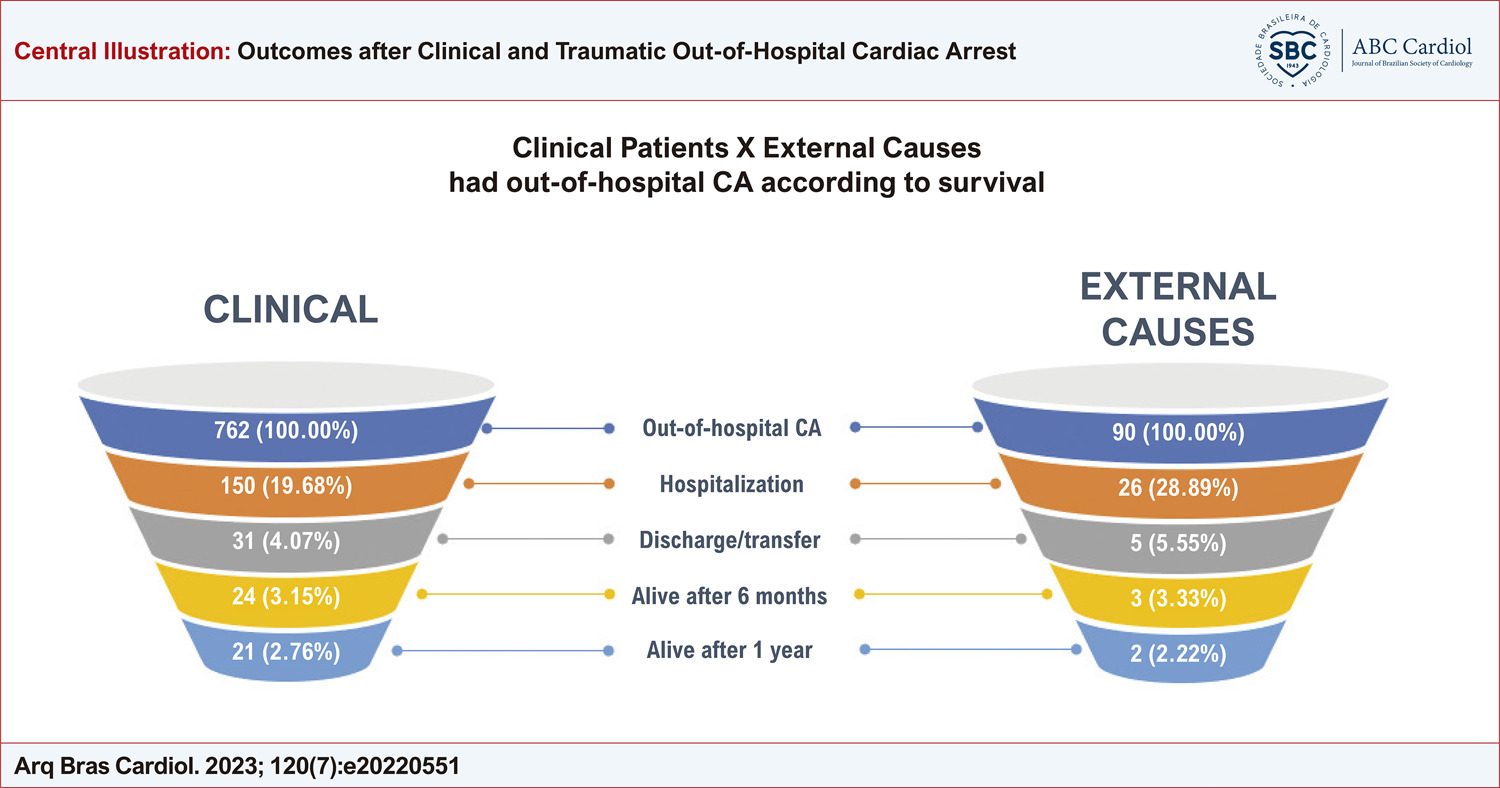
In Brazil, in the out-of-hospital environment, survival rates are related to the rhythm of CA. Shockable rhythms, ventricular tachycardia, or ventricular fibrillation account for nearly 80% of events, and when defibrillation is performed between 3-5 minutes from the onset of CA, the survival rate is around 50% to 70%. Meanwhile, non-shockable rhythms, such as pulseless electrical activity and asystole, have a survival rate of less than 17%. According to the Guidelines for Cardiopulmonary Resuscitation and Emergency Cardiovascular Care of the Sociedade Brasileira de Cardiologia , the survival rate in traumatic CA cases is less than 3%. An article published in the Arquivos Brasileiros de Cardiologia provides important information on survival rates and neurological conditions in out-of-hospital CAs in a Brazilian capital, allowing for the development of strategies to prevent such events and improve the cardiopulmonary resuscitation ( CPR) response teams. It is a cohort study conducted in Campo Grande, Mato Grosso do Sul (MS), Brazil. Retrospective data collection was performed from the Prehospital Care records of the Mobile Emergency Care Service, involving 852 victims over 18 years old who experienced out-of-hospital CA between January 2016 and December 2018. The cohort segment was established by collecting information from the medical records of the hospital units where the survivors were admitted or through interviews with the patients and their family members.

[…]

  • Cardiopulmonary Resuscitation
  • Heart Arrest
  • Out-of-Hospital Cardiac Arrest
Read Full Article
Creative Commons Attribution (CC BY) Creative Commons license
07/08/2023 DOI: 10.36660/abc.20230406
Editorial

Sarcopenia: An Important Entity Still Underinvestigated in Heart Failure

Roberto Magalhães Saraiva et al. Andréa Rodrigues da Costa

Sarcopenia is considered an age-dependent syndrome characterized by a gradual decline in skeletal muscle mass, strength, and physical performance that was recognized as a specific clinical entity by the World Health Organization only in 2016. The diagnostic criteria have been a matter of debate. However, the European Working Group on Sarcopenia in Older People (EWGSOP), in their revised consensus, defined that sarcopenia diagnosis must start with low muscle strength as the first criterion to identify patients with probable sarcopenia, which added to low muscle quantity/quality criterion would confirm the diagnosis of sarcopenia, and added to low physical performance would confirm severe sarcopenia. The different methods and their cut-offs to evaluate muscle mass, force, and exercise capacity for men and women were recently reviewed elsewhere.

Sarcopenia worsens with age; an annual loss of 1-2% in muscle mass is expected after 50 years old, and an annual 3% increase in sarcopenia prevalence occurs after 60 years old. However, patients with heart failure (HF) present a higher prevalence of sarcopenia than their counter mates with similar age but no HF. A recent meta-analysis described that the prevalence of sarcopenia in HF patients was 31%. In fact, the pathophysiology pathways of sarcopenia and HF share important components, such as hormonal changes, inflammation, oxidative stress, apoptosis, and overactivation of the ubiquitin-proteasome system, and some aspects of HF, such as low muscle blood flow, may favor sarcopenia, which may explain the higher prevalence of sarcopenia in HF patients and their poorer prognosis. , However, there is little evidence on therapeutical interventions to address sarcopenia in HF patients. Pharmacological, nutritional, hormonal, and exercise-based approaches have been postulated to be beneficial. Angiotensin-converting enzyme (ACE) inhibitors and angiotensin receptor blockers (ARBs) have been shown to have muscle-protective properties in pre-clinical studies, but clinical studies failed to prove that these drugs can improve walk distance or muscle strength and function in the elderly. Spironolactone may delay sarcopenia progress. Vitamin D supplementation increases skeletal muscle strength in elderly subjects and may help sarcopenic HF patients. Another potential therapy could be testosterone supplementation therapy to reach the physiological range, but its safety in HF patients is yet to be tested. A therapy combining nutritional supplementation and cardiac rehabilitation, including exercise, is the best approach to treat sarcopenia. ,

[…]

  • aging
  • Heart Failure
  • Sarcopenia
Read Full Article
Creative Commons Attribution (CC BY) Creative Commons license
07/08/2023 DOI: 10.36660/abc.20230387 Views 1
Figure 1
Original Article

Accuracy of Transthoracic Echocardiogram as a Screening Method in the Clinical Practice of Pulmonary Hypertension Investigation

Camila Farnese Rezende et al. Eliane Viana Mancuzo Maria do Carmo Pereira Nunes Ricardo Amorim Corrêa

Abstract

Background

The transthoracic echocardiogram (TTE) plays a screening role in the diagnostic algorithm of pulmonary hypertension (PH). Studies have shown a significant disagreement between TTE measurements of the systolic pulmonary artery pressure (sPAP) and right atrial pressure (RAP) and those obtained by right heart catheterization (RHC).

Objective

To compare TTE measurements of sPAP and RAP with those obtained by RHC in patients being investigated for PH.

Methods

Patients referred to a PH reference center with a high or intermediate TTE probability of PH upon admission were submitted to RHC. The agreement between sPAP and RAP from both procedures was assessed through the Bland-Altman test. Differences of up to 10 mmHg for sPAP and 5 mmHg for RAP were considered within the variability of the test. Receiver Operating Characteristic (ROC) curve was constructed to determine the most accurate sPAP and Tricuspid regurgitation maximal velocity (TRV)values associated with the diagnosis of PH by RHC. The adopted level of statistical significance was 5%.

Results

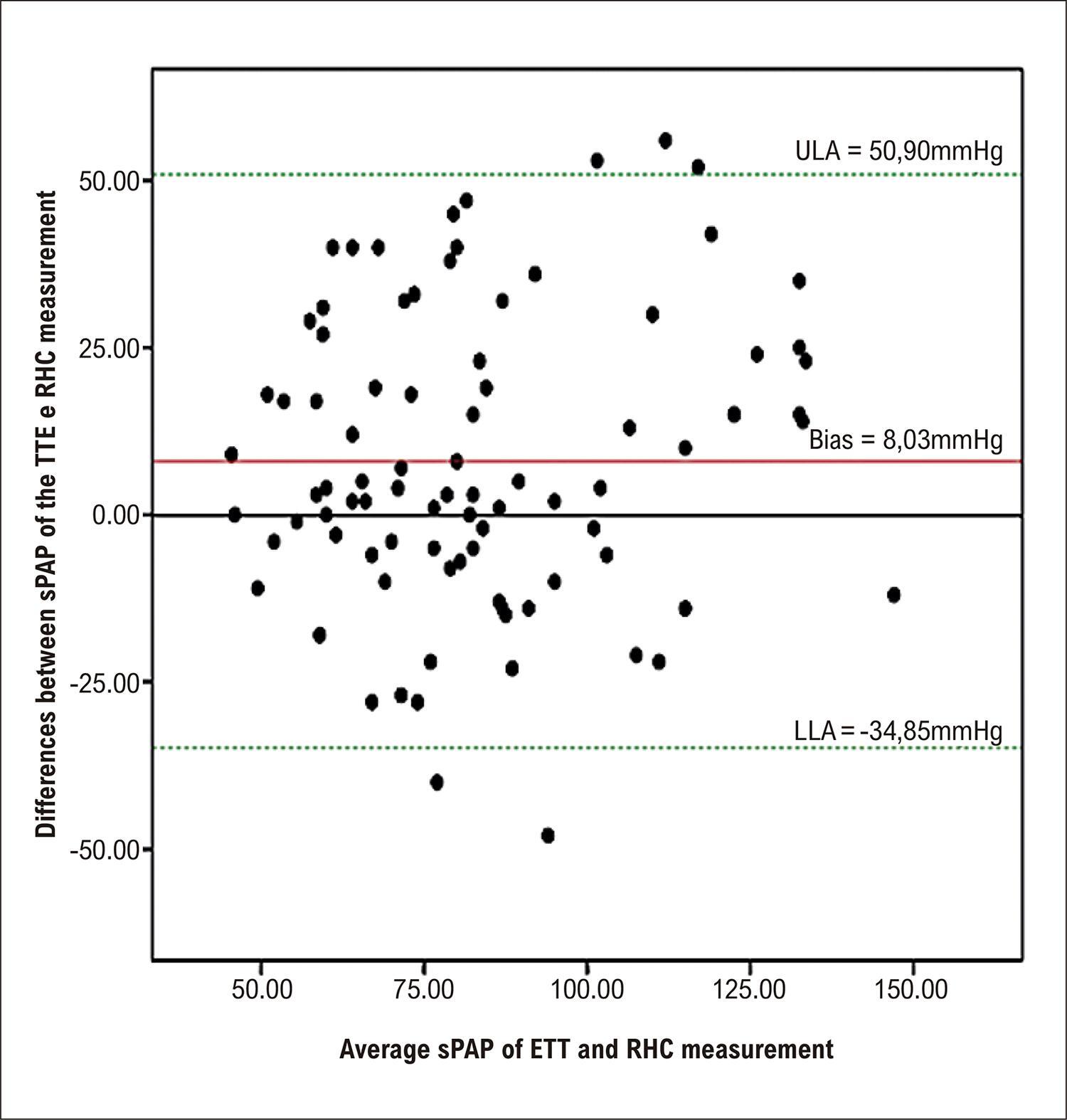
Ninety-five patients were included. The Bland-Altman analysis showed a bias of 8.03 mmHg (95% CI:-34.9-50.9) for sPAP and -3.30 mmHg (95% CI:-15.9-9.3) for RAP. AUC for sPAP and TRV measured by TTE for discrimination of probable PH were 0.936 (95% CI: 0.836-1.0) and 0.919 (95% CI: 0.837-1.0), respectively. However, only 33.4% of the echocardiographic estimate of sPAP and 55.1% of RAP were accurate, as compared to the measurements obtained by RHC.

Conclusion

TTE has a high discriminatory power as a screening diagnostic method for PH despite presenting disagreements between sPAP and RAP absolute values when compared to RHC measurements.

  • Data Accuracy
  • Echocardiography
  • Hypertension Pulmonary
Read Full Article
Creative Commons Attribution (CC BY) Creative Commons license
07/08/2023 DOI: 10.36660/abc.20220461 Views 1
Figure 1
Research Letter

Misdiagnosis of a Cardiac Angiosarcoma During the COVID-19 Pandemic

Arash Amin et al. Zohreh Taheri Mahshid Hesami Azin Alizahehasl … Zeinab Norouzi Nasibeh Mohammadi

Abstract

The final months of 2019 saw the emergence of a new pandemic termed “COVID-19”. Since then, this infection and its complications have been the priority of healthcare providers, with many symptoms attributed to its early and late presentations. Thus far, other diseases, even fatal situations, have been overlooked or misdiagnosed due to the attribution of patient symptoms to the presence of COVID-19 infection. We herein present a case of cardiac angiosarcoma in a young boy who had previously become infected with COVID-19 about two months earlier. Given the history of infection, the initial approach was post-COVID-19 myopericarditis management. However, the patient’s condition worsened, necessitating reevaluation via multimodalities with higher precision. Ultimately, the patient was diagnosed with a cardiac tumor. This article seeks to underscore the significance of taking heed of other diseases and fatal conditions during the COVID-19 pandemic with an emphasis on avoiding misdiagnosing other diseases.

  • Angiosarcoma/surgery
  • COVID-19/infection
  • Diagnostic Errors
  • Heart Neoplasms
  • Imaging/methods
  • Multimodal Imaging/diagnostic
Read Full Article
Creative Commons Attribution (CC BY) Creative Commons license
07/08/2023 DOI: 10.36660/abc.20220501
Figure 1
Original Article

Sarcopenia: Inflammatory and Humoral Markers in Older Heart Failure Patients

Tamirys Delazeri Sangali et al. Gabriela Corrêa Souza Édina Caroline Ternus Ribeiro Ingrid Dalira Schweigert Perry

Abstract

Background

Sarcopenia is highly prevalent in heart failure (HF) patients, and the involvement of biomarkers in its pathophysiology is suggested, but little has been studied concerning HF sarcopenic patients.

Objectives

To evaluate the association between inflammatory and humoral markers with sarcopenia, as well as the impact of sarcopenia on quality of life and functional capacity in older HF patients.

Methods

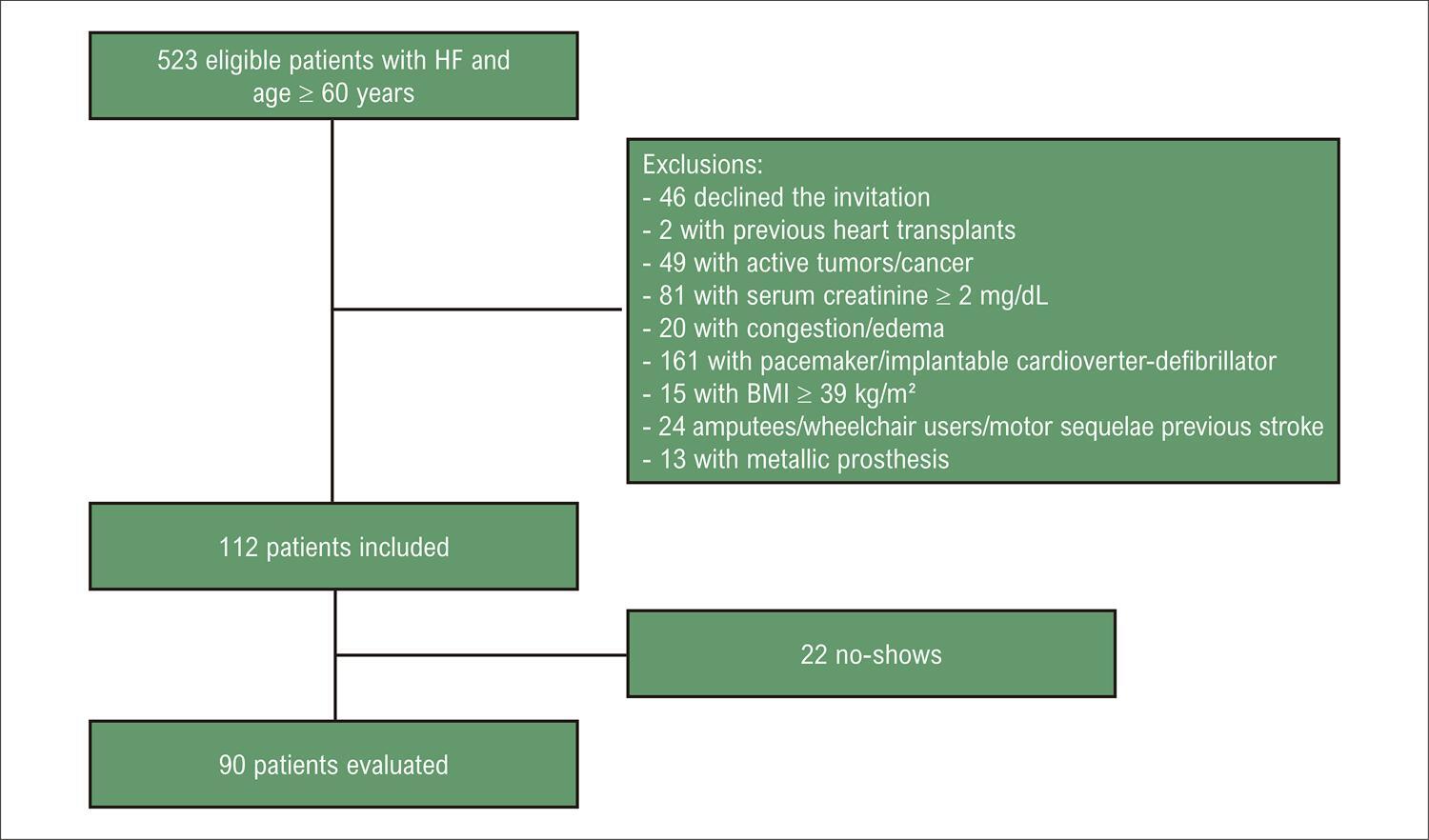
In this cross-sectional study, 90 outpatient HF patients, aged ≥ 60 years, were evaluated for sarcopenia (EWGSOP2 diagnostic criteria), inflammation (high-sensitive C-reactive protein [hs-CRP], Interleukin-6 [IL-6], tumor necrosis factor alpha [TNF-α]) and humoral markers (total testosterone and insulin-like growth factor-1 [IGF-1]), physical activity (International Physical Activity Questionnaire), quality of life (Minnesota Living with Heart Failure Questionnaire), and functional capacity (6-minute walk test). The adopted level of significance was p<0.05.

Results

Patients had a mean age of 69.4 ± 7.2 years, 67.8% were male, with left ventricular ejection fraction (LVEF) of 35.9 ± 11.9% and 22 (24.4%) were sarcopenic. Age (73.1 ± 8.1 and 68.3 ± 6.5 years; p= 0.006), body mass index (BMI) (23.1 ± 2.8 and 28.2 ± 4.2 kg/m2; p <0.001), and LVEF (29.9 ± 8.8 and 37.9 ± 12.1%; p= 0.005) were different between groups with and without sarcopenia, respectively. After adjusting for age, ethnicity, BMI, LVEF, and the use of angiotensin converting enzyme inhibitors/angiotensin receptor blockers, sarcopenia was associated with higher serum levels of IL-6 and worse functional capacity.

Conclusion

In HF patients, sarcopenia was associated with IL-6 levels and functional capacity.

  • Biomarkers
  • Heart Failure
  • Inflammation
  • Sarcopenia
Read Full Article
Creative Commons Attribution (CC BY) Creative Commons license
07/08/2023 DOI: 10.36660/abc.20220369
Figure 1
Original Article

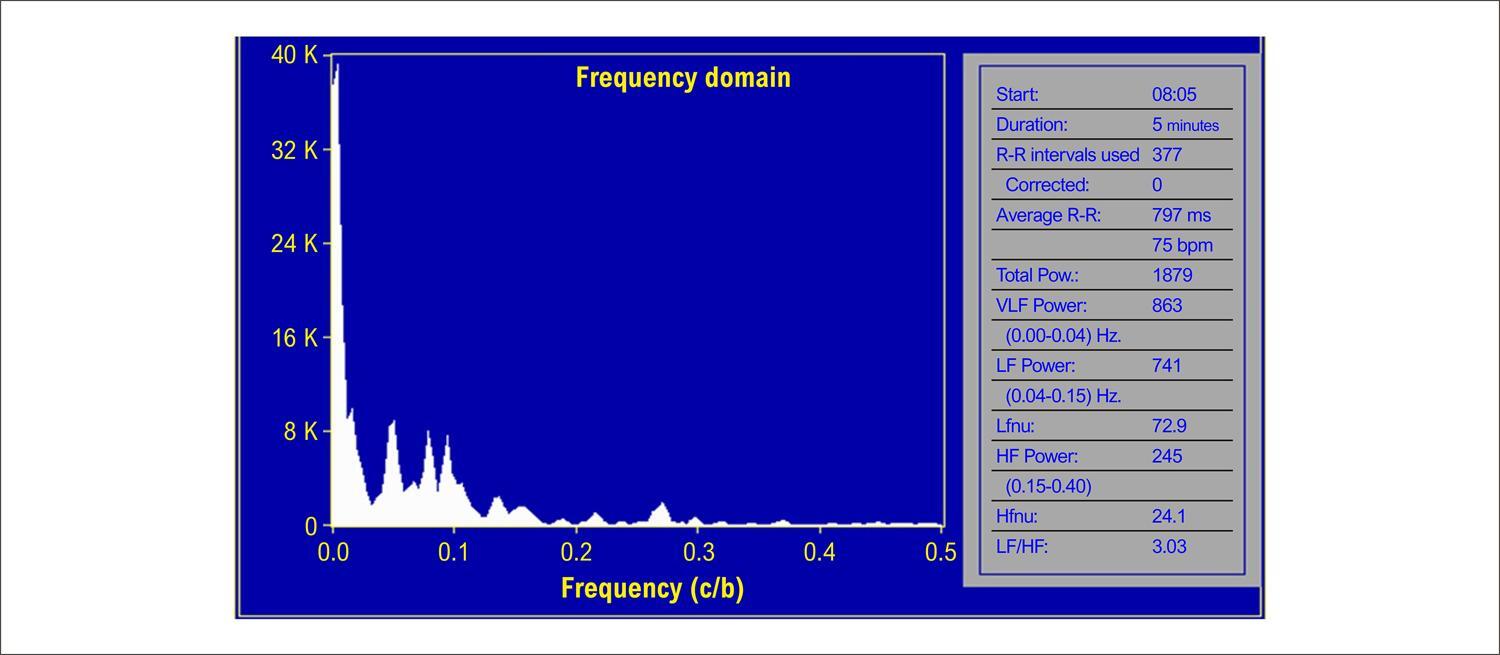
Clinical and Autonomic Profile, and Modified Calgary Score for Children and Adolescents with Presumed Vasovagal Syncope Submitted to the Tilt Test

Pamela Michelle Leite Oliveira et al. Rose Mary Ferreira Lisboa da Silva Henrique de Assis Fonseca Tonelli Zilda Maria Alves Meira Cleonice de Carvalho Coelho Mota

Abstract

Background

In the pediatric population, syncope is mainly from vasovagal (VVS) origin. Its evaluation must be done by clinical methods, and the tilt test (TT) can contribute to the diagnosis.

Objectives

To analyze the clinical profile, Calgary and modified Calgary scores, response to TT and heart rate variability (HRV) of patients aged ≤ 18 years with presumed VVS. To compare the variables between patients with positive and negative responses to TT.

Method

Observational and prospective study, with 73 patients aged between 6 and 18 years, submitted to clinical evaluation and calculation of scores without previous knowledge of the TT. It was done at 70º under monitoring for HRV analysis. P-value < 0.05 was the statistical significance criterion.

Results

Median age was 14.0 years; 52% of participants were female, 72 had Calgary ≥ -2 (mean 1.80), and 69 had modified Calgary ≥ -3 (mean 1.38). Prodromes were observed in 59 patients, recurrence in 50 and trauma in 19. The response to TT was positive in 54 participants (49 vasovagal, with 39 vasodepressor responses), with an increase in the low frequency (LF) component and a decrease in the high frequency (HF) component (p < 0,0001). In the supine position, LF was 33.6 in females and 47.4 in normalized units for males (p = 0.02). When applying the operating characteristic curve for positive TT, there was no statistical significance for HRV and scores.

Conclusion

Most children and adolescents with a presumed diagnosis of VVS presented a typical clinical scenario, with a Calgary score ≥ -2, and a predominant vasodepressor response to TT. Greater sympathetic activation was observed in the supine position in males. Calgary scores and sympathetic activation did not predict the response to TT.

  • Adolescent
  • Child
  • Heart Rate
  • Syncope, Vasovagal
  • Tilt Table Test
Read Full Article
Creative Commons Attribution (CC BY) Creative Commons license
07/08/2023 DOI: 10.36660/abc.20220543 Views 1
Figure 1
Original Article

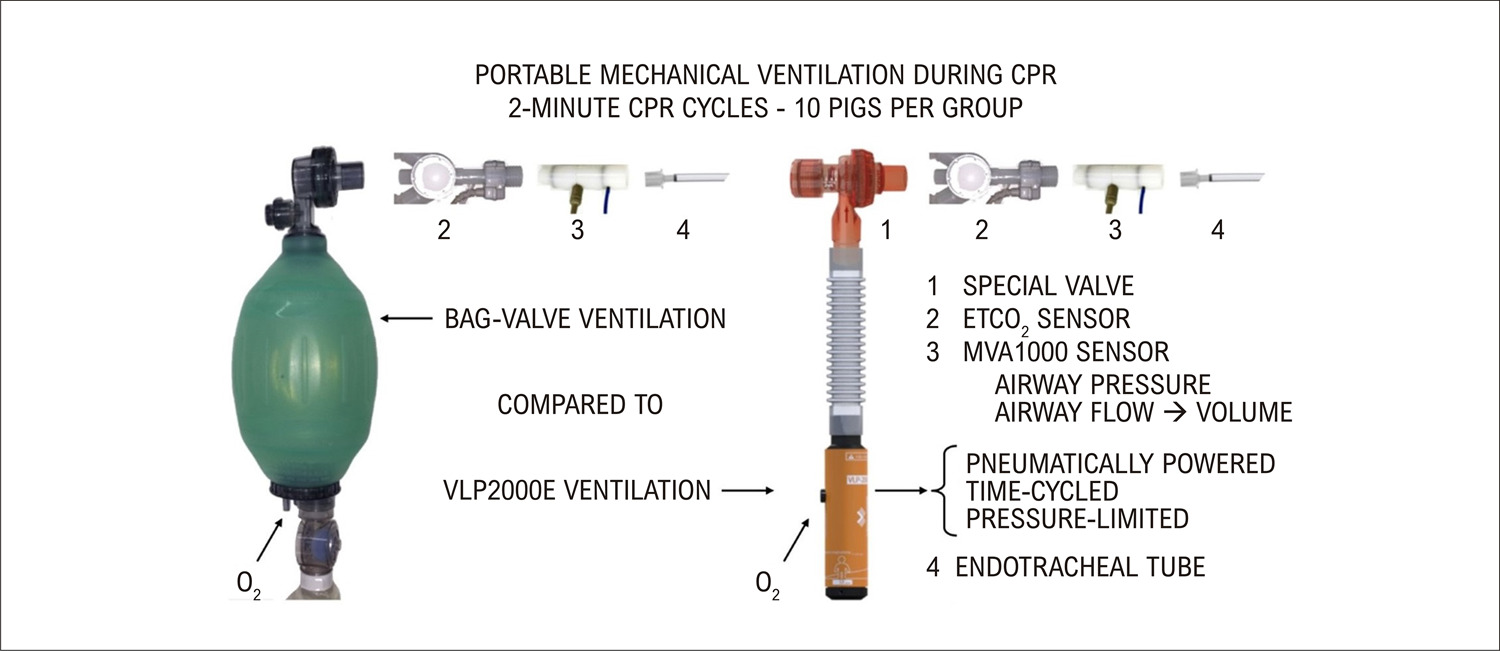
Use of a Portable Mechanical Ventilator during Cardiopulmonary Resuscitation is Feasible, Improves Respiratory Parameters, and Prevents the Decrease of Dynamic Lung Compliance

Manoel Ângelo Gomes Palácio et al. Edison Ferreira de Paiva Gustavo Bernardes de Figueiredo Oliveira Luciano César Pontes de Azevedo … Bruno Gregnanin Pedron Elizabete Silva dos Santos Ari Timerman

Abstract

Background

For practical and protective ventilation during cardiopulmonary resuscitation (CPR), a 150-grams mechanical ventilator (VLP2000E) that limits peak inspiratory pressure (PIP) during simultaneous ventilation with chest compressions was developed.

Objectives

To evaluate the feasibility of VLP2000E ventilation during CPR and to compare monitored parameters versus bag-valve ventilation.

Methods

A randomized experimental study with 10 intubated pigs per group. After seven minutes of ventricular fibrillation, 2-minute CPR cycles were delivered. All animals were placed on VLP2000E after achieving return of spontaneous circulation (ROSC).

Results

Bag-valve and VLP2000E groups had similar ROSC rate (60% vs. 50%, respectively) and arterial oxygen saturation in most CPR cycles, different baseline tidal volume [0.764 (0.068) vs. 0.591 (0.123) L, p = 0.0309, respectively] and, in 14 cycles, different PIP [52 (9) vs. 39 (5) cm H2O, respectively], tidal volume [0.635 (0.172) vs. 0.306 (0.129) L], ETCO2[14 (8) vs. 27 (9) mm Hg], and peak inspiratory flow [0.878 (0.234) vs. 0.533 (0.105) L/s], all p < 0.0001. Dynamic lung compliance (≥ 0.025 L/cm H2O) decreased after ROSC in bag-valve group but was maintained in VLP2000E group [0.019 (0.006) vs. 0.024 (0.008) L/cm H2O, p = 0.0003].

Conclusions

VLP2000E ventilation during CPR is feasible and equivalent to bag-valve ventilation in ROSC rate and arterial oxygen saturation. It produces better respiratory parameters, with lower airway pressure and tidal volume. VLP2000E ventilation also prevents the significant decrease of dynamic lung compliance observed after bag-valve ventilation. Further preclinical studies confirming these findings would be interesting.

  • Cardiopulmonary Resuscitation
  • Hyperventilation
  • Lung Compliance
  • Lung Injury
  • Ventilators Mechanical
Read Full Article
Creative Commons Attribution (CC BY) Creative Commons license
07/08/2023 DOI: 10.36660/abc.20220564
Editorial

Transthoracic Echocardiography in Pulmonary Hypertension: Easy Tool, but Caution is Needed!

Hugo Hyung Bok Yoo

Screening high-risk individuals for pulmonary hypertension (PH) usually begins with transthoracic echocardiography (TTE) as the first-choice test for noninvasive pulmonary vascular hemodynamic status evaluation. Therefore, echocardiography can provide comprehensive information on heart morphology, ventricular function, and valve abnormalities.

Echocardiography is also a useful tool for estimating the systolic pulmonary arterial pressure (sPAP), right ventricular (RV), and right atrial (RA) pressures to assign an echocardiographic parameter of the probability of PH. Most often, the tricuspid regurgitation jet velocity (TRJV) is measured by TTE and, together with an estimate of the right atrial pressure (RAP) based on the inspiratory collapse and the size of the inferior vena cava, the TRJV jet is used to estimate the systolic pulmonary artery pressure (sPAP).

[…]

  • Echocardiography
  • Hypertension
  • Pulmonary
  • Transthoracic
Read Full Article
Creative Commons Attribution (CC BY) Creative Commons license
07/08/2023 DOI: 10.36660/abc.20230380 Views 1
Figure 1
Brief Communication

Cardiac Magnetic Resonance Imaging in a 7 Tesla Magnetic Field: Initial Experience with Hydrogen and Sodium Nuclei

Carlos E. Rochitte et al. Douglas C. Silva Maria C. Otaduy Khallil T. Chaim … Cesar H. Nomura Bruno Caramelli

Introduction

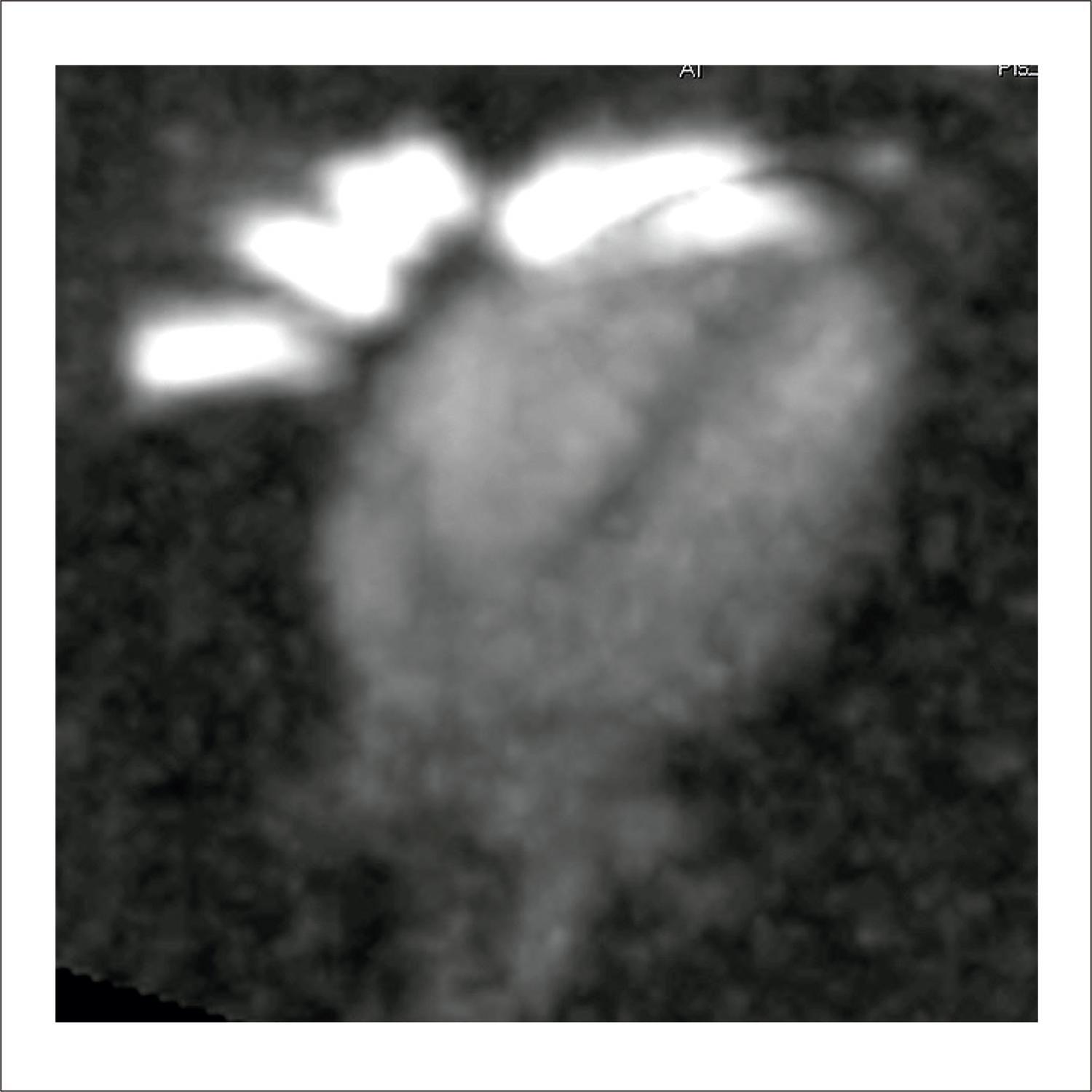
The cellular integrity of myocardial tissue is crucial information to evaluate the viability of the heart. Cardiac magnetic resonance imaging (CMR) is considered the gold standard method for functional analysis of the heart, and it plays an essential role in the diagnosis of several cardiomyopathies, including myocardial infarction. When there is a failure in the energy supply of heart cells, there occurs a decrease in blood flow in certain regions, which can lead to cell death. CMR can assess the viability of cardiac tissue by means of interaction with the protons present in this tissue, the hydrogen nucleus being the most common for this purpose.

In recent years, another nucleus has emerged as a possible ischemic marker of the heart, namely, sodium. Studies carried out in animals have shown that the evolution of the ischemic process is directly correlated with the accumulation of intracellular sodium. In this ischemic process, the function of the sodium-potassium pump is compromised, generating an imbalance in the concentration of this electrolyte, , , leading to influx of sodium into the intracellular environment. Studies also suggest that sodium concentration is directly related to the extent of ischemic injury. Sodium concentration is higher in the extracellular environment in normal physiological situations, but with failure in the function of the sodium-potassium pump, there is an influx of sodium into the intracellular environment, thus making it a potential marker for ischemic events in the heart. , , ,

[…]

  • 7 Tesla
  • Cardiac Magnetic Resonance (CMR)
  • Sodium Image (23Na)
  • Ultra-high Field (UHF)
Read Full Article
Creative Commons Attribution (CC BY) Creative Commons license
07/08/2023 DOI: 10.36660/abc.20220762 Views 1
Figure 2.1
Statement

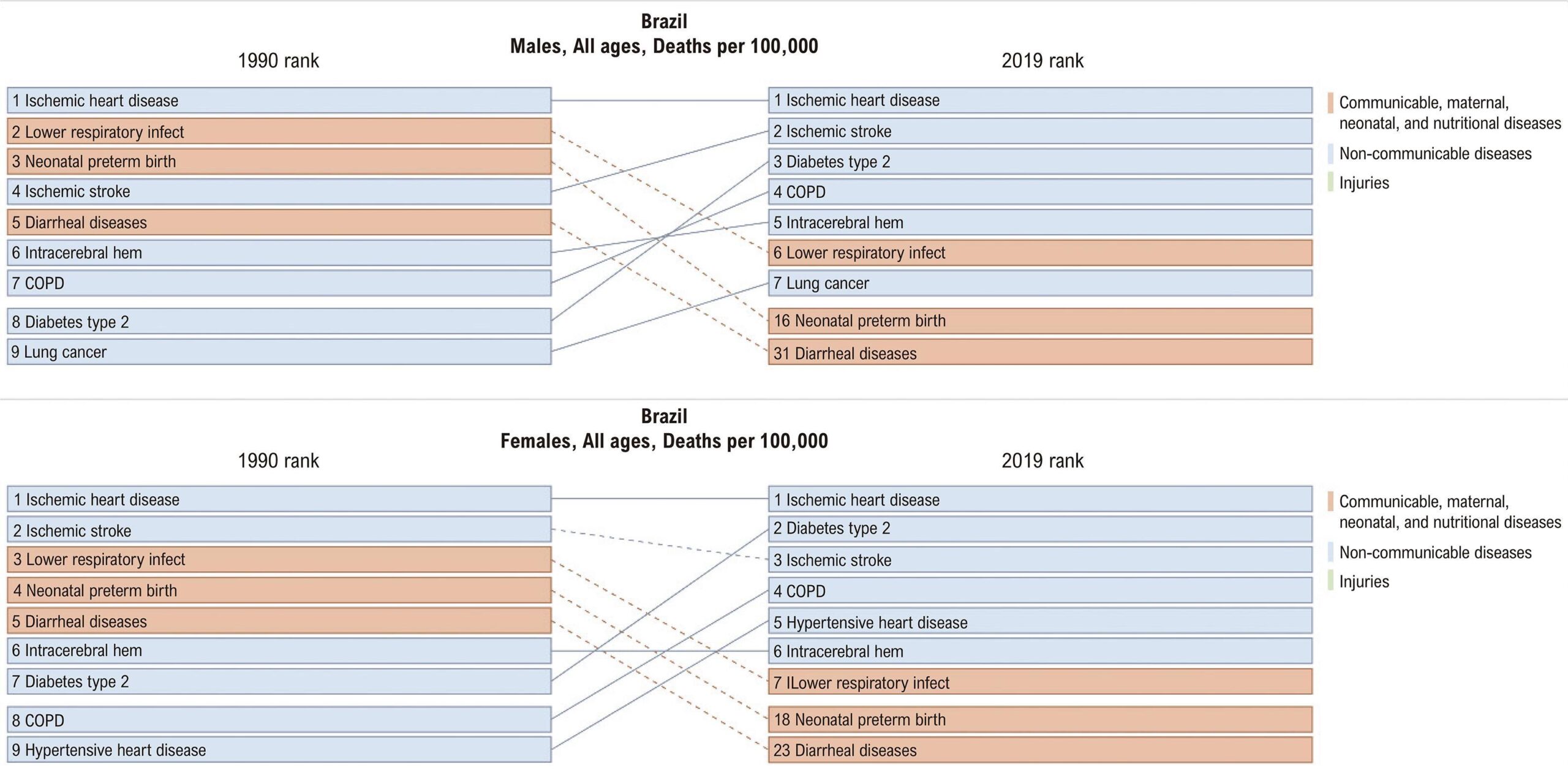
Position Statement on Ischemic Heart Disease – Women-Centered Health Care – 2023

Gláucia Maria Moraes de Oliveira et al. Maria Cristina Costa de Almeida Daniela do Carmo Rassi Érika Olivier Vilela Bragança … Lidia Zytynski Moura Magaly Arrais Milena dos Santos Barros Campos Viviana Guzzo Lemke Walkiria Samuel Avila Alexandre Jorge Gomes de Lucena André Luiz Cerqueira de Almeida Andréa Araujo Brandão Andrea Dumsch de Aragon Ferreira Andreia Biolo Ariane Vieira Scarlatelli Macedo Breno de Alencar Araripe Falcão Carisi Anne Polanczyk Carla Janice Baister Lantieri Celi Marques-Santos Claudia Maria Vilas Freire Denise Pellegrini Elizabeth Regina Giunco Alexandre Fabiana Goulart Marcondes Braga Fabiana Michelle Feitosa de Oliveira Fatima Dumas Cintra Isabela Bispo Santos da Silva Costa José Sérgio Nascimento Silva Lara Terra F. Carreira Lucelia Batista Neves Cunha Magalhães Luciana Diniz Nagem Janot de Matos Marcelo Heitor Vieira Assad Marcia M. Barbosa Marconi Gomes da Silva Maria Alayde Mendonça Rivera Maria Cristina de Oliveira Izar Maria Elizabeth Navegantes Caetano Costa Maria Sanali Moura de Oliveira Paiva Marildes Luiza de Castro Marly Uellendahl Mucio Tavares de Oliveira Junior Olga Ferreira de Souza Ricardo Alves da Costa Ricardo Quental Coutinho Sheyla Cristina Tonheiro Ferro da Silva Sílvia Marinho Martins Simone Cristina Soares Brandão Susimeire Buglia Tatiana Maia Jorge de Ulhôa Barbosa Thais Aguiar do Nascimento Thais Vieira Valquíria Pelisser Campagnucci Antonio Carlos Palandri Chagas

1. Introduction/Highlights

[…]

Read Full Article
Creative Commons Attribution (CC BY) Creative Commons license
04/08/2023 DOI: 10.36660/abc.20230303 Views 1
Central Illustration
Original Article

Outcomes after Clinical and Traumatic Out-of-Hospital Cardiac Arrest

Daiana Terra Nacer et al. Regina Márcia Cardoso de Sousa Anna Leticia Miranda

Abstract

Background

Data on out-of-hospital cardiac arrest are still scarce, very varied, and indicate a poor prognosis for traumatic events.

Objectives

To describe the out-of-hospital/in-hospital survival, survival time, and neurological conditions of those treated by advanced life support units and submitted to cardiopulmonary resuscitation and compare the results of clinical and traumatic cardiac arrests.

Methods

This is a cohort study carried out in three stages; in the first two, data were collected from the Mobile Emergency Care Service forms and medical records; then, the Brain Performance Category Scale was applied in the third stage. The sample consisted of resuscitated victims aged ≥18 years. Fisher’s and log-rank tests were used to compare the causes, considering a significance level of 5%.

Results

852 patients were analyzed; 20.66% were hospitalized, 4.23% survived until transfer or discharge, and 58.33% had a favorable outcome one year after arrest. There was an association between pre/in-hospital survival and the nature of the occurrence (p=0.026), but there was no difference between the survival curves (p=0.6).

Conclusions

Survival of hospitalization after out-of-hospital cardiac arrest was low; however, most who survived to be discharged achieved a favorable outcome after one year. The survival time of those hospitalized after clinical and traumatic events were similar, but pre-hospital survival was higher among trauma patients.

  • Cardiopulmonary Resuscitation
  • Emergency Medical Services
  • Heart Arrest
  • Out-of-Hospital Cardiac Arrest
  • Survivorship
Read Full Article
Creative Commons Attribution (CC BY) Creative Commons license
24/07/2023 DOI: 10.36660/abc.20220551 Views 1
Figure 1
Case Report

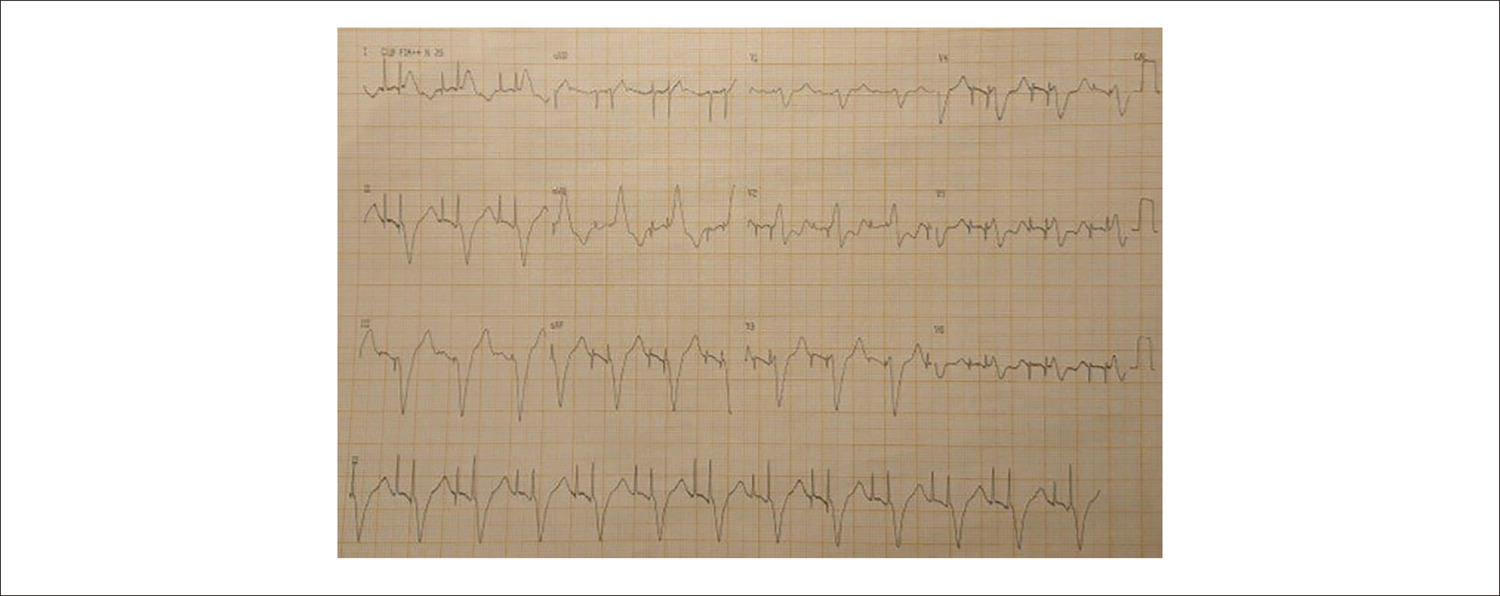
Left Bundle Branch Area Pacing for Resynchronization in Chagasic Patient and Dependent on Artificial Cardiac Pacing. Case Report

Raoni de Castro Galvão et al. João Paulo Velasco Pucci Ofir Gomes Vieira Edvagner Leite Sérgio de Carvalho … Winder Marconsini Soares Guilherme Cunha dos S. Teles

Introduction

Persistent monosytic pacing of the right ventricle can cause deleterious effects on ventricular function. Patients with Chagas cardiomyopathy (CCM) with ventricular dysfunction, requiring artificial heart stimulation (AHS) may accelerate the progression to heart failure (HF) due to the underlying disease and the consequent ventricular dyssynchrony.

For over 20 years, cardiac resynchronization therapy (CRT) has been an established alternative in cardiology for the treatment of heart failure with reduced ejection fraction (LVEF) with intraventricular conduction disorder (especially LBBB)., However, the effect of CRT on Chagas patients may not be as clear in relation to other heart diseases. The high degree of myocardial fibrosis, especially in the left ventricle (LV) lateral wall or other target regions for electrode placement, may be one of the factors that would explain this poor response to CRT.

[…]

  • Cardiac Pacing, Artificial
  • Cardiac Resynchronization Therapy
  • Chagas Cardiomyopathy
Read Full Article
Creative Commons Attribution (CC BY) Creative Commons license
24/07/2023 DOI: 10.36660/abc.20220464 Views 2
Errata

Errata

September 2022 issue, vol. 119(3), pages 393-399

In the Original Article “The Predictive Value of CHA2DS2-VASc Score on Residual Syntax Score in Patients With ST Segment Elevation Myocardial Infarction”, with DOI: https://doi.org/10.36660/abc.20210670, published in the journal Arquivos Brasileiros de Cardiologia, Arq Bras Cardiol. 2022; 119(3):393-399, on page 1, change the corresponding author name to: Ali Kemal Kalkan and the corresponding author email to: drakkalkan@gmail.com.

[…]

Read Full Article
Creative Commons Attribution (CC BY) Creative Commons license
24/07/2023 DOI: 10.36660/abc.20230356
Figure 1
Original Article

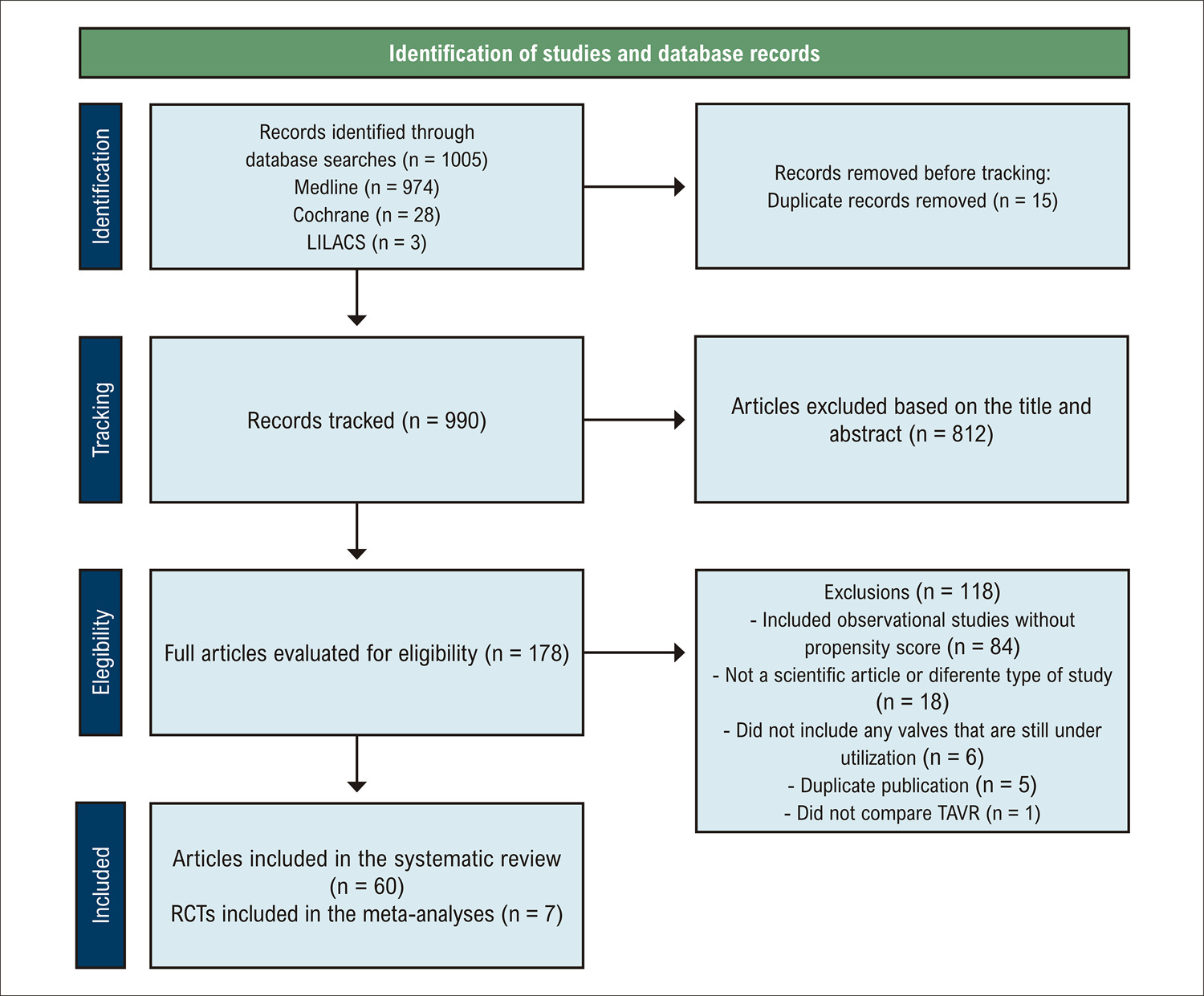
Transcatheter Valve Replacement in Patients with Aortic Valve Stenosis: An Overview of Systematic Reviews and Meta-Analysis with Different Populations

Henrique Diegoli et al. Marcia Regina Dias Alves Lucas Miyake Okumura Caroline Kroll … Dayane Silveira Luiz Henrique Picolo Furlan

Abstract

Background

Randomized controlled trials (RCTs) and observational studies have compared the efficacy and safety of transcatheter aortic valve replacement (TAVR) and surgical aortic valve replacement (SAVR) in patients with severe aortic stenosis.

Objectives

Compare TAVR and SAVR in patients with different surgical risks, population characteristics, and different transcatheter prosthetic valves.

Methods

An overview of systematic reviews (SRs) was conducted following a structured protocol. Results were grouped by surgical risk, population characteristics, and different valves. RCTs in the SRs were reanalyzed through meta-analyses, and the results were summarized using the GRADE method. The adopted level of statistical significance was 5%.

Results

Compared to SAVR, patients with high surgical risk using TAVR had a lower risk of (odds ratio, 95% confidence interval, absolute risk difference) atrial fibrillation (AF) (0.5, 0.29-0.86, -106/1000) and life-threatening bleeding (0.29, 0.2-0.42, -215/1000). Patients with intermediate surgical risk had a lower risk of AF (0.27, 0.23-0.33, -255/1000), life-threatening bleeding (0.15, 0.12-0.19, -330/1000), and acute renal failure (ARF) (0.4, 0.26-0.62, -21/1000). Patients with low surgical risk had a lower risk of death (0.58, 0.34-0.97, -16/1000), stroke (0.51, 0.28-0.94, -15/1000), AF (0.16, 0.12-0.2, -295/1000), life-threatening bleeding (0.17, 0.05-0.55, -76/1000), and ARF (0.27, 0.13-0.55, -21/1000), and had a higher risk of permanent pacemaker implantation (PPI) (4.22, 1.27-14.02, 141/1000). Newer generation devices had a lower risk of AF than older generations, and patients using balloon-expandable devices did not experience higher risks of PPI.

Conclusions

This paper provides evidence that patients at low, intermediate, and high surgical risks have better outcomes when treated with TAVR compared with SAVR.

  • Aortic Valve Stenosis
  • systematic review
  • Transcatheter Aortic Valve Replacement
Read Full Article
Creative Commons Attribution (CC BY) Creative Commons license
17/07/2023 DOI: 10.36660/abc.20220701
Research Letter

Cardiac Rehabilitation in a Transplanted Person with Emery-Dreifuss Muscular Dystrophy

Maria Loureiro et al. Carlos Branco João Duarte Gonçalo Coutinho … Maria Manuela Martins André Novo

Abstract

Emery-Dreifuss muscular dystrophy is a rare hereditary neuromuscular disease. Its manifestations begin primarily in childhood. The most frequent manifestations are progressive muscle weakness, atrophy that usually begins in the scapula-vertebral region, extending later to the pelvic girdle, and spinal stiffness. Patients can also manifest cardiac involvement as palpitations, syncope, exercise intolerance, congestive heart failure, and variable heart rhythm disturbances. – The presence and severity of these manifestations can vary according to the individual and the disease’s subtypes. Cardiac involvement is the most worrisome feature of this disease, and there are some reports of the need for heart transplantation in this dystrophy.

  • Cardiac Rehabilitation
  • Emery-Dreifuss Muscular Dystrophy
  • Heart Transplant
Read Full Article
Creative Commons Attribution (CC BY) Creative Commons license
17/07/2023 DOI: 10.36660/abc.20220560 Views 1

Could not load more articles. Please try again.

How to cite this article

EndNote RIS

Electronic Document Format (Vancouver)

Guimarães HP. Ventilation and Respiratory Parameters in CPR: Where are We and Next Steps!. Arquivos Brasileiros de Cardiologia 2023;120(7):e20230492.

Electronic Document Format (ABNT)

Guimarães, Hélio Penna. Ventilation and Respiratory Parameters in CPR: Where are We and Next Steps!. Arquivos Brasileiros de Cardiologia, v. 120, n. 7, e20230492, Sep. 2023.

Electronic Document Format (APA)

Guimarães, H. P. (2023). Ventilation and Respiratory Parameters in CPR: Where are We and Next Steps!. Arquivos Brasileiros de Cardiologia, 120(7), e20230492.

Electronic Document Format (ISO)

Guimarães, Hélio Penna. Ventilation and Respiratory Parameters in CPR: Where are We and Next Steps!. Arquivos Brasileiros de Cardiologia [online]. 2023, vol. 120, n. 7, [cited 2026-10-14], e20230492. Available from: <https://journals.cardiol.br/en/article/ventilation-and-respiratory-parameters-in-cpr-where-are-we-and-next-steps/>. ISSN 0066-782X

EndNote RIS

Electronic Document Format (Vancouver)

Toprak K, Kaplangoray M, Inanır M, Memioğlu T. How Effective is the Systemic Inflammatory Immune Index in the Etiopathogenesis of Isolated Coronary Artery Ectasia?. Arquivos Brasileiros de Cardiologia 2023;120(7):e20230048.

Electronic Document Format (ABNT)

Toprak, Kenan; Kaplangoray, Mustafa; Inanır, Mehmet; Memioğlu, Tolga. How Effective is the Systemic Inflammatory Immune Index in the Etiopathogenesis of Isolated Coronary Artery Ectasia?. Arquivos Brasileiros de Cardiologia, v. 120, n. 7, e20230048, Sep. 2023.

Electronic Document Format (APA)

Toprak, K., Kaplangoray, M., Inanır, M., & Memioğlu, T. (2023). How Effective is the Systemic Inflammatory Immune Index in the Etiopathogenesis of Isolated Coronary Artery Ectasia?. Arquivos Brasileiros de Cardiologia, 120(7), e20230048.

Electronic Document Format (ISO)

Toprak, Kenan and Kaplangoray, Mustafa and Inanır, Mehmet and Memioğlu, Tolga. How Effective is the Systemic Inflammatory Immune Index in the Etiopathogenesis of Isolated Coronary Artery Ectasia?. Arquivos Brasileiros de Cardiologia [online]. 2023, vol. 120, n. 7, [cited 2026-10-14], e20230048. Available from: <https://journals.cardiol.br/en/article/how-effective-is-the-systemic-inflammatory-immune-index-in-the-etiopathogenesis-of-isolated-coronary-artery-ectasia/>. ISSN 0066-782X

EndNote RIS

Electronic Document Format (Vancouver)

Parapid B, Kanjuh VI. Myocardial Bridge: Friend, Enemy, or Frenemy?. Arquivos Brasileiros de Cardiologia 2023;120(7):e20230426.

Electronic Document Format (ABNT)

Parapid, Biljana; Kanjuh, Vladimir I.. Myocardial Bridge: Friend, Enemy, or Frenemy?. Arquivos Brasileiros de Cardiologia, v. 120, n. 7, e20230426, Aug. 2023.

Electronic Document Format (APA)

Parapid, B., & Kanjuh, V. I. (2023). Myocardial Bridge: Friend, Enemy, or Frenemy?. Arquivos Brasileiros de Cardiologia, 120(7), e20230426.

Electronic Document Format (ISO)

Parapid, Biljana and Kanjuh, Vladimir I.. Myocardial Bridge: Friend, Enemy, or Frenemy?. Arquivos Brasileiros de Cardiologia [online]. 2023, vol. 120, n. 7, [cited 2026-10-14], e20230426. Available from: <https://journals.cardiol.br/en/article/myocardial-bridge-friend-enemy-or-frenemy/>. ISSN 0066-782X

EndNote RIS

Electronic Document Format (Vancouver)

Cunha CLP. Obesity-Induced Hypertension. Arquivos Brasileiros de Cardiologia 2023;120(7):e20230391.

Electronic Document Format (ABNT)

Cunha, Claudio Leinig Pereira da. Obesity-Induced Hypertension. Arquivos Brasileiros de Cardiologia, v. 120, n. 7, e20230391, Aug. 2023.

Electronic Document Format (APA)

Cunha, C. L. P. (2023). Obesity-Induced Hypertension. Arquivos Brasileiros de Cardiologia, 120(7), e20230391.

Electronic Document Format (ISO)

Cunha, Claudio Leinig Pereira da. Obesity-Induced Hypertension. Arquivos Brasileiros de Cardiologia [online]. 2023, vol. 120, n. 7, [cited 2026-10-14], e20230391. Available from: <https://journals.cardiol.br/en/article/obesity-induced-hypertension/>. ISSN 0066-782X

EndNote RIS

Electronic Document Format (Vancouver)

Bihan DCSL, Barretto RBM, Mathias Junior W. Transcatheter Aortic Valve Implantation: What has Happened and What is Yet to Come. Arquivos Brasileiros de Cardiologia 2023;120(7):e20230401.

Electronic Document Format (ABNT)

Bihan, David Costa de Souza Le; Barretto, Rodrigo Bellio de Mattos; Mathias Junior, Wilson. Transcatheter Aortic Valve Implantation: What has Happened and What is Yet to Come. Arquivos Brasileiros de Cardiologia, v. 120, n. 7, e20230401, Aug. 2023.

Electronic Document Format (APA)

Bihan, D. C. S. L., Barretto, R. B. M., & Mathias Junior, W. (2023). Transcatheter Aortic Valve Implantation: What has Happened and What is Yet to Come. Arquivos Brasileiros de Cardiologia, 120(7), e20230401.

Electronic Document Format (ISO)

Bihan, David Costa de Souza Le and Barretto, Rodrigo Bellio de Mattos and Mathias Junior, Wilson. Transcatheter Aortic Valve Implantation: What has Happened and What is Yet to Come. Arquivos Brasileiros de Cardiologia [online]. 2023, vol. 120, n. 7, [cited 2026-10-14], e20230401. Available from: <https://journals.cardiol.br/en/article/transcatheter-aortic-valve-implantation-what-has-happened-and-what-is-yet-to-come/>. ISSN 0066-782X

EndNote RIS

Electronic Document Format (Vancouver)

Kanhouche G, Ribeiro HB. The Forgotten Valve is not to be Forgiven: Tricuspid Regurgitation Impact on Clinical Outcomes after Transcatheter Aortic Valve Implantation. Arquivos Brasileiros de Cardiologia 2023;120(7):e20230410.

Electronic Document Format (ABNT)

Kanhouche, Gabriel; Ribeiro, Henrique B.. The Forgotten Valve is not to be Forgiven: Tricuspid Regurgitation Impact on Clinical Outcomes after Transcatheter Aortic Valve Implantation. Arquivos Brasileiros de Cardiologia, v. 120, n. 7, e20230410, Aug. 2023.

Electronic Document Format (APA)

Kanhouche, G., & Ribeiro, H. B. (2023). The Forgotten Valve is not to be Forgiven: Tricuspid Regurgitation Impact on Clinical Outcomes after Transcatheter Aortic Valve Implantation. Arquivos Brasileiros de Cardiologia, 120(7), e20230410.

Electronic Document Format (ISO)

Kanhouche, Gabriel and Ribeiro, Henrique B.. The Forgotten Valve is not to be Forgiven: Tricuspid Regurgitation Impact on Clinical Outcomes after Transcatheter Aortic Valve Implantation. Arquivos Brasileiros de Cardiologia [online]. 2023, vol. 120, n. 7, [cited 2026-10-14], e20230410. Available from: <https://journals.cardiol.br/en/article/the-forgotten-valve-is-not-to-be-forgiven-tricuspid-regurgitation-impact-on-clinical-outcomes-after-transcatheter-aortic-valve-implantation/>. ISSN 0066-782X

EndNote RIS

Electronic Document Format (Vancouver)

Oliveira GMM, Fontes-Carvalho R, Cardim N, Rochitte CE. The Best Articles of 2022 in the Arquivos Brasileiros de Cardiologia and Revista Portuguesa de Cardiologia. Arquivos Brasileiros de Cardiologia 2023;120(7):e20230342.

Electronic Document Format (ABNT)

Oliveira, Gláucia Maria Moraes de; Fontes-Carvalho, Ricardo; Cardim, Nuno; Rochitte, Carlos Eduardo. The Best Articles of 2022 in the Arquivos Brasileiros de Cardiologia and Revista Portuguesa de Cardiologia. Arquivos Brasileiros de Cardiologia, v. 120, n. 7, e20230342, Aug. 2023.

Electronic Document Format (APA)

Oliveira, G. M. M. , Fontes-Carvalho, R., Cardim, N., & Rochitte, C. E. (2023). The Best Articles of 2022 in the Arquivos Brasileiros de Cardiologia and Revista Portuguesa de Cardiologia. Arquivos Brasileiros de Cardiologia, 120(7), e20230342.

Electronic Document Format (ISO)

Oliveira, Gláucia Maria Moraes de and Fontes-Carvalho, Ricardo and Cardim, Nuno and Rochitte, Carlos Eduardo. The Best Articles of 2022 in the Arquivos Brasileiros de Cardiologia and Revista Portuguesa de Cardiologia. Arquivos Brasileiros de Cardiologia [online]. 2023, vol. 120, n. 7, [cited 2026-10-14], e20230342. Available from: <https://journals.cardiol.br/en/article/the-best-articles-of-2022-in-the-arquivos-brasileiros-de-cardiologia-and-revista-portuguesa-de-cardiologia/>. ISSN 0066-782X

EndNote RIS

Electronic Document Format (Vancouver)

Elias Neto J. What Pieces are Missing in the Puzzle of Cardiovascular Adaptation to Orthostatism?. Arquivos Brasileiros de Cardiologia 2023;120(7):e20230417.

Electronic Document Format (ABNT)

Elias Neto, Jorge. What Pieces are Missing in the Puzzle of Cardiovascular Adaptation to Orthostatism?. Arquivos Brasileiros de Cardiologia, v. 120, n. 7, e20230417, Aug. 2023.

Electronic Document Format (APA)

Elias Neto, J. (2023). What Pieces are Missing in the Puzzle of Cardiovascular Adaptation to Orthostatism?. Arquivos Brasileiros de Cardiologia, 120(7), e20230417.

Electronic Document Format (ISO)

Elias Neto, Jorge. What Pieces are Missing in the Puzzle of Cardiovascular Adaptation to Orthostatism?. Arquivos Brasileiros de Cardiologia [online]. 2023, vol. 120, n. 7, [cited 2026-10-14], e20230417. Available from: <https://journals.cardiol.br/en/article/what-pieces-are-missing-in-the-puzzle-of-cardiovascular-adaptation-to-orthostatism/>. ISSN 0066-782X

EndNote RIS

Electronic Document Format (Vancouver)

Erbano BO, Schio NA, Lopes RD, Bignoto TC, Olandoski M, Luz RSB, Carvalho GD, et al. Tricuspid Regurgitation and Mortality in Patients Undergoing Transcatheter Aortic Valve Replacement: A Systematic Review and Meta-Analysis. Arquivos Brasileiros de Cardiologia 2023;120(7):e20220319.

Electronic Document Format (ABNT)

Erbano, Bruna Olandoski; Schio, Nicolle Amboni; Lopes, Renato Delascio; Bignoto, Tiago Costa; Olandoski, Marcia; Luz, Raquel Silva Brito da; Carvalho, Guilherme Dagostin de; Erbano, Lucas Henrique Olandoski; Ramos, Auristela Isabel de Oliveira; Feres, Fausto; Faria Neto, José Rocha; Baena, Cristina Pellegrino; Siqueira, Dimytri Alexandre de Alvim. Tricuspid Regurgitation and Mortality in Patients Undergoing Transcatheter Aortic Valve Replacement: A Systematic Review and Meta-Analysis. Arquivos Brasileiros de Cardiologia, v. 120, n. 7, e20220319, Aug. 2023.

Electronic Document Format (APA)

Erbano, B. O., Schio, N. A., Lopes, R. D., Bignoto, T. C., Olandoski, M., Luz, R. S. B. , Carvalho, G. D. , Erbano, L. H. O., Ramos, A. I. O., Feres, F., Faria Neto, J. R., Baena, C. P., & Siqueira, D. A. A. (2023). Tricuspid Regurgitation and Mortality in Patients Undergoing Transcatheter Aortic Valve Replacement: A Systematic Review and Meta-Analysis. Arquivos Brasileiros de Cardiologia, 120(7), e20220319.

Electronic Document Format (ISO)

Erbano, Bruna Olandoski and Schio, Nicolle Amboni and Lopes, Renato Delascio and Bignoto, Tiago Costa and Olandoski, Marcia and Luz, Raquel Silva Brito da and Carvalho, Guilherme Dagostin de and Erbano, Lucas Henrique Olandoski and Ramos, Auristela Isabel de Oliveira and Feres, Fausto and Faria Neto, José Rocha and Baena, Cristina Pellegrino and Siqueira, Dimytri Alexandre de Alvim. Tricuspid Regurgitation and Mortality in Patients Undergoing Transcatheter Aortic Valve Replacement: A Systematic Review and Meta-Analysis. Arquivos Brasileiros de Cardiologia [online]. 2023, vol. 120, n. 7, [cited 2026-10-14], e20220319. Available from: <https://journals.cardiol.br/en/article/tricuspid-regurgitation-and-mortality-in-patients-undergoing-transcatheter-aortic-valve-replacement-a-systematic-review-and-meta-analysis/>. ISSN 0066-782X

EndNote RIS

Electronic Document Format (Vancouver)

Salim TR, Soares GP. Outcome Analysis after Out-of-Hospital Cardiac Arrest. Arquivos Brasileiros de Cardiologia 2023;120(7):e20230406.

Electronic Document Format (ABNT)

Salim, Thais Rocha; Soares, Gabriel Porto. Outcome Analysis after Out-of-Hospital Cardiac Arrest. Arquivos Brasileiros de Cardiologia, v. 120, n. 7, e20230406, Aug. 2023.

Electronic Document Format (APA)

Salim, T. R., & Soares, G. P. (2023). Outcome Analysis after Out-of-Hospital Cardiac Arrest. Arquivos Brasileiros de Cardiologia, 120(7), e20230406.

Electronic Document Format (ISO)

Salim, Thais Rocha and Soares, Gabriel Porto. Outcome Analysis after Out-of-Hospital Cardiac Arrest. Arquivos Brasileiros de Cardiologia [online]. 2023, vol. 120, n. 7, [cited 2026-10-14], e20230406. Available from: <https://journals.cardiol.br/en/article/outcome-analysis-after-out-of-hospital-cardiac-arrest/>. ISSN 0066-782X

EndNote RIS

Electronic Document Format (Vancouver)

Saraiva RM, Costa AR. Sarcopenia: An Important Entity Still Underinvestigated in Heart Failure. Arquivos Brasileiros de Cardiologia 2023;120(7):e20230387.

Electronic Document Format (ABNT)

Saraiva, Roberto Magalhães; Costa, Andréa Rodrigues da. Sarcopenia: An Important Entity Still Underinvestigated in Heart Failure. Arquivos Brasileiros de Cardiologia, v. 120, n. 7, e20230387, Aug. 2023.

Electronic Document Format (APA)

Saraiva, R. M., & Costa, A. R. (2023). Sarcopenia: An Important Entity Still Underinvestigated in Heart Failure. Arquivos Brasileiros de Cardiologia, 120(7), e20230387.

Electronic Document Format (ISO)

Saraiva, Roberto Magalhães and Costa, Andréa Rodrigues da. Sarcopenia: An Important Entity Still Underinvestigated in Heart Failure. Arquivos Brasileiros de Cardiologia [online]. 2023, vol. 120, n. 7, [cited 2026-10-14], e20230387. Available from: <https://journals.cardiol.br/en/article/sarcopenia-an-important-entity-still-underinvestigated-in-heart-failure/>. ISSN 0066-782X

EndNote RIS

Electronic Document Format (Vancouver)

Rezende CF, Mancuzo EV, Nunes MCP, Corrêa RA. Accuracy of Transthoracic Echocardiogram as a Screening Method in the Clinical Practice of Pulmonary Hypertension Investigation. Arquivos Brasileiros de Cardiologia 2023;120(7):e20220461.

Electronic Document Format (ABNT)

Rezende, Camila Farnese; Mancuzo, Eliane Viana; Nunes, Maria do Carmo Pereira; Corrêa, Ricardo Amorim. Accuracy of Transthoracic Echocardiogram as a Screening Method in the Clinical Practice of Pulmonary Hypertension Investigation. Arquivos Brasileiros de Cardiologia, v. 120, n. 7, e20220461, Aug. 2023.

Electronic Document Format (APA)

Rezende, C. F., Mancuzo, E. V., Nunes, M. C. P., & Corrêa, R. A. (2023). Accuracy of Transthoracic Echocardiogram as a Screening Method in the Clinical Practice of Pulmonary Hypertension Investigation. Arquivos Brasileiros de Cardiologia, 120(7), e20220461.

Electronic Document Format (ISO)

Rezende, Camila Farnese and Mancuzo, Eliane Viana and Nunes, Maria do Carmo Pereira and Corrêa, Ricardo Amorim. Accuracy of Transthoracic Echocardiogram as a Screening Method in the Clinical Practice of Pulmonary Hypertension Investigation. Arquivos Brasileiros de Cardiologia [online]. 2023, vol. 120, n. 7, [cited 2026-10-14], e20220461. Available from: <https://journals.cardiol.br/en/article/accuracy-of-transthoracic-echocardiogram-as-a-screening-method-in-the-clinical-practice-of-pulmonary-hypertension-investigation/>. ISSN 0066-782X

EndNote RIS

Electronic Document Format (Vancouver)

Amin A, Taheri Z, Hesami M, Alizahehasl A, Norouzi Z, Mohammadi N. Misdiagnosis of a Cardiac Angiosarcoma During the COVID-19 Pandemic. Arquivos Brasileiros de Cardiologia 2023;120(7):e20220501.

Electronic Document Format (ABNT)

Amin, Arash; Taheri, Zohreh; Hesami, Mahshid; Alizahehasl, Azin; Norouzi, Zeinab; Mohammadi, Nasibeh. Misdiagnosis of a Cardiac Angiosarcoma During the COVID-19 Pandemic. Arquivos Brasileiros de Cardiologia, v. 120, n. 7, e20220501, Aug. 2023.

Electronic Document Format (APA)

Amin, A., Taheri, Z., Hesami, M., Alizahehasl, A., Norouzi, Z., & Mohammadi, N. (2023). Misdiagnosis of a Cardiac Angiosarcoma During the COVID-19 Pandemic. Arquivos Brasileiros de Cardiologia, 120(7), e20220501.

Electronic Document Format (ISO)

Amin, Arash and Taheri, Zohreh and Hesami, Mahshid and Alizahehasl, Azin and Norouzi, Zeinab and Mohammadi, Nasibeh. Misdiagnosis of a Cardiac Angiosarcoma During the COVID-19 Pandemic. Arquivos Brasileiros de Cardiologia [online]. 2023, vol. 120, n. 7, [cited 2026-10-14], e20220501. Available from: <https://journals.cardiol.br/en/article/misdiagnosis-of-a-cardiac-angiosarcoma-during-the-covid-19-pandemic/>. ISSN 0066-782X

EndNote RIS

Electronic Document Format (Vancouver)

Sangali TD, Souza GC, Ribeiro CT, Perry IDS. Sarcopenia: Inflammatory and Humoral Markers in Older Heart Failure Patients. Arquivos Brasileiros de Cardiologia 2023;120(7):e20220369.

Electronic Document Format (ABNT)

Sangali, Tamirys Delazeri; Souza, Gabriela Corrêa; Ribeiro, Édina Caroline Ternus; Perry, Ingrid Dalira Schweigert. Sarcopenia: Inflammatory and Humoral Markers in Older Heart Failure Patients. Arquivos Brasileiros de Cardiologia, v. 120, n. 7, e20220369, Aug. 2023.

Electronic Document Format (APA)

Sangali, T. D., Souza, G. C., Ribeiro, C. T., & Perry, I. D. S. (2023). Sarcopenia: Inflammatory and Humoral Markers in Older Heart Failure Patients. Arquivos Brasileiros de Cardiologia, 120(7), e20220369.

Electronic Document Format (ISO)

Sangali, Tamirys Delazeri and Souza, Gabriela Corrêa and Ribeiro, Édina Caroline Ternus and Perry, Ingrid Dalira Schweigert. Sarcopenia: Inflammatory and Humoral Markers in Older Heart Failure Patients. Arquivos Brasileiros de Cardiologia [online]. 2023, vol. 120, n. 7, [cited 2026-10-14], e20220369. Available from: <https://journals.cardiol.br/en/article/sarcopenia-inflammatory-and-humoral-markers-in-older-heart-failure-patients/>. ISSN 0066-782X

EndNote RIS

Electronic Document Format (Vancouver)

Oliveira PML, Silva RMFL, Tonelli HAF, Meira ZMA, Mota CCC. Clinical and Autonomic Profile, and Modified Calgary Score for Children and Adolescents with Presumed Vasovagal Syncope Submitted to the Tilt Test. Arquivos Brasileiros de Cardiologia 2023;120(7):e20220543.

Electronic Document Format (ABNT)

Oliveira, Pamela Michelle Leite; Silva, Rose Mary Ferreira Lisboa da; Tonelli, Henrique de Assis Fonseca; Meira, Zilda Maria Alves; Mota, Cleonice de Carvalho Coelho. Clinical and Autonomic Profile, and Modified Calgary Score for Children and Adolescents with Presumed Vasovagal Syncope Submitted to the Tilt Test. Arquivos Brasileiros de Cardiologia, v. 120, n. 7, e20220543, Aug. 2023.

Electronic Document Format (APA)

Oliveira, P. M. L., Silva, R. M. F. L. , Tonelli, H. A. F., Meira, Z. M. A., & Mota, C. C. C. (2023). Clinical and Autonomic Profile, and Modified Calgary Score for Children and Adolescents with Presumed Vasovagal Syncope Submitted to the Tilt Test. Arquivos Brasileiros de Cardiologia, 120(7), e20220543.

Electronic Document Format (ISO)

Oliveira, Pamela Michelle Leite and Silva, Rose Mary Ferreira Lisboa da and Tonelli, Henrique de Assis Fonseca and Meira, Zilda Maria Alves and Mota, Cleonice de Carvalho Coelho. Clinical and Autonomic Profile, and Modified Calgary Score for Children and Adolescents with Presumed Vasovagal Syncope Submitted to the Tilt Test. Arquivos Brasileiros de Cardiologia [online]. 2023, vol. 120, n. 7, [cited 2026-10-14], e20220543. Available from: <https://journals.cardiol.br/en/article/clinical-and-autonomic-profile-and-modified-calgary-score-for-children-and-adolescents-with-presumed-vasovagal-syncope-submitted-to-the-tilt-test/>. ISSN 0066-782X

EndNote RIS

Electronic Document Format (Vancouver)

Palácio MG, Paiva EF, Oliveira GBF, Azevedo LCP, Pedron BG, Santos ES, Timerman A, et al. Use of a Portable Mechanical Ventilator during Cardiopulmonary Resuscitation is Feasible, Improves Respiratory Parameters, and Prevents the Decrease of Dynamic Lung Compliance. Arquivos Brasileiros de Cardiologia 2023;120(7):e20220564.

Electronic Document Format (ABNT)

Palácio, Manoel Ângelo Gomes; Paiva, Edison Ferreira de; Oliveira, Gustavo Bernardes de Figueiredo; Azevedo, Luciano César Pontes de; Pedron, Bruno Gregnanin; Santos, Elizabete Silva dos; Timerman, Ari. Use of a Portable Mechanical Ventilator during Cardiopulmonary Resuscitation is Feasible, Improves Respiratory Parameters, and Prevents the Decrease of Dynamic Lung Compliance. Arquivos Brasileiros de Cardiologia, v. 120, n. 7, e20220564, Aug. 2023.

Electronic Document Format (APA)

Palácio, M. G., Paiva, E. F. , Oliveira, G. B. F., Azevedo, L. C. P. , Pedron, B. G., Santos, E. S. , & Timerman, A. (2023). Use of a Portable Mechanical Ventilator during Cardiopulmonary Resuscitation is Feasible, Improves Respiratory Parameters, and Prevents the Decrease of Dynamic Lung Compliance. Arquivos Brasileiros de Cardiologia, 120(7), e20220564.

Electronic Document Format (ISO)

Palácio, Manoel Ângelo Gomes and Paiva, Edison Ferreira de and Oliveira, Gustavo Bernardes de Figueiredo and Azevedo, Luciano César Pontes de and Pedron, Bruno Gregnanin and Santos, Elizabete Silva dos and Timerman, Ari. Use of a Portable Mechanical Ventilator during Cardiopulmonary Resuscitation is Feasible, Improves Respiratory Parameters, and Prevents the Decrease of Dynamic Lung Compliance. Arquivos Brasileiros de Cardiologia [online]. 2023, vol. 120, n. 7, [cited 2026-10-14], e20220564. Available from: <https://journals.cardiol.br/en/article/use-of-a-portable-mechanical-ventilator-during-cardiopulmonary-resuscitation-is-feasible-improves-respiratory-parameters-and-prevents-the-decrease-of-dynamic-lung-compliance/>. ISSN 0066-782X

EndNote RIS

Electronic Document Format (Vancouver)

Yoo HHB. Transthoracic Echocardiography in Pulmonary Hypertension: Easy Tool, but Caution is Needed!. Arquivos Brasileiros de Cardiologia 2023;120(7):e20230380.

Electronic Document Format (ABNT)

Yoo, Hugo Hyung Bok. Transthoracic Echocardiography in Pulmonary Hypertension: Easy Tool, but Caution is Needed!. Arquivos Brasileiros de Cardiologia, v. 120, n. 7, e20230380, Aug. 2023.

Electronic Document Format (APA)

Yoo, H. H. B. (2023). Transthoracic Echocardiography in Pulmonary Hypertension: Easy Tool, but Caution is Needed!. Arquivos Brasileiros de Cardiologia, 120(7), e20230380.

Electronic Document Format (ISO)

Yoo, Hugo Hyung Bok. Transthoracic Echocardiography in Pulmonary Hypertension: Easy Tool, but Caution is Needed!. Arquivos Brasileiros de Cardiologia [online]. 2023, vol. 120, n. 7, [cited 2026-10-14], e20230380. Available from: <https://journals.cardiol.br/en/article/transthoracic-echocardiography-in-pulmonary-hypertension-easy-tool-but-caution-is-needed/>. ISSN 0066-782X

EndNote RIS

Electronic Document Format (Vancouver)

Rochitte CE, Silva DC, Otaduy MC, Chaim KT, Nomura CH, Caramelli B. Cardiac Magnetic Resonance Imaging in a 7 Tesla Magnetic Field: Initial Experience with Hydrogen and Sodium Nuclei. Arquivos Brasileiros de Cardiologia 2023;120(7):e20220762.

Electronic Document Format (ABNT)

Rochitte, Carlos E.; Silva, Douglas C.; Otaduy, Maria C.; Chaim, Khallil T.; Nomura, Cesar H.; Caramelli, Bruno. Cardiac Magnetic Resonance Imaging in a 7 Tesla Magnetic Field: Initial Experience with Hydrogen and Sodium Nuclei. Arquivos Brasileiros de Cardiologia, v. 120, n. 7, e20220762, Aug. 2023.

Electronic Document Format (APA)

Rochitte, C. E., Silva, D. C., Otaduy, M. C., Chaim, K. T., Nomura, C. H., & Caramelli, B. (2023). Cardiac Magnetic Resonance Imaging in a 7 Tesla Magnetic Field: Initial Experience with Hydrogen and Sodium Nuclei. Arquivos Brasileiros de Cardiologia, 120(7), e20220762.

Electronic Document Format (ISO)

Rochitte, Carlos E. and Silva, Douglas C. and Otaduy, Maria C. and Chaim, Khallil T. and Nomura, Cesar H. and Caramelli, Bruno. Cardiac Magnetic Resonance Imaging in a 7 Tesla Magnetic Field: Initial Experience with Hydrogen and Sodium Nuclei. Arquivos Brasileiros de Cardiologia [online]. 2023, vol. 120, n. 7, [cited 2026-10-14], e20220762. Available from: <https://journals.cardiol.br/en/article/cardiac-magnetic-resonance-imaging-in-a-7-tesla-magnetic-field-initial-experience-with-hydrogen-and-sodium-nuclei/>. ISSN 0066-782X

EndNote RIS

Electronic Document Format (Vancouver)

Oliveira GMM, Almeida MCC, Rassi DC, Bragança OV, Moura LZ, Arrais M, Campos MSB, et al. Position Statement on Ischemic Heart Disease – Women-Centered Health Care – 2023. Arquivos Brasileiros de Cardiologia 2023;120(7):e20230303.

Electronic Document Format (ABNT)

Oliveira, Gláucia Maria Moraes de; Almeida, Maria Cristina Costa de; Rassi, Daniela do Carmo; Bragança, Érika Olivier Vilela; Moura, Lidia Zytynski; Arrais, Magaly; Campos, Milena dos Santos Barros; Lemke, Viviana Guzzo; Avila, Walkiria Samuel; Lucena, Alexandre Jorge Gomes de; Almeida, André Luiz Cerqueira de; Brandão, Andréa Araujo; Ferreira, Andrea Dumsch de Aragon; Biolo, Andreia; Macedo, Ariane Vieira Scarlatelli; Falcão, Breno de Alencar Araripe; Polanczyk, Carisi Anne; Lantieri, Carla Janice Baister; Marques-Santos, Celi; Freire, Claudia Maria Vilas; Pellegrini, Denise; Alexandre, Elizabeth Regina Giunco; Braga, Fabiana Goulart Marcondes; Oliveira, Fabiana Michelle Feitosa de; Cintra, Fatima Dumas; Costa, Isabela Bispo Santos da Silva; Silva, José Sérgio Nascimento; Carreira, Lara Terra F.; Magalhães, Lucelia Batista Neves Cunha; Matos, Luciana Diniz Nagem Janot de; Assad, Marcelo Heitor Vieira; Barbosa, Marcia M.; Silva, Marconi Gomes da; Rivera, Maria Alayde Mendonça; Izar, Maria Cristina de Oliveira; Costa, Maria Elizabeth Navegantes Caetano; Paiva, Maria Sanali Moura de Oliveira; Castro, Marildes Luiza de; Uellendahl, Marly; Oliveira Junior, Mucio Tavares de; Souza, Olga Ferreira de; Costa, Ricardo Alves da; Coutinho, Ricardo Quental; Silva, Sheyla Cristina Tonheiro Ferro da; Martins, Sílvia Marinho; Brandão, Simone Cristina Soares; Buglia, Susimeire; Barbosa, Tatiana Maia Jorge de Ulhôa; Nascimento, Thais Aguiar do; Vieira, Thais; Campagnucci, Valquíria Pelisser; Chagas, Antonio Carlos Palandri. Position Statement on Ischemic Heart Disease – Women-Centered Health Care – 2023. Arquivos Brasileiros de Cardiologia, v. 120, n. 7, e20230303, Aug. 2023.

Electronic Document Format (APA)

Oliveira, G. M. M. , Almeida, M. C. C. , Rassi, D. C., Bragança, O. V., Moura, L. Z., Arrais, M., Campos, M. S. B., Lemke, V. G., Avila, W. S., Lucena, A. J. G. , Almeida, A. L. C. , Brandão, A. A., Ferreira, A. D. A., Biolo, A., Macedo, A. V. S., Falcão, B. A. A., Polanczyk, C. A., Lantieri, C. J. B., Marques-Santos, C., Freire, C. M. V., Pellegrini, D., Alexandre, E. R. G., Braga, F. G. M., Oliveira, F. M. F. , Cintra, F. D., Costa, I. B. S. S., Silva, J. S. N., Carreira, L. T. F., Magalhães, L. B. N. C., Matos, L. D. N. J. , Assad, M. H. V., Barbosa, M. M., Silva, M. G. , Rivera, M. A. M., Izar, M. C. O., Costa, M. E. N. C., Paiva, M. S. M. O., Castro, M. L. , Uellendahl, M., Oliveira Junior, M. T. , Souza, O. F. , Costa, R. A. , Coutinho, R. Q., Silva, S. C. T. F. , Martins, S. M., Brandão, S. C. S., Buglia, S., Barbosa, T. M. J. U., Nascimento, T. A. , Vieira, T., Campagnucci, V. P., & Chagas, A. C. P. (2023). Position Statement on Ischemic Heart Disease – Women-Centered Health Care – 2023. Arquivos Brasileiros de Cardiologia, 120(7), e20230303.

Electronic Document Format (ISO)

Oliveira, Gláucia Maria Moraes de and Almeida, Maria Cristina Costa de and Rassi, Daniela do Carmo and Bragança, Érika Olivier Vilela and Moura, Lidia Zytynski and Arrais, Magaly and Campos, Milena dos Santos Barros and Lemke, Viviana Guzzo and Avila, Walkiria Samuel and Lucena, Alexandre Jorge Gomes de and Almeida, André Luiz Cerqueira de and Brandão, Andréa Araujo and Ferreira, Andrea Dumsch de Aragon and Biolo, Andreia and Macedo, Ariane Vieira Scarlatelli and Falcão, Breno de Alencar Araripe and Polanczyk, Carisi Anne and Lantieri, Carla Janice Baister and Marques-Santos, Celi and Freire, Claudia Maria Vilas and Pellegrini, Denise and Alexandre, Elizabeth Regina Giunco and Braga, Fabiana Goulart Marcondes and Oliveira, Fabiana Michelle Feitosa de and Cintra, Fatima Dumas and Costa, Isabela Bispo Santos da Silva and Silva, José Sérgio Nascimento and Carreira, Lara Terra F. and Magalhães, Lucelia Batista Neves Cunha and Matos, Luciana Diniz Nagem Janot de and Assad, Marcelo Heitor Vieira and Barbosa, Marcia M. and Silva, Marconi Gomes da and Rivera, Maria Alayde Mendonça and Izar, Maria Cristina de Oliveira and Costa, Maria Elizabeth Navegantes Caetano and Paiva, Maria Sanali Moura de Oliveira and Castro, Marildes Luiza de and Uellendahl, Marly and Oliveira Junior, Mucio Tavares de and Souza, Olga Ferreira de and Costa, Ricardo Alves da and Coutinho, Ricardo Quental and Silva, Sheyla Cristina Tonheiro Ferro da and Martins, Sílvia Marinho and Brandão, Simone Cristina Soares and Buglia, Susimeire and Barbosa, Tatiana Maia Jorge de Ulhôa and Nascimento, Thais Aguiar do and Vieira, Thais and Campagnucci, Valquíria Pelisser and Chagas, Antonio Carlos Palandri. Position Statement on Ischemic Heart Disease – Women-Centered Health Care – 2023. Arquivos Brasileiros de Cardiologia [online]. 2023, vol. 120, n. 7, [cited 2026-10-14], e20230303. Available from: <https://journals.cardiol.br/en/article/position-statement-on-ischemic-heart-disease-women-centered-health-care-2023/>. ISSN 0066-782X

EndNote RIS

Electronic Document Format (Vancouver)

Nacer DT, Sousa RMC, Miranda AL. Outcomes after Clinical and Traumatic Out-of-Hospital Cardiac Arrest. Arquivos Brasileiros de Cardiologia 2023;120(7):e20220551.

Electronic Document Format (ABNT)

Nacer, Daiana Terra; Sousa, Regina Márcia Cardoso de; Miranda, Anna Leticia. Outcomes after Clinical and Traumatic Out-of-Hospital Cardiac Arrest. Arquivos Brasileiros de Cardiologia, v. 120, n. 7, e20220551, Jul. 2023.

Electronic Document Format (APA)

Nacer, D. T., Sousa, R. M. C. , & Miranda, A. L. (2023). Outcomes after Clinical and Traumatic Out-of-Hospital Cardiac Arrest. Arquivos Brasileiros de Cardiologia, 120(7), e20220551.

Electronic Document Format (ISO)

Nacer, Daiana Terra and Sousa, Regina Márcia Cardoso de and Miranda, Anna Leticia. Outcomes after Clinical and Traumatic Out-of-Hospital Cardiac Arrest. Arquivos Brasileiros de Cardiologia [online]. 2023, vol. 120, n. 7, [cited 2026-10-14], e20220551. Available from: <https://journals.cardiol.br/en/article/outcomes-after-clinical-and-traumatic-out-of-hospital-cardiac-arrest/>. ISSN 0066-782X

EndNote RIS

Electronic Document Format (Vancouver)

Galvão RC, Pucci JPV, Vieira OG, Carvalho ELS, Soares WM, Teles GCS. Left Bundle Branch Area Pacing for Resynchronization in Chagasic Patient and Dependent on Artificial Cardiac Pacing. Case Report. Arquivos Brasileiros de Cardiologia 2023;120(7):e20220464.

Electronic Document Format (ABNT)

Galvão, Raoni de Castro; Pucci, João Paulo Velasco; Vieira, Ofir Gomes; Carvalho, Edvagner Leite Sérgio de; Soares, Winder Marconsini; Teles, Guilherme Cunha dos S.. Left Bundle Branch Area Pacing for Resynchronization in Chagasic Patient and Dependent on Artificial Cardiac Pacing. Case Report. Arquivos Brasileiros de Cardiologia, v. 120, n. 7, e20220464, Jul. 2023.

Electronic Document Format (APA)

Galvão, R. C., Pucci, J. P. V., Vieira, O. G., Carvalho, E. L. S. , Soares, W. M., & Teles, G. C. S. (2023). Left Bundle Branch Area Pacing for Resynchronization in Chagasic Patient and Dependent on Artificial Cardiac Pacing. Case Report. Arquivos Brasileiros de Cardiologia, 120(7), e20220464.

Electronic Document Format (ISO)

Galvão, Raoni de Castro and Pucci, João Paulo Velasco and Vieira, Ofir Gomes and Carvalho, Edvagner Leite Sérgio de and Soares, Winder Marconsini and Teles, Guilherme Cunha dos S.. Left Bundle Branch Area Pacing for Resynchronization in Chagasic Patient and Dependent on Artificial Cardiac Pacing. Case Report. Arquivos Brasileiros de Cardiologia [online]. 2023, vol. 120, n. 7, [cited 2026-10-14], e20220464. Available from: <https://journals.cardiol.br/en/article/left-bundle-branch-area-pacing-for-resynchronization-in-chagasic-patient-and-dependent-on-artificial-cardiac-pacing-case-report/>. ISSN 0066-782X

EndNote RIS

Electronic Document Format (Vancouver)

. Errata. Arquivos Brasileiros de Cardiologia 2023;120(7):e20230356.

Electronic Document Format (ABNT)

. Errata. Arquivos Brasileiros de Cardiologia, v. 120, n. 7, e20230356, Jul. 2023.

Electronic Document Format (APA)

(2023). Errata. Arquivos Brasileiros de Cardiologia, 120(7), e20230356.

Electronic Document Format (ISO)

. Errata. Arquivos Brasileiros de Cardiologia [online]. 2023, vol. 120, n. 7, [cited 2026-10-14], e20230356. Available from: <https://journals.cardiol.br/en/article/errata-54/>. ISSN 0066-782X

EndNote RIS

Electronic Document Format (Vancouver)

Diegoli H, Alves MRD, Okumura LM, Kroll C, Silveira D, Furlan LHP. Transcatheter Valve Replacement in Patients with Aortic Valve Stenosis: An Overview of Systematic Reviews and Meta-Analysis with Different Populations. Arquivos Brasileiros de Cardiologia 2023;120(7):e20220701.

Electronic Document Format (ABNT)

Diegoli, Henrique; Alves, Marcia Regina Dias; Okumura, Lucas Miyake; Kroll, Caroline; Silveira, Dayane; Furlan, Luiz Henrique Picolo. Transcatheter Valve Replacement in Patients with Aortic Valve Stenosis: An Overview of Systematic Reviews and Meta-Analysis with Different Populations. Arquivos Brasileiros de Cardiologia, v. 120, n. 7, e20220701, Jul. 2023.

Electronic Document Format (APA)

Diegoli, H., Alves, M. R. D., Okumura, L. M., Kroll, C., Silveira, D., & Furlan, L. H. P. (2023). Transcatheter Valve Replacement in Patients with Aortic Valve Stenosis: An Overview of Systematic Reviews and Meta-Analysis with Different Populations. Arquivos Brasileiros de Cardiologia, 120(7), e20220701.

Electronic Document Format (ISO)

Diegoli, Henrique and Alves, Marcia Regina Dias and Okumura, Lucas Miyake and Kroll, Caroline and Silveira, Dayane and Furlan, Luiz Henrique Picolo. Transcatheter Valve Replacement in Patients with Aortic Valve Stenosis: An Overview of Systematic Reviews and Meta-Analysis with Different Populations. Arquivos Brasileiros de Cardiologia [online]. 2023, vol. 120, n. 7, [cited 2026-10-14], e20220701. Available from: <https://journals.cardiol.br/en/article/transcatheter-valve-replacement-in-patients-with-aortic-valve-stenosis-an-overview-of-systematic-reviews-and-meta-analysis-with-different-populations/>. ISSN 0066-782X

EndNote RIS

Electronic Document Format (Vancouver)

Loureiro M, Branco C, Duarte J, Coutinho G, Martins MM, Novo A. Cardiac Rehabilitation in a Transplanted Person with Emery-Dreifuss Muscular Dystrophy. Arquivos Brasileiros de Cardiologia 2023;120(7):e20220560.

Electronic Document Format (ABNT)

Loureiro, Maria; Branco, Carlos; Duarte, João; Coutinho, Gonçalo; Martins, Maria Manuela; Novo, André. Cardiac Rehabilitation in a Transplanted Person with Emery-Dreifuss Muscular Dystrophy. Arquivos Brasileiros de Cardiologia, v. 120, n. 7, e20220560, Jul. 2023.

Electronic Document Format (APA)

Loureiro, M., Branco, C., Duarte, J., Coutinho, G., Martins, M. M., & Novo, A. (2023). Cardiac Rehabilitation in a Transplanted Person with Emery-Dreifuss Muscular Dystrophy. Arquivos Brasileiros de Cardiologia, 120(7), e20220560.

Electronic Document Format (ISO)

Loureiro, Maria and Branco, Carlos and Duarte, João and Coutinho, Gonçalo and Martins, Maria Manuela and Novo, André. Cardiac Rehabilitation in a Transplanted Person with Emery-Dreifuss Muscular Dystrophy. Arquivos Brasileiros de Cardiologia [online]. 2023, vol. 120, n. 7, [cited 2026-10-14], e20220560. Available from: <https://journals.cardiol.br/en/article/cardiac-rehabilitation-in-a-transplanted-person-with-emery-dreifuss-muscular-dystrophy/>. ISSN 0066-782X

Sede – Rio de Janeiro
Av. Marechal Câmara, 160
3º andar – Sala: 330 – Centro
Rio de Janeiro – CEP: 20020-907
Tel.: (55 +21) 3478-2700
ou (21) 99386-3961
E-mail: revista@cardiol.br

Sede – São Paulo
Alameda Santos, 705 – 11º andar
Cerqueira César | São Paulo
CEP: 01419-001
Tel.: (55 +11) 3411-5500
E-mail: revista@cardiol.br

  • About the Journal
  • Internal Regulation
  • Editors Section
  • Editorial Board
  • History
  • SBC Award

  • Guidelines for Publication
  • Editorial Policy
  • Ethics Policy
  • Policy on the Use of Artificial Intelligence
  • Mandatory Publication Form
  • Publication Fee

Issues

SBC Guidelines

  • How to Publish an Abstract Supplement?
  • Supplements from the Brazilian Congress of Cardiology