| ABC
ABC Family Arquivos Brasileiros de Cardiologia International Journal of Cardiovascular Sciences ABC Heart Failure & Cardiomyopathy ABC Imagem Cardiovascular
Português English
ABC Family | ABC
Português English
  • About
    • About the Journal
    • Internal Regulation
    • Editors Section
    • Editorial Board
    • History
    • SBC Award
  • Instructions to Authors
    • Guidelines for Publication
    • Editorial Policy
    • Ethics Policy
    • Policy on the Use of Artificial Intelligence
    • Mandatory Publication Form
    • Publication Fee
  • Issues
  • SBC Guidelines
  • Abstracts
    • How to Publish an Abstract Supplement?
    • Supplements from the Brazilian Congress of Cardiology
  • About
    • About the Journal
    • Internal Regulation
    • Editors Section
    • Editorial Board
    • History
    • SBC Award
  • Instructions to Authors
    • Guidelines for Publication
    • Editorial Policy
    • Ethics Policy
    • Policy on the Use of Artificial Intelligence
    • Mandatory Publication Form
    • Publication Fee
  • Issues
  • SBC Guidelines
  • Abstracts
    • How to Publish an Abstract Supplement?
    • Supplements from the Brazilian Congress of Cardiology

ABC Family

  • ABC Family
  • Arquivos Brasileiros de Cardiologia
  • International Journal of Cardiovascular Sciences
  • ABC Heart Failure & Cardiomyopathy
  • ABC Imagem Cardiovascular
Search in

No content found.

Journals
Ordering
Article types
Others

  1. Home
  2. ABC
  3. Issues
  4. 2019, Volume 113, Number 6
Editorial

Postural Changes and their Influence on Functional Behavior of the Great Arteries

Luiz Aparecido Bortolotto

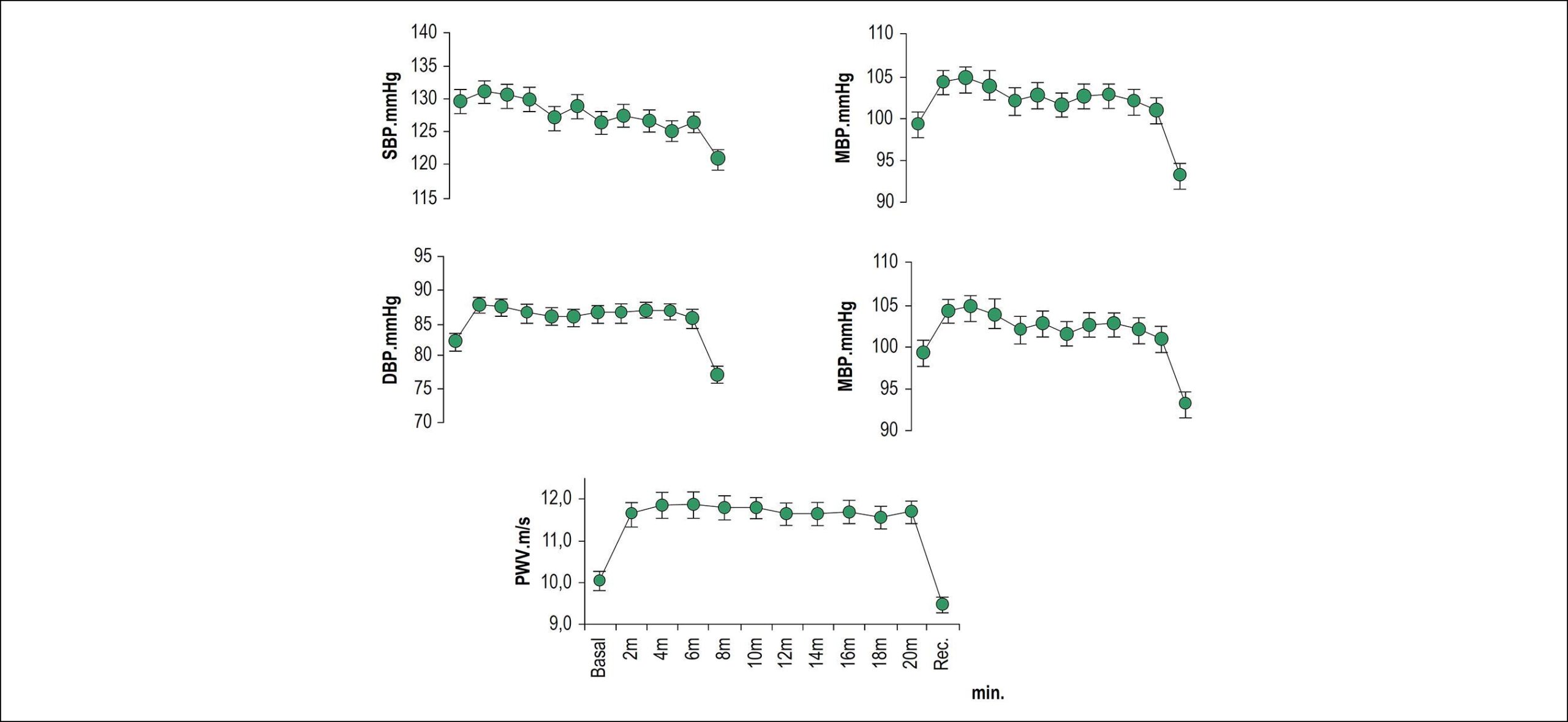
The large arteries, especially the aorta, are known to play a major role in the circulation of blood flow both during ventricular ejection and during diastole, thus providing the blood supply required by the organs. Additionally, the damping function exercised by the aorta plays a fundamental role in central hemodynamics, providing adequate ventricular-arterial coupling during the cardiac cycle.The loss of this function due to increased arterial stiffness plays a role in the development of hypertension and left ventricular hypertrophy and has been associated with the development of atherosclerosis and myocardial ischemia. Noninvasive methods for assessing the function of large arteries, such as pulse wave velocity (PWV) measurement, have provided a better understanding of the correlations of arterial stiffness with cardiovascular disease, and have been used as prognostic markers in different populations.However, due to methodological limitations, all studies have been performed in the supine position, and the impact of postural changes, especially orthostasis, has not been evaluated on these vascular properties. Thus, the study by Elias Neto et al. published in this issue, as the first to evaluate the effect of orthostasis on the aortic functional properties in normotensive and hypertensive individuals not treated by the aortic PWV measurement in humans, provides important information to understand the role of these properties in the physiological adaptation of central hemodynamics in relation to the gravity effects. The authors evaluated nearly 100 individuals with no evident cardiovascular disease by measuring carotid-femoral PWV performed in the supine and standing positions after the 70° tilt test and demonstrated a significant and sustained increase in PWV throughout the tilt test, in both young and older individuals. Interestingly, although there was a direct and significant association between baseline and post-orthostasis PWV values and systolic blood pressure (SBP ), SBP remained unaltered or showed a slight decrease during the tilt test and, therefore, the increase in PWV during inclination occurred by other mechanisms of circulatory adaptation, including an increase in peripheral arterial resistance (indirectly suggested by the observed increase in mean BP ) and changes in circulatory dynamics promoted by the gravitational force, which are related to the differential structural and geometric characteristics of the aorta throughout its trajectory. In a study with a smaller number of individuals and another methodology for PWV assessment, the authors also found an increase in PWV with the tilt test and attributed this increase to increased hydrostatic pressure and greater sympathetic activity.

Due to gravitational effect, blood flow increases in the more distal arterial segments, which have smaller diameter and less elasticity, causing an increase in PWV and also in BP in the infradiaphragmatic territories. The consequence of this increase in carotid-femoral PWV would be the early return of the retrograde wave to the heart, increasing pulse pressure at the aortic root, which could contribute to maintaining a more adequate cerebral blood flow with the biped position assumed by humans. It is noteworthy that this same mechanism of early wave reflection in the aortic root is one of the main factors responsible for SBP increase in the elderly, as a consequence of the increase in arterial stiffness observed with aging. Evaluating the results of the study by Elias Neto et al., the PWV of young individuals after orthostasis showed values similar to those found in the elderly in the dorsal position, corroborating the role of increased PWV with increased retrograde wave in the individual’s adaptation to the orthostatic position.

[…]
  • aging
  • Aorta/physiopathology
  • Blood Flow
  • Gravitation
  • Hypertension
  • Hypertrophy,Left Ventricular
  • Pulse Wave Analysis
  • Stending Position
Read Full Article
Creative Commons Attribution (CC BY) Creative Commons license
02/12/2019 DOI: 10.36660/abc.20190691 Views 2
Another Cause of Acute Cardiogenic Shock
Anatomopathological Correlation

Another Cause of Acute Cardiogenic Shock

Gonçalo Morgado et al. Filipe Gonzalez Ana Alves Oliveira Antero Fernandes

Clinical Case

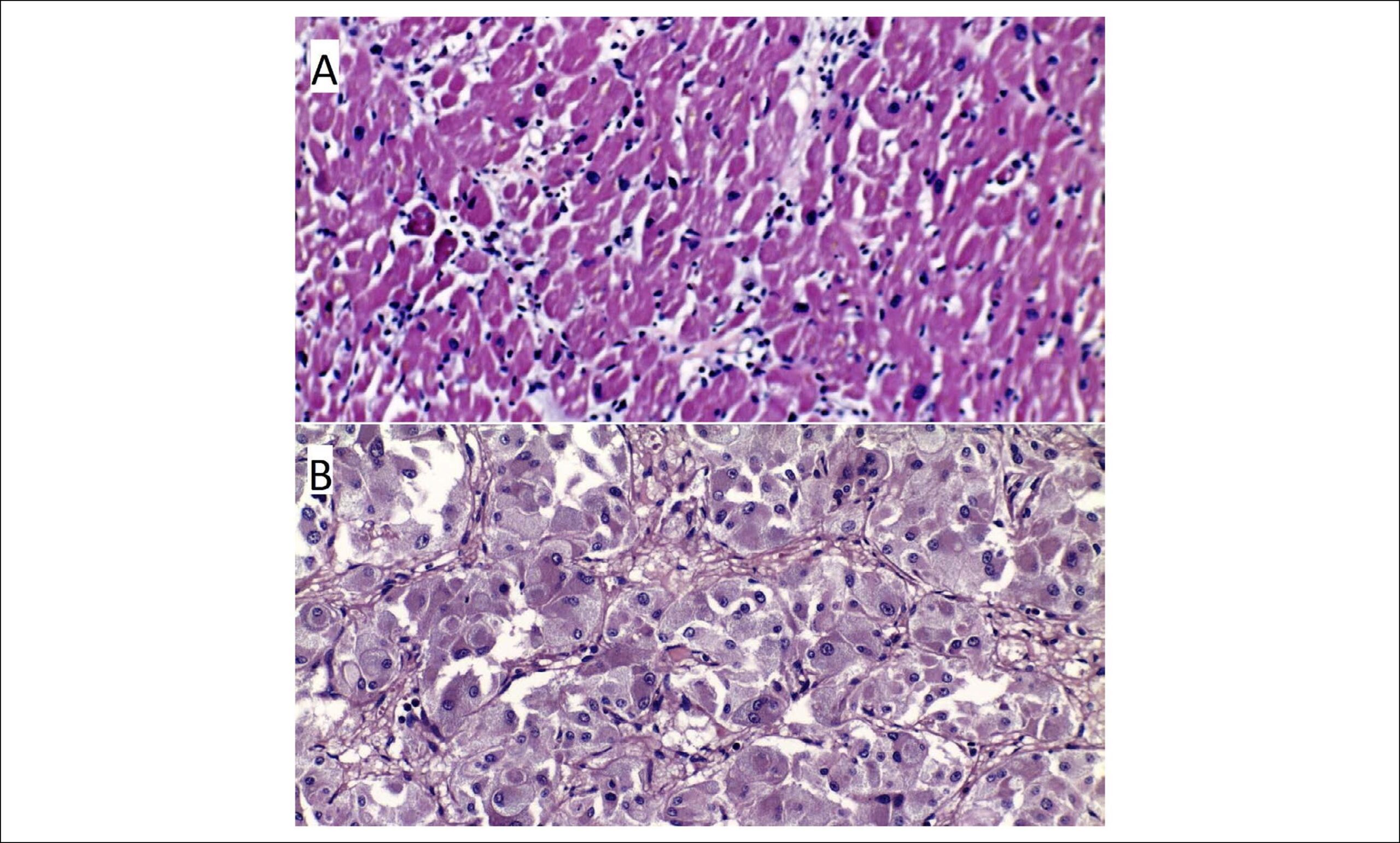
A 64-year-old woman with a history of Diabetes and Hypertension was admitted to the emergency department with acute dyspnea and chest pain. Physical examination revealed hypertension, sinus tachycardia (150 bpm), acute pulmonary edema and poor extremity perfusion. In the context of respiratory failure and hemodynamic instability, she required invasive mechanical ventilation. Blood works showed increased levels of hs-TroponinT (rising from 800 to 1600 ng/L) and the ECG showed poor R wave progression and incomplete right bundle branch block. The echocardiogram revealed a hypertrophied left ventricle, with severe systolic dysfunction and akinetic apical and middle segments. Considering the possibility of acute coronary syndrome, the patient was referred for emergent coronary angiography, which revealed normal coronary arteries. She was admitted to the intensive care unit with the presumed diagnosis of Takotsubo cardiomyopathy. Through the rest of the day, she presented with fluctuating blood pressure and required elevated levels of positive end-expiratory pressure due to pulmonary edema. Despite an apparent favorable evolution, she suddenly developed asystole, refractory to resuscitation efforts, dying less than 24 hours after admission.

[…]

  • Heart Failure
  • Pheochromocytoma
  • Respiratory Insufficiency
  • Shock, Cardiogenic
  • Takotsubo Cardiomyopathy/complications
Read Full Article
Creative Commons Attribution (CC BY) Creative Commons license
02/12/2019 DOI: 10.36660/abc.9453 Views 1
Editorial

Evidence-Based Alternative Therapies that “Touch the Heart”

Anderson Donelli da Silveira et al. Ricardo Stein

Introduction

Subcutaneous implantable defibrillator, bioabsorbable polymer stents, transcatheter aortic valve implant for certain patients with severe aortic stenosis, as well as the use of novel anticoagulants, are tangible examples of therapeutic advances in Cardiology in the end of this second decade of the 21st century. In parallel, despite their infinitely lower financial support and prominence in scientific journals and Cardiology Congresses, the non-pharmacological interventions defined as “alternative” have also been tested with the purpose of improving important outcomes in these patients. In Cardiology, studies also use Meditation, Tai Chi (TC), Yoga and even Laughter Therapy as forms of treatment. In this context, this clinical updating has two objectives: 1) To provide the reader of the Arquivos Brasileiros de Cardiologia (ABC cardiol) with access to information on the alternative therapies aforementioned; 2) To enable them, if they are interested, to use these therapies in their everyday professional life; 3) To show that Brazilian researchers have been publishing articles involving some of these alternative therapies in journals like the Arquivos Brasileiros de Cardiologia, as well as in international high impact journals.

[…]

  • Cardiovascular Diseases
  • Laughter Therapy
  • Meditation
  • Relaxation
  • Sense of Humor
  • Tai Chi
  • Yoga
Read Full Article
Creative Commons Attribution (CC BY) Creative Commons license
02/12/2019 DOI: 10.36660/abc.20190719 Views 1
Editorial

Complex Congenital Heart Diseases and Pregnancy: Maternal and Fetal Risks

Valéria de Melo Moreira

The diagnosis and treatment of congenital heart disease has made remarkable progress in recent decades and the success of this approach is evidenced by the increasing number of adults with congenital heart disease. Many of these patients have residual injuries or have undergone palliative surgery and face additional challenges in adulthood, requiring integrated care to reach a full life potential.

Consequently, the number of women of childbearing age with congenital disease submitted to surgical repair, palliative procedure or the natural evolution of the disease is increasing, with a higher maternal and fetal risk in the presence of heart disease. Reproductive counseling is essential, by informing the consequences and possible complications and advising against pregnancy in the presence of more complex defects.

[…]

  • Fetal Mortality
  • Heart Defects,Congenital/ complications
  • Heart Defects,Congenital/trends
  • Maternal and Fetal Procedure Outcomes
  • Maternal mortality
  • Pregnancy Complications
Read Full Article
Creative Commons Attribution (CC BY) Creative Commons license
02/12/2019 DOI: 10.36660/abc.20190764 Views 1
Editorial

Admission NT-ProBNP in Myocardial Infarction: an Alert Sign?

Luís Beck-da-Silva

This issue of Arquivos Brasileiros de Cardiologia brings a paper entitled “The Usefulness of Admission Plasma NT-pro BNP Level to Predict Left Ventricular Aneurysm Formation after Acute ST-Segment Elevation Myocardial Infarction”. The authors bring a cohort of 1,519 post-acute ST-segment elevation myocardial infarction (STEMI) who were followed-uP for at least six months. Despite its observational and retrograde design, the authors were straightforward in looking for predictive variables that could foresee the occurrence of left ventricular aneurysms (LVA). Among other major clinical aspects such as previous coronary artery bypass graft, post-MI heart failure, younger age, smoking and no-reflow phenomenon; authors highlighted the importance of high NT-proBNP at admission as a predictor of LVA formation after acute STEMI.

I would probably highlight one weakness and a potentially positive aspect of their work.

[…]

  • Echocardiography/diagnostic Imaging
  • Heart Failure
  • Magnetic Resonance Spectroscopy/ methods
  • Myocardial Infarction
  • Natriuretic Peptide Brain/metabolism
  • Natriuretic Peptides/metabolismo
  • Ventricular Dysfunction, Left
Read Full Article
Creative Commons Attribution (CC BY) Creative Commons license
02/12/2019 DOI: 10.36660/abc.20190685 Views 1
Editorial

Impact of Transcatheter Aortic Valve Implantation on Kidney Function: the “Renovalvular” Interaction in Aortic Stenosis

Antonio de Santis

The advent of renal congestion in heart failure was first described by Frédéric Justin Collet (1870-1966), a French pathologist who found the notion of passive renal congestion related to heart dysfunction, creating the revealing term “rein cardiaque” in the early 1900s. The term cardiorenal syndrome emerged from a 2004 National Heart, Lung, and Blood Institute Working GrouP conference evaluating the complex interactions between the heart and kidney. The main pathophysiological mechanisms related to this condition are increased central venous and intra-abdominal pressures; reduced cardiac output and cardiac index; neurohormonal dysregulation; oxidative stress and inflammatory mediators. Degenerative aortic stenosis (AS) represents one of the most prevalent valvular heart diseases and an important cause of heart failure, with a strong correlation with aging process. The combination of atherosclerosis, biomineralization and oxidative stress leads to calcium deposition within the valve leaflets. The “renovalvular” interaction in AS may represent a two-way path, from a pathophysiological perspective. In one way, AS may impair kidney function by arterial hypoperfusion and systemic venous congestion. On the other way, chronic kidney disease (CKD) is also an important risk factor for AS, due to the massive and aggressive calcification of the leaflets, mainly imposed by imbalances in the calcium and phosphorus homeostasis.

For patients with AS undergoing conventional surgical aortic valve replacement (AVR), there is an increase in complication rates such as major bleeding and reoperation when comparing patients with moderately reduced kidney function (estimated glomerular filtration rate [eGFR] between 30-60 ml/min/1.73 m) versus those without kidney disease. Mortality after surgical AVR also increases with worsening GFR.

[…]

  • Aortic Valve Stenosis/complications
  • Heart Failure/complications
  • Renal Insufficiency/ complications
  • Risk Assessment
  • Transcatheter Aortic Valve Replacement/trends
Read Full Article
Creative Commons Attribution (CC BY) Creative Commons license
02/12/2019 DOI: 10.36660/abc.20190753 Views 1
Letter to the Editor

Longitudinal Data and Correlated Measures Bias: The Alternative of Mixed Models

Johnnatas Mikael Lopes et al. Marcello Barbosa O.G. Guedes Rafael Limeira Cavalcanti Clecio Gabriel de Souza

Longitudinal studies have two important data typologies: single outcomes or repeated measures. Single outcome, such as death or disease onset, should have a different data treatment than those studies with repeated measures outcome. But, they have in common the detection of changes over time and the contributing factors for this change. Cohort differs from cross-sectional studies that desire only variables relationshiP , without causal effect.

Fernandes et al. wrote an article entitled The RelationshiP between Lifestyle and Costs Related to Medicine Use in Adults, published in this journal, volume 112, number 6, 2019, and they used behavioral independent variables to estimate their effects on drug costs outcome, collected as repeated measurements in a prospective cohort design.

[…]

  • Biostatistics
  • Cohort Studies
  • Cross-Section,Studies
  • Epidemiology
  • Longitudinal Studies
Read Full Article
Creative Commons Attribution (CC BY) Creative Commons license
02/12/2019 DOI: 10.36660/abc.20190601
Editorial

Myocardial Computed Tomography Perfusion: One More Piece on The Board

Gabriel Blacher Grossman

The most appropriate way to evaluate patients with stable coronary artery disease (CAD) and the subsequent definition of the therapeutic approach has been the subject of debate in recent years. For several years the anatomical evaluation was considered sufficient to indicate myocardial revascularization. The emergence of several methods of non-invasive functional evaluation in clinical practice as well as data from observational studies demonstrating that there is a level of ischemia above which a revascularization strategy might result in benefit regarding cardiovascular events raised doubts whether an strategy based in coronary anatomic findings was the best option., This questioning changed the paradigm of CAD evaluation. Although randomized clinical trials have failed to demonstrate that the extent of ischemia can determine which patients would benefit from a revascularization strategy,– the fact that the presence of moderate to severe ischemia is undeniably a marker of cardiovascular risk has lead functional evaluation to become a fundamental part in the management of patients with stable CAD.

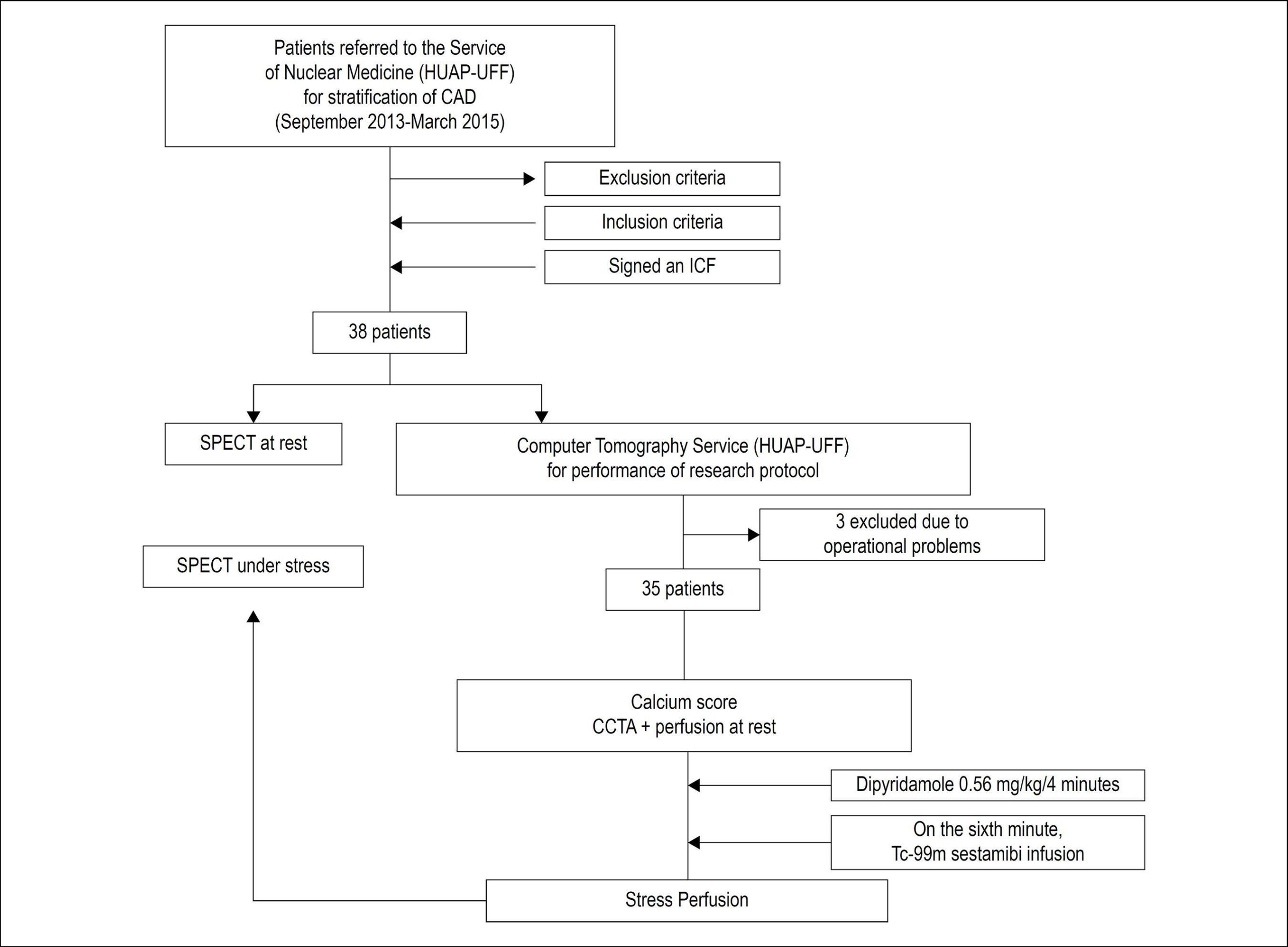
In this context, Ker et al. in this edition of the Arquivos Brasileiros de Cardiologia evaluated 35 patients undergoing a simultaneous pharmacologic stress protocol of myocardial perfusion evaluation by computed tomography angiography (angio-CT) and single-photon emission computed tomography (SPECT) and compared the sensitivity of the methods using the presence of obstructive lesion evidenced by angio-CT greater than 50% as the gold standard for the presence of significant CAD.

[…]

  • Cardiac Catheterization
  • Cineangiography/methods
  • Coronary Artery Disease/physiopathology
  • Exercise
  • Myocardial Ischemia
  • Myocardial Perfusion Imaging
  • Tomography, Emission Computed/methods
Read Full Article
Creative Commons Attribution (CC BY) Creative Commons license
02/12/2019 DOI: 10.36660/abc.20190671 Views 1
Editorial

Coronary Artery Dilation in Children with Febrile Exanthematous Illness without Criteria for Kawasaki Disease -An Enigmatic Disease

Vitor Coimbra Guerra

More than half a century has elapsed since Prof. Tomisaku Kawasaki’s did the first description of a unique disease. He saw the first 4-year-old patient with fever and rash in 1961…. At that time, he described the diagnosis “unknown”. The published paper title was Infantile acute febrile mucocutaneous lymph node syndrome with specific desquamation of the fingers and toes. Clinical observation of 50 cases. From This “unknown diagnosis”, which now we call Kawasaki disease (KD) until the current era, this vasculitis of unknown cause became the leading cause of acquired heart disease among children in United States.

Historically, the presence of coronary abnormalities was not noticed until patients died suddenly of cardiac complications. An angiographic study of 1100 patients showed coronary artery lesions in 24%, with aneurysms in 8% and a number of patients with stenoses and occlusions. As soon as the Coronary arteries became the key structure for risk stratification, treatment and outcome, extensive research and worldwide effort has been done targeting the correct diagnostic. Unfortunately, to make things more challenging, there are forms of “uncomplete KD” which overlaps with other forms of febrile Exanthematous illness in children.

[…]

  • coronary artery
  • Doenças Cardiovasculares/ diagnosis
  • Echocardiography/diagnostic Imaging
  • Exantemous
  • Fever
  • Kawasaki disease
Read Full Article
Creative Commons Attribution (CC BY) Creative Commons license
02/12/2019 DOI: 10.36660/abc.20190730 Views 1
Figure 1
Case Report

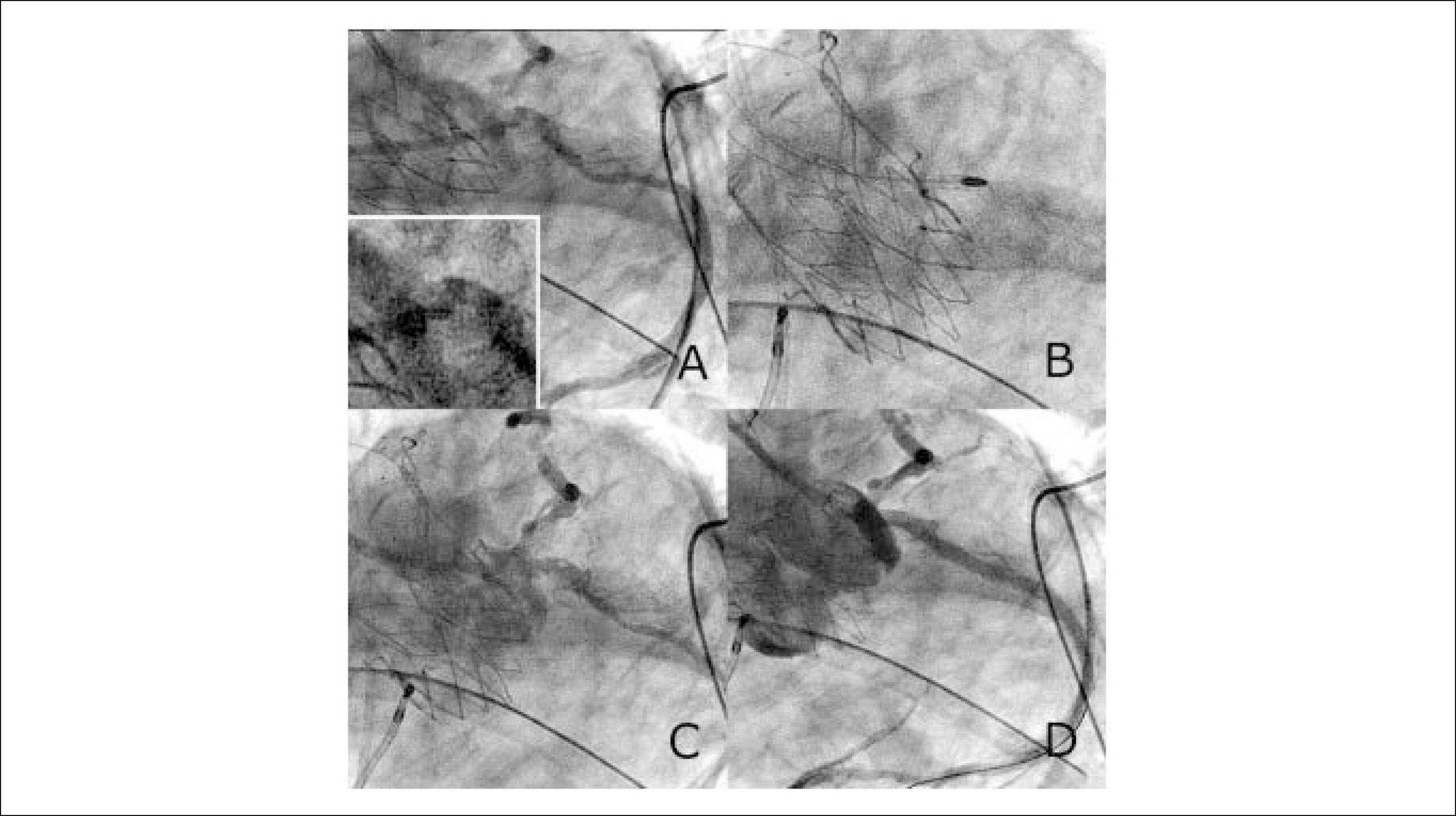
Emergent Percutaneous Rotational Atherectomy to Bailout Surgical Transapical Aortic Valve Implantation: A Successful Case of Heart Team Turnaround

Tawfiq Choudhury et al. Shahrukh N. Bakar Bob Kiaii Patrick Teefy

Abstract

Transcatheter aortic valve implantation (TAVI) is an established treatment for severe aortic stenosis (AS) in patients with elevated surgical risk. Concomitant coronary artery disease affects 55-70% of patients with severe AS. Percutaneous coronary intervention in patients with TAVI can be challenging. We report a case of acute coronary obstruction immediately following transapical TAVI deployment requiring emergent rotational atherectomy.

  • Aortic Valve Stenosis
  • Atherectomy
  • Atherectomy, Coronary
  • Coronary Angiography
  • Peripheral Arterial Disease
Read Full Article
Creative Commons Attribution (CC BY) Creative Commons license
02/12/2019 DOI: 10.5935/abc.20190235 Views 1
Editorial

PPARβ/δ: Benefits in Coronary Artery Disease and Beyond

Viviane O. Leal

Peroxisome proliferator-activated receptors (PPARs) are nuclear receptors that participate in nutrient and energy metabolism. In a recent paper entitled “Nrf2, NF-κB and PPAR β/δ mRNA expression profile in patients with coronary artery disease” (CAD), Barbosa et al. found that PPARβ/δ was highest expressed in the CAD patients when compared to patients without CAD. Beyond its heart-protective effects associated to improvement of cardiac function and amelioration, the pathological progression of cardiac hypertrophy, heart failure, cardiac oxidative damage, ischemia-reperfusion injury, lipotoxic cardiac disfunction and lipid-induced cardiac inflammation, others functions PPARβ/δ deserve be considered in the wide context of the cardiovascular disorders.

Obesity and dyslipidemia are risk factors for cardiovascular disease and, in this sense, the modulation of PPARβ/δ can be interesting because it is associated with the improvement of fatty acid (FA) catabolism in skeletal muscle or alternating fibre type muscle during oxidative metabolism., PPARβ/δ activation also reduces pre-adipocyte proliferation and differentiation, and attenuates angiotensin II-mediated dysfunctional hypertrophic adipogenesis and inhibits inflammation in adipose tissue. Besides that, in the intestine, PPARβ/δ can induce the production of short-chain fatty acid (SCFA) production and butyrate and propionate, two SCFA, were associated with reduction in food intake. Moreover, PPARβ/δ improves hepatic FA oxidation which decreases the lipids availability for triglycerides synthesis and changes the expression of several apoproteins, contributing for elevating plasma levels of high-density lipoprotein and decline levels of low-density lipoprotein.

[…]

  • Coronary Artery Disease
  • Dyslipidemias
  • Heart Failure
  • Hypertension
  • Inflammation, Obesity
  • Myocardial Infarction
  • Oxidative Strss
  • Risk Factors/prevalence
Read Full Article
Creative Commons Attribution (CC BY) Creative Commons license
02/12/2019 DOI: 10.5935/abc.20190228 Views 1
Editorial

Correlation between Obstructive Sleep Apnea and Left Ventricular Diastolic Function Assessed by Echocardiography

Cláudio L. Pereira da Cunha

Obstructive sleeP apnea (OSA) is a disease characterized by recurrent upper airway obstruction during sleeP , resulting from the repetitive collapse of these pathways, resulting in hypoxia and sleeP fragmentation. It is a very common disorder, being more common in men, but it can also affect women and children. Its prevalence has been estimated at approximately 14% among men and 5% among women and OSA has been defined in these studies as the presence of an apnea-hypopnea index > 5 events per hour of sleeP , associated with 4% of oxygen desaturation.

OSA is associated with a significant increase in sympathetic activity during sleeP , influencing heart rate and blood pressure. The increase in the sympathetic activity is induced by a number of mechanisms, including chemoreflex stimulation by hypoxia and hypercapnia, baroreflex, endothelial dysfunction, and venous return and cardiac output alterations.

[…]

  • Cardiovascular Diseases
  • Echocardiography/methods
  • Heart Failure
  • Hypertrophy,Left Ventricular
  • Indicators of Mortality and Morbidity
  • Polysomngraphy/methods
  • Risk Factors
  • Sleep Apnea,Obstructive
Read Full Article
Creative Commons Attribution (CC BY) Creative Commons license
02/12/2019 DOI: 10.36660/abc.20190695
Figure 1
Original Article

Impact of Transcatheter Aortic Valve Implantation on Kidney Function

Rita Calça et al. Rui C. Teles Patrícia Branco Augusta Gaspar … João Brito Tiago Nolasco Manuel D. Almeida José P. Neves Miguel Mendes Domingos S. Machado André Weigert

Abstract

Background:

Chronic kidney disease (CKD) is frequently present in patients with aortic valve disease. Decreased kidney perfusion as a consequence of reduced cardiac output may contribute to renal dysfunction in this setting.

Objective:

Given the potential reversibility of kidney hypoperfusion after valve repair, this study aimed to analyze the impact of percutaneous transcatheter aortic valve implantation (TAVI) on kidney function.

Methods:

We performed a retrospective analysis of 233 consecutive patients who underwent TAVI in a single center between November 2008 and May 2016. We assessed three groups according to their baseline estimated glomerular filtration rate (eGFR) (mL/min/1.73 m2): Group 1 with eGFR ≥ 60; Group 2 with 30 ≤ eGFR < 60; and Group 3 with eGFR < 30. We analyzed the eGFR one month and one year after TAVI in these three groups, using the Chronic Kidney Disease Epidemiology Collaboration (CKD-EPI) formula to calculate it.

Results:

Patients from Group 1 had a progressive decline in eGFR one year after the TAVI procedure (p < 0.001 vs. pre-TAVI). In Group 2 patients, the mean eGFR increased one month after TAVI and continued to grow after one year (p = 0.001 vs. pre-TAVI). The same occurred in Group 3, with the mean eGFR increasing from 24.4 ± 5.1 mL/min/1.73 m2 before TAVI to 38.4 ± 18.8 mL/min/1.73 m2 one year after TAVI (p = 0.012).

Conclusions:

For patients with moderate-to-severe CKD, kidney function improved one year after the TAVI procedure. This outcome is probably due to better kidney perfusion post-procedure. We believe that when evaluating patients that might need TAVI, this ‘reversibility of CKD effect’ should be considered.

  • Aortic Valve Stenosis/complications
  • Calcinosis
  • Cardyomyopathies
  • Diabetes Mellitus
  • Hypertension
  • renal dialysis
  • renal Insufficiency,Chronic
Read Full Article
Creative Commons Attribution (CC BY) Creative Commons license
14/11/2019 DOI: 10.36660/abc.20180356 Views 11
Figure 1
Original Article

The Usefulness of Admission Plasma NT-pro BNP Level to Predict Left Ventricular Aneurysm Formation after Acute ST-Segment Elevation Myocardial Infarction

Savas Celebi et al. Ozlem Ozcan Celebi Serkan Cetin Hande Ozcan Cetin … Mujgan Tek Serkan Gokaslan Basri Amasyali Berkten Berkalp Erdem Diker Sinan Aydogdu

Abstract

Background:

Left ventricular aneurysm (LVA) is an important complication of acute myocardial infarction. In this study, we investigated the role of N- Terminal pro B type natriuretic peptide level to predict the LVA development after acute ST-segment elevation myocardial infarction (STEMI).

Methods:

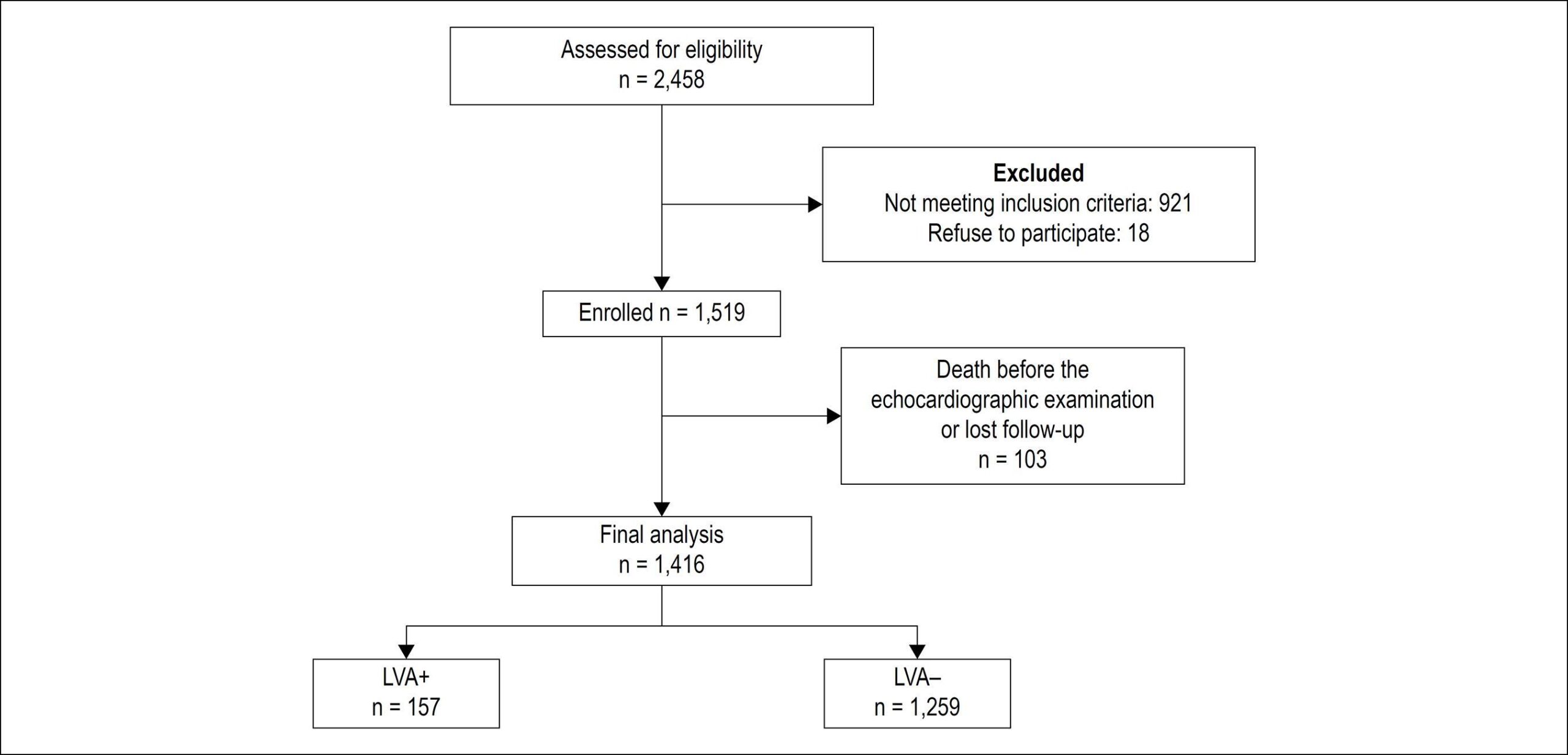
We prospectively enrolled 1519 consecutive patients with STEMI. Patients were divided into two groups according to LVA development within the six months after index myocardial infarction. Patients with or without LVAs were examined to determine if a significant relationship existed between the baseline N- Terminal pro B type natriuretic peptide values and clinical characteristics. A p-value < 0.05 was considered statistically significant.

Results:

LVA was detected in 157 patients (10.3%). The baseline N- Terminal pro- B type natriuretic peptide level was significantly higher in patients who developed LVA after acute MI (523.5 ± 231.1 pg/mL vs. 192.3 ± 176.6 pg/mL, respectively, p 65 y, smoking, Killip class > 2, previous coronary artery bypass graft, post-myocardial infarction heart failure, left ventricular ejection fraction 400 pg/mL at admission.

Conclusions:

Our findings indicate that plasma N- Terminal pro B type natriuretic peptide level at admission among other variables provides valuable predictive information regarding the development of LVA after acute STEMI.

  • Coronary Aneurysm/complications
  • Indicators of Morbidity and Mortality
  • Myocardial Infarction
  • Myocardial Revascularization
  • Stroke Volume
Read Full Article
Creative Commons Attribution (CC BY) Creative Commons license
28/10/2019 DOI: 10.5935/abc.20190226
Figure 1
Review Article

Biochemical and Molecular Mechanisms of Glucose Uptake Stimulated by Physical Exercise in Insulin Resistance State: Role of Inflammation

Filipe Ferrari et al. Patrícia Martins Bock Marcelo Trotte Motta Lucas Helal

Abstract

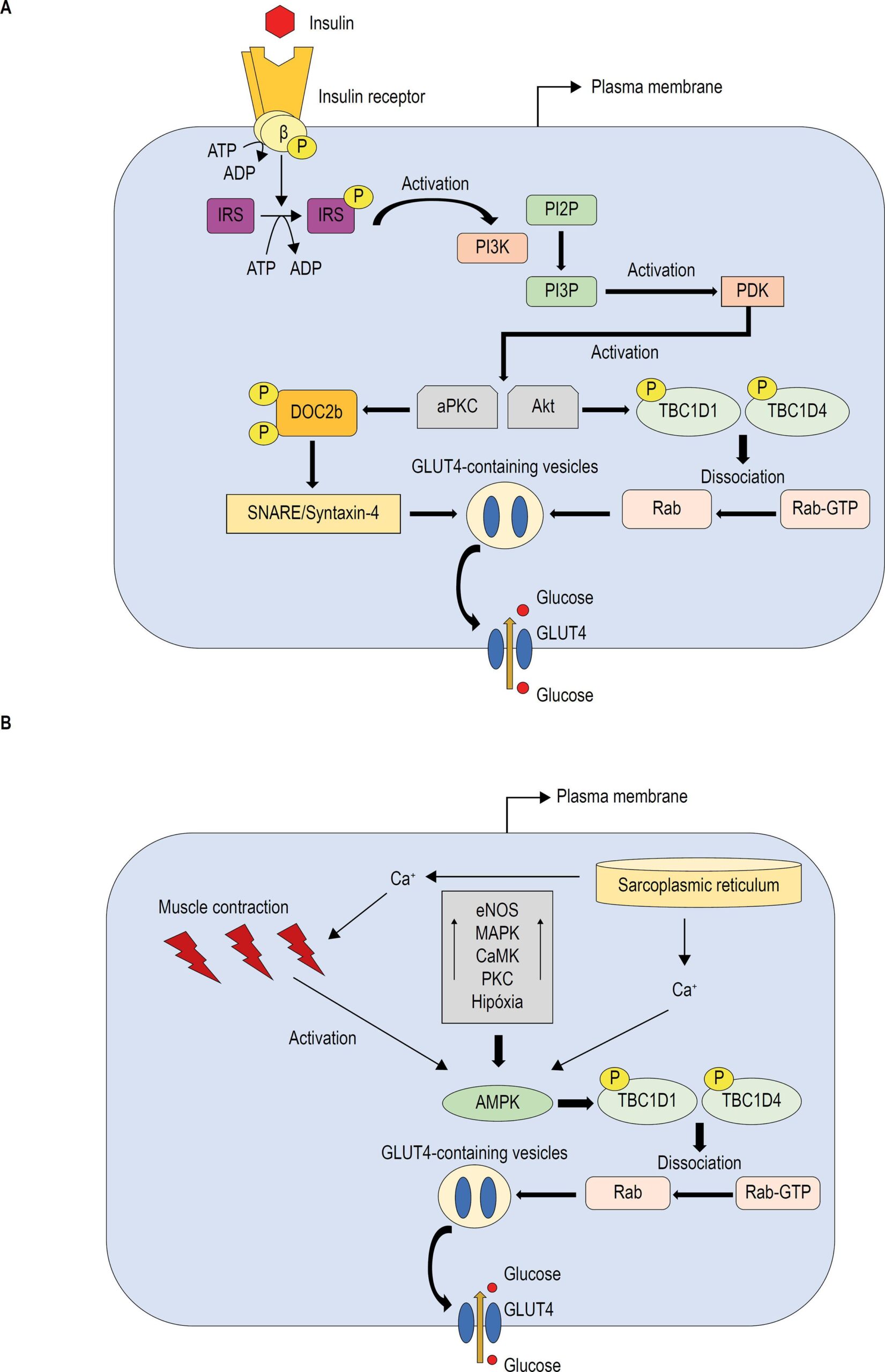
Obesity associated with systemic inflammation induces insulin resistance (IR), with consequent chronic hyperglycemia. A series of reactions are involved in this process, including increased release of proinflammatory cytokines, and activation of c-Jun N-terminal kinase (JNK), nuclear factor-kappa B (NF-κB) and toll-like receptor 4 (TLR4) receptors. Among the therapeutic tools available nowadays, physical exercise (PE) has a known hypoglycemic effect explained by complex molecular mechanisms, including an increase in insulin receptor phosphorylation, in AMP-activated protein kinase (AMPK) activity, in the Ca2+/calmodulin-dependent protein kinase kinase (CaMKK) pathway, with subsequent activation of peroxisome proliferator-activated receptor gamma coactivator 1-alpha (PGC-1α), Rac1, TBC1 domain family member 1 and 4 (TBC1D1 and TBC1D4), in addition to a variety of signaling molecules, such as GTPases, Rab and soluble N-ethylmaleimide-sensitive factor attached protein receptor (SNARE) proteins. These pathways promote greater translocation of GLUT4 and consequent glucose uptake by the skeletal muscle. Phosphoinositide-dependent kinase (PDK), atypical protein kinase C (aPKC) and some of its isoforms, such as PKC-iota/lambda also seem to play a fundamental role in the transport of glucose. In this sense, the association between autophagy and exercise has also demonstrated a relevant role in the uptake of muscle glucose. Insulin, in turn, uses a phosphoinositide 3-kinase (PI3K)-dependent mechanism, while exercise signal may be triggered by the release of calcium from the sarcoplasmic reticulum. The objective of this review is to describe the main molecular mechanisms of IR and the relationship between PE and glucose uptake.

  • Anti-Inflammatoty Agents
  • Chronic Inflammation
  • Exercise
  • Glucose Metabolism Disorders
  • Glucose Transporter Type 4
  • Insulin Resistance
Read Full Article
Creative Commons Attribution (CC BY) Creative Commons license
21/10/2019 DOI: 10.5935/abc.20190224
Figure 1
Original Article

Pregnancy in Women with Complex Congenital Heart Disease. A Constant Challenge

Walkiria Samuel Avila et al. Veronica Martins Ribeiro Eduardo Giusti Rossi Maria Angelica Binotto … Maria Rita Bortolotto Carolina Testa Rossana Francisco Ludhmilla Abraão Hajjar Nana Miura

Abstract

Background:

The improvement in surgical techniques has contributed to an increasing number of childbearing women with complex congenital heart disease (CCC). However, adequate counseling about pregnancy in this situation is uncertain, due to a wide variety of residual cardiac lesions.

Objectives:

To evaluate fetal and maternal outcomes in pregnant women with CCC and to analyze the predictive variables of prognosis.

Methods:

During 10 years we followed 435 consecutive pregnancies in patients (pts) with congenital heart disease. Among of them, we selected 42 pregnancies in 40 (mean age of 25.5 ± 4.5 years) pts with CCC, who had been advised against pregnancy. The distribution of underlying cardiac lesions were: D-Transposition of the great arteries, pulmonary atresia, tricuspid atresia, single ventricle, double-outlet ventricle and truncus arteriosus. The surgical procedures performed before gestation were: Fontan, Jatene, Rastelli, Senning, Mustard and other surgical techniques, including Blalock, Taussing, and Glenn. Eight (20,0%) pts did not have previous surgery. Nineteen 19 (47.5%) pts had hypoxemia. The clinical follow-up protocol included oxygen saturation recording, hemoglobin and hematocrit values; medication adjustment to pregnancy, anticoagulation use, when necessary, and hospitalization from 28 weeks, in severe cases. The statistical significance level considered was p < 0.05.

Results:

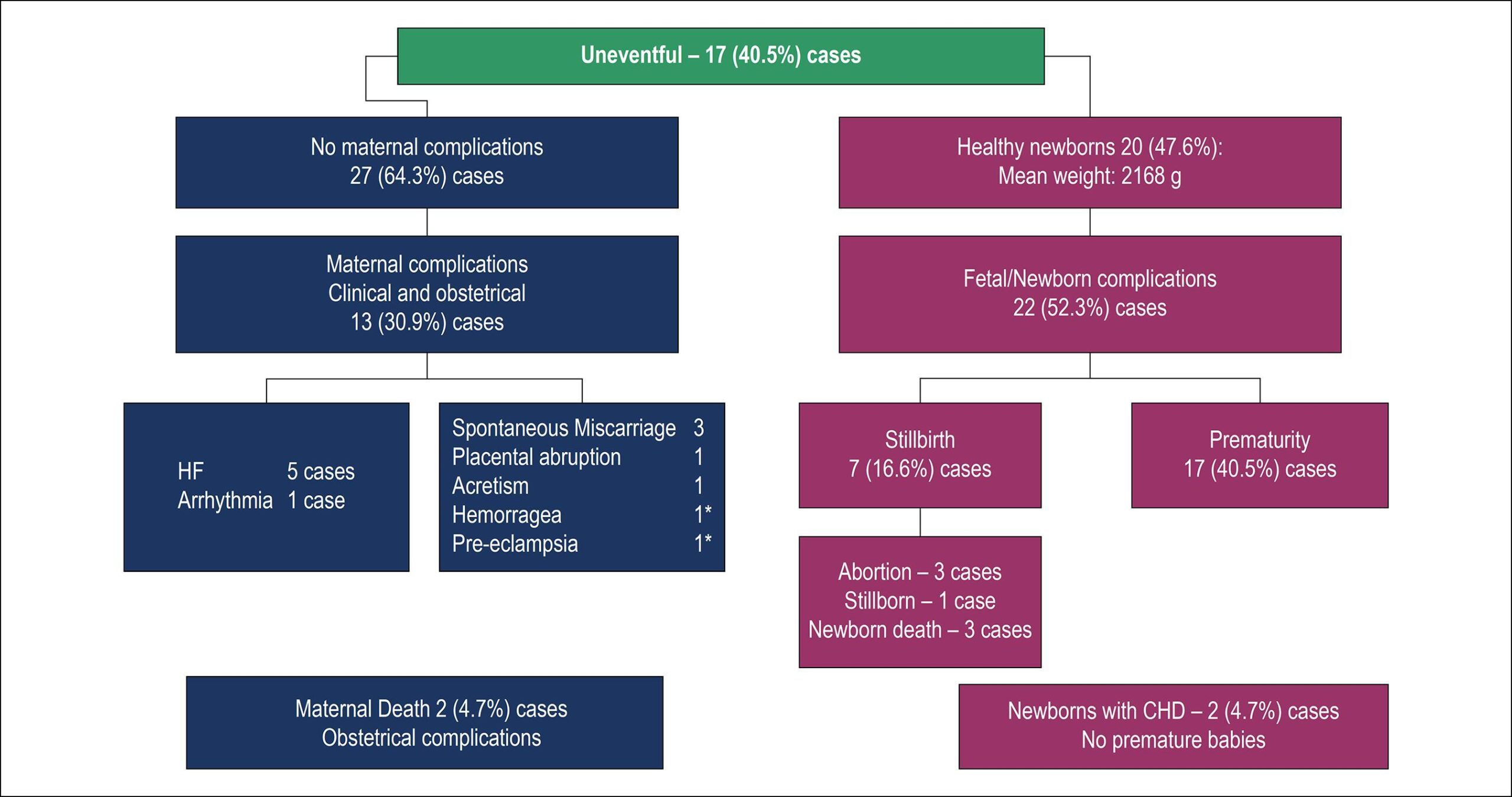
Only seventeen (40.5%) pregnancies had maternal and fetal uneventful courses. There were 13 (30.9%) maternal complications, two (4.7%) maternal deaths due to hemorrhage pos-partum and severe pre-eclampsia, both of them in women with hypoxemia. There were 7 (16.6%) stillbirths and 17 (40.5%) premature babies. Congenital heart disease was identified in two (4.1%) infants. Maternal and fetal complications were higher (p < 0.05) in women with hypoxemia.

Conclusions:

Pregnancy in women with CCC was associated to high maternal and offspring risks. Hypoxemia was a predictive variable of poor maternal and fetal outcomes. Women with CCC should be advised against pregnancy, even when treated in specialized care centers.

  • Congenital/complications Maternal Mortality
  • Fetal Mortality
  • Heart Defects
  • Maternal and Fetal Outcomes
  • Pregnancy
Read Full Article
Creative Commons Attribution (CC BY) Creative Commons license
03/10/2019 DOI: 10.5935/abc.20190197 Views 1
Figure 1
Original Article

Myocardial Perfusion by Coronary Computed Tomography in the Evaluation of Myocardial Ischemia: Simultaneous Stress Protocol with SPECT

Wilter dos Santos Ker et al. Daniel Gama das Neves Tiago Augusto Magalhães Alair Augusto Sarmet M. D. dos Santos … Claudio Tinoco Mesquita Marcelo Souto Nacif

Abstract

Background:

Functional assessment to rule out myocardial ischemia using coronary computed tomography angiography (CCTA) is extremely important and data on the Brazilian population are still limited.

Objective:

To assess the diagnostic performance of myocardial perfusion by CCTA in the detection of severe obstructive coronary artery disease (CAD) compared with single-photon emission computerized tomography (SPECT). To analyze the importance of anatomical knowledge to understand the presence of myocardial perfusion defects on SPECT imaging that is not identified on computed tomography (CT) scan.

Method:

A total of 35 patients were evaluated by a simultaneous pharmacologic stress protocol. Fisher’s exact test was used to compare proportions. The patients were grouped according to the presence or absence of significant CAD. The area under the ROC curve was used to identify the diagnostic performance of CCTA and SPECT in perfusion assessment. P < 0.05 values were considered statistically significant.

Results:

For detection of obstructive CAD, CT myocardial perfusion analysis yielded an area under the ROC curve of 0.84 [a 95% confidence interval (CI95%): 0.67-0.94, p < 0.001]. SPECT myocardial perfusion imaging, on the other hand, showed an AUC of 0.58 (95% CI 0.40 – 0.74, p < 0.001). In this study, false-positive results with SPECT are described.

Conclusion:

Myocardial perfusion analysis by CTA displays satisfactory results compared to SPECT in the detection of obstructive CAD. CCTA can rule out false-positive results of SPECT.

  • Cineangiography/methods
  • Coronary Artery Disease/physiopathology
  • Myocardial Ischemia
  • Myocardial Perfusion Imaging
  • Tomography, Emission-Computed, Single-Photon/methods
Read Full Article
Creative Commons Attribution (CC BY) Creative Commons license
03/10/2019 DOI: 10.5935/abc.20190201 Views 1
Original Article

Coronary Artery Dilation in Children with Febrile Exanthematous Illness without Criteria for Kawasaki Disease

Jesus Reyna et al. Luz Marina Reyes Lorenzo Reyes Freya Helena Campos … Patricia Meza Alfredo Lagunas Carla Contreras Ana Elena Limón

Abstract

Background:

Coronary dilatation is the most important complication of Kawasaki disease (KD) and, in addition to some clinical characteristics, is common to KD and febrile exanthematous illnesses (FEIs).

Objective:

To assess whether children with FEI, who do not meet the criteria for KD, have changes in coronary arteries dimensions.

Methods:

Echocardiography was performed within the first two weeks of the disease in patients < 10 years with fever and exanthema without other KD criteria. To make a comparison with KD patients, we reviewed the echocardiograms and medical records of patients with a diagnosis of KD of the last five years. Coronary ectasia was assessed using Z scores of coronary arteries. The means of the dimensions of the coronary arteries were compared with a z test and a level of significance of 0.05 was adopted.

Results:

A total of 34 patients were included, 22 (64.7%) with FEI, and 12(35.2%) with a diagnosis of KD. Using the Z scores of coronary artery, a dilation of any of the coronary artery branches was observed in six (27.2%) patients with FEI.

Conclusions:

An important percentage of patients with FEI has coronary artery dilation.

  • Child
  • Coronary Disease
  • Echocardiography/methods
  • Evanthema
  • Fever
  • Kawasali Disease
  • Mucocutaneous Lymph Node Syndrome
Read Full Article
Creative Commons Attribution (CC BY) Creative Commons license
23/09/2019 DOI: 10.5935/abc.20190191
Figure 1
Original Article

Risk of Obstructive Sleep Apnea and Echocardiographic Parameters

Adson Renato Leite et al. Diana Maria Martinez Maria Luiza Garcia-Rosa Erica de Abreu Macedo … Antonio José Lagoeiro Wolney de Andrade Martins Delvo Vasques-Netto Cárita Cunha dos Santos

Abstract

Background:

Obstructive sleep apnea (OSA) is a chronic progressive disorder with high mortality and morbidity rate, associated with cardiovascular diseases (CVD), especially heart failure (HF). The pathophysiological changes related to OSA can directly affect the diastolic function of the left ventricle.

Objectives:

To assess the association of the risk of OSA, evaluated by the Berlin Questionnaire (BQ), and echocardiographic (ECHO) parameters related to diastolic dysfunction in individuals without HF assisted in primary care.

Methods:

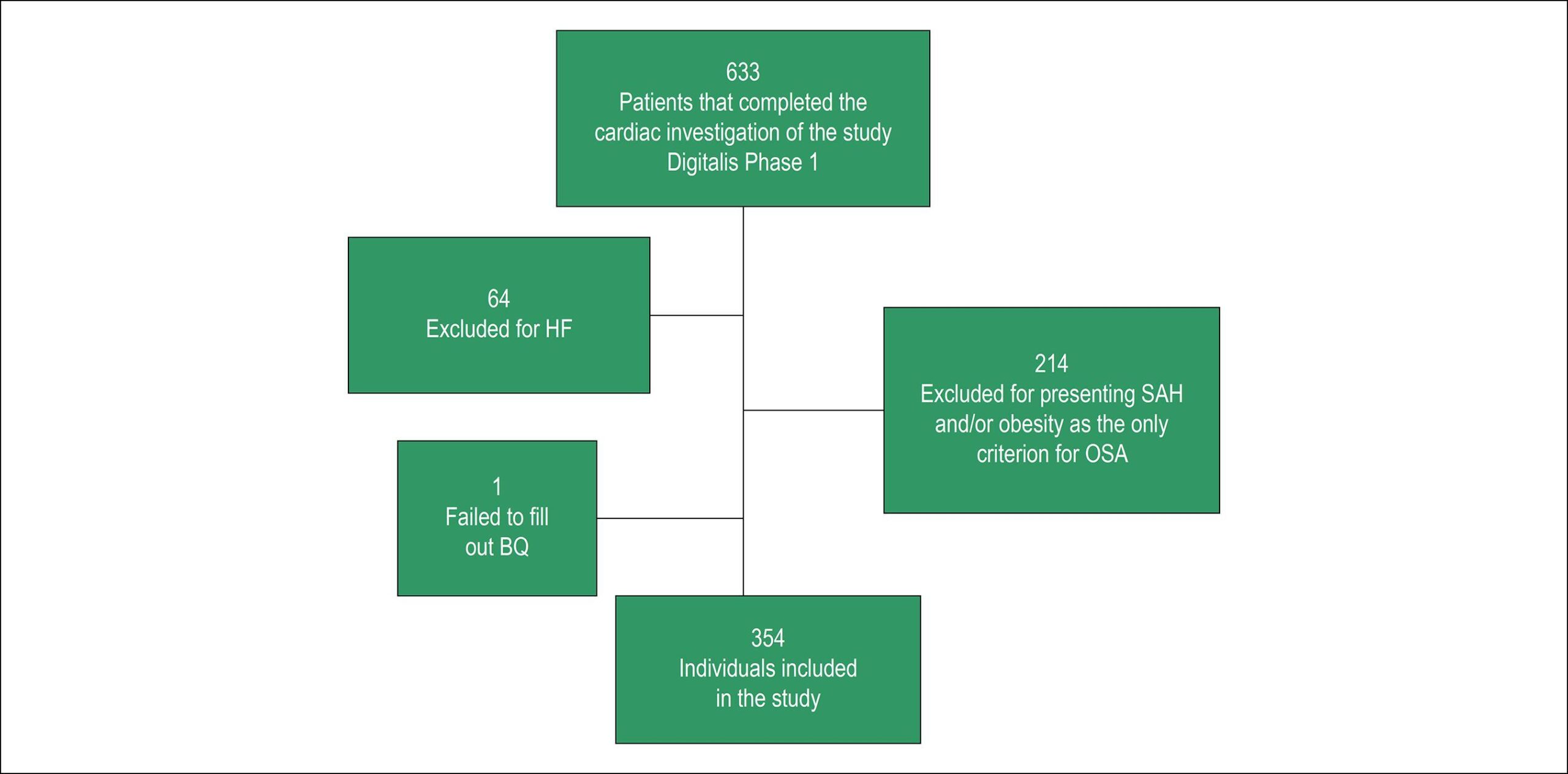
A cross-sectional study that included 354 individuals (51% women) aged 45 years or older. All individuals selected were submitted to an evaluation that included the following procedures: consultation, filling out the BQ, clinical examination, laboratory examination and transthoracic Doppler echocardiography (TDE). Continuous data are presented as medians and interquartile intervals, and categoric variables in absolute and relative frequencies. The variables associated with risk of OSA and at the 0.05 level integrated the gamma regression models with a log link function. A value of p < 0.05 was considered an indicator of statistical significance. Exclusion criteria were presence of HF, to fill out the BQ and patients with hypertension and obesity not classified as high risk for OSA by other criteria. All individuals were evaluated on a single day with the following procedures: medical appointment, BQ, laboratory tests and ECHO.

Results:

Of the 354 individuals assessed, 63% were classified as having high risk for OSA. The patients with high risk for OSA present significantly abnormal diastolic function parameters. High risk for OSA confirmed positive and statistically significant association, after adjustments, with indicators of diastolic function, such as indexed left atrium volume LAV-i (p = 0.02); E’/A’ (p < 0.01), A (p = 0.02), E/A (p < 0.01).

Conclusion:

Our data show that patients at high risk for OSA present worsened diastolic function parameters measured by TDE.

  • Cardiovascular Diseases
  • Ecocardiography/methods
  • Heart Failure
  • Indicators, Morbimortality
  • Polysonography/methods
  • Sleep Apnea, Obstruction
Read Full Article
Creative Commons Attribution (CC BY) Creative Commons license
23/09/2019 DOI: 10.5935/abc.20190181
Figure 1
Original Article

Influences on the Functional Behavior of Great Arteries during Orthostasis

Jorge Elias Neto et al. Albano Ferreira Guilherme Futuro Luiz Carlos dos Santos … Nevelton Heringer Filho Fernando Gomes Jose Geraldo Mill

Abstract

Background:

Arterial compliance reduction has been associated with aging and hypertension in supine position. However, the dynamic effects of orthostatism on aortic distensibility has not been defined.

Objective:

We sought to determine the orthostatic influence and the interference of age, blood pressure (BP) and heart rate (HR) on the great arteries during gravitational stress.

Methods:

Ninety-three healthy volunteers (age 42 ± 16 years). Carotid-femoral pulse wave velocity (PWV) assumed as aortic stiffness was assessed in supine position (basal phase), during tilt test (TT) (orthostatic phase) and after return to supine position (recovery phase). Simultaneously with PWV acquisition, measures of BP and HR rate were recorded.

Results:

PWV during TT increased significantly compared to the basal and recovery phases (11.7 ± 2.5 m/s vs. 10.1 ± 2.3 m/s and 9.5 ± 2.0 m/s). Systolic BP (r = 0.55, r = 0.46 and r = 0.39) and age (r = 0.59, r = 0.63 and r = 0.39) correlated with PWV in all phases. The significance level for all tests was established as α = 0.05.

Conclusion:

We conclude that there is a permanent increase in PWV during orthostatic position that was returned to basal level at the recovery phase. This dynamic pattern of PWV response, during postural changes, can be explained by an increase in hydrostatic pressure at the level of abdominal aorta which with smaller radius and an increased elastic modulus, propagates the pulse in a faster way. Considering that it could increase central pulse reflection during the orthostatic position, we speculate that this mechanism may play a role in the overall adaptation of humans to gravitational stress.

  • aging
  • Gravitation
  • Hypertension
  • Pulse Wave Analysis
  • Standing Position
  • Switch Arterial
Read Full Article
Creative Commons Attribution (CC BY) Creative Commons license
09/09/2019 DOI: 10.5935/abc.20190182 Views 1
Original Article

Nrf2, NF-κB and PPARβ/δ mRNA Expression Profile in Patients with Coronary Artery Disease

Jaqueline Ermida Barbosa et al. Milena Barcza Stockler-Pinto Beatriz Oliveira da Cruz Ana Carla Tavares da Silva … Juliana Saraiva Anjos Claudio Tinoco Mesquita Denise Mafra Ludmila F. M. F. Cardozo

Abstract

Background:

Oxidative stress and inflammation are present in coronary artery disease (CAD) and are linked to the activation of the transcription nuclear factor kappa B (NF-κB). To attenuate these complications, transcription factors like nuclear factor erythroid 2-related factor 2 (Nrf2) and peroxisome proliferator-activated receptor-β/δ (PPARβ/δ) can be activated to inhibit NF-κB. However, the available data on expression of NF-κB, Nrf2 and PPARβ/δ in CAD patients are limited.

Objective:

To evaluate the expression of the transcription factors NF-κB and Nrf2 and PPAR𝛽/𝛿 in CAD patients.

Methods:

Thirty-five patients (17 men, mean age 62.4 ? 7.55 years) with CAD and twelve patients (5 men, mean age 63.50 ? 11.46 years) without CAD were enrolled. Peripheral blood mononuclear cells (PBMCs) were isolated and processed for mRNA expression of Nrf2, NF-κB, NADPH: quinone oxidoreductase 1 (NQO1) and PPARβ/δ mRNAs using quantitative real-time polymerase chain reaction (qPCR). p < 0.05 was considered statistically significant.

Results:

There was no difference in the mRNA expressions of Nrf2 (1.35 ? 0.57), NF-κB (1.08 ? 0.50) or in the antioxidant enzyme NQO1 (1.05 ? 0.88) in the CAD group compared to the group without CAD (1.16 ? 0.76, 0.95 ? 0.33, 0.81 ? 0.55, respectively). However, PPARβ/δ was highest expressed in the CAD group (1.17 ? 0.86 vs. 0.56 ? 0.34, p = 0.008).

Conclusion:

The main finding of this study was the PPARβ/δ being more expressed in the PBMC of patients with CAD compared to the control group, whereas no differences were observed in Nrf2 or NF-κB mRNA expressions.

  • Coronary Artery Disease
  • Dyslipidemias
  • Heart Failure
  • Hypertension
  • Inflammation
  • Myocardial Infarction
  • Obesity
  • Oxidative Stress
  • Risk Factors/prevalence
Read Full Article
Creative Commons Attribution (CC BY) Creative Commons license
18/07/2019 DOI: 10.5935/abc.20190125 Views 1

How to cite this article

EndNote RIS

Electronic Document Format (Vancouver)

Bortolotto LA. Postural Changes and their Influence on Functional Behavior of the Great Arteries. Arquivos Brasileiros de Cardiologia 2019;113(6):1082-3.

Electronic Document Format (ABNT)

Bortolotto, Luiz Aparecido. Postural Changes and their Influence on Functional Behavior of the Great Arteries. Arquivos Brasileiros de Cardiologia, v. 113, n. 6, p. 1082-1083, Dec. 2019.

Electronic Document Format (APA)

Bortolotto, L. A. (2019). Postural Changes and their Influence on Functional Behavior of the Great Arteries. Arquivos Brasileiros de Cardiologia, 113(6), 1082-1083.

Electronic Document Format (ISO)

Bortolotto, Luiz Aparecido. Postural Changes and their Influence on Functional Behavior of the Great Arteries. Arquivos Brasileiros de Cardiologia [online]. 2019, vol. 113, n. 6, [cited 2026-10-14], pp. 1082-1083. Available from: <https://journals.cardiol.br/en/article/postural-changes-and-their-influence-on-functional-behavior-of-the-great-arteries/>. ISSN 0066-782X

EndNote RIS

Electronic Document Format (Vancouver)

Morgado G, Gonzalez F, Oliveira AA, Fernandes A. Another Cause of Acute Cardiogenic Shock. Arquivos Brasileiros de Cardiologia 2019;113(6):1150.

Electronic Document Format (ABNT)

Morgado, Gonçalo; Gonzalez, Filipe; Oliveira, Ana Alves; Fernandes, Antero. Another Cause of Acute Cardiogenic Shock. Arquivos Brasileiros de Cardiologia, v. 113, n. 6, p. 1150-1150, Dec. 2019.

Electronic Document Format (APA)

Morgado, G., Gonzalez, F., Oliveira, A. A., & Fernandes, A. (2019). Another Cause of Acute Cardiogenic Shock. Arquivos Brasileiros de Cardiologia, 113(6), 1150-1150.

Electronic Document Format (ISO)

Morgado, Gonçalo and Gonzalez, Filipe and Oliveira, Ana Alves and Fernandes, Antero. Another Cause of Acute Cardiogenic Shock. Arquivos Brasileiros de Cardiologia [online]. 2019, vol. 113, n. 6, [cited 2026-10-14], pp. 1150-1150. Available from: <https://journals.cardiol.br/en/article/another-cause-of-acute-cardiogenic-shock/>. ISSN 0066-782X

EndNote RIS

Electronic Document Format (Vancouver)

Silveira AD, Stein R. Evidence-Based Alternative Therapies that “Touch the Heart”. Arquivos Brasileiros de Cardiologia 2019;113(6):1059-61.

Electronic Document Format (ABNT)

Silveira, Anderson Donelli da; Stein, Ricardo. Evidence-Based Alternative Therapies that “Touch the Heart”. Arquivos Brasileiros de Cardiologia, v. 113, n. 6, p. 1059-1061, Dec. 2019.

Electronic Document Format (APA)

Silveira, A. D. , & Stein, R. (2019). Evidence-Based Alternative Therapies that “Touch the Heart”. Arquivos Brasileiros de Cardiologia, 113(6), 1059-1061.

Electronic Document Format (ISO)

Silveira, Anderson Donelli da and Stein, Ricardo. Evidence-Based Alternative Therapies that “Touch the Heart”. Arquivos Brasileiros de Cardiologia [online]. 2019, vol. 113, n. 6, [cited 2026-10-14], pp. 1059-1061. Available from: <https://journals.cardiol.br/en/article/evidence-based-alternative-therapies-that-touch-the-heart/>. ISSN 0066-782X

EndNote RIS

Electronic Document Format (Vancouver)

Moreira VM. Complex Congenital Heart Diseases and Pregnancy: Maternal and Fetal Risks. Arquivos Brasileiros de Cardiologia 2019;113(6):1070-1.

Electronic Document Format (ABNT)

Moreira, Valéria de Melo. Complex Congenital Heart Diseases and Pregnancy: Maternal and Fetal Risks. Arquivos Brasileiros de Cardiologia, v. 113, n. 6, p. 1070-1071, Dec. 2019.

Electronic Document Format (APA)

Moreira, V. M. (2019). Complex Congenital Heart Diseases and Pregnancy: Maternal and Fetal Risks. Arquivos Brasileiros de Cardiologia, 113(6), 1070-1071.

Electronic Document Format (ISO)

Moreira, Valéria de Melo. Complex Congenital Heart Diseases and Pregnancy: Maternal and Fetal Risks. Arquivos Brasileiros de Cardiologia [online]. 2019, vol. 113, n. 6, [cited 2026-10-14], pp. 1070-1071. Available from: <https://journals.cardiol.br/en/article/complex-congenital-heart-diseases-and-pregnancy-maternal-and-fetal-risks/>. ISSN 0066-782X

EndNote RIS

Electronic Document Format (Vancouver)

Beck-da-Silva L. Admission NT-ProBNP in Myocardial Infarction: an Alert Sign?. Arquivos Brasileiros de Cardiologia 2019;113(6):1138.

Electronic Document Format (ABNT)

Beck-da-Silva, Luís. Admission NT-ProBNP in Myocardial Infarction: an Alert Sign?. Arquivos Brasileiros de Cardiologia, v. 113, n. 6, p. 1138-1138, Dec. 2019.

Electronic Document Format (APA)

Beck-da-Silva, L. (2019). Admission NT-ProBNP in Myocardial Infarction: an Alert Sign?. Arquivos Brasileiros de Cardiologia, 113(6), 1138-1138.

Electronic Document Format (ISO)

Beck-da-Silva, Luís. Admission NT-ProBNP in Myocardial Infarction: an Alert Sign?. Arquivos Brasileiros de Cardiologia [online]. 2019, vol. 113, n. 6, [cited 2026-10-14], pp. 1138-1138. Available from: <https://journals.cardiol.br/en/article/admission-nt-probnp-in-myocardial-infarction-an-alert-sign/>. ISSN 0066-782X

EndNote RIS

Electronic Document Format (Vancouver)

Santis A. Impact of Transcatheter Aortic Valve Implantation on Kidney Function: the “Renovalvular” Interaction in Aortic Stenosis. Arquivos Brasileiros de Cardiologia 2019;113(6):1112-3.

Electronic Document Format (ABNT)

Santis, Antonio de. Impact of Transcatheter Aortic Valve Implantation on Kidney Function: the “Renovalvular” Interaction in Aortic Stenosis. Arquivos Brasileiros de Cardiologia, v. 113, n. 6, p. 1112-1113, Dec. 2019.

Electronic Document Format (APA)

Santis, A. (2019). Impact of Transcatheter Aortic Valve Implantation on Kidney Function: the “Renovalvular” Interaction in Aortic Stenosis. Arquivos Brasileiros de Cardiologia, 113(6), 1112-1113.

Electronic Document Format (ISO)

Santis, Antonio de. Impact of Transcatheter Aortic Valve Implantation on Kidney Function: the “Renovalvular” Interaction in Aortic Stenosis. Arquivos Brasileiros de Cardiologia [online]. 2019, vol. 113, n. 6, [cited 2026-10-14], pp. 1112-1113. Available from: <https://journals.cardiol.br/en/article/impact-of-transcatheter-aortic-valve-implantation-on-kidney-function-the-renovalvular-interaction-in-aortic-stenosis/>. ISSN 0066-782X

EndNote RIS

Electronic Document Format (Vancouver)

Lopes JM, Guedes MBO, Cavalcanti RL, Souza CG. Longitudinal Data and Correlated Measures Bias: The Alternative of Mixed Models. Arquivos Brasileiros de Cardiologia 2019;113(6):1155-7.

Electronic Document Format (ABNT)

Lopes, Johnnatas Mikael; Guedes, Marcello Barbosa O.G.; Cavalcanti, Rafael Limeira; Souza, Clecio Gabriel de. Longitudinal Data and Correlated Measures Bias: The Alternative of Mixed Models. Arquivos Brasileiros de Cardiologia, v. 113, n. 6, p. 1155-1157, Dec. 2019.

Electronic Document Format (APA)

Lopes, J. M., Guedes, M. B. O., Cavalcanti, R. L., & Souza, C. G. (2019). Longitudinal Data and Correlated Measures Bias: The Alternative of Mixed Models. Arquivos Brasileiros de Cardiologia, 113(6), 1155-1157.

Electronic Document Format (ISO)

Lopes, Johnnatas Mikael and Guedes, Marcello Barbosa O.G. and Cavalcanti, Rafael Limeira and Souza, Clecio Gabriel de. Longitudinal Data and Correlated Measures Bias: The Alternative of Mixed Models. Arquivos Brasileiros de Cardiologia [online]. 2019, vol. 113, n. 6, [cited 2026-10-14], pp. 1155-1157. Available from: <https://journals.cardiol.br/en/article/longitudinal-data-and-correlated-measures-bias-the-alternative-of-mixed-models/>. ISSN 0066-782X

EndNote RIS

Electronic Document Format (Vancouver)

Grossman GB. Myocardial Computed Tomography Perfusion: One More Piece on The Board. Arquivos Brasileiros de Cardiologia 2019;113(6):1102-3.

Electronic Document Format (ABNT)

Grossman, Gabriel Blacher. Myocardial Computed Tomography Perfusion: One More Piece on The Board. Arquivos Brasileiros de Cardiologia, v. 113, n. 6, p. 1102-1103, Dec. 2019.

Electronic Document Format (APA)

Grossman, G. B. (2019). Myocardial Computed Tomography Perfusion: One More Piece on The Board. Arquivos Brasileiros de Cardiologia, 113(6), 1102-1103.

Electronic Document Format (ISO)

Grossman, Gabriel Blacher. Myocardial Computed Tomography Perfusion: One More Piece on The Board. Arquivos Brasileiros de Cardiologia [online]. 2019, vol. 113, n. 6, [cited 2026-10-14], pp. 1102-1103. Available from: <https://journals.cardiol.br/en/article/myocardial-computed-tomography-perfusion-one-more-piece-on-the-board/>. ISSN 0066-782X

EndNote RIS

Electronic Document Format (Vancouver)

Guerra VC. Coronary Artery Dilation in Children with Febrile Exanthematous Illness without Criteria for Kawasaki Disease -An Enigmatic Disease. Arquivos Brasileiros de Cardiologia 2019;113(6):1119-20.

Electronic Document Format (ABNT)

Guerra, Vitor Coimbra. Coronary Artery Dilation in Children with Febrile Exanthematous Illness without Criteria for Kawasaki Disease -An Enigmatic Disease. Arquivos Brasileiros de Cardiologia, v. 113, n. 6, p. 1119-1120, Dec. 2019.

Electronic Document Format (APA)

Guerra, V. C. (2019). Coronary Artery Dilation in Children with Febrile Exanthematous Illness without Criteria for Kawasaki Disease -An Enigmatic Disease. Arquivos Brasileiros de Cardiologia, 113(6), 1119-1120.

Electronic Document Format (ISO)

Guerra, Vitor Coimbra. Coronary Artery Dilation in Children with Febrile Exanthematous Illness without Criteria for Kawasaki Disease -An Enigmatic Disease. Arquivos Brasileiros de Cardiologia [online]. 2019, vol. 113, n. 6, [cited 2026-10-14], pp. 1119-1120. Available from: <https://journals.cardiol.br/en/article/coronary-artery-dilation-in-children-with-febrile-exanthematous-illness-without-criteria-for-kawasaki-disease-an-enigmatic-disease/>. ISSN 0066-782X

EndNote RIS

Electronic Document Format (Vancouver)

Choudhury T, Bakar SN, Kiaii B, Teefy P. Emergent Percutaneous Rotational Atherectomy to Bailout Surgical Transapical Aortic Valve Implantation: A Successful Case of Heart Team Turnaround. Arquivos Brasileiros de Cardiologia 2019;113(6):1151-4.

Electronic Document Format (ABNT)

Choudhury, Tawfiq; Bakar, Shahrukh N.; Kiaii, Bob; Teefy, Patrick. Emergent Percutaneous Rotational Atherectomy to Bailout Surgical Transapical Aortic Valve Implantation: A Successful Case of Heart Team Turnaround. Arquivos Brasileiros de Cardiologia, v. 113, n. 6, p. 1151-1154, Dec. 2019.

Electronic Document Format (APA)

Choudhury, T., Bakar, S. N., Kiaii, B., & Teefy, P. (2019). Emergent Percutaneous Rotational Atherectomy to Bailout Surgical Transapical Aortic Valve Implantation: A Successful Case of Heart Team Turnaround. Arquivos Brasileiros de Cardiologia, 113(6), 1151-1154.

Electronic Document Format (ISO)

Choudhury, Tawfiq and Bakar, Shahrukh N. and Kiaii, Bob and Teefy, Patrick. Emergent Percutaneous Rotational Atherectomy to Bailout Surgical Transapical Aortic Valve Implantation: A Successful Case of Heart Team Turnaround. Arquivos Brasileiros de Cardiologia [online]. 2019, vol. 113, n. 6, [cited 2026-10-14], pp. 1151-1154. Available from: <https://journals.cardiol.br/en/article/emergent-percutaneous-rotational-atherectomy-to-bailout-surgical-transapical-aortic-valve-implantation-a-successful-case-of-heart-team-turnaround/>. ISSN 0066-782X

EndNote RIS

Electronic Document Format (Vancouver)

Leal VO. PPARβ/δ: Benefits in Coronary Artery Disease and Beyond. Arquivos Brasileiros de Cardiologia 2019;113(6):1128.

Electronic Document Format (ABNT)

Leal, Viviane O.. PPARβ/δ: Benefits in Coronary Artery Disease and Beyond. Arquivos Brasileiros de Cardiologia, v. 113, n. 6, p. 1128-1128, Dec. 2019.

Electronic Document Format (APA)

Leal, V. O. (2019). PPARβ/δ: Benefits in Coronary Artery Disease and Beyond. Arquivos Brasileiros de Cardiologia, 113(6), 1128-1128.

Electronic Document Format (ISO)

Leal, Viviane O.. PPARβ/δ: Benefits in Coronary Artery Disease and Beyond. Arquivos Brasileiros de Cardiologia [online]. 2019, vol. 113, n. 6, [cited 2026-10-14], pp. 1128-1128. Available from: <https://journals.cardiol.br/en/article/ppar%ce%b2-%ce%b4-benefits-in-coronary-artery-disease-and-beyond/>. ISSN 0066-782X

EndNote RIS

Electronic Document Format (Vancouver)

Cunha CLP. Correlation between Obstructive Sleep Apnea and Left Ventricular Diastolic Function Assessed by Echocardiography. Arquivos Brasileiros de Cardiologia 2019;113(6):1090-1.

Electronic Document Format (ABNT)

Cunha, Cláudio L. Pereira da. Correlation between Obstructive Sleep Apnea and Left Ventricular Diastolic Function Assessed by Echocardiography. Arquivos Brasileiros de Cardiologia, v. 113, n. 6, p. 1090-1091, Dec. 2019.

Electronic Document Format (APA)

Cunha, C. L. P. (2019). Correlation between Obstructive Sleep Apnea and Left Ventricular Diastolic Function Assessed by Echocardiography. Arquivos Brasileiros de Cardiologia, 113(6), 1090-1091.

Electronic Document Format (ISO)

Cunha, Cláudio L. Pereira da. Correlation between Obstructive Sleep Apnea and Left Ventricular Diastolic Function Assessed by Echocardiography. Arquivos Brasileiros de Cardiologia [online]. 2019, vol. 113, n. 6, [cited 2026-10-14], pp. 1090-1091. Available from: <https://journals.cardiol.br/en/article/correlation-between-obstructive-sleep-apnea-and-left-ventricular-diastolic-function-assessed-by-echocardiography/>. ISSN 0066-782X

EndNote RIS

Electronic Document Format (Vancouver)

Calça R, Teles RC, Branco P, Gaspar A, Brito J, Nolasco T, Almeida MD, et al. Impact of Transcatheter Aortic Valve Implantation on Kidney Function. Arquivos Brasileiros de Cardiologia 2019;113(6):1104-11.

Electronic Document Format (ABNT)

Calça, Rita; Teles, Rui C.; Branco, Patrícia; Gaspar, Augusta; Brito, João; Nolasco, Tiago; Almeida, Manuel D.; Neves, José P.; Mendes, Miguel; Machado, Domingos S.; Weigert, André. Impact of Transcatheter Aortic Valve Implantation on Kidney Function. Arquivos Brasileiros de Cardiologia, v. 113, n. 6, p. 1104-1111, Nov. 2019.

Electronic Document Format (APA)

Calça, R., Teles, R. C., Branco, P., Gaspar, A., Brito, J., Nolasco, T., Almeida, M. D., Neves, J. P., Mendes, M., Machado, D. S., & Weigert, A. (2019). Impact of Transcatheter Aortic Valve Implantation on Kidney Function. Arquivos Brasileiros de Cardiologia, 113(6), 1104-1111.

Electronic Document Format (ISO)

Calça, Rita and Teles, Rui C. and Branco, Patrícia and Gaspar, Augusta and Brito, João and Nolasco, Tiago and Almeida, Manuel D. and Neves, José P. and Mendes, Miguel and Machado, Domingos S. and Weigert, André. Impact of Transcatheter Aortic Valve Implantation on Kidney Function. Arquivos Brasileiros de Cardiologia [online]. 2019, vol. 113, n. 6, [cited 2026-10-14], pp. 1104-1111. Available from: <https://journals.cardiol.br/en/article/impact-of-transcatheter-aortic-valve-implantation-on-kidney-function/>. ISSN 0066-782X

EndNote RIS

Electronic Document Format (Vancouver)

Celebi S, Celebi OO, Cetin S, Cetin HO, Tek M, Gokaslan S, Amasyali B, et al. The Usefulness of Admission Plasma NT-pro BNP Level to Predict Left Ventricular Aneurysm Formation after Acute ST-Segment Elevation Myocardial Infarction. Arquivos Brasileiros de Cardiologia 2019;113(6):1129-37.

Electronic Document Format (ABNT)

Celebi, Savas; Celebi, Ozlem Ozcan; Cetin, Serkan; Cetin, Hande Ozcan; Tek, Mujgan; Gokaslan, Serkan; Amasyali, Basri; Berkalp, Berkten; Diker, Erdem; Aydogdu, Sinan. The Usefulness of Admission Plasma NT-pro BNP Level to Predict Left Ventricular Aneurysm Formation after Acute ST-Segment Elevation Myocardial Infarction. Arquivos Brasileiros de Cardiologia, v. 113, n. 6, p. 1129-1137, Oct. 2019.

Electronic Document Format (APA)

Celebi, S., Celebi, O. O., Cetin, S., Cetin, H. O., Tek, M., Gokaslan, S., Amasyali, B., Berkalp, B., Diker, E., & Aydogdu, S. (2019). The Usefulness of Admission Plasma NT-pro BNP Level to Predict Left Ventricular Aneurysm Formation after Acute ST-Segment Elevation Myocardial Infarction. Arquivos Brasileiros de Cardiologia, 113(6), 1129-1137.

Electronic Document Format (ISO)

Celebi, Savas and Celebi, Ozlem Ozcan and Cetin, Serkan and Cetin, Hande Ozcan and Tek, Mujgan and Gokaslan, Serkan and Amasyali, Basri and Berkalp, Berkten and Diker, Erdem and Aydogdu, Sinan. The Usefulness of Admission Plasma NT-pro BNP Level to Predict Left Ventricular Aneurysm Formation after Acute ST-Segment Elevation Myocardial Infarction. Arquivos Brasileiros de Cardiologia [online]. 2019, vol. 113, n. 6, [cited 2026-10-14], pp. 1129-1137. Available from: <https://journals.cardiol.br/en/article/the-usefulness-of-admission-plasma-nt-pro-bnp-level-to-predict-left-ventricular-aneurysm-formation-after-acute-st-segment-elevation-myocardial-infarction/>. ISSN 0066-782X

EndNote RIS

Electronic Document Format (Vancouver)

Ferrari F, Bock PM, Motta MT, Helal L. Biochemical and Molecular Mechanisms of Glucose Uptake Stimulated by Physical Exercise in Insulin Resistance State: Role of Inflammation. Arquivos Brasileiros de Cardiologia 2019;113(6):1139-48.

Electronic Document Format (ABNT)

Ferrari, Filipe; Bock, Patrícia Martins; Motta, Marcelo Trotte; Helal, Lucas. Biochemical and Molecular Mechanisms of Glucose Uptake Stimulated by Physical Exercise in Insulin Resistance State: Role of Inflammation. Arquivos Brasileiros de Cardiologia, v. 113, n. 6, p. 1139-1148, Oct. 2019.

Electronic Document Format (APA)

Ferrari, F., Bock, P. M., Motta, M. T., & Helal, L. (2019). Biochemical and Molecular Mechanisms of Glucose Uptake Stimulated by Physical Exercise in Insulin Resistance State: Role of Inflammation. Arquivos Brasileiros de Cardiologia, 113(6), 1139-1148.

Electronic Document Format (ISO)

Ferrari, Filipe and Bock, Patrícia Martins and Motta, Marcelo Trotte and Helal, Lucas. Biochemical and Molecular Mechanisms of Glucose Uptake Stimulated by Physical Exercise in Insulin Resistance State: Role of Inflammation. Arquivos Brasileiros de Cardiologia [online]. 2019, vol. 113, n. 6, [cited 2026-10-14], pp. 1139-1148. Available from: <https://journals.cardiol.br/en/article/biochemical-and-molecular-mechanisms-of-glucose-uptake-stimulated-by-physical-exercise-in-insulin-resistance-state-role-of-inflammation/>. ISSN 0066-782X

EndNote RIS

Electronic Document Format (Vancouver)

Avila WS, Ribeiro VM, Rossi EG, Binotto MA, Bortolotto MR, Testa C, Francisco R, et al. Pregnancy in Women with Complex Congenital Heart Disease. A Constant Challenge. Arquivos Brasileiros de Cardiologia 2019;113(6):1062-9.

Electronic Document Format (ABNT)

Avila, Walkiria Samuel; Ribeiro, Veronica Martins; Rossi, Eduardo Giusti; Binotto, Maria Angelica; Bortolotto, Maria Rita; Testa, Carolina; Francisco, Rossana; Hajjar, Ludhmilla Abraão; Miura, Nana. Pregnancy in Women with Complex Congenital Heart Disease. A Constant Challenge. Arquivos Brasileiros de Cardiologia, v. 113, n. 6, p. 1062-1069, Oct. 2019.

Electronic Document Format (APA)

Avila, W. S., Ribeiro, V. M., Rossi, E. G., Binotto, M. A., Bortolotto, M. R., Testa, C., Francisco, R., Hajjar, L. A., & Miura, N. (2019). Pregnancy in Women with Complex Congenital Heart Disease. A Constant Challenge. Arquivos Brasileiros de Cardiologia, 113(6), 1062-1069.

Electronic Document Format (ISO)

Avila, Walkiria Samuel and Ribeiro, Veronica Martins and Rossi, Eduardo Giusti and Binotto, Maria Angelica and Bortolotto, Maria Rita and Testa, Carolina and Francisco, Rossana and Hajjar, Ludhmilla Abraão and Miura, Nana. Pregnancy in Women with Complex Congenital Heart Disease. A Constant Challenge. Arquivos Brasileiros de Cardiologia [online]. 2019, vol. 113, n. 6, [cited 2026-10-14], pp. 1062-1069. Available from: <https://journals.cardiol.br/en/article/pregnancy-in-women-with-complex-congenital-heart-disease-a-constant-challenge/>. ISSN 0066-782X

EndNote RIS

Electronic Document Format (Vancouver)

Ker WS, Neves DG, Magalhães TA, Santos AASMD, Mesquita CT, Nacif MS. Myocardial Perfusion by Coronary Computed Tomography in the Evaluation of Myocardial Ischemia: Simultaneous Stress Protocol with SPECT. Arquivos Brasileiros de Cardiologia 2019;113(6):1092-101.

Electronic Document Format (ABNT)

Ker, Wilter dos Santos; Neves, Daniel Gama das; Magalhães, Tiago Augusto; Santos, Alair Augusto Sarmet M. D. dos; Mesquita, Claudio Tinoco; Nacif, Marcelo Souto. Myocardial Perfusion by Coronary Computed Tomography in the Evaluation of Myocardial Ischemia: Simultaneous Stress Protocol with SPECT. Arquivos Brasileiros de Cardiologia, v. 113, n. 6, p. 1092-1101, Oct. 2019.

Electronic Document Format (APA)

Ker, W. S., Neves, D. G. , Magalhães, T. A., Santos, A. A. S. M. D. , Mesquita, C. T., & Nacif, M. S. (2019). Myocardial Perfusion by Coronary Computed Tomography in the Evaluation of Myocardial Ischemia: Simultaneous Stress Protocol with SPECT. Arquivos Brasileiros de Cardiologia, 113(6), 1092-1101.

Electronic Document Format (ISO)

Ker, Wilter dos Santos and Neves, Daniel Gama das and Magalhães, Tiago Augusto and Santos, Alair Augusto Sarmet M. D. dos and Mesquita, Claudio Tinoco and Nacif, Marcelo Souto. Myocardial Perfusion by Coronary Computed Tomography in the Evaluation of Myocardial Ischemia: Simultaneous Stress Protocol with SPECT. Arquivos Brasileiros de Cardiologia [online]. 2019, vol. 113, n. 6, [cited 2026-10-14], pp. 1092-1101. Available from: <https://journals.cardiol.br/en/article/myocardial-perfusion-by-coronary-computed-tomography-in-the-evaluation-of-myocardial-ischemia-simultaneous-stress-protocol-with-spect/>. ISSN 0066-782X

EndNote RIS

Electronic Document Format (Vancouver)

Reyna J, Reyes LM, Reyes L, Campos FH, Meza P, Lagunas A, Contreras C, et al. Coronary Artery Dilation in Children with Febrile Exanthematous Illness without Criteria for Kawasaki Disease. Arquivos Brasileiros de Cardiologia 2019;113(6):1114-8.

Electronic Document Format (ABNT)

Reyna, Jesus; Reyes, Luz Marina; Reyes, Lorenzo; Campos, Freya Helena; Meza, Patricia; Lagunas, Alfredo; Contreras, Carla; Limón, Ana Elena. Coronary Artery Dilation in Children with Febrile Exanthematous Illness without Criteria for Kawasaki Disease. Arquivos Brasileiros de Cardiologia, v. 113, n. 6, p. 1114-1118, Sep. 2019.

Electronic Document Format (APA)

Reyna, J., Reyes, L. M., Reyes, L., Campos, F. H., Meza, P., Lagunas, A., Contreras, C., & Limón, A. E. (2019). Coronary Artery Dilation in Children with Febrile Exanthematous Illness without Criteria for Kawasaki Disease. Arquivos Brasileiros de Cardiologia, 113(6), 1114-1118.

Electronic Document Format (ISO)

Reyna, Jesus and Reyes, Luz Marina and Reyes, Lorenzo and Campos, Freya Helena and Meza, Patricia and Lagunas, Alfredo and Contreras, Carla and Limón, Ana Elena. Coronary Artery Dilation in Children with Febrile Exanthematous Illness without Criteria for Kawasaki Disease. Arquivos Brasileiros de Cardiologia [online]. 2019, vol. 113, n. 6, [cited 2026-10-14], pp. 1114-1118. Available from: <https://journals.cardiol.br/en/article/coronary-artery-dilation-in-children-with-febrile-exanthematous-illness-without-criteria-for-kawasaki-disease/>. ISSN 0066-782X

EndNote RIS

Electronic Document Format (Vancouver)

Leite AR, Martinez DM, Garcia-Rosa ML, Macedo EA, Lagoeiro AJ, Martins WA, Vasques-Netto D, et al. Risk of Obstructive Sleep Apnea and Echocardiographic Parameters. Arquivos Brasileiros de Cardiologia 2019;113(6):1084-9.

Electronic Document Format (ABNT)

Leite, Adson Renato; Martinez, Diana Maria; Garcia-Rosa, Maria Luiza; Macedo, Erica de Abreu; Lagoeiro, Antonio José; Martins, Wolney de Andrade; Vasques-Netto, Delvo; Santos, Cárita Cunha dos. Risk of Obstructive Sleep Apnea and Echocardiographic Parameters. Arquivos Brasileiros de Cardiologia, v. 113, n. 6, p. 1084-1089, Sep. 2019.

Electronic Document Format (APA)

Leite, A. R., Martinez, D. M., Garcia-Rosa, M. L., Macedo, E. A., Lagoeiro, A. J., Martins, W. A., Vasques-Netto, D., & Santos, C. C. (2019). Risk of Obstructive Sleep Apnea and Echocardiographic Parameters. Arquivos Brasileiros de Cardiologia, 113(6), 1084-1089.

Electronic Document Format (ISO)

Leite, Adson Renato and Martinez, Diana Maria and Garcia-Rosa, Maria Luiza and Macedo, Erica de Abreu and Lagoeiro, Antonio José and Martins, Wolney de Andrade and Vasques-Netto, Delvo and Santos, Cárita Cunha dos. Risk of Obstructive Sleep Apnea and Echocardiographic Parameters. Arquivos Brasileiros de Cardiologia [online]. 2019, vol. 113, n. 6, [cited 2026-10-14], pp. 1084-1089. Available from: <https://journals.cardiol.br/en/article/risk-of-obstructive-sleep-apnea-and-echocardiographic-parameters/>. ISSN 0066-782X

EndNote RIS

Electronic Document Format (Vancouver)

Elias Neto J, Ferreira A, Futuro G, Santos LC, Heringer Filho N, Gomes F, Mill JG, et al. Influences on the Functional Behavior of Great Arteries during Orthostasis. Arquivos Brasileiros de Cardiologia 2019;113(6):1072-81.

Electronic Document Format (ABNT)

Elias Neto, Jorge; Ferreira, Albano; Futuro, Guilherme; Santos, Luiz Carlos dos; Heringer Filho, Nevelton; Gomes, Fernando; Mill, Jose Geraldo. Influences on the Functional Behavior of Great Arteries during Orthostasis. Arquivos Brasileiros de Cardiologia, v. 113, n. 6, p. 1072-1081, Sep. 2019.

Electronic Document Format (APA)

Elias Neto, J., Ferreira, A., Futuro, G., Santos, L. C. , Heringer Filho, N., Gomes, F., & Mill, J. G. (2019). Influences on the Functional Behavior of Great Arteries during Orthostasis. Arquivos Brasileiros de Cardiologia, 113(6), 1072-1081.

Electronic Document Format (ISO)

Elias Neto, Jorge and Ferreira, Albano and Futuro, Guilherme and Santos, Luiz Carlos dos and Heringer Filho, Nevelton and Gomes, Fernando and Mill, Jose Geraldo. Influences on the Functional Behavior of Great Arteries during Orthostasis. Arquivos Brasileiros de Cardiologia [online]. 2019, vol. 113, n. 6, [cited 2026-10-14], pp. 1072-1081. Available from: <https://journals.cardiol.br/en/article/influences-on-the-functional-behavior-of-great-arteries-during-orthostasis/>. ISSN 0066-782X

EndNote RIS

Electronic Document Format (Vancouver)

Barbosa JE, Stockler-Pinto MB, Cruz BO, Silva ACT, Anjos JS, Mesquita CT, Mafra D, et al. Nrf2, NF-κB and PPARβ/δ mRNA Expression Profile in Patients with Coronary Artery Disease. Arquivos Brasileiros de Cardiologia 2019;113(6):1121-7.

Electronic Document Format (ABNT)

Barbosa, Jaqueline Ermida; Stockler-Pinto, Milena Barcza; Cruz, Beatriz Oliveira da; Silva, Ana Carla Tavares da; Anjos, Juliana Saraiva; Mesquita, Claudio Tinoco; Mafra, Denise; Cardozo, Ludmila F. M. F.. Nrf2, NF-κB and PPARβ/δ mRNA Expression Profile in Patients with Coronary Artery Disease. Arquivos Brasileiros de Cardiologia, v. 113, n. 6, p. 1121-1127, Jul. 2019.

Electronic Document Format (APA)

Barbosa, J. E., Stockler-Pinto, M. B., Cruz, B. O. , Silva, A. C. T. , Anjos, J. S., Mesquita, C. T., Mafra, D., & Cardozo, L. F. M. F. (2019). Nrf2, NF-κB and PPARβ/δ mRNA Expression Profile in Patients with Coronary Artery Disease. Arquivos Brasileiros de Cardiologia, 113(6), 1121-1127.

Electronic Document Format (ISO)

Barbosa, Jaqueline Ermida and Stockler-Pinto, Milena Barcza and Cruz, Beatriz Oliveira da and Silva, Ana Carla Tavares da and Anjos, Juliana Saraiva and Mesquita, Claudio Tinoco and Mafra, Denise and Cardozo, Ludmila F. M. F.. Nrf2, NF-κB and PPARβ/δ mRNA Expression Profile in Patients with Coronary Artery Disease. Arquivos Brasileiros de Cardiologia [online]. 2019, vol. 113, n. 6, [cited 2026-10-14], pp. 1121-1127. Available from: <https://journals.cardiol.br/en/article/nrf2-nf-%ce%bab-and-ppar%ce%b2-%ce%b4-mrna-expression-profile-in-patients-with-coronary-artery-disease/>. ISSN 0066-782X

Sede – Rio de Janeiro
Av. Marechal Câmara, 160
3º andar – Sala: 330 – Centro
Rio de Janeiro – CEP: 20020-907
Tel.: (55 +21) 3478-2700
ou (21) 99386-3961
E-mail: revista@cardiol.br

Sede – São Paulo
Alameda Santos, 705 – 11º andar
Cerqueira César | São Paulo
CEP: 01419-001
Tel.: (55 +11) 3411-5500
E-mail: revista@cardiol.br

  • About the Journal
  • Internal Regulation
  • Editors Section
  • Editorial Board
  • History
  • SBC Award

  • Guidelines for Publication
  • Editorial Policy
  • Ethics Policy
  • Policy on the Use of Artificial Intelligence
  • Mandatory Publication Form
  • Publication Fee

Issues

SBC Guidelines

  • How to Publish an Abstract Supplement?
  • Supplements from the Brazilian Congress of Cardiology