| ABC
ABC Family Arquivos Brasileiros de Cardiologia International Journal of Cardiovascular Sciences ABC Heart Failure & Cardiomyopathy ABC Imagem Cardiovascular
Português English
ABC Family | ABC
Português English
  • About
    • About the Journal
    • Internal Regulation
    • Editors Section
    • Editorial Board
    • History
    • SBC Award
  • Instructions to Authors
    • Guidelines for Publication
    • Editorial Policy
    • Ethics Policy
    • Policy on the Use of Artificial Intelligence
    • Mandatory Publication Form
    • Publication Fee
  • Issues
  • SBC Guidelines
  • Abstracts
    • How to Publish an Abstract Supplement?
    • Supplements from the Brazilian Congress of Cardiology
  • About
    • About the Journal
    • Internal Regulation
    • Editors Section
    • Editorial Board
    • History
    • SBC Award
  • Instructions to Authors
    • Guidelines for Publication
    • Editorial Policy
    • Ethics Policy
    • Policy on the Use of Artificial Intelligence
    • Mandatory Publication Form
    • Publication Fee
  • Issues
  • SBC Guidelines
  • Abstracts
    • How to Publish an Abstract Supplement?
    • Supplements from the Brazilian Congress of Cardiology

ABC Family

  • ABC Family
  • Arquivos Brasileiros de Cardiologia
  • International Journal of Cardiovascular Sciences
  • ABC Heart Failure & Cardiomyopathy
  • ABC Imagem Cardiovascular
Search in

No content found.

Journals
Ordering
Article types
Others

  1. Home
  2. ABC
  3. Issues
  4. 2018, Volume 110, Number 6
Viewpoint

Update of the Impact of Consumption of Whole Chicken Eggs on the Lipid Profile: to What Extent are They Impacting?

Heitor Oliveira Santos

Introduction

The older literature (mid 1980-90) shows that increased dietary cholesterol intake can raise total serum cholesterol and LDL levels., Some more current positions question the recommendation of daily cholesterol intake, as well as the impact of the whole chicken egg, inquiring whether it is a harmful or beneficial classification food in this context., In the midst of controversial issues, it is essential to analyze variables such as food consumption in general and how much dietary cholesterol intake is impacting on the parameters of the lipid profile, thus obtaining a more reliable information, mainly when the focus is the clinical conduct.

One of the foods most known to contain cholesterol is the egg, and it is in the yolk where the cholesterol is concentrated. The chicken egg is the most consumed worldwide, being a food of affordable price, and, above all, of practical cooking and good nutritional profile.

[…]

  • Antioxidants
  • Cholesterol / chemistry
  • Egg Proteins
  • Egg Proteins, Dietary
  • Eggs / utilization
Read Full Article
Creative Commons Attribution (CC BY) Creative Commons license
01/06/2018 DOI: 10.5935/abc.20180092 Views 3
Original Article

Cardiovascular Risk in Xavante Indigenous Population

Luana Padua Soares et al. Amaury Lelis Dal Fabbro Anderson Soares Silva Daniela Saes Sartorelli … Luciana Ferreira Franco Patrícia Chamadoira Kuhn Regina Santiago Moises João Paulo Botelho Vieira-Filho Laércio Joel Franco

Abstract

Background:

The prevalence of cardiovascular risk factors is little known in Brazilian indigenous populations. In the last two decades, important changes have occurred in the lifestyle and epidemiological profile of the Xavante people.

Objective:

to assess the prevalence of cardiovascular risk factors in Xavante adults in São Marcos and Sangradouro/Volta Grande reserves, in the state of Mato Grosso, Brazil.

Methods:

Cross-sectional study carried out with 925 Xavante people aged ≥ 20 years between 2008 and 2012. The following indicators were assessed: triglycerides (TG), total, LDL and HDL-cholesterol, Castelli index I and II, TG/HDL-cholesterol ratio, apo B / Apo A1 ratio, Framingham risk score, C-reactive protein, body mass index (BMI), waist circumference (WC), hypertriglyceridemic waist (HW), glycemia and blood pressure. Kolmogorov-Smirnov, Student’s t test and Chi-square test (χ2) were used for statistical analysis, and significance level was set at 5%.

Results:

High prevalence of elevated cardiovascular risk was observed in men and women according to HDL-cholesterol (66.2% and 86.2%, respectively), TG (53.2% and 51.5%), TG/HDL-cholesterol ratio (60.0% and 49.1%), C-reactive protein (44.1% and 48.1%), BMI (81.3% and 81.7%), WC (59.1% and 96.2%), HW (38.0% and 50,6%) and glycemia (46.8% and 70.2%). Individuals aged 40 to 59 years had the highest cardiovascular risk.

Conclusions:

The Xavante have a high cardiovascular risk according to several indicators evaluated. The present analysis of cardiovascular risk factors provides support for the development of preventive measures and early treatment, in attempt to minimize the impact of cardiovascular diseases on this population.

  • Adult
  • Cardiovascular Diseases / epidemiology
  • Dyslipidemias
  • Indigenous Population
  • Obesity
  • Risk Factors
Read Full Article
Creative Commons Attribution (CC BY) Creative Commons license
01/06/2018 DOI: 10.5935/abc.20180090
Figure 1
Original Article

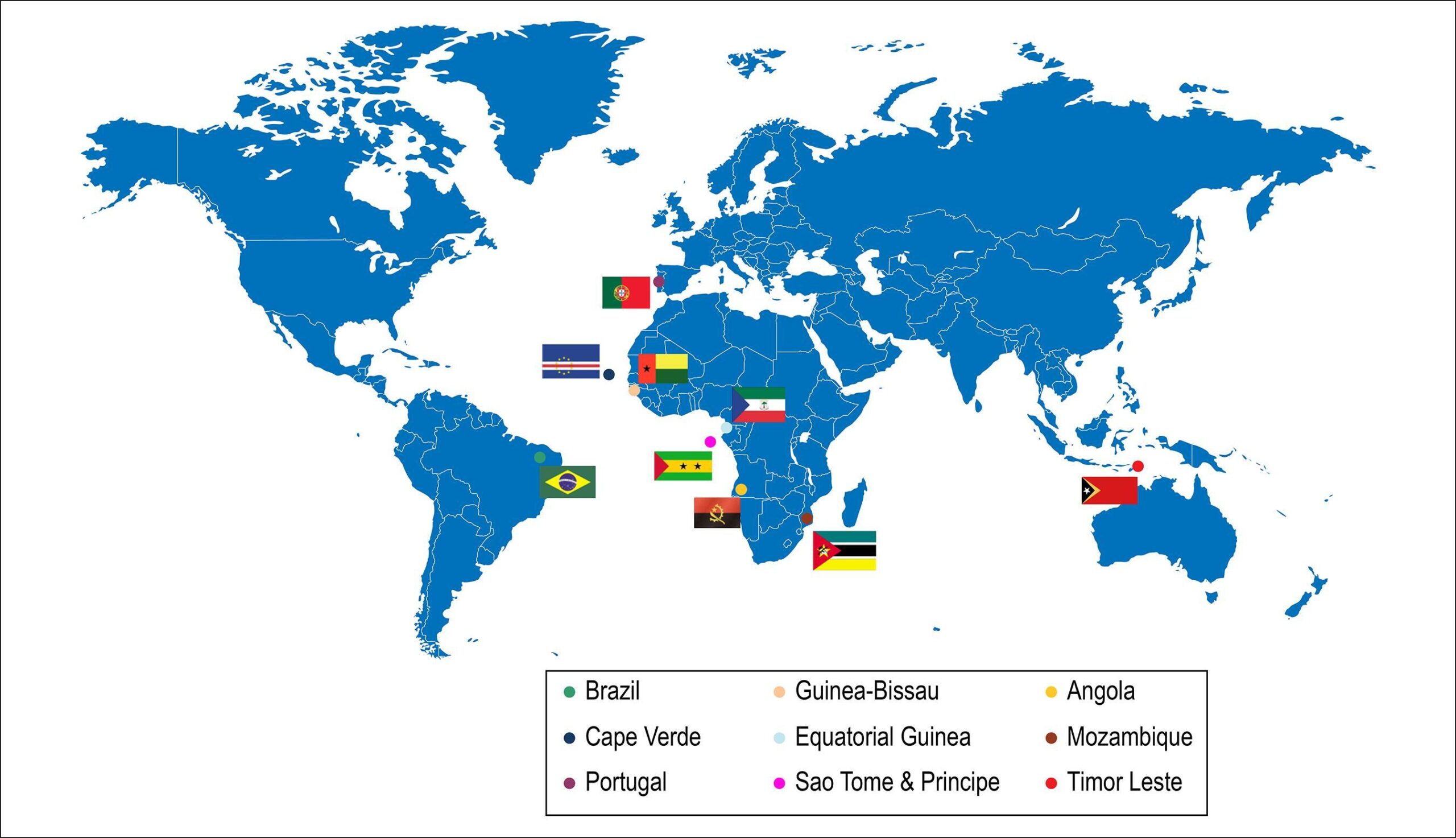
Cardiovascular Disease Epidemiology in Portuguese-Speaking Countries: data from the Global Burden of Disease, 1990 to 2016

Bruno Ramos Nascimento et al. Luisa Campos Caldeira Brant Gláucia Maria Moraes de Oliveira Marcus Vinícius Bolívar Malachias … Gabriel Moreira Alves Reis Renato Azeredo Teixeira Deborah Carvalho Malta Elisabeth França Maria de Fátima Marinho Souza Gregory A. Roth Antonio Luiz P. Ribeiro

Abstract

Background:

Portuguese-speaking countries (PSC) share the influence of the Portuguese culture but have socioeconomic development patterns that differ from that of Portugal.

Objective:

To describe trends in cardiovascular disease (CVD) morbidity and mortality in the PSC between 1990 and 2016, stratified by sex, and their association with the respective sociodemographic indexes (SDI).

Methods:

This study used the Global Burden of Disease (GBD) 2016 data and methodology. Data collection followed international standards for death certification, through information systems on vital statistics and mortality surveillance, surveys, and hospital registries. Techniques were used to standardize causes of death by the direct method, as were corrections for underreporting of deaths and garbage codes. To determine the number of deaths due to each cause, the CODEm (Cause of Death Ensemble Model) algorithm was applied. Disability-adjusted life years (DALYs) and SDI (income per capita, educational attainment and total fertility rate) were estimated for each country. A p-value <0.05 was considered significant.

Results:

There are large differences, mainly related to socioeconomic conditions, in the relative impact of CVD burden in PSC. Among CVD, ischemic heart disease was the leading cause of death in all PSC in 2016, except for Mozambique and Sao Tome and Principe, where cerebrovascular diseases have supplanted it. The most relevant attributable risk factors for CVD among all PSC are hypertension and dietary factors.

Conclusion:

Collaboration among PSC may allow successful experiences in combating CVD to be shared between those countries.

  • Cardiovascular Diseases
  • Epidemiology
  • Global Burden of Disease / trends
  • Mortality
Read Full Article
Creative Commons Attribution (CC BY) Creative Commons license
01/06/2018 DOI: 10.5935/abc.20180098 Views 1
Editorial

Prevention of Sudden Death in Hypertrophic Cardiomyopathy

Edmundo Arteaga-Fernández et al. Murillo de Oliveira Antunes

Hypertrophic cardiomyopathy (HCM) is the most common congenital disease, and sudden death (SD), its most feared complication, was already mentioned by Donald Teare in the first description of the disease, being observed in 7 out of 8 patients. SD occurs during daily activities, after exercises and even during sleep; it may affect young athletes, which has a great impact on the media. This has required considerable effort by researchers in defining clinical factors and complementary tests that could be used in the screening of individuals at higher risk that could benefit from implantable cardioverter defibrillator (ICD) and also to prevent SD, since it is caused by tachycardia and ventricular fibrillation. HCM favors the occurrence of ventricular arrythmias – hypertrophy causes repolarization dispersion; myocyte disarray and increased fibrosis create areas of conduction block and predispose to reentry arrhythmias; and abnormalities in ion fluxes, such as calcium, during repolarization may also trigger arrhythmias. In addition, this complex arrhythmogenic substrate may be modulated by impaired autonomic response, myocardial ischemia and left ventricular outflow tract obstruction.– If we consider deaths from cardiovascular causes, in patients with HCM, they account for 0.5%-1.5% deaths a year, which is near to that of the general population. In HCM patients considered as high risk, SD may reach 2.5% of deaths a year. However, the accurate identification of these patients for preventive therapy with ICD may be challenging.

Before the guidelines were published, it was known that manifestations of HCM in children younger than 10 years old with diastolic or systolic dysfunction, SD in first-degree relatives younger than 50 years, nonsustained ventricular tachycardia, syncope and myocardial hypertrophy > 30 mm were factors associated with SD, and the last four fully considered as indications for ICD in the first guideline (2011).

[…]

  • Cardiomyopathy, Hypertrophic
  • Death, Sudden, Cardiac/prevention & control
  • Heart Defects, Congenital
Read Full Article
Creative Commons Attribution (CC BY) Creative Commons license
01/06/2018 DOI: 10.5935/abc.20180101
Figure 1
Original Article

Endothelial Dysfunction and Inflammation Precedes Elevations in Blood Pressure Induced by a High-Fat Diet

Jorge Camargo Oishi et al. Cynthia Aparecida Castro Karina Ana Silva Victor Fabricio … Evelin Capelari Cárnio Shane A. Phillips Ana Claudia Garcia de Oliveira Duarte Gerson Jhonatan Rodrigues

Abstract

Background:

Obesity leads to a chronic inflammatory state, endothelial dysfunction and hypertension.

Objective:

To establish the time-course of events regarding inflammatory markers, endothelial dysfunction, systolic blood pressure (SBP) in obesity in only one experimental model.

Methods:

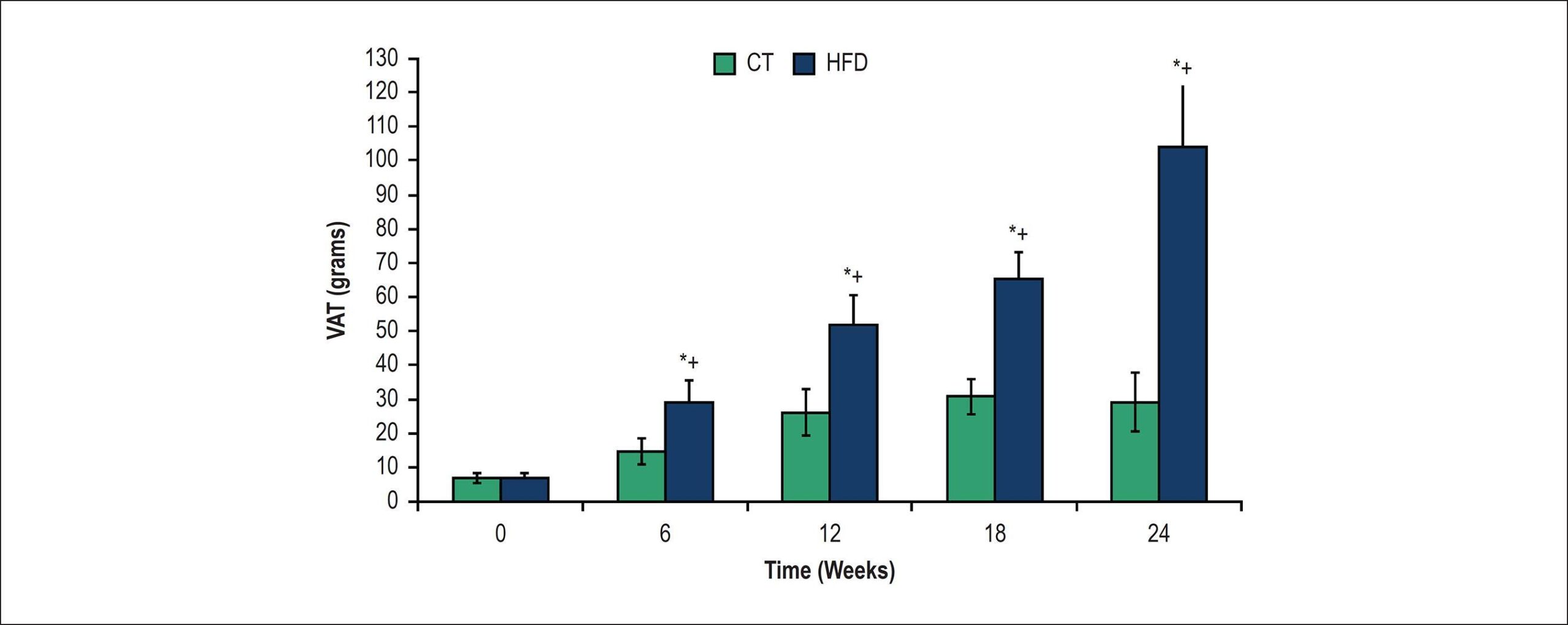
We fed male Wistar rats (eight-week age) with a standard diet (Control – CT, n = 35), or palatable high-fat diet (HFD, n = 35) for 24 weeks. Every six weeks, 7 animals from each group were randomly selected for euthanasia. SBP and serum levels of interleukin-6, tumor necrosis factor-α, C-reactive protein, adiponectin and nitric oxide were determined. Endothelial and vascular smooth muscle functions were determined in dissected aorta and lipid peroxidation was measured. Statistical significance was set at p < 0.05.

Results:

Levels of pro-inflammatory cytokines began to increase after six weeks of a high-fat diet, while those of the anti-inflammatory cytokine adiponectin decreased. Interestingly, the endothelial function and serum nitric oxide began to decrease after six weeks in HFD group. The SBP and lipid peroxidation began to increase at 12 weeks in HFD group. In addition, we showed that total visceral fat mass was negatively correlated with endothelial function and positively correlated with SBP.

Conclusion:

Our results show the time-course of deleterious effects and their correlation with obesity.

  • Diet, High-Faties
  • Dyslipidemias
  • Endothelium / abnormalities
  • Hypertension
  • Nitric Oxide
Read Full Article
Creative Commons Attribution (CC BY) Creative Commons license
01/06/2018 DOI: 10.5935/abc.20180086 Views 2
Figure 1
Anatomopathological Correlation

Case 3/2018 – A 60-year-old Female with Chagasic Heart Disease, Admitted Due to Heart Failure Decompensation, Cachexia and Pulmonary Infection

Gustavo Alonso Arduine et al. Vera Demarchi Aiello

Clinical aspects

This 60-year-old patient had the following problems: dyspnea, dry cough, weight loss, slightly elevated body temperature, anemia, enlarged pulmonary hila, hilar calcifications (lymph nodes) and pulmonary nodule (granuloma with necrosis). In addition, she had the following antecedents: Chagas disease (not confirmed, because no serology for Chagas disease was performed), systemic arterial hypertension, heart failure with reduced ejection fraction, and previous akinetic areas, apical aneurysm and sustained ventricular tachycardia.

Of the granulomatous diseases, sarcoidosis has unspecific symptoms, such as fever, weight loss, nocturnal sweating and fatigue. Other symptoms depend on the organs or parts of the body affected, such as the lungs (dry cough, dyspnea, chest pain), eyes (eye pain, blurred vision), skin, musculoskeletal system (joint pain, myalgias) and lymph nodes (swelling). Although heart involvement is diagnosed in 5% to 10% of the cases, on postmortem examination, it can range from 10% to 76%, causing bundle-branch block, repolarization disorders, arrhythmias and cardiomyopathy., Isolated cardiac sarcoidosis can occur in up to 25% of the cases; thus, absence of extracardiac sarcoidosis does not exclude heart involvement.,

[…]

  • Cachexia
  • Chagas Cardiomyopathy
  • Chagas disease
  • Heart Failure
  • Pneumonia
Read Full Article
Creative Commons Attribution (CC BY) Creative Commons license
01/06/2018 DOI: 10.5935/abc.20180100
Letter to the Editor

QTc and QTcd Measurements and Their Relationships with Left Ventricular Hypertrophy in Hemodialysis Patients

Sora Yasri et al. Viroj Wiwanitkit

Editor,

We read the publication on “QTc and QTcd Measurements and Their Relationships with Left Ventricular Hypertrophy in Hemodialysis Patients”, which is very interesting. Alonso et al. concluded that “We found that QTc interval, in contrast to QTcd, is a reproducible and reliable measure and had a weak but positive correlation with LVMi in HD patients.” This report used an unmatched control group; hence, the selection bias can be expected. In fact, the hypertrophy might be expected in a hemodialysis patient who might have underlying metabolic syndrome and vascular disease. To test the reproducibility, the repeated analysis is needed and there is a need to assess the within-run and between-run precision. In the present report, one cannot conclude that the test has a good reproducibility.

[…]

  • Electrocardiography
  • Hypertrophy Left Ventricular
  • renal dialysis
Read Full Article
Creative Commons Attribution (CC BY) Creative Commons license
01/06/2018 DOI: 10.5935/abc.20180096 Views 1
Figure 1
Original Article

Metabolic Syndrome-Related Features in Controlled and Resistant Hypertensive Subjects

Arthur Santa Catharina et al. Rodrigo Modolo Alessandra Mileni Versuti Ritter Andréa Rodrigues Sabbatini … Heno Ferreira Lopes Heitor Moreno Junior Ana Paula de Faria

Abstract

Background:

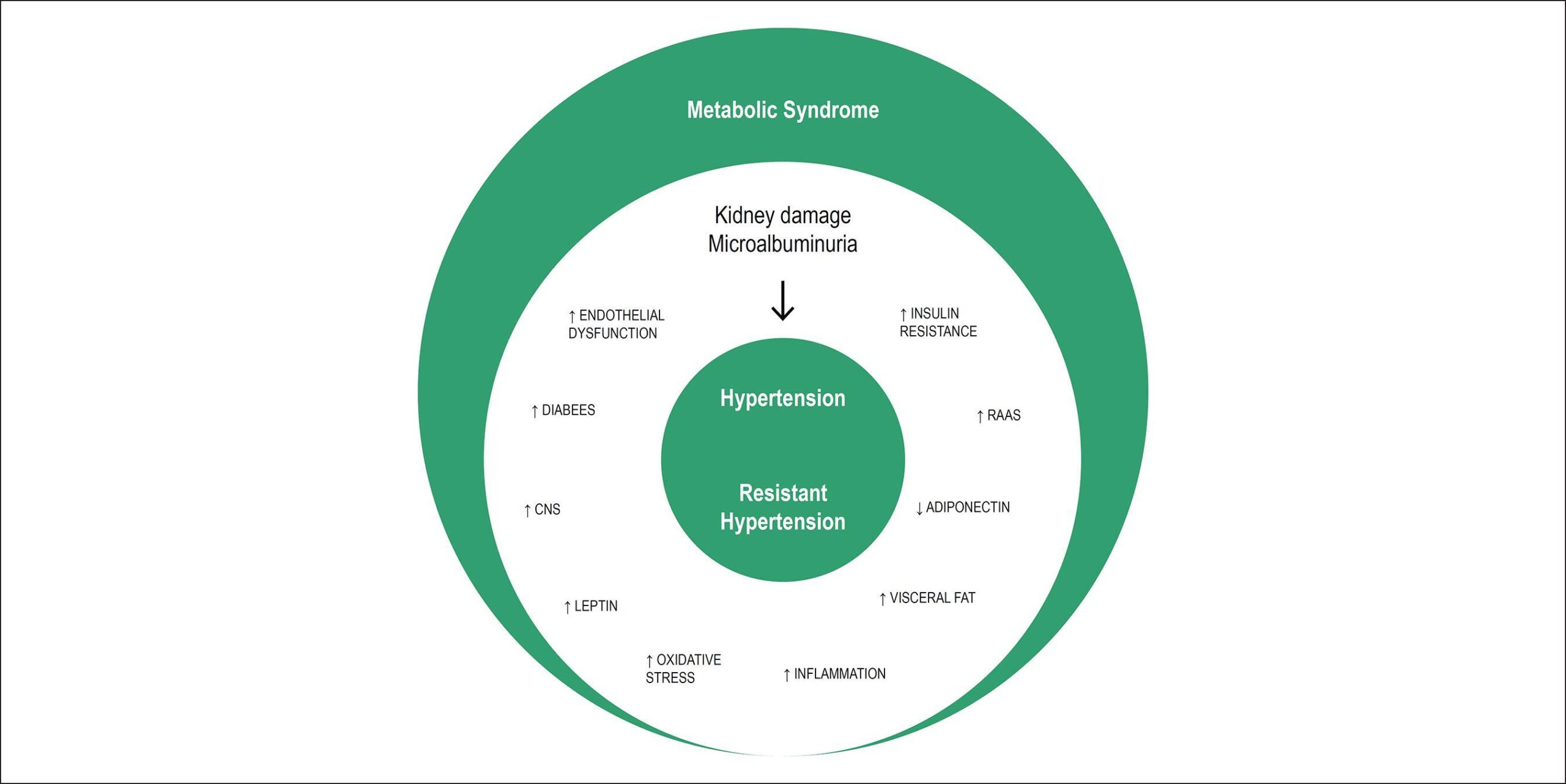
Metabolic syndrome (MetS) is widespread among hypertensive patients. Clinical features and potential biomarkers of MetS in the presence of hypertension and resistant hypertension (RHTN) represent a great area of interest for investigation.

Objective:

The purpose of this study was to evaluate the prevalence of MetS and the clinical features associated with it in resistant and mild to moderate hypertensives.

Methods:

This cross-sectional study included 236 patients, (i) 129 mild to moderate hypertensive patients and (ii) 107 patients with RHTN. We measured blood pressure (BP) and adipokines levels, and performed bioelectrical impedance analysis. Microalbuminuria (MA), cardiac hypertrophy and arterial stiffness were also assessed. The significance level of alpha = 0.05 was adopted.

Results:

We found a MetS prevalence of 73% in resistant and 60% in mild-to-moderate hypertensive patients. In a multiple regression analysis, MA (odds ratio = 8.51; p = 0.01), leptin/adiponectin ratio (LAR) (odds ratio = 4.13; p = 0.01) and RHTN (odds ratio = 3.75; p = 0.03) were independently associated with the presence of MetS apart from potential confounders.

Conclusions:

Our findings suggest that both resistant and controlled hypertensive subjects have a high prevalence of MetS. In addition, MetS-related metabolic derangements may cause early renal and hormonal changes. Finally, LAR may be useful as a reliable biomarker for identifying those hypertensive subjects who are at risk for developing MetS.

  • Cardiovascular Diseases, mortality
  • Cholesterol
  • Metabolic Syndrome / diagnosis
  • Triglycerides
  • Waist Circumference
Read Full Article
Creative Commons Attribution (CC BY) Creative Commons license
01/06/2018 DOI: 10.5935/abc.20180076 Views 2
Editorial

Identifying the Impact of Metabolic Syndrome in Hypertensive Patients

Luiz Aparecido Bortolotto

R

e

[…]

  • Cardiovascular Diseases, mortality
  • Cholesterol
  • Metabolic Syndrome / diagnosis
  • Triglycerides, Waist Circumference
Read Full Article
Creative Commons Attribution (CC BY) Creative Commons license
01/06/2018 DOI: 10.5935/abc.20180102 Views 1
Figure 1
Review Article

Pulmonary Ultrasound in Patients with Heart Failure – Systematic Review

Rafael Tostes Muniz et al. Evandro Tinoco Mesquita Celso Vale Souza Junior Wolney de Andrade Martins

Abstract

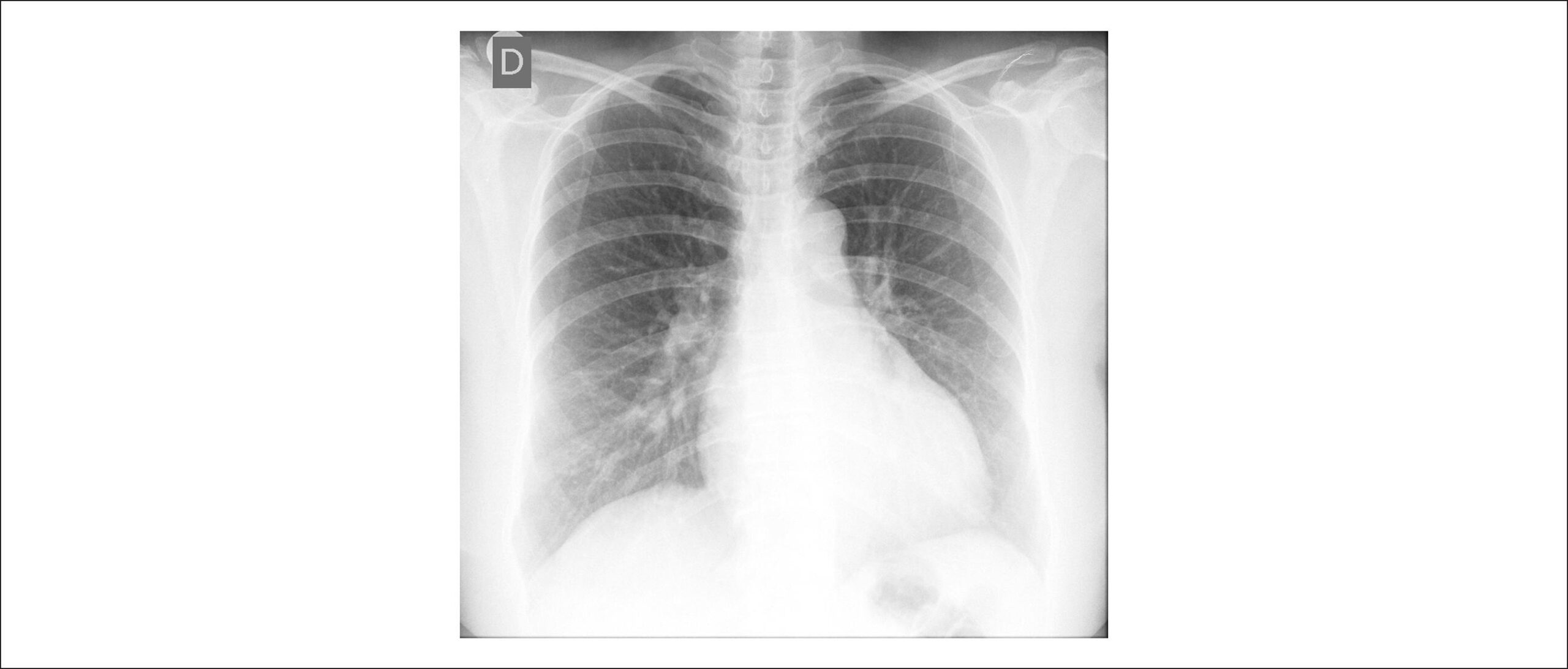
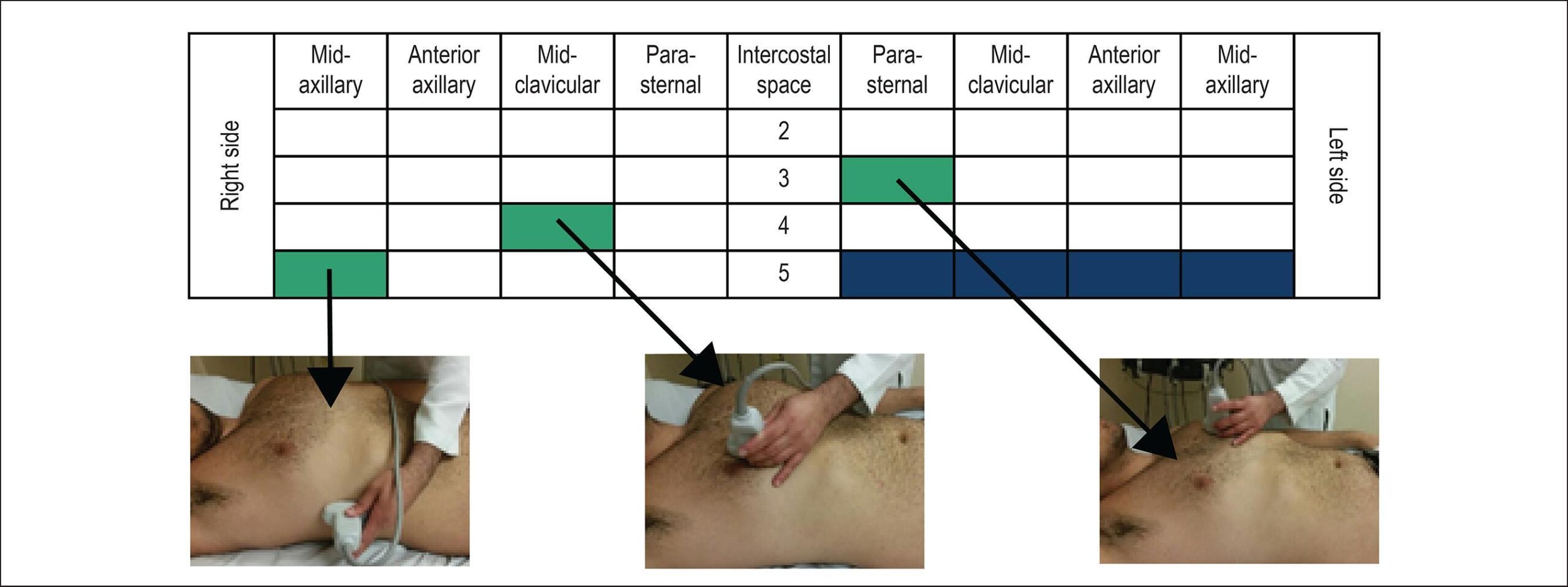
Pulmonary congestion is an important clinical finding in patients with heart failure (HF). Physical examination and chest X-ray have limited accuracy in detecting congestion. Pulmonary ultrasound (PU) has been incorporated into clinical practice in the evaluation of pulmonary congestion. This paper aimed to perform a systematic review of the use of PU in patients with HF, in different scenarios. A search was performed in the MEDLINE and LILACS databases in February 2017 involving articles published between 2006 and 2016. We found 26 articles in the present review, 11 of which in the emergency setting and 7 in the outpatient setting, with diagnostic and prognosis defined value and poorly studied therapeutic value. PU increased accuracy by 90% as compared to physical examination and chest X-ray for the diagnosis of congestion, being more sensitive and precocious. The skill of the PU performer did not interfere with diagnostic accuracy. The presence of B-lines ≥ 15 correlated with high BNP values (≥ 500) and E/e’ ratio ≥ 15, with prognostic impact in IC patients at hospital discharge and those followed up on an outpatient basis. In conclusion, when assessing pulmonary congestion in HF, PU has an incremental value in the diagnostic and prognostic approach in all scenarios studied.

  • Heart Failure
  • Lung / diagnostic imaging
  • Lung / radiography
  • Pulmonary Congestion, Extravascular Lung Water / diagnostic imaging
  • Ultrassonography
Read Full Article
Creative Commons Attribution (CC BY) Creative Commons license
01/06/2018 DOI: 10.5935/abc.20180097 Views 1
Figure 1
Case Report

Eosinophilic Myocarditis: Clinical Case and Literature Review

Paulo Dinis et al. Rogério Teixeira Luís Puga Carolina Lourenço … Maria Carmo Cachulo Lino Gonçalves

Introduction

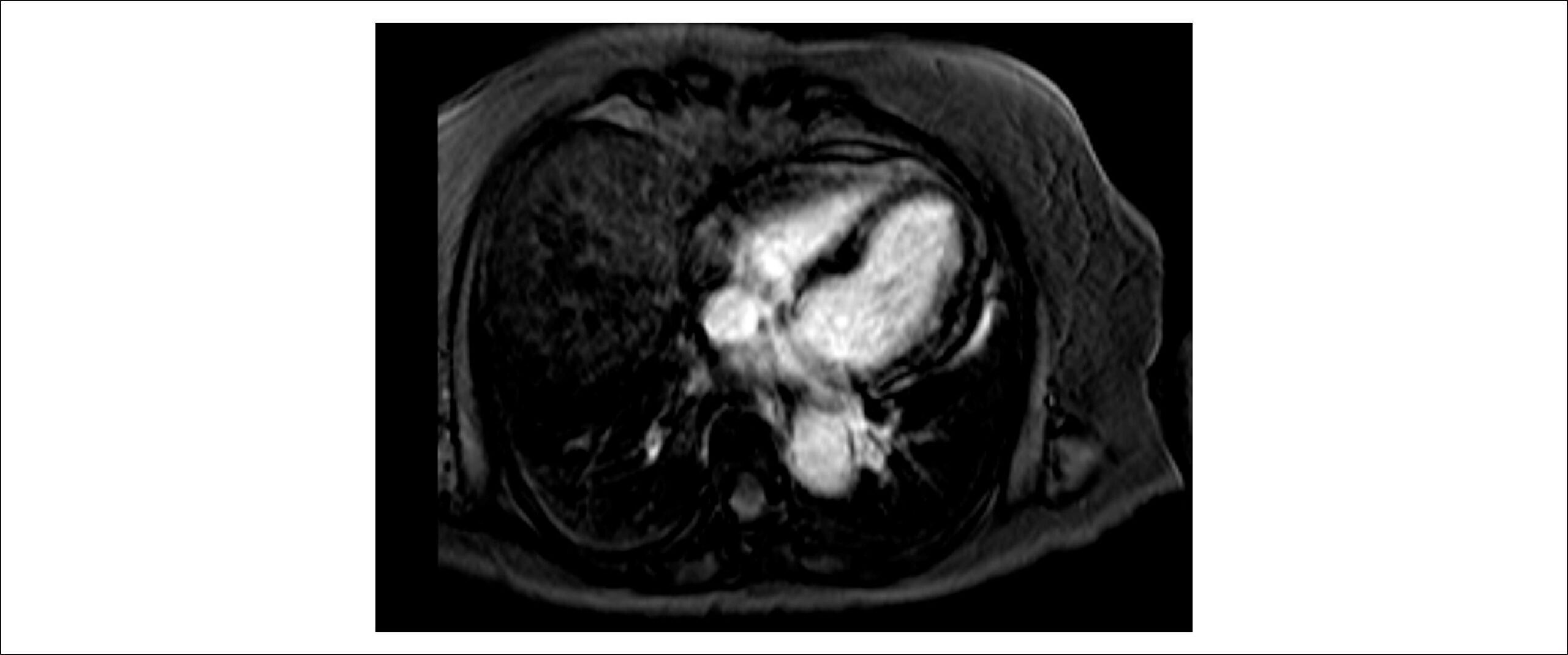
Eosinophilic myocarditis is a rare and potentially lethal disease characterized by eosinophil infiltration of the myocardium. The association between eosinophilia and myocardial injury is well established and may present several etiologies, from hypersensitivity and autoimmune diseases to neoplasias and infections., In some cases the etiology remains unknown, and it is denominated idiopathic hypereosinophilic syndrome. Clinical manifestations present a wide spectrum, ranging from mild symptomatology to severe symptoms such as retrosternal pain, rhythm disturbances, and sudden death., The definitive diagnosis is made through endomyocardial biopsy. Cardiac magnetic resonance imaging is a valid alternative, identifying the main structural changes caused by myocarditis. Treatment includes neurohumoral therapy, management of cardiac complications, and in cases selected, systemic corticosteroid therapy. Next, we present the case of a patient with symptomatology suggestive of myocardial infarction, but who in the course of the investigation had the diagnosis of eosinophilic myocarditis.

[…]

  • Eosinophilia
  • Hypereosinophilic Syndrome / drug therapy
  • Hypereosinophilic Syndrome / mortality
  • Magnetic Resonance Imaging
  • Myocarditis
Read Full Article
Creative Commons Attribution (CC BY) Creative Commons license
01/06/2018 DOI: 10.5935/abc.20180089 Views 1
Figure 1
Original Article

Pressure Overload-induced Cardiac Hypertrophy Varies According to Different Ligation Needle Sizes and Body Weights in Mice

Zhen Jia et al. Zhijun Chen Hongfei Xu Malik Akuffu Armah … Peng Teng Weidong Li Dongdong Jian Liang Ma Yiming Ni

Abstract

Background:

The cardiac hypertrophy (CH) model for mice has been widely used, thereby providing an effective research foundation for CH exploration.

Objective:

To research the effects of CH modeling under abdominal aortic constriction (AAC) using different needles and weights in mice.

Methods:

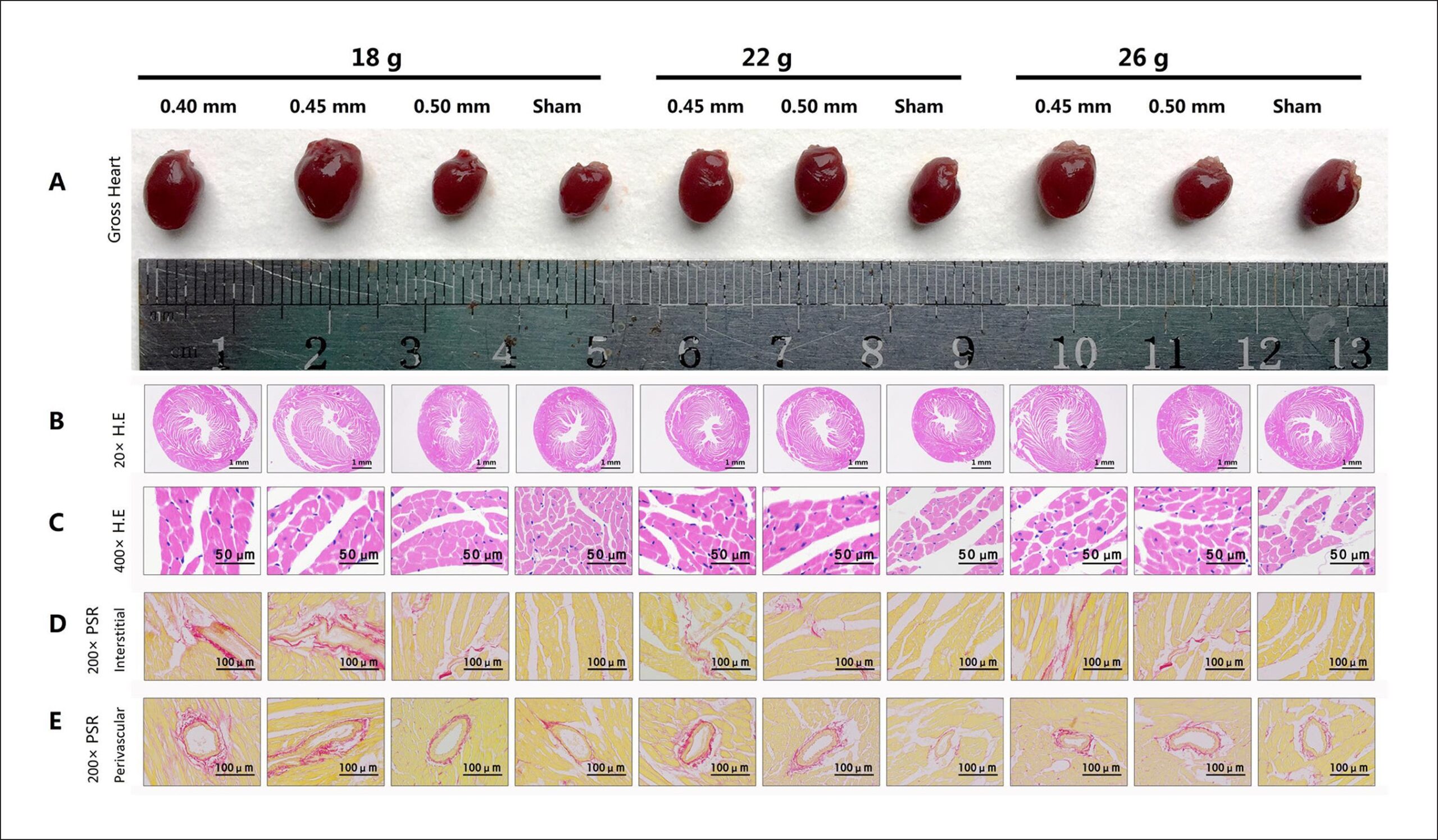
Four needles with different external diameters (0.35, 0.40, 0.45, and 0.50 mm) were used for AAC. 150 male C57BL/6 mice were selected according to body weight (BW) and divided into 3 weight levels: 18 g, 22 g, and 26 g (n = 50 in each group). All weight levels were divided into 5 groups: a sham group (n = 10) and 4 AAC groups using 4 ligation intensities (n = 10 per group). After surgery, survival rates were recorded, echocardiography was performed, hearts were dissected and used for histological detection, and data were statistically analyzed, P < 0.05 was considered statistically significant.

Results:

All mice died in the following AAC groups: 18g/0.35 mm, 22 g/0.35 mm, 26 g/0.35 mm, 22 g/0.40 mm, and 26 g/0.40 mm. All mice with AAC, those ligated with a 0.50-mm needle, and those that underwent sham operation survived. Different death rates occurred in the following AAC groups: 18 g/0.40 mm, 18 g/0.45 mm, 18 g/0.50 mm, 22 g/45 mm, 22 g/0.50 mm, 26 g/0.45 mm, and 26 g/0.50 mm. The heart weight/body weight ratios (5.39 ± 0.85, 6.41 ± 0.68, 4.67 ± 0.37, 5.22 ± 0.42, 4.23 ± 0.28, 5.41 ± 0.14, and 4.02 ± 0.13) were significantly increased compared with those of the sham groups for mice with the same weight levels.

Conclusion:

A 0.45-mm needle led to more obvious CH than did 0.40-mm and 0.50-mm needles and caused extraordinary CH in 18-g mice.

  • Body weight
  • Cardiomegaly
  • Heart Failure
  • Needles/utilization
  • Rats
Read Full Article
Creative Commons Attribution (CC BY) Creative Commons license
01/06/2018 DOI: 10.5935/abc.20180088
Figure 1
Original Article

Prevention of Sudden Cardiac Death in Hypertrophic Cardiomyopathy: What has Changed in The Guidelines?

Liliana Reis et al. Rogerio Teixeira Andreia Fernandes Inês Almeida … Marta Madeira Joana Silva Ana Botelho João Pais José Nascimento Lino Gonçalves

Abstract

Background:

The new European Society of Cardiology guidelines for hypertrophic cardiomyopathy (HCM) define the estimation of sudden cardiac death (SCD) risk as an integral part of clinical management. An implantable cardioverter defibrillator (ICD) is recommended (class IIa) when the risk is ≥ 6%.

Objectives:

To compare the SCD risk stratification according to the 2011 and 2014 recommendations for ICD implantation in patients with HCM.

Methods:

Retrospective study including 105 patients diagnosed with HCM. The indication for ICD was assessed using the 2011 and 2014 guidelines. Statistical analysis was performed using SPSS software version 19.0.0.2®. The tests performed were bilateral, considering the significance level of 5% (p < 0.05).

Results:

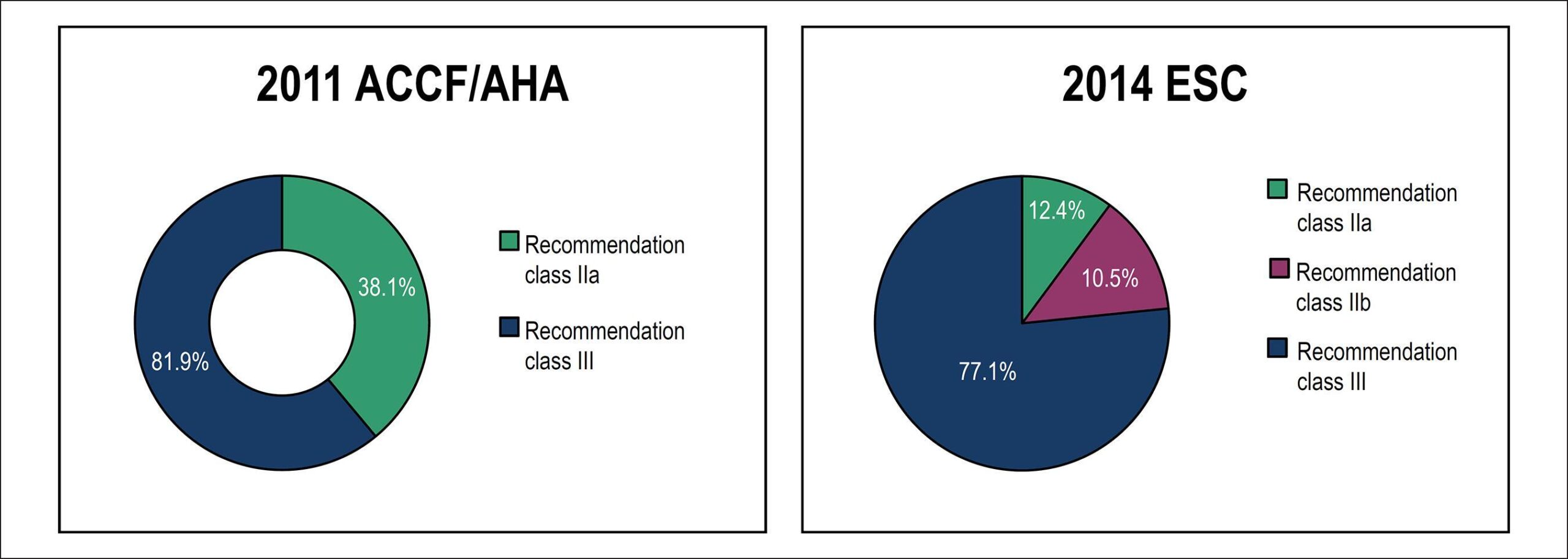
Regarding primary prevention, according to the 2011 ACCF/AHA recommendations, 39.0% of the patients had indication for ICD implantation (level of evidence IIa). Using the 2014 guidelines, only 12.4% of the patients had an indication for ICD implantation. Comparing the two risk stratification models for patients with HCM, we detected a significant reduction in the number of indications for ICD implantation (p < 0.001). Of the 41 patients classified as IIa according to the 2011 recommendations, 68.3% received a different classification according to the 2014 guidelines.

Conclusion:

Significant differences were found when comparing the SCD risk stratification for ICD implantation in the two guidelines. The current SCD risk score seems to identify many low-risk patients who are not candidates for ICD implantation. The use of this new score results in a significant reduction in the number of ICD implanted.

  • Cardiomyopathy, Hypertrophic / complications
  • Death, Sudden, Cardiac/prevention & control
  • Defibrillators, Implantable / trends
  • Diagnostic Imaging
  • Syncope
Read Full Article
Creative Commons Attribution (CC BY) Creative Commons license
01/06/2018 DOI: 10.5935/abc.20180099 Views 1
Original Article

Behavior of Blood Pressure Variables in Children and Adolescents with Duchenne Muscular Dystrophy

Fabiane R. R. H. Marui et al. Henrique Tria Bianco Maria Teresa N. Bombig Natascha G. F. Palmeira … José M. Thalenberg Fernando Focaccia Povoa Maria Cristina de O. Izar Francisco Antonio H. Fonseca Acary S. B. de Oliveira Rui M. S. Povoa

Abstract

Background:

Duchenne muscular dystrophy is an X-chromosome-linked genetic disorder (locus Xp21). Involvement of the cardiovascular system is characterized by fibrous degeneration/replacement of myocytes with consequent ventricular hypertrophy and arterial hypertension.

Objective:

To assess, by using 24-hour ambulatory blood pressure monitoring, the behavior of blood pressure variables in children and adolescents with a confirmed diagnosis of Duchenne muscular dystrophy.

Methods:

Prospective observational cohort study, which selected 46 patients followed up on an outpatient basis, divided according to age groups. Blood pressure was classified according to the age percentile. The monitoring interpretation includes systolic and diastolic blood pressure means, systolic and diastolic blood pressure loads, and nocturnal dipping. The blood pressure means were calculated for the 24-hour, wakefulness and sleep periods. Nocturnal dipping was defined as a drop in blood pressure means during sleep greater than 10%. The significance level adopted was p < 0.05.

Results:

Nocturnal dipping for systolic blood pressure was present in 29.9% of the participants. Approximately 53% of them had attenuated nocturnal dipping, and 15%, reverse nocturnal dipping. The age groups of 9-11 years and 6-8 years had the greatest percentage of attenuation, 19.1% and 14.9%, respectively. Regarding diastolic blood pressure, nocturnal dipping was identified in 53.2% of the children, being extreme in 27.7% of those in the age group of 6-11 years.

Conclusions:

The early diagnosis of blood pressure changes can allow the appropriate and specific therapy, aimed at increasing the life expectancy of patients with Duchenne muscular dystrophy.

  • Cardiovascular Diseases / genetics
  • Child
  • Hypertension
  • Male
  • Muscular Dystrophy, Duchenne / genetics
Read Full Article
Creative Commons Attribution (CC BY) Creative Commons license
01/06/2018 DOI: 10.5935/abc.20180085
Figure 1
Original Article

Is There any Relationship Between Myocardial Repolarization Parameters and the Frequency of Ventricular Premature Contractions?

Kayihan Karaman et al. Metin Karayakali Arif Arisoy Ilker Akar … Mustafa Ozturk Ahmet Yanik Samet Yilmaz Atac Celik

Abstract

Background:

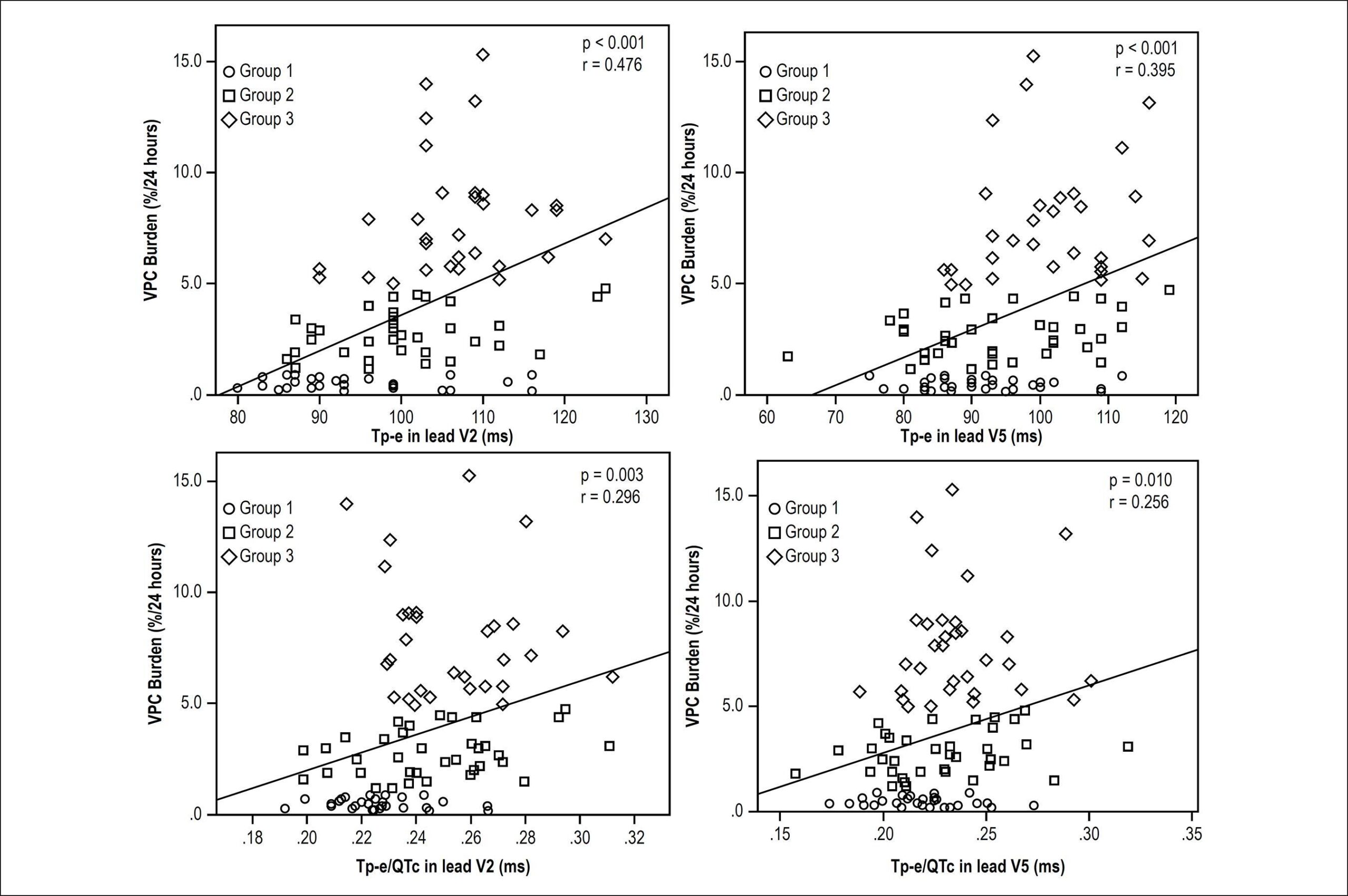
Ventricular premature contractions (VPCs) may trigger lethal ventricular arrhythmias in patients with structural heart disease. However, this role of VPCs in healthy people remains controversial once that not enough clinical trials are available. Recently, some myocardial repolarization markers, such as Tp-e interval, Tp-e/QT, and Tp-e/QTc ratios, have been reported to be useful for predicting lethal ventricular arrhythmias in various clinical disorders without structural heart disease.

Objective:

In this study, we aimed to investigate the relation between VPC frequent and myocardial repolarization markers in individuals without structural heart disease.

Methods:

This study included 100 patients who had complaints of dizziness and palpitations. Twelve-lead electrocardiography and 24-hour ambulatory Holter recordings were obtained from all patients. VPC burden was calculated as the total number of VPCs divided by the number of all QRS complexes in the total recording time. P-values < 0.05 were considered significant.

Results:

Tp-e interval and Tp-e/QTc ratio were significantly higher in patients with higher VPC burden than in patients with lower VPC burden, and a positive correlation was found between these markers and VPC burden. Tp-e (β = 1.318, p = 0.043) and Tp-e/QTc (β = -405.136, p = 0.024) in the lead V5 were identified as independent predictors of increased VPC burden.

Conclusions:

Tp-e interval and Tp-e/QTc ratio increased in patients with high VPC number. Our study showed that VPCs may have a negative effect on myocardial repolarization. This interaction may lead to an increased risk of malignant arrhythmias.

  • Arrhythmias Cardiac
  • Cardiovascular Diseases
  • Electrocardiography/methods
  • Obesity
  • Ventricular Dysfunction, Left
  • Ventricular Premature Complexes
Read Full Article
Creative Commons Attribution (CC BY) Creative Commons license
01/06/2018 DOI: 10.5935/abc.20180079
Figure 1
Image

Challenging Diagnosis of Myocardial Infarction Due to Anomalous Left Circumflex Artery

Maksymilian P. Opolski et al. Kajetan Grodecki Mateusz Spiewak Mariusz Furmanek Ilona Michalowska

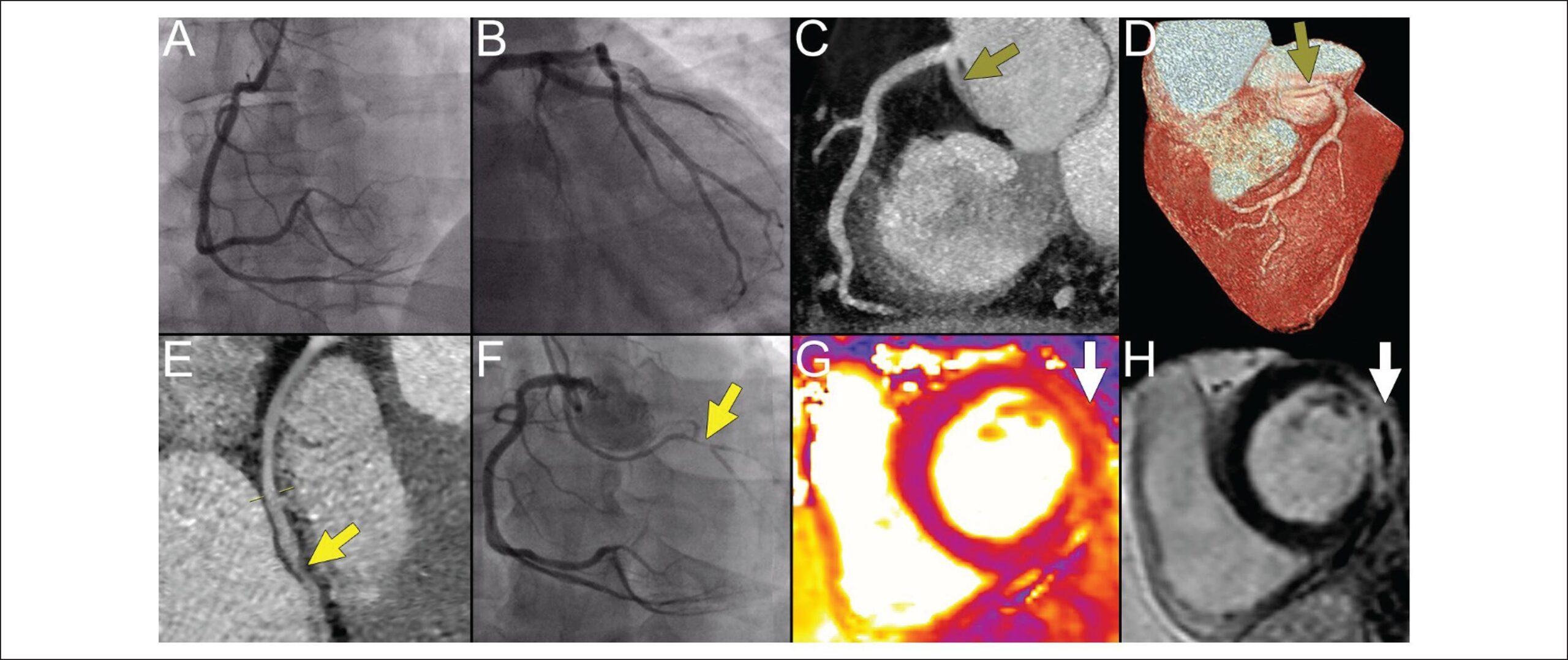
A 45-year-old male without past medical history presented with retrosternal chest pain and ST-segment elevation in inferolateral leads at ECG. Invasive coronary angiography, along with optical coherence tomography performed as part of the clinical study, showed normal coronaries, and myocardial infarction with non-obstructive coronary arteries (MINOCA) was diagnosed (-). Due to ongoing chest pain, triple-rule-out computed tomography angiography (CTA) was undertaken to exclude aortic dissection and pulmonary embolism. Incidentally, anomalous left circumflex artery (LCx) originating from the right sinus of Valsalva with a suspicion on severe stenosis was detected (-). Selective angiography of the LCx confirmed severe lesion in the distal vessel segment (), however given the resolution of patient’s symptoms, a decision on medical therapy with dual antiplatelet agents was undertaken. At discharge, cardiac magnetic resonance disclosed mildly reduced left ventricular ejection fraction (53%) with myocardial edema and transmural infarction of the basal-to-mid lateral wall (-).

[…]

  • Cardiac magnetic resonance
  • Coronary Angiography
  • Coronary Artery Anomalies
  • Myocardial Infarction / Diagnosis
Read Full Article
Creative Commons Attribution (CC BY) Creative Commons license
01/06/2018 DOI: 10.5935/abc.20180093
Editorial

Cardiovascular Diseases in Portuguese: The Importance of Preventive Medicine

Fausto J. Pinto

Cardiovascular diseases (CVD) are the leading cause of mortality and morbidity worldwide. Because several CVD have sequelae that significantly impact the life of affected individuals, knowing the importance of those diseases, as well as their associated factors, is essential to develop preventive measures to reduce that impact.–

The study published in this issue of the Arquivos Brasileiros de Cardiologia conducts an epidemiological assessment of CVD in Portuguese-speaking countries (PSC) from 1996 to 2016, being, in that context, unprecedented and relevant. Despite some limitations, always present in that type of study, the analysis has considerable merit and allows us to draw very important conclusions. That study assesses, from an innovative perspective, CVD in a set of countries scattered around the world, which share a common language and cultural base, but have totally distinct geographic locations. In that type of analysis, the impact of local aspects, such as sanitation structures, health policies, economic and political conditions, on the parameters assessed must be properly considered, and that study does it in a very elegant way. The authors clearly indicate that the relative importance of the burden of CVD differs in the different PSC, and they directly relate those differences to the socioeconomic conditions of the countries. Of the CVD, ischemic heart disease is the major cause of death in all PSC, except for Mozambique and Sao Tome and Principe. In addition, the authors report that the most relevant risk factors for CVD, arterial hypertension and dietary factors, are common in the PSC. Furthermore, they conclude that “Genetic factors, implicit in the cultural identity, the factors inherent in the host, as well as the huge social inequality might have contributed to explain the mortality rates observed.” It is worth noting that the authors report the general reduction in mortality from CVD as a common denominator among all the PSC, although the intensity of that reduction differs in the countries.

[…]

  • Cardiovascular Diseases / prevention & control
  • Cardiovascular Diseases, mortality
  • Community of Portuguese- Speaking Countries
  • Morbidity
  • Myocardial Ischemia
  • Risk Factors
  • Terapeutics / trends
Read Full Article
Creative Commons Attribution (CC BY) Creative Commons license
01/06/2018 DOI: 10.5935/abc.20180103 Views 1

How to cite this article

EndNote RIS

Electronic Document Format (Vancouver)

Santos HO. Update of the Impact of Consumption of Whole Chicken Eggs on the Lipid Profile: to What Extent are They Impacting?. Arquivos Brasileiros de Cardiologia 2018;110(6):585-7.

Electronic Document Format (ABNT)

Santos, Heitor Oliveira. Update of the Impact of Consumption of Whole Chicken Eggs on the Lipid Profile: to What Extent are They Impacting?. Arquivos Brasileiros de Cardiologia, v. 110, n. 6, p. 585-587, May. 2018.

Electronic Document Format (APA)

Santos, H. O. (2018). Update of the Impact of Consumption of Whole Chicken Eggs on the Lipid Profile: to What Extent are They Impacting?. Arquivos Brasileiros de Cardiologia, 110(6), 585-587.

Electronic Document Format (ISO)

Santos, Heitor Oliveira. Update of the Impact of Consumption of Whole Chicken Eggs on the Lipid Profile: to What Extent are They Impacting?. Arquivos Brasileiros de Cardiologia [online]. 2018, vol. 110, n. 6, [cited 2026-10-14], pp. 585-587. Available from: <https://journals.cardiol.br/en/article/update-of-the-impact-of-consumption-of-whole-chicken-eggs-on-the-lipid-profile-to-what-extent-are-they-impacting/>. ISSN 0066-782X

EndNote RIS

Electronic Document Format (Vancouver)

Soares LP, Fabbro ALD, Silva AS, Sartorelli DS, Franco LF, Kuhn PC, Moises RS, et al. Cardiovascular Risk in Xavante Indigenous Population. Arquivos Brasileiros de Cardiologia 2018;110(6):542-50.

Electronic Document Format (ABNT)

Soares, Luana Padua; Fabbro, Amaury Lelis Dal; Silva, Anderson Soares; Sartorelli, Daniela Saes; Franco, Luciana Ferreira; Kuhn, Patrícia Chamadoira; Moises, Regina Santiago; Vieira-Filho, João Paulo Botelho; Franco, Laércio Joel. Cardiovascular Risk in Xavante Indigenous Population. Arquivos Brasileiros de Cardiologia, v. 110, n. 6, p. 542-550, May. 2018.

Electronic Document Format (APA)

Soares, L. P., Fabbro, A. L. D., Silva, A. S., Sartorelli, D. S., Franco, L. F., Kuhn, P. C., Moises, R. S., Vieira-Filho, J. P. B., & Franco, L. J. (2018). Cardiovascular Risk in Xavante Indigenous Population. Arquivos Brasileiros de Cardiologia, 110(6), 542-550.

Electronic Document Format (ISO)

Soares, Luana Padua and Fabbro, Amaury Lelis Dal and Silva, Anderson Soares and Sartorelli, Daniela Saes and Franco, Luciana Ferreira and Kuhn, Patrícia Chamadoira and Moises, Regina Santiago and Vieira-Filho, João Paulo Botelho and Franco, Laércio Joel. Cardiovascular Risk in Xavante Indigenous Population. Arquivos Brasileiros de Cardiologia [online]. 2018, vol. 110, n. 6, [cited 2026-10-14], pp. 542-550. Available from: <https://journals.cardiol.br/en/article/cardiovascular-risk-in-xavante-indigenous-population/>. ISSN 0066-782X

EndNote RIS

Electronic Document Format (Vancouver)

Nascimento BR, Brant LCC, Oliveira GMM, Malachias MVB, Reis GMA, Teixeira RA, Malta DC, et al. Cardiovascular Disease Epidemiology in Portuguese-Speaking Countries: data from the Global Burden of Disease, 1990 to 2016. Arquivos Brasileiros de Cardiologia 2018;110(6):500-11.

Electronic Document Format (ABNT)

Nascimento, Bruno Ramos; Brant, Luisa Campos Caldeira; Oliveira, Gláucia Maria Moraes de; Malachias, Marcus Vinícius Bolívar; Reis, Gabriel Moreira Alves; Teixeira, Renato Azeredo; Malta, Deborah Carvalho; França, Elisabeth; Souza, Maria de Fátima Marinho; Roth, Gregory A.; Ribeiro, Antonio Luiz P.. Cardiovascular Disease Epidemiology in Portuguese-Speaking Countries: data from the Global Burden of Disease, 1990 to 2016. Arquivos Brasileiros de Cardiologia, v. 110, n. 6, p. 500-511, May. 2018.

Electronic Document Format (APA)

Nascimento, B. R., Brant, L. C. C., Oliveira, G. M. M. , Malachias, M. V. B., Reis, G. M. A., Teixeira, R. A., Malta, D. C., França, E., Souza, M. F. M., Roth, G. A., & Ribeiro, A. L. P. (2018). Cardiovascular Disease Epidemiology in Portuguese-Speaking Countries: data from the Global Burden of Disease, 1990 to 2016. Arquivos Brasileiros de Cardiologia, 110(6), 500-511.

Electronic Document Format (ISO)

Nascimento, Bruno Ramos and Brant, Luisa Campos Caldeira and Oliveira, Gláucia Maria Moraes de and Malachias, Marcus Vinícius Bolívar and Reis, Gabriel Moreira Alves and Teixeira, Renato Azeredo and Malta, Deborah Carvalho and França, Elisabeth and Souza, Maria de Fátima Marinho and Roth, Gregory A. and Ribeiro, Antonio Luiz P.. Cardiovascular Disease Epidemiology in Portuguese-Speaking Countries: data from the Global Burden of Disease, 1990 to 2016. Arquivos Brasileiros de Cardiologia [online]. 2018, vol. 110, n. 6, [cited 2026-10-14], pp. 500-511. Available from: <https://journals.cardiol.br/en/article/cardiovascular-disease-epidemiology-in-portuguese-speaking-countries-data-from-the-global-burden-of-disease-1990-to-2016/>. ISSN 0066-782X

EndNote RIS

Electronic Document Format (Vancouver)

Arteaga-Fernández E, Antunes MO. Prevention of Sudden Death in Hypertrophic Cardiomyopathy. Arquivos Brasileiros de Cardiologia 2018;110(6):532-3.

Electronic Document Format (ABNT)

Arteaga-Fernández, Edmundo; Antunes, Murillo de Oliveira. Prevention of Sudden Death in Hypertrophic Cardiomyopathy. Arquivos Brasileiros de Cardiologia, v. 110, n. 6, p. 532-533, May. 2018.

Electronic Document Format (APA)

Arteaga-Fernández, E., & Antunes, M. O. (2018). Prevention of Sudden Death in Hypertrophic Cardiomyopathy. Arquivos Brasileiros de Cardiologia, 110(6), 532-533.

Electronic Document Format (ISO)

Arteaga-Fernández, Edmundo and Antunes, Murillo de Oliveira. Prevention of Sudden Death in Hypertrophic Cardiomyopathy. Arquivos Brasileiros de Cardiologia [online]. 2018, vol. 110, n. 6, [cited 2026-10-14], pp. 532-533. Available from: <https://journals.cardiol.br/en/article/prevention-of-sudden-death-in-hypertrophic-cardiomyopathy/>. ISSN 0066-782X

EndNote RIS

Electronic Document Format (Vancouver)

Oishi JC, Castro CA, Silva KA, Fabricio V, Cárnio EC, Phillips SA, Duarte ACGO, et al. Endothelial Dysfunction and Inflammation Precedes Elevations in Blood Pressure Induced by a High-Fat Diet. Arquivos Brasileiros de Cardiologia 2018;110(6):558-67.

Electronic Document Format (ABNT)

Oishi, Jorge Camargo; Castro, Cynthia Aparecida; Silva, Karina Ana; Fabricio, Victor; Cárnio, Evelin Capelari; Phillips, Shane A.; Duarte, Ana Claudia Garcia de Oliveira; Rodrigues, Gerson Jhonatan. Endothelial Dysfunction and Inflammation Precedes Elevations in Blood Pressure Induced by a High-Fat Diet. Arquivos Brasileiros de Cardiologia, v. 110, n. 6, p. 558-567, May. 2018.

Electronic Document Format (APA)

Oishi, J. C., Castro, C. A., Silva, K. A., Fabricio, V., Cárnio, E. C., Phillips, S. A., Duarte, A. C. G. O., & Rodrigues, G. J. (2018). Endothelial Dysfunction and Inflammation Precedes Elevations in Blood Pressure Induced by a High-Fat Diet. Arquivos Brasileiros de Cardiologia, 110(6), 558-567.

Electronic Document Format (ISO)

Oishi, Jorge Camargo and Castro, Cynthia Aparecida and Silva, Karina Ana and Fabricio, Victor and Cárnio, Evelin Capelari and Phillips, Shane A. and Duarte, Ana Claudia Garcia de Oliveira and Rodrigues, Gerson Jhonatan. Endothelial Dysfunction and Inflammation Precedes Elevations in Blood Pressure Induced by a High-Fat Diet. Arquivos Brasileiros de Cardiologia [online]. 2018, vol. 110, n. 6, [cited 2026-10-14], pp. 558-567. Available from: <https://journals.cardiol.br/en/article/endothelial-dysfunction-and-inflammation-precedes-elevations-in-blood-pressure-induced-by-a-high-fat-diet/>. ISSN 0066-782X

EndNote RIS

Electronic Document Format (Vancouver)

Arduine GA, Aiello VD. Case 3/2018 – A 60-year-old Female with Chagasic Heart Disease, Admitted Due to Heart Failure Decompensation, Cachexia and Pulmonary Infection. Arquivos Brasileiros de Cardiologia 2018;110(6):588-96.

Electronic Document Format (ABNT)

Arduine, Gustavo Alonso; Aiello, Vera Demarchi. Case 3/2018 – A 60-year-old Female with Chagasic Heart Disease, Admitted Due to Heart Failure Decompensation, Cachexia and Pulmonary Infection. Arquivos Brasileiros de Cardiologia, v. 110, n. 6, p. 588-596, May. 2018.

Electronic Document Format (APA)

Arduine, G. A., & Aiello, V. D. (2018). Case 3/2018 – A 60-year-old Female with Chagasic Heart Disease, Admitted Due to Heart Failure Decompensation, Cachexia and Pulmonary Infection. Arquivos Brasileiros de Cardiologia, 110(6), 588-596.

Electronic Document Format (ISO)

Arduine, Gustavo Alonso and Aiello, Vera Demarchi. Case 3/2018 – A 60-year-old Female with Chagasic Heart Disease, Admitted Due to Heart Failure Decompensation, Cachexia and Pulmonary Infection. Arquivos Brasileiros de Cardiologia [online]. 2018, vol. 110, n. 6, [cited 2026-10-14], pp. 588-596. Available from: <https://journals.cardiol.br/en/article/case-3-2018-a-60-year-old-female-with-chagasic-heart-disease-admitted-due-to-heart-failure-decompensation-cachexia-and-pulmonary-infection/>. ISSN 0066-782X

EndNote RIS

Electronic Document Format (Vancouver)

Yasri S, Wiwanitkit V. QTc and QTcd Measurements and Their Relationships with Left Ventricular Hypertrophy in Hemodialysis Patients. Arquivos Brasileiros de Cardiologia 2018;110(6):602.

Electronic Document Format (ABNT)

Yasri, Sora; Wiwanitkit, Viroj. QTc and QTcd Measurements and Their Relationships with Left Ventricular Hypertrophy in Hemodialysis Patients. Arquivos Brasileiros de Cardiologia, v. 110, n. 6, p. 602-602, May. 2018.

Electronic Document Format (APA)

Yasri, S., & Wiwanitkit, V. (2018). QTc and QTcd Measurements and Their Relationships with Left Ventricular Hypertrophy in Hemodialysis Patients. Arquivos Brasileiros de Cardiologia, 110(6), 602-602.

Electronic Document Format (ISO)

Yasri, Sora and Wiwanitkit, Viroj. QTc and QTcd Measurements and Their Relationships with Left Ventricular Hypertrophy in Hemodialysis Patients. Arquivos Brasileiros de Cardiologia [online]. 2018, vol. 110, n. 6, [cited 2026-10-14], pp. 602-602. Available from: <https://journals.cardiol.br/en/article/qtc-and-qtcd-measurements-and-their-relationships-with-left-ventricular-hypertrophy-in-hemodialysis-patients/>. ISSN 0066-782X

EndNote RIS

Electronic Document Format (Vancouver)

Catharina AS, Modolo R, Ritter AMV, Sabbatini AR, Lopes HF, Moreno Junior H, Faria AP, et al. Metabolic Syndrome-Related Features in Controlled and Resistant Hypertensive Subjects. Arquivos Brasileiros de Cardiologia 2018;110(6):514-21.

Electronic Document Format (ABNT)

Catharina, Arthur Santa; Modolo, Rodrigo; Ritter, Alessandra Mileni Versuti; Sabbatini, Andréa Rodrigues; Lopes, Heno Ferreira; Moreno Junior, Heitor; Faria, Ana Paula de. Metabolic Syndrome-Related Features in Controlled and Resistant Hypertensive Subjects. Arquivos Brasileiros de Cardiologia, v. 110, n. 6, p. 514-521, May. 2018.

Electronic Document Format (APA)

Catharina, A. S., Modolo, R., Ritter, A. M. V., Sabbatini, A. R., Lopes, H. F., Moreno Junior, H., & Faria, A. P. (2018). Metabolic Syndrome-Related Features in Controlled and Resistant Hypertensive Subjects. Arquivos Brasileiros de Cardiologia, 110(6), 514-521.

Electronic Document Format (ISO)

Catharina, Arthur Santa and Modolo, Rodrigo and Ritter, Alessandra Mileni Versuti and Sabbatini, Andréa Rodrigues and Lopes, Heno Ferreira and Moreno Junior, Heitor and Faria, Ana Paula de. Metabolic Syndrome-Related Features in Controlled and Resistant Hypertensive Subjects. Arquivos Brasileiros de Cardiologia [online]. 2018, vol. 110, n. 6, [cited 2026-10-14], pp. 514-521. Available from: <https://journals.cardiol.br/en/article/metabolic-syndrome-related-features-in-controlled-and-resistant-hypertensive-subjects/>. ISSN 0066-782X

EndNote RIS

Electronic Document Format (Vancouver)

Bortolotto LA. Identifying the Impact of Metabolic Syndrome in Hypertensive Patients. Arquivos Brasileiros de Cardiologia 2018;110(6):522-3.

Electronic Document Format (ABNT)

Bortolotto, Luiz Aparecido. Identifying the Impact of Metabolic Syndrome in Hypertensive Patients. Arquivos Brasileiros de Cardiologia, v. 110, n. 6, p. 522-523, May. 2018.

Electronic Document Format (APA)

Bortolotto, L. A. (2018). Identifying the Impact of Metabolic Syndrome in Hypertensive Patients. Arquivos Brasileiros de Cardiologia, 110(6), 522-523.

Electronic Document Format (ISO)

Bortolotto, Luiz Aparecido. Identifying the Impact of Metabolic Syndrome in Hypertensive Patients. Arquivos Brasileiros de Cardiologia [online]. 2018, vol. 110, n. 6, [cited 2026-10-14], pp. 522-523. Available from: <https://journals.cardiol.br/en/article/identifying-the-impact-of-metabolic-syndrome-in-hypertensive-patients/>. ISSN 0066-782X

EndNote RIS

Electronic Document Format (Vancouver)

Muniz RT, Mesquita ET, Souza Junior CV, Martins WA. Pulmonary Ultrasound in Patients with Heart Failure – Systematic Review. Arquivos Brasileiros de Cardiologia 2018;110(6):577-84.

Electronic Document Format (ABNT)

Muniz, Rafael Tostes; Mesquita, Evandro Tinoco; Souza Junior, Celso Vale; Martins, Wolney de Andrade. Pulmonary Ultrasound in Patients with Heart Failure – Systematic Review. Arquivos Brasileiros de Cardiologia, v. 110, n. 6, p. 577-584, May. 2018.

Electronic Document Format (APA)

Muniz, R. T., Mesquita, E. T., Souza Junior, C. V., & Martins, W. A. (2018). Pulmonary Ultrasound in Patients with Heart Failure – Systematic Review. Arquivos Brasileiros de Cardiologia, 110(6), 577-584.

Electronic Document Format (ISO)

Muniz, Rafael Tostes and Mesquita, Evandro Tinoco and Souza Junior, Celso Vale and Martins, Wolney de Andrade. Pulmonary Ultrasound in Patients with Heart Failure – Systematic Review. Arquivos Brasileiros de Cardiologia [online]. 2018, vol. 110, n. 6, [cited 2026-10-14], pp. 577-584. Available from: <https://journals.cardiol.br/en/article/pulmonary-ultrasound-in-patients-with-heart-failure-systematic-review/>. ISSN 0066-782X

EndNote RIS

Electronic Document Format (Vancouver)

Dinis P, Teixeira R, Puga L, Lourenço C, Cachulo MC, Gonçalves L. Eosinophilic Myocarditis: Clinical Case and Literature Review. Arquivos Brasileiros de Cardiologia 2018;110(6):597-9.

Electronic Document Format (ABNT)

Dinis, Paulo; Teixeira, Rogério; Puga, Luís; Lourenço, Carolina; Cachulo, Maria Carmo; Gonçalves, Lino. Eosinophilic Myocarditis: Clinical Case and Literature Review. Arquivos Brasileiros de Cardiologia, v. 110, n. 6, p. 597-599, May. 2018.

Electronic Document Format (APA)

Dinis, P., Teixeira, R., Puga, L., Lourenço, C., Cachulo, M. C., & Gonçalves, L. (2018). Eosinophilic Myocarditis: Clinical Case and Literature Review. Arquivos Brasileiros de Cardiologia, 110(6), 597-599.

Electronic Document Format (ISO)

Dinis, Paulo and Teixeira, Rogério and Puga, Luís and Lourenço, Carolina and Cachulo, Maria Carmo and Gonçalves, Lino. Eosinophilic Myocarditis: Clinical Case and Literature Review. Arquivos Brasileiros de Cardiologia [online]. 2018, vol. 110, n. 6, [cited 2026-10-14], pp. 597-599. Available from: <https://journals.cardiol.br/en/article/eosinophilic-myocarditis-clinical-case-and-literature-review/>. ISSN 0066-782X

EndNote RIS

Electronic Document Format (Vancouver)

Jia Z, Chen Z, Xu H, Armah MA, Teng P, Li W, Jian D, et al. Pressure Overload-induced Cardiac Hypertrophy Varies According to Different Ligation Needle Sizes and Body Weights in Mice. Arquivos Brasileiros de Cardiologia 2018;110(6):568-76.

Electronic Document Format (ABNT)

Jia, Zhen; Chen, Zhijun; Xu, Hongfei; Armah, Malik Akuffu; Teng, Peng; Li, Weidong; Jian, Dongdong; Ma, Liang; Ni, Yiming. Pressure Overload-induced Cardiac Hypertrophy Varies According to Different Ligation Needle Sizes and Body Weights in Mice. Arquivos Brasileiros de Cardiologia, v. 110, n. 6, p. 568-576, May. 2018.

Electronic Document Format (APA)

Jia, Z., Chen, Z., Xu, H., Armah, M. A., Teng, P., Li, W., Jian, D., Ma, L., & Ni, Y. (2018). Pressure Overload-induced Cardiac Hypertrophy Varies According to Different Ligation Needle Sizes and Body Weights in Mice. Arquivos Brasileiros de Cardiologia, 110(6), 568-576.

Electronic Document Format (ISO)

Jia, Zhen and Chen, Zhijun and Xu, Hongfei and Armah, Malik Akuffu and Teng, Peng and Li, Weidong and Jian, Dongdong and Ma, Liang and Ni, Yiming. Pressure Overload-induced Cardiac Hypertrophy Varies According to Different Ligation Needle Sizes and Body Weights in Mice. Arquivos Brasileiros de Cardiologia [online]. 2018, vol. 110, n. 6, [cited 2026-10-14], pp. 568-576. Available from: <https://journals.cardiol.br/en/article/pressure-overload-induced-cardiac-hypertrophy-varies-according-to-different-ligation-needle-sizes-and-body-weights-in-mice/>. ISSN 0066-782X

EndNote RIS

Electronic Document Format (Vancouver)

Reis L, Teixeira R, Fernandes A, Almeida I, Madeira M, Silva J, Botelho A, et al. Prevention of Sudden Cardiac Death in Hypertrophic Cardiomyopathy: What has Changed in The Guidelines?. Arquivos Brasileiros de Cardiologia 2018;110(6):524-31.

Electronic Document Format (ABNT)

Reis, Liliana; Teixeira, Rogerio; Fernandes, Andreia; Almeida, Inês; Madeira, Marta; Silva, Joana; Botelho, Ana; Pais, João; Nascimento, José; Gonçalves, Lino. Prevention of Sudden Cardiac Death in Hypertrophic Cardiomyopathy: What has Changed in The Guidelines?. Arquivos Brasileiros de Cardiologia, v. 110, n. 6, p. 524-531, May. 2018.

Electronic Document Format (APA)

Reis, L., Teixeira, R., Fernandes, A., Almeida, I., Madeira, M., Silva, J., Botelho, A., Pais, J., Nascimento, J., & Gonçalves, L. (2018). Prevention of Sudden Cardiac Death in Hypertrophic Cardiomyopathy: What has Changed in The Guidelines?. Arquivos Brasileiros de Cardiologia, 110(6), 524-531.

Electronic Document Format (ISO)

Reis, Liliana and Teixeira, Rogerio and Fernandes, Andreia and Almeida, Inês and Madeira, Marta and Silva, Joana and Botelho, Ana and Pais, João and Nascimento, José and Gonçalves, Lino. Prevention of Sudden Cardiac Death in Hypertrophic Cardiomyopathy: What has Changed in The Guidelines?. Arquivos Brasileiros de Cardiologia [online]. 2018, vol. 110, n. 6, [cited 2026-10-14], pp. 524-531. Available from: <https://journals.cardiol.br/en/article/prevention-of-sudden-cardiac-death-in-hypertrophic-cardiomyopathy-what-has-changed-in-the-guidelines/>. ISSN 0066-782X

EndNote RIS

Electronic Document Format (Vancouver)

Marui FRRH, Bianco HT, Bombig MTN, Palmeira NGF, Thalenberg JM, Povoa FF, Izar MCO, et al. Behavior of Blood Pressure Variables in Children and Adolescents with Duchenne Muscular Dystrophy. Arquivos Brasileiros de Cardiologia 2018;110(6):551-7.

Electronic Document Format (ABNT)

Marui, Fabiane R. R. H.; Bianco, Henrique Tria; Bombig, Maria Teresa N.; Palmeira, Natascha G. F.; Thalenberg, José M.; Povoa, Fernando Focaccia; Izar, Maria Cristina de O.; Fonseca, Francisco Antonio H.; Oliveira, Acary S. B. de; Povoa, Rui M. S.. Behavior of Blood Pressure Variables in Children and Adolescents with Duchenne Muscular Dystrophy. Arquivos Brasileiros de Cardiologia, v. 110, n. 6, p. 551-557, May. 2018.

Electronic Document Format (APA)

Marui, F. R. R. H., Bianco, H. T., Bombig, M. T. N., Palmeira, N. G. F., Thalenberg, J. M., Povoa, F. F., Izar, M. C. O., Fonseca, F. A. H., Oliveira, A. S. B. , & Povoa, R. M. S. (2018). Behavior of Blood Pressure Variables in Children and Adolescents with Duchenne Muscular Dystrophy. Arquivos Brasileiros de Cardiologia, 110(6), 551-557.

Electronic Document Format (ISO)

Marui, Fabiane R. R. H. and Bianco, Henrique Tria and Bombig, Maria Teresa N. and Palmeira, Natascha G. F. and Thalenberg, José M. and Povoa, Fernando Focaccia and Izar, Maria Cristina de O. and Fonseca, Francisco Antonio H. and Oliveira, Acary S. B. de and Povoa, Rui M. S.. Behavior of Blood Pressure Variables in Children and Adolescents with Duchenne Muscular Dystrophy. Arquivos Brasileiros de Cardiologia [online]. 2018, vol. 110, n. 6, [cited 2026-10-14], pp. 551-557. Available from: <https://journals.cardiol.br/en/article/behavior-of-blood-pressure-variables-in-children-and-adolescents-with-duchenne-muscular-dystrophy/>. ISSN 0066-782X

EndNote RIS

Electronic Document Format (Vancouver)

Karaman K, Karayakali M, Arisoy A, Akar I, Ozturk M, Yanik A, Yilmaz S, et al. Is There any Relationship Between Myocardial Repolarization Parameters and the Frequency of Ventricular Premature Contractions?. Arquivos Brasileiros de Cardiologia 2018;110(6):534-41.

Electronic Document Format (ABNT)

Karaman, Kayihan; Karayakali, Metin; Arisoy, Arif; Akar, Ilker; Ozturk, Mustafa; Yanik, Ahmet; Yilmaz, Samet; Celik, Atac. Is There any Relationship Between Myocardial Repolarization Parameters and the Frequency of Ventricular Premature Contractions?. Arquivos Brasileiros de Cardiologia, v. 110, n. 6, p. 534-541, May. 2018.

Electronic Document Format (APA)

Karaman, K., Karayakali, M., Arisoy, A., Akar, I., Ozturk, M., Yanik, A., Yilmaz, S., & Celik, A. (2018). Is There any Relationship Between Myocardial Repolarization Parameters and the Frequency of Ventricular Premature Contractions?. Arquivos Brasileiros de Cardiologia, 110(6), 534-541.

Electronic Document Format (ISO)

Karaman, Kayihan and Karayakali, Metin and Arisoy, Arif and Akar, Ilker and Ozturk, Mustafa and Yanik, Ahmet and Yilmaz, Samet and Celik, Atac. Is There any Relationship Between Myocardial Repolarization Parameters and the Frequency of Ventricular Premature Contractions?. Arquivos Brasileiros de Cardiologia [online]. 2018, vol. 110, n. 6, [cited 2026-10-14], pp. 534-541. Available from: <https://journals.cardiol.br/en/article/is-there-any-relationship-between-myocardial-repolarization-parameters-and-the-frequency-of-ventricular-premature-contractions/>. ISSN 0066-782X

EndNote RIS

Electronic Document Format (Vancouver)

Opolski MP, Grodecki K, Spiewak M, Furmanek M, Michalowska I. Challenging Diagnosis of Myocardial Infarction Due to Anomalous Left Circumflex Artery. Arquivos Brasileiros de Cardiologia 2018;110(6):600-1.

Electronic Document Format (ABNT)

Opolski, Maksymilian P.; Grodecki, Kajetan; Spiewak, Mateusz; Furmanek, Mariusz; Michalowska, Ilona. Challenging Diagnosis of Myocardial Infarction Due to Anomalous Left Circumflex Artery. Arquivos Brasileiros de Cardiologia, v. 110, n. 6, p. 600-601, May. 2018.

Electronic Document Format (APA)

Opolski, M. P., Grodecki, K., Spiewak, M., Furmanek, M., & Michalowska, I. (2018). Challenging Diagnosis of Myocardial Infarction Due to Anomalous Left Circumflex Artery. Arquivos Brasileiros de Cardiologia, 110(6), 600-601.

Electronic Document Format (ISO)

Opolski, Maksymilian P. and Grodecki, Kajetan and Spiewak, Mateusz and Furmanek, Mariusz and Michalowska, Ilona. Challenging Diagnosis of Myocardial Infarction Due to Anomalous Left Circumflex Artery. Arquivos Brasileiros de Cardiologia [online]. 2018, vol. 110, n. 6, [cited 2026-10-14], pp. 600-601. Available from: <https://journals.cardiol.br/en/article/challenging-diagnosis-of-myocardial-infarction-due-to-anomalous-left-circumflex-artery/>. ISSN 0066-782X

EndNote RIS

Electronic Document Format (Vancouver)

Pinto FJ. Cardiovascular Diseases in Portuguese: The Importance of Preventive Medicine. Arquivos Brasileiros de Cardiologia 2018;110(6):512-3.

Electronic Document Format (ABNT)

Pinto, Fausto J.. Cardiovascular Diseases in Portuguese: The Importance of Preventive Medicine. Arquivos Brasileiros de Cardiologia, v. 110, n. 6, p. 512-513, May. 2018.

Electronic Document Format (APA)

Pinto, F. J. (2018). Cardiovascular Diseases in Portuguese: The Importance of Preventive Medicine. Arquivos Brasileiros de Cardiologia, 110(6), 512-513.

Electronic Document Format (ISO)

Pinto, Fausto J.. Cardiovascular Diseases in Portuguese: The Importance of Preventive Medicine. Arquivos Brasileiros de Cardiologia [online]. 2018, vol. 110, n. 6, [cited 2026-10-14], pp. 512-513. Available from: <https://journals.cardiol.br/en/article/cardiovascular-diseases-in-portuguese-the-importance-of-preventive-medicine/>. ISSN 0066-782X

Sede – Rio de Janeiro
Av. Marechal Câmara, 160
3º andar – Sala: 330 – Centro
Rio de Janeiro – CEP: 20020-907
Tel.: (55 +21) 3478-2700
ou (21) 99386-3961
E-mail: revista@cardiol.br

Sede – São Paulo
Alameda Santos, 705 – 11º andar
Cerqueira César | São Paulo
CEP: 01419-001
Tel.: (55 +11) 3411-5500
E-mail: revista@cardiol.br

  • About the Journal
  • Internal Regulation
  • Editors Section
  • Editorial Board
  • History
  • SBC Award

  • Guidelines for Publication
  • Editorial Policy
  • Ethics Policy
  • Policy on the Use of Artificial Intelligence
  • Mandatory Publication Form
  • Publication Fee

Issues

SBC Guidelines

  • How to Publish an Abstract Supplement?
  • Supplements from the Brazilian Congress of Cardiology