| ABC
ABC Family Arquivos Brasileiros de Cardiologia International Journal of Cardiovascular Sciences ABC Heart Failure & Cardiomyopathy ABC Imagem Cardiovascular
Português English
ABC Family | ABC
Português English
  • About
    • About the Journal
    • Internal Regulation
    • Editors Section
    • Editorial Board
    • History
    • SBC Award
  • Instructions to Authors
    • Guidelines for Publication
    • Editorial Policy
    • Ethics Policy
    • Policy on the Use of Artificial Intelligence
    • Mandatory Publication Form
    • Publication Fee
  • Issues
  • SBC Guidelines
  • Abstracts
    • How to Publish an Abstract Supplement?
    • Supplements from the Brazilian Congress of Cardiology
  • About
    • About the Journal
    • Internal Regulation
    • Editors Section
    • Editorial Board
    • History
    • SBC Award
  • Instructions to Authors
    • Guidelines for Publication
    • Editorial Policy
    • Ethics Policy
    • Policy on the Use of Artificial Intelligence
    • Mandatory Publication Form
    • Publication Fee
  • Issues
  • SBC Guidelines
  • Abstracts
    • How to Publish an Abstract Supplement?
    • Supplements from the Brazilian Congress of Cardiology

ABC Family

  • ABC Family
  • Arquivos Brasileiros de Cardiologia
  • International Journal of Cardiovascular Sciences
  • ABC Heart Failure & Cardiomyopathy
  • ABC Imagem Cardiovascular
Search in

No content found.

Journals
Ordering
Article types
Others

  1. Home
  2. ABC
  3. Issues
  4. 2018, Volume 110, Number 5
Figure 1
Original Article

Atherosclerotic Plaque in Patients with Zero Calcium Score at Coronary Computed Tomography Angiography

Fabíola Santos Gabriel et al. Luiz Flávio Galvão Gonçalves Enaldo Vieira de Melo Antônio Carlos Sobral Sousa … Ibraim Masciarelli Francisco Pinto Sara Melo Macedo Santana Carlos José Oliveira de Matos Maria Júlia Silveira Souto Flávio Mateus do Sacramento Conceição Joselina Luzia Menezes Oliveira

Abstract

Background:

In view of the high mortality for cardiovascular diseases, it has become necessary to stratify the main risk factors and to choose the correct diagnostic modality. Studies have demonstrated that a zero calcium score (CS) is characteristic of a low risk for cardiovascular events. However, the prevalence of individuals with coronary atherosclerotic plaques and zero CS is conflicting in the specialized literature.

Objective:

To evaluate the frequency of patients with coronary atherosclerotic plaques, their degree of obstruction and associated factors in patients with zero CS and indication for coronary computed tomography angiography (CCTA).

Methods:

This is a cross-sectional, prospective study with 367 volunteers with zero CS at CCTA in four diagnostic imaging centers in the period from 2011 to 2016. A significance level of 5% and 95% confidence interval were adopted.

Results:

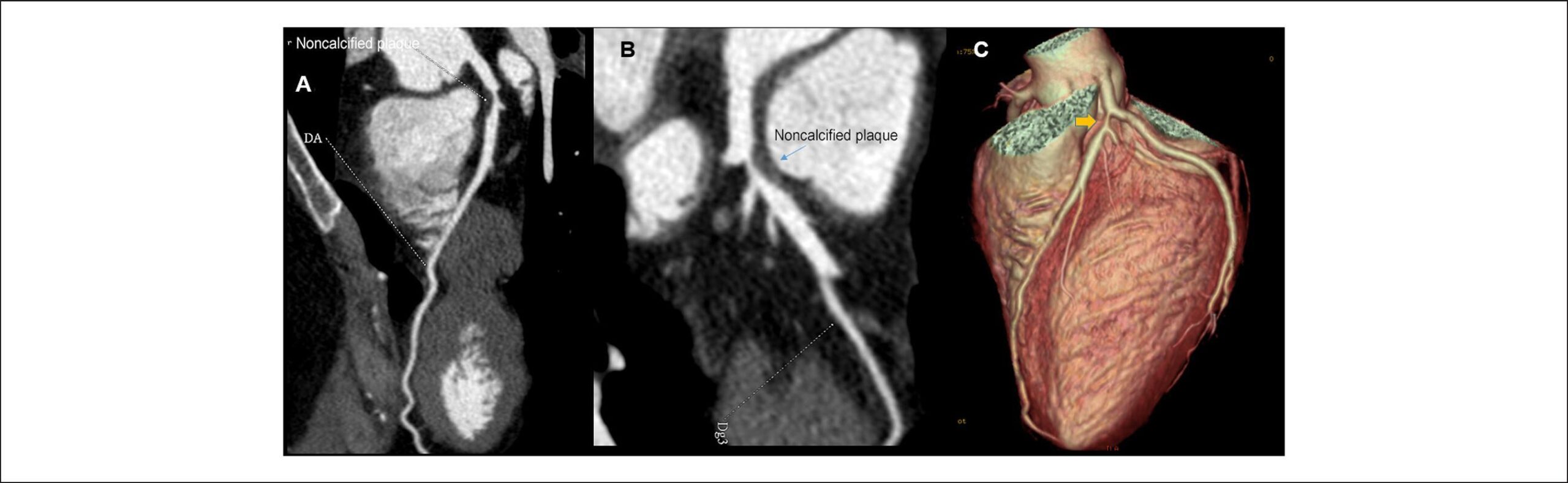
The frequency of atherosclerotic plaque in the coronary arteries in 367 patients with zero CS was 9.3% (34 individuals). In this subgroup, mean age was 52 ± 10 years, 18 (52.9%) were women and 16 (47%) had significant coronary obstructions (> 50%), with involvement of two or more segments in 4 (25%) patients. The frequency of non-obese individuals (90.6% vs 73.9%, p = 0.037) and alcohol drinkers (55.9% vs 34.8%, p = 0.015) was significantly higher in patients with atherosclerotic plaques, with an odds ratio of 3.4 for each of this variable.

Conclusions:

The frequency of atherosclerotic plaque with zero CS was relatively high, indicating that the absence of calcification does not exclude the presence of plaques, many of which obstructive, especially in non-obese subjects and alcohol drinkers.
  • Calcium Signaling
  • Cardiovascular Diseases, mortality
  • Coronary Artery Disease/diagnosis
  • Coronary, Angiotomography
  • Plaque, Atherosclerotic
  • Risk Factors
Read Full Article
Creative Commons Attribution (CC BY) Creative Commons license
03/05/2018 DOI: 10.5935/abc.20180063 Views 2
Figure 1
Original Article

Paroxysmal Atrial Fibrillation in Females: Understanding gender diferences

Gabriel Odozynski et al. Alexander Romeno Janner Dal Forno Andrei Lewandowski Hélcio Garcia Nascimento André d'Avila

Abstract

Background:

The catheter ablation of atrial fibrillation (AF) is performed less frequently in women. In addition, there is divergent information in the literature regarding the effectiveness and safety for the ablative procedure to females.

Objectives:

The objective of this study was to compare the clinical characteristics and outcomes in men and women undergoing paroxysmal atrial fibrillation (PAF) ablation.

Methods:

Cohort study of patients undergoing first-ever PAF catheter ablation procedure refractory to antiarrhythmic drugs. The information was taken from patients’ records by means of a digital collection instrument and indexed to an online database (Syscardio®). Clinical characteristics and procedures were compared between each gender (M x F), adopting a level of statistical significance of 5%. The primary endpoint associated with efficacy was freedom from atrial arrhythmia over the follow-up time.

Results:

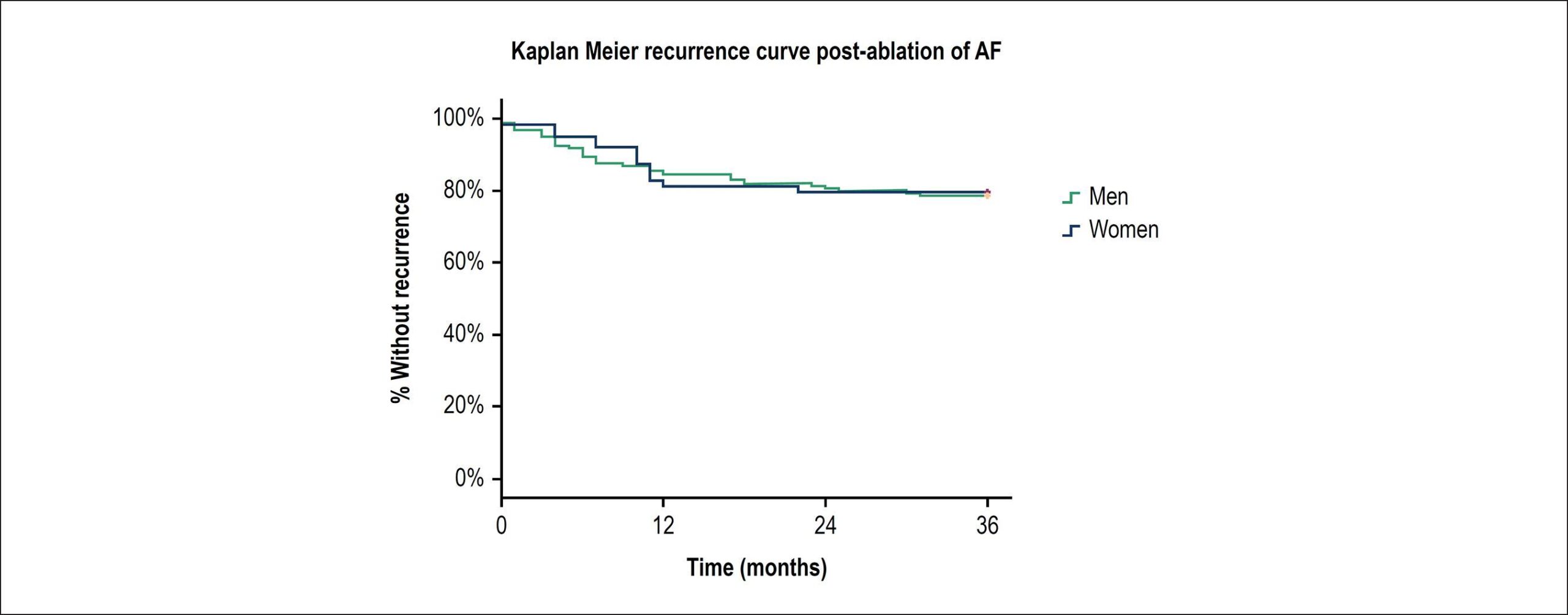
225 patients were included in the study, 64 (29%) women and 161 (71%) men. Women presented more symptoms due to AF according to the CCS-SAF score (1.8 ± 0.8M x 2.3 ± 0.8F p = 0.02) and higher CHADS2 score compared to men (0.9 ± 0.8M x 1.2 ± 1F). Post-ablation recurrence occurred in 20% of the patients, with no difference based on gender (21% M x 20% F p = 0.52). The rate of complications was less than 3% for both groups (p = 0.98).

Conclusion:

Women undergoing the first-ever PAF catheter ablation procedure present similar complication rate and clinical outcome compared to men. These findings suggest that the current underutilization of AF catheter ablation in women may represent a discrepancy in care.

  • Arrhythmias,Cardiac
  • Atrial Fibrillation
  • Cardiac Electrophysiology
  • Catheter Ablation
  • Gender
Read Full Article
Creative Commons Attribution (CC BY) Creative Commons license
03/05/2018 DOI: 10.5935/abc.20180069 Views 1
Figure 1
Original Article

Pulmonary Vein Anatomy is Associated with Cryo Kinetics during Cryoballoon Ablation for Atrial Fibrillation

Xiongbiao Chen et al. Pihua Fang Zheng Liu Jia He … Min Tang Jun Liu Bin Lu Shu Zhang

Abstract

Background:

The influence of pulmonary vein (PV) anatomy on cryo kinetics during cryoballoon (CB) ablation is unclear.

Objective:

To investigate the relationship between PV anatomy and cryo kinetics during CB ablation for atrial fibrillation (AF).

Methods:

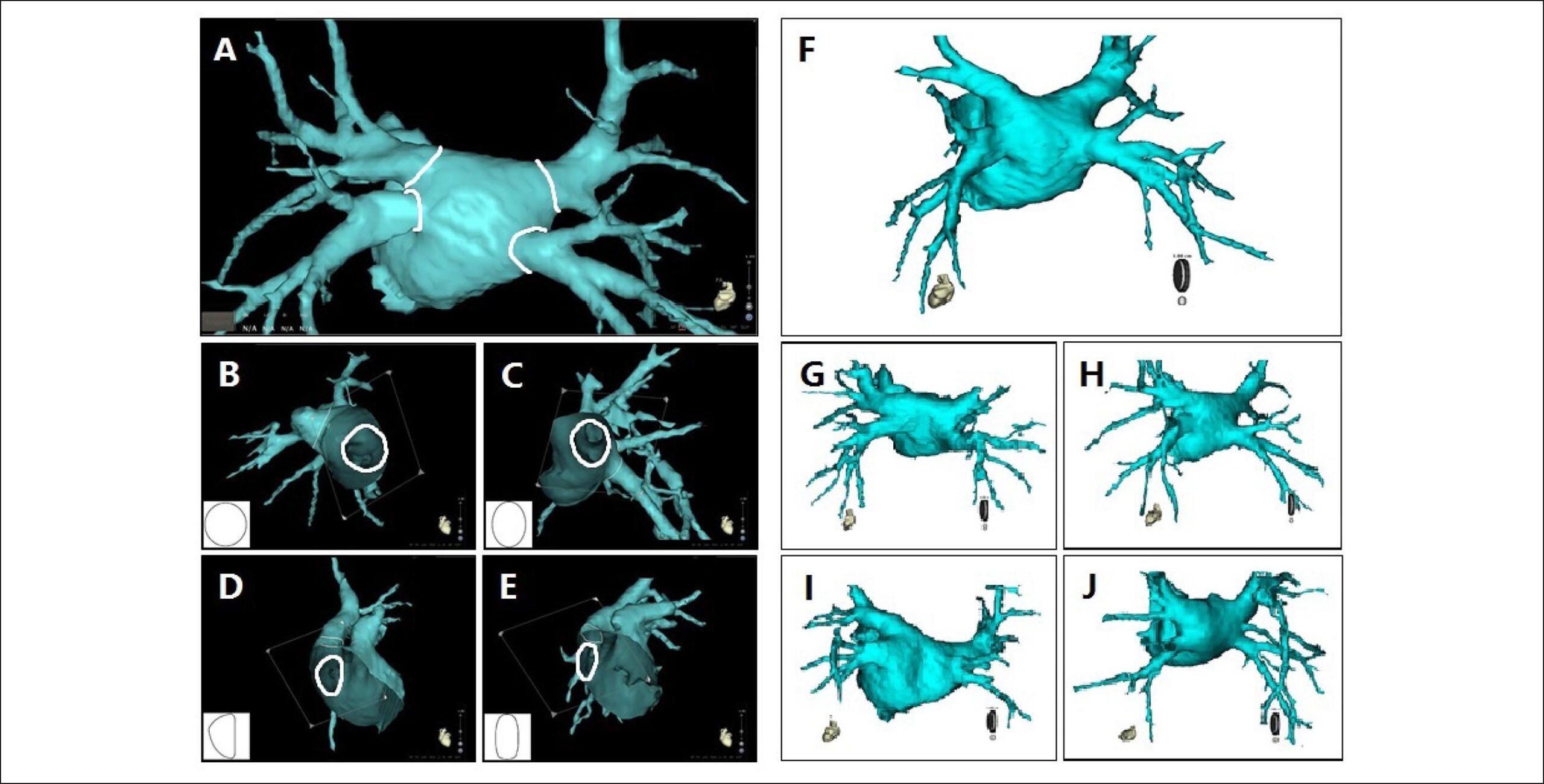
Sixty consecutive patients were enrolled. PV anatomy, including ostial diameters (long, short and corrected), ratio between short and long diameters, ostium shape (round, oval, triangular, and narrow), and drainage pattern (typical, with common trunk, common antrum, ostial branch and supernumerary PV) were evaluated on multi-detector computed tomography (MDCT) images pre-procedure. Cryo kinetics parameters [balloon freeze time from 0 to -30ºC (BFT), balloon nadir temperature (BNT) and balloon warming time from -30 to +15ºC (BWT)] were recorded during procedure. All p values are two-sided, with values of p < 0.05 considered to be statistically significant.

Results:

606 times of freezing cycle were accomplished. Moderate negative correlation was documented between BNT and corrected PV diameter (r = -0.51, p < 0.001) when using 23-mm CBs, and mild negative correlation (r = – 0.32, p = 0.001) was found when using 28-mm CBs. Multivariate logistic regression analysis revealed that PV corrected ostial diameter (OR, 1.4; p = 0.004) predicted a BNT < -51ºC when using 23-mm CBs, while PV ostium oval shape (OR, 0.3; p = 0.033) and PV locations (left inferior PV: OR, 0.04; p = 0.005; right superior PV: OR, 4.3; p = 0.025) predicted BNT < -51ºC when using 28-mm CBs.

Conclusions:

MDCT can provide PV anatomy accurate evaluation prior CB ablation. PV anatomy is associated with cryo kinetics during ablation.

Read Full Article
Creative Commons Attribution (CC BY) Creative Commons license
01/05/2018 DOI: 10.5935/abc.20180071 Views 1
Letter to the Editor

Prognostic Significance of Non-Sustained Ventricular Tachycardia Depends on Its Rate and Duration

Serdar Bozyel

Dear Editor,

We read the article “Non-Sustained Ventricular Tachycardia (NSVT) Episodes Predict Future Hospitalization in ICD Recipients with Heart Failure” written by Uçar et al. with great interest. NSVT identified on routine ICD interrogation should be considered an important clinical event as the authors state in this article. However, we would like to bring attention to some issues related to the article.

[…]

  • Defibrillators Implantables
  • Heart Failure/physiopathology
  • Hospitalization
  • Tachycardia, Ventricular
Read Full Article
Creative Commons Attribution (CC BY) Creative Commons license
01/05/2018 DOI: 10.5935/abc.20180078 Views 2
Editorial

The Use of Microvolt T-Wave Alternans in Chagas Disease

Carlos Alberto Pastore

Visible T-wave alternans (TWA) has been reported since 1909, being, thus, not a recent finding. However, non-visible and far less rare microvolt TWA has gained importance because of its association with electrical disorders and the high risk for sudden cardiac death (SCD) or arrhythmic events,– being assessed in several clinical trials and population studies, such as TWA in HF, ALPHA Study, REFINE Study, FINCAVAS, the collaborative study by Ikeda et al. and the MADIT-II-type research by Bloomfield et al. All those studies have in common the fact that they evidence the high negative predictive value of TWA regarding SCD or arrhythmic events, with low to intermediate positive predictive value.

A specialized software is used to analyze the microvolt TWA, the beat-to-beat variability that occurs in ventricular repolarization (ST segment and T wave) and that cannot be seen by the naked eye.– The TWA allows indirect access to the increase in the dispersion to the action potentials of cardiac cells, a primordial factor in a sequence of events that will lead to reentry mechanisms and ventricular fibrillation, which will culminate with SCD. A fundamental property of its analysis is the high negative predictive power for the SCD risk that a normal TWA test has.

[…]

  • Cardiac Complexes, Premature
  • Cardiac Death, Sudden
  • Cardiac Risk Stratification
  • Chagas disease
  • Electrocardiography
Read Full Article
Creative Commons Attribution (CC BY) Creative Commons license
01/05/2018 DOI: 10.5935/abc.20180081
Original Article

Prevalence and Factors Associated with Metabolic Syndrome among Brazilian Adult Population: National Health Survey – 2013

Elyssia Karine Nunes Mendonça Ramires et al. Risia Cristina Egito de Menezes Giovana Longo-Silva Taíse Gama dos Santos … Patrícia de Menezes Marinho Jonas Augusto Cardoso da Silveira

Abstract

Background:

In Brazil, population-based researches analyzing prevalence and factors associated with metabolic syndrome (MS), a recognized predictor of cardiovascular diseases (CVD), and an important cause of disability and death in the country are scarce.

Objective:

To evaluate prevalence of MS and its associated factors in Brazilian population.

Methods:

Secondary analysis of the 2013 National Health Survey, a cross-sectional survey with national representativeness of Brazilian adult population (n = 59,402). MS was the outcome variable, defined from harmonization of cardiology international consensus as load ≥ 3 of the following components: self-reported diabetes and hypercholesterolemia, high blood pressure and high waist circumference. Analysis were stratified by sex and prevalence ratios, with their respective 99% confidence intervals (PR [CI 99%]) calculated by simple and multiple Poisson regression models.

Results:

MS prevalence was 8.9%, being significantly higher among women compared to men; in general, this pattern was maintained in relation to exposure variables studied. Additionally, less than 25% of population did not present any MS component. In final multiple models, sociodemographic, behavioral and comorbidity variables were associated with MS, however, while low schooling (1.46 [1.23-1.74], cerebrovascular accident (1.36 [1], 00] (1.28 [1.03-1.62]) were associated among women, chronic renal failure (1.85 [2.23-2.76]) was associated exclusively among men.

Conclusion:

We identified MS high prevalence in Brazilian population; on the other hand, factors associated with this condition were different depending on sex.

  • Adult
  • Cardiovascular Diseases, mortality
  • Epidemiology
  • Health Surveys
  • Metabolic Syndrome / epidemiology
  • Public Health Surveillance
Read Full Article
Creative Commons Attribution (CC BY) Creative Commons license
01/05/2018 DOI: 10.5935/abc.20180072 Views 1
Figure 1
Viewpoint

Paradoxical Aortic Stenosis: Simplifying the Diagnostic Process

Vitor Emer Egypto Rosa et al. João Ricardo Cordeiro Fernandes Antonio Sergio de Santis Andrade Lopes Roney Orismar Sampaio Flávio Tarasoutchi

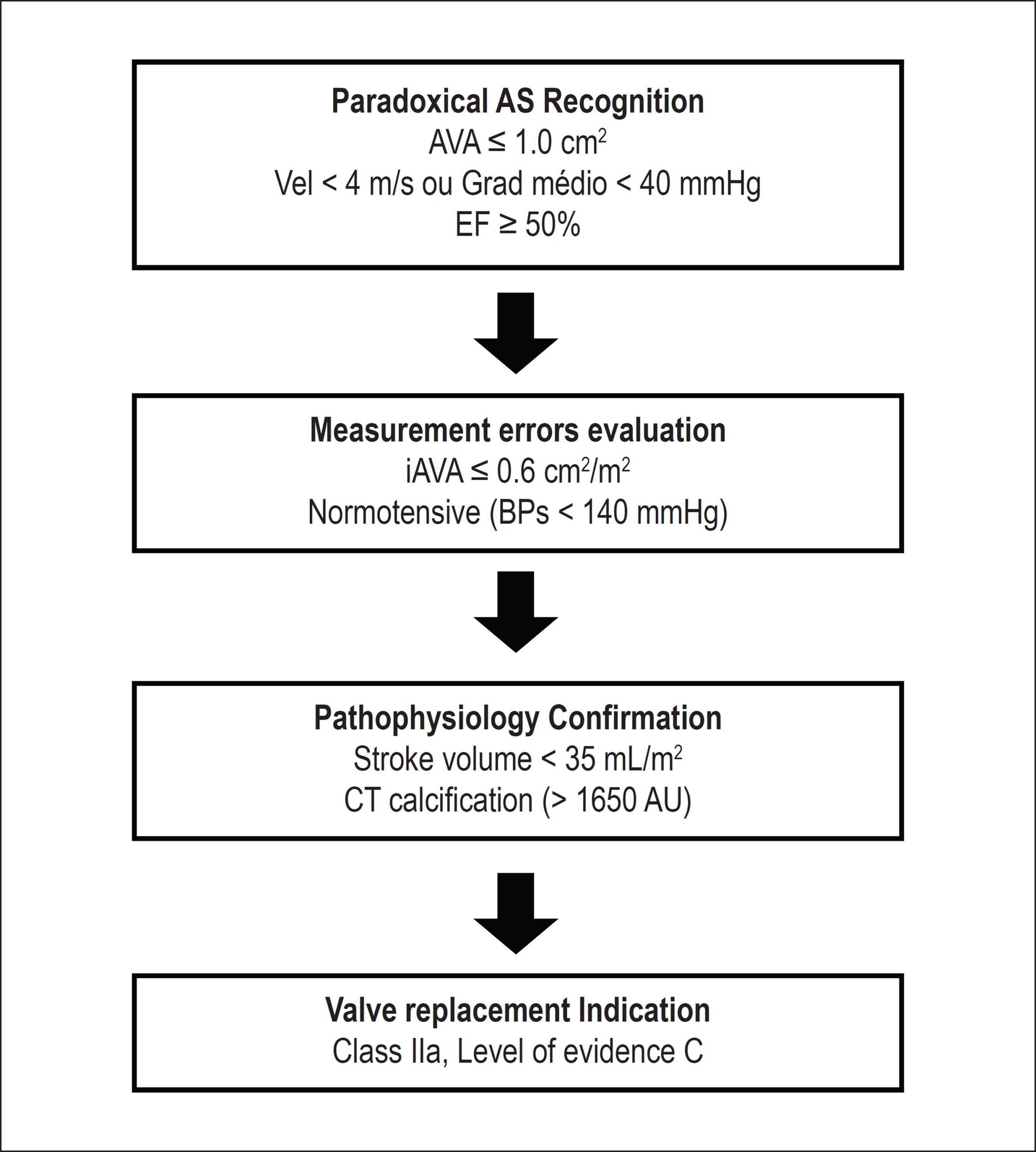
Severe aortic stenosis (AS) is defined as a significant reduction of the aortic valve area (aortic valve area [AVA] ≤ 1.0 cm2) associated with evidence of left ventricular hypertrophic response (aortic jet velocity > 4 m/s or mean gradient between the left ventricle and the aorta > 40 mmHg).–3 However, as Minners et al. have demonstrated, inconsistencies in echocardiographic measurements are extremely frequent in daily clinical practice. In about 30% of the cases evaluated by AS, we found AVA ≤ 1.0 cm2, indicative of severe AS, with a mean gradient < 40 mmHg, suggestive of moderate AS. This dissociation makes it difficult to establish an adequate and definitive diagnosis to the patient with AS, fundamental point in the therapeutic decision making. If, on the one hand, patients with moderate AS do not benefit from valve intervention, those with severe AS require surgical aortic valve replacement or a transcatheter aortic bioprosthesis implant, especially if they are symptomatic.–

In 2007, Hachicha et al., in a pioneering work, defined such patients as having “paradoxical AS” (or low-flow, low-gradient AS with preserved ejection fraction). These patients present a pathophysiology similar to that of diastolic heart failure, with hypertrophy and left ventricular compliance reduction, leading to a “low-flow” state, defined by an ejected volume (stroke volume) of < 35 ml/m2 (stroke volume = Diastolic Volume – Systolic Volume / Body Surface).–

[…]

  • Aortic Valve
  • Aortic Valve Stenosis
  • Echocardiography
Read Full Article
Creative Commons Attribution (CC BY) Creative Commons license
01/05/2018 DOI: 10.5935/abc.20180075
Figure 1
Clinicoradiological Correlation

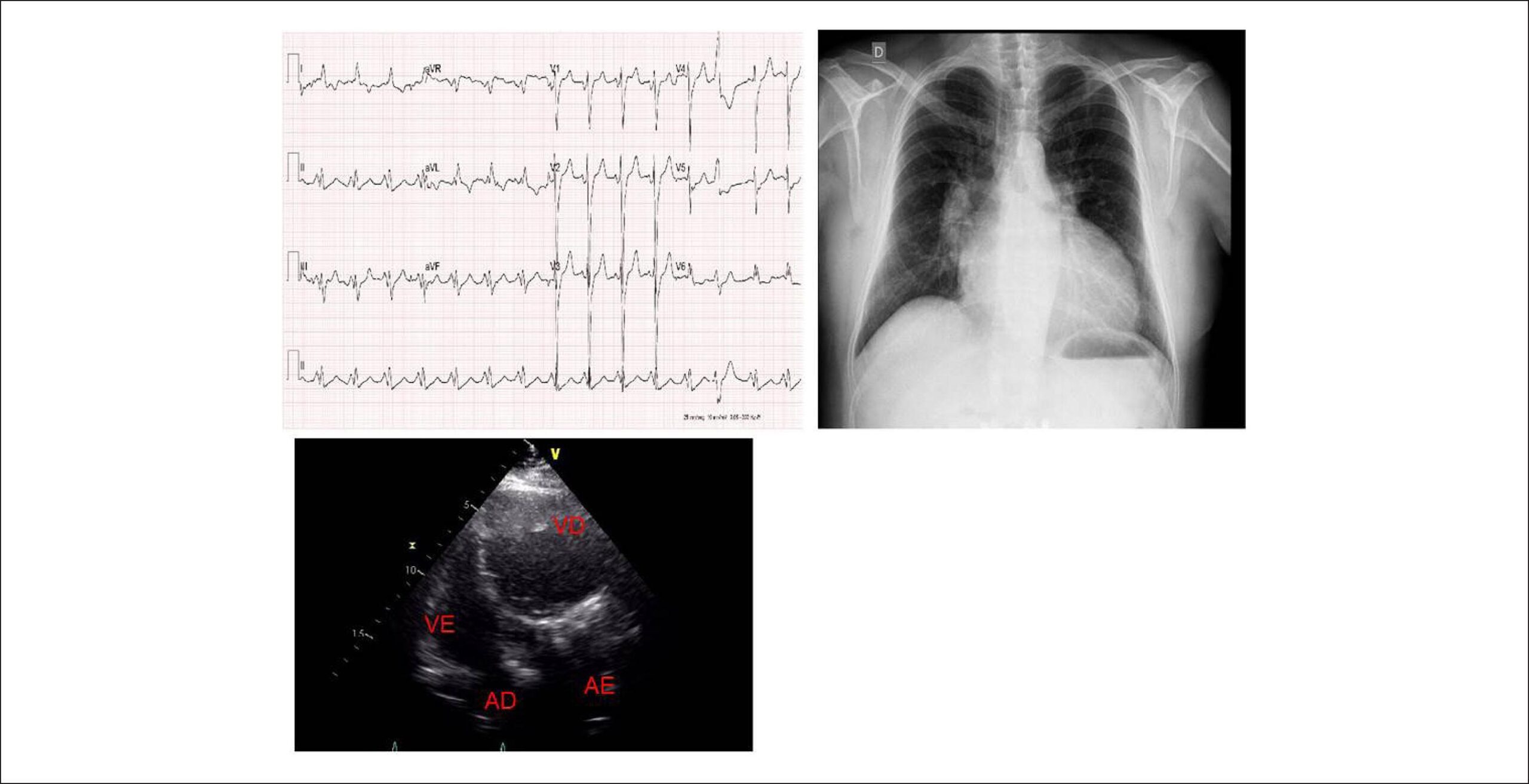
Case 3 / 2018 – Corrected Transposition of the Great Arteries with Natural Progression to Severe Biventricular Dysfunction and No Associated Defects in a 51-Year Old Man

Edmar Atik et al. Fidel Leal Ivanhoé S. L. Leite

Clinical data

Dyspnea on exertion for two years, progressing to low cardiac output and syncope lately, treated with dobutamine and usual drugs for congestive heart disease (currently using furosemide 40 mg, spironolactone 25 mg and losartan 12.5 mg).

Physical examination: Good general condition, eupneic, acyanotic, normal pulse rate in the four limbs. Weight: 70 Kg, Height: 160 cm, blood pressure (right arm): 90/60 mmHg, HR: 94 bpm.

[…]

  • Congenitally Corrected Transposition of Great Arteries
  • Heart Failure, Cardiac Output, Low
  • Syncope
  • Ventricular Dysfunction / surgery
Read Full Article
Creative Commons Attribution (CC BY) Creative Commons license
01/05/2018 DOI: 10.5935/abc.20180080 Views 1
Editorial

Not Everything that Shines is Calcium

Ilan Gottlieb et al. Fernanda Erthal

Coronary calcification is involved in the pathophysiological process of atherosclerosis, particularly at later stages of the disease, as part of its healing process. In fact, calcification is not required for plaque development or progression, or luminal obstruction, or even for the development of cardiovascular events – these processes, in addition to plaque instability is commonly seen. Our group showed, in a randomized clinical trial on symptomatic patients, that 20% of vessels with complete obstructions in invasive angiography had no calcification according to calcium scoree, corroborating histopathological studies that demonstrated the absence of calcification in a considerable number of the coronary plaques evaluated. Understanding or the pathophysiology of coronary disease is essential to contextualize calcium score in population studies.

These studies, however, have shown some controversial results on the rates of cardiovascular events and obstructive lesions. The reason for this apparent divergence of results is the study population. Asymptomatic patients with zero calcium score are different from symptomatic ones without calcification, who in turn, are different from patients with history of early coronary disease, diabetics or smokers with zero calcium score.

[…]

  • Atherosclerosis / physiopathology
  • Coronary Artery Disease
  • Diabetes Mellitus
  • Heredity
  • Vascular Calcification
Read Full Article
Creative Commons Attribution (CC BY) Creative Commons license
01/05/2018 DOI: 10.5935/abc.20180084 Views 1
Figure 1
Image

Computed Tomography-Guided Core Needle Biopsy of Cardiac Angiosarcoma

Luis Gorospe et al. Alberto Cabañero-Sánchez Gemma María Muñoz-Molina Ana María Ayala-Carbonero María Ángeles Fernández-Méndez

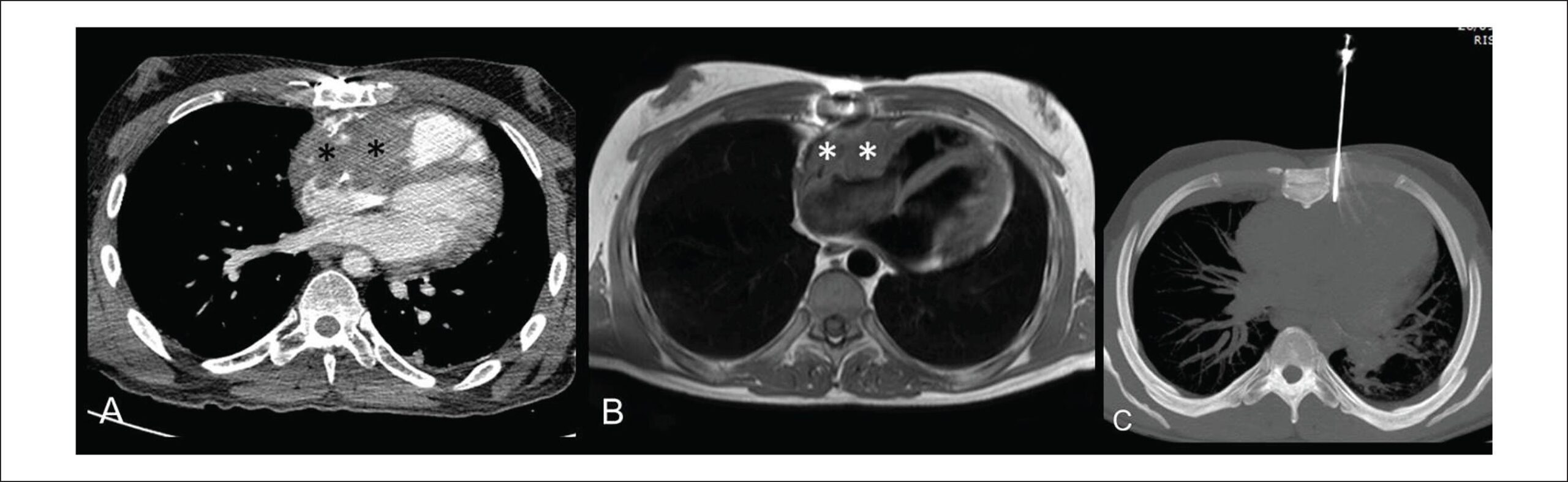
A 34-year-old man was referred to our institution after an echocardiography performed at another center because of tachycardia (atrial flutter), which showed heterogeneous pericardial mass infiltrating the right chambers. Thoracic computed tomography (CT) and cardiac magnetic resonance (MR) imaging were performed for more accurate assessment of the exact tumor location, size, and potential infiltration of other cardiac and mediastinal structures. CT () and MR imaging () confirmed an 8-cm ill-defined heterogeneous enhancing pericardial mass infiltrating the anterior and superior walls of the right atrium and extending to lateral and inferior walls of the right ventricle, consistent with cardiac angiosarcoma. The patient was deemed inoperable, as the mass also invaded the superior vena cava, aortic root, and epicardial fat. CT-guided core needle biopsy of the cardiac mass was the method of choice for histological verification of tentative diagnosis. Once the patient signed the informed consent and was put in supine position, an 18-gauge biopsy needle was driven between the left thoracic internal arteries and the left border of the sternal body () and a tissue specimen was safely obtained from the beating heart without adverse events. The procedure was performed by an experienced interventional thoracic radiologist under local anesthesia and in the presence of a thoracic surgeon. CT images obtained immediately after biopsy showed no post-procedural complications. Preliminary histological analysis performed on-site by a pathologist determined the adequacy of the tissue specimen. Final histopathologic diagnosis was high-grade cardiac angiosarcoma. To the best of our knowledge, only one case of a CT-guided core needle biopsy of a cardiac angiosarcoma involving the right chambers has been previously reported in English-language scientific literature.

[…]

  • Biopsy, Large-Core Needle
  • Hemangiosarcoma/diagnosis
  • Hemangiosarcoma/pathology
  • Neoplasm Staging
  • Tomography, X-Ray Computed
Read Full Article
Creative Commons Attribution (CC BY) Creative Commons license
01/05/2018 DOI: 10.5935/abc.20180064 Views 2
Erratum

Erratum

Edition of December 2017, vol. 109 (6), Supl. 2, p. 1-34

In the “Atualização das Diretrizes Brasileiras de Valvopatias: Abordagem das Lesões Anatomicamente Importantes”, published as a supplement to the Arquivos Brasileiros de Cardiologia [Arq Bras Cardiol 2017; 109(6Supl.2):1-34], the following corrections should be considered:

[…]

Read Full Article
Creative Commons Attribution (CC BY) Creative Commons license
01/05/2018 DOI: 10.5935/abc.20180087
Original Article

Prevalence of Metabolic Syndrome and Framingham Risk Score in Apparently Healthy Vegetarian and Omnivorous Men

Julio Cesar Acosta Navarro et al. Luiza Antoniazzi Adriana Midori Oki Maria Carlos Bonfim … Valeria Hong Luiz Aparecido Bortolotto Pedro Acosta-Cardenas Valeria Sandrim Marcio Hiroshi Miname Raul Dias dos Santos Filho

Abstract

Background:

Recent studies have shown a lower prevalence of metabolic syndrome (MSyn) in vegetarians (VEG) despite the inconclusive evidence from others.

Objective:

To verify the association between diet and other lifestyle characteristics and the prevalence of MSyn, cardiovascular risk factors (CRF), and Framingham Risk Score (FRS) in apparently healthy VEG and omnivorous (OMN) men.

Methods:

In this cross-sectional study, 88 apparently healthy men ≥ 35 years, 44 VEG and 44 OMN, were assessed for anthropometric data, blood pressure, blood lipids, glucose, C-reactive protein (CRP) and FRS. To test the association between lifestyle and MSyn, Student t test, chi-square test, and multiple logistic regression model were used. A significance level of 5% was considered in all statistical analyses.

Results:

Several CRF were significantly lower in VEG than in OMN: body mass index, systolic blood pressure, diastolic blood pressure, fasting serum total cholesterol, LDL-cholesterol, apolipoprotein b, glucose, and glycated hemoglobin (all p < 0.05). The FRS mean was lower in VEG than in OMN (2.98 ± 3.7 vs 4.82 ± 4.8, p = 0.029). The percentage of individuals with MSyn was higher among OMN than among VEG (52.3 vs.15.9%) (p < 0.001). The OMN diet was associated with MSyn (OR: 6.28 95%CI 2.11-18.71) and alterations in most MSyn components in the multiple regression model independently of caloric intake, age and physical activity.

Conclusion:

The VEG diet was associated with lower CRF, FRS and percentage of individuals with MSyn.

  • Coronary Artery Disease
  • Diet, Vegetarian
  • Men
  • Metabolic Syndrome
  • Risk Factors
  • Vegetarians
Read Full Article
Creative Commons Attribution (CC BY) Creative Commons license
01/05/2018 DOI: 10.5935/abc.20180073 Views 1
Figure 1
Case Report

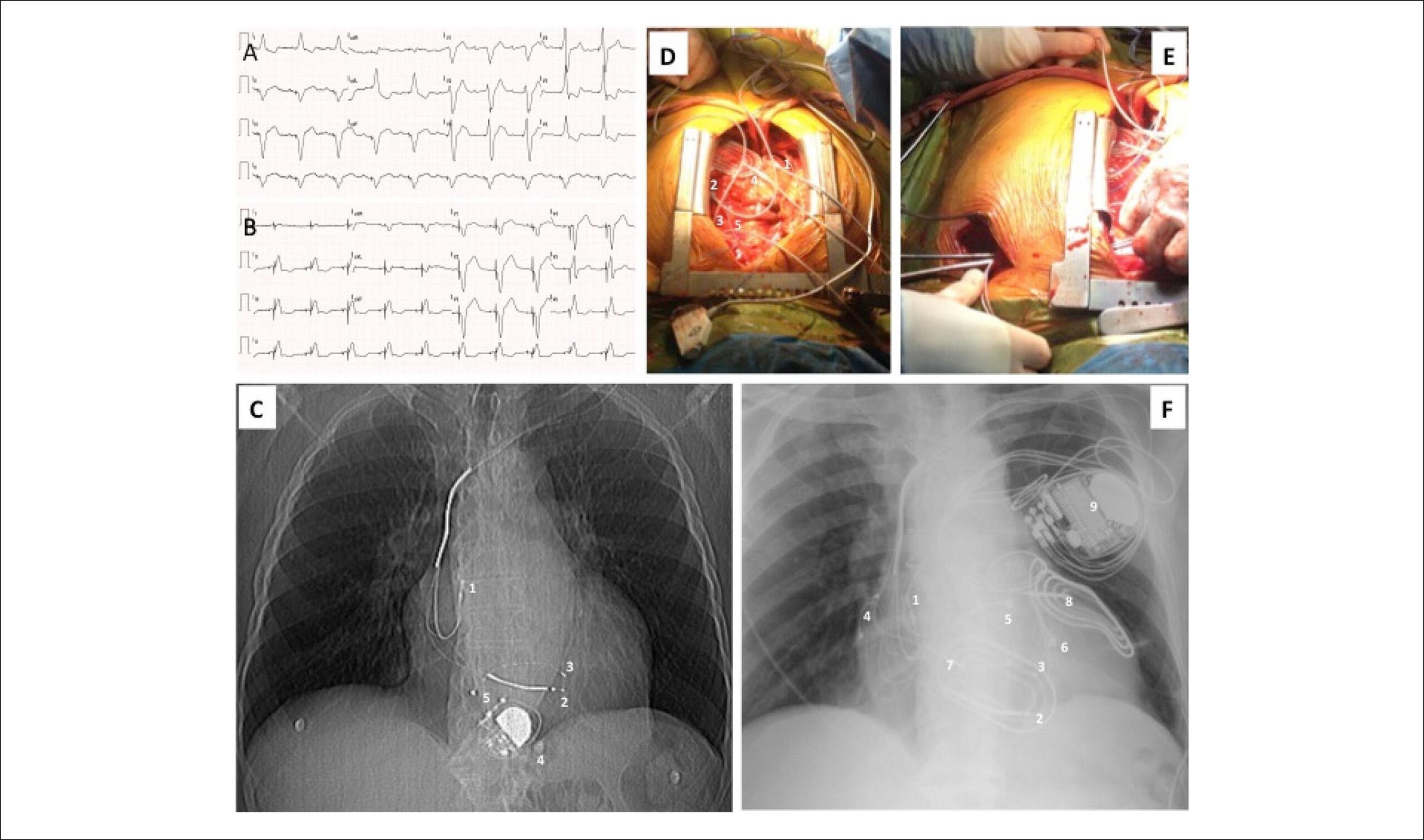
Surgical Epicardial CRT-D Implantation in a Patient with Complete Obstruction of the Superior Vena Cava

Gustavo Lima da Silva et al. Nuno Cortez-Dias João de Sousa Ângelo Nobre Fausto J. Pinto

Introduction

Current guidelines clearly define the subset of heart failure patients who benefit from device implantation. Although first-time trans-venous device implantation has a high success rate, some patients present complex and challenging technical problems.

[…]

  • Cardiac resynchronization-therapy devices
  • Cardiovascular Surgical Procedures
  • Heart Failure
  • Tachycardia, Ventricular
  • Vena Cava, Superior / physiopathology
Read Full Article
Creative Commons Attribution (CC BY) Creative Commons license
01/05/2018 DOI: 10.5935/abc.20180070 Views 1
Figure 1
Review Article

Percutaneous Coronary Intervention in Chronic Total Occlusion

Luiz Fernando Ybarra et al. Marcelo J. C. Cantarelli Viviana M. G. Lemke Alexandre Schaan de Quadros

Abstract

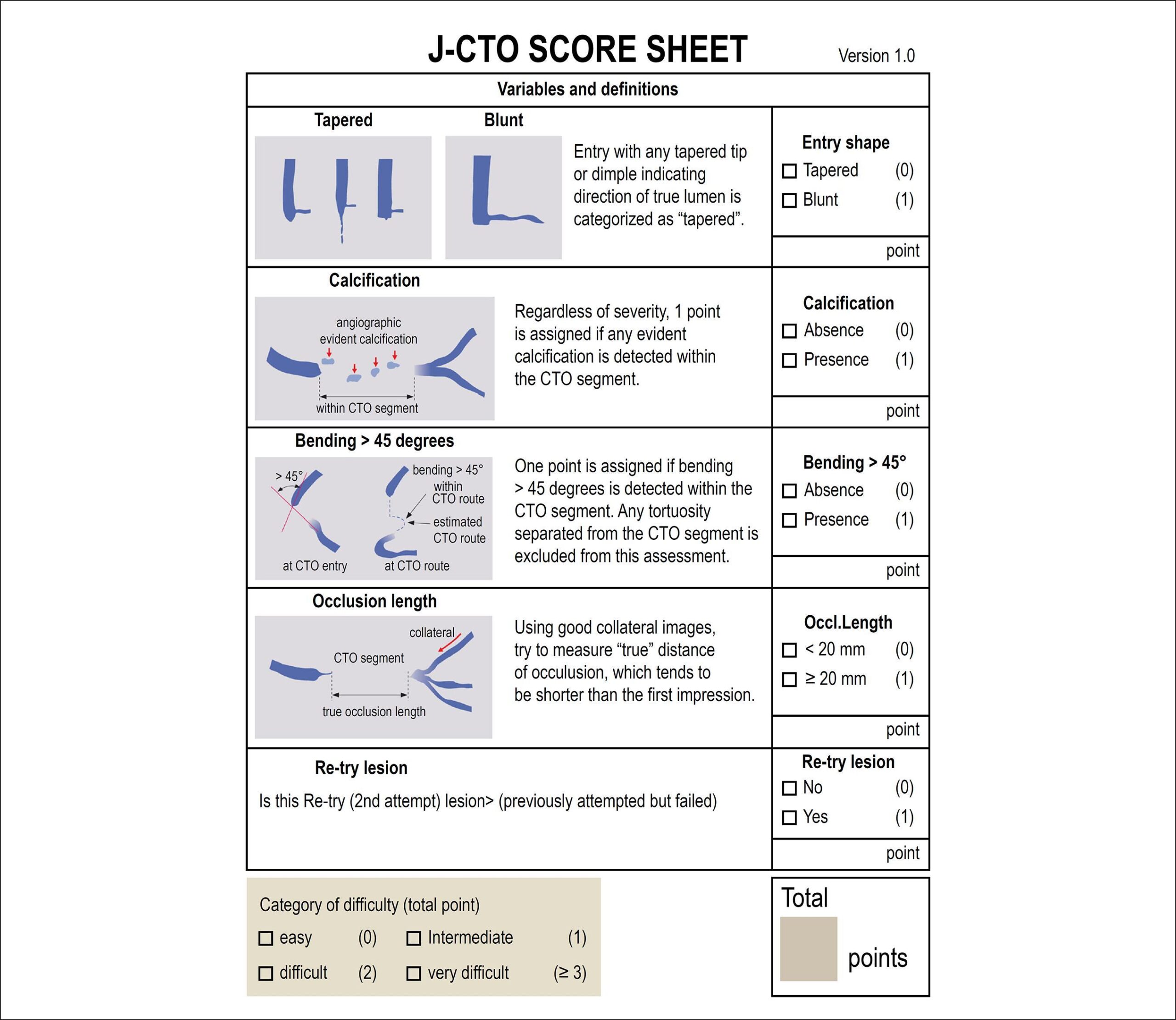
Percutaneous coronary intervention in chronic total occlusion is a rapidly evolving area, being considered the last frontier of interventional cardiology. In recent years, the development of new techniques and equipment, as well as the training of specialized personnel, increased their success rates, making it the most predictable procedure available. Although the number of randomized and controlled studies is still limited, results from large multicentered registries allow us to safely offer this intervention to patients, as another treatment option along with the optimized drug treatment and myocardial revascularization surgery. This review summarizes the last and most relevant publications in the subject in order to provide an overall view of the field’s current status.

  • Coronary Artery Disease / complications
  • Coronary Occlusion
  • Percutaneous Coronary Intervention
Read Full Article
Creative Commons Attribution (CC BY) Creative Commons license
01/05/2018 DOI: 10.5935/abc.20180077
Editorial

Frequency of Subclinical Atherosclerosis in HIV-infected Brazilians

David Everson Uip

The advances in the treatment of the Human Immunodeficiency Virus (HIV) infection have resulted in a significant reduction in the mortality related to the acquired immunodeficiency syndrome (AIDS). Most patients get infected between the ages of 19 and 39 years, receive medicines from the time of diagnosis onward, with no perspective of interruption. In the follow-up of those patients, chronic non-infectious diseases related to several risk factors, such as age and cardiovascular disease, emerge. Some studies have shown the direct action of the HIV on the vascular endothelium (chronic inflammatory process), in addition to the action of the antiretroviral therapy (ART) on the lipid metabolism.

The incidence of cardiovascular events among HIV-infected patients is low, being, thus, difficult to assess. Subclinical atherosclerosis is associated with an increased risk for events in the general population. It can be detected by use of non-invasive methods, such as carotid ultrasound, aimed at measuring the intimal medial thickness and at assessing the presence of atherosclerotic plaque, in addition to coronary computed tomography to calculate the calcium score. Coronary tomography angiography allows the assessment of the presence, composition and extension of coronary plaques, in addition to detecting stenosis.

[…]

  • Acquired Immunodeficiency Syndrome
  • Atherosclerosis
  • Cardiovascular Diseases
  • Carotid Intima Media-Carotideo
  • Risk Factors
  • Vascular Stiffness
Read Full Article
Creative Commons Attribution (CC BY) Creative Commons license
01/05/2018 DOI: 10.5935/abc.20180082 Views 1
Editorial

Prevalence of Metabolic Syndrome and Framingham Risk Score in Vegetarian and Omnivorous Apparently Healthy Men

Francisco Antonio Helfenstein Fonseca et al. Maria Cristina de Oliveira Izar

The Life Style Heart Trial was a milestone; published in 1990, the study showed that a healthy lifestyle associated with a vegetarian diet can promote the regression of coronary lesions, even in patients not using lipid-lowering drugs.

There is a large epidemic of cardiovascular disease today. Sedentary lifestyle, obesity, diabetes and dyslipidemia are triggers of mechanisms related to cardiovascular diseases, such as changes in the gut microbiota, increase in inflammatory markers and prothrombotic factors, and impaired immune response.

[…]

  • Diet, Vegetarian
  • Healthy Lifestyle
  • Metabolic Syndrome
  • Prevention and Control
Read Full Article
Creative Commons Attribution (CC BY) Creative Commons license
01/05/2018 DOI: 10.5935/abc.20180083 Views 1
Figure 1
Original Article

Frequency of Subclinical Atherosclerosis in Brazilian HIV-Infected Patients

Péricles Sidnei Salmazo et al. Silméia Garcia Zanati Bazan Flávio Gobbis Shiraishi Rodrigo Bazan … Katashi Okoshi João Carlos Hueb

Abstract

Background:

AIDS as well as atherosclerosis are important public health problems. The longer survival among HIV-infected is associated with increased number of cardiovascular events in this population, and this association is not fully understood.

Objectives:

To identify the frequency of subclinical atherosclerosis in HIV-infected patients compared to control subjects; to analyze associations between atherosclerosis and clinical and laboratory variables, cardiovascular risk factors, and the Framingham coronary heart disease risk score (FCRS).

Methods:

Prospective cross-sectional case-control study assessing the presence of subclinical atherosclerosis in 264 HIV-infected patients and 279 controls. Clinical evaluation included ultrasound examination of the carotid arteries, arterial stiffness by pulse wave velocity (PWV) and augmentation index (AIx), laboratory analysis of peripheral blood, and cardiovascular risk according to FCRS criteria. The significance level adopted in the statistical analysis was p < 0.05.

Results:

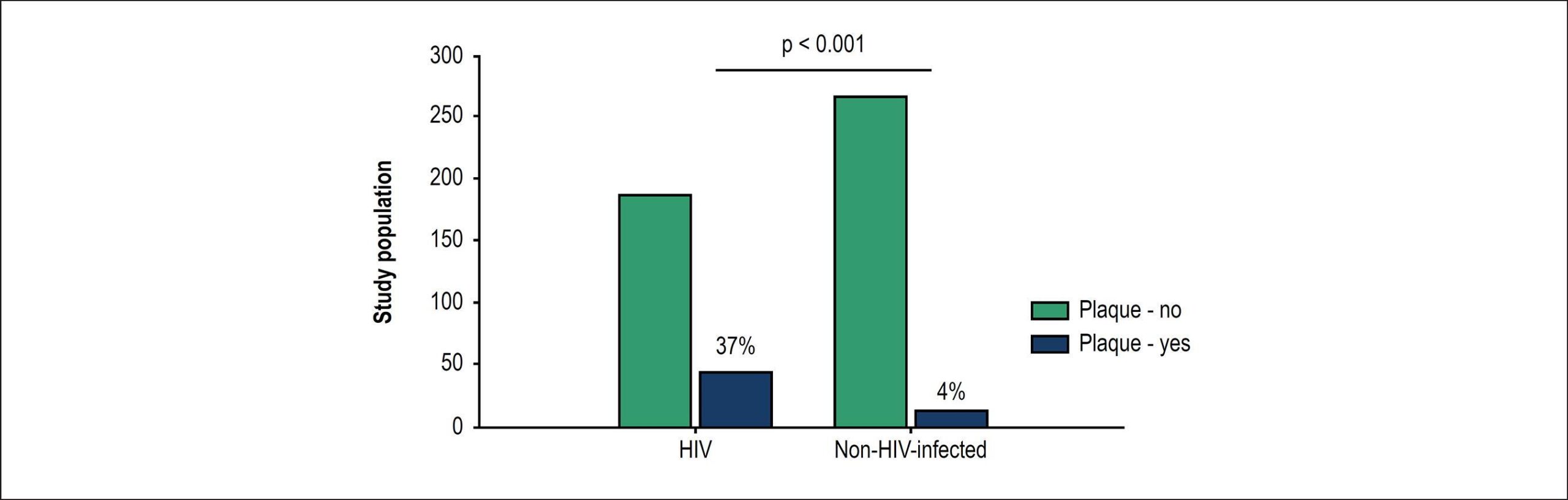
Plaques were found in 37% of the HIV group and 4% of controls (p < 0.001). Furthermore, carotid intima-media thickness was higher in the HIV group than in controls (p < 0.001). Patients with carotid plaque had higher fasting glucose, total cholesterol, low-density lipoprotein cholesterol, and triglycerides than those without plaques. The presence of HIV, adjusted for age, overweight/obesity, and smoking increased by almost fivefold the risk of atherosclerotic carotid plaque (OR: 4.9; 95%CI: 2.5-9.9; p < 0.001). Exposure to protease inhibitors did not influence carotid intima-media thickness, was not associated with carotid plaque frequency, and did not alter the mechanical characteristics of the arterial system (PWV and AIx).

Conclusions:

HIV-infected patients are at increased risk of atherosclerosis in association with classical cardiovascular risk factors. Treatment with protease inhibitors does not promote functional changes in the arteries, and shows no association with increased frequency of atherosclerotic plaques in carotid arteries. The FCRS may be inappropriate for this population.

  • Atherosclerosis / complications
  • Cardiovascular Diseases, mortality
  • Carotid Intima Media-Carotideo
  • HIV
  • Risk Factors
  • Vascular Stiffness
Read Full Article
Creative Commons Attribution (CC BY) Creative Commons license
09/04/2018 DOI: 10.5935/abc.20180058 Views 1
Original Article

Association between Microvolt T-Wave Alternans and Malignant Ventricular Arrhythmias in Chagas Disease

Bárbara Carolina Silva Almeida et al. André Assis Lopes do Carmo Marco Paulo Tomaz Barbosa José Luiz Padilha da Silva Antonio Luiz Pinho Ribeiro

Abstract

Background:

Sudden cardiac death is the most frequent death mechanism in Chagas disease, responsible for 55% to 65% of the deaths of patients with chronic Chagas cardiomyopathy (CCC). The most often involved electrophysiological mechanisms are ventricular tachycardia and ventricular fibrillation. The implantable cardioverter defibrillator (ICD) has a beneficial role in preventing sudden death due to malignant ventricular arrhythmias, and, thus the correct identification of patients at risk is required. The association of microvolt T-wave alternans (MTWA) with the appearance of ventricular arrhythmias has been assessed in different heart diseases. The role of MTWA is mostly unknown in patients with CCC.

Objectives:

To evaluate the association between MTWA and the occurrence of malignant ventricular arrhythmias in patients with CCC.

Method:

This is a case-control study including patients with CCC and ICD, with history of malignant ventricular arrhythmias (case group), and patients with CCC and no history of those arrhythmias (control group). The MTWA test results were classified as negative and non-negative (positive and indeterminate). The significance level adopted was a = 0.05.

Results:

We recruited 96 patients, 45 cases (46.8%) and 51 controls (53.1%). The MTWA test was non-negative in 36/45 cases (80%) and 15/51 controls (29.4%) [OR = 9.60 (95%CI: 3.41 – 27.93)]. After adjustment for known confounding factors in a logistic regression model, the non-negative result continued to be associated with malignant ventricular arrhythmias [OR = 5.17 (95%CI: 1.05 – 25.51)].

Conclusion:

Patients with CCC and history of malignant ventricular arrhythmias more often have a non-negative MTWA test as compared to patients with no history of arrhythmia.

  • Arrhythmias, Cardiac/complications
  • Chagas Cardiomyopathy
  • Chagas disease
  • Death, Sudden, Cardiac
  • Defibrillators,Implantable
Read Full Article
Creative Commons Attribution (CC BY) Creative Commons license
09/04/2018 DOI: 10.5935/abc.20180056 Views 1
Figure 1
Original Article

Safety and Efficacy of Aerobic Exercise Training Associated to Non-Invasive Ventilation in Patients with Acute Heart Failure

Mayron F. Oliveira et al. Rita C. Santos Suellen A. Artz Vanessa M. F. Mendez … Denise M. L. Lobo Edileide B. Correia Almir S. Ferraz Iracema I. K. Umeda Priscila A. Sperandio

Abstract

Background:

Exercise training (ET) improves functional capacity in chronic heart failure (HF). However, ET effects in acute HF are unknown.

Objective:

To investigate the effects of ET alone or combined with noninvasive ventilation (NIV) compared with standard medical treatment during hospitalization in acute HF patients.

Methods:

Twenty-nine patients (systolic HF) were randomized into three groups: control (Control – only standard medical treatment); ET with placebo NIV (ET+Sham) and ET+NIV (NIV with 14 and 8 cmH2O of inspiratory and expiratory pressure, respectively). The 6MWT was performed on day 1 and day 10 of hospitalization and the ET was performed on an unloaded cycle ergometer until patients’ tolerance limit (20 min or less) for eight consecutive days. For all analyses, statistical significance was set at 5% (p < 0.05).

Results:

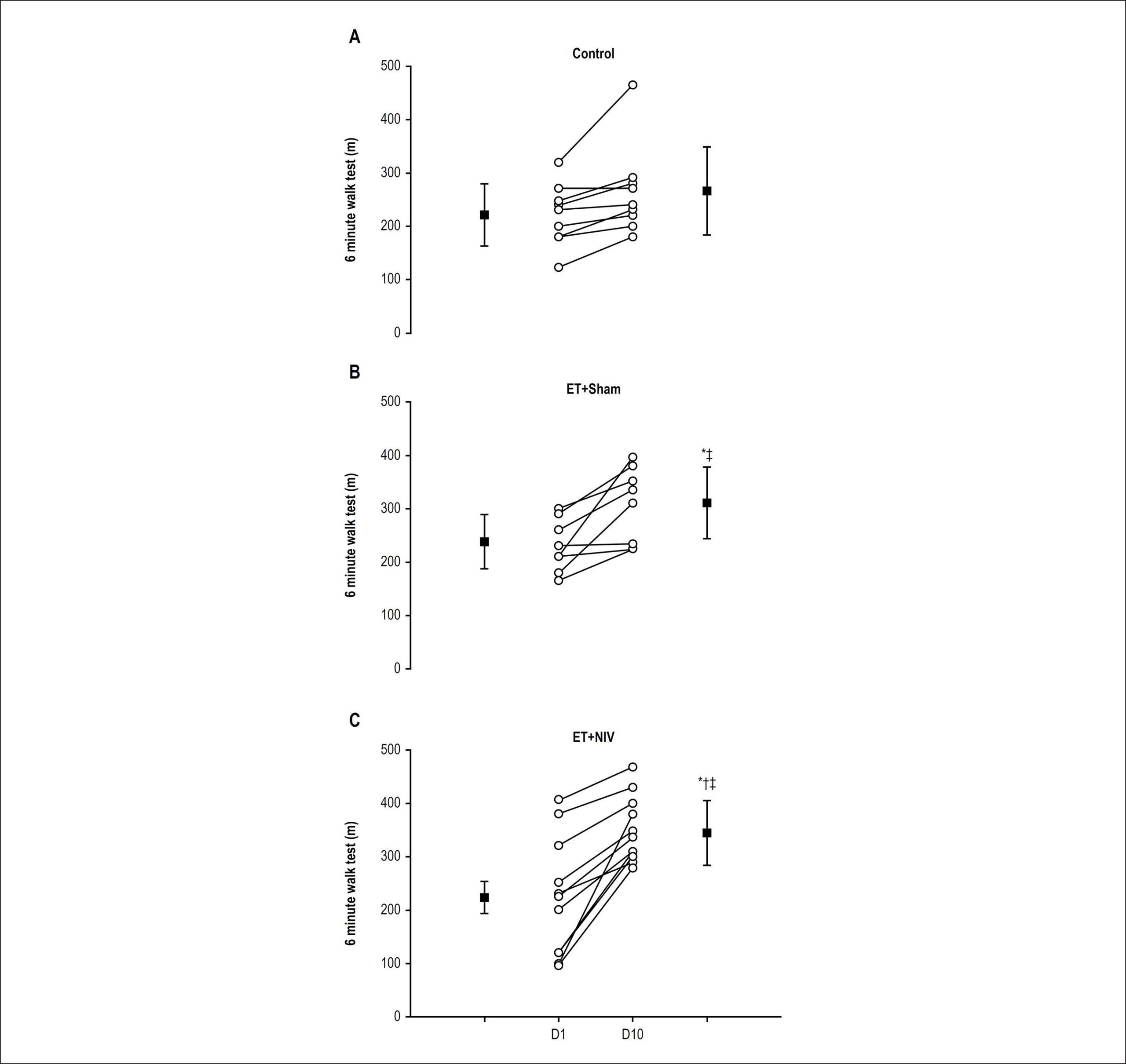
None of the patients in either exercise groups had adverse events or required exercise interruption. The 6MWT distance was greater in ET+NIV (Δ120 ± 72 m) than in ET+Sham (Δ73 ± 26 m) and Control (Δ45 ± 32 m; p < 0.05). Total exercise time was greater (128 ± 10 vs. 92 ± 8 min; p < 0.05) and dyspnea was lower (3 ± 1 vs. 4 ± 1; p < 0.05) in ET+NIV than ET+Sham. The ET+NIV group had a shorter hospital stay (17 ± 10 days) than ET+Sham (23 ± 8 days) and Control (39 ± 15 days) groups (p < 0.05). Total exercise time in ET+Sham and ET+NIV had significant correlation with length of hospital stay (r = -0.75; p = 0.01).

Conclusion:

Exercise training in acute HF was safe, had no adverse events and, when combined with NIV, improved 6MWT and reduce dyspnea and length of stay.

  • Acute Heart Failure
  • Exercise
  • Non-Invasive Ventilation
  • Physiotherapy
  • Rehabilitation
Read Full Article
Creative Commons Attribution (CC BY) Creative Commons license
12/03/2018 DOI: 10.5935/abc.20180039 Views 1

How to cite this article

EndNote RIS

Electronic Document Format (Vancouver)

Gabriel FS, Gonçalves LFG, Melo EV, Sousa ACS, Pinto IMF, Santana SMM, Matos CJO, et al. Atherosclerotic Plaque in Patients with Zero Calcium Score at Coronary Computed Tomography Angiography. Arquivos Brasileiros de Cardiologia 2018;110(5):420-7.

Electronic Document Format (ABNT)

Gabriel, Fabíola Santos; Gonçalves, Luiz Flávio Galvão; Melo, Enaldo Vieira de; Sousa, Antônio Carlos Sobral; Pinto, Ibraim Masciarelli Francisco; Santana, Sara Melo Macedo; Matos, Carlos José Oliveira de; Souto, Maria Júlia Silveira; Conceição, Flávio Mateus do Sacramento; Oliveira, Joselina Luzia Menezes. Atherosclerotic Plaque in Patients with Zero Calcium Score at Coronary Computed Tomography Angiography. Arquivos Brasileiros de Cardiologia, v. 110, n. 5, p. 420-427, May. 2018.

Electronic Document Format (APA)

Gabriel, F. S., Gonçalves, L. F. G., Melo, E. V. , Sousa, A. C. S., Pinto, I. M. F., Santana, S. M. M., Matos, C. J. O. , Souto, M. J. S., Conceição, F. M. S., & Oliveira, J. L. M. (2018). Atherosclerotic Plaque in Patients with Zero Calcium Score at Coronary Computed Tomography Angiography. Arquivos Brasileiros de Cardiologia, 110(5), 420-427.

Electronic Document Format (ISO)

Gabriel, Fabíola Santos and Gonçalves, Luiz Flávio Galvão and Melo, Enaldo Vieira de and Sousa, Antônio Carlos Sobral and Pinto, Ibraim Masciarelli Francisco and Santana, Sara Melo Macedo and Matos, Carlos José Oliveira de and Souto, Maria Júlia Silveira and Conceição, Flávio Mateus do Sacramento and Oliveira, Joselina Luzia Menezes. Atherosclerotic Plaque in Patients with Zero Calcium Score at Coronary Computed Tomography Angiography. Arquivos Brasileiros de Cardiologia [online]. 2018, vol. 110, n. 5, [cited 2026-10-14], pp. 420-427. Available from: <https://journals.cardiol.br/en/article/atherosclerotic-plaque-in-patients-with-zero-calcium-score-at-coronary-computed-tomography-angiography/>. ISSN 0066-782X

EndNote RIS

Electronic Document Format (Vancouver)

Odozynski G, Forno ARJD, Lewandowski A, Nascimento HG, d’Avila A. Paroxysmal Atrial Fibrillation in Females: Understanding gender diferences. Arquivos Brasileiros de Cardiologia 2018;110(5):449-54.

Electronic Document Format (ABNT)

Odozynski, Gabriel; Forno, Alexander Romeno Janner Dal; Lewandowski, Andrei; Nascimento, Hélcio Garcia; d’Avila, André. Paroxysmal Atrial Fibrillation in Females: Understanding gender diferences. Arquivos Brasileiros de Cardiologia, v. 110, n. 5, p. 449-454, May. 2018.

Electronic Document Format (APA)

Odozynski, G., Forno, A. R. J. D., Lewandowski, A., Nascimento, H. G., & d’Avila, A. (2018). Paroxysmal Atrial Fibrillation in Females: Understanding gender diferences. Arquivos Brasileiros de Cardiologia, 110(5), 449-454.

Electronic Document Format (ISO)

Odozynski, Gabriel and Forno, Alexander Romeno Janner Dal and Lewandowski, Andrei and Nascimento, Hélcio Garcia and d’Avila, André. Paroxysmal Atrial Fibrillation in Females: Understanding gender diferences. Arquivos Brasileiros de Cardiologia [online]. 2018, vol. 110, n. 5, [cited 2026-10-14], pp. 449-454. Available from: <https://journals.cardiol.br/en/article/paroxysmal-atrial-fibrillation-in-females-understanding-gender-diferences/>. ISSN 0066-782X

EndNote RIS

Electronic Document Format (Vancouver)

Chen X, Fang P, Liu Z, He J, Tang M, Liu J, Lu B, et al. Pulmonary Vein Anatomy is Associated with Cryo Kinetics during Cryoballoon Ablation for Atrial Fibrillation. Arquivos Brasileiros de Cardiologia 2018;110(5):440-8.

Electronic Document Format (ABNT)

Chen, Xiongbiao; Fang, Pihua; Liu, Zheng; He, Jia; Tang, Min; Liu, Jun; Lu, Bin; Zhang, Shu. Pulmonary Vein Anatomy is Associated with Cryo Kinetics during Cryoballoon Ablation for Atrial Fibrillation. Arquivos Brasileiros de Cardiologia, v. 110, n. 5, p. 440-448, Apr. 2018.

Electronic Document Format (APA)

Chen, X., Fang, P., Liu, Z., He, J., Tang, M., Liu, J., Lu, B., & Zhang, S. (2018). Pulmonary Vein Anatomy is Associated with Cryo Kinetics during Cryoballoon Ablation for Atrial Fibrillation. Arquivos Brasileiros de Cardiologia, 110(5), 440-448.

Electronic Document Format (ISO)

Chen, Xiongbiao and Fang, Pihua and Liu, Zheng and He, Jia and Tang, Min and Liu, Jun and Lu, Bin and Zhang, Shu. Pulmonary Vein Anatomy is Associated with Cryo Kinetics during Cryoballoon Ablation for Atrial Fibrillation. Arquivos Brasileiros de Cardiologia [online]. 2018, vol. 110, n. 5, [cited 2026-10-14], pp. 440-448. Available from: <https://journals.cardiol.br/en/article/pulmonary-vein-anatomy-is-associated-with-cryo-kinetics-during-cryoballoon-ablation-for-atrial-fibrillation/>. ISSN 0066-782X

EndNote RIS

Electronic Document Format (Vancouver)

Bozyel S. Prognostic Significance of Non-Sustained Ventricular Tachycardia Depends on Its Rate and Duration. Arquivos Brasileiros de Cardiologia 2018;110(5):495-6.

Electronic Document Format (ABNT)

Bozyel, Serdar. Prognostic Significance of Non-Sustained Ventricular Tachycardia Depends on Its Rate and Duration. Arquivos Brasileiros de Cardiologia, v. 110, n. 5, p. 495-496, Apr. 2018.

Electronic Document Format (APA)

Bozyel, S. (2018). Prognostic Significance of Non-Sustained Ventricular Tachycardia Depends on Its Rate and Duration. Arquivos Brasileiros de Cardiologia, 110(5), 495-496.

Electronic Document Format (ISO)

Bozyel, Serdar. Prognostic Significance of Non-Sustained Ventricular Tachycardia Depends on Its Rate and Duration. Arquivos Brasileiros de Cardiologia [online]. 2018, vol. 110, n. 5, [cited 2026-10-14], pp. 495-496. Available from: <https://journals.cardiol.br/en/article/prognostic-significance-of-non-sustained-ventricular-tachycardia-depends-on-its-rate-and-duration/>. ISSN 0066-782X

EndNote RIS

Electronic Document Format (Vancouver)

Pastore CA. The Use of Microvolt T-Wave Alternans in Chagas Disease. Arquivos Brasileiros de Cardiologia 2018;110(5):418-9.

Electronic Document Format (ABNT)

Pastore, Carlos Alberto. The Use of Microvolt T-Wave Alternans in Chagas Disease. Arquivos Brasileiros de Cardiologia, v. 110, n. 5, p. 418-419, Apr. 2018.

Electronic Document Format (APA)

Pastore, C. A. (2018). The Use of Microvolt T-Wave Alternans in Chagas Disease. Arquivos Brasileiros de Cardiologia, 110(5), 418-419.

Electronic Document Format (ISO)

Pastore, Carlos Alberto. The Use of Microvolt T-Wave Alternans in Chagas Disease. Arquivos Brasileiros de Cardiologia [online]. 2018, vol. 110, n. 5, [cited 2026-10-14], pp. 418-419. Available from: <https://journals.cardiol.br/en/article/the-use-of-microvolt-t-wave-alternans-in-chagas-disease/>. ISSN 0066-782X

EndNote RIS

Electronic Document Format (Vancouver)

Ramires EKNM, Menezes RCE, Longo-Silva G, Santos TG, Marinho PM, Silveira JAC. Prevalence and Factors Associated with Metabolic Syndrome among Brazilian Adult Population: National Health Survey – 2013. Arquivos Brasileiros de Cardiologia 2018;110(5):455-66.

Electronic Document Format (ABNT)

Ramires, Elyssia Karine Nunes Mendonça; Menezes, Risia Cristina Egito de; Longo-Silva, Giovana; Santos, Taíse Gama dos; Marinho, Patrícia de Menezes; Silveira, Jonas Augusto Cardoso da. Prevalence and Factors Associated with Metabolic Syndrome among Brazilian Adult Population: National Health Survey – 2013. Arquivos Brasileiros de Cardiologia, v. 110, n. 5, p. 455-466, Apr. 2018.

Electronic Document Format (APA)

Ramires, E. K. N. M., Menezes, R. C. E. , Longo-Silva, G., Santos, T. G. , Marinho, P. M., & Silveira, J. A. C. (2018). Prevalence and Factors Associated with Metabolic Syndrome among Brazilian Adult Population: National Health Survey – 2013. Arquivos Brasileiros de Cardiologia, 110(5), 455-466.

Electronic Document Format (ISO)

Ramires, Elyssia Karine Nunes Mendonça and Menezes, Risia Cristina Egito de and Longo-Silva, Giovana and Santos, Taíse Gama dos and Marinho, Patrícia de Menezes and Silveira, Jonas Augusto Cardoso da. Prevalence and Factors Associated with Metabolic Syndrome among Brazilian Adult Population: National Health Survey – 2013. Arquivos Brasileiros de Cardiologia [online]. 2018, vol. 110, n. 5, [cited 2026-10-14], pp. 455-466. Available from: <https://journals.cardiol.br/en/article/prevalence-and-factors-associated-with-metabolic-syndrome-among-brazilian-adult-population-national-health-survey-2013/>. ISSN 0066-782X

EndNote RIS

Electronic Document Format (Vancouver)

Rosa VEE, Fernandes JRC, Lopes ASSA, Sampaio RO, Tarasoutchi F. Paradoxical Aortic Stenosis: Simplifying the Diagnostic Process. Arquivos Brasileiros de Cardiologia 2018;110(5):484-6.

Electronic Document Format (ABNT)

Rosa, Vitor Emer Egypto; Fernandes, João Ricardo Cordeiro; Lopes, Antonio Sergio de Santis Andrade; Sampaio, Roney Orismar; Tarasoutchi, Flávio. Paradoxical Aortic Stenosis: Simplifying the Diagnostic Process. Arquivos Brasileiros de Cardiologia, v. 110, n. 5, p. 484-486, Apr. 2018.

Electronic Document Format (APA)

Rosa, V. E. E., Fernandes, J. R. C., Lopes, A. S. S. A., Sampaio, R. O., & Tarasoutchi, F. (2018). Paradoxical Aortic Stenosis: Simplifying the Diagnostic Process. Arquivos Brasileiros de Cardiologia, 110(5), 484-486.

Electronic Document Format (ISO)

Rosa, Vitor Emer Egypto and Fernandes, João Ricardo Cordeiro and Lopes, Antonio Sergio de Santis Andrade and Sampaio, Roney Orismar and Tarasoutchi, Flávio. Paradoxical Aortic Stenosis: Simplifying the Diagnostic Process. Arquivos Brasileiros de Cardiologia [online]. 2018, vol. 110, n. 5, [cited 2026-10-14], pp. 484-486. Available from: <https://journals.cardiol.br/en/article/paradoxical-aortic-stenosis-simplifying-the-diagnostic-process/>. ISSN 0066-782X

EndNote RIS

Electronic Document Format (Vancouver)

Atik E, Leal F, Leite ISL. Case 3 / 2018 – Corrected Transposition of the Great Arteries with Natural Progression to Severe Biventricular Dysfunction and No Associated Defects in a 51-Year Old Man. Arquivos Brasileiros de Cardiologia 2018;110(5):487-9.

Electronic Document Format (ABNT)

Atik, Edmar; Leal, Fidel; Leite, Ivanhoé S. L.. Case 3 / 2018 – Corrected Transposition of the Great Arteries with Natural Progression to Severe Biventricular Dysfunction and No Associated Defects in a 51-Year Old Man. Arquivos Brasileiros de Cardiologia, v. 110, n. 5, p. 487-489, Apr. 2018.

Electronic Document Format (APA)

Atik, E., Leal, F., & Leite, I. S. L. (2018). Case 3 / 2018 – Corrected Transposition of the Great Arteries with Natural Progression to Severe Biventricular Dysfunction and No Associated Defects in a 51-Year Old Man. Arquivos Brasileiros de Cardiologia, 110(5), 487-489.

Electronic Document Format (ISO)

Atik, Edmar and Leal, Fidel and Leite, Ivanhoé S. L.. Case 3 / 2018 – Corrected Transposition of the Great Arteries with Natural Progression to Severe Biventricular Dysfunction and No Associated Defects in a 51-Year Old Man. Arquivos Brasileiros de Cardiologia [online]. 2018, vol. 110, n. 5, [cited 2026-10-14], pp. 487-489. Available from: <https://journals.cardiol.br/en/article/case-3-2018-corrected-transposition-of-the-great-arteries-with-natural-progression-to-severe-biventricular-dysfunction-and-no-associated-defects-in-a-51-year-old-man/>. ISSN 0066-782X

EndNote RIS

Electronic Document Format (Vancouver)

Gottlieb I, Erthal F. Not Everything that Shines is Calcium. Arquivos Brasileiros de Cardiologia 2018;110(5):428-9.

Electronic Document Format (ABNT)

Gottlieb, Ilan; Erthal, Fernanda. Not Everything that Shines is Calcium. Arquivos Brasileiros de Cardiologia, v. 110, n. 5, p. 428-429, Apr. 2018.

Electronic Document Format (APA)

Gottlieb, I., & Erthal, F. (2018). Not Everything that Shines is Calcium. Arquivos Brasileiros de Cardiologia, 110(5), 428-429.

Electronic Document Format (ISO)

Gottlieb, Ilan and Erthal, Fernanda. Not Everything that Shines is Calcium. Arquivos Brasileiros de Cardiologia [online]. 2018, vol. 110, n. 5, [cited 2026-10-14], pp. 428-429. Available from: <https://journals.cardiol.br/en/article/not-everything-that-shines-is-calcium/>. ISSN 0066-782X

EndNote RIS

Electronic Document Format (Vancouver)

Gorospe L, Cabañero-Sánchez A, Muñoz-Molina GM, Ayala-Carbonero AM, Fernández-Méndez M. Computed Tomography-Guided Core Needle Biopsy of Cardiac Angiosarcoma. Arquivos Brasileiros de Cardiologia 2018;110(5):493-4.

Electronic Document Format (ABNT)

Gorospe, Luis; Cabañero-Sánchez, Alberto; Muñoz-Molina, Gemma María; Ayala-Carbonero, Ana María; Fernández-Méndez, María Ángeles. Computed Tomography-Guided Core Needle Biopsy of Cardiac Angiosarcoma. Arquivos Brasileiros de Cardiologia, v. 110, n. 5, p. 493-494, Apr. 2018.

Electronic Document Format (APA)

Gorospe, L., Cabañero-Sánchez, A., Muñoz-Molina, G. M., Ayala-Carbonero, A. M., & Fernández-Méndez, M. (2018). Computed Tomography-Guided Core Needle Biopsy of Cardiac Angiosarcoma. Arquivos Brasileiros de Cardiologia, 110(5), 493-494.

Electronic Document Format (ISO)

Gorospe, Luis and Cabañero-Sánchez, Alberto and Muñoz-Molina, Gemma María and Ayala-Carbonero, Ana María and Fernández-Méndez, María Ángeles. Computed Tomography-Guided Core Needle Biopsy of Cardiac Angiosarcoma. Arquivos Brasileiros de Cardiologia [online]. 2018, vol. 110, n. 5, [cited 2026-10-14], pp. 493-494. Available from: <https://journals.cardiol.br/en/article/computed-tomography-guided-core-needle-biopsy-of-cardiac-angiosarcoma/>. ISSN 0066-782X

EndNote RIS

Electronic Document Format (Vancouver)

. Erratum. Arquivos Brasileiros de Cardiologia 2018;110(5):497.

Electronic Document Format (ABNT)

. Erratum. Arquivos Brasileiros de Cardiologia, v. 110, n. 5, p. 497-497, Apr. 2018.

Electronic Document Format (APA)

(2018). Erratum. Arquivos Brasileiros de Cardiologia, 110(5), 497-497.

Electronic Document Format (ISO)

. Erratum. Arquivos Brasileiros de Cardiologia [online]. 2018, vol. 110, n. 5, [cited 2026-10-14], pp. 497-497. Available from: <https://journals.cardiol.br/en/article/erratum-14/>. ISSN 0066-782X

EndNote RIS

Electronic Document Format (Vancouver)

Navarro JCA, Antoniazzi L, Oki AM, Bonfim MC, Hong V, Bortolotto LA, Acosta-Cardenas P, et al. Prevalence of Metabolic Syndrome and Framingham Risk Score in Apparently Healthy Vegetarian and Omnivorous Men. Arquivos Brasileiros de Cardiologia 2018;110(5):430-7.

Electronic Document Format (ABNT)

Navarro, Julio Cesar Acosta; Antoniazzi, Luiza; Oki, Adriana Midori; Bonfim, Maria Carlos; Hong, Valeria; Bortolotto, Luiz Aparecido; Acosta-Cardenas, Pedro; Sandrim, Valeria; Miname, Marcio Hiroshi; Santos Filho, Raul Dias dos. Prevalence of Metabolic Syndrome and Framingham Risk Score in Apparently Healthy Vegetarian and Omnivorous Men. Arquivos Brasileiros de Cardiologia, v. 110, n. 5, p. 430-437, Apr. 2018.

Electronic Document Format (APA)

Navarro, J. C. A., Antoniazzi, L., Oki, A. M., Bonfim, M. C., Hong, V., Bortolotto, L. A., Acosta-Cardenas, P., Sandrim, V., Miname, M. H., & Santos Filho, R. D. (2018). Prevalence of Metabolic Syndrome and Framingham Risk Score in Apparently Healthy Vegetarian and Omnivorous Men. Arquivos Brasileiros de Cardiologia, 110(5), 430-437.

Electronic Document Format (ISO)

Navarro, Julio Cesar Acosta and Antoniazzi, Luiza and Oki, Adriana Midori and Bonfim, Maria Carlos and Hong, Valeria and Bortolotto, Luiz Aparecido and Acosta-Cardenas, Pedro and Sandrim, Valeria and Miname, Marcio Hiroshi and Santos Filho, Raul Dias dos. Prevalence of Metabolic Syndrome and Framingham Risk Score in Apparently Healthy Vegetarian and Omnivorous Men. Arquivos Brasileiros de Cardiologia [online]. 2018, vol. 110, n. 5, [cited 2026-10-14], pp. 430-437. Available from: <https://journals.cardiol.br/en/article/prevalence-of-metabolic-syndrome-and-framingham-risk-score-in-apparently-healthy-vegetarian-and-omnivorous-men/>. ISSN 0066-782X

EndNote RIS

Electronic Document Format (Vancouver)

Silva GL, Cortez-Dias N, Sousa J, Nobre , Pinto FJ. Surgical Epicardial CRT-D Implantation in a Patient with Complete Obstruction of the Superior Vena Cava. Arquivos Brasileiros de Cardiologia 2018;110(5):490-2.

Electronic Document Format (ABNT)

Silva, Gustavo Lima da; Cortez-Dias, Nuno; Sousa, João de; Nobre, Ângelo; Pinto, Fausto J.. Surgical Epicardial CRT-D Implantation in a Patient with Complete Obstruction of the Superior Vena Cava. Arquivos Brasileiros de Cardiologia, v. 110, n. 5, p. 490-492, Apr. 2018.

Electronic Document Format (APA)

Silva, G. L. , Cortez-Dias, N., Sousa, J. , Nobre, , & Pinto, F. J. (2018). Surgical Epicardial CRT-D Implantation in a Patient with Complete Obstruction of the Superior Vena Cava. Arquivos Brasileiros de Cardiologia, 110(5), 490-492.

Electronic Document Format (ISO)

Silva, Gustavo Lima da and Cortez-Dias, Nuno and Sousa, João de and Nobre, Ângelo and Pinto, Fausto J.. Surgical Epicardial CRT-D Implantation in a Patient with Complete Obstruction of the Superior Vena Cava. Arquivos Brasileiros de Cardiologia [online]. 2018, vol. 110, n. 5, [cited 2026-10-14], pp. 490-492. Available from: <https://journals.cardiol.br/en/article/surgical-epicardial-crt-d-implantation-in-a-patient-with-complete-obstruction-of-the-superior-vena-cava/>. ISSN 0066-782X

EndNote RIS

Electronic Document Format (Vancouver)

Ybarra LF, Cantarelli MJC, Lemke VMG, Quadros AS. Percutaneous Coronary Intervention in Chronic Total Occlusion. Arquivos Brasileiros de Cardiologia 2018;110(5):476-83.

Electronic Document Format (ABNT)

Ybarra, Luiz Fernando; Cantarelli, Marcelo J. C.; Lemke, Viviana M. G.; Quadros, Alexandre Schaan de. Percutaneous Coronary Intervention in Chronic Total Occlusion. Arquivos Brasileiros de Cardiologia, v. 110, n. 5, p. 476-483, Apr. 2018.

Electronic Document Format (APA)

Ybarra, L. F., Cantarelli, M. J. C., Lemke, V. M. G., & Quadros, A. S. (2018). Percutaneous Coronary Intervention in Chronic Total Occlusion. Arquivos Brasileiros de Cardiologia, 110(5), 476-483.

Electronic Document Format (ISO)

Ybarra, Luiz Fernando and Cantarelli, Marcelo J. C. and Lemke, Viviana M. G. and Quadros, Alexandre Schaan de. Percutaneous Coronary Intervention in Chronic Total Occlusion. Arquivos Brasileiros de Cardiologia [online]. 2018, vol. 110, n. 5, [cited 2026-10-14], pp. 476-483. Available from: <https://journals.cardiol.br/en/article/percutaneous-coronary-intervention-in-chronic-total-occlusion/>. ISSN 0066-782X

EndNote RIS

Electronic Document Format (Vancouver)

Uip DE. Frequency of Subclinical Atherosclerosis in HIV-infected Brazilians. Arquivos Brasileiros de Cardiologia 2018;110(5):411.

Electronic Document Format (ABNT)

Uip, David Everson. Frequency of Subclinical Atherosclerosis in HIV-infected Brazilians. Arquivos Brasileiros de Cardiologia, v. 110, n. 5, p. 411-411, Apr. 2018.

Electronic Document Format (APA)

Uip, D. E. (2018). Frequency of Subclinical Atherosclerosis in HIV-infected Brazilians. Arquivos Brasileiros de Cardiologia, 110(5), 411-411.

Electronic Document Format (ISO)

Uip, David Everson. Frequency of Subclinical Atherosclerosis in HIV-infected Brazilians. Arquivos Brasileiros de Cardiologia [online]. 2018, vol. 110, n. 5, [cited 2026-10-14], pp. 411-411. Available from: <https://journals.cardiol.br/en/article/frequency-of-subclinical-atherosclerosis-in-hiv-infected-brazilians/>. ISSN 0066-782X

EndNote RIS

Electronic Document Format (Vancouver)

Fonseca FAH, Izar MCO. Prevalence of Metabolic Syndrome and Framingham Risk Score in Vegetarian and Omnivorous Apparently Healthy Men. Arquivos Brasileiros de Cardiologia 2018;110(5):438-9.

Electronic Document Format (ABNT)

Fonseca, Francisco Antonio Helfenstein; Izar, Maria Cristina de Oliveira. Prevalence of Metabolic Syndrome and Framingham Risk Score in Vegetarian and Omnivorous Apparently Healthy Men. Arquivos Brasileiros de Cardiologia, v. 110, n. 5, p. 438-439, Apr. 2018.

Electronic Document Format (APA)

Fonseca, F. A. H., & Izar, M. C. O. (2018). Prevalence of Metabolic Syndrome and Framingham Risk Score in Vegetarian and Omnivorous Apparently Healthy Men. Arquivos Brasileiros de Cardiologia, 110(5), 438-439.

Electronic Document Format (ISO)

Fonseca, Francisco Antonio Helfenstein and Izar, Maria Cristina de Oliveira. Prevalence of Metabolic Syndrome and Framingham Risk Score in Vegetarian and Omnivorous Apparently Healthy Men. Arquivos Brasileiros de Cardiologia [online]. 2018, vol. 110, n. 5, [cited 2026-10-14], pp. 438-439. Available from: <https://journals.cardiol.br/en/article/prevalence-of-metabolic-syndrome-and-framingham-risk-score-in-vegetarian-and-omnivorous-apparently-healthy-men/>. ISSN 0066-782X

EndNote RIS

Electronic Document Format (Vancouver)

Salmazo PS, Bazan SGZ, Shiraishi FG, Bazan R, Okoshi K, Hueb JC. Frequency of Subclinical Atherosclerosis in Brazilian HIV-Infected Patients. Arquivos Brasileiros de Cardiologia 2018;110(5):402-10.

Electronic Document Format (ABNT)

Salmazo, Péricles Sidnei; Bazan, Silméia Garcia Zanati; Shiraishi, Flávio Gobbis; Bazan, Rodrigo; Okoshi, Katashi; Hueb, João Carlos. Frequency of Subclinical Atherosclerosis in Brazilian HIV-Infected Patients. Arquivos Brasileiros de Cardiologia, v. 110, n. 5, p. 402-410, Apr. 2018.

Electronic Document Format (APA)

Salmazo, P. S., Bazan, S. G. Z., Shiraishi, F. G., Bazan, R., Okoshi, K., & Hueb, J. C. (2018). Frequency of Subclinical Atherosclerosis in Brazilian HIV-Infected Patients. Arquivos Brasileiros de Cardiologia, 110(5), 402-410.

Electronic Document Format (ISO)

Salmazo, Péricles Sidnei and Bazan, Silméia Garcia Zanati and Shiraishi, Flávio Gobbis and Bazan, Rodrigo and Okoshi, Katashi and Hueb, João Carlos. Frequency of Subclinical Atherosclerosis in Brazilian HIV-Infected Patients. Arquivos Brasileiros de Cardiologia [online]. 2018, vol. 110, n. 5, [cited 2026-10-14], pp. 402-410. Available from: <https://journals.cardiol.br/en/article/frequency-of-subclinical-atherosclerosis-in-brazilian-hiv-infected-patients/>. ISSN 0066-782X

EndNote RIS

Electronic Document Format (Vancouver)

Almeida BCS, Carmo AAL, Barbosa MPT, Silva JLP, Ribeiro ALP. Association between Microvolt T-Wave Alternans and Malignant Ventricular Arrhythmias in Chagas Disease. Arquivos Brasileiros de Cardiologia 2018;110(5):412-7.

Electronic Document Format (ABNT)

Almeida, Bárbara Carolina Silva; Carmo, André Assis Lopes do; Barbosa, Marco Paulo Tomaz; Silva, José Luiz Padilha da; Ribeiro, Antonio Luiz Pinho. Association between Microvolt T-Wave Alternans and Malignant Ventricular Arrhythmias in Chagas Disease. Arquivos Brasileiros de Cardiologia, v. 110, n. 5, p. 412-417, Apr. 2018.

Electronic Document Format (APA)

Almeida, B. C. S., Carmo, A. A. L. , Barbosa, M. P. T., Silva, J. L. P. , & Ribeiro, A. L. P. (2018). Association between Microvolt T-Wave Alternans and Malignant Ventricular Arrhythmias in Chagas Disease. Arquivos Brasileiros de Cardiologia, 110(5), 412-417.

Electronic Document Format (ISO)

Almeida, Bárbara Carolina Silva and Carmo, André Assis Lopes do and Barbosa, Marco Paulo Tomaz and Silva, José Luiz Padilha da and Ribeiro, Antonio Luiz Pinho. Association between Microvolt T-Wave Alternans and Malignant Ventricular Arrhythmias in Chagas Disease. Arquivos Brasileiros de Cardiologia [online]. 2018, vol. 110, n. 5, [cited 2026-10-14], pp. 412-417. Available from: <https://journals.cardiol.br/en/article/association-between-microvolt-t-wave-alternans-and-malignant-ventricular-arrhythmias-in-chagas-disease/>. ISSN 0066-782X

EndNote RIS

Electronic Document Format (Vancouver)

Oliveira MF, Santos RC, Artz SA, Mendez VMF, Lobo DML, Correia EB, Ferraz AS, et al. Safety and Efficacy of Aerobic Exercise Training Associated to Non-Invasive Ventilation in Patients with Acute Heart Failure. Arquivos Brasileiros de Cardiologia 2018;110(5):467-75.

Electronic Document Format (ABNT)

Oliveira, Mayron F.; Santos, Rita C.; Artz, Suellen A.; Mendez, Vanessa M. F.; Lobo, Denise M. L.; Correia, Edileide B.; Ferraz, Almir S.; Umeda, Iracema I. K.; Sperandio, Priscila A.. Safety and Efficacy of Aerobic Exercise Training Associated to Non-Invasive Ventilation in Patients with Acute Heart Failure. Arquivos Brasileiros de Cardiologia, v. 110, n. 5, p. 467-475, Mar. 2018.

Electronic Document Format (APA)

Oliveira, M. F., Santos, R. C., Artz, S. A., Mendez, V. M. F., Lobo, D. M. L., Correia, E. B., Ferraz, A. S., Umeda, I. I. K., & Sperandio, P. A. (2018). Safety and Efficacy of Aerobic Exercise Training Associated to Non-Invasive Ventilation in Patients with Acute Heart Failure. Arquivos Brasileiros de Cardiologia, 110(5), 467-475.

Electronic Document Format (ISO)

Oliveira, Mayron F. and Santos, Rita C. and Artz, Suellen A. and Mendez, Vanessa M. F. and Lobo, Denise M. L. and Correia, Edileide B. and Ferraz, Almir S. and Umeda, Iracema I. K. and Sperandio, Priscila A.. Safety and Efficacy of Aerobic Exercise Training Associated to Non-Invasive Ventilation in Patients with Acute Heart Failure. Arquivos Brasileiros de Cardiologia [online]. 2018, vol. 110, n. 5, [cited 2026-10-14], pp. 467-475. Available from: <https://journals.cardiol.br/en/article/safety-and-efficacy-of-aerobic-exercise-training-associated-to-non-invasive-ventilation-in-patients-with-acute-heart-failure/>. ISSN 0066-782X

Sede – Rio de Janeiro
Av. Marechal Câmara, 160
3º andar – Sala: 330 – Centro
Rio de Janeiro – CEP: 20020-907
Tel.: (55 +21) 3478-2700
ou (21) 99386-3961
E-mail: revista@cardiol.br

Sede – São Paulo
Alameda Santos, 705 – 11º andar
Cerqueira César | São Paulo
CEP: 01419-001
Tel.: (55 +11) 3411-5500
E-mail: revista@cardiol.br

  • About the Journal
  • Internal Regulation
  • Editors Section
  • Editorial Board
  • History
  • SBC Award

  • Guidelines for Publication
  • Editorial Policy
  • Ethics Policy
  • Policy on the Use of Artificial Intelligence
  • Mandatory Publication Form
  • Publication Fee

Issues

SBC Guidelines

  • How to Publish an Abstract Supplement?
  • Supplements from the Brazilian Congress of Cardiology