| ABC
ABC Family Arquivos Brasileiros de Cardiologia International Journal of Cardiovascular Sciences ABC Heart Failure & Cardiomyopathy ABC Imagem Cardiovascular
Português English
ABC Family | ABC
Português English
  • About
    • About the Journal
    • Internal Regulation
    • Editors Section
    • Editorial Board
    • History
    • SBC Award
  • Instructions to Authors
    • Guidelines for Publication
    • Editorial Policy
    • Ethics Policy
    • Policy on the Use of Artificial Intelligence
    • Mandatory Publication Form
    • Publication Fee
  • Issues
  • SBC Guidelines
  • Abstracts
    • How to Publish an Abstract Supplement?
    • Supplements from the Brazilian Congress of Cardiology
  • About
    • About the Journal
    • Internal Regulation
    • Editors Section
    • Editorial Board
    • History
    • SBC Award
  • Instructions to Authors
    • Guidelines for Publication
    • Editorial Policy
    • Ethics Policy
    • Policy on the Use of Artificial Intelligence
    • Mandatory Publication Form
    • Publication Fee
  • Issues
  • SBC Guidelines
  • Abstracts
    • How to Publish an Abstract Supplement?
    • Supplements from the Brazilian Congress of Cardiology

ABC Family

  • ABC Family
  • Arquivos Brasileiros de Cardiologia
  • International Journal of Cardiovascular Sciences
  • ABC Heart Failure & Cardiomyopathy
  • ABC Imagem Cardiovascular
Search in

No content found.

Journals
Ordering
Article types
Others

  1. Home
  2. ABC
  3. Issues
  4. 2016, Volume 107, Number 5
Figure 1
Original Article

Elevated Heart Rate is Associated with Cardiac Denervation in Patients with Heart Failure: A 123-Iodine-MIBG Myocardial Scintigraphy Study

Aline Sterque Villacorta et al. Humberto Villacorta Junior Jenne Serrão de Souza José Antônio Caldas Teixeira … Maria Clara S. S. S. Muradas Christiane Rodrigues Alves Bernardo Campanário Precht Pilar Porto Letícia Ubaldo Cláudio Tinoco Mesquita Antônio Cláudio Lucas da Nóbrega

Abstract

Background:

In the Systolic Heart Failure Treatment With the If Inhibitor Ivabradine Trial (SHIFT), heart rate (HR) reduction with ivabradine was associated with improved survival and reduced hospitalizations in patients with heart failure (HF). The mechanisms by which elevated HR increases mortality are not fully understood.

Objective:

To assess the relationship of baseline HR with clinical, neurohormonal and cardiac sympathetic activity in patients with chronic HF and elevated HR.

Method:

Patients with chronic HF who were in sinus rhythm and had resting HR>70 bpm despite optimal medical treatment were included in a randomized, double-blind study comparing ivabradine versus pyridostigmine. This report refers to the baseline data of 16 initial patients. Baseline HR (before randomization to one of the drugs) was assessed, and patients were classified into two groups, with HR below or above mean values. Cardiac sympathetic activity was assessed by 123-iodine-metaiodobenzylguanidine myocardial scintigraphy.

Results:

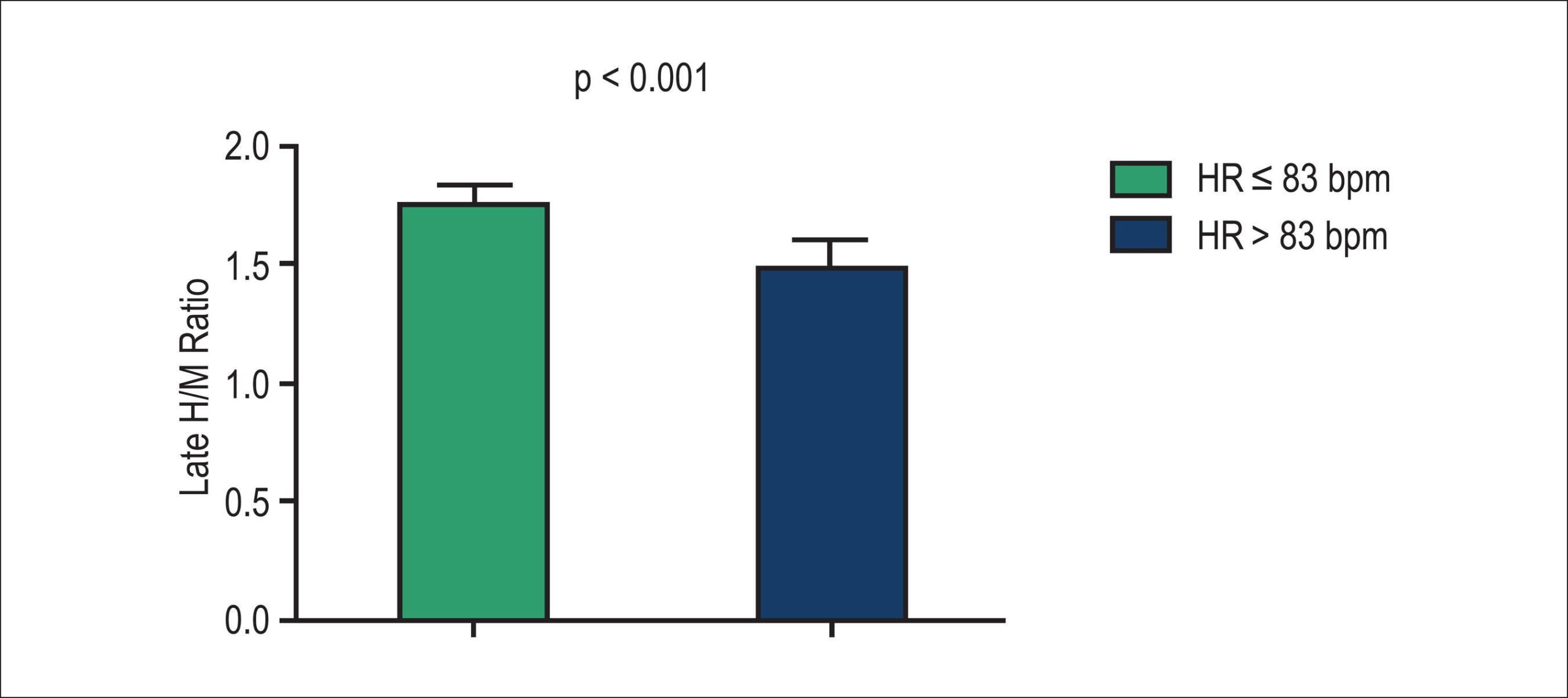
Mean HR was 83.5±11.5 bpm (range 72 to 104), and seven (43.7%) patients had HR above the mean. These patients had lower 6-min walk distance (292.3±93 vs 465.2±97.1 m, p=0.0029), higher values of N-Terminal-proBNP (median 708.4 vs 76.1, p=0.035) and lower late heart/mediastinum rate, indicating cardiac denervation (1.48±0.12 vs 1.74±0.09, p<0.001).

Conclusion:

Elevated resting HR in patients with HF under optimal medical treatment was associated with cardiac denervation, worse functional capacity, and neurohormonal activation.
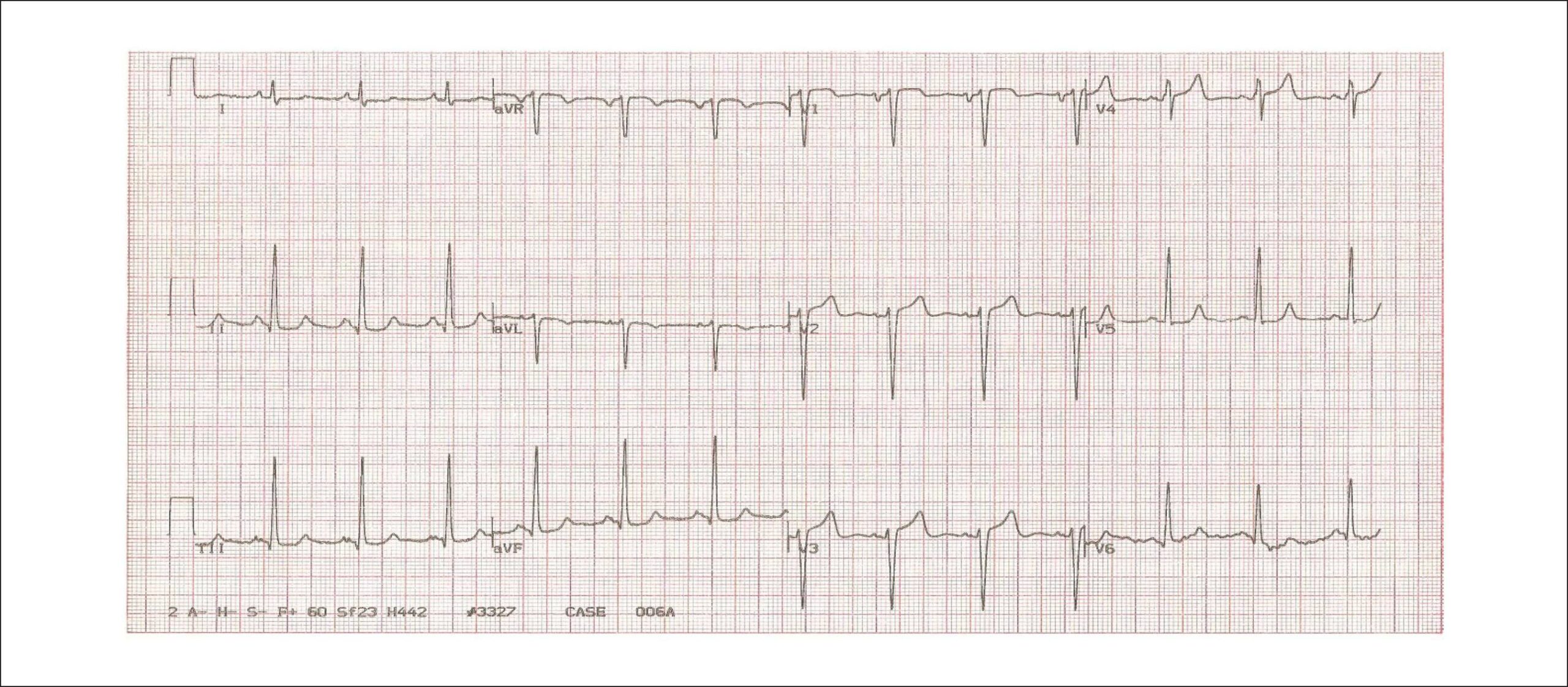
  • Denervation
  • Heart Failure
  • Heart Rate
  • Myocardium / radionuclide imaging
  • Sympathetic Nervous System
Read Full Article
Creative Commons Attribution (CC BY) Creative Commons license
01/11/2016 DOI: 10.5935/abc.20160166 Views 1
Figure 1
Image

Focal Arterialization and Neoatherosclerosis of a Saphenous Vein Graft. Improving our Understanding of Late Graft Failures

Rene Hameau D. et al. Nicolas Veas P. Manuel Mendez L. Gonzalo Martinez R.

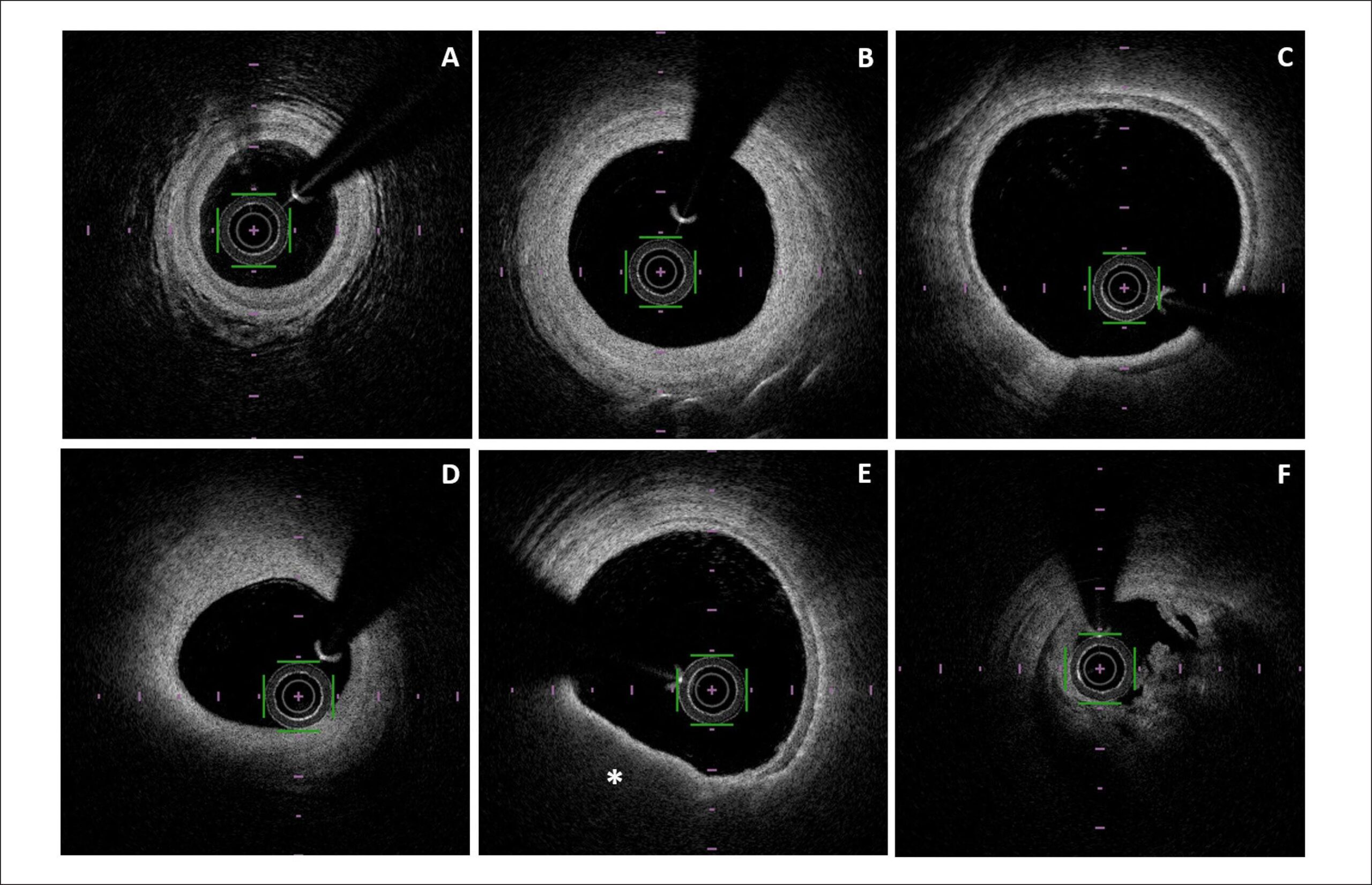
A 76 year-old man with a past medical history of type 2 Diabetes, stage 3 chronic kidney disease and previous multivessel coronary artery bypass surgery 10 years before was admitted with an acute coronary syndrome. Coronary angiogram showed an occluded saphenous vein graft (SVG) to first diagonal. After restoring flow by means of thrombus aspiration, optical coherence tomography (OCT) runs were required. Localized and widely patent segments of the graft showed a clear three-layer configuration, suggestive of SVG focal arterialization. Proximally, predominantly red thrombus determined a critical stenosis and a thin cap fibroatheroma was evident in an arterialized segment of the graft contiguous to the thrombotic lesion. Conversely, the rest of the SVG kept its venous appearance and had three different areas of stenosis ().

[…]

  • Atherosclerosis
  • Myocardial Revascularization
  • Saphenous Vein
  • Tomography, Optical Coherence
Read Full Article
Creative Commons Attribution (CC BY) Creative Commons license
01/11/2016 DOI: 10.5935/abc.20160172 Views 1
Figure 1
Anatomopathological Session

Case 5/2016 – A 56-Year-old Man Hospitalized for Unstable Angina, who Presented Recurrence of Precordial Pain and Cardiac Arrest with Pulseless Electrical Activity

Desiderio Favarato et al. Paulo Sampaio Gutierrez

Clinical aspects

This is a 56-year-old man with a recent onset of angina and three-vessel lesions on coronary cineangiography, who presented with dyspnea and, a few hours later, cardiorespiratory arrest with intense ST segment elevation.

Angina is the initial manifestation in half of the patients with coronary artery disease. Even when stable, i.e., without changes in the triggering events or intensity, a duration of the episodes longer than 3 months doubles the risk of cardiovascular events.,

[…]

  • Angina, Unstable
  • Chest Pain
  • Heart Arrest
  • Myocardial Infarction
  • Pulse Wave Analysis
Read Full Article
Creative Commons Attribution (CC BY) Creative Commons license
01/11/2016 DOI: 10.5935/abc.20160175 Views 1
Original Article

In-Lab Upfront Use of Tirofiban May Reduce the Occurrence of No-Reflow During Primary Percutaneous Coronary Intervention. A Pilot Randomized Study

Igor Matos Lago et al. Gustavo Caires Novaes André Vannucchi Badran Rafael Brolio Pavão … Ricardo Barbosa Geraldo Luiz de Figueiredo Moysés de Oliveira Lima Filho Jorge Luiz Haddad André Schmidt José Antônio Marin Neto

Abstract

Background:

Despite successful opening of culprit coronary artery, myocardial reperfusion does not always follows primary percutaneous coronary intervention (PPCI). Glycoprotein IIb/IIIa inhibitors are used in the treatment of no-reflow (NR), but their role to prevent it is unproven.

Objective:

To evaluate the effect of in-lab administration of tirofiban on the incidence of NR in ST-elevation myocardial infarction (STEMI) treated with PPCI.

Methods:

STEMI patients treated with PPCI were randomized (24 tirofiban and 34 placebo) in this double-blinded study to assess the impact of intravenous tirofiban on the incidence of NR after PPCI according to angiographic and electrocardiographic methods. End-points of the study were: TIMI-epicardial flow grade; myocardial blush grade (MBG); resolution of ST-elevation < 70% (RST < 70%) at 90min and 24h after PPCI.

Results:

Baseline anthropometric, clinical and angiographic characteristics were balanced between the groups. The occurrence of TIMI flow < 3 was not significantly different between the tirofiban (25%) and placebo (35.3%) groups. MBG ≤ 2 did not occur in the tirofiban group, and was seen in 11.7% of patients in the placebo group (p=0.13). RST < 70% occurred in 41.6% x 55.8% (p=0.42) at 90min and in 29% x 55.9% (p=0.06) at 24h in tirofiban and placebo groups, respectively. Severe NR (RST ≤ 30%) was detected in 0% x 26.5% (p=0.01) at 90 min, and in 4.2% x 23.5% (p=0.06) at 24h in tirofiban and placebo groups, respectively.

Conclusion:

This pilot study showed a trend toward reduction of NR associated with in-lab upfront use of tirofiban in STEMI patients treated with PPCI and paves the way for a full-scale study testing this hypothesis.

  • Angioplasty
  • Coronary Artery Disease
  • Myocardial Infarction
  • Percutaneous Coronary Intervention
  • Platelet Glycoprotein GPIIb-IIIa Complex
Read Full Article
Creative Commons Attribution (CC BY) Creative Commons license
01/11/2016 DOI: 10.5935/abc.20160149 Views 1
Letter to the Editor

Measurement of Epicardial Fat Thickness by Echocardiography Presents Challenges

Mustafa Gulgun et al. Fatih Alparslan Genç

To the Editor,

It was with great interest that we read the paper by Kaplan et al. entitled ”Evaluation of Electrocardiographic T-peak to T-end Interval in Subjects with Increased Epicardial Fat Tissue Thickness” published on Arquivos Brasileiros de Cardiologia in December 2015. They aimed to investigate the relationship between epicardial adipose tissue (EFT) and ventricular repolarization. They demonstrated some ventricular repolarization abnormalities on electrocardiography in patients with higher EFT thickness. We would like to thank Kaplan et al. for their great effort in this study, and share some of our thoughts.

[…]

  • Adipose Tissue
  • Arrhythmias Cardiac
  • Echocardiography
  • Electrocardiography
  • Magnetic Resonance Imaging / trends
  • Pericardium
  • Reference Values
Read Full Article
Creative Commons Attribution (CC BY) Creative Commons license
01/11/2016 DOI: 10.5935/abc.20160167
Figure 1
Original Article

Cardiac Magnetic Resonance-Verified Myocardial Fibrosis in Chagas Disease: Clinical Correlates and Risk Stratification

Marly Uellendahl et al. Maria Eduarda Menezes de Siqueira Eveline Barros Calado Roberto Kalil-Filho … Dário Sobral Clébia Ribeiro Wilson Oliveira Silvia Martins Jagat Narula Carlos Eduardo Rochitte

Abstract

Background:

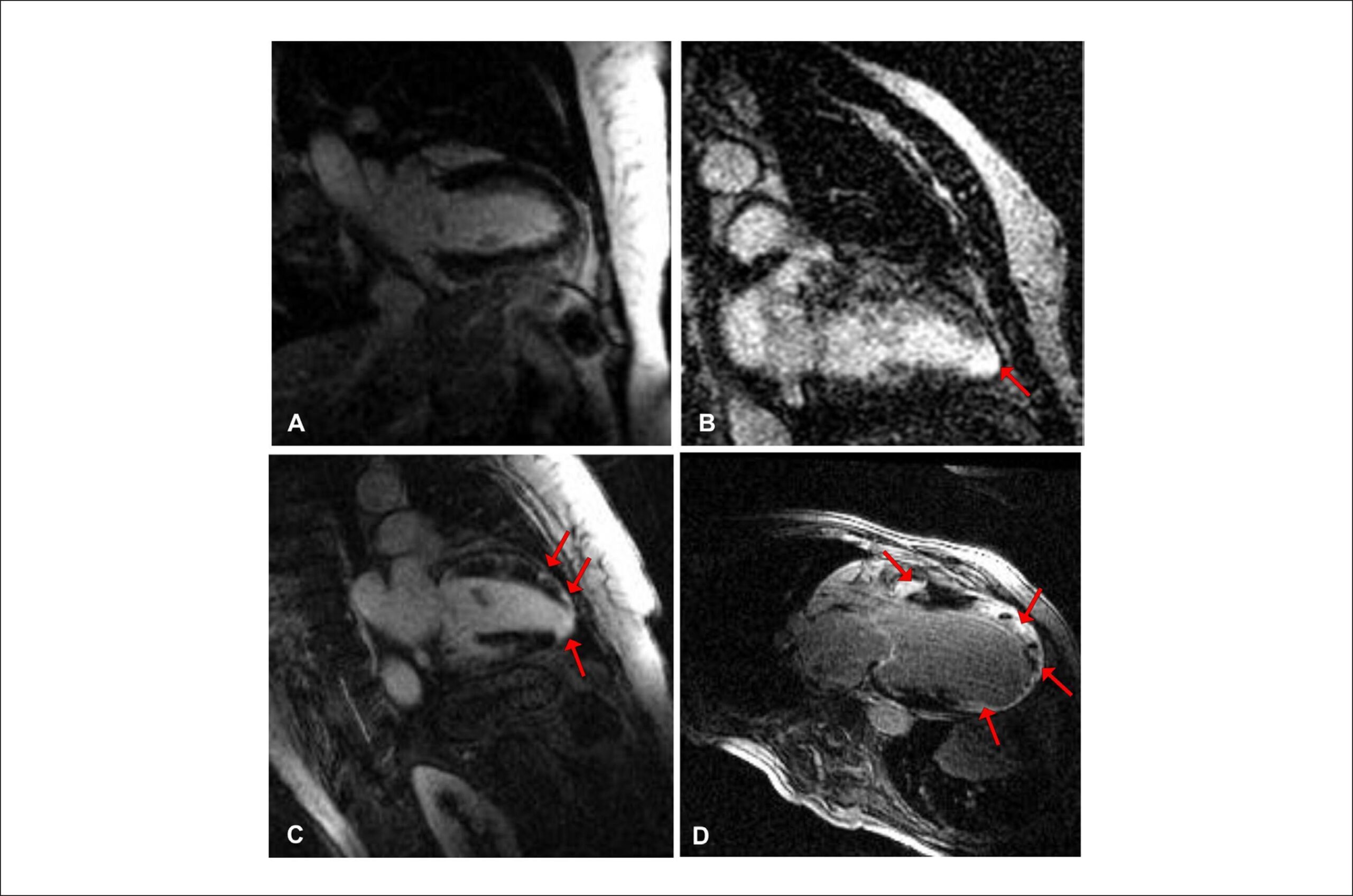
Chagas disease (CD) is an important cause of heart failure and mortality, mainly in Latin America. This study evaluated the morphological and functional characteristics of the heart as well the extent of myocardial fibrosis (MF) in patients with CD by cardiac magnetic resonance (CMR). The prognostic value of MF evaluated by myocardial-delayed enhancement (MDE) was compared with that via Rassi score.

Methods:

This study assessed 39 patients divided into 2 groups: 28 asymptomatic patients as indeterminate form group (IND); and symptomatic patients as Chagas Heart Disease (CHD) group. All patients underwent CMR using the techniques of cine-MRI and MDE, and the amount of MF was compared with the Rassi score.

Results:

Regarding the morphological and functional analysis, significant differences were observed between both groups (p < 0.001). Furthermore, there was a strong correlation between the extent of MF and the Rassi score (r = 0.76).

Conclusions:

CMR is an important technique for evaluating patients with CD, stressing morphological and functional differences in all clinical presentations. The strong correlation with the Rassi score and the extent of MF detected by CMR emphasizes its role in the prognostic stratification of patients with CD.

  • Chagas Cardiomyopathy
  • Chagas disease
  • Magnetic Resonance Spectroscopy
  • Risk factors, Prognosis
Read Full Article
Creative Commons Attribution (CC BY) Creative Commons license
01/11/2016 DOI: 10.5935/abc.20160168 Views 3
Special Article

III SBC Guidelines on the Analysis and Issuance of Electrocardiographic Reports – Executive Summary

Carlos Alberto Pastore et al. Nelson Samesima Horacio Gomes Pereira-Filho

Abstract

The third version of the guidelines covers recently described topics, such as ion channel diseases, acute ischemic changes, the electrocardiogram in athletes, and analysis of ventricular repolarization. It sought to revise the criteria for overloads, conduction disorders, and analysis of data for internet transmission.

  • Abstracts
  • Electrocardiography
  • Guidelines
  • Outcome Assessment (Health Care)
Read Full Article
Creative Commons Attribution (CC BY) Creative Commons license
01/11/2016 DOI: 10.5935/abc.20160173
Original Article

Blood Pressure Treatment Adherence and Control after Participation in the ReHOT

Nathália Silva de Jesus et al. Armando da Rocha Nogueira Cacilda Oliveira Pachu Ronir Raggio Luiz Glaucia Maria Moraes de Oliveira

Abstract

Background:

Lack of adherence to pharmacological treatment is one of the main causes of low control rates in hypertension.

Objective:

To verify treatment adherence and associated factors, as well as blood pressure (BP) control in participants of the Resistant Hypertension Optimal Treatment (ReHOT) clinical trial.

Method:

Cross-sectional study including all 109 patients who had completed the ReHOT for at least 6 months. We excluded those participants who failed to respond to the new recruitment after three phone contact attempts. We evaluated the BP control by ambulatory BP monitoring (ABPM; controlled levels: 24-hour systolic and diastolic BP < 130 x 80 mmHg) and analyzed the patients' treatment adherence using the Morisky Medication Adherence Scale (MMAS) questionnaire validated by Bloch, Melo, and Nogueira (2008). The statistical analysis was performed with the software IBM SPSS statistics 21.0. We tested the normality of the data distribution with kurtosis and skewness. The variables tested in the study are presented with descriptive statistics. Comparisons between treatment adherence and other variables were performed with Student's t test for independent variables and Pearson's chi-square or Fisher's exact test. To conduct analyses among patients considering adherence to treatment and BP control, we created four groups: G0, G1, G2, and G3. We considered a 5% significance level in all tests.

Results:

During the ReHOT, 80% of the patients had good BP control and treatment adherence. Of 96 patients reevaluated in the present study, only 52.1% had controlled hypertension when assessed by ABPM, while 31.3% were considered adherent by the MMAS. Regarding other ABPM measures, we observed an absence of a nocturnal dip in 64.6% of the patients and a white-coat effect and false BP control in 23% and 12.5%, respectively. Patients’ education level showed a trend towards being a determinant factor associated with lack of adherence (p = 0.05). Resistant hypertension and number of medications were significantly associated with BP control assessed by ABPM (p = 0.009 and p = 0.001, respectively). Resistant hypertension was also significantly associated with group G0 (patients with no control or adherence, p = 0.012).

Conclusion:

There was a decrease in BP control and adherence measured by the MMAS after participation of at least 6 months in the ReHOT clinical trial.

  • antihypertensive agents
  • Arterial Pressure, Medication Adherence
  • Clinical Trial
  • Hypertension
  • Survey and Questionnaires
Read Full Article
Creative Commons Attribution (CC BY) Creative Commons license
01/11/2016 DOI: 10.5935/abc.20160165 Views 1
Figure 1
Review Article

Cardiopulmonary Exercise Test: Background, Applicability and Interpretation

Artur Haddad Herdy et al. Luiz Eduardo Fonteles Ritt Ricardo Stein Claudio Gil Soares de Araújo … Mauricio Milani Romeu Sérgio Meneghelo Almir Sérgio Ferraz Carlos Hossri Antonio Eduardo Monteiro de Almeida Miguel Morita Fernandes-Silva Salvador Manoel Serra

Abstract

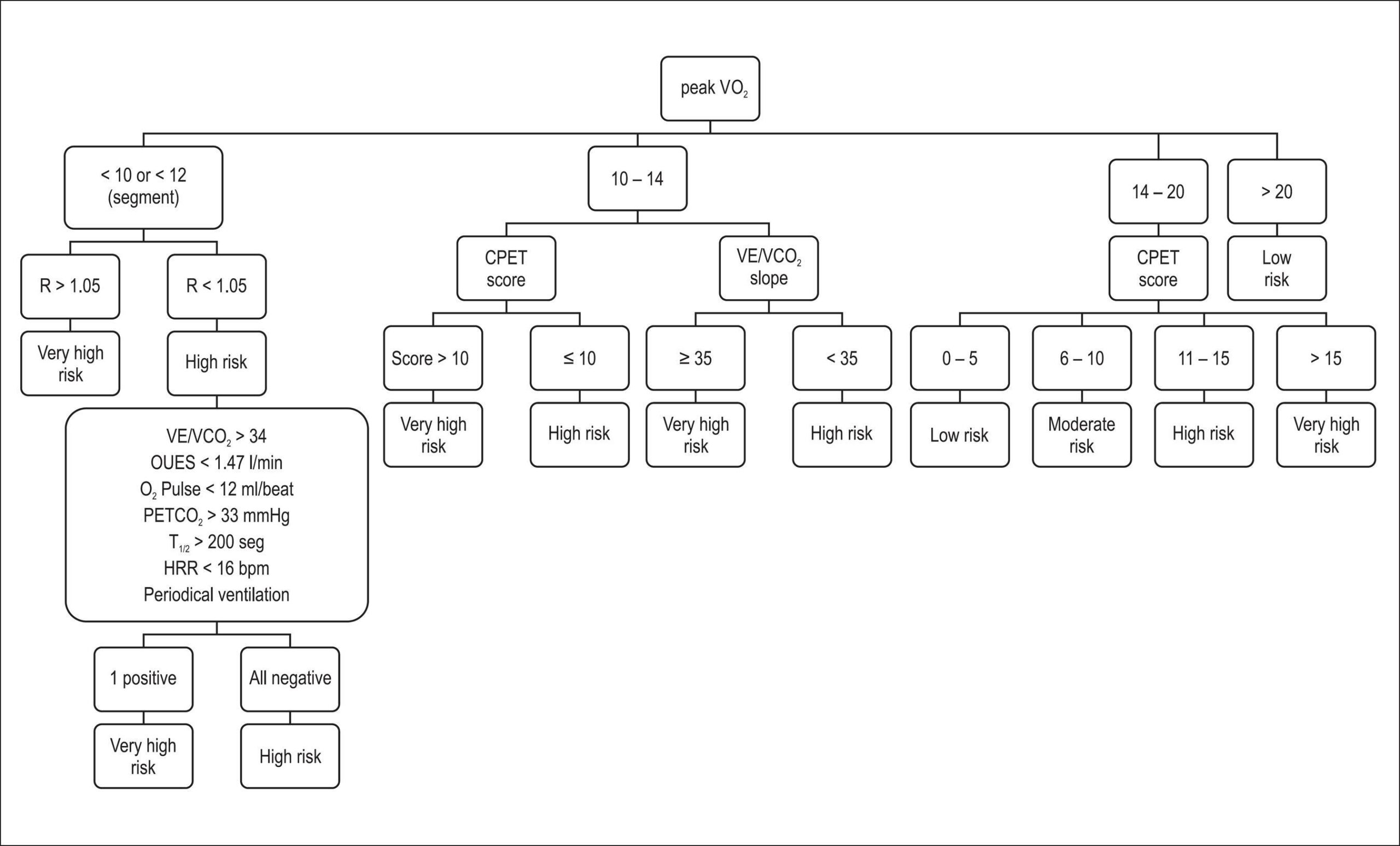
Cardiopulmonary exercise test (CPET) has been gaining importance as a method of functional assessment in Brazil and worldwide. In its most frequent applications, CPET consists in applying a gradually increasing intensity exercise until exhaustion or until the appearance of limiting symptoms and/or signs. The following parameters are measured: ventilation; oxygen consumption (VO2); carbon dioxide production (VCO2); and the other variables of conventional exercise testing. In addition, in specific situations, pulse oximetry and flow-volume loops during and after exertion are measured. The CPET provides joint data analysis that allows complete assessment of the cardiovascular, respiratory, muscular and metabolic systems during exertion, being considered gold standard for cardiorespiratory functional assessment.–

The CPET allows defining mechanisms related to low functional capacity that can cause symptoms, such as dyspnea, and correlate them with changes in the cardiovascular, pulmonary and skeletal muscle systems. Furthermore, it can be used to provide the prognostic assessment of patients with heart or lung diseases, and in the preoperative period, in addition to aiding in a more careful exercise prescription to healthy subjects, athletes and patients with heart or lung diseases.

Similarly to CPET clinical use, its research also increases, with the publication of several scientific contributions from Brazilian researchers in high-impact journals.

Therefore, this study aimed at providing a comprehensive review on the applicability of CPET to different clinical situations, in addition to serving as a practical guide for the interpretation of that test.

  • Evaluation
  • Exercise
  • Exercise Test
  • lung volume measurements
  • Oxygen Consumption
Read Full Article
Creative Commons Attribution (CC BY) Creative Commons license
01/11/2016 DOI: 10.5935/abc.20160171 Views 3
Figure 1
Case Report

Spontaneous Coronary Artery Dissection in Acute Coronary Syndrome: Report of a Series of Cases with 17 Patients

Ana Rita Godinho et al. Mariana Vasconcelos Vitor Araújo Maria Júlia Maciel

Introduction

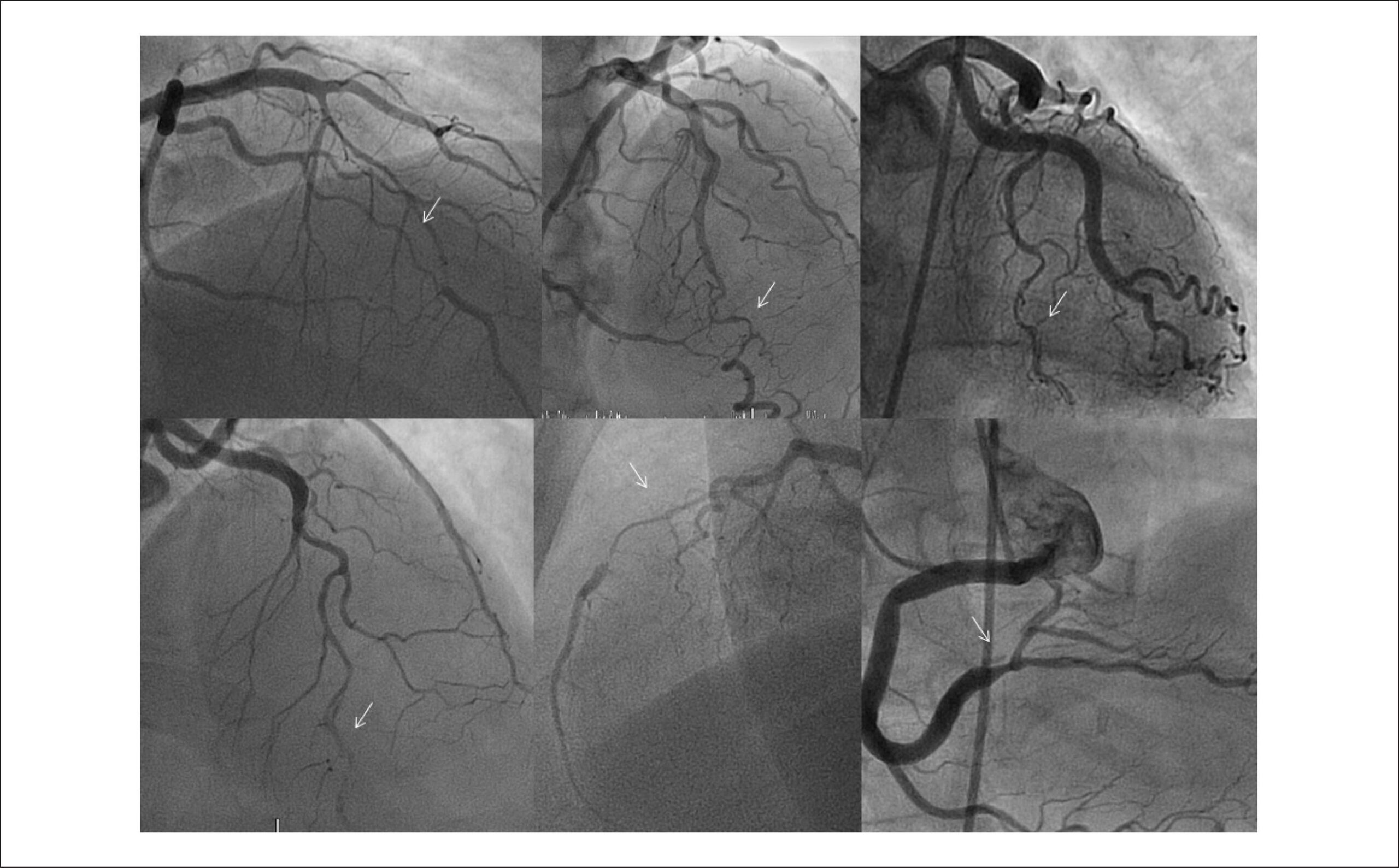
Spontaneous Coronary Artery Dissection (SCAD) has prevalence of 0.2 to 1.1% of the total angiograms performed for Acute Coronary Syndrome (ACS), and mostly affects young women. The etiology is not fully known,, but the term “spontaneous” excludes all dissections associated with interventions or trauma. Treatment varies from the conservative approach to revascularization, with a favorable long-term prognosis.

This study aimed to assess the characteristics, the clinical presentation, therapeutic approach and follow-up of cases of SCAD with ACS presentation during a period of 7 years.

[…]

  • Acute coronary syndrome
  • Coronary Aneurysm
  • Coronary Angiography
  • Dissection
Read Full Article
Creative Commons Attribution (CC BY) Creative Commons license
01/11/2016 DOI: 10.5935/abc.20160170 Views 1
Viewpoint

Rheumatic Fever: a neglected and underdiagnosed disease. New perspective on diagnosis and prevention

Carlos Eduardo de Barros Branco et al. Roney Orismar Sampaio Mario Maia Bracco Samira Saady Morhy … Marcelo Luiz Campos Vieira Luiza Guilherme Luiz Vicente Rizzo Flavio Tarasoutch

The Rheumatic fever (RF) and the rheumatic heart disease (RHD) remain important health problems among populations of developing countries. The number of studies is scarce, and public and private investments are practically inexistent. In addition, the cases of rheumatic fever are underdiagnosed, and are recognized only following permanent valve damage through the manifestation of carditis, more frequently represented by mitral stenosis.

In high-income countries, a tonsillitis is only a “throat infection”. However, in developing countries, or even those of average income, as it is the case of Brazil, it may be a harbinger of rheumatic heart disease, a disease that kills approximately 233,00 to 500,000 of RF/RHD sufferers per year globally. According to a projection by the World Health Organization (WHO) and the latest census by the Brazilian Institute of Geography and Statistics (“Instituto Brasileiro de Geografia e Estatística”, IBGE), it is estimated that annually in Brazil 10 million streptococcal pharygotonsillitis occur, totaling thirty Thousand new RF cases, of which up to half may evolve with cardiac involvement.

[…]

  • Mitral Valve Stenosis / surgery
  • Myocarditis
  • Neglected Diseases
  • Rheumatic Fever
Read Full Article
Creative Commons Attribution (CC BY) Creative Commons license
01/11/2016 DOI: 10.5935/abc.20160150 Views 1
Original Article

Utility of Ultraportable Echocardiography in the Preoperative Evaluation of Noncardiac Surgery

Jean Allan Costa et al. Maria Lucia Pereira Almeida Tereza Cristina Duque Estrada Guilherme Lobosco Werneck … Alexandre Marins Rocha Maria Luiza Garcia Rosa Mario Luiz Ribeiro Claudio Tinoco Mesquita

Abstract

Background:

The ultraportable echocardiogram machine, with relevant portability and easiness in performing diagnoses, when in experienced hands, may contribute to the reliability of preoperative evaluation in noncardiac surgeries.

Objectives:

To assess cardiac function parameters in patients aged older than 60 years, candidates of elective noncardiac surgeries, classified as ASA1 or ASA 2 according to surgical risk.

Methods:

A total of 211 patients referred for elective surgeries, without suspicion of previous heart diseases, were included in the study. Assessment of patients was conducted by conventional echocardiogram using the ultraportable V Scan (GE) device right after the pre-anesthetic clinical evaluation. We assessed the clinical impact of echocardiography results by using a questionnaire addressed to the anesthetist.

Results:

Mean age of patients was 68.9 ± 7.0 years, 154 were women. The most frequent surgeries were: a) facectomy – cataract – 18; b) inguinal hernia surgery – 18; c) Cholecystectomy – 16. We found 58 normal tests (27.5%), 70 (33.2%) with mild valve reflux, and 83 (39.3%) with relevant abnormality, such as increase in heart chamber size, global and/or segmental contractile dysfunction, significant valve dysfunction or other unspecified. Test results caused delay of surgical procedure for a more detailed cardiac evaluation in 20 (9.5%) patients, and change in anesthetic management in 7 (3.3%).

Conclusion:

There was a considerable clinical impact with the use of the ultraportable echocardiography, since one out of every ten patients evaluated had their clinical management changed due to the detection of previously unsuspected, significant heart diseases, with the potential for severe complications.

  • Diagnostic Imaging/methods
  • Echocardiography/methods
  • Elective Surgical Procedures
  • Preoperative Care
Read Full Article
Creative Commons Attribution (CC BY) Creative Commons license
01/11/2016 DOI: 10.5935/abc.20160169 Views 1
Figure 1
Original Article

Atrial Function in Patients with Breast Cancer After Treatment with Anthracyclines

Yalin Tolga Yaylali et al. Ahmet Saricopur Mustafa Yurtdas Hande Senol Gamze Gokoz-Dogu

Abstract

Background:

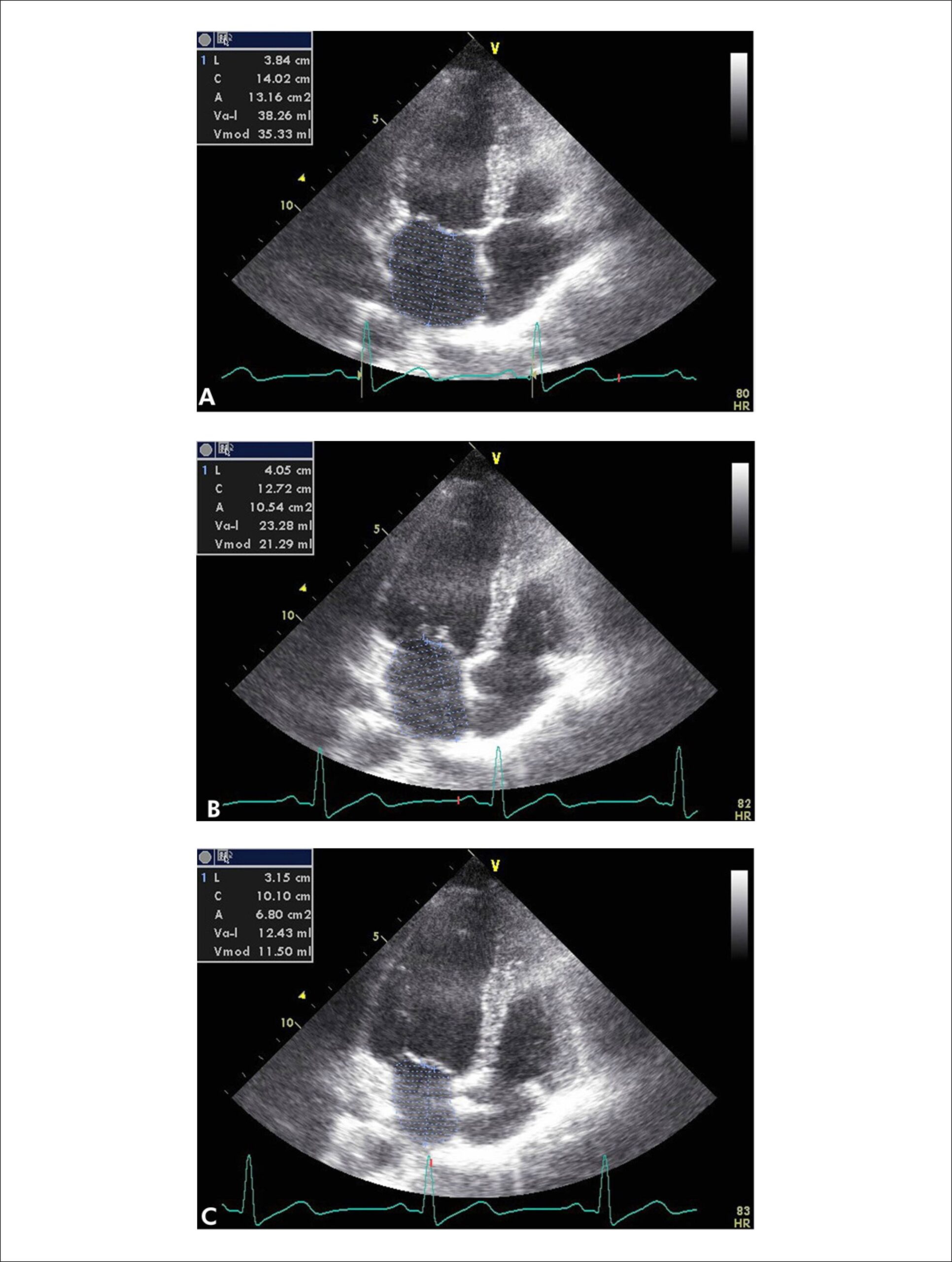
Atrial electromechanical delay (EMD) is used to predict atrial fibrillation, measured by echocardiography.

Objectives:

The aim of this study was to assess atrial EMD and mechanical function after anthracycline-containing chemotherapy.

Methods:

Fifty-three patients with breast cancer (48 ± 8 years old) who received 240 mg/m2of Adriamycin, 2400 mg/m2 of cyclophosphamide, and 960 mg/m2 of paclitaxel were included in this retrospective study, as were 42 healthy subjects (47 ± 9 years old). Echocardiographic measurements were performed 11 ± 7 months (median 9 months) after treatment with anthracyclines.

Results:

Left intra-atrial EMD (11.4 ± 6.0 vs. 8.1 ± 4.9, p=0.008) and inter-atrial EMD (19.7 ± 7.4 vs. 14.7 ± 6.5, p=0.001) were prolonged; LA passive emptying volume and fraction were decreased (p=0.0001 and p=0.0001); LA active emptying volume and fraction were increased (p=0.0001 and p=0.0001); Mitral A velocity (0.8 ± 0.2 vs. 0.6 ± 0.2, p=0.0001) and mitral E-wave deceleration time (201.2 ± 35.6 vs. 163.7 ± 21.8, p=0.0001) were increased; Mitral E/A ratio (1.0 ± 0.3 vs. 1.3 ± 0.3, p=0.0001) and mitral Em (0.09 ± 0.03 vs. 0.11 ± 0.03, p=0.001) were decreased; Mitral Am (0.11 ± 0.02 vs. 0.09 ± 0.02, p=0.0001) and mitral E/Em ratio (8.8 ± 3.2 vs. 7.6 ± 2.6, p=0.017) were increased in the patients.

Conclusions:

In patients with breast cancer after anthracycline therapy: Left intra-atrial, inter-atrial electromechanical intervals were prolonged. Diastolic function was impaired. Impaired left ventricular relaxation and left atrial electrical conduction could be contributing to the development of atrial arrhythmias.

  • Antrhacyclines
  • Arrhythmias Cardiac
  • Atrial Function
  • Cardiotoxicity
  • Drug Therapy
  • Unilateral Breast Neoplasms
Read Full Article
Creative Commons Attribution (CC BY) Creative Commons license
27/10/2016 DOI: 10.5935/abc.20160146
Figure 1
Original Article

Influence of Angiotensin-Converting-Enzyme Gene Polymorphism on Echocardiographic Data of Patients with Ischemic Heart Failure

Gustavo Salgado Duque et al. Dayse Aparecida da Silva Felipe Neves de Albuquerque Roberta Siuffo Schneider … Alinne Gimenez Roberto Pozzan Ricardo Mourilhe Rocha Denilson Campos de Albuquerque

Abstract

Background:

Association between angiotensin-converting-enzyme (ACE) gene polymorphisms and different clinical and echocardiographic outcomes has been described in patients with heart failure (HF) and coronary artery disease. Studying the genetic profile of the local population with both diseases is necessary to assess the occurrence of that association.

Objectives:

To assess the frequency of ACE gene polymorphisms in patients with ischemic HF in a Rio de Janeiro population, as well as its association with echocardiographic findings.

Methods:

Genetic assessment of I/D ACE polymorphism in association with clinical, laboratory and echocardiographic analysis of 99 patients.

Results:

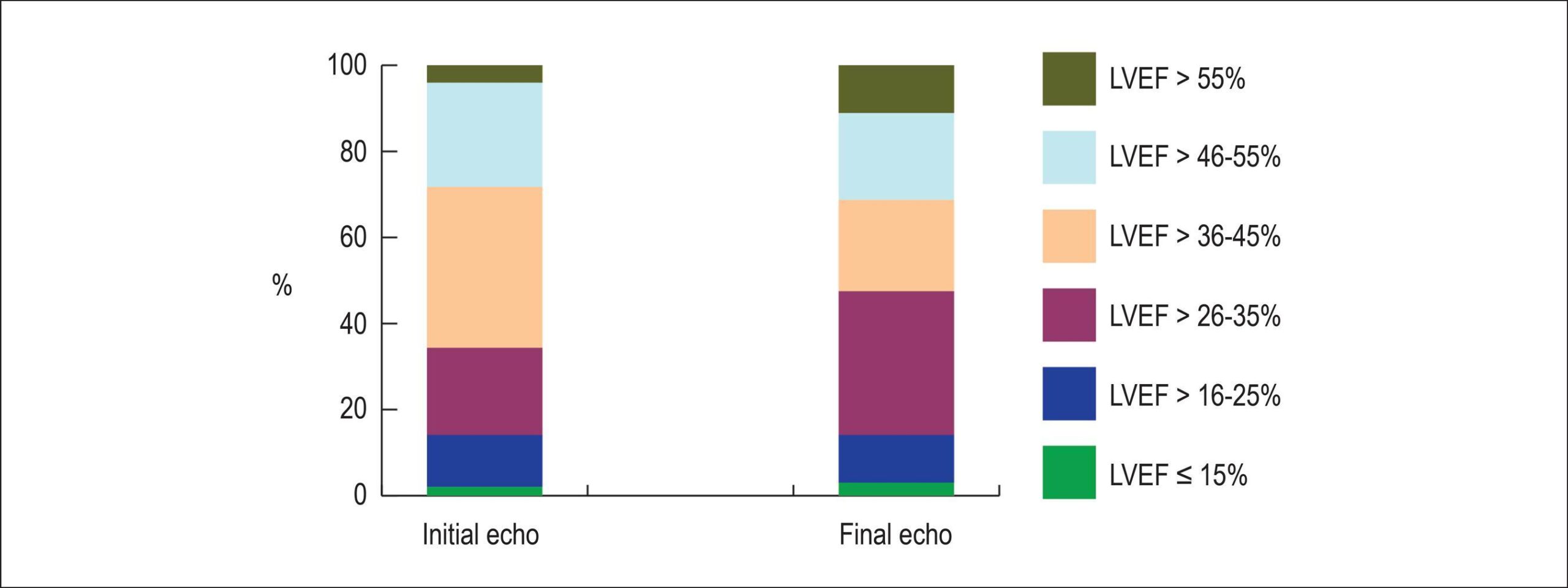
The allele frequency was: 53 I alleles, and 145 D alleles. Genotype frequencies were: 49.5% DD; 47.48% DI; 3.02% II. Drug treatment was optimized: 98% on beta-blockers, and 84.8% on ACE inhibitors or angiotensin-receptor blocker. Echocardiographic findings: difference between left ventricular diastolic diameters (ΔLVDD) during follow-up: 2.98±8.94 (DD) vs. 0.68±8.12 (DI) vs. -11.0±7.00 (II), p=0.018; worsening during follow-up of the LV systolic diameter (LVSD): 65.3% DD vs. 19.0% DI vs. 0.0% II, p=0.01; of the LV diastolic diameter (LVDD): 65.3% DD vs. 46.8% DI vs. 0.0% II, p=0.03; and of the LV ejection fraction (LVEF): 67.3% DD vs. 40.4% DI vs. 33.3% II, p=0.024. Correlated with D allele: ΔLVEF, ΔLVSD, ΔLVDD.

Conclusions:

More DD genotype patients had worsening of the LVEF, LVSD and LVDD, followed by DI genotype patients, while II genotype patients had the best outcome. The same pattern was observed for ΔLVDD.

  • Angiotensin-Converting Enzyme Inhibitors
  • Echocardiography/methods
  • Heart Failure
  • Polymorphism, Genetic
Read Full Article
Creative Commons Attribution (CC BY) Creative Commons license
27/10/2016 DOI: 10.5935/abc.20160145 Views 1
Figure 1
Original Article

Acute Ethanol Intake Induces NAD(P)H Oxidase Activation and Rhoa Translocation in Resistance Arteries

Janaina A. Simplicio et al. Ulisses Vilela Hipólito Gabriel Tavares do Vale Glaucia Elena Callera … Camila André Pereira Rhian M Touyz Rita de Cássia Tostes Carlos R. Tirapelli

Abstract

Background:

The mechanism underlying the vascular dysfunction induced by ethanol is not totally understood. Identification of biochemical/molecular mechanisms that could explain such effects is warranted.

Objective:

To investigate whether acute ethanol intake activates the vascular RhoA/Rho kinase pathway in resistance arteries and the role of NAD(P)H oxidase-derived reactive oxygen species (ROS) on such response. We also evaluated the requirement of p47phox translocation for ethanol-induced NAD(P)H oxidase activation.

Methods:

Male Wistar rats were orally treated with ethanol (1g/kg, p.o. gavage) or water (control). Some rats were treated with vitamin C (250 mg/kg, p.o. gavage, 5 days) before administration of water or ethanol. The mesenteric arterial bed (MAB) was collected 30 min after ethanol administration.

Results:

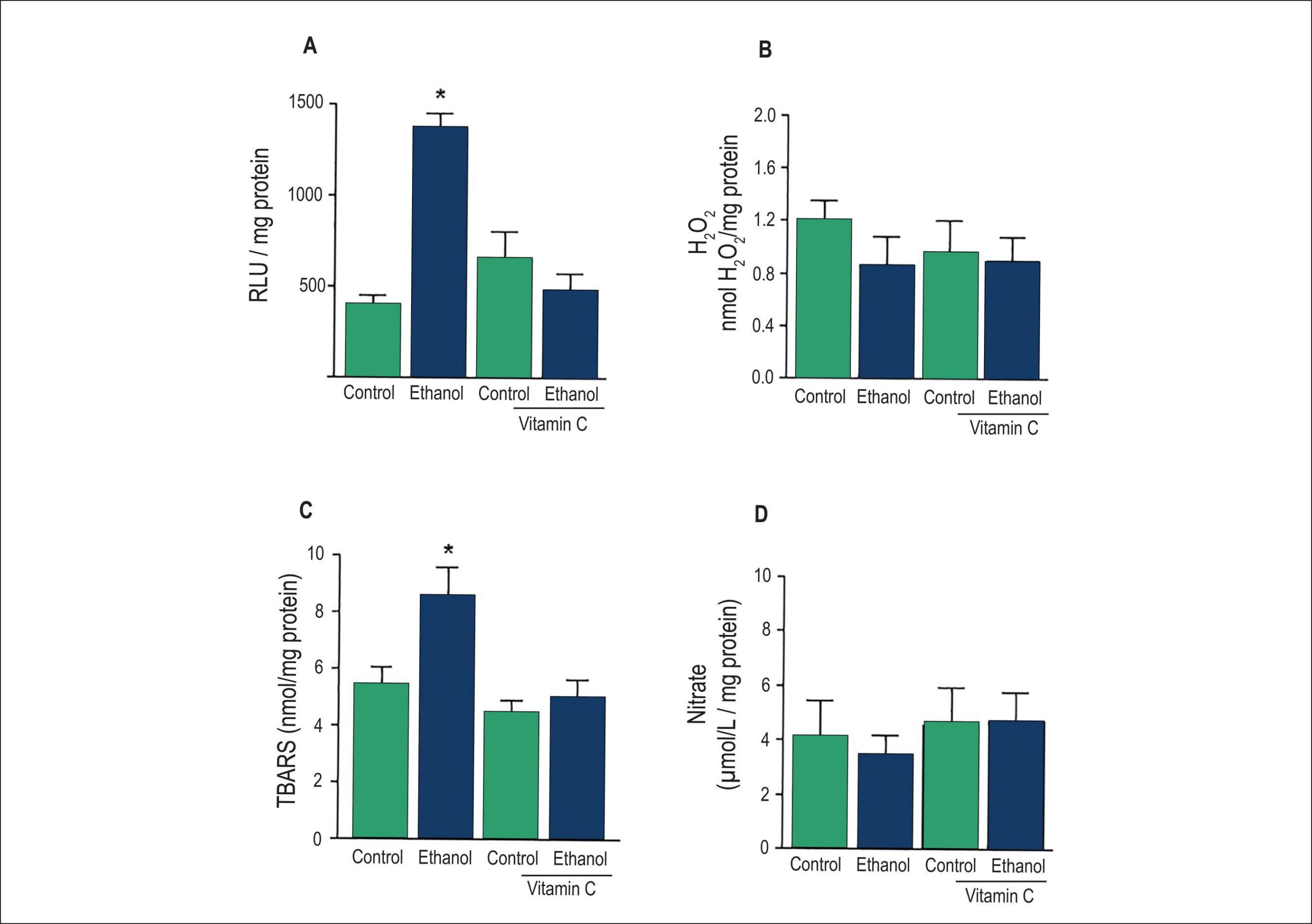
Vitamin C prevented ethanol-induced increase in superoxide anion (O2–) generation and lipoperoxidation in the MAB. Catalase and superoxide dismutase activities and the reduced glutathione, nitrate and hydrogen peroxide (H2O2) levels were not affected by ethanol. Vitamin C and 4-methylpyrazole prevented the increase on O2– generation induced by ethanol in cultured MAB vascular smooth muscle cells. Ethanol had no effect on phosphorylation levels of protein kinase B (Akt) and eNOS (Ser1177 or Thr495 residues) or MAB vascular reactivity. Vitamin C prevented ethanol-induced increase in the membrane: cytosol fraction ratio of p47phox and RhoA expression in the rat MAB.

Conclusion:

Acute ethanol intake induces activation of the RhoA/Rho kinase pathway by a mechanism that involves ROS generation. In resistance arteries, ethanol activates NAD(P)H oxidase by inducing p47phox translocation by a redox-sensitive mechanism.

  • Ascorbic acid
  • Ethanol
  • NADPH Oxidase
  • Oxidative Stress
  • Rats
  • rhoAGTP-Binding Protein
Read Full Article
Creative Commons Attribution (CC BY) Creative Commons license
27/10/2016 DOI: 10.5935/abc.20160147 Views 1

How to cite this article

EndNote RIS

Electronic Document Format (Vancouver)

Villacorta AS, Villacorta Junior H, Souza JS, Teixeira JAC, Muradas MCSSS, Alves CR, Precht BC, et al. Elevated Heart Rate is Associated with Cardiac Denervation in Patients with Heart Failure: A 123-Iodine-MIBG Myocardial Scintigraphy Study. Arquivos Brasileiros de Cardiologia 2016;107(5):455-9.

Electronic Document Format (ABNT)

Villacorta, Aline Sterque; Villacorta Junior, Humberto; Souza, Jenne Serrão de; Teixeira, José Antônio Caldas; Muradas, Maria Clara S. S. S.; Alves, Christiane Rodrigues; Precht, Bernardo Campanário; Porto, Pilar; Ubaldo, Letícia; Mesquita, Cláudio Tinoco; Nóbrega, Antônio Cláudio Lucas da. Elevated Heart Rate is Associated with Cardiac Denervation in Patients with Heart Failure: A 123-Iodine-MIBG Myocardial Scintigraphy Study. Arquivos Brasileiros de Cardiologia, v. 107, n. 5, p. 455-459, Oct. 2016.

Electronic Document Format (APA)

Villacorta, A. S., Villacorta Junior, H., Souza, J. S. , Teixeira, J. A. C., Muradas, M. C. S. S. S., Alves, C. R., Precht, B. C., Porto, P., Ubaldo, L., Mesquita, C. T., & Nóbrega, A. C. L. (2016). Elevated Heart Rate is Associated with Cardiac Denervation in Patients with Heart Failure: A 123-Iodine-MIBG Myocardial Scintigraphy Study. Arquivos Brasileiros de Cardiologia, 107(5), 455-459.

Electronic Document Format (ISO)

Villacorta, Aline Sterque and Villacorta Junior, Humberto and Souza, Jenne Serrão de and Teixeira, José Antônio Caldas and Muradas, Maria Clara S. S. S. and Alves, Christiane Rodrigues and Precht, Bernardo Campanário and Porto, Pilar and Ubaldo, Letícia and Mesquita, Cláudio Tinoco and Nóbrega, Antônio Cláudio Lucas da. Elevated Heart Rate is Associated with Cardiac Denervation in Patients with Heart Failure: A 123-Iodine-MIBG Myocardial Scintigraphy Study. Arquivos Brasileiros de Cardiologia [online]. 2016, vol. 107, n. 5, [cited 2026-10-14], pp. 455-459. Available from: <https://journals.cardiol.br/en/article/elevated-heart-rate-is-associated-with-cardiac-denervation-in-patients-with-heart-failure-a-123-iodine-mibg-myocardial-scintigraphy-study/>. ISSN 0066-782X

EndNote RIS

Electronic Document Format (Vancouver)

D. RH, P. NV, L. MM, R. GM. Focal Arterialization and Neoatherosclerosis of a Saphenous Vein Graft. Improving our Understanding of Late Graft Failures. Arquivos Brasileiros de Cardiologia 2016;107(5):495-6.

Electronic Document Format (ABNT)

D., Rene Hameau; P., Nicolas Veas; L., Manuel Mendez; R., Gonzalo Martinez. Focal Arterialization and Neoatherosclerosis of a Saphenous Vein Graft. Improving our Understanding of Late Graft Failures. Arquivos Brasileiros de Cardiologia, v. 107, n. 5, p. 495-496, Oct. 2016.

Electronic Document Format (APA)

D., R. H., P., N. V., L., M. M., & R., G. M. (2016). Focal Arterialization and Neoatherosclerosis of a Saphenous Vein Graft. Improving our Understanding of Late Graft Failures. Arquivos Brasileiros de Cardiologia, 107(5), 495-496.

Electronic Document Format (ISO)

D., Rene Hameau and P., Nicolas Veas and L., Manuel Mendez and R., Gonzalo Martinez. Focal Arterialization and Neoatherosclerosis of a Saphenous Vein Graft. Improving our Understanding of Late Graft Failures. Arquivos Brasileiros de Cardiologia [online]. 2016, vol. 107, n. 5, [cited 2026-10-14], pp. 495-496. Available from: <https://journals.cardiol.br/en/article/focal-arterialization-and-neoatherosclerosis-of-a-saphenous-vein-graft-improving-our-understanding-of-late-graft-failures/>. ISSN 0066-782X

EndNote RIS

Electronic Document Format (Vancouver)

Favarato D, Gutierrez PS. Case 5/2016 – A 56-Year-old Man Hospitalized for Unstable Angina, who Presented Recurrence of Precordial Pain and Cardiac Arrest with Pulseless Electrical Activity. Arquivos Brasileiros de Cardiologia 2016;107(5):485-90.

Electronic Document Format (ABNT)

Favarato, Desiderio; Gutierrez, Paulo Sampaio. Case 5/2016 – A 56-Year-old Man Hospitalized for Unstable Angina, who Presented Recurrence of Precordial Pain and Cardiac Arrest with Pulseless Electrical Activity. Arquivos Brasileiros de Cardiologia, v. 107, n. 5, p. 485-490, Oct. 2016.

Electronic Document Format (APA)

Favarato, D., & Gutierrez, P. S. (2016). Case 5/2016 – A 56-Year-old Man Hospitalized for Unstable Angina, who Presented Recurrence of Precordial Pain and Cardiac Arrest with Pulseless Electrical Activity. Arquivos Brasileiros de Cardiologia, 107(5), 485-490.

Electronic Document Format (ISO)

Favarato, Desiderio and Gutierrez, Paulo Sampaio. Case 5/2016 – A 56-Year-old Man Hospitalized for Unstable Angina, who Presented Recurrence of Precordial Pain and Cardiac Arrest with Pulseless Electrical Activity. Arquivos Brasileiros de Cardiologia [online]. 2016, vol. 107, n. 5, [cited 2026-10-14], pp. 485-490. Available from: <https://journals.cardiol.br/en/article/case-5-2016-a-56-year-old-man-hospitalized-for-unstable-angina-who-presented-recurrence-of-precordial-pain-and-cardiac-arrest-with-pulseless-electrical-activity/>. ISSN 0066-782X

EndNote RIS

Electronic Document Format (Vancouver)

Lago IM, Novaes GC, Badran AV, Pavão RB, Barbosa R, Figueiredo GL, Lima Filho MO, et al. In-Lab Upfront Use of Tirofiban May Reduce the Occurrence of No-Reflow During Primary Percutaneous Coronary Intervention. A Pilot Randomized Study. Arquivos Brasileiros de Cardiologia 2016;107(5):403-10.

Electronic Document Format (ABNT)

Lago, Igor Matos; Novaes, Gustavo Caires; Badran, André Vannucchi; Pavão, Rafael Brolio; Barbosa, Ricardo; Figueiredo, Geraldo Luiz de; Lima Filho, Moysés de Oliveira; Haddad, Jorge Luiz; Schmidt, André; Marin Neto, José Antônio. In-Lab Upfront Use of Tirofiban May Reduce the Occurrence of No-Reflow During Primary Percutaneous Coronary Intervention. A Pilot Randomized Study. Arquivos Brasileiros de Cardiologia, v. 107, n. 5, p. 403-410, Oct. 2016.

Electronic Document Format (APA)

Lago, I. M., Novaes, G. C., Badran, A. V., Pavão, R. B., Barbosa, R., Figueiredo, G. L. , Lima Filho, M. O., Haddad, J. L., Schmidt, A., & Marin Neto, J. A. (2016). In-Lab Upfront Use of Tirofiban May Reduce the Occurrence of No-Reflow During Primary Percutaneous Coronary Intervention. A Pilot Randomized Study. Arquivos Brasileiros de Cardiologia, 107(5), 403-410.

Electronic Document Format (ISO)

Lago, Igor Matos and Novaes, Gustavo Caires and Badran, André Vannucchi and Pavão, Rafael Brolio and Barbosa, Ricardo and Figueiredo, Geraldo Luiz de and Lima Filho, Moysés de Oliveira and Haddad, Jorge Luiz and Schmidt, André and Marin Neto, José Antônio. In-Lab Upfront Use of Tirofiban May Reduce the Occurrence of No-Reflow During Primary Percutaneous Coronary Intervention. A Pilot Randomized Study. Arquivos Brasileiros de Cardiologia [online]. 2016, vol. 107, n. 5, [cited 2026-10-14], pp. 403-410. Available from: <https://journals.cardiol.br/en/article/in-lab-upfront-use-of-tirofiban-may-reduce-the-occurrence-of-no-reflow-during-primary-percutaneous-coronary-intervention-a-pilot-randomized-study/>. ISSN 0066-782X

EndNote RIS

Electronic Document Format (Vancouver)

Gulgun M, Genç FA. Measurement of Epicardial Fat Thickness by Echocardiography Presents Challenges. Arquivos Brasileiros de Cardiologia 2016;107(5):497-8.

Electronic Document Format (ABNT)

Gulgun, Mustafa; Genç, Fatih Alparslan. Measurement of Epicardial Fat Thickness by Echocardiography Presents Challenges. Arquivos Brasileiros de Cardiologia, v. 107, n. 5, p. 497-498, Oct. 2016.

Electronic Document Format (APA)

Gulgun, M., & Genç, F. A. (2016). Measurement of Epicardial Fat Thickness by Echocardiography Presents Challenges. Arquivos Brasileiros de Cardiologia, 107(5), 497-498.

Electronic Document Format (ISO)

Gulgun, Mustafa and Genç, Fatih Alparslan. Measurement of Epicardial Fat Thickness by Echocardiography Presents Challenges. Arquivos Brasileiros de Cardiologia [online]. 2016, vol. 107, n. 5, [cited 2026-10-14], pp. 497-498. Available from: <https://journals.cardiol.br/en/article/measurement-of-epicardial-fat-thickness-by-echocardiography-presents-challenges/>. ISSN 0066-782X

EndNote RIS

Electronic Document Format (Vancouver)

Uellendahl M, Siqueira MEM, Calado EB, Kalil-Filho R, Sobral D, Ribeiro C, Oliveira W, et al. Cardiac Magnetic Resonance-Verified Myocardial Fibrosis in Chagas Disease: Clinical Correlates and Risk Stratification. Arquivos Brasileiros de Cardiologia 2016;107(5):460-6.

Electronic Document Format (ABNT)

Uellendahl, Marly; Siqueira, Maria Eduarda Menezes de; Calado, Eveline Barros; Kalil-Filho, Roberto; Sobral, Dário; Ribeiro, Clébia; Oliveira, Wilson; Martins, Silvia; Narula, Jagat; Rochitte, Carlos Eduardo. Cardiac Magnetic Resonance-Verified Myocardial Fibrosis in Chagas Disease: Clinical Correlates and Risk Stratification. Arquivos Brasileiros de Cardiologia, v. 107, n. 5, p. 460-466, Oct. 2016.

Electronic Document Format (APA)

Uellendahl, M., Siqueira, M. E. M. , Calado, E. B., Kalil-Filho, R., Sobral, D., Ribeiro, C., Oliveira, W., Martins, S., Narula, J., & Rochitte, C. E. (2016). Cardiac Magnetic Resonance-Verified Myocardial Fibrosis in Chagas Disease: Clinical Correlates and Risk Stratification. Arquivos Brasileiros de Cardiologia, 107(5), 460-466.

Electronic Document Format (ISO)

Uellendahl, Marly and Siqueira, Maria Eduarda Menezes de and Calado, Eveline Barros and Kalil-Filho, Roberto and Sobral, Dário and Ribeiro, Clébia and Oliveira, Wilson and Martins, Silvia and Narula, Jagat and Rochitte, Carlos Eduardo. Cardiac Magnetic Resonance-Verified Myocardial Fibrosis in Chagas Disease: Clinical Correlates and Risk Stratification. Arquivos Brasileiros de Cardiologia [online]. 2016, vol. 107, n. 5, [cited 2026-10-14], pp. 460-466. Available from: <https://journals.cardiol.br/en/article/cardiac-magnetic-resonance-verified-myocardial-fibrosis-in-chagas-disease-clinical-correlates-and-risk-stratification/>. ISSN 0066-782X

EndNote RIS

Electronic Document Format (Vancouver)

Pastore CA, Samesima N, Pereira-Filho HG. III SBC Guidelines on the Analysis and Issuance of Electrocardiographic Reports – Executive Summary. Arquivos Brasileiros de Cardiologia 2016;107(5):392-40.

Electronic Document Format (ABNT)

Pastore, Carlos Alberto; Samesima, Nelson; Pereira-Filho, Horacio Gomes. III SBC Guidelines on the Analysis and Issuance of Electrocardiographic Reports – Executive Summary. Arquivos Brasileiros de Cardiologia, v. 107, n. 5, p. 392-402, Oct. 2016.

Electronic Document Format (APA)

Pastore, C. A., Samesima, N., & Pereira-Filho, H. G. (2016). III SBC Guidelines on the Analysis and Issuance of Electrocardiographic Reports – Executive Summary. Arquivos Brasileiros de Cardiologia, 107(5), 392-402.

Electronic Document Format (ISO)

Pastore, Carlos Alberto and Samesima, Nelson and Pereira-Filho, Horacio Gomes. III SBC Guidelines on the Analysis and Issuance of Electrocardiographic Reports – Executive Summary. Arquivos Brasileiros de Cardiologia [online]. 2016, vol. 107, n. 5, [cited 2026-10-14], pp. 392-402. Available from: <https://journals.cardiol.br/en/article/iii-sbc-guidelines-on-the-analysis-and-issuance-of-electrocardiographic-reports-executive-summary/>. ISSN 0066-782X

EndNote RIS

Electronic Document Format (Vancouver)

Jesus NS, Nogueira AR, Pachu CO, Luiz RR, Oliveira GMM. Blood Pressure Treatment Adherence and Control after Participation in the ReHOT. Arquivos Brasileiros de Cardiologia 2016;107(5):437-45.

Electronic Document Format (ABNT)

Jesus, Nathália Silva de; Nogueira, Armando da Rocha; Pachu, Cacilda Oliveira; Luiz, Ronir Raggio; Oliveira, Glaucia Maria Moraes de. Blood Pressure Treatment Adherence and Control after Participation in the ReHOT. Arquivos Brasileiros de Cardiologia, v. 107, n. 5, p. 437-445, Oct. 2016.

Electronic Document Format (APA)

Jesus, N. S. , Nogueira, A. R., Pachu, C. O., Luiz, R. R., & Oliveira, G. M. M. (2016). Blood Pressure Treatment Adherence and Control after Participation in the ReHOT. Arquivos Brasileiros de Cardiologia, 107(5), 437-445.

Electronic Document Format (ISO)

Jesus, Nathália Silva de and Nogueira, Armando da Rocha and Pachu, Cacilda Oliveira and Luiz, Ronir Raggio and Oliveira, Glaucia Maria Moraes de. Blood Pressure Treatment Adherence and Control after Participation in the ReHOT. Arquivos Brasileiros de Cardiologia [online]. 2016, vol. 107, n. 5, [cited 2026-10-14], pp. 437-445. Available from: <https://journals.cardiol.br/en/article/blood-pressure-treatment-adherence-and-control-after-participation-in-the-rehot/>. ISSN 0066-782X

EndNote RIS

Electronic Document Format (Vancouver)

Herdy AH, Ritt LEF, Stein R, Araújo CGS, Milani M, Meneghelo RS, Ferraz AS, et al. Cardiopulmonary Exercise Test: Background, Applicability and Interpretation. Arquivos Brasileiros de Cardiologia 2016;107(5):467-81.

Electronic Document Format (ABNT)

Herdy, Artur Haddad; Ritt, Luiz Eduardo Fonteles; Stein, Ricardo; Araújo, Claudio Gil Soares de; Milani, Mauricio; Meneghelo, Romeu Sérgio; Ferraz, Almir Sérgio; Hossri, Carlos; Almeida, Antonio Eduardo Monteiro de; Fernandes-Silva, Miguel Morita; Serra, Salvador Manoel. Cardiopulmonary Exercise Test: Background, Applicability and Interpretation. Arquivos Brasileiros de Cardiologia, v. 107, n. 5, p. 467-481, Oct. 2016.

Electronic Document Format (APA)

Herdy, A. H., Ritt, L. E. F., Stein, R., Araújo, C. G. S. , Milani, M., Meneghelo, R. S., Ferraz, A. S., Hossri, C., Almeida, A. E. M. , Fernandes-Silva, M. M., & Serra, S. M. (2016). Cardiopulmonary Exercise Test: Background, Applicability and Interpretation. Arquivos Brasileiros de Cardiologia, 107(5), 467-481.

Electronic Document Format (ISO)

Herdy, Artur Haddad and Ritt, Luiz Eduardo Fonteles and Stein, Ricardo and Araújo, Claudio Gil Soares de and Milani, Mauricio and Meneghelo, Romeu Sérgio and Ferraz, Almir Sérgio and Hossri, Carlos and Almeida, Antonio Eduardo Monteiro de and Fernandes-Silva, Miguel Morita and Serra, Salvador Manoel. Cardiopulmonary Exercise Test: Background, Applicability and Interpretation. Arquivos Brasileiros de Cardiologia [online]. 2016, vol. 107, n. 5, [cited 2026-10-14], pp. 467-481. Available from: <https://journals.cardiol.br/en/article/cardiopulmonary-exercise-test-background-applicability-and-interpretation/>. ISSN 0066-782X

EndNote RIS

Electronic Document Format (Vancouver)

Godinho AR, Vasconcelos M, Araújo V, Maciel MJ. Spontaneous Coronary Artery Dissection in Acute Coronary Syndrome: Report of a Series of Cases with 17 Patients. Arquivos Brasileiros de Cardiologia 2016;107(5):491-4.

Electronic Document Format (ABNT)

Godinho, Ana Rita; Vasconcelos, Mariana; Araújo, Vitor; Maciel, Maria Júlia. Spontaneous Coronary Artery Dissection in Acute Coronary Syndrome: Report of a Series of Cases with 17 Patients. Arquivos Brasileiros de Cardiologia, v. 107, n. 5, p. 491-494, Oct. 2016.

Electronic Document Format (APA)

Godinho, A. R., Vasconcelos, M., Araújo, V., & Maciel, M. J. (2016). Spontaneous Coronary Artery Dissection in Acute Coronary Syndrome: Report of a Series of Cases with 17 Patients. Arquivos Brasileiros de Cardiologia, 107(5), 491-494.

Electronic Document Format (ISO)

Godinho, Ana Rita and Vasconcelos, Mariana and Araújo, Vitor and Maciel, Maria Júlia. Spontaneous Coronary Artery Dissection in Acute Coronary Syndrome: Report of a Series of Cases with 17 Patients. Arquivos Brasileiros de Cardiologia [online]. 2016, vol. 107, n. 5, [cited 2026-10-14], pp. 491-494. Available from: <https://journals.cardiol.br/en/article/spontaneous-coronary-artery-dissection-in-acute-coronary-syndrome-report-of-a-series-of-cases-with-17-patients/>. ISSN 0066-782X

EndNote RIS

Electronic Document Format (Vancouver)

Branco CEB, Sampaio RO, Bracco MM, Morhy SS, Vieira MLC, Guilherme L, Rizzo LV, et al. Rheumatic Fever: a neglected and underdiagnosed disease. New perspective on diagnosis and prevention. Arquivos Brasileiros de Cardiologia 2016;107(5):482-4.

Electronic Document Format (ABNT)

Branco, Carlos Eduardo de Barros; Sampaio, Roney Orismar; Bracco, Mario Maia; Morhy, Samira Saady; Vieira, Marcelo Luiz Campos; Guilherme, Luiza; Rizzo, Luiz Vicente; Tarasoutch, Flavio. Rheumatic Fever: a neglected and underdiagnosed disease. New perspective on diagnosis and prevention. Arquivos Brasileiros de Cardiologia, v. 107, n. 5, p. 482-484, Oct. 2016.

Electronic Document Format (APA)

Branco, C. E. B., Sampaio, R. O., Bracco, M. M., Morhy, S. S., Vieira, M. L. C., Guilherme, L., Rizzo, L. V., & Tarasoutch, F. (2016). Rheumatic Fever: a neglected and underdiagnosed disease. New perspective on diagnosis and prevention. Arquivos Brasileiros de Cardiologia, 107(5), 482-484.

Electronic Document Format (ISO)

Branco, Carlos Eduardo de Barros and Sampaio, Roney Orismar and Bracco, Mario Maia and Morhy, Samira Saady and Vieira, Marcelo Luiz Campos and Guilherme, Luiza and Rizzo, Luiz Vicente and Tarasoutch, Flavio. Rheumatic Fever: a neglected and underdiagnosed disease. New perspective on diagnosis and prevention. Arquivos Brasileiros de Cardiologia [online]. 2016, vol. 107, n. 5, [cited 2026-10-14], pp. 482-484. Available from: <https://journals.cardiol.br/en/article/rheumatic-fever-a-neglected-and-underdiagnosed-disease-new-perspective-on-diagnosis-and-prevention/>. ISSN 0066-782X

EndNote RIS

Electronic Document Format (Vancouver)

Costa JA, Almeida MLP, Estrada TCD, Werneck GL, Rocha AM, Rosa MLG, Ribeiro ML, et al. Utility of Ultraportable Echocardiography in the Preoperative Evaluation of Noncardiac Surgery. Arquivos Brasileiros de Cardiologia 2016;107(5):420-6.

Electronic Document Format (ABNT)

Costa, Jean Allan; Almeida, Maria Lucia Pereira; Estrada, Tereza Cristina Duque; Werneck, Guilherme Lobosco; Rocha, Alexandre Marins; Rosa, Maria Luiza Garcia; Ribeiro, Mario Luiz; Mesquita, Claudio Tinoco. Utility of Ultraportable Echocardiography in the Preoperative Evaluation of Noncardiac Surgery. Arquivos Brasileiros de Cardiologia, v. 107, n. 5, p. 420-426, Oct. 2016.

Electronic Document Format (APA)

Costa, J. A., Almeida, M. L. P., Estrada, T. C. D., Werneck, G. L., Rocha, A. M., Rosa, M. L. G., Ribeiro, M. L., & Mesquita, C. T. (2016). Utility of Ultraportable Echocardiography in the Preoperative Evaluation of Noncardiac Surgery. Arquivos Brasileiros de Cardiologia, 107(5), 420-426.

Electronic Document Format (ISO)

Costa, Jean Allan and Almeida, Maria Lucia Pereira and Estrada, Tereza Cristina Duque and Werneck, Guilherme Lobosco and Rocha, Alexandre Marins and Rosa, Maria Luiza Garcia and Ribeiro, Mario Luiz and Mesquita, Claudio Tinoco. Utility of Ultraportable Echocardiography in the Preoperative Evaluation of Noncardiac Surgery. Arquivos Brasileiros de Cardiologia [online]. 2016, vol. 107, n. 5, [cited 2026-10-14], pp. 420-426. Available from: <https://journals.cardiol.br/en/article/utility-of-ultraportable-echocardiography-in-the-preoperative-evaluation-of-noncardiac-surgery/>. ISSN 0066-782X

EndNote RIS

Electronic Document Format (Vancouver)

Yaylali YT, Saricopur A, Yurtdas M, Senol H, Gokoz-Dogu G. Atrial Function in Patients with Breast Cancer After Treatment with Anthracyclines. Arquivos Brasileiros de Cardiologia 2016;107(5):411-9.

Electronic Document Format (ABNT)

Yaylali, Yalin Tolga; Saricopur, Ahmet; Yurtdas, Mustafa; Senol, Hande; Gokoz-Dogu, Gamze. Atrial Function in Patients with Breast Cancer After Treatment with Anthracyclines. Arquivos Brasileiros de Cardiologia, v. 107, n. 5, p. 411-419, Oct. 2016.

Electronic Document Format (APA)

Yaylali, Y. T., Saricopur, A., Yurtdas, M., Senol, H., & Gokoz-Dogu, G. (2016). Atrial Function in Patients with Breast Cancer After Treatment with Anthracyclines. Arquivos Brasileiros de Cardiologia, 107(5), 411-419.

Electronic Document Format (ISO)

Yaylali, Yalin Tolga and Saricopur, Ahmet and Yurtdas, Mustafa and Senol, Hande and Gokoz-Dogu, Gamze. Atrial Function in Patients with Breast Cancer After Treatment with Anthracyclines. Arquivos Brasileiros de Cardiologia [online]. 2016, vol. 107, n. 5, [cited 2026-10-14], pp. 411-419. Available from: <https://journals.cardiol.br/en/article/atrial-function-in-patients-with-breast-cancer-after-treatment-with-anthracyclines/>. ISSN 0066-782X

EndNote RIS

Electronic Document Format (Vancouver)

Duque GS, Silva DA, Albuquerque FN, Schneider RS, Gimenez A, Pozzan R, Rocha RM, et al. Influence of Angiotensin-Converting-Enzyme Gene Polymorphism on Echocardiographic Data of Patients with Ischemic Heart Failure. Arquivos Brasileiros de Cardiologia 2016;107(5):446-54.

Electronic Document Format (ABNT)

Duque, Gustavo Salgado; Silva, Dayse Aparecida da; Albuquerque, Felipe Neves de; Schneider, Roberta Siuffo; Gimenez, Alinne; Pozzan, Roberto; Rocha, Ricardo Mourilhe; Albuquerque, Denilson Campos de. Influence of Angiotensin-Converting-Enzyme Gene Polymorphism on Echocardiographic Data of Patients with Ischemic Heart Failure. Arquivos Brasileiros de Cardiologia, v. 107, n. 5, p. 446-454, Oct. 2016.

Electronic Document Format (APA)

Duque, G. S., Silva, D. A. , Albuquerque, F. N. , Schneider, R. S., Gimenez, A., Pozzan, R., Rocha, R. M., & Albuquerque, D. C. (2016). Influence of Angiotensin-Converting-Enzyme Gene Polymorphism on Echocardiographic Data of Patients with Ischemic Heart Failure. Arquivos Brasileiros de Cardiologia, 107(5), 446-454.

Electronic Document Format (ISO)

Duque, Gustavo Salgado and Silva, Dayse Aparecida da and Albuquerque, Felipe Neves de and Schneider, Roberta Siuffo and Gimenez, Alinne and Pozzan, Roberto and Rocha, Ricardo Mourilhe and Albuquerque, Denilson Campos de. Influence of Angiotensin-Converting-Enzyme Gene Polymorphism on Echocardiographic Data of Patients with Ischemic Heart Failure. Arquivos Brasileiros de Cardiologia [online]. 2016, vol. 107, n. 5, [cited 2026-10-14], pp. 446-454. Available from: <https://journals.cardiol.br/en/article/influence-of-angiotensin-converting-enzyme-gene-polymorphism-on-echocardiographic-data-of-patients-with-ischemic-heart-failure/>. ISSN 0066-782X

EndNote RIS

Electronic Document Format (Vancouver)

Simplicio JA, Hipólito UV, Vale GT, Callera GE, Pereira CA, Touyz RM, Tostes RC, et al. Acute Ethanol Intake Induces NAD(P)H Oxidase Activation and Rhoa Translocation in Resistance Arteries. Arquivos Brasileiros de Cardiologia 2016;107(5):427-36.

Electronic Document Format (ABNT)

Simplicio, Janaina A.; Hipólito, Ulisses Vilela; Vale, Gabriel Tavares do; Callera, Glaucia Elena; Pereira, Camila André; Touyz, Rhian M; Tostes, Rita de Cássia; Tirapelli, Carlos R.. Acute Ethanol Intake Induces NAD(P)H Oxidase Activation and Rhoa Translocation in Resistance Arteries. Arquivos Brasileiros de Cardiologia, v. 107, n. 5, p. 427-436, Oct. 2016.

Electronic Document Format (APA)

Simplicio, J. A., Hipólito, U. V., Vale, G. T. , Callera, G. E., Pereira, C. A., Touyz, R. M., Tostes, R. C., & Tirapelli, C. R. (2016). Acute Ethanol Intake Induces NAD(P)H Oxidase Activation and Rhoa Translocation in Resistance Arteries. Arquivos Brasileiros de Cardiologia, 107(5), 427-436.

Electronic Document Format (ISO)

Simplicio, Janaina A. and Hipólito, Ulisses Vilela and Vale, Gabriel Tavares do and Callera, Glaucia Elena and Pereira, Camila André and Touyz, Rhian M and Tostes, Rita de Cássia and Tirapelli, Carlos R.. Acute Ethanol Intake Induces NAD(P)H Oxidase Activation and Rhoa Translocation in Resistance Arteries. Arquivos Brasileiros de Cardiologia [online]. 2016, vol. 107, n. 5, [cited 2026-10-14], pp. 427-436. Available from: <https://journals.cardiol.br/en/article/acute-ethanol-intake-induces-nadph-oxidase-activation-and-rhoa-translocation-in-resistance-arteries/>. ISSN 0066-782X

Sede – Rio de Janeiro
Av. Marechal Câmara, 160
3º andar – Sala: 330 – Centro
Rio de Janeiro – CEP: 20020-907
Tel.: (55 +21) 3478-2700
ou (21) 99386-3961
E-mail: revista@cardiol.br

Sede – São Paulo
Alameda Santos, 705 – 11º andar
Cerqueira César | São Paulo
CEP: 01419-001
Tel.: (55 +11) 3411-5500
E-mail: revista@cardiol.br

  • About the Journal
  • Internal Regulation
  • Editors Section
  • Editorial Board
  • History
  • SBC Award

  • Guidelines for Publication
  • Editorial Policy
  • Ethics Policy
  • Policy on the Use of Artificial Intelligence
  • Mandatory Publication Form
  • Publication Fee

Issues

SBC Guidelines

  • How to Publish an Abstract Supplement?
  • Supplements from the Brazilian Congress of Cardiology