| ABC
ABC Family Arquivos Brasileiros de Cardiologia International Journal of Cardiovascular Sciences ABC Heart Failure & Cardiomyopathy ABC Imagem Cardiovascular
Português English
ABC Family | ABC
Português English
  • About
    • About the Journal
    • Internal Regulation
    • Editors Section
    • Editorial Board
    • History
    • SBC Award
  • Instructions to Authors
    • Guidelines for Publication
    • Editorial Policy
    • Ethics Policy
    • Policy on the Use of Artificial Intelligence
    • Mandatory Publication Form
    • Publication Fee
  • Issues
  • SBC Guidelines
  • Abstracts
    • How to Publish an Abstract Supplement?
    • Supplements from the Brazilian Congress of Cardiology
  • About
    • About the Journal
    • Internal Regulation
    • Editors Section
    • Editorial Board
    • History
    • SBC Award
  • Instructions to Authors
    • Guidelines for Publication
    • Editorial Policy
    • Ethics Policy
    • Policy on the Use of Artificial Intelligence
    • Mandatory Publication Form
    • Publication Fee
  • Issues
  • SBC Guidelines
  • Abstracts
    • How to Publish an Abstract Supplement?
    • Supplements from the Brazilian Congress of Cardiology

ABC Family

  • ABC Family
  • Arquivos Brasileiros de Cardiologia
  • International Journal of Cardiovascular Sciences
  • ABC Heart Failure & Cardiomyopathy
  • ABC Imagem Cardiovascular
Search in

No content found.

Journals
Ordering
Article types
Others

  1. Home
  2. ABC
  3. Issues
  4. 2019, Volume 112, Number 3
Figure 1
Case Report

Chronic Aortic Dissection and Pregnancy: Clinical Case Report

Giulia de Miranda Taglialegna et al. Leila Katz Larissa Mayara Aristóteles de Albuquerque Milena Máximo de Freitas … Alexandre Jorge Gomes de Lucena Melania Maria Ramos de Amorim

Introduction

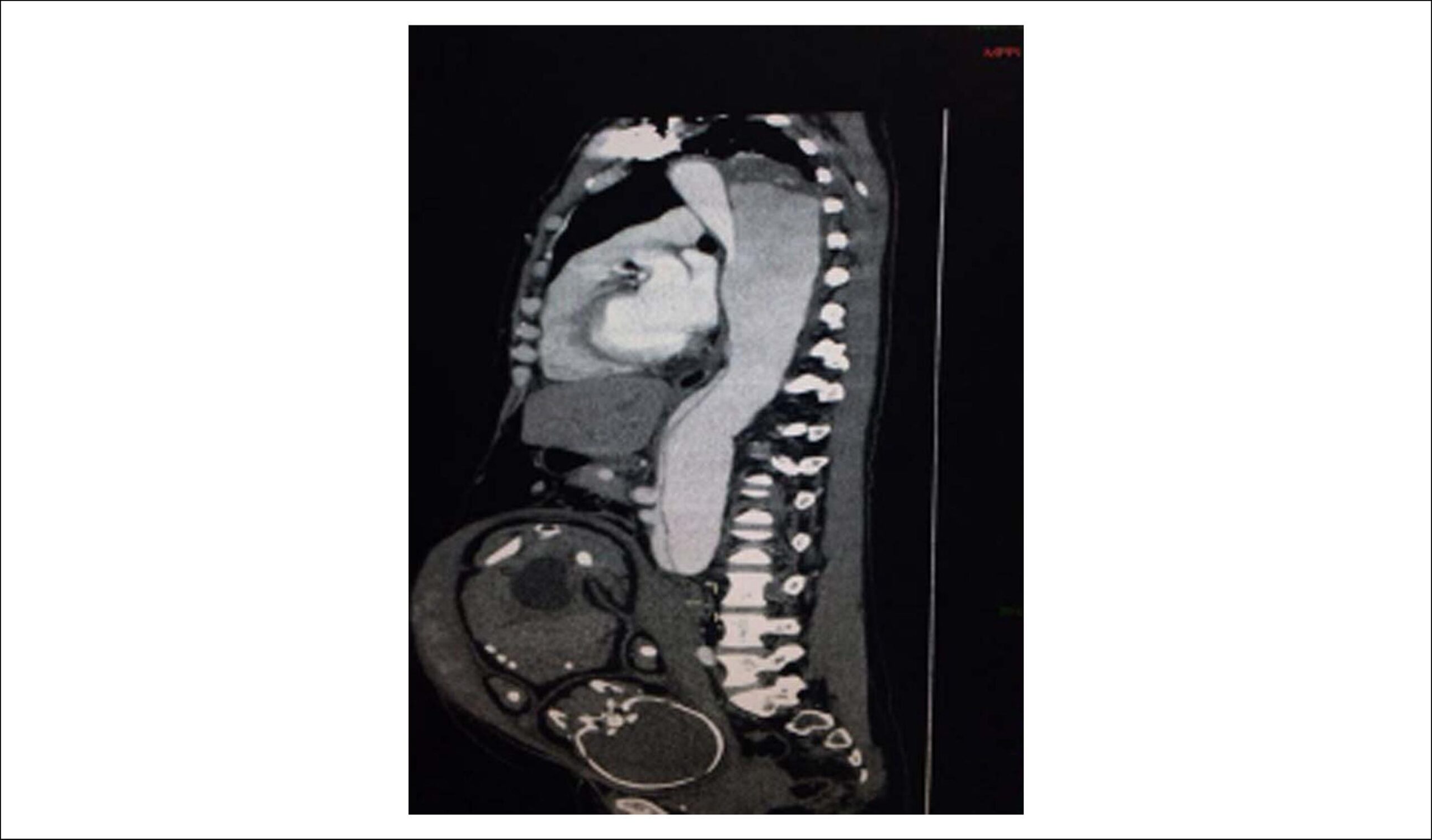
Aortic complications during pregnancy can occur in women without risk factors, but they are more often associated with collagen diseases (Marfan and Ehlers-Danlos syndromes) and structural cardiac malformations (aortic coarctation and bivalve aortic valve)., Approximately half of these events occur during pregnancy in women under 40 years of age, particularly in the third trimester, or in the postpartum period. It is an extremely rare event, accounting for 0.1% to 0.4% of all aortic dissections, affecting 5.5 (95% CI: 4.0 – 7.8) women per 1 million during pregnancy and puerperium.,, It is believed that the physiological hemodynamic changes during pregnancy, structural changes determined by compression of the gravid uterus and the hormonal action can aggravate this aortic pathology.,

The most commonly used classifications are based on the affected anatomical portion. The Stanford group considers: type A (dissection involving ascending aorta) and type B (descending aorta only). Depending on the duration of symptoms until the clinical presentation, aortic dissection can be classified as chronic, if it occurs two weeks or more after symptom onset.

[…]
  • Aneurysm, Dissecting/surgery
  • Aortic Coarction
  • Collagen Diseases/complications
  • Marfan Syndrome Ehlers-Danlos Syndrome
  • Postpartum Period
  • Pregnancy
Read Full Article
Creative Commons Attribution (CC BY) Creative Commons license
01/03/2019 DOI: 10.5935/abc.20190044 Views 1
Figure 1
Brief Communication

Beta-Blocker Type Effect on Substrate Oxidation during HIIE in Heart Failure Patients: Pilot Data

Paula Aver Bretanha Ribeiro et al. Eve Normandin Philippe Meyer Martin Juneau … Michel White Anil Nigam Mathieu Gayda

Abstract

The effect of third and second-generation type of beta-blocker on substrate oxidation especially during high-intensity exercises are scarce.

The objective of the study is to explore differences of beta-blocker regimens (vasodilating vs. non-vasodilating beta-blockers) for substrate oxidation during in high-intensity intermittent exercise (HIIE) in chronic heart failure and reduced ejection fraction (HFrEF).

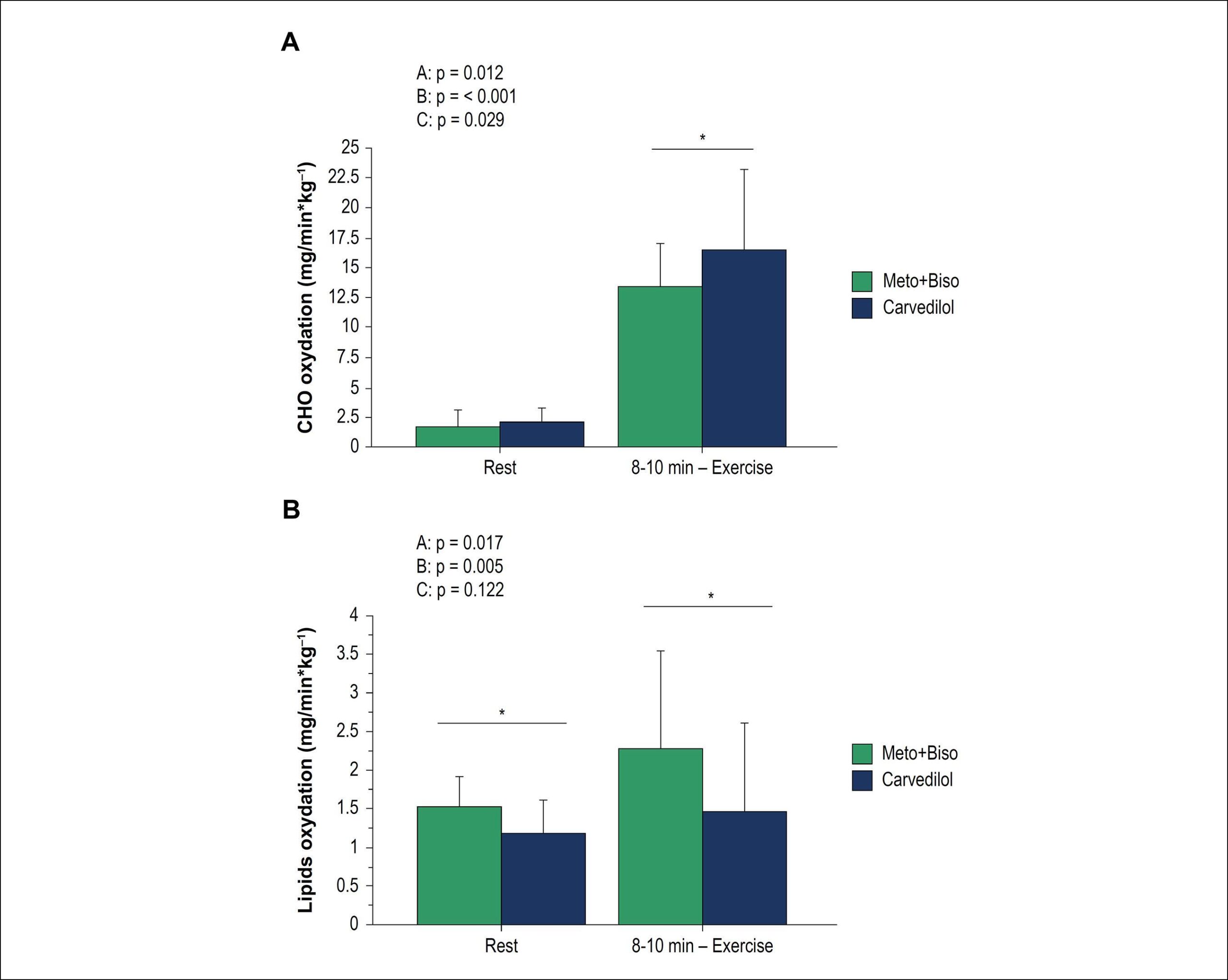
Eighteen CHF males (58.8 ± 9 years), 8 under use of β1 specific beta-blockers+alfa 1-blocker and 10 using β1 non-specific beta-blockers, were randomly assigned to 4 different HIIE, in a cross-over design. The 4 protocols were: 30 seconds (A and B) or 90 seconds (C and D) at 100% peak power output, with passive (A and C) or active recovery (50% of PPO; B and D). Energy expenditure (EE; kcal/min), quantitative carbohydrate (CHO) and lipid oxidation (g/min) and qualitative (%) contribution were calculated. Two-way ANOVA and Bonferroni post-hoc test were used (p-value ≤ 0.05) to compare CHO and lipid oxidation at rest and at 10min.

Total exercise time or EE did not show differences for beta-blocker use. The type of beta-blocker use showed impact in CHO (%) and lipid (g/min and %) for rest and 10 min, but absolute contribution of CHO (g/min) was different just at 10min (Interaction p = 0.029). Higher CHO oxidation was found in vasodilating beta-blockers when comparing to non-vasodilating.

According to our pilot data, there is an effect of beta-blocker type on substrate oxidation during HIIE, but no influence on EE or exercise total time in HFrEF patients.

  • Heart Failure, Adrenergic beta-Antagonists
  • Stroke Volume, Chemical Oxidation, Exercise
Read Full Article
Creative Commons Attribution (CC BY) Creative Commons license
01/03/2019 DOI: 10.5935/abc.20190039 Views 2
Editorial

How to Choose the Right Valve Prosthesis for My Patient?

Roney Orismar Sampaio

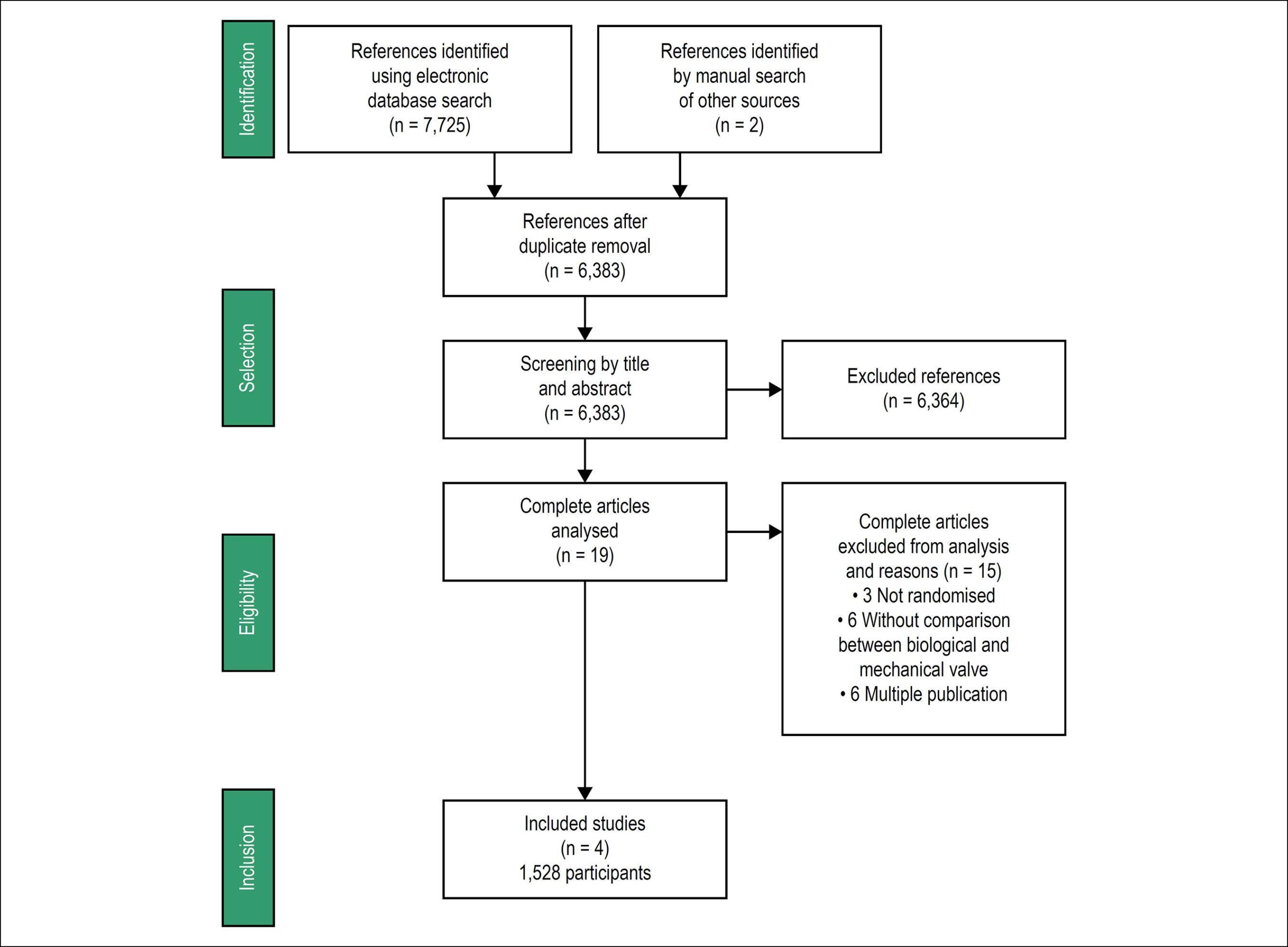
The manuscript: “Comparison of Biological and Mechanical Prostheses for Heart Valve Surgery: Systematic Review of Randomized Controlled Trials” addresses a controversial issue. The authors conducted a meta-analysis of randomized trials involving long-term follow-up of patients requiring cardiac valve replacement revealing similar mortality among patients who underwent implantation of biological prostheses and those who underwent implantation of mechanical prosthesis. There were no significant differences in the risk of thromboembolism and endocarditis. However, the risk of bleeding was approximately one-third lower among patients treated with biological prostheses than those treated with mechanical prostheses. In contrast, the need for reoperation among patients treated with bioprostheses was at least three times greater than that of patients treated with mechanical prostheses.

The authors selected “randomized” trials to avoid evaluation bias. The trial is interesting, as it seeks to be faithful to randomized evaluations, which are very unusual in the literature on valve diseases, especially at the time when the trials were conducted.

[…]

  • Bioprosthesis, Metal on Metal Joint Prostheses
  • Heart Valve Prosthesis
  • Heart Valve Prosthesis Implantation/trends
Read Full Article
Creative Commons Attribution (CC BY) Creative Commons license
01/03/2019 DOI: 10.5935/abc.20190026 Views 1
Editorial

An Approach to The Acute Phase of Chagas' Disease: The Continuing Challenge it Presents in the 21(st) Century

Dário C. Sobral Filho

Chagas disease, in addition to being widespread on the American continent with around six million persons infected, is currently present in various regions of the world as a result of the migration of individuals with the disease.,

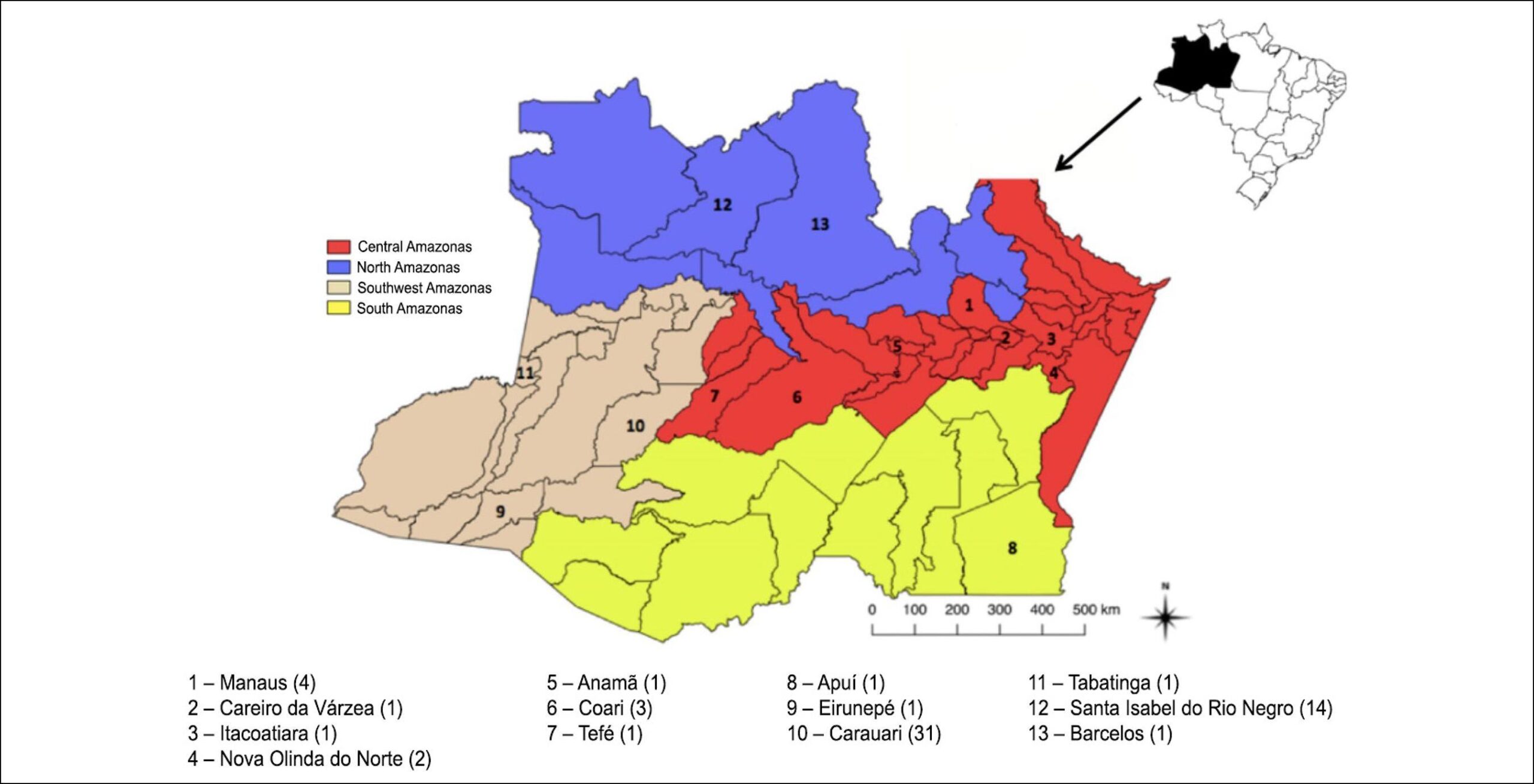
The statistics show that the incidence of acute cases has fallen from 700,000 new cases in 1990 to the current estimate of 29,000 – 30,000 per year by vector-borne transmission, plus 8,000 other cases by other modes such as transfusion and the digestive tract, owing to ingestion of food contaminated by Trypanosoma cruzi, as described by Ortiz et al. in their publication in this journal, in which they report 63 cases of cases of the acute form of Chagas disease in the state of Amazonas over a period of eight years, with oral transmission in 75% of the patients.

[…]

  • Amazonian Ecosystem
  • Chagas cardiomyopathy/epidemiology
  • Chagas Disease/epidemiology
  • Trypanosoma cruzi
Read Full Article
Creative Commons Attribution (CC BY) Creative Commons license
01/03/2019 DOI: 10.5935/abc.20190035 Views 1
Editorial

Abdominal Adiposity and Intima-Media Carotid Thickness: An Association

Mário Sérgio Soares de Azeredo Coutinho

Atherosclerosis is the main cause of morbidity and mortality in adults in Brazil and worldwide. Classical risk factors have shown its causal association from randomized experimental studies, such with cholesterol and hypertension. Other risk factors, including abdominal adiposity, show positive associations with atherosclerosis-related outcomes.

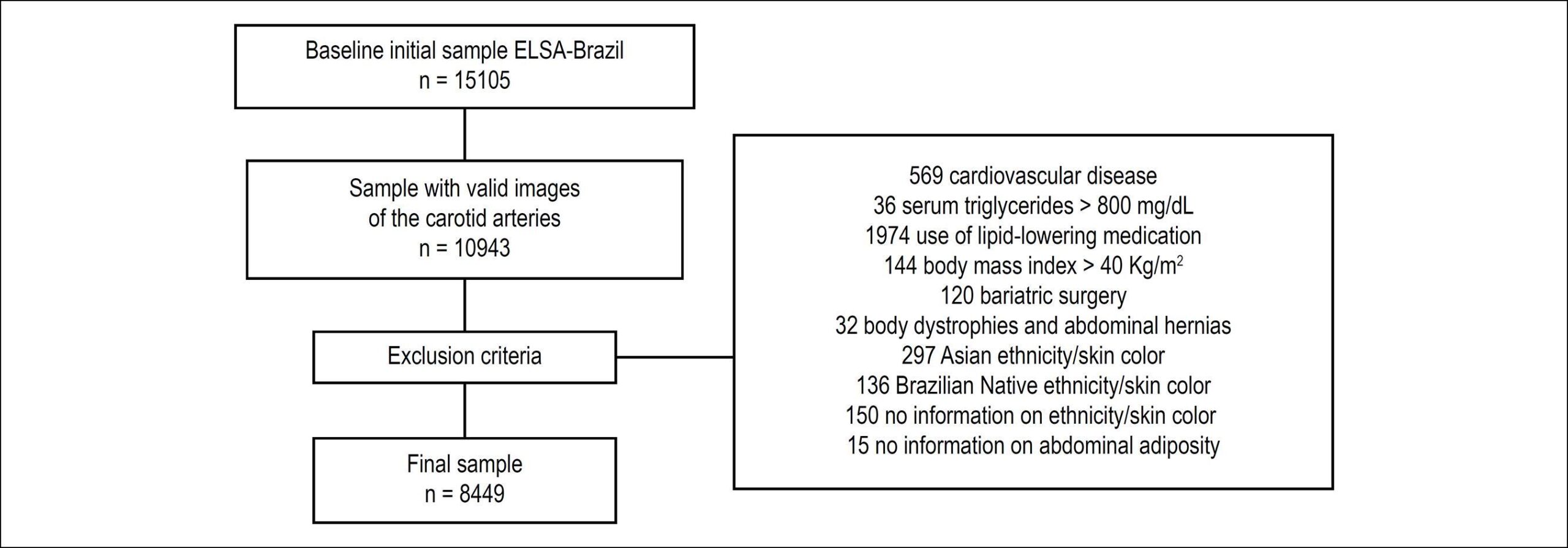
The ELSA-Brazil observational study began collecting data in 2008 with clinical, epidemiological and laboratorial variables of 15,105 public servants aged 35 to 74 years. Several articles on these data have already been published and have brought relevant information about the association between risk factors and varied outcomes. In the present issue, Michaela Eickemberg et al. present data from a cross-sectional study that explores different measures of abdominal adiposity and its association with carotid intima-media thickness (C-IMT) measurement.

[…]

  • Carotid Artery Diseases/mortality
  • Cholesterol
  • Hypertension
  • Media-Carotidea
  • Obesity, Abdominal
  • Risk Factors
Read Full Article
Creative Commons Attribution (CC BY) Creative Commons license
01/03/2019 DOI: 10.5935/abc.20190023 Views 1
Figure 1
Original Article

Role of Myocardial Fibrosis in Hypertrophic Cardiomyopathy: A Systematic Review and Updated Meta-Analysis of Risk Markers for Sudden Death

Marcelo Imbroinise Bittencourt et al. Samária Ali Cader Denizar Vianna Araújo Ana Luiza Ferreira Salles … Felipe Neves de Albuquerque Pedro Pimenta de Mello Spineti Denilson Campos de Albuquerque Ricardo Mourilhe-Rocha

Abstract

Background:

Hypertrophic cardiomyopathy (HCM) is associated with sudden death (SD). Myocardial fibrosis is reportedly correlated with SD.

Objective:

We performed a systematic review with meta-analysis, updating the risk markers (RMs) in HCM emphasizing myocardial fibrosis.

Methods:

We reviewed HCM studies that addressed severe arrhythmic outcomes and the certain RMs: SD family history, severe ventricular hypertrophy, unexplained syncope, non-sustained ventricular tachycardia (NSVT) on 24-hour Holter monitoring, abnormal blood pressure response to exercise (ABPRE), myocardial fibrosis and left ventricular outflow tract obstruction (LVOTO) in the MEDLINE, LILACS, and SciELO databases. We used relative risks (RRs) as an effect measure and random models for the analysis. The level of significance was set at p < 0.05.

Results:

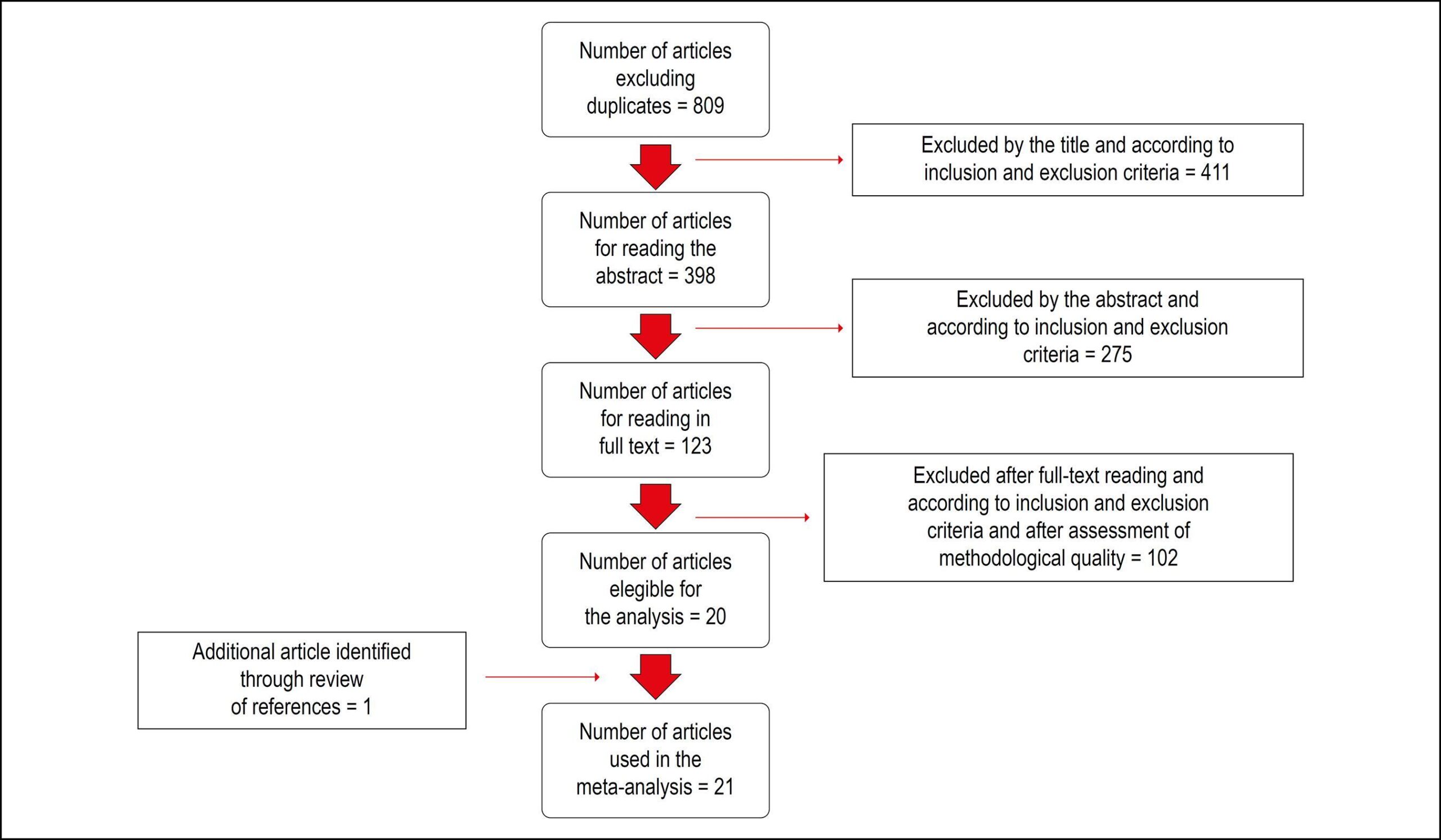
Twenty-one studies were selected (14,901 patients aged 45 ± 16 years; men, 62.8%). Myocardial fibrosis was the major RISK MARKER (RR, 3.43; 95% CI, 1.95-6.03). The other RMs, except for LVOTO, were also predictors: SD family history (RR, 1.75; 95% CI, 1.39-2.20), severe ventricular hypertrophy (RR, 1.86; 95% CI, 1.26-2.74), unexplained syncope (RR, 2.27; 95% CI, 1.69-3.07), NSVT (RR, 2.79; 95% CI, 2.29-3.41), and ABPRE (RR, 1.53; 95% CI, 1.12-2.08).

Conclusions:

We confirmed the association of myocardial fibrosis and other RMs with severe arrhythmic outcomes in HCM and emphasize the need for new prediction models in managing these patients.

  • Cardiomyopathy, Hypertrophic, Familial;Endomyocardial Fibrosis
  • Death, Sudden,Cardiac
  • Meta-Analsis
  • Review
  • Risk Factors
Read Full Article
Creative Commons Attribution (CC BY) Creative Commons license
01/03/2019 DOI: 10.5935/abc.20190045
Figure 1
Clinicoradiological Correlation

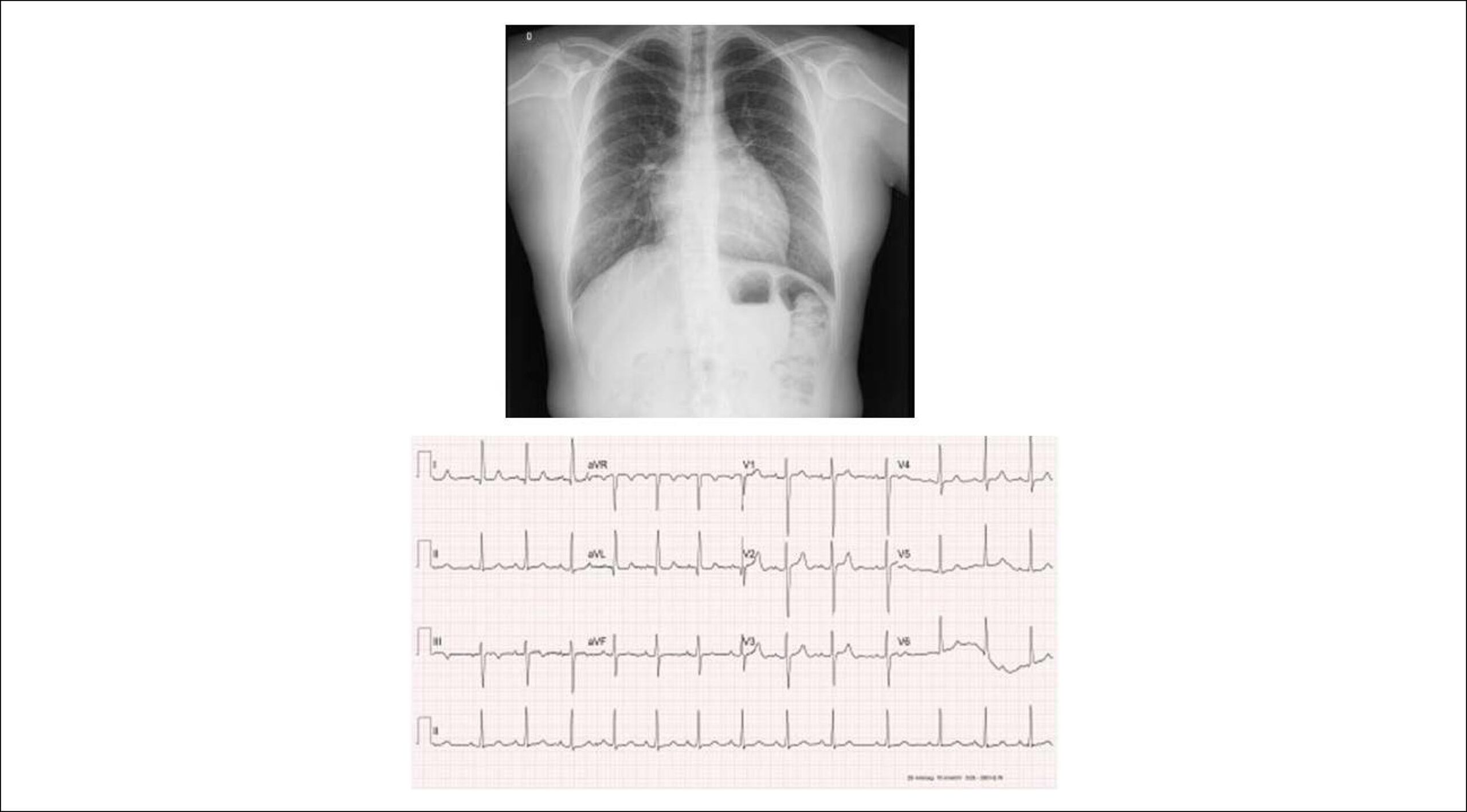
Case 2 / 2019 – Complete Atrioventricular Septal Defect, with Down Syndrome, without Pulmonary Hypertension and Natural History at 33 Years of Age

Edmar Atik et al. Alessandra Costa Barreto Maria Angélica Binotto

Clinical data

The patient has developed no symptoms since birth, when heart disease was diagnosed by the presence of heart murmur in the presence of physical elements of Down syndrome. The patient is currently able to walk approximately 30 minutes daily without showing signs of fatigue and accompanies other individuals normally. The patient uses enalapril and levothyroxine for hypothyroidism.

Physical examination: good overall status, eupneic, acyanotic, normal pulses in the 4 limbs. Weight: 41 kg, Height: 131 cm, MBP in the right upper limb: 110 x 60 mmHg, HR: 93 bpm, Sat O2: 97%.

[…]

  • Complete atrioventricular defect Clinical/surgery Down syndrome
  • Echocardography/methods
  • Heart Defects, Congenital
  • Radiography, Thoracic/methods
Read Full Article
Creative Commons Attribution (CC BY) Creative Commons license
01/03/2019 DOI: 10.5935/abc.20190024 Views 1
Editorial

The Challenges of Controlling Arterial Hypertension in the Elderly

Marcus Vinicius Bolivar Malachias

This issue of the “Archives” brings the study “Hypertension Prevalence, Treatment and Control in Older Adults in a Brazilian Capital City”, by Souza ALL et al., disclosing data about this important cardiovascular risk factor in Goiânia, state of Goiás, Brazil, depicting the situation in our coutry. In this mini-editorial, we review the epidemiology of arterial hypertension (AH) in Brazil and worldwide.

AH is the leading preventable cause of premature death. A report by the US Institute of Medicine considers AH as a neglected disease, because it is often overlooked by the population and underestimated by the medical community. Although AH is relatively easy to prevent, simple to diagnose and considerably less expensive to treat, it remains one of the most important causes of death. More than 50% of deaths from coronary artery disease and cerebrovascular accidents in the US occur in individuals with AH.

[…]

Read Full Article
Creative Commons Attribution (CC BY) Creative Commons license
01/03/2019 DOI: 10.5935/abc.20190020
Editorial

Job Stress and Cardiovascular Health: Is There a Connection?

Fernando Henpin Yue Cesena

The relationship between psychological stress and cardiovascular (CV) disease has been studied for a long time. In particular, the link between job stress and CV outcomes has been a matter of debate. While there are data supporting that job stress increases CV risk, some experts believe that this association is not truly relevant or the results may be biased.

There are many plausible mechanisms by which job stress may increase the likelihood of CV events, including augmentation of autonomic tonus and predisposition to risk behaviors, such as physical inactivity, unhealthy diet, and smoking.

[…]

  • Cardiovascular Diseases
  • Occupational Stress
  • Stress, Psychological, Risk Factors
Read Full Article
Creative Commons Attribution (CC BY) Creative Commons license
01/03/2019 DOI: 10.5935/abc.20190030 Views 1
Editorial

Cohort Studies with Mortality Data from the Brazilian Population: a Rising National Requirement

Thiago Veiga Jardim

Cohort studies assessing mortality predictors are extremely important to determine public health priorities and are a central issue in clinical decision making. These studies are particularly relevant in low-to-middle income countries whereas resources addressed to health care are limited and can be better managed. Nevertheless, traditionally epidemiological studies assessing the impact of different risk factors on mortality have historically been conducted in high-income countries.

Results from cohort studies conducted in the developed world have been extrapolated and widely used in developing countries. This can be an issue given population and disease management differences, reinforcing the need to increase publications of long-term follow-up cohort studies with mortality data from low-to-middle income countries.

[…]

  • Acute coronary syndrome
  • Clinical Decision – Making
  • Cohort Studies
  • Mortality
  • Public Health
  • Risk Factors
Read Full Article
Creative Commons Attribution (CC BY) Creative Commons license
01/03/2019 DOI: 10.5935/abc.20190038 Views 1
Letter to the Editor

Do Not Treat Children with Statins

David M. Diamond et al. Uffe Ravnskov Michel de Lorgeril

In their meta-analysis Radaelli et al. conclude that statin treatment is efficient in lowering lipids in children with familial hypercholesterolemia (FH) and suggest that long-term trials should be performed to establish long-term safety. We would warn against their recommendation for several reasons.

As we have shown in a recent paper, there is much evidence that high LDL-cholesterol (LDL-C) is not the cause of premature coronary heart disease in FH; it is most likely inborn abnormal coagulation factors, and only a small minority among those with FH inherits these factors. On average, people with FH live just as long as other people because high LDL-C protects against cancer and infectious diseases. Furthermore, to treat children with statins may ultimately cause them harm because cholesterol is necessary for the developing brain and is an essential precursor for metabolic co-factors and hormones, including vitamin D and all sex steroids.

[…]

  • Children
  • Hydroxymethylglutaryl CoA Reductase
  • Hypercholesterolemia Type II/genetics
  • Inhibitors
  • Meta-Analysis
  • Statins
Read Full Article
Creative Commons Attribution (CC BY) Creative Commons license
01/03/2019 DOI: 10.5935/abc.20190034
Editorial

Programmed Ventricular Stimulation in the Management of Brugada Syndrome Patients

Mauricio Ibrahim Scanavacca et al. Denise Tessariol Hachul

Since 1980, the American College of Cardiology (ACC) and the American Heart Association (AHA), by means of a systematic methodology, have incorporated and adapted scientific evidence into practical recommendations aiming to improve preventive and therapeutic measures for cardiovascular diseases. These guidelines have become the current reference for cardiology practices and been adopted by many societies, which adapt them according to local realities.

In 2006, the AHA/ACC, together with the Heart Rhythm Society (HRS), published the first guidelines for the management of patients with ventricular arrhythmias and prevention of sudden death (SD). In 2017, this first document was updated by the same societies and published in October 2018.,

[…]

  • Brugada Syndrome
  • Death, Sudden, Cardiac/prevention & control
  • Defibrilators, Implantable/utilization
  • Risk Factors
  • Tachycardia, Ventricular
  • Ventricular Fibrillation
Read Full Article
Creative Commons Attribution (CC BY) Creative Commons license
01/03/2019 DOI: 10.5935/abc.20190047 Views 1
Updated

The Brazilian Society of Cardiology and Brazilian Society of Exercise and Sports Medicine Updated Guidelines for Sports and Exercise Cardiology – 2019

Nabil Ghorayeb et al. Ricardo Stein Daniel Jogaib Daher Anderson Donelli da Silveira … Luiz Eduardo Fonteles Ritt Daniel Fernando Pellegrino dos Santos Ana Paula Rennó Sierra Artur Haddad Herdy Claúdio Gil Soares de Araújo Cléa Simone Sabino de Souza Colombo Daniel Arkader Kopiler Filipe Ferrari Ribeiro de Lacerda José Kawazoe Lazzoli Luciana Diniz Nagem Janot de Matos Marcelo Bichels Leitão Ricardo Contesini Francisco Rodrigo Otávio Bougleux Alô Sérgio Timerman Tales de Carvalho Thiago Ghorayeb Garcia

Content

1. Presentation and Introduction……………………………………………….330

2. Pre-Participation Screening…………………………………………………..330

[…]

Read Full Article
Creative Commons Attribution (CC BY) Creative Commons license
01/03/2019 DOI: 10.5935/abc.20190048 Views 1
Figure 1
Original Article

Echocardiographic Correlation between Right Ventricular Function and Left Atrial Volume

Liz Andréa Villela Baroncini et al. Lucas José Lira Borges Ana Cristina Camarozano Daniela de Castro Carmo … Rubens Zenobio Darwich Jeronimo Antonio Fortunato Junior

Abstract

Background:

Few reports exist on the relationship of the left ventricular diastolic dysfunction (LVDD) with its most important features including enlargement of the left atrium and left ventricular hypertrophy (LVH), and with the right ventricular (RV) function.

Objective:

To determine the correlation between the left atrial size and the RV function and dimensions in patients with and without LVDD and LVH.

Methods:

Fifty patients were included, 25 (40% men) of them with LVDD, aged 67.1 ± 10.6 years (study group) and 25 without LVDD (52% men) aged 49.9 ± 16.3 years (control group). Patients underwent transthoracic echocardiography with evaluation of the left atrial size and volume (LAV), LVDD, LVH, and RV function and dimensions. P-values < 0.05 were considered statistically significant.

Results:

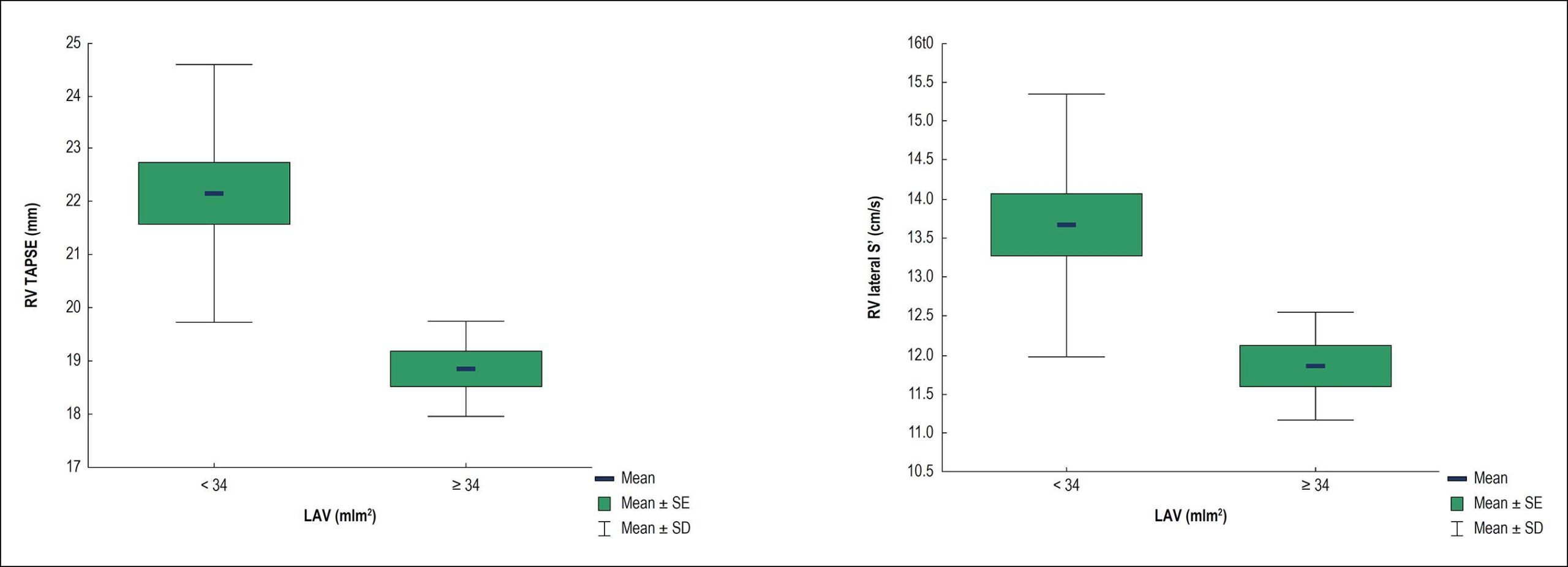
LAV > 34 mL/m2 and left atrial size > 40 mm were associated with lower absolute values of tricuspid annular plane systolic excursion (TAPSE) and RV lateral S’ (p ≤ 0.001, Pearson’s correlation coefficient -0.4 and -0.38, respectively) in the study group. Patients in the study group showed higher incidence of LVH (p = 0.02) and greater left atrial diameter (p = 0.03) compared with the control group. In addition, greater left atrial diameter (p = 0.02) and LAV (p = 0.01) values were found in patients with LVDD grade II compared with LVDD grade I.

Conclusions:

The present study determined, for the first time, the correlation of left atrial enlargement with progressive RV dysfunction in patients with LVDD.

  • Atrial Function/Physiology
  • Blood Pressure
  • Echocardiography/methods
  • Heart Failure
  • Stroke Volume
  • Ventricular Dysfunction Right
Read Full Article
Creative Commons Attribution (CC BY) Creative Commons license
01/03/2019 DOI: 10.5935/abc.20190042
Editorial

Myocardial Fibrosis in Hypertrophic Cardiomyopathy: What Remains to be Proven?

Leonardo Sara

Hypertrophic cardiomyopathy (HCM) is a complex and well-characterized disease. Its prevalence in the general population is 1 in 500 individuals, with some data suggesting an even higher prevalence when using associated genetic criteria. This means that, based on a conservative estimate, cities such as Goiânia-GO or Recife-PE have approximately more than 3,000 individuals with the disease, a figure that can be as high as 25,000 individuals in a large city such as São Paulo.

Although HCM is perceived as a rare and usually very severe disease, related to dramatic episodes of sudden death (SD) in young individuals and athletes, it is a disease with low mortality. Due to advances in the diagnosis, treatment and prevention of SD, current estimates indicate a mortality rate of 0.5% a year, similar to that found in the general population, with most patients with the disease being asymptomatic or minimally symptomatic. In this scenario, the correct identification of subgroups of individuals with a higher risk of unfavorable outcome and, therefore, a greater chance of benefit when submitted to specific therapeutic strategies, such as the use of implantable cardioverter defibrillators (ICD), is of utmost importance.

[…]

  • Cardiomyopathy, Hypertrophic
  • Death, Sudden, Cardiac/prevention & control
  • Heart Failure
  • Magnetic Resonance Spectroscopy/ methods
  • Prevalence
Read Full Article
Creative Commons Attribution (CC BY) Creative Commons license
01/03/2019 DOI: 10.5935/abc.20190043
Viewpoint

Medical Societies and Public Universities

Charles Mady

Medical societies are important and strong institutions in our country. We can take as an example the Brazilian Society of Cardiology (Sociedade Brasileira de Cardiologia, SBC), of which most of those reading this text are members. I have never done corporate politics, but I follow it with interest. I am impressed by the determination observed in the fierce disputes between competitors at election time.

These groups, which always include members of university faculties, spend a lot of energy to achieve command positions. Such is the game, which often drifts into tortuous paths. Therefore, the human resources of societies and universities have much in common, since they promote scientific and didactic activities, educating professionals all over the country, using both the face-to-face and the media modalities.

[…]

  • Education, Medical
  • Public Health Policy
  • Societies, Medical/trends
  • Universities/trends
Read Full Article
Creative Commons Attribution (CC BY) Creative Commons license
01/03/2019 DOI: 10.5935/abc.20180241
Editorial

Let's Look Right during Diastolic Dysfunction Evaluation?

Murilo Foppa et al. Angela Barreto Santiago Santos

Nearly half of heart failure patients have preserved ejection fraction (HFPEF). HFPEF is traditionally attributed to an increased left ventricular end-diastolic filling pressure (Pd2), triggered by structural, metabolic and functional mechanisms. Echocardiography permits to identify HFPEF signs as diastolic dysfunction (DD), enlarged left atrium, and more subtle abnormalities of systolic function detected by global longitudinal strain., Right ventricular (RV) abnormalities and pulmonary hypertension are also identified by echocardiography and are frequently seen in HFPEF. However, there are controversies if the abnormalities seen in right cardiac chambers are a consequence of left-sided abnormalities or if they correspond to a direct effect over left and right chambers simultaneously, caused by the same mechanisms, such as diffuse subendocardial fibrosis and subclinical systolic dysfunction.

In this journal, Baroncini et al. sought to bring more evidence to fill this knowledge gap. The authors compared two small samples of individuals with and without DD (25 subjects in each group) and found no significant changes in RV function between the groups measured by tricuspid annular plane excursion (TAPSE) or RV free wall systolic velocity (s’). The secondary analysis highlighted by the authors showed that in the subgroup with DD, the 7 individuals with a dilated left atrium presented worse RV function parameters compared to the other patients with DD (n = 18). These results could suggest that RV abnormalities would be present only in those already with a chronic increase in left atrial pressure identified by its dilatation.

[…]

Read Full Article
Creative Commons Attribution (CC BY) Creative Commons license
01/03/2019 DOI: 10.5935/abc.20190053
Figure 1
Review Article

Early Detection and Monitoring of Cancer Chemotherapy-Related Left Ventricular Dysfunction by Imaging Methods

Mario Luiz Ribeiro et al. Antonio José Lagoeiro Jorge Marcelo Souto Nacif Wolney de Andrade Martins

Introduction

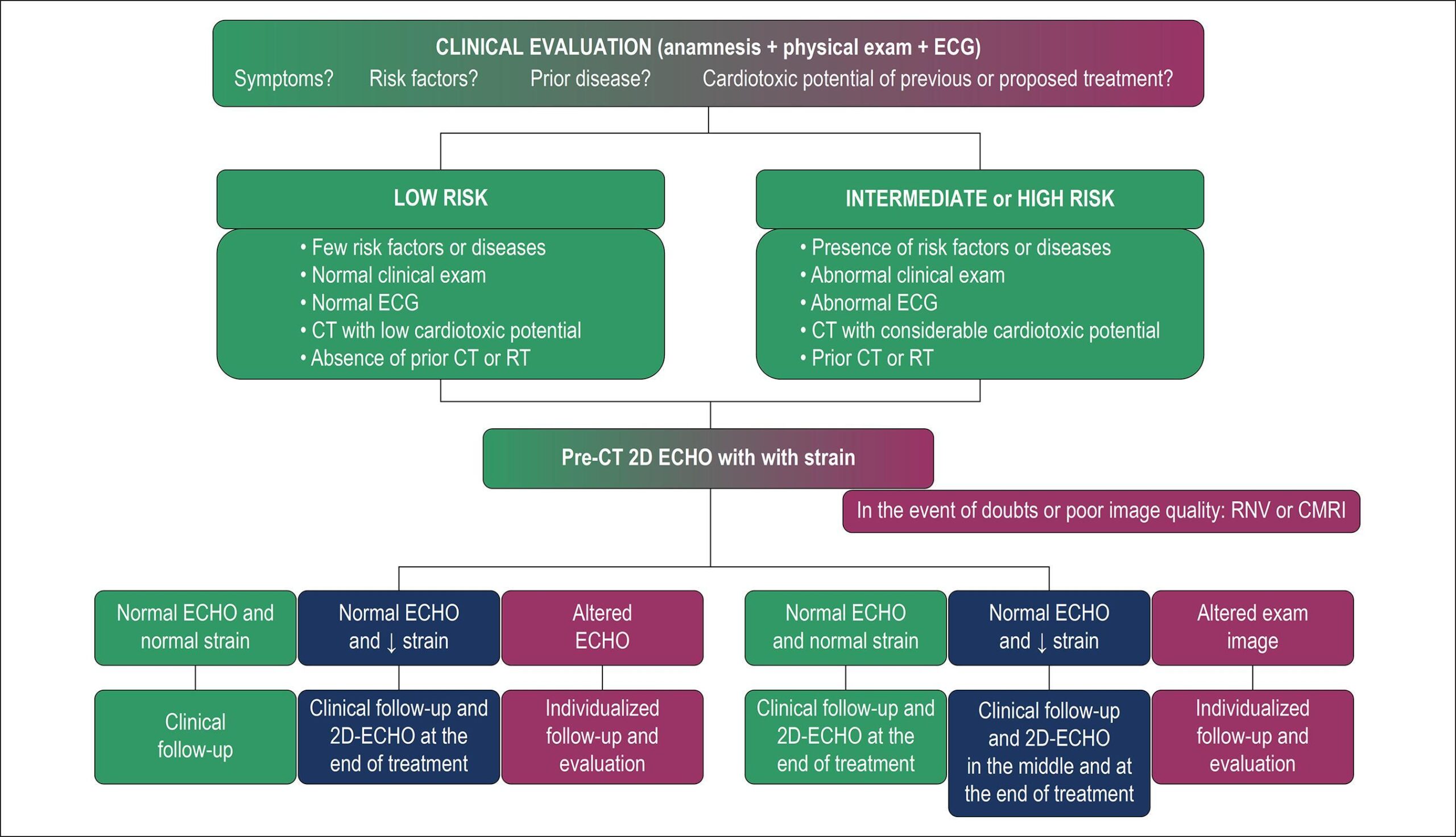
Cancer has been the second leading cause of death in Brazil since 2006, and it is predicted to surpass cardiovascular disease (CVD) as the leading cause of death between 2020 and 2025. Cancer and CVD have risk factors in common, such as obesity, sedentarism, arterial hypertension, tobacco use, diabetes mellitus, advanced age, and dietary pattern. The co-prevalence of cancer and CVD is therefore elevated. The diagnosis and prevention of both diseases may be carried out in an integrated manner. Oncological treatment with chemotherapy (CT) has led to an increase in survival, but it has also led to the risk of cardiotoxicity (CTX), the incidence of asymptomatic ventricular dysfunction or even cardiomyopathy. Early diagnosis of CTX is important, given that the sooner this myocardial event is diagnosed, the higher the chances of recovering systolic function.

The objective of monitoring left ventricular (LV) function during cancer treatment is to detect cardiac dysfunction during the subclinical phase, rather than when a symptomatic patient already has reduced ejection fraction. The groups of chemotherapeutic medications that most frequently cause myocardial aggression are anthracyclines (ANT), widely used in the treatment of solid tumors and hematological malignancies, and monoclonal antibodies, the typical example of which is trastuzumab (TZU)., The CTX of ANT was initially described as dose-cumulative, irreversible, and caused by mitochondrial injury. In contrast, TZU-related CTX, which is not dose dependent, is irreversible and does not cause mitochondrial injury. In both aggressions, however, the possibility of reverse remodeling and recovery of ventricular function has been reported. Case series of patients undergoing treatment with ANT reported an incidence of 15% to 17% of some degree of decrease in LV ejection fraction (LVEF), calculated by Simpson’s method, and 2% to 3% of severe heart failure (HF). More recent case series, however, have related lower incidences.

[…]

  • Anthracyclines/adverse effects
  • Antineoplastic Agents/adverse effects
  • Neoplasms/mortality
  • Trastuzumab/radiation effects
  • Ventricular Dysfunction, Left/diagnostic imaging
Read Full Article
Creative Commons Attribution (CC BY) Creative Commons license
21/02/2019 DOI: 10.5935/abc.20190022 Views 1
Figure 1
Original Article

Hypertension Prevalence, Treatment and Control in Older Adults in a Brazilian Capital City

Ana Luiza Lima Sousa et al. Sandro Rodrigues Batista Andrea Cristina Sousa Jade Alves S. Pacheco … Priscila Valverde de Oliveira Vitorino Valéria Pagotto

Abstract

Background:

The diagnosis, treatment and control of arterial hypertension are fundamental for a reduction in cardiovascular outcomes, especially in the elderly. In Brazil, there are few studies that specifically identified these rates in the elderly population.

Objective:

To verify rates of prevalence, treatment and control of hypertension in elderly people living in the urban area of a Brazilian capital city.

Methods:

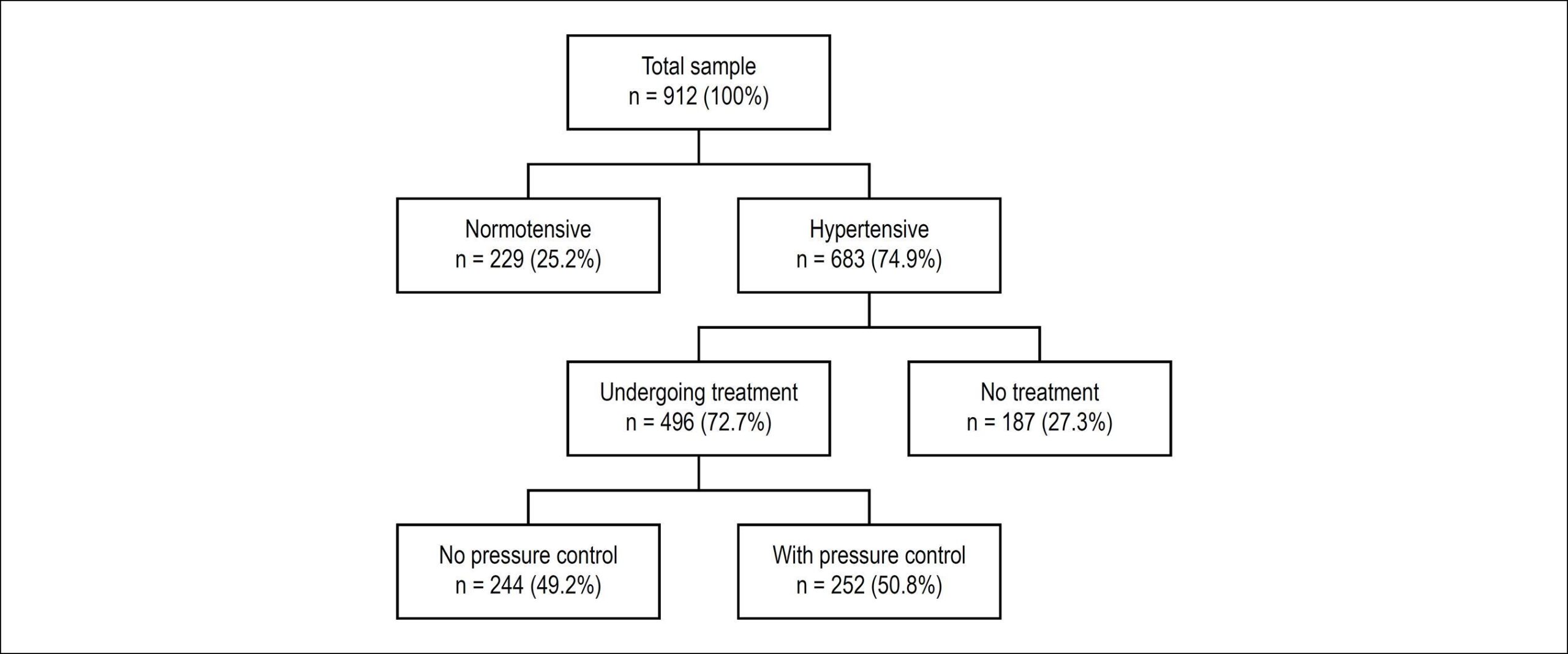
A cross-sectional, population-based, randomized, cluster-based study with 912 non-institutionalized elderly individuals (≥ 60 years), living in urban areas in the city of Goiania, Midwest Brazil. Predictor variables were: age, gender, socioeconomic and lifestyle aspects. Blood pressure measurements were performed at home; patients were considered as having arterial hypertension when SBP and/or DBP ≥ 140/90 mmHg or when using antihypertensive drugs (dependent variable). Rates of hypertension treatment and control were evaluated. Variable association analyses were performed by multivariate logistic regression and level of significance was set at 5%.

Results:

The prevalence of arterial hypertension was 74.9%, being higher (78.6%) in men (OR 1.4, 95% CI: 1.04-1.92); the treatment rate was 72.6%, with higher rates being observed in smokers (OR 2.06, 95% CI: 1.28-3.33). The rate of hypertension control was 50.8%,being higher in women (OR 1.57, 95% CI: 1.19-2.08).

Conclusion:

The prevalence rates were high. Treatment and control rates were low and associated with gender, age and lifestyle, indicating the need for early and individual interventions.

  • aging
  • Blood Pressure
  • Cross-Sectional Studies
  • Hypertension/epidemiology
  • Hypertension/prevention and control
  • Prevalence
Read Full Article
Creative Commons Attribution (CC BY) Creative Commons license
07/01/2019 DOI: 10.5935/abc.20180274 Views 1
Figure 1
Original Article

Comparison of Biological and Mechanical Prostheses for Heart Valve Surgery: A Systematic Review of Randomized Controlled Trials

Alberto Takeshi Kiyose et al. Erica Aranha Suzumura Lígia Laranjeira Anna Maria Buehler … José Amalth Espírito Santo Otavio Berwanger Antonio Carlos de Camargo Carvalho Angelo Amato de Paola Valdir Ambrósio Moises Alexandre Biasi Cavalcanti

Abstract

Background:

The choice of a mechanical (MP) or biological prosthesis (BP) for patients with valvular heart disease undergoing replacement is still not a consensus.

Objective:

We aimed to determine the clinical outcomes of MP or BP placement in those patients.

Methods:

We conducted a systematic review and meta-analysis of randomized controlled trials (RCTs) that compared biological prostheses and mechanical prostheses in patients with valvular heart diseases and assessed the outcomes. RCTs were searched in the MEDLINE, EMBASE, LILACS, CENTRAL, SCOPUS and Web of Science (from inception to November 2014) databases. Meta-analyses were performed using inverse variance with random effects models. The GRADE system was used to rate the quality of the evidence. A P-value lower than 0.05 was considered significant.

Results:

A total of four RCTs were included in the meta-analyses (1,528 patients) with follow up ranging from 2 to 20 years. Three used old generation mechanical and biological prostheses, and one used contemporary prostheses. No significant difference in mortality was found between BP and MP patients (risk ratio (RR = 1.07; 95% CI 0.99-1.15). The risk of bleeding was significantly lower in BP patients than MP patients (RR = 0.64; 95% CI 0.52-0.78); however, reoperations were significantly more frequent in BP patients (RR = 3.60; 95% CI 2.44-5.32). There were no statistically significant differences between BP and MP patients with respect to systemic arterial embolisms and infective endocarditis (RR = 0.93; 95% CI 0.66-1.31, RR = 1.21; CI95% 0.78-1.88, respectively). Results in the trials with modern and old prostheses were similar.

Conclusions:

The mortality rate and the risk of thromboembolic events and endocarditis were similar between BP and MP patients. The risk of bleeding was approximately one third lower for BP patients than for MP patients, while the risk of reoperations was more than three times higher for BP patients.

  • Bioprosthesis
  • Heart Valve Prosthesis
  • Heart Valve Prosthesis Implantation/trends
  • Metal-on-Metal Joint Prosthesis
  • Review
Read Full Article
Creative Commons Attribution (CC BY) Creative Commons license
07/01/2019 DOI: 10.5935/abc.20180272 Views 1
Figure 1
Original Article

Ideal Cardiovascular Health and Job Strain: A Cross-Sectional Study from the Amazon Basin

Davi Dantas Muniz et al. Kamile Santos Siqueira Cristina Toledo Cornell Miguel Morita Fernandes-Silva … Pascoal Torres Muniz Odilson Marcos Silvestre

Abstract

Background:

Ideal Cardiovascular (CV) Health is characterized by four ideal lifestyle parameters and absence of cardiovascular risk factors. The prevalence of ideal CV health in the Amazon Basin and the influence of job strain on CV health in this setting are uncertain.

Objective:

To evaluate the prevalence of ideal CV health and its relationship with job strain in a secluded area from a developing country.

Methods:

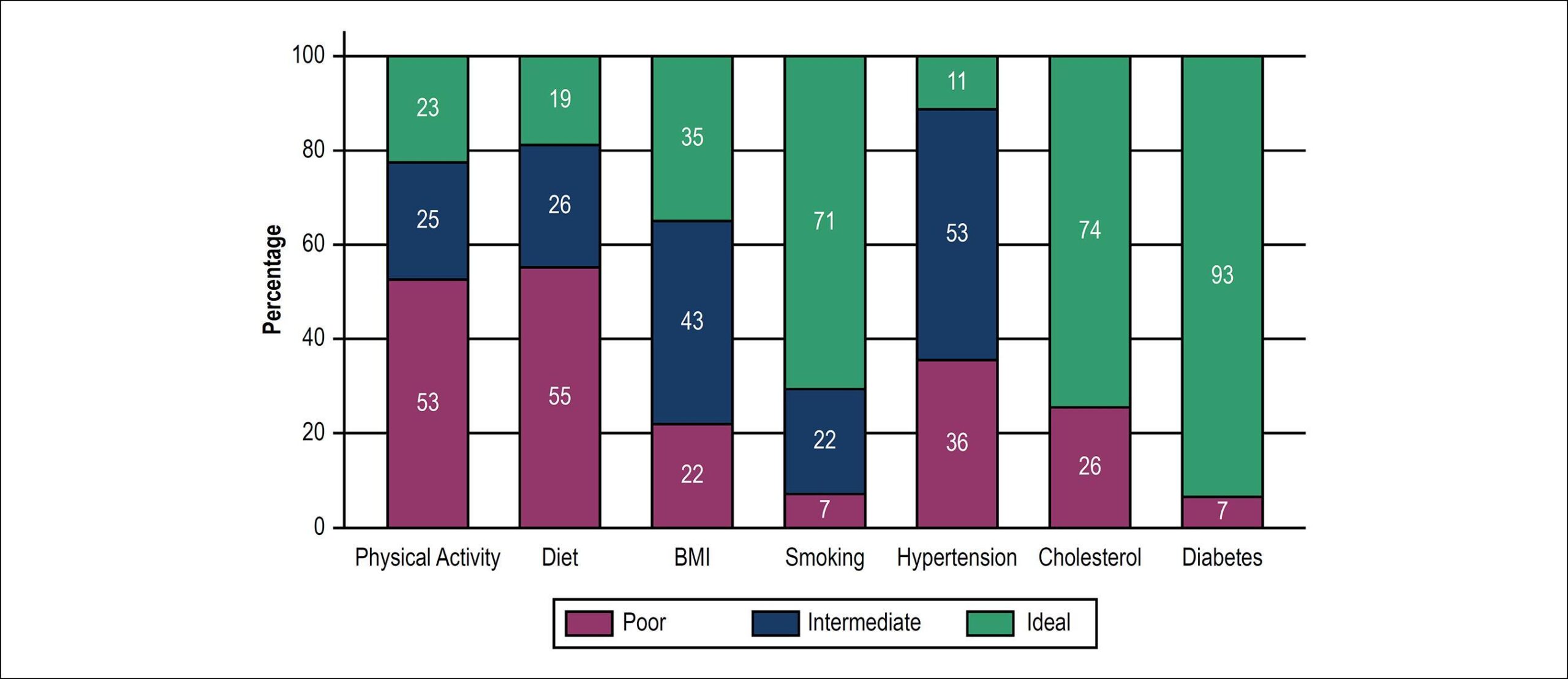
Job strain was evaluated in 478 employees from an university in the Amazon Basin by a questionnaire that classified participants as passive, active, low or high strain, according to the demand-control model. CV health was evaluated using the American Heart Association 7 health factors (diet, physical activity, body mass index (BMI), smoking, hypertension, diabetes and hypercholesterolemia). Participants were classified as having ideal, intermediate or poor CV health. The level of significance was set at p < 0.05.

Results:

The mean age was 44.3 ± 12 years, 65% were men, and 35% were faculty. No participant fulfilled the criteria for ideal CV health. Intermediate CV health was found in 44 (9%) and poor in 434 (91%) individuals. Considering low strain as a reference group, individuals classified as high strain, active and passive had a non-significant (p > 0.05) increase in the chances of having poor CV health. When adjusting for possible confounders, high job strain was associated with poor BMI (> 30 kg/m2), (OR 2.11, 95%CI 1.06-4.22; p = 0.034) and poor diet (OR 2.31, 95% CI 1.29-4.13; p = 0.005).

Conclusion:

Job strain was not associated with cardiovascular health, but high job strain was related to obesity and poor diet. Given the high prevalence of poor CV health and lack of participants with ideal CV health, policies focusing on health education and lifestyle interventions are paramount to this population.

  • Amazonian Ecosystem
  • Cardiovascular Diseases / epidemiology
  • Eating Disorders
  • Obesity
  • Prevention and Control
  • Risk Factors
  • Stress,Psychological
Read Full Article
Creative Commons Attribution (CC BY) Creative Commons license
07/01/2019 DOI: 10.5935/abc.20190005
Figure 1
Original Article

Elevated High-Sensitivity Troponin I in the Stabilized Phase after an Acute Coronary Syndrome Predicts All-Cause and Cardiovascular Mortality in a Highly Admixed Population: A 7-Year Cohort

Leandro Teixeira de Castro et al. Itamar de Souza Santos Alessandra C. Goulart Alexandre da Costa Pereira … Henrique Lane Staniak Marcio Sommer Bittencourt Paulo Andrade Lotufo Isabela Martins Bensenor

Abstract

Background:

High-sensitivity cardiac troponin I (hs-cTnI) has played an important role in the risk stratification of patients during the in-hospital phase of acute coronary syndrome (ACS), but few studies have determined its role as a long-term prognostic marker in the outpatient setting.

Objective:

To investigate the association between levels of hs-cTnI measured in the subacute phase after an ACS event and long-term prognosis in a highly admixed population.

Methods:

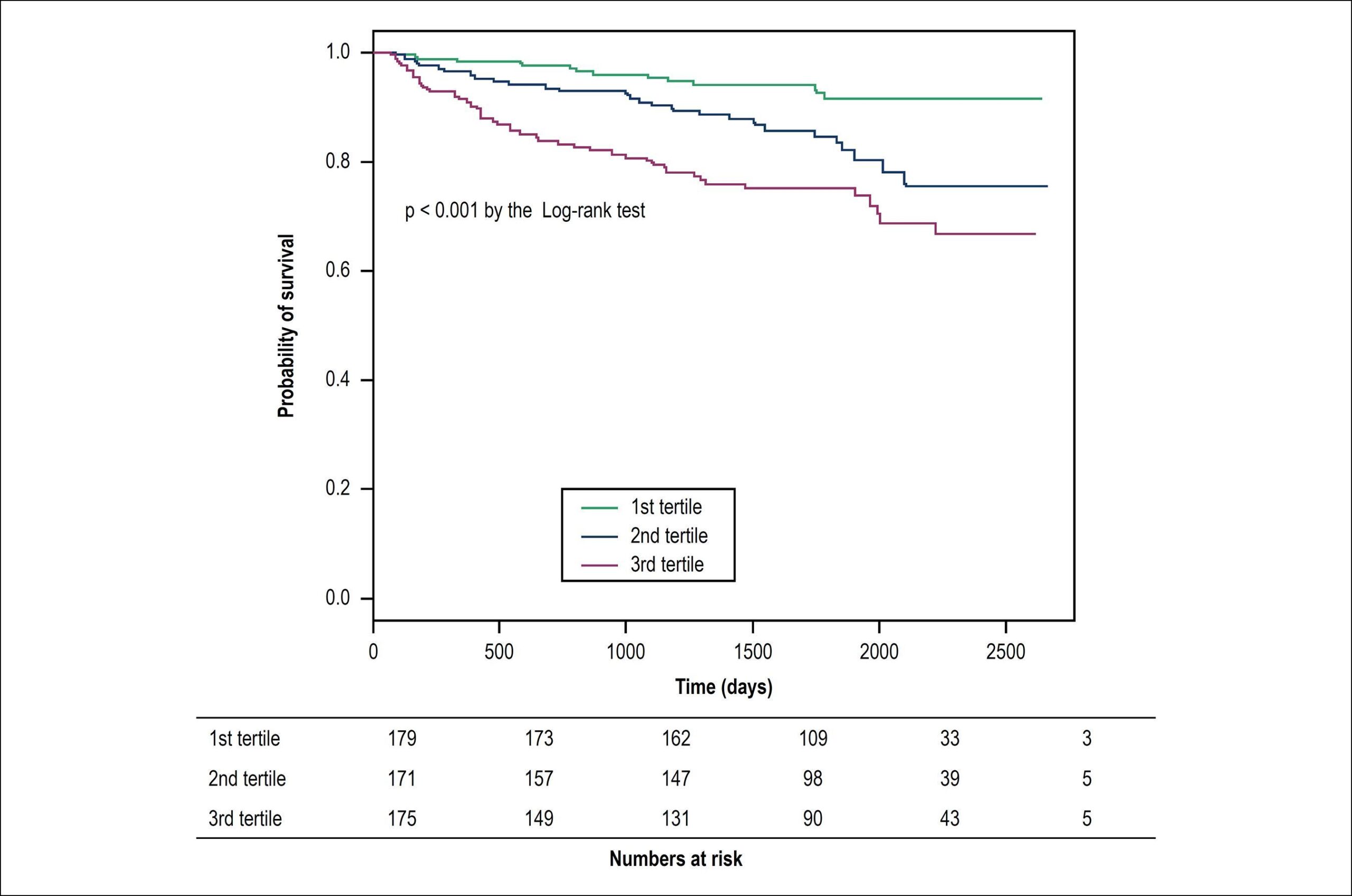
We measured levels of hs-cTnI in 525 patients 25 to 90 days after admission for an ACS event; these patients were then divided into tertiles according to hs-cTnI levels and followed for up to 7 years. We compared all-cause and cardiovascular mortality using Cox proportional hazards models and adopting a significance level of 5%.

Results:

After a median follow-up of 51 months, patients in the highest tertile had a greater hazard ratio (HR) for all-cause mortality after adjustment for age, sex, known cardiovascular risk factors, medication use, and demographic factors (HR: 3.84, 95% CI: 1.92-8.12). These findings persisted after further adjustment for estimated glomerular filtration rate < 60 ml/min/1.73 m2 and left ventricular ejection fraction < 0.40 (HR: 6.53, 95% CI: 2.12-20.14). Cardiovascular mortality was significantly higher in the highest tertile after adjustment for age and sex (HR: 5.65, 95% CI: 1.94-16.47) and both in the first (HR: 4.90, 95% CI: 1.35-17.82) and second models of multivariate adjustment (HR: 5.89, 95% CI: 1.08-32.27).

Conclusions:

Elevated hs-cTnI levels measured in the stabilized phase after an ACS event are independent predictors of all-cause and cardiovascular mortality in a highly admixed population.

  • Biological Variation, Population
  • Coronary Artery Disease / mortality
  • Metabolic Syndrome
  • Prognosis
  • Risk Factors
  • Troponin I
Read Full Article
Creative Commons Attribution (CC BY) Creative Commons license
07/01/2019 DOI: 10.5935/abc.20180268 Views 1
Figure 1
Original Article

Cardiac Evaluation in the Acute Phase of Chagas’ Disease with Post-Treatment Evolution in Patients Attended in the State of Amazonas, Brazil

Jessica Vanina Ortiz et al. Bruna Valessa Moutinho Pereira Katia do Nascimento Couceiro Monica Regina Hosannah da Silva e Silva … Susan Smith Doria Paula Rita Leite da Silva Edson da Fonseca de Lira Maria das Graças Vale Barbosa Guerra Jorge Augusto de Oliveira Guerra João Marcos Bemfica Barbosa Ferreira

Abstract

Background:

In the past two decades, a new epidemiological profile of Chagas’ disease (CD) has been registered in the Brazilian Amazon where oral transmission has been indicated as responsible for the increase of acute cases. In the Amazonas state, five outbreaks of acute CD have been registered since 2004. The cardiac manifestations in these cases may be characterized by diffuse myocarditis, with alteration in the electrocardiogram (ECG) and transthoracic echocardiogram (TTE).

Objective:

To perform a cardiac evaluation in autochthonous patients in the acute phase and at least one year after submitted to treatment for acute CD and evaluate the demographic variables associated with the presence of cardiac alterations.

Methods:

We evaluated patients diagnosed with acute CD through direct parasitological or serological (IgM) methods from 2007 to 2015. These patients were treated with benznidazole and underwent ECG and TTE before and after treatment. We assumed a confidence interval of 95% (CI 95%, p < 0.05) for all variables analyzed.

Results:

We observed 63 cases of an acute CD in which oral transmission corresponded to 75%. Cardiac alterations were found in 33% of the cases, with a greater frequency of ventricular repolarization alteration (13%), followed by pericardial effusion (10%) and right bundle branch block and left anterior fascicular block (2%). The follow-up occurred in 48 patients with ECG and 25 with TTE for a mean period of 15.5 ± 4.1 months after treatment. Of these, 8% presented normalization of the cardiac alterations in ECG, 62.5% remained with the normal exams. All of the patients presented normal results in TTE in the post-treatment period. As for the demographic variables, isolated cases presented more cardiac alterations than outbreaks (p = 0.044) as well as cases from Central Amazonas mesoregion (p = 0.020).

Conclusions:

Although cardiac alterations have not been frequent in most of the studied population, a continuous evaluation of the clinical-epidemiological dynamics of the disease in the region is necessary in order to establish preventive measures.

  • Amazoniany Ecosystem
  • Chagas Cardiomiopathy/physiopathology
  • Chagas Disease/epidemiology
  • Trypanosoma cruzi
Read Full Article
Creative Commons Attribution (CC BY) Creative Commons license
07/01/2019 DOI: 10.5935/abc.20190007
Figure 1
Original Article

Indicators of Abdominal Adiposity and Carotid Intima-Media Thickness: Results from the Longitudinal Study of Adult Health (ELSA-Brazil)

Michaela Eickemberg et al. Leila Denise Alves Ferreira Amorim Maria da Conceição Chagas de Almeida Estela Maria Leão de Aquino … Maria de Jesus Mendes da Fonseca Itamar de Souza Santos Dora Chor Maria de Fátima Sander Diniz Sandhi Maria Barreto Sheila Maria Alvim de Matos

Abstract

Background:

Abdominal adiposity is a risk factor for cardiovascular disease.

Objective:

To determine the magnitude of the association between abdominal adiposity, according to five different indicators, and the carotid intima-media thickness (CIMT).

Methods:

Data from 8,449 participants aged 35 to 74 years from the ELSA-Brazil study were used. The effect of waist circumference (WC), waist-to-hip ratio (WHR), conicity index (C index), lipid accumulation product (LAP) and visceral adiposity index (VAI) on CIMT were evaluated. Data were stratified by gender and analyzed using multivariate linear and logistic regressions. A significance level of 5% was considered.

Results:

Participants with CIMT > P75 showed a higher frequency of abdominal adiposity (men >72% and women >66%) compared to those with CIMT < P75. Abdominal adiposity was associated with the mean CIMT, mainly through WC in men (0.04; 95%CI: 0.033; 0.058). The abdominal adiposity identified by the WC, WHR, LAP, and VAI indicators in women showed an effect of 0.02 mm on the CIMT (WC: 0.025, 95%CI: 0.016, 0.035; WHR: 0.026, 95%CI: 0.016, 0.035; LAP: 0.024, 95%CI: 0.014; 0.034; VAI: 0.020, 95%CI: 0.010, 0.031). In the multiple logistic regression, the abdominal adiposity diagnosed by WC showed an important effect on the CIMT in both genders (men: OR = 1.47, 95%CI: 1.22-1.77, women: OR = 1.38; 95%CI: 1.17-1.64).

Conclusion:

Abdominal adiposity, identified through WC, WHR, LAP, and VAI, was associated with CIMT in both genders, mainly for the traditional anthropometric indicator, WC.

  • Abdominal Obesity
  • Atherosclerosis
  • Cardiovascular Diseases
  • Carotid Intima-Media Thickness
  • Metabolic Syndrome
  • Metabolism
  • Risk Factors
Read Full Article
Creative Commons Attribution (CC BY) Creative Commons license
07/01/2019 DOI: 10.5935/abc.20180273 Views 1

How to cite this article

EndNote RIS

Electronic Document Format (Vancouver)

Taglialegna GM, Katz L, Albuquerque LMA, Freitas MM, Lucena AJG, Amorim MMR. Chronic Aortic Dissection and Pregnancy: Clinical Case Report. Arquivos Brasileiros de Cardiologia 2019;112(3):321-3.

Electronic Document Format (ABNT)

Taglialegna, Giulia de Miranda; Katz, Leila; Albuquerque, Larissa Mayara Aristóteles de; Freitas, Milena Máximo de; Lucena, Alexandre Jorge Gomes de; Amorim, Melania Maria Ramos de. Chronic Aortic Dissection and Pregnancy: Clinical Case Report. Arquivos Brasileiros de Cardiologia, v. 112, n. 3, p. 321-323, Feb. 2019.

Electronic Document Format (APA)

Taglialegna, G. M., Katz, L., Albuquerque, L. M. A. , Freitas, M. M. , Lucena, A. J. G. , & Amorim, M. M. R. (2019). Chronic Aortic Dissection and Pregnancy: Clinical Case Report. Arquivos Brasileiros de Cardiologia, 112(3), 321-323.

Electronic Document Format (ISO)

Taglialegna, Giulia de Miranda and Katz, Leila and Albuquerque, Larissa Mayara Aristóteles de and Freitas, Milena Máximo de and Lucena, Alexandre Jorge Gomes de and Amorim, Melania Maria Ramos de. Chronic Aortic Dissection and Pregnancy: Clinical Case Report. Arquivos Brasileiros de Cardiologia [online]. 2019, vol. 112, n. 3, [cited 2026-10-14], pp. 321-323. Available from: <https://journals.cardiol.br/en/article/chronic-aortic-dissection-and-pregnancy-clinical-case-report/>. ISSN 0066-782X

EndNote RIS

Electronic Document Format (Vancouver)

Ribeiro PAB, Normandin E, Meyer P, Juneau M, White M, Nigam A, Gayda M, et al. Beta-Blocker Type Effect on Substrate Oxidation during HIIE in Heart Failure Patients: Pilot Data. Arquivos Brasileiros de Cardiologia 2019;112(3):304-8.

Electronic Document Format (ABNT)

Ribeiro, Paula Aver Bretanha; Normandin, Eve; Meyer, Philippe; Juneau, Martin; White, Michel; Nigam, Anil; Gayda, Mathieu. Beta-Blocker Type Effect on Substrate Oxidation during HIIE in Heart Failure Patients: Pilot Data. Arquivos Brasileiros de Cardiologia, v. 112, n. 3, p. 304-308, Feb. 2019.

Electronic Document Format (APA)

Ribeiro, P. A. B., Normandin, E., Meyer, P., Juneau, M., White, M., Nigam, A., & Gayda, M. (2019). Beta-Blocker Type Effect on Substrate Oxidation during HIIE in Heart Failure Patients: Pilot Data. Arquivos Brasileiros de Cardiologia, 112(3), 304-308.

Electronic Document Format (ISO)

Ribeiro, Paula Aver Bretanha and Normandin, Eve and Meyer, Philippe and Juneau, Martin and White, Michel and Nigam, Anil and Gayda, Mathieu. Beta-Blocker Type Effect on Substrate Oxidation during HIIE in Heart Failure Patients: Pilot Data. Arquivos Brasileiros de Cardiologia [online]. 2019, vol. 112, n. 3, [cited 2026-10-14], pp. 304-308. Available from: <https://journals.cardiol.br/en/article/beta-blocker-type-effect-on-substrate-oxidation-during-hiie-in-heart-failure-patients-pilot-data/>. ISSN 0066-782X

EndNote RIS

Electronic Document Format (Vancouver)

Sampaio RO. How to Choose the Right Valve Prosthesis for My Patient?. Arquivos Brasileiros de Cardiologia 2019;112(3):302-3.

Electronic Document Format (ABNT)

Sampaio, Roney Orismar. How to Choose the Right Valve Prosthesis for My Patient?. Arquivos Brasileiros de Cardiologia, v. 112, n. 3, p. 302-303, Feb. 2019.

Electronic Document Format (APA)

Sampaio, R. O. (2019). How to Choose the Right Valve Prosthesis for My Patient?. Arquivos Brasileiros de Cardiologia, 112(3), 302-303.

Electronic Document Format (ISO)

Sampaio, Roney Orismar. How to Choose the Right Valve Prosthesis for My Patient?. Arquivos Brasileiros de Cardiologia [online]. 2019, vol. 112, n. 3, [cited 2026-10-14], pp. 302-303. Available from: <https://journals.cardiol.br/en/article/how-to-choose-the-right-valve-prosthesis-for-my-patient/>. ISSN 0066-782X

EndNote RIS

Electronic Document Format (Vancouver)

Sobral Filho DC. An Approach to The Acute Phase of Chagas’ Disease: The Continuing Challenge it Presents in the 21(st) Century. Arquivos Brasileiros de Cardiologia 2019;112(3):247-8.

Electronic Document Format (ABNT)

Sobral Filho, Dário C.. An Approach to The Acute Phase of Chagas’ Disease: The Continuing Challenge it Presents in the 21(st) Century. Arquivos Brasileiros de Cardiologia, v. 112, n. 3, p. 247-248, Feb. 2019.

Electronic Document Format (APA)

Sobral Filho, D. C. (2019). An Approach to The Acute Phase of Chagas’ Disease: The Continuing Challenge it Presents in the 21(st) Century. Arquivos Brasileiros de Cardiologia, 112(3), 247-248.

Electronic Document Format (ISO)

Sobral Filho, Dário C.. An Approach to The Acute Phase of Chagas’ Disease: The Continuing Challenge it Presents in the 21(st) Century. Arquivos Brasileiros de Cardiologia [online]. 2019, vol. 112, n. 3, [cited 2026-10-14], pp. 247-248. Available from: <https://journals.cardiol.br/en/article/an-approach-to-the-acute-phase-of-chagas-disease-the-continuing-challenge-it-presents-in-the-21st-century/>. ISSN 0066-782X

EndNote RIS

Electronic Document Format (Vancouver)

Coutinho MSSA. Abdominal Adiposity and Intima-Media Carotid Thickness: An Association. Arquivos Brasileiros de Cardiologia 2019;112(3):228-9.

Electronic Document Format (ABNT)

Coutinho, Mário Sérgio Soares de Azeredo. Abdominal Adiposity and Intima-Media Carotid Thickness: An Association. Arquivos Brasileiros de Cardiologia, v. 112, n. 3, p. 228-229, Feb. 2019.

Electronic Document Format (APA)

Coutinho, M. S. S. A. (2019). Abdominal Adiposity and Intima-Media Carotid Thickness: An Association. Arquivos Brasileiros de Cardiologia, 112(3), 228-229.

Electronic Document Format (ISO)

Coutinho, Mário Sérgio Soares de Azeredo. Abdominal Adiposity and Intima-Media Carotid Thickness: An Association. Arquivos Brasileiros de Cardiologia [online]. 2019, vol. 112, n. 3, [cited 2026-10-14], pp. 228-229. Available from: <https://journals.cardiol.br/en/article/abdominal-adiposity-and-intima-media-carotid-thickness-an-association/>. ISSN 0066-782X

EndNote RIS

Electronic Document Format (Vancouver)

Bittencourt MI, Cader SA, Araújo DV, Salles ALF, Albuquerque FN, Spineti PPM, Albuquerque DC, et al. Role of Myocardial Fibrosis in Hypertrophic Cardiomyopathy: A Systematic Review and Updated Meta-Analysis of Risk Markers for Sudden Death. Arquivos Brasileiros de Cardiologia 2019;112(3):281-9.

Electronic Document Format (ABNT)

Bittencourt, Marcelo Imbroinise; Cader, Samária Ali; Araújo, Denizar Vianna; Salles, Ana Luiza Ferreira; Albuquerque, Felipe Neves de; Spineti, Pedro Pimenta de Mello; Albuquerque, Denilson Campos de; Mourilhe-Rocha, Ricardo. Role of Myocardial Fibrosis in Hypertrophic Cardiomyopathy: A Systematic Review and Updated Meta-Analysis of Risk Markers for Sudden Death. Arquivos Brasileiros de Cardiologia, v. 112, n. 3, p. 281-289, Feb. 2019.

Electronic Document Format (APA)

Bittencourt, M. I., Cader, S. A., Araújo, D. V., Salles, A. L. F., Albuquerque, F. N. , Spineti, P. P. M., Albuquerque, D. C. , & Mourilhe-Rocha, R. (2019). Role of Myocardial Fibrosis in Hypertrophic Cardiomyopathy: A Systematic Review and Updated Meta-Analysis of Risk Markers for Sudden Death. Arquivos Brasileiros de Cardiologia, 112(3), 281-289.

Electronic Document Format (ISO)

Bittencourt, Marcelo Imbroinise and Cader, Samária Ali and Araújo, Denizar Vianna and Salles, Ana Luiza Ferreira and Albuquerque, Felipe Neves de and Spineti, Pedro Pimenta de Mello and Albuquerque, Denilson Campos de and Mourilhe-Rocha, Ricardo. Role of Myocardial Fibrosis in Hypertrophic Cardiomyopathy: A Systematic Review and Updated Meta-Analysis of Risk Markers for Sudden Death. Arquivos Brasileiros de Cardiologia [online]. 2019, vol. 112, n. 3, [cited 2026-10-14], pp. 281-289. Available from: <https://journals.cardiol.br/en/article/role-of-myocardial-fibrosis-in-hypertrophic-cardiomyopathy-a-systematic-review-and-updated-meta-analysis-of-risk-markers-for-sudden-death/>. ISSN 0066-782X

EndNote RIS

Electronic Document Format (Vancouver)

Atik E, Barreto AC, Binotto MA. Case 2 / 2019 – Complete Atrioventricular Septal Defect, with Down Syndrome, without Pulmonary Hypertension and Natural History at 33 Years of Age. Arquivos Brasileiros de Cardiologia 2019;112(3):319-20.

Electronic Document Format (ABNT)

Atik, Edmar; Barreto, Alessandra Costa; Binotto, Maria Angélica. Case 2 / 2019 – Complete Atrioventricular Septal Defect, with Down Syndrome, without Pulmonary Hypertension and Natural History at 33 Years of Age. Arquivos Brasileiros de Cardiologia, v. 112, n. 3, p. 319-320, Feb. 2019.

Electronic Document Format (APA)

Atik, E., Barreto, A. C., & Binotto, M. A. (2019). Case 2 / 2019 – Complete Atrioventricular Septal Defect, with Down Syndrome, without Pulmonary Hypertension and Natural History at 33 Years of Age. Arquivos Brasileiros de Cardiologia, 112(3), 319-320.

Electronic Document Format (ISO)

Atik, Edmar and Barreto, Alessandra Costa and Binotto, Maria Angélica. Case 2 / 2019 – Complete Atrioventricular Septal Defect, with Down Syndrome, without Pulmonary Hypertension and Natural History at 33 Years of Age. Arquivos Brasileiros de Cardiologia [online]. 2019, vol. 112, n. 3, [cited 2026-10-14], pp. 319-320. Available from: <https://journals.cardiol.br/en/article/case-2-2019-complete-atrioventricular-septal-defect-with-down-syndrome-without-pulmonary-hypertension-and-natural-history-at-33-years-of-age/>. ISSN 0066-782X

EndNote RIS

Electronic Document Format (Vancouver)

Malachias MVB. The Challenges of Controlling Arterial Hypertension in the Elderly. Arquivos Brasileiros de Cardiologia 2019;112(3):279-80.

Electronic Document Format (ABNT)

Malachias, Marcus Vinicius Bolivar. The Challenges of Controlling Arterial Hypertension in the Elderly. Arquivos Brasileiros de Cardiologia, v. 112, n. 3, p. 279-280, Feb. 2019.

Electronic Document Format (APA)

Malachias, M. V. B. (2019). The Challenges of Controlling Arterial Hypertension in the Elderly. Arquivos Brasileiros de Cardiologia, 112(3), 279-280.

Electronic Document Format (ISO)

Malachias, Marcus Vinicius Bolivar. The Challenges of Controlling Arterial Hypertension in the Elderly. Arquivos Brasileiros de Cardiologia [online]. 2019, vol. 112, n. 3, [cited 2026-10-14], pp. 279-280. Available from: <https://journals.cardiol.br/en/article/the-challenges-of-controlling-arterial-hypertension-in-the-elderly/>. ISSN 0066-782X

EndNote RIS

Electronic Document Format (Vancouver)

Cesena FHY. Job Stress and Cardiovascular Health: Is There a Connection?. Arquivos Brasileiros de Cardiologia 2019;112(3):269-70.

Electronic Document Format (ABNT)

Cesena, Fernando Henpin Yue. Job Stress and Cardiovascular Health: Is There a Connection?. Arquivos Brasileiros de Cardiologia, v. 112, n. 3, p. 269-270, Feb. 2019.

Electronic Document Format (APA)

Cesena, F. H. Y. (2019). Job Stress and Cardiovascular Health: Is There a Connection?. Arquivos Brasileiros de Cardiologia, 112(3), 269-270.

Electronic Document Format (ISO)

Cesena, Fernando Henpin Yue. Job Stress and Cardiovascular Health: Is There a Connection?. Arquivos Brasileiros de Cardiologia [online]. 2019, vol. 112, n. 3, [cited 2026-10-14], pp. 269-270. Available from: <https://journals.cardiol.br/en/article/job-stress-and-cardiovascular-health-is-there-a-connection/>. ISSN 0066-782X

EndNote RIS

Electronic Document Format (Vancouver)

Jardim TV. Cohort Studies with Mortality Data from the Brazilian Population: a Rising National Requirement. Arquivos Brasileiros de Cardiologia 2019;112(3):238-9.

Electronic Document Format (ABNT)

Jardim, Thiago Veiga. Cohort Studies with Mortality Data from the Brazilian Population: a Rising National Requirement. Arquivos Brasileiros de Cardiologia, v. 112, n. 3, p. 238-239, Feb. 2019.

Electronic Document Format (APA)

Jardim, T. V. (2019). Cohort Studies with Mortality Data from the Brazilian Population: a Rising National Requirement. Arquivos Brasileiros de Cardiologia, 112(3), 238-239.

Electronic Document Format (ISO)

Jardim, Thiago Veiga. Cohort Studies with Mortality Data from the Brazilian Population: a Rising National Requirement. Arquivos Brasileiros de Cardiologia [online]. 2019, vol. 112, n. 3, [cited 2026-10-14], pp. 238-239. Available from: <https://journals.cardiol.br/en/article/cohort-studies-with-mortality-data-from-the-brazilian-population-a-rising-national-requirement/>. ISSN 0066-782X

EndNote RIS

Electronic Document Format (Vancouver)

Diamond DM, Ravnskov U, Lorgeril M. Do Not Treat Children with Statins. Arquivos Brasileiros de Cardiologia 2019;112(3):324-5.

Electronic Document Format (ABNT)

Diamond, David M.; Ravnskov, Uffe; Lorgeril, Michel de. Do Not Treat Children with Statins. Arquivos Brasileiros de Cardiologia, v. 112, n. 3, p. 324-325, Feb. 2019.

Electronic Document Format (APA)

Diamond, D. M., Ravnskov, U., & Lorgeril, M. (2019). Do Not Treat Children with Statins. Arquivos Brasileiros de Cardiologia, 112(3), 324-325.

Electronic Document Format (ISO)

Diamond, David M. and Ravnskov, Uffe and Lorgeril, Michel de. Do Not Treat Children with Statins. Arquivos Brasileiros de Cardiologia [online]. 2019, vol. 112, n. 3, [cited 2026-10-14], pp. 324-325. Available from: <https://journals.cardiol.br/en/article/do-not-treat-children-with-statins/>. ISSN 0066-782X

EndNote RIS

Electronic Document Format (Vancouver)

Scanavacca MI, Hachul DT. Programmed Ventricular Stimulation in the Management of Brugada Syndrome Patients. Arquivos Brasileiros de Cardiologia 2019;112(3):217-9.

Electronic Document Format (ABNT)

Scanavacca, Mauricio Ibrahim; Hachul, Denise Tessariol. Programmed Ventricular Stimulation in the Management of Brugada Syndrome Patients. Arquivos Brasileiros de Cardiologia, v. 112, n. 3, p. 217-219, Feb. 2019.

Electronic Document Format (APA)

Scanavacca, M. I., & Hachul, D. T. (2019). Programmed Ventricular Stimulation in the Management of Brugada Syndrome Patients. Arquivos Brasileiros de Cardiologia, 112(3), 217-219.

Electronic Document Format (ISO)

Scanavacca, Mauricio Ibrahim and Hachul, Denise Tessariol. Programmed Ventricular Stimulation in the Management of Brugada Syndrome Patients. Arquivos Brasileiros de Cardiologia [online]. 2019, vol. 112, n. 3, [cited 2026-10-14], pp. 217-219. Available from: <https://journals.cardiol.br/en/article/programmed-ventricular-stimulation-in-the-management-of-brugada-syndrome-patients/>. ISSN 0066-782X

EndNote RIS

Electronic Document Format (Vancouver)

Ghorayeb N, Stein R, Daher DJ, Silveira AD, Ritt LEF, Santos DFP, Sierra APR, et al. The Brazilian Society of Cardiology and Brazilian Society of Exercise and Sports Medicine Updated Guidelines for Sports and Exercise Cardiology – 2019. Arquivos Brasileiros de Cardiologia 2019;112(3):326-68.

Electronic Document Format (ABNT)

Ghorayeb, Nabil; Stein, Ricardo; Daher, Daniel Jogaib; Silveira, Anderson Donelli da; Ritt, Luiz Eduardo Fonteles; Santos, Daniel Fernando Pellegrino dos; Sierra, Ana Paula Rennó; Herdy, Artur Haddad; Araújo, Claúdio Gil Soares de; Colombo, Cléa Simone Sabino de Souza; Kopiler, Daniel Arkader; Lacerda, Filipe Ferrari Ribeiro de; Lazzoli, José Kawazoe; Matos, Luciana Diniz Nagem Janot de; Leitão, Marcelo Bichels; Francisco, Ricardo Contesini; Alô, Rodrigo Otávio Bougleux; Timerman, Sérgio; Carvalho, Tales de; Garcia, Thiago Ghorayeb. The Brazilian Society of Cardiology and Brazilian Society of Exercise and Sports Medicine Updated Guidelines for Sports and Exercise Cardiology – 2019. Arquivos Brasileiros de Cardiologia, v. 112, n. 3, p. 326-368, Feb. 2019.

Electronic Document Format (APA)

Ghorayeb, N., Stein, R., Daher, D. J., Silveira, A. D. , Ritt, L. E. F., Santos, D. F. P. , Sierra, A. P. R., Herdy, A. H., Araújo, C. G. S. , Colombo, C. S. S. S., Kopiler, D. A., Lacerda, F. F. R. , Lazzoli, J. K., Matos, L. D. N. J. , Leitão, M. B., Francisco, R. C., Alô, R. O. B., Timerman, S., Carvalho, T. , & Garcia, T. G. (2019). The Brazilian Society of Cardiology and Brazilian Society of Exercise and Sports Medicine Updated Guidelines for Sports and Exercise Cardiology – 2019. Arquivos Brasileiros de Cardiologia, 112(3), 326-368.

Electronic Document Format (ISO)

Ghorayeb, Nabil and Stein, Ricardo and Daher, Daniel Jogaib and Silveira, Anderson Donelli da and Ritt, Luiz Eduardo Fonteles and Santos, Daniel Fernando Pellegrino dos and Sierra, Ana Paula Rennó and Herdy, Artur Haddad and Araújo, Claúdio Gil Soares de and Colombo, Cléa Simone Sabino de Souza and Kopiler, Daniel Arkader and Lacerda, Filipe Ferrari Ribeiro de and Lazzoli, José Kawazoe and Matos, Luciana Diniz Nagem Janot de and Leitão, Marcelo Bichels and Francisco, Ricardo Contesini and Alô, Rodrigo Otávio Bougleux and Timerman, Sérgio and Carvalho, Tales de and Garcia, Thiago Ghorayeb. The Brazilian Society of Cardiology and Brazilian Society of Exercise and Sports Medicine Updated Guidelines for Sports and Exercise Cardiology – 2019. Arquivos Brasileiros de Cardiologia [online]. 2019, vol. 112, n. 3, [cited 2026-10-14], pp. 326-368. Available from: <https://journals.cardiol.br/en/article/the-brazilian-society-of-cardiology-and-brazilian-society-of-exercise-and-sports-medicine-updated-guidelines-for-sports-and-exercise-cardiology-2019/>. ISSN 0066-782X

EndNote RIS

Electronic Document Format (Vancouver)

Baroncini LAV, Borges LJL, Camarozano AC, Carmo DC, Darwich RZ, Fortunato Junior JA. Echocardiographic Correlation between Right Ventricular Function and Left Atrial Volume. Arquivos Brasileiros de Cardiologia 2019;112(3):249-57.

Electronic Document Format (ABNT)

Baroncini, Liz Andréa Villela; Borges, Lucas José Lira; Camarozano, Ana Cristina; Carmo, Daniela de Castro; Darwich, Rubens Zenobio; Fortunato Junior, Jeronimo Antonio. Echocardiographic Correlation between Right Ventricular Function and Left Atrial Volume. Arquivos Brasileiros de Cardiologia, v. 112, n. 3, p. 249-257, Feb. 2019.

Electronic Document Format (APA)

Baroncini, L. A. V., Borges, L. J. L., Camarozano, A. C., Carmo, D. C., Darwich, R. Z., & Fortunato Junior, J. A. (2019). Echocardiographic Correlation between Right Ventricular Function and Left Atrial Volume. Arquivos Brasileiros de Cardiologia, 112(3), 249-257.

Electronic Document Format (ISO)

Baroncini, Liz Andréa Villela and Borges, Lucas José Lira and Camarozano, Ana Cristina and Carmo, Daniela de Castro and Darwich, Rubens Zenobio and Fortunato Junior, Jeronimo Antonio. Echocardiographic Correlation between Right Ventricular Function and Left Atrial Volume. Arquivos Brasileiros de Cardiologia [online]. 2019, vol. 112, n. 3, [cited 2026-10-14], pp. 249-257. Available from: <https://journals.cardiol.br/en/article/echocardiographic-correlation-between-right-ventricular-function-and-left-atrial-volume/>. ISSN 0066-782X

EndNote RIS

Electronic Document Format (Vancouver)

Sara L. Myocardial Fibrosis in Hypertrophic Cardiomyopathy: What Remains to be Proven?. Arquivos Brasileiros de Cardiologia 2019;112(3):290-1.

Electronic Document Format (ABNT)

Sara, Leonardo. Myocardial Fibrosis in Hypertrophic Cardiomyopathy: What Remains to be Proven?. Arquivos Brasileiros de Cardiologia, v. 112, n. 3, p. 290-291, Feb. 2019.

Electronic Document Format (APA)

Sara, L. (2019). Myocardial Fibrosis in Hypertrophic Cardiomyopathy: What Remains to be Proven?. Arquivos Brasileiros de Cardiologia, 112(3), 290-291.

Electronic Document Format (ISO)

Sara, Leonardo. Myocardial Fibrosis in Hypertrophic Cardiomyopathy: What Remains to be Proven?. Arquivos Brasileiros de Cardiologia [online]. 2019, vol. 112, n. 3, [cited 2026-10-14], pp. 290-291. Available from: <https://journals.cardiol.br/en/article/myocardial-fibrosis-in-hypertrophic-cardiomyopathy-what-remains-to-be-proven/>. ISSN 0066-782X

EndNote RIS

Electronic Document Format (Vancouver)

Mady C. Medical Societies and Public Universities. Arquivos Brasileiros de Cardiologia 2019;112(3):317-8.

Electronic Document Format (ABNT)

Mady, Charles. Medical Societies and Public Universities. Arquivos Brasileiros de Cardiologia, v. 112, n. 3, p. 317-318, Feb. 2019.

Electronic Document Format (APA)

Mady, C. (2019). Medical Societies and Public Universities. Arquivos Brasileiros de Cardiologia, 112(3), 317-318.

Electronic Document Format (ISO)

Mady, Charles. Medical Societies and Public Universities. Arquivos Brasileiros de Cardiologia [online]. 2019, vol. 112, n. 3, [cited 2026-10-14], pp. 317-318. Available from: <https://journals.cardiol.br/en/article/medical-societies-and-public-universities/>. ISSN 0066-782X

EndNote RIS

Electronic Document Format (Vancouver)

Foppa M, Santos ABS. Let’s Look Right during Diastolic Dysfunction Evaluation?. Arquivos Brasileiros de Cardiologia 2019;112(3):258-9.

Electronic Document Format (ABNT)

Foppa, Murilo; Santos, Angela Barreto Santiago. Let’s Look Right during Diastolic Dysfunction Evaluation?. Arquivos Brasileiros de Cardiologia, v. 112, n. 3, p. 258-259, Feb. 2019.

Electronic Document Format (APA)

Foppa, M., & Santos, A. B. S. (2019). Let’s Look Right during Diastolic Dysfunction Evaluation?. Arquivos Brasileiros de Cardiologia, 112(3), 258-259.

Electronic Document Format (ISO)

Foppa, Murilo and Santos, Angela Barreto Santiago. Let’s Look Right during Diastolic Dysfunction Evaluation?. Arquivos Brasileiros de Cardiologia [online]. 2019, vol. 112, n. 3, [cited 2026-10-14], pp. 258-259. Available from: <https://journals.cardiol.br/en/article/lets-look-right-during-diastolic-dysfunction-evaluation/>. ISSN 0066-782X

EndNote RIS

Electronic Document Format (Vancouver)

Ribeiro ML, Jorge AJL, Nacif MS, Martins WA. Early Detection and Monitoring of Cancer Chemotherapy-Related Left Ventricular Dysfunction by Imaging Methods. Arquivos Brasileiros de Cardiologia 2019;112(3):309-16.

Electronic Document Format (ABNT)

Ribeiro, Mario Luiz; Jorge, Antonio José Lagoeiro; Nacif, Marcelo Souto; Martins, Wolney de Andrade. Early Detection and Monitoring of Cancer Chemotherapy-Related Left Ventricular Dysfunction by Imaging Methods. Arquivos Brasileiros de Cardiologia, v. 112, n. 3, p. 309-316, Feb. 2019.

Electronic Document Format (APA)

Ribeiro, M. L., Jorge, A. J. L., Nacif, M. S., & Martins, W. A. (2019). Early Detection and Monitoring of Cancer Chemotherapy-Related Left Ventricular Dysfunction by Imaging Methods. Arquivos Brasileiros de Cardiologia, 112(3), 309-316.

Electronic Document Format (ISO)

Ribeiro, Mario Luiz and Jorge, Antonio José Lagoeiro and Nacif, Marcelo Souto and Martins, Wolney de Andrade. Early Detection and Monitoring of Cancer Chemotherapy-Related Left Ventricular Dysfunction by Imaging Methods. Arquivos Brasileiros de Cardiologia [online]. 2019, vol. 112, n. 3, [cited 2026-10-14], pp. 309-316. Available from: <https://journals.cardiol.br/en/article/early-detection-and-monitoring-of-cancer-chemotherapy-related-left-ventricular-dysfunction-by-imaging-methods/>. ISSN 0066-782X

EndNote RIS

Electronic Document Format (Vancouver)

Sousa ALL, Batista SR, Sousa AC, Pacheco JAS, Vitorino PVO, Pagotto V. Hypertension Prevalence, Treatment and Control in Older Adults in a Brazilian Capital City. Arquivos Brasileiros de Cardiologia 2019;112(3):271-8.

Electronic Document Format (ABNT)

Sousa, Ana Luiza Lima; Batista, Sandro Rodrigues; Sousa, Andrea Cristina; Pacheco, Jade Alves S.; Vitorino, Priscila Valverde de Oliveira; Pagotto, Valéria. Hypertension Prevalence, Treatment and Control in Older Adults in a Brazilian Capital City. Arquivos Brasileiros de Cardiologia, v. 112, n. 3, p. 271-278, Jan. 2019.

Electronic Document Format (APA)

Sousa, A. L. L., Batista, S. R., Sousa, A. C., Pacheco, J. A. S., Vitorino, P. V. O., & Pagotto, V. (2019). Hypertension Prevalence, Treatment and Control in Older Adults in a Brazilian Capital City. Arquivos Brasileiros de Cardiologia, 112(3), 271-278.

Electronic Document Format (ISO)

Sousa, Ana Luiza Lima and Batista, Sandro Rodrigues and Sousa, Andrea Cristina and Pacheco, Jade Alves S. and Vitorino, Priscila Valverde de Oliveira and Pagotto, Valéria. Hypertension Prevalence, Treatment and Control in Older Adults in a Brazilian Capital City. Arquivos Brasileiros de Cardiologia [online]. 2019, vol. 112, n. 3, [cited 2026-10-14], pp. 271-278. Available from: <https://journals.cardiol.br/en/article/hypertension-prevalence-treatment-and-control-in-older-adults-in-a-brazilian-capital-city/>. ISSN 0066-782X

EndNote RIS

Electronic Document Format (Vancouver)

Kiyose AT, Suzumura EA, Laranjeira L, Buehler AM, Santo JAE, Berwanger O, Carvalho ACC, et al. Comparison of Biological and Mechanical Prostheses for Heart Valve Surgery: A Systematic Review of Randomized Controlled Trials. Arquivos Brasileiros de Cardiologia 2019;112(3):292-301.

Electronic Document Format (ABNT)

Kiyose, Alberto Takeshi; Suzumura, Erica Aranha; Laranjeira, Lígia; Buehler, Anna Maria; Santo, José Amalth Espírito; Berwanger, Otavio; Carvalho, Antonio Carlos de Camargo; Paola, Angelo Amato de; Moises, Valdir Ambrósio; Cavalcanti, Alexandre Biasi. Comparison of Biological and Mechanical Prostheses for Heart Valve Surgery: A Systematic Review of Randomized Controlled Trials. Arquivos Brasileiros de Cardiologia, v. 112, n. 3, p. 292-301, Jan. 2019.

Electronic Document Format (APA)

Kiyose, A. T., Suzumura, E. A., Laranjeira, L., Buehler, A. M., Santo, J. A. E., Berwanger, O., Carvalho, A. C. C., Paola, A. A. , Moises, V. A., & Cavalcanti, A. B. (2019). Comparison of Biological and Mechanical Prostheses for Heart Valve Surgery: A Systematic Review of Randomized Controlled Trials. Arquivos Brasileiros de Cardiologia, 112(3), 292-301.

Electronic Document Format (ISO)

Kiyose, Alberto Takeshi and Suzumura, Erica Aranha and Laranjeira, Lígia and Buehler, Anna Maria and Santo, José Amalth Espírito and Berwanger, Otavio and Carvalho, Antonio Carlos de Camargo and Paola, Angelo Amato de and Moises, Valdir Ambrósio and Cavalcanti, Alexandre Biasi. Comparison of Biological and Mechanical Prostheses for Heart Valve Surgery: A Systematic Review of Randomized Controlled Trials. Arquivos Brasileiros de Cardiologia [online]. 2019, vol. 112, n. 3, [cited 2026-10-14], pp. 292-301. Available from: <https://journals.cardiol.br/en/article/comparison-of-biological-and-mechanical-prostheses-for-heart-valve-surgery-a-systematic-review-of-randomized-controlled-trials/>. ISSN 0066-782X

EndNote RIS

Electronic Document Format (Vancouver)

Muniz DD, Siqueira KS, Cornell CT, Fernandes-Silva MM, Muniz PT, Silvestre OM. Ideal Cardiovascular Health and Job Strain: A Cross-Sectional Study from the Amazon Basin. Arquivos Brasileiros de Cardiologia 2019;112(3):260-8.

Electronic Document Format (ABNT)

Muniz, Davi Dantas; Siqueira, Kamile Santos; Cornell, Cristina Toledo; Fernandes-Silva, Miguel Morita; Muniz, Pascoal Torres; Silvestre, Odilson Marcos. Ideal Cardiovascular Health and Job Strain: A Cross-Sectional Study from the Amazon Basin. Arquivos Brasileiros de Cardiologia, v. 112, n. 3, p. 260-268, Jan. 2019.

Electronic Document Format (APA)

Muniz, D. D., Siqueira, K. S., Cornell, C. T., Fernandes-Silva, M. M., Muniz, P. T., & Silvestre, O. M. (2019). Ideal Cardiovascular Health and Job Strain: A Cross-Sectional Study from the Amazon Basin. Arquivos Brasileiros de Cardiologia, 112(3), 260-268.

Electronic Document Format (ISO)

Muniz, Davi Dantas and Siqueira, Kamile Santos and Cornell, Cristina Toledo and Fernandes-Silva, Miguel Morita and Muniz, Pascoal Torres and Silvestre, Odilson Marcos. Ideal Cardiovascular Health and Job Strain: A Cross-Sectional Study from the Amazon Basin. Arquivos Brasileiros de Cardiologia [online]. 2019, vol. 112, n. 3, [cited 2026-10-14], pp. 260-268. Available from: <https://journals.cardiol.br/en/article/ideal-cardiovascular-health-and-job-strain-a-cross-sectional-study-from-the-amazon-basin/>. ISSN 0066-782X

EndNote RIS

Electronic Document Format (Vancouver)

Castro LT, Santos IS, Goulart AC, Pereira AC, Staniak HL, Bittencourt MS, Lotufo PA, et al. Elevated High-Sensitivity Troponin I in the Stabilized Phase after an Acute Coronary Syndrome Predicts All-Cause and Cardiovascular Mortality in a Highly Admixed Population: A 7-Year Cohort. Arquivos Brasileiros de Cardiologia 2019;112(3):230-7.

Electronic Document Format (ABNT)

Castro, Leandro Teixeira de; Santos, Itamar de Souza; Goulart, Alessandra C.; Pereira, Alexandre da Costa; Staniak, Henrique Lane; Bittencourt, Marcio Sommer; Lotufo, Paulo Andrade; Bensenor, Isabela Martins. Elevated High-Sensitivity Troponin I in the Stabilized Phase after an Acute Coronary Syndrome Predicts All-Cause and Cardiovascular Mortality in a Highly Admixed Population: A 7-Year Cohort. Arquivos Brasileiros de Cardiologia, v. 112, n. 3, p. 230-237, Jan. 2019.

Electronic Document Format (APA)

Castro, L. T. , Santos, I. S., Goulart, A. C., Pereira, A. C., Staniak, H. L., Bittencourt, M. S., Lotufo, P. A., & Bensenor, I. M. (2019). Elevated High-Sensitivity Troponin I in the Stabilized Phase after an Acute Coronary Syndrome Predicts All-Cause and Cardiovascular Mortality in a Highly Admixed Population: A 7-Year Cohort. Arquivos Brasileiros de Cardiologia, 112(3), 230-237.

Electronic Document Format (ISO)

Castro, Leandro Teixeira de and Santos, Itamar de Souza and Goulart, Alessandra C. and Pereira, Alexandre da Costa and Staniak, Henrique Lane and Bittencourt, Marcio Sommer and Lotufo, Paulo Andrade and Bensenor, Isabela Martins. Elevated High-Sensitivity Troponin I in the Stabilized Phase after an Acute Coronary Syndrome Predicts All-Cause and Cardiovascular Mortality in a Highly Admixed Population: A 7-Year Cohort. Arquivos Brasileiros de Cardiologia [online]. 2019, vol. 112, n. 3, [cited 2026-10-14], pp. 230-237. Available from: <https://journals.cardiol.br/en/article/elevated-high-sensitivity-troponin-i-in-the-stabilized-phase-after-an-acute-coronary-syndrome-predicts-all-cause-and-cardiovascular-mortality-in-a-highly-admixed-population-a-7-year-cohort/>. ISSN 0066-782X

EndNote RIS

Electronic Document Format (Vancouver)

Ortiz JV, Pereira BVM, Couceiro KN, Silva MRH, Doria SS, Silva PRL, Lira EF, et al. Cardiac Evaluation in the Acute Phase of Chagas’ Disease with Post-Treatment Evolution in Patients Attended in the State of Amazonas, Brazil. Arquivos Brasileiros de Cardiologia 2019;112(3):240-6.

Electronic Document Format (ABNT)

Ortiz, Jessica Vanina; Pereira, Bruna Valessa Moutinho; Couceiro, Katia do Nascimento; Silva, Monica Regina Hosannah da e; Doria, Susan Smith; Silva, Paula Rita Leite da; Lira, Edson da Fonseca de; Guerra, Maria das Graças Vale Barbosa; Guerra, Jorge Augusto de Oliveira; Ferreira, João Marcos Bemfica Barbosa. Cardiac Evaluation in the Acute Phase of Chagas’ Disease with Post-Treatment Evolution in Patients Attended in the State of Amazonas, Brazil. Arquivos Brasileiros de Cardiologia, v. 112, n. 3, p. 240-246, Jan. 2019.

Electronic Document Format (APA)

Ortiz, J. V., Pereira, B. V. M., Couceiro, K. N., Silva, M. R. H. , Doria, S. S., Silva, P. R. L. , Lira, E. F. , Guerra, M. G. V. B., Guerra, J. A. O., & Ferreira, J. M. B. B. (2019). Cardiac Evaluation in the Acute Phase of Chagas’ Disease with Post-Treatment Evolution in Patients Attended in the State of Amazonas, Brazil. Arquivos Brasileiros de Cardiologia, 112(3), 240-246.

Electronic Document Format (ISO)

Ortiz, Jessica Vanina and Pereira, Bruna Valessa Moutinho and Couceiro, Katia do Nascimento and Silva, Monica Regina Hosannah da e and Doria, Susan Smith and Silva, Paula Rita Leite da and Lira, Edson da Fonseca de and Guerra, Maria das Graças Vale Barbosa and Guerra, Jorge Augusto de Oliveira and Ferreira, João Marcos Bemfica Barbosa. Cardiac Evaluation in the Acute Phase of Chagas’ Disease with Post-Treatment Evolution in Patients Attended in the State of Amazonas, Brazil. Arquivos Brasileiros de Cardiologia [online]. 2019, vol. 112, n. 3, [cited 2026-10-14], pp. 240-246. Available from: <https://journals.cardiol.br/en/article/cardiac-evaluation-in-the-acute-phase-of-chagas-disease-with-post-treatment-evolution-in-patients-attended-in-the-state-of-amazonas-brazil/>. ISSN 0066-782X

EndNote RIS

Electronic Document Format (Vancouver)

Eickemberg M, Amorim LDAF, Almeida MCC, Aquino EML, Fonseca MJM, Santos IS, Chor D, et al. Indicators of Abdominal Adiposity and Carotid Intima-Media Thickness: Results from the Longitudinal Study of Adult Health (ELSA-Brazil). Arquivos Brasileiros de Cardiologia 2019;112(3):220-7.

Electronic Document Format (ABNT)

Eickemberg, Michaela; Amorim, Leila Denise Alves Ferreira; Almeida, Maria da Conceição Chagas de; Aquino, Estela Maria Leão de; Fonseca, Maria de Jesus Mendes da; Santos, Itamar de Souza; Chor, Dora; Diniz, Maria de Fátima Sander; Barreto, Sandhi Maria; Matos, Sheila Maria Alvim de. Indicators of Abdominal Adiposity and Carotid Intima-Media Thickness: Results from the Longitudinal Study of Adult Health (ELSA-Brazil). Arquivos Brasileiros de Cardiologia, v. 112, n. 3, p. 220-227, Jan. 2019.

Electronic Document Format (APA)

Eickemberg, M., Amorim, L. D. A. F., Almeida, M. C. C. , Aquino, E. M. L. , Fonseca, M. J. M. , Santos, I. S., Chor, D., Diniz, M. F. S., Barreto, S. M., & Matos, S. M. A. (2019). Indicators of Abdominal Adiposity and Carotid Intima-Media Thickness: Results from the Longitudinal Study of Adult Health (ELSA-Brazil). Arquivos Brasileiros de Cardiologia, 112(3), 220-227.

Electronic Document Format (ISO)

Eickemberg, Michaela and Amorim, Leila Denise Alves Ferreira and Almeida, Maria da Conceição Chagas de and Aquino, Estela Maria Leão de and Fonseca, Maria de Jesus Mendes da and Santos, Itamar de Souza and Chor, Dora and Diniz, Maria de Fátima Sander and Barreto, Sandhi Maria and Matos, Sheila Maria Alvim de. Indicators of Abdominal Adiposity and Carotid Intima-Media Thickness: Results from the Longitudinal Study of Adult Health (ELSA-Brazil). Arquivos Brasileiros de Cardiologia [online]. 2019, vol. 112, n. 3, [cited 2026-10-14], pp. 220-227. Available from: <https://journals.cardiol.br/en/article/indicators-of-abdominal-adiposity-and-carotid-intima-media-thickness-results-from-the-longitudinal-study-of-adult-health-elsa-brazil/>. ISSN 0066-782X

Sede – Rio de Janeiro
Av. Marechal Câmara, 160
3º andar – Sala: 330 – Centro
Rio de Janeiro – CEP: 20020-907
Tel.: (55 +21) 3478-2700
ou (21) 99386-3961
E-mail: revista@cardiol.br

Sede – São Paulo
Alameda Santos, 705 – 11º andar
Cerqueira César | São Paulo
CEP: 01419-001
Tel.: (55 +11) 3411-5500
E-mail: revista@cardiol.br

  • About the Journal
  • Internal Regulation
  • Editors Section
  • Editorial Board
  • History
  • SBC Award

  • Guidelines for Publication
  • Editorial Policy
  • Ethics Policy
  • Policy on the Use of Artificial Intelligence
  • Mandatory Publication Form
  • Publication Fee

Issues

SBC Guidelines

  • How to Publish an Abstract Supplement?
  • Supplements from the Brazilian Congress of Cardiology