| ABC
ABC Family Arquivos Brasileiros de Cardiologia International Journal of Cardiovascular Sciences ABC Heart Failure & Cardiomyopathy ABC Imagem Cardiovascular
Português English
ABC Family | ABC
Português English
  • About
    • About the Journal
    • Internal Regulation
    • Editors Section
    • Editorial Board
    • History
    • SBC Award
  • Instructions to Authors
    • Guidelines for Publication
    • Editorial Policy
    • Ethics Policy
    • Policy on the Use of Artificial Intelligence
    • Mandatory Publication Form
    • Publication Fee
  • Issues
  • SBC Guidelines
  • Abstracts
    • How to Publish an Abstract Supplement?
    • Supplements from the Brazilian Congress of Cardiology
  • About
    • About the Journal
    • Internal Regulation
    • Editors Section
    • Editorial Board
    • History
    • SBC Award
  • Instructions to Authors
    • Guidelines for Publication
    • Editorial Policy
    • Ethics Policy
    • Policy on the Use of Artificial Intelligence
    • Mandatory Publication Form
    • Publication Fee
  • Issues
  • SBC Guidelines
  • Abstracts
    • How to Publish an Abstract Supplement?
    • Supplements from the Brazilian Congress of Cardiology

ABC Family

  • ABC Family
  • Arquivos Brasileiros de Cardiologia
  • International Journal of Cardiovascular Sciences
  • ABC Heart Failure & Cardiomyopathy
  • ABC Imagem Cardiovascular
Search in

No content found.

Journals
Ordering
Article types
Others

  1. Home
  2. ABC
  3. Issues
  4. 2018, Volume 110, Number 3
Editorial

Cardiovascular Diseases in Indigenous Populations: An Indicator Of Inequality

Airton Tetelbom Stein

The number of articles on cardiovascular diseases in indigenous populations is not sufficient as a basis for the development of health policies. Although the most common conditions reported among indigenous people have been infectious and contagious diseases such as malaria, tuberculosis, respiratory infections, hepatitis, sexually transmitted diseases, among others, the prevalence of noncommunicable diseases (NCDs) have increased in this population as a result of urbanization process and their lifestyle. In addition, approaches of these conditions in indigenous people face logistic issues, as they require continuous medical care and development of health promotion programs in difficult areas.

The original, well-conducted study by Armstrong and colleagues contributes to fill this knowledge gap, as it highlights the impact of public investments that not only promote the development of the country, but also reveals the vulnerability and adverse effects of the changes in the lifestyle of indigenous people. Despite its methodological limitations, the study shows an association between mortality for cardiovascular diseases and rapid urbanization in this population.

[…]

  • Cardiovascular Diseases, mortality
  • Health Care/Public Health)
  • Indigenous Population
  • Risk Factors
  • Social Change
  • Urbanization / trends
Read Full Article
Creative Commons Attribution (CC BY) Creative Commons license
01/03/2018 DOI: 10.5935/abc.20180045
Editorial

The Interface between Osteoporosis and Atherosclerosis in Postmenopausal Women

Neuza H. M. Lopes

In recent years, the association between osteoporosis and atherosclerotic disease has been described, regardless of patients’ age, and highlighted epidemiologic and pathophysiologic similarities between arterial wall calcification and osteogenesis., Cross-sectional, prospective studies have pointed out significant negative association between cardiovascular mortality and low bone mass, osteoporotic fractures, vascular calcification, extension of coronary artery disease and abdominal aortic injury.– Concomitant occurrence of both diseases seems to result from common pathophysiologic and molecular mechanisms between these conditions. However, it is still controversial whether a low bone mass is caused by arterial calcification or vice-versa, or whether these conditions only have the same pathophysiological mechanism.

Risk factors for osteoporosis and atherosclerotic disease include estrogen, parathyroid hormone, homocysteine and vitamin K deficiency, lipid oxidation products, inflammatory process, vitamin D excess, molecular pathways involved in both bone and vascular mineralization, and similar mechanisms of calcification involving vascular and bone structures. Arterial calcification is found in more than 90% of atherosclerotic lesions. The process starts with formation of vesicles in the endothelial matrix, followed by proliferation and mineralization of the arterial intima-media wall, similarly to the bone tissue. Many bone remodeling regulators have been described in calcified atherosclerotic lesions, including osteocalcin, hydroxyapatite crystals, osteopontin, bone morphogenetic protein 2 osteoprotegerin, sclerostin, dickkopf factor (DKK), leptin, oxidized lipids and calcium sensor-related factor.

[…]

  • Atherosclerosis / physiopathology
  • Bone Diseases, Metabolic
  • Osteoporosis / physiopathology
  • Postmenopause
  • Women
Read Full Article
Creative Commons Attribution (CC BY) Creative Commons license
01/03/2018 DOI: 10.5935/abc.20180050 Views 1
Figure 1
Original Article

Echocardiographic Assessment of Ventricular Function in Young Patients with Asthma

Camilla Rayane De-Paula et al. Giselle Santos Magalhães Nulma Souto Jentzsch Camila Figueredo Botelho … Cleonice de Carvalho Coelho Mota Tatiane Moisés Murça Lidiana Fatima Correa Ramalho Timothy C. Tan Carolina Andrade Braganca Capuruço Maria da Gloria Rodrigues-Machado

Abstract

Background:

Despite significant advances in understanding the pathophysiology and management of asthma, some of systemic effects of asthma are still not well defined.

Objectives:

To compare heart function, baseline physical activity level, and functional exercise capacity in young patients with mild-to-moderate asthma and healthy controls.

Methods:

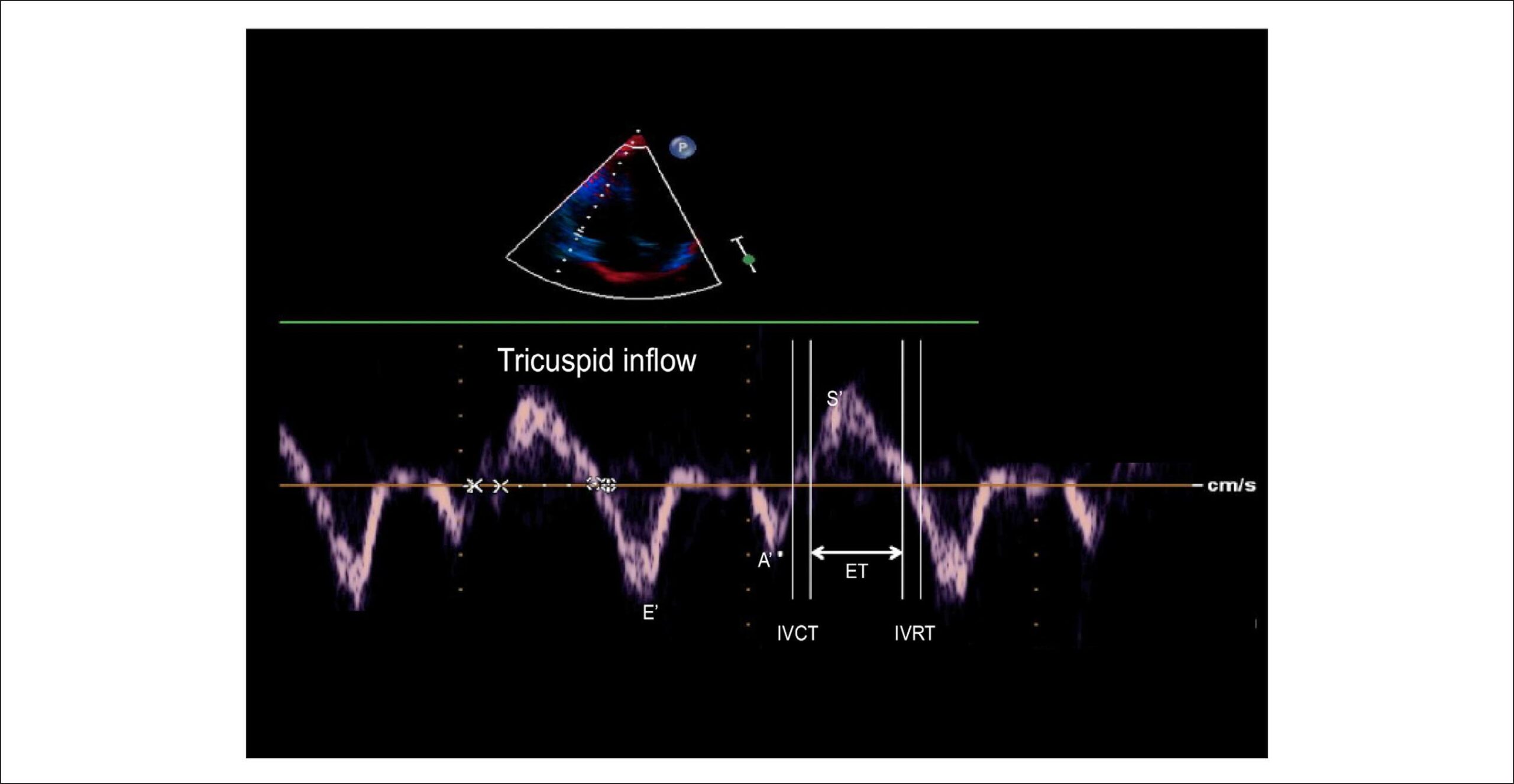
Eighteen healthy (12.67 ± 0.39 years) and 20 asthmatics (12.0 ± 0.38 years) patients were enrolled in the study. Echocardiography parameters were evaluated using conventional and tissue Doppler imaging (TDI).

Results:

Although pulmonary acceleration time (PAT) and pulmonary artery systolic pressure (PASP) were within normal limits, these parameters differed significantly between the control and asthmatic groups. PAT was lower (p < 0.0001) and PASP (p < 0.0002) was higher in the asthma group (114.3 ± 3.70 ms and 25.40 ± 0.54 mmHg) than the control group (135.30 ± 2.28 ms and 22.22 ± 0.40 mmHg). The asthmatic group had significantly lower early diastolic myocardial velocity (E', p = 0.0047) and lower E' to late (E'/A', p = 0.0017) (13.75 ± 0.53 cm/s and 1.70 ± 0.09, respectively) compared with control group (15.71 ± 0.34 cm/s and 2.12 ± 0.08, respectively) at tricuspid valve. In the lateral mitral valve tissue Doppler, the asthmatic group had lower E' compared with control group (p = 0.0466; 13.27 ± 0.43 cm/s and 14.32 ± 0.25 cm/s, respectively), but there was no statistic difference in the E'/A' ratio (p = 0.1161). Right isovolumetric relaxation time was higher (p = 0.0007) in asthmatic (57.15 ± 0.97 ms) than the control group (52.28 ± 0.87 ms), reflecting global myocardial dysfunction. The right and left myocardial performance indexes were significantly higher in the asthmatic (0.43 ± 0.01 and 0.37 ± 0.01, respectively) compared with control group (0.40 ± 0.01 and 0.34 ± 0.01, respectively) (p = 0.0383 and p = 0.0059, respectively). Physical activity level, and distance travelled on the six-minute walk test were similar in both groups.

Conclusion:

Changes in echocardiographic parameters, evaluated by conventional and TDI, were observed in mild-to-moderate asthma patients even with normal functional exercise capacity and baseline physical activity level. Our results suggest that the echocardiogram may be useful for the early detection and evoluation of asthma-induced cardiac changes.

  • Asthma / physiopathology
  • Echocardiography, Doppler
  • Exertional Dyspnea / physiopathology
  • Vascular Remodeling, Ventricular Dysfunction
Read Full Article
Creative Commons Attribution (CC BY) Creative Commons license
01/03/2018 DOI: 10.5935/abc.20180052 Views 2
Figure 1
Editorial

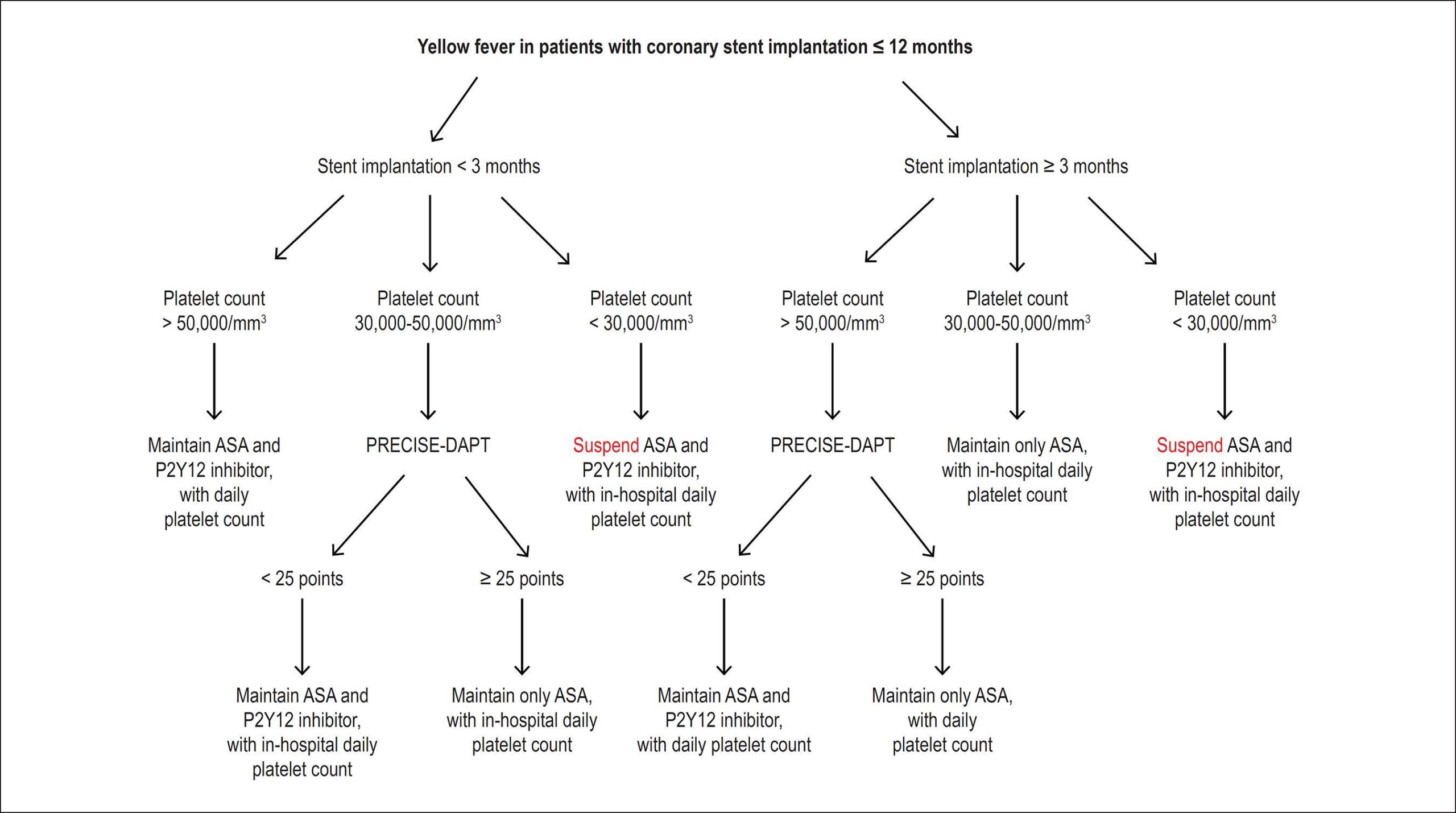
Yellow Fever and Cardiovascular Disease: An Intersection of Epidemics

Gláucia Maria Moraes de Oliveira et al. Roberto Muniz Ferreira

Arboviral diseases are an important public health problem, especially in tropical and subtropical countries, such as Brazil, where viruses of the family Flaviviridae, responsible for dengue fever, zika and yellow fever (YF), and of the family Togaviridae, which cause chikungunya, predominate. In recent years, the number of cases has increased because of several factors, of which environmental changes, such as deforestation and climate changes, disorderly occupation of cities with low hygiene-sanitary conditions, in addition to the increased mobility of international travelers, stand out. Such factors have allowed the colonization of new areas by vectors, mainly Aedes aegypti, which can be found in 80% of the Brazilian territory.,

Dengue virus, which has four different serotypes, has accounted for isolated epidemics or for co-infections in 1984-1985, 1997-1999 and 2004-2007. Chikungunya, whose virus originated in Africa, succeeded the dengue fever in Brazil in 2014, with similar clinical and laboratory presentation, hindering the differential diagnosis. In 2015, the first cases of zika were reported in Brazil. summarizes the clinical manifestations of those arboviral diseases.–

[…]

  • Aedes, Liver Failure
  • Bradycardia
  • Drug-Eluting Stents / adverse effects
  • Hemorrhage
  • Kidney Failure, Chronic
  • Tropical Ecosystem, Arbovirus Infections
  • Yellow Fever
Read Full Article
Creative Commons Attribution (CC BY) Creative Commons license
01/03/2018 DOI: 10.5935/abc.20180041
Figure1
Clinicoradiological Session

Case 2 / 2018 – Coronary-Cavitary Fistula of Right Ventricular Coronary Artery 5 Years after its Occlusion by Interventional Catheterization

Edmar Atik et al. Fidel Leal Raul Arrieta

Complementary tests

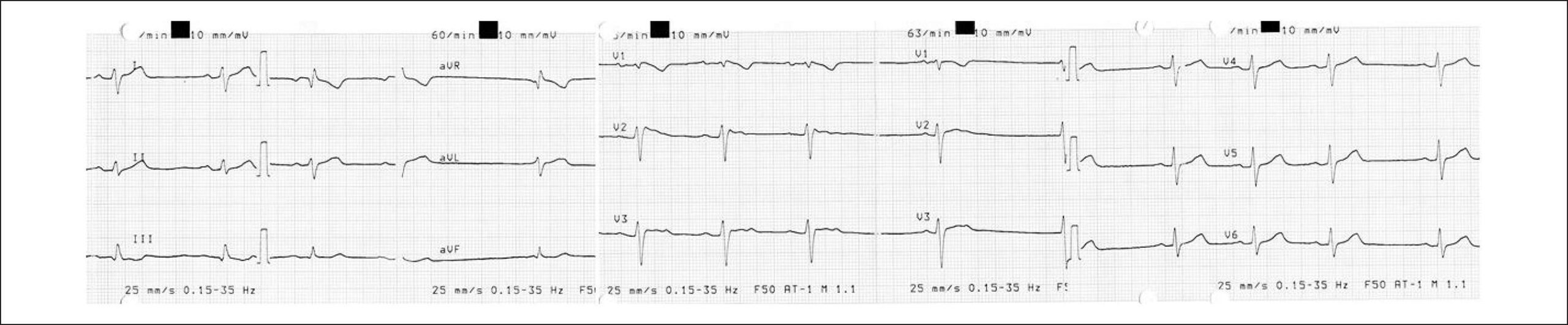
Electrocardiography: sinus rhythm, with conduction defect in the right bundle branch in the period prior to fistula occlusion. In the late period, there was no evidence of such defect or volume overload.

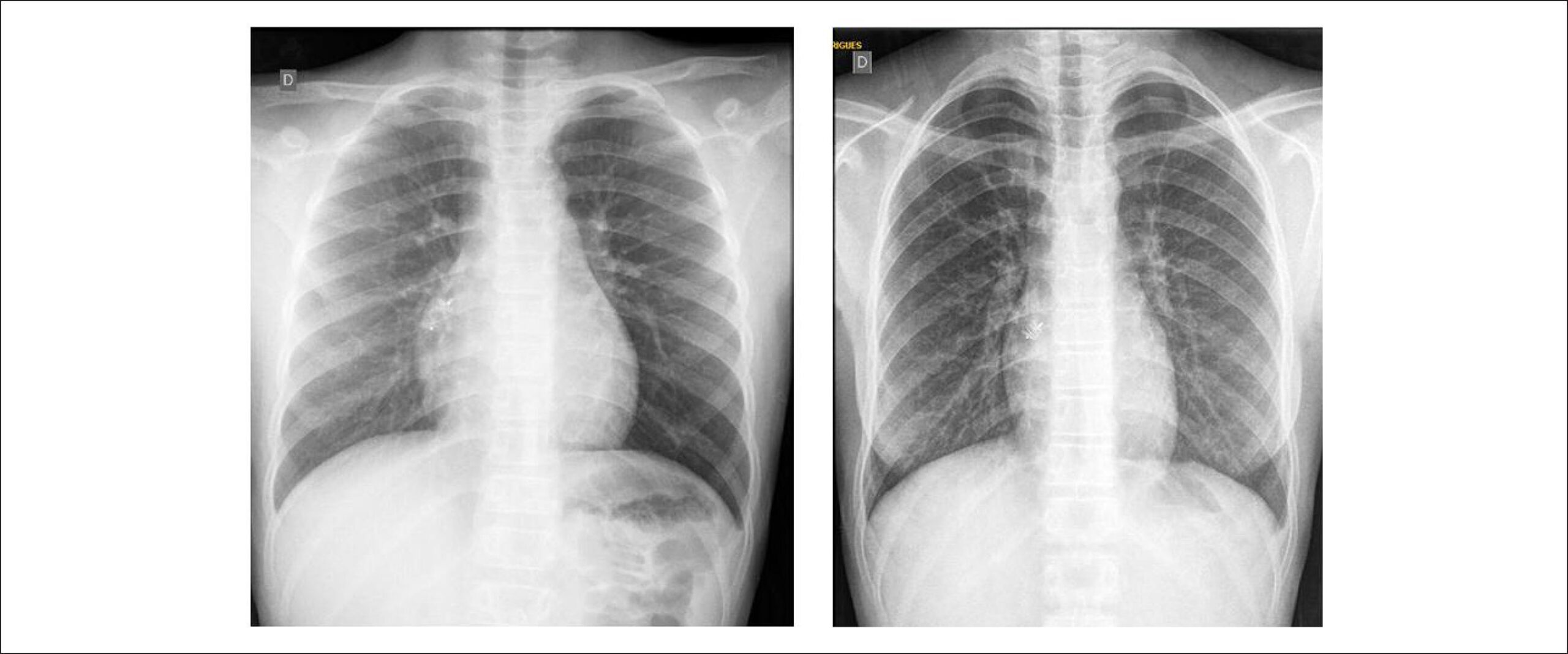
Chest radiography: slightly increased heart size with cardiothoracic index of 0.47 before the coronary-cavitary fistula occlusion, which was clearly decreased 5 years later (cardiothoracic index 0.41) ().

[…]

  • Coronary Vessels
  • Fistula/congenital
  • Percutaneous Coronary Intervention
Read Full Article
Creative Commons Attribution (CC BY) Creative Commons license
01/03/2018 DOI: 10.5935/abc.20180048
Editorial

What is the Role of Two-Dimensional Speckle Tracking Echocardiography in the Diagnosis and Management of Anthracycline-Induced Cardiotoxicity?

Isabela Bispo Santos da Silva Costa et al. Ludhmila Abrahão Hajjar

The increasing number of patients with neoplasms and survivors, has raised the interest of the scientific community in the diagnosis and early management of the effects of neoplasms and/or their treatments on patients. In that scenario, the injury caused to the cardiovascular system belongs to a spectrum and can impair all cardiovascular system structures in a clinically variable way, ranging from asymptomatic forms to cardiovascular death. Most studies on cardiotoxicity have focused on ventricular dysfunction because of its presentation severity and because it is the major cause of late non-oncologic mortality of neoplasm survivors.

In oncologic patients, the drugs most commonly related to ventricular dysfunction are anthracyclines. Recent studies have reported that the damage related to those drugs, if not identified and treated early, evolves continuously from cell injury to ventricular dysfunction. In the past decade, several studies showed that the subclinical detection of cardiotoxicity, by use of biomarkers, such as troponin and BNP, might be an opportunity to prevent cardiovascular injury, allowing for early treatment and more appropriate individualized follow-up.–

[…]

  • Anthracyclines / toxicity
  • Cardiotoxicity
  • Echocardiography
  • Natriuretic Peptides
  • Neoplasms
  • Speckle Tracking
  • Troponin
  • Ventricular Dysfunction
Read Full Article
Creative Commons Attribution (CC BY) Creative Commons license
01/03/2018 DOI: 10.5935/abc.20180047
Figure 1
Image

Partial Prosthetic Mitral Valve Dehiscence: Transapical Percutaneous Closure

Catarina Ruivo et al. José Ribeiro Alberto Rodrigues Luís Vouga Vasco Gama

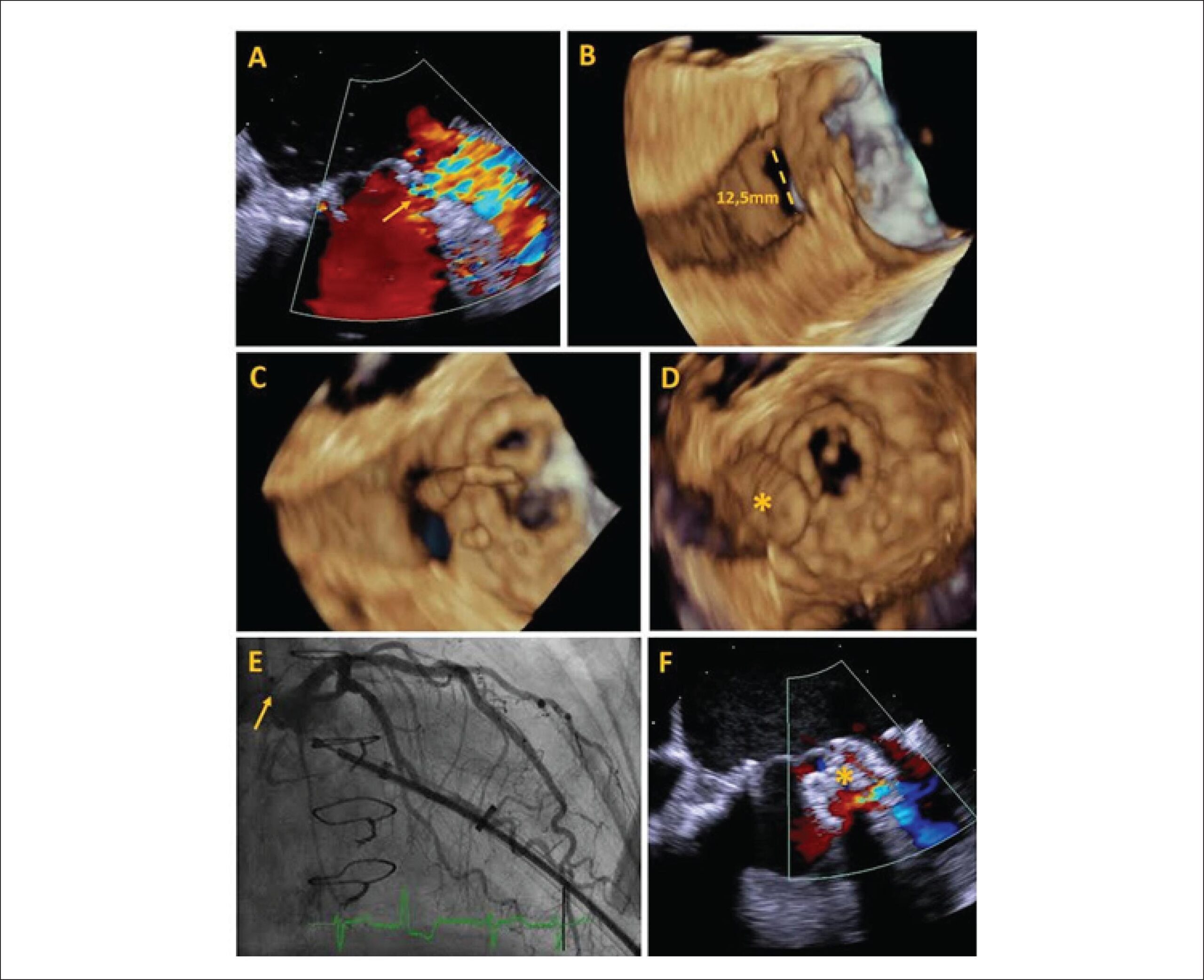
An 80-year-old woman with a history of mitral and aortic prosthesis replacement with biological prostheses due to endocarditis presented worsening dyspnea. A transthoracic echocardiogram demonstrated a paravalvular regurgitation between the left ventricle and left atrial appendage. Given her high-risk surgery (EuroSCORE-II: 38%), a percutaneous approach was performed for definitive closure.

Transesophageal echocardiography (TEE) peri-procedure allowed the visualization of a partial dehiscence of the mitral prosthesis (Panel A, ). Through the 3D images, a tunneled defect with wall dissection measuring 12.5 mm of maximum diameter (Panel B, ) was observed. Using a transapical pathway and collecting three-dimensional (3D) images in real time, a 12 mm Amplatzer septal prosthesis was positioned, occluding the entire defect. The TEE 3D image demonstrated savings of adjacent structures and absence of pericardial effusion during closure. Coronary angiography demonstrated no arterial compromise. A slight residual flow was detected after device implantation (C-F Panels ).

[…]

  • Aortic Valve Insufficiency
  • Echocardiography,Transesophageal
  • Endocarditis
  • Mitral Valve Insufficiency
Read Full Article
Creative Commons Attribution (CC BY) Creative Commons license
01/03/2018 DOI: 10.5935/abc.20180028 Views 1
Figure 1
Original Article

Subclinical Anthracycline-Induced Cardiotoxicity in the Long – Term Follow-Up of Lymphoma Survivors: A Multi-Layer Speckle Tracking Analysis

Yu Kang et al. Fei Xiao Haiyan Chen Wei Wang … Lijing Shen Hang Zhao Xuedong Shen Fangyuan Chen Ben He

Abstract

Background:

Anthracycline generates progressive left ventricular dysfunction associated with a poor prognosis.

Objectives:

The purpose of this study was to evaluate whether layer-specific strain analysis could assess the subclinical left ventricular dysfunction after exposure to anthracycline.

Methods:

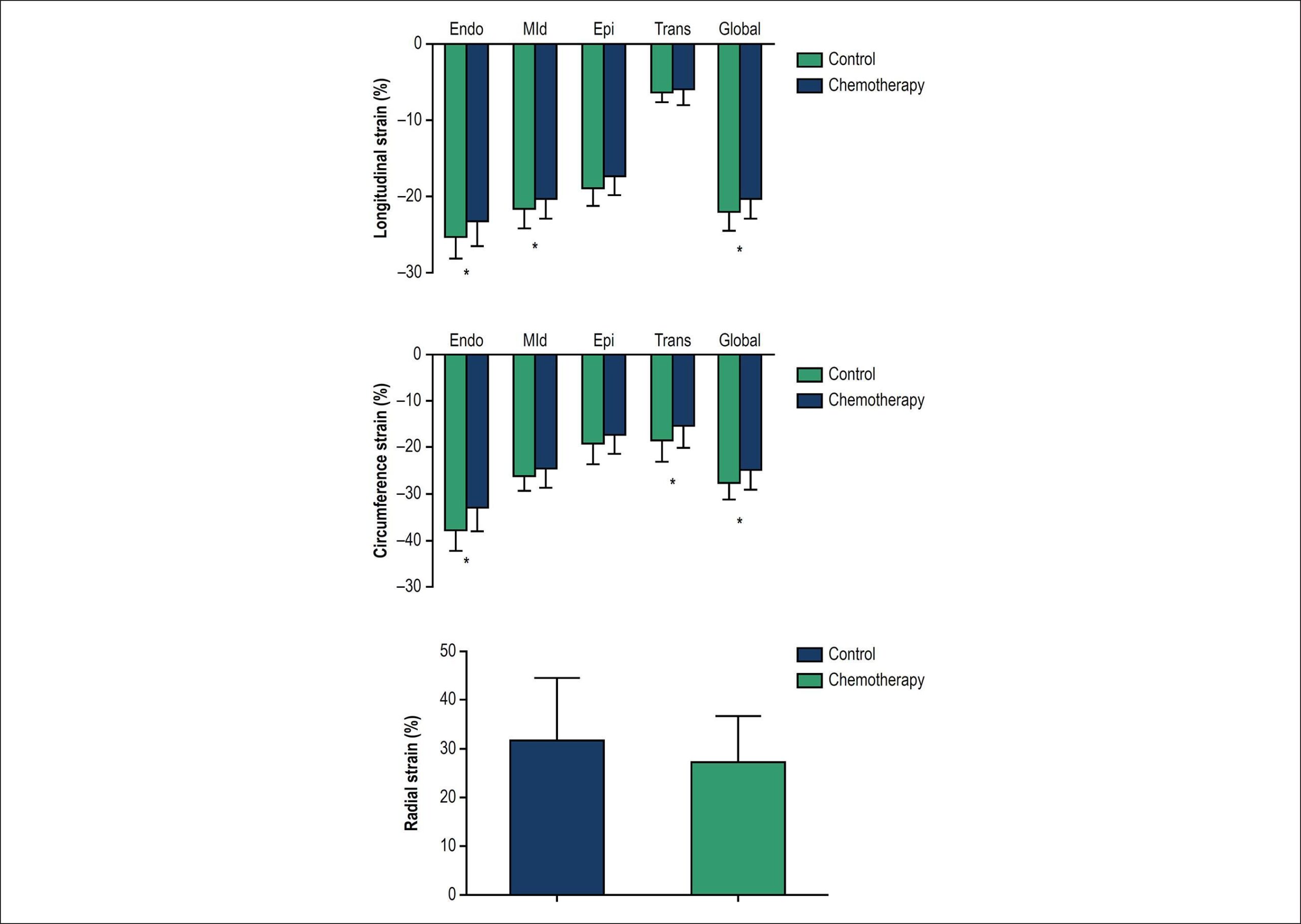
Forty-two anthracycline-treated survivors of large B-cell non-Hodgkin lymphoma, aged 55.83 ± 17.92 years (chemotherapy group) and 27 healthy volunteers, aged 51.39 ± 13.40 years (control group) were enrolled. The cumulative dose of epirubicin in chemotherapy group was 319.67 ± 71.71mg/m2. The time from last dose of epirubicin to the echocardiographic examination was 52.92 ± 22.32 months. Global longitudinal (GLS), circumferential (GCS) and radial strain (GRS), subendocardial, mid and subepicardial layer of longitudinal (LS-ENDO, LS-MID, LS-EPI) and circumferential strain (CS-ENDO, CS-MID, CS-EPI) values were analyzed. Transmural strain gradient was calculated as differences in peak systolic strain between the subendocardial and subepicardial layers. A value of p < 0.05 was considered significant.

Results:

Conventional parameters of systolic and diastolic function showed no significant difference between two groups. Compared with controls, patients had significantly lower GCS and GLS. Multi-layer speckle tracking analysis showed significant reduction of circumferential strain of subendocardial layer, transmural CS gradient and longitudinal strain of all three layers. In contrast, the two groups did not differ in transmural longitudinal strain gradient and radial strains.

Conclusions:

It proved the preferential impairment of subendocardial deformation in long-term survivors after exposure to anthracycline. Multi-layer speckle tracking echocardiography might facilitate the longitudinal follow-up of this at-risk patient cohort.

  • Anthracyclines
  • Cardiotoxicity
  • Echocardiography
  • Hematologic Neoplasias/drug therapy
  • Lymphoma, Non-Hodgkin
Read Full Article
Creative Commons Attribution (CC BY) Creative Commons license
01/03/2018 DOI: 10.5935/abc.20180042 Views 1
Original Article

Association of Severity of Coronary Lesions with Bone Mineral Density in Postmenopausal Women

Rui Xu et al. Xin-Chun Cheng Yuan Zhang Hong-Mei Lai Hong-Ni Yang

Abstract

Background:

Coronary artery disease (CAD) and osteoporosis (OP) are common diseases in postmenopausal women. In both cross-sectional and longitudinal epidemiologic studies, low bone mass has been related to increased frequency of CAD. However, available data on the relationship between bone mineral density (BMD) and severity of coronary lesions is limited.

Objective:

To investigate association between the BMD and severity of coronary lesions assessed by Gensini score in postmenopausal women.

Methods:

This study included 122 postmenopausal women who were diagnosed with CAD. These patients were divided into two groups according to the severity of coronary lesions assessed by the Gensini score – patients with mild coronary lesions (Gensini score < 25) and patients with severe coronary lesions (Gensini score ≥ 25). Femoral neck mineral density was measured with dual energy X-ray absorptiometry (DXA).

Results:

The study included postmenopausal women aged 64.31 ± 4.71 years, 85 of whom (69.7%) exhibited severe coronary lesions. Participants with severe coronary lesions had a significantly higher T score than did those with mild coronary lesions at the femoral neck (p < 0.05). The mean T-score was −0.84 ± 1.01 in mild coronary lesions group, −1.42 ± 1.39 in severe coronary lesions group (p < 0.05). Multivariable logistic regression analysis showed that osteopenia-osteoporosis at the Femoral neck (odds ratio 2.73; 95% confidence interval 1.06 to 6.13) was associated with an increased risk of developing severe coronary lesions. The multiple regression model showed that T-scores (b = −0.407, SE = 0.151, p=0.007) were the independent predictors of Gensini score.

Conclusion:

The relationship between severity of coronary lesions and BMD was significant in postmenopausal women. BMD, a low-cost technique involving minimal radiation exposure, widely used for osteoporosis screening, is a promising marker of severity of coronary lesions.

  • Bone Density
  • Bone Diseases, Metabolic
  • Coronary Artery Disease
  • Morbidity
  • Osteoporosis, Postmenopausal
  • Stroke
Read Full Article
Creative Commons Attribution (CC BY) Creative Commons license
01/03/2018 DOI: 10.5935/abc.20180035 Views 2
Figure 1
Case Report

Propafenone Overdose: From Cardiogenic Shock to Brugada Pattern

Julio Gil et al. Bruno Marmelo Luís Abreu Hugo Antunes … Luís Ferreira dos Santos José Costa Cabral

Introduction

Propafenone is a class IC antiarrhythmic drug used in the treatment of ventricular and supraventricular arrhythmias.– It is primarily a potent sodium channel blocker, yet also exhibits beta-blocking and calcium channel blocking activity.,, Propafenone is able to induce important ECG changes, namely prolongation of the PR interval, bundle branch block, wide QRS and QT intervals, as well as ventricular tachycardia or bradycardia., It may be associated with significant proarrhythmogenic effects, even at therapeutic doses. A fatal overdose on propafenone is usually attributed to conduction abnormalities, leading to asystole or electromechanical dissociation. The authors describe two clinical cases of propafenone intoxication with life-threatening ECG changes, but with a favorable final outcome.

[…]

  • Anti-Arrhythmia Agents
  • Arrhythmias Cardiac
  • calcium channel blockers
  • Propafenone
  • Toxicity
Read Full Article
Creative Commons Attribution (CC BY) Creative Commons license
01/03/2018 DOI: 10.5935/abc.20180033
Figure 1
Original Article

Exercise Training Attenuates Sympathetic Activity and Improves Morphometry of Splenic Arterioles in Spontaneously Hipertensive Rats

Marina de Paiva Lemos et al. Gustavo Ribeiro da Mota Moacir Marocolo Carla Cristina de Sordi … Rosângela Soares Chriguer Octávio Barbosa Neto

Abstract

Background:

Alterations in the structure of resistance vessels contribute to elevated systemic vascular resistance in hypertension and are linked to sympathetic hyperactivity and related lesions in target organs.

Objective:

To assess the effects of exercise training on hemodynamic and autonomic parameters, as well as splenic arteriolar damages in male Wistar Kyoto (WKY) and Spontaneously Hypertensive Rats (SHR).

Methods:

Normotensive sedentary (WKYS) and trained (WKYT) rats, and hypertensive sedentary (SHRS) and trained (SHRT) rats were included in this study. After 9 weeks of experimental protocol (swimming training or sedentary control), arterial pressure (AP) and heart rate (HR) were recorded in freely moving rats. We assessed the autonomic control of the heart by sympathetic and vagal autonomic blockade. Morphometric analyses of arterioles were performed in spleen tissues. The statistical significance level was set at p < 0.05.

Results:

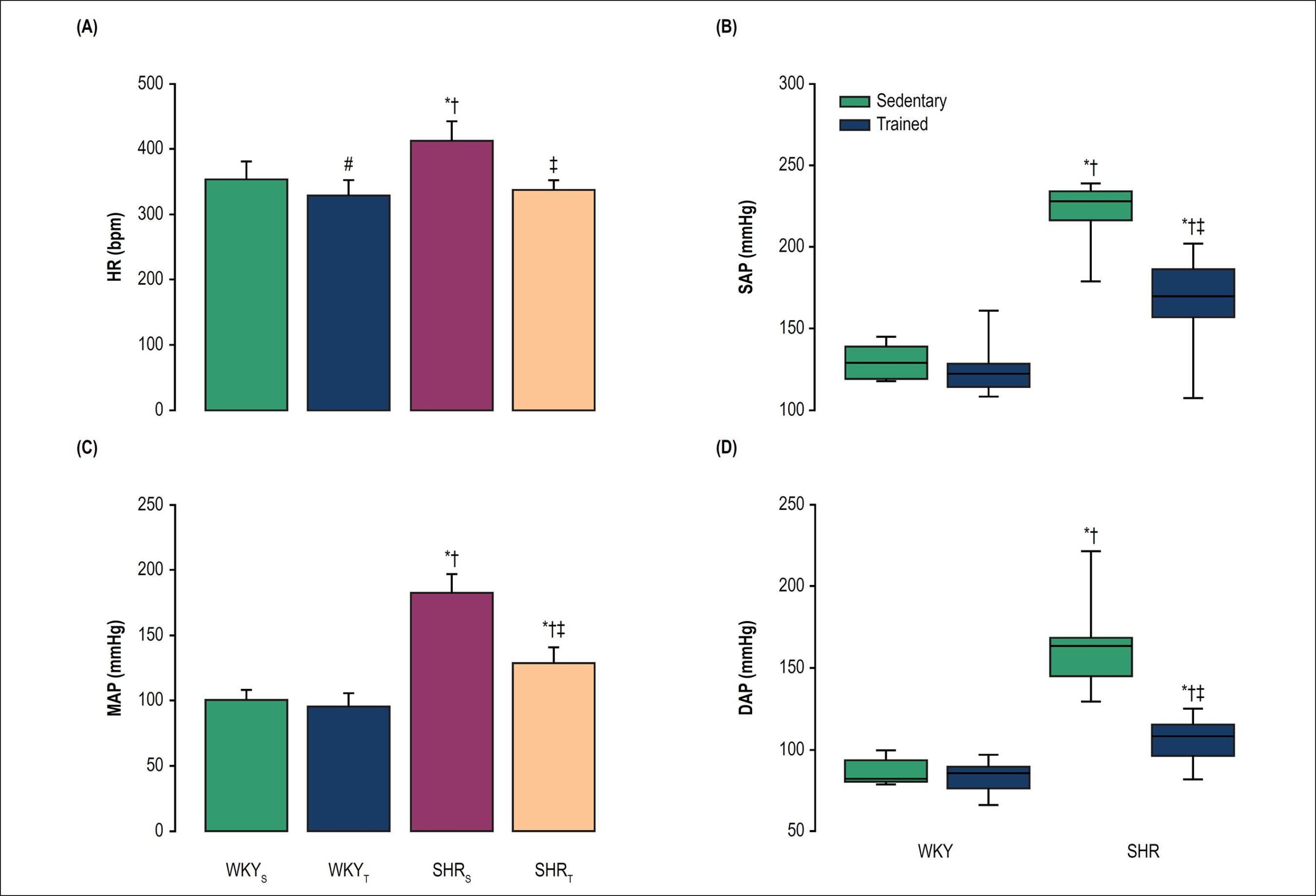
Resting bradycardia was observed in both trained groups (WKYT: 328.0 ± 7.3 bpm; SHRT: 337.0 ± 5.2 bpm) compared with their respective sedentary groups (WKYS: 353.2 ± 8.5 bpm; SHRS: 412.1 ± 10.4 bpm; p < 0.001). Exercise training attenuated mean AP only in SHRT (125.9 ± 6.2 mmHg) vs. SHRS (182.5 ± 4.2 mmHg, p < 0.001). The WKYT showed a higher vagal effect (∆HR: 79.0 ± 2.3 bpm) compared with WKYS (∆HR: 67.4 ± 1.7 bpm; p < 0.05). Chronic exercise decreased sympathetic effects on SHRT (∆HR: -62.8 ± 2.8 bpm) in comparison with SHRS (∆HR: -99.8 ± 9.2 bpm; p = 0.005). The wall thickness of splenic arterioles in SHR was reduced by training (332.1 ± 16.0 µm2 in SHRT vs. 502.7 ± 36.3 µm2 in SHRS; p < 0.05).

Conclusions:

Exercise training attenuates sympathetic activity and AP in SHR, which may be contributing to the morphological improvement of the splenic arterioles.

  • Arterioles
  • Exercise
  • Hypertension
  • Physical Exertion
  • Rats
  • Vascular Resistance
Read Full Article
Creative Commons Attribution (CC BY) Creative Commons license
01/03/2018 DOI: 10.5935/abc.20180053 Views 1
Figure 1
Original Article

Natriuretic Peptide and Clinical Evaluation in the Diagnosis of Heart Failure Hemodynamic Profile: Comparison with Tissue Doppler Echocardiography

Gustavo Luiz Gouvêa de Almeida Junior et al. Nadine Clausell Marcelo Iorio Garcia Roberto Esporcatte … Fernando Oswaldo Dias Rangel Ricardo Mourilhe Rocha Luis Beck-da-Silva Fabricio Braga da Silva Paula de Castro Carvalho Gorgulho Sergio Salles Xavier

Abstract

Background:

Physical examination and B-type natriuretic peptide (BNP) have been used to estimate hemodynamics and tailor therapy of acute decompensated heart failure (ADHF) patients. However, correlation between these parameters and left ventricular filling pressures is controversial.

Objective:

This study was designed to evaluate the diagnostic accuracy of physical examination, chest radiography (CR) and BNP in estimating left atrial pressure (LAP) as assessed by tissue Doppler echocardiogram.

Methods:

Patients admitted with ADHF were prospectively assessed. Diagnostic characteristics of physical signs of heart failure, CR and BNP in predicting elevation (> 15 mm Hg) of LAP, alone or combined, were calculated. Spearman test was used to analyze the correlation between non-normal distribution variables. The level of significance was 5%.

Results:

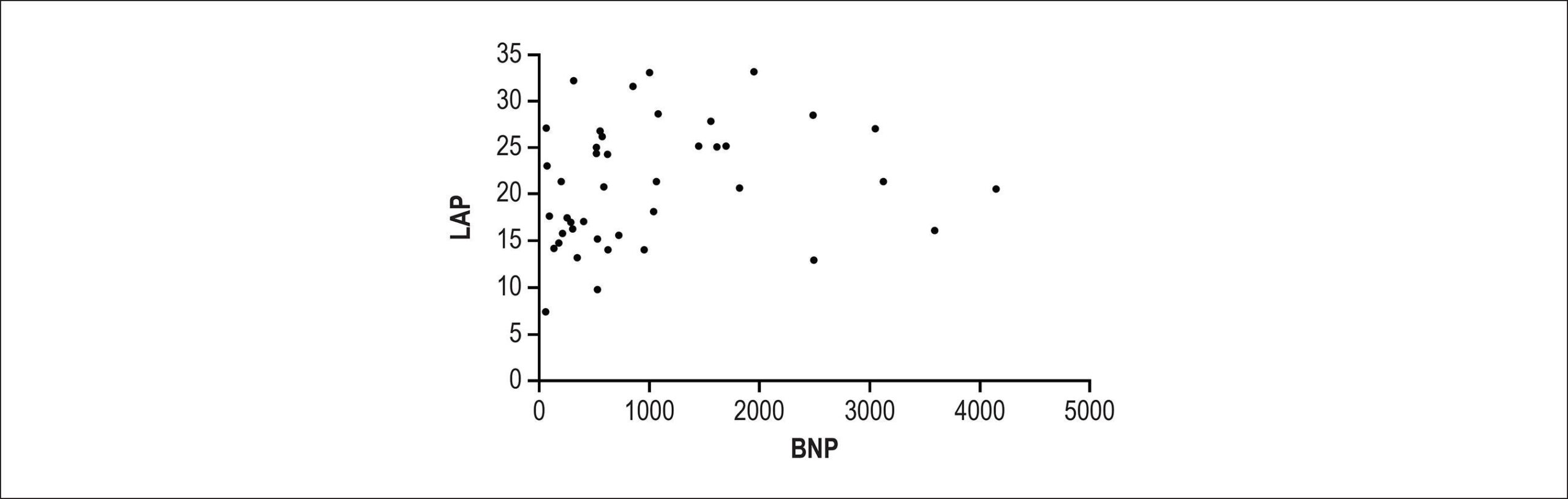
Forty-three patients were included, with mean age of 69.9 ± 11.1years, left ventricular ejection fraction of 25 ± 8.0%, and BNP of 1057 ± 1024.21 pg/mL. Individually, all clinical, CR or BNP parameters had a poor performance in predicting LAP ≥ 15 mm Hg. A clinical score of congestion had the poorest performance [area under the receiver operating characteristic curve (AUC) 0.53], followed by clinical score + CR (AUC 0.60), clinical score + CR + BNP > 400 pg/mL (AUC 0.62), and clinical score + CR + BNP > 1000 pg/mL (AUC 0.66).

Conclusion:

Physical examination, CR and BNP had a poor performance in predicting a LAP ≥ 15 mm Hg. Using these parameters alone or in combination may lead to inaccurate estimation of hemodynamics.

  • Echocardiography, Doppler
  • Heart Failure
  • Hemodynamics
  • Natriuretic Peptide, Brain
  • Ventricular Function, Left
Read Full Article
Creative Commons Attribution (CC BY) Creative Commons license
01/03/2018 DOI: 10.5935/abc.20180046 Views 1
Letter to the Editor

Occurrence of Stroke and Reduced Ejection Fraction in Patients with Chagas Disease

Elieusa e Silva Sampaio et al. Márcia Maria Carneiro Oliveira Roque Aras

To the Editor

Chagas disease (CD) is a well-defined risk factor for stroke. But the prognostic significance of stroke prevalence in left ventricular ejection fraction (LVEF) reduced compared to preserved LVEF in patients with heart failure and with CD, is still poorly known.

[…]

  • Chagas Cardiomyopathy
  • Chagas disease
  • Stroke
  • Stroke Volume
Read Full Article
Creative Commons Attribution (CC BY) Creative Commons license
01/03/2018 DOI: 10.5935/abc.20180029
Figure 1
Review Article

Practical Implications of Myocardial Viability Studies

Wilter dos Santos Ker et al. Thais Helena Peixoto Nunes Marcelo Souto Nacif Claudio Tinoco Mesquita

Abstract

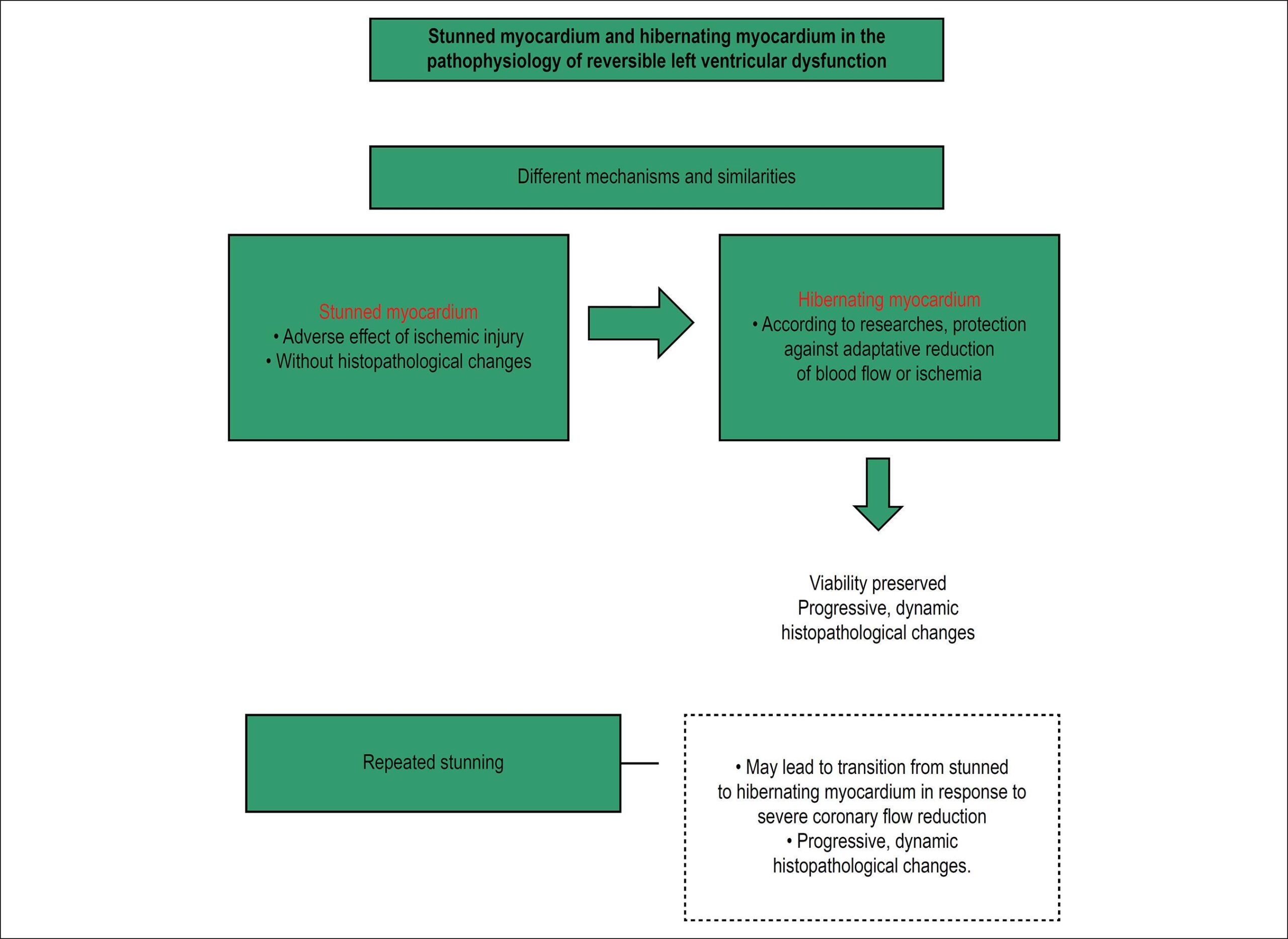
Many non-invasive methods, such as imaging tests, have been developed aiming to add a contribution to existing studies in estimating patients’ prognosis after myocardial injury. This prognosis is proportional to myocardial viability, which is evaluated in coronary artery disease and left ventricular dysfunction patients only.

While myocardial viability represents the likelihood of a dysfunctional muscle (resulting from decreased oxygen supply for coronary artery obstruction), hibernation represents post-interventional functional recovery itself.

This article proposes a review of pathophysiological basis of viability, diagnostic methods, prognosis and future perspectives of myocardial viability. An electronic bibliographic search for articles was performed in PubMed, Lilacs, Cochrane and Scielo databases, according to pre-established criteria.

The studies showed the ability of many imaging techniques in detecting viable tissues in dysfunctional areas of left ventricle resulting from coronary artery injuries. These techniques can identify patients who may benefit from myocardial revascularization and indicate the most appropriate treatment.

  • Diagnostic Imaging
  • Myocardial Revascularization/surgery
  • Myocardium Stunning / physiopathology
  • Tissue Survival
Read Full Article
Creative Commons Attribution (CC BY) Creative Commons license
01/03/2018 DOI: 10.5935/abc.20180051 Views 2
Figure 1
Original Article

Urbanization is Associated with Increased Trends in Cardiovascular Mortality Among Indigenous Populations: the PAI Study

Anderson da Costa Armstrong et al. Ana Marice Teixeira Ladeia Juracy Marques Dinani Matoso Fialho de Oliveira Armstrong … Antonio Marconi Leandro da Silva Jeová Cordeiro de Morais Junior Aldina Barral Luis Claudio Lemos Correia Manoel Barral-Netto João A. C. Lima

Abstract

Background:

The cardiovascular risk burden among diverse indigenous populations is not totally known and may be influenced by lifestyle changes related to the urbanization process.

Objectives:

To investigate the cardiovascular (CV) mortality profile of indigenous populations during a rapid urbanization process largely influenced by governmental infrastructure interventions in Northeast Brazil.

Methods:

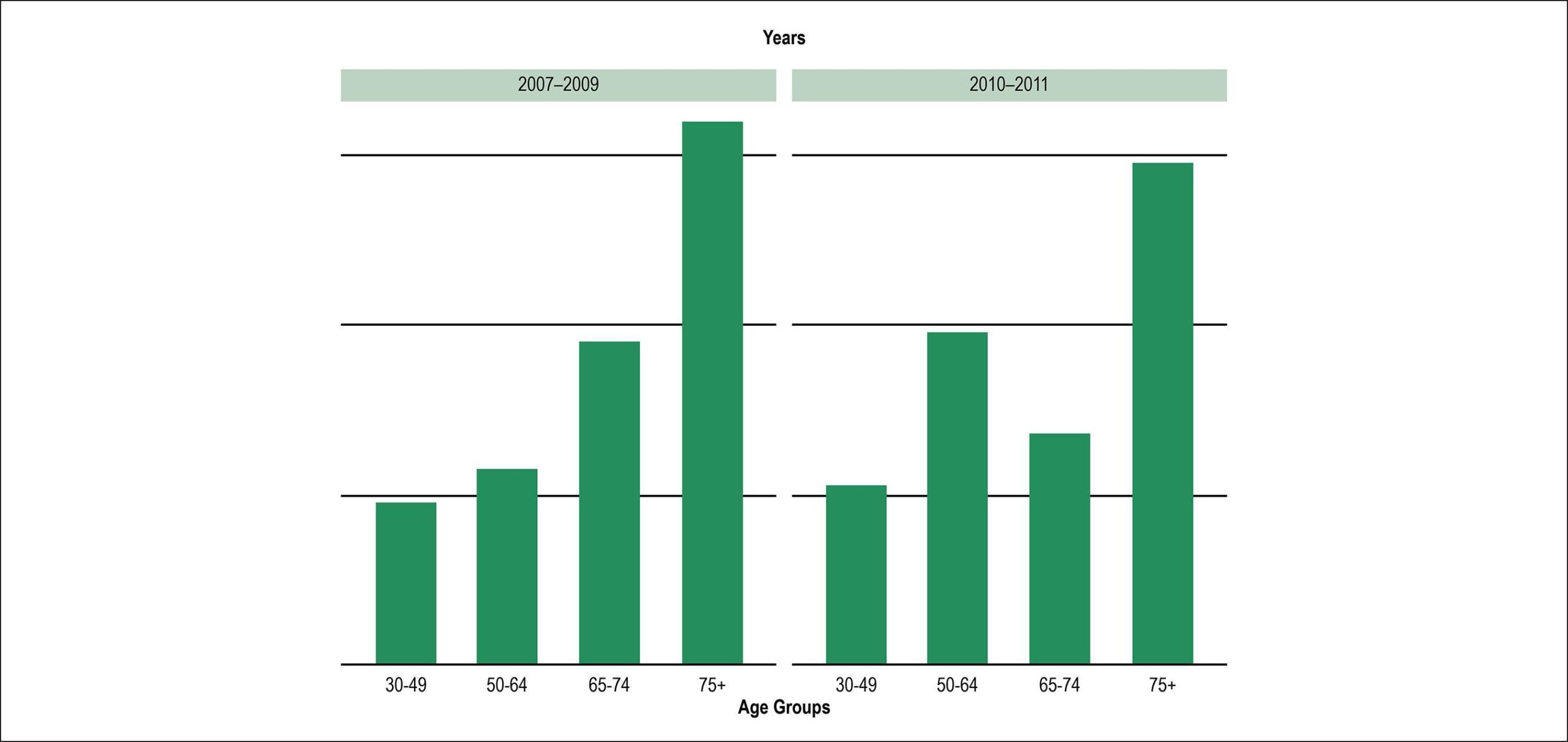
We assessed the mortality of indigenous populations (≥ 30 y/o) from 2007 to 2011 in Northeast Brazil (Bahia and Pernambuco states). Cardiovascular mortality was considered if the cause of death was in the ICD-10 CV disease group or if registered as sudden death. The indigenous populations were then divided into two groups according to the degree of urbanization based on anthropological criteria:, Group 1 – less urbanized tribes (Funi-ô, Pankararu, Kiriri, and Pankararé); and Group 2 – more urbanized tribes (Tuxá, Truká, and Tumbalalá). Mortality rates of highly urbanized cities (Petrolina and Juazeiro) in the proximity of indigenous areas were also evaluated. The analysis explored trends in the percentage of CV mortality for each studied population. Statistical significance was established for p value < 0.05.

Results:

There were 1,333 indigenous deaths in tribes of Bahia and Pernambuco (2007-2011): 281 in Group 1 (1.8% of the 2012 group population) and 73 in Group 2 (3.7% of the 2012 group population), CV mortality of 24% and 37%, respectively (p = 0.02). In 2007-2009, there were 133 deaths in Group 1 and 44 in Group 2, CV mortality of 23% and 34%, respectively. In 2009-2010, there were 148 deaths in Group 1 and 29 in Group 2, CV mortality of 25% and 41%, respectively.

Conclusions:

Urbanization appears to influence increases in CV mortality of indigenous peoples living in traditional tribes. Lifestyle and environmental changes due to urbanization added to suboptimal health care may increase CV risk in this population.

  • Cardiovascular Diseases, mortality
  • Indigenous Population
  • Social Change
  • Urbanization / trends
Read Full Article
Creative Commons Attribution (CC BY) Creative Commons license
19/02/2018 DOI: 10.5935/abc.20180026 Views 2
Original Article

Sports Practices and Cardiovascular Risk in Teenagers

Carlos Scherr et al. Leonardo Corrêa Castro Fabiano Renata Leborato Guerra Luciano Herman Juacaba Belém … Ana Carolina Gurgel Câmara Adriana Campos

Abstract

Background:

Cardiovascular diseases are the leading cause of deaths in the world, and many events could be prevented by healthy life habits.

Objectives:

To compare the occurrence of cardiovascular risk factors in adolescents enrolled at public schools in the city of Rio de Janeiro, including a renowned school for sport practices.

Methods:

Cross-sectional study, convenience sampling of 422 students enrolled at the Experimental Olympic Gymnasium (EOG) and at Figueiredo Pimentel School (FP). Using descriptive analyses, continuous variables were expressed as mean and standard deviation or median and interquartile ranges, and the Student’s t-test or the chi-square test, respectively, was used for comparisons. The sports were classified according to the metabolic equivalent of task (MET) (below or above 5).

Results:

We included 274 students enrolled at the EOG and 148 at FP. Mean age was similar between schools -12.5 ± 1.6 years at FP and 12.6 ± 0.9 at the EOG; 65.5% of the students at FP and 43.8% of the students at the EOG were female (p < 0.01). Significant differences in the prevalence of hypertension (20% vs. 6.3%, p < 0.01) and borderline cholesterol levels (27.7% vs. 17.3%, p = 0.01) were found between FP and EOG students, respectively.

Conclusion:

High prevalence of hypertension, overweight/obesity and altered blood lipid profile was found in this group of adolescents. Regular sports training program combined with little influence of their eating habits outside school may contribute to a better metabolic profile and reduction in cardiovascular risk factors in students. Public health measures are also need.

  • Adolescent
  • Cardiovascular Diseases, mortality
  • Exercise
  • Hypertension
  • Obesity
  • Preventive Health Services
  • Risk Factors
Read Full Article
Creative Commons Attribution (CC BY) Creative Commons license
19/02/2018 DOI: 10.5935/abc.20180024 Views 2
Figure 1
Original Article

Moderate Continuous Aerobic Exercise Training Improves Cardiomyocyte Contractility in Β1 Adrenergic Receptor Knockout Mice

Aurora Corrêa Rodrigues et al. Antônio José Natali Daise Nunes Queiroz da Cunha Alexandre Jayme Lopes Dantas Costa … Anselmo Gomes de Moura Miguel Araújo Carneiro-Júnior Leonardo Bonato Félix Patrícia Chakur Brum Thales Nicolau Prímola-Gomes

Abstract

Background:

The lack of cardiac β1-adrenergic receptors (β1-AR) negatively affects the regulation of both cardiac inotropy and lusitropy, leading, in the long term, to heart failure (HF). Moderate-intensity aerobic exercise (MCAE) is recommended as an adjunctive therapy for patients with HF.

Objective:

We tested the effects of MCAE on the contractile properties of left ventricular (LV) myocytes from β1 adrenergic receptor knockout (β1ARKO) mice.

Methods:

Four- to five-month-old male wild type (WT) and β1ARKO mice were divided into groups: WT control (WTc) and trained (WTt); and β1ARKO control (β1ARKOc) and trained (β1ARKOt). Animals from trained groups were submitted to a MCAE regimen (60 min/day; 60% of maximal speed, 5 days/week) on a treadmill, for 8 weeks. P ≤ 0.05 was considered significant in all comparisons.

Results:

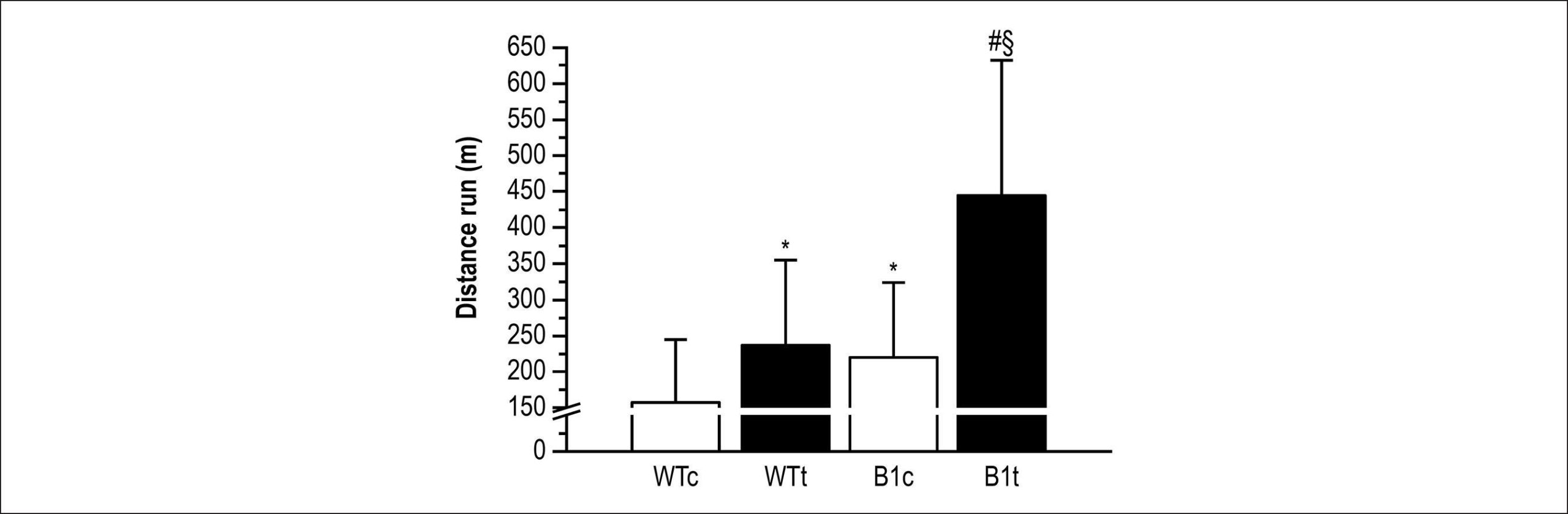
The β1ARKO and exercised mice exhibited a higher (p < 0.05) running capacity than WT and sedentary ones, respectively. The β1ARKO mice showed higher body (BW), heart (HW) and left ventricle (LVW) weights, as well as the HW/BW and LVW/BW than WT mice. However, the MCAE did not affect these parameters. Left ventricular myocytes from β1ARKO mice showed increased (p < 0.05) amplitude and velocities of contraction and relaxation than those from WT. In addition, MCAE increased (p < 0.05) amplitude and velocities of contraction and relaxation in β1ARKO mice.

Conclusion:

MCAE improves myocyte contractility in the left ventricle of β1ARKO mice. This is evidence to support the therapeutic value of this type of exercise training in the treatment of heart diseases involving β1-AR desensitization or reduction.

  • Adrenergic beta 1 Receptor Antagonists
  • Exercise
  • Heart Failure
  • Mice
  • Myocardial Contraction
  • Myocytes, Cardiac
Read Full Article
Creative Commons Attribution (CC BY) Creative Commons license
19/02/2018 DOI: 10.5935/abc.20180025 Views 1

How to cite this article

EndNote RIS

Electronic Document Format (Vancouver)

Stein AT. Cardiovascular Diseases in Indigenous Populations: An Indicator Of Inequality. Arquivos Brasileiros de Cardiologia 2018;110(3):246-7.

Electronic Document Format (ABNT)

Stein, Airton Tetelbom. Cardiovascular Diseases in Indigenous Populations: An Indicator Of Inequality. Arquivos Brasileiros de Cardiologia, v. 110, n. 3, p. 246-247, Feb. 2018.

Electronic Document Format (APA)

Stein, A. T. (2018). Cardiovascular Diseases in Indigenous Populations: An Indicator Of Inequality. Arquivos Brasileiros de Cardiologia, 110(3), 246-247.

Electronic Document Format (ISO)

Stein, Airton Tetelbom. Cardiovascular Diseases in Indigenous Populations: An Indicator Of Inequality. Arquivos Brasileiros de Cardiologia [online]. 2018, vol. 110, n. 3, [cited 2026-10-14], pp. 246-247. Available from: <https://journals.cardiol.br/en/article/cardiovascular-diseases-in-indigenous-populations-an-indicator-of-inequality/>. ISSN 0066-782X

EndNote RIS

Electronic Document Format (Vancouver)

Lopes NHM. The Interface between Osteoporosis and Atherosclerosis in Postmenopausal Women. Arquivos Brasileiros de Cardiologia 2018;110(3):217-8.

Electronic Document Format (ABNT)

Lopes, Neuza H. M.. The Interface between Osteoporosis and Atherosclerosis in Postmenopausal Women. Arquivos Brasileiros de Cardiologia, v. 110, n. 3, p. 217-218, Feb. 2018.

Electronic Document Format (APA)

Lopes, N. H. M. (2018). The Interface between Osteoporosis and Atherosclerosis in Postmenopausal Women. Arquivos Brasileiros de Cardiologia, 110(3), 217-218.

Electronic Document Format (ISO)

Lopes, Neuza H. M.. The Interface between Osteoporosis and Atherosclerosis in Postmenopausal Women. Arquivos Brasileiros de Cardiologia [online]. 2018, vol. 110, n. 3, [cited 2026-10-14], pp. 217-218. Available from: <https://journals.cardiol.br/en/article/the-interface-between-osteoporosis-and-atherosclerosis-in-postmenopausal-women/>. ISSN 0066-782X

EndNote RIS

Electronic Document Format (Vancouver)

De-Paula CR, Magalhães GS, Jentzsch NS, Botelho CF, Mota CCC, Murça TM, Ramalho LFC, et al. Echocardiographic Assessment of Ventricular Function in Young Patients with Asthma. Arquivos Brasileiros de Cardiologia 2018;110(3):231-9.

Electronic Document Format (ABNT)

De-Paula, Camilla Rayane; Magalhães, Giselle Santos; Jentzsch, Nulma Souto; Botelho, Camila Figueredo; Mota, Cleonice de Carvalho Coelho; Murça, Tatiane Moisés; Ramalho, Lidiana Fatima Correa; Tan, Timothy C.; Capuruço, Carolina Andrade Braganca; Rodrigues-Machado, Maria da Gloria. Echocardiographic Assessment of Ventricular Function in Young Patients with Asthma. Arquivos Brasileiros de Cardiologia, v. 110, n. 3, p. 231-239, Feb. 2018.

Electronic Document Format (APA)

De-Paula, C. R., Magalhães, G. S., Jentzsch, N. S., Botelho, C. F., Mota, C. C. C., Murça, T. M., Ramalho, L. F. C., Tan, T. C., Capuruço, C. A. B., & Rodrigues-Machado, M. G. (2018). Echocardiographic Assessment of Ventricular Function in Young Patients with Asthma. Arquivos Brasileiros de Cardiologia, 110(3), 231-239.

Electronic Document Format (ISO)

De-Paula, Camilla Rayane and Magalhães, Giselle Santos and Jentzsch, Nulma Souto and Botelho, Camila Figueredo and Mota, Cleonice de Carvalho Coelho and Murça, Tatiane Moisés and Ramalho, Lidiana Fatima Correa and Tan, Timothy C. and Capuruço, Carolina Andrade Braganca and Rodrigues-Machado, Maria da Gloria. Echocardiographic Assessment of Ventricular Function in Young Patients with Asthma. Arquivos Brasileiros de Cardiologia [online]. 2018, vol. 110, n. 3, [cited 2026-10-14], pp. 231-239. Available from: <https://journals.cardiol.br/en/article/echocardiographic-assessment-of-ventricular-function-in-young-patients-with-asthma/>. ISSN 0066-782X

EndNote RIS

Electronic Document Format (Vancouver)

Oliveira GMM, Ferreira RM. Yellow Fever and Cardiovascular Disease: An Intersection of Epidemics. Arquivos Brasileiros de Cardiologia 2018;110(3):207-10.

Electronic Document Format (ABNT)

Oliveira, Gláucia Maria Moraes de; Ferreira, Roberto Muniz. Yellow Fever and Cardiovascular Disease: An Intersection of Epidemics. Arquivos Brasileiros de Cardiologia, v. 110, n. 3, p. 207-210, Feb. 2018.

Electronic Document Format (APA)

Oliveira, G. M. M. , & Ferreira, R. M. (2018). Yellow Fever and Cardiovascular Disease: An Intersection of Epidemics. Arquivos Brasileiros de Cardiologia, 110(3), 207-210.

Electronic Document Format (ISO)

Oliveira, Gláucia Maria Moraes de and Ferreira, Roberto Muniz. Yellow Fever and Cardiovascular Disease: An Intersection of Epidemics. Arquivos Brasileiros de Cardiologia [online]. 2018, vol. 110, n. 3, [cited 2026-10-14], pp. 207-210. Available from: <https://journals.cardiol.br/en/article/yellow-fever-and-cardiovascular-disease-an-intersection-of-epidemics/>. ISSN 0066-782X

EndNote RIS

Electronic Document Format (Vancouver)

Atik E, Leal F, Arrieta R. Case 2 / 2018 – Coronary-Cavitary Fistula of Right Ventricular Coronary Artery 5 Years after its Occlusion by Interventional Catheterization. Arquivos Brasileiros de Cardiologia 2018;110(3):289-91.

Electronic Document Format (ABNT)

Atik, Edmar; Leal, Fidel; Arrieta, Raul. Case 2 / 2018 – Coronary-Cavitary Fistula of Right Ventricular Coronary Artery 5 Years after its Occlusion by Interventional Catheterization. Arquivos Brasileiros de Cardiologia, v. 110, n. 3, p. 289-291, Feb. 2018.

Electronic Document Format (APA)

Atik, E., Leal, F., & Arrieta, R. (2018). Case 2 / 2018 – Coronary-Cavitary Fistula of Right Ventricular Coronary Artery 5 Years after its Occlusion by Interventional Catheterization. Arquivos Brasileiros de Cardiologia, 110(3), 289-291.

Electronic Document Format (ISO)

Atik, Edmar and Leal, Fidel and Arrieta, Raul. Case 2 / 2018 – Coronary-Cavitary Fistula of Right Ventricular Coronary Artery 5 Years after its Occlusion by Interventional Catheterization. Arquivos Brasileiros de Cardiologia [online]. 2018, vol. 110, n. 3, [cited 2026-10-14], pp. 289-291. Available from: <https://journals.cardiol.br/en/article/case-2-2018-coronary-cavitary-fistula-of-right-ventricular-coronary-artery-5-years-after-its-occlusion-by-interventional-catheterization/>. ISSN 0066-782X

EndNote RIS

Electronic Document Format (Vancouver)

Costa IBSS, Hajjar LA. What is the Role of Two-Dimensional Speckle Tracking Echocardiography in the Diagnosis and Management of Anthracycline-Induced Cardiotoxicity?. Arquivos Brasileiros de Cardiologia 2018;110(3):229-30.

Electronic Document Format (ABNT)

Costa, Isabela Bispo Santos da Silva; Hajjar, Ludhmila Abrahão. What is the Role of Two-Dimensional Speckle Tracking Echocardiography in the Diagnosis and Management of Anthracycline-Induced Cardiotoxicity?. Arquivos Brasileiros de Cardiologia, v. 110, n. 3, p. 229-230, Feb. 2018.

Electronic Document Format (APA)

Costa, I. B. S. S., & Hajjar, L. A. (2018). What is the Role of Two-Dimensional Speckle Tracking Echocardiography in the Diagnosis and Management of Anthracycline-Induced Cardiotoxicity?. Arquivos Brasileiros de Cardiologia, 110(3), 229-230.

Electronic Document Format (ISO)

Costa, Isabela Bispo Santos da Silva and Hajjar, Ludhmila Abrahão. What is the Role of Two-Dimensional Speckle Tracking Echocardiography in the Diagnosis and Management of Anthracycline-Induced Cardiotoxicity?. Arquivos Brasileiros de Cardiologia [online]. 2018, vol. 110, n. 3, [cited 2026-10-14], pp. 229-230. Available from: <https://journals.cardiol.br/en/article/what-is-the-role-of-two-dimensional-speckle-tracking-echocardiography-in-the-diagnosis-and-management-of-anthracycline-induced-cardiotoxicity/>. ISSN 0066-782X

EndNote RIS

Electronic Document Format (Vancouver)

Ruivo C, Ribeiro J, Rodrigues A, Vouga L, Gama V. Partial Prosthetic Mitral Valve Dehiscence: Transapical Percutaneous Closure. Arquivos Brasileiros de Cardiologia 2018;110(3):295-6.

Electronic Document Format (ABNT)

Ruivo, Catarina; Ribeiro, José; Rodrigues, Alberto; Vouga, Luís; Gama, Vasco. Partial Prosthetic Mitral Valve Dehiscence: Transapical Percutaneous Closure. Arquivos Brasileiros de Cardiologia, v. 110, n. 3, p. 295-296, Feb. 2018.

Electronic Document Format (APA)

Ruivo, C., Ribeiro, J., Rodrigues, A., Vouga, L., & Gama, V. (2018). Partial Prosthetic Mitral Valve Dehiscence: Transapical Percutaneous Closure. Arquivos Brasileiros de Cardiologia, 110(3), 295-296.

Electronic Document Format (ISO)

Ruivo, Catarina and Ribeiro, José and Rodrigues, Alberto and Vouga, Luís and Gama, Vasco. Partial Prosthetic Mitral Valve Dehiscence: Transapical Percutaneous Closure. Arquivos Brasileiros de Cardiologia [online]. 2018, vol. 110, n. 3, [cited 2026-10-14], pp. 295-296. Available from: <https://journals.cardiol.br/en/article/partial-prosthetic-mitral-valve-dehiscence-transapical-percutaneous-closure/>. ISSN 0066-782X

EndNote RIS

Electronic Document Format (Vancouver)

Kang Y, Xiao F, Chen H, Wang W, Shen L, Zhao H, Shen X, et al. Subclinical Anthracycline-Induced Cardiotoxicity in the Long – Term Follow-Up of Lymphoma Survivors: A Multi-Layer Speckle Tracking Analysis. Arquivos Brasileiros de Cardiologia 2018;110(3):219-28.

Electronic Document Format (ABNT)

Kang, Yu; Xiao, Fei; Chen, Haiyan; Wang, Wei; Shen, Lijing; Zhao, Hang; Shen, Xuedong; Chen, Fangyuan; He, Ben. Subclinical Anthracycline-Induced Cardiotoxicity in the Long – Term Follow-Up of Lymphoma Survivors: A Multi-Layer Speckle Tracking Analysis. Arquivos Brasileiros de Cardiologia, v. 110, n. 3, p. 219-228, Feb. 2018.

Electronic Document Format (APA)

Kang, Y., Xiao, F., Chen, H., Wang, W., Shen, L., Zhao, H., Shen, X., Chen, F., & He, B. (2018). Subclinical Anthracycline-Induced Cardiotoxicity in the Long – Term Follow-Up of Lymphoma Survivors: A Multi-Layer Speckle Tracking Analysis. Arquivos Brasileiros de Cardiologia, 110(3), 219-228.

Electronic Document Format (ISO)

Kang, Yu and Xiao, Fei and Chen, Haiyan and Wang, Wei and Shen, Lijing and Zhao, Hang and Shen, Xuedong and Chen, Fangyuan and He, Ben. Subclinical Anthracycline-Induced Cardiotoxicity in the Long – Term Follow-Up of Lymphoma Survivors: A Multi-Layer Speckle Tracking Analysis. Arquivos Brasileiros de Cardiologia [online]. 2018, vol. 110, n. 3, [cited 2026-10-14], pp. 219-228. Available from: <https://journals.cardiol.br/en/article/subclinical-anthracycline-induced-cardiotoxicity-in-the-long-term-follow-up-of-lymphoma-survivors-a-multi-layer-speckle-tracking-analysis/>. ISSN 0066-782X

EndNote RIS

Electronic Document Format (Vancouver)

Xu R, Cheng X, Zhang Y, Lai H, Yang H. Association of Severity of Coronary Lesions with Bone Mineral Density in Postmenopausal Women. Arquivos Brasileiros de Cardiologia 2018;110(3):211-6.

Electronic Document Format (ABNT)

Xu, Rui; Cheng, Xin-Chun; Zhang, Yuan; Lai, Hong-Mei; Yang, Hong-Ni. Association of Severity of Coronary Lesions with Bone Mineral Density in Postmenopausal Women. Arquivos Brasileiros de Cardiologia, v. 110, n. 3, p. 211-216, Feb. 2018.

Electronic Document Format (APA)

Xu, R., Cheng, X., Zhang, Y., Lai, H., & Yang, H. (2018). Association of Severity of Coronary Lesions with Bone Mineral Density in Postmenopausal Women. Arquivos Brasileiros de Cardiologia, 110(3), 211-216.

Electronic Document Format (ISO)

Xu, Rui and Cheng, Xin-Chun and Zhang, Yuan and Lai, Hong-Mei and Yang, Hong-Ni. Association of Severity of Coronary Lesions with Bone Mineral Density in Postmenopausal Women. Arquivos Brasileiros de Cardiologia [online]. 2018, vol. 110, n. 3, [cited 2026-10-14], pp. 211-216. Available from: <https://journals.cardiol.br/en/article/association-of-severity-of-coronary-lesions-with-bone-mineral-density-in-postmenopausal-women/>. ISSN 0066-782X

EndNote RIS

Electronic Document Format (Vancouver)

Gil J, Marmelo B, Abreu L, Antunes H, Santos LF, Cabral JC. Propafenone Overdose: From Cardiogenic Shock to Brugada Pattern. Arquivos Brasileiros de Cardiologia 2018;110(3):292-4.

Electronic Document Format (ABNT)

Gil, Julio; Marmelo, Bruno; Abreu, Luís; Antunes, Hugo; Santos, Luís Ferreira dos; Cabral, José Costa. Propafenone Overdose: From Cardiogenic Shock to Brugada Pattern. Arquivos Brasileiros de Cardiologia, v. 110, n. 3, p. 292-294, Feb. 2018.

Electronic Document Format (APA)

Gil, J., Marmelo, B., Abreu, L., Antunes, H., Santos, L. F. , & Cabral, J. C. (2018). Propafenone Overdose: From Cardiogenic Shock to Brugada Pattern. Arquivos Brasileiros de Cardiologia, 110(3), 292-294.

Electronic Document Format (ISO)

Gil, Julio and Marmelo, Bruno and Abreu, Luís and Antunes, Hugo and Santos, Luís Ferreira dos and Cabral, José Costa. Propafenone Overdose: From Cardiogenic Shock to Brugada Pattern. Arquivos Brasileiros de Cardiologia [online]. 2018, vol. 110, n. 3, [cited 2026-10-14], pp. 292-294. Available from: <https://journals.cardiol.br/en/article/propafenone-overdose-from-cardiogenic-shock-to-brugada-pattern/>. ISSN 0066-782X

EndNote RIS

Electronic Document Format (Vancouver)

Lemos MP, Mota GR, Marocolo M, Sordi CC, Chriguer RS, Barbosa Neto O. Exercise Training Attenuates Sympathetic Activity and Improves Morphometry of Splenic Arterioles in Spontaneously Hipertensive Rats. Arquivos Brasileiros de Cardiologia 2018;110(3):263-9.

Electronic Document Format (ABNT)

Lemos, Marina de Paiva; Mota, Gustavo Ribeiro da; Marocolo, Moacir; Sordi, Carla Cristina de; Chriguer, Rosângela Soares; Barbosa Neto, Octávio. Exercise Training Attenuates Sympathetic Activity and Improves Morphometry of Splenic Arterioles in Spontaneously Hipertensive Rats. Arquivos Brasileiros de Cardiologia, v. 110, n. 3, p. 263-269, Feb. 2018.

Electronic Document Format (APA)

Lemos, M. P., Mota, G. R. , Marocolo, M., Sordi, C. C. , Chriguer, R. S., & Barbosa Neto, O. (2018). Exercise Training Attenuates Sympathetic Activity and Improves Morphometry of Splenic Arterioles in Spontaneously Hipertensive Rats. Arquivos Brasileiros de Cardiologia, 110(3), 263-269.

Electronic Document Format (ISO)

Lemos, Marina de Paiva and Mota, Gustavo Ribeiro da and Marocolo, Moacir and Sordi, Carla Cristina de and Chriguer, Rosângela Soares and Barbosa Neto, Octávio. Exercise Training Attenuates Sympathetic Activity and Improves Morphometry of Splenic Arterioles in Spontaneously Hipertensive Rats. Arquivos Brasileiros de Cardiologia [online]. 2018, vol. 110, n. 3, [cited 2026-10-14], pp. 263-269. Available from: <https://journals.cardiol.br/en/article/exercise-training-attenuates-sympathetic-activity-and-improves-morphometry-of-splenic-arterioles-in-spontaneously-hipertensive-rats/>. ISSN 0066-782X

EndNote RIS

Electronic Document Format (Vancouver)

Almeida Junior GLG, Clausell N, Garcia MI, Esporcatte R, Rangel FOD, Rocha RM, Beck-da-Silva L, et al. Natriuretic Peptide and Clinical Evaluation in the Diagnosis of Heart Failure Hemodynamic Profile: Comparison with Tissue Doppler Echocardiography. Arquivos Brasileiros de Cardiologia 2018;110(3):270-7.

Electronic Document Format (ABNT)

Almeida Junior, Gustavo Luiz Gouvêa de; Clausell, Nadine; Garcia, Marcelo Iorio; Esporcatte, Roberto; Rangel, Fernando Oswaldo Dias; Rocha, Ricardo Mourilhe; Beck-da-Silva, Luis; Silva, Fabricio Braga da; Gorgulho, Paula de Castro Carvalho; Xavier, Sergio Salles. Natriuretic Peptide and Clinical Evaluation in the Diagnosis of Heart Failure Hemodynamic Profile: Comparison with Tissue Doppler Echocardiography. Arquivos Brasileiros de Cardiologia, v. 110, n. 3, p. 270-277, Feb. 2018.

Electronic Document Format (APA)

Almeida Junior, G. L. G. , Clausell, N., Garcia, M. I., Esporcatte, R., Rangel, F. O. D., Rocha, R. M., Beck-da-Silva, L., Silva, F. B. , Gorgulho, P. C. C., & Xavier, S. S. (2018). Natriuretic Peptide and Clinical Evaluation in the Diagnosis of Heart Failure Hemodynamic Profile: Comparison with Tissue Doppler Echocardiography. Arquivos Brasileiros de Cardiologia, 110(3), 270-277.

Electronic Document Format (ISO)

Almeida Junior, Gustavo Luiz Gouvêa de and Clausell, Nadine and Garcia, Marcelo Iorio and Esporcatte, Roberto and Rangel, Fernando Oswaldo Dias and Rocha, Ricardo Mourilhe and Beck-da-Silva, Luis and Silva, Fabricio Braga da and Gorgulho, Paula de Castro Carvalho and Xavier, Sergio Salles. Natriuretic Peptide and Clinical Evaluation in the Diagnosis of Heart Failure Hemodynamic Profile: Comparison with Tissue Doppler Echocardiography. Arquivos Brasileiros de Cardiologia [online]. 2018, vol. 110, n. 3, [cited 2026-10-14], pp. 270-277. Available from: <https://journals.cardiol.br/en/article/natriuretic-peptide-and-clinical-evaluation-in-the-diagnosis-of-heart-failure-hemodynamic-profile-comparison-with-tissue-doppler-echocardiography/>. ISSN 0066-782X

EndNote RIS

Electronic Document Format (Vancouver)

Sampaio ES, Oliveira MMC, Aras R. Occurrence of Stroke and Reduced Ejection Fraction in Patients with Chagas Disease. Arquivos Brasileiros de Cardiologia 2018;110(3):297.

Electronic Document Format (ABNT)

Sampaio, Elieusa e Silva; Oliveira, Márcia Maria Carneiro; Aras, Roque. Occurrence of Stroke and Reduced Ejection Fraction in Patients with Chagas Disease. Arquivos Brasileiros de Cardiologia, v. 110, n. 3, p. 297-297, Feb. 2018.

Electronic Document Format (APA)

Sampaio, E. S., Oliveira, M. M. C., & Aras, R. (2018). Occurrence of Stroke and Reduced Ejection Fraction in Patients with Chagas Disease. Arquivos Brasileiros de Cardiologia, 110(3), 297-297.

Electronic Document Format (ISO)

Sampaio, Elieusa e Silva and Oliveira, Márcia Maria Carneiro and Aras, Roque. Occurrence of Stroke and Reduced Ejection Fraction in Patients with Chagas Disease. Arquivos Brasileiros de Cardiologia [online]. 2018, vol. 110, n. 3, [cited 2026-10-14], pp. 297-297. Available from: <https://journals.cardiol.br/en/article/occurrence-of-stroke-and-reduced-ejection-fraction-in-patients-with-chagas-disease/>. ISSN 0066-782X

EndNote RIS

Electronic Document Format (Vancouver)

Ker WS, Nunes THP, Nacif MS, Mesquita CT. Practical Implications of Myocardial Viability Studies. Arquivos Brasileiros de Cardiologia 2018;110(3):278-8.

Electronic Document Format (ABNT)

Ker, Wilter dos Santos; Nunes, Thais Helena Peixoto; Nacif, Marcelo Souto; Mesquita, Claudio Tinoco. Practical Implications of Myocardial Viability Studies. Arquivos Brasileiros de Cardiologia, v. 110, n. 3, p. 278-288, Feb. 2018.

Electronic Document Format (APA)

Ker, W. S., Nunes, T. H. P., Nacif, M. S., & Mesquita, C. T. (2018). Practical Implications of Myocardial Viability Studies. Arquivos Brasileiros de Cardiologia, 110(3), 278-288.

Electronic Document Format (ISO)

Ker, Wilter dos Santos and Nunes, Thais Helena Peixoto and Nacif, Marcelo Souto and Mesquita, Claudio Tinoco. Practical Implications of Myocardial Viability Studies. Arquivos Brasileiros de Cardiologia [online]. 2018, vol. 110, n. 3, [cited 2026-10-14], pp. 278-288. Available from: <https://journals.cardiol.br/en/article/practical-implications-of-myocardial-viability-studies/>. ISSN 0066-782X

EndNote RIS

Electronic Document Format (Vancouver)

Armstrong AC, Ladeia AMT, Marques J, Armstrong DMFO, Silva AML, Morais Junior JC, Barral A, et al. Urbanization is Associated with Increased Trends in Cardiovascular Mortality Among Indigenous Populations: the PAI Study. Arquivos Brasileiros de Cardiologia 2018;110(3):240-5.

Electronic Document Format (ABNT)

Armstrong, Anderson da Costa; Ladeia, Ana Marice Teixeira; Marques, Juracy; Armstrong, Dinani Matoso Fialho de Oliveira; Silva, Antonio Marconi Leandro da; Morais Junior, Jeová Cordeiro de; Barral, Aldina; Correia, Luis Claudio Lemos; Barral-Netto, Manoel; Lima, João A. C.. Urbanization is Associated with Increased Trends in Cardiovascular Mortality Among Indigenous Populations: the PAI Study. Arquivos Brasileiros de Cardiologia, v. 110, n. 3, p. 240-245, Feb. 2018.

Electronic Document Format (APA)

Armstrong, A. C., Ladeia, A. M. T., Marques, J., Armstrong, D. M. F. O., Silva, A. M. L. , Morais Junior, J. C. , Barral, A., Correia, L. C. L., Barral-Netto, M., & Lima, J. A. C. (2018). Urbanization is Associated with Increased Trends in Cardiovascular Mortality Among Indigenous Populations: the PAI Study. Arquivos Brasileiros de Cardiologia, 110(3), 240-245.

Electronic Document Format (ISO)

Armstrong, Anderson da Costa and Ladeia, Ana Marice Teixeira and Marques, Juracy and Armstrong, Dinani Matoso Fialho de Oliveira and Silva, Antonio Marconi Leandro da and Morais Junior, Jeová Cordeiro de and Barral, Aldina and Correia, Luis Claudio Lemos and Barral-Netto, Manoel and Lima, João A. C.. Urbanization is Associated with Increased Trends in Cardiovascular Mortality Among Indigenous Populations: the PAI Study. Arquivos Brasileiros de Cardiologia [online]. 2018, vol. 110, n. 3, [cited 2026-10-14], pp. 240-245. Available from: <https://journals.cardiol.br/en/article/urbanization-is-associated-with-increased-trends-in-cardiovascular-mortality-among-indigenous-populations-the-pai-study/>. ISSN 0066-782X

EndNote RIS

Electronic Document Format (Vancouver)

Scherr C, Fabiano LCC, Guerra RL, Belém LHJ, Câmara ACG, Campos A. Sports Practices and Cardiovascular Risk in Teenagers. Arquivos Brasileiros de Cardiologia 2018;110(3):248-55.

Electronic Document Format (ABNT)

Scherr, Carlos; Fabiano, Leonardo Corrêa Castro; Guerra, Renata Leborato; Belém, Luciano Herman Juacaba; Câmara, Ana Carolina Gurgel; Campos, Adriana. Sports Practices and Cardiovascular Risk in Teenagers. Arquivos Brasileiros de Cardiologia, v. 110, n. 3, p. 248-255, Feb. 2018.

Electronic Document Format (APA)

Scherr, C., Fabiano, L. C. C., Guerra, R. L., Belém, L. H. J., Câmara, A. C. G., & Campos, A. (2018). Sports Practices and Cardiovascular Risk in Teenagers. Arquivos Brasileiros de Cardiologia, 110(3), 248-255.

Electronic Document Format (ISO)

Scherr, Carlos and Fabiano, Leonardo Corrêa Castro and Guerra, Renata Leborato and Belém, Luciano Herman Juacaba and Câmara, Ana Carolina Gurgel and Campos, Adriana. Sports Practices and Cardiovascular Risk in Teenagers. Arquivos Brasileiros de Cardiologia [online]. 2018, vol. 110, n. 3, [cited 2026-10-14], pp. 248-255. Available from: <https://journals.cardiol.br/en/article/sports-practices-and-cardiovascular-risk-in-teenagers/>. ISSN 0066-782X

EndNote RIS

Electronic Document Format (Vancouver)

Rodrigues AC, Natali AJ, Cunha DNQ, Costa AJLD, Moura AG, Carneiro-Júnior MA, Félix LB, et al. Moderate Continuous Aerobic Exercise Training Improves Cardiomyocyte Contractility in Β1 Adrenergic Receptor Knockout Mice. Arquivos Brasileiros de Cardiologia 2018;110(3):256-62.

Electronic Document Format (ABNT)

Rodrigues, Aurora Corrêa; Natali, Antônio José; Cunha, Daise Nunes Queiroz da; Costa, Alexandre Jayme Lopes Dantas; Moura, Anselmo Gomes de; Carneiro-Júnior, Miguel Araújo; Félix, Leonardo Bonato; Brum, Patrícia Chakur; Prímola-Gomes, Thales Nicolau. Moderate Continuous Aerobic Exercise Training Improves Cardiomyocyte Contractility in Β1 Adrenergic Receptor Knockout Mice. Arquivos Brasileiros de Cardiologia, v. 110, n. 3, p. 256-262, Feb. 2018.

Electronic Document Format (APA)

Rodrigues, A. C., Natali, A. J., Cunha, D. N. Q. , Costa, A. J. L. D., Moura, A. G. , Carneiro-Júnior, M. A., Félix, L. B., Brum, P. C., & Prímola-Gomes, T. N. (2018). Moderate Continuous Aerobic Exercise Training Improves Cardiomyocyte Contractility in Β1 Adrenergic Receptor Knockout Mice. Arquivos Brasileiros de Cardiologia, 110(3), 256-262.

Electronic Document Format (ISO)

Rodrigues, Aurora Corrêa and Natali, Antônio José and Cunha, Daise Nunes Queiroz da and Costa, Alexandre Jayme Lopes Dantas and Moura, Anselmo Gomes de and Carneiro-Júnior, Miguel Araújo and Félix, Leonardo Bonato and Brum, Patrícia Chakur and Prímola-Gomes, Thales Nicolau. Moderate Continuous Aerobic Exercise Training Improves Cardiomyocyte Contractility in Β1 Adrenergic Receptor Knockout Mice. Arquivos Brasileiros de Cardiologia [online]. 2018, vol. 110, n. 3, [cited 2026-10-14], pp. 256-262. Available from: <https://journals.cardiol.br/en/article/moderate-continuous-aerobic-exercise-training-improves-cardiomyocyte-contractility-in-%ce%b21-adrenergic-receptor-knockout-mice/>. ISSN 0066-782X

Sede – Rio de Janeiro
Av. Marechal Câmara, 160
3º andar – Sala: 330 – Centro
Rio de Janeiro – CEP: 20020-907
Tel.: (55 +21) 3478-2700
ou (21) 99386-3961
E-mail: revista@cardiol.br

Sede – São Paulo
Alameda Santos, 705 – 11º andar
Cerqueira César | São Paulo
CEP: 01419-001
Tel.: (55 +11) 3411-5500
E-mail: revista@cardiol.br

  • About the Journal
  • Internal Regulation
  • Editors Section
  • Editorial Board
  • History
  • SBC Award

  • Guidelines for Publication
  • Editorial Policy
  • Ethics Policy
  • Policy on the Use of Artificial Intelligence
  • Mandatory Publication Form
  • Publication Fee

Issues

SBC Guidelines

  • How to Publish an Abstract Supplement?
  • Supplements from the Brazilian Congress of Cardiology