| ABC
ABC Family Arquivos Brasileiros de Cardiologia International Journal of Cardiovascular Sciences ABC Heart Failure & Cardiomyopathy ABC Imagem Cardiovascular
Português English
ABC Family | ABC
Português English
  • About
    • About the Journal
    • Internal Regulation
    • Editors Section
    • Editorial Board
    • History
    • SBC Award
  • Instructions to Authors
    • Guidelines for Publication
    • Editorial Policy
    • Ethics Policy
    • Policy on the Use of Artificial Intelligence
    • Mandatory Publication Form
    • Publication Fee
  • Issues
  • SBC Guidelines
  • Abstracts
    • How to Publish an Abstract Supplement?
    • Supplements from the Brazilian Congress of Cardiology
  • About
    • About the Journal
    • Internal Regulation
    • Editors Section
    • Editorial Board
    • History
    • SBC Award
  • Instructions to Authors
    • Guidelines for Publication
    • Editorial Policy
    • Ethics Policy
    • Policy on the Use of Artificial Intelligence
    • Mandatory Publication Form
    • Publication Fee
  • Issues
  • SBC Guidelines
  • Abstracts
    • How to Publish an Abstract Supplement?
    • Supplements from the Brazilian Congress of Cardiology

ABC Family

  • ABC Family
  • Arquivos Brasileiros de Cardiologia
  • International Journal of Cardiovascular Sciences
  • ABC Heart Failure & Cardiomyopathy
  • ABC Imagem Cardiovascular
Search in

No content found.

Journals
Ordering
Article types
Others

  1. Home
  2. ABC
  3. Issues
  4. 2016, Volume 107, Number 6
Figure 1
Original Article

Complete Treatment Versus Residual Lesion – Long-Term Evolution After Acute Coronary Syndrome

Alexandre de Matos Soeiro et al. Marco Antônio Scanavini Filho Aline Siqueira Bossa Cindel Nogueira Zullino … Maria Carolina F. Almeida Soeiro Tatiana Carvalho Andreucci T Leal Carlos Vicente Serrano Jr. Ludhmila Abrahão Hajjar Roberto Kalil Filho Múcio Tavares Oliveira Jr.

Abstract

Introduction:

A recently published study raised doubts about the need for percutaneous treatment of nonculprit lesions in patients with acute coronary syndromes (ACS).

Methods:

Retrospective, unicentric, observational study.

Objective:

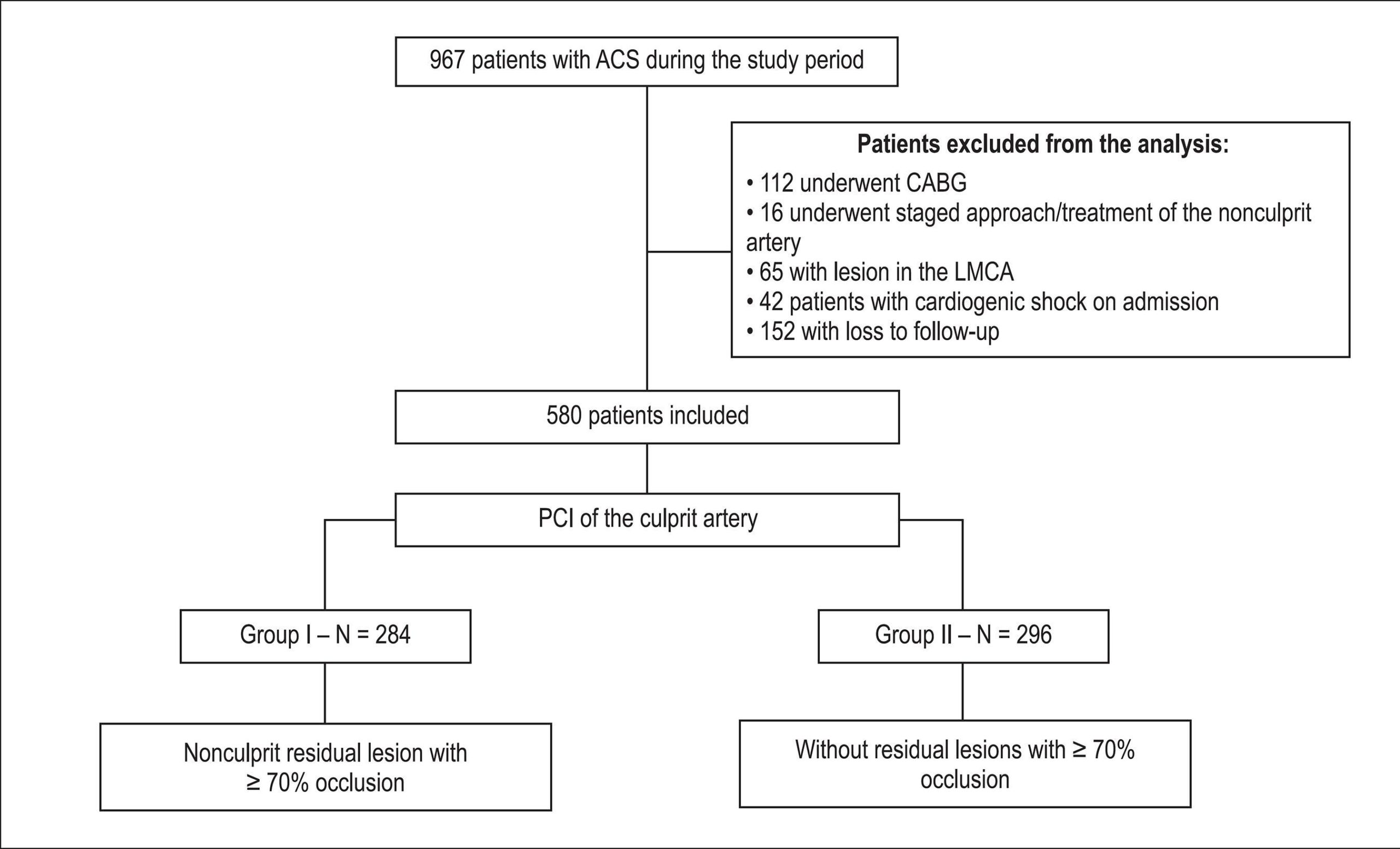
To analyze the long-term outcomes in patients undergoing treatment of the culprit artery, comparing those who remained with significant residual lesions in nonculprit arteries (group I) versus those without residual lesions in other coronary artery beds (group II). The study included 580 patients (284 in group I and 296 in group II) between May 2010 and May 2013. We obtained demographic and clinical data, as well as information regarding the coronary treatment administered to the patients. In the statistical analysis, the primary outcome included combined events (reinfarction/angina, death, heart failure, and need for reintervention). The comparison between groups was performed using the chi-square test and ANOVA. The long-term analysis was conducted with the Kaplan-Meier method, with a mean follow-up of 9.86 months.

Results:

The mean ages were 63 years in group I and 62 years in group II. On long-term follow-up, there was no significant difference in combined events in groups I and II (31.9% versus 35.6%, respectively, p = 0.76).

Conclusion:

The strategy of treating the culprit artery alone seems safe. In this study, no long-term differences in combined endpoints were observed between patients who remained with significant lesions compared with those without other obstructions.
  • Acute coronary syndrome
  • Clinical Evolution
  • Memory, Long Term
  • Myocardial Infarction
  • Treatment
Read Full Article
Creative Commons Attribution (CC BY) Creative Commons license
01/12/2016 DOI: 10.5935/abc.20160176
Figure 1
Original Article

Functional Effects of Hyperthyroidism on Cardiac Papillary Muscle in Rats

Fabricio Furtado Vieira et al. Robson Ruiz Olivoto Priscyla Oliveira da Silva Julio Cesar Francisco Rosalvo Tadeu Hochmuller Fogaça

Abstract

Background:

Hyperthyroidism is currently recognized to affect the cardiovascular system, leading to a series of molecular and functional changes. However, little is known about the functional influence of hyperthyroidism in the regulation of cytoplasmic calcium and on the sodium/calcium exchanger (NCX) in the cardiac muscle.

Objectives:

To evaluate the functional changes in papillary muscles isolated from animals with induced hyperthyroidism.

Methods:

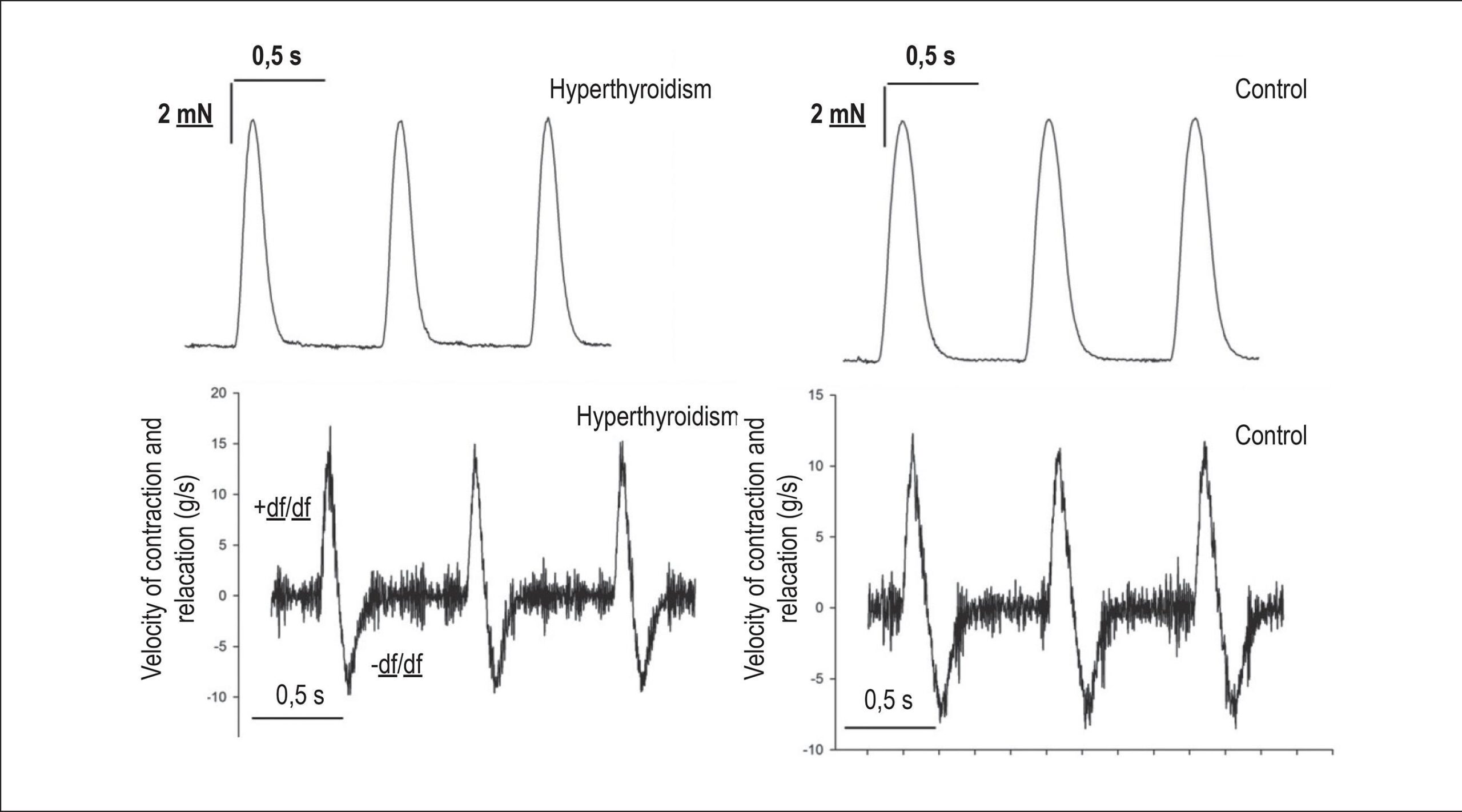
We divided 36 Wistar rats into a group of controls and another of animals with hyperthyroidism induced by intraperitoneal T3 injection. We measured in the animals’ papillary muscles the maximum contraction force, speed of contraction (+df/dt) and relaxation (-df/dt), contraction and relaxation time, contraction force at different concentrations of extracellular sodium, post-rest potentiation (PRP), and contraction force induced by caffeine.

Results:

In hyperthyroid animals, we observed decreased PRP at all rest times (p < 0.05), increased +df/dt and -df/dt (p < 0.001), low positive inotropic response to decreased concentration of extracellular sodium (p < 0.001), reduction of the maximum force in caffeine-induced contraction (p < 0.003), and decreased total contraction time (p < 0.001). The maximal contraction force did not differ significantly between groups (p = 0.973).

Conclusion:

We hypothesize that the changes observed are likely due to a decrease in calcium content in the sarcoplasmic reticulum, caused by calcium leakage, decreased expression of NCX, and increased expression of a-MHC and SERCA2.

  • Hyperthyroidism / metabolism
  • Myocardial Contraction
  • Myocardium
  • Rats
  • Thyroid Hormones
Read Full Article
Creative Commons Attribution (CC BY) Creative Commons license
01/12/2016 DOI: 10.5935/abc.20160179 Views 1
Figure 1
Original Article

Analysis of Heart Rate Variability Before and During Tilt Test in Patients with Cardioinhibitory Vasovagal Syncope

Cláudia Madeira Miranda et al. Rose Mary Ferreira Lisboa da Silva

Abstract

Background:

Cardioinhibitory vasovagal response is uncommon during the tilt test (TT). Heart rate variability (HRV) by use of spectral analysis can distinguish patients with that response.

Objective:

To compare the HRV in patients with cardioinhibitory vasovagal syncope (case group – G1) with that in patients without syncope and with negative response to TT (control group – G2).

Methods:

64 patients were evaluated (mean age, 36.2 years; 35 men) and submitted to TT at 70 degrees, under digital Holter monitoring. The groups were paired for age and sex (G1, 40 patients; G2, 24).

Results:

In G1, 21 patients had a type 2A response and 19 had type 2B, with mean TT duration of 20.4 minutes. There was a greater low frequency (LF) component (11,6 versus 4,5 ms2, p=0.001) and a lower low/high frequency ratio in the supine position (3,9 versus 4,5 ms2, p=0.008) in G1, with no difference during TT between the groups. Applying the receiver operating characteristic curve for cardioinhibitory response, the area under the curve was 0.74 for the LF component in the supine position (p = 0.001). The following were observed for the cutoff point of 0.35 ms(2) for the LF component: sensitivity, 97.4%; specificity, 83.3%; positive predictive value, 85.3%; negative predictive value, 96.9%; and positive likelihood ratio, 5.8.

Conclusion:

HRV in the supine position allowed identifying patients with syncope and cardioinhibitory response with a high negative predictive value and likelihood ratio of 5.8.

  • Electrocardiography, Ambulatory
  • Heart Rate
  • Syncope, Vasovagal / physiotaphology
  • Tilt Table Test
Read Full Article
Creative Commons Attribution (CC BY) Creative Commons license
01/12/2016 DOI: 10.5935/abc.20160177 Views 1
Special Article

Executive Summary of the II Brazilian Guidelines for Atrial Fibrillation

Luiz Pereira de Magalhães et al. Marcio Jansen de Oliveira Figueiredo Fatima Dumas Cintra Eduardo Benchimol Saad … Ricardo Ryoshim Kuniyoshi Adalberto Menezes Lorga Filho Andre Luiz Buchele D'Avila Angelo Amato Vincenzo de Paola Carlos Antonio Abunader Kalil Dalmo Antonio Ribeiro Moreira Dario Celestino Sobral Filho Eduardo Back Sternick Francisco Carlos da Costa Darrieux Guilherme Fenelon Gustavo Glotz de Lima Jacob Atié José Carlos Pachón Mateos José Marcos Moreira José Tarcísio Medeiros de Vasconcelos Leandro Ioschpe Zimerman Luiz Roberto Leite da Silva Marcio Augusto Silva Mauricio Ibrahim Scanavacca Olga Ferreira de Souza

Introduction

Since 2009, when the Brazilian Society of Cardiology released the Brazilian Guidelines for Atrial Fibrillation, important studies on the subject have been published, particularly on new oral anticoagulants (NOACs). At least three of these drugs (dabigatran, rivaroxaban and apixaban) are currently approved for clinical use in Brazil.

In addition to pharmacological treatment, new data related to non-pharmacological treatment, notably the radiofrequency ablation (RA) procedure, have expanded the indication of this therapeutic approach. For this reason, an update of the guidelines is justified.

[…]

  • Alcohol Drinking
  • Anticoagulants
  • Atrial Fibrillation/epidemiology
  • Catheter Ablation
  • Genetic
  • Obesity
  • Obstructive
  • Risk Factors
  • Sleep Apnea
Read Full Article
Creative Commons Attribution (CC BY) Creative Commons license
01/12/2016 DOI: 10.5935/abc.20160190 Views 1
Original Article

Obesity and its Association with Food Consumption, Diabetes Mellitus, and Acute Myocardial Infarction in the Elderly

Erika Aparecida da Silveira et al. Liana Lima Vieira Thiago Veiga Jardim Jacqueline Danesio de Souza

Abstract

Background:

Obesity affects a large part of elderly individuals worldwide and is considered a risk predictor for the development of chronic diseases such as cardiac diseases, the leading causes of death in the elderly population.

Objective:

To investigate the prevalence of obesity and associated factors, with emphasis on the occurrence of other diseases and on food consumption in elderly individuals treated at the Brazilian Unified Health System (Sistema Único de Saúde, SUS).

Methods:

Cross-sectional sampling study performed in the city of Goiânia (Brazil) including elderly individuals (≥ 60 years) receiving primary care. During home visits, we performed anthropometric measurements and applied a structured, standardized, and pre-tested questionnaire assessing socioeconomic, demographic and lifestyle conditions, occurrence of diseases, and food consumption. We performed multiple Poisson regression analysis using a hierarchical model and adopting a significance level of 5%.

Results:

We evaluated 418 elderly patients with a mean age of 70.7 ± 7 years. Their body mass indices had a mean value of 27.0 kg/m2 and were higher in women than in men (27.4 kg/m2 versus 26.1 kg/m2, respectively, p = 0.017). Obesity had a prevalence of 49.0%, a risk 1.87 times higher between the ages of 60-69 years and 70-79 years, and a rate 1.4 times higher among individuals with more than four morbidities. On multivariate analysis, the factors associated with obesity were age 60-69 and 70-79 years, inadequate consumption of whole-wheat grains and adequate consumption of fruit, musculoskeletal diseases, diabetes mellitus, and acute myocardial infarction.

Conclusions:

Obesity had a high prevalence in the evaluated elderly population and was associated with food consumption, musculoskeletal disease, diabetes mellitus, and acute myocardial infarction.

  • Aged
  • Diabetes Complications
  • Diabetes Mellitus
  • Food Consumption
  • Myocardial Infarction/complications
  • Obesity/complications
  • Risk Factors
Read Full Article
Creative Commons Attribution (CC BY) Creative Commons license
01/12/2016 DOI: 10.5935/abc.20160182
Figure 1
Image

Prenatal Diagnosis of Intracardiac Tumors

Maria José Morais et al. Fátima Silva Mónica Melo Ana Carriço Francisco Valente

Clinical Case

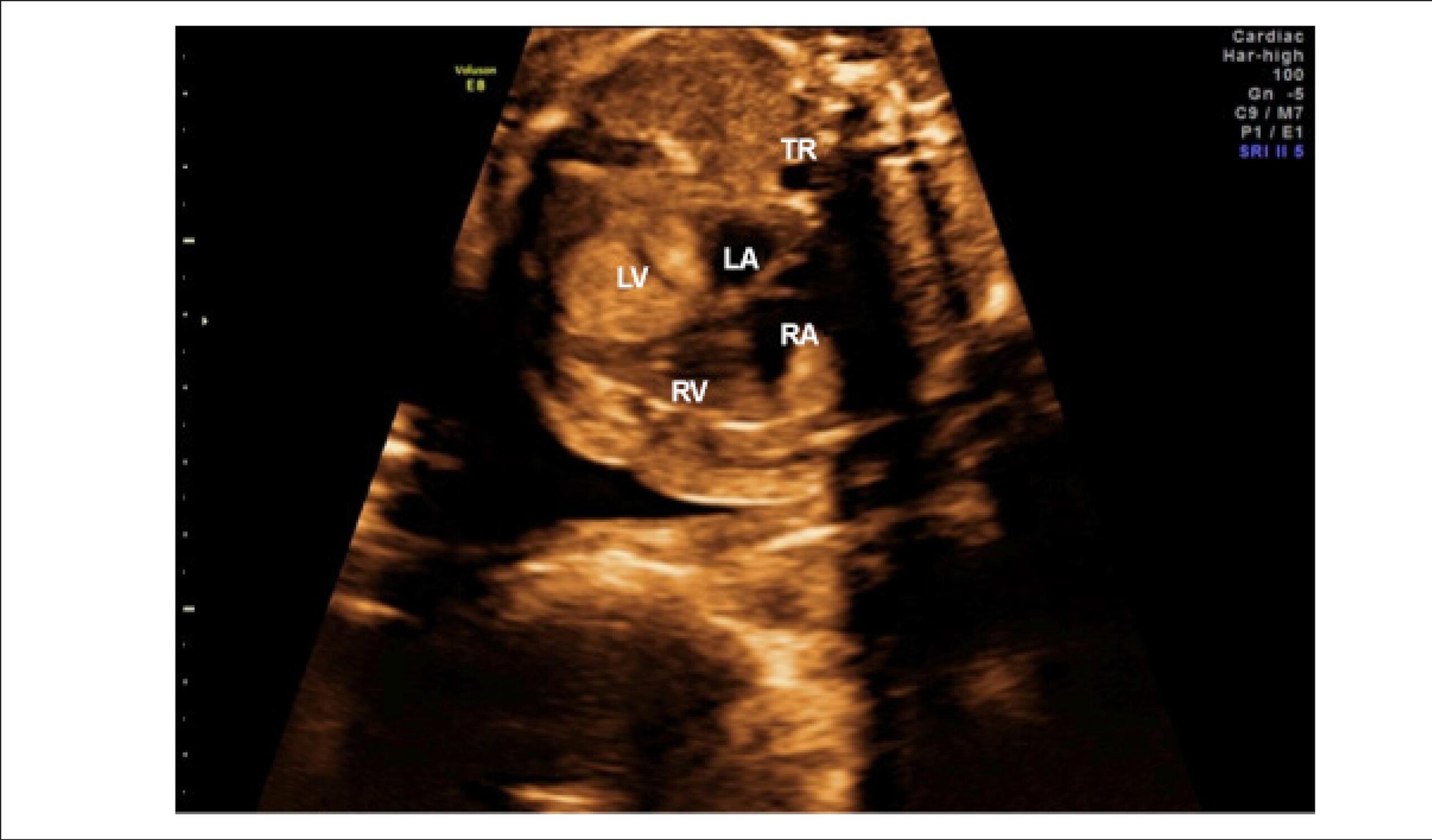
Fetal cardiac tumors are a rare finding in prenatal ultrasonography with an incidence of 1-2/10000. Rhabdomyomas are the most common tumors in intrauterine life, accounting for 60-86% of primary fetal cardiac tumors.,

According to some case series and mostly case reports, the prevalence of tuberous sclerosis associated with fetal cardiac rhabdomyoma is 50-80%, resulting in a perinatal mortality rate of 0-100%.

[…]

  • Echocardiography/métodos
  • Heart Neoplasms/diagnosis
  • Prenatal Care
  • Rhabdomyoma
  • Tuberous Sclerosis
  • Ultrasonography/methods
Read Full Article
Creative Commons Attribution (CC BY) Creative Commons license
01/12/2016 DOI: 10.5935/abc.20160183 Views 1
Figure 1
Case Report

Stent Placement in a Neonate with Sano Modification of the Norwood using Semi-Elective Extracorporeal Membrane Oxygenation

Mustafa Gulgun et al. Michael Slack

Abstract

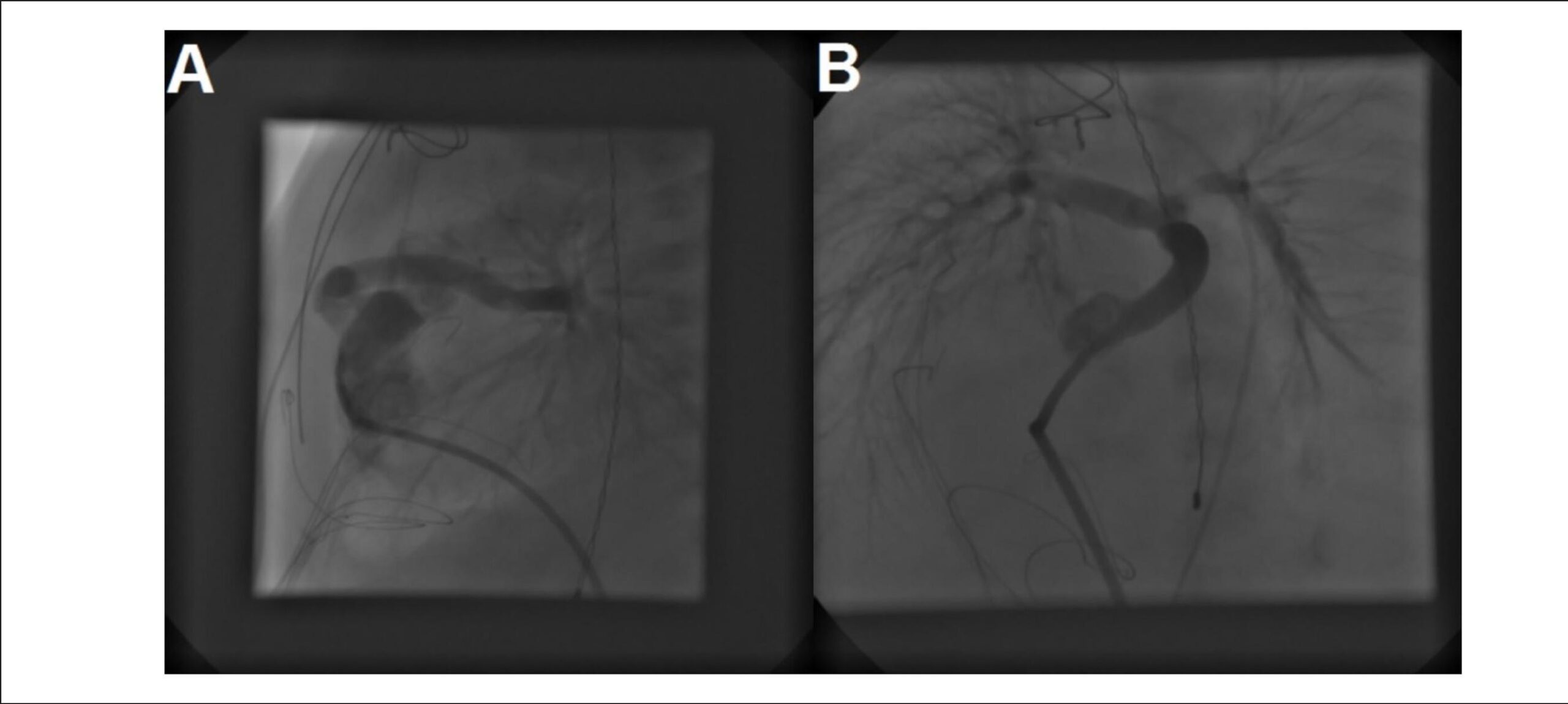
Extracorporeal membrane oxygenation (ECMO) is a well-established tool of cardiopulmonary circulatory support for cardiopulmonary failure in children and adults. It has been used as a supportive strategy during interventional procedures in neonates with congenital heart disease. Herein, we describe a neonate with hypoplastic left heart syndrome who underwent stenting of the Sano shunt and left pulmonary artery after Norwood Sano operation using intra-procedural ECMO support. The use of ECMO as a bridge to recovery might be a feasible and reasonably safe adjunctive approach in the treatment of complications in selective case of neonates having undergone the Norwood Sano procedure.

  • Extracorporeal Membrane Oxygenation
  • Heart Defects, Congenital/surgery
  • Hypoplastic Left Heart Syndrome / surgery
  • Infant, Newborn
  • stent
Read Full Article
Creative Commons Attribution (CC BY) Creative Commons license
01/12/2016 DOI: 10.5935/abc.20160080 Views 1
Letter to the Editor

The Relation between Epicardial Fat Thickness and Prognostic Risk Scores

Sevket Balta et al. Cengiz Ozturk Turgay Celik

Dear Editor,

We read the article “The Relationship between GRACE Score and Epicardial Fat Thickness(EFT) in non-STEMI Patients” by Gul et al. The authors concluded that end-systolic and end-diastolic EFTs were found to be increased in the higher GRACE group.

[…]

  • Acute Coronary Syndrome / complications
  • Adipose Tissue
  • Echocardiography
  • Pericardium
  • Score GRACE
Read Full Article
Creative Commons Attribution (CC BY) Creative Commons license
01/12/2016 DOI: 10.5935/abc.20160185
Figure 1
Anatomopathological Session

Case 6 / 2016 – Heart Failure in a 23-Year-Old Male with a History of Illicit Drug Use

Fernando Faglioni Ribas et al. Paulo Sampaio Gutierrez

Table 1. Laboratory evolution

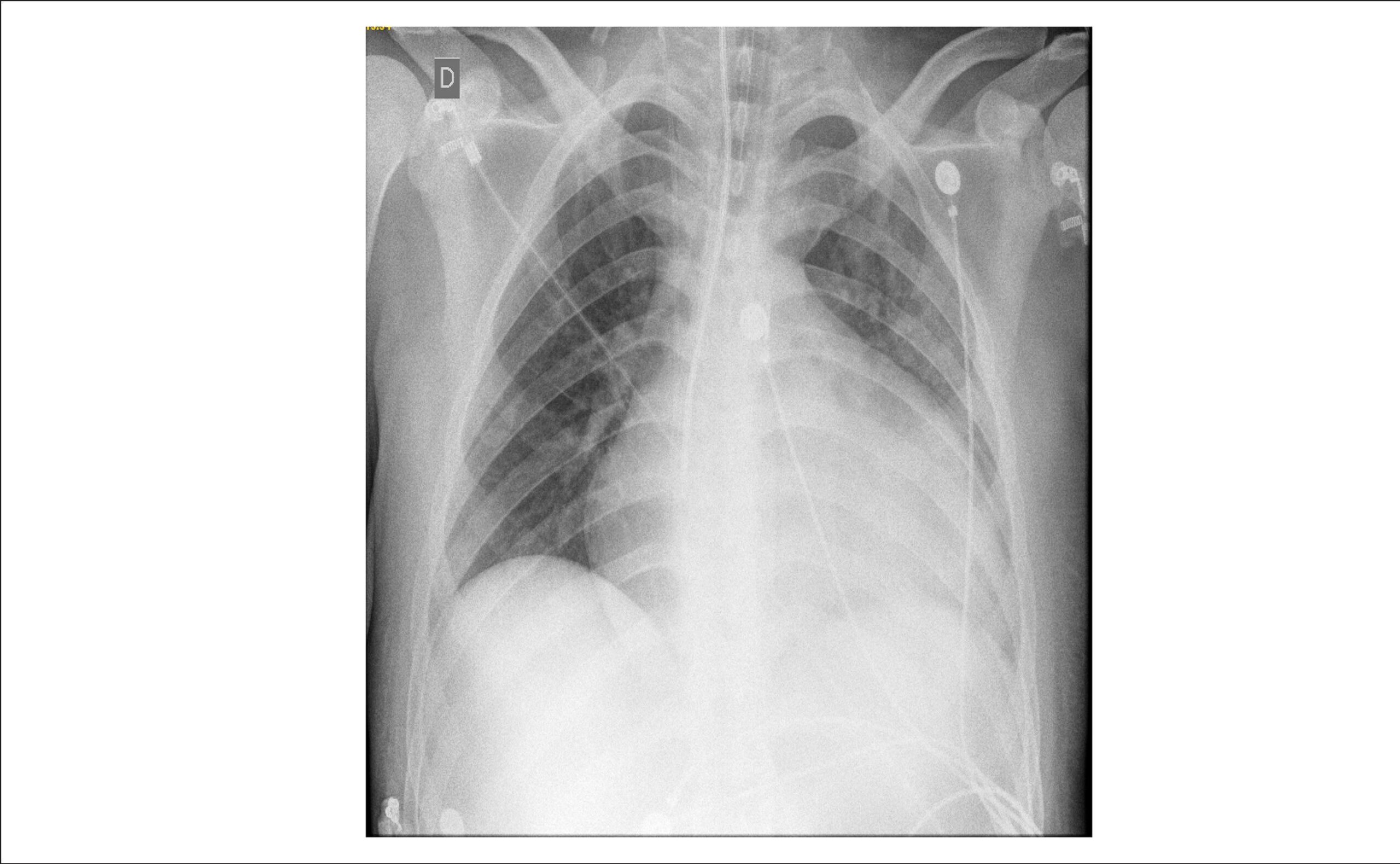
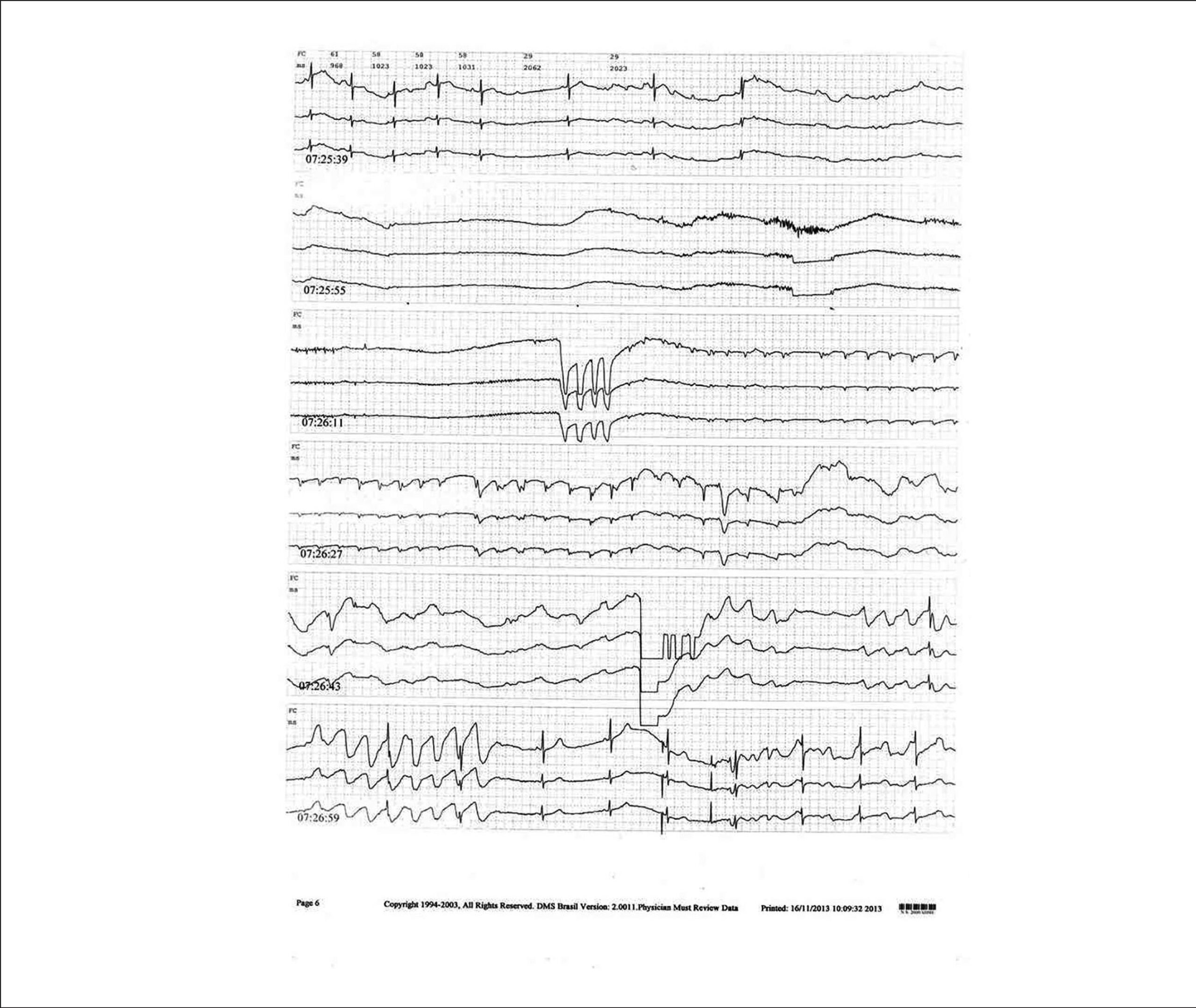
On October 15th, there was a need for a progressive increase of vasopressors. Dialysis was recommended for kidney insufficiency and hyperkalemia, but the patient did not tolerate it, and, after two hours, dialysis was stopped on the night of October 17th 2013, and he received an association of vasopressors as well as a correction of metabolic disorders. Despite high doses of vasoactive drugs, with noradrenaline 3.0 mcg/kg/min, vasopressin 0.04 UI/min, dobutamine 20 mcg/kg/min, intra-aortic balloon 1:1, the patient went into cardiorespiratory arrest in pulseless electrical activity, and died at 00:45 on October 18th, 2013.

[…]

  • Diagnostic Imaging
  • Drug Users
  • Heart Failure/physiopathology
  • Street Drugs
  • Young Adult
Read Full Article
Creative Commons Attribution (CC BY) Creative Commons license
01/12/2016 DOI: 10.5935/abc.20160189
Figure 1
Artigo Original

Acute Heart Failure Registry: Risk Assessment Model in Decompensated Heart Failure

Anne Delgado et al. Bruno Rodrigues Sara Nunes Rui Baptista … Bruno Marmelo Davide Moreira Pedro Gama Luís Nunes Oliveira Santos Costa Cabral

Abstract

Background:

Heart failure (HF) is a highly prevalent syndrome. Although the long-term prognostic factors have been identified in chronic HF, this information is scarcer with respect to patients with acute HF. despite available data in the literature on long-term prognostic factors in chronic HF, data on acute HF patients are more scarce.

Objectives:

To develop a predictor of unfavorable prognostic events in patients hospitalized for acute HF syndromes, and to characterize a group at higher risk regarding their clinical characteristics, treatment and outcomes.

Methods:

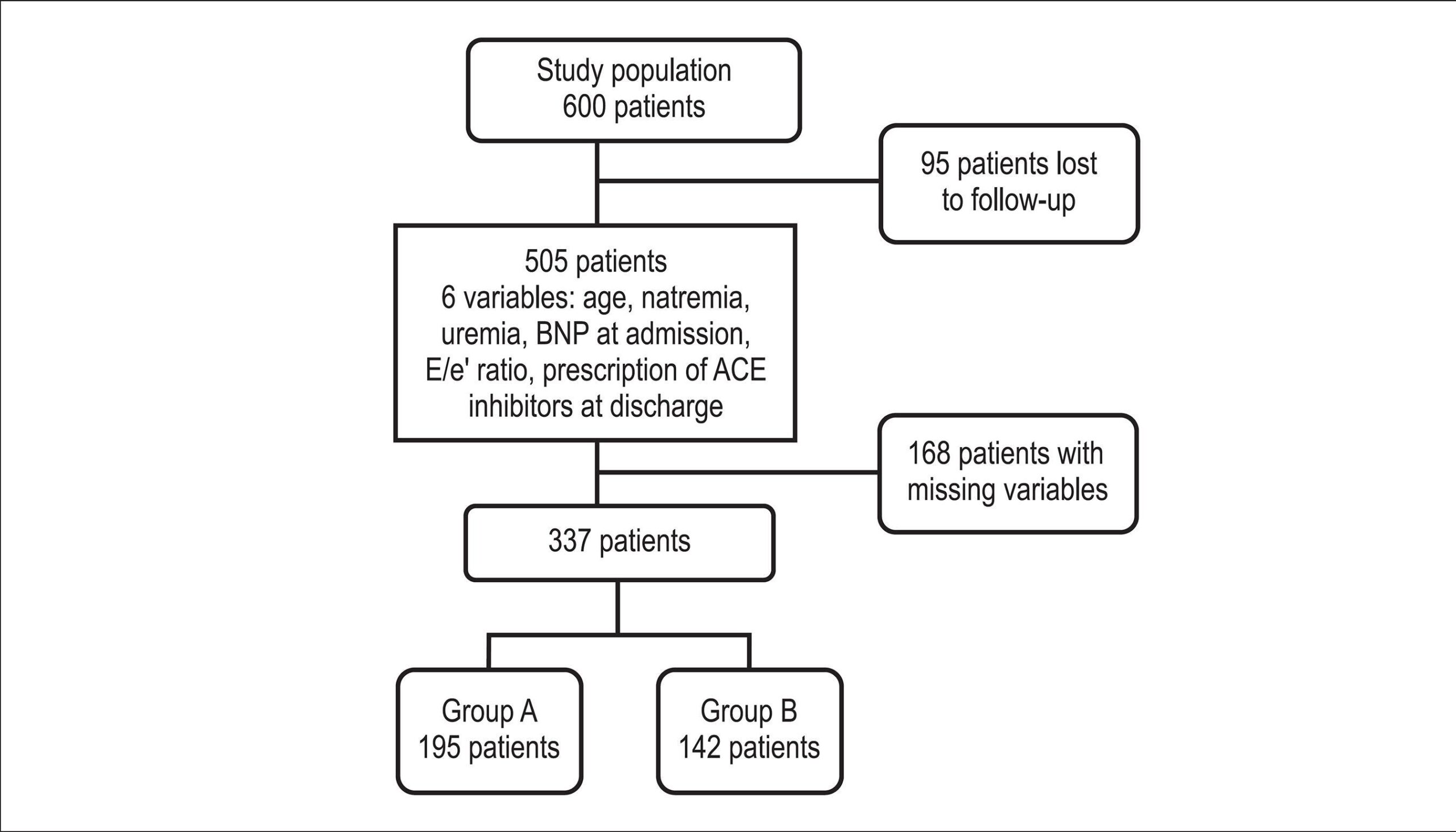
cohort study of 600 patients admitted for acute HF, defined according to the European Society of Cardiology criteria. Primary endpoint for score derivation was defined as all-cause mortality and / or rehospitalization for HF at 12 months. For score validation, the following endpoints were used: all-cause mortality and / or readmission for HF at 6, 12 and 24 months. The exclusion criteria were: high output HF; patients with acute myocardial infraction, acute myocarditis, infectious endocarditis, pulmonary infection, pulmonary artery hypertension and severe mitral stenosis.

Results:

505 patients were included, and prognostic predicting factors at 12 months were identified. One or two points were assigned according to the odds ratio (OR) obtained (p < 0.05). After the total score value was determined, a 4-point cut-off was determined for each ROC curve at 12 months. Two groups were formed according to the number of points, group A < 4 points, and group B = 4 points. Group B was composed of older patients, with higher number of comorbidities and predictors of the combined endpoint at 6, 12 and 24 months, as linearly represented in the survival curves (Log rank).

Conclusions:

This risk score enabled the identification of a group with worse prognosis at 12 months.

  • Acute coronary syndrome
  • Biomarkers
  • Echocardiography,Doppler
  • Heart Failure/complications
  • Prognosis
Read Full Article
Creative Commons Attribution (CC BY) Creative Commons license
01/12/2016 DOI: 10.5935/abc.20160178 Views 1
Figure 1
Original Article

Prognostic Value of a New Marker of Ventricular Repolarization in Cirrhotic Patients

Angelo Antunes Salgado et al. Paulo Roberto Benchimol Barbosa Alinne Gimenez Ferreira Camila Aparecida de Souza Segrégio Reis Carlos Terra

Abstract

Background:

There is still debate about the relationship between changes in ventricular repolarization on the surface electrocardiogram and cirrhosis severity.

Objective:

To study the relationship between variables related to ventricular repolarization and the clinical severity of the cirrhotic disease.

Methods:

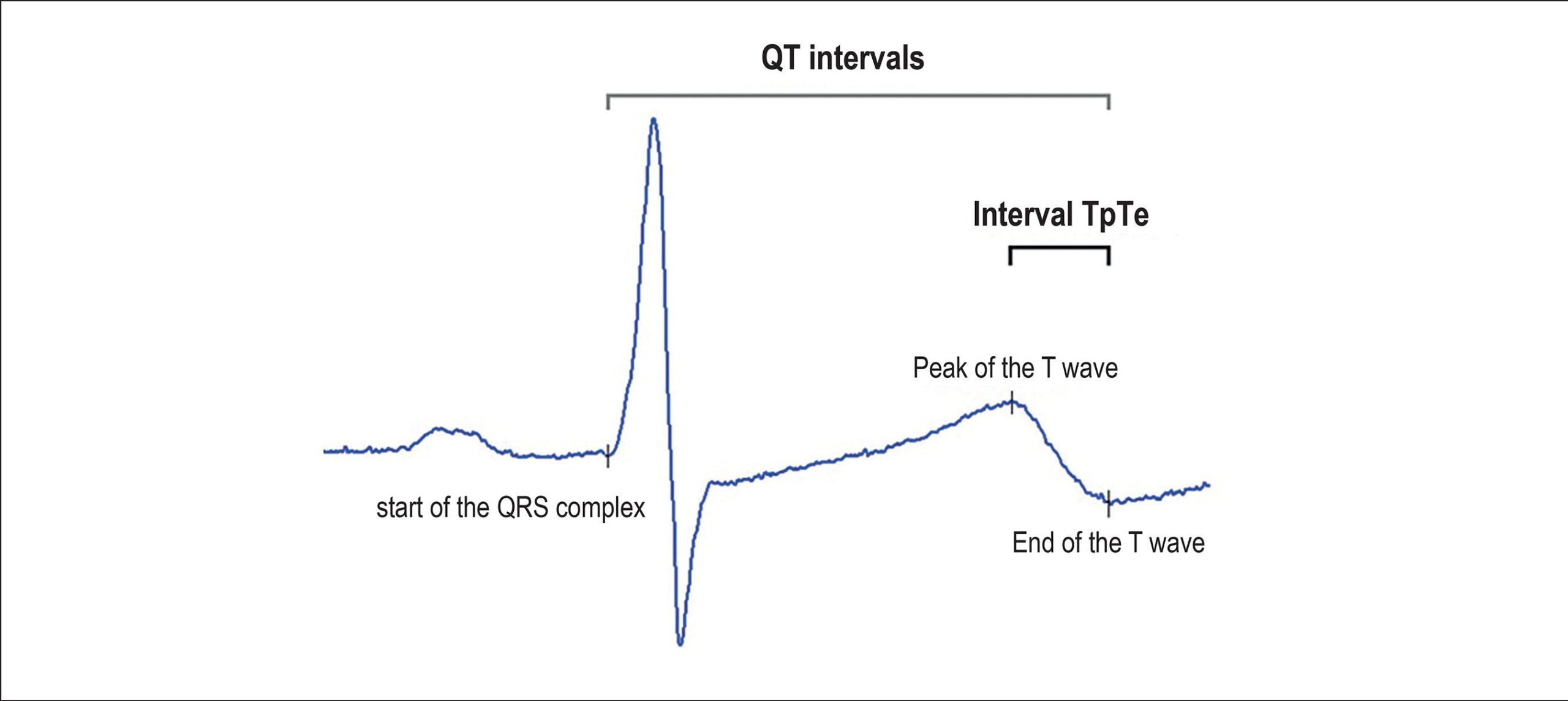
We selected 79 individuals with hepatic cirrhosis, classified according to the Child-Pugh-Turcotte criteria (Child A, B, and C). We measured the QT and corrected QT (QTc) intervals, and the interval between the peak and the end of the T wave (TpTe), and we identified their minimum, maximum, and mean values in the 12-lead electrocardiogram. We also calculated the dispersion of the QT (DQT) and QTc (DQTc) intervals.

Results:

In 12 months of clinical follow-up, nine subjects underwent hepatic transplantation (Child A: 0 [0%]; Child B: 6 [23.1%]; Child C: 3 [18.8%]; p = 0.04) and 12 died (Child A: 3 [12.0%]; Child B: 4 [15.4%]; Child C: 5 [31.3%]; p = 0.002). No significant differences were observed between the cirrhotic groups related to the minimum, maximum, and mean values for the QT, QTc, TpTe, DQT, and DQTc intervals. A minimum TpTe interval ≤ 50 ms was a predictor for the composite endpoints of death or liver transplantation with a sensitivity of 90% and a specificity of 57% (p = 0.005). In the Cox multivariate analysis, the Child groups and a minimum TpTe of ≤ 50 ms were independent predictors of the composite endpoints.

Conclusion:

The intervals QT, QTc, DQT, DQTc, and TpTe have similar distributions between different severity stages in cirrhotic disease. The TpTe interval proved to be a prognostic marker in subjects with cirrhosis, regardless of disease severity (NCT01433848).

  • Cardiomyopathies/physiopathology
  • Electrocardiography
  • Liver Cirrhosis / etiology
  • Liver Cirrhosis / mortality
  • Prognosis
  • Ventricular Dysfunction, Left/physiopathology
Read Full Article
Creative Commons Attribution (CC BY) Creative Commons license
01/12/2016 DOI: 10.5935/abc.20160181 Views 2
Original Article

Analysis of the Use of Extracorporeal Circulation on the In-Hospital Outcomes of Dialytic Patients Who Underwent Myocardial Revascularization Surgery

Matheus Miranda et al. João Nelson Rodrigues Branco Guilherme Flora Vargas Nelson Americo Hossne Jr. … Michele Costa Yoshimoto José Honorio de Almeida Palma da Fonseca José Osmar Medina de Abreu Pestana Enio Buffolo

Abstract

Background:

Myocardial revascularization surgery is the best treatment for dyalitic patients with multivessel coronary disease. However, the procedure still has high morbidity and mortality. The use of extracorporeal circulation (ECC) can have a negative impact on the in-hospital outcomes of these patients.

Objectives:

To evaluate the differences between the techniques with ECC and without ECC during the in-hospital course of dialytic patients who underwent surgical myocardial revascularization.

Methods:

Unicentric study on 102 consecutive, unselected dialytic patients, who underwent myocardial revascularization surgery in a tertiary university hospital from 2007 to 2014.

Results:

Sixty-three patients underwent surgery with ECC and 39 without ECC. A high prevalence of cardiovascular risk factors was found in both groups, without statistically significant difference between them. The group “without ECC” had greater number of revascularizations (2.4 vs. 1.7; p <0.0001) and increased need for blood components (77.7% vs. 25.6%; p <0.0001) and inotropic support (82.5% vs 35.8%; p <0.0001). In the postoperative course, the group "without ECC" required less vasoactive drugs, (61.5% vs. 82.5%; p = 0.0340) and shorter time of mechanical ventilation (13.0 hours vs. 36,3 hours, p = 0.0217), had higher extubation rates in the operating room (58.9% vs. 23.8%, p = 0.0006), lower infection rates (7.6% vs. 28.5%; p = 0.0120), and shorter ICU stay (5.2 days vs. 8.1 days; p = 0.0054) as compared with the group with ECC surgery. No difference in mortality was found between the groups.

Conclusion:

Myocardial revascularization with ECC in patients on dialysis resulted in higher morbidity in the perioperative period in comparison with the procedure without ECC, with no difference in mortality though.

  • Clinical Evolution
  • Dialysis, Hospitalization
  • Extracorporeal Circulation / utilization
  • Myocardial Revascularization
Read Full Article
Creative Commons Attribution (CC BY) Creative Commons license
01/12/2016 DOI: 10.5935/abc.20160180
Figure 1
Original Article

Testosterone and Voluntary Exercise, Alone or Together Increase Cardiac Activation of AKT and ERK1/2 in Diabetic Rats

Leila Chodari et al. Mustafa Mohammadi Gisou Mohaddes Mohammad Reza Alipour … Vajiheh Ghorbanzade Hassan Dariushnejad Shima Mohammadi

Abstract

Background:

Impaired angiogenesis in cardiac tissue is a major complication of diabetes. Protein kinase B (AKT) and extracellular signal regulated kinase (ERK) signaling pathways play important role during capillary-like network formation in angiogenesis process.

Objectives:

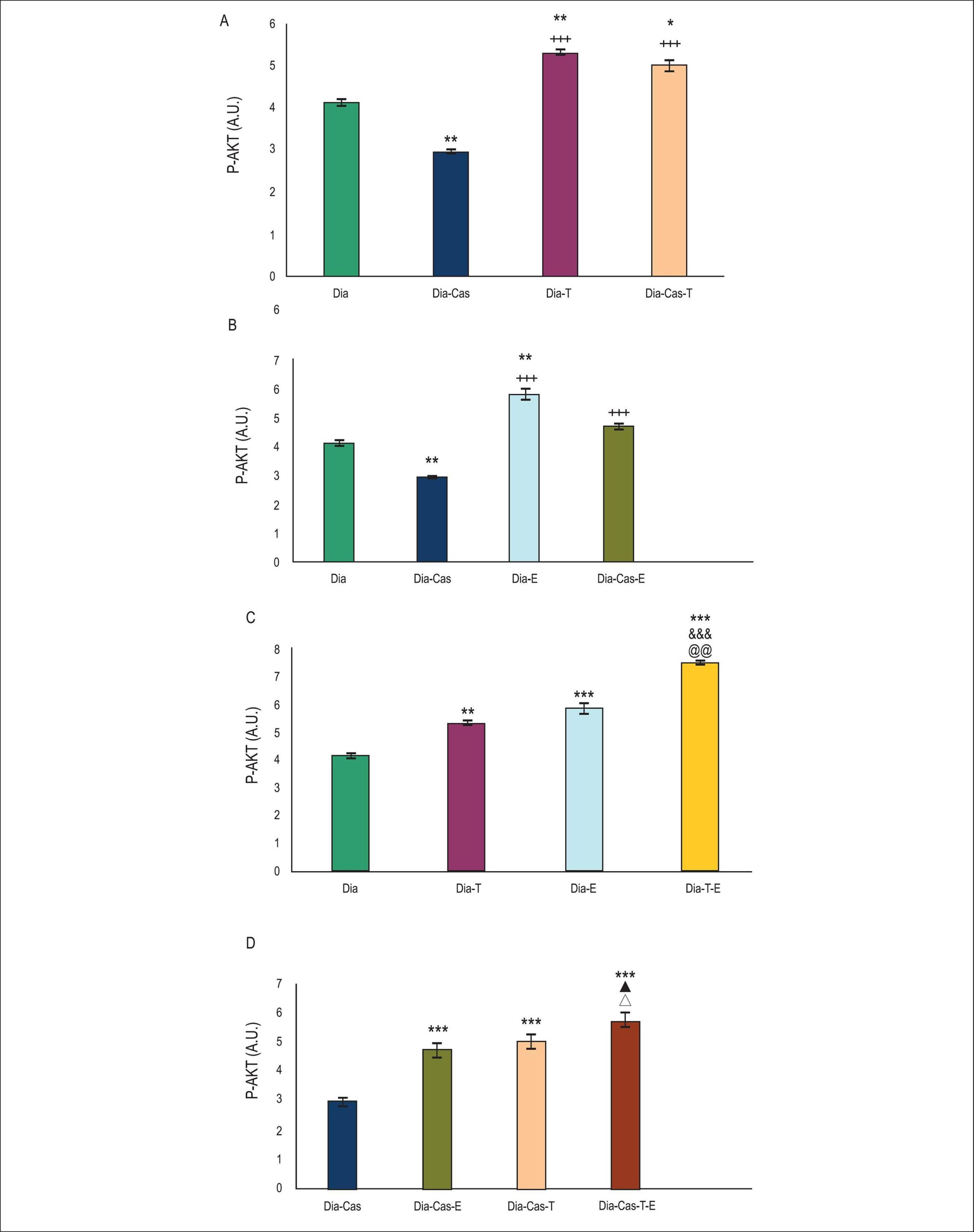
To determine the effects of testosterone and voluntary exercise on levels of vascularity, phosphorylated Akt (P- AKT) and phosphorylated ERK (P-ERK) in heart tissue of diabetic and castrated diabetic rats.

Methods:

Type I diabetes was induced by i.p injection of 50 mg/kg of streptozotocin in animals. After 42 days of treatment with testosterone (2mg/kg/day) or voluntary exercise alone or in combination, heart tissue samples were collected and used for histological evaluation and determination of P-AKT and P-ERK levels by ELISA method.

Results:

Our results showed that either testosterone or exercise increased capillarity, P-AKT, and P-ERK levels in the heart of diabetic rats. Treatment of diabetic rats with testosterone and exercise had a synergistic effect on capillarity, P-AKT, and P-ERK levels in heart. Furthermore, in the castrated diabetes group, capillarity, P-AKT, and P-ERK levels significantly decreased in the heart, whereas either testosterone treatment or exercise training reversed these effects. Also, simultaneous treatment of castrated diabetic rats with testosterone and exercise had an additive effect on P-AKT and P-ERK levels.

Conclusion:

Our findings suggest that testosterone and exercise alone or together can increase angiogenesis in the heart of diabetic and castrated diabetic rats. The proangiogenesis effects of testosterone and exercise are associated with the enhanced activation of AKT and ERK1/2 in heart tissue.

  • Diabetes Mellitus: Angiogenesis
  • Exercise
  • Extracellular Signal-Regulated MAP Kinases
  • Proto-Oncogenese Proteins C-akt
  • Rats
  • Testosterone
Read Full Article
Creative Commons Attribution (CC BY) Creative Commons license
10/11/2016 DOI: 10.5935/abc.20160174 Views 1
Figure 1
Review Article

Stroke Prevention in Atrial Fibrillation: Focus on Latin America

Ayrton R. Massaro et al. Gregory Y. H. Lip

Abstract

Atrial fibrillation (AF) is the most common sustained cardiac arrhythmia, with an estimated prevalence of 1-2% in North America and Europe. The increased prevalence of AF in Latin America is associated with an ageing general population, along with poor control of key risk factors, including hypertension. As a result, stroke prevalence and associated mortality have increased dramatically in the region. Therefore, the need for effective anticoagulation strategies in Latin America is clear. The aim of this review is to provide a contemporary overview of anticoagulants for stroke prevention.

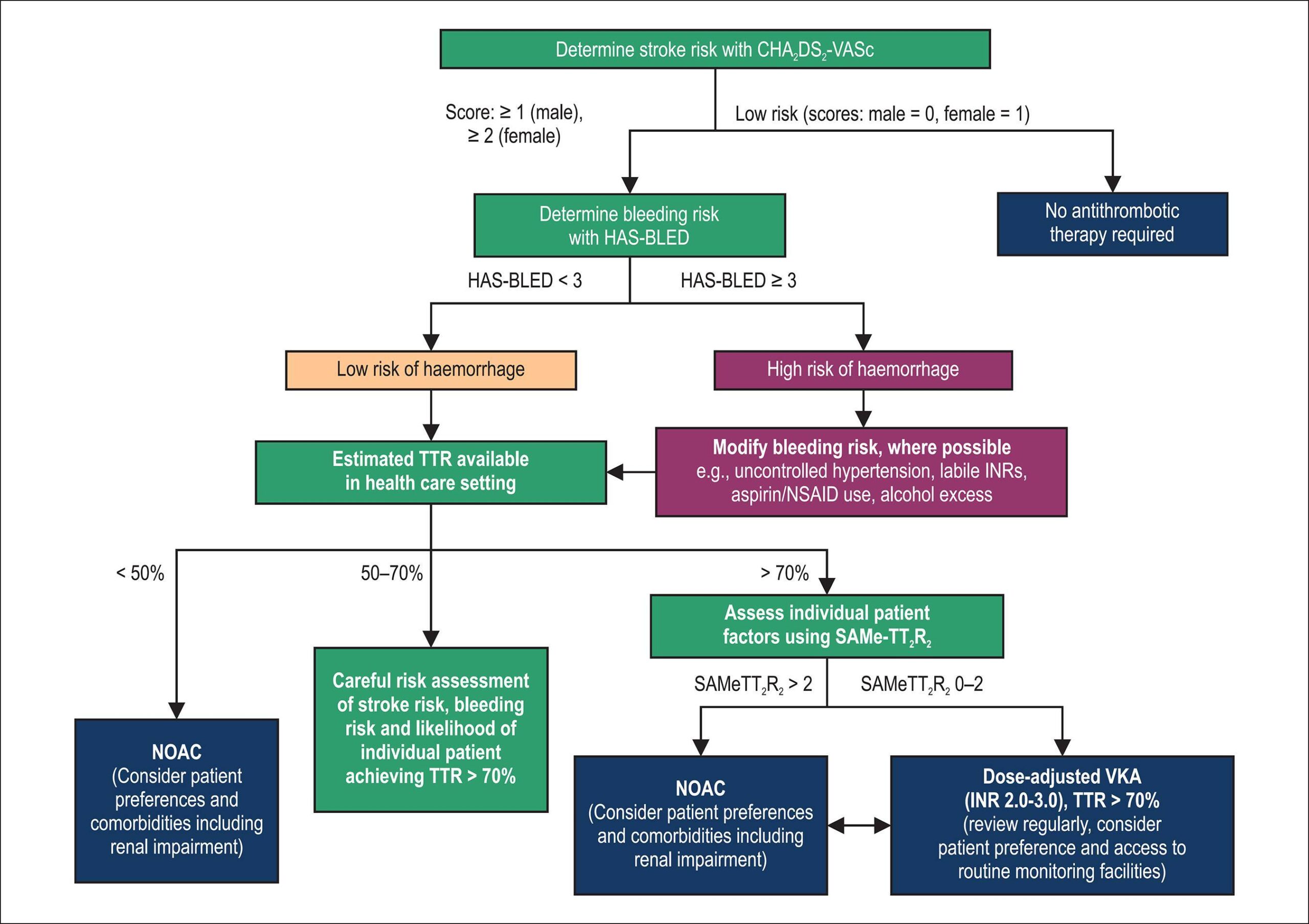
The use of vitamin K antagonists (VKAs, eg, warfarin) and aspirin in the prevention of stroke in patients with AF in Latin America remains common, although around one fifth of all AF patients receive no anticoagulation. Warfarin use is complicated by a lack of access to effective monitoring services coupled with an unpredictable pharmacokinetic profile. The overuse of aspirin is associated with significant bleeding risks and reduced efficacy for stroke prevention in this patient group. The non-VKA oral anticoagulants (NOACbs) represent a potential means of overcoming many limitations associated with VKA and aspirin use, including a reduction in the need for monitoring and a reduced risk of hemorrhagic events.

The ultimate decision of which anticoagulant drug to utilize in AF patients depends on a multitude of factors. More research is needed to appreciate the impact of these factors in the Latin American population and thereby reduce the burden of AF-associated stroke in this region.

  • Anticoagulants
  • Atrial Fibrillation
  • Latin America
  • Prevention
  • Stroke
Read Full Article
Creative Commons Attribution (CC BY) Creative Commons license
11/08/2016 DOI: 10.5935/abc.20160116 Views 1

How to cite this article

EndNote RIS

Electronic Document Format (Vancouver)

Soeiro AM, Scanavini Filho MA, Bossa AS, Zullino CN, Soeiro MCFA, Leal TCAT, Serrano Jr. CV, et al. Complete Treatment Versus Residual Lesion – Long-Term Evolution After Acute Coronary Syndrome. Arquivos Brasileiros de Cardiologia 2016;107(6):550-6.

Electronic Document Format (ABNT)

Soeiro, Alexandre de Matos; Scanavini Filho, Marco Antônio; Bossa, Aline Siqueira; Zullino, Cindel Nogueira; Soeiro, Maria Carolina F. Almeida; Leal, Tatiana Carvalho Andreucci T; Serrano Jr., Carlos Vicente; Hajjar, Ludhmila Abrahão; Kalil Filho, Roberto; Oliveira Jr., Múcio Tavares. Complete Treatment Versus Residual Lesion – Long-Term Evolution After Acute Coronary Syndrome. Arquivos Brasileiros de Cardiologia, v. 107, n. 6, p. 550-556, Nov. 2016.

Electronic Document Format (APA)

Soeiro, A. M., Scanavini Filho, M. A., Bossa, A. S., Zullino, C. N., Soeiro, M. C. F. A., Leal, T. C. A. T., Serrano Jr., C. V., Hajjar, L. A., Kalil Filho, R., & Oliveira Jr., M. T. (2016). Complete Treatment Versus Residual Lesion – Long-Term Evolution After Acute Coronary Syndrome. Arquivos Brasileiros de Cardiologia, 107(6), 550-556.

Electronic Document Format (ISO)

Soeiro, Alexandre de Matos and Scanavini Filho, Marco Antônio and Bossa, Aline Siqueira and Zullino, Cindel Nogueira and Soeiro, Maria Carolina F. Almeida and Leal, Tatiana Carvalho Andreucci T and Serrano Jr., Carlos Vicente and Hajjar, Ludhmila Abrahão and Kalil Filho, Roberto and Oliveira Jr., Múcio Tavares. Complete Treatment Versus Residual Lesion – Long-Term Evolution After Acute Coronary Syndrome. Arquivos Brasileiros de Cardiologia [online]. 2016, vol. 107, n. 6, [cited 2026-10-15], pp. 550-556. Available from: <https://journals.cardiol.br/en/article/complete-treatment-versus-residual-lesion-long-term-evolution-after-acute-coronary-syndrome/>. ISSN 0066-782X

EndNote RIS

Electronic Document Format (Vancouver)

Vieira FF, Olivoto RR, Silva PO, Francisco JC, Fogaça RTH. Functional Effects of Hyperthyroidism on Cardiac Papillary Muscle in Rats. Arquivos Brasileiros de Cardiologia 2016;107(6):542-9.

Electronic Document Format (ABNT)

Vieira, Fabricio Furtado; Olivoto, Robson Ruiz; Silva, Priscyla Oliveira da; Francisco, Julio Cesar; Fogaça, Rosalvo Tadeu Hochmuller. Functional Effects of Hyperthyroidism on Cardiac Papillary Muscle in Rats. Arquivos Brasileiros de Cardiologia, v. 107, n. 6, p. 542-549, Nov. 2016.

Electronic Document Format (APA)

Vieira, F. F., Olivoto, R. R., Silva, P. O. , Francisco, J. C., & Fogaça, R. T. H. (2016). Functional Effects of Hyperthyroidism on Cardiac Papillary Muscle in Rats. Arquivos Brasileiros de Cardiologia, 107(6), 542-549.

Electronic Document Format (ISO)

Vieira, Fabricio Furtado and Olivoto, Robson Ruiz and Silva, Priscyla Oliveira da and Francisco, Julio Cesar and Fogaça, Rosalvo Tadeu Hochmuller. Functional Effects of Hyperthyroidism on Cardiac Papillary Muscle in Rats. Arquivos Brasileiros de Cardiologia [online]. 2016, vol. 107, n. 6, [cited 2026-10-15], pp. 542-549. Available from: <https://journals.cardiol.br/en/article/functional-effects-of-hyperthyroidism-on-cardiac-papillary-muscle-in-rats/>. ISSN 0066-782X

EndNote RIS

Electronic Document Format (Vancouver)

Miranda CM, Silva RMFL. Analysis of Heart Rate Variability Before and During Tilt Test in Patients with Cardioinhibitory Vasovagal Syncope. Arquivos Brasileiros de Cardiologia 2016;107(6):568-75.

Electronic Document Format (ABNT)

Miranda, Cláudia Madeira; Silva, Rose Mary Ferreira Lisboa da. Analysis of Heart Rate Variability Before and During Tilt Test in Patients with Cardioinhibitory Vasovagal Syncope. Arquivos Brasileiros de Cardiologia, v. 107, n. 6, p. 568-575, Nov. 2016.

Electronic Document Format (APA)

Miranda, C. M., & Silva, R. M. F. L. (2016). Analysis of Heart Rate Variability Before and During Tilt Test in Patients with Cardioinhibitory Vasovagal Syncope. Arquivos Brasileiros de Cardiologia, 107(6), 568-575.

Electronic Document Format (ISO)

Miranda, Cláudia Madeira and Silva, Rose Mary Ferreira Lisboa da. Analysis of Heart Rate Variability Before and During Tilt Test in Patients with Cardioinhibitory Vasovagal Syncope. Arquivos Brasileiros de Cardiologia [online]. 2016, vol. 107, n. 6, [cited 2026-10-15], pp. 568-575. Available from: <https://journals.cardiol.br/en/article/analysis-of-heart-rate-variability-before-and-during-tilt-test-in-patients-with-cardioinhibitory-vasovagal-syncope/>. ISSN 0066-782X

EndNote RIS

Electronic Document Format (Vancouver)

Magalhães LP, Figueiredo MJO, Cintra FD, Saad EB, Kuniyoshi RR, Lorga Filho AM, D’Avila ALB, et al. Executive Summary of the II Brazilian Guidelines for Atrial Fibrillation. Arquivos Brasileiros de Cardiologia 2016;107(6):501-8.

Electronic Document Format (ABNT)

Magalhães, Luiz Pereira de; Figueiredo, Marcio Jansen de Oliveira; Cintra, Fatima Dumas; Saad, Eduardo Benchimol; Kuniyoshi, Ricardo Ryoshim; Lorga Filho, Adalberto Menezes; D’Avila, Andre Luiz Buchele; Paola, Angelo Amato Vincenzo de; Kalil, Carlos Antonio Abunader; Moreira, Dalmo Antonio Ribeiro; Sobral Filho, Dario Celestino; Sternick, Eduardo Back; Darrieux, Francisco Carlos da Costa; Fenelon, Guilherme; Lima, Gustavo Glotz de; Atié, Jacob; Mateos, José Carlos Pachón; Moreira, José Marcos; Vasconcelos, José Tarcísio Medeiros de; Zimerman, Leandro Ioschpe; Silva, Luiz Roberto Leite da; Silva, Marcio Augusto; Scanavacca, Mauricio Ibrahim; Souza, Olga Ferreira de. Executive Summary of the II Brazilian Guidelines for Atrial Fibrillation. Arquivos Brasileiros de Cardiologia, v. 107, n. 6, p. 501-508, Nov. 2016.

Electronic Document Format (APA)

Magalhães, L. P. , Figueiredo, M. J. O., Cintra, F. D., Saad, E. B., Kuniyoshi, R. R., Lorga Filho, A. M., D’Avila, A. L. B., Paola, A. A. V. , Kalil, C. A. A., Moreira, D. A. R., Sobral Filho, D. C., Sternick, E. B., Darrieux, F. C. C., Fenelon, G., Lima, G. G. , Atié, J., Mateos, J. C. P., Moreira, J. M., Vasconcelos, J. T. M. , Zimerman, L. I., Silva, L. R. L. , Silva, M. A., Scanavacca, M. I., & Souza, O. F. (2016). Executive Summary of the II Brazilian Guidelines for Atrial Fibrillation. Arquivos Brasileiros de Cardiologia, 107(6), 501-508.

Electronic Document Format (ISO)

Magalhães, Luiz Pereira de and Figueiredo, Marcio Jansen de Oliveira and Cintra, Fatima Dumas and Saad, Eduardo Benchimol and Kuniyoshi, Ricardo Ryoshim and Lorga Filho, Adalberto Menezes and D’Avila, Andre Luiz Buchele and Paola, Angelo Amato Vincenzo de and Kalil, Carlos Antonio Abunader and Moreira, Dalmo Antonio Ribeiro and Sobral Filho, Dario Celestino and Sternick, Eduardo Back and Darrieux, Francisco Carlos da Costa and Fenelon, Guilherme and Lima, Gustavo Glotz de and Atié, Jacob and Mateos, José Carlos Pachón and Moreira, José Marcos and Vasconcelos, José Tarcísio Medeiros de and Zimerman, Leandro Ioschpe and Silva, Luiz Roberto Leite da and Silva, Marcio Augusto and Scanavacca, Mauricio Ibrahim and Souza, Olga Ferreira de. Executive Summary of the II Brazilian Guidelines for Atrial Fibrillation. Arquivos Brasileiros de Cardiologia [online]. 2016, vol. 107, n. 6, [cited 2026-10-15], pp. 501-508. Available from: <https://journals.cardiol.br/en/article/executive-summary-of-the-ii-brazilian-guidelines-for-atrial-fibrillation/>. ISSN 0066-782X

EndNote RIS

Electronic Document Format (Vancouver)

Silveira EA, Vieira LL, Jardim TV, Souza JD. Obesity and its Association with Food Consumption, Diabetes Mellitus, and Acute Myocardial Infarction in the Elderly. Arquivos Brasileiros de Cardiologia 2016;107(6):509-17.

Electronic Document Format (ABNT)

Silveira, Erika Aparecida da; Vieira, Liana Lima; Jardim, Thiago Veiga; Souza, Jacqueline Danesio de. Obesity and its Association with Food Consumption, Diabetes Mellitus, and Acute Myocardial Infarction in the Elderly. Arquivos Brasileiros de Cardiologia, v. 107, n. 6, p. 509-517, Nov. 2016.

Electronic Document Format (APA)

Silveira, E. A. , Vieira, L. L., Jardim, T. V., & Souza, J. D. (2016). Obesity and its Association with Food Consumption, Diabetes Mellitus, and Acute Myocardial Infarction in the Elderly. Arquivos Brasileiros de Cardiologia, 107(6), 509-517.

Electronic Document Format (ISO)

Silveira, Erika Aparecida da and Vieira, Liana Lima and Jardim, Thiago Veiga and Souza, Jacqueline Danesio de. Obesity and its Association with Food Consumption, Diabetes Mellitus, and Acute Myocardial Infarction in the Elderly. Arquivos Brasileiros de Cardiologia [online]. 2016, vol. 107, n. 6, [cited 2026-10-15], pp. 509-517. Available from: <https://journals.cardiol.br/en/article/obesity-and-its-association-with-food-consumption-diabetes-mellitus-and-acute-myocardial-infarction-in-the-elderly/>. ISSN 0066-782X

EndNote RIS

Electronic Document Format (Vancouver)

Morais MJ, Silva F, Melo M, Carriço A, Valente F. Prenatal Diagnosis of Intracardiac Tumors. Arquivos Brasileiros de Cardiologia 2016;107(6):605-6.

Electronic Document Format (ABNT)

Morais, Maria José; Silva, Fátima; Melo, Mónica; Carriço, Ana; Valente, Francisco. Prenatal Diagnosis of Intracardiac Tumors. Arquivos Brasileiros de Cardiologia, v. 107, n. 6, p. 605-606, Nov. 2016.

Electronic Document Format (APA)

Morais, M. J., Silva, F., Melo, M., Carriço, A., & Valente, F. (2016). Prenatal Diagnosis of Intracardiac Tumors. Arquivos Brasileiros de Cardiologia, 107(6), 605-606.

Electronic Document Format (ISO)

Morais, Maria José and Silva, Fátima and Melo, Mónica and Carriço, Ana and Valente, Francisco. Prenatal Diagnosis of Intracardiac Tumors. Arquivos Brasileiros de Cardiologia [online]. 2016, vol. 107, n. 6, [cited 2026-10-15], pp. 605-606. Available from: <https://journals.cardiol.br/en/article/prenatal-diagnosis-of-intracardiac-tumors/>. ISSN 0066-782X

EndNote RIS

Electronic Document Format (Vancouver)

Gulgun M, Slack M. Stent Placement in a Neonate with Sano Modification of the Norwood using Semi-Elective Extracorporeal Membrane Oxygenation. Arquivos Brasileiros de Cardiologia 2016;107(6):600-4.

Electronic Document Format (ABNT)

Gulgun, Mustafa; Slack, Michael. Stent Placement in a Neonate with Sano Modification of the Norwood using Semi-Elective Extracorporeal Membrane Oxygenation. Arquivos Brasileiros de Cardiologia, v. 107, n. 6, p. 600-604, Nov. 2016.

Electronic Document Format (APA)

Gulgun, M., & Slack, M. (2016). Stent Placement in a Neonate with Sano Modification of the Norwood using Semi-Elective Extracorporeal Membrane Oxygenation. Arquivos Brasileiros de Cardiologia, 107(6), 600-604.

Electronic Document Format (ISO)

Gulgun, Mustafa and Slack, Michael. Stent Placement in a Neonate with Sano Modification of the Norwood using Semi-Elective Extracorporeal Membrane Oxygenation. Arquivos Brasileiros de Cardiologia [online]. 2016, vol. 107, n. 6, [cited 2026-10-15], pp. 600-604. Available from: <https://journals.cardiol.br/en/article/stent-placement-in-a-neonate-with-sano-modification-of-the-norwood-using-semi-elective-extracorporeal-membrane-oxygenation/>. ISSN 0066-782X

EndNote RIS

Electronic Document Format (Vancouver)

Balta S, Ozturk C, Celik T. The Relation between Epicardial Fat Thickness and Prognostic Risk Scores. Arquivos Brasileiros de Cardiologia 2016;107(6):607.

Electronic Document Format (ABNT)

Balta, Sevket; Ozturk, Cengiz; Celik, Turgay. The Relation between Epicardial Fat Thickness and Prognostic Risk Scores. Arquivos Brasileiros de Cardiologia, v. 107, n. 6, p. 607-607, Nov. 2016.

Electronic Document Format (APA)

Balta, S., Ozturk, C., & Celik, T. (2016). The Relation between Epicardial Fat Thickness and Prognostic Risk Scores. Arquivos Brasileiros de Cardiologia, 107(6), 607-607.

Electronic Document Format (ISO)

Balta, Sevket and Ozturk, Cengiz and Celik, Turgay. The Relation between Epicardial Fat Thickness and Prognostic Risk Scores. Arquivos Brasileiros de Cardiologia [online]. 2016, vol. 107, n. 6, [cited 2026-10-15], pp. 607-607. Available from: <https://journals.cardiol.br/en/article/the-relation-between-epicardial-fat-thickness-and-prognostic-risk-scores/>. ISSN 0066-782X

EndNote RIS

Electronic Document Format (Vancouver)

Ribas FF, Gutierrez PS. Case 6 / 2016 – Heart Failure in a 23-Year-Old Male with a History of Illicit Drug Use. Arquivos Brasileiros de Cardiologia 2016;107(6):590-9.

Electronic Document Format (ABNT)

Ribas, Fernando Faglioni; Gutierrez, Paulo Sampaio. Case 6 / 2016 – Heart Failure in a 23-Year-Old Male with a History of Illicit Drug Use. Arquivos Brasileiros de Cardiologia, v. 107, n. 6, p. 590-599, Nov. 2016.

Electronic Document Format (APA)

Ribas, F. F., & Gutierrez, P. S. (2016). Case 6 / 2016 – Heart Failure in a 23-Year-Old Male with a History of Illicit Drug Use. Arquivos Brasileiros de Cardiologia, 107(6), 590-599.

Electronic Document Format (ISO)

Ribas, Fernando Faglioni and Gutierrez, Paulo Sampaio. Case 6 / 2016 – Heart Failure in a 23-Year-Old Male with a History of Illicit Drug Use. Arquivos Brasileiros de Cardiologia [online]. 2016, vol. 107, n. 6, [cited 2026-10-15], pp. 590-599. Available from: <https://journals.cardiol.br/en/article/case-6-2016-heart-failure-in-a-23-year-old-male-with-a-history-of-illicit-drug-use/>. ISSN 0066-782X

EndNote RIS

Electronic Document Format (Vancouver)

Delgado A, Rodrigues B, Nunes S, Baptista R, Marmelo B, Moreira D, Gama P, et al. Acute Heart Failure Registry: Risk Assessment Model in Decompensated Heart Failure. Arquivos Brasileiros de Cardiologia 2016;107(6):557-6.

Electronic Document Format (ABNT)

Delgado, Anne; Rodrigues, Bruno; Nunes, Sara; Baptista, Rui; Marmelo, Bruno; Moreira, Davide; Gama, Pedro; Nunes, Luís; Santos, Oliveira; Cabral, Costa. Acute Heart Failure Registry: Risk Assessment Model in Decompensated Heart Failure. Arquivos Brasileiros de Cardiologia, v. 107, n. 6, p. 557-567, Nov. 2016.

Electronic Document Format (APA)

Delgado, A., Rodrigues, B., Nunes, S., Baptista, R., Marmelo, B., Moreira, D., Gama, P., Nunes, L., Santos, O., & Cabral, C. (2016). Acute Heart Failure Registry: Risk Assessment Model in Decompensated Heart Failure. Arquivos Brasileiros de Cardiologia, 107(6), 557-567.

Electronic Document Format (ISO)

Delgado, Anne and Rodrigues, Bruno and Nunes, Sara and Baptista, Rui and Marmelo, Bruno and Moreira, Davide and Gama, Pedro and Nunes, Luís and Santos, Oliveira and Cabral, Costa. Acute Heart Failure Registry: Risk Assessment Model in Decompensated Heart Failure. Arquivos Brasileiros de Cardiologia [online]. 2016, vol. 107, n. 6, [cited 2026-10-15], pp. 557-567. Available from: <https://journals.cardiol.br/en/article/acute-heart-failure-registry-risk-assessment-model-in-decompensated-heart-failure/>. ISSN 0066-782X

EndNote RIS

Electronic Document Format (Vancouver)

Salgado AA, Barbosa PRB, Ferreira AG, Reis CASS, Terra C. Prognostic Value of a New Marker of Ventricular Repolarization in Cirrhotic Patients. Arquivos Brasileiros de Cardiologia 2016;107(6):523-31.

Electronic Document Format (ABNT)

Salgado, Angelo Antunes; Barbosa, Paulo Roberto Benchimol; Ferreira, Alinne Gimenez; Reis, Camila Aparecida de Souza Segrégio; Terra, Carlos. Prognostic Value of a New Marker of Ventricular Repolarization in Cirrhotic Patients. Arquivos Brasileiros de Cardiologia, v. 107, n. 6, p. 523-531, Nov. 2016.

Electronic Document Format (APA)

Salgado, A. A., Barbosa, P. R. B., Ferreira, A. G., Reis, C. A. S. S., & Terra, C. (2016). Prognostic Value of a New Marker of Ventricular Repolarization in Cirrhotic Patients. Arquivos Brasileiros de Cardiologia, 107(6), 523-531.

Electronic Document Format (ISO)

Salgado, Angelo Antunes and Barbosa, Paulo Roberto Benchimol and Ferreira, Alinne Gimenez and Reis, Camila Aparecida de Souza Segrégio and Terra, Carlos. Prognostic Value of a New Marker of Ventricular Repolarization in Cirrhotic Patients. Arquivos Brasileiros de Cardiologia [online]. 2016, vol. 107, n. 6, [cited 2026-10-15], pp. 523-531. Available from: <https://journals.cardiol.br/en/article/prognostic-value-of-a-new-marker-of-ventricular-repolarization-in-cirrhotic-patients/>. ISSN 0066-782X

EndNote RIS

Electronic Document Format (Vancouver)

Miranda M, Branco JNR, Vargas GF, Hossne Jr. NA, Yoshimoto MC, Fonseca JHAP, Pestana JOMA, et al. Analysis of the Use of Extracorporeal Circulation on the In-Hospital Outcomes of Dialytic Patients Who Underwent Myocardial Revascularization Surgery. Arquivos Brasileiros de Cardiologia 2016;107(6):518-22.

Electronic Document Format (ABNT)

Miranda, Matheus; Branco, João Nelson Rodrigues; Vargas, Guilherme Flora; Hossne Jr., Nelson Americo; Yoshimoto, Michele Costa; Fonseca, José Honorio de Almeida Palma da; Pestana, José Osmar Medina de Abreu; Buffolo, Enio. Analysis of the Use of Extracorporeal Circulation on the In-Hospital Outcomes of Dialytic Patients Who Underwent Myocardial Revascularization Surgery. Arquivos Brasileiros de Cardiologia, v. 107, n. 6, p. 518-522, Nov. 2016.

Electronic Document Format (APA)

Miranda, M., Branco, J. N. R., Vargas, G. F., Hossne Jr., N. A., Yoshimoto, M. C., Fonseca, J. H. A. P. , Pestana, J. O. M. A., & Buffolo, E. (2016). Analysis of the Use of Extracorporeal Circulation on the In-Hospital Outcomes of Dialytic Patients Who Underwent Myocardial Revascularization Surgery. Arquivos Brasileiros de Cardiologia, 107(6), 518-522.

Electronic Document Format (ISO)

Miranda, Matheus and Branco, João Nelson Rodrigues and Vargas, Guilherme Flora and Hossne Jr., Nelson Americo and Yoshimoto, Michele Costa and Fonseca, José Honorio de Almeida Palma da and Pestana, José Osmar Medina de Abreu and Buffolo, Enio. Analysis of the Use of Extracorporeal Circulation on the In-Hospital Outcomes of Dialytic Patients Who Underwent Myocardial Revascularization Surgery. Arquivos Brasileiros de Cardiologia [online]. 2016, vol. 107, n. 6, [cited 2026-10-15], pp. 518-522. Available from: <https://journals.cardiol.br/en/article/analysis-of-the-use-of-extracorporeal-circulation-on-the-in-hospital-outcomes-of-dialytic-patients-who-underwent-myocardial-revascularization-surgery/>. ISSN 0066-782X

EndNote RIS

Electronic Document Format (Vancouver)

Chodari L, Mohammadi M, Mohaddes G, Alipour MR, Ghorbanzade V, Dariushnejad H, Mohammadi S, et al. Testosterone and Voluntary Exercise, Alone or Together Increase Cardiac Activation of AKT and ERK1/2 in Diabetic Rats. Arquivos Brasileiros de Cardiologia 2016;107(6):532-41.

Electronic Document Format (ABNT)

Chodari, Leila; Mohammadi, Mustafa; Mohaddes, Gisou; Alipour, Mohammad Reza; Ghorbanzade, Vajiheh; Dariushnejad, Hassan; Mohammadi, Shima. Testosterone and Voluntary Exercise, Alone or Together Increase Cardiac Activation of AKT and ERK1/2 in Diabetic Rats. Arquivos Brasileiros de Cardiologia, v. 107, n. 6, p. 532-541, Nov. 2016.

Electronic Document Format (APA)

Chodari, L., Mohammadi, M., Mohaddes, G., Alipour, M. R., Ghorbanzade, V., Dariushnejad, H., & Mohammadi, S. (2016). Testosterone and Voluntary Exercise, Alone or Together Increase Cardiac Activation of AKT and ERK1/2 in Diabetic Rats. Arquivos Brasileiros de Cardiologia, 107(6), 532-541.

Electronic Document Format (ISO)

Chodari, Leila and Mohammadi, Mustafa and Mohaddes, Gisou and Alipour, Mohammad Reza and Ghorbanzade, Vajiheh and Dariushnejad, Hassan and Mohammadi, Shima. Testosterone and Voluntary Exercise, Alone or Together Increase Cardiac Activation of AKT and ERK1/2 in Diabetic Rats. Arquivos Brasileiros de Cardiologia [online]. 2016, vol. 107, n. 6, [cited 2026-10-15], pp. 532-541. Available from: <https://journals.cardiol.br/en/article/testosterone-and-voluntary-exercise-alone-or-together-increase-cardiac-activation-of-akt-and-erk1-2-in-diabetic-rats/>. ISSN 0066-782X

EndNote RIS

Electronic Document Format (Vancouver)

Massaro AR, Lip GYH. Stroke Prevention in Atrial Fibrillation: Focus on Latin America. Arquivos Brasileiros de Cardiologia 2016;107(6):576-89.

Electronic Document Format (ABNT)

Massaro, Ayrton R.; Lip, Gregory Y. H.. Stroke Prevention in Atrial Fibrillation: Focus on Latin America. Arquivos Brasileiros de Cardiologia, v. 107, n. 6, p. 576-589, Aug. 2016.

Electronic Document Format (APA)

Massaro, A. R., & Lip, G. Y. H. (2016). Stroke Prevention in Atrial Fibrillation: Focus on Latin America. Arquivos Brasileiros de Cardiologia, 107(6), 576-589.

Electronic Document Format (ISO)

Massaro, Ayrton R. and Lip, Gregory Y. H.. Stroke Prevention in Atrial Fibrillation: Focus on Latin America. Arquivos Brasileiros de Cardiologia [online]. 2016, vol. 107, n. 6, [cited 2026-10-15], pp. 576-589. Available from: <https://journals.cardiol.br/en/article/stroke-prevention-in-atrial-fibrillation-focus-on-latin-america/>. ISSN 0066-782X

Sede – Rio de Janeiro
Av. Marechal Câmara, 160
3º andar – Sala: 330 – Centro
Rio de Janeiro – CEP: 20020-907
Tel.: (55 +21) 3478-2700
ou (21) 99386-3961
E-mail: revista@cardiol.br

Sede – São Paulo
Alameda Santos, 705 – 11º andar
Cerqueira César | São Paulo
CEP: 01419-001
Tel.: (55 +11) 3411-5500
E-mail: revista@cardiol.br

  • About the Journal
  • Internal Regulation
  • Editors Section
  • Editorial Board
  • History
  • SBC Award

  • Guidelines for Publication
  • Editorial Policy
  • Ethics Policy
  • Policy on the Use of Artificial Intelligence
  • Mandatory Publication Form
  • Publication Fee

Issues

SBC Guidelines

  • How to Publish an Abstract Supplement?
  • Supplements from the Brazilian Congress of Cardiology