ABC Family Arquivos Brasileiros de Cardiologia International Journal of Cardiovascular Sciences ABC Heart Failure & Cardiomyopathy ABC Imagem Cardiovascular
Português English
ABC Family
Português English
  • About
    • About ABC Family
    • Internal Regulation
    • Editorial Board
    • Brazilian Society of Cardiology (SBC)
  • Issues
  • SBC Guidelines
  • Content
    • Videos
    • Podcasts
    • News
  • About
    • About ABC Family
    • Internal Regulation
    • Editorial Board
    • Brazilian Society of Cardiology (SBC)
  • Issues
  • SBC Guidelines
  • Content
    • Videos
    • Podcasts
    • News

ABC Family

  • ABC Family
  • Arquivos Brasileiros de Cardiologia
  • International Journal of Cardiovascular Sciences
  • ABC Heart Failure & Cardiomyopathy
  • ABC Imagem Cardiovascular
Search in

No content found.

Journals
Ordering
Article types
Others

  1. Home
  2. Keyword: Prevention
Figure 1
ABCIC
Original Article

Global Longitudinal Strain as Predictor of Chemotherapy-Induced Cardiotoxicity

Monica Samuel Avila et al. Marco Stephan Lofrano Alves Silvia Moreira Ayub-Ferreira Mauro Rogerio de Barros Wanderley Junior … Fatima das Dores Cruz Sara Michelly Gonçalves Brandão Ludhmila Abrahão Hajjar Roberto Kalil Filho Cecilia Beatriz Bittencourt Viana Cruz Maria Cristina Abduch Danilo Bora Moleta Edimar Alcides Bocchi

Abstract

Background

Chemotherapy-induced cardiotoxicity (ChC) is an important complication among patients receiving anthracyclines. Biomarkers and imaging parameters have been studied for their ability to identify patients at risk of developing ChC. Left ventricular global longitudinal strain (LV-GLS) is a sensitive parameter for detecting systolic dysfunction despite the presence of preserved left ventricular ejection fraction (LVEF).

Objective

To evaluate the role of the LV-GLS as a predictor of ChC.

Methods

This was a post-hoc analysis of the Carvedilol for Prevention of Chemotherapy-Related Cardiotoxicity trial, which evaluated the primary prevention of cardiotoxicity with carvedilol during doxorubicin chemotherapy in a population of patients with breast cancer. Cardiotoxicity was defined as a reduction ≥10% in LVEF. LV-GLS was determined before chemotherapy in patients with no prior cardiovascular disease or echocardiogram abnormalities.

Results

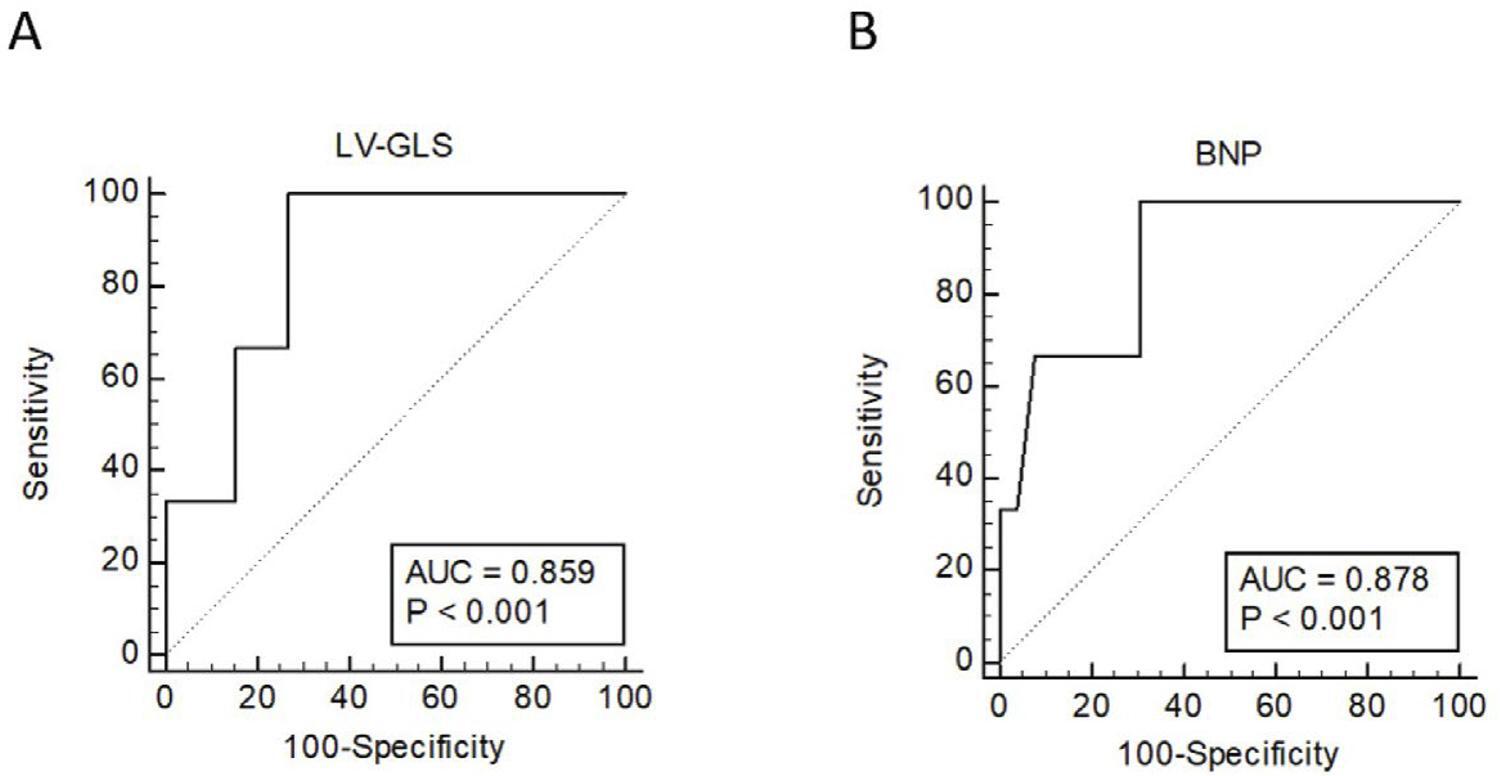
Thirty-one patients for whom a complete echocardiography study including measurement of LV-GLS was performed before chemotherapy were included in this analysis. An absolute LV-GLS<16.9% before chemotherapy showed 100% sensitivity and 73% specificity for predicting cardiotoxicity (area under the curve [AUC], 0.85; 95% confidence interval [CI], 0.680–0.959; p<0.001). In this population, LVEF values before chemotherapy did not predict ChC (95% CI, 0.478 to -0.842; p=0.17). The association of low LV-GLS (17 pg/mL) at 2 months after chemotherapy increased the accuracy for detecting early-onset ChC (100% sensitivity, 88% specificity; AUC, 0.94; 95% CI, 0.781–0.995; p<0.0001).

Conclusions

Our data suggest that LV-GLS is a potential predictor of ChC. Larger studies are needed to confirm its clinical relevance in this clinical setting.
  • Cardiotoxicity
  • Chemotherapy
  • Echocardiogram
  • Prevention
  • Strain
  • β-blockers
Read Full Article
Creative Commons Attribution (CC BY) Creative Commons license
21/12/2022 DOI: 10.47593/2675-312X/20223504eabc340i Views 1
Figure 1
ABC
Editorial

Special Considerations in the Prevention of Cardiovascular Disease in Women

Gláucia Maria Moraes de Oliveira et al. Nanette Kasss Wenger

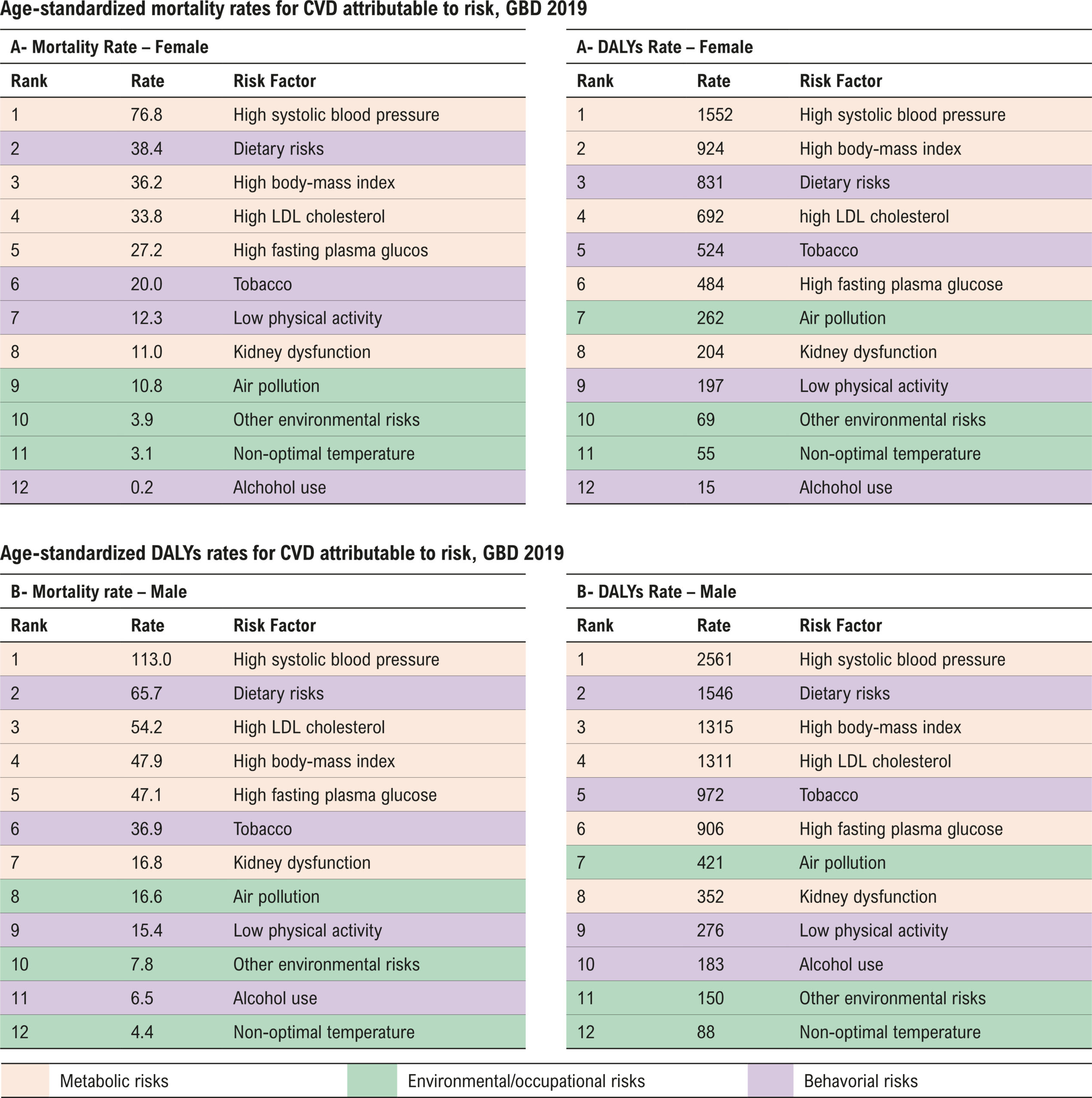
Cardiovascular Diseases (CVD) are the major cause of death and disability in Brazil, in women and men. According to the GBD 2019 Study estimates, among CVDs, IHD was the number 1 cause of death in Brazil, followed by Stroke. IHD was responsible for 12.03% (II95 10.66%-12.88%) and 12.2% (II95 11 .5%-12.77%) , of deaths and 4.78 %(II95 4.08%-5.47%) and 6.48% (II95 5.92%-7.05%) of Disability Adjusted Life Years (DALYs) , in women and men, respectively. Deaths and DALYs from Stroke were higher in women than in men, 10.39% (II95 9.25-11.11%) and 8.41% (II95 7.84%-8.83%) of the deaths and 4.62% (II 4.01%-5.18%) and 4.19% of DALYs (3.82%-4.53%), respectively.

In 2019, in Brazil, the incidence rate of IHD (mainly myocardial infarction) standardized by age was 78 (II 95%, 69-88) per 100,000 in women and 148 (II 95%, 130-166) per 100,000 in men. Regarding chronic IHD (previous AMI, stable angina or ischemic heart failure), the age-standardized prevalence rate was 1,046 (II 95%, 905-1,209) per 100,000 women and 2,534 (II 95%, 2,170-2,975) per 100,000 men. The PNS 2013, a household-based epidemiological survey with nationally representative interviews, using the “WHO/Rose Angina Questionnaire,” reported that the prevalence of mild angina (grade I) was 9.1% (95%CI 8.5 – 9.7) and 5.9% (5.3 – 6.4), in women and men respectively. Regarding moderate/severe angina (grade II), in the 2019 PNS, it was also 5.5% more frequent in women than in men. 3.3%.

[…]

  • Cardiovascular disease
  • Prevention
  • Women
Read Full Article
Creative Commons Attribution (CC BY) Creative Commons license
07/03/2022 DOI: 10.36660/abc.20220028
ABC
Viewpoint

Aerobic Exercise and The Heart: Discussing Doses

Claudio Gil Soares de Araújo et al. Claudia Lucia Barros de Castro João Felipe Franca Christina Grüne de Souza e Silva

Preliminary considerations

Free animals have been and will always be active, with confinement or sedentary styles considered unnatural. Humankind, as it is known today, was able to set off from central regions and, through its own means of locomotion (exercise) spread across far areas of the planet. Seeking food and water, running from predators, from childhood to old age, have always been linked to exercise. Indeed, a sedentary lifestyle is very recent in the history of humankind.

Before approaching the theme of exercise and the heart, it is important to conceptualize some terms ()., Among several terms, it is worth highlighting the difference between physical activity and exercise. While both involve movement and/or muscle contraction with energy expenditure, in exercise there is movement intention (physical activity) in a structured and repetitive manner, with the objective of maintenance or optimization of physical conditioning and/or health and/or body aesthetics.

[…]

  • Cardiovascular Diseases
  • Exercise
  • Longevity
  • Prevention
  • Running
Read Full Article
Creative Commons Attribution (CC BY) Creative Commons license
01/03/2017 DOI: 10.5935/abc.20170020
Figure 1
ABC
Editorial

The Lack of Clinical Applications Would be the Cause of Low Interest in an Endothelial Dysfunction Classification

Livia Arcêncio et al. Paulo R. B. Evora

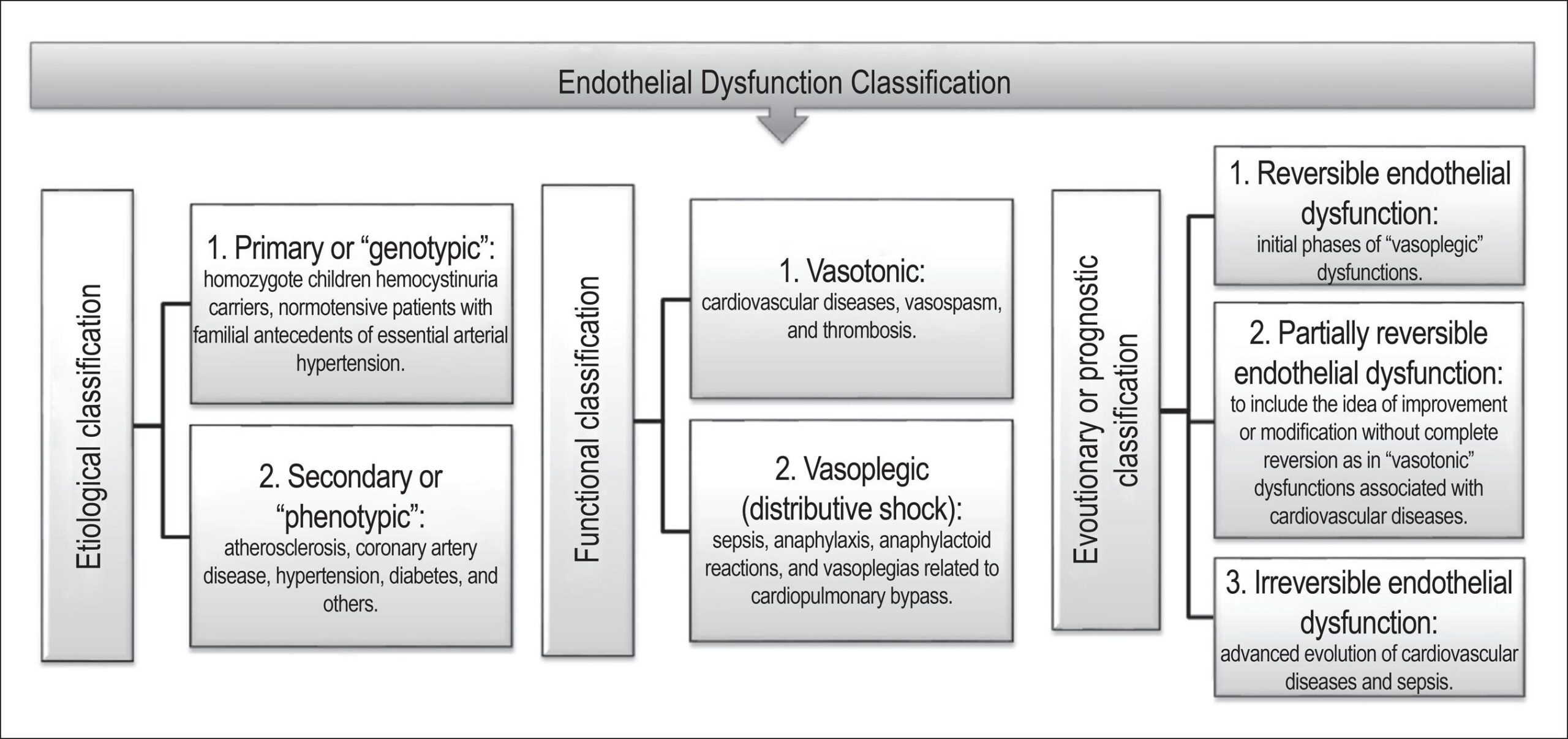
Based on the assumption that a classification system is a very critical subject and may significantly improve the prediction of individual responses to treatment and related diseases, we proposed 16 years ago a classification for endothelial dysfunction including etiological, functional, and evolutionary aspects ().

[…]

  • Cardiovascular Diseases
  • Classification
  • Endothelium / dysfunction
  • Prevention
  • Risk Factors
Read Full Article
Creative Commons Attribution (CC BY) Creative Commons license
01/02/2017 DOI: 10.5935/abc.20170019
Figure 1
ABC
Research Article

Lifestyle Intervention on Metabolic Syndrome and its Impact on Quality of Life: A Randomized Controlled Trial

Patrícia Pozas Saboya et al. Luiz Carlos Bodanese Paulo Roberto Zimmermann Andreia da Silva Gustavo … Fabricio Edler Macagnan Ana Pandolfo Feoli Margareth da Silva Oliveira

Abstract

Background:

Lifestyle intervention programs can reduce the prevalence of metabolic syndrome (MetS) and, therefore, reduce the risk for cardiac disease, one of the main public health problems nowadays.

Objective:

The aim of this study was to compare the effects of three types of approach for lifestyle change programs in the reduction of metabolic parameters, and to identify its impact on the quality of life (QOL) of individuals with MetS.

Methods:

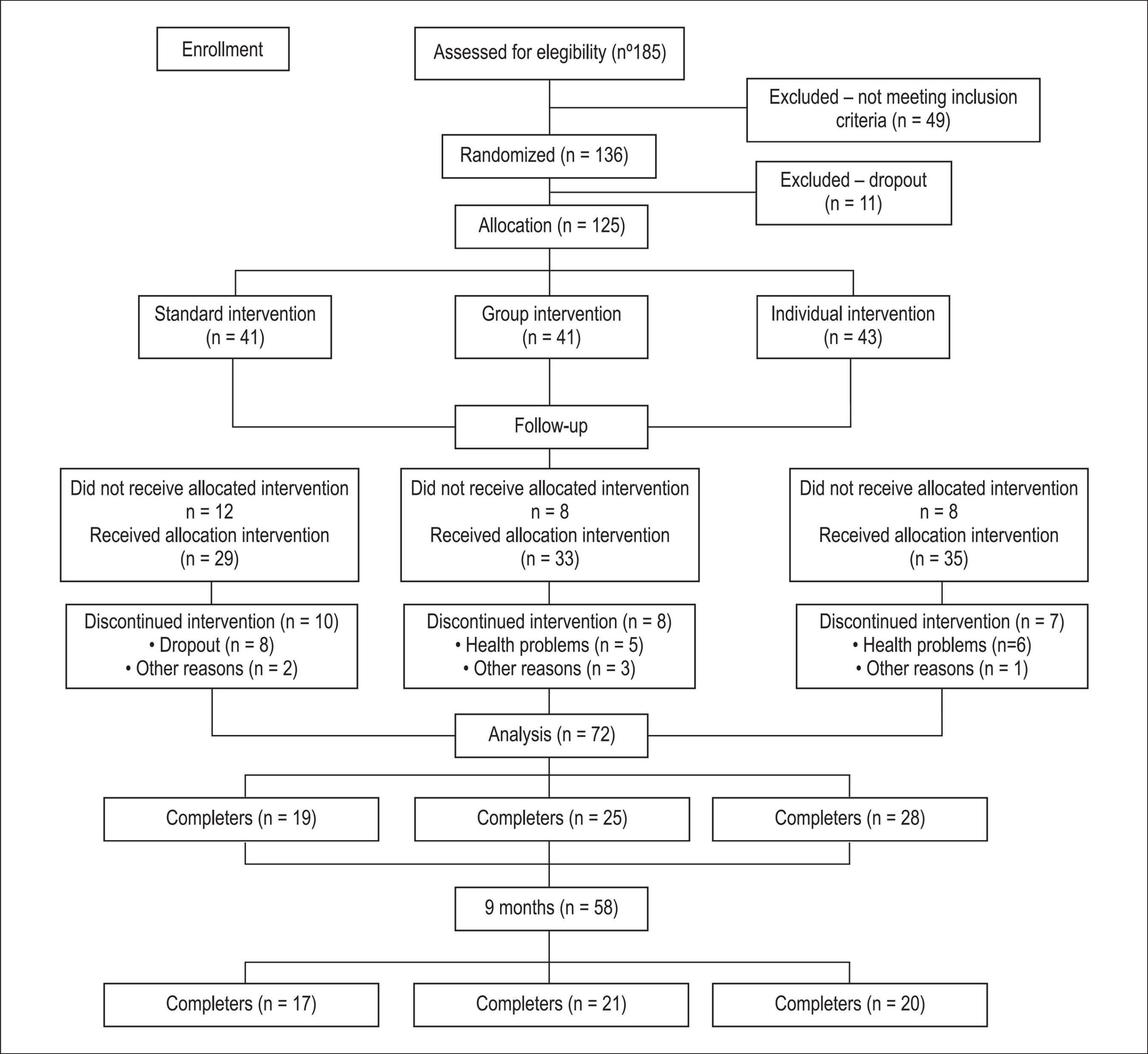
A randomized controlled trial included 72 individuals with MetS aged 30-59 years. Individuals were randomized into three groups of multidisciplinary intervention [Standard Intervention (SI) – control group; Group Intervention (GI); and Individual Intervention (II)] during 12 weeks. The primary outcome was change in the metabolic parameters, and secondarily, the improvement in QOL measures at three moments: baseline, 3 and 9 months.

Results:

Group and individual interventions resulted in a significant reduction in body mass index, waist circumference, systolic blood pressure at 3 months and the improvement of QOL, although it was significantly associated with the physical functioning domain. However, these changes did not remain 6 months after the end of intervention. Depression and anxiety were significantly associated with worse QOL, although they showed no effect on the response to intervention.

Conclusion:

Multidisciplinary intervention, especially in a group, might be an effective and economically feasible strategy in the control of metabolic parameters of MetS and improvement of QOL compared to SI, even in a dose-effect relationship.

  • Cardiovascular Diseases
  • Life Style
  • Metabolic Syndrome
  • Prevention
  • Quality of life
  • Risk Factors
Read Full Article
Creative Commons Attribution (CC BY) Creative Commons license
08/12/2016 DOI: 10.5935/abc.20160186 Views 1
Figure 1
ABC
Review Article

Stroke Prevention in Atrial Fibrillation: Focus on Latin America

Ayrton R. Massaro et al. Gregory Y. H. Lip

Abstract

Atrial fibrillation (AF) is the most common sustained cardiac arrhythmia, with an estimated prevalence of 1-2% in North America and Europe. The increased prevalence of AF in Latin America is associated with an ageing general population, along with poor control of key risk factors, including hypertension. As a result, stroke prevalence and associated mortality have increased dramatically in the region. Therefore, the need for effective anticoagulation strategies in Latin America is clear. The aim of this review is to provide a contemporary overview of anticoagulants for stroke prevention.

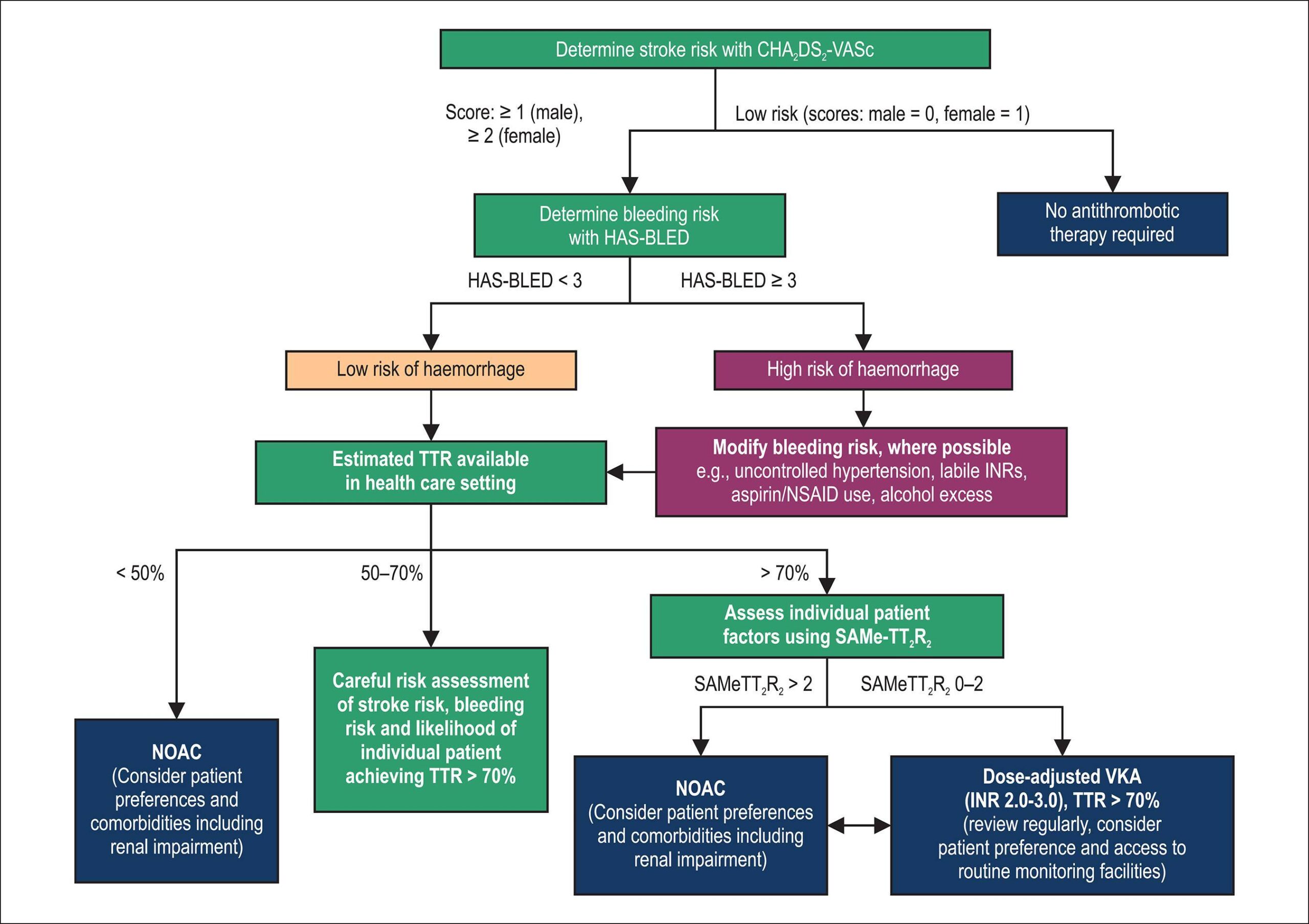
The use of vitamin K antagonists (VKAs, eg, warfarin) and aspirin in the prevention of stroke in patients with AF in Latin America remains common, although around one fifth of all AF patients receive no anticoagulation. Warfarin use is complicated by a lack of access to effective monitoring services coupled with an unpredictable pharmacokinetic profile. The overuse of aspirin is associated with significant bleeding risks and reduced efficacy for stroke prevention in this patient group. The non-VKA oral anticoagulants (NOACbs) represent a potential means of overcoming many limitations associated with VKA and aspirin use, including a reduction in the need for monitoring and a reduced risk of hemorrhagic events.

The ultimate decision of which anticoagulant drug to utilize in AF patients depends on a multitude of factors. More research is needed to appreciate the impact of these factors in the Latin American population and thereby reduce the burden of AF-associated stroke in this region.

  • Anticoagulants
  • Atrial Fibrillation
  • Latin America
  • Prevention
  • Stroke
Read Full Article
Creative Commons Attribution (CC BY) Creative Commons license
11/08/2016 DOI: 10.5935/abc.20160116 Views 1
ABC
Editorial

Factors in Deciding between Novel and Traditional Oral Anticoagulants to Prevent Embolism in Atrial Fibrillation Patients

Maurício Scanavacca et al. Francisco Darrieux

Atrial fibrillation (AF) is the sustained arrhythmia most frequently found in clinical practice. Its prevalence is expected to increase in the coming decades. Its occurrence implies a reduction in the quality of life and an increase in mortality, mainly due to stroke and systemic thromboembolism (TE). The stroke originating from AF carries a higher risk of severe complications, such as permanent disability and prolonged hospitalization, as compared to that of other etiologies.–

Since the discovery of vitamin K (VitK) antagonists more than 50 years ago, they have become the most effective treatment to prevent stroke and TE in patients with AF. However, because of the risk of hemorrhagic complications they pose, only patients with persistent AF considered of very high risk, previous embolic accidents, mechanical valvular prostheses, and those undergoing electrical cardioversion used to receive that treatment in an initial phase. Between the 1980 and 1990 decades, major clinical controlled studies determining the importance of stroke prevention in non-valvular AF were carried out, providing scientific support to the current clinical use of VitK antagonists. The greater benefit of the VitK antagonists as compared to placebo (a mean 64% reduction in relative risk) has been undoubtedly demonstrated, as has been the modest or even absent role of acetylsalicylic acid in stroke prevention in that population.

[…]

  • Anticoagulants
  • Atrial Fibrillation
  • Embolism and Thrombosis
  • Prevention
  • Stroke
Read Full Article
Creative Commons Attribution (CC BY) Creative Commons license
01/01/2016 DOI: 10.5935/abc.20160010 Views 2
ABC
Editorial

Cardiovascular Risk Factors: From Consolidated Knowledge to a Call for Action

Guilherme Brasil Grezzana et al. Lucia Campos Pellanda

Since the decade of 1950, the most prominent journal in cardiology in Brazil, Arquivos Brasileiros de Cardiologia (ABC), has been indexed in Medline. A total of 7,102 articles have been published since then, on various subjects related to clinical, invasive, surgical cardiology, as well as diagnostic methods.

We performed a systematic review of articles published in ABC during the period from January 2001 to June 2015 containing the MeSH term “cardiovascular risk factors”. Of the 3,087 titles of articles published in the period, 116 articles were identified. The abstracts of these articles were reviewed, and 107 articles, in which assessment of cardiovascular risk factors was the main topic, were included. The sample was composed by 102 original articles, 3 letters and 2 editorials. When specific topics were assessed, “cardiovascular factor or cardiovascular risk” was generally described in 88 articles, 6 articles focused on quality of life and cardiovascular risk factor, 4 articles described epidemiological factors and risk factors, 5 articles specifically explored systemic arterial hypertension and risk factors, 3 were guidelines on risk factors and 1 articles related risk factor with public health. However, when we focused only on isolated risk factors, there has been a clear preponderance of articles involving arterial hypertension (18% between 2010 and 2013) and a trend of increase in the number of articles on diabetes (approximately 10%) published on ABC in the last years.

[…]

  • Cardiovascular Diseases
  • Data Interpretation, Statistical
  • epidemiologic studies
  • Journals Articles
  • Prevention
  • Risk Factors
Read Full Article
Creative Commons Attribution (CC BY) Creative Commons license
01/10/2015 DOI: 10.5935/abc.20150128 Views 2
Figure 1
ABC
Original Article

Education to a Healthy Lifestyle Improves Symptoms and Cardiovascular Risk Factors – AsuRiesgo Study

Graciela Chaves et al. Nidia Britez Judith Munzinger Lorenz Uhlmann … Graciela Gonzalez Guillermo Oviedo Victoria Chaparro Oscar Achon Thomas Bruckner Meinhard Kieser Hugo A. Katus Derliz Mereles

Background:

Cardiovascular diseases are the current leading causes of death and disability globally.

Objective:

To assess the effects of a basic educational program for cardiovascular prevention in an unselected outpatient population.

Methods:

All participants received an educational program to change to a healthy lifestyle. Assessments were conducted at study enrollment and during follow-up. Symptoms, habits, ATP III parameters for metabolic syndrome, and American Heart Association’s 2020 parameters of cardiovascular health were assessed.

Results:

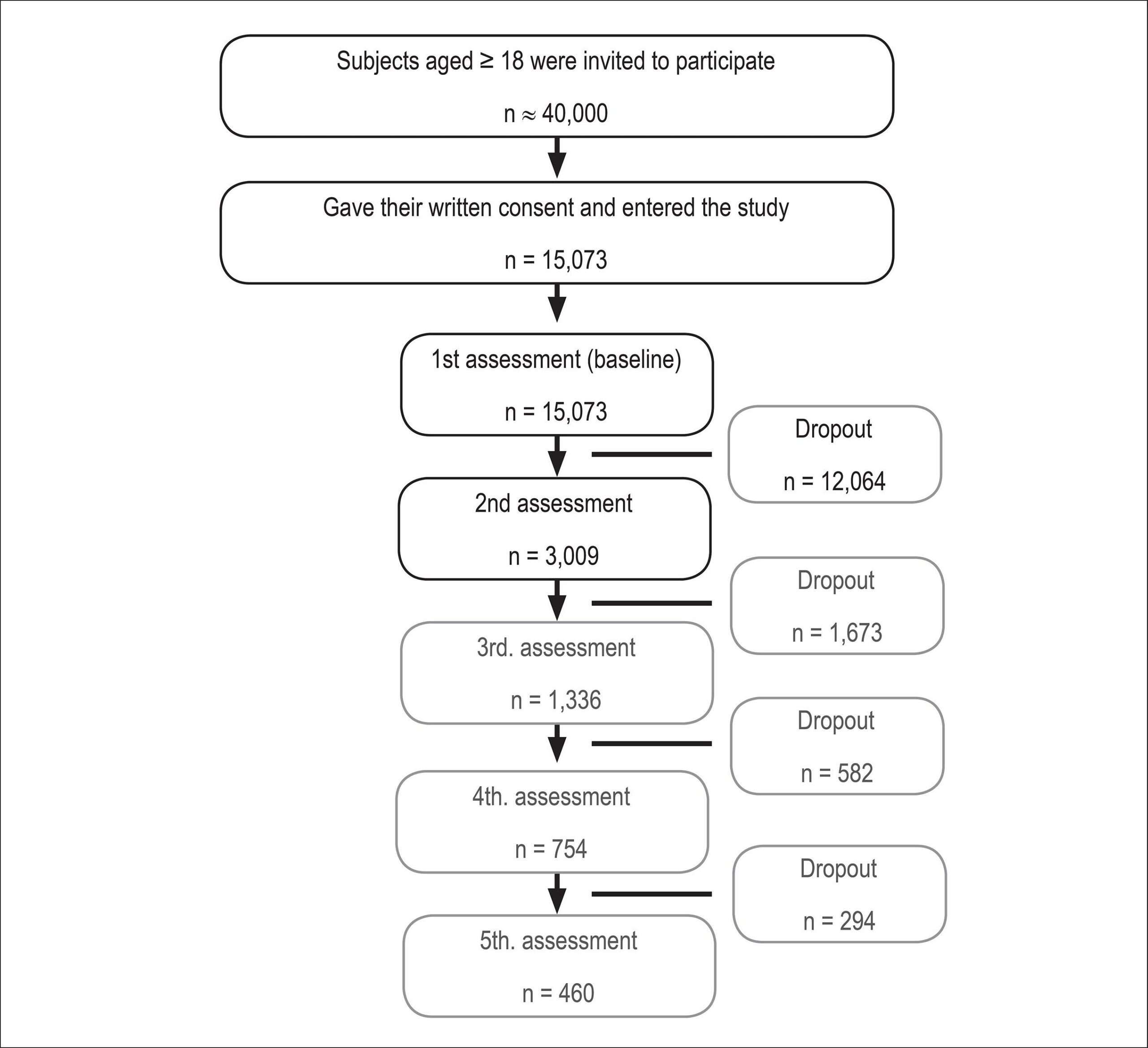
A total of 15,073 participants aged ≥ 18 years entered the study. Data analysis was conducted in 3,009 patients who completed a second assessment. An improvement in weight (from 76.6 ± 15.3 to 76.4 ± 15.3 kg, p = 0.002), dyspnea on exertion NYHA grade II (from 23.4% to 21.0%) and grade III (from 15.8% to 14.0%) and a decrease in the proportion of current active smokers (from 3.6% to 2.9%, p = 0.002) could be documented. The proportion of patients with levels of triglycerides > 150 mg/dL (from 46.3% to 42.4%, p 100 mg/dL (from 69.3% to 65.5%, p < 0.001) improved. A ≥ 20% improvement of AHA 2020 metrics at the level graded as poor was found for smoking (-21.1%), diet (-29.8%), and cholesterol level (-23.6%). A large dropout as a surrogate indicator for low patient adherence was documented throughout the first 5 visits, 80% between the first and second assessments, 55.6% between the second and third assessments, 43.6% between the third and fourth assessments, and 38% between the fourth and fifth assessments.

Conclusion:

A simple, basic educational program may improve symptoms and modifiable cardiovascular risk factors, but shows low patient adherence.

  • Health Behavior
  • Health Education
  • Life Style
  • Obesity
  • Prevention
  • Risk Factors
Read Full Article
Creative Commons Attribution (CC BY) Creative Commons license
17/03/2015 DOI: 10.5935/abc.20150021
Figure 1
ABC
Original Article

Cost-Effectiveness of High, Moderate and Low-Dose Statins in the Prevention of Vascular Events in the Brazilian Public Health System

Rodrigo Antonini Ribeiro et al. Bruce Bartholow Duncan Patricia Klarmann Ziegelmann Steffan Frosi Stella … Jose Luiz da Costa Vieira Luciane Maria Fabian Restelatto Carisi Anne Polanczyk

Background:

Statins have proven efficacy in the reduction of cardiovascular events, but the financial impact of its widespread use can be substantial.

Objective:

To conduct a cost-effectiveness analysis of three statin dosing schemes in the Brazilian Unified National Health System (SUS) perspective.

Methods:

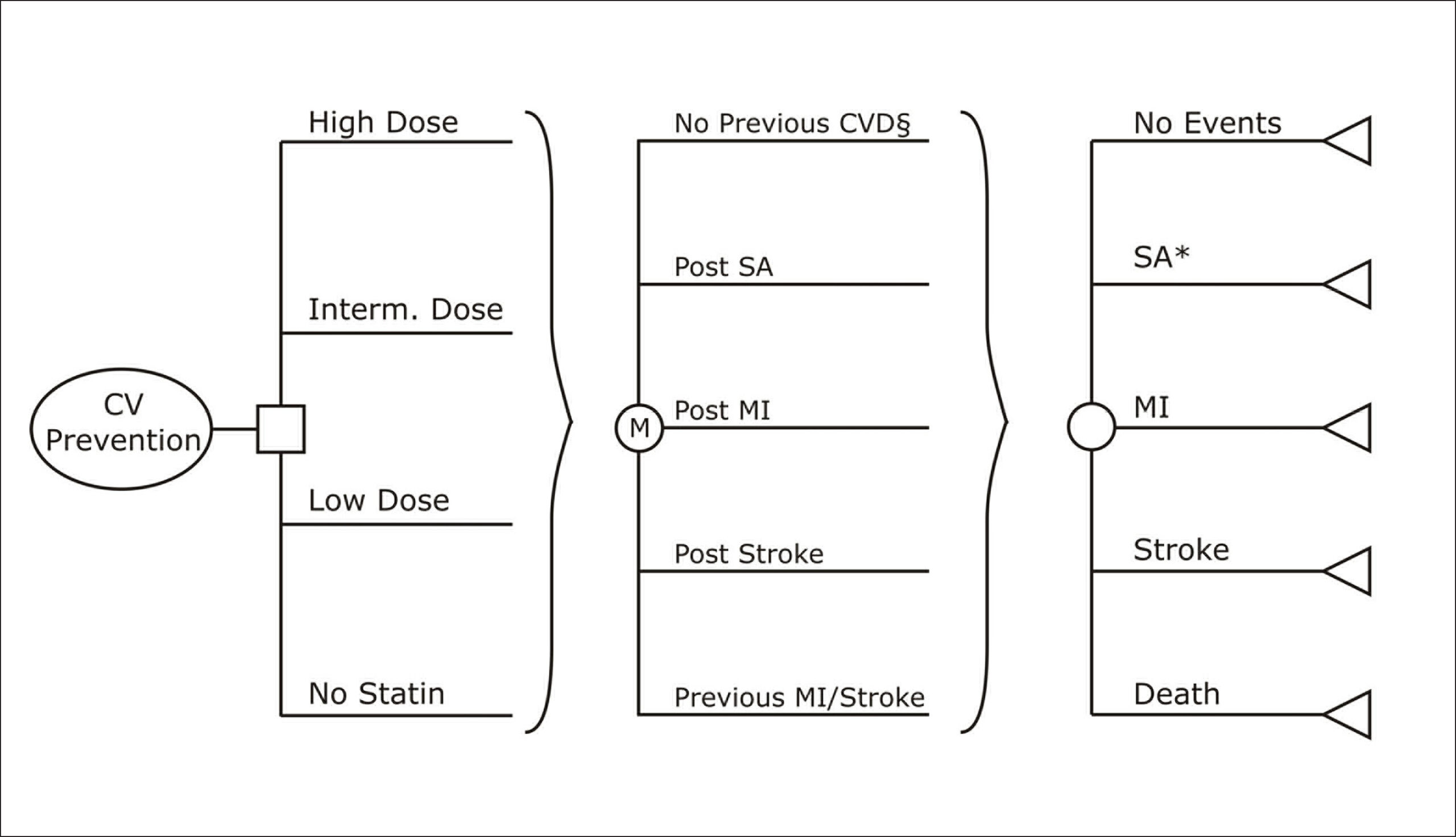
We developed a Markov model to evaluate the incremental cost-effectiveness ratios (ICERs) of low, intermediate and high intensity dose regimens in secondary and four primary scenarios (5%, 10%, 15% and 20% ten-year risk) of prevention of cardiovascular events. Regimens with expected low-density lipoprotein cholesterol reduction below 30% (e.g. simvastatin 10mg) were considered as low dose; between 30-40%, (atorvastatin 10mg, simvastatin 40mg), intermediate dose; and above 40% (atorvastatin 20-80mg, rosuvastatin 20mg), high-dose statins. Effectiveness data were obtained from a systematic review with 136,000 patients. National data were used to estimate utilities and costs (expressed as International Dollars – Int$). A willingness-to-pay (WTP) threshold equal to the Brazilian gross domestic product per capita (circa Int$11,770) was applied.

Results:

Low dose was dominated by extension in the primary prevention scenarios. In the five scenarios, the ICER of intermediate dose was below Int$10,000 per QALY. The ICER of the high versus intermediate dose comparison was above Int$27,000 per QALY in all scenarios. In the cost-effectiveness acceptability curves, intermediate dose had a probability above 50% of being cost-effective with ICERs between Int$ 9,000-20,000 per QALY in all scenarios.

Conclusions:

Considering a reasonable WTP threshold, intermediate dose statin therapy is economically attractive, and should be a priority intervention in prevention of cardiovascular events in Brazil.

  • Cardiovascular Diseases
  • Cost-Benefit Analysis
  • Hydroxymethylglutaryl-CoA Reductase Inhibitors
  • Prevention
  • Unified Health System
Read Full Article
Creative Commons Attribution (CC BY) Creative Commons license
18/11/2014 DOI: 10.5935/abc.20140173 Views 1

How to cite this article

EndNote RIS

Electronic Document Format (Vancouver)

Avila MS, Alves MSL, Ayub-Ferreira SM, Wanderley Junior MRB, Cruz FD, Brandão SMG, Hajjar LA, et al. Global Longitudinal Strain as Predictor of Chemotherapy-Induced Cardiotoxicity. ABC Imagem Cardiovascular 2022;35(4):eabc340.

Electronic Document Format (ABNT)

Avila, Monica Samuel; Alves, Marco Stephan Lofrano; Ayub-Ferreira, Silvia Moreira; Wanderley Junior, Mauro Rogerio de Barros; Cruz, Fatima das Dores; Brandão, Sara Michelly Gonçalves; Hajjar, Ludhmila Abrahão; Kalil Filho, Roberto; Cruz, Cecilia Beatriz Bittencourt Viana; Abduch, Maria Cristina; Moleta, Danilo Bora; Bocchi, Edimar Alcides. Global Longitudinal Strain as Predictor of Chemotherapy-Induced Cardiotoxicity. ABC Imagem Cardiovascular, v. 35, n. 4, eabc340, Dec. 2022.

Electronic Document Format (APA)

Avila, M. S., Alves, M. S. L., Ayub-Ferreira, S. M., Wanderley Junior, M. R. B., Cruz, F. D., Brandão, S. M. G., Hajjar, L. A., Kalil Filho, R., Cruz, C. B. B. V., Abduch, M. C., Moleta, D. B., & Bocchi, E. A. (2022). Global Longitudinal Strain as Predictor of Chemotherapy-Induced Cardiotoxicity. ABC Imagem Cardiovascular, 35(4), eabc340.

Electronic Document Format (ISO)

Avila, Monica Samuel and Alves, Marco Stephan Lofrano and Ayub-Ferreira, Silvia Moreira and Wanderley Junior, Mauro Rogerio de Barros and Cruz, Fatima das Dores and Brandão, Sara Michelly Gonçalves and Hajjar, Ludhmila Abrahão and Kalil Filho, Roberto and Cruz, Cecilia Beatriz Bittencourt Viana and Abduch, Maria Cristina and Moleta, Danilo Bora and Bocchi, Edimar Alcides. Global Longitudinal Strain as Predictor of Chemotherapy-Induced Cardiotoxicity. ABC Imagem Cardiovascular [online]. 2022, vol. 35, n. 4, [cited 2026-10-14], eabc340. Available from: <https://journals.cardiol.br/en/article/global-longitudinal-strain-as-predictor-of-chemotherapy-induced-cardiotoxicity/>. ISSN 2318-8219

EndNote RIS

Electronic Document Format (Vancouver)

Oliveira GMM, Wenger NK. Special Considerations in the Prevention of Cardiovascular Disease in Women. Arquivos Brasileiros de Cardiologia 2022;118(2):374-7.

Electronic Document Format (ABNT)

Oliveira, Gláucia Maria Moraes de; Wenger, Nanette Kasss. Special Considerations in the Prevention of Cardiovascular Disease in Women. Arquivos Brasileiros de Cardiologia, v. 118, n. 2, p. 374-377, Mar. 2022.

Electronic Document Format (APA)

Oliveira, G. M. M. , & Wenger, N. K. (2022). Special Considerations in the Prevention of Cardiovascular Disease in Women. Arquivos Brasileiros de Cardiologia, 118(2), 374-377.

Electronic Document Format (ISO)

Oliveira, Gláucia Maria Moraes de and Wenger, Nanette Kasss. Special Considerations in the Prevention of Cardiovascular Disease in Women. Arquivos Brasileiros de Cardiologia [online]. 2022, vol. 118, n. 2, [cited 2026-10-14], pp. 374-377. Available from: <https://journals.cardiol.br/en/article/special-considerations-in-the-prevention-of-cardiovascular-disease-in-women/>. ISSN 0066-782X

EndNote RIS

Electronic Document Format (Vancouver)

Araújo CGS, Castro CLB, Franca JF, Silva CGS. Aerobic Exercise and The Heart: Discussing Doses. Arquivos Brasileiros de Cardiologia 2017;108(3):271-5.

Electronic Document Format (ABNT)

Araújo, Claudio Gil Soares de; Castro, Claudia Lucia Barros de; Franca, João Felipe; Silva, Christina Grüne de Souza e. Aerobic Exercise and The Heart: Discussing Doses. Arquivos Brasileiros de Cardiologia, v. 108, n. 3, p. 271-275, Feb. 2017.

Electronic Document Format (APA)

Araújo, C. G. S. , Castro, C. L. B. , Franca, J. F., & Silva, C. G. S. (2017). Aerobic Exercise and The Heart: Discussing Doses. Arquivos Brasileiros de Cardiologia, 108(3), 271-275.

Electronic Document Format (ISO)

Araújo, Claudio Gil Soares de and Castro, Claudia Lucia Barros de and Franca, João Felipe and Silva, Christina Grüne de Souza e. Aerobic Exercise and The Heart: Discussing Doses. Arquivos Brasileiros de Cardiologia [online]. 2017, vol. 108, n. 3, [cited 2026-10-14], pp. 271-275. Available from: <https://journals.cardiol.br/en/article/aerobic-exercise-and-the-heart-discussing-doses/>. ISSN 0066-782X

EndNote RIS

Electronic Document Format (Vancouver)

Arcêncio L, Evora PRB. The Lack of Clinical Applications Would be the Cause of Low Interest in an Endothelial Dysfunction Classification. Arquivos Brasileiros de Cardiologia 2017;108(2):97-9.

Electronic Document Format (ABNT)

Arcêncio, Livia; Evora, Paulo R. B.. The Lack of Clinical Applications Would be the Cause of Low Interest in an Endothelial Dysfunction Classification. Arquivos Brasileiros de Cardiologia, v. 108, n. 2, p. 97-99, Jan. 2017.

Electronic Document Format (APA)

Arcêncio, L., & Evora, P. R. B. (2017). The Lack of Clinical Applications Would be the Cause of Low Interest in an Endothelial Dysfunction Classification. Arquivos Brasileiros de Cardiologia, 108(2), 97-99.

Electronic Document Format (ISO)

Arcêncio, Livia and Evora, Paulo R. B.. The Lack of Clinical Applications Would be the Cause of Low Interest in an Endothelial Dysfunction Classification. Arquivos Brasileiros de Cardiologia [online]. 2017, vol. 108, n. 2, [cited 2026-10-14], pp. 97-99. Available from: <https://journals.cardiol.br/en/article/the-lack-of-clinical-applications-would-be-the-cause-of-low-interest-in-an-endothelial-dysfunction-classification/>. ISSN 0066-782X

EndNote RIS

Electronic Document Format (Vancouver)

Saboya PP, Bodanese LC, Zimmermann PR, Gustavo AS, Macagnan FE, Feoli AP, Oliveira MS, et al. Lifestyle Intervention on Metabolic Syndrome and its Impact on Quality of Life: A Randomized Controlled Trial. Arquivos Brasileiros de Cardiologia 2016;108(1):60-9.

Electronic Document Format (ABNT)

Saboya, Patrícia Pozas; Bodanese, Luiz Carlos; Zimmermann, Paulo Roberto; Gustavo, Andreia da Silva; Macagnan, Fabricio Edler; Feoli, Ana Pandolfo; Oliveira, Margareth da Silva. Lifestyle Intervention on Metabolic Syndrome and its Impact on Quality of Life: A Randomized Controlled Trial. Arquivos Brasileiros de Cardiologia, v. 108, n. 1, p. 60-69, Dec. 2016.

Electronic Document Format (APA)

Saboya, P. P., Bodanese, L. C., Zimmermann, P. R., Gustavo, A. S., Macagnan, F. E., Feoli, A. P., & Oliveira, M. S. (2016). Lifestyle Intervention on Metabolic Syndrome and its Impact on Quality of Life: A Randomized Controlled Trial. Arquivos Brasileiros de Cardiologia, 108(1), 60-69.

Electronic Document Format (ISO)

Saboya, Patrícia Pozas and Bodanese, Luiz Carlos and Zimmermann, Paulo Roberto and Gustavo, Andreia da Silva and Macagnan, Fabricio Edler and Feoli, Ana Pandolfo and Oliveira, Margareth da Silva. Lifestyle Intervention on Metabolic Syndrome and its Impact on Quality of Life: A Randomized Controlled Trial. Arquivos Brasileiros de Cardiologia [online]. 2016, vol. 108, n. 1, [cited 2026-10-14], pp. 60-69. Available from: <https://journals.cardiol.br/en/article/lifestyle-intervention-on-metabolic-syndrome-and-its-impact-on-quality-of-life-a-randomized-controlled-trial/>. ISSN 0066-782X

EndNote RIS

Electronic Document Format (Vancouver)

Massaro AR, Lip GYH. Stroke Prevention in Atrial Fibrillation: Focus on Latin America. Arquivos Brasileiros de Cardiologia 2016;107(6):576-89.

Electronic Document Format (ABNT)

Massaro, Ayrton R.; Lip, Gregory Y. H.. Stroke Prevention in Atrial Fibrillation: Focus on Latin America. Arquivos Brasileiros de Cardiologia, v. 107, n. 6, p. 576-589, Aug. 2016.

Electronic Document Format (APA)

Massaro, A. R., & Lip, G. Y. H. (2016). Stroke Prevention in Atrial Fibrillation: Focus on Latin America. Arquivos Brasileiros de Cardiologia, 107(6), 576-589.

Electronic Document Format (ISO)

Massaro, Ayrton R. and Lip, Gregory Y. H.. Stroke Prevention in Atrial Fibrillation: Focus on Latin America. Arquivos Brasileiros de Cardiologia [online]. 2016, vol. 107, n. 6, [cited 2026-10-14], pp. 576-589. Available from: <https://journals.cardiol.br/en/article/stroke-prevention-in-atrial-fibrillation-focus-on-latin-america/>. ISSN 0066-782X

EndNote RIS

Electronic Document Format (Vancouver)

Scanavacca M, Darrieux F. Factors in Deciding between Novel and Traditional Oral Anticoagulants to Prevent Embolism in Atrial Fibrillation Patients. Arquivos Brasileiros de Cardiologia 2016;106(1):1-3.

Electronic Document Format (ABNT)

Scanavacca, Maurício; Darrieux, Francisco. Factors in Deciding between Novel and Traditional Oral Anticoagulants to Prevent Embolism in Atrial Fibrillation Patients. Arquivos Brasileiros de Cardiologia, v. 106, n. 1, p. 1-3, Dec. 2015.

Electronic Document Format (APA)

Scanavacca, M., & Darrieux, F. (2016). Factors in Deciding between Novel and Traditional Oral Anticoagulants to Prevent Embolism in Atrial Fibrillation Patients. Arquivos Brasileiros de Cardiologia, 106(1), 1-3.

Electronic Document Format (ISO)

Scanavacca, Maurício and Darrieux, Francisco. Factors in Deciding between Novel and Traditional Oral Anticoagulants to Prevent Embolism in Atrial Fibrillation Patients. Arquivos Brasileiros de Cardiologia [online]. 2016, vol. 106, n. 1, [cited 2026-10-14], pp. 1-3. Available from: <https://journals.cardiol.br/en/article/factors-in-deciding-between-novel-and-traditional-oral-anticoagulants-to-prevent-embolism-in-atrial-fibrillation-patients/>. ISSN 0066-782X

EndNote RIS

Electronic Document Format (Vancouver)

Grezzana GB, Pellanda LC. Cardiovascular Risk Factors: From Consolidated Knowledge to a Call for Action. Arquivos Brasileiros de Cardiologia 2015;105(4):325-7.

Electronic Document Format (ABNT)

Grezzana, Guilherme Brasil; Pellanda, Lucia Campos. Cardiovascular Risk Factors: From Consolidated Knowledge to a Call for Action. Arquivos Brasileiros de Cardiologia, v. 105, n. 4, p. 325-327, Sep. 2015.

Electronic Document Format (APA)

Grezzana, G. B., & Pellanda, L. C. (2015). Cardiovascular Risk Factors: From Consolidated Knowledge to a Call for Action. Arquivos Brasileiros de Cardiologia, 105(4), 325-327.

Electronic Document Format (ISO)

Grezzana, Guilherme Brasil and Pellanda, Lucia Campos. Cardiovascular Risk Factors: From Consolidated Knowledge to a Call for Action. Arquivos Brasileiros de Cardiologia [online]. 2015, vol. 105, n. 4, [cited 2026-10-14], pp. 325-327. Available from: <https://journals.cardiol.br/en/article/cardiovascular-risk-factors-from-consolidated-knowledge-to-a-call-for-action/>. ISSN 0066-782X

EndNote RIS

Electronic Document Format (Vancouver)

Chaves G, Britez N, Munzinger J, Uhlmann L, Gonzalez G, Oviedo G, Chaparro V, et al. Education to a Healthy Lifestyle Improves Symptoms and Cardiovascular Risk Factors – AsuRiesgo Study. Arquivos Brasileiros de Cardiologia 2015;104(5):347-55.

Electronic Document Format (ABNT)

Chaves, Graciela; Britez, Nidia; Munzinger, Judith; Uhlmann, Lorenz; Gonzalez, Graciela; Oviedo, Guillermo; Chaparro, Victoria; Achon, Oscar; Bruckner, Thomas; Kieser, Meinhard; Katus, Hugo A.; Mereles, Derliz. Education to a Healthy Lifestyle Improves Symptoms and Cardiovascular Risk Factors – AsuRiesgo Study. Arquivos Brasileiros de Cardiologia, v. 104, n. 5, p. 347-355, Mar. 2015.

Electronic Document Format (APA)

Chaves, G., Britez, N., Munzinger, J., Uhlmann, L., Gonzalez, G., Oviedo, G., Chaparro, V., Achon, O., Bruckner, T., Kieser, M., Katus, H. A., & Mereles, D. (2015). Education to a Healthy Lifestyle Improves Symptoms and Cardiovascular Risk Factors – AsuRiesgo Study. Arquivos Brasileiros de Cardiologia, 104(5), 347-355.

Electronic Document Format (ISO)

Chaves, Graciela and Britez, Nidia and Munzinger, Judith and Uhlmann, Lorenz and Gonzalez, Graciela and Oviedo, Guillermo and Chaparro, Victoria and Achon, Oscar and Bruckner, Thomas and Kieser, Meinhard and Katus, Hugo A. and Mereles, Derliz. Education to a Healthy Lifestyle Improves Symptoms and Cardiovascular Risk Factors – AsuRiesgo Study. Arquivos Brasileiros de Cardiologia [online]. 2015, vol. 104, n. 5, [cited 2026-10-14], pp. 347-355. Available from: <https://journals.cardiol.br/en/article/education-to-a-healthy-lifestyle-improves-symptoms-and-cardiovascular-risk-factors-asuriesgo-study/>. ISSN 0066-782X

EndNote RIS

Electronic Document Format (Vancouver)

Ribeiro RA, Duncan BB, Ziegelmann PK, Stella SF, Vieira JLC, Restelatto LMF, Polanczyk CA, et al. Cost-Effectiveness of High, Moderate and Low-Dose Statins in the Prevention of Vascular Events in the Brazilian Public Health System. Arquivos Brasileiros de Cardiologia 2014;104(1):32-44.

Electronic Document Format (ABNT)

Ribeiro, Rodrigo Antonini; Duncan, Bruce Bartholow; Ziegelmann, Patricia Klarmann; Stella, Steffan Frosi; Vieira, Jose Luiz da Costa; Restelatto, Luciane Maria Fabian; Polanczyk, Carisi Anne. Cost-Effectiveness of High, Moderate and Low-Dose Statins in the Prevention of Vascular Events in the Brazilian Public Health System. Arquivos Brasileiros de Cardiologia, v. 104, n. 1, p. 32-44, Nov. 2014.

Electronic Document Format (APA)

Ribeiro, R. A., Duncan, B. B., Ziegelmann, P. K., Stella, S. F., Vieira, J. L. C., Restelatto, L. M. F., & Polanczyk, C. A. (2014). Cost-Effectiveness of High, Moderate and Low-Dose Statins in the Prevention of Vascular Events in the Brazilian Public Health System. Arquivos Brasileiros de Cardiologia, 104(1), 32-44.

Electronic Document Format (ISO)

Ribeiro, Rodrigo Antonini and Duncan, Bruce Bartholow and Ziegelmann, Patricia Klarmann and Stella, Steffan Frosi and Vieira, Jose Luiz da Costa and Restelatto, Luciane Maria Fabian and Polanczyk, Carisi Anne. Cost-Effectiveness of High, Moderate and Low-Dose Statins in the Prevention of Vascular Events in the Brazilian Public Health System. Arquivos Brasileiros de Cardiologia [online]. 2014, vol. 104, n. 1, [cited 2026-10-14], pp. 32-44. Available from: <https://journals.cardiol.br/en/article/cost-effectiveness-of-high-moderate-and-low-dose-statins-in-the-prevention-of-vascular-events-in-the-brazilian-public-health-system/>. ISSN 0066-782X

  • About ABC Family
  • Internal Regulation
  • Editorial Board
  • Brazilian Society of Cardiology (SBC)

Issues

SBC Guidelines

  • Videos
  • Podcasts
  • News