ABC Family Arquivos Brasileiros de Cardiologia International Journal of Cardiovascular Sciences ABC Heart Failure & Cardiomyopathy ABC Imagem Cardiovascular
Português English
ABC Family
Português English
  • About
    • About ABC Family
    • Internal Regulation
    • Editorial Board
    • Brazilian Society of Cardiology (SBC)
  • Issues
  • SBC Guidelines
  • Content
    • Videos
    • Podcasts
    • News
  • About
    • About ABC Family
    • Internal Regulation
    • Editorial Board
    • Brazilian Society of Cardiology (SBC)
  • Issues
  • SBC Guidelines
  • Content
    • Videos
    • Podcasts
    • News

ABC Family

  • ABC Family
  • Arquivos Brasileiros de Cardiologia
  • International Journal of Cardiovascular Sciences
  • ABC Heart Failure & Cardiomyopathy
  • ABC Imagem Cardiovascular
Search in

No content found.

Journals
Ordering
Article types
Others

  1. Home
  2. Keyword: Alcohol Drinking
IJCS
Editorial

Red Wine and Vascular Reactivity: Evidence And Uncertainties

Aurora Felice Castro Issa

Despite the absence of long-term randomized clinical trials on alcohol consumption, several studies have found that light to moderate alcohol consumption is associated with reduced cardiovascular mortality and a decreased risk of Coronary Artery Disease (CAD) compared with no alcohol consumption or excessive alcohol consumption. However, other studies have questioned this benefit, and no level of alcohol consumption has been shown to be beneficial for other cardiovascular disease outcomes (stroke, hypertension, heart failure, etc.).

The French paradox, which states that mortality from CAD is lower in France than would be expected from the country’s high national prevalence of smoking and saturated fat consumption, has been attributed to the frequent consumption of red wine, which contains phenolic and flavonoid substances with antithrombotic and antioxidant properties. Its consumption has also been associated with improvements in heart rate variability, which may contribute to a better prognosis of CAD.

[…]

  • Alcohol Drinking
  • Vasodilatação
  • Wine
Read Full Article
Creative Commons Attribution (CC BY) Creative Commons license
09/01/2026 DOI: 10.36660/ijcs.20250118 Views 3
ABC
Editorial

Alcohol Consumption and Its Association with Lifestyle in Individuals with and without Cardiovascular Disease

Paulo Henrique Godoy

The association between alcohol consumption and lifestyle is multifaceted. The amount and pattern of alcohol intake both influence and are influenced by other lifestyle factors, such as dietary habits, physical activity, smoking, sleep, body composition, and socioeconomic status, among others.–

Higher levels of alcohol consumption are generally associated with less healthy lifestyle behaviors (LSB). Excessive alcohol intake is frequently accompanied by increased caloric consumption, poorer dietary quality, and a higher prevalence of smoking and physical inactivity.,

[…]

  • Alcohol Drinking
  • Cardiovascular Diseases
  • Life Style
Read Full Article
Creative Commons Attribution (CC BY) Creative Commons license
15/12/2025 DOI: 10.36660/abc.20250542i Views 2
IJCS
Original Article

Low to Moderate Alcohol Consumption and Myocardial Ischemia on Exercise Stress Echocardiography

Vítor Joaquim Barreto Fontes et al. Maria Júlia Silveira Souto Antônio Carlos Sobral Sousa Enaldo Vieira de Melo … Flávio Mateus do Sacramento Conceição Caio José Coutinho Leal Telino Mirella Sobral Silveira Jéssica Aparecida de Santana Dória Carlos José Oliveira de Matos Joselina Luzia Menezes Oliveira

Abstract

Background:

The impact of alcohol consumption on the development of myocardial ischemia remains uncertain. Studies diverge whether low to moderate alcohol consumption provides cardioprotection or whether it is a risk factor for myocardial ischemia.

Objective:

To study the relationship between low to moderate alcohol consumption and myocardial ischemia on exercise stress echocardiography (ESE).

Methods:

Cross-sectional study with 6,632 patients with known or suspected coronary artery disease undergoing ESE between January/2000 and December/2015. The patients were divided into two groups: G1, composed of 2,130 (32.1%) patients whose report showed maximal consumption of 1 drink per day on average for women or of 2 drinks per day for men; G2, composed of individuals denying any alcohol consumption. For comparing between the groups, Student t test was used for quantitative variables, and chi-square test or Fisher exact test, for categorical variables. The significance level adopted was p < 0.05. Logistic regression was also used to evaluate independent risk factors for myocardial ischemia.

Results:

G1 had a higher number of men (77.1%; p < 0.001), lower mean age (54.8 ± 10.3 years old; p < 0.001) and higher frequency of myocardial ischemia on ESE (p = 0.014). Age, male sex, dyslipidemia, systemic arterial hypertension, diabetes mellitus, smoking and family history were independently associated with myocardial ischemia on ESE. Independent association between low to moderate alcohol consumption and myocardial ischemia on ESE (OR 0.96; 95%CI: 0.83 to 1.11) was not observed. However, age, male sex, smoking and dyslipidemia were associated with alcohol consumption.

Conclusion:

Low to moderate alcohol consumption was not an independent predictor of myocardial ischemia on ESE. Nevertheless, we observed a predominance of the male sex, dyslipidemia and smoking habit, important predictors of myocardial ischemia, in the group of alcohol consumers.

  • Alcohol Drinking
  • Alcoholic Beverages
  • Coronary Artery Disease
  • Echocardiography, Stress
  • Risk Factors
Read Full Article
Creative Commons Attribution (CC BY) Creative Commons license
01/01/2018 DOI: 10.5935/2359-4802.20180019 Views 1
ABC
Special Article

Executive Summary of the II Brazilian Guidelines for Atrial Fibrillation

Luiz Pereira de Magalhães et al. Marcio Jansen de Oliveira Figueiredo Fatima Dumas Cintra Eduardo Benchimol Saad … Ricardo Ryoshim Kuniyoshi Adalberto Menezes Lorga Filho Andre Luiz Buchele D'Avila Angelo Amato Vincenzo de Paola Carlos Antonio Abunader Kalil Dalmo Antonio Ribeiro Moreira Dario Celestino Sobral Filho Eduardo Back Sternick Francisco Carlos da Costa Darrieux Guilherme Fenelon Gustavo Glotz de Lima Jacob Atié José Carlos Pachón Mateos José Marcos Moreira José Tarcísio Medeiros de Vasconcelos Leandro Ioschpe Zimerman Luiz Roberto Leite da Silva Marcio Augusto Silva Mauricio Ibrahim Scanavacca Olga Ferreira de Souza

Introduction

Since 2009, when the Brazilian Society of Cardiology released the Brazilian Guidelines for Atrial Fibrillation, important studies on the subject have been published, particularly on new oral anticoagulants (NOACs). At least three of these drugs (dabigatran, rivaroxaban and apixaban) are currently approved for clinical use in Brazil.

In addition to pharmacological treatment, new data related to non-pharmacological treatment, notably the radiofrequency ablation (RA) procedure, have expanded the indication of this therapeutic approach. For this reason, an update of the guidelines is justified.

[…]

  • Alcohol Drinking
  • Anticoagulants
  • Atrial Fibrillation/epidemiology
  • Catheter Ablation
  • Genetic
  • Obesity
  • Obstructive
  • Risk Factors
  • Sleep Apnea
Read Full Article
Creative Commons Attribution (CC BY) Creative Commons license
01/12/2016 DOI: 10.5935/abc.20160190 Views 1
Figure 1
ABC
Original Article

Post-Acute Coronary Syndrome Alcohol Abuse: Prospective Evaluation in the ERICO Study

Abner Morilha et al. Samuel Karagulian Paulo A. Lotufo Itamar S. Santos … Isabela M. Benseñor Alessandra C. Goulart

Background:

Some studies have indicated alcohol abuse as one of the contributors to the development of cardiovascular disease, particularly coronary heart disease. However, this relationship is controversial.

Objective:

To investigate the relationship between post-acute coronary syndrome (ACS) alcohol abuse in the Acute Coronary Syndrome Registry Strategy (ERICO Study).

Methods:

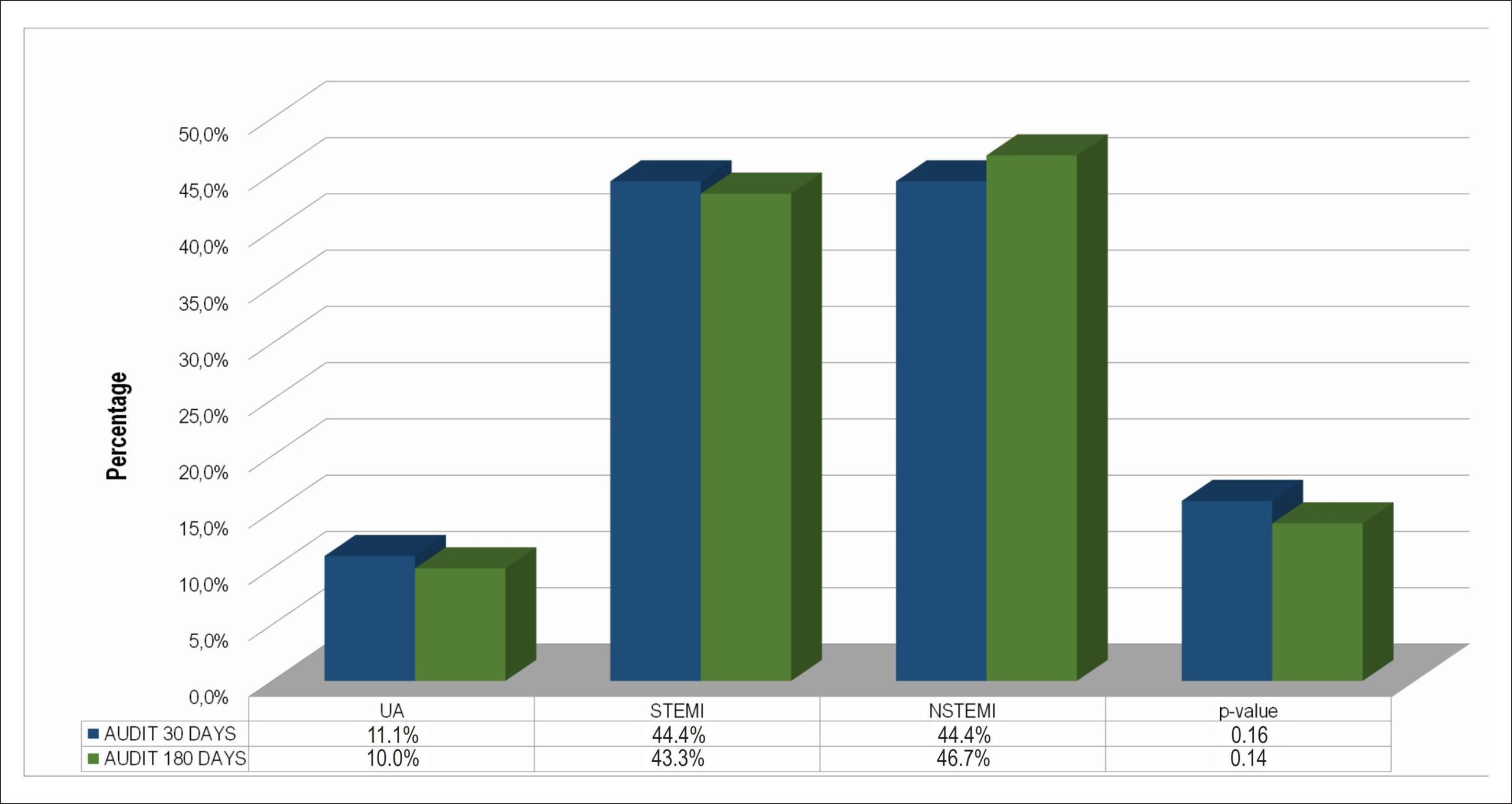
146 participants from the ERICO Study answered structured questionnaires and underwent laboratory evaluations at baseline, 30 days and 180 days after ACS. The Alcohol Use Disorders Identification Test (AUDIT) was applied to assess harmful alcohol consumption in the 12 months preceding ACS (30 day-interview) and six months after that.

Results:

The frequencies of alcohol abuse were 24.7% and 21.1% in the 12 months preceding ACS and six months after that, respectively. The most significant cardiovascular risk factors associated with high-risk for alcohol abuse 30 days after the acute event were: male sex (88.9%), current smoking (52.8%) and hypertension (58.3%). Six months after the acute event, the most significant results were replicated in our logistic regression, for the association between alcohol abuse among younger individuals [35-44 year-old multivariate OR: 38.30 (95% CI: 1.44-1012.56) and 45-54 year-old multivariate OR: 10.10 (95% CI: 1.06-96.46)] and for smokers [current smokers multivariate OR: 51.09 (95% CI: 3.49-748.01) and past smokers multivariate OR: 40.29 (95% CI: 2.37-685.93)].

Conclusion:

Individuals younger than 54 years and smokers showed a significant relation with harmful alcohol consumption, regardless of the ACS subtype.

  • Acute coronary syndrome
  • Alcohol Drinking
  • Alcoholism
  • Myocardial Infarction
  • questionnaires
Read Full Article
Creative Commons Attribution (CC BY) Creative Commons license
05/05/2015 DOI: 10.5935/abc.20150038
Figure 1
ABC
Artigo Original

Stress Alone or associated with Ethanol Induces Prostanoid Release in Rat Aorta via α2-Adrenoceptor

Rafaela de Fátima Ferreira Baptista et al. Elane de Fátima Taipeiro Regina Helena Costa Queiroz Agnaldo Bruno Chies Sandra Cordellini

Background:

Stress and ethanol are both, independently, important cardiovascular risk factors.

Objective:

To evaluate the cardiovascular risk of ethanol consumption and stress exposure, isolated and in association, in male adult rats.

Methods:

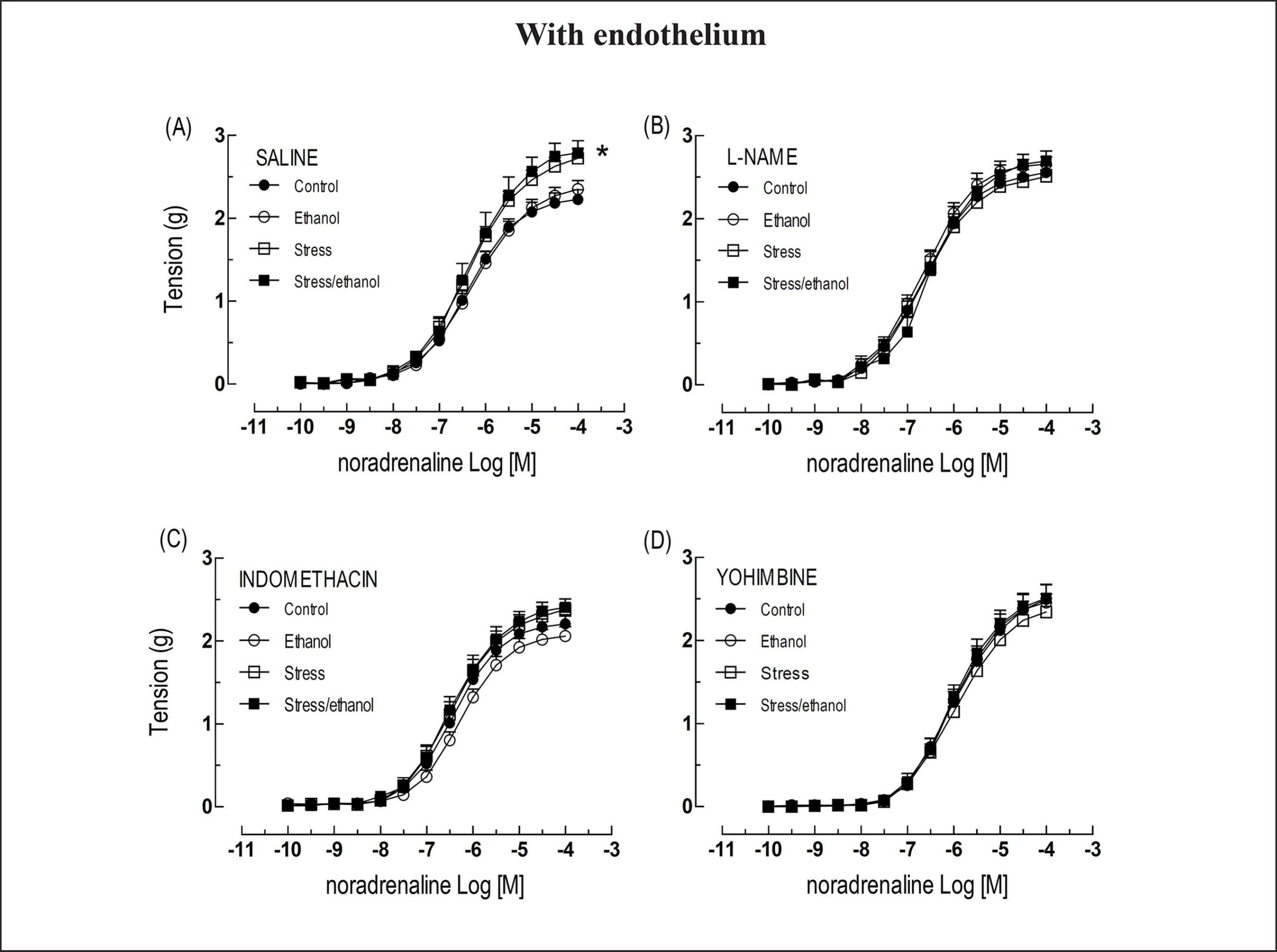
Rats were separated into 4 groups: Control, ethanol (20% in drinking water for 6 weeks), stress (immobilization 1h day/5 days a week for 6 weeks) and stress/ethanol. Concentration-responses curves to noradrenaline – in the absence and presence of yohimbine, L-NAME or indomethacin – or to phenylephrine were determined in thoracic aortas with and without endothelium. EC50 and maximum response (n=8-12) were compared using two-way ANOVA/Bonferroni method.

Results:

Either stress or stress in association with ethanol consumption increased the noradrenaline maximum responses in intact aortas. This hyper-reactivity was eliminated by endothelium removal or by the presence of either indomethacin or yohimbine, but was not altered by the presence of L-NAME. Meanwhile, ethanol consumption did not alter the reactivity to noradrenaline. The phenylephrine responses in aortas both with and without endothelium also remained unaffected regardless of protocol.

Conclusion:

Chronic stress increased rat aortic responses to noradrenaline. This effect is dependent upon the vascular endothelium and involves the release of vasoconstrictor prostanoids via stimulation of endothelial alpha-2 adrenoceptors. Moreover, chronic ethanol consumption appeared to neither influence noradrenaline responses in rat thoracic aorta, nor did it modify the increase of such responses observed as a consequence of stress exposure.

  • Adrenergic alpha-2 Receptor Agonists
  • Alcohol Drinking
  • Norepinephrine
  • Rats
  • Stress
Read Full Article
Creative Commons Attribution (CC BY) Creative Commons license
10/02/2014 DOI: 10.5935/abc.20140015
Cardiovascular repercussion of lodenafil carbonate, a new PDE5 inhibitor, with and without alcohol consumption
ABC
Artigo Original

Cardiovascular repercussion of lodenafil carbonate, a new PDE5 inhibitor, with and without alcohol consumption

Adauto Carvalho Silva et al. Odaly Toffoletto Luiz Antonio Galvão Lucio Paula Ferreira dos Santos … Jorge Barros Afiune João Massud Filho Sergio Tufik

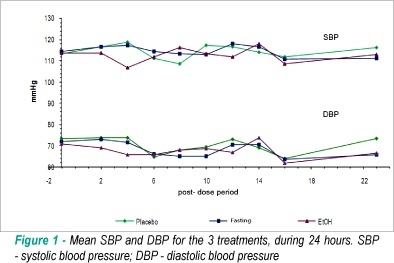
BACKGROUND: Millions of men around the world suffer from erectile dysfunction, for which phosphodiesterase 5 inhibitors (PDE-5 inhibitors) are currently the first treatment option. Sexual activity and alcohol consumption are closely related, and the simultaneous use of alcohol and PDE-5 inhibitors can happen. Lodenafil carbonate is a new PDE-5 inhibitor, developed by a Brazilian pharmaceutical company. OBJECTIVE: This work aimed at evaluating the cardiovascular safety of lodenafil carbonate, with and without simultaneous alcohol consumption. METHODS: Fifteen male volunteers received 160 mg lodenafil carbonate (LC), in three different moments. Participants were assigned to three groups, treated with LC in fasting condition, with alcohol or receiving only placebo. The volunteers were continuously monitored during 24 hours for physical impairment, blood pressure, heart rate, QT interval and lodenafil’s pharmacokinetic parameters. RESULTS: Lodenafil carbonate alone or with alcohol did not induce clinically relevant modifications in arterial blood pressure or heart rate. A statistically significant decrease in blood pressure was seen four hours after LC and alcohol intake, and an increase in heart rate six hours after intake of lodenafil carbonate alone. The QTc interval was not significantly modified. Lodenafil carbonate bioavailability was increased in 74% when drug intake was associated with alcohol. CONCLUSION: These results show that the use of lodenafil carbonate did not have clinically relevant effects on blood pressure or heart rate, and was not associated with QT interval prolongation. The association of lodenafil carbonate and alcohol affected its pharmacokinetic properties, increasing the bioavailability of the drug.

  • Alcohol Drinking
  • attributable risk
  • Cardiovascular System
  • erectile dysfunction
  • Phosphodiesterase Inhibitors
Read Full Article
Creative Commons Attribution (CC BY) Creative Commons license
05/05/2010 DOI: 10.1590/S0066-782X2010000200004 Views 2

How to cite this article

EndNote RIS

Electronic Document Format (Vancouver)

Issa AFC. Red Wine and Vascular Reactivity: Evidence And Uncertainties. International Journal of Cardiovascular Sciences 2026;38:e20250118.

Electronic Document Format (ABNT)

Issa, Aurora Felice Castro. Red Wine and Vascular Reactivity: Evidence And Uncertainties. International Journal of Cardiovascular Sciences, v. 38, e20250118, Jan. 2026.

Electronic Document Format (APA)

Issa, A. F. C. (2026). Red Wine and Vascular Reactivity: Evidence And Uncertainties. International Journal of Cardiovascular Sciences, 38, e20250118.

Electronic Document Format (ISO)

Issa, Aurora Felice Castro. Red Wine and Vascular Reactivity: Evidence And Uncertainties. International Journal of Cardiovascular Sciences [online]. 2026, vol. 38, [cited 2026-10-14], e20250118. Available from: <https://journals.cardiol.br/en/article/red-wine-and-vascular-reactivity-evidence-and-uncertainties/>. ISSN 2359-4802

EndNote RIS

Electronic Document Format (Vancouver)

Godoy PH. Alcohol Consumption and Its Association with Lifestyle in Individuals with and without Cardiovascular Disease. Arquivos Brasileiros de Cardiologia 2025;122(10):e20250542.

Electronic Document Format (ABNT)

Godoy, Paulo Henrique. Alcohol Consumption and Its Association with Lifestyle in Individuals with and without Cardiovascular Disease. Arquivos Brasileiros de Cardiologia, v. 122, n. 10, e20250542, Dec. 2025.

Electronic Document Format (APA)

Godoy, P. H. (2025). Alcohol Consumption and Its Association with Lifestyle in Individuals with and without Cardiovascular Disease. Arquivos Brasileiros de Cardiologia, 122(10), e20250542.

Electronic Document Format (ISO)

Godoy, Paulo Henrique. Alcohol Consumption and Its Association with Lifestyle in Individuals with and without Cardiovascular Disease. Arquivos Brasileiros de Cardiologia [online]. 2025, vol. 122, n. 10, [cited 2026-10-14], e20250542. Available from: <https://journals.cardiol.br/en/article/alcohol-consumption-and-its-association-with-lifestyle-in-individuals-with-and-without-cardiovascular-disease/>. ISSN 0066-782X

EndNote RIS

Electronic Document Format (Vancouver)

Fontes VJB, Souto MJS, Sousa ACS, Melo EV, Conceição FMS, Telino CJCL, Silveira MS, et al. Low to Moderate Alcohol Consumption and Myocardial Ischemia on Exercise Stress Echocardiography. International Journal of Cardiovascular Sciences 2018;31(3):235-43.

Electronic Document Format (ABNT)

Fontes, Vítor Joaquim Barreto; Souto, Maria Júlia Silveira; Sousa, Antônio Carlos Sobral; Melo, Enaldo Vieira de; Conceição, Flávio Mateus do Sacramento; Telino, Caio José Coutinho Leal; Silveira, Mirella Sobral; Dória, Jéssica Aparecida de Santana; Matos, Carlos José Oliveira de; Oliveira, Joselina Luzia Menezes. Low to Moderate Alcohol Consumption and Myocardial Ischemia on Exercise Stress Echocardiography. International Journal of Cardiovascular Sciences, v. 31, n. 3, p. 235-243, Dec. 2017.

Electronic Document Format (APA)

Fontes, V. J. B., Souto, M. J. S., Sousa, A. C. S., Melo, E. V. , Conceição, F. M. S., Telino, C. J. C. L., Silveira, M. S., Dória, J. A. S., Matos, C. J. O. , & Oliveira, J. L. M. (2018). Low to Moderate Alcohol Consumption and Myocardial Ischemia on Exercise Stress Echocardiography. International Journal of Cardiovascular Sciences, 31(3), 235-243.

Electronic Document Format (ISO)

Fontes, Vítor Joaquim Barreto and Souto, Maria Júlia Silveira and Sousa, Antônio Carlos Sobral and Melo, Enaldo Vieira de and Conceição, Flávio Mateus do Sacramento and Telino, Caio José Coutinho Leal and Silveira, Mirella Sobral and Dória, Jéssica Aparecida de Santana and Matos, Carlos José Oliveira de and Oliveira, Joselina Luzia Menezes. Low to Moderate Alcohol Consumption and Myocardial Ischemia on Exercise Stress Echocardiography. International Journal of Cardiovascular Sciences [online]. 2018, vol. 31, n. 3, [cited 2026-10-14], pp. 235-243. Available from: <https://journals.cardiol.br/en/article/low-to-moderate-alcohol-consumption-and-myocardial-ischemia-on-exercise-stress-echocardiography/>. ISSN 2359-4802

EndNote RIS

Electronic Document Format (Vancouver)

Magalhães LP, Figueiredo MJO, Cintra FD, Saad EB, Kuniyoshi RR, Lorga Filho AM, D’Avila ALB, et al. Executive Summary of the II Brazilian Guidelines for Atrial Fibrillation. Arquivos Brasileiros de Cardiologia 2016;107(6):501-8.

Electronic Document Format (ABNT)

Magalhães, Luiz Pereira de; Figueiredo, Marcio Jansen de Oliveira; Cintra, Fatima Dumas; Saad, Eduardo Benchimol; Kuniyoshi, Ricardo Ryoshim; Lorga Filho, Adalberto Menezes; D’Avila, Andre Luiz Buchele; Paola, Angelo Amato Vincenzo de; Kalil, Carlos Antonio Abunader; Moreira, Dalmo Antonio Ribeiro; Sobral Filho, Dario Celestino; Sternick, Eduardo Back; Darrieux, Francisco Carlos da Costa; Fenelon, Guilherme; Lima, Gustavo Glotz de; Atié, Jacob; Mateos, José Carlos Pachón; Moreira, José Marcos; Vasconcelos, José Tarcísio Medeiros de; Zimerman, Leandro Ioschpe; Silva, Luiz Roberto Leite da; Silva, Marcio Augusto; Scanavacca, Mauricio Ibrahim; Souza, Olga Ferreira de. Executive Summary of the II Brazilian Guidelines for Atrial Fibrillation. Arquivos Brasileiros de Cardiologia, v. 107, n. 6, p. 501-508, Nov. 2016.

Electronic Document Format (APA)

Magalhães, L. P. , Figueiredo, M. J. O., Cintra, F. D., Saad, E. B., Kuniyoshi, R. R., Lorga Filho, A. M., D’Avila, A. L. B., Paola, A. A. V. , Kalil, C. A. A., Moreira, D. A. R., Sobral Filho, D. C., Sternick, E. B., Darrieux, F. C. C., Fenelon, G., Lima, G. G. , Atié, J., Mateos, J. C. P., Moreira, J. M., Vasconcelos, J. T. M. , Zimerman, L. I., Silva, L. R. L. , Silva, M. A., Scanavacca, M. I., & Souza, O. F. (2016). Executive Summary of the II Brazilian Guidelines for Atrial Fibrillation. Arquivos Brasileiros de Cardiologia, 107(6), 501-508.

Electronic Document Format (ISO)

Magalhães, Luiz Pereira de and Figueiredo, Marcio Jansen de Oliveira and Cintra, Fatima Dumas and Saad, Eduardo Benchimol and Kuniyoshi, Ricardo Ryoshim and Lorga Filho, Adalberto Menezes and D’Avila, Andre Luiz Buchele and Paola, Angelo Amato Vincenzo de and Kalil, Carlos Antonio Abunader and Moreira, Dalmo Antonio Ribeiro and Sobral Filho, Dario Celestino and Sternick, Eduardo Back and Darrieux, Francisco Carlos da Costa and Fenelon, Guilherme and Lima, Gustavo Glotz de and Atié, Jacob and Mateos, José Carlos Pachón and Moreira, José Marcos and Vasconcelos, José Tarcísio Medeiros de and Zimerman, Leandro Ioschpe and Silva, Luiz Roberto Leite da and Silva, Marcio Augusto and Scanavacca, Mauricio Ibrahim and Souza, Olga Ferreira de. Executive Summary of the II Brazilian Guidelines for Atrial Fibrillation. Arquivos Brasileiros de Cardiologia [online]. 2016, vol. 107, n. 6, [cited 2026-10-14], pp. 501-508. Available from: <https://journals.cardiol.br/en/article/executive-summary-of-the-ii-brazilian-guidelines-for-atrial-fibrillation/>. ISSN 0066-782X

EndNote RIS

Electronic Document Format (Vancouver)

Morilha A, Karagulian S, Lotufo PA, Santos IS, Benseñor IM, Goulart AC. Post-Acute Coronary Syndrome Alcohol Abuse: Prospective Evaluation in the ERICO Study. Arquivos Brasileiros de Cardiologia 2015;104(6):457-6.

Electronic Document Format (ABNT)

Morilha, Abner; Karagulian, Samuel; Lotufo, Paulo A.; Santos, Itamar S.; Benseñor, Isabela M.; Goulart, Alessandra C.. Post-Acute Coronary Syndrome Alcohol Abuse: Prospective Evaluation in the ERICO Study. Arquivos Brasileiros de Cardiologia, v. 104, n. 6, p. 457-467, May. 2015.

Electronic Document Format (APA)

Morilha, A., Karagulian, S., Lotufo, P. A., Santos, I. S., Benseñor, I. M., & Goulart, A. C. (2015). Post-Acute Coronary Syndrome Alcohol Abuse: Prospective Evaluation in the ERICO Study. Arquivos Brasileiros de Cardiologia, 104(6), 457-467.

Electronic Document Format (ISO)

Morilha, Abner and Karagulian, Samuel and Lotufo, Paulo A. and Santos, Itamar S. and Benseñor, Isabela M. and Goulart, Alessandra C.. Post-Acute Coronary Syndrome Alcohol Abuse: Prospective Evaluation in the ERICO Study. Arquivos Brasileiros de Cardiologia [online]. 2015, vol. 104, n. 6, [cited 2026-10-14], pp. 457-467. Available from: <https://journals.cardiol.br/en/article/post-acute-coronary-syndrome-alcohol-abuse-prospective-evaluation-in-the-erico-study/>. ISSN 0066-782X

EndNote RIS

Electronic Document Format (Vancouver)

Baptista RFF, Taipeiro EF, Queiroz RHC, Chies AB, Cordellini S. Stress Alone or associated with Ethanol Induces Prostanoid Release in Rat Aorta via α2-Adrenoceptor. Arquivos Brasileiros de Cardiologia 2014;102(3):211-8.

Electronic Document Format (ABNT)

Baptista, Rafaela de Fátima Ferreira; Taipeiro, Elane de Fátima; Queiroz, Regina Helena Costa; Chies, Agnaldo Bruno; Cordellini, Sandra. Stress Alone or associated with Ethanol Induces Prostanoid Release in Rat Aorta via α2-Adrenoceptor. Arquivos Brasileiros de Cardiologia, v. 102, n. 3, p. 211-218, Feb. 2014.

Electronic Document Format (APA)

Baptista, R. F. F., Taipeiro, E. F., Queiroz, R. H. C., Chies, A. B., & Cordellini, S. (2014). Stress Alone or associated with Ethanol Induces Prostanoid Release in Rat Aorta via α2-Adrenoceptor. Arquivos Brasileiros de Cardiologia, 102(3), 211-218.

Electronic Document Format (ISO)

Baptista, Rafaela de Fátima Ferreira and Taipeiro, Elane de Fátima and Queiroz, Regina Helena Costa and Chies, Agnaldo Bruno and Cordellini, Sandra. Stress Alone or associated with Ethanol Induces Prostanoid Release in Rat Aorta via α2-Adrenoceptor. Arquivos Brasileiros de Cardiologia [online]. 2014, vol. 102, n. 3, [cited 2026-10-14], pp. 211-218. Available from: <https://journals.cardiol.br/en/article/stress-alone-or-associated-with-ethanol-induces-prostanoid-release-in-rat-aorta-via-%ce%b12-adrenoceptor/>. ISSN 0066-782X

EndNote RIS

Electronic Document Format (Vancouver)

Silva AC, Toffoletto O, Lucio LAG, Santos PF, Afiune JB, Massud Filho J, Tufik S, et al. Cardiovascular repercussion of lodenafil carbonate, a new PDE5 inhibitor, with and without alcohol consumption. Arquivos Brasileiros de Cardiologia 2010;94(2):160-7.

Electronic Document Format (ABNT)

Silva, Adauto Carvalho; Toffoletto, Odaly; Lucio, Luiz Antonio Galvão; Santos, Paula Ferreira dos; Afiune, Jorge Barros; Massud Filho, João; Tufik, Sergio. Cardiovascular repercussion of lodenafil carbonate, a new PDE5 inhibitor, with and without alcohol consumption. Arquivos Brasileiros de Cardiologia, v. 94, n. 2, p. 160-167, May. 2010.

Electronic Document Format (APA)

Silva, A. C., Toffoletto, O., Lucio, L. A. G., Santos, P. F. , Afiune, J. B., Massud Filho, J., & Tufik, S. (2010). Cardiovascular repercussion of lodenafil carbonate, a new PDE5 inhibitor, with and without alcohol consumption. Arquivos Brasileiros de Cardiologia, 94(2), 160-167.

Electronic Document Format (ISO)

Silva, Adauto Carvalho and Toffoletto, Odaly and Lucio, Luiz Antonio Galvão and Santos, Paula Ferreira dos and Afiune, Jorge Barros and Massud Filho, João and Tufik, Sergio. Cardiovascular repercussion of lodenafil carbonate, a new PDE5 inhibitor, with and without alcohol consumption. Arquivos Brasileiros de Cardiologia [online]. 2010, vol. 94, n. 2, [cited 2026-10-14], pp. 160-167. Available from: <https://journals.cardiol.br/en/article/cardiovascular-repercussion-of-lodenafil-carbonate-a-new-pde5-inhibitor-with-and-without-alcohol-consumption/>. ISSN 0066-782X

  • About ABC Family
  • Internal Regulation
  • Editorial Board
  • Brazilian Society of Cardiology (SBC)

Issues

SBC Guidelines

  • Videos
  • Podcasts
  • News