ABC Family Arquivos Brasileiros de Cardiologia International Journal of Cardiovascular Sciences ABC Heart Failure & Cardiomyopathy ABC Imagem Cardiovascular
Português English
ABC Family
Português English
  • About
    • About ABC Family
    • Internal Regulation
    • Editorial Board
    • Brazilian Society of Cardiology (SBC)
  • Issues
  • SBC Guidelines
  • Content
    • Videos
    • Podcasts
    • News
  • About
    • About ABC Family
    • Internal Regulation
    • Editorial Board
    • Brazilian Society of Cardiology (SBC)
  • Issues
  • SBC Guidelines
  • Content
    • Videos
    • Podcasts
    • News

ABC Family

  • ABC Family
  • Arquivos Brasileiros de Cardiologia
  • International Journal of Cardiovascular Sciences
  • ABC Heart Failure & Cardiomyopathy
  • ABC Imagem Cardiovascular
Search in

No content found.

Journals
Ordering
Article types
Others

  1. Home
  2. Keyword: Thyroid Hormones
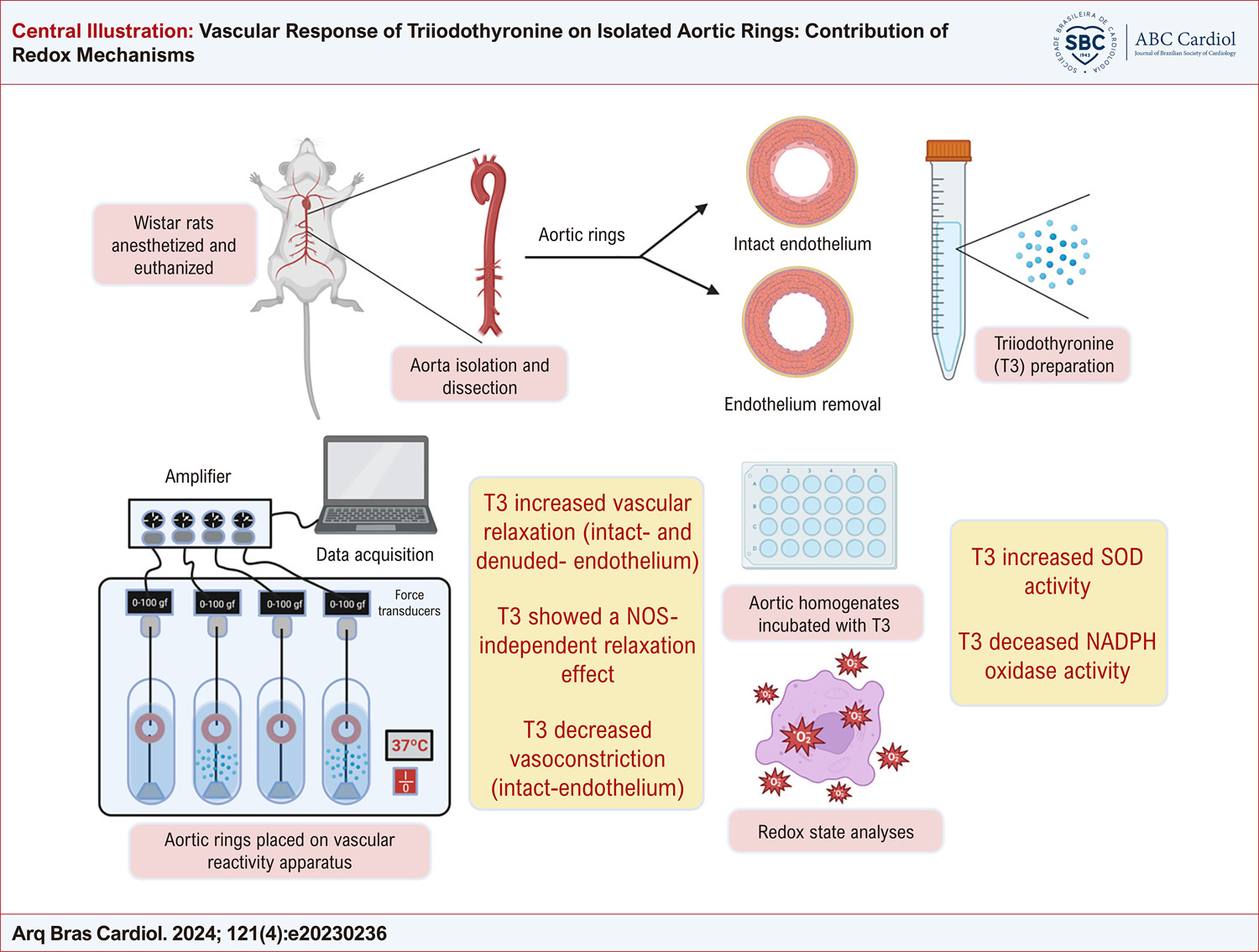
Vascular Response of Triiodothyronine on Isolated Aortic Rings: Contribution of Redox Mechanisms
ABC
Original Article

Vascular Response of Triiodothyronine on Isolated Aortic Rings: Contribution of Redox Mechanisms

Viviane Cristina Pederiva et al. Alexandre de Castro Adriane Belló-Klein Alex Sander da Rosa Araujo Patrick Turck

Abstract

Background

Vascular dysfunction constitutes the etiology of many diseases, such as myocardial infarction and hypertension, with the disruption of redox homeostasis playing a role in the imbalance of the vasomotor control mechanism. Our group previously has shown that thyroid hormones exert protective effects on the aortic tissue of infarcted rats by improving angiogenesis signaling.

Objective

Investigate the role of triiodothyronine (T3) on vascular response, exploring its effects on isolated aortas and whether there is an involvement of vascular redox mechanisms.

Methods

Isolated aortic rings (intact- and denuded-endothelium) precontracted with phenylephrine were incubated with T3 (10-8, 10-7, 10-6, 10-5, and 10-4 M), and tension was recorded using a force-displacement transducer coupled with an acquisition system. To assess the involvement of oxidative stress, aortic rings were preincubated with T3 and subsequently submitted to an in vitro reactive oxygen species (ROS) generation system. The level of significance adopted in the statistical analysis was 5%.

Results

T3 (10-4 M) promoted vasorelaxation of phenylephrine precontracted aortic rings in both intact- and denuded-endothelium conditions. Aortic rings preincubated in the presence of T3 (10-4 M) also showed decreased vasoconstriction elicited by phenylephrine (1 µM) in intact-endothelium preparations. Moreover, T3 (10-4 M) vasorelaxation effect persisted in aortic rings preincubated with NG-nitro-L-arginine methylester (L-NAME, 10 µM), a nonspecific NO synthase (NOS) inhibitor. Finally, T3 (10-4 M) exhibited, in vitro, an antioxidant role by reducing NADPH oxidase activity and increasing SOD activity in the aorta’s homogenates.

Conclusion

T3 exerts dependent- and independent-endothelium vasodilation effects, which may be related to its role in maintaining redox homeostasis.
  • Aorta
  • Homeostasis
  • Thyroid Hormones
  • Triiodothyronine
Read Full Article
Creative Commons Attribution (CC BY) Creative Commons license
26/04/2024 DOI: 10.36660/abc.20230236i Views 1
IJCS
Original Article

Effects of Hyperthyroidism on Contractility and Na+/Ca2+ Exchanger Activity in the Isolated Papillary Muscle of Rats

Angela Mara Rambo et al. João Victor Capelli Peixoto Rebeca Alves Lins de Albuquerque Ilana Kassouf Silva Rosalvo Tadeu Hochmueller Fogaça

Abstract

Background:

Hyperthyroidism (Hy) is an endocrine disorder, in which the thyroid hormones markedly alter the cardiac function. Increased myocardial contractility and cardiac output, improvement in diastolic relaxation, changes in electrical activity, increments in ventricular mass, and arrhythmias have been reported. However, the influences of thyroid hormones upon molecular mechanisms of cardiac functions have not yet been fully understood.

Objectives:

To evaluate changes in cardiac contractile parameters and the Na+/Ca2+ exchanger (NCX) function in induced hyperthyroid rats.

Methods:

Hy was induced by intraperitoneal injections of T3 (15 μg/100 g) for 10 days. Contractile parameters and NCX function were evaluated in the isolated papillary muscle. Data normality was confirmed by the Shapiro-Wilk test. The comparison between groups was performed through an unpaired Student’s t-test. Results are expressed as mean ± SD. The accepted significance level was p < 0.05.

Results:

Our data revealed, in the Hy group, an increase of 30.98% in the maximum speed of diastolic relaxation (–284.64 ± 70.70 vs. –217.31 ± 40.30 mN/mm2/sec (p = 0.027)) and a boost of 149% in the NCX function in late phase of relaxation (20.17 ± 7.90 vs. 50.22 ± 11.94 minutes (p = 0.002)), with no changes in the maximum twitch force (p = 0.605) or maximum speed of systolic contraction (p = 0.208) when compared to the control.

Conclusion:

The improvement in relaxation parameters is hypothetically attributed to an increase in Sarco-Endoplasmic Reticulum Ca2+ATPase isoform 2 (SERCA2) expression and an increased calcium flow through L-type channels that boosted the NCX function.

  • Hyperthyroidism
  • Myocardial Contraction
  • papillary muscles
  • Rats
  • Sodium-Calcium Exchanger
  • Thyroid Hormones
Read Full Article
Creative Commons Attribution (CC BY) Creative Commons license
25/02/2022 DOI: 10.36660/ijcs.20210023 Views 2
ABCIC
Original Article

Analysis of Right Ventricular Function in Patients with Hypothyroidism

Gustavo Demasi Quadros de Macedo et al. Mario Jorge Quadros de Macedo Jean Jorge Silva de Souza Maria Luiza Gazzana

Summary

Background

After many studies about the left ventricle (LV), little is known about the effect of thyroid hormones deprivation at the right ventricle (RV).

Objective

This study was aimed to evaluate the right ventricular function in patients who had hypothyroidism in different degrees of disease severity.

Methods

Eighteen patients with primary hypothyroidism were submitted to two-dimensional echocardiography evaluation, of which 10 (55,6%) had TSH 12 mIU/L (highest TSH group).

Results

By comparing the two groups, there were no differences in respect of LV global systolic function or diastolic function. There was neither difference related to right atrium or RV dimensions. About the right ventricular function, it was shown a difference in the myocardial performance index (Tei index), which was higher in patients who had TSH > 12 compared with patients who had TSH < 12 (0.52 ± 0.13 vs. 0.39 ± 0.08; p < 0.05), indicating worse right ventricular global function in those patients with the highest TSH levels. No differences were observed between these groups related to other variables, which are: percentage of systolic change in the VD area, TAPSE and peak systolic velocity. Variables of RV diastolic function (E/A tricuspid ratio and E/E’ tricuspid ratio), as well as pulmonary vascular resistance and pulmonary artery systolic pressure were not different between groups.

Conclusion

Patients with hypothyroidism who had the highest TSH levels, as compared to those with less high TSH, presented with a reduction at the overall right ventricular function, evaluated by myocardial performance index, not observed in other parameters of RV function evaluation. (Arq Bras Cardiol: Imagem cardiovasc. 2017;30(4):126-131)

  • Echocardiography
  • Thyroid Hormones
  • Ventricular Function, Right/physiology
Read Full Article
Creative Commons Attribution (CC BY) Creative Commons license
20/01/2022 DOI: 10.5935/2318-8219.20170033 Views 1
Figure 1
ABC
Original Article

Functional Effects of Hyperthyroidism on Cardiac Papillary Muscle in Rats

Fabricio Furtado Vieira et al. Robson Ruiz Olivoto Priscyla Oliveira da Silva Julio Cesar Francisco Rosalvo Tadeu Hochmuller Fogaça

Abstract

Background:

Hyperthyroidism is currently recognized to affect the cardiovascular system, leading to a series of molecular and functional changes. However, little is known about the functional influence of hyperthyroidism in the regulation of cytoplasmic calcium and on the sodium/calcium exchanger (NCX) in the cardiac muscle.

Objectives:

To evaluate the functional changes in papillary muscles isolated from animals with induced hyperthyroidism.

Methods:

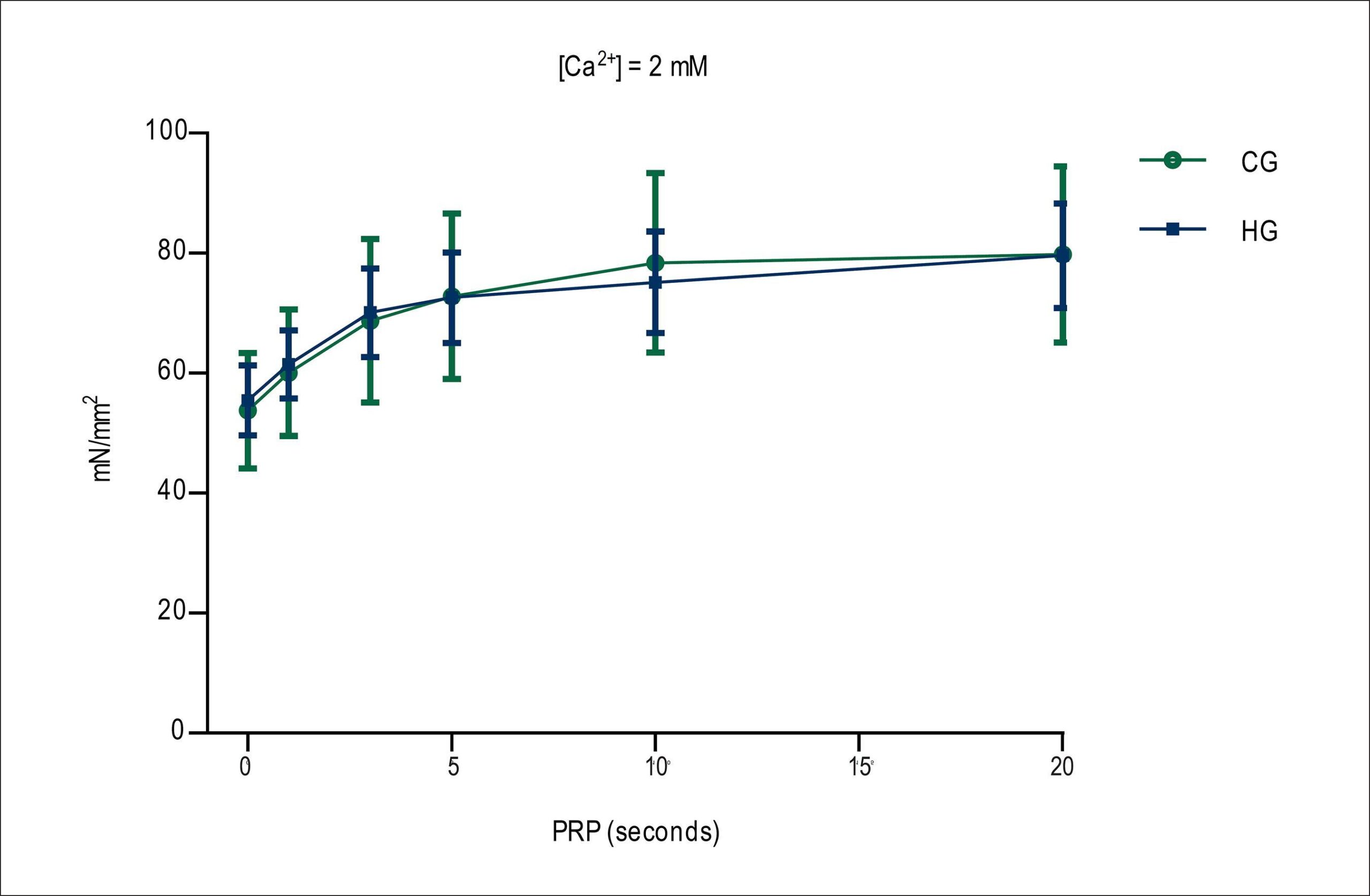
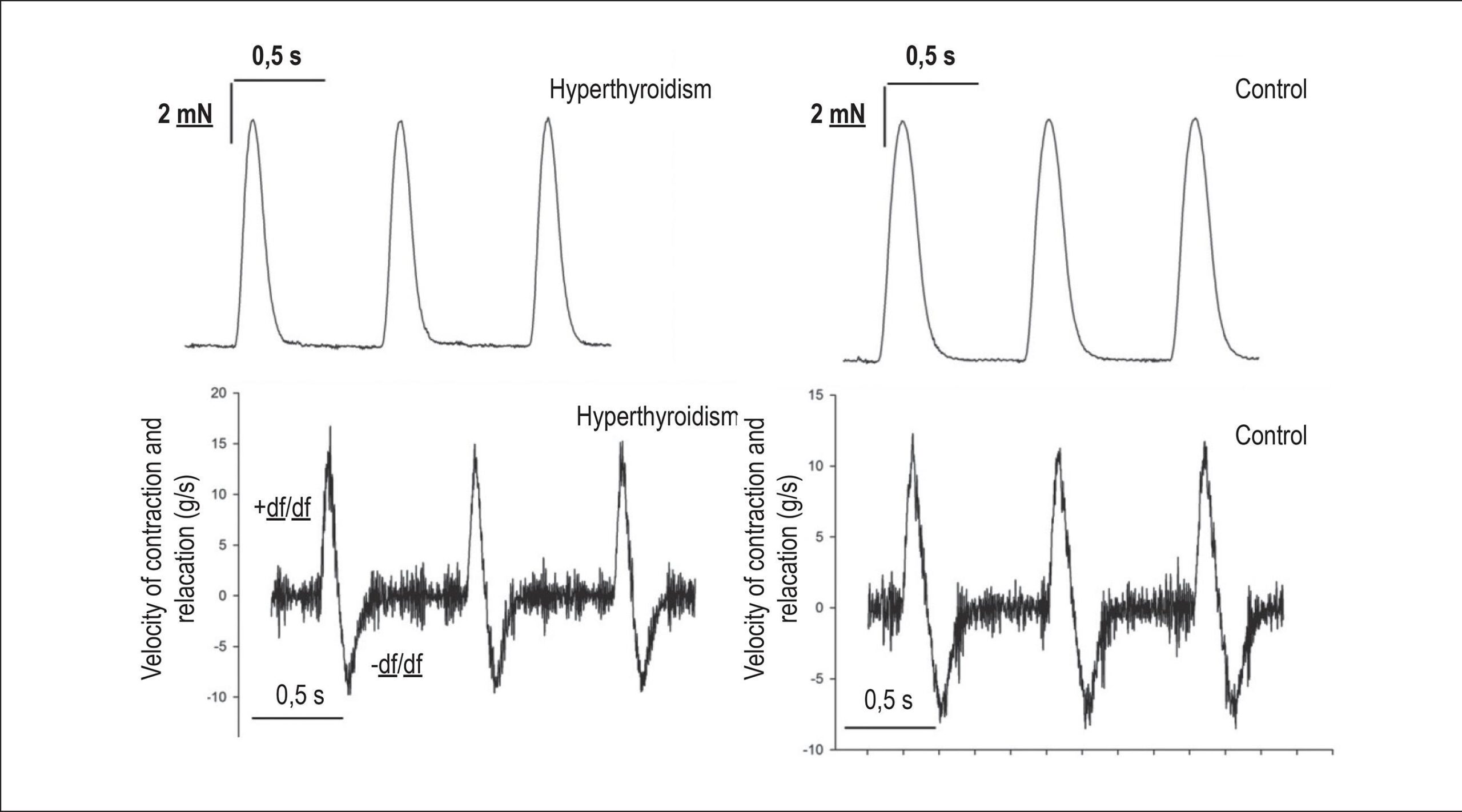
We divided 36 Wistar rats into a group of controls and another of animals with hyperthyroidism induced by intraperitoneal T3 injection. We measured in the animals’ papillary muscles the maximum contraction force, speed of contraction (+df/dt) and relaxation (-df/dt), contraction and relaxation time, contraction force at different concentrations of extracellular sodium, post-rest potentiation (PRP), and contraction force induced by caffeine.

Results:

In hyperthyroid animals, we observed decreased PRP at all rest times (p < 0.05), increased +df/dt and -df/dt (p < 0.001), low positive inotropic response to decreased concentration of extracellular sodium (p < 0.001), reduction of the maximum force in caffeine-induced contraction (p < 0.003), and decreased total contraction time (p < 0.001). The maximal contraction force did not differ significantly between groups (p = 0.973).

Conclusion:

We hypothesize that the changes observed are likely due to a decrease in calcium content in the sarcoplasmic reticulum, caused by calcium leakage, decreased expression of NCX, and increased expression of a-MHC and SERCA2.

  • Hyperthyroidism / metabolism
  • Myocardial Contraction
  • Myocardium
  • Rats
  • Thyroid Hormones
Read Full Article
Creative Commons Attribution (CC BY) Creative Commons license
01/12/2016 DOI: 10.5935/abc.20160179 Views 1
Figure 1
ABC
Original Article

Effect of Fetal Hypothyroidism on Cardiac Myosin Heavy Chain Expression in Male Rats

Nasibeh Yousefzadeh et al. Sajad Jeddi Mohammad Reza Alipour

Abstract

Background:

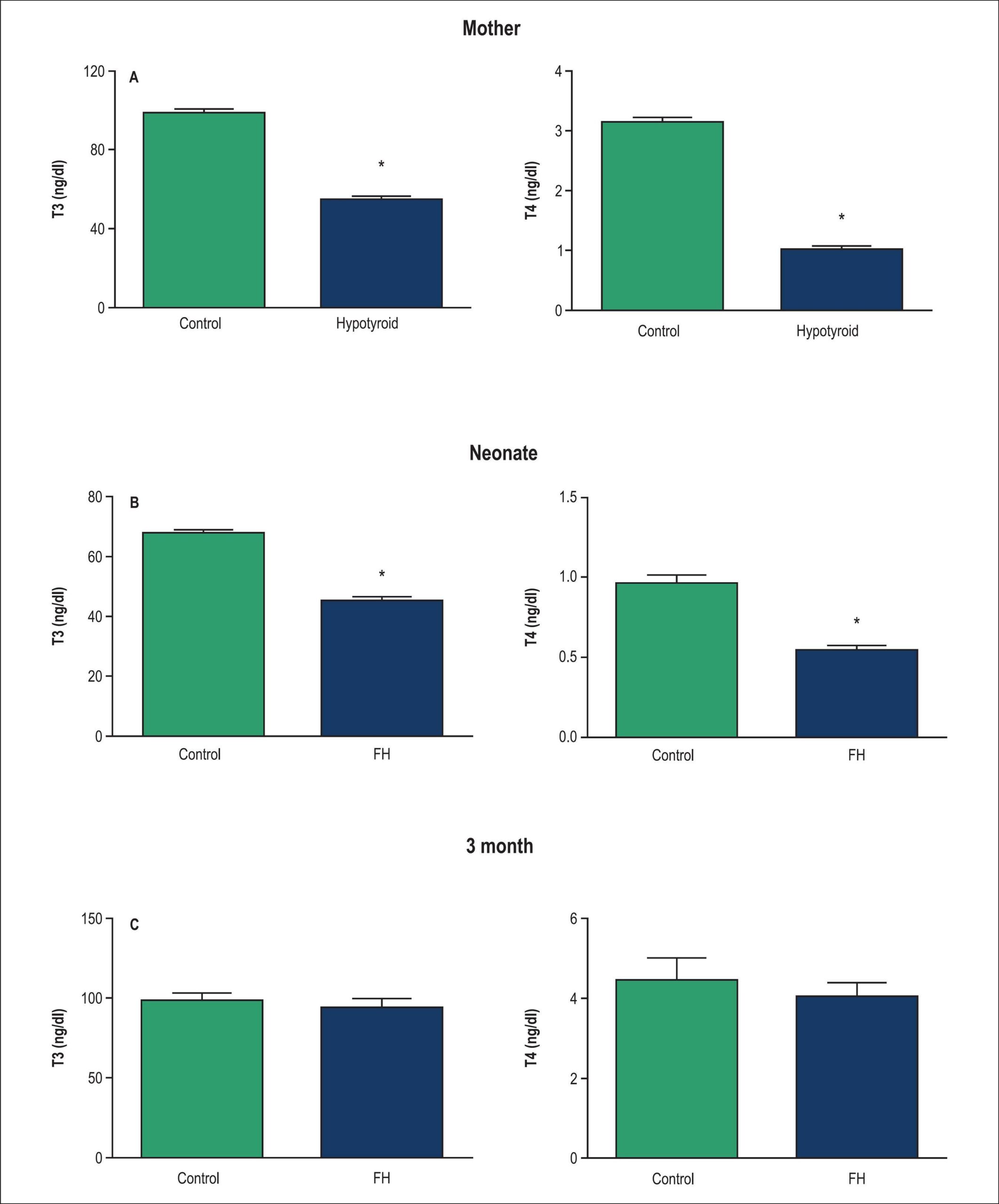
Thyroid hormone deficiency during fetal life could affect the cardiac function in later life. The mechanism underlying this action in fetal hypothyroidism (FH) in rats has not been elucidated thus far.

Objective:

The aim of this study is to evaluation the effect of FH on cardiac function in male rats and to determine the contribution of α-myosin heavy chain (MHC) and β-MHC isoforms.

Methods:

Six pregnant female rats were randomly divided into two groups: The hypothyroid group received water containing 6-propyl-2-thiouracil during gestation and the controls consumed tap water. The offspring of the rats were tested in adulthood. Hearts from the FH and control rats were isolated and perfused with langendroff setup for measuring hemodynamic parameters; also, the heart mRNA expressions of α- MHC and β-MHC were measured by qPCR.

Results:

Baseline LVDP (74.0 ± 3.1 vs. 92.5 ± 3.2 mmHg, p < 0.05) and heart rate (217 ± 11 vs. 273 ± 6 beat/min, p < 0.05) were lower in the FH rats than controls. Also, these results showed the same significance in ±dp/dt. In the FH rats, β-MHC expression was higher (201%) and α- MHC expression was lower (47%) than control.

Conclusion:

Thyroid hormone deficiency during fetal life could attenuate normal cardiac functions in adult rats, an effect at least in part due to the increased expression of β-MHC to α- MHC ratio in the heart.

  • Cardiac Myosins
  • Fetus
  • Hypothyroidism
  • Myocardial Contraction
  • Rats
  • Thyroid Hormones
Read Full Article
Creative Commons Attribution (CC BY) Creative Commons license
11/07/2016 DOI: 10.5935/abc.20160099
ABC
Editorial

Hormone Therapy to Treat Cardiac Remodeling: Is There Any Evidence?

Luís Alexandre F. Cicchetto et al. Bertha F. Polegato Leonardo A. M. Zornoff

Cardiac remodeling can be defined as a set of molecular, cellular and interstitial cardiac variations, which manifest clinically as changes in heart size, mass, geometry and function in response to certain aggressions. That process has bad prognosis, because it is associated with ventricular dysfunction progression and malignant arrhythmias. Different therapeutic strategies have been assessed to prevent, or at least attenuate, cardiac remodeling., Some treatments, such as those using angiotensin-convert-enzyme inhibitors, angiotensin II receptor blockers, beta-blockers, and aldosterone antagonists, have been well established. Other treatments, despite their pathophysiological potential, are still being studied. Of those, hormone therapy stands out, particularly with testosterone, thyroid hormone, and growth hormone (GH).

Testosterone has received great attention in recent years. From the pathophysiological viewpoint, in the presence of ventricular dysfunction, testosterone can modulate the cardiac remodeling process, strengthen skeletal musculature, enhance exercise capacity and reduce inflammatory activity., It is worth noting that a significant number of patients with heart failure have reduced testosterone levels. In addition, low testosterone levels in patients with heart failure are an independent risk factor for hospital readmission within 90 days and for mortality. Thus, testosterone supplementation seems an attractive strategy to manage heart failure.

[…]

  • Heart Failure
  • hormone replacement therapy
  • Testosterone
  • Thyroid Hormones
  • Ventricular Remodeling
Read Full Article
Creative Commons Attribution (CC BY) Creative Commons license
01/07/2016 DOI: 10.5935/abc.20160106
Figure 1
ABC
Artigo Original

Short-Term Thyroid Hormone Excess Affects the Heart but Does not Affect Adrenal Activity in Rats

Ariani Cavazzani Szkudlarek et al. Bruno Aldenucci Nelson Itiro Miyagui Ilana Kassouf Silva … Rosana Nogueira Moraes Helton Estrela Ramos Rosalva Tadeu Hochmuller Fogaça

Background:

Hyperthyroidism (Hy) exerts a broad range of influences on a variety of physiological parameters. Its disruptive effect on cardiovascular system is one of its most remarkable impacts. Moreover, Hy has been clinically associated with stress – induced hyperactivation of the hypothalamic-pituitary-adrenal axis.

Objective:

Evaluate the impact of short-term Hy on cardiac performance and adrenal activity of rats.

Methods:

Induction of Hy in Wistar rats through injections of T3 (150 µg/kg) for 10 days (hyperthyroid group – HG) or vehicle (control group). The cardiovascular performance was evaluated by: echocardiography (ECHO); heart weight/body weight (mg/gr) ratio; contractility of isolated papillary muscles (IPM) and direct measurement of blood pressures. Adrenal activity was evaluated by adrenal weight/body weight (mg/gr) ratio and 24-hour fecal corticosterone (FC) levels on the, 5th and 10th days of T3 treatment.

Results:

In HG, the ECHO showed reduction of the End Systolic and End Diastolic Volumes, Ejection, Total Diastolic and Isovolumic Relaxation Times, Diastolic and Systolic Areas and E/A ratio. Heart Rate, Ejection Fraction and Cardiac Output increased. The heart weight/body weight ratio was higher. Similarly, in IPM, the maximum rate of force decay during relaxation was higher in all extracellular calcium concentrations. Systolic blood pressure (SBP) levels were higher. (p ≤ 0.05). On the other hand, there was no difference in the adrenal weight/body weight ratio or in the 24-hour FC levels.

Conclusions:

Hy induces positive inotropic, chronotropic and lusitropic effects on the heart by direct effects of T3 and increases SBP. Those alterations are not correlated with changes in the adrenal activity.

  • Adrenal Glands
  • Cardiovascular Diseases
  • Hyperthyroidism / complications
  • Rats
  • Thyroid Hormones
Read Full Article
Creative Commons Attribution (CC BY) Creative Commons license
10/02/2014 DOI: 10.5935/abc.20140014 Views 1
ABC
Artigo Original

Hypertrophic response of the Association of Thyroid Hormone and Exercise in the Heart of Rats

Fernanda Rodrigues de Souza et al. Elmiro Santos Resende Leandro Lopes Alexandre Gonçalves … Rafaella Chagas Thiago Fidale Poliana Rodrigues

Background:

Cardiac hypertrophy is a component of cardiac remodeling occurring in response to an increase of the activity or functional overload of the heart.

Objective:

Assess hypertrophic response of the association of thyroid hormone and exercise in the rat heart.

Methods:

We used 37 Wistar rats, male, adults were randomly divided into four groups: control, hormone (TH), exercise (E), thyroid hormone and exercise (H + E); the group received daily hormone levothyroxine sodium by gavage at a dose of 20 μg thyroid hormone/100g body weight, the exercise group took swimming five times a week, with additional weight corresponding to 20% of body weight for six weeks; in group H + E were applied simultaneously TH treatment groups and E. The statistics used was analysis of variance, where appropriate, by Tukey test and Pearson correlation test.

Results:

The T4 was greater in groups TH and H + E. The total weight of the heart was greater in patients who received thyroid hormone and left ventricular weight was greater in the TH group. The transverse diameter of cardiomyocytes increased in groups TH, E and H + E. The percentage of collagen was greater in groups E and H + E Correlation analysis between variables showed distinct responses.

Conclusion:

The association of thyroid hormone with high-intensity exercise produced cardiac hypertrophy, and generated a standard hypertrophy not directly correlated to the degree of fibrosis.

  • Exercise
  • Heart
  • Hyperthyroidism
  • Rats
  • Thyroid Hormones
Read Full Article
Creative Commons Attribution (CC BY) Creative Commons license
21/12/2013 DOI: 10.5935/abc.20130243 Views 2
Influence of long-term obesity on myocardial gene expression
ABC
Artigo Original

Influence of long-term obesity on myocardial gene expression

Ana Paula Lima-Leopoldo et al. André Soares Leopoldo Danielle Cristina Tomaz Silva André Ferreira do Nascimento … Dijon Henrique Salomé de Campos Renata de Azevedo Melo Luvizotto Silvio Assis de Oliveira Júnior Carlos Roberto Padovani Célia Regina Nogueira Antonio Carlos Cicogna

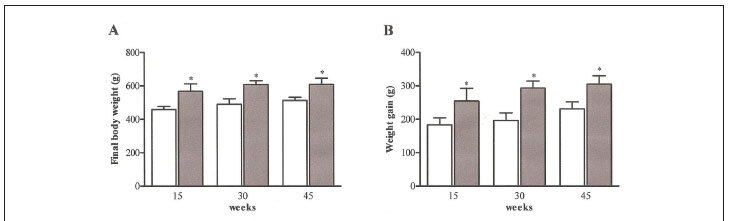
BACKGROUND: Several authors have shown that deterioration of cardiac function is associated with the degree and duration of obesity. It is necessary to establish the gene expression patterns after prolonged periods of obesity. OBJECTIVE: This study tested the hypothesis that increased duration of exposure to obesity leads to a reduction in the mRNA levels of proteins involved in regulation of myocardial Ca2+ homeostasis. In addition, this study verified whether the decrease in mRNA expression was caused by a reduction in thyroid hormone. METHODS: Thirty-day-old male Wistar rats were distributed in two groups: control (C) and obese (Ob). The C group was fed a standard diet and the Ob was fed with high-fat diets for 15, 30 and 45 weeks. Obesity was defined by adiposity index. The gene expression was assessed by quantitative real-time PCR. RESULTS: The adiposity index was higher in the Ob compared to the C after all periods. While obesity at 15 and 45 weeks resulted in a reduction in mRNA of sarcoplasmic reticulum Ca2+- ATPase (SERCA2a), Na+/Ca2+ exchanger (NCX), and calsequestrin (CSQ), L-type Ca2+ channels, ryanodine receptor, SERCA2a, phospholamban (PLB), NCX, and CSQ expression were increased compared to the C after 30 weeks. There was no significant association between T3 levels and mRNA expression. CONCLUSIONS: Our data indicate that obesity over the short and long periods of time may promote alteration in gene expression of Ca2+ homeostasis regulatory proteins without influence by thyroid hormone.

  • Gene Expression
  • Myocardium
  • Myocytes, Cardiac
  • Obesity
  • Thyroid Hormones
Read Full Article
Creative Commons Attribution (CC BY) Creative Commons license
15/04/2013 DOI: 10.5935/abc.20130045 Views 1
Upregulation of mRNA myocardium calcium handling in rats submitted to exercise and food restriction
ABC
Artigo Original

Upregulation of mRNA myocardium calcium handling in rats submitted to exercise and food restriction

Mário Mateus Sugizaki et al. Ana Paula Lima Leopoldo Sandro José Conde Dijon Salome Campos … Ricardo Damato André Soares Leopoldo André Ferreira do Nascimento Silvio de Assis Oliveira Júnior Antonio Carlos Cicogna

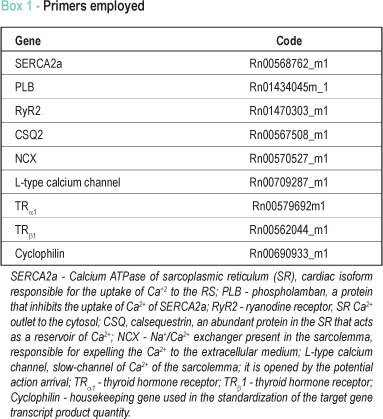
BACKGROUND: Chronic exercise and food restriction (FR) have directionally opposite changes in transcription of molecular structures of calcium handling and thyroid hormone (TH) status. OBJECTIVE: Evaluate the association of chronic exercise and FR on serum thyroid hormones and gene transcription of molecular structures of intracellular calcium transients and thyroid receptors in myocardium of rats. METHODS: Male Wistar Kyoto rats, divided into two groups: control (C, n = 7), FR (R50, n = 7), chronic exercise (EX, n = 7) and chronic exercise + FR (EX50, n = 7). FR was of 50% and exercise was swimming (1 hour/day, 5 days/week, during 12 weeks). Serum concentrations of T3, T4 and TSH were determined. The mRNA gene expression of the sarcoplasmatic reticulum calcium pump (SERCA2a), phospholamban (PLB), Na+/Ca+2 exchanger (NCX), calcium channel L-type (L-channel), ryanodine (RYR), calsequestrin (CQS) and HT receptor (TRα1 and TRβ1) of the myocardium was performed by PCR real-time. RESULTS: FR reduced serum levels of T4 and TSH and TRα1 mRNA and increased the expression of PLB, NCX and L-channel. Exercise increased the TRβ1 receptor, L-channel and NCX. The association of exercise and FR reduced plasma T4 and TSH, TRβ1 mRNA increase, SERCA2a, NCX and PLB, and there was a significant correlation of TRβ1 with CQS and NXC. CONCLUSION: Chronic exercise and food restriction increased the mRNA of transient Ca2+ proteins; however, TH-receptor axis cannot participate in the transcription of mRNA of myocardial calcium transient proteins.

  • Calcium
  • Caloric Restriction
  • carrier proteins
  • Exercise
  • Myocardium
  • Thyroid Hormones
Read Full Article
Creative Commons Attribution (CC BY) Creative Commons license
27/05/2011 DOI: 10.1590/S0066-782X2011005000066 Views 1
ABC
Artigo Original

Thyroid hormone profile in acute coronary syndromes

Rodrigo Caetano Pimentel et al. Gilberto Perez Cardoso Claudia Caminha Escosteguy Luiz Maurino Abreu

OBJECTIVE: To describe thyroid hormone profile in patients with acute coronary syndromes (ACS), divided into two groups: 1) unstable angina and/or non-ST-segment elevation acute myocardial infarction (UA/NSTEMI); 2) ST-segment elevation acute myocardial infarction (STEMI), as well as in patients that progressed or not to death, according to the groups. METHODS: Seventy ACS patients admitted to the coronary care unit of the Hospital dos Servidores do Estado, Rio de Janeiro, were prospectively studied. Blood samples were collected on day 1 and on days 4 and 7 following admission. Clinical evaluation and electrocardiograms were performed during hospitalization. RESULTS: Of the 70 patients admitted, 13 (18.6%) had “euthyroid sick syndrome” (ESS), a condition characterized by decreased serum T3 and/or free T3, increased serum reverse T3 (rT3), plus normal serum TSH, T4, and free T4. Patients belonging to the STEMI group showed early elevations, in addition to higher mean reverse T3 (rT3) and lower mean T3 and free T3 levels. In coronary heart disease patients that progressed to death, hormonal findings were consistent with those found in the ESS, with more expressive rT3 and T3 mean values. CONCLUSION: Our results show the importance of recognizing the “euthyroid sick syndrome” in coronary heart disease patients, suggesting an association with poorer prognosis in patients with acute coronary syndrome.

  • acute coronary syndromes
  • euthyroid sick syndrome
  • Thyroid Hormones
Read Full Article
Creative Commons Attribution (CC BY) Creative Commons license
18/01/2007 DOI: 10.1590/S0066-782X2006001900002
Thyroid hormone levels in patients with aortic dissection: comparison with controls and correlation with the percentage of the aortic media composed of myxoid deposits
ABC
Artigo Original

Thyroid hormone levels in patients with aortic dissection: comparison with controls and correlation with the percentage of the aortic media composed of myxoid deposits

Paulo Sampaio Gutierrez et al. Maria Adelaide Albergaria Pereira Regina Célia Martins Oliveira Noedir Antonio Groppo Stolf Maria de Lourdes Higuchi

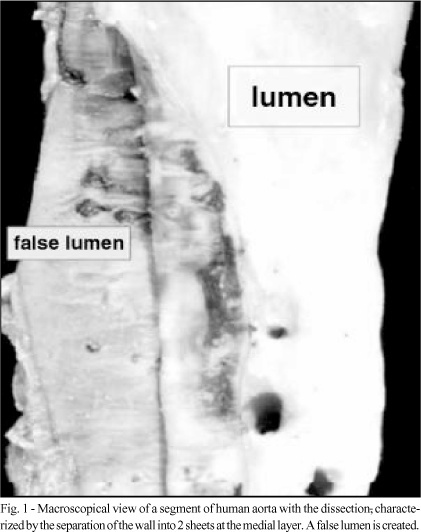
OBJECTIVE: Deposits of myxoid material, similar to myxedema related to thyroid disease, are described in the medial layer of aortas with dissection. We analyzed the clinical or subclinical thyroid dysfunction of patients with this disease and analyzed whether a correlation exists between serum levels of thyroid-related hormones and the myxoid content of the aortic media. METHODS: We measured, with standard methods, serum levels of triiodothyronine (T3), thyroxine (T4), and thyroid stimulating hormone (TSH) in 28 patients who underwent aortic dissection and free T4 in 20 of them. The same hormones were quantified in 20 control patients matched by sex and age. Results were compared by using the Mann-Whitney test. We also measured the percentage of the aortic media occupied by myxoid material in the surgical specimens of 25 of the patients with aortic dissection and analyzed its correlation with hormone levels by using the Pearson test. RESULTS: In the 20 pairs in which the amount of hormones was compared, the mean values for T3, T4, free T4, and TSH were 1.22ng/mL, 9.89mcg/dL, 1.18ng/dL, and 5.45 microIU/mL in study patients and 1.15ng/mL, 8.57mcg/dL, 1.32ng/dL, and 2.15 microIU/mL in controls. Neither these differences nor the correlation between the percentage of myxoid content (mean=30%) and the values for T3, T4, free T4, and TSH (mean 1.22ng/mL, 9.44mcg/dL, 1.20ng/dL, and 5.08 microIU/mL, respectively; n= 25) were significant. CONCLUSION: Our data suggest that serum levels of thyroid hormones have no relation with the myxoid content in the aortic media in cases of aortic dissection.

  • aneurysms
  • Aorta
  • dissecting
  • Thyroid Hormones
Read Full Article
Creative Commons Attribution (CC BY) Creative Commons license
16/03/2004 DOI: 10.1590/S0066-782X2004000200004 Views 2

How to cite this article

EndNote RIS

Electronic Document Format (Vancouver)

Pederiva VC, Castro A, Belló-Klein A, Araujo ASR, Turck P. Vascular Response of Triiodothyronine on Isolated Aortic Rings: Contribution of Redox Mechanisms. Arquivos Brasileiros de Cardiologia 2024;121(4):e20230236.

Electronic Document Format (ABNT)

Pederiva, Viviane Cristina; Castro, Alexandre de; Belló-Klein, Adriane; Araujo, Alex Sander da Rosa; Turck, Patrick. Vascular Response of Triiodothyronine on Isolated Aortic Rings: Contribution of Redox Mechanisms. Arquivos Brasileiros de Cardiologia, v. 121, n. 4, e20230236, Apr. 2024.

Electronic Document Format (APA)

Pederiva, V. C., Castro, A. , Belló-Klein, A., Araujo, A. S. R., & Turck, P. (2024). Vascular Response of Triiodothyronine on Isolated Aortic Rings: Contribution of Redox Mechanisms. Arquivos Brasileiros de Cardiologia, 121(4), e20230236.

Electronic Document Format (ISO)

Pederiva, Viviane Cristina and Castro, Alexandre de and Belló-Klein, Adriane and Araujo, Alex Sander da Rosa and Turck, Patrick. Vascular Response of Triiodothyronine on Isolated Aortic Rings: Contribution of Redox Mechanisms. Arquivos Brasileiros de Cardiologia [online]. 2024, vol. 121, n. 4, [cited 2026-10-14], e20230236. Available from: <https://journals.cardiol.br/en/article/vascular-response-of-triiodothyronine-on-isolated-aortic-rings-contribution-of-redox-mechanisms/>. ISSN 0066-782X

EndNote RIS

Electronic Document Format (Vancouver)

Rambo AM, Peixoto JVC, Albuquerque RAL, Silva IK, Fogaça RTH. Effects of Hyperthyroidism on Contractility and Na+/Ca2+ Exchanger Activity in the Isolated Papillary Muscle of Rats. International Journal of Cardiovascular Sciences 2022;35(4):459-64.

Electronic Document Format (ABNT)

Rambo, Angela Mara; Peixoto, João Victor Capelli; Albuquerque, Rebeca Alves Lins de; Silva, Ilana Kassouf; Fogaça, Rosalvo Tadeu Hochmueller. Effects of Hyperthyroidism on Contractility and Na+/Ca2+ Exchanger Activity in the Isolated Papillary Muscle of Rats. International Journal of Cardiovascular Sciences, v. 35, n. 4, p. 459-464, Feb. 2022.

Electronic Document Format (APA)

Rambo, A. M., Peixoto, J. V. C., Albuquerque, R. A. L. , Silva, I. K., & Fogaça, R. T. H. (2022). Effects of Hyperthyroidism on Contractility and Na+/Ca2+ Exchanger Activity in the Isolated Papillary Muscle of Rats. International Journal of Cardiovascular Sciences, 35(4), 459-464.

Electronic Document Format (ISO)

Rambo, Angela Mara and Peixoto, João Victor Capelli and Albuquerque, Rebeca Alves Lins de and Silva, Ilana Kassouf and Fogaça, Rosalvo Tadeu Hochmueller. Effects of Hyperthyroidism on Contractility and Na+/Ca2+ Exchanger Activity in the Isolated Papillary Muscle of Rats. International Journal of Cardiovascular Sciences [online]. 2022, vol. 35, n. 4, [cited 2026-10-14], pp. 459-464. Available from: <https://journals.cardiol.br/en/article/effects-of-hyperthyroidism-on-contractility-and-na-ca2-exchanger-activity-in-the-isolated-papillary-muscle-of-rats/>. ISSN 2359-4802

EndNote RIS

Electronic Document Format (Vancouver)

Macedo GDQ, Macedo MJQ, Souza JJS, Gazzana ML. Analysis of Right Ventricular Function in Patients with Hypothyroidism. Arquivos Brasileiros de Cardiologia Imagem cardiovascular 2022;30(4):126-31.

Electronic Document Format (ABNT)

Macedo, Gustavo Demasi Quadros de; Macedo, Mario Jorge Quadros de; Souza, Jean Jorge Silva de; Gazzana, Maria Luiza. Analysis of Right Ventricular Function in Patients with Hypothyroidism. Arquivos Brasileiros de Cardiologia Imagem cardiovascular, v. 30, n. 4, p. 126-131, Jan. 2022.

Electronic Document Format (APA)

Macedo, G. D. Q. , Macedo, M. J. Q. , Souza, J. J. S. , & Gazzana, M. L. (2022). Analysis of Right Ventricular Function in Patients with Hypothyroidism. Arquivos Brasileiros de Cardiologia Imagem cardiovascular, 30(4), 126-131.

Electronic Document Format (ISO)

Macedo, Gustavo Demasi Quadros de and Macedo, Mario Jorge Quadros de and Souza, Jean Jorge Silva de and Gazzana, Maria Luiza. Analysis of Right Ventricular Function in Patients with Hypothyroidism. Arquivos Brasileiros de Cardiologia Imagem cardiovascular [online]. 2022, vol. 30, n. 4, [cited 2026-10-14], pp. 126-131. Available from: <https://journals.cardiol.br/en/article/analysis-of-right-ventricular-function-in-patients-with-hypothyroidism/>. ISSN 2318-8219

EndNote RIS

Electronic Document Format (Vancouver)

Vieira FF, Olivoto RR, Silva PO, Francisco JC, Fogaça RTH. Functional Effects of Hyperthyroidism on Cardiac Papillary Muscle in Rats. Arquivos Brasileiros de Cardiologia 2016;107(6):542-9.

Electronic Document Format (ABNT)

Vieira, Fabricio Furtado; Olivoto, Robson Ruiz; Silva, Priscyla Oliveira da; Francisco, Julio Cesar; Fogaça, Rosalvo Tadeu Hochmuller. Functional Effects of Hyperthyroidism on Cardiac Papillary Muscle in Rats. Arquivos Brasileiros de Cardiologia, v. 107, n. 6, p. 542-549, Nov. 2016.

Electronic Document Format (APA)

Vieira, F. F., Olivoto, R. R., Silva, P. O. , Francisco, J. C., & Fogaça, R. T. H. (2016). Functional Effects of Hyperthyroidism on Cardiac Papillary Muscle in Rats. Arquivos Brasileiros de Cardiologia, 107(6), 542-549.

Electronic Document Format (ISO)

Vieira, Fabricio Furtado and Olivoto, Robson Ruiz and Silva, Priscyla Oliveira da and Francisco, Julio Cesar and Fogaça, Rosalvo Tadeu Hochmuller. Functional Effects of Hyperthyroidism on Cardiac Papillary Muscle in Rats. Arquivos Brasileiros de Cardiologia [online]. 2016, vol. 107, n. 6, [cited 2026-10-14], pp. 542-549. Available from: <https://journals.cardiol.br/en/article/functional-effects-of-hyperthyroidism-on-cardiac-papillary-muscle-in-rats/>. ISSN 0066-782X

EndNote RIS

Electronic Document Format (Vancouver)

Yousefzadeh N, Jeddi S, Alipour MR. Effect of Fetal Hypothyroidism on Cardiac Myosin Heavy Chain Expression in Male Rats. Arquivos Brasileiros de Cardiologia 2016;107(2):147-53.

Electronic Document Format (ABNT)

Yousefzadeh, Nasibeh; Jeddi, Sajad; Alipour, Mohammad Reza. Effect of Fetal Hypothyroidism on Cardiac Myosin Heavy Chain Expression in Male Rats. Arquivos Brasileiros de Cardiologia, v. 107, n. 2, p. 147-153, Jul. 2016.

Electronic Document Format (APA)

Yousefzadeh, N., Jeddi, S., & Alipour, M. R. (2016). Effect of Fetal Hypothyroidism on Cardiac Myosin Heavy Chain Expression in Male Rats. Arquivos Brasileiros de Cardiologia, 107(2), 147-153.

Electronic Document Format (ISO)

Yousefzadeh, Nasibeh and Jeddi, Sajad and Alipour, Mohammad Reza. Effect of Fetal Hypothyroidism on Cardiac Myosin Heavy Chain Expression in Male Rats. Arquivos Brasileiros de Cardiologia [online]. 2016, vol. 107, n. 2, [cited 2026-10-14], pp. 147-153. Available from: <https://journals.cardiol.br/en/article/effect-of-fetal-hypothyroidism-on-cardiac-myosin-heavy-chain-expression-in-male-rats/>. ISSN 0066-782X

EndNote RIS

Electronic Document Format (Vancouver)

Cicchetto LAF, Polegato BF, Zornoff LAM. Hormone Therapy to Treat Cardiac Remodeling: Is There Any Evidence?. Arquivos Brasileiros de Cardiologia 2016;107(1):2-3.

Electronic Document Format (ABNT)

Cicchetto, Luís Alexandre F.; Polegato, Bertha F.; Zornoff, Leonardo A. M.. Hormone Therapy to Treat Cardiac Remodeling: Is There Any Evidence?. Arquivos Brasileiros de Cardiologia, v. 107, n. 1, p. 2-3, Jun. 2016.

Electronic Document Format (APA)

Cicchetto, L. A. F., Polegato, B. F., & Zornoff, L. A. M. (2016). Hormone Therapy to Treat Cardiac Remodeling: Is There Any Evidence?. Arquivos Brasileiros de Cardiologia, 107(1), 2-3.

Electronic Document Format (ISO)

Cicchetto, Luís Alexandre F. and Polegato, Bertha F. and Zornoff, Leonardo A. M.. Hormone Therapy to Treat Cardiac Remodeling: Is There Any Evidence?. Arquivos Brasileiros de Cardiologia [online]. 2016, vol. 107, n. 1, [cited 2026-10-14], pp. 2-3. Available from: <https://journals.cardiol.br/en/article/hormone-therapy-to-treat-cardiac-remodeling-is-there-any-evidence/>. ISSN 0066-782X

EndNote RIS

Electronic Document Format (Vancouver)

Szkudlarek AC, Aldenucci B, Miyagui NI, Silva IK, Moraes RN, Ramos HE, Fogaça RTH, et al. Short-Term Thyroid Hormone Excess Affects the Heart but Does not Affect Adrenal Activity in Rats. Arquivos Brasileiros de Cardiologia 2014;102(3):270-8.

Electronic Document Format (ABNT)

Szkudlarek, Ariani Cavazzani; Aldenucci, Bruno; Miyagui, Nelson Itiro; Silva, Ilana Kassouf; Moraes, Rosana Nogueira; Ramos, Helton Estrela; Fogaça, Rosalva Tadeu Hochmuller. Short-Term Thyroid Hormone Excess Affects the Heart but Does not Affect Adrenal Activity in Rats. Arquivos Brasileiros de Cardiologia, v. 102, n. 3, p. 270-278, Feb. 2014.

Electronic Document Format (APA)

Szkudlarek, A. C., Aldenucci, B., Miyagui, N. I., Silva, I. K., Moraes, R. N., Ramos, H. E., & Fogaça, R. T. H. (2014). Short-Term Thyroid Hormone Excess Affects the Heart but Does not Affect Adrenal Activity in Rats. Arquivos Brasileiros de Cardiologia, 102(3), 270-278.

Electronic Document Format (ISO)

Szkudlarek, Ariani Cavazzani and Aldenucci, Bruno and Miyagui, Nelson Itiro and Silva, Ilana Kassouf and Moraes, Rosana Nogueira and Ramos, Helton Estrela and Fogaça, Rosalva Tadeu Hochmuller. Short-Term Thyroid Hormone Excess Affects the Heart but Does not Affect Adrenal Activity in Rats. Arquivos Brasileiros de Cardiologia [online]. 2014, vol. 102, n. 3, [cited 2026-10-14], pp. 270-278. Available from: <https://journals.cardiol.br/en/article/short-term-thyroid-hormone-excess-affects-the-heart-but-does-not-affect-adrenal-activity-in-rats/>. ISSN 0066-782X

EndNote RIS

Electronic Document Format (Vancouver)

Souza FR, Resende ES, Lopes L, Gonçalves A, Chagas R, Fidale T, Rodrigues P, et al. Hypertrophic response of the Association of Thyroid Hormone and Exercise in the Heart of Rats. Arquivos Brasileiros de Cardiologia 2013;102(2):187-91.

Electronic Document Format (ABNT)

Souza, Fernanda Rodrigues de; Resende, Elmiro Santos; Lopes, Leandro; Gonçalves, Alexandre; Chagas, Rafaella; Fidale, Thiago; Rodrigues, Poliana. Hypertrophic response of the Association of Thyroid Hormone and Exercise in the Heart of Rats. Arquivos Brasileiros de Cardiologia, v. 102, n. 2, p. 187-191, Dec. 2013.

Electronic Document Format (APA)

Souza, F. R. , Resende, E. S., Lopes, L., Gonçalves, A., Chagas, R., Fidale, T., & Rodrigues, P. (2013). Hypertrophic response of the Association of Thyroid Hormone and Exercise in the Heart of Rats. Arquivos Brasileiros de Cardiologia, 102(2), 187-191.

Electronic Document Format (ISO)

Souza, Fernanda Rodrigues de and Resende, Elmiro Santos and Lopes, Leandro and Gonçalves, Alexandre and Chagas, Rafaella and Fidale, Thiago and Rodrigues, Poliana. Hypertrophic response of the Association of Thyroid Hormone and Exercise in the Heart of Rats. Arquivos Brasileiros de Cardiologia [online]. 2013, vol. 102, n. 2, [cited 2026-10-14], pp. 187-191. Available from: <https://journals.cardiol.br/en/article/hypertrophic-response-of-the-association-of-thyroid-hormone-and-exercise-in-the-heart-of-rats/>. ISSN 0066-782X

EndNote RIS

Electronic Document Format (Vancouver)

Lima-Leopoldo AP, Leopoldo AS, Silva DCT, Nascimento AF, Campos DHS, Luvizotto RAM, Oliveira Júnior SA, et al. Influence of long-term obesity on myocardial gene expression. Arquivos Brasileiros de Cardiologia 2013;100(3):229-37.

Electronic Document Format (ABNT)

Lima-Leopoldo, Ana Paula; Leopoldo, André Soares; Silva, Danielle Cristina Tomaz; Nascimento, André Ferreira do; Campos, Dijon Henrique Salomé de; Luvizotto, Renata de Azevedo Melo; Oliveira Júnior, Silvio Assis de; Padovani, Carlos Roberto; Nogueira, Célia Regina; Cicogna, Antonio Carlos. Influence of long-term obesity on myocardial gene expression. Arquivos Brasileiros de Cardiologia, v. 100, n. 3, p. 229-237, Apr. 2013.

Electronic Document Format (APA)

Lima-Leopoldo, A. P., Leopoldo, A. S., Silva, D. C. T., Nascimento, A. F. , Campos, D. H. S. , Luvizotto, R. A. M., Oliveira Júnior, S. A. , Padovani, C. R., Nogueira, C. R., & Cicogna, A. C. (2013). Influence of long-term obesity on myocardial gene expression. Arquivos Brasileiros de Cardiologia, 100(3), 229-237.

Electronic Document Format (ISO)

Lima-Leopoldo, Ana Paula and Leopoldo, André Soares and Silva, Danielle Cristina Tomaz and Nascimento, André Ferreira do and Campos, Dijon Henrique Salomé de and Luvizotto, Renata de Azevedo Melo and Oliveira Júnior, Silvio Assis de and Padovani, Carlos Roberto and Nogueira, Célia Regina and Cicogna, Antonio Carlos. Influence of long-term obesity on myocardial gene expression. Arquivos Brasileiros de Cardiologia [online]. 2013, vol. 100, n. 3, [cited 2026-10-14], pp. 229-237. Available from: <https://journals.cardiol.br/en/article/influence-of-long-term-obesity-on-myocardial-gene-expression/>. ISSN 0066-782X

EndNote RIS

Electronic Document Format (Vancouver)

Sugizaki MM, Leopoldo APL, Conde SJ, Campos DS, Damato R, Leopoldo AS, Nascimento AF, et al. Upregulation of mRNA myocardium calcium handling in rats submitted to exercise and food restriction. Arquivos Brasileiros de Cardiologia 2011;97(1):46-52.

Electronic Document Format (ABNT)

Sugizaki, Mário Mateus; Leopoldo, Ana Paula Lima; Conde, Sandro José; Campos, Dijon Salome; Damato, Ricardo; Leopoldo, André Soares; Nascimento, André Ferreira do; Oliveira Júnior, Silvio de Assis; Cicogna, Antonio Carlos. Upregulation of mRNA myocardium calcium handling in rats submitted to exercise and food restriction. Arquivos Brasileiros de Cardiologia, v. 97, n. 1, p. 46-52, May. 2011.

Electronic Document Format (APA)

Sugizaki, M. M., Leopoldo, A. P. L., Conde, S. J., Campos, D. S., Damato, R., Leopoldo, A. S., Nascimento, A. F. , Oliveira Júnior, S. A., & Cicogna, A. C. (2011). Upregulation of mRNA myocardium calcium handling in rats submitted to exercise and food restriction. Arquivos Brasileiros de Cardiologia, 97(1), 46-52.

Electronic Document Format (ISO)

Sugizaki, Mário Mateus and Leopoldo, Ana Paula Lima and Conde, Sandro José and Campos, Dijon Salome and Damato, Ricardo and Leopoldo, André Soares and Nascimento, André Ferreira do and Oliveira Júnior, Silvio de Assis and Cicogna, Antonio Carlos. Upregulation of mRNA myocardium calcium handling in rats submitted to exercise and food restriction. Arquivos Brasileiros de Cardiologia [online]. 2011, vol. 97, n. 1, [cited 2026-10-14], pp. 46-52. Available from: <https://journals.cardiol.br/en/article/upregulation-of-mrna-myocardium-calcium-handling-in-rats-submitted-to-exercise-and-food-restriction/>. ISSN 0066-782X

EndNote RIS

Electronic Document Format (Vancouver)

Pimentel RC, Cardoso GP, Escosteguy CC, Abreu LM. Thyroid hormone profile in acute coronary syndromes. Arquivos Brasileiros de Cardiologia 2007;87(6):688-94.

Electronic Document Format (ABNT)

Pimentel, Rodrigo Caetano; Cardoso, Gilberto Perez; Escosteguy, Claudia Caminha; Abreu, Luiz Maurino. Thyroid hormone profile in acute coronary syndromes. Arquivos Brasileiros de Cardiologia, v. 87, n. 6, p. 688-694, Jan. 2007.

Electronic Document Format (APA)

Pimentel, R. C., Cardoso, G. P., Escosteguy, C. C., & Abreu, L. M. (2007). Thyroid hormone profile in acute coronary syndromes. Arquivos Brasileiros de Cardiologia, 87(6), 688-694.

Electronic Document Format (ISO)

Pimentel, Rodrigo Caetano and Cardoso, Gilberto Perez and Escosteguy, Claudia Caminha and Abreu, Luiz Maurino. Thyroid hormone profile in acute coronary syndromes. Arquivos Brasileiros de Cardiologia [online]. 2007, vol. 87, n. 6, [cited 2026-10-14], pp. 688-694. Available from: <https://journals.cardiol.br/en/article/thyroid-hormone-profile-in-acute-coronary-syndromes/>. ISSN 0066-782X

EndNote RIS

Electronic Document Format (Vancouver)

Gutierrez PS, Pereira MAA, Oliveira RCM, Stolf NAG, Higuchi ML. Thyroid hormone levels in patients with aortic dissection: comparison with controls and correlation with the percentage of the aortic media composed of myxoid deposits. Arquivos Brasileiros de Cardiologia 2004;82(2):129-33.

Electronic Document Format (ABNT)

Gutierrez, Paulo Sampaio; Pereira, Maria Adelaide Albergaria; Oliveira, Regina Célia Martins; Stolf, Noedir Antonio Groppo; Higuchi, Maria de Lourdes. Thyroid hormone levels in patients with aortic dissection: comparison with controls and correlation with the percentage of the aortic media composed of myxoid deposits. Arquivos Brasileiros de Cardiologia, v. 82, n. 2, p. 129-133, Mar. 2004.

Electronic Document Format (APA)

Gutierrez, P. S., Pereira, M. A. A., Oliveira, R. C. M., Stolf, N. A. G., & Higuchi, M. L. (2004). Thyroid hormone levels in patients with aortic dissection: comparison with controls and correlation with the percentage of the aortic media composed of myxoid deposits. Arquivos Brasileiros de Cardiologia, 82(2), 129-133.

Electronic Document Format (ISO)

Gutierrez, Paulo Sampaio and Pereira, Maria Adelaide Albergaria and Oliveira, Regina Célia Martins and Stolf, Noedir Antonio Groppo and Higuchi, Maria de Lourdes. Thyroid hormone levels in patients with aortic dissection: comparison with controls and correlation with the percentage of the aortic media composed of myxoid deposits. Arquivos Brasileiros de Cardiologia [online]. 2004, vol. 82, n. 2, [cited 2026-10-14], pp. 129-133. Available from: <https://journals.cardiol.br/en/article/thyroid-hormone-levels-in-patients-with-aortic-dissection-comparison-with-controls-and-correlation-with-the-percentage-of-the-aortic-media-composed-of-myxoid-deposits/>. ISSN 0066-782X

  • About ABC Family
  • Internal Regulation
  • Editorial Board
  • Brazilian Society of Cardiology (SBC)

Issues

SBC Guidelines

  • Videos
  • Podcasts
  • News