| ABC
ABC Family Arquivos Brasileiros de Cardiologia International Journal of Cardiovascular Sciences ABC Heart Failure & Cardiomyopathy ABC Imagem Cardiovascular
Português English
ABC Family | ABC
Português English
  • About
    • About the Journal
    • Internal Regulation
    • Editors Section
    • Editorial Board
    • History
    • SBC Award
  • Instructions to Authors
    • Guidelines for Publication
    • Editorial Policy
    • Ethics Policy
    • Policy on the Use of Artificial Intelligence
    • Mandatory Publication Form
    • Publication Fee
  • Issues
  • SBC Guidelines
  • Abstracts
    • How to Publish an Abstract Supplement?
    • Supplements from the Brazilian Congress of Cardiology
  • About
    • About the Journal
    • Internal Regulation
    • Editors Section
    • Editorial Board
    • History
    • SBC Award
  • Instructions to Authors
    • Guidelines for Publication
    • Editorial Policy
    • Ethics Policy
    • Policy on the Use of Artificial Intelligence
    • Mandatory Publication Form
    • Publication Fee
  • Issues
  • SBC Guidelines
  • Abstracts
    • How to Publish an Abstract Supplement?
    • Supplements from the Brazilian Congress of Cardiology

ABC Family

  • ABC Family
  • Arquivos Brasileiros de Cardiologia
  • International Journal of Cardiovascular Sciences
  • ABC Heart Failure & Cardiomyopathy
  • ABC Imagem Cardiovascular
Search in

No content found.

Journals
Ordering
Article types
Others

  1. Home
  2. ABC
  3. Issues
  4. 2014, Volume 102, Number 5
Chart 1
Artigo Original

Impact of Psychotropic Drugs on QT Interval Dispersion in Adult Patients

Bruno de Queiroz Claudio et al. Marcelle Azevedo Nossar Costa Filipe Penna Mariana Teixeira Konder … Bruno Miguel Jorge Celoria Luciana Lopes de Souza Roberto Pozzan Roberta Siuffo Schneider Felipe Neves Albuquerque Denilson Campos Albuquerque

Background:

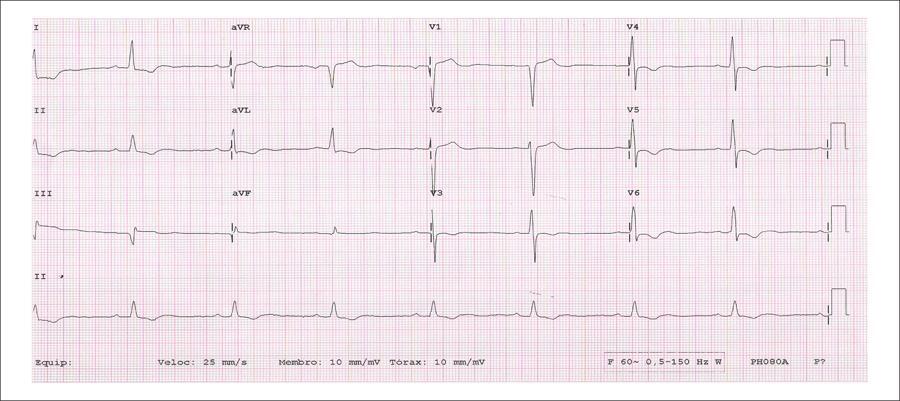
Drug-induced increase in QT dispersion has been associated with potentially fatal ventricular arrhythmias. Little is known about the use of psychotropic substances, alone or in combination with other drugs on QT dispersion.

Objectives:

To evaluate the impact of psychotropic drugs on QT interval dispersion in adults.

Methods:

An observational cohort study was designed involving 161 patients hospitalized from an emergency department at a tertiary hospital, divided into psychotropic users or non-users. Demographic, clinical, laboratory data and drugs used on a regular basis were collected on admission, in addition to 12-lead electrocardiogram with QT dispersion measurement.

Results:

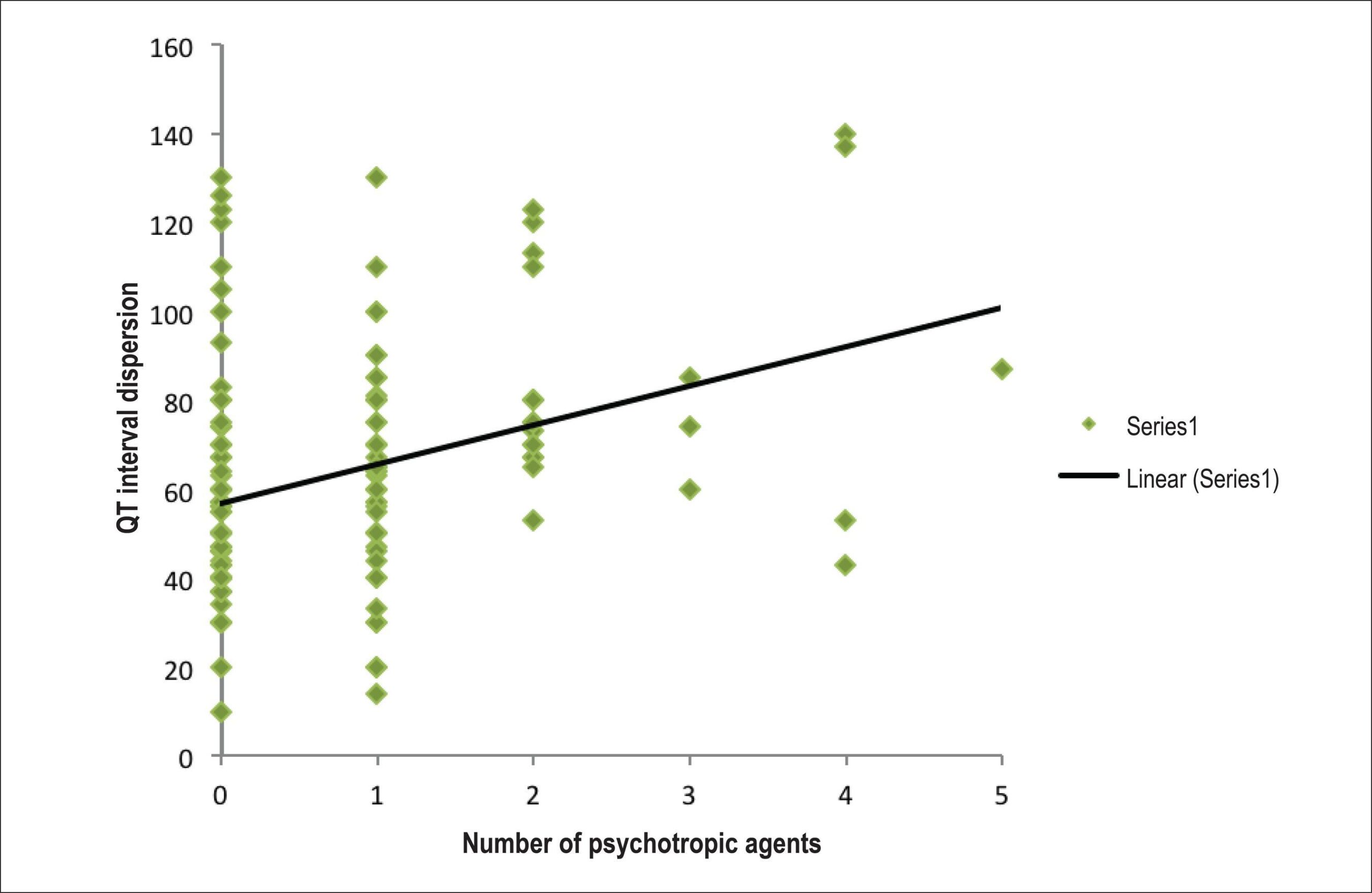
QT dispersion was significantly higher in the psychotropic user group compared to non-users (69.25 ± 25.5 ms vs. 57.08 ± 23.4 ms; p = 0.002). The QT interval corrected by Bazzett formula was also higher in the psychotropic drugs user group, with statistical significance. (439.79 ± 31.14 ms vs. 427.71 ± 28.42 ms; p = 0.011). A regression analysis model showed a positive association between the number of psychotropic drugs used and QT interval dispersion, with r = 0.341 and p < 0.001.

Conclusions:

The use of psychotropic drugs was associated with increased QT dispersion and this increase was accentuated, as the number of psychotropic drugs used was higher.
  • Cardiovascular Diseases
  • Death, Sudden
  • Electrocardiography
  • Torsades de Pointes
  • Ventricular Fibrillation
Read Full Article
Creative Commons Attribution (CC BY) Creative Commons license
09/05/2014 DOI: 10.5935/abc.20140055
Figure 1
Artigo Original

Does C-reactive Protein Add Prognostic Value to GRACE Score in Acute Coronary Syndromes?

Luis Cláudio Lemos Correia et al. Isis Vasconcelos Guilherme Garcia Felipe Kalil … Felipe Ferreira André Silva Ruan Oliveira Manuela Carvalhal Caio Freitas Márcia Maria Noya-Rabelo

Background:

The incremental prognostic value of plasma levels of C-reactive protein (CRP) in relation to GRACE score has not been established in patients with acute coronary syndrome (ACS) with non-ST segment elevation.

Objective:

To test the hypothesis that CRP measurements at admission increases the prognostic value of GRACE score in patients with ACS.

Methods:

A total of 290 subjects, consecutively admitted for ACS, with plasma material obtained upon admission CRP measurement using a high-sensitivity method (nephelometry) were studied. Cardiovascular outcomes during hospitalization were defined by the combination of death, nonfatal myocardial infarction or nonfatal refractory angina.

Results:

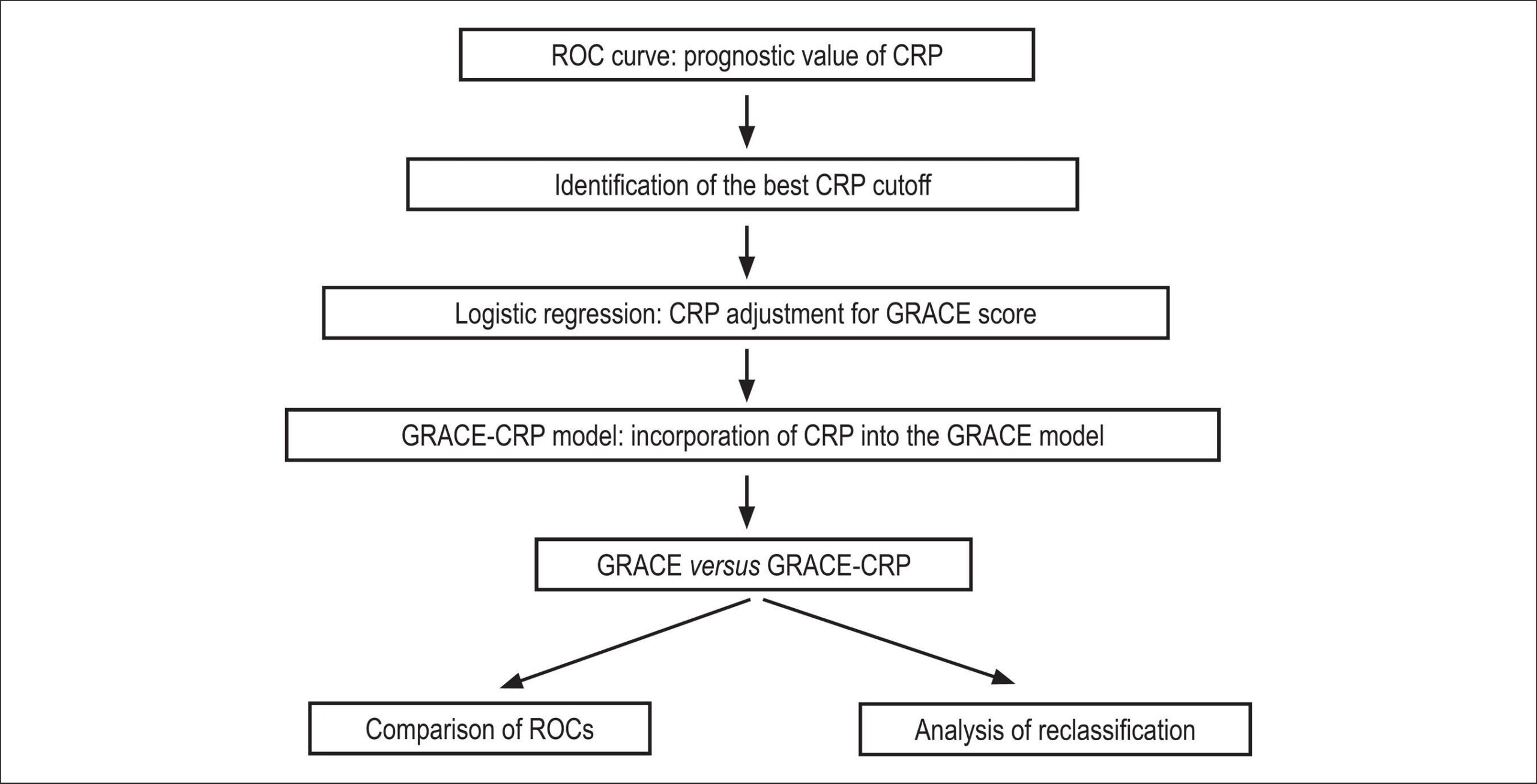
The incidence of cardiovascular events during hospitalization was 15% (18 deaths, 11 myocardial infarctions, 13 angina episodes) with CRP showing C-statistics of 0.60 (95% CI = 0.51-0.70, p = 0.034) in predicting these outcomes. After adjustment for the GRACE score, elevated CRP (defined as the best cutoff point) tended to be associated with hospital events (OR = 1.89, 95% CI = 0.92 to 3.88, p = 0.08). However, the addition of the variable elevated CRP in the GRACE model did not result in significant increase in C-statistics, which ranged from 0.705 to 0.718 (p = 0.46). Similarly, there was no significant reclassification of risk with the addition of CRP in the predictor model (net reclassification = 5.7 %, p = 0.15).

Conclusion:

Although CRP is associated with hospital outcomes, this inflammatory marker does not increase the prognostic value of the GRACE score.

  • Acute coronary syndrome
  • C-Reactive Protein
  • Probability
  • Prognosis
Read Full Article
Creative Commons Attribution (CC BY) Creative Commons license
09/05/2014 DOI: 10.5935/abc.20140056 Views 1
Artigo Original

LINE-1 Hypomethylation is Associated with the Risk of Coronary Heart Disease in Chinese Population

Li Wei et al. Shuchuan Liu Zhendong Su Rongchao Cheng … Xiuping Bai Xueqi Li

Background:

Global methylation level in blood leukocyte DNA has been associated with the risk of coronary heart disease (CHD), with inconsistent results in various populations. Similar data are lacking in Chinese population where different genetic, lifestyle and environmental factors may affect DNA methylation and its risk relationship with CHD.

Objectives:

To examine whether global methylation is associated with the risk of CHD in Chinese population.

Methods:

A total of 334 cases with CHD and 788 healthy controls were included. Global methylation in blood leukocyte DNA was estimated by analyzing LINE-1 repeats using bisulfite pyrosequencing.

Results:

In an initial analysis restricted to control subjects, LINE-1 level reduced significantly with aging, elevated total cholesterol, and diagnosis of diabetes. In the case-control analysis, reduced LINE-1 methylation was associated with increased risk of CHD; analysis by quartile revealed odds ratios (95%CI) of 0.9 (0.6-1.4), 1.9 (1.3-2.9) and 2.3 (1.6-3.5) for the third, second and first (lowest) quartile (Ptrend < 0.001), respectively, compared to the fourth (highest) quartile. Lower (<median) LINE-1 methylation was associated with a 2.2-fold (95%CI = 1.7-3.0) increased risk of CHD. The lower LINE-1-related CHD risk estimates tended to be stronger among subjects with the highest tertile of homocysteine (Pinteraction = 0.042) and those with diagnosis of hypertension (Pinteraction = 0.012).

Conclusion:

LINE-1 hypomethylation is associated with the risk of CHD in Chinese population. Potential CHD risk factors such as older age, elevated total cholesterol, and diagnosis of diabetes may have impact on global DNA methylation, whereby exerting their effect on CHD risk.

  • Blood leukocyte DNA
  • coronary heart disease
  • Epigenetics
  • Global methylation
  • LINE-1
Read Full Article
Creative Commons Attribution (CC BY) Creative Commons license
09/05/2014 DOI: 10.5935/abc.20140054
Figure 1
Artigo Original

Relationship between Fibrosis and Ventricular Arrhythmias in Chagas Heart Disease Without Ventricular Dysfunction

Eduardo Marinho Tassi et al. Marcelo Abramoff Continentino Emília Matos do Nascimento Basílio de Bragança Pereira Roberto Coury Pedrosa

Background:

Patients with Chagas disease and segmental wall motion abnormality (SWMA) have worse prognosis independent of left ventricular ejection fraction (LVEF). Cardiac magnetic resonance (CMR) is currently the best method to detect SWMA and to assess fibrosis.

Objective:

To quantify fibrosis by using late gadolinium enhancement CMR in patients with Chagas disease and preserved or minimally impaired ventricular function (> 45%), and to detect patterns of dependence between fibrosis, SWMA and LVEF in the presence of ventricular arrhythmia.

Methods:

Electrocardiogram, treadmill exercise test, Holter and CMR were carried out in 61 patients, who were divided into three groups as follows: (1) normal electrocardiogram and CMR without SWMA; (2) abnormal electrocardiogram and CMR without SWMA; (3) CMR with SWMA independently of electrocardiogram.

Results:

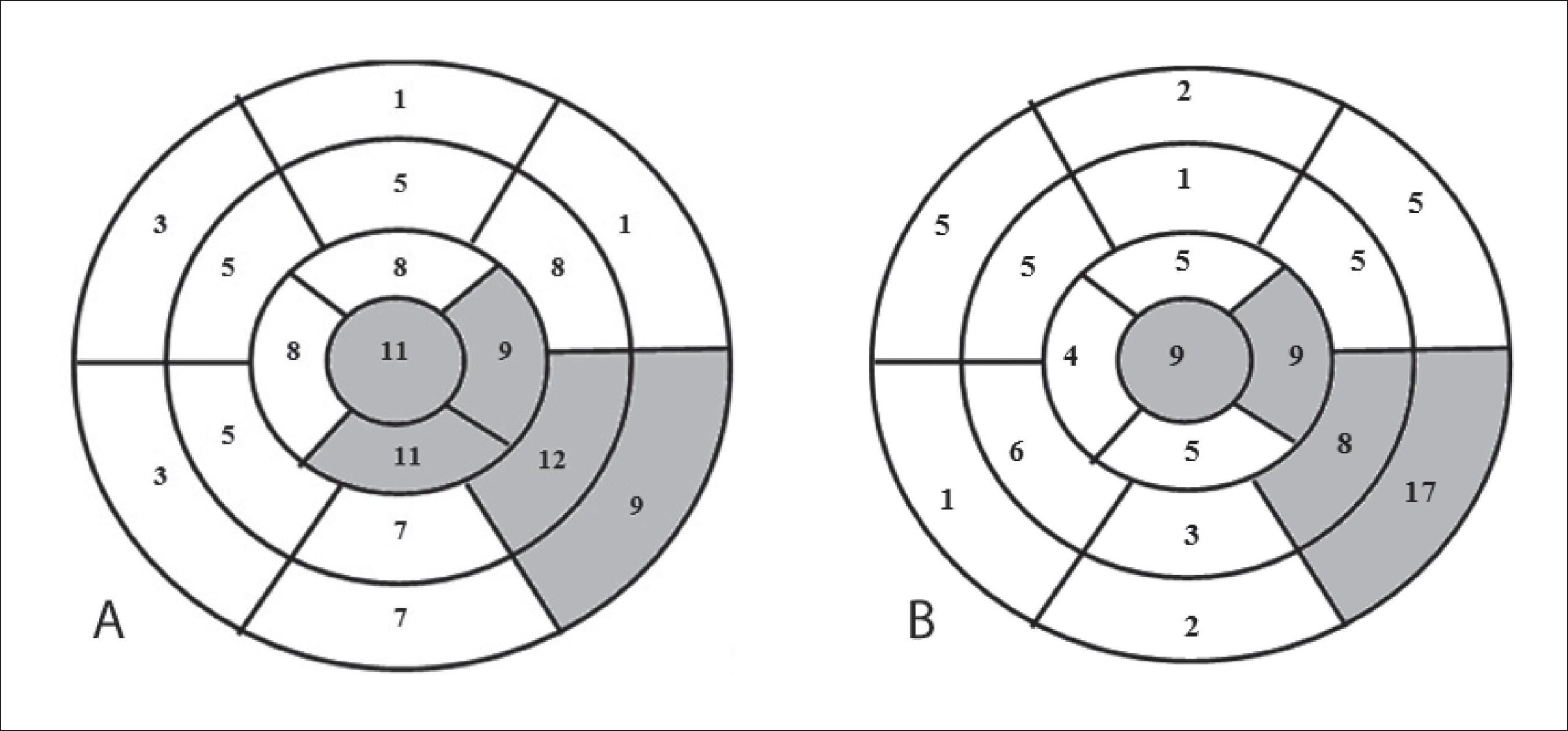
The number of patients with ventricular arrhythmia in relation to the total of patients, the percentage of fibrosis, and the LVEF were, respectively: Group 1, 4/26, 0.74% and 74.34%; Group 2, 4/16, 3.96% and 68.5%; and Group 3, 11/19, 14.07% and 55.59%. Ventricular arrhythmia was found in 31.1% of the patients. Those with and without ventricular arrhythmia had mean LVEF of 59.87% and 70.18%, respectively, and fibrosis percentage of 11.03% and 3.01%, respectively. Of the variables SWMA, groups, age, LVEF and fibrosis, only the latter was significant for the presence of ventricular arrhythmia, with a cutoff point of 11.78% for fibrosis mass (p < 0.001).

Conclusion:

Even in patients with Chagas disease and preserved or minimally impaired ventricular function, electrical instability can be present. Regarding the presence of ventricular arrhythmia, fibrosis is the most important variable, its amount being proportional to the complexity of the groups.

  • Arrhythmias
  • cardiac
  • Chagas' heart disease
  • Myocardial fibrosis
  • Ventricular Dysfunction
Read Full Article
Creative Commons Attribution (CC BY) Creative Commons license
09/05/2014 DOI: 10.5935/abc.20140052
Artigo Original

Incidence of Ventricular Arrhythmias after Stem Cell Therapy in Patients with Chagas Cardiomyopathy

Adriana Sebba Barroso de Souza et al. Weimar Kunz Sebba Barroso Souza Sandra Araujo Costa Elis Marra de Moreira Freitas … Gustavo Carvalho Luís Antônio Batista Sá Salvador Rassi

Background:

Treatment with stem cells in several cardiomyopathies may be related to the increase in arrhythmias.

Objectives:

To determine whether intracoronary injection of stem cells in patients with Chagas cardiomyopathy is associated with increased incidence of ventricular arrhythmias, compared to the Control Group.

Methods:

A retrospective cohort study that evaluated the medical records of 60 patients who participated in a previous cross-sectional study. The following data were collected: age, gender, drugs used and Holter variables that demonstrated the presence of arrhythmias. Holter was performed in four stages: randomization, 2, 6 and 12 months segments. The Control Group received medical treatment and intracoronary injection of placebo and the Study Group had drug treatment and autologous stem cell implant.

Results:

There was no difference between Control Group and Study Group when analyzing the arrhythmia criteria. In the intra-group analysis, significant difference was found between the Holter tests of the Study Group for the variable total ventricular premature beats when compared with baseline, with p = 0.014 between Holter at randomization and Holter at 2 months, p = 0.004 between Holter at randomization and Holter at 6 months, and p = 0.014 between Holter at randomization and Holter at 12 months. The variable non-sustained ventricular tachycardia between Holter at randomization and Holter at 6 months showed p = 0.036.

Conclusion:

The intracoronary injection of stem cells did not increase the incidence of ventricular arrhythmias in patients with Chagas cardiomyopathy compared to the Control Group.

  • Arrhythmias
  • cardiac
  • Chagas Cardiomyopathy
  • stem cell transplantation
Read Full Article
Creative Commons Attribution (CC BY) Creative Commons license
09/05/2014 DOI: 10.5935/abc.20140053 Views 2
Figure 1
Anatomopathological Session

Case 2/2014 – 51-Year Old Patient with Systemic Lupus Erythematosus and Fever after Valve Replacement

Wilma Noia Ribeiro et al. Alice Tatsuko Yamada Paulo Sampaio Gutierrez

Clinical aspects

The clinical case reports a 51-year old patient with systemic lupus erythematosus, arterial hypertension and mixed dyslipidemia, who went to the emergency room with fever and in shock.

The systemic lupus erythematosus (SLE) is an autoimmune inflammatory disease, which is characterized by the immune complex deposition in the involved organs, including the heart. Its clinical picture is determined by periods of exacerbations and remission, with variable clinical course and prognosis.

[…]

  • Aortic valve stenosis / surgery
  • dyslipidemia
  • Hypertension
  • Systemic Lupus Erythematosus
Read Full Article
Creative Commons Attribution (CC BY) Creative Commons license
01/05/2014 DOI: 10.5935/abc.20140069
Letter to the Editor

Extracellular Matrix Turnover: a Balance between MMPs and their Inhibitors

Emre Yalcinkaya et al. Murat Celik Baris Bugan

To the Editor,

We read with great interest the article by Santos et al, entitled “Early Change of Extracellular Matrix and Diastolic Parameters in Metabolic Syndrome”, which was published in october of Arquivos Brasileiros de Cardiologia. The authors aimed to compare diastolic function, biomarkers representing extracellular matrix activity (MMP9 and TIMP1), inflammation and cardiac hemodynamic stress in patients with the metabolic syndrome and healthy controls. We thank authors for their excellent data and valuable study but some comments may be of beneficial.

[…]

  • Extracellular Matrix
  • matrix metalloproteinase 1
  • Matrix metalloproteinase inhibitors
  • Metabolic x Syndrome
Read Full Article
Creative Commons Attribution (CC BY) Creative Commons license
01/05/2014 DOI: 10.5935/abc.20140061 Views 1
Viewpoint

Is Heart Team Fundamental to Aortic Stenosis Transcatheter Treatment?

Vitor Emer Egypto Rosa et al. Antônio Sergio de Santis Andrade Lopes Tarso Augusto Duenhas Accorsi Pedro Alves Lemos Neto … Pablo Maria Alberto Pomerantzeff Flávio Tarasoutchi

Demographic projections have shown that the contingent of elderly people in Brazil will double within the next 20 years, with a consequent increase in the prevalence of aging-related diseases, such as degenerative aortic valve stenosis (AoS), diagnosed in 3% to 5% of the population older than 75 yeas , . New modalities of treatment for AoS have been recently developed, mainly represented by the transcatheter implantation of aortic prosthesis (TAVI – Transcatheter Aortic Valve Implantation), which has become a therapeutic option for patients whose conventional surgical treatment is not feasible. In the current scenario, characterized by the high demand of the increasing elderly population, the availability of new treatment methods provides clinical expertise for the accurate diagnosis of heart valve disease, assessment of the comorbidities and risks of interventions, in addition to the rationalization of resources, considering the complexity and high costs involved in TAVI.

Clinical practice has shown that the adequate selection of the best therapeutic method for high surgical-risk AoS requires multidisciplinary medical interaction, contemplating all the patients’ biopsychosocial characteristics. Thus, several medical centers have continuously incorporated the ‘Heart Team’ concept for decision-making. The Heart Team, a group composed by different specialists involved in managing heart valve disease, gathers opinions for the individualized analysis of those patients, from eligibility criteria and technical adequacy of the procedure to post-TAVI care. Each cardiological sub-specialty also plays particular roles in the procedure performance. The clinical cardiologist is responsible for patients’ selection and indication and for pre-and post-procedure follow-up. The cardiovascular surgeon is responsible for performing the transaortic and transapical procedure, helping with the transfemoral approach, and treating possible complications. The radiologist is responsible for assessing the access path and valve diameters, and helping choosing the adequate prosthesis. The echocardiographer is responsible for the anatomical and functional characterization of the valve disease and intraoperative assessment of the adequate position of the prosthesis and post-procedure complications. The interventional cardiologist is responsible for indicating the procedure and performing it. In addition, the Heart Team also comprises other professionals, such as nurses, physical therapists, nutritionists, and psychologists. Worldwide, there is an increasing incorporation of the Heart Team into cardiological centers, in accordance with the considerations of the last guidelines on heart valve diseases , . There is consensus about not encouraging the performance of TAVI at sites lacking a Heart Team, which emphasizes the importance of institutional alignment with the new recommendations.

[…]

  • Aortic valve stenosis / surgery
  • Heart Failure
  • Patient Care Team
Read Full Article
Creative Commons Attribution (CC BY) Creative Commons license
01/05/2014 DOI: 10.5935/abc.20140060
Letter to the Editor

Obesity and Abnormalities in Echocardiographic Parameters

Roberta Casanova Wilhelms et al. Eduardo Maffini da Rosa Mauricio Lizott Raphael Martin de Melo

Dear Editor,

We congratulate the authors of the manuscript published under the title “The Impact of Isolated Obesity on Right Ventricular Function in Young Adults”. We believe that the hemodynamic changes that characterize obesity could modify the echocardiographic parameters found abnormal in this study, that is, increased volemia would readjust the parameters of ventricular function without any concomitant changes in ventricular function. What is the authors’ opinion about this analysis?.

[…]

  • Echocardiography
  • Obesity
Read Full Article
Creative Commons Attribution (CC BY) Creative Commons license
01/05/2014 DOI: 10.5935/abc.20140059
Figure 1
Case Report

Prolonged Cardiopulmonary Arrest Treated Successfully in the São Paulo's Subway

Renan Gianotto-Oliveira et al. Maria Helena Favarato Maria Margarita Gonzalez Thiago Liguori … Sergio Timerman Roberto Kalil Filho

Introduction

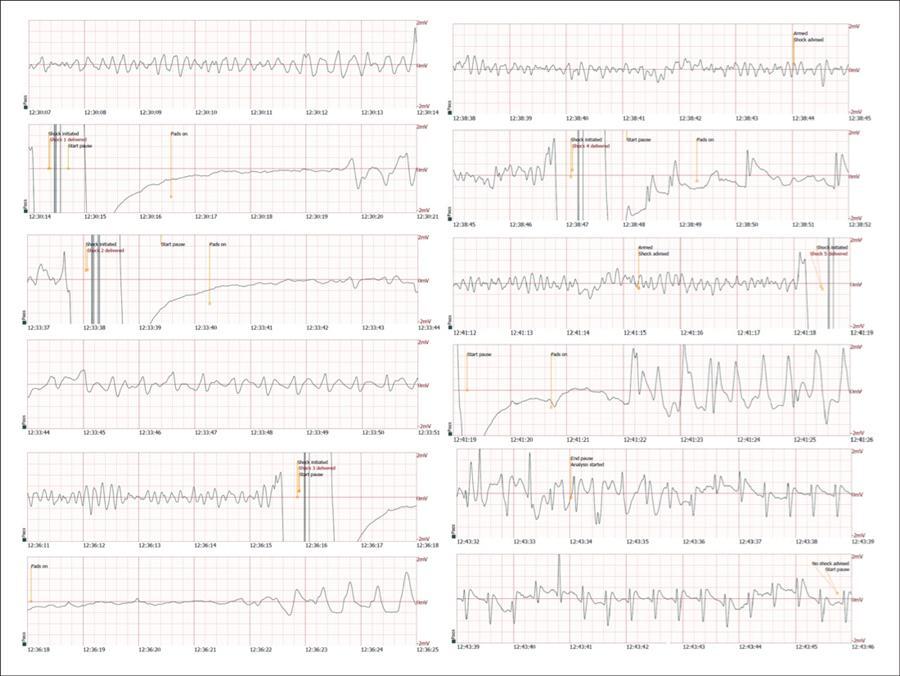
In Brazil, circulatory diseases, including CPA (Cardiopulmonary Arrests), were the leading cause of death in 2010. Estimates are that, in Brazil, around 220,000 CPAs happen every year, including ventricular fibrillation, 180,000 in pre-hospital environment and 40,000 in-hospital.

Recent observational studies of victims of CPA in extra-hospital environment revealed that only CCC (Continuous Chest Compressions) – hands-only CPR – were equivalent or higher than conventional CPR (Cardiopulmonary Resuscitation) (using a 30:2 ratio of compressions/ventilations) in adult patients, mainly with regard to neurological benefits – .

[…]

  • Cardiopulmonary Resuscitation
  • Electric Countershock
  • Heart Massage
  • Out-of-Hospital Cardiac Arrest
  • Ventricular Fibrillation
Read Full Article
Creative Commons Attribution (CC BY) Creative Commons license
01/05/2014 DOI: 10.5935/abc.20140058
Errata

Erratum

Edition of September 2013, vol. 101 (3), Suppl. 3, page 1-93

The “Brazilian Guidelines on Antiplatelet Agents and Anticoagulants in Cardiology,” published as supplement number three to the September 2013 edition of the Arquivos Brasileiros de Cardiologia [Arq Bras Cardiol. 2013;101 (3Suppl.3):1-93], was fixed as follows:

On page 17, Table 2, change the Class of recommendation of “Exchange of heparins (UFH and enoxaparin)” to III.

[…]

Read Full Article
Creative Commons Attribution (CC BY) Creative Commons license
01/05/2014 DOI: 10.5935/abc.2013S009e
Figure 1
Review Article

Systems Biology Applied to Heart Failure With Normal Ejection Fraction

Evandro Tinoco Mesquita et al. Antonio Jose Lagoeiro Jorge Celso Vale de Souza Junior João Paulo Pedroza Cassino

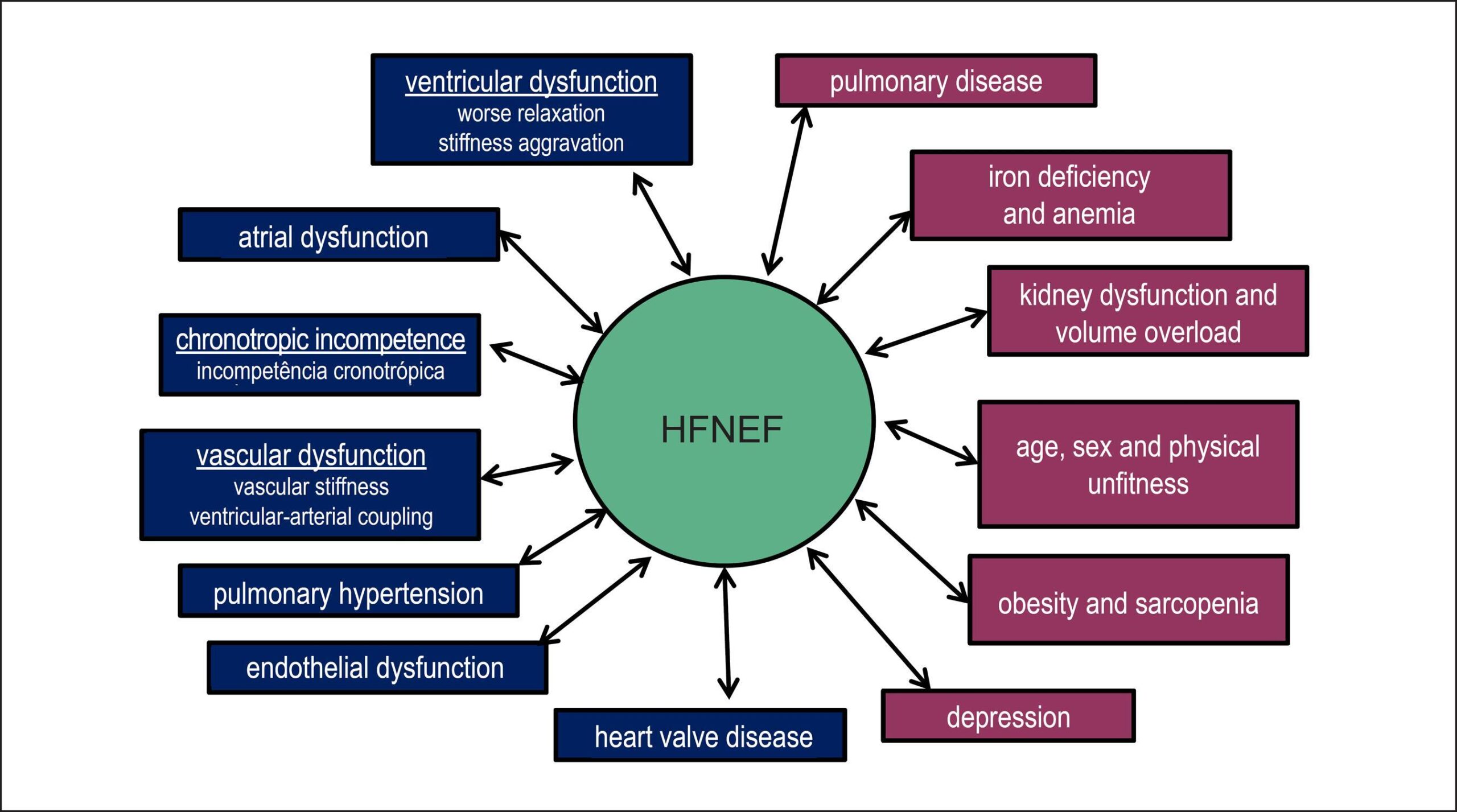
Heart failure with normal ejection fraction (HFNEF) is currently the most prevalent clinical phenotype of heart failure. However, the treatments available have shown no reduction in mortality so far. Advances in the omics sciences and techniques of high data processing used in molecular biology have enabled the development of an integrating approach to HFNEF based on systems biology.

This study aimed at presenting a systems-biology-based HFNEF model using the bottom-up and top-down approaches.

A literature search was conducted for studies published between 1991 and 2013 regarding HFNEF pathophysiology, its biomarkers and systems biology. A conceptual model was developed using bottom-up and top-down approaches of systems biology.

The use of systems-biology approaches for HFNEF, a complex clinical syndrome, can be useful to better understand its pathophysiology and to discover new therapeutic targets.

  • Aged
  • Heart Failure
  • Stroke Volume
  • Ventricular Dysfunction, Left
Read Full Article
Creative Commons Attribution (CC BY) Creative Commons license
01/05/2014 DOI: 10.5935/abc.20140062
Editorial

Trajectories of Cardiovascular Health: Life Course Epidemiology in Brazil

Lucia Campos Pellanda

Cardiovascular epidemiology has advanced enormously in the study of risk factors for atherosclerosis, as evidenced by publications in Arquivos Brasileiros de Cardiologia (ABC) in the last years – .

Based on this information, it is possible to explore new hypotheses and, therefore, new frontiers for prevention. The different perspectives for the study of these risk factors include the life course epidemiology. This perspective considers that the onset of the disease may occur long before the establishment of traditional risk factors in adulthood. Thus, health and diseases can be considered as a result of long-term effects of exposure to different factors throughout the various stages of life, including intrauterine life, childhood, adolescence and adulthood.

[…]

  • Cardiovascular Diseases / epidemiology
  • Life change events
  • Periodicals as Topic
  • Risk Factors
Read Full Article
Creative Commons Attribution (CC BY) Creative Commons license
01/05/2014 DOI: 10.5935/abc.20140065
Figure 1
Artigo Original

Effects of Skeletonized versus Pedicled Radial Artery on Postoperative Graft Patency and Flow

Rômulo C. Arnal Bonini et al. Rodolfo Staico Mario Issa Antoninho Sanfins Arnoni … Paulo Chaccur Camilo Abdulmassih Neto Jarbas Jackson Dinkhuysen Paulo Paredes Paulista Luiz Carlos Bento de Souza Luiz Felipe P. Moreira

Background:

Radial artery (RA) was the second arterial graft introduced in clinical practice for myocardial revascularization. The skeletonization technique of the left internal thoracic artery (LITA) may actually change the graft’s flow capacity with potential advantages. This leads to the assumption that the behavior of the RA, as a coronary graft, is similar to that of the LITA, when skeletonized.

Objective:

This study evaluated ‘free’ aortic-coronary radial artery (RA) grafts, whether skeletonized or with adjacent tissues.

Methods:

A prospective randomized study comparing 40 patients distributed into two groups was conducted. In group I, we used skeletonized radial arteries (20 patients), and in group II, we used radial arteries with adjacent tissues (20 patients). After the surgical procedure, patients underwent flow velocity measurements.

Results:

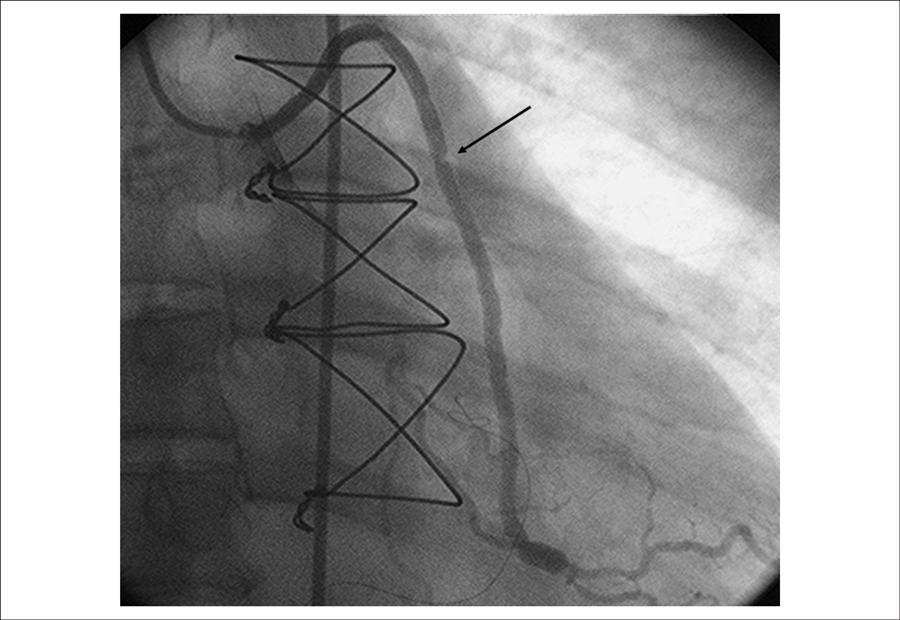
The main surgical variables were: RA internal diameter, RA length, and free blood flow in the radial artery. The mean RA graft diameters as calculated using quantitative angiography in the immediate postoperative period were similar, as well as the flow velocity measurement variables. On the other hand, coronary cineangiography showed the presence of occlusion in one RA graft and stenosis in five RA grafts in GII, while GI presented stenosis in only one RA graft (p = 0.045).

Conclusion:

These results show that the morphological and pathological features, as well as the hemodynamic performance of the free radial artery grafts, whether prepared in a skeletonized manner or with adjacent tissues, are similar. However, a larger number of non-obstructive lesions may be observed when RA is prepared with adjacent tissues.

  • Coronary Diseases / surgery
  • Radial Artery / abnormalities
  • Radial Artery / surgery
  • Vascular Patency
Read Full Article
Creative Commons Attribution (CC BY) Creative Commons license
01/05/2014 DOI: 10.5935/abc.20140016 Views 1
Figura 1
Special Article

I Cardiovascular Prevention Guideline of the Brazilian Society of Cardiology – Executive Summary

Antonio Felipe Simão et al. Dalton Bertolim Précoma Jadelson Pinheiro de Andrade Harry Correa Filho … José Francisco Kerr Saraiva Gláucia Maria Moraes de Oliveira

Introduction

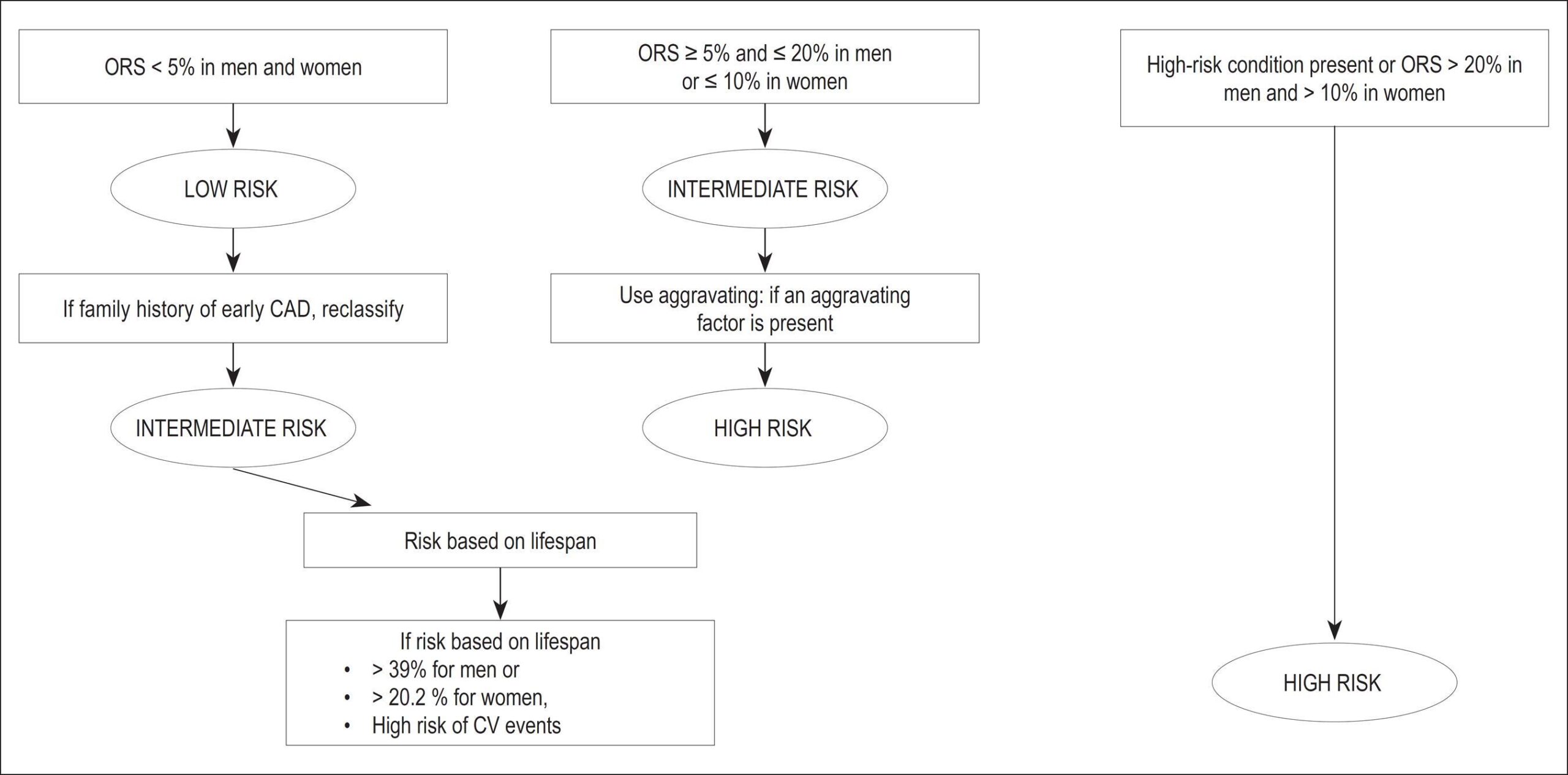
Brazil currently faces a major health challenge: the pandemic scenario of cardiovascular morbidity and mortality. According to Brazilian Health Ministry data, 326,000 deaths due to cardiovascular diseases (CVD) occurred in 2010, corresponding to approximately 1,000 deaths/day, 200,000 deaths due exclusively to ischemic heart and cerebrovascular diseases, reflecting a gloomy scenario far from the minimally acceptable control.

This current scenario can be attributed to many reasons, such as the insufficiency and inadequacy of public health policies for CVD prevention, leading to the well-known lack of infrastructure in primary health care, hindering the fight against preventable affections, mainly in the neediest areas.

[…]

  • Cardiovascular Diseases / prevention & control
  • Cardiovascular Diseases/guidelines
  • Health Promotion
  • Primary Prevention
  • Risk Factors
  • Socioeconomic Factors
Read Full Article
Creative Commons Attribution (CC BY) Creative Commons license
01/05/2014 DOI: 10.5935/abc.20140067 Views 2
Figure 1
Artigo Original

Temporal Variation in the Prognosis and Treatment of Advanced Heart Failure – Before and After 2000

Carlos Henrique Del Carlo et al. Juliano Novaes Cardoso Marcelo Eidi Ochia Mucio Tavares de Oliveira Jr. … José Antonio Franchini Ramires Antonio Carlos Pereira-Barretto

Background:

The treatment of heart failure has evolved in recent decades suggesting that survival is increasing.

Objective:

To verify whether there has been improvement in the survival of patients with advanced heart failure.

Methods:

We retrospectively compared the treatment and follow-up data from two cohorts of patients with systolic heart failure admitted for compensation up to 2000 (n = 353) and after 2000 (n = 279). We analyzed in-hospital death, re-hospitalization and death in 1 year of follow-up. We used Mann-Whitney U test and chi-square test for comparison between groups. The predictors of mortality were identified by regression analysis through Cox proportional hazards model and survival analysis by the Kaplan-Meier survival analysis.

Results:

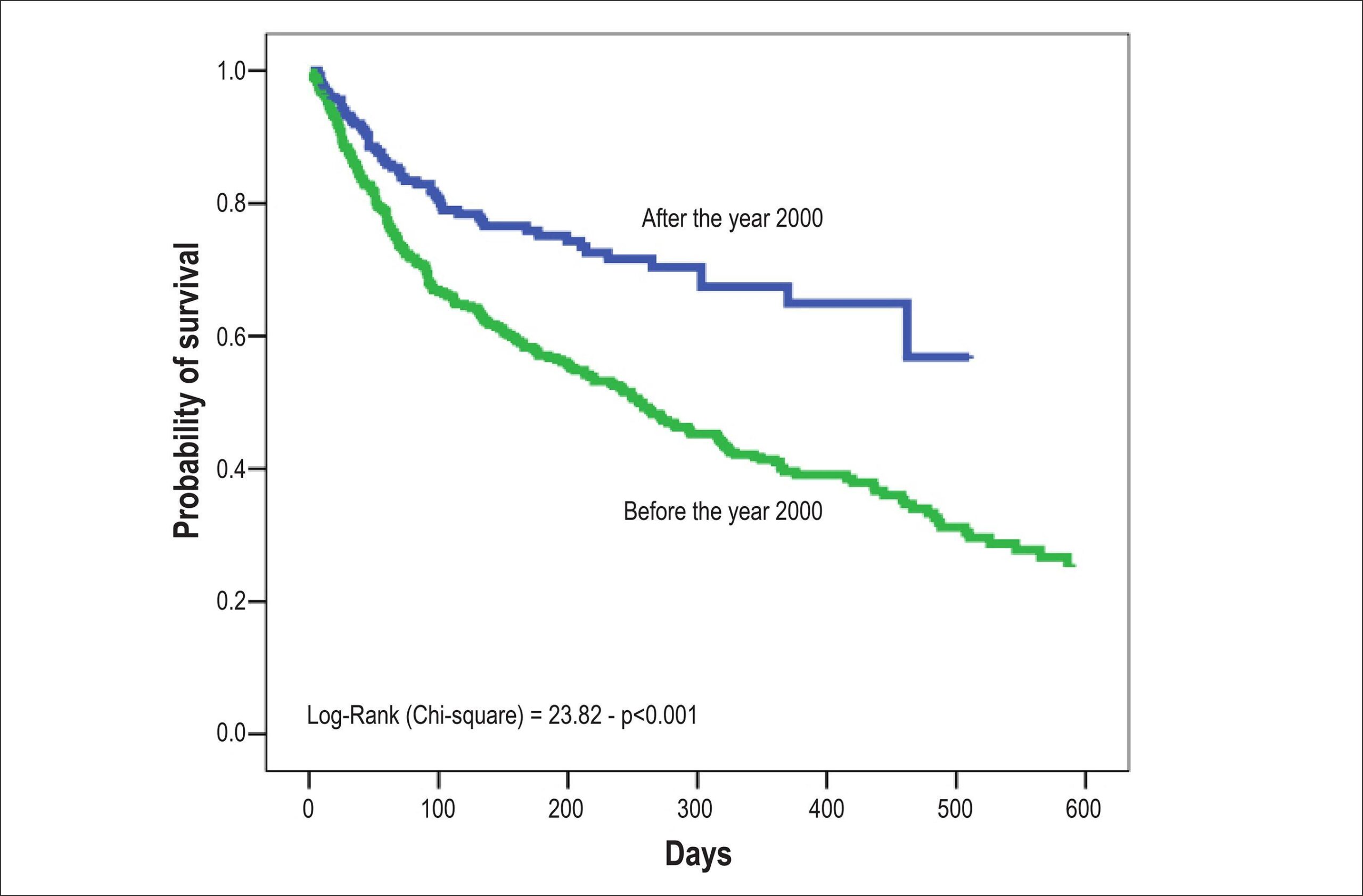
The patients admitted until 2000 were younger, had lower left ventricular impairment and received a lower proportion of beta-blockers at discharge. The survival of patients hospitalized before 2000 was lower than those hospitalized after 2000 (40.1% vs. 67.4%; p<0.001). The independent predictors of mortality in the regression analysis were: Chagas disease (hazard ratio: 1.9; 95% confidence interval: 1.3-3.0), angiotensin-converting-enzyme inhibitors (hazard ratio: 0.6; 95% confidence interval: 0.4-0.9), beta-blockers (hazard ratio: 0.3; 95% confidence interval: 0.2-0.5), creatinine ≥ 1.4 mg/dL (hazard ratio: 2.0; 95% confidence interval: 1.3-3.0), serum sodium ≤ 135 mEq/L (hazard ratio: 1.8; 95% confidence interval: 1.2-2.7).

Conclusions:

Patients with advanced heart failure showed a significant improvement in survival and reduction in re-hospitalizations. The neurohormonal blockade, with angiotensin-converting-enzyme inhibitors and beta-blockers, had an important role in increasing survival of these patients with advanced heart failure.

  • Chagas disease
  • Heart Failure / mortality
  • Heart Failure /therapy
  • Prognosis
Read Full Article
Creative Commons Attribution (CC BY) Creative Commons license
17/04/2014 DOI: 10.5935/abc.20140050
Figure 1
Artigo Original

NHETS − Necropsy Heart Transplantation Study

Thiago Ninck Valette et al. Silvia Moreira Ayub-Ferreira Luiz Alberto Benvenuti Victor Sarli Issa … Fernando Bacal Paulo Roberto Chizzola Germano Emilio Conceição Souza Alfredo Inácio Fiorelli Ronaldo Honorato Barros dos Santos Edimar Alcides Bocchi

Background:

Discrepancies between pre and post-mortem diagnoses are reported in the literature, ranging from 4.1 to 49.8 % in cases referred for necropsy, with important impact on patient treatment.

Objective:

To analyze patients who died after cardiac transplantation and to compare the pre- and post-mortem diagnoses.

Methods:

Perform a review of medical records and analyze clinical data, comorbidities, immunosuppression regimen, laboratory tests, clinical cause of death and cause of death at the necropsy. Then, the clinical and necroscopic causes of death of each patient were compared.

Results:

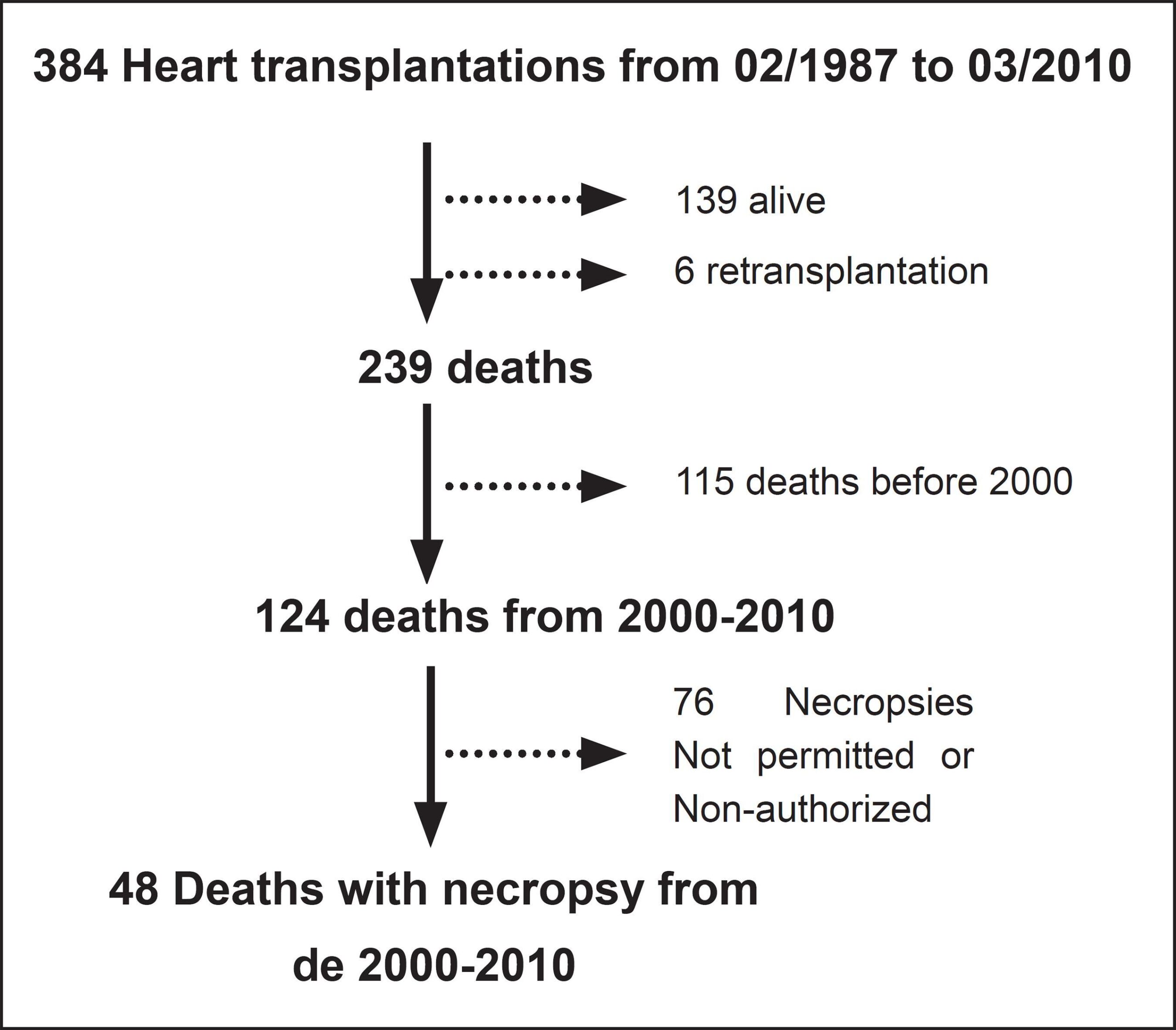
48 deaths undergoing necropsy were analyzed during 2000-2010; 29 (60.4 %) had concordant clinical and necroscopic diagnoses, 16 (33.3%) had discordant diagnoses and three (6.3%) had unclear diagnoses. Among the discordant ones, 15 (31.3%) had possible impact on survival and one (2.1%) had no impact on survival. The main clinical misdiagnosis was infection, with five cases (26.7 % of discordant), followed by hyperacute rejection, with four cases (20 % of the discordant ones), and pulmonary thromboembolism, with three cases (13.3% of discordant ones).

Conclusion:

Discrepancies between clinical diagnosis and necroscopic findings are commonly found in cardiac transplantation. New strategies to improve clinical diagnosis should be made, considering the results of the necropsy, to improve the treatment of heart failure by heart transplantation.

  • autopsy
  • Heart Transplantation
Read Full Article
Creative Commons Attribution (CC BY) Creative Commons license
17/04/2014 DOI: 10.5935/abc.20140039
Figure 1
Artigo Original

Preclinical Study of a Biodegradable Polymer-based Stent with Abluminal Sirolimus Release

Celso Kiyochi Takimura et al. Carlos Augusto Homem M. Campos Pedro Henrique Magualhães Craveiro Melo Julliana Carvalho Campos … Paulo Sampaio Gutierrez Thiago Francisco Costa Borges Luciano Curado Spero Penha Morato Francisco Rafael Martins Laurindo Pedro Alves Lemos Neto

Background:

Bioabsorbable polymer stents with drug elution only on the abluminal surface may be safer than durable polymer drug-eluting stents.

Objective:

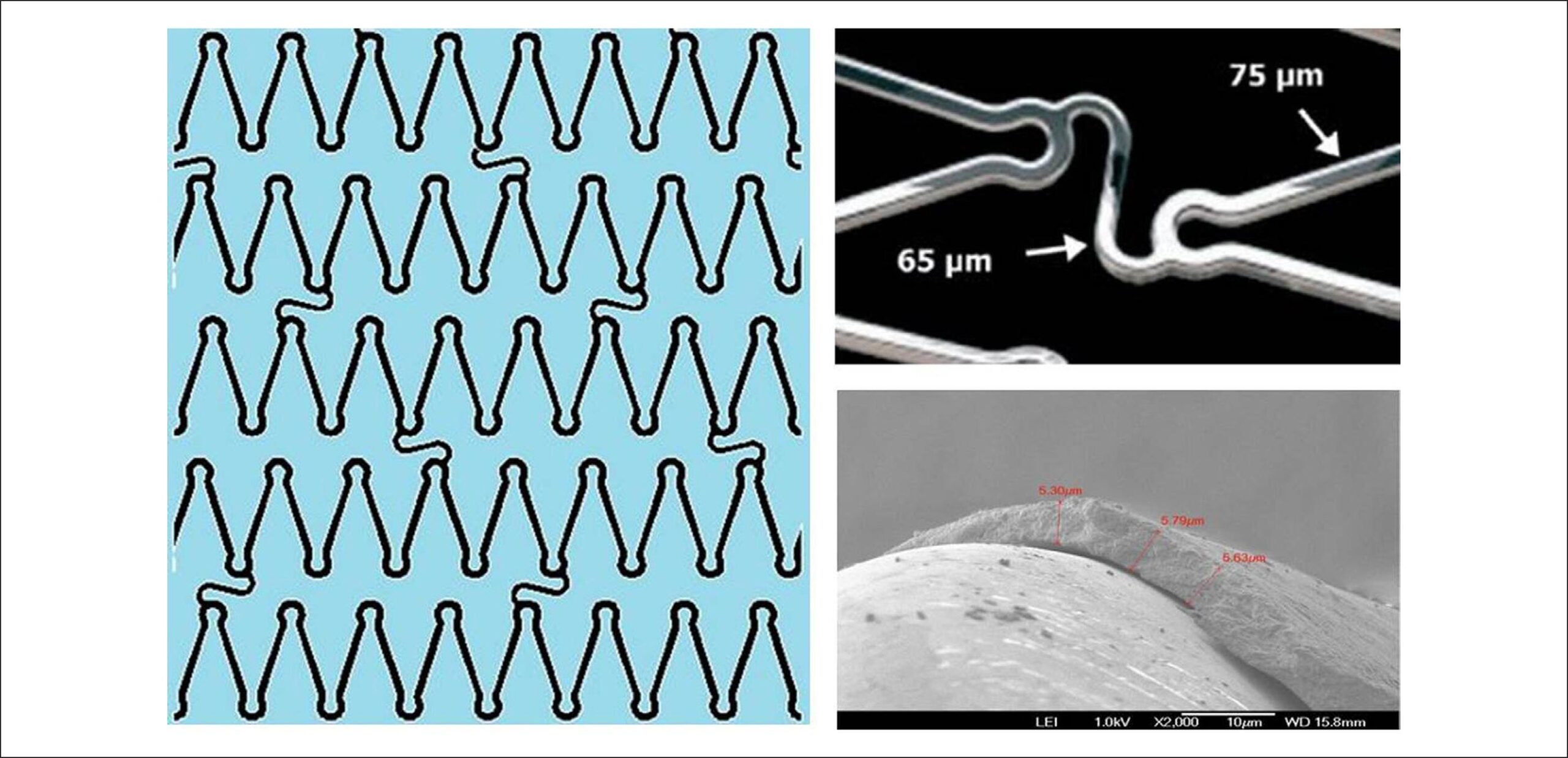
To report the experimental findings with the Inspiron(tm) stent – a bioabsorbable polymer-coated stent with sirolimus release from the abluminal surface only, recently approved for clinical use.

Methods:

45 stents were implanted in the coronary arteries of 15 pigs. On day 28 after implantation, angiographic, intracoronary ultrasonographic and histomorphological data were collected. Five groups were analyzed: Group I (nine bare-metal stents); Group II (nine coated with bioabsorbable polymer on the luminal and abluminal surfaces); Group III (eight stents coated with bioabsorbable polymer on the abluminal surface); Group IV (nine stents with bioabsorbable polymer and sirolimus on the luminal and abluminal surfaces); and Group V (ten stents with bioabsorbable polymer and sirolimus only on the abluminal surface).

Results:

The following results were observed for Groups I, II, III, IV and V, respectively: percentage stenosis of 29 ± 20; 36 ± 14; 33 ± 19; 22 ± 13 and 26 ± 15 (p = 0.443); late lumen loss (in mm) of 1.02 ± 0.60; 1.24 ± 0.48; 1.11 ± 0.54; 0.72 ± 0.44 and 0.78 ± 0.39 (p = 0.253); neointimal area (in mm )) of 2.60 ± 1.99; 2.74 ± 1.51; 2.74 ± 1.30; 1.30 ± 1.14 and 0.97 ± 0.84 (p = 0.001; Groups IV and V versus Groups I, II and III); and percentage neointimal area of 35 ± 25; 38 ± 18; 39 ± 19; 19 ± 18 and 15 ± 12 (p = 0.001; Groups IV and V versus Groups I, II and III). Injury and inflammation scores were low and with no differences between the groups.

Conclusion:

The Inspiron(tm) stent proved to be safe and was able to significantly inhibit the neointimal hyperplasia observed on day 28 after implantation in porcine coronary arteries.

  • Drug-Eluting Stents
  • Epidemiology
  • Experimental
  • Sirolimus
Read Full Article
Creative Commons Attribution (CC BY) Creative Commons license
17/04/2014 DOI: 10.5935/abc.20140044 Views 1
Artigo Original

Prevalence of Cardiovascular Risk Factors in Hemodialysis Patients – The CORDIAL Study

Jayme Eduardo Burmeister et al. Camila Borges Mosmann Veridiana Borges Costa Ramiro Tubino Saraiva … Renata Rech Grandi Juliano Peixoto Bastos Luiz Felipe Gonçalves Guido Aranha Rosito

Background:

There are scarce epidemiological data on cardiovascular risk profile of chronic hemodialysis patients in Brazil.

Objective:

The CORDIAL study was designed to evaluate cardiovascular risk factors and follow up a hemodialysis population in a Brazilian metropolitan city.

Methods:

All patients undergoing regular hemodialysis for chronic renal failure in all fifteen nephrology centers of Porto Alegre were considered for inclusion in the baseline phase of the CORDIAL study. Clinical, laboratory and demographic data were obtained in medical records and in structured individual interviews performed in all patients by trained researchers.

Results:

A total of 1215 patients were included (97.3% of all hemodialysis patients in the city of Porto Alegre). Their average age was 58.3 years old, 59.5% were male and 62.8% were white. The prevalence of cardiovascular risk factors observed was 87.5% for hypertension, 84.7% for dyslipidemia, 73.1% for sedentary lifestyle, 53.7% for tobacco use, and 35.8% for diabetes. In a multivariate adjusted analysis, we found that sedentary lifestyle (p = 0.032, PR 1.08 – 95%CI: 1.01-1.15), dyslipidemia (p = 0.019, PR 1.08 – 95%CI: 1.01-1.14), and obesity (p < 0.001, PR 1.96 – 95%CI: 1.45-2.63) were more frequent in women; and hypertension (p = 0.018, PR 1.06 – 95%CI: 1.01-1.11) and tobacco use (p = 0.006, PR 2.7 – 95%CI: 1.79-4.17) were more often found among patients under 65 years old. Sedentary lifestyle was independently associated with time in dialysis less than 12 months (p < 0.001, PR 1.23 – 95% CI: 1.14-1.33).

Conclusion:

Hemodialysis patients in this southern metropolitan Brazilian city have a high prevalence of cardiovascular risk factors resembling many northern countries.

  • Patients
  • Prevalence
  • renal dialysis
  • Risk Factors
Read Full Article
Creative Commons Attribution (CC BY) Creative Commons license
17/04/2014 DOI: 10.5935/abc.20140048

How to cite this article

EndNote RIS

Electronic Document Format (Vancouver)

Claudio BQ, Costa MAN, Penna F, Konder MT, Celoria BMJ, Souza LL, Pozzan R, et al. Impact of Psychotropic Drugs on QT Interval Dispersion in Adult Patients. Arquivos Brasileiros de Cardiologia 2014;102(5):465-72.

Electronic Document Format (ABNT)

Claudio, Bruno de Queiroz; Costa, Marcelle Azevedo Nossar; Penna, Filipe; Konder, Mariana Teixeira; Celoria, Bruno Miguel Jorge; Souza, Luciana Lopes de; Pozzan, Roberto; Schneider, Roberta Siuffo; Albuquerque, Felipe Neves; Albuquerque, Denilson Campos. Impact of Psychotropic Drugs on QT Interval Dispersion in Adult Patients. Arquivos Brasileiros de Cardiologia, v. 102, n. 5, p. 465-472, May. 2014.

Electronic Document Format (APA)

Claudio, B. Q., Costa, M. A. N., Penna, F., Konder, M. T., Celoria, B. M. J., Souza, L. L. , Pozzan, R., Schneider, R. S., Albuquerque, F. N., & Albuquerque, D. C. (2014). Impact of Psychotropic Drugs on QT Interval Dispersion in Adult Patients. Arquivos Brasileiros de Cardiologia, 102(5), 465-472.

Electronic Document Format (ISO)

Claudio, Bruno de Queiroz and Costa, Marcelle Azevedo Nossar and Penna, Filipe and Konder, Mariana Teixeira and Celoria, Bruno Miguel Jorge and Souza, Luciana Lopes de and Pozzan, Roberto and Schneider, Roberta Siuffo and Albuquerque, Felipe Neves and Albuquerque, Denilson Campos. Impact of Psychotropic Drugs on QT Interval Dispersion in Adult Patients. Arquivos Brasileiros de Cardiologia [online]. 2014, vol. 102, n. 5, [cited 2026-10-14], pp. 465-472. Available from: <https://journals.cardiol.br/en/article/impact-of-psychotropic-drugs-on-qt-interval-dispersion-in-adult-patients/>. ISSN 0066-782X

EndNote RIS

Electronic Document Format (Vancouver)

Correia LCL, Vasconcelos I, Garcia G, Kalil F, Ferreira F, Silva A, Oliveira R, et al. Does C-reactive Protein Add Prognostic Value to GRACE Score in Acute Coronary Syndromes?. Arquivos Brasileiros de Cardiologia 2014;102(5):449-55.

Electronic Document Format (ABNT)

Correia, Luis Cláudio Lemos; Vasconcelos, Isis; Garcia, Guilherme; Kalil, Felipe; Ferreira, Felipe; Silva, André; Oliveira, Ruan; Carvalhal, Manuela; Freitas, Caio; Noya-Rabelo, Márcia Maria. Does C-reactive Protein Add Prognostic Value to GRACE Score in Acute Coronary Syndromes?. Arquivos Brasileiros de Cardiologia, v. 102, n. 5, p. 449-455, May. 2014.

Electronic Document Format (APA)

Correia, L. C. L., Vasconcelos, I., Garcia, G., Kalil, F., Ferreira, F., Silva, A., Oliveira, R., Carvalhal, M., Freitas, C., & Noya-Rabelo, M. M. (2014). Does C-reactive Protein Add Prognostic Value to GRACE Score in Acute Coronary Syndromes?. Arquivos Brasileiros de Cardiologia, 102(5), 449-455.

Electronic Document Format (ISO)

Correia, Luis Cláudio Lemos and Vasconcelos, Isis and Garcia, Guilherme and Kalil, Felipe and Ferreira, Felipe and Silva, André and Oliveira, Ruan and Carvalhal, Manuela and Freitas, Caio and Noya-Rabelo, Márcia Maria. Does C-reactive Protein Add Prognostic Value to GRACE Score in Acute Coronary Syndromes?. Arquivos Brasileiros de Cardiologia [online]. 2014, vol. 102, n. 5, [cited 2026-10-14], pp. 449-455. Available from: <https://journals.cardiol.br/en/article/does-c-reactive-protein-add-prognostic-value-to-grace-score-in-acute-coronary-syndromes/>. ISSN 0066-782X

EndNote RIS

Electronic Document Format (Vancouver)

Wei L, Liu S, Su Z, Cheng R, Bai X, Li X. LINE-1 Hypomethylation is Associated with the Risk of Coronary Heart Disease in Chinese Population. Arquivos Brasileiros de Cardiologia 2014;102(5):481-8.

Electronic Document Format (ABNT)

Wei, Li; Liu, Shuchuan; Su, Zhendong; Cheng, Rongchao; Bai, Xiuping; Li, Xueqi. LINE-1 Hypomethylation is Associated with the Risk of Coronary Heart Disease in Chinese Population. Arquivos Brasileiros de Cardiologia, v. 102, n. 5, p. 481-488, May. 2014.

Electronic Document Format (APA)

Wei, L., Liu, S., Su, Z., Cheng, R., Bai, X., & Li, X. (2014). LINE-1 Hypomethylation is Associated with the Risk of Coronary Heart Disease in Chinese Population. Arquivos Brasileiros de Cardiologia, 102(5), 481-488.

Electronic Document Format (ISO)

Wei, Li and Liu, Shuchuan and Su, Zhendong and Cheng, Rongchao and Bai, Xiuping and Li, Xueqi. LINE-1 Hypomethylation is Associated with the Risk of Coronary Heart Disease in Chinese Population. Arquivos Brasileiros de Cardiologia [online]. 2014, vol. 102, n. 5, [cited 2026-10-14], pp. 481-488. Available from: <https://journals.cardiol.br/en/article/line-1-hypomethylation-is-associated-with-the-risk-of-coronary-heart-disease-in-chinese-population/>. ISSN 0066-782X

EndNote RIS

Electronic Document Format (Vancouver)

Tassi EM, Continentino MA, Nascimento EM, Pereira BB, Pedrosa RC. Relationship between Fibrosis and Ventricular Arrhythmias in Chagas Heart Disease Without Ventricular Dysfunction. Arquivos Brasileiros de Cardiologia 2014;102(5):456-64.

Electronic Document Format (ABNT)

Tassi, Eduardo Marinho; Continentino, Marcelo Abramoff; Nascimento, Emília Matos do; Pereira, Basílio de Bragança; Pedrosa, Roberto Coury. Relationship between Fibrosis and Ventricular Arrhythmias in Chagas Heart Disease Without Ventricular Dysfunction. Arquivos Brasileiros de Cardiologia, v. 102, n. 5, p. 456-464, May. 2014.

Electronic Document Format (APA)

Tassi, E. M., Continentino, M. A., Nascimento, E. M. , Pereira, B. B., & Pedrosa, R. C. (2014). Relationship between Fibrosis and Ventricular Arrhythmias in Chagas Heart Disease Without Ventricular Dysfunction. Arquivos Brasileiros de Cardiologia, 102(5), 456-464.

Electronic Document Format (ISO)

Tassi, Eduardo Marinho and Continentino, Marcelo Abramoff and Nascimento, Emília Matos do and Pereira, Basílio de Bragança and Pedrosa, Roberto Coury. Relationship between Fibrosis and Ventricular Arrhythmias in Chagas Heart Disease Without Ventricular Dysfunction. Arquivos Brasileiros de Cardiologia [online]. 2014, vol. 102, n. 5, [cited 2026-10-14], pp. 456-464. Available from: <https://journals.cardiol.br/en/article/relationship-between-fibrosis-and-ventricular-arrhythmias-in-chagas-heart-disease-without-ventricular-dysfunction/>. ISSN 0066-782X

EndNote RIS

Electronic Document Format (Vancouver)

Souza ASB, Souza WKSB, Costa SA, Freitas EMM, Carvalho G, Sá LAB, Rassi S, et al. Incidence of Ventricular Arrhythmias after Stem Cell Therapy in Patients with Chagas Cardiomyopathy. Arquivos Brasileiros de Cardiologia 2014;102(5):489-94.

Electronic Document Format (ABNT)

Souza, Adriana Sebba Barroso de; Souza, Weimar Kunz Sebba Barroso; Costa, Sandra Araujo; Freitas, Elis Marra de Moreira; Carvalho, Gustavo; Sá, Luís Antônio Batista; Rassi, Salvador. Incidence of Ventricular Arrhythmias after Stem Cell Therapy in Patients with Chagas Cardiomyopathy. Arquivos Brasileiros de Cardiologia, v. 102, n. 5, p. 489-494, May. 2014.

Electronic Document Format (APA)

Souza, A. S. B. , Souza, W. K. S. B., Costa, S. A., Freitas, E. M. M., Carvalho, G., Sá, L. A. B., & Rassi, S. (2014). Incidence of Ventricular Arrhythmias after Stem Cell Therapy in Patients with Chagas Cardiomyopathy. Arquivos Brasileiros de Cardiologia, 102(5), 489-494.

Electronic Document Format (ISO)

Souza, Adriana Sebba Barroso de and Souza, Weimar Kunz Sebba Barroso and Costa, Sandra Araujo and Freitas, Elis Marra de Moreira and Carvalho, Gustavo and Sá, Luís Antônio Batista and Rassi, Salvador. Incidence of Ventricular Arrhythmias after Stem Cell Therapy in Patients with Chagas Cardiomyopathy. Arquivos Brasileiros de Cardiologia [online]. 2014, vol. 102, n. 5, [cited 2026-10-14], pp. 489-494. Available from: <https://journals.cardiol.br/en/article/incidence-of-ventricular-arrhythmias-after-stem-cell-therapy-in-patients-with-chagas-cardiomyopathy/>. ISSN 0066-782X

EndNote RIS

Electronic Document Format (Vancouver)

Ribeiro WN, Yamada AT, Gutierrez PS. Case 2/2014 – 51-Year Old Patient with Systemic Lupus Erythematosus and Fever after Valve Replacement. Arquivos Brasileiros de Cardiologia 2014;102(5):e44-51.

Electronic Document Format (ABNT)

Ribeiro, Wilma Noia; Yamada, Alice Tatsuko; Gutierrez, Paulo Sampaio. Case 2/2014 – 51-Year Old Patient with Systemic Lupus Erythematosus and Fever after Valve Replacement. Arquivos Brasileiros de Cardiologia, v. 102, n. 5, p. e44-e51, Apr. 2014.

Electronic Document Format (APA)

Ribeiro, W. N., Yamada, A. T., & Gutierrez, P. S. (2014). Case 2/2014 – 51-Year Old Patient with Systemic Lupus Erythematosus and Fever after Valve Replacement. Arquivos Brasileiros de Cardiologia, 102(5), e44-e51.

Electronic Document Format (ISO)

Ribeiro, Wilma Noia and Yamada, Alice Tatsuko and Gutierrez, Paulo Sampaio. Case 2/2014 – 51-Year Old Patient with Systemic Lupus Erythematosus and Fever after Valve Replacement. Arquivos Brasileiros de Cardiologia [online]. 2014, vol. 102, n. 5, [cited 2026-10-14], pp. e44-e51. Available from: <https://journals.cardiol.br/en/article/case-2-2014-51-year-old-patient-with-systemic-lupus-erythematosus-and-fever-after-valve-replacement/>. ISSN 0066-782X

EndNote RIS

Electronic Document Format (Vancouver)

Yalcinkaya E, Celik M, Bugan B. Extracellular Matrix Turnover: a Balance between MMPs and their Inhibitors. Arquivos Brasileiros de Cardiologia 2014;102(5):519-20.

Electronic Document Format (ABNT)

Yalcinkaya, Emre; Celik, Murat; Bugan, Baris. Extracellular Matrix Turnover: a Balance between MMPs and their Inhibitors. Arquivos Brasileiros de Cardiologia, v. 102, n. 5, p. 519-520, Apr. 2014.

Electronic Document Format (APA)

Yalcinkaya, E., Celik, M., & Bugan, B. (2014). Extracellular Matrix Turnover: a Balance between MMPs and their Inhibitors. Arquivos Brasileiros de Cardiologia, 102(5), 519-520.

Electronic Document Format (ISO)

Yalcinkaya, Emre and Celik, Murat and Bugan, Baris. Extracellular Matrix Turnover: a Balance between MMPs and their Inhibitors. Arquivos Brasileiros de Cardiologia [online]. 2014, vol. 102, n. 5, [cited 2026-10-14], pp. 519-520. Available from: <https://journals.cardiol.br/en/article/extracellular-matrix-turnover-a-balance-between-mmps-and-their-inhibitors/>. ISSN 0066-782X

EndNote RIS

Electronic Document Format (Vancouver)

Rosa VEE, Lopes ASSA, Accorsi TAD, Lemos Neto PA, Pomerantzeff PMA, Tarasoutchi F. Is Heart Team Fundamental to Aortic Stenosis Transcatheter Treatment?. Arquivos Brasileiros de Cardiologia 2014;102(5):e55-6.

Electronic Document Format (ABNT)

Rosa, Vitor Emer Egypto; Lopes, Antônio Sergio de Santis Andrade; Accorsi, Tarso Augusto Duenhas; Lemos Neto, Pedro Alves; Pomerantzeff, Pablo Maria Alberto; Tarasoutchi, Flávio. Is Heart Team Fundamental to Aortic Stenosis Transcatheter Treatment?. Arquivos Brasileiros de Cardiologia, v. 102, n. 5, p. e55-e56, Apr. 2014.

Electronic Document Format (APA)

Rosa, V. E. E., Lopes, A. S. S. A., Accorsi, T. A. D., Lemos Neto, P. A., Pomerantzeff, P. M. A., & Tarasoutchi, F. (2014). Is Heart Team Fundamental to Aortic Stenosis Transcatheter Treatment?. Arquivos Brasileiros de Cardiologia, 102(5), e55-e56.

Electronic Document Format (ISO)

Rosa, Vitor Emer Egypto and Lopes, Antônio Sergio de Santis Andrade and Accorsi, Tarso Augusto Duenhas and Lemos Neto, Pedro Alves and Pomerantzeff, Pablo Maria Alberto and Tarasoutchi, Flávio. Is Heart Team Fundamental to Aortic Stenosis Transcatheter Treatment?. Arquivos Brasileiros de Cardiologia [online]. 2014, vol. 102, n. 5, [cited 2026-10-14], pp. e55-e56. Available from: <https://journals.cardiol.br/en/article/is-heart-team-fundamental-to-aortic-stenosis-transcatheter-treatment/>. ISSN 0066-782X

EndNote RIS

Electronic Document Format (Vancouver)

Wilhelms RC, Rosa EM, Lizott M, Melo RM. Obesity and Abnormalities in Echocardiographic Parameters. Arquivos Brasileiros de Cardiologia 2014;102(5):518.

Electronic Document Format (ABNT)

Wilhelms, Roberta Casanova; Rosa, Eduardo Maffini da; Lizott, Mauricio; Melo, Raphael Martin de. Obesity and Abnormalities in Echocardiographic Parameters. Arquivos Brasileiros de Cardiologia, v. 102, n. 5, p. 518-518, Apr. 2014.

Electronic Document Format (APA)

Wilhelms, R. C., Rosa, E. M. , Lizott, M., & Melo, R. M. (2014). Obesity and Abnormalities in Echocardiographic Parameters. Arquivos Brasileiros de Cardiologia, 102(5), 518-518.

Electronic Document Format (ISO)

Wilhelms, Roberta Casanova and Rosa, Eduardo Maffini da and Lizott, Mauricio and Melo, Raphael Martin de. Obesity and Abnormalities in Echocardiographic Parameters. Arquivos Brasileiros de Cardiologia [online]. 2014, vol. 102, n. 5, [cited 2026-10-14], pp. 518-518. Available from: <https://journals.cardiol.br/en/article/obesity-and-abnormalities-in-echocardiographic-parameters/>. ISSN 0066-782X

EndNote RIS

Electronic Document Format (Vancouver)

Gianotto-Oliveira R, Favarato MH, Gonzalez MM, Liguori T, Timerman S, Kalil Filho R. Prolonged Cardiopulmonary Arrest Treated Successfully in the São Paulo’s Subway. Arquivos Brasileiros de Cardiologia 2014;102(5):e52-4.

Electronic Document Format (ABNT)

Gianotto-Oliveira, Renan; Favarato, Maria Helena; Gonzalez, Maria Margarita; Liguori, Thiago; Timerman, Sergio; Kalil Filho, Roberto. Prolonged Cardiopulmonary Arrest Treated Successfully in the São Paulo’s Subway. Arquivos Brasileiros de Cardiologia, v. 102, n. 5, p. e52-e54, Apr. 2014.

Electronic Document Format (APA)

Gianotto-Oliveira, R., Favarato, M. H., Gonzalez, M. M., Liguori, T., Timerman, S., & Kalil Filho, R. (2014). Prolonged Cardiopulmonary Arrest Treated Successfully in the São Paulo’s Subway. Arquivos Brasileiros de Cardiologia, 102(5), e52-e54.

Electronic Document Format (ISO)

Gianotto-Oliveira, Renan and Favarato, Maria Helena and Gonzalez, Maria Margarita and Liguori, Thiago and Timerman, Sergio and Kalil Filho, Roberto. Prolonged Cardiopulmonary Arrest Treated Successfully in the São Paulo’s Subway. Arquivos Brasileiros de Cardiologia [online]. 2014, vol. 102, n. 5, [cited 2026-10-14], pp. e52-e54. Available from: <https://journals.cardiol.br/en/article/prolonged-cardiopulmonary-arrest-treated-successfully-in-the-sao-paulos-subway/>. ISSN 0066-782X

EndNote RIS

Electronic Document Format (Vancouver)

. Erratum. Arquivos Brasileiros de Cardiologia 2014;102(5):521.

Electronic Document Format (ABNT)

. Erratum. Arquivos Brasileiros de Cardiologia, v. 102, n. 5, p. 521-521, Apr. 2014.

Electronic Document Format (APA)

(2014). Erratum. Arquivos Brasileiros de Cardiologia, 102(5), 521-521.

Electronic Document Format (ISO)

. Erratum. Arquivos Brasileiros de Cardiologia [online]. 2014, vol. 102, n. 5, [cited 2026-10-14], pp. 521-521. Available from: <https://journals.cardiol.br/en/article/erratum-31/>. ISSN 0066-782X

EndNote RIS

Electronic Document Format (Vancouver)

Mesquita ET, Jorge AJL, Souza Junior CV, Cassino JPP. Systems Biology Applied to Heart Failure With Normal Ejection Fraction. Arquivos Brasileiros de Cardiologia 2014;102(5):510-7.

Electronic Document Format (ABNT)

Mesquita, Evandro Tinoco; Jorge, Antonio Jose Lagoeiro; Souza Junior, Celso Vale de; Cassino, João Paulo Pedroza. Systems Biology Applied to Heart Failure With Normal Ejection Fraction. Arquivos Brasileiros de Cardiologia, v. 102, n. 5, p. 510-517, Apr. 2014.

Electronic Document Format (APA)

Mesquita, E. T., Jorge, A. J. L., Souza Junior, C. V. , & Cassino, J. P. P. (2014). Systems Biology Applied to Heart Failure With Normal Ejection Fraction. Arquivos Brasileiros de Cardiologia, 102(5), 510-517.

Electronic Document Format (ISO)

Mesquita, Evandro Tinoco and Jorge, Antonio Jose Lagoeiro and Souza Junior, Celso Vale de and Cassino, João Paulo Pedroza. Systems Biology Applied to Heart Failure With Normal Ejection Fraction. Arquivos Brasileiros de Cardiologia [online]. 2014, vol. 102, n. 5, [cited 2026-10-14], pp. 510-517. Available from: <https://journals.cardiol.br/en/article/systems-biology-applied-to-heart-failure-with-normal-ejection-fraction/>. ISSN 0066-782X

EndNote RIS

Electronic Document Format (Vancouver)

Pellanda LC. Trajectories of Cardiovascular Health: Life Course Epidemiology in Brazil. Arquivos Brasileiros de Cardiologia 2014;102(5):418-9.

Electronic Document Format (ABNT)

Pellanda, Lucia Campos. Trajectories of Cardiovascular Health: Life Course Epidemiology in Brazil. Arquivos Brasileiros de Cardiologia, v. 102, n. 5, p. 418-419, Apr. 2014.

Electronic Document Format (APA)

Pellanda, L. C. (2014). Trajectories of Cardiovascular Health: Life Course Epidemiology in Brazil. Arquivos Brasileiros de Cardiologia, 102(5), 418-419.

Electronic Document Format (ISO)

Pellanda, Lucia Campos. Trajectories of Cardiovascular Health: Life Course Epidemiology in Brazil. Arquivos Brasileiros de Cardiologia [online]. 2014, vol. 102, n. 5, [cited 2026-10-14], pp. 418-419. Available from: <https://journals.cardiol.br/en/article/trajectories-of-cardiovascular-health-life-course-epidemiology-in-brazil/>. ISSN 0066-782X

EndNote RIS

Electronic Document Format (Vancouver)

Bonini RCA, Staico R, Issa M, Arnoni AS, Chaccur P, Abdulmassih Neto C, Dinkhuysen JJ, et al. Effects of Skeletonized versus Pedicled Radial Artery on Postoperative Graft Patency and Flow. Arquivos Brasileiros de Cardiologia 2014;102(5):441-8.

Electronic Document Format (ABNT)

Bonini, Rômulo C. Arnal; Staico, Rodolfo; Issa, Mario; Arnoni, Antoninho Sanfins; Chaccur, Paulo; Abdulmassih Neto, Camilo; Dinkhuysen, Jarbas Jackson; Paulista, Paulo Paredes; Souza, Luiz Carlos Bento de; Moreira, Luiz Felipe P.. Effects of Skeletonized versus Pedicled Radial Artery on Postoperative Graft Patency and Flow. Arquivos Brasileiros de Cardiologia, v. 102, n. 5, p. 441-448, Apr. 2014.

Electronic Document Format (APA)

Bonini, R. C. A., Staico, R., Issa, M., Arnoni, A. S., Chaccur, P., Abdulmassih Neto, C., Dinkhuysen, J. J., Paulista, P. P., Souza, L. C. B. , & Moreira, L. F. P. (2014). Effects of Skeletonized versus Pedicled Radial Artery on Postoperative Graft Patency and Flow. Arquivos Brasileiros de Cardiologia, 102(5), 441-448.

Electronic Document Format (ISO)

Bonini, Rômulo C. Arnal and Staico, Rodolfo and Issa, Mario and Arnoni, Antoninho Sanfins and Chaccur, Paulo and Abdulmassih Neto, Camilo and Dinkhuysen, Jarbas Jackson and Paulista, Paulo Paredes and Souza, Luiz Carlos Bento de and Moreira, Luiz Felipe P.. Effects of Skeletonized versus Pedicled Radial Artery on Postoperative Graft Patency and Flow. Arquivos Brasileiros de Cardiologia [online]. 2014, vol. 102, n. 5, [cited 2026-10-14], pp. 441-448. Available from: <https://journals.cardiol.br/en/article/effects-of-skeletonized-versus-pedicled-radial-artery-on-postoperative-graft-patency-and-flow/>. ISSN 0066-782X

EndNote RIS

Electronic Document Format (Vancouver)

Simão AF, Précoma DB, Andrade JP, Correa Filho H, Saraiva JFK, Oliveira GMM. I Cardiovascular Prevention Guideline of the Brazilian Society of Cardiology – Executive Summary. Arquivos Brasileiros de Cardiologia 2014;102(5):420-31.

Electronic Document Format (ABNT)

Simão, Antonio Felipe; Précoma, Dalton Bertolim; Andrade, Jadelson Pinheiro de; Correa Filho, Harry; Saraiva, José Francisco Kerr; Oliveira, Gláucia Maria Moraes de. I Cardiovascular Prevention Guideline of the Brazilian Society of Cardiology – Executive Summary. Arquivos Brasileiros de Cardiologia, v. 102, n. 5, p. 420-431, Apr. 2014.

Electronic Document Format (APA)

Simão, A. F., Précoma, D. B., Andrade, J. P. , Correa Filho, H., Saraiva, J. F. K., & Oliveira, G. M. M. (2014). I Cardiovascular Prevention Guideline of the Brazilian Society of Cardiology – Executive Summary. Arquivos Brasileiros de Cardiologia, 102(5), 420-431.

Electronic Document Format (ISO)

Simão, Antonio Felipe and Précoma, Dalton Bertolim and Andrade, Jadelson Pinheiro de and Correa Filho, Harry and Saraiva, José Francisco Kerr and Oliveira, Gláucia Maria Moraes de. I Cardiovascular Prevention Guideline of the Brazilian Society of Cardiology – Executive Summary. Arquivos Brasileiros de Cardiologia [online]. 2014, vol. 102, n. 5, [cited 2026-10-14], pp. 420-431. Available from: <https://journals.cardiol.br/en/article/i-cardiovascular-prevention-guideline-of-the-brazilian-society-of-cardiology-executive-summary/>. ISSN 0066-782X

EndNote RIS

Electronic Document Format (Vancouver)

Carlo HD, Cardoso JN, Ochia ME, Oliveira Jr. MT, Ramires JAF, Pereira-Barretto AC. Temporal Variation in the Prognosis and Treatment of Advanced Heart Failure – Before and After 2000. Arquivos Brasileiros de Cardiologia 2014;102(5):495-504.

Electronic Document Format (ABNT)

Carlo, s Henrique Del; Cardoso, Juliano Novaes; Ochia, Marcelo Eidi; Oliveira Jr., Mucio Tavares de; Ramires, José Antonio Franchini; Pereira-Barretto, Antonio Carlos. Temporal Variation in the Prognosis and Treatment of Advanced Heart Failure – Before and After 2000. Arquivos Brasileiros de Cardiologia, v. 102, n. 5, p. 495-504, Apr. 2014.

Electronic Document Format (APA)

Carlo, H. D., Cardoso, J. N., Ochia, M. E., Oliveira Jr., M. T. , Ramires, J. A. F., & Pereira-Barretto, A. C. (2014). Temporal Variation in the Prognosis and Treatment of Advanced Heart Failure – Before and After 2000. Arquivos Brasileiros de Cardiologia, 102(5), 495-504.

Electronic Document Format (ISO)

Carlo, s Henrique Del and Cardoso, Juliano Novaes and Ochia, Marcelo Eidi and Oliveira Jr., Mucio Tavares de and Ramires, José Antonio Franchini and Pereira-Barretto, Antonio Carlos. Temporal Variation in the Prognosis and Treatment of Advanced Heart Failure – Before and After 2000. Arquivos Brasileiros de Cardiologia [online]. 2014, vol. 102, n. 5, [cited 2026-10-14], pp. 495-504. Available from: <https://journals.cardiol.br/en/article/temporal-variation-in-the-prognosis-and-treatment-of-advanced-heart-failure-before-and-after-2000/>. ISSN 0066-782X

EndNote RIS

Electronic Document Format (Vancouver)

Valette TN, Ayub-Ferreira SM, Benvenuti LA, Issa VS, Bacal F, Chizzola PR, Souza GEC, et al. NHETS − Necropsy Heart Transplantation Study. Arquivos Brasileiros de Cardiologia 2014;102(5):505-9.

Electronic Document Format (ABNT)

Valette, Thiago Ninck; Ayub-Ferreira, Silvia Moreira; Benvenuti, Luiz Alberto; Issa, Victor Sarli; Bacal, Fernando; Chizzola, Paulo Roberto; Souza, Germano Emilio Conceição; Fiorelli, Alfredo Inácio; Santos, Ronaldo Honorato Barros dos; Bocchi, Edimar Alcides. NHETS − Necropsy Heart Transplantation Study. Arquivos Brasileiros de Cardiologia, v. 102, n. 5, p. 505-509, Apr. 2014.

Electronic Document Format (APA)

Valette, T. N., Ayub-Ferreira, S. M., Benvenuti, L. A., Issa, V. S., Bacal, F., Chizzola, P. R., Souza, G. E. C., Fiorelli, A. I., Santos, R. H. B. , & Bocchi, E. A. (2014). NHETS − Necropsy Heart Transplantation Study. Arquivos Brasileiros de Cardiologia, 102(5), 505-509.

Electronic Document Format (ISO)

Valette, Thiago Ninck and Ayub-Ferreira, Silvia Moreira and Benvenuti, Luiz Alberto and Issa, Victor Sarli and Bacal, Fernando and Chizzola, Paulo Roberto and Souza, Germano Emilio Conceição and Fiorelli, Alfredo Inácio and Santos, Ronaldo Honorato Barros dos and Bocchi, Edimar Alcides. NHETS − Necropsy Heart Transplantation Study. Arquivos Brasileiros de Cardiologia [online]. 2014, vol. 102, n. 5, [cited 2026-10-14], pp. 505-509. Available from: <https://journals.cardiol.br/en/article/nhets-%e2%88%92-necropsy-heart-transplantation-study/>. ISSN 0066-782X

EndNote RIS

Electronic Document Format (Vancouver)

Takimura CK, Campos CAHM, Melo PHMC, Campos JC, Gutierrez PS, Borges TFC, Curado L, et al. Preclinical Study of a Biodegradable Polymer-based Stent with Abluminal Sirolimus Release. Arquivos Brasileiros de Cardiologia 2014;102(5):432-40.

Electronic Document Format (ABNT)

Takimura, Celso Kiyochi; Campos, Carlos Augusto Homem M.; Melo, Pedro Henrique Magualhães Craveiro; Campos, Julliana Carvalho; Gutierrez, Paulo Sampaio; Borges, Thiago Francisco Costa; Curado, Luciano; Morato, Spero Penha; Laurindo, Francisco Rafael Martins; Lemos Neto, Pedro Alves. Preclinical Study of a Biodegradable Polymer-based Stent with Abluminal Sirolimus Release. Arquivos Brasileiros de Cardiologia, v. 102, n. 5, p. 432-440, Apr. 2014.

Electronic Document Format (APA)

Takimura, C. K., Campos, C. A. H. M., Melo, P. H. M. C., Campos, J. C., Gutierrez, P. S., Borges, T. F. C., Curado, L., Morato, S. P., Laurindo, F. R. M., & Lemos Neto, P. A. (2014). Preclinical Study of a Biodegradable Polymer-based Stent with Abluminal Sirolimus Release. Arquivos Brasileiros de Cardiologia, 102(5), 432-440.

Electronic Document Format (ISO)

Takimura, Celso Kiyochi and Campos, Carlos Augusto Homem M. and Melo, Pedro Henrique Magualhães Craveiro and Campos, Julliana Carvalho and Gutierrez, Paulo Sampaio and Borges, Thiago Francisco Costa and Curado, Luciano and Morato, Spero Penha and Laurindo, Francisco Rafael Martins and Lemos Neto, Pedro Alves. Preclinical Study of a Biodegradable Polymer-based Stent with Abluminal Sirolimus Release. Arquivos Brasileiros de Cardiologia [online]. 2014, vol. 102, n. 5, [cited 2026-10-14], pp. 432-440. Available from: <https://journals.cardiol.br/en/article/preclinical-study-of-a-biodegradable-polymer-based-stent-with-abluminal-sirolimus-release/>. ISSN 0066-782X

EndNote RIS

Electronic Document Format (Vancouver)

Burmeister JE, Mosmann CB, Costa VB, Saraiva RT, Grandi RR, Bastos JP, Gonçalves LF, et al. Prevalence of Cardiovascular Risk Factors in Hemodialysis Patients – The CORDIAL Study. Arquivos Brasileiros de Cardiologia 2014;102(5):473-80.

Electronic Document Format (ABNT)

Burmeister, Jayme Eduardo; Mosmann, Camila Borges; Costa, Veridiana Borges; Saraiva, Ramiro Tubino; Grandi, Renata Rech; Bastos, Juliano Peixoto; Gonçalves, Luiz Felipe; Rosito, Guido Aranha. Prevalence of Cardiovascular Risk Factors in Hemodialysis Patients – The CORDIAL Study. Arquivos Brasileiros de Cardiologia, v. 102, n. 5, p. 473-480, Apr. 2014.

Electronic Document Format (APA)

Burmeister, J. E., Mosmann, C. B., Costa, V. B., Saraiva, R. T., Grandi, R. R., Bastos, J. P., Gonçalves, L. F., & Rosito, G. A. (2014). Prevalence of Cardiovascular Risk Factors in Hemodialysis Patients – The CORDIAL Study. Arquivos Brasileiros de Cardiologia, 102(5), 473-480.

Electronic Document Format (ISO)

Burmeister, Jayme Eduardo and Mosmann, Camila Borges and Costa, Veridiana Borges and Saraiva, Ramiro Tubino and Grandi, Renata Rech and Bastos, Juliano Peixoto and Gonçalves, Luiz Felipe and Rosito, Guido Aranha. Prevalence of Cardiovascular Risk Factors in Hemodialysis Patients – The CORDIAL Study. Arquivos Brasileiros de Cardiologia [online]. 2014, vol. 102, n. 5, [cited 2026-10-14], pp. 473-480. Available from: <https://journals.cardiol.br/en/article/prevalence-of-cardiovascular-risk-factors-in-hemodialysis-patients-the-cordial-study/>. ISSN 0066-782X

Sede – Rio de Janeiro
Av. Marechal Câmara, 160
3º andar – Sala: 330 – Centro
Rio de Janeiro – CEP: 20020-907
Tel.: (55 +21) 3478-2700
ou (21) 99386-3961
E-mail: revista@cardiol.br

Sede – São Paulo
Alameda Santos, 705 – 11º andar
Cerqueira César | São Paulo
CEP: 01419-001
Tel.: (55 +11) 3411-5500
E-mail: revista@cardiol.br

  • About the Journal
  • Internal Regulation
  • Editors Section
  • Editorial Board
  • History
  • SBC Award

  • Guidelines for Publication
  • Editorial Policy
  • Ethics Policy
  • Policy on the Use of Artificial Intelligence
  • Mandatory Publication Form
  • Publication Fee

Issues

SBC Guidelines

  • How to Publish an Abstract Supplement?
  • Supplements from the Brazilian Congress of Cardiology