| IJCS
ABC Family Arquivos Brasileiros de Cardiologia International Journal of Cardiovascular Sciences ABC Heart Failure & Cardiomyopathy ABC Imagem Cardiovascular
Português English
ABC Family | IJCS
Português English
  • About
    • About the Journal
    • Internal Regulation
    • Editors Section
    • Editorial Board
    • SBC Award
  • Instructions to Authors
    • Guidelines for Publication
    • Editorial Policy
    • Ethics Policy
    • Policy on the Use of Artificial Intelligence
    • Mandatory Publication Form
    • Publication Fee
  • Issues
  • SBC Guidelines
  • Abstracts
    • How to Publish an Abstract Supplement?
    • Published Supplements
  • About
    • About the Journal
    • Internal Regulation
    • Editors Section
    • Editorial Board
    • SBC Award
  • Instructions to Authors
    • Guidelines for Publication
    • Editorial Policy
    • Ethics Policy
    • Policy on the Use of Artificial Intelligence
    • Mandatory Publication Form
    • Publication Fee
  • Issues
  • SBC Guidelines
  • Abstracts
    • How to Publish an Abstract Supplement?
    • Published Supplements

ABC Family

  • ABC Family
  • Arquivos Brasileiros de Cardiologia
  • International Journal of Cardiovascular Sciences
  • ABC Heart Failure & Cardiomyopathy
  • ABC Imagem Cardiovascular
Search in

No content found.

Journals
Ordering
Article types
Others

  1. Home
  2. IJCS
  3. Issues
  4. 2022, Volume 35, Number 5
Editorial

Daily Consumption of Soft Drinks and Cardiovascular Risk in Adolescents

Karine Brito Beck da Silva

Cardiovascular disease (CVD) includes a group of diseases that affect the heart. These are considered a major public health problem and remain one of the main diseases of the 21st century due to their high morbidity and mortality. CVDs have also been appearing themselves more often even in childhood and adolescence.

Among the factors associated with the increase in the prevalence of CVD are the increase in physical inactivity and reduced physical activity, as well as inadequate eating habits, such as a high intake of ultraprocessed foods, long intervals between meals, and a low consumption of fruits and vegetables, common especially among adolescents. The short and long-term effects of such behaviors are worrisome, as they contribute to fat mass gain, risk factors for Chronic Noncommunicable Diseases (NCDs), responsible for 70% of annual deaths, representing an important cause of morbidity during adolescence.

[…]

  • Adolescent
  • Cardiovascular Diseases
  • Heart Disease Risk Factors
  • Sugar-Sweetened Beverages
Read Full Article
Creative Commons Attribution (CC BY) Creative Commons license
12/09/2022 DOI: 10.36660/ijcs.20220113 Views 1
Editorial

What is the Future of the Hospital of the Future? The Seven Pillars

Erito Marques de Souza Filho et al. Sheila Mittelstaedt

In the current edition of the International Journal of Cardiovascular Sciences, Ribeiro et al. presented a controlled, multicenter, randomized, and blinded (regarding the outcome) study with a set of 340 patients. The authors proposed to assess whether a telemedicine strategy could be effective in reducing mortality and the number of hospitalizations in patients with heart failure. Studies like this reiterate the leading role of telemedicine and bring a broader thought: what is the future of the “hospital of the future”, and what experiences would be fundamental to make this a reality? Given the complexity of the issue, some elements seem to be indispensable; we listed them in the following paragraphs.

First pillar: the need for truly patient-centered care strategies, allowing patients to actively participate in decisions about their health. Salisbury et al. highlighted that this type of care includes a comprehensive review of patients’ problems, considering circumstances of each case, focusing on the quality of life and disease control. To this end, the authors point out the need to develop a personalized therapeutic strategy weighing the risks and benefits of the treatment, aiming to reduce their burdens, promote self-care and build an environment of shared decisions. In addition to patients, we must empower families to participate actively in their health care through collaboration with health professionals and the health system. Therefore, empathy and an effective doctor-patient relationship remain essential.

[…]

  • Future
  • hospital
  • Pillars
Read Full Article
Creative Commons Attribution (CC BY) Creative Commons license
12/09/2022 DOI: 10.36660/ijcs.20220124
Figure 1
Editorial

How Diversity, Equity and Inclusion are Changing Clinical Research

Claudio Tinoco Mesquita

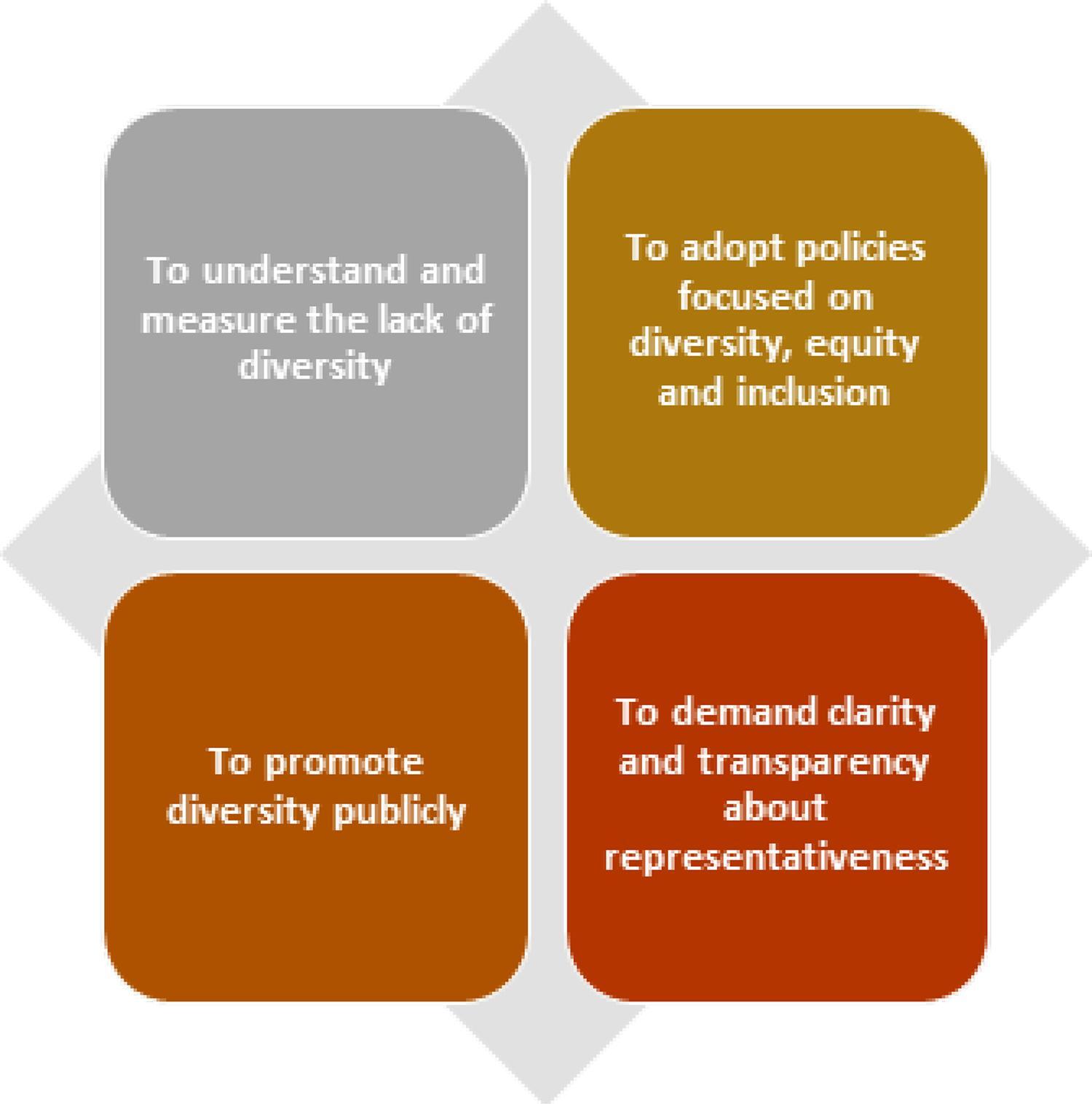
Clinical research must be translated into changes in clinical practice. One of the difficulties faced by physicians is how to apply results of randomized clinical trials to patients with different profiles from those enrolled in the studies. So, one common question is: Is it appropriate to use clinical trial results in my patient? It is not easy to make clinical decisions based on results from clinical research that does not consider racial identity, ethnicity, age, or gender of patients. One important initiative in science is to promote diversity, equity and inclusion in clinical research in order to produce more reliable data.

Women are historically underrepresented in cardiovascular disease trials, despite sex-determined differences that lead to different forms of clinical presentation and therapeutic management. In cardiology, clinical presentation, risk stratification, prevention, treatment, and outcome parameters are gender sensitive, and this should be taken into account when designing clinical trials. Recently, the American College of Cardiology’s Cardiovascular Disease in Women Committee Leadership Council pointed out the low rates of women enrollment in cardiovascular research: the rates of women across coronary artery disease, acute coronary syndrome, and heart failure trials were 27.3%, 26.9% and 28,6%, respectively. Sex-specific data concerning therapy is essential because women may respond differently than men and may even have adverse effects from some drugs at the same dosage that are beneficial to men. To being with, part of this small participation of women in cardiovascular (CV) clinical trials can be attributed to the limited diversity in the leadership of these studies: only 10% of members in leadership committees of CV clinical trials are women. A similar number of 10% of CV trials published have a woman on the first or last author position. Women need to be included, respected, empowered, and adequately represented in clinical research to guarantee the applicability of the results to their gender. Recently, the International Journal of Cardiovascular Sciences endorsed SAGER guidelines to improve the reporting of sex and gender in research while creating an environment able to integrate equity of sex and gender into manuscripts as an integral part of the editorial process. , As women, minorities also have been underrepresented in CV clinical studies. Some minority populations have shown disproportionately higher rates of certain diseases such as hypertension, heart failure and cerebrovascular disease.

[…]

  • Ageism
  • Cardiovascular Diseases/therapy
  • Clinical Trials as Topic
  • Equity
  • Gender Diversity
  • Women, Inclusion
Read Full Article
Creative Commons Attribution (CC BY) Creative Commons license
12/09/2022 DOI: 10.36660/ijcs.20220131
Editorial

A New Look at the Importance of Multidisciplinary Group Interventions in Cardiac Rehabilitation

Gabrielle de Souza Rocha et al. Julio Cesar Fraulob Aquino

Chronic non-communicable diseases (NCDs) are the main cause of death worldwide, being responsible for premature deaths, loss of quality of life, with great socioeconomic impact. More than 17 million (around 45%) of NCD deaths in the world are caused by cardiovascular (CV) diseases. Similar findings are found in Brazil, where 72% of all deaths are attributed to NCDs, 30% due to CV disease.

There is increasing evidence that staying physically active contributes to preserve and recover physical and emotional health, and that a sedentary lifestyle is strongly related to CV disease and early mortality. In this context, the benefits of CV rehabilitation, with emphasis on physical exercise, have emerged in the literature, and correlated with a reduction in CV morbidity and mortality, significant improvement of quality of life and longer life expectancy.

[…]

  • Cardiac Rehabilitation
  • Healthy nutrition
  • Multidisciplinary patient care team
  • Quality of life
Read Full Article
Creative Commons Attribution (CC BY) Creative Commons license
12/09/2022 DOI: 10.36660/ijcs.20220105
Editorial

How to Take Care of Your Body: Not an Obvious Insight, but an Essential School Lesson

José Francisco Kerr Saraiva et al. Natalia Rezende Baraldi

Over the years, the most traditional institutions provide modern concepts and philosophy, assuming the important role that schools play today. What is relatively new is the comprehension of the student in an active position in the learning process. This change of view has made it evident that, beyond the regular curriculum, there is the need to understand about the basic life skills of others. Bodily functions are one example, as they have a direct impact upon the learning process. Furthermore, the child’s capacity as a messenger or influencer is still consolidated as the one who brings knowledge home.

Beyond this scenario, a significant increase in cases of heart disease per year has been observed. Randomized trials demonstrate that a change in lifestyle is the first and foremost step toward preventing the most common incidences of heart diseases, such as myocardial infarction.

[…]

  • Cardiovascular Diseases
  • Disease Prevention
  • Education
Read Full Article
Creative Commons Attribution (CC BY) Creative Commons license
12/09/2022 DOI: 10.36660/ijcs.20220125 Views 1
Erratum

ERRATUM

Int J Cardiovasc Sci. 2022 Issue vol 33(2), pages 175-184.

In Original Article “Predictors of Post-Discharge 30-Day Hospital Readmission in Decompensated Heart Failure Patients”, with DOI number: https://doi.org/10.36660/ijcs.20180088, published in International Journal of Cardiovascular Science, 33(2) in page 175-84. Correct the author’s name “Wayner Viera de Souza” to “Wayner Vieira de Souza”.

[…]

Read Full Article
Creative Commons Attribution (CC BY) Creative Commons license
12/09/2022 DOI: 10.36660/ijcs.20220133
Figure 1
Original Article

Effects of Exercise Training on Left Ventricular Diastolic Function Markers in Patients with Obstructive Sleep Apnea: A Randomized Study

Bruno G. Durante et al. Rosyvaldo Ferreira-Silva Thiago T. Goya Marta F. Lima … Ana Clara T. Rodrigues Luciano F. Drager Camila P. Jordão Amanda G. Rodrigues Maria Janieire de Nazare N. Alves Geraldo Lorenzi-Filho Carlos E. Negrão Linda M. Ueno-Pardi

Abstract

Background

Exercise training (ET) is an adjunctive treatment for obstructive sleep apnea (OSA) and its consequences. However, the effects of exercise on heart remodeling are unknown in the population with OSA.

Objective

We investigated the effect of ET on markers of diastolic function, sleep parameters, and functional capacity in patients with OSA.

Methods

Sedentary patients with OSA (apnea-hypopnea index, AHI ≥15 events/hr) were randomly assigned to untrained (n=18) and trained (n=20) strategies. Polysomnography, cardiopulmonary exercise test, and echocardiography were evaluated at the beginning and end of the study. ET consisted of 3 weekly sessions of aerobic exercise, resistance exercises, and flexibility training (72 sessions, completed in 11.65±0.86 months). A two-way analysis of variance (ANOVA) was used, followed by Tukey’s post-hoc test. The level of statistical significance was set at p<0.05 for all analyses.

Result

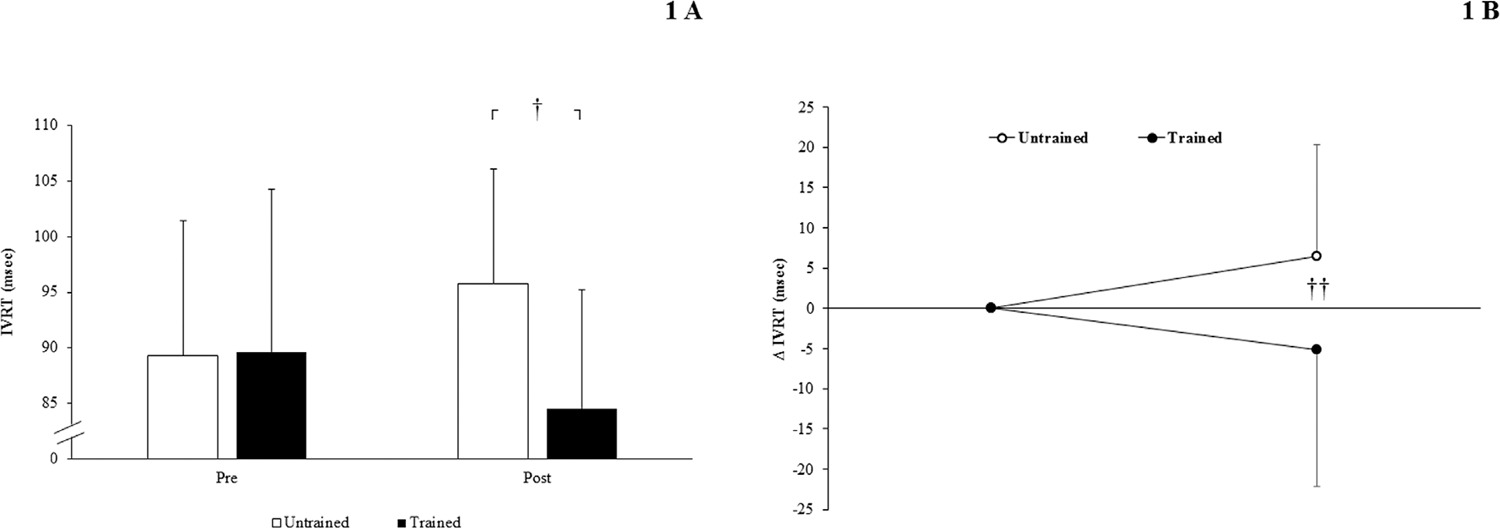
Thirty-eight patients were included (AHI:45±29 events/hr, age:52±7 y, body mass index: 30±4 kg/m2). They had similar baseline parameters. ET caused a significant change in OSA severity (AHI:4.5±18 versus -5.7±13 events/hr; arousal index:1.5±8 versus -6.1±13 events/hr, in untrained and trained groups respectively, p<0.05). The trained patients had an increase in functional capacity after intervention. ET improved isovolumetric relaxation time (IVRT, untrained=6.5±17.3 versus trained=-5.1±17.1 msec, p<0.05). There was a significant correlation between changes in IVRT and arousal index in the trained group (r =-0.54, p<0.05). No difference occurred in the other diastolic function parameters evaluated.

Conclusion

ET promotes modest but significant improvement in AHI, functional capacity, and cardiac IVRT, a validated parameter of diastolic function.

  • Exercise
  • Heart Ventricles
  • Obstructive
  • Sleep Apnea
Read Full Article
Creative Commons Attribution (CC BY) Creative Commons license
22/06/2022 DOI: 10.36660/ijcs.20210146 Views 1
Figure 1
Original Article

Acceptance of Low-Sodium Hospital Diet by Cardiac Patients: A Randomized Controlled Crossover Trial

Bruna Fraga dos Santos et al. Bruna Eibel Ana Lúcia Grasel Antunes Cláudia Monster Martins … Renata Della Giustina Melina Borba Duarte Izabele Vian da Silveira Corrêa

Abstract

Background

Cardiovascular diseases are the major cause of hospitalization. Dietary salt restriction is indicated as part of clinical treatment, however, it is not always well accepted by the patients, resulting in low food intake and malnutrition.

Objective

To compare acceptance of a low-sodium diet cooked with salt with a standard low-sodium diet in cardiac inpatients.

Methods

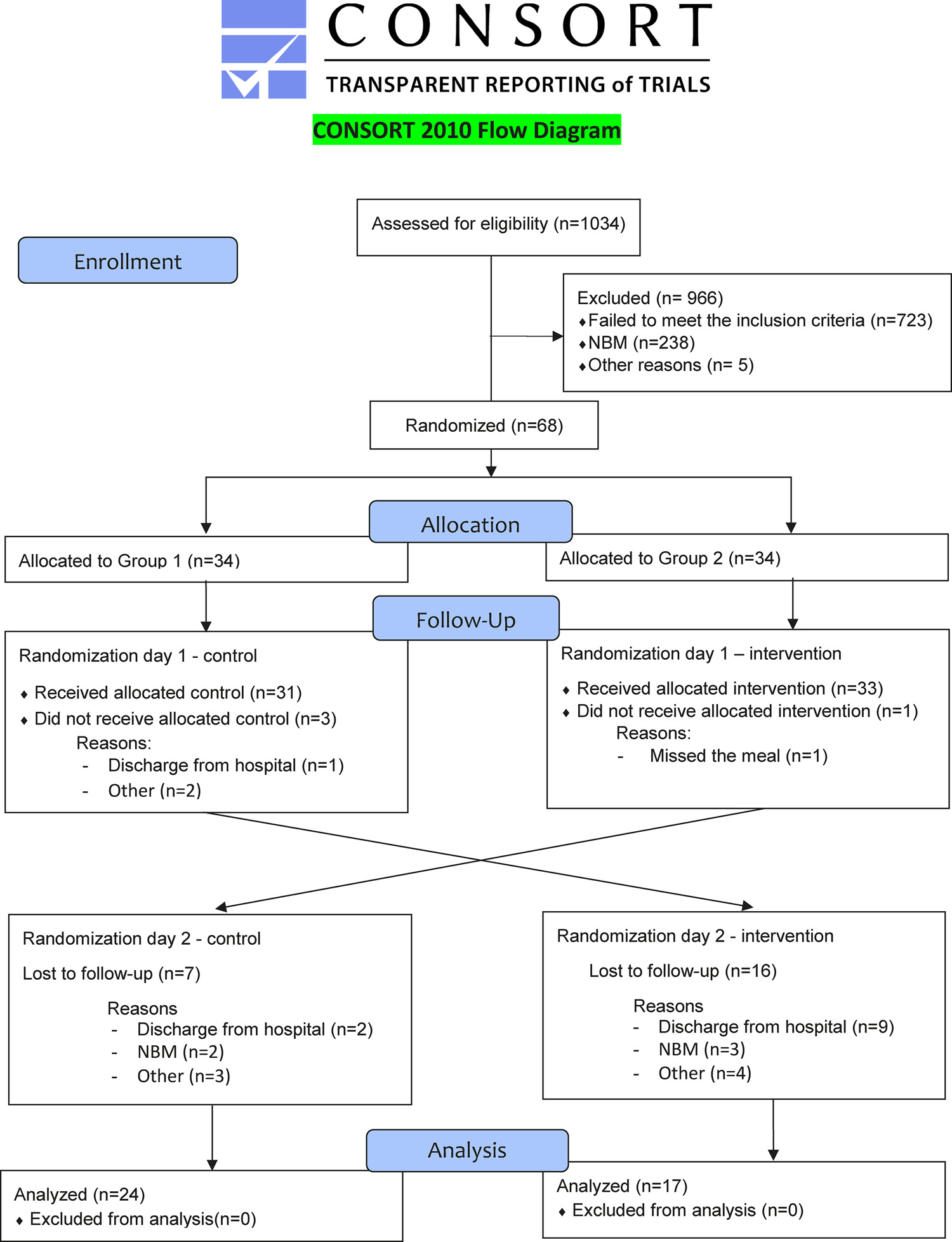
A randomized controlled crossover trial in patients with low-sodium diet prescriptions (Clinical Trials NCT03481322). Patients were given a control standard low sodium diet (cooked without salt; salt [2g per meal] added by the patient at the time of consumption) on one day and on the next day patients were given the intervention diet – a low sodium diet cooked with salt (2 grams of salt, divided between preparations). Dietary acceptance was evaluated by weighing leftover food and calculating intake. A questionnaire was used to verify reasons that influenced acceptance. For data analysis, parametric data are presented as mean and standard deviation, Student’s t test was used to compare means, with significance defined as p<0.05.

Results

Sixty-four patients were evaluated, with a mean age of 66 ± 11.3 years; 64% were male. There were no differences in percentage acceptance between the standard low-sodium diet and the low-sodium diet cooked with salt at lunch (p= 0.876) or at dinner (p= 0.255). Around 80% of what was offered at each meal was consumed by the patients, with no significant difference between groups.

Conclusions

The low-sodium diet cooked with salt was well accepted, but there was no difference when compared with the standard low-sodium diet, which also had adequate acceptance.

  • Cooking
  • Diet, Sodium-Restricted
  • Heart Diseases
  • Sodium Chloride
Read Full Article
Creative Commons Attribution (CC BY) Creative Commons license
22/06/2022 DOI: 10.36660/ijcs.20200345 Views 1
Figure 1
Original Article

Effectiveness of Telemedicine in Reducing Hospitalizations in Patients Discharged from the Hospital Due to Heart Failure: A Randomized Clinical Trial Protocol

Edmar Geraldo Ribeiro et al. Luisa Brant Lilian Cristina Rezende Renato Azeredo Teixeira … Laura Carvalho Parreiras Tulio Batista Franco Antônio Ribeiro Deborah Malta

Abstract

Fundament:

Telemedicine for follow-up in heart failure (HF) patients is effective in reducing hospitalizations, total and cardiovascular mortality. However, few studies were conducted in low and middle income, where lower access to technology and illiteracy could impact the results.

Objective:

To assess the effectiveness of associating telemedicine strategies, when compared to usual care, in reducing hospitalizations related to HF in patients discharged from the hospital due to HF.

Methods:

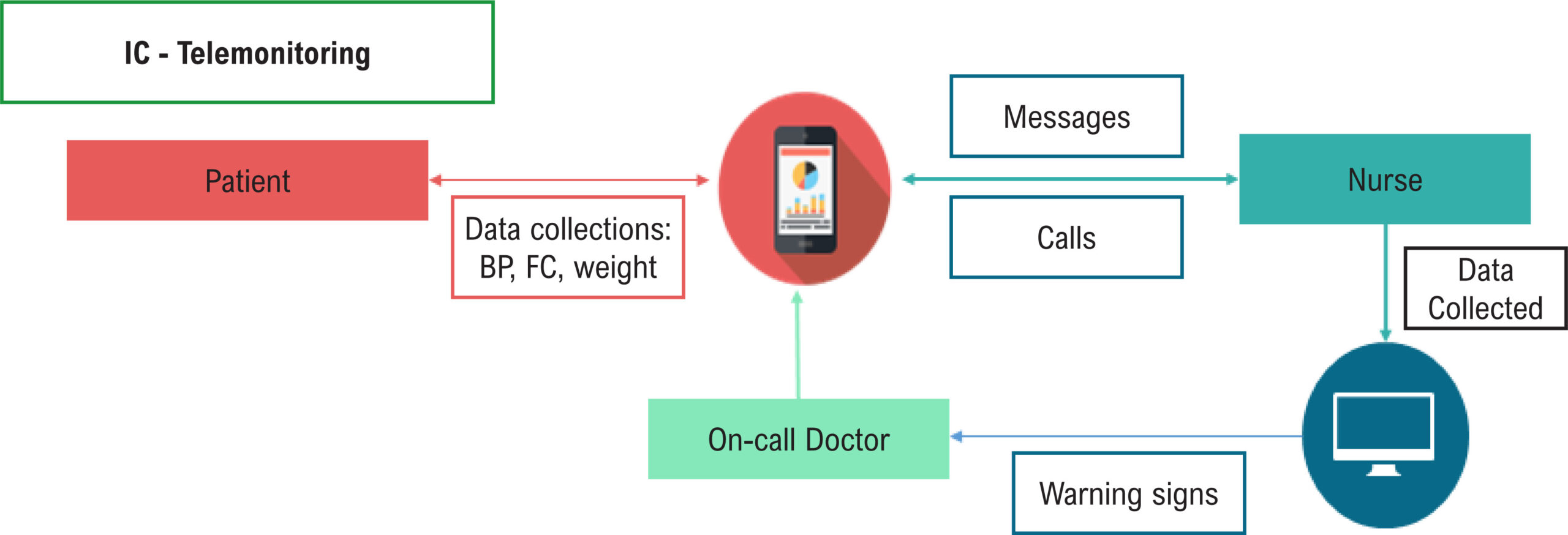
Controlled, randomized, multicenter, parallel-arm clinical trial, with an allocation ratio of 1:1, blinded to outcome evaluation, in which 340 patients who were discharged from public hospitals in Belo Horizonte due to HF will be randomized. Patients will be followed for 6 months and the intervention group will receive, in addition to the usual care, Structured Telephone Support (STS) from a nurse, a doctor, and an educational program. Counseling will be according to a clinical decision tree. The level of significance in the statistical analysis will be 5%.

Expected results:

Reduction in the number of hospital readmissions and/or in hospitalization time, in addition to developing a software with a clinical decision tree for remote follow-up and patient education about HF adapted to local culture.

Conclusions:

The intention of this study is to develop a telemedicine strategy and assess whether or not, in addition to the usual care, it is effective in reducing hospitalizations and mortality from HF. If effective, the aforementioned strategy could reduce costs and hospital needs in the Unified Health System (SUS, in Portuguese) for patients with HF. These results will be even more relevant considering the pandemic of COVID-19.

  • Heart Failure
  • Hospitalization
  • Quality of life
  • Telemedicine
  • Telemonitoring
Read Full Article
Creative Commons Attribution (CC BY) Creative Commons license
16/05/2022 DOI: 10.36660/ijcs.20210131 Views 2
Figure 1
Original Article

Interdisciplinary Group Intervention on Nutritional Profile, Quality of Life, and Stress During Cardiopulmonary Rehabilitation: A Randomized Clinical Trial

Giana de Freitas Rodrigues et al. Daniela da Rosa Vieira Patrícia Pereira Ruschel Cynthia Seelig … Christian Coronel Sandra Mari Barbiero

Abstract

Background:

Participating in therapeutic operative groups with nutritional and psychological interventions might influence the recovery of patients in cardiopulmonary rehabilitation programs.

Objective:

To evaluate the effectiveness of group interventions on the nutritional profile, stress, and quality of life of patients in cardiopulmonary rehabilitation.

Methods:

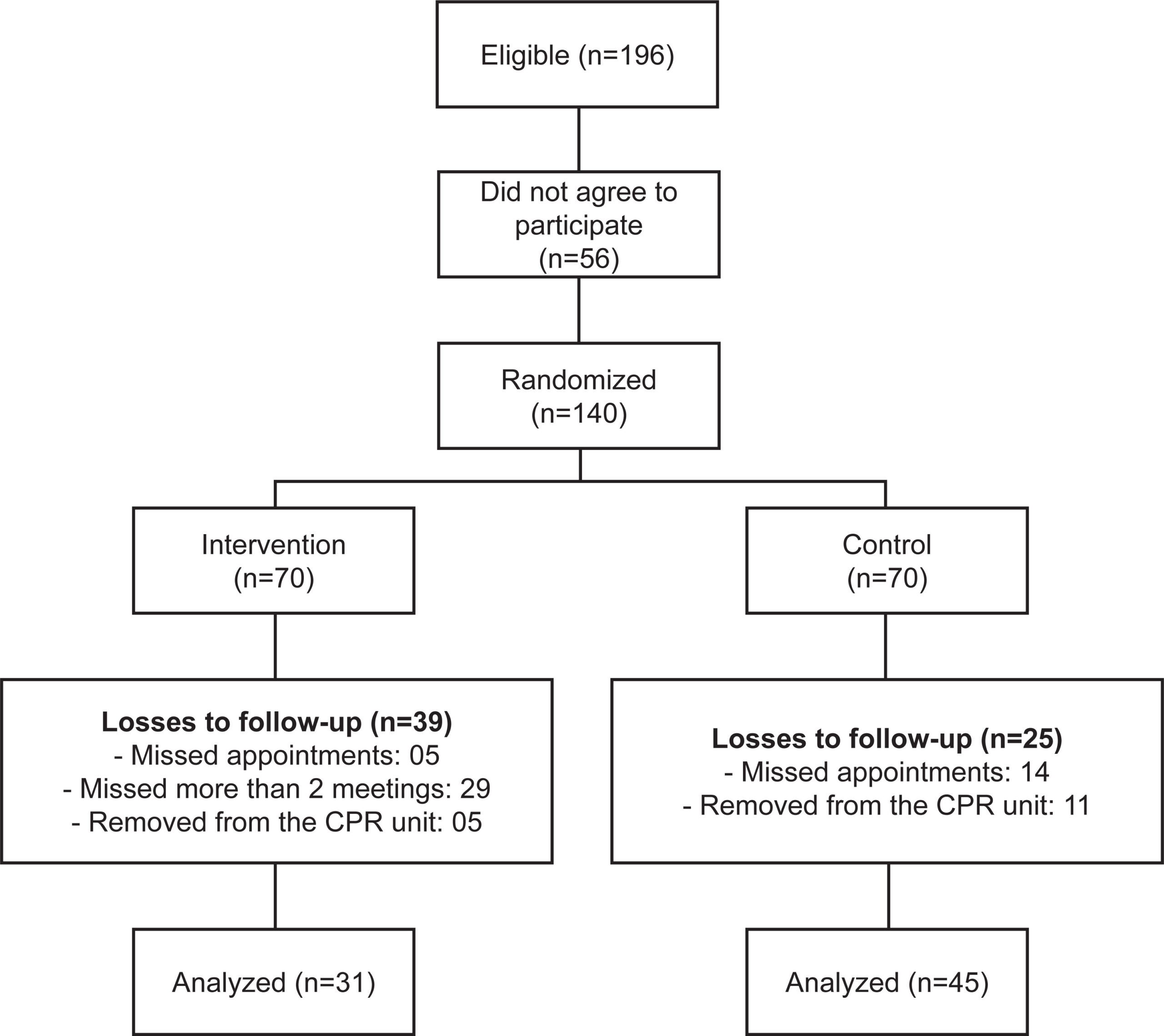
In this randomized clinical trial, adult patients of the Cardiopulmonary and Metabolic Rehabilitation (CPMR) unit were randomized into control group (CG), receiving standard follow-up assessment by the CPMR unit, and intervention group (IG), which additionally participated in 6 meetings of an interdisciplinary group with a nutritionist and a psychologist. Anthropometric data and results from a food frequency questionnaire (FFQ), Lipp’s Inventory of Stress Symptoms for Adults (ISSL), and the 12-Item Short Form Health Survey (SF-12) were analyzed. Student’s t-tests, Generalized Estimation Equations (GEE), Mann-Whitney tests, and Bonferroni tests were used for statistical analyses, with a significance level of 5%.

Results:

The sample consisted of 76 patients: 31 in the IG (64±9.2 years old) and 45 in the CG (61.4±11.8 years old). There was a significant reduction (p<0.001) in weight, body mass index, and waist circumference, and an increase (p=0.010) in the consumption of healthy food only in the IG. The consumption of unhealthy food was reduced in both groups (p<0.001), the physical aspect of quality of life improved (p=0.018), and women presented better physical (p=0.011) and mental results (p=0.008).

Conclusions:

This group intervention was effective regarding the nutritional status of patients in cardiopulmonary rehabilitation. The physical aspect of quality of life showed improvements in both groups.

  • Cardiac Rehabilitation
  • nutritional status
  • Patient Care Team
  • Psychological
  • Quality of life
  • Stress
Read Full Article
Creative Commons Attribution (CC BY) Creative Commons license
16/05/2022 DOI: 10.36660/ijcs.20200295 Views 1
Viewpoint

Quality of Highly Complex Care in Cardiology

Aurora Issa

Factors like the high costs of currently available technologies, the work overload of health professionals, and population aging and consequent increase of chronic diseases have highlighted the need for special attention to the quality of health care provided, especially in high-complexity cardiovascular care.

Although there are several definitions of health-related quality, the present analysis is grounded in the concept that aspects like efficiency, or effectiveness, are associated with the safety of care provided, which in turn is closely related to patient centrality and protection of their rights.

[…]

  • Cardiovascular Diseases: Hospitals, Special
  • Hospitals, Chronic Diseases/trends
  • Quality of Health Care/trends
  • Staff Committee
Read Full Article
Creative Commons Attribution (CC BY) Creative Commons license
16/05/2022 DOI: 10.36660/ijcs.20210119
Figure 1
Case Report

Pacemaker Implantation without Fluoroscopy and Guided by Anatomical Mapping

Mauricio Montemezzo et al. Ahmed AlTurki Marcos Jakolinski Jose Carlos Moura Jorge

Introduction

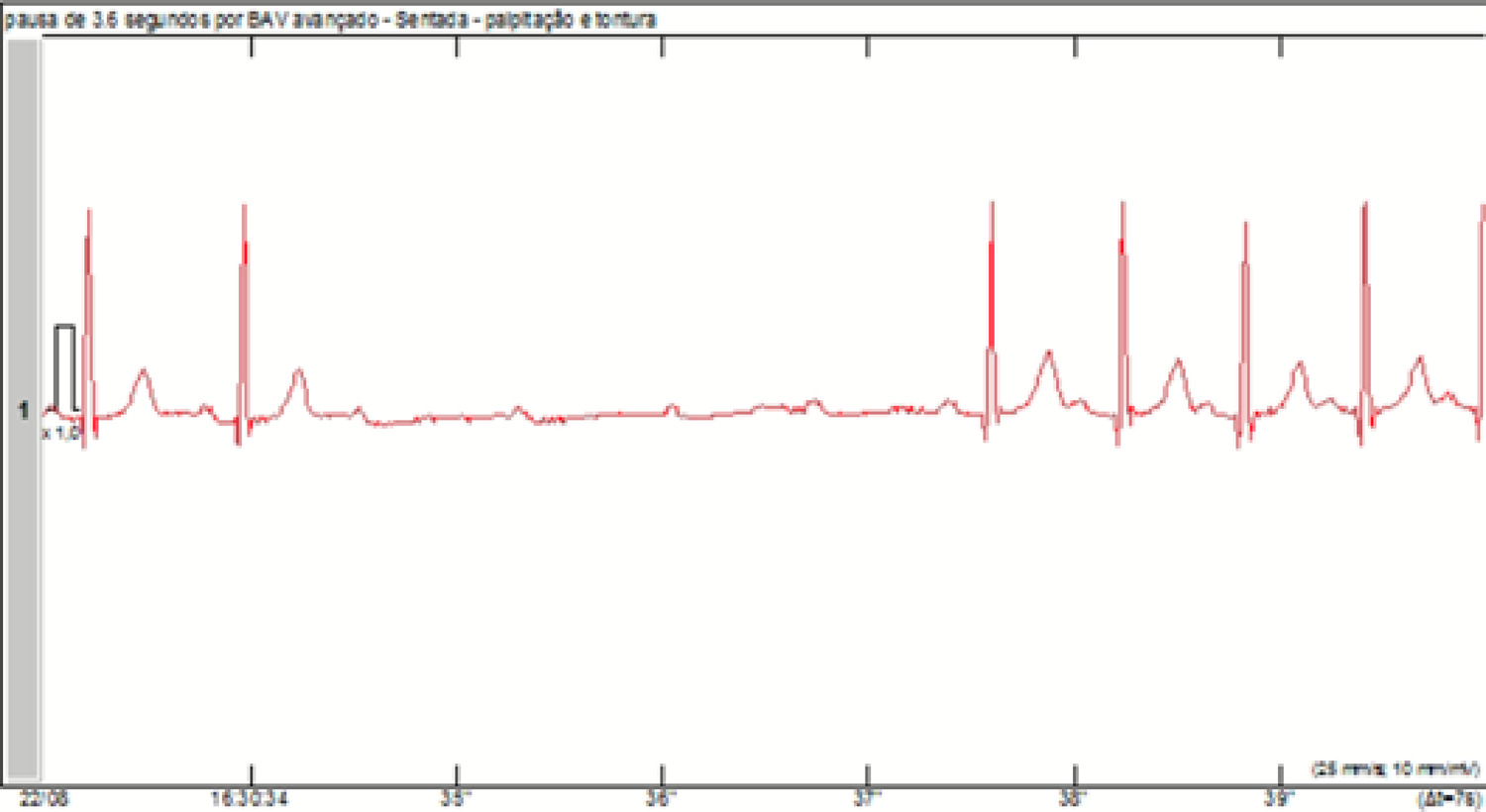
Cardiogenic syncope is an uncommon pathology in the context of pregnancy, and an associated transient atrioventricular block is even more rare. The harmful effects of radiation exposure for fetus are already well-known. Thus, alternative guiding techniques are being proposed as an alternative in order to avoid radiation exposure. Previous reports have described the use of intracardiac echocardiography or three-dimensional (3D) electroanatomical mapping. Despite efforts to develop non-fluoroscopic approaches, cardiac device implantation still requires some fluoroscopic imaging. Each hour of fluoroscopic imaging is estimated to increase the lifetime risk of developing a fatal malignancy by up to 1%, as well as being an increased risk of a genetic defect in up to 20 in every 1 million births. ,

With technological advancement, the use of less invasive techniques, together with short procedure times and less radiation exposure is essential. Therefore, repurposing technologies, which were originally developed for other applications, but that have been proven to be safe, should be encouraged. In this light, the present study advocates the use of the CARTO system technology (Biosense Webster, INC., Diamond Bar, CA) to delineate right atrium and right ventricle geometry so as to allow the pacemaker lead to be identified as a catheter to navigate the cardiac cavity without fluoroscopic exposure.

[…]

  • Artificial Pacemaker
  • Fluoroscopy
  • Pregnancy
Read Full Article
Creative Commons Attribution (CC BY) Creative Commons license
09/05/2022 DOI: 10.36660/ijcs.20210005 Views 1
Chart 1
Original Article

Cardiovascular Risk Factors in Children and Adolescents with Fontan Circulation

Sandra Mari Barbiero et al. Rafael B. Carloto Danielly Steffen Pereira Gabriela C. Schwantes … Marcela Menuci Guimarães Maíra Ribas Goulart Daniela Schneid Schuh Lucia Campos Pellanda

Abstract

Background:

Long-term outcomes of patients with Fontan circulation are uncertain regarding the prevalence and role of risk factors (RFs) such as increased body mass index (BMI), arterial hypertension, and hypercholesterolemia.

Objectives:

To describe the prevalence of RFs in patients with univentricular heart, with variable follow-up times.

Methods:

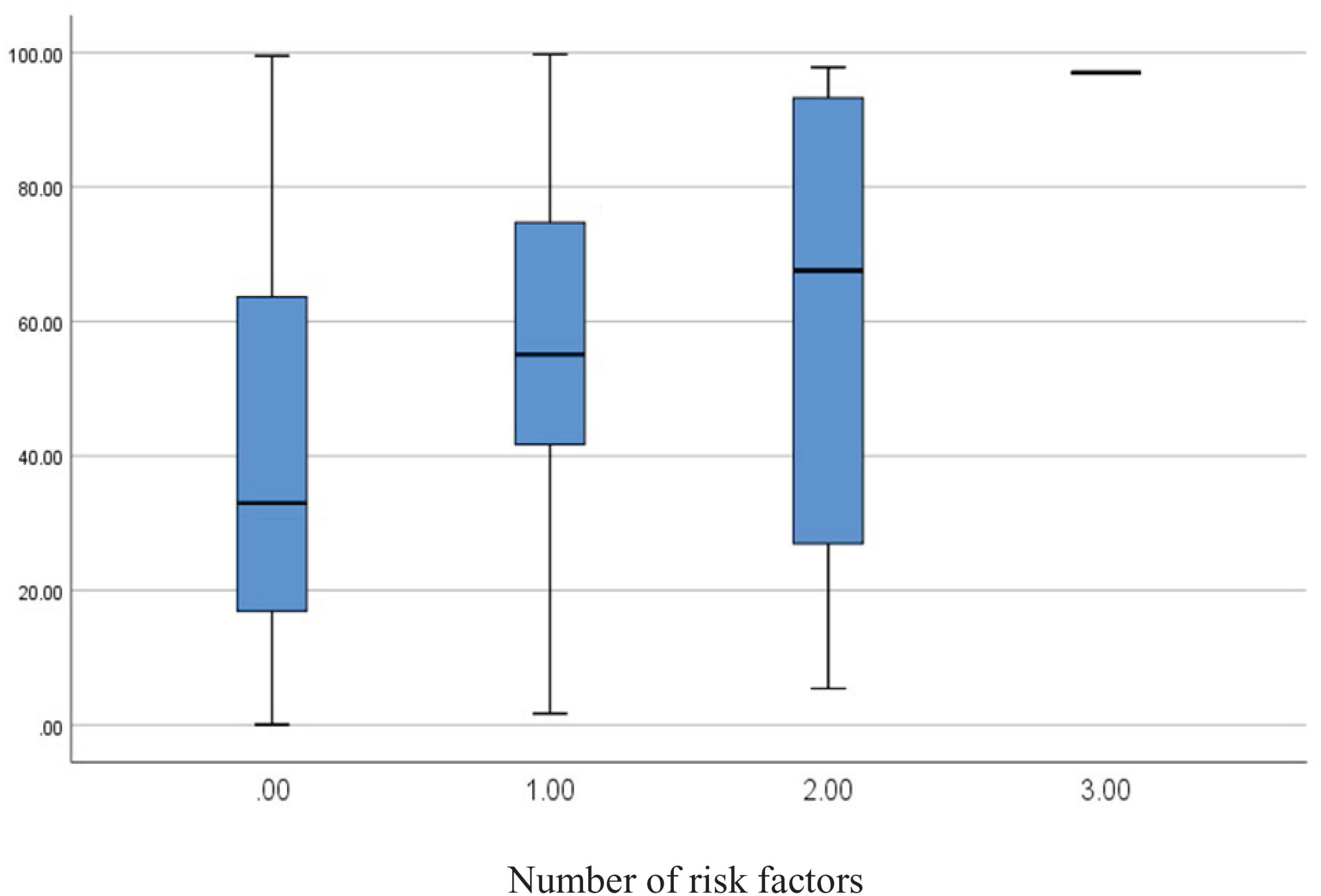
This mixed cohort study was performed with 66 patients, who underwent blood count, fasting blood glucose, C-reactive protein (CRP), and lipid profile tests; systolic/diastolic blood pressure (SBP/DBP) measurements; and anthropometric and sociodemographic data collection. Cardiovascular RFs among first-degree relatives and physical activity habits were also assessed. Prevalence was described using proportions, with a 95% confidence interval. Continuous variables (height, weight, age, SBP, DBP) were described as means and standard deviations (m±SD). Associations between RFs were assessed using chi-squared or Fisher’s exact tests. Spearman’s correlation was used for analyzing CRP and the presence of 2 or more RFs. The Shapiro-Wilk test was used to check for data normality. Statistical significance considered p<0.05.

Results:

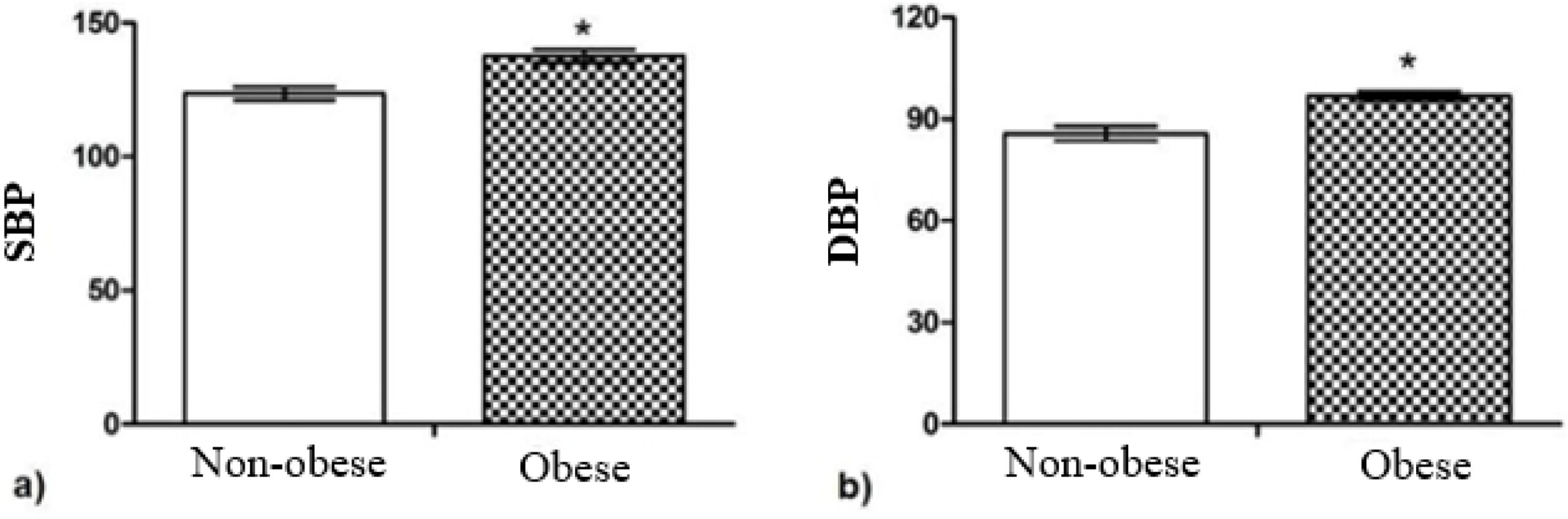
In our population, 19.7% were overweight, mean SBP was 89.44±37.4, and mean DBP was 60.0±26.08. The most prevalent diseases in the interviewees’ families were systemic arterial hypertension (30.3%), obesity (16.7%), and 2 or more cardiovascular RFs among first-degree relatives (13.8%). We observed a trend towards significance between the presence of 2 familial RFs and overweight, as well as a risk profile for cardiovascular disease. There was an association between the BMI percentile, the presence of 2 or more RFs (p<0.05), and CRP (p<0.01).

Conclusions:

Overweight is common in patients with univentricular heart, being related to more than 2 cardiovascular RFs among first-degree relatives; physical inactivity and changes in lipid profiles are also frequent.

  • Cardiovascular Diseases
  • Child, Adolescent
  • Fontan Procedure/methods
  • Heart Defects, Congenital/surgery
  • Obesity
  • Physical Inactivity
  • Risk Factors
Read Full Article
Creative Commons Attribution (CC BY) Creative Commons license
22/04/2022 DOI: 10.36660/ijcs.20200357 Views 1
Original Article

Association between Cardiovascular Risk in Adolescents and Daily Consumption of Soft Drinks: a Brazilian National Study

Ana Flávia Gomes de Britto Neves et al. Rodrigo Pinheiro de Toledo Vianna Marina Travassos Lopes

Abstract

Background:

Cardiovascular risk in adolescence is a public health problem that has grown along with the increase in soft drink consumption.

Objective:

To investigate the association between cardiovascular risk factors and daily consumption of soft drinks in Brazilian adolescents.

Methods:

We conducted a cross-sectional, national, school-based study of 36,956 Brazilian adolescents aged 12 to 17 years. Daily soft drink consumption was estimated using a 24-hour dietary recall. Cardiovascular risk was categorized as overweight, obesity, hypertension, hyperglycemia, and dyslipidemia. The survey command of Stata 14.0® was used to analyze data from a complex sample. The chi-square test was used to assess differences in soft drink consumption and other variables in the descriptive analysis. The odds ratio of cardiovascular risk factors and their respective 95% confidence intervals were estimated, considering sociodemographic and behavioral variables in the Mantel-Haenszel model. Statistical significance was set at p < 0.05.

Results:

Daily consumption of soft drinks was common among adolescents. A daily serving ≥ 450 mL was significantly associated with overweight and hypertension. Results associated with the consumption of regular soft drinks show the possibility of reverse causality. Consumption of diet soft drinks in adolescence should be considered a cardiovascular risk factor.

Conclusion:

Daily consumption of soft drinks can be understood as a relevant risk factor in the epidemiological scenario. Improper eating habits are multifactorial in nature and need to be better understood in the context of adolescent health and further explored in national surveys.

  • Adolescent
  • Cardiovascular Diseases
  • Control and Sanitary Supervision of Foods and Beverages
  • Dietary Sugars
  • Food and Beverages
  • Healthy Surveys
  • Risk Factors
Read Full Article
Creative Commons Attribution (CC BY) Creative Commons license
22/04/2022 DOI: 10.36660/ijcs.20200268 Views 1
Chart 1
Brief Communication

Effects of Cardiac Resynchronization Therapy on a Six-minute Walk Test, Maximal Inspiratory Pressure and Peak Expiratory Flow in Patients with Heart Failure: A Longitudinal Study

Christiane Rodrigues Alves et al. Sergio S. M. C. Chermont Christiane Wiefels Reis Erivelton A. Nascimento … Mario Luiz Ribeiro Fernanda Ribeiro Evandro Tinoco Mesquita Claudio Tinoco Mesquita

Abstract

Background:

Cardiac resynchronization therapy (CRT) is an effective treatment for patients with heart failure.

Objective:

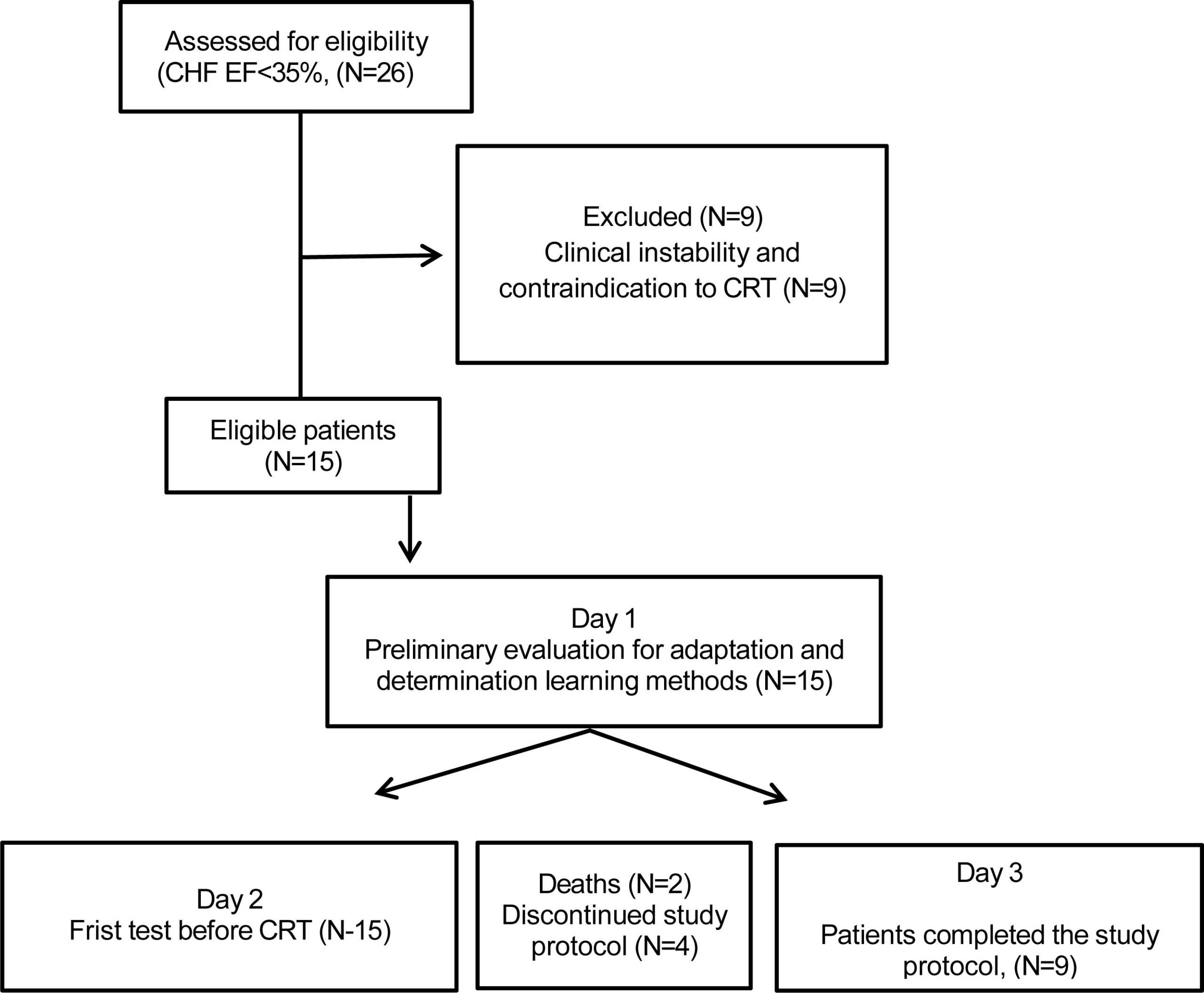
To evaluate the response of CRT in maximal inspiratory pressure (MIP), peak expiratory flow (PEF), and exercise tolerance as determined by the six-minute walk test (6MWT) in patients with HF.

Methods:

This study used the 6MWT and Manovacuometer to assess functional capacity in relation to activities of daily living, in which fatigue and dyspnea are common.

Results:

After six months of CRT, this study identified improvements in the 6MWT, p<0.05; MIP, p=0.01; and PEF, p=0.03.

Conclusion:

After CRT, this study showed a significant improvement in MIP, PEF, and exercise tolerance. However, further studies are warranted to demonstrate the relevance of these findings.

  • Cardiac Resynchronization Therapy
  • Heart Failure
  • Maximal Inspiratory Pressures
  • Walk Test
Read Full Article
Creative Commons Attribution (CC BY) Creative Commons license
22/04/2022 DOI: 10.36660/ijcs.20190158 Views 1
Figure 1
Original Article

Abnormalities of Cardiac Situs and Heart Disease Diagnosed by Echocardiography in Patients with Biliary Atresia

Henrique de Assis Fonseca Tonelli et al. Zilda Maria Alves Meira Sandra Regina Tolentino Castilho Adriana Furletti Machado Guimarães … Tháis Costa Nascentes Queiroz Alexandre Rodrigues Ferreira

Abstract

Background:

Left isomerism (LI) is a common finding in patients with biliary atresia (BA), and it can be identified by echocardiography. Several comorbidities may be present in patients with LI, including heart disease.

Objective:

To investigate the prevalence of LI and heart disease in children (< 18 years of age) with BA followed-up at Hospital das Clínicas, UFMG.

Methods:

This is a cross-sectional study involving patients diagnosed with BA between February 2016 and April 2020 who underwent transthoracic echocardiography and, in case of situs abnormalities, also electrocardiography.

Results:

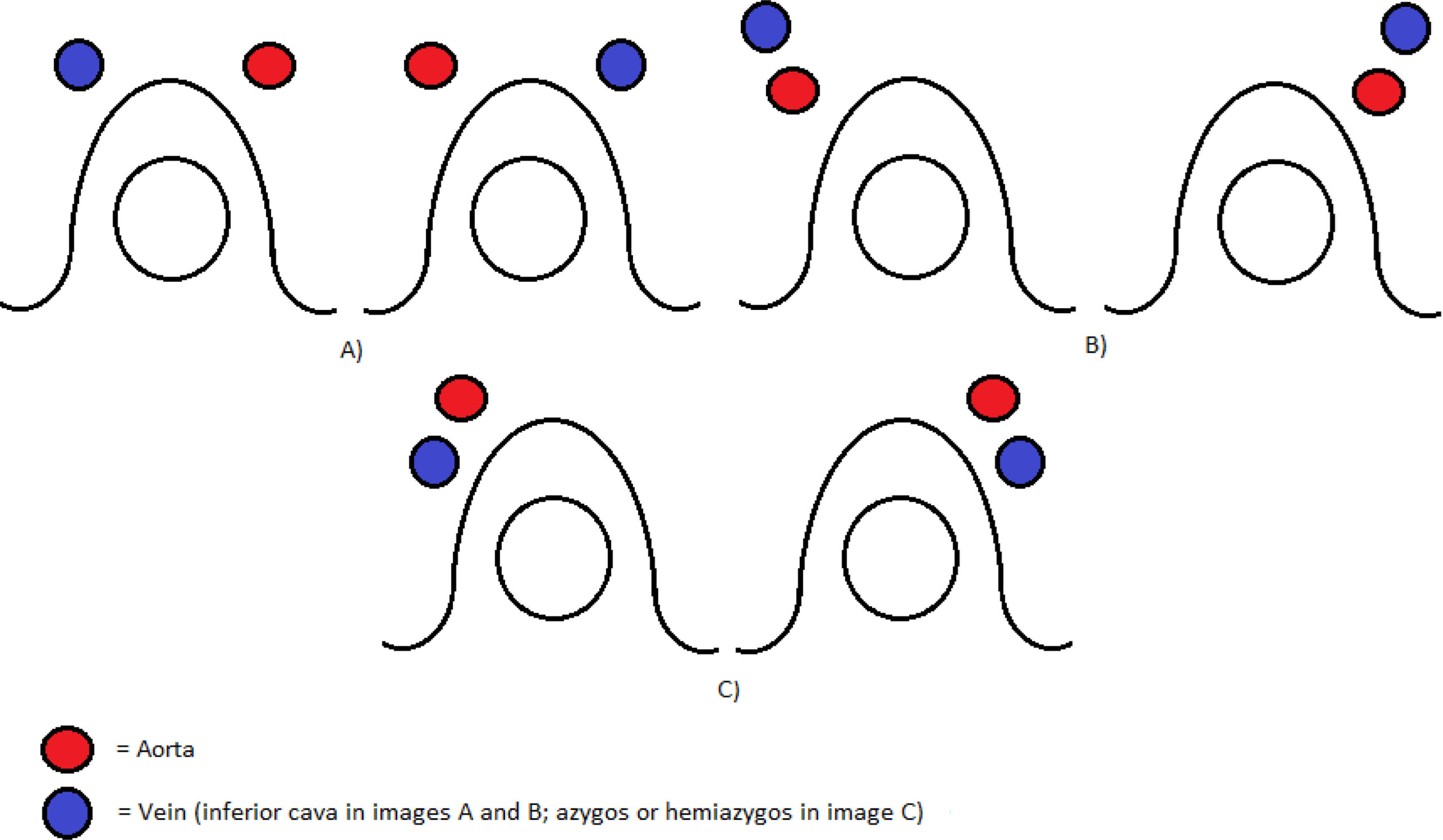
Our study recruited 58 patients (mean age: 3.08 years; female/male ratio: 1.5:1). The general prevalence of situs abnormalities was 8.6% (5/58) and the most common one was LI (4/5 or 80%). One patient had situs inversus. Among patients with situs abnormalities, the general prevalence of heart disease was 80% (4/5), apart from anomalies of the inferior vena cava), with pulmonary valve stenosis (PVS) as the only change seen (75% of mild forms and 25% of moderate forms). Among patients with situs abnormalities, the prevalence of rhythm changes was 80% (4/5), and low atrial rhythm was the most common finding (3/4 or 75%).

Conclusion:

The prevalence of situs abnormalities in our sample was similar to that described in the literature. We observed an exclusive prevalence of PVS and a high prevalence of rhythm changes among patients with LI. Although the diagnosis of isomerism does not initially add much cardiovascular risk to the sample, possible late deterioration should be considered.

  • Biliary atresia
  • Heart Diseases
  • Heterotaxy Syndrome
Read Full Article
Creative Commons Attribution (CC BY) Creative Commons license
22/04/2022 DOI: 10.36660/ijcs.20210207 Views 1
Figure 1
Original Article

School Health Education Program “Happy Life, Healthy Heart”: A Randomized Clinical Trial

Mariana Alievi Mari et al. Paula Portal Teixeira Lucia Campos Pellanda

Abstract

Background:

School interventions based on playful activities have been shown to be good strategies for increasing children’s knowledge about health, which may impact healthy habits.

Objective:

To evaluate whether the school health education program entitled “Happy Life, Healthy Heart” increases health knowledge and causes a change in teachers’ and students’ lifestyles.

Method:

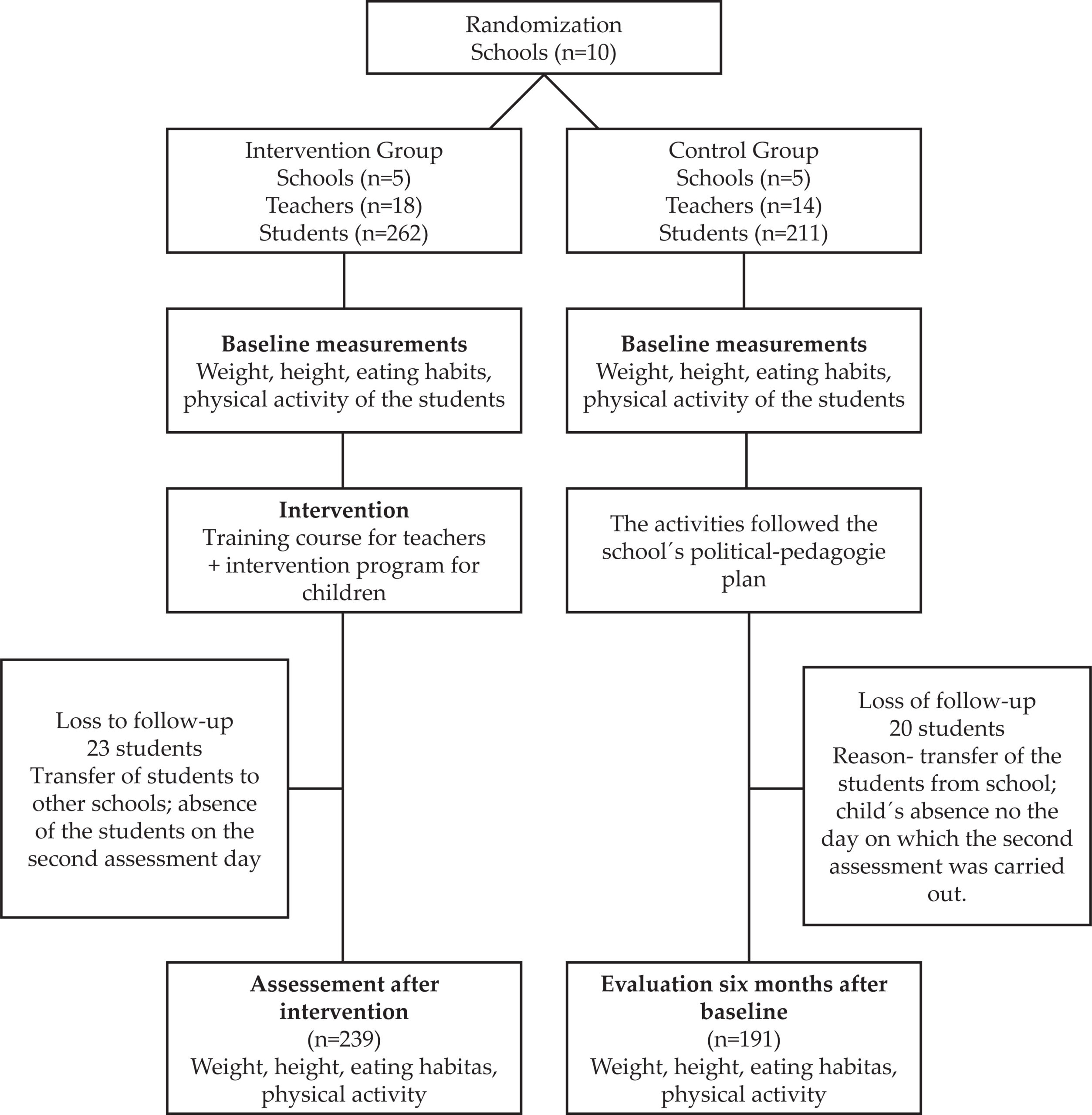
Cluster randomized clinical trial including elementary school students and teachers from public schools in the city of Frederico Westphalen, Brazil. The intervention consisted of the training of teachers on topics of health, followed by classes on topics related to cardiovascular health given by these teachers to the students. The students were evaluated for nutritional status and health knowledge using the CARDIOKIDS and DAFA questionnaires, and teachers were assessed for physical activity. The Student’s t-test, the chi-square test and the two-way ANOVA test were used for comparisons between groups, and McNemar-Bowker for intra-group comparisons. P values of <0.05 were considered statistically significant.

Results:

A total of 473 children were included, 211 (44.6%) in the control group (CG) and 262 (55.4%) in the intervention group (IG), and 32 teachers (control = 14, intervention =18). There was no difference in health knowledge of the students after the intervention (CG 10.53 ± 0.11 vs. 11.19 ± 0.09 p = 0.061, IG 10.20 ± 0.12 vs. 11.09 ± 0, 09 p = 0.416), although 57.7% of the children of the IG reported having stopped eating pizza and drinking soft drinks (p <0.001), following the Brazilian Food Guide recommendations. Among teachers of the IG, an increase of 27.9% in physical activity level was observed.

Conclusions:

The “Happy life, healthy heart” program was able to change students’ eating habits and increase physical activity in teachers.

  • Children
  • Health Personnel
  • Health, Knowledge, Atitudes, Practice
  • School Health Education
  • Teachers
Read Full Article
Creative Commons Attribution (CC BY) Creative Commons license
01/04/2022 DOI: 10.36660/ijcs.20200044 Views 2
Figure 1
Original Article

Analysis of the Influence of Abdominal Obesity on Systemic Arterial Hypertension and on the Lipid Profile on Cardiometabolic Risk Stratification in Adult Women

Iury Matheus Lima Cavalcanti et al. Cristian Rodrigues do Nascimento Pedro Pereira Tenório Tiago Ferreira da Silva Araújo

Abstract

Background:

Obesity is a public health problem and has been associated with the development of metabolic disorders that have a strong relationship with the onset of cardiovascular diseases (CVD).

Objective:

The objective was to analyze the influence of abdominal obesity (AO) on systemic arterial hypertension (SAH) and on the lipid profile in cardiovascular risk stratification in adult women.

Methods:

Altogether, 91 women participated in the research. Lifestyle information was collected, in addition to the analysis of clinical measures of cardiovascular risk and biochemical parameters. Unpaired Student’s t-test, logistic regression, and Pearson’s correlation were performed for data analysis, with a value of p <0.05 considered significant.

Results:

The prevalence of AO was 62.6%. Logistic regression showed that AO increased the chance of developing SAH by 2.9-fold. The same behavior was observed in the TG/HDL-c lipid ratio (3.93 ± 0.3 vs. 2.16 ± 0.2), representing an 82% increase in obese women. The present study also demonstrated that the best anthropometric parameter to analyze cardiovascular risk in the studied population was the waist/height ratio (AUC = 0.707).

Conclusions:

It can therefore be concluded that AO plays a significant role in the development of SAH and changes in lipid values that predict increased cardiovascular risk, configuring a strong influence factor for CVD.

  • Adult
  • Cardiovascular Diseases
  • Hyperlipidemias
  • Hypertension
  • Lipidic Metabolism
  • Metabolic Syndrome
  • Obesity, Abdominal
  • risk stratification
  • Women
Read Full Article
Creative Commons Attribution (CC BY) Creative Commons license
01/04/2022 DOI: 10.36660/ijcs.20200415 Views 1
Figure 1
Case Report

Danon Disease in an Asymptomatic Woman: A Five-Year Follow Up

Ricardo Cardoso de Matos et al. Amanda Cunha Soares Raquel Tavares Boy da Silva Evandro Tinoco Mesquita

Introdução

Danon disease (DD) is a rare, dominant X-linked disease caused by mutation of the LAMP2 gene, which encodes a lysosome-associated membrane glycoprotein, thereby affecting lysosomal deposition. DD is characterized by a classic triad of cardiomyopathy (featured by hypertrophic cardiomyopathy [HC]), skeletal myopathy, and cognitive changes. While female patients tend to have milder phenotypic manifestations, an isolated cardiac involvement, in addition to a later onset of symptoms, without the need for heart transplantation before the fourth decade of life, male patients commonly have the presentation of the classic triad of disease.

The clues of the involvement of HC with pre-excitation and persistent increased troponin I in these individuals are related to the process of autophagy that contributes to cardiac remodeling. However, there is still no specific treatment for DD. The approach to cardiac manifestations includes implantable cardioverter defibrillator (ICD) and ablation to improve symptoms and decrease the risk of sudden death. In cases of advanced heart failure (HF), heart transplantation is an effective and safe measure. Studies for gene therapy are currently in progress. ,

[…]

  • Cardiomyopathy, Hypertrophic
  • Glycogen Storage Disease Type II/genetics
  • Lysosomal-Assoiated Membrane Protein 2/genetics (DD Danon Disease)
  • Phenotype
Read Full Article
Creative Commons Attribution (CC BY) Creative Commons license
28/02/2022 DOI: 10.36660/ijcs.20210038
Figure 1
Review Article

Gene Silencing Therapeutics in Cardiology: A Review Article

Patrick Y. Jay et al. Martin A. Maier Laura Saltonstall Lisa Duarte … Ilia Antonino John Vest

Abstract

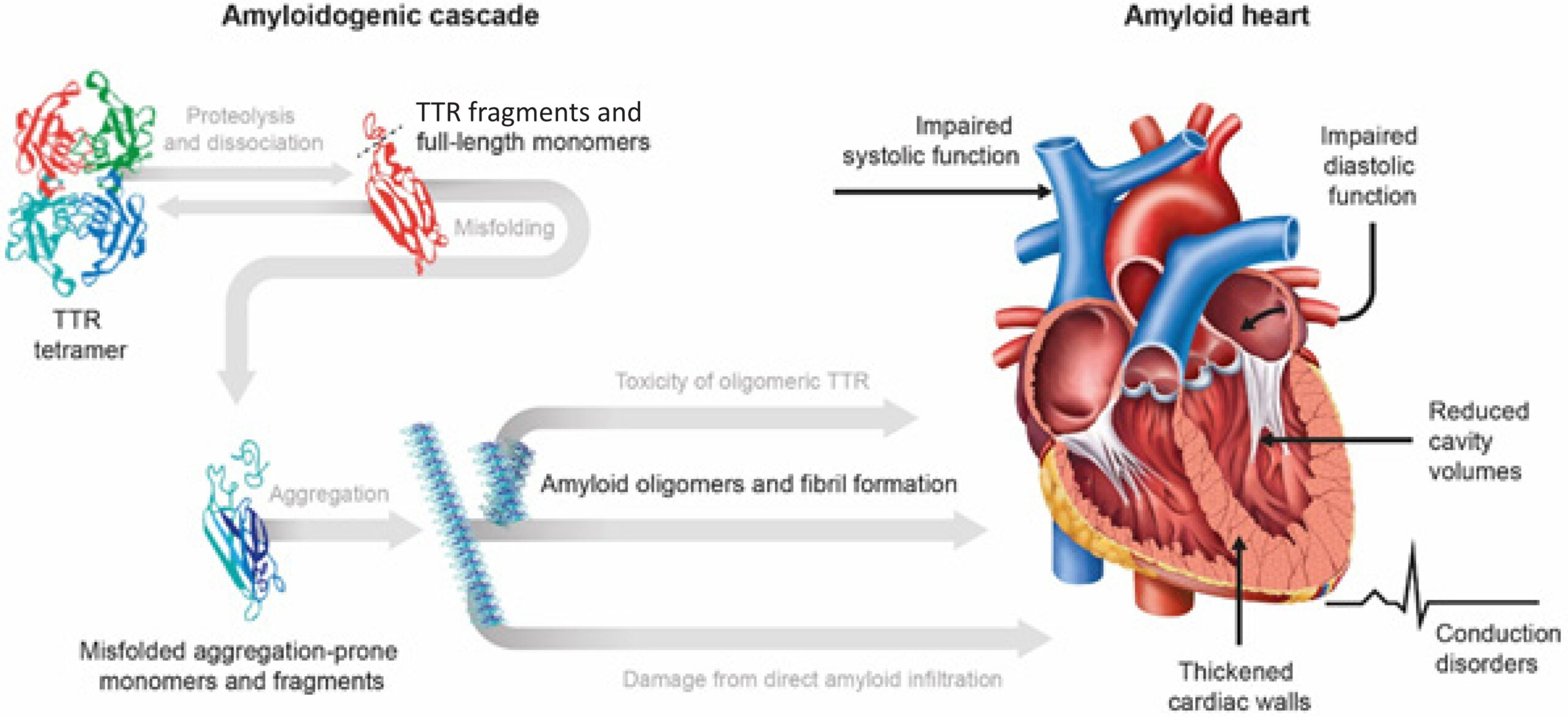
Therapeutics that inhibit enzymes, receptors, ion channels, and cotransporters have long been the mainstay of cardiovascular medicine. Now, oligonucleotide therapeutics offer a modern variation on this paradigm of protein inhibition. Rather than target a protein, however, small interfering ribonucleic acids and antisense oligonucleotides target the messenger RNA (mRNA) from which a protein is translated. Endogenous, cellular mechanisms enable the oligonucleotides to bind a selected sequence on a target mRNA, leading to its degradation. The catalytic nature of the process confers an advantage over the stoichiometric binding of traditional small molecule therapeutics to their respective protein targets. Advances in nucleic acid chemistry and delivery have enabled development of oligonucleotide therapeutics against a wide range of diseases, including hyperlipidemias and hereditary transthyretin-mediated amyloidosis with polyneuropathy. While most of these therapeutics were initially designed for rare diseases, recent clinical trials highlight the potential impact of oligonucleotides on more common forms of cardiovascular disease.

  • Amyloidosis
  • Antisense
  • Cardiovascular disease
  • Gene Silencing
  • RNA Interference, Oligonucleotides
Read Full Article
Creative Commons Attribution (CC BY) Creative Commons license
26/07/2021 DOI: 10.36660/ijcs.20200306 Views 1
Original Article

Treatment of Hepatitis C with Direct-Acting Antivirals does not Induce Significant Arrhythmias

André Gustavo da Silva Rezende et al. Edmundo Pessoa Lopes Andrea Doria Batista Norma Arteiro Filgueira … Williane Emanuelle Rodrigues Costa Poline Maria de Sousa Felix Brivaldo Markman Filho

Abstract

Background

Chronic Hepatitis C (CHC) therapy with direct-acting antivirals (DAAs) has high efficacy and safety, but some cases of bradyarrhythmias have been described.

Objective

To evaluate heart rhythm disorders during DAA treatments.

Methods

Forty-eight patients with CHC (mean 61 years of age; 56% males; 73% HCV genotype 1) were evaluated before and during treatment with DAAs, analyzed by a resting 12-lead ECG [PR, QRS, and QT corrected (QTc) intervals measured] and a 24-h-Holter system, to evaluate the heart rate (HR) and the occurrence of arrhythmias. The Student’s t-test or the Wilcoxon-Mann-Whitney test for continuous, independent variables were performed with a statistically significant p-value < 0.05.

Results

The electrocardiographic parameters before and during treatment were: PR interval (147.2 ± 15.6 vs 144.9 ± 15.6 ms; p = 0.21), QTc interval (427 ± 22.3 vs 421.7 ± 25.3 ms; p = 0.24), minimum HR (52.7 ± 8.4 vs 53.2 ± 8.5 bpm; p = 0.49), median HR (74.2 ± 10.4 vs 75.2 ± 9 bpm; p = 0.83), and maximum HR (117.4 ± 16.8 vs 117.9 ± 16.3 bpm; p = 0.25). These parameters proved to be similar among 11 beta-blockers or 22 ribavirin users. During treatment, the 21 cirrhotic patients presented significantly lower median HRs (72.1 ± 9.0 vs 77.9 ± 8.2 bpm; p = 0.02) and maximum HRs (108.9 ± 15.2 vs. 125.1 ± 13.2 bpm, p < 0.0001) through a 24-h-Holter monitoring than the patients without cirrhosis. No clinically relevant arrhythmias were detected.

Conclusion

DAAs do not significantly influence heart rate or induce significant cardiac arrhythmias in patients with CHC.

  • Antiviral Agents
  • Arrhythmias Cardiacs
  • Drug Resistance Viral
  • Hepatitis C/treatment
  • Sofosbuvir/ therapeutic use
Read Full Article
Creative Commons Attribution (CC BY) Creative Commons license
23/06/2021 DOI: 10.36660/ijcs.20200220 Views 1

How to cite this article

EndNote RIS

Electronic Document Format (Vancouver)

Silva KBB. Daily Consumption of Soft Drinks and Cardiovascular Risk in Adolescents. International Journal of Cardiovascular Sciences 2022;35(5):593-5.

Electronic Document Format (ABNT)

Silva, Karine Brito Beck da. Daily Consumption of Soft Drinks and Cardiovascular Risk in Adolescents. International Journal of Cardiovascular Sciences, v. 35, n. 5, p. 593-595, Sep. 2022.

Electronic Document Format (APA)

Silva, K. B. B. (2022). Daily Consumption of Soft Drinks and Cardiovascular Risk in Adolescents. International Journal of Cardiovascular Sciences, 35(5), 593-595.

Electronic Document Format (ISO)

Silva, Karine Brito Beck da. Daily Consumption of Soft Drinks and Cardiovascular Risk in Adolescents. International Journal of Cardiovascular Sciences [online]. 2022, vol. 35, n. 5, [cited 2026-10-14], pp. 593-595. Available from: <https://journals.cardiol.br/en/article/daily-consumption-of-soft-drinks-and-cardiovascular-risk-in-adolescents/>. ISSN 2359-4802

EndNote RIS

Electronic Document Format (Vancouver)

Souza Filho EM, Mittelstaedt S. What is the Future of the Hospital of the Future? The Seven Pillars. International Journal of Cardiovascular Sciences 2022;35(5):643-5.

Electronic Document Format (ABNT)

Souza Filho, Erito Marques de; Mittelstaedt, Sheila. What is the Future of the Hospital of the Future? The Seven Pillars. International Journal of Cardiovascular Sciences, v. 35, n. 5, p. 643-645, Sep. 2022.

Electronic Document Format (APA)

Souza Filho, E. M. , & Mittelstaedt, S. (2022). What is the Future of the Hospital of the Future? The Seven Pillars. International Journal of Cardiovascular Sciences, 35(5), 643-645.

Electronic Document Format (ISO)

Souza Filho, Erito Marques de and Mittelstaedt, Sheila. What is the Future of the Hospital of the Future? The Seven Pillars. International Journal of Cardiovascular Sciences [online]. 2022, vol. 35, n. 5, [cited 2026-10-14], pp. 643-645. Available from: <https://journals.cardiol.br/en/article/what-is-the-future-of-the-hospital-of-the-future-the-seven-pillars/>. ISSN 2359-4802

EndNote RIS

Electronic Document Format (Vancouver)

Mesquita CT. How Diversity, Equity and Inclusion are Changing Clinical Research. International Journal of Cardiovascular Sciences 2022;35(5):563-5.

Electronic Document Format (ABNT)

Mesquita, Claudio Tinoco. How Diversity, Equity and Inclusion are Changing Clinical Research. International Journal of Cardiovascular Sciences, v. 35, n. 5, p. 563-565, Sep. 2022.

Electronic Document Format (APA)

Mesquita, C. T. (2022). How Diversity, Equity and Inclusion are Changing Clinical Research. International Journal of Cardiovascular Sciences, 35(5), 563-565.

Electronic Document Format (ISO)

Mesquita, Claudio Tinoco. How Diversity, Equity and Inclusion are Changing Clinical Research. International Journal of Cardiovascular Sciences [online]. 2022, vol. 35, n. 5, [cited 2026-10-14], pp. 563-565. Available from: <https://journals.cardiol.br/en/article/how-diversity-equity-and-inclusion-are-changing-clinical-research/>. ISSN 2359-4802

EndNote RIS

Electronic Document Format (Vancouver)

Rocha GS, Aquino JCF. A New Look at the Importance of Multidisciplinary Group Interventions in Cardiac Rehabilitation. International Journal of Cardiovascular Sciences 2022;35(5):607-9.

Electronic Document Format (ABNT)

Rocha, Gabrielle de Souza; Aquino, Julio Cesar Fraulob. A New Look at the Importance of Multidisciplinary Group Interventions in Cardiac Rehabilitation. International Journal of Cardiovascular Sciences, v. 35, n. 5, p. 607-609, Sep. 2022.

Electronic Document Format (APA)

Rocha, G. S., & Aquino, J. C. F. (2022). A New Look at the Importance of Multidisciplinary Group Interventions in Cardiac Rehabilitation. International Journal of Cardiovascular Sciences, 35(5), 607-609.

Electronic Document Format (ISO)

Rocha, Gabrielle de Souza and Aquino, Julio Cesar Fraulob. A New Look at the Importance of Multidisciplinary Group Interventions in Cardiac Rehabilitation. International Journal of Cardiovascular Sciences [online]. 2022, vol. 35, n. 5, [cited 2026-10-14], pp. 607-609. Available from: <https://journals.cardiol.br/en/article/a-new-look-at-the-importance-of-multidisciplinary-group-interventions-in-cardiac-rehabilitation/>. ISSN 2359-4802

EndNote RIS

Electronic Document Format (Vancouver)

Saraiva JFK, Baraldi NR. How to Take Care of Your Body: Not an Obvious Insight, but an Essential School Lesson. International Journal of Cardiovascular Sciences 2022;35(5):576-7.

Electronic Document Format (ABNT)

Saraiva, José Francisco Kerr; Baraldi, Natalia Rezende. How to Take Care of Your Body: Not an Obvious Insight, but an Essential School Lesson. International Journal of Cardiovascular Sciences, v. 35, n. 5, p. 576-577, Sep. 2022.

Electronic Document Format (APA)

Saraiva, J. F. K., & Baraldi, N. R. (2022). How to Take Care of Your Body: Not an Obvious Insight, but an Essential School Lesson. International Journal of Cardiovascular Sciences, 35(5), 576-577.

Electronic Document Format (ISO)

Saraiva, José Francisco Kerr and Baraldi, Natalia Rezende. How to Take Care of Your Body: Not an Obvious Insight, but an Essential School Lesson. International Journal of Cardiovascular Sciences [online]. 2022, vol. 35, n. 5, [cited 2026-10-14], pp. 576-577. Available from: <https://journals.cardiol.br/en/article/how-to-take-care-of-your-body-not-an-obvious-insight-but-an-essential-school-lesson/>. ISSN 2359-4802

EndNote RIS

Electronic Document Format (Vancouver)

. ERRATUM. International Journal of Cardiovascular Sciences 2022;35(5):696.

Electronic Document Format (ABNT)

. ERRATUM. International Journal of Cardiovascular Sciences, v. 35, n. 5, p. 696-696, Sep. 2022.

Electronic Document Format (APA)

(2022). ERRATUM. International Journal of Cardiovascular Sciences, 35(5), 696-696.

Electronic Document Format (ISO)

. ERRATUM. International Journal of Cardiovascular Sciences [online]. 2022, vol. 35, n. 5, [cited 2026-10-14], pp. 696-696. Available from: <https://journals.cardiol.br/en/article/erratum-52/>. ISSN 2359-4802

EndNote RIS

Electronic Document Format (Vancouver)

Durante BG, Ferreira-Silva R, Goya TT, Lima MF, Rodrigues ACT, Drager LF, Jordão CP, et al. Effects of Exercise Training on Left Ventricular Diastolic Function Markers in Patients with Obstructive Sleep Apnea: A Randomized Study. International Journal of Cardiovascular Sciences 2022;35(5):646-5.

Electronic Document Format (ABNT)

Durante, Bruno G.; Ferreira-Silva, Rosyvaldo; Goya, Thiago T.; Lima, Marta F.; Rodrigues, Ana Clara T.; Drager, Luciano F.; Jordão, Camila P.; Rodrigues, Amanda G.; Alves, Maria Janieire de Nazare N.; Lorenzi-Filho, Geraldo; Negrão, Carlos E.; Ueno-Pardi, Linda M.. Effects of Exercise Training on Left Ventricular Diastolic Function Markers in Patients with Obstructive Sleep Apnea: A Randomized Study. International Journal of Cardiovascular Sciences, v. 35, n. 5, p. 646-656, Jun. 2022.

Electronic Document Format (APA)

Durante, B. G., Ferreira-Silva, R., Goya, T. T., Lima, M. F., Rodrigues, A. C. T., Drager, L. F., Jordão, C. P., Rodrigues, A. G., Alves, M. J. N. N., Lorenzi-Filho, G., Negrão, C. E., & Ueno-Pardi, L. M. (2022). Effects of Exercise Training on Left Ventricular Diastolic Function Markers in Patients with Obstructive Sleep Apnea: A Randomized Study. International Journal of Cardiovascular Sciences, 35(5), 646-656.

Electronic Document Format (ISO)

Durante, Bruno G. and Ferreira-Silva, Rosyvaldo and Goya, Thiago T. and Lima, Marta F. and Rodrigues, Ana Clara T. and Drager, Luciano F. and Jordão, Camila P. and Rodrigues, Amanda G. and Alves, Maria Janieire de Nazare N. and Lorenzi-Filho, Geraldo and Negrão, Carlos E. and Ueno-Pardi, Linda M.. Effects of Exercise Training on Left Ventricular Diastolic Function Markers in Patients with Obstructive Sleep Apnea: A Randomized Study. International Journal of Cardiovascular Sciences [online]. 2022, vol. 35, n. 5, [cited 2026-10-14], pp. 646-656. Available from: <https://journals.cardiol.br/en/article/effects-of-exercise-training-on-left-ventricular-diastolic-function-markers-in-patients-with-obstructive-sleep-apnea-a-randomized-study/>. ISSN 2359-4802

EndNote RIS

Electronic Document Format (Vancouver)

Santos BF, Eibel B, Antunes ALG, Martins CM, Giustina RD, Duarte MB, Corrêa IVS, et al. Acceptance of Low-Sodium Hospital Diet by Cardiac Patients: A Randomized Controlled Crossover Trial. International Journal of Cardiovascular Sciences 2022;35(5):610-7.

Electronic Document Format (ABNT)

Santos, Bruna Fraga dos; Eibel, Bruna; Antunes, Ana Lúcia Grasel; Martins, Cláudia Monster; Giustina, Renata Della; Duarte, Melina Borba; Corrêa, Izabele Vian da Silveira. Acceptance of Low-Sodium Hospital Diet by Cardiac Patients: A Randomized Controlled Crossover Trial. International Journal of Cardiovascular Sciences, v. 35, n. 5, p. 610-617, Jun. 2022.

Electronic Document Format (APA)

Santos, B. F. , Eibel, B., Antunes, A. L. G., Martins, C. M., Giustina, R. D., Duarte, M. B., & Corrêa, I. V. S. (2022). Acceptance of Low-Sodium Hospital Diet by Cardiac Patients: A Randomized Controlled Crossover Trial. International Journal of Cardiovascular Sciences, 35(5), 610-617.

Electronic Document Format (ISO)

Santos, Bruna Fraga dos and Eibel, Bruna and Antunes, Ana Lúcia Grasel and Martins, Cláudia Monster and Giustina, Renata Della and Duarte, Melina Borba and Corrêa, Izabele Vian da Silveira. Acceptance of Low-Sodium Hospital Diet by Cardiac Patients: A Randomized Controlled Crossover Trial. International Journal of Cardiovascular Sciences [online]. 2022, vol. 35, n. 5, [cited 2026-10-14], pp. 610-617. Available from: <https://journals.cardiol.br/en/article/acceptance-of-low-sodium-hospital-diet-by-cardiac-patients-a-randomized-controlled-crossover-trial/>. ISSN 2359-4802

EndNote RIS

Electronic Document Format (Vancouver)

Ribeiro EG, Brant L, Rezende LC, Teixeira RA, Parreiras LC, Franco TB, Ribeiro A, et al. Effectiveness of Telemedicine in Reducing Hospitalizations in Patients Discharged from the Hospital Due to Heart Failure: A Randomized Clinical Trial Protocol. International Journal of Cardiovascular Sciences 2022;35(5):635-42.

Electronic Document Format (ABNT)

Ribeiro, Edmar Geraldo; Brant, Luisa; Rezende, Lilian Cristina; Teixeira, Renato Azeredo; Parreiras, Laura Carvalho; Franco, Tulio Batista; Ribeiro, Antônio; Malta, Deborah. Effectiveness of Telemedicine in Reducing Hospitalizations in Patients Discharged from the Hospital Due to Heart Failure: A Randomized Clinical Trial Protocol. International Journal of Cardiovascular Sciences, v. 35, n. 5, p. 635-642, May. 2022.

Electronic Document Format (APA)

Ribeiro, E. G., Brant, L., Rezende, L. C., Teixeira, R. A., Parreiras, L. C., Franco, T. B., Ribeiro, A., & Malta, D. (2022). Effectiveness of Telemedicine in Reducing Hospitalizations in Patients Discharged from the Hospital Due to Heart Failure: A Randomized Clinical Trial Protocol. International Journal of Cardiovascular Sciences, 35(5), 635-642.

Electronic Document Format (ISO)

Ribeiro, Edmar Geraldo and Brant, Luisa and Rezende, Lilian Cristina and Teixeira, Renato Azeredo and Parreiras, Laura Carvalho and Franco, Tulio Batista and Ribeiro, Antônio and Malta, Deborah. Effectiveness of Telemedicine in Reducing Hospitalizations in Patients Discharged from the Hospital Due to Heart Failure: A Randomized Clinical Trial Protocol. International Journal of Cardiovascular Sciences [online]. 2022, vol. 35, n. 5, [cited 2026-10-14], pp. 635-642. Available from: <https://journals.cardiol.br/en/article/effectiveness-of-telemedicine-in-reducing-hospitalizations-in-patients-discharged-from-the-hospital-due-to-heart-failure-a-randomized-clinical-trial-protocol/>. ISSN 2359-4802

EndNote RIS

Electronic Document Format (Vancouver)

Rodrigues GF, Vieira DR, Ruschel PP, Seelig C, Coronel C, Barbiero SM. Interdisciplinary Group Intervention on Nutritional Profile, Quality of Life, and Stress During Cardiopulmonary Rehabilitation: A Randomized Clinical Trial. International Journal of Cardiovascular Sciences 2022;35(5):596-60.

Electronic Document Format (ABNT)

Rodrigues, Giana de Freitas; Vieira, Daniela da Rosa; Ruschel, Patrícia Pereira; Seelig, Cynthia; Coronel, Christian; Barbiero, Sandra Mari. Interdisciplinary Group Intervention on Nutritional Profile, Quality of Life, and Stress During Cardiopulmonary Rehabilitation: A Randomized Clinical Trial. International Journal of Cardiovascular Sciences, v. 35, n. 5, p. 596-606, May. 2022.

Electronic Document Format (APA)

Rodrigues, G. F., Vieira, D. R., Ruschel, P. P., Seelig, C., Coronel, C., & Barbiero, S. M. (2022). Interdisciplinary Group Intervention on Nutritional Profile, Quality of Life, and Stress During Cardiopulmonary Rehabilitation: A Randomized Clinical Trial. International Journal of Cardiovascular Sciences, 35(5), 596-606.

Electronic Document Format (ISO)

Rodrigues, Giana de Freitas and Vieira, Daniela da Rosa and Ruschel, Patrícia Pereira and Seelig, Cynthia and Coronel, Christian and Barbiero, Sandra Mari. Interdisciplinary Group Intervention on Nutritional Profile, Quality of Life, and Stress During Cardiopulmonary Rehabilitation: A Randomized Clinical Trial. International Journal of Cardiovascular Sciences [online]. 2022, vol. 35, n. 5, [cited 2026-10-14], pp. 596-606. Available from: <https://journals.cardiol.br/en/article/interdisciplinary-group-intervention-on-nutritional-profile-quality-of-life-and-stress-during-cardiopulmonary-rehabilitation-a-randomized-clinical-trial/>. ISSN 2359-4802

EndNote RIS

Electronic Document Format (Vancouver)

Issa A. Quality of Highly Complex Care in Cardiology. International Journal of Cardiovascular Sciences 2022;35(5):687-9.

Electronic Document Format (ABNT)

Issa, Aurora. Quality of Highly Complex Care in Cardiology. International Journal of Cardiovascular Sciences, v. 35, n. 5, p. 687-689, May. 2022.

Electronic Document Format (APA)

Issa, A. (2022). Quality of Highly Complex Care in Cardiology. International Journal of Cardiovascular Sciences, 35(5), 687-689.

Electronic Document Format (ISO)

Issa, Aurora. Quality of Highly Complex Care in Cardiology. International Journal of Cardiovascular Sciences [online]. 2022, vol. 35, n. 5, [cited 2026-10-14], pp. 687-689. Available from: <https://journals.cardiol.br/en/article/quality-of-highly-complex-care-in-cardiology/>. ISSN 2359-4802

EndNote RIS

Electronic Document Format (Vancouver)

Montemezzo M, AlTurki A, Jakolinski M, Jorge JCM. Pacemaker Implantation without Fluoroscopy and Guided by Anatomical Mapping. International Journal of Cardiovascular Sciences 2022;35(5):676-80.

Electronic Document Format (ABNT)

Montemezzo, Mauricio; AlTurki, Ahmed; Jakolinski, Marcos; Jorge, Jose Carlos Moura. Pacemaker Implantation without Fluoroscopy and Guided by Anatomical Mapping. International Journal of Cardiovascular Sciences, v. 35, n. 5, p. 676-680, May. 2022.

Electronic Document Format (APA)

Montemezzo, M., AlTurki, A., Jakolinski, M., & Jorge, J. C. M. (2022). Pacemaker Implantation without Fluoroscopy and Guided by Anatomical Mapping. International Journal of Cardiovascular Sciences, 35(5), 676-680.

Electronic Document Format (ISO)

Montemezzo, Mauricio and AlTurki, Ahmed and Jakolinski, Marcos and Jorge, Jose Carlos Moura. Pacemaker Implantation without Fluoroscopy and Guided by Anatomical Mapping. International Journal of Cardiovascular Sciences [online]. 2022, vol. 35, n. 5, [cited 2026-10-14], pp. 676-680. Available from: <https://journals.cardiol.br/en/article/pacemaker-implantation-without-fluoroscopy-and-guided-by-anatomical-mapping/>. ISSN 2359-4802

EndNote RIS

Electronic Document Format (Vancouver)

Barbiero SM, Carloto RB, Pereira DS, Schwantes GC, Guimarães MM, Goulart MR, Schuh DS, et al. Cardiovascular Risk Factors in Children and Adolescents with Fontan Circulation. International Journal of Cardiovascular Sciences 2022;35(5):618-24.

Electronic Document Format (ABNT)

Barbiero, Sandra Mari; Carloto, Rafael B.; Pereira, Danielly Steffen; Schwantes, Gabriela C.; Guimarães, Marcela Menuci; Goulart, Maíra Ribas; Schuh, Daniela Schneid; Pellanda, Lucia Campos. Cardiovascular Risk Factors in Children and Adolescents with Fontan Circulation. International Journal of Cardiovascular Sciences, v. 35, n. 5, p. 618-624, Apr. 2022.

Electronic Document Format (APA)

Barbiero, S. M., Carloto, R. B., Pereira, D. S., Schwantes, G. C., Guimarães, M. M., Goulart, M. R., Schuh, D. S., & Pellanda, L. C. (2022). Cardiovascular Risk Factors in Children and Adolescents with Fontan Circulation. International Journal of Cardiovascular Sciences, 35(5), 618-624.

Electronic Document Format (ISO)

Barbiero, Sandra Mari and Carloto, Rafael B. and Pereira, Danielly Steffen and Schwantes, Gabriela C. and Guimarães, Marcela Menuci and Goulart, Maíra Ribas and Schuh, Daniela Schneid and Pellanda, Lucia Campos. Cardiovascular Risk Factors in Children and Adolescents with Fontan Circulation. International Journal of Cardiovascular Sciences [online]. 2022, vol. 35, n. 5, [cited 2026-10-14], pp. 618-624. Available from: <https://journals.cardiol.br/en/article/cardiovascular-risk-factors-in-children-and-adolescents-with-fontan-circulation/>. ISSN 2359-4802

EndNote RIS

Electronic Document Format (Vancouver)

Neves AFGB, Vianna RPT, Lopes MT. Association between Cardiovascular Risk in Adolescents and Daily Consumption of Soft Drinks: a Brazilian National Study. International Journal of Cardiovascular Sciences 2022;35(5):585-92.

Electronic Document Format (ABNT)

Neves, Ana Flávia Gomes de Britto; Vianna, Rodrigo Pinheiro de Toledo; Lopes, Marina Travassos. Association between Cardiovascular Risk in Adolescents and Daily Consumption of Soft Drinks: a Brazilian National Study. International Journal of Cardiovascular Sciences, v. 35, n. 5, p. 585-592, Apr. 2022.

Electronic Document Format (APA)

Neves, A. F. G. B., Vianna, R. P. T., & Lopes, M. T. (2022). Association between Cardiovascular Risk in Adolescents and Daily Consumption of Soft Drinks: a Brazilian National Study. International Journal of Cardiovascular Sciences, 35(5), 585-592.

Electronic Document Format (ISO)

Neves, Ana Flávia Gomes de Britto and Vianna, Rodrigo Pinheiro de Toledo and Lopes, Marina Travassos. Association between Cardiovascular Risk in Adolescents and Daily Consumption of Soft Drinks: a Brazilian National Study. International Journal of Cardiovascular Sciences [online]. 2022, vol. 35, n. 5, [cited 2026-10-14], pp. 585-592. Available from: <https://journals.cardiol.br/en/article/association-between-cardiovascular-risk-in-adolescents-and-daily-consumption-of-soft-drinks-a-brazilian-national-study/>. ISSN 2359-4802

EndNote RIS

Electronic Document Format (Vancouver)

Alves CR, Chermont SSMC, Reis CW, Nascimento EA, Ribeiro ML, Ribeiro F, Mesquita ET, et al. Effects of Cardiac Resynchronization Therapy on a Six-minute Walk Test, Maximal Inspiratory Pressure and Peak Expiratory Flow in Patients with Heart Failure: A Longitudinal Study. International Journal of Cardiovascular Sciences 2022;35(5):690-5.

Electronic Document Format (ABNT)

Alves, Christiane Rodrigues; Chermont, Sergio S. M. C.; Reis, Christiane Wiefels; Nascimento, Erivelton A.; Ribeiro, Mario Luiz; Ribeiro, Fernanda; Mesquita, Evandro Tinoco; Mesquita, Claudio Tinoco. Effects of Cardiac Resynchronization Therapy on a Six-minute Walk Test, Maximal Inspiratory Pressure and Peak Expiratory Flow in Patients with Heart Failure: A Longitudinal Study. International Journal of Cardiovascular Sciences, v. 35, n. 5, p. 690-695, Apr. 2022.

Electronic Document Format (APA)

Alves, C. R., Chermont, S. S. M. C., Reis, C. W., Nascimento, E. A., Ribeiro, M. L., Ribeiro, F., Mesquita, E. T., & Mesquita, C. T. (2022). Effects of Cardiac Resynchronization Therapy on a Six-minute Walk Test, Maximal Inspiratory Pressure and Peak Expiratory Flow in Patients with Heart Failure: A Longitudinal Study. International Journal of Cardiovascular Sciences, 35(5), 690-695.

Electronic Document Format (ISO)

Alves, Christiane Rodrigues and Chermont, Sergio S. M. C. and Reis, Christiane Wiefels and Nascimento, Erivelton A. and Ribeiro, Mario Luiz and Ribeiro, Fernanda and Mesquita, Evandro Tinoco and Mesquita, Claudio Tinoco. Effects of Cardiac Resynchronization Therapy on a Six-minute Walk Test, Maximal Inspiratory Pressure and Peak Expiratory Flow in Patients with Heart Failure: A Longitudinal Study. International Journal of Cardiovascular Sciences [online]. 2022, vol. 35, n. 5, [cited 2026-10-14], pp. 690-695. Available from: <https://journals.cardiol.br/en/article/effects-of-cardiac-resynchronization-therapy-on-a-six-minute-walk-test-maximal-inspiratory-pressure-and-peak-expiratory-flow-in-patients-with-heart-failure-a-longitudinal-study/>. ISSN 2359-4802

EndNote RIS

Electronic Document Format (Vancouver)

Tonelli HAF, Meira ZMA, Castilho SRT, Guimarães AFM, Queiroz TCN, Ferreira AR. Abnormalities of Cardiac Situs and Heart Disease Diagnosed by Echocardiography in Patients with Biliary Atresia. International Journal of Cardiovascular Sciences 2022;35(5):657-64.

Electronic Document Format (ABNT)

Tonelli, Henrique de Assis Fonseca; Meira, Zilda Maria Alves; Castilho, Sandra Regina Tolentino; Guimarães, Adriana Furletti Machado; Queiroz, Tháis Costa Nascentes; Ferreira, Alexandre Rodrigues. Abnormalities of Cardiac Situs and Heart Disease Diagnosed by Echocardiography in Patients with Biliary Atresia. International Journal of Cardiovascular Sciences, v. 35, n. 5, p. 657-664, Apr. 2022.

Electronic Document Format (APA)

Tonelli, H. A. F., Meira, Z. M. A., Castilho, S. R. T., Guimarães, A. F. M., Queiroz, T. C. N., & Ferreira, A. R. (2022). Abnormalities of Cardiac Situs and Heart Disease Diagnosed by Echocardiography in Patients with Biliary Atresia. International Journal of Cardiovascular Sciences, 35(5), 657-664.

Electronic Document Format (ISO)

Tonelli, Henrique de Assis Fonseca and Meira, Zilda Maria Alves and Castilho, Sandra Regina Tolentino and Guimarães, Adriana Furletti Machado and Queiroz, Tháis Costa Nascentes and Ferreira, Alexandre Rodrigues. Abnormalities of Cardiac Situs and Heart Disease Diagnosed by Echocardiography in Patients with Biliary Atresia. International Journal of Cardiovascular Sciences [online]. 2022, vol. 35, n. 5, [cited 2026-10-14], pp. 657-664. Available from: <https://journals.cardiol.br/en/article/abnormalities-of-cardiac-situs-and-heart-disease-diagnosed-by-echocardiography-in-patients-with-biliary-atresia/>. ISSN 2359-4802

EndNote RIS

Electronic Document Format (Vancouver)

Mari A, Teixeira PP, Pellanda LC. School Health Education Program “Happy Life, Healthy Heart”: A Randomized Clinical Trial. International Journal of Cardiovascular Sciences 2022;35(5):566-75.

Electronic Document Format (ABNT)

Mari, ana Alievi; Teixeira, Paula Portal; Pellanda, Lucia Campos. School Health Education Program “Happy Life, Healthy Heart”: A Randomized Clinical Trial. International Journal of Cardiovascular Sciences, v. 35, n. 5, p. 566-575, Mar. 2022.

Electronic Document Format (APA)

Mari, A., Teixeira, P. P., & Pellanda, L. C. (2022). School Health Education Program “Happy Life, Healthy Heart”: A Randomized Clinical Trial. International Journal of Cardiovascular Sciences, 35(5), 566-575.

Electronic Document Format (ISO)

Mari, ana Alievi and Teixeira, Paula Portal and Pellanda, Lucia Campos. School Health Education Program “Happy Life, Healthy Heart”: A Randomized Clinical Trial. International Journal of Cardiovascular Sciences [online]. 2022, vol. 35, n. 5, [cited 2026-10-14], pp. 566-575. Available from: <https://journals.cardiol.br/en/article/school-health-education-program-happy-life-healthy-heart-a-randomized-clinical-trial/>. ISSN 2359-4802

EndNote RIS

Electronic Document Format (Vancouver)

Cavalcanti IML, Nascimento CR, Tenório PP, Araújo TFS. Analysis of the Influence of Abdominal Obesity on Systemic Arterial Hypertension and on the Lipid Profile on Cardiometabolic Risk Stratification in Adult Women. International Journal of Cardiovascular Sciences 2022;35(5):625-34.

Electronic Document Format (ABNT)

Cavalcanti, Iury Matheus Lima; Nascimento, Cristian Rodrigues do; Tenório, Pedro Pereira; Araújo, Tiago Ferreira da Silva. Analysis of the Influence of Abdominal Obesity on Systemic Arterial Hypertension and on the Lipid Profile on Cardiometabolic Risk Stratification in Adult Women. International Journal of Cardiovascular Sciences, v. 35, n. 5, p. 625-634, Mar. 2022.

Electronic Document Format (APA)

Cavalcanti, I. M. L., Nascimento, C. R. , Tenório, P. P., & Araújo, T. F. S. (2022). Analysis of the Influence of Abdominal Obesity on Systemic Arterial Hypertension and on the Lipid Profile on Cardiometabolic Risk Stratification in Adult Women. International Journal of Cardiovascular Sciences, 35(5), 625-634.

Electronic Document Format (ISO)

Cavalcanti, Iury Matheus Lima and Nascimento, Cristian Rodrigues do and Tenório, Pedro Pereira and Araújo, Tiago Ferreira da Silva. Analysis of the Influence of Abdominal Obesity on Systemic Arterial Hypertension and on the Lipid Profile on Cardiometabolic Risk Stratification in Adult Women. International Journal of Cardiovascular Sciences [online]. 2022, vol. 35, n. 5, [cited 2026-10-14], pp. 625-634. Available from: <https://journals.cardiol.br/en/article/analysis-of-the-influence-of-abdominal-obesity-on-systemic-arterial-hypertension-and-on-the-lipid-profile-on-cardiometabolic-risk-stratification-in-adult-women/>. ISSN 2359-4802

EndNote RIS

Electronic Document Format (Vancouver)

Matos RC, Soares AC, Silva RTB, Mesquita ET. Danon Disease in an Asymptomatic Woman: A Five-Year Follow Up. International Journal of Cardiovascular Sciences 2022;35(5):681-6.

Electronic Document Format (ABNT)

Matos, Ricardo Cardoso de; Soares, Amanda Cunha; Silva, Raquel Tavares Boy da; Mesquita, Evandro Tinoco. Danon Disease in an Asymptomatic Woman: A Five-Year Follow Up. International Journal of Cardiovascular Sciences, v. 35, n. 5, p. 681-686, Feb. 2022.

Electronic Document Format (APA)

Matos, R. C. , Soares, A. C., Silva, R. T. B. , & Mesquita, E. T. (2022). Danon Disease in an Asymptomatic Woman: A Five-Year Follow Up. International Journal of Cardiovascular Sciences, 35(5), 681-686.

Electronic Document Format (ISO)

Matos, Ricardo Cardoso de and Soares, Amanda Cunha and Silva, Raquel Tavares Boy da and Mesquita, Evandro Tinoco. Danon Disease in an Asymptomatic Woman: A Five-Year Follow Up. International Journal of Cardiovascular Sciences [online]. 2022, vol. 35, n. 5, [cited 2026-10-14], pp. 681-686. Available from: <https://journals.cardiol.br/en/article/danon-disease-in-an-asymptomatic-woman-a-five-year-follow-up/>. ISSN 2359-4802

EndNote RIS

Electronic Document Format (Vancouver)

Jay PY, Maier MA, Saltonstall L, Duarte L, Antonino I, Vest J. Gene Silencing Therapeutics in Cardiology: A Review Article. International Journal of Cardiovascular Sciences 2021;35(5):665-7.

Electronic Document Format (ABNT)

Jay, Patrick Y.; Maier, Martin A.; Saltonstall, Laura; Duarte, Lisa; Antonino, Ilia; Vest, John. Gene Silencing Therapeutics in Cardiology: A Review Article. International Journal of Cardiovascular Sciences, v. 35, n. 5, p. 665-675, Jul. 2021.

Electronic Document Format (APA)

Jay, P. Y., Maier, M. A., Saltonstall, L., Duarte, L., Antonino, I., & Vest, J. (2021). Gene Silencing Therapeutics in Cardiology: A Review Article. International Journal of Cardiovascular Sciences, 35(5), 665-675.

Electronic Document Format (ISO)

Jay, Patrick Y. and Maier, Martin A. and Saltonstall, Laura and Duarte, Lisa and Antonino, Ilia and Vest, John. Gene Silencing Therapeutics in Cardiology: A Review Article. International Journal of Cardiovascular Sciences [online]. 2021, vol. 35, n. 5, [cited 2026-10-14], pp. 665-675. Available from: <https://journals.cardiol.br/en/article/gene-silencing-therapeutics-in-cardiology-a-review-article/>. ISSN 2359-4802

EndNote RIS

Electronic Document Format (Vancouver)

Rezende AGS, Lopes EP, Batista AD, Filgueira NA, Costa WER, Felix PMS, Markman Filho B, et al. Treatment of Hepatitis C with Direct-Acting Antivirals does not Induce Significant Arrhythmias. International Journal of Cardiovascular Sciences 2021;35(5):578-84.

Electronic Document Format (ABNT)

Rezende, André Gustavo da Silva; Lopes, Edmundo Pessoa; Batista, Andrea Doria; Filgueira, Norma Arteiro; Costa, Williane Emanuelle Rodrigues; Felix, Poline Maria de Sousa; Markman Filho, Brivaldo. Treatment of Hepatitis C with Direct-Acting Antivirals does not Induce Significant Arrhythmias. International Journal of Cardiovascular Sciences, v. 35, n. 5, p. 578-584, Jun. 2021.

Electronic Document Format (APA)

Rezende, A. G. S., Lopes, E. P., Batista, A. D., Filgueira, N. A., Costa, W. E. R., Felix, P. M. S., & Markman Filho, B. (2021). Treatment of Hepatitis C with Direct-Acting Antivirals does not Induce Significant Arrhythmias. International Journal of Cardiovascular Sciences, 35(5), 578-584.

Electronic Document Format (ISO)

Rezende, André Gustavo da Silva and Lopes, Edmundo Pessoa and Batista, Andrea Doria and Filgueira, Norma Arteiro and Costa, Williane Emanuelle Rodrigues and Felix, Poline Maria de Sousa and Markman Filho, Brivaldo. Treatment of Hepatitis C with Direct-Acting Antivirals does not Induce Significant Arrhythmias. International Journal of Cardiovascular Sciences [online]. 2021, vol. 35, n. 5, [cited 2026-10-14], pp. 578-584. Available from: <https://journals.cardiol.br/en/article/treatment-of-hepatitis-c-with-direct-acting-antivirals-does-not-induce-significant-arrhythmias/>. ISSN 2359-4802

Sede – Rio de Janeiro
Av. Marechal Câmara, 160
3º andar – Sala: 330 – Centro
Rio de Janeiro – CEP: 20020-907
Tel.: (55 +21) 3478-2700
ou (21) 99386-3961
E-mail: revista@cardiol.br

Sede – São Paulo
Alameda Santos, 705 – 11º andar
Cerqueira César | São Paulo
CEP: 01419-001
Tel.: (55 +11) 3411-5500
E-mail: revista@cardiol.br

  • About the Journal
  • Internal Regulation
  • Editors Section
  • Editorial Board
  • SBC Award

  • Guidelines for Publication
  • Editorial Policy
  • Ethics Policy
  • Policy on the Use of Artificial Intelligence
  • Mandatory Publication Form
  • Publication Fee

Issues

SBC Guidelines

  • How to Publish an Abstract Supplement?
  • Published Supplements