| IJCS
ABC Family Arquivos Brasileiros de Cardiologia International Journal of Cardiovascular Sciences ABC Heart Failure & Cardiomyopathy ABC Imagem Cardiovascular
Português English
ABC Family | IJCS
Português English
  • About
    • About the Journal
    • Internal Regulation
    • Editors Section
    • Editorial Board
    • SBC Award
  • Instructions to Authors
    • Guidelines for Publication
    • Editorial Policy
    • Ethics Policy
    • Policy on the Use of Artificial Intelligence
    • Mandatory Publication Form
    • Publication Fee
  • Issues
  • SBC Guidelines
  • Abstracts
    • How to Publish an Abstract Supplement?
    • Published Supplements
  • About
    • About the Journal
    • Internal Regulation
    • Editors Section
    • Editorial Board
    • SBC Award
  • Instructions to Authors
    • Guidelines for Publication
    • Editorial Policy
    • Ethics Policy
    • Policy on the Use of Artificial Intelligence
    • Mandatory Publication Form
    • Publication Fee
  • Issues
  • SBC Guidelines
  • Abstracts
    • How to Publish an Abstract Supplement?
    • Published Supplements

ABC Family

  • ABC Family
  • Arquivos Brasileiros de Cardiologia
  • International Journal of Cardiovascular Sciences
  • ABC Heart Failure & Cardiomyopathy
  • ABC Imagem Cardiovascular
Search in

No content found.

Journals
Ordering
Article types
Others

  1. Home
  2. IJCS
  3. Issues
  4. 2017, Volume 30, Number 1
Figure 1
Original Article

Cardiovascular Lipid Risk Factors and Rate of Cardiovascular Events After Myocardial Revascularization

Cosor Oana Catalina et al. Bucur Adina Baibata Emilia Dana Smarandita Dragomir Angela … Gaita Dan Mancas Silvia

Abstract

Background:

Coronary heart disease is a public health problem, and the leading cause of premature death in Europe and worldwide. There is epidemiological evidence that the control of cardiovascular risk factors following myocardial revascularization remains suboptimal.

Objectives:

Analyze the incidence of cardiovascular events in patients receiving secondary prevention therapies after myocardial revascularization.

Methods:

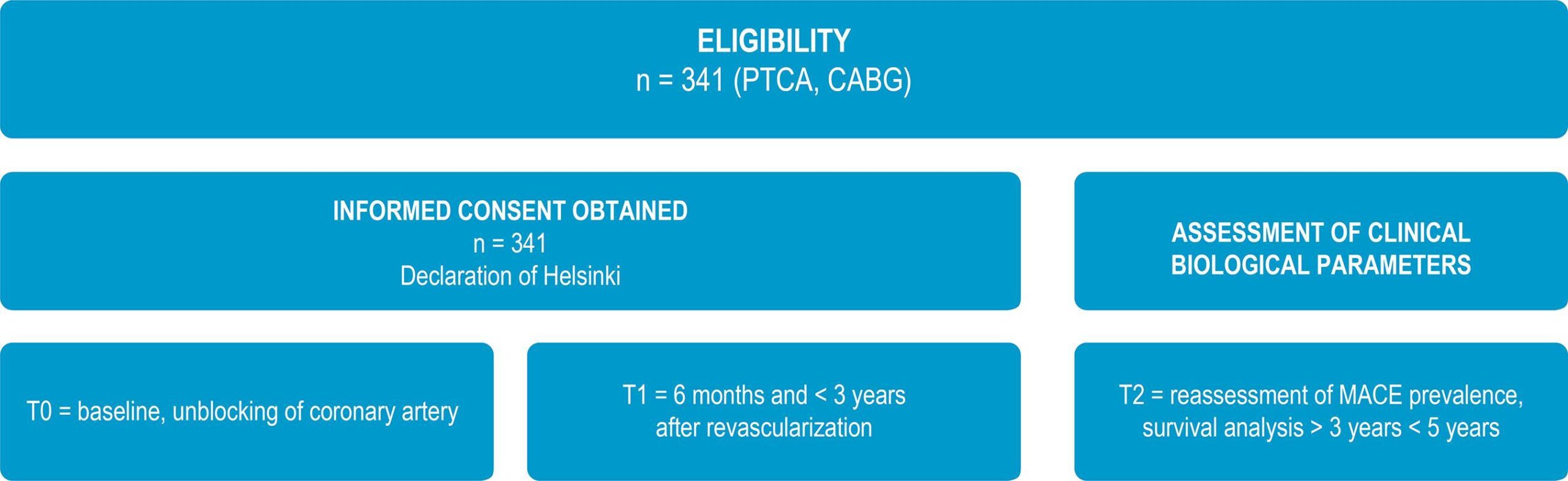
Single-center study on consecutive coronary patients retrospectively identified, conducted at the Institute of Cardiovascular Diseases in Timisoara, Romania. Patients with diagnosis of revascularization for coronary artery disease (percutaneous coronary intervention, PCI or coronary artery bypass grafting, CABG) were included, following the inclusion criteria of the EuroAspire IV study. Outcome measures were assessed at three time points- at T0, when myocardial revascularization was performed; at T1 (interview with patients who had undergone revascularization for more than 6 months and less than 5 years), and T2 (interview with patients who had undergone revascularization for more than 5 years). Associations of primary and secondary lipid targets with the rates of adverse cardiovascular events (MACE) were assessed at T2.

Results:

Of 375 coronary patients, 341 were included in the study. At T1, 5% and 34.9% of patients reached the LDL-c and non-HDL-c target respectively. MACE rate at T2 was 7.9% in a median of 4.33 years of follow-up. We found a positive, statically significant association between MACE rate and LDL-c at T1 (p = 0.039). There were significant differences in mean non-HDLc levels between MACE categories at T1 (p = 0.02). There was a significant association between mean non-HDL with the incidence of heart failure (p = 0.007), newly diagnosed diabetes (p = 0.017) and restenosis rate (p = 0.004).

Conclusion:

The study highlights the need to control lipid risk factors after myocardial revascularization procedures, even at long-term, to minimize the risk of cardiovascular events in patients with coronary diseases.
  • Coronary Artery Disease
  • Epidemiology
  • lipid
  • Metabolism
  • Myocardial Revascularization
  • Risk Factors
Read Full Article
Creative Commons Attribution (CC BY) Creative Commons license
01/01/2017 DOI: 10.5935/2359-4802.20170015 Views 2
Figure 1
Original Article

Cardiopulmonary Exercise Testing in Patients With Left Bundle Branch Block and Preserved Ejection Fraction

Milena dos Santos Barros et al. Rívia Siqueira Amorim Romerito Oliveira Rocha Enaldo Vieira de Melo … José Augusto Barreto-Filho Antônio Carlos Sobral Sousa Romeu Sérgio Meneghelo Joselina Luzia Menezes Oliveira

Abstract

Background:

Left bundle branch block (LBBB) has prognostic significance in patients with congestive heart failure. However, its influence is not well established in patients with preserved systolic ventricular function.

Objective:

To evaluate the implications of LBBB presence in the cardiovascular performance of patients with preserved left ventricular systolic function (LVEF).

Methods:

26 LBBB patients (61.3 ± 8.2 years of age) and 23 healthy individuals (58 ± 6.8 years of age) with LVEF > 0.5 underwent cardiopulmonary exercise testing (CPET).

Results:

CPET analysis revealed: peak oxygen consumption (VO2) predicted in the LBBB group was 87.2 ± 15.0% versus 105.0 ± 15.6% (p < 0.0001); peak oxygen pulse predicted in LBBB group was 98.6 ± 18.6% vs 109.9 ± 13.5% (p = 0.02); VO2 predicted anaerobic threshold in LBBB group was 67.9 ± 13.6% vs 70.2 ± 12.8% (p = 0.55); ΔVO2/Δload in the LBBB group was 15.5 ± 5.51 versus 20.7 ± 7.3 ml.min-1.watts-1 (p = 0.006); ventilation / carbon dioxide production (VE/VCO2 slope) in LBBB group was 29.8 ± 2.9 versus 26.2 ± 2.9 (p = 0.0001) and VO2 recovery time in the LBBB group was 85.2 ± 11.8 vs. 71.5 ± 11.0 seconds (p = 0.0001). LBBB was an independent marker for VE/VCO2 slope increase.

Conclusion:

LBBB presence in individuals with preserved LVEF did not affect cardiovascular performance, but there was an increase of the VE/VCO2 slope in comparison to the control group.

  • Bundle Branch Block
  • Exercise
  • Exercise Test
  • Heart Failure
  • Oxygen Consumption
  • Stroke Volume
Read Full Article
Creative Commons Attribution (CC BY) Creative Commons license
01/01/2017 DOI: 10.5935/2359-4802.20170018 Views 2
Figure 1
Review Article

Understanding Hospitalization in Patients with Heart Failure

Evandro Tinoco Mesquita et al. Antonio José Lagoeiro Jorge Luciana Morais Rabelo Celso Vale Souza Jr

Abstract

Heart failure is one of the most important and challenging public health problems of the 21st century and is associated with hard outcomes, such as death and hospitalization. New treatments for heart failure, despite the decrease in mortality, have not contributed to the decrease in hospitalization rates. Patients admitted with heart failure have a high event rate (> 50%) with a mortality rate between 10 and 15% and a rehospitalization rate within 6 months after discharge of 30 to 40%. Three major causes seem to directly affect the rehospitalization of patients with heart failure: comorbidities, congestion and target-organ lesion. The transition from inpatient to outpatient is a period of vulnerability, due to the progressive nature complexity of heart failure, with an impact on prognosis and which can extend for up to 6 months after hospital discharge. The physician has an important role in the actions that can minimize the risk of hospitalization for heart failure and the multidisciplinary approach, associated with the implementation of good practices supported by scientific evidence, can reduce the risk of hospitalization. The use of routines that have been proven to reduce hospitalization should be used in Brazilian hospitals. The objective of this review was to discuss the main causes of hospitalization, their impact on heart failure evolution and strategies that can be used to reduce it.

  • Comorbidity
  • Heart Failure / mortality
  • Hospitalization / trends
  • medication adherence
  • Prognosis
Read Full Article
Creative Commons Attribution (CC BY) Creative Commons license
01/01/2017 DOI: 10.5935/2359-4802.20160060 Views 2
Figure 1
Original Article

Effect Of Resistance Training On Myocardial Contractility In Vitro After Sleep Deprivation

Sara Quaglia de Campos Giampá et al. Marcos Mônico-Neto Helton de Sá Souza Marco Túlio de Mello … Sergio Tufik Leslie Andrews Portes Andrey Jorge Serra Paulo José Ferreira Tucci Hanna Karen Moreira Antunes

Abstract

Background:

Resistance training promotes cardiovascular health benefits that may affected by sleep deprivation.

Objective:

To evaluate the effect of high-intensity resistance training on myocardial contractility in rats subsequently subjected to paradoxical sleep deprivation.

Methods:

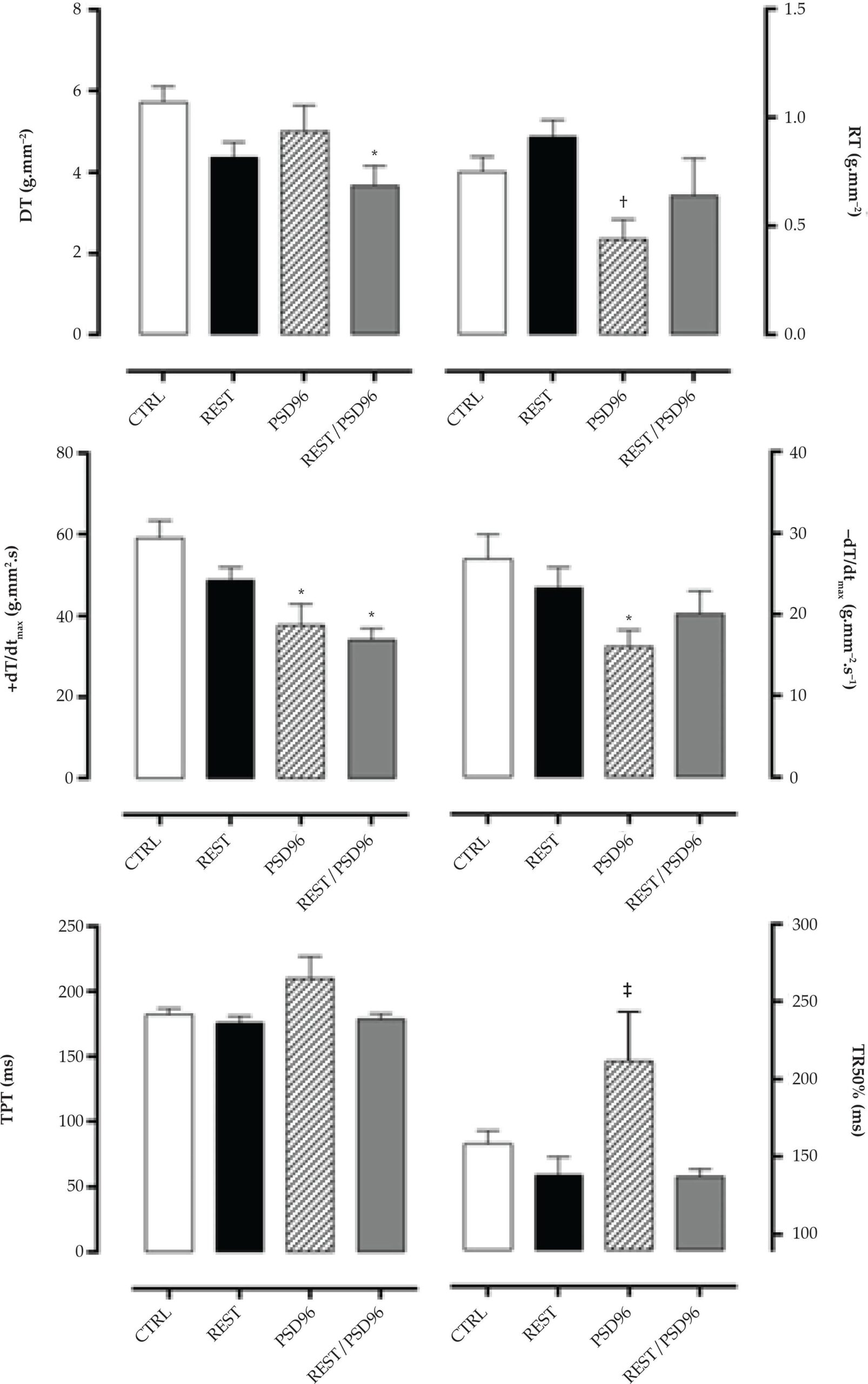
Forty male Wistar rats were distributed into control group (CTRL), resistance training (REST), 96-hour paradoxical sleep deprivation (PSD96) and resistance training followed by 96-hour paradoxical sleep deprivation (REST/PSD96). The animals underwent high-intensity resistance training for 8 weeks, 5x/week. Twenty-four hours after the last training session, the PSD96 and REST/PSD96 groups were submitted to paradoxical sleep deprivation, which was followed by the in vitro study of isolated papillary muscle contractile mechanics.

Results:

In comparison with the CTRL group, a lower papillary muscle length and increased cross sectional area were found in PSD96 and RETS/PSD96, which were associated with decreased temporal parameters of contraction force and relaxation. Decreased resting tension and slowing of relaxation time were found in the PSD96 group only. This effect was attenuated by previous resistance training.

Conclusion:

Resistance training partially prevented contractile changes induced by PSD, minimizing the slowing in relaxation time. Thus, high-intensity exercise seems to not fully protect the cardiac tissue from PSD-induced effects.

  • Animal Experimentation
  • Cardiovascular Diseases
  • Myocardial Contraction
  • Rats
  • Resistance Training
  • Sleep Deprivation
Read Full Article
Creative Commons Attribution (CC BY) Creative Commons license
01/01/2017 DOI: 10.5935/2359-4802.20170019 Views 1
Figure 1
Editorial

Integrity in Scientific Research

Claudio Tinoco Mesquita

The publication of a scientific paper is one of the biggest goals of a scientist. It is fundamental for the advancement of science, improvement of society and the sovereignty of nations. The role played by editors of biomedical journal is considered decisive for the integrity of scientific research. The purpose of this paper is to offer inputs about integrity and scientific fraud and discuss the initiatives that have been taken for the promotion and strengthening of good practices in research.

[…]

  • Ethics
  • Fraud
  • Plagiarism
  • Scientific and Technical Publications
  • Scientific Integrity Review
  • Scientific Misconduct
  • Scientific Research and Technological Development
  • Scientometrics
Read Full Article
Creative Commons Attribution (CC BY) Creative Commons license
01/01/2017 DOI: 10.5935/2359-4802.20170026 Views 1
Figure 1
Original Article

Hierarchical Analysis of Hypertension with the Polymorphic Variant of the ACE Gene and Other Risk Factors in the Elderly

Breno Barreto Ribeiro et al. Pedro Eleutério dos Santos Neto Jairo Evangelista Nascimento João Marcus Oliveira Andrade … Alanna Fernandes Paraíso Sérgio Henrique Sousa Santos Marise Fagundes Silveira Andréa Maria Eleutério de Barros Lima Martins

Abstract

Background:

Hypertension is a clinical condition of multifactorial etiology that imposes serious harm to the health of elderly individuals. Despite the fact that cardiovascular disorders influence the development of hypertension in this age group, several other genetic and environmental factors have been described in the literature, including the polymorphic variant of the angiotensin-converting enzyme (ACE) gene and the distribution of body fat.

Objective:

To assess the prevalence of hypertension among elderly individuals and its possible correlation with the I/D polymorphic variant of the ACE gene and other associated risk factors.

Methods:

Population-based study using a hierarchical model and including 387 elderly individuals residing in the urban area of Ibiaí (Minas Gerais, Brazil).

Results:

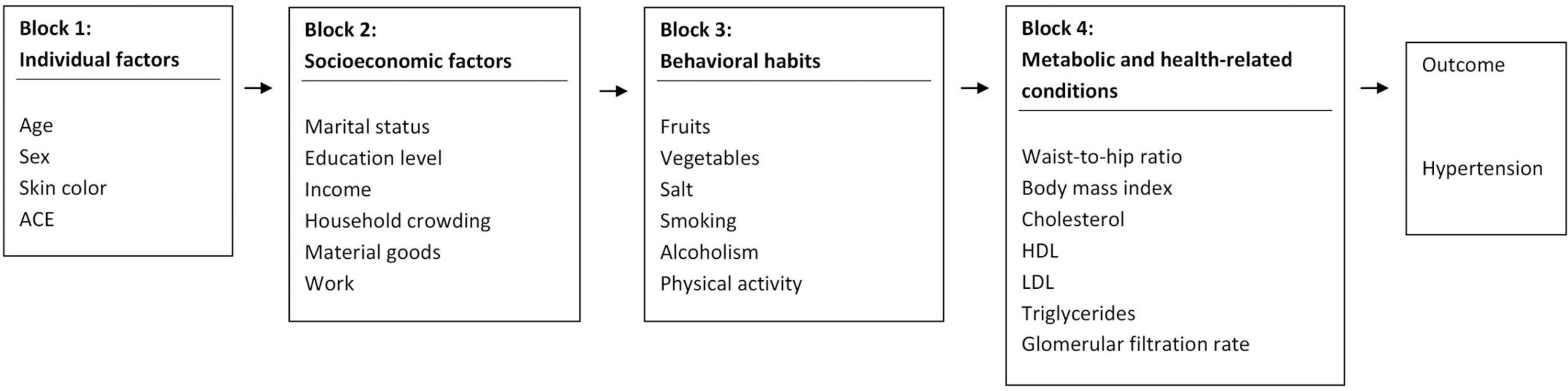
On statistical analysis, the polymorphic variant of the ACE gene was not associated with hypertension (p = 0.316). On the other hand, there was a significant association between hypertension and the variables female sex, absence of a partner, consumption of more than one portion of salt per day, and changes in body mass index and waist-to-hip ratio.

Conclusion:

Although the polymorphic variant of the ACE gene showed no influence on the prevalence of hypertension in elderly individuals, some variables such as individual, socioeconomic, metabolic, and behavioral habits were associated with this condition.

  • Aged
  • Hypertension
  • Peptidyl-Dipeptidase A
  • Polymorphism, Genetic
  • Prevalence
  • Risk Factors
Read Full Article
Creative Commons Attribution (CC BY) Creative Commons license
01/01/2017 DOI: 10.5935/2359-4802.20170031 Views 2
Figure 1
Original Article

Prevalence of Hypertension in Children from Public Schools

Camila Brandão de Souza et al. Cláudia de Souza Dourado José Geraldo Mill Luciane Bresciane Salaroli Maria del Carmen Bisi Molina

Abstract

Background:

There is a discrepancy between protocols used for the diagnosis of childhood hypertension, and the most recommended one is the measurement of blood pressure in at least three different moments.

Objective:

To identify the prevalence of hypertension in children, and to associate it with the nutritional status variable.

Methods:

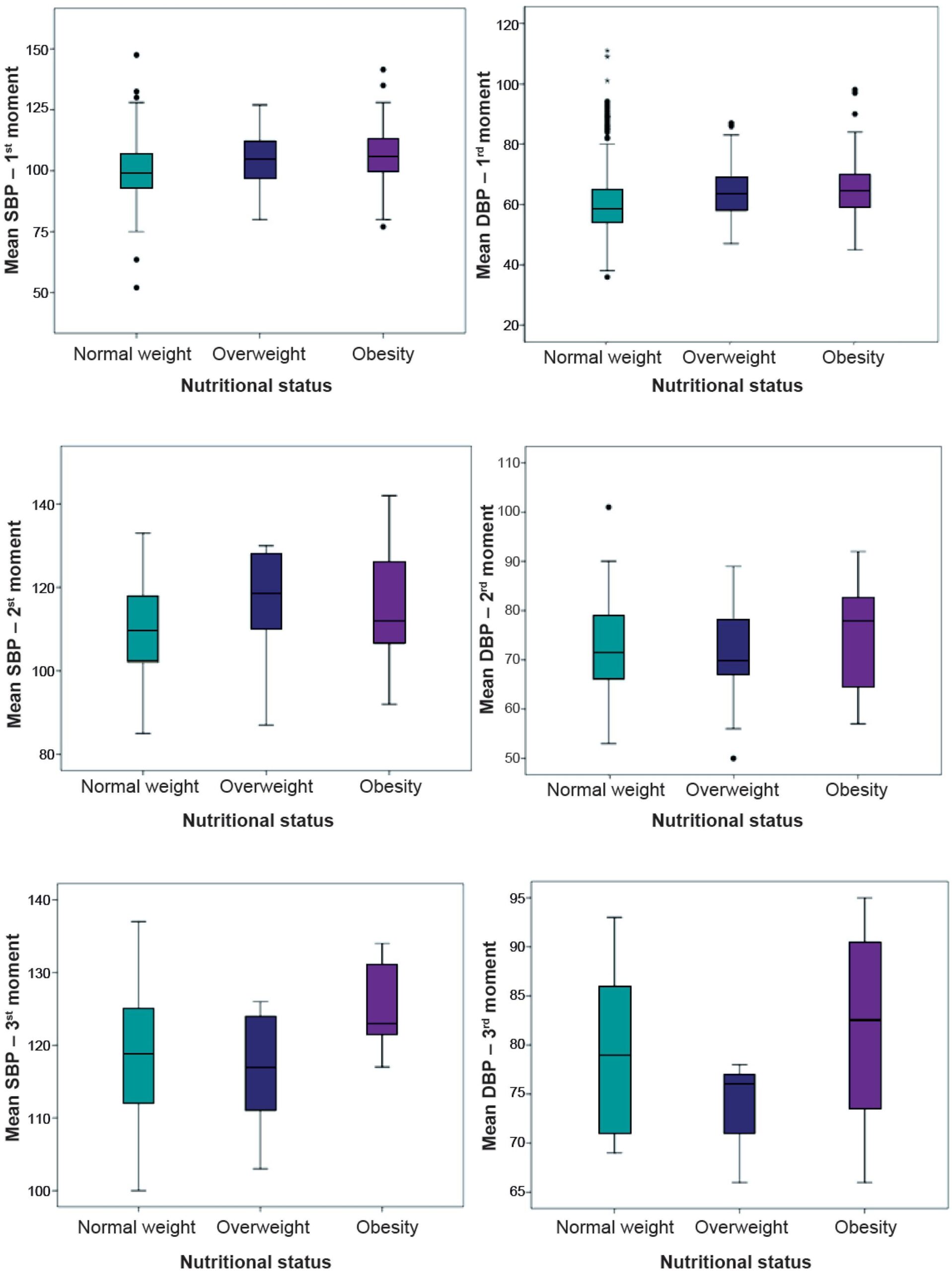
This is a longitudinal study, which included all children aged 7 to 10 years enrolled in public schools and had the authorization of their parents/guardians, totaling 722 children. In the first evaluation, the child’s family answered a questionnaire, and the child was submitted to anthropometric and hemodynamic evaluation. Blood pressure was measured three times at three different times. Children who had high blood pressure at the first moment were reassessed at a second time; those who persisted with high blood pressure were re-evaluated at a third moment.

Results:

The prevalence of high blood pressure at the first moment was 8.1%, being 3.2% in the second and 2.1% in the third. The nutritional status was significantly associated with the increase in systolic and diastolic blood pressures, being higher in overweight and obese children. The highest prevalence of high blood pressure was found in children classified as obese, at all moments.

Conclusion:

By performing blood pressure measurements of children at different moments, it was possible to reduce false-positive cases for arterial hypertension. The nutritional status was directly associated with the increase in blood pressure values. Performing the measurements in routine consultations becomes essential for diagnosis and early intervention.

  • Child
  • Hypertension/epidemiology
  • Obesity, Nutritional Status
  • Overweight
  • Prevalence
Read Full Article
Creative Commons Attribution (CC BY) Creative Commons license
01/01/2017 DOI: 10.5935/2359-4802.20170023 Views 2
Figure 1
Original Article

The Relationship Between Gensini Score and In-Hospital Mortality in Patients with ST-Segment Elevation Myocardial Infarction

Erkan Yildirim et al. Atila Iyisoy Murat Celik Uygar Cagdas Yuksel … Cengizhan Acikel Baris Bugan Yalcin Gokoglan

Abstract

Background:

To date, several validated patient-based risk scores have been established to predict mortality and morbidity in patients presenting with ST-segment elevation myocardial infarction (STEMI). The Gensini score was originally developed to quantify the severity of coronary artery disease (CAD).

Objectives:

We intend to assess the association between severity of CAD assessed by Gensini score and in-hospital mortality in patients with STEMI undergoing primary percutaneous coronary intervention (P-PCI).

Methods:

A total of 539 patients presenting with acute STEMI, who underwent P-PCI within the first 12 hours from the onset of symptoms, were included. The severity of CAD was expressed as the sum of the Gensini scores for each lesion. Patients’ demographic variables, medical histories and clinical features, as well as in hospital major adverse events were obtained from the medical reports.

Results:

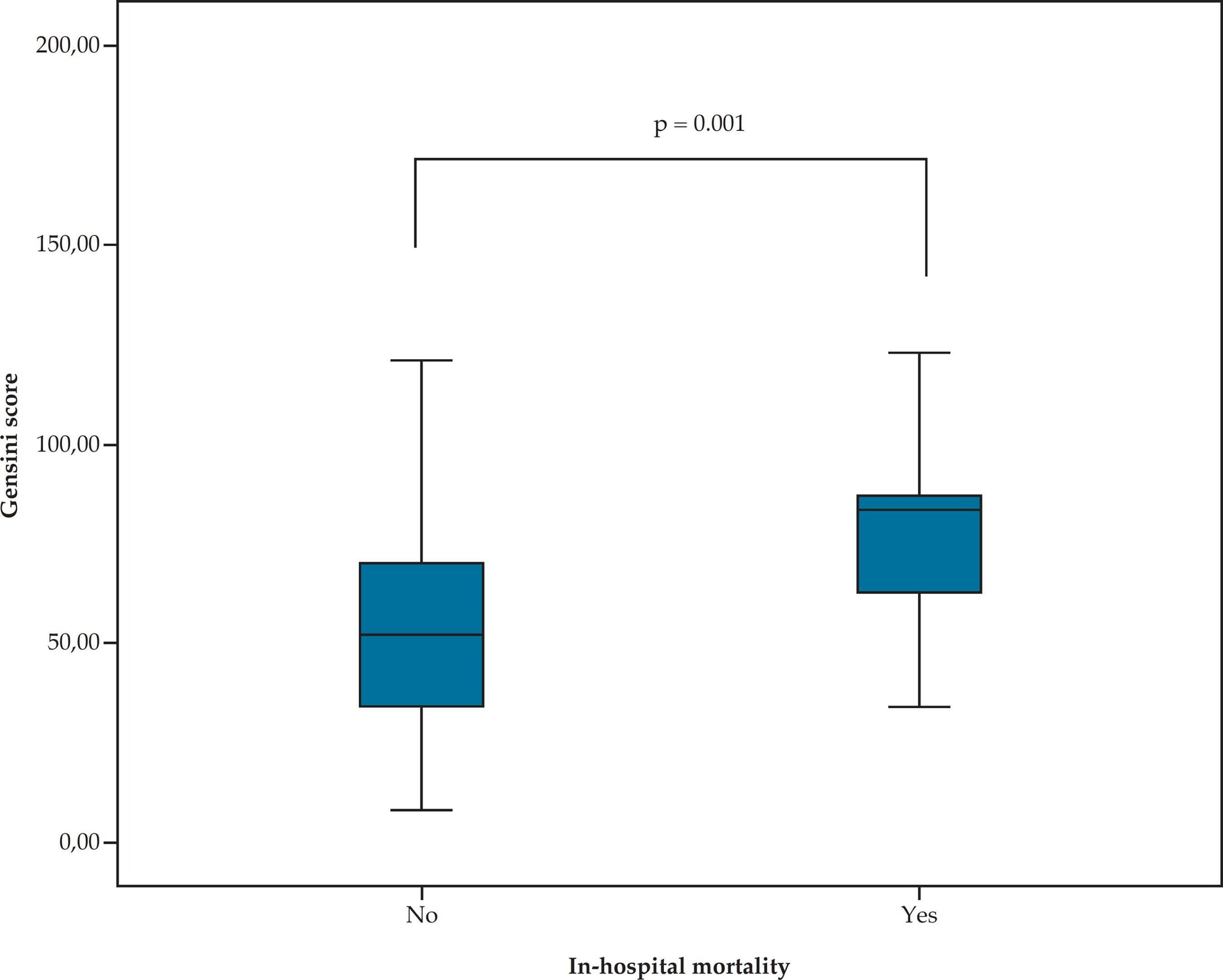
Of these 539 patients, 416 (77.2%) were male and mean age was 59.14 ± 12.68 years. In-hospital mortality rate was 5.4% (29 patients; 16 men). Mortality rate was 10.5% in female patients and 3.8% in males (P = 0.004). Mean Gensini scores were significantly different in the comparison between patients who survived (54.54 ± 26.34) and those who died (80.17 ± 26.51) (P = 0.001). The multivariable Cox proportional hazards regression analysis model revealed that the Gensini score (P = 0.037), female gender (P = 0.039), serum urea levels (P = 0.041), uric acid levels (P = 0.008) and LVEF (P = 0.001) were independently associated with in-hospital mortality in patients with STEMI undergoing P-PCI.

Conclusion:

The Gensini score is independently associated with in-hospital mortality in STEMI patients treated with P-PCI. Therefore, it might play an important role in risk stratification of STEMI patients.

  • Data Interpretation, Statistical
  • Hospital Mortality
  • Myocardial Infarction
  • Percutaneous Coronary Intervention
Read Full Article
Creative Commons Attribution (CC BY) Creative Commons license
01/01/2017 DOI: 10.5935/2359-4802.20170017 Views 2
Original Article

Who Are the Super-Responders to Cardiac Resynchronization Therapy?

Eduardo Arrais Rocha et al. Francisca Tatiana Moreira Pereira Ana Rosa Pinto Quidute José Sebastião Abreu … José Wellington Oliveira Lima Carlos Roberto M Rodrigues Sobrinho Maurício Ibrahim Scanavacca

Abstract

Background:

Patients submitted to cardiac resynchronization may develop response patterns that are higher than expected, with normalization of clinical and echocardiographic parameters.

Objective:

To analyze the clinical and echocardiographic characteristics of this population of super-responders, comparing them with the other patients submitted to cardiac resynchronization therapy.

Methods:

A prospective, observational cohort study involving 146 patients consecutively submitted to cardiac resynchronization implants. Fisher’s exact test and Mann-Whitney test were performed to compare the variables. Patients with ejection fraction > 50% and functional class I/II (New York Heart Association) were considered super-responders after 6 months of cardiac resynchronization therapy.

Results:

Mean age was 64.8 ± 11.1 years, with 69.8% of males, with a median ejection fraction of 29%, 71.5% with left bundle-branch block, 12% with right bundle-branch block associated with hemiblocks; 16.3% wearing a definitive cardiac pacemaker, 29.3% with ischemic cardiomyopathy, 59.4% with dilated cardiomyopathy, and 11.2% with Chagasic cardiomyopathy. Twenty-four (16.4%) super-responders were observed, and 13 (8.9%) showed normalization of the ejection fraction, left ventricular diastolic diameters and functional class. When compared to the non-super-responder patients, in relation to the pre-implantation characteristics, the super-responders were more often females (58.3% vs. 22.8%, p = 0.002), had higher body mass index (26.8 vs. 25.5, p = 0.013), higher baseline ejection fraction (31.0 vs. 26.9, p = 0.0003), and lower left ventricular diastolic diameters (65.9 mm vs. 72.6 mm, p = 0.0032). Ten patients (41.6% of super-responders) with right bundle-branch block and hemiblock progressed to super-responders, although there was only one patient with Chagas’ disease among them, and only at the first assessment.

Conclusions:

Super-responders had less advanced heart disease at baseline and no differences regarding the type of conduction disorder at baseline. Patients with right bundle-branch block and hemiblock, but without Chagasic heart disease may also progress as super-responders.

  • Cardiac Resynchronization Therapy
  • Defibrillators, Implantable
  • Echocardiography
  • Heart Failure
Read Full Article
Creative Commons Attribution (CC BY) Creative Commons license
01/01/2017 DOI: 10.5935/2359-4802.20170020 Views 2
Review Article

Cardiotoxicity of Doxorubicin Treatment and Physical Activity: A Systematic Review

Tauan Nunes Maia et al. Gustavo Bento Ribeiro de Araujo José Antônio Caldas Teixeira Edmundo de Drummond Alves Junior Kátia Pedreira Dias

Abstract

The present study investigated whether the practice of exercise has a protective effect against cardiac toxicity induced by doxorubicin (DOX). A systematic review of randomized clinical trials evaluating the role of exercise in the control or prevention of DOX-induced cardiotoxicity was performed in MEDLINE and LILACS databases. Studies that did not address the main subject of this review, did not mention physical exercise or DOX, studies that evaluated other types of anthracycline-induced toxicities only (muscle, hepatic and renal toxicity) or other effects of exercise on DOX toxicity (fatigue) were excluded. With respect to the variables related to aerobic exercise prescription, there was no direct relationship between the frequency of exercise and the results of the studies. Also, intensity of exercise was not decisive for preservation of cardiac function, although a more intense exercise was associated with improvements in the antioxidant system, which was not observed in studies on lower intensity exercises. No significant differences in exercise effects were observed when it was performed before, during or after the treatment. Therefore, aerobic exercise may exert a protective effect of cardiac functions when performed before, during or after treatment with DOX. However, the mechanisms of this effect are still unknown.

  • Anthracyclines
  • Cardiotoxicity
  • Doxorubicin
  • Exercise
  • Physical Exertion
  • Review
Read Full Article
Creative Commons Attribution (CC BY) Creative Commons license
01/01/2017 DOI: 10.5935/2359-4802.20170004 Views 2
Figure 1
Case Report

Epipericardial Fat Necrosis. An Important Differential Diagnosis of Chest Pain

Núbia Bernardes Carvalho et al. Natália de Paula Lopes e Silva Pedro Paulo Nunes Pereira André Volani Morganti … Sinval Lins Silva André Silva Rodrigues

Introduction

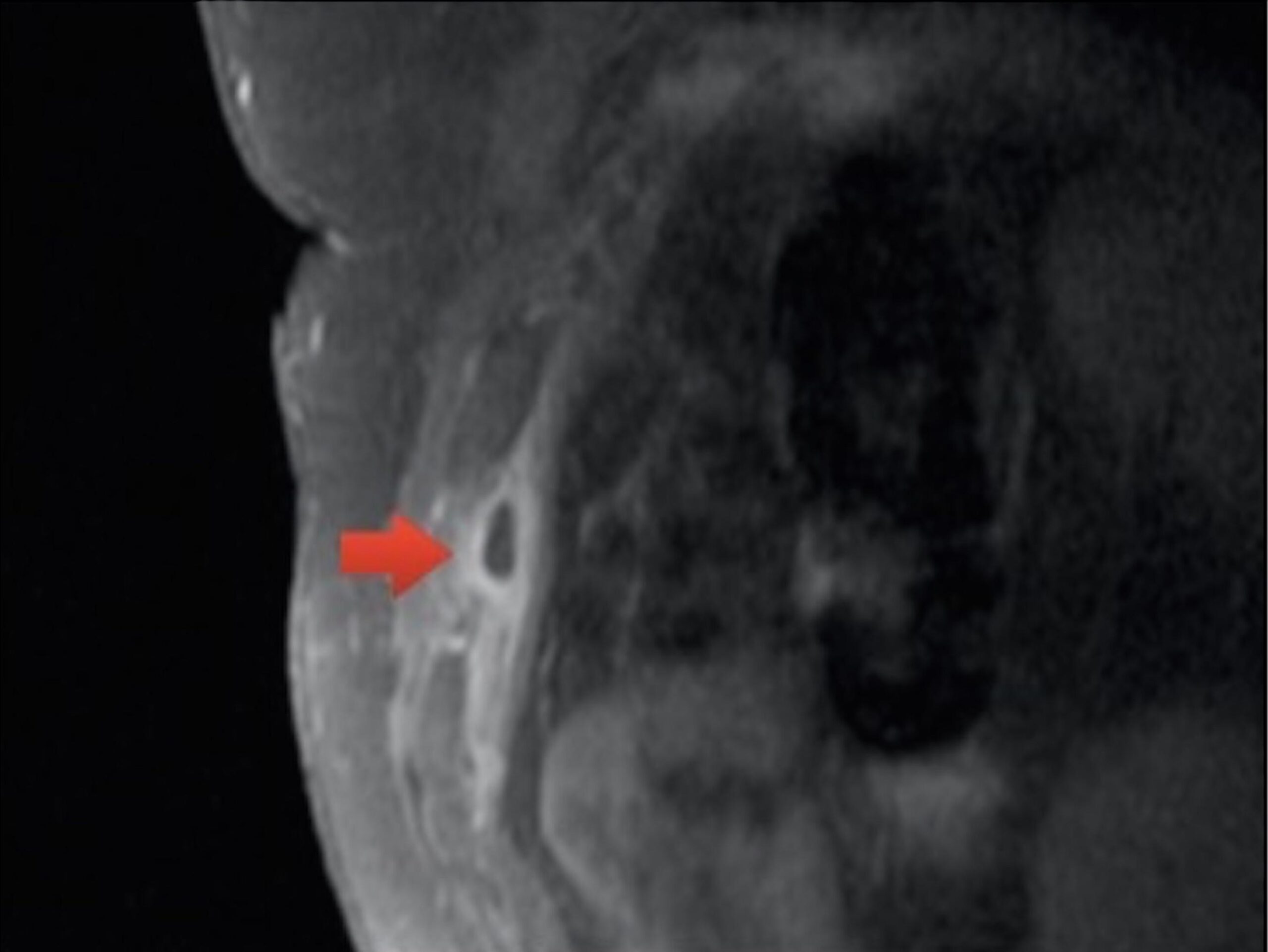
Epipericardial fat necrosis (EPFN) is a rare, benign, and self-limiting condition, first described in 1957 by Jackson et al. Currently, there are only 33 cases described in the literature.–

The pathophysiology of the disease remains uncertain. Likely predisposing factors include torsion of the vascular pedicle of adipose tissue, structural alterations that make the tissue more vulnerable and obesity, which, like the Valsalva maneuver, can lead to increased capillary pressure, causing hemorrhage into the adipose tissue. There are also reports of association with chest trauma or infections.

[…]

  • Chest Pain
  • Dyspnea
  • Fat Necrosis / physiopathology
  • Obesity
  • Pericardium
Read Full Article
Creative Commons Attribution (CC BY) Creative Commons license
01/01/2017 DOI: 10.5935/2359-4802.20170012 Views 1
Figure 1
Case Report

Rare Case of Hypertensive Crisis Secondary to Diencephalic Epilepsy

Renato Niemeyer de Freitas Ribeiro et al. Wolney de Andrade Martins Bruno Niemeyer de Freitas Ribeiro

Introduction

Hypertensive crisis (HC) is a clinical situation characterized by the quick, inappropriate, intense and symptomatic elevation of blood pressure, with or without risk of target-organ deterioration. HC has shown a decrease in incidence, most likely due to the advancement of outpatient antihypertensive therapy, but it still represents a challenge in emergency clinical practice. In over 80% of cases, patients already have a previous diagnosis of arterial hypertension (AH). However, undiagnosed AH or secondary causes may be the etiology of HC.

[…]

  • Epilepsy
  • Hypertension/complications
  • Hypertensive Encephalopathy / complications
  • Hypothalamic Diseases
Read Full Article
Creative Commons Attribution (CC BY) Creative Commons license
01/01/2017 DOI: 10.5935/2359-4802.20170016 Views 2

How to cite this article

EndNote RIS

Electronic Document Format (Vancouver)

Catalina CO, Adina B, Smarandita BED, Angela D, Dan G, Silvia M. Cardiovascular Lipid Risk Factors and Rate of Cardiovascular Events After Myocardial Revascularization. International Journal of Cardiovascular Sciences 2017;30(1):4-10.

Electronic Document Format (ABNT)

Catalina, Cosor Oana; Adina, Bucur; Smarandita, Baibata Emilia Dana; Angela, Dragomir; Dan, Gaita; Silvia, Mancas. Cardiovascular Lipid Risk Factors and Rate of Cardiovascular Events After Myocardial Revascularization. International Journal of Cardiovascular Sciences, v. 30, n. 1, p. 4-10, Dec. 2016.

Electronic Document Format (APA)

Catalina, C. O., Adina, B., Smarandita, B. E. D., Angela, D., Dan, G., & Silvia, M. (2017). Cardiovascular Lipid Risk Factors and Rate of Cardiovascular Events After Myocardial Revascularization. International Journal of Cardiovascular Sciences, 30(1), 4-10.

Electronic Document Format (ISO)

Catalina, Cosor Oana and Adina, Bucur and Smarandita, Baibata Emilia Dana and Angela, Dragomir and Dan, Gaita and Silvia, Mancas. Cardiovascular Lipid Risk Factors and Rate of Cardiovascular Events After Myocardial Revascularization. International Journal of Cardiovascular Sciences [online]. 2017, vol. 30, n. 1, [cited 2026-10-14], pp. 4-10. Available from: <https://journals.cardiol.br/en/article/cardiovascular-lipid-risk-factors-and-rate-of-cardiovascular-events-after-myocardial-revascularization/>. ISSN 2359-4802

EndNote RIS

Electronic Document Format (Vancouver)

Barros MS, Amorim RS, Rocha RO, Melo EV, Barreto-Filho JA, Sousa ACS, Meneghelo RS, et al. Cardiopulmonary Exercise Testing in Patients With Left Bundle Branch Block and Preserved Ejection Fraction. International Journal of Cardiovascular Sciences 2017;30(1):11-9.

Electronic Document Format (ABNT)

Barros, Milena dos Santos; Amorim, Rívia Siqueira; Rocha, Romerito Oliveira; Melo, Enaldo Vieira de; Barreto-Filho, José Augusto; Sousa, Antônio Carlos Sobral; Meneghelo, Romeu Sérgio; Oliveira, Joselina Luzia Menezes. Cardiopulmonary Exercise Testing in Patients With Left Bundle Branch Block and Preserved Ejection Fraction. International Journal of Cardiovascular Sciences, v. 30, n. 1, p. 11-19, Dec. 2016.

Electronic Document Format (APA)

Barros, M. S., Amorim, R. S., Rocha, R. O., Melo, E. V. , Barreto-Filho, J. A., Sousa, A. C. S., Meneghelo, R. S., & Oliveira, J. L. M. (2017). Cardiopulmonary Exercise Testing in Patients With Left Bundle Branch Block and Preserved Ejection Fraction. International Journal of Cardiovascular Sciences, 30(1), 11-19.

Electronic Document Format (ISO)

Barros, Milena dos Santos and Amorim, Rívia Siqueira and Rocha, Romerito Oliveira and Melo, Enaldo Vieira de and Barreto-Filho, José Augusto and Sousa, Antônio Carlos Sobral and Meneghelo, Romeu Sérgio and Oliveira, Joselina Luzia Menezes. Cardiopulmonary Exercise Testing in Patients With Left Bundle Branch Block and Preserved Ejection Fraction. International Journal of Cardiovascular Sciences [online]. 2017, vol. 30, n. 1, [cited 2026-10-14], pp. 11-19. Available from: <https://journals.cardiol.br/en/article/cardiopulmonary-exercise-testing-in-patients-with-left-bundle-branch-block-and-preserved-ejection-fraction/>. ISSN 2359-4802

EndNote RIS

Electronic Document Format (Vancouver)

Mesquita ET, Jorge AJL, Rabelo LM, Souza Jr CV. Understanding Hospitalization in Patients with Heart Failure. International Journal of Cardiovascular Sciences 2017;30(1):81-90.

Electronic Document Format (ABNT)

Mesquita, Evandro Tinoco; Jorge, Antonio José Lagoeiro; Rabelo, Luciana Morais; Souza Jr, Celso Vale. Understanding Hospitalization in Patients with Heart Failure. International Journal of Cardiovascular Sciences, v. 30, n. 1, p. 81-90, Dec. 2016.

Electronic Document Format (APA)

Mesquita, E. T., Jorge, A. J. L., Rabelo, L. M., & Souza Jr, C. V. (2017). Understanding Hospitalization in Patients with Heart Failure. International Journal of Cardiovascular Sciences, 30(1), 81-90.

Electronic Document Format (ISO)

Mesquita, Evandro Tinoco and Jorge, Antonio José Lagoeiro and Rabelo, Luciana Morais and Souza Jr, Celso Vale. Understanding Hospitalization in Patients with Heart Failure. International Journal of Cardiovascular Sciences [online]. 2017, vol. 30, n. 1, [cited 2026-10-14], pp. 81-90. Available from: <https://journals.cardiol.br/en/article/understanding-hospitalization-in-patients-with-heart-failure/>. ISSN 2359-4802

EndNote RIS

Electronic Document Format (Vancouver)

Giampá SQC, Mônico-Neto M, Souza HS, Mello MT, Tufik S, Portes LA, Serra AJ, et al. Effect Of Resistance Training On Myocardial Contractility In Vitro After Sleep Deprivation. International Journal of Cardiovascular Sciences 2017;30(1):20-31.

Electronic Document Format (ABNT)

Giampá, Sara Quaglia de Campos; Mônico-Neto, Marcos; Souza, Helton de Sá; Mello, Marco Túlio de; Tufik, Sergio; Portes, Leslie Andrews; Serra, Andrey Jorge; Tucci, Paulo José Ferreira; Antunes, Hanna Karen Moreira. Effect Of Resistance Training On Myocardial Contractility In Vitro After Sleep Deprivation. International Journal of Cardiovascular Sciences, v. 30, n. 1, p. 20-31, Dec. 2016.

Electronic Document Format (APA)

Giampá, S. Q. C., Mônico-Neto, M., Souza, H. S., Mello, M. T. , Tufik, S., Portes, L. A., Serra, A. J., Tucci, P. J. F., & Antunes, H. K. M. (2017). Effect Of Resistance Training On Myocardial Contractility In Vitro After Sleep Deprivation. International Journal of Cardiovascular Sciences, 30(1), 20-31.

Electronic Document Format (ISO)

Giampá, Sara Quaglia de Campos and Mônico-Neto, Marcos and Souza, Helton de Sá and Mello, Marco Túlio de and Tufik, Sergio and Portes, Leslie Andrews and Serra, Andrey Jorge and Tucci, Paulo José Ferreira and Antunes, Hanna Karen Moreira. Effect Of Resistance Training On Myocardial Contractility In Vitro After Sleep Deprivation. International Journal of Cardiovascular Sciences [online]. 2017, vol. 30, n. 1, [cited 2026-10-14], pp. 20-31. Available from: <https://journals.cardiol.br/en/article/effect-of-resistance-training-on-myocardial-contractility-in-vitro-after-sleep-deprivation/>. ISSN 2359-4802

EndNote RIS

Electronic Document Format (Vancouver)

Mesquita CT. Integrity in Scientific Research. International Journal of Cardiovascular Sciences 2017;30(1):1-3.

Electronic Document Format (ABNT)

Mesquita, Claudio Tinoco. Integrity in Scientific Research. International Journal of Cardiovascular Sciences, v. 30, n. 1, p. 1-3, Dec. 2016.

Electronic Document Format (APA)

Mesquita, C. T. (2017). Integrity in Scientific Research. International Journal of Cardiovascular Sciences, 30(1), 1-3.

Electronic Document Format (ISO)

Mesquita, Claudio Tinoco. Integrity in Scientific Research. International Journal of Cardiovascular Sciences [online]. 2017, vol. 30, n. 1, [cited 2026-10-14], pp. 1-3. Available from: <https://journals.cardiol.br/en/article/integrity-in-scientific-research/>. ISSN 2359-4802

EndNote RIS

Electronic Document Format (Vancouver)

Ribeiro BB, Santos Neto PE, Nascimento JE, Andrade JMO, Paraíso AF, Santos SHS, Silveira MF, et al. Hierarchical Analysis of Hypertension with the Polymorphic Variant of the ACE Gene and Other Risk Factors in the Elderly. International Journal of Cardiovascular Sciences 2017;30(1):52-60.

Electronic Document Format (ABNT)

Ribeiro, Breno Barreto; Santos Neto, Pedro Eleutério dos; Nascimento, Jairo Evangelista; Andrade, João Marcus Oliveira; Paraíso, Alanna Fernandes; Santos, Sérgio Henrique Sousa; Silveira, Marise Fagundes; Martins, Andréa Maria Eleutério de Barros Lima. Hierarchical Analysis of Hypertension with the Polymorphic Variant of the ACE Gene and Other Risk Factors in the Elderly. International Journal of Cardiovascular Sciences, v. 30, n. 1, p. 52-60, Dec. 2016.

Electronic Document Format (APA)

Ribeiro, B. B., Santos Neto, P. E. , Nascimento, J. E., Andrade, J. M. O., Paraíso, A. F., Santos, S. H. S., Silveira, M. F., & Martins, A. M. E. B. L. (2017). Hierarchical Analysis of Hypertension with the Polymorphic Variant of the ACE Gene and Other Risk Factors in the Elderly. International Journal of Cardiovascular Sciences, 30(1), 52-60.

Electronic Document Format (ISO)

Ribeiro, Breno Barreto and Santos Neto, Pedro Eleutério dos and Nascimento, Jairo Evangelista and Andrade, João Marcus Oliveira and Paraíso, Alanna Fernandes and Santos, Sérgio Henrique Sousa and Silveira, Marise Fagundes and Martins, Andréa Maria Eleutério de Barros Lima. Hierarchical Analysis of Hypertension with the Polymorphic Variant of the ACE Gene and Other Risk Factors in the Elderly. International Journal of Cardiovascular Sciences [online]. 2017, vol. 30, n. 1, [cited 2026-10-14], pp. 52-60. Available from: <https://journals.cardiol.br/en/article/hierarchical-analysis-of-hypertension-with-the-polymorphic-variant-of-the-ace-gene-and-other-risk-factors-in-the-elderly/>. ISSN 2359-4802

EndNote RIS

Electronic Document Format (Vancouver)

Souza CB, Dourado CS, Mill JG, Salaroli LB, Molina MCB. Prevalence of Hypertension in Children from Public Schools. International Journal of Cardiovascular Sciences 2017;30(1):42-51.

Electronic Document Format (ABNT)

Souza, Camila Brandão de; Dourado, Cláudia de Souza; Mill, José Geraldo; Salaroli, Luciane Bresciane; Molina, Maria del Carmen Bisi. Prevalence of Hypertension in Children from Public Schools. International Journal of Cardiovascular Sciences, v. 30, n. 1, p. 42-51, Dec. 2016.

Electronic Document Format (APA)

Souza, C. B. , Dourado, C. S., Mill, J. G., Salaroli, L. B., & Molina, M. C. B. (2017). Prevalence of Hypertension in Children from Public Schools. International Journal of Cardiovascular Sciences, 30(1), 42-51.

Electronic Document Format (ISO)

Souza, Camila Brandão de and Dourado, Cláudia de Souza and Mill, José Geraldo and Salaroli, Luciane Bresciane and Molina, Maria del Carmen Bisi. Prevalence of Hypertension in Children from Public Schools. International Journal of Cardiovascular Sciences [online]. 2017, vol. 30, n. 1, [cited 2026-10-14], pp. 42-51. Available from: <https://journals.cardiol.br/en/article/prevalence-of-hypertension-in-children-from-public-schools/>. ISSN 2359-4802

EndNote RIS

Electronic Document Format (Vancouver)

Yildirim E, Iyisoy A, Celik M, Yuksel UC, Acikel C, Bugan B, Gokoglan Y, et al. The Relationship Between Gensini Score and In-Hospital Mortality in Patients with ST-Segment Elevation Myocardial Infarction. International Journal of Cardiovascular Sciences 2017;30(1):32-41.

Electronic Document Format (ABNT)

Yildirim, Erkan; Iyisoy, Atila; Celik, Murat; Yuksel, Uygar Cagdas; Acikel, Cengizhan; Bugan, Baris; Gokoglan, Yalcin. The Relationship Between Gensini Score and In-Hospital Mortality in Patients with ST-Segment Elevation Myocardial Infarction. International Journal of Cardiovascular Sciences, v. 30, n. 1, p. 32-41, Dec. 2016.

Electronic Document Format (APA)

Yildirim, E., Iyisoy, A., Celik, M., Yuksel, U. C., Acikel, C., Bugan, B., & Gokoglan, Y. (2017). The Relationship Between Gensini Score and In-Hospital Mortality in Patients with ST-Segment Elevation Myocardial Infarction. International Journal of Cardiovascular Sciences, 30(1), 32-41.

Electronic Document Format (ISO)

Yildirim, Erkan and Iyisoy, Atila and Celik, Murat and Yuksel, Uygar Cagdas and Acikel, Cengizhan and Bugan, Baris and Gokoglan, Yalcin. The Relationship Between Gensini Score and In-Hospital Mortality in Patients with ST-Segment Elevation Myocardial Infarction. International Journal of Cardiovascular Sciences [online]. 2017, vol. 30, n. 1, [cited 2026-10-14], pp. 32-41. Available from: <https://journals.cardiol.br/en/article/the-relationship-between-gensini-score-and-in-hospital-mortality-in-patients-with-st-segment-elevation-myocardial-infarction/>. ISSN 2359-4802

EndNote RIS

Electronic Document Format (Vancouver)

Rocha EA, Pereira FTM, Quidute ARP, Abreu JS, Lima JWO, Sobrinho CRMR, Scanavacca MI, et al. Who Are the Super-Responders to Cardiac Resynchronization Therapy?. International Journal of Cardiovascular Sciences 2017;30(1):61-9.

Electronic Document Format (ABNT)

Rocha, Eduardo Arrais; Pereira, Francisca Tatiana Moreira; Quidute, Ana Rosa Pinto; Abreu, José Sebastião; Lima, José Wellington Oliveira; Sobrinho, Carlos Roberto M Rodrigues; Scanavacca, Maurício Ibrahim. Who Are the Super-Responders to Cardiac Resynchronization Therapy?. International Journal of Cardiovascular Sciences, v. 30, n. 1, p. 61-69, Dec. 2016.

Electronic Document Format (APA)

Rocha, E. A., Pereira, F. T. M., Quidute, A. R. P., Abreu, J. S., Lima, J. W. O., Sobrinho, C. R. M. R., & Scanavacca, M. I. (2017). Who Are the Super-Responders to Cardiac Resynchronization Therapy?. International Journal of Cardiovascular Sciences, 30(1), 61-69.

Electronic Document Format (ISO)

Rocha, Eduardo Arrais and Pereira, Francisca Tatiana Moreira and Quidute, Ana Rosa Pinto and Abreu, José Sebastião and Lima, José Wellington Oliveira and Sobrinho, Carlos Roberto M Rodrigues and Scanavacca, Maurício Ibrahim. Who Are the Super-Responders to Cardiac Resynchronization Therapy?. International Journal of Cardiovascular Sciences [online]. 2017, vol. 30, n. 1, [cited 2026-10-14], pp. 61-69. Available from: <https://journals.cardiol.br/en/article/who-are-the-super-responders-to-cardiac-resynchronization-therapy/>. ISSN 2359-4802

EndNote RIS

Electronic Document Format (Vancouver)

Maia TN, Araujo GBR, Teixeira JAC, Alves Junior ED, Dias KP. Cardiotoxicity of Doxorubicin Treatment and Physical Activity: A Systematic Review. International Journal of Cardiovascular Sciences 2017;30(1):70-8.

Electronic Document Format (ABNT)

Maia, Tauan Nunes; Araujo, Gustavo Bento Ribeiro de; Teixeira, José Antônio Caldas; Alves Junior, Edmundo de Drummond; Dias, Kátia Pedreira. Cardiotoxicity of Doxorubicin Treatment and Physical Activity: A Systematic Review. International Journal of Cardiovascular Sciences, v. 30, n. 1, p. 70-80, Dec. 2016.

Electronic Document Format (APA)

Maia, T. N., Araujo, G. B. R. , Teixeira, J. A. C., Alves Junior, E. D., & Dias, K. P. (2017). Cardiotoxicity of Doxorubicin Treatment and Physical Activity: A Systematic Review. International Journal of Cardiovascular Sciences, 30(1), 70-80.

Electronic Document Format (ISO)

Maia, Tauan Nunes and Araujo, Gustavo Bento Ribeiro de and Teixeira, José Antônio Caldas and Alves Junior, Edmundo de Drummond and Dias, Kátia Pedreira. Cardiotoxicity of Doxorubicin Treatment and Physical Activity: A Systematic Review. International Journal of Cardiovascular Sciences [online]. 2017, vol. 30, n. 1, [cited 2026-10-14], pp. 70-80. Available from: <https://journals.cardiol.br/en/article/cardiotoxicity-of-doxorubicin-treatment-and-physical-activity-a-systematic-review/>. ISSN 2359-4802

EndNote RIS

Electronic Document Format (Vancouver)

Carvalho NB, Silva NPL, Pereira PPN, Morganti AV, Silva SL, Rodrigues AS. Epipericardial Fat Necrosis. An Important Differential Diagnosis of Chest Pain. International Journal of Cardiovascular Sciences 2017;30(1):91-4.

Electronic Document Format (ABNT)

Carvalho, Núbia Bernardes; Silva, Natália de Paula Lopes e; Pereira, Pedro Paulo Nunes; Morganti, André Volani; Silva, Sinval Lins; Rodrigues, André Silva. Epipericardial Fat Necrosis. An Important Differential Diagnosis of Chest Pain. International Journal of Cardiovascular Sciences, v. 30, n. 1, p. 91-94, Dec. 2016.

Electronic Document Format (APA)

Carvalho, N. B., Silva, N. P. L. , Pereira, P. P. N., Morganti, A. V., Silva, S. L., & Rodrigues, A. S. (2017). Epipericardial Fat Necrosis. An Important Differential Diagnosis of Chest Pain. International Journal of Cardiovascular Sciences, 30(1), 91-94.

Electronic Document Format (ISO)

Carvalho, Núbia Bernardes and Silva, Natália de Paula Lopes e and Pereira, Pedro Paulo Nunes and Morganti, André Volani and Silva, Sinval Lins and Rodrigues, André Silva. Epipericardial Fat Necrosis. An Important Differential Diagnosis of Chest Pain. International Journal of Cardiovascular Sciences [online]. 2017, vol. 30, n. 1, [cited 2026-10-14], pp. 91-94. Available from: <https://journals.cardiol.br/en/article/epipericardial-fat-necrosis-an-important-differential-diagnosis-of-chest-pain/>. ISSN 2359-4802

EndNote RIS

Electronic Document Format (Vancouver)

Ribeiro RNF, Martins WA, Ribeiro BNF. Rare Case of Hypertensive Crisis Secondary to Diencephalic Epilepsy. International Journal of Cardiovascular Sciences 2017;30(1):95-7.

Electronic Document Format (ABNT)

Ribeiro, Renato Niemeyer de Freitas; Martins, Wolney de Andrade; Ribeiro, Bruno Niemeyer de Freitas. Rare Case of Hypertensive Crisis Secondary to Diencephalic Epilepsy. International Journal of Cardiovascular Sciences, v. 30, n. 1, p. 95-97, Dec. 2016.

Electronic Document Format (APA)

Ribeiro, R. N. F., Martins, W. A., & Ribeiro, B. N. F. (2017). Rare Case of Hypertensive Crisis Secondary to Diencephalic Epilepsy. International Journal of Cardiovascular Sciences, 30(1), 95-97.

Electronic Document Format (ISO)

Ribeiro, Renato Niemeyer de Freitas and Martins, Wolney de Andrade and Ribeiro, Bruno Niemeyer de Freitas. Rare Case of Hypertensive Crisis Secondary to Diencephalic Epilepsy. International Journal of Cardiovascular Sciences [online]. 2017, vol. 30, n. 1, [cited 2026-10-14], pp. 95-97. Available from: <https://journals.cardiol.br/en/article/rare-case-of-hypertensive-crisis-secondary-to-diencephalic-epilepsy/>. ISSN 2359-4802

Sede – Rio de Janeiro
Av. Marechal Câmara, 160
3º andar – Sala: 330 – Centro
Rio de Janeiro – CEP: 20020-907
Tel.: (55 +21) 3478-2700
ou (21) 99386-3961
E-mail: revista@cardiol.br

Sede – São Paulo
Alameda Santos, 705 – 11º andar
Cerqueira César | São Paulo
CEP: 01419-001
Tel.: (55 +11) 3411-5500
E-mail: revista@cardiol.br

  • About the Journal
  • Internal Regulation
  • Editors Section
  • Editorial Board
  • SBC Award

  • Guidelines for Publication
  • Editorial Policy
  • Ethics Policy
  • Policy on the Use of Artificial Intelligence
  • Mandatory Publication Form
  • Publication Fee

Issues

SBC Guidelines

  • How to Publish an Abstract Supplement?
  • Published Supplements