Efficacy of a Salt Substitute on the Incidence of Hypertension: A Systematic Review with Meta-Analysis
Abstract
Background
A potassium-enriched salt substitute, in which part of sodium chloride is replaced with potassium chloride, has shown considerable potential as a population-level strategy to reduce sodium intake and prevent cardiovascular disease. In recent years, research has focused primarily on individuals with hypertension, demonstrating that salt substitutes can influence blood pressure (BP).
Objective
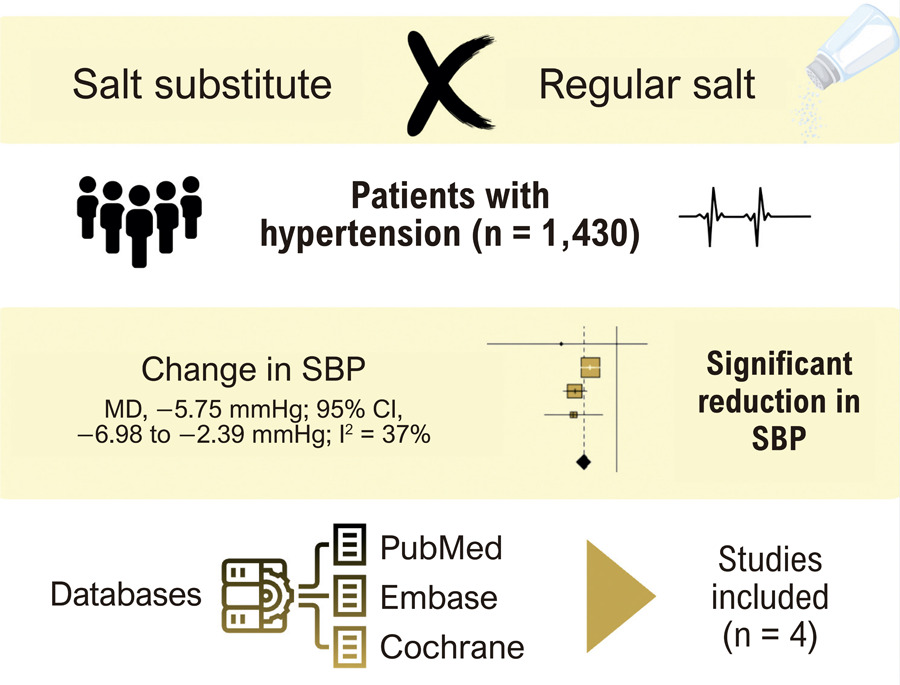
To perform a meta-analysis quantifying the magnitude of BP reduction in patients with hypertension using regular salt compared with those using a salt substitute.
Methods
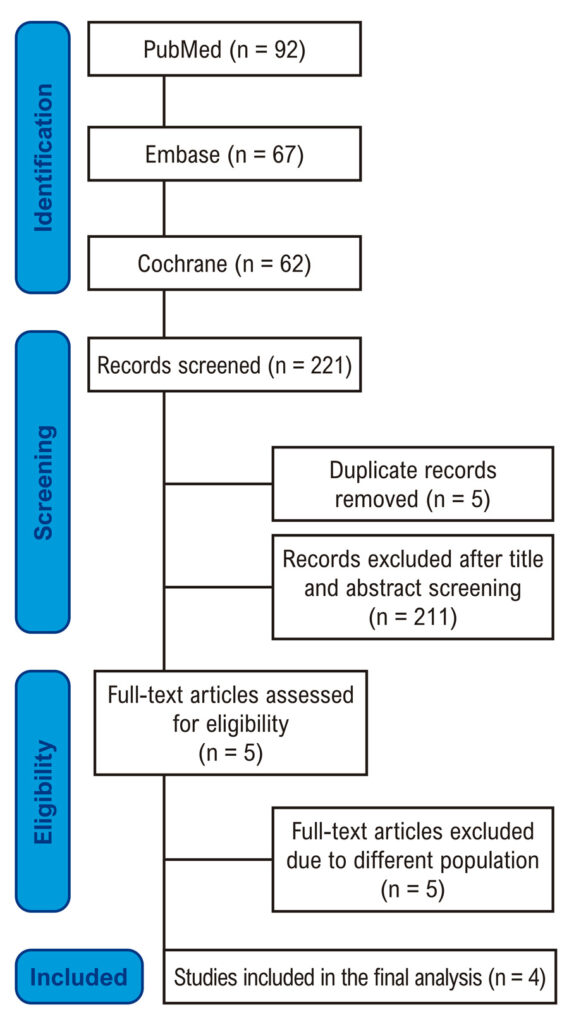
PubMed, Scopus, and Web of Science were searched for randomized controlled trials (RCTs) comparing regular salt with a salt substitute. Mean differences (MD) with 95% CIs were calculated using a random-effects model. Heterogeneity was assessed using the I2 statistic. A p-value < 0.05 was considered statistically significant.
Results
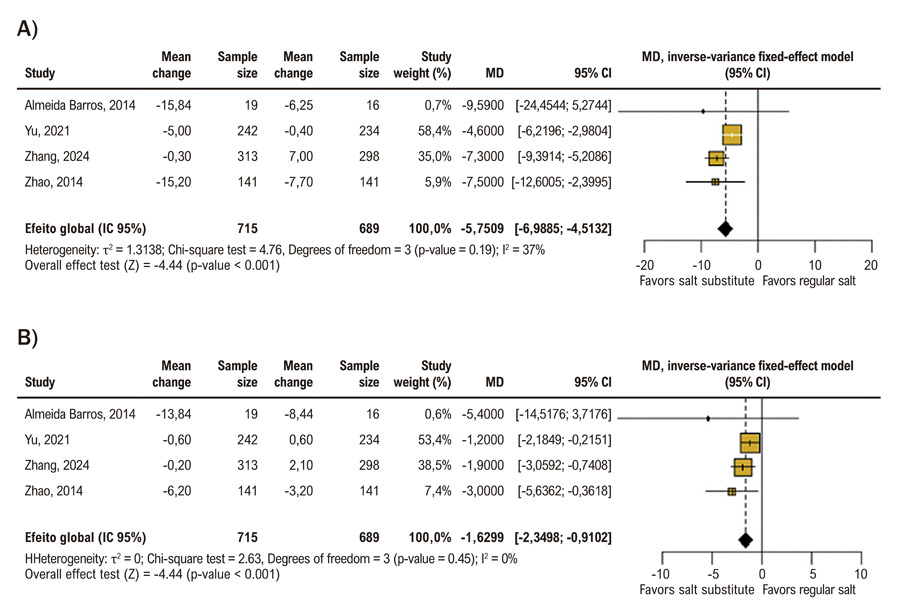
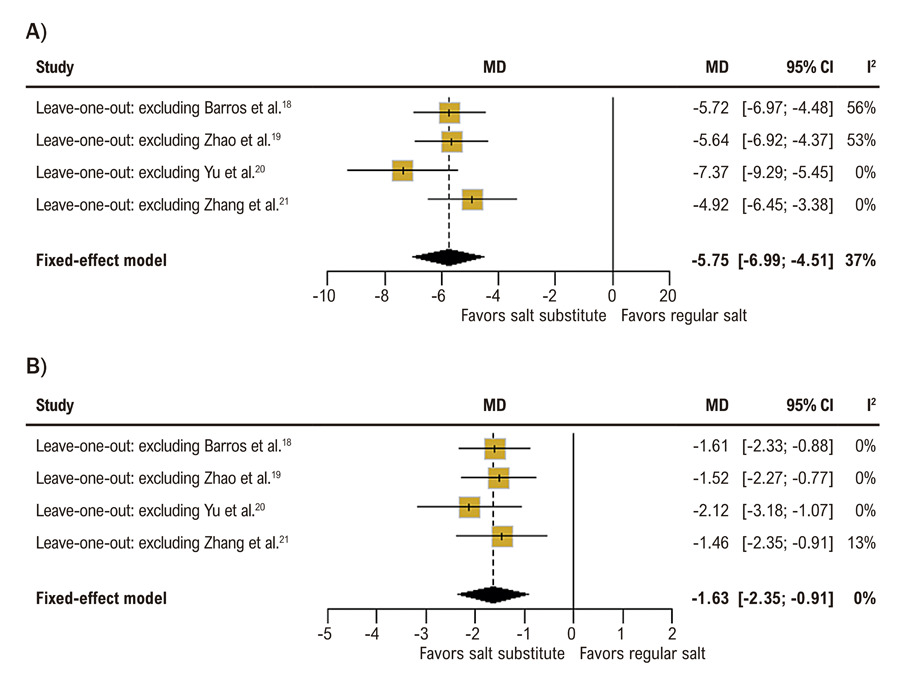
Four RCTs involving 1,430 participants were included, of whom 725 (49.57%) received the salt substitute. The use of a salt substitute was associated with a significant reduction in systolic BP (SBP) (MD, −5.75 mmHg; 95% CI, −6.98 to −2.39 mmHg; I2 = 37%; p < 0.01) and a significant reduction in diastolic BP (DBP) (MD, −1.62 mmHg; 95% CI, −2.34 to −0.91 mmHg; I2 = 0%; p < 0.001).
Conclusion
In patients with hypertension, the use of a salt substitute is associated with a significant reduction in both SBP and DBP compared with regular salt.
Images
Image gallery fullscreen viewer


Comments are moderated by the editorial team before publication. Discussions should be evidence-based and use scientific language. Conflicts of interest should be declared.