| ABC
ABC Family Arquivos Brasileiros de Cardiologia International Journal of Cardiovascular Sciences ABC Heart Failure & Cardiomyopathy ABC Imagem Cardiovascular
Português English
ABC Family | ABC
Português English
  • About
    • About the Journal
    • Internal Regulation
    • Editors Section
    • Editorial Board
    • History
    • SBC Award
  • Instructions to Authors
    • Guidelines for Publication
    • Editorial Policy
    • Ethics Policy
    • Policy on the Use of Artificial Intelligence
    • Mandatory Publication Form
    • Publication Fee
  • Issues
  • SBC Guidelines
  • Abstracts
    • How to Publish an Abstract Supplement?
    • Supplements from the Brazilian Congress of Cardiology
  • About
    • About the Journal
    • Internal Regulation
    • Editors Section
    • Editorial Board
    • History
    • SBC Award
  • Instructions to Authors
    • Guidelines for Publication
    • Editorial Policy
    • Ethics Policy
    • Policy on the Use of Artificial Intelligence
    • Mandatory Publication Form
    • Publication Fee
  • Issues
  • SBC Guidelines
  • Abstracts
    • How to Publish an Abstract Supplement?
    • Supplements from the Brazilian Congress of Cardiology

ABC Family

  • ABC Family
  • Arquivos Brasileiros de Cardiologia
  • International Journal of Cardiovascular Sciences
  • ABC Heart Failure & Cardiomyopathy
  • ABC Imagem Cardiovascular
Search in

No content found.

Journals
Ordering
Article types
Others

  1. Home
  2. ABC
  3. Issues
  4. 2025, Volume 122, Number 1
The Complex Puzzle of Hypertrophic Phenotype: A Practical Approach for the Clinician
Review Article

The Complex Puzzle of Hypertrophic Phenotype: A Practical Approach for the Clinician

Alex dos Santos Felix et al. Silvio Henrique Barberato Marcelo Dantas Tavares de Melo Sílvia Aguiar Rosa Nuno Cardim

Abstract

Left ventricular hypertrophy (LVH) represents a frequent observation in clinical practice. Nonetheless, the hypertrophic phenotype emerges as a common manifestation of diverse conditions, thereby presenting a diagnostic conundrum for clinicians. Differentiation among the etiologies of LVH is imperative for therapy decision-making, as different approaches must be implemented for distinct conditions, such as LVH secondary to loading changes, hypertrophic cardiomyopathy (HCM), or HCM mimics.

In some instances, an erroneous or late diagnosis may lead to a progression of the underlying disease with worsening functional capacity, high morbidity and mortality.

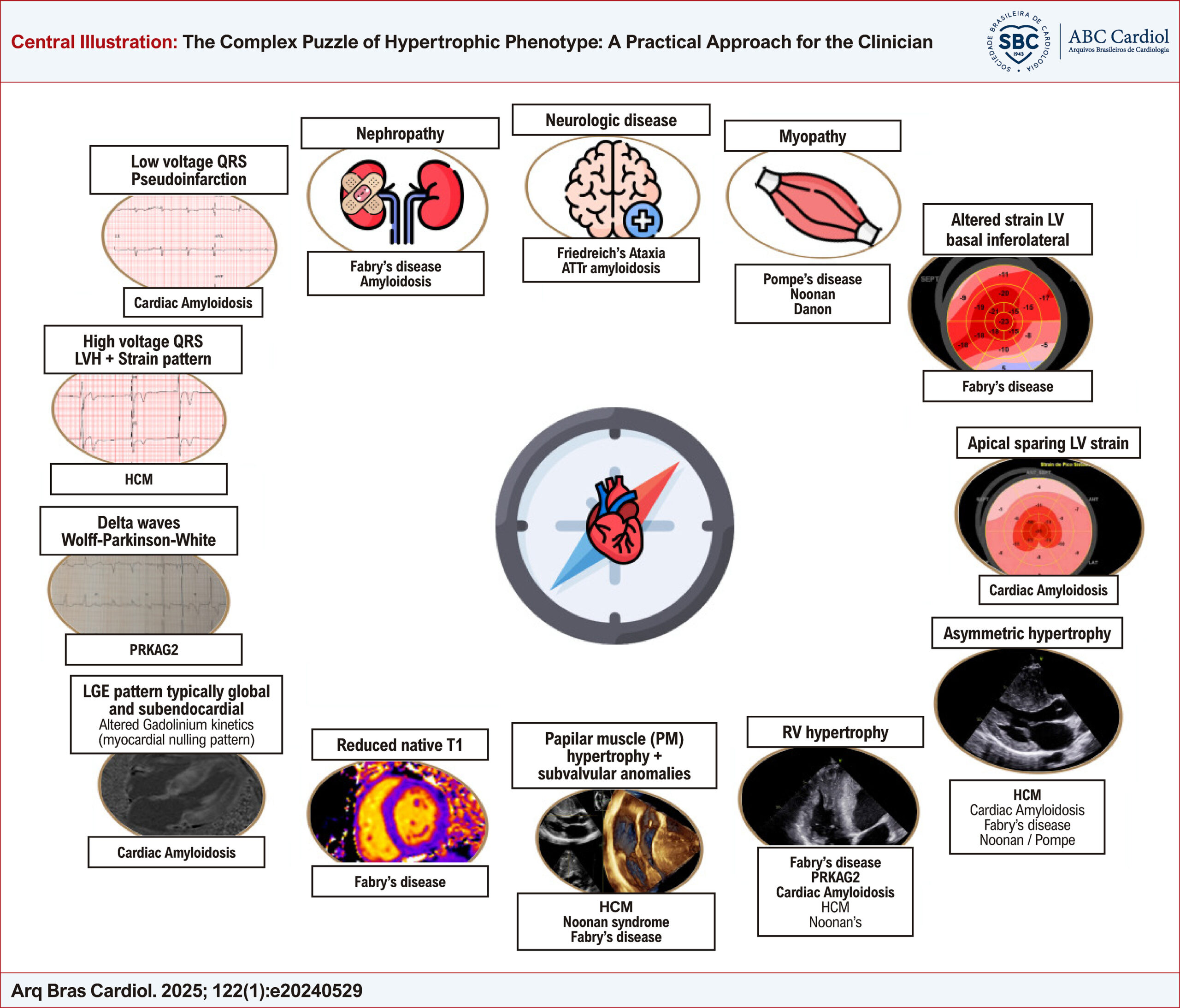
The rational use of cardiovascular multimodality imaging is of great importance when carried out in addition to a thorough clinical assessment and correlated with electrocardiographic findings, providing clues to fill the gaps, being, most of the time, the missing piece to solve this challenging puzzle.

An integrative approach is of paramount importance for the evaluation of these patients, as they are often followed by several specialties, with varied systemic manifestations. Although a multidisciplinary team is needed for an optimized follow-up of these patients, the most important player in this journey is the clinician, whose mission is to bring together all the red flags and coordinate all the data for an assertive diagnosis.

The objective of this review is to provide a pragmatic methodology, highlighting important clues for discriminating among the diverse conditions that result in LVH.
  • Cardiac Imaging Techniques
  • Diagnosis
  • Differential Diagnosis
  • Heart Function Tests
  • Left Ventricular Hypertrophy
Read Full Article
Creative Commons Attribution (CC BY) Creative Commons license
04/04/2025 DOI: 10.36660/abc.20240529i Views 1
Editorial

The Search Continues for Better Markers That Aid in the Diagnosis and Prevention of Atrial Fibrillation and its Complications

Dario Celestino Sobral Filho

Can the results from Elbarbary be applied in clinical practice?

To answer this question, several considerations are necessary: since AF is a disease with a complex pathophysiology involving multiple factors, it is unlikely that we will find any biomarkers useful for defining cardiovascular risks in all patients. Although many studies using an adequate number of patients and proper methodology have shown promising results for certain biomarkers in specific patient groups, these findings may not be applicable to a large number of patients. In this context, the most comprehensive marker is undoubtedly age; however, age is almost always associated with comorbidities that sometimes predominate in risk assessments. Furthermore, the biological deterioration that accompanies the aging process is not uniform across individuals or even among different organs.

One study showed that the difference in age as determined by ECG using Artificial Intelligence (AI-ECG) versus chronological age was associated with a risk of mortality related to acute myocardial infarction, heart failure, and AF., These findings highlight the potential of AI-ECG as a new cost-effective biomarker for cardiovascular aging and risk stratification. However, its incorporation into present clinical practice depends on further studies that address gaps identified in the research, such as the reproducibility of findings in the same individual over time and the role of genetic and socioenvironmental factors, in addition to traditional risk factors.,

[…]

  • Asymptomatic Atrial Fibrillation
  • Embolic Stroke of Undetermined Cause
  • Markers of Atrial Fibrillation
Read Full Article
Creative Commons Attribution (CC BY) Creative Commons license
21/03/2025 DOI: 10.36660/abc.20250044i Views 1
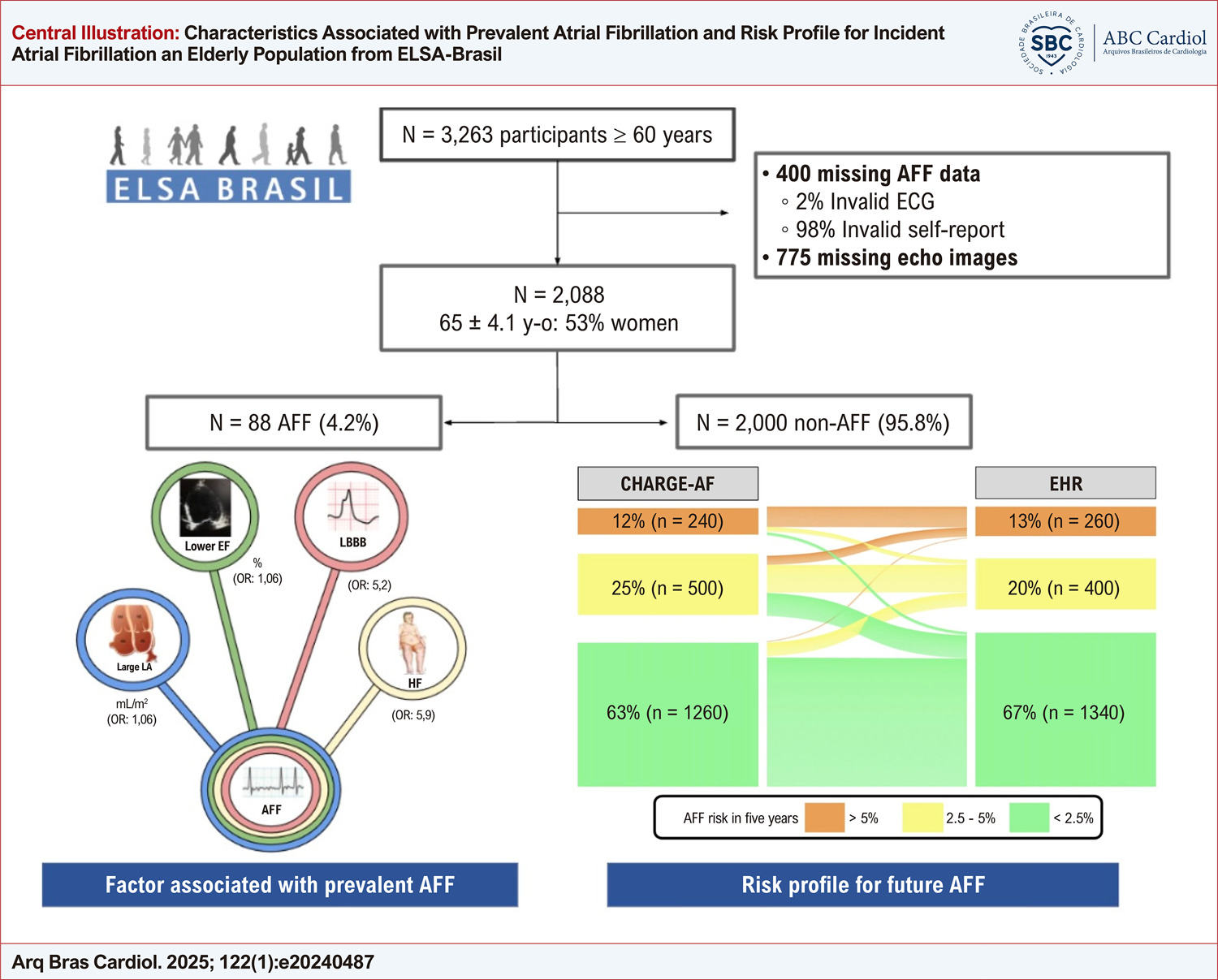
Characteristics Associated with Prevalent Atrial Fibrillation and Risk Profile for Incident Atrial Fibrillation an Elderly Population from ELSA-Brasil
Original Article

Characteristics Associated with Prevalent Atrial Fibrillation and Risk Profile for Incident Atrial Fibrillation an Elderly Population from ELSA-Brasil

Bernardo Boccalon et al. Murilo Foppa Luisa C.C Brant Marcelo M. Pinto-Filho … Antonio L. Ribeiro Bruce B. Duncan Angela Barreto Santiago Santos

Abstract

Background

Atrial fibrillation (AF) is an arrhythmia causing significant symptoms and raising the risk of complications.

Objectives

To evaluate the association of clinical, electrocardiographic, and echocardiographic parameters with prevalent atrial fibrillation or flutter (AFF) and assess the risk profile for incident AFF using the AF prediction scores CHARGE-AF and EHR in an elderly population from a developing country.

Methods

We included all participants in ELSA-Brasil aged 60 and over whose diagnosis of AFF could be defined through self-report or electrocardiogram and who had echocardiography performed at the study’s baseline. For statistical analysis, results with p values < 0.05 were considered statistically significant.

Results

Among the 2,088 participants (65 ± 4.1 years; 53% women), 88 (4.2%) had AFF. Those with AFF were older and had higher rates of heart failure (HF), previous myocardial infarction, left bundle branch block (LBBB), prolonged QT interval, supraventricular extrasystoles, and sinus bradycardia. They also had larger left atrial and left ventricular dimensions, and lower left ventricular ejection fraction (LVEF). Multivariable analysis showed that HF, LBBB, larger left atrium, and lower LVEF were independently associated with AFF. The 5-year risk for incident AFF was low ( 5%) in 12% of individuals according to the CHARGE-AF score, and low in 67% and high in 13% according to the EHR.

Conclusion

AFF was found in 4.2% of this older Brazilian cohort. AFF was linked to HF history, LBBB, left atrial dilation, and reduced LVEF. Additionally, 12% to 13% of patients in sinus rhythm were at high risk for AFF. Monitoring clinical, electrocardiographic, and echocardiographic parameters can aid in early identification of high-risk individuals.

  • Aged
  • Atrial Fibrillation
  • Epidemiology
  • Risk Factors
Read Full Article
Creative Commons Attribution (CC BY) Creative Commons license
17/03/2025 DOI: 10.36660/abc.20240487i Views 1
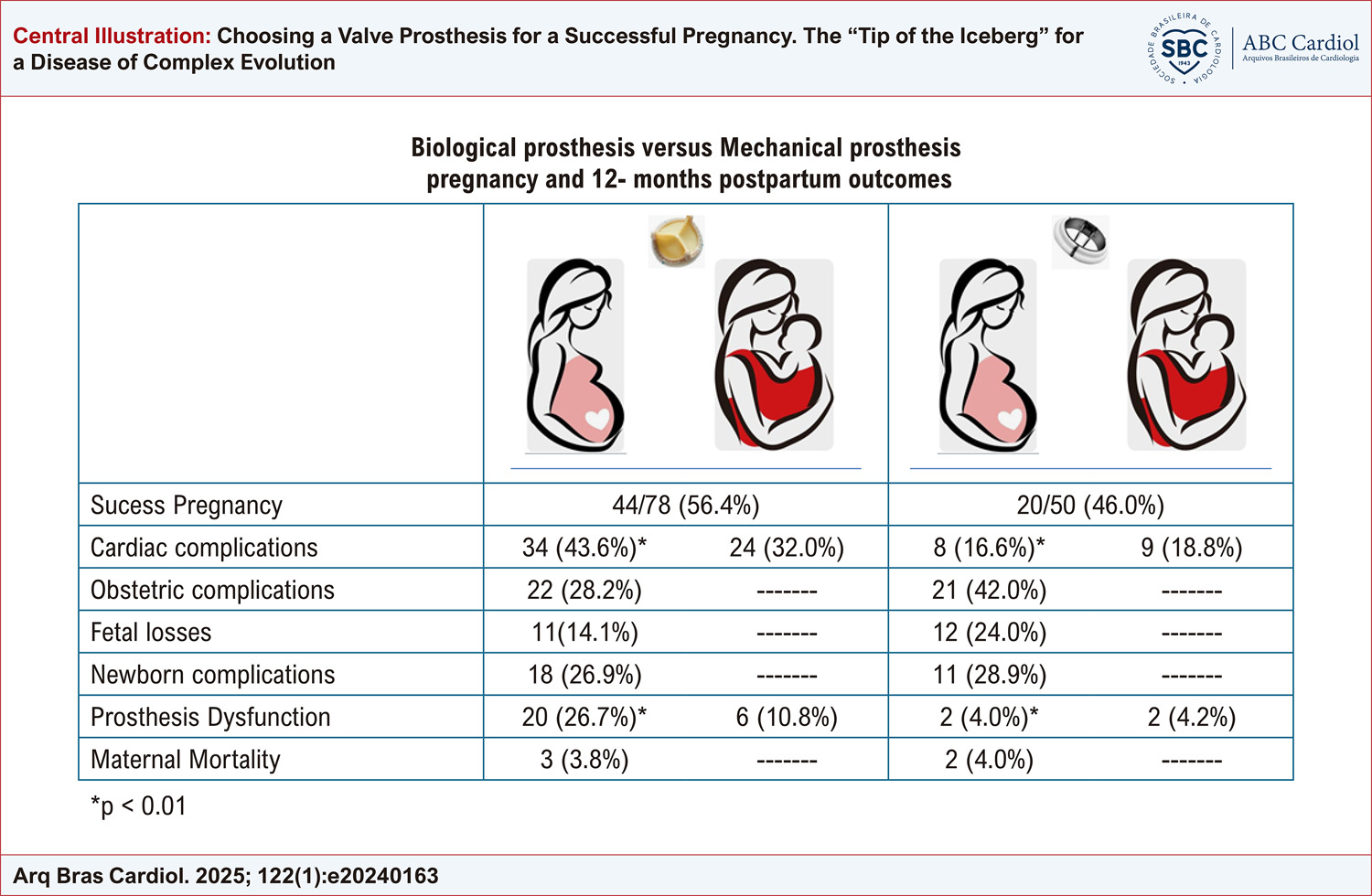
Choosing a Valve Prosthesis for a Successful Pregnancy. The “Tip of the Iceberg” for a Disease of Complex Evolution
Original Article

Choosing a Valve Prosthesis for a Successful Pregnancy. The “Tip of the Iceberg” for a Disease of Complex Evolution

Walkiria Samuel Avila et al. Daniel Vinicius Rodrigues Pinto Jessica Sol Brugnara Marilia Moro … Talita Carla Stratti Moreira Isabelle Borges Nana Miura Flávio Tarasoutchi

Abstract

Background

The choice of valve prosthesis in women planning a pregnancy is still controversial. The durability of biological prostheses and the characteristic thrombogenic of mechanical prostheses are limitations to the pregnancy’s successful Objectives: To study the pregnancy success rate after valve prosthesis implantation, and identify the variables related to maternal outcomes.

Methods

Prospective study with 78 pregnant women with bovine pericardial prosthesis (Group BP) and 50 with a mechanical prosthesis (Group MP), who received prior guidance on the risks of pregnancy. The pregnancy success rate was considered in the absence of complications cardiac, obstetric and/or fetal complications.

Results

Successful pregnancy was achieved in 64 (50.0%) patients, not differing between groups (BP 56.4% vs MP 40.0% – p=0.103). The BP group had a higher cardiac events rate and prosthesis dysfunction (43.6% vs 16.0% p<0.001; 26.9% vs 2.0% p<0.001). The frequency of fetal losses (14.1% vs 24.0% p=0.165) and obstetric complications (28.2% vs 42% p=0.127) were not different between the BP and MP groups. The pre-existence of heart failure (odds ratio 8.5; 95% CI [1.4; 50.7]; p=0.019), atrial fibrillation (odds ratio 16.7; 95% CI [5.7; 49 .1]; p<0.001) and dysfunction of the biological prosthesis (odds ratio 12.6; 95% CI [3.0; 52.7]; p=0.001) were the variables predicting complications and/or deaths

Conclusions

Patients with valve prostheses had low maternal-fetal success due to the complicating factors of valve disease, the limited structural survival of biological prostheses and the lack of anticoagulants to guarantee pregnancy. The choice of a prosthesis, whether biological or mechanical, should not be considered an isolated decision, but rather a consequence of a complex outcome of the heart disease.

  • Anticoagulants
  • Heart Valve Prosthesis
  • Maternal Death
  • Pregnancy
Read Full Article
Creative Commons Attribution (CC BY) Creative Commons license
28/02/2025 DOI: 10.36660/abc.20240163i Views 2
Editorial

Cardiac Valve Prosthesis and Pregnancy: Challenges and Strategies

Marcelo Luis Nomura

Pregnancy in women with valvular prostheses is challenging for caregivers for several reasons. Despite advances in understanding cardiovascular physiology, the intense hemodynamic changes posed by pregnancy itself and the interactions between the mother, placenta, and fetus, along with the unique environment created by the cardiac adaptation, make management one of the most complex situations for maternal-fetal specialists and cardiologists. Add to it the need for effective and safe anticoagulation for both mother and fetus to prevent the greatest threat of valve thrombosis and dysfunction.

In this issue, a large observational and elegant study presented data on the perinatal outcomes of 128 pregnancies in women with cardiac prosthetic valves. As a single-center study, the authors sought to evaluate pregnancy outcomes and 12-month postpartum complications rate and also to compare these results between mechanical and biological prosthetic heart valves. A successful pregnancy was defined by an uneventful term birth and puerperium for both mother and newborn and occurred in 50% of the cases. At first glance, one might look at it as a half-full or half-empty glass situation. At a closer look, however, roughly half of the patients experienced cardiac complications, and one in three had at least one of the following during pregnancy: heart failure, atrial fibrillation, thromboembolism, or infective endocarditis. There were five maternal deaths, which, by any means of comparison, is an extremely high figure. Regarding obstetrical outcomes, the main findings were a high rate of spontaneous miscarriage in the mechanical prosthetic heart valves group and also a high rate of preterm birth in the bioprosthetic valve group. The overall fetal and neonatal loss rate was 30% (miscarriages, stillbirths, and neonatal deaths).

[…]

  • Cardiovascular Diseases
  • Maternal mortality
  • Pregnancy
Read Full Article
Creative Commons Attribution (CC BY) Creative Commons license
28/02/2025 DOI: 10.36660/abc.20240602i Views 2
Editorial

Addressing Gender Disparities in Cardiovascular Care: Guideline-Oriented PCI for Women and the Hua-Mulan Conundrum

Pedro Guimarães Silva et al. Henrique Barbosa Ribeiro

The burden of cardiovascular disease (CVD) is not evenly distributed across populations. While biological factors contribute to its prevalence, social, cultural, economic, environmental, and gender-related issues also play significant roles in shaping the unfavorable outcomes associated with ischemic heart disease (IHD). Despite significant advances in cardiovascular care and the advent of modern percutaneous coronary interventions (PCI), gender disparities in the diagnosis, treatment, and outcomes of CVD persist.

According to the Global Burden of Disease (GBD) Network’s 2019 report, CVD accounted for 35% of all female deaths globally, with the impact particularly pronounced in developing countries, where socioeconomic barriers hinder access to adequate healthcare. In Brazil, GBD data revealed that 12% of deaths were attributed to IHD, comprising 32.3% of total CVD-related deaths. Although recent years have seen some improvements, women continue to experience slightly higher IHD-related mortality rates (29.9%) compared to men (27.6%). These statistics underscore the urgent need for targeted strategies to address gender inequities and the broader determinants of health in managing CVD.,

[…]

  • Coronary Disease
  • Gender Equity
  • Percutaneous Coronary Intervention
  • Stents
Read Full Article
Creative Commons Attribution (CC BY) Creative Commons license
28/02/2025 DOI: 10.36660/abc.20240824i Views 2
Editorial

Does Posterior Wall Isolation in Catheter Ablation of Persistent Atrial Fibrillation Change Clinical Outcomes?

Luiz Eduardo Montenegro Camanho

Atrial fibrillation (AF) is arguably the most common arrhythmia in clinical practice, characterized by chaotic and rapid atrial electrical activity with consequent loss of atrial contraction and its serious clinical consequences, which are already widely known. The diagnosis is electrocardiographic and has several forms of presentation, with the persistent form, being classically, that which lasts more than 7 days and less than a year. The early persistent form is when the duration is more than 7 days but less than 3 months, and the long-term persistent form is when it has persisted for more than a year. The progressive change from the paroxysmal to the persistent form of the arrhythmia varies from 8 to 36% depending on the observation time of the cohort and is always associated with worse clinical outcomes.,

Electrical isolation of the pulmonary veins, regardless of the energy source used, has become the gold standard invasive strategy for the treatment of AF in all its forms of presentation, with widely proven efficacy and results based on the pathophysiology of the arrhythmia.

[…]

  • Atrial Fibrillation
  • Catheter Ablation
  • Electrocardiography
Read Full Article
Creative Commons Attribution (CC BY) Creative Commons license
17/02/2025 DOI: 10.36660/abc.20240815i
Figure 1
Research Letter

Acupuncture for Essential Hypertension and Endothelial Dysfunction: A Randomized Clinical Trial

Amanda Rodrigues Bitencourt et al. Ana Luiza Lima Sousa Priscila Valverde de Oliveira Vitorino Mikaelle Costa Correia … Alexandre Massao Yoshizumi Weimar Kunz Sebba Barroso

Introduction

Arterial hypertension (AH) is one of the main modifiable risk factors for cardiovascular diseases, as it causes increased arterial stiffness and endothelial dysfunction since early stages.

Sympathetic hyperactivity and activation of the renin-angiotensin-aldosterone system (RAAS) are among the major pathophysiological mechanisms of AH, in addition to an overproduction of reactive oxygen species (ROS) and imbalances in the nitric oxide (NO) availability. The increase in endothelial permeability in response to low NO synthesis explains the correlation of AH with atherosclerosis and makes the analysis of endothelial function a useful tool for clinical assessment.,,

[…]

  • Acupuncture
  • Endothelium
  • Hypertension
  • Prehypertension
Read Full Article
Creative Commons Attribution (CC BY) Creative Commons license
17/02/2025 DOI: 10.36660/abc.20240596i Views 1
Figure 1
Research Letter

ABTO Brazilian Transplant Registry and ISHLT Heart Transplant Registry: An Important/Valuable Partnership

Fernando A. Atik et al. Paulo Manoel Pego-Fernandes Juan A. Mejia Livia A. Goldraich … Fabiana G. Marcondes-Braga Estela Azeka Fernando Augusto Figueira Valter Duro Garcia Luciana Haddad Wida Cherikh Josef Stehlik Rebecca Cogswell

Since 1983, data of more than 220,000 heart, lung and heart-lung transplant recipients from 481 heart transplant centers and 260 lung transplant centers in 47 countries have been submitted to the International Society for Heart and Lung Transplantation (ISHLT) Registry. The ISHLT Registry mission is to improve the care of patients with advanced heart and lung disease. The ISHLT Registry has engaged members from diverse regions, provided outcome data from thoracic transplants worldwide and catalyzed scientific and clinical collaboration. Ten Brazilian hospitals used to participate in the ISHLT Registry in the past. During this period, some problems were observed. First, there was heterogenous commitment among participating centers to the complete dataset. Second, there was lack of human resources in some hospitals dedicated to the Registry. Third, data collection was each center’s responsibility and submission of the data to the ISHLT registry was not mandatory.

In 2021, the ISHLT Registry was interrupted due to new data sharing regulations and data collection approaches. Data fields and data upload process were updated. In 2024, the ISHLT Registry began to exchange data only with national and regional registries, such as United Network for Organ Sharing and Eurotransplant, and no longer with individual hospitals or institutions.

[…]

  • Heart Transplantation
  • Records
  • Transplantation
Read Full Article
Creative Commons Attribution (CC BY) Creative Commons license
10/02/2025 DOI: 10.36660/abc.20240370i
Editorial

Additional Data on Atrial Fibrillation from ELSA-Brasil Study

Victor Sarli Issa et al. Alfredo José Mansur

Atrial fibrillation is currently recognized as a medical condition associated with clinically relevant symptoms, worse prognosis, and increased medical costs. Atrial fibrillation does not seem to be a homogenous disease but presents significant variability in terms of epidemiology, clinical presentation, risk factors, access to treatment, and prognosis. Understanding regional, social, and ethnic variations is thus of paramount importance.

It is estimated that more than 33 million individuals worldwide are affected with atrial fibrillation, and the prevalence is expected to grow as the population of individuals aged 65-year-old or older will almost double from 12% in 2010 to an estimated 22% in 2040. This will probably bring additional burden for cardiovascular disease and atrial fibrillation. It has been argued that this health and economic burden might be concentrated in low- and middle-income countries. In this sense, available data suggests that the atrial fibrillation burden in Brazil is at least equivalent to that seen in other countries.

[…]

  • Atrial Fibrillation
  • Epidemiology
  • Longitudinal Studies
Read Full Article
Creative Commons Attribution (CC BY) Creative Commons license
10/02/2025 DOI: 10.36660/abc.20240827i Views 2
Editorial

Southern Brazil Registry of Atrial Fibrillation (SBR-AF): Predictors of Atrial Arrhythmia Recurrence After First Catheter Ablation

Muhieddine Omar Chokr

Atrial fibrillation (AF) has established itself as a significant public health issue, affecting up to 4% of the population. Patients with AF experience increased mortality rates, stroke, and heart failure, as well as higher hospitalization rates and reduced quality of life.

Modern treatment of this arrhythmia involves managing cardiovascular risk factors, preventing cardioembolic events, and controlling heart rhythm. Among the therapeutic options, radiofrequency ablation has established itself as the therapy of choice, presenting the best results in the management of this clinical condition. In paroxysmal AF, triggers originating from the pulmonary veins are primarily responsible for initiating the arrhythmia. On the other hand, in the persistent form, different electrophysiological mechanisms are involved, making the invasive treatment strategy more complex as the disease progresses over time.

[…]

  • Atrial Fibrillation
  • Brazil
  • electrophysiology
  • Registries
Read Full Article
Creative Commons Attribution (CC BY) Creative Commons license
10/02/2025 DOI: 10.36660/abc.20240871i Views 1
Letter to the Editor

Understanding the Link between Visceral Fat and Heart Health

Moacir Fernandes Godoy

I read with interest the paper “Resting Heart Rate Variability is Independently Associated with Visceral Fat Rating Scores in Saudi Adult Males” by Syed Shahid Habib et al., published in ABC Cardiolcomparing heart rate variability (HRV) in 99 healthy men stratified by visceral fat rating (VFR) and showing associations between HRV and body composition metrics, but I have some reservations.

Heart rate variability has been demonstrated as a convenient method for assessing individual homeostatic status. Attempts to establish reference values according to age group and degree of impairment have been numerous in the specialized literature since the launch of the Task Force in 1996.– Among the most studied HRV variables are the standard deviation of normal RR intervals (SDNN) and the Root-mean square of successive differences (RMSSD) in the time domain and Low-Frequency power (LF ms2) and High-Frequency power (HF) in addition to the LF/HF ratio, in the frequency domain. These were exactly the variables studied by Habib and collaborators, concluding that men in the lowest visceral fat rating category (G1) had the highest HRV. Visceral Fat Rating was more strongly associated with HRV than body fat percentage and muscle mass to visceral fat ratio (MMVFR). Time domain parameters were more sensitive to visceral adipose tissue (VAT) than frequency domain parameters. They conclude by saying that HRV parameters could be the primary parameters of interest in monitoring cardiac-autonomic status in response to interventions targeting VAT reduction. These are all relevant points but there was a crucial problem in the presentation of this study. The HRV values cited in the results must have suffered a typing error as they are completely incompatible with the reference ranges.

[…]

  • Autonomic Nervous System
  • Heart Rate
  • Intra-Abdominal Fat
Read Full Article
Creative Commons Attribution (CC BY) Creative Commons license
03/02/2025 DOI: 10.36660/abc.20240466i
Figure 1
Brief Communication

Heart Rate Reduction after Effort Test Is Higher in Physically Active Adults without Familial Cardiovascular Risk Factor

Larissa de Almeida Dourado et al. Paulo Magno Martins Dourado Jaciara Gomes de Oliveira Evandra Maria da Silva … João Paulo de Almeida Dourado Pedro Gabriel Senger Braga

Abstract

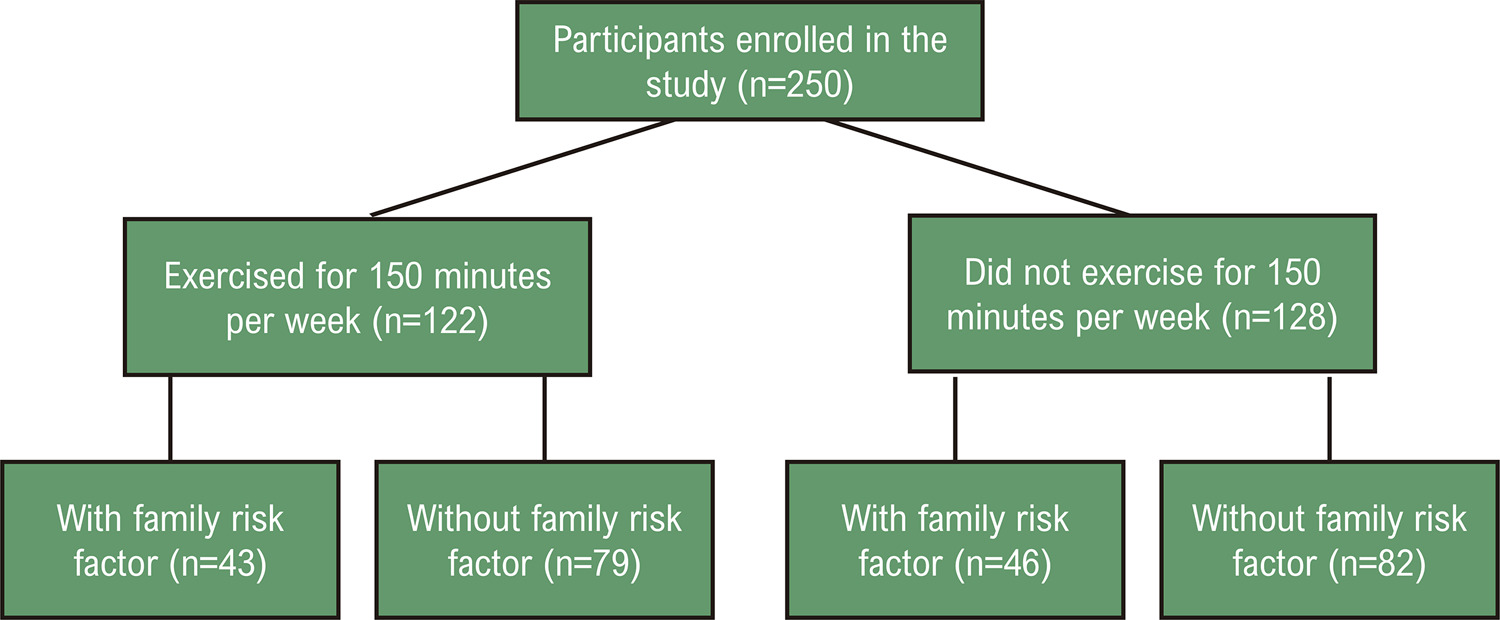
The objective of this study is to investigate the influence of physical activity on heart rate (HR) recovery, after treadmill exercise testing, in asymptomatic adults, with and without familial risk factors (FR) for cardiovascular disease. Two hundred and fifty (250) adults of both sexes aged 18 to 59 years were included in the study. None of the participants had a history of cardiovascular disease or used medications for chronic diseases. All individuals underwent exercise testing using the Ellestad protocol. Delta values were calculated by subtracting peak HR from HR in the first, second, fourth, and sixth minutes of recovery. The family history of cardiovascular disease and physical activity were documented. For statistical analysis, ANOVA was performed, followed by Bonferroni or Kruskall-Wallis multiple comparisons, followed by Dunn’s multiple comparisons. The delta values at the first, second, fourth, and sixth minutes of recovery were lower in individuals who did not engage in physical activity and had no family cardiovascular risk factor, compared to those who were physically active and had no family risk factor. No differences in delta values were observed between physically active individuals with cardiovascular risk factors and physically inactive individuals with a family history at the time points studied. In individuals without a family risk factor, physical activity appears to enhance autonomic control, increasing the capacity to reduce HR after exercise. However, this effect was not evident in those with a family risk factor, as physical activity did not impact recovery HR.

  • Autonomic Nervous System
  • Autonomic Nervous System Diseases
  • Exercise
  • Heart Rate
  • Risk Factors
Read Full Article
Creative Commons Attribution (CC BY) Creative Commons license
03/02/2025 DOI: 10.36660/abc.20240435i Views 1
Efficacy and Safety of Adjunctive Posterior Wall Isolation in Patients with Persistent Atrial Fibrillation: A Systematic Review and Meta-Analysis
Original Article

Efficacy and Safety of Adjunctive Posterior Wall Isolation in Patients with Persistent Atrial Fibrillation: A Systematic Review and Meta-Analysis

João Vitor Levindo Coelho Novaes et al. David de Pádua Brasil Flavia Maria de Freitas Faria Isadora Soares Bicalho Garcia … Camila Ribeiro Pimenta Nathalia Sernizon Guimarães Marcus Vinicius Bolivar Malachias

Abstract

Background

In patients with persistent atrial fibrillation (AF), addition of posterior wall isolation (PWI) to pulmonary vein isolation (PVI) is controversial.

Objective

Compare PVI plus PWI versus PVI alone in patients with persistent AF.

Methods

We searched PubMed (by MEDLINE), Embase, LILACS, CENTRAL (by Cochrane Library), and Clinicaltrials.gov databases for randomized trials comparing PVI + PWI and PVI alone in persistent AF. The outcomes were: (i) AF recurrence; (ii) composite of recurrent atrial arrhythmias (i.e., AF, atrial tachycardia, or atrial flutter); (iii) major clinical complications (i.e., pericardial effusion or tamponade, sinus node dysfunction, or atrioesophageal fistula); (iv) mean ablation time. Risk of bias and quality of evidence were evaluated using the Cochrane Risk of Bias 2.0 tool and GRADE, respectively. Statistical significance was set at 5%, and subgroup and sensitivity analyses were performed.

Results

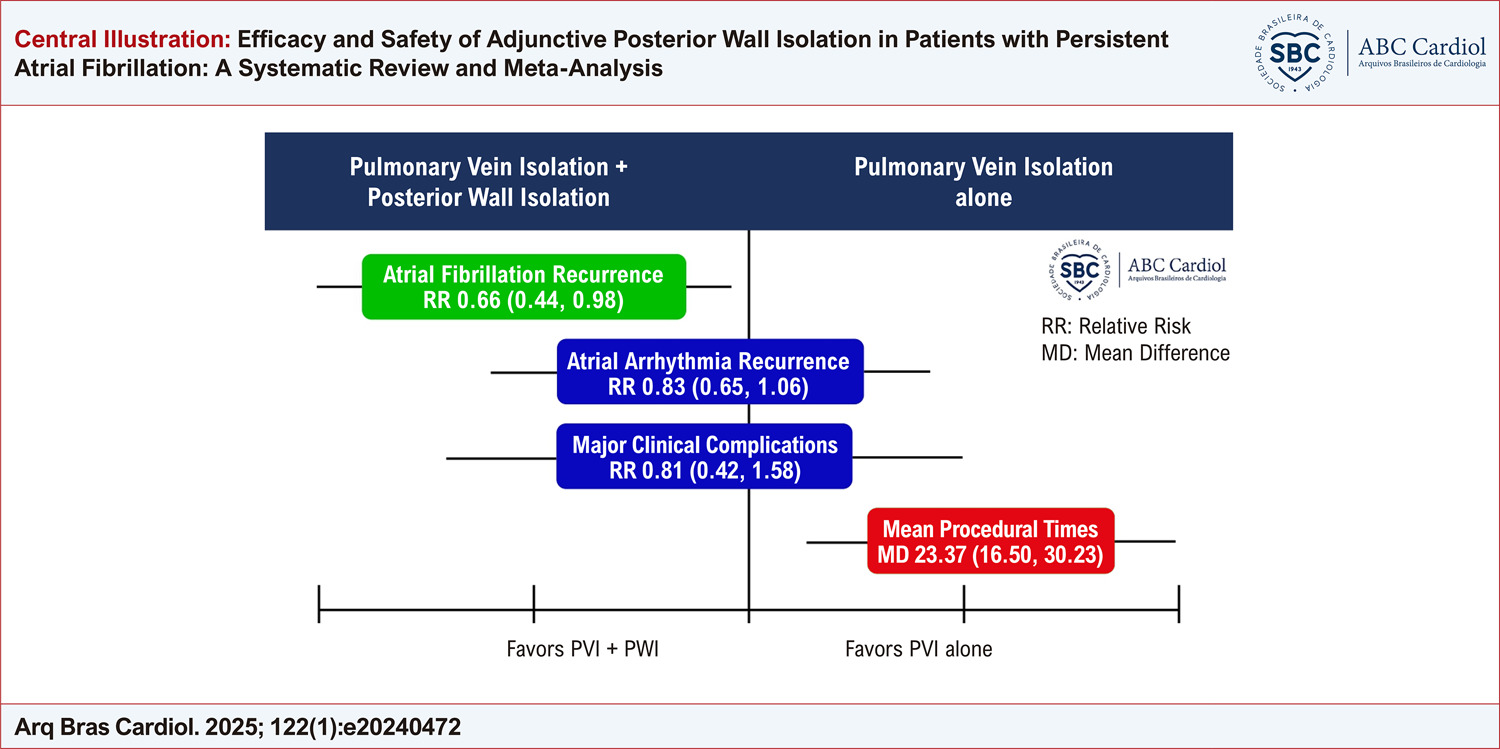
We included eight studies and 1119 patients, of which 561 underwent PVI + PWI. During follow-up (12 – 24 months), recurrence of AF was significantly reduced with adjunctive PWI (RR 0.66, 95% CI 0.44-0.98). Composite of recurrent atrial arrhythmias did not differ significantly (RR 0.83, 95% CI 0.65-1.06). Major clinical complications (RR 0.81, 95% CI 0.42-1.58) were similar, with PVI alone having a shorter mean procedure time (mean difference -23.37 minutes, 95% CI -30.23, -16.50).

Conclusion

Adjunctive PWI appears to be effective in improving recurrent AF, but not recurrence of all atrial arrhythmias. Procedure time was longer with PVI + PWI without significant change in overall safety. Further studies should focus on long-term benefit.

  • Atrial Fibrillation
  • Cardiac Electrophysiology
  • Catheter Ablation
Read Full Article
Creative Commons Attribution (CC BY) Creative Commons license
03/02/2025 DOI: 10.36660/abc.20240472i Views 7
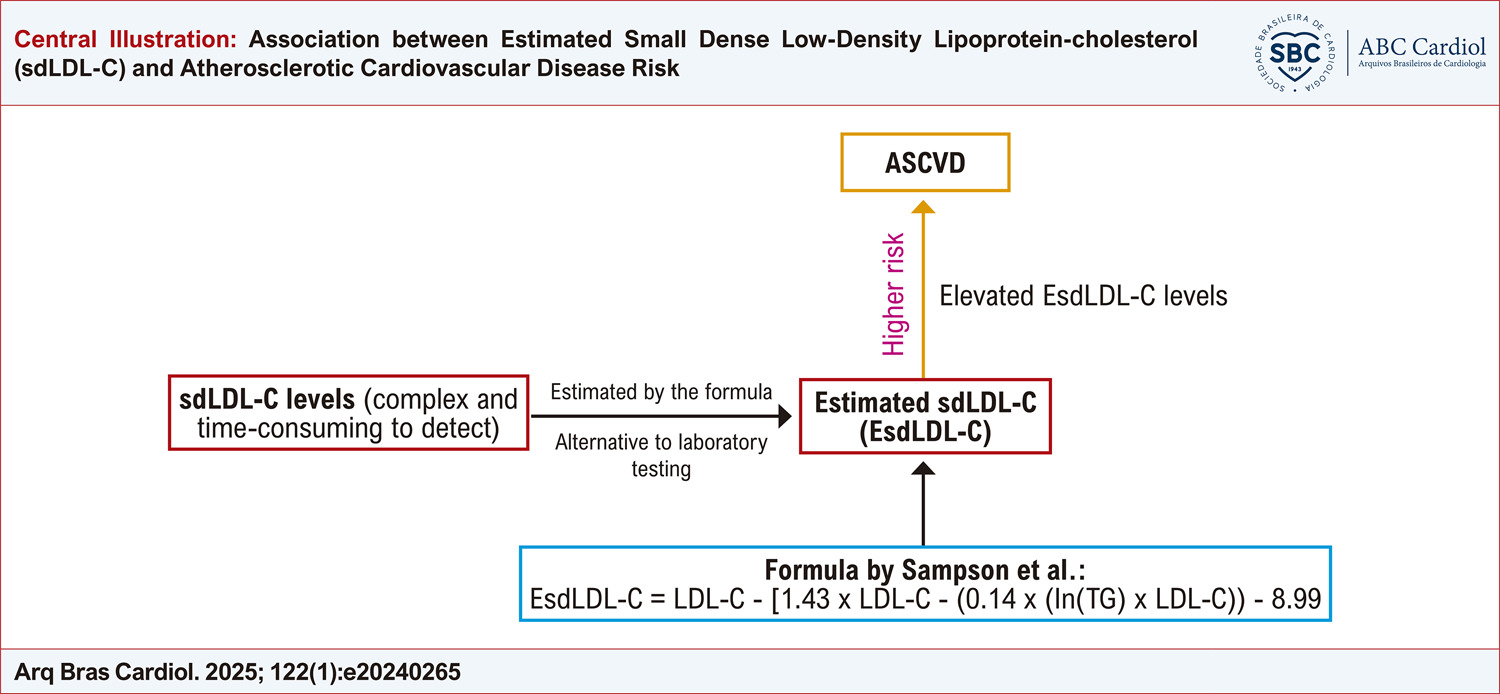
Association between Estimated Small Dense Low-Density Lipoprotein-cholesterol (sdLDL-C) and Atherosclerotic Cardiovascular Disease Risk
Original Article

Association between Estimated Small Dense Low-Density Lipoprotein-cholesterol (sdLDL-C) and Atherosclerotic Cardiovascular Disease Risk

Shutang Zhang et al. Jinjie Du Peng Wang Min Lei … Canye Zhong Yang Ou Zhen Sun

Abstract

Background

A new formula for estimating small, dense, low-density lipoprotein cholesterol (sdLDL-C) based on the results of the standard lipid panel is proposed.

Objectives

To assess the association between estimated sdLDL-C (EsdLDL-C) and atherosclerotic cardiovascular disease (ASCVD) risk.

Methods

A total of 12,192 participants from the Korea National Health and Nutrition Examination Survey (KNHANES) database between 2010 and 2020 were included in this cross-sectional study. EsdLDL-C was calculated as EsdLDL-C= LDL-C – [1.43 × LDL-C – (0.14 × (ln (TG) × LDL-C)) – 8.99]. Logistic regression analyses were utilized to assess the association between EsdLDL-C and ASCVD risk. Subgroup analyses were performed based on age, body mass index (BMI), hypertension, and diabetes. An odds ratio (OR) with a 95% confidence interval (CI) was used for evaluation. P<0.05 was considered statistically significant.

Results

Among 12,192 participants, 1,239 (10.16%) had ASCVD. The mean sdLDL-C of participants was estimated to be 42.43±14.75 mg/dL using the formula. Elevated EsdLDL-C levels (OR=1.33; 95%CI, 1.06-1.66) were associated with an increased risk of ASCVD. Subgroup analyses found that there may be an interaction between EsdLDL-C (Pinteraction= 0.001) or non-HDL-C (Pinteraction= 0.015) and hypertension on ASCVD risk.

Conclusions

Elevated estimated sdLDL-C levels were associated with the risk of ASCVD, and estimated sdLDL-C might be an alternative to sdLDL-C measurement for ASCVD risk assessment.

  • Atherosclerosis
  • Lipoproteins
  • Risk Factors
Read Full Article
Creative Commons Attribution (CC BY) Creative Commons license
03/02/2025 DOI: 10.36660/abc.20240265i Views 2
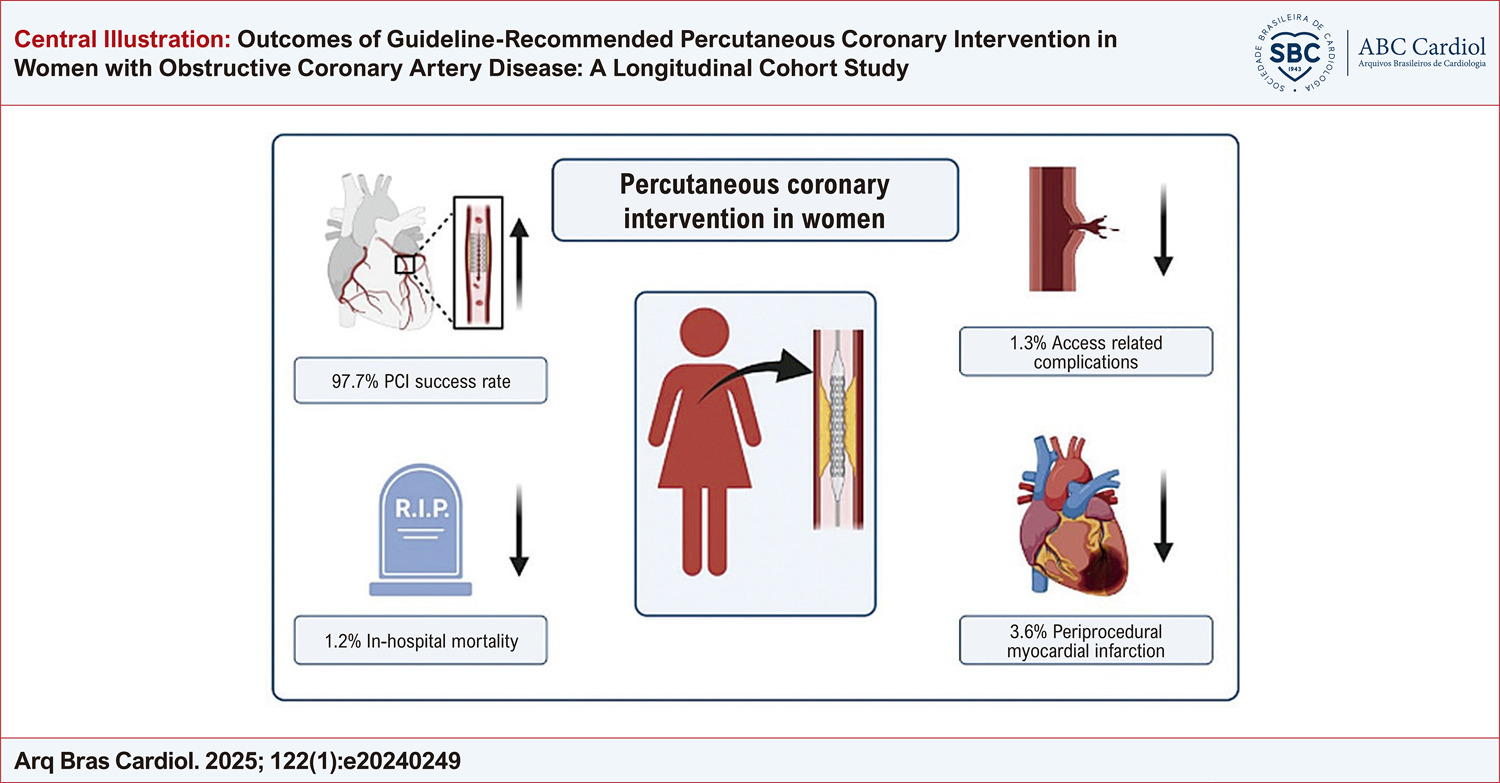
Outcomes of Guideline-Recommended Percutaneous Coronary Intervention in Women with Obstructive Coronary Artery Disease: A Longitudinal Cohort Study
Original Article

Outcomes of Guideline-Recommended Percutaneous Coronary Intervention in Women with Obstructive Coronary Artery Disease: A Longitudinal Cohort Study

Tacianne Rolemberg Braga Delamain et al. José Henrique Herrmann Delamain Sergio Luiz Navarro Braga Ricardo Costa … Dimytri Alexandre Alvim de Siqueira Fausto Feres Marinella Patrizia Centemero

Abstract

Background

Previous studies have shown that women with coronary artery disease (CAD) are less likely to undergo angiography and have less favorable outcomes after percutaneous coronary intervention (PCI).

Objectives

Assess the outcomes of women with acute coronary syndrome (ACS) and stable CAD (lesion>50%) treated with contemporary PCI using DES.

Methods

Observational, longitudinal cohort study with prospective follow-up included all female patients ≥ 18 years admitted at a tertiary public cardiovascular center in Brazil from January 2019 to December 2020. The level of significance adopted in the statistical analysis was 5%.

Results

1146 women (average age 65 years) underwent guideline-recommended PCI. Risk factors were frequent (hypertension: 88%, dyslipidemia: 85%, diabetes: 47.5%), and 69% were admitted due to ACS. Radial access was used in 59% of patients; 1516 vessels were treated with 1725 stents implanted (1.5 stents/patient). PCI was successful in 97.7%, in-hospital death occurred in 1.2%, peri-procedural MI in 3.6%, and TIA in 0.4%. Predictors of in-hospital major adverse cardiac and cerebrovascular events (MACCE): previous stroke (OR: 2.97; CI: 1.06-7.15; p= 0.023), CKD (OR: 3.11; CI: 1.49-6.20; p= 0.002), and at least one procedural failure during PCI (OR: 10.2; CI: 1.17-5.9; p<0.001). The average follow-up was 576.2 days in 1047 patients. All-cause mortality occurred in 5.3%, cardiac death in 3.5%, recurrent ACS in 8%, and additional revascularization procedures in 5.5%. The predictors for MACCE during FU were hospital admission for ACS for the index PCI (OR: 1.58; HR: 1.06-2.35; p=0.023) and the presence of MACCE during hospitalization (OR: 6.66; HR: 2.42- 18.3; p< 0.001).

Conclusion

In this pioneering study involving 1146 patients treated by contemporary PCI and followed for almost 2 years, we obtained very encouraging in-hospital and mid-term results.

  • Coronary Artery Disease
  • Percutaneous Coronary Intervention
  • Risk Factors
  • Women
Read Full Article
Creative Commons Attribution (CC BY) Creative Commons license
03/02/2025 DOI: 10.36660/abc.20240249i Views 1
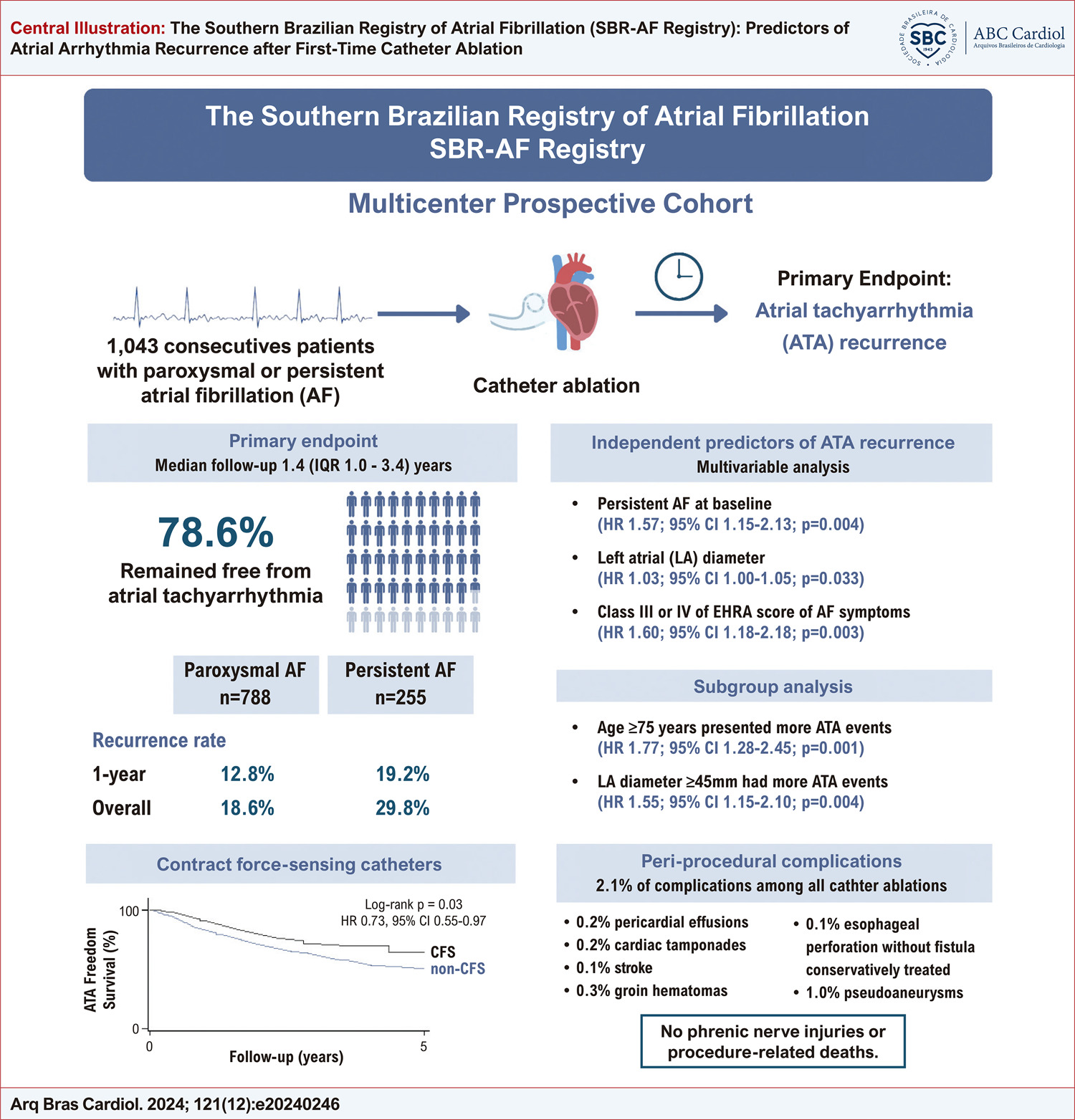
The Southern Brazilian Registry of Atrial Fibrillation (SBR-AF Registry): Predictors of Atrial Arrhythmia Recurrence after First-Time Catheter Ablation
Original Article

The Southern Brazilian Registry of Atrial Fibrillation (SBR-AF Registry): Predictors of Atrial Arrhythmia Recurrence after First-Time Catheter Ablation

Caique M. P. Ternes et al. Luis E. Rohde Alexander Dal Forno Andrei Lewandowski … Helcio Garcia Nascimento Gabriel Odozynski Claudio Ferreira Enrico G. Ferro Carisi A. Polanczyk André Zimerman Lucas S. Faganello Eric Pasqualotto Grazyelle Damasceno Leandro I. Zimerman Andre d’Avila

Abstract

Background

Treatment of atrial fibrillation (AF) with catheter ablation (CA) has evolved significantly. However, real-world data on long-term outcomes are limited, particularly in low- and middle-income countries.

Objective

This multicenter prospective cohort of consecutive patients aimed to evaluate the safety and efficacy of first-time CA for AF in Southern Brazil from 2009 to 2024.

Methods

The primary outcome was any atrial tachyarrhythmia (ATA) recurrence. Multivariable Cox proportional hazards model assessed independent predictors of recurrence.

Results

Among 1,043 patients (mean age 67.3 ± 11.3 years, 27.9% female), 75.5% had paroxysmal AF. At a median follow-up of 1.4 (1.0 – 3.4) years, 21.4% had ATA recurrence. Recurrence rates were 18.6% for paroxysmal and 29.8% for persistent AF, and 67.3% of events occurred within the first year after CA. Predictors of recurrence were persistent AF at baseline (hazard ratio [HR] 1.57, 95% confidence interval [CI] 1.15-2.13; p = 0.004), enlargement of left atrial diameter (HR 1.03, 95% CI 1.00-1.05; p = 0.033), and higher EHRA score of AF symptoms (HR 1.60, 95% CI 1.18-2.18; p = 0.003). Recurrence rates decreased over time according to the procedure’s calendar year, with a 9% relative reduction per consecutive year (HR 0.91; p < 0.001). There was a 2.1% rate of procedure-related adverse events.

Conclusions

In the largest cohort study of consecutive AF ablations in Latin America, predictors of ATA recurrence were related to later stages of AF. Complication and recurrence rates were comparable to those in high-income countries, underscoring the global applicability of CA for AF management.

  • Atrial Fibrillation
  • Catheter Ablation
  • Prognosis
Read Full Article
Creative Commons Attribution (CC BY) Creative Commons license
27/01/2025 DOI: 10.36660/abc.20240246i Views 1
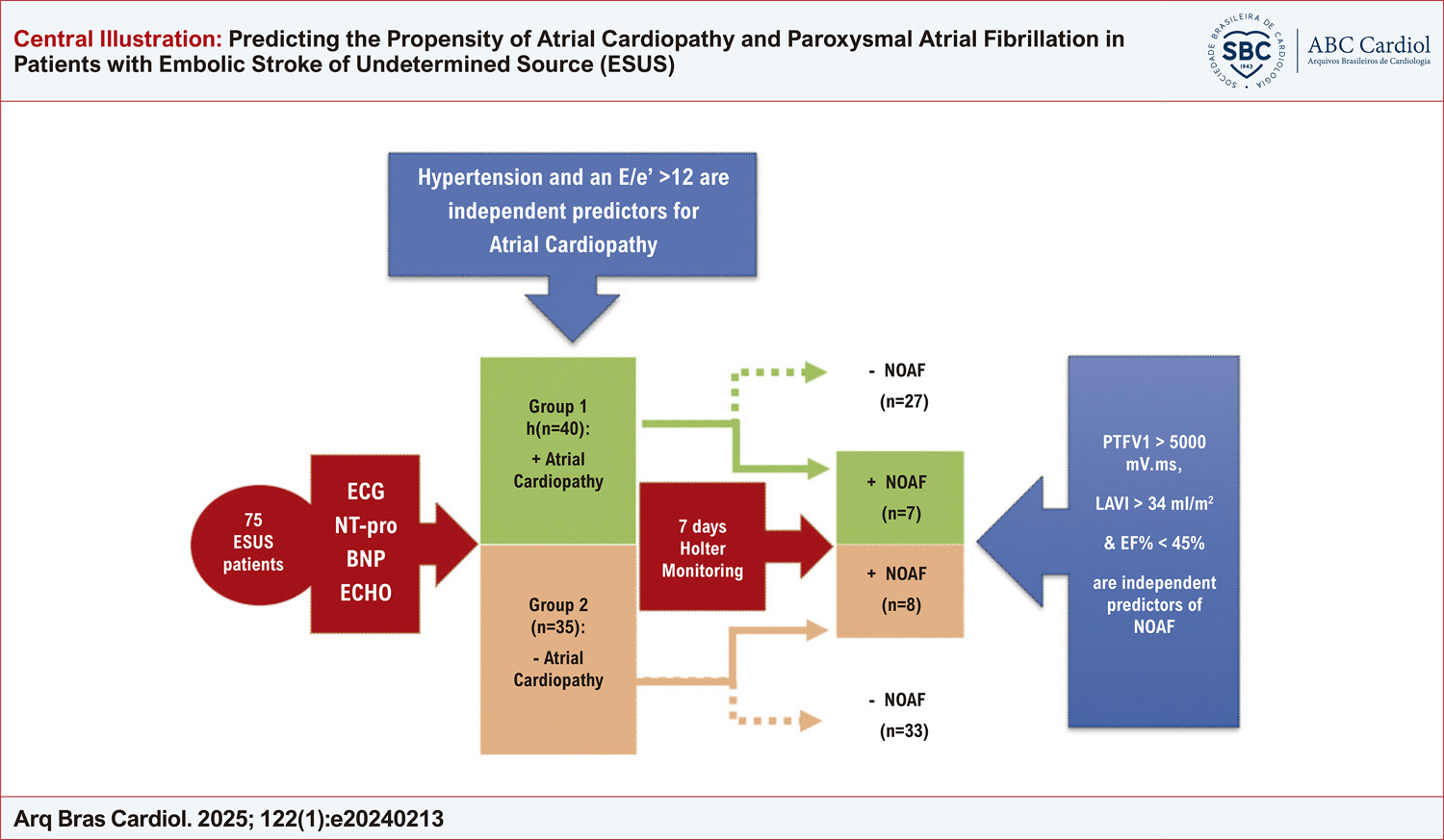
Predicting the Propensity of Atrial Cardiopathy and Paroxysmal Atrial Fibrillation in Patients with Embolic Stroke of Undetermined Source (ESUS)
Original Article

Predicting the Propensity of Atrial Cardiopathy and Paroxysmal Atrial Fibrillation in Patients with Embolic Stroke of Undetermined Source (ESUS)

Ahmed Kishk et al. Mohamed E. Abdeldayem Mohamed A. Khalil Mohammed Elbarbary

Abstract

Background

There is still a significant population of patients with embolic stroke of Undetermined Source (ESUS) whose specific attributable cause of the stroke remains unknown.

Objectives

Our research aimed to assess clinical, electrocardiogram, laboratory, and echocardiographic parameters that may predict the propensity of paroxysmal atrial fibrillation (PAF).

Methods

We enrolled seventy-five ESUS patients who were in sinus rhythm at the time of stroke diagnosis to undergo in-hospital 7-day Holter monitoring, testing for Pro-BNP, and a standard echocardiographic examination. For statistical analysis, a P-value < 0.05 was considered significant.

Results

The average age of the 75 ESUS patients was 58 years old. 60% of the patients were male, and the most prevalent concomitant condition was hypertension (53.3%). Forty patients had atrial cardiopathy, and 15 patients had PAF episodes. Hypertension and the E/e– > 12 were independent predictors of atrial cardiopathy, with p-values of 0.001 and 0.02, respectively. In patients with atrial cardiopathy, multivariable regression analysis was performed; PTFV > 5000 Mv.ms, LA volume index > 34 ml/m2, and ejection fraction < 45% were significant independent predictors of AF with significant p values of 0.001, < 0.001, and 0.001 respectively.

Conclusions

In ESUS patients, atrial cardiopathy was prevalent. Hypertension and an E/e– ratio greater than 12 were independent predictors for it. Multivariable regression analysis identified PTFV1 > 5000 mV.ms, LA volume index > 34 ml/m2, and ejection fraction < 45% as independent predictors for new-onset atrial fibrillation.

  • Atrial Cardiopathy
  • Atrial Fibrillation
  • Stroke
Read Full Article
Creative Commons Attribution (CC BY) Creative Commons license
27/01/2025 DOI: 10.36660/abc.20240213i
Influence of Insertion/Deletion Polymorphism of the Angiotensin Converting Enzyme Gene on Adiposity and Cardiac Function in Patients with Heart Failure
Original Article

Influence of Insertion/Deletion Polymorphism of the Angiotensin Converting Enzyme Gene on Adiposity and Cardiac Function in Patients with Heart Failure

Marla Darlene Machado Vale et al. Édina Caroline Ternus Ribeiro Ingrid da Silveira Knobloch Ida Vanessa Doederlein Schwartz … Fernanda Sperb-Ludwig Gabriela Corrêa Souza

Abstract

Background

The angiotensin-converting enzyme (ACE) insertion/deletion (I/D) polymorphism (rs4340) is associated with the pathogenesis of heart failure (HF). This polymorphism may contribute to a greater propensity for severe HF and excess weight.

Objective

To evaluate adiposity, cardiac function, and their association with ACE I/D polymorphism in HF patients.

Methods

Cross-sectional study with ambulatory individuals ≥18 years diagnosed with HF. Genetic analysis was performed using polymerase chain reaction followed by agarose gel electrophoresis. Left ventricular ejection fraction (LVEF) was determined by echocardiography. Nutritional status was assessed using body mass index, while adiposity was analyzed using bioelectrical impedance analysis (BIA), waist circumference, waist-to-hip ratio, and waist-to-height ratio. The adopted significance level was 5% (p < 0.05).

Results

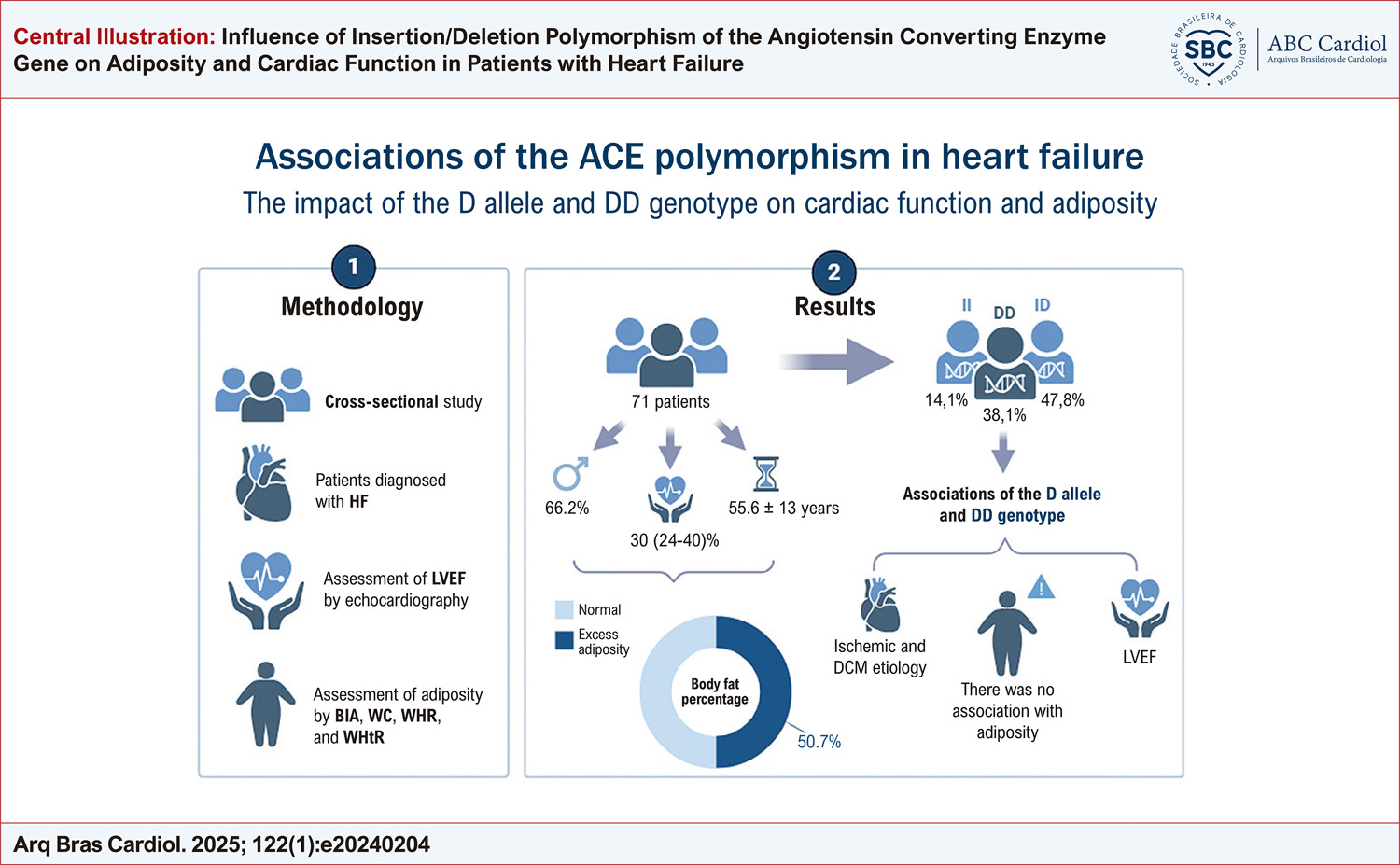
Seventy-one individuals were included, with a mean age of 55.8 ± 13.0 years, predominantly male (66.2%), with functional class I and II (90.9%), and a median LVEF of 30% (24-40). The prevalence of overweight was 38%, class I obesity was 23.9%, and class II and III obesity was 12.7%, with 50.7% exhibiting excess adiposity as assessed by BIA. A total of 88 D alleles and 54 I alleles of the ACE gene were identified. Regarding ACE genotypes, 38.1% were DD, 47.8% were ID, and 14.1% were II. In the multivariate analysis, the D allele (DD + ID genotypes versus II) was associated with LVEF (PR 0.995; 95% CI 0.991–1.000; p = 0.048) and with the etiology of HF (dilated cardiomyopathy: PR 1.283; 95% CI 1.039–1.583; p = 0.021). No independent association was found with adiposity.

Conclusion

The presence of the D allele of the ACE polymorphism is associated with LVEF and HF etiology. Despite overweight being prevalent in the sample, no independent associations were found.

  • Adiposity
  • Genetic Polymorphism
  • Heart Failure
Read Full Article
Creative Commons Attribution (CC BY) Creative Commons license
20/01/2025 DOI: 10.36660/abc.20240204i Views 1
Central Illustration
Original Article

Serum Nitric Oxide, Endothelin-1 Correlates Post-Procedural Major Adverse Cardiovascular Events among Patients with Acute STEMI

Huihui Guo et al. Qi Qu Jiechao Lv

Abstract

Background

ST-segment elevation myocardial infarction (STEMI) is a common and severe form of acute myocardial infarction (AMI).

Objectives

The study aimed to investigate the relationship between serum nitric oxide (NO) and endothelin-1 (ET-1) levels with the severity of STEMI and their predictive value for major adverse cardiovascular events (MACE) within one year after percutaneous coronary intervention (PCI) in STEMI patients.

Methods

The retrospective study was conducted on 269 STEMI patients who underwent PCI. The patients were categorized into two groups: those who developed MACE (112 cases) and those who did not (157 cases) within one year. NO and ET1 levels were measured in collected serum using enzyme-linked immunosorbent assay. Receive-operating characteristics (ROC) curve was used to analyze the prognostic potential of NO and ET1 individually and in combination, p<0.05 was considered statistically significant.

Results

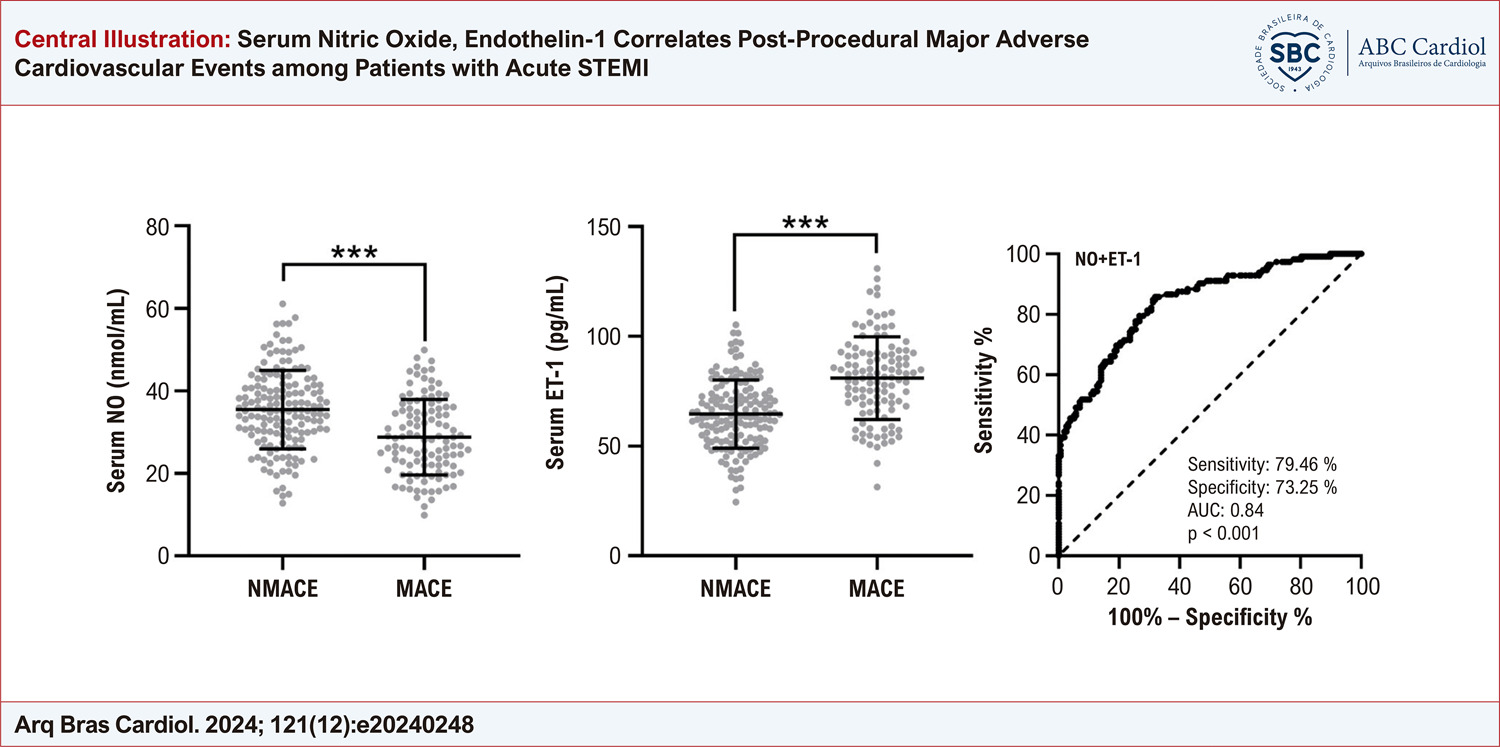
Significant differences were noted between the two groups concerning age, Killip classification, left ventricular ejection fraction, cardiac troponin I (cTnI), creatine kinase-MB (CK-MB), as well as serum NO and ET-1 levels. The study observed that patients who developed MACE had lower serum NO and higher ET-1 levels upon admission. Further analysis revealed a significant inverse relationship between serum NO and ET-1 levels and the severity of myocardial infarction. A combined detection model, -0.082 * NO + 0.059 * ET-1, demonstrated promising prognostic value for the occurrence of MACE within one year post-PCI.

Conclusions

Serum NO and ET-1 levels serve as valuable prognostic markers for MACE in STEMI patients undergoing PCI, exhibiting a strong correlation with AMI severity.

  • Myocardial Infarction
  • Prognosis
  • ST Elevation Myocardial Infarction
Read Full Article
Creative Commons Attribution (CC BY) Creative Commons license
20/01/2025 DOI: 10.36660/abc.20240248i Views 2
Acute Coronary Syndrome in Brazil: Registration of Predisposing Factors and Population Profile in a National Public Reference Cardiological Institute
Original Article

Acute Coronary Syndrome in Brazil: Registration of Predisposing Factors and Population Profile in a National Public Reference Cardiological Institute

Kaliana Nascimento et al. Hugo Ribeiro Ramadan Bruno Mendonça Baccaro Vinicius Vaz de Sales Bicalho … Italo Menezes Ferreira Louis Nakayama Ohe Vitor Sobreira Souza Santos Fausto Feres Kleber Franchini Ari Timerman Diandro Marinho Mota

Abstract

Background

Acute coronary syndrome (ACS) is one of the leading causes of mortality worldwide. Knowing the predisposing factors is essential for preventing it.

Objectives

To describe the etiological and epidemiological characteristics of the population with ACS admitted to an emergency room in the State of São Paulo.

Methods

The prospective cohort study, based on electronic medical records from a public cardiology institute located in the state of São Paulo, Brazil, describes 5,580 patients hospitalized with ACS between August 2018 and October 2022. The main epidemiological characteristics, the association between confirmed ACS and risk scores, and adverse events during hospitalization and in the 30-day follow-up after hospital discharge were evaluated. The significance level was set at 5%.

Results

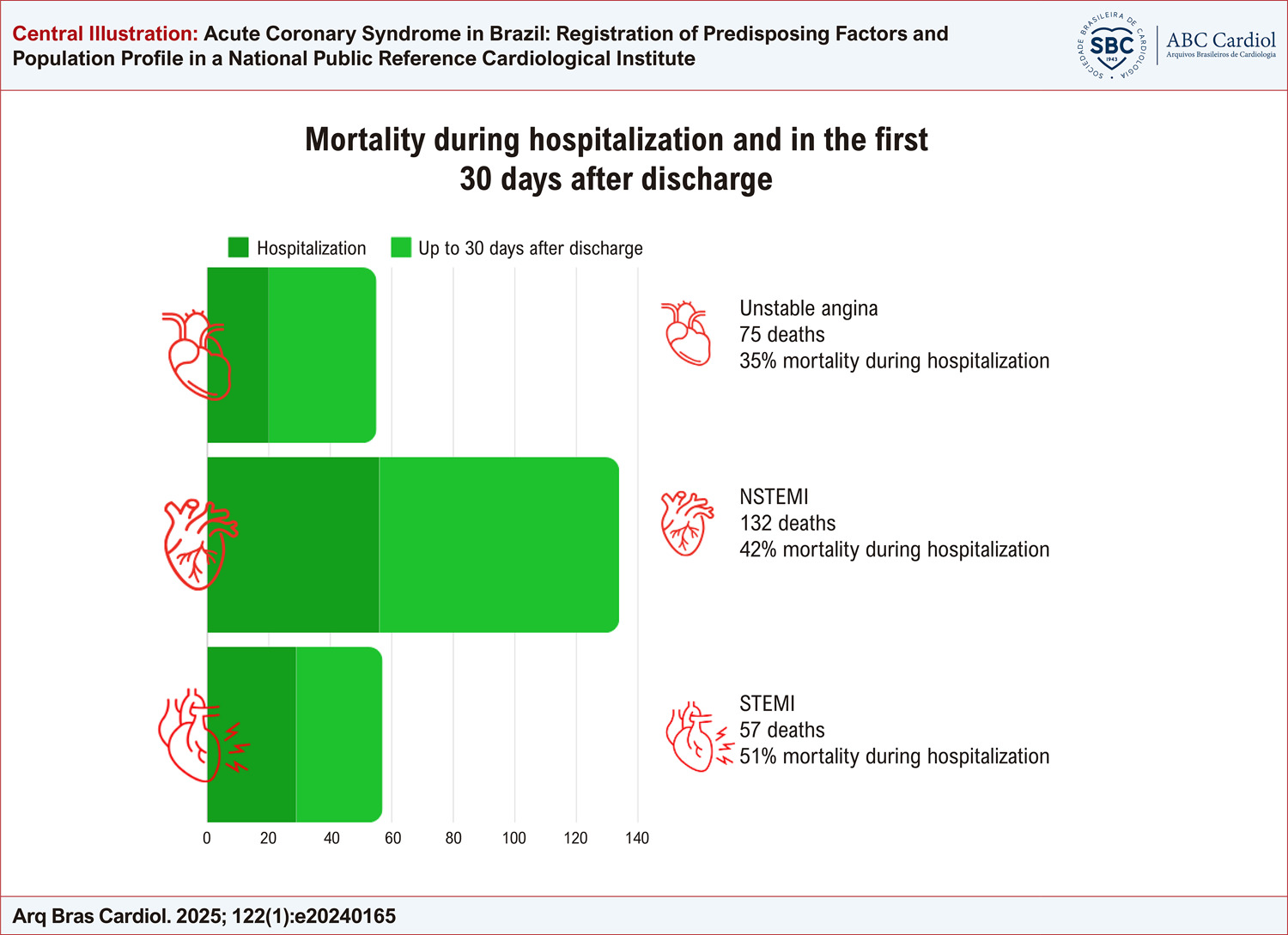
The main factors associated with ACS were hypertension (80.38%), obesity or overweight (72.47%), and previous coronary artery disease (CAD) (59.11%). In the GRACE score, 65.10% were considered low risk, while 81.34% in the TIMI and 71.16% in the HEART were identified as moderate risk. Catheterization represented 84.93% of the diagnostic methods. Clinical treatment was the strategy adopted in 46.47% of the cases. In the 30-day evolution, 3.10% presented major bleeding, 7.86% infarction/reinfarction, 5.55% stroke, and 2.53% evolved to death.

Conclusion

The results of the largest Brazilian ACS registry to date highlight the impact of potentially modifiable risk factors on the occurrence of ischemic events in the local population. The findings may contribute to the development of public policies aimed at preventing and controlling the burden of ischemic disease in the country.

  • Acute coronary syndrome
  • Cardiovascular Diseases
  • Coronary Disease
  • Myocardial Ischemia
Read Full Article
Creative Commons Attribution (CC BY) Creative Commons license
13/01/2025 DOI: 10.36660/abc.20240165i Views 1

How to cite this article

EndNote RIS

Electronic Document Format (Vancouver)

Felix AS, Barberato SH, Melo MDT, Rosa SA, Cardim N. The Complex Puzzle of Hypertrophic Phenotype: A Practical Approach for the Clinician. Arquivos Brasileiros de Cardiologia 2025;122(1):e20240529.

Electronic Document Format (ABNT)

Felix, Alex dos Santos; Barberato, Silvio Henrique; Melo, Marcelo Dantas Tavares de; Rosa, Sílvia Aguiar; Cardim, Nuno. The Complex Puzzle of Hypertrophic Phenotype: A Practical Approach for the Clinician. Arquivos Brasileiros de Cardiologia, v. 122, n. 1, e20240529, Apr. 2025.

Electronic Document Format (APA)

Felix, A. S., Barberato, S. H., Melo, M. D. T. , Rosa, S. A., & Cardim, N. (2025). The Complex Puzzle of Hypertrophic Phenotype: A Practical Approach for the Clinician. Arquivos Brasileiros de Cardiologia, 122(1), e20240529.

Electronic Document Format (ISO)

Felix, Alex dos Santos and Barberato, Silvio Henrique and Melo, Marcelo Dantas Tavares de and Rosa, Sílvia Aguiar and Cardim, Nuno. The Complex Puzzle of Hypertrophic Phenotype: A Practical Approach for the Clinician. Arquivos Brasileiros de Cardiologia [online]. 2025, vol. 122, n. 1, [cited 2026-10-14], e20240529. Available from: <https://journals.cardiol.br/en/article/the-complex-puzzle-of-hypertrophic-phenotype-a-practical-approach-for-the-clinician/>. ISSN 0066-782X

EndNote RIS

Electronic Document Format (Vancouver)

Sobral Filho DC. The Search Continues for Better Markers That Aid in the Diagnosis and Prevention of Atrial Fibrillation and its Complications. Arquivos Brasileiros de Cardiologia 2025;122(1):e20250044.

Electronic Document Format (ABNT)

Sobral Filho, Dario Celestino. The Search Continues for Better Markers That Aid in the Diagnosis and Prevention of Atrial Fibrillation and its Complications. Arquivos Brasileiros de Cardiologia, v. 122, n. 1, e20250044, Mar. 2025.

Electronic Document Format (APA)

Sobral Filho, D. C. (2025). The Search Continues for Better Markers That Aid in the Diagnosis and Prevention of Atrial Fibrillation and its Complications. Arquivos Brasileiros de Cardiologia, 122(1), e20250044.

Electronic Document Format (ISO)

Sobral Filho, Dario Celestino. The Search Continues for Better Markers That Aid in the Diagnosis and Prevention of Atrial Fibrillation and its Complications. Arquivos Brasileiros de Cardiologia [online]. 2025, vol. 122, n. 1, [cited 2026-10-14], e20250044. Available from: <https://journals.cardiol.br/en/article/the-search-continues-for-better-markers-that-aid-in-the-diagnosis-and-prevention-of-atrial-fibrillation-and-its-complications/>. ISSN 0066-782X

EndNote RIS

Electronic Document Format (Vancouver)

Boccalon B, Foppa M, Brant LC, Pinto-Filho MM, Ribeiro AL, Duncan BB, Santos ABS, et al. Characteristics Associated with Prevalent Atrial Fibrillation and Risk Profile for Incident Atrial Fibrillation an Elderly Population from ELSA-Brasil. Arquivos Brasileiros de Cardiologia 2025;122(1):e20240487.

Electronic Document Format (ABNT)

Boccalon, Bernardo; Foppa, Murilo; Brant, Luisa C.C; Pinto-Filho, Marcelo M.; Ribeiro, Antonio L.; Duncan, Bruce B.; Santos, Angela Barreto Santiago. Characteristics Associated with Prevalent Atrial Fibrillation and Risk Profile for Incident Atrial Fibrillation an Elderly Population from ELSA-Brasil. Arquivos Brasileiros de Cardiologia, v. 122, n. 1, e20240487, Mar. 2025.

Electronic Document Format (APA)

Boccalon, B., Foppa, M., Brant, L. C., Pinto-Filho, M. M., Ribeiro, A. L., Duncan, B. B., & Santos, A. B. S. (2025). Characteristics Associated with Prevalent Atrial Fibrillation and Risk Profile for Incident Atrial Fibrillation an Elderly Population from ELSA-Brasil. Arquivos Brasileiros de Cardiologia, 122(1), e20240487.

Electronic Document Format (ISO)

Boccalon, Bernardo and Foppa, Murilo and Brant, Luisa C.C and Pinto-Filho, Marcelo M. and Ribeiro, Antonio L. and Duncan, Bruce B. and Santos, Angela Barreto Santiago. Characteristics Associated with Prevalent Atrial Fibrillation and Risk Profile for Incident Atrial Fibrillation an Elderly Population from ELSA-Brasil. Arquivos Brasileiros de Cardiologia [online]. 2025, vol. 122, n. 1, [cited 2026-10-14], e20240487. Available from: <https://journals.cardiol.br/en/article/characteristics-associated-with-prevalent-atrial-fibrillation-and-risk-profile-for-incident-atrial-fibrillation-an-elderly-population-from-elsa-brasil/>. ISSN 0066-782X

EndNote RIS

Electronic Document Format (Vancouver)

Avila WS, Pinto DVR, Brugnara JS, Moro M, Moreira TCS, Borges I, Miura N, et al. Choosing a Valve Prosthesis for a Successful Pregnancy. The “Tip of the Iceberg” for a Disease of Complex Evolution. Arquivos Brasileiros de Cardiologia 2025;122(1):e20240163.

Electronic Document Format (ABNT)

Avila, Walkiria Samuel; Pinto, Daniel Vinicius Rodrigues; Brugnara, Jessica Sol; Moro, Marilia; Moreira, Talita Carla Stratti; Borges, Isabelle; Miura, Nana; Tarasoutchi, Flávio. Choosing a Valve Prosthesis for a Successful Pregnancy. The “Tip of the Iceberg” for a Disease of Complex Evolution. Arquivos Brasileiros de Cardiologia, v. 122, n. 1, e20240163, Feb. 2025.

Electronic Document Format (APA)

Avila, W. S., Pinto, D. V. R., Brugnara, J. S., Moro, M., Moreira, T. C. S., Borges, I., Miura, N., & Tarasoutchi, F. (2025). Choosing a Valve Prosthesis for a Successful Pregnancy. The “Tip of the Iceberg” for a Disease of Complex Evolution. Arquivos Brasileiros de Cardiologia, 122(1), e20240163.

Electronic Document Format (ISO)

Avila, Walkiria Samuel and Pinto, Daniel Vinicius Rodrigues and Brugnara, Jessica Sol and Moro, Marilia and Moreira, Talita Carla Stratti and Borges, Isabelle and Miura, Nana and Tarasoutchi, Flávio. Choosing a Valve Prosthesis for a Successful Pregnancy. The “Tip of the Iceberg” for a Disease of Complex Evolution. Arquivos Brasileiros de Cardiologia [online]. 2025, vol. 122, n. 1, [cited 2026-10-14], e20240163. Available from: <https://journals.cardiol.br/en/article/choosing-a-valve-prosthesis-for-a-successful-pregnancy-the-tip-of-the-iceberg-for-a-disease-of-complex-evolution/>. ISSN 0066-782X

EndNote RIS

Electronic Document Format (Vancouver)

Nomura ML. Cardiac Valve Prosthesis and Pregnancy: Challenges and Strategies. Arquivos Brasileiros de Cardiologia 2025;122(1):e20240602.

Electronic Document Format (ABNT)

Nomura, Marcelo Luis. Cardiac Valve Prosthesis and Pregnancy: Challenges and Strategies. Arquivos Brasileiros de Cardiologia, v. 122, n. 1, e20240602, Feb. 2025.

Electronic Document Format (APA)

Nomura, M. L. (2025). Cardiac Valve Prosthesis and Pregnancy: Challenges and Strategies. Arquivos Brasileiros de Cardiologia, 122(1), e20240602.

Electronic Document Format (ISO)

Nomura, Marcelo Luis. Cardiac Valve Prosthesis and Pregnancy: Challenges and Strategies. Arquivos Brasileiros de Cardiologia [online]. 2025, vol. 122, n. 1, [cited 2026-10-14], e20240602. Available from: <https://journals.cardiol.br/en/article/cardiac-valve-prosthesis-and-pregnancy-challenges-and-strategies/>. ISSN 0066-782X

EndNote RIS

Electronic Document Format (Vancouver)

Silva PG, Ribeiro HB. Addressing Gender Disparities in Cardiovascular Care: Guideline-Oriented PCI for Women and the Hua-Mulan Conundrum. Arquivos Brasileiros de Cardiologia 2025;122(1):e20240824.

Electronic Document Format (ABNT)

Silva, Pedro Guimarães; Ribeiro, Henrique Barbosa. Addressing Gender Disparities in Cardiovascular Care: Guideline-Oriented PCI for Women and the Hua-Mulan Conundrum. Arquivos Brasileiros de Cardiologia, v. 122, n. 1, e20240824, Feb. 2025.

Electronic Document Format (APA)

Silva, P. G., & Ribeiro, H. B. (2025). Addressing Gender Disparities in Cardiovascular Care: Guideline-Oriented PCI for Women and the Hua-Mulan Conundrum. Arquivos Brasileiros de Cardiologia, 122(1), e20240824.

Electronic Document Format (ISO)

Silva, Pedro Guimarães and Ribeiro, Henrique Barbosa. Addressing Gender Disparities in Cardiovascular Care: Guideline-Oriented PCI for Women and the Hua-Mulan Conundrum. Arquivos Brasileiros de Cardiologia [online]. 2025, vol. 122, n. 1, [cited 2026-10-14], e20240824. Available from: <https://journals.cardiol.br/en/article/addressing-gender-disparities-in-cardiovascular-care-guideline-oriented-pci-for-women-and-the-hua-mulan-conundrum/>. ISSN 0066-782X

EndNote RIS

Electronic Document Format (Vancouver)

Camanho LEM. Does Posterior Wall Isolation in Catheter Ablation of Persistent Atrial Fibrillation Change Clinical Outcomes?. Arquivos Brasileiros de Cardiologia 2025;122(1):e20240815.

Electronic Document Format (ABNT)

Camanho, Luiz Eduardo Montenegro. Does Posterior Wall Isolation in Catheter Ablation of Persistent Atrial Fibrillation Change Clinical Outcomes?. Arquivos Brasileiros de Cardiologia, v. 122, n. 1, e20240815, Feb. 2025.

Electronic Document Format (APA)

Camanho, L. E. M. (2025). Does Posterior Wall Isolation in Catheter Ablation of Persistent Atrial Fibrillation Change Clinical Outcomes?. Arquivos Brasileiros de Cardiologia, 122(1), e20240815.

Electronic Document Format (ISO)

Camanho, Luiz Eduardo Montenegro. Does Posterior Wall Isolation in Catheter Ablation of Persistent Atrial Fibrillation Change Clinical Outcomes?. Arquivos Brasileiros de Cardiologia [online]. 2025, vol. 122, n. 1, [cited 2026-10-14], e20240815. Available from: <https://journals.cardiol.br/en/article/does-posterior-wall-isolation-in-catheter-ablation-of-persistent-atrial-fibrillation-change-clinical-outcomes/>. ISSN 0066-782X

EndNote RIS

Electronic Document Format (Vancouver)

Bitencourt AR, Sousa ALL, Vitorino PVO, Correia MC, Yoshizumi AM, Barroso WKS. Acupuncture for Essential Hypertension and Endothelial Dysfunction: A Randomized Clinical Trial. Arquivos Brasileiros de Cardiologia 2025;122(1):e20240596.

Electronic Document Format (ABNT)

Bitencourt, Amanda Rodrigues; Sousa, Ana Luiza Lima; Vitorino, Priscila Valverde de Oliveira; Correia, Mikaelle Costa; Yoshizumi, Alexandre Massao; Barroso, Weimar Kunz Sebba. Acupuncture for Essential Hypertension and Endothelial Dysfunction: A Randomized Clinical Trial. Arquivos Brasileiros de Cardiologia, v. 122, n. 1, e20240596, Feb. 2025.

Electronic Document Format (APA)

Bitencourt, A. R., Sousa, A. L. L., Vitorino, P. V. O., Correia, M. C., Yoshizumi, A. M., & Barroso, W. K. S. (2025). Acupuncture for Essential Hypertension and Endothelial Dysfunction: A Randomized Clinical Trial. Arquivos Brasileiros de Cardiologia, 122(1), e20240596.

Electronic Document Format (ISO)

Bitencourt, Amanda Rodrigues and Sousa, Ana Luiza Lima and Vitorino, Priscila Valverde de Oliveira and Correia, Mikaelle Costa and Yoshizumi, Alexandre Massao and Barroso, Weimar Kunz Sebba. Acupuncture for Essential Hypertension and Endothelial Dysfunction: A Randomized Clinical Trial. Arquivos Brasileiros de Cardiologia [online]. 2025, vol. 122, n. 1, [cited 2026-10-14], e20240596. Available from: <https://journals.cardiol.br/en/article/acupuncture-for-essential-hypertension-and-endothelial-dysfunction-a-randomized-clinical-trial/>. ISSN 0066-782X

EndNote RIS

Electronic Document Format (Vancouver)

Atik FA, Pego-Fernandes PM, Mejia JA, Goldraich LA, Marcondes-Braga FG, Azeka E, Figueira FA, et al. ABTO Brazilian Transplant Registry and ISHLT Heart Transplant Registry: An Important/Valuable Partnership. Arquivos Brasileiros de Cardiologia 2025;122(1):e20240370.

Electronic Document Format (ABNT)

Atik, Fernando A.; Pego-Fernandes, Paulo Manoel; Mejia, Juan A.; Goldraich, Livia A.; Marcondes-Braga, Fabiana G.; Azeka, Estela; Figueira, Fernando Augusto; Garcia, Valter Duro; Haddad, Luciana; Cherikh, Wida; Stehlik, Josef; Cogswell, Rebecca. ABTO Brazilian Transplant Registry and ISHLT Heart Transplant Registry: An Important/Valuable Partnership. Arquivos Brasileiros de Cardiologia, v. 122, n. 1, e20240370, Feb. 2025.

Electronic Document Format (APA)

Atik, F. A., Pego-Fernandes, P. M., Mejia, J. A., Goldraich, L. A., Marcondes-Braga, F. G., Azeka, E., Figueira, F. A., Garcia, V. D., Haddad, L., Cherikh, W., Stehlik, J., & Cogswell, R. (2025). ABTO Brazilian Transplant Registry and ISHLT Heart Transplant Registry: An Important/Valuable Partnership. Arquivos Brasileiros de Cardiologia, 122(1), e20240370.

Electronic Document Format (ISO)

Atik, Fernando A. and Pego-Fernandes, Paulo Manoel and Mejia, Juan A. and Goldraich, Livia A. and Marcondes-Braga, Fabiana G. and Azeka, Estela and Figueira, Fernando Augusto and Garcia, Valter Duro and Haddad, Luciana and Cherikh, Wida and Stehlik, Josef and Cogswell, Rebecca. ABTO Brazilian Transplant Registry and ISHLT Heart Transplant Registry: An Important/Valuable Partnership. Arquivos Brasileiros de Cardiologia [online]. 2025, vol. 122, n. 1, [cited 2026-10-14], e20240370. Available from: <https://journals.cardiol.br/en/article/abto-brazilian-transplant-registry-and-ishlt-heart-transplant-registry-an-important-valuable-partnership/>. ISSN 0066-782X

EndNote RIS

Electronic Document Format (Vancouver)

Issa VS, Mansur AJ. Additional Data on Atrial Fibrillation from ELSA-Brasil Study. Arquivos Brasileiros de Cardiologia 2025;122(1):e20240827.

Electronic Document Format (ABNT)

Issa, Victor Sarli; Mansur, Alfredo José. Additional Data on Atrial Fibrillation from ELSA-Brasil Study. Arquivos Brasileiros de Cardiologia, v. 122, n. 1, e20240827, Feb. 2025.

Electronic Document Format (APA)

Issa, V. S., & Mansur, A. J. (2025). Additional Data on Atrial Fibrillation from ELSA-Brasil Study. Arquivos Brasileiros de Cardiologia, 122(1), e20240827.

Electronic Document Format (ISO)

Issa, Victor Sarli and Mansur, Alfredo José. Additional Data on Atrial Fibrillation from ELSA-Brasil Study. Arquivos Brasileiros de Cardiologia [online]. 2025, vol. 122, n. 1, [cited 2026-10-14], e20240827. Available from: <https://journals.cardiol.br/en/article/additional-data-on-atrial-fibrillation-from-elsa-brasil-study/>. ISSN 0066-782X

EndNote RIS

Electronic Document Format (Vancouver)

Chokr MO. Southern Brazil Registry of Atrial Fibrillation (SBR-AF): Predictors of Atrial Arrhythmia Recurrence After First Catheter Ablation. Arquivos Brasileiros de Cardiologia 2025;122(1):e20240871.

Electronic Document Format (ABNT)

Chokr, Muhieddine Omar. Southern Brazil Registry of Atrial Fibrillation (SBR-AF): Predictors of Atrial Arrhythmia Recurrence After First Catheter Ablation. Arquivos Brasileiros de Cardiologia, v. 122, n. 1, e20240871, Feb. 2025.

Electronic Document Format (APA)

Chokr, M. O. (2025). Southern Brazil Registry of Atrial Fibrillation (SBR-AF): Predictors of Atrial Arrhythmia Recurrence After First Catheter Ablation. Arquivos Brasileiros de Cardiologia, 122(1), e20240871.

Electronic Document Format (ISO)

Chokr, Muhieddine Omar. Southern Brazil Registry of Atrial Fibrillation (SBR-AF): Predictors of Atrial Arrhythmia Recurrence After First Catheter Ablation. Arquivos Brasileiros de Cardiologia [online]. 2025, vol. 122, n. 1, [cited 2026-10-14], e20240871. Available from: <https://journals.cardiol.br/en/article/southern-brazil-registry-of-atrial-fibrillation-sbr-af-predictors-of-atrial-arrhythmia-recurrence-after-first-catheter-ablation/>. ISSN 0066-782X

EndNote RIS

Electronic Document Format (Vancouver)

Godoy MF. Understanding the Link between Visceral Fat and Heart Health. Arquivos Brasileiros de Cardiologia 2025;122(1):e20240466.

Electronic Document Format (ABNT)

Godoy, Moacir Fernandes. Understanding the Link between Visceral Fat and Heart Health. Arquivos Brasileiros de Cardiologia, v. 122, n. 1, e20240466, Feb. 2025.

Electronic Document Format (APA)

Godoy, M. F. (2025). Understanding the Link between Visceral Fat and Heart Health. Arquivos Brasileiros de Cardiologia, 122(1), e20240466.

Electronic Document Format (ISO)

Godoy, Moacir Fernandes. Understanding the Link between Visceral Fat and Heart Health. Arquivos Brasileiros de Cardiologia [online]. 2025, vol. 122, n. 1, [cited 2026-10-14], e20240466. Available from: <https://journals.cardiol.br/en/article/understanding-the-link-between-visceral-fat-and-heart-health-2/>. ISSN 0066-782X

EndNote RIS

Electronic Document Format (Vancouver)

Dourado LA, Dourado PMM, Oliveira JG, Silva EM, Dourado JPA, Braga PGS. Heart Rate Reduction after Effort Test Is Higher in Physically Active Adults without Familial Cardiovascular Risk Factor. Arquivos Brasileiros de Cardiologia 2025;122(1):e20240435.

Electronic Document Format (ABNT)

Dourado, Larissa de Almeida; Dourado, Paulo Magno Martins; Oliveira, Jaciara Gomes de; Silva, Evandra Maria da; Dourado, João Paulo de Almeida; Braga, Pedro Gabriel Senger. Heart Rate Reduction after Effort Test Is Higher in Physically Active Adults without Familial Cardiovascular Risk Factor. Arquivos Brasileiros de Cardiologia, v. 122, n. 1, e20240435, Feb. 2025.

Electronic Document Format (APA)

Dourado, L. A., Dourado, P. M. M., Oliveira, J. G. , Silva, E. M. , Dourado, J. P. A., & Braga, P. G. S. (2025). Heart Rate Reduction after Effort Test Is Higher in Physically Active Adults without Familial Cardiovascular Risk Factor. Arquivos Brasileiros de Cardiologia, 122(1), e20240435.

Electronic Document Format (ISO)

Dourado, Larissa de Almeida and Dourado, Paulo Magno Martins and Oliveira, Jaciara Gomes de and Silva, Evandra Maria da and Dourado, João Paulo de Almeida and Braga, Pedro Gabriel Senger. Heart Rate Reduction after Effort Test Is Higher in Physically Active Adults without Familial Cardiovascular Risk Factor. Arquivos Brasileiros de Cardiologia [online]. 2025, vol. 122, n. 1, [cited 2026-10-14], e20240435. Available from: <https://journals.cardiol.br/en/article/heart-rate-reduction-after-effort-test-is-higher-in-physically-active-adults-without-familial-cardiovascular-risk-factor/>. ISSN 0066-782X

EndNote RIS

Electronic Document Format (Vancouver)

Novaes JVLC, Brasil DP, Faria FMF, Garcia ISB, Pimenta CR, Guimarães NS, Malachias MVB, et al. Efficacy and Safety of Adjunctive Posterior Wall Isolation in Patients with Persistent Atrial Fibrillation: A Systematic Review and Meta-Analysis. Arquivos Brasileiros de Cardiologia 2025;122(1):e20240472.

Electronic Document Format (ABNT)

Novaes, João Vitor Levindo Coelho; Brasil, David de Pádua; Faria, Flavia Maria de Freitas; Garcia, Isadora Soares Bicalho; Pimenta, Camila Ribeiro; Guimarães, Nathalia Sernizon; Malachias, Marcus Vinicius Bolivar. Efficacy and Safety of Adjunctive Posterior Wall Isolation in Patients with Persistent Atrial Fibrillation: A Systematic Review and Meta-Analysis. Arquivos Brasileiros de Cardiologia, v. 122, n. 1, e20240472, Feb. 2025.

Electronic Document Format (APA)

Novaes, J. V. L. C., Brasil, D. P., Faria, F. M. F., Garcia, I. S. B., Pimenta, C. R., Guimarães, N. S., & Malachias, M. V. B. (2025). Efficacy and Safety of Adjunctive Posterior Wall Isolation in Patients with Persistent Atrial Fibrillation: A Systematic Review and Meta-Analysis. Arquivos Brasileiros de Cardiologia, 122(1), e20240472.

Electronic Document Format (ISO)

Novaes, João Vitor Levindo Coelho and Brasil, David de Pádua and Faria, Flavia Maria de Freitas and Garcia, Isadora Soares Bicalho and Pimenta, Camila Ribeiro and Guimarães, Nathalia Sernizon and Malachias, Marcus Vinicius Bolivar. Efficacy and Safety of Adjunctive Posterior Wall Isolation in Patients with Persistent Atrial Fibrillation: A Systematic Review and Meta-Analysis. Arquivos Brasileiros de Cardiologia [online]. 2025, vol. 122, n. 1, [cited 2026-10-14], e20240472. Available from: <https://journals.cardiol.br/en/article/efficacy-and-safety-of-adjunctive-posterior-wall-isolation-in-patients-with-persistent-atrial-fibrillation-a-systematic-review-and-meta-analysis/>. ISSN 0066-782X

EndNote RIS

Electronic Document Format (Vancouver)

Zhang S, Du J, Wang P, Lei M, Zhong C, Ou Y, Sun Z, et al. Association between Estimated Small Dense Low-Density Lipoprotein-cholesterol (sdLDL-C) and Atherosclerotic Cardiovascular Disease Risk. Arquivos Brasileiros de Cardiologia 2025;122(1):e20240265.

Electronic Document Format (ABNT)

Zhang, Shutang; Du, Jinjie; Wang, Peng; Lei, Min; Zhong, Canye; Ou, Yang; Sun, Zhen. Association between Estimated Small Dense Low-Density Lipoprotein-cholesterol (sdLDL-C) and Atherosclerotic Cardiovascular Disease Risk. Arquivos Brasileiros de Cardiologia, v. 122, n. 1, e20240265, Feb. 2025.

Electronic Document Format (APA)

Zhang, S., Du, J., Wang, P., Lei, M., Zhong, C., Ou, Y., & Sun, Z. (2025). Association between Estimated Small Dense Low-Density Lipoprotein-cholesterol (sdLDL-C) and Atherosclerotic Cardiovascular Disease Risk. Arquivos Brasileiros de Cardiologia, 122(1), e20240265.

Electronic Document Format (ISO)

Zhang, Shutang and Du, Jinjie and Wang, Peng and Lei, Min and Zhong, Canye and Ou, Yang and Sun, Zhen. Association between Estimated Small Dense Low-Density Lipoprotein-cholesterol (sdLDL-C) and Atherosclerotic Cardiovascular Disease Risk. Arquivos Brasileiros de Cardiologia [online]. 2025, vol. 122, n. 1, [cited 2026-10-14], e20240265. Available from: <https://journals.cardiol.br/en/article/association-between-estimated-small-dense-low-density-lipoprotein-cholesterol-sdldl-c-and-atherosclerotic-cardiovascular-disease-risk/>. ISSN 0066-782X

EndNote RIS

Electronic Document Format (Vancouver)

Delamain TRB, Delamain JHH, Braga SLN, Costa R, Siqueira DAA, Feres F, Centemero MP, et al. Outcomes of Guideline-Recommended Percutaneous Coronary Intervention in Women with Obstructive Coronary Artery Disease: A Longitudinal Cohort Study. Arquivos Brasileiros de Cardiologia 2025;122(1):e20240249.

Electronic Document Format (ABNT)

Delamain, Tacianne Rolemberg Braga; Delamain, José Henrique Herrmann; Braga, Sergio Luiz Navarro; Costa, Ricardo; Siqueira, Dimytri Alexandre Alvim de; Feres, Fausto; Centemero, Marinella Patrizia. Outcomes of Guideline-Recommended Percutaneous Coronary Intervention in Women with Obstructive Coronary Artery Disease: A Longitudinal Cohort Study. Arquivos Brasileiros de Cardiologia, v. 122, n. 1, e20240249, Feb. 2025.

Electronic Document Format (APA)

Delamain, T. R. B., Delamain, J. H. H., Braga, S. L. N., Costa, R., Siqueira, D. A. A. , Feres, F., & Centemero, M. P. (2025). Outcomes of Guideline-Recommended Percutaneous Coronary Intervention in Women with Obstructive Coronary Artery Disease: A Longitudinal Cohort Study. Arquivos Brasileiros de Cardiologia, 122(1), e20240249.

Electronic Document Format (ISO)

Delamain, Tacianne Rolemberg Braga and Delamain, José Henrique Herrmann and Braga, Sergio Luiz Navarro and Costa, Ricardo and Siqueira, Dimytri Alexandre Alvim de and Feres, Fausto and Centemero, Marinella Patrizia. Outcomes of Guideline-Recommended Percutaneous Coronary Intervention in Women with Obstructive Coronary Artery Disease: A Longitudinal Cohort Study. Arquivos Brasileiros de Cardiologia [online]. 2025, vol. 122, n. 1, [cited 2026-10-14], e20240249. Available from: <https://journals.cardiol.br/en/article/outcomes-of-guideline-recommended-percutaneous-coronary-intervention-in-women-with-obstructive-coronary-artery-disease-a-longitudinal-cohort-study/>. ISSN 0066-782X

EndNote RIS

Electronic Document Format (Vancouver)

Ternes CMP, Rohde LE, Forno AD, Lewandowski A, Nascimento HG, Odozynski G, Ferreira C, et al. The Southern Brazilian Registry of Atrial Fibrillation (SBR-AF Registry): Predictors of Atrial Arrhythmia Recurrence after First-Time Catheter Ablation. Arquivos Brasileiros de Cardiologia 2025;122(1):e20240246.

Electronic Document Format (ABNT)

Ternes, Caique M. P.; Rohde, Luis E.; Forno, Alexander Dal; Lewandowski, Andrei; Nascimento, Helcio Garcia; Odozynski, Gabriel; Ferreira, Claudio; Ferro, Enrico G.; Polanczyk, Carisi A.; Zimerman, André; Faganello, Lucas S.; Pasqualotto, Eric; Damasceno, Grazyelle; Zimerman, Leandro I.; d’Avila, Andre. The Southern Brazilian Registry of Atrial Fibrillation (SBR-AF Registry): Predictors of Atrial Arrhythmia Recurrence after First-Time Catheter Ablation. Arquivos Brasileiros de Cardiologia, v. 122, n. 1, e20240246, Jan. 2025.

Electronic Document Format (APA)

Ternes, C. M. P., Rohde, L. E., Forno, A. D., Lewandowski, A., Nascimento, H. G., Odozynski, G., Ferreira, C., Ferro, E. G., Polanczyk, C. A., Zimerman, A., Faganello, L. S., Pasqualotto, E., Damasceno, G., Zimerman, L. I., & d’Avila, A. (2025). The Southern Brazilian Registry of Atrial Fibrillation (SBR-AF Registry): Predictors of Atrial Arrhythmia Recurrence after First-Time Catheter Ablation. Arquivos Brasileiros de Cardiologia, 122(1), e20240246.

Electronic Document Format (ISO)

Ternes, Caique M. P. and Rohde, Luis E. and Forno, Alexander Dal and Lewandowski, Andrei and Nascimento, Helcio Garcia and Odozynski, Gabriel and Ferreira, Claudio and Ferro, Enrico G. and Polanczyk, Carisi A. and Zimerman, André and Faganello, Lucas S. and Pasqualotto, Eric and Damasceno, Grazyelle and Zimerman, Leandro I. and d’Avila, Andre. The Southern Brazilian Registry of Atrial Fibrillation (SBR-AF Registry): Predictors of Atrial Arrhythmia Recurrence after First-Time Catheter Ablation. Arquivos Brasileiros de Cardiologia [online]. 2025, vol. 122, n. 1, [cited 2026-10-14], e20240246. Available from: <https://journals.cardiol.br/en/article/the-southern-brazilian-registry-of-atrial-fibrillation-sbr-af-registry-predictors-of-atrial-arrhythmia-recurrence-after-first-time-catheter-ablation/>. ISSN 0066-782X

EndNote RIS

Electronic Document Format (Vancouver)

Kishk A, Abdeldayem ME, Khalil MA, Elbarbary M. Predicting the Propensity of Atrial Cardiopathy and Paroxysmal Atrial Fibrillation in Patients with Embolic Stroke of Undetermined Source (ESUS). Arquivos Brasileiros de Cardiologia 2025;122(1):e20240213.

Electronic Document Format (ABNT)

Kishk, Ahmed; Abdeldayem, Mohamed E.; Khalil, Mohamed A.; Elbarbary, Mohammed. Predicting the Propensity of Atrial Cardiopathy and Paroxysmal Atrial Fibrillation in Patients with Embolic Stroke of Undetermined Source (ESUS). Arquivos Brasileiros de Cardiologia, v. 122, n. 1, e20240213, Jan. 2025.

Electronic Document Format (APA)

Kishk, A., Abdeldayem, M. E., Khalil, M. A., & Elbarbary, M. (2025). Predicting the Propensity of Atrial Cardiopathy and Paroxysmal Atrial Fibrillation in Patients with Embolic Stroke of Undetermined Source (ESUS). Arquivos Brasileiros de Cardiologia, 122(1), e20240213.

Electronic Document Format (ISO)

Kishk, Ahmed and Abdeldayem, Mohamed E. and Khalil, Mohamed A. and Elbarbary, Mohammed. Predicting the Propensity of Atrial Cardiopathy and Paroxysmal Atrial Fibrillation in Patients with Embolic Stroke of Undetermined Source (ESUS). Arquivos Brasileiros de Cardiologia [online]. 2025, vol. 122, n. 1, [cited 2026-10-14], e20240213. Available from: <https://journals.cardiol.br/en/article/predicting-the-propensity-of-atrial-cardiopathy-and-paroxysmal-atrial-fibrillation-in-patients-with-embolic-stroke-of-undetermined-source-esus/>. ISSN 0066-782X

EndNote RIS

Electronic Document Format (Vancouver)

Vale MDM, Ribeiro CT, Knobloch IS, Schwartz IVD, Sperb-Ludwig F, Souza GC. Influence of Insertion/Deletion Polymorphism of the Angiotensin Converting Enzyme Gene on Adiposity and Cardiac Function in Patients with Heart Failure. Arquivos Brasileiros de Cardiologia 2025;122(1):e20240204.

Electronic Document Format (ABNT)

Vale, Marla Darlene Machado; Ribeiro, Édina Caroline Ternus; Knobloch, Ingrid da Silveira; Schwartz, Ida Vanessa Doederlein; Sperb-Ludwig, Fernanda; Souza, Gabriela Corrêa. Influence of Insertion/Deletion Polymorphism of the Angiotensin Converting Enzyme Gene on Adiposity and Cardiac Function in Patients with Heart Failure. Arquivos Brasileiros de Cardiologia, v. 122, n. 1, e20240204, Jan. 2025.

Electronic Document Format (APA)

Vale, M. D. M., Ribeiro, C. T., Knobloch, I. S., Schwartz, I. V. D., Sperb-Ludwig, F., & Souza, G. C. (2025). Influence of Insertion/Deletion Polymorphism of the Angiotensin Converting Enzyme Gene on Adiposity and Cardiac Function in Patients with Heart Failure. Arquivos Brasileiros de Cardiologia, 122(1), e20240204.

Electronic Document Format (ISO)

Vale, Marla Darlene Machado and Ribeiro, Édina Caroline Ternus and Knobloch, Ingrid da Silveira and Schwartz, Ida Vanessa Doederlein and Sperb-Ludwig, Fernanda and Souza, Gabriela Corrêa. Influence of Insertion/Deletion Polymorphism of the Angiotensin Converting Enzyme Gene on Adiposity and Cardiac Function in Patients with Heart Failure. Arquivos Brasileiros de Cardiologia [online]. 2025, vol. 122, n. 1, [cited 2026-10-14], e20240204. Available from: <https://journals.cardiol.br/en/article/influence-of-insertion-deletion-polymorphism-of-the-angiotensin-converting-enzyme-gene-on-adiposity-and-cardiac-function-in-patients-with-heart-failure/>. ISSN 0066-782X

EndNote RIS

Electronic Document Format (Vancouver)

Guo H, Qu Q, Lv J. Serum Nitric Oxide, Endothelin-1 Correlates Post-Procedural Major Adverse Cardiovascular Events among Patients with Acute STEMI. Arquivos Brasileiros de Cardiologia 2025;122(1):e20240248.

Electronic Document Format (ABNT)

Guo, Huihui; Qu, Qi; Lv, Jiechao. Serum Nitric Oxide, Endothelin-1 Correlates Post-Procedural Major Adverse Cardiovascular Events among Patients with Acute STEMI. Arquivos Brasileiros de Cardiologia, v. 122, n. 1, e20240248, Jan. 2025.

Electronic Document Format (APA)

Guo, H., Qu, Q., & Lv, J. (2025). Serum Nitric Oxide, Endothelin-1 Correlates Post-Procedural Major Adverse Cardiovascular Events among Patients with Acute STEMI. Arquivos Brasileiros de Cardiologia, 122(1), e20240248.

Electronic Document Format (ISO)

Guo, Huihui and Qu, Qi and Lv, Jiechao. Serum Nitric Oxide, Endothelin-1 Correlates Post-Procedural Major Adverse Cardiovascular Events among Patients with Acute STEMI. Arquivos Brasileiros de Cardiologia [online]. 2025, vol. 122, n. 1, [cited 2026-10-14], e20240248. Available from: <https://journals.cardiol.br/en/article/serum-nitric-oxide-endothelin-1-correlates-post-procedural-major-adverse-cardiovascular-events-among-patients-with-acute-stemi/>. ISSN 0066-782X

EndNote RIS

Electronic Document Format (Vancouver)

Nascimento K, Ramadan HR, Baccaro BM, Bicalho VVS, Ferreira IM, Ohe LN, Santos VSS, et al. Acute Coronary Syndrome in Brazil: Registration of Predisposing Factors and Population Profile in a National Public Reference Cardiological Institute. Arquivos Brasileiros de Cardiologia 2025;122(1):e20240165.

Electronic Document Format (ABNT)

Nascimento, Kaliana; Ramadan, Hugo Ribeiro; Baccaro, Bruno Mendonça; Bicalho, Vinicius Vaz de Sales; Ferreira, Italo Menezes; Ohe, Louis Nakayama; Santos, Vitor Sobreira Souza; Feres, Fausto; Franchini, Kleber; Timerman, Ari; Mota, Diandro Marinho. Acute Coronary Syndrome in Brazil: Registration of Predisposing Factors and Population Profile in a National Public Reference Cardiological Institute. Arquivos Brasileiros de Cardiologia, v. 122, n. 1, e20240165, Jan. 2025.

Electronic Document Format (APA)

Nascimento, K., Ramadan, H. R., Baccaro, B. M., Bicalho, V. V. S., Ferreira, I. M., Ohe, L. N., Santos, V. S. S., Feres, F., Franchini, K., Timerman, A., & Mota, D. M. (2025). Acute Coronary Syndrome in Brazil: Registration of Predisposing Factors and Population Profile in a National Public Reference Cardiological Institute. Arquivos Brasileiros de Cardiologia, 122(1), e20240165.

Electronic Document Format (ISO)

Nascimento, Kaliana and Ramadan, Hugo Ribeiro and Baccaro, Bruno Mendonça and Bicalho, Vinicius Vaz de Sales and Ferreira, Italo Menezes and Ohe, Louis Nakayama and Santos, Vitor Sobreira Souza and Feres, Fausto and Franchini, Kleber and Timerman, Ari and Mota, Diandro Marinho. Acute Coronary Syndrome in Brazil: Registration of Predisposing Factors and Population Profile in a National Public Reference Cardiological Institute. Arquivos Brasileiros de Cardiologia [online]. 2025, vol. 122, n. 1, [cited 2026-10-14], e20240165. Available from: <https://journals.cardiol.br/en/article/acute-coronary-syndrome-in-brazil-registration-of-predisposing-factors-and-population-profile-in-a-national-public-reference-cardiological-institute/>. ISSN 0066-782X

Sede – Rio de Janeiro
Av. Marechal Câmara, 160
3º andar – Sala: 330 – Centro
Rio de Janeiro – CEP: 20020-907
Tel.: (55 +21) 3478-2700
ou (21) 99386-3961
E-mail: revista@cardiol.br

Sede – São Paulo
Alameda Santos, 705 – 11º andar
Cerqueira César | São Paulo
CEP: 01419-001
Tel.: (55 +11) 3411-5500
E-mail: revista@cardiol.br

  • About the Journal
  • Internal Regulation
  • Editors Section
  • Editorial Board
  • History
  • SBC Award

  • Guidelines for Publication
  • Editorial Policy
  • Ethics Policy
  • Policy on the Use of Artificial Intelligence
  • Mandatory Publication Form
  • Publication Fee

Issues

SBC Guidelines

  • How to Publish an Abstract Supplement?
  • Supplements from the Brazilian Congress of Cardiology