| ABC
ABC Family Arquivos Brasileiros de Cardiologia International Journal of Cardiovascular Sciences ABC Heart Failure & Cardiomyopathy ABC Imagem Cardiovascular
Português English
ABC Family | ABC
Português English
  • About
    • About the Journal
    • Internal Regulation
    • Editors Section
    • Editorial Board
    • History
    • SBC Award
  • Instructions to Authors
    • Guidelines for Publication
    • Editorial Policy
    • Ethics Policy
    • Policy on the Use of Artificial Intelligence
    • Mandatory Publication Form
    • Publication Fee
  • Issues
  • SBC Guidelines
  • Abstracts
    • How to Publish an Abstract Supplement?
    • Supplements from the Brazilian Congress of Cardiology
  • About
    • About the Journal
    • Internal Regulation
    • Editors Section
    • Editorial Board
    • History
    • SBC Award
  • Instructions to Authors
    • Guidelines for Publication
    • Editorial Policy
    • Ethics Policy
    • Policy on the Use of Artificial Intelligence
    • Mandatory Publication Form
    • Publication Fee
  • Issues
  • SBC Guidelines
  • Abstracts
    • How to Publish an Abstract Supplement?
    • Supplements from the Brazilian Congress of Cardiology

ABC Family

  • ABC Family
  • Arquivos Brasileiros de Cardiologia
  • International Journal of Cardiovascular Sciences
  • ABC Heart Failure & Cardiomyopathy
  • ABC Imagem Cardiovascular
Search in

No content found.

Journals
Ordering
Article types
Others

  1. Home
  2. ABC
  3. Issues
  4. 2017, Volume 108, Number 4
Figure 1
Original Article

Effects of Continuous and Accumulated Exercise on Endothelial Function in Rat Aorta

Juliana Edwiges Martinez et al. Elane de Fátima Taipeiro Agnaldo Bruno Chies

Abstract

Background:

The practice of exercise in short bouts repeated throughout the day may be an alternative strategy to lift people out of physical inactivity.

Objective:

to evaluate if accumulated exercise, as occurs in continuous exercise training, improve endothelial function in rat aorta.

Methods:

Wistar male rats were divided into three groups: continuous exercise (CEx, 1 hour on the treadmill) or accumulated exercise (AEx, 4 bouts of 15 minutes / day) for 5 days/week for 8 weeks, or sedentary (SED). During the training period, body weight gain and increase in exercise performance were recorded. On sacrifice day, aorta was dissected into rings (3-5 mm) and mounted on the organ bath.

Results:

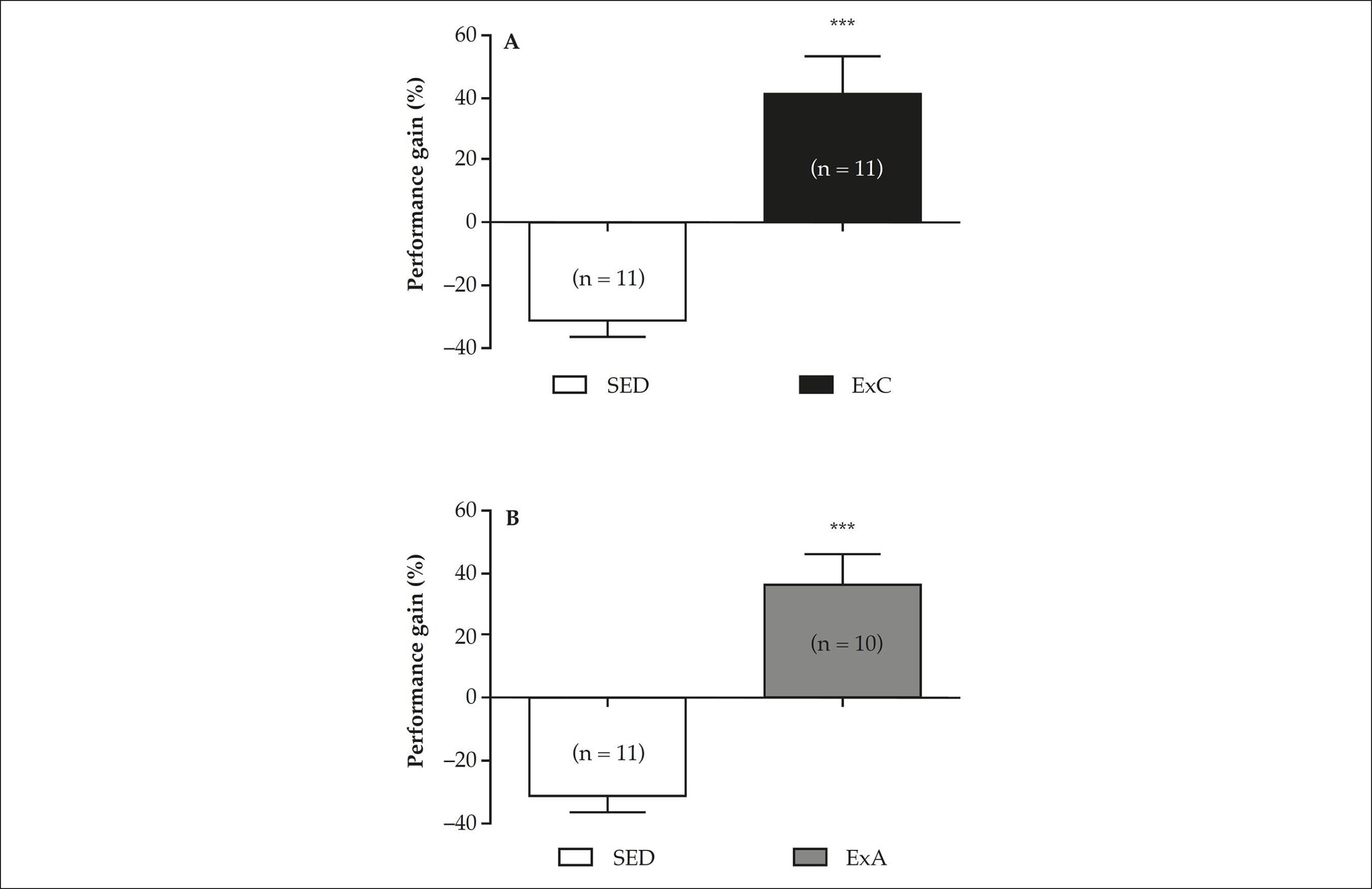
Fitness was significantly greater in CEx and AEx rats as compared with SED animals. In addition, compared with the SED group, CEx animals had a lower body mass gain, and the aorta obtained from these animals had reduced contractile response to norepinephrine and greater acetylcholine-induced relaxation. These results were not observed in ACEx animals.

Conclusions:

Both CEx and AEx improved fitness, but only CEx led to reduced body weight gain and improved endothelial function.
  • Acetylcholine
  • Endothelium
  • Exercise
  • Norepinephrine
  • physical fitness
  • Rats
  • Weight Loss
Read Full Article
Creative Commons Attribution (CC BY) Creative Commons license
01/04/2017 DOI: 10.5935/abc.20170036
Figure 1
Viewpoint

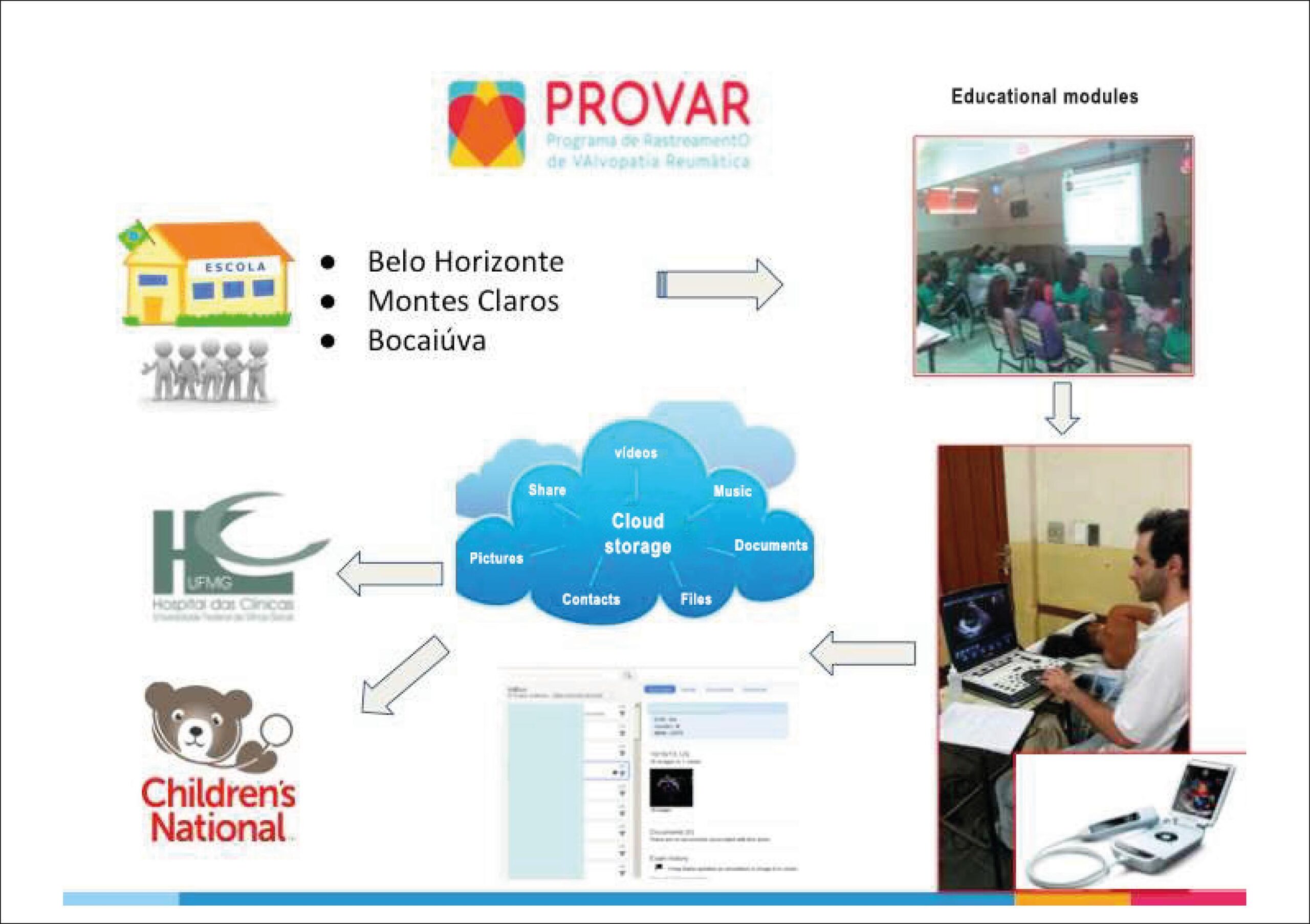
Challenges for the Implementation of the First Large-Scale Rheumatic Heart Disease Screening Program in Brazil: The PROVAR Study Experience

Julia Pereira Afonso dos Santos et al. Gabriel Assis Lopes do Carmo Andrea Zawacki Beaton Tainá Vitti Lourenço … Adriana Costa Diamantino Maria do Carmo Pereira Nunes Craig Sable Bruno Ramos Nascimento

Introduction

Rheumatic Heart Disease (RHD) is the cardiac consequence of acute rheumatic fever (ARF), an inflammatory disease triggered by streptococcal pharyngitis. Although the prevalence of RHD has decreased in high-income countries, lack of social and economic development and poor primary prevention – mainly in in low- and middle-income countries – perpetuate an environment where RHD remains endemic. It is estimated that RHD continues to affect nearly 33 million people worldwide. According to the World Health Organization (WHO), RHD is responsible for 1-1.5% of all cardiovascular deaths and 3-4% of cardiovascular Disability-Adjusted Life Years (DALYs). In Brazil, according to the Unified Health System (SUS), there were 26,054 hospital admissions for ARF (45% with cardiac compromise) between 2008 and 2015, and the total cost to SUS was US$3.5 million, a number that is most likely underestimated.

The main burden of RHD to public health systems consists of repeated hospital admissions and cardiac surgeries in the following decades after initial cardiac damage. If RHD is detected in its early stages, secondary prophylaxis (regular penicillin injections) can be initiated to prevent new episodes of ARF, avoiding further valve damage and progression of RHD. In high prevalence regions, RHD meets the traditional screening criteria defined by Wilson and Jungner, although the long-term clinical significance of latent RHD is not entirely clear. Previous studies have demonstrated, however, that in 38 to 68% of asymptomatic RHD patients, echocardiographic findings show that abnormalities persist, and progress in 4 to 16%, reinforcing the importance of early diagnosis in susceptible populations.

[…]

  • Adolescent
  • Child
  • Echocardiography
  • Mass Screening
  • rheumatic heart disease
Read Full Article
Creative Commons Attribution (CC BY) Creative Commons license
01/04/2017 DOI: 10.5935/abc.20170047 Views 2
Figure 1
Original Article

SAMe-TT2R2 Score in the Outpatient Anticoagulation Clinic to Predict Time in Therapeutic Range and Adverse Events

Fernando Pivatto Júnior et al. Rafael Selbach Scheffel Lucas Ries Ricardo Roitman Wolkind … Roberta Marobin Sabrina Sigal Barkan Luís Carlos Amon Andréia Biolo

Abstract

Background:

The SAMe-TT2R2 score was developed to predict which patients on oral anticoagulation with vitamin K antagonists (VKAs) will reach an adequate time in therapeutic range (TTR) (> 65%-70%). Studies have reported a relationship between this score and the occurrence of adverse events.

Objective:

To describe the TTR according to the score, in addition to relating the score obtained with the occurrence of adverse events in patients with nonvalvular atrial fibrillation (AF) on oral anticoagulation with VKAs.

Methods:

Retrospective cohort study including patients with nonvalvular AF attending an outpatient anticoagulation clinic of a tertiary hospital. Visits to the outpatient clinic and emergency, as well as hospital admissions to the institution, during 2014 were evaluated. The TTR was calculated through the Rosendaal´s method.

Results:

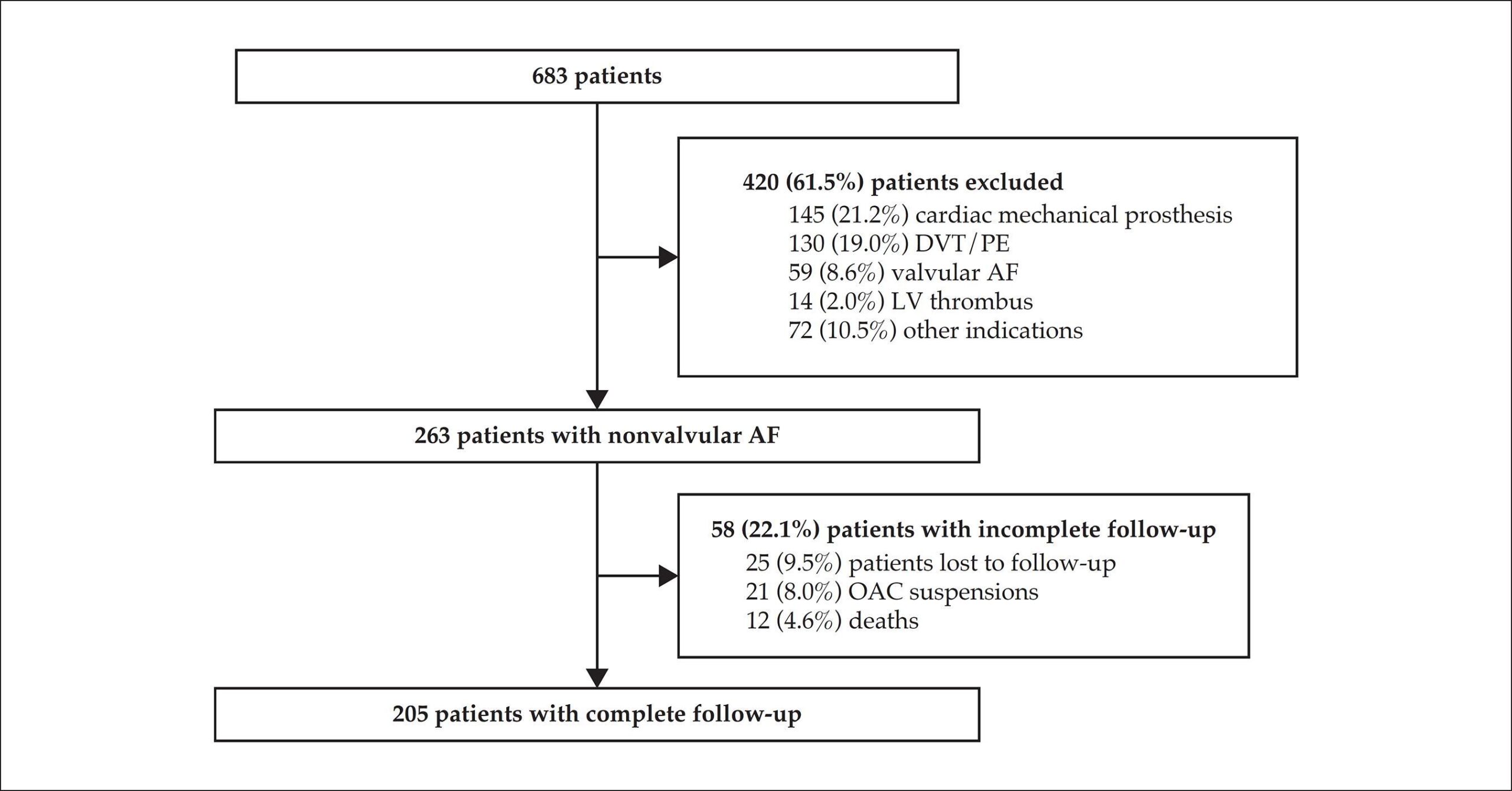
We analyzed 263 patients (median TTR, 62.5%). The low-risk group (score 0-1) had a better median TTR as compared with the high-risk group (score ≥ 2): 69.2% vs. 56.3%, p = 0.002. Similarly, the percentage of patients with TTR ≥ 60%, 65% or 70% was higher in the low-risk group (p < 0.001, p = 0.001 and p = 0.003, respectively). The high-risk group had a higher percentage of adverse events (11.2% vs. 7.2%), although not significant (p = 0.369).

Conclusions:

The SAMe-TT2R2 score proved to be effective to predict patients with a better TTR, but was not associated with adverse events.

  • Anticoagulants / adverse effects
  • Atrial Fibrillation
  • Decision Support Techniques
  • Phenprocoumon
  • Vitamin K
  • Warfarin
Read Full Article
Creative Commons Attribution (CC BY) Creative Commons license
01/04/2017 DOI: 10.5935/abc.20170052 Views 1
Figure 1
Original Article

A Multivariate Model for Prediction of Obstructive Coronary Disease in Patients with Acute Chest Pain: Development and Validation

Luis Cláudio Lemos Correia et al. Maurício Cerqueira Manuela Carvalhal Felipe Ferreira … Guilherme Garcia André Barcelos da Silva Nicole de Sá Fernanda Lopes Ana Clara Barcelos Márcia Noya-Rabelo

Abstract

Background:

Currently, there is no validated multivariate model to predict probability of obstructive coronary disease in patients with acute chest pain.

Objective:

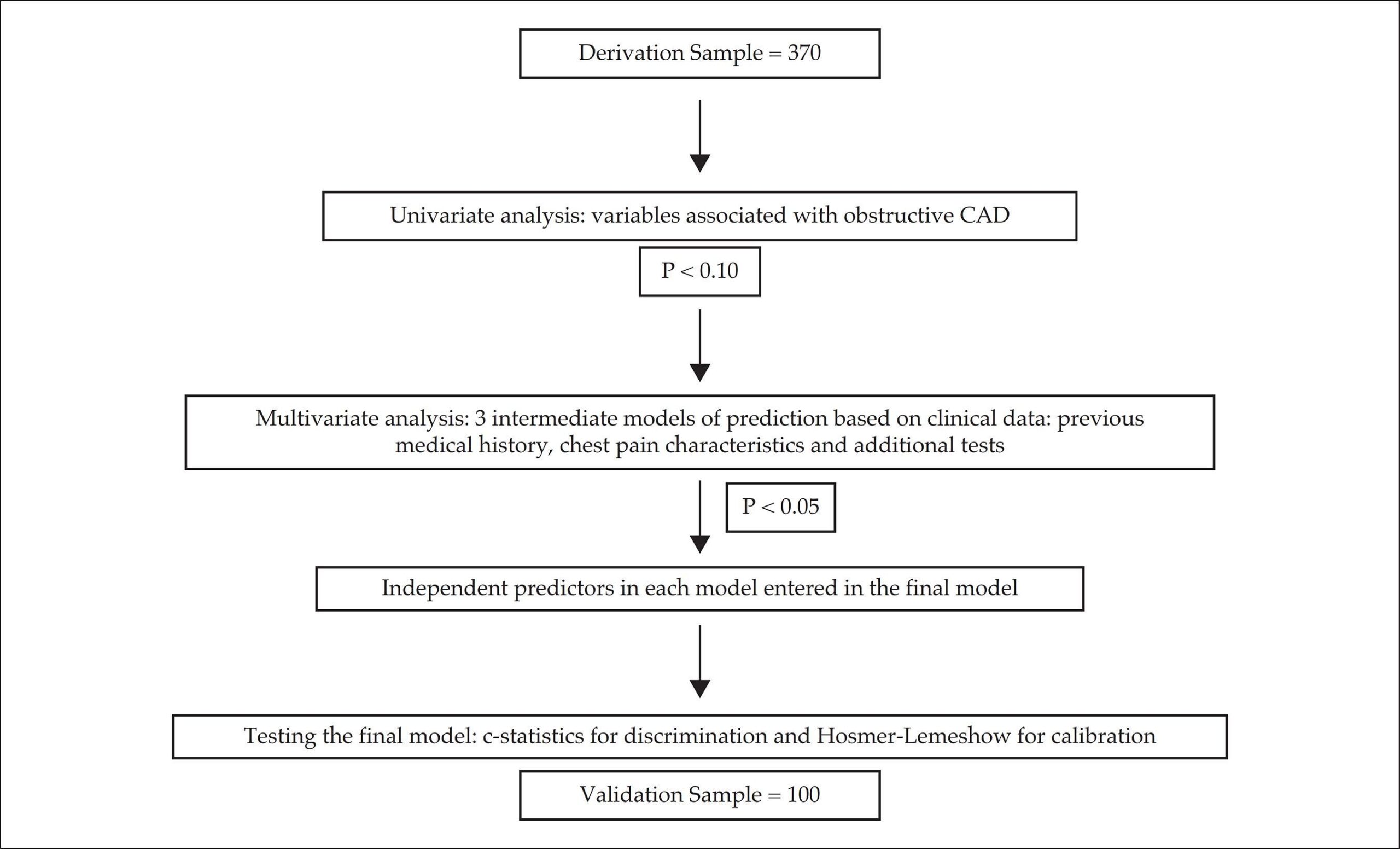
To develop and validate a multivariate model to predict coronary artery disease (CAD) based on variables assessed at admission to the coronary care unit (CCU) due to acute chest pain.

Methods:

A total of 470 patients were studied, 370 utilized as the derivation sample and the subsequent 100 patients as the validation sample. As the reference standard, angiography was required to rule in CAD (stenosis ≥ 70%), while either angiography or a negative noninvasive test could be used to rule it out. As predictors, 13 baseline variables related to medical history, 14 characteristics of chest discomfort, and eight variables from physical examination or laboratory tests were tested.

Results:

The prevalence of CAD was 48%. By logistic regression, six variables remained independent predictors of CAD: age, male gender, relief with nitrate, signs of heart failure, positive electrocardiogram, and troponin. The area under the curve (AUC) of this final model was 0.80 (95% confidence interval [95%CI] = 0.75 – 0.84) in the derivation sample and 0.86 (95%CI = 0.79 – 0.93) in the validation sample. Hosmer-Lemeshow’s test indicated good calibration in both samples (p = 0.98 and p = 0.23, respectively). Compared with a basic model containing electrocardiogram and troponin, the full model provided an AUC increment of 0.07 in both derivation (p = 0.0002) and validation (p = 0.039) samples. Integrated discrimination improvement was 0.09 in both derivation (p < 0.001) and validation (p < 0.0015) samples.

Conclusion:

A multivariate model was derived and validated as an accurate tool for estimating the pretest probability of CAD in patients with acute chest pain.

  • Chest Pain
  • Coronary Angiography
  • CoronaryArtery Disease
  • Electrocardiography
  • Methods
  • Models Statistical
  • Troponin
Read Full Article
Creative Commons Attribution (CC BY) Creative Commons license
01/04/2017 DOI: 10.5935/abc.20170037
Figure 1
Brief Communication

Myosin-binding Protein C Compound Heterozygous Variant Effect on the Phenotypic Expression of Hypertrophic Cardiomyopathy

Julianny Freitas Rafael et al. Fernando Eugênio dos Santos Cruz Filho Antônio Carlos Campos de Carvalho Ilan Gottlieb … José Guilherme Cazelli Ana Paula Siciliano Glauber Monteiro Dias

Abstract

Hypertrophic cardiomyopathy (HCM) is an autosomal dominant genetic disease caused by mutations in genes encoding sarcomere proteins. It is the major cause of sudden cardiac death in young high-level athletes. Studies have demonstrated a poorer prognosis when associated with specific mutations. The association between HCM genotype and phenotype has been the subject of several studies since the discovery of the genetic nature of the disease.

This study shows the effect of a MYBPC3 compound variant on the phenotypic HCM expression.

A family in which a young man had a clinical diagnosis of HCM underwent clinical and genetic investigations. The coding regions of the MYH7, MYBPC3 and TNNT2 genes were sequenced and analyzed.

The proband present a malignant manifestation of the disease, and is the only one to express HCM in his family. The genetic analysis through direct sequencing of the three main genes related to this disease identified a compound heterozygous variant (p.E542Q and p.D610H) in MYBPC3. A family analysis indicated that the p.E542Q and p.D610H alleles have paternal and maternal origin, respectively. No family member carrier of one of the variant alleles manifested clinical signs of HCM.

We suggest that the MYBPC3-biallelic heterozygous expression of p.E542Q and p.D610H may cause the severe disease phenotype seen in the proband.

  • compound variant
  • Hypertrophic Cardiomyopathy
  • MYBPC3 gene
  • sarcomere genes
Read Full Article
Creative Commons Attribution (CC BY) Creative Commons license
01/04/2017 DOI: 10.5935/abc.20170045 Views 1
Figure 1
Case Report

Heyde's Syndrome and Transcatheter Aortic Valve Implantation

Conrado Pedroso Balbo et al. Luciana Paula Seabra Victor Gualda Galoro Guido Caputi … José Honório Palma Ênio Buffolo

Introduction

Aortic Stenosis (AoS) is the valvular pathology most frequently acquired in developed countries, present in 4% of individuals over 85 years of age. Patients with severe AoS may have comorbidities, presenting greater risk of thrombotic and bleeding events.

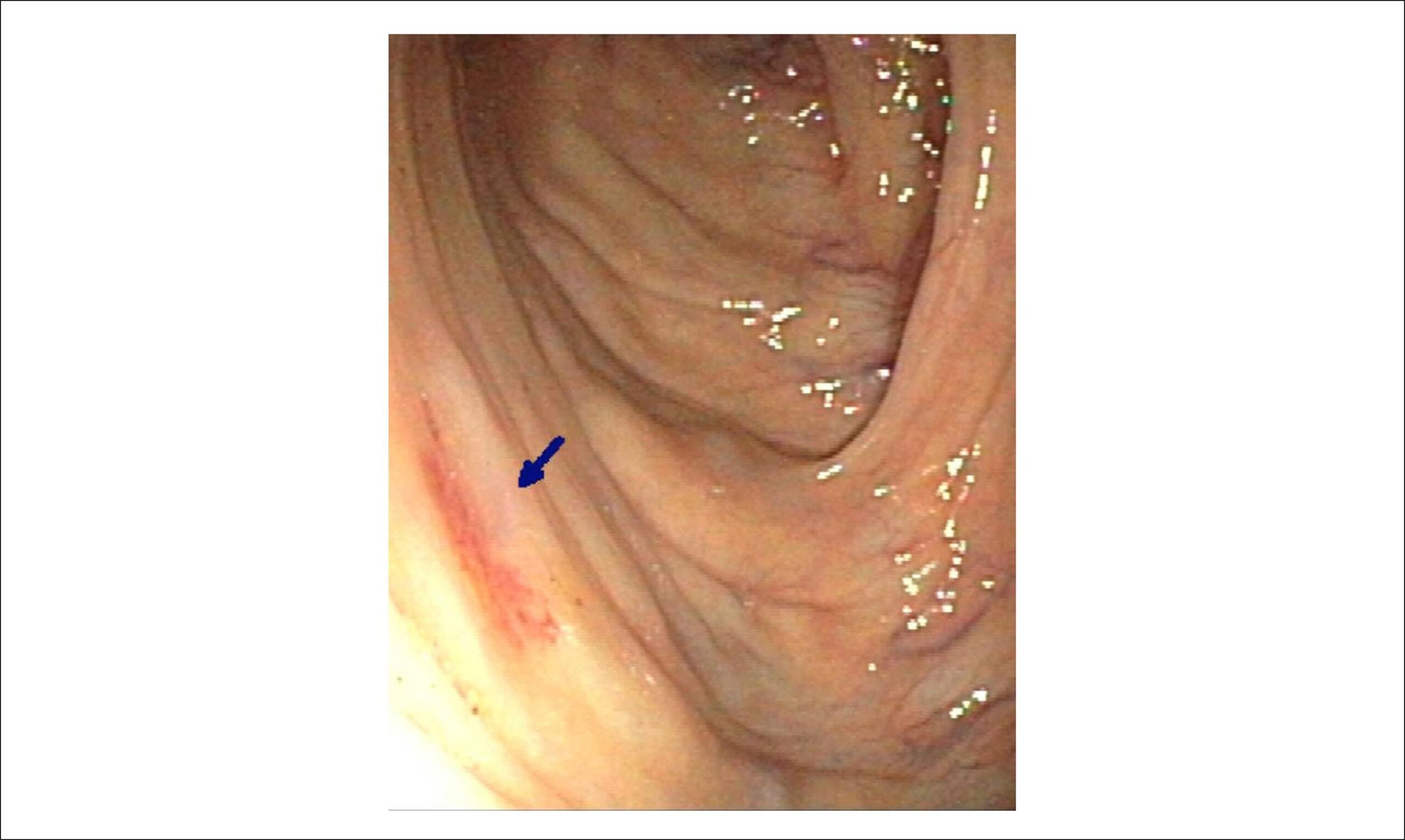
Heyde’s Syndrome was described in 1958 by E. C. Heyde as he observed the relation between aortic valve stenosis and gastrointestinal bleeding. In 1992, Warkentin et al. observed the loss of the largest Willebrand factor multimers, characterizing the Acquired type 2A, von Willebrand syndrome. Von Willebrand Factor (vWF) is a multimeric protein, secreted by endothelial cells and platelets. It promotes adherence of platelets to vascular lesion sites through glycoprotein Ib-vWF interactions. A change in the shape of vWF occurs in AoS, making such protein more susceptible to proteolytic cleavage. As a consequence, vWF is degraded specifically by protease ADAMTS13, hindering vWF-mediated platelet adhesion, thus generating a lack of these multimers and causing bleeding, especially in pre-existing lesions such as gastrointestinal angiodysplasia.–

[…]

  • Angiodysplasia
  • Gastrointestinal Hemorrhage / complications
  • Prosthesis Implantation of Aortic Valve
  • Stenosis Valve Aortic / therapy
  • von Willebrand Diseases / therapy
Read Full Article
Creative Commons Attribution (CC BY) Creative Commons license
01/04/2017 DOI: 10.5935/abc.20160193 Views 1
Original Article

Comparison of Two Central Venous Pressure Control Strategies to Prevent Atrial Fibrillation After Coronary Artery Bypass Grafting

Mario Augusto Cray da Costa et al. Wesley Lirani Ana Caroline Wippich Luana Lopes … Eduardo de Souza Tolentino Beatriz Zampar Marcelo Derbli Schafranski

Abstract

Background:

Atrial fibrillation (AF) takes place in 10-40% of patients undergoing coronary artery bypass grafting (CABG), and increases cardiovascular mortality. Enlargement of atrial chambers is associated with increased AF incidence, so patients with higher central venous pressure (CVP) are expected to have larger atrial distension, which increases AF incidence.

Objective:

To compare post-CABG AF incidence, following two CVP control strategies.

Methods:

Interventional, randomized, controlled clinical study. The sample comprised 140 patients undergoing CABG between 2011 and 2015. They were randomized into two groups, G15 and G20, with CVP maintained ≤ 15 cmH2O and ≤ 20 cmH2O, respectively.

Results:

70 patients were included in each group. The AF incidence in G15 was 8.57%, and in G20, 22.86%, with absolute risk reduction of 14.28%, and number needed to treat (NNT) of 7 (p = 0.03). Mortality (G15 = 5.71%; G20 = 11.42%; p = 0.07), hospital length of stay (G15 = 7.14 days; G20 = 8.21 days; p = 0.36), number of grafts (median: G15 = 3, G2 = 2; p = 0.22) and cardiopulmonary bypass use (G15 = 67.10%; G20 = 55.70%; p = 0.22) were statistically similar. Age (p = 0.04) and hospital length of stay (p = 0.001) were significantly higher in patients who developed AF in both groups.

Conclusion:

Keeping CVP low in the first 72 post-CABG hours reduces the relative risk of AF, and may be useful to prevent AF after CABG.

  • Atrial Fibrillation/prevention
  • Central Venous Pressure
  • Myocardial Revascularization
  • Postoperative Care
Read Full Article
Creative Commons Attribution (CC BY) Creative Commons license
01/04/2017 DOI: 10.5935/abc.20170044
Figure 1
Original Article

Papillary Muscle Free Strain in Patients with Severe Degenerative and Functional Mitral Regurgitation

Alev Kılıcgedik et al. Gokhan Kahveci Ahmet Seyfeddin Gurbuz Can Yucel Karabay … Ahmet Guler Suleyman Cagan Efe Soe Moe Aung Ugur Arslantas Serdar Demir Ibrahim Akin Izgi Cevat Kirma

Abstract

Fundamento:

The role of papillary muscle function in severe mitral regurgitation with preserved and reduced left ventricular ejection fraction and the method of choice to evaluate PM have still been the subjects of controversy.

Objectives:

To evaluate and compare papillary muscle function in and between patients with severe degenerative and functional mitral regurgitation by using the free strain method.

Methods:

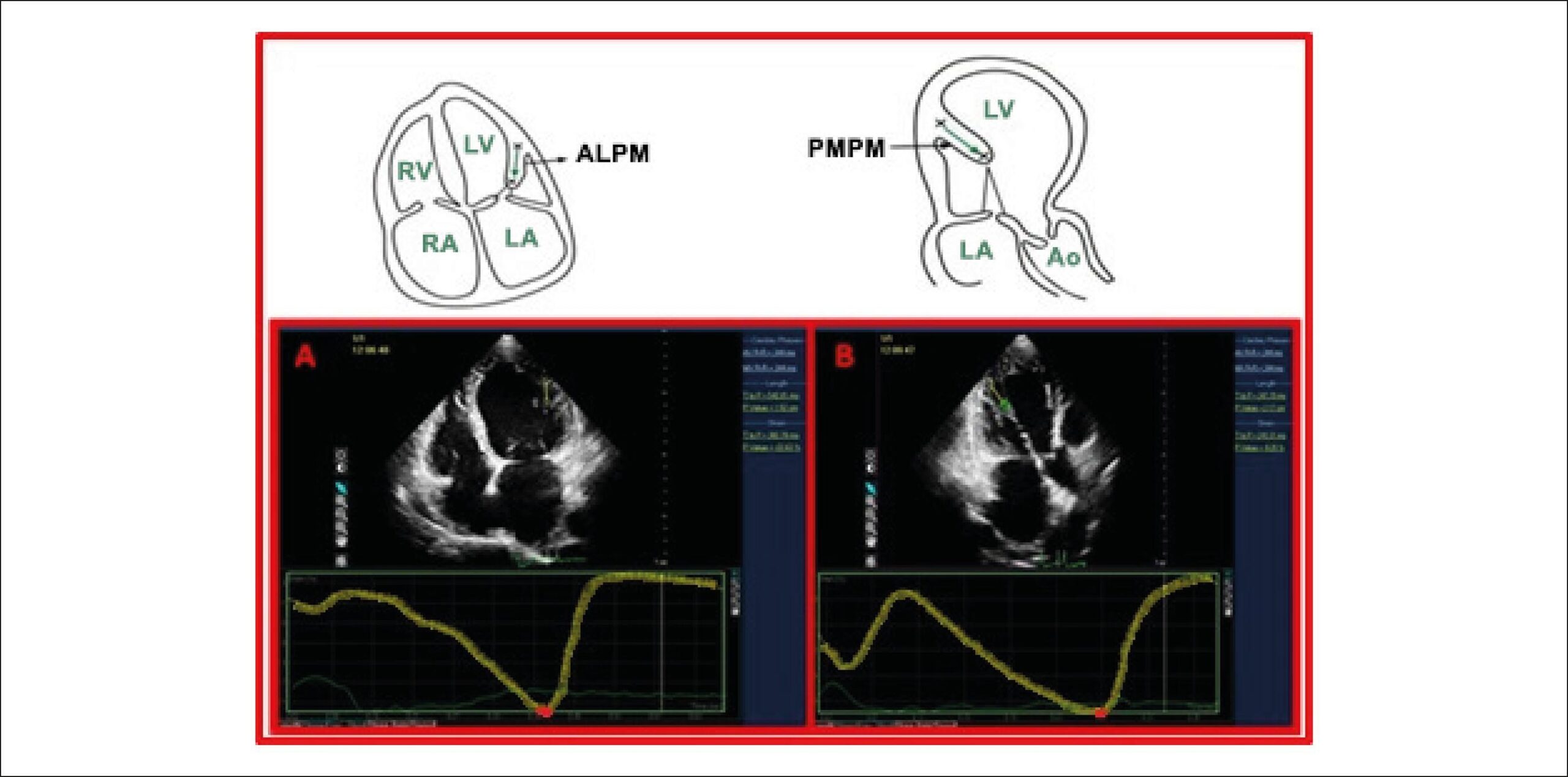
64 patients with severe mitral regurgitation – 39 patients with degenerative mitral regurgitation (DMR group) and 25 patients with severe functional mitral regurgitation (FMR group) – and 30 control subjects (control group) were included in the study. Papillary muscle function was evaluated through the free strain method from apical four chamber images of the anterolateral papillary muscle (APM) and from apical three chamber images of the posteromedial papillary muscle (PPM). Global left ventricular longitudinal and circumferential strains were evaluated by applying 2D speckle tracking imaging.

Results:

Global left ventricular longitudinal strain (DMR group, -17 [-14.2/-20]; FMR group, -9 [-7/-10.7]; control group, -20 [-18/-21] p < 0.001), global left ventricular circumferential strain (DMR group, -20 [-14.5/-22.7]; FMR group, -10 [-7/-12]; control group, -23 [-21/-27.5] p < 0.001) and papillary musle strains (PPMS; DMR group, -30.5 [-24/-46.7]; FMR group, -18 [-12/-30]; control group; -43 [-34.5/-39.5] p < 0.001; APMS; DMR group, (-35 [-23.5/-43]; FMR group, -20 [-13.5/-26]; control group, -40 [-32.5/-48] p < 0.001) were significantly different among all groups. APMS and PPMS were highly correlated with LVEF (p < 0.001, p < 0.001; respectively), GLS (p < 0.001, p < 0.001; respectively) and GCS (p < 0.001, p < 0.00; respectively) of LV among all groups. No correlation was found between papillary muscle strains and effective orifice area (EOA) in both groups of severe mitral regurgitation.

Conclusions:

Measuring papillary muscle longitudinal strain by the free strain method is practical and applicable. Papillary muscle dysfunction plays a small role in severe MR due to degenerative or functional causes and papillary muscle functions in general seems to follow left ventricular function. PPM is the most affected PM in severe mitral regurgitation in both groups of DMR and FMR.

  • Diagnostic Imaging
  • Echocardiography/methods
  • Mitral Valve Insufficiency / diagnostic
  • Mitral Valve Insufficiency / physiopathology
  • Papillary Muscles / physiopathology
  • Ventricular Function
  • Ventricular Remodeling
Read Full Article
Creative Commons Attribution (CC BY) Creative Commons license
01/04/2017 DOI: 10.5935/abc.20170035
Letter to the Editor

The Tip of The Iceberg: Non-Calcified Coronary Plague and Epicardial Adipose Tissue

Levent Cerit

To the Editor,

I have read with great interest the article entitled “Relationship between Calcium Score and Myocardial Scintigraphy in the Diagnosis of Coronary Disease” by Siqueira et al., recently published in Arquivos Brasileiros de Cardiologia 2016; 107:367-74. The investigators reported the possibility of removing extensive coronary artery disease (CAD) by means of a zero calcium score, or by indicating the presence of an extensive disease when it is severely increased, which justifies the use of this method in the initial or joint evaluation in asymptomatic patients with suspected CAD and in cardiovascular risk stratification. The evaluation of symptomatic low-risk patients, despite suggestive evidence, should be re-evaluated in upcoming guidelines.

[…]

  • Adipose Tissue / pathology
  • Biomarkers / analysis
  • Calcium Signaling
  • Coronary Artery Disease
  • Radionuclide Imaging
  • Tomography, Emission Computed
Read Full Article
Creative Commons Attribution (CC BY) Creative Commons license
01/04/2017 DOI: 10.5935/abc.20170046
Figure 1
Image

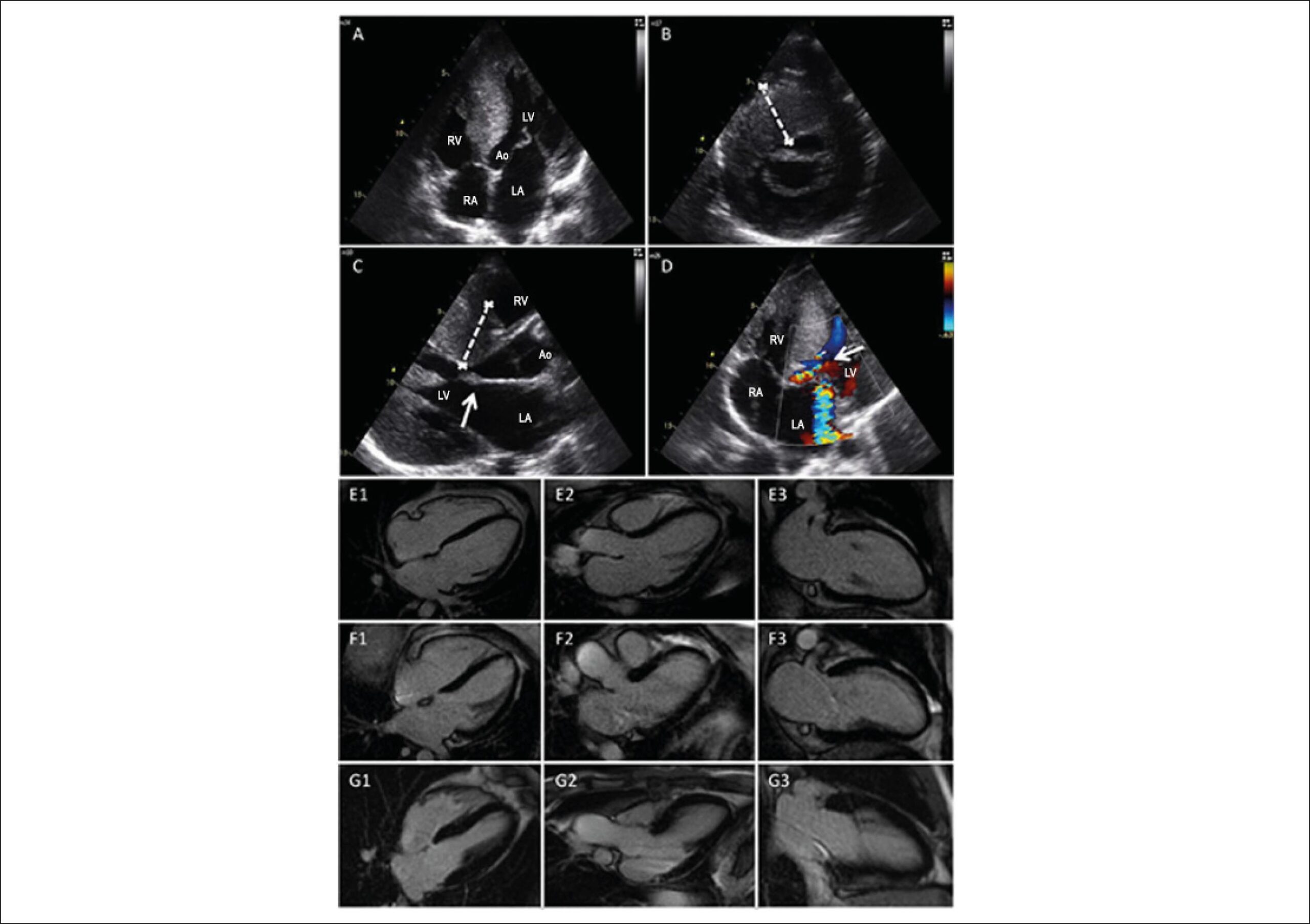
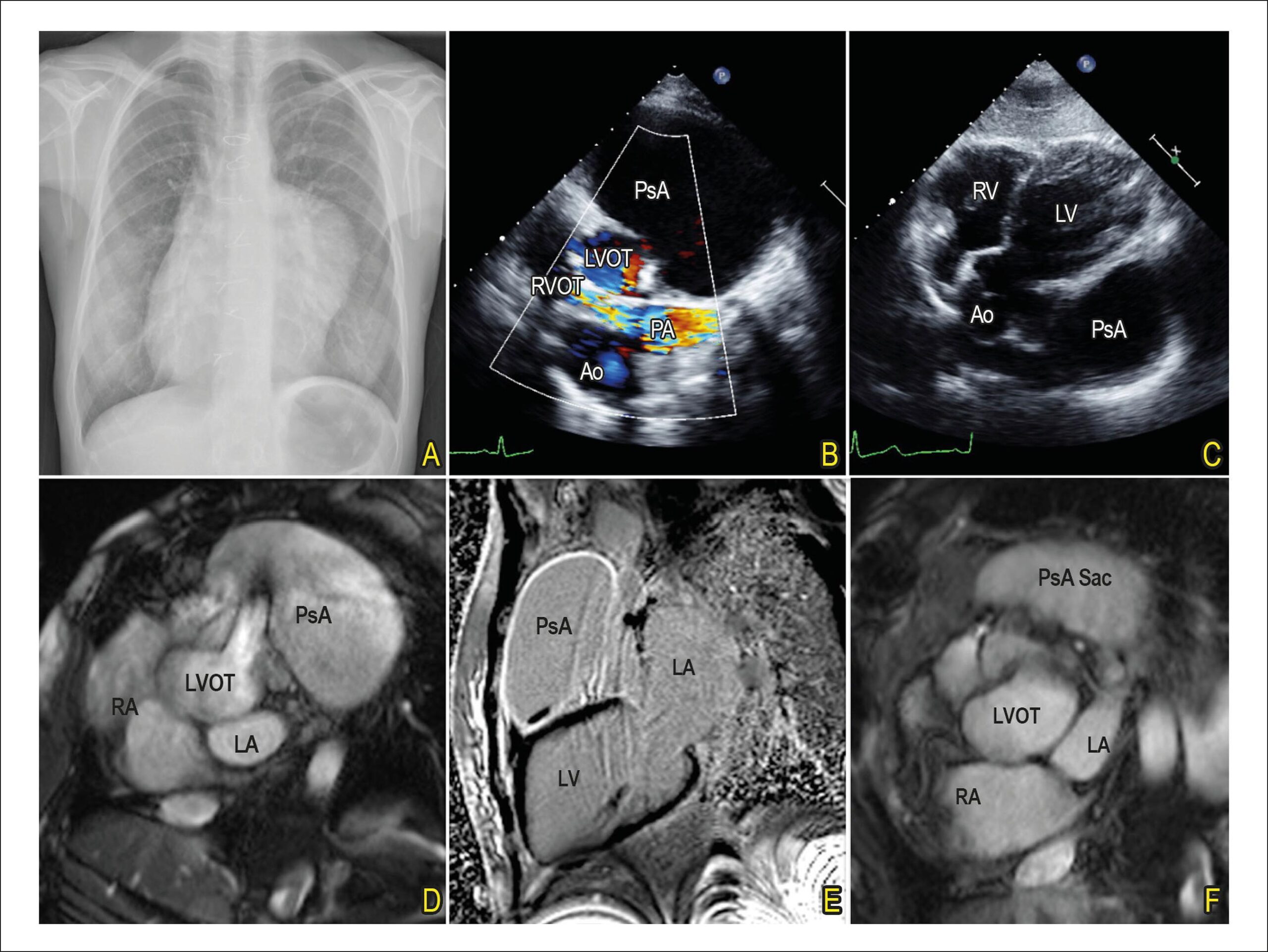
Giant Left Ventricle Outflow Tract Pseudoaneurysm after Ross Procedure

Sílvia Leão et al. Sofia Carvalho Hélder Ribeiro Paulo Fontes J. Ilídio Moreira

A 33-year-old woman was admitted to our hospital because of dyspnea on exertion, orthopnea, cough and pedal edema for the past six months. Six years earlier she had been submitted to Ross procedure for correction of a bicuspid aortic valve.

Physical exam was unremarkable except by a grade 3 systolic murmur on left sternal border.

[…]

  • Cardiac Surgical Procedures / complications
  • Echocardiography
  • Ventricular Outflow Obstruction / surgery
Read Full Article
Creative Commons Attribution (CC BY) Creative Commons license
01/04/2017 DOI: 10.5935/abc.20170008 Views 1
Figure1
Clinicoradiological Session

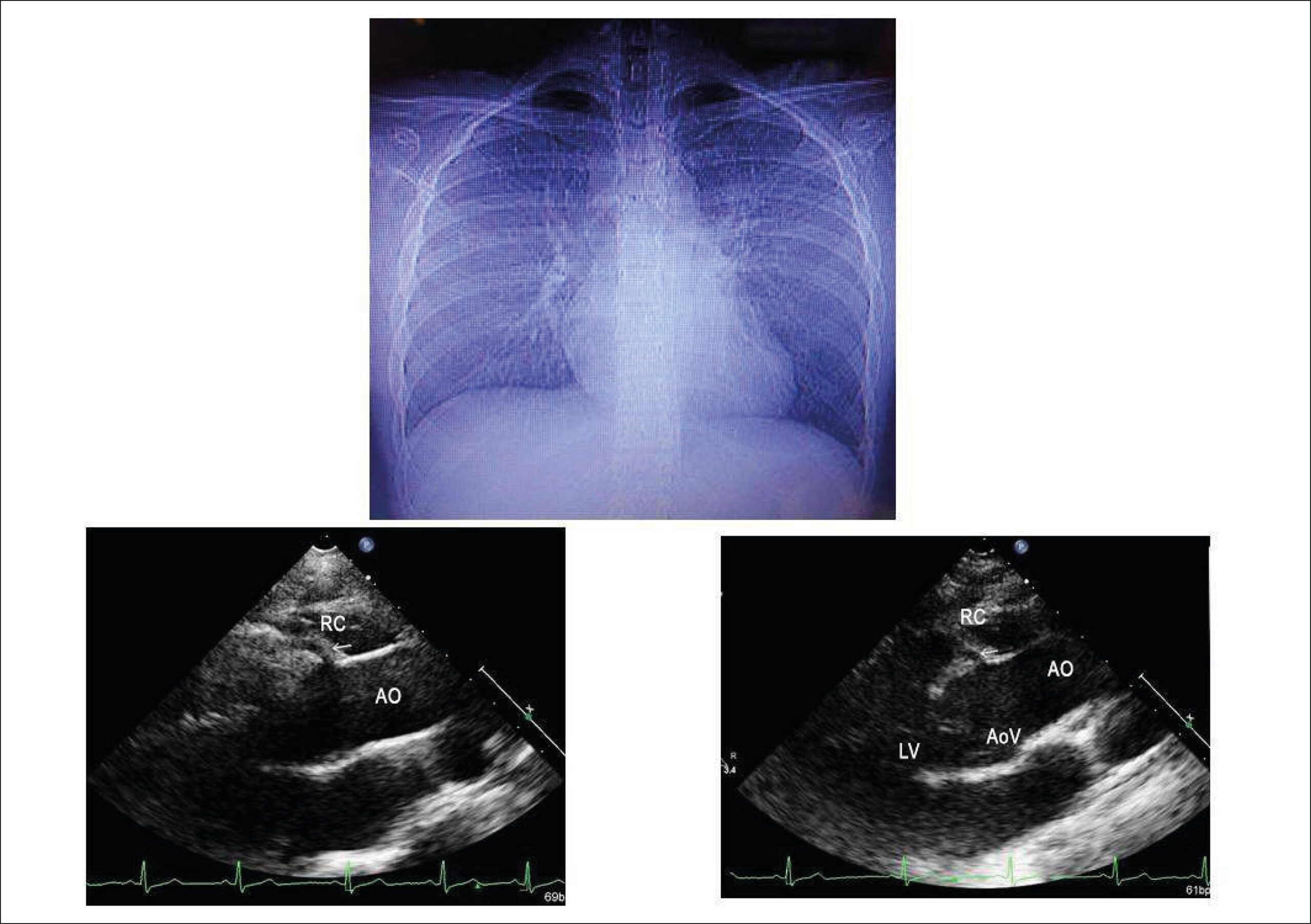
Case 3/2017 – High Origin of the Right Coronary Artery at the Sinotubular Junction, in a 14-Year-Old Teenager, in Diagnostic Imaging Diversity

Edmar Atik et al. Gabriela Leal

Clinical data

He reports that, six months ago, after discreet exercise (having run about 500 meters) he felt tiredness and dizziness, malaise and skin paleness. Repeated migraines accompany the clinical status. Recent bi-Doppler echocardiography revealed the high origin of the right coronary artery at the sinotubular junction. There was no morbid past of importance.

Physical examination: eupneic, acyanotic, normal pulses. Weight: 66 Kgs, Height: 169 cm, BP: 110/65 mm Hg, HR: 57 bpm, O2 saturation = 96%. The aorta was not palpated at the suprasternal notch.

[…]

  • Coronary Vessels
  • Echocardiography, Doppler
  • High origin of right coronary artery
  • Myocardial Ischemia
  • Sinus of Valsalva
Read Full Article
Creative Commons Attribution (CC BY) Creative Commons license
01/04/2017 DOI: 10.5935/abc.20170048 Views 1
Figure 1
Original Article

Quality of Life Score as a Predictor of Death in Dogs with Degenerative Mitral Valve Disease

Célia M. C. Strunz et al. Mário Marcondes-Santos Julio Yoshio Takada Fernanda S. Fragata Antônio de Pádua Mansur

Abstract

Background:

The knowledge of the variables predicting mortality is important in clinical practice and for therapeutic monitoring in mitral valve disease.

Objectives:

To determine whether a quality of life score evaluated with the Functional Evaluation of Cardiac Health questionnaire would predict mortality in dogs with degenerative mitral valve disease (DMVD).

Methods:

Thirty-six client-owned dogs with mitral valve disease underwent clinical, laboratory, and echocardiographic evaluations at baseline and were monitored for 6 months. Cardiovascular death was the primary outcome.

Results:

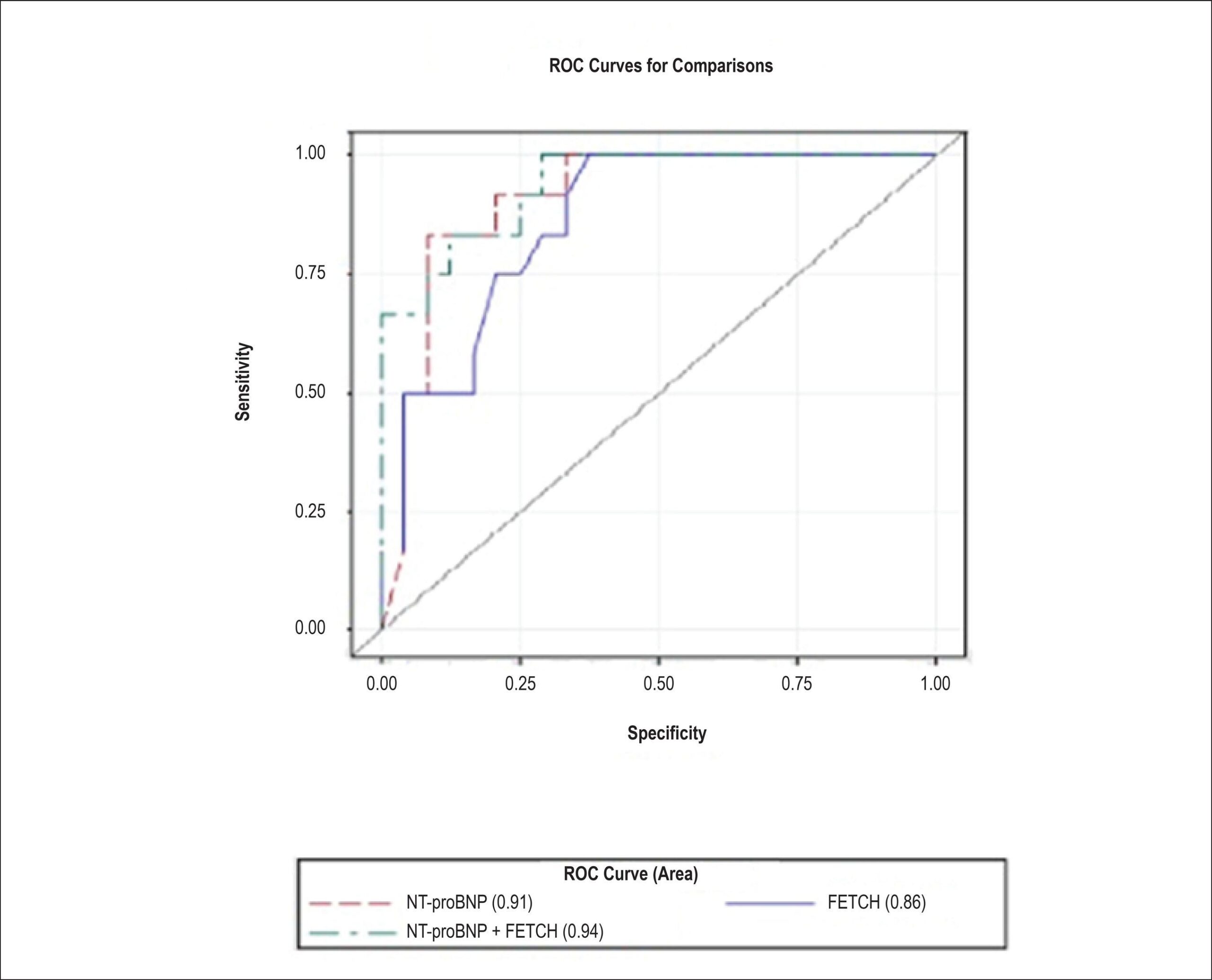
The 36 dogs were classified as survivors or nonsurvivors. Higher values of the following variables were obtained at baseline in the nonsurviving group (12 dogs): amino-terminal pro-B-type natriuretic peptide (NT-proBNP) levels, plasma norepinephrine, heart rate, quality of life score, diastolic left ventricular internal dimension to aortic root ratio, systolic left ventricular internal dimension to aortic root ratio, and left atrium to aortic root ratio. NT-proBNP levels and quality life score were independently associated with death in the multivariable analysis.

Conclusion:

The quality life score was an independent variable for cardiac death in dogs with DMVD. This result is encouraging, as this score is easy to apply and does not require any technology, only a veterinarian and an observant owner.

  • Dogs
  • Heart Valve Diseases
  • Mitral Valve / abnormalities
  • Mortality
  • Quality of life
Read Full Article
Creative Commons Attribution (CC BY) Creative Commons license
30/03/2017 DOI: 10.5935/abc.20170032 Views 2
Figure 1
Original Article

MCP-1 Levels are Associated with Cardiac Remodeling but not with Resistant Hypertension

Alessandra Mileni Versuti Ritter et al. Ana Paula Cabral de Faria Andrea Sabbatini Nathalia Batista Corrêa … Veridiana Brunelli Rodrigo Modolo Heitor Moreno

Abstract

Background:

Hypertension is a chronic, low-grade inflammation process associated with the release of cytokines and development of target organ damage. Deregulated monocyte chemoattractant protein-1 (MCP-1) levels have been associated with high blood pressure and cardiovascular complications; however, the mechanisms involved are complex and not fully understood.

Objective:

This study aimed to compare the levels of MCP-1 in patients with resistant (RH) versus mild-to-moderate (HTN) hypertension and their association with the presence or absence of left ventricular hypertrophy (LVH) in all hypertensive subjects.

Methods:

We enrolled 256 hypertensive subjects: 120 RH and 136 HTN, investigating the relationship between circulating MCP-1 levels and blood pressure, biochemical data, hematologic profile, and cardiac damage within the RH and HTN groups. Plasma MCP-1 levels were measured by ELISA and LVH was assessed by echocardiography.

Results:

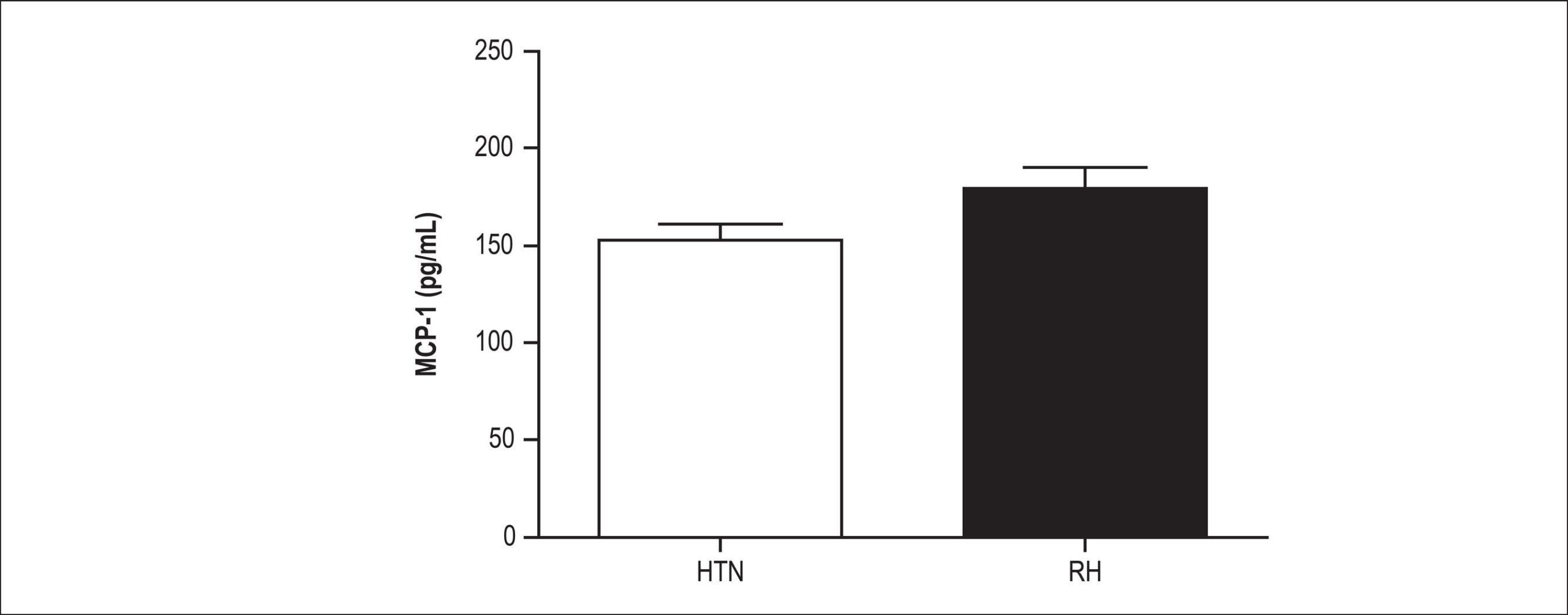
We found no difference in MCP-1 levels between RH and HTN subjects. On the other hand, we encountered lower MCP-1 levels in patients with LVH (105 pg/mL [100 – 260 pg/mL] versus 136 pg/mL (100 – 200 pg/mL), p = 0.005, respectively] compared with those without LVH. A logistic regression model adjusted for body mass index (BMI), age, race, aldosterone levels, and presence of diabetes and RH demonstrated that median levels of MCP-1 (2.55 pg/mL [1.22 – 5.2 pg/mL], p = 0.01) were independently associated with LVH in the entire hypertensive population.

Conclusion:

Since MCP-1 levels were similar in both RH and HTN subjects and decreased in hypertensive patients with existing LVH, our study suggests a possible downregulation in MCP-1 levels in hypertensive individuals with LVH, regardless of hypertension strata.

  • Cytokines
  • Left Ventricular Hypertrophy
  • Monocyte Chemoattractant Proteins
  • Refractory Hypertension
Read Full Article
Creative Commons Attribution (CC BY) Creative Commons license
30/03/2017 DOI: 10.5935/abc.20170033
Figure 1
Review Article

Association between Obstructive Sleep Apnea and Myocardial Infarction: A Systematic Review

Fernanda Porto et al. Yuri Saho Sakamoto Cristina Salles

Abstract

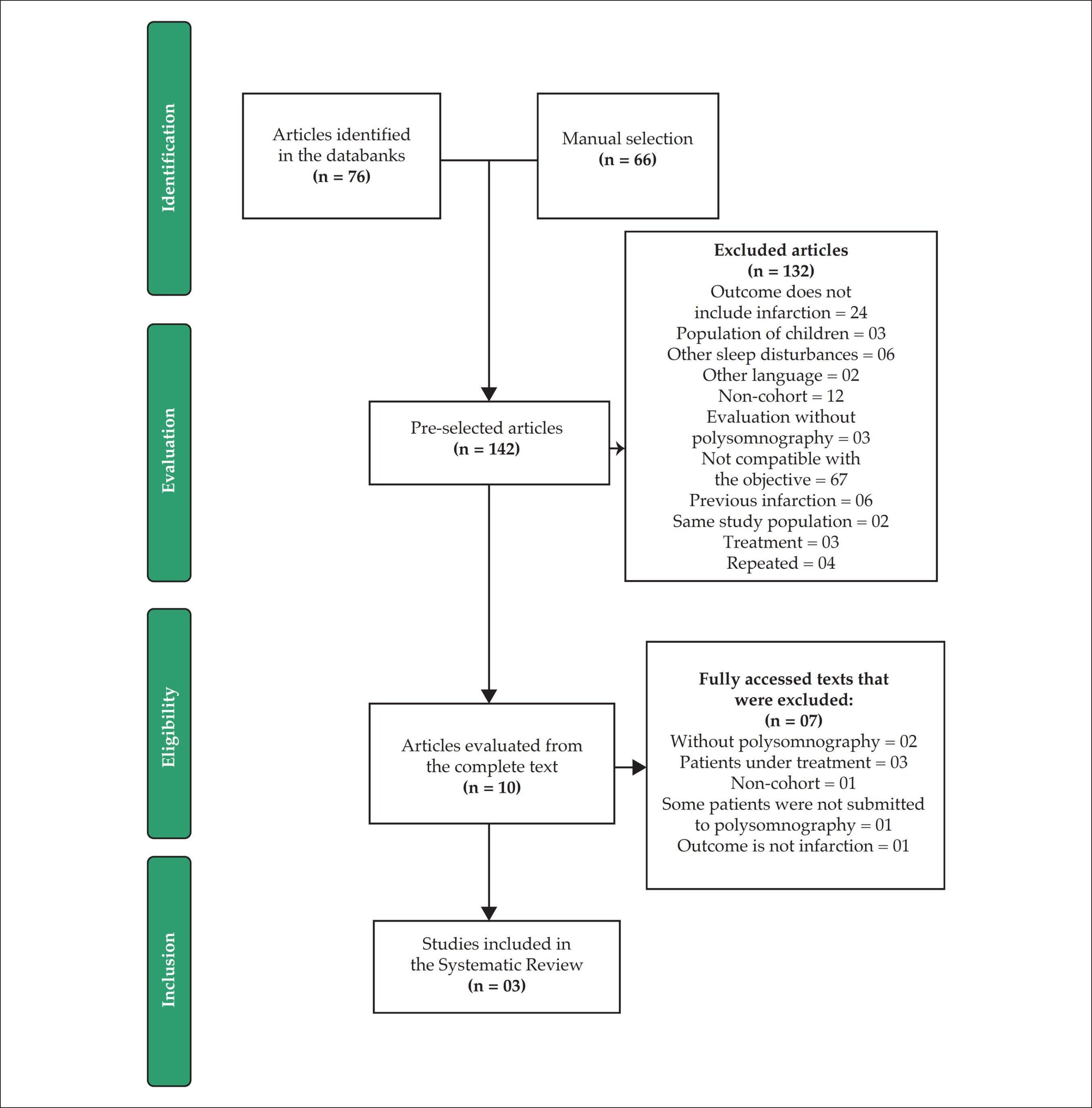
Obstructive sleep apnea (OSA) has been associated to cardiovascular risk factors. However, the association between OSA and cardiovascular disease is still controversial. The objective of the present study was to verify the association between OSA and myocardial infarction (MI). This is a systematic review of the literature performed through electronic data sources MEDLINE/PubMed, PubMed Central, Web of Science and BVS –Biblioteca Virtual em Saúde (Virtual Health Library). The descriptors used were: ‘obstructive sleep apnea’ AND ‘polysomnography’ AND ‘myocardial infarction’ AND ‘adults NOT ‘treatment.’ The present work analysed three prospective studies, selected from 142 articles. The studies followed a total sample of 5,067 OSA patients, mostly composed by male participants. All patients underwent night polysomnography, and all studies found an association between OSA and fatal and non-fatal cardiovascular outcomes. Thus, we were able to observe that 644 (12.7%) of the 5,067 patients suffered MI or stroke, or required a revascularization procedure, and 25.6% of these cardiovascular events were fatal. MI was responsible for 29.5% of all 644 analysed outcomes. There is an association between OSA and MI, in male patients, and apnea and hypopnea index (AHI) are the most reliable markers.

  • Adults
  • Myocardial Infarction
  • Polysomnography / methods
  • Review
  • Sleep Apnea, Obstructive
  • Sleep Wake Disorders
Read Full Article
Creative Commons Attribution (CC BY) Creative Commons license
30/03/2017 DOI: 10.5935/abc.20170031 Views 1
Figure 1
Original Article

Kinetics of Hypotension during 50 Sessions of Resistance and Aerobic Training in Hypertensive Patients: a Randomized Clinical Trial

Igor Rodrigues Damorim et al. Tony Meireles Santos Gustavo Willames Pimentel Barros Paulo Roberto Cavalcanti Carvalho

Abstract

Background:

Resistance and aerobic training are recommended as an adjunctive treatment for hypertension. However, the number of sessions required until the hypotensive effect of the exercise has stabilized has not been clearly established.

Objective:

To establish the adaptive kinetics of the blood pressure (BP) responses as a function of time and type of training in hypertensive patients.

Methods:

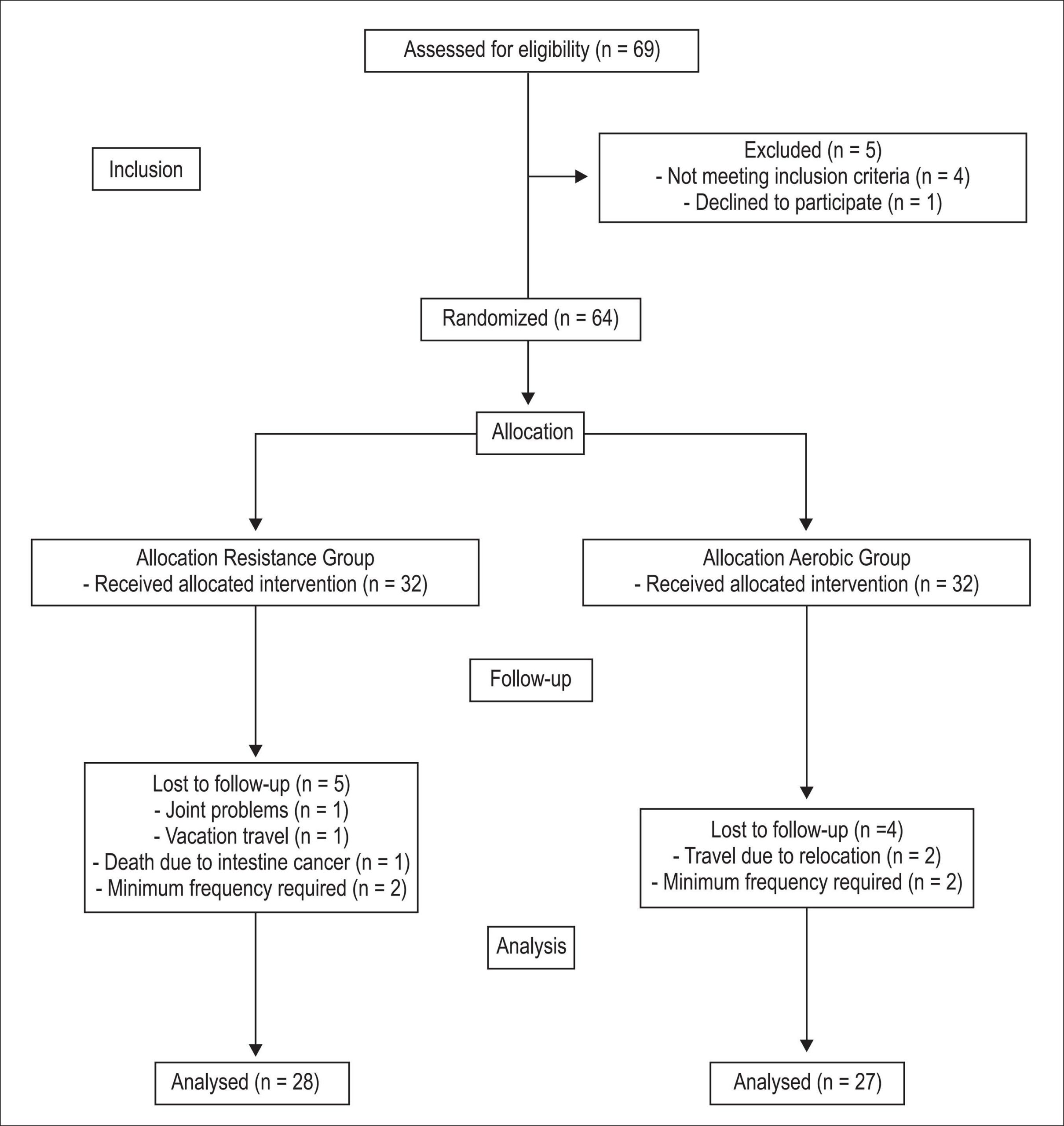
We recruited 69 patients with a mean age of 63.4 ± 2.1 years, randomized into one group of resistance training (n = 32) and another of aerobic training (n = 32). Anthropometric measurements were obtained, and one repetition maximum (1RM) testing was performed. BP was measured before each training session with a digital BP arm monitor. The 50 training sessions were categorized into quintiles. To compare the effect of BP reduction with both training methods, we used two-way analysis of covariance (ANCOVA) adjusted for the BP values obtained before the interventions. The differences between the moments were established by one-way analysis of variance (ANOVA).

Results:

The reductions in systolic (SBP) and diastolic BP (DBP) were 6.9 mmHg and 5.3 mmHg, respectively, with resistance training and 16.5 mmHg and 11.6 mmHg, respectively, with aerobic training. The kinetics of the hypotensive response of the SBP showed significant reductions until the 20th session in both groups. Stabilization of the DBP occurred in the 20th session of resistance training and in the 10th session of aerobic training.

Conclusion:

A total of 20 sessions of resistance or aerobic training are required to achieve the maximum benefits of BP reduction. The methods investigated yielded distinct adaptive kinetic patterns along the 50 sessions.

  • Clinical Trial
  • Exercise
  • Exercise Movement Techniques
  • Hypertension
  • Kinetics
Read Full Article
Creative Commons Attribution (CC BY) Creative Commons license
30/03/2017 DOI: 10.5935/abc.20170029

How to cite this article

EndNote RIS

Electronic Document Format (Vancouver)

Martinez JE, Taipeiro EF, Chies AB. Effects of Continuous and Accumulated Exercise on Endothelial Function in Rat Aorta. Arquivos Brasileiros de Cardiologia 2017;108(4):315-22.

Electronic Document Format (ABNT)

Martinez, Juliana Edwiges; Taipeiro, Elane de Fátima; Chies, Agnaldo Bruno. Effects of Continuous and Accumulated Exercise on Endothelial Function in Rat Aorta. Arquivos Brasileiros de Cardiologia, v. 108, n. 4, p. 315-322, Mar. 2017.

Electronic Document Format (APA)

Martinez, J. E., Taipeiro, E. F., & Chies, A. B. (2017). Effects of Continuous and Accumulated Exercise on Endothelial Function in Rat Aorta. Arquivos Brasileiros de Cardiologia, 108(4), 315-322.

Electronic Document Format (ISO)

Martinez, Juliana Edwiges and Taipeiro, Elane de Fátima and Chies, Agnaldo Bruno. Effects of Continuous and Accumulated Exercise on Endothelial Function in Rat Aorta. Arquivos Brasileiros de Cardiologia [online]. 2017, vol. 108, n. 4, [cited 2026-10-14], pp. 315-322. Available from: <https://journals.cardiol.br/en/article/effects-of-continuous-and-accumulated-exercise-on-endothelial-function-in-rat-aorta/>. ISSN 0066-782X

EndNote RIS

Electronic Document Format (Vancouver)

Santos JPA, Carmo GAL, Beaton AZ, Lourenço TV, Diamantino AC, Nunes MCP, Sable C, et al. Challenges for the Implementation of the First Large-Scale Rheumatic Heart Disease Screening Program in Brazil: The PROVAR Study Experience. Arquivos Brasileiros de Cardiologia 2017;108(4):370-4.

Electronic Document Format (ABNT)

Santos, Julia Pereira Afonso dos; Carmo, Gabriel Assis Lopes do; Beaton, Andrea Zawacki; Lourenço, Tainá Vitti; Diamantino, Adriana Costa; Nunes, Maria do Carmo Pereira; Sable, Craig; Nascimento, Bruno Ramos. Challenges for the Implementation of the First Large-Scale Rheumatic Heart Disease Screening Program in Brazil: The PROVAR Study Experience. Arquivos Brasileiros de Cardiologia, v. 108, n. 4, p. 370-374, Mar. 2017.

Electronic Document Format (APA)

Santos, J. P. A. , Carmo, G. A. L. , Beaton, A. Z., Lourenço, T. V., Diamantino, A. C., Nunes, M. C. P., Sable, C., & Nascimento, B. R. (2017). Challenges for the Implementation of the First Large-Scale Rheumatic Heart Disease Screening Program in Brazil: The PROVAR Study Experience. Arquivos Brasileiros de Cardiologia, 108(4), 370-374.

Electronic Document Format (ISO)

Santos, Julia Pereira Afonso dos and Carmo, Gabriel Assis Lopes do and Beaton, Andrea Zawacki and Lourenço, Tainá Vitti and Diamantino, Adriana Costa and Nunes, Maria do Carmo Pereira and Sable, Craig and Nascimento, Bruno Ramos. Challenges for the Implementation of the First Large-Scale Rheumatic Heart Disease Screening Program in Brazil: The PROVAR Study Experience. Arquivos Brasileiros de Cardiologia [online]. 2017, vol. 108, n. 4, [cited 2026-10-14], pp. 370-374. Available from: <https://journals.cardiol.br/en/article/challenges-for-the-implementation-of-the-first-large-scale-rheumatic-heart-disease-screening-program-in-brazil-the-provar-study-experience/>. ISSN 0066-782X

EndNote RIS

Electronic Document Format (Vancouver)

Pivatto Júnior F, Scheffel RS, Ries L, Wolkind RR, Marobin R, Barkan SS, Amon LC, et al. SAMe-TT2R2 Score in the Outpatient Anticoagulation Clinic to Predict Time in Therapeutic Range and Adverse Events. Arquivos Brasileiros de Cardiologia 2017;108(4):290-6.

Electronic Document Format (ABNT)

Pivatto Júnior, Fernando; Scheffel, Rafael Selbach; Ries, Lucas; Wolkind, Ricardo Roitman; Marobin, Roberta; Barkan, Sabrina Sigal; Amon, Luís Carlos; Biolo, Andréia. SAMe-TT2R2 Score in the Outpatient Anticoagulation Clinic to Predict Time in Therapeutic Range and Adverse Events. Arquivos Brasileiros de Cardiologia, v. 108, n. 4, p. 290-296, Mar. 2017.

Electronic Document Format (APA)

Pivatto Júnior, F., Scheffel, R. S., Ries, L., Wolkind, R. R., Marobin, R., Barkan, S. S., Amon, L. C., & Biolo, A. (2017). SAMe-TT2R2 Score in the Outpatient Anticoagulation Clinic to Predict Time in Therapeutic Range and Adverse Events. Arquivos Brasileiros de Cardiologia, 108(4), 290-296.

Electronic Document Format (ISO)

Pivatto Júnior, Fernando and Scheffel, Rafael Selbach and Ries, Lucas and Wolkind, Ricardo Roitman and Marobin, Roberta and Barkan, Sabrina Sigal and Amon, Luís Carlos and Biolo, Andréia. SAMe-TT2R2 Score in the Outpatient Anticoagulation Clinic to Predict Time in Therapeutic Range and Adverse Events. Arquivos Brasileiros de Cardiologia [online]. 2017, vol. 108, n. 4, [cited 2026-10-14], pp. 290-296. Available from: <https://journals.cardiol.br/en/article/same-tt2r2-score-in-the-outpatient-anticoagulation-clinic-to-predict-time-in-therapeutic-range-and-adverse-events/>. ISSN 0066-782X

EndNote RIS

Electronic Document Format (Vancouver)

Correia LCL, Cerqueira M, Carvalhal M, Ferreira F, Garcia G, Silva AB, Sá N, et al. A Multivariate Model for Prediction of Obstructive Coronary Disease in Patients with Acute Chest Pain: Development and Validation. Arquivos Brasileiros de Cardiologia 2017;108(4):304-1.

Electronic Document Format (ABNT)

Correia, Luis Cláudio Lemos; Cerqueira, Maurício; Carvalhal, Manuela; Ferreira, Felipe; Garcia, Guilherme; Silva, André Barcelos da; Sá, Nicole de; Lopes, Fernanda; Barcelos, Ana Clara; Noya-Rabelo, Márcia. A Multivariate Model for Prediction of Obstructive Coronary Disease in Patients with Acute Chest Pain: Development and Validation. Arquivos Brasileiros de Cardiologia, v. 108, n. 4, p. 304-314, Mar. 2017.

Electronic Document Format (APA)

Correia, L. C. L., Cerqueira, M., Carvalhal, M., Ferreira, F., Garcia, G., Silva, A. B. , Sá, N. , Lopes, F., Barcelos, A. C., & Noya-Rabelo, M. (2017). A Multivariate Model for Prediction of Obstructive Coronary Disease in Patients with Acute Chest Pain: Development and Validation. Arquivos Brasileiros de Cardiologia, 108(4), 304-314.

Electronic Document Format (ISO)

Correia, Luis Cláudio Lemos and Cerqueira, Maurício and Carvalhal, Manuela and Ferreira, Felipe and Garcia, Guilherme and Silva, André Barcelos da and Sá, Nicole de and Lopes, Fernanda and Barcelos, Ana Clara and Noya-Rabelo, Márcia. A Multivariate Model for Prediction of Obstructive Coronary Disease in Patients with Acute Chest Pain: Development and Validation. Arquivos Brasileiros de Cardiologia [online]. 2017, vol. 108, n. 4, [cited 2026-10-14], pp. 304-314. Available from: <https://journals.cardiol.br/en/article/a-multivariate-model-for-prediction-of-obstructive-coronary-disease-in-patients-with-acute-chest-pain-development-and-validation/>. ISSN 0066-782X

EndNote RIS

Electronic Document Format (Vancouver)

Rafael JF, Cruz Filho FES, Carvalho ACC, Gottlieb I, Cazelli JG, Siciliano AP, Dias GM, et al. Myosin-binding Protein C Compound Heterozygous Variant Effect on the Phenotypic Expression of Hypertrophic Cardiomyopathy. Arquivos Brasileiros de Cardiologia 2017;108(4):354-60.

Electronic Document Format (ABNT)

Rafael, Julianny Freitas; Cruz Filho, Fernando Eugênio dos Santos; Carvalho, Antônio Carlos Campos de; Gottlieb, Ilan; Cazelli, José Guilherme; Siciliano, Ana Paula; Dias, Glauber Monteiro. Myosin-binding Protein C Compound Heterozygous Variant Effect on the Phenotypic Expression of Hypertrophic Cardiomyopathy. Arquivos Brasileiros de Cardiologia, v. 108, n. 4, p. 354-360, Mar. 2017.

Electronic Document Format (APA)

Rafael, J. F., Cruz Filho, F. E. S., Carvalho, A. C. C. , Gottlieb, I., Cazelli, J. G., Siciliano, A. P., & Dias, G. M. (2017). Myosin-binding Protein C Compound Heterozygous Variant Effect on the Phenotypic Expression of Hypertrophic Cardiomyopathy. Arquivos Brasileiros de Cardiologia, 108(4), 354-360.

Electronic Document Format (ISO)

Rafael, Julianny Freitas and Cruz Filho, Fernando Eugênio dos Santos and Carvalho, Antônio Carlos Campos de and Gottlieb, Ilan and Cazelli, José Guilherme and Siciliano, Ana Paula and Dias, Glauber Monteiro. Myosin-binding Protein C Compound Heterozygous Variant Effect on the Phenotypic Expression of Hypertrophic Cardiomyopathy. Arquivos Brasileiros de Cardiologia [online]. 2017, vol. 108, n. 4, [cited 2026-10-14], pp. 354-360. Available from: <https://journals.cardiol.br/en/article/myosin-binding-protein-c-compound-heterozygous-variant-effect-on-the-phenotypic-expression-of-hypertrophic-cardiomyopathy/>. ISSN 0066-782X

EndNote RIS

Electronic Document Format (Vancouver)

Balbo CP, Seabra LP, Galoro VG, Caputi G, Palma JH, Buffolo . Heyde’s Syndrome and Transcatheter Aortic Valve Implantation. Arquivos Brasileiros de Cardiologia 2017;108(4):378-80.

Electronic Document Format (ABNT)

Balbo, Conrado Pedroso; Seabra, Luciana Paula; Galoro, Victor Gualda; Caputi, Guido; Palma, José Honório; Buffolo, Ênio. Heyde’s Syndrome and Transcatheter Aortic Valve Implantation. Arquivos Brasileiros de Cardiologia, v. 108, n. 4, p. 378-380, Mar. 2017.

Electronic Document Format (APA)

Balbo, C. P., Seabra, L. P., Galoro, V. G., Caputi, G., Palma, J. H., & Buffolo, (2017). Heyde’s Syndrome and Transcatheter Aortic Valve Implantation. Arquivos Brasileiros de Cardiologia, 108(4), 378-380.

Electronic Document Format (ISO)

Balbo, Conrado Pedroso and Seabra, Luciana Paula and Galoro, Victor Gualda and Caputi, Guido and Palma, José Honório and Buffolo, Ênio. Heyde’s Syndrome and Transcatheter Aortic Valve Implantation. Arquivos Brasileiros de Cardiologia [online]. 2017, vol. 108, n. 4, [cited 2026-10-14], pp. 378-380. Available from: <https://journals.cardiol.br/en/article/heydes-syndrome-and-transcatheter-aortic-valve-implantation/>. ISSN 0066-782X

EndNote RIS

Electronic Document Format (Vancouver)

Costa MAC, Lirani W, Wippich AC, Lopes L, Tolentino ES, Zampar B, Schafranski MD, et al. Comparison of Two Central Venous Pressure Control Strategies to Prevent Atrial Fibrillation After Coronary Artery Bypass Grafting. Arquivos Brasileiros de Cardiologia 2017;108(4):297-303.

Electronic Document Format (ABNT)

Costa, Mario Augusto Cray da; Lirani, Wesley; Wippich, Ana Caroline; Lopes, Luana; Tolentino, Eduardo de Souza; Zampar, Beatriz; Schafranski, Marcelo Derbli. Comparison of Two Central Venous Pressure Control Strategies to Prevent Atrial Fibrillation After Coronary Artery Bypass Grafting. Arquivos Brasileiros de Cardiologia, v. 108, n. 4, p. 297-303, Mar. 2017.

Electronic Document Format (APA)

Costa, M. A. C. , Lirani, W., Wippich, A. C., Lopes, L., Tolentino, E. S., Zampar, B., & Schafranski, M. D. (2017). Comparison of Two Central Venous Pressure Control Strategies to Prevent Atrial Fibrillation After Coronary Artery Bypass Grafting. Arquivos Brasileiros de Cardiologia, 108(4), 297-303.

Electronic Document Format (ISO)

Costa, Mario Augusto Cray da and Lirani, Wesley and Wippich, Ana Caroline and Lopes, Luana and Tolentino, Eduardo de Souza and Zampar, Beatriz and Schafranski, Marcelo Derbli. Comparison of Two Central Venous Pressure Control Strategies to Prevent Atrial Fibrillation After Coronary Artery Bypass Grafting. Arquivos Brasileiros de Cardiologia [online]. 2017, vol. 108, n. 4, [cited 2026-10-14], pp. 297-303. Available from: <https://journals.cardiol.br/en/article/comparison-of-two-central-venous-pressure-control-strategies-to-prevent-atrial-fibrillation-after-coronary-artery-bypass-grafting/>. ISSN 0066-782X

EndNote RIS

Electronic Document Format (Vancouver)

Kılıcgedik A, Kahveci G, Gurbuz AS, Karabay CY, Guler A, Efe SC, Aung SM, et al. Papillary Muscle Free Strain in Patients with Severe Degenerative and Functional Mitral Regurgitation. Arquivos Brasileiros de Cardiologia 2017;108(4):339-46.

Electronic Document Format (ABNT)

Kılıcgedik, Alev; Kahveci, Gokhan; Gurbuz, Ahmet Seyfeddin; Karabay, Can Yucel; Guler, Ahmet; Efe, Suleyman Cagan; Aung, Soe Moe; Arslantas, Ugur; Demir, Serdar; Izgi, Ibrahim Akin; Kirma, Cevat. Papillary Muscle Free Strain in Patients with Severe Degenerative and Functional Mitral Regurgitation. Arquivos Brasileiros de Cardiologia, v. 108, n. 4, p. 339-346, Mar. 2017.

Electronic Document Format (APA)

Kılıcgedik, A., Kahveci, G., Gurbuz, A. S., Karabay, C. Y., Guler, A., Efe, S. C., Aung, S. M., Arslantas, U., Demir, S., Izgi, I. A., & Kirma, C. (2017). Papillary Muscle Free Strain in Patients with Severe Degenerative and Functional Mitral Regurgitation. Arquivos Brasileiros de Cardiologia, 108(4), 339-346.

Electronic Document Format (ISO)

Kılıcgedik, Alev and Kahveci, Gokhan and Gurbuz, Ahmet Seyfeddin and Karabay, Can Yucel and Guler, Ahmet and Efe, Suleyman Cagan and Aung, Soe Moe and Arslantas, Ugur and Demir, Serdar and Izgi, Ibrahim Akin and Kirma, Cevat. Papillary Muscle Free Strain in Patients with Severe Degenerative and Functional Mitral Regurgitation. Arquivos Brasileiros de Cardiologia [online]. 2017, vol. 108, n. 4, [cited 2026-10-14], pp. 339-346. Available from: <https://journals.cardiol.br/en/article/papillary-muscle-free-strain-in-patients-with-severe-degenerative-and-functional-mitral-regurgitation/>. ISSN 0066-782X

EndNote RIS

Electronic Document Format (Vancouver)

Cerit L. The Tip of The Iceberg: Non-Calcified Coronary Plague and Epicardial Adipose Tissue. Arquivos Brasileiros de Cardiologia 2017;108(4):383-5.

Electronic Document Format (ABNT)

Cerit, Levent. The Tip of The Iceberg: Non-Calcified Coronary Plague and Epicardial Adipose Tissue. Arquivos Brasileiros de Cardiologia, v. 108, n. 4, p. 383-385, Mar. 2017.

Electronic Document Format (APA)

Cerit, L. (2017). The Tip of The Iceberg: Non-Calcified Coronary Plague and Epicardial Adipose Tissue. Arquivos Brasileiros de Cardiologia, 108(4), 383-385.

Electronic Document Format (ISO)

Cerit, Levent. The Tip of The Iceberg: Non-Calcified Coronary Plague and Epicardial Adipose Tissue. Arquivos Brasileiros de Cardiologia [online]. 2017, vol. 108, n. 4, [cited 2026-10-14], pp. 383-385. Available from: <https://journals.cardiol.br/en/article/the-tip-of-the-iceberg-non-calcified-coronary-plague-and-epicardial-adipose-tissue/>. ISSN 0066-782X

EndNote RIS

Electronic Document Format (Vancouver)

Leão S, Carvalho S, Ribeiro H, Fontes P, Moreira JI. Giant Left Ventricle Outflow Tract Pseudoaneurysm after Ross Procedure. Arquivos Brasileiros de Cardiologia 2017;108(4):381-2.

Electronic Document Format (ABNT)

Leão, Sílvia; Carvalho, Sofia; Ribeiro, Hélder; Fontes, Paulo; Moreira, J. Ilídio. Giant Left Ventricle Outflow Tract Pseudoaneurysm after Ross Procedure. Arquivos Brasileiros de Cardiologia, v. 108, n. 4, p. 381-382, Mar. 2017.

Electronic Document Format (APA)

Leão, S., Carvalho, S., Ribeiro, H., Fontes, P., & Moreira, J. I. (2017). Giant Left Ventricle Outflow Tract Pseudoaneurysm after Ross Procedure. Arquivos Brasileiros de Cardiologia, 108(4), 381-382.

Electronic Document Format (ISO)

Leão, Sílvia and Carvalho, Sofia and Ribeiro, Hélder and Fontes, Paulo and Moreira, J. Ilídio. Giant Left Ventricle Outflow Tract Pseudoaneurysm after Ross Procedure. Arquivos Brasileiros de Cardiologia [online]. 2017, vol. 108, n. 4, [cited 2026-10-14], pp. 381-382. Available from: <https://journals.cardiol.br/en/article/giant-left-ventricle-outflow-tract-pseudoaneurysm-after-ross-procedure/>. ISSN 0066-782X

EndNote RIS

Electronic Document Format (Vancouver)

Atik E, Leal G. Case 3/2017 – High Origin of the Right Coronary Artery at the Sinotubular Junction, in a 14-Year-Old Teenager, in Diagnostic Imaging Diversity. Arquivos Brasileiros de Cardiologia 2017;108(4):375-7.

Electronic Document Format (ABNT)

Atik, Edmar; Leal, Gabriela. Case 3/2017 – High Origin of the Right Coronary Artery at the Sinotubular Junction, in a 14-Year-Old Teenager, in Diagnostic Imaging Diversity. Arquivos Brasileiros de Cardiologia, v. 108, n. 4, p. 375-377, Mar. 2017.

Electronic Document Format (APA)

Atik, E., & Leal, G. (2017). Case 3/2017 – High Origin of the Right Coronary Artery at the Sinotubular Junction, in a 14-Year-Old Teenager, in Diagnostic Imaging Diversity. Arquivos Brasileiros de Cardiologia, 108(4), 375-377.

Electronic Document Format (ISO)

Atik, Edmar and Leal, Gabriela. Case 3/2017 – High Origin of the Right Coronary Artery at the Sinotubular Junction, in a 14-Year-Old Teenager, in Diagnostic Imaging Diversity. Arquivos Brasileiros de Cardiologia [online]. 2017, vol. 108, n. 4, [cited 2026-10-14], pp. 375-377. Available from: <https://journals.cardiol.br/en/article/case-3-2017-high-origin-of-the-right-coronary-artery-at-the-sinotubular-junction-in-a-14-year-old-teenager-in-diagnostic-imaging-diversity/>. ISSN 0066-782X

EndNote RIS

Electronic Document Format (Vancouver)

Strunz CMC, Marcondes-Santos M, Takada JY, Fragata FS, Mansur AP. Quality of Life Score as a Predictor of Death in Dogs with Degenerative Mitral Valve Disease. Arquivos Brasileiros de Cardiologia 2017;108(4):347-53.

Electronic Document Format (ABNT)

Strunz, Célia M. C.; Marcondes-Santos, Mário; Takada, Julio Yoshio; Fragata, Fernanda S.; Mansur, Antônio de Pádua. Quality of Life Score as a Predictor of Death in Dogs with Degenerative Mitral Valve Disease. Arquivos Brasileiros de Cardiologia, v. 108, n. 4, p. 347-353, Mar. 2017.

Electronic Document Format (APA)

Strunz, C. M. C., Marcondes-Santos, M., Takada, J. Y., Fragata, F. S., & Mansur, A. P. (2017). Quality of Life Score as a Predictor of Death in Dogs with Degenerative Mitral Valve Disease. Arquivos Brasileiros de Cardiologia, 108(4), 347-353.

Electronic Document Format (ISO)

Strunz, Célia M. C. and Marcondes-Santos, Mário and Takada, Julio Yoshio and Fragata, Fernanda S. and Mansur, Antônio de Pádua. Quality of Life Score as a Predictor of Death in Dogs with Degenerative Mitral Valve Disease. Arquivos Brasileiros de Cardiologia [online]. 2017, vol. 108, n. 4, [cited 2026-10-14], pp. 347-353. Available from: <https://journals.cardiol.br/en/article/quality-of-life-score-as-a-predictor-of-death-in-dogs-with-degenerative-mitral-valve-disease/>. ISSN 0066-782X

EndNote RIS

Electronic Document Format (Vancouver)

Ritter AMV, Faria APC, Sabbatini A, Corrêa NB, Brunelli V, Modolo R, Moreno H, et al. MCP-1 Levels are Associated with Cardiac Remodeling but not with Resistant Hypertension. Arquivos Brasileiros de Cardiologia 2017;108(4):331-8.

Electronic Document Format (ABNT)

Ritter, Alessandra Mileni Versuti; Faria, Ana Paula Cabral de; Sabbatini, Andrea; Corrêa, Nathalia Batista; Brunelli, Veridiana; Modolo, Rodrigo; Moreno, Heitor. MCP-1 Levels are Associated with Cardiac Remodeling but not with Resistant Hypertension. Arquivos Brasileiros de Cardiologia, v. 108, n. 4, p. 331-338, Mar. 2017.

Electronic Document Format (APA)

Ritter, A. M. V., Faria, A. P. C. , Sabbatini, A., Corrêa, N. B., Brunelli, V., Modolo, R., & Moreno, H. (2017). MCP-1 Levels are Associated with Cardiac Remodeling but not with Resistant Hypertension. Arquivos Brasileiros de Cardiologia, 108(4), 331-338.

Electronic Document Format (ISO)

Ritter, Alessandra Mileni Versuti and Faria, Ana Paula Cabral de and Sabbatini, Andrea and Corrêa, Nathalia Batista and Brunelli, Veridiana and Modolo, Rodrigo and Moreno, Heitor. MCP-1 Levels are Associated with Cardiac Remodeling but not with Resistant Hypertension. Arquivos Brasileiros de Cardiologia [online]. 2017, vol. 108, n. 4, [cited 2026-10-14], pp. 331-338. Available from: <https://journals.cardiol.br/en/article/mcp-1-levels-are-associated-with-cardiac-remodeling-but-not-with-resistant-hypertension/>. ISSN 0066-782X

EndNote RIS

Electronic Document Format (Vancouver)

Porto F, Sakamoto YS, Salles C. Association between Obstructive Sleep Apnea and Myocardial Infarction: A Systematic Review. Arquivos Brasileiros de Cardiologia 2017;108(4):361-9.

Electronic Document Format (ABNT)

Porto, Fernanda; Sakamoto, Yuri Saho; Salles, Cristina. Association between Obstructive Sleep Apnea and Myocardial Infarction: A Systematic Review. Arquivos Brasileiros de Cardiologia, v. 108, n. 4, p. 361-369, Mar. 2017.

Electronic Document Format (APA)

Porto, F., Sakamoto, Y. S., & Salles, C. (2017). Association between Obstructive Sleep Apnea and Myocardial Infarction: A Systematic Review. Arquivos Brasileiros de Cardiologia, 108(4), 361-369.

Electronic Document Format (ISO)

Porto, Fernanda and Sakamoto, Yuri Saho and Salles, Cristina. Association between Obstructive Sleep Apnea and Myocardial Infarction: A Systematic Review. Arquivos Brasileiros de Cardiologia [online]. 2017, vol. 108, n. 4, [cited 2026-10-14], pp. 361-369. Available from: <https://journals.cardiol.br/en/article/association-between-obstructive-sleep-apnea-and-myocardial-infarction-a-systematic-review/>. ISSN 0066-782X

EndNote RIS

Electronic Document Format (Vancouver)

Damorim IR, Santos TM, Barros GWP, Carvalho PRC. Kinetics of Hypotension during 50 Sessions of Resistance and Aerobic Training in Hypertensive Patients: a Randomized Clinical Trial. Arquivos Brasileiros de Cardiologia 2017;108(4):323-30.

Electronic Document Format (ABNT)

Damorim, Igor Rodrigues; Santos, Tony Meireles; Barros, Gustavo Willames Pimentel; Carvalho, Paulo Roberto Cavalcanti. Kinetics of Hypotension during 50 Sessions of Resistance and Aerobic Training in Hypertensive Patients: a Randomized Clinical Trial. Arquivos Brasileiros de Cardiologia, v. 108, n. 4, p. 323-330, Mar. 2017.

Electronic Document Format (APA)

Damorim, I. R., Santos, T. M., Barros, G. W. P., & Carvalho, P. R. C. (2017). Kinetics of Hypotension during 50 Sessions of Resistance and Aerobic Training in Hypertensive Patients: a Randomized Clinical Trial. Arquivos Brasileiros de Cardiologia, 108(4), 323-330.

Electronic Document Format (ISO)

Damorim, Igor Rodrigues and Santos, Tony Meireles and Barros, Gustavo Willames Pimentel and Carvalho, Paulo Roberto Cavalcanti. Kinetics of Hypotension during 50 Sessions of Resistance and Aerobic Training in Hypertensive Patients: a Randomized Clinical Trial. Arquivos Brasileiros de Cardiologia [online]. 2017, vol. 108, n. 4, [cited 2026-10-14], pp. 323-330. Available from: <https://journals.cardiol.br/en/article/kinetics-of-hypotension-during-50-sessions-of-resistance-and-aerobic-training-in-hypertensive-patients-a-randomized-clinical-trial/>. ISSN 0066-782X

Sede – Rio de Janeiro
Av. Marechal Câmara, 160
3º andar – Sala: 330 – Centro
Rio de Janeiro – CEP: 20020-907
Tel.: (55 +21) 3478-2700
ou (21) 99386-3961
E-mail: revista@cardiol.br

Sede – São Paulo
Alameda Santos, 705 – 11º andar
Cerqueira César | São Paulo
CEP: 01419-001
Tel.: (55 +11) 3411-5500
E-mail: revista@cardiol.br

  • About the Journal
  • Internal Regulation
  • Editors Section
  • Editorial Board
  • History
  • SBC Award

  • Guidelines for Publication
  • Editorial Policy
  • Ethics Policy
  • Policy on the Use of Artificial Intelligence
  • Mandatory Publication Form
  • Publication Fee

Issues

SBC Guidelines

  • How to Publish an Abstract Supplement?
  • Supplements from the Brazilian Congress of Cardiology