| ABC
ABC Family Arquivos Brasileiros de Cardiologia International Journal of Cardiovascular Sciences ABC Heart Failure & Cardiomyopathy ABC Imagem Cardiovascular
Português English
ABC Family | ABC
Português English
  • About
    • About the Journal
    • Internal Regulation
    • Editors Section
    • Editorial Board
    • History
    • SBC Award
  • Instructions to Authors
    • Guidelines for Publication
    • Editorial Policy
    • Ethics Policy
    • Policy on the Use of Artificial Intelligence
    • Mandatory Publication Form
    • Publication Fee
  • Issues
  • SBC Guidelines
  • Abstracts
    • How to Publish an Abstract Supplement?
    • Supplements from the Brazilian Congress of Cardiology
  • About
    • About the Journal
    • Internal Regulation
    • Editors Section
    • Editorial Board
    • History
    • SBC Award
  • Instructions to Authors
    • Guidelines for Publication
    • Editorial Policy
    • Ethics Policy
    • Policy on the Use of Artificial Intelligence
    • Mandatory Publication Form
    • Publication Fee
  • Issues
  • SBC Guidelines
  • Abstracts
    • How to Publish an Abstract Supplement?
    • Supplements from the Brazilian Congress of Cardiology

ABC Family

  • ABC Family
  • Arquivos Brasileiros de Cardiologia
  • International Journal of Cardiovascular Sciences
  • ABC Heart Failure & Cardiomyopathy
  • ABC Imagem Cardiovascular
Search in

No content found.

Journals
Ordering
Article types
Others

  1. Home
  2. ABC
  3. Issues
  4. 2014, Volume 102, Number 1
Figure 1
Image

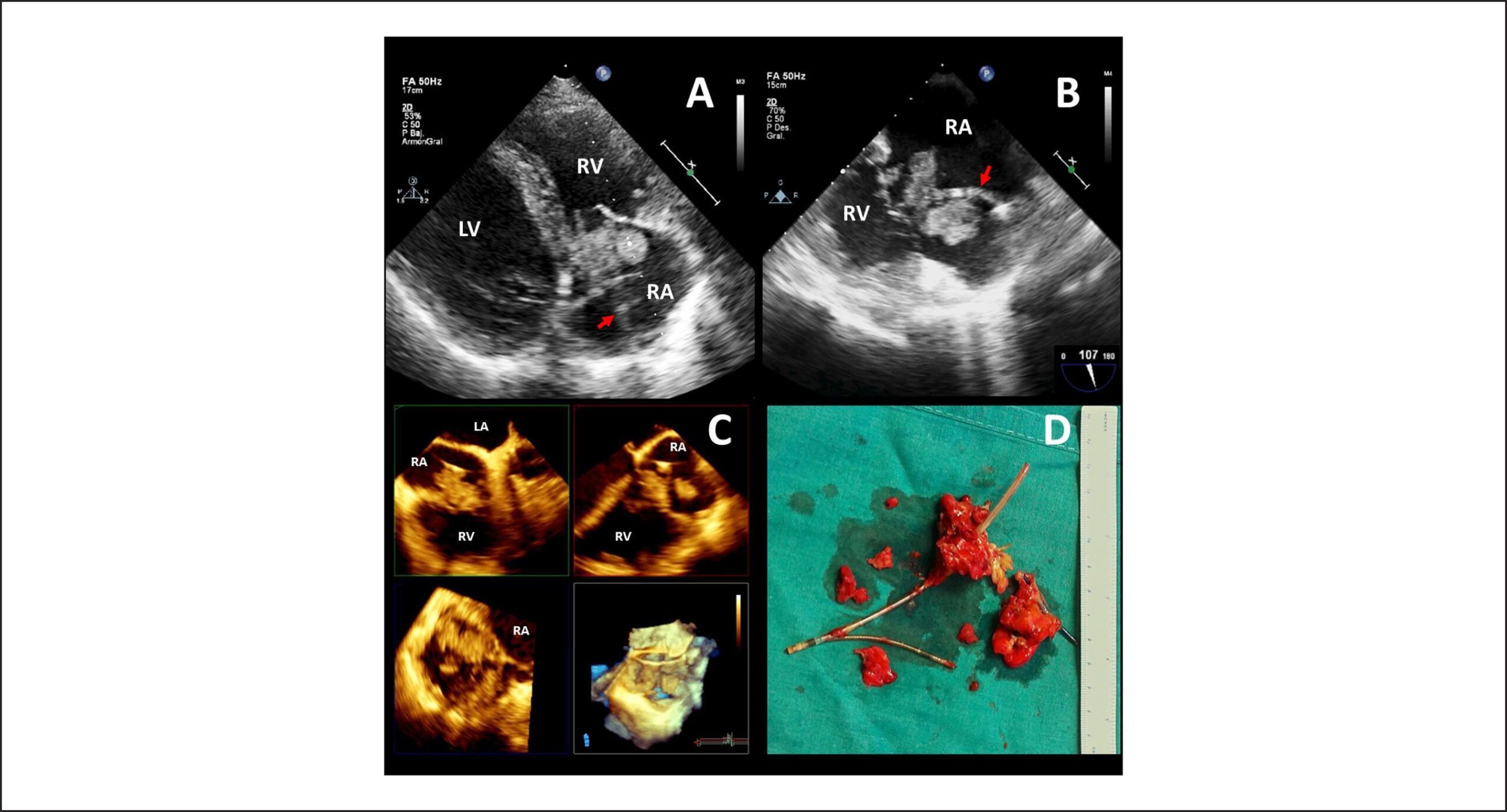
Fatal Infective Endocarditis in a Patient with Cardiac Resynchronization Therapy

Oscar Fabregat-Andrés et al. Bruno Bochard-Villanueva

Author contributions

Conception and design of the research, Acquisition of data and Critical revision of the manuscript for intellectual content: Fabregat-Andrés O, Bochard-Villanueva B; Writing of the manuscript: Fabregat-Andrés O.

[…]

  • Cardiac Resynchronization
  • infective endocarditis
Read Full Article
Creative Commons Attribution (CC BY) Creative Commons license
01/01/2014 DOI: 10.5935/abc.20130247
Letter to the Editor

Possible Brugada Phenocopy Induced by Hypokalemia in a Patient with Congenital Hypokalemic Periodic Paralysis

Daniel D. Anselm et al. Natalia Rodriguez Genaro Adrian Baranchuk

Dear Editor,

We read with great interest the case report by Gazzoni et al regarding a Brugada ECG pattern induced by hypokalemia. This paper is important because it contributes to the growing body of literature describing Brugada Phenocopies (BrP)–.

Briefly, BrP are characterized by ECG patterns that are identical to type-1 or type-2 Brugada ECG patterns despite the absence of true congenital Brugada Syndrome (BrS). BrP are induced by various clinical circumstances including: hypokalemia, hyperkalemia, hypothermia, myocardial ischemia, and pulmonary embolism. We have established six etiological categories of BrP– along with a systematic approach to diagnose BrP by excluding sodium channel dysfunction in the myocardium. The presented case by Gazzoni et al would possibly qualify under category (i) metabolic conditions; however, further analysis of this case report is required.

[…]

  • Brugada Syndrome
  • Hypokalemia
  • Hypokalemic Periodic Paralysis
Read Full Article
Creative Commons Attribution (CC BY) Creative Commons license
01/01/2014 DOI: 10.5935/abc.20130249
Editorial

The Arquivos Brasileiros de Cardiologia and the Dissemination of Cardiovascular Science Research in Brazil

Luiz Felipe P. Moreira

For over six decades, the development of cardiology and cardiovascular science in Brazil has been documented by the Arquivos Brasileiros de Cardiologia. Over these years, major changes have been observed in various fields of expertise, and new fields of investigation and activity have emerged, significantly transforming the contents of our journal. As we begin a new volume of files at the same time they also started a new period in front of the management of the journal, it is important to highlight the main aspects and trends in publications held. Therefore, it is of great importance that among more than 1,500 original manuscripts published by Brazilian authors on journals indexed by Thomson-Reuters in the database Web of Science regarding cardiovascular topics, from 2010 to 2012, about 27% were published by the Arquivos Brasileiros de Cardiologia, which makes clear the importance of this journal for the Brazilian cardiology science.

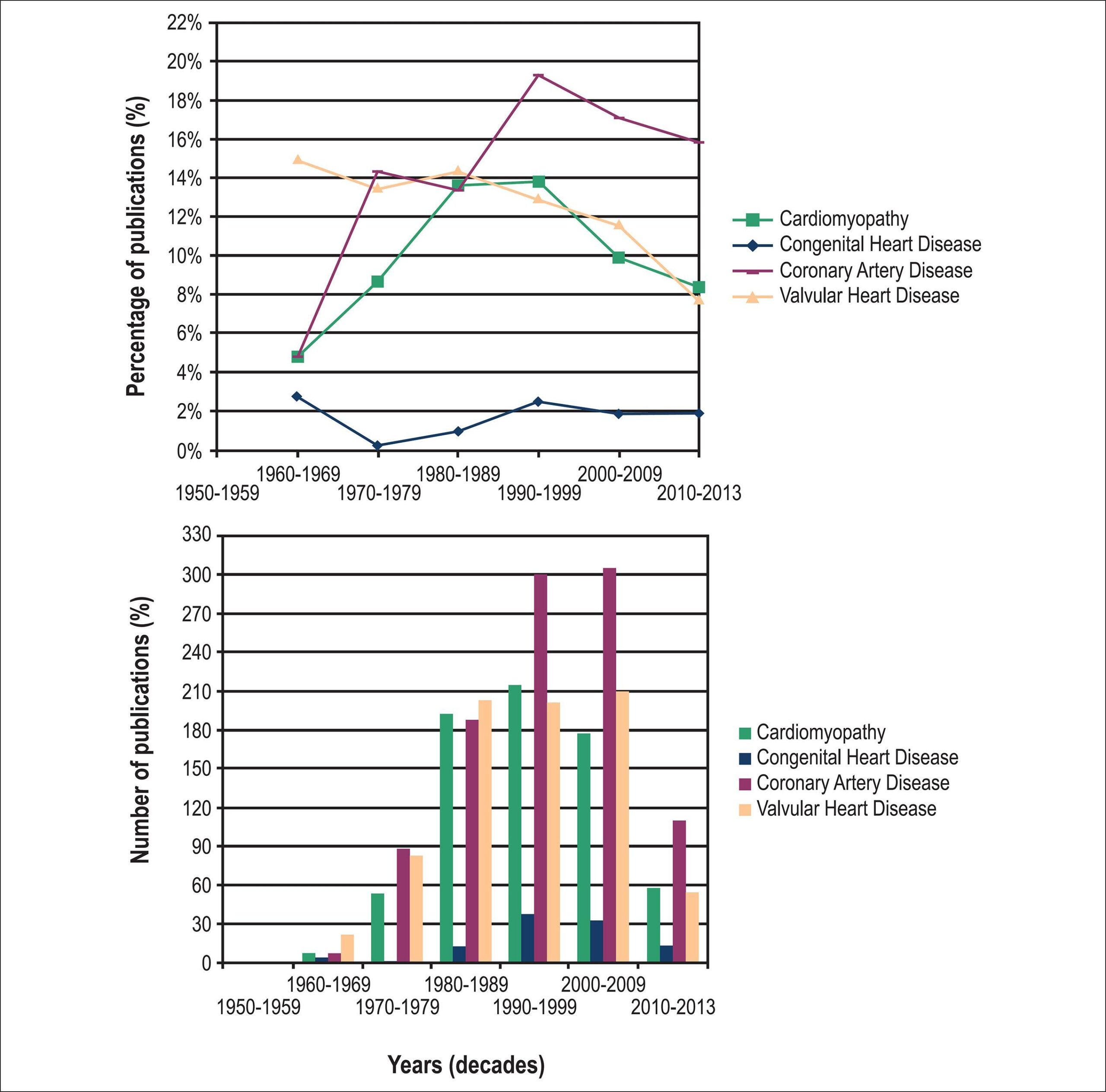
With respect to the changes seen in the publications of the Arquivos Brasileiros de Cardiologia throughout its existence, the special article published in this edition, by Évora et al., provides an excellent overview on the evolution of the prevalence of major heart diseases based on the manuscripts published over 60 years, during which the journal was indexed at an international level. Over the period analyzed, we observe a progressive increase in the percentage of publications regarding coronary artery disease, myocardial infarction, hypertension and congestive heart failure – conditions whose prevalence and whose prevention and treatment actions have become increasingly frequent. In parallel, a decrease in the percentage of manuscripts addressing valvular heart diseases, including rheumatic disease, has been documented, as well as those that refer to Chagas’ disease and cardiac arrhythmias.

[…]

  • Cardiovascular Diseases
  • Periodicals as Topic
  • Prevalence
Read Full Article
Creative Commons Attribution (CC BY) Creative Commons license
01/01/2014 DOI: 10.5935/abc.20140002
Figure 1
Viewpoint

Back to Basics: PCSK9 as a New Target for the LDL Receptor

Pablo Corral

Introduction

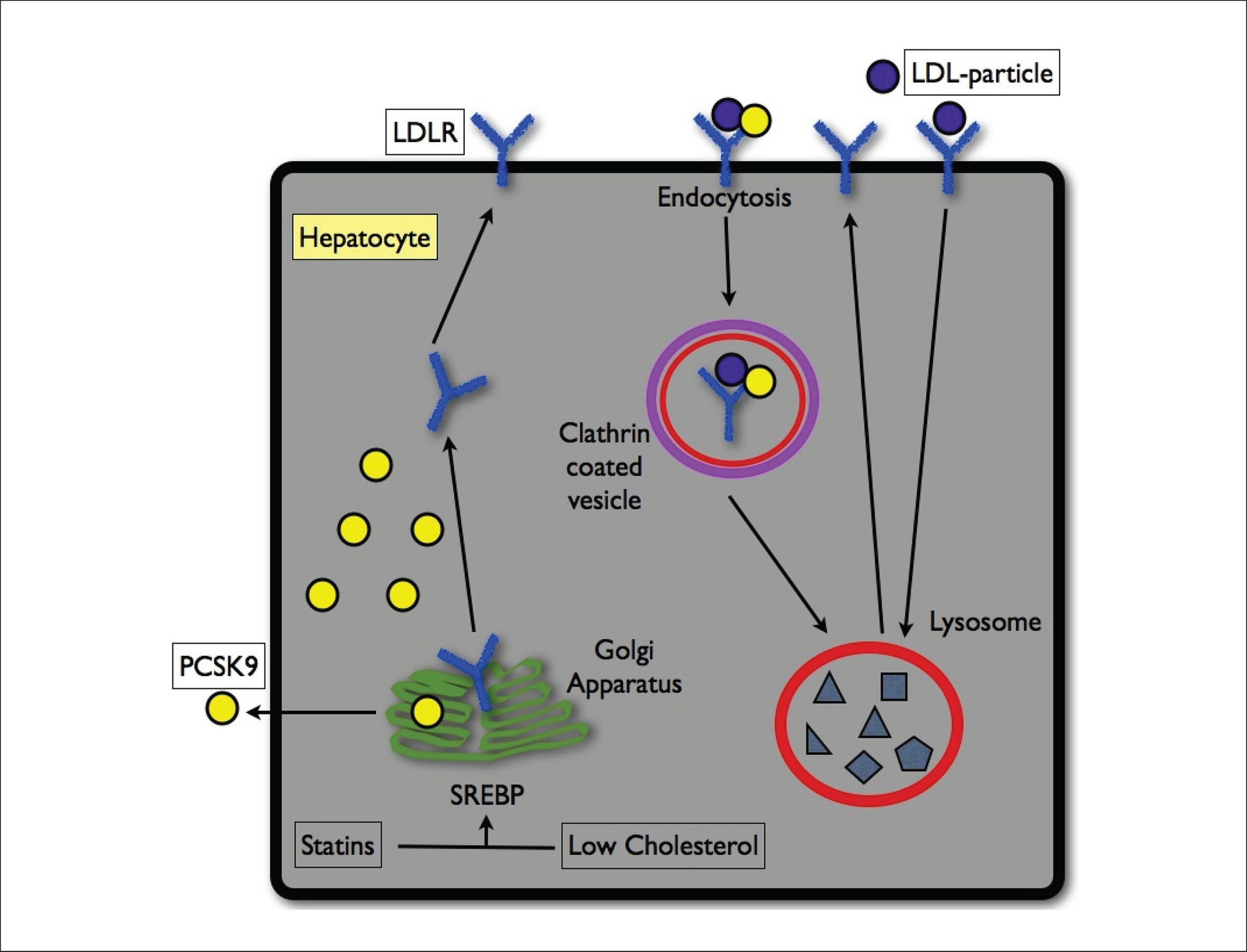
Forty years after Goldstein and Brown’s discovery of the low density lipoprotein receptor (LDLR) and 25 years after the introduction of the statins, a cornerstone of the atherosclerotic disease management, the view of the scientific community studying the process of atherosclerosis turns once again to the LDLR through the action mechanism of proprotein convertase subtilisin/kexin type 9 (PCSK9).

The assessment of genetic polymorphism with unexpected results in large studies revived the hypothesis about the important role of high density lipoprotein cholesterol (HDL-C) in lipoprotein metabolism; the apparent eternal debate about the contribution of triglycerides (TG) and their remnants to the phenomenon of atherogenesis. Such advances have lead to the re-prioritization of LDL management as a central and primary objective towards the prevention of the morbidity and mortality main cause in the Western world, atherosclerosis.

[…]

  • Atherosclerosis
  • PCSK9 Protein, human
  • Polymorphism, Genetic
  • Receptors, LDL
  • trends
Read Full Article
Creative Commons Attribution (CC BY) Creative Commons license
01/01/2014 DOI: 10.5935/abc.20130248 Views 1
Figure 1
Clinicoradiological Session

Case 1/2014 – 24-Year-Old Man with Left Single Ventricle in Chronic Hypoxia

Edmar Atik et al. Marcelo B. Jatene Patricia O. Marques Fabiana Passos Succi

Complementary tests

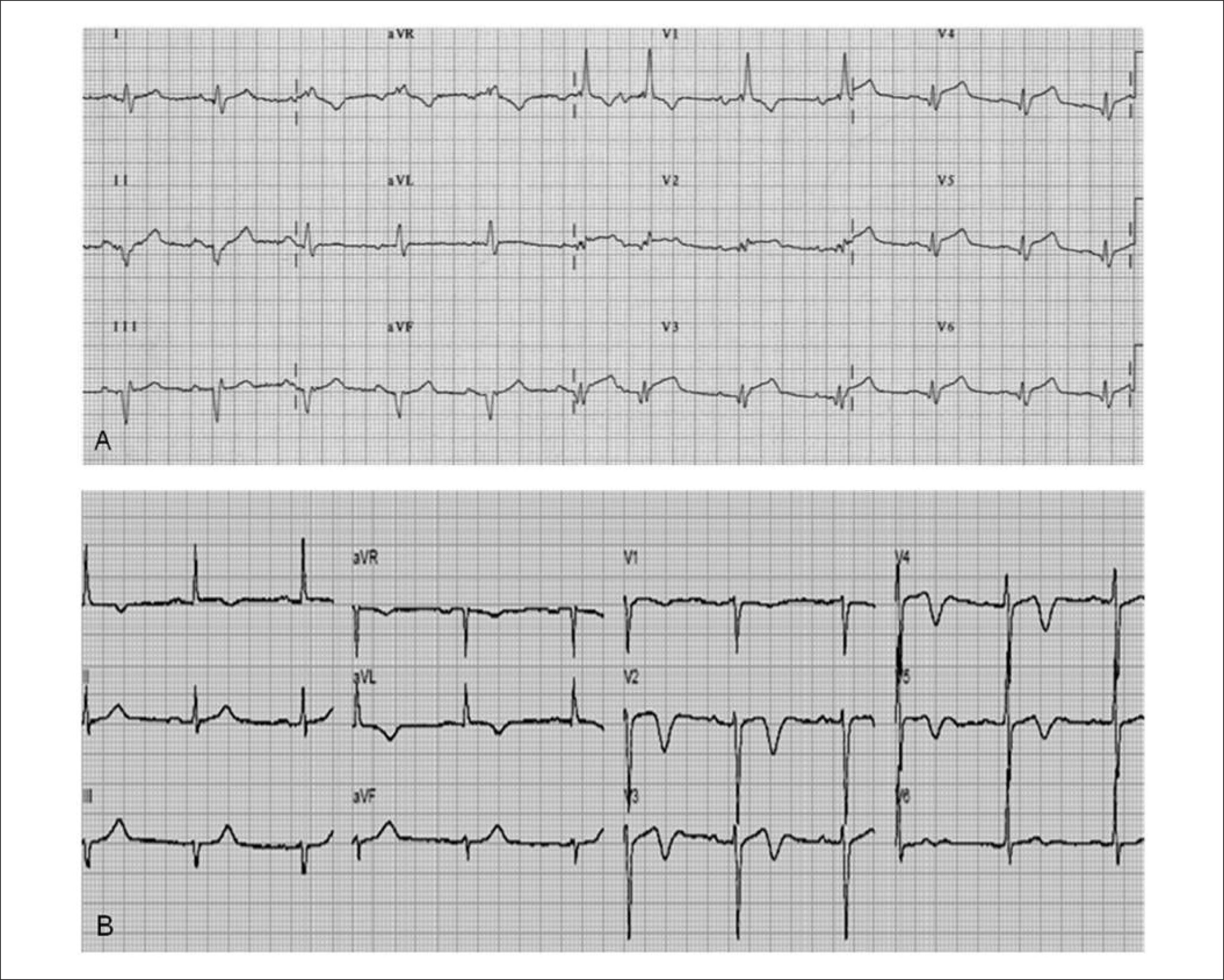
Electrocardiogram showed sinus rhythm and signs of biatrial and left ventricle overloads. P wave was peaked in I, V2-5, and extended in II, F, V5-6, with negative deflection in V1 and V2. The QRS complex was of RS morphology in V1 and Rs in V6. AQRS: +120º, AT: -60º, AP: +40º.

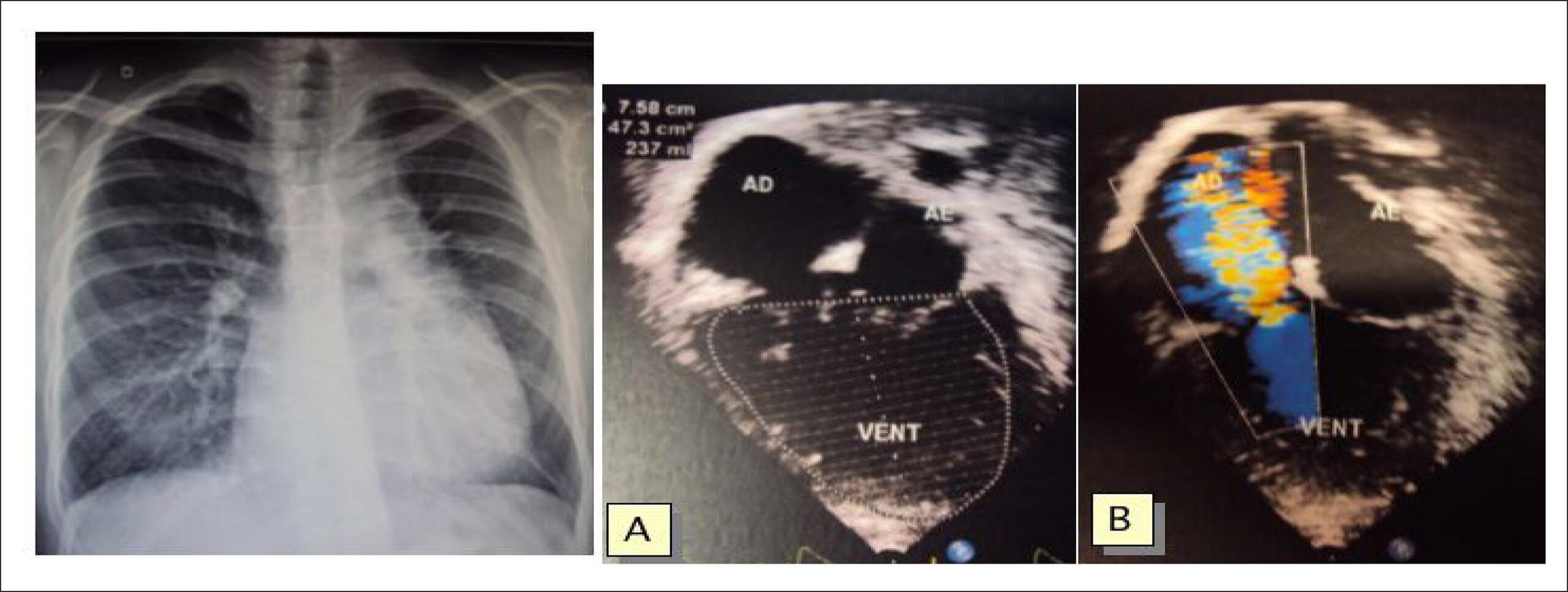
Chest radiography showed an enlarged heart of mild degree (cardiothoracic ratio: 0.54) with left long ventricular arch and also a long left medium arch. The pulmonary vascular bed was increased ().

[…]

  • Adult
  • Blalock Taussig Procedure
  • Fontan Procedure
  • Heart Defects, Congenital
  • Pulmonary Valve Stenosis
Read Full Article
Creative Commons Attribution (CC BY) Creative Commons license
01/01/2014 DOI: 10.5935/abc.20130250 Views 1
Figure 1
Case Report

Atypical Clinical Presentation of Arrhythmogenic Biventricular Cardiomyopathy

Inês Rangel et al. Mariana Vasconcelos Manuel Campelo Cecília Frutuoso … António José Madureira Maria Júlia Maciel

Introduction

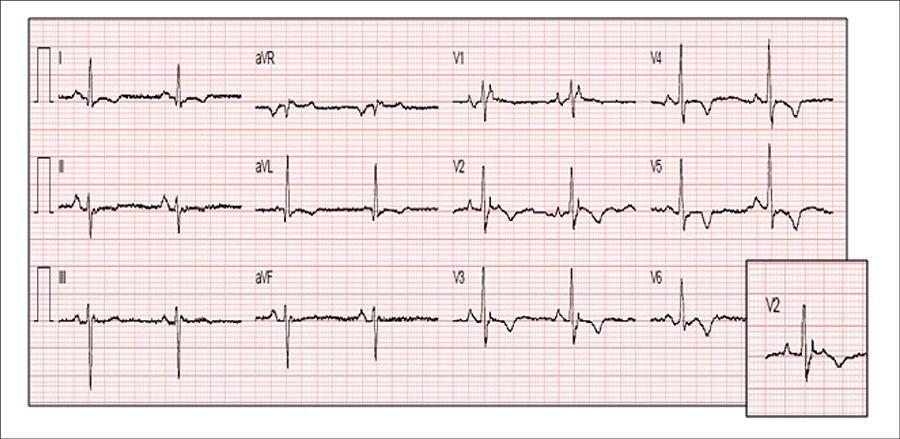
Arrhythmogenic right ventricular cardiomyopathy (ARVC) is an inherited disease affecting the heart muscle. It is clinically characterized by life-threatening ventricular arrhythmias. Although it primarily affects the right ventricle, the left ventricle might also be involved , . However, the clinical manifestations and prognosis of biventricular arrhythmogenic cardiomyopathy not yet been established. We present a case of ARVC with left ventricle (LV) involvement, with no typical symptoms and no relevant medical history.

[…]

  • Arrhythmogenic Right Ventricular Dysplasia / complications
  • Arrhythmogenic Right Ventricular Dysplasia / diagnosis
  • Heredity, Death, Sudden, Cardiac
Read Full Article
Creative Commons Attribution (CC BY) Creative Commons license
01/01/2014 DOI: 10.5935/abc.20130246
Figure 1
Special Article

Prevalence of Heart Disease Demonstrated in 60 Years of the Arquivos Brasileiros de Cardiologia

Paulo Roberto Barbosa Evora et al. Julio Cesar Nather Alfredo José Rodrigues

Considering the historical and academic relevance of the Brazilian Archives of Cardiology (ABC), as its MEDLINE indexing began in 1950, it was assumed as a hypothesis that the analysis of the publications over the last 60 years could reflect the changing trends of heart disease in Brazil.

The study data were collected using a program developed for this purpose, allowing the automatic extraction of information from the MEDLINE database. The study information were collected by searching “Brazilian Archives of Cardiology AND selected parameter in English”. Four observational groups were determined: (1) major groups of heart diseases (coronary artery disease, valvular heart disease, congenital heart disease and cardiomyopathies); (2) relevant diseases in clinical practice (cardiac arrhythmias, cor pulmonale, myocardial infarction and congestive heart failure); (3) cardiovascular risk factors (hypertension, diabetes, dyslipidemia and atherosclerosis); and (4) group determined due to the growing trend of publications on congestive heart failure seen in previous groups (congestive heart failure, myocardial infarction, rheumatic heart disease and Chagasic heart disease)

All publications within the established groups were described, highlighting the increasing importance of heart failure and diabetes as risk factors. A relatively easy search was carried out, using the computer program developed for literature search covering six decades. Emphasizing the limitations of the study, we suggest the existence of an epidemiological link between cardiac diseases that are prevalent in Brazil and the publications of the Brazilian Archives of Cardiology.

  • Cardiomyopathies, Myocardial Infarction
  • Cardiovascular Diseases
  • Coronary Artery Disease
  • Heart Defects, Congenital
  • Heart Valve Diseases
  • Periodicals as Topic
  • Prevalence
Read Full Article
Creative Commons Attribution (CC BY) Creative Commons license
01/01/2014 DOI: 10.5935/abc.20140001
Letter to the Editor

Association is Not the Same as Accuracy

Luis Cláudio Lemos Correia et al. Carolina Esteves Barbosa

Dear Editor,

In a recent article, dos Santos et al. have concluded that, for patients with acute coronary syndromes, risk scores correlated with coronary artery disease severity. That apparently positive conclusion hides the poor performance of those scores to predict obstructive coronary artery disease due to two reasons. Firstly, in face of a diagnostic situation (presence of coronary artery disease ≥ 50%), the clinical focus should be on accuracy. Secondly, association (described in the article as correlation) does not ensure accuracy.

The major focus of that study should have been accuracy measures, such as area under the ROC curve, ranging from 0.56 to 0.70. Although statistically significant, those values indicate low accuracy from the diagnostic viewpoint. Corroborating those findings, in a recently published article in this same journal, our group has concluded that the degree of association (between scores and coronary anatomy) is not sufficient for risk scores to accurately predict the results of angiography.

[…]

  • Accuracy
  • Coronary anatomy
  • Grace Score
  • TIMI score
Read Full Article
Creative Commons Attribution (CC BY) Creative Commons license
01/01/2014 DOI: 10.5935/abc.20130251
Figure 1
Brief Communication

Coronary Obstruction Following Transcatheter Aortic Valve Implantation

Henrique Barbosa Ribeiro et al. Rogério Sarmento-Leite Dimytri A. A. Siqueira Luiz Antônio Carvalho … José Armando Mangione Josep Rodés-Cabau Marco A. Perin Fábio Sandoli de Brito Jr.

Background:

Transcatheter aortic valve implantation (TAVI) was established as an important alternative for high-risk patients with severe aortic stenosis. However, there are few data in the literature regarding coronary obstruction, that although rare, is a potentially fatal complication.

Objective:

Evaluate this complication in Brazil.

Methods:

We evaluated all patients presenting coronary obstruction from the Brazilian Registry of TAVI. Main baseline and procedural characteristics, management of the complication, and clinical outcomes were collected from all patients.

Results:

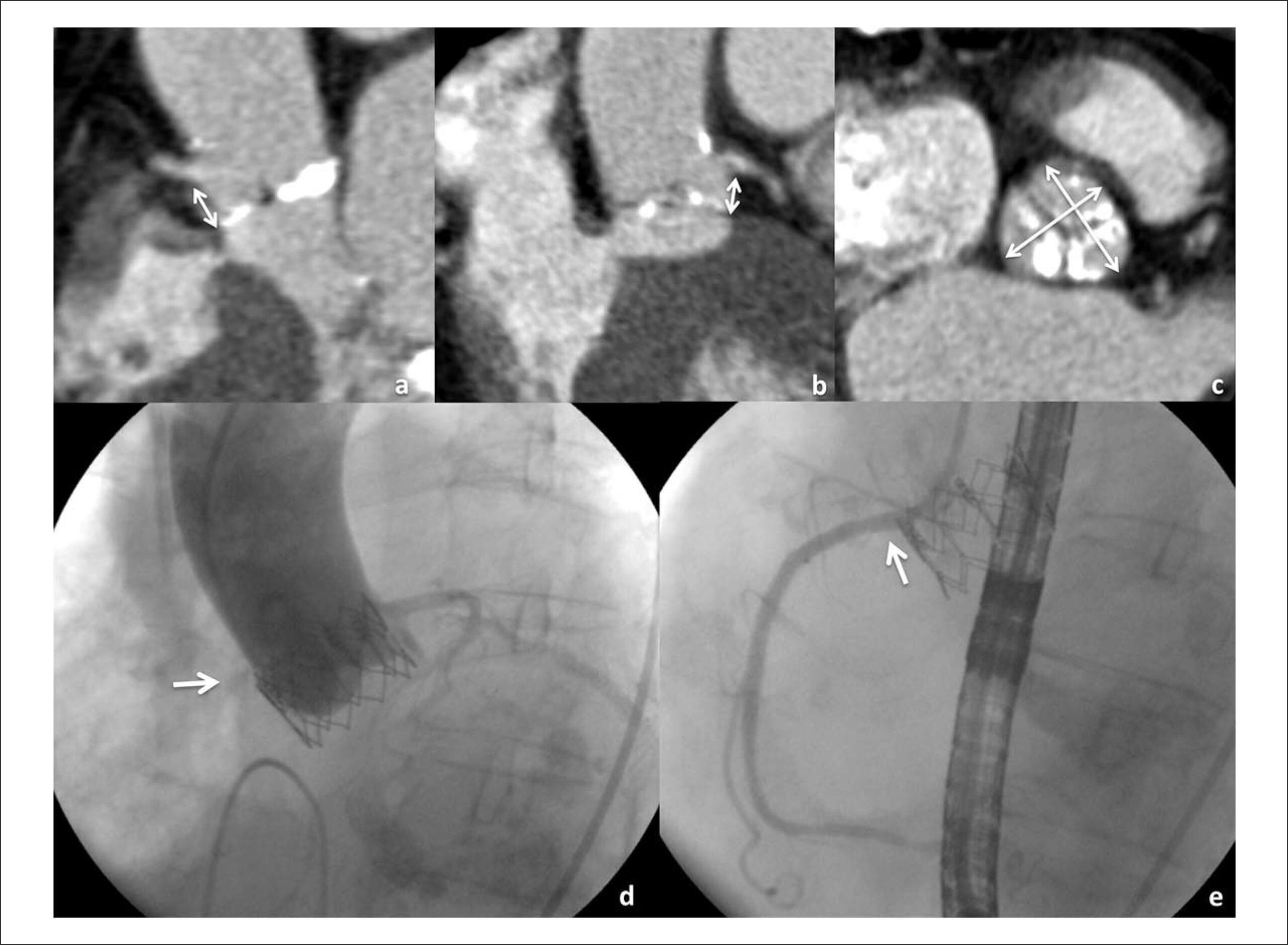
From 418 consecutive TAVI procedures, coronary obstruction occurred in 3 cases (incidence of 0.72%). All patients were women, without prior coronary artery bypass grafting (CABG), and with mean age of 85 ± 3 years, logistic EuroSCORE of 15 ± 6% and STS-PROM score of 9 ± 4%. All of the cases were performed with balloon-expandable Sapien XT prosthesis. In one patient, with pre-procedural computed tomography data, coronary arteries presented a low height and a narrow sinus of Valsalva. All patients presented with clinically significant severe maintained hypotension, immediately after valve implantation, and even though coronary angioplasty with stent implantation was successfully performed in all cases, patients died during hospitalization, being two periprocedurally.

Conclusion:

Coronary obstruction following TAVI is a rare but potentially fatal complication, being more frequent in women and with the balloon-expandable prosthesis. Anatomical factors might be related with its increased occurrence, highlighting the importance of a good pre-procedural evaluation of the patients in order to avoid this severe complication.

  • Aortic Valve Stenosis
  • Catheters
  • Coronary Obstruction
  • Transcatheter Aortic Valve Implantation
Read Full Article
Creative Commons Attribution (CC BY) Creative Commons license
01/01/2014 DOI: 10.5935/abc.20130252 Views 1
Figure 1
Research Article

The echocardiography in the cardiovascular laboratory: a guide to research with animals

Maria Cristina Donadio Abduch et al. Renato Samy Assad Wilson Mathias Jr Vera Demarchi Aiello

The feasibility and potential for the morphological and hemodynamic investigation of the heart has been increasing the use of the echocardiography in the research setting. Additionally, the development of new technologies, like the real time 3D echocardiography and speckle tracking, demands validation throughout experimental studies before being instituted in the clinical setting.

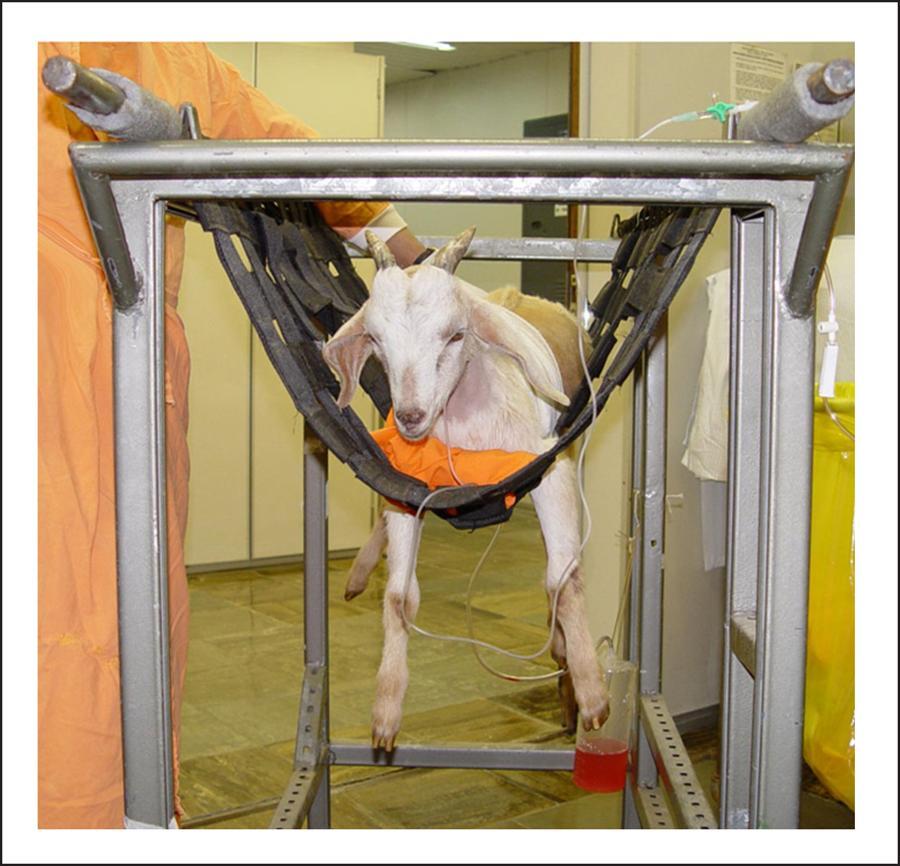
This paper aims to provide information concerning the particularities of the echocardiographic examination in quadruped mammals, targeting the experimental research.

  • Animal Experimentation
  • Echocardiography / tendências
  • Echocardiography, Diagnosis
  • Heart/physiopathology
Read Full Article
Creative Commons Attribution (CC BY) Creative Commons license
14/12/2013 DOI: 10.5935/abc.20130239 Views 1
Figure 1
Artigo Original

Short and Long-Term Outcome of Stress-Induced Cardiomyopathy: What Can We Expect?

Vânia Filipa Andrade Ribeiro et al. Mariana Vasconcelos Filipa Melão Ester Ferreira … Gracieta Malangatana Maria Júlia Maciel

Background:

Stress-induced/Takotsubo cardiomyopathy (TC) is an increasingly recognized diagnostic entity.

Objective:

This study was aimed to assess the prevalence and clinical predictors of short and long-term outcome of patients (pts) diagnosed with TC.

Methods:

We included all consecutive pts admitted in our department, from November 2006 to August 2011, who met the Mayo Clinic criteria for TC diagnosis.

Results:

We evaluated 37 pts (35 women) with a mean age of 63 ±13 years. TC was precipitated by a stressful emotional event in the majority (57%) and chest pain was the most common symptom (89%). Twelve pts (32%) had ST-segment elevation and 15 pts (41%) had T-wave inversion on the electrocardiogram at admission. Severe left ventricular (LV) dysfunction was found in 16 pts (43%) and the mean troponin I level was 2.6±1.8 ng/mL. The in-hospital complication rate was 30%, with cardiogenic shock being the most common situation. Physical stress, severe LV systolic dysfunction and peak brain natriuretic peptide (BNP) were predictors of acute complications. On the other hand, we found no association between peak troponin I and electrocardiographic presentation. Thirty-five pts were followed for a mean time of 482 ± 512 days, without clinic recurrence.

Conclusion:

In our cohort of pts, TC was associated with a high in-hospital complications rate. Physical stress, LV dysfunction and peak BNP could predict acute adverse outcomes.

  • Stress, Psychological
  • Takotsubo Cardiomyopathy
Read Full Article
Creative Commons Attribution (CC BY) Creative Commons license
26/11/2013 DOI: 10.5935/abc.20130228 Views 2
Figure 1
Artigo Original

Aerobic Interval Exercise Training Induces Greater Reduction in Cardiac Workload in the Recovery Period in Rats

Juliana Pereira Borges et al. Gustavo Santos Masson Eduardo Tibiriçá Marcos Adriano Lessa

Background:

Aerobic interval exercise training has greater benefits on cardiovascular function as compared with aerobic continuous exercise training.

Objective:

The present study aimed at analyzing the effects of both exercise modalities on acute and subacute hemodynamic responses of healthy rats.

Methods:

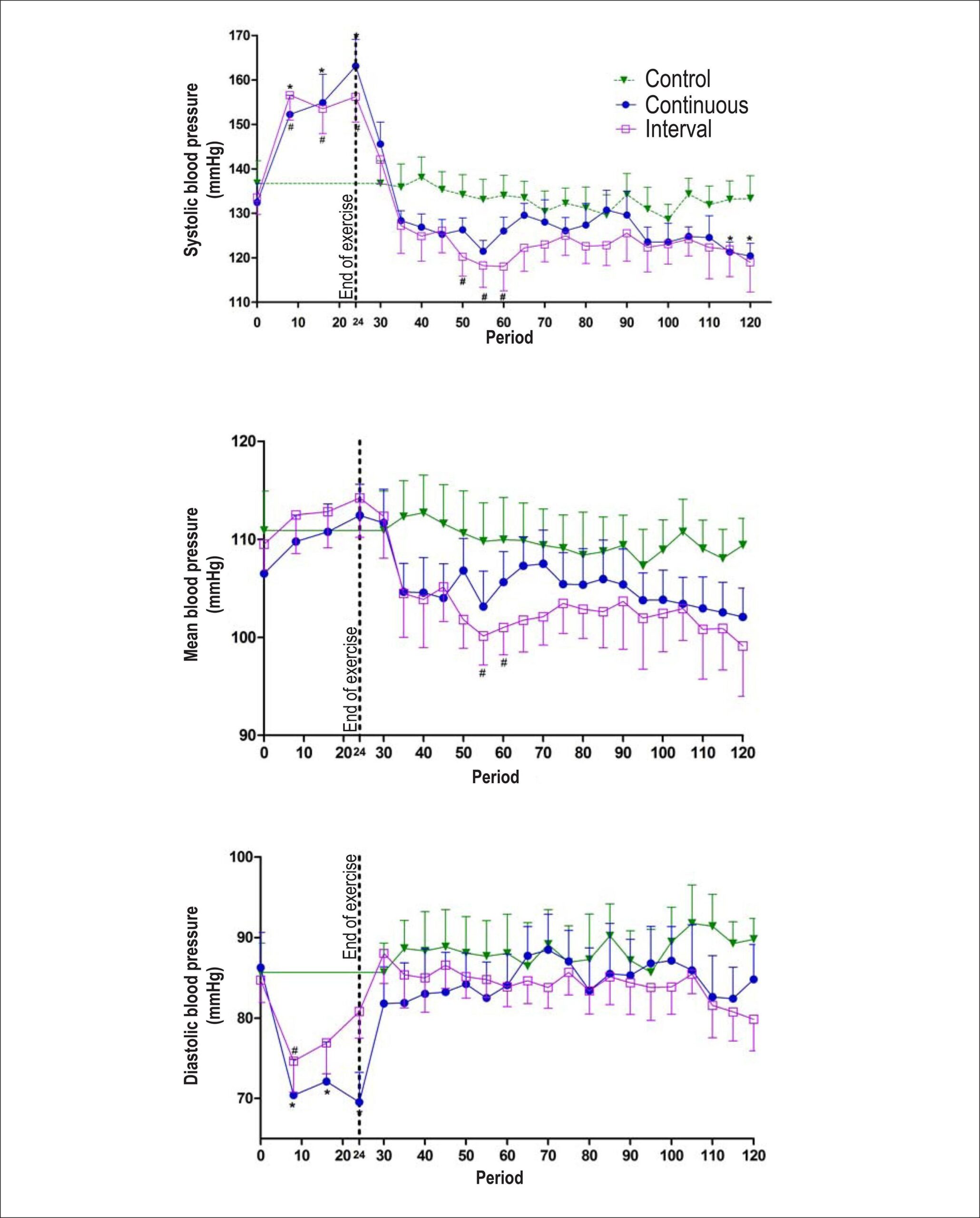
Thirty male rats were randomly assigned into three groups as follows: continuous exercise (CE, n = 10); interval exercise (IE, n = 10); and control (C, n = 10). Both IE and CE groups performed a 30-minute exercise session. The IE group session consisted of three successive 4-minute periods at 60% of maximal velocity (Max Vel), with 4-minute recovery intervals at 40% of Max Vel. The CE group ran continuously at 50% of Max Vel. Heart rate (HR), blood pressure(BP), and rate pressure product (RPP) were measured before, during and after the exercise session.

Results:

The CE and IE groups showed an increase in systolic BP and RPP during exercise as compared with the baseline values. After the end of exercise, the CE group showed a lower response of systolic BP and RPP as compared with the baseline values, while the IE group showed lower systolic BP and mean BP values. However, only the IE group had a lower response of HR and RPP during recovery.

Conclusion:

In healthy rats, one interval exercise session, as compared with continuous exercise, induced similar hemodynamic responses during exercise. However, during recovery, the interval exercise caused greater reductions in cardiac workload than the continuous exercise.

  • Blood Pressure
  • Exercise acute effects
  • Intermittent exercise
Read Full Article
Creative Commons Attribution (CC BY) Creative Commons license
26/11/2013 DOI: 10.5935/abc.20130230 Views 1
Figure 1
Artigo Original

Angiotensin-converting enzyme genetic polymorphism: its impact on cardiac remodeling

Felipe Neves de Albuquerque et al. Andréa Araujo Brandão Dayse Aparecida da Silva Ricardo Mourilhe-Rocha … Gustavo Salgado Duque Alyne Freitas Pereira Gondar Luiza Maceira de Almeida Neves Marcelo Imbroinise Bittencourt Roberto Pozzan Denilson Campos de Albuquerque

Background:

The role of angiotensin-converting enzyme genetic polymorphisms as a predictor of echocardiographic outcomes on heart failure is yet to be established. The local profile should be identified so that the impact of those genotypes on the Brazilian population could be identified. This is the first study on exclusively non-ischemic heart failure over a follow-up longer than 5 years.

Objective:

To determine the distribution of angiotensin-converting enzyme genetic polymorphism variants and their relation with echocardiographic outcome of patients with non-ischemic heart failure.

Methods:

Secondary analysis of the medical records of 111 patients and identification of the angiotensin-converting enzyme genetic polymorphism variants, classified as DD (Deletion/Deletion), DI (Deletion/Insertion) or II (Insertion/Insertion).

Results:

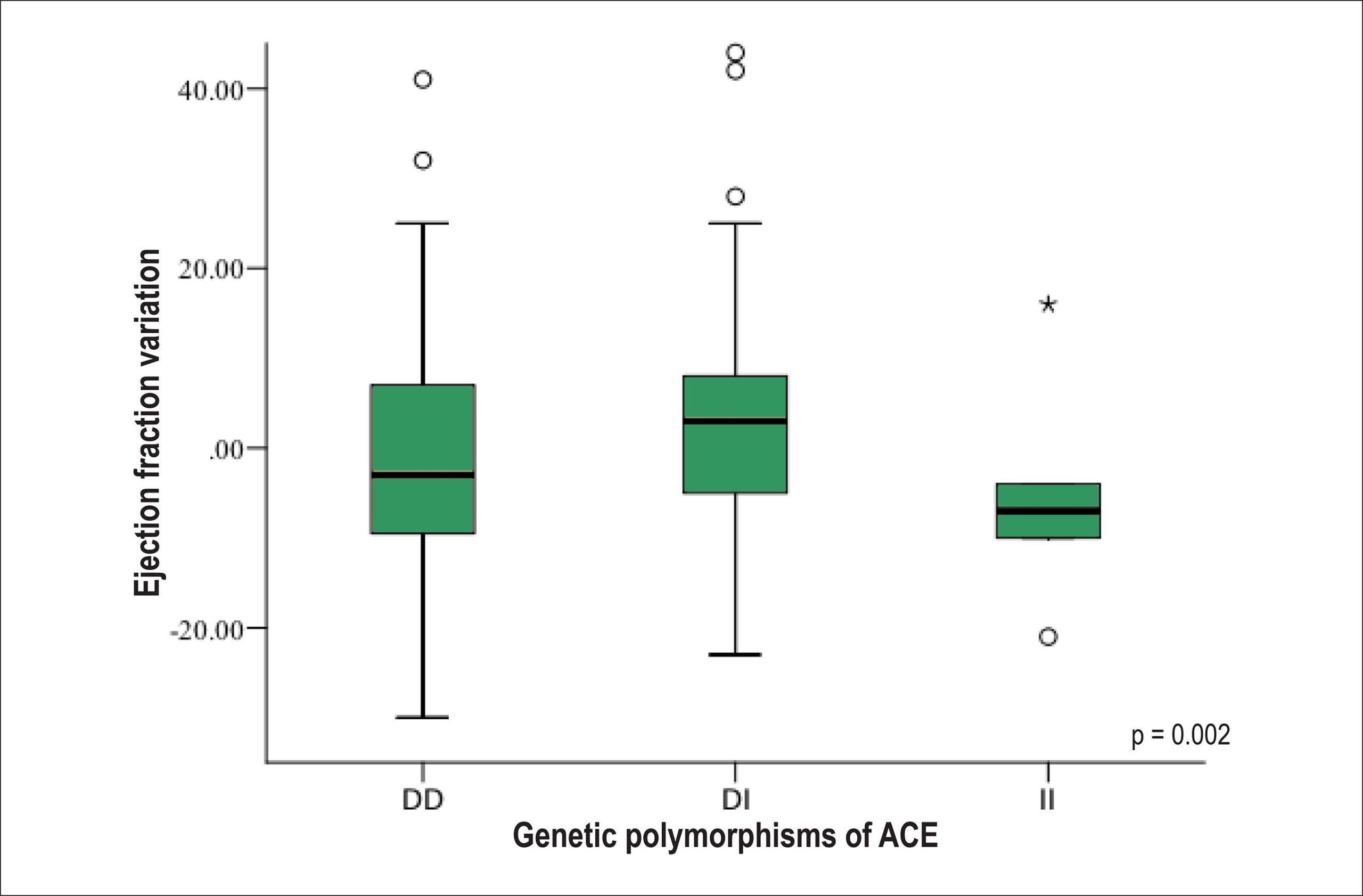
The cohort means were as follows: follow-up, 64.9 months; age, 59.5 years; male sex, 60.4%; white skin color, 51.4%; use of beta-blockers, 98.2%; and use of angiotensin-converting-enzyme inhibitors or angiotensin receptor blocker, 89.2%. The angiotensin-converting enzyme genetic polymorphism distribution was as follows: DD, 51.4%; DI, 44.1%; and II, 4.5%. No difference regarding the clinical characteristics or treatment was observed between the groups. The final left ventricular systolic diameter was the only isolated echocardiographic variable that significantly differed between the angiotensin-converting enzyme genetic polymorphisms: 59.2 ± 1.8 for DD versus 52.3 ± 1.9 for DI versus 59.2 ± 5.2 for II (p = 0.029). Considering the evolutionary behavior, all echocardiographic variables (difference between the left ventricular ejection fraction at the last and first consultation; difference between the left ventricular systolic diameter at the last and first consultation; and difference between the left ventricular diastolic diameter at the last and first consultation) differed between the genotypes (p = 0.024; p = 0.002; and p = 0.021, respectively).

Conclusion:

The distribution of the angiotensin-converting enzyme genetic polymorphisms differed from that of other studies with a very small number of II. The DD genotype was independently associated with worse echocardiographic outcome, while the DI genotype, with the best echocardiographic profile (increased left ventricular ejection fraction and decreased left ventricular diameters).

  • angiotensin-converting enzyme
  • Genetic Polymorphism
  • Heart Failure
Read Full Article
Creative Commons Attribution (CC BY) Creative Commons license
26/11/2013 DOI: 10.5935/abc.20130229 Views 1
Figure 1
Artigo Original

Blood Pressure in Adolescence, Adipokines and Inflammation in Young Adults. The Rio de Janeiro Study

Erika Maria Gonçalves Campana et al. Andréa Araujo Brandão Roberto Pozzan Maria Eliane Campos Magalhães … Flávia Lopes Fonseca Oswaldo Luiz Pizzi Elizabete Viana de Freitas Ayrton Pires Brandão

Background:

The impact of blood pressure (BP) during adolescence on other cardiovascular risk factors in young adults is important for the primary prevention.

Objective:

To evaluate BP, anthropometric indexes, metabolic and inflammatory profiles in young individuals stratified by their BP behavior recorded for 18 years.

Methods:

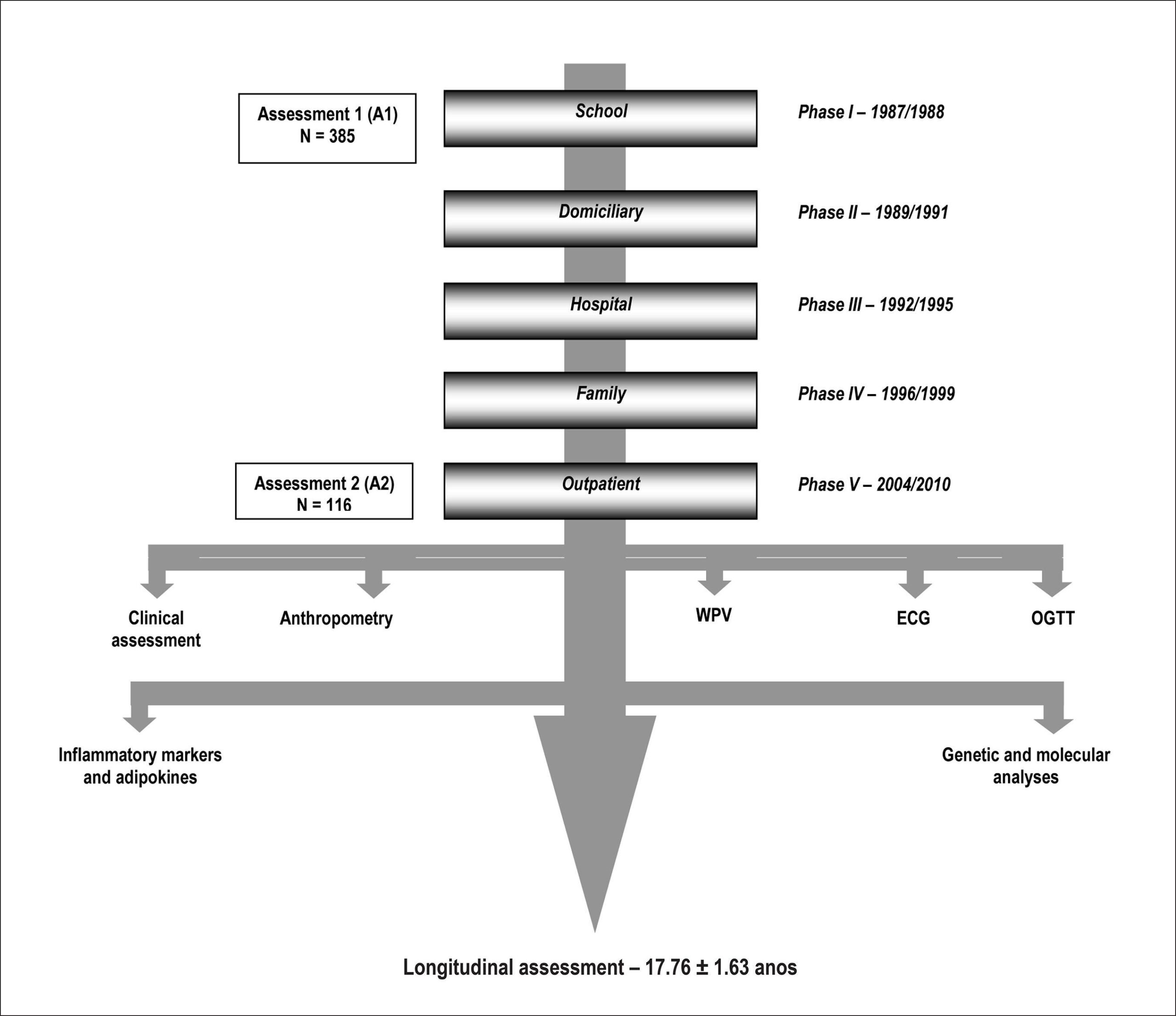
A total of 116 individuals, of whom 63 were males, from the Rio de Janeiro study (follow-up of 17.76 ± 1.63 years), were assessed at two moments: A1 (12.40 ± 1.49 years) and A2 (30.09 ± 2.01 years). The 116 individuals were divided into two groups: GN (n = 71), of participants with normal BP at A1; and GH (n = 45), of those with abnormal BP at A1. BP, weight, height and body mass index (BMI) were measured at A1 and A2. At A2, abdominal circumference (AC) and laboratory, metabolic and inflammatory variables were included.

Results:

1) No difference was observed between the groups as regards age and gender; 2) At A2, GH showed higher mean weight, BMI, BP, insulin, HOMA-IR (p < 0.001), leptin (p < 0.02), apolipoprotein B100 and A1 (p < 0.02), apolipoprotein B100 / apolipoprotein A1 ratio (p < 0.010); and higher prevalences of overweight/obesity (p < 0.001), of increased AC (p < 0.001) and of hypertension (p < 0.02); 3) No difference was observed between the groups as regards the inflammatory variables; 4) There was a positive correlation of BP at A1 with BP, BMI, insulin, leptin and HOMA-IR at A2 (p < 0.05).

Conclusion:

BP in adolescence was associated with higher values of BP, and anthropometric and metabolic variables in young adulthood, but not with inflammatory variables.

  • Adipokines
  • Atherosclerosis / physiopathology
  • Blood Pressure
  • Inflammation
  • Young Adult
Read Full Article
Creative Commons Attribution (CC BY) Creative Commons license
22/11/2013 DOI: 10.5935/abc.20130226 Views 1
Artigo Original

Risk Factors Associated with High Blood Pressure in Two-to Five-Year-Old Children

Paula Azevedo Aranha Crispim et al. Maria do Rosário Gondim Peixoto Paulo César Brandão Veiga Jardim

Background:

Over recent decades, the prevalence of high blood pressure (BP) has increased among children. Several risk factors are involved in the genesis of high BP during childhood, and their early identification can prevent the development of that disease.

Objectives:

To assess the prevalence of high BP and associated factors in children.

Methods:

Cross-sectional, population-based study, carried out at the household. This study included 276 two- to five-year-old children in the city of Goiânia, state of Goiás, and assessed their BP, sociodemographic characteristics, birth weight, high BP family history, passive smoking, maternal breastfeeding, dietary habits, sedentary lifestyle and nutritional status. Poisson regression was used to assess the association between risk factors and high BP.

Results:

Their mean age was 3.1 ± 0.79 years, and high BP and overweight were observed in 19.9% and 11.2% of the children, respectively. Direct association of high BP was identified with age [prevalence ratio (PR) = 2.3; 95%CI: 1.2 – 4.8; p = 0.017] and overweight (PR = 2.0; 95%CI: 1.2 – 3.6; p = 0.014). No other variable associated with high BP.

Conclusions:

The prevalence of high BP in children was high. Overweight and younger children had greater prevalence of high BP.

  • Blood Pressure
  • Children
  • high blood pressure
  • Preschoolers
  • Risk Factors
Read Full Article
Creative Commons Attribution (CC BY) Creative Commons license
22/11/2013 DOI: 10.5935/abc.20130227 Views 1
Figure 1
Artigo Original

Assessment of the Relationship between Non-Alcoholic Fatty Liver Disease and CAD using MSCT

Duran Efe et al. Fatih Aygün

Background:

Some risk factors for atherosclerosis are followed by non-alcoholic fatty liver disease (NAFLD). We wanted to use Multislice computed tomography (MSCT) as technique for searching relationship between NAFLD and coronary artery disease (CAD).

Objective:

The relationship between NAFLD and CAD was investigated using MSCT.

Methods:

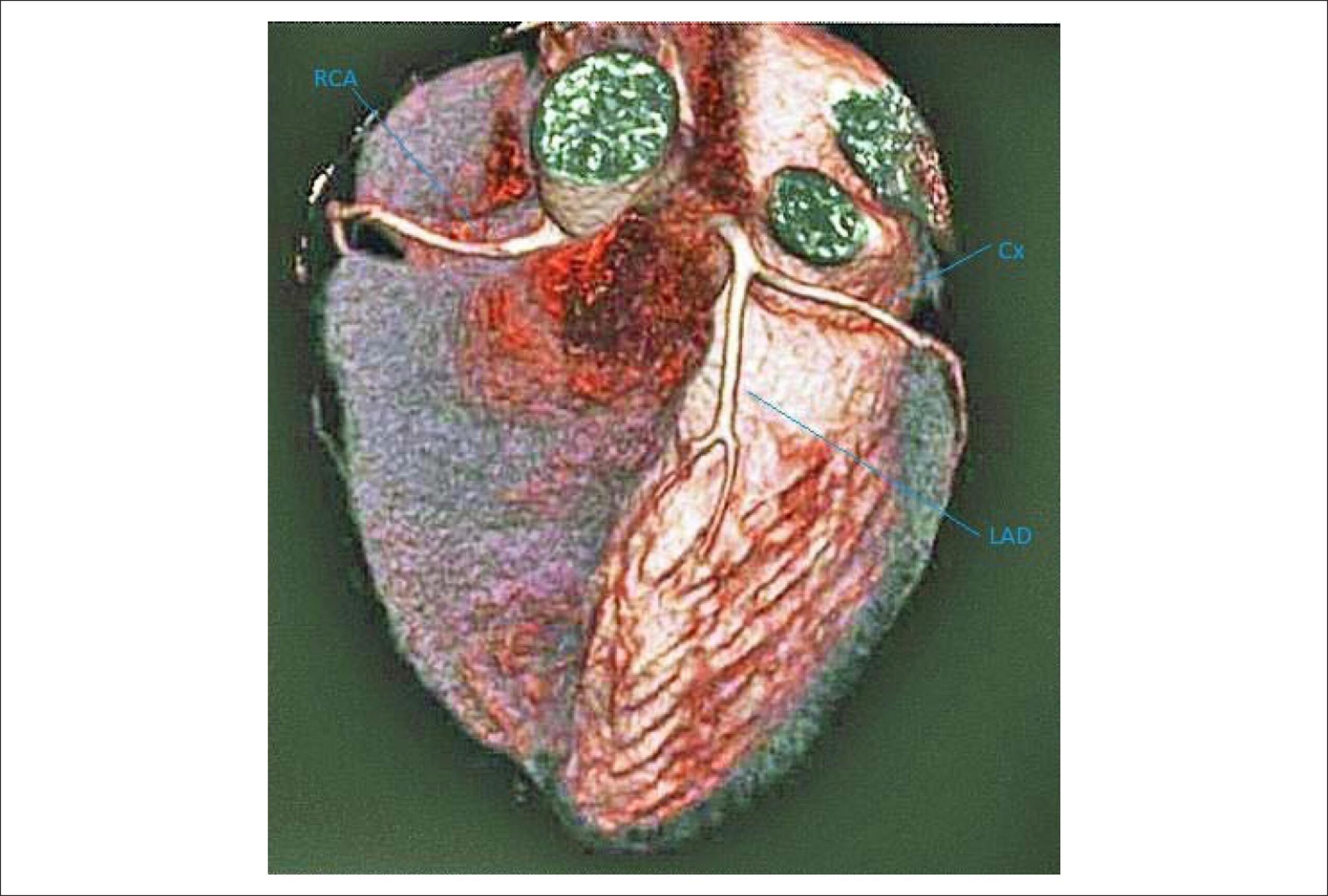
A total of 372 individuals with or without cardiac symptoms who had undergone MSCT angiography were included in the study. The patients were divided into two groups according to the presence of NAFLD. Coronary artery segments were visually evaluated via MSCT angiography. Based on the coronary artery stenosis degree, those with no or minimal plaques were considered normal, whereas those who had stenosis of less than 50% and at least one plaque were considered to have non-obstructive coronary artery disease (non-obsCAD). The patients who had at least one plaque and coronary artery stenosis of 50% or more were considered to have obstructive coronary artery disease (obsCAD). NAFLD was determined according to the MSCT protocol, using the liver density.

Results:

According to the liver density, the number of patients with non-alcoholic fatty liver disease (group 1) was 204 (149 males, 54.8%) and with normal liver (group 2) was 168 (95 males, 45.2%). There were 50 (24.5%) non-obsCAD and 57 (27.9%) obsCAD cases in Group 1, and 39 (23.2%) non-obsCAD and 23 (13.7%) obsCAD cases in Group 2.

Conclusions:

The present study using MSCT demonstrated that the frequency of coronary artery disease in patients with NAFDL was significantly higher than that of patients without NAFDL.

  • Fatty Liver
  • Hepatitis
Read Full Article
Creative Commons Attribution (CC BY) Creative Commons license
22/11/2013 DOI: 10.5935/abc.20130225
Figure 1
Artigo Original

A New Tissue Doppler Index to Predict Cardiac Death in Patients with Heart Failure

Cristian Mornos et al. Lucian Petrescu Dragos Cozma Adina Ionac

Background:

It has been shown that a new tissue Doppler index, E/(E’×S’), including the ratio between early diastolic transmitral and mitral annular velocity (E/E’), and the systolic mitral annular velocity (S’), has a good accuracy to predict left ventricular filling pressure.

Objectives:

We investigated the value of E/(E’×S’) to predict cardiac death in patients with heart failure.

Methods:

Echocardiography was performed in 339 consecutive hospitalized patients with heart failure, in sinus rhythm, after appropriate medical treatment, at discharge and after one month. Worsening of E/(E’×S’) was defined as any increase of baseline value. The end point was cardiac death.

Results:

During the follow-up period (35.2 ± 8.8 months), cardiac death occurred in 51 patients (15%). The optimal cut-off value for the initial E/(E’×S’) to predict cardiac death was 2.83 (76% sensitivity, 85% specificity). At discharge, 252 patients (74.3%) presented E/(E’×S’) ≤ 2.83 (group I) and 87 (25.7%) presented E/(E’×S’) > 2.83 (group II), respectively. Cardiac death was significantly higher in group II than in group I (38 deaths, 43.7% vs 13 deaths, 5.15%, p 2.83 at discharge and its worsening after one month presented the worst prognosis (all p < 0.05).

Conclusions:

In patients with heart failure, the E/(E’×S’) ratio is a powerful predictor of cardiac death, particularly if it is associated with its worsening.

  • Death, Sudden, Cardiac/prevention & control
  • Echocardiography, Doppler
  • Heart Failure / mortality
Read Full Article
Creative Commons Attribution (CC BY) Creative Commons license
12/11/2013 DOI: 10.5935/abc.20130222
Figure 1
Artigo Original

Subcutaneous Tissue Thickness is an Independent Predictor of Image Noise in Cardiac CT

Henrique Lane Staniak et al. Rodolfo Sharovsky Alexandre Costa Pereira Cláudio Campi de Castro … Isabela M. Benseñor Paulo A. Lotufo Márcio Sommer Bittencourt

Background:

Few data on the definition of simple robust parameters to predict image noise in cardiac computed tomography (CT) exist.

Objectives:

To evaluate the value of a simple measure of subcutaneous tissue as a predictor of image noise in cardiac CT.

Methods:

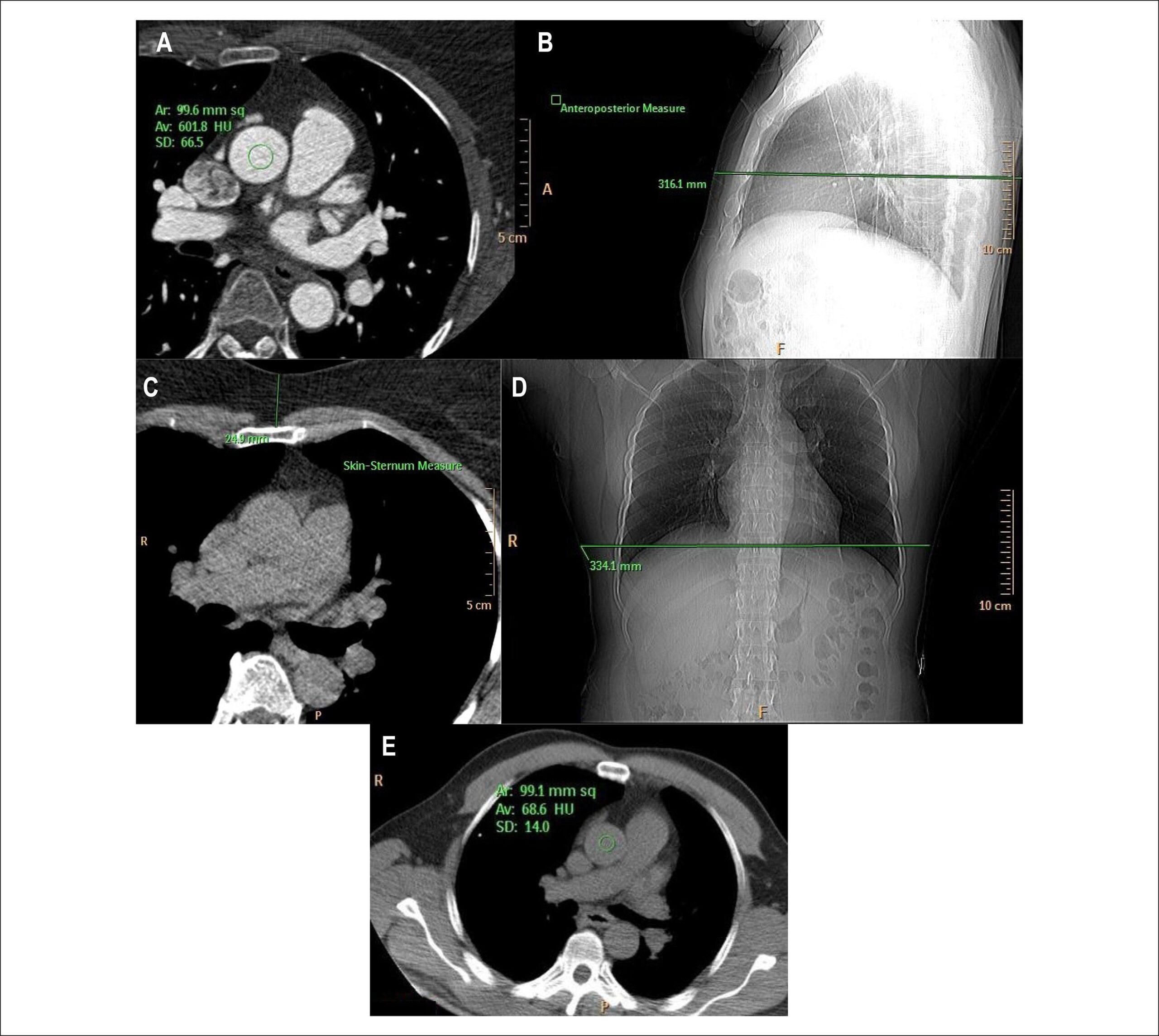
86 patients underwent prospective ECG-gated coronary computed tomographic angiography (CTA) and coronary calcium scoring (CAC) with 120 kV and 150 mA. The image quality was objectively measured by the image noise in the aorta in the cardiac CTA, and low noise was defined as noise < 30HU. The chest anteroposterior diameter and lateral width, the image noise in the aorta and the skin-sternum (SS) thickness were measured as predictors of cardiac CTA noise. The association of the predictors and image noise was performed by using Pearson correlation.

Results:

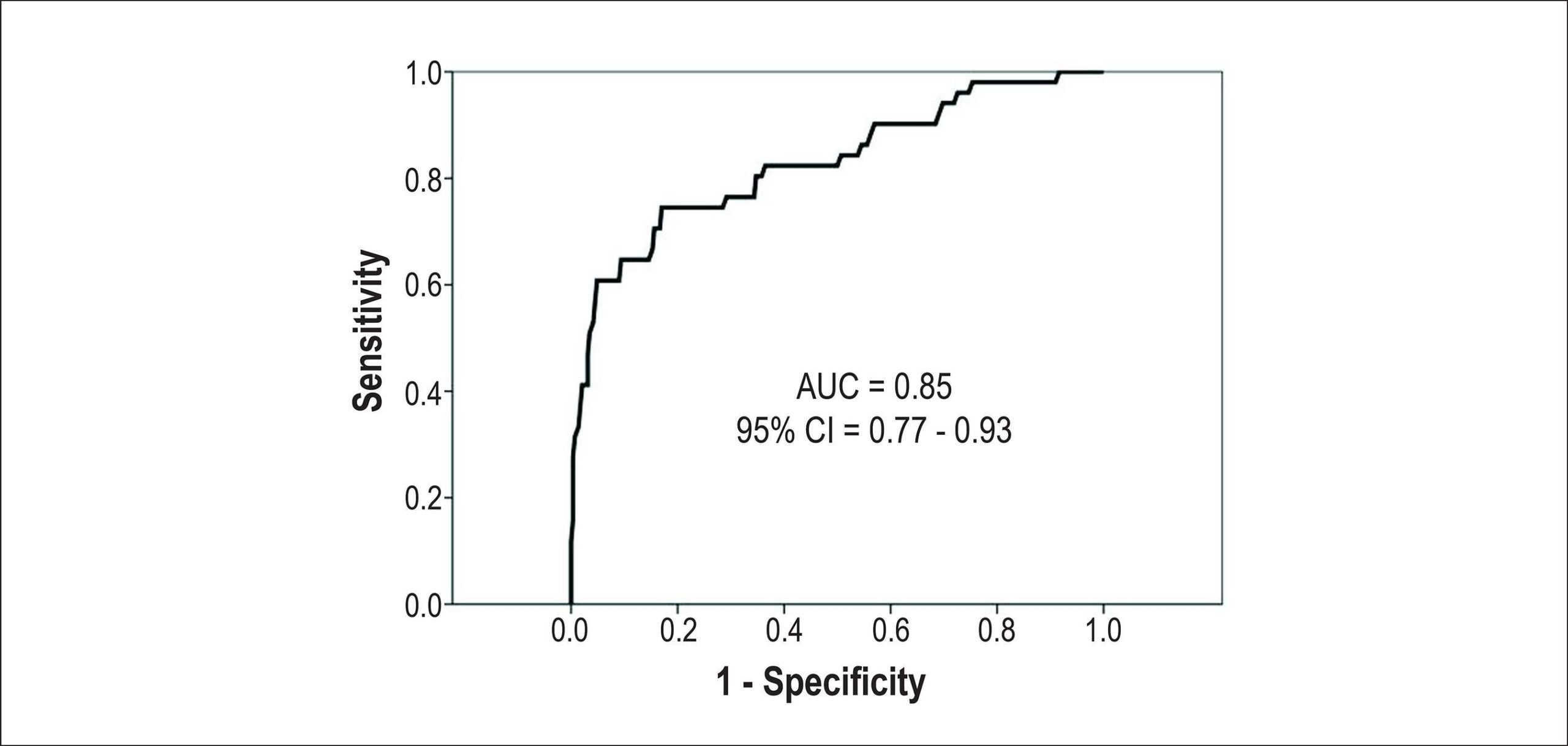
The mean radiation dose was 3.5 ± 1.5 mSv. The mean image noise in CT was 36.3 ± 8.5 HU, and the mean image noise in non-contrast scan was 17.7 ± 4.4 HU. All predictors were independently associated with cardiac CTA noise. The best predictors were SS thickness, with a correlation of 0.70 (p < 0.001), and noise in the non-contrast images, with a correlation of 0.73 (p < 0.001). When evaluating the ability to predict low image noise, the areas under the ROC curve for the non-contrast noise and for the SS thickness were 0.837 and 0.864, respectively.

Conclusion:

Both SS thickness and CAC noise are simple accurate predictors of cardiac CTA image noise. Those parameters can be incorporated in standard CT protocols to adequately adjust radiation exposure.

  • Artifacts
  • Computed Tomography
  • Radiation injuries
  • Sternum / radiation effects
Read Full Article
Creative Commons Attribution (CC BY) Creative Commons license
01/11/2013 DOI: 10.5935/abc.20130215 Views 1
Artigo Original

Cystatin C, CRP, log TG/HDLc and metabolic syndrome are associated with microalbuminuria in hypertension

Rafaela do Socorro Souza e Silva Moura et al. Daniel França Vasconcelos Eduardo Freitas Flavio José Dutra de Moura … Tânia Torres Rosa Joel Paulo Russomano Veiga

Background:

In patients with systemic hypertension, microalbuminuria is a marker of endothelial damage and is associated with an increased risk for cardiovascular disease.

Objective:

To determine the factors that may lead to the occurrence of microalbuminuria in hypertensive patients with serum creatinine lower than 1.5 mg/dL.

Methods:

This cross-sectional study included 133 Brazilians with essential hypertension followed up at a hypertension outpatient clinic. Those with serum creatinine higher than 1.5 mg/dL, as well as those with diabetes mellitus, were excluded. Systolic and diastolic blood pressures were measured, and body mass index (BMI) and GFR estimated by using the CKD-EPI formula were calculated. The serum levels of the following were assessed: CysC, creatinine, total cholesterol, HDL cholesterol, LDL cholesterol, triglycerides, C-reactive protein (CRP) and fasting glucose. Microalbuminuria was determined in 24-hour urine. Hypertensive patients were classified according to the presence of one or more criteria for metabolic syndrome.

Results:

In a multiple regression analysis, the serum levels of CysC and CRP, the atherogenic index log TG/HDLc and the presence of three or more criteria for metabolic syndrome were positively correlated with microalbuminuria (r2: 0.277, p < 0.05).

Conclusion:

CysC, CRP, log TG/HDLc, and the presence of three or more criteria for metabolic syndrome, regardless of serum creatinine, were associated with microalbuminuria, an early marker of kidney damage and cardiovascular risk in patients with essential hypertension.

  • albuminuria
  • Hypertension
  • Kidney, Diseases
  • Metabolic Syndrome X
Read Full Article
Creative Commons Attribution (CC BY) Creative Commons license
25/10/2013 DOI: 10.5935/abc.20130210
Figure 1
Artigo Original

Atrial Fibrillation Ablation by Use of Electroanatomical Mapping: Efficacy and Recurrence Factors

Carlos Kalil et al. Eduardo Bartholomay Anibal Borges Guilherme Gazzoni … Edimar de Lima Renata Etchepare Rafael Moraes Carolina Sussenbach Karina Andrade Renato Kalil

Background:

Radiofrequency catheter ablation guided by electroanatomical mapping is currently an important therapeutic option for the treatment of atrial fibrillation. The complexity of the procedure, the several techniques used and the diversity of the patients hinder the reproduction of the results and the indication for the procedure.

Objective:

To evaluate the efficacy and factors associated with recurrence of atrial fibrillation.

Methods:

Prospective cohort study with consecutive patients submitted to atrial fibrillation ablation treatment guided by electroanatomical mapping. The inclusion criteria were as follows: minimum age of 18 years; presence of paroxysmal, persistent or long-standing persistent AF; AF recording on an electrocardiogram, exercise testing or Holter monitoring (duration longer than 15 minutes); presence of symptoms associated with AF episodes; AF refractoriness to, at least, two antiarrhythmic drugs, one of which being amiodarone, or impossibility to use antiarrhythmic drugs.

Results:

The study included 95 patients (age 55 ± 12 years, 84% men, mean CHADS2 = 0.8) who underwent 102 procedures with a median follow-up of 13.4 months. The recurrence-free rate after the procedure was 75.5% after 12 months. Atrial fibrillation recurred as follows: 26.9% of patients with paroxysmal and persistent atrial fibrillation; 45.8% of patients with long-standing persistent atrial fibrillation (p = 0.04). Of the analyzed variables, the increased size of the left atrium has proven to be an independent predictor of atrial fibrillation recurrence after the procedure (HR = 2.58; 95% CI: 1.26-4.89). Complications occurred in 4.9% of the procedures.

Conclusion:

Atrial fibrillation ablation guided by electroanatomical mapping has shown good efficacy. The increase in left atrium size was associated with atrial fibrillation recurrence.

  • Arrhythmias Cardiac
  • Atrial Fibrillation
  • Catheter Ablation
  • Heart Atria
Read Full Article
Creative Commons Attribution (CC BY) Creative Commons license
25/10/2013 DOI: 10.5935/abc.20130211

How to cite this article

EndNote RIS

Electronic Document Format (Vancouver)

Fabregat-Andrés O, Bochard-Villanueva B. Fatal Infective Endocarditis in a Patient with Cardiac Resynchronization Therapy. Arquivos Brasileiros de Cardiologia 2014;102(1):e9.

Electronic Document Format (ABNT)

Fabregat-Andrés, Oscar; Bochard-Villanueva, Bruno. Fatal Infective Endocarditis in a Patient with Cardiac Resynchronization Therapy. Arquivos Brasileiros de Cardiologia, v. 102, n. 1, e9, Dec. 2013.

Electronic Document Format (APA)

Fabregat-Andrés, O., & Bochard-Villanueva, B. (2014). Fatal Infective Endocarditis in a Patient with Cardiac Resynchronization Therapy. Arquivos Brasileiros de Cardiologia, 102(1), e9.

Electronic Document Format (ISO)

Fabregat-Andrés, Oscar and Bochard-Villanueva, Bruno. Fatal Infective Endocarditis in a Patient with Cardiac Resynchronization Therapy. Arquivos Brasileiros de Cardiologia [online]. 2014, vol. 102, n. 1, [cited 2026-10-14], e9. Available from: <https://journals.cardiol.br/en/article/fatal-infective-endocarditis-in-a-patient-with-cardiac-resynchronization-therapy/>. ISSN 0066-782X

EndNote RIS

Electronic Document Format (Vancouver)

Anselm DD, Genaro NR, Baranchuk A. Possible Brugada Phenocopy Induced by Hypokalemia in a Patient with Congenital Hypokalemic Periodic Paralysis. Arquivos Brasileiros de Cardiologia 2014;102(1):104.

Electronic Document Format (ABNT)

Anselm, Daniel D.; Genaro, Natalia Rodriguez; Baranchuk, Adrian. Possible Brugada Phenocopy Induced by Hypokalemia in a Patient with Congenital Hypokalemic Periodic Paralysis. Arquivos Brasileiros de Cardiologia, v. 102, n. 1, p. 104-104, Dec. 2013.

Electronic Document Format (APA)

Anselm, D. D., Genaro, N. R., & Baranchuk, A. (2014). Possible Brugada Phenocopy Induced by Hypokalemia in a Patient with Congenital Hypokalemic Periodic Paralysis. Arquivos Brasileiros de Cardiologia, 102(1), 104-104.

Electronic Document Format (ISO)

Anselm, Daniel D. and Genaro, Natalia Rodriguez and Baranchuk, Adrian. Possible Brugada Phenocopy Induced by Hypokalemia in a Patient with Congenital Hypokalemic Periodic Paralysis. Arquivos Brasileiros de Cardiologia [online]. 2014, vol. 102, n. 1, [cited 2026-10-14], pp. 104-104. Available from: <https://journals.cardiol.br/en/article/possible-brugada-phenocopy-induced-by-hypokalemia-in-a-patient-with-congenital-hypokalemic-periodic-paralysis/>. ISSN 0066-782X

EndNote RIS

Electronic Document Format (Vancouver)

Moreira LFP. The Arquivos Brasileiros de Cardiologia and the Dissemination of Cardiovascular Science Research in Brazil. Arquivos Brasileiros de Cardiologia 2014;102(1):1-2.

Electronic Document Format (ABNT)

Moreira, Luiz Felipe P.. The Arquivos Brasileiros de Cardiologia and the Dissemination of Cardiovascular Science Research in Brazil. Arquivos Brasileiros de Cardiologia, v. 102, n. 1, p. 1-2, Dec. 2013.

Electronic Document Format (APA)

Moreira, L. F. P. (2014). The Arquivos Brasileiros de Cardiologia and the Dissemination of Cardiovascular Science Research in Brazil. Arquivos Brasileiros de Cardiologia, 102(1), 1-2.

Electronic Document Format (ISO)

Moreira, Luiz Felipe P.. The Arquivos Brasileiros de Cardiologia and the Dissemination of Cardiovascular Science Research in Brazil. Arquivos Brasileiros de Cardiologia [online]. 2014, vol. 102, n. 1, [cited 2026-10-14], pp. 1-2. Available from: <https://journals.cardiol.br/en/article/the-arquivos-brasileiros-de-cardiologia-and-the-dissemination-of-cardiovascular-science-research-in-brazil/>. ISSN 0066-782X

EndNote RIS

Electronic Document Format (Vancouver)

Corral P. Back to Basics: PCSK9 as a New Target for the LDL Receptor. Arquivos Brasileiros de Cardiologia 2014;102(1):e5.

Electronic Document Format (ABNT)

Corral, Pablo. Back to Basics: PCSK9 as a New Target for the LDL Receptor. Arquivos Brasileiros de Cardiologia, v. 102, n. 1, e5, Dec. 2013.

Electronic Document Format (APA)

Corral, P. (2014). Back to Basics: PCSK9 as a New Target for the LDL Receptor. Arquivos Brasileiros de Cardiologia, 102(1), e5.

Electronic Document Format (ISO)

Corral, Pablo. Back to Basics: PCSK9 as a New Target for the LDL Receptor. Arquivos Brasileiros de Cardiologia [online]. 2014, vol. 102, n. 1, [cited 2026-10-14], e5. Available from: <https://journals.cardiol.br/en/article/back-to-basics-pcsk9-as-a-new-target-for-the-ldl-receptor/>. ISSN 0066-782X

EndNote RIS

Electronic Document Format (Vancouver)

Atik E, Jatene MB, Marques PO, Succi FP. Case 1/2014 – 24-Year-Old Man with Left Single Ventricle in Chronic Hypoxia. Arquivos Brasileiros de Cardiologia 2014;102(1):e1.

Electronic Document Format (ABNT)

Atik, Edmar; Jatene, Marcelo B.; Marques, Patricia O.; Succi, Fabiana Passos. Case 1/2014 – 24-Year-Old Man with Left Single Ventricle in Chronic Hypoxia. Arquivos Brasileiros de Cardiologia, v. 102, n. 1, e1, Dec. 2013.

Electronic Document Format (APA)

Atik, E., Jatene, M. B., Marques, P. O., & Succi, F. P. (2014). Case 1/2014 – 24-Year-Old Man with Left Single Ventricle in Chronic Hypoxia. Arquivos Brasileiros de Cardiologia, 102(1), e1.

Electronic Document Format (ISO)

Atik, Edmar and Jatene, Marcelo B. and Marques, Patricia O. and Succi, Fabiana Passos. Case 1/2014 – 24-Year-Old Man with Left Single Ventricle in Chronic Hypoxia. Arquivos Brasileiros de Cardiologia [online]. 2014, vol. 102, n. 1, [cited 2026-10-14], e1. Available from: <https://journals.cardiol.br/en/article/case-1-2014-24-year-old-man-with-left-single-ventricle-in-chronic-hypoxia/>. ISSN 0066-782X

EndNote RIS

Electronic Document Format (Vancouver)

Rangel I, Vasconcelos M, Campelo M, Frutuoso C, Madureira AJ, Maciel MJ. Atypical Clinical Presentation of Arrhythmogenic Biventricular Cardiomyopathy. Arquivos Brasileiros de Cardiologia 2014;102(1):e3.

Electronic Document Format (ABNT)

Rangel, Inês; Vasconcelos, Mariana; Campelo, Manuel; Frutuoso, Cecília; Madureira, António José; Maciel, Maria Júlia. Atypical Clinical Presentation of Arrhythmogenic Biventricular Cardiomyopathy. Arquivos Brasileiros de Cardiologia, v. 102, n. 1, e3, Dec. 2013.

Electronic Document Format (APA)

Rangel, I., Vasconcelos, M., Campelo, M., Frutuoso, C., Madureira, A. J., & Maciel, M. J. (2014). Atypical Clinical Presentation of Arrhythmogenic Biventricular Cardiomyopathy. Arquivos Brasileiros de Cardiologia, 102(1), e3.

Electronic Document Format (ISO)

Rangel, Inês and Vasconcelos, Mariana and Campelo, Manuel and Frutuoso, Cecília and Madureira, António José and Maciel, Maria Júlia. Atypical Clinical Presentation of Arrhythmogenic Biventricular Cardiomyopathy. Arquivos Brasileiros de Cardiologia [online]. 2014, vol. 102, n. 1, [cited 2026-10-14], e3. Available from: <https://journals.cardiol.br/en/article/atypical-clinical-presentation-of-arrhythmogenic-biventricular-cardiomyopathy/>. ISSN 0066-782X

EndNote RIS

Electronic Document Format (Vancouver)

Evora PRB, Nather JC, Rodrigues AJ. Prevalence of Heart Disease Demonstrated in 60 Years of the Arquivos Brasileiros de Cardiologia. Arquivos Brasileiros de Cardiologia 2014;102(1):3-9.

Electronic Document Format (ABNT)

Evora, Paulo Roberto Barbosa; Nather, Julio Cesar; Rodrigues, Alfredo José. Prevalence of Heart Disease Demonstrated in 60 Years of the Arquivos Brasileiros de Cardiologia. Arquivos Brasileiros de Cardiologia, v. 102, n. 1, p. 3-9, Dec. 2013.

Electronic Document Format (APA)

Evora, P. R. B., Nather, J. C., & Rodrigues, A. J. (2014). Prevalence of Heart Disease Demonstrated in 60 Years of the Arquivos Brasileiros de Cardiologia. Arquivos Brasileiros de Cardiologia, 102(1), 3-9.

Electronic Document Format (ISO)

Evora, Paulo Roberto Barbosa and Nather, Julio Cesar and Rodrigues, Alfredo José. Prevalence of Heart Disease Demonstrated in 60 Years of the Arquivos Brasileiros de Cardiologia. Arquivos Brasileiros de Cardiologia [online]. 2014, vol. 102, n. 1, [cited 2026-10-14], pp. 3-9. Available from: <https://journals.cardiol.br/en/article/prevalence-of-heart-disease-demonstrated-in-60-years-of-the-arquivos-brasileiros-de-cardiologia/>. ISSN 0066-782X

EndNote RIS

Electronic Document Format (Vancouver)

Correia LCL, Barbosa CE. Association is Not the Same as Accuracy. Arquivos Brasileiros de Cardiologia 2014;102(1):105-6.

Electronic Document Format (ABNT)

Correia, Luis Cláudio Lemos; Barbosa, Carolina Esteves. Association is Not the Same as Accuracy. Arquivos Brasileiros de Cardiologia, v. 102, n. 1, p. 105-106, Dec. 2013.

Electronic Document Format (APA)

Correia, L. C. L., & Barbosa, C. E. (2014). Association is Not the Same as Accuracy. Arquivos Brasileiros de Cardiologia, 102(1), 105-106.

Electronic Document Format (ISO)

Correia, Luis Cláudio Lemos and Barbosa, Carolina Esteves. Association is Not the Same as Accuracy. Arquivos Brasileiros de Cardiologia [online]. 2014, vol. 102, n. 1, [cited 2026-10-14], pp. 105-106. Available from: <https://journals.cardiol.br/en/article/association-is-not-the-same-as-accuracy/>. ISSN 0066-782X

EndNote RIS

Electronic Document Format (Vancouver)

Ribeiro HB, Sarmento-Leite R, Siqueira DAA, Carvalho LA, Mangione JA, Rodés-Cabau J, Perin MA, et al. Coronary Obstruction Following Transcatheter Aortic Valve Implantation. Arquivos Brasileiros de Cardiologia 2014;102(1):93-6.

Electronic Document Format (ABNT)

Ribeiro, Henrique Barbosa; Sarmento-Leite, Rogério; Siqueira, Dimytri A. A.; Carvalho, Luiz Antônio; Mangione, José Armando; Rodés-Cabau, Josep; Perin, Marco A.; Brito Jr., Fábio Sandoli de. Coronary Obstruction Following Transcatheter Aortic Valve Implantation. Arquivos Brasileiros de Cardiologia, v. 102, n. 1, p. 93-96, Dec. 2013.

Electronic Document Format (APA)

Ribeiro, H. B., Sarmento-Leite, R., Siqueira, D. A. A., Carvalho, L. A., Mangione, J. A., Rodés-Cabau, J., Perin, M. A., & Brito Jr., F. S. (2014). Coronary Obstruction Following Transcatheter Aortic Valve Implantation. Arquivos Brasileiros de Cardiologia, 102(1), 93-96.

Electronic Document Format (ISO)

Ribeiro, Henrique Barbosa and Sarmento-Leite, Rogério and Siqueira, Dimytri A. A. and Carvalho, Luiz Antônio and Mangione, José Armando and Rodés-Cabau, Josep and Perin, Marco A. and Brito Jr., Fábio Sandoli de. Coronary Obstruction Following Transcatheter Aortic Valve Implantation. Arquivos Brasileiros de Cardiologia [online]. 2014, vol. 102, n. 1, [cited 2026-10-14], pp. 93-96. Available from: <https://journals.cardiol.br/en/article/coronary-obstruction-following-transcatheter-aortic-valve-implantation/>. ISSN 0066-782X

EndNote RIS

Electronic Document Format (Vancouver)

Abduch MCD, Assad RS, Mathias Jr W, Aiello VD. The echocardiography in the cardiovascular laboratory: a guide to research with animals. Arquivos Brasileiros de Cardiologia 2013;102(1):97-103.

Electronic Document Format (ABNT)

Abduch, Maria Cristina Donadio; Assad, Renato Samy; Mathias Jr, Wilson; Aiello, Vera Demarchi. The echocardiography in the cardiovascular laboratory: a guide to research with animals. Arquivos Brasileiros de Cardiologia, v. 102, n. 1, p. 97-103, Dec. 2013.

Electronic Document Format (APA)

Abduch, M. C. D., Assad, R. S., Mathias Jr, W., & Aiello, V. D. (2013). The echocardiography in the cardiovascular laboratory: a guide to research with animals. Arquivos Brasileiros de Cardiologia, 102(1), 97-103.

Electronic Document Format (ISO)

Abduch, Maria Cristina Donadio and Assad, Renato Samy and Mathias Jr, Wilson and Aiello, Vera Demarchi. The echocardiography in the cardiovascular laboratory: a guide to research with animals. Arquivos Brasileiros de Cardiologia [online]. 2013, vol. 102, n. 1, [cited 2026-10-14], pp. 97-103. Available from: <https://journals.cardiol.br/en/article/the-echocardiography-in-the-cardiovascular-laboratory-a-guide-to-research-with-animals/>. ISSN 0066-782X

EndNote RIS

Electronic Document Format (Vancouver)

Ribeiro VFA, Vasconcelos M, Melão F, Ferreira E, Malangatana G, Maciel MJ. Short and Long-Term Outcome of Stress-Induced Cardiomyopathy: What Can We Expect?. Arquivos Brasileiros de Cardiologia 2013;102(1):80-5.

Electronic Document Format (ABNT)

Ribeiro, Vânia Filipa Andrade; Vasconcelos, Mariana; Melão, Filipa; Ferreira, Ester; Malangatana, Gracieta; Maciel, Maria Júlia. Short and Long-Term Outcome of Stress-Induced Cardiomyopathy: What Can We Expect?. Arquivos Brasileiros de Cardiologia, v. 102, n. 1, p. 80-85, Nov. 2013.

Electronic Document Format (APA)

Ribeiro, V. F. A., Vasconcelos, M., Melão, F., Ferreira, E., Malangatana, G., & Maciel, M. J. (2013). Short and Long-Term Outcome of Stress-Induced Cardiomyopathy: What Can We Expect?. Arquivos Brasileiros de Cardiologia, 102(1), 80-85.

Electronic Document Format (ISO)

Ribeiro, Vânia Filipa Andrade and Vasconcelos, Mariana and Melão, Filipa and Ferreira, Ester and Malangatana, Gracieta and Maciel, Maria Júlia. Short and Long-Term Outcome of Stress-Induced Cardiomyopathy: What Can We Expect?. Arquivos Brasileiros de Cardiologia [online]. 2013, vol. 102, n. 1, [cited 2026-10-14], pp. 80-85. Available from: <https://journals.cardiol.br/en/article/short-and-long-term-outcome-of-stress-induced-cardiomyopathy-what-can-we-expect/>. ISSN 0066-782X

EndNote RIS

Electronic Document Format (Vancouver)

Borges JP, Masson GS, Tibiriçá E, Lessa MA. Aerobic Interval Exercise Training Induces Greater Reduction in Cardiac Workload in the Recovery Period in Rats. Arquivos Brasileiros de Cardiologia 2013;102(1):47-53.

Electronic Document Format (ABNT)

Borges, Juliana Pereira; Masson, Gustavo Santos; Tibiriçá, Eduardo; Lessa, Marcos Adriano. Aerobic Interval Exercise Training Induces Greater Reduction in Cardiac Workload in the Recovery Period in Rats. Arquivos Brasileiros de Cardiologia, v. 102, n. 1, p. 47-53, Nov. 2013.

Electronic Document Format (APA)

Borges, J. P., Masson, G. S., Tibiriçá, E., & Lessa, M. A. (2013). Aerobic Interval Exercise Training Induces Greater Reduction in Cardiac Workload in the Recovery Period in Rats. Arquivos Brasileiros de Cardiologia, 102(1), 47-53.

Electronic Document Format (ISO)

Borges, Juliana Pereira and Masson, Gustavo Santos and Tibiriçá, Eduardo and Lessa, Marcos Adriano. Aerobic Interval Exercise Training Induces Greater Reduction in Cardiac Workload in the Recovery Period in Rats. Arquivos Brasileiros de Cardiologia [online]. 2013, vol. 102, n. 1, [cited 2026-10-14], pp. 47-53. Available from: <https://journals.cardiol.br/en/article/aerobic-interval-exercise-training-induces-greater-reduction-in-cardiac-workload-in-the-recovery-period-in-rats/>. ISSN 0066-782X

EndNote RIS

Electronic Document Format (Vancouver)

Albuquerque FN, Brandão AA, Silva DA, Mourilhe-Rocha R, Duque GS, Gondar AFP, Neves LMA, et al. Angiotensin-converting enzyme genetic polymorphism: its impact on cardiac remodeling. Arquivos Brasileiros de Cardiologia 2013;102(1):70-9.

Electronic Document Format (ABNT)

Albuquerque, Felipe Neves de; Brandão, Andréa Araujo; Silva, Dayse Aparecida da; Mourilhe-Rocha, Ricardo; Duque, Gustavo Salgado; Gondar, Alyne Freitas Pereira; Neves, Luiza Maceira de Almeida; Bittencourt, Marcelo Imbroinise; Pozzan, Roberto; Albuquerque, Denilson Campos de. Angiotensin-converting enzyme genetic polymorphism: its impact on cardiac remodeling. Arquivos Brasileiros de Cardiologia, v. 102, n. 1, p. 70-79, Nov. 2013.

Electronic Document Format (APA)

Albuquerque, F. N. , Brandão, A. A., Silva, D. A. , Mourilhe-Rocha, R., Duque, G. S., Gondar, A. F. P., Neves, L. M. A., Bittencourt, M. I., Pozzan, R., & Albuquerque, D. C. (2013). Angiotensin-converting enzyme genetic polymorphism: its impact on cardiac remodeling. Arquivos Brasileiros de Cardiologia, 102(1), 70-79.

Electronic Document Format (ISO)

Albuquerque, Felipe Neves de and Brandão, Andréa Araujo and Silva, Dayse Aparecida da and Mourilhe-Rocha, Ricardo and Duque, Gustavo Salgado and Gondar, Alyne Freitas Pereira and Neves, Luiza Maceira de Almeida and Bittencourt, Marcelo Imbroinise and Pozzan, Roberto and Albuquerque, Denilson Campos de. Angiotensin-converting enzyme genetic polymorphism: its impact on cardiac remodeling. Arquivos Brasileiros de Cardiologia [online]. 2013, vol. 102, n. 1, [cited 2026-10-14], pp. 70-79. Available from: <https://journals.cardiol.br/en/article/angiotensin-converting-enzyme-genetic-polymorphism-its-impact-on-cardiac-remodeling/>. ISSN 0066-782X

EndNote RIS

Electronic Document Format (Vancouver)

Campana EMG, Brandão AA, Pozzan R, Magalhães MEC, Fonseca FL, Pizzi OL, Freitas EV, et al. Blood Pressure in Adolescence, Adipokines and Inflammation in Young Adults. The Rio de Janeiro Study. Arquivos Brasileiros de Cardiologia 2013;102(1):60-9.

Electronic Document Format (ABNT)

Campana, Erika Maria Gonçalves; Brandão, Andréa Araujo; Pozzan, Roberto; Magalhães, Maria Eliane Campos; Fonseca, Flávia Lopes; Pizzi, Oswaldo Luiz; Freitas, Elizabete Viana de; Brandão, Ayrton Pires. Blood Pressure in Adolescence, Adipokines and Inflammation in Young Adults. The Rio de Janeiro Study. Arquivos Brasileiros de Cardiologia, v. 102, n. 1, p. 60-69, Nov. 2013.

Electronic Document Format (APA)

Campana, E. M. G., Brandão, A. A., Pozzan, R., Magalhães, M. E. C., Fonseca, F. L., Pizzi, O. L., Freitas, E. V. , & Brandão, A. P. (2013). Blood Pressure in Adolescence, Adipokines and Inflammation in Young Adults. The Rio de Janeiro Study. Arquivos Brasileiros de Cardiologia, 102(1), 60-69.

Electronic Document Format (ISO)

Campana, Erika Maria Gonçalves and Brandão, Andréa Araujo and Pozzan, Roberto and Magalhães, Maria Eliane Campos and Fonseca, Flávia Lopes and Pizzi, Oswaldo Luiz and Freitas, Elizabete Viana de and Brandão, Ayrton Pires. Blood Pressure in Adolescence, Adipokines and Inflammation in Young Adults. The Rio de Janeiro Study. Arquivos Brasileiros de Cardiologia [online]. 2013, vol. 102, n. 1, [cited 2026-10-14], pp. 60-69. Available from: <https://journals.cardiol.br/en/article/blood-pressure-in-adolescence-adipokines-and-inflammation-in-young-adults-the-rio-de-janeiro-study/>. ISSN 0066-782X

EndNote RIS

Electronic Document Format (Vancouver)

Crispim PAA, Peixoto MRG, Jardim PCBV. Risk Factors Associated with High Blood Pressure in Two-to Five-Year-Old Children. Arquivos Brasileiros de Cardiologia 2013;102(1):39-46.

Electronic Document Format (ABNT)

Crispim, Paula Azevedo Aranha; Peixoto, Maria do Rosário Gondim; Jardim, Paulo César Brandão Veiga. Risk Factors Associated with High Blood Pressure in Two-to Five-Year-Old Children. Arquivos Brasileiros de Cardiologia, v. 102, n. 1, p. 39-46, Nov. 2013.

Electronic Document Format (APA)

Crispim, P. A. A., Peixoto, M. R. G., & Jardim, P. C. B. V. (2013). Risk Factors Associated with High Blood Pressure in Two-to Five-Year-Old Children. Arquivos Brasileiros de Cardiologia, 102(1), 39-46.

Electronic Document Format (ISO)

Crispim, Paula Azevedo Aranha and Peixoto, Maria do Rosário Gondim and Jardim, Paulo César Brandão Veiga. Risk Factors Associated with High Blood Pressure in Two-to Five-Year-Old Children. Arquivos Brasileiros de Cardiologia [online]. 2013, vol. 102, n. 1, [cited 2026-10-14], pp. 39-46. Available from: <https://journals.cardiol.br/en/article/risk-factors-associated-with-high-blood-pressure-in-two-to-five-year-old-children/>. ISSN 0066-782X

EndNote RIS

Electronic Document Format (Vancouver)

Efe D, Aygün F. Assessment of the Relationship between Non-Alcoholic Fatty Liver Disease and CAD using MSCT. Arquivos Brasileiros de Cardiologia 2013;102(1):10-8.

Electronic Document Format (ABNT)

Efe, Duran; Aygün, Fatih. Assessment of the Relationship between Non-Alcoholic Fatty Liver Disease and CAD using MSCT. Arquivos Brasileiros de Cardiologia, v. 102, n. 1, p. 10-18, Nov. 2013.

Electronic Document Format (APA)

Efe, D., & Aygün, F. (2013). Assessment of the Relationship between Non-Alcoholic Fatty Liver Disease and CAD using MSCT. Arquivos Brasileiros de Cardiologia, 102(1), 10-18.

Electronic Document Format (ISO)

Efe, Duran and Aygün, Fatih. Assessment of the Relationship between Non-Alcoholic Fatty Liver Disease and CAD using MSCT. Arquivos Brasileiros de Cardiologia [online]. 2013, vol. 102, n. 1, [cited 2026-10-14], pp. 10-18. Available from: <https://journals.cardiol.br/en/article/assessment-of-the-relationship-between-non-alcoholic-fatty-liver-disease-and-cad-using-msct/>. ISSN 0066-782X

EndNote RIS

Electronic Document Format (Vancouver)

Mornos C, Petrescu L, Cozma D, Ionac A. A New Tissue Doppler Index to Predict Cardiac Death in Patients with Heart Failure. Arquivos Brasileiros de Cardiologia 2013;102(1):19-2.

Electronic Document Format (ABNT)

Mornos, Cristian; Petrescu, Lucian; Cozma, Dragos; Ionac, Adina. A New Tissue Doppler Index to Predict Cardiac Death in Patients with Heart Failure. Arquivos Brasileiros de Cardiologia, v. 102, n. 1, p. 19-29, Nov. 2013.

Electronic Document Format (APA)

Mornos, C., Petrescu, L., Cozma, D., & Ionac, A. (2013). A New Tissue Doppler Index to Predict Cardiac Death in Patients with Heart Failure. Arquivos Brasileiros de Cardiologia, 102(1), 19-29.

Electronic Document Format (ISO)

Mornos, Cristian and Petrescu, Lucian and Cozma, Dragos and Ionac, Adina. A New Tissue Doppler Index to Predict Cardiac Death in Patients with Heart Failure. Arquivos Brasileiros de Cardiologia [online]. 2013, vol. 102, n. 1, [cited 2026-10-14], pp. 19-29. Available from: <https://journals.cardiol.br/en/article/a-new-tissue-doppler-index-to-predict-cardiac-death-in-patients-with-heart-failure/>. ISSN 0066-782X

EndNote RIS

Electronic Document Format (Vancouver)

Staniak HL, Sharovsky R, Pereira AC, Castro CC, Benseñor IM, Lotufo PA, Bittencourt MS, et al. Subcutaneous Tissue Thickness is an Independent Predictor of Image Noise in Cardiac CT. Arquivos Brasileiros de Cardiologia 2013;102(1):86-92.

Electronic Document Format (ABNT)

Staniak, Henrique Lane; Sharovsky, Rodolfo; Pereira, Alexandre Costa; Castro, Cláudio Campi de; Benseñor, Isabela M.; Lotufo, Paulo A.; Bittencourt, Márcio Sommer. Subcutaneous Tissue Thickness is an Independent Predictor of Image Noise in Cardiac CT. Arquivos Brasileiros de Cardiologia, v. 102, n. 1, p. 86-92, Oct. 2013.

Electronic Document Format (APA)

Staniak, H. L., Sharovsky, R., Pereira, A. C., Castro, C. C. , Benseñor, I. M., Lotufo, P. A., & Bittencourt, M. S. (2013). Subcutaneous Tissue Thickness is an Independent Predictor of Image Noise in Cardiac CT. Arquivos Brasileiros de Cardiologia, 102(1), 86-92.

Electronic Document Format (ISO)

Staniak, Henrique Lane and Sharovsky, Rodolfo and Pereira, Alexandre Costa and Castro, Cláudio Campi de and Benseñor, Isabela M. and Lotufo, Paulo A. and Bittencourt, Márcio Sommer. Subcutaneous Tissue Thickness is an Independent Predictor of Image Noise in Cardiac CT. Arquivos Brasileiros de Cardiologia [online]. 2013, vol. 102, n. 1, [cited 2026-10-14], pp. 86-92. Available from: <https://journals.cardiol.br/en/article/subcutaneous-tissue-thickness-is-an-independent-predictor-of-image-noise-in-cardiac-ct/>. ISSN 0066-782X

EndNote RIS

Electronic Document Format (Vancouver)

Moura RSSS, Vasconcelos DF, Freitas E, Moura FJD, Rosa TT, Veiga JPR. Cystatin C, CRP, log TG/HDLc and metabolic syndrome are associated with microalbuminuria in hypertension. Arquivos Brasileiros de Cardiologia 2013;102(1):54-9.

Electronic Document Format (ABNT)

Moura, Rafaela do Socorro Souza e Silva; Vasconcelos, Daniel França; Freitas, Eduardo; Moura, Flavio José Dutra de; Rosa, Tânia Torres; Veiga, Joel Paulo Russomano. Cystatin C, CRP, log TG/HDLc and metabolic syndrome are associated with microalbuminuria in hypertension. Arquivos Brasileiros de Cardiologia, v. 102, n. 1, p. 54-59, Oct. 2013.

Electronic Document Format (APA)

Moura, R. S. S. S., Vasconcelos, D. F., Freitas, E., Moura, F. J. D. , Rosa, T. T., & Veiga, J. P. R. (2013). Cystatin C, CRP, log TG/HDLc and metabolic syndrome are associated with microalbuminuria in hypertension. Arquivos Brasileiros de Cardiologia, 102(1), 54-59.

Electronic Document Format (ISO)

Moura, Rafaela do Socorro Souza e Silva and Vasconcelos, Daniel França and Freitas, Eduardo and Moura, Flavio José Dutra de and Rosa, Tânia Torres and Veiga, Joel Paulo Russomano. Cystatin C, CRP, log TG/HDLc and metabolic syndrome are associated with microalbuminuria in hypertension. Arquivos Brasileiros de Cardiologia [online]. 2013, vol. 102, n. 1, [cited 2026-10-14], pp. 54-59. Available from: <https://journals.cardiol.br/en/article/cystatin-c-crp-log-tg-hdlc-and-metabolic-syndrome-are-associated-with-microalbuminuria-in-hypertension/>. ISSN 0066-782X

EndNote RIS

Electronic Document Format (Vancouver)

Kalil C, Bartholomay E, Borges A, Gazzoni G, Lima E, Etchepare R, Moraes R, et al. Atrial Fibrillation Ablation by Use of Electroanatomical Mapping: Efficacy and Recurrence Factors. Arquivos Brasileiros de Cardiologia 2013;102(1):30-8.

Electronic Document Format (ABNT)

Kalil, Carlos; Bartholomay, Eduardo; Borges, Anibal; Gazzoni, Guilherme; Lima, Edimar de; Etchepare, Renata; Moraes, Rafael; Sussenbach, Carolina; Andrade, Karina; Kalil, Renato. Atrial Fibrillation Ablation by Use of Electroanatomical Mapping: Efficacy and Recurrence Factors. Arquivos Brasileiros de Cardiologia, v. 102, n. 1, p. 30-38, Oct. 2013.

Electronic Document Format (APA)

Kalil, C., Bartholomay, E., Borges, A., Gazzoni, G., Lima, E. , Etchepare, R., Moraes, R., Sussenbach, C., Andrade, K., & Kalil, R. (2013). Atrial Fibrillation Ablation by Use of Electroanatomical Mapping: Efficacy and Recurrence Factors. Arquivos Brasileiros de Cardiologia, 102(1), 30-38.

Electronic Document Format (ISO)

Kalil, Carlos and Bartholomay, Eduardo and Borges, Anibal and Gazzoni, Guilherme and Lima, Edimar de and Etchepare, Renata and Moraes, Rafael and Sussenbach, Carolina and Andrade, Karina and Kalil, Renato. Atrial Fibrillation Ablation by Use of Electroanatomical Mapping: Efficacy and Recurrence Factors. Arquivos Brasileiros de Cardiologia [online]. 2013, vol. 102, n. 1, [cited 2026-10-14], pp. 30-38. Available from: <https://journals.cardiol.br/en/article/atrial-fibrillation-ablation-by-use-of-electroanatomical-mapping-efficacy-and-recurrence-factors/>. ISSN 0066-782X

Sede – Rio de Janeiro
Av. Marechal Câmara, 160
3º andar – Sala: 330 – Centro
Rio de Janeiro – CEP: 20020-907
Tel.: (55 +21) 3478-2700
ou (21) 99386-3961
E-mail: revista@cardiol.br

Sede – São Paulo
Alameda Santos, 705 – 11º andar
Cerqueira César | São Paulo
CEP: 01419-001
Tel.: (55 +11) 3411-5500
E-mail: revista@cardiol.br

  • About the Journal
  • Internal Regulation
  • Editors Section
  • Editorial Board
  • History
  • SBC Award

  • Guidelines for Publication
  • Editorial Policy
  • Ethics Policy
  • Policy on the Use of Artificial Intelligence
  • Mandatory Publication Form
  • Publication Fee

Issues

SBC Guidelines

  • How to Publish an Abstract Supplement?
  • Supplements from the Brazilian Congress of Cardiology