Back to Basics: PCSK9 as a New Target for the LDL Receptor
Introduction
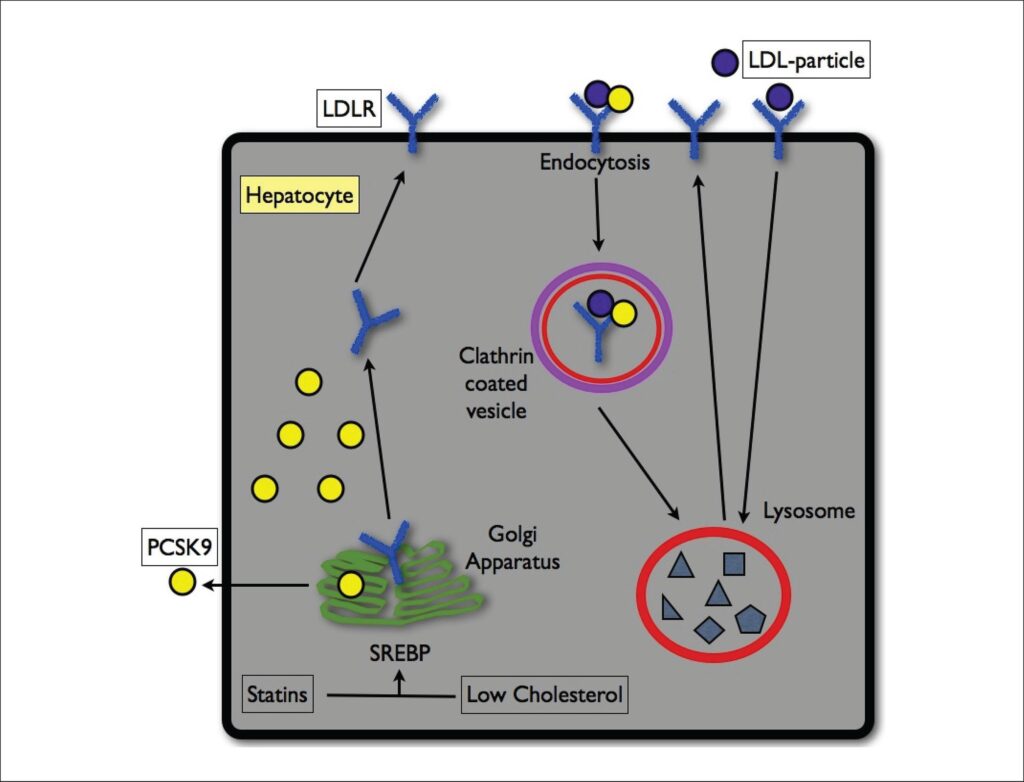
Forty years after Goldstein and Brown’s discovery of the low density lipoprotein receptor (LDLR) and 25 years after the introduction of the statins, a cornerstone of the atherosclerotic disease management, the view of the scientific community studying the process of atherosclerosis turns once again to the LDLR through the action mechanism of proprotein convertase subtilisin/kexin type 9 (PCSK9).
The assessment of genetic polymorphism with unexpected results in large studies revived the hypothesis about the important role of high density lipoprotein cholesterol (HDL-C) in lipoprotein metabolism; the apparent eternal debate about the contribution of triglycerides (TG) and their remnants to the phenomenon of atherogenesis. Such advances have lead to the re-prioritization of LDL management as a central and primary objective towards the prevention of the morbidity and mortality main cause in the Western world, atherosclerosis.
[…]
Images
Image gallery fullscreen viewer
Comments are moderated by the editorial team before publication. Discussions should be evidence-based and use scientific language. Conflicts of interest should be declared.