Unrecognized Chronic Kidney Disease and the Therapeutic Gap in Outpatients with Heart Failure and Reduced Ejection Fraction
Abstract
Background
Chronic kidney disease (CKD) is common in heart failure with reduced ejection fraction (HFrEF), but its true prevalence may substantially exceed formal diagnosis, contributing to undertreatment with guideline-directed medical therapy (GDMT).
Objectives
To determine the prevalence of unrecognized CKD in an HFrEF outpatient clinic, compare optimized medical therapy (OMT) according to renal status and KDIGO stages, and identify independent predictors of OMT.
Methods
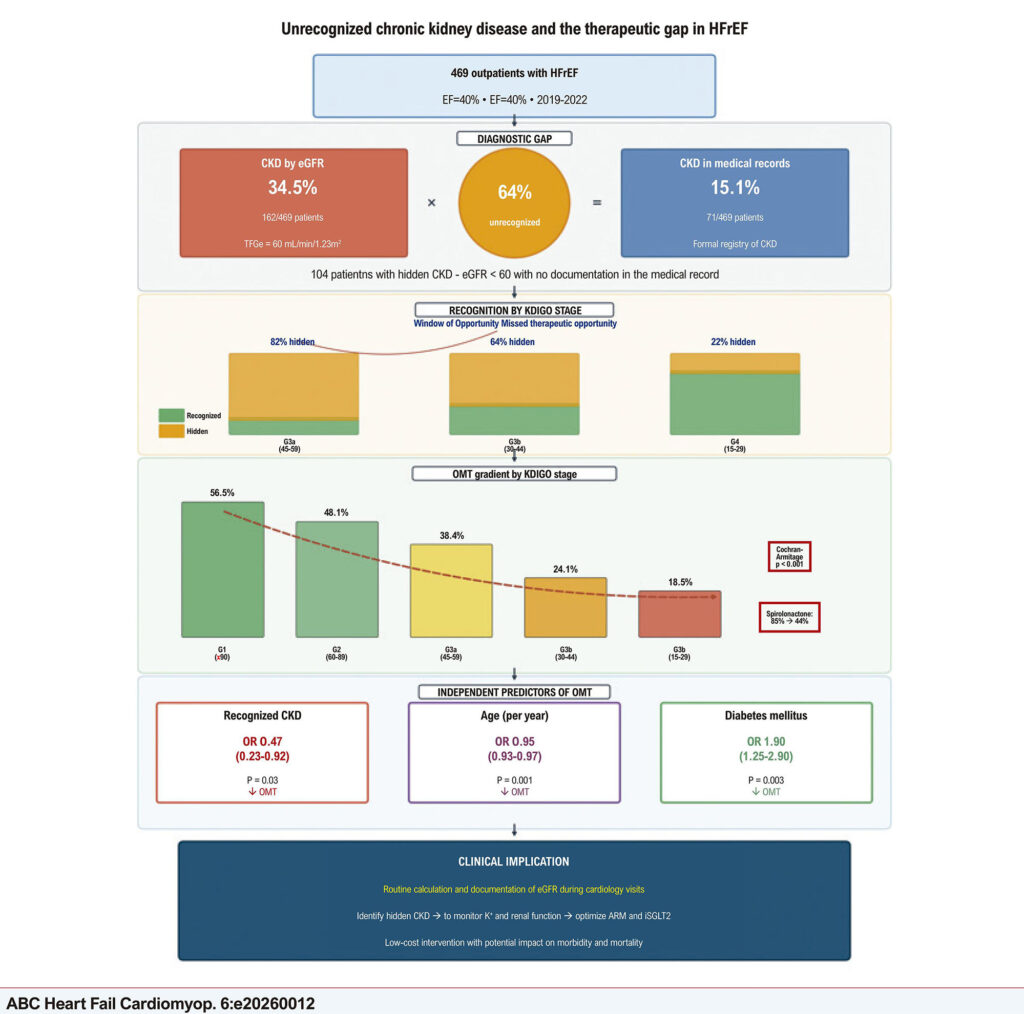
Analytical cross-sectional study including 469 patients with HFrEF (LVEF ≤ 40%) followed between 2019–2022 with calculable eGFR (CKD-EPI 2021). Classification: no CKD (eGFR ≥ 60; n = 307), hidden CKD (eGFR < 60 without documentation; n = 104), and recognized CKD (formal documentation; n = 58). OMT was defined as RAAS blockade + beta-blocker + MRA at ≥ 50% of target doses.
Results
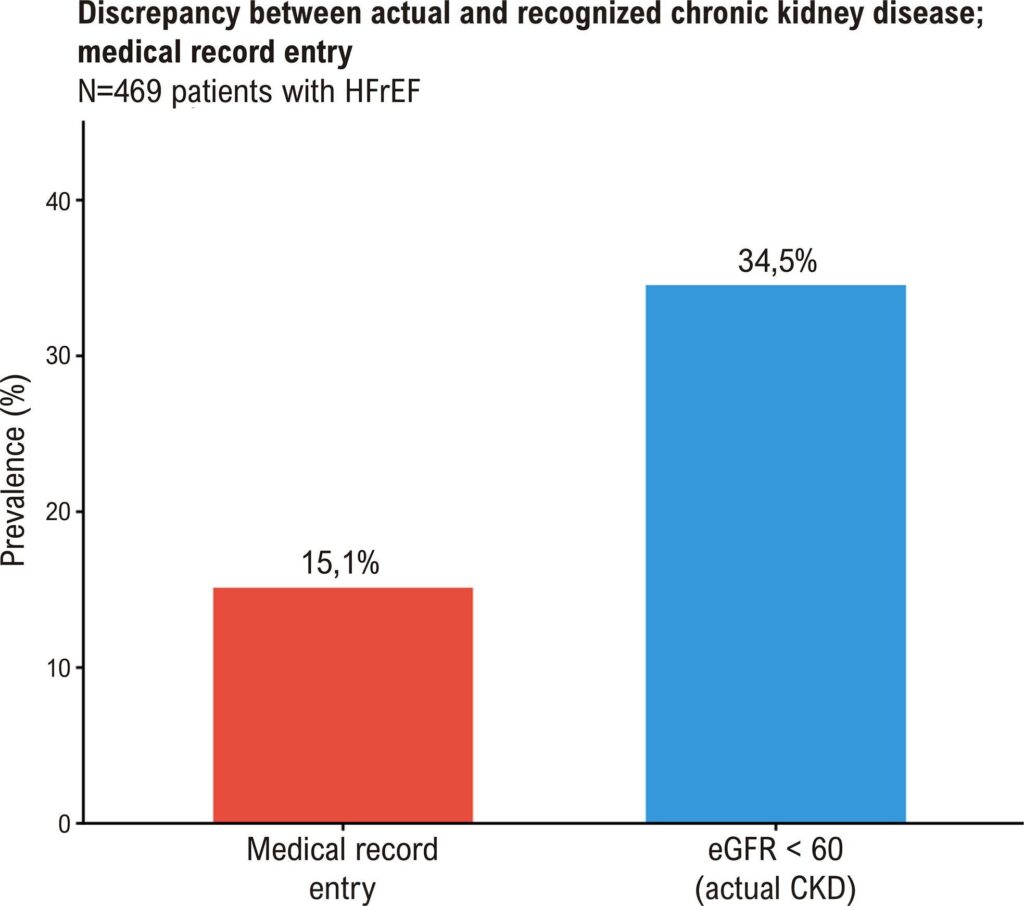
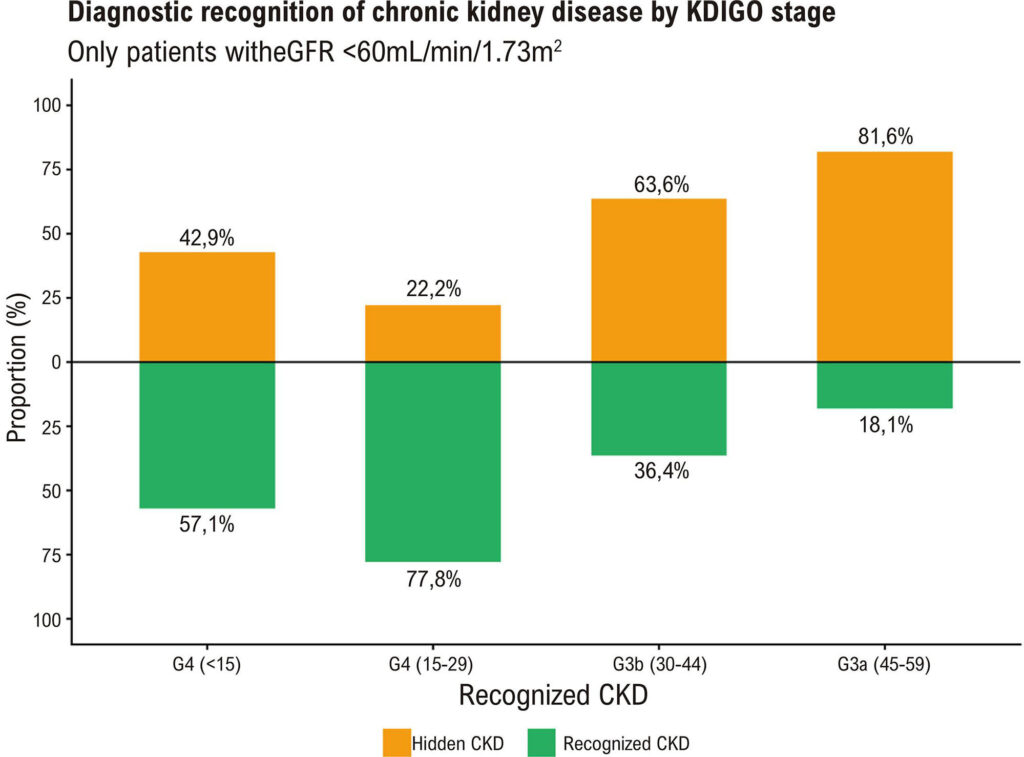
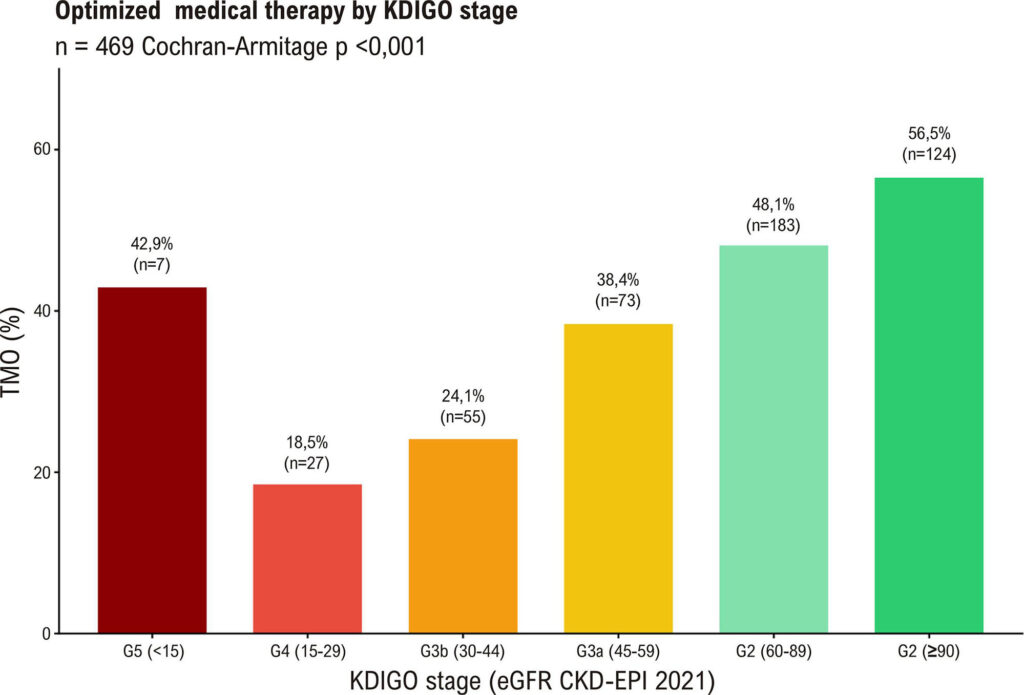
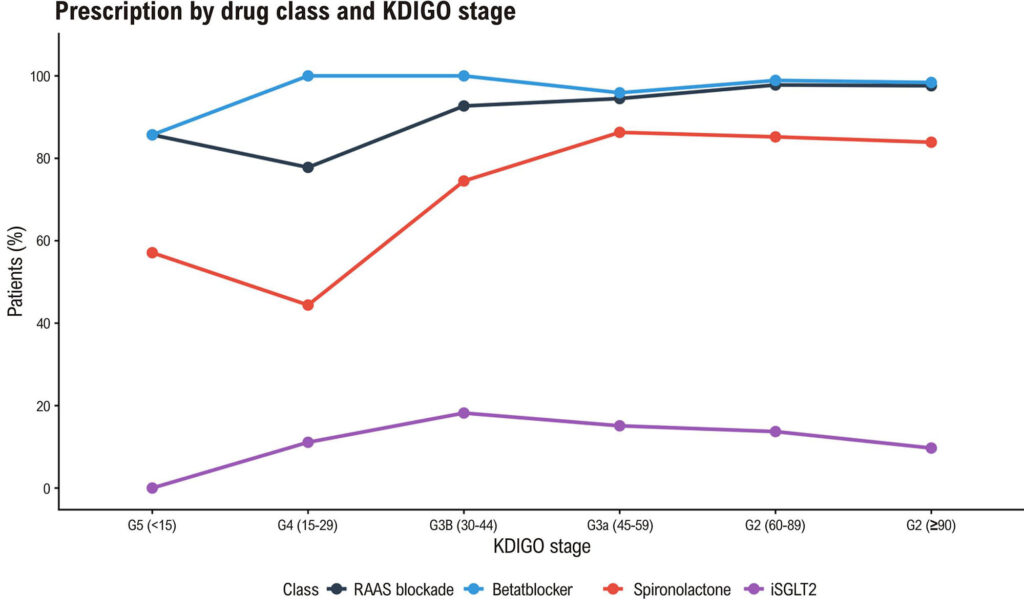
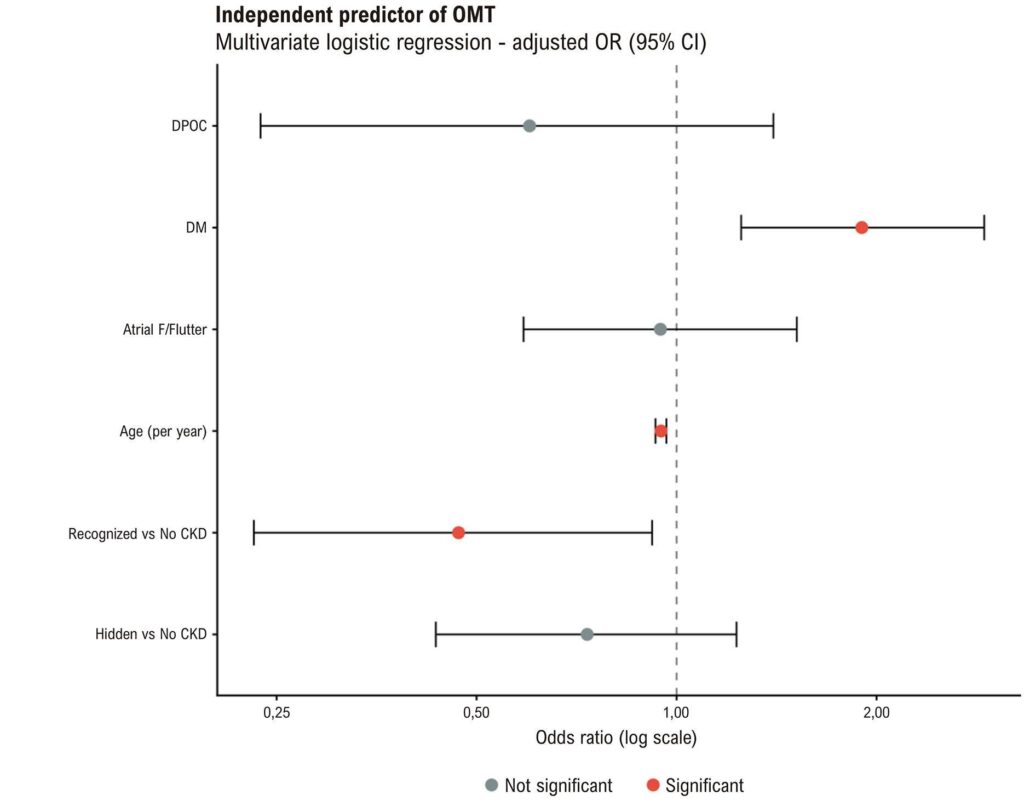
CKD affected 34.5% by eGFR, but only 15.1% had documentation – 64% were hidden, predominantly G3a (82%) and G3b (64%). OMT followed a monotonic gradient across KDIGO stages: G1 56.5%, G2 48.1%, G3a 38.4%, G3b 24.1%, G4 18.5% (Cochran–Armitage p < 0.001). Spironolactone was the most affected therapy (84.7% vs. 60.3%; p < 0.001). In multivariable analysis, recognized CKD was associated with lower OMT (OR 0.47; 95% CI 0.23–0.92; p = 0.03), along with age (OR 0.95/year; p < 0.001), while diabetes was paradoxically associated with higher OMT (OR 1.90; p = 0.003).
Conclusion
Nearly two-thirds of CKD cases in HFrEF are unrecognized, concentrated in moderate stages where therapeutic benefit is greatest. Routine calculation of eGFR is a simple intervention to reduce this gap.
Images
Image gallery fullscreen viewer
Comments are moderated by the editorial team before publication. Discussions should be evidence-based and use scientific language. Conflicts of interest should be declared.