ABC Family Arquivos Brasileiros de Cardiologia International Journal of Cardiovascular Sciences ABC Heart Failure & Cardiomyopathy ABC Imagem Cardiovascular
Português English
ABC Family
Português English
  • About
    • About ABC Family
    • Internal Regulation
    • Editorial Board
    • Brazilian Society of Cardiology (SBC)
  • Issues
  • SBC Guidelines
  • Content
    • Videos
    • Podcasts
    • News
  • About
    • About ABC Family
    • Internal Regulation
    • Editorial Board
    • Brazilian Society of Cardiology (SBC)
  • Issues
  • SBC Guidelines
  • Content
    • Videos
    • Podcasts
    • News

ABC Family

  • ABC Family
  • Arquivos Brasileiros de Cardiologia
  • International Journal of Cardiovascular Sciences
  • ABC Heart Failure & Cardiomyopathy
  • ABC Imagem Cardiovascular
Search in

No content found.

Journals
Ordering
Article types
Others

  1. Home
  2. Keyword: Mineralocorticoid Receptor Antagonists
Central Illustration
ABCHF
Original Article

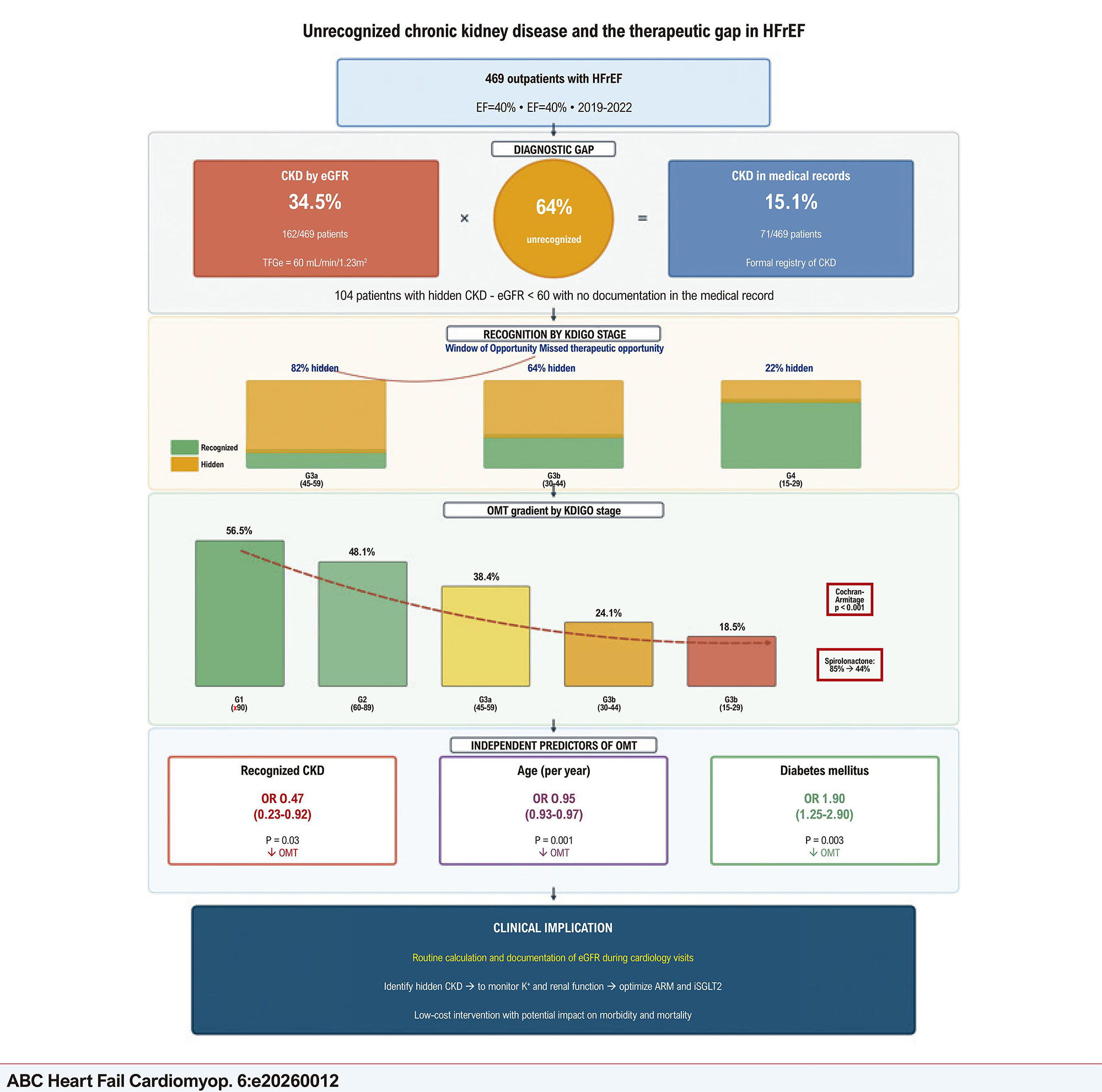
Unrecognized Chronic Kidney Disease and the Therapeutic Gap in Outpatients with Heart Failure and Reduced Ejection Fraction

Felipe Lopes Grillo et al. Julia Rosembach Bruscato Felipe Storm Ross Eduardo Zanetti Bergamaschi … Gabriel Della Torres Marinho Juliana Berndt Nunes Rosane Carolina Paes De Lira Lidia Ana Zytynski Moura

Abstract

Background

Chronic kidney disease (CKD) is common in heart failure with reduced ejection fraction (HFrEF), but its true prevalence may substantially exceed formal diagnosis, contributing to undertreatment with guideline-directed medical therapy (GDMT).

Objectives

To determine the prevalence of unrecognized CKD in an HFrEF outpatient clinic, compare optimized medical therapy (OMT) according to renal status and KDIGO stages, and identify independent predictors of OMT.

Methods

Analytical cross-sectional study including 469 patients with HFrEF (LVEF ≤ 40%) followed between 2019–2022 with calculable eGFR (CKD-EPI 2021). Classification: no CKD (eGFR ≥ 60; n = 307), hidden CKD (eGFR < 60 without documentation; n = 104), and recognized CKD (formal documentation; n = 58). OMT was defined as RAAS blockade + beta-blocker + MRA at ≥ 50% of target doses.

Results

CKD affected 34.5% by eGFR, but only 15.1% had documentation – 64% were hidden, predominantly G3a (82%) and G3b (64%). OMT followed a monotonic gradient across KDIGO stages: G1 56.5%, G2 48.1%, G3a 38.4%, G3b 24.1%, G4 18.5% (Cochran–Armitage p < 0.001). Spironolactone was the most affected therapy (84.7% vs. 60.3%; p < 0.001). In multivariable analysis, recognized CKD was associated with lower OMT (OR 0.47; 95% CI 0.23–0.92; p = 0.03), along with age (OR 0.95/year; p < 0.001), while diabetes was paradoxically associated with higher OMT (OR 1.90; p = 0.003).

Conclusion

Nearly two-thirds of CKD cases in HFrEF are unrecognized, concentrated in moderate stages where therapeutic benefit is greatest. Routine calculation of eGFR is a simple intervention to reduce this gap.
  • chronic renal insufficiency
  • Glomerular Filtration Rate
  • Heart Failure
  • Mineralocorticoid Receptor Antagonists
  • Therapeutics
Read Full Article
Creative Commons Attribution (CC BY) Creative Commons license
05/08/2026 DOI: 10.36660/abchf.20260012i Views 3
Systematic Review: Mineralocorticoid Receptor Antagonists in Heart Failure with Preserved and Mildly Reduced Ejection Fraction
ABC
Review Article

Systematic Review: Mineralocorticoid Receptor Antagonists in Heart Failure with Preserved and Mildly Reduced Ejection Fraction

Marcus Vinicius Simões et al. Luiz Claudio Danzmann Sílvia Marinho Martins José Albuquerque de Figueiredo Neto … Fabiana G. Marcondes-Braga Ricardo Mourilhe-Rocha Denilson Campos de Albuquerque Mucio Tavares de Oliveira Jr Lidia Ana Zytynski Moura

Abstract

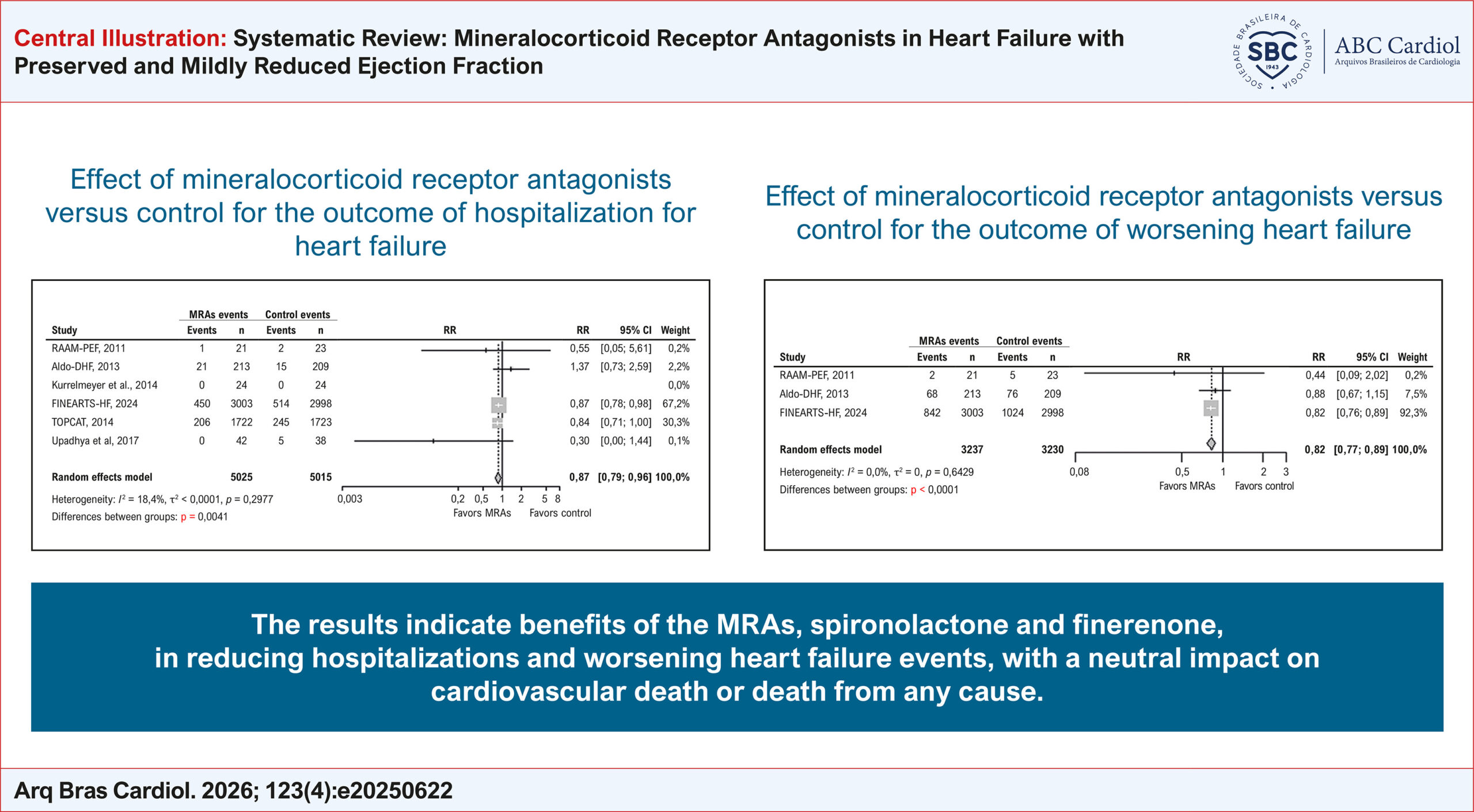
Heart failure with preserved ejection fraction (HFpEF) or mildly reduced ejection fraction (HFmrEF) is a prevalent condition associated with significant morbidity and mortality, and the benefits of mineralocorticoid receptor antagonists (MRAs) remain unclear. To develop a systematic review on the use of MRAs in patients with HFpEF or HFmrEF, a systematic review and meta-analysis were conducted using a broad search strategy in the following databases: MEDLINE, Embase, and Cochrane Central Register of Controlled Trials (CENTRAL). Randomized controlled trials that evaluated the use of MRAs in patients with HFpEF compared to control groups were included. The quality of evidence and the strength of the recommendation were assessed according to the Grading of Recommendations Assessment, Development, and Evaluation (GRADE) methodology. Eight studies were included. No statistically significant differences were observed for the outcomes of overall mortality and cardiovascular mortality compared to the control group for any of the MRAs. A benefit was observed with a reduced risk of hospitalization for heart failure (relative risk: 0.87; 95% confidence interval: 0.79 to 0.96; moderate certainty of evidence) and of worsening heart failure events (relative risk: 0.83; 95% confidence interval: 0.77 to 0.89; high certainty of evidence). The results of the meta-analysis indicate a significant benefit from MRAs, spironolactone or finerenone, to reduce hospitalizations and worsening heart failure events in patients with HFpEF or HFmrEF. Mineralocorticoid Receptor Antagonists; Diastolic Heart Failure; Systolic Heart Failure; Systematic Review; Meta-Analysis.

  • Diastolic Heart Failure
  • Meta-Analysis
  • Mineralocorticoid Receptor Antagonists
  • systematic review
  • Systolic Heart Failure
Read Full Article
Creative Commons Attribution (CC BY) Creative Commons license
06/07/2026 DOI: 10.36660/abc.20250622i
“The Dynamic Duo”: The New Management of Drug Treatment for Heart Failure with Mildly Reduced or Preserved Ejection Fraction
ABC
Review Article

“The Dynamic Duo”: The New Management of Drug Treatment for Heart Failure with Mildly Reduced or Preserved Ejection Fraction

Plínio José Whitaker Wolf et al. Edileide Barros Correia João Manoel Rossi Neto Marco Aurelio Finger … Carolina Casadei Santos Marcos de Oliveira Vasconcellos Larissa Ventura Ribeiro Bruscky Ana Cristina de Souza Murta Yoná Afonso Francisco Fabiano Castro Albrecht Juliana Jangelavicin Barbosa Eduardo Mikio Sassaki Bruno Noshang Blaas Bianca Fernandes Távora Arruda Fernanda de Brito Fortuna Victor Bemfica de Mello Mattos

Abstract

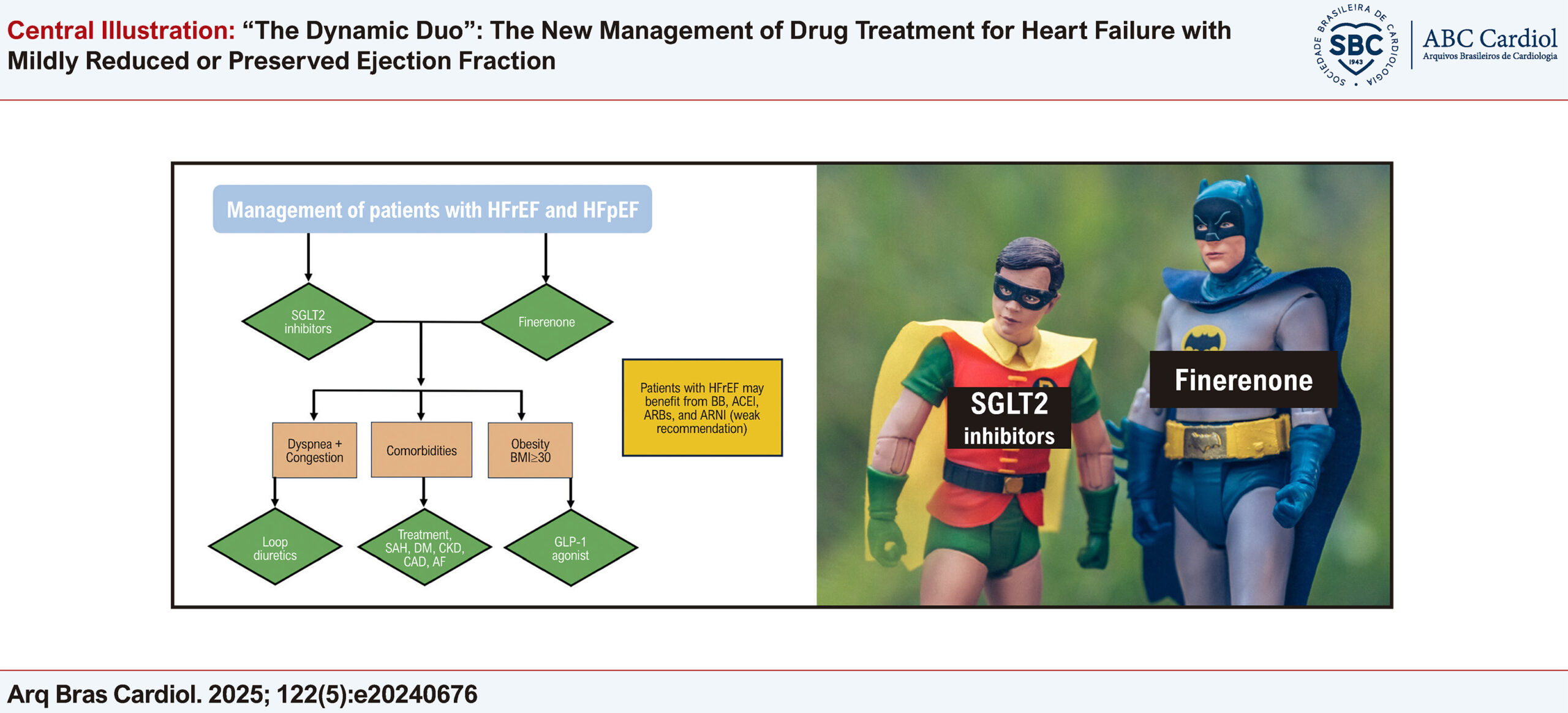
The “Fantastic Four,” a term coined in 2021 to refer to the four key drug pillars in the treatment of heart failure with reduced ejection fraction (beta-blockers, renin-angiotensin system and neprilysin inhibitors, mineralocorticoid receptor antagonists, and sodium-glucose cotransporter-2 inhibitors, or SGLT2 inhibitors), has demonstrated excellent performance in reducing morbidity and mortality in this setting. However, in heart failure with mildly reduced or preserved ejection fraction, the same benefits were not observed with this combined treatment where, for many years, management in this context was limited to diuretics and comorbidity control. Recently, however, new therapeutic options have emerged, demonstrating effectiveness in reducing cardiovascular outcomes in this specific group: the “Dynamic Duo”—comprising SGLT2 inhibitors and Finerenone—has shown promising results, alongside the introduction of semaglutide as a potential “wild card” treatment for patients with obesity. Despite the ongoing need for therapies that significantly reduce overall mortality, these new treatments have effectively lowered hospitalization rates and improved symptoms in such patients. As a result, a new era in heart failure management is beginning.

  • Heart Failure
  • Mineralocorticoid Receptor Antagonists
  • Sodium-Glucose Transporter 2 Inhibitors
Read Full Article
Creative Commons Attribution (CC BY) Creative Commons license
26/05/2025 DOI: 10.36660/abc.20240676i Views 1
Figure 1
ABCHF
Viewpoint

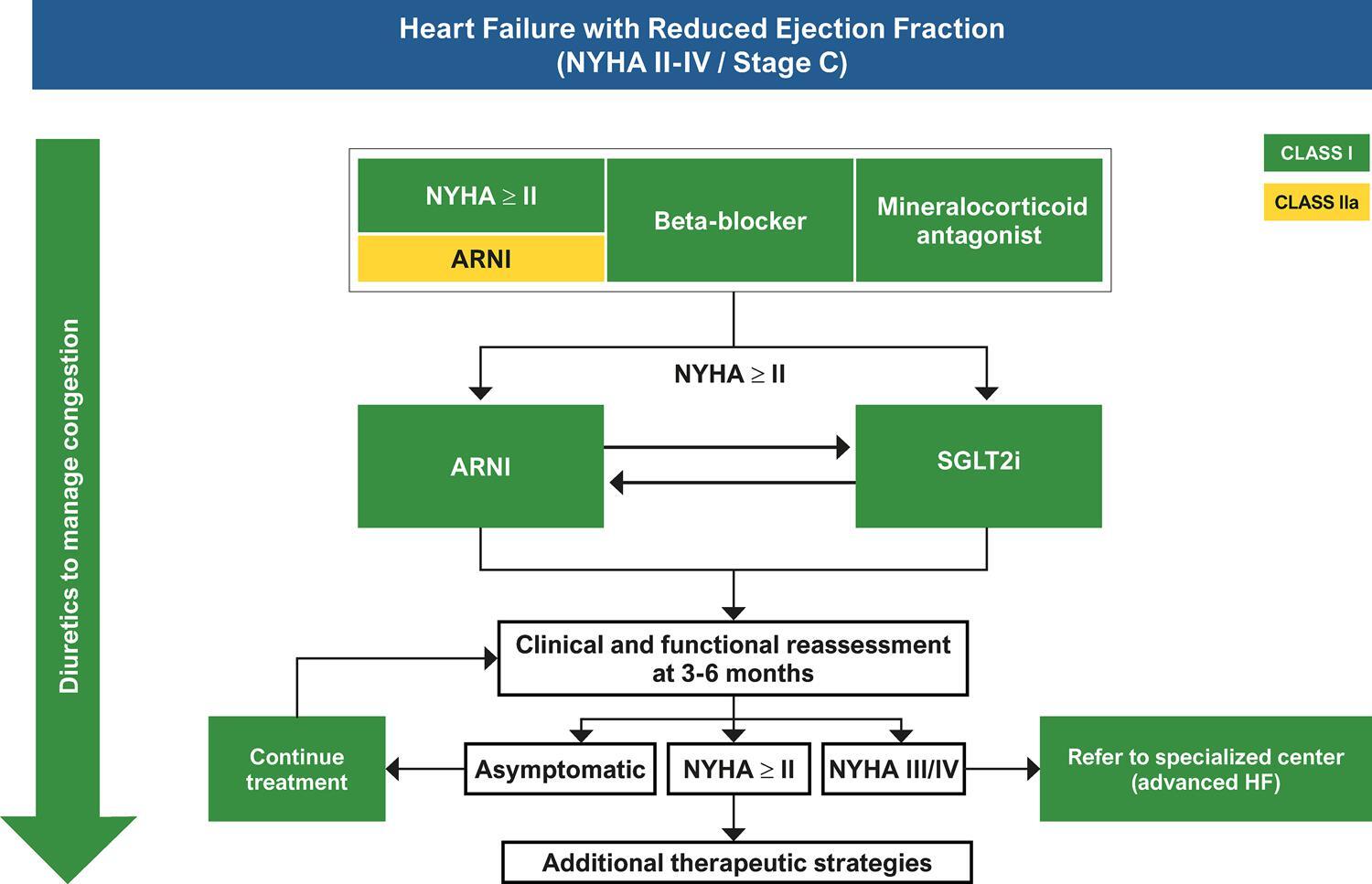
Sequencing of Pharmacotherapy for Heart Failure with Reduced Ejection Fraction: A Clinical Profile-Based Approach

Luís Beck-da-Silva

A Brief History of Heart Failure (HF) Treatment

Until 1987, HF treatment consisted in:

None of these recommendations was based on clinical or epidemiological evidence, instead relying on the pathophysiological knowledge of the disease at the time, the pharmacological effect of medications, and good sense.

[…]

  • Adrenergic beta-Antagonists
  • Mineralocorticoid Receptor Antagonists
  • Sodium-Glucose Transporter 2 Inhibitors
Read Full Article
Creative Commons Attribution (CC BY) Creative Commons license
12/04/2022 DOI: 10.36660/abchf.20220007 Views 1
Figure 1
ABCHF
Viewpoint

Rapid Sequencing of Foundational Treatment for HFrEF: The Innovative Proposal of John McMurray and Milton Packer

Bianca Lopes Cunha et al. Laura Leite da Escóssia Marinho Jefferson Luís Vieira

The treatment of heart failure with reduced ejection fraction (HFrEF) involves implementing preventive measures, delaying disease progression, relieving symptoms and, above all, prolonging survival. The effectiveness of the drug arsenal for the management of HFrEF has been well established by several randomized clinical trials and is based on 4 foundational pillars of treatment: (1) β-blockers; (2) renin-angiotensin system inhibitors, including angiotensin-converting enzyme inhibitors (ACEis), angiotensin receptor blockers (ARBs), and angiotensin receptor-neprilysin inhibitors (ARNIs); (3) sodium-glucose cotransporter 2 inhibitors (SGLT2is); and (4) mineralocorticoid receptor antagonists (MRAs).

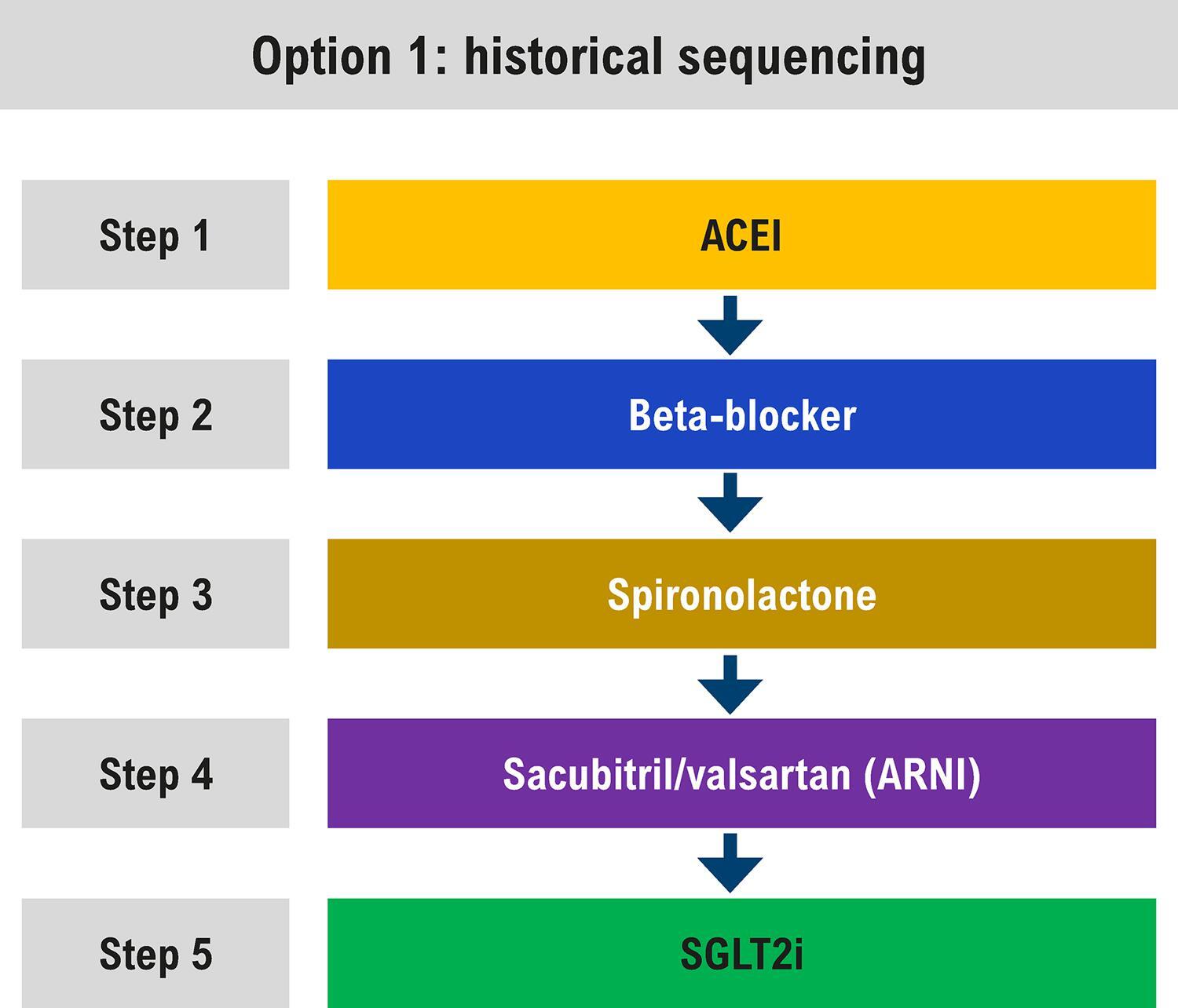
The conventional pharmacological approach presented by HFrEF treatment guidelines recommends sequential prescribing of the 4 foundational drug classes in the order in which they were tested in classic clinical trials. – Based on a 5-step protocol, physicians are instructed to initiate treatment with an ACEi/ARB, followed by a β-blocker and then an MRA. In step 4, replacement of the ACEi/ARB with an ARNI is considered and, finally, an SGLT2i can be added ( ). This approach advises prescribers to titrate the dose of each drug to the target dose used in large-scale trials before initiating the next recommended drug class ( ). In 2021, however, a perspective article written by John McMurray and Milton Packer, authors of most of the main trials in the field in the last decade, pointed out a series of limitations in the conventional approach and proposed a new sequence of pharmacological treatment for ambulatory HFrEF based on 3 steps ( ). According to the new proposal, the conventional approach presents an algorithm based on the historical order of publication of the clinical trials, wrongly assuming that the most effective and well-tolerated drugs were developed first. Another point observed by the authors is that the conventional approach prioritizes the achievement of the target dose of a given drug before initiating treatment with the next one, which can delay the achievement of optimal medical therapy by more than 6 months. Indeed, if we look at participants in large-scale clinical trials and surveys, we will see that a substantial percentage of them were not receiving recommended medications. , Even in recently completed trials, a meaningful proportion was not being treated with an MRA or an ARNI. In addition, proper sequencing of foundational drugs can improve safety and tolerability, as medications such as ARNIs can reduce the risk of renal insufficiency associated with ACEis/ARBs and both ARNIs and SGLT2is can mitigate the risk of hyperkalemia associated with the use of MRAs.

[…]

  • Adrenergic beta-Antagonists
  • Angiotensin-Converting Enzyme Inhibitors
  • Heart Failure
  • Mineralocorticoid Receptor Antagonists
  • Neprilysin
  • Sodium-Glucose Transporter 2 Inhibitors
Read Full Article
Creative Commons Attribution (CC BY) Creative Commons license
12/04/2022 DOI: 10.36660/abchf.20220005 Views 1
Figure 1
ABCHF
Viewpoint

Clinical Profile-Based Pharmacological Sequencing for Heart Failure with Preserved Ejection Fraction

Evandro Tinoco Mesquita et al. Eduardo Thadeu de Oliveira Correia Letícia Mara dos Santos Barbetta

Introduction

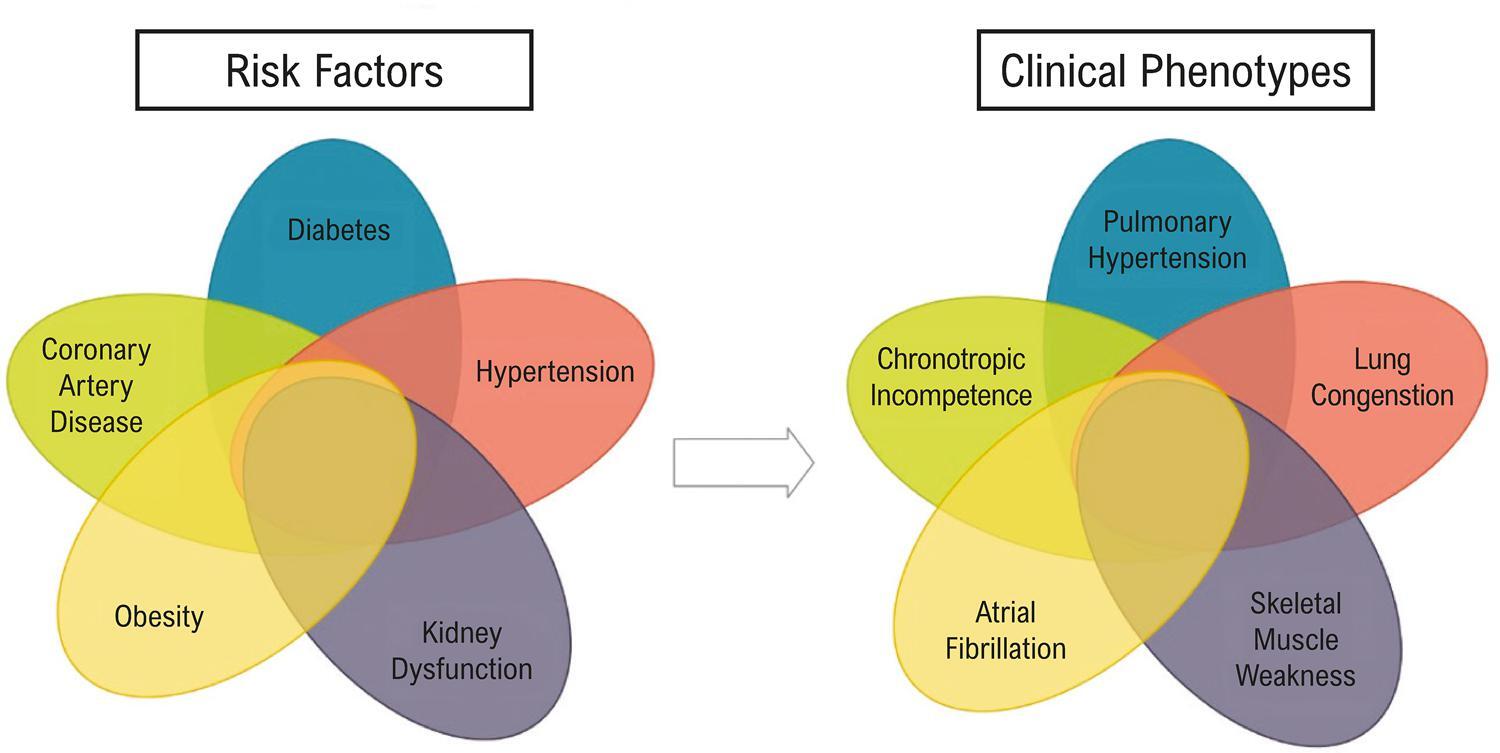
Heart failure (HF) is classically categorized into phenotypes according to left ventricular ejection fraction (EF), one of them being HF with preserved EF (HFpEF; EF ≥ 50%). In the past decades, a myriad of drug therapies that reduce mortality and hospitalization rates for HF with reduced EF have emerged. However, although HFpEF accounts for about 50% of HF cases, to this date, only empagliflozin was shown to reduce HF hospitalization, and no drug reduced the risk for cardiovascular death in randomized clinical trials (RCTs). One hypothesis that may explain the lack of therapies that reduce hard outcomes in HFpEF is the variety of phenotypes that constitute HFpEF as a syndrome. Thus, in this paper, we discuss evidence from RCTs and post-hoc analyses of RCTs that may help improve HFpEF outcomes, aid clinicians, and pave the way for future RCTs.

[…]

  • Adrenergic beta-Antagonists
  • Angiotensin-Converting Enzyme Inhibitors
  • Digoxin
  • Heart Failure
  • Mineralocorticoid Receptor Antagonists
Read Full Article
Creative Commons Attribution (CC BY) Creative Commons license
12/04/2022 DOI: 10.36660/abchf.20220014 Views 1
Figure 1
ABCHF
Review Article

Treatment of Heart Failure with reduced Ejection Fraction in 2022: The Essential Pillars

Marcely Gimenes Bonatto et al. Andressa de Oliveira Coiradas Lídia Ana Zytynski Moura

Abstract

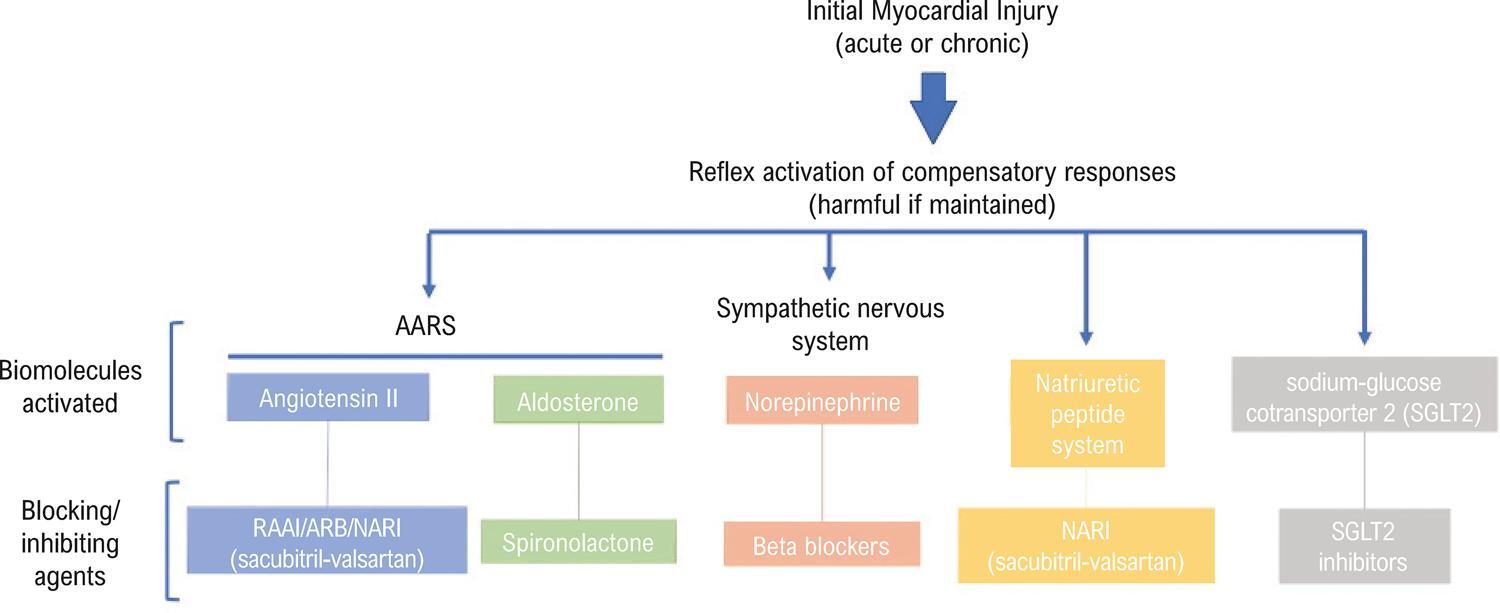
Pharmacological treatment of heart failure with reduced ejection fraction (HFREF) has undergone changes over the years as discoveries have been made related to new systems involved in its pathophysiology and, consequently, of new therapeutic targets. For this treatment, certain drug classes have become essential and should be used in combinations with the objective of reducing the disease’s high rates of morbidity and mortality. They are therefore considered the pillars of treatment for patients with HFREF. These drug classes act on the renin-angiotensin-aldosterone system (angiotensin-converting enzyme inhibitors, angiotensin receptor blockers, and mineralocorticoid receptor antagonists), on the autonomic nervous system (beta blockers), on the natriuretic peptides system (neprilysin and angiotensin receptor inhibitors), and on the sodium-glucose cotransporter 2 (sodium-glucose cotransporter 2 inhibitors). 1 This article will present an analytical summary of the pathophysiologic foundations and the scientific evidence that demonstrates the benefit of these medications, specifically in terms of their impact on the results of clinical trials.

  • Angiotensin II Type 1 Receptor Blockers
  • Heart Failure
  • Mineralocorticoid Receptor Antagonists
  • Sodium-Glucose Transporter 2 Inhibitors
Read Full Article
Creative Commons Attribution (CC BY) Creative Commons license
12/04/2022 DOI: 10.36660/abchf.20220003 Views 2

How to cite this article

EndNote RIS

Electronic Document Format (Vancouver)

Grillo FL, Bruscato JR, Ross FS, Bergamaschi EZ, Marinho GDT, Nunes JB, Lira RCPD, et al. Unrecognized Chronic Kidney Disease and the Therapeutic Gap in Outpatients with Heart Failure and Reduced Ejection Fraction. ABC Heart Fail Cardiomyop 2026;6:e20260012.

Electronic Document Format (ABNT)

Grillo, Felipe Lopes; Bruscato, Julia Rosembach; Ross, Felipe Storm; Bergamaschi, Eduardo Zanetti; Marinho, Gabriel Della Torres; Nunes, Juliana Berndt; Lira, Rosane Carolina Paes De; Moura, Lidia Ana Zytynski. Unrecognized Chronic Kidney Disease and the Therapeutic Gap in Outpatients with Heart Failure and Reduced Ejection Fraction. ABC Heart Fail Cardiomyop, v. 6, e20260012, Aug. 2026.

Electronic Document Format (APA)

Grillo, F. L., Bruscato, J. R., Ross, F. S., Bergamaschi, E. Z., Marinho, G. D. T., Nunes, J. B., Lira, R. C. P. D., & Moura, L. A. Z. (2026). Unrecognized Chronic Kidney Disease and the Therapeutic Gap in Outpatients with Heart Failure and Reduced Ejection Fraction. ABC Heart Fail Cardiomyop, 6, e20260012.

Electronic Document Format (ISO)

Grillo, Felipe Lopes and Bruscato, Julia Rosembach and Ross, Felipe Storm and Bergamaschi, Eduardo Zanetti and Marinho, Gabriel Della Torres and Nunes, Juliana Berndt and Lira, Rosane Carolina Paes De and Moura, Lidia Ana Zytynski. Unrecognized Chronic Kidney Disease and the Therapeutic Gap in Outpatients with Heart Failure and Reduced Ejection Fraction. ABC Heart Fail Cardiomyop [online]. 2026, vol. 6, [cited 2026-10-14], e20260012. Available from: <https://journals.cardiol.br/en/article/unrecognized-chronic-kidney-disease-and-the-therapeutic-gap-in-outpatients-with-heart-failure-and-reduced-ejection-fraction/>

EndNote RIS

Electronic Document Format (Vancouver)

Simões MV, Danzmann LC, Martins SM, Figueiredo Neto JA, Marcondes-Braga FG, Mourilhe-Rocha R, Albuquerque DC, et al. Systematic Review: Mineralocorticoid Receptor Antagonists in Heart Failure with Preserved and Mildly Reduced Ejection Fraction. Arquivos Brasileiros de Cardiologia 2026;123(4):e20250622.

Electronic Document Format (ABNT)

Simões, Marcus Vinicius; Danzmann, Luiz Claudio; Martins, Sílvia Marinho; Figueiredo Neto, José Albuquerque de; Marcondes-Braga, Fabiana G.; Mourilhe-Rocha, Ricardo; Albuquerque, Denilson Campos de; Oliveira Jr, Mucio Tavares de; Moura, Lidia Ana Zytynski. Systematic Review: Mineralocorticoid Receptor Antagonists in Heart Failure with Preserved and Mildly Reduced Ejection Fraction. Arquivos Brasileiros de Cardiologia, v. 123, n. 4, e20250622, Jul. 2026.

Electronic Document Format (APA)

Simões, M. V., Danzmann, L. C., Martins, S. M., Figueiredo Neto, J. A. , Marcondes-Braga, F. G., Mourilhe-Rocha, R., Albuquerque, D. C. , Oliveira Jr, M. T. , & Moura, L. A. Z. (2026). Systematic Review: Mineralocorticoid Receptor Antagonists in Heart Failure with Preserved and Mildly Reduced Ejection Fraction. Arquivos Brasileiros de Cardiologia, 123(4), e20250622.

Electronic Document Format (ISO)

Simões, Marcus Vinicius and Danzmann, Luiz Claudio and Martins, Sílvia Marinho and Figueiredo Neto, José Albuquerque de and Marcondes-Braga, Fabiana G. and Mourilhe-Rocha, Ricardo and Albuquerque, Denilson Campos de and Oliveira Jr, Mucio Tavares de and Moura, Lidia Ana Zytynski. Systematic Review: Mineralocorticoid Receptor Antagonists in Heart Failure with Preserved and Mildly Reduced Ejection Fraction. Arquivos Brasileiros de Cardiologia [online]. 2026, vol. 123, n. 4, [cited 2026-10-14], e20250622. Available from: <https://journals.cardiol.br/en/article/systematic-review-mineralocorticoid-receptor-antagonists-in-heart-failure-with-preserved-and-mildly-reduced-ejection-fraction/>. ISSN 0066-782X

EndNote RIS

Electronic Document Format (Vancouver)

Wolf PJW, Correia EB, Rossi Neto JM, Finger MA, Santos CC, Vasconcellos MO, Bruscky LVR, et al. “The Dynamic Duo”: The New Management of Drug Treatment for Heart Failure with Mildly Reduced or Preserved Ejection Fraction. Arquivos Brasileiros de Cardiologia 2025;122(5):e20240676.

Electronic Document Format (ABNT)

Wolf, Plínio José Whitaker; Correia, Edileide Barros; Rossi Neto, João Manoel; Finger, Marco Aurelio; Santos, Carolina Casadei; Vasconcellos, Marcos de Oliveira; Bruscky, Larissa Ventura Ribeiro; Murta, Ana Cristina de Souza; Francisco, Yoná Afonso; Albrecht, Fabiano Castro; Barbosa, Juliana Jangelavicin; Sassaki, Eduardo Mikio; Blaas, Bruno Noshang; Arruda, Bianca Fernandes Távora; Fortuna, Fernanda de Brito; Mattos, Victor Bemfica de Mello. “The Dynamic Duo”: The New Management of Drug Treatment for Heart Failure with Mildly Reduced or Preserved Ejection Fraction. Arquivos Brasileiros de Cardiologia, v. 122, n. 5, e20240676, May. 2025.

Electronic Document Format (APA)

Wolf, P. J. W., Correia, E. B., Rossi Neto, J. M., Finger, M. A., Santos, C. C., Vasconcellos, M. O., Bruscky, L. V. R., Murta, A. C. S., Francisco, Y. A., Albrecht, F. C., Barbosa, J. J., Sassaki, E. M., Blaas, B. N., Arruda, B. F. T., Fortuna, F. B., & Mattos, V. B. M. (2025). “The Dynamic Duo”: The New Management of Drug Treatment for Heart Failure with Mildly Reduced or Preserved Ejection Fraction. Arquivos Brasileiros de Cardiologia, 122(5), e20240676.

Electronic Document Format (ISO)

Wolf, Plínio José Whitaker and Correia, Edileide Barros and Rossi Neto, João Manoel and Finger, Marco Aurelio and Santos, Carolina Casadei and Vasconcellos, Marcos de Oliveira and Bruscky, Larissa Ventura Ribeiro and Murta, Ana Cristina de Souza and Francisco, Yoná Afonso and Albrecht, Fabiano Castro and Barbosa, Juliana Jangelavicin and Sassaki, Eduardo Mikio and Blaas, Bruno Noshang and Arruda, Bianca Fernandes Távora and Fortuna, Fernanda de Brito and Mattos, Victor Bemfica de Mello. “The Dynamic Duo”: The New Management of Drug Treatment for Heart Failure with Mildly Reduced or Preserved Ejection Fraction. Arquivos Brasileiros de Cardiologia [online]. 2025, vol. 122, n. 5, [cited 2026-10-14], e20240676. Available from: <https://journals.cardiol.br/en/article/the-dynamic-duo-the-new-management-of-drug-treatment-for-heart-failure-with-mildly-reduced-or-preserved-ejection-fraction/>. ISSN 0066-782X

EndNote RIS

Electronic Document Format (Vancouver)

Beck-da-Silva L. Sequencing of Pharmacotherapy for Heart Failure with Reduced Ejection Fraction: A Clinical Profile-Based Approach. ABC Heart Fail Cardiomyop 2022;2(1):36-40.

Electronic Document Format (ABNT)

Beck-da-Silva, Luís. Sequencing of Pharmacotherapy for Heart Failure with Reduced Ejection Fraction: A Clinical Profile-Based Approach. ABC Heart Fail Cardiomyop, v. 2, n. 1, p. 36-40, Apr. 2022.

Electronic Document Format (APA)

Beck-da-Silva, L. (2022). Sequencing of Pharmacotherapy for Heart Failure with Reduced Ejection Fraction: A Clinical Profile-Based Approach. ABC Heart Fail Cardiomyop, 2(1), 36-40.

Electronic Document Format (ISO)

Beck-da-Silva, Luís. Sequencing of Pharmacotherapy for Heart Failure with Reduced Ejection Fraction: A Clinical Profile-Based Approach. ABC Heart Fail Cardiomyop [online]. 2022, vol. 2, n. 1, [cited 2026-10-14], pp. 36-40. Available from: <https://journals.cardiol.br/en/article/sequencing-of-pharmacotherapy-for-heart-failure-with-reduced-ejection-fraction-a-clinical-profile-based-approach/>

EndNote RIS

Electronic Document Format (Vancouver)

Cunha BL, Marinho LLE, Vieira JL. Rapid Sequencing of Foundational Treatment for HFrEF: The Innovative Proposal of John McMurray and Milton Packer. ABC Heart Fail Cardiomyop 2022;2(1):27-30.

Electronic Document Format (ABNT)

Cunha, Bianca Lopes; Marinho, Laura Leite da Escóssia; Vieira, Jefferson Luís. Rapid Sequencing of Foundational Treatment for HFrEF: The Innovative Proposal of John McMurray and Milton Packer. ABC Heart Fail Cardiomyop, v. 2, n. 1, p. 27-30, Apr. 2022.

Electronic Document Format (APA)

Cunha, B. L., Marinho, L. L. E., & Vieira, J. L. (2022). Rapid Sequencing of Foundational Treatment for HFrEF: The Innovative Proposal of John McMurray and Milton Packer. ABC Heart Fail Cardiomyop, 2(1), 27-30.

Electronic Document Format (ISO)

Cunha, Bianca Lopes and Marinho, Laura Leite da Escóssia and Vieira, Jefferson Luís. Rapid Sequencing of Foundational Treatment for HFrEF: The Innovative Proposal of John McMurray and Milton Packer. ABC Heart Fail Cardiomyop [online]. 2022, vol. 2, n. 1, [cited 2026-10-14], pp. 27-30. Available from: <https://journals.cardiol.br/en/article/rapid-sequencing-of-foundational-treatment-for-hfref-the-innovative-proposal-of-john-mcmurray-and-milton-packer/>

EndNote RIS

Electronic Document Format (Vancouver)

Mesquita ET, Correia ETO, Barbetta LMS. Clinical Profile-Based Pharmacological Sequencing for Heart Failure with Preserved Ejection Fraction. ABC Heart Fail Cardiomyop 2022;2(1):72-5.

Electronic Document Format (ABNT)

Mesquita, Evandro Tinoco; Correia, Eduardo Thadeu de Oliveira; Barbetta, Letícia Mara dos Santos. Clinical Profile-Based Pharmacological Sequencing for Heart Failure with Preserved Ejection Fraction. ABC Heart Fail Cardiomyop, v. 2, n. 1, p. 72-75, Apr. 2022.

Electronic Document Format (APA)

Mesquita, E. T., Correia, E. T. O., & Barbetta, L. M. S. (2022). Clinical Profile-Based Pharmacological Sequencing for Heart Failure with Preserved Ejection Fraction. ABC Heart Fail Cardiomyop, 2(1), 72-75.

Electronic Document Format (ISO)

Mesquita, Evandro Tinoco and Correia, Eduardo Thadeu de Oliveira and Barbetta, Letícia Mara dos Santos. Clinical Profile-Based Pharmacological Sequencing for Heart Failure with Preserved Ejection Fraction. ABC Heart Fail Cardiomyop [online]. 2022, vol. 2, n. 1, [cited 2026-10-14], pp. 72-75. Available from: <https://journals.cardiol.br/en/article/clinical-profile-based-pharmacological-sequencing-for-heart-failure-with-preserved-ejection-fraction/>

EndNote RIS

Electronic Document Format (Vancouver)

Bonatto MG, Coiradas AO, Moura LAZ. Treatment of Heart Failure with reduced Ejection Fraction in 2022: The Essential Pillars. ABC Heart Fail Cardiomyop 2022;2(1):15-23.

Electronic Document Format (ABNT)

Bonatto, Marcely Gimenes; Coiradas, Andressa de Oliveira; Moura, Lídia Ana Zytynski. Treatment of Heart Failure with reduced Ejection Fraction in 2022: The Essential Pillars. ABC Heart Fail Cardiomyop, v. 2, n. 1, p. 15-23, Apr. 2022.

Electronic Document Format (APA)

Bonatto, M. G., Coiradas, A. O., & Moura, L. A. Z. (2022). Treatment of Heart Failure with reduced Ejection Fraction in 2022: The Essential Pillars. ABC Heart Fail Cardiomyop, 2(1), 15-23.

Electronic Document Format (ISO)

Bonatto, Marcely Gimenes and Coiradas, Andressa de Oliveira and Moura, Lídia Ana Zytynski. Treatment of Heart Failure with reduced Ejection Fraction in 2022: The Essential Pillars. ABC Heart Fail Cardiomyop [online]. 2022, vol. 2, n. 1, [cited 2026-10-14], pp. 15-23. Available from: <https://journals.cardiol.br/en/article/treatment-of-heart-failure-with-reduced-ejection-fraction-in-2022-the-essential-pillars/>

  • About ABC Family
  • Internal Regulation
  • Editorial Board
  • Brazilian Society of Cardiology (SBC)

Issues

SBC Guidelines

  • Videos
  • Podcasts
  • News