| ABC
ABC Family Arquivos Brasileiros de Cardiologia International Journal of Cardiovascular Sciences ABC Heart Failure & Cardiomyopathy ABC Imagem Cardiovascular
Português English
ABC Family | ABC
Português English
  • About
    • About the Journal
    • Internal Regulation
    • Editors Section
    • Editorial Board
    • History
    • SBC Award
  • Instructions to Authors
    • Guidelines for Publication
    • Editorial Policy
    • Ethics Policy
    • Policy on the Use of Artificial Intelligence
    • Mandatory Publication Form
    • Publication Fee
  • Issues
  • SBC Guidelines
  • Abstracts
    • How to Publish an Abstract Supplement?
    • Supplements from the Brazilian Congress of Cardiology
  • About
    • About the Journal
    • Internal Regulation
    • Editors Section
    • Editorial Board
    • History
    • SBC Award
  • Instructions to Authors
    • Guidelines for Publication
    • Editorial Policy
    • Ethics Policy
    • Policy on the Use of Artificial Intelligence
    • Mandatory Publication Form
    • Publication Fee
  • Issues
  • SBC Guidelines
  • Abstracts
    • How to Publish an Abstract Supplement?
    • Supplements from the Brazilian Congress of Cardiology

ABC Family

  • ABC Family
  • Arquivos Brasileiros de Cardiologia
  • International Journal of Cardiovascular Sciences
  • ABC Heart Failure & Cardiomyopathy
  • ABC Imagem Cardiovascular
Search in

No content found.

Journals
Ordering
Article types
Others

  1. Home
  2. ABC
  3. Issues
  4. 2017, Volume 109, Number 4
Figure 1
Editorial

G-Proteins Agonists and NO/cGMP Blockers: Unexplored Frontiers in the Pharmaceutical Industry

Paulo Roberto B. Evora

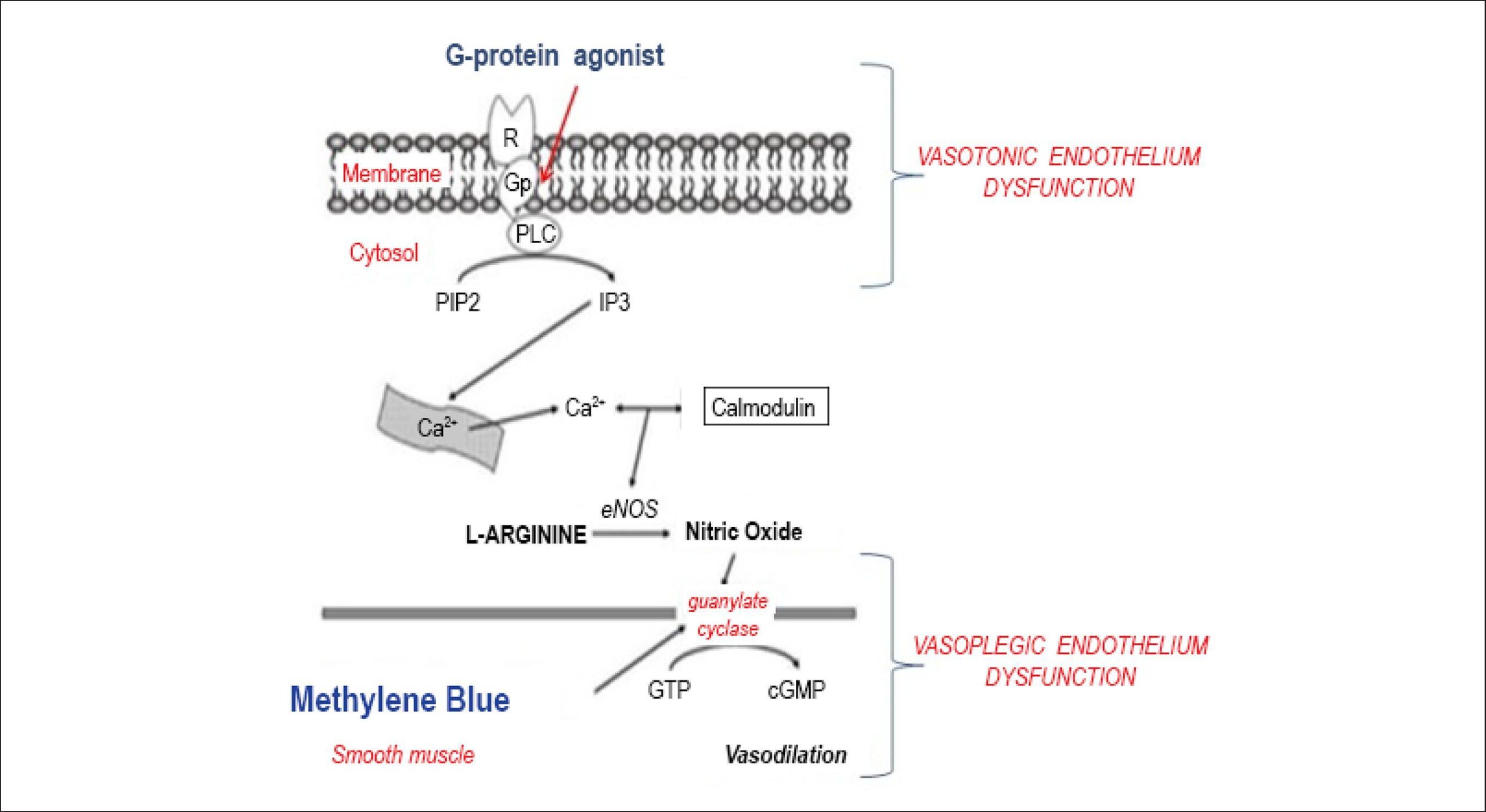
G-proteins: potential therapeutic role

The release of nitric oxide (NO) can occur by different pathways involving G-proteins. The Gi-protein is responsible for the mediation of inhibitory effects of receptors in the adenylate cyclase and guanylate cyclase pathways. An early stage of the majority of the responses mediated by receptors is the activation of G-proteins in the cell membrane, which is the target of the modulation of a variety of intracellular events. The role of G-proteins in the pathophysiology of vasospasm after global ischemia and reperfusion is still a matter of investigations. Their participation was documented in a comparative study of vascular relaxation induced by sodium fluoride, which produces biphasic responses in human, bovine, and porcine coronary arteries, causing an endothelium-dependent relaxation and an endothelium-independent contraction. G-protein dysfunction in the endothelium has also been postulated as responsible for the endothelial dysfunction in conditions of endothelial cell regeneration after injury, atherosclerosis, and coronary vasospasm. Myocardial ischemia and reperfusion selectively impair receptor-mediated NO release. However, the ability of the endothelial cell to produce NO or generate endothelium-dependent relaxation to nonnitric oxide-dependent agonists remains intact.,

In summary: 1. Endothelial cells maintain their capacity to release NO based on their ability in receiving the transduction signal through the membrane; 2. G-proteins have a fundamental role in the signal transduction; 3. This paradigm is extended to all vasotonic cardiovascular diseases that coexist with platelet dysfunction. These data would be highly relevant in the research of G-protein-targeting drugs.

[…]

  • Endothelial Cells
  • GTP-Binding Proteins
  • Nitric Oxide
  • Reference Drugs
  • Technology Pharmaceutical
Read Full Article
Creative Commons Attribution (CC BY) Creative Commons license
01/10/2017 DOI: 10.5935/abc.20170139 Views 1
Figure 1
Case Report

Spider-Like Coronary Anatomy; the True Spider!

Levent Cerit et al. Hamza Duygu Kamil Gülşen Hatice Kemal Barcin Ozcem

Introduction

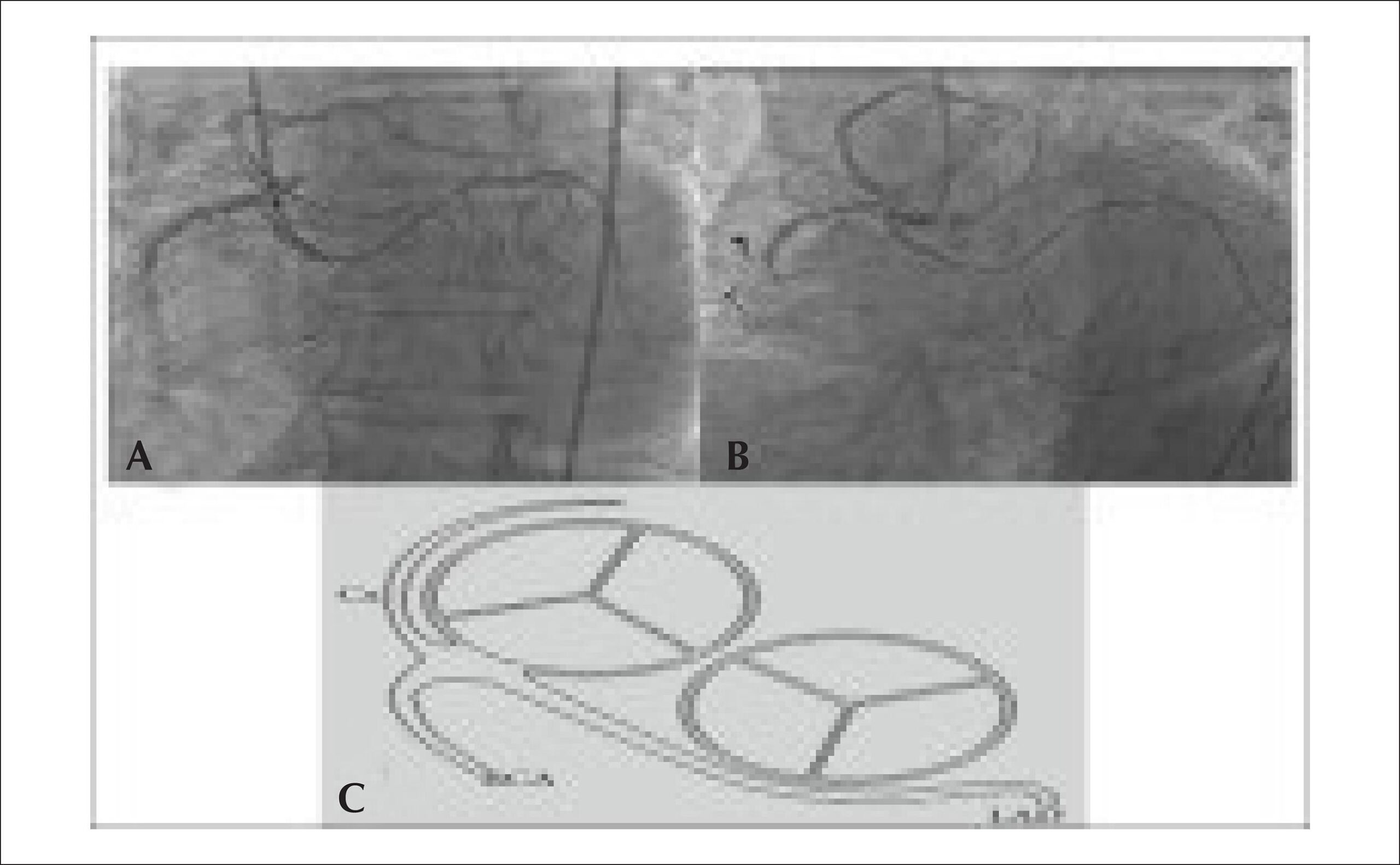
Coronary anomalies are uncommon, affecting approximately 0.3-5.6% of the general population according to the literature. However, some cases can result in severe life-threatening events, such as myocardial ischemia, arrhythmia, and acute myocardial infarction.,

[…]

  • Coronary Vessels / anatomy & histology
  • Coronary Vessels Anomalies
  • Tomography
  • X-Ray Computed
Read Full Article
Creative Commons Attribution (CC BY) Creative Commons license
01/10/2017 DOI: 10.5935/abc.20170101
Figure 1
Image

Myocardial Edema without Fibrosis by Magnetic Resonance T2 Mapping in Acute Chagas’ Myocarditis

Andréa Silvestre de Sousa et al. Maria Eduarda Derenne Alejandro Marcel Hasslocher-Moreno Sérgio Salles Xavier Ilan Gottlieb

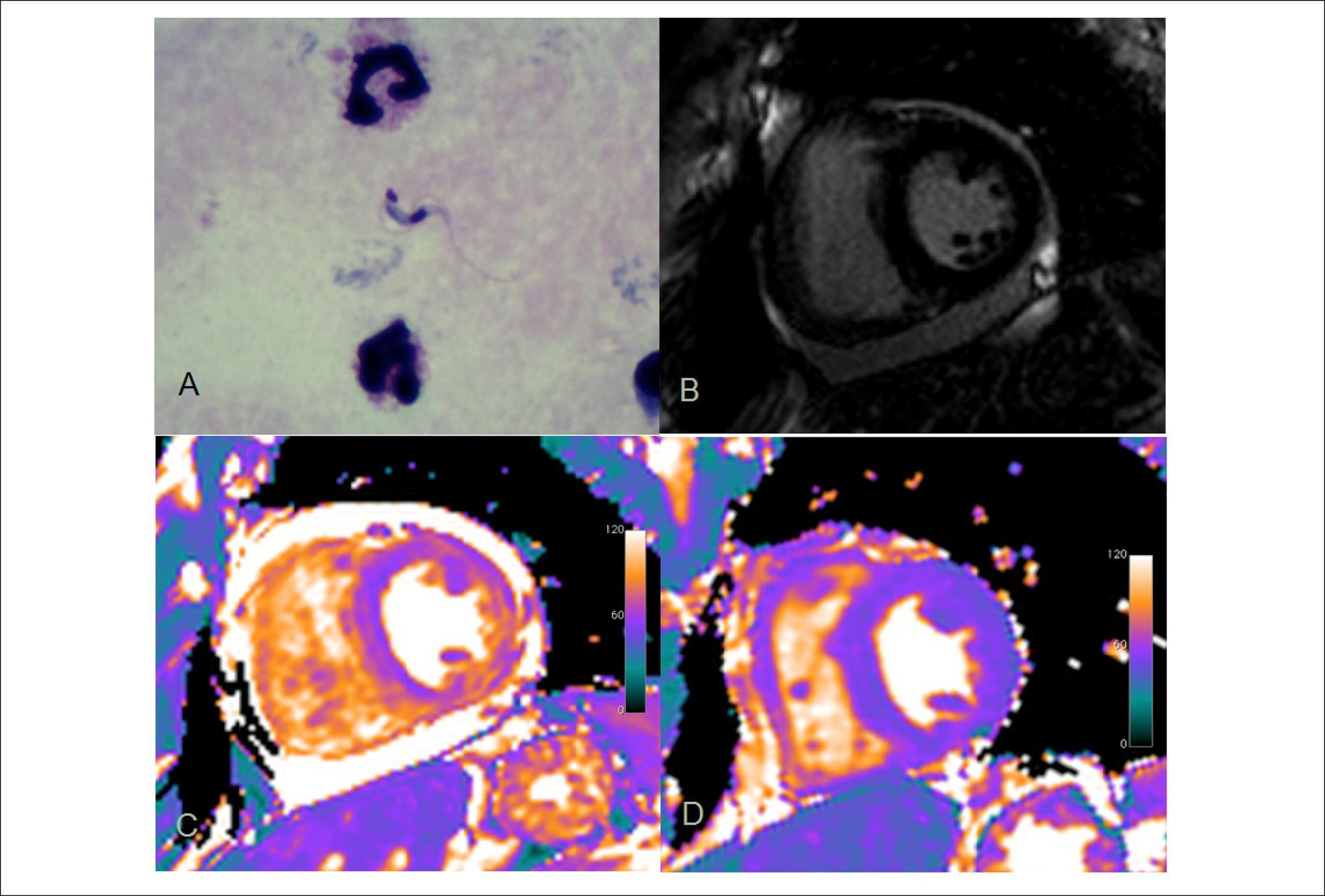
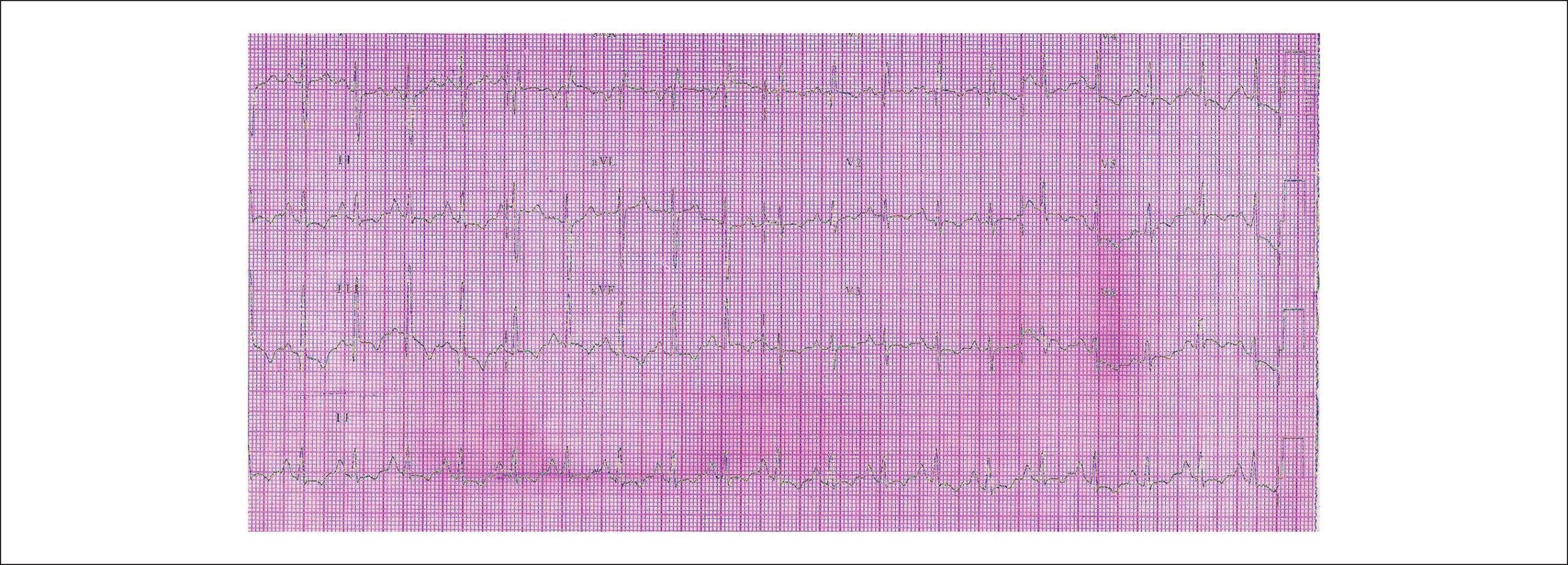
A 47-year old previously healthy male presented fever and malaise for 30 days. Chagas’ disease was diagnosed by direct visualization of Trypanosoma cruzi parasites at thick blood smear (). Benznidazole was started and symptoms gradually subsided. At presentation, the patient had low QRS voltage and primary repolarization abnormalities on ECG, normal troponin level, moderate pericardial effusion and normal systolic function of both ventricles on echocardiogram. Cardiac magnetic resonance (CMR) using a 3T system (Verio, Siemens Healthcare) was performed five days after the treatment started and confirmed normal biventricular function and cavity sizes and moderate pericardial effusion. Late gadolinium enhancement (LGE) was normal (), but parametric T2 mapping of the myocardium (Siemens Healthcare) revealed myocardial T2 times of 70-72 ms (normal < 50 ms) compatible with edema in all myocardial segments (). A second CMR study, 26 days after treatment initiation, showed no pericardial effusion and partial regression of myocardial edema with T2 times of 50-54ms. A third study, 56 days after treatment initiation, showed complete regression of myocardial edema, with T2 times of 45-48 ms (). LGE was always negative. Direct detection of the parasite in the bloodstream was negative 13 days after treatment. This well documented acute Chagas’ myocarditis case had no myocardial fibrosis. Nonetheless, exuberant myocardial edema was present that gradually subsided 56 days after specific treatment was started. T2 mapping was able to identify myocardial involvement beyond conventional CMR techniques as LGE, and it was demonstrated for the first time for acute Chagas disease.

[…]

  • Acute Chagas’ Myocarditis
  • Parametric Mapping
Read Full Article
Creative Commons Attribution (CC BY) Creative Commons license
01/10/2017 DOI: 10.5935/abc.20170113 Views 1
Viewpoint

Positions, Guidelines and Standardizations. Vehicles of Assistance to Medical Practice

Antônio Carlos Sobral Sousa et al. Claudio Pereira da Cunha Lucélia Batista Neves Cunha Magalhães Sergio Emanuel Kaiser José Francisco Kerr Saraiva

Positioning document

These documents aim to address a particular topic (diagnostic, therapeutic or laboratory) of recognized clinical interest, for which there are no (or unlikely to exist) evidence of substantial quality or, especially, those from randomized clinical trials. These documents are complementary to the guidelines and are prepared by a team of professionals with established experience in the subject.

As an example, we could cite the use of direct anticoagulants in pregnant patients. In general, the guidelines contained in these documents are anchored in the best evidence available; however, often incorporate the personal opinion of specialists.

[…]

  • Delivery of Health Care
  • Evidence-Based Practice
  • Practice Guidelines as Topic
Read Full Article
Creative Commons Attribution (CC BY) Creative Commons license
01/10/2017 DOI: 10.5935/abc.20170133 Views 1
Letter to the Editor

Childhood Obesity, MMP-9 Levels, and Vitamin D

Zeynep Cerit

Dear Editor,

I have read the article entitled “MMP-9 Levels and IMT of Carotid Arteries are Elevated in Obese Children and Adolescents Compared to Non-Obese” by Andrade et al., recently published in journal, with great interest. The investigators reported that obese children and adolescents present higher mean intima-media thickness (IMT), plasma matrix metalloproteinase (MMP)-9 and MMP-9/tissue inhibitor of metalloproteinase-1 ratio compared to the non-obese. Thus, these findings indicate that this group presents a risk profile for early atherosclerosis.

[…]

  • Adolescents
  • Cardiovascular Diseases
  • Child
  • Matrix Metaloproteinase 9
  • Overweight
  • Pediatric Obesity
Read Full Article
Creative Commons Attribution (CC BY) Creative Commons license
01/10/2017 DOI: 10.5935/abc.20170127
Figure 1
Original Article

Non-Sustained Ventricular Tachycardia Episodes Predict Future Hospitalization in ICD Recipients with Heart Failure

Fatih Mehmet Uçar et al. Mustafa Adem Yilmaztepe Gökay Taylan Meryem Aktoz

Abstract

Background:

Implantable cardioverter-defibrillator (ICD) therapy is well known to reduce mortality in selected patients with heart failure (HF).

Objective:

To investigate whether monitored episodes of non-sustained ventricular tachycardia (NSVT) might predict future HF hospitalizations in ICD recipients with HF.

Methods:

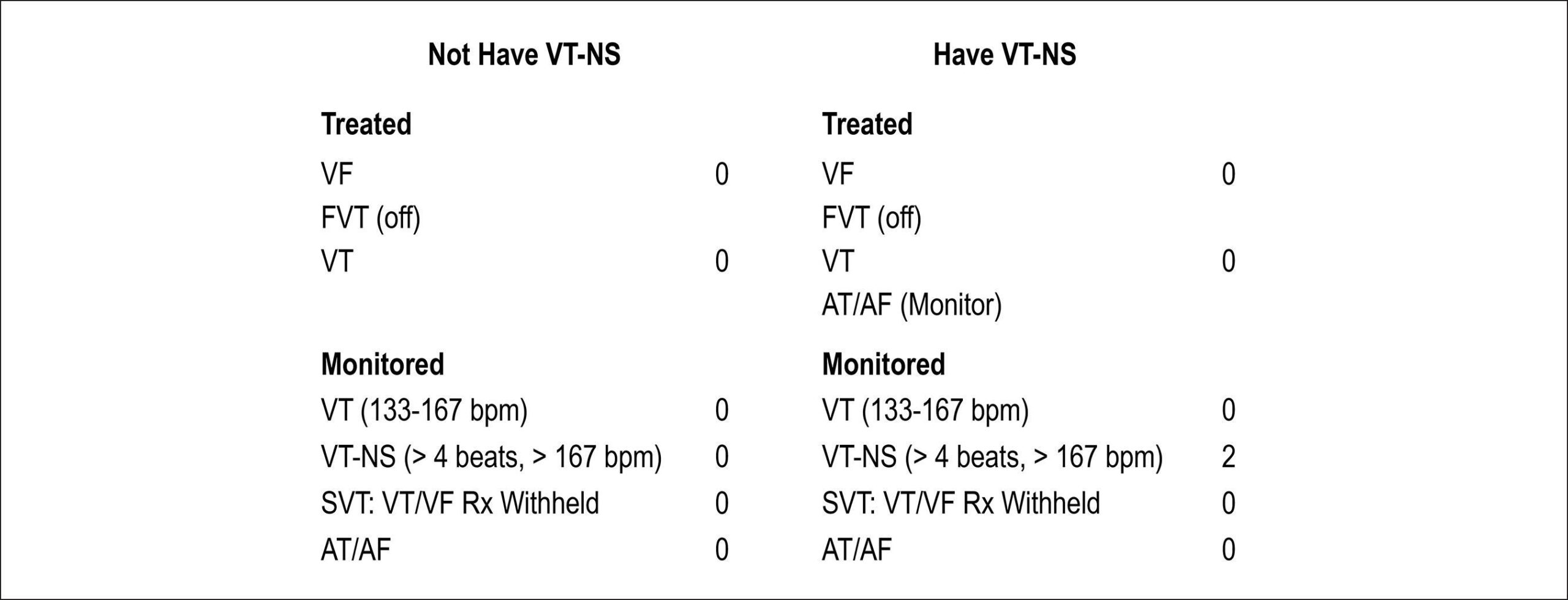
We examined 104 ICD recipients (mean age: 60 ± 10.1 years, 80.8 % male) with HF who were referred to our outpatient clinic for device follow-up. After device interrogation, patients were divided into NSVT positive and negative groups. The primary endpoint was the rate of hospitalization within the next 6 months after initial ICD evaluation.

Results:

Device evaluation demonstrated at least one episode of monitored NSVT in 50 out of 104 patients. As expected, no device therapy (shock or anti-tachycardia) was needed for such episodes. At 6 months, 24 patients were hospitalized due to acute decompensated HF. Hospitalization rate was significantly lower in the NSVT negative as compared with positive groups (38% versus 62%; adjusted hazard ratio [HR] 0.166 ; 95% CI 0.056 to 0.492; p = 0.01).

Conclusions:

Monitored NSVT bouts in ICD recordings may serve as a predictor of future HF hospitalizations in ICD recipients with HF suggesting optimization of therapeutic modalities in these patients along with a close supervision in the clinical setting.

  • Defibrillators
  • Heart Failure
  • Hospitalization
  • Implantable
  • Tachycardia
  • Ventricular
Read Full Article
Creative Commons Attribution (CC BY) Creative Commons license
01/10/2017 DOI: 10.5935/abc.20170141
Figure 1
Anatomopathological Session

Case 5/2017 – A 28-Year-Old Woman with Cor Pulmonale Due to Pulmonary Hypertension Secondary to Chronic Pulmonary Thromboembolism

Jussara de Almeida Bruno et al. Rafael Amorim Belo Nunes Paulo Sampaio Gutierrez Vera Demarchi Aiello

Clinical aspects

We report the case of a 28-year female patient denying any previous morbidity, who had acute PTE and progressively developed significant functional impairment and signs suggestive of chronic PTE during follow-up until death.

Venous thromboembolism (VTE) is the third most frequent cause of cardiovascular disease in the general population, with an annual incidence of 100 to 200 cases per 100000 inhabitants, acute PTE being its most severe clinical presentation. The prevalence and incidence of spontaneous VTE in young adults are low, but increase significantly in the presence of risk factors, such as oral contraception use, obesity and thrombophilia, especially in associations. The use of oral contraceptives, such as estrogens/progestogens, increases by 2 to 4 times the risk of venous thromboembolic events. Activated protein C resistance is attributed to a mechanism related to higher risk for VTE in patients on oral contraceptives. In our case, the patient had been on regular use of oral contraceptives until the first event, but there is no information on their formulation. Obesity is considered a risk factor, increasing by 2.4 times the risk for VTE in obese individuals as compared to non-obese individuals. When associating obesity and oral contraceptive use simultaneously, the risk for VTE increases by 10 times. Significant thrombophilias, such as deficiencies in protein C, protein S and antithrombin, homozygosity for factor V Leiden and prothrombin gene mutation increase in up to 7 times the risk for venous thromboembolic events in patients on oral contraceptives. During the patient’s follow-up, certain thrombophilias, such as prothrombin gene mutation, hyperhomocysteinemia and antiphospholipid syndrome, were excluded, but neither factor V Leiden nor deficiency in natural anticoagulants were investigated.

[…]

  • Hypertension
  • Pulmonary
  • Pulmonary Embolism/complications
  • Pulmonary Heart Disease
  • Respiratory Insufficiency
  • Risk Factors
Read Full Article
Creative Commons Attribution (CC BY) Creative Commons license
01/10/2017 DOI: 10.5935/abc.20170148 Views 1
Figure 1
Original Article

Impact of Paclitaxel-Eluting Balloons Compared to Second-Generation Drug-Eluting Stents for of In-Stent Restenosis in a Primarily Acute Coronary Syndrome Population

Guillaume Marquis-Gravel et al. Alexis Matteau Brian J Potter François Gobeil … Nicolas Noiseux Louis-Mathieu Stevens Samer Mansour

Abstract

Background:

The place of drug-eluting balloons (DEB) in the treatment of in-stent restenosis (ISR) is not well-defined, particularly in a population of all-comers with acute coronary syndromes (ACS).

Objective:

Compare the clinical outcomes of DEB with second-generation drug-eluting stents (DES) for the treatment of ISR in a real-world population with a high proportion of ACS.

Methods:

A retrospective analysis of consecutive patients with ISR treated with a DEB compared to patients treated with a second-generation DES was performed. The primary endpoint was a composite of major adverse cardiovascular events (MACE: all-cause death, non-fatal myocardial infarction, and target lesion revascularization). Comparisons were performed using Cox proportional hazards multivariate adjustment and Kaplan-Meier analysis with log-rank.

Results:

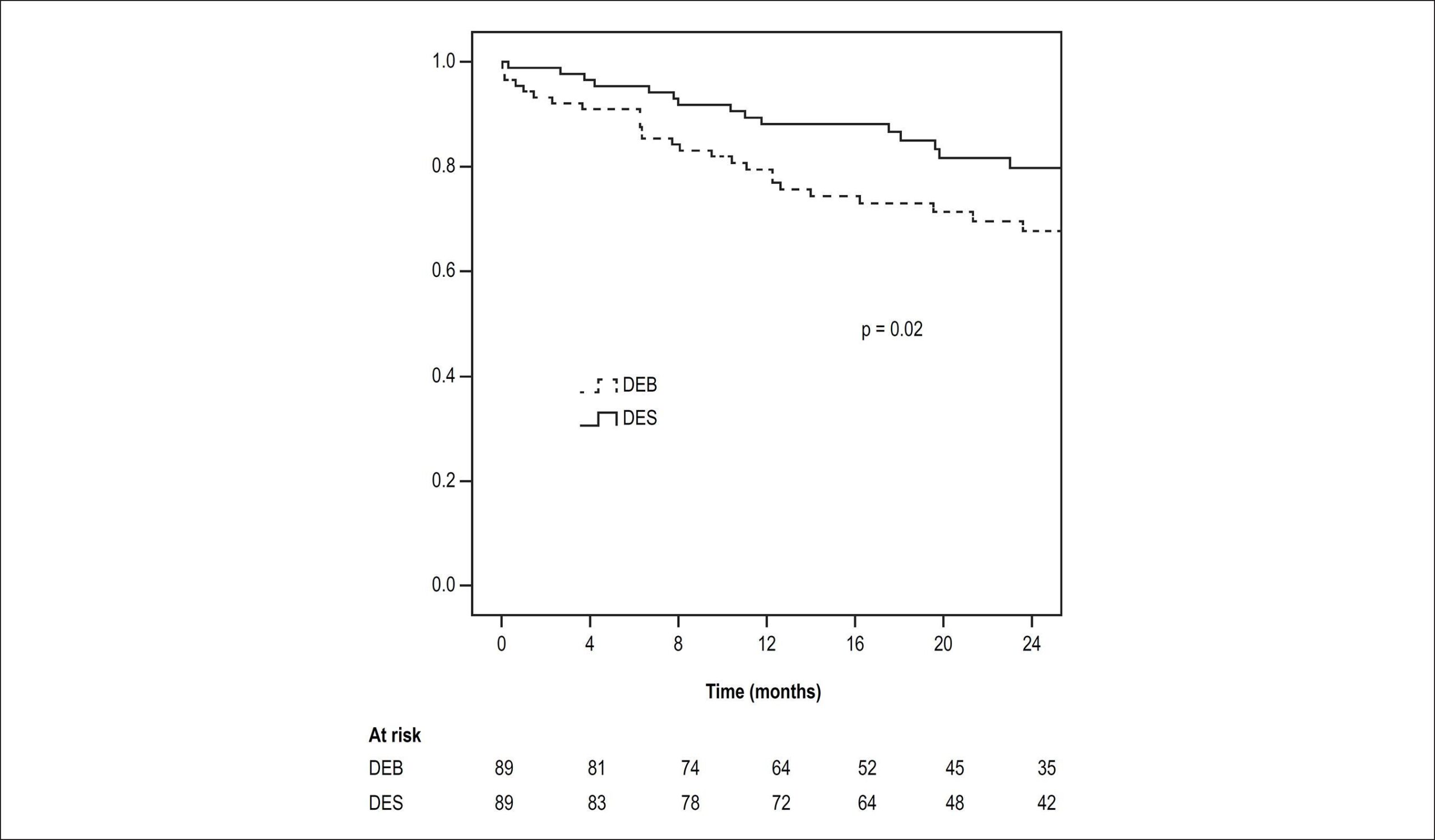
The cohort included 91 patients treated with a DEB and 89 patients treated with a DES (74% ACS). Median follow-up was 26 months. MACE occurred in 33 patients (36%) in the DEB group, compared to 17 patients (19%) in the DES group (p log-rank = 0.02). After multivariate adjustment, there was no significant difference between the groups (HR for DEB = 1.45 [95%CI: 0.75-2.83]; p = 0.27). Mortality rates at 1 year were 11% with DEB, and 3% with DES (p = 0.04; adjusted HR = 2.85 [95%CI: 0.98-8.32]; p = 0.06).

Conclusion:

In a population with a high proportion of ACS, a non-significant numerical signal towards increased rates of MACE with DEB compared to second-generation DES for the treatment of ISR was observed, mainly driven by a higher mortality rate. An adequately-powered randomized controlled trial is necessary to confirm these findings.

  • Acute coronary syndrome
  • Angioplasty, Balloon
  • Coronary Restenosis
  • Drug-Eluting Stents
  • Paclitaxel
Read Full Article
Creative Commons Attribution (CC BY) Creative Commons license
28/09/2017 DOI: 10.5935/abc.20170142
Figure 1
Original Article

Prevalence and Prediction of Obstructive Coronary Artery Disease in Patients Undergoing Primary Heart Valve Surgery

José Guilherme Cazelli et al. Gabriel Cordeiro Camargo Dany David Kruczan Clara Weksler … Alexandre Rouge Felipe Ilan Gottlieb

Abstract

Background:

The prevalence of coronary artery disease (CAD) in valvular patients is similar to that of the general population, with the usual association with traditional risk factors. Nevertheless, the search for obstructive CAD is more aggressive in the preoperative period of patients with valvular heart disease, resulting in the indication of invasive coronary angiography (ICA) to almost all adult patients, because it is believed that coronary artery bypass surgery should be associated with valve replacement.

Objectives:

To evaluate the prevalence of obstructive CAD and factors associated with it in adult candidates for primary heart valve surgery between 2001 and 2014 at the National Institute of Cardiology (INC) and, thus, derive and validate a predictive obstructive CAD score.

Methods:

Cross-sectional study evaluating 2898 patients with indication for heart surgery of any etiology. Of those, 712 patients, who had valvular heart disease and underwent ICA in the 12 months prior to surgery, were included. The P value < 0.05 was adopted as statistical significance.

Results:

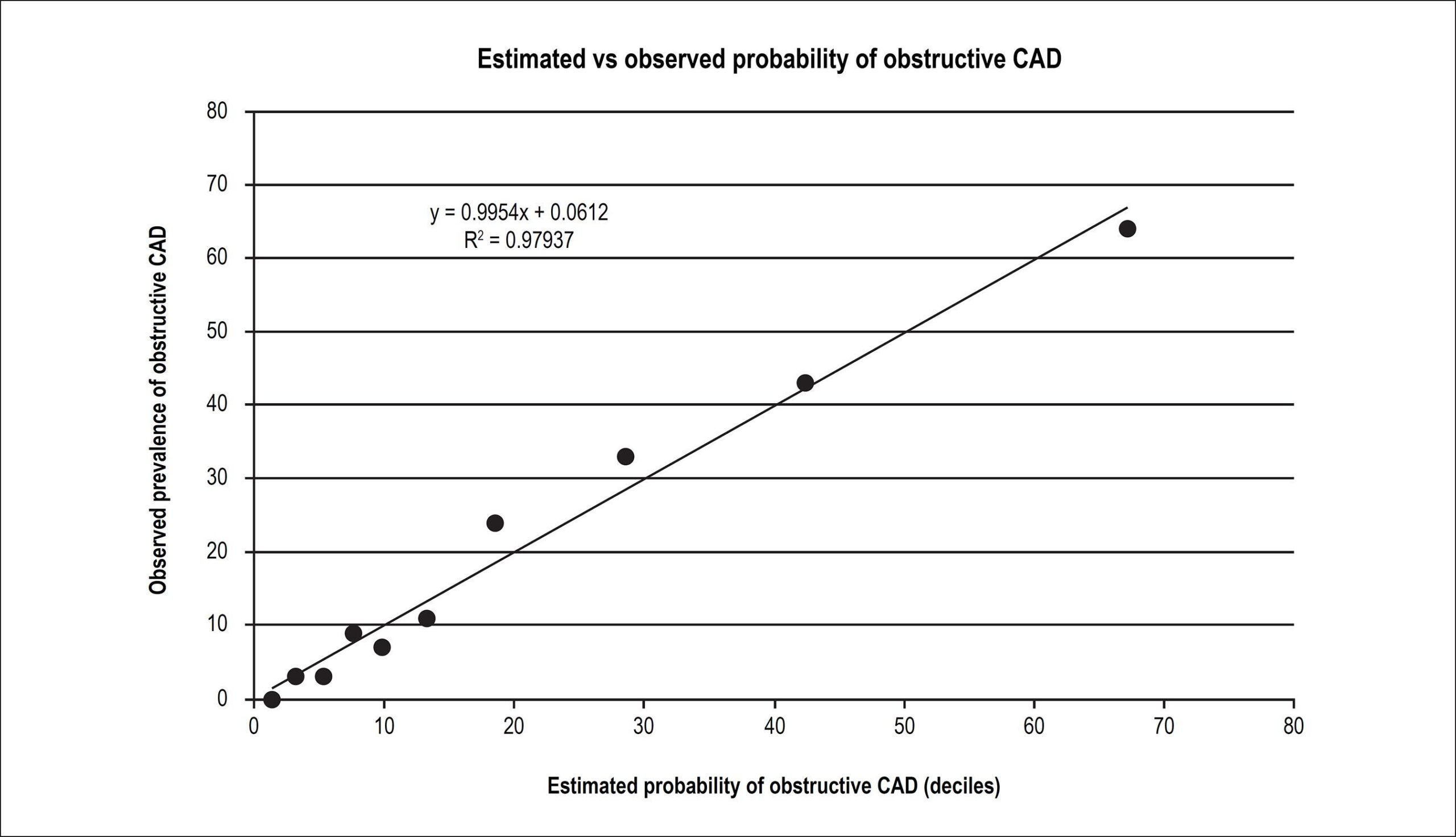
The prevalence of obstructive CAD was 20%. A predictive model of obstructive CAD was created from multivariate logistic regression, using the variables age, chest pain, family history of CAD, systemic arterial hypertension, diabetes mellitus, dyslipidemia, smoking, and male gender. The model showed excellent correlation and calibration (R² = 0.98), as well as excellent accuracy (ROC of 0.848; 95%CI: 0.817-0.879) and validation (ROC of 0.877; 95%CI: 0.830 – 0.923) in different valve populations.

Conclusions:

Obstructive CAD can be estimated from clinical data of adult candidates for valve repair surgery, using a simple, accurate and validated score, easy to apply in clinical practice, which may contribute to changes in the preoperative strategy of acquired heart valve surgery in patients with a lower probability of obstructive disease.

  • Computed Tomography Angiography
  • Coronary Angiography
  • Coronary Artery Disease
  • Heart Valve Disease
Read Full Article
Creative Commons Attribution (CC BY) Creative Commons license
28/09/2017 DOI: 10.5935/abc.20170135 Views 1
Original Article

Angiotensin-Converting Enzyme ID Polymorphism in Patients with Heart Failure Secondary to Chagas Disease

Silene Jacinto da Silva et al. Salvador Rassi Alexandre da Costa Pereira

Abstract

Background:

Changes in the angiotensin-converting enzyme (ACE) gene may contribute to the increase in blood pressure and consequently to the onset of heart failure (HF). The role of polymorphism is very controversial, and its identification in patients with HF secondary to Chagas disease in the Brazilian population is required.

Objective:

To determine ACE polymorphism in patients with HF secondary to Chagas disease and patients with Chagas disease without systolic dysfunction, and to evaluate the relationship of the ACE polymorphism with different clinical variables.

Methods:

This was a comparative clinical study with 193 participants, 103 of them with HF secondary to Chagas disease and 90 with Chagas disease without systolic dysfunction. All patients attended the outpatient department of the General Hospital of the Federal University of Goias general hospital. Alleles I and D of ACE polymorphism were identified by polymerase chain reaction of the respective intron 16 fragments in the ACE gene and visualized by electrophoresis.

Results:

In the group of HF patients, 63% were male, whereas 53.6% of patients with Chagas disease without systolic dysfunction were female (p = 0,001). The time from diagnosis varied from 1 to 50 years. Distribution of DD, ID and II genotypes was similar between the two groups, without statistical significance (p = 0,692). There was no difference in clinical characteristics or I/D genotypes between the groups. Age was significantly different between the groups (p = 0,001), and mean age of patients with HF was 62.5 years.

Conclusion:

No differences were observed in the distribution of (Insertion/Deletion) genotype frequencies of ACE polymorphism between the studied groups. The use of this genetic biomarker was not useful in detecting a possible relationship between ACE polymorphism and clinical manifestations in HF secondary to Chagas disease.

  • Chagas Cardiomyopathy
  • Chagas disease
  • Heart Failure
  • Polymorphism, Genetic
Read Full Article
Creative Commons Attribution (CC BY) Creative Commons license
28/09/2017 DOI: 10.5935/abc.20170137 Views 1
Original Article

Causes and Predictors of In-Hospital Mortality in Patients Admitted with or for Heart Failure at a Tertiary Hospital in Brazil

André Wajner et al. Priccila Zuchinali Vírgilio Olsen Carisi A. Polanczyk Luis Eduardo Rohde

Abstract

Background:

Although heart failure (HF) has high morbidity and mortality, studies in Latin America on causes and predictors of in-hospital mortality are scarce. We also do not know the evolution of patients with compensated HF hospitalized for other reasons.

Objective:

To identify causes and predictors of in-hospital mortality in patients hospitalized for acute decompensated HF (ADHF), compared to those with HF and admitted to the hospital for non-HF related causes (NDHF).

Methods:

Historical cohort of patients hospitalized in a public tertiary hospital in Brazil with a diagnosis of HF identified by the Charlson Comorbidity Index (CCI).

Results:

A total of 2056 patients hospitalized between January 2009 and December 2010 (51% men, median age of 71 years, length of stay of 15 days) were evaluated. There were 17.6% of deaths during hospitalization, of which 58.4% were non-cardiovascular (63.6% NDHF vs 47.4% ADHF, p = 0.004). Infectious causes were responsible for most of the deaths and only 21.6% of the deaths were attributed to HF. The independent predictors of in-hospital mortality were similar between the groups and included: age, length of stay, elevated potassium, clinical comorbidities, and CCI. Renal insufficiency was the most relevant predictor in both groups.

Conclusion:

Patients hospitalized with HF have high in-hospital mortality, regardless of the primary reason for hospitalization. Few deaths are directly attributed to HF; Age, renal function and levels of serum potassium, length of stay, comorbid burden and CCI were independent predictors of in-hospital death in a Brazilian tertiary hospital.

  • Cardiovascular Diseases
  • Demographic Aging
  • Heart Failure
  • Hospital Mortality
  • Hospitals, Public
Read Full Article
Creative Commons Attribution (CC BY) Creative Commons license
28/09/2017 DOI: 10.5935/abc.20170136 Views 2
Figure 1
Review Article

Functional Capacity in Congenital Heart Disease: A Systematic Review and Meta-Analysis

Camila Wohlgemuth Schaan et al. Aline Chagastelles Pinto de Macedo Graciele Sbruzzi Daniel Umpierre … Beatriz D. Schaan Lucia Campos Pellanda

Abstract

Background:

Children and adolescents with congenital heart disease often have alterations in their exercise capacity that can be evaluated by various functional testing.

Objective:

To evaluate the functional capacity of children and adolescents with congenital heart disease (CHD) with systematic review and meta-analyses.

Methods:

The review included observational studies, data from the first evaluation of randomized clinical trials or observational follow-up periods after clinical trials which evaluated functional capacity by cardiopulmonary exercise test, stress testing, six-minute walk test or step test, in children and adolescents with CHD, aged between six and 18 years, and comparisons with healthy controls in the same age group. The quantitative assessment was performed by meta-analysis, by comparing the maximal oxygen consumption (VO2max) of children and adolescents with CHD and respective control groups.

Results:

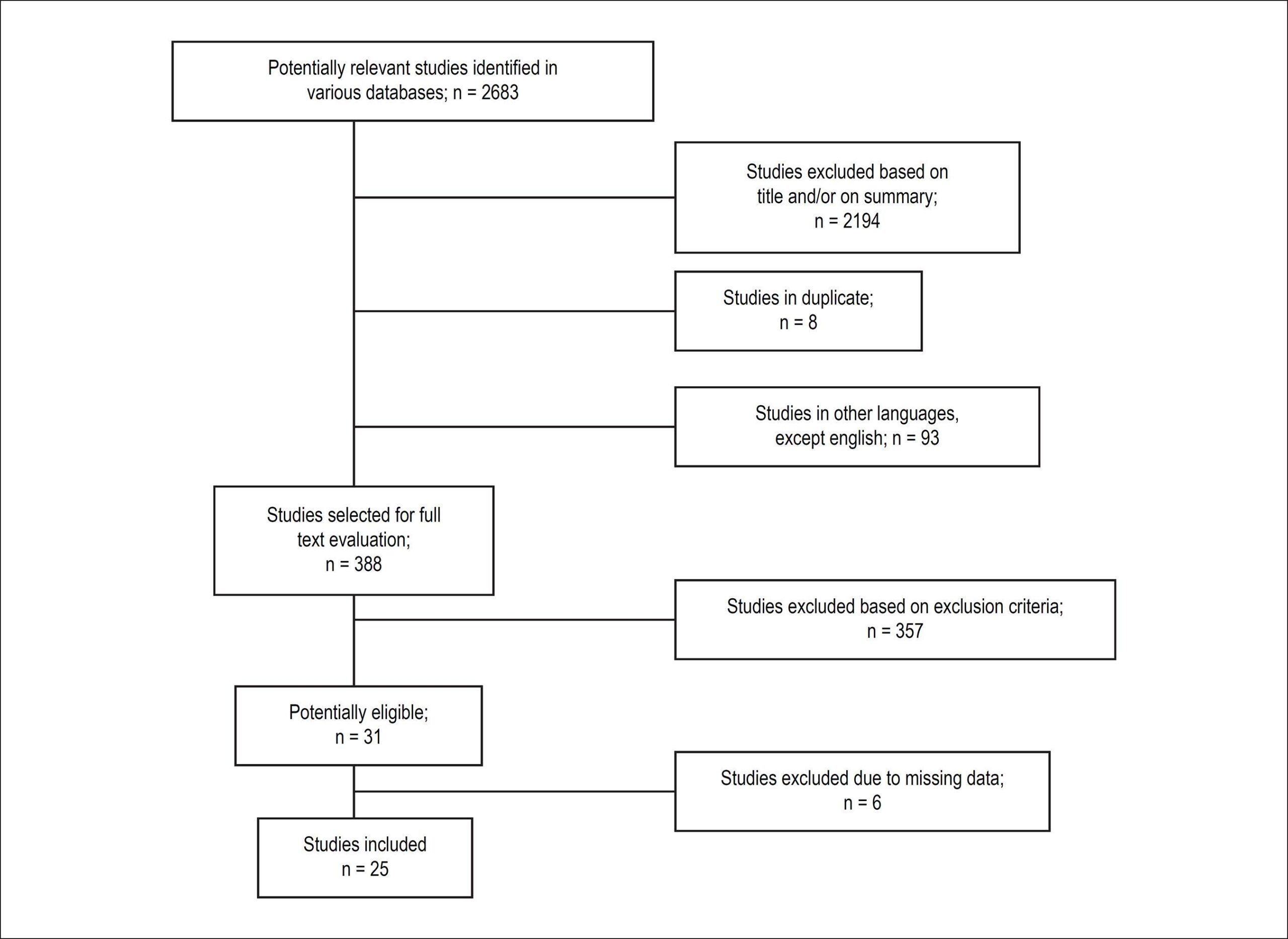
Twenty-five of 2.683 studies identified in the search met the inclusion criteria. The VO2max measurement showed that patients with CHD have a decrease of 9.31 ml/Kg/min (95% CI. -12.48 to -6.13; I2, 94.3%, P for heterogeneity < 0.001) compared with the control group. The meta-analysis of the data of maximum heart rate (HR) reached during cardiopulmonary test and stress testing, retrieved from 18 studies, showed a HR value of -15.14 bpm (95% CI. -20.97 to -9.31; I2, 94.3%, P for heterogeneity < 0.001) compared with the control group.

Conclusion:

Children and adolescents with CHD have lower VO2max and HR compared to controls.

  • Adolescent
  • Child
  • Exercise Tolerance
  • Heart Defects, Congenital
  • Meta-Analysis
  • Review
Read Full Article
Creative Commons Attribution (CC BY) Creative Commons license
04/09/2017 DOI: 10.5935/abc.20170125
Figure 1
Original Article

Twenty-four hour Blood Pressure in Obese Patients with Moderate-to-Severe Obstructive Sleep Apnea

Claudia M. Correa et al. Ronaldo A. Gismondi Ana Rosa Cunha Mario F. Neves Wille Oigman

Abstract

Background:

Obesity, systemic arterial hypertension (SAH) and obstructive sleep apnea (OSA) are closely related. Up to 70% of patients with OSA may be asymptomatic, and there is evidence that these patients have cardiovascular disease, especially nocturnal SAH.

Objectives:

The aim of this study was to evaluate 24-hour blood pressure circadian variation in asymptomatic, obese individuals with moderate-to-severe OSA and compare it with that in individuals with mild OSA or without OSA.

Methods:

Eighty-six obese subjects aged between 30 and 55 years (BMI 30-39 kg/m2), with casual blood pressure < 140/90 mmHg and without comorbidities were recruited. Eighty-one patients underwent clinical and anthropometric assessment, ambulatory blood pressure monitoring (ABPM), and Watch-PAT. Participants were divided into two groups, based on the apnea-hypopnea index (AHI): group 1, with AHI < 15 events/hour, and group 2 with AHI ≥ 15 events/hour.

Results:

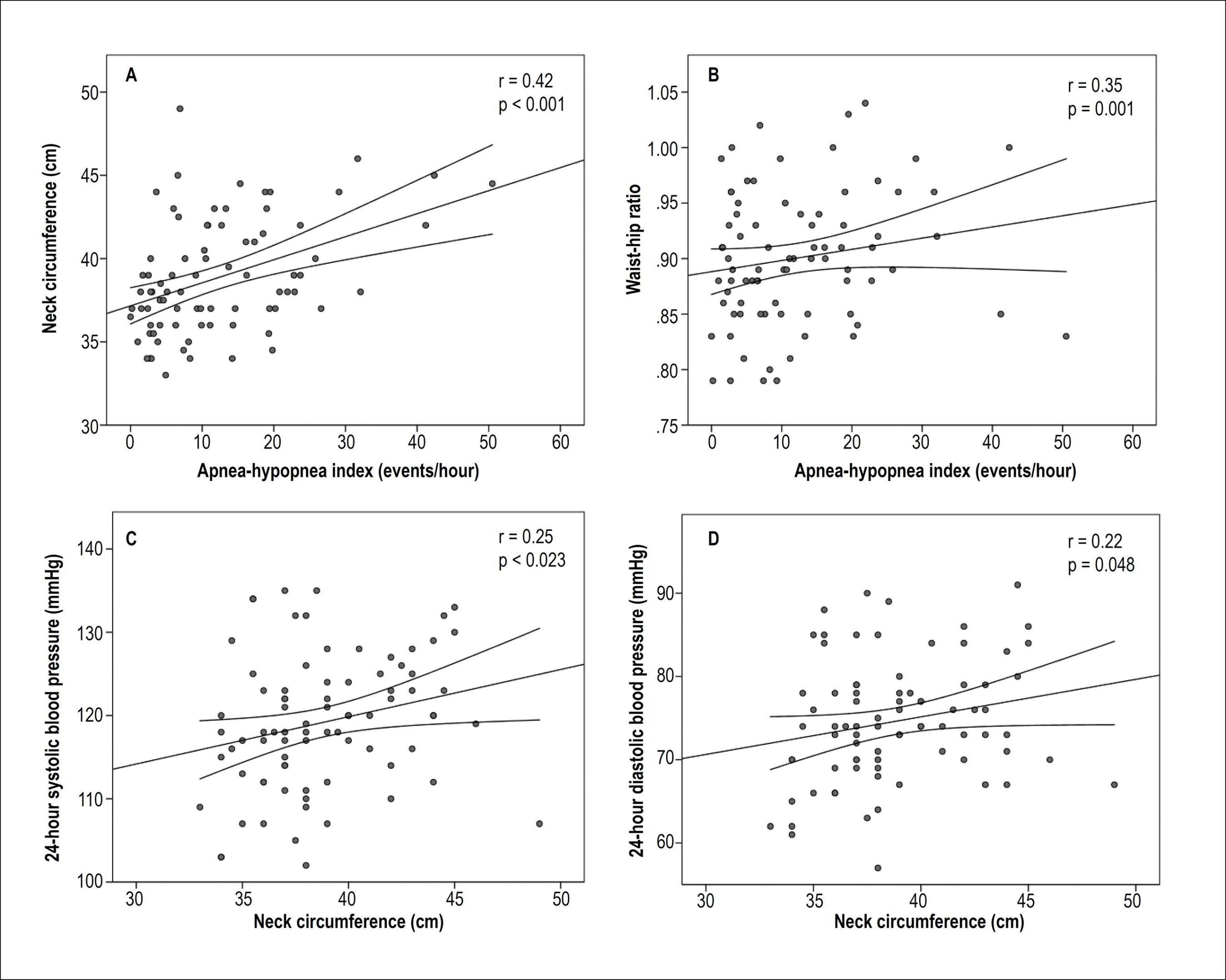
Compared with group 1, group 2 had higher neck circumference and waist-hip circumference (40.5 ± 3.2 cm vs. 38.0 ± 3.7 cm, p = 0.002, and 0.94 ± 0.05 vs. 0.89 ± 0.05, p = 0.001, respectively), higher systolic and diastolic blood pressure measured by the 24-h ABPM (122 ± 6 vs 118 ± 8 mmHg, p = 0.014, and 78 ± 6 vs 73 ± 7 mmHg, p = 0.008, respectively), and higher nocturnal diastolic pressure load (44,6 ± 25,9% vs 31,3 ± 27,3%, p = 0,041). Moreover, there was a positive correlation between nocturnal diastolic blood pressure and AHI (r = 0.43, p < 0.05).

Conclusions:

Asymptomatic obese subjects with moderate-to-severe OSA have higher systolic and diastolic blood pressure at 24 hours compared with those with absent / mild OSA, despite normal casual blood pressure between the groups. These results indicate that ABPM may be useful in the evaluation of asymptomatic obese patients with moderate-to-severe OSA.

  • Blood Pressure
  • Blood Pressure Monitoring, Ambulatory
  • Hypertension
  • Sleep Apnea, Obstructive
Read Full Article
Creative Commons Attribution (CC BY) Creative Commons license
04/09/2017 DOI: 10.5935/abc.20170130 Views 1
Figure 1
Original Article

Minimally Invasive Epicardial Pacemaker Implantation in Neonates with Congenital Heart Block

Roberto Costa et al. Katia Regina da Silva Martino Martinelli Filho Roger Carrillo

Abstract

Background:

Few studies have characterized the surgical outcomes following epicardial pacemaker implantation in neonates with congenital complete atrioventricular block (CCAVB).

Objective:

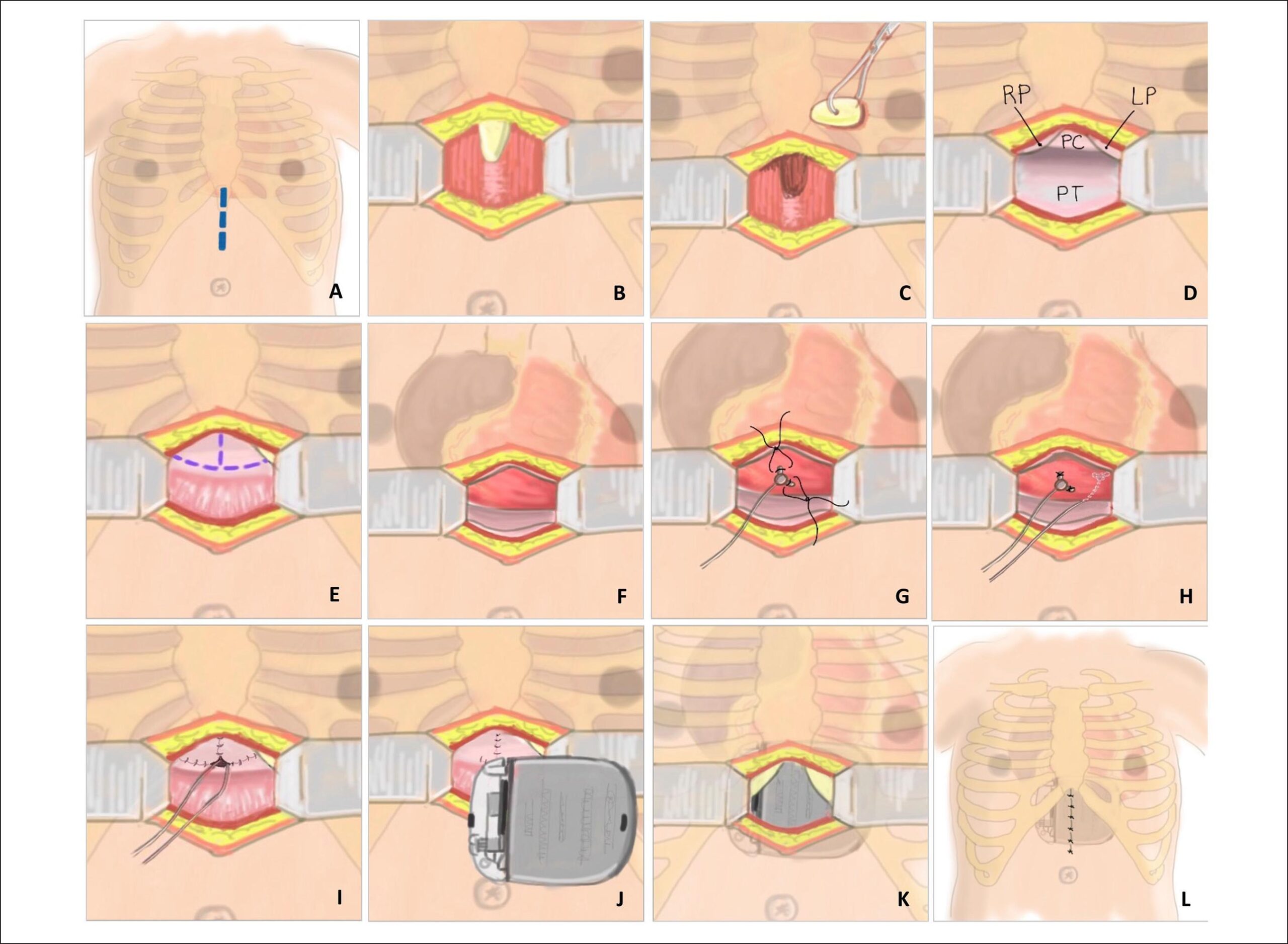
This study sought to assess the long-term outcomes of a minimally invasive epicardial approach using a subxiphoid access for pacemaker implantation in neonates.

Methods:

Between July 2002 and February 2015, 16 consecutive neonates underwent epicardial pacemaker implantation due to CCAVB. Among these, 12 (75.0%) had congenital heart defects associated with CCAVB. The patients had a mean age of 4.7 ± 5.3 days and nine (56.3%) were female. Bipolar steroid-eluting epicardial leads were implanted in all patients through a minimally invasive subxiphoid approach and fixed on the diaphragmatic ventricular surface. The pulse generator was placed in an epigastric submuscular position.

Results:

All procedures were successful, with no perioperative complications or early deaths. Mean operating time was 90.2 ± 16.8 minutes. None of the patients displayed pacing or sensing dysfunction, and all parameters remained stable throughout the follow-up period of 4.1 ± 3.9 years. Three children underwent pulse generator replacement due to normal battery depletion at 4.0, 7.2, and 9.0 years of age without the need of ventricular lead replacement. There were two deaths at 12 and 325 days after pacemaker implantation due to bleeding from thrombolytic use and progressive refractory heart failure, respectively.

Conclusion:

Epicardial pacemaker implantation through a subxiphoid approach in neonates with CCAVB is technically feasible and associated with excellent surgical outcomes and pacing lead longevity.

  • Atrioventricular block
  • Heart Defects, Congenital
  • Infants, Newborns
  • Pacemaker, Artificial
Read Full Article
Creative Commons Attribution (CC BY) Creative Commons license
04/09/2017 DOI: 10.5935/abc.20170126 Views 1
Figure 1
Original Article

Do We Need to Personalize Renal Function Assessment in the Stratification of Patients Undergoing Cardiac Surgery?

Camila P. S. Arthur et al. Omar A. V. Mejia Diogo Osternack Marcelo Arruda Nakazone … Maxim Goncharov Luiz A. F. Lisboa Luís A. O. Dallan Pablo M. A. Pomerantzeff Fabio B. Jatene Grupo de Estudo REPLICCAR

Abstract

Background:

Renal dysfunction is an independent predictor of morbidity and mortality in cardiac surgery. For a better assessment of renal function, calculation of creatinine clearance (CC) may be necessary.

Objective:

To objectively evaluate whether CC is a better risk predictor than serum creatinine (SC) in patients undergoing cardiac surgery.

Methods:

Analysis of 3,285 patients registered in a prospective, consecutive and mandatory manner in the Sao Paulo Registry of Cardiovascular Surgery (REPLICCAR) between November 2013 and January 2015. Values of SC, CC (Cockcroft-Gault) and EuroSCORE II were obtained. Association analysis of SC and CC with morbidity and mortality was performed by calibration and discrimination tests. Independent multivariate models with SC and CC were generated by multiple logistic regression to predict morbidity and mortality following cardiac surgery.

Results:

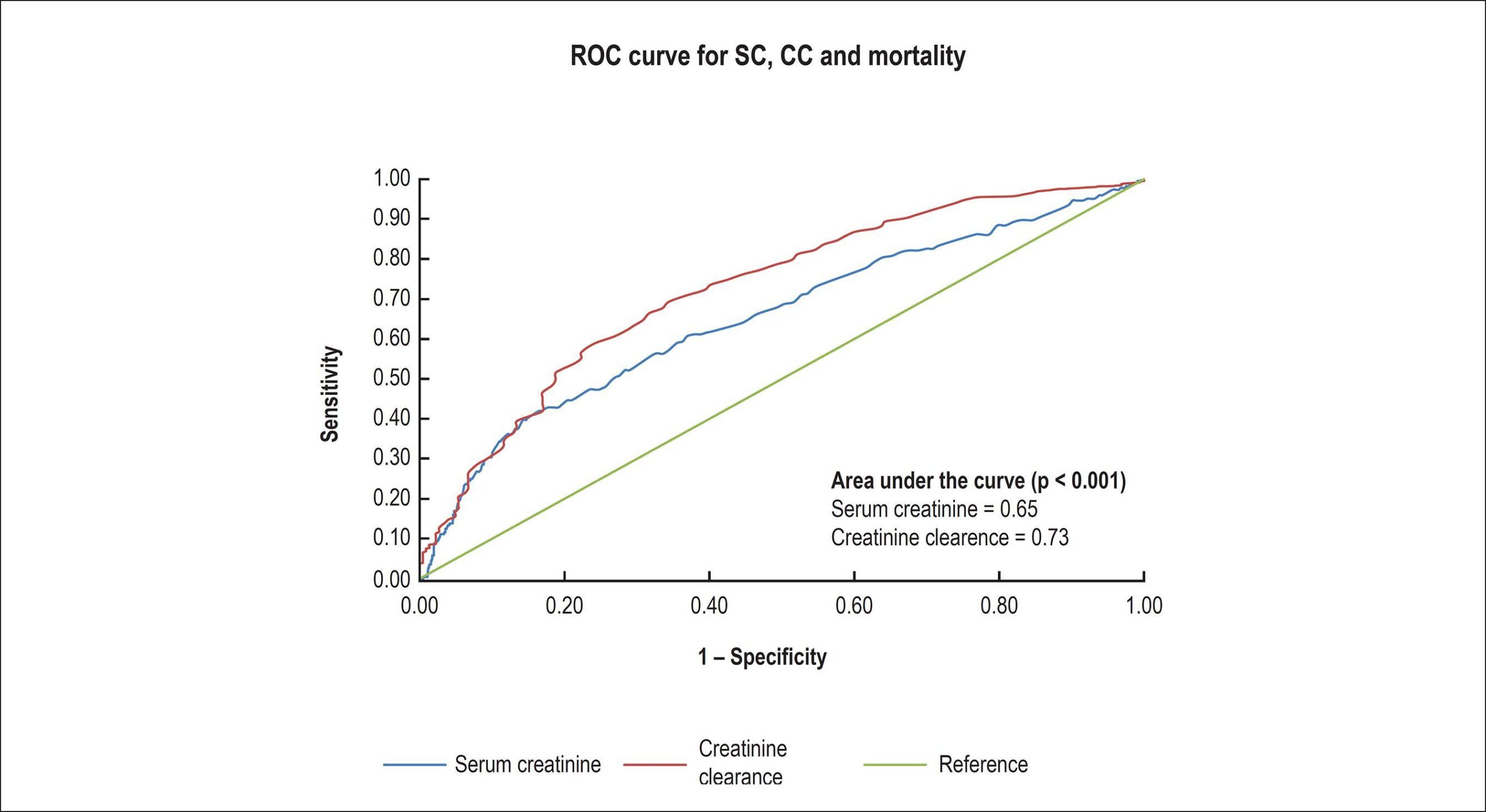
Despite the association between SC and mortality, it did not calibrate properly the risk groups. There was an association between CC and mortality with good calibration of risk groups. In mortality risk prediction, SC was uncalibrated with values > 1.35 mg /dL (p < 0.001). The ROC curve showed that CC is better than SC in predicting both morbidity and mortality risk. In the multivariate model without CC, SC was the only predictor of morbidity, whereas in the model without SC, CC was not only a mortality predictor, but also the only morbidity predictor.

Conclusion:

Compared with SC, CC is a better parameter of renal function in risk stratification of patients undergoing cardiac surgery.

  • Creatinine/analysis
  • Hospital Mortality
  • Indicators of Morbidity and Mortality
  • Myocardial Revascularization
  • Renal Insufficiency/prevention & control
  • Risk Factors
Read Full Article
Creative Commons Attribution (CC BY) Creative Commons license
04/09/2017 DOI: 10.5935/abc.20170129 Views 2
Figure 1
Original Article

Pre-Frailty Increases the Risk of Adverse Events in Older Patients Undergoing Cardiovascular Surgery

Miguel K. Rodrigues et al. Artur Marques Denise M. L. Lobo Iracema I. K. Umeda Mayron F. Oliveira

Abstract

Background:

Frailty is identified as a major predictor of adverse outcomes in older surgical patients. However, the outcomes in pre-frail patients after cardiovascular surgery remain unknown.

Objective:

To investigate the main outcomes (length of stay, mechanical ventilation time, stroke and in-hospital death) in pre-frail patients in comparison with no-frail patients after cardiovascular surgery.

Methods:

221 patients over 65 years old, with established diagnosis of myocardial infarction or valve disease were enrolled. Patients were evaluated by Clinical Frailty Score (CFS) before surgery and allocated into 2 groups: no-frailty (CFS 1~3) vs. pre-frailty (CFS 4) and followed up for main outcomes. For all analysis, the statistical significance was set at 5% (p < 0.05).

Results:

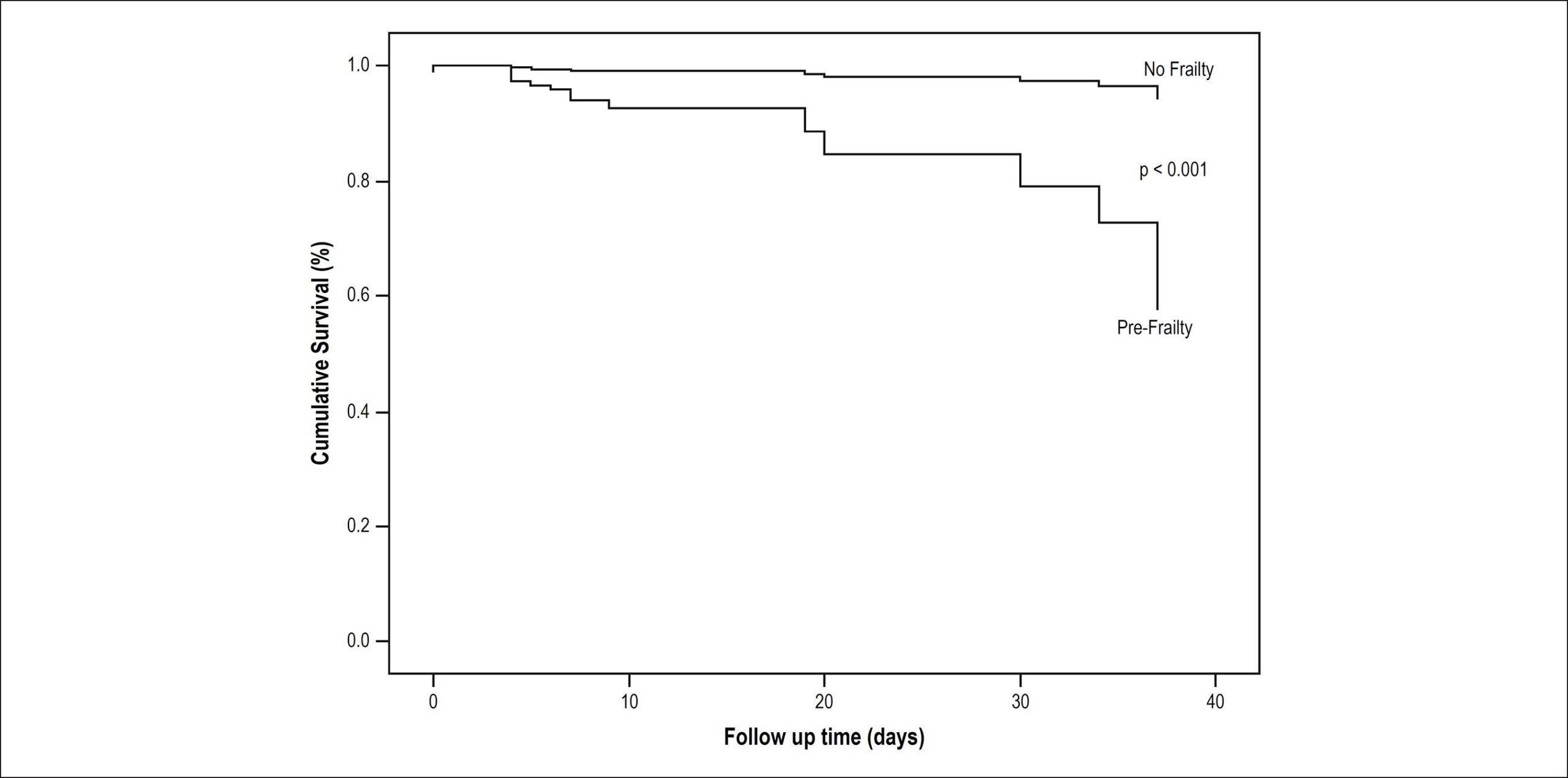
No differences were found in anthropometric and demographic data between groups (p > 0.05). Pre-frail patients showed a longer mechanical ventilation time (193 ± 37 vs. 29 ± 7 hours; p<0.05) than no-frail patients; similar results were observed for length of stay at the intensive care unit (5 ± 1 vs. 3 ± 1 days; p < 0.05) and total time of hospitalization (12 ± 5 vs. 9 ± 3 days; p < 0.05). In addition, the pre-frail group had a higher number of adverse events (stroke 8.3% vs. 3.9%; in-hospital death 21.5% vs. 7.8%; p < 0.05) with an increased risk for development stroke (OR: 2.139, 95% CI: 0.622-7.351, p = 0.001; HR: 2.763, 95%CI: 1.206-6.331, p = 0.0001) and in-hospital death (OR: 1.809, 95% CI: 1.286-2.546, p = 0.001; HR: 1.830, 95% CI: 1.476-2.269, p = 0.0001). Moreover, higher number of pre-frail patients required homecare services than no-frail patients (46.5% vs. 0%; p < 0.05).

Conclusion:

Patients with pre-frailty showed longer mechanical ventilation time and hospital stay with an increased risk for cardiovascular events compared with no-frail patients.

  • Adverse Events
  • aging
  • Cardiovascular Surgery
  • Fragility
Read Full Article
Creative Commons Attribution (CC BY) Creative Commons license
04/09/2017 DOI: 10.5935/abc.20170131 Views 1
Figure 1
Original Article

Pre-Participation Physical Fitness does not Influence Adherence to a Supervised Exercise Program

Fábio Akio Nishijuka et al. Christina Grüne de Souza e Silva Carlos Vieira Duarte Claudio Gil Soares de Araújo

Abstract

Background:

Exercise-based cardiac rehabilitation tends to reduce mortality. However, it requires medium/long-term adherence to regular physical exercise. It is relevant to identify the variables that affect adherence to an supervised exercise program (SEP).

Objective:

To evaluate the influence of pre-participation levels of aerobic and non-aerobic physical fitness components in medium-term adherence to SEP.

Methods:

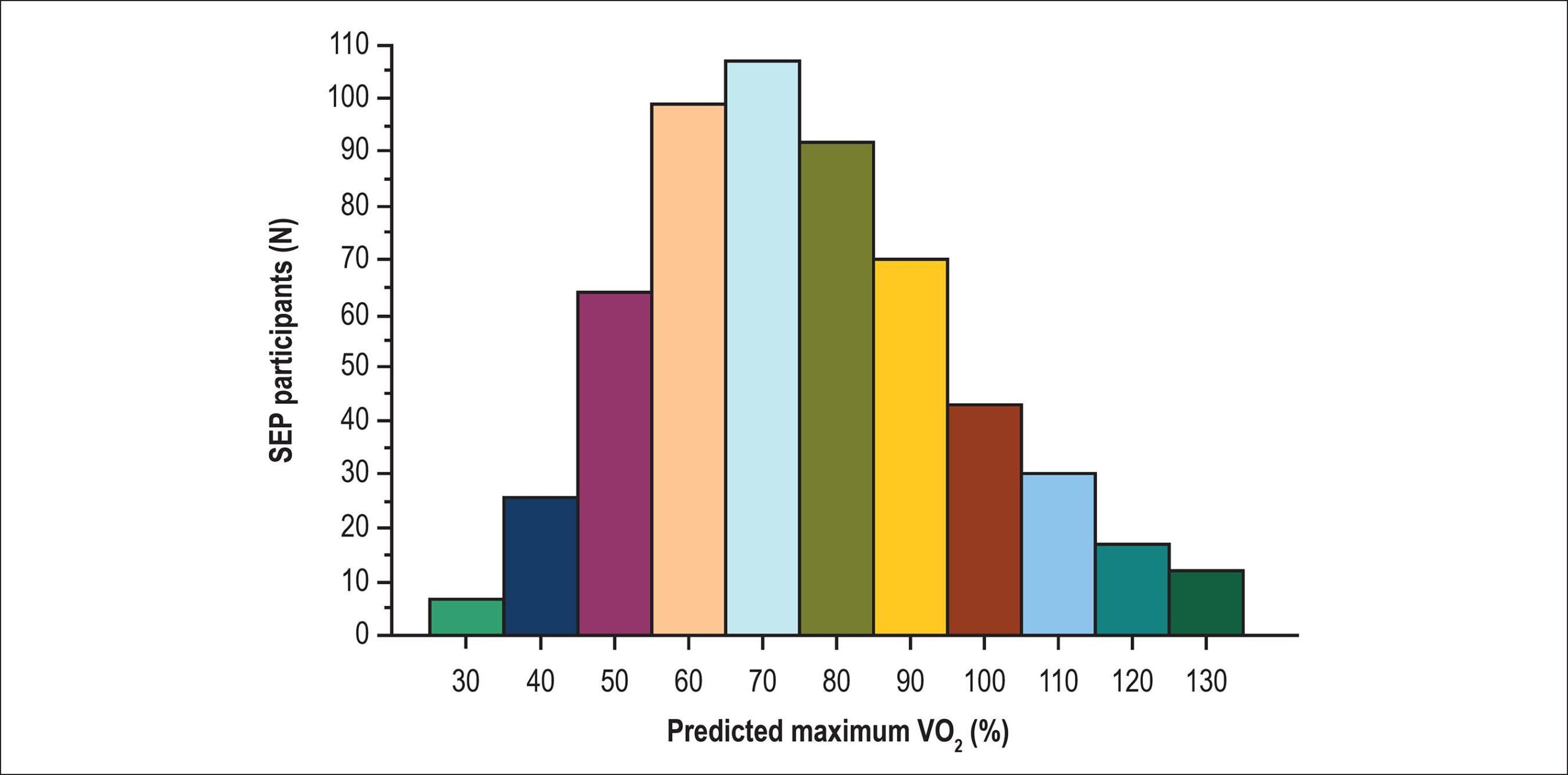
A total of 567 SEP participants (65 ± 12 years) (68% men) were studied. Participants adherent to the program for less than 6 months (48%) (non-adherent – NAD) were compared with 52% of participants who were adherent for 6 months or more (adherents – AD). In the non-aerobic fitness, flexibility (FLX) (Flexitest) and muscle power (MPW)/body weight in standing rowing (watts/kg) were evaluated while aerobic fitness was obtained by direct measure of VO2max/body weight (VO2). These measurements were normatized for sex and age based on percentiles (P) (P-FLX/P-MPW) of reference data or percentages of predicted (P-VO2). Additionally, AD and NAD with extreme results (tertiles) were simultaneously compared for the three variables.

Results:

There was no difference between AD and NAD for non-aerobic results, in median [P25-P75], P-FLX: 30 [13-56] and 31 [9-52], respectively, (p = 0.69) and P-MPW: 34 [17-58] and 36 [16-62], respectively (p = 0.96), and for aerobic results (mean ± standard error) P-VO2 (75.9 ± 1.3% and 75.0 ± 1.3%, respectively) (p = 0.83). When comparing extreme tertiles, a difference was found for P-MPW in the lower tertile only, with a slight advantage of AD over NAD- 9 [5-16] versus 4 [1-11] (p = 0.04).

Conclusion:

Although awareness of the pre-participation levels of aerobic and non-aerobic physical fitness components is useful for individualized exercise prescription, these variables do not seem to influence medium-term adherence to SEP.

  • Muscle Strength
  • Oxygen Consumption
  • Physical and Rehabilitation Medicine
  • Sports Medicine
Read Full Article
Creative Commons Attribution (CC BY) Creative Commons license
17/08/2017 DOI: 10.5935/abc.20170132 Views 1

How to cite this article

EndNote RIS

Electronic Document Format (Vancouver)

Evora PRB. G-Proteins Agonists and NO/cGMP Blockers: Unexplored Frontiers in the Pharmaceutical Industry. Arquivos Brasileiros de Cardiologia 2017;109(4):275-6.

Electronic Document Format (ABNT)

Evora, Paulo Roberto B.. G-Proteins Agonists and NO/cGMP Blockers: Unexplored Frontiers in the Pharmaceutical Industry. Arquivos Brasileiros de Cardiologia, v. 109, n. 4, p. 275-276, Sep. 2017.

Electronic Document Format (APA)

Evora, P. R. B. (2017). G-Proteins Agonists and NO/cGMP Blockers: Unexplored Frontiers in the Pharmaceutical Industry. Arquivos Brasileiros de Cardiologia, 109(4), 275-276.

Electronic Document Format (ISO)

Evora, Paulo Roberto B.. G-Proteins Agonists and NO/cGMP Blockers: Unexplored Frontiers in the Pharmaceutical Industry. Arquivos Brasileiros de Cardiologia [online]. 2017, vol. 109, n. 4, [cited 2026-10-14], pp. 275-276. Available from: <https://journals.cardiol.br/en/article/g-proteins-agonists-and-no-cgmp-blockers-unexplored-frontiers-in-the-pharmaceutical-industry/>. ISSN 0066-782X

EndNote RIS

Electronic Document Format (Vancouver)

Cerit L, Duygu H, Gülşen K, Kemal H, Ozcem B. Spider-Like Coronary Anatomy; the True Spider!. Arquivos Brasileiros de Cardiologia 2017;109(4):376-7.

Electronic Document Format (ABNT)

Cerit, Levent; Duygu, Hamza; Gülşen, Kamil; Kemal, Hatice; Ozcem, Barcin. Spider-Like Coronary Anatomy; the True Spider!. Arquivos Brasileiros de Cardiologia, v. 109, n. 4, p. 376-377, Sep. 2017.

Electronic Document Format (APA)

Cerit, L., Duygu, H., Gülşen, K., Kemal, H., & Ozcem, B. (2017). Spider-Like Coronary Anatomy; the True Spider!. Arquivos Brasileiros de Cardiologia, 109(4), 376-377.

Electronic Document Format (ISO)

Cerit, Levent and Duygu, Hamza and Gülşen, Kamil and Kemal, Hatice and Ozcem, Barcin. Spider-Like Coronary Anatomy; the True Spider!. Arquivos Brasileiros de Cardiologia [online]. 2017, vol. 109, n. 4, [cited 2026-10-14], pp. 376-377. Available from: <https://journals.cardiol.br/en/article/spider-like-coronary-anatomy-the-true-spider/>. ISSN 0066-782X

EndNote RIS

Electronic Document Format (Vancouver)

Sousa AS, Derenne ME, Hasslocher-Moreno AM, Xavier SS, Gottlieb I. Myocardial Edema without Fibrosis by Magnetic Resonance T2 Mapping in Acute Chagas’ Myocarditis. Arquivos Brasileiros de Cardiologia 2017;109(4):378-9.

Electronic Document Format (ABNT)

Sousa, Andréa Silvestre de; Derenne, Maria Eduarda; Hasslocher-Moreno, Alejandro Marcel; Xavier, Sérgio Salles; Gottlieb, Ilan. Myocardial Edema without Fibrosis by Magnetic Resonance T2 Mapping in Acute Chagas’ Myocarditis. Arquivos Brasileiros de Cardiologia, v. 109, n. 4, p. 378-379, Sep. 2017.

Electronic Document Format (APA)

Sousa, A. S. , Derenne, M. E., Hasslocher-Moreno, A. M., Xavier, S. S., & Gottlieb, I. (2017). Myocardial Edema without Fibrosis by Magnetic Resonance T2 Mapping in Acute Chagas’ Myocarditis. Arquivos Brasileiros de Cardiologia, 109(4), 378-379.

Electronic Document Format (ISO)

Sousa, Andréa Silvestre de and Derenne, Maria Eduarda and Hasslocher-Moreno, Alejandro Marcel and Xavier, Sérgio Salles and Gottlieb, Ilan. Myocardial Edema without Fibrosis by Magnetic Resonance T2 Mapping in Acute Chagas’ Myocarditis. Arquivos Brasileiros de Cardiologia [online]. 2017, vol. 109, n. 4, [cited 2026-10-14], pp. 378-379. Available from: <https://journals.cardiol.br/en/article/myocardial-edema-without-fibrosis-by-magnetic-resonance-t2-mapping-in-acute-chagas-myocarditis/>. ISSN 0066-782X

EndNote RIS

Electronic Document Format (Vancouver)

Sousa ACS, Cunha CP, Magalhães LBNC, Kaiser SE, Saraiva JFK. Positions, Guidelines and Standardizations. Vehicles of Assistance to Medical Practice. Arquivos Brasileiros de Cardiologia 2017;109(4):368-9.

Electronic Document Format (ABNT)

Sousa, Antônio Carlos Sobral; Cunha, Claudio Pereira da; Magalhães, Lucélia Batista Neves Cunha; Kaiser, Sergio Emanuel; Saraiva, José Francisco Kerr. Positions, Guidelines and Standardizations. Vehicles of Assistance to Medical Practice. Arquivos Brasileiros de Cardiologia, v. 109, n. 4, p. 368-369, Sep. 2017.

Electronic Document Format (APA)

Sousa, A. C. S., Cunha, C. P. , Magalhães, L. B. N. C., Kaiser, S. E., & Saraiva, J. F. K. (2017). Positions, Guidelines and Standardizations. Vehicles of Assistance to Medical Practice. Arquivos Brasileiros de Cardiologia, 109(4), 368-369.

Electronic Document Format (ISO)

Sousa, Antônio Carlos Sobral and Cunha, Claudio Pereira da and Magalhães, Lucélia Batista Neves Cunha and Kaiser, Sergio Emanuel and Saraiva, José Francisco Kerr. Positions, Guidelines and Standardizations. Vehicles of Assistance to Medical Practice. Arquivos Brasileiros de Cardiologia [online]. 2017, vol. 109, n. 4, [cited 2026-10-14], pp. 368-369. Available from: <https://journals.cardiol.br/en/article/positions-guidelines-and-standardizations-vehicles-of-assistance-to-medical-practice/>. ISSN 0066-782X

EndNote RIS

Electronic Document Format (Vancouver)

Cerit Z. Childhood Obesity, MMP-9 Levels, and Vitamin D. Arquivos Brasileiros de Cardiologia 2017;109(4):380-1.

Electronic Document Format (ABNT)

Cerit, Zeynep. Childhood Obesity, MMP-9 Levels, and Vitamin D. Arquivos Brasileiros de Cardiologia, v. 109, n. 4, p. 380-381, Sep. 2017.

Electronic Document Format (APA)

Cerit, Z. (2017). Childhood Obesity, MMP-9 Levels, and Vitamin D. Arquivos Brasileiros de Cardiologia, 109(4), 380-381.

Electronic Document Format (ISO)

Cerit, Zeynep. Childhood Obesity, MMP-9 Levels, and Vitamin D. Arquivos Brasileiros de Cardiologia [online]. 2017, vol. 109, n. 4, [cited 2026-10-14], pp. 380-381. Available from: <https://journals.cardiol.br/en/article/childhood-obesity-mmp-9-levels-and-vitamin-d/>. ISSN 0066-782X

EndNote RIS

Electronic Document Format (Vancouver)

Uçar FM, Yilmaztepe MA, Taylan G, Aktoz M. Non-Sustained Ventricular Tachycardia Episodes Predict Future Hospitalization in ICD Recipients with Heart Failure. Arquivos Brasileiros de Cardiologia 2017;109(4):284-9.

Electronic Document Format (ABNT)

Uçar, Fatih Mehmet; Yilmaztepe, Mustafa Adem; Taylan, Gökay; Aktoz, Meryem. Non-Sustained Ventricular Tachycardia Episodes Predict Future Hospitalization in ICD Recipients with Heart Failure. Arquivos Brasileiros de Cardiologia, v. 109, n. 4, p. 284-289, Sep. 2017.

Electronic Document Format (APA)

Uçar, F. M., Yilmaztepe, M. A., Taylan, G., & Aktoz, M. (2017). Non-Sustained Ventricular Tachycardia Episodes Predict Future Hospitalization in ICD Recipients with Heart Failure. Arquivos Brasileiros de Cardiologia, 109(4), 284-289.

Electronic Document Format (ISO)

Uçar, Fatih Mehmet and Yilmaztepe, Mustafa Adem and Taylan, Gökay and Aktoz, Meryem. Non-Sustained Ventricular Tachycardia Episodes Predict Future Hospitalization in ICD Recipients with Heart Failure. Arquivos Brasileiros de Cardiologia [online]. 2017, vol. 109, n. 4, [cited 2026-10-14], pp. 284-289. Available from: <https://journals.cardiol.br/en/article/non-sustained-ventricular-tachycardia-episodes-predict-future-hospitalization-in-icd-recipients-with-heart-failure/>. ISSN 0066-782X

EndNote RIS

Electronic Document Format (Vancouver)

Bruno JA, Nunes RAB, Gutierrez PS, Aiello VD. Case 5/2017 – A 28-Year-Old Woman with Cor Pulmonale Due to Pulmonary Hypertension Secondary to Chronic Pulmonary Thromboembolism. Arquivos Brasileiros de Cardiologia 2017;109(4):370-5.

Electronic Document Format (ABNT)

Bruno, Jussara de Almeida; Nunes, Rafael Amorim Belo; Gutierrez, Paulo Sampaio; Aiello, Vera Demarchi. Case 5/2017 – A 28-Year-Old Woman with Cor Pulmonale Due to Pulmonary Hypertension Secondary to Chronic Pulmonary Thromboembolism. Arquivos Brasileiros de Cardiologia, v. 109, n. 4, p. 370-375, Sep. 2017.

Electronic Document Format (APA)

Bruno, J. A., Nunes, R. A. B., Gutierrez, P. S., & Aiello, V. D. (2017). Case 5/2017 – A 28-Year-Old Woman with Cor Pulmonale Due to Pulmonary Hypertension Secondary to Chronic Pulmonary Thromboembolism. Arquivos Brasileiros de Cardiologia, 109(4), 370-375.

Electronic Document Format (ISO)

Bruno, Jussara de Almeida and Nunes, Rafael Amorim Belo and Gutierrez, Paulo Sampaio and Aiello, Vera Demarchi. Case 5/2017 – A 28-Year-Old Woman with Cor Pulmonale Due to Pulmonary Hypertension Secondary to Chronic Pulmonary Thromboembolism. Arquivos Brasileiros de Cardiologia [online]. 2017, vol. 109, n. 4, [cited 2026-10-14], pp. 370-375. Available from: <https://journals.cardiol.br/en/article/case-5-2017-a-28-year-old-woman-with-cor-pulmonale-due-to-pulmonary-hypertension-secondary-to-chronic-pulmonary-thromboembolism/>. ISSN 0066-782X

EndNote RIS

Electronic Document Format (Vancouver)

Marquis-Gravel G, Matteau A, Potter BJ, Gobeil F, Noiseux N, Stevens L, Mansour S, et al. Impact of Paclitaxel-Eluting Balloons Compared to Second-Generation Drug-Eluting Stents for of In-Stent Restenosis in a Primarily Acute Coronary Syndrome Population. Arquivos Brasileiros de Cardiologia 2017;109(4):277-83.

Electronic Document Format (ABNT)

Marquis-Gravel, Guillaume; Matteau, Alexis; Potter, Brian J; Gobeil, François; Noiseux, Nicolas; Stevens, Louis-Mathieu; Mansour, Samer. Impact of Paclitaxel-Eluting Balloons Compared to Second-Generation Drug-Eluting Stents for of In-Stent Restenosis in a Primarily Acute Coronary Syndrome Population. Arquivos Brasileiros de Cardiologia, v. 109, n. 4, p. 277-283, Sep. 2017.

Electronic Document Format (APA)

Marquis-Gravel, G., Matteau, A., Potter, B. J., Gobeil, F., Noiseux, N., Stevens, L., & Mansour, S. (2017). Impact of Paclitaxel-Eluting Balloons Compared to Second-Generation Drug-Eluting Stents for of In-Stent Restenosis in a Primarily Acute Coronary Syndrome Population. Arquivos Brasileiros de Cardiologia, 109(4), 277-283.

Electronic Document Format (ISO)

Marquis-Gravel, Guillaume and Matteau, Alexis and Potter, Brian J and Gobeil, François and Noiseux, Nicolas and Stevens, Louis-Mathieu and Mansour, Samer. Impact of Paclitaxel-Eluting Balloons Compared to Second-Generation Drug-Eluting Stents for of In-Stent Restenosis in a Primarily Acute Coronary Syndrome Population. Arquivos Brasileiros de Cardiologia [online]. 2017, vol. 109, n. 4, [cited 2026-10-14], pp. 277-283. Available from: <https://journals.cardiol.br/en/article/impact-of-paclitaxel-eluting-balloons-compared-to-second-generation-drug-eluting-stents-for-of-in-stent-restenosis-in-a-primarily-acute-coronary-syndrome-population/>. ISSN 0066-782X

EndNote RIS

Electronic Document Format (Vancouver)

Cazelli JG, Camargo GC, Kruczan DD, Weksler C, Felipe AR, Gottlieb I. Prevalence and Prediction of Obstructive Coronary Artery Disease in Patients Undergoing Primary Heart Valve Surgery. Arquivos Brasileiros de Cardiologia 2017;109(4):348-56.

Electronic Document Format (ABNT)

Cazelli, José Guilherme; Camargo, Gabriel Cordeiro; Kruczan, Dany David; Weksler, Clara; Felipe, Alexandre Rouge; Gottlieb, Ilan. Prevalence and Prediction of Obstructive Coronary Artery Disease in Patients Undergoing Primary Heart Valve Surgery. Arquivos Brasileiros de Cardiologia, v. 109, n. 4, p. 348-356, Sep. 2017.

Electronic Document Format (APA)

Cazelli, J. G., Camargo, G. C., Kruczan, D. D., Weksler, C., Felipe, A. R., & Gottlieb, I. (2017). Prevalence and Prediction of Obstructive Coronary Artery Disease in Patients Undergoing Primary Heart Valve Surgery. Arquivos Brasileiros de Cardiologia, 109(4), 348-356.

Electronic Document Format (ISO)

Cazelli, José Guilherme and Camargo, Gabriel Cordeiro and Kruczan, Dany David and Weksler, Clara and Felipe, Alexandre Rouge and Gottlieb, Ilan. Prevalence and Prediction of Obstructive Coronary Artery Disease in Patients Undergoing Primary Heart Valve Surgery. Arquivos Brasileiros de Cardiologia [online]. 2017, vol. 109, n. 4, [cited 2026-10-14], pp. 348-356. Available from: <https://journals.cardiol.br/en/article/prevalence-and-prediction-of-obstructive-coronary-artery-disease-in-patients-undergoing-primary-heart-valve-surgery/>. ISSN 0066-782X

EndNote RIS

Electronic Document Format (Vancouver)

Silva SJ, Rassi S, Pereira AC. Angiotensin-Converting Enzyme ID Polymorphism in Patients with Heart Failure Secondary to Chagas Disease. Arquivos Brasileiros de Cardiologia 2017;109(4):307-12.

Electronic Document Format (ABNT)

Silva, Silene Jacinto da; Rassi, Salvador; Pereira, Alexandre da Costa. Angiotensin-Converting Enzyme ID Polymorphism in Patients with Heart Failure Secondary to Chagas Disease. Arquivos Brasileiros de Cardiologia, v. 109, n. 4, p. 307-312, Sep. 2017.

Electronic Document Format (APA)

Silva, S. J. , Rassi, S., & Pereira, A. C. (2017). Angiotensin-Converting Enzyme ID Polymorphism in Patients with Heart Failure Secondary to Chagas Disease. Arquivos Brasileiros de Cardiologia, 109(4), 307-312.

Electronic Document Format (ISO)

Silva, Silene Jacinto da and Rassi, Salvador and Pereira, Alexandre da Costa. Angiotensin-Converting Enzyme ID Polymorphism in Patients with Heart Failure Secondary to Chagas Disease. Arquivos Brasileiros de Cardiologia [online]. 2017, vol. 109, n. 4, [cited 2026-10-14], pp. 307-312. Available from: <https://journals.cardiol.br/en/article/angiotensin-converting-enzyme-id-polymorphism-in-patients-with-heart-failure-secondary-to-chagas-disease/>. ISSN 0066-782X

EndNote RIS

Electronic Document Format (Vancouver)

Wajner A, Zuchinali P, Olsen V, Polanczyk CA, Rohde LE. Causes and Predictors of In-Hospital Mortality in Patients Admitted with or for Heart Failure at a Tertiary Hospital in Brazil. Arquivos Brasileiros de Cardiologia 2017;109(4):321-30.

Electronic Document Format (ABNT)

Wajner, André; Zuchinali, Priccila; Olsen, Vírgilio; Polanczyk, Carisi A.; Rohde, Luis Eduardo. Causes and Predictors of In-Hospital Mortality in Patients Admitted with or for Heart Failure at a Tertiary Hospital in Brazil. Arquivos Brasileiros de Cardiologia, v. 109, n. 4, p. 321-330, Sep. 2017.

Electronic Document Format (APA)

Wajner, A., Zuchinali, P., Olsen, V., Polanczyk, C. A., & Rohde, L. E. (2017). Causes and Predictors of In-Hospital Mortality in Patients Admitted with or for Heart Failure at a Tertiary Hospital in Brazil. Arquivos Brasileiros de Cardiologia, 109(4), 321-330.

Electronic Document Format (ISO)

Wajner, André and Zuchinali, Priccila and Olsen, Vírgilio and Polanczyk, Carisi A. and Rohde, Luis Eduardo. Causes and Predictors of In-Hospital Mortality in Patients Admitted with or for Heart Failure at a Tertiary Hospital in Brazil. Arquivos Brasileiros de Cardiologia [online]. 2017, vol. 109, n. 4, [cited 2026-10-14], pp. 321-330. Available from: <https://journals.cardiol.br/en/article/causes-and-predictors-of-in-hospital-mortality-in-patients-admitted-with-or-for-heart-failure-at-a-tertiary-hospital-in-brazil/>. ISSN 0066-782X

EndNote RIS

Electronic Document Format (Vancouver)

Schaan CW, Macedo ACP, Sbruzzi G, Umpierre D, Schaan BD, Pellanda LC. Functional Capacity in Congenital Heart Disease: A Systematic Review and Meta-Analysis. Arquivos Brasileiros de Cardiologia 2017;109(4):357-6.

Electronic Document Format (ABNT)

Schaan, Camila Wohlgemuth; Macedo, Aline Chagastelles Pinto de; Sbruzzi, Graciele; Umpierre, Daniel; Schaan, Beatriz D.; Pellanda, Lucia Campos. Functional Capacity in Congenital Heart Disease: A Systematic Review and Meta-Analysis. Arquivos Brasileiros de Cardiologia, v. 109, n. 4, p. 357-367, Sep. 2017.

Electronic Document Format (APA)

Schaan, C. W., Macedo, A. C. P. , Sbruzzi, G., Umpierre, D., Schaan, B. D., & Pellanda, L. C. (2017). Functional Capacity in Congenital Heart Disease: A Systematic Review and Meta-Analysis. Arquivos Brasileiros de Cardiologia, 109(4), 357-367.

Electronic Document Format (ISO)

Schaan, Camila Wohlgemuth and Macedo, Aline Chagastelles Pinto de and Sbruzzi, Graciele and Umpierre, Daniel and Schaan, Beatriz D. and Pellanda, Lucia Campos. Functional Capacity in Congenital Heart Disease: A Systematic Review and Meta-Analysis. Arquivos Brasileiros de Cardiologia [online]. 2017, vol. 109, n. 4, [cited 2026-10-14], pp. 357-367. Available from: <https://journals.cardiol.br/en/article/functional-capacity-in-congenital-heart-disease-a-systematic-review-and-meta-analysis/>. ISSN 0066-782X

EndNote RIS

Electronic Document Format (Vancouver)

Correa CM, Gismondi RA, Cunha AR, Neves MF, Oigman W. Twenty-four hour Blood Pressure in Obese Patients with Moderate-to-Severe Obstructive Sleep Apnea. Arquivos Brasileiros de Cardiologia 2017;109(4):313-20.

Electronic Document Format (ABNT)

Correa, Claudia M.; Gismondi, Ronaldo A.; Cunha, Ana Rosa; Neves, Mario F.; Oigman, Wille. Twenty-four hour Blood Pressure in Obese Patients with Moderate-to-Severe Obstructive Sleep Apnea. Arquivos Brasileiros de Cardiologia, v. 109, n. 4, p. 313-320, Sep. 2017.

Electronic Document Format (APA)

Correa, C. M., Gismondi, R. A., Cunha, A. R., Neves, M. F., & Oigman, W. (2017). Twenty-four hour Blood Pressure in Obese Patients with Moderate-to-Severe Obstructive Sleep Apnea. Arquivos Brasileiros de Cardiologia, 109(4), 313-320.

Electronic Document Format (ISO)

Correa, Claudia M. and Gismondi, Ronaldo A. and Cunha, Ana Rosa and Neves, Mario F. and Oigman, Wille. Twenty-four hour Blood Pressure in Obese Patients with Moderate-to-Severe Obstructive Sleep Apnea. Arquivos Brasileiros de Cardiologia [online]. 2017, vol. 109, n. 4, [cited 2026-10-14], pp. 313-320. Available from: <https://journals.cardiol.br/en/article/twenty-four-hour-blood-pressure-in-obese-patients-with-moderate-to-severe-obstructive-sleep-apnea/>. ISSN 0066-782X

EndNote RIS

Electronic Document Format (Vancouver)

Costa R, Silva KR, Martinelli Filho M, Carrillo R. Minimally Invasive Epicardial Pacemaker Implantation in Neonates with Congenital Heart Block. Arquivos Brasileiros de Cardiologia 2017;109(4):331-9.

Electronic Document Format (ABNT)

Costa, Roberto; Silva, Katia Regina da; Martinelli Filho, Martino; Carrillo, Roger. Minimally Invasive Epicardial Pacemaker Implantation in Neonates with Congenital Heart Block. Arquivos Brasileiros de Cardiologia, v. 109, n. 4, p. 331-339, Sep. 2017.

Electronic Document Format (APA)

Costa, R., Silva, K. R. , Martinelli Filho, M., & Carrillo, R. (2017). Minimally Invasive Epicardial Pacemaker Implantation in Neonates with Congenital Heart Block. Arquivos Brasileiros de Cardiologia, 109(4), 331-339.

Electronic Document Format (ISO)

Costa, Roberto and Silva, Katia Regina da and Martinelli Filho, Martino and Carrillo, Roger. Minimally Invasive Epicardial Pacemaker Implantation in Neonates with Congenital Heart Block. Arquivos Brasileiros de Cardiologia [online]. 2017, vol. 109, n. 4, [cited 2026-10-14], pp. 331-339. Available from: <https://journals.cardiol.br/en/article/minimally-invasive-epicardial-pacemaker-implantation-in-neonates-with-congenital-heart-block/>. ISSN 0066-782X

EndNote RIS

Electronic Document Format (Vancouver)

Arthur CPS, Mejia OAV, Osternack D, Nakazone MA, Goncharov M, Lisboa LAF, Dallan LAO, et al. Do We Need to Personalize Renal Function Assessment in the Stratification of Patients Undergoing Cardiac Surgery?. Arquivos Brasileiros de Cardiologia 2017;109(4):290-8.

Electronic Document Format (ABNT)

Arthur, Camila P. S.; Mejia, Omar A. V.; Osternack, Diogo; Nakazone, Marcelo Arruda; Goncharov, Maxim; Lisboa, Luiz A. F.; Dallan, Luís A. O.; Pomerantzeff, Pablo M. A.; Jatene, Fabio B.; REPLICCAR, Grupo de Estudo. Do We Need to Personalize Renal Function Assessment in the Stratification of Patients Undergoing Cardiac Surgery?. Arquivos Brasileiros de Cardiologia, v. 109, n. 4, p. 290-298, Sep. 2017.

Electronic Document Format (APA)

Arthur, C. P. S., Mejia, O. A. V., Osternack, D., Nakazone, M. A., Goncharov, M., Lisboa, L. A. F., Dallan, L. A. O., Pomerantzeff, P. M. A., Jatene, F. B., & REPLICCAR, G. E. (2017). Do We Need to Personalize Renal Function Assessment in the Stratification of Patients Undergoing Cardiac Surgery?. Arquivos Brasileiros de Cardiologia, 109(4), 290-298.

Electronic Document Format (ISO)

Arthur, Camila P. S. and Mejia, Omar A. V. and Osternack, Diogo and Nakazone, Marcelo Arruda and Goncharov, Maxim and Lisboa, Luiz A. F. and Dallan, Luís A. O. and Pomerantzeff, Pablo M. A. and Jatene, Fabio B. and REPLICCAR, Grupo de Estudo. Do We Need to Personalize Renal Function Assessment in the Stratification of Patients Undergoing Cardiac Surgery?. Arquivos Brasileiros de Cardiologia [online]. 2017, vol. 109, n. 4, [cited 2026-10-14], pp. 290-298. Available from: <https://journals.cardiol.br/en/article/do-we-need-to-personalize-renal-function-assessment-in-the-stratification-of-patients-undergoing-cardiac-surgery/>. ISSN 0066-782X

EndNote RIS

Electronic Document Format (Vancouver)

Rodrigues MK, Marques A, Lobo DML, Umeda IIK, Oliveira MF. Pre-Frailty Increases the Risk of Adverse Events in Older Patients Undergoing Cardiovascular Surgery. Arquivos Brasileiros de Cardiologia 2017;109(4):299-306.

Electronic Document Format (ABNT)

Rodrigues, Miguel K.; Marques, Artur; Lobo, Denise M. L.; Umeda, Iracema I. K.; Oliveira, Mayron F.. Pre-Frailty Increases the Risk of Adverse Events in Older Patients Undergoing Cardiovascular Surgery. Arquivos Brasileiros de Cardiologia, v. 109, n. 4, p. 299-306, Sep. 2017.

Electronic Document Format (APA)

Rodrigues, M. K., Marques, A., Lobo, D. M. L., Umeda, I. I. K., & Oliveira, M. F. (2017). Pre-Frailty Increases the Risk of Adverse Events in Older Patients Undergoing Cardiovascular Surgery. Arquivos Brasileiros de Cardiologia, 109(4), 299-306.

Electronic Document Format (ISO)

Rodrigues, Miguel K. and Marques, Artur and Lobo, Denise M. L. and Umeda, Iracema I. K. and Oliveira, Mayron F.. Pre-Frailty Increases the Risk of Adverse Events in Older Patients Undergoing Cardiovascular Surgery. Arquivos Brasileiros de Cardiologia [online]. 2017, vol. 109, n. 4, [cited 2026-10-14], pp. 299-306. Available from: <https://journals.cardiol.br/en/article/pre-frailty-increases-the-risk-of-adverse-events-in-older-patients-undergoing-cardiovascular-surgery/>. ISSN 0066-782X

EndNote RIS

Electronic Document Format (Vancouver)

Nishijuka FA, Silva CGS, Duarte CV, Araújo CGS. Pre-Participation Physical Fitness does not Influence Adherence to a Supervised Exercise Program. Arquivos Brasileiros de Cardiologia 2017;109(4):340-7.

Electronic Document Format (ABNT)

Nishijuka, Fábio Akio; Silva, Christina Grüne de Souza e; Duarte, Carlos Vieira; Araújo, Claudio Gil Soares de. Pre-Participation Physical Fitness does not Influence Adherence to a Supervised Exercise Program. Arquivos Brasileiros de Cardiologia, v. 109, n. 4, p. 340-347, Aug. 2017.

Electronic Document Format (APA)

Nishijuka, F. A., Silva, C. G. S. , Duarte, C. V., & Araújo, C. G. S. (2017). Pre-Participation Physical Fitness does not Influence Adherence to a Supervised Exercise Program. Arquivos Brasileiros de Cardiologia, 109(4), 340-347.

Electronic Document Format (ISO)

Nishijuka, Fábio Akio and Silva, Christina Grüne de Souza e and Duarte, Carlos Vieira and Araújo, Claudio Gil Soares de. Pre-Participation Physical Fitness does not Influence Adherence to a Supervised Exercise Program. Arquivos Brasileiros de Cardiologia [online]. 2017, vol. 109, n. 4, [cited 2026-10-14], pp. 340-347. Available from: <https://journals.cardiol.br/en/article/pre-participation-physical-fitness-does-not-influence-adherence-to-a-supervised-exercise-program/>. ISSN 0066-782X

Sede – Rio de Janeiro
Av. Marechal Câmara, 160
3º andar – Sala: 330 – Centro
Rio de Janeiro – CEP: 20020-907
Tel.: (55 +21) 3478-2700
ou (21) 99386-3961
E-mail: revista@cardiol.br

Sede – São Paulo
Alameda Santos, 705 – 11º andar
Cerqueira César | São Paulo
CEP: 01419-001
Tel.: (55 +11) 3411-5500
E-mail: revista@cardiol.br

  • About the Journal
  • Internal Regulation
  • Editors Section
  • Editorial Board
  • History
  • SBC Award

  • Guidelines for Publication
  • Editorial Policy
  • Ethics Policy
  • Policy on the Use of Artificial Intelligence
  • Mandatory Publication Form
  • Publication Fee

Issues

SBC Guidelines

  • How to Publish an Abstract Supplement?
  • Supplements from the Brazilian Congress of Cardiology