ABC Family Arquivos Brasileiros de Cardiologia International Journal of Cardiovascular Sciences ABC Heart Failure & Cardiomyopathy ABC Imagem Cardiovascular
Português English
ABC Family
Português English
  • About
    • About ABC Family
    • Internal Regulation
    • Editorial Board
    • Brazilian Society of Cardiology (SBC)
  • Issues
  • SBC Guidelines
  • Content
    • Videos
    • Podcasts
    • News
  • About
    • About ABC Family
    • Internal Regulation
    • Editorial Board
    • Brazilian Society of Cardiology (SBC)
  • Issues
  • SBC Guidelines
  • Content
    • Videos
    • Podcasts
    • News

ABC Family

  • ABC Family
  • Arquivos Brasileiros de Cardiologia
  • International Journal of Cardiovascular Sciences
  • ABC Heart Failure & Cardiomyopathy
  • ABC Imagem Cardiovascular
Search in

No content found.

Journals
Ordering
Article types
Others

  1. Home
  2. Keyword: Endothelial Cells
Figure 1
ABC
Review Article

LncRNAs are Involved in the Process of Atherosclerosis at Diverse Levels

Shiyi Liang et al. Weicheng Xv Chijian Li Yuxiang Huang … Ge Qian Yuxiang Yan Hequn Zou Yongqiang Li

Abstract

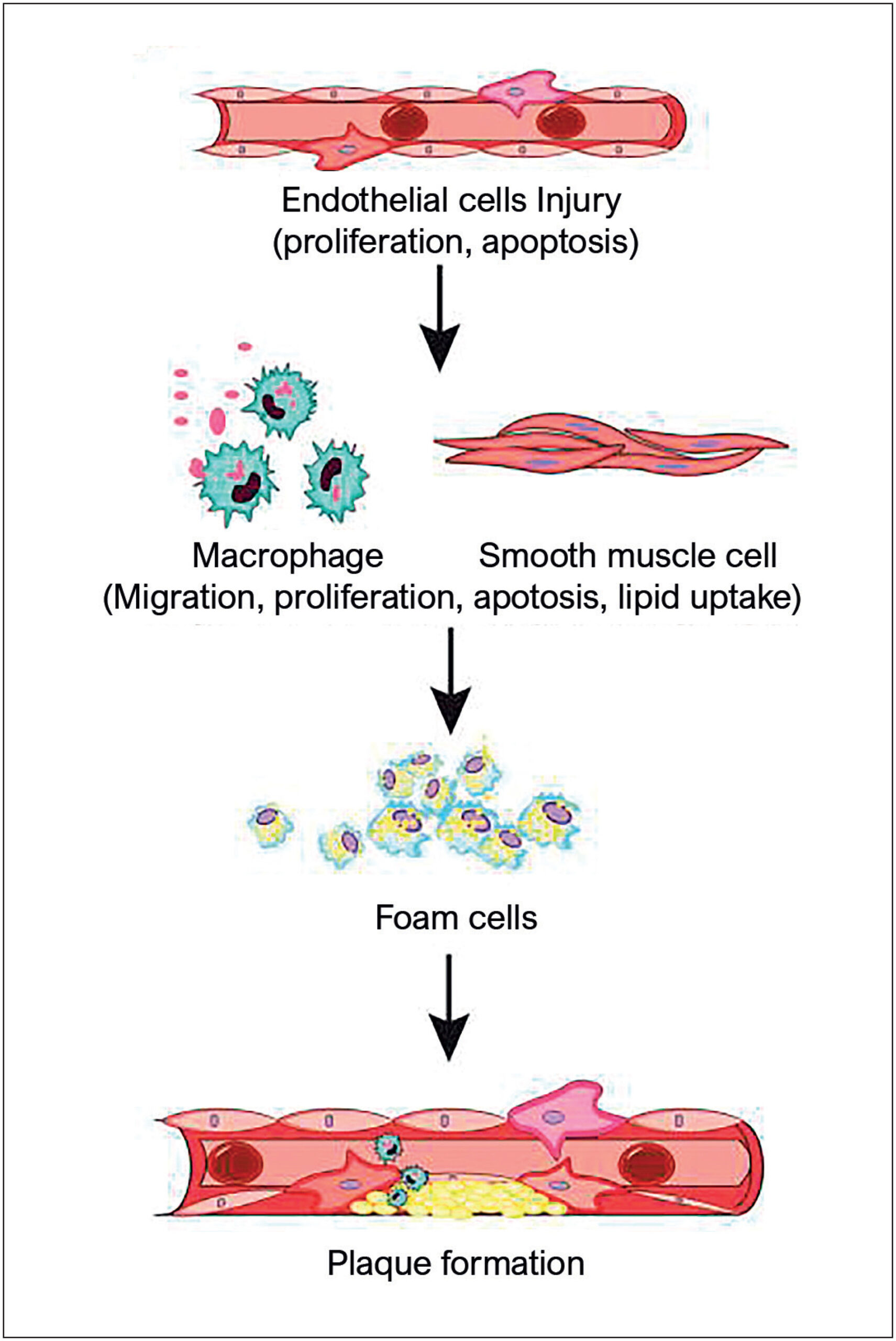
Atherosclerosis is the most common cause of cardiovascular disease globally, associated with a high incidence of clinical events. Accumulating evidence has elucidated that long non-coding RNAs (lncRNAs) as a novel class of transcripts with critical roles in the pathophysiological processes of atherosclerosis. In this review, we summarize the recent progress of lncRNAs in the development of atherosclerosis. We mainly describe the diverse regulatory mechanisms of lncRNAs at the transcriptional and post-transcriptional levels. This study may provide helpful insights about lncRNAs as therapeutic targets or biomarkers for atherosclerosis treatment.

  • Emzymes
  • Endothelial Cells
  • Enzyme Inhibitors
  • Lipoproteins, VLDL
  • LnRNAs
  • RNA Interference
Read Full Article
Creative Commons Attribution (CC BY) Creative Commons license
10/06/2022 DOI: 10.36660/abc.20201383 Views 2
Figure 1
ABC
Editorial

G-Proteins Agonists and NO/cGMP Blockers: Unexplored Frontiers in the Pharmaceutical Industry

Paulo Roberto B. Evora

G-proteins: potential therapeutic role

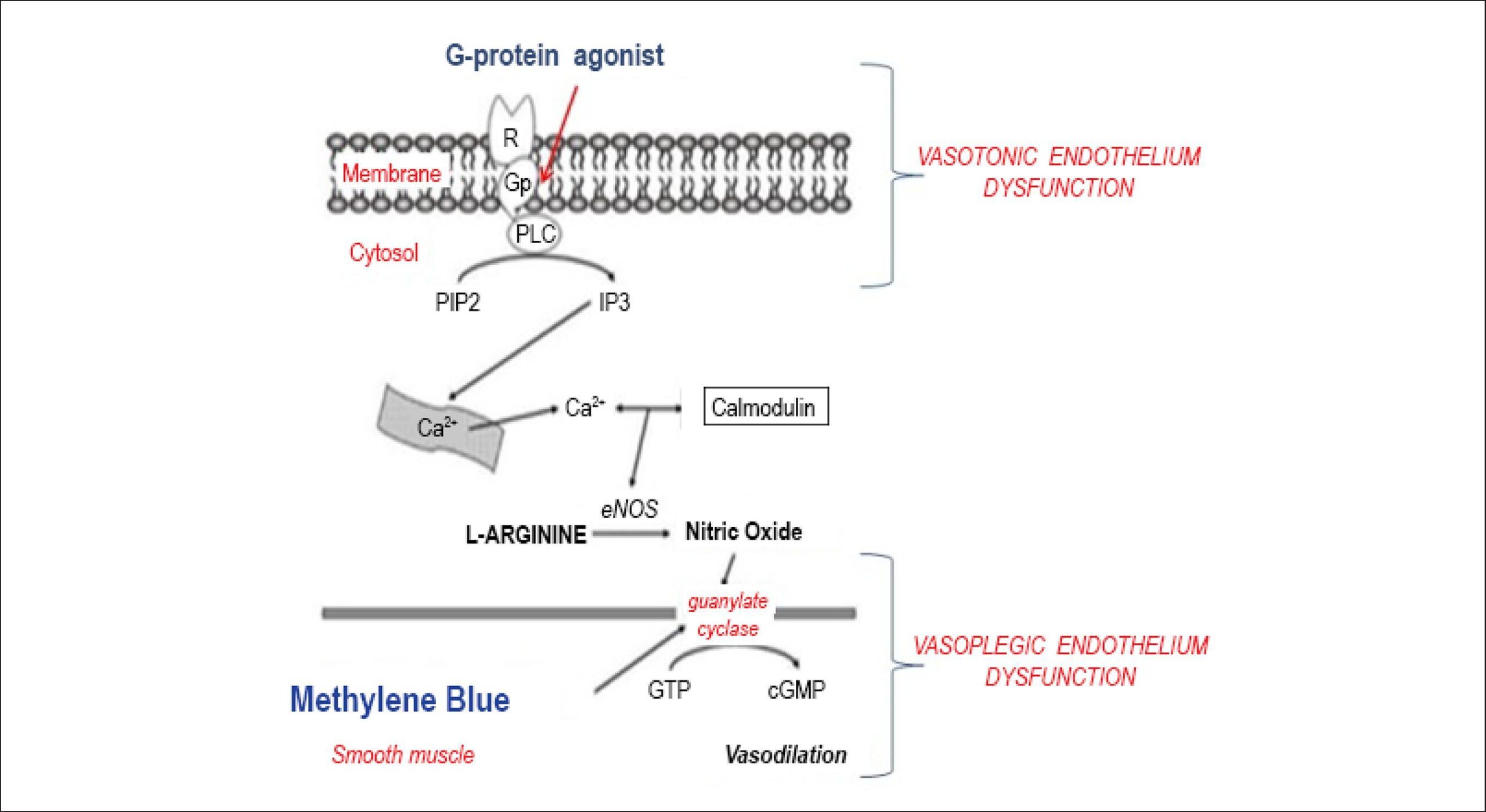
The release of nitric oxide (NO) can occur by different pathways involving G-proteins. The Gi-protein is responsible for the mediation of inhibitory effects of receptors in the adenylate cyclase and guanylate cyclase pathways. An early stage of the majority of the responses mediated by receptors is the activation of G-proteins in the cell membrane, which is the target of the modulation of a variety of intracellular events. The role of G-proteins in the pathophysiology of vasospasm after global ischemia and reperfusion is still a matter of investigations. Their participation was documented in a comparative study of vascular relaxation induced by sodium fluoride, which produces biphasic responses in human, bovine, and porcine coronary arteries, causing an endothelium-dependent relaxation and an endothelium-independent contraction. G-protein dysfunction in the endothelium has also been postulated as responsible for the endothelial dysfunction in conditions of endothelial cell regeneration after injury, atherosclerosis, and coronary vasospasm. Myocardial ischemia and reperfusion selectively impair receptor-mediated NO release. However, the ability of the endothelial cell to produce NO or generate endothelium-dependent relaxation to nonnitric oxide-dependent agonists remains intact.,

In summary: 1. Endothelial cells maintain their capacity to release NO based on their ability in receiving the transduction signal through the membrane; 2. G-proteins have a fundamental role in the signal transduction; 3. This paradigm is extended to all vasotonic cardiovascular diseases that coexist with platelet dysfunction. These data would be highly relevant in the research of G-protein-targeting drugs.

[…]

  • Endothelial Cells
  • GTP-Binding Proteins
  • Nitric Oxide
  • Reference Drugs
  • Technology Pharmaceutical
Read Full Article
Creative Commons Attribution (CC BY) Creative Commons license
01/10/2017 DOI: 10.5935/abc.20170139 Views 1
Figure 1
ABC
Original Article

Role of microRNAs 221/222 on Statin Induced Nitric Oxide Release in Human Endothelial Cells

Alvaro Cerda et al. Cristina Moreno Fajardo Rodrigo Gouveia Basso Mario Hiroyuki Hirata Rosario Dominguez Crespo Hirata

Background:

Nitric oxide (NO) has been largely associated with cardiovascular protection through improvement of endothelial function. Recently, new evidence about modulation of NO release by microRNAs (miRs) has been reported, which could be involved with statin-dependent pleiotropic effects, including anti-inflammatory properties related to vascular endothelium function.

Objective:

To evaluate the effects of cholesterol-lowering drugs including the inhibitors of cholesterol synthesis, atorvastatin and simvastatin, and the inhibitor of cholesterol absorption ezetimibe on NO release, NOS3 mRNA expression and miRs potentially involved in NO bioavailability.

Methods:

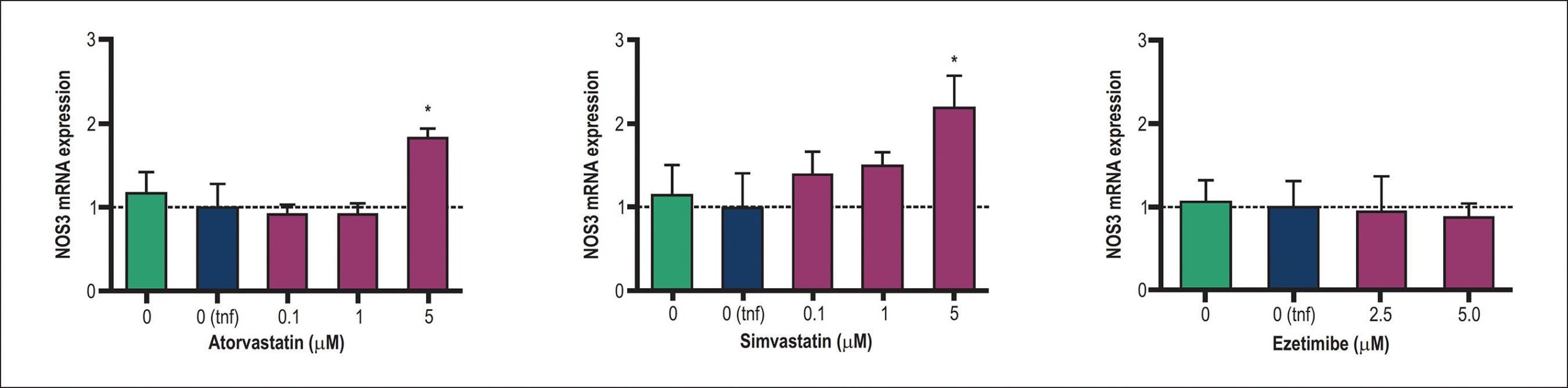
Human umbilical vein endothelial cells (HUVEC) were exposed to atorvastatin, simvastatin or ezetimibe (0 to 5.0 μM). Cells were submitted to total RNA extraction and relative quantification of NOS3 mRNA and miRs -221, -222 and -1303 by qPCR. NO release was measured in supernatants by ozone-chemiluminescence.

Results:

Both statins increased NO levels and NOS3 mRNA expression but no influence was observed for ezetimibe treatment. Atorvastatin, simvastatin and ezetimibe down-regulated the expression of miR-221, whereas miR-222 was reduced only after the atorvastatin treatment. The magnitude of the reduction of miR-221 and miR-222 after treatment with statins correlated with the increment in NOS3 mRNA levels. No influence was observed on the miR-1303 expression after treatments.

Conclusion:

NO release in endothelial cells is increased by statins but not by the inhibitor of cholesterol absorption, ezetimibe. Our results provide new evidence about the participation of regulatory miRs 221/222 on NO release induction mediated by statins. Although ezetimibe did not modulate NO levels, the down-regulation of miR-221 could involve potential effects on endothelial function.
  • Cholesterol
  • Endothelial Cells
  • Hydroxymethylglutaryl-CoA Reductase Inhibitors
  • MicroRNAs
  • Nitric Oxide
Read Full Article
Creative Commons Attribution (CC BY) Creative Commons license
16/12/2014 DOI: 10.5935/abc.20140192
VEGF 165 gene therapy for patients with refractory angina: mobilization of endothelial progenitor cells
ABC
Artigo Original

VEGF 165 gene therapy for patients with refractory angina: mobilization of endothelial progenitor cells

Clarissa G. Rodrigues et al. Rodrigo D.M. Plentz Thiago Dipp Felipe B. Salles … Imarilde I. Giusti Roberto T. Sant'Anna Bruna Eibel Ivo A. Nesralla Melissa Markoski Nance N. Beyer Renato A. K. Kalil

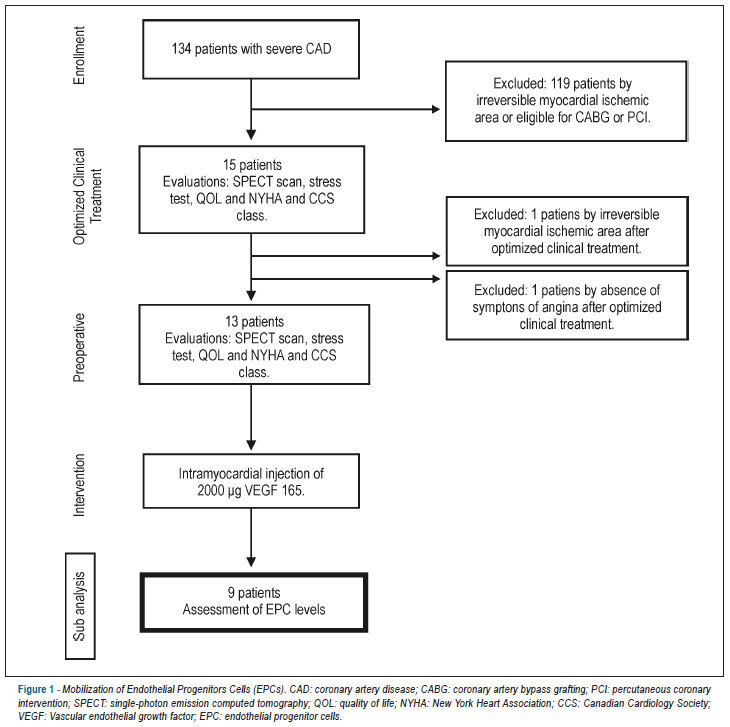
BACKGROUND: Vascular endothelial growth factor (VEGF) induces mobilization of endothelial progenitor cells (EPCs) with the capacity for proliferation and differentiation into mature endothelial cells, thus contributing to the angiogenic process. OBJECTIVE: We sought to assess the behavior of EPCs in patients with ischemic heart disease and refractory angina who received an intramyocardial injections of 2000 µg of VEGF 165 as the sole therapy. METHODS: The study was a subanalysis of a clinical trial. Patients with advanced ischemic heart disease and refractory angina were assessed for eligibility. Inclusion criteria were as follows: signs and symptoms of angina and/or heart failure despite maximum medical treatment and a myocardial ischemic area of at least 5% as assessed by single-photon emission computed tomography (SPECT). Exclusion criteria were as follows: age > 65 years, left ventricular ejection fraction < 25%, and a diagnosis of cancer. Patients whose EPC levels were assessed were included. The intervention was 2000 µg of VEGF 165 plasmid injected into the ischemic myocardium. The frequency of CD34+/KDR+ cells was analyzed by flow cytometry before and 3, 9, and 27 days after the intervention. RESULTS: A total of 9 patients were included, 8 males, mean age 59.4 years, mean left ventricular ejection fraction of 59.3% and predominant class III angina. The number of EPCs on day 3 was significantly higher than that at baseline (p = 0.03); however, that on days 9 and 27 was comparable to that at baseline. CONCLUSION: We identified a transient mobilization of EPCs, which peaked on the 3th day after VEGF 165 gene therapy in patients with refractory angina and returned to near baseline levels on days 9 and 27.

  • Capillary Permeability
  • Endothelial Cells
  • Genetic Therapy
  • Vascular Endothelial Growth Factor A
Read Full Article
Creative Commons Attribution (CC BY) Creative Commons license
09/07/2013 DOI: 10.5935/abc.20130128 Views 1
Coronary angiogenesis as an endogenous response to myocardial ischemia in adults
ABC
Atualização

Coronary angiogenesis as an endogenous response to myocardial ischemia in adults

Gabriel Lorier et al. Cristina Touriño Renato A. K Kalil

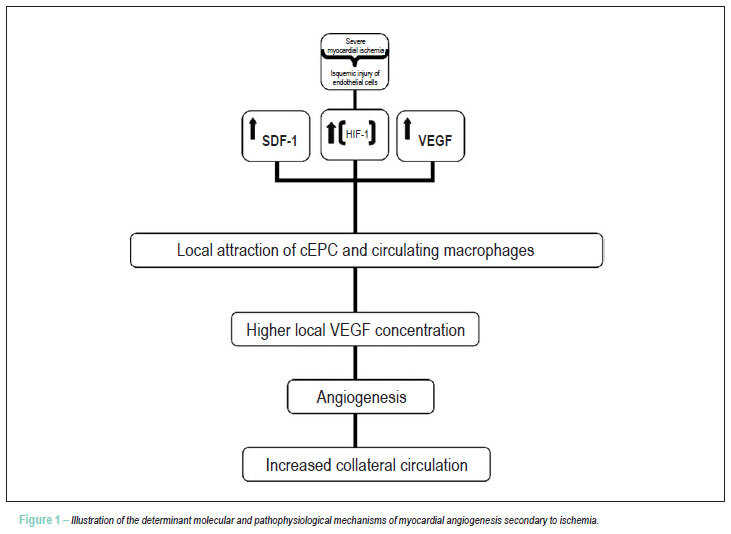
The process of angiogenesis involves a complex sequence of stimuli and integrated responses, such as stimulation of endothelial cells (ECs) for their proliferation and migration, stimulation of the extracellular matrix (ECM) for the attraction of pericytes and macrophages, stimulation of smooth muscle cells for their proliferation and migration, and formation of new vascular structures. Angiogenesis is mainly an adaptive response to tissue hypoxia and depends on the accumulation of the hypoxia-inducible factor (HIF-1α) in the ischemic myocardial area, which increases the transcription of the vascular endothelial growth factor (VEGF) and its receptors VEGF-R by the ECs undergoing ischemia. Those steps involve enzymatic mechanisms and plasminogen activator proteases, metalloproteinases (MMP) of the ECM, and kinases that cause proteolytic molecular degradation of the ECM and activation and release of growth factors, such as: basic fibroblast growth factor (bFGF), VEGF, and insulin growth factor-1 (IGF-1). In the intermediate phase, stabilization of the immature neovascular sprout occurs. The final phase is characterized by vascular maturation of the physiological angiogenesis. In conclusion, coronary angiogenesis in adults is fundamentally a paracrine response of the preexisting capillary network under pathophysiological condition of ischemia and inflammation.

  • Adult
  • Endothelial Cells
  • Myocardial Ischemia
  • Neovascularization
  • physiologic
Read Full Article
Creative Commons Attribution (CC BY) Creative Commons license
16/01/2012 DOI: 10.1590/S0066-782X2011001500019 Views 1

How to cite this article

EndNote RIS

Electronic Document Format (Vancouver)

Liang S, Xv W, Li C, Huang Y, Qian G, Yan Y, Zou H, et al. LncRNAs are Involved in the Process of Atherosclerosis at Diverse Levels. Arquivos Brasileiros de Cardiologia 2022;118(6):1134-40.

Electronic Document Format (ABNT)

Liang, Shiyi; Xv, Weicheng; Li, Chijian; Huang, Yuxiang; Qian, Ge; Yan, Yuxiang; Zou, Hequn; Li, Yongqiang. LncRNAs are Involved in the Process of Atherosclerosis at Diverse Levels. Arquivos Brasileiros de Cardiologia, v. 118, n. 6, p. 1134-1140, Jun. 2022.

Electronic Document Format (APA)

Liang, S., Xv, W., Li, C., Huang, Y., Qian, G., Yan, Y., Zou, H., & Li, Y. (2022). LncRNAs are Involved in the Process of Atherosclerosis at Diverse Levels. Arquivos Brasileiros de Cardiologia, 118(6), 1134-1140.

Electronic Document Format (ISO)

Liang, Shiyi and Xv, Weicheng and Li, Chijian and Huang, Yuxiang and Qian, Ge and Yan, Yuxiang and Zou, Hequn and Li, Yongqiang. LncRNAs are Involved in the Process of Atherosclerosis at Diverse Levels. Arquivos Brasileiros de Cardiologia [online]. 2022, vol. 118, n. 6, [cited 2026-10-14], pp. 1134-1140. Available from: <https://journals.cardiol.br/en/article/lncrnas-are-involved-in-the-process-of-atherosclerosis-at-diverse-levels/>. ISSN 0066-782X

EndNote RIS

Electronic Document Format (Vancouver)

Evora PRB. G-Proteins Agonists and NO/cGMP Blockers: Unexplored Frontiers in the Pharmaceutical Industry. Arquivos Brasileiros de Cardiologia 2017;109(4):275-6.

Electronic Document Format (ABNT)

Evora, Paulo Roberto B.. G-Proteins Agonists and NO/cGMP Blockers: Unexplored Frontiers in the Pharmaceutical Industry. Arquivos Brasileiros de Cardiologia, v. 109, n. 4, p. 275-276, Sep. 2017.

Electronic Document Format (APA)

Evora, P. R. B. (2017). G-Proteins Agonists and NO/cGMP Blockers: Unexplored Frontiers in the Pharmaceutical Industry. Arquivos Brasileiros de Cardiologia, 109(4), 275-276.

Electronic Document Format (ISO)

Evora, Paulo Roberto B.. G-Proteins Agonists and NO/cGMP Blockers: Unexplored Frontiers in the Pharmaceutical Industry. Arquivos Brasileiros de Cardiologia [online]. 2017, vol. 109, n. 4, [cited 2026-10-14], pp. 275-276. Available from: <https://journals.cardiol.br/en/article/g-proteins-agonists-and-no-cgmp-blockers-unexplored-frontiers-in-the-pharmaceutical-industry/>. ISSN 0066-782X

EndNote RIS

Electronic Document Format (Vancouver)

Cerda A, Fajardo CM, Basso RG, Hirata MH, Hirata RDC. Role of microRNAs 221/222 on Statin Induced Nitric Oxide Release in Human Endothelial Cells. Arquivos Brasileiros de Cardiologia 2014;104(3):195-201.

Electronic Document Format (ABNT)

Cerda, Alvaro; Fajardo, Cristina Moreno; Basso, Rodrigo Gouveia; Hirata, Mario Hiroyuki; Hirata, Rosario Dominguez Crespo. Role of microRNAs 221/222 on Statin Induced Nitric Oxide Release in Human Endothelial Cells. Arquivos Brasileiros de Cardiologia, v. 104, n. 3, p. 195-201, Dec. 2014.

Electronic Document Format (APA)

Cerda, A., Fajardo, C. M., Basso, R. G., Hirata, M. H., & Hirata, R. D. C. (2014). Role of microRNAs 221/222 on Statin Induced Nitric Oxide Release in Human Endothelial Cells. Arquivos Brasileiros de Cardiologia, 104(3), 195-201.

Electronic Document Format (ISO)

Cerda, Alvaro and Fajardo, Cristina Moreno and Basso, Rodrigo Gouveia and Hirata, Mario Hiroyuki and Hirata, Rosario Dominguez Crespo. Role of microRNAs 221/222 on Statin Induced Nitric Oxide Release in Human Endothelial Cells. Arquivos Brasileiros de Cardiologia [online]. 2014, vol. 104, n. 3, [cited 2026-10-14], pp. 195-201. Available from: <https://journals.cardiol.br/en/article/role-of-micrornas-221-222-on-statin-induced-nitric-oxide-release-in-human-endothelial-cells/>. ISSN 0066-782X

EndNote RIS

Electronic Document Format (Vancouver)

Rodrigues CG, Plentz RD, Dipp T, Salles FB, Giusti II, Sant’Anna RT, Eibel B, et al. VEGF 165 gene therapy for patients with refractory angina: mobilization of endothelial progenitor cells. Arquivos Brasileiros de Cardiologia 2013;101(2):149-53.

Electronic Document Format (ABNT)

Rodrigues, Clarissa G.; Plentz, Rodrigo D.M.; Dipp, Thiago; Salles, Felipe B.; Giusti, Imarilde I.; Sant’Anna, Roberto T.; Eibel, Bruna; Nesralla, Ivo A.; Markoski, Melissa; Beyer, Nance N.; Kalil, Renato A. K.. VEGF 165 gene therapy for patients with refractory angina: mobilization of endothelial progenitor cells. Arquivos Brasileiros de Cardiologia, v. 101, n. 2, p. 149-153, Jul. 2013.

Electronic Document Format (APA)

Rodrigues, C. G., Plentz, R. D., Dipp, T., Salles, F. B., Giusti, I. I., Sant’Anna, R. T., Eibel, B., Nesralla, I. A., Markoski, M., Beyer, N. N., & Kalil, R. A. K. (2013). VEGF 165 gene therapy for patients with refractory angina: mobilization of endothelial progenitor cells. Arquivos Brasileiros de Cardiologia, 101(2), 149-153.

Electronic Document Format (ISO)

Rodrigues, Clarissa G. and Plentz, Rodrigo D.M. and Dipp, Thiago and Salles, Felipe B. and Giusti, Imarilde I. and Sant’Anna, Roberto T. and Eibel, Bruna and Nesralla, Ivo A. and Markoski, Melissa and Beyer, Nance N. and Kalil, Renato A. K.. VEGF 165 gene therapy for patients with refractory angina: mobilization of endothelial progenitor cells. Arquivos Brasileiros de Cardiologia [online]. 2013, vol. 101, n. 2, [cited 2026-10-14], pp. 149-153. Available from: <https://journals.cardiol.br/en/article/vegf-165-gene-therapy-for-patients-with-refractory-angina-mobilization-of-endothelial-progenitor-cells/>. ISSN 0066-782X

EndNote RIS

Electronic Document Format (Vancouver)

Lorier G, Touriño C, Kalil RAK. Coronary angiogenesis as an endogenous response to myocardial ischemia in adults. Arquivos Brasileiros de Cardiologia 2012;97(6):e140-8.

Electronic Document Format (ABNT)

Lorier, Gabriel; Touriño, Cristina; Kalil, Renato A. K. Coronary angiogenesis as an endogenous response to myocardial ischemia in adults. Arquivos Brasileiros de Cardiologia, v. 97, n. 6, p. e140-e148, Jan. 2012.

Electronic Document Format (APA)

Lorier, G., Touriño, C., & Kalil, R. A. K. (2012). Coronary angiogenesis as an endogenous response to myocardial ischemia in adults. Arquivos Brasileiros de Cardiologia, 97(6), e140-e148.

Electronic Document Format (ISO)

Lorier, Gabriel and Touriño, Cristina and Kalil, Renato A. K. Coronary angiogenesis as an endogenous response to myocardial ischemia in adults. Arquivos Brasileiros de Cardiologia [online]. 2012, vol. 97, n. 6, [cited 2026-10-14], pp. e140-e148. Available from: <https://journals.cardiol.br/en/article/coronary-angiogenesis-as-an-endogenous-response-to-myocardial-ischemia-in-adults/>. ISSN 0066-782X

  • About ABC Family
  • Internal Regulation
  • Editorial Board
  • Brazilian Society of Cardiology (SBC)

Issues

SBC Guidelines

  • Videos
  • Podcasts
  • News