ABC Family Arquivos Brasileiros de Cardiologia International Journal of Cardiovascular Sciences ABC Heart Failure & Cardiomyopathy ABC Imagem Cardiovascular
Português English
ABC Family
Português English
  • About
    • About ABC Family
    • Internal Regulation
    • Editorial Board
    • Brazilian Society of Cardiology (SBC)
  • Issues
  • SBC Guidelines
  • Content
    • Videos
    • Podcasts
    • News
  • About
    • About ABC Family
    • Internal Regulation
    • Editorial Board
    • Brazilian Society of Cardiology (SBC)
  • Issues
  • SBC Guidelines
  • Content
    • Videos
    • Podcasts
    • News

ABC Family

  • ABC Family
  • Arquivos Brasileiros de Cardiologia
  • International Journal of Cardiovascular Sciences
  • ABC Heart Failure & Cardiomyopathy
  • ABC Imagem Cardiovascular
Search in

No content found.

Journals
Ordering
Article types
Others

  1. Home
  2. Keyword: Ischemic Stroke
Figure 1
ABCIC
Case Report

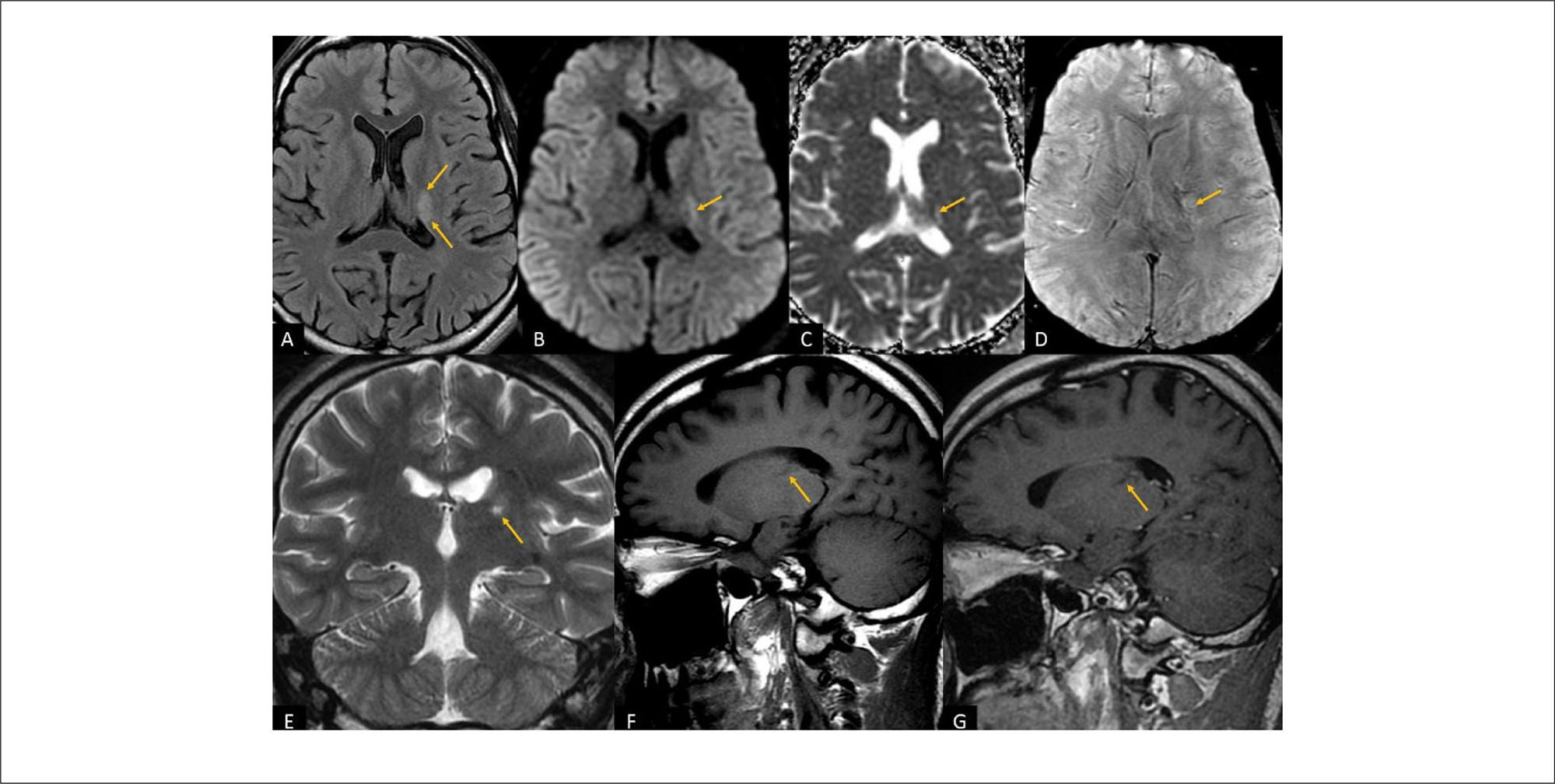
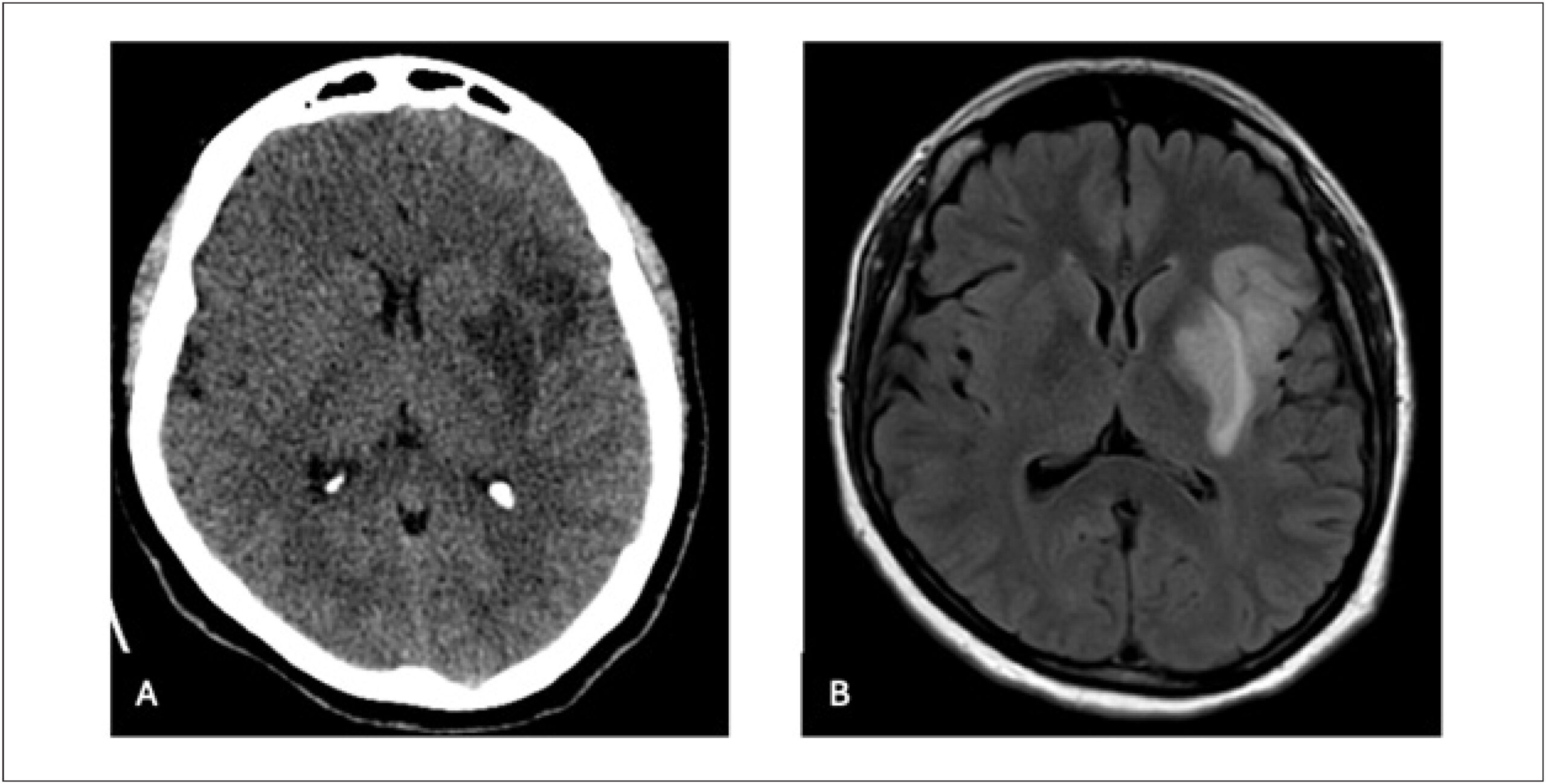
Ischemic Stroke in a Young Adult: a diagnostic challenge. Exploring the association between Patent Foramen Ovale and Chiari Network

Raissa Silva Frota et al. Mauro de Deus Passos Simone Nascimento dos Santos Luciano Moreira Alves … Dilson Palhares Ferreira Lilian Silva França

Introduction

Globally, strokes are the second leading cause of mortality,, and are broadly categorized into hemorrhagic and ischemic types., In 2019, ischemic stroke accounted for 62.4% of all cases, totaling 7.63 million episodes. Projections indicate a substantial increase in stroke prevalence, from 3.9% in 2020 to an estimated 6.4% by 2050. Despite comprehensive etiological investigations, the underlying cause of cerebrovascular ischemic events remains undefined in 10% to 40% of the cases, known as cryptogenic stroke.

Stroke is often a disabling condition and poses a major threat to the socioeconomic stability of a country, particularly in developing nations. The incidence of ischemic stroke has been increasing, particularly among individuals under 55 years of age. Approximately 10% to 15% of all strokes manifest in young adults aged 18 to 49., This trend underscores the critical importance of stroke prevention strategies, even within this younger demographic.

[…]
  • Ischemic Stroke
  • Patent Foramen Ovale
  • Stroke
Read Full Article
Creative Commons Attribution (CC BY) Creative Commons license
31/12/2025 DOI: 10.36660/abcimg.20250080i
Figure 1
IJCS
Case Report

Cerebral Thromboembolism as a Primary Manifestation of Severe Rheumatic Mitral Stenosis: A Clinical Case from Guayaquil, Ecuador

Patricia Delgado Cedeño et al. Estefania Carolina Arteaga Herrera Cesar Joao Tumbaco Mite Elsie Valdivieso Valenzuela … Boris Barreno Vera Karen Llimaico Del Pin

Abstract

Mitral stenosis (MS) is a valvular disease that predominantly affects women, with rheumatic fever being the most prevalent etiological cause. The hemodynamic consequences of rheumatic MS may include left atrial (LA) pressure overload and dilation, atrial fibrillation (AF), secondary pulmonary hypertension, heart failure, atrial thrombosis, and systemic thromboembolism. Echocardiography is the gold standard for diagnosing, quantifying severity, and evaluating the hemodynamic impact of MS.

We present the case of a 41-year-old female patient who arrived at the emergency department with a 6-hour history of dysarthria and right hemiparesis. Cardiovascular examination revealed sinus rhythm and a diastolic murmur with an opening snap at the mitral focus. Imaging studies revealed severe MS with LA dilation and a patent foramen ovale without hemodynamic impact. The patient underwent percutaneous balloon mitral valvuloplasty, which resulted in an increase in mitral valve area (MVA), a reduction in pulmonary pressure, and significant functional improvement.

Cerebral thromboembolism can be the first manifestation of severe MS, even in patients with sinus rhythm. Anticoagulation is crucial for those with severe atrial dilation to reduce the risk of embolic events. This case highlights the importance of early diagnosis and appropriate treatment based on clinical guidelines, as they improve patient quality of life and reduce the risk of future complications. It also serves as a reminder that stroke may be the sentinel event in silent but severe mitral valve pathology.

  • Ischemic Stroke
  • Mitral Valve Stenosis
  • rheumatic heart disease
Read Full Article
Creative Commons Attribution (CC BY) Creative Commons license
01/09/2025 DOI: 10.36660/ijcs.20250013 Views 1
Central Illustration
IJCS
Original Article

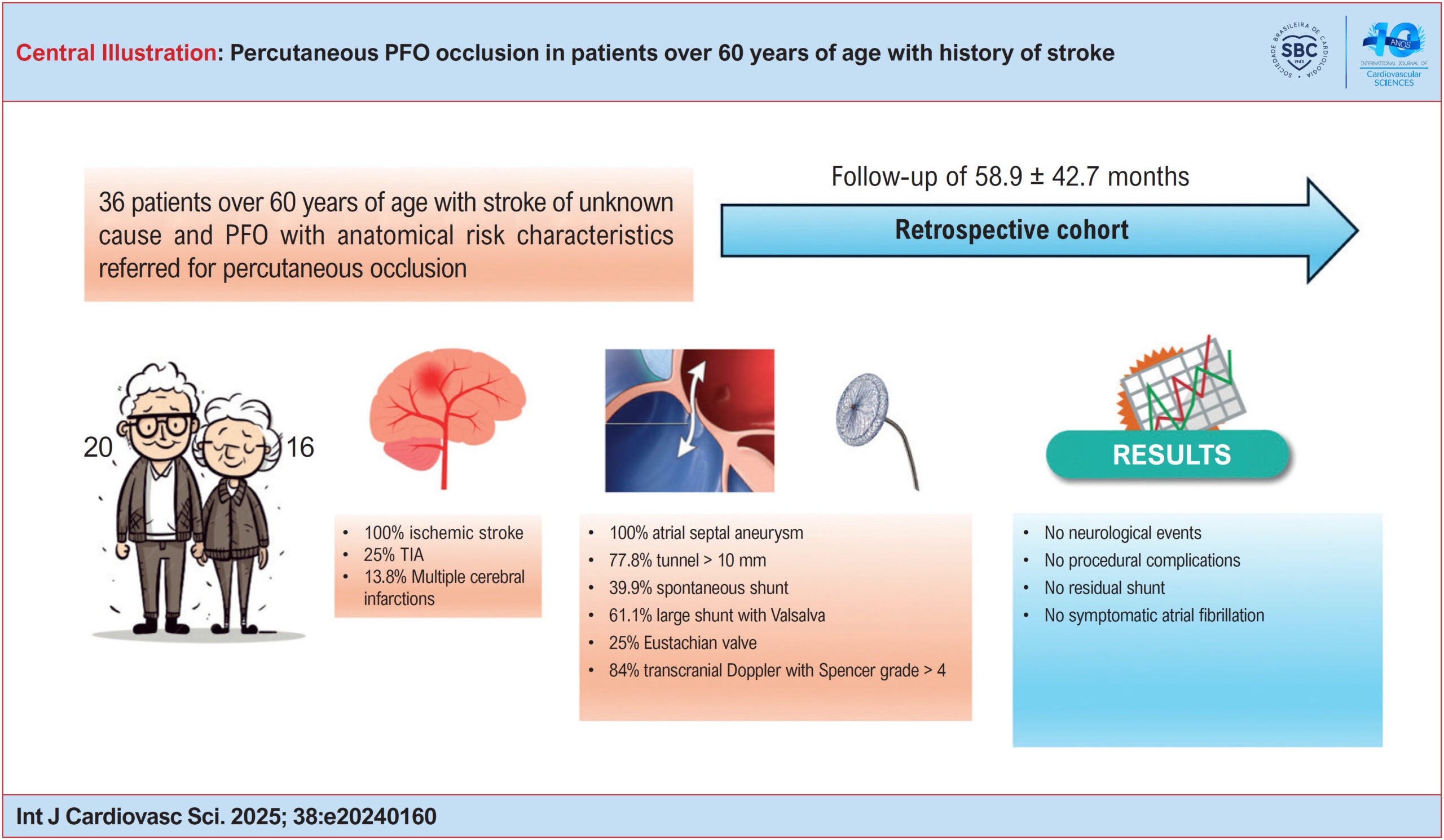
Percutaneous Patent Foramen Ovale Occlusion in Patients Over 60 Years of Age with History of Stroke

Marcelo Sabedotti et al. Luciano da Silva Selistre Agda Mezzomo Fabio Eduardo Camazzola … Ramiro Caldas Degrazia Bibiana Guimarães Maggi Sara Voltolini

Abstract

Background:

The prevalence of patent foramen ovale (PFO) is 27%. PFO is related to paradoxical embolism, which can cause ischemic stroke. Ischemic stroke without an identifiable cause is common, accounting for up to 40% of cases, and PFO is frequently found in these patients. The prevalence of PFO is almost 3 times higher in elderly patients with ischemic stroke without identified etiology, suggesting that these patients may also benefit from PFO closure.

Objectives:

The primary objective was to assess the recurrence of ischemic stroke or transient ischemic attack during clinical follow-up. The secondary objective was to assess the occurrence of procedural complications, onset of atrial fibrillation, and reduced anticoagulant use.

Methods:

This retrospective cohort study included 36 patients over 60 years of age with prior ischemic stroke who underwent PFO closure. Survival analysis was performed using the Kaplan-Meier model. Independence tests between categorical variables were performed using the chi-square test and Fisher’s exact test, adopting a significance level of 0.05.

Results:

The patients’ mean age was 69.6 ± 6.5 years, and 55.5% were men. No complications occurred during the procedures. Echocardiography was performed 30 days after the intervention, showing no residual shunts. During the follow-up of 58.9 ± 42.7 months, there were no cases of ischemic stroke, transient ischemic attack, or atrial fibrillation related to the procedure. The use of anticoagulants decreased from 41.7% to 5.6% (p = 0.03).

Conclusions:

Percutaneous PFO occlusion for the prevention of cerebrovascular events in individuals over 60 years of age with prior ischemic stroke is effective and safe, with a low risk of complications, and it can reduce the risk of bleeding by reducing the use of anticoagulants.

  • Aged
  • Ischemic Stroke
  • Patent Foramen Ovale
  • Percutaneous Occlusion
  • Stroke
Read Full Article
Creative Commons Attribution (CC BY) Creative Commons license
11/04/2025 DOI: 10.36660/ijcs.20240160
Registry of Percutaneous Closure of Patent Foramen Ovale in the Secondary Prevention of Stroke
ABC
Original Article

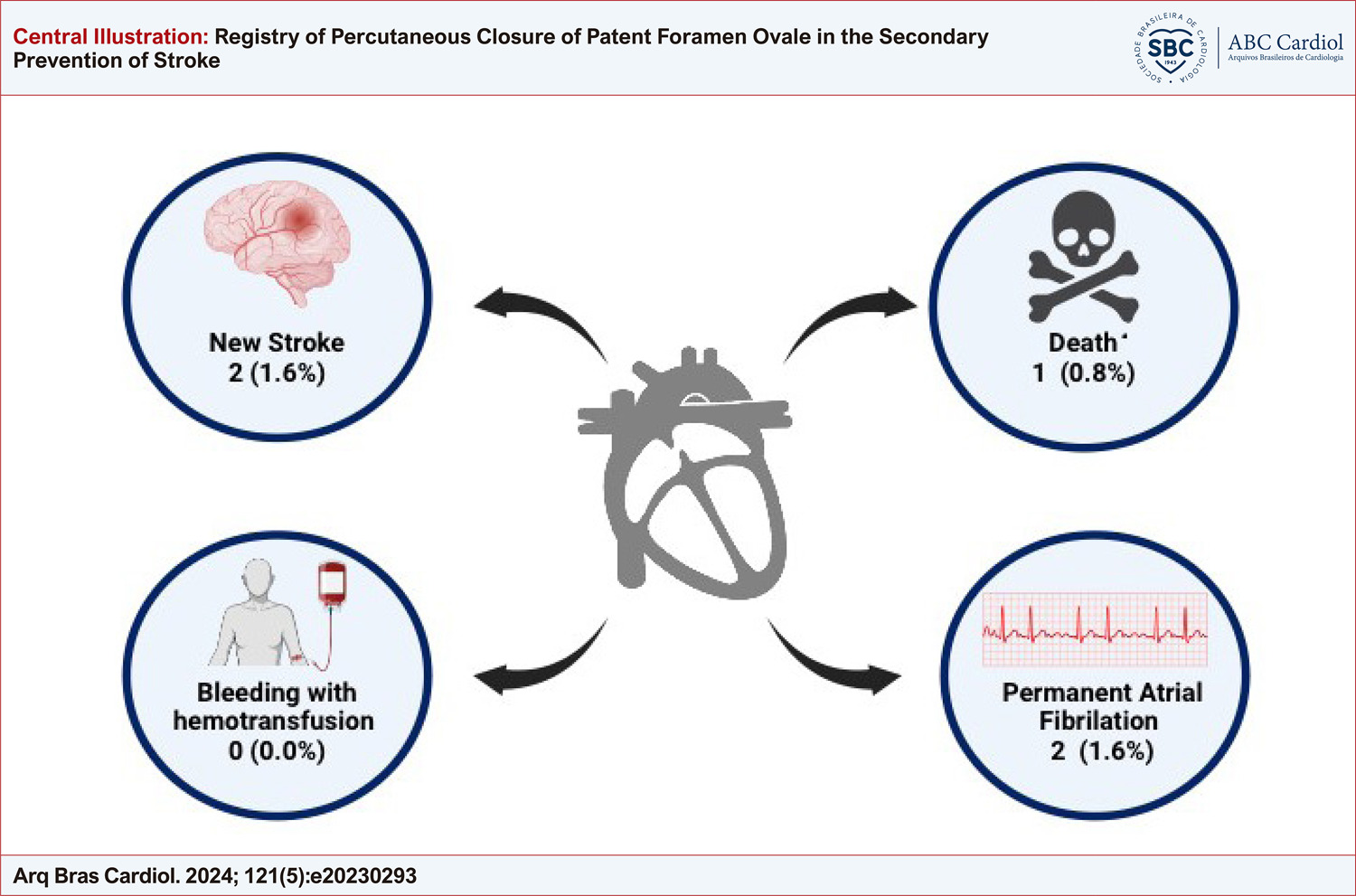
Registry of Percutaneous Closure of Patent Foramen Ovale in the Secondary Prevention of Stroke

Eduardo S. Silveira et al. Guilherme P. Machado Julia K. Teixeira Felipe Fuchs … Antonio F. Pinotti Sheila Martins Marco V. Wainstein

Abstract

Background

The foramen ovale remains patent in about 25% of the adult population. In adult life, thrombi form in the venous circulation and can cross the interatrial septum and trigger an ischemic stroke – called paradoxical embolism. The treatment can be performed through percutaneous closure of the patent foramen ovale (PFO), but still rarely performed in Brazil because it is not available in the public health care.

Objectives

To evaluate the reproducibility of clinical trial results in real-life studies due to the low number of records published about the topic.

Methods

This study is a retrospective cohort study including 121 patients who underwent percutaneous PFO closure for secondary prophylaxis of ischemic stroke between January 2012 and June 2022.

Results

We observed a mean age of 50.3 years and most females . Severe interatrial shunt was observed in 82.6% and the presence of atrial septal aneurysm in 84.2%. After 6 months of the procedure, no patient still had a residual shunt. There were no serious bleeding or vascular complications. Recurrence of a new cerebrovascular event occurred in 1.6% of patients.

Conclusion

We observed a low recurrence of new ischemic neurological events and lack major complications related to the procedure.

  • Atrial Septum
  • Foramen Ovale
  • Ischemic Stroke
Read Full Article
Creative Commons Attribution (CC BY) Creative Commons license
14/10/2024 DOI: 10.36660/abc.20230293i Views 2
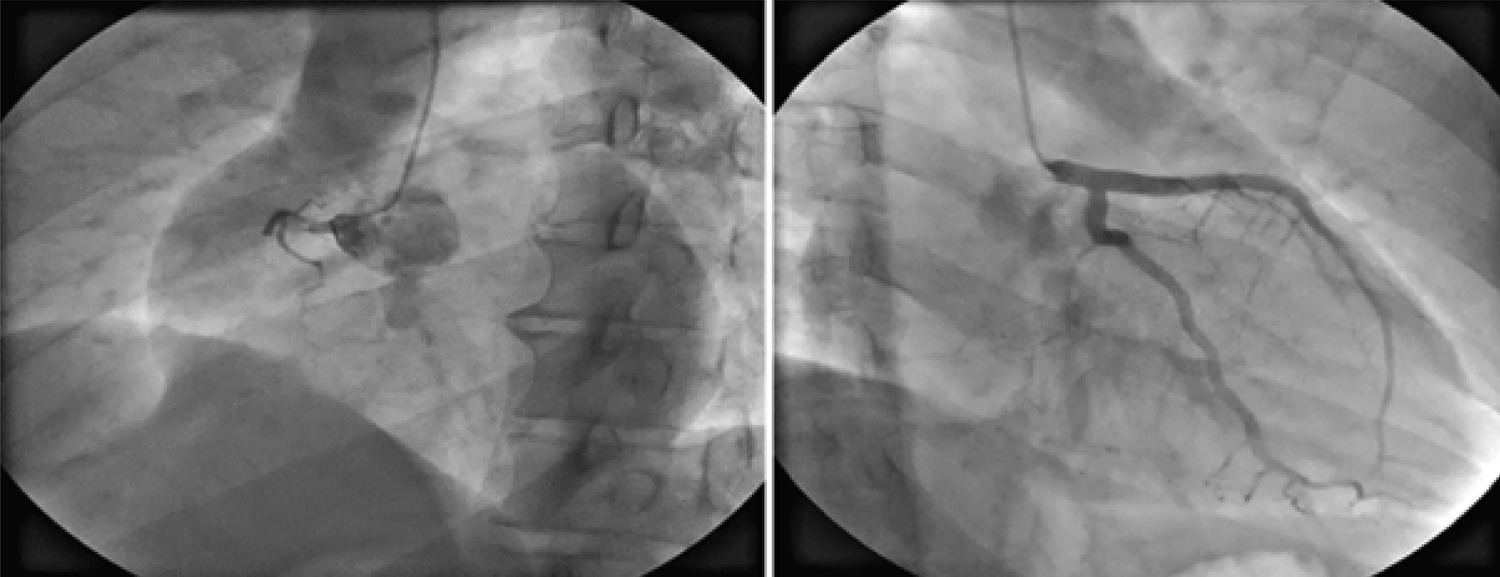
Figures 1a and 1b
IJCS
Case Report

Acute Ischemic Stroke as the Only Clinical Manifestation of Spontaneous Coronary Artery Dissection in an Athlete: A Case Report

Isabela Martins Rodrigues et al. Dennis Miguel Lemos da Silva Fabiane Mian de Souza Gustavo Nahuel Leyes Ontivero … Rodrigo Penha de Almeida João Lucas O’Connel

Introduction

Spontaneous coronary artery dissection (SCAD) is a rare but important cause of acute coronary syndrome. SCAD involves the spontaneous formation of an intramural hematoma in coronary arteries, frequently presenting as severe acute-onset chest pain. Although extremely rare, cases of acute ischemic stroke (AIS) secondary to SCAD have been reported in the literature,,none of which were secondary to intracoronary thrombus displacement.

In this report, we present the case of a 39-year-old man with no atherosclerotic risk factors who presented with AIS and myocardial infarction secondary to SCAD.

[…]

  • Acute coronary syndrome
  • Blood Vessel Dissection
  • Ischemic Stroke
Read Full Article
Creative Commons Attribution (CC BY) Creative Commons license
19/08/2024 DOI: 10.36660/ijcs.20230135 Views 1

How to cite this article

EndNote RIS

Electronic Document Format (Vancouver)

Frota RS, Passos MD, Santos SN, Alves LM, Ferreira DP, França LS. Ischemic Stroke in a Young Adult: a diagnostic challenge. Exploring the association between Patent Foramen Ovale and Chiari Network. ABC Imagem Cardiovascular 2025;38(4):e20250080.

Electronic Document Format (ABNT)

Frota, Raissa Silva; Passos, Mauro de Deus; Santos, Simone Nascimento dos; Alves, Luciano Moreira; Ferreira, Dilson Palhares; França, Lilian Silva. Ischemic Stroke in a Young Adult: a diagnostic challenge. Exploring the association between Patent Foramen Ovale and Chiari Network. ABC Imagem Cardiovascular, v. 38, n. 4, e20250080, Dec. 2025.

Electronic Document Format (APA)

Frota, R. S., Passos, M. D., Santos, S. N. , Alves, L. M., Ferreira, D. P., & França, L. S. (2025). Ischemic Stroke in a Young Adult: a diagnostic challenge. Exploring the association between Patent Foramen Ovale and Chiari Network. ABC Imagem Cardiovascular, 38(4), e20250080.

Electronic Document Format (ISO)

Frota, Raissa Silva and Passos, Mauro de Deus and Santos, Simone Nascimento dos and Alves, Luciano Moreira and Ferreira, Dilson Palhares and França, Lilian Silva. Ischemic Stroke in a Young Adult: a diagnostic challenge. Exploring the association between Patent Foramen Ovale and Chiari Network. ABC Imagem Cardiovascular [online]. 2025, vol. 38, n. 4, [cited 2026-10-14], e20250080. Available from: <https://journals.cardiol.br/en/article/ischemic-stroke-in-a-young-adult-a-diagnostic-challenge-exploring-the-association-between-patent-foramen-ovale-and-chiari-network/>. ISSN 2318-8219

EndNote RIS

Electronic Document Format (Vancouver)

Cedeño PD, Herrera ECA, Mite CJT, Valenzuela EV, Vera BB, Pin KLD. Cerebral Thromboembolism as a Primary Manifestation of Severe Rheumatic Mitral Stenosis: A Clinical Case from Guayaquil, Ecuador. International Journal of Cardiovascular Sciences 2025;38:e20250013.

Electronic Document Format (ABNT)

Cedeño, Patricia Delgado; Herrera, Estefania Carolina Arteaga; Mite, Cesar Joao Tumbaco; Valenzuela, Elsie Valdivieso; Vera, Boris Barreno; Pin, Karen Llimaico Del. Cerebral Thromboembolism as a Primary Manifestation of Severe Rheumatic Mitral Stenosis: A Clinical Case from Guayaquil, Ecuador. International Journal of Cardiovascular Sciences, v. 38, e20250013, Aug. 2025.

Electronic Document Format (APA)

Cedeño, P. D., Herrera, E. C. A., Mite, C. J. T., Valenzuela, E. V., Vera, B. B., & Pin, K. L. D. (2025). Cerebral Thromboembolism as a Primary Manifestation of Severe Rheumatic Mitral Stenosis: A Clinical Case from Guayaquil, Ecuador. International Journal of Cardiovascular Sciences, 38, e20250013.

Electronic Document Format (ISO)

Cedeño, Patricia Delgado and Herrera, Estefania Carolina Arteaga and Mite, Cesar Joao Tumbaco and Valenzuela, Elsie Valdivieso and Vera, Boris Barreno and Pin, Karen Llimaico Del. Cerebral Thromboembolism as a Primary Manifestation of Severe Rheumatic Mitral Stenosis: A Clinical Case from Guayaquil, Ecuador. International Journal of Cardiovascular Sciences [online]. 2025, vol. 38, [cited 2026-10-14], e20250013. Available from: <https://journals.cardiol.br/en/article/cerebral-thromboembolism-as-a-primary-manifestation-of-severe-rheumatic-mitral-stenosis-a-clinical-case-from-guayaquil-ecuador/>. ISSN 2359-4802

EndNote RIS

Electronic Document Format (Vancouver)

Sabedotti M, Selistre LS, Mezzomo A, Camazzola FE, Degrazia RC, Maggi BG, Voltolini S, et al. Percutaneous Patent Foramen Ovale Occlusion in Patients Over 60 Years of Age with History of Stroke. International Journal of Cardiovascular Sciences 2025;38:e20240160.

Electronic Document Format (ABNT)

Sabedotti, Marcelo; Selistre, Luciano da Silva; Mezzomo, Agda; Camazzola, Fabio Eduardo; Degrazia, Ramiro Caldas; Maggi, Bibiana Guimarães; Voltolini, Sara. Percutaneous Patent Foramen Ovale Occlusion in Patients Over 60 Years of Age with History of Stroke. International Journal of Cardiovascular Sciences, v. 38, e20240160, Apr. 2025.

Electronic Document Format (APA)

Sabedotti, M., Selistre, L. S., Mezzomo, A., Camazzola, F. E., Degrazia, R. C., Maggi, B. G., & Voltolini, S. (2025). Percutaneous Patent Foramen Ovale Occlusion in Patients Over 60 Years of Age with History of Stroke. International Journal of Cardiovascular Sciences, 38, e20240160.

Electronic Document Format (ISO)

Sabedotti, Marcelo and Selistre, Luciano da Silva and Mezzomo, Agda and Camazzola, Fabio Eduardo and Degrazia, Ramiro Caldas and Maggi, Bibiana Guimarães and Voltolini, Sara. Percutaneous Patent Foramen Ovale Occlusion in Patients Over 60 Years of Age with History of Stroke. International Journal of Cardiovascular Sciences [online]. 2025, vol. 38, [cited 2026-10-14], e20240160. Available from: <https://journals.cardiol.br/en/article/percutaneous-patent-foramen-ovale-occlusion-in-patients-over-60-years-of-age-with-history-of-stroke/>. ISSN 2359-4802

EndNote RIS

Electronic Document Format (Vancouver)

Silveira ES, Machado GP, Teixeira JK, Fuchs F, Pinotti AF, Martins S, Wainstein MV, et al. Registry of Percutaneous Closure of Patent Foramen Ovale in the Secondary Prevention of Stroke. Arquivos Brasileiros de Cardiologia 2024;121(5):e20230293.

Electronic Document Format (ABNT)

Silveira, Eduardo S.; Machado, Guilherme P.; Teixeira, Julia K.; Fuchs, Felipe; Pinotti, Antonio F.; Martins, Sheila; Wainstein, Marco V.. Registry of Percutaneous Closure of Patent Foramen Ovale in the Secondary Prevention of Stroke. Arquivos Brasileiros de Cardiologia, v. 121, n. 5, e20230293, Oct. 2024.

Electronic Document Format (APA)

Silveira, E. S., Machado, G. P., Teixeira, J. K., Fuchs, F., Pinotti, A. F., Martins, S., & Wainstein, M. V. (2024). Registry of Percutaneous Closure of Patent Foramen Ovale in the Secondary Prevention of Stroke. Arquivos Brasileiros de Cardiologia, 121(5), e20230293.

Electronic Document Format (ISO)

Silveira, Eduardo S. and Machado, Guilherme P. and Teixeira, Julia K. and Fuchs, Felipe and Pinotti, Antonio F. and Martins, Sheila and Wainstein, Marco V.. Registry of Percutaneous Closure of Patent Foramen Ovale in the Secondary Prevention of Stroke. Arquivos Brasileiros de Cardiologia [online]. 2024, vol. 121, n. 5, [cited 2026-10-14], e20230293. Available from: <https://journals.cardiol.br/en/article/registry-of-percutaneous-closure-of-patent-foramen-ovale-in-the-secondary-prevention-of-stroke/>. ISSN 0066-782X

EndNote RIS

Electronic Document Format (Vancouver)

Rodrigues IM, Silva DML, Souza FM, Ontivero GNL, Almeida RP, O’Connel JL. Acute Ischemic Stroke as the Only Clinical Manifestation of Spontaneous Coronary Artery Dissection in an Athlete: A Case Report. International Journal of Cardiovascular Sciences 2024;37:e20230135.

Electronic Document Format (ABNT)

Rodrigues, Isabela Martins; Silva, Dennis Miguel Lemos da; Souza, Fabiane Mian de; Ontivero, Gustavo Nahuel Leyes; Almeida, Rodrigo Penha de; O’Connel, João Lucas. Acute Ischemic Stroke as the Only Clinical Manifestation of Spontaneous Coronary Artery Dissection in an Athlete: A Case Report. International Journal of Cardiovascular Sciences, v. 37, e20230135, Aug. 2024.

Electronic Document Format (APA)

Rodrigues, I. M., Silva, D. M. L. , Souza, F. M. , Ontivero, G. N. L., Almeida, R. P. , & O’Connel, J. L. (2024). Acute Ischemic Stroke as the Only Clinical Manifestation of Spontaneous Coronary Artery Dissection in an Athlete: A Case Report. International Journal of Cardiovascular Sciences, 37, e20230135.

Electronic Document Format (ISO)

Rodrigues, Isabela Martins and Silva, Dennis Miguel Lemos da and Souza, Fabiane Mian de and Ontivero, Gustavo Nahuel Leyes and Almeida, Rodrigo Penha de and O’Connel, João Lucas. Acute Ischemic Stroke as the Only Clinical Manifestation of Spontaneous Coronary Artery Dissection in an Athlete: A Case Report. International Journal of Cardiovascular Sciences [online]. 2024, vol. 37, [cited 2026-10-14], e20230135. Available from: <https://journals.cardiol.br/en/article/acute-ischemic-stroke-as-the-only-clinical-manifestation-of-spontaneous-coronary-artery-dissection-in-an-athlete-a-case-report/>. ISSN 2359-4802

  • About ABC Family
  • Internal Regulation
  • Editorial Board
  • Brazilian Society of Cardiology (SBC)

Issues

SBC Guidelines

  • Videos
  • Podcasts
  • News