Atrial Cardiomyopathy Detected by Electrocardiogram: Association with Stroke in a Brazilian Electronic Cohort
Abstract
Background
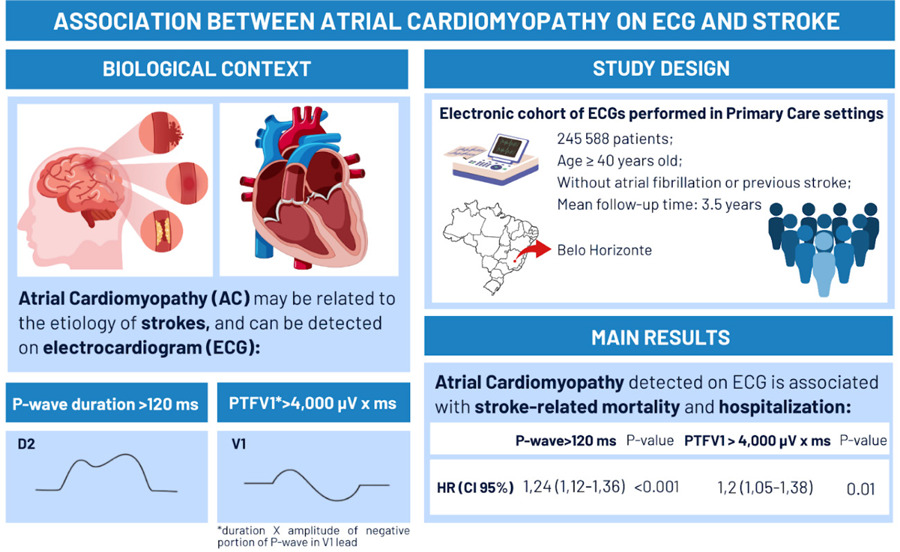
Atrial cardiomyopathy (AC) is a condition detectable by electrocardiogram (ECG) that may play a significant role in the pathophysiology of the etiology of strokes, independently of atrial fibrillation (AF).
Objectives
To evaluate the association between ECG markers of AC (prolonged P-wave duration >120 ms and P-terminal force in V1 (PTFV1) >4,000 µV·ms) as well as the occurrence of mortality and hospitalization due to stroke.
Methods
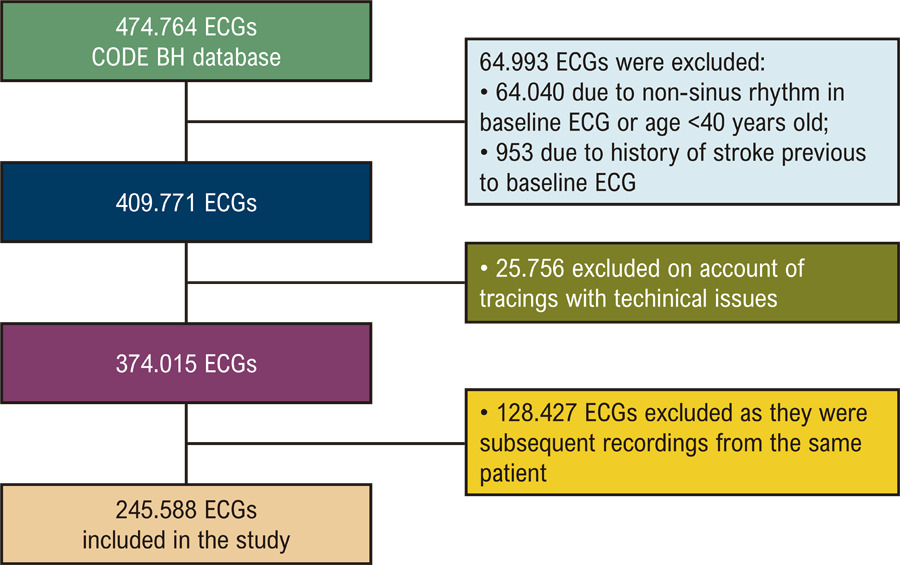
This retrospective cohort study included patients from Belo Horizonte who underwent ECGs between 2006 and 2018. Patients aged ≥40 years, in sinus rhythm, and without a previous history of stroke at baseline ECG were included. Clinical and ECG data were linked to mortality (SIM) and hospitalization (SIH) public databases. Cox regression was used to calculate hazard ratios (HRs), and incremental adjustment models for age, sex, cardiovascular risk factors, and left ventricular hypertrophy were employed. Statistical significance was set at p<0.05.
Results
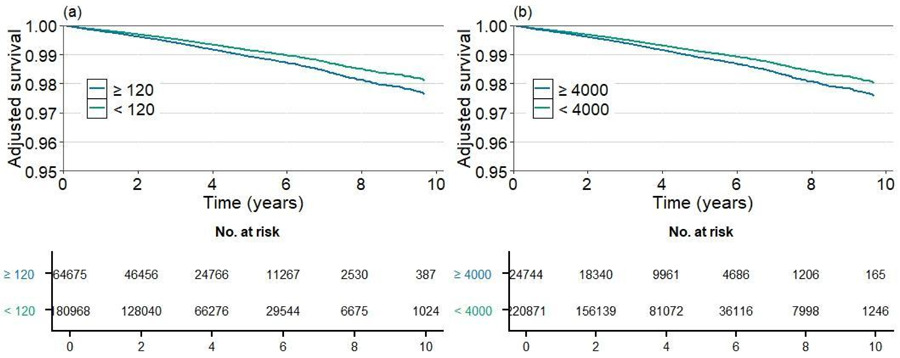
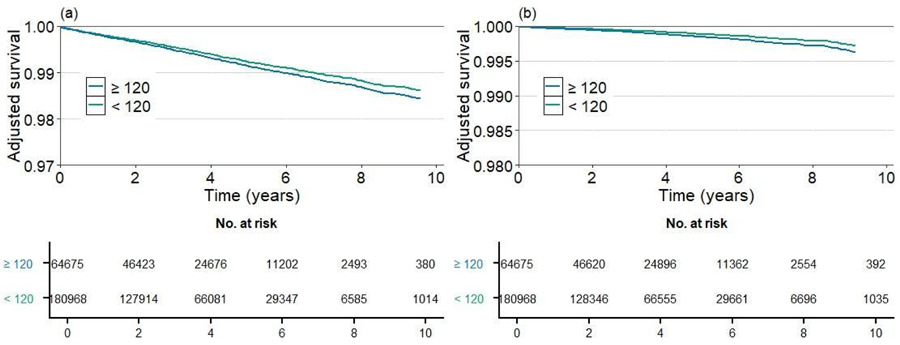
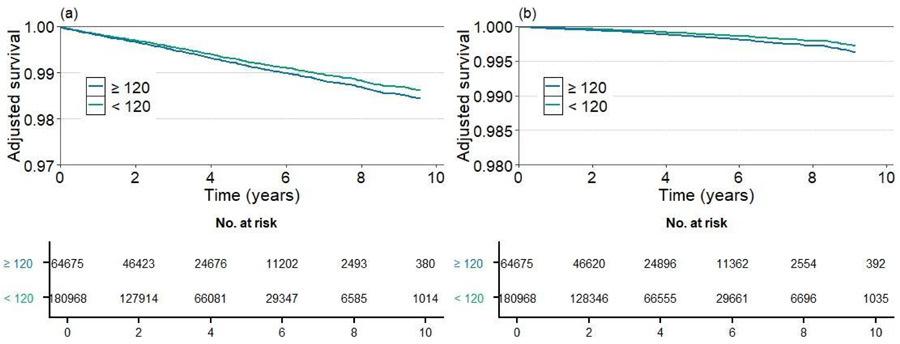
245,588 patients were included. 26.3% had prolonged P-wave duration >120 ms, and 10.1% had elevated PTFV1 >4,000 µV·ms. Mean follow-up duration was 3.5 years. AC was associated with mortality and hospitalization due to stroke (HR 1.24; 95% CI, 1.12–1.36 for P-wave duration >120 ms; p4,000 µV·ms; p<0.001).
Conclusion
ECG markers of AC are associated with death or hospitalization due to stroke, as well as cardiovascular mortality and incident AF in a large, representative Brazilian cohort, highlighting their prognostic value.
Images
Image gallery fullscreen viewer
Comments are moderated by the editorial team before publication. Discussions should be evidence-based and use scientific language. Conflicts of interest should be declared.