ABC Family Arquivos Brasileiros de Cardiologia International Journal of Cardiovascular Sciences ABC Heart Failure & Cardiomyopathy ABC Imagem Cardiovascular
Português English
ABC Family
Português English
  • About
    • About ABC Family
    • Internal Regulation
    • Editorial Board
    • Brazilian Society of Cardiology (SBC)
  • Issues
  • SBC Guidelines
  • Content
    • Videos
    • Podcasts
    • News
  • About
    • About ABC Family
    • Internal Regulation
    • Editorial Board
    • Brazilian Society of Cardiology (SBC)
  • Issues
  • SBC Guidelines
  • Content
    • Videos
    • Podcasts
    • News

ABC Family

  • ABC Family
  • Arquivos Brasileiros de Cardiologia
  • International Journal of Cardiovascular Sciences
  • ABC Heart Failure & Cardiomyopathy
  • ABC Imagem Cardiovascular
Search in

No content found.

Journals
Ordering
Article types
Others

  1. Home
  2. Keyword: Scintigraphy
Figure 1
ABCIC
Review Article

My Approach to Imaging Cardiac Amyloidosis: Role of Bone-Seeking Tracers Scintigraphy

Adriana Pereira Glavam et al. Rafael Willain Lopes Simone Cristina Soares Brandão

Abstract

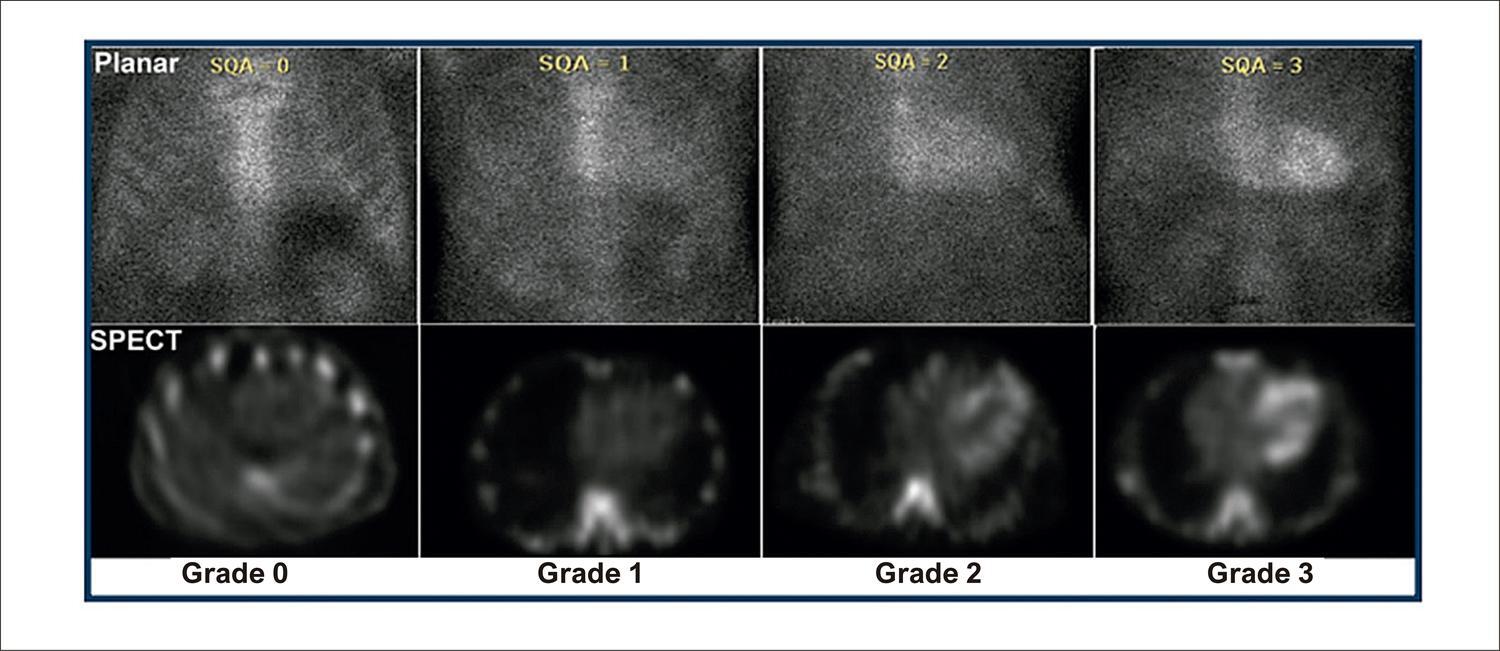
Amyloidosis is a systemic infiltrative disease characterized by the extracellular deposition of amyloid fibrils. Heart involvement is common and associated with a poor prognosis. The most predominant types of cardiac amyloidosis (CA) are amyloid immunoglobulin light chain (AL) and amyloid transthyretin (ATTR). Diagnosis of CA and differentiation between the types are important for prognosis, therapy, and genetic counseling. ATTR-CA is an under-diagnosed cause of heart failure. However, great accomplishments in non-invasive imaging methods, as well as the possibility of effective clinical treatment, have shifted ATTR-CA from a rare and untreatable disease to a condition that clinicians should consider on a daily basis. The advent of scintigraphy imaging with bone-seeking tracers has allowed the early diagnosis of ATTR-CA with high accuracy once monoclonal gammopathies have been excluded. Interpretation of cardiac scintigraphy with bone-seeking tracers requires expertise, and we propose a step-by-step guide to performing this exam in clinical practice according to the most recent guidelines. Moreover, we reviewed some crucial points that we believe are of paramount importance in clinical practice and patient outcomes.
  • Amyloidosis
  • Cardiac insufficiency
  • Diphosphates
  • Pre-Albumin
  • Scintigraphy
Read Full Article
Creative Commons Attribution (CC BY) Creative Commons license
24/05/2023 DOI: 10.36660/abcimg.20230012i Views 1
ABCIC
Review Article

My Approach To Nuclear Medicine in the Evaluation of Prosthetic Valve and Cardiac Implantable Electronic Device Endocarditis

Claudio Tinoco Mesquita et al. Maria Fernanda Rezende Davi Shunji Yahiro Isabella Caterina Palazzo

Summary

Nuclear medicine has played an increasing role in the evaluation of patients with a suspected or confirmed diagnosis of infective endocarditis. Scintigraphy with marked leukocytes (ML) is a method widely used in clinical practice to detect sites of infection, being especially indicated in patients with suspected infective endocarditis (IE) in prosthetic valves or implantable cardiac devices (ICD) when other conventional imaging methods studies are not conclusive. The technique involves labeling the patient’s own leukocytes with a radiotracer, such as 99m Tc-HMPAO, maintaining its biological properties. Upon injection into the bloodstream, leukocytes actively mark sites of active inflammation, allowing detection of infection.

Blood collection for ML scintigraphy requires a sufficient amount of leukocytes, which can be a major limiting factor in patients with neutropenia. Another point of limitation is that the leukocyte labeling process and the start of obtaining scintigraphic images can take about 2 hours. The images are acquired at different times, and the presence of capture in the 4-hour and 24-hour images is important to confirm the presence of active infection.

[…]

  • Echocardiography
  • Endocarditis
  • PET-CT
  • Scintigraphy
  • Valve Prostheses and Implantable Electronic Heart Devices
Read Full Article
Creative Commons Attribution (CC BY) Creative Commons license
10/05/2023 DOI: 10.36660/abcimg.20230018i
ABCIC
Editorial

How Can the Assessment of Myocardial Flow Reserve by Nuclear Medicine Change the Interpretation of Myocardial Perfusion Scintigraphy?

Ronaldo de Souza Leão Lima

Myocardial perfusion scintigraphy (MPS) with single-photon emission computed tomography (SPECT) is important for the diagnosis and prognostic evaluation in patients with coronary artery disease (CAD). MPS evaluates the presence, extent and degree of myocardial ischemia and/or infarction, usually through visual observation or semi-quantitative parameters. Despite its proven diagnostic and prognostic values, the relative nature of perfusion imaging may limit SPECT ability to identify patients with high-risk multivessel CAD. Limitations regarding visual or semi-quantitative assessment of regional myocardial perfusion defects may result in underestimation or misdiagnosis due to “balanced” ischemia.

This limitation can be addressed by quantifying myocardial blood flow (MBF) or myocardial flow reserve (MFR) using tracer kinetics in positron emission tomography (PET). , PET is a well-validated non-invasive method for quantification of myocardial perfusion, demonstrating an incremental diagnostic and prognostic power compared to MPS in patients with suspected or known CAD. , PET then is considered the gold standard for non-invasive quantification of MBF and MFR. – However, the production of PET tracers is costly and the technology is not yet available in many countries.

[…]

  • Coronary Artery Disease
  • Diagnosis
  • Scintigraphy
Read Full Article
Creative Commons Attribution (CC BY) Creative Commons license
06/03/2023 DOI: 10.36660/abcimg.2023363i
Figure 1
ABCHF
Review Article

Critical Analysis and Applicability of Imaging Methods in Monitoring and Diagnosing Ventricular Dysfunction in Patients with Cancer

Claudio Tinoco Mesquita et al. Marcelo Dantas Tavares de Melo Ariane Binoti Pacheco Leal André Luiz Cerqueira de Almeida

Abstract

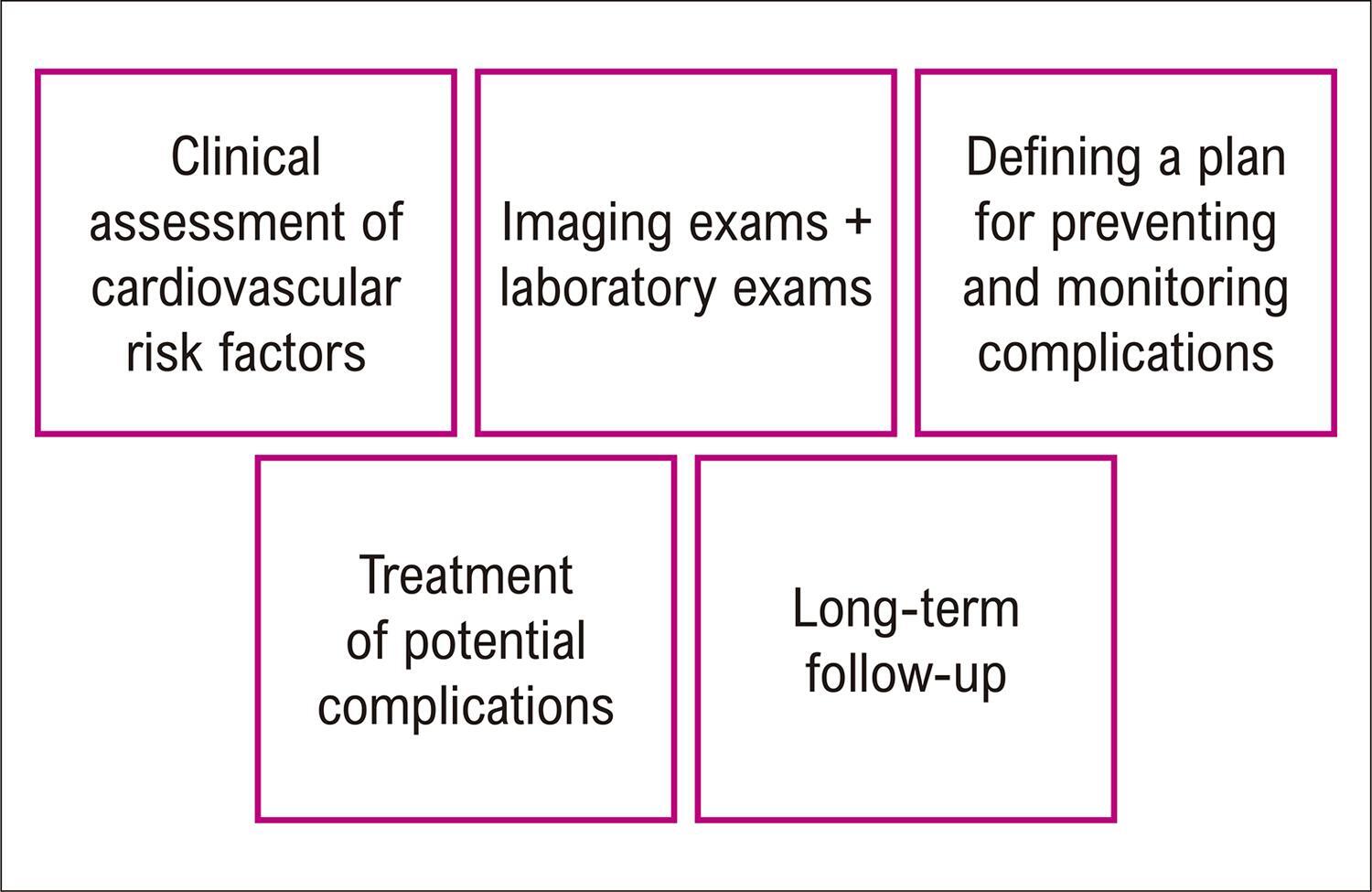
Cardio-oncology is a subspecialty of cardiology that has become necessary as a consequence of the favorable impact of cancer treatment, which increases patients’ survival rates, but makes them more prone to the cardiovascular side effects of cancer therapies in the short and long term. The presence of predisposing factors such as pre-existing cardiovascular disease, cardiovascular risk factors, genetic predisposition, previous antineoplastic therapies, and increased patient age is associated with a higher risk of cardiotoxicity in cancer treatment and may aggravate its complications. The use of imaging methods is fundamental in the management and detection of complications in cancer treatment. Echocardiography is considered the standard method for assessing left ventricular function and should be used in all patients. Magnetic resonance imaging is the best alternative for evaluation in patients with other associated conditions, especially advanced coronary disease, and in cases where it is difficult to obtain adequate echocardiographic images. Nuclear medicine offers options for patients for whom the use of echocardiography and magnetic resonance imaging is limited and for patients whose clinical and laboratory assessments conflict. Judicious use of imaging techniques leads to better patient outcomes during cancer treatment.

  • Cardiotoxicity
  • Computed Tomography
  • Echocardiography
  • Heart Failure
  • Magnetic Resonance
  • Scintigraphy
Read Full Article
Creative Commons Attribution (CC BY) Creative Commons license
18/12/2022 DOI: 10.36660/abchf.20220087 Views 2
Figure 1
ABCHF
Viewpoint

Cardiac Scintigraphy with Bone Markers in Clinical Practice: When to Solicit the Exam? How to Interpret the Results?

Marcus Vinicius Simões

When to solicit cardiac scintigraphy with bone markers?

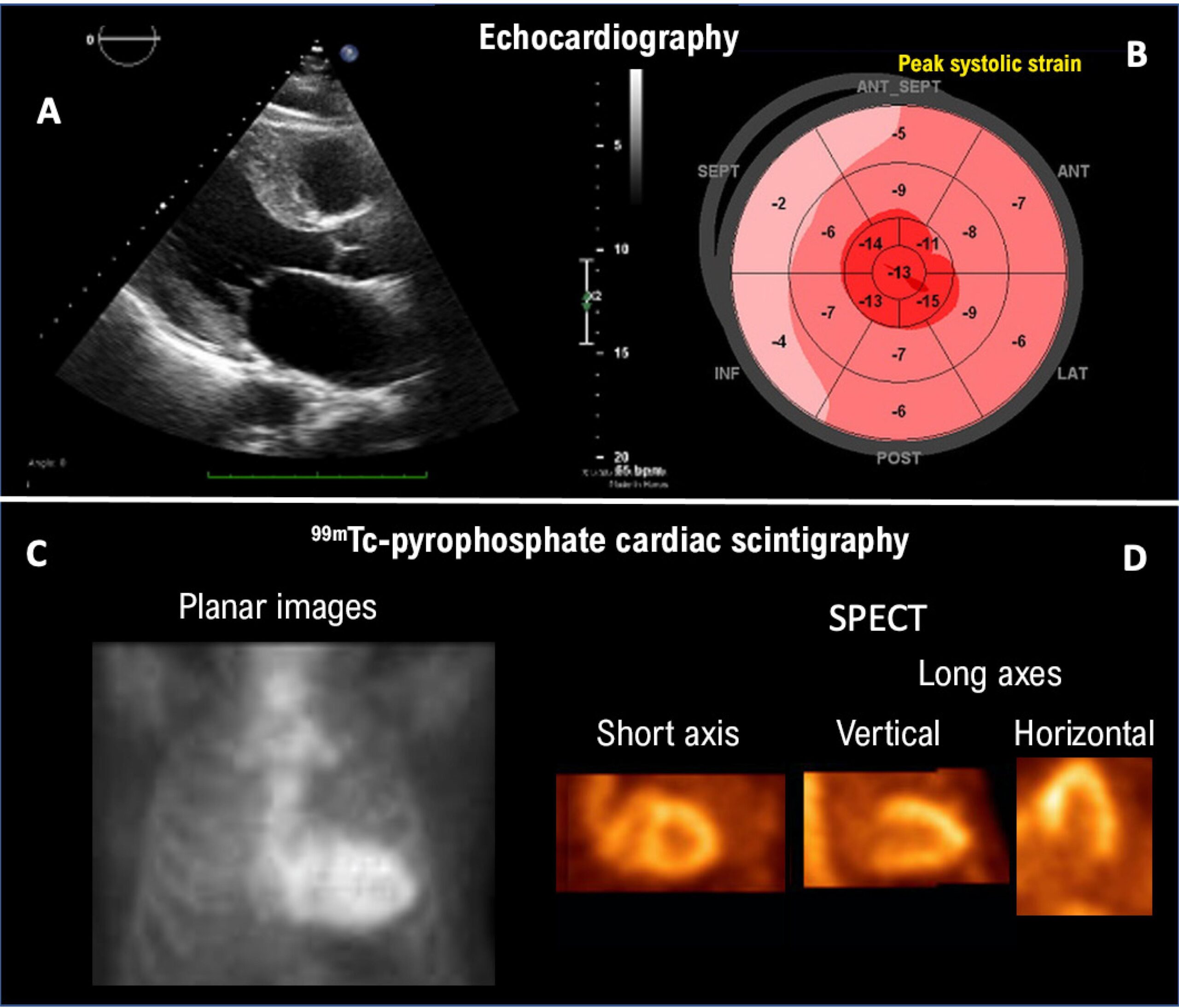
In view of the aspects mentioned above, it is important for investigation of the specific form of ATTR-CA, using bone marker scintigraphy, to begin after 2 key preliminary steps: 1. establishing high clinical suspicion of the presence of CA and 2. ruling out the presence of immunoglobulin light chains, which would lead us to diagnosis of AL-CA.

It is fundamental to establish high clinical suspicion, given that negative scintigraphy does not rule out the presence of CA in its various forms, particularly the AL form. In other words, in a significant percentage of cases with high clinical suspicion and negative scintigraphy, investigation should continue with tissue biopsy, including endomyocardial biopsy, in order to conclude diagnosis. It is clear that endomyocardial biopsy should only be performed in cases of high clinical suspicion, as it is an invasive method with risks that, although low, are inherent to the procedure.

[…]

  • Amyloidosis
  • Diagnostic Methods
  • Scintigraphy
Read Full Article
Creative Commons Attribution (CC BY) Creative Commons license
10/12/2021 DOI: 10.36660/abchf.20210022 Views 1
Figure 1
ABC
Review Article

Relationship between Calcium Score and Myocardial Scintigraphy in the Diagnosis of Coronary Disease

Fabio Paiva Rossini Siqueira et al. Claudio Tinoco Mesquita Alair Augusto Sarmet M. Damas dos Santos Marcelo Souto Nacif

Abstract

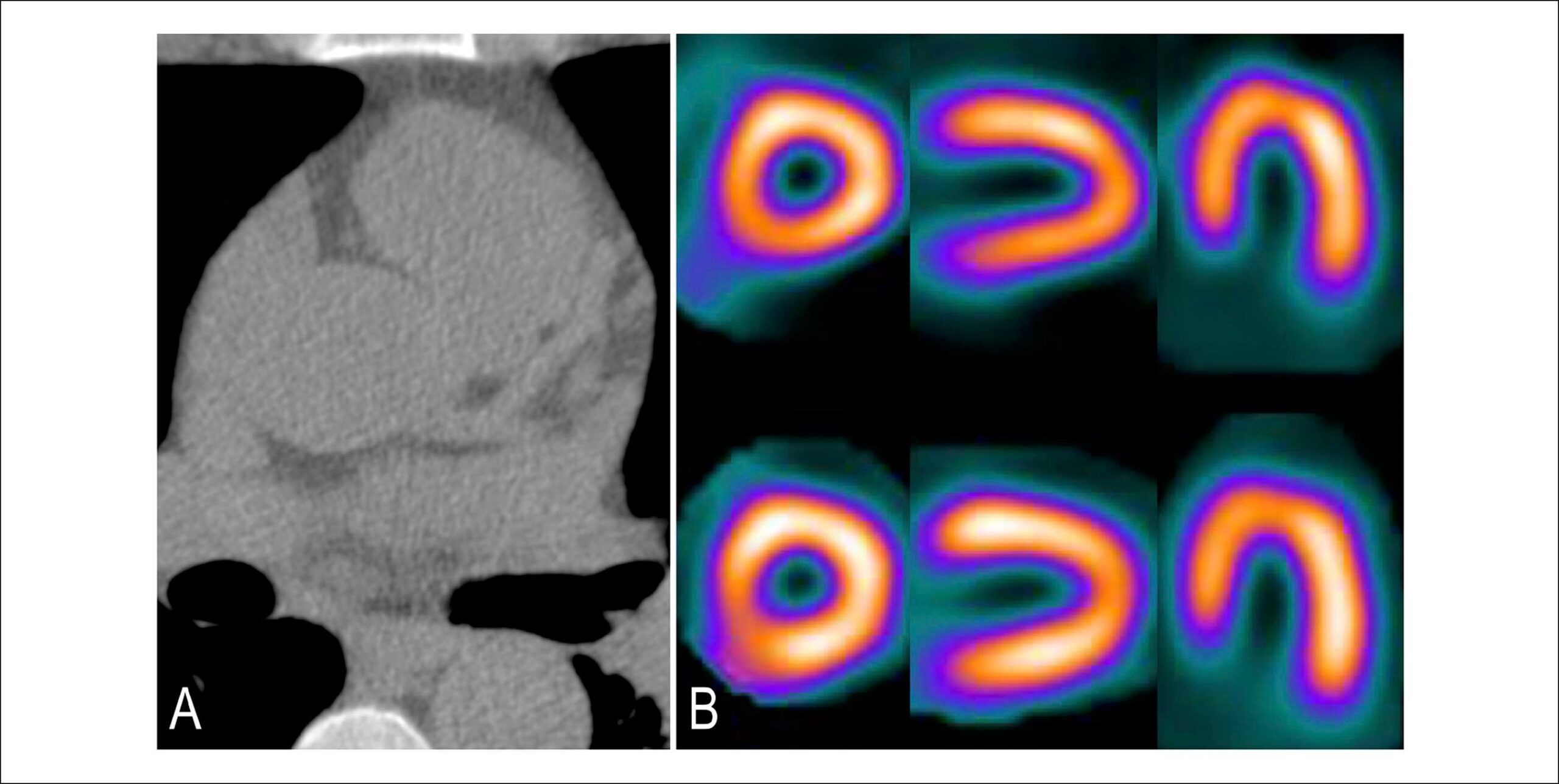
Half the patients with coronary artery disease present with sudden death – or acute infarction as first symptom, making early diagnosis pivotal. Myocardial perfusion scintigraphy is frequently used in the assessment of these patients, but it does not detect the disease without flow restriction, exposes the patient to high levels of radiation and is costly. On the other hand, with less radiological exposure, calcium score is directly correlated to the presence and extension of coronary atherosclerosis, and also to the risk of cardiovascular events. Even though calcium score is a tried-and-true method for stratification of asymptomatic patients, its use is still reduced in this context, since current guidelines are contradictory to its use on symptomatic diseases. The aim of this review is to identify, on patients under investigation for coronary artery disease, the main evidence of the use of calcium score associated with functional evaluation and scintigraphy.

  • Calcium Signaling
  • Coronary Artery Disease / diagnoses
  • Scintigraphy
  • Tomography, Emission Computed
Read Full Article
Creative Commons Attribution (CC BY) Creative Commons license
18/07/2016 DOI: 10.5935/abc.20160104

How to cite this article

EndNote RIS

Electronic Document Format (Vancouver)

Glavam AP, Lopes RW, Brandão SCS. My Approach to Imaging Cardiac Amyloidosis: Role of Bone-Seeking Tracers Scintigraphy. ABC Imagem Cardiovascular 2023;36(2):e20230012.

Electronic Document Format (ABNT)

Glavam, Adriana Pereira; Lopes, Rafael Willain; Brandão, Simone Cristina Soares. My Approach to Imaging Cardiac Amyloidosis: Role of Bone-Seeking Tracers Scintigraphy. ABC Imagem Cardiovascular, v. 36, n. 2, e20230012, May. 2023.

Electronic Document Format (APA)

Glavam, A. P., Lopes, R. W., & Brandão, S. C. S. (2023). My Approach to Imaging Cardiac Amyloidosis: Role of Bone-Seeking Tracers Scintigraphy. ABC Imagem Cardiovascular, 36(2), e20230012.

Electronic Document Format (ISO)

Glavam, Adriana Pereira and Lopes, Rafael Willain and Brandão, Simone Cristina Soares. My Approach to Imaging Cardiac Amyloidosis: Role of Bone-Seeking Tracers Scintigraphy. ABC Imagem Cardiovascular [online]. 2023, vol. 36, n. 2, [cited 2026-10-14], e20230012. Available from: <https://journals.cardiol.br/en/article/my-approach-to-imaging-cardiac-amyloidosis-role-of-bone-seeking-tracers-scintigraphy/>. ISSN 2318-8219

EndNote RIS

Electronic Document Format (Vancouver)

Mesquita CT, Rezende MF, Yahiro DS, Palazzo IC. My Approach To Nuclear Medicine in the Evaluation of Prosthetic Valve and Cardiac Implantable Electronic Device Endocarditis. ABC Imagem Cardiovascular 2023;36(2):e20230018.

Electronic Document Format (ABNT)

Mesquita, Claudio Tinoco; Rezende, Maria Fernanda; Yahiro, Davi Shunji; Palazzo, Isabella Caterina. My Approach To Nuclear Medicine in the Evaluation of Prosthetic Valve and Cardiac Implantable Electronic Device Endocarditis. ABC Imagem Cardiovascular, v. 36, n. 2, e20230018, May. 2023.

Electronic Document Format (APA)

Mesquita, C. T., Rezende, M. F., Yahiro, D. S., & Palazzo, I. C. (2023). My Approach To Nuclear Medicine in the Evaluation of Prosthetic Valve and Cardiac Implantable Electronic Device Endocarditis. ABC Imagem Cardiovascular, 36(2), e20230018.

Electronic Document Format (ISO)

Mesquita, Claudio Tinoco and Rezende, Maria Fernanda and Yahiro, Davi Shunji and Palazzo, Isabella Caterina. My Approach To Nuclear Medicine in the Evaluation of Prosthetic Valve and Cardiac Implantable Electronic Device Endocarditis. ABC Imagem Cardiovascular [online]. 2023, vol. 36, n. 2, [cited 2026-10-14], e20230018. Available from: <https://journals.cardiol.br/en/article/my-approach-to-nuclear-medicine-in-the-evaluation-of-prosthetic-valve-and-cardiac-implantable-electronic-device-endocarditis/>. ISSN 2318-8219

EndNote RIS

Electronic Document Format (Vancouver)

Lima RSL. How Can the Assessment of Myocardial Flow Reserve by Nuclear Medicine Change the Interpretation of Myocardial Perfusion Scintigraphy?. ABC Imagem Cardiovascular 2023;36(1):e363.

Electronic Document Format (ABNT)

Lima, Ronaldo de Souza Leão. How Can the Assessment of Myocardial Flow Reserve by Nuclear Medicine Change the Interpretation of Myocardial Perfusion Scintigraphy?. ABC Imagem Cardiovascular, v. 36, n. 1, e363, Mar. 2023.

Electronic Document Format (APA)

Lima, R. S. L. (2023). How Can the Assessment of Myocardial Flow Reserve by Nuclear Medicine Change the Interpretation of Myocardial Perfusion Scintigraphy?. ABC Imagem Cardiovascular, 36(1), e363.

Electronic Document Format (ISO)

Lima, Ronaldo de Souza Leão. How Can the Assessment of Myocardial Flow Reserve by Nuclear Medicine Change the Interpretation of Myocardial Perfusion Scintigraphy?. ABC Imagem Cardiovascular [online]. 2023, vol. 36, n. 1, [cited 2026-10-14], e363. Available from: <https://journals.cardiol.br/en/article/how-can-the-assessment-of-myocardial-flow-reserve-by-nuclear-medicine-change-the-interpretation-of-myocardial-perfusion-scintigraphy/>. ISSN 2318-8219

EndNote RIS

Electronic Document Format (Vancouver)

Mesquita CT, Melo MDT, Leal ABP, Almeida ALC. Critical Analysis and Applicability of Imaging Methods in Monitoring and Diagnosing Ventricular Dysfunction in Patients with Cancer. ABC: Heart Failure & Cardiomyopathy 2022;2(4):386-94.

Electronic Document Format (ABNT)

Mesquita, Claudio Tinoco; Melo, Marcelo Dantas Tavares de; Leal, Ariane Binoti Pacheco; Almeida, André Luiz Cerqueira de. Critical Analysis and Applicability of Imaging Methods in Monitoring and Diagnosing Ventricular Dysfunction in Patients with Cancer. ABC: Heart Failure & Cardiomyopathy, v. 2, n. 4, p. 386-394, Dec. 2022.

Electronic Document Format (APA)

Mesquita, C. T., Melo, M. D. T. , Leal, A. B. P., & Almeida, A. L. C. (2022). Critical Analysis and Applicability of Imaging Methods in Monitoring and Diagnosing Ventricular Dysfunction in Patients with Cancer. ABC: Heart Failure & Cardiomyopathy, 2(4), 386-394.

Electronic Document Format (ISO)

Mesquita, Claudio Tinoco and Melo, Marcelo Dantas Tavares de and Leal, Ariane Binoti Pacheco and Almeida, André Luiz Cerqueira de. Critical Analysis and Applicability of Imaging Methods in Monitoring and Diagnosing Ventricular Dysfunction in Patients with Cancer. ABC: Heart Failure & Cardiomyopathy [online]. 2022, vol. 2, n. 4, [cited 2026-10-14], pp. 386-394. Available from: <https://journals.cardiol.br/en/article/critical-analysis-and-applicability-of-imaging-methods-in-monitoring-and-diagnosing-ventricular-dysfunction-in-patients-with-cancer/>

EndNote RIS

Electronic Document Format (Vancouver)

Simões MV. Cardiac Scintigraphy with Bone Markers in Clinical Practice: When to Solicit the Exam? How to Interpret the Results?. Phenomenology, Humanities and Sciences – Fenomenologia, Humanidades e Ciências 2021;1(2):127-9.

Electronic Document Format (ABNT)

Simões, Marcus Vinicius. Cardiac Scintigraphy with Bone Markers in Clinical Practice: When to Solicit the Exam? How to Interpret the Results?. Phenomenology, Humanities and Sciences – Fenomenologia, Humanidades e Ciências, v. 1, n. 2, p. 127-129, Dec. 2021.

Electronic Document Format (APA)

Simões, M. V. (2021). Cardiac Scintigraphy with Bone Markers in Clinical Practice: When to Solicit the Exam? How to Interpret the Results?. Phenomenology, Humanities and Sciences – Fenomenologia, Humanidades e Ciências, 1(2), 127-129.

Electronic Document Format (ISO)

Simões, Marcus Vinicius. Cardiac Scintigraphy with Bone Markers in Clinical Practice: When to Solicit the Exam? How to Interpret the Results?. Phenomenology, Humanities and Sciences – Fenomenologia, Humanidades e Ciências [online]. 2021, vol. 1, n. 2, [cited 2026-10-14], pp. 127-129. Available from: <https://journals.cardiol.br/en/article/cardiac-scintigraphy-with-bone-markers-in-clinical-practice-when-to-solicit-the-exam-how-to-interpret-the-results/>

EndNote RIS

Electronic Document Format (Vancouver)

Siqueira FPR, Mesquita CT, Santos AASMD, Nacif MS. Relationship between Calcium Score and Myocardial Scintigraphy in the Diagnosis of Coronary Disease. Arquivos Brasileiros de Cardiologia 2016;107(4):365-74.

Electronic Document Format (ABNT)

Siqueira, Fabio Paiva Rossini; Mesquita, Claudio Tinoco; Santos, Alair Augusto Sarmet M. Damas dos; Nacif, Marcelo Souto. Relationship between Calcium Score and Myocardial Scintigraphy in the Diagnosis of Coronary Disease. Arquivos Brasileiros de Cardiologia, v. 107, n. 4, p. 365-374, Jul. 2016.

Electronic Document Format (APA)

Siqueira, F. P. R., Mesquita, C. T., Santos, A. A. S. M. D. , & Nacif, M. S. (2016). Relationship between Calcium Score and Myocardial Scintigraphy in the Diagnosis of Coronary Disease. Arquivos Brasileiros de Cardiologia, 107(4), 365-374.

Electronic Document Format (ISO)

Siqueira, Fabio Paiva Rossini and Mesquita, Claudio Tinoco and Santos, Alair Augusto Sarmet M. Damas dos and Nacif, Marcelo Souto. Relationship between Calcium Score and Myocardial Scintigraphy in the Diagnosis of Coronary Disease. Arquivos Brasileiros de Cardiologia [online]. 2016, vol. 107, n. 4, [cited 2026-10-14], pp. 365-374. Available from: <https://journals.cardiol.br/en/article/relationship-between-calcium-score-and-myocardial-scintigraphy-in-the-diagnosis-of-coronary-disease/>. ISSN 0066-782X

  • About ABC Family
  • Internal Regulation
  • Editorial Board
  • Brazilian Society of Cardiology (SBC)

Issues

SBC Guidelines

  • Videos
  • Podcasts
  • News