| ABC
ABC Family Arquivos Brasileiros de Cardiologia International Journal of Cardiovascular Sciences ABC Heart Failure & Cardiomyopathy ABC Imagem Cardiovascular
Português English
ABC Family | ABC
Português English
  • About
    • About the Journal
    • Internal Regulation
    • Editors Section
    • Editorial Board
    • History
    • SBC Award
  • Instructions to Authors
    • Guidelines for Publication
    • Editorial Policy
    • Ethics Policy
    • Policy on the Use of Artificial Intelligence
    • Mandatory Publication Form
    • Publication Fee
  • Issues
  • SBC Guidelines
  • Abstracts
    • How to Publish an Abstract Supplement?
    • Supplements from the Brazilian Congress of Cardiology
  • About
    • About the Journal
    • Internal Regulation
    • Editors Section
    • Editorial Board
    • History
    • SBC Award
  • Instructions to Authors
    • Guidelines for Publication
    • Editorial Policy
    • Ethics Policy
    • Policy on the Use of Artificial Intelligence
    • Mandatory Publication Form
    • Publication Fee
  • Issues
  • SBC Guidelines
  • Abstracts
    • How to Publish an Abstract Supplement?
    • Supplements from the Brazilian Congress of Cardiology

ABC Family

  • ABC Family
  • Arquivos Brasileiros de Cardiologia
  • International Journal of Cardiovascular Sciences
  • ABC Heart Failure & Cardiomyopathy
  • ABC Imagem Cardiovascular
Search in

No content found.

Journals
Ordering
Article types
Others

  1. Home
  2. ABC
  3. Issues
  4. 2014, Volume 103, Number 6
Editorial

Effectiveness of Biomarkers in Cardiology

Luis Cláudio Lemos Correia

Besides providing diagnostic or prognostic accuracy, a biomarker must be effective to ensure its adequate use in routine clinical implementation. Effectiveness can be defined as an individual’s potential to benefit from using the biomarker. This benefit includes the prevention of undesirable clinical outcomes and improvement in an individual’s quality of life.

Assessment of a biomarker’s effectiveness should include two sequential criteria. First, the biomarker should add prognostic value in relation to basic clinical and laboratory data. Second, the information provided by the biomarker should promote changes in medical conduct in a way that ultimately benefits the patient. Beginning with the analysis of prognostic value, a new biomarker must have a prognostic value independent of conventional risk markers. However, this criterion of statistical significance is not enough to guarantee clinical significance. Once the statistical significance is confirmed by multivariate analysis, it is necessary to proceed and evaluate whether the biomarker increases our ability to identify individuals who will present the undesirable outcome. This is done by incremental analysis of the C-statistic and net reclassification analysis. For example, although high sensitivity C-reactive protein has an independent association with cardiovascular risk, it only slightly increases the discriminatory capacity in Framingham score. The coronary calcium score, on the other hand, can increase the C-statistic of Framingham score, in addition to correctly reclassifying a proportion of patients. This incremental value is an essential condition for a biomarker to be effective, because only then can its result correctly modify clinical decisions.

[…]

  • Biological Markers
  • Cardiovascular Diseases/genetic
  • Disease Prevention
  • Effectiveness
  • Evidence-Based Practice
Read Full Article
Creative Commons Attribution (CC BY) Creative Commons license
01/12/2014 DOI: 10.5935/abc.20140194
Figure 1
Anatomopathological Session

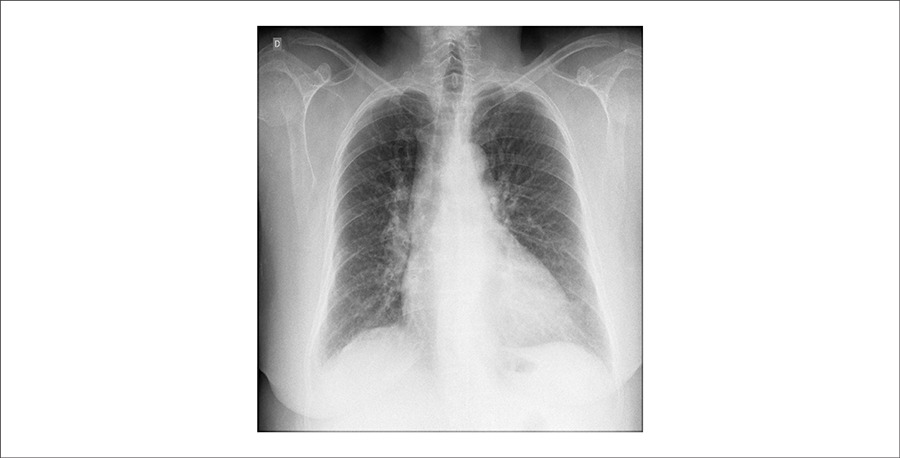
Case 6/2014 – A Case of a 61-Year-old Woman with Diastolic Heart Failure

Fabio Grunspun Pitta et al. Natalia Quintella Sangiorgi Olivetti Diego Simões Peniche Andrea Maria Bercht … Paulo Sampaio Gutierrez Luiz Alberto Benvenuti

Clinical aspects

The patient was a 61-year-old woman who developed HF in March 2013, with initial improvement after introduction of a specific treatment. However, 5 months later, she was admitted to the emergency room with decompensated underlying disease, requiring hospitalization.

HF is a complex syndrome resulting from any structural or functional damage to ventricular filling or ejection volume. The cardinal manifestations of HF are dyspnea and fatigue, which in turn may cause exercise intolerance, fluid retention, and pulmonary and systemic congestion. There is no specific diagnostic test for HF because it is primarily a syndrome of clinical diagnosis based on the history and physical exam. The importance of an active search for risk factors or previous cardiovascular disease should be emphasized in determining the etiology for this syndrome.

[…]

  • Amyloidosis
  • cardiomyopathy
  • Diastolic
  • Heart Failure
  • restrictive
  • Ventricular Dysfunction
Read Full Article
Creative Commons Attribution (CC BY) Creative Commons license
01/12/2014 DOI: 10.5935/abc.20140185
Figure 1
Case Report

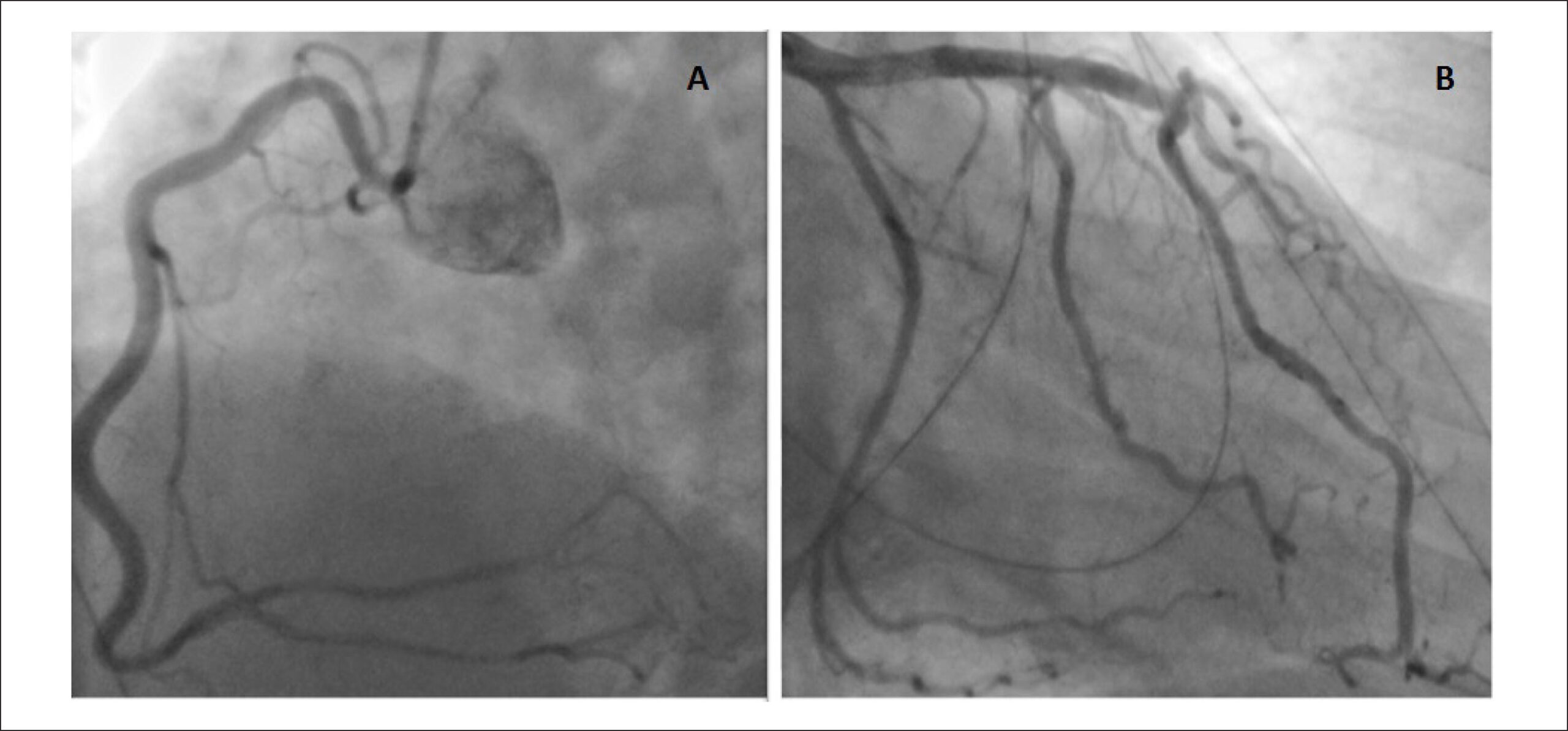
Severe Coronary Vasospasm Complicated with Ventricular Tachycardia

Göksel Acar et al. Serdar Fidan Servet İzci Anıl Avcı

Introduction

Variant form of angina was first described by Prinzmetal as transient and recurrent coronary spasm leading to recurrent episodes of myocardial ischemia. Although so many factors can trigger or aggravate coronary vasospasm; endothelial dysfunction was considered as an important mechanism underlying this situation. The location and extent of vasospasm determine the seriousness of the clinical picture, which can include myocardial infarction severe arrhythmias, cardiogenic shock and even death.

[…]

  • Angina Pectoris
  • Coronary Angiography
  • Coronary Vasospasm
  • Nitrates / therapeutic use
Read Full Article
Creative Commons Attribution (CC BY) Creative Commons license
01/12/2014 DOI: 10.5935/abc.20140166
Erratum

October issue of 2014, vol. 103 (4), pages. 282-291

I

n

[…]

Read Full Article
Creative Commons Attribution (CC BY) Creative Commons license
01/12/2014 DOI: 10.5935/abc.20140122e
Figure 1
Image

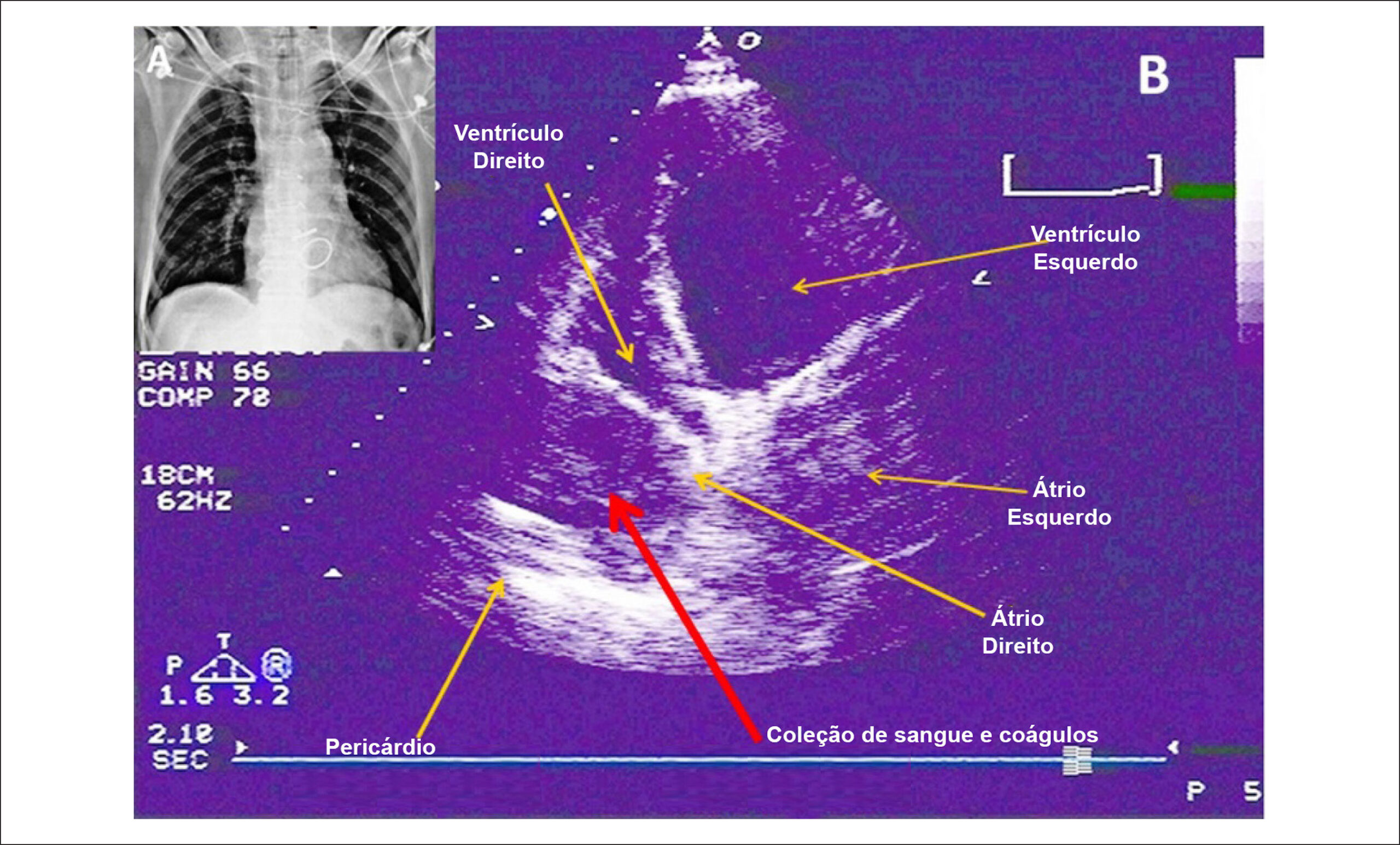
Cardiac Tamponade Caused by Compression of Right Cardiac Chamber: a Hidden Enemy

Paulo Roberto Barbosa Evora et al. Minna Moreira D. Romano Luis Gustavo Gali Alfredo José Rodrigues

A

[…]

  • Cardiac Tamponade
  • Echocardiography
  • Heart Atria/abnormalities
  • Heart Valve Prosthesis Implantation
Read Full Article
Creative Commons Attribution (CC BY) Creative Commons license
01/12/2014 DOI: 10.5935/abc.20140195 Views 1
Special Article

Biomarkers in Cardiology – Part 1 – In Heart Failure and Specific Cardiomyopathies

EXpert Group on Biomarkers

Cardiovascular diseases are the leading causes of mortality and morbidity in Brazil. The primary and secondary preventions of those diseases are a priority for the health system and require multiple approaches to increase their effectiveness. Biomarkers are tools used to more accurately identify high-risk individuals, to speed the diagnosis, and to aid in treatment and prognosis determination. This review aims to highlight the importance of biomarkers in clinical cardiology practice, and to raise relevant points of their use and the promises for the coming years. This document was divided into two parts, and this first one discusses the use of biomarkers in specific cardiomyopathies and heart failure.

  • Biological Markers
  • Cardiomyopathies
  • Evidence-Based Practice
  • Heart Failure
Read Full Article
Creative Commons Attribution (CC BY) Creative Commons license
28/11/2014 DOI: 10.5935/abc.20140184
Figure 1
Original Article

Late Outcome of a Randomized Study on Oral Magnesium for Premature Complexes

Cristina Nádja M. Lima De Falco et al. Francisco Carlos da Costa Darrieux Cesar Grupi Luciana Sacilotto … Cristiano F. Pisani Sissy Lara José A. F. Ramires Eduardo Sosa Tan Chen Wu Denise Hachul Mauricio Scanavacca

Background:

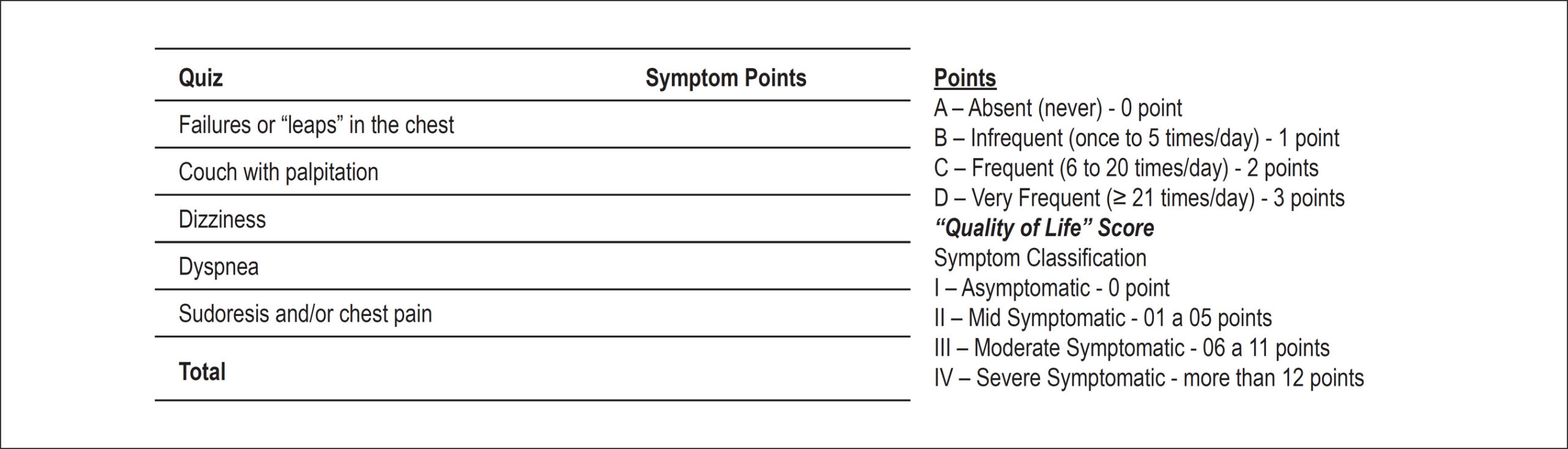
Ventricular and supraventricular premature complexes (PC) are frequent and usually symptomatic. According to a previous study, magnesium pidolate (MgP) administration to symptomatic patients can improve the PC density and symptoms.

Objective:

To assess the late follow-up of that clinical intervention in patients treated with MgP or placebo.

Methods:

In the first phase of the study, 90 symptomatic and consecutive patients with PC were randomized (double-blind) to receive either MgP or placebo for 30 days. Monthly follow-up visits were conducted for 15 months to assess symptoms and control electrolytes. 24-hour Holter was performed twice, regardless of symptoms, or whenever symptoms were present. In the second phase of the study, relapsing patients, who had received MgP or placebo (crossing-over) in the first phase, were treated with MgP according to the same protocol.

Results:

Of the 45 patients initially treated with MgP, 17 (37.8%) relapsed during the 15-month follow-up, and the relapse time varied. Relapsing patients treated again had a statistically significant reduction in the PC density of 138.25/hour (p < 0.001). The crossing-over patients reduced it by 247/hour (p < 0.001). Patients who did not relapse, had a low PC frequency (3 PC/hour). Retreated patients had a 76.5% improvement in symptom, and crossing-over patients, 71.4%.

Conclusion:

Some patients on MgP had relapse of symptoms and PC, indicating that MgP is neither a definitive nor a curative treatment for late follow-up. However, improvement in the PC frequency and symptoms was observed in the second phase of treatment, similar to the response in the first phase of treatment.

  • Arrhythmias Cardiac
  • Magnesium
  • Ventricular Premature Complexes
Read Full Article
Creative Commons Attribution (CC BY) Creative Commons license
11/11/2014 DOI: 10.5935/abc.20140171 Views 1
Figure 1
Original Article

Autologous Transplantation of Bone Marrow Adult Stem Cells for the Treatment of Idiopathic Dilated Cardiomyopathy

Ricardo João Westphal et al. Ronaldo Rocha Loures Bueno Paulo Bezerra de Araújo Galvão José Zanis Neto … Juliano Mendes Souza Ênio Eduardo Guérios Alexandra Cristina Senegaglia Paulo Roberto Brofman Ricardo Pasquini Claudio Leinig Pereira da Cunha

Background:

Morbimortality in patients with dilated idiopathic cardiomyopathy is high, even under optimal medical treatment. Autologous infusion of bone marrow adult stem cells has shown promising preliminary results in these patients.

Objective:

Determine the effectiveness of autologous transplantation of bone marrow adult stem cells on systolic and diastolic left ventricular function, and on the degree of mitral regurgitation in patients with dilated idiopathic cardiomyopathy in functional classes NYHA II and III.

Methods:

We administered 4,54 x 10⁸ ± 0,89 x 10⁸ bone marrow adult stem cells into the coronary arteries of 24 patients with dilated idiopathic cardiomyopathy in functional classes NYHA II and III. Changes in functional class, systolic and diastolic left ventricular function and degree of mitral regurgitation were assessed after 3 months, 6 months and 1 year.

Results:

During follow-up, six patients (25%) improved functional class and eight (33.3%) kept stable. Left ventricular ejection fraction improved 8.9%, 9.7% e 13.6%, after 3, 6 and 12 months (p = 0.024; 0.017 and 0.018), respectively. There were no significant changes neither in diastolic left ventricular function nor in mitral regurgitation degree. A combined cardiac resynchronization and implantable cardioversion defibrillation was implanted in two patients (8.3%). Four patients (16.6%) had sudden death and four patients died due to terminal cardiac failure. Average survival of these eight patients was 2.6 years.

Conclusion:

Intracoronary infusion of bone marrow adult stem cells was associated with an improvement or stabilization of functional class and an improvement in left ventricular ejection fraction, suggesting the efficacy of this intervention. There were no significant changes neither in left ventricular diastolic function nor in the degree of mitral regurgitation.

  • Cardiomyopathy, Dilated
  • Stem Cells
  • transplantation, autologous
Read Full Article
Creative Commons Attribution (CC BY) Creative Commons license
04/11/2014 DOI: 10.5935/abc.20140164
Figure 1
Original Article

Focused Cardiac Ultrasound Using a Pocket-Size Device in the Emergency Room

Frederico José Neves Mancuso et al. Vicente Nicoliello Siqueira Valdir Ambrósio Moisés Aécio Flavio Teixeira Gois … Angelo Amato Vincenzo de Paola Antonio Carlos Camargo Carvalho Orlando Campos

Background:

Cardiovascular urgencies are frequent reasons for seeking medical care. Prompt and accurate medical diagnosis is critical to reduce the morbidity and mortality of these conditions.

Objective:

To evaluate the use of a pocket-size echocardiography in addition to clinical history and physical exam in a tertiary medical emergency care.

Methods:

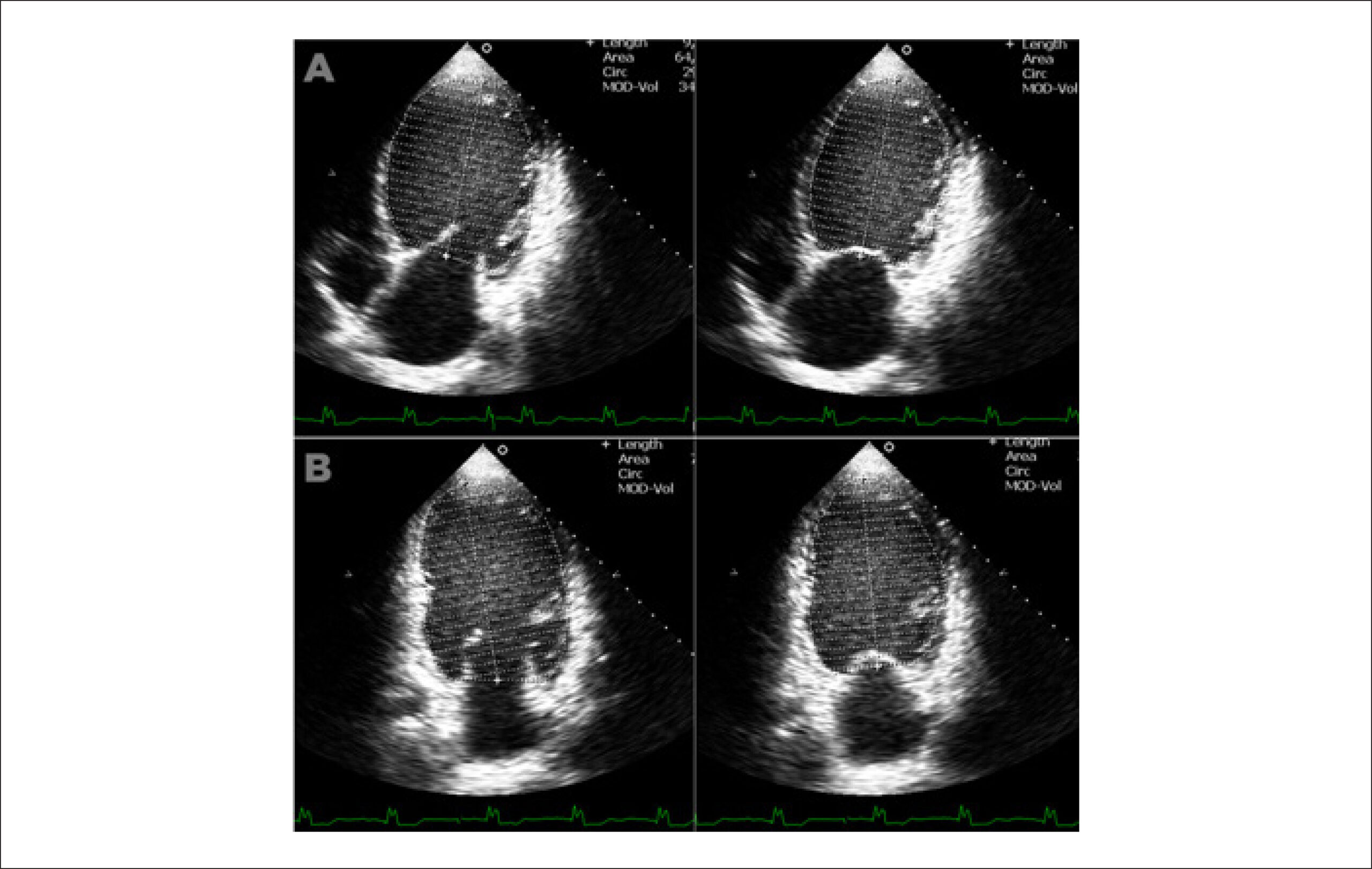
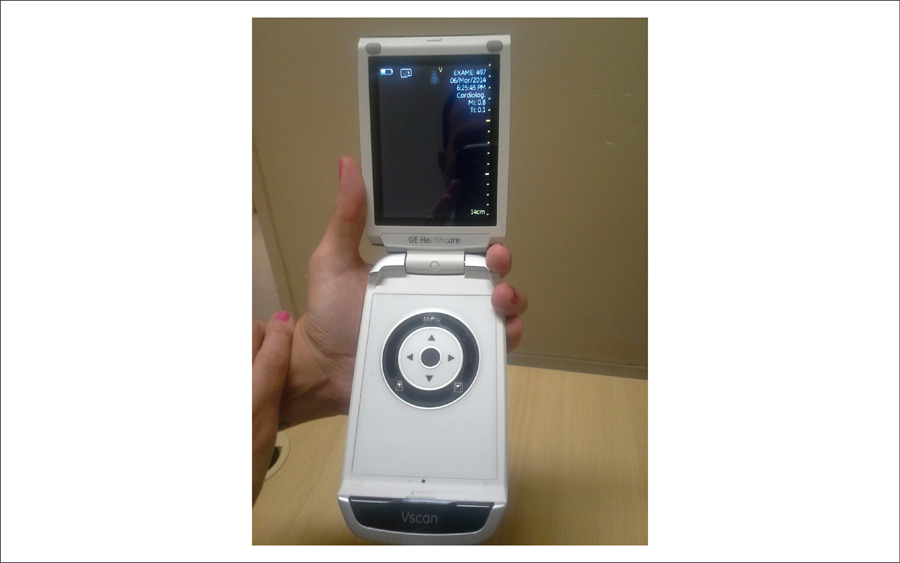
One hundred adult patients without known cardiac or lung diseases who sought emergency care with cardiac complaints were included. Patients with ischemic changes in the electrocardiography or fever were excluded. A focused echocardiography with GE Vscan equipment was performed after the initial evaluation in the emergency room. Cardiac chambers dimensions, left and right ventricular systolic function, intracardiac flows with color, pericardium, and aorta were evaluated.

Results:

The mean age was 61 ± 17 years old. The patient complaint was chest pain in 51 patients, dyspnea in 32 patients, arrhythmia to evaluate the left ventricular function in ten patients, hypotension/dizziness in five patients and edema in one patient. In 28 patients, the focused echocardiography allowed to confirm the initial diagnosis: 19 patients with heart failure, five with acute coronary syndrome, two with pulmonary embolism and two patients with cardiac tamponade. In 17 patients, the echocardiography changed the diagnosis: ten with suspicious of heart failure, two with pulmonary embolism suspicious, two with hypotension without cause, one suspicious of acute coronary syndrome, one of cardiac tamponade and one of aortic dissection.

Conclusion:

The focused echocardiography with pocket-size equipment in the emergency care may allow a prompt diagnosis and, consequently, an earlier initiation of the therapy.

  • Diagnostic Equipment, Emergency Medical Services
  • Diagnostic Imaging
  • Echocardiography
Read Full Article
Creative Commons Attribution (CC BY) Creative Commons license
28/10/2014 DOI: 10.5935/abc.20140158
Figure 1
Original Article

Value of the Qrs-T Angle in Predicting the Induction of Ventricular Tachyarrhythmias in Patients with Chagas Disease

Hugo Bizetto Zampa et al. Dalmo AR Moreira Carlos Alberto Brandão Ferreira Filho Charles Rios Souza … Camila Caldas Menezes Henrique Seichii Hirata Luciana Vidal Armaganijan

Background:

The QRS-T angle correlates with prognosis in patients with heart failure and coronary artery disease, reflected by an increase in mortality proportional to an increase in the difference between the axes of the QRS complex and T wave in the frontal plane. The value of this correlation in patients with Chagas heart disease is currently unknown.

Objective:

Determine the correlation of the QRS-T angle and the risk of induction of ventricular tachycardia / ventricular fibrillation (VT / VF) during electrophysiological study (EPS) in patients with Chagas disease.

Methods:

Case-control study at a tertiary center. Patients without induction of VT / VF on EPS were used as controls. The QRS-T angle was categorized as normal (0-105º), borderline (105-135º) or abnormal (135-180º). Differences between groups for continuous variables were analyzed with the t test or Mann-Whitney test, and for categorical variables with Fisher’s exact test. P values < 0.05 were considered significant.

Results:

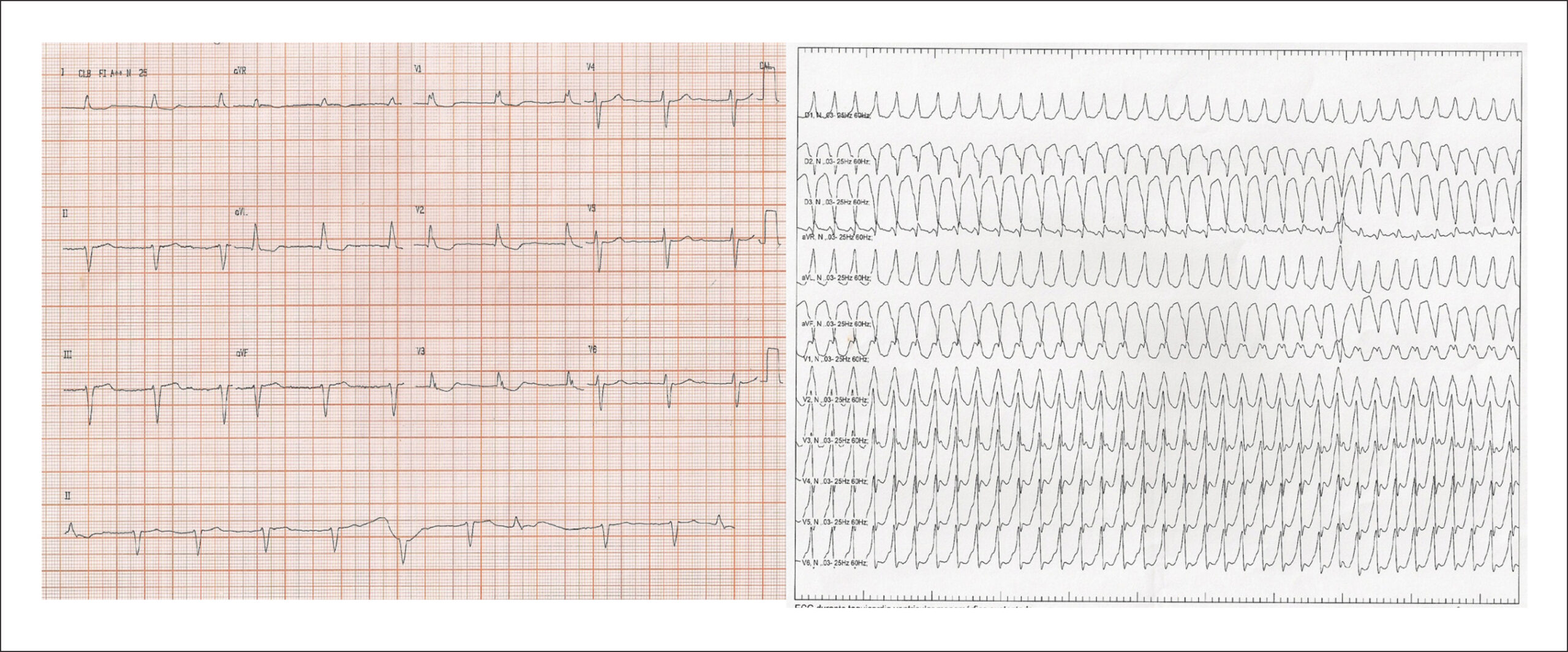
Of 116 patients undergoing EPS, 37.9% were excluded due to incomplete information / inactive records or due to the impossibility to correctly calculate the QRS-T angle (presence of left bundle branch block and atrial fibrillation). Of 72 patients included in the study, 31 induced VT / VF on EPS. Of these, the QRS-T angle was normal in 41.9%, borderline in 12.9% and abnormal in 45.2%. Among patients without induction of VT / VF on EPS, the QRS-T angle was normal in 63.4%, borderline in 14.6% and abnormal in 17.1% (p = 0.04). When compared with patients with normal QRS-T angle, those with abnormal angle had a fourfold higher risk of inducing ventricular tachycardia / ventricular fibrillation on EPS [odds ratio (OR) 4; confidence interval (CI) 1.298-12.325; p = 0.028]. After adjustment for other variables such as age, ejection fraction (EF) and QRS size, there was a trend for the abnormal QRS-T angle to identify patients with increased risk of inducing VT / VF during EPS (OR 3.95; CI 0.99-15.82; p = 0.052). The EF also emerged as a predictor of induction of VT / VF: for each point increase in EF, there was a 4% reduction in the rate of sustained ventricular arrhythmia on EPS.

Conclusions:

Changes in the QRS-T angle and decreases in EF were associated with an increased risk of induction of VT / VF on EPS.

  • Arrhythmias Cardiac
  • Case-Control Studies
  • Chagas disease
  • Electrocardiography
  • Tachycardia, Ventricular
Read Full Article
Creative Commons Attribution (CC BY) Creative Commons license
28/10/2014 DOI: 10.5935/abc.20140162 Views 1
Figure 1
Original Article

Impact of Atrial Fibrillation Ablation on Left Ventricular Filling Pressure and Left Atrial Remodeling

Simone Nascimento dos Santos et al. Benhur Davi Henz André Rodrigues Zanatta José Roberto Barreto … Kelly Bianca Loureiro Clarissa Novakoski Marcus Vinícius Nascimento dos Santos Fabio F. Giuseppin Edna Maria Oliveira Luiz Roberto Leite

Background:

Left ventricular (LV) diastolic dysfunction is associated with new-onset atrial fibrillation (AF), and the estimation of elevated LV filling pressures by E/e’ ratio is related to worse outcomes in patients with AF. However, it is unknown if restoring sinus rhythm reverses this process.

Objective:

To evaluate the impact of AF ablation on estimated LV filling pressure.

Methods:

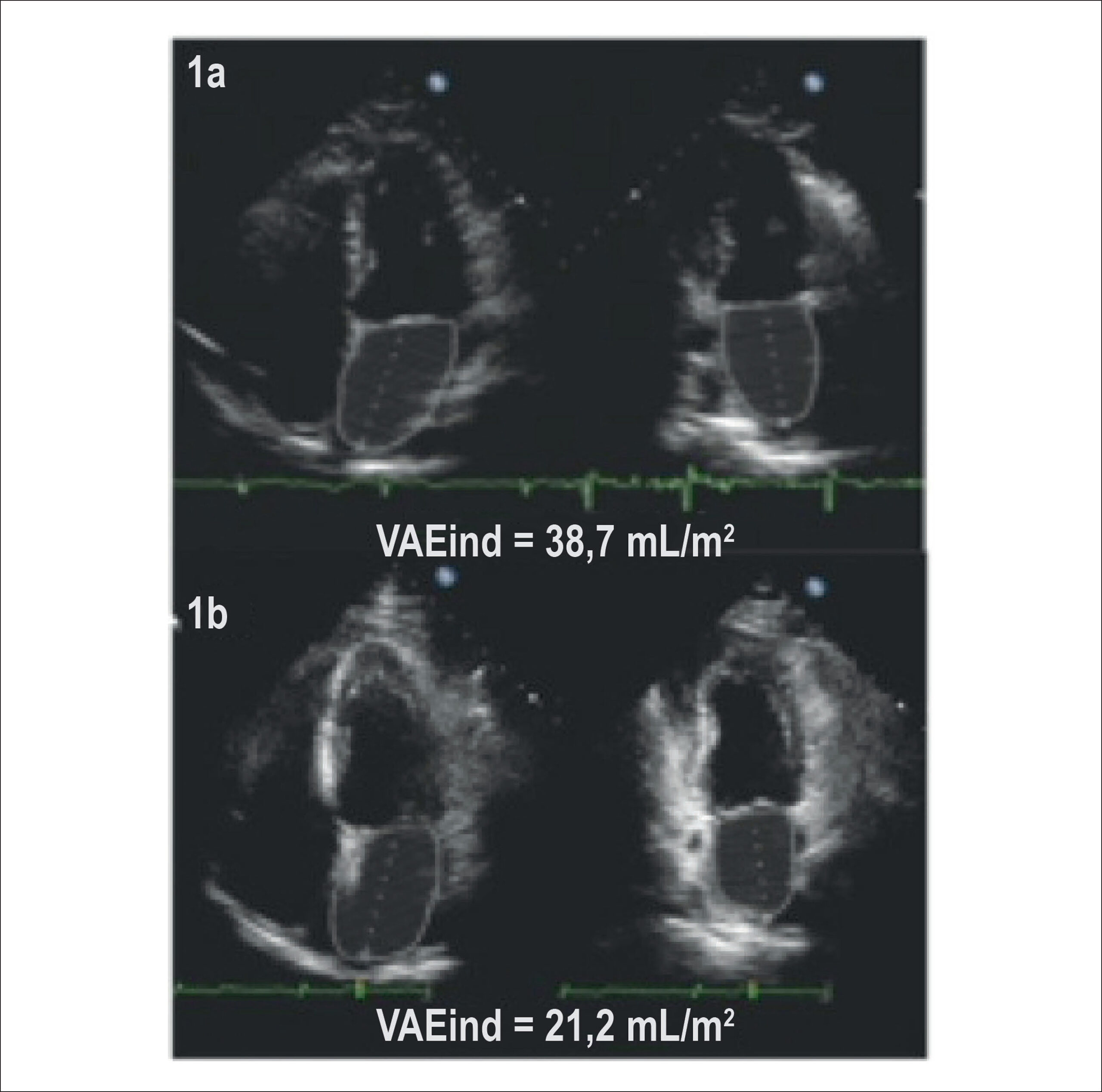
A total of 141 patients underwent radiofrequency (RF) ablation to treat drug-refractory AF. Transthoracic echocardiography was performed 30 days before and 12 months after ablation. LV functional parameters, left atrial volume index (LAVind), and transmitral pulsed and mitral annulus tissue Doppler (e’ and E/e’) were assessed. Paroxysmal AF was present in 18 patients, persistent AF was present in 102 patients, and long-standing persistent AF in 21 patients. Follow-up included electrocardiographic examination and 24-h Holter monitoring at 3, 6, and 12 months after ablation.

Results:

One hundred seventeen patients (82.9%) were free of AF during the follow-up (average, 18 ± 5 months). LAVind reduced in the successful group (30.2 mL/m2 ± 10.6 mL/m2 to 22.6 mL/m2 ± 1.1 mL/m2, p < 0.001) compared to the non-successful group (37.7 mL/m2 ± 14.3 mL/m2 to 37.5 mL/m2 ± 14.5 mL/m2, p = ns). Improvement of LV filling pressure assessed by a reduction in the E/e’ ratio was observed only after successful ablation (11.5 ± 4.5 vs. 7.1 ± 3.7, p < 0.001) but not in patients with recurrent AF (12.7 ± 4.4 vs. 12 ± 3.3, p = ns). The success rate was lower in the long-standing persistent AF patient group (57% vs. 87%, p = 0.001).

Conclusion:

Successful AF ablation is associated with LA reverse remodeling and an improvement in LV filling pressure.

  • Atrial Fibrillation
  • Atrial Remodeling
  • Catheter Ablation
  • Echocardiography
  • Stroke Volume
  • Ventricular Function
Read Full Article
Creative Commons Attribution (CC BY) Creative Commons license
14/10/2014 DOI: 10.5935/abc.20140152 Views 1
Figure 1
Original Article

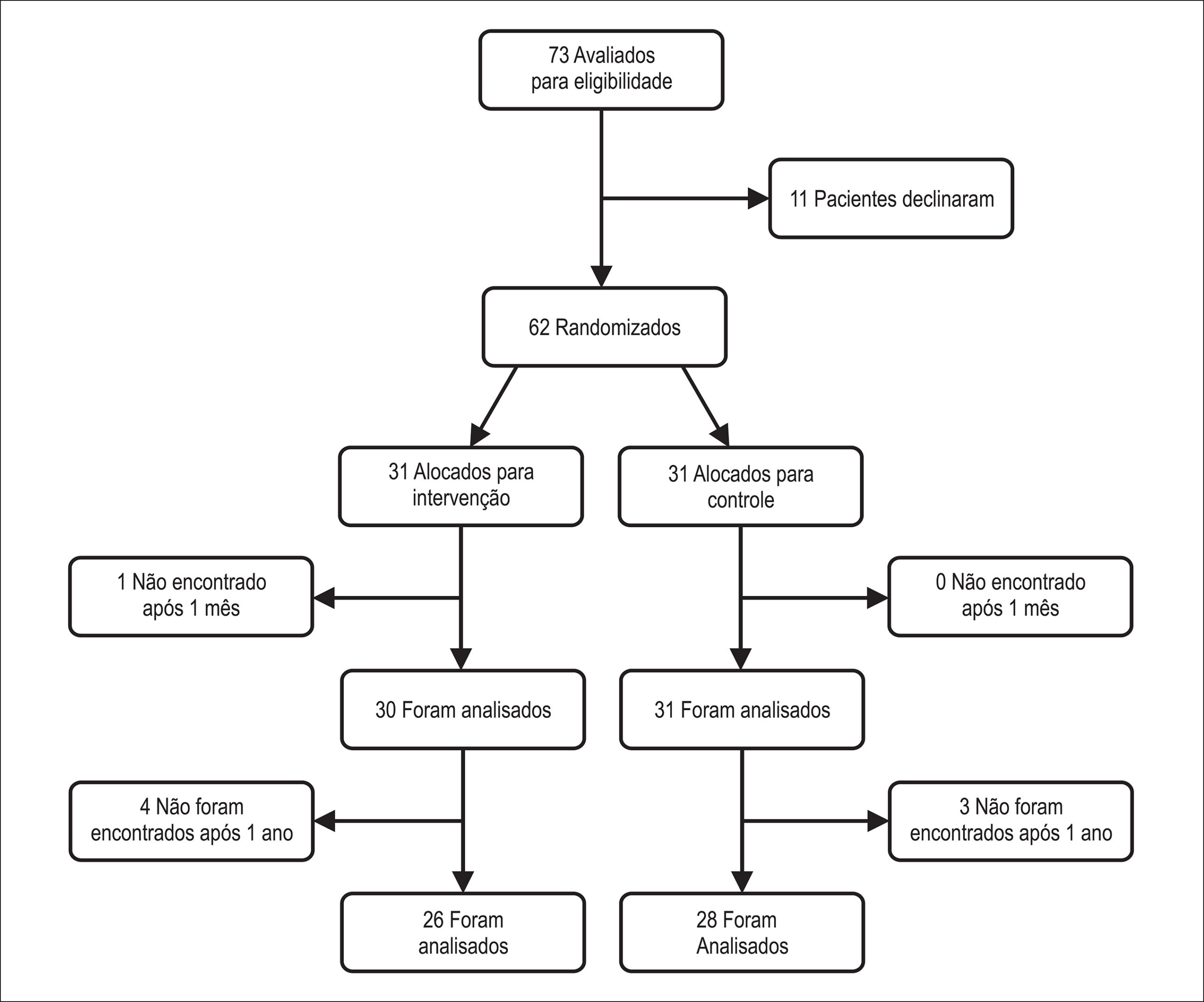
Improving Post-Discharge Medication Adherence in Patients with CVD: A Pilot Randomized Trial

Alfredo D. Oliveira-Filho et al. Donald E. Morisky Francisco A. Costa Sara T. Pacheco … Sabrina F. Neves Divaldo P. Lyra-Jr

Background:

Effective interventions to improve medication adherence are usually complex and expensive.

Objective:

To assess the impact of a low-cost intervention designed to improve medication adherence and clinical outcomes in post-discharge patients with CVD.

Method:

A pilot RCT was conducted at a teaching hospital. Intervention was based on the four-item Morisky Medication Adherence Scale (MMAS-4). The primary outcome measure was medication adherence assessed using the eight-item MMAS at baseline, at 1 month post hospital discharge and re-assessed 1 year after hospital discharge. Other outcomes included readmission and mortality rates.

Results:

61 patients were randomized to intervention (n = 30) and control (n = 31) groups. The mean age of the patients was 61 years (SD 12.73), 52.5% were males, and 57.4% were married or living with a partner. Mean number of prescribed medications per patient was 4.5 (SD 3.3). Medication adherence was correlated to intervention (p = 0.04) and after 1 month, 48.4% of patients in the control group and 83.3% in the intervention group were considered adherent. However, this difference decreased after 1 year, when adherence was 34.8% and 60.9%, respectively. Readmission and mortality rates were related to low adherence in both groups.

Conclusion:

The intervention based on a validated patient self-report instrument for assessing adherence is a potentially effective method to improve adherent behavior and can be successfully used as a tool to guide adherence counseling in the clinical visit. However, a larger study is required to assess the real impact of intervention on these outcomes.

  • Cardiovascular Diseases
  • medication adherence
  • Patient Discharge
  • Patient Discharge Summaries
  • Randomized Controlled Trial
Read Full Article
Creative Commons Attribution (CC BY) Creative Commons license
14/10/2014 DOI: 10.5935/abc.20140151
Figure 1
Original Article

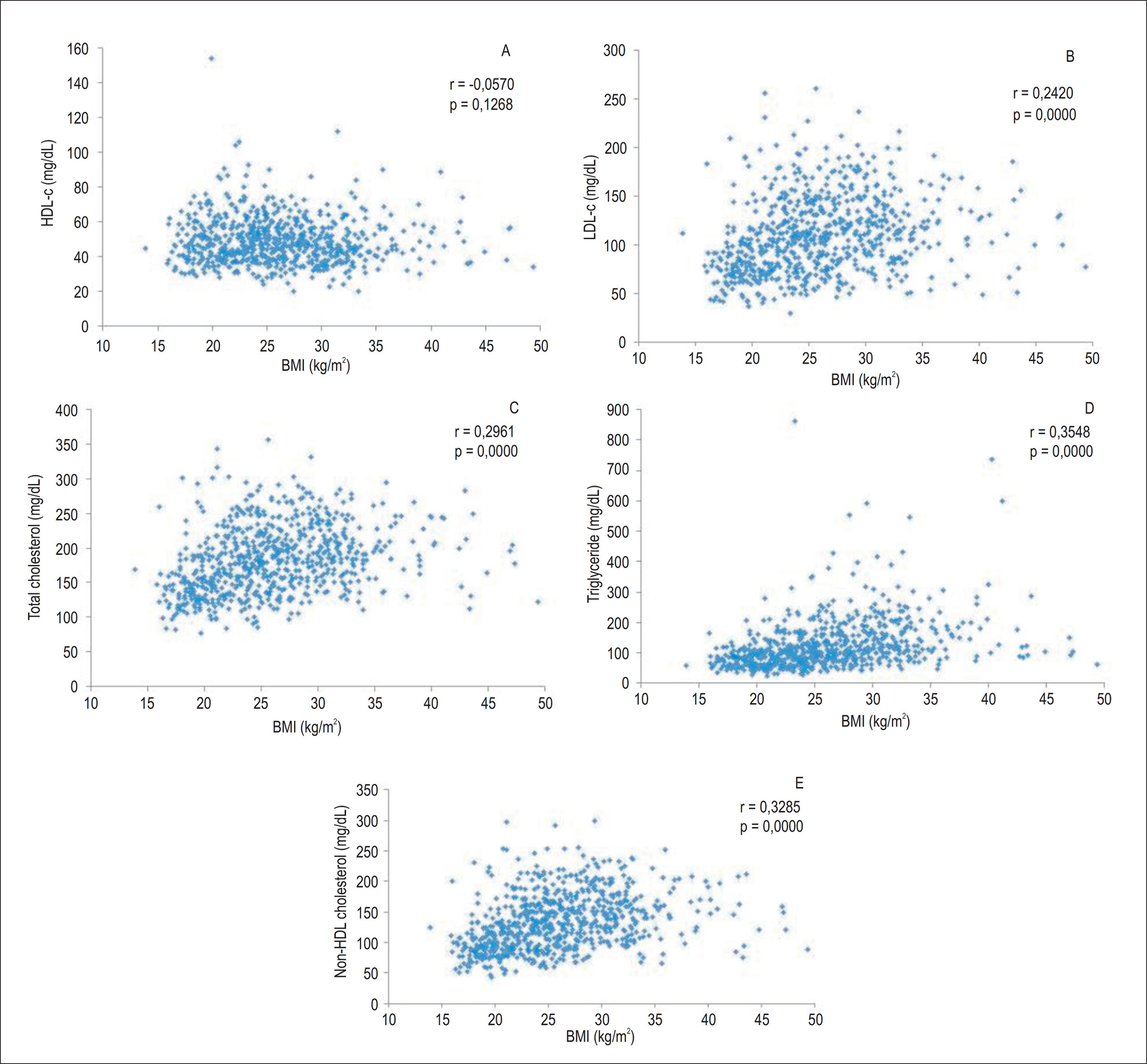
Prevalence of Dyslipidemia According to the Nutritional Status in a Representative Sample of São Paulo

Marcela Riccioppo Garcez et al. Jaqueline Lopes Pereira Mariane de Mello Fontanelli Dirce Maria Lobo Marchioni Regina Mara Fisberg

Background:

Overweight is one of the major public health problems in Brazil; it is associated with dyslipidemia, which is an important risk factor for cardiovascular diseases.

Objective:

To evaluate the lipid profile of residents of the municipality of São Paulo, state of São Paulo, according to the nutritional status.

Methods:

Data from the population-based cross-sectional study ISA-Capital 2008 on a sample of residents of São Paulo were used. Participants were categorized into groups according to body mass index and age range. The levels of total cholesterol, HDL-cholesterol, LDL-cholesterol, triglycerides, and non-HDL cholesterol were measured. The association between lipid profile, nutricional status, and waist circumference was investigated. The data were processed using the survey mode of the Stata 11.0 software.

Results:

The prevalence of any type of dyslipidemia in the population was 59.74%, with low HDL-cholesterol dyslipidemia being the most common type. Not overweight individuals had higher mean levels of HDL-cholesterol and lower levels of LDL-cholesterol, total cholesterol, triglycerides, and non-HDL cholesterol when compared with the overweight group. The rate of inadequacy of these variables was higher in the overweight individuals, regardless of the age group, to the exception of LDL-cholesterol in the adults and elderly. A higher prevalence of isolated hypertriglyceridemia was observed in individuals with higher waist circumference among the adults and the total population.

Conclusion:

The results indicate an association between dyslipidemia and overweight in the population of the city of São Paulo. The most prevalent dyslipidemia in this population was low HDL-cholesterol.

  • Dyslipidemias / epidemiology
  • nutritional status
  • Obesity/complications
  • Prevalence
  • Statistical Analysis
Read Full Article
Creative Commons Attribution (CC BY) Creative Commons license
14/10/2014 DOI: 10.5935/abc.20140156 Views 1
Original Article

Association between Angiotensin-Converting Enzyme Inhibitors and Troponin in Acute Coronary Syndrome

Luiz Minuzzo et al. Elizabete Silva dos Santos Ari Timerman

Background:

Cardiovascular disease is the leading cause of mortality in the western world and its treatment should be optimized to decrease severe adverse events.

Objective:

To determine the effect of previous use of angiotensin-converting enzyme inhibitors on cardiac troponin I measurement in patients with acute coronary syndrome without ST-segment elevation and evaluate clinical outcomes at 180 days.

Methods:

Prospective, observational study, carried out in a tertiary center, in patients with acute coronary syndrome without ST-segment elevation. Clinical, electrocardiographic and laboratory variables were analyzed, with emphasis on previous use of angiotensin-converting enzyme inhibitors and cardiac troponin I. The Pearson chi-square tests (Pereira) or Fisher’s exact test (Armitage) were used, as well as the non-parametric Mann-Whitney’s test. Variables with significance levels of <10% were submitted to multiple logistic regression model.

Results:

A total of 457 patients with a mean age of 62.1 years, of whom 63.7% were males, were included. Risk factors such as hypertension (85.3%) and dyslipidemia (75.9%) were the most prevalent, with 35% of diabetics. In the evaluation of events at 180 days, there were 28 deaths (6.2%). The statistical analysis showed that the variables that interfered with troponin elevation (> 0.5 ng / mL) were high blood glucose at admission (p = 0.0034) and ST-segment depression ≥ 0.5 mm in one or more leads (p = 0.0016). The use of angiotensin-converting inhibitors prior to hospitalization was associated with troponin ≤ 0.5 ng / mL (p = 0.0482). The C-statistics for this model was 0.77.

Conclusion:

This study showed a correlation between prior use of angiotensin-converting enzyme inhibitors and reduction in the myocardial necrosis marker troponin I in patients admitted for acute coronary syndrome without ST-segment elevation. However, there are no data available yet to state that this reduction could lead to fewer severe clinical events such as death and re-infarction at 180 days.

  • Acute coronary syndrome
  • Angiotensin-Converting Enzyme Inhibitors
  • Troponin
Read Full Article
Creative Commons Attribution (CC BY) Creative Commons license
14/10/2014 DOI: 10.5935/abc.20140155
Figure 1
Review Article

Development of Anatomophysiologic Knowledge Regarding the Cardiovascular System: From Egyptians to Harvey

Reinaldo Bulgarelli Bestetti et al. Carolina Baraldi A. Restini Lucélio B. Couto

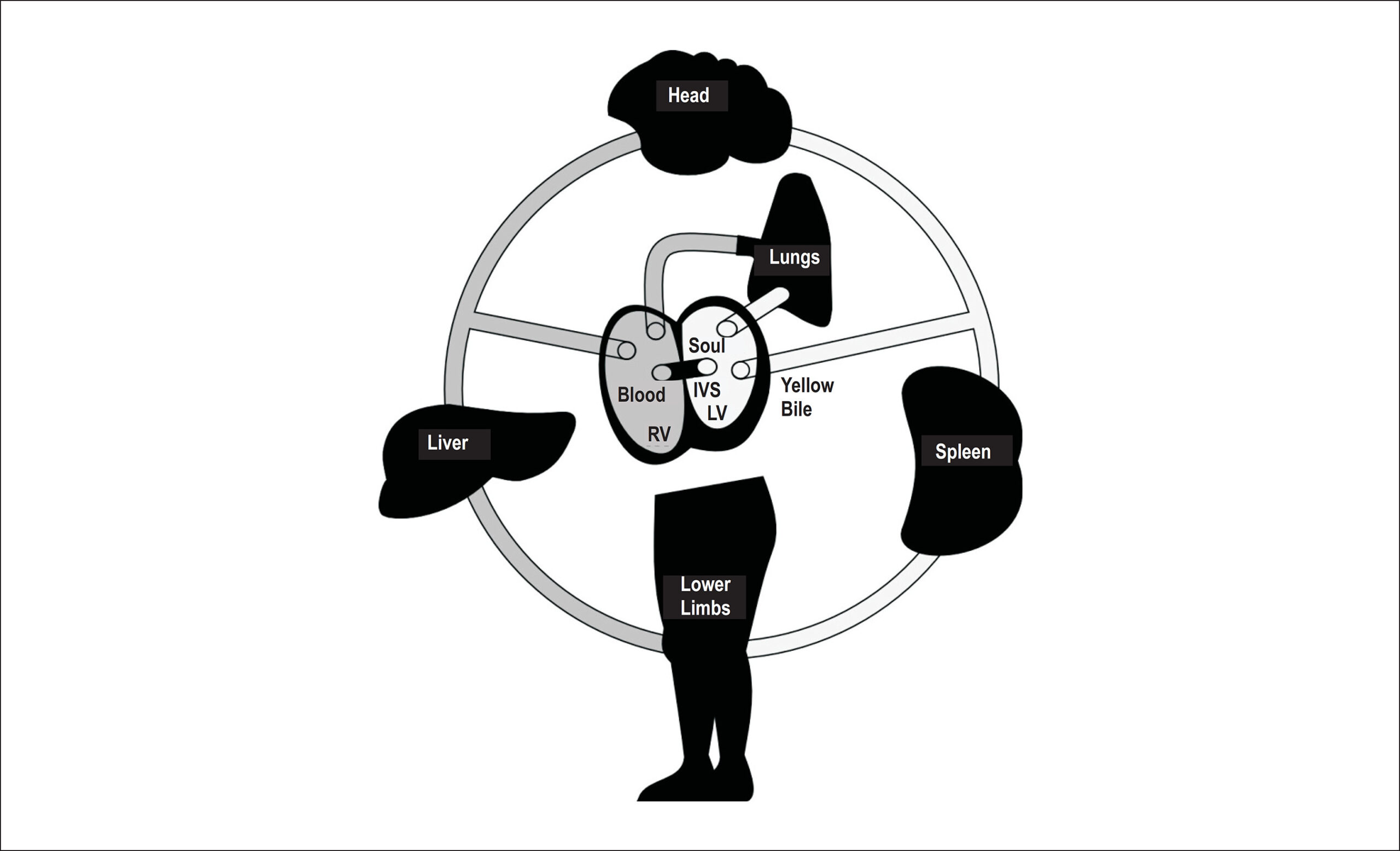
Our knowledge regarding the anatomophysiology of the cardiovascular system (CVS) has progressed since the fourth millennium BC. In Egypt (3500 BC), it was believed that a set of channels are interconnected to the heart, transporting air, urine, air, blood, and the soul. One thousand years later, the heart was established as the center of the CVS by the Hippocratic Corpus in the medical school of Kos, and some of the CVS anatomical characteristics were defined. The CVS was known to transport blood via the right ventricle through veins and the pneuma via the left ventricle through arteries. Two hundred years later, in Alexandria, following the development of human anatomical dissection, Herophilus discovered that arteries were 6 times thicker than veins, and Erasistratus described the semilunar valves, emphasizing that arteries were filled with blood when ventricles were empty. Further, 200 years later, Galen demonstrated that arteries contained blood and not air. With the decline of the Roman Empire, Greco-Roman medical knowledge about the CVS was preserved in Persia, and later in Islam where, Ibn Nafis inaccurately described pulmonary circulation. The resurgence of dissection of the human body in Europe in the 14th century was associated with the revival of the knowledge pertaining to the CVS. The main findings were the description of pulmonary circulation by Servetus, the anatomical discoveries of Vesalius, the demonstration of pulmonary circulation by Colombo, and the discovery of valves in veins by Fabricius. Following these developments, Harvey described blood circulation.

  • Anthropology, Cultural / trends
  • Cardiovascular System
  • Civilization / history
  • Egypt
  • Greek World / history
  • Knowledge
Read Full Article
Creative Commons Attribution (CC BY) Creative Commons license
10/10/2014 DOI: 10.5935/abc.20140148 Views 1
Figure 1
Original Article

Comparison of Cardiovascular Risk Factors in Different Areas of Health Care Over a 20-Year Period

Thiago Veiga Jardim et al. Ana Luiza Lima Sousa Thais Rolim Povoa Weimar Sebba Barroso … Brunela Chinem Paulo Cesar Veiga Jardim

Background:

Cardiovascular diseases (CVDs) are the leading cause of death worldwide. Knowledge about cardiovascular risk factors (CVRFs) in young adults and their modification over time are measures that change the risks and prevent CVDs.

Objectives:

To determine the presence of CVRFs and their changes in different health care professionals over a period of 20 years.

Methods:

All students of medicine, nursing, nutrition, odontology, and pharmacy departments of Federal University of Goiás who agreed to participate in this study were evaluated when they started their degree courses and 20 years afterward. Questionnaires on CVRFs [systemic arterial hypertension (SAH), diabetes mellitus, dyslipidemia, and family history of early CVD, smoking, alcohol consumption, and sedentarism] were administered. Cholesterol levels, blood sugar levels, blood pressure, weight, height, and body mass index were determined. The Kolmogorov-Smirnov test was used to evaluate distribution, the chi-square test was used to compare different courses and sexes, and the McNemar test was used for comparing CVRFs. The significance level was set at a p value of < 0.05.

Results:

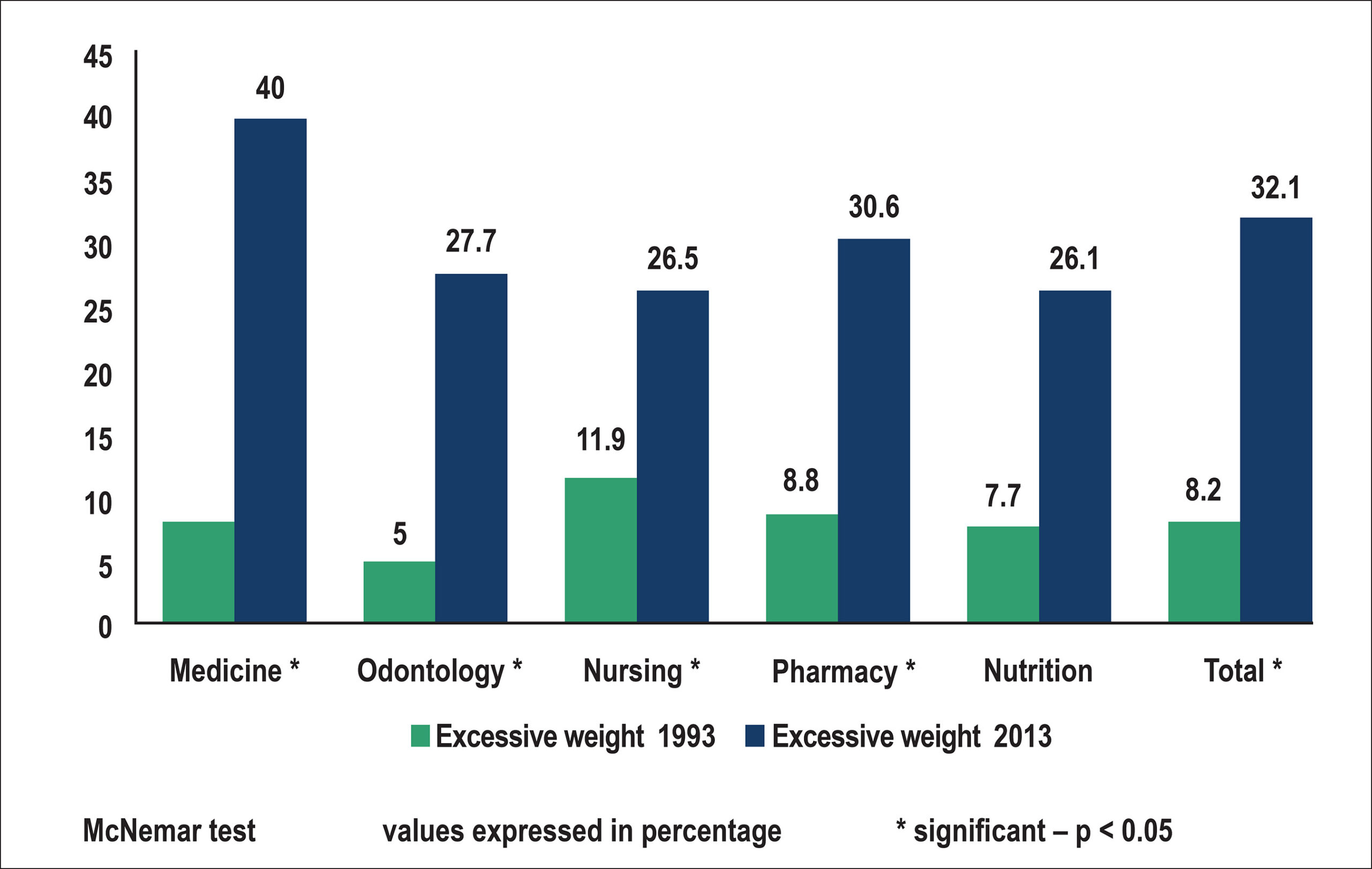
The first stage of the study included 281 individuals (91% of all the students), of which 62.9% were women; the mean age was 19.7 years. In the second stage, 215 subjects were reassessed (76% of the initial sample), of which 59.07% were women; the mean age was 39.8 years. The sample mostly consisted of medical students (with a predominance of men), followed by nursing, nutrition, and pharmacy students, with a predominance of women (p < 0.05). Excessive weight gain, SAH, and dyslipidemia were observed among physicians and dentists (p < 0.05). Excessive weight gain and SAH and a reduction in sedentarism (p < 0.05) were observed among pharmacists. Among nurses there was an increase in excessive weight and alcohol consumption (p < 0.05). Finally, nutritionists showed an increase in dyslipidemia (p < 0.05).

Conclusion:

In general, there was an unfavorable progression of CVRFs in the population under study, despite it having adequate specialized knowledge about these risk factors.

  • Cardiovascular Diseases
  • Cohort Studies
  • Health Education/trends
  • Health Personnel
  • Risk Factors
Read Full Article
Creative Commons Attribution (CC BY) Creative Commons license
10/10/2014 DOI: 10.5935/abc.20140150 Views 1

How to cite this article

EndNote RIS

Electronic Document Format (Vancouver)

Correia LCL. Effectiveness of Biomarkers in Cardiology. Arquivos Brasileiros de Cardiologia 2014;103(6):449-50.

Electronic Document Format (ABNT)

Correia, Luis Cláudio Lemos. Effectiveness of Biomarkers in Cardiology. Arquivos Brasileiros de Cardiologia, v. 103, n. 6, p. 449-450, Nov. 2014.

Electronic Document Format (APA)

Correia, L. C. L. (2014). Effectiveness of Biomarkers in Cardiology. Arquivos Brasileiros de Cardiologia, 103(6), 449-450.

Electronic Document Format (ISO)

Correia, Luis Cláudio Lemos. Effectiveness of Biomarkers in Cardiology. Arquivos Brasileiros de Cardiologia [online]. 2014, vol. 103, n. 6, [cited 2026-10-14], pp. 449-450. Available from: <https://journals.cardiol.br/en/article/effectiveness-of-biomarkers-in-cardiology/>. ISSN 0066-782X

EndNote RIS

Electronic Document Format (Vancouver)

Pitta FG, Olivetti NQS, Peniche DS, Bercht AM, Gutierrez PS, Benvenuti LA. Case 6/2014 – A Case of a 61-Year-old Woman with Diastolic Heart Failure. Arquivos Brasileiros de Cardiologia 2014;103(6):e73-80.

Electronic Document Format (ABNT)

Pitta, Fabio Grunspun; Olivetti, Natalia Quintella Sangiorgi; Peniche, Diego Simões; Bercht, Andrea Maria; Gutierrez, Paulo Sampaio; Benvenuti, Luiz Alberto. Case 6/2014 – A Case of a 61-Year-old Woman with Diastolic Heart Failure. Arquivos Brasileiros de Cardiologia, v. 103, n. 6, p. e73-e80, Nov. 2014.

Electronic Document Format (APA)

Pitta, F. G., Olivetti, N. Q. S., Peniche, D. S., Bercht, A. M., Gutierrez, P. S., & Benvenuti, L. A. (2014). Case 6/2014 – A Case of a 61-Year-old Woman with Diastolic Heart Failure. Arquivos Brasileiros de Cardiologia, 103(6), e73-e80.

Electronic Document Format (ISO)

Pitta, Fabio Grunspun and Olivetti, Natalia Quintella Sangiorgi and Peniche, Diego Simões and Bercht, Andrea Maria and Gutierrez, Paulo Sampaio and Benvenuti, Luiz Alberto. Case 6/2014 – A Case of a 61-Year-old Woman with Diastolic Heart Failure. Arquivos Brasileiros de Cardiologia [online]. 2014, vol. 103, n. 6, [cited 2026-10-14], pp. e73-e80. Available from: <https://journals.cardiol.br/en/article/case-6-2014-a-case-of-a-61-year-old-woman-with-diastolic-heart-failure/>. ISSN 0066-782X

EndNote RIS

Electronic Document Format (Vancouver)

Acar G, Fidan S, İzci S, Avcı A. Severe Coronary Vasospasm Complicated with Ventricular Tachycardia. Arquivos Brasileiros de Cardiologia 2014;103(6):e81-6.

Electronic Document Format (ABNT)

Acar, Göksel; Fidan, Serdar; İzci, Servet; Avcı, Anıl. Severe Coronary Vasospasm Complicated with Ventricular Tachycardia. Arquivos Brasileiros de Cardiologia, v. 103, n. 6, p. e81-e86, Nov. 2014.

Electronic Document Format (APA)

Acar, G., Fidan, S., İzci, S., & Avcı, A. (2014). Severe Coronary Vasospasm Complicated with Ventricular Tachycardia. Arquivos Brasileiros de Cardiologia, 103(6), e81-e86.

Electronic Document Format (ISO)

Acar, Göksel and Fidan, Serdar and İzci, Servet and Avcı, Anıl. Severe Coronary Vasospasm Complicated with Ventricular Tachycardia. Arquivos Brasileiros de Cardiologia [online]. 2014, vol. 103, n. 6, [cited 2026-10-14], pp. e81-e86. Available from: <https://journals.cardiol.br/en/article/severe-coronary-vasospasm-complicated-with-ventricular-tachycardia/>. ISSN 0066-782X

EndNote RIS

Electronic Document Format (Vancouver)

. October issue of 2014, vol. 103 (4), pages. 282-291. Arquivos Brasileiros de Cardiologia 2014;103(6):546.

Electronic Document Format (ABNT)

. October issue of 2014, vol. 103 (4), pages. 282-291. Arquivos Brasileiros de Cardiologia, v. 103, n. 6, p. 546-546, Nov. 2014.

Electronic Document Format (APA)

(2014). October issue of 2014, vol. 103 (4), pages. 282-291. Arquivos Brasileiros de Cardiologia, 103(6), 546-546.

Electronic Document Format (ISO)

. October issue of 2014, vol. 103 (4), pages. 282-291. Arquivos Brasileiros de Cardiologia [online]. 2014, vol. 103, n. 6, [cited 2026-10-14], pp. 546-546. Available from: <https://journals.cardiol.br/en/article/october-issue-of-2014-vol-103-4-pages-282-291/>. ISSN 0066-782X

EndNote RIS

Electronic Document Format (Vancouver)

Evora PRB, Romano MMD, Gali LG, Rodrigues AJ. Cardiac Tamponade Caused by Compression of Right Cardiac Chamber: a Hidden Enemy. Arquivos Brasileiros de Cardiologia 2014;103(6):e87.

Electronic Document Format (ABNT)

Evora, Paulo Roberto Barbosa; Romano, Minna Moreira D.; Gali, Luis Gustavo; Rodrigues, Alfredo José. Cardiac Tamponade Caused by Compression of Right Cardiac Chamber: a Hidden Enemy. Arquivos Brasileiros de Cardiologia, v. 103, n. 6, p. e87-e87, Nov. 2014.

Electronic Document Format (APA)

Evora, P. R. B., Romano, M. M. D., Gali, L. G., & Rodrigues, A. J. (2014). Cardiac Tamponade Caused by Compression of Right Cardiac Chamber: a Hidden Enemy. Arquivos Brasileiros de Cardiologia, 103(6), e87-e87.

Electronic Document Format (ISO)

Evora, Paulo Roberto Barbosa and Romano, Minna Moreira D. and Gali, Luis Gustavo and Rodrigues, Alfredo José. Cardiac Tamponade Caused by Compression of Right Cardiac Chamber: a Hidden Enemy. Arquivos Brasileiros de Cardiologia [online]. 2014, vol. 103, n. 6, [cited 2026-10-14], pp. e87-e87. Available from: <https://journals.cardiol.br/en/article/cardiac-tamponade-caused-by-compression-of-right-cardiac-chamber-a-hidden-enemy/>. ISSN 0066-782X

EndNote RIS

Electronic Document Format (Vancouver)

Biomarkers EG. Biomarkers in Cardiology – Part 1 – In Heart Failure and Specific Cardiomyopathies. Arquivos Brasileiros de Cardiologia 2014;103(6):451-9.

Electronic Document Format (ABNT)

Biomarkers, EXpert Group on. Biomarkers in Cardiology – Part 1 – In Heart Failure and Specific Cardiomyopathies. Arquivos Brasileiros de Cardiologia, v. 103, n. 6, p. 451-459, Nov. 2014.

Electronic Document Format (APA)

Biomarkers, E. G. (2014). Biomarkers in Cardiology – Part 1 – In Heart Failure and Specific Cardiomyopathies. Arquivos Brasileiros de Cardiologia, 103(6), 451-459.

Electronic Document Format (ISO)

Biomarkers, EXpert Group on. Biomarkers in Cardiology – Part 1 – In Heart Failure and Specific Cardiomyopathies. Arquivos Brasileiros de Cardiologia [online]. 2014, vol. 103, n. 6, [cited 2026-10-14], pp. 451-459. Available from: <https://journals.cardiol.br/en/article/biomarkers-in-cardiology-part-1-in-heart-failure-and-specific-cardiomyopathies/>. ISSN 0066-782X

EndNote RIS

Electronic Document Format (Vancouver)

Falco CNMLD, Darrieux FCC, Grupi C, Sacilotto L, Pisani CF, Lara S, Ramires JAF, et al. Late Outcome of a Randomized Study on Oral Magnesium for Premature Complexes. Arquivos Brasileiros de Cardiologia 2014;103(6):468-75.

Electronic Document Format (ABNT)

Falco, Cristina Nádja M. Lima De; Darrieux, Francisco Carlos da Costa; Grupi, Cesar; Sacilotto, Luciana; Pisani, Cristiano F.; Lara, Sissy; Ramires, José A. F.; Sosa, Eduardo; Wu, Tan Chen; Hachul, Denise; Scanavacca, Mauricio. Late Outcome of a Randomized Study on Oral Magnesium for Premature Complexes. Arquivos Brasileiros de Cardiologia, v. 103, n. 6, p. 468-475, Nov. 2014.

Electronic Document Format (APA)

Falco, C. N. M. L. D., Darrieux, F. C. C., Grupi, C., Sacilotto, L., Pisani, C. F., Lara, S., Ramires, J. A. F., Sosa, E., Wu, T. C., Hachul, D., & Scanavacca, M. (2014). Late Outcome of a Randomized Study on Oral Magnesium for Premature Complexes. Arquivos Brasileiros de Cardiologia, 103(6), 468-475.

Electronic Document Format (ISO)

Falco, Cristina Nádja M. Lima De and Darrieux, Francisco Carlos da Costa and Grupi, Cesar and Sacilotto, Luciana and Pisani, Cristiano F. and Lara, Sissy and Ramires, José A. F. and Sosa, Eduardo and Wu, Tan Chen and Hachul, Denise and Scanavacca, Mauricio. Late Outcome of a Randomized Study on Oral Magnesium for Premature Complexes. Arquivos Brasileiros de Cardiologia [online]. 2014, vol. 103, n. 6, [cited 2026-10-14], pp. 468-475. Available from: <https://journals.cardiol.br/en/article/late-outcome-of-a-randomized-study-on-oral-magnesium-for-premature-complexes/>. ISSN 0066-782X

EndNote RIS

Electronic Document Format (Vancouver)

Westphal RJ, Bueno RRL, Galvão PBA, Zanis Neto J, Souza JM, Guérios E, Senegaglia AC, et al. Autologous Transplantation of Bone Marrow Adult Stem Cells for the Treatment of Idiopathic Dilated Cardiomyopathy. Arquivos Brasileiros de Cardiologia 2014;103(6):521-9.

Electronic Document Format (ABNT)

Westphal, Ricardo João; Bueno, Ronaldo Rocha Loures; Galvão, Paulo Bezerra de Araújo; Zanis Neto, José; Souza, Juliano Mendes; Guérios, Ênio Eduardo; Senegaglia, Alexandra Cristina; Brofman, Paulo Roberto; Pasquini, Ricardo; Cunha, Claudio Leinig Pereira da. Autologous Transplantation of Bone Marrow Adult Stem Cells for the Treatment of Idiopathic Dilated Cardiomyopathy. Arquivos Brasileiros de Cardiologia, v. 103, n. 6, p. 521-529, Nov. 2014.

Electronic Document Format (APA)

Westphal, R. J., Bueno, R. R. L., Galvão, P. B. A., Zanis Neto, J., Souza, J. M., Guérios, E., Senegaglia, A. C., Brofman, P. R., Pasquini, R., & Cunha, C. L. P. (2014). Autologous Transplantation of Bone Marrow Adult Stem Cells for the Treatment of Idiopathic Dilated Cardiomyopathy. Arquivos Brasileiros de Cardiologia, 103(6), 521-529.

Electronic Document Format (ISO)

Westphal, Ricardo João and Bueno, Ronaldo Rocha Loures and Galvão, Paulo Bezerra de Araújo and Zanis Neto, José and Souza, Juliano Mendes and Guérios, Ênio Eduardo and Senegaglia, Alexandra Cristina and Brofman, Paulo Roberto and Pasquini, Ricardo and Cunha, Claudio Leinig Pereira da. Autologous Transplantation of Bone Marrow Adult Stem Cells for the Treatment of Idiopathic Dilated Cardiomyopathy. Arquivos Brasileiros de Cardiologia [online]. 2014, vol. 103, n. 6, [cited 2026-10-14], pp. 521-529. Available from: <https://journals.cardiol.br/en/article/autologous-transplantation-of-bone-marrow-adult-stem-cells-for-the-treatment-of-idiopathic-dilated-cardiomyopathy/>. ISSN 0066-782X

EndNote RIS

Electronic Document Format (Vancouver)

Mancuso FJN, Siqueira VN, Moisés VA, Gois AFT, Paola AAV, Carvalho ACC, Campos O, et al. Focused Cardiac Ultrasound Using a Pocket-Size Device in the Emergency Room. Arquivos Brasileiros de Cardiologia 2014;103(6):530-7.

Electronic Document Format (ABNT)

Mancuso, Frederico José Neves; Siqueira, Vicente Nicoliello; Moisés, Valdir Ambrósio; Gois, Aécio Flavio Teixeira; Paola, Angelo Amato Vincenzo de; Carvalho, Antonio Carlos Camargo; Campos, Orlando. Focused Cardiac Ultrasound Using a Pocket-Size Device in the Emergency Room. Arquivos Brasileiros de Cardiologia, v. 103, n. 6, p. 530-537, Oct. 2014.

Electronic Document Format (APA)

Mancuso, F. J. N., Siqueira, V. N., Moisés, V. A., Gois, A. F. T., Paola, A. A. V. , Carvalho, A. C. C., & Campos, O. (2014). Focused Cardiac Ultrasound Using a Pocket-Size Device in the Emergency Room. Arquivos Brasileiros de Cardiologia, 103(6), 530-537.

Electronic Document Format (ISO)

Mancuso, Frederico José Neves and Siqueira, Vicente Nicoliello and Moisés, Valdir Ambrósio and Gois, Aécio Flavio Teixeira and Paola, Angelo Amato Vincenzo de and Carvalho, Antonio Carlos Camargo and Campos, Orlando. Focused Cardiac Ultrasound Using a Pocket-Size Device in the Emergency Room. Arquivos Brasileiros de Cardiologia [online]. 2014, vol. 103, n. 6, [cited 2026-10-14], pp. 530-537. Available from: <https://journals.cardiol.br/en/article/focused-cardiac-ultrasound-using-a-pocket-size-device-in-the-emergency-room/>. ISSN 0066-782X

EndNote RIS

Electronic Document Format (Vancouver)

Zampa HB, Moreira DA, Ferreira Filho CAB, Souza CR, Menezes CC, Hirata HS, Armaganijan LV, et al. Value of the Qrs-T Angle in Predicting the Induction of Ventricular Tachyarrhythmias in Patients with Chagas Disease. Arquivos Brasileiros de Cardiologia 2014;103(6):460-7.

Electronic Document Format (ABNT)

Zampa, Hugo Bizetto; Moreira, Dalmo AR; Ferreira Filho, Carlos Alberto Brandão; Souza, Charles Rios; Menezes, Camila Caldas; Hirata, Henrique Seichii; Armaganijan, Luciana Vidal. Value of the Qrs-T Angle in Predicting the Induction of Ventricular Tachyarrhythmias in Patients with Chagas Disease. Arquivos Brasileiros de Cardiologia, v. 103, n. 6, p. 460-467, Oct. 2014.

Electronic Document Format (APA)

Zampa, H. B., Moreira, D. A., Ferreira Filho, C. A. B., Souza, C. R., Menezes, C. C., Hirata, H. S., & Armaganijan, L. V. (2014). Value of the Qrs-T Angle in Predicting the Induction of Ventricular Tachyarrhythmias in Patients with Chagas Disease. Arquivos Brasileiros de Cardiologia, 103(6), 460-467.

Electronic Document Format (ISO)

Zampa, Hugo Bizetto and Moreira, Dalmo AR and Ferreira Filho, Carlos Alberto Brandão and Souza, Charles Rios and Menezes, Camila Caldas and Hirata, Henrique Seichii and Armaganijan, Luciana Vidal. Value of the Qrs-T Angle in Predicting the Induction of Ventricular Tachyarrhythmias in Patients with Chagas Disease. Arquivos Brasileiros de Cardiologia [online]. 2014, vol. 103, n. 6, [cited 2026-10-14], pp. 460-467. Available from: <https://journals.cardiol.br/en/article/value-of-the-qrs-t-angle-in-predicting-the-induction-of-ventricular-tachyarrhythmias-in-patients-with-chagas-disease/>. ISSN 0066-782X

EndNote RIS

Electronic Document Format (Vancouver)

Santos SN, Henz BD, Zanatta AR, Barreto JR, Loureiro KB, Novakoski C, Santos MVN, et al. Impact of Atrial Fibrillation Ablation on Left Ventricular Filling Pressure and Left Atrial Remodeling. Arquivos Brasileiros de Cardiologia 2014;103(6):485-92.

Electronic Document Format (ABNT)

Santos, Simone Nascimento dos; Henz, Benhur Davi; Zanatta, André Rodrigues; Barreto, José Roberto; Loureiro, Kelly Bianca; Novakoski, Clarissa; Santos, Marcus Vinícius Nascimento dos; Giuseppin, Fabio F.; Oliveira, Edna Maria; Leite, Luiz Roberto. Impact of Atrial Fibrillation Ablation on Left Ventricular Filling Pressure and Left Atrial Remodeling. Arquivos Brasileiros de Cardiologia, v. 103, n. 6, p. 485-492, Oct. 2014.

Electronic Document Format (APA)

Santos, S. N. , Henz, B. D., Zanatta, A. R., Barreto, J. R., Loureiro, K. B., Novakoski, C., Santos, M. V. N. , Giuseppin, F. F., Oliveira, E. M., & Leite, L. R. (2014). Impact of Atrial Fibrillation Ablation on Left Ventricular Filling Pressure and Left Atrial Remodeling. Arquivos Brasileiros de Cardiologia, 103(6), 485-492.

Electronic Document Format (ISO)

Santos, Simone Nascimento dos and Henz, Benhur Davi and Zanatta, André Rodrigues and Barreto, José Roberto and Loureiro, Kelly Bianca and Novakoski, Clarissa and Santos, Marcus Vinícius Nascimento dos and Giuseppin, Fabio F. and Oliveira, Edna Maria and Leite, Luiz Roberto. Impact of Atrial Fibrillation Ablation on Left Ventricular Filling Pressure and Left Atrial Remodeling. Arquivos Brasileiros de Cardiologia [online]. 2014, vol. 103, n. 6, [cited 2026-10-14], pp. 485-492. Available from: <https://journals.cardiol.br/en/article/impact-of-atrial-fibrillation-ablation-on-left-ventricular-filling-pressure-and-left-atrial-remodeling/>. ISSN 0066-782X

EndNote RIS

Electronic Document Format (Vancouver)

Oliveira-Filho AD, Morisky DE, Costa FA, Pacheco ST, Neves SF, Lyra-Jr DP. Improving Post-Discharge Medication Adherence in Patients with CVD: A Pilot Randomized Trial. Arquivos Brasileiros de Cardiologia 2014;103(6):503-12.

Electronic Document Format (ABNT)

Oliveira-Filho, Alfredo D.; Morisky, Donald E.; Costa, Francisco A.; Pacheco, Sara T.; Neves, Sabrina F.; Lyra-Jr, Divaldo P.. Improving Post-Discharge Medication Adherence in Patients with CVD: A Pilot Randomized Trial. Arquivos Brasileiros de Cardiologia, v. 103, n. 6, p. 503-512, Oct. 2014.

Electronic Document Format (APA)

Oliveira-Filho, A. D., Morisky, D. E., Costa, F. A., Pacheco, S. T., Neves, S. F., & Lyra-Jr, D. P. (2014). Improving Post-Discharge Medication Adherence in Patients with CVD: A Pilot Randomized Trial. Arquivos Brasileiros de Cardiologia, 103(6), 503-512.

Electronic Document Format (ISO)

Oliveira-Filho, Alfredo D. and Morisky, Donald E. and Costa, Francisco A. and Pacheco, Sara T. and Neves, Sabrina F. and Lyra-Jr, Divaldo P.. Improving Post-Discharge Medication Adherence in Patients with CVD: A Pilot Randomized Trial. Arquivos Brasileiros de Cardiologia [online]. 2014, vol. 103, n. 6, [cited 2026-10-14], pp. 503-512. Available from: <https://journals.cardiol.br/en/article/improving-post-discharge-medication-adherence-in-patients-with-cvd-a-pilot-randomized-trial/>. ISSN 0066-782X

EndNote RIS

Electronic Document Format (Vancouver)

Garcez MR, Pereira JL, Fontanelli MM, Marchioni DML, Fisberg RM. Prevalence of Dyslipidemia According to the Nutritional Status in a Representative Sample of São Paulo. Arquivos Brasileiros de Cardiologia 2014;103(6):476-84.

Electronic Document Format (ABNT)

Garcez, Marcela Riccioppo; Pereira, Jaqueline Lopes; Fontanelli, Mariane de Mello; Marchioni, Dirce Maria Lobo; Fisberg, Regina Mara. Prevalence of Dyslipidemia According to the Nutritional Status in a Representative Sample of São Paulo. Arquivos Brasileiros de Cardiologia, v. 103, n. 6, p. 476-484, Oct. 2014.

Electronic Document Format (APA)

Garcez, M. R., Pereira, J. L., Fontanelli, M. M., Marchioni, D. M. L., & Fisberg, R. M. (2014). Prevalence of Dyslipidemia According to the Nutritional Status in a Representative Sample of São Paulo. Arquivos Brasileiros de Cardiologia, 103(6), 476-484.

Electronic Document Format (ISO)

Garcez, Marcela Riccioppo and Pereira, Jaqueline Lopes and Fontanelli, Mariane de Mello and Marchioni, Dirce Maria Lobo and Fisberg, Regina Mara. Prevalence of Dyslipidemia According to the Nutritional Status in a Representative Sample of São Paulo. Arquivos Brasileiros de Cardiologia [online]. 2014, vol. 103, n. 6, [cited 2026-10-14], pp. 476-484. Available from: <https://journals.cardiol.br/en/article/prevalence-of-dyslipidemia-according-to-the-nutritional-status-in-a-representative-sample-of-sao-paulo/>. ISSN 0066-782X

EndNote RIS

Electronic Document Format (Vancouver)

Minuzzo L, Santos ES, Timerman A. Association between Angiotensin-Converting Enzyme Inhibitors and Troponin in Acute Coronary Syndrome. Arquivos Brasileiros de Cardiologia 2014;103(6):513-20.

Electronic Document Format (ABNT)

Minuzzo, Luiz; Santos, Elizabete Silva dos; Timerman, Ari. Association between Angiotensin-Converting Enzyme Inhibitors and Troponin in Acute Coronary Syndrome. Arquivos Brasileiros de Cardiologia, v. 103, n. 6, p. 513-520, Oct. 2014.

Electronic Document Format (APA)

Minuzzo, L., Santos, E. S. , & Timerman, A. (2014). Association between Angiotensin-Converting Enzyme Inhibitors and Troponin in Acute Coronary Syndrome. Arquivos Brasileiros de Cardiologia, 103(6), 513-520.

Electronic Document Format (ISO)

Minuzzo, Luiz and Santos, Elizabete Silva dos and Timerman, Ari. Association between Angiotensin-Converting Enzyme Inhibitors and Troponin in Acute Coronary Syndrome. Arquivos Brasileiros de Cardiologia [online]. 2014, vol. 103, n. 6, [cited 2026-10-14], pp. 513-520. Available from: <https://journals.cardiol.br/en/article/association-between-angiotensin-converting-enzyme-inhibitors-and-troponin-in-acute-coronary-syndrome/>. ISSN 0066-782X

EndNote RIS

Electronic Document Format (Vancouver)

Bestetti RB, Restini CBA, Couto LB. Development of Anatomophysiologic Knowledge Regarding the Cardiovascular System: From Egyptians to Harvey. Arquivos Brasileiros de Cardiologia 2014;103(6):538-45.

Electronic Document Format (ABNT)

Bestetti, Reinaldo Bulgarelli; Restini, Carolina Baraldi A.; Couto, Lucélio B.. Development of Anatomophysiologic Knowledge Regarding the Cardiovascular System: From Egyptians to Harvey. Arquivos Brasileiros de Cardiologia, v. 103, n. 6, p. 538-545, Oct. 2014.

Electronic Document Format (APA)

Bestetti, R. B., Restini, C. B. A., & Couto, L. B. (2014). Development of Anatomophysiologic Knowledge Regarding the Cardiovascular System: From Egyptians to Harvey. Arquivos Brasileiros de Cardiologia, 103(6), 538-545.

Electronic Document Format (ISO)

Bestetti, Reinaldo Bulgarelli and Restini, Carolina Baraldi A. and Couto, Lucélio B.. Development of Anatomophysiologic Knowledge Regarding the Cardiovascular System: From Egyptians to Harvey. Arquivos Brasileiros de Cardiologia [online]. 2014, vol. 103, n. 6, [cited 2026-10-14], pp. 538-545. Available from: <https://journals.cardiol.br/en/article/development-of-anatomophysiologic-knowledge-regarding-the-cardiovascular-system-from-egyptians-to-harvey/>. ISSN 0066-782X

EndNote RIS

Electronic Document Format (Vancouver)

Jardim TV, Sousa ALL, Povoa TR, Barroso WS, Chinem B, Jardim PCV. Comparison of Cardiovascular Risk Factors in Different Areas of Health Care Over a 20-Year Period. Arquivos Brasileiros de Cardiologia 2014;103(6):493-501.

Electronic Document Format (ABNT)

Jardim, Thiago Veiga; Sousa, Ana Luiza Lima; Povoa, Thais Rolim; Barroso, Weimar Sebba; Chinem, Brunela; Jardim, Paulo Cesar Veiga. Comparison of Cardiovascular Risk Factors in Different Areas of Health Care Over a 20-Year Period. Arquivos Brasileiros de Cardiologia, v. 103, n. 6, p. 493-501, Oct. 2014.

Electronic Document Format (APA)

Jardim, T. V., Sousa, A. L. L., Povoa, T. R., Barroso, W. S., Chinem, B., & Jardim, P. C. V. (2014). Comparison of Cardiovascular Risk Factors in Different Areas of Health Care Over a 20-Year Period. Arquivos Brasileiros de Cardiologia, 103(6), 493-501.

Electronic Document Format (ISO)

Jardim, Thiago Veiga and Sousa, Ana Luiza Lima and Povoa, Thais Rolim and Barroso, Weimar Sebba and Chinem, Brunela and Jardim, Paulo Cesar Veiga. Comparison of Cardiovascular Risk Factors in Different Areas of Health Care Over a 20-Year Period. Arquivos Brasileiros de Cardiologia [online]. 2014, vol. 103, n. 6, [cited 2026-10-14], pp. 493-501. Available from: <https://journals.cardiol.br/en/article/comparison-of-cardiovascular-risk-factors-in-different-areas-of-health-care-over-a-20-year-period/>. ISSN 0066-782X

Sede – Rio de Janeiro
Av. Marechal Câmara, 160
3º andar – Sala: 330 – Centro
Rio de Janeiro – CEP: 20020-907
Tel.: (55 +21) 3478-2700
ou (21) 99386-3961
E-mail: revista@cardiol.br

Sede – São Paulo
Alameda Santos, 705 – 11º andar
Cerqueira César | São Paulo
CEP: 01419-001
Tel.: (55 +11) 3411-5500
E-mail: revista@cardiol.br

  • About the Journal
  • Internal Regulation
  • Editors Section
  • Editorial Board
  • History
  • SBC Award

  • Guidelines for Publication
  • Editorial Policy
  • Ethics Policy
  • Policy on the Use of Artificial Intelligence
  • Mandatory Publication Form
  • Publication Fee

Issues

SBC Guidelines

  • How to Publish an Abstract Supplement?
  • Supplements from the Brazilian Congress of Cardiology