| ABC
ABC Family Arquivos Brasileiros de Cardiologia International Journal of Cardiovascular Sciences ABC Heart Failure & Cardiomyopathy ABC Imagem Cardiovascular
Português English
ABC Family | ABC
Português English
  • About
    • About the Journal
    • Internal Regulation
    • Editors Section
    • Editorial Board
    • History
    • SBC Award
  • Instructions to Authors
    • Guidelines for Publication
    • Editorial Policy
    • Ethics Policy
    • Policy on the Use of Artificial Intelligence
    • Mandatory Publication Form
    • Publication Fee
  • Issues
  • SBC Guidelines
  • Abstracts
    • How to Publish an Abstract Supplement?
    • Supplements from the Brazilian Congress of Cardiology
  • About
    • About the Journal
    • Internal Regulation
    • Editors Section
    • Editorial Board
    • History
    • SBC Award
  • Instructions to Authors
    • Guidelines for Publication
    • Editorial Policy
    • Ethics Policy
    • Policy on the Use of Artificial Intelligence
    • Mandatory Publication Form
    • Publication Fee
  • Issues
  • SBC Guidelines
  • Abstracts
    • How to Publish an Abstract Supplement?
    • Supplements from the Brazilian Congress of Cardiology

ABC Family

  • ABC Family
  • Arquivos Brasileiros de Cardiologia
  • International Journal of Cardiovascular Sciences
  • ABC Heart Failure & Cardiomyopathy
  • ABC Imagem Cardiovascular
Search in

No content found.

Journals
Ordering
Article types
Others

  1. Home
  2. ABC
  3. Issues
  4. 2014, Volume 103, Number 3
Viewpoint

Cylinder Mania in Valvulopathy Back to the Future

Max Grinberg

Preamble

The progressive decreasing glamour of being an expert restricted the application of cardiac stethoscope auscultation in valvulopathy with excellence (CSAVE).

Brazil preserves groups of “Stethophyllus sp” (STH), rare specimens of cardiologists who form colonies of the CSAVE practice, in environments surrounded by technology all over the place. I am part of this group.

[…]

  • Heart Auscultation / trends
  • Heart Valve Diseases
  • Stethoscopes / utilization
Read Full Article
Creative Commons Attribution (CC BY) Creative Commons license
01/09/2014 DOI: 10.5935/abc.20140134
Letter to the Editor

Is Sildenafil a Therapeutic Option for Noncompaction?

Josef Finsterer et al. Claudia Stöllberger

To the editor

With interest we read the article by Redondo et al about a 6yo male with heart failure and left-ventricular hypertrabeculation/noncompaction (LVHT). We have the following comments and concerns.

Though LVHT is congenital in the majority of the cases, there are some cases in which LVHT is not present on previous echocardiographies (acquired LVHT). In such cases, LVHT may be truly absent or hidden. Hidden LVHT may occur if there is severe myocardial thickening or severe dilatation.

[…]

  • cardiomyopathy
  • Congenital
  • Dilated/complications
  • Heart Defects
  • Heart Failure
  • Phosphodiesterase Inibitors/therapeutic use
Read Full Article
Creative Commons Attribution (CC BY) Creative Commons license
01/09/2014 DOI: 10.5935/abc.20140131 Views 1
Figure 1
Case Report

Sudden Cardiac Death and Short QT Syndrome

Maria Lícia Ribeiro Cury Pavão et al. Viviane Cristina Ono Elerson Arfelli Marcus Vinícius Simões … José Antonio Marin Neto André Schmidt

Introduction

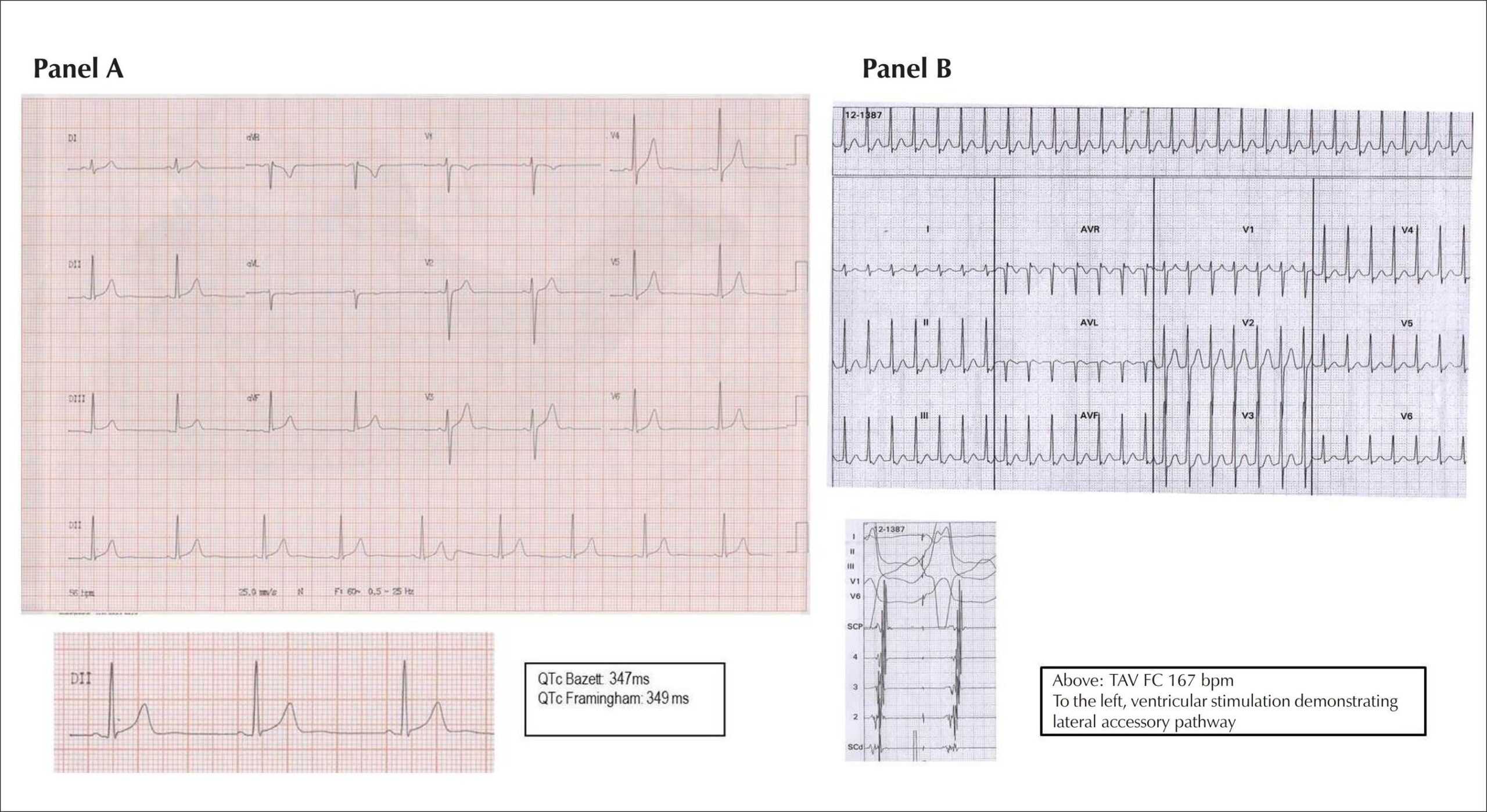
The evaluation of patients recovered from sudden death (SD) is based on diagnostic investigation aiming to identify structural heart diseases or exclusion of noncardiac diseases and metabolic disorders. After exclusion of these pathologies, one is faced with sudden cardiac death (SCD) without structural heart disease, in which electrical and latent heart diseases account for up to 56% of cases, while the remaining is considered idiopathic disease . This latter group has been gradually reduced due to the increasing characterization of molecular mechanisms that generate potentially lethal arrhythmias. We report the case of a young patient recovered from SCD, with no apparent structural heart disease, probably due to electrical heart disease associated with occult anomalous bundle and both diagnoses being possible according to the available means in clinical practice.

[…]

  • concealed accessory atrioventricular pathway
  • Death, Sudden
  • short QT syndrome
Read Full Article
Creative Commons Attribution (CC BY) Creative Commons license
01/09/2014 DOI: 10.5935/abc.20140133 Views 1
Figure 1
Anatomopathological Session

Case 4/2014 – A 66-Year-Old Man with Acute Myocardial Infarction and Death in Asystole after Primary Coronary Angioplasty

Wilma Noia Ribeiro et al. Alice Tatsuko Yamada Luiz Alberto Benvenuti

Clinical Aspects

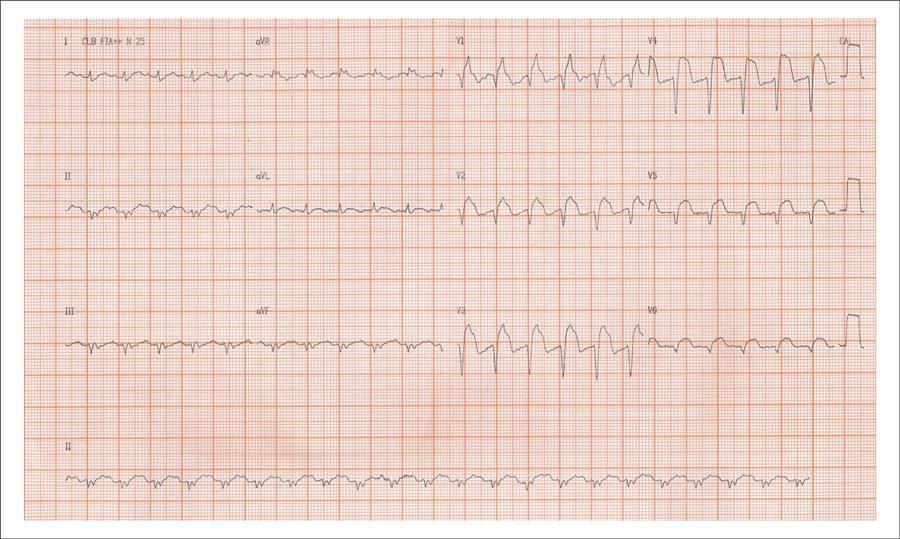
This clinical case reports on a 66-year-old hypertensive patient, long-term smoker, who sought medical care due to acute chest pain. The main diagnostic hypothesis for this clinical case is of acute coronary syndrome.

Chest pain is one of the most common reasons for seeking emergency care and remains a challenge for the clinician, due to the difficulty in differentiating between non-emergency diagnoses and those of high morbidity and mortality, such as acute coronary syndrome (ACS), aortic dissection and pulmonary thromboembolism.

[…]

  • Angioplasty
  • balloon
  • coronary
  • Heart Arrest
  • Myocardial Infarction
Read Full Article
Creative Commons Attribution (CC BY) Creative Commons license
01/09/2014 DOI: 10.5935/abc.20140129
Editorial

Percutaneous Treatment of Functional Mitral Regurgitation in Heart Failure

Guilherme F. Attizzani et al. Pedro A. Lemos

Congestive heart failure (HF) remains one of the most important and challenging clinical problems in cardiovascular medicine in Brazil and worldwide. Evidence suggests that mortality in this setting has decreased in Brazil over recent years, which may be related, at least partially, to a more intense and widespread use of neurohormonal blockade (with angiotensin-converting-enzyme inhibitors and beta-blockers) in patients with advanced HF. To better evaluate the characteristics of end-stage heart disease in Brazil, the ongoing I Brazilian Registry of Heart Failure (BREATHE registry) will evaluate the profile of 1,200 patients admitted with decompensated HF to 60 hospitals representative of the different Brazilian regions. Final results of the BREATHE registry are expected to be available within the next months. In spite of recent improvements in medical therapy, advanced HF continues to impose an ominous prognosis; in some subsets, mortality rates can reach up to 30% to 50% in the first year of disease, according to contemporary series of Brazilian centers. In this context, therapeutic alternatives have been intensively investigated in an attempt to improve the outcomes of patients with HF.

Mitral regurgitation (MR) is a frequent finding among individuals with end-stage HF,. Indeed, observational studies revealed that most patients with HF and severe (≥ 3+) MR have functional (74%), rather than degenerative (21%), MR. While surgery is the gold-standard therapy in patients with organic (i.e., degenerative) mitral valve disease associated with symptoms or evidence of left ventricle dysfunction, its benefit to patients with MR secondary to underlying ventricular dysfunction (i.e., functional MR) remains unclear. Therefore, individuals with functional MR are frequently referred to isolated clinical management, carrying poor long-term prognosis.

[…]

  • Cardiac Catheterization/instrumentation
  • Heart Failure / mortality
  • Mitral Valve Insufficiency / physiopathology
  • Ventricular Remodeling
Read Full Article
Creative Commons Attribution (CC BY) Creative Commons license
01/09/2014 DOI: 10.5935/abc.20140143 Views 1
Figure 1
Original Article

Assessing Strategies for Heart Failure with Preserved Ejection Fraction at the Outpatient Clinic

Antonio José Lagoeiro Jorge et al. Maria Luiza Garcia Rosa Mario Luiz Ribeiro Luiz Claudio Maluhy Fernandes … Monica Di Calafiori Freire Dayse Silva Correia Patrick Duarte Teixeira Evandro Tinoco Mesquita

Background:

Heart failure with preserved ejection fraction (HFPEF) is the most common form of heart failure (HF), its diagnosis being a challenge to the outpatient clinic practice.

Objective:

To describe and compare two strategies derived from algorithms of the European Society of Cardiology Diastology Guidelines for the diagnosis of HFPEF.

Methods:

Cross-sectional study with 166 consecutive ambulatory patients (67.9±11.7 years; 72% of women). The strategies to confirm HFPEF were established according to the European Society of Cardiology Diastology Guidelines criteria. In strategy 1 (S1), tissue Doppler echocardiography (TDE) and electrocardiography (ECG) were used; in strategy 2 (S2), B-type natriuretic peptide (BNP) measurement was included.

Results:

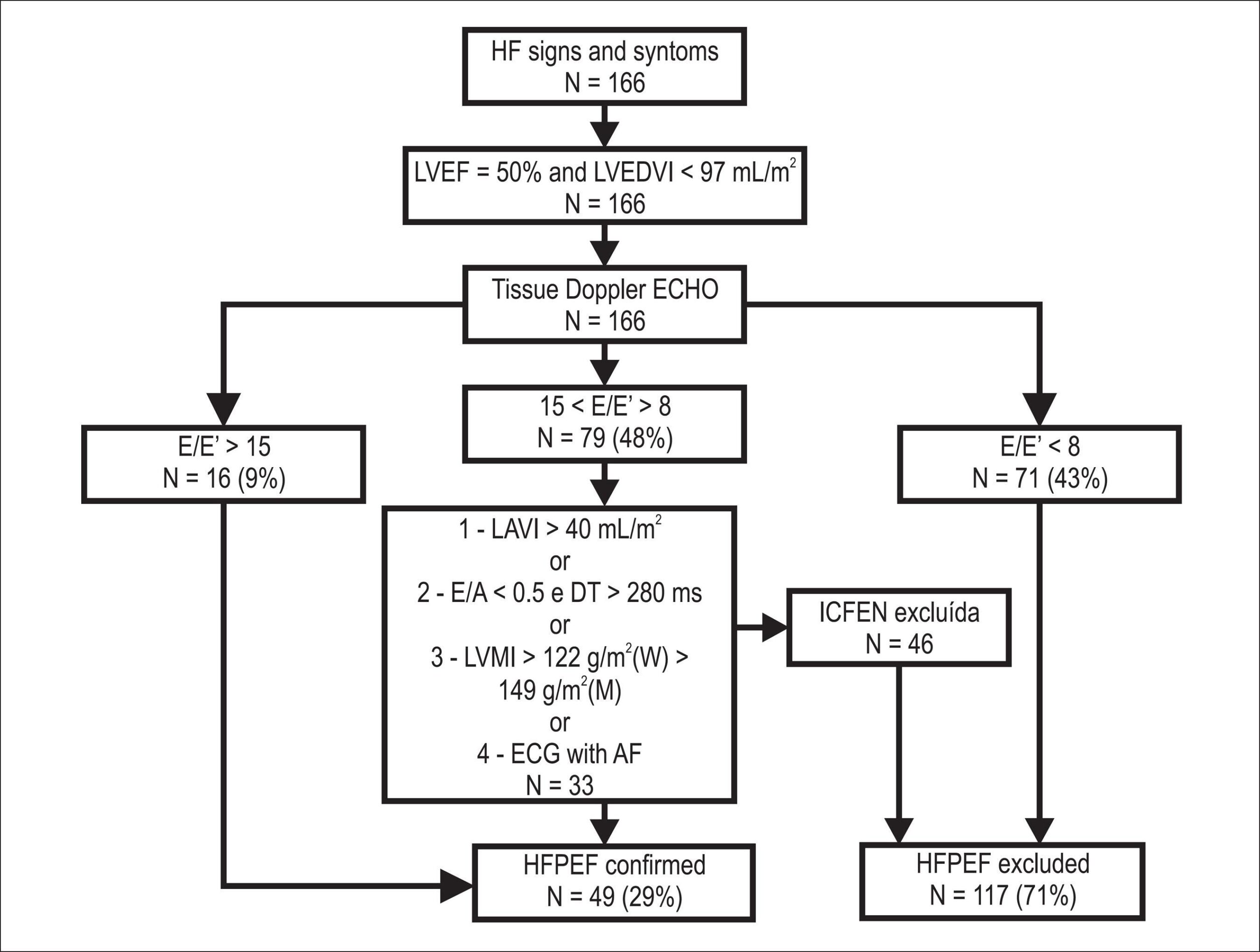
In S1, patients were divided into groups based on the E/E’ratio as follows: GI, E/E’> 15 (n = 16; 9%); GII, E/E’8 to 15 (n = 79; 48%); and GIII, E/E'< 8 (n = 71; 43%). HFPEF was confirmed in GI and excluded in GIII. In GII, TDE [left atrial volume index (LAVI) ≥ 40 mL/m2; left ventricular mass index LVMI) > 122 for women and > 149 g/m2 for men] and ECG (atrial fibrillation) parameters were assessed, confirming HFPEF in 33 more patients, adding up to 49 (29%). In S2, patients were divided into three groups based on BNP levels. GI (BNP > 200 pg/mL) consisted of 12 patients, HFPEF being confirmed in all of them. GII (BNP ranging from 100 to 200 pg/mL) consisted of 20 patients with LAVI > 29 mL/m2, or LVMI ≥ 96 g/m2 for women or ≥ 116 g/m2 for men, or E/E’≥ 8 or atrial fibrillation on ECG, and the diagnosis of HFPEF was confirmed in 15. GIII (BNP < 100 pg/mL) consisted of 134 patients, 26 of whom had the diagnosis of HFPEF confirmed when GII parameters were used. Measuring BNP levels in S2 identified 4 more patients (8%) with HFPEF as compared with those identified in S1.

Conclusion:

The association of BNP measurement and TDE data is better than the isolated use of those parameters. BNP can be useful in identifying patients whose diagnosis of HF had been previously excluded based only on TDE findings.

  • Ambulatory Care
  • Doppler
  • Echocardiography
  • Heart Failure
  • Natriuretic Peptides
Read Full Article
Creative Commons Attribution (CC BY) Creative Commons license
13/08/2014 DOI: 10.5935/abc.20140120
Original Article

Effects of Exercise Training on Heart Rate Variability in Chagas Heart Disease

Bruno Ramos Nascimento et al. Márcia Maria Oliveira Lima Maria do Carmo Pereira Nunes Maria Clara Noman de Alencar … Henrique Silveira Costa Marcelo Martins Pinto Filho Vitor Emanuel Serafim Cota Manoel Otávio da Costa Rocha Antonio Luiz Pinho Ribeiro

Background:

Heart rate variability (HRV) is a marker of autonomic dysfunction severity. The effects of physical training on HRV indexes in Chagas heart disease (CHD) are not well established.

Objective:

To evaluate the changes in HRV indexes in response to physical training in CHD.

Methods:

Patients with CHD and left ventricular (LV) dysfunction, physically inactive, were randomized either to the intervention (IG, N = 18) or control group (CG, N = 19). The IG participated in a 12-week exercise program consisting of 3 sessions/week.

Results:

Mean age was 49.5 ± 8 years, 59% males, mean LVEF was 36.3 ± 7.8%. Baseline HRV indexes were similar between groups. From baseline to follow-up, total power (TP): 1653 (IQ 625 – 3418) to 2794 (1617 – 4452) ms, p = 0.02) and very low frequency power: 586 (290 – 1565) to 815 (610 – 1425) ms, p = 0.047) increased in the IG, but not in the CG. The delta (post – pre) HRV indexes were similar: SDNN 11.5 ± 30.0 vs. 3.7 ± 25.1 ms. p = 0.10; rMSSD 2 (6 – 17) vs. 1 (21 – 9) ms. p = 0.43; TP 943 (731 – 3130) vs. 1780 (921 – 2743) Hz. p = 0.46; low frequency power (LFP) 1.0 (150 – 197) vs. 60 (111 – 146) Hz. p = 0.85; except for high frequency power, which tended to increase in the IG: 42 (133 – 92) vs. 79 (61 – 328) Hz. p = 0.08).

Conclusion:

In the studied population, the variation of HRV indexes was similar between the active and inactive groups. Clinical improvement with physical activity seems to be independent from autonomic dysfunction markers in CHD.

  • Chagas Cardiomyopathy
  • Exercise
  • Heart Rate
Read Full Article
Creative Commons Attribution (CC BY) Creative Commons license
01/08/2014 DOI: 10.5935/abc.20140108 Views 2
Figure 1
Original Article

Efficacy and Safety of Drug-Eluting Stents in the Real World: 8-Year Follow-Up

Denise Oliveira Pellegrini et al. Vitor Osório Gomes Ricardo Lasevitch Luis Smidt … Marco Aurélio Azeredo Priscila Ledur Rodrigo Bodanese Leonardo Sinnott Emílio Moriguchi Paulo Caramori

Background:

Drug-eluting stents have been used in daily practice since 2002, with the clear advantages of reducing the risk of target vessel revascularization and an impressive reduction in restenosis rate by 50%-70%. However, the occurrence of a late thrombosis can compromise long-term results, particularly if the risks of this event were sustained. In this context, a registry of clinical cases gains special value.

Objective:

To evaluate the efficacy and safety of drug-eluting stents in the real world.

Methods:

We report on the clinical findings and 8-year follow-up parameters of all patients that underwent percutaneous coronary intervention with a drug-eluting stent from January 2002 to April 2007. Drug-eluting stents were used in accordance with the clinical and interventional cardiologist decision and availability of the stent.

Results:

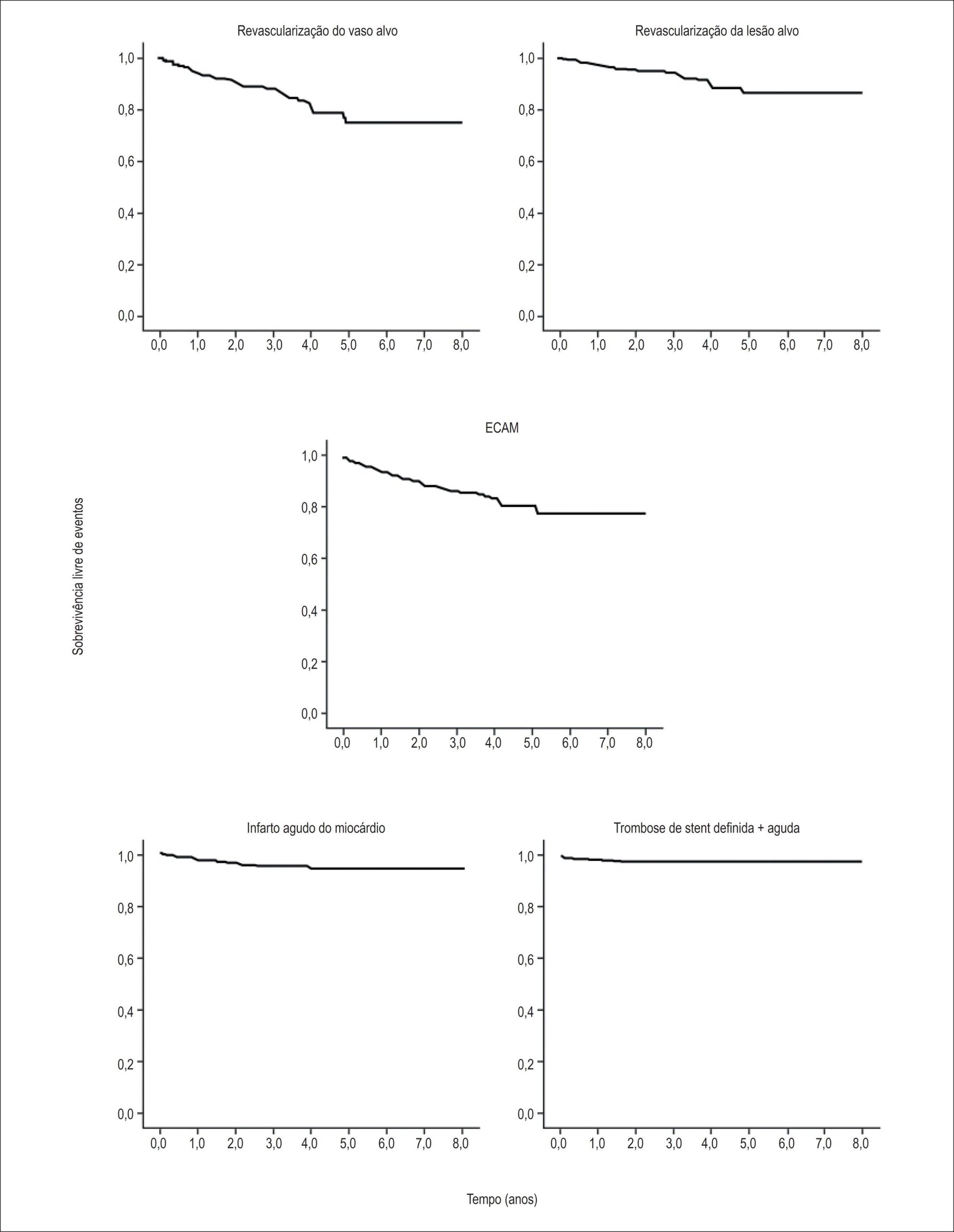
A total of 611 patients were included, and clinical follow-up of up to 8 years was obtained for 96.2% of the patients. Total mortality was 8.7% and nonfatal infarctions occurred in 4.3% of the cases. Target vessel revascularization occurred in 12.4% of the cases, and target lesion revascularization occurred in 8% of the cases. The rate of stent thrombosis was 2.1%. There were no new episodes of stent thrombosis after the fifth year of follow-up. Comparative subanalysis showed no outcome differences between the different types of stents used, including Cypher®, Taxus®, and Endeavor®.

Conclusion:

These findings indicate that drug-eluting stents remain safe and effective at very long-term follow-up. Patients in the “real world” may benefit from drug-eluting stenting with excellent, long-term results.

  • Drug–Eluting Stents/trends
  • Effectiveness
  • Long-Term Effect
  • Treatment Outcome
Read Full Article
Creative Commons Attribution (CC BY) Creative Commons license
01/08/2014 DOI: 10.5935/abc.20140110 Views 1
Figure 1
Original Article

Investigation Route of the Coronary Patient in the Public Health System in Curitiba, São Paulo and in Incor – IMPACT Study

Juliano J. Cerci et al. Evelinda Trindade Daniel Preto Rodrigo Julio Cerci … Pedro A. Lemos Luiz Antonio Machado Cesar Luís Preto Luiz Stinghen Cátia Martinez José Claudio Meneghetti

Background:

The investigation of stable coronary artery disease (CAD) and its treatment depend on risk stratification for decision-making on the need for cardiac catheterization and revascularization.

Objective:

To analyze the procedures used in the diagnosis and invasive treatment of patients with CAD, at the Brazilian Unified Health System (SUS) in the cities of Curitiba, São Paulo and at InCor-FMUSP.

Methods:

Retrospective, descriptive, observational study of the diagnostic and therapeutic itineraries of the Brazilian public health care system patient, between groups submitted or not to prior noninvasive tests to invasive cardiac catheterization. Stress testing, stress echocardiography, perfusion scintigraphy, catheterization and percutaneous or surgical revascularization treatment procedures were quantified and the economic impact of the used strategies.

Results:

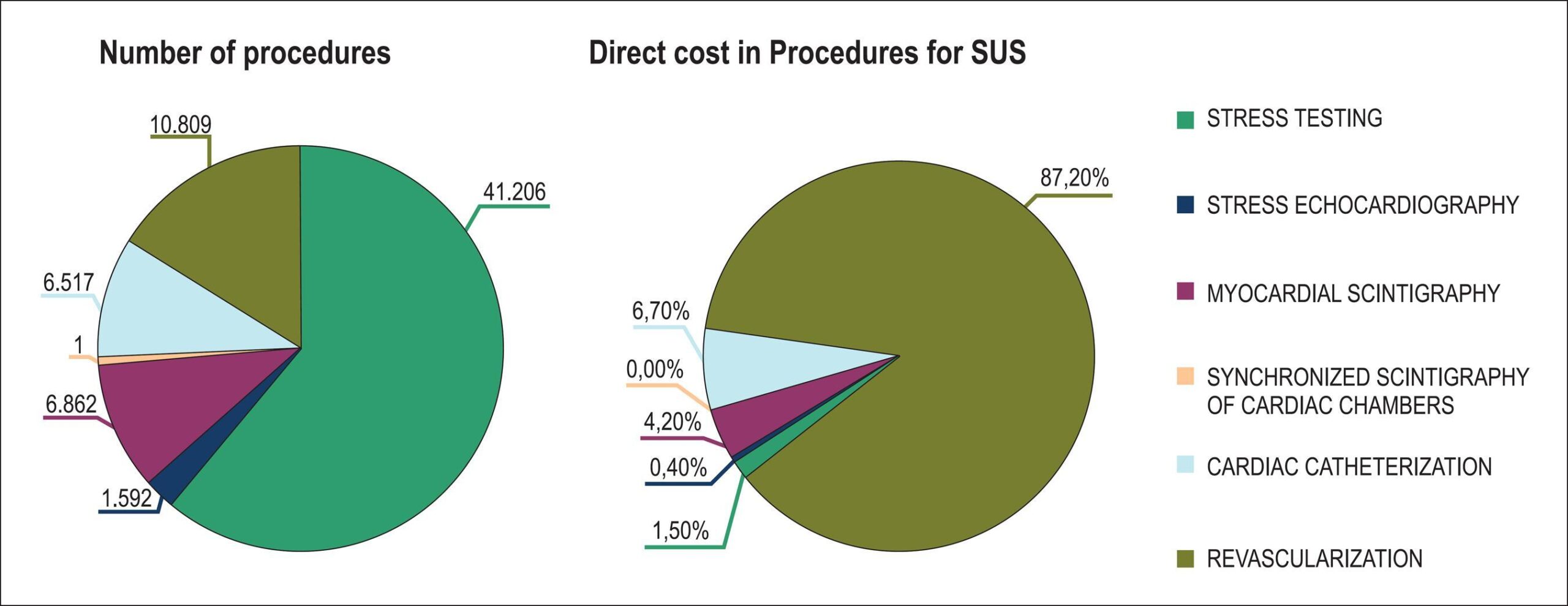
There are significant differences in the assessment of patients with suspected or known CAD in the metropolitan region in the three scenarios. Although functional testing procedures are most often used the direct costs of these procedures differ significantly (6.1% in Curitiba, 20% in São Paulo and 27% in InCor-FMUSP). Costs related to the procedures and invasive treatments represent 59.7% of the direct costs of SUS in São Paulo and 87.2% in Curitiba. In InCor-FMUSP, only 24.3% of patients with stable CAD submitted to CABG underwent a noninvasive test before the procedure.

Conclusion:

Although noninvasive functional tests are the ones most often requested for the assessment of patients with suspected or known CAD most of the costs are related to invasive procedures/treatments. In most revascularized patients, the documentation of ischemic burden was not performed by SUS.

  • Coronary Artery Disease / therapy
  • Coronary Artery Disease/surgery
  • Investigative Techniques
  • Unified Health System
Read Full Article
Creative Commons Attribution (CC BY) Creative Commons license
29/07/2014 DOI: 10.5935/abc.20140107 Views 1
Figure 1
Original Article

Elevated Blood Pressure and Obesity in Childhood: A Cross-Sectional Evaluation of 4,609 Schoolchildren

Caroline Filla Rosaneli et al. Cristina Pellegrio Baena Flavia Auler Alika Terumi Arasaki Nakashima … Edna Regina Netto-Oliveira Amauri Bássoli Oliveira Luiz César Guarita-Souza Marcia Olandoski José Rocha Faria-Neto

Background:

The incidence of obesity in children is increasing worldwide, primarily in urbanized, high-income countries, and hypertension development is a detrimental effect of this phenomenon.

Objective:

In this cross-sectional study, we evaluated the prevalence of excess weight and its association with high blood pressure (BP) in schoolchildren.

Methods:

Here 4,609 male and female children, aged 6 to 11 years, from 24 public and private schools in Maringa, Brazil, were evaluated. Nutritional status was assessed by body mass index (BMI) according to cutoff points adjusted for sex and age. Blood pressure (BP) levels above 90th percentile for gender, age and height percentile were considered elevated.

Results:

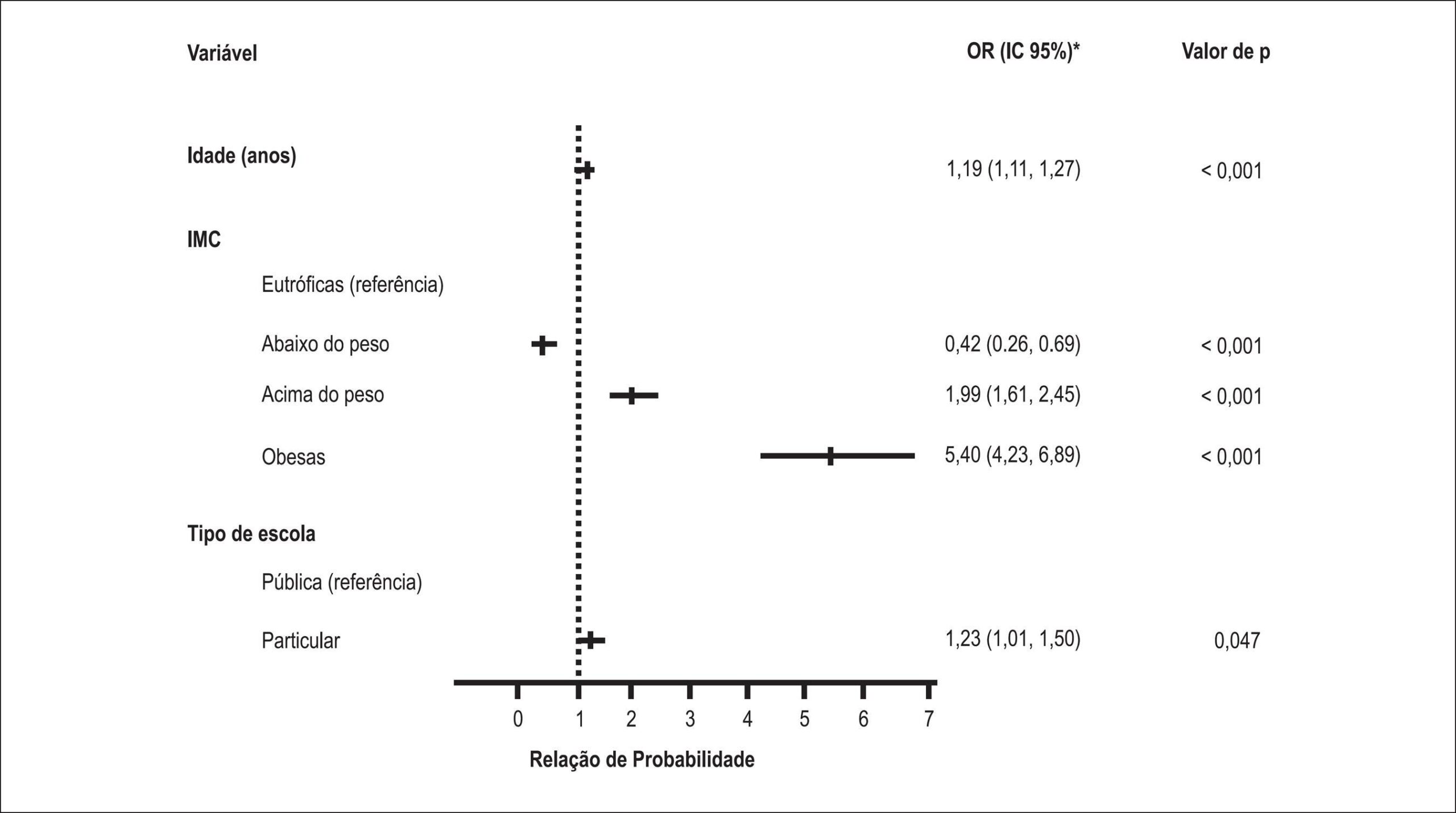
The prevalence of excess weight among the schoolchildren was 24.5%; 16.9% were overweight, and 7.6% were obese. Sex and socioeconomic characteristics were not associated with elevated BP. In all age groups, systolic and diastolic BP correlated with BMI and waist and hip measurements, but not with waist-hip ratio. The prevalence of elevated BP was 11.2% in eutrophic children, 20.6% in overweight children [odds ratio (OR), 1.99; 95% confidence interval (CI), 1.61-2.45], and 39.7% in obese children (OR, 5.4; 95% CI, 4.23-6.89).

Conclusion:

Obese and overweight children had a higher prevalence of elevated BP than normal-weight children. Our data confirm that the growing worldwide epidemic of excess weight and elevated BP in schoolchildren may also be ongoing in Brazil.

  • Child
  • Epidemiology
  • Hypertension
  • Pediatric Obesity
  • Prevalence
Read Full Article
Creative Commons Attribution (CC BY) Creative Commons license
29/07/2014 DOI: 10.5935/abc.20140104 Views 1
Figure 1
Original Article

Do Diabetic Patients with Acute Coronary Syndromes Have a Higher Threshold for Ischemic Pain?

José Carlos Nicolau et al. Carlos José Dornas Gonçalves Barbosa André Franci Luciano Moreira Baracioli … Marcelo Franken Felipe Gallego Lima Roberto Rocha Giraldez Roberto Kalil Filho José Antônio Franchini Ramires Robert P. Giugliano

Background:

Data from over 4 decades have reported a higher incidence of silent infarction among patients with diabetes mellitus (DM), but recent publications have shown conflicting results regarding the correlation between DM and presence of pain in patients with acute coronary syndromes (ACS).

Objective:

Our primary objective was to analyze the association between DM and precordial pain at hospital arrival. Secondary analyses evaluated the association between hyperglycemia and precordial pain at presentation, and the subgroup of patients presenting within 6 hours of symptom onset.

Methods:

We analyzed a prospectively designed registry of 3,544 patients with ACS admitted to a Coronary Care Unit of a tertiary hospital. We developed multivariable models to adjust for potential confounders.

Results:

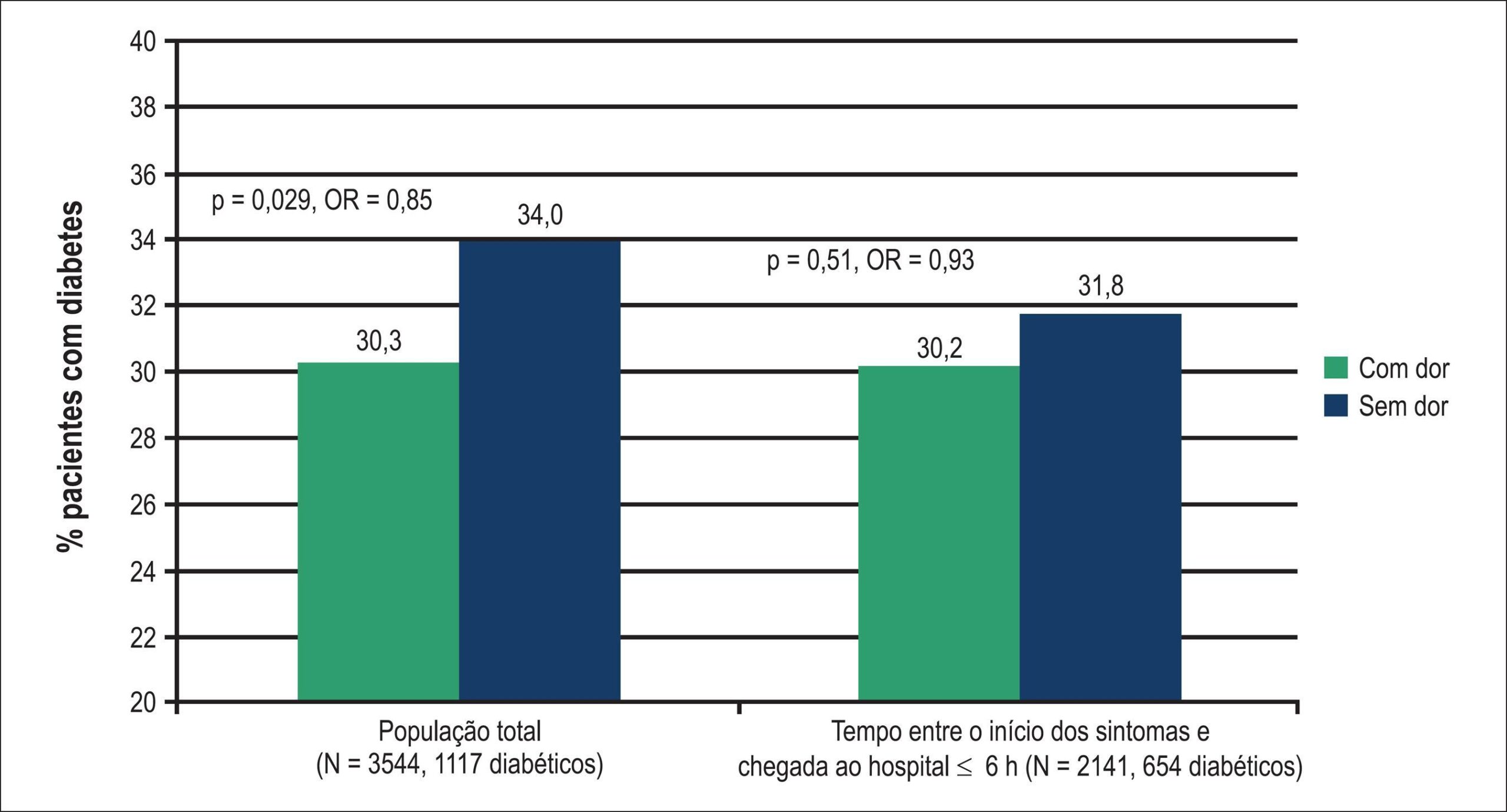
Patients with precordial pain were less likely to have DM (30.3%) than those without pain (34.0%; unadjusted p = 0.029), but this difference was not significant after multivariable adjustment, for the global population (p = 0.84), and for subset of patients that presented within 6 hours from symptom onset (p = 0.51). In contrast, precordial pain was more likely among patients with hyperglycemia (41.2% vs 37.0% without hyperglycemia, p = 0.035) in the overall population and also among those who presented within 6 hours (41.6% vs. 32.3%, p = 0.001). Adjusted models showed an independent association between hyperglycemia and pain at presentation, especially among patients who presented within 6 hours (OR = 1.41, p = 0.008).

Conclusion:

In this non-selected ACS population, there was no correlation between DM and hospital presentation without precordial pain. Moreover, hyperglycemia correlated significantly with pain at presentation, especially in the population that arrived within 6 hours from symptom onset.

  • Acute coronary syndrome
  • Chest Pain
  • Diabetes Mellitus
  • Hyperglycemia
Read Full Article
Creative Commons Attribution (CC BY) Creative Commons license
29/07/2014 DOI: 10.5935/abc.20140106 Views 1
Figure 1
Original Article

Survival and Predictive Factors of Lethality in Hemodyalisis: D/I Polymorphism of The Angiotensin I-Converting Enzyme and of the Angiotensinogen M235T Genes

Mauro Alves et al. Nelson Albuquerque de Souza e Silva Lucia Helena Alvares Salis Basilio de Bragança Pereira … Paulo Henrique Godoy Emília Matos do Nascimento Jose Mario Franco Oliveira

Background:

End-stage kidney disease patients continue to have markedly increased cardiovascular disease morbidity and mortality. Analysis of genetic factors connected with the renin-angiotensin system that influences the survival of the patients with end-stage kidney disease supports the ongoing search for improved outcomes.

Objective:

To assess survival and its association with the polymorphism of renin-angiotensin system genes: angiotensin I-converting enzyme insertion/deletion and angiotensinogen M235T in patients undergoing hemodialysis.

Methods:

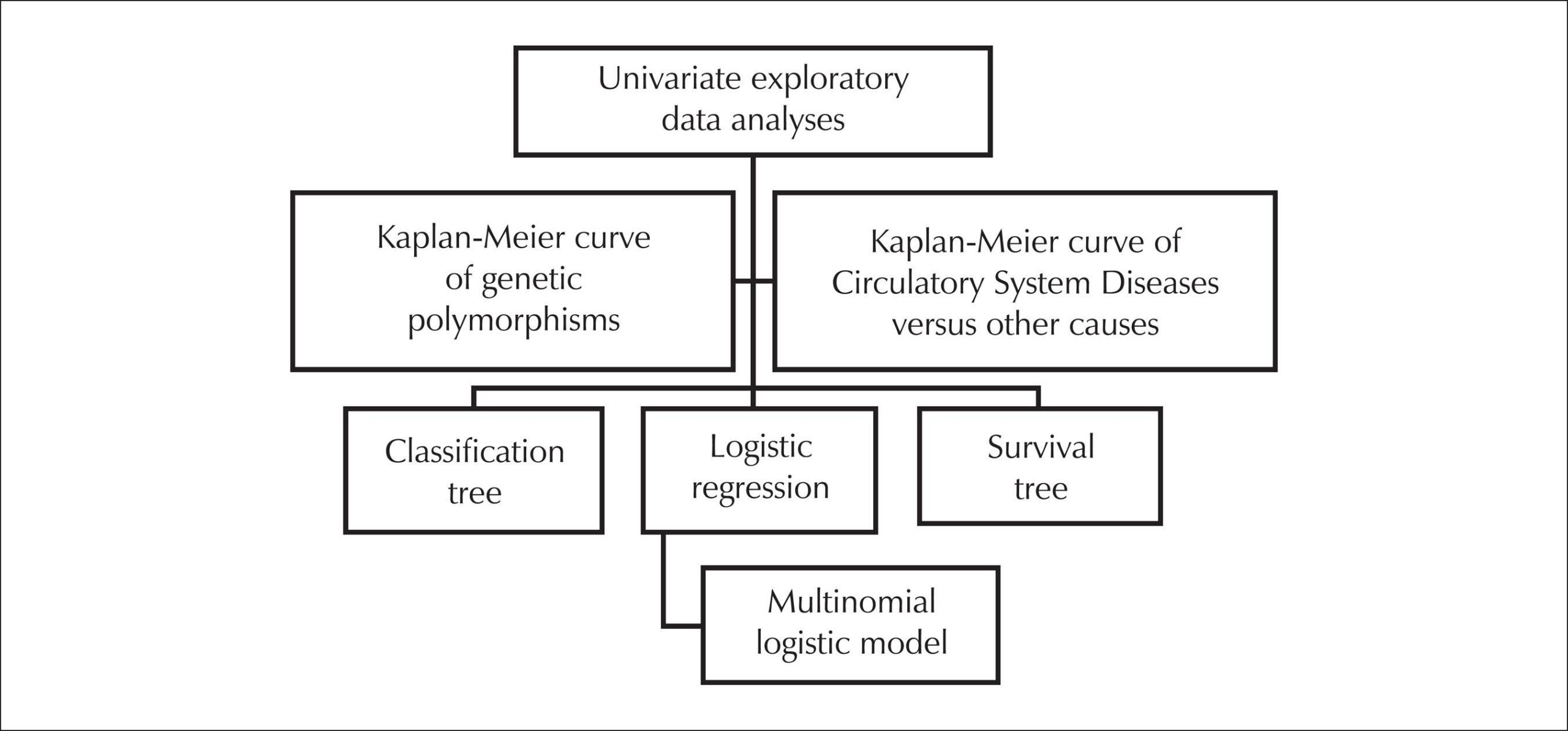
Our study was designed to examine the role of renin-angiotensin system genes. It was an observational study. We analyzed 473 chronic hemodialysis patients in four dialysis units in the state of Rio de Janeiro. Survival rates were calculated by the Kaplan-Meier method and the differences between the curves were evaluated by Tarone-Ware, Peto-Prentice, and log rank tests. We also used logistic regression analysis and the multinomial model. A p value ≤ 0.05 was considered to be statistically significant. The local medical ethics committee gave their approval to this study.

Results:

The mean age of patients was 45.8 years old. The overall survival rate was 48% at 11 years. The major causes of death were cardiovascular diseases (34%) and infections (15%). Logistic regression analysis found statistical significance for the following variables: age (p = 0.000038), TT angiotensinogen (p = 0.08261), and family income greater than five times the minimum wage (p = 0.03089), the latter being a protective factor.

Conclusions:

The survival of hemodialysis patients is likely to be influenced by the TT of the angiotensinogen M235T gene.

  • Kidney Failure, Chronic
  • lethality
  • Peptidyl-Dipeptidase A
  • Polymorphism, Genetic
  • renal dialysis
  • Survival Analysis
Read Full Article
Creative Commons Attribution (CC BY) Creative Commons license
29/07/2014 DOI: 10.5935/abc.20140105 Views 1
Figure 1
Original Article

Combination Therapy for the Cardiovascular Effects of Perinatal Lead Exposure in Young and Adult Rats

Andréia Fresneda Gaspar et al. Sandra Cordellini

Background:

Combination therapy can play a significant role in the amelioration of several toxic effects of lead (Pb) and recovery from associated cardiovascular changes.

Objective:

To investigate the effects of combination therapy on the cardiovascular effects of perinatal lead exposure in young and adult rats

Methods:

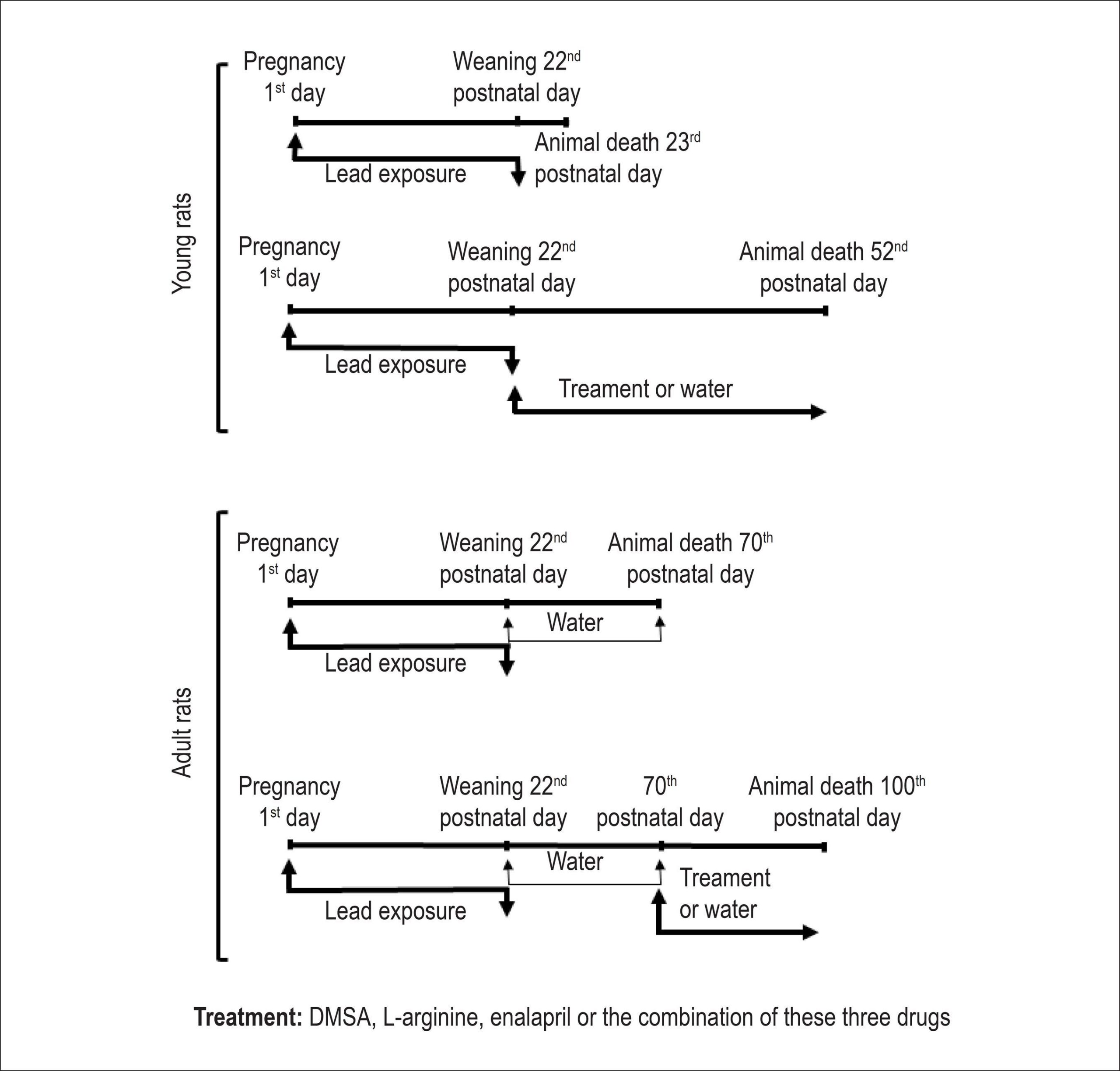
Female Wistar rats received drinking water with or without 500 ppm of Pb during pregnancy and lactation. Twenty-two- and 70-day-old rat offspring who were or were not exposed to Pb in the perinatal period received meso-dimercaptosuccinic acid (DMSA), L-arginine, or enalapril and a combination of these compounds for 30 additional days. Noradrenaline response curves were plotted for intact and denuded aortas from 23-, 52-, 70-, and 100-day-old rats stratified by perinatal Pb exposure (exposed/unexposed) and treatment received (treated/untreated).

Results:

Systolic blood pressure was evaluated and shown to be higher in the 23-, 52-, 70-, and 100-day age groups with Pb exposure than in the corresponding control age groups: 117.8 ± 3.9*, 135.2 ± 1.3*, 139.6 ± 1.6*, and 131.7 ± 2.8*, respectively and 107.1 ± 1.8, 118.8 ± 2.1, 126.1 ± 1.1, and 120.5 ± 2.2, respectively (p < 0.05). Increased reactivity to noradrenaline was observed in intact, but not denuded, aortas from 52-, 70-, and 100-day-old exposed rats, and the maximum responses (g of tension) in the respective Pb-exposed and control age groups were as follows: 3.43 ± 0.16*, 4.32 ± 0.18*, and 4.21 ± 0.23*, respectively and 2.38 ± 0.33, 3.37 ± 0.13, and 3.22 ± 0.21, respectively (p < 0.05).

Conclusions:

All treatments reversed the changes in vascular reactivity to noradrenaline in rats perinatally exposed to Pb. The combination therapy resulted in an earlier restoration of blood pressure in Pb-exposed rats compared with the monotherapies, except for enalapril therapy in young rats. These findings represent a new approach to the development of therapeutic protocols for the treatment of Pb-induced hypertension.

  • Cardiovascular Effects
  • Lead / toxicity
  • Perinatal Exposure
  • Rats
Read Full Article
Creative Commons Attribution (CC BY) Creative Commons license
29/07/2014 DOI: 10.5935/abc.20140103
Graph 1
Original Article

Comparison of Postprandial Lipemia between Women who are on Oral Contraceptive Methods and Those who are not

Jefferson Petto et al. Leila Monique Reis Vasques Renata Leão Pinheiro Beatriz de Almeida Giesta … Alan Carlos Nery dos Santos Mansueto Gomes Neto Ana Marice Teixeira Ladeia

Background:

Postprandial Lipemia (PPL) is a physiological process that reflects the ability of the body to metabolize lipids. Even though the influence of oral contraceptives (OC) on PPL is not known, it is a known fact that their use increases fasting lipid values.

Objective:

To compare the PPL between women who are on OC and those who are not.

Methods:

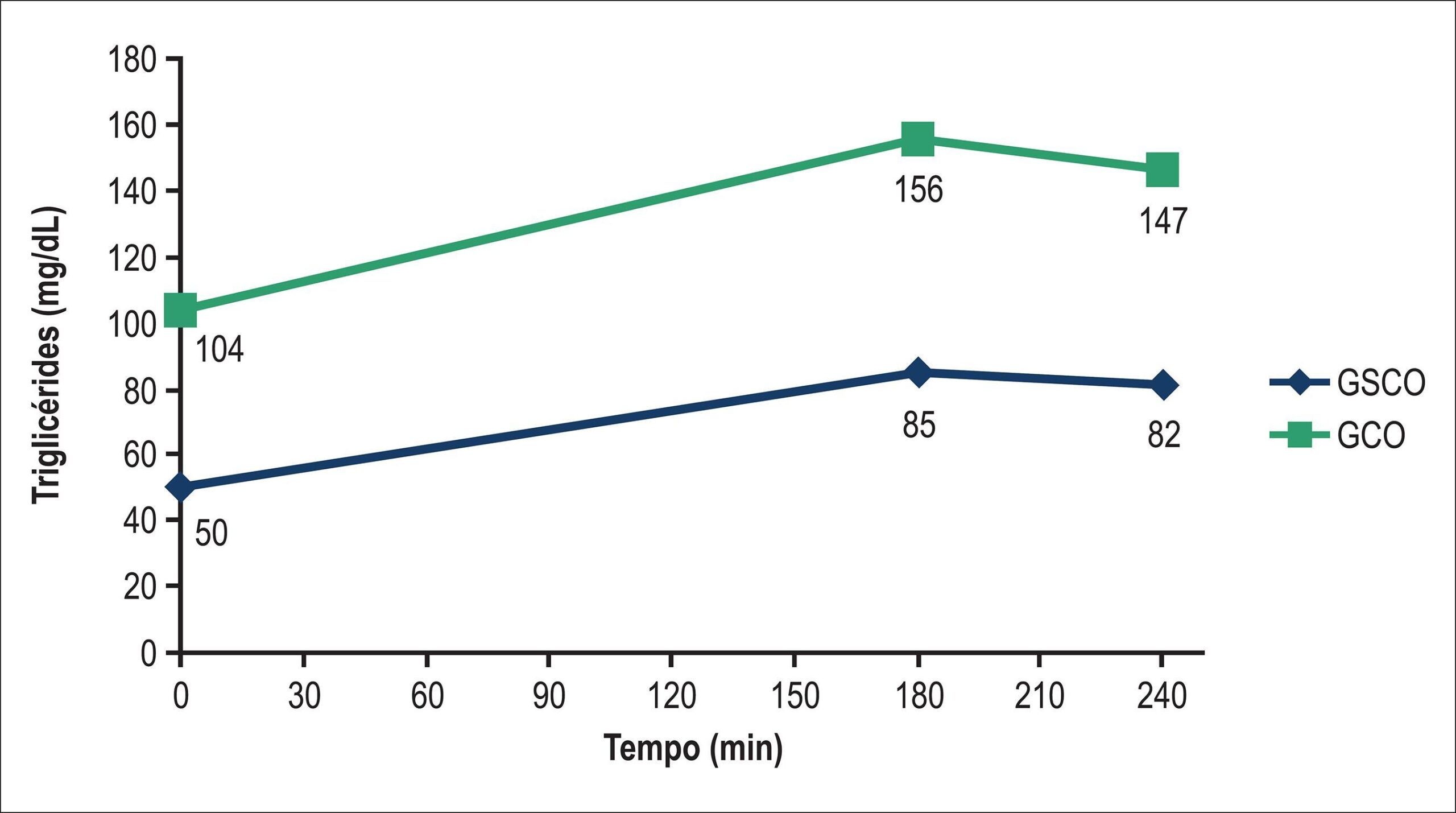
A prospective analytical study which assessed eutrophic women, aged between 18 and 28 years old, who were irregularly active and with fasting triglycerides ≤150 mg/dL. They were divided into two groups: oral contraceptive group (COG) and non-oral contraceptive group (NCOG). Volunteers were submitted to the PPL test, in which blood samples were collected in time 0 (12-hour fasting) and after the intake of lipids in times 180 and 240 minutes. In order to compare the triglyceride deltas, which reflect PPL, the two-tailed Mann-Whitney test was used for independent samples between fasting collections and 180 minutes (Δ1) and between fasting and 240 minutes (Δ2).

Results:

Forty women were assessed and equally divided between groups. In the fasting lipid profile, it was observed that HDL did not present significant differences and that triglycerides in COG were twice as high in comparison to NCOG. Medians of Δ1 and Δ2 presented significant differences in both comparisons (p ≤0.05).

Conclusion:

The results point out that women who are irregularly active and use OC present more PPL in relation to those who do not use OC, which suggests that in this population, its chronic use increases the risk of heart conditions.

  • Cholesterol
  • Contraceptives, Oral
  • Insulin
  • Metabolism
  • Triglycerides
  • Women
Read Full Article
Creative Commons Attribution (CC BY) Creative Commons license
13/06/2014 DOI: 10.5935/abc.20140080 Views 1
Figure 1
Review Article

Multimodality Imaging of Heart Valve Disease

Ronak Rajani et al. Rajdeep Khattar Amedeo Chiribiri Kelly Victor John Chambers

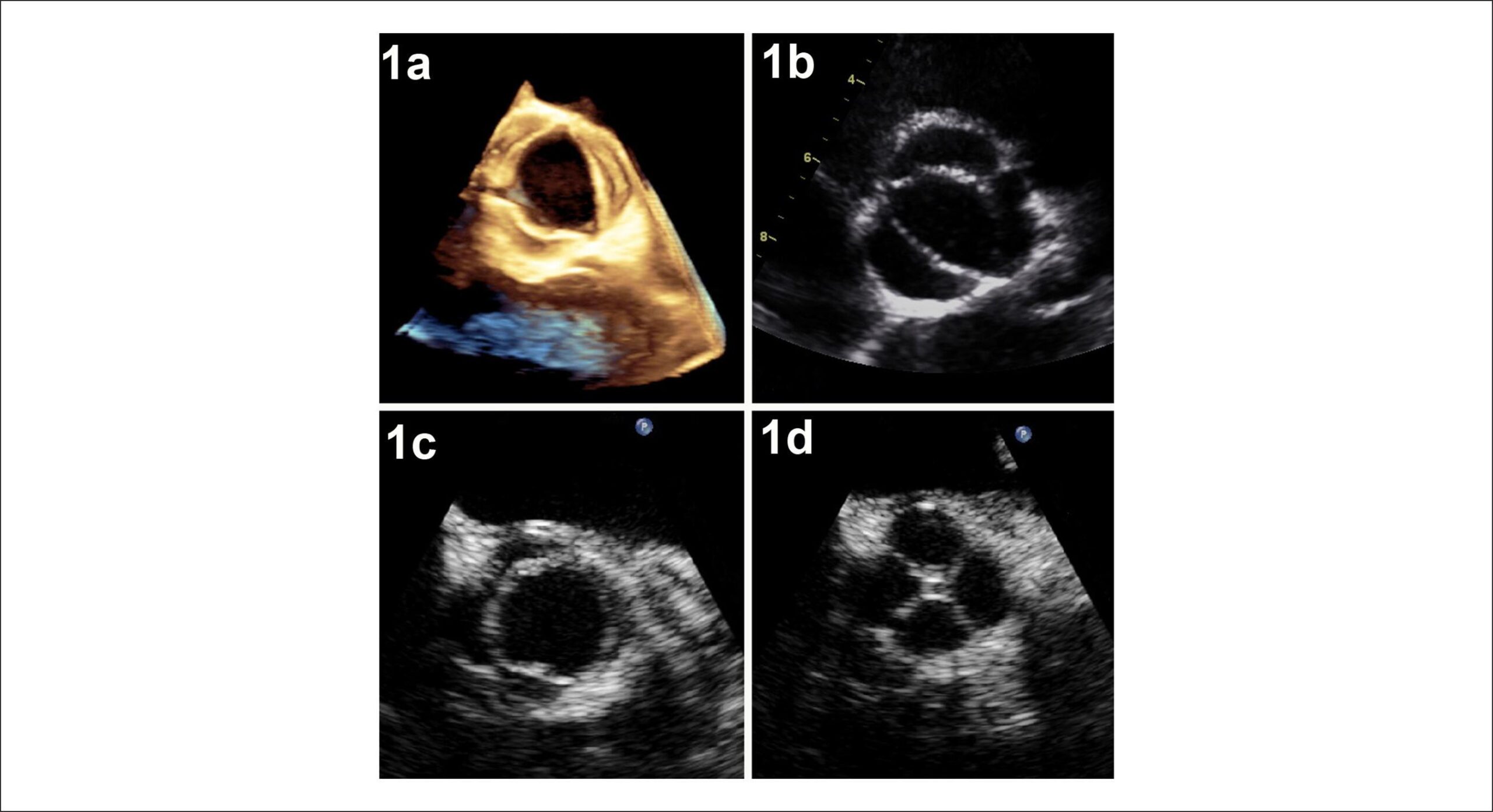
Unidentified heart valve disease is associated with a significant morbidity and mortality. It has therefore become important to accurately identify, assess and monitor patients with this condition in order that appropriate and timely intervention can occur. Although echocardiography has emerged as the predominant imaging modality for this purpose, recent advances in cardiac magnetic resonance and cardiac computed tomography indicate that they may have an important contribution to make. The current review describes the assessment of regurgitant and stenotic heart valves by multimodality imaging (echocardiography, cardiac computed tomography and cardiac magnetic resonance) and discusses their relative strengths and weaknesses.

  • Cardiac Imaging
  • Diagnostic Imaging
  • Heart Valve Diseases
  • Magnetic Resonance Imaging
  • Techniques / trends
  • Tomography
Read Full Article
Creative Commons Attribution (CC BY) Creative Commons license
09/05/2014 DOI: 10.5935/abc.20140057

How to cite this article

EndNote RIS

Electronic Document Format (Vancouver)

Grinberg M. Cylinder Mania in Valvulopathy Back to the Future. Arquivos Brasileiros de Cardiologia 2014;103(3):e41-4.

Electronic Document Format (ABNT)

Grinberg, Max. Cylinder Mania in Valvulopathy Back to the Future. Arquivos Brasileiros de Cardiologia, v. 103, n. 3, p. e41-e44, Aug. 2014.

Electronic Document Format (APA)

Grinberg, M. (2014). Cylinder Mania in Valvulopathy Back to the Future. Arquivos Brasileiros de Cardiologia, 103(3), e41-e44.

Electronic Document Format (ISO)

Grinberg, Max. Cylinder Mania in Valvulopathy Back to the Future. Arquivos Brasileiros de Cardiologia [online]. 2014, vol. 103, n. 3, [cited 2026-10-14], pp. e41-e44. Available from: <https://journals.cardiol.br/en/article/cylinder-mania-in-valvulopathy-back-to-the-future/>. ISSN 0066-782X

EndNote RIS

Electronic Document Format (Vancouver)

Finsterer J, Stöllberger C. Is Sildenafil a Therapeutic Option for Noncompaction?. Arquivos Brasileiros de Cardiologia 2014;103(3):264-5.

Electronic Document Format (ABNT)

Finsterer, Josef; Stöllberger, Claudia. Is Sildenafil a Therapeutic Option for Noncompaction?. Arquivos Brasileiros de Cardiologia, v. 103, n. 3, p. 264-265, Aug. 2014.

Electronic Document Format (APA)

Finsterer, J., & Stöllberger, C. (2014). Is Sildenafil a Therapeutic Option for Noncompaction?. Arquivos Brasileiros de Cardiologia, 103(3), 264-265.

Electronic Document Format (ISO)

Finsterer, Josef and Stöllberger, Claudia. Is Sildenafil a Therapeutic Option for Noncompaction?. Arquivos Brasileiros de Cardiologia [online]. 2014, vol. 103, n. 3, [cited 2026-10-14], pp. 264-265. Available from: <https://journals.cardiol.br/en/article/is-sildenafil-a-therapeutic-option-for-noncompaction/>. ISSN 0066-782X

EndNote RIS

Electronic Document Format (Vancouver)

Pavão MLRC, Ono VC, Arfelli E, Simões MV, Marin Neto JA, Schmidt A. Sudden Cardiac Death and Short QT Syndrome. Arquivos Brasileiros de Cardiologia 2014;103(3):e37-40.

Electronic Document Format (ABNT)

Pavão, Maria Lícia Ribeiro Cury; Ono, Viviane Cristina; Arfelli, Elerson; Simões, Marcus Vinícius; Marin Neto, José Antonio; Schmidt, André. Sudden Cardiac Death and Short QT Syndrome. Arquivos Brasileiros de Cardiologia, v. 103, n. 3, p. e37-e40, Aug. 2014.

Electronic Document Format (APA)

Pavão, M. L. R. C., Ono, V. C., Arfelli, E., Simões, M. V., Marin Neto, J. A., & Schmidt, A. (2014). Sudden Cardiac Death and Short QT Syndrome. Arquivos Brasileiros de Cardiologia, 103(3), e37-e40.

Electronic Document Format (ISO)

Pavão, Maria Lícia Ribeiro Cury and Ono, Viviane Cristina and Arfelli, Elerson and Simões, Marcus Vinícius and Marin Neto, José Antonio and Schmidt, André. Sudden Cardiac Death and Short QT Syndrome. Arquivos Brasileiros de Cardiologia [online]. 2014, vol. 103, n. 3, [cited 2026-10-14], pp. e37-e40. Available from: <https://journals.cardiol.br/en/article/sudden-cardiac-death-and-short-qt-syndrome/>. ISSN 0066-782X

EndNote RIS

Electronic Document Format (Vancouver)

Ribeiro WN, Yamada AT, Benvenuti LA. Case 4/2014 – A 66-Year-Old Man with Acute Myocardial Infarction and Death in Asystole after Primary Coronary Angioplasty. Arquivos Brasileiros de Cardiologia 2014;103(3):e31-6.

Electronic Document Format (ABNT)

Ribeiro, Wilma Noia; Yamada, Alice Tatsuko; Benvenuti, Luiz Alberto. Case 4/2014 – A 66-Year-Old Man with Acute Myocardial Infarction and Death in Asystole after Primary Coronary Angioplasty. Arquivos Brasileiros de Cardiologia, v. 103, n. 3, p. e31-e36, Aug. 2014.

Electronic Document Format (APA)

Ribeiro, W. N., Yamada, A. T., & Benvenuti, L. A. (2014). Case 4/2014 – A 66-Year-Old Man with Acute Myocardial Infarction and Death in Asystole after Primary Coronary Angioplasty. Arquivos Brasileiros de Cardiologia, 103(3), e31-e36.

Electronic Document Format (ISO)

Ribeiro, Wilma Noia and Yamada, Alice Tatsuko and Benvenuti, Luiz Alberto. Case 4/2014 – A 66-Year-Old Man with Acute Myocardial Infarction and Death in Asystole after Primary Coronary Angioplasty. Arquivos Brasileiros de Cardiologia [online]. 2014, vol. 103, n. 3, [cited 2026-10-14], pp. e31-e36. Available from: <https://journals.cardiol.br/en/article/case-4-2014-a-66-year-old-man-with-acute-myocardial-infarction-and-death-in-asystole-after-primary-coronary-angioplasty/>. ISSN 0066-782X

EndNote RIS

Electronic Document Format (Vancouver)

Attizzani GF, Lemos PA. Percutaneous Treatment of Functional Mitral Regurgitation in Heart Failure. Arquivos Brasileiros de Cardiologia 2014;103(3):172-3.

Electronic Document Format (ABNT)

Attizzani, Guilherme F.; Lemos, Pedro A.. Percutaneous Treatment of Functional Mitral Regurgitation in Heart Failure. Arquivos Brasileiros de Cardiologia, v. 103, n. 3, p. 172-173, Aug. 2014.

Electronic Document Format (APA)

Attizzani, G. F., & Lemos, P. A. (2014). Percutaneous Treatment of Functional Mitral Regurgitation in Heart Failure. Arquivos Brasileiros de Cardiologia, 103(3), 172-173.

Electronic Document Format (ISO)

Attizzani, Guilherme F. and Lemos, Pedro A.. Percutaneous Treatment of Functional Mitral Regurgitation in Heart Failure. Arquivos Brasileiros de Cardiologia [online]. 2014, vol. 103, n. 3, [cited 2026-10-14], pp. 172-173. Available from: <https://journals.cardiol.br/en/article/percutaneous-treatment-of-functional-mitral-regurgitation-in-heart-failure/>. ISSN 0066-782X

EndNote RIS

Electronic Document Format (Vancouver)

Jorge AJL, Rosa MLG, Ribeiro ML, Fernandes LCM, Freire MDC, Correia DS, Teixeira PD, et al. Assessing Strategies for Heart Failure with Preserved Ejection Fraction at the Outpatient Clinic. Arquivos Brasileiros de Cardiologia 2014;103(3):231-7.

Electronic Document Format (ABNT)

Jorge, Antonio José Lagoeiro; Rosa, Maria Luiza Garcia; Ribeiro, Mario Luiz; Fernandes, Luiz Claudio Maluhy; Freire, Monica Di Calafiori; Correia, Dayse Silva; Teixeira, Patrick Duarte; Mesquita, Evandro Tinoco. Assessing Strategies for Heart Failure with Preserved Ejection Fraction at the Outpatient Clinic. Arquivos Brasileiros de Cardiologia, v. 103, n. 3, p. 231-237, Aug. 2014.

Electronic Document Format (APA)

Jorge, A. J. L., Rosa, M. L. G., Ribeiro, M. L., Fernandes, L. C. M., Freire, M. D. C., Correia, D. S., Teixeira, P. D., & Mesquita, E. T. (2014). Assessing Strategies for Heart Failure with Preserved Ejection Fraction at the Outpatient Clinic. Arquivos Brasileiros de Cardiologia, 103(3), 231-237.

Electronic Document Format (ISO)

Jorge, Antonio José Lagoeiro and Rosa, Maria Luiza Garcia and Ribeiro, Mario Luiz and Fernandes, Luiz Claudio Maluhy and Freire, Monica Di Calafiori and Correia, Dayse Silva and Teixeira, Patrick Duarte and Mesquita, Evandro Tinoco. Assessing Strategies for Heart Failure with Preserved Ejection Fraction at the Outpatient Clinic. Arquivos Brasileiros de Cardiologia [online]. 2014, vol. 103, n. 3, [cited 2026-10-14], pp. 231-237. Available from: <https://journals.cardiol.br/en/article/assessing-strategies-for-heart-failure-with-preserved-ejection-fraction-at-the-outpatient-clinic/>. ISSN 0066-782X

EndNote RIS

Electronic Document Format (Vancouver)

Nascimento BR, Lima MMO, Nunes MCP, Alencar MCN, Costa HS, Pinto Filho MM, Cota VES, et al. Effects of Exercise Training on Heart Rate Variability in Chagas Heart Disease. Arquivos Brasileiros de Cardiologia 2014;103(3):201-8.

Electronic Document Format (ABNT)

Nascimento, Bruno Ramos; Lima, Márcia Maria Oliveira; Nunes, Maria do Carmo Pereira; Alencar, Maria Clara Noman de; Costa, Henrique Silveira; Pinto Filho, Marcelo Martins; Cota, Vitor Emanuel Serafim; Rocha, Manoel Otávio da Costa; Ribeiro, Antonio Luiz Pinho. Effects of Exercise Training on Heart Rate Variability in Chagas Heart Disease. Arquivos Brasileiros de Cardiologia, v. 103, n. 3, p. 201-208, Jul. 2014.

Electronic Document Format (APA)

Nascimento, B. R., Lima, M. M. O., Nunes, M. C. P., Alencar, M. C. N. , Costa, H. S., Pinto Filho, M. M., Cota, V. E. S., Rocha, M. O. C., & Ribeiro, A. L. P. (2014). Effects of Exercise Training on Heart Rate Variability in Chagas Heart Disease. Arquivos Brasileiros de Cardiologia, 103(3), 201-208.

Electronic Document Format (ISO)

Nascimento, Bruno Ramos and Lima, Márcia Maria Oliveira and Nunes, Maria do Carmo Pereira and Alencar, Maria Clara Noman de and Costa, Henrique Silveira and Pinto Filho, Marcelo Martins and Cota, Vitor Emanuel Serafim and Rocha, Manoel Otávio da Costa and Ribeiro, Antonio Luiz Pinho. Effects of Exercise Training on Heart Rate Variability in Chagas Heart Disease. Arquivos Brasileiros de Cardiologia [online]. 2014, vol. 103, n. 3, [cited 2026-10-14], pp. 201-208. Available from: <https://journals.cardiol.br/en/article/effects-of-exercise-training-on-heart-rate-variability-in-chagas-heart-disease/>. ISSN 0066-782X

EndNote RIS

Electronic Document Format (Vancouver)

Pellegrini DO, Gomes VO, Lasevitch R, Smidt L, Azeredo MA, Ledur P, Bodanese R, et al. Efficacy and Safety of Drug-Eluting Stents in the Real World: 8-Year Follow-Up. Arquivos Brasileiros de Cardiologia 2014;103(3):174-82.

Electronic Document Format (ABNT)

Pellegrini, Denise Oliveira; Gomes, Vitor Osório; Lasevitch, Ricardo; Smidt, Luis; Azeredo, Marco Aurélio; Ledur, Priscila; Bodanese, Rodrigo; Sinnott, Leonardo; Moriguchi, Emílio; Caramori, Paulo. Efficacy and Safety of Drug-Eluting Stents in the Real World: 8-Year Follow-Up. Arquivos Brasileiros de Cardiologia, v. 103, n. 3, p. 174-182, Jul. 2014.

Electronic Document Format (APA)

Pellegrini, D. O., Gomes, V. O., Lasevitch, R., Smidt, L., Azeredo, M. A., Ledur, P., Bodanese, R., Sinnott, L., Moriguchi, E., & Caramori, P. (2014). Efficacy and Safety of Drug-Eluting Stents in the Real World: 8-Year Follow-Up. Arquivos Brasileiros de Cardiologia, 103(3), 174-182.

Electronic Document Format (ISO)

Pellegrini, Denise Oliveira and Gomes, Vitor Osório and Lasevitch, Ricardo and Smidt, Luis and Azeredo, Marco Aurélio and Ledur, Priscila and Bodanese, Rodrigo and Sinnott, Leonardo and Moriguchi, Emílio and Caramori, Paulo. Efficacy and Safety of Drug-Eluting Stents in the Real World: 8-Year Follow-Up. Arquivos Brasileiros de Cardiologia [online]. 2014, vol. 103, n. 3, [cited 2026-10-14], pp. 174-182. Available from: <https://journals.cardiol.br/en/article/efficacy-and-safety-of-drug-eluting-stents-in-the-real-world-8-year-follow-up/>. ISSN 0066-782X

EndNote RIS

Electronic Document Format (Vancouver)

Cerci JJ, Trindade E, Preto D, Cerci RJ, Lemos PA, Cesar LAM, Preto L, et al. Investigation Route of the Coronary Patient in the Public Health System in Curitiba, São Paulo and in Incor – IMPACT Study. Arquivos Brasileiros de Cardiologia 2014;103(3):192-200.

Electronic Document Format (ABNT)

Cerci, Juliano J.; Trindade, Evelinda; Preto, Daniel; Cerci, Rodrigo Julio; Lemos, Pedro A.; Cesar, Luiz Antonio Machado; Preto, Luís; Stinghen, Luiz; Martinez, Cátia; Meneghetti, José Claudio. Investigation Route of the Coronary Patient in the Public Health System in Curitiba, São Paulo and in Incor – IMPACT Study. Arquivos Brasileiros de Cardiologia, v. 103, n. 3, p. 192-200, Jul. 2014.

Electronic Document Format (APA)

Cerci, J. J., Trindade, E., Preto, D., Cerci, R. J., Lemos, P. A., Cesar, L. A. M., Preto, L., Stinghen, L., Martinez, C., & Meneghetti, J. C. (2014). Investigation Route of the Coronary Patient in the Public Health System in Curitiba, São Paulo and in Incor – IMPACT Study. Arquivos Brasileiros de Cardiologia, 103(3), 192-200.

Electronic Document Format (ISO)

Cerci, Juliano J. and Trindade, Evelinda and Preto, Daniel and Cerci, Rodrigo Julio and Lemos, Pedro A. and Cesar, Luiz Antonio Machado and Preto, Luís and Stinghen, Luiz and Martinez, Cátia and Meneghetti, José Claudio. Investigation Route of the Coronary Patient in the Public Health System in Curitiba, São Paulo and in Incor – IMPACT Study. Arquivos Brasileiros de Cardiologia [online]. 2014, vol. 103, n. 3, [cited 2026-10-14], pp. 192-200. Available from: <https://journals.cardiol.br/en/article/investigation-route-of-the-coronary-patient-in-the-public-health-system-in-curitiba-sao-paulo-and-in-incor-impact-study/>. ISSN 0066-782X

EndNote RIS

Electronic Document Format (Vancouver)

Rosaneli CF, Baena CP, Auler F, Nakashima ATA, Netto-Oliveira ER, Oliveira AB, Guarita-Souza LC, et al. Elevated Blood Pressure and Obesity in Childhood: A Cross-Sectional Evaluation of 4,609 Schoolchildren. Arquivos Brasileiros de Cardiologia 2014;103(3):238-44.

Electronic Document Format (ABNT)

Rosaneli, Caroline Filla; Baena, Cristina Pellegrio; Auler, Flavia; Nakashima, Alika Terumi Arasaki; Netto-Oliveira, Edna Regina; Oliveira, Amauri Bássoli; Guarita-Souza, Luiz César; Olandoski, Marcia; Faria-Neto, José Rocha. Elevated Blood Pressure and Obesity in Childhood: A Cross-Sectional Evaluation of 4,609 Schoolchildren. Arquivos Brasileiros de Cardiologia, v. 103, n. 3, p. 238-244, Jul. 2014.

Electronic Document Format (APA)

Rosaneli, C. F., Baena, C. P., Auler, F., Nakashima, A. T. A., Netto-Oliveira, E. R., Oliveira, A. B., Guarita-Souza, L. C., Olandoski, M., & Faria-Neto, J. R. (2014). Elevated Blood Pressure and Obesity in Childhood: A Cross-Sectional Evaluation of 4,609 Schoolchildren. Arquivos Brasileiros de Cardiologia, 103(3), 238-244.

Electronic Document Format (ISO)

Rosaneli, Caroline Filla and Baena, Cristina Pellegrio and Auler, Flavia and Nakashima, Alika Terumi Arasaki and Netto-Oliveira, Edna Regina and Oliveira, Amauri Bássoli and Guarita-Souza, Luiz César and Olandoski, Marcia and Faria-Neto, José Rocha. Elevated Blood Pressure and Obesity in Childhood: A Cross-Sectional Evaluation of 4,609 Schoolchildren. Arquivos Brasileiros de Cardiologia [online]. 2014, vol. 103, n. 3, [cited 2026-10-14], pp. 238-244. Available from: <https://journals.cardiol.br/en/article/elevated-blood-pressure-and-obesity-in-childhood-a-cross-sectional-evaluation-of-4609-schoolchildren/>. ISSN 0066-782X

EndNote RIS

Electronic Document Format (Vancouver)

Nicolau JC, Barbosa CJDG, Franci A, Baracioli LM, Franken M, Lima FG, Giraldez RR, et al. Do Diabetic Patients with Acute Coronary Syndromes Have a Higher Threshold for Ischemic Pain?. Arquivos Brasileiros de Cardiologia 2014;103(3):183-91.

Electronic Document Format (ABNT)

Nicolau, José Carlos; Barbosa, Carlos José Dornas Gonçalves; Franci, André; Baracioli, Luciano Moreira; Franken, Marcelo; Lima, Felipe Gallego; Giraldez, Roberto Rocha; Kalil Filho, Roberto; Ramires, José Antônio Franchini; Giugliano, Robert P.. Do Diabetic Patients with Acute Coronary Syndromes Have a Higher Threshold for Ischemic Pain?. Arquivos Brasileiros de Cardiologia, v. 103, n. 3, p. 183-191, Jul. 2014.

Electronic Document Format (APA)

Nicolau, J. C., Barbosa, C. J. D. G., Franci, A., Baracioli, L. M., Franken, M., Lima, F. G., Giraldez, R. R., Kalil Filho, R., Ramires, J. A. F., & Giugliano, R. P. (2014). Do Diabetic Patients with Acute Coronary Syndromes Have a Higher Threshold for Ischemic Pain?. Arquivos Brasileiros de Cardiologia, 103(3), 183-191.

Electronic Document Format (ISO)

Nicolau, José Carlos and Barbosa, Carlos José Dornas Gonçalves and Franci, André and Baracioli, Luciano Moreira and Franken, Marcelo and Lima, Felipe Gallego and Giraldez, Roberto Rocha and Kalil Filho, Roberto and Ramires, José Antônio Franchini and Giugliano, Robert P.. Do Diabetic Patients with Acute Coronary Syndromes Have a Higher Threshold for Ischemic Pain?. Arquivos Brasileiros de Cardiologia [online]. 2014, vol. 103, n. 3, [cited 2026-10-14], pp. 183-191. Available from: <https://journals.cardiol.br/en/article/do-diabetic-patients-with-acute-coronary-syndromes-have-a-higher-threshold-for-ischemic-pain/>. ISSN 0066-782X

EndNote RIS

Electronic Document Format (Vancouver)

Alves M, Silva NAS, Salis LHA, Pereira BB, Godoy PH, Nascimento EM, Oliveira JMF, et al. Survival and Predictive Factors of Lethality in Hemodyalisis: D/I Polymorphism of The Angiotensin I-Converting Enzyme and of the Angiotensinogen M235T Genes. Arquivos Brasileiros de Cardiologia 2014;103(3):209-1.

Electronic Document Format (ABNT)

Alves, Mauro; Silva, Nelson Albuquerque de Souza e; Salis, Lucia Helena Alvares; Pereira, Basilio de Bragança; Godoy, Paulo Henrique; Nascimento, Emília Matos do; Oliveira, Jose Mario Franco. Survival and Predictive Factors of Lethality in Hemodyalisis: D/I Polymorphism of The Angiotensin I-Converting Enzyme and of the Angiotensinogen M235T Genes. Arquivos Brasileiros de Cardiologia, v. 103, n. 3, p. 209-219, Jul. 2014.

Electronic Document Format (APA)

Alves, M., Silva, N. A. S. , Salis, L. H. A., Pereira, B. B., Godoy, P. H., Nascimento, E. M. , & Oliveira, J. M. F. (2014). Survival and Predictive Factors of Lethality in Hemodyalisis: D/I Polymorphism of The Angiotensin I-Converting Enzyme and of the Angiotensinogen M235T Genes. Arquivos Brasileiros de Cardiologia, 103(3), 209-219.

Electronic Document Format (ISO)

Alves, Mauro and Silva, Nelson Albuquerque de Souza e and Salis, Lucia Helena Alvares and Pereira, Basilio de Bragança and Godoy, Paulo Henrique and Nascimento, Emília Matos do and Oliveira, Jose Mario Franco. Survival and Predictive Factors of Lethality in Hemodyalisis: D/I Polymorphism of The Angiotensin I-Converting Enzyme and of the Angiotensinogen M235T Genes. Arquivos Brasileiros de Cardiologia [online]. 2014, vol. 103, n. 3, [cited 2026-10-14], pp. 209-219. Available from: <https://journals.cardiol.br/en/article/survival-and-predictive-factors-of-lethality-in-hemodyalisis-d-i-polymorphism-of-the-angiotensin-i-converting-enzyme-and-of-the-angiotensinogen-m235t-genes/>. ISSN 0066-782X

EndNote RIS

Electronic Document Format (Vancouver)

Gaspar AF, Cordellini S. Combination Therapy for the Cardiovascular Effects of Perinatal Lead Exposure in Young and Adult Rats. Arquivos Brasileiros de Cardiologia 2014;103(3):219-30.

Electronic Document Format (ABNT)

Gaspar, Andréia Fresneda; Cordellini, Sandra. Combination Therapy for the Cardiovascular Effects of Perinatal Lead Exposure in Young and Adult Rats. Arquivos Brasileiros de Cardiologia, v. 103, n. 3, p. 219-230, Jul. 2014.

Electronic Document Format (APA)

Gaspar, A. F., & Cordellini, S. (2014). Combination Therapy for the Cardiovascular Effects of Perinatal Lead Exposure in Young and Adult Rats. Arquivos Brasileiros de Cardiologia, 103(3), 219-230.

Electronic Document Format (ISO)

Gaspar, Andréia Fresneda and Cordellini, Sandra. Combination Therapy for the Cardiovascular Effects of Perinatal Lead Exposure in Young and Adult Rats. Arquivos Brasileiros de Cardiologia [online]. 2014, vol. 103, n. 3, [cited 2026-10-14], pp. 219-230. Available from: <https://journals.cardiol.br/en/article/combination-therapy-for-the-cardiovascular-effects-of-perinatal-lead-exposure-in-young-and-adult-rats/>. ISSN 0066-782X

EndNote RIS

Electronic Document Format (Vancouver)

Petto J, Vasques LMR, Pinheiro RL, Giesta BA, Santos ACN, Gomes Neto M, Ladeia AMT, et al. Comparison of Postprandial Lipemia between Women who are on Oral Contraceptive Methods and Those who are not. Arquivos Brasileiros de Cardiologia 2014;103(3):245-50.

Electronic Document Format (ABNT)

Petto, Jefferson; Vasques, Leila Monique Reis; Pinheiro, Renata Leão; Giesta, Beatriz de Almeida; Santos, Alan Carlos Nery dos; Gomes Neto, Mansueto; Ladeia, Ana Marice Teixeira. Comparison of Postprandial Lipemia between Women who are on Oral Contraceptive Methods and Those who are not. Arquivos Brasileiros de Cardiologia, v. 103, n. 3, p. 245-250, Jun. 2014.

Electronic Document Format (APA)

Petto, J., Vasques, L. M. R., Pinheiro, R. L., Giesta, B. A., Santos, A. C. N. , Gomes Neto, M., & Ladeia, A. M. T. (2014). Comparison of Postprandial Lipemia between Women who are on Oral Contraceptive Methods and Those who are not. Arquivos Brasileiros de Cardiologia, 103(3), 245-250.

Electronic Document Format (ISO)

Petto, Jefferson and Vasques, Leila Monique Reis and Pinheiro, Renata Leão and Giesta, Beatriz de Almeida and Santos, Alan Carlos Nery dos and Gomes Neto, Mansueto and Ladeia, Ana Marice Teixeira. Comparison of Postprandial Lipemia between Women who are on Oral Contraceptive Methods and Those who are not. Arquivos Brasileiros de Cardiologia [online]. 2014, vol. 103, n. 3, [cited 2026-10-14], pp. 245-250. Available from: <https://journals.cardiol.br/en/article/comparison-of-postprandial-lipemia-between-women-who-are-on-oral-contraceptive-methods-and-those-who-are-not/>. ISSN 0066-782X

EndNote RIS

Electronic Document Format (Vancouver)

Rajani R, Khattar R, Chiribiri A, Victor K, Chambers J. Multimodality Imaging of Heart Valve Disease. Arquivos Brasileiros de Cardiologia 2014;103(3):251-63.

Electronic Document Format (ABNT)

Rajani, Ronak; Khattar, Rajdeep; Chiribiri, Amedeo; Victor, Kelly; Chambers, John. Multimodality Imaging of Heart Valve Disease. Arquivos Brasileiros de Cardiologia, v. 103, n. 3, p. 251-263, May. 2014.

Electronic Document Format (APA)

Rajani, R., Khattar, R., Chiribiri, A., Victor, K., & Chambers, J. (2014). Multimodality Imaging of Heart Valve Disease. Arquivos Brasileiros de Cardiologia, 103(3), 251-263.

Electronic Document Format (ISO)

Rajani, Ronak and Khattar, Rajdeep and Chiribiri, Amedeo and Victor, Kelly and Chambers, John. Multimodality Imaging of Heart Valve Disease. Arquivos Brasileiros de Cardiologia [online]. 2014, vol. 103, n. 3, [cited 2026-10-14], pp. 251-263. Available from: <https://journals.cardiol.br/en/article/multimodality-imaging-of-heart-valve-disease/>. ISSN 0066-782X

Sede – Rio de Janeiro
Av. Marechal Câmara, 160
3º andar – Sala: 330 – Centro
Rio de Janeiro – CEP: 20020-907
Tel.: (55 +21) 3478-2700
ou (21) 99386-3961
E-mail: revista@cardiol.br

Sede – São Paulo
Alameda Santos, 705 – 11º andar
Cerqueira César | São Paulo
CEP: 01419-001
Tel.: (55 +11) 3411-5500
E-mail: revista@cardiol.br

  • About the Journal
  • Internal Regulation
  • Editors Section
  • Editorial Board
  • History
  • SBC Award

  • Guidelines for Publication
  • Editorial Policy
  • Ethics Policy
  • Policy on the Use of Artificial Intelligence
  • Mandatory Publication Form
  • Publication Fee

Issues

SBC Guidelines

  • How to Publish an Abstract Supplement?
  • Supplements from the Brazilian Congress of Cardiology