| ABC
ABC Family Arquivos Brasileiros de Cardiologia International Journal of Cardiovascular Sciences ABC Heart Failure & Cardiomyopathy ABC Imagem Cardiovascular
Português English
ABC Family | ABC
Português English
  • About
    • About the Journal
    • Internal Regulation
    • Editors Section
    • Editorial Board
    • History
    • SBC Award
  • Instructions to Authors
    • Guidelines for Publication
    • Editorial Policy
    • Ethics Policy
    • Policy on the Use of Artificial Intelligence
    • Mandatory Publication Form
    • Publication Fee
  • Issues
  • SBC Guidelines
  • Abstracts
    • How to Publish an Abstract Supplement?
    • Supplements from the Brazilian Congress of Cardiology
  • About
    • About the Journal
    • Internal Regulation
    • Editors Section
    • Editorial Board
    • History
    • SBC Award
  • Instructions to Authors
    • Guidelines for Publication
    • Editorial Policy
    • Ethics Policy
    • Policy on the Use of Artificial Intelligence
    • Mandatory Publication Form
    • Publication Fee
  • Issues
  • SBC Guidelines
  • Abstracts
    • How to Publish an Abstract Supplement?
    • Supplements from the Brazilian Congress of Cardiology

ABC Family

  • ABC Family
  • Arquivos Brasileiros de Cardiologia
  • International Journal of Cardiovascular Sciences
  • ABC Heart Failure & Cardiomyopathy
  • ABC Imagem Cardiovascular
Search in

No content found.

Journals
Ordering
Article types
Others

  1. Home
  2. ABC
  3. Issues
  4. 2013, Volume 101, Number 5
Editorial

Myocardial delayed enhancement by cardiac magnetic resonance imaging in Pulmonary Arterial Hypertension: a marker of disease severity

Carlos Eduardo Rochitte et al. Susana Hoette Rogério Souza

EDITORIAL

[…]

Read Full Article
Creative Commons Attribution (CC BY) Creative Commons license
13/12/2013 DOI: 10.5935/abc.20130224
Letter to the Editor

Sports events and Acute Coronary Syndrome: possible confounding factors and bias

Mauro Felippe Felix Mediano et al. Andrea Silvestre de Sousa Alejandro Marcel Hasslocher-Moreno

LETTER TO EDITOR

Sports events and Acute Coronary Syndrome: possible confounding factors and bias

[…]

Read Full Article
Creative Commons Attribution (CC BY) Creative Commons license
13/12/2013 DOI: 10.5935/abc.20130219
Letter to the Editor

Acute coronary syndromes in 2011 and 2012

Juan Sanchis et al. Antoni Bayes-Genis Leopoldo Pérez de Isla

LETTER TO EDITOR

[…]

Read Full Article
Creative Commons Attribution (CC BY) Creative Commons license
13/12/2013 DOI: 10.5935/abc.20130218
Viewpoint

Korotkoff sounds: the improbable also occurs

Bruno Estañol et al. Guillermo Delgado Johannes Borgstein

Very few discoveries have had such a large impact on and relevance to clinical medicine as the noninvasive measurement of the diastolic blood pressure. A number of gifted physiologists and clinicians were ineffectively in search of a noninvasive method to determine the diastolic pressure. Nonetheless, the quantification of the diastolic BP was not achieved by any of these clinical or physiological researchers, but by an unlikely and unexpected figure: Nikolai Sergeevich Korotkoff (1874-1920), a young Russian army surgeon, working under precarious conditions in the hardship of diverse wars. It is easy to dismiss the achievement of Korotkoff as a serendipitous discovery, similar to that of Alexander Fleming in the discovery of penicillin. However, Nassim N. Taleb’s recent black swan theory may serve to illustrate his discovery in a new and, perhaps, surprising way.

  • Arterial Pressure
  • History of Medicine
  • Sphygmomanometers / utilization
Read Full Article
Creative Commons Attribution (CC BY) Creative Commons license
13/12/2013 DOI: 10.5935/abc.20130217 Views 1
Case 5: a 73 year-old man with heart failure, preserved systolic function and associated renal failure
Anatomopathological Session

Case 5: a 73 year-old man with heart failure, preserved systolic function and associated renal failure

Tiago Rodrigues Politi et al. Paulo Sampaio Gutierrez

ANATOMOPATHOLOGICAL SESSION

[…]

Read Full Article
Creative Commons Attribution (CC BY) Creative Commons license
13/12/2013 DOI: 10.5935/abc.20130220
Steal of blood flow from the vertebral artery to the internal thoracic artery anastomosed to the coronary artery
Case Report

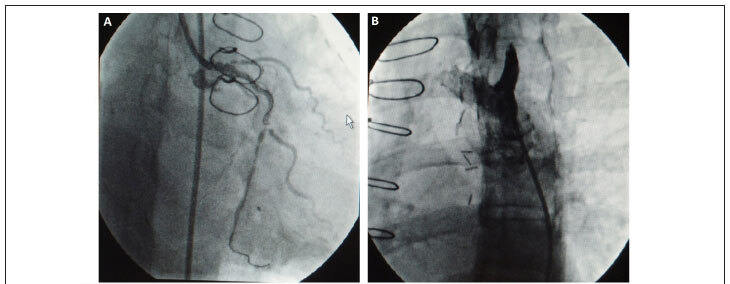
Steal of blood flow from the vertebral artery to the internal thoracic artery anastomosed to the coronary artery

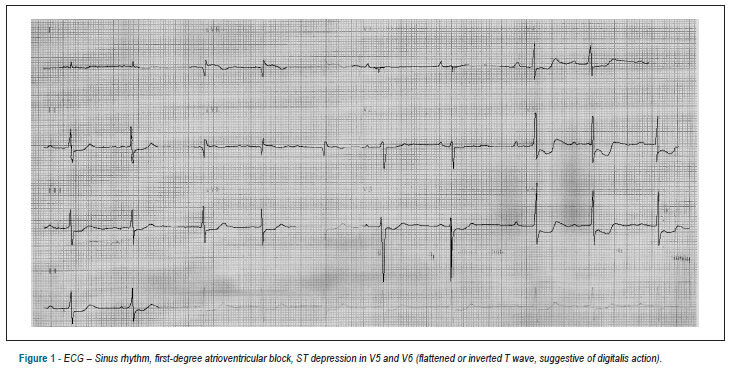
Jose Sebastião de Abreu et al. Nayara Lima Pimentel Jordana Magalhães Siqueira Carlos Newton Diógenes Pinheiro … Teresa Cristina Pinheiro Diógenes José Nogueira Paes Junior

CASE REPORT

[…]

Read Full Article
Creative Commons Attribution (CC BY) Creative Commons license
13/12/2013 DOI: 10.5935/abc.20130216 Views 1
Optimized treatment and heart rate reduction in chronic heart failure
Artigo Original

Optimized treatment and heart rate reduction in chronic heart failure

Irineu Blanco Moreno et al. Carlos Henrique Del Carlo Antônio Carlos Pereira-Barretto

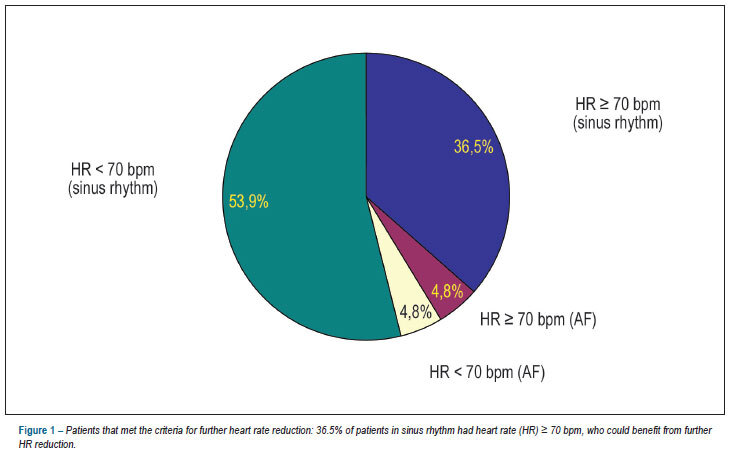
BACKGROUND: Heart failure (HF) is a syndrome that leads to poor outcome in advanced forms. The neurohormonal blockade modifies this natural history; however, it is often suboptimal. OBJECTIVE: The aim of this study is to assess at what percentage cardiologists used to treating HF can prescribe target doses of drugs of proven efficacy. METHODS: A total of 104 outpatients with systolic dysfunction were consecutively enrolled, all under stabilized treatment. Demographic and treatment data were evaluated and the doses achieved were verified. The findings are shown as percentages and correlations are made between different variables. RESULTS: The mean age of patients was 64.1 ± 14.2 years, with SBP =115.4 ± 15.3, HR = 67.8 ± 9.4 bpm, weight = 76.0 ± 17.0 kg and sinus rhythm (90.4%). As for treatment, 93.3% received a RAS blocker (ACEI 52.9%), all received beta-blockers (BB), the most often prescribed being carvedilol (92.3%). As for the doses: 97.1% of those receiving an ARB were below the optimal dose and of those who received ACEI, 52.7% received an optimized dose. As for the BB, target doses were prescribed to 76.0% of them. In this group of patients, most with BB target dose, it can be seen that 36.5% had HR > 70 bpm in sinus rhythm. CONCLUSION: Cardiologists used to treating HF can prescribe target doses of ACEI and BB to most patients. Even though they receive the recommended doses, about one third of patients persists with HR > 70 bpm and should have their treatment optimized.

  • Digoxin
  • Heart Failure
  • Heart Rate
  • Ventricular Dysfunction, Left
Read Full Article
Creative Commons Attribution (CC BY) Creative Commons license
08/10/2013 DOI: 10.5935/abc.20130201
Review Article

Antithrombotic strategy in the three first months following bioprosthetic heart valve implantation

André R. Durães et al. Milena A. O. Durães Luis C. L. Correia Roque Aras

Heart valve prosthesis unquestionably improve quality of life and survival of patients with severe valvular heart disease, but the need for antithrombotic therapy to prevent thromboembolic complications is a major challenge to clinicians and their patients. Of the articles analyzed, most were retrospective series of cases or historical cohorts obtained from the database. The few published randomized trials showed no statistical power to assess the primary outcome of death or thromboembolic event. In this article, we decided to perform a systematic literature review, in an attempt to answer the following question: what is the best antithrombotic strategy in the first three months after bioprosthetic heart valve implantation (mitral and aortic)? After two reviewers applying the extraction criteria, we found 1968 references, selecting 31 references (excluding papers truncated, which combined bioprosthesis with mechanical prosthesis, or without follow-up). Based on this literature review, there was a low level of evidence for any antithrombotic therapeutic strategy evaluated. It´s therefore interesting to use aspirin 75 to 100 mg / day as antithrombotic strategy after bioprosthesis replacement in the aortic position, regardless of etiology, for patients without other risk factors such as atrial fibrillation or previous thromboembolic event. In the mitral position, the risk of embolism, although low, is more relevant than in the aortic position, according to published series and retrospective cohorts comprised mostly of elderly non-rheumatic patients.

  • Fibrinolytic Agents
  • Heart Valve Prosthesis Implantation
  • Platelet Aggregation Inhibitors
  • Thromboembolism
Read Full Article
Creative Commons Attribution (CC BY) Creative Commons license
08/10/2013 DOI: 10.5935/abc.20130202 Views 1
Miniaturized self-expanding drug-eluting stent in small coronary arteries: late effectiveness
Artigo Original

Miniaturized self-expanding drug-eluting stent in small coronary arteries: late effectiveness

Flavio Roberto Azevedo de Oliveira et al. Luiz Alberto Piva e Mattos Alexandre Abizaid Andrea S. Abizaid … J. Ribamar Costa Ricardo Costa Rodolfo Staico Roberto Botelho J. Eduardo Sousa Amanda Sousa

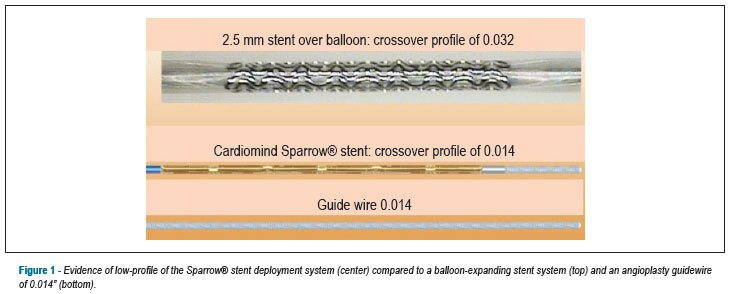
BACKGROUND: Small vessels represent a risk factor for restenosis in percutaneous coronary angioplasty (PCA). The Sparrow® self-expanding drug-eluting stent, which has a lower profile than the current systems, has never been tested in this scenario. OBJECTIVES: To evaluate the late effectiveness of the Sparrow® drug-eluting stent, regarding in-stent late lumen loss (LLL). METHODS: Patients with ischemia, symptomatic or documented, were submitted to PCA in vessels with reference diameter < 2.75 mm, divided into two groups regarding Sparrow® stent type: group 1: Sparrow® drug-eluting stent (DES), group 2: Sparrow® bare metal stent (BMS). Clinical follow-up duration was 12 months. Evaluation using quantitative coronary angiography (QCA) was performed immediately and at 8 months. A decrease of over 65% of in-stent LLL with DES was estimated to calculate sample size. IBM® SPSS software, release 19 (Chicago, Illinois, USA) was used for the statistical analysis. RESULTS: A total of 24 patients were randomized, 12 in each group. The DES and BMS groups were similar in age (63.25 ± 10.01 vs. 64.58 ± 11.54, p = 0.765), male gender (58.3% vs. 33.3%, p = 0.412), risk factors and all angiographs aspects. Immediate results were satisfactory in both groups. At 8 months in-stent late lumen loss was significantly lower in DES than in BMS group (DES vs. BMS 0.25 ± 0.16 0.97 ± 0.76, p = 0.008). CONCLUSION: In small-vessel PCA, the Sparrow® DES determined significant reduction in in-stent LLL, when compared to Sparrow® BMS.

  • Angioplasty, Balloon, Coronary
  • Comparative Study
  • Drug-Eluting Stents
  • Randomized Controlled Trial
Read Full Article
Creative Commons Attribution (CC BY) Creative Commons license
08/10/2013 DOI: 10.5935/abc.20130199
Criteria for mitral regurgitation classification were inadequate for dilated cardiomyopathy
Artigo Original

Criteria for mitral regurgitation classification were inadequate for dilated cardiomyopathy

Frederico José Neves Mancuso et al. Valdir Ambrosio Moisés Dirceu Rodrigues Almeida Wercules Antonio Oliveira … Dalva Poyares Flavio Souza Brito Angelo Amato Vincenzo de Paola Antonio Carlos Camargo Carvalho Orlando Campos

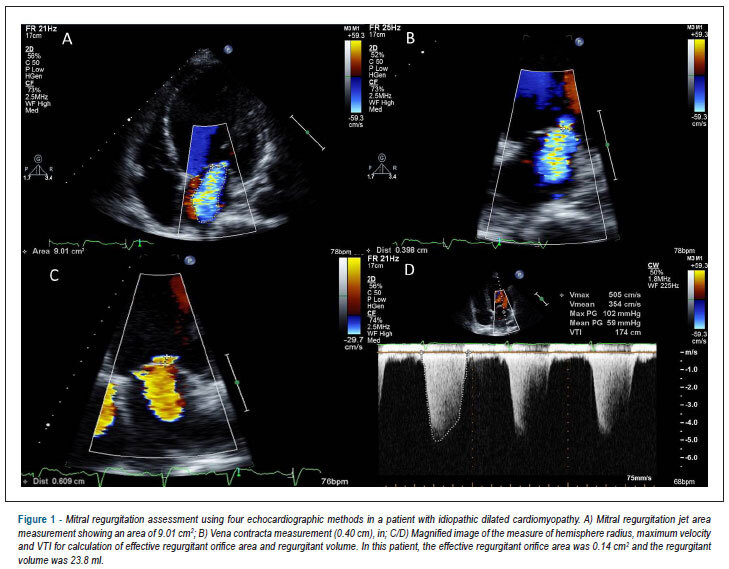
BACKGROUND: Mitral regurgitation (MR) is common in patients with dilated cardiomyopathy (DCM). It is unknown whether the criteria for MR classification are inadequate for patients with DCM. OBJECTIVE: We aimed to evaluate the agreement among the four most common echocardiographic methods for MR classification. METHODS: Ninety patients with DCM were included. Functional MR was classified using four echocardiographic methods: color flow jet area (JA), vena contracta (VC), effective regurgitant orifice area (ERO) and regurgitant volume (RV). MR was classified as mild, moderate or important according to the American Society of Echocardiography criteria and by dividing the values into terciles. The Kappa test was used to evaluate whether the methods agreed, and the Pearson correlation coefficient was used to evaluate the correlation between the absolute values of each method. RESULTS: MR classification according to each method was as follows: JA: 26 mild, 44 moderate, 20 important; VC: 12 mild, 72 moderate, 6 important; ERO: 70 mild, 15 moderate, 5 important; RV: 70 mild, 16 moderate, 4 important. The agreement was poor among methods (kappa=0.11; p<0.001). It was observed a strong correlation between the absolute values of each method, ranging from 0.70 to 0.95 (p<0.01) and the agreement was higher when values were divided into terciles (kappa = 0.44; p < 0.01) CONCLUSION: The use of conventional echocardiographic criteria for MR classification seems inadequate in patients with DCM. It is necessary to establish new cutoff values for MR classification in these patients.

  • Cardiomyopathy, Dilated
  • Echocardiography
  • Mitral Valve Insufficiency
Read Full Article
Creative Commons Attribution (CC BY) Creative Commons license
08/10/2013 DOI: 10.5935/abc.20130200 Views 1
Artigo Original

Analysis of the sensitivity and specificity of noninvasive imaging tests for the diagnosis of renal artery stenosis

Flavio Antonio de Oliveira Borelli et al. Ibraim M. F. Pinto Celso Amodeo Paola E. P. Smanio … Antonio M. Kambara Ana Claudia G. Petisco Samuel M. Moreira Ricardo Calil Paiva Hugo Belotti Lopes Amanda G. M. R. Sousa

BACKGROUND: Aging and atherosclerosis are related to renovascular hypertension in elderly individuals. Regardless of comorbidities, renal artery stenosis is itself an important cause of cardiovascular morbidity and mortality. OBJECTIVE: To define the sensitivity, specificity, positive predictive value, and negative predictive value of noninvasive imaging tests used in the diagnosis of renal artery stenosis. METHODS: In a group of 61 patients recruited, 122 arteries were analized, thus permitting the definition of sensitivity, specificity, and the relative contribution of each imaging study performed (Doppler, scintigraphy and computed tomographic angiography in comparison to renal arteriography). RESULTS: The mean age was 65.43 years (standard deviation: 8.7). Of the variables related to the study population that were compared to arteriography, two correlated with renal artery stenosis, renal dysfunction and triglycerides. The median glomerular filtration rate was 52.8 mL/min/m². Doppler showed sensitivity of 82.90%, specificity of 70%, a positive predictive value of 85% and negative predictive value of 66.70%. For tomography, sensitivity was 66.70%, specificity 80%, positive predictive value 87.50% and negative predictive value 55.20%. With these findings, we could identify the imaging tests that best detected stenosis. CONCLUSION: Tomography and Doppler showed good quality and efficacy in the diagnosis of renal artery stenosis, with Doppler having the advantage of not requiring the use of contrast medium for the assessment of a disease that is common in diabetics and is associated with renal dysfunction and severe left ventricular dysfunction.

  • Doppler Echocardiography
  • hypertension, renovascular
  • Magnetic Resonance Imaging
  • Renal Artery Obstruction
Read Full Article
Creative Commons Attribution (CC BY) Creative Commons license
24/09/2013 DOI: 10.5935/abc.20130191
Left ventricular synchrony and function in pediatric patients with definitive pacemakers
Artigo Original

Left ventricular synchrony and function in pediatric patients with definitive pacemakers

Michel Cabrera Ortega et al. Adel Eladio Gonzales Morejón Giselle Serrano Ricardo

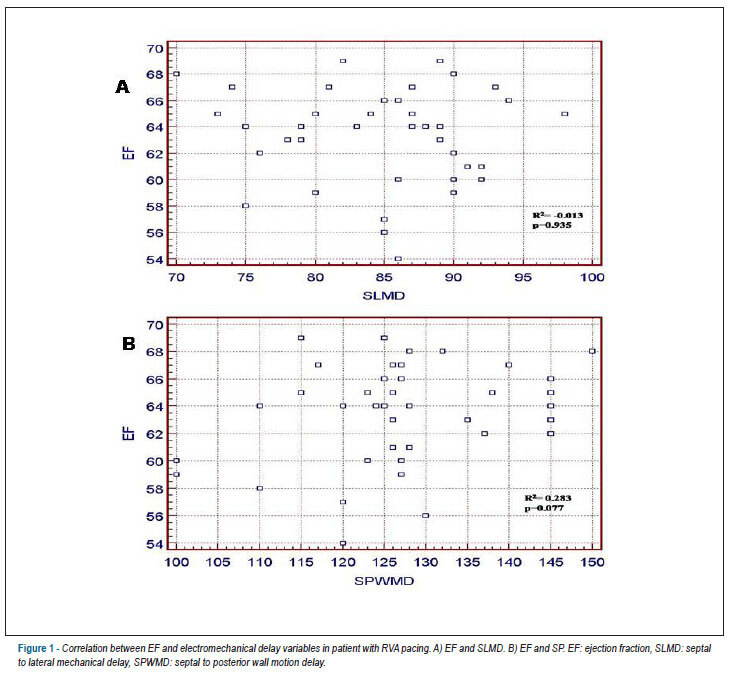
BACKGROUND: Chronic right ventricular pacing (RVP) induces a dyssynchronous contraction pattern,producing interventricular and intraventricular asynchrony. Many studies have shown the relationship of RVP with impaired left ventricular (LV) form and function. OBJECTIVE: The aim of this study was to evaluate LV synchrony and function in pediatric patients receiving RVP in comparison with those receiving LV pacing (LVP). METHODS:LV systolic and diastolic function and synchrony were evaluated in 80 pediatric patients with either nonsurgical or postsurgical complete atrioventricular block, with pacing from either the RV endocardium (n = 40) or the LV epicardium (n = 40). Echocardiographic data obtained before pacemaker implantation, immediately after it, and at the end of a mean follow-up of 6.8 years were analyzed. RESULTS: LV diastolic function did not change in any patient during follow-up. LV systolic function was preserved in patients with LVP. However, in children with RVP the shortening fraction and ejection fraction decreased from medians of 41% ± 2.6% and 70% ± 6.9% before implantation to 32% ± 4.2% and 64% ± 2.5% (p < 0.0001 and p < 0.0001), respectively, at final follow-up. Interventricular mechanical delay was significantly larger with RVP (66 ± 13 ms) than with LVP (20 ± 8 ms). Similarly, the following parameters were significantly different in the two groups: LV mechanical delay (RVP: 69 ± 6 ms, LVP: 30 ± 11 ms, p < 0.0001); septal to lateral wall motion delay (RVP: 75 ± 19 ms, LVP: 42 ± 10 ms, p < 0.0001); and, septal to posterior wall motion delay (RVP: 127 ± 33 ms, LVP: 58 ± 17 ms, p < 0.0001). CONCLUSION: Compared with RV endocardium, LV epicardium is an optimal site for pacing to preserve cardiac synchrony and function.

  • Artificial
  • Cardiac Pacing, Artificial
  • Child
  • Myocardial Contraction
  • Pacemaker
  • Ventricular Function, Left
Read Full Article
Creative Commons Attribution (CC BY) Creative Commons license
24/09/2013 DOI: 10.5935/abc.20130189
Artigo Original

Risk of ionizing radiation in women of childbearing age undergoing radiofrequency ablation

Gustavo Glotz de Lima et al. Daniel Garcia Gomes Caroline Saltz Gensas Mariana Fernandez Simão … Matheus N. Rios Leonardo Martins Pires Marcelo Lapa Kruse Tiago Luiz Luz Leiria

BACKGROUND: The International Commission of Radiology recommends a pregnancy screening test to all female patients of childbearing age who will undergo a radiological study. Radiation is known to be teratogenic and its effect is cumulative. The teratogenic potential starts at doses close to those used during these procedures. The prevalence of positive pregnancy tests in patients undergoing electrophysiological studies and/or catheter ablation in our midst is unknown. OBJECTIVE: To evaluate the prevalence of positive pregnancy tests in female patients referred for electrophysiological study and/or radiofrequency ablation. METHODS: Cross-sectional study analyzing 2966 patients undergoing electrophysiological study and/or catheter ablation, from June 1997 to February 2013, in the Institute of Cardiology of Rio Grande do Sul. A total of 1490 procedures were performed in women, of whom 769 were of childbearing age. All patients were screened with a pregnancy test on the day before the procedure. RESULTS: Three patients tested positive, and were therefore unable to undergo the procedure. The prevalence observed was 3.9 cases per 1000 women of childbearing age. CONCLUSION: Because of their safety and low cost, pregnancy screening tests are indicated for all women of childbearing age undergoing radiological studies, since the degree of ionizing radiation needed for these procedures is very close to the threshold for teratogenicity, especially in the first trimester, when the signs of pregnancy are not evident.

  • Catheter Ablation
  • Fertile Period
  • Radiation, Ionizing;
  • Risk Assessment
  • Women
Read Full Article
Creative Commons Attribution (CC BY) Creative Commons license
24/09/2013 DOI: 10.5935/abc.20130192
Artigo Original

Mechanical dyssynchrony is similar in different patterns of left bundle-branch block

Rodrigo Bellio de Mattos Barretto et al. Leopoldo Soares Piegas Jorge Eduardo Assef José Francisco Melo Neto … Thiago Uchoa Resende Dalmo Antonio Moreira David Costa LeBihan Francisco Faustino França Romeu Sérgio Meneghelo Amanda Guerra Moraes Rego Sousa

BACKGROUND: Left bundle-branch block (LBBB) and the presence of systolic dysfunction are the major indications for cardiac resynchronization therapy (CRT). Mechanical ventricular dyssynchrony on echocardiography can help identify patients responsive to CRT. Left bundle-branch block can have different morphologic patterns. OBJECTIVE: To compare the prevalence of mechanical dyssynchrony in different patterns of LBBB in patients with left systolic dysfunction. METHODS: This study assessed 48 patients with ejection fraction (EF) 150 ms. RESULTS: The patients’ mean age was 60 ± 11 years, 24 were males, and mean EF was 29% ± 7%. Thirty-two had QRS > 150 ms, and22, an electrical axis between -30º and +90º. Interventricular dyssynchrony was identified in 73% of the patients, while intraventricular dyssynchrony, in 37%-98%. Patients with QRS > 150 ms had larger left atrium and ventricle, and lower EF (p < 0.05). Left electrical axis deviation associated with worse diastolic function and greater atrial diameter. Interventricular and intraventricular mechanical dyssynchrony (ten methods) was similar in the different LBBB patterns (p = ns). CONCLUSION: In the two different electrocardiographic patterns of LBBB analyzed, no difference regarding the presence of mechanical dyssynchrony was observed.

  • Bundle Branch Block
  • Cardiac Resynchronization Therapy
  • Stroke Volume
  • Ventricular Dysfunction
Read Full Article
Creative Commons Attribution (CC BY) Creative Commons license
24/09/2013 DOI: 10.5935/abc.20130190 Views 2
Serum adiponectin and cardiometabolic risk in patients with acute coronary syndromes
Artigo Original

Serum adiponectin and cardiometabolic risk in patients with acute coronary syndromes

Gustavo Bernardes de Figueiredo Oliveira et al. João Ítalo Dias França Leopoldo Soares Piegas

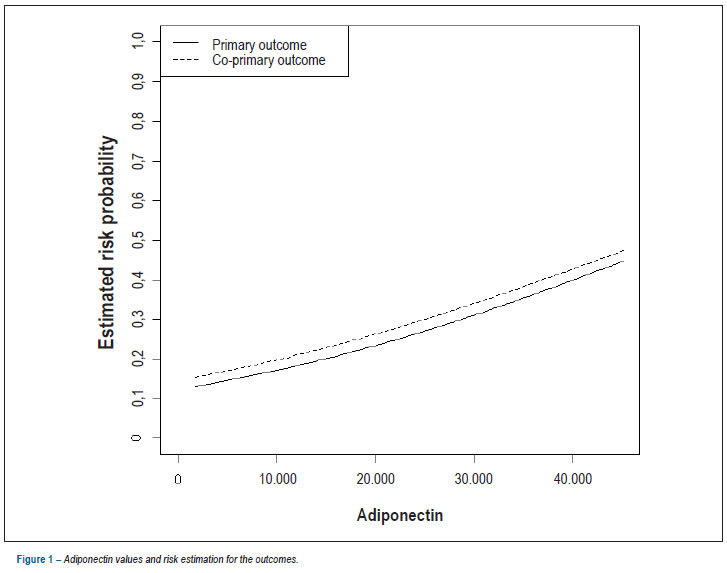
BACKGROUND: The adipose tissue is considered not only a storable energy source, but mainly an endocrine organ that secretes several cytokines. Adiponectin, a novel protein similar to collagen, has been found to be an adipocyte-specific cytokine and a promising cardiovascular risk marker. OBJECTIVES: To evaluate the association between serum adiponectin levels and the risk for cardiovascular events in patients with acute coronary syndromes (ACS), as well as the correlations between adiponectin and metabolic, inflammatory, and myocardial biomarkers. METHODS: We recruited 114 patients with ACS and a mean 1.13-year follow-up to measure clinical outcomes. Clinical characteristics and biomarkers were compared according to adiponectin quartiles. Cox proportional hazard regression models with Firth’s penalization were applied to assess the independent association between adiponectin and the subsequent risk for both primary (composite of cardiovascular death/non-fatal acute myocardial infarction (AMI)/non-fatal stroke) and co-primary outcomes (composite of cardiovascular death/non-fatal AMI/non-fatal stroke/rehospitalization requiring revascularization). RESULTS: There were significant direct correlations between adiponectin and age, HDL-cholesterol, and B-type natriuretic peptide (BNP), and significant inverse correlations between adiponectin and waist circumference, body weight, body mass index, Homeostasis Model Assessment (HOMA) index, triglycerides, and insulin. Adiponectin was associated with higher risk for primary and co-primary outcomes (adjusted HR 1.08 and 1.07/increment of 1000; p = 0.01 and p = 0.02, respectively). CONCLUSION: In ACS patients, serum adiponectin was an independent predictor of cardiovascular events. In addition to the anthropometric and metabolic correlations, there was a significant direct correlation between adiponectin and BNP.

  • Acute coronary syndrome
  • Adiponectin
  • Insulin Resistance
  • Metabolic Syndrome X
  • Risk Factors
Read Full Article
Creative Commons Attribution (CC BY) Creative Commons license
13/09/2013 DOI: 10.5935/abc.20130186 Views 1
Triceps skinfold as a prognostic predictor in outpatient heart failure
Artigo Original

Triceps skinfold as a prognostic predictor in outpatient heart failure

Priccila Zuchinali et al. Gabriela Corrêa Souza Fernanda Donner Alves Karina Sanches Machado d'Almeida … Lívia Adams Goldraich Nadine Oliveira Clausell Luis Eduardo Paim Rohde

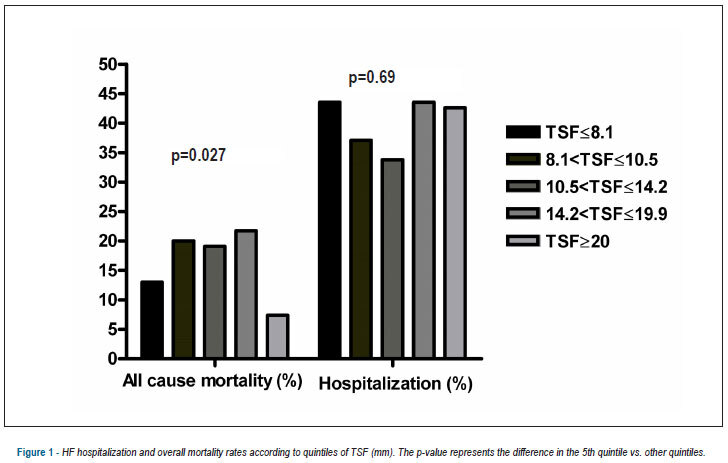
BACKGROUND: Most reports regarding the obesity paradox have focused on body mass index (BMI) to classify obesity and the prognostic values of other indirect measurements of body composition remain poorly examined in heart failure (HF). Objective: To evaluate the association between BMI and other indirect, but easily accessible, body composition measurements associated with the risk of all-cause mortality in HF. METHODS: Anthropometric parameters of body composition were assessed in 344 outpatients with a left ventricular ejection fraction (LVEF) of 20 mm was present in 9% of patients that died and 22% of those who survived (p = 0.027). Univariate analysis showed that serum creatinine level, LVEF, and NYHA class were associated with the risk of death, while Cox proportional hazard regression analysis showed that TSF > 20 was a strong independent predictor of all-cause mortality (hazard ratio = 0.36; 95% confidence interval = 0.13-0.97, p = 0.03). CONCLUSION: Although BMI is the most widely used anthropometric parameter in clinical practice, our results suggested that TSF is a better predictive marker of mortality in HF outpatients.

  • Body Composition
  • body mass index
  • Heart Failure
  • Mortality
Read Full Article
Creative Commons Attribution (CC BY) Creative Commons license
13/09/2013 DOI: 10.5935/abc.20130185
Does the aging process significantly modify the Mean Heart Rate?
Artigo Original

Does the aging process significantly modify the Mean Heart Rate?

Marcos Antonio Almeida Santos et al. Antonio Carlos Sobral Sousa Francisco Prado Reis Thayná Ramos Santos … Sonia Oliveira Lima José Augusto Barreto-Filho

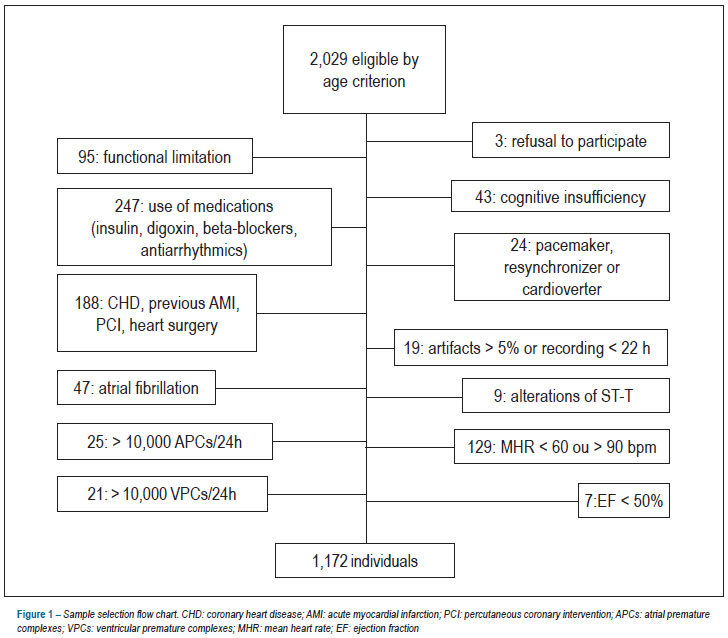
BACKGROUND: The Mean Heart Rate (MHR) tends to decrease with age. When adjusted for gender and diseases, the magnitude of this effect is unclear. OBJECTIVES: To analyze the MHR in a stratified sample of active and functionally independent individuals. METHODS: A total of 1,172 patients aged > 40 years underwent Holter monitoring and were stratified by age group: 1 = 40-49, 2 = 50-59, 3 = 60-69, 4 = 70-79, 5 = > 80 years. The MHR was evaluated according to age and gender, adjusted for Hypertension (SAH), dyslipidemia and non-insulin dependent diabetes mellitus (NIDDM). Several models of ANOVA, correlation and linear regression were employed. A two-tailed p value <0.05 was considered significant (95% CI). RESULTS: The MHR tended to decrease with the age range: 1 = 77.20 ± 7.10; 2 = 76.66 ± 7.07; 3 = 74.02 ± 7.46; 4 = 72.93 ± 7.35; 5 = 73.41 ± 7.98 (p < 0.001). Women showed a correlation with higher MHR (p <0.001). In the ANOVA and regression models, age and gender were predictors (p < 0.001). However, R² and ETA² < 0.10, as well as discrete standardized beta coefficients indicated reduced effect. Dyslipidemia, hypertension and DM did not influence the findings. CONCLUSION: The MHR decreased with age. Women had higher values of MHR, regardless of the age group. Correlations between MHR and age or gender, albeit significant, showed the effect magnitude had little statistical relevance. The prevalence of SAH, dyslipidemia and diabetes mellitus did not influence the results.

  • aging
  • Electrocardiography, Ambulatory
  • Heart Rate
Read Full Article
Creative Commons Attribution (CC BY) Creative Commons license
13/09/2013 DOI: 10.5935/abc.20130188

How to cite this article

EndNote RIS

Electronic Document Format (Vancouver)

Rochitte CE, Hoette S, Souza R. Myocardial delayed enhancement by cardiac magnetic resonance imaging in Pulmonary Arterial Hypertension: a marker of disease severity. Arquivos Brasileiros de Cardiologia 2013;101(5):377-8.

Electronic Document Format (ABNT)

Rochitte, Carlos Eduardo; Hoette, Susana; Souza, Rogério. Myocardial delayed enhancement by cardiac magnetic resonance imaging in Pulmonary Arterial Hypertension: a marker of disease severity. Arquivos Brasileiros de Cardiologia, v. 101, n. 5, p. 377-378, Dec. 2013.

Electronic Document Format (APA)

Rochitte, C. E., Hoette, S., & Souza, R. (2013). Myocardial delayed enhancement by cardiac magnetic resonance imaging in Pulmonary Arterial Hypertension: a marker of disease severity. Arquivos Brasileiros de Cardiologia, 101(5), 377-378.

Electronic Document Format (ISO)

Rochitte, Carlos Eduardo and Hoette, Susana and Souza, Rogério. Myocardial delayed enhancement by cardiac magnetic resonance imaging in Pulmonary Arterial Hypertension: a marker of disease severity. Arquivos Brasileiros de Cardiologia [online]. 2013, vol. 101, n. 5, [cited 2026-10-14], pp. 377-378. Available from: <https://journals.cardiol.br/en/article/myocardial-delayed-enhancement-by-cardiac-magnetic-resonance-imaging-in-pulmonary-arterial-hypertension-a-marker-of-disease-severity/>. ISSN 0066-782X

EndNote RIS

Electronic Document Format (Vancouver)

Mediano MFF, Sousa AS, Hasslocher-Moreno AM. Sports events and Acute Coronary Syndrome: possible confounding factors and bias. Arquivos Brasileiros de Cardiologia 2013;101(5):474-5.

Electronic Document Format (ABNT)

Mediano, Mauro Felippe Felix; Sousa, Andrea Silvestre de; Hasslocher-Moreno, Alejandro Marcel. Sports events and Acute Coronary Syndrome: possible confounding factors and bias. Arquivos Brasileiros de Cardiologia, v. 101, n. 5, p. 474-475, Dec. 2013.

Electronic Document Format (APA)

Mediano, M. F. F., Sousa, A. S. , & Hasslocher-Moreno, A. M. (2013). Sports events and Acute Coronary Syndrome: possible confounding factors and bias. Arquivos Brasileiros de Cardiologia, 101(5), 474-475.

Electronic Document Format (ISO)

Mediano, Mauro Felippe Felix and Sousa, Andrea Silvestre de and Hasslocher-Moreno, Alejandro Marcel. Sports events and Acute Coronary Syndrome: possible confounding factors and bias. Arquivos Brasileiros de Cardiologia [online]. 2013, vol. 101, n. 5, [cited 2026-10-14], pp. 474-475. Available from: <https://journals.cardiol.br/en/article/sports-events-and-acute-coronary-syndrome-possible-confounding-factors-and-bias/>. ISSN 0066-782X

EndNote RIS

Electronic Document Format (Vancouver)

Sanchis J, Bayes-Genis A, Isla LP. Acute coronary syndromes in 2011 and 2012. Arquivos Brasileiros de Cardiologia 2013;101(5):473.

Electronic Document Format (ABNT)

Sanchis, Juan; Bayes-Genis, Antoni; Isla, Leopoldo Pérez de. Acute coronary syndromes in 2011 and 2012. Arquivos Brasileiros de Cardiologia, v. 101, n. 5, p. 473-473, Dec. 2013.

Electronic Document Format (APA)

Sanchis, J., Bayes-Genis, A., & Isla, L. P. (2013). Acute coronary syndromes in 2011 and 2012. Arquivos Brasileiros de Cardiologia, 101(5), 473-473.

Electronic Document Format (ISO)

Sanchis, Juan and Bayes-Genis, Antoni and Isla, Leopoldo Pérez de. Acute coronary syndromes in 2011 and 2012. Arquivos Brasileiros de Cardiologia [online]. 2013, vol. 101, n. 5, [cited 2026-10-14], pp. 473-473. Available from: <https://journals.cardiol.br/en/article/acute-coronary-syndromes-in-2011-and-2012/>. ISSN 0066-782X

EndNote RIS

Electronic Document Format (Vancouver)

Estañol B, Delgado G, Borgstein J. Korotkoff sounds: the improbable also occurs. Arquivos Brasileiros de Cardiologia 2013;101(5):e99-e105.

Electronic Document Format (ABNT)

Estañol, Bruno; Delgado, Guillermo; Borgstein, Johannes. Korotkoff sounds: the improbable also occurs. Arquivos Brasileiros de Cardiologia, v. 101, n. 5, p. e99-e105, Dec. 2013.

Electronic Document Format (APA)

Estañol, B., Delgado, G., & Borgstein, J. (2013). Korotkoff sounds: the improbable also occurs. Arquivos Brasileiros de Cardiologia, 101(5), e99-e105.

Electronic Document Format (ISO)

Estañol, Bruno and Delgado, Guillermo and Borgstein, Johannes. Korotkoff sounds: the improbable also occurs. Arquivos Brasileiros de Cardiologia [online]. 2013, vol. 101, n. 5, [cited 2026-10-14], pp. e99-e105. Available from: <https://journals.cardiol.br/en/article/korotkoff-sounds-the-improbable-also-occurs/>. ISSN 0066-782X

EndNote RIS

Electronic Document Format (Vancouver)

Politi TR, Gutierrez PS. Case 5: a 73 year-old man with heart failure, preserved systolic function and associated renal failure. Arquivos Brasileiros de Cardiologia 2013;101(5):e86-94.

Electronic Document Format (ABNT)

Politi, Tiago Rodrigues; Gutierrez, Paulo Sampaio. Case 5: a 73 year-old man with heart failure, preserved systolic function and associated renal failure. Arquivos Brasileiros de Cardiologia, v. 101, n. 5, p. e86-e94, Dec. 2013.

Electronic Document Format (APA)

Politi, T. R., & Gutierrez, P. S. (2013). Case 5: a 73 year-old man with heart failure, preserved systolic function and associated renal failure. Arquivos Brasileiros de Cardiologia, 101(5), e86-e94.

Electronic Document Format (ISO)

Politi, Tiago Rodrigues and Gutierrez, Paulo Sampaio. Case 5: a 73 year-old man with heart failure, preserved systolic function and associated renal failure. Arquivos Brasileiros de Cardiologia [online]. 2013, vol. 101, n. 5, [cited 2026-10-14], pp. e86-e94. Available from: <https://journals.cardiol.br/en/article/case-5-a-73-year-old-man-with-heart-failure-preserved-systolic-function-and-associated-renal-failure/>. ISSN 0066-782X

EndNote RIS

Electronic Document Format (Vancouver)

Abreu JS, Pimentel NL, Siqueira JM, Pinheiro CND, Diógenes TCP, Paes Junior JN. Steal of blood flow from the vertebral artery to the internal thoracic artery anastomosed to the coronary artery. Arquivos Brasileiros de Cardiologia 2013;101(5):e95-8.

Electronic Document Format (ABNT)

Abreu, Jose Sebastião de; Pimentel, Nayara Lima; Siqueira, Jordana Magalhães; Pinheiro, Carlos Newton Diógenes; Diógenes, Teresa Cristina Pinheiro; Paes Junior, José Nogueira. Steal of blood flow from the vertebral artery to the internal thoracic artery anastomosed to the coronary artery. Arquivos Brasileiros de Cardiologia, v. 101, n. 5, p. e95-e98, Dec. 2013.

Electronic Document Format (APA)

Abreu, J. S. , Pimentel, N. L., Siqueira, J. M., Pinheiro, C. N. D., Diógenes, T. C. P., & Paes Junior, J. N. (2013). Steal of blood flow from the vertebral artery to the internal thoracic artery anastomosed to the coronary artery. Arquivos Brasileiros de Cardiologia, 101(5), e95-e98.

Electronic Document Format (ISO)

Abreu, Jose Sebastião de and Pimentel, Nayara Lima and Siqueira, Jordana Magalhães and Pinheiro, Carlos Newton Diógenes and Diógenes, Teresa Cristina Pinheiro and Paes Junior, José Nogueira. Steal of blood flow from the vertebral artery to the internal thoracic artery anastomosed to the coronary artery. Arquivos Brasileiros de Cardiologia [online]. 2013, vol. 101, n. 5, [cited 2026-10-14], pp. e95-e98. Available from: <https://journals.cardiol.br/en/article/steal-of-blood-flow-from-the-vertebral-artery-to-the-internal-thoracic-artery-anastomosed-to-the-coronary-artery/>. ISSN 0066-782X

EndNote RIS

Electronic Document Format (Vancouver)

Moreno IB, Carlo HD, Pereira-Barretto AC. Optimized treatment and heart rate reduction in chronic heart failure. Arquivos Brasileiros de Cardiologia 2013;101(5):442-8.

Electronic Document Format (ABNT)

Moreno, Irineu Blanco; Carlo, s Henrique Del; Pereira-Barretto, Antônio Carlos. Optimized treatment and heart rate reduction in chronic heart failure. Arquivos Brasileiros de Cardiologia, v. 101, n. 5, p. 442-448, Oct. 2013.

Electronic Document Format (APA)

Moreno, I. B., Carlo, H. D., & Pereira-Barretto, A. C. (2013). Optimized treatment and heart rate reduction in chronic heart failure. Arquivos Brasileiros de Cardiologia, 101(5), 442-448.

Electronic Document Format (ISO)

Moreno, Irineu Blanco and Carlo, s Henrique Del and Pereira-Barretto, Antônio Carlos. Optimized treatment and heart rate reduction in chronic heart failure. Arquivos Brasileiros de Cardiologia [online]. 2013, vol. 101, n. 5, [cited 2026-10-14], pp. 442-448. Available from: <https://journals.cardiol.br/en/article/optimized-treatment-and-heart-rate-reduction-in-chronic-heart-failure/>. ISSN 0066-782X

EndNote RIS

Electronic Document Format (Vancouver)

Durães AR, Durães MAO, Correia LCL, Aras R. Antithrombotic strategy in the three first months following bioprosthetic heart valve implantation. Arquivos Brasileiros de Cardiologia 2013;101(5):466-72.

Electronic Document Format (ABNT)

Durães, André R.; Durães, Milena A. O.; Correia, Luis C. L.; Aras, Roque. Antithrombotic strategy in the three first months following bioprosthetic heart valve implantation. Arquivos Brasileiros de Cardiologia, v. 101, n. 5, p. 466-472, Oct. 2013.

Electronic Document Format (APA)

Durães, A. R., Durães, M. A. O., Correia, L. C. L., & Aras, R. (2013). Antithrombotic strategy in the three first months following bioprosthetic heart valve implantation. Arquivos Brasileiros de Cardiologia, 101(5), 466-472.

Electronic Document Format (ISO)

Durães, André R. and Durães, Milena A. O. and Correia, Luis C. L. and Aras, Roque. Antithrombotic strategy in the three first months following bioprosthetic heart valve implantation. Arquivos Brasileiros de Cardiologia [online]. 2013, vol. 101, n. 5, [cited 2026-10-14], pp. 466-472. Available from: <https://journals.cardiol.br/en/article/antithrombotic-strategy-in-the-three-first-months-following-bioprosthetic-heart-valve-implantation/>. ISSN 0066-782X

EndNote RIS

Electronic Document Format (Vancouver)

Oliveira FRA, Mattos LAP, Abizaid A, Abizaid AS, Costa JR, Costa R, Staico R, et al. Miniaturized self-expanding drug-eluting stent in small coronary arteries: late effectiveness. Arquivos Brasileiros de Cardiologia 2013;101(5):379-87.

Electronic Document Format (ABNT)

Oliveira, Flavio Roberto Azevedo de; Mattos, Luiz Alberto Piva e; Abizaid, Alexandre; Abizaid, Andrea S.; Costa, J. Ribamar; Costa, Ricardo; Staico, Rodolfo; Botelho, Roberto; Sousa, J. Eduardo; Sousa, Amanda. Miniaturized self-expanding drug-eluting stent in small coronary arteries: late effectiveness. Arquivos Brasileiros de Cardiologia, v. 101, n. 5, p. 379-387, Oct. 2013.

Electronic Document Format (APA)

Oliveira, F. R. A. , Mattos, L. A. P. , Abizaid, A., Abizaid, A. S., Costa, J. R., Costa, R., Staico, R., Botelho, R., Sousa, J. E., & Sousa, A. (2013). Miniaturized self-expanding drug-eluting stent in small coronary arteries: late effectiveness. Arquivos Brasileiros de Cardiologia, 101(5), 379-387.

Electronic Document Format (ISO)

Oliveira, Flavio Roberto Azevedo de and Mattos, Luiz Alberto Piva e and Abizaid, Alexandre and Abizaid, Andrea S. and Costa, J. Ribamar and Costa, Ricardo and Staico, Rodolfo and Botelho, Roberto and Sousa, J. Eduardo and Sousa, Amanda. Miniaturized self-expanding drug-eluting stent in small coronary arteries: late effectiveness. Arquivos Brasileiros de Cardiologia [online]. 2013, vol. 101, n. 5, [cited 2026-10-14], pp. 379-387. Available from: <https://journals.cardiol.br/en/article/miniaturized-self-expanding-drug-eluting-stent-in-small-coronary-arteries-late-effectiveness/>. ISSN 0066-782X

EndNote RIS

Electronic Document Format (Vancouver)

Mancuso FJN, Moisés VA, Almeida DR, Oliveira WA, Poyares D, Brito FS, Paola AAV, et al. Criteria for mitral regurgitation classification were inadequate for dilated cardiomyopathy. Arquivos Brasileiros de Cardiologia 2013;101(5):457-65.

Electronic Document Format (ABNT)

Mancuso, Frederico José Neves; Moisés, Valdir Ambrosio; Almeida, Dirceu Rodrigues; Oliveira, Wercules Antonio; Poyares, Dalva; Brito, Flavio Souza; Paola, Angelo Amato Vincenzo de; Carvalho, Antonio Carlos Camargo; Campos, Orlando. Criteria for mitral regurgitation classification were inadequate for dilated cardiomyopathy. Arquivos Brasileiros de Cardiologia, v. 101, n. 5, p. 457-465, Oct. 2013.

Electronic Document Format (APA)

Mancuso, F. J. N., Moisés, V. A., Almeida, D. R., Oliveira, W. A., Poyares, D., Brito, F. S., Paola, A. A. V. , Carvalho, A. C. C., & Campos, O. (2013). Criteria for mitral regurgitation classification were inadequate for dilated cardiomyopathy. Arquivos Brasileiros de Cardiologia, 101(5), 457-465.

Electronic Document Format (ISO)

Mancuso, Frederico José Neves and Moisés, Valdir Ambrosio and Almeida, Dirceu Rodrigues and Oliveira, Wercules Antonio and Poyares, Dalva and Brito, Flavio Souza and Paola, Angelo Amato Vincenzo de and Carvalho, Antonio Carlos Camargo and Campos, Orlando. Criteria for mitral regurgitation classification were inadequate for dilated cardiomyopathy. Arquivos Brasileiros de Cardiologia [online]. 2013, vol. 101, n. 5, [cited 2026-10-14], pp. 457-465. Available from: <https://journals.cardiol.br/en/article/criteria-for-mitral-regurgitation-classification-were-inadequate-for-dilated-cardiomyopathy/>. ISSN 0066-782X

EndNote RIS

Electronic Document Format (Vancouver)

Borelli FAO, Pinto IMF, Amodeo C, Smanio PEP, Kambara AM, Petisco ACG, Moreira SM, et al. Analysis of the sensitivity and specificity of noninvasive imaging tests for the diagnosis of renal artery stenosis. Arquivos Brasileiros de Cardiologia 2013;101(5):423-3.

Electronic Document Format (ABNT)

Borelli, Flavio Antonio de Oliveira; Pinto, Ibraim M. F.; Amodeo, Celso; Smanio, Paola E. P.; Kambara, Antonio M.; Petisco, Ana Claudia G.; Moreira, Samuel M.; Paiva, Ricardo Calil; Lopes, Hugo Belotti; Sousa, Amanda G. M. R.. Analysis of the sensitivity and specificity of noninvasive imaging tests for the diagnosis of renal artery stenosis. Arquivos Brasileiros de Cardiologia, v. 101, n. 5, p. 423-433, Sep. 2013.

Electronic Document Format (APA)

Borelli, F. A. O., Pinto, I. M. F., Amodeo, C., Smanio, P. E. P., Kambara, A. M., Petisco, A. C. G., Moreira, S. M., Paiva, R. C., Lopes, H. B., & Sousa, A. G. M. R. (2013). Analysis of the sensitivity and specificity of noninvasive imaging tests for the diagnosis of renal artery stenosis. Arquivos Brasileiros de Cardiologia, 101(5), 423-433.

Electronic Document Format (ISO)

Borelli, Flavio Antonio de Oliveira and Pinto, Ibraim M. F. and Amodeo, Celso and Smanio, Paola E. P. and Kambara, Antonio M. and Petisco, Ana Claudia G. and Moreira, Samuel M. and Paiva, Ricardo Calil and Lopes, Hugo Belotti and Sousa, Amanda G. M. R.. Analysis of the sensitivity and specificity of noninvasive imaging tests for the diagnosis of renal artery stenosis. Arquivos Brasileiros de Cardiologia [online]. 2013, vol. 101, n. 5, [cited 2026-10-14], pp. 423-433. Available from: <https://journals.cardiol.br/en/article/analysis-of-the-sensitivity-and-specificity-of-noninvasive-imaging-tests-for-the-diagnosis-of-renal-artery-stenosis/>. ISSN 0066-782X

EndNote RIS

Electronic Document Format (Vancouver)

Ortega MC, Morejón AEG, Ricardo GS. Left ventricular synchrony and function in pediatric patients with definitive pacemakers. Arquivos Brasileiros de Cardiologia 2013;101(5):410-7.

Electronic Document Format (ABNT)

Ortega, Michel Cabrera; Morejón, Adel Eladio Gonzales; Ricardo, Giselle Serrano. Left ventricular synchrony and function in pediatric patients with definitive pacemakers. Arquivos Brasileiros de Cardiologia, v. 101, n. 5, p. 410-417, Sep. 2013.

Electronic Document Format (APA)

Ortega, M. C., Morejón, A. E. G., & Ricardo, G. S. (2013). Left ventricular synchrony and function in pediatric patients with definitive pacemakers. Arquivos Brasileiros de Cardiologia, 101(5), 410-417.

Electronic Document Format (ISO)

Ortega, Michel Cabrera and Morejón, Adel Eladio Gonzales and Ricardo, Giselle Serrano. Left ventricular synchrony and function in pediatric patients with definitive pacemakers. Arquivos Brasileiros de Cardiologia [online]. 2013, vol. 101, n. 5, [cited 2026-10-14], pp. 410-417. Available from: <https://journals.cardiol.br/en/article/left-ventricular-synchrony-and-function-in-pediatric-patients-with-definitive-pacemakers/>. ISSN 0066-782X

EndNote RIS

Electronic Document Format (Vancouver)

Lima GG, Gomes DG, Gensas CS, Simão MF, Rios MN, Pires LM, Kruse ML, et al. Risk of ionizing radiation in women of childbearing age undergoing radiofrequency ablation. Arquivos Brasileiros de Cardiologia 2013;101(5):418-22.

Electronic Document Format (ABNT)

Lima, Gustavo Glotz de; Gomes, Daniel Garcia; Gensas, Caroline Saltz; Simão, Mariana Fernandez; Rios, Matheus N.; Pires, Leonardo Martins; Kruse, Marcelo Lapa; Leiria, Tiago Luiz Luz. Risk of ionizing radiation in women of childbearing age undergoing radiofrequency ablation. Arquivos Brasileiros de Cardiologia, v. 101, n. 5, p. 418-422, Sep. 2013.

Electronic Document Format (APA)

Lima, G. G. , Gomes, D. G., Gensas, C. S., Simão, M. F., Rios, M. N., Pires, L. M., Kruse, M. L., & Leiria, T. L. L. (2013). Risk of ionizing radiation in women of childbearing age undergoing radiofrequency ablation. Arquivos Brasileiros de Cardiologia, 101(5), 418-422.

Electronic Document Format (ISO)

Lima, Gustavo Glotz de and Gomes, Daniel Garcia and Gensas, Caroline Saltz and Simão, Mariana Fernandez and Rios, Matheus N. and Pires, Leonardo Martins and Kruse, Marcelo Lapa and Leiria, Tiago Luiz Luz. Risk of ionizing radiation in women of childbearing age undergoing radiofrequency ablation. Arquivos Brasileiros de Cardiologia [online]. 2013, vol. 101, n. 5, [cited 2026-10-14], pp. 418-422. Available from: <https://journals.cardiol.br/en/article/risk-of-ionizing-radiation-in-women-of-childbearing-age-undergoing-radiofrequency-ablation/>. ISSN 0066-782X

EndNote RIS

Electronic Document Format (Vancouver)

Barretto RBM, Piegas LS, Assef JE, Melo Neto JF, Resende TU, Moreira DA, LeBihan DC, et al. Mechanical dyssynchrony is similar in different patterns of left bundle-branch block. Arquivos Brasileiros de Cardiologia 2013;101(5):449-56.

Electronic Document Format (ABNT)

Barretto, Rodrigo Bellio de Mattos; Piegas, Leopoldo Soares; Assef, Jorge Eduardo; Melo Neto, José Francisco; Resende, Thiago Uchoa; Moreira, Dalmo Antonio; LeBihan, David Costa; França, Francisco Faustino; Meneghelo, Romeu Sérgio; Sousa, Amanda Guerra Moraes Rego. Mechanical dyssynchrony is similar in different patterns of left bundle-branch block. Arquivos Brasileiros de Cardiologia, v. 101, n. 5, p. 449-456, Sep. 2013.

Electronic Document Format (APA)

Barretto, R. B. M., Piegas, L. S., Assef, J. E., Melo Neto, J. F., Resende, T. U., Moreira, D. A., LeBihan, D. C., França, F. F., Meneghelo, R. S., & Sousa, A. G. M. R. (2013). Mechanical dyssynchrony is similar in different patterns of left bundle-branch block. Arquivos Brasileiros de Cardiologia, 101(5), 449-456.

Electronic Document Format (ISO)

Barretto, Rodrigo Bellio de Mattos and Piegas, Leopoldo Soares and Assef, Jorge Eduardo and Melo Neto, José Francisco and Resende, Thiago Uchoa and Moreira, Dalmo Antonio and LeBihan, David Costa and França, Francisco Faustino and Meneghelo, Romeu Sérgio and Sousa, Amanda Guerra Moraes Rego. Mechanical dyssynchrony is similar in different patterns of left bundle-branch block. Arquivos Brasileiros de Cardiologia [online]. 2013, vol. 101, n. 5, [cited 2026-10-14], pp. 449-456. Available from: <https://journals.cardiol.br/en/article/mechanical-dyssynchrony-is-similar-in-different-patterns-of-left-bundle-branch-block/>. ISSN 0066-782X

EndNote RIS

Electronic Document Format (Vancouver)

Oliveira GBF, França JD, Piegas LS. Serum adiponectin and cardiometabolic risk in patients with acute coronary syndromes. Arquivos Brasileiros de Cardiologia 2013;101(5):399-40.

Electronic Document Format (ABNT)

Oliveira, Gustavo Bernardes de Figueiredo; França, João Ítalo Dias; Piegas, Leopoldo Soares. Serum adiponectin and cardiometabolic risk in patients with acute coronary syndromes. Arquivos Brasileiros de Cardiologia, v. 101, n. 5, p. 399-409, Sep. 2013.

Electronic Document Format (APA)

Oliveira, G. B. F., França, J. D., & Piegas, L. S. (2013). Serum adiponectin and cardiometabolic risk in patients with acute coronary syndromes. Arquivos Brasileiros de Cardiologia, 101(5), 399-409.

Electronic Document Format (ISO)

Oliveira, Gustavo Bernardes de Figueiredo and França, João Ítalo Dias and Piegas, Leopoldo Soares. Serum adiponectin and cardiometabolic risk in patients with acute coronary syndromes. Arquivos Brasileiros de Cardiologia [online]. 2013, vol. 101, n. 5, [cited 2026-10-14], pp. 399-409. Available from: <https://journals.cardiol.br/en/article/serum-adiponectin-and-cardiometabolic-risk-in-patients-with-acute-coronary-syndromes/>. ISSN 0066-782X

EndNote RIS

Electronic Document Format (Vancouver)

Zuchinali P, Souza GC, Alves FD, d’Almeida KSM, Goldraich LA, Clausell NO, Rohde LEP, et al. Triceps skinfold as a prognostic predictor in outpatient heart failure. Arquivos Brasileiros de Cardiologia 2013;101(5):434-41.

Electronic Document Format (ABNT)

Zuchinali, Priccila; Souza, Gabriela Corrêa; Alves, Fernanda Donner; d’Almeida, Karina Sanches Machado; Goldraich, Lívia Adams; Clausell, Nadine Oliveira; Rohde, Luis Eduardo Paim. Triceps skinfold as a prognostic predictor in outpatient heart failure. Arquivos Brasileiros de Cardiologia, v. 101, n. 5, p. 434-441, Sep. 2013.

Electronic Document Format (APA)

Zuchinali, P., Souza, G. C., Alves, F. D., d’Almeida, K. S. M., Goldraich, L. A., Clausell, N. O., & Rohde, L. E. P. (2013). Triceps skinfold as a prognostic predictor in outpatient heart failure. Arquivos Brasileiros de Cardiologia, 101(5), 434-441.

Electronic Document Format (ISO)

Zuchinali, Priccila and Souza, Gabriela Corrêa and Alves, Fernanda Donner and d’Almeida, Karina Sanches Machado and Goldraich, Lívia Adams and Clausell, Nadine Oliveira and Rohde, Luis Eduardo Paim. Triceps skinfold as a prognostic predictor in outpatient heart failure. Arquivos Brasileiros de Cardiologia [online]. 2013, vol. 101, n. 5, [cited 2026-10-14], pp. 434-441. Available from: <https://journals.cardiol.br/en/article/triceps-skinfold-as-a-prognostic-predictor-in-outpatient-heart-failure/>. ISSN 0066-782X

EndNote RIS

Electronic Document Format (Vancouver)

Santos MAA, Sousa ACS, Reis FP, Santos TR, Lima SO, Barreto-Filho JA. Does the aging process significantly modify the Mean Heart Rate?. Arquivos Brasileiros de Cardiologia 2013;101(5):388-9.

Electronic Document Format (ABNT)

Santos, Marcos Antonio Almeida; Sousa, Antonio Carlos Sobral; Reis, Francisco Prado; Santos, Thayná Ramos; Lima, Sonia Oliveira; Barreto-Filho, José Augusto. Does the aging process significantly modify the Mean Heart Rate?. Arquivos Brasileiros de Cardiologia, v. 101, n. 5, p. 388-398, Sep. 2013.

Electronic Document Format (APA)

Santos, M. A. A., Sousa, A. C. S., Reis, F. P., Santos, T. R., Lima, S. O., & Barreto-Filho, J. A. (2013). Does the aging process significantly modify the Mean Heart Rate?. Arquivos Brasileiros de Cardiologia, 101(5), 388-398.

Electronic Document Format (ISO)

Santos, Marcos Antonio Almeida and Sousa, Antonio Carlos Sobral and Reis, Francisco Prado and Santos, Thayná Ramos and Lima, Sonia Oliveira and Barreto-Filho, José Augusto. Does the aging process significantly modify the Mean Heart Rate?. Arquivos Brasileiros de Cardiologia [online]. 2013, vol. 101, n. 5, [cited 2026-10-14], pp. 388-398. Available from: <https://journals.cardiol.br/en/article/does-the-aging-process-significantly-modify-the-mean-heart-rate/>. ISSN 0066-782X

Sede – Rio de Janeiro
Av. Marechal Câmara, 160
3º andar – Sala: 330 – Centro
Rio de Janeiro – CEP: 20020-907
Tel.: (55 +21) 3478-2700
ou (21) 99386-3961
E-mail: revista@cardiol.br

Sede – São Paulo
Alameda Santos, 705 – 11º andar
Cerqueira César | São Paulo
CEP: 01419-001
Tel.: (55 +11) 3411-5500
E-mail: revista@cardiol.br

  • About the Journal
  • Internal Regulation
  • Editors Section
  • Editorial Board
  • History
  • SBC Award

  • Guidelines for Publication
  • Editorial Policy
  • Ethics Policy
  • Policy on the Use of Artificial Intelligence
  • Mandatory Publication Form
  • Publication Fee

Issues

SBC Guidelines

  • How to Publish an Abstract Supplement?
  • Supplements from the Brazilian Congress of Cardiology