ABC Family Arquivos Brasileiros de Cardiologia International Journal of Cardiovascular Sciences ABC Heart Failure & Cardiomyopathy ABC Imagem Cardiovascular
Português English
ABC Family
Português English
  • About
    • About ABC Family
    • Internal Regulation
    • Editorial Board
    • Brazilian Society of Cardiology (SBC)
  • Issues
  • SBC Guidelines
  • Content
    • Videos
    • Podcasts
    • News
  • About
    • About ABC Family
    • Internal Regulation
    • Editorial Board
    • Brazilian Society of Cardiology (SBC)
  • Issues
  • SBC Guidelines
  • Content
    • Videos
    • Podcasts
    • News

ABC Family

  • ABC Family
  • Arquivos Brasileiros de Cardiologia
  • International Journal of Cardiovascular Sciences
  • ABC Heart Failure & Cardiomyopathy
  • ABC Imagem Cardiovascular
Search in

No content found.

Journals
Ordering
Article types
Others

  1. Home
  2. Keyword: Artificial
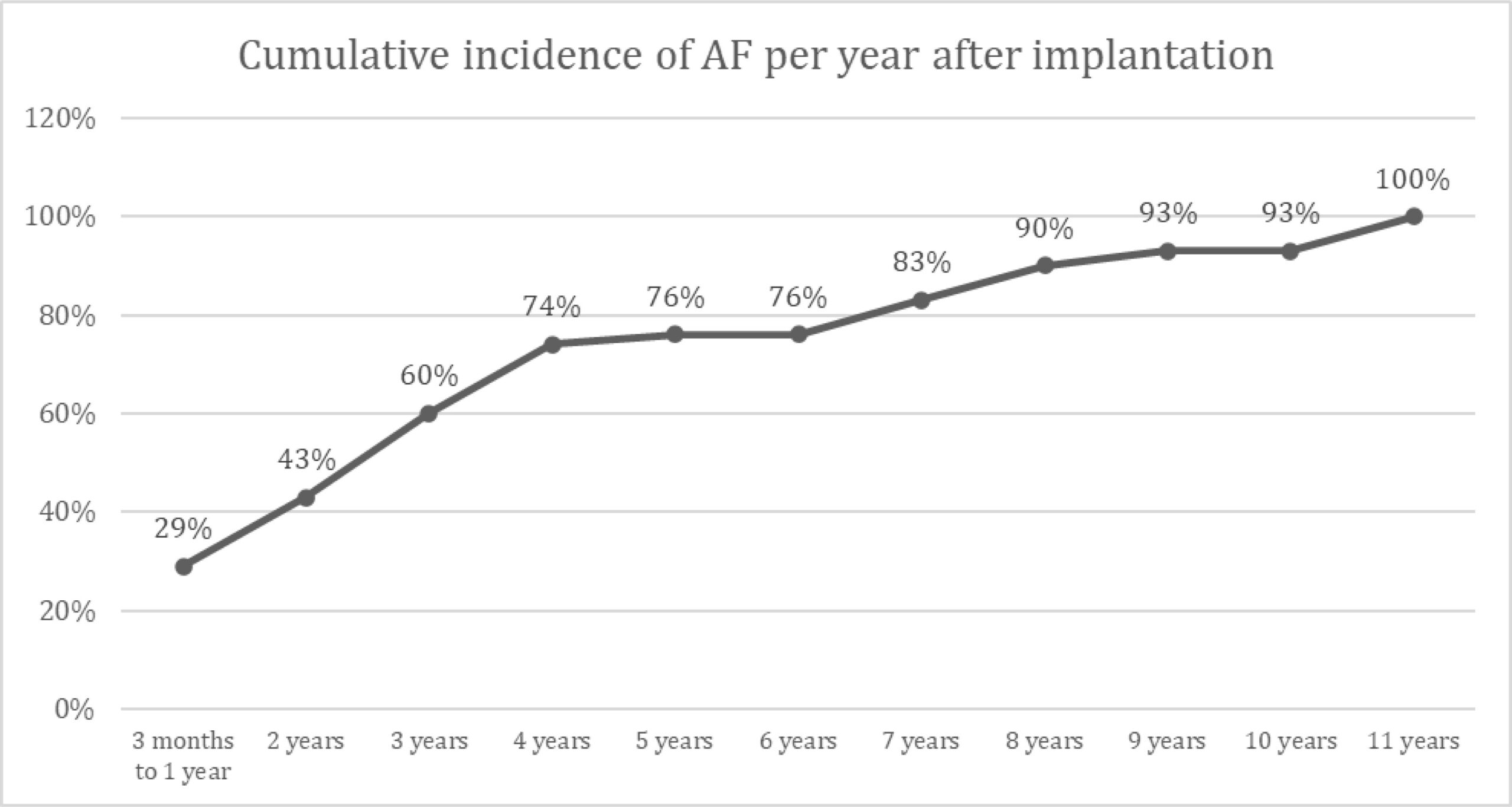
Graph 1
IJCS
Original Article

Prevalence of Atrial Fibrillation in Pacemaker Patients

Mario Augusto Cray da Costa et al. Jorge Felipe do Lago Pereira dos Santos Marcelo Derbli Schafranski

Abstract

Background:

Current pacemakers allow for the continuous recording of the occurrence of arrhythmic events. One of the most frequent arrhythmias after implantation of a device is atrial fibrillation (AF), an important risk factor for embolic events. The frequency of this arrhythmia in pacemaker patients has not been widely studied.

Objectives:

This study aimed to evaluate the prevalence, incidence, and predictors of the occurrence of AF in patients with double-chamber pacemakers and without a history of atrial fibrillation prior to implantation.

Methods:

A dynamic, retrospective, and prospective cohort study was carried out with 186 patients undergoing biannual follow-up of the double-chamber pacemaker, without previous AF, in a single service, between 2016 and 2018. Clinical data were collected from the medical records and the telemetry of the device and the prevalence, incidence rate, relative risk by univariate analysis (by chi-square), and risk ratio were calculated by multivariate analysis (by Cox regression); values of p<0.05 were considered significant.

Results:

There was a prevalence of 25.3% FA, with an incidence of 5.64 cases / 100 persons-year. The median time for the development of arrhythmia was 27.5 months. Multivariate analysis identified 5 statistically significant predictors: male gender, OR: 2.54 [1.04–6.15]; coronary artery disease, OR: 2.98 [1.20–7.41]; hypothyroidism, OR: 3.63 [1.46–9.07]; prior heart surgery, OR: 2.67 [1.01–7]; and left atrial enlargement, OR: 2.72 [1.25–5.92].

Conclusions:

The prevalence and incidence of AF in this population are high. Risk factors for AF were: male gender, coronary artery disease, hypothyroidism, prior heart surgery, and left atrial enlargement.
  • Arrhythmias
  • Artificial
  • Atrial Fibrillation
  • atrioventricular node
  • cardiac complications
  • Embolism
  • Hypertension
  • Pacemaker
  • Risk Factors
Read Full Article
Creative Commons Attribution (CC BY) Creative Commons license
11/02/2022 DOI: 10.36660/ijcs.20200113
Left ventricular synchrony and function in pediatric patients with definitive pacemakers
ABC
Artigo Original

Left ventricular synchrony and function in pediatric patients with definitive pacemakers

Michel Cabrera Ortega et al. Adel Eladio Gonzales Morejón Giselle Serrano Ricardo

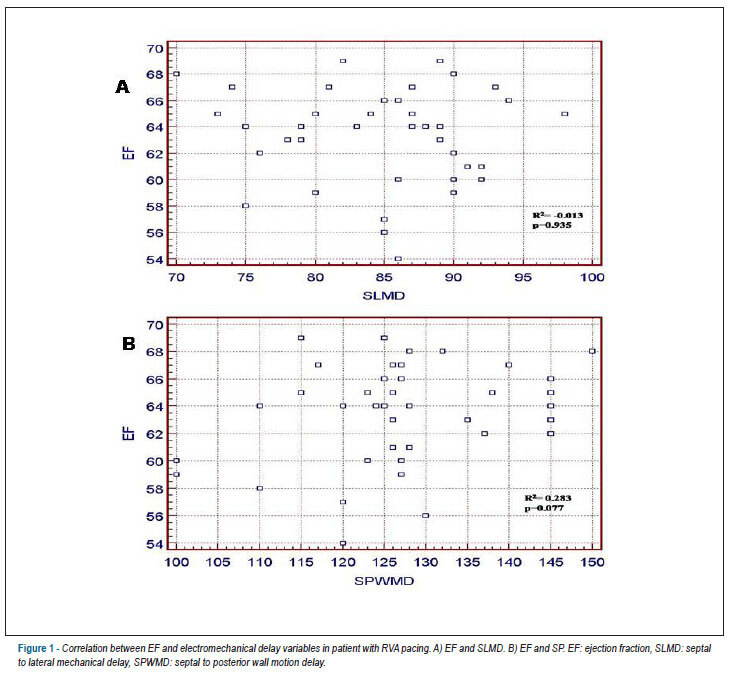
BACKGROUND: Chronic right ventricular pacing (RVP) induces a dyssynchronous contraction pattern,producing interventricular and intraventricular asynchrony. Many studies have shown the relationship of RVP with impaired left ventricular (LV) form and function. OBJECTIVE: The aim of this study was to evaluate LV synchrony and function in pediatric patients receiving RVP in comparison with those receiving LV pacing (LVP). METHODS:LV systolic and diastolic function and synchrony were evaluated in 80 pediatric patients with either nonsurgical or postsurgical complete atrioventricular block, with pacing from either the RV endocardium (n = 40) or the LV epicardium (n = 40). Echocardiographic data obtained before pacemaker implantation, immediately after it, and at the end of a mean follow-up of 6.8 years were analyzed. RESULTS: LV diastolic function did not change in any patient during follow-up. LV systolic function was preserved in patients with LVP. However, in children with RVP the shortening fraction and ejection fraction decreased from medians of 41% ± 2.6% and 70% ± 6.9% before implantation to 32% ± 4.2% and 64% ± 2.5% (p < 0.0001 and p < 0.0001), respectively, at final follow-up. Interventricular mechanical delay was significantly larger with RVP (66 ± 13 ms) than with LVP (20 ± 8 ms). Similarly, the following parameters were significantly different in the two groups: LV mechanical delay (RVP: 69 ± 6 ms, LVP: 30 ± 11 ms, p < 0.0001); septal to lateral wall motion delay (RVP: 75 ± 19 ms, LVP: 42 ± 10 ms, p < 0.0001); and, septal to posterior wall motion delay (RVP: 127 ± 33 ms, LVP: 58 ± 17 ms, p < 0.0001). CONCLUSION: Compared with RV endocardium, LV epicardium is an optimal site for pacing to preserve cardiac synchrony and function.

  • Artificial
  • Cardiac Pacing, Artificial
  • Child
  • Myocardial Contraction
  • Pacemaker
  • Ventricular Function, Left
Read Full Article
Creative Commons Attribution (CC BY) Creative Commons license
24/09/2013 DOI: 10.5935/abc.20130189
Biofilm on artificial pacemaker: fiction or reality?
ABC
Clinical Update

Biofilm on artificial pacemaker: fiction or reality?

Ana Paula Azevedo Santos et al. Evandro Watanabe Denise de Andrade

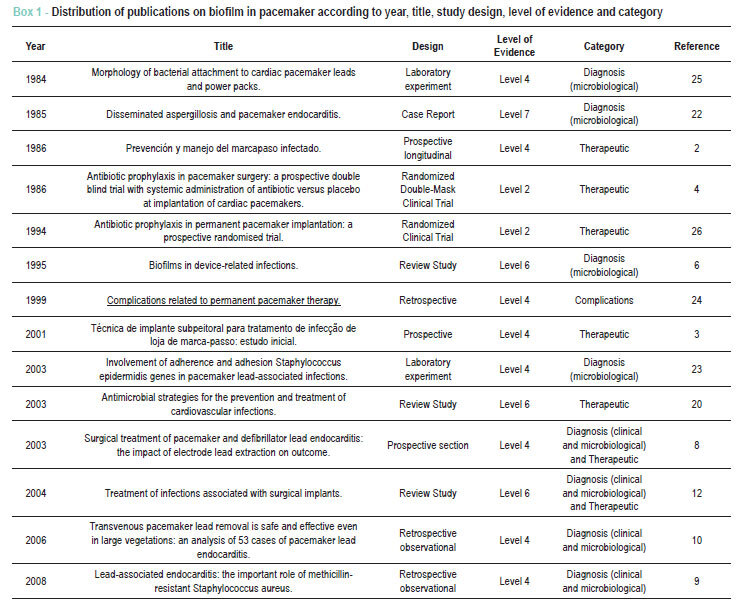
Cardiac pacing through cardiac pacemaker is one of the most promising alternatives in the treatment of arrhythmias, but it can cause reactions natural or complex reactions, either early or late. This study aimed to describe the scientific evidence on the risk of infection and biofilm formation associated with cardiac pacemaker. This is a study of integrative literature review. It included 14 publications classified into three thematic categories: diagnosis (microbiological and/or clinical), complications and therapy of infections. Staphylococcus epidermidis and Staphylococcus aureus were the microorganisms most frequently isolated. It was not possible to determine the incidence of infection associated with pacemakers, since the studies were generally of prevalence. In terms of therapy, the complete removal of pacemakers stood out, especially in cases of suspected biofilm. Still controversial is the use of systemic antibiotic prophylaxis in reducing the incidence of infection associated with implantation of a pacemaker

  • Artificial
  • biofilms
  • Pacemaker
  • prosthesis-related infections
Read Full Article
Creative Commons Attribution (CC BY) Creative Commons license
20/12/2011 DOI: 10.1590/S0066-782X2011001400018
Ventricular dyssynchrony and increased BNP levels in right ventricular apical pacing
ABC
Artigo Original

Ventricular dyssynchrony and increased BNP levels in right ventricular apical pacing

Cláudia Drummond Guimarães Abreu et al. Maria do Carmo Pereira Nunes Márcia Melo Barbosa Manoel Otávio Costa Rocha Antônio Luiz Pinho Ribeiro

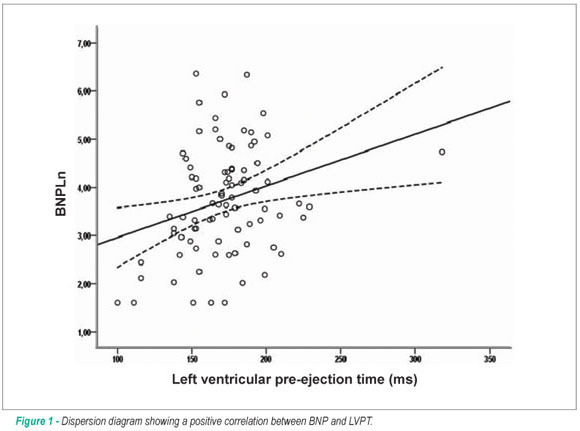
BACKGROUND: Long-term right ventricular apical pacing can cause ventricular dyssynchrony and, secondarily, neurohumoral alterations and increase in cardiac morbimortality. OBJECTIVE: To analyze ventricular dyssynchrony and its effects on BNP levels in patients with pacemakers and long-term right ventricular (RV) apex pacing. METHODS: Cross-sectional study of 85 patients with single or dual chamber pacemaker, NYHA functional class I or II and left ventricular ejection fraction (LVEF) > 35%. The dyssynchrony assessment was carried out using several echocardiographic techniques, including Tissue Synchronization Imaging (TSI), with the analysis of the 12 segments. BNP was measured at the same time when the echocardiogram was performed, but the examiner was blinded to the results. RESULTS: Forty-six women and 39 men, aged 58 ± 12 years, with Chagas’ disease (56%) and controlled hypertensive individuals (62%), were included in the study. LVEF was 52 ± 8% and the mean QRS duration was 139 ms (120-180 ms). BNP levels were altered in 36.5% of the sample (cutoff = 60 pg/ml). At the multivariate linear regression analysis, BNP was correlated with age (p = 0.024), LVEF (p < 0.0001) and left ventricular (LV) pre-ejection time (p = 0.009), which is an intraventricular dyssynchrony index. CONCLUSION: In clinically stable patients receiving conventional cardiac pacing, the intraventricular dyssynchrony was an independent predictor of BNP level increase after adjusted for age and LVEF.

  • Artificial
  • Echocardiography
  • Natriuretic Peptides
  • Pacemaker
  • Ventricular Dysfunction
Read Full Article
Creative Commons Attribution (CC BY) Creative Commons license
10/06/2011 DOI: 10.1590/S0066-782X2011005000070
Cardiac pacing in hypertrophic cardiomyopathy: a cohort with 24 years of follow-up
ABC
Artigo Original

Cardiac pacing in hypertrophic cardiomyopathy: a cohort with 24 years of follow-up

Lenine Angelo Alves Silva et al. Edmundo Arteaga Fernández Martino Martinelli Filho Roberto Costa … Sérgio Siqueira Barbara Maria Ianni Charles Mady

BACKGROUND: The benefits of heart stimulation in hypertrophic cardiomyopathy (HCM) patients have been questioned. Research work available in Brazil on those benefits is scarce. OBJECTIVE: To describe the indication, clinical response, complications and survival time related to pacemaker implant in HCM patients. METHODS: Thirty-nine hypertrophic cardiomyopathy patients were studied (41% males) and submitted to pacemaker implant from May, 1980 through November, 2003. RESULTS: Twenty-seven patients presented obstructive hypertrophic cardiomyopathy, and 12, non-obstructive. Mean age was 46.4 years of age (range 14 – 77), with follow-up of 6.4 ± 4.1 years. Major indications for implant were: spontaneous or induced atrioventricular block (54%), refractoriness to therapeutic conduct associated to high gradient (33%), support for drug therapy to treat bradychardia (8%), and atrial fibrillation prevention (5%). Functional class was shown to improve from 2.41±0.87 to 1.97±0.92 (p = 0.008), and symptoms referred were reduced. No change was made in drug therapy administration. No procedure-related deaths were reported. Although shown to be safe, the procedure was not free from complications (6 patients – 15.4%). Three deaths occurred in the follow-up period – the three of them were atrial fibrillation female patients, with evidence of functional deterioration. A close association was observed between clinical condition worsening and the onset of atrial fibrillation or flutter. CONCLUSION: Cardiac pacing in HCM patients was successful, with evidence of symptoms relief in obstructive HCM patients. No functional improvement was observed in non-obstructive patients.

  • Artificial
  • Cardiac pacing
  • cardiomyopathy
  • Cohort Studies
  • hypertrophic
  • outcome assessment
Read Full Article
Creative Commons Attribution (CC BY) Creative Commons license
11/11/2008 DOI: 10.1590/S0066-782X2008001600011
Influence of external temporary biatrial pacing on the prevention of atrial fibrillation after coronary artery bypass without extracorporeal circulation
ABC
Artigo Original

Influence of external temporary biatrial pacing on the prevention of atrial fibrillation after coronary artery bypass without extracorporeal circulation

Francisco Maia da Silva et al. Rodrigo Milani Dalton Précoma Maximiliano Guimarães … Jose Augusto Moutinho Laura Barboza Alexandre Sartori Paulo Brofman

BACKGROUND: Atrial fibrillation is the most common complication after myocardial revascularization, and it increases morbidity/mortality. OBJECTIVE: The purpose of this prospective randomized study was to test the hypothesis that temporary biatrial pacing is effective in reducing the incidence of postoperative atrial fibrillation after myocardial revascularization. METHODS: Ninety-eight non-consecutive patients who had undergone off-pump myocardial revascularization received two temporary electrodes attached to the right and left atria, which were connected to either pair of atrial pacemaker electrodes, in addition to the leads implanted in the right ventricle. Two groups of patients were randomized (control: 49 patients with no biatrial pacing; therapeutic: 49 patients with biatrial pacing). The variables of interest were atrial fibrillation (present or absent) and length of hospital stay. RESULTS: The incidence of atrial fibrillation was 36.73% in the control group and 14.29% in the therapeutic group (p=0.0194). Length of hospital stay was 7.00 ± 2.82 days for patients with no atrial fibrillation (n=73) and 9.20 ± 2.87 days for patients with atrial fibrillation (n=25) (p=0.0001). Age was an important predictor of arrhythmia and ranged between 62.34 ± 9.00 years in the group with no atrial fibrillation and 67.20 ± 7.42 years in the group with atrial fibrillation (p=0.0170). CONCLUSION: Compared to controls, prophylactic temporary biatrial pacing is effective in preventing atrial fibrillation. Hospital stay was longer for patients who developed postoperative atrial fibrillation, and age was an important predictor for the development of arrhythmia.

  • Artificial
  • Atrial Fibrillation
  • Cardiac pacing
  • Myocardial Revascularization
Read Full Article
Creative Commons Attribution (CC BY) Creative Commons license
28/04/2008 DOI: 10.1590/S0066-782X2008000200003
Functional behavior of patients with conventional pacemakers undergoing cardiac resynchronization
ABC
Artigo Original

Functional behavior of patients with conventional pacemakers undergoing cardiac resynchronization

Rodrigo Tavares Silva et al. Martino Martinelli Filho Carlos Eduardo Batista de Lima Daniela Garcia Moreno Cabral Martins … Silvana Angelina Dorio Nishióka Anísio Alexandre Pedrosa Elizabeth Sartori Crevelari Roberto Costa Eduardo Argentino Sosa José Antonio Franchini Ramires

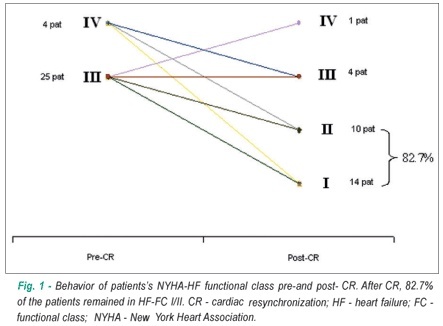
BACKGROUND: Cardiac resynchronization therapy (CRT) is an efficient treatment for patients with heart failure (HF), severe ventricular dysfunction and intraventricular block. Conventional pacemakers (CPM) implanted in the right ventricular apical area cause alterations in the normal sequence of cardiac activation similar to those induced by LBBB (left bundle-branch block). Therefore, patients with CPM and advanced HF could be candidates to undergo CRT, but as only small numbers of patients have been evaluated so far, definitive conclusions are lacking. OBJECTIVE: To assess the clinical and functional outcome of cardiac resynchronization therapy (CRT) in patients with conventional pacemakers. METHODS: Patients with CPM, who were in NYHA HF functional class III/IV class refractory to drug therapy, and left ventricular ejection fraction (LVEF) ) <35% underwent CRT. Patients’ clinical-functional behavior was assessed prospectively six months after the procedure. The improvement of one HF-functional class was set as an effective response to the procedure. The following was assessed: QRS duration (ECG), diastolic diameter (LVDd), left ventricular systolic diameter (LVSd) and LVEF seen on the echocardiogram. For the statistical analysis, Student’s paired t test and Spearman’s correlation were used. RESULTS: Twenty-nine patients (mean age 61.5) were evaluated. Of these, six were females, and chagasic cardiomyopathy was predominant. During the clinical follow-up of 22.7±13 months, 86.2% of the patients benefited from CRT. Within this group, the mean LVEF increased by 18% (p=0.013), QRS duration dropped by 11.8% (p=0.002) and no significant reduction in left ventricular intracavitary diameters was observed. CONCLUSION: CRT is effective for patients with CPM and advanced HF as it yields a high rate of response (86.2%), significantly improves LVEF and reduces QRS duration.

  • Artificial
  • Bundle Branch Block
  • Cardiac pacing
  • congestive
  • Heart Failure
  • Pacemaker
Read Full Article
Creative Commons Attribution (CC BY) Creative Commons license
28/04/2008 DOI: 10.1590/S0066-782X2008000200012 Views 1

How to cite this article

EndNote RIS

Electronic Document Format (Vancouver)

Costa MAC, Santos JFLP, Schafranski MD. Prevalence of Atrial Fibrillation in Pacemaker Patients. International Journal of Cardiovascular Sciences 2022;35(3):373-81.

Electronic Document Format (ABNT)

Costa, Mario Augusto Cray da; Santos, Jorge Felipe do Lago Pereira dos; Schafranski, Marcelo Derbli. Prevalence of Atrial Fibrillation in Pacemaker Patients. International Journal of Cardiovascular Sciences, v. 35, n. 3, p. 373-381, Feb. 2022.

Electronic Document Format (APA)

Costa, M. A. C. , Santos, J. F. L. P. , & Schafranski, M. D. (2022). Prevalence of Atrial Fibrillation in Pacemaker Patients. International Journal of Cardiovascular Sciences, 35(3), 373-381.

Electronic Document Format (ISO)

Costa, Mario Augusto Cray da and Santos, Jorge Felipe do Lago Pereira dos and Schafranski, Marcelo Derbli. Prevalence of Atrial Fibrillation in Pacemaker Patients. International Journal of Cardiovascular Sciences [online]. 2022, vol. 35, n. 3, [cited 2026-10-14], pp. 373-381. Available from: <https://journals.cardiol.br/en/article/prevalence-of-atrial-fibrillation-in-pacemaker-patients/>. ISSN 2359-4802

EndNote RIS

Electronic Document Format (Vancouver)

Ortega MC, Morejón AEG, Ricardo GS. Left ventricular synchrony and function in pediatric patients with definitive pacemakers. Arquivos Brasileiros de Cardiologia 2013;101(5):410-7.

Electronic Document Format (ABNT)

Ortega, Michel Cabrera; Morejón, Adel Eladio Gonzales; Ricardo, Giselle Serrano. Left ventricular synchrony and function in pediatric patients with definitive pacemakers. Arquivos Brasileiros de Cardiologia, v. 101, n. 5, p. 410-417, Sep. 2013.

Electronic Document Format (APA)

Ortega, M. C., Morejón, A. E. G., & Ricardo, G. S. (2013). Left ventricular synchrony and function in pediatric patients with definitive pacemakers. Arquivos Brasileiros de Cardiologia, 101(5), 410-417.

Electronic Document Format (ISO)

Ortega, Michel Cabrera and Morejón, Adel Eladio Gonzales and Ricardo, Giselle Serrano. Left ventricular synchrony and function in pediatric patients with definitive pacemakers. Arquivos Brasileiros de Cardiologia [online]. 2013, vol. 101, n. 5, [cited 2026-10-14], pp. 410-417. Available from: <https://journals.cardiol.br/en/article/left-ventricular-synchrony-and-function-in-pediatric-patients-with-definitive-pacemakers/>. ISSN 0066-782X

EndNote RIS

Electronic Document Format (Vancouver)

Santos APA, Watanabe E, Andrade D. Biofilm on artificial pacemaker: fiction or reality?. Arquivos Brasileiros de Cardiologia 2011;97(5):e113-20.

Electronic Document Format (ABNT)

Santos, Ana Paula Azevedo; Watanabe, Evandro; Andrade, Denise de. Biofilm on artificial pacemaker: fiction or reality?. Arquivos Brasileiros de Cardiologia, v. 97, n. 5, p. e113-e120, Dec. 2011.

Electronic Document Format (APA)

Santos, A. P. A., Watanabe, E., & Andrade, D. (2011). Biofilm on artificial pacemaker: fiction or reality?. Arquivos Brasileiros de Cardiologia, 97(5), e113-e120.

Electronic Document Format (ISO)

Santos, Ana Paula Azevedo and Watanabe, Evandro and Andrade, Denise de. Biofilm on artificial pacemaker: fiction or reality?. Arquivos Brasileiros de Cardiologia [online]. 2011, vol. 97, n. 5, [cited 2026-10-14], pp. e113-e120. Available from: <https://journals.cardiol.br/en/article/biofilm-on-artificial-pacemaker-fiction-or-reality/>. ISSN 0066-782X

EndNote RIS

Electronic Document Format (Vancouver)

Abreu CDG, Nunes MCP, Barbosa MM, Rocha MOC, Ribeiro ALP. Ventricular dyssynchrony and increased BNP levels in right ventricular apical pacing. Arquivos Brasileiros de Cardiologia 2011;97(2):156-62.

Electronic Document Format (ABNT)

Abreu, Cláudia Drummond Guimarães; Nunes, Maria do Carmo Pereira; Barbosa, Márcia Melo; Rocha, Manoel Otávio Costa; Ribeiro, Antônio Luiz Pinho. Ventricular dyssynchrony and increased BNP levels in right ventricular apical pacing. Arquivos Brasileiros de Cardiologia, v. 97, n. 2, p. 156-162, Jun. 2011.

Electronic Document Format (APA)

Abreu, C. D. G., Nunes, M. C. P., Barbosa, M. M., Rocha, M. O. C., & Ribeiro, A. L. P. (2011). Ventricular dyssynchrony and increased BNP levels in right ventricular apical pacing. Arquivos Brasileiros de Cardiologia, 97(2), 156-162.

Electronic Document Format (ISO)

Abreu, Cláudia Drummond Guimarães and Nunes, Maria do Carmo Pereira and Barbosa, Márcia Melo and Rocha, Manoel Otávio Costa and Ribeiro, Antônio Luiz Pinho. Ventricular dyssynchrony and increased BNP levels in right ventricular apical pacing. Arquivos Brasileiros de Cardiologia [online]. 2011, vol. 97, n. 2, [cited 2026-10-14], pp. 156-162. Available from: <https://journals.cardiol.br/en/article/ventricular-dyssynchrony-and-increased-bnp-levels-in-right-ventricular-apical-pacing/>. ISSN 0066-782X

EndNote RIS

Electronic Document Format (Vancouver)

Silva LAA, Fernández EA, Martinelli Filho M, Costa R, Siqueira S, Ianni BM, Mady C, et al. Cardiac pacing in hypertrophic cardiomyopathy: a cohort with 24 years of follow-up. Arquivos Brasileiros de Cardiologia 2008;91(4):274-80.

Electronic Document Format (ABNT)

Silva, Lenine Angelo Alves; Fernández, Edmundo Arteaga; Martinelli Filho, Martino; Costa, Roberto; Siqueira, Sérgio; Ianni, Barbara Maria; Mady, Charles. Cardiac pacing in hypertrophic cardiomyopathy: a cohort with 24 years of follow-up. Arquivos Brasileiros de Cardiologia, v. 91, n. 4, p. 274-280, Nov. 2008.

Electronic Document Format (APA)

Silva, L. A. A., Fernández, E. A., Martinelli Filho, M., Costa, R., Siqueira, S., Ianni, B. M., & Mady, C. (2008). Cardiac pacing in hypertrophic cardiomyopathy: a cohort with 24 years of follow-up. Arquivos Brasileiros de Cardiologia, 91(4), 274-280.

Electronic Document Format (ISO)

Silva, Lenine Angelo Alves and Fernández, Edmundo Arteaga and Martinelli Filho, Martino and Costa, Roberto and Siqueira, Sérgio and Ianni, Barbara Maria and Mady, Charles. Cardiac pacing in hypertrophic cardiomyopathy: a cohort with 24 years of follow-up. Arquivos Brasileiros de Cardiologia [online]. 2008, vol. 91, n. 4, [cited 2026-10-14], pp. 274-280. Available from: <https://journals.cardiol.br/en/article/cardiac-pacing-in-hypertrophic-cardiomyopathy-a-cohort-with-24-years-of-follow-up/>. ISSN 0066-782X

EndNote RIS

Electronic Document Format (Vancouver)

Silva FM, Milani R, Précoma D, Guimarães M, Moutinho JA, Barboza L, Sartori A, et al. Influence of external temporary biatrial pacing on the prevention of atrial fibrillation after coronary artery bypass without extracorporeal circulation. Arquivos Brasileiros de Cardiologia 2008;90(2):87-93.

Electronic Document Format (ABNT)

Silva, Francisco Maia da; Milani, Rodrigo; Précoma, Dalton; Guimarães, Maximiliano; Moutinho, Jose Augusto; Barboza, Laura; Sartori, Alexandre; Brofman, Paulo. Influence of external temporary biatrial pacing on the prevention of atrial fibrillation after coronary artery bypass without extracorporeal circulation. Arquivos Brasileiros de Cardiologia, v. 90, n. 2, p. 87-93, Apr. 2008.

Electronic Document Format (APA)

Silva, F. M. , Milani, R., Précoma, D., Guimarães, M., Moutinho, J. A., Barboza, L., Sartori, A., & Brofman, P. (2008). Influence of external temporary biatrial pacing on the prevention of atrial fibrillation after coronary artery bypass without extracorporeal circulation. Arquivos Brasileiros de Cardiologia, 90(2), 87-93.

Electronic Document Format (ISO)

Silva, Francisco Maia da and Milani, Rodrigo and Précoma, Dalton and Guimarães, Maximiliano and Moutinho, Jose Augusto and Barboza, Laura and Sartori, Alexandre and Brofman, Paulo. Influence of external temporary biatrial pacing on the prevention of atrial fibrillation after coronary artery bypass without extracorporeal circulation. Arquivos Brasileiros de Cardiologia [online]. 2008, vol. 90, n. 2, [cited 2026-10-14], pp. 87-93. Available from: <https://journals.cardiol.br/en/article/influence-of-external-temporary-biatrial-pacing-on-the-prevention-of-atrial-fibrillation-after-coronary-artery-bypass-without-extracorporeal-circulation/>. ISSN 0066-782X

EndNote RIS

Electronic Document Format (Vancouver)

Silva RT, Martinelli Filho M, Lima CEB, Martins DGMC, Nishióka SAD, Pedrosa AA, Crevelari ES, et al. Functional behavior of patients with conventional pacemakers undergoing cardiac resynchronization. Arquivos Brasileiros de Cardiologia 2008;90(2):151-6.

Electronic Document Format (ABNT)

Silva, Rodrigo Tavares; Martinelli Filho, Martino; Lima, Carlos Eduardo Batista de; Martins, Daniela Garcia Moreno Cabral; Nishióka, Silvana Angelina Dorio; Pedrosa, Anísio Alexandre; Crevelari, Elizabeth Sartori; Costa, Roberto; Sosa, Eduardo Argentino; Ramires, José Antonio Franchini. Functional behavior of patients with conventional pacemakers undergoing cardiac resynchronization. Arquivos Brasileiros de Cardiologia, v. 90, n. 2, p. 151-156, Apr. 2008.

Electronic Document Format (APA)

Silva, R. T., Martinelli Filho, M., Lima, C. E. B. , Martins, D. G. M. C., Nishióka, S. A. D., Pedrosa, A. A., Crevelari, E. S., Costa, R., Sosa, E. A., & Ramires, J. A. F. (2008). Functional behavior of patients with conventional pacemakers undergoing cardiac resynchronization. Arquivos Brasileiros de Cardiologia, 90(2), 151-156.

Electronic Document Format (ISO)

Silva, Rodrigo Tavares and Martinelli Filho, Martino and Lima, Carlos Eduardo Batista de and Martins, Daniela Garcia Moreno Cabral and Nishióka, Silvana Angelina Dorio and Pedrosa, Anísio Alexandre and Crevelari, Elizabeth Sartori and Costa, Roberto and Sosa, Eduardo Argentino and Ramires, José Antonio Franchini. Functional behavior of patients with conventional pacemakers undergoing cardiac resynchronization. Arquivos Brasileiros de Cardiologia [online]. 2008, vol. 90, n. 2, [cited 2026-10-14], pp. 151-156. Available from: <https://journals.cardiol.br/en/article/functional-behavior-of-patients-with-conventional-pacemakers-undergoing-cardiac-resynchronization/>. ISSN 0066-782X

  • About ABC Family
  • Internal Regulation
  • Editorial Board
  • Brazilian Society of Cardiology (SBC)

Issues

SBC Guidelines

  • Videos
  • Podcasts
  • News