| IJCS
ABC Family Arquivos Brasileiros de Cardiologia International Journal of Cardiovascular Sciences ABC Heart Failure & Cardiomyopathy ABC Imagem Cardiovascular
Português English
ABC Family | IJCS
Português English
  • About
    • About the Journal
    • Internal Regulation
    • Editors Section
    • Editorial Board
    • SBC Award
  • Instructions to Authors
    • Guidelines for Publication
    • Editorial Policy
    • Ethics Policy
    • Policy on the Use of Artificial Intelligence
    • Mandatory Publication Form
    • Publication Fee
  • Issues
  • SBC Guidelines
  • Abstracts
    • How to Publish an Abstract Supplement?
    • Published Supplements
  • About
    • About the Journal
    • Internal Regulation
    • Editors Section
    • Editorial Board
    • SBC Award
  • Instructions to Authors
    • Guidelines for Publication
    • Editorial Policy
    • Ethics Policy
    • Policy on the Use of Artificial Intelligence
    • Mandatory Publication Form
    • Publication Fee
  • Issues
  • SBC Guidelines
  • Abstracts
    • How to Publish an Abstract Supplement?
    • Published Supplements

ABC Family

  • ABC Family
  • Arquivos Brasileiros de Cardiologia
  • International Journal of Cardiovascular Sciences
  • ABC Heart Failure & Cardiomyopathy
  • ABC Imagem Cardiovascular
Search in

No content found.

Journals
Ordering
Article types
Others

  1. Home
  2. IJCS
  3. Issues
  4. 2017, Volume 30, Number 4
Figure 1
Case Report

Cardiac Memory, an Underdiagnosed Condition

Margarida Oliveira et al. Olga Azevedo Lucy Calvo Bebiana Faria … Sílvia Ribeiro António Lourenço

Introduction

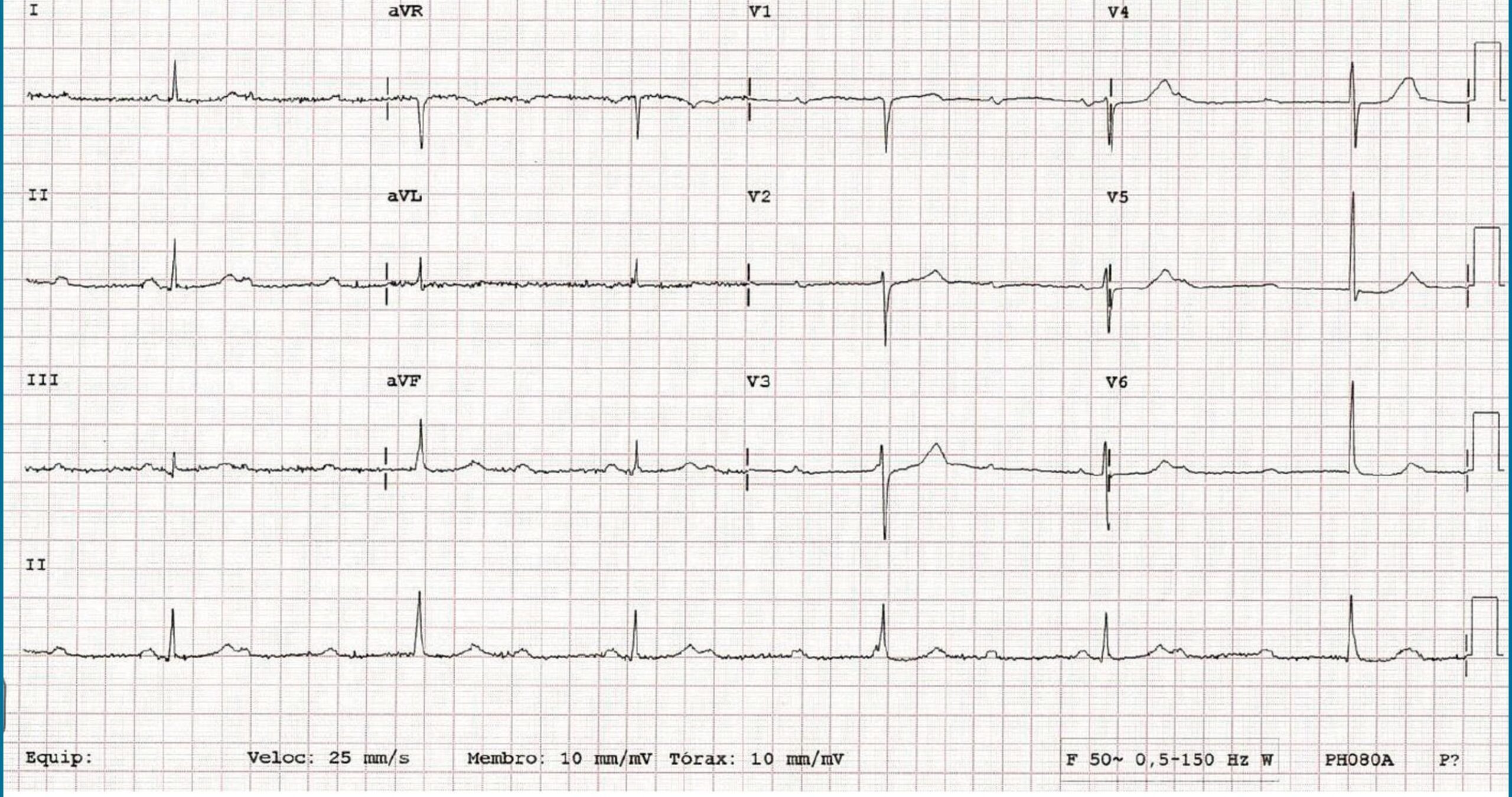
Cardiac memory, also termed Chatterjee phenomenon, is a known yet uncommonly recognized entity in which myocardial repolarization is altered after abnormal ventricular activation, such as with artificial pacemakers, intermittent left bundle branch block, ventricular premature beats, ventricular pre-excitation or episodes of tachycardia. This phenomenon is characterized by persistent but reversible T-wave changes on surface electrocardiogram (ECG) induced by an abnormal electrical activation pattern. The extent and direction of T-wave deviation depend on the duration and direction of abnormal electrical activation and can persist for several weeks. Rosenbaum et al. found that the T-wave “resembled” the abnormal QRS vector. The pathophysiology underlying cardiac memory is still complex and evolving, but alterations in the transient outward potassium current – Ito1 – and changes in the phosphorylation status of the cAMP responsive element binding protein (CREB) have been reported.

Although it seems that cardiac memory is a relatively benign pathophysiologic finding, it may lead to unnecessary and invasive diagnostic investigation if it is not recognized.

[…]
  • Electrocardiography
  • Myocardial Contraction/physiopathology
  • Pacemaker Artificial, Pre-Excitation, Mahaim
Read Full Article
Creative Commons Attribution (CC BY) Creative Commons license
01/01/2017 DOI: 10.5935/2359-4802.20170048 Views 1
Figure 1
Original Article

Probabilistic Model for Prediction of Prognostics in Myocardial Revascularization: Complications in Coronary Surgery

Valcellos José da Cruz Viana et al. Felipe Coelho Argolo Nilzo Augusto Mendes Ribeiro Augusto Ferreira da Silva Junior Luis Claudio Lemos Correia

Abstract

Introduction:

Risk scores evaluate pre-operatory risk and present support for clinical decisions, however the performance of these tools in samples different from the original ones remains unclear.

Objectives:

Investigate the external validity of risk scores (STS and Euroscore) in cardiac surgery and the predictive performance of clinical features derived from the sample.

Methods:

Retrospective Cohort study conducted between October, 2010, and April, 2015. We used logistic regression to identify risk factors for hospital morbidity. The sample was divided for cross-validation, with 2/3 of the patients selected for model fitting and 1/3 for prediction testing. The performance of risk scores and clinical features was evaluated through AUROC and calibraton the Hosmer-Lemeshow test (H-L).

Results:

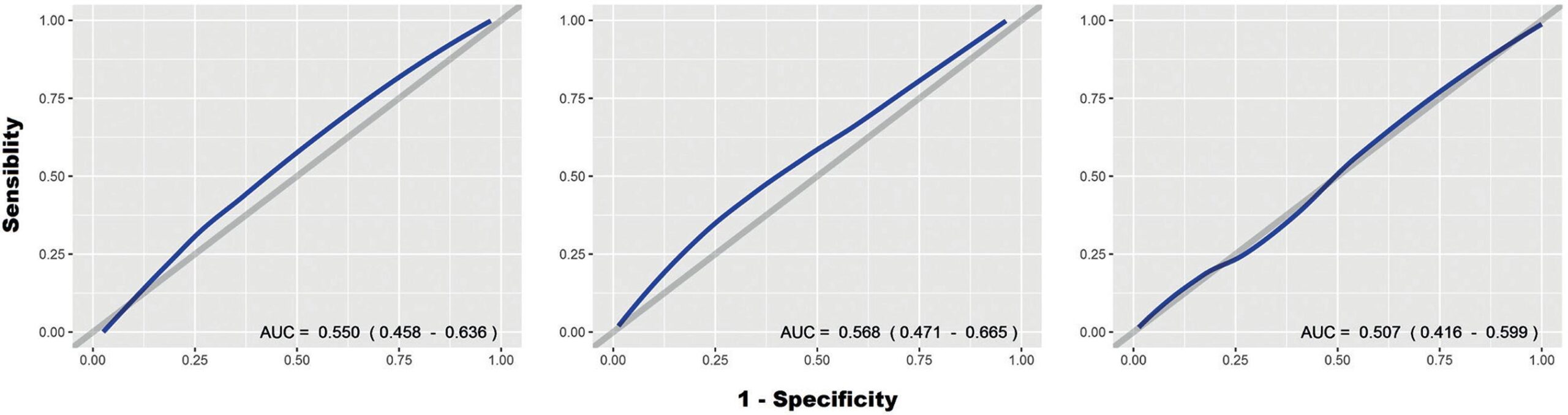
Data was retrieved from 472 patients who underwent coronary cardiac surgery in Hospital Santa Izabel da Santa Casa, BA. Mean age was 62.8 years old and 32.5% of the sample were women. Traditional surgical risk scores did not present significant discriminative performance for this sample. Factors associated with the outcome after adjusting for covariates were: age, previous myocardial revascularization and pre-surgical creatinine levels. The adjusted model presented similar discrimination and calibration values during training (AUROC = 0,72; IC 95% 0,59-0,84; H-L valor p: 0,41) and validation (AUROC = 0,70; IC 95% 0,55 – 0,84; H-L valor p: 0,197).

Conclusion:

Traditional scores may be inaccurate when applied to different environments. New risk scores with good predictive power can be developed using local clinical variables.

  • Forecasting
  • Myocardial Infarction
  • Myocardial Revascularization
  • Risk Factors
  • Thoracic Surgery/complications
Read Full Article
Creative Commons Attribution (CC BY) Creative Commons license
01/01/2017 DOI: 10.5935/2359-4802.20170049 Views 2
Figure 1
Viewpoint

Detailing Peripheral Arterial Tonometry in Heart Failure. An Endothelial Function Evaluation

Aline Cristina Tavares et al. Edimar Alcides Bocchi Guilherme Veiga Guimarães

Introduction

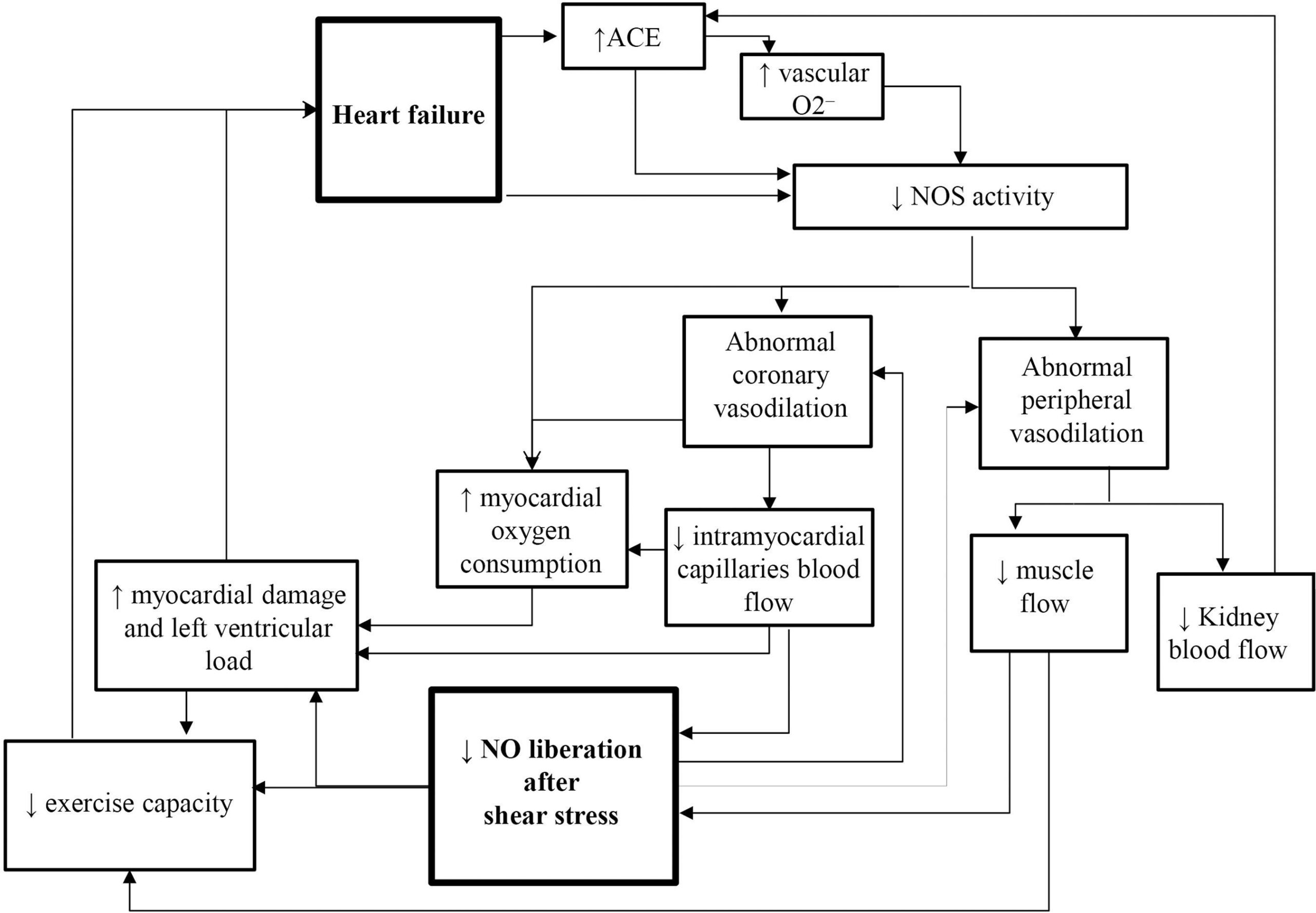
Endothelium regulates cardiac function and vasomotor tone, adjusts vascular permeability, preserves blood fluidity, playing an important role in cardiovascular homeostasis., In adults with heart failure (HF), endothelial dysfunction severity is related to diastolic dysfunction,, increase in cardiovascular risk,– heart failure,, exercise incapacity, severity of cardiovascular symptoms,,,,, cardiovascular events, cardiac transplant and death.,

Although endothelium is at the interface between circulating cardiovascular factors and underlying organ tissues, cardiovascular and endothelial peripheral dysfunctions are not totally linked so far.– Evaluation of endothelial function appears as a tempting adjunct for cardiovascular risk stratification, and understanding this matter may help having a faster approach and better screening in the cardiomyopathy field in everyday clinical practice, which brings the importance of this paper.

[…]

  • Endothelium / physiopathology
  • Heart Failure
  • Nitric Oxide
  • Stroke Volume
Read Full Article
Creative Commons Attribution (CC BY) Creative Commons license
01/01/2017 DOI: 10.5935/2359-4802.20170051 Views 1
Figure 1
Review Article

Predictors of Metabolic Syndrome in the Elderly: A Review

Carolina Cunha de Oliveira et al. Emanuelle Dias da Costa Anna Karla Carneiro Roriz Lilian Barbosa Ramos Mansueto Gomes Neto

Abstract

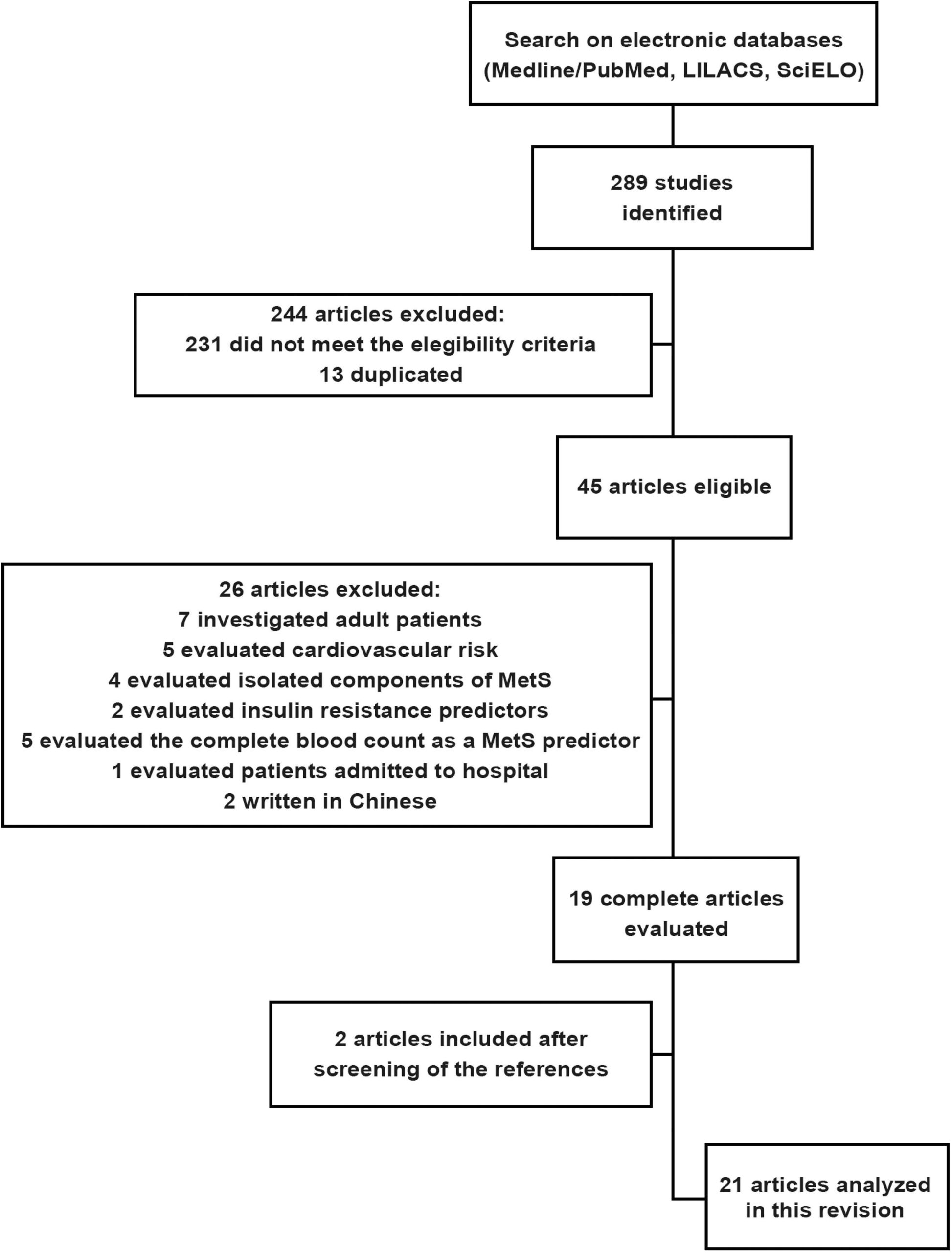
The article aimed to critically analyse studies which evaluated the capacity of anthropometric and clinical indicators to predict MetS in the elderly. Bibliographical research was performed using the electronic databasese Medline/PubMed, LILACS e SciELO , references from selected articles and contact with several authors. Twenty one articles involving anthropometric and clinical indicators in the elderly were analysed, using different MS criteria. Fourteen studies report anthropometric indicators, being the waist circumference (WC) and waist-to-height ratio (WHtR), described as the best MS predictors, with the area under the ROC curve (AUC) over 0.70 (p < 0.05). The neck circumference was also described as an alternative indicator but with less discriminatory power. Lipid accumulation product (LAP) was the parameter with the best performance to identify MS, with an AUC over 0.85 and efficiency greater than 70%. The WC, WHtR and LAP indicators were the most sensitive for predicting MS. The use of these parameters may facilitate the early identification of MS, with good accuracy and low cost. In addition, it is important to determine specific cutoff points for the elderly, since obesity alone does not appear to be a strong predictor of MS in the elderly.

  • Aged
  • Anthropometry
  • Body Weights and Measures
  • Indicators
  • Metabolic Syndrome
  • Obesity
  • Risk Factors
Read Full Article
Creative Commons Attribution (CC BY) Creative Commons license
01/01/2017 DOI: 10.5935/2359-4802.20170059
Figure 1
Case Report

A Transcatheter Aortic Valve Implantation Without Aortography Guidance Due To Vascular Access Constraints Or Limitations

Oktay Ergene et al. Hamza Duygu Volkan Emren Ugur Kocabas Levent Cerit

Introduction

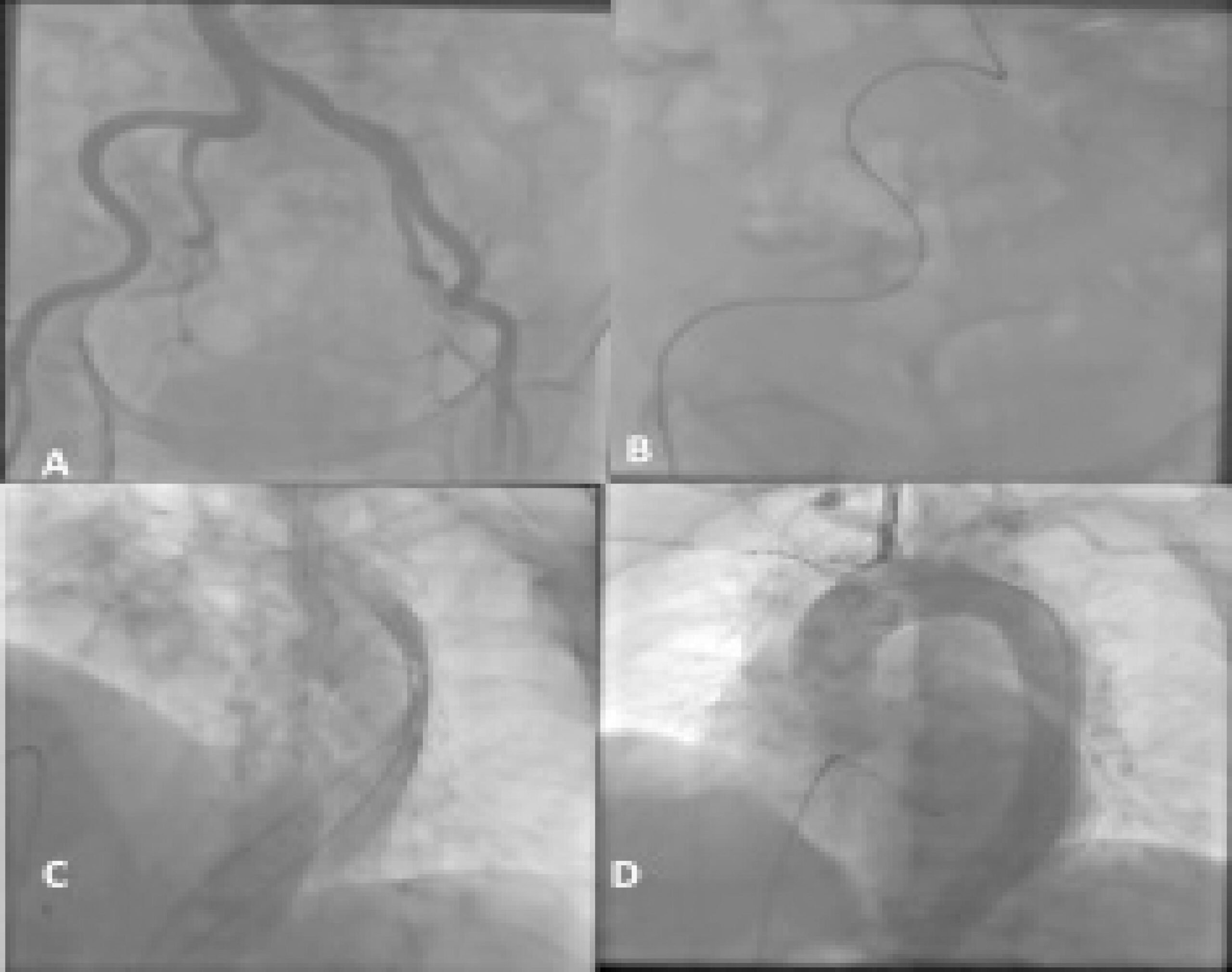
Aortic valve replacement (AVR) is an established treatment modality in patients with severe symptomatic aortic stenosis (AS)., Given the increased mortality and morbidity of AVR for the high-risk patients and the poor long-term results of balloon aortic valvuloplasty, transcatheter aortic valve implantation (TAVI) is increasingly accepted treatment option who are not candidates for AVR. We describe here a case of succesfully implanted Edwards SAPIEN XT transcatheter heart valve without aortography guidance due to multiple arterial access problems and complicated by iatrogenic De Bakey type III aortic dissection and severe paravalvular leak.

[…]

  • Aortic Valve Stenosis
  • Dissection
  • Transcatheter Aortic Valve Replacement
Read Full Article
Creative Commons Attribution (CC BY) Creative Commons license
01/01/2017 DOI: 10.5935/2359-4802.20170025 Views 1
Original Article

Are Patients' Blood Pressure Levels Being Routinely Measured in Medical Offices?

Israel Guilharde Maynarde et al. Thiago Veiga Jardim Weimar Kunz Sebba Barroso de Souza Ana Luiza Lima Sousa … Andrey Rocha Rocca Bruna Yana de Carvalho Lin Natália Mirelle Carrijo dos Santos Diogo Pereira Santos Sampaio Xênia Larissa Motta Serafim Paulo Cesar Brandao Veiga Jardim

Abstract

Background:

Blood pressure measurement is recommended in all medical evaluations, regardless of the specialty. It is a simple and easy-to-do procedure, but usually neglected or performed incorrectly.

Objectives:

To assess if blood pressure is being measured routinely and compare the values obtained in the usual ambulatory consultations to those obtained when following the adequate techniques.

Methods:

Cross-sectional and observational study that included adult (age >18 years) outpatients treated in clinical and surgical specialties of a teaching hospital. Subjects answered a specific questionnaire and then three blood pressure measurements were performed according to the current guidelines by trained research staff. After that, the patients had their appointments and at the end, the medical charts were checked to see if blood pressure was measured and, if so, the observed value was recorded.

Results:

We included 129 consecutive patients with a mean age of 53 years (± 15.92) predominantly females (61.2%). Most of the appointments occurred in clinical specialties (70.5%) and 49.6% reported themselves as hypertensive. Blood pressure was not measured in 38.8% of the patients, more frequently in surgical specialties (72,5% vs. 27,5%; p < 0,001). The previous diagnosis of hypertension did not influence the chance of a patient having his blood pressure measured (p = 0,082). There were no differences between the blood pressure measured by the researchers and those recorded at the medical charts (118 mmHg vs. 117 mmHg; p = 0,651; 72 mmHg vs. 75 mmHg; p = 0,055).

Conclusions:

The patients’ blood pressure levels were not measured in many of the medical appointments, especially at outpatient clinics of surgical specialties.

  • Ambulatory Care
  • Blood Pressure
  • Hypertension
  • Outpatient Service
  • Physician's Offices
Read Full Article
Creative Commons Attribution (CC BY) Creative Commons license
01/01/2017 DOI: 10.5935/2359-4802.20170055 Views 1
Figure 1
Original Article

Green Tea Attenuates Hypotension Induced by Physical Exercise: A Randomized, Placebo Controlled Study

Manoel Miranda Neto et al. Raquel Suelen Brito da Silva Taís Feitosa da Silva Fabiano Ferreira de Lima Alexandre Sérgio Silva

Abstract

Background:

Studies have shown that chronic administration of green tea decreases blood pressure (BP) at rest, while a single exercise session also promotes reduction of BP.

Objective:

To investigate whether if a single dose of green tea prior to aerobic exercise session improves post-exercise hypotension (PEH).

Methods:

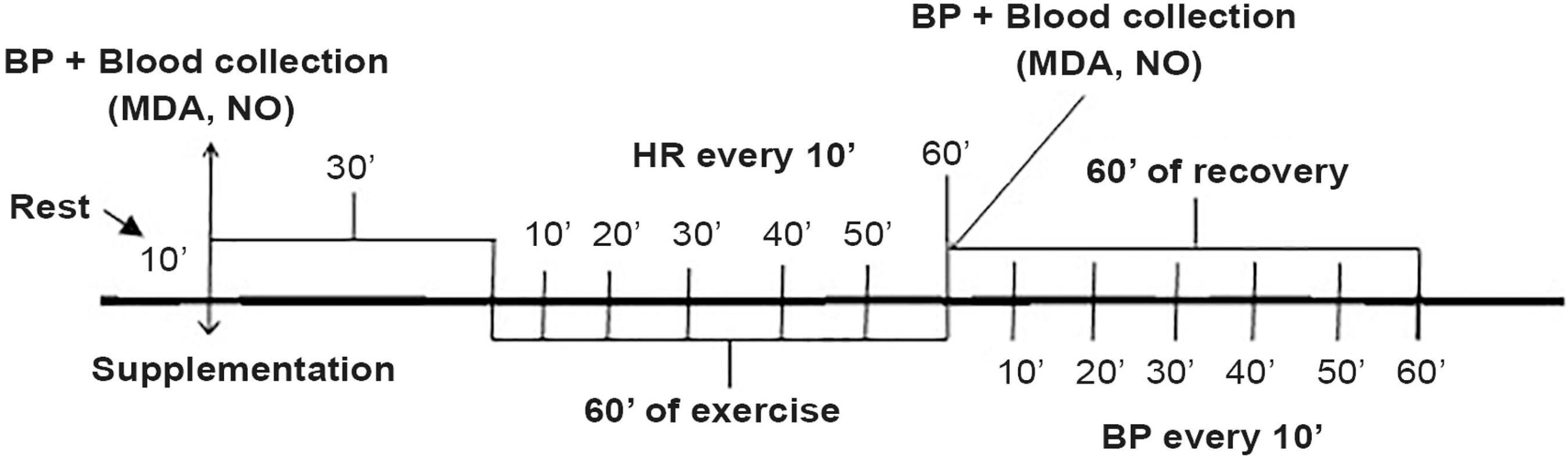
Randomized, double-blind, placebo controlled study. Fifteen hypertensive patients (53 ± 3.3 years) participated in two study sessions: green tea+exercise (GTE) and placebo+exercise (PLE). Thirty minutes after ingesting 2 g of green tea or placebo, they performed 60 minutes of treadmill walking at 60 to 85% of maximum heart rate. BP was measured at rest and at every 10 minutes after exercise for 60 minutes. Blood samples were taken before ingestion of green tea or placebo and immediately after exercise to determine malondialdehyde (MDA) and nitrite (NO) concentrations.

Results:

On PLE day, systolic PEH was detected at all post-exercise time points (BP reduction by 6.5-11.8 mmHg), whereas on GTE day, PEH was found only at 20 and 40 minutes post-exercise (BP reduction by 5.9 and 5.8 mmHg, respectively). BP reduction was significantly higher in PLE at 10, 20 and 30 minutes post-exercise compared with GTE. In addition, GTE resulted in hypertensive diastolic response, while on PLE day, diastolic PEH was seen only at 20 minutes post-exercise. No changes in MDA or NO concentrations in response to exercise were observed.

Conclusion:

Green tea supplementation prior to an aerobic exercise session attenuated systolic PEH and induced diastolic hypertensive response to aerobic exercise in hypertensive patients.

  • Antioxidants
  • Camellia sinensis / drug effects
  • Exercise
  • Hypotension
  • Oxidative Stress
Read Full Article
Creative Commons Attribution (CC BY) Creative Commons license
01/01/2017 DOI: 10.5935/2359-4802.20170062
Original Article

Study of Dabigatran Use in a Brazilian Public Hospital Specialized in Cardiology

Luise Barros Martins et al. Ivis Levy Fernandes Martins Raíssa Miranda Silva Flávia Valéria dos Santos Almeida Christianne Bretas Vieira Scaramello

Abstract

Background:

During its commercialization phase, unprecedented effects of new medicaments can be discovered. Dabigatran is an anticoagulant approved by Brazilian National Health Surveillance Agency in 2008.

Objectives:

To assess safety, effectiveness adverse event profile and adherence to dabigatran (110 mg and 150 mg) prescribed for patients with non-valvular atrial fibrillation.

Methods:

Patients taking dabigatran were subjected to interviews during the first year of treatment, evaluating the prescription depending on the dose, age, gender and risk factors as well as the prevalence of adverse events and the profile of the patients involved.

Results:

Between the beginning and the end of the study there was a reduction in the number of subjects using this anticoagulant (10% for the dose of 110 mg and 30% for the dose of 150 mg), without changes in the proportions of individuals regarding to gender (men ≅65%), age (age <75 anos ≅80%), anticoagulation previous history (≅85%) and risk scores for thromboembolic (CHA2DS2≥VASc = 2 ≅80%) and bleeding (HASBLED <3 ≅50% dose 110 mg and ≅85% dose 150 mg) events. The most common adverse event was dyspepsia (≥10%), regardless of gender, but less frequently in patients over 75 years of age (≅20% of cases). Dyspepsia related to dabigatran was mainly associated to its combination with beta-blockers (≅70%), but minoritarily with oral hypoglycemic (≅20%), antiplatelet agents (≅10%), proton pump inhibitors (≅30%) and antagonists H2 (≅3%). Therapeutic adherence was ≅60% regardless of the described adverse events. There were no cases of thromboembolic event and major bleeding.

Conclusions:

Dabigatran has shown to be safe and effective in the evaluated conditions.

  • Anticoagulants
  • Atrial Fibrillation
  • Pharmacovigilance
  • thrombin
Read Full Article
Creative Commons Attribution (CC BY) Creative Commons license
01/01/2017 DOI: 10.5935/2359-4802.20170052
Editorial

Cardiology Journals from Portuguese-Speaking Countries: Challenges and Opportunities

Luiz Felipe P. Moreira

Scientific development is currently happening at an increasingly faster pace. With this situation, the scientific journals are required to commit to disseminating new knowledge with greater agility and broad propagation by the main international indexers. On the other hand, the mission of the scientific journals is also to encourage the propagation and discussion of new subjects in scientific communities, a situation of great importance mainly for those journals associated with medical societies and with a predominantly national circulation.

With respect to scientific propagation at an international level, the use of the English language has been well defined as being universal, leaving those publications in other languages to the background. Only articles published in English in broadly indexed journals achieve a greater number of citations, collaborating effectively in consolidating the involved research groups and elevating the impact of the periodicals in which they were published. On the other hand, health professionals in several countries still encounter difficulties in accessing the international scientific literature and find in their local language the primary means to keep up with new knowledge.

[…]

  • Bibliometrics
  • Bilinguism
  • Cardiovascular Diseases
  • Periodicals as Topic
Read Full Article
Creative Commons Attribution (CC BY) Creative Commons license
01/01/2017 DOI: 10.5935/2359-4802.20170050 Views 1
Original Article

24-Hour Ambulatory Blood Pressure Monitoring Predicts Outcomes of Hypertensive Patients in Primary Care: A Cohort Study

Guilherme Brasil Grezzana et al. Airton Tetelbon Stein Lucia Campos Pellanda

Abstract

Background:

Arterial hypertension is an important risk factor for cardiovascular outcomes. However, in most Primary Health Care centers, blood pressure remains at inadequate control levels. Ambulatory Blood Pressure Monitoring (ABPM) is a useful tool in predicting cardiovascular morbidity and mortality. The implementation of 24-hour ABPM and evaluation of cardiovascular outcomes in Primary Health Care may be effective in improving strategies for monitoring hypertensive patients in this setting.

Objective:

To evaluate uncontrolled arterial hypertension detected by 24-hour ABPM as a predictor of cardiovascular outcomes in hypertensive patients from Primary Health Care in a low-resource environment.

Methods:

Cohort study based on primary health care centers. The study was carried out with 143 hypertensive patients, who underwent 24-hour ABPM at baseline. Therapeutic targets were based on the Eighth Joint National Committee, the Brazilian Hypertension Guideline, and the European Hypertension Guideline. Medical records of emergency care, hospital admissions, and death certificates were reviewed.

Results:

The sample consisted of 143 patients who met the inclusion criteria. After 4 years of follow-up, there were 17 deaths, 12 new cases of atrial fibrillation and 37 hospital admissions related to cardiovascular outcomes. During the follow-up period, the 24-hour ABPM showed a predictive result for new cases of atrial fibrillation (p = 0.015) and a combination of cardiovascular outcomes, mortality, and hospital admissions (p = 0.012).

Conclusion:

The 24-hour ABPM was an important predictor of cardiovascular outcomes in a hypertensive population that seeks assistance in Primary Health Care centers.

  • Blood Pressure Monitoring, Ambulatory
  • Cardiovascular Diseases
  • Hypertension/complications
  • Public Health
Read Full Article
Creative Commons Attribution (CC BY) Creative Commons license
01/01/2017 DOI: 10.5935/2359-4802.20170061 Views 1
Figure 1
Original Article

12-Month Clinical Follow-Up of Patients Undergoing Early Invasive Strategy by the Transradial or Transfemoral Approach with Vascular Closure Device

Pedro Beraldo de Andrade et al. Luiz Alberto Piva e Mattos Fabio Salerno Rinaldi Igor Ribeiro de Castro Bienert … Robson Alves Barbosa Sérgio Kreimer Vinícius Cardoso Esteves Marden André Tebet André Labrunie Amanda Guerra de Moraes Rego Sousa

Abstract

Background:

The radial approach reduces the prevalence of vascular complications, major bleeding and mortality when compared to the femoral approach. However, the last still prevails as the preferred approach for the performance of invasive coronary procedures, requiring the adoption of strategies to minimize complications.

Objectives:

To compare the survival free of major adverse cardiovascular events at 12 months in patients undergoing early intervention strategy by the radial or femoral access with vascular closure device.

Methods:

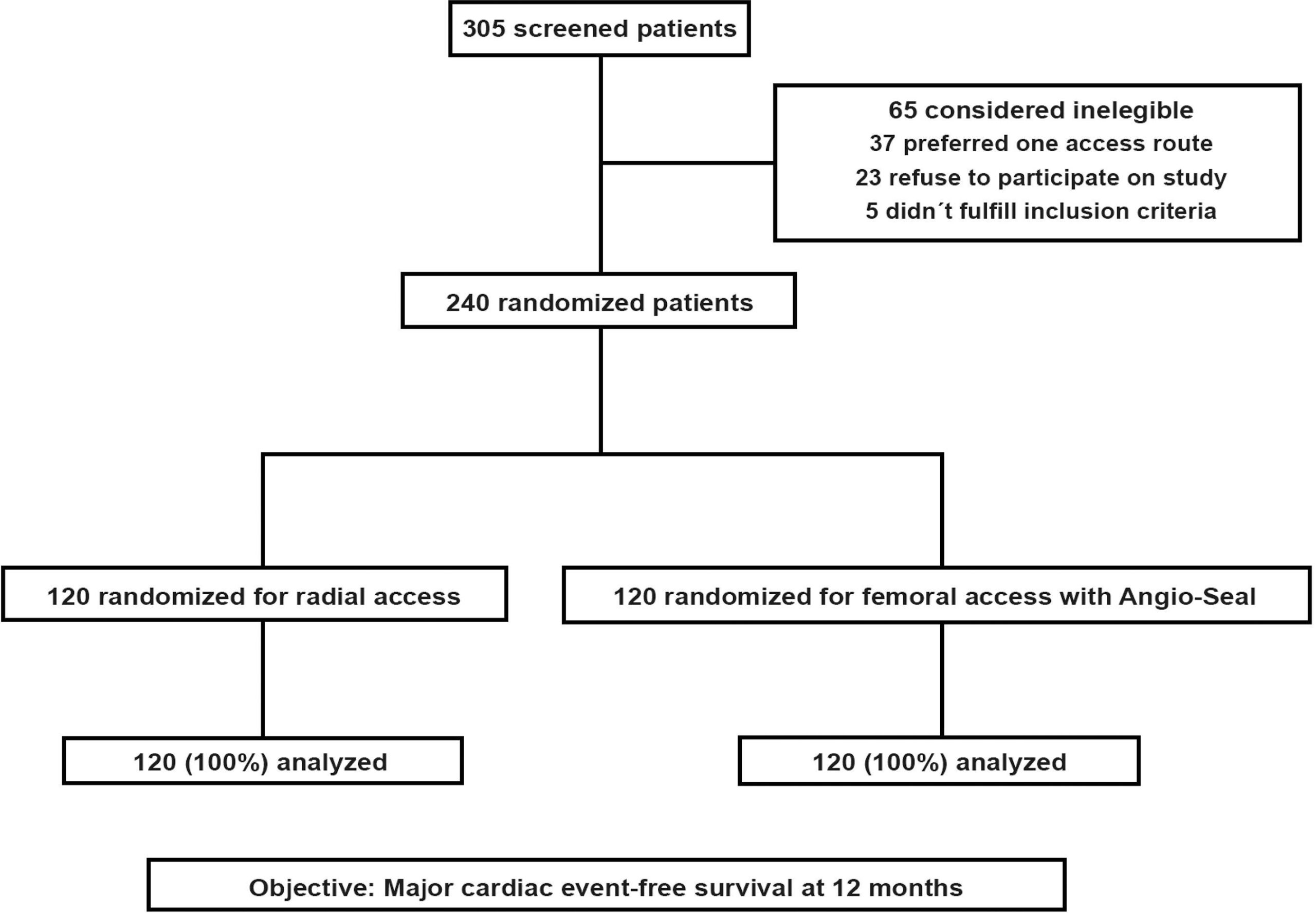
Randomized non inferiority trial involving 240 non-ST-segment elevation acute coronary syndrome patients. The survival free of death, myocardial infarction or stroke was estimated by the Kaplan-Meier method and compared using the log rank test.

Results:

The 30-day rate of vascular complications in the arterial puncture site was 12.5% in the Angio-Seal group and 13.3% in the radial group (p = 1.000). The 12-month incidence of major bleeding or blood transfusion did not differ between groups (2.5% vs. 1.7%, p = 1.000). There was no difference in survival free of major adverse cardiovascular events (90.8% versus 94.2%, p = 0.328).

Conclusions:

There was no distinction between the techniques in survival free of major adverse cardiovascular events at 12 months of follow-up. Clinical trials with greater statistical power are needed to validate these findings.

  • Hemostasis
  • Myocardial Ischemia
  • Percutaneous Coronary Percutaneous
  • Radial Artery
Read Full Article
Creative Commons Attribution (CC BY) Creative Commons license
01/01/2017 DOI: 10.5935/2359-4802.20170057 Views 1
Original Article

Are Body Fat and Uric Acid associated with Cardiovascular Risk Scores? Cross-Sectional Analysis in the PROCARDIO-UFV Trial

Juliane Soares Rodrigues et al. Alinne Paula de Almeida Carla de Oliveira Barbosa Rosa Helen Hermana Miranda Hermsdorff

Abstract

Background:

Risk scores are tools used to indicate the probability of occurrence of a certain cardiovascular event and to previously identify individuals at low, medium, and high risk for the development of cardiovascular diseases.

Objective:

To establish the cardiovascular risk of users of a cardiovascular health attention program of a university, and assess its association with lifestyle, clinical, sociodemographic data, and other cardiometabolic risk markers.

Methods:

Cross-sectional study with a sample of 197 participants. Demographic, anthropometric, clinical, and metabolic data, eating habits and lifestyle information were collected using the Global Risk Score and the Framingham Risk Score. P-value < 0,05 was considered statistically significant.

Results:

According to the Framingham Risk Score, 84% of the assessed population was considered low risk and 16% as intermediate/high risk. However, according to the Global Risk Score, 18% of the participants were low risk, 45% were intermediate risk and 37% were high risk for infarction or death from coronary heart disease in 10 years.

Conclusion:

Excess body weight and uric acid serum levels showed to be significant cardiovascular risk markers in addition to those of the score and, consequently, they should be considered in clinical practice.

  • Cardiovascular Diseases, mortality
  • Life Style
  • Obesity
  • Risk Factors
  • uric acid
Read Full Article
Creative Commons Attribution (CC BY) Creative Commons license
01/01/2017 DOI: 10.5935/2359-4802.20170060

How to cite this article

EndNote RIS

Electronic Document Format (Vancouver)

Oliveira M, Azevedo O, Calvo L, Faria B, Ribeiro S, Lourenço A. Cardiac Memory, an Underdiagnosed Condition. International Journal of Cardiovascular Sciences 2017;30(4):359-62.

Electronic Document Format (ABNT)

Oliveira, Margarida; Azevedo, Olga; Calvo, Lucy; Faria, Bebiana; Ribeiro, Sílvia; Lourenço, António. Cardiac Memory, an Underdiagnosed Condition. International Journal of Cardiovascular Sciences, v. 30, n. 4, p. 359-362, Dec. 2016.

Electronic Document Format (APA)

Oliveira, M., Azevedo, O., Calvo, L., Faria, B., Ribeiro, S., & Lourenço, A. (2017). Cardiac Memory, an Underdiagnosed Condition. International Journal of Cardiovascular Sciences, 30(4), 359-362.

Electronic Document Format (ISO)

Oliveira, Margarida and Azevedo, Olga and Calvo, Lucy and Faria, Bebiana and Ribeiro, Sílvia and Lourenço, António. Cardiac Memory, an Underdiagnosed Condition. International Journal of Cardiovascular Sciences [online]. 2017, vol. 30, n. 4, [cited 2026-10-14], pp. 359-362. Available from: <https://journals.cardiol.br/en/article/cardiac-memory-an-underdiagnosed-condition/>. ISSN 2359-4802

EndNote RIS

Electronic Document Format (Vancouver)

Viana VJC, Argolo FC, Ribeiro NAM, Silva Junior AF, Correia LCL. Probabilistic Model for Prediction of Prognostics in Myocardial Revascularization: Complications in Coronary Surgery. International Journal of Cardiovascular Sciences 2017;30(4):307-12.

Electronic Document Format (ABNT)

Viana, Valcellos José da Cruz; Argolo, Felipe Coelho; Ribeiro, Nilzo Augusto Mendes; Silva Junior, Augusto Ferreira da; Correia, Luis Claudio Lemos. Probabilistic Model for Prediction of Prognostics in Myocardial Revascularization: Complications in Coronary Surgery. International Journal of Cardiovascular Sciences, v. 30, n. 4, p. 307-312, Dec. 2016.

Electronic Document Format (APA)

Viana, V. J. C., Argolo, F. C., Ribeiro, N. A. M., Silva Junior, A. F. , & Correia, L. C. L. (2017). Probabilistic Model for Prediction of Prognostics in Myocardial Revascularization: Complications in Coronary Surgery. International Journal of Cardiovascular Sciences, 30(4), 307-312.

Electronic Document Format (ISO)

Viana, Valcellos José da Cruz and Argolo, Felipe Coelho and Ribeiro, Nilzo Augusto Mendes and Silva Junior, Augusto Ferreira da and Correia, Luis Claudio Lemos. Probabilistic Model for Prediction of Prognostics in Myocardial Revascularization: Complications in Coronary Surgery. International Journal of Cardiovascular Sciences [online]. 2017, vol. 30, n. 4, [cited 2026-10-14], pp. 307-312. Available from: <https://journals.cardiol.br/en/article/probabilistic-model-for-prediction-of-prognostics-in-myocardial-revascularization-complications-in-coronary-surgery/>. ISSN 2359-4802

EndNote RIS

Electronic Document Format (Vancouver)

Tavares AC, Bocchi EA, Guimarães GV. Detailing Peripheral Arterial Tonometry in Heart Failure. An Endothelial Function Evaluation. International Journal of Cardiovascular Sciences 2017;30(4):354-8.

Electronic Document Format (ABNT)

Tavares, Aline Cristina; Bocchi, Edimar Alcides; Guimarães, Guilherme Veiga. Detailing Peripheral Arterial Tonometry in Heart Failure. An Endothelial Function Evaluation. International Journal of Cardiovascular Sciences, v. 30, n. 4, p. 354-358, Dec. 2016.

Electronic Document Format (APA)

Tavares, A. C., Bocchi, E. A., & Guimarães, G. V. (2017). Detailing Peripheral Arterial Tonometry in Heart Failure. An Endothelial Function Evaluation. International Journal of Cardiovascular Sciences, 30(4), 354-358.

Electronic Document Format (ISO)

Tavares, Aline Cristina and Bocchi, Edimar Alcides and Guimarães, Guilherme Veiga. Detailing Peripheral Arterial Tonometry in Heart Failure. An Endothelial Function Evaluation. International Journal of Cardiovascular Sciences [online]. 2017, vol. 30, n. 4, [cited 2026-10-14], pp. 354-358. Available from: <https://journals.cardiol.br/en/article/detailing-peripheral-arterial-tonometry-in-heart-failure-an-endothelial-function-evaluation/>. ISSN 2359-4802

EndNote RIS

Electronic Document Format (Vancouver)

Oliveira CC, Costa ED, Roriz AKC, Ramos LB, Gomes Neto M. Predictors of Metabolic Syndrome in the Elderly: A Review. International Journal of Cardiovascular Sciences 2017;30(4):343-5.

Electronic Document Format (ABNT)

Oliveira, Carolina Cunha de; Costa, Emanuelle Dias da; Roriz, Anna Karla Carneiro; Ramos, Lilian Barbosa; Gomes Neto, Mansueto. Predictors of Metabolic Syndrome in the Elderly: A Review. International Journal of Cardiovascular Sciences, v. 30, n. 4, p. 343-353, Dec. 2016.

Electronic Document Format (APA)

Oliveira, C. C. , Costa, E. D. , Roriz, A. K. C., Ramos, L. B., & Gomes Neto, M. (2017). Predictors of Metabolic Syndrome in the Elderly: A Review. International Journal of Cardiovascular Sciences, 30(4), 343-353.

Electronic Document Format (ISO)

Oliveira, Carolina Cunha de and Costa, Emanuelle Dias da and Roriz, Anna Karla Carneiro and Ramos, Lilian Barbosa and Gomes Neto, Mansueto. Predictors of Metabolic Syndrome in the Elderly: A Review. International Journal of Cardiovascular Sciences [online]. 2017, vol. 30, n. 4, [cited 2026-10-14], pp. 343-353. Available from: <https://journals.cardiol.br/en/article/predictors-of-metabolic-syndrome-in-the-elderly-a-review/>. ISSN 2359-4802

EndNote RIS

Electronic Document Format (Vancouver)

Ergene O, Duygu H, Emren V, Kocabas U, Cerit L. A Transcatheter Aortic Valve Implantation Without Aortography Guidance Due To Vascular Access Constraints Or Limitations. International Journal of Cardiovascular Sciences 2017;30(4):363-6.

Electronic Document Format (ABNT)

Ergene, Oktay; Duygu, Hamza; Emren, Volkan; Kocabas, Ugur; Cerit, Levent. A Transcatheter Aortic Valve Implantation Without Aortography Guidance Due To Vascular Access Constraints Or Limitations. International Journal of Cardiovascular Sciences, v. 30, n. 4, p. 363-366, Dec. 2016.

Electronic Document Format (APA)

Ergene, O., Duygu, H., Emren, V., Kocabas, U., & Cerit, L. (2017). A Transcatheter Aortic Valve Implantation Without Aortography Guidance Due To Vascular Access Constraints Or Limitations. International Journal of Cardiovascular Sciences, 30(4), 363-366.

Electronic Document Format (ISO)

Ergene, Oktay and Duygu, Hamza and Emren, Volkan and Kocabas, Ugur and Cerit, Levent. A Transcatheter Aortic Valve Implantation Without Aortography Guidance Due To Vascular Access Constraints Or Limitations. International Journal of Cardiovascular Sciences [online]. 2017, vol. 30, n. 4, [cited 2026-10-14], pp. 363-366. Available from: <https://journals.cardiol.br/en/article/a-transcatheter-aortic-valve-implantation-without-aortography-guidance-due-to-vascular-access-constraints-or-limitations/>. ISSN 2359-4802

EndNote RIS

Electronic Document Format (Vancouver)

Maynarde IG, Jardim TV, Souza WKSB, Sousa ALL, Rocca AR, Lin BYC, Santos NMC, et al. Are Patients’ Blood Pressure Levels Being Routinely Measured in Medical Offices?. International Journal of Cardiovascular Sciences 2017;30(4):293-8.

Electronic Document Format (ABNT)

Maynarde, Israel Guilharde; Jardim, Thiago Veiga; Souza, Weimar Kunz Sebba Barroso de; Sousa, Ana Luiza Lima; Rocca, Andrey Rocha; Lin, Bruna Yana de Carvalho; Santos, Natália Mirelle Carrijo dos; Sampaio, Diogo Pereira Santos; Serafim, Xênia Larissa Motta; Jardim, Paulo Cesar Brandao Veiga. Are Patients’ Blood Pressure Levels Being Routinely Measured in Medical Offices?. International Journal of Cardiovascular Sciences, v. 30, n. 4, p. 293-298, Dec. 2016.

Electronic Document Format (APA)

Maynarde, I. G., Jardim, T. V., Souza, W. K. S. B. , Sousa, A. L. L., Rocca, A. R., Lin, B. Y. C., Santos, N. M. C. , Sampaio, D. P. S., Serafim, X. L. M., & Jardim, P. C. B. V. (2017). Are Patients’ Blood Pressure Levels Being Routinely Measured in Medical Offices?. International Journal of Cardiovascular Sciences, 30(4), 293-298.

Electronic Document Format (ISO)

Maynarde, Israel Guilharde and Jardim, Thiago Veiga and Souza, Weimar Kunz Sebba Barroso de and Sousa, Ana Luiza Lima and Rocca, Andrey Rocha and Lin, Bruna Yana de Carvalho and Santos, Natália Mirelle Carrijo dos and Sampaio, Diogo Pereira Santos and Serafim, Xênia Larissa Motta and Jardim, Paulo Cesar Brandao Veiga. Are Patients’ Blood Pressure Levels Being Routinely Measured in Medical Offices?. International Journal of Cardiovascular Sciences [online]. 2017, vol. 30, n. 4, [cited 2026-10-14], pp. 293-298. Available from: <https://journals.cardiol.br/en/article/are-patients-blood-pressure-levels-being-routinely-measured-in-medical-offices/>. ISSN 2359-4802

EndNote RIS

Electronic Document Format (Vancouver)

Miranda Neto M, Silva RSB, Silva TF, Lima FF, Silva AS. Green Tea Attenuates Hypotension Induced by Physical Exercise: A Randomized, Placebo Controlled Study. International Journal of Cardiovascular Sciences 2017;30(4):325-33.

Electronic Document Format (ABNT)

Miranda Neto, Manoel; Silva, Raquel Suelen Brito da; Silva, Taís Feitosa da; Lima, Fabiano Ferreira de; Silva, Alexandre Sérgio. Green Tea Attenuates Hypotension Induced by Physical Exercise: A Randomized, Placebo Controlled Study. International Journal of Cardiovascular Sciences, v. 30, n. 4, p. 325-333, Dec. 2016.

Electronic Document Format (APA)

Miranda Neto, M., Silva, R. S. B. , Silva, T. F. , Lima, F. F. , & Silva, A. S. (2017). Green Tea Attenuates Hypotension Induced by Physical Exercise: A Randomized, Placebo Controlled Study. International Journal of Cardiovascular Sciences, 30(4), 325-333.

Electronic Document Format (ISO)

Miranda Neto, Manoel and Silva, Raquel Suelen Brito da and Silva, Taís Feitosa da and Lima, Fabiano Ferreira de and Silva, Alexandre Sérgio. Green Tea Attenuates Hypotension Induced by Physical Exercise: A Randomized, Placebo Controlled Study. International Journal of Cardiovascular Sciences [online]. 2017, vol. 30, n. 4, [cited 2026-10-14], pp. 325-333. Available from: <https://journals.cardiol.br/en/article/green-tea-attenuates-hypotension-induced-by-physical-exercise-a-randomized-placebo-controlled-study/>. ISSN 2359-4802

EndNote RIS

Electronic Document Format (Vancouver)

Martins LB, Martins ILF, Silva RM, Almeida FVS, Scaramello CBV. Study of Dabigatran Use in a Brazilian Public Hospital Specialized in Cardiology. International Journal of Cardiovascular Sciences 2017;30(4):334-42.

Electronic Document Format (ABNT)

Martins, Luise Barros; Martins, Ivis Levy Fernandes; Silva, Raíssa Miranda; Almeida, Flávia Valéria dos Santos; Scaramello, Christianne Bretas Vieira. Study of Dabigatran Use in a Brazilian Public Hospital Specialized in Cardiology. International Journal of Cardiovascular Sciences, v. 30, n. 4, p. 334-342, Dec. 2016.

Electronic Document Format (APA)

Martins, L. B., Martins, I. L. F., Silva, R. M., Almeida, F. V. S., & Scaramello, C. B. V. (2017). Study of Dabigatran Use in a Brazilian Public Hospital Specialized in Cardiology. International Journal of Cardiovascular Sciences, 30(4), 334-342.

Electronic Document Format (ISO)

Martins, Luise Barros and Martins, Ivis Levy Fernandes and Silva, Raíssa Miranda and Almeida, Flávia Valéria dos Santos and Scaramello, Christianne Bretas Vieira. Study of Dabigatran Use in a Brazilian Public Hospital Specialized in Cardiology. International Journal of Cardiovascular Sciences [online]. 2017, vol. 30, n. 4, [cited 2026-10-14], pp. 334-342. Available from: <https://journals.cardiol.br/en/article/study-of-dabigatran-use-in-a-brazilian-public-hospital-specialized-in-cardiology/>. ISSN 2359-4802

EndNote RIS

Electronic Document Format (Vancouver)

Moreira LFP. Cardiology Journals from Portuguese-Speaking Countries: Challenges and Opportunities. International Journal of Cardiovascular Sciences 2017;30(4):283-4.

Electronic Document Format (ABNT)

Moreira, Luiz Felipe P.. Cardiology Journals from Portuguese-Speaking Countries: Challenges and Opportunities. International Journal of Cardiovascular Sciences, v. 30, n. 4, p. 283-284, Dec. 2016.

Electronic Document Format (APA)

Moreira, L. F. P. (2017). Cardiology Journals from Portuguese-Speaking Countries: Challenges and Opportunities. International Journal of Cardiovascular Sciences, 30(4), 283-284.

Electronic Document Format (ISO)

Moreira, Luiz Felipe P.. Cardiology Journals from Portuguese-Speaking Countries: Challenges and Opportunities. International Journal of Cardiovascular Sciences [online]. 2017, vol. 30, n. 4, [cited 2026-10-14], pp. 283-284. Available from: <https://journals.cardiol.br/en/article/cardiology-journals-from-portuguese-speaking-countries-challenges-and-opportunities/>. ISSN 2359-4802

EndNote RIS

Electronic Document Format (Vancouver)

Grezzana GB, Stein AT, Pellanda LC. 24-Hour Ambulatory Blood Pressure Monitoring Predicts Outcomes of Hypertensive Patients in Primary Care: A Cohort Study. International Journal of Cardiovascular Sciences 2017;30(4):285-92.

Electronic Document Format (ABNT)

Grezzana, Guilherme Brasil; Stein, Airton Tetelbon; Pellanda, Lucia Campos. 24-Hour Ambulatory Blood Pressure Monitoring Predicts Outcomes of Hypertensive Patients in Primary Care: A Cohort Study. International Journal of Cardiovascular Sciences, v. 30, n. 4, p. 285-292, Dec. 2016.

Electronic Document Format (APA)

Grezzana, G. B., Stein, A. T., & Pellanda, L. C. (2017). 24-Hour Ambulatory Blood Pressure Monitoring Predicts Outcomes of Hypertensive Patients in Primary Care: A Cohort Study. International Journal of Cardiovascular Sciences, 30(4), 285-292.

Electronic Document Format (ISO)

Grezzana, Guilherme Brasil and Stein, Airton Tetelbon and Pellanda, Lucia Campos. 24-Hour Ambulatory Blood Pressure Monitoring Predicts Outcomes of Hypertensive Patients in Primary Care: A Cohort Study. International Journal of Cardiovascular Sciences [online]. 2017, vol. 30, n. 4, [cited 2026-10-14], pp. 285-292. Available from: <https://journals.cardiol.br/en/article/24-hour-ambulatory-blood-pressure-monitoring-predicts-outcomes-of-hypertensive-patients-in-primary-care-a-cohort-study/>. ISSN 2359-4802

EndNote RIS

Electronic Document Format (Vancouver)

Andrade PB, Mattos LAP, Rinaldi FS, Bienert IRC, Barbosa RA, Kreimer S, Esteves VC, et al. 12-Month Clinical Follow-Up of Patients Undergoing Early Invasive Strategy by the Transradial or Transfemoral Approach with Vascular Closure Device. International Journal of Cardiovascular Sciences 2017;30(4):299-306.

Electronic Document Format (ABNT)

Andrade, Pedro Beraldo de; Mattos, Luiz Alberto Piva e; Rinaldi, Fabio Salerno; Bienert, Igor Ribeiro de Castro; Barbosa, Robson Alves; Kreimer, Sérgio; Esteves, Vinícius Cardoso; Tebet, Marden André; Labrunie, André; Sousa, Amanda Guerra de Moraes Rego. 12-Month Clinical Follow-Up of Patients Undergoing Early Invasive Strategy by the Transradial or Transfemoral Approach with Vascular Closure Device. International Journal of Cardiovascular Sciences, v. 30, n. 4, p. 299-306, Dec. 2016.

Electronic Document Format (APA)

Andrade, P. B. , Mattos, L. A. P. , Rinaldi, F. S., Bienert, I. R. C., Barbosa, R. A., Kreimer, S., Esteves, V. C., Tebet, M. A., Labrunie, A., & Sousa, A. G. M. R. (2017). 12-Month Clinical Follow-Up of Patients Undergoing Early Invasive Strategy by the Transradial or Transfemoral Approach with Vascular Closure Device. International Journal of Cardiovascular Sciences, 30(4), 299-306.

Electronic Document Format (ISO)

Andrade, Pedro Beraldo de and Mattos, Luiz Alberto Piva e and Rinaldi, Fabio Salerno and Bienert, Igor Ribeiro de Castro and Barbosa, Robson Alves and Kreimer, Sérgio and Esteves, Vinícius Cardoso and Tebet, Marden André and Labrunie, André and Sousa, Amanda Guerra de Moraes Rego. 12-Month Clinical Follow-Up of Patients Undergoing Early Invasive Strategy by the Transradial or Transfemoral Approach with Vascular Closure Device. International Journal of Cardiovascular Sciences [online]. 2017, vol. 30, n. 4, [cited 2026-10-14], pp. 299-306. Available from: <https://journals.cardiol.br/en/article/12-month-clinical-follow-up-of-patients-undergoing-early-invasive-strategy-by-the-transradial-or-transfemoral-approach-with-vascular-closure-device/>. ISSN 2359-4802

EndNote RIS

Electronic Document Format (Vancouver)

Rodrigues JS, Almeida AP, Rosa COB, Hermsdorff HHM. Are Body Fat and Uric Acid associated with Cardiovascular Risk Scores? Cross-Sectional Analysis in the PROCARDIO-UFV Trial. International Journal of Cardiovascular Sciences 2017;30(4):313-24.

Electronic Document Format (ABNT)

Rodrigues, Juliane Soares; Almeida, Alinne Paula de; Rosa, Carla de Oliveira Barbosa; Hermsdorff, Helen Hermana Miranda. Are Body Fat and Uric Acid associated with Cardiovascular Risk Scores? Cross-Sectional Analysis in the PROCARDIO-UFV Trial. International Journal of Cardiovascular Sciences, v. 30, n. 4, p. 313-324, Dec. 2016.

Electronic Document Format (APA)

Rodrigues, J. S., Almeida, A. P. , Rosa, C. O. B., & Hermsdorff, H. H. M. (2017). Are Body Fat and Uric Acid associated with Cardiovascular Risk Scores? Cross-Sectional Analysis in the PROCARDIO-UFV Trial. International Journal of Cardiovascular Sciences, 30(4), 313-324.

Electronic Document Format (ISO)

Rodrigues, Juliane Soares and Almeida, Alinne Paula de and Rosa, Carla de Oliveira Barbosa and Hermsdorff, Helen Hermana Miranda. Are Body Fat and Uric Acid associated with Cardiovascular Risk Scores? Cross-Sectional Analysis in the PROCARDIO-UFV Trial. International Journal of Cardiovascular Sciences [online]. 2017, vol. 30, n. 4, [cited 2026-10-14], pp. 313-324. Available from: <https://journals.cardiol.br/en/article/are-body-fat-and-uric-acid-associated-with-cardiovascular-risk-scores-cross-sectional-analysis-in-the-procardio-ufv-trial/>. ISSN 2359-4802

Sede – Rio de Janeiro
Av. Marechal Câmara, 160
3º andar – Sala: 330 – Centro
Rio de Janeiro – CEP: 20020-907
Tel.: (55 +21) 3478-2700
ou (21) 99386-3961
E-mail: revista@cardiol.br

Sede – São Paulo
Alameda Santos, 705 – 11º andar
Cerqueira César | São Paulo
CEP: 01419-001
Tel.: (55 +11) 3411-5500
E-mail: revista@cardiol.br

  • About the Journal
  • Internal Regulation
  • Editors Section
  • Editorial Board
  • SBC Award

  • Guidelines for Publication
  • Editorial Policy
  • Ethics Policy
  • Policy on the Use of Artificial Intelligence
  • Mandatory Publication Form
  • Publication Fee

Issues

SBC Guidelines

  • How to Publish an Abstract Supplement?
  • Published Supplements