ABC Family Arquivos Brasileiros de Cardiologia International Journal of Cardiovascular Sciences ABC Heart Failure & Cardiomyopathy ABC Imagem Cardiovascular
Português English
ABC Family
Português English
  • About
    • About ABC Family
    • Internal Regulation
    • Editorial Board
    • Brazilian Society of Cardiology (SBC)
  • Issues
  • SBC Guidelines
  • Content
    • Videos
    • Podcasts
    • News
  • About
    • About ABC Family
    • Internal Regulation
    • Editorial Board
    • Brazilian Society of Cardiology (SBC)
  • Issues
  • SBC Guidelines
  • Content
    • Videos
    • Podcasts
    • News

ABC Family

  • ABC Family
  • Arquivos Brasileiros de Cardiologia
  • International Journal of Cardiovascular Sciences
  • ABC Heart Failure & Cardiomyopathy
  • ABC Imagem Cardiovascular
Search in

No content found.

Journals
Ordering
Article types
Others

  1. Home
  2. Keyword: Endothelium / physiopathology
ABC
Original Article

Association of Inflammation and Endothelial Dysfunction with Coronary Microvascular Resistance in Patients with Cardiac Syndrome X

Ming Long et al. Zhibin Huang Xiaodong Zhuang Zena Huang … Yue Guo Xinxue Liao Chufan Luo

Abstract

Background:

Although a proportion of CSX patients have impaired brachial artery flow-mediated dilatation (FMD) in response to hyperemia, suggesting that endothelial dysfunction in these patients may be systemic and not just confined to the coronary circulation; the underlying mechanisms triggering endothelial dysfunction in these patients are still incompletely understood.

Objectives:

To assess the association of the index of Microcirculatory Resistance (IMR) with endothelial dysfunction and inflammation in patients with CSX.

Methods:

We studied 20 CSX patients and 20 age and gender-matched control subjects. Thermodilution-derived coronary flow reserve (CFR) and IMR were measured using a pressure-temperature sensor-tipped guidewire. Brachial artery FMD was measured using high-resolution, two-dimensional ultrasound images obtained with a Doppler ultrasound device (HDI-ATL 5000, USA) with a 5 MHz to 12 MHz linear-array transducer.

Results:

Compared with in control subjects, CFR was significantly lower (2.42 ± 0.78 vs. 3.59 ± 0.79, p < 0.001); IMR was higher (32.2 ± 8.0 vs. 19.5 ± 5.5, p < 0.001); the concentration of hs-CRP and FMD was higher (4.75 ± 1.62 vs. 2.75 ± 1.50; 5.24 ± 2.41 vs. 8.57 ± 2.46, p < 0.001) in CSX patients. The Duke treadmill score (DTS) was correlated positively to CFR and FMD (0.489 and 0.661, p < 0.001), it was negative to IMR and hsCRP (-0.761 and -0.087, p < 0.001) in CSX patients.

Conclusions:

The main finding in this study is that the DTS measured in patients with CSX was associated to hsCRP and FMD. Moreover, the independent effects of exercise tolerance can significantly impair FMD and hsCRP in CSX patients; especially it is particularly important to whom where FMD was associated negatively with IMR.
  • Acute coronary syndrome
  • Brachial Artery
  • Endothelium / physiopathology
  • Inflammation
Read Full Article
Creative Commons Attribution (CC BY) Creative Commons license
19/10/2017 DOI: 10.5935/abc.20170149
Figure 1
ABC
Original Article

Ruthenium Complex Improves the Endothelial Function in Aortic Rings From Hypertensive Rats

Izabela Pereira Vatanabe et al. Carla Nascimento dos Santos Rodrigues Tereza Cristina Buzinari Thiago Francisco de Moraes … Roberto Santana da Silva Gerson Jhonatan Rodrigues

Abstract

Background:

The endothelium is a monolayer of cells that extends on the vascular inner surface, responsible for the modulation of vascular tone. By means of the release of nitric oxide (NO), the endothelium has an important protective function against cardiovascular diseases.

Objective:

Verify if cis- [Ru(bpy)2(NO2)(NO)](PF6)2 (BPY) improves endothelial function and the sensibility of conductance (aorta) and resistance (coronary) to vascular relaxation induced by BPY.

Methods:

Normotensive (2K) and hypertensive (2K-1C) Wistar rats were used. For vascular reactivity study, thoracic aortas were isolated, rings with intact endothelium were incubated with: BPY(0.01 to10 µM) and concentration effect curves to acetylcholine were performed. In addition, cumulative concentration curves were performed to BPY (1.0 nM to 0.1 µM) in aortic and coronary rings, with intact and denuded endothelium.

Results:

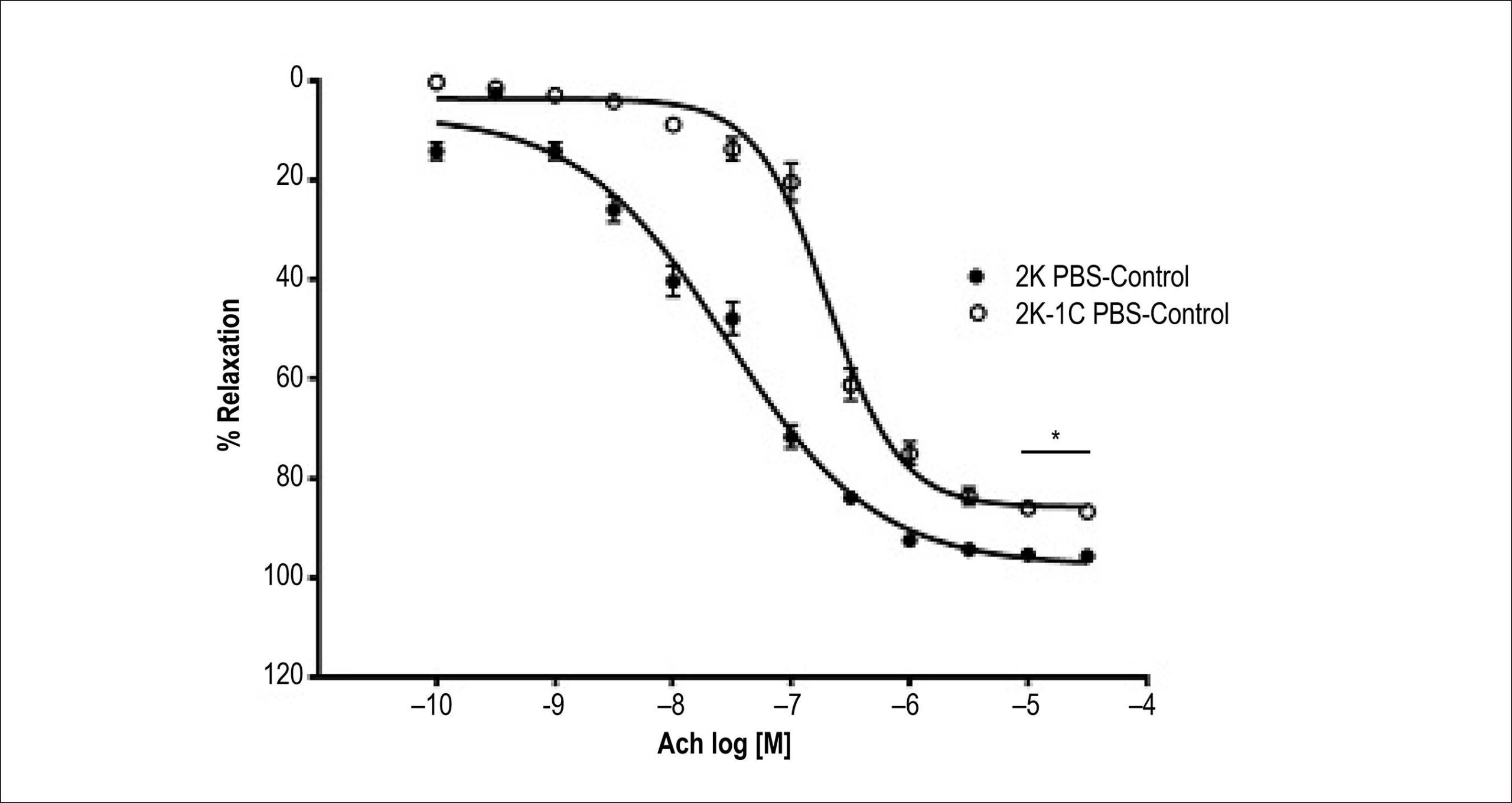
In aorta from 2K-1C animals, the treatment with BPY 0.1µM increased the potency of acetylcholine-induced relaxation and it was able to revert the endothelial dysfunction. The presence of the endothelium did not modify the effect of BPY in inducing the relaxation in aortas from 2K and 2K-1C rats. In coronary, the endothelium potentiated the vasodilator effect of BPY in vessels from 2K and 2K-1C rats.

Conclusion:

Our results suggest that 0.1 µM of BPY is able to normalize the relaxation endothelium dependent in hypertensive rats, and the compound BPY induces relaxation in aortic from normotensive and hypertensive rats with the same potency. The endothelium potentiate the relaxation effect induced by BPY in coronary from normotensive and hypertensive rats, with lower effect on coronary from hypertensive rats.

  • Endothelium / physiopathology
  • Hypertension, Renal
  • Nitric Oxide
  • Rats
  • Ruthenium
Read Full Article
Creative Commons Attribution (CC BY) Creative Commons license
29/06/2017 DOI: 10.5935/abc.20170090
Figure 1
IJCS
Viewpoint

Detailing Peripheral Arterial Tonometry in Heart Failure. An Endothelial Function Evaluation

Aline Cristina Tavares et al. Edimar Alcides Bocchi Guilherme Veiga Guimarães

Introduction

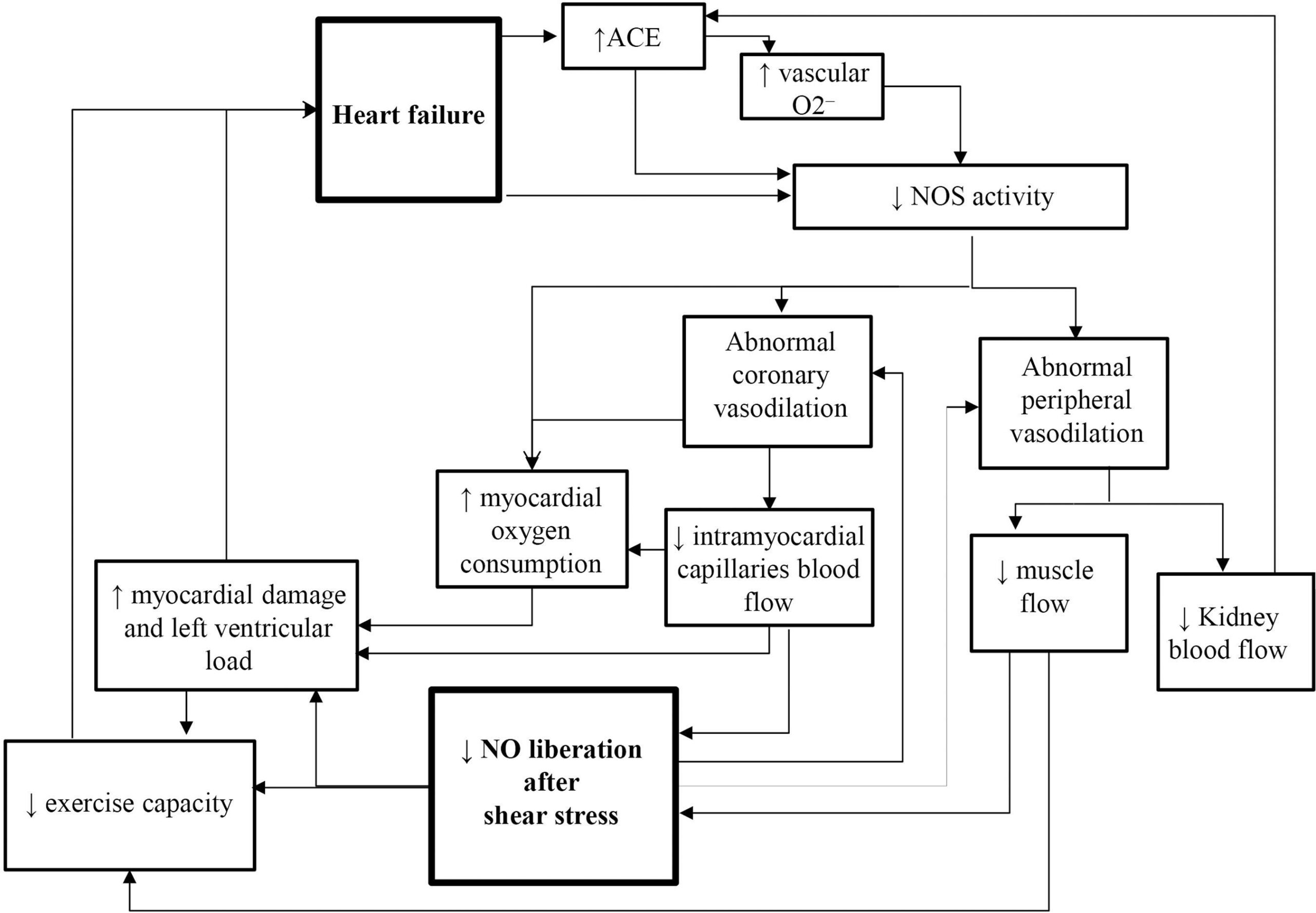
Endothelium regulates cardiac function and vasomotor tone, adjusts vascular permeability, preserves blood fluidity, playing an important role in cardiovascular homeostasis., In adults with heart failure (HF), endothelial dysfunction severity is related to diastolic dysfunction,, increase in cardiovascular risk,– heart failure,, exercise incapacity, severity of cardiovascular symptoms,,,,, cardiovascular events, cardiac transplant and death.,

Although endothelium is at the interface between circulating cardiovascular factors and underlying organ tissues, cardiovascular and endothelial peripheral dysfunctions are not totally linked so far.– Evaluation of endothelial function appears as a tempting adjunct for cardiovascular risk stratification, and understanding this matter may help having a faster approach and better screening in the cardiomyopathy field in everyday clinical practice, which brings the importance of this paper.

[…]

  • Endothelium / physiopathology
  • Heart Failure
  • Nitric Oxide
  • Stroke Volume
Read Full Article
Creative Commons Attribution (CC BY) Creative Commons license
01/01/2017 DOI: 10.5935/2359-4802.20170051 Views 1
Figure 1
ABC
Original Article

Renin-Angiotensin System Blockade Associated with Statin Improves Endothelial Function in Diabetics

Ronaldo Altenburg Gismondi et al. Ricardo Bedirian Cesar Romaro Pozzobon Márcia Cristina Ladeira … Wille Oigman Mário Fritsch Neves

Abstract

Background:

Studies suggest that statins have pleiotropic effects, such as reduction in blood pressure, and improvement in endothelial function and vascular stiffness.

Objective:

To analyze if prior statin use influences the effect of renin-angiotensin-aldosterone system inhibitors on blood pressure, endothelial function, and vascular stiffness.

Methods:

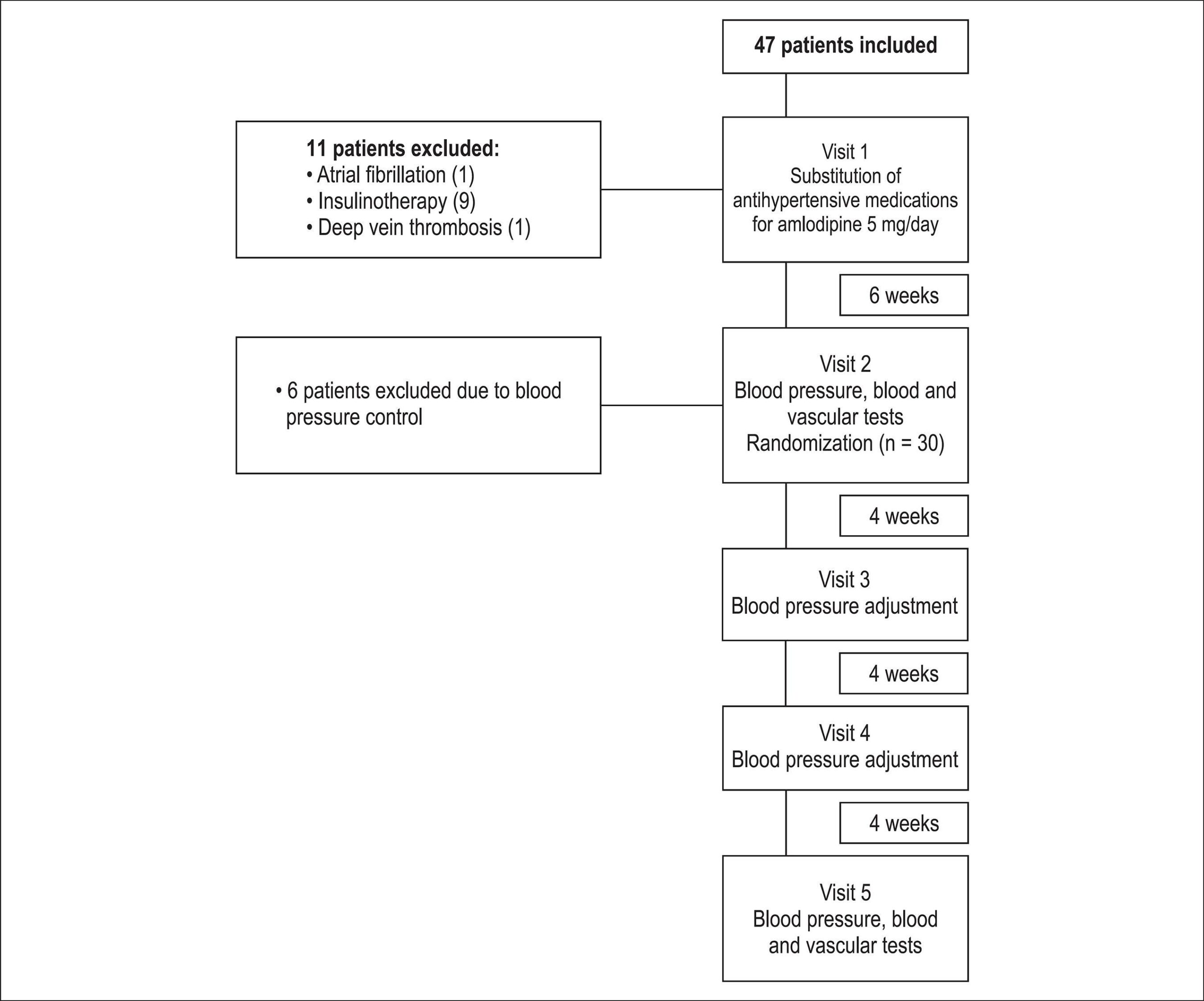
Patients with diabetes and hypertension with office systolic blood pressure ≥ 130 mmHg and/or diastolic blood pressure ≥ 80 mmHg had their antihypertensive medications replaced by amlodipine during 6 weeks. They were then randomized to either benazepril or losartan for 12 additional weeks while continuing on amlodipine. Blood pressure (assessed with ambulatory blood pressure monitoring), endothelial function (brachial artery flow-mediated dilation), and vascular stiffness (pulse wave velocity) were evaluated before and after the combined treatment. In this study, a post hoc analysis was performed to compare patients who were or were not on statins (SU and NSU groups, respectively).

Results:

The SU group presented a greater reduction in the 24-hour systolic blood pressure (from 134 to 122 mmHg, p = 0.007), and in the brachial artery flow-mediated dilation (from 6.5 to 10.9%, p = 0.003) when compared with the NSU group (from 137 to 128 mmHg, p = 0.362, and from 7.5 to 8.3%, p = 0.820). There was no statistically significant difference in pulse wave velocity (SU group: from 9.95 to 9.90 m/s, p = 0.650; NSU group: from 10.65 to 11.05 m/s, p = 0.586).

Conclusion:

Combined use of statins, amlodipine, and renin-angiotensin-aldosterone system inhibitors improves the antihypertensive response and endothelial function in patients with hypertension and diabetes.

  • Diabetes Mellitus
  • Endothelium / physiopathology
  • Hypertension
  • Renin-Angiotensin System/drug effects
Read Full Article
Creative Commons Attribution (CC BY) Creative Commons license
02/10/2015 DOI: 10.5935/abc.20150123
Figure 1
ABC
Original Article

Functional Vascular Study in Hypertensive Subjects with Type 2 Diabetes Using Losartan or Amlodipine

Cesar Romaro Pozzobon et al. Ronaldo A. O. C. Gismondi Ricardo Bedirian Marcia Cristina Ladeira … Mario Fritsch Neves Wille Oigman

Background:

Antihypertensive drugs are used to control blood pressure (BP) and reduce macro- and microvascular complications in hypertensive patients with diabetes.

Objectives:

The present study aimed to compare the functional vascular changes in hypertensive patients with type 2 diabetes mellitus after 6 weeks of treatment with amlodipine or losartan.

Methods:

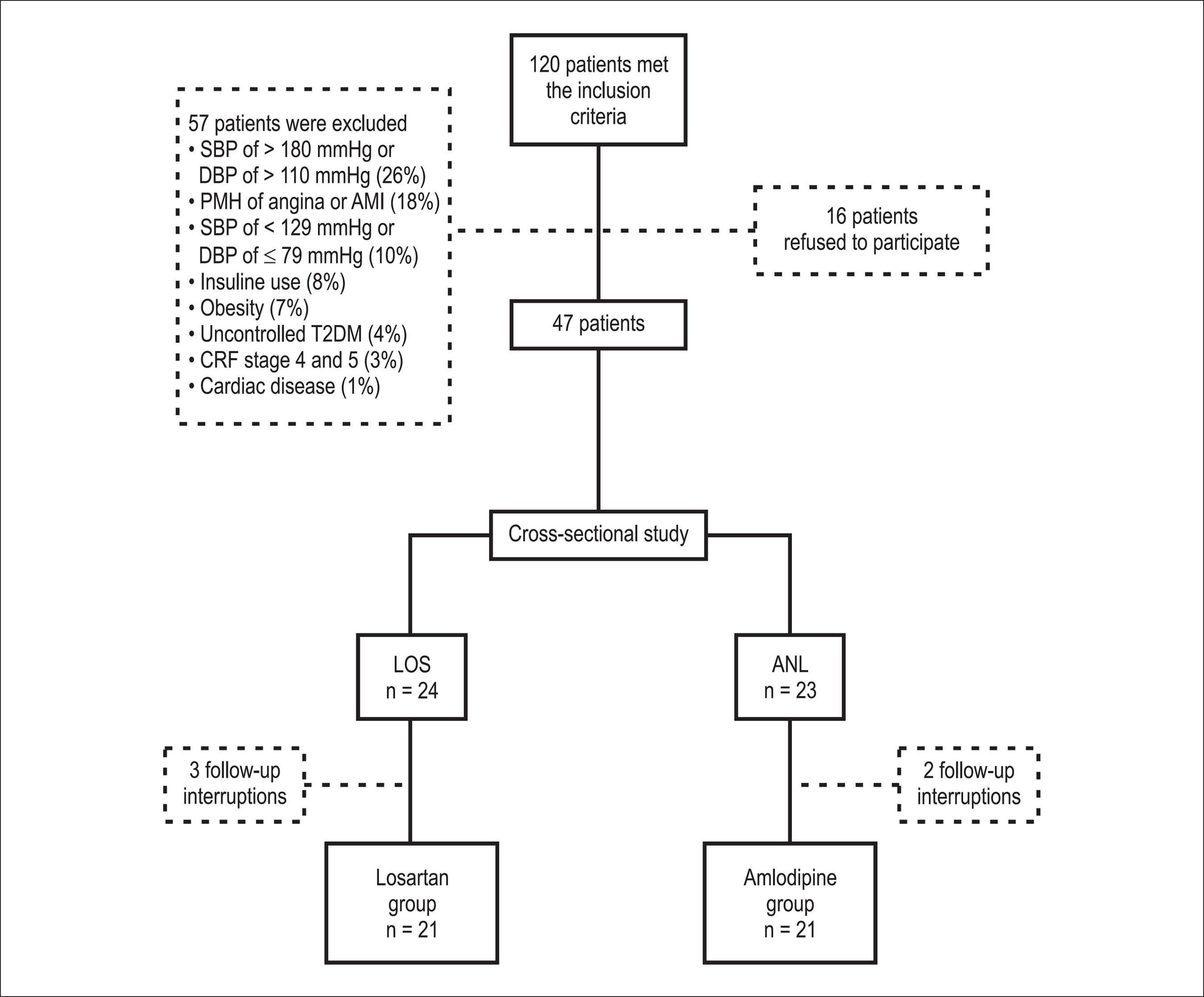
Patients with a previous diagnosis of hypertension and type 2 diabetes mellitus were randomly divided into 2 groups and evaluated after 6 weeks of treatment with amlodipine (5 mg/day) or losartan (100 mg/day). Patient evaluation included BP measurement, ambulatory BP monitoring, and assessment of vascular parameters using applanation tonometry, pulse wave velocity (PWV), and flow-mediated dilation (FMD) of the brachial artery.

Results:

A total of 42 patients were evaluated (21 in each group), with a predominance of women (71%) in both groups. The mean age of the patients in both groups was similar (amlodipine group: 54.9 ± 4.5 years; losartan group: 54.0 ± 6.9 years), with no significant difference in the mean BP [amlodipine group: 145 ± 14 mmHg (systolic) and 84 ± 8 mmHg (diastolic); losartan group: 153 ± 19 mmHg (systolic) and 90 ± 9 mmHg (diastolic)]. The augmentation index (30% ± 9% and 36% ± 8%, p = 0.025) and augmentation pressure (16 ± 6 mmHg and 20 ± 8 mmHg, p = 0.045) were lower in the amlodipine group when compared with the losartan group. PWV and FMD were similar in both groups.

Conclusions:

Hypertensive patients with type 2 diabetes mellitus treated with amlodipine exhibited an improved pattern of pulse wave reflection in comparison with those treated with losartan. However, the use of losartan may be associated with independent vascular reactivity to the pressor effect.

  • Amlodipine / therapeutic, use
  • Atherosclerosis
  • Diabetes Mellitus, Type 2 / complications
  • Endothelium / physiopathology
  • Hypertension/complications
  • Losartan/therapeutic use
Read Full Article
Creative Commons Attribution (CC BY) Creative Commons license
09/07/2014 DOI: 10.5935/abc.20140089 Views 2
Figure 1
ABC
Artigo Original

Evaluation of Endothelial Function on Atherosclerosis using Perfusion Index from Pulse Oximeter

Igor Alexandre Côrtes de Menezes et al. Márcio Roberto Viana Santos Cláudio Leinig Pereira da Cunha

Background:

Endothelial dysfunction is vascular phenomenon that plays an important role in atherosclerosis development. With the purpose of improving the prevention and treatment of atherosclerotic diseases, the searching for accurate, practical and cheaper methods for evaluating endothelial function have become of interest.

Objectives:

Verify the potential of Peripheral Perfusion Index from pulse oximetry (IPP) as a method of endothelial dysfunction evaluation in patients with atherosclerotic diseases.

Methods:

There were recruited 18 control patients and 24 patients with atherosclerotic diseases under optimized treatment, in basic health units. The values of IPP were evaluated before and after an endothelial-dependent stimulus, the reactive hyperemia. The values of IPP were also evaluated in period which the major contribution of Nitric Oxide (NO) for the vasodilation occurs (IPP90-120). The results of IPP were discussed using the literature and estimating their diagnostic and prognostic potential

Results:

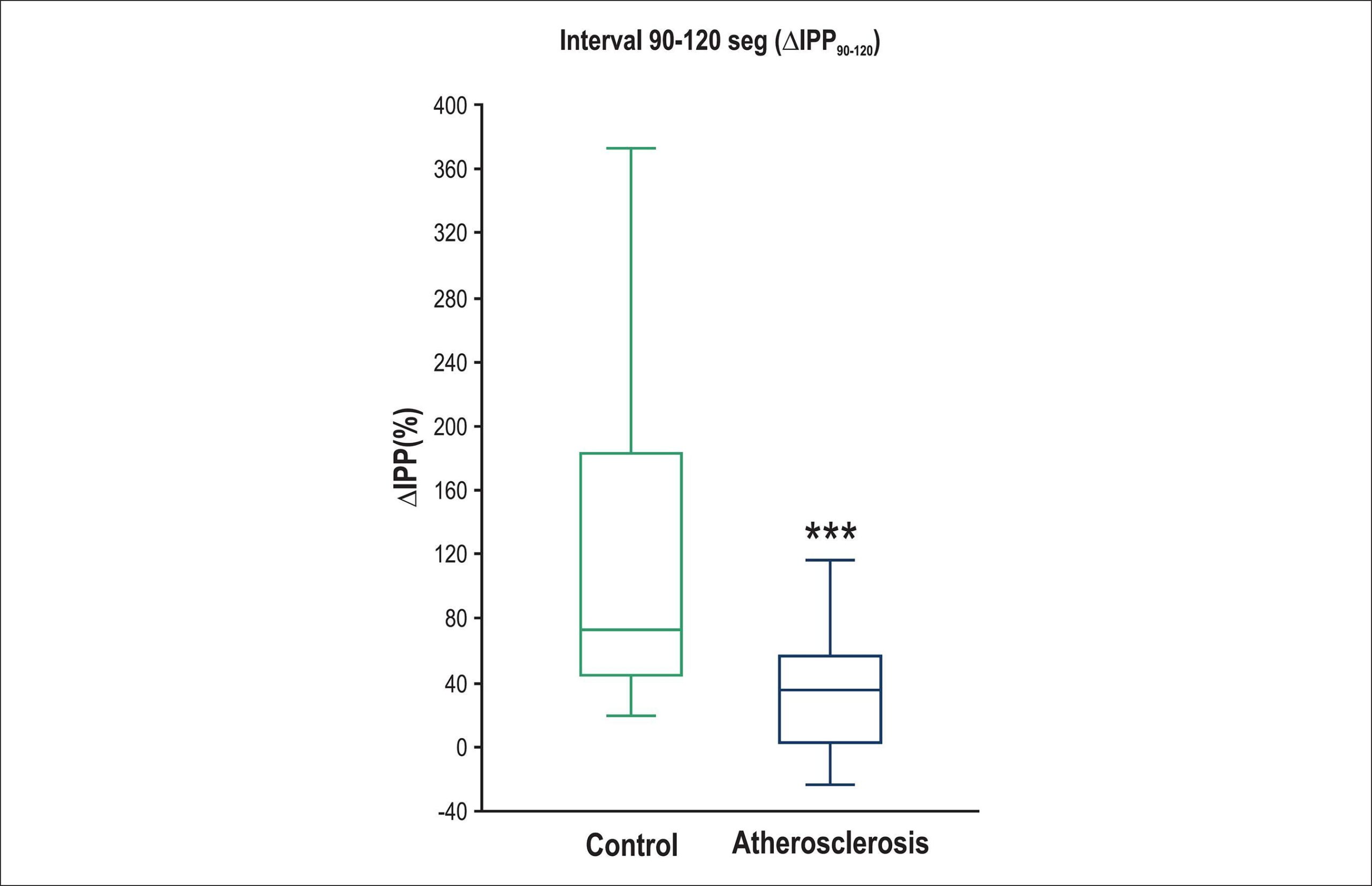
The endothelium-dependent vasodilatory response measured by IPP was significantly lower in patients with atherosclerosis compared to control group, since 45 seconds after reactive hyperemia. Also, the values of IPP90-120 were significantly lower in patients with atherosclerosis [35% (4 – 53%) vs 73% (55 – 169%); p<0,001]. Similarly, the IPP values were lower in atherosclerosis group when it was separated by gender.

Conclusion:

The results of this study, in association with the low cost of pulse oximeter, suggest a good potential for IPP as an endothelial dysfunction evaluation method. New studies must be done in order to clarify this potential and possibly contribute with the prevention and treatment of atherosclerotic diseases.

  • Atherosclerosis
  • Endothelium / physiopathology
  • Pulsatile Flow
Read Full Article
Creative Commons Attribution (CC BY) Creative Commons license
10/02/2014 DOI: 10.5935/abc.20140010 Views 1

How to cite this article

EndNote RIS

Electronic Document Format (Vancouver)

Long M, Huang Z, Zhuang X, Huang Z, Guo Y, Liao X, Luo C, et al. Association of Inflammation and Endothelial Dysfunction with Coronary Microvascular Resistance in Patients with Cardiac Syndrome X. Arquivos Brasileiros de Cardiologia 2017;109(5):397-403.

Electronic Document Format (ABNT)

Long, Ming; Huang, Zhibin; Zhuang, Xiaodong; Huang, Zena; Guo, Yue; Liao, Xinxue; Luo, Chufan. Association of Inflammation and Endothelial Dysfunction with Coronary Microvascular Resistance in Patients with Cardiac Syndrome X. Arquivos Brasileiros de Cardiologia, v. 109, n. 5, p. 397-403, Oct. 2017.

Electronic Document Format (APA)

Long, M., Huang, Z., Zhuang, X., Huang, Z., Guo, Y., Liao, X., & Luo, C. (2017). Association of Inflammation and Endothelial Dysfunction with Coronary Microvascular Resistance in Patients with Cardiac Syndrome X. Arquivos Brasileiros de Cardiologia, 109(5), 397-403.

Electronic Document Format (ISO)

Long, Ming and Huang, Zhibin and Zhuang, Xiaodong and Huang, Zena and Guo, Yue and Liao, Xinxue and Luo, Chufan. Association of Inflammation and Endothelial Dysfunction with Coronary Microvascular Resistance in Patients with Cardiac Syndrome X. Arquivos Brasileiros de Cardiologia [online]. 2017, vol. 109, n. 5, [cited 2026-10-14], pp. 397-403. Available from: <https://journals.cardiol.br/en/article/association-of-inflammation-and-endothelial-dysfunction-with-coronary-microvascular-resistance-in-patients-with-cardiac-syndrome-x/>. ISSN 0066-782X

EndNote RIS

Electronic Document Format (Vancouver)

Vatanabe IP, Rodrigues CNS, Buzinari TC, Moraes TF, Silva RS, Rodrigues GJ. Ruthenium Complex Improves the Endothelial Function in Aortic Rings From Hypertensive Rats. Arquivos Brasileiros de Cardiologia 2017;109(2):124-31.

Electronic Document Format (ABNT)

Vatanabe, Izabela Pereira; Rodrigues, Carla Nascimento dos Santos; Buzinari, Tereza Cristina; Moraes, Thiago Francisco de; Silva, Roberto Santana da; Rodrigues, Gerson Jhonatan. Ruthenium Complex Improves the Endothelial Function in Aortic Rings From Hypertensive Rats. Arquivos Brasileiros de Cardiologia, v. 109, n. 2, p. 124-131, Jun. 2017.

Electronic Document Format (APA)

Vatanabe, I. P., Rodrigues, C. N. S., Buzinari, T. C., Moraes, T. F. , Silva, R. S. , & Rodrigues, G. J. (2017). Ruthenium Complex Improves the Endothelial Function in Aortic Rings From Hypertensive Rats. Arquivos Brasileiros de Cardiologia, 109(2), 124-131.

Electronic Document Format (ISO)

Vatanabe, Izabela Pereira and Rodrigues, Carla Nascimento dos Santos and Buzinari, Tereza Cristina and Moraes, Thiago Francisco de and Silva, Roberto Santana da and Rodrigues, Gerson Jhonatan. Ruthenium Complex Improves the Endothelial Function in Aortic Rings From Hypertensive Rats. Arquivos Brasileiros de Cardiologia [online]. 2017, vol. 109, n. 2, [cited 2026-10-14], pp. 124-131. Available from: <https://journals.cardiol.br/en/article/ruthenium-complex-improves-the-endothelial-function-in-aortic-rings-from-hypertensive-rats/>. ISSN 0066-782X

EndNote RIS

Electronic Document Format (Vancouver)

Tavares AC, Bocchi EA, Guimarães GV. Detailing Peripheral Arterial Tonometry in Heart Failure. An Endothelial Function Evaluation. International Journal of Cardiovascular Sciences 2017;30(4):354-8.

Electronic Document Format (ABNT)

Tavares, Aline Cristina; Bocchi, Edimar Alcides; Guimarães, Guilherme Veiga. Detailing Peripheral Arterial Tonometry in Heart Failure. An Endothelial Function Evaluation. International Journal of Cardiovascular Sciences, v. 30, n. 4, p. 354-358, Dec. 2016.

Electronic Document Format (APA)

Tavares, A. C., Bocchi, E. A., & Guimarães, G. V. (2017). Detailing Peripheral Arterial Tonometry in Heart Failure. An Endothelial Function Evaluation. International Journal of Cardiovascular Sciences, 30(4), 354-358.

Electronic Document Format (ISO)

Tavares, Aline Cristina and Bocchi, Edimar Alcides and Guimarães, Guilherme Veiga. Detailing Peripheral Arterial Tonometry in Heart Failure. An Endothelial Function Evaluation. International Journal of Cardiovascular Sciences [online]. 2017, vol. 30, n. 4, [cited 2026-10-14], pp. 354-358. Available from: <https://journals.cardiol.br/en/article/detailing-peripheral-arterial-tonometry-in-heart-failure-an-endothelial-function-evaluation/>. ISSN 2359-4802

EndNote RIS

Electronic Document Format (Vancouver)

Gismondi RA, Bedirian R, Pozzobon CR, Ladeira MC, Oigman W, Neves MF. Renin-Angiotensin System Blockade Associated with Statin Improves Endothelial Function in Diabetics. Arquivos Brasileiros de Cardiologia 2015;105(6):597-605.

Electronic Document Format (ABNT)

Gismondi, Ronaldo Altenburg; Bedirian, Ricardo; Pozzobon, Cesar Romaro; Ladeira, Márcia Cristina; Oigman, Wille; Neves, Mário Fritsch. Renin-Angiotensin System Blockade Associated with Statin Improves Endothelial Function in Diabetics. Arquivos Brasileiros de Cardiologia, v. 105, n. 6, p. 597-605, Oct. 2015.

Electronic Document Format (APA)

Gismondi, R. A., Bedirian, R., Pozzobon, C. R., Ladeira, M. C., Oigman, W., & Neves, M. F. (2015). Renin-Angiotensin System Blockade Associated with Statin Improves Endothelial Function in Diabetics. Arquivos Brasileiros de Cardiologia, 105(6), 597-605.

Electronic Document Format (ISO)

Gismondi, Ronaldo Altenburg and Bedirian, Ricardo and Pozzobon, Cesar Romaro and Ladeira, Márcia Cristina and Oigman, Wille and Neves, Mário Fritsch. Renin-Angiotensin System Blockade Associated with Statin Improves Endothelial Function in Diabetics. Arquivos Brasileiros de Cardiologia [online]. 2015, vol. 105, n. 6, [cited 2026-10-14], pp. 597-605. Available from: <https://journals.cardiol.br/en/article/renin-angiotensin-system-blockade-associated-with-statin-improves-endothelial-function-in-diabetics/>. ISSN 0066-782X

EndNote RIS

Electronic Document Format (Vancouver)

Pozzobon CR, Gismondi RAOC, Bedirian R, Ladeira MC, Neves MF, Oigman W. Functional Vascular Study in Hypertensive Subjects with Type 2 Diabetes Using Losartan or Amlodipine. Arquivos Brasileiros de Cardiologia 2014;103(1):51-9.

Electronic Document Format (ABNT)

Pozzobon, Cesar Romaro; Gismondi, Ronaldo A. O. C.; Bedirian, Ricardo; Ladeira, Marcia Cristina; Neves, Mario Fritsch; Oigman, Wille. Functional Vascular Study in Hypertensive Subjects with Type 2 Diabetes Using Losartan or Amlodipine. Arquivos Brasileiros de Cardiologia, v. 103, n. 1, p. 51-59, Jul. 2014.

Electronic Document Format (APA)

Pozzobon, C. R., Gismondi, R. A. O. C., Bedirian, R., Ladeira, M. C., Neves, M. F., & Oigman, W. (2014). Functional Vascular Study in Hypertensive Subjects with Type 2 Diabetes Using Losartan or Amlodipine. Arquivos Brasileiros de Cardiologia, 103(1), 51-59.

Electronic Document Format (ISO)

Pozzobon, Cesar Romaro and Gismondi, Ronaldo A. O. C. and Bedirian, Ricardo and Ladeira, Marcia Cristina and Neves, Mario Fritsch and Oigman, Wille. Functional Vascular Study in Hypertensive Subjects with Type 2 Diabetes Using Losartan or Amlodipine. Arquivos Brasileiros de Cardiologia [online]. 2014, vol. 103, n. 1, [cited 2026-10-14], pp. 51-59. Available from: <https://journals.cardiol.br/en/article/functional-vascular-study-in-hypertensive-subjects-with-type-2-diabetes-using-losartan-or-amlodipine/>. ISSN 0066-782X

EndNote RIS

Electronic Document Format (Vancouver)

Menezes IAC, Santos MRV, Cunha CLP. Evaluation of Endothelial Function on Atherosclerosis using Perfusion Index from Pulse Oximeter. Arquivos Brasileiros de Cardiologia 2014;102(3):237-44.

Electronic Document Format (ABNT)

Menezes, Igor Alexandre Côrtes de; Santos, Márcio Roberto Viana; Cunha, Cláudio Leinig Pereira da. Evaluation of Endothelial Function on Atherosclerosis using Perfusion Index from Pulse Oximeter. Arquivos Brasileiros de Cardiologia, v. 102, n. 3, p. 237-244, Feb. 2014.

Electronic Document Format (APA)

Menezes, I. A. C. , Santos, M. R. V., & Cunha, C. L. P. (2014). Evaluation of Endothelial Function on Atherosclerosis using Perfusion Index from Pulse Oximeter. Arquivos Brasileiros de Cardiologia, 102(3), 237-244.

Electronic Document Format (ISO)

Menezes, Igor Alexandre Côrtes de and Santos, Márcio Roberto Viana and Cunha, Cláudio Leinig Pereira da. Evaluation of Endothelial Function on Atherosclerosis using Perfusion Index from Pulse Oximeter. Arquivos Brasileiros de Cardiologia [online]. 2014, vol. 102, n. 3, [cited 2026-10-14], pp. 237-244. Available from: <https://journals.cardiol.br/en/article/evaluation-of-endothelial-function-on-atherosclerosis-using-perfusion-index-from-pulse-oximeter/>. ISSN 0066-782X

  • About ABC Family
  • Internal Regulation
  • Editorial Board
  • Brazilian Society of Cardiology (SBC)

Issues

SBC Guidelines

  • Videos
  • Podcasts
  • News