| ABCIC
ABC Family Arquivos Brasileiros de Cardiologia International Journal of Cardiovascular Sciences ABC Heart Failure & Cardiomyopathy ABC Imagem Cardiovascular
Português English
ABC Family | ABCIC
Português English
  • About
    • About the Journal
    • Internal Regulation
    • Editors Section
    • Editorial Board
    • SBC Award
  • Instructions to Authors
    • Guidelines for Publication
    • Editorial Policy
    • Ethics Policy
    • Policy on the Use of Artificial Intelligence
    • Mandatory Publication Form
  • Issues
  • SBC Guidelines
  • About
    • About the Journal
    • Internal Regulation
    • Editors Section
    • Editorial Board
    • SBC Award
  • Instructions to Authors
    • Guidelines for Publication
    • Editorial Policy
    • Ethics Policy
    • Policy on the Use of Artificial Intelligence
    • Mandatory Publication Form
  • Issues
  • SBC Guidelines

ABC Family

  • ABC Family
  • Arquivos Brasileiros de Cardiologia
  • International Journal of Cardiovascular Sciences
  • ABC Heart Failure & Cardiomyopathy
  • ABC Imagem Cardiovascular
Search in

No content found.

Journals
Ordering
Article types
Others

  1. Home
  2. ABCIC
  3. Issues
  4. 2024, Volume 37, Number 3
Figure 1
Review Article

New Perspectives in The Assessments of Left Atrial Function in Athletes

Rômulo Leal Almeida et al. Maria do Socorro Brasileiro Santos Isabelle Adjanine Borges de Lima Eduardo Porto dos Santos … Stephanney Karolinne Mercer Souza Freitas de Moura Marcelo Tavares Amilton da Cruz Santos

Abstract

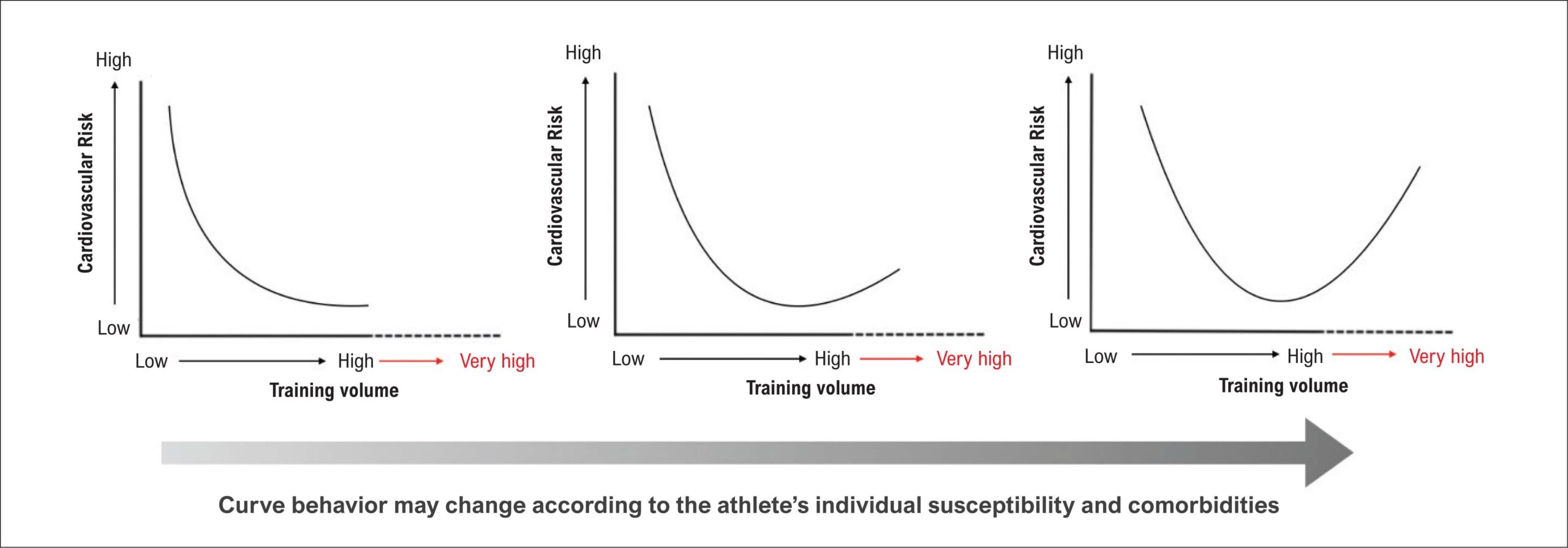
In high-performance athletes, especially those who practice endurance sports that involve high-intensity training for long periods, the heart shows electrical, functional, and structural changes, increasing the likelihood of ventricular and atrial arrhythmias. It is already known that these athletes have increased left atrium (LA) diameter and indexed volume. However, the effects of these changes on atrial function are not yet fully understood. The mechanics of the LA involve three functions: 1) it acts as a reservoir that collects venous flow from the pulmonary veins, occurring during ventricular systole; 2) it acts as a conduit, allowing the passive filling of the left ventricle; and 3) it acts as a contractile pump, expressed by atrial contraction. Recently, the analysis of atrial function through myocardial deformation using the speckle tracking technique has been increasingly used and contributed to the understanding of atrial mechanics. Endurance athletes have greater atrial adaptations, including greater LA diameter and volume, probably caused by the repetitive and sustained increase in effort preload to meet the cardiac output demand during high-intensity training. In addition to an increased LA, studies have shown a reduced reservoir function in athletes when compared to the control group. Therefore, we believe these findings may contribute to a more effective stratification of patients at higher risk of developing atrial fibrillation (AF). Finally, we understand that further studies are needed to better understand the dose-response relationship between exercise and left atrial function.
  • Athletes
  • Atrial Function
  • Echocardiography
Read Full Article
Creative Commons Attribution (CC BY) Creative Commons license
01/10/2024 DOI: 10.36660/abcimg.20240077i Views 1
Figure 1
Review Article

Percutaneous Left Atrial Appendage Occlusion

Lucas Velloso Dutra et al. Arthur Cortez Gonçalves Bruna Morhy Borges Leal Assunção Jairo Alves Pinheiro Junior

Abstract

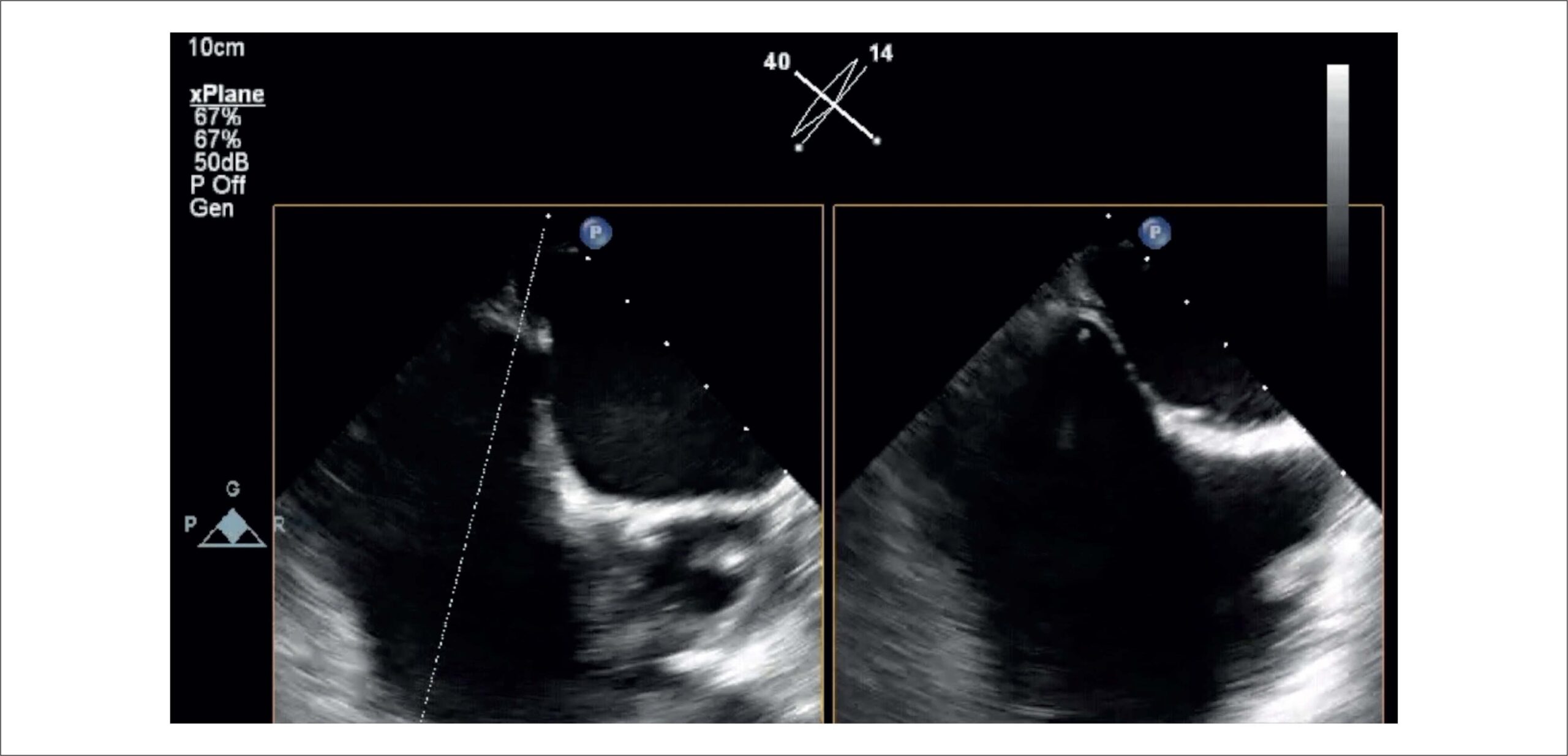
Percutaneous occlusion of the left atrial appendage (LAA) is an alternative to oral anticoagulation for patients with atrial fibrillation (AF) or flutter who have high risk of cardioembolic events, but with a history or high risk of bleeding. In recent years, new generations of occluder devices have been developed, which, combined with greater experience of operators, have made it a safe procedure when properly indicated. Transesophageal echocardiography (TEE) plays a central role in assessing the morphology of the LAA, selecting device size, and image monitoring during the structural cardiovascular procedure.

  • Atrial Fibrillation
  • Coronary Occluaion
  • Left Atrial Appendage Closure
Read Full Article
Creative Commons Attribution (CC BY) Creative Commons license
01/10/2024 DOI: 10.36660/abcimg.20240060i Views 1
Left Ventricular Function and Myocardial Longitudinal Strain Analysis in Patients With Chagas Disease: Case Series and Systematic Literature Review
Original Article

Left Ventricular Function and Myocardial Longitudinal Strain Analysis in Patients With Chagas Disease: Case Series and Systematic Literature Review

José Victor da Nóbrega Borges et al. Samira Abdel Correia Leila Manuella Guedes da Nóbrega Machado Kiran Sooraj Thirukonda Jegadeesh Babu … Karma Jashvantbhai Patel Kavya Hiteshkumar Shah Mahitha Reddy Takkasila Abdul Majid Shaik Muhammad Ahmed Shaikh Ninad Khandekar Sahithi Burra

Abstract

Introduction:

Left ventricular dysfunction as an independent predictor of mortality in Chagas disease. Global longitudinal strain (GLS) is an emerging echocardiographic modality with possible incremental value in early detection of cardiac involvement.

Objective:

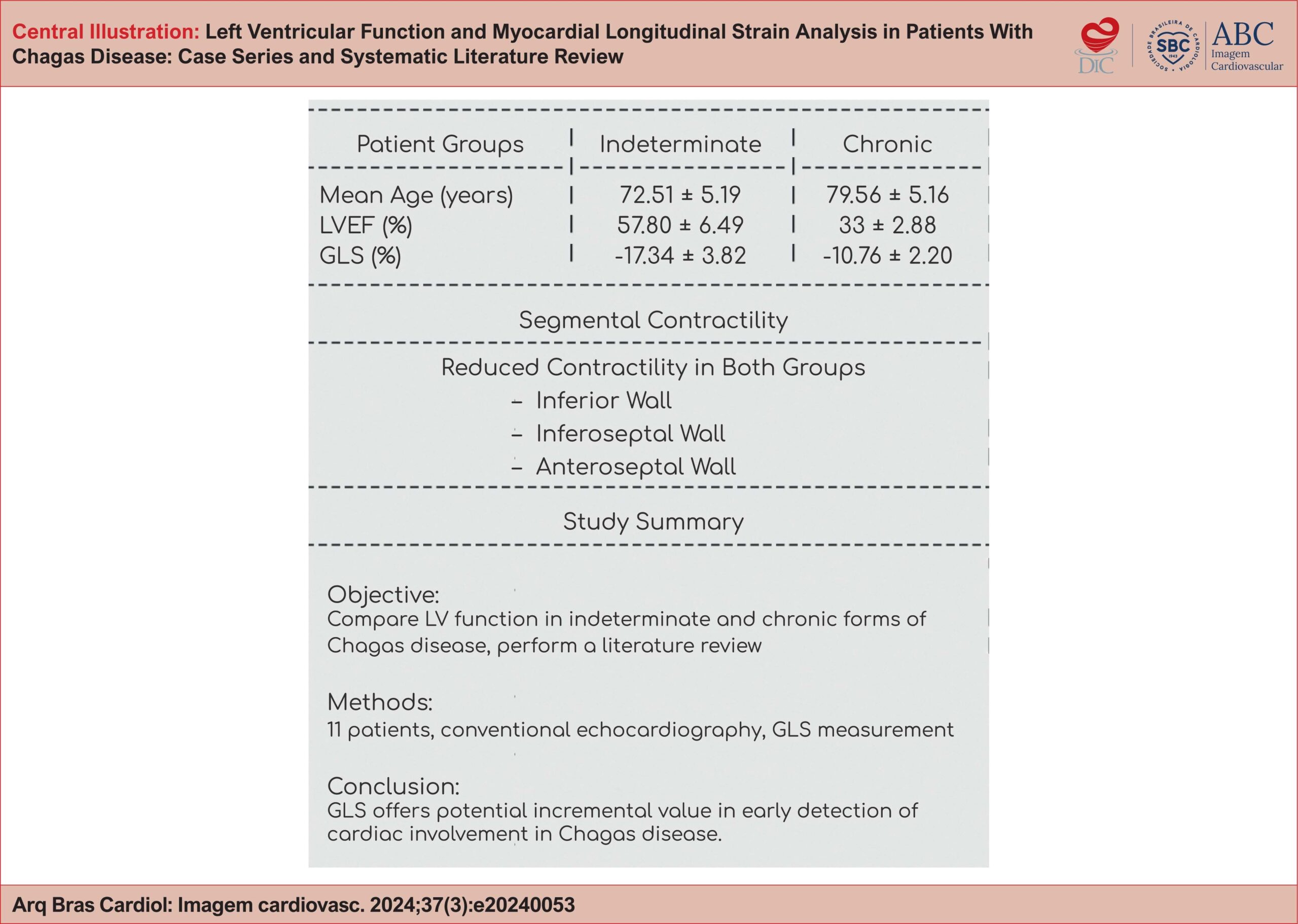
Compare left ventricular function with multiple echocardiographic parameters between patients with the indeterminate and chronic forms of Chagas, and perform a literature review.

Methods:

In this observational study, 11 patients with a confirmed diagnosis of Chagas disease were evaluated. Individuals were distributed as follows: five with the indeterminate and six with the chronic forms. Conventional echocardiographic evaluation was followed by GLS measurement.

Results:

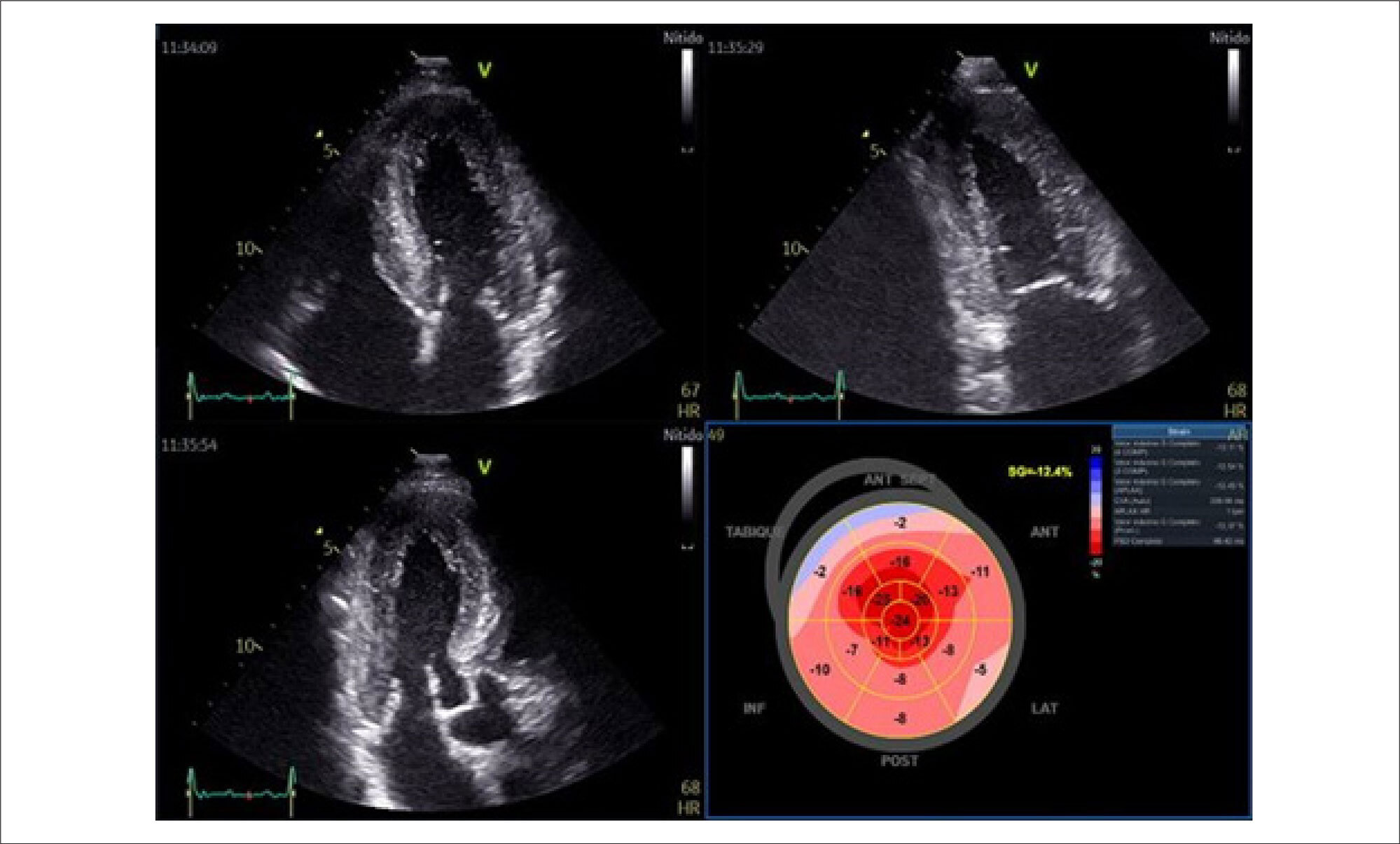
The mean left ventricle ejection fraction left ventricular ejection fraction (LVEF) was 33 ± 2.88, and the mean GLS of the left ventricle was −10.76 ± 2.20 in the chronic form as compared to 57.80 ± 6.49 and −17.34 ± 3.82, respectively in the indeterminate group. Contractility was reduced in segments of the inferior, inferoseptal and anteroseptal walls in both groups. These segmental alterations in the indeterminate group may be attributed to early myocardial damage from inflammation and fibrosis, even before significant left ventricular dysfunction is evident.

Conclusion:

Analysis of longitudinal strain in the indeterminate form has potential incremental value to the conventional analysis of ejection fraction when compared to patients with chronic Chagas cardiomyopathy, especially with individual segmental analysis, but the impact and clinical significance of these techniques are still unknown.

  • Chagas Cardiomyopathy
  • Global Longitudinal Strain
  • Left Ventricular Function
Read Full Article
Creative Commons Attribution (CC BY) Creative Commons license
01/10/2024 DOI: 10.36660/abcimg.20240053i Views 2
Figure 1
Case Report

Aortic Valvulitis in Hypereosinophilic Syndrome: A Case Report

Mariano Gaston Bergier et al. Rocío Blanco Santiago Decotto Anibal Arias

Introduction

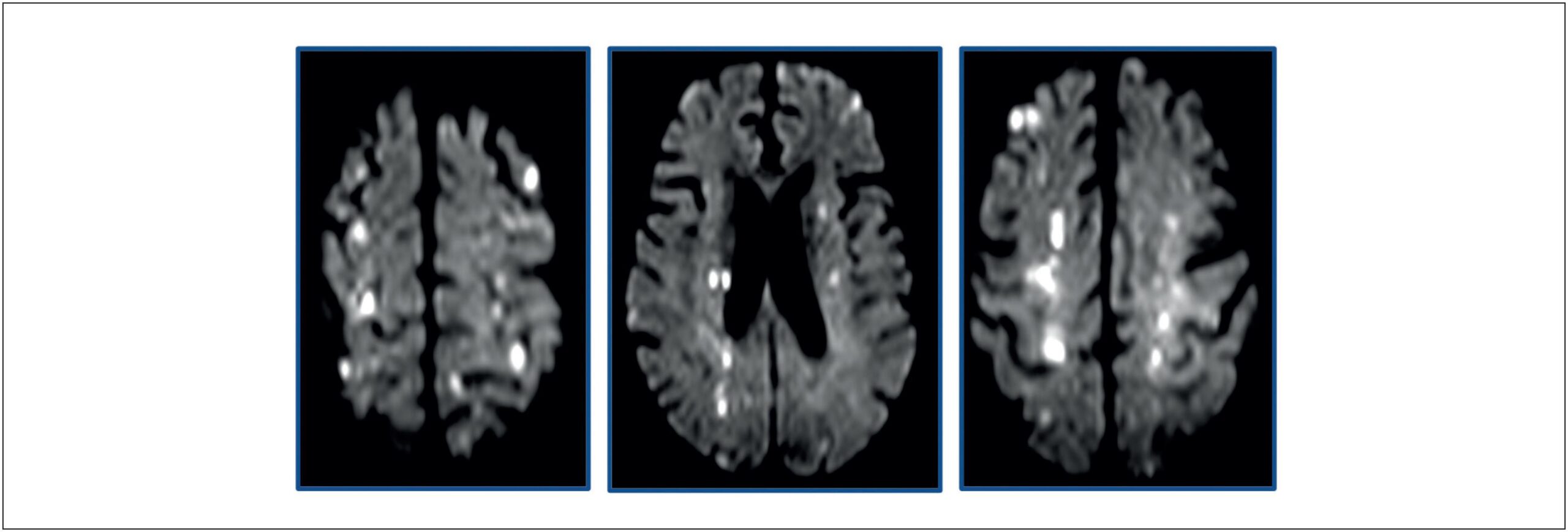
Hypereosinophilic syndromes are characterized by the sustained overproduction of eosinophils, which can infiltrate various organs and release toxins that damage tissues. Causes of increased eosinophils include 1) primary or neoplastic causes (e.g., stem cell, myeloid, or eosinophil neoplasia, and clonal disorders); 2) secondary or reactive causes (e.g., parasitic infections, solid tumors, and T-cell lymphomas); 3) idiopathic causes: part of specific syndromes (e.g., Churg-Strauss); and 4) hypereosinophilia of unknown significance, when there is no organic damage.

When specifically discussing rheumatic syndromes, the most common one is eosinophilic granulomatosis with polyangiitis, formerly known as Churg-Strauss disease. This vasculitis affects small and medium-sized arteries, primarily affecting the skin and lungs. However, it is a multisystem disorder that can affect kidneys, heart, and nervous system as well. This condition is often associated with chronic rhinosinusitis, asthma, and eosinophilia. ANCA antibodies are usually present, except in cases where the heart is involved. In such cases, ANCA antibodies are usually negative, but eosinophil counts remain elevated. Whenever possible, confirmatory diagnosis should be confirmed through an endomyocardial biopsy.,

[…]

  • Aortic Valve Disease
  • Hypereosinophilic Syndrome
  • Stroke
Read Full Article
Creative Commons Attribution (CC BY) Creative Commons license
20/09/2024 DOI: 10.36660/abcimg.20240055i Views 1
Liver Elastography for Complementary Assessment of Heart Failure
Review Article

Liver Elastography for Complementary Assessment of Heart Failure

Diane Xavier de Ávila et al. Humberto Villacorta Evandro Tinoco Mesquita

Abstract

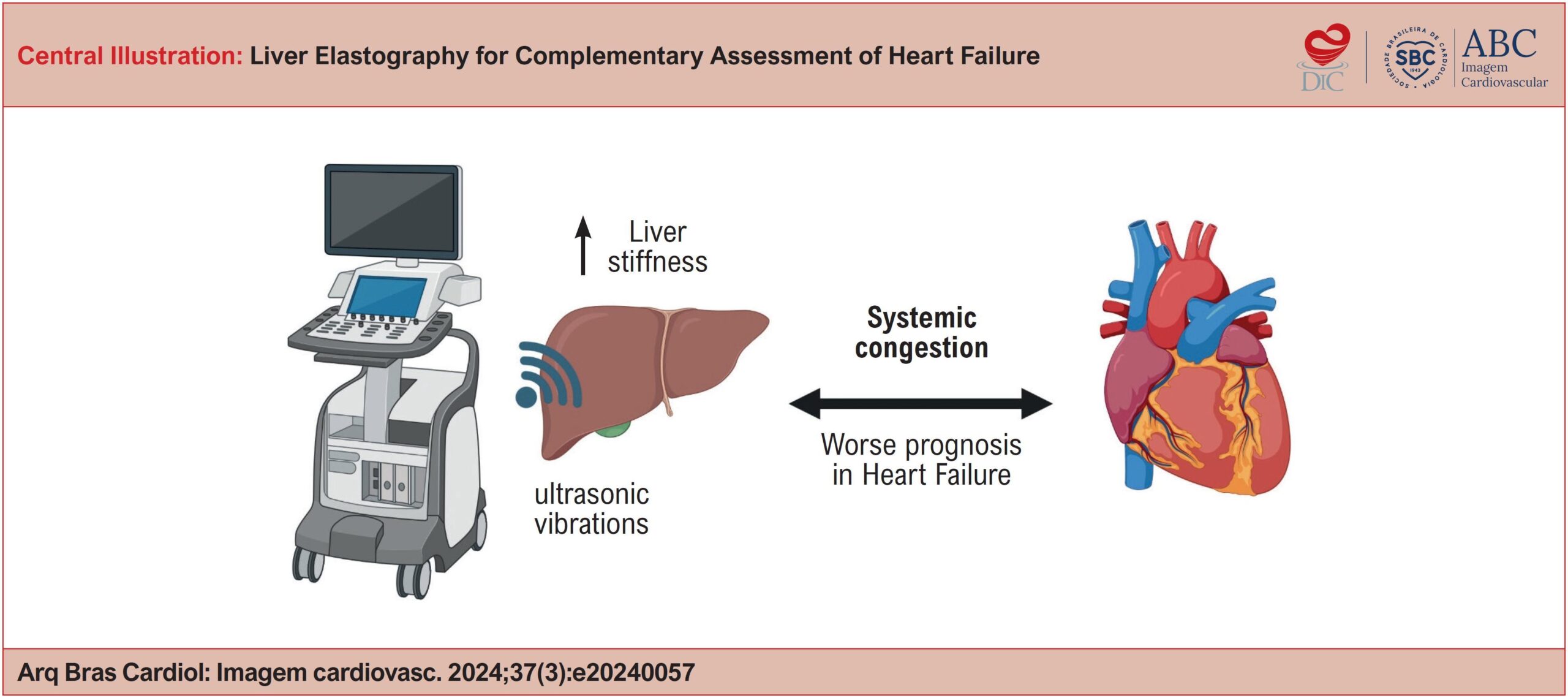
Liver elastography (LE) assesses the systemic consequences of heart failure (HF). This method may help in the prognostic assessment of patients with HF. HF can secondarily affect the function of various organs and systems, especially the liver, through venous congestion. The purpose of this article is to provide a narrative review of the importance of LE in the complementary evaluation of HF. The hepatic consequences of cardiac disease are sometimes silent, without significant changes in physical examination and/or laboratory tests. In this context, LE has emerged as a recommended non-invasive method to measure liver damage caused by HF.

  • Elasticity Imaging Techniques
  • Fatty Liver
  • Heart Failure
  • Liver Cirrhosis
Read Full Article
Creative Commons Attribution (CC BY) Creative Commons license
20/09/2024 DOI: 10.36660/abcimg.20240057i Views 2
Figure 1
Review Article

My Approach to PISA EROA in Mitral Regurgitation: A Critical Review

Nicolas Merke

Abstract

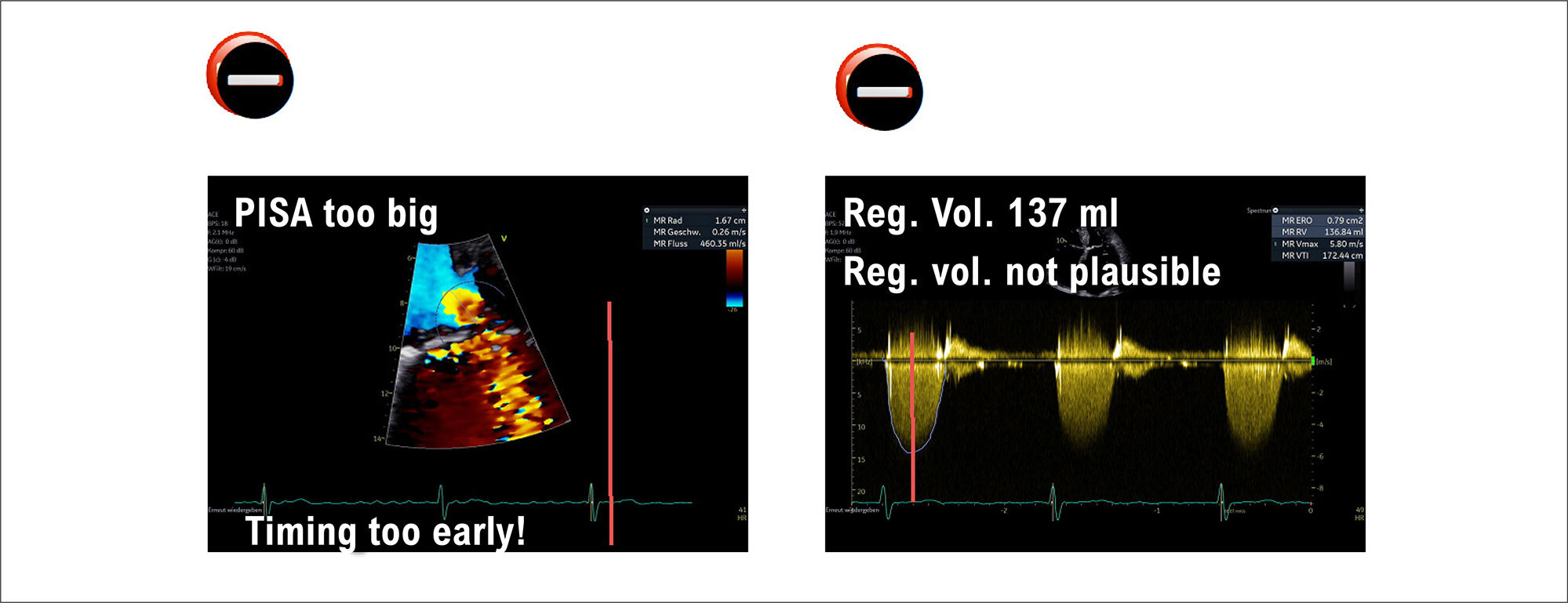
Mitral valve regurgitation is the most common valvular heart disease. In order to guide proper therapy, it is paramount to follow and use the guideline-recommended echocardiographic tools. The flow convergent method, which calculates the effective regurgitant orifice area and the regurgitant volume, plays an important role in the diagnostic workup and is widely used by echocardiographers and sonographers. Only by knowing the correct application and avoiding its pitfalls can we guarantee comprehensive and plausible values. This critical review will show in a step-by-step manner all critical moments by applying the Proximal Isovelocity Surface Area (PISA) and Effective Regurgitant Opening Area (EROA) method.

  • Heart Valve Diseases
  • Mitral Valve Insufficiency
  • Risk
Read Full Article
Creative Commons Attribution (CC BY) Creative Commons license
13/09/2024 DOI: 10.36660/abcimg.20240061i Views 1
Figure 1
Case Report

Is Wild-type Transthyretin Cardiac Amyloidosis Still Considered a Rare Disease?

Luis Enrique Sanchez Siancas

Introduction

Amyloidosis is a disease characterized by extracellular deposition of insoluble proteins resulting in organ dysfunction. There are more than 30 known proteins capable of aggregating into amyloid fibrils; among these, amyloidosis due to light chain (AL) immunoglobulin and transthyretin amyloidosis (ATTR) represent 98% of cardiac amyloidosis. Transthyretin (TTR) is a tetrameric protein whose function is to transport thyroxine and retinol-binding protein. It is primarily produced in the liver, with smaller quantities found in the choroid plexus and retinal pigment epithelium.

There are two distinct forms of ATTR: hereditary, caused by pathogenic mutations that destabilize the protein, and acquired, also known as wild-type (wtATTR), which results from the accumulation of wtATTR protein. Regarding clinical manifestations of ATTR, in the case of the hereditary type, they depend on the genetic variant involved and can lead to cardiac and extracardiac involvement, including sensory-motor peripheral neuropathies, autonomic neuropathies, gastrointestinal manifestations, among others. In the case of wtATTR, cardiac involvement is the predominant manifestation, characterized by heart failure, conduction disorders, and arrhythmias. The gold standard for diagnosis of cardiac amyloidosis is the demonstration of apple-green birefringence in polarized light microscopy of Congo red-stained tissue. However, confirmatory biopsy is no longer necessary for a diagnosis when the following criteria are met: heart failure with an echocardiogram or cardiac magnetic resonance imaging consistent with amyloidosis, a grade 2 or 3 uptake on radionuclide scintigraphy with 99m-Technetium-labeled 3,3-diphosphono-1,2-propanodicarboxylic acid or pyrophosphate (PYP), and absence of a detectable monoclonal gammopathy. There are currently new disease-modifying therapeutic options available for both hereditary and acquired ATTR. Among the available drugs are selective TTR stabilizers, such as tafamidis, and genetic silencers, such as inotersen or patisiran, which provide the most significant benefit in the early stages of the disease.

[…]

  • Amyloidosis
  • Prealbumin
  • Rare Diseases
Read Full Article
Creative Commons Attribution (CC BY) Creative Commons license
13/09/2024 DOI: 10.36660/abcimg.20240050i Views 2
Figure 1
Review Article

My Approach to Targeted Echocardiography in the Neonatal Intensive Care Unit – Is It Fundamental?

Alessandro Cavalcanti Lianza et al. Samira Saady Morhy

Abstract

With technological advancement, physical examination is no longer sufficient for a more accurate assessment of critically ill patients, especially in premature newborns where clinical signs may not be interpreted objectively. Therefore, there is great interest in training neonatologists in its practice, with major global centers already incorporating it permanently into their residency and continuing medical education programs. This review article discusses our experience in teaching institutionally focused echocardiography.

  • Echocardiography
  • Neonatal Intensive Care Units
  • Newborn Infant
Read Full Article
Creative Commons Attribution (CC BY) Creative Commons license
13/09/2024 DOI: 10.36660/abcimg.20240039i
Figure 1
Review Article

My Approach To Manage Valve Prosthetic Dysfunction: What is the Role of Tomography?

Jorge Andion Torreão

Abstract

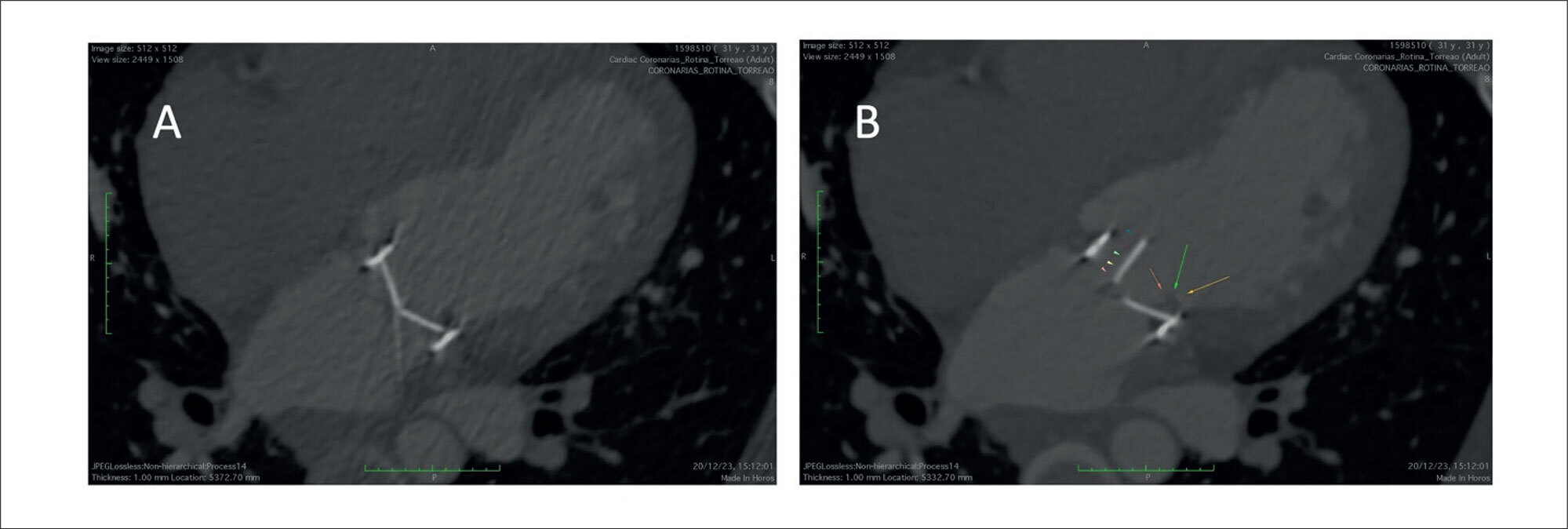
The prevalence of valvular heart disease remains significant worldwide, as does the resulting use of valve replacement devices. Currently, mechanical valve prostheses (MVP), biological valve prostheses (BVP), and transcatheter valve prostheses are available. Computer tomography (CT) provides excellent spatial resolution and plays a critical role in the diagnostic process for prosthetic valve dysfunction (PVD). CT allows proper visualization of leaflet calcification/thickening (biological) or leaflet motion and angulation (mechanical). CT plays a fundamental role in the diagnosis of pannus and/or thrombus and in the characterization of paravalvular complications (e.g., dehiscence, fistula, leak, abscess, and pseudoaneurysm). Finally, CT has an established role as a necessary tool for planning percutaneous (valve-in-valve [VIV]) or surgical interventions to replace dysfunctional biological prostheses (Central Figure).

  • Emission-Computed Tomography
  • Heart Valve Diseases
  • Heart Valve Prosthesis Implantation
Read Full Article
Creative Commons Attribution (CC BY) Creative Commons license
13/09/2024 DOI: 10.36660/abcimg.20240041i Views 1
Figure 1
Original Article

New Predictor of Ventricular Arrhythmia After Alcohol Septal Ablation: Preoperative Inferolateral Wall Thickness

Ahmet Anıl Başkurt et al. Ayşe Çolak Zeynep Kumral Reşit Yiğit Yılancıoğlu … Hüseyin Dursun Oğuzhan Ekrem Turan Ebru Özpelit Emin Evren Özcan Özer Badak Özhan Göldeli

Abstract

Introduction:

Predictors of arrhythmias and sudden cardiac death in patients with hypertrophic cardiomyopathy (HCM) have been identified. However, they have not been validated after alcohol septal ablation (ASA). Data to predict the occurrence of arrhythmia after the procedure are not certain.

Objectives:

To retrospectively analyze patients who underwent ASA and to determine the predictors of post-op ventricular arrhythmia.

Patients and Methods:

We retrospectively enrolled 53 consecutive patients with HCM who underwent ASA procedure due to symptomatic left ventricular outflow tract (LVOT) obstruction despite maximally tolerated medical treatment between January 2010 and December 2022. P < 0.05 was considered statistically significant.

Results:

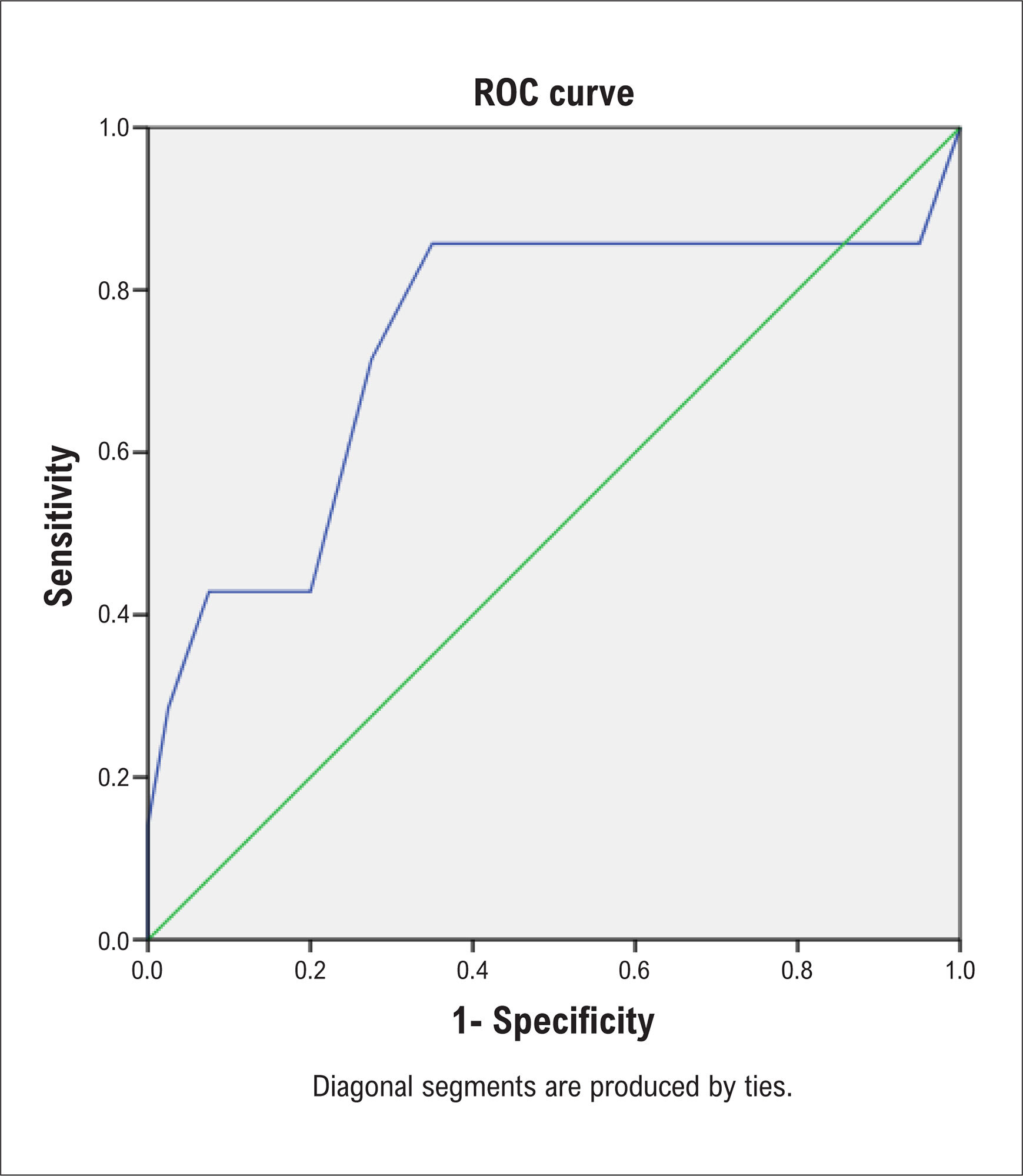
The mean age of the patients was 56.45 years, and 55% were male. Patients underwent successful ASA, and an average of 1.76 cc of alcohol was used. A 70.81% reduction in LVOT gradients was achieved. No pathological LVOT gradient was observed in any patient after the procedure. In the postprocedural follow-up, total atrioventricular block was detected in 12 patients and implantable cardiac defibrillator (ICD) implantation was performed in these patients. When patients with ventricular arrhythmias after successful ASA were compared with those without it, preoperative hypertrophic cardiomyopathy risk of sudden cardiac death (HCMSCD) Score > 6 and left ventricular inferolateral wall thickness were statistically different between the two groups (p: 0.049, p: 0.006, respectively). When multi-logistic regression was performed, basal left ventricular inferolateral wall thickness > 15.5 mm was found to be an independent risk factor for ventricular arrhythmia after ASA (p: 0.027).

Conclusions:

Left ventricular inferolateral wall thickness is an independent predictor of ventricular arrhythmia after ASA. It can be used in postprocedural patient follow-up and ICD decision-making.

  • Cardiac Arrhythmias
  • Hypertrophic Cardiomyopathy
  • Implantable Defibrillators
Read Full Article
Creative Commons Attribution (CC BY) Creative Commons license
13/09/2024 DOI: 10.36660/abcimg.20240013i Views 5
Figure 1
Review Article

My Approach to Cardiovascular Computed Tomography and Magnetic Resonance Imaging in the Evaluation of Cardiac Pseudotumors: A Brief Review

Roberto Vitor Almeida Torres et al. Bruno Maeda Fuzissima Eduardo Kaiser Ururahy Nunes Fonseca Lucas de Pádua Gomes de Farias … Walther Yoshiharu Ishikawa José de Arimatéia Batista Araújo Filho

Abstract

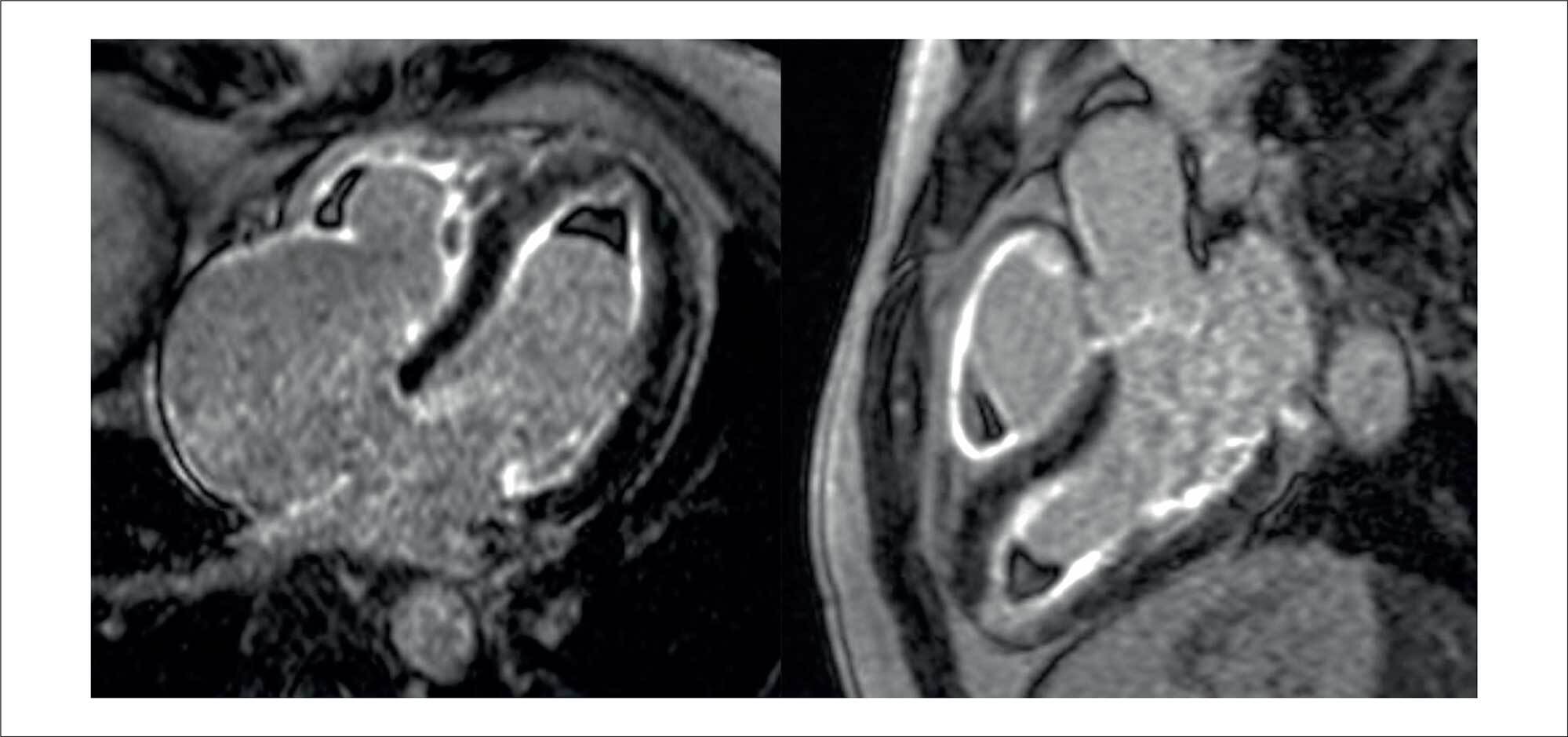
Cardiac pseudotumoral lesions are non-neoplastic conditions that are often overlooked in the differential diagnosis of cardiac masses. They present a variable clinical picture, ranging from asymptomatic to causing complications such as ventricular filling restriction and outflow tract obstruction. Echocardiography is the first-line imaging method but has limitations, such as dependence on the acoustic window and operator variability. However, a multimodality approach, including CT and MRI, is essential for seeking an accurate diagnosis. CT, with its excellent spatial resolution, allows for anatomical detailing, assessment of intralesional calcifications and fat, and contributes to therapeutic planning. MRI is preferred for tissue characterization and differentiation between benign and malignant lesions. Normal anatomical structures, such as the Eustachian valve and Chiari network, can be confused with thrombi or tumors, requiring correct identification. Thrombi are common in patients with atrial fibrillation or mitral valve disease, with MRI being important for differentiating them from neoplasms. Other pseudotumoral conditions include vegetation, gossypibomas, caseous calcification of the mitral valve annulus, and lipomatous hypertrophy of the interatrial septum. The integration of advanced cardiovascular imaging modalities is fundamental for the diagnosis and management of these lesions, optimizing patient care.

  • Emission-Computed Tomography
  • Heart Neoplasms
  • Magnetic Resonance Spectroscopy
Read Full Article
Creative Commons Attribution (CC BY) Creative Commons license
29/08/2024 DOI: 10.36660/abcimg.20240044i Views 1
Figure 1
Review Article

My Approach to Calculate the Left Ventricular Ejection Fraction: From a Two-Dimensional to a Three-Dimensional Technique

Lucas Arraes de França et al. Danilo Bora Moleta

Abstract

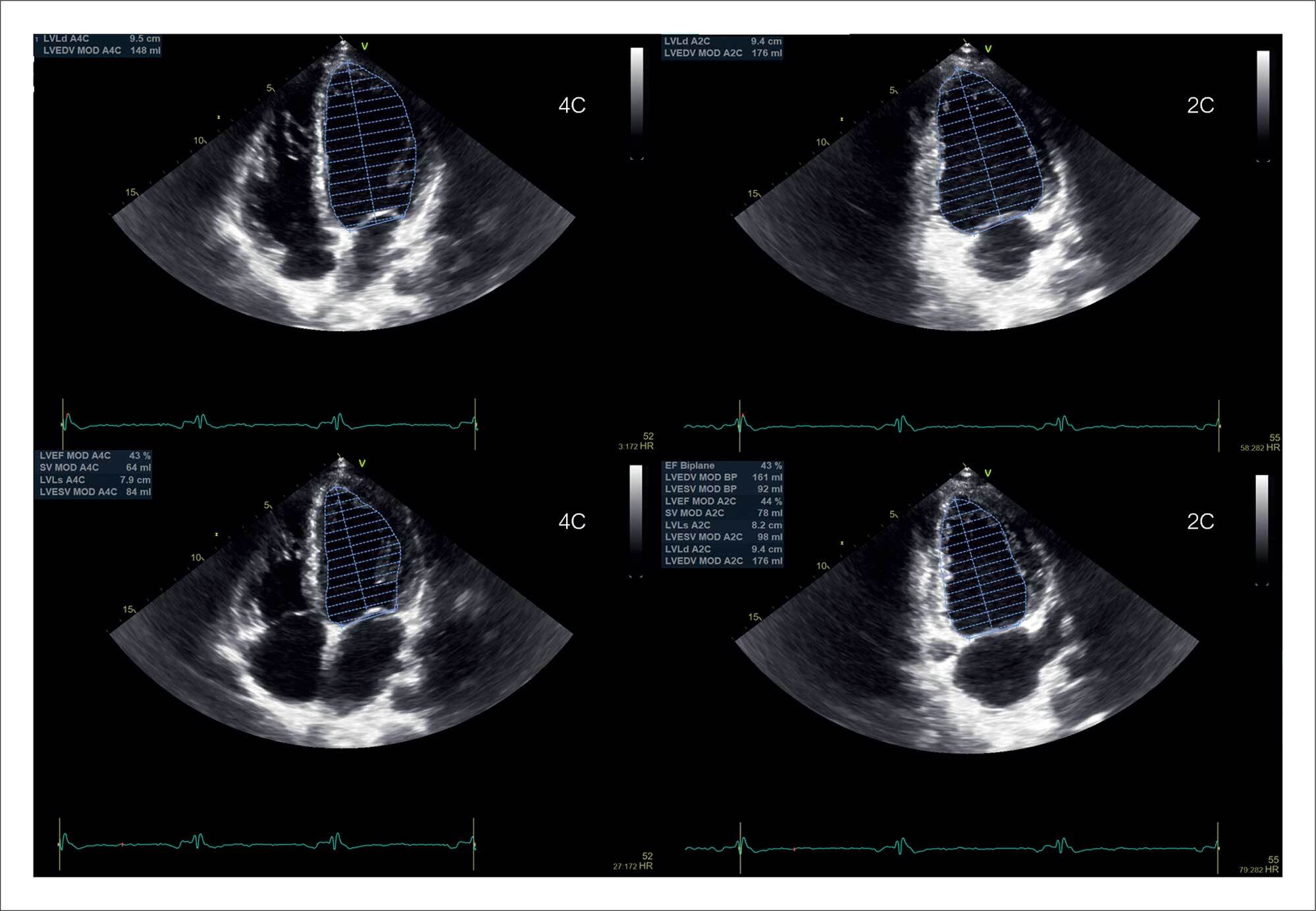
Echocardiography is the most used diagnostic method for measuring left ventricular systolic function indices. It is possible to estimate, in a quick, available, and non-invasive way, parameters such as ventricular volumes, stroke volume, and ejection fraction. Being an expert in the technique is quite important to estimate these parameters accurately. Being able to refine the technique constantly is also important, and this is closely associated with the examiner’s experience and knowledge of the current software solutions.

In this review article, we will discuss how to accurately measure left ventricular volumes and their ejection fraction using two-dimensional (2D) and three-dimensional (3D) echocardiographic techniques. We will also outline tips and suggestions based on the main North American and European guidelines for quantifying heart chambers and the most recent articles in the literature.

  • Echocardiography
  • Stroke Volume
  • Three-Dimensional Echocardiography
Read Full Article
Creative Commons Attribution (CC BY) Creative Commons license
29/08/2024 DOI: 10.36660/abcimg.20240059i
Central Illustration
Review Article

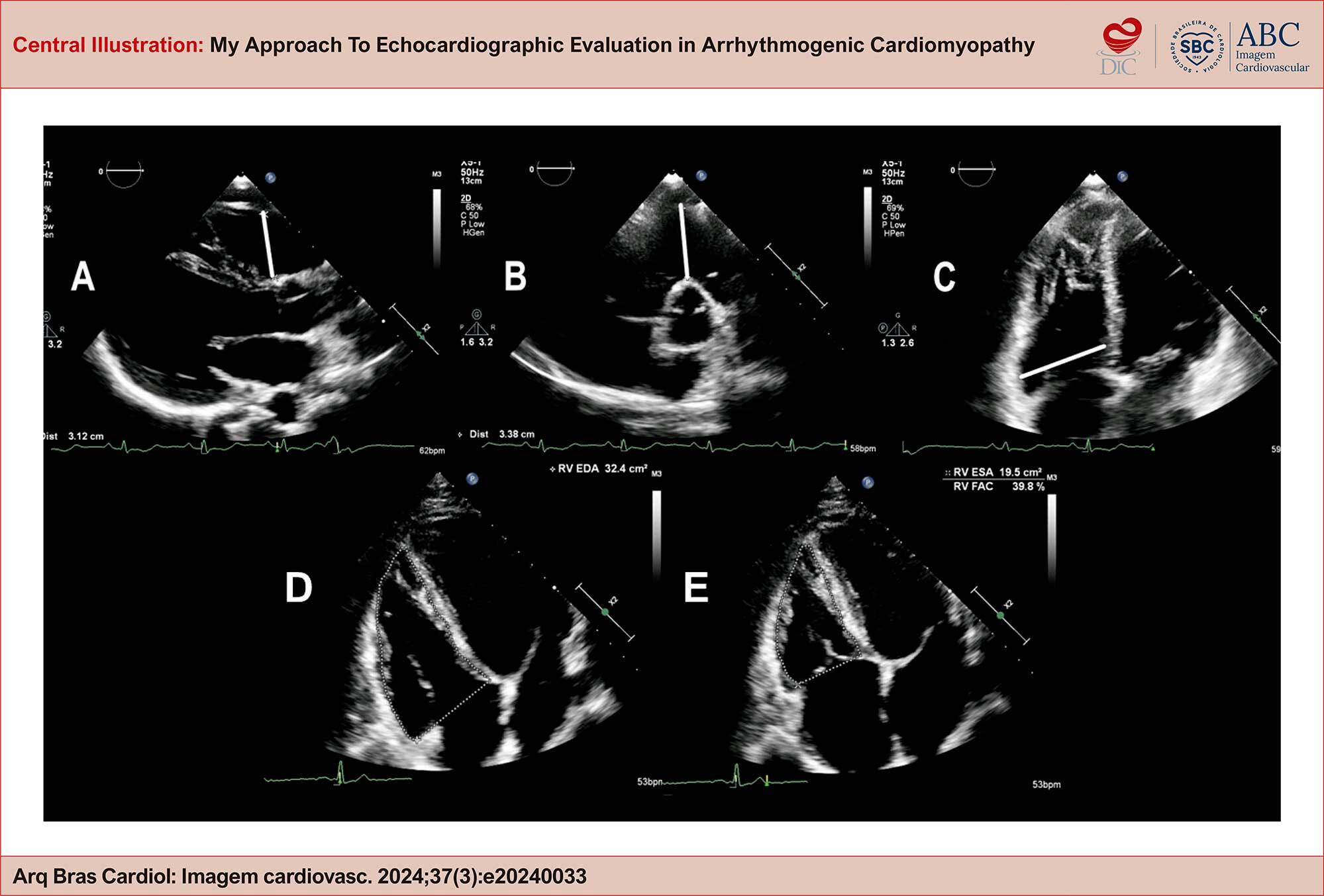
My Approach To Echocardiographic Evaluation in Arrhythmogenic Cardiomyopathy

Danilo Bora Moleta et al. Cassio Carvalho Soeiro Machado Lucas Arraes de França Marcelo Luiz Campos Vieira

Abstract

Careful echocardiographic evaluation of the right ventricle, although challenging and sometimes neglected, is of utmost importance in the diagnosis of certain pathologies, such as arrhythmogenic cardiomyopathy (ACM) — a hereditary myocardial disease associated with the development of ventricular arrhythmias, heart failure, and sudden death. This article aims to review the diagnostic criteria proposed in the 2010 Task Force and the modifications suggested by the 2020 Padua criteria, as well as illustrate the potential use of advanced echocardiography techniques for earlier detection and prognostic definition.

  • Arrhythmogenic right ventricular dysplasia;
  • Cardiomyopathies
  • Right Ventricular Dysfunction
  • Sudden Cardiac Death
  • Ventricular tachycardia
Read Full Article
Creative Commons Attribution (CC BY) Creative Commons license
27/08/2024 DOI: 10.36660/abcimg.20240033i Views 2
Central Illustration
Review Article

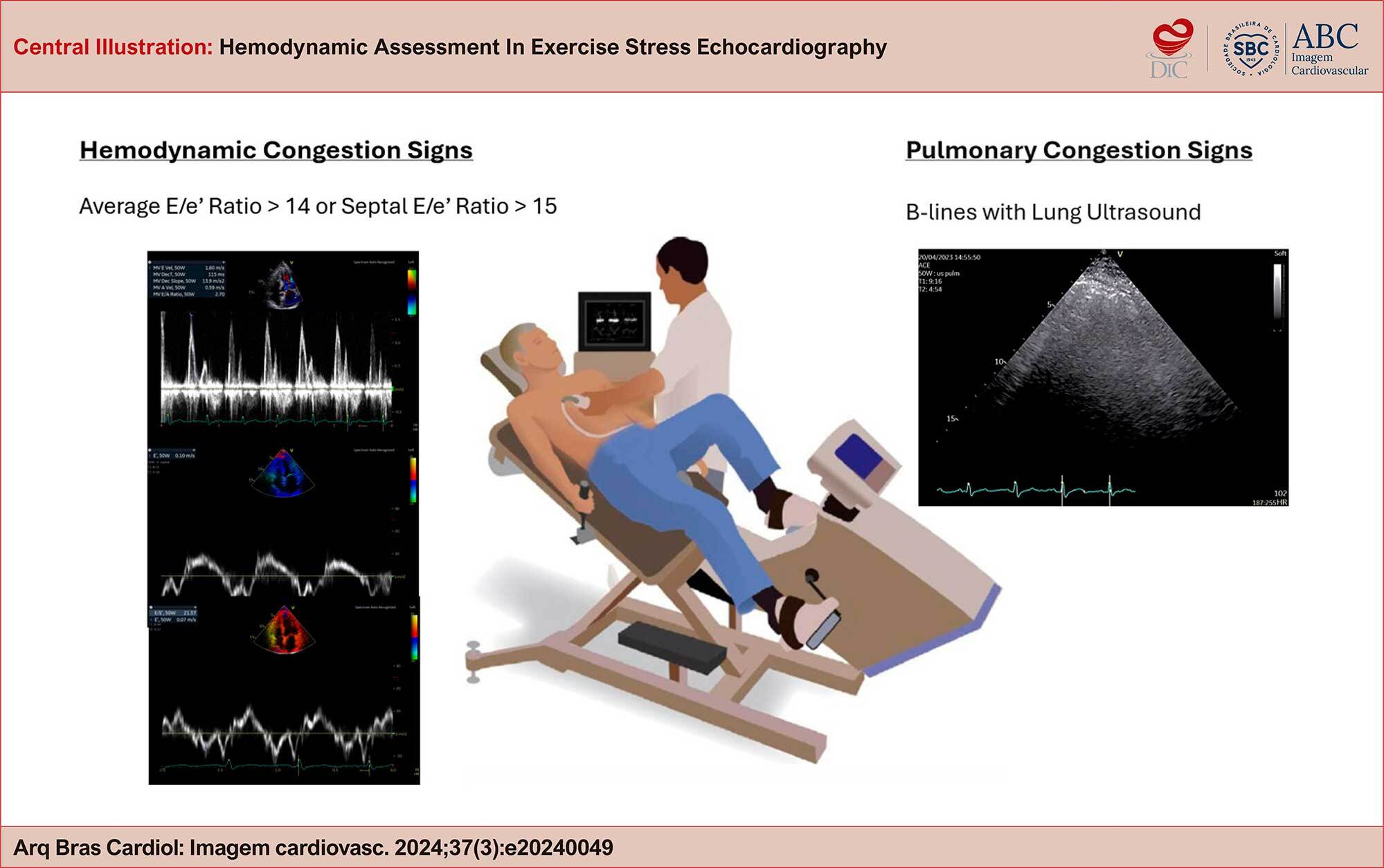
Hemodynamic Assessment In Exercise Stress Echocardiography

Andrea de Andrade Vilela et al. Maria Estefania Otto Gustavo Nishida Jorge Eduardo Assef

Abstract

Cycle ergometer stress echocardiography is an important technique to provides information of cardiac chambers dynamics and cardiovascular hemodynamics during exercise. This method identifies patients who present hemodynamic congestion during exertion, assessment of different causes of dyspnea, through the analysis of diastolic filling pressures and pulmonary artery systolic pressure. Recently, with the incorporation of lung ultrasound, it was possible to add the pulmonary congestion parameter with the identification of the appearance of “B” lines during the exam, increasing the sensivity of the protocol.

However, Cycle ergometer stress echocardiography is still little used in our country. This reality is probably due, in part, to the need for appropriate training of the medical and nursing staff; in addition to the lack of knowledge of the method among the medical community, which rarely requests this test for hemodynamic assessment and research into exertional dyspnea. Therefore, the objective of this document is not only to disseminate the method, but also to describe in a practical and didactic way the step-by-step hemodynamic evaluation of the echocardiogram with physical stress on a Cycle ergometer. We suggest a protocol that is easy to apply and capable of distinguishing between the findings of patients with normal hemodynamics and those with an inappropriate hemodynamic response to physical effort. Additionally, two clinical cases are reported with multiple images and hemodynamic changes, with a description of the correct interpretation of the findings to better understand the method and its diagnostic capacity.

  • Diastolic stress
  • Echocardiopraphy
  • Exercise stress echocardiography
  • Hemodynamics
Read Full Article
Creative Commons Attribution (CC BY) Creative Commons license
27/08/2024 DOI: 10.36660/abcimg.20240049i Views 1
Figure 1
Case Report

Fetal Intrapericardial Teratoma: Diagnostic and Therapeutic Challenges

Marcia Ferreira Alves Barberato et al. Rodrigo Ferreira Alves Barberato Fernanda Ferreira Alves Barberato Silvio Henrique Barberato

Introduction

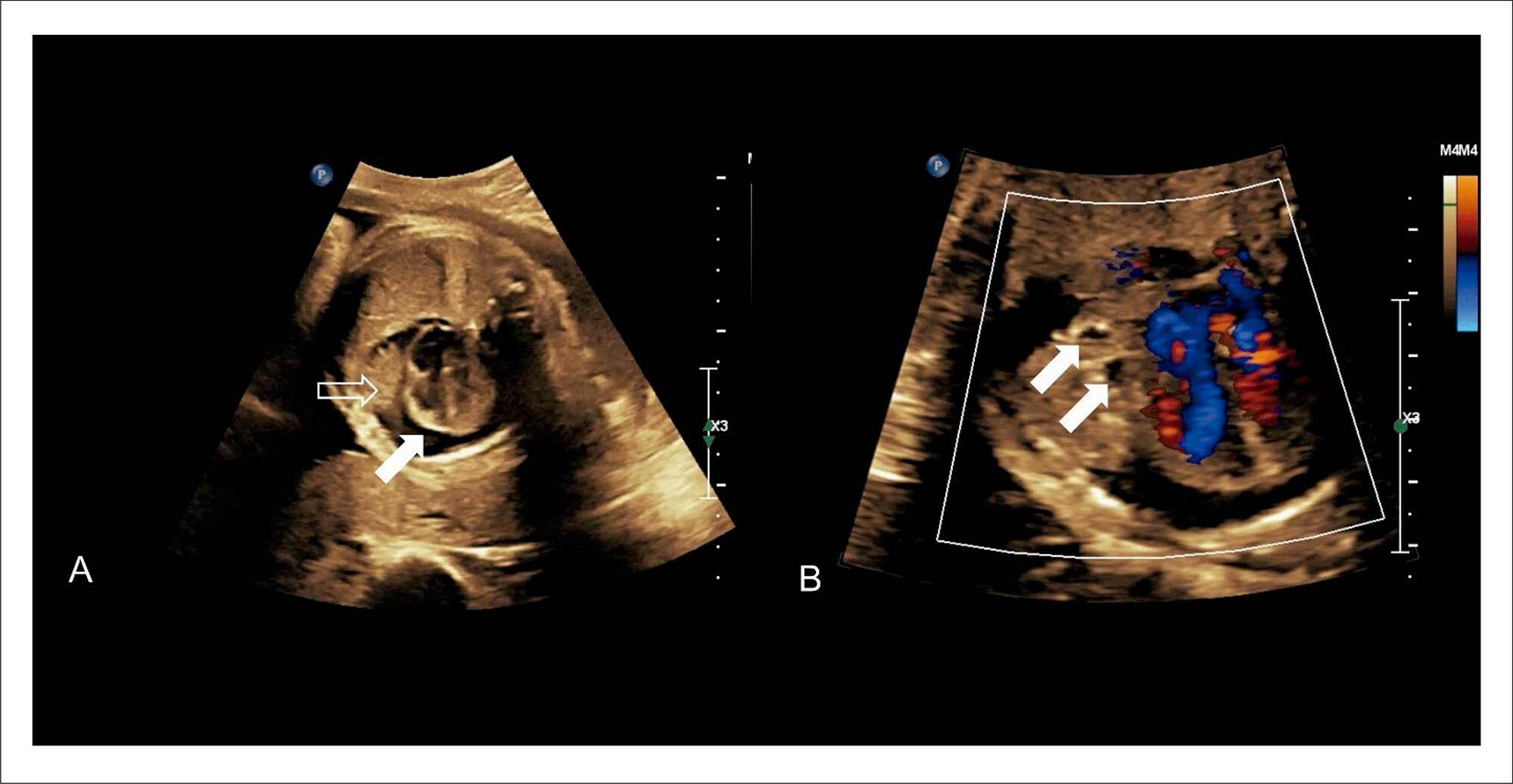
Primary cardiac tumors are rare in all age groups, with an incidence of 0.002% to 0.3% in autopsy series. During the prenatal period, cardiac tumors are highly uncommon and may be incidental findings in routine ultrasound assessment, which has become more frequent with the widespread use of imaging methods in the last decades. Fetal echocardiography is the main tool for detailed diagnosis of cardiac anatomy and function from the end of the first trimester until term., During fetal life, the most frequently found tumors are benign primary tumors, which include rhabdomyomas (the most common), as well as teratomas, fibromas, hemangiomas, and myxomas. The finding of malignant primary tumors (for example, rhabdomyosarcoma and fibrosarcoma) or metastatic tumors is exceptionally rare. In fetuses, cardiac tumors can be asymptomatic or lead to complications, such as arrhythmias, hydrops, obstruction of ventricular inflow or outflow, heart failure, and death.

Teratomas, although they are usually benign, can have embryonic origin in one or more of the 3 germ layers, resulting in complex histology, with the possibility of simultaneous areas of mature and immature tissue. Intrapericardial teratomas are tumors with a low incidence, but they frequently invade the mediastinum and compress adjacent structures, leading to death. We report a case of intrapericardial teratoma diagnosed in a fetus at 22 weeks of gestation.

[…]

  • Echocardiography
  • Pericardial Effusion
  • Prenatal Diagnosis
  • Teratoma
Read Full Article
Creative Commons Attribution (CC BY) Creative Commons license
27/08/2024 DOI: 10.36660/abcimg.20240065i Views 1
Central Illustration
Review Article

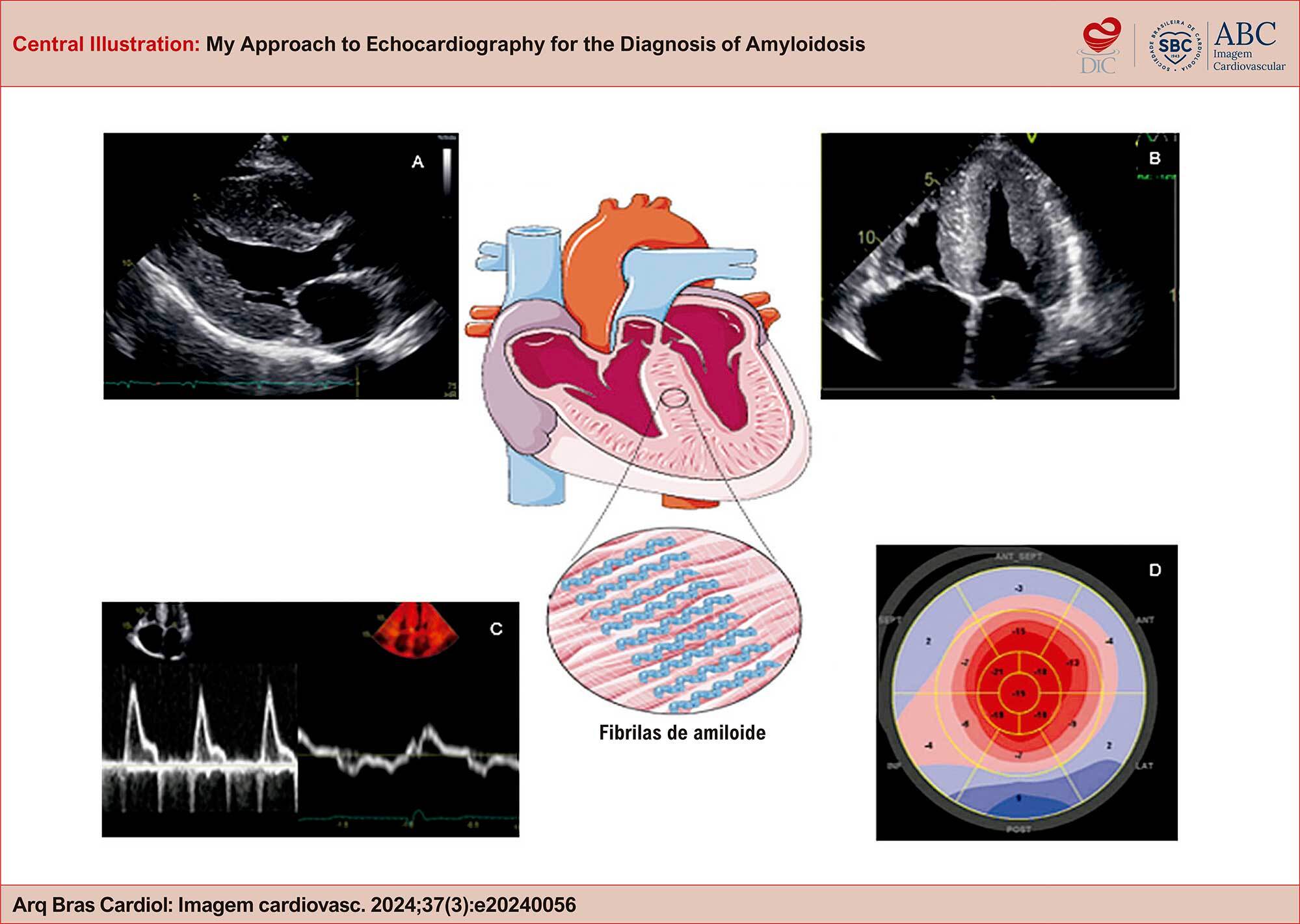
My Approach to Echocardiography for the Diagnosis of Amyloidosis

Liria Lima Maria da Silva et al. Andrea de Andrade Vilela Antonio Tito Paladino Filho Jorge Eduardo Assef

Abstract

Cardiac amyloidosis (CA) is a multisystemic, infiltrative disease characterized by the deposition of insoluble proteins, known as amyloid fibrils, in the interstitial space of different tissues, such as the heart, nervous system, gastrointestinal tract, and eyes. In the heart, it is characterized by a progressive myocardial thickening, evolving into a restrictive pattern. CA is being diagnosed with increasing frequency, probably due to the greater dissemination of related information and advances in diagnostic methods and therapies that modify its course. Echocardiography is the first-line examination for diagnostic screening, monitoring, and differentiation from phenocopies.

  • Amyloidosis
  • Echocardiography
  • Global Longitudinal Strain
Read Full Article
Creative Commons Attribution (CC BY) Creative Commons license
27/08/2024 DOI: 10.36660/abcimg.20240056i Views 1
Figure 1
Review Article

My Approach to Semi-Supine Bicycle Stress Echocardiography: Is It the Best Modality for Brazil?

Carolina Stangenhaus et al. Fernando Rodrigues da Camara Oliveira Adriana Cordovil

Introduction

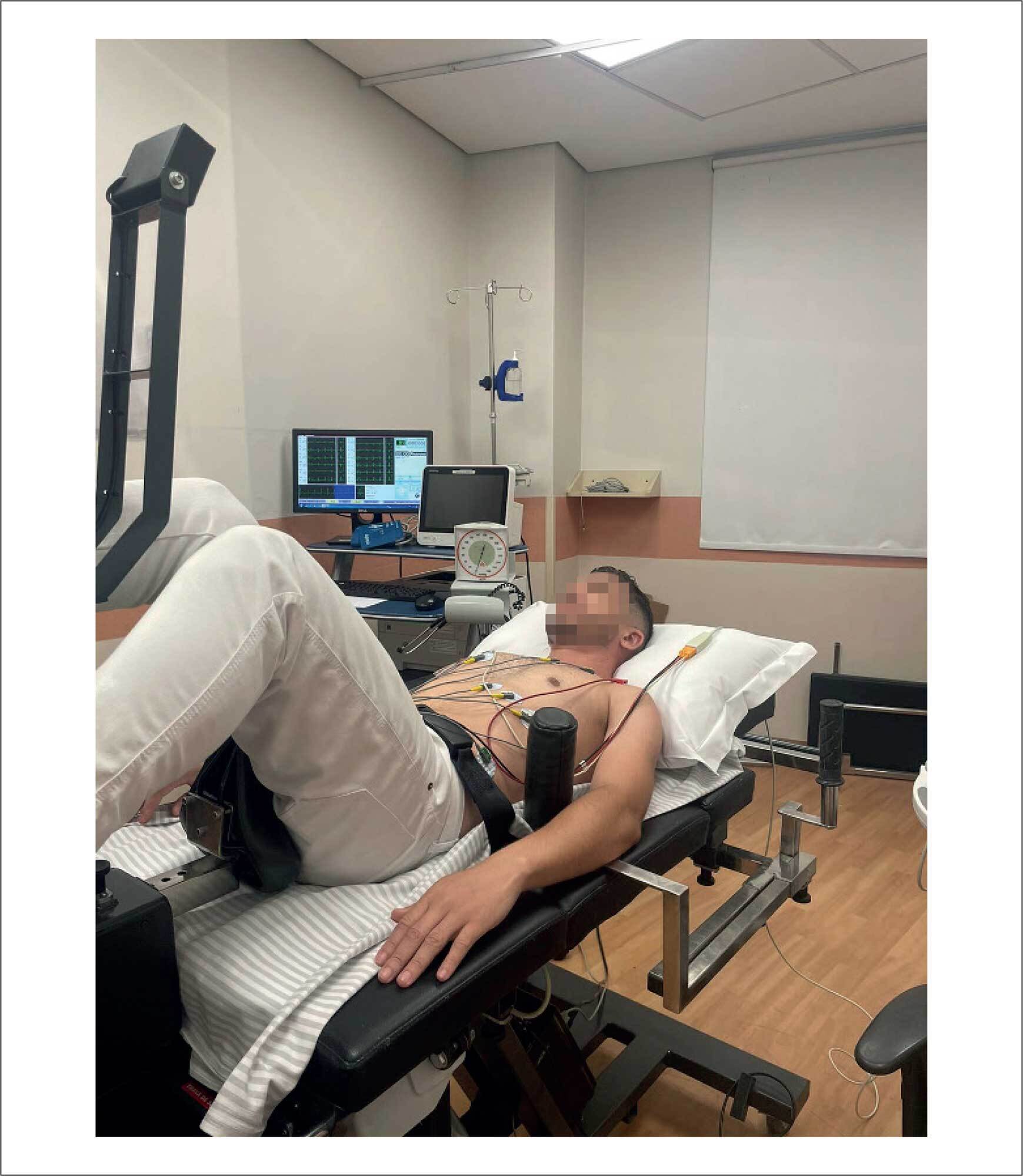
Physical stress echocardiography is a firmly established method in the diagnosis and prognosis of coronary artery disease.– Compared to pharmacological stress echocardiography, it is physiological, does not depend on venoclysis, and is free of side effects. Physical exercise preserves the normal electromechanical response and provides valuable prognostic information about a patient’s functional status. Therefore, physical stress is the test of choice for assessment of myocardial ischemia in patients who are capable of exercise. The main differences between methods are displayed in .

The most frequently used tools for this method are treadmill and cycle ergometer (ergometric bicycle or semi-supine bicycle). Echocardiography performed during physical exertion on a bicycle offers an advantage in relation to a treadmill, because it is possible to obtain images in real time, rather than after exercise. Continuous monitoring of myocardial contractility makes it possible to define the exact moment, that is, at which heart rate the change occurs in patients with a positive test. If this alteration occurs at low heart rates or low double product, the presence of severe coronary stenosis or multivessel disease is inferred, thus providing valuable prognostic information. A semi-supine bicycle offers advantages in relation to a supine bicycle due to its structure, which consists of coupling a cycle ergometer system to a hospital bed, where the patient can lie or sit to pedal while the doctor acquires the images.

[…]

  • Coronary Artery Disease
  • Echocardiography
  • Exercise
Read Full Article
Creative Commons Attribution (CC BY) Creative Commons license
26/08/2024 DOI: 10.36660/abcimg.20240042i Views 2
Central Illustration
Review Article

My Approach to Transcranial Doppler Combined With Transthoracic and Transesophageal Echocardiography to Investigate PFO

Gracielly Barros et al. Patrick Ventorim Costa

Abstract

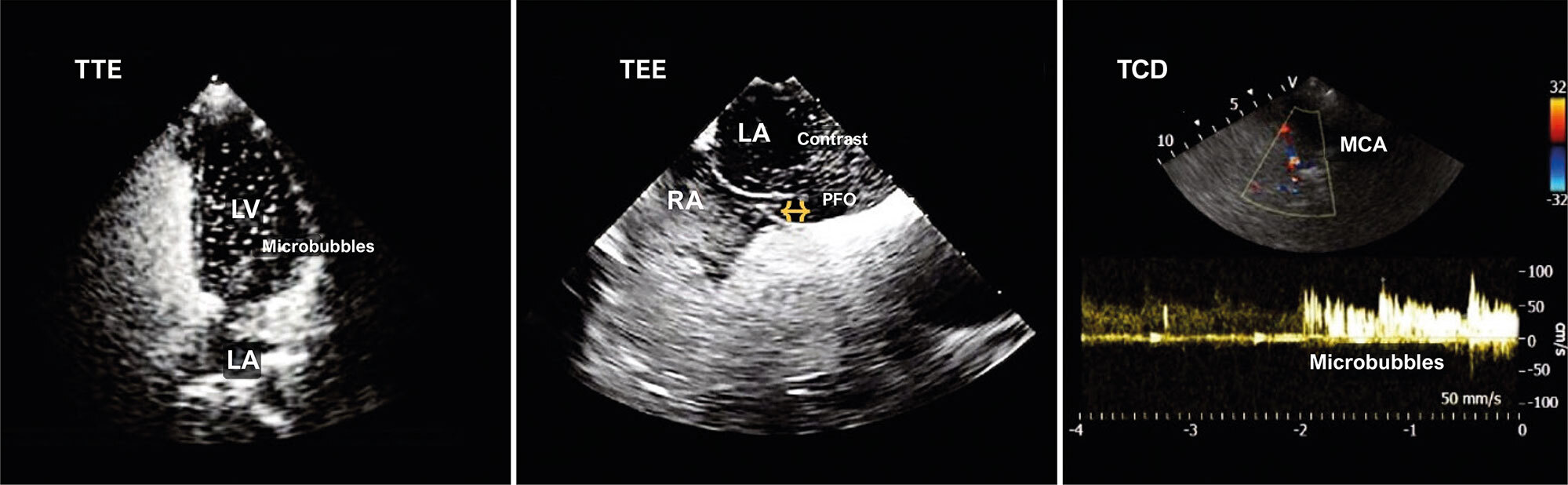
This review article explores the combined use of Transcranial Doppler (TCD) with transthoracic (TTE) and transesophageal (TEE) echocardiography to investigate Patent Foramen Ovale (PFO), a condition found in approximately 25-27% of the adult population. PFO is a remnant of fetal circulation and the most common cause of interatrial shunt. It is associated with clinical complications such as platypnea-orthodeoxia syndrome, obstructive sleep apnea, migraine, and stroke.

PFO assessment is generally performed using TTE and TEE, but TCD, a highly sensitive and less used method, is also important. TCD indirectly detects shunts in awake patients and uses the microembolic signal (MES) grading score to classify shunt severity. This technique involves injecting a contrast solution into the antecubital vein during the Valsalva maneuver to detect intracardiac shunt by observing microbubble appearance in the first cardiac cycles.

The case report illustrates the effectiveness of TCD in the initial screening of a patient with suspected PFO using TTE, TCD and TEE. The conclusion highlights that TCD is a crucial diagnostic tool, particularly relevant for the therapeutic management of patients with cryptogenic stroke. Several scientific publications are referenced, providing a theoretical foundation for the combined use of TCD, TTE, and TEE in PFO investigation.

  • Foramen Ovale
  • Stroke
  • Transcranial Doppler Ultrasonography
  • Transesophageal echocardiography
Read Full Article
Creative Commons Attribution (CC BY) Creative Commons license
02/08/2024 DOI: 10.36660/abcimg.20240051i
Central Illustration
Review Article

Echocardiographic Assessment of Left Atrial Function in Aging Adults

Fernando Rodrigues da Camara Oliveira et al. Marcos Valerio Coimbra de Resende Marcelo Luiz Campos Vieira

Abstract

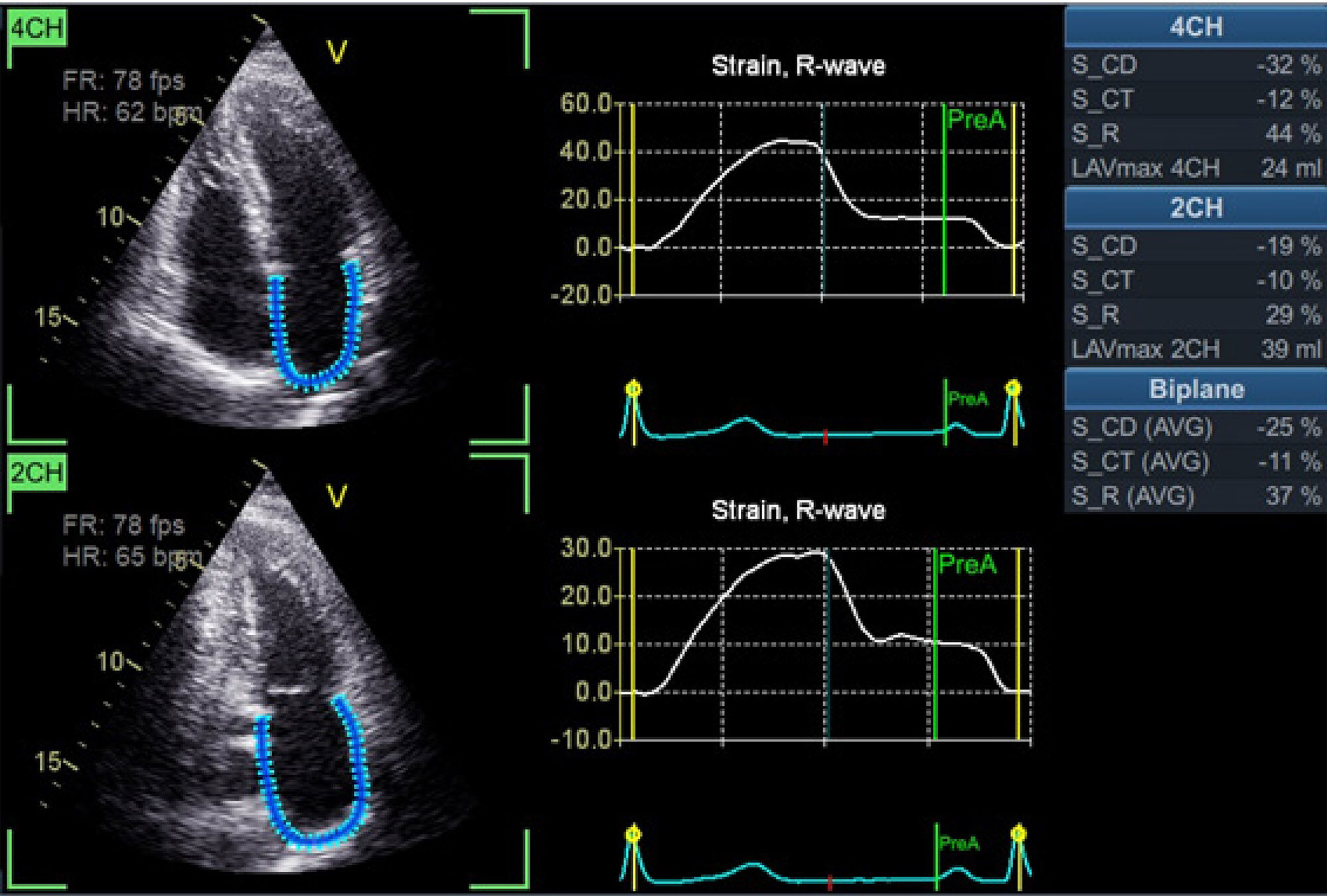
Cardiovascular diseases (CVD) are the main cause of death in Brazil, with aging being a major risk factor. Research indicates that there is a higher occurrence of cardiovascular disease as individuals age, impacting ventricular hypertrophy, diastolic dysfunction, and atrial fibrillation. Atrial myopathy, associated with aging, has received considerable attention, with oxidative stress and chronic inflammation under investigation as contributing factors. Left atrial function has been extensively studied, focusing on its role in cardiac performance. Modern echocardiographic techniques, such as speckle tracking, provide a detailed assessment of atrial function, offering advantages over traditional methods of assessing maximum atrial volume. Studies reveal the important role of atrial strain in predicting cardiovascular events. The aging process brings a progressive reduction in atrial functions, and new measures are being developed to detect atrial dysfunction early, with a potential impact on future guidelines and the definition of normal age-related standards.

  • aging
  • Atrial cardiomyopathy
  • left atrial strain
  • Speckle tracking echocardiography
Read Full Article
Creative Commons Attribution (CC BY) Creative Commons license
02/08/2024 DOI: 10.36660/abcimg.20240043i Views 2

How to cite this article

EndNote RIS

Electronic Document Format (Vancouver)

Almeida RL, Santos MSB, Lima IAB, Santos EP, Moura SKMSF, Tavares M, Santos AC, et al. New Perspectives in The Assessments of Left Atrial Function in Athletes. ABC Imagem Cardiovascular 2024;37(3):e20240077.

Electronic Document Format (ABNT)

Almeida, Rômulo Leal; Santos, Maria do Socorro Brasileiro; Lima, Isabelle Adjanine Borges de; Santos, Eduardo Porto dos; Moura, Stephanney Karolinne Mercer Souza Freitas de; Tavares, Marcelo; Santos, Amilton da Cruz. New Perspectives in The Assessments of Left Atrial Function in Athletes. ABC Imagem Cardiovascular, v. 37, n. 3, e20240077, Sep. 2024.

Electronic Document Format (APA)

Almeida, R. L., Santos, M. S. B., Lima, I. A. B. , Santos, E. P. , Moura, S. K. M. S. F. , Tavares, M., & Santos, A. C. (2024). New Perspectives in The Assessments of Left Atrial Function in Athletes. ABC Imagem Cardiovascular, 37(3), e20240077.

Electronic Document Format (ISO)

Almeida, Rômulo Leal and Santos, Maria do Socorro Brasileiro and Lima, Isabelle Adjanine Borges de and Santos, Eduardo Porto dos and Moura, Stephanney Karolinne Mercer Souza Freitas de and Tavares, Marcelo and Santos, Amilton da Cruz. New Perspectives in The Assessments of Left Atrial Function in Athletes. ABC Imagem Cardiovascular [online]. 2024, vol. 37, n. 3, [cited 2026-10-14], e20240077. Available from: <https://journals.cardiol.br/en/article/new-perspectives-in-the-assessments-of-left-atrial-function-in-athletes/>. ISSN 2318-8219

EndNote RIS

Electronic Document Format (Vancouver)

Dutra LV, Gonçalves AC, Assunção BMBL, Pinheiro Junior JA. Percutaneous Left Atrial Appendage Occlusion. ABC Imagem Cardiovascular 2024;37(3):e20240060.

Electronic Document Format (ABNT)

Dutra, Lucas Velloso; Gonçalves, Arthur Cortez; Assunção, Bruna Morhy Borges Leal; Pinheiro Junior, Jairo Alves. Percutaneous Left Atrial Appendage Occlusion. ABC Imagem Cardiovascular, v. 37, n. 3, e20240060, Sep. 2024.

Electronic Document Format (APA)

Dutra, L. V., Gonçalves, A. C., Assunção, B. M. B. L., & Pinheiro Junior, J. A. (2024). Percutaneous Left Atrial Appendage Occlusion. ABC Imagem Cardiovascular, 37(3), e20240060.

Electronic Document Format (ISO)

Dutra, Lucas Velloso and Gonçalves, Arthur Cortez and Assunção, Bruna Morhy Borges Leal and Pinheiro Junior, Jairo Alves. Percutaneous Left Atrial Appendage Occlusion. ABC Imagem Cardiovascular [online]. 2024, vol. 37, n. 3, [cited 2026-10-14], e20240060. Available from: <https://journals.cardiol.br/en/article/percutaneous-left-atrial-appendage-occlusion/>. ISSN 2318-8219

EndNote RIS

Electronic Document Format (Vancouver)

Borges JVN, Leila SAC, Machado MGN, Babu KSTJ, Patel KJ, Shah KH, Takkasila MR, et al. Left Ventricular Function and Myocardial Longitudinal Strain Analysis in Patients With Chagas Disease: Case Series and Systematic Literature Review. ABC Imagem Cardiovascular 2024;37(3):e20240053.

Electronic Document Format (ABNT)

Borges, José Victor da Nóbrega; Leila, Samira Abdel Correia; Machado, Manuella Guedes da Nóbrega; Babu, Kiran Sooraj Thirukonda Jegadeesh; Patel, Karma Jashvantbhai; Shah, Kavya Hiteshkumar; Takkasila, Mahitha Reddy; Shaik, Abdul Majid; Shaikh, Muhammad Ahmed; Khandekar, Ninad; Burra, Sahithi. Left Ventricular Function and Myocardial Longitudinal Strain Analysis in Patients With Chagas Disease: Case Series and Systematic Literature Review. ABC Imagem Cardiovascular, v. 37, n. 3, e20240053, Sep. 2024.

Electronic Document Format (APA)

Borges, J. V. N., Leila, S. A. C., Machado, M. G. N., Babu, K. S. T. J., Patel, K. J., Shah, K. H., Takkasila, M. R., Shaik, A. M., Shaikh, M. A., Khandekar, N., & Burra, S. (2024). Left Ventricular Function and Myocardial Longitudinal Strain Analysis in Patients With Chagas Disease: Case Series and Systematic Literature Review. ABC Imagem Cardiovascular, 37(3), e20240053.

Electronic Document Format (ISO)

Borges, José Victor da Nóbrega and Leila, Samira Abdel Correia and Machado, Manuella Guedes da Nóbrega and Babu, Kiran Sooraj Thirukonda Jegadeesh and Patel, Karma Jashvantbhai and Shah, Kavya Hiteshkumar and Takkasila, Mahitha Reddy and Shaik, Abdul Majid and Shaikh, Muhammad Ahmed and Khandekar, Ninad and Burra, Sahithi. Left Ventricular Function and Myocardial Longitudinal Strain Analysis in Patients With Chagas Disease: Case Series and Systematic Literature Review. ABC Imagem Cardiovascular [online]. 2024, vol. 37, n. 3, [cited 2026-10-14], e20240053. Available from: <https://journals.cardiol.br/en/article/left-ventricular-function-and-myocardial-longitudinal-strain-analysis-in-patients-with-chagas-disease-case-series-and-systematic-literature-review/>. ISSN 2318-8219

EndNote RIS

Electronic Document Format (Vancouver)

Bergier MG, Blanco R, Decotto S, Arias A. Aortic Valvulitis in Hypereosinophilic Syndrome: A Case Report. ABC Imagem Cardiovascular 2024;37(3):e20240055.

Electronic Document Format (ABNT)

Bergier, Mariano Gaston; Blanco, Rocío; Decotto, Santiago; Arias, Anibal. Aortic Valvulitis in Hypereosinophilic Syndrome: A Case Report. ABC Imagem Cardiovascular, v. 37, n. 3, e20240055, Sep. 2024.

Electronic Document Format (APA)

Bergier, M. G., Blanco, R., Decotto, S., & Arias, A. (2024). Aortic Valvulitis in Hypereosinophilic Syndrome: A Case Report. ABC Imagem Cardiovascular, 37(3), e20240055.

Electronic Document Format (ISO)

Bergier, Mariano Gaston and Blanco, Rocío and Decotto, Santiago and Arias, Anibal. Aortic Valvulitis in Hypereosinophilic Syndrome: A Case Report. ABC Imagem Cardiovascular [online]. 2024, vol. 37, n. 3, [cited 2026-10-14], e20240055. Available from: <https://journals.cardiol.br/en/article/aortic-valvulitis-in-hypereosinophilic-syndrome-a-case-report/>. ISSN 2318-8219

EndNote RIS

Electronic Document Format (Vancouver)

Ávila DX, Villacorta H, Mesquita ET. Liver Elastography for Complementary Assessment of Heart Failure. ABC Imagem Cardiovascular 2024;37(3):e20240057.

Electronic Document Format (ABNT)

Ávila, Diane Xavier de; Villacorta, Humberto; Mesquita, Evandro Tinoco. Liver Elastography for Complementary Assessment of Heart Failure. ABC Imagem Cardiovascular, v. 37, n. 3, e20240057, Sep. 2024.

Electronic Document Format (APA)

Ávila, D. X. , Villacorta, H., & Mesquita, E. T. (2024). Liver Elastography for Complementary Assessment of Heart Failure. ABC Imagem Cardiovascular, 37(3), e20240057.

Electronic Document Format (ISO)

Ávila, Diane Xavier de and Villacorta, Humberto and Mesquita, Evandro Tinoco. Liver Elastography for Complementary Assessment of Heart Failure. ABC Imagem Cardiovascular [online]. 2024, vol. 37, n. 3, [cited 2026-10-14], e20240057. Available from: <https://journals.cardiol.br/en/article/liver-elastography-for-complementary-assessment-of-heart-failure/>. ISSN 2318-8219

EndNote RIS

Electronic Document Format (Vancouver)

Merke N. My Approach to PISA EROA in Mitral Regurgitation: A Critical Review. ABC Imagem Cardiovascular 2024;37(3):e20240061.

Electronic Document Format (ABNT)

Merke, Nicolas. My Approach to PISA EROA in Mitral Regurgitation: A Critical Review. ABC Imagem Cardiovascular, v. 37, n. 3, e20240061, Sep. 2024.

Electronic Document Format (APA)

Merke, N. (2024). My Approach to PISA EROA in Mitral Regurgitation: A Critical Review. ABC Imagem Cardiovascular, 37(3), e20240061.

Electronic Document Format (ISO)

Merke, Nicolas. My Approach to PISA EROA in Mitral Regurgitation: A Critical Review. ABC Imagem Cardiovascular [online]. 2024, vol. 37, n. 3, [cited 2026-10-14], e20240061. Available from: <https://journals.cardiol.br/en/article/my-approach-to-pisa-eroa-in-mitral-regurgitation-a-critical-review/>. ISSN 2318-8219

EndNote RIS

Electronic Document Format (Vancouver)

Siancas LES. Is Wild-type Transthyretin Cardiac Amyloidosis Still Considered a Rare Disease?. ABC Imagem Cardiovascular 2024;37(3):e20240050.

Electronic Document Format (ABNT)

Siancas, Luis Enrique Sanchez. Is Wild-type Transthyretin Cardiac Amyloidosis Still Considered a Rare Disease?. ABC Imagem Cardiovascular, v. 37, n. 3, e20240050, Sep. 2024.

Electronic Document Format (APA)

Siancas, L. E. S. (2024). Is Wild-type Transthyretin Cardiac Amyloidosis Still Considered a Rare Disease?. ABC Imagem Cardiovascular, 37(3), e20240050.

Electronic Document Format (ISO)

Siancas, Luis Enrique Sanchez. Is Wild-type Transthyretin Cardiac Amyloidosis Still Considered a Rare Disease?. ABC Imagem Cardiovascular [online]. 2024, vol. 37, n. 3, [cited 2026-10-14], e20240050. Available from: <https://journals.cardiol.br/en/article/is-wild-type-transthyretin-cardiac-amyloidosis-still-considered-a-rare-disease/>. ISSN 2318-8219

EndNote RIS

Electronic Document Format (Vancouver)

Lianza AC, Morhy SS. My Approach to Targeted Echocardiography in the Neonatal Intensive Care Unit – Is It Fundamental?. ABC Imagem Cardiovascular 2024;37(3):e20240039.

Electronic Document Format (ABNT)

Lianza, Alessandro Cavalcanti; Morhy, Samira Saady. My Approach to Targeted Echocardiography in the Neonatal Intensive Care Unit – Is It Fundamental?. ABC Imagem Cardiovascular, v. 37, n. 3, e20240039, Sep. 2024.

Electronic Document Format (APA)

Lianza, A. C., & Morhy, S. S. (2024). My Approach to Targeted Echocardiography in the Neonatal Intensive Care Unit – Is It Fundamental?. ABC Imagem Cardiovascular, 37(3), e20240039.

Electronic Document Format (ISO)

Lianza, Alessandro Cavalcanti and Morhy, Samira Saady. My Approach to Targeted Echocardiography in the Neonatal Intensive Care Unit – Is It Fundamental?. ABC Imagem Cardiovascular [online]. 2024, vol. 37, n. 3, [cited 2026-10-14], e20240039. Available from: <https://journals.cardiol.br/en/article/my-approach-to-targeted-echocardiography-in-the-neonatal-intensive-care-unit-is-it-fundamental/>. ISSN 2318-8219

EndNote RIS

Electronic Document Format (Vancouver)

Torreão JA. My Approach To Manage Valve Prosthetic Dysfunction: What is the Role of Tomography?. ABC Imagem Cardiovascular 2024;37(3):e20240041.

Electronic Document Format (ABNT)

Torreão, Jorge Andion. My Approach To Manage Valve Prosthetic Dysfunction: What is the Role of Tomography?. ABC Imagem Cardiovascular, v. 37, n. 3, e20240041, Sep. 2024.

Electronic Document Format (APA)

Torreão, J. A. (2024). My Approach To Manage Valve Prosthetic Dysfunction: What is the Role of Tomography?. ABC Imagem Cardiovascular, 37(3), e20240041.

Electronic Document Format (ISO)

Torreão, Jorge Andion. My Approach To Manage Valve Prosthetic Dysfunction: What is the Role of Tomography?. ABC Imagem Cardiovascular [online]. 2024, vol. 37, n. 3, [cited 2026-10-14], e20240041. Available from: <https://journals.cardiol.br/en/article/my-approach-to-manage-valve-prosthetic-dysfunction-what-is-the-role-of-tomography/>. ISSN 2318-8219

EndNote RIS

Electronic Document Format (Vancouver)

Başkurt AA, Çolak A, Kumral Z, Yılancıoğlu RY, Dursun H, Turan OE, Özpelit E, et al. New Predictor of Ventricular Arrhythmia After Alcohol Septal Ablation: Preoperative Inferolateral Wall Thickness. ABC Imagem Cardiovascular 2024;37:e20240013.

Electronic Document Format (ABNT)

Başkurt, Ahmet Anıl; Çolak, Ayşe; Kumral, Zeynep; Yılancıoğlu, Reşit Yiğit; Dursun, Hüseyin; Turan, Oğuzhan Ekrem; Özpelit, Ebru; Özcan, Emin Evren; Badak, Özer; Göldeli, Özhan. New Predictor of Ventricular Arrhythmia After Alcohol Septal Ablation: Preoperative Inferolateral Wall Thickness. ABC Imagem Cardiovascular, v. 37, e20240013, Sep. 2024.

Electronic Document Format (APA)

Başkurt, A. A., Çolak, A., Kumral, Z., Yılancıoğlu, R. Y., Dursun, H., Turan, O. E., Özpelit, E., Özcan, E. E., Badak, , & Göldeli, (2024). New Predictor of Ventricular Arrhythmia After Alcohol Septal Ablation: Preoperative Inferolateral Wall Thickness. ABC Imagem Cardiovascular, 37, e20240013.

Electronic Document Format (ISO)

Başkurt, Ahmet Anıl and Çolak, Ayşe and Kumral, Zeynep and Yılancıoğlu, Reşit Yiğit and Dursun, Hüseyin and Turan, Oğuzhan Ekrem and Özpelit, Ebru and Özcan, Emin Evren and Badak, Özer and Göldeli, Özhan. New Predictor of Ventricular Arrhythmia After Alcohol Septal Ablation: Preoperative Inferolateral Wall Thickness. ABC Imagem Cardiovascular [online]. 2024, vol. 37, [cited 2026-10-14], e20240013. Available from: <https://journals.cardiol.br/en/article/new-predictor-of-ventricular-arrhythmia-after-alcohol-septal-ablation-preoperative-inferolateral-wall-thickness/>. ISSN 2318-8219

EndNote RIS

Electronic Document Format (Vancouver)

Torres RVA, Fuzissima BM, Fonseca EKUN, Farias LPG, Ishikawa WY, Araújo Filho JAB. My Approach to Cardiovascular Computed Tomography and Magnetic Resonance Imaging in the Evaluation of Cardiac Pseudotumors: A Brief Review. ABC Imagem Cardiovascular 2024;37(3):e20240044.

Electronic Document Format (ABNT)

Torres, Roberto Vitor Almeida; Fuzissima, Bruno Maeda; Fonseca, Eduardo Kaiser Ururahy Nunes; Farias, Lucas de Pádua Gomes de; Ishikawa, Walther Yoshiharu; Araújo Filho, José de Arimatéia Batista. My Approach to Cardiovascular Computed Tomography and Magnetic Resonance Imaging in the Evaluation of Cardiac Pseudotumors: A Brief Review. ABC Imagem Cardiovascular, v. 37, n. 3, e20240044, Aug. 2024.

Electronic Document Format (APA)

Torres, R. V. A., Fuzissima, B. M., Fonseca, E. K. U. N., Farias, L. P. G. , Ishikawa, W. Y., & Araújo Filho, J. A. B. (2024). My Approach to Cardiovascular Computed Tomography and Magnetic Resonance Imaging in the Evaluation of Cardiac Pseudotumors: A Brief Review. ABC Imagem Cardiovascular, 37(3), e20240044.

Electronic Document Format (ISO)

Torres, Roberto Vitor Almeida and Fuzissima, Bruno Maeda and Fonseca, Eduardo Kaiser Ururahy Nunes and Farias, Lucas de Pádua Gomes de and Ishikawa, Walther Yoshiharu and Araújo Filho, José de Arimatéia Batista. My Approach to Cardiovascular Computed Tomography and Magnetic Resonance Imaging in the Evaluation of Cardiac Pseudotumors: A Brief Review. ABC Imagem Cardiovascular [online]. 2024, vol. 37, n. 3, [cited 2026-10-14], e20240044. Available from: <https://journals.cardiol.br/en/article/my-approach-to-cardiovascular-computed-tomography-and-magnetic-resonance-imaging-in-the-evaluation-of-cardiac-pseudotumors-a-brief-review/>. ISSN 2318-8219

EndNote RIS

Electronic Document Format (Vancouver)

França LA, Moleta DB. My Approach to Calculate the Left Ventricular Ejection Fraction: From a Two-Dimensional to a Three-Dimensional Technique. ABC Imagem Cardiovascular 2024;37(3):e20240059.

Electronic Document Format (ABNT)

França, Lucas Arraes de; Moleta, Danilo Bora. My Approach to Calculate the Left Ventricular Ejection Fraction: From a Two-Dimensional to a Three-Dimensional Technique. ABC Imagem Cardiovascular, v. 37, n. 3, e20240059, Aug. 2024.

Electronic Document Format (APA)

França, L. A. , & Moleta, D. B. (2024). My Approach to Calculate the Left Ventricular Ejection Fraction: From a Two-Dimensional to a Three-Dimensional Technique. ABC Imagem Cardiovascular, 37(3), e20240059.

Electronic Document Format (ISO)

França, Lucas Arraes de and Moleta, Danilo Bora. My Approach to Calculate the Left Ventricular Ejection Fraction: From a Two-Dimensional to a Three-Dimensional Technique. ABC Imagem Cardiovascular [online]. 2024, vol. 37, n. 3, [cited 2026-10-14], e20240059. Available from: <https://journals.cardiol.br/en/article/my-approach-to-calculate-the-left-ventricular-ejection-fraction-from-a-two-dimensional-to-a-three-dimensional-technique/>. ISSN 2318-8219

EndNote RIS

Electronic Document Format (Vancouver)

Moleta DB, Machado CCS, França LA, Vieira MLC. My Approach To Echocardiographic Evaluation in Arrhythmogenic Cardiomyopathy. ABC Imagem Cardiovascular 2024;37(3):e20240033.

Electronic Document Format (ABNT)

Moleta, Danilo Bora; Machado, Cassio Carvalho Soeiro; França, Lucas Arraes de; Vieira, Marcelo Luiz Campos. My Approach To Echocardiographic Evaluation in Arrhythmogenic Cardiomyopathy. ABC Imagem Cardiovascular, v. 37, n. 3, e20240033, Aug. 2024.

Electronic Document Format (APA)

Moleta, D. B., Machado, C. C. S., França, L. A. , & Vieira, M. L. C. (2024). My Approach To Echocardiographic Evaluation in Arrhythmogenic Cardiomyopathy. ABC Imagem Cardiovascular, 37(3), e20240033.

Electronic Document Format (ISO)

Moleta, Danilo Bora and Machado, Cassio Carvalho Soeiro and França, Lucas Arraes de and Vieira, Marcelo Luiz Campos. My Approach To Echocardiographic Evaluation in Arrhythmogenic Cardiomyopathy. ABC Imagem Cardiovascular [online]. 2024, vol. 37, n. 3, [cited 2026-10-14], e20240033. Available from: <https://journals.cardiol.br/en/article/my-approach-to-echocardiographic-evaluation-in-arrhythmogenic-cardiomyopathy/>. ISSN 2318-8219

EndNote RIS

Electronic Document Format (Vancouver)

Vilela AA, Otto ME, Nishida G, Assef JE. Hemodynamic Assessment In Exercise Stress Echocardiography. ABC Imagem Cardiovascular 2024;37(3):e20240049.

Electronic Document Format (ABNT)

Vilela, Andrea de Andrade; Otto, Maria Estefania; Nishida, Gustavo; Assef, Jorge Eduardo. Hemodynamic Assessment In Exercise Stress Echocardiography. ABC Imagem Cardiovascular, v. 37, n. 3, e20240049, Aug. 2024.

Electronic Document Format (APA)

Vilela, A. A., Otto, M. E., Nishida, G., & Assef, J. E. (2024). Hemodynamic Assessment In Exercise Stress Echocardiography. ABC Imagem Cardiovascular, 37(3), e20240049.

Electronic Document Format (ISO)

Vilela, Andrea de Andrade and Otto, Maria Estefania and Nishida, Gustavo and Assef, Jorge Eduardo. Hemodynamic Assessment In Exercise Stress Echocardiography. ABC Imagem Cardiovascular [online]. 2024, vol. 37, n. 3, [cited 2026-10-14], e20240049. Available from: <https://journals.cardiol.br/en/article/hemodynamic-assessment-in-exercise-stress-echocardiography/>. ISSN 2318-8219

EndNote RIS

Electronic Document Format (Vancouver)

Barberato MFA, Barberato RFA, Barberato FFA, Barberato SH. Fetal Intrapericardial Teratoma: Diagnostic and Therapeutic Challenges. ABC Imagem Cardiovascular 2024;37(3):e20240065.

Electronic Document Format (ABNT)

Barberato, Marcia Ferreira Alves; Barberato, Rodrigo Ferreira Alves; Barberato, Fernanda Ferreira Alves; Barberato, Silvio Henrique. Fetal Intrapericardial Teratoma: Diagnostic and Therapeutic Challenges. ABC Imagem Cardiovascular, v. 37, n. 3, e20240065, Aug. 2024.

Electronic Document Format (APA)

Barberato, M. F. A., Barberato, R. F. A., Barberato, F. F. A., & Barberato, S. H. (2024). Fetal Intrapericardial Teratoma: Diagnostic and Therapeutic Challenges. ABC Imagem Cardiovascular, 37(3), e20240065.

Electronic Document Format (ISO)

Barberato, Marcia Ferreira Alves and Barberato, Rodrigo Ferreira Alves and Barberato, Fernanda Ferreira Alves and Barberato, Silvio Henrique. Fetal Intrapericardial Teratoma: Diagnostic and Therapeutic Challenges. ABC Imagem Cardiovascular [online]. 2024, vol. 37, n. 3, [cited 2026-10-14], e20240065. Available from: <https://journals.cardiol.br/en/article/fetal-intrapericardial-teratoma-diagnostic-and-therapeutic-challenges/>. ISSN 2318-8219

EndNote RIS

Electronic Document Format (Vancouver)

Silva LLM, Vilela AA, Paladino Filho AT, Assef JE. My Approach to Echocardiography for the Diagnosis of Amyloidosis. ABC Imagem Cardiovascular 2024;37(3):e20240056.

Electronic Document Format (ABNT)

Silva, Liria Lima Maria da; Vilela, Andrea de Andrade; Paladino Filho, Antonio Tito; Assef, Jorge Eduardo. My Approach to Echocardiography for the Diagnosis of Amyloidosis. ABC Imagem Cardiovascular, v. 37, n. 3, e20240056, Aug. 2024.

Electronic Document Format (APA)

Silva, L. L. M. , Vilela, A. A., Paladino Filho, A. T., & Assef, J. E. (2024). My Approach to Echocardiography for the Diagnosis of Amyloidosis. ABC Imagem Cardiovascular, 37(3), e20240056.

Electronic Document Format (ISO)

Silva, Liria Lima Maria da and Vilela, Andrea de Andrade and Paladino Filho, Antonio Tito and Assef, Jorge Eduardo. My Approach to Echocardiography for the Diagnosis of Amyloidosis. ABC Imagem Cardiovascular [online]. 2024, vol. 37, n. 3, [cited 2026-10-14], e20240056. Available from: <https://journals.cardiol.br/en/article/my-approach-to-echocardiography-for-the-diagnosis-of-amyloidosis/>. ISSN 2318-8219

EndNote RIS

Electronic Document Format (Vancouver)

Stangenhaus C, Oliveira FRC, Cordovil A. My Approach to Semi-Supine Bicycle Stress Echocardiography: Is It the Best Modality for Brazil?. ABC Imagem Cardiovascular 2024;37(3):e20240042.

Electronic Document Format (ABNT)

Stangenhaus, Carolina; Oliveira, Fernando Rodrigues da Camara; Cordovil, Adriana. My Approach to Semi-Supine Bicycle Stress Echocardiography: Is It the Best Modality for Brazil?. ABC Imagem Cardiovascular, v. 37, n. 3, e20240042, Aug. 2024.

Electronic Document Format (APA)

Stangenhaus, C., Oliveira, F. R. C., & Cordovil, A. (2024). My Approach to Semi-Supine Bicycle Stress Echocardiography: Is It the Best Modality for Brazil?. ABC Imagem Cardiovascular, 37(3), e20240042.

Electronic Document Format (ISO)

Stangenhaus, Carolina and Oliveira, Fernando Rodrigues da Camara and Cordovil, Adriana. My Approach to Semi-Supine Bicycle Stress Echocardiography: Is It the Best Modality for Brazil?. ABC Imagem Cardiovascular [online]. 2024, vol. 37, n. 3, [cited 2026-10-14], e20240042. Available from: <https://journals.cardiol.br/en/article/my-approach-to-semi-supine-bicycle-stress-echocardiography-is-it-the-best-modality-for-brazil/>. ISSN 2318-8219

EndNote RIS

Electronic Document Format (Vancouver)

Barros G, Costa PV. My Approach to Transcranial Doppler Combined With Transthoracic and Transesophageal Echocardiography to Investigate PFO. ABC Imagem Cardiovascular 2024;37(3):e20240051.

Electronic Document Format (ABNT)

Barros, Gracielly; Costa, Patrick Ventorim. My Approach to Transcranial Doppler Combined With Transthoracic and Transesophageal Echocardiography to Investigate PFO. ABC Imagem Cardiovascular, v. 37, n. 3, e20240051, Aug. 2024.

Electronic Document Format (APA)

Barros, G., & Costa, P. V. (2024). My Approach to Transcranial Doppler Combined With Transthoracic and Transesophageal Echocardiography to Investigate PFO. ABC Imagem Cardiovascular, 37(3), e20240051.

Electronic Document Format (ISO)

Barros, Gracielly and Costa, Patrick Ventorim. My Approach to Transcranial Doppler Combined With Transthoracic and Transesophageal Echocardiography to Investigate PFO. ABC Imagem Cardiovascular [online]. 2024, vol. 37, n. 3, [cited 2026-10-14], e20240051. Available from: <https://journals.cardiol.br/en/article/my-approach-to-transcranial-doppler-combined-with-transthoracic-and-transesophageal-echocardiography-to-investigate-pfo/>. ISSN 2318-8219

EndNote RIS

Electronic Document Format (Vancouver)

Oliveira FRC, Resende MVC, Vieira MLC. Echocardiographic Assessment of Left Atrial Function in Aging Adults. ABC Imagem Cardiovascular 2024;37(3):e20240043.

Electronic Document Format (ABNT)

Oliveira, Fernando Rodrigues da Camara; Resende, Marcos Valerio Coimbra de; Vieira, Marcelo Luiz Campos. Echocardiographic Assessment of Left Atrial Function in Aging Adults. ABC Imagem Cardiovascular, v. 37, n. 3, e20240043, Aug. 2024.

Electronic Document Format (APA)

Oliveira, F. R. C., Resende, M. V. C. , & Vieira, M. L. C. (2024). Echocardiographic Assessment of Left Atrial Function in Aging Adults. ABC Imagem Cardiovascular, 37(3), e20240043.

Electronic Document Format (ISO)

Oliveira, Fernando Rodrigues da Camara and Resende, Marcos Valerio Coimbra de and Vieira, Marcelo Luiz Campos. Echocardiographic Assessment of Left Atrial Function in Aging Adults. ABC Imagem Cardiovascular [online]. 2024, vol. 37, n. 3, [cited 2026-10-14], e20240043. Available from: <https://journals.cardiol.br/en/article/echocardiographic-assessment-of-left-atrial-function-in-aging-adults/>. ISSN 2318-8219

Sede – São Paulo
Rua Barata Ribeiro, 380 cj 54 Bela Vista
São Paulo, Brasil – CEP: 01308-000
Tel.: +55 (11) 3120-3363
Telefax: +55 (11) 3259-2988
E-mail: depeco@cardiol.br

Sede – Rio de Janeiro
Av. Marechal Câmara, 160
3º andar – Sala: 330 – Centro
Rio de Janeiro – CEP: 20020-907
Tel.: +55 (21) 3478-2700
ou: +55 (21) 99386-3961
E-mail: abcimaging@cardiol.br

  • About the Journal
  • Internal Regulation
  • Editors Section
  • Editorial Board
  • SBC Award

  • Guidelines for Publication
  • Editorial Policy
  • Ethics Policy
  • Policy on the Use of Artificial Intelligence
  • Mandatory Publication Form

Issues

SBC Guidelines