Lucas Velloso Dutra et al. Arthur Cortez Gonçalves Bruna Morhy Borges Leal Assunção Jairo Alves Pinheiro Junior
Abstract
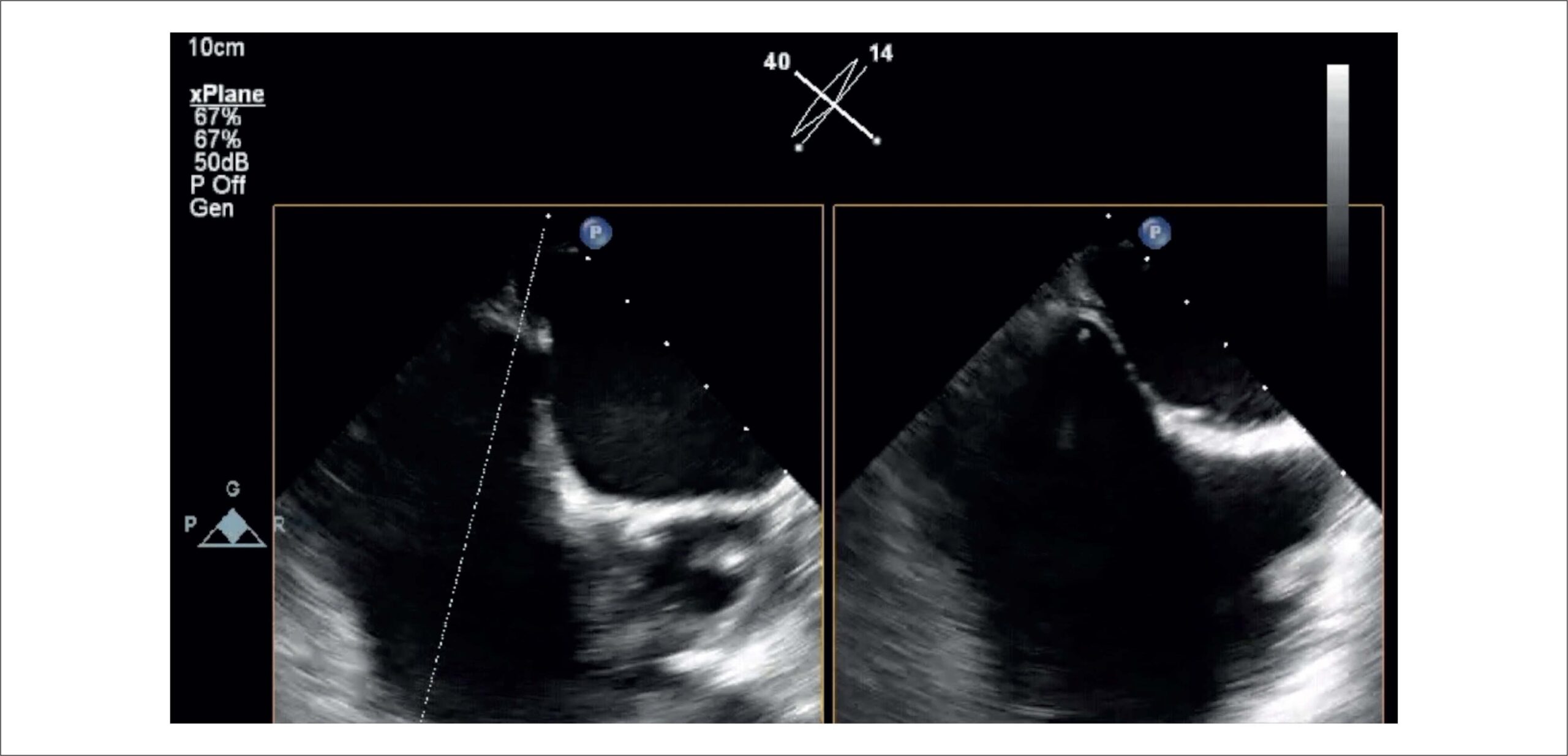
Percutaneous occlusion of the left atrial appendage (LAA) is an alternative to oral anticoagulation for patients with atrial fibrillation (AF) or flutter who have high risk of cardioembolic events, but with a history or high risk of bleeding. In recent years, new generations of occluder devices have been developed, which, combined with greater experience of operators, have made it a safe procedure when properly indicated. Transesophageal echocardiography (TEE) plays a central role in assessing the morphology of the LAA, selecting device size, and image monitoring during the structural cardiovascular procedure.