

| ABCHF
ABC Family Arquivos Brasileiros de Cardiologia International Journal of Cardiovascular Sciences ABC Heart Failure & Cardiomyopathy ABC Imagem Cardiovascular
Português English
ABC Family | ABCHF
Português English
  • About
    • About the Journal
    • Internal Regulation
    • Editors Section
    • Editorial Board
    • SBC Award
  • Instructions to Authors
    • Guidelines for Publication
    • Editorial Policy
    • Ethics Policy
    • Policy on the Use of Artificial Intelligence
    • Mandatory Publication Form
  • Issues
  • SBC Guidelines
  • About
    • About the Journal
    • Internal Regulation
    • Editors Section
    • Editorial Board
    • SBC Award
  • Instructions to Authors
    • Guidelines for Publication
    • Editorial Policy
    • Ethics Policy
    • Policy on the Use of Artificial Intelligence
    • Mandatory Publication Form
  • Issues
  • SBC Guidelines

ABC Family

  • ABC Family
  • Arquivos Brasileiros de Cardiologia
  • International Journal of Cardiovascular Sciences
  • ABC Heart Failure & Cardiomyopathy
  • ABC Imagem Cardiovascular
Search in

No content found.

Journals
Ordering
Article types
Others

  1. Home
  2. ABCHF
  3. Issues
  4. 2023, Volume 3, Number 1
Figure 1
Review Article

Uncompacted Myocardium: A Disease or a Phenotype?

Vinícius Machado Correia et al. Vagner Madrini Junior Félix José Alvarez Ramires

Introduction

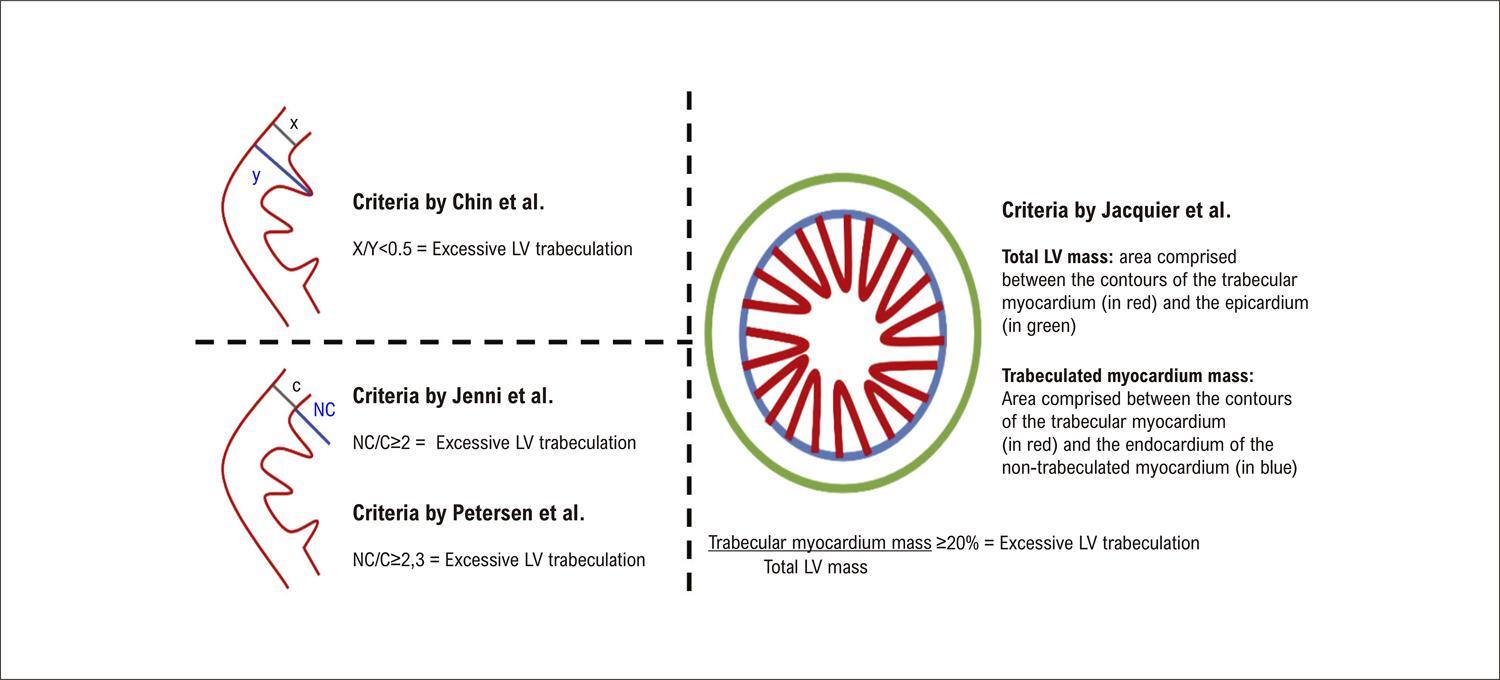
Non-compacted myocardium (NCM) remains controversial between those who consider it a genetic cardiomyopathy and those who believe that excessive trabeculation is a characteristic morphological condition shared by distinct pathological processes and, therefore, not a single disease.

The hallmark of this phenotype is the presence of prominent trabeculae in the left ventricle (LV) and deep intertrabecular recesses, continuous with the LV cavity and separated from the epicardial coronary arteries., Such abnormalities are identified through imaging exams and may affect the LV, the right ventricle (RV), or both, and do not by themselves define cardiomyopathy.

[…]

  • Miocárdio não Compactado
  • Miocardiopatias
Read Full Article
Creative Commons Attribution (CC BY) Creative Commons license
19/09/2023 DOI: 10.36660/abchf.20230047 Views 1
Figure 1
Review Article

Stress Cardiomyopathy (Takotsubo)

Marcelo Westerlund Montera

Introduction

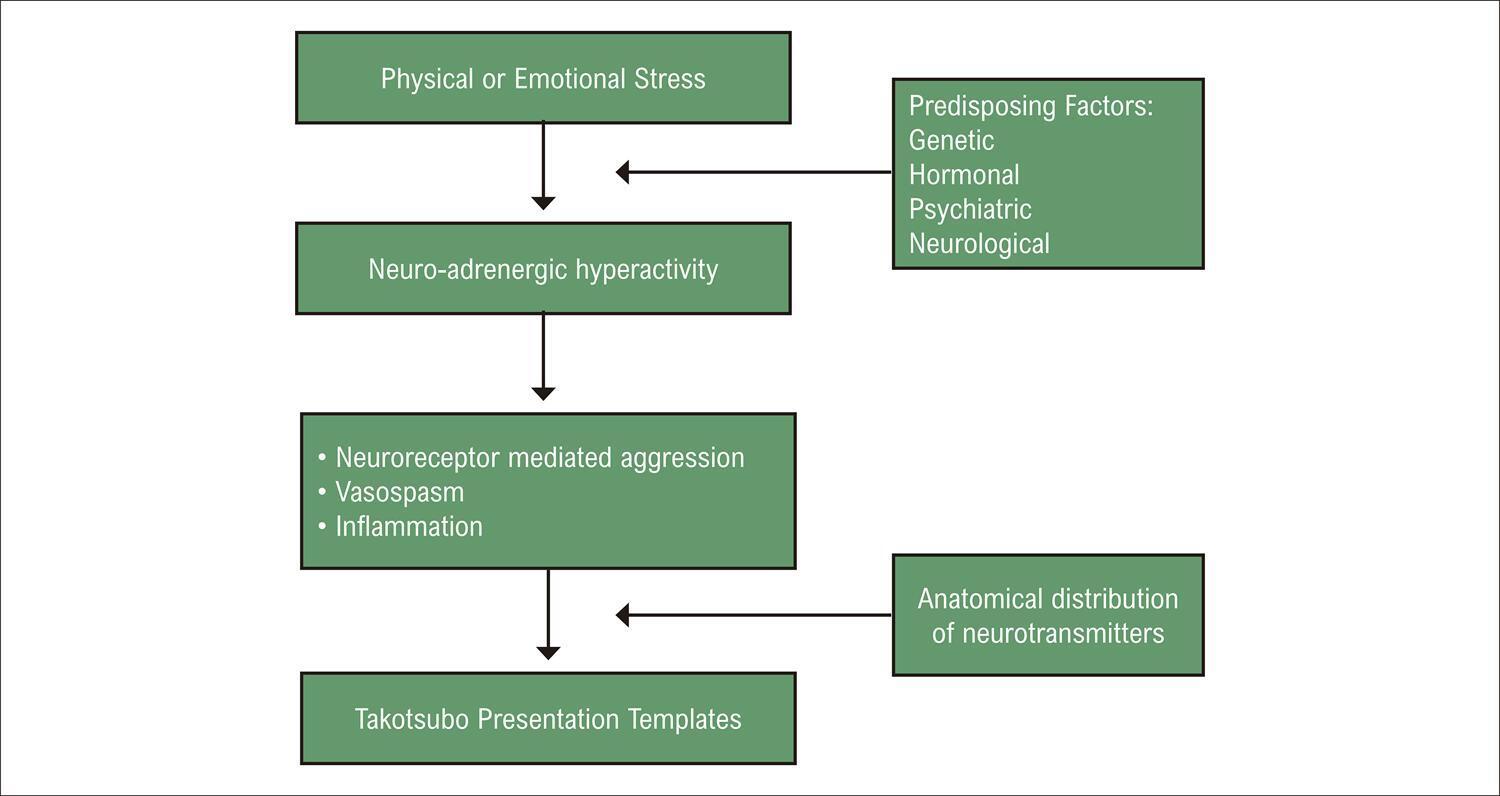
Takotsubo Cardiomyopathy (CT), also known as stress-induced cardiomyopathy, is a reversible syndrome that usually presents as an acute coronary syndrome, especially in postmenopausal women. The pathophysiology involves multiple factors, including coronary vasospasm, microcirculation dysfunction, catecholaminergic aggression, and sympathetic hyperactivity. The diagnosis of the classic presentation is the presence of a segmental alteration in the form of ballooning or dyskinesia in the antero-septo-apical region of the left ventricle, associated with hyperdynamia of the basal segments, in the absence of obstructive coronary disease that justifies this alteration in contraction. Initially, it was believed that CT was a self-limiting condition with a good prognosis; however, it is currently recognized as a pathology with a high rate of complications and high morbidity and mortality in the short and long term. Even though the first description was made more than 30 years ago, in 1990, by Sato, the etiology and pathophysiology are still not fully defined, and we still do not have an international guideline for standardizing diagnosis and treatment.

[…]

  • Neuro-Adrenergic Cardiomyopathy
  • Stress Cardiomyopathy
  • Takotsubo
  • Takotsubo Cardiomyopathy
Read Full Article
Creative Commons Attribution (CC BY) Creative Commons license
19/09/2023 DOI: 10.36660/abchf.20230041 Views 1
Figure 1
Viewpoint

Viewpoint – Brazilian Guideline for Myocarditis

Marcelo Westerlund Montera et al. Daniella Motta da Costa Dan Fabiana G. Marcondes-Braga

Diagnosis

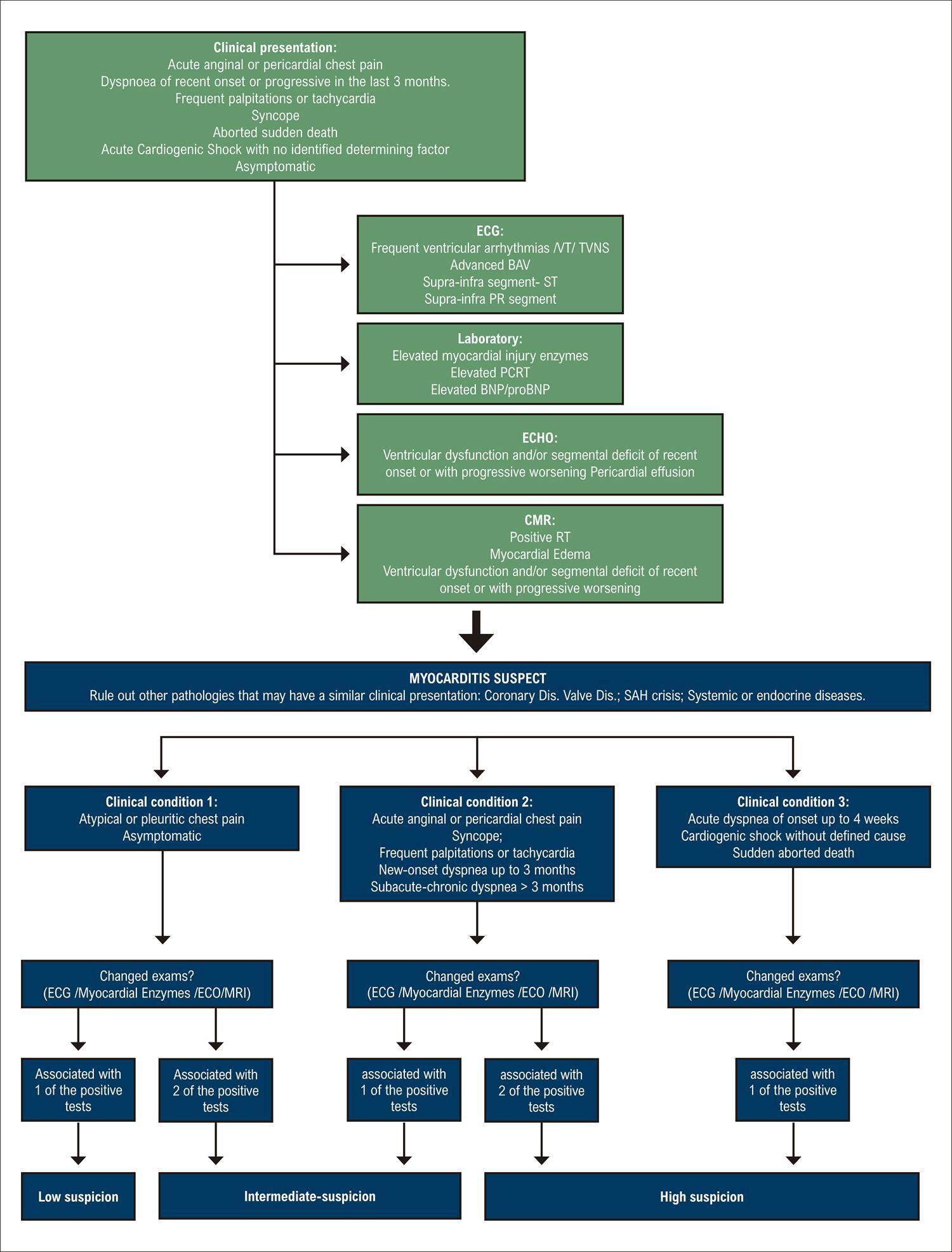
The criterion for the diagnostic confirmation of myocarditis defined by the 2013 European and Brazilian Myocarditis Guidelines is the identification of myocardial inflammation by endomyocardial biopsy (EMB)., This diagnostic criterion, used solely without the option of classifying clinical suspicion, does not mirror clinical practice in the real world, where only a minority of patients in specialized centers are referred for diagnostic investigation through EMB with diagnostic confirmation or exclusion, and most have the diagnosis of clinical suspicion of myocarditis. As an innovation, the 2022 Brazilian Guideline introduces an organizational chart to establish the degrees of suspected diagnosis of myocarditis, which correspond to clinical practice in the real world, where most patients will have a diagnosis of suspected myocarditis rather than confirmation. This organization chart is based on clinical history, myocardial injury biomarkers, electrocardiogram, echocardiogram, and cardiac magnetic resonance, to establish a diagnostic suspicion of myocarditis (), which will define different approaches regarding follow-up, treatment, and the need for EMB. Patients with low suspicion of myocarditis have a favorable prognosis with a low risk of developing ventricular dysfunction or cardiovascular mortality, and clinical follow-up is indicated without the need for cardioprotective drugs. Cardioprotective drugs and clinical and ventricular function follow-up by echocardiogram and magnetic resonance imaging are indicated for patients with an intermediate degree of suspicion of miocarditis. Patients with high diagnostic suspicion or with intermediate suspicion with worsening clinical or ventricular function have a worse long-term prognosis, with lower survival, being indicated in this group the EMB for the investigation of the inflammatory activity and the etiological agent to evaluate treatment with immunosuppressants and therapy directed towards the identified etiological factor (). With the diagnostic suspicion classification, the new Guideline approaches clinical practice, standardizing the clinical management of most patients with suspected myocarditis and reserving the indication of EMB for those with greater potential for clinical benefit from immunosuppressive therapy.

[…]

  • Diagnosis
  • Myocarditis
  • Treatment
Read Full Article
Creative Commons Attribution (CC BY) Creative Commons license
19/09/2023 DOI: 10.36660/abchf.20230037 Views 1
Central Illustration
Review Article

Arrhythmogenic Left Ventricular Cardiomyopathy – State of Art: From Genotype to Phenotype

Ana Flavia Malheiros Torbey et al. Erivelton Alessandro do Nascimento Nágela Simão Vinhosa Nunes Adriana Bastos Carvalho … Daniel Gama das Neves Raquel Germer Toja Couto Sandra Vitória Thuler Pimentel Eduarda Corrêa Maia Evandro Tinoco Mesquita

Abstract

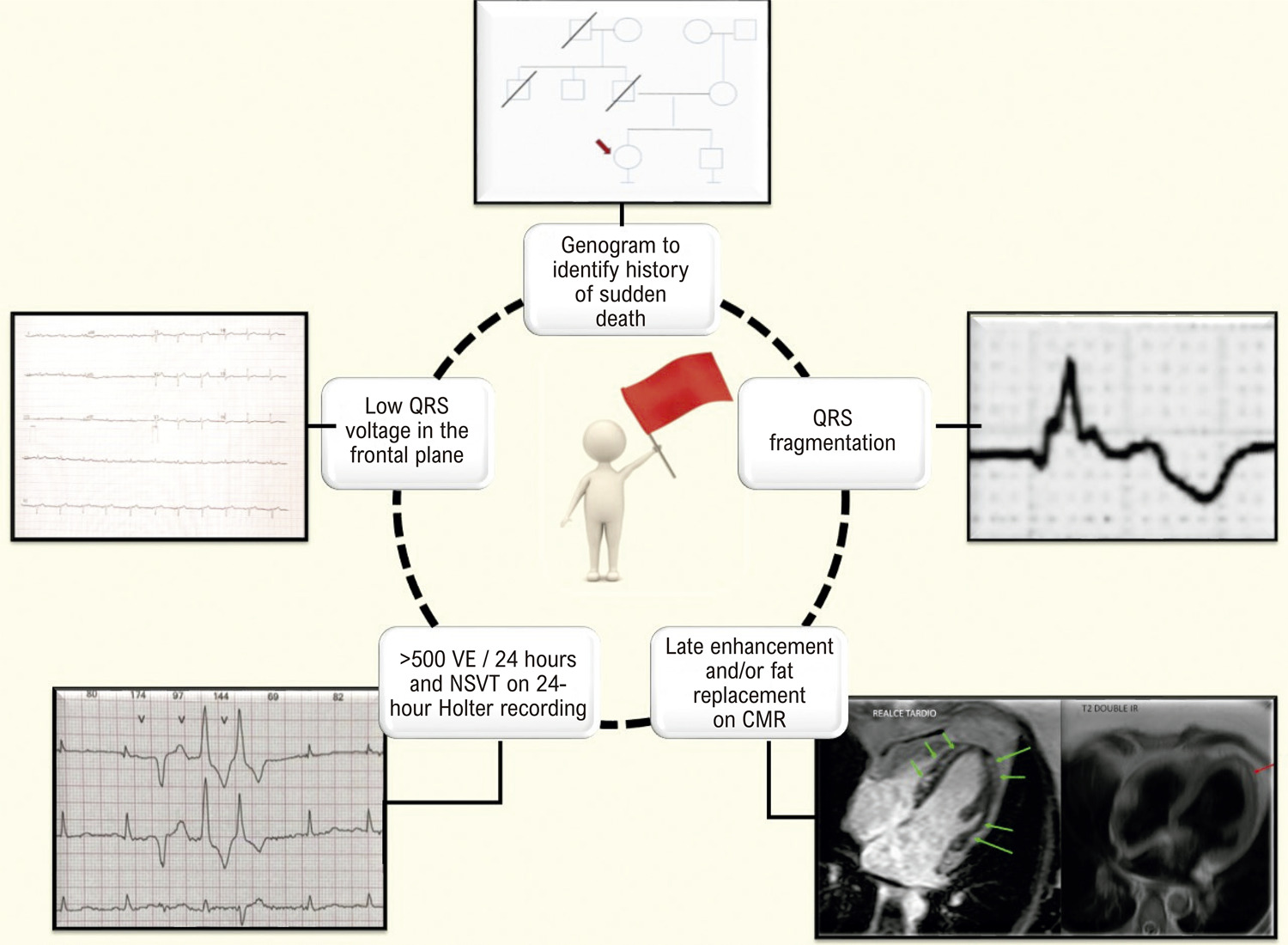
Arrhythmogenic cardiomyopathy with exclusive or predominant involvement of the left ventricle has been described recently. It has a heterogeneous genetic basis with different clinical phenotypes ranging from ventricular arrhythmias and sudden death (SD), symptoms suggestive of acute myocarditis with chest pain and troponin elevation, symptoms of heart failure, to asymptomatic patients. A high level of suspicion is needed for a correct diagnosis and implementation of a genotype-based therapy, to prevent its most feared complication, SD. This review aims to describe arrhythmogenic left ventricular cardiomyopathy as a genetic heart disease, with initial and/or predominant involvement of the left ventricle and its varied phenotypic expression, providing a basis for clinical reasoning and “red-flags” for the diagnosis, as well as for SD risk stratification.

  • Arrhythmias Cardiac
  • Arrhythmogenic right ventricular dysplasia;
  • Death, Sudden
  • Genotype
Read Full Article
Creative Commons Attribution (CC BY) Creative Commons license
29/08/2023 DOI: 10.36660/abchf.20230035 Views 1
Figure 1
Review Article

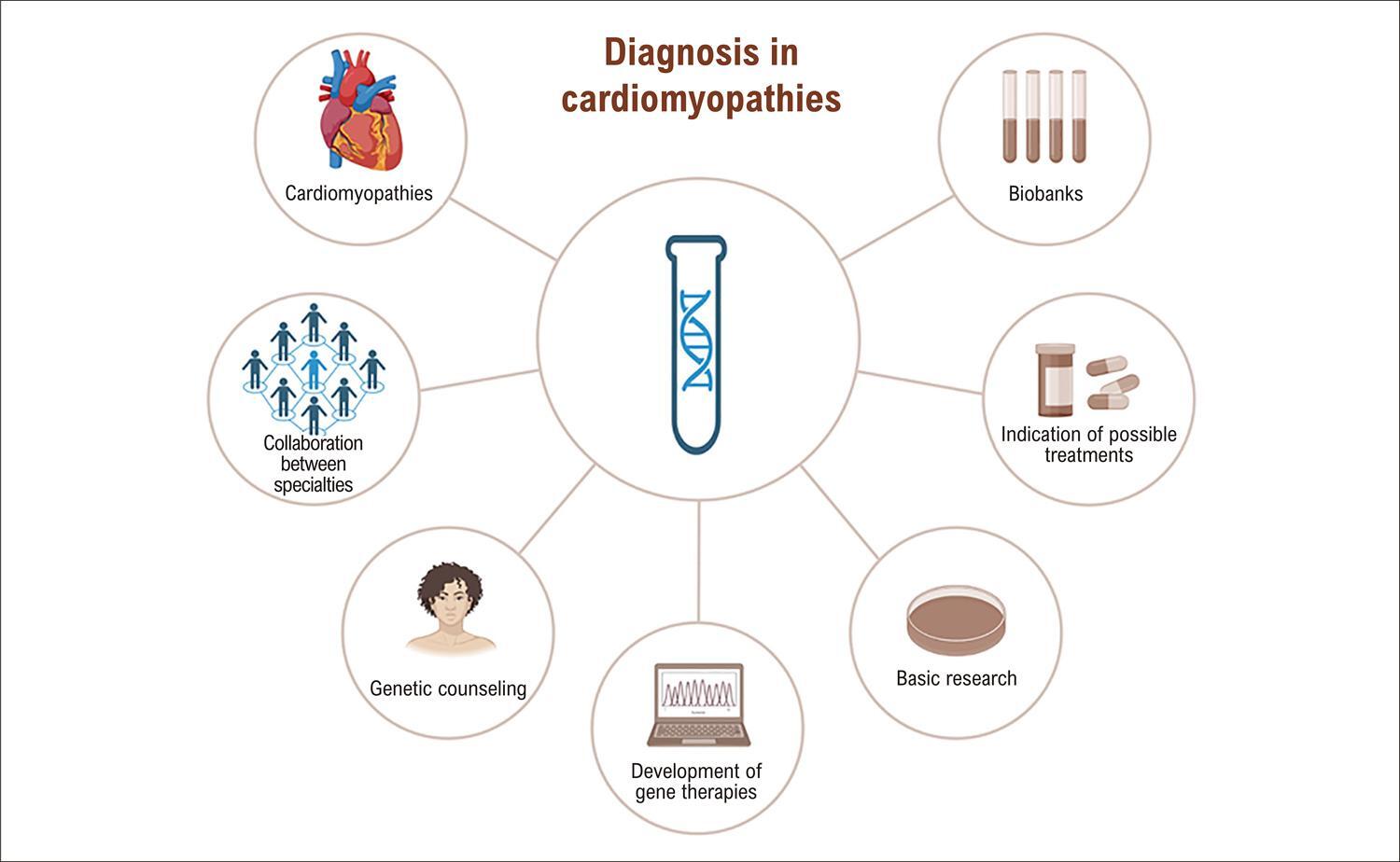
Genetics in Cardiomyopathies – Genetic Tests Decoded for the Clinical Cardiologist

Arsonval Lamounier Júnior et al. Diane Xavier de Ávila Roberto Barriales-Villa

Abstract

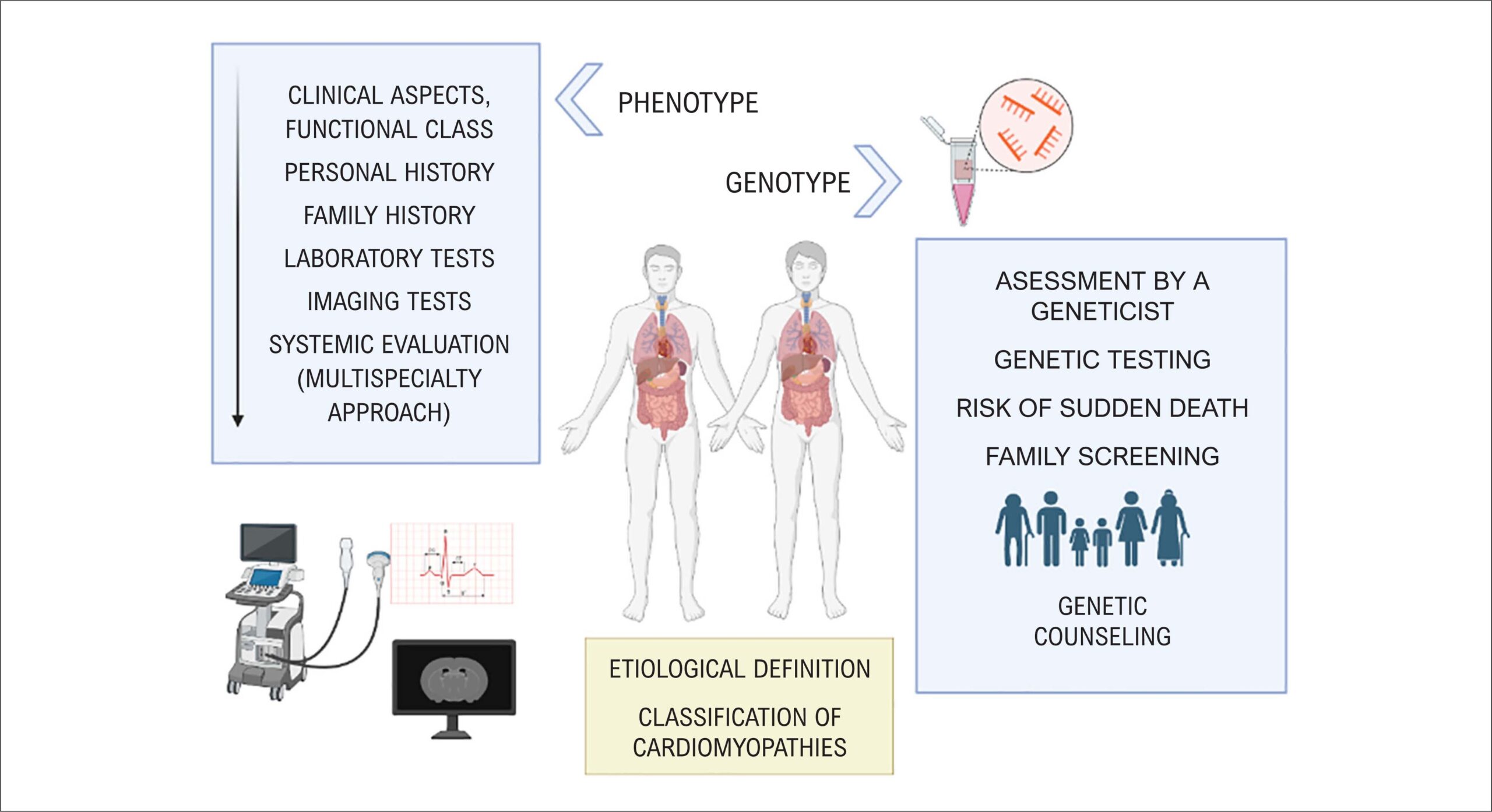
The era of personalized medicine emphasizes the provision of health care guided by the cardiomyopathy phenotypes described, their interpretation based on genotype, and genetic counseling. The identification of high-risk cardiomyopathy subtypes and the diagnosis of rare etiologies with potential therapies cannot be neglected. Genetic sequencing of these patients, in addition to advances in cardiac imaging techniques, has indicated a new perspective for these concepts, and consequently possible new classifications of cardiomyopathies and new clinical practices. The interaction between multidisciplinary teams and cardiology genetic experts is fundamental for a more appropriate management of gene variants, especially variants of uncertain significance that may be relevant in the expression of cardiomyopathies. This article helps cardiologists in the ordering of genetic tests and their indications, provides information about pathogenicity of variants and emphasizes family screening, challenges that may be overcome in daily practice.

  • Cardiomyopathies
  • Familial Screening
  • Genetics
  • NGS
Read Full Article
Creative Commons Attribution (CC BY) Creative Commons license
17/08/2023 DOI: 10.36660/abchf.20230036 Views 2
Figure 1
Review Article

Pediatric Cardiomyopathies: Establishing Genotype-Phenotype Relationship as a Determinant in Prognosis and Therapy: A Review of the Literature

Ana Flavia Malheiros Torbey et al. Aurea Lucia Alves de Azevedo Grippa de Souza Estela Azeka Maraisa Fachini Spada

Abstract

Cardiomyopathies constitute a heterogeneous group of diseases with varying etiologies and clinical presentation. Advances in genetic testing have made it possible to establish genotype-phenotype relationships, determine prognosis, and choose specific treatments in the pediatric population. Therefore, the objective of this review is to assist clinical reasoning and underscore the importance of etiological diagnosis in different disease phenotypes.

  • Adolescent
  • Cardiomyopathies
  • Child
  • Diagnosis
  • Phenotype
Read Full Article
Creative Commons Attribution (CC BY) Creative Commons license
17/08/2023 DOI: 10.36660/abchf.20230016 Views 1
Figure 1
Viewpoint

Post-COVID-19 Cardiomyopathy in Children and Adults: Fact or Fiction?

Anna Esther Araujo e Silva et al. Ana Flavia Malheiros Torbey Aurea Lucia Alves de Azevedo Grippa de Souza

Since the emergence of the novel coronavirus 2019 disease (COVID-19), cardiovascular impairment and alterations in cardiology laboratory tests suggestive of myocardial injury, even in patients without cardiovascular symptoms, have been observed in hospitalized children and adults.–

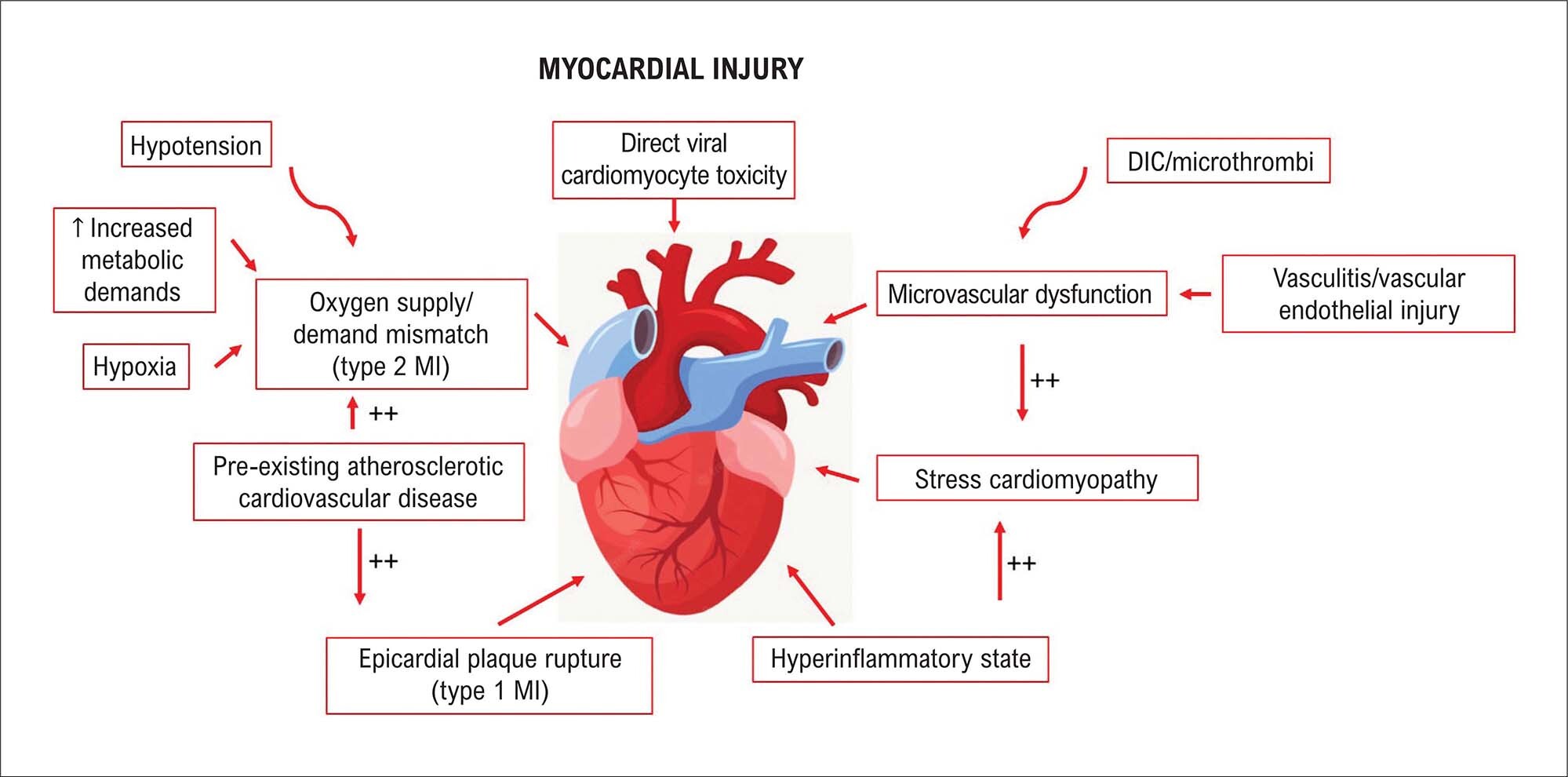
Epidemiological data from China have suggested that cardiac injury may occur in 19% to 28% of hospitalized patients with COVID-19. Several factors seem to contribute to myocardial damage, and potential mechanisms of injury include: hypoxic injury, stress cardiomyopathy, ischemic lesion caused by cardiac microvascular dysfunction, small vessel cardiac vasculitis, endotheliitis, epicardial coronary artery disease, right heart distention (acute cor pulmonale with pulmonary embolism), myocarditis, systemic inflammatory response syndrome (cytokine storm), and others , ().

[…]

  • Adult
  • Cardiomyopathies
  • Child
  • COVID-19
Read Full Article
Creative Commons Attribution (CC BY) Creative Commons license
17/08/2023 DOI: 10.36660/abchf.20230015 Views 1
Figure 1
Viewpoint

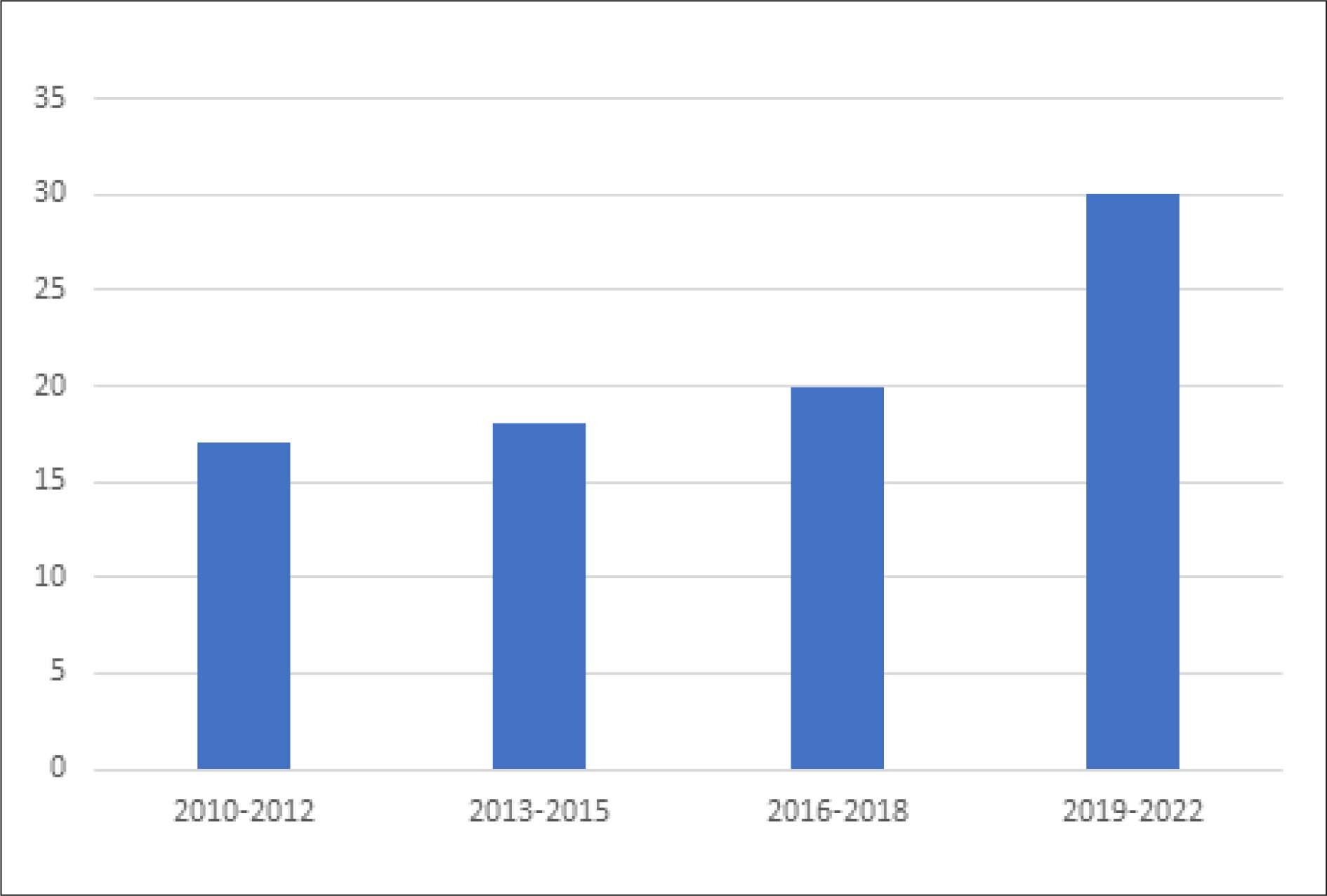
Brazilian Scientific Production about Cardiomyopathies: A Review from 2010 to 2022

Even Edilce Mol et al. Sarah Fagundes Grobe Luis Eduardo Paim Rohde Lídia Ana Zytynski Moura

By definition, myocardiopathies or cardiomyopathies (CM) are heart muscle diseases that cause structural and functional myocardial abnormalities in the absence of coronary artery disease, hypertension, valvular disease, and congenital heart disease.,

CM constitute a very heterogeneous group of heart diseases and are one of the leading causes of death either from end-stage heart failure or sudden death due to arrythmias. According to the phenotype, CM may be classified into hypertrophic cardiomyopathy, dilated cardiomyopathy, restrictive cardiomyopathy, arrhythmogenic right ventricular cardiomyopathy, and left ventricular noncompaction, where there may overlap of phenotypes. Each phenotype is then subclassified into: genetic origin (familial), non-genetic (non-familial), and mixed, with the genetic form accounting for most of the cases. According to the statement of American College of Medical Genetics and Genomics, of the 59 genes mentioned in the document, 30 (51%) had cardiovascular phenotypes, and 16 (27%) included CM phenotypes. Non-genetic CM may be caused by infections, autoimmune diseases, and endogenous or exogenous myocardial toxicity, whereas genetic CM may be caused by a variety of known mutations and others under study.

[…]

  • Cardiomyopathies
  • Heart Failure
  • Sudden Death
Read Full Article
Creative Commons Attribution (CC BY) Creative Commons license
17/08/2023 DOI: 10.36660/abchf.20230043 Views 1
Viewpoint

Surgical Treatment of Cardiomyopathy

Lucas F. Cardoso et al. Samuel P. Steffen Fabio A. Gaiotto

Ischemic Cardiomyopathy

Ischemic heart disease is the most common cause, and at the same time, it is the main isolated risk factor that favors the increased incidence of heart failure in the world.

Several improvements incorporated in coronary artery bypass graft surgery have made the procedure safer and more effective, so patients who were previously candidates for heart transplants are now frequently revascularized. Hausmann et al. showed that, with the more comprehensive indication of myocardial revascularization in this scenario, patients with advanced heart failure due to ischemic cardiomyopathy now represent 29.3% of recipients who are candidates for transplantation in the studied center, in comparison with data from the same period by the International Society of Heart and Lung Transplantation, which indicated that 47.2% of recipients had an ischemic etiology.

[…]

  • Cardiac Surgery
  • Cardiomyopathies
  • Heart Failure
Read Full Article
Creative Commons Attribution (CC BY) Creative Commons license
17/08/2023 DOI: 10.36660/abchf.20230038 Views 1
Figure 1
Viewpoint

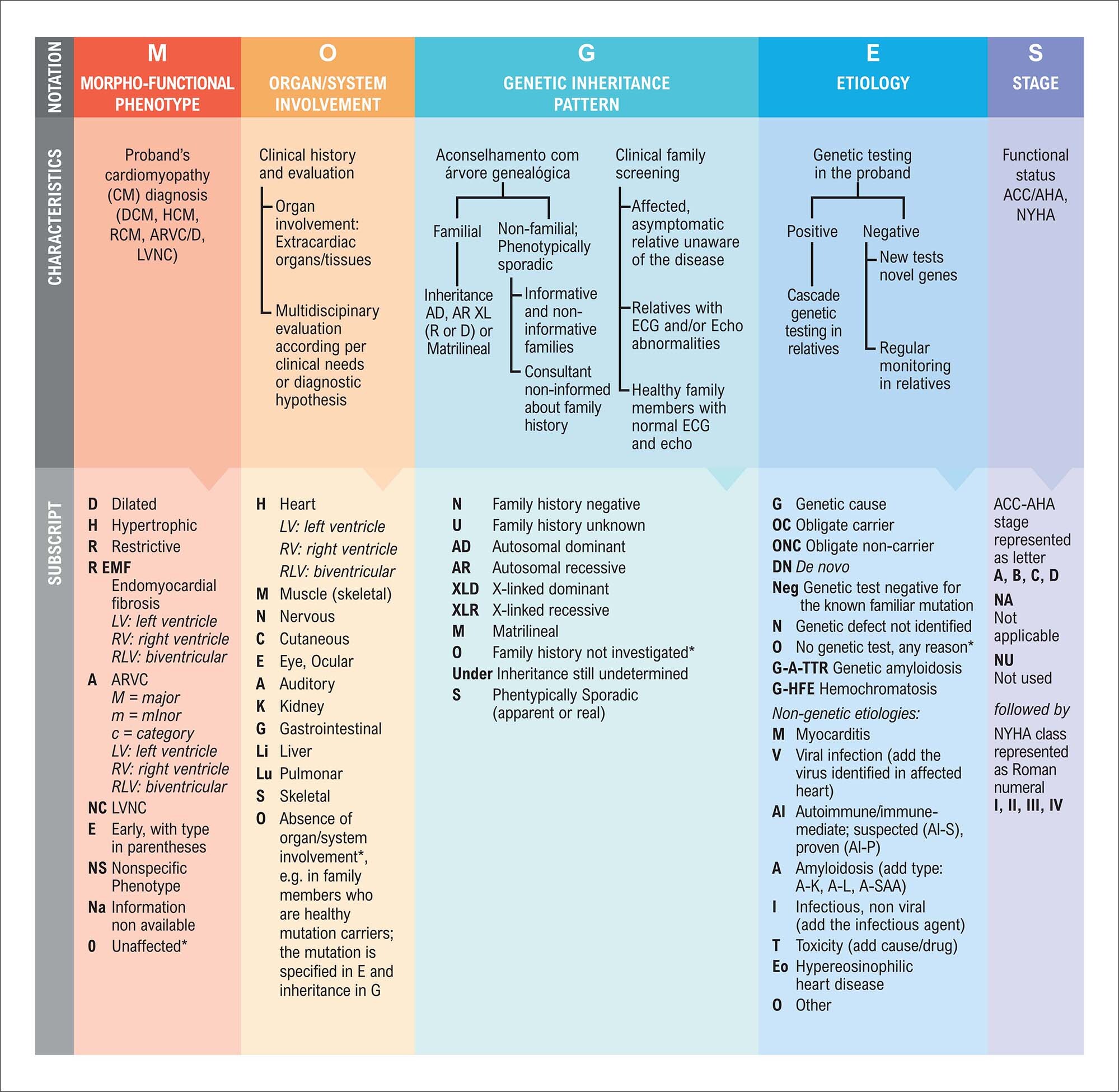
Clinical Reasoning and Classification of Cardiomyopathies

Vagner Madrini Junior et al. Evandro Tinoco Mesquita Diane Xavier de Avila Fabio Fernandes

Definition

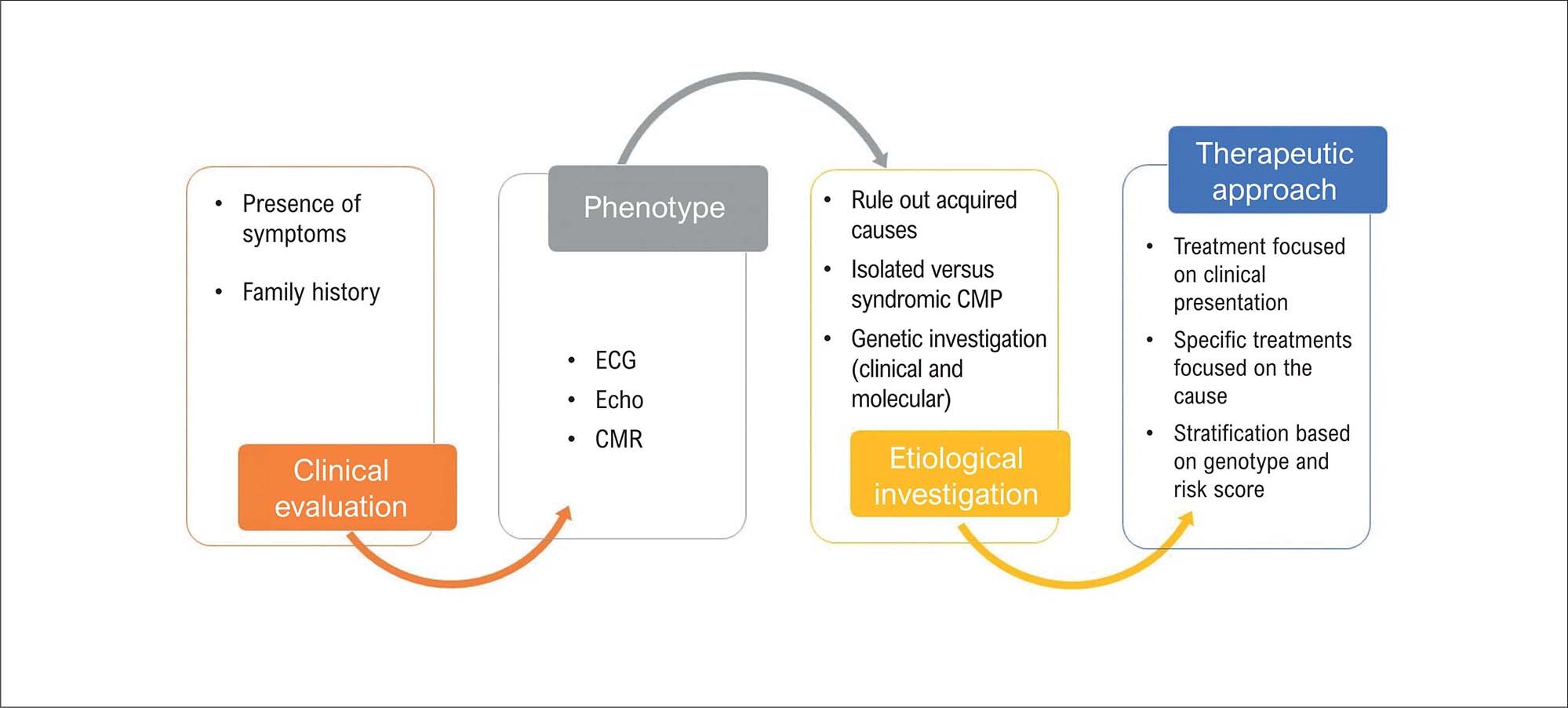
Cardiomyopathies (CMPs) are a group of diseases with multiple etiologies and heterogeneous phenotypes, ranging from microscopic changes in cardiomyocytes in asymptomatic patients to cases of fulminant heart failure with fluid retention, and perfusion and heart rhythm changes. A CMP was initially defined as a heart muscle disease caused by genetic defects, myocyte injury or myocardial infiltration, and characterized by structural and functional abnormalities in the absence of congenital disease, valvular disease or hypertension. The initial approach of patients with CMP consists of clinical evaluation and complementary imaging techniques and genetic testing, in search of diagnostic evidence and the need for specific tests ().,

[…]

  • Cardiomyopathies
  • Genetics
  • Hypertrophy
Read Full Article
Creative Commons Attribution (CC BY) Creative Commons license
17/08/2023 DOI: 10.36660/abchf.20230013 Views 1
Figure 1
Viewpoint

Genetic Counseling and Pedigree in Cardiomyopathies – the Role of the Clinical Geneticist

Diane Xavier de Ávila et al. Frank Nunes Raquel Germer Ana Flávia Malheiros Torbey

Introduction

Twenty years ago, the Human Genome Project made history by announcing the sequencing of 92% of the human genome through the development of modern genetic sequencing techniques. In 2022, the complete sequencing of human DNA was announced. This knowledge made it possible to better understand how genetics influences the functioning of the human body and, at the same time, facilitated the identification of genetic variants that can cause diseases.

In the field of cardiology, genetic study assists the assessment of aortopathy, familial hypercholesterolemia, channelopathies, and especially cardiomyopathies.

[…]

  • Cardiomyopathies
  • Genetic Counseling
  • Genetic Testing
  • Genetics
Read Full Article
Creative Commons Attribution (CC BY) Creative Commons license
01/08/2023 DOI: 10.36660/abchf.20230023 Views 1
Review Article

Diagnosis and Treatment of Hypertrophic Cardiomyopathy

Fernando Saraiva et al. Fabio Fernandes Minna Moreira Dias Romano Juliano Novaes Cardoso … Marília Taily Soliani Mariani Mendes Madisson Bernardo André Schmidt Marcus Vinicius Simões

Abstract

The concept of hypertrophic cardiomyopathy has undergone profound changes with the advent of cardiogenomics and the increase in knowledge about the sarcomeric structure and the mutations that lead to cardiomyocyte hypertrophy. In this review article, we address the state of the art in terms of diagnosis, contemplating the genetic heart diseases responsible for differential diagnoses of hypertrophic cardiomyopathy, known as phenocopies, which are a major challenge in clinical practice. We also discuss the current evidence that guides treatment.

  • Cardiomyopathy, Hypertrophic
  • Death, Sudden, Cardiac
  • Diagnostic Imaging
  • Drug Therapy
Read Full Article
Creative Commons Attribution (CC BY) Creative Commons license
01/08/2023 DOI: 10.36660/abchf.20230040 Views 1
Figure 1
Viewpoint

Advances in the Diagnosis and Treatment of Cardiac Amyloidosis

Marcus Vinicius Simões et al. Diane Xavier de Ávila Pedro Manoel Marques Garibaldi Evandro Tinoco Mesquita

Introduction

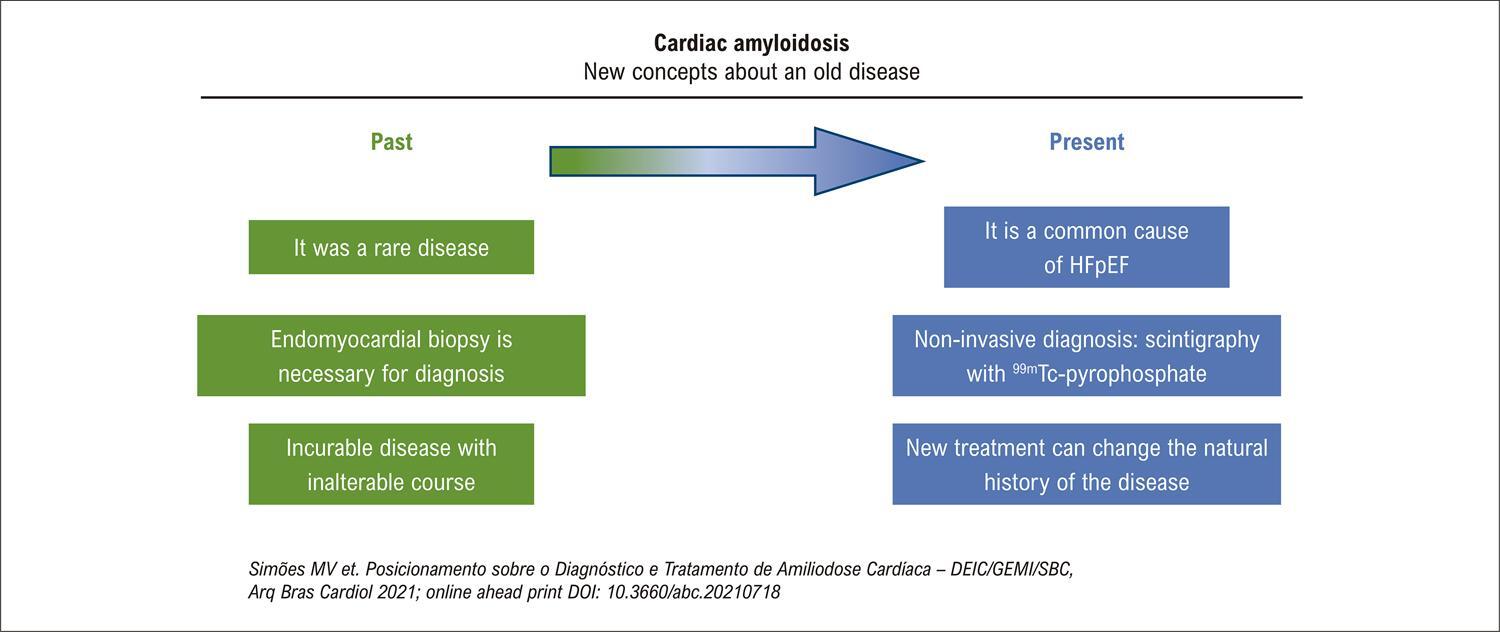
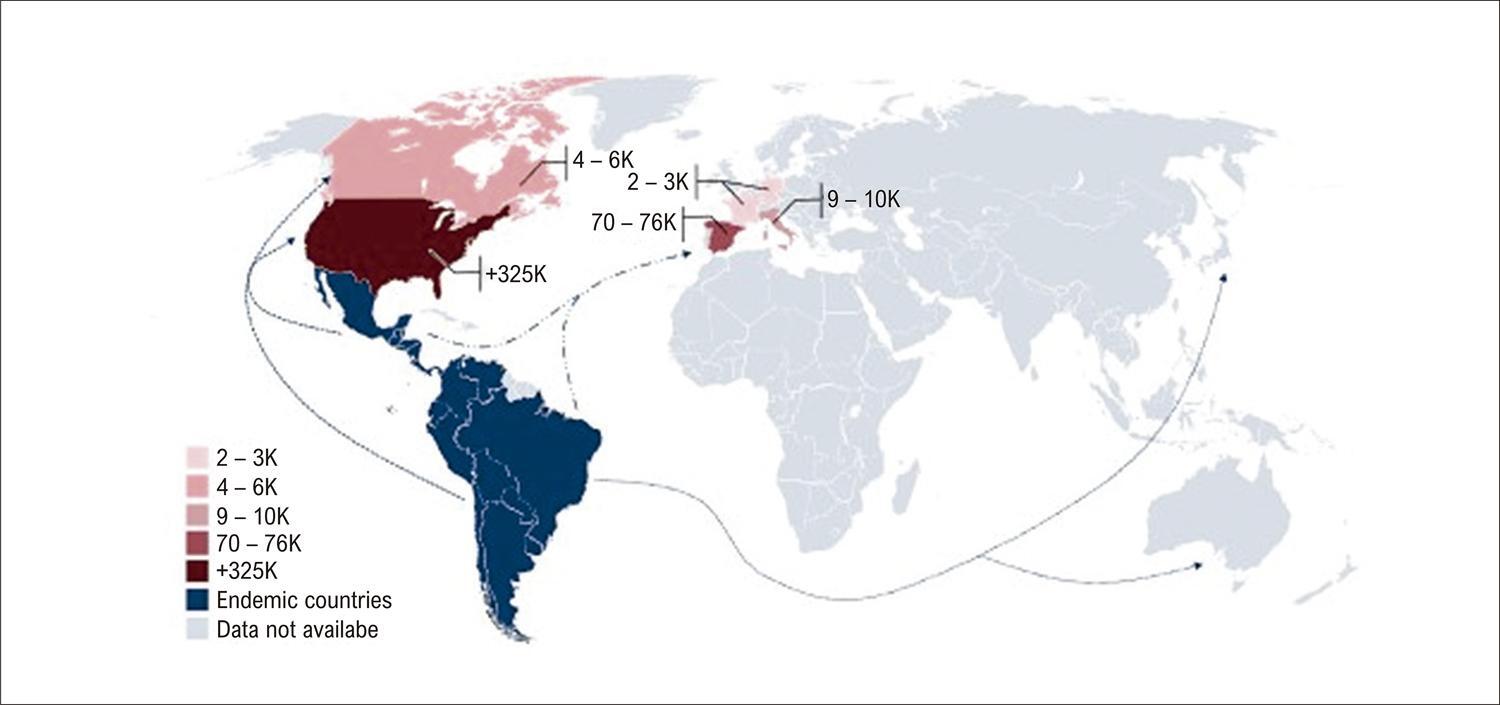
In recent decades, significant advances have led to a complete reformulation of clinical and epidemiological concepts about cardiac transthyretin (ATTR) amyloidosis, summarized in .

[…]

  • Amyloidosis
  • Cardiomyopathies
  • Heart Failure
  • Prealbumin
Read Full Article
Creative Commons Attribution (CC BY) Creative Commons license
01/08/2023 DOI: 10.36660/abchf.20230024 Views 1
Figure 1
Special Article

Cardiomyopathies: Yesterday, Today, and Tomorrow

Charles Mady et al. Diane Xavier de Ávila Vagner Madrini Junior Evandro Tinoco Mesquita

The interest in myocardial damage is very old, but only in recent decades has there been a reasonable advance in greater knowledge thereof. Ancient peoples were limited to rudimentary observations on the morphology and physiology of the circulatory system, but with special interest directed to the heart. Texts in cuneiform scripts from Sumer, considered the first civilization in human history; others from the Library of Ashurbanipal, with inscriptions on clay tiles, discovered intact under the sands at Nineveh; Egyptian hieroglyphs in stone and ink; and writings by the Mayans, the only people in the Americas to leave reports in their alphabet as well as books, of which we have only copies in some cases (the Spanish invaders took it upon themselves to destroy and burn many originals) all demonstrate an ancient interest in human anatomy and the heart. With the limitations of their times, they demonstrated curiosity about the constitution of the human body, reaching academic-level descriptions by Leonardo da Vinci’s time. Recent developments have brought us new knowledge about the etiopathogenesis and pathophysiology of the diseases that affect the heart, but they are not sufficient to generate greater therapeutic advances. There are reasons for this.

As these diseases are predominantly clinically treated, cardiology has spent the past few decades committed to understanding and disseminating themes considered more relevant in surgical areas, such as coronary, congenital, and valve diseases, which were and are subjected to highly developed treatments in the recent past, with more immediate results. The drug and equipment industries have understood the size of the doors open to their interests, actively participating in research associated with academic institutions. There is no doubt that the evolution in these fields has been enormous, with remarkable material interests, massively concentrating research, symposiums, congresses, and publications on these themes. Spaces for cardiomyopathies were very limited, due to almost total lack of interest, and therapy in these fields was limited to digitalis and diuretics, indicated for heart failure, and not for underlying diseases. It was a world apart within cardiology. It took a long time for new drugs to be studied and released on the market, but only for the treatment of dysfunction as a syndrome. There was a long delay in creating laboratories to promote understanding of the etiological factors of myocardial aggression, in an attempt to understand, reduce, or eliminate the lethality of these diseases, many of which are still little known, and to attempt to develop specific treatments for each cause. Unfortunately, we are still a long way from this goal. As an example, I cite the old and current Chagas cardiomyopathy. We treat the consequences, heart failure, thromboembolisms, and arrhythmias, but to date we do not have any truly effective specific treatment, in a society that contains a significant part of the infected population. Even prevention, which is inexpensive, given that it simply uses insecticides, is carried out on a modest scale. It has become conventional to use the terminology “disease of the poor” to justify this lack of interest. Nonetheless, this delay generates a huge social cost in the health area.

[…]

  • Cardiomyopathies
  • Classification
  • Genetics
Read Full Article
Creative Commons Attribution (CC BY) Creative Commons license
01/08/2023 DOI: 10.36660/abchf.20230022 Views 1
The Era of Personalized Medicine in Cardiomyopathies
Editorial

The Era of Personalized Medicine in Cardiomyopathies

Diane Xavier de Avila et al. Evandro Tinoco Mesquita

Learning about cardiomyopathies has become more in-depth in recent years. Thus, several views of specialists from Brazil are present in this edition of ABC Heart Failure & Cardiomyopathy, of the ABC Family of Arquivos Brasileiros de Cardiologia (ABC Cardiol), from the most common etiologies to the rarest and ultra-rare ones, with their systemic repercussions, including toxic, genetic, peripartum, stress, diabetes, collagenosis, cardiogenetic interaction, as well as a vision of the future with artificial intelligence and 3D printing in cardiomyopathies.

Advances in imaging such as coronary computed tomography angiography in the non-invasive diagnosis of coronary artery disease, magnetic resonance imaging and its various specific evaluations of cardiomyopathies, nuclear medicine in microvascular disease and non-invasive diagnosis of transthyretin amyloidosis, and genetic tests have facilitated the recognition of different phenotypes. Moreover, based on the genotype of a given case, an entire family can also be identified related to preexisting clinical syndromes. Interaction between specialties and heart teams have improved care, disease management, and assistance of affected families. Accordingly, follow-up with a geneticist and genetic counseling are imperative in the era of personalized medicine.

[…]

  • Cardiomyopathies
  • Delivery of Health Care
  • Heart Failure
Read Full Article
Creative Commons Attribution (CC BY) Creative Commons license
01/08/2023 DOI: 10.36660/abchf.20230039 Views 1
Figure 1
Review Article

Rare and Ultra-Rare Diseases as Causes of Cardiomyopathy

Diane Xavier Avila et al. Sandra Marques e Silva

Abstract

Several definitions of rare disease have emphasized the low prevalence of genetic diseases that can affect cardiac tissues and cause high psychosocial suffering due to the challenging diagnostic process and the high costs of complementary tests and specific therapies. In addition, there is the need for referral centers with different medical specialists, as well as nurses, social workers, psychologists, physiotherapists, among other professionals. With the rapid advances in genetics and precision medicine, associated with the emergence of specific therapeutic molecules (orphan drugs), many rare diseases are no longer “hidden” in pages’ footnotes, and their diagnoses cannot be neglected. The first step is to understand their physiopathogenesis, clinical signs and symptoms, and complementary diagnosis tools including genotyping. This review aims to present objective and important information to contribute to the investigation of the cardiovascular involvement in some of the rare genetic diseases.

  • Cardiomyopathies
  • Mucopolysaccharidoses
  • Rare Diseases
Read Full Article
Creative Commons Attribution (CC BY) Creative Commons license
01/08/2023 DOI: 10.36660/abchf.20230032 Views 1
Figure 1
Review Article

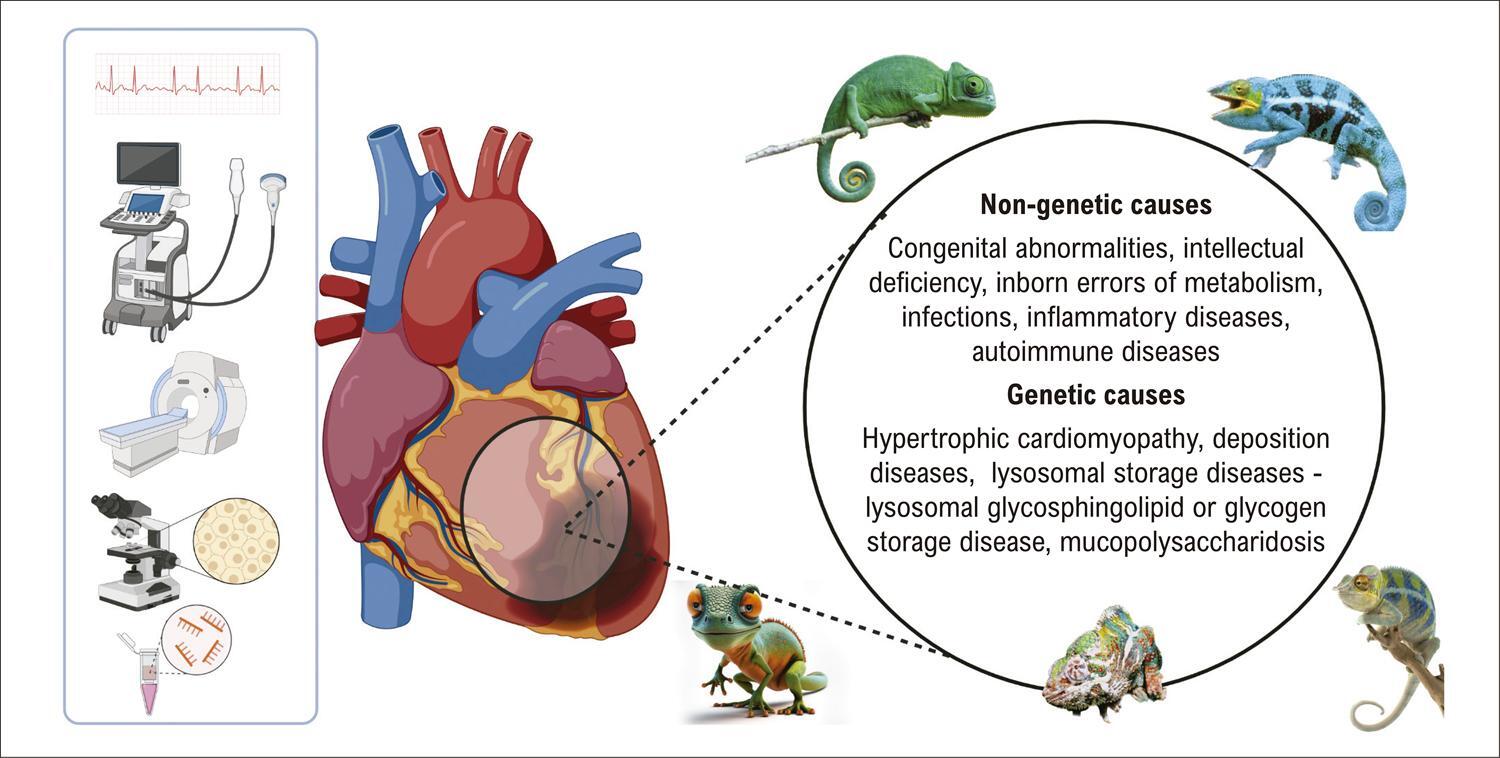
Cardiac Sarcoidosis, the Great Chameleon of Myocardiopathies

Diogo Coutinho Suassuna et al. Felipe J. de Oliveira Fraga Carlos Eduardo L. Montenegro

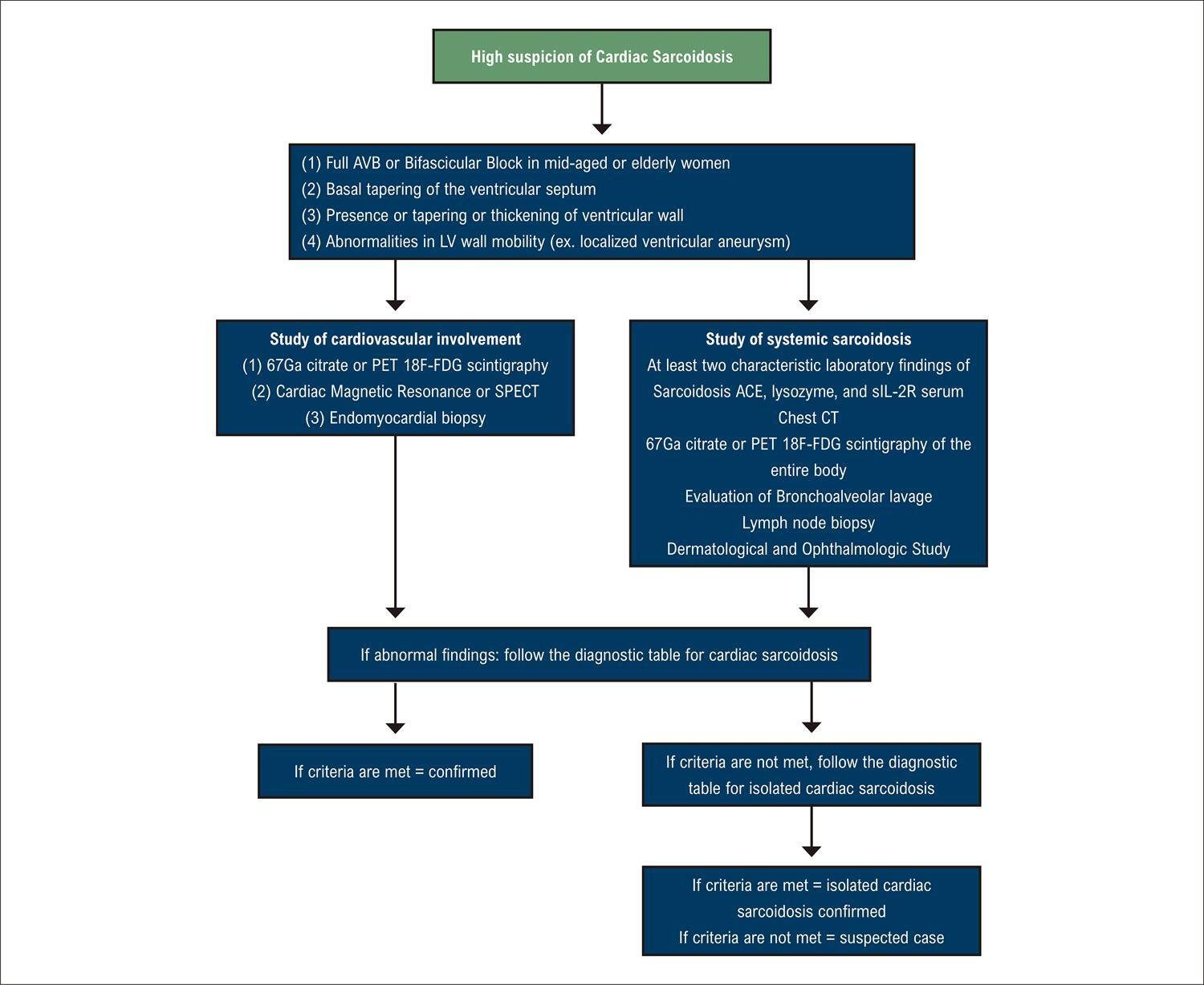
Sarcoidosis is a chronic multisystemic disease of unknown etiology, histologically determined by the formation of non-caseating granulomas in various organs of the body, which can also affect heart tissues, resulting in cardiac sarcoidosis (CS).

This disease continues to be enigmatic in such a way that, since its first description (1929), and over the years, the exact mechanism of its pathogenesis has still not been clarified, with the possibility of the existence of an important component of genetic predisposition added to types of environmental exposure.

[…]

  • Cardiomyopathies
  • Heart Failure
  • Sarcoidosis
Read Full Article
Creative Commons Attribution (CC BY) Creative Commons license
01/08/2023 DOI: 10.36660/abchf.20230027 Views 1
Figure 1
Viewpoint

Advances in Diagnosis and Treatment of Cancer Immunotherapy and CAR-T Cell–Related Myocarditis

Ariane Vieira Scarlatelli Macedo et al. Aurea Grippa Katia Regina Medeiros Luz Nathalia Coelho de Castro Nunes Sandrigo Mangini

Immune checkpoint inhibitors

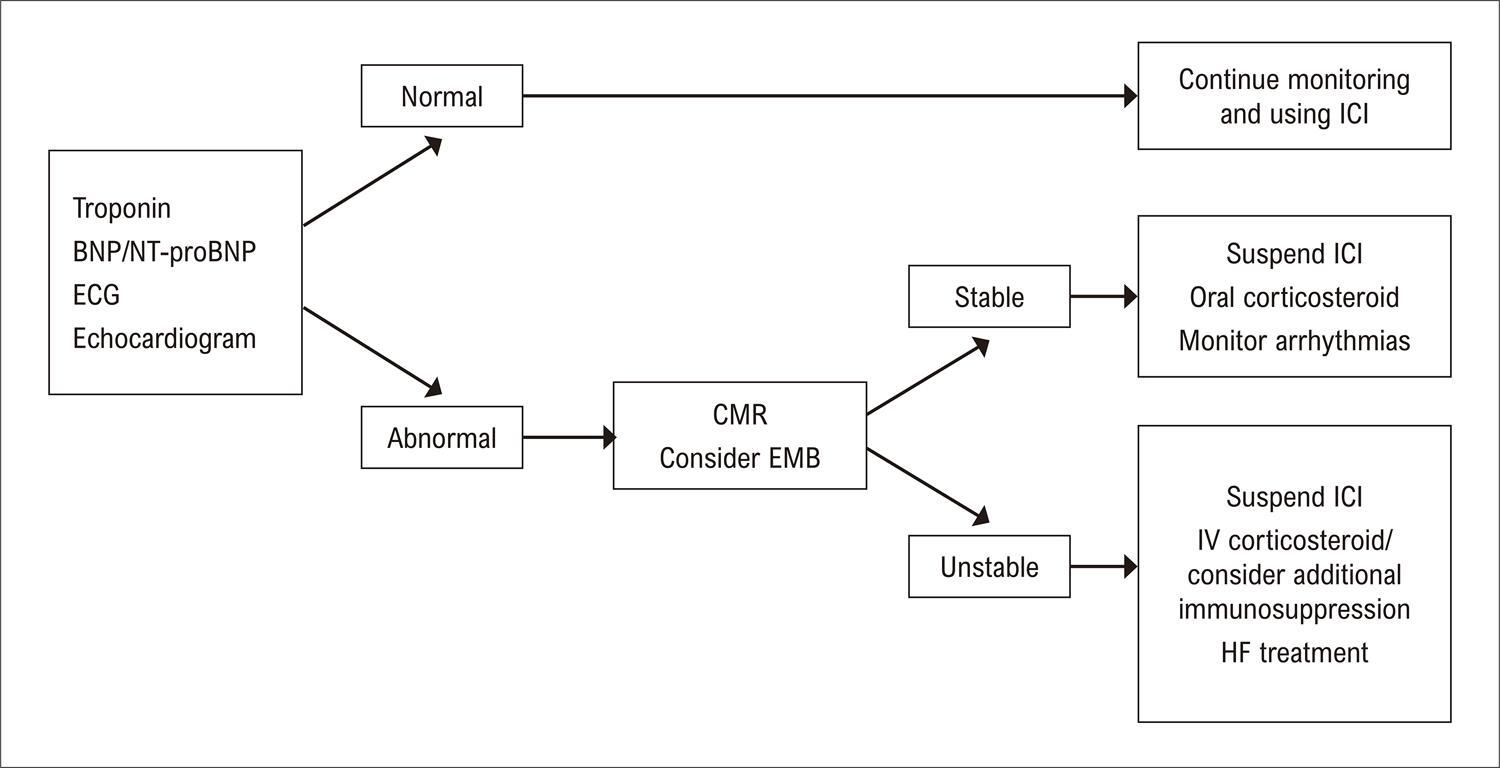
The incidence of myocarditis in patients using ICI is low, around 1%. However, several series describe mortality between 30% and 40%. This is the primary reason that every effort is made for myocardial protection and early identification of signs of inflammatory response onset, in addition to understanding of T cell and macrophage stimulation and cytokine production., The onset of the lesion is most frequently observed observed early after the first dose of immunotherapy with a median time to onset of 30 days, with an average resolution of 90 to 120 days. Patients over 60 years of age are the most affected in the majority of series.

Patients with suspected ICI-associated myocarditis may develop from asymptomatic conditions with increased biomarkers to severe presentations including cardiogenic shock, ventricular arrhythmias, and sudden death. Dyspnea and asthenia are the most common complaints related to ICI-associated myocarditis; chest pain may also occur. The combination of ICI appears to be an important risk factor compared to monotherapy.

[…]

  • Adoptive Immunotherapy
  • Immune Checkpoint Inhibitors
  • Immunotherapy
  • Myocarditis
  • Neoplasms
Read Full Article
Creative Commons Attribution (CC BY) Creative Commons license
20/07/2023 DOI: 10.36660/abchf.20230025
Figure 1
Review Article

Tachycardiomyopathies

Luís Beck-da-Silva et al. Andreia Biolo

What are tachycardiomyopathies?

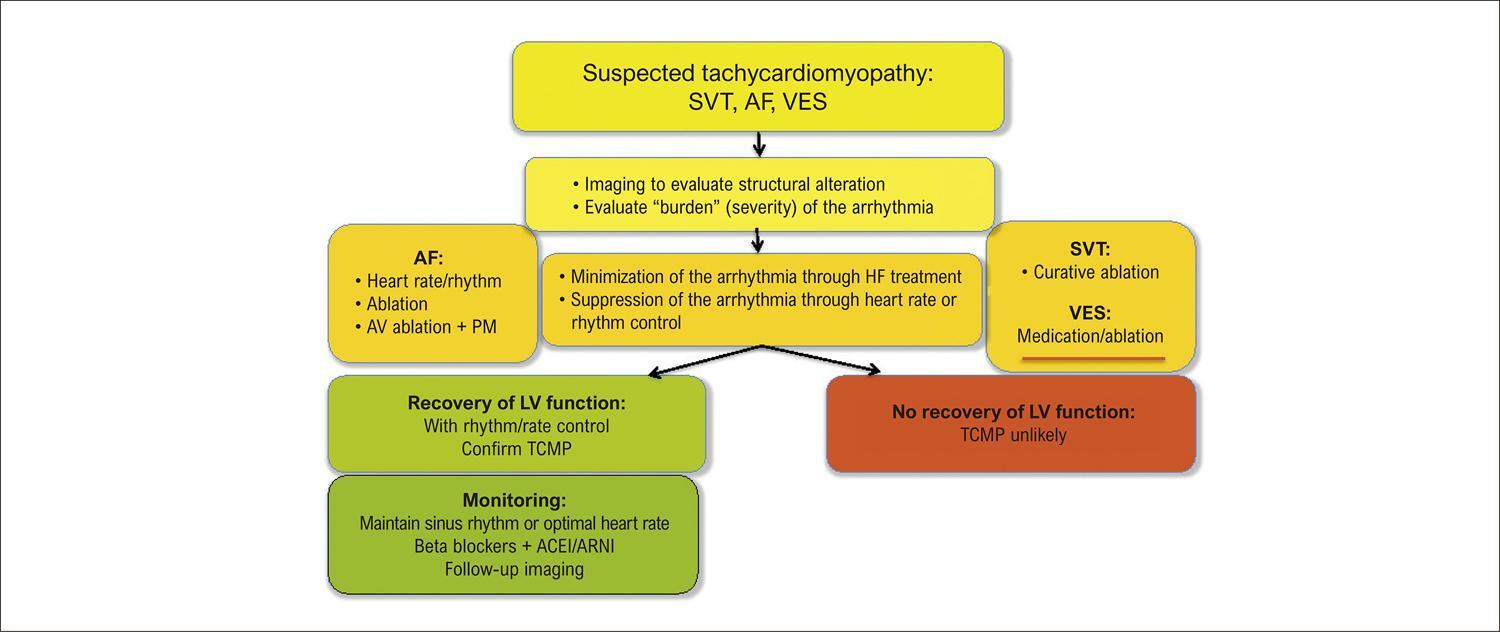
Tachycardiomyopathy is a relatively uncommon heart condition in which the myocardium develops ventricular dysfunction as a consequence of a persistently abnormal heart rhythm. One of the characteristics of this condition is that it is partially or completely reversible, once the arrhythmia has been controlled, making it crucial to recognize adequately in order to make recovery of ventricular function possible. In fact, the term “arrhythmia-induced cardiomyopathy” has emerged because tachycardiomyopathy results not only from prolonged and uncontrolled atrial or ventricular tachycardia, but also from atrial and/or ventricular ectopy leading to dyssynchrony. Both conditions can lead to chronic myocardial overload, resulting in ventricular dysfunction and heart failure.

Tachycardiomyopathies can be classified into two groups: in the first, arrhythmia is the only identified cause of ventricular dysfunction (arrhythmia-induced); in the second, the arrhythmia may aggravate ventricular dysfunction or worsen heart failure in a patient with pre-existing heart disease (arrhythmia-mediated).

[…]

  • Arrhythmia
  • Atrial Fibrillation
  • Heart Failure
  • Supraventricular Tachycardia
  • Tachycardiomyopathy
Read Full Article
Creative Commons Attribution (CC BY) Creative Commons license
20/07/2023 DOI: 10.36660/abchf.20230044 Views 1
Figure 1
Review Article

Peripartum Cardiomyopathy

Walkiria Samuel Ávila et al. Regina Coeli Marques de Carvalho

Abstract

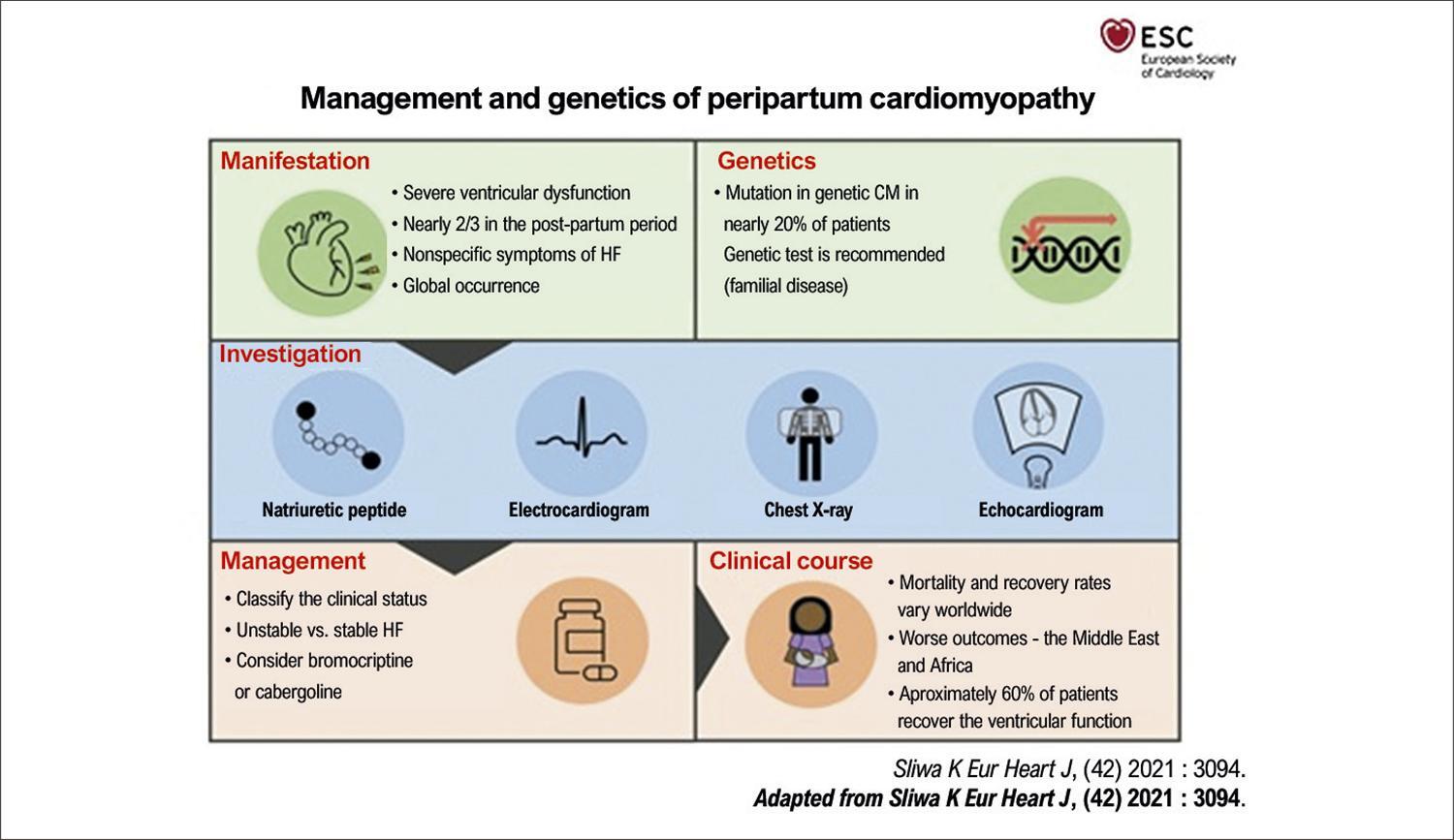
Peripartum cardiomyopathy (PPCM) is a low frequent, but potentially fatal disease, that manifests with heart failure and reduced ejection fraction, with no other identified cause, and related to the puerperal pregnancy cycle. It is a global disease with different clinical manifestations and prognosis. Known risks include preeclampsia, advanced maternal age, multifetal gestation, and African ascendence. Genetic tests have shown that up to 20% of women with PPCM have an identifiable variant of cardiomyopathy. The etiopathogenesis of PPCM, although still unclear, is characterized by endothelial dysfunction caused by anti-angiogenic agents in the placenta, and prolactin degradation products. Clinical manifestation of PPCM does not differ from that of heart failure in other cardiomyopathies, with symptoms varying from mild to cardiogenic shock. Mortality rates in PPCM patients vary widely, and are related to cardiogenic shock, thromboembolism, and complex arrhythmias. The disease may progress rapidly to severe HF, with indication for mechanical circulatory support or cardiac transplant. The treatment of PPCM during gestation is distinct due to potential adverse effects of drugs to pregnancy. However, a careful selection of beta-blockers, diuretics and vasodilators has achieved therapeutic success for the mother and the fetus. Although the treatment meets traditional guidelines developed for nonpregnant adults, the use of bromocriptine (ergot alkaloid) and cabergoline (dopamine D2 receptor agonist) has shown favorable results in ventricular recovery in patients with LVEF < 35% when treated with optimized treatment for heart failure.

  • cardiomyopathy
  • Heart Failure
  • Maternal mortality
  • Pregnancy
Read Full Article
Creative Commons Attribution (CC BY) Creative Commons license
10/07/2023 DOI: 10.36660/abchf.20230020 Views 2
Figure 1
Review Article

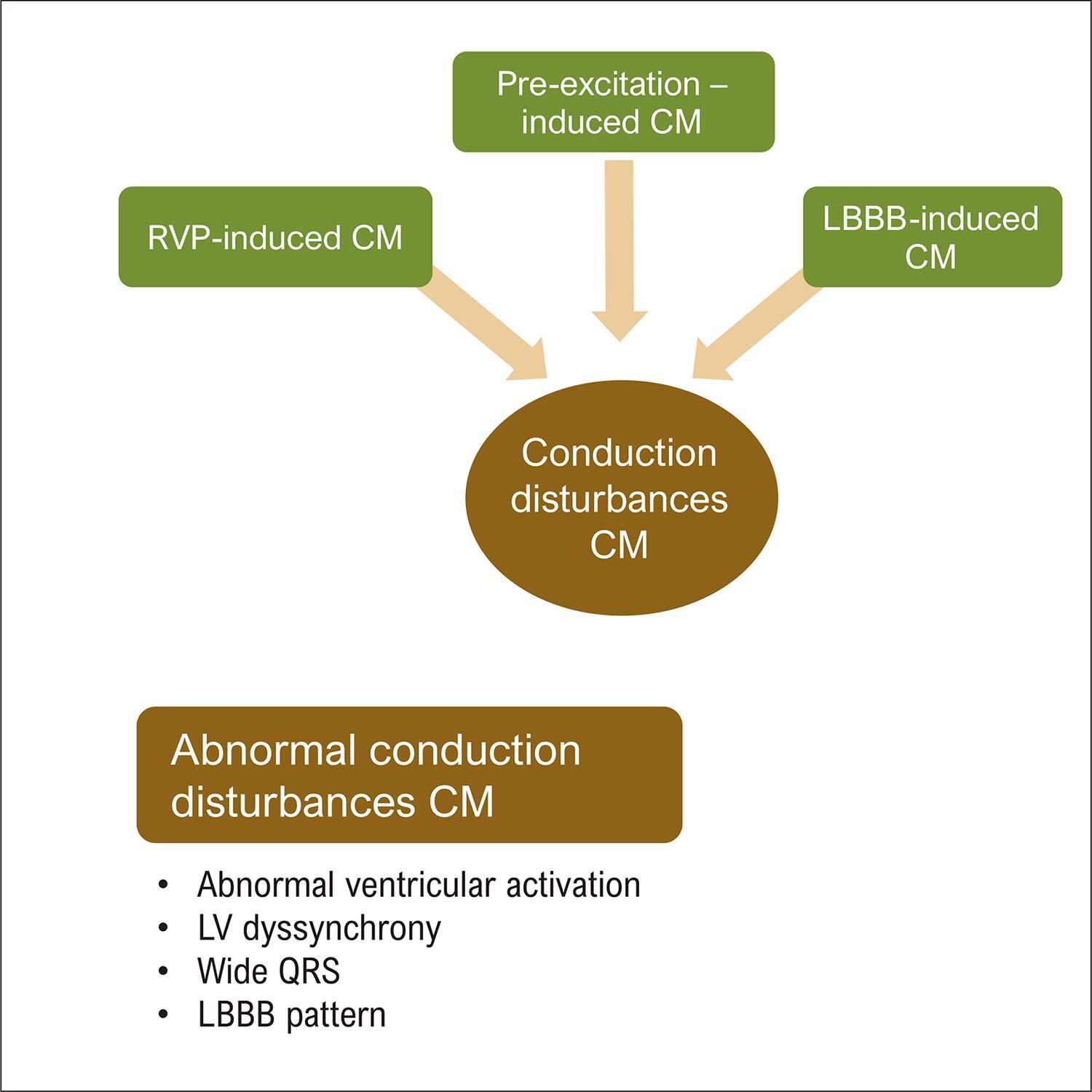
Conduction Disturbances Leading to Heart Failure – What Clinicians Need to Know

Estêvão Lanna Figueiredo et al. Frank Nunes Fernando Carvalho Neuenschwander Kleisson Antônio Pontes Maia André Assis Lopes do Carmo

Abstract

Recently, pre-excitation syndromes, left bundle branch block (LBBB), and right ventricular pacing have been recognized as causes of cardiomyopathies (CMs). They all have abnormal ventricular activation, that results in what is known as left ventricular (LV) dyssynchrony. These three entities show a common feature of wide QRS and LBBB pattern on the electrocardiogram. The term abnormal conduction-induced CM was, then, proposed. Appropriate diagnosis and treatment of these CMs will possibly improve LV ejection fraction, LV functional capacity and reduce morbidity and mortality. In this article we will briefly review these three clinical conditions, aiming to help clinicians to recognize them, manage and refer patients at risk.

  • Cardiomiopathy
  • Heart Failure
  • Left Bundle Branch Block
  • Left Ventricular Dysfunction
  • Pre-excitation Syndrome
  • Righy Ventricle Pacing
Read Full Article
Creative Commons Attribution (CC BY) Creative Commons license
10/07/2023 DOI: 10.36660/abchf.20230030 Views 1
Figure 1
Review Article

Advances in Clinical Practice, Diagnosis and Treatment of Chronic Chagas’ Heart Disease

Sílvia Marinho Martins Alves et al. Bárbara Mariana dos Santos Silva Esthefany Dias Barbosa Carolina de Araújo Medeiros … Maria das Neves Dantas da Silveira Barros Maria da Glória Aureliano de Melo Cavalcanti Maria Elisa Lucena Sales de Melo Assunção Virginia Maria Barros de Lorena Afonso Luiz Tavares de Albuquerque Renata Amorim de Lucena Carlos Eduardo Lucena Montenegro Clodoval de Barros Pereira Júnior Lucas Reis da Costa Cristina de Fátima Velloso Carrazzone Wilson de Oliveira Júnior

Abstract

Chagas disease has become globalized as a result of the migratory process of infected patients to non-endemic areas. With the considerable number of individuals affected by the disease, detection and treatment of its chronic manifestations is a relevant and necessary issue. Growing attention has been paid to chronic Chagas cardiomyopathy (CCC), which includes heart failure, malignant arrhythmias, conduction disturbances and thromboembolic events. Many pharmacological and non-pharmacological treatments for CCC are still extrapolations of existing evidence on the treatment of other clinical conditions, highlighting the need of including this group of patients in future studies. In this review, we will discuss the most recent data from the literature and clinical practice on the diagnosis and treatment of CCC.

  • Cardiac insufficiency
  • Chagas disease
  • Chronic Chagasic Cardiomyopathy
  • Diagnosis
  • Treatment
Read Full Article
Creative Commons Attribution (CC BY) Creative Commons license
10/07/2023 DOI: 10.36660/abchf.20230029 Views 1
Figure 1
Viewpoint

Restrictive Cardiomyopathies: What’s New on the War Front?

Luiz Claudio Danzmann et al. Liciani de Mello Feliciano Elisa Kalil Paula Loredo Siminovich Marianna de Moura Nora

A rare – or not so rare – condition?

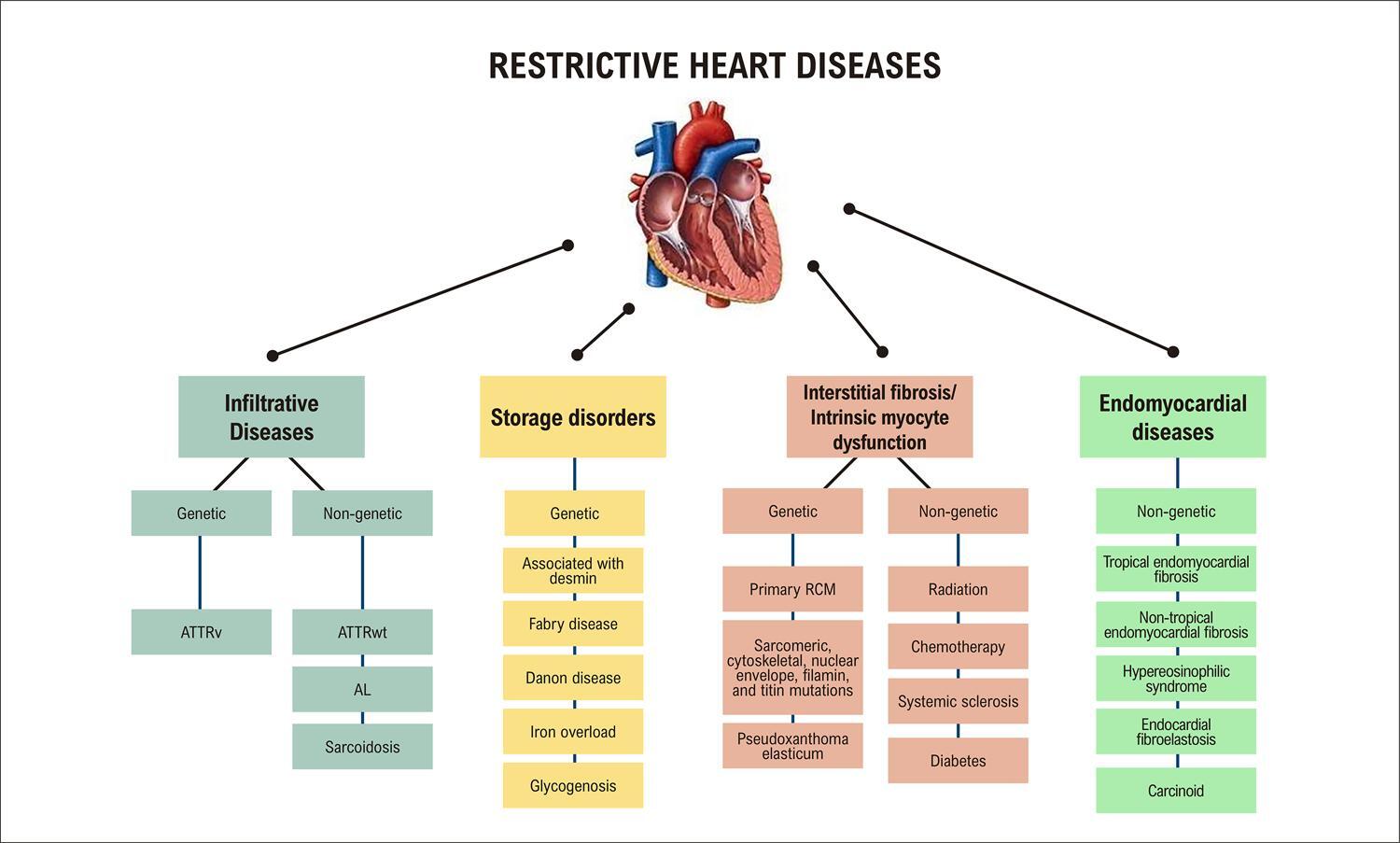
Restrictive cardiomyopathies, caused by primary pathologies of the heart muscle, are considered rare diseases, corresponding to about 5% of all cardiomyopathies. The most frequent form of restrictive cardiomyopathy is cardiac amyloidosis (CA), which can be considered a benchmark since, with the availability of diagnostic technologies, its detection has been made much more frequent, associated with the fact that there are effective treatment possibilities.

[…]

  • Amyloidosis
  • Diastolic Heart Failure
  • Restrictive cardiomyopathy
  • Sarcoidosis
Read Full Article
Creative Commons Attribution (CC BY) Creative Commons license
10/07/2023 DOI: 10.36660/abchf.20230018 Views 1
Viewpoint

Post-COVID Cardiomyopathy

Marcio Roberto Moraes de Carvalho et al. Jocemir Ronaldo Lugon Antonio Jose Lagoeiro Jorge

Myocardial inflammation, COVID-19, and HFpEF

Myocardial inflammation is widely considered to be one of the main factors in the development of heart failure (HF). It is believed that persistent myocardial inflammation plays a central role in the development of adverse left ventricular remodeling after myocardial infarction, as well as in the pathogenesis of dilated cardiomyopathy and heart failure with preserved ejection fraction (HFpEF). –

In May 2020, Tavazzi et al. reported the first case of acute cardiac injury with the finding of SARS-CoV-2 particles and low-grade inflammation in the myocardium, not accompanied by cardiomyocyte necrosis. An important discussion is whether the myocardial changes are caused by direct viral damage to the heart or vasculature or by a cytokine storm related to the infection. It is mainly known that cardiac inflammatory changes induced by viruses are capable of triggering HFpEF and heart failure with reduced ejection fraction. There is currently a growing interest in identifying patients with COVID-19 at risk of developing virus-related HF and cardiovascular problems.

[…]

  • Adult
  • Cardiomyopathies
  • Child
  • COVID-19
Read Full Article
Creative Commons Attribution (CC BY) Creative Commons license
10/07/2023 DOI: 10.36660/abchf.20230017 Views 2

Could not load more articles. Please try again.

How to cite this article

EndNote RIS

Electronic Document Format (Vancouver)

Correia VM, Madrini Junior V, Ramires FJA. Uncompacted Myocardium: A Disease or a Phenotype?. ABC Heart Fail Cardiomyop 2023;3(1):e20230047.

Electronic Document Format (ABNT)

Correia, Vinícius Machado; Madrini Junior, Vagner; Ramires, Félix José Alvarez. Uncompacted Myocardium: A Disease or a Phenotype?. ABC Heart Fail Cardiomyop, v. 3, n. 1, e20230047, Sep. 2023.

Electronic Document Format (APA)

Correia, V. M., Madrini Junior, V., & Ramires, F. J. A. (2023). Uncompacted Myocardium: A Disease or a Phenotype?. ABC Heart Fail Cardiomyop, 3(1), e20230047.

Electronic Document Format (ISO)

Correia, Vinícius Machado and Madrini Junior, Vagner and Ramires, Félix José Alvarez. Uncompacted Myocardium: A Disease or a Phenotype?. ABC Heart Fail Cardiomyop [online]. 2023, vol. 3, n. 1, [cited 2026-10-14], e20230047. Available from: <https://journals.cardiol.br/en/article/uncompacted-myocardium-a-disease-or-a-phenotype/>

EndNote RIS

Electronic Document Format (Vancouver)

Montera MW. Stress Cardiomyopathy (Takotsubo). ABC Heart Fail Cardiomyop 2023;3(1):e20230041.

Electronic Document Format (ABNT)

Montera, Marcelo Westerlund. Stress Cardiomyopathy (Takotsubo). ABC Heart Fail Cardiomyop, v. 3, n. 1, e20230041, Sep. 2023.

Electronic Document Format (APA)

Montera, M. W. (2023). Stress Cardiomyopathy (Takotsubo). ABC Heart Fail Cardiomyop, 3(1), e20230041.

Electronic Document Format (ISO)

Montera, Marcelo Westerlund. Stress Cardiomyopathy (Takotsubo). ABC Heart Fail Cardiomyop [online]. 2023, vol. 3, n. 1, [cited 2026-10-14], e20230041. Available from: <https://journals.cardiol.br/en/article/stress-cardiomyopathy-takotsubo/>

EndNote RIS

Electronic Document Format (Vancouver)

Montera MW, Dan MC, Marcondes-Braga FG. Viewpoint – Brazilian Guideline for Myocarditis. ABC Heart Fail Cardiomyop 2023;3(1):e20230037.

Electronic Document Format (ABNT)

Montera, Marcelo Westerlund; Dan, iella Motta da Costa; Marcondes-Braga, Fabiana G.. Viewpoint – Brazilian Guideline for Myocarditis. ABC Heart Fail Cardiomyop, v. 3, n. 1, e20230037, Sep. 2023.

Electronic Document Format (APA)

Montera, M. W., Dan, M. C., & Marcondes-Braga, F. G. (2023). Viewpoint – Brazilian Guideline for Myocarditis. ABC Heart Fail Cardiomyop, 3(1), e20230037.

Electronic Document Format (ISO)

Montera, Marcelo Westerlund and Dan, iella Motta da Costa and Marcondes-Braga, Fabiana G.. Viewpoint – Brazilian Guideline for Myocarditis. ABC Heart Fail Cardiomyop [online]. 2023, vol. 3, n. 1, [cited 2026-10-14], e20230037. Available from: <https://journals.cardiol.br/en/article/viewpoint-brazilian-guideline-for-myocarditis/>

EndNote RIS

Electronic Document Format (Vancouver)

Torbey AFM, Nascimento EA, Nunes NSV, Carvalho AB, Neves DG, Couto RGT, Pimentel SVT, et al. Arrhythmogenic Left Ventricular Cardiomyopathy – State of Art: From Genotype to Phenotype. ABC Heart Fail Cardiomyop 2023;3(1):e20230035.

Electronic Document Format (ABNT)

Torbey, Ana Flavia Malheiros; Nascimento, Erivelton Alessandro do; Nunes, Nágela Simão Vinhosa; Carvalho, Adriana Bastos; Neves, Daniel Gama das; Couto, Raquel Germer Toja; Pimentel, Sandra Vitória Thuler; Maia, Eduarda Corrêa; Mesquita, Evandro Tinoco. Arrhythmogenic Left Ventricular Cardiomyopathy – State of Art: From Genotype to Phenotype. ABC Heart Fail Cardiomyop, v. 3, n. 1, e20230035, Aug. 2023.

Electronic Document Format (APA)

Torbey, A. F. M., Nascimento, E. A. , Nunes, N. S. V., Carvalho, A. B., Neves, D. G. , Couto, R. G. T., Pimentel, S. V. T., Maia, E. C., & Mesquita, E. T. (2023). Arrhythmogenic Left Ventricular Cardiomyopathy – State of Art: From Genotype to Phenotype. ABC Heart Fail Cardiomyop, 3(1), e20230035.

Electronic Document Format (ISO)

Torbey, Ana Flavia Malheiros and Nascimento, Erivelton Alessandro do and Nunes, Nágela Simão Vinhosa and Carvalho, Adriana Bastos and Neves, Daniel Gama das and Couto, Raquel Germer Toja and Pimentel, Sandra Vitória Thuler and Maia, Eduarda Corrêa and Mesquita, Evandro Tinoco. Arrhythmogenic Left Ventricular Cardiomyopathy – State of Art: From Genotype to Phenotype. ABC Heart Fail Cardiomyop [online]. 2023, vol. 3, n. 1, [cited 2026-10-14], e20230035. Available from: <https://journals.cardiol.br/en/article/arrhythmogenic-left-ventricular-cardiomyopathy-state-of-art-from-genotype-to-phenotype/>

EndNote RIS

Electronic Document Format (Vancouver)

Lamounier Júnior A, Ávila DX, Barriales-Villa R. Genetics in Cardiomyopathies – Genetic Tests Decoded for the Clinical Cardiologist. ABC: Heart Failure & Cardiomyopathy 2023;3(1):e20230036.

Electronic Document Format (ABNT)

Lamounier Júnior, Arsonval; Ávila, Diane Xavier de; Barriales-Villa, Roberto. Genetics in Cardiomyopathies – Genetic Tests Decoded for the Clinical Cardiologist. ABC: Heart Failure & Cardiomyopathy, v. 3, n. 1, e20230036, Aug. 2023.

Electronic Document Format (APA)

Lamounier Júnior, A., Ávila, D. X. , & Barriales-Villa, R. (2023). Genetics in Cardiomyopathies – Genetic Tests Decoded for the Clinical Cardiologist. ABC: Heart Failure & Cardiomyopathy, 3(1), e20230036.

Electronic Document Format (ISO)

Lamounier Júnior, Arsonval and Ávila, Diane Xavier de and Barriales-Villa, Roberto. Genetics in Cardiomyopathies – Genetic Tests Decoded for the Clinical Cardiologist. ABC: Heart Failure & Cardiomyopathy [online]. 2023, vol. 3, n. 1, [cited 2026-10-14], e20230036. Available from: <https://journals.cardiol.br/en/article/genetics-in-cardiomyopathies-genetic-tests-decoded-for-the-clinical-cardiologist/>

EndNote RIS

Electronic Document Format (Vancouver)

Torbey AFM, Souza ALAAG, Azeka E, Spada MF. Pediatric Cardiomyopathies: Establishing Genotype-Phenotype Relationship as a Determinant in Prognosis and Therapy: A Review of the Literature. ABC: Heart Failure & Cardiomyopathy 2023;3(1):e20230016.

Electronic Document Format (ABNT)

Torbey, Ana Flavia Malheiros; Souza, Aurea Lucia Alves de Azevedo Grippa de; Azeka, Estela; Spada, Maraisa Fachini. Pediatric Cardiomyopathies: Establishing Genotype-Phenotype Relationship as a Determinant in Prognosis and Therapy: A Review of the Literature. ABC: Heart Failure & Cardiomyopathy, v. 3, n. 1, e20230016, Aug. 2023.

Electronic Document Format (APA)

Torbey, A. F. M., Souza, A. L. A. A. G. , Azeka, E., & Spada, M. F. (2023). Pediatric Cardiomyopathies: Establishing Genotype-Phenotype Relationship as a Determinant in Prognosis and Therapy: A Review of the Literature. ABC: Heart Failure & Cardiomyopathy, 3(1), e20230016.

Electronic Document Format (ISO)

Torbey, Ana Flavia Malheiros and Souza, Aurea Lucia Alves de Azevedo Grippa de and Azeka, Estela and Spada, Maraisa Fachini. Pediatric Cardiomyopathies: Establishing Genotype-Phenotype Relationship as a Determinant in Prognosis and Therapy: A Review of the Literature. ABC: Heart Failure & Cardiomyopathy [online]. 2023, vol. 3, n. 1, [cited 2026-10-14], e20230016. Available from: <https://journals.cardiol.br/en/article/pediatric-cardiomyopathies-establishing-genotype-phenotype-relationship-as-a-determinant-in-prognosis-and-therapy-a-review-of-the-literature/>

EndNote RIS

Electronic Document Format (Vancouver)

Silva AEA, Torbey AFM, Souza ALAAG. Post-COVID-19 Cardiomyopathy in Children and Adults: Fact or Fiction?. ABC: Heart Failure & Cardiomyopathy 2023;3(1):e20230015.

Electronic Document Format (ABNT)

Silva, Anna Esther Araujo e; Torbey, Ana Flavia Malheiros; Souza, Aurea Lucia Alves de Azevedo Grippa de. Post-COVID-19 Cardiomyopathy in Children and Adults: Fact or Fiction?. ABC: Heart Failure & Cardiomyopathy, v. 3, n. 1, e20230015, Aug. 2023.

Electronic Document Format (APA)

Silva, A. E. A. , Torbey, A. F. M., & Souza, A. L. A. A. G. (2023). Post-COVID-19 Cardiomyopathy in Children and Adults: Fact or Fiction?. ABC: Heart Failure & Cardiomyopathy, 3(1), e20230015.

Electronic Document Format (ISO)

Silva, Anna Esther Araujo e and Torbey, Ana Flavia Malheiros and Souza, Aurea Lucia Alves de Azevedo Grippa de. Post-COVID-19 Cardiomyopathy in Children and Adults: Fact or Fiction?. ABC: Heart Failure & Cardiomyopathy [online]. 2023, vol. 3, n. 1, [cited 2026-10-14], e20230015. Available from: <https://journals.cardiol.br/en/article/post-covid-19-cardiomyopathy-in-children-and-adults-fact-or-fiction/>

EndNote RIS

Electronic Document Format (Vancouver)

Mol EE, Grobe SF, Rohde LEP, Moura LAZ. Brazilian Scientific Production about Cardiomyopathies: A Review from 2010 to 2022. ABC: Heart Failure & Cardiomyopathy 2023;3(1):e20230043.

Electronic Document Format (ABNT)

Mol, Even Edilce; Grobe, Sarah Fagundes; Rohde, Luis Eduardo Paim; Moura, Lídia Ana Zytynski. Brazilian Scientific Production about Cardiomyopathies: A Review from 2010 to 2022. ABC: Heart Failure & Cardiomyopathy, v. 3, n. 1, e20230043, Aug. 2023.

Electronic Document Format (APA)

Mol, E. E., Grobe, S. F., Rohde, L. E. P., & Moura, L. A. Z. (2023). Brazilian Scientific Production about Cardiomyopathies: A Review from 2010 to 2022. ABC: Heart Failure & Cardiomyopathy, 3(1), e20230043.

Electronic Document Format (ISO)

Mol, Even Edilce and Grobe, Sarah Fagundes and Rohde, Luis Eduardo Paim and Moura, Lídia Ana Zytynski. Brazilian Scientific Production about Cardiomyopathies: A Review from 2010 to 2022. ABC: Heart Failure & Cardiomyopathy [online]. 2023, vol. 3, n. 1, [cited 2026-10-14], e20230043. Available from: <https://journals.cardiol.br/en/article/brazilian-scientific-production-about-cardiomyopathies-a-review-from-2010-to-2022/>

EndNote RIS

Electronic Document Format (Vancouver)

Cardoso LF, Steffen SP, Gaiotto FA. Surgical Treatment of Cardiomyopathy. ABC: Heart Failure & Cardiomyopathy 2023;3(1):e20230038.

Electronic Document Format (ABNT)

Cardoso, Lucas F.; Steffen, Samuel P.; Gaiotto, Fabio A.. Surgical Treatment of Cardiomyopathy. ABC: Heart Failure & Cardiomyopathy, v. 3, n. 1, e20230038, Aug. 2023.

Electronic Document Format (APA)

Cardoso, L. F., Steffen, S. P., & Gaiotto, F. A. (2023). Surgical Treatment of Cardiomyopathy. ABC: Heart Failure & Cardiomyopathy, 3(1), e20230038.

Electronic Document Format (ISO)

Cardoso, Lucas F. and Steffen, Samuel P. and Gaiotto, Fabio A.. Surgical Treatment of Cardiomyopathy. ABC: Heart Failure & Cardiomyopathy [online]. 2023, vol. 3, n. 1, [cited 2026-10-14], e20230038. Available from: <https://journals.cardiol.br/en/article/surgical-treatment-of-cardiomyopathy/>

EndNote RIS

Electronic Document Format (Vancouver)

Madrini Junior V, Mesquita ET, Avila DX, Fernandes F. Clinical Reasoning and Classification of Cardiomyopathies. ABC: Heart Failure & Cardiomyopathy 2023;3(1):e20230013.

Electronic Document Format (ABNT)

Madrini Junior, Vagner; Mesquita, Evandro Tinoco; Avila, Diane Xavier de; Fernandes, Fabio. Clinical Reasoning and Classification of Cardiomyopathies. ABC: Heart Failure & Cardiomyopathy, v. 3, n. 1, e20230013, Aug. 2023.

Electronic Document Format (APA)

Madrini Junior, V., Mesquita, E. T., Avila, D. X. , & Fernandes, F. (2023). Clinical Reasoning and Classification of Cardiomyopathies. ABC: Heart Failure & Cardiomyopathy, 3(1), e20230013.

Electronic Document Format (ISO)

Madrini Junior, Vagner and Mesquita, Evandro Tinoco and Avila, Diane Xavier de and Fernandes, Fabio. Clinical Reasoning and Classification of Cardiomyopathies. ABC: Heart Failure & Cardiomyopathy [online]. 2023, vol. 3, n. 1, [cited 2026-10-14], e20230013. Available from: <https://journals.cardiol.br/en/article/clinical-reasoning-and-classification-of-cardiomyopathies/>

EndNote RIS

Electronic Document Format (Vancouver)

Ávila DX, Nunes F, Germer R, Torbey AFM. Genetic Counseling and Pedigree in Cardiomyopathies – the Role of the Clinical Geneticist. ABC Heart Fail Cardiomyop 2023;3(1):e20230023.

Electronic Document Format (ABNT)

Ávila, Diane Xavier de; Nunes, Frank; Germer, Raquel; Torbey, Ana Flávia Malheiros. Genetic Counseling and Pedigree in Cardiomyopathies – the Role of the Clinical Geneticist. ABC Heart Fail Cardiomyop, v. 3, n. 1, e20230023, Jul. 2023.

Electronic Document Format (APA)

Ávila, D. X. , Nunes, F., Germer, R., & Torbey, A. F. M. (2023). Genetic Counseling and Pedigree in Cardiomyopathies – the Role of the Clinical Geneticist. ABC Heart Fail Cardiomyop, 3(1), e20230023.

Electronic Document Format (ISO)

Ávila, Diane Xavier de and Nunes, Frank and Germer, Raquel and Torbey, Ana Flávia Malheiros. Genetic Counseling and Pedigree in Cardiomyopathies – the Role of the Clinical Geneticist. ABC Heart Fail Cardiomyop [online]. 2023, vol. 3, n. 1, [cited 2026-10-14], e20230023. Available from: <https://journals.cardiol.br/en/article/genetic-counseling-and-pedigree-in-cardiomyopathies-the-role-of-the-clinical-geneticist/>

EndNote RIS

Electronic Document Format (Vancouver)

Saraiva F, Fernandes F, Romano MMD, Cardoso JN, Soliani MT, Bernardo MMM, Schmidt A, et al. Diagnosis and Treatment of Hypertrophic Cardiomyopathy. ABC Heart Fail Cardiomyop 2023;3(1):e20230040.

Electronic Document Format (ABNT)

Saraiva, Fernando; Fernandes, Fabio; Romano, Minna Moreira Dias; Cardoso, Juliano Novaes; Soliani, Marília Taily; Bernardo, Mariani Mendes Madisson; Schmidt, André; Simões, Marcus Vinicius. Diagnosis and Treatment of Hypertrophic Cardiomyopathy. ABC Heart Fail Cardiomyop, v. 3, n. 1, e20230040, Jul. 2023.

Electronic Document Format (APA)

Saraiva, F., Fernandes, F., Romano, M. M. D., Cardoso, J. N., Soliani, M. T., Bernardo, M. M. M., Schmidt, A., & Simões, M. V. (2023). Diagnosis and Treatment of Hypertrophic Cardiomyopathy. ABC Heart Fail Cardiomyop, 3(1), e20230040.

Electronic Document Format (ISO)

Saraiva, Fernando and Fernandes, Fabio and Romano, Minna Moreira Dias and Cardoso, Juliano Novaes and Soliani, Marília Taily and Bernardo, Mariani Mendes Madisson and Schmidt, André and Simões, Marcus Vinicius. Diagnosis and Treatment of Hypertrophic Cardiomyopathy. ABC Heart Fail Cardiomyop [online]. 2023, vol. 3, n. 1, [cited 2026-10-14], e20230040. Available from: <https://journals.cardiol.br/en/article/diagnosis-and-treatment-of-hypertrophic-cardiomyopathy/>

EndNote RIS

Electronic Document Format (Vancouver)

Simões MV, Ávila DX, Garibaldi PMM, Mesquita ET. Advances in the Diagnosis and Treatment of Cardiac Amyloidosis. ABC Heart Fail Cardiomyop 2023;3(1):e20230024.

Electronic Document Format (ABNT)

Simões, Marcus Vinicius; Ávila, Diane Xavier de; Garibaldi, Pedro Manoel Marques; Mesquita, Evandro Tinoco. Advances in the Diagnosis and Treatment of Cardiac Amyloidosis. ABC Heart Fail Cardiomyop, v. 3, n. 1, e20230024, Jul. 2023.

Electronic Document Format (APA)

Simões, M. V., Ávila, D. X. , Garibaldi, P. M. M., & Mesquita, E. T. (2023). Advances in the Diagnosis and Treatment of Cardiac Amyloidosis. ABC Heart Fail Cardiomyop, 3(1), e20230024.

Electronic Document Format (ISO)

Simões, Marcus Vinicius and Ávila, Diane Xavier de and Garibaldi, Pedro Manoel Marques and Mesquita, Evandro Tinoco. Advances in the Diagnosis and Treatment of Cardiac Amyloidosis. ABC Heart Fail Cardiomyop [online]. 2023, vol. 3, n. 1, [cited 2026-10-14], e20230024. Available from: <https://journals.cardiol.br/en/article/advances-in-the-diagnosis-and-treatment-of-cardiac-amyloidosis/>

EndNote RIS

Electronic Document Format (Vancouver)

Mady C, Ávila DX, Madrini Junior V, Mesquita ET. Cardiomyopathies: Yesterday, Today, and Tomorrow. ABC Heart Fail Cardiomyop 2023;3(1):e20230022.

Electronic Document Format (ABNT)

Mady, Charles; Ávila, Diane Xavier de; Madrini Junior, Vagner; Mesquita, Evandro Tinoco. Cardiomyopathies: Yesterday, Today, and Tomorrow. ABC Heart Fail Cardiomyop, v. 3, n. 1, e20230022, Jul. 2023.

Electronic Document Format (APA)

Mady, C., Ávila, D. X. , Madrini Junior, V., & Mesquita, E. T. (2023). Cardiomyopathies: Yesterday, Today, and Tomorrow. ABC Heart Fail Cardiomyop, 3(1), e20230022.

Electronic Document Format (ISO)

Mady, Charles and Ávila, Diane Xavier de and Madrini Junior, Vagner and Mesquita, Evandro Tinoco. Cardiomyopathies: Yesterday, Today, and Tomorrow. ABC Heart Fail Cardiomyop [online]. 2023, vol. 3, n. 1, [cited 2026-10-14], e20230022. Available from: <https://journals.cardiol.br/en/article/cardiomyopathies-yesterday-today-and-tomorrow/>

EndNote RIS

Electronic Document Format (Vancouver)

Avila DX, Mesquita ET. The Era of Personalized Medicine in Cardiomyopathies. ABC Heart Fail Cardiomyop 2023;3(1):e20230039.

Electronic Document Format (ABNT)

Avila, Diane Xavier de; Mesquita, Evandro Tinoco. The Era of Personalized Medicine in Cardiomyopathies. ABC Heart Fail Cardiomyop, v. 3, n. 1, e20230039, Jul. 2023.

Electronic Document Format (APA)

Avila, D. X. , & Mesquita, E. T. (2023). The Era of Personalized Medicine in Cardiomyopathies. ABC Heart Fail Cardiomyop, 3(1), e20230039.

Electronic Document Format (ISO)

Avila, Diane Xavier de and Mesquita, Evandro Tinoco. The Era of Personalized Medicine in Cardiomyopathies. ABC Heart Fail Cardiomyop [online]. 2023, vol. 3, n. 1, [cited 2026-10-14], e20230039. Available from: <https://journals.cardiol.br/en/article/the-era-of-personalized-medicine-in-cardiomyopathies/>

EndNote RIS

Electronic Document Format (Vancouver)

Avila DX, Silva SM. Rare and Ultra-Rare Diseases as Causes of Cardiomyopathy. ABC Heart Fail Cardiomyop 2023;3(1):e20230032.

Electronic Document Format (ABNT)

Avila, Diane Xavier; Silva, Sandra Marques e. Rare and Ultra-Rare Diseases as Causes of Cardiomyopathy. ABC Heart Fail Cardiomyop, v. 3, n. 1, e20230032, Jul. 2023.

Electronic Document Format (APA)

Avila, D. X., & Silva, S. M. (2023). Rare and Ultra-Rare Diseases as Causes of Cardiomyopathy. ABC Heart Fail Cardiomyop, 3(1), e20230032.

Electronic Document Format (ISO)

Avila, Diane Xavier and Silva, Sandra Marques e. Rare and Ultra-Rare Diseases as Causes of Cardiomyopathy. ABC Heart Fail Cardiomyop [online]. 2023, vol. 3, n. 1, [cited 2026-10-14], e20230032. Available from: <https://journals.cardiol.br/en/article/rare-and-ultra-rare-diseases-as-causes-of-cardiomyopathy/>

EndNote RIS

Electronic Document Format (Vancouver)

Suassuna DC, Fraga FJO, Montenegro CEL. Cardiac Sarcoidosis, the Great Chameleon of Myocardiopathies. ABC Heart Fail Cardiomyop 2023;3(1):e20230027.

Electronic Document Format (ABNT)

Suassuna, Diogo Coutinho; Fraga, Felipe J. de Oliveira; Montenegro, Carlos Eduardo L.. Cardiac Sarcoidosis, the Great Chameleon of Myocardiopathies. ABC Heart Fail Cardiomyop, v. 3, n. 1, e20230027, Jul. 2023.

Electronic Document Format (APA)

Suassuna, D. C., Fraga, F. J. O., & Montenegro, C. E. L. (2023). Cardiac Sarcoidosis, the Great Chameleon of Myocardiopathies. ABC Heart Fail Cardiomyop, 3(1), e20230027.

Electronic Document Format (ISO)

Suassuna, Diogo Coutinho and Fraga, Felipe J. de Oliveira and Montenegro, Carlos Eduardo L.. Cardiac Sarcoidosis, the Great Chameleon of Myocardiopathies. ABC Heart Fail Cardiomyop [online]. 2023, vol. 3, n. 1, [cited 2026-10-14], e20230027. Available from: <https://journals.cardiol.br/en/article/cardiac-sarcoidosis-the-great-chameleon-of-myocardiopathies/>

EndNote RIS

Electronic Document Format (Vancouver)

Macedo AVS, Grippa A, Luz KRM, Nunes NCC, Mangini S. Advances in Diagnosis and Treatment of Cancer Immunotherapy and CAR-T Cell–Related Myocarditis. ABC Heart Fail Cardiomyop 2023;3(1):e20230025.

Electronic Document Format (ABNT)

Macedo, Ariane Vieira Scarlatelli; Grippa, Aurea; Luz, Katia Regina Medeiros; Nunes, Nathalia Coelho de Castro; Mangini, Sandrigo. Advances in Diagnosis and Treatment of Cancer Immunotherapy and CAR-T Cell–Related Myocarditis. ABC Heart Fail Cardiomyop, v. 3, n. 1, e20230025, Jul. 2023.

Electronic Document Format (APA)

Macedo, A. V. S., Grippa, A., Luz, K. R. M., Nunes, N. C. C., & Mangini, S. (2023). Advances in Diagnosis and Treatment of Cancer Immunotherapy and CAR-T Cell–Related Myocarditis. ABC Heart Fail Cardiomyop, 3(1), e20230025.

Electronic Document Format (ISO)

Macedo, Ariane Vieira Scarlatelli and Grippa, Aurea and Luz, Katia Regina Medeiros and Nunes, Nathalia Coelho de Castro and Mangini, Sandrigo. Advances in Diagnosis and Treatment of Cancer Immunotherapy and CAR-T Cell–Related Myocarditis. ABC Heart Fail Cardiomyop [online]. 2023, vol. 3, n. 1, [cited 2026-10-14], e20230025. Available from: <https://journals.cardiol.br/en/article/advances-in-diagnosis-and-treatment-of-cancer-immunotherapy-and-car-t-cell-related-myocarditis/>

EndNote RIS

Electronic Document Format (Vancouver)

Beck-da-Silva L, Biolo A. Tachycardiomyopathies. ABC Heart Fail Cardiomyop 2023;3(1):e20230044.

Electronic Document Format (ABNT)

Beck-da-Silva, Luís; Biolo, Andreia. Tachycardiomyopathies. ABC Heart Fail Cardiomyop, v. 3, n. 1, e20230044, Jul. 2023.

Electronic Document Format (APA)

Beck-da-Silva, L., & Biolo, A. (2023). Tachycardiomyopathies. ABC Heart Fail Cardiomyop, 3(1), e20230044.

Electronic Document Format (ISO)

Beck-da-Silva, Luís and Biolo, Andreia. Tachycardiomyopathies. ABC Heart Fail Cardiomyop [online]. 2023, vol. 3, n. 1, [cited 2026-10-14], e20230044. Available from: <https://journals.cardiol.br/en/article/tachycardiomyopathies/>

EndNote RIS

Electronic Document Format (Vancouver)

Ávila WS, Carvalho RCM. Peripartum Cardiomyopathy. ABC Heart Fail Cardiomyop 2023;3(1):e20230020.

Electronic Document Format (ABNT)

Ávila, Walkiria Samuel; Carvalho, Regina Coeli Marques de. Peripartum Cardiomyopathy. ABC Heart Fail Cardiomyop, v. 3, n. 1, e20230020, Jul. 2023.

Electronic Document Format (APA)

Ávila, W. S., & Carvalho, R. C. M. (2023). Peripartum Cardiomyopathy. ABC Heart Fail Cardiomyop, 3(1), e20230020.

Electronic Document Format (ISO)

Ávila, Walkiria Samuel and Carvalho, Regina Coeli Marques de. Peripartum Cardiomyopathy. ABC Heart Fail Cardiomyop [online]. 2023, vol. 3, n. 1, [cited 2026-10-14], e20230020. Available from: <https://journals.cardiol.br/en/article/peripartum-cardiomyopathy/>

EndNote RIS

Electronic Document Format (Vancouver)

Figueiredo EL, Nunes F, Neuenschwander FC, Maia KAP, Carmo AAL. Conduction Disturbances Leading to Heart Failure – What Clinicians Need to Know. ABC Heart Fail Cardiomyop 2023;3(1):e20230030.

Electronic Document Format (ABNT)

Figueiredo, Estêvão Lanna; Nunes, Frank; Neuenschwander, Fernando Carvalho; Maia, Kleisson Antônio Pontes; Carmo, André Assis Lopes do. Conduction Disturbances Leading to Heart Failure – What Clinicians Need to Know. ABC Heart Fail Cardiomyop, v. 3, n. 1, e20230030, Jul. 2023.

Electronic Document Format (APA)

Figueiredo, E. L., Nunes, F., Neuenschwander, F. C., Maia, K. A. P., & Carmo, A. A. L. (2023). Conduction Disturbances Leading to Heart Failure – What Clinicians Need to Know. ABC Heart Fail Cardiomyop, 3(1), e20230030.

Electronic Document Format (ISO)

Figueiredo, Estêvão Lanna and Nunes, Frank and Neuenschwander, Fernando Carvalho and Maia, Kleisson Antônio Pontes and Carmo, André Assis Lopes do. Conduction Disturbances Leading to Heart Failure – What Clinicians Need to Know. ABC Heart Fail Cardiomyop [online]. 2023, vol. 3, n. 1, [cited 2026-10-14], e20230030. Available from: <https://journals.cardiol.br/en/article/conduction-disturbances-leading-to-heart-failure-what-clinicians-need-to-know/>

EndNote RIS

Electronic Document Format (Vancouver)

Alves SMM, Silva BMS, Barbosa ED, Medeiros CA, Barros MNDS, Cavalcanti MGAM, Assunção MELSM, et al. Advances in Clinical Practice, Diagnosis and Treatment of Chronic Chagas’ Heart Disease. ABC Heart Fail Cardiomyop 2023;3(1):e20230029.

Electronic Document Format (ABNT)

Alves, Sílvia Marinho Martins; Silva, Bárbara Mariana dos Santos; Barbosa, Esthefany Dias; Medeiros, Carolina de Araújo; Barros, Maria das Neves Dantas da Silveira; Cavalcanti, Maria da Glória Aureliano de Melo; Assunção, Maria Elisa Lucena Sales de Melo; Lorena, Virginia Maria Barros de; Albuquerque, Afonso Luiz Tavares de; Lucena, Renata Amorim de; Montenegro, Carlos Eduardo Lucena; Pereira Júnior, Clodoval de Barros; Costa, Lucas Reis da; Carrazzone, Cristina de Fátima Velloso; Oliveira Júnior, Wilson de. Advances in Clinical Practice, Diagnosis and Treatment of Chronic Chagas’ Heart Disease. ABC Heart Fail Cardiomyop, v. 3, n. 1, e20230029, Jul. 2023.

Electronic Document Format (APA)

Alves, S. M. M., Silva, B. M. S., Barbosa, E. D., Medeiros, C. A., Barros, M. N. D. S., Cavalcanti, M. G. A. M., Assunção, M. E. L. S. M., Lorena, V. M. B. , Albuquerque, A. L. T. , Lucena, R. A. , Montenegro, C. E. L., Pereira Júnior, C. B., Costa, L. R. , Carrazzone, C. F. V., & Oliveira Júnior, W. (2023). Advances in Clinical Practice, Diagnosis and Treatment of Chronic Chagas’ Heart Disease. ABC Heart Fail Cardiomyop, 3(1), e20230029.

Electronic Document Format (ISO)

Alves, Sílvia Marinho Martins and Silva, Bárbara Mariana dos Santos and Barbosa, Esthefany Dias and Medeiros, Carolina de Araújo and Barros, Maria das Neves Dantas da Silveira and Cavalcanti, Maria da Glória Aureliano de Melo and Assunção, Maria Elisa Lucena Sales de Melo and Lorena, Virginia Maria Barros de and Albuquerque, Afonso Luiz Tavares de and Lucena, Renata Amorim de and Montenegro, Carlos Eduardo Lucena and Pereira Júnior, Clodoval de Barros and Costa, Lucas Reis da and Carrazzone, Cristina de Fátima Velloso and Oliveira Júnior, Wilson de. Advances in Clinical Practice, Diagnosis and Treatment of Chronic Chagas’ Heart Disease. ABC Heart Fail Cardiomyop [online]. 2023, vol. 3, n. 1, [cited 2026-10-14], e20230029. Available from: <https://journals.cardiol.br/en/article/advances-in-clinical-practice-diagnosis-and-treatment-of-chronic-chagas-heart-disease/>

EndNote RIS

Electronic Document Format (Vancouver)

Danzmann LC, Feliciano LM, Kalil E, Siminovich PL, Nora MM. Restrictive Cardiomyopathies: What’s New on the War Front?. ABC Heart Fail Cardiomyop 2023;3(1):e20230018.

Electronic Document Format (ABNT)

Danzmann, Luiz Claudio; Feliciano, Liciani de Mello; Kalil, Elisa; Siminovich, Paula Loredo; Nora, Marianna de Moura. Restrictive Cardiomyopathies: What’s New on the War Front?. ABC Heart Fail Cardiomyop, v. 3, n. 1, e20230018, Jul. 2023.

Electronic Document Format (APA)

Danzmann, L. C., Feliciano, L. M., Kalil, E., Siminovich, P. L., & Nora, M. M. (2023). Restrictive Cardiomyopathies: What’s New on the War Front?. ABC Heart Fail Cardiomyop, 3(1), e20230018.

Electronic Document Format (ISO)

Danzmann, Luiz Claudio and Feliciano, Liciani de Mello and Kalil, Elisa and Siminovich, Paula Loredo and Nora, Marianna de Moura. Restrictive Cardiomyopathies: What’s New on the War Front?. ABC Heart Fail Cardiomyop [online]. 2023, vol. 3, n. 1, [cited 2026-10-14], e20230018. Available from: <https://journals.cardiol.br/en/article/restrictive-cardiomyopathies-whats-new-on-the-war-front/>

EndNote RIS

Electronic Document Format (Vancouver)

Carvalho MRM, Lugon JR, Jorge AJL. Post-COVID Cardiomyopathy. ABC Heart Fail Cardiomyop 2023;3(1):e20230017.

Electronic Document Format (ABNT)

Carvalho, Marcio Roberto Moraes de; Lugon, Jocemir Ronaldo; Jorge, Antonio Jose Lagoeiro. Post-COVID Cardiomyopathy. ABC Heart Fail Cardiomyop, v. 3, n. 1, e20230017, Jul. 2023.

Electronic Document Format (APA)

Carvalho, M. R. M. , Lugon, J. R., & Jorge, A. J. L. (2023). Post-COVID Cardiomyopathy. ABC Heart Fail Cardiomyop, 3(1), e20230017.

Electronic Document Format (ISO)

Carvalho, Marcio Roberto Moraes de and Lugon, Jocemir Ronaldo and Jorge, Antonio Jose Lagoeiro. Post-COVID Cardiomyopathy. ABC Heart Fail Cardiomyop [online]. 2023, vol. 3, n. 1, [cited 2026-10-14], e20230017. Available from: <https://journals.cardiol.br/en/article/post-covid-cardiomyopathy/>

Sede – Rio de Janeiro
Av. Marechal Câmara, 160
3º andar – Sala: 330 – Centro
Rio de Janeiro – CEP: 20020-907
Tel.: (+55 21) 3478-2700
ou (21) 99386-3961
E-mail: abcheartfailure@cardiol.br

Sede – São Paulo
Alameda Santos, 705 – 11º andar
Cerqueira César | São Paulo
CEP: 01419-001
Tel.: (55 +11) 3411-5500
E-mail: abcheartfailure@cardiol.br

  • About the Journal
  • Internal Regulation
  • Editors Section
  • Editorial Board
  • SBC Award

  • Guidelines for Publication
  • Editorial Policy
  • Ethics Policy
  • Policy on the Use of Artificial Intelligence
  • Mandatory Publication Form

Issues

SBC Guidelines