QT Prolongation Following Premature Ventricular Contractions: A Potential Marker of Concealed Long QT Syndrome
Abstract
Background:
Long QT syndrome (LQTS) predisposes individuals to malignant ventricular arrhythmias and sudden cardiac death; however, diagnosis remains challenging in patients with borderline corrected QT (QTc) values. Premature Ventricular Contractions (PVCs) may unmask concealed abnormalities of ventricular repolarization.
Aim:
To determine whether post-PVC QTc prolongation can differentiate patients with confirmed LQTS, healthy controls, and borderline index cases.
Methods:
In this retrospective study, 24-hour electrocardiography (ECG) recordings from 84 subjects were analyzed, including 10 patients with confirmed LQTS, 72 healthy controls, and 2 index patients with borderline baseline QTc values. QTc intervals before and after PVCs were measured manually and corrected using Bazett’s formula. Between-group differences were evaluated using analysis of covariance (ANCOVA) adjusted for baseline QTc, whereas within-group changes were assessed with paired t-tests. A two-tailed p < 0.05 was considered statistically significant.
Results:
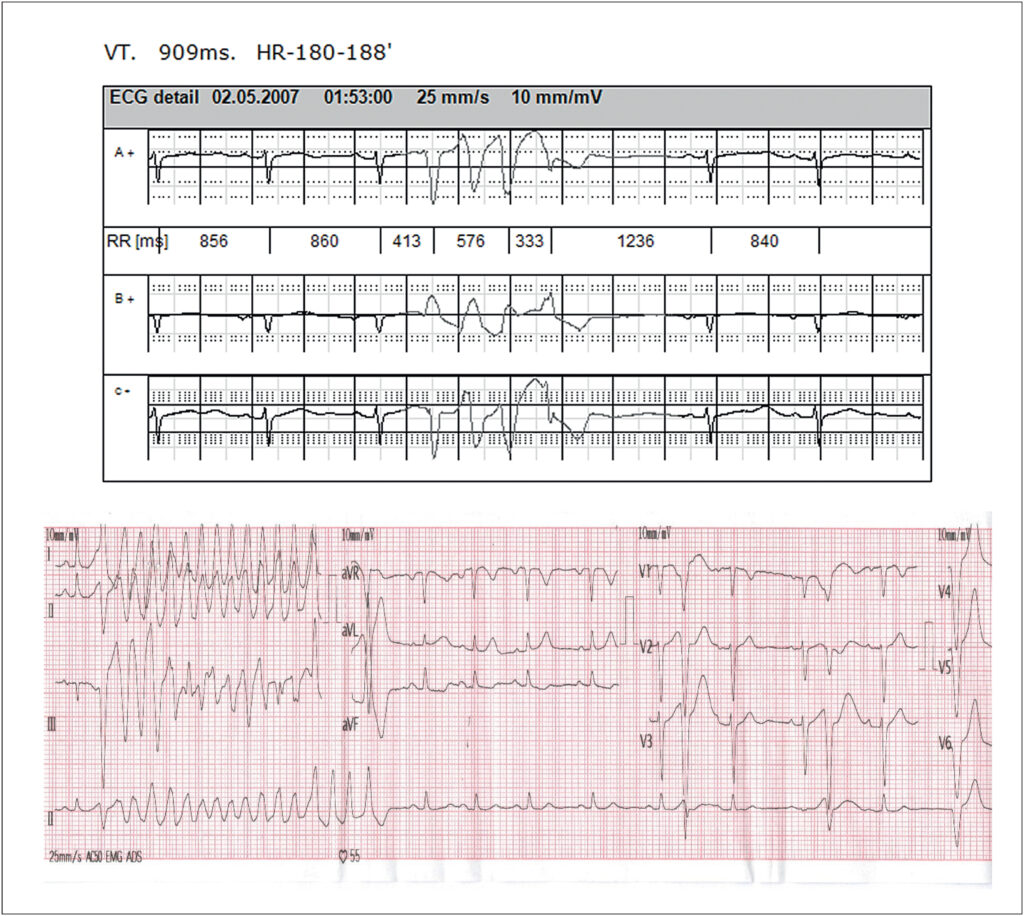
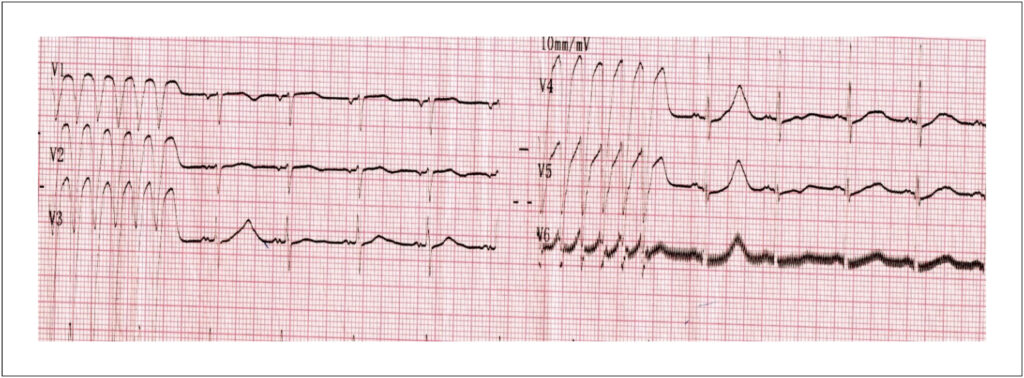
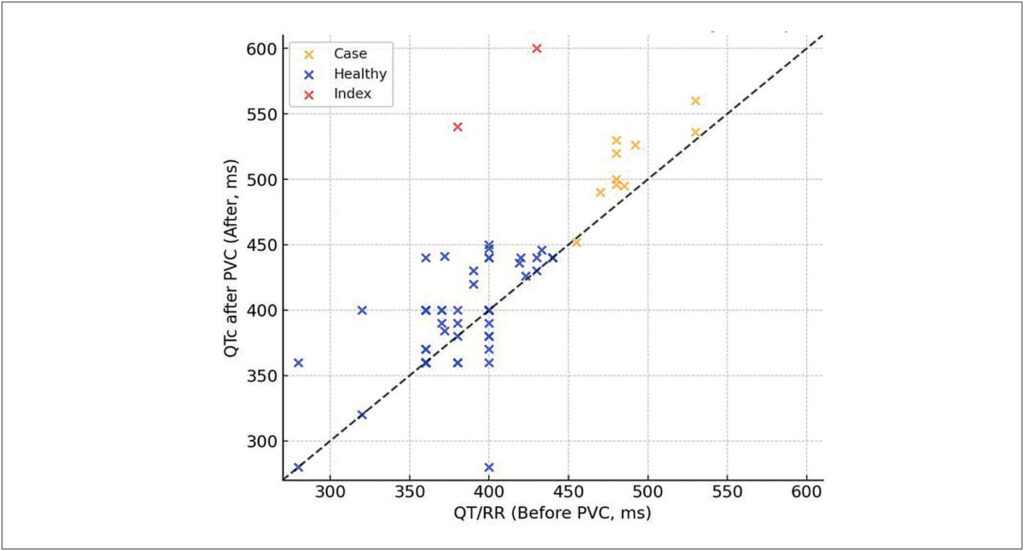
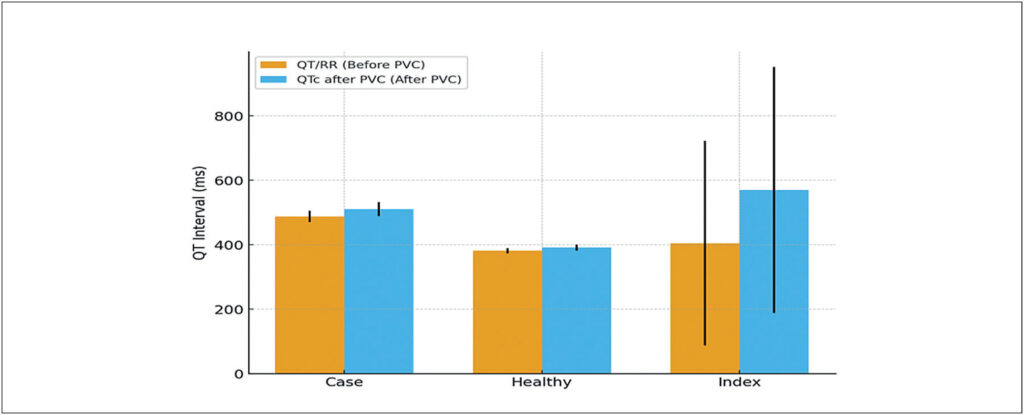
Post-PVC QTc intervals were longer in patients with LQTS than in healthy controls (488 ± 23 ms vs 391 ± 37 ms; adjusted p = 0.066). Overall, PVCs were associated with a mean QTc increase of +15.7 ms (95% CI 7.1–24.3; p = 0.0005), with larger increases observed in LQTS patients (+22.3 ms; p = 0.0019) compared with healthy controls (+10.0 ms; p = 0.0098). The two index patients exhibited marked QTc prolongation, rising from borderline baseline values (360–460 ms) to 540–600 ms (Δ≈165 ms).
Conclusion:
PVC-induced QTc prolongation may help distinguish healthy individuals from patients with overt or borderline LQTS. Whereas healthy controls demonstrated mild physiologic adaptation, patients with confirmed LQTS showed consistent QTc prolongation, and index patients exhibited marked post-PVC increases suggestive of concealed repolarization abnormalities. Assessment of QTc following PVCs may represent a simple bedside approach to improve diagnostic accuracy and risk stratification in LQTS; prospective studies in larger cohorts are warranted to confirm these findings.
Images
Image gallery fullscreen viewer
Comments are moderated by the editorial team before publication. Discussions should be evidence-based and use scientific language. Conflicts of interest should be declared.