Samuel Ulisses Chaves Nogueira do Nascimento et al. Jussara de Oliveira Pinheiro Duarte Luiz Pereira de Magalhães Alex Teixeira Guabiru … Adimeia Souza Santos Enderson Cavalvanti Victoria Bastos Rodrigues Roque Aras
Introduction
Cardiac channelopathies are genetic disorders caused by pathogenic variants in genes encoding ion channels, resulting in alterations in cardiac electrophysiology and a predisposition to potentially fatal arrhythmias. Among these conditions, Long QT Syndrome (LQTS) stands out as a heterogeneous clinical entity, characterized by prolonged QT interval and an increased risk of ventricular tachyarrhythmia and sudden death.
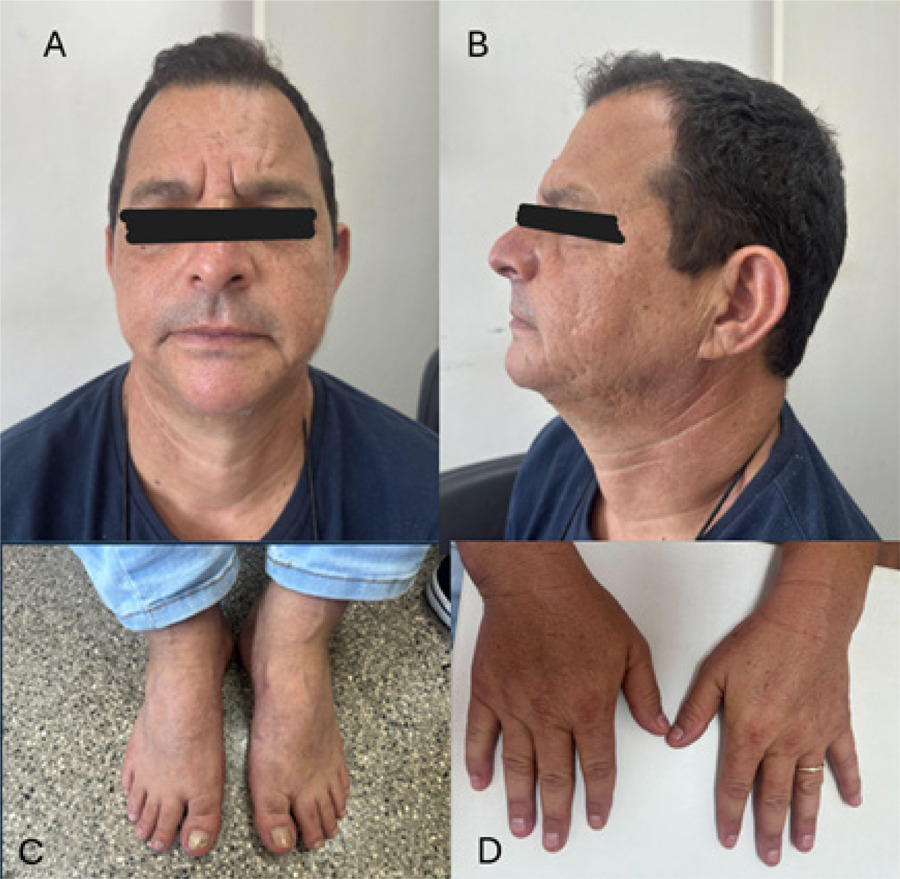
Some hereditary forms of LQTS occur in the context of genetic syndromes, such as Andersen-Tawil Syndrome (ATS), which is caused by variants in the KCNJ2 gene, encoding the Kir2.1 potassium channel. In addition to long QT and a predisposition to ventricular arrhythmia, ATS manifests with periodic paralysis and craniofacial dysmorphisms, forming a diagnostic triad. Although the diagnosis may be clinical, molecular confirmation is essential for risk stratification, genetic counseling, and differentiation from other conditions with phenotypic overlap.
[…]