| ABC
ABC Family Arquivos Brasileiros de Cardiologia International Journal of Cardiovascular Sciences ABC Heart Failure & Cardiomyopathy ABC Imagem Cardiovascular
Português English
ABC Family | ABC
Português English
  • About
    • About the Journal
    • Internal Regulation
    • Editors Section
    • Editorial Board
    • History
    • SBC Award
  • Instructions to Authors
    • Guidelines for Publication
    • Editorial Policy
    • Ethics Policy
    • Policy on the Use of Artificial Intelligence
    • Mandatory Publication Form
    • Publication Fee
  • Issues
  • SBC Guidelines
  • Abstracts
    • How to Publish an Abstract Supplement?
    • Supplements from the Brazilian Congress of Cardiology
  • About
    • About the Journal
    • Internal Regulation
    • Editors Section
    • Editorial Board
    • History
    • SBC Award
  • Instructions to Authors
    • Guidelines for Publication
    • Editorial Policy
    • Ethics Policy
    • Policy on the Use of Artificial Intelligence
    • Mandatory Publication Form
    • Publication Fee
  • Issues
  • SBC Guidelines
  • Abstracts
    • How to Publish an Abstract Supplement?
    • Supplements from the Brazilian Congress of Cardiology

ABC Family

  • ABC Family
  • Arquivos Brasileiros de Cardiologia
  • International Journal of Cardiovascular Sciences
  • ABC Heart Failure & Cardiomyopathy
  • ABC Imagem Cardiovascular
Search in

No content found.

Journals
Ordering
Article types
Others

  1. Home
  2. ABC
  3. Issues
  4. 2016, Volume 106, Number 4
Figure 1
Original Article

Endothelial Effect of Statin Therapy at a High Dose Versus Low Dose Associated with Ezetimibe

Maristela Magnavita Oliveira Garcia et al. Carolina Garcez Varela Patricia Fontes Silva Paulo Roberto Passos Lima … Paulo Meira Góes Marilia Galeffi Rodrigues Maria de Lourdes Lima Souza e Silva Ana Marice Teixeira Ladeia Armênio Costa Guimarães Luis Claudio Lemos Correia

Abstract

Background:

The effect of statins on the endothelial function in humans remains under discussion. Particularly, it is still unclear if the improvement in endothelial function is due to a reduction in LDL-cholesterol or to an arterial pleiotropic effect.

Objective:

To test the hypothesis that modulation of the endothelial function promoted by statins is primarily mediated by the degree of reduction in LDL-cholesterol, independent of the dose of statin administered.

Methods:

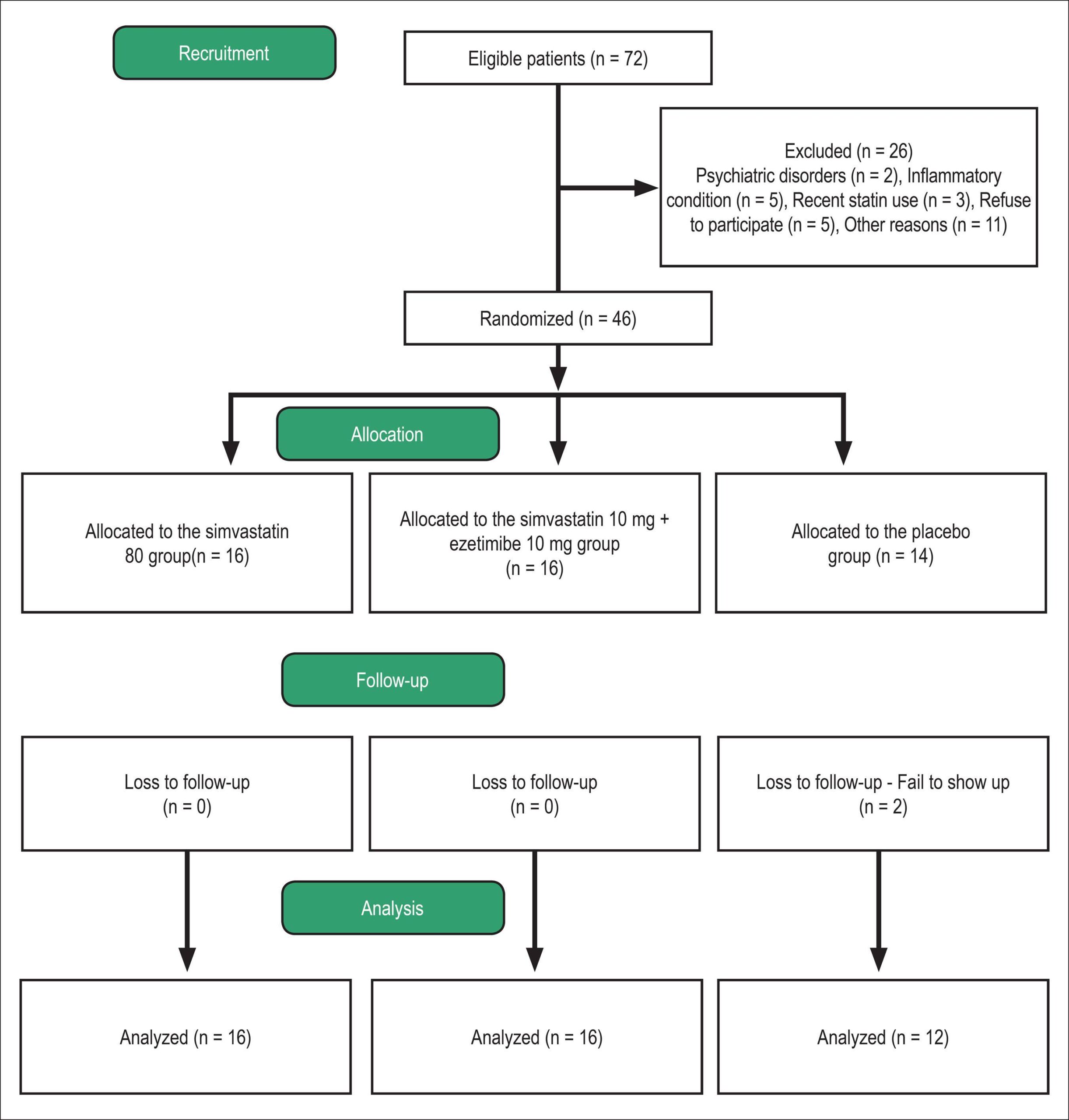
Randomized clinical trial with two groups of lipid-lowering treatment (16 patients/each) and one placebo group (14 patients). The two active groups were designed to promote a similar degree of reduction in LDL-cholesterol: the first used statin at a high dose (80 mg, simvastatin 80 group) and the second used statin at a low dose (10 mg) associated with ezetimibe (10 mg, simvastatin 10/ezetimibe group) to optimize the hypolipidemic effect. The endothelial function was assessed by flow-mediated vasodilation (FMV) before and 8 weeks after treatment.

Results:

The decrease in LDL-cholesterol was similar between the groups simvastatin 80 and simvastatin 10/ezetimibe (27% ± 31% and 30% ± 29%, respectively, p = 0.75). The simvastatin 80 group presented an increase in FMV from 8.4% ± 4.3% at baseline to 11% ± 4.2% after 8 weeks (p = 0.02). Similarly, the group simvastatin 10/ezetimibe showed improvement in FMV from 7.3% ± 3.9% to 12% ± 4.4% (p = 0.001). The placebo group showed no variation in LDL-cholesterol level or endothelial function.

Conclusion:

The improvement in endothelial function with statin seems to depend more on a reduction in LDL-cholesterol levels, independent of the dose of statin administered, than on pleiotropic mechanisms.
  • Anticholesterolemic Agents
  • Cholesterol
  • Endothelium / physiology
  • Ezetimibe
  • Hydroxymethylglutaryl-CoA Reductase Inhibitors / therapeutic use
Read Full Article
Creative Commons Attribution (CC BY) Creative Commons license
01/04/2016 DOI: 10.5935/abc.20160048 Views 1
Figure 1
Case Report

Platypnea-Orthodeoxia Syndrome Due to Venovenous Malformation

Meng-Luen Lee et al. Ing-Sh Chiu

Introduction

The platypnea-orthodeoxia syndrome (POS) is a rare clinical condition characterized by dyspnea occurring in the upright position and relieved in the supine position (platypnea) associated with oxygen desaturation noted in the upright position (orthodeoxia). A diagnosis of POS requires two of the following criteria: 1) orthodeoxia, 2) platypnea, 3) presence of an interatrial communication, 4) right-to-left shunt, and 5) absence of pulmonary arterial hypertension or right atrial hypertension., POS can originate in the heart, lungs, abdomen, or elsewhere due to either an intracardiac (cardiac POS) or intrapulmonary shunt, or a ventilation-perfusion mismatch. However, a venovenous malformation (VVM) as a cause of cardiac POS has never been reported in the literature.

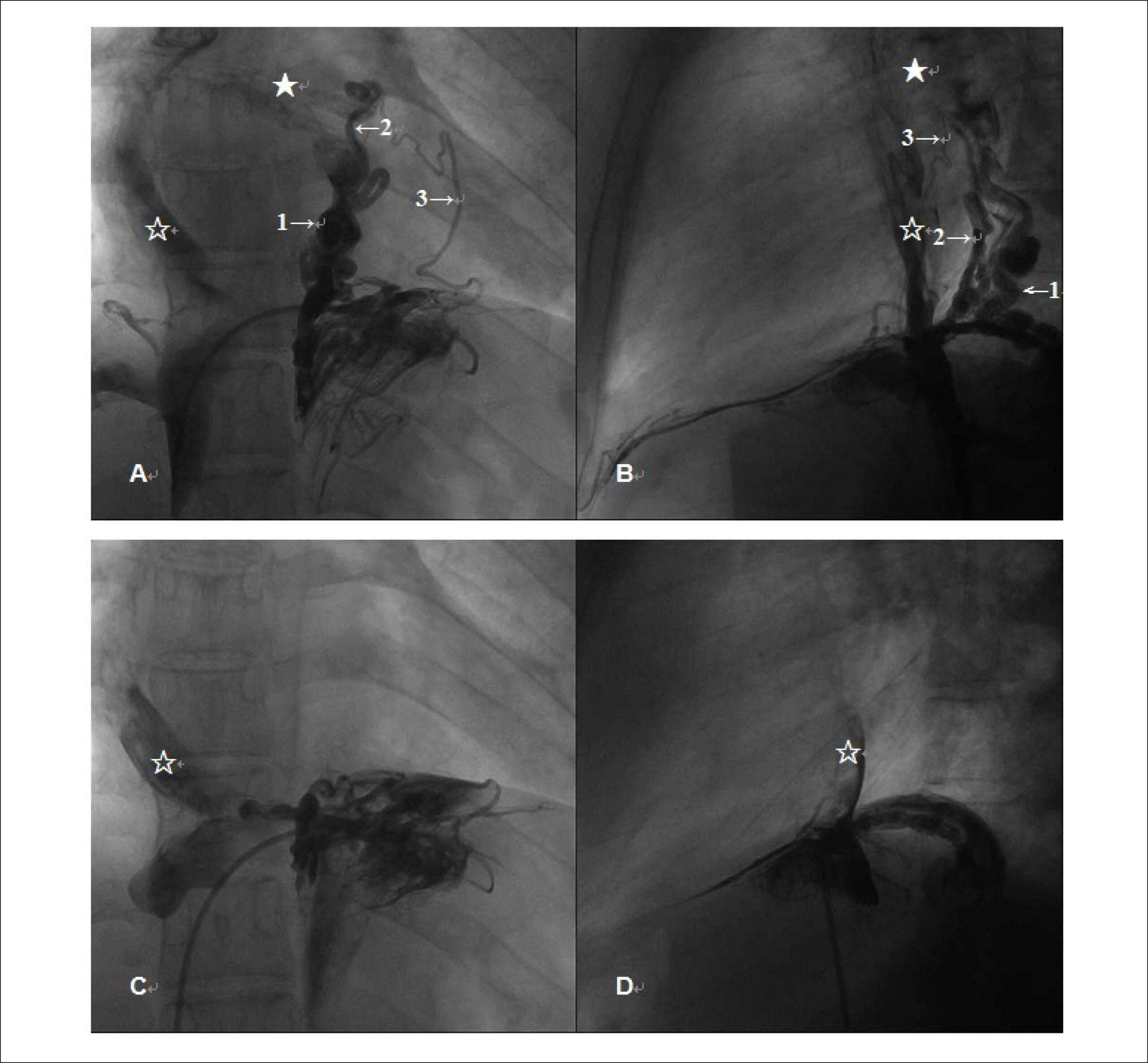
We report here the case of a 24-year-old female patient who presented with cardiac POS due to a VVM. The syndrome emerged insidiously 16 years after an extracardiac total cavopulmonary connection (TCPC) for a complex of congenital cardiovascular malformations and was successfully treated with percutaneous transvenous coil embolization.

[…]

  • Arteriovenous Malformations / etiology
  • Arteriovenous Malformations / surgery
  • Dyspnea / etiology
  • Pulmonary Circulation
  • Septal occluder device
Read Full Article
Creative Commons Attribution (CC BY) Creative Commons license
01/04/2016 DOI: 10.5935/abc.20160059 Views 3
Figure 1
Viewpoint

Protective Effect of Aortic Stenosis on the Coronary Arteries. Hypothetic Considerations to an Old Enigma

Paulo Roberto Barbosa Evora et al. Livia Arcêncio Alfredo José Rodrigues André Schmidt

Abstract

A literature overview of angiographic studies has shown that the prevalence of significant coronary disease in patients with aortic stenosis (AS) varies from 20 to 60%. Early necropsy studies suggested that patients with AS had a lower than expected incidence of coronary artery disease (CAD), originating the concept of a protective effect of AS on the coronary arteries. The myth of AS protection against CAD would be better explained as endothelium-myocardial interaction (crosstalk) protection triggered by left ventricular overload. Therefore, the cGMP/NO pathway induced by the AS overload pressure would explain the low incidence of CAD, which is compatible with the amazing natural long-term evolution of this cardiac valve disease.

  • Aortic Valve Stenosis
  • Coronary Angiography
  • Coronary Artery Disease
Read Full Article
Creative Commons Attribution (CC BY) Creative Commons license
01/04/2016 DOI: 10.5935/abc.20160039 Views 2
Letter to the Editor

Circulatory Support as a Bridge to Pediatric Heart Transplantation

Fernando A . Atik

Dear Editor,

The article “Use of short-term circulatory support as a bridge in pediatric transplantation”, recently published in Arquivos Brasileiros de Cardiologia has aroused great interest.

[…]

  • advanced cardiac life support
  • Heart Defects, Congenital
  • Heart Transplantation
  • Outcome Assessment (Health Care)
Read Full Article
Creative Commons Attribution (CC BY) Creative Commons license
01/04/2016 DOI: 10.5935/abc.20160047
Figure 1
Review Article

Network Meta-analysis to Synthesize Evidence for Decision Making in Cardiovascular Research

Leonardo Roever et al. Giuseppe Biondi-Zoccai

Abstract

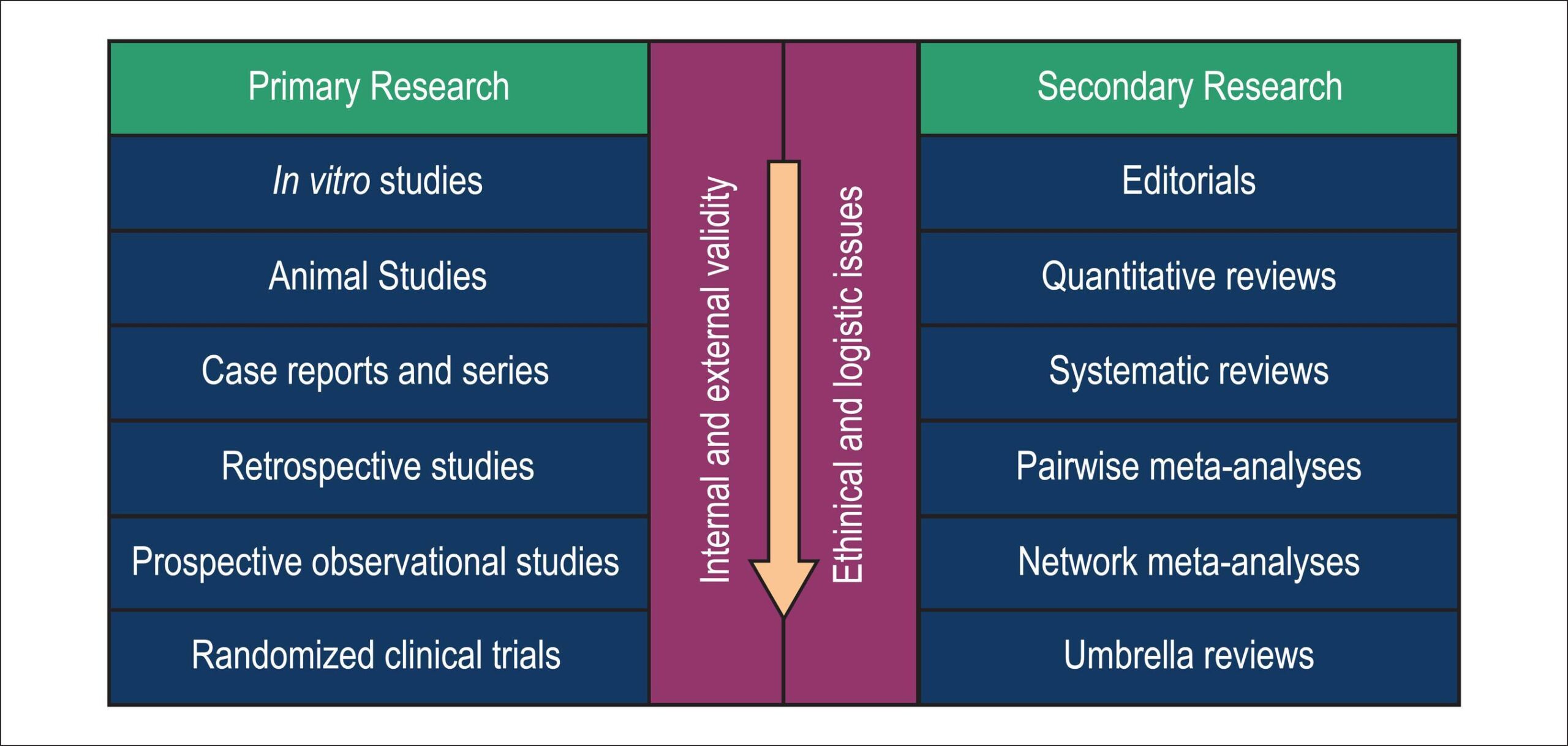
Clinical decision-making requires synthesis of evidence from literature reviews focused on a specific theme. Evidence synthesis is performed with qualitative assessments and systematic reviews of randomized clinical trials, typically covering statistical pooling with pairwise meta-analyses. These methods include adjusted indirect comparison meta-analysis, network meta-analysis, and mixed-treatment comparison. These tools allow synthesis of evidence and comparison of effectiveness in cardiovascular research.

  • Cardiovascular Diseases
  • Comparative Study
  • Evidence-Based Medicine
  • Meta-Analysis
  • Research
  • Review
Read Full Article
Creative Commons Attribution (CC BY) Creative Commons license
01/04/2016 DOI: 10.5935/abc.20160052
Figure 1
Clinicoradiological Session

Case 3/2016 – 36-Year-Old Man with Anomalous Origin of the Right Coronary Artery in the Left Sinus of Valsalva and Interarterial Course

Edmar Atik et al. Roberto Kalil Filho Marcelo Jatene

Complementary tests

Electrocardiogram showed sinus rhythm, no signs of atrial or ventricular overload and no changes in the ventricular repolarization. AP = +50º, AQRS = +40º, AT = +60º

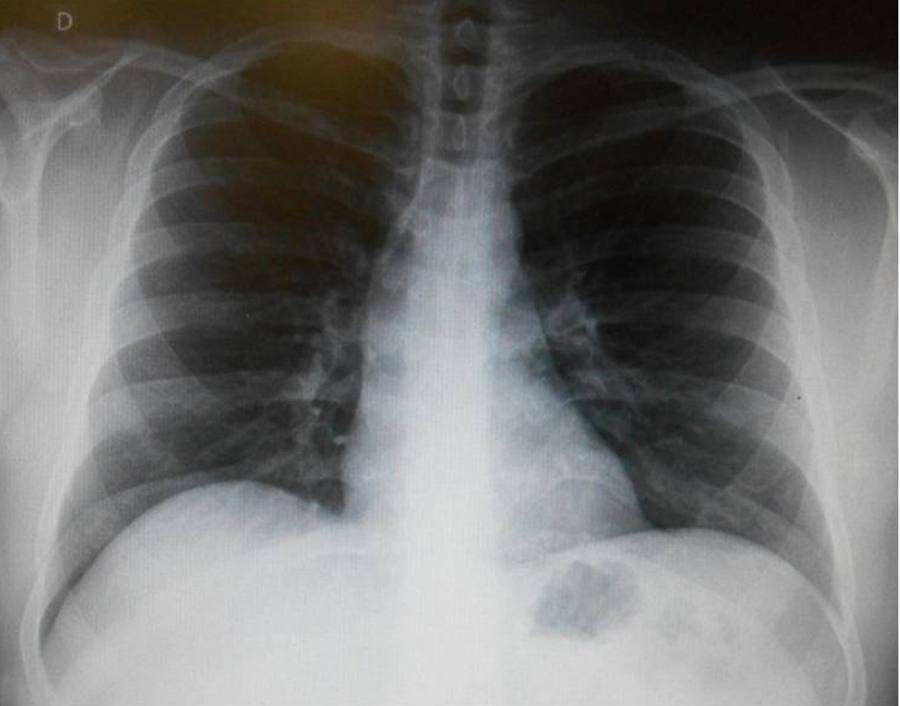
Chest radiography showed normal heart area and pulmonary vascular bed ().

[…]

  • Cardiac Catheterization
  • Cardiac Surgical Procedures
  • Coronary Vessel Anomalies / surgery
  • Heart Defects, Congenital
  • Sinus of Valsalva
Read Full Article
Creative Commons Attribution (CC BY) Creative Commons license
01/04/2016 DOI: 10.5935/abc.20160051 Views 1
Congenital Muscular Interventricular Septal Malformation with Complex Anatomical Features
Image

Congenital Muscular Interventricular Septal Malformation with Complex Anatomical Features

Zafer ışılak et al. Mehmet Uzun Ejder Kardeşoğlu Ömer Uz Uğur Küçük

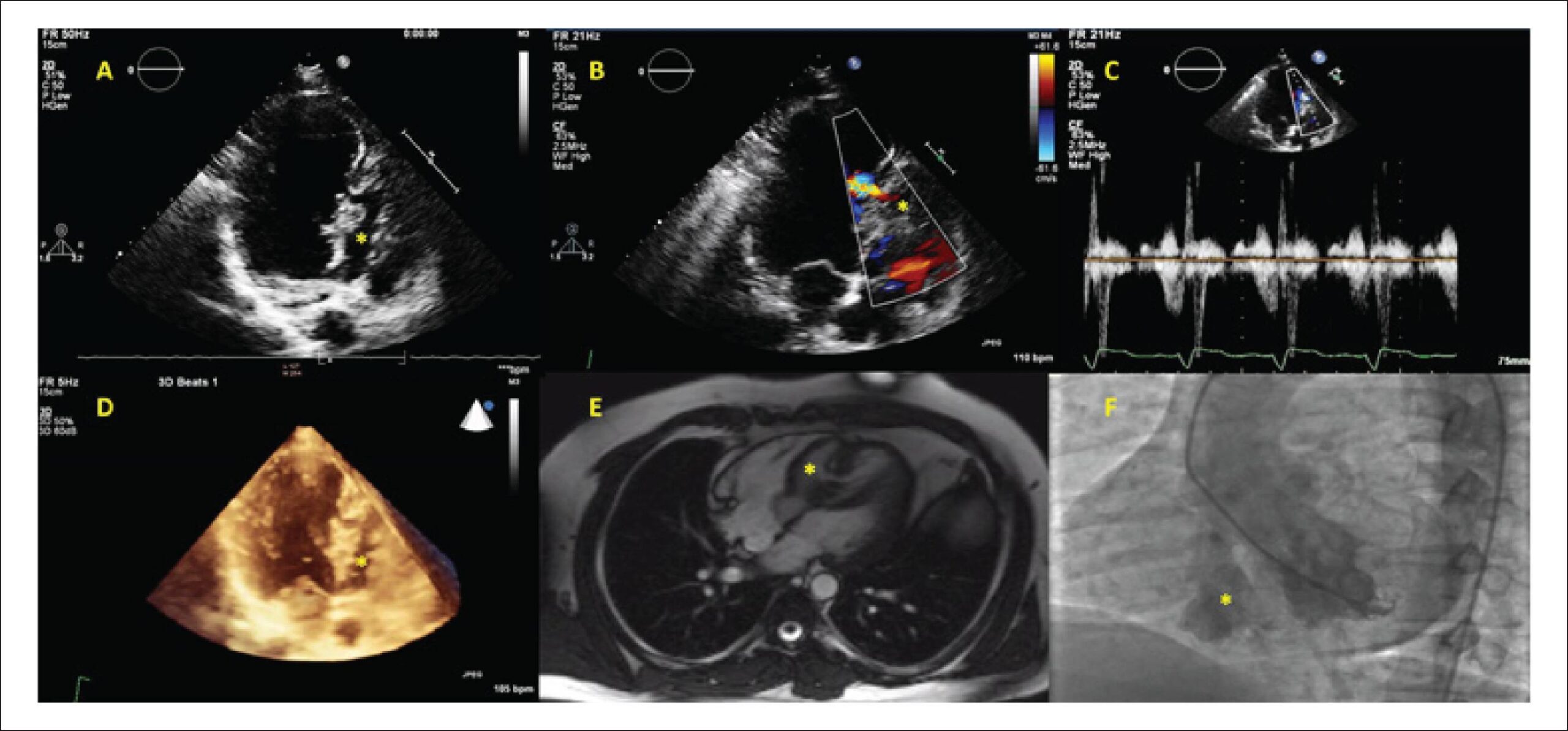
A 21 year-old male patient was admitted with symptoms of exertional dyspnea and palpitation. The physical examination revealed a grade 3/6 systolic murmur, best heard over the left 3-4th intercostal space. Transthoracic echocardiography disclosed a separate chamber (asterisk) in the interventricular septum. The apical portion of the chamber consisted of muscle tissue and the basal portion consisted of membranous and aneurysmatic tissue (Panel A). There was a muscular “tunnel-like” structure connecting the left ventricle and chamber at mid ventricular level. The color and continuous wave Doppler imaging revealed a bidirectional flow across the passage (Panel B, C).

The patient underwent three dimensional transthoracic echocardiographic examinations, which revealed two separate septa. Between these septa there was a third chamber (asterisk). It was connected to both left (via the tunnel at the muscular septum) and right ventricles (via the defect in the membranous septal aneurysm). The membranous septal aneurysm was separated from the left ventricle by a thin membrane, without any passage across it (Panel D). MRI findings were consistent with echocardiographic images (Panel E). Ventriculography and coronary angiography were performed. The coronary arteries were normal; the left ventriculography showed the muscular and membranous/aneurysmatic portions of the malformation (Panel F). The patient was advised to undergo a surgical procedure, but he refused and was discharged with recommendations about control visits.

[…]

  • Heart Defects, Congenital
  • Heart Septal Defects, Ventricular
  • ventricular septum
Read Full Article
Creative Commons Attribution (CC BY) Creative Commons license
01/04/2016 DOI: 10.5935/abc.20160045 Views 1
Figure 1
Original Article

Potential Utility of the SYNTAX Score 2 in Patients Undergoing Left Main Angioplasty

Sérgio Madeira et al. Luís Raposo João Brito Ricardo Rodrigues … Pedro Gonçalves Rui Teles Henrique Gabriel Francisco Machado Manuel Almeida Miguel Mendes

Abstract

Background:

The revascularization strategy of the left main disease is determinant for clinical outcomes.

Objective:

We sought to 1) validate and compare the performance of the SYNTAX Score 1 and 2 for predicting major cardiovascular events at 4 years in patients who underwent unprotected left main angioplasty and 2) evaluate the long-term outcome according to the SYNTAX score 2-recommended revascularization strategy.

Methods:

We retrospectively studied 132 patients from a single-centre registry who underwent unprotected left main angioplasty between March 1999 and December 2010. Discrimination and calibration of both models were assessed by ROC curve analysis, calibration curves and the Hosmer-Lemeshow test.

Results:

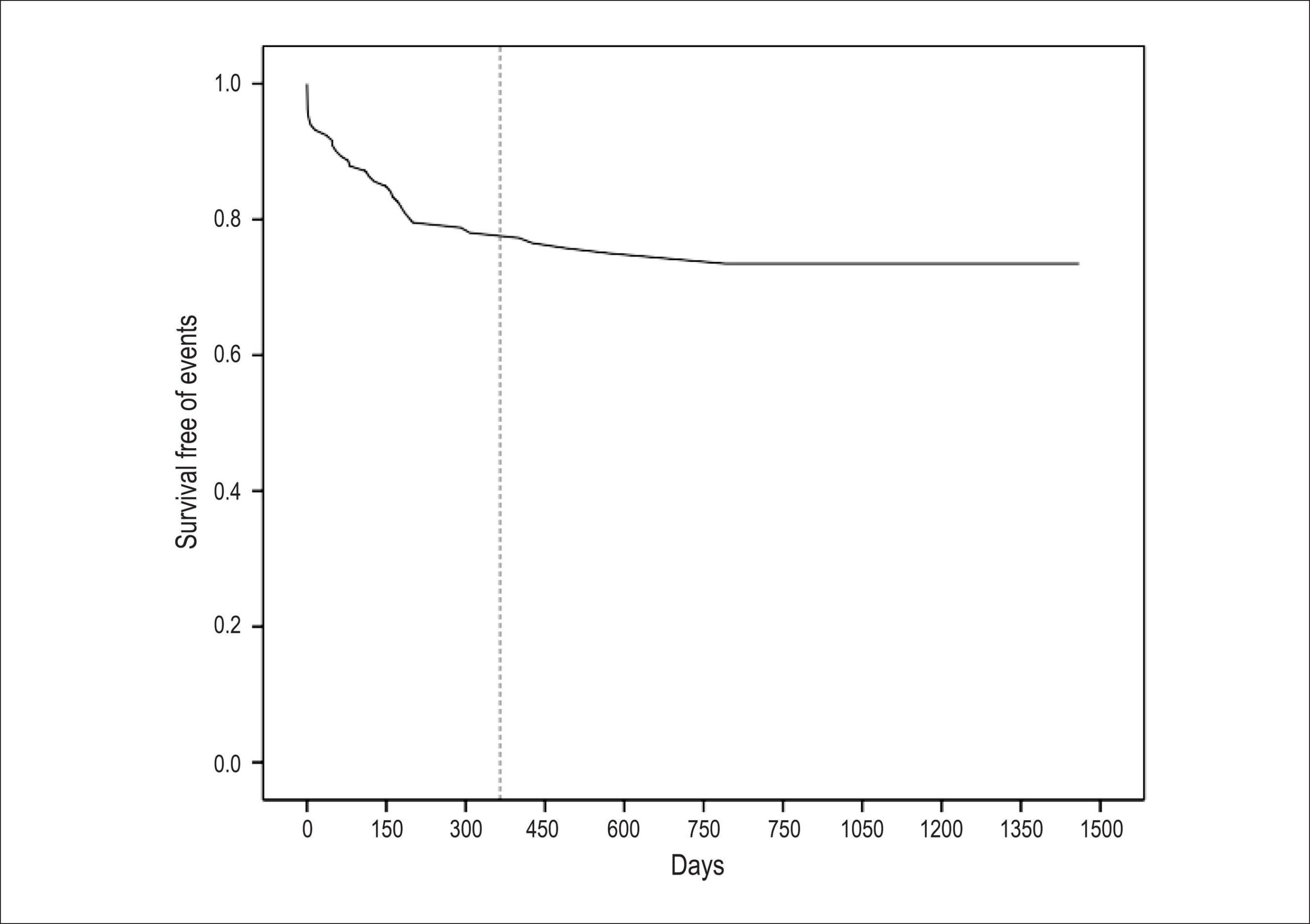
Total event rate was 26.5% at 4 years.The AUC for the SYNTAX Score 1 and SYNTAX Score 2 for percutaneous coronary intervention, was 0.61 (95% CI: 0.49-0.73) and 0.67 (95% CI: 0.57-0.78), respectively. Despite a good overall adjustment for both models, the SYNTAX Score 2 tended to underpredict risk. In the 47 patients (36%) who should have undergone surgery according to the SYNTAX Score 2, event rate was numerically higher (30% vs. 25%; p=0.54), and for those with a higher difference between the two SYNTAX Score 2 scores (Percutaneous coronary intervention vs. Coronary artery by-pass graft risk estimation greater than 5.7%), event rate was almost double (40% vs. 22%; p=0.2).

Conclusion:

The SYNTAX Score 2 may allow a better and individualized risk stratification of patients who need revascularization of an unprotected left main coronary artery. Prospective studies are needed for further validation.

  • Angioplasty Balloon Coronary / adverse effects
  • Coronary Artery Bypass / adverse effects
  • Coronary Artery Disease/surgery
  • Myocardial Revascularization
  • Risk Assessment
  • Risk Factors
Read Full Article
Creative Commons Attribution (CC BY) Creative Commons license
22/03/2016 DOI: 10.5935/abc.20160038 Views 1
Figure 1
Original Article

Cardiac Autonomic Adjustments During Baroreflex Test in Obese and Non-Obese Preadolescents

Mário Augusto Paschoal et al. Aline Carnio Brunelli Gabriela Midori Tamaki Sofia Serafim Magela

Abstract

Background:

Recent studies have shown changes in cardiac autonomic control of obese preadolescents.

Objective:

To assess the heart rate responses and cardiac autonomic modulation of obese preadolescents during constant expiratory effort.

Methods:

This study assessed 10 obese and 10 non-obese preadolescents aged 9 to 12 years. The body mass index of the obese group was between the 95th and 97th percentiles of the CDC National Center for Health Statistics growth charts, while that of the non-obese group, between the 5th and 85th percentiles. Initially, they underwent anthropometric and clinical assessment, and their maximum expiratory pressures were obtained. Then, the preadolescents underwent a constant expiratory effort of 70% of their maximum expiratory pressure for 20 seconds, with heart rate measurement 5 minutes before, during and 5 minutes after it. Heart rate variability (HRV) and heart rate values were analyzed by use of a software.

Results:

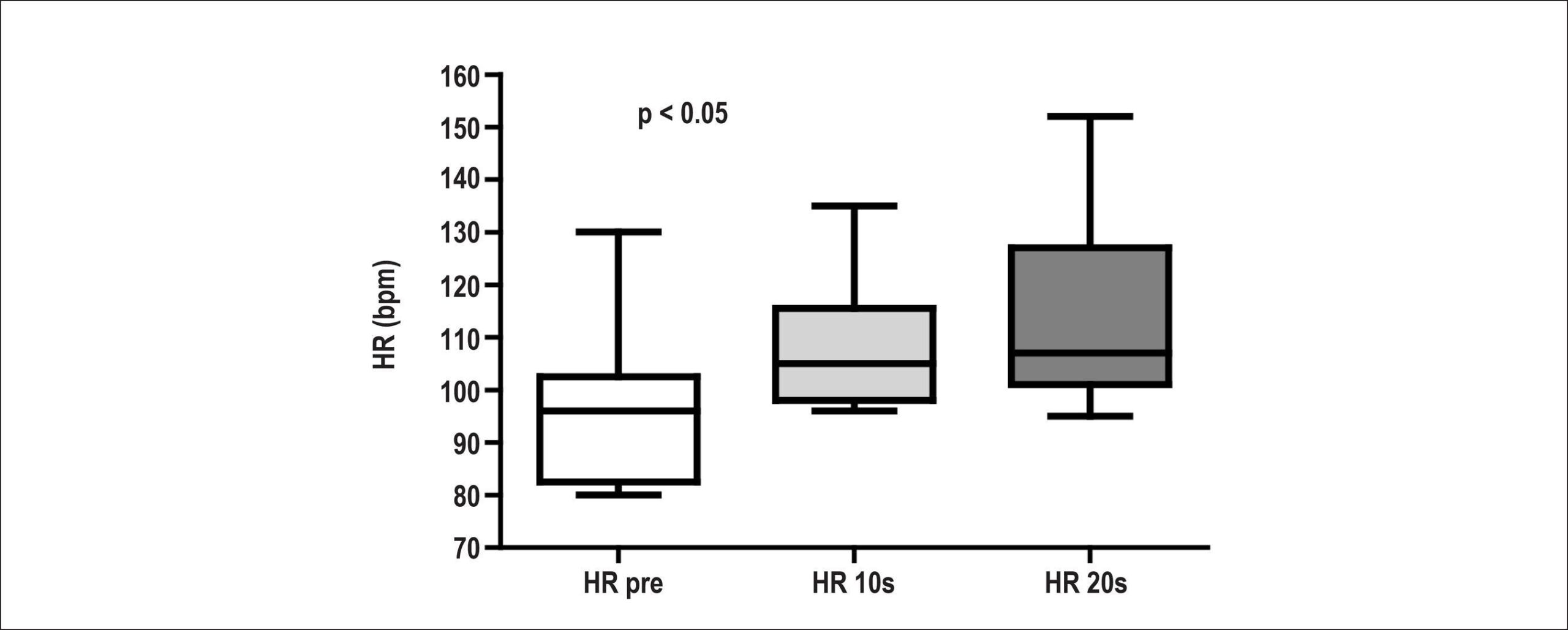
The HRV did not differ when compared before and after the constant expiratory effort intra- and intergroup. The heart rate values differed (p < 0.05) during the effort, being the total variation in non-obese preadolescents of 18.5 ± 1.5 bpm, and in obese, of 12.2 ± 1.3 bpm.

Conclusion:

The cardiac autonomic modulation did not differ between the groups when comparing before and after the constant expiratory effort. However, the obese group showed lower cardiovascular response to baroreceptor stimuli during the effort, suggesting lower autonomic baroreflex sensitivity.

  • Adolescents
  • Autonomic Nervous System/physiopathology
  • Barorreflex
  • Heart Rate/physiology
  • Obesity
  • Physical Exertion
Read Full Article
Creative Commons Attribution (CC BY) Creative Commons license
22/03/2016 DOI: 10.5935/abc.20160040 Views 2
Figure 1
Original Article

Correlation of Insulin Resistance with Anthropometric Measures and Blood Pressure in Adolescents

Polyana Resende Silva de Morais et al. Ana Luiza Lima Sousa Thiago de Souza Veiga Jardim Flávia Miquetichuc Nogueira Nascente … Karla Lorena Mendonça Thaís Inácio Rolim Povoa Carolina de Souza Carneiro Vanessa Roriz Ferreira Weimar Kunz Sebba Barroso de Souza Paulo César Brandão Veiga Jardim

Abstract

Background:

Blood pressure is directly related to body mass index, and individuals with increased waist circumference have higher risk of developing hypertension, insulin resistance, and other metabolic changes, since adolescence.

Objective:

to evaluate the correlation of blood pressure with insulin resistance, waist circumference and body mass index in adolescents.

Methods:

Cross-section study on a representative sample of adolescent students. One group of adolescents with altered blood pressure detected by casual blood pressure and/or home blood pressure monitoring (blood pressure > 90th percentile) and one group of normotensive adolescents were studied. Body mass index, waist circumference were measured, and fasting glucose and plasma insulin levels were determined, using the HOMA-IR index to identify insulin resistance.

Results:

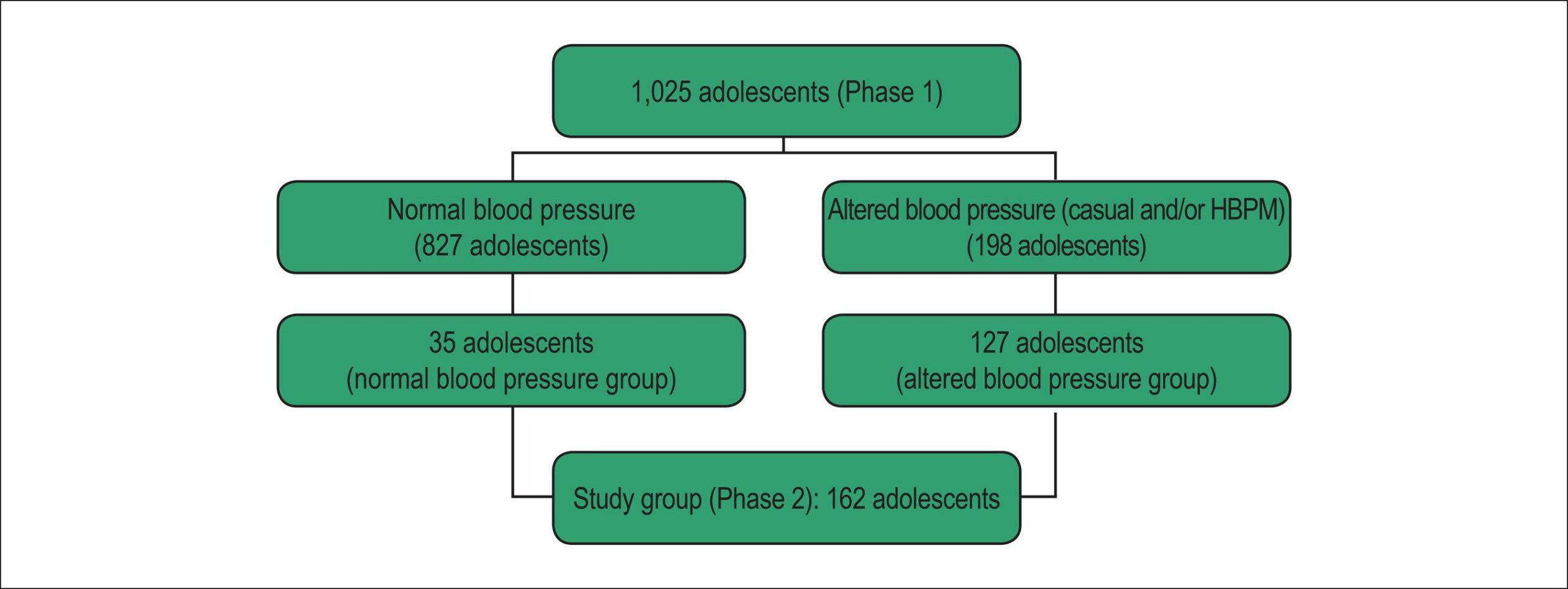
A total of 162 adolescents (35 with normal blood pressure and 127 with altered blood pressure) were studied; 61% (n = 99) of them were boys and the mean age was 14.9 ± 1.62 years. Thirty-eight (23.5%) adolescents had altered HOMA-IR. The group with altered blood pressure had higher values of waist circumference, body mass index and HOMA-IR (p<0.05). Waist circumference was higher among boys in both groups (p<0.05) and girls with altered blood pressure had higher HOMA-IR than boys (p<0.05). There was a significant moderate correlation between body mass index and HOMA-IR in the group with altered blood pressure (ρ = 0.394; p < 0.001), and such correlation was stronger than in the normotensive group. There was also a significant moderate correlation between waist circumference and HOMA-IR in both groups (ρ = 0.345; p < 0.05). Logistic regression showed that HOMA-IR was as predictor of altered blood pressure (odds ratio – OR = 2.0; p = 0.001).

Conclusion:

There was a significant association of insulin resistance with blood pressure and the impact of insulin resistance on blood pressure since childhood. The correlation and association between markers of cardiovascular diseases was more pronounced in adolescents with altered blood pressure, suggesting that primary prevention strategies for cardiovascular risk factors should be early implemented in childhood and adolescence.

  • Adolescent
  • Anthropometry
  • Blood Pressure
  • body mass index
  • Insulin Resistance
Read Full Article
Creative Commons Attribution (CC BY) Creative Commons license
22/03/2016 DOI: 10.5935/abc.20160041 Views 1
Original Article

Aerobic Training after Myocardial Infarction: Remodeling Evaluated by Cardiac Magnetic Resonance

Nataly Lino Izeli et al. Aurélia Juliana dos Santos Júlio César Crescêncio Ana Clara Campagnolo Real Gonçalves … Valéria Papa Fabiana Marques Antônio Pazin-Filho Lourenço Gallo-Júnior André Schmidt

Abstract

Background:

Numerous studies show the benefits of exercise training after myocardial infarction (MI). Nevertheless, the effects on function and remodeling are still controversial.

Objectives:

To evaluate, in patients after (MI), the effects of aerobic exercise of moderate intensity on ventricular remodeling by cardiac magnetic resonance imaging (CMR).

Methods:

26 male patients, 52.9 ± 7.9 years, after a first MI, were assigned to groups: trained group (TG), 18; and control group (CG), 8. The TG performed supervised aerobic exercise on treadmill twice a week, and unsupervised sessions on 2 additional days per week, for at least 3 months. Laboratory tests, anthropometric measurements, resting heart rate (HR), exercise test, and CMR were conducted at baseline and follow-up.

Results:

The TG showed a 10.8% reduction in fasting blood glucose (p = 0.01), and a 7.3-bpm reduction in resting HR in both sitting and supine positions (p < 0.0001). There was an increase in oxygen uptake only in the TG (35.4 ± 8.1 to 49.1 ± 9.6 mL/kg/min, p < 0.0001). There was a statistically significant decrease in the TG left ventricular mass (LVmass) (128.7 ± 38.9 to 117.2 ± 27.2 g, p = 0.0032). There were no statistically significant changes in the values of left ventricular end-diastolic volume (LVEDV) and ejection fraction in the groups. The LVmass/EDV ratio demonstrated a statistically significant positive remodeling in the TG (p = 0.015).

Conclusions:

Aerobic exercise of moderate intensity improved physical capacity and other cardiovascular variables. A positive remodeling was identified in the TG, where a left ventricular diastolic dimension increase was associated with LVmass reduction.

  • Exercise
  • Magnetic Resonance Spectroscopy
  • Myocardial Infarction
  • Rehabilitation
Read Full Article
Creative Commons Attribution (CC BY) Creative Commons license
08/03/2016 DOI: 10.5935/abc.20160031 Views 1
Figure 1
Original Article

Risk Prediction of Cardiovascular Complications in Pregnant Women With Heart Disease

Luciana Carvalho Martins et al. Claudia Maria Vilas Freire Carolina Andrade Bragança Capuruçu Maria do Carmo Pereira Nunes Cezar Alencar de Lima Rezende

Abstract

Background:

Heart disease in pregnancy is the leading cause of non- obstetric maternal death. Few Brazilian studies have assessed the impact of heart disease during pregnancy.

Objective:

To determine the risk factors associated with cardiovascular and neonatal complications.

Methods:

We evaluated 132 pregnant women with heart disease at a High-Risk Pregnancy outpatient clinic, from January 2005 to July 2010. Variables that could influence the maternal-fetal outcome were selected: age, parity, smoking, etiology and severity of the disease, previous cardiac complications, cyanosis, New York Heart Association (NYHA) functional class > II, left ventricular dysfunction/obstruction, arrhythmia, drug treatment change, time of prenatal care beginning and number of prenatal visits. The maternal-fetal risk index, Cardiac Disease in Pregnancy (CARPREG), was retrospectively calculated at the beginning of prenatal care, and patients were stratified in its three risk categories.

Results:

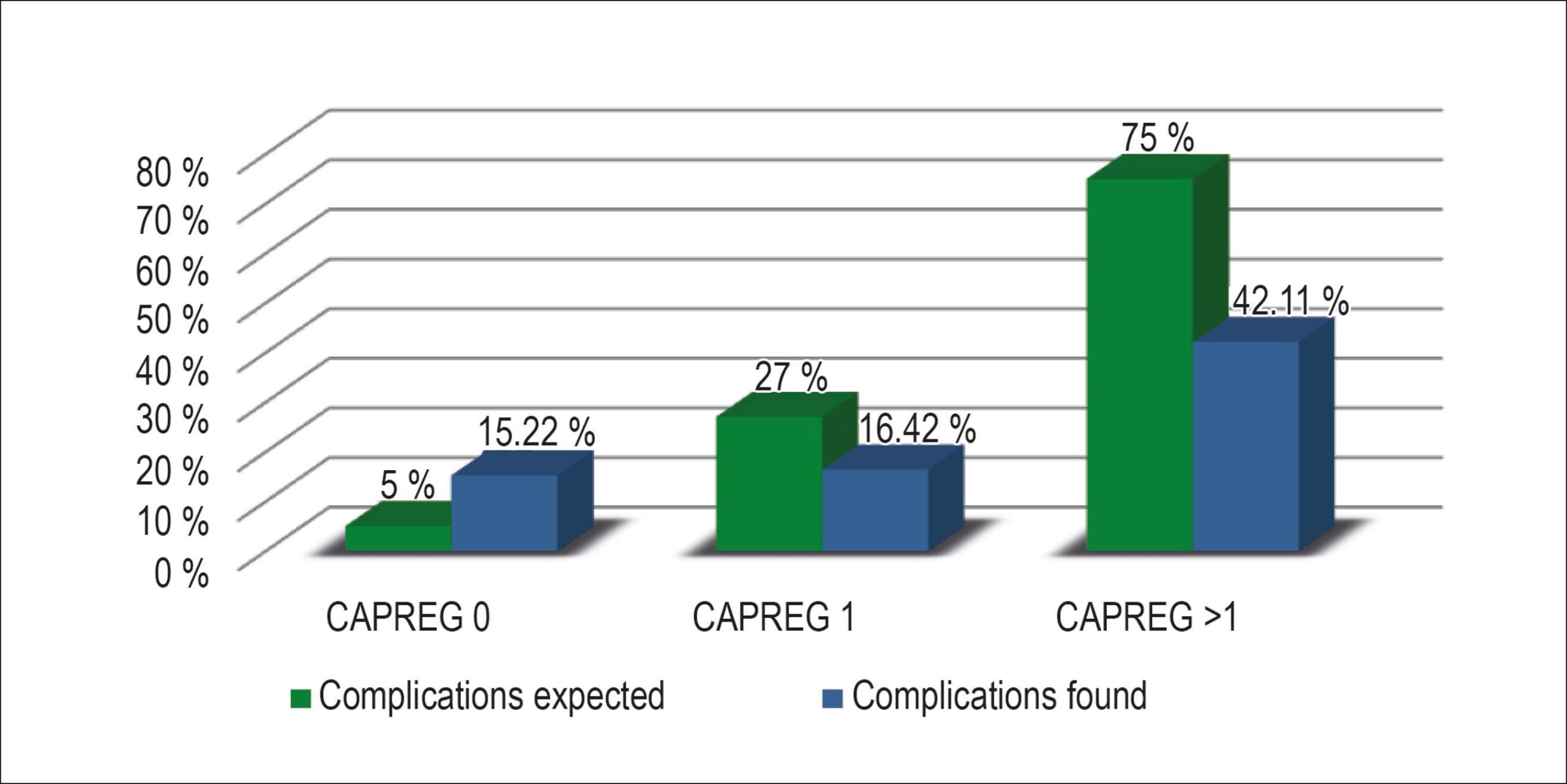
Rheumatic heart disease was the most prevalent (62.12%). The most frequent complications were heart failure (11.36%) and arrhythmias (6.82%). Factors associated with cardiovascular complications on multivariate analysis were: drug treatment change (p = 0.009), previous cardiac complications (p = 0.013) and NYHA class III on the first prenatal visit (p = 0.041). The cardiovascular complication rates were 15.22% in CARPREG 0, 16.42% in CARPREG 1, and 42.11% in CARPREG > 1, differing from those estimated by the original index: 5%, 27% and 75%, respectively. This sample had 26.36% of prematurity.

Conclusion:

The cardiovascular complication risk factors in this population were drug treatment change, previous cardiac complications and NYHA class III at the beginning of prenatal care. The CARPREG index used in this sample composed mainly of patients with rheumatic heart disease overestimated the number of events in pregnant women classified as CARPREG 1 and > 1, and underestimated it in low-risk patients (CARPREG 0).

  • Arrhythmias Cardiac
  • Cardiovascular Diseases/complications
  • Heart Failure
  • Pregnant Women
  • rheumatic heart disease
  • Risk Factors
Read Full Article
Creative Commons Attribution (CC BY) Creative Commons license
08/03/2016 DOI: 10.5935/abc.20160028 Views 1
Figure 1
Original Article

Serial High-Sensitivity Troponin T in Post-Primary Angioplasty Exercise Test

Humberto Andres Vaz et al. Ana Paula Vanz Iran Castro

Abstract

Background:

The kinetics of high-sensitivity troponin T (hscTnT) release should be studied in different situations, including functional tests with transient ischemic abnormalities.

Objective:

To evaluate the release of hscTnT by serial measurements after exercise testing (ET), and to correlate hscTnT elevations with abnormalities suggestive of ischemia.

Methods:

Patients with acute ST-segment elevation myocardial infarction (STEMI) undergoing primary angioplasty were referred for ET 3 months after infarction. Blood samples were collected to measure basal hscTnT immediately before (TnT0h), 2 (TnT2h), 5 (TnT5h), and 8 hours (TnT8h) after ET. The outcomes were peak hscTnT, TnT5h/TnT0h ratio, and the area under the blood concentration-time curve (AUC) for hscTnT levels. Log-transformation was performed on hscTnT values, and comparisons were assessed with the geometric mean ratio, along with their 95% confidence intervals. Statistical significance was assessed by analysis of covariance with no adjustment, and then, adjusted for TnT0h, age and sex, followed by additional variables (metabolic equivalents, maximum heart rate achieved, anterior wall STEMI, and creatinine clearance).

Results:

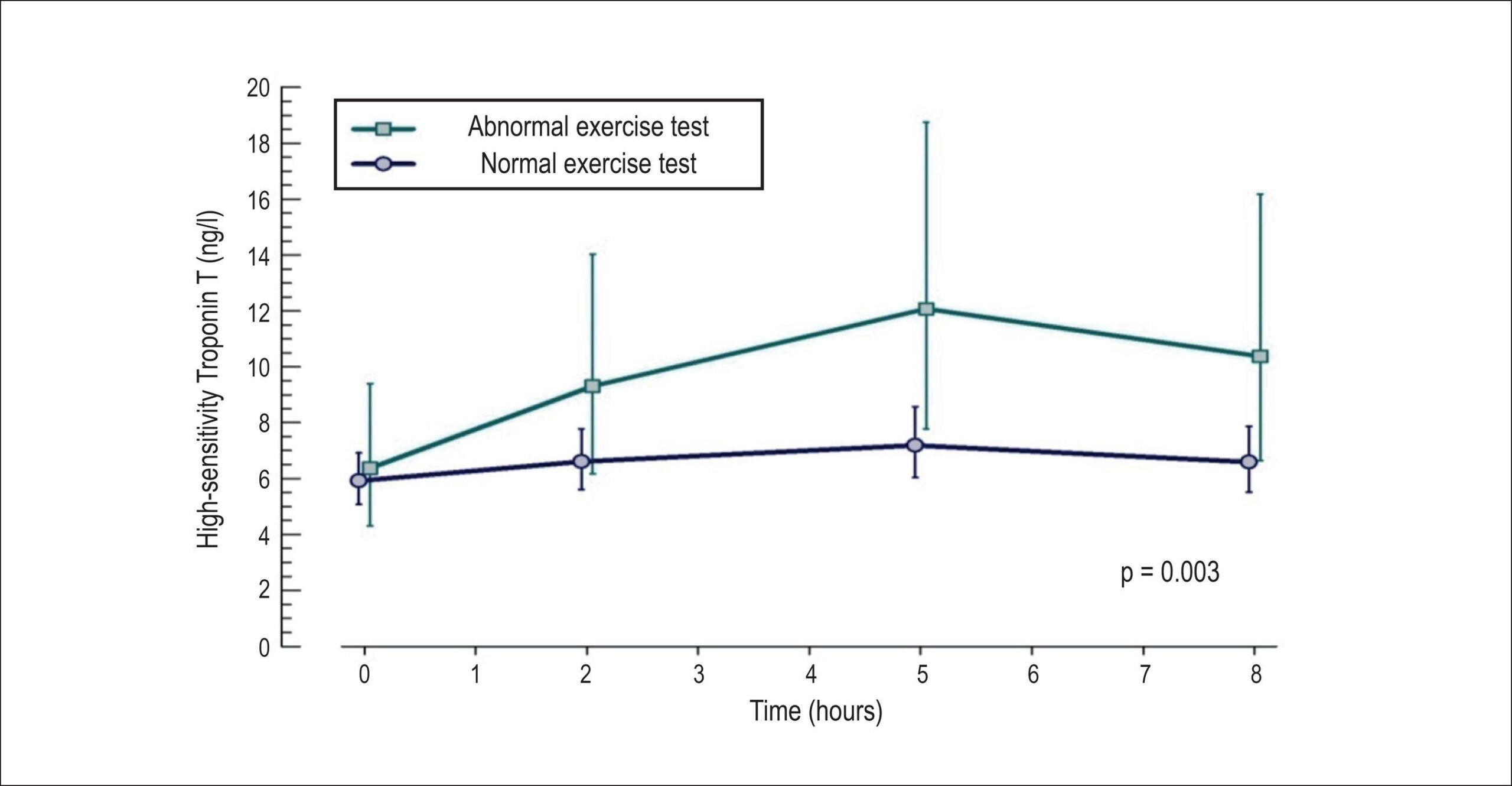
This study included 95 patients. The highest geometric means were observed at 5 hours (TnT5h). After adjustments, peak hscTnT, TnT5h/TnT0h and AUC were 59% (p = 0.002), 59% (p = 0.003) and 45% (p = 0.003) higher, respectively, in patients with an abnormal ET as compared to those with normal tests.

Conclusion:

Higher elevations of hscTnT may occur after an abnormal ET as compared to a normal ET in patients with STEMI.

  • Angioplasty
  • Exercise Test
  • Ischemia
  • Myocardial Infarction
  • Troponin T
Read Full Article
Creative Commons Attribution (CC BY) Creative Commons license
08/03/2016 DOI: 10.5935/abc.20160029 Views 2
Figure 1
Original Article

Assessment of Intima-Media Thickness in Healthy Children Aged 1 to 15 Years

Liz Andréa Villela Baroncini et al. Lucimary de Castro Sylvestre Roberto Pecoits Filho

Abstract

Background:

Carotid intima-media thickness (CIMT) has been shown to be increased in children and adolescents with traditional cardiovascular risk factors such as obesity, hypertension, and chronic kidney disease, compared with those of healthy children.

Objective:

To assess the influence of sex, age and body mass index (BMI) on the CIMT in healthy children and adolescents aged 1 to 15 years.

Methods:

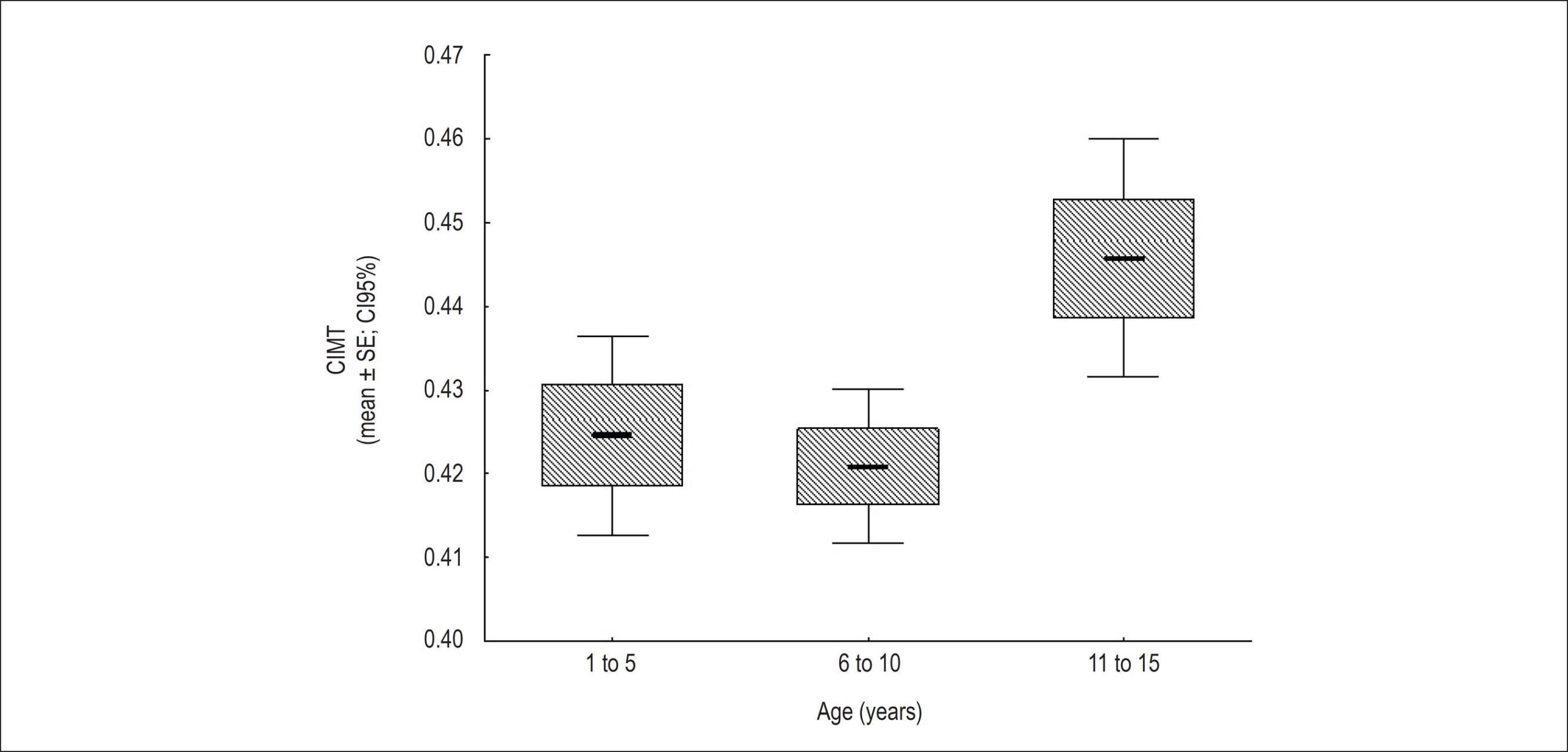
A total of 280 healthy children and adolescents (males, n=175; mean age, 7.49±3.57 years; mean BMI, 17.94±4.1 kg/m2) were screened for CIMT assessment. They were divided into 3 groups according to age: GI, 1 to 5 years [n=93 (33.2%); males, 57; mean BMI, 16±3 kg/m2]; GII, 6 to 10 years [n=127 (45.4%); males, 78; mean BMI, 17.9±3.7 kg/m2], and GIII, 11 to 15 years [n=60 (21.4%); males, 40; mean BMI, 20.9±4.5 kg/m2].

Results:

There was no significant difference in CIMT values between male and female children and adolescents (0.43±0.06 mm vs. 0.42±0.05 mm, respectively; p=0.243). CIMT correlated with BMI neither in the total population nor in the 3 age groups according to Pearson correlation coefficient. Subjects aged 11 to 15 years had the highest CIMT values (GI vs. GII, p=0.615; GI vs. GIII, p=0.02; GII vs. GIII, p=0.004).

Conclusions:

CIMT is constant in healthy children younger than 10 years, regardless of sex or BMI. CIMT increases after the age of 10 years.

  • Atherosclerosis
  • Carotid artery
  • Carotid Intima-Media Thickness
  • Child
  • Ultrasonography
Read Full Article
Creative Commons Attribution (CC BY) Creative Commons license
08/03/2016 DOI: 10.5935/abc.20160030

How to cite this article

EndNote RIS

Electronic Document Format (Vancouver)

Garcia MMO, Varela CG, Silva PF, Lima PRP, Góes PM, Rodrigues MG, Silva MLLS, et al. Endothelial Effect of Statin Therapy at a High Dose Versus Low Dose Associated with Ezetimibe. Arquivos Brasileiros de Cardiologia 2016;106(4):279-88.

Electronic Document Format (ABNT)

Garcia, Maristela Magnavita Oliveira; Varela, Carolina Garcez; Silva, Patricia Fontes; Lima, Paulo Roberto Passos; Góes, Paulo Meira; Rodrigues, Marilia Galeffi; Silva, Maria de Lourdes Lima Souza e; Ladeia, Ana Marice Teixeira; Guimarães, Armênio Costa; Correia, Luis Claudio Lemos. Endothelial Effect of Statin Therapy at a High Dose Versus Low Dose Associated with Ezetimibe. Arquivos Brasileiros de Cardiologia, v. 106, n. 4, p. 279-288, Mar. 2016.

Electronic Document Format (APA)

Garcia, M. M. O., Varela, C. G., Silva, P. F., Lima, P. R. P., Góes, P. M., Rodrigues, M. G., Silva, M. L. L. S. , Ladeia, A. M. T., Guimarães, A. C., & Correia, L. C. L. (2016). Endothelial Effect of Statin Therapy at a High Dose Versus Low Dose Associated with Ezetimibe. Arquivos Brasileiros de Cardiologia, 106(4), 279-288.

Electronic Document Format (ISO)

Garcia, Maristela Magnavita Oliveira and Varela, Carolina Garcez and Silva, Patricia Fontes and Lima, Paulo Roberto Passos and Góes, Paulo Meira and Rodrigues, Marilia Galeffi and Silva, Maria de Lourdes Lima Souza e and Ladeia, Ana Marice Teixeira and Guimarães, Armênio Costa and Correia, Luis Claudio Lemos. Endothelial Effect of Statin Therapy at a High Dose Versus Low Dose Associated with Ezetimibe. Arquivos Brasileiros de Cardiologia [online]. 2016, vol. 106, n. 4, [cited 2026-10-15], pp. 279-288. Available from: <https://journals.cardiol.br/en/article/endothelial-effect-of-statin-therapy-at-a-high-dose-versus-low-dose-associated-with-ezetimibe/>. ISSN 0066-782X

EndNote RIS

Electronic Document Format (Vancouver)

Lee M, Chiu I. Platypnea-Orthodeoxia Syndrome Due to Venovenous Malformation. Arquivos Brasileiros de Cardiologia 2016;106(4):345-8.

Electronic Document Format (ABNT)

Lee, Meng-Luen; Chiu, Ing-Sh. Platypnea-Orthodeoxia Syndrome Due to Venovenous Malformation. Arquivos Brasileiros de Cardiologia, v. 106, n. 4, p. 345-348, Mar. 2016.

Electronic Document Format (APA)

Lee, M., & Chiu, I. (2016). Platypnea-Orthodeoxia Syndrome Due to Venovenous Malformation. Arquivos Brasileiros de Cardiologia, 106(4), 345-348.

Electronic Document Format (ISO)

Lee, Meng-Luen and Chiu, Ing-Sh. Platypnea-Orthodeoxia Syndrome Due to Venovenous Malformation. Arquivos Brasileiros de Cardiologia [online]. 2016, vol. 106, n. 4, [cited 2026-10-15], pp. 345-348. Available from: <https://journals.cardiol.br/en/article/platypnea-orthodeoxia-syndrome-due-to-venovenous-malformation/>. ISSN 0066-782X

EndNote RIS

Electronic Document Format (Vancouver)

Evora PRB, Arcêncio L, Rodrigues AJ, Schmidt A. Protective Effect of Aortic Stenosis on the Coronary Arteries. Hypothetic Considerations to an Old Enigma. Arquivos Brasileiros de Cardiologia 2016;106(4):338-41.

Electronic Document Format (ABNT)

Evora, Paulo Roberto Barbosa; Arcêncio, Livia; Rodrigues, Alfredo José; Schmidt, André. Protective Effect of Aortic Stenosis on the Coronary Arteries. Hypothetic Considerations to an Old Enigma. Arquivos Brasileiros de Cardiologia, v. 106, n. 4, p. 338-341, Mar. 2016.

Electronic Document Format (APA)

Evora, P. R. B., Arcêncio, L., Rodrigues, A. J., & Schmidt, A. (2016). Protective Effect of Aortic Stenosis on the Coronary Arteries. Hypothetic Considerations to an Old Enigma. Arquivos Brasileiros de Cardiologia, 106(4), 338-341.

Electronic Document Format (ISO)

Evora, Paulo Roberto Barbosa and Arcêncio, Livia and Rodrigues, Alfredo José and Schmidt, André. Protective Effect of Aortic Stenosis on the Coronary Arteries. Hypothetic Considerations to an Old Enigma. Arquivos Brasileiros de Cardiologia [online]. 2016, vol. 106, n. 4, [cited 2026-10-15], pp. 338-341. Available from: <https://journals.cardiol.br/en/article/protective-effect-of-aortic-stenosis-on-the-coronary-arteries-hypothetic-considerations-to-an-old-enigma/>. ISSN 0066-782X

EndNote RIS

Electronic Document Format (Vancouver)

Atik FA. Circulatory Support as a Bridge to Pediatric Heart Transplantation. Arquivos Brasileiros de Cardiologia 2016;106(4):350-1.

Electronic Document Format (ABNT)

Atik, Fernando A .. Circulatory Support as a Bridge to Pediatric Heart Transplantation. Arquivos Brasileiros de Cardiologia, v. 106, n. 4, p. 350-351, Mar. 2016.

Electronic Document Format (APA)

Atik, F. A. (2016). Circulatory Support as a Bridge to Pediatric Heart Transplantation. Arquivos Brasileiros de Cardiologia, 106(4), 350-351.

Electronic Document Format (ISO)

Atik, Fernando A .. Circulatory Support as a Bridge to Pediatric Heart Transplantation. Arquivos Brasileiros de Cardiologia [online]. 2016, vol. 106, n. 4, [cited 2026-10-15], pp. 350-351. Available from: <https://journals.cardiol.br/en/article/circulatory-support-as-a-bridge-to-pediatric-heart-transplantation/>. ISSN 0066-782X

EndNote RIS

Electronic Document Format (Vancouver)

Roever L, Biondi-Zoccai G. Network Meta-analysis to Synthesize Evidence for Decision Making in Cardiovascular Research. Arquivos Brasileiros de Cardiologia 2016;106(4):333-7.

Electronic Document Format (ABNT)

Roever, Leonardo; Biondi-Zoccai, Giuseppe. Network Meta-analysis to Synthesize Evidence for Decision Making in Cardiovascular Research. Arquivos Brasileiros de Cardiologia, v. 106, n. 4, p. 333-337, Mar. 2016.

Electronic Document Format (APA)

Roever, L., & Biondi-Zoccai, G. (2016). Network Meta-analysis to Synthesize Evidence for Decision Making in Cardiovascular Research. Arquivos Brasileiros de Cardiologia, 106(4), 333-337.

Electronic Document Format (ISO)

Roever, Leonardo and Biondi-Zoccai, Giuseppe. Network Meta-analysis to Synthesize Evidence for Decision Making in Cardiovascular Research. Arquivos Brasileiros de Cardiologia [online]. 2016, vol. 106, n. 4, [cited 2026-10-15], pp. 333-337. Available from: <https://journals.cardiol.br/en/article/network-meta-analysis-to-synthesize-evidence-for-decision-making-in-cardiovascular-research/>. ISSN 0066-782X

EndNote RIS

Electronic Document Format (Vancouver)

Atik E, Kalil Filho R, Jatene M. Case 3/2016 – 36-Year-Old Man with Anomalous Origin of the Right Coronary Artery in the Left Sinus of Valsalva and Interarterial Course. Arquivos Brasileiros de Cardiologia 2016;106(4):342-4.

Electronic Document Format (ABNT)

Atik, Edmar; Kalil Filho, Roberto; Jatene, Marcelo. Case 3/2016 – 36-Year-Old Man with Anomalous Origin of the Right Coronary Artery in the Left Sinus of Valsalva and Interarterial Course. Arquivos Brasileiros de Cardiologia, v. 106, n. 4, p. 342-344, Mar. 2016.

Electronic Document Format (APA)

Atik, E., Kalil Filho, R., & Jatene, M. (2016). Case 3/2016 – 36-Year-Old Man with Anomalous Origin of the Right Coronary Artery in the Left Sinus of Valsalva and Interarterial Course. Arquivos Brasileiros de Cardiologia, 106(4), 342-344.

Electronic Document Format (ISO)

Atik, Edmar and Kalil Filho, Roberto and Jatene, Marcelo. Case 3/2016 – 36-Year-Old Man with Anomalous Origin of the Right Coronary Artery in the Left Sinus of Valsalva and Interarterial Course. Arquivos Brasileiros de Cardiologia [online]. 2016, vol. 106, n. 4, [cited 2026-10-15], pp. 342-344. Available from: <https://journals.cardiol.br/en/article/case-3-2016-36-year-old-man-with-anomalous-origin-of-the-right-coronary-artery-in-the-left-sinus-of-valsalva-and-interarterial-course/>. ISSN 0066-782X

EndNote RIS

Electronic Document Format (Vancouver)

ışılak Z, Uzun M, Kardeşoğlu E, Uz , Küçük U. Congenital Muscular Interventricular Septal Malformation with Complex Anatomical Features. Arquivos Brasileiros de Cardiologia 2016;106(4):349.

Electronic Document Format (ABNT)

ışılak, Zafer; Uzun, Mehmet; Kardeşoğlu, Ejder; Uz, Ömer; Küçük, Uğur. Congenital Muscular Interventricular Septal Malformation with Complex Anatomical Features. Arquivos Brasileiros de Cardiologia, v. 106, n. 4, p. 349-349, Mar. 2016.

Electronic Document Format (APA)

ışılak, Z., Uzun, M., Kardeşoğlu, E., Uz, , & Küçük, U. (2016). Congenital Muscular Interventricular Septal Malformation with Complex Anatomical Features. Arquivos Brasileiros de Cardiologia, 106(4), 349-349.

Electronic Document Format (ISO)

ışılak, Zafer and Uzun, Mehmet and Kardeşoğlu, Ejder and Uz, Ömer and Küçük, Uğur. Congenital Muscular Interventricular Septal Malformation with Complex Anatomical Features. Arquivos Brasileiros de Cardiologia [online]. 2016, vol. 106, n. 4, [cited 2026-10-15], pp. 349-349. Available from: <https://journals.cardiol.br/en/article/congenital-muscular-interventricular-septal-malformation-with-complex-anatomical-features/>. ISSN 0066-782X

EndNote RIS

Electronic Document Format (Vancouver)

Madeira S, Raposo L, Brito J, Rodrigues R, Gonçalves P, Teles R, Gabriel H, et al. Potential Utility of the SYNTAX Score 2 in Patients Undergoing Left Main Angioplasty. Arquivos Brasileiros de Cardiologia 2016;106(4):270-8.

Electronic Document Format (ABNT)

Madeira, Sérgio; Raposo, Luís; Brito, João; Rodrigues, Ricardo; Gonçalves, Pedro; Teles, Rui; Gabriel, Henrique; Machado, Francisco; Almeida, Manuel; Mendes, Miguel. Potential Utility of the SYNTAX Score 2 in Patients Undergoing Left Main Angioplasty. Arquivos Brasileiros de Cardiologia, v. 106, n. 4, p. 270-278, Mar. 2016.

Electronic Document Format (APA)

Madeira, S., Raposo, L., Brito, J., Rodrigues, R., Gonçalves, P., Teles, R., Gabriel, H., Machado, F., Almeida, M., & Mendes, M. (2016). Potential Utility of the SYNTAX Score 2 in Patients Undergoing Left Main Angioplasty. Arquivos Brasileiros de Cardiologia, 106(4), 270-278.

Electronic Document Format (ISO)

Madeira, Sérgio and Raposo, Luís and Brito, João and Rodrigues, Ricardo and Gonçalves, Pedro and Teles, Rui and Gabriel, Henrique and Machado, Francisco and Almeida, Manuel and Mendes, Miguel. Potential Utility of the SYNTAX Score 2 in Patients Undergoing Left Main Angioplasty. Arquivos Brasileiros de Cardiologia [online]. 2016, vol. 106, n. 4, [cited 2026-10-15], pp. 270-278. Available from: <https://journals.cardiol.br/en/article/potential-utility-of-the-syntax-score-2-in-patients-undergoing-left-main-angioplasty/>. ISSN 0066-782X

EndNote RIS

Electronic Document Format (Vancouver)

Paschoal MA, Brunelli AC, Tamaki GM, Magela SS. Cardiac Autonomic Adjustments During Baroreflex Test in Obese and Non-Obese Preadolescents. Arquivos Brasileiros de Cardiologia 2016;106(4):297-303.

Electronic Document Format (ABNT)

Paschoal, Mário Augusto; Brunelli, Aline Carnio; Tamaki, Gabriela Midori; Magela, Sofia Serafim. Cardiac Autonomic Adjustments During Baroreflex Test in Obese and Non-Obese Preadolescents. Arquivos Brasileiros de Cardiologia, v. 106, n. 4, p. 297-303, Mar. 2016.

Electronic Document Format (APA)

Paschoal, M. A., Brunelli, A. C., Tamaki, G. M., & Magela, S. S. (2016). Cardiac Autonomic Adjustments During Baroreflex Test in Obese and Non-Obese Preadolescents. Arquivos Brasileiros de Cardiologia, 106(4), 297-303.

Electronic Document Format (ISO)

Paschoal, Mário Augusto and Brunelli, Aline Carnio and Tamaki, Gabriela Midori and Magela, Sofia Serafim. Cardiac Autonomic Adjustments During Baroreflex Test in Obese and Non-Obese Preadolescents. Arquivos Brasileiros de Cardiologia [online]. 2016, vol. 106, n. 4, [cited 2026-10-15], pp. 297-303. Available from: <https://journals.cardiol.br/en/article/cardiac-autonomic-adjustments-during-baroreflex-test-in-obese-and-non-obese-preadolescents/>. ISSN 0066-782X

EndNote RIS

Electronic Document Format (Vancouver)

Morais PRS, Sousa ALL, Jardim TSV, Nascente FMN, Mendonça KL, Povoa TIR, Carneiro CS, et al. Correlation of Insulin Resistance with Anthropometric Measures and Blood Pressure in Adolescents. Arquivos Brasileiros de Cardiologia 2016;106(4):319-26.

Electronic Document Format (ABNT)

Morais, Polyana Resende Silva de; Sousa, Ana Luiza Lima; Jardim, Thiago de Souza Veiga; Nascente, Flávia Miquetichuc Nogueira; Mendonça, Karla Lorena; Povoa, Thaís Inácio Rolim; Carneiro, Carolina de Souza; Ferreira, Vanessa Roriz; Souza, Weimar Kunz Sebba Barroso de; Jardim, Paulo César Brandão Veiga. Correlation of Insulin Resistance with Anthropometric Measures and Blood Pressure in Adolescents. Arquivos Brasileiros de Cardiologia, v. 106, n. 4, p. 319-326, Mar. 2016.

Electronic Document Format (APA)

Morais, P. R. S. , Sousa, A. L. L., Jardim, T. S. V., Nascente, F. M. N., Mendonça, K. L., Povoa, T. I. R., Carneiro, C. S., Ferreira, V. R., Souza, W. K. S. B. , & Jardim, P. C. B. V. (2016). Correlation of Insulin Resistance with Anthropometric Measures and Blood Pressure in Adolescents. Arquivos Brasileiros de Cardiologia, 106(4), 319-326.

Electronic Document Format (ISO)

Morais, Polyana Resende Silva de and Sousa, Ana Luiza Lima and Jardim, Thiago de Souza Veiga and Nascente, Flávia Miquetichuc Nogueira and Mendonça, Karla Lorena and Povoa, Thaís Inácio Rolim and Carneiro, Carolina de Souza and Ferreira, Vanessa Roriz and Souza, Weimar Kunz Sebba Barroso de and Jardim, Paulo César Brandão Veiga. Correlation of Insulin Resistance with Anthropometric Measures and Blood Pressure in Adolescents. Arquivos Brasileiros de Cardiologia [online]. 2016, vol. 106, n. 4, [cited 2026-10-15], pp. 319-326. Available from: <https://journals.cardiol.br/en/article/correlation-of-insulin-resistance-with-anthropometric-measures-and-blood-pressure-in-adolescents/>. ISSN 0066-782X

EndNote RIS

Electronic Document Format (Vancouver)

Izeli NL, Santos AJ, Crescêncio JC, Gonçalves ACCR, Papa V, Marques F, Pazin-Filho A, et al. Aerobic Training after Myocardial Infarction: Remodeling Evaluated by Cardiac Magnetic Resonance. Arquivos Brasileiros de Cardiologia 2016;106(4):311-8.

Electronic Document Format (ABNT)

Izeli, Nataly Lino; Santos, Aurélia Juliana dos; Crescêncio, Júlio César; Gonçalves, Ana Clara Campagnolo Real; Papa, Valéria; Marques, Fabiana; Pazin-Filho, Antônio; Gallo-Júnior, Lourenço; Schmidt, André. Aerobic Training after Myocardial Infarction: Remodeling Evaluated by Cardiac Magnetic Resonance. Arquivos Brasileiros de Cardiologia, v. 106, n. 4, p. 311-318, Mar. 2016.

Electronic Document Format (APA)

Izeli, N. L., Santos, A. J. , Crescêncio, J. C., Gonçalves, A. C. C. R., Papa, V., Marques, F., Pazin-Filho, A., Gallo-Júnior, L., & Schmidt, A. (2016). Aerobic Training after Myocardial Infarction: Remodeling Evaluated by Cardiac Magnetic Resonance. Arquivos Brasileiros de Cardiologia, 106(4), 311-318.

Electronic Document Format (ISO)

Izeli, Nataly Lino and Santos, Aurélia Juliana dos and Crescêncio, Júlio César and Gonçalves, Ana Clara Campagnolo Real and Papa, Valéria and Marques, Fabiana and Pazin-Filho, Antônio and Gallo-Júnior, Lourenço and Schmidt, André. Aerobic Training after Myocardial Infarction: Remodeling Evaluated by Cardiac Magnetic Resonance. Arquivos Brasileiros de Cardiologia [online]. 2016, vol. 106, n. 4, [cited 2026-10-15], pp. 311-318. Available from: <https://journals.cardiol.br/en/article/aerobic-training-after-myocardial-infarction-remodeling-evaluated-by-cardiac-magnetic-resonance/>. ISSN 0066-782X

EndNote RIS

Electronic Document Format (Vancouver)

Martins LC, Freire CMV, Capuruçu CAB, Nunes MCP, Rezende CAL. Risk Prediction of Cardiovascular Complications in Pregnant Women With Heart Disease. Arquivos Brasileiros de Cardiologia 2016;106(4):289-96.

Electronic Document Format (ABNT)

Martins, Luciana Carvalho; Freire, Claudia Maria Vilas; Capuruçu, Carolina Andrade Bragança; Nunes, Maria do Carmo Pereira; Rezende, Cezar Alencar de Lima. Risk Prediction of Cardiovascular Complications in Pregnant Women With Heart Disease. Arquivos Brasileiros de Cardiologia, v. 106, n. 4, p. 289-296, Mar. 2016.

Electronic Document Format (APA)

Martins, L. C., Freire, C. M. V., Capuruçu, C. A. B., Nunes, M. C. P., & Rezende, C. A. L. (2016). Risk Prediction of Cardiovascular Complications in Pregnant Women With Heart Disease. Arquivos Brasileiros de Cardiologia, 106(4), 289-296.

Electronic Document Format (ISO)

Martins, Luciana Carvalho and Freire, Claudia Maria Vilas and Capuruçu, Carolina Andrade Bragança and Nunes, Maria do Carmo Pereira and Rezende, Cezar Alencar de Lima. Risk Prediction of Cardiovascular Complications in Pregnant Women With Heart Disease. Arquivos Brasileiros de Cardiologia [online]. 2016, vol. 106, n. 4, [cited 2026-10-15], pp. 289-296. Available from: <https://journals.cardiol.br/en/article/risk-prediction-of-cardiovascular-complications-in-pregnant-women-with-heart-disease/>. ISSN 0066-782X

EndNote RIS

Electronic Document Format (Vancouver)

Vaz HA, Vanz AP, Castro I. Serial High-Sensitivity Troponin T in Post-Primary Angioplasty Exercise Test. Arquivos Brasileiros de Cardiologia 2016;106(4):304-10.

Electronic Document Format (ABNT)

Vaz, Humberto Andres; Vanz, Ana Paula; Castro, Iran. Serial High-Sensitivity Troponin T in Post-Primary Angioplasty Exercise Test. Arquivos Brasileiros de Cardiologia, v. 106, n. 4, p. 304-310, Mar. 2016.

Electronic Document Format (APA)

Vaz, H. A., Vanz, A. P., & Castro, I. (2016). Serial High-Sensitivity Troponin T in Post-Primary Angioplasty Exercise Test. Arquivos Brasileiros de Cardiologia, 106(4), 304-310.

Electronic Document Format (ISO)

Vaz, Humberto Andres and Vanz, Ana Paula and Castro, Iran. Serial High-Sensitivity Troponin T in Post-Primary Angioplasty Exercise Test. Arquivos Brasileiros de Cardiologia [online]. 2016, vol. 106, n. 4, [cited 2026-10-15], pp. 304-310. Available from: <https://journals.cardiol.br/en/article/serial-high-sensitivity-troponin-t-in-post-primary-angioplasty-exercise-test/>. ISSN 0066-782X

EndNote RIS

Electronic Document Format (Vancouver)

Baroncini LAV, Sylvestre LC, Pecoits Filho R. Assessment of Intima-Media Thickness in Healthy Children Aged 1 to 15 Years. Arquivos Brasileiros de Cardiologia 2016;106(4):327-32.

Electronic Document Format (ABNT)

Baroncini, Liz Andréa Villela; Sylvestre, Lucimary de Castro; Pecoits Filho, Roberto. Assessment of Intima-Media Thickness in Healthy Children Aged 1 to 15 Years. Arquivos Brasileiros de Cardiologia, v. 106, n. 4, p. 327-332, Mar. 2016.

Electronic Document Format (APA)

Baroncini, L. A. V., Sylvestre, L. C., & Pecoits Filho, R. (2016). Assessment of Intima-Media Thickness in Healthy Children Aged 1 to 15 Years. Arquivos Brasileiros de Cardiologia, 106(4), 327-332.

Electronic Document Format (ISO)

Baroncini, Liz Andréa Villela and Sylvestre, Lucimary de Castro and Pecoits Filho, Roberto. Assessment of Intima-Media Thickness in Healthy Children Aged 1 to 15 Years. Arquivos Brasileiros de Cardiologia [online]. 2016, vol. 106, n. 4, [cited 2026-10-15], pp. 327-332. Available from: <https://journals.cardiol.br/en/article/assessment-of-intima-media-thickness-in-healthy-children-aged-1-to-15-years/>. ISSN 0066-782X

Sede – Rio de Janeiro
Av. Marechal Câmara, 160
3º andar – Sala: 330 – Centro
Rio de Janeiro – CEP: 20020-907
Tel.: (55 +21) 3478-2700
ou (21) 99386-3961
E-mail: revista@cardiol.br

Sede – São Paulo
Alameda Santos, 705 – 11º andar
Cerqueira César | São Paulo
CEP: 01419-001
Tel.: (55 +11) 3411-5500
E-mail: revista@cardiol.br

  • About the Journal
  • Internal Regulation
  • Editors Section
  • Editorial Board
  • History
  • SBC Award

  • Guidelines for Publication
  • Editorial Policy
  • Ethics Policy
  • Policy on the Use of Artificial Intelligence
  • Mandatory Publication Form
  • Publication Fee

Issues

SBC Guidelines

  • How to Publish an Abstract Supplement?
  • Supplements from the Brazilian Congress of Cardiology