| ABC
ABC Family Arquivos Brasileiros de Cardiologia International Journal of Cardiovascular Sciences ABC Heart Failure & Cardiomyopathy ABC Imagem Cardiovascular
Português English
ABC Family | ABC
Português English
  • About
    • About the Journal
    • Internal Regulation
    • Editors Section
    • Editorial Board
    • History
    • SBC Award
  • Instructions to Authors
    • Guidelines for Publication
    • Editorial Policy
    • Ethics Policy
    • Policy on the Use of Artificial Intelligence
    • Mandatory Publication Form
    • Publication Fee
  • Issues
  • SBC Guidelines
  • Abstracts
    • How to Publish an Abstract Supplement?
    • Supplements from the Brazilian Congress of Cardiology
  • About
    • About the Journal
    • Internal Regulation
    • Editors Section
    • Editorial Board
    • History
    • SBC Award
  • Instructions to Authors
    • Guidelines for Publication
    • Editorial Policy
    • Ethics Policy
    • Policy on the Use of Artificial Intelligence
    • Mandatory Publication Form
    • Publication Fee
  • Issues
  • SBC Guidelines
  • Abstracts
    • How to Publish an Abstract Supplement?
    • Supplements from the Brazilian Congress of Cardiology

ABC Family

  • ABC Family
  • Arquivos Brasileiros de Cardiologia
  • International Journal of Cardiovascular Sciences
  • ABC Heart Failure & Cardiomyopathy
  • ABC Imagem Cardiovascular
Search in

No content found.

Journals
Ordering
Article types
Others

  1. Home
  2. ABC
  3. Issues
  4. 2016, Volume 106, Number 2
Figure 1
Case Report

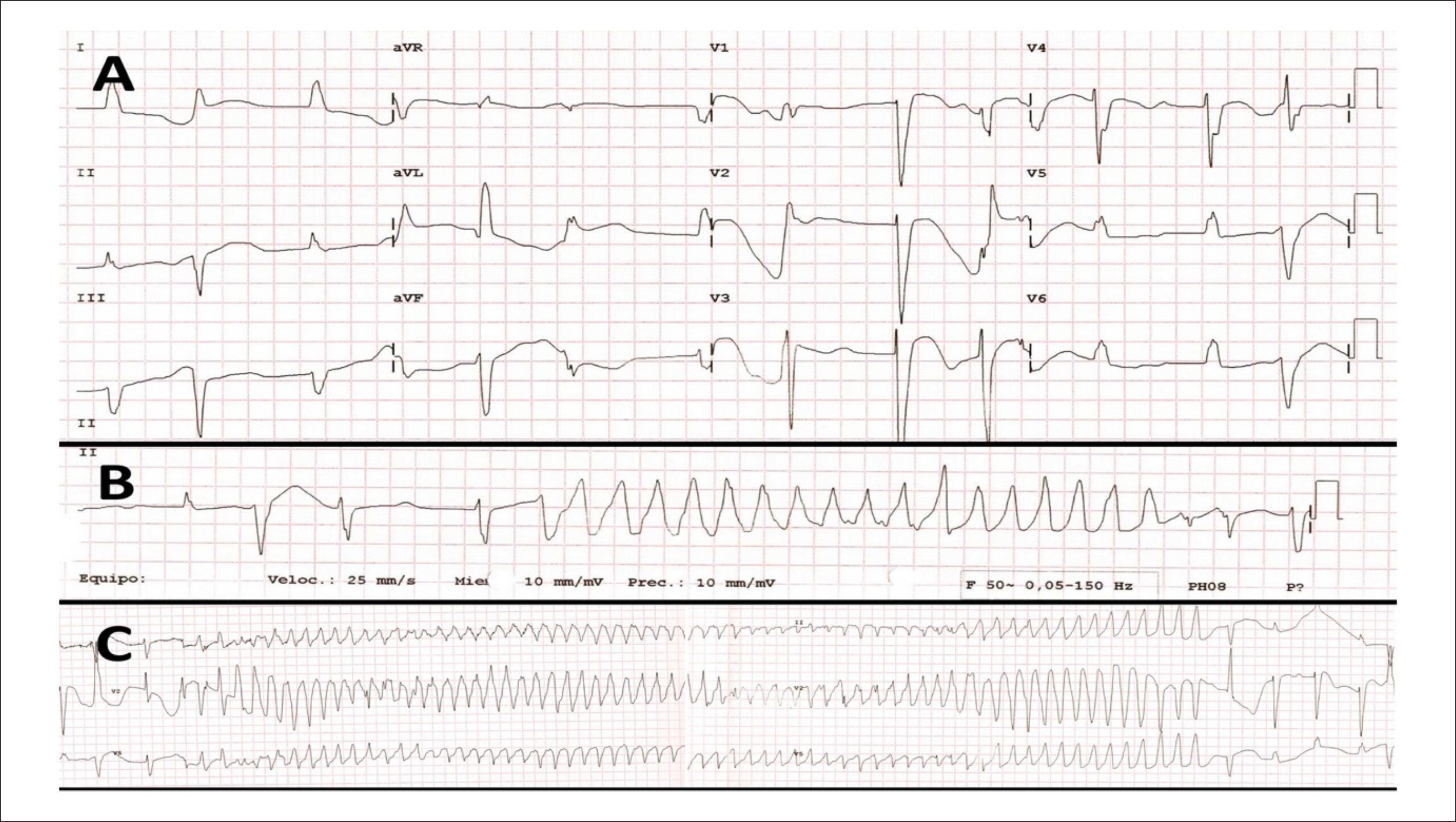
Drug-Induced Long-QT and Torsades de Pointes in Elderly Polymedicated Patients

Daniel García-Fuertes et al. Elena Villanueva-Fernández Manuel Crespín-Crespín

Introduction

Polymedication affects one in three patients older than 65 years. Its risks are widely known and are specially related to pharmacological interactions. One of these potential risks is the appearance of malignant ventricular arrhythmias when drugs that prolong QT interval are prescribed, including antibiotics, antidepressants, antiemetics, psychotropic medication or even antiarrhythmic drugs.– The development of ventricular arrhythmias such asTorsades de Pointes (TdP), typically related to QT prolongation, is a potentially lethal complication. It is mandatory to recognize the drugs that can cause it, avoiding their joint use or planning a close monitoring in case their combination cannot be avoided.

[…]

  • Aged
  • Arrhythmias Cardiac
  • Inappropriate Prescribing
  • Long QT Syndrome
  • Torsades de Pointes
Read Full Article
Creative Commons Attribution (CC BY) Creative Commons license
01/02/2016 DOI: 10.5935/abc.20150069 Views 2
Viewpoint

The Fontan Operation is Not the End of the Road

Luiz Fernando Caneo et al. Rodolfo A. Neirotti Aida Luiza Ribeiro Turquetto Marcelo Biscegli Jatene

Are we changing the natural history of the SV physiology?

Presently, this operation is the gold standard destination for patients with SV physiology. Along the years, techniques and strategies have evolved from the original right atrium to pulmonary artery connection to the lateral tunnel and the extra-cardiac conduit, including staged procedures and fenestrations. Better results with this operation have been assigned to these technical modifications. There are many data showing excellent early and long-term outcome with good survival rate.– However, despite the remarkable improvements in quality of life and prognosis of patients treated by the FO, there is a decreased exercise capacity and a suboptimal ventricular performance, subsequent to the reduced preload of the functional SV. In addition, these patients often develop scoliosis, kyphosis, have small lungs and consequently a restrictive pulmonary pattern due to previous thoracic surgical procedures. Altogether, it affects different subsystems with a negative impact on functional status, quality of life and the long-term transplant-free survival ratio. Multiple studies assessing the results of the FO demonstrated a decrease in survival with a continuous attrition 15 years after the procedure, regardless of the surgical type of cavopulmonary connection. In a recent single-institutional study, the actuarial freedom from death or transplantation was 87%, 83%, and 70% at 15, 20, and 25 years respectively after surgery. In this group, death was sudden and unexplained in 9%, thromboembolic in 8%, and heart failure-related in 7%. In another study assessing morphologically left SV, actuarial survival was 73% at 15 years. Atrial arrhythmias were present in 57%, protein-losing enteropathy in 9%, and thromboembolic events in 6%. In other words, odds are 1 out of 4 that a child after FO will be dead by the time he or she reaches their late 20s. In a large multi-center cohort, the Pediatric Heart Network (PHN) reviewed 546 children that were on average 11.9 years of age at the time of the study and 8.5 years after the FO. Stroke or thromboembolism was seen in 8% of the patients, exercise performance was abnormal and peak oxygen consumption was only 65% of the predicted for age and gender in a relatively young group. Adolescents (“older” patients) fared worse than the younger children, suggesting a time-related decrement in functionality. In another PHN study, parent-reported patient morbidities included deficits in vision in 33%, speech in 27%, and hearing in 7%, as well as problems with attention in 46%, learning in 43%, development in 24%, behavior in 23%, anxiety in 17%, and depression in 8%.

In our center, Turquetto et al. recently reported suboptimal cardiac function, diminished lung volumes and capacities, as well as reduced respiratory muscle strength in asymptomatic patients – the so-called “perfect Fontan”., These are important components of a complex system in which performance and outcomes depend on intricate dynamic interactions that could explain the deficiencies found in the late postoperative period. In other words, despite the low early mortality, when we assess long-term morbidities, the number of patients that are free from problems is low. These findings cannot be ignored, and certainly do not reflect a successful management strategy for patients with single-ventricle physiology.

[…]

Read Full Article
Creative Commons Attribution (CC BY) Creative Commons license
01/02/2016 DOI: 10.5935/abc.20160017 Views 1
Figure 1
Image

Multimodality Images of a Mixed Atrial Septal Defect

Zafer Işılak et al. Uğur Küçük Omer Uz Murat Yalçın Veysel Temizkan

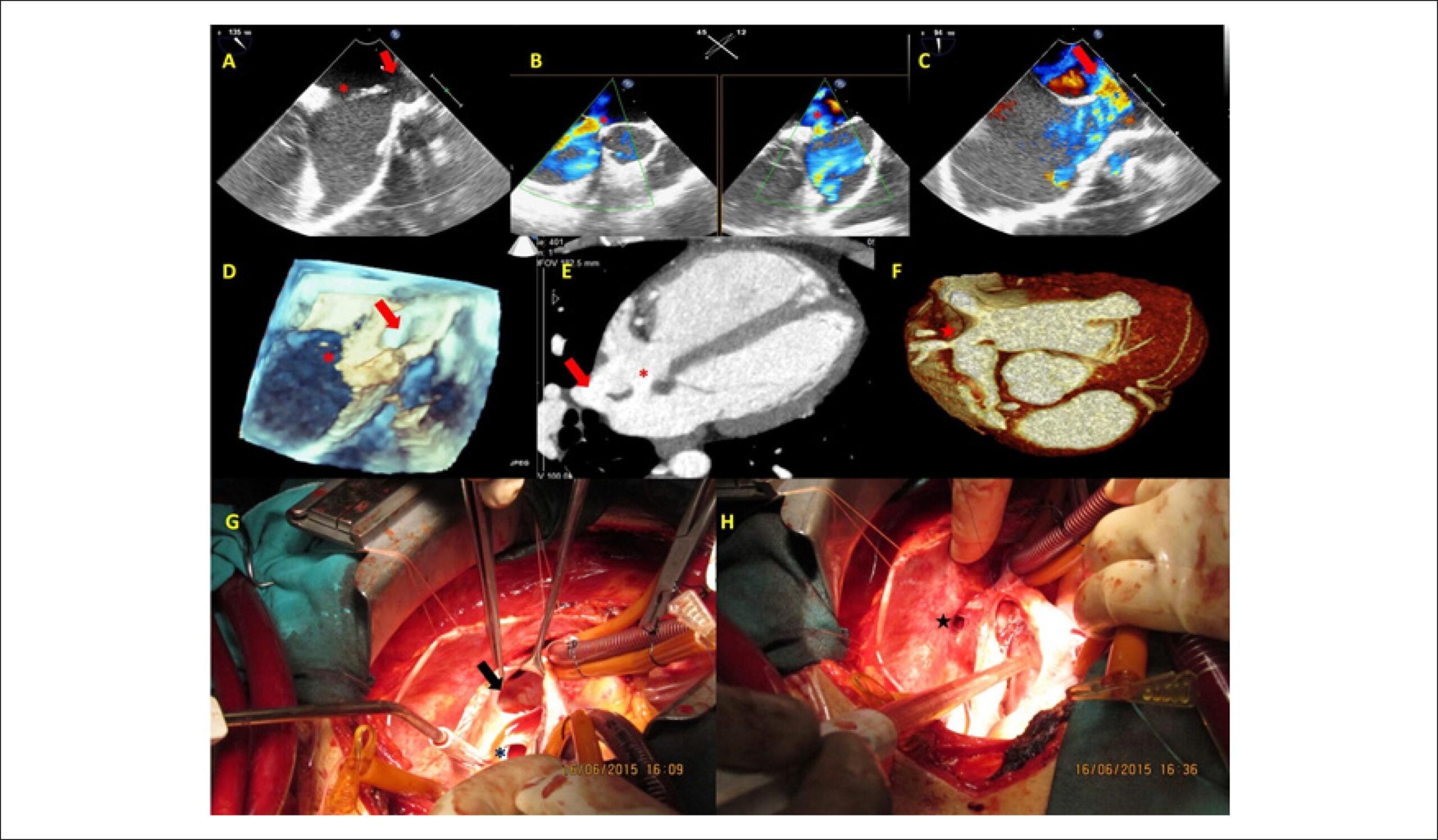
A 20-year-old male patient with dyspnea complaint was referred to our hospital. On physical examination there was grade 2/6 systolic murmur, which is best heard at the second left intercostal space and fixed split S2. ECG revealed sinus rhythm with complete right bundle brunch block. Transthoracic echocardiography demonstrated a secundum atrial septal defect (ASD) and Qp/Qs ratio was 1.6. The right ventricle was severely dilated, inconsistent with the size of the defect. Two-dimensional and color Doppler transesophageal echocardiographic examination confirmed the secundum type ASD (asterisk) and revealed an additional sinus venosus type ASD between the right atrium and the superior vena cava (SVC)(, , ; ). Three-dimensional transesophageal echocardiography verified both septal defects (). The patient underwent cardiac tomography for further anatomical outlining the. and clearly show the secundum ASD (asterisk), sinus venosus ASD (arrow) and anomalous drainage of the right superior pulmonary vein to the SVC (star). The patient underwent surgery. and show intraoperative images of the defects.

[…]

  • Atrial Septum / physiopathology
  • Echocardiography, Three-Dimensional
  • Heart Septal Defects, Atrial / physiopathology
Read Full Article
Creative Commons Attribution (CC BY) Creative Commons license
01/02/2016 DOI: 10.5935/abc.20160016
Editorial

Spacetime

Aloyzio Achutti

Spacetime is a fundamental issue in physics, inherent to the basis of science. It encompasses two concepts bound to the perception of our simple reality, through which we measure and interpret our universe.

The notion of space relates to sovereignty, a characteristic that matters to all living beings to ensure species subsistence, reproduction, safety and preservation. Human beings have evolved to urban organization, a way of living together that has predominated for a few decades.

[…]

  • Cardiovascular Diseases, mortality
  • Demographic Data
  • Disease Prevention
  • Social Inequity
Read Full Article
Creative Commons Attribution (CC BY) Creative Commons license
01/02/2016 DOI: 10.5935/abc.20160022 Views 3
Figure 1
Clinicoradiological Session

Case 2/2016 – Scimitar Sign with Right Pulmonary Vein Drainage into the Right Atrium

Edmar Atik et al. Raul Arrieta Roberto Kalil Filho

Complementary tests

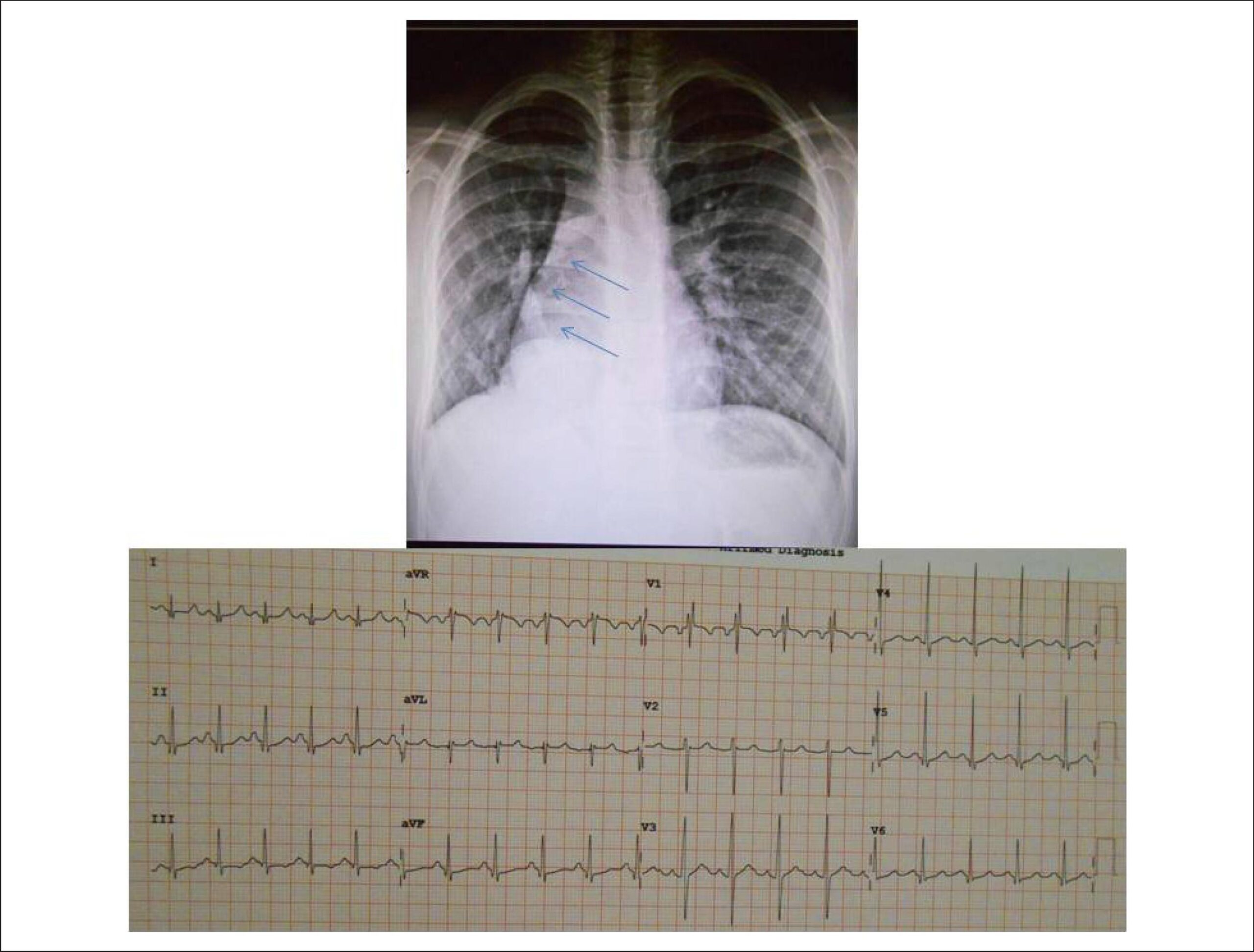
The Electrocardiogram showed sinus rhythm and signs of final conduction disturbance in the right branch with rSr’ complex in V1. There were no signs of cavity overload. AP: +70, AQRS: + 80º, AT: + 10 ().

[…]

  • Cardiac Catheterization
  • Pulmonary Veins / abnormalities
  • radiography, thoracic
  • Scimitar Syndrome / surgery
Read Full Article
Creative Commons Attribution (CC BY) Creative Commons license
01/02/2016 DOI: 10.5935/abc.20160023
Figure 1
Original Article

Predictors of Atrial Fibrillation Recurrence in Hyperthyroid and Euthyroid Patients

Muhammet Gürdoğan et al. Hasan Ari Erhan Tenekecioğlu Selma Ari … Tahsin Bozat Vedat Koca Mehmet Melek

Background:

Atrial fibrillation (AF) is the most common arrhythmia in adults, and is encountered in 10-15% of the patients with hyperthyroidism. Unless euthyroidism is restored, pharmacological or electrical cardioversion is controversial in patients with AF who remain hyperthyroid.

Objective:

The aim of this study was to assess the efficacy of electrical cardioversion and predictors of AF recurrence in hyperthyroid and euthyroid patients.

Methods:

The study included 33 hyperthyroid (21 males) and 48 euthyroid (17 males) patients with persistent AF. The patients were sedated with intravenous midazolam before undergoing electrical cardioversion delivered by synchronized biphasic shocks. Rates of AF recurrence were recorded.

Results:

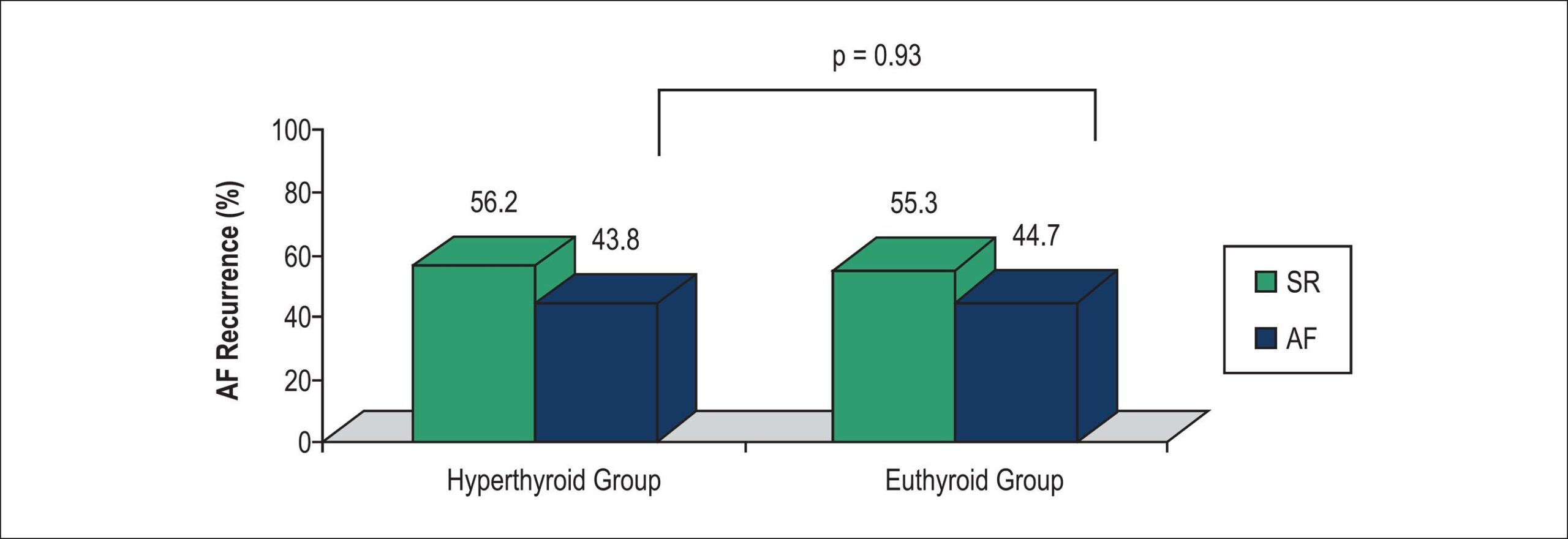
Mean follow-up was 23.63 ± 3.74 months in the hyperthyroid group and 22.78 ± 3.15 months in the euthyroid group (p = 0.51). AF recurred in 14 (43.8%) and 21 (44.7%) patients in each group, respectively (p = 0.93). Multivariate regression analysis in each group showed that AF duration was the only predictor of AF recurrence, with odds ratios of 1.38 (95% confidence interval [CI] = 1.05 – 1.82, p = 0.02) in the hyperthyroid group and 1.42 (95% CI = 1.05 – 1.91, p= 0.02) in the euthyroid group.

Conclusion:

Rates of long-term AF recurrence were similar in successfully cardioverted hyperthyroid and euthyroid patients. The only predictor of AF recurrence in both groups was AF duration.

  • Arrhythmias Cardiac
  • Atrial Fibrillation
  • Electric Countershock
  • Hyperthyreoidism
  • Recurrence
Read Full Article
Creative Commons Attribution (CC BY) Creative Commons license
26/01/2016 DOI: 10.5935/abc.20160013
Figure 1
Original Article

Association between Functional Variables and Heart Failure after Myocardial Infarction in Rats

Bertha F. Polegato et al. Marcos F. Minicucci Paula S. Azevedo Andréa F. Gonçalves … Aline F. Lima Paula F. Martinez Marina P. Okoshi Katashi Okoshi Sergio A. R. Paiva Leonardo A. M. Zornoff

Background:

Heart failure prediction after acute myocardial infarction may have important clinical implications.

Objective:

To analyze the functional echocardiographic variables associated with heart failure in an infarction model in rats.

Methods:

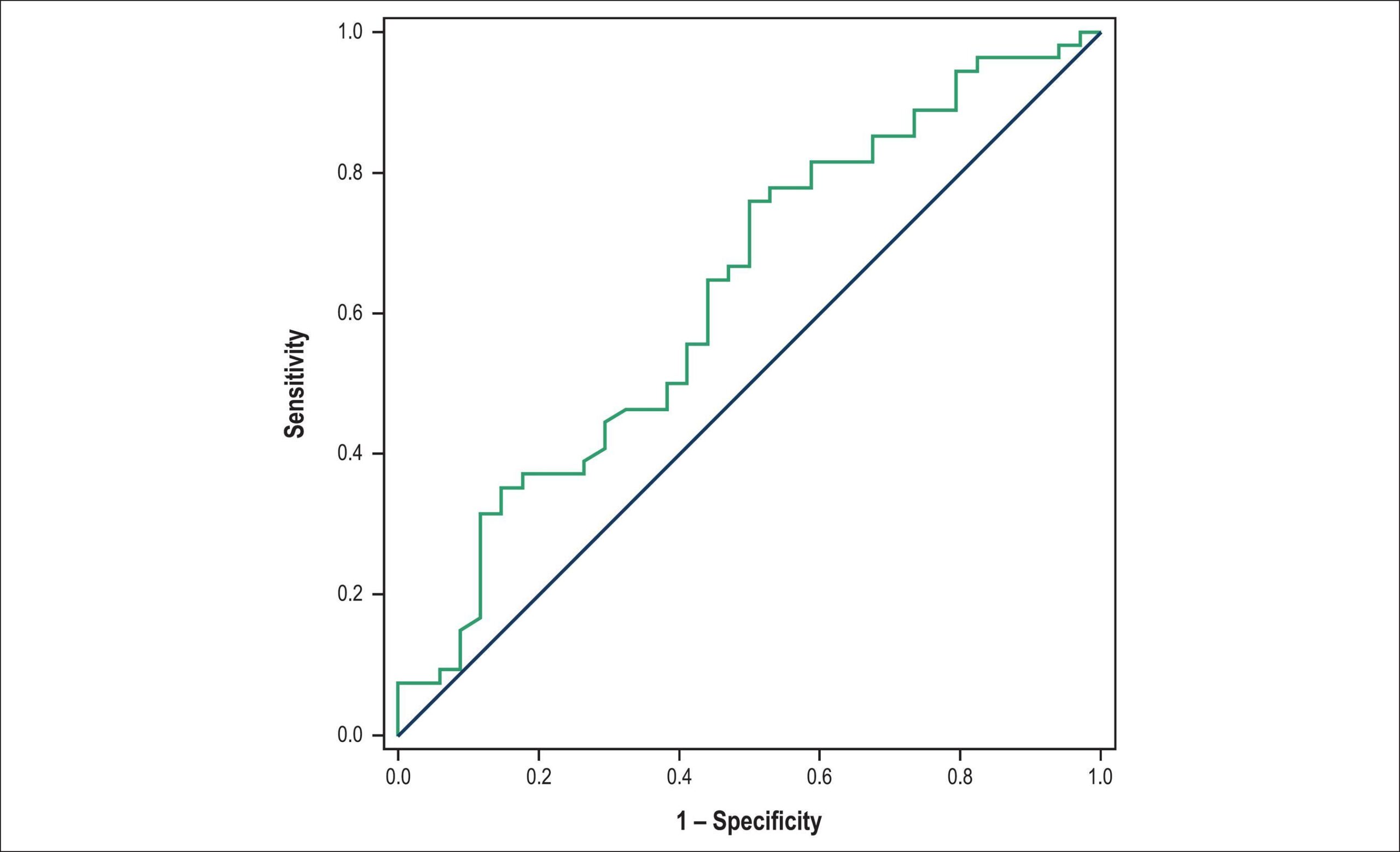
The animals were divided into two groups: control and infarction. Subsequently, the infarcted animals were divided into groups: with and without heart failure. The predictive values were assessed by logistic regression. The cutoff values predictive of heart failure were determined using ROC curves.

Results:

Six months after surgery, 88 infarcted animals and 43 control animals were included in the study. Myocardial infarction increased left cavity diameters and the mass and wall thickness of the left ventricle. Additionally, myocardial infarction resulted in systolic and diastolic dysfunction, characterized by lower area variation fraction values, posterior wall shortening velocity, E-wave deceleration time, associated with higher values of E / A ratio and isovolumic relaxation time adjusted by heart rate. Among the infarcted animals, 54 (61%) developed heart failure. Rats with heart failure have higher left cavity mass index and diameter, associated with worsening of functional variables. The area variation fraction, the E/A ratio, E-wave deceleration time and isovolumic relaxation time adjusted by heart rate were functional variables predictors of heart failure. The cutoff values of functional variables associated with heart failure were: area variation fraction 3.077; E-wave deceleration time < 42.11 and isovolumic relaxation time adjusted by heart rate < 69.08.

Conclusion:

In rats followed for 6 months after myocardial infarction, the area variation fraction, E/A ratio, E-wave deceleration time and isovolumic relaxation time adjusted by heart rate are predictors of heart failure onset.

  • Heart Failure/complications
  • Myocardial Infarction
  • Rats
  • Ventricular Dysfunction
Read Full Article
Creative Commons Attribution (CC BY) Creative Commons license
26/01/2016 DOI: 10.5935/abc.20160015 Views 2
Figure 1
Original Article

Alternatives to Aerobic Exercise Prescription in Patients with Chronic Heart Failure

Mayron F Oliveira et al. Gabriela Zanussi Bianca Sprovieri Denise M. L. Lobo … Luiz E Mastrocolla Iracema I. K. Umeda Priscila A Sperandio

Background:

Exercise is essential for patients with heart failure as it leads to a reduction in morbidity and mortality as well as improved functional capacity and oxygen uptake (v̇O2). However, the need for an experienced physiologist and the cost of the exam may render the cardiopulmonary exercise test (CPET) unfeasible. Thus, the six-minute walk test (6MWT) and step test (ST) may be alternatives for exercise prescription.

Objective:

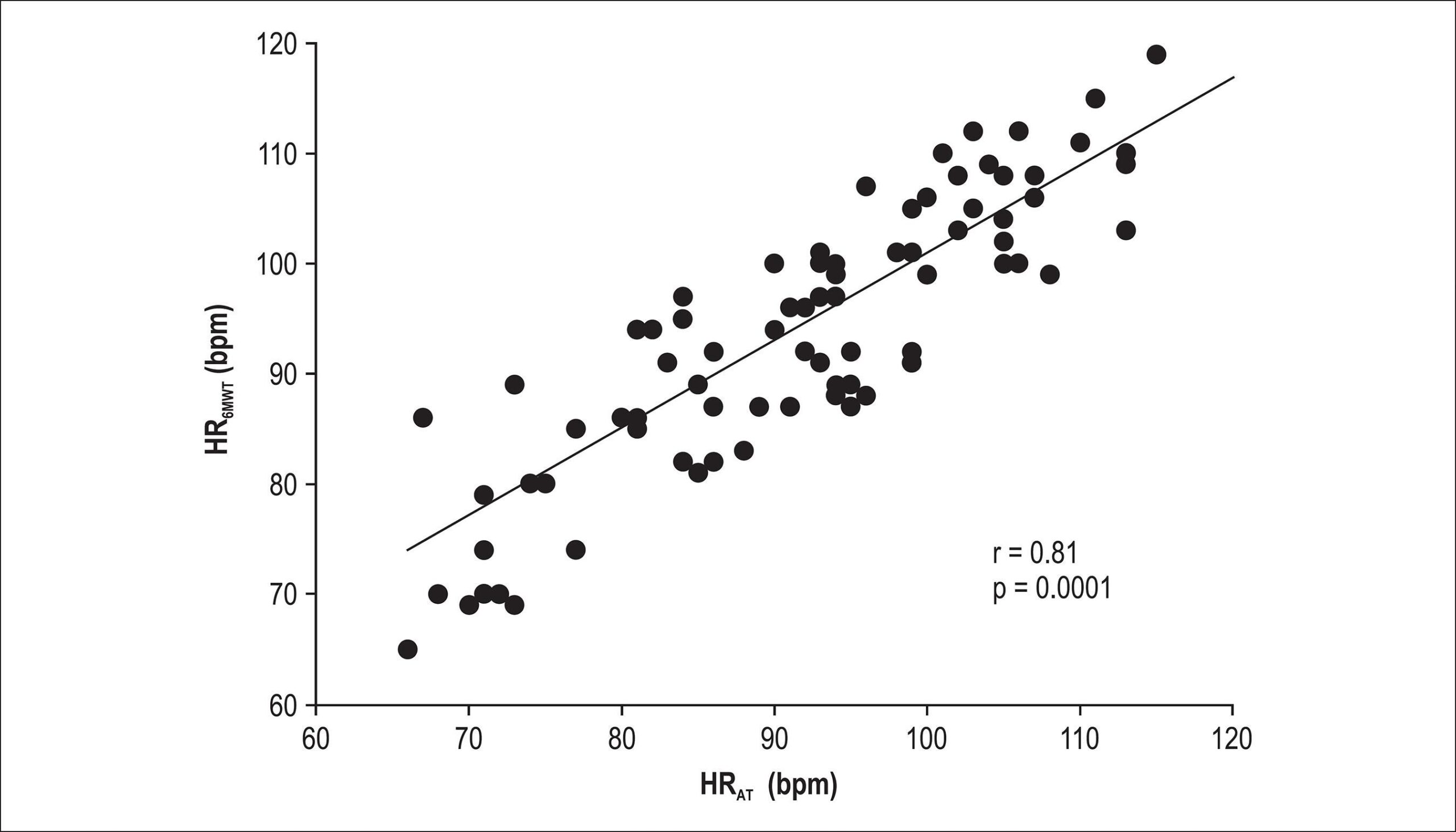
The aim was to correlate heart rate (HR) during the 6MWT and ST with HR at the anaerobic threshold (HRAT) and peak HR (HRP) obtained on the CPET.

Methods:

Eighty-three patients (58 ± 11 years) with heart failure (NYHA class II) were included and all subjects had optimized medication for at least 3 months. Evaluations involved CPET (v̇O2, HRAT, HRP), 6MWT (HR6MWT) and ST (HRST).

Results:

The participants exhibited severe ventricular dysfunction (ejection fraction: 31 ± 7%) and low peak v̇O2 (15.2 ± 3.1 mL.kg-1.min-1). HRP (113 ± 19 bpm) was higher than HRAT (92 ± 14 bpm; p < 0.05) and HR6MWT (94 ± 13 bpm; p < 0.05). No significant difference was found between HRP and HRST. Moreover, a strong correlation was found between HRAT and HR6MWT (r = 0.81; p < 0.0001), and between HRP and HRST (r = 0.89; p < 0.0001).

Conclusion:

These findings suggest that, in the absence of CPET, exercise prescription can be performed by use of 6MWT and ST, based on HR6MWT and HRST

  • Cardiopulmonary exercise test
  • chronic heart failure
  • exercise prescription
  • Rehabilitation
  • Six-minute walk test
Read Full Article
Creative Commons Attribution (CC BY) Creative Commons license
22/01/2016 DOI: 10.5935/abc.20160014 Views 1
Figure 1
Original Article

Diagnosis of Rejection by Analyzing Ventricular Late Potentials in Heart Transplant Patients

Vítor Nogueira Mendes et al. Telmo Santos Pereira Vítor Azevedo Matos

Background:

Heart transplant rejection originates slow and fragmented conduction. Signal-averaged ECG (SAECG) is a stratification method in the risk of rejection.

Objective:

To develop a risk score for rejection, using SAECG variables.

Methods:

We studied 28 transplant patients. First, we divided the sample into two groups based on the occurrence of acute rejection (5 with rejection and 23 without). In a second phase, we divided the sample considering the existence or not of rejection in at least one biopsy performed on the follow-up period (rejection pm1: 18 with rejection and 10 without).

Results:

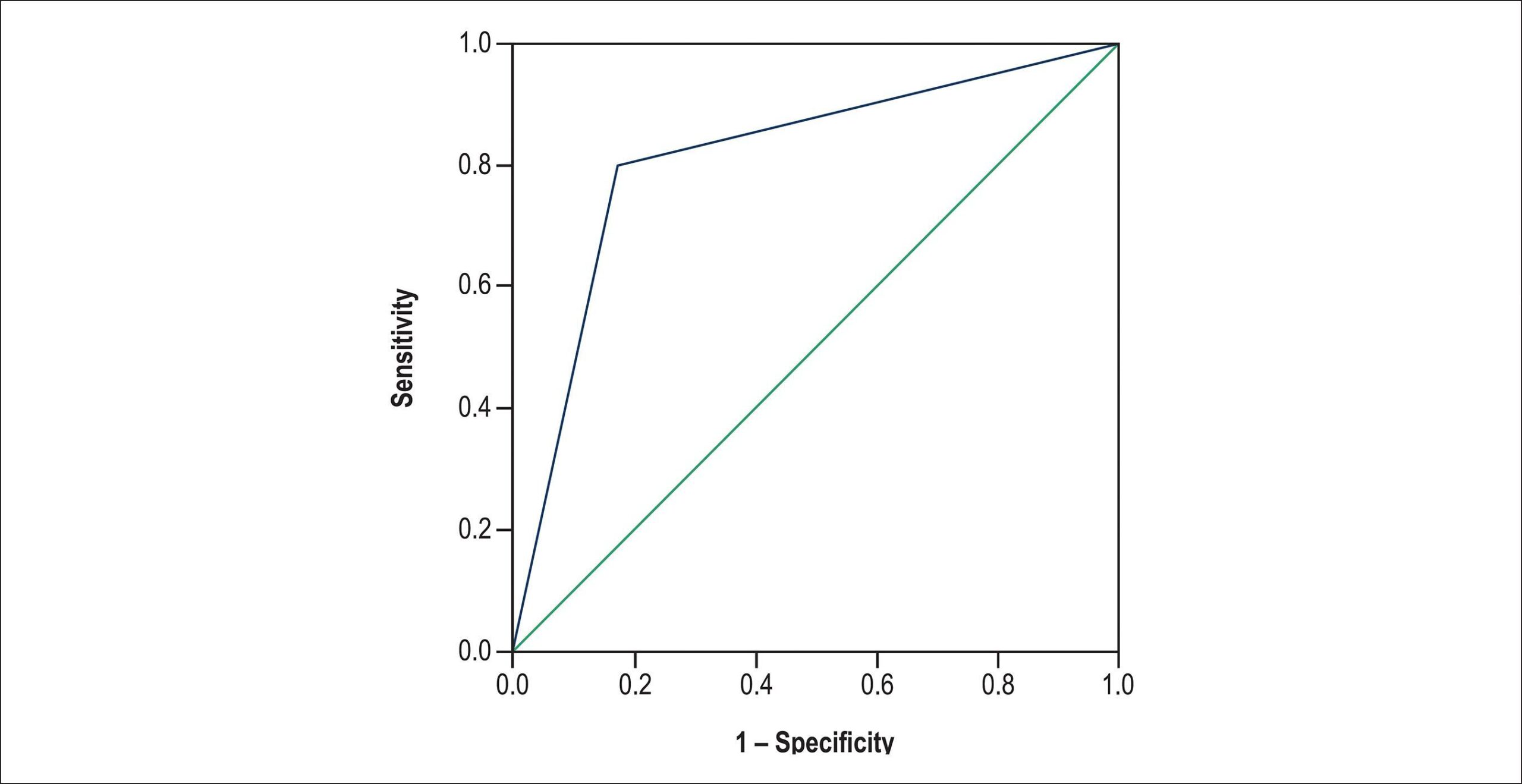
On conventional ECG, the presence of fibrosis was the only criterion associated with acute rejection (OR = 19; 95% CI = 1.65-218.47; p = 0.02). Considering the rejection pm1, an association was found with the SAECG variables, mainly with RMS40 (OR = 0.97; 95% CI = 0.87-0.99; p = 0.03) and LAS40 (OR = 1.06; 95% IC = 1.01-1.11; p = 0.03). We formulated a risk score including those variables, and evaluated its discriminative performance in our sample. The presence of fibrosis with increasing of LAS40 and decreasing of RMS40 showed a good ability to distinguish between patients with and without rejection (AUC = 0.82; p < 0.01), assuming a cutoff point of sensitivity = 83.3% and specificity = 60%.

Conclusion:

The SAECG distinguished between patients with and without rejection. The usefulness of the proposed risk score must be demonstrated in larger follow-up studies.

  • Electrocardiography
  • Endomyocardial Fibrosis
  • Graft Rejection
  • Heart Transplantation
Read Full Article
Creative Commons Attribution (CC BY) Creative Commons license
22/01/2016 DOI: 10.5935/abc.20160011 Views 1
Figure 1
Original Article

Resilience in Patients with Ischemic Heart Disease

Conceição Maria Martins de Lemos et al. David William Moraes Lucia Campos Pellanda

Background:

Resilience is a psychosocial factor associated with clinical outcomes in chronic diseases. The relationship between this protective factor and certain diseases, such heart diseases, is still under-explored.

Objective:

The present study sought to investigate the frequency of resilience in individuals with ischemic heart disease.

Method:

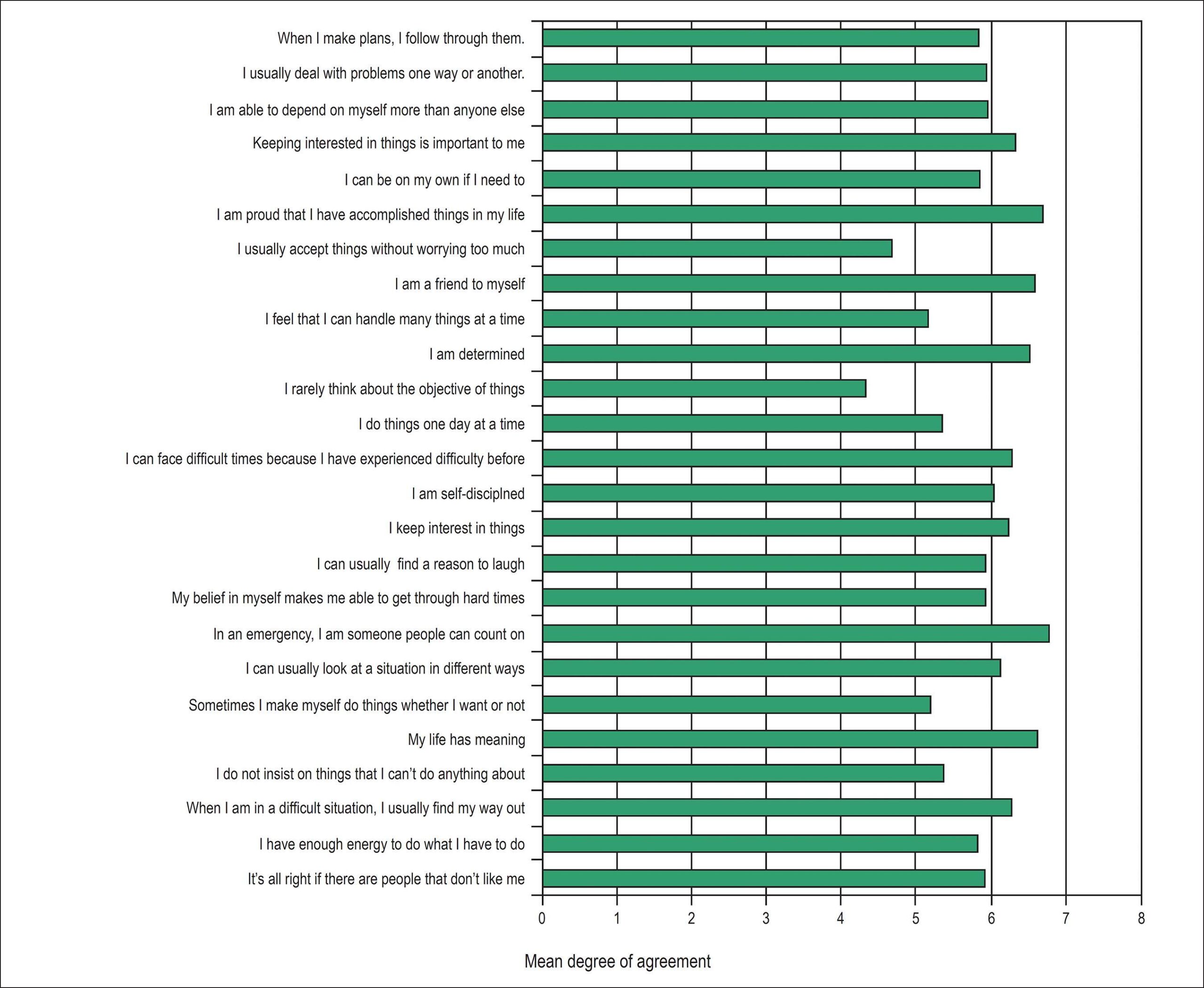
This was a cross-sectional study with 133 patients of both genders, aged between 35 and 65 years, treated at Rio Grande do Sul Cardiology Institute – Cardiology University Foundation, with a diagnosis of ischemic heart disease during the study period. Sixty-seven patients had a history of acute myocardial infarction. The individuals were interviewed and evaluated by the Wagnild & Young resilience scale and a sociodemographic questionnaire.

Results:

Eighty-one percent of patients were classified as resilient according to the scale.

Conclusion:

In the sample studied, resilience was identified in high proportion among patients with ischemic heart disease.

  • Myocardial Ischemia
  • Psychosocial Impact
  • Resilience, Psychological
  • Risk Factors
Read Full Article
Creative Commons Attribution (CC BY) Creative Commons license
22/01/2016 DOI: 10.5935/abc.20160012
Figure 1
Review Article

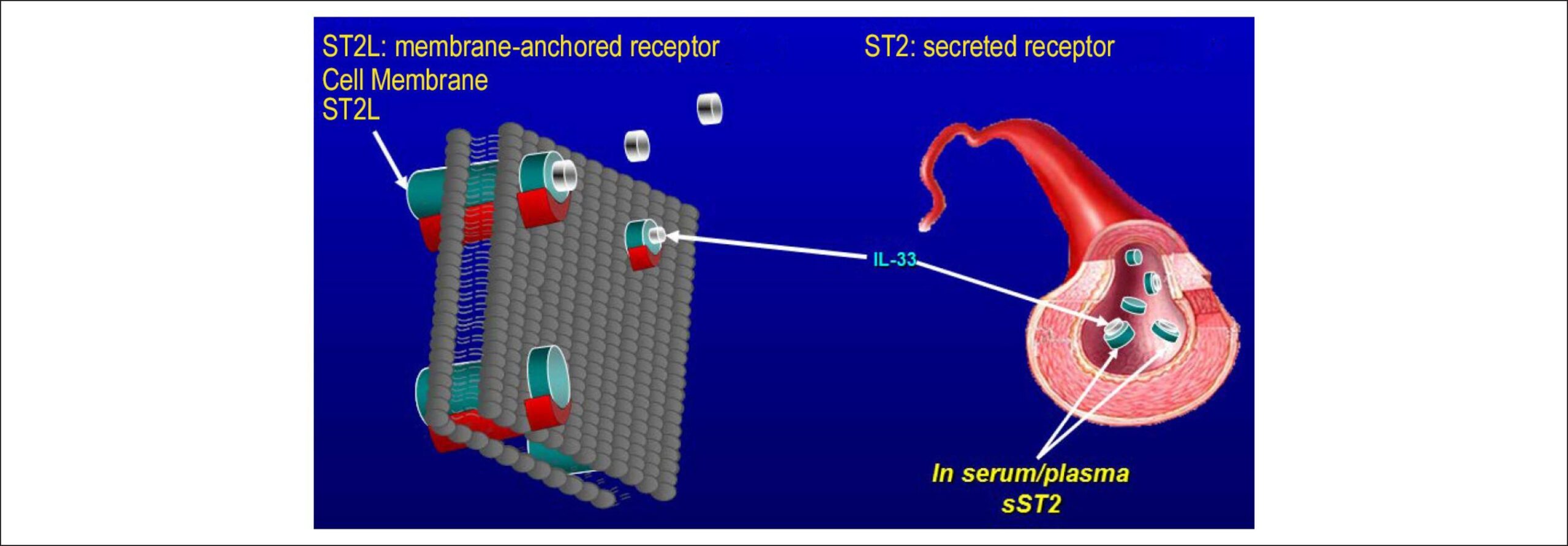
Soluble ST2 Testing: A Promising Biomarker in the Management of Heart Failure

Humberto Villacorta et al. Alan S. Maisel

Abstract

ST2 is a member of the interleukin-1 receptor family biomarker and circulating soluble ST2 concentrations are believed to reflect cardiovascular stress and fibrosis. Recent studies have demonstrated soluble ST2 to be a strong predictor of cardiovascular outcomes in both chronic and acute heart failure. It is a new biomarker that meets all required criteria for a useful biomarker. Of note, it adds information to natriuretic peptides (NPs) and some studies have shown it is even superior in terms of risk stratification. Since the introduction of NPs, this has been the most promising biomarker in the field of heart failure and might be particularly useful as therapy guide.

  • Biomarkers, Pharmacological
  • Heart Failure /therapy
  • Prognosis
  • Receptors, Interleukin
Read Full Article
Creative Commons Attribution (CC BY) Creative Commons license
15/01/2016 DOI: 10.5935/abc.20150151
Original Article

Maternal Factors and Adverse Perinatal Outcomes in Women with Preeclampsia in Maceió, Alagoas

Alane Cabral Menezes de Oliveira et al. Arianne Albuquerque Santos Alexandra Rodrigues Bezerra Amanda Maria Rocha de Barros Myrian Cicyanne Machado Tavares

Abstract

Background:

Preeclampsia has been associated with several risk factors and events. However, it still deserves further investigation, considering the multitude of related factors that affect different populations.

Objective:

To evaluate the maternal factors and adverse perinatal outcomes in a cohort of pregnant women with preeclampsia receiving care in the public health network of the city of Maceió.

Methods:

Prospective cohort study carried out in 2014 in the public health network of the city with a sample of pregnant women calculated based on a prevalence of preeclampsia of 17%, confidence level of 90%, power of 80%, and ratio of 1:1. We applied a questionnaire to collect socioeconomic, personal, and anthropometric data, and retrieved perinatal variables from medical records and certificates of live birth. The analysis was performed with Poisson regression and chi-square test considering p values < 0.05 as significant.

Results:

We evaluated 90 pregnant women with preeclampsia (PWP) and 90 pregnant women without preeclampsia (PWoP). A previous history of preeclampsia (prevalence ratio [PR] = 1.57, 95% confidence interval [95% CI] 1.47 – 1.67, p = 0.000) and black skin color (PR = 1.15, 95% CI 1.00 – 1.33, p = 0.040) were associated with the occurrence of preeclampsia. Among the newborns of PWP and PWoP, respectively, 12.5% and 13.1% (p = 0.907) were small for gestational age and 25.0% and 23.2% (p = 0.994) were large for gestational age. There was a predominance of cesarean delivery.

Conclusion:

Personal history of preeclampsia and black skin color were associated with the occurrence of preeclampsia. There was a high frequency of birth weight deviations and cesarean deliveries.

  • Hypertension
  • Perinatal Care
  • Pre-Eclampsia
  • Pregnant Women
  • Risk Factors
Read Full Article
Creative Commons Attribution (CC BY) Creative Commons license
15/01/2016 DOI: 10.5935/abc.20150150 Views 1
Original Article

Galectin-3: A Link between Myocardial and Arterial Stiffening in Patients with Acute Decompensated Heart Failure?

Radu Ioan Lala et al. Dan Darabantiu Luminita Pilat Maria Puschita

Abstract

Background:

Heart failure is accompanied by abnormalities in ventricular-vascular interaction due to increased myocardial and arterial stiffness. Galectin-3 is a recently discovered biomarker that plays an important role in myocardial and vascular fibrosis and heart failure progression.

Objectives:

The aim of this study was to determine whether galectin-3 is correlated with arterial stiffening markers and impaired ventricular-arterial coupling in decompensated heart failure patients.

Methods:

A total of 79 inpatients with acute decompensated heart failure were evaluated. Serum galectin-3 was determined at baseline, and during admission, transthoracic echocardiography and measurements of vascular indices by Doppler ultrasonography were performed.

Results:

Elevated pulse wave velocity and low arterial carotid distensibility are associated with heart failure in patients with preserved ejection fraction (p = 0.04, p = 0.009). Pulse wave velocity, carotid distensibility and Young’s modulus did not correlate with serum galectin-3 levels. Conversely, raised galectin-3 levels correlated with an increased ventricular-arterial coupling ratio (Ea/Elv) p = 0.047, OR = 1.9, 95% CI (1.0‑3.6). Increased galectin-3 levels were associated with lower rates of left ventricular pressure rise in early systole (dp/dt) (p=0.018) and raised pulmonary artery pressure (p = 0.046). High galectin-3 levels (p = 0.038, HR = 3.07) and arterial pulmonary pressure (p = 0.007, HR = 1.06) were found to be independent risk factors for all-cause mortality and readmissions.

Conclusions:

This study showed no significant correlation between serum galectin-3 levels and arterial stiffening markers. Instead, high galectin-3 levels predicted impaired ventricular-arterial coupling. Galectin-3 may be predictive of raised pulmonary artery pressures. Elevated galectin-3 levels correlate with severe systolic dysfunction and together with pulmonary hypertension are independent markers of outcome.

  • Biomarkers, Pharmacological
  • Echocardiography
  • Galectin 3/analysis
  • Heart Failure/pathology
  • Heart Ventricles/physiopathology
  • Vascular Stiffness
Read Full Article
Creative Commons Attribution (CC BY) Creative Commons license
12/01/2016 DOI: 10.5935/abc.20150149
Original Article

Reduction in Post-Marathon Peak Oxygen Consumption: Sign of Cardiac Fatigue in Amateur Runners?

Ana Paula Rennó Sierra et al. Anderson Donelli da Silveira Ricardo Contesini Francisco Rodrigo Bellios de Mattos Barretto … Carlos Anibal Sierra Romeu Sergio Meneghelo Maria Augusta Peduti Dal Molin Kiss Nabil Ghorayeb Ricardo Stein

Abstract

Background:

Prolonged aerobic exercise, such as running a marathon, produces supraphysiological stress that can affect the athlete’s homeostasis. Some degree of transient myocardial dysfunction (“cardiac fatigue”) can be observed for several days after the race.

Objective:

To verify if there are changes in the cardiopulmonary capacity, and cardiac inotropy and lusitropy in amateur marathoners after running a marathon.

Methods:

The sample comprised 6 male amateur runners. All of them underwent cardiopulmonary exercise testing (CPET) one week before the São Paulo Marathon, and 3 to 4 days after that race. They underwent echocardiography 24 hours prior to and immediately after the marathon. All subjects were instructed not to exercise, to maintain their regular diet, ingest the same usual amount of liquids, and rest at least 8 hours a day in the period preceding the CPET.

Results:

The athletes completed the marathon in 221.5 (207; 250) minutes. In the post-marathon CPET, there was a significant reduction in peak oxygen consumption and peak oxygen pulse compared to the results obtained before the race (50.75 and 46.35 mL.kg-1 .min-1; 19.4 and 18.1 mL.btm, respectively). The echocardiography showed a significant reduction in the s’ wave (inotropic marker), but no significant change in the E/e’ ratio (lusitropic marker).

Conclusions:

In amateur runners, the marathon seems to promote changes in the cardiopulmonary capacity identified within 4 days after the race, with a reduction in the cardiac contractility. Such changes suggest that some degree of “cardiac fatigue” can occur.

  • Exercise
  • Homeostasis
  • Oxygen Consumption
  • Running
  • Sports
  • Ventricular Dysfunction
Read Full Article
Creative Commons Attribution (CC BY) Creative Commons license
12/01/2016 DOI: 10.5935/abc.20150148

How to cite this article

EndNote RIS

Electronic Document Format (Vancouver)

García-Fuertes D, Villanueva-Fernández E, Crespín-Crespín M. Drug-Induced Long-QT and Torsades de Pointes in Elderly Polymedicated Patients. Arquivos Brasileiros de Cardiologia 2016;106(2):156-9.

Electronic Document Format (ABNT)

García-Fuertes, Daniel; Villanueva-Fernández, Elena; Crespín-Crespín, Manuel. Drug-Induced Long-QT and Torsades de Pointes in Elderly Polymedicated Patients. Arquivos Brasileiros de Cardiologia, v. 106, n. 2, p. 156-159, Jan. 2016.

Electronic Document Format (APA)

García-Fuertes, D., Villanueva-Fernández, E., & Crespín-Crespín, M. (2016). Drug-Induced Long-QT and Torsades de Pointes in Elderly Polymedicated Patients. Arquivos Brasileiros de Cardiologia, 106(2), 156-159.

Electronic Document Format (ISO)

García-Fuertes, Daniel and Villanueva-Fernández, Elena and Crespín-Crespín, Manuel. Drug-Induced Long-QT and Torsades de Pointes in Elderly Polymedicated Patients. Arquivos Brasileiros de Cardiologia [online]. 2016, vol. 106, n. 2, [cited 2026-10-15], pp. 156-159. Available from: <https://journals.cardiol.br/en/article/drug-induced-long-qt-and-torsades-de-pointes-in-elderly-polymedicated-patients/>. ISSN 0066-782X

EndNote RIS

Electronic Document Format (Vancouver)

Caneo LF, Neirotti RA, Turquetto ALR, Jatene MB. The Fontan Operation is Not the End of the Road. Arquivos Brasileiros de Cardiologia 2016;106(2):162-5.

Electronic Document Format (ABNT)

Caneo, Luiz Fernando; Neirotti, Rodolfo A.; Turquetto, Aida Luiza Ribeiro; Jatene, Marcelo Biscegli. The Fontan Operation is Not the End of the Road. Arquivos Brasileiros de Cardiologia, v. 106, n. 2, p. 162-165, Jan. 2016.

Electronic Document Format (APA)

Caneo, L. F., Neirotti, R. A., Turquetto, A. L. R., & Jatene, M. B. (2016). The Fontan Operation is Not the End of the Road. Arquivos Brasileiros de Cardiologia, 106(2), 162-165.

Electronic Document Format (ISO)

Caneo, Luiz Fernando and Neirotti, Rodolfo A. and Turquetto, Aida Luiza Ribeiro and Jatene, Marcelo Biscegli. The Fontan Operation is Not the End of the Road. Arquivos Brasileiros de Cardiologia [online]. 2016, vol. 106, n. 2, [cited 2026-10-15], pp. 162-165. Available from: <https://journals.cardiol.br/en/article/the-fontan-operation-is-not-the-end-of-the-road/>. ISSN 0066-782X

EndNote RIS

Electronic Document Format (Vancouver)

Işılak Z, Küçük U, Uz O, Yalçın M, Temizkan V. Multimodality Images of a Mixed Atrial Septal Defect. Arquivos Brasileiros de Cardiologia 2016;106(2):160-1.

Electronic Document Format (ABNT)

Işılak, Zafer; Küçük, Uğur; Uz, Omer; Yalçın, Murat; Temizkan, Veysel. Multimodality Images of a Mixed Atrial Septal Defect. Arquivos Brasileiros de Cardiologia, v. 106, n. 2, p. 160-161, Jan. 2016.

Electronic Document Format (APA)

Işılak, Z., Küçük, U., Uz, O., Yalçın, M., & Temizkan, V. (2016). Multimodality Images of a Mixed Atrial Septal Defect. Arquivos Brasileiros de Cardiologia, 106(2), 160-161.

Electronic Document Format (ISO)

Işılak, Zafer and Küçük, Uğur and Uz, Omer and Yalçın, Murat and Temizkan, Veysel. Multimodality Images of a Mixed Atrial Septal Defect. Arquivos Brasileiros de Cardiologia [online]. 2016, vol. 106, n. 2, [cited 2026-10-15], pp. 160-161. Available from: <https://journals.cardiol.br/en/article/multimodality-images-of-a-mixed-atrial-septal-defect/>. ISSN 0066-782X

EndNote RIS

Electronic Document Format (Vancouver)

Achutti A. Spacetime. Arquivos Brasileiros de Cardiologia 2016;106(2):82-3.

Electronic Document Format (ABNT)

Achutti, Aloyzio. Spacetime. Arquivos Brasileiros de Cardiologia, v. 106, n. 2, p. 82-83, Jan. 2016.

Electronic Document Format (APA)

Achutti, A. (2016). Spacetime. Arquivos Brasileiros de Cardiologia, 106(2), 82-83.

Electronic Document Format (ISO)

Achutti, Aloyzio. Spacetime. Arquivos Brasileiros de Cardiologia [online]. 2016, vol. 106, n. 2, [cited 2026-10-15], pp. 82-83. Available from: <https://journals.cardiol.br/en/article/spacetime/>. ISSN 0066-782X

EndNote RIS

Electronic Document Format (Vancouver)

Atik E, Arrieta R, Kalil Filho R. Case 2/2016 – Scimitar Sign with Right Pulmonary Vein Drainage into the Right Atrium. Arquivos Brasileiros de Cardiologia 2016;106(2):153-5.

Electronic Document Format (ABNT)

Atik, Edmar; Arrieta, Raul; Kalil Filho, Roberto. Case 2/2016 – Scimitar Sign with Right Pulmonary Vein Drainage into the Right Atrium. Arquivos Brasileiros de Cardiologia, v. 106, n. 2, p. 153-155, Jan. 2016.

Electronic Document Format (APA)

Atik, E., Arrieta, R., & Kalil Filho, R. (2016). Case 2/2016 – Scimitar Sign with Right Pulmonary Vein Drainage into the Right Atrium. Arquivos Brasileiros de Cardiologia, 106(2), 153-155.

Electronic Document Format (ISO)

Atik, Edmar and Arrieta, Raul and Kalil Filho, Roberto. Case 2/2016 – Scimitar Sign with Right Pulmonary Vein Drainage into the Right Atrium. Arquivos Brasileiros de Cardiologia [online]. 2016, vol. 106, n. 2, [cited 2026-10-15], pp. 153-155. Available from: <https://journals.cardiol.br/en/article/case-2-2016-scimitar-sign-with-right-pulmonary-vein-drainage-into-the-right-atrium/>. ISSN 0066-782X

EndNote RIS

Electronic Document Format (Vancouver)

Gürdoğan M, Ari H, Tenekecioğlu E, Ari S, Bozat T, Koca V, Melek M, et al. Predictors of Atrial Fibrillation Recurrence in Hyperthyroid and Euthyroid Patients. Arquivos Brasileiros de Cardiologia 2016;106(2):84-91.

Electronic Document Format (ABNT)

Gürdoğan, Muhammet; Ari, Hasan; Tenekecioğlu, Erhan; Ari, Selma; Bozat, Tahsin; Koca, Vedat; Melek, Mehmet. Predictors of Atrial Fibrillation Recurrence in Hyperthyroid and Euthyroid Patients. Arquivos Brasileiros de Cardiologia, v. 106, n. 2, p. 84-91, Jan. 2016.

Electronic Document Format (APA)

Gürdoğan, M., Ari, H., Tenekecioğlu, E., Ari, S., Bozat, T., Koca, V., & Melek, M. (2016). Predictors of Atrial Fibrillation Recurrence in Hyperthyroid and Euthyroid Patients. Arquivos Brasileiros de Cardiologia, 106(2), 84-91.

Electronic Document Format (ISO)

Gürdoğan, Muhammet and Ari, Hasan and Tenekecioğlu, Erhan and Ari, Selma and Bozat, Tahsin and Koca, Vedat and Melek, Mehmet. Predictors of Atrial Fibrillation Recurrence in Hyperthyroid and Euthyroid Patients. Arquivos Brasileiros de Cardiologia [online]. 2016, vol. 106, n. 2, [cited 2026-10-15], pp. 84-91. Available from: <https://journals.cardiol.br/en/article/predictors-of-atrial-fibrillation-recurrence-in-hyperthyroid-and-euthyroid-patients/>. ISSN 0066-782X

EndNote RIS

Electronic Document Format (Vancouver)

Polegato BF, Minicucci MF, Azevedo PS, Gonçalves AF, Lima AF, Martinez PF, Okoshi MP, et al. Association between Functional Variables and Heart Failure after Myocardial Infarction in Rats. Arquivos Brasileiros de Cardiologia 2016;106(2):105-12.

Electronic Document Format (ABNT)

Polegato, Bertha F.; Minicucci, Marcos F.; Azevedo, Paula S.; Gonçalves, Andréa F.; Lima, Aline F.; Martinez, Paula F.; Okoshi, Marina P.; Okoshi, Katashi; Paiva, Sergio A. R.; Zornoff, Leonardo A. M.. Association between Functional Variables and Heart Failure after Myocardial Infarction in Rats. Arquivos Brasileiros de Cardiologia, v. 106, n. 2, p. 105-112, Jan. 2016.

Electronic Document Format (APA)

Polegato, B. F., Minicucci, M. F., Azevedo, P. S., Gonçalves, A. F., Lima, A. F., Martinez, P. F., Okoshi, M. P., Okoshi, K., Paiva, S. A. R., & Zornoff, L. A. M. (2016). Association between Functional Variables and Heart Failure after Myocardial Infarction in Rats. Arquivos Brasileiros de Cardiologia, 106(2), 105-112.

Electronic Document Format (ISO)

Polegato, Bertha F. and Minicucci, Marcos F. and Azevedo, Paula S. and Gonçalves, Andréa F. and Lima, Aline F. and Martinez, Paula F. and Okoshi, Marina P. and Okoshi, Katashi and Paiva, Sergio A. R. and Zornoff, Leonardo A. M.. Association between Functional Variables and Heart Failure after Myocardial Infarction in Rats. Arquivos Brasileiros de Cardiologia [online]. 2016, vol. 106, n. 2, [cited 2026-10-15], pp. 105-112. Available from: <https://journals.cardiol.br/en/article/association-between-functional-variables-and-heart-failure-after-myocardial-infarction-in-rats/>. ISSN 0066-782X

EndNote RIS

Electronic Document Format (Vancouver)

Oliveira MF, Zanussi G, Sprovieri B, Lobo DML, Mastrocolla LE, Umeda IIK, Sperandio PA, et al. Alternatives to Aerobic Exercise Prescription in Patients with Chronic Heart Failure. Arquivos Brasileiros de Cardiologia 2016;106(2):97-104.

Electronic Document Format (ABNT)

Oliveira, Mayron F; Zanussi, Gabriela; Sprovieri, Bianca; Lobo, Denise M. L.; Mastrocolla, Luiz E; Umeda, Iracema I. K.; Sperandio, Priscila A. Alternatives to Aerobic Exercise Prescription in Patients with Chronic Heart Failure. Arquivos Brasileiros de Cardiologia, v. 106, n. 2, p. 97-104, Jan. 2016.

Electronic Document Format (APA)

Oliveira, M. F., Zanussi, G., Sprovieri, B., Lobo, D. M. L., Mastrocolla, L. E., Umeda, I. I. K., & Sperandio, P. A. (2016). Alternatives to Aerobic Exercise Prescription in Patients with Chronic Heart Failure. Arquivos Brasileiros de Cardiologia, 106(2), 97-104.

Electronic Document Format (ISO)

Oliveira, Mayron F and Zanussi, Gabriela and Sprovieri, Bianca and Lobo, Denise M. L. and Mastrocolla, Luiz E and Umeda, Iracema I. K. and Sperandio, Priscila A. Alternatives to Aerobic Exercise Prescription in Patients with Chronic Heart Failure. Arquivos Brasileiros de Cardiologia [online]. 2016, vol. 106, n. 2, [cited 2026-10-15], pp. 97-104. Available from: <https://journals.cardiol.br/en/article/alternatives-to-aerobic-exercise-prescription-in-patients-with-chronic-heart-failure/>. ISSN 0066-782X

EndNote RIS

Electronic Document Format (Vancouver)

Mendes VN, Pereira TS, Matos VA. Diagnosis of Rejection by Analyzing Ventricular Late Potentials in Heart Transplant Patients. Arquivos Brasileiros de Cardiologia 2016;106(2):136-44.

Electronic Document Format (ABNT)

Mendes, Vítor Nogueira; Pereira, Telmo Santos; Matos, Vítor Azevedo. Diagnosis of Rejection by Analyzing Ventricular Late Potentials in Heart Transplant Patients. Arquivos Brasileiros de Cardiologia, v. 106, n. 2, p. 136-144, Jan. 2016.

Electronic Document Format (APA)

Mendes, V. N., Pereira, T. S., & Matos, V. A. (2016). Diagnosis of Rejection by Analyzing Ventricular Late Potentials in Heart Transplant Patients. Arquivos Brasileiros de Cardiologia, 106(2), 136-144.

Electronic Document Format (ISO)

Mendes, Vítor Nogueira and Pereira, Telmo Santos and Matos, Vítor Azevedo. Diagnosis of Rejection by Analyzing Ventricular Late Potentials in Heart Transplant Patients. Arquivos Brasileiros de Cardiologia [online]. 2016, vol. 106, n. 2, [cited 2026-10-15], pp. 136-144. Available from: <https://journals.cardiol.br/en/article/diagnosis-of-rejection-by-analyzing-ventricular-late-potentials-in-heart-transplant-patients/>. ISSN 0066-782X

EndNote RIS

Electronic Document Format (Vancouver)

Lemos CMM, Moraes DW, Pellanda LC. Resilience in Patients with Ischemic Heart Disease. Arquivos Brasileiros de Cardiologia 2016;106(2):130-5.

Electronic Document Format (ABNT)

Lemos, Conceição Maria Martins de; Moraes, David William; Pellanda, Lucia Campos. Resilience in Patients with Ischemic Heart Disease. Arquivos Brasileiros de Cardiologia, v. 106, n. 2, p. 130-135, Jan. 2016.

Electronic Document Format (APA)

Lemos, C. M. M. , Moraes, D. W., & Pellanda, L. C. (2016). Resilience in Patients with Ischemic Heart Disease. Arquivos Brasileiros de Cardiologia, 106(2), 130-135.

Electronic Document Format (ISO)

Lemos, Conceição Maria Martins de and Moraes, David William and Pellanda, Lucia Campos. Resilience in Patients with Ischemic Heart Disease. Arquivos Brasileiros de Cardiologia [online]. 2016, vol. 106, n. 2, [cited 2026-10-15], pp. 130-135. Available from: <https://journals.cardiol.br/en/article/resilience-in-patients-with-ischemic-heart-disease/>. ISSN 0066-782X

EndNote RIS

Electronic Document Format (Vancouver)

Villacorta H, Maisel AS. Soluble ST2 Testing: A Promising Biomarker in the Management of Heart Failure. Arquivos Brasileiros de Cardiologia 2016;106(2):145-52.

Electronic Document Format (ABNT)

Villacorta, Humberto; Maisel, Alan S.. Soluble ST2 Testing: A Promising Biomarker in the Management of Heart Failure. Arquivos Brasileiros de Cardiologia, v. 106, n. 2, p. 145-152, Jan. 2016.

Electronic Document Format (APA)

Villacorta, H., & Maisel, A. S. (2016). Soluble ST2 Testing: A Promising Biomarker in the Management of Heart Failure. Arquivos Brasileiros de Cardiologia, 106(2), 145-152.

Electronic Document Format (ISO)

Villacorta, Humberto and Maisel, Alan S.. Soluble ST2 Testing: A Promising Biomarker in the Management of Heart Failure. Arquivos Brasileiros de Cardiologia [online]. 2016, vol. 106, n. 2, [cited 2026-10-15], pp. 145-152. Available from: <https://journals.cardiol.br/en/article/soluble-st2-testing-a-promising-biomarker-in-the-management-of-heart-failure/>. ISSN 0066-782X

EndNote RIS

Electronic Document Format (Vancouver)

Oliveira ACM, Santos AA, Bezerra AR, Barros AMR, Tavares MCM. Maternal Factors and Adverse Perinatal Outcomes in Women with Preeclampsia in Maceió, Alagoas. Arquivos Brasileiros de Cardiologia 2016;106(2):113-20.

Electronic Document Format (ABNT)

Oliveira, Alane Cabral Menezes de; Santos, Arianne Albuquerque; Bezerra, Alexandra Rodrigues; Barros, Amanda Maria Rocha de; Tavares, Myrian Cicyanne Machado. Maternal Factors and Adverse Perinatal Outcomes in Women with Preeclampsia in Maceió, Alagoas. Arquivos Brasileiros de Cardiologia, v. 106, n. 2, p. 113-120, Jan. 2016.

Electronic Document Format (APA)

Oliveira, A. C. M. , Santos, A. A., Bezerra, A. R., Barros, A. M. R. , & Tavares, M. C. M. (2016). Maternal Factors and Adverse Perinatal Outcomes in Women with Preeclampsia in Maceió, Alagoas. Arquivos Brasileiros de Cardiologia, 106(2), 113-120.

Electronic Document Format (ISO)

Oliveira, Alane Cabral Menezes de and Santos, Arianne Albuquerque and Bezerra, Alexandra Rodrigues and Barros, Amanda Maria Rocha de and Tavares, Myrian Cicyanne Machado. Maternal Factors and Adverse Perinatal Outcomes in Women with Preeclampsia in Maceió, Alagoas. Arquivos Brasileiros de Cardiologia [online]. 2016, vol. 106, n. 2, [cited 2026-10-15], pp. 113-120. Available from: <https://journals.cardiol.br/en/article/maternal-factors-and-adverse-perinatal-outcomes-in-women-with-preeclampsia-in-maceio-alagoas/>. ISSN 0066-782X

EndNote RIS

Electronic Document Format (Vancouver)

Lala RI, Darabantiu D, Pilat L, Puschita M. Galectin-3: A Link between Myocardial and Arterial Stiffening in Patients with Acute Decompensated Heart Failure?. Arquivos Brasileiros de Cardiologia 2016;106(2):121-9.

Electronic Document Format (ABNT)

Lala, Radu Ioan; Darabantiu, Dan; Pilat, Luminita; Puschita, Maria. Galectin-3: A Link between Myocardial and Arterial Stiffening in Patients with Acute Decompensated Heart Failure?. Arquivos Brasileiros de Cardiologia, v. 106, n. 2, p. 121-129, Jan. 2016.

Electronic Document Format (APA)

Lala, R. I., Darabantiu, D., Pilat, L., & Puschita, M. (2016). Galectin-3: A Link between Myocardial and Arterial Stiffening in Patients with Acute Decompensated Heart Failure?. Arquivos Brasileiros de Cardiologia, 106(2), 121-129.

Electronic Document Format (ISO)

Lala, Radu Ioan and Darabantiu, Dan and Pilat, Luminita and Puschita, Maria. Galectin-3: A Link between Myocardial and Arterial Stiffening in Patients with Acute Decompensated Heart Failure?. Arquivos Brasileiros de Cardiologia [online]. 2016, vol. 106, n. 2, [cited 2026-10-15], pp. 121-129. Available from: <https://journals.cardiol.br/en/article/galectin-3-a-link-between-myocardial-and-arterial-stiffening-in-patients-with-acute-decompensated-heart-failure/>. ISSN 0066-782X

EndNote RIS

Electronic Document Format (Vancouver)

Sierra APR, Silveira AD, Francisco RC, Barretto RBM, Sierra CA, Meneghelo RS, Kiss MAPDM, et al. Reduction in Post-Marathon Peak Oxygen Consumption: Sign of Cardiac Fatigue in Amateur Runners?. Arquivos Brasileiros de Cardiologia 2016;106(2):92-6.

Electronic Document Format (ABNT)

Sierra, Ana Paula Rennó; Silveira, Anderson Donelli da; Francisco, Ricardo Contesini; Barretto, Rodrigo Bellios de Mattos; Sierra, Carlos Anibal; Meneghelo, Romeu Sergio; Kiss, Maria Augusta Peduti Dal Molin; Ghorayeb, Nabil; Stein, Ricardo. Reduction in Post-Marathon Peak Oxygen Consumption: Sign of Cardiac Fatigue in Amateur Runners?. Arquivos Brasileiros de Cardiologia, v. 106, n. 2, p. 92-96, Jan. 2016.

Electronic Document Format (APA)

Sierra, A. P. R., Silveira, A. D. , Francisco, R. C., Barretto, R. B. M., Sierra, C. A., Meneghelo, R. S., Kiss, M. A. P. D. M., Ghorayeb, N., & Stein, R. (2016). Reduction in Post-Marathon Peak Oxygen Consumption: Sign of Cardiac Fatigue in Amateur Runners?. Arquivos Brasileiros de Cardiologia, 106(2), 92-96.

Electronic Document Format (ISO)

Sierra, Ana Paula Rennó and Silveira, Anderson Donelli da and Francisco, Ricardo Contesini and Barretto, Rodrigo Bellios de Mattos and Sierra, Carlos Anibal and Meneghelo, Romeu Sergio and Kiss, Maria Augusta Peduti Dal Molin and Ghorayeb, Nabil and Stein, Ricardo. Reduction in Post-Marathon Peak Oxygen Consumption: Sign of Cardiac Fatigue in Amateur Runners?. Arquivos Brasileiros de Cardiologia [online]. 2016, vol. 106, n. 2, [cited 2026-10-15], pp. 92-96. Available from: <https://journals.cardiol.br/en/article/reduction-in-post-marathon-peak-oxygen-consumption-sign-of-cardiac-fatigue-in-amateur-runners/>. ISSN 0066-782X

Sede – Rio de Janeiro
Av. Marechal Câmara, 160
3º andar – Sala: 330 – Centro
Rio de Janeiro – CEP: 20020-907
Tel.: (55 +21) 3478-2700
ou (21) 99386-3961
E-mail: revista@cardiol.br

Sede – São Paulo
Alameda Santos, 705 – 11º andar
Cerqueira César | São Paulo
CEP: 01419-001
Tel.: (55 +11) 3411-5500
E-mail: revista@cardiol.br

  • About the Journal
  • Internal Regulation
  • Editors Section
  • Editorial Board
  • History
  • SBC Award

  • Guidelines for Publication
  • Editorial Policy
  • Ethics Policy
  • Policy on the Use of Artificial Intelligence
  • Mandatory Publication Form
  • Publication Fee

Issues

SBC Guidelines

  • How to Publish an Abstract Supplement?
  • Supplements from the Brazilian Congress of Cardiology