| ABC
ABC Family Arquivos Brasileiros de Cardiologia International Journal of Cardiovascular Sciences ABC Heart Failure & Cardiomyopathy ABC Imagem Cardiovascular
Português English
ABC Family | ABC
Português English
  • About
    • About the Journal
    • Internal Regulation
    • Editors Section
    • Editorial Board
    • History
    • SBC Award
  • Instructions to Authors
    • Guidelines for Publication
    • Editorial Policy
    • Ethics Policy
    • Policy on the Use of Artificial Intelligence
    • Mandatory Publication Form
    • Publication Fee
  • Issues
  • SBC Guidelines
  • Abstracts
    • How to Publish an Abstract Supplement?
    • Supplements from the Brazilian Congress of Cardiology
  • About
    • About the Journal
    • Internal Regulation
    • Editors Section
    • Editorial Board
    • History
    • SBC Award
  • Instructions to Authors
    • Guidelines for Publication
    • Editorial Policy
    • Ethics Policy
    • Policy on the Use of Artificial Intelligence
    • Mandatory Publication Form
    • Publication Fee
  • Issues
  • SBC Guidelines
  • Abstracts
    • How to Publish an Abstract Supplement?
    • Supplements from the Brazilian Congress of Cardiology

ABC Family

  • ABC Family
  • Arquivos Brasileiros de Cardiologia
  • International Journal of Cardiovascular Sciences
  • ABC Heart Failure & Cardiomyopathy
  • ABC Imagem Cardiovascular
Search in

No content found.

Journals
Ordering
Article types
Others

  1. Home
  2. ABC
  3. Issues
  4. 2015, Volume 104, Number 5
Special Article

Biomarkers in Cardiology – Part 2: In Coronary Heart Disease, Valve Disease and Special Situations

Expert Group on Biomarkers

Cardiovascular diseases are the main causes of mortality and morbidity in Brazil. Their primary and secondary preventions are a priority for the health system and require multiple approaches for increased effectiveness. Biomarkers are tools used to identify with greater accuracy high-risk individuals, establish a faster diagnosis, guide treatment, and determine prognosis. This review aims to highlight the importance of biomarkers in clinical cardiology practice and raise relevant points regarding their application and perspectives for the next few years. This document was divided into two parts. This second part addresses the application of biomarkers in coronary heart disease, valvular diseases, cardio-oncology, pulmonary embolism, and cardiorenal syndrome.

  • Biological Markers, Pharmacological
  • Cardio-Renal Syndrome
  • Coronary Artery Disease
  • Evidence-Based Practice
  • Heart Valve Diseases, Pulmonary Embolism
Read Full Article
Creative Commons Attribution (CC BY) Creative Commons license
01/05/2015 DOI: 10.5935/abc.20150061
Figure 1
Case Report

Isolated Anterior Mitral Valve Leaflet Cleft: 3D Transthoracic Echocardiography-Guided Surgical Strategy

Marcelo Haertel Miglioranza et al. Denisa Muraru Sorina Mihaila José Carlos de Araujo Haertel … Sabino Iliceto Luigi Paolo Badano

Introduction

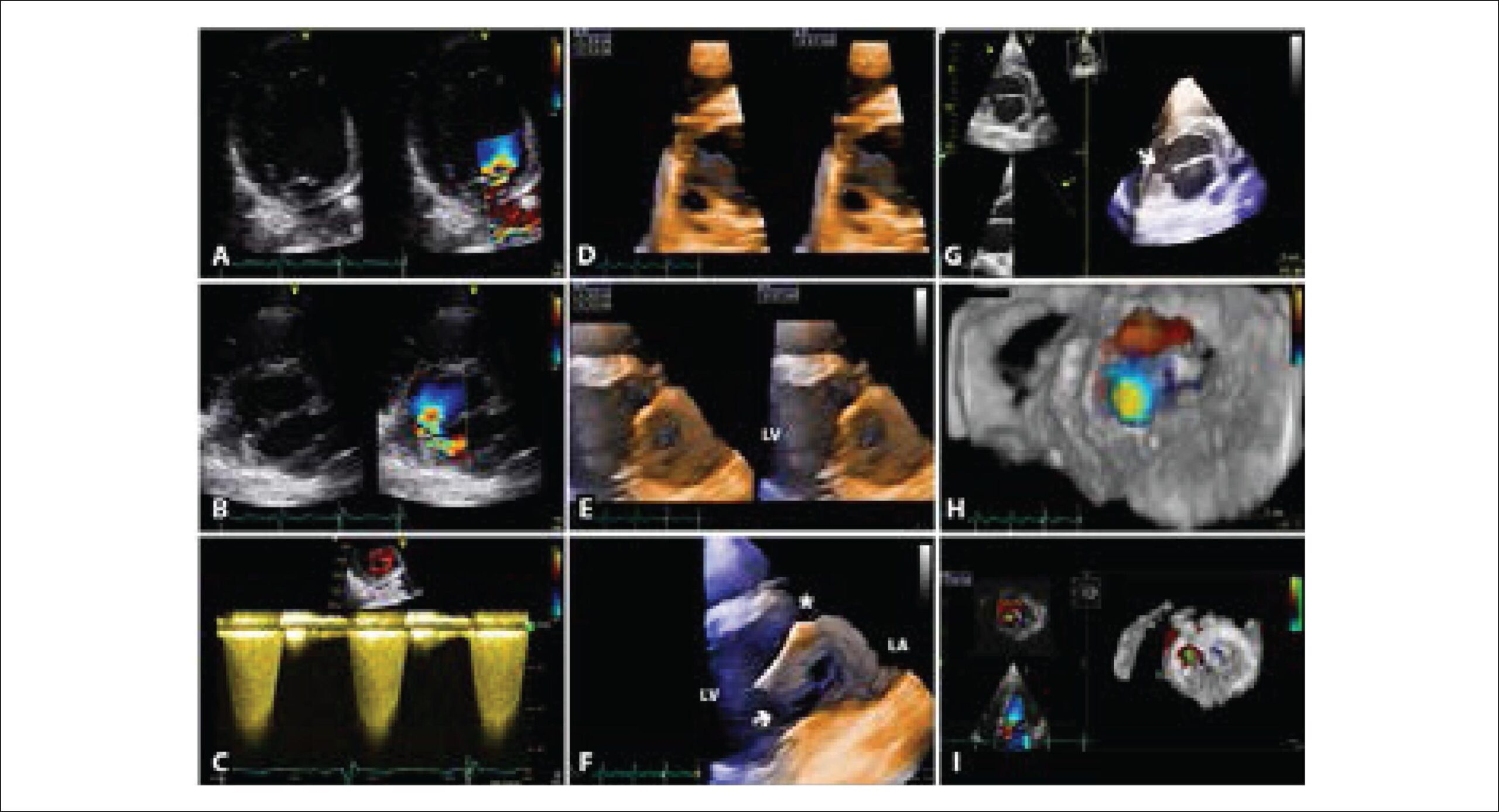
Isolated cleft of the anterior mitral leaflet (not associated with atrioventricular septal defect) is a rare cause of congenital mitral regurgitation. When feasible, mitral valve repair (direct suturing of the cleft with or without prosthetic annular ring insertion) is preferable to valve replacement. We report a clinical case in which we describe the usefulness of three-dimensional (3D) transthoracic echocardiography (TTE) for diagnosis and morphological assessment of the defect to assist in planning the surgical procedure.

[…]

  • Echocardiography
  • Echocardiography, Three-Dimensional
  • Heart Defects, Congenital
  • Mitral Valve Insufficiency
Read Full Article
Creative Commons Attribution (CC BY) Creative Commons license
01/05/2015 DOI: 10.5935/abc.20140191
Figure 1
Anatomopathological Session

Case 01/2015 – 66 Year Old Woman with Hypertensive Cardiopathy and Acute Decompensated Heart Failure

Raphael Marion Pesinat et al. Alice Tatsuko Yamada Luiz Alberto Benvenuti

Clinical aspects

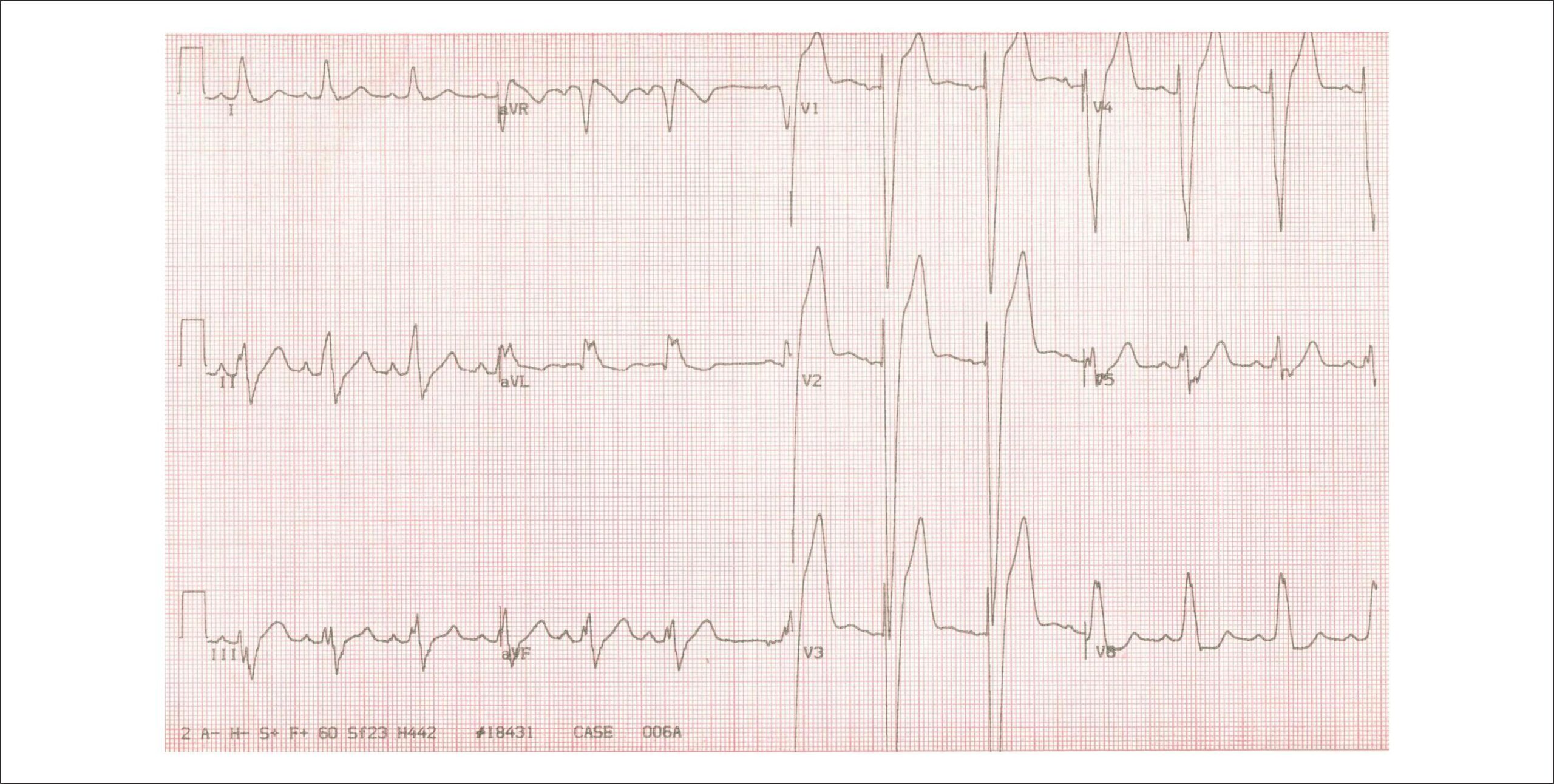
This is the case of a patient who began outpatient follow-up with symptoms of heart failure and effort dyspnea, orthopnea, and paroxistic nocturnal dyspnea with increasing intensity as well as with jugular stasis and bi-basal crackles (revealed by physical examination).

Heart failure is the final outcome of most cardiovascular diseases, and is very prevalent in Brazil. With 1,156,136 admissions in 2007, cardiovascular diseases is known to be the third most common cause of hospitalization in the Brazilian Unified Health System (SUS), with heart failure being the most frequent. Like other developed countries, the principal etiologies of heart failure in Brazil are hypertension and chronic ischemic heart disease, but other etiologies are also present, such as Chagas cardiomyopathy, endomyocardial fibrosis, and degenerative as well as rheumatic valvular disease.

[…]

  • Bronchopneumonia
  • Heart Arrest
  • Heart Diseases / physiopathology
  • Hypertension
Read Full Article
Creative Commons Attribution (CC BY) Creative Commons license
01/05/2015 DOI: 10.5935/abc.20150046 Views 1
Erratum

Erratum

August 2013 issue, vol. 101 (2), Supl. 3, pages 1-221

In the Guideline “I Guideline for Cardiopulmonary Resuscitation and Emergency Cardiovascular Care of the Brazilian Society of Cardiology”, on page 171, in sub-item 16.17: Accidents Caused by Spiders, consider “Loxoceles” in item 1 and “Phoneutria” in item 2.

[…]

Read Full Article
Creative Commons Attribution (CC BY) Creative Commons license
01/05/2015 DOI: 10.5935/abc.20150056
Letter to the Editor

Cardiac Medications Can Influence the Exercise Prescription in Chagas Heart Disease

Raphael Martins Cunha et al. Rodrigo Pires Santos Alexandre Machado Lehnen

Dear Editor,

The study by Nascimento et al. provides information on the effects of physical training and the Heart Rate Variability (HRV) in patients with Chagasic heart disease. Changes in HRV were not observed after exercise intervention, but the intervention group showed improved functional capacity after 12 weeks of the study.

Changes in the autonomic nervous system are observed in Chagasic heart disease and although physical training can improve HRV in other forms of heart failure, evidence suggests it does not happen in Chagasic heart disease, corroborating findings by Nascimento et al. However, in addition to the relatively few studies on the subject, which limits further conclusions, questions related to exercise prescription in the present study need to be better clarified.

[…]

  • Chagas Cardiomyopathy
  • Exercise
  • Heart Rate/drug effects
Read Full Article
Creative Commons Attribution (CC BY) Creative Commons license
01/05/2015 DOI: 10.5935/abc.20150054
Figure 1
Image

Isolated Double Orifice Mitral Valve – a Rare Finding in an Elderly Man

Andrea O Ciobanu et al. Sean Bennett Renato D Lopes Dragos Vinereanu

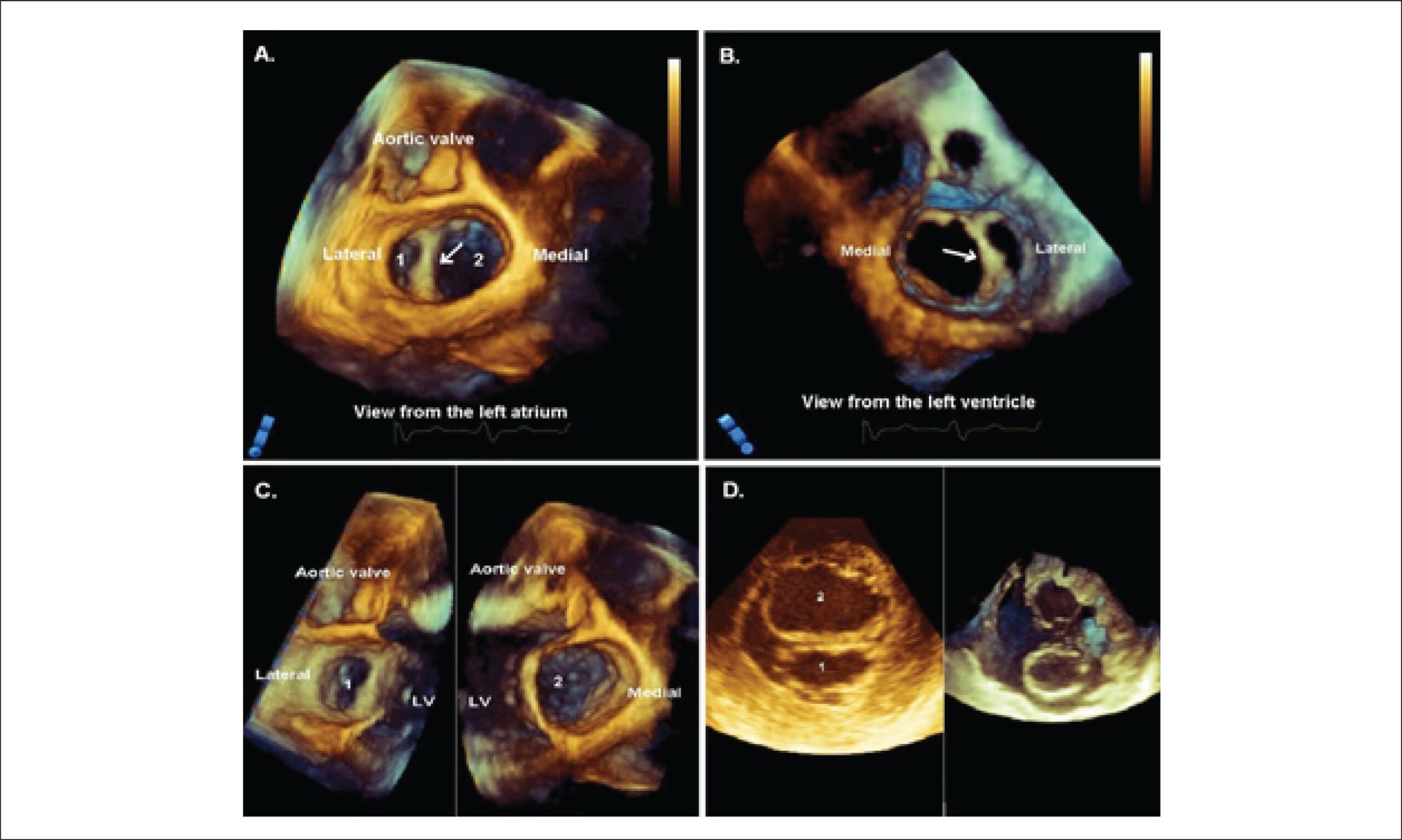
W

e

[…]

  • Aged
  • Echocardiography, Three Dimensional / methods
  • Heart Defects, Congenital
  • Mitral Valve / abnormalities
Read Full Article
Creative Commons Attribution (CC BY) Creative Commons license
01/05/2015 DOI: 10.5935/abc.20150043
Figure 1
Original Article

Male Gender and Arterial Hypertension are Plaque Predictors at Coronary Computed Tomography Angiography

Joselina Luzia Menezes Oliveira et al. Mario Hiroyuki Hirata Amanda Guerra de Moraes Rego Sousa Fabíola Santos Gabriel … Thiago Dominguez Crespo Hirata Irlaneide da Silva Tavares Luiza Dantas Melo Fabiana de Santana Dória Antônio Carlos Sobral Sousa Ibraim Masciarelli Francisco Pinto

Background:

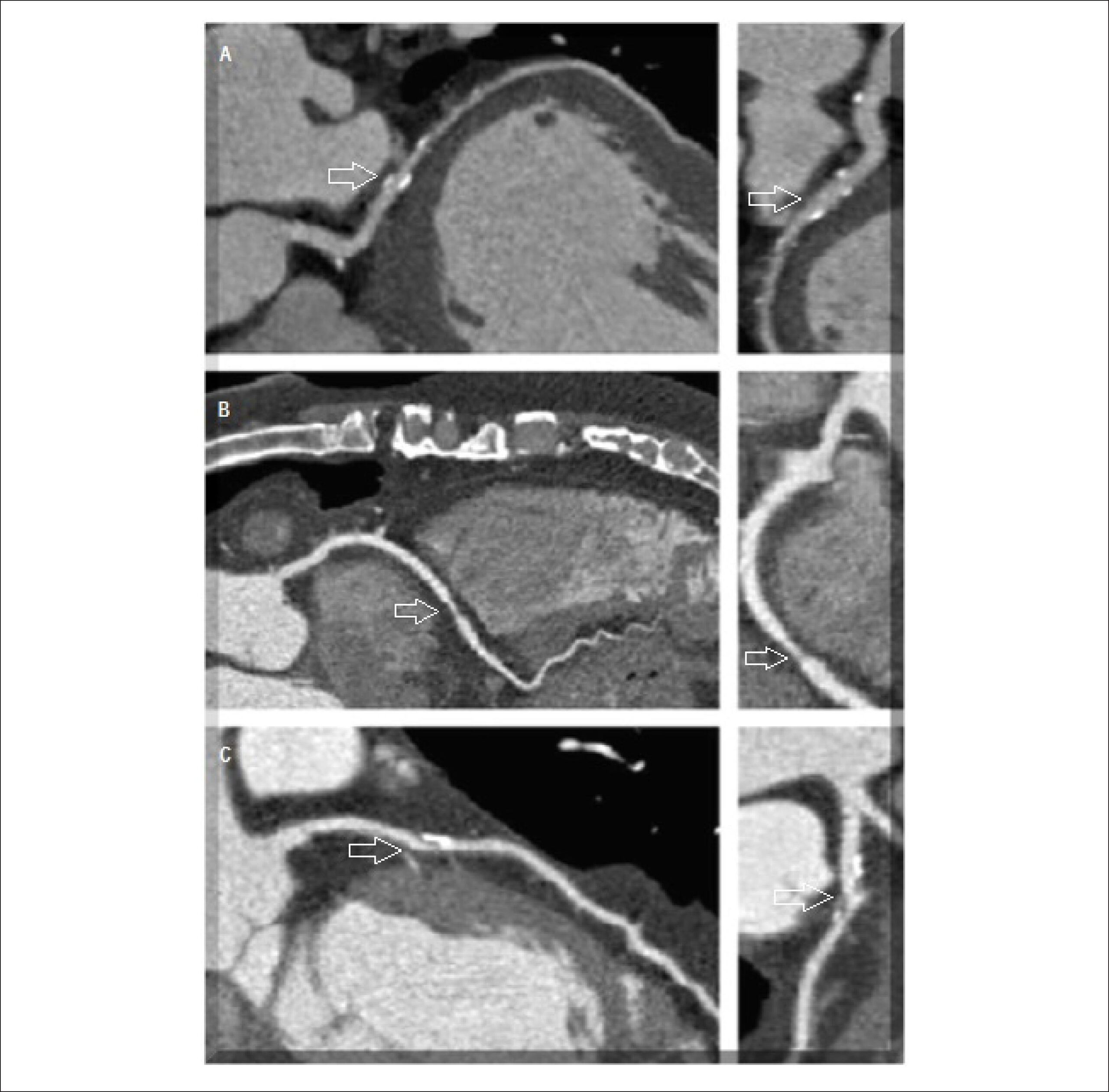
Systemic Arterial Hypertension (SAH) is one of the main risk factors for Coronary Artery Disease (CAD), in addition to male gender. Differences in coronary artery lesions between hypertensive and normotensive individuals of both genders at the Coronary Computed Tomography Angiography (CCTA) have not been clearly determined.

Objective:

To Investigate the calcium score (CS), CAD extent and characteristics of coronary plaques at CCTA in men and women with and without SAH.

Methods:

Prospective cross-sectional study of 509 patients undergoing CCTA for CAD diagnosis and risk stratification, from November 2011 to December 2012, at Instituto de Cardiologia Dante Pazzanese. Individuals were stratified according to gender and subdivided according to the presence (HT +) or absence (HT-) of SAH.

Results:

HT+ women were older (62.3 ± 10.2 vs 57.8 ± 12.8, p = 0.01). As for the assessment of CAD extent, the HT+ individuals of both genders had significant CAD, although multivessel disease is more frequent in HT + men. The regression analysis for significant CAD showed that age and male gender were the determinant factors of multivessel disease and CS ≥ 100. Plaque type analysis showed that SAH was a predictive risk factor for partially calcified plaques (OR = 3.9).

Conclusion:

Hypertensive men had multivessel disease more often than women. Male gender was a determinant factor of significant CAD, multivessel disease, CS ≥ 100 and calcified and partially calcified plaques, whereas SAH was predictive of partially calcified plaques.

  • Coronary Artery Disease
  • Hypertension
  • Mens
  • Plaque, Atherosclerotic
Read Full Article
Creative Commons Attribution (CC BY) Creative Commons license
03/04/2015 DOI: 10.5935/abc.20150028
Figure 1
Original Article

4-Second Exercise Test: Reference Values for Ages 18–81 Years

Claudio Gil Araújo et al. Claudia Lucia Barros de Castro João Felipe Franca Plínio Santos Ramos

Background:

Physiological reflexes modulated primarily by the vagus nerve allow the heart to decelerate and accelerate rapidly after a deep inspiration followed by rapid movement of the limbs. This is the physiological and pharmacologically validated basis for the 4-s exercise test (4sET) used to assess the vagal modulation of cardiac chronotropism.

Objective:

To present reference data for 4sET in healthy adults.

Methods:

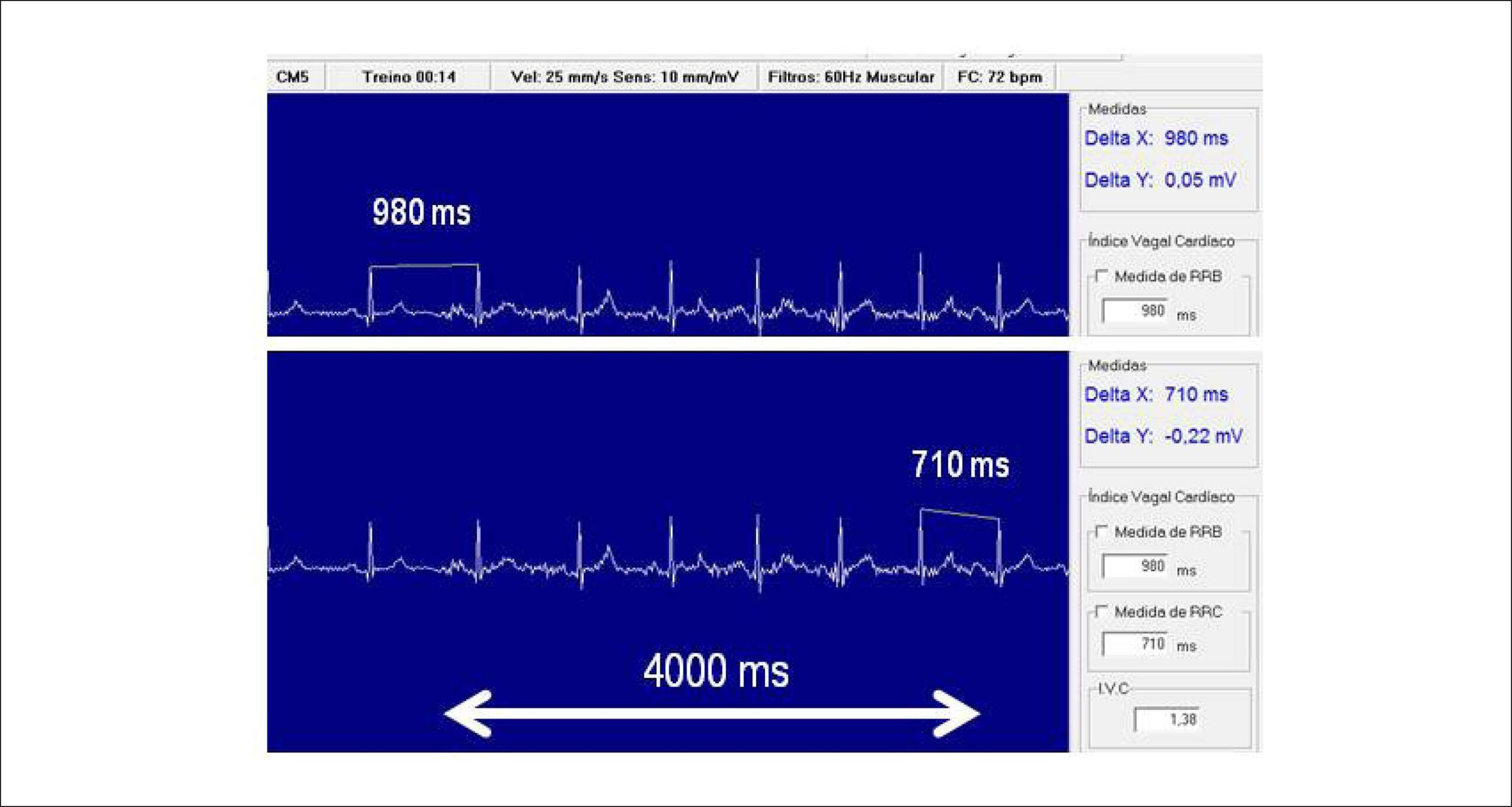
After applying strict clinical inclusion/exclusion criteria, 1,605 healthy adults (61% men) aged between 18 and 81 years subjected to 4sET were evaluated between 1994 and 2014. Using 4sET, the cardiac vagal index (CVI) was obtained by calculating the ratio between the duration of two RR intervals in the electrocardiogram: 1) after a 4-s rapid and deep breath and immediately before pedaling and 2) at the end of a rapid and resistance-free 4-s pedaling exercise.

Results:

CVI varied inversely with age (r = -0.33, p 0.05). Considering the heteroscedasticity and the asymmetry of the distribution of the CVI values according to age, we chose to express the reference values in percentiles for eight age groups (years): 18–30, 31–40, 41–45, 46–50, 51–55, 56–60, 61–65, and 66+, obtaining progressively lower median CVI values ranging from 1.63 to 1.24.

Conclusion:

The availability of CVI percentiles for different age groups should promote the clinical use of 4sET, which is a simple and safe procedure for the evaluation of vagal modulation of cardiac chronotropism.

  • Adult
  • Autonomic Nervous System
  • Exercise Test/drug effects
  • Heart Rate
Read Full Article
Creative Commons Attribution (CC BY) Creative Commons license
27/03/2015 DOI: 10.5935/abc.20150026 Views 3
Figure 1
Original Article

Education to a Healthy Lifestyle Improves Symptoms and Cardiovascular Risk Factors – AsuRiesgo Study

Graciela Chaves et al. Nidia Britez Judith Munzinger Lorenz Uhlmann … Graciela Gonzalez Guillermo Oviedo Victoria Chaparro Oscar Achon Thomas Bruckner Meinhard Kieser Hugo A. Katus Derliz Mereles

Background:

Cardiovascular diseases are the current leading causes of death and disability globally.

Objective:

To assess the effects of a basic educational program for cardiovascular prevention in an unselected outpatient population.

Methods:

All participants received an educational program to change to a healthy lifestyle. Assessments were conducted at study enrollment and during follow-up. Symptoms, habits, ATP III parameters for metabolic syndrome, and American Heart Association’s 2020 parameters of cardiovascular health were assessed.

Results:

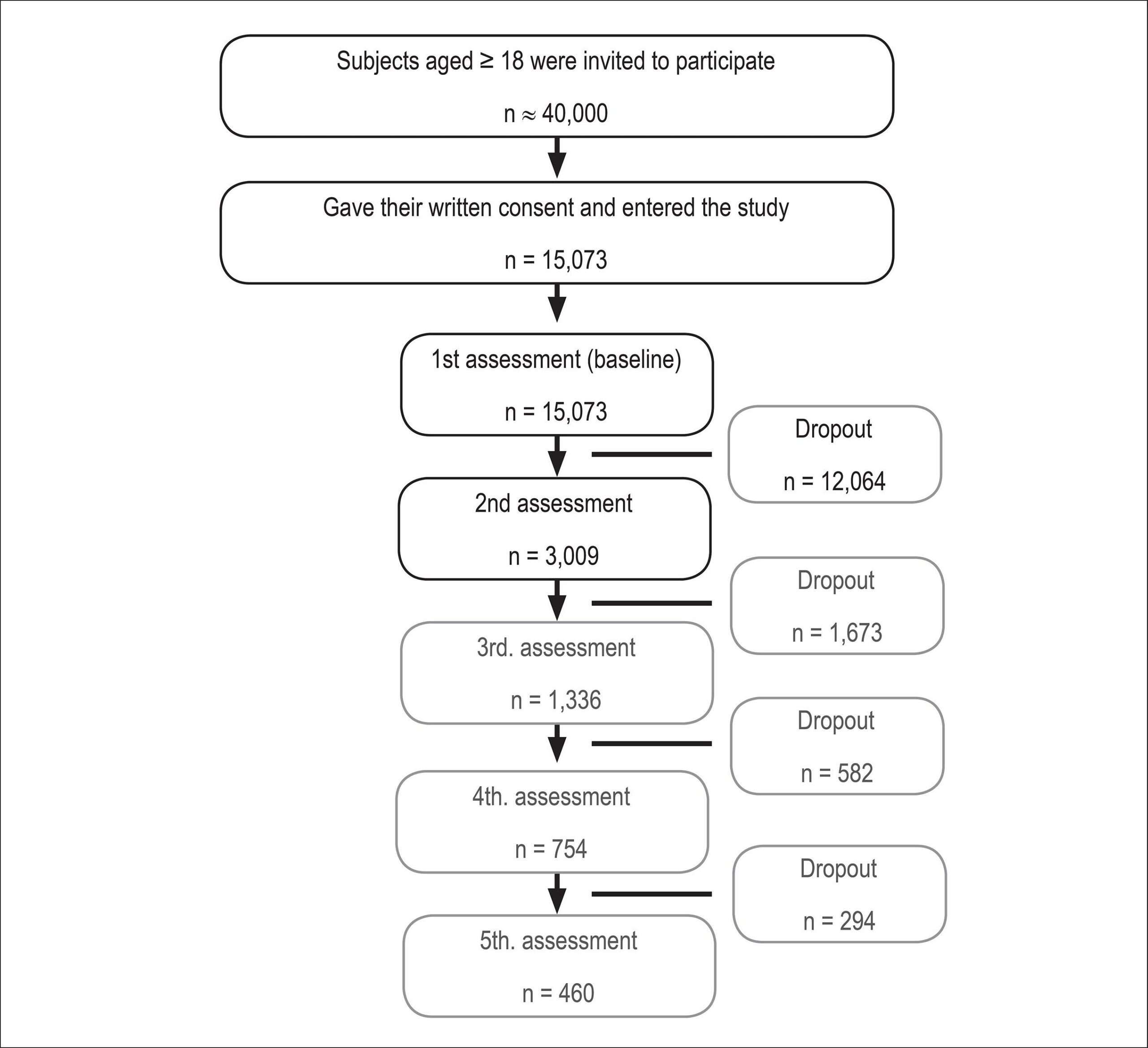
A total of 15,073 participants aged ≥ 18 years entered the study. Data analysis was conducted in 3,009 patients who completed a second assessment. An improvement in weight (from 76.6 ± 15.3 to 76.4 ± 15.3 kg, p = 0.002), dyspnea on exertion NYHA grade II (from 23.4% to 21.0%) and grade III (from 15.8% to 14.0%) and a decrease in the proportion of current active smokers (from 3.6% to 2.9%, p = 0.002) could be documented. The proportion of patients with levels of triglycerides > 150 mg/dL (from 46.3% to 42.4%, p 100 mg/dL (from 69.3% to 65.5%, p < 0.001) improved. A ≥ 20% improvement of AHA 2020 metrics at the level graded as poor was found for smoking (-21.1%), diet (-29.8%), and cholesterol level (-23.6%). A large dropout as a surrogate indicator for low patient adherence was documented throughout the first 5 visits, 80% between the first and second assessments, 55.6% between the second and third assessments, 43.6% between the third and fourth assessments, and 38% between the fourth and fifth assessments.

Conclusion:

A simple, basic educational program may improve symptoms and modifiable cardiovascular risk factors, but shows low patient adherence.

  • Health Behavior
  • Health Education
  • Life Style
  • Obesity
  • Prevention
  • Risk Factors
Read Full Article
Creative Commons Attribution (CC BY) Creative Commons license
17/03/2015 DOI: 10.5935/abc.20150021
Figure 1
Original Article

Evolution of Cardiovascular Diseases Mortality in the Counties of the State of Rio de Janeiro from 1979 to 2010

Gabriel Porto Soares et al. Carlos Henrique Klein Nelson Albuquerque de Souza e Silva Glaucia Maria Moraes de Oliveira

Background:

Cardiovascular Diseases (CVD) are the leading cause of death in Brazil.

Objective:

To estimate total CVD, cerebrovascular disease (CBVD), and ischemic heart disease (IHD) mortality rates in adults in the counties of the state of Rio de Janeiro (SRJ), from 1979 to 2010.

Methods:

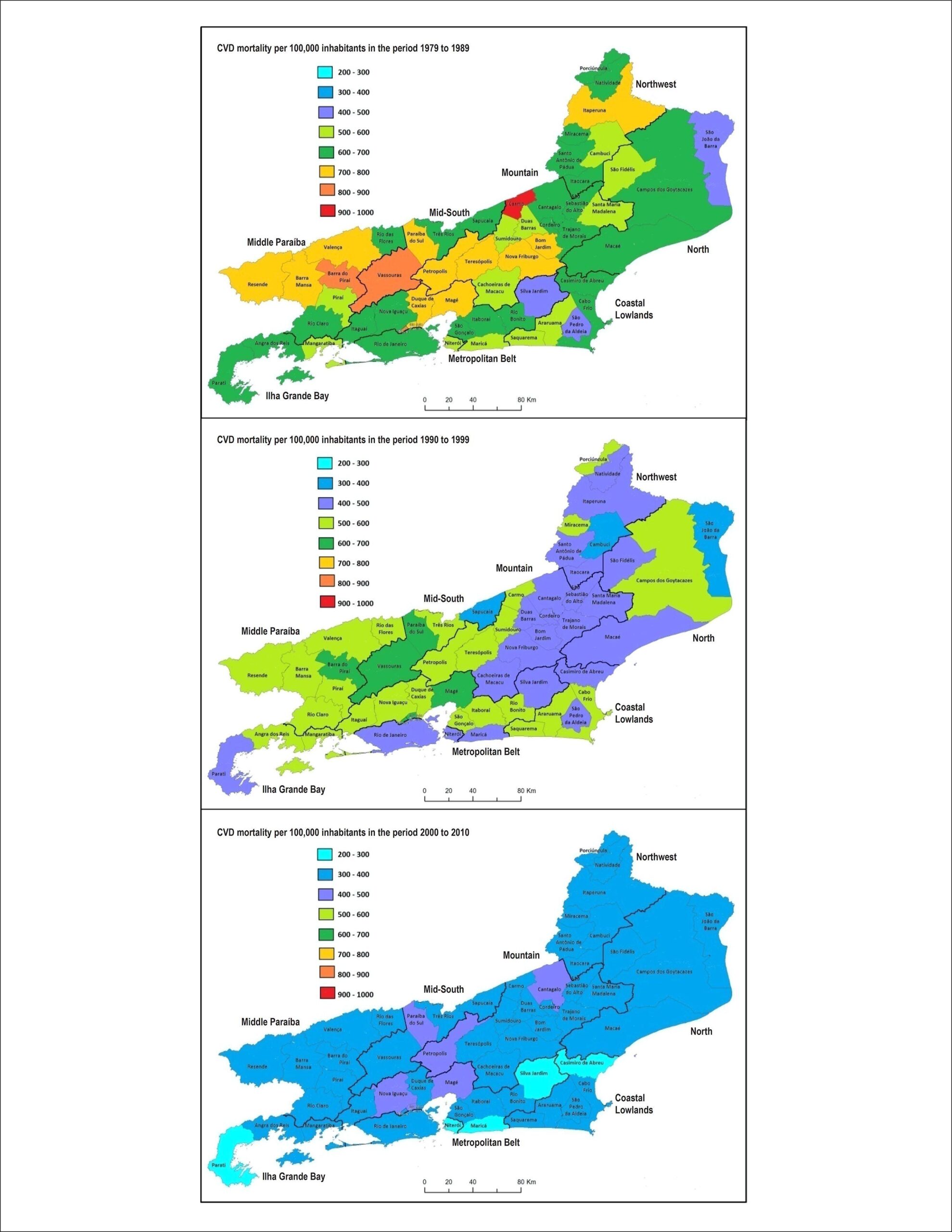
The counties of the SRJ were analysed according to their denominations stablished by the geopolitical structure of 1950, Each new county that have since been created, splitting from their original county, was grouped according to their former origin. Population Data were obtained from the Brazilian Institute of Geography and Statistics (IBGE), and data on deaths were obtained from DataSus/MS. Mean CVD, CBVD, and IHD mortality rates were estimated, compensated for deaths from ill-defined causes, and adjusted for age and sex using the direct method for three periods: 1979–1989, 1990–1999, and 2000–2010, Such results were spatially represented in maps. Tables were also constructed showing the mortality rates for each disease and year period.

Results:

There was a significant reduction in mortality rates across the three disease groups over the the three defined periods in all the county clusters analysed, Despite an initial mortality rate variation among the counties, it was observed a homogenization of such rates at the final period (2000–2010). The drop in CBVD mortality was greater than that in IHD mortality.

Conclusion:

Mortality due to CVD has steadily decreased in the SRJ in the last three decades. This reduction cannot be explained by greater access to high technology procedures or better control of cardiovascular risk factors as these facts have not occurred or happened in low proportion of cases with the exception of smoking which has decreased significantly. Therefore, it is necessary to seek explanations for this decrease, which may be related to improvements in the socioeconomic conditions of the population.

  • Cardiovascular Diseases, mortality
  • Data Interpretation, Statistical
  • Demographic Data
  • Local Government
Read Full Article
Creative Commons Attribution (CC BY) Creative Commons license
17/03/2015 DOI: 10.5935/abc.20150019 Views 2
Figure 1
Original Article

Predictors of Conversion from Radial Into Femoral Access in Cardiac Catheterization

Maria Salomé Carvalho et al. Rita Calé Pedro de Araújo Gonçalves Hugo Vinhas … Luís Raposo Rui Teles Cristina Martins Henrique Mesquita Gabriel Helder Pereira Manuel Almeida

Background:

Fewer bleeding complications and early ambulation make radial access a privileged route for cardiac catheterization. However, transradial (TR) approach is not always successful, requiring its conversion into femoral access.

Objectives:

To evaluate the rate of conversion from radial into femoral access in cardiac catheterization and to identify its predictors.

Methods:

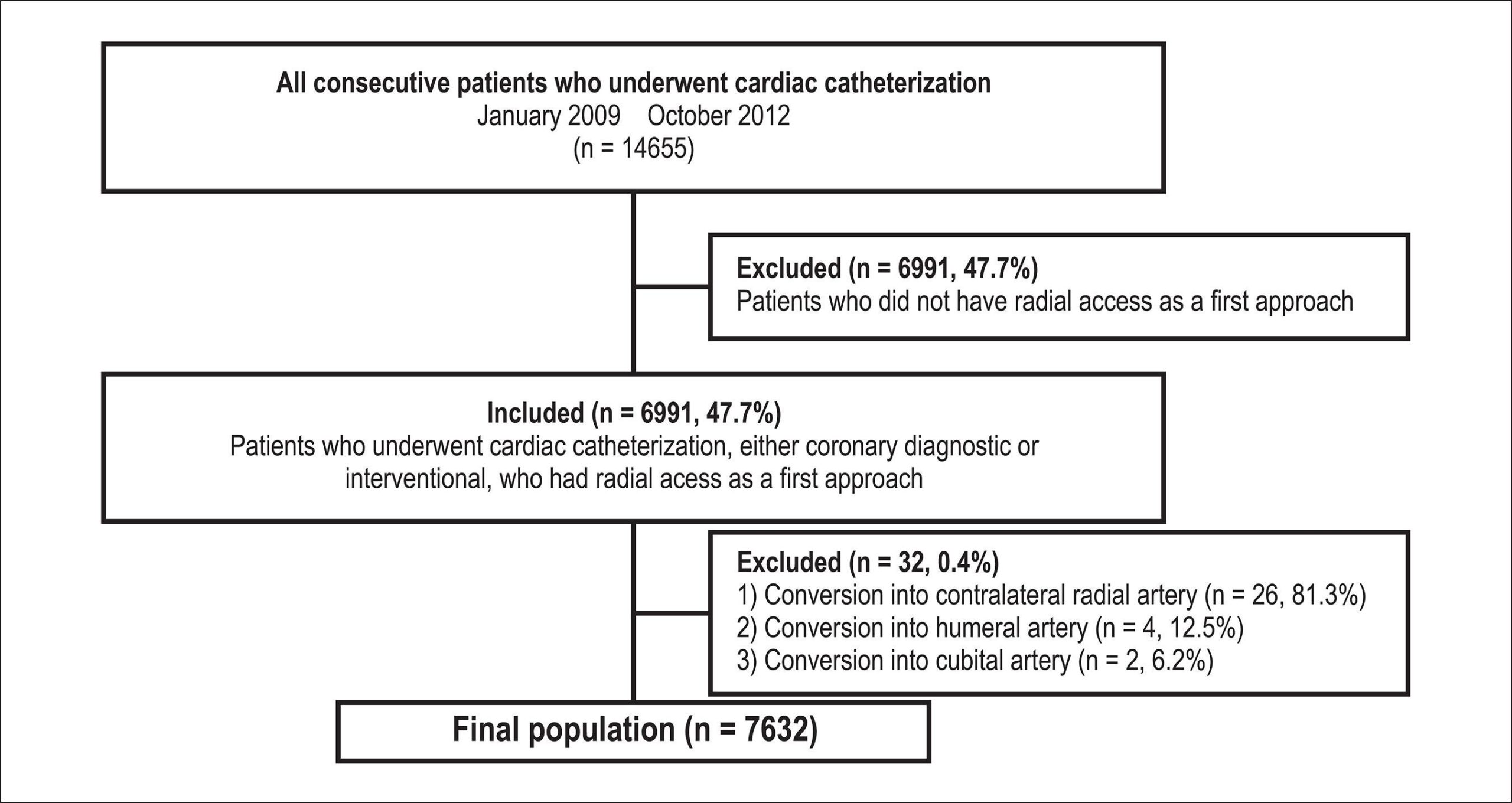
Prospective dual-center registry, including 7632 consecutive patients undergoing catheterization via the radial access between Jan/2009 and Oct/2012. We evaluated the incidence of conversion into femoral access and its predictors by logistic regression analysis.

Results:

The patients’ mean age was 66 ± 11 years, and 32% were women. A total of 2969 procedures (38.4%) were percutaneous coronary interventions (PCI), and the most used first intention arterial access was the right radial artery (97.6%). Radial access failure rate was 5.8%. Independent predictors of conversion from radial into femoral access were the use of short introducer sheaths (OR 3.047, CI: 2.380-3.902; p < 0.001), PCI (OR 1.729, CI: 1.375-2.173; p < 0.001), female sex (OR 1.569, CI: 1.234-1.996; p 66 years (OR 1.354, CI: 1.088-1.684; p = 0.007).

Conclusion:

Transradial approach for cardiac catheterization has a high success rate and the need for its conversion into femoral access in this cohort was low. Female sex, older age, smaller BSA, the use of short introducer sheaths, multivessel disease and PCI were independent predictors of conversion into femoral access.

  • Cardiac Catheterization
  • Femoral Access
  • Radial Access
Read Full Article
Creative Commons Attribution (CC BY) Creative Commons license
17/03/2015 DOI: 10.5935/abc.20150017
Figure 1
Original Article

Association Between Hemodynamic Profile, Physical Capacity and Quality of Life in Pulmonary Hypertension

Diego de Faria Magalhães Torres et al. Walter Araujo Zin Agnaldo José Lopes Patrícia dos Santos Vigário … Marcelo Iorio Garcia Daniel Waetge5 Marcelo Luiz da Silva Bandeira Luiz Gustavo Pignataro Bessa Fernando Silva Guimarães

Background:

No studies have described and evaluated the association between hemodynamics, physical limitations and quality of life in patients with pulmonary hypertension (PH) without concomitant cardiovascular or respiratory disease.

Objective:

To describe the hemodynamic profile, quality of life and physical capacity of patients with PH from groups I and IV and to study the association between these outcomes.

Methods:

Cross-sectional study of patients with PH from clinical groups I and IV and functional classes II and III undergoing the following assessments: hemodynamics, exercise tolerance and quality of life.

Results:

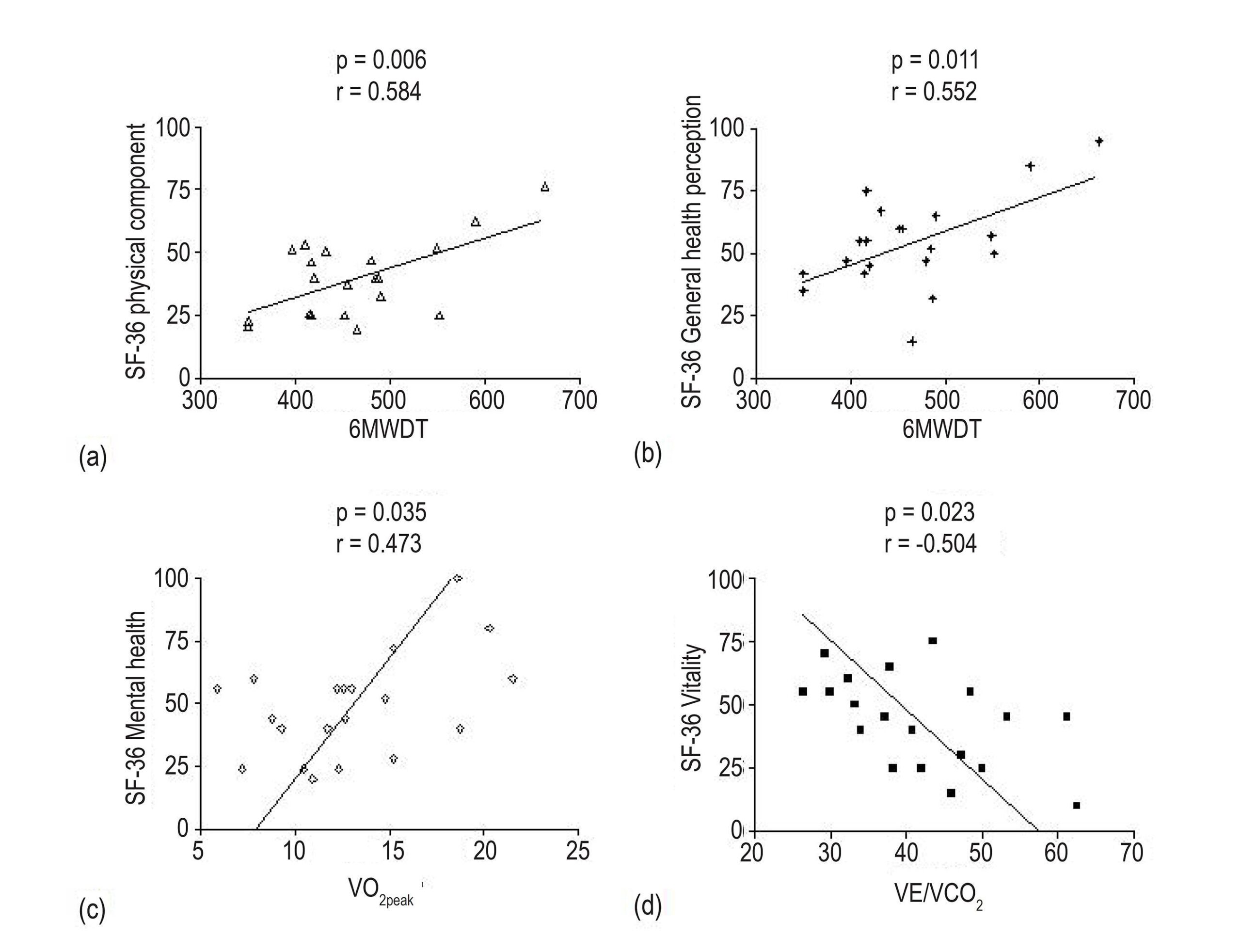
This study assessed 20 patients with a mean age of 46.8 ± 14.3 years. They had pulmonary capillary wedge pressure of 10.5 ± 3.7 mm Hg, 6-minute walk distance test (6MWDT) of 463 ± 78 m, oxygen consumption at peak exercise of 12.9 ± 4.3 mLO2.kg-1.min-1 and scores of quality of life domains < 60%. There were associations between cardiac index (CI) and ventilatory equivalent for CO2 (r=-0.59, p <0.01), IC and ventilatory equivalent for oxygen (r=-0.49, p<0.05), right atrial pressure (RAP) and 'general health perception' domain (r=-0.61, p<0.01), RAP and 6MWTD (r=-0.49, p<0.05), pulmonary vascular resistance (PVR) and 'physical functioning' domain (r=-0.56, p<0.01), PVR and 6MWTD (r=-0.49, p<0.05) and PVR index and physical capacity (r=-0.51, p<0.01).

Conclusion:

Patients with PH from groups I and IV and functional classes II and III exhibit a reduction in physical capacity and in the physical and mental components of quality of life. The hemodynamic variables CI, diastolic pulmonary arterial pressure, RAP, PVR and PVR index are associated with exercise tolerance and quality of life domains.

  • Hemodynamics / physiopathology
  • Hypertension Pulmonary
  • Pulmonary Heart Disease
  • Quality of life
Read Full Article
Creative Commons Attribution (CC BY) Creative Commons license
27/02/2015 DOI: 10.5935/abc.20150012
Figure 1
Original Article

Assessment of Myocardial Ischemia in Obese Individuals Undergoing Physical Stress Echocardiography (PSE)

Mara Graziele Maciel Silveira et al. Antônio Carlos Sobral Sousa Marcos Antônio Almeida Santos Irlaneide da Silva Tavares … Stephanie Macedo Andrade Luiza Dantas Melo Loren Suyane Oliveira de Andrade Emmanuel Lima Almeida Santos Joselina Luzia Menezes Oliveira

Background:

Physical stress echocardiography is an established methodology for diagnosis and risk stratification of coronary artery disease in patients with physical capacity. In obese (body mass index ≥ 30 kg/m2) the usefulness of pharmacological stress echocardiography has been demonstrated; however, has not been reported the use of physical stress echocardiography in this growing population group.

Objective:

To assess the frequency of myocardial ischemia in obese and non-obese patients undergoing physical stress echocardiography and compare their clinical and echocardiographic differences.

Methods:

4,050 patients who underwent treadmill physical stress echocardiography were studied according to the Bruce protocol, divided into two groups: obese (n = 945; 23.3%) and non-obese (n = 3,105; 76.6%).

Results:

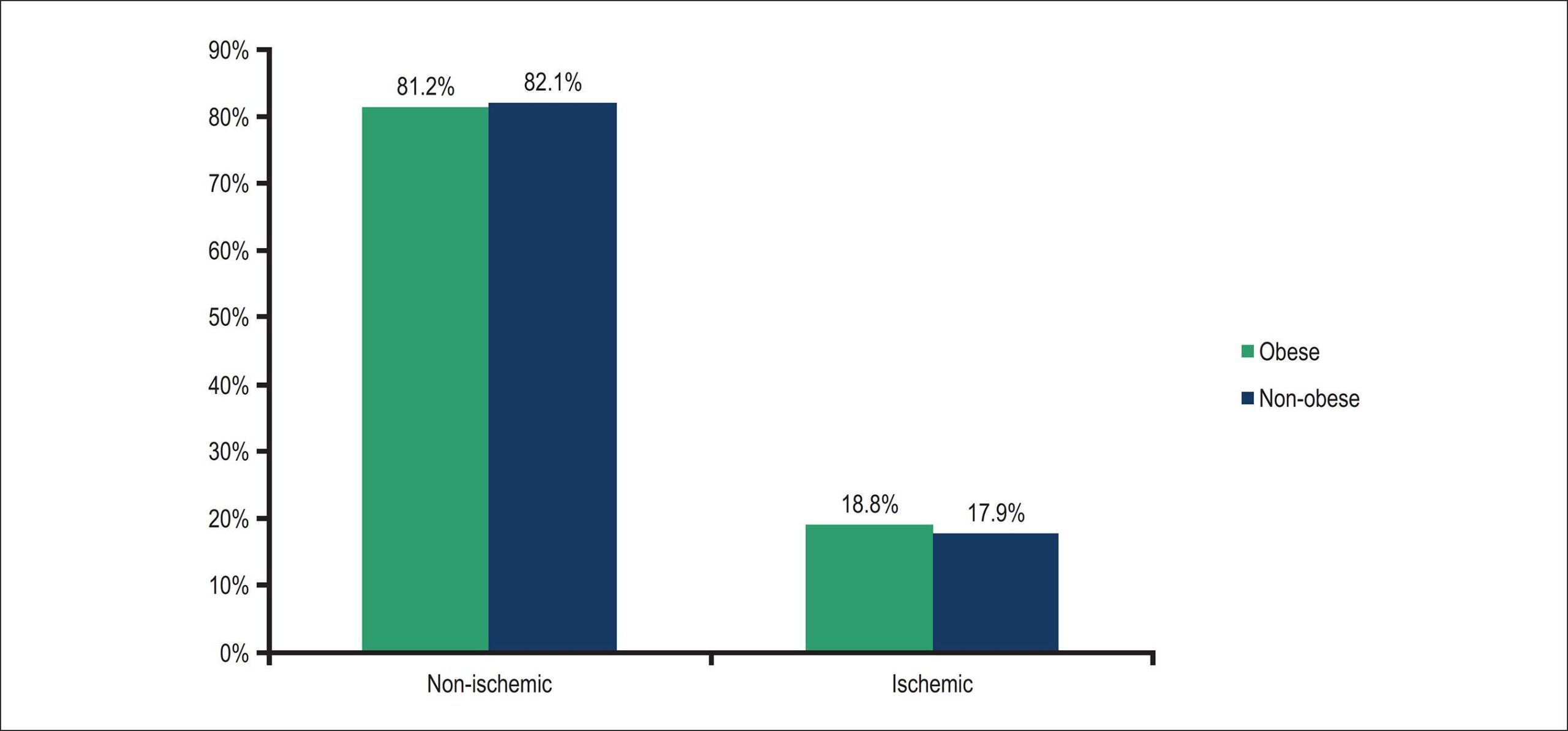
There was no difference regarding gender. Obese patients were younger (55.4 ± 10.9 vs. 57.56 ± 11.67) and had a higher frequency of hypertension (75.2% vs. 57, 2%; p < 0.0001), diabetis mellitus (15.2% vs. 10.9%; p < 0.0001), dyslipidemia (59.5% vs 51.9%; p < 0.0001), family history of coronary artery disease (59.3% vs. 55.1%; p = 0.023) and physical inactivity (71.4% vs. 52.9%, p < 0.0001). The obese had greater aortic dimensions (3.27 vs. 3.14 cm; p < 0.0001), left atrium (3.97 vs. 3.72 cm; p < 0.0001) and the relative thickness of the ventricule (33.7 vs. 32.8 cm; p < 0.0001). Regarding the presence of myocardial ischemia, there was no difference between groups (19% vs. 17.9%; p = 0.41). In adjusted logistic regression, the presence of myocardial ischemia remained independently associated with age, female gender, diabetes and hypertension.

Conclusion:

Obesity did not behave as a predictor of the presence of ischemia and the physical stress echocardiography. The application of this assessment tool in large scale sample demonstrates the feasibility of the methodology, also in obese.

  • Coronary Artery Disease / mortality
  • Echocardiography, Stress / methods
  • Myocardial Ischemia
  • Obesity
Read Full Article
Creative Commons Attribution (CC BY) Creative Commons license
13/02/2015 DOI: 10.5935/abc.20150006 Views 1
Graph 1
Original Article

Clinical Coronary In-Stent Restenosis Follow-Up after Treatment and Analyses of Clinical Outcomes

Barbara Campos Abreu Marino et al. Guilherme Abreu Nascimento Walter Rabelo Marcos Antônio Marino … Roberto Luiz Marino Antonio Luiz Pinho Ribeiro

Background:

Clinical in-stent restenosis (CISR) is the main limitation of coronary angioplasty with stent implantation.

Objective:

Describe the clinical and angiographic characteristics of CISR and the outcomes over a minimum follow-up of 12 months after its diagnosis and treatment.

Methods:

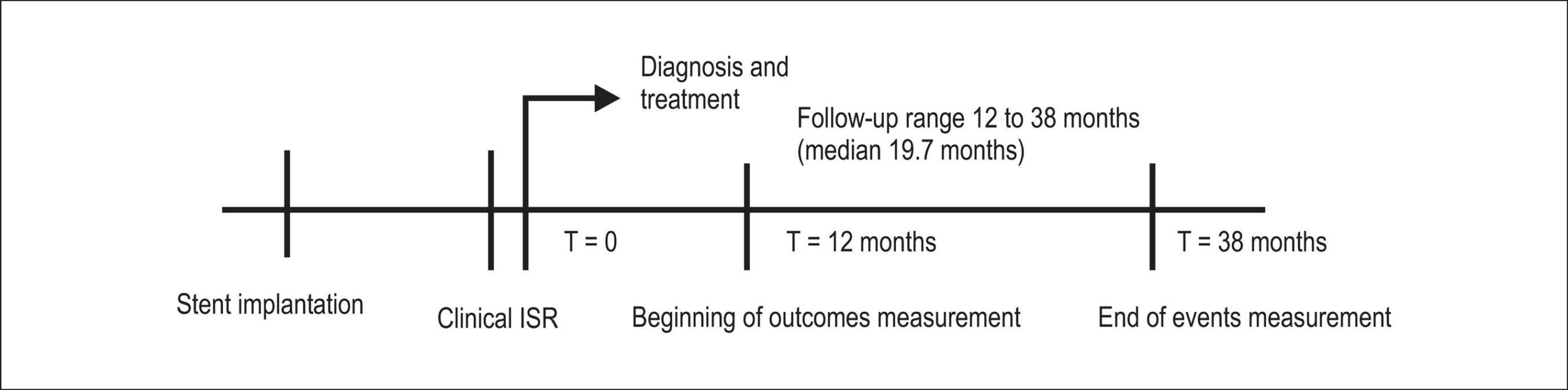
We analyzed in 110 consecutive patients with CISR the clinical presentation, angiographic characteristics, treatment and combined primary outcomes (cardiovascular death, nonfatal acute myocardial infarction [AMI]) and combined secondary (unstable angina with hospitalization, target vessel revascularization and target lesion revascularization) during a minimal follow-up of one year.

Results:

Mean age was 61 ± 11 years (68.2% males). Clinical presentations included acute coronary syndrome (ACS) in 62.7% and proliferative ISR in 34.5%. CISR was treated with implantation of drug-eluting stents (DES) in 36.4%, Bare Metal Stent (BMS) in 23.6%, myocardial revascularization surgery in 18.2%, balloon angioplasty in 15.5% and clinical treatment in 6.4%. During a median follow-up of 19.7 months, the primary outcome occurred in 18 patients, including 6 (5.5%) deaths and 13 (11.8%) AMI events. Twenty-four patients presented a secondary outcome. Predictors of the primary outcome were CISR with DES (HR = 4.36 [1.44–12.85]; p = 0.009) and clinical treatment for CISR (HR = 10.66 [2.53–44.87]; p = 0.001). Treatment of CISR with BMS (HR = 4.08 [1.75–9.48]; p = 0.001) and clinical therapy (HR = 6.29 [1.35–29.38]; p = 0.019) emerged as predictors of a secondary outcome.

Conclusion:

Patients with CISR present in most cases with ACS and with a high frequency of adverse events during a medium-term follow-up.

  • Coronary Restenosis
  • Graft Occlusion, Vascular
  • Myocardial Infarction
  • Myocardial Ischemia
  • Stents
Read Full Article
Creative Commons Attribution (CC BY) Creative Commons license
03/02/2015 DOI: 10.5935/abc.20140216 Views 2
Figure 1
Review Article

Meta-Analysis of Ultrafiltration versus Diuretics Treatment Option for Overload Volume Reduction in Patients with Acute Decompensated Heart Failure

Barkoudah Ebrahim et al. Kodali Sindhura Juliet Okoroh Rosh Sethi … Edward Hulten Claudia Suemoto Marcio Sommer Bittencourt

Introduction:

Although diuretics are mainly used for the treatment of acute decompensated heart failure (ADHF), inadequate responses and complications have led to the use of extracorporeal ultrafiltration (UF) as an alternative strategy for reducing volume overloads in patients with ADHF.

Objective:

The aim of our study is to perform meta-analysis of the results obtained from studies on extracorporeal venous ultrafiltration and compare them with those of standard diuretic treatment for overload volume reduction in acute decompensated heart failure.

Methods:

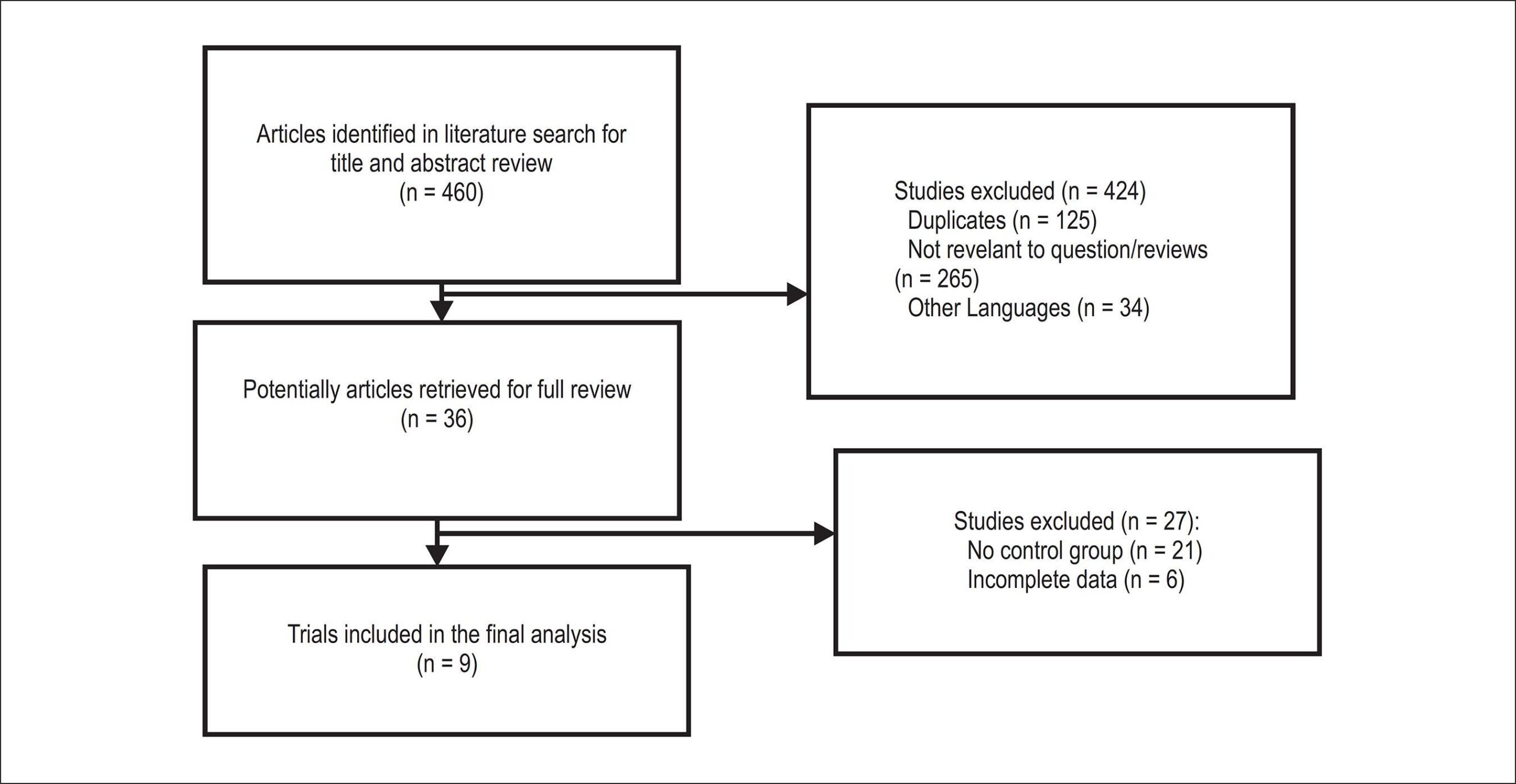
MEDLINE, EMBASE, and the Cochrane Central Register of Controlled Trials databases were systematically searched using a pre‑specified criterion. Pooled estimates of outcomes after 48 h (weight change, serum creatinine level, and all-cause mortality) were computed using random effect models. Pooled weighted mean differences were calculated for weight loss and change in creatinine level, whereas a pooled risk ratio was used for the analysis of binary all-cause mortality outcome.

Results:

A total of nine studies, involving 613 patients, met the eligibility criteria. The mean weight loss in patients who underwent UF therapy was 1.78 kg [95% Confidence Interval (CI): −2.65 to −0.91 kg; p < 0.001) more than those who received standard diuretic therapy. The post-intervention creatinine level, however, was not significantly different (mean change = −0.25 mg/dL; 95% CI: −0.56 to 0.06 mg/dL; p = 0.112). The risk of all-cause mortality persisted in patients treated with UF compared with patients treated with standard diuretics (Pooled RR = 1.00; 95% CI: 0.64–1.56; p = 0.993).

Conclusion:

Compared with standard diuretic therapy, UF treatment for overload volume reduction in individuals suffering from ADHF, resulted in significant reduction of body weight within 48 h. However, no significant decrease of serum creatinine level or reduction of all-cause mortality was observed.

  • Diuretics
  • Heart Failure /therapy
  • Hemofiltration
  • Ultrafiltration
Read Full Article
Creative Commons Attribution (CC BY) Creative Commons license
27/01/2015 DOI: 10.5935/abc.20140212 Views 1

How to cite this article

EndNote RIS

Electronic Document Format (Vancouver)

Biomarkers EG. Biomarkers in Cardiology – Part 2: In Coronary Heart Disease, Valve Disease and Special Situations. Arquivos Brasileiros de Cardiologia 2015;104(5):337-46.

Electronic Document Format (ABNT)

Biomarkers, Expert Group on. Biomarkers in Cardiology – Part 2: In Coronary Heart Disease, Valve Disease and Special Situations. Arquivos Brasileiros de Cardiologia, v. 104, n. 5, p. 337-346, Apr. 2015.

Electronic Document Format (APA)

Biomarkers, E. G. (2015). Biomarkers in Cardiology – Part 2: In Coronary Heart Disease, Valve Disease and Special Situations. Arquivos Brasileiros de Cardiologia, 104(5), 337-346.

Electronic Document Format (ISO)

Biomarkers, Expert Group on. Biomarkers in Cardiology – Part 2: In Coronary Heart Disease, Valve Disease and Special Situations. Arquivos Brasileiros de Cardiologia [online]. 2015, vol. 104, n. 5, [cited 2026-10-14], pp. 337-346. Available from: <https://journals.cardiol.br/en/article/biomarkers-in-cardiology-part-2-in-coronary-heart-disease-valve-disease-and-special-situations/>. ISSN 0066-782X

EndNote RIS

Electronic Document Format (Vancouver)

Miglioranza MH, Muraru D, Mihaila S, Haertel JCA, Iliceto S, Badano LP. Isolated Anterior Mitral Valve Leaflet Cleft: 3D Transthoracic Echocardiography-Guided Surgical Strategy. Arquivos Brasileiros de Cardiologia 2015;104(5):e49-52.

Electronic Document Format (ABNT)

Miglioranza, Marcelo Haertel; Muraru, Denisa; Mihaila, Sorina; Haertel, José Carlos de Araujo; Iliceto, Sabino; Badano, Luigi Paolo. Isolated Anterior Mitral Valve Leaflet Cleft: 3D Transthoracic Echocardiography-Guided Surgical Strategy. Arquivos Brasileiros de Cardiologia, v. 104, n. 5, p. e49-e52, Apr. 2015.

Electronic Document Format (APA)

Miglioranza, M. H., Muraru, D., Mihaila, S., Haertel, J. C. A., Iliceto, S., & Badano, L. P. (2015). Isolated Anterior Mitral Valve Leaflet Cleft: 3D Transthoracic Echocardiography-Guided Surgical Strategy. Arquivos Brasileiros de Cardiologia, 104(5), e49-e52.

Electronic Document Format (ISO)

Miglioranza, Marcelo Haertel and Muraru, Denisa and Mihaila, Sorina and Haertel, José Carlos de Araujo and Iliceto, Sabino and Badano, Luigi Paolo. Isolated Anterior Mitral Valve Leaflet Cleft: 3D Transthoracic Echocardiography-Guided Surgical Strategy. Arquivos Brasileiros de Cardiologia [online]. 2015, vol. 104, n. 5, [cited 2026-10-14], pp. e49-e52. Available from: <https://journals.cardiol.br/en/article/isolated-anterior-mitral-valve-leaflet-cleft-3d-transthoracic-echocardiography-guided-surgical-strategy/>. ISSN 0066-782X

EndNote RIS

Electronic Document Format (Vancouver)

Pesinat RM, Yamada AT, Benvenuti LA. Case 01/2015 – 66 Year Old Woman with Hypertensive Cardiopathy and Acute Decompensated Heart Failure. Arquivos Brasileiros de Cardiologia 2015;104(5):e39-48.

Electronic Document Format (ABNT)

Pesinat, Raphael Marion; Yamada, Alice Tatsuko; Benvenuti, Luiz Alberto. Case 01/2015 – 66 Year Old Woman with Hypertensive Cardiopathy and Acute Decompensated Heart Failure. Arquivos Brasileiros de Cardiologia, v. 104, n. 5, p. e39-e48, Apr. 2015.

Electronic Document Format (APA)

Pesinat, R. M., Yamada, A. T., & Benvenuti, L. A. (2015). Case 01/2015 – 66 Year Old Woman with Hypertensive Cardiopathy and Acute Decompensated Heart Failure. Arquivos Brasileiros de Cardiologia, 104(5), e39-e48.

Electronic Document Format (ISO)

Pesinat, Raphael Marion and Yamada, Alice Tatsuko and Benvenuti, Luiz Alberto. Case 01/2015 – 66 Year Old Woman with Hypertensive Cardiopathy and Acute Decompensated Heart Failure. Arquivos Brasileiros de Cardiologia [online]. 2015, vol. 104, n. 5, [cited 2026-10-14], pp. e39-e48. Available from: <https://journals.cardiol.br/en/article/case-01-2015-66-year-old-woman-with-hypertensive-cardiopathy-and-acute-decompensated-heart-failure/>. ISSN 0066-782X

EndNote RIS

Electronic Document Format (Vancouver)

. Erratum. Arquivos Brasileiros de Cardiologia 2015;104(5):428.

Electronic Document Format (ABNT)

. Erratum. Arquivos Brasileiros de Cardiologia, v. 104, n. 5, p. 428-428, Apr. 2015.

Electronic Document Format (APA)

(2015). Erratum. Arquivos Brasileiros de Cardiologia, 104(5), 428-428.

Electronic Document Format (ISO)

. Erratum. Arquivos Brasileiros de Cardiologia [online]. 2015, vol. 104, n. 5, [cited 2026-10-14], pp. 428-428. Available from: <https://journals.cardiol.br/en/article/erratum-30/>. ISSN 0066-782X

EndNote RIS

Electronic Document Format (Vancouver)

Cunha RM, Santos RP, Lehnen AM. Cardiac Medications Can Influence the Exercise Prescription in Chagas Heart Disease. Arquivos Brasileiros de Cardiologia 2015;104(5):426-7.

Electronic Document Format (ABNT)

Cunha, Raphael Martins; Santos, Rodrigo Pires; Lehnen, Alexandre Machado. Cardiac Medications Can Influence the Exercise Prescription in Chagas Heart Disease. Arquivos Brasileiros de Cardiologia, v. 104, n. 5, p. 426-427, Apr. 2015.

Electronic Document Format (APA)

Cunha, R. M., Santos, R. P., & Lehnen, A. M. (2015). Cardiac Medications Can Influence the Exercise Prescription in Chagas Heart Disease. Arquivos Brasileiros de Cardiologia, 104(5), 426-427.

Electronic Document Format (ISO)

Cunha, Raphael Martins and Santos, Rodrigo Pires and Lehnen, Alexandre Machado. Cardiac Medications Can Influence the Exercise Prescription in Chagas Heart Disease. Arquivos Brasileiros de Cardiologia [online]. 2015, vol. 104, n. 5, [cited 2026-10-14], pp. 426-427. Available from: <https://journals.cardiol.br/en/article/cardiac-medications-can-influence-the-exercise-prescription-in-chagas-heart-disease/>. ISSN 0066-782X

EndNote RIS

Electronic Document Format (Vancouver)

Ciobanu AO, Bennett S, Lopes RD, Vinereanu D. Isolated Double Orifice Mitral Valve – a Rare Finding in an Elderly Man. Arquivos Brasileiros de Cardiologia 2015;104(5):e53-4.

Electronic Document Format (ABNT)

Ciobanu, Andrea O; Bennett, Sean; Lopes, Renato D; Vinereanu, Dragos. Isolated Double Orifice Mitral Valve – a Rare Finding in an Elderly Man. Arquivos Brasileiros de Cardiologia, v. 104, n. 5, p. e53-e54, Apr. 2015.

Electronic Document Format (APA)

Ciobanu, A. O., Bennett, S., Lopes, R. D., & Vinereanu, D. (2015). Isolated Double Orifice Mitral Valve – a Rare Finding in an Elderly Man. Arquivos Brasileiros de Cardiologia, 104(5), e53-e54.

Electronic Document Format (ISO)

Ciobanu, Andrea O and Bennett, Sean and Lopes, Renato D and Vinereanu, Dragos. Isolated Double Orifice Mitral Valve – a Rare Finding in an Elderly Man. Arquivos Brasileiros de Cardiologia [online]. 2015, vol. 104, n. 5, [cited 2026-10-14], pp. e53-e54. Available from: <https://journals.cardiol.br/en/article/isolated-double-orifice-mitral-valve-a-rare-finding-in-an-elderly-man/>. ISSN 0066-782X

EndNote RIS

Electronic Document Format (Vancouver)

Oliveira JLM, Hirata MH, Sousa AGMR, Gabriel FS, Hirata TDC, Tavares IS, Melo LD, et al. Male Gender and Arterial Hypertension are Plaque Predictors at Coronary Computed Tomography Angiography. Arquivos Brasileiros de Cardiologia 2015;104(5):409-16.

Electronic Document Format (ABNT)

Oliveira, Joselina Luzia Menezes; Hirata, Mario Hiroyuki; Sousa, Amanda Guerra de Moraes Rego; Gabriel, Fabíola Santos; Hirata, Thiago Dominguez Crespo; Tavares, Irlaneide da Silva; Melo, Luiza Dantas; Dória, Fabiana de Santana; Sousa, Antônio Carlos Sobral; Pinto, Ibraim Masciarelli Francisco. Male Gender and Arterial Hypertension are Plaque Predictors at Coronary Computed Tomography Angiography. Arquivos Brasileiros de Cardiologia, v. 104, n. 5, p. 409-416, Apr. 2015.

Electronic Document Format (APA)

Oliveira, J. L. M., Hirata, M. H., Sousa, A. G. M. R., Gabriel, F. S., Hirata, T. D. C., Tavares, I. S., Melo, L. D., Dória, F. S., Sousa, A. C. S., & Pinto, I. M. F. (2015). Male Gender and Arterial Hypertension are Plaque Predictors at Coronary Computed Tomography Angiography. Arquivos Brasileiros de Cardiologia, 104(5), 409-416.

Electronic Document Format (ISO)

Oliveira, Joselina Luzia Menezes and Hirata, Mario Hiroyuki and Sousa, Amanda Guerra de Moraes Rego and Gabriel, Fabíola Santos and Hirata, Thiago Dominguez Crespo and Tavares, Irlaneide da Silva and Melo, Luiza Dantas and Dória, Fabiana de Santana and Sousa, Antônio Carlos Sobral and Pinto, Ibraim Masciarelli Francisco. Male Gender and Arterial Hypertension are Plaque Predictors at Coronary Computed Tomography Angiography. Arquivos Brasileiros de Cardiologia [online]. 2015, vol. 104, n. 5, [cited 2026-10-14], pp. 409-416. Available from: <https://journals.cardiol.br/en/article/male-gender-and-arterial-hypertension-are-plaque-predictors-at-coronary-computed-tomography-angiography/>. ISSN 0066-782X

EndNote RIS

Electronic Document Format (Vancouver)

Araújo CG, Castro CLB, Franca JF, Ramos PS. 4-Second Exercise Test: Reference Values for Ages 18–81 Years. Arquivos Brasileiros de Cardiologia 2015;104(5):366-74.

Electronic Document Format (ABNT)

Araújo, Claudio Gil; Castro, Claudia Lucia Barros de; Franca, João Felipe; Ramos, Plínio Santos. 4-Second Exercise Test: Reference Values for Ages 18–81 Years. Arquivos Brasileiros de Cardiologia, v. 104, n. 5, p. 366-374, Mar. 2015.

Electronic Document Format (APA)

Araújo, C. G., Castro, C. L. B. , Franca, J. F., & Ramos, P. S. (2015). 4-Second Exercise Test: Reference Values for Ages 18–81 Years. Arquivos Brasileiros de Cardiologia, 104(5), 366-374.

Electronic Document Format (ISO)

Araújo, Claudio Gil and Castro, Claudia Lucia Barros de and Franca, João Felipe and Ramos, Plínio Santos. 4-Second Exercise Test: Reference Values for Ages 18–81 Years. Arquivos Brasileiros de Cardiologia [online]. 2015, vol. 104, n. 5, [cited 2026-10-14], pp. 366-374. Available from: <https://journals.cardiol.br/en/article/4-second-exercise-test-reference-values-for-ages-18-81-years/>. ISSN 0066-782X

EndNote RIS

Electronic Document Format (Vancouver)

Chaves G, Britez N, Munzinger J, Uhlmann L, Gonzalez G, Oviedo G, Chaparro V, et al. Education to a Healthy Lifestyle Improves Symptoms and Cardiovascular Risk Factors – AsuRiesgo Study. Arquivos Brasileiros de Cardiologia 2015;104(5):347-55.

Electronic Document Format (ABNT)

Chaves, Graciela; Britez, Nidia; Munzinger, Judith; Uhlmann, Lorenz; Gonzalez, Graciela; Oviedo, Guillermo; Chaparro, Victoria; Achon, Oscar; Bruckner, Thomas; Kieser, Meinhard; Katus, Hugo A.; Mereles, Derliz. Education to a Healthy Lifestyle Improves Symptoms and Cardiovascular Risk Factors – AsuRiesgo Study. Arquivos Brasileiros de Cardiologia, v. 104, n. 5, p. 347-355, Mar. 2015.

Electronic Document Format (APA)

Chaves, G., Britez, N., Munzinger, J., Uhlmann, L., Gonzalez, G., Oviedo, G., Chaparro, V., Achon, O., Bruckner, T., Kieser, M., Katus, H. A., & Mereles, D. (2015). Education to a Healthy Lifestyle Improves Symptoms and Cardiovascular Risk Factors – AsuRiesgo Study. Arquivos Brasileiros de Cardiologia, 104(5), 347-355.

Electronic Document Format (ISO)

Chaves, Graciela and Britez, Nidia and Munzinger, Judith and Uhlmann, Lorenz and Gonzalez, Graciela and Oviedo, Guillermo and Chaparro, Victoria and Achon, Oscar and Bruckner, Thomas and Kieser, Meinhard and Katus, Hugo A. and Mereles, Derliz. Education to a Healthy Lifestyle Improves Symptoms and Cardiovascular Risk Factors – AsuRiesgo Study. Arquivos Brasileiros de Cardiologia [online]. 2015, vol. 104, n. 5, [cited 2026-10-14], pp. 347-355. Available from: <https://journals.cardiol.br/en/article/education-to-a-healthy-lifestyle-improves-symptoms-and-cardiovascular-risk-factors-asuriesgo-study/>. ISSN 0066-782X

EndNote RIS

Electronic Document Format (Vancouver)

Soares GP, Klein CH, Silva NAS, Oliveira GMM. Evolution of Cardiovascular Diseases Mortality in the Counties of the State of Rio de Janeiro from 1979 to 2010. Arquivos Brasileiros de Cardiologia 2015;104(5):356-65.

Electronic Document Format (ABNT)

Soares, Gabriel Porto; Klein, Carlos Henrique; Silva, Nelson Albuquerque de Souza e; Oliveira, Glaucia Maria Moraes de. Evolution of Cardiovascular Diseases Mortality in the Counties of the State of Rio de Janeiro from 1979 to 2010. Arquivos Brasileiros de Cardiologia, v. 104, n. 5, p. 356-365, Mar. 2015.

Electronic Document Format (APA)

Soares, G. P., Klein, C. H., Silva, N. A. S. , & Oliveira, G. M. M. (2015). Evolution of Cardiovascular Diseases Mortality in the Counties of the State of Rio de Janeiro from 1979 to 2010. Arquivos Brasileiros de Cardiologia, 104(5), 356-365.

Electronic Document Format (ISO)

Soares, Gabriel Porto and Klein, Carlos Henrique and Silva, Nelson Albuquerque de Souza e and Oliveira, Glaucia Maria Moraes de. Evolution of Cardiovascular Diseases Mortality in the Counties of the State of Rio de Janeiro from 1979 to 2010. Arquivos Brasileiros de Cardiologia [online]. 2015, vol. 104, n. 5, [cited 2026-10-14], pp. 356-365. Available from: <https://journals.cardiol.br/en/article/evolution-of-cardiovascular-diseases-mortality-in-the-counties-of-the-state-of-rio-de-janeiro-from-1979-to-2010/>. ISSN 0066-782X

EndNote RIS

Electronic Document Format (Vancouver)

Carvalho MS, Calé R, Gonçalves PA, Vinhas H, Raposo L, Teles R, Martins C, et al. Predictors of Conversion from Radial Into Femoral Access in Cardiac Catheterization. Arquivos Brasileiros de Cardiologia 2015;104(5):401-8.

Electronic Document Format (ABNT)

Carvalho, Maria Salomé; Calé, Rita; Gonçalves, Pedro de Araújo; Vinhas, Hugo; Raposo, Luís; Teles, Rui; Martins, Cristina; Gabriel, Henrique Mesquita; Pereira, Helder; Almeida, Manuel. Predictors of Conversion from Radial Into Femoral Access in Cardiac Catheterization. Arquivos Brasileiros de Cardiologia, v. 104, n. 5, p. 401-408, Mar. 2015.

Electronic Document Format (APA)

Carvalho, M. S., Calé, R., Gonçalves, P. A., Vinhas, H., Raposo, L., Teles, R., Martins, C., Gabriel, H. M., Pereira, H., & Almeida, M. (2015). Predictors of Conversion from Radial Into Femoral Access in Cardiac Catheterization. Arquivos Brasileiros de Cardiologia, 104(5), 401-408.

Electronic Document Format (ISO)

Carvalho, Maria Salomé and Calé, Rita and Gonçalves, Pedro de Araújo and Vinhas, Hugo and Raposo, Luís and Teles, Rui and Martins, Cristina and Gabriel, Henrique Mesquita and Pereira, Helder and Almeida, Manuel. Predictors of Conversion from Radial Into Femoral Access in Cardiac Catheterization. Arquivos Brasileiros de Cardiologia [online]. 2015, vol. 104, n. 5, [cited 2026-10-14], pp. 401-408. Available from: <https://journals.cardiol.br/en/article/predictors-of-conversion-from-radial-into-femoral-access-in-cardiac-catheterization/>. ISSN 0066-782X

EndNote RIS

Electronic Document Format (Vancouver)

Torres DFM, Zin WA, Lopes AJ, Vigário PS, Garcia MI, Waetge5 D, Bandeira MLS, et al. Association Between Hemodynamic Profile, Physical Capacity and Quality of Life in Pulmonary Hypertension. Arquivos Brasileiros de Cardiologia 2015;104(5):387-93.

Electronic Document Format (ABNT)

Torres, Diego de Faria Magalhães; Zin, Walter Araujo; Lopes, Agnaldo José; Vigário, Patrícia dos Santos; Garcia, Marcelo Iorio; Waetge5, Daniel; Bandeira, Marcelo Luiz da Silva; Bessa, Luiz Gustavo Pignataro; Guimarães, Fernando Silva. Association Between Hemodynamic Profile, Physical Capacity and Quality of Life in Pulmonary Hypertension. Arquivos Brasileiros de Cardiologia, v. 104, n. 5, p. 387-393, Feb. 2015.

Electronic Document Format (APA)

Torres, D. F. M., Zin, W. A., Lopes, A. J., Vigário, P. S., Garcia, M. I., Waetge5, D., Bandeira, M. L. S., Bessa, L. G. P., & Guimarães, F. S. (2015). Association Between Hemodynamic Profile, Physical Capacity and Quality of Life in Pulmonary Hypertension. Arquivos Brasileiros de Cardiologia, 104(5), 387-393.

Electronic Document Format (ISO)

Torres, Diego de Faria Magalhães and Zin, Walter Araujo and Lopes, Agnaldo José and Vigário, Patrícia dos Santos and Garcia, Marcelo Iorio and Waetge5, Daniel and Bandeira, Marcelo Luiz da Silva and Bessa, Luiz Gustavo Pignataro and Guimarães, Fernando Silva. Association Between Hemodynamic Profile, Physical Capacity and Quality of Life in Pulmonary Hypertension. Arquivos Brasileiros de Cardiologia [online]. 2015, vol. 104, n. 5, [cited 2026-10-14], pp. 387-393. Available from: <https://journals.cardiol.br/en/article/association-between-hemodynamic-profile-physical-capacity-and-quality-of-life-in-pulmonary-hypertension/>. ISSN 0066-782X

EndNote RIS

Electronic Document Format (Vancouver)

Silveira MGM, Sousa ACS, Santos MAA, Tavares IS, Andrade SM, Melo LD, Andrade LSO, et al. Assessment of Myocardial Ischemia in Obese Individuals Undergoing Physical Stress Echocardiography (PSE). Arquivos Brasileiros de Cardiologia 2015;104(5):394-400.

Electronic Document Format (ABNT)

Silveira, Mara Graziele Maciel; Sousa, Antônio Carlos Sobral; Santos, Marcos Antônio Almeida; Tavares, Irlaneide da Silva; Andrade, Stephanie Macedo; Melo, Luiza Dantas; Andrade, Loren Suyane Oliveira de; Santos, Emmanuel Lima Almeida; Oliveira, Joselina Luzia Menezes. Assessment of Myocardial Ischemia in Obese Individuals Undergoing Physical Stress Echocardiography (PSE). Arquivos Brasileiros de Cardiologia, v. 104, n. 5, p. 394-400, Feb. 2015.

Electronic Document Format (APA)

Silveira, M. G. M., Sousa, A. C. S., Santos, M. A. A., Tavares, I. S., Andrade, S. M., Melo, L. D., Andrade, L. S. O. , Santos, E. L. A., & Oliveira, J. L. M. (2015). Assessment of Myocardial Ischemia in Obese Individuals Undergoing Physical Stress Echocardiography (PSE). Arquivos Brasileiros de Cardiologia, 104(5), 394-400.

Electronic Document Format (ISO)

Silveira, Mara Graziele Maciel and Sousa, Antônio Carlos Sobral and Santos, Marcos Antônio Almeida and Tavares, Irlaneide da Silva and Andrade, Stephanie Macedo and Melo, Luiza Dantas and Andrade, Loren Suyane Oliveira de and Santos, Emmanuel Lima Almeida and Oliveira, Joselina Luzia Menezes. Assessment of Myocardial Ischemia in Obese Individuals Undergoing Physical Stress Echocardiography (PSE). Arquivos Brasileiros de Cardiologia [online]. 2015, vol. 104, n. 5, [cited 2026-10-14], pp. 394-400. Available from: <https://journals.cardiol.br/en/article/assessment-of-myocardial-ischemia-in-obese-individuals-undergoing-physical-stress-echocardiography-pse/>. ISSN 0066-782X

EndNote RIS

Electronic Document Format (Vancouver)

Marino BCA, Nascimento GA, Rabelo W, Marino MA, Marino RL, Ribeiro ALP. Clinical Coronary In-Stent Restenosis Follow-Up after Treatment and Analyses of Clinical Outcomes. Arquivos Brasileiros de Cardiologia 2015;104(5):375-86.

Electronic Document Format (ABNT)

Marino, Barbara Campos Abreu; Nascimento, Guilherme Abreu; Rabelo, Walter; Marino, Marcos Antônio; Marino, Roberto Luiz; Ribeiro, Antonio Luiz Pinho. Clinical Coronary In-Stent Restenosis Follow-Up after Treatment and Analyses of Clinical Outcomes. Arquivos Brasileiros de Cardiologia, v. 104, n. 5, p. 375-386, Feb. 2015.

Electronic Document Format (APA)

Marino, B. C. A., Nascimento, G. A., Rabelo, W., Marino, M. A., Marino, R. L., & Ribeiro, A. L. P. (2015). Clinical Coronary In-Stent Restenosis Follow-Up after Treatment and Analyses of Clinical Outcomes. Arquivos Brasileiros de Cardiologia, 104(5), 375-386.

Electronic Document Format (ISO)

Marino, Barbara Campos Abreu and Nascimento, Guilherme Abreu and Rabelo, Walter and Marino, Marcos Antônio and Marino, Roberto Luiz and Ribeiro, Antonio Luiz Pinho. Clinical Coronary In-Stent Restenosis Follow-Up after Treatment and Analyses of Clinical Outcomes. Arquivos Brasileiros de Cardiologia [online]. 2015, vol. 104, n. 5, [cited 2026-10-14], pp. 375-386. Available from: <https://journals.cardiol.br/en/article/clinical-coronary-in-stent-restenosis-follow-up-after-treatment-and-analyses-of-clinical-outcomes/>. ISSN 0066-782X

EndNote RIS

Electronic Document Format (Vancouver)

Ebrahim B, Sindhura K, Okoroh J, Sethi R, Hulten E, Suemoto C, Bittencourt MS, et al. Meta-Analysis of Ultrafiltration versus Diuretics Treatment Option for Overload Volume Reduction in Patients with Acute Decompensated Heart Failure. Arquivos Brasileiros de Cardiologia 2015;104(5):417-25.

Electronic Document Format (ABNT)

Ebrahim, Barkoudah; Sindhura, Kodali; Okoroh, Juliet; Sethi, Rosh; Hulten, Edward; Suemoto, Claudia; Bittencourt, Marcio Sommer. Meta-Analysis of Ultrafiltration versus Diuretics Treatment Option for Overload Volume Reduction in Patients with Acute Decompensated Heart Failure. Arquivos Brasileiros de Cardiologia, v. 104, n. 5, p. 417-425, Jan. 2015.

Electronic Document Format (APA)

Ebrahim, B., Sindhura, K., Okoroh, J., Sethi, R., Hulten, E., Suemoto, C., & Bittencourt, M. S. (2015). Meta-Analysis of Ultrafiltration versus Diuretics Treatment Option for Overload Volume Reduction in Patients with Acute Decompensated Heart Failure. Arquivos Brasileiros de Cardiologia, 104(5), 417-425.

Electronic Document Format (ISO)

Ebrahim, Barkoudah and Sindhura, Kodali and Okoroh, Juliet and Sethi, Rosh and Hulten, Edward and Suemoto, Claudia and Bittencourt, Marcio Sommer. Meta-Analysis of Ultrafiltration versus Diuretics Treatment Option for Overload Volume Reduction in Patients with Acute Decompensated Heart Failure. Arquivos Brasileiros de Cardiologia [online]. 2015, vol. 104, n. 5, [cited 2026-10-14], pp. 417-425. Available from: <https://journals.cardiol.br/en/article/meta-analysis-of-ultrafiltration-versus-diuretics-treatment-option-for-overload-volume-reduction-in-patients-with-acute-decompensated-heart-failure/>. ISSN 0066-782X

Sede – Rio de Janeiro
Av. Marechal Câmara, 160
3º andar – Sala: 330 – Centro
Rio de Janeiro – CEP: 20020-907
Tel.: (55 +21) 3478-2700
ou (21) 99386-3961
E-mail: revista@cardiol.br

Sede – São Paulo
Alameda Santos, 705 – 11º andar
Cerqueira César | São Paulo
CEP: 01419-001
Tel.: (55 +11) 3411-5500
E-mail: revista@cardiol.br

  • About the Journal
  • Internal Regulation
  • Editors Section
  • Editorial Board
  • History
  • SBC Award

  • Guidelines for Publication
  • Editorial Policy
  • Ethics Policy
  • Policy on the Use of Artificial Intelligence
  • Mandatory Publication Form
  • Publication Fee

Issues

SBC Guidelines

  • How to Publish an Abstract Supplement?
  • Supplements from the Brazilian Congress of Cardiology